

翻訳
過去
過去分詞
三人称単数
動名詞
意味
例文
例文の翻訳
同義語
対義語
コロケーション
ニーモニック

Swipe left or right, or use the buttons. Tap image to zoom.
例文の翻訳
単語
Lesson 331Lesson 331 - マスクトグル
|
絵文字
|
単語 | Images | 翻訳 | 過去 | 過去分詞 | 三人称単数 | 動名詞 | 意味 | 例文 | 例文の翻訳 | 表現例 | 表現例の意味 | 表現例の翻訳 | 同義語 | 対義語 | コロケーション | ニーモニック |
|---|---|---|---|---|---|---|---|---|---|---|---|---|---|---|---|---|---|
|
#9895
📢
|
/haɪˈpɜːrbəli/
noun
(ハイパーボリー)
••••••
|
|
誇張法
kochouhou
••••••
|
- •••••• | - •••••• | - •••••• | - •••••• |
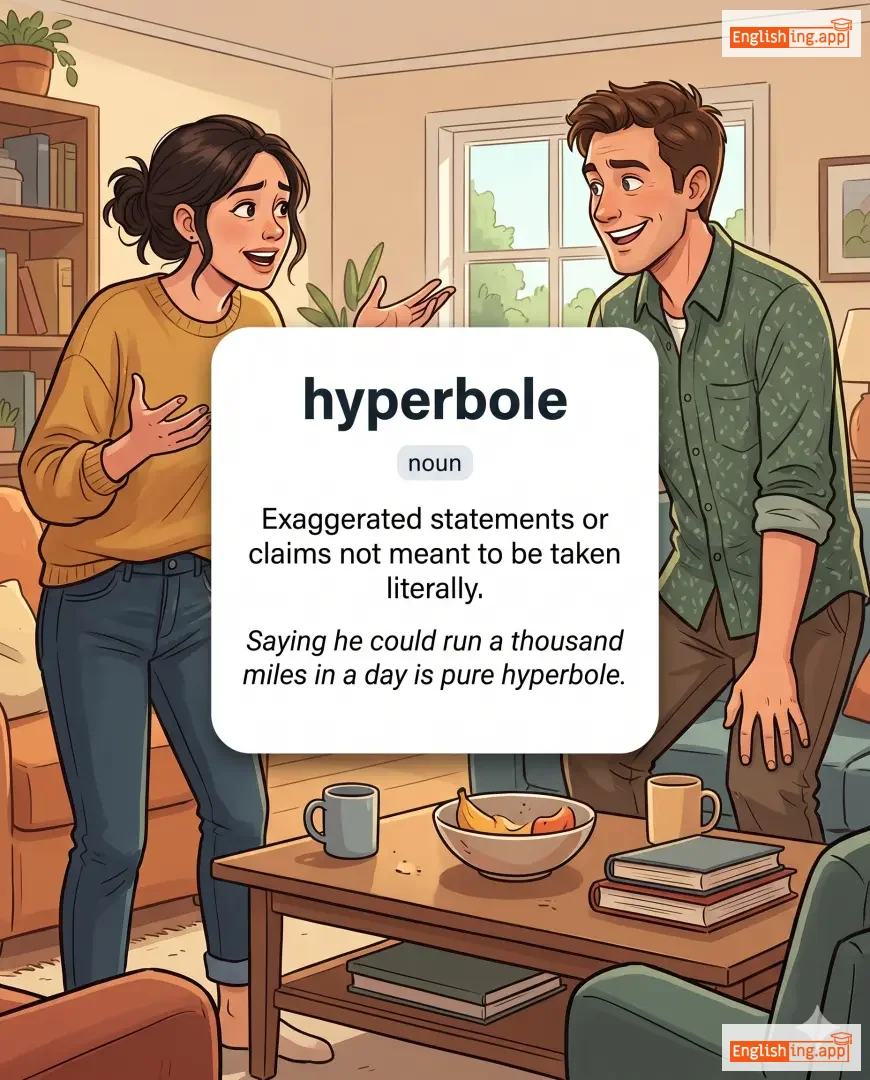
Exaggerated statements or claims not meant to be taken literally.
••••••
|
Saying 'I’m so hungry I could eat a horse' is a classic example of hyperbole. |
'私は馬を食べることができるほどお腹がすいている' は誇張法の典型的な例です。
'Watashi wa uma o taberu koto ga dekiru hodo onaka ga suiteiru' wa kochouhou no tenkeiteki na rei desu.
••••••
|
- •••••• | - •••••• | - •••••• |
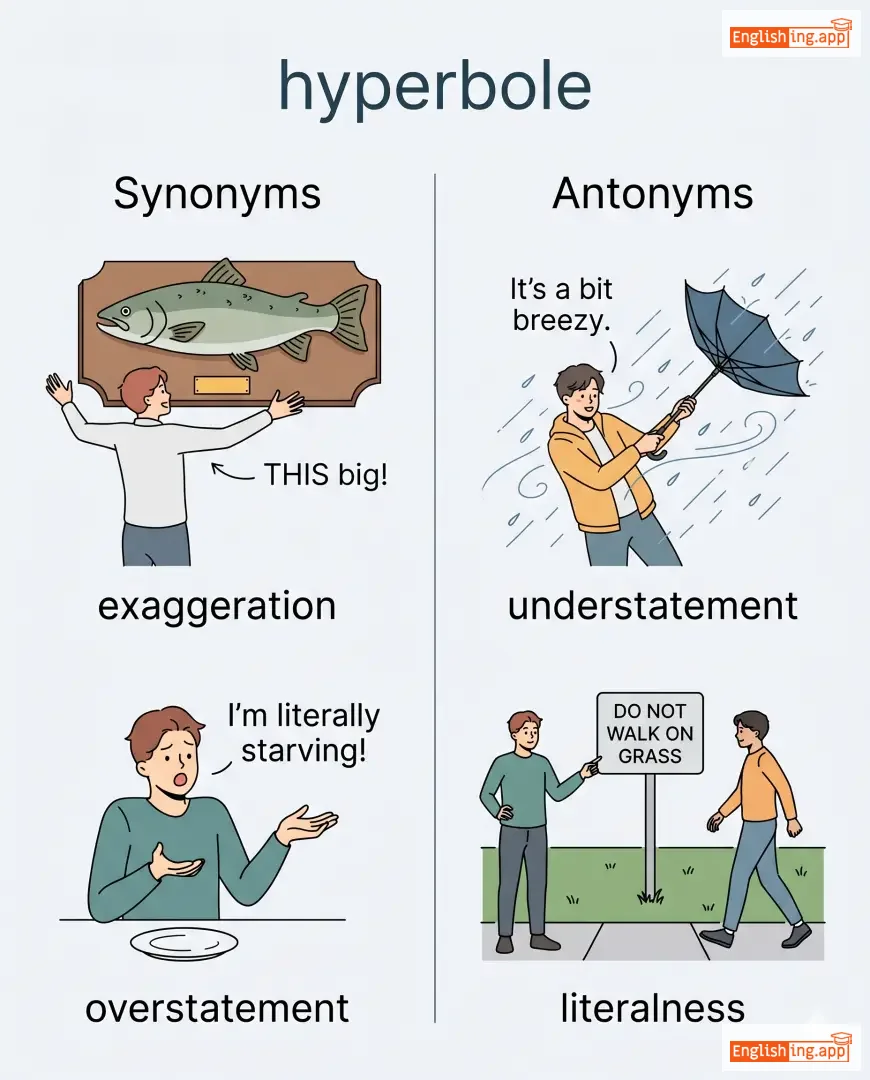
exaggeration, overstatement, embellishment, amplification
••••••
|
understatement, literalness
••••••
|
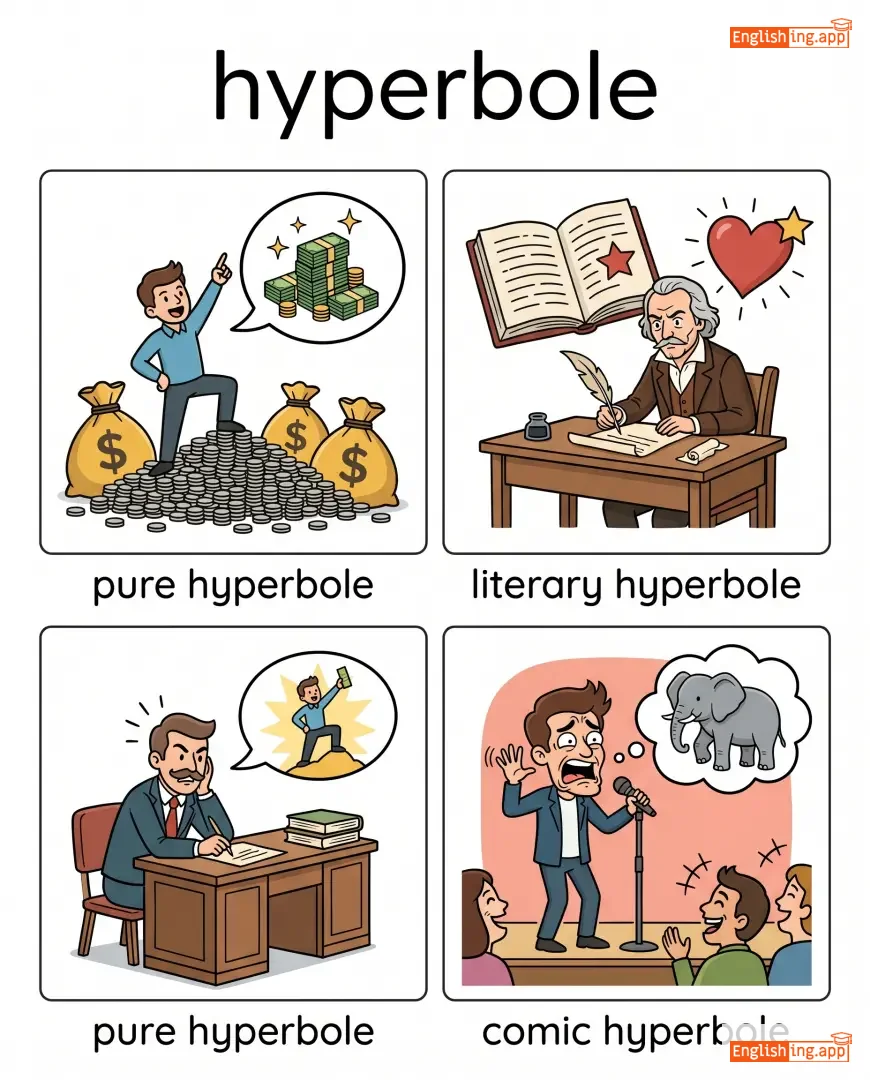
use hyperbole, classic hyperbole, rhetorical hyperbole, hyperbole in speech
••••••
|
Hyper + ボリ = 誇張法
••••••
|
|
#9896
😏
|
/ɪˈmɒdɪst/
adjective
(イモデスト)
••••••
|
- •••••• |
傲慢 / 不適切
ouman / futekisetsu
••••••
|
- •••••• | - •••••• | - •••••• | - •••••• |
lacking humility or decency; excessively proud or improper
••••••
|
His immodest remarks offended the audience. |
彼の傲慢な発言は観客を不快にさせた。
Kare no ouman na hatsugen wa kankyaku o fukai ni saseta.
••••••
|
- •••••• | - •••••• | - •••••• |
arrogant, boastful, indecent, shameless
••••••
|
modest, humble, decent
••••••
|
immodest behavior, immodest dress, immodest remarks, immodest attitude
••••••
|
Immodest = 謙遜がない = 高慢
••••••
|
|
#9897
🍩
|
/ɪˈmɒdərət/
adjective
(イモデレート)
••••••
|
- •••••• |
過度な
kadona
••••••
|
- •••••• | - •••••• | - •••••• | - •••••• |
excessive; beyond reasonable limits
••••••
|
He has an immoderate love for sweets.
彼はお菓子に対して過度の愛情を持っています。
••••••
|
彼はお菓子に対して過度の愛情を持っています。
Kare wa okashi ni taishite kadona aijō o motteimasu.
••••••
|
- •••••• | - •••••• | - •••••• |
excessive, extreme, extravagant, undue
••••••
|
moderate, balanced, restrained
••••••
|
immoderate desire, immoderate love, immoderate spending, immoderate behavior
••••••
|
Moderateは制限を意味し、Immoderateは制限なしを意味する🍩
••••••
|
|
#9898
🪑
|
/ɪˈmoʊbəl/
adjective
(イモバイル)
••••••
|
- •••••• |
動けない
ugokenai
••••••
|
- •••••• | - •••••• | - •••••• | - •••••• |
unable to move or be moved
••••••
|
After the accident, he was immobile for weeks. |
事故の後、彼は数週間動けなかった。
Jiko no ato, kare wa suushukan ugokenakatta.
••••••
|
- •••••• | - •••••• | - •••••• |
motionless, still, stationary, inactive
••••••
|
mobile, moving, active
••••••
|
remain immobile, immobile state, completely immobile, become immobile
••••••
|
Mobileは動ける、imobileは動けない。 🪑
••••••
|
|
#9899
⚡
|
/ɪˈmiːdiət/
adjective
(イミディエイト)
••••••
|
- •••••• |
即時
sokujī
••••••
|
- •••••• | - •••••• | - •••••• | - •••••• |
happening or done without delay
••••••
|
The doctor gave her immediate attention.
医者は彼女に即時の注意を与えました。
••••••
|
医者は彼女に即時の注意を与えました。
Isha wa kanojo ni sokujī no chūi o ataemashita.
••••••
|
in the immediate future
近い将来に
••••••
|
very soon, without delay
••••••
|
近い将来に
chikai shōrai ni
••••••
|
instant, prompt, direct, urgent, swift
••••••
|
delayed, gradual, postponed
••••••
|
immediate action, immediate effect, immediate response, immediate family
••••••
|
即時はすぐに ⚡ 例えば '即時に今!'
••••••
|
|
#9900
🦜
|
/ˈɪmɪteɪt/
verb
(イミテート)
••••••
|
|
模倣する
mohō suru
••••••
|
imitated
イミテーテッド
••••••
|
imitated
イミテーテッド
••••••
|
imitates
イミテーツ
••••••
|
imitating
イミテーティング
••••••
|
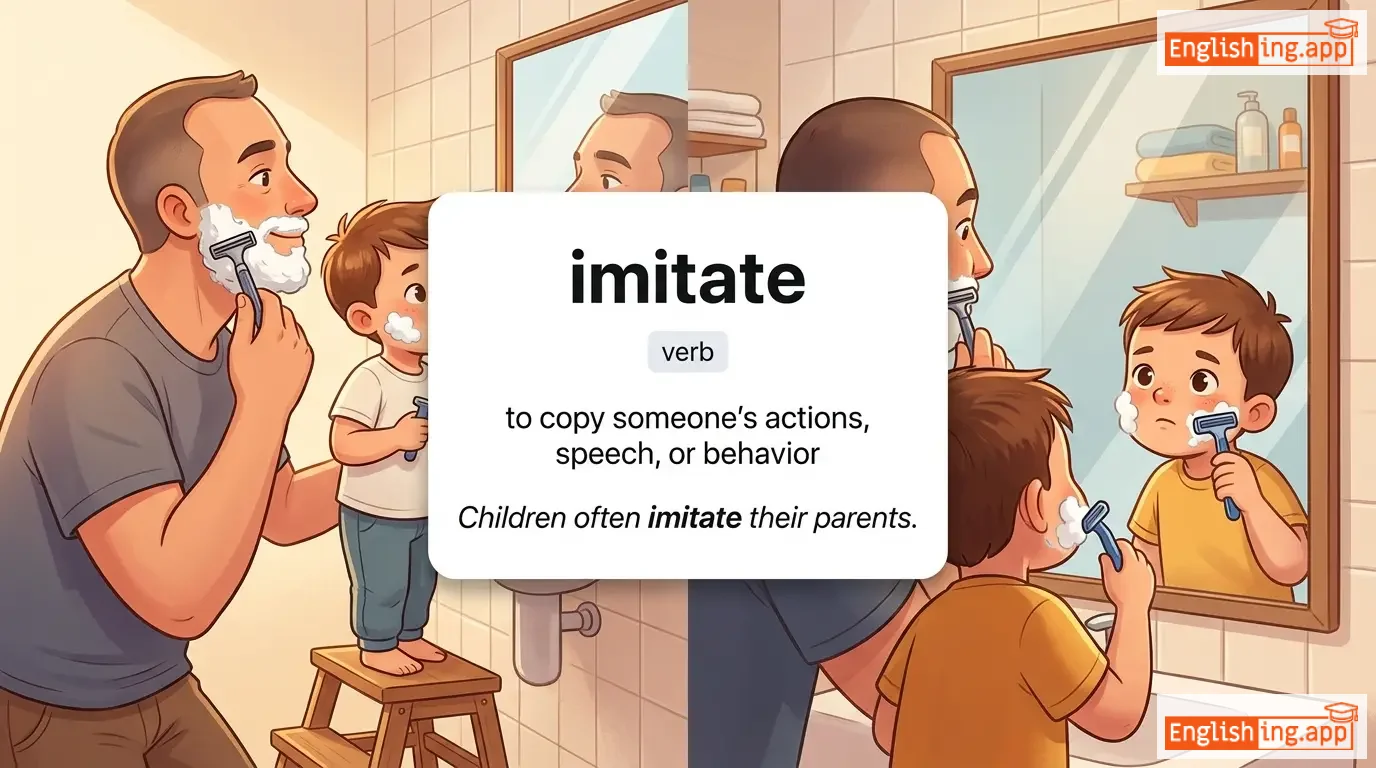
to copy someone's actions, speech, or behavior
••••••
|
Children often imitate their parents.
子供たちはしばしば親を真似ます。
••••••
|
子供たちはしばしば親を真似ます。
Kodomo-tachi wa shibashiba oya o manemasu.
••••••
|
imitation is the sincerest form of flattery
模倣は最も誠実な賛辞です
••••••
|
Copying someone shows admiration for them
••••••
|
模倣は最も誠実な賛辞です
Mohō wa mottomo seijitsu na sanji desu
••••••
|
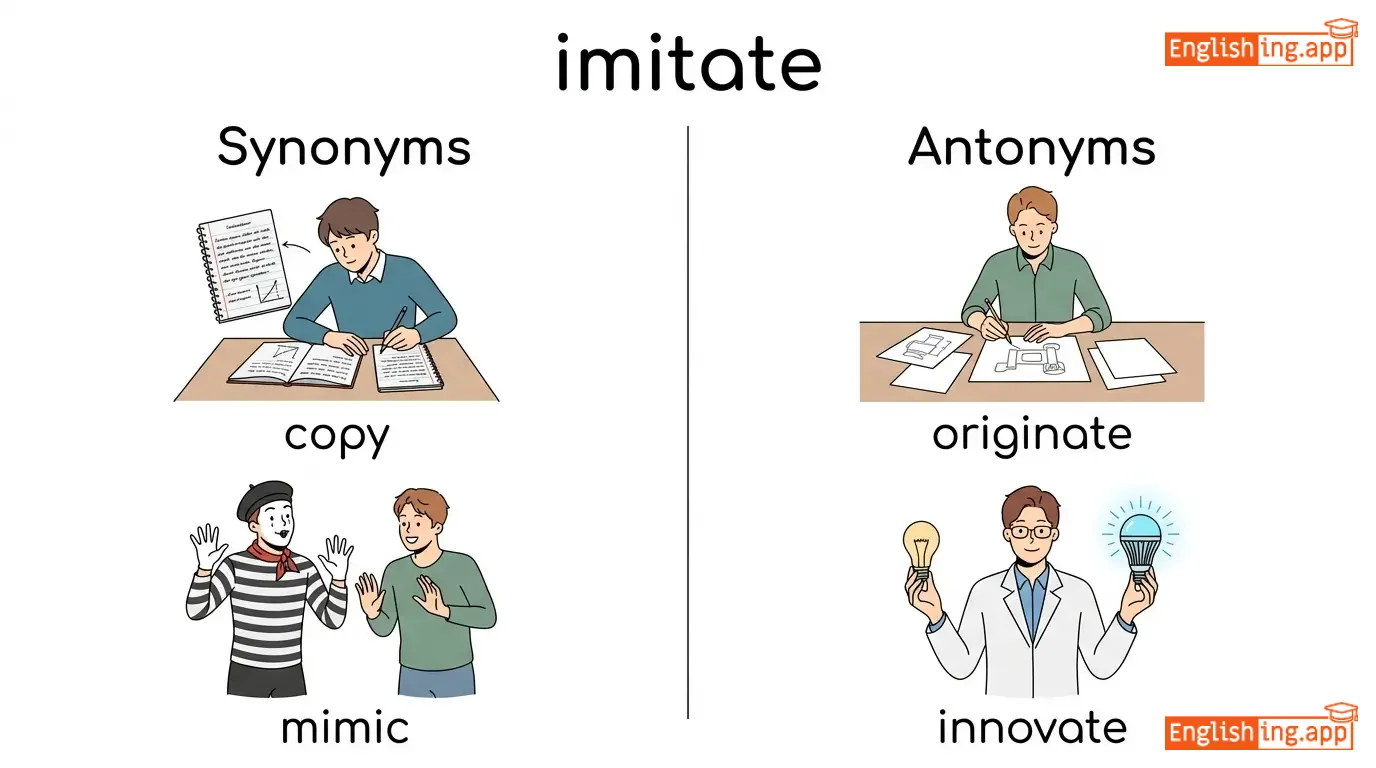
copy, mimic, emulate, replicate, reproduce
••••••
|
originate, innovate, create
••••••
|
imitate style, imitate behavior, imitate accent, imitate movements
••••••
|
イミテート(模倣)することで親の行動を学べます
••••••
|
|
#9901
🤔
|
/ɪˈmædʒ.ɪn/
verb
••••••
|
|
- •••••• |
imagined
••••••
|
imagined
••••••
|
imagines
••••••
|
imagining
••••••
|
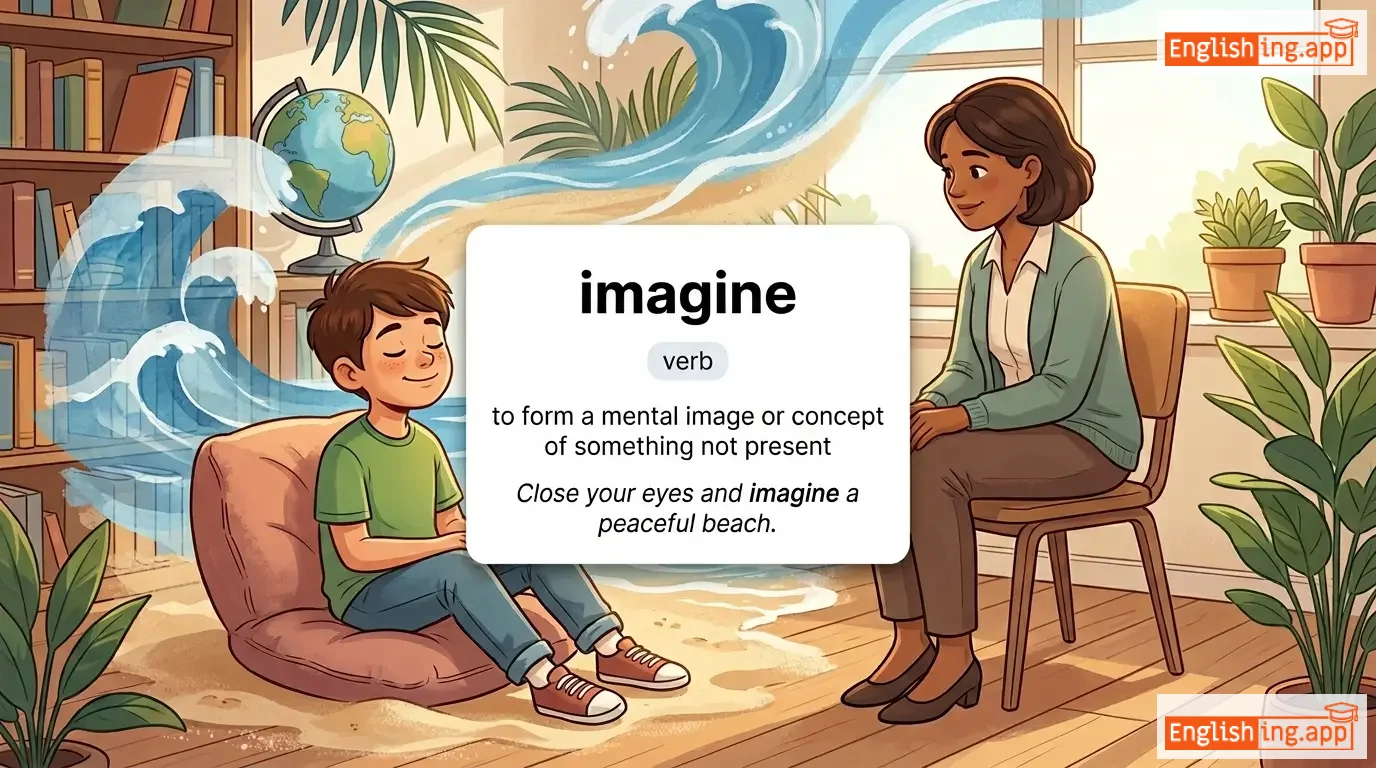
to form a mental image or concept of something not present
••••••
|
Close your eyes and imagine a peaceful beach. |
- •••••• |
imagine that |
used to express surprise or disbelief
••••••
|
- •••••• |
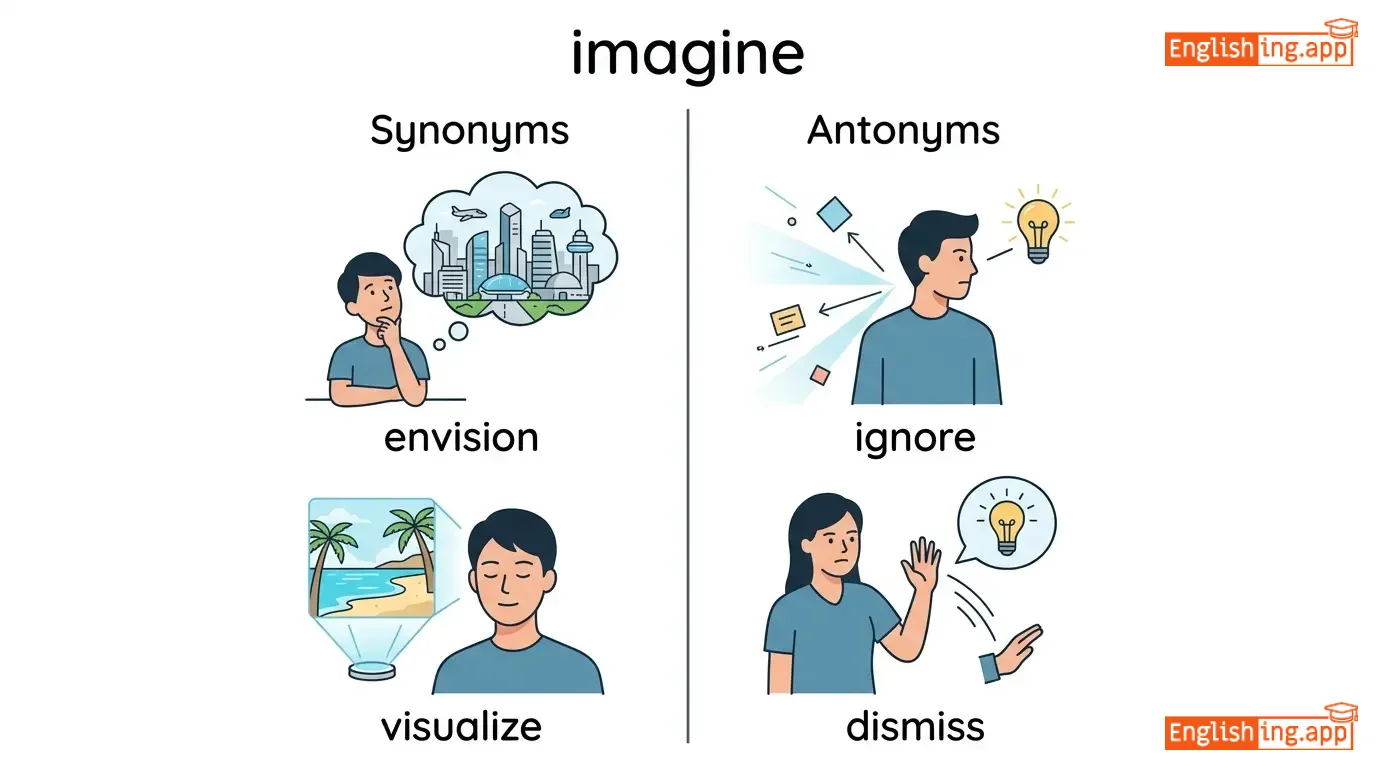
envision, visualize, picture, dream, conceive
••••••
|
ignore, dismiss
••••••
|
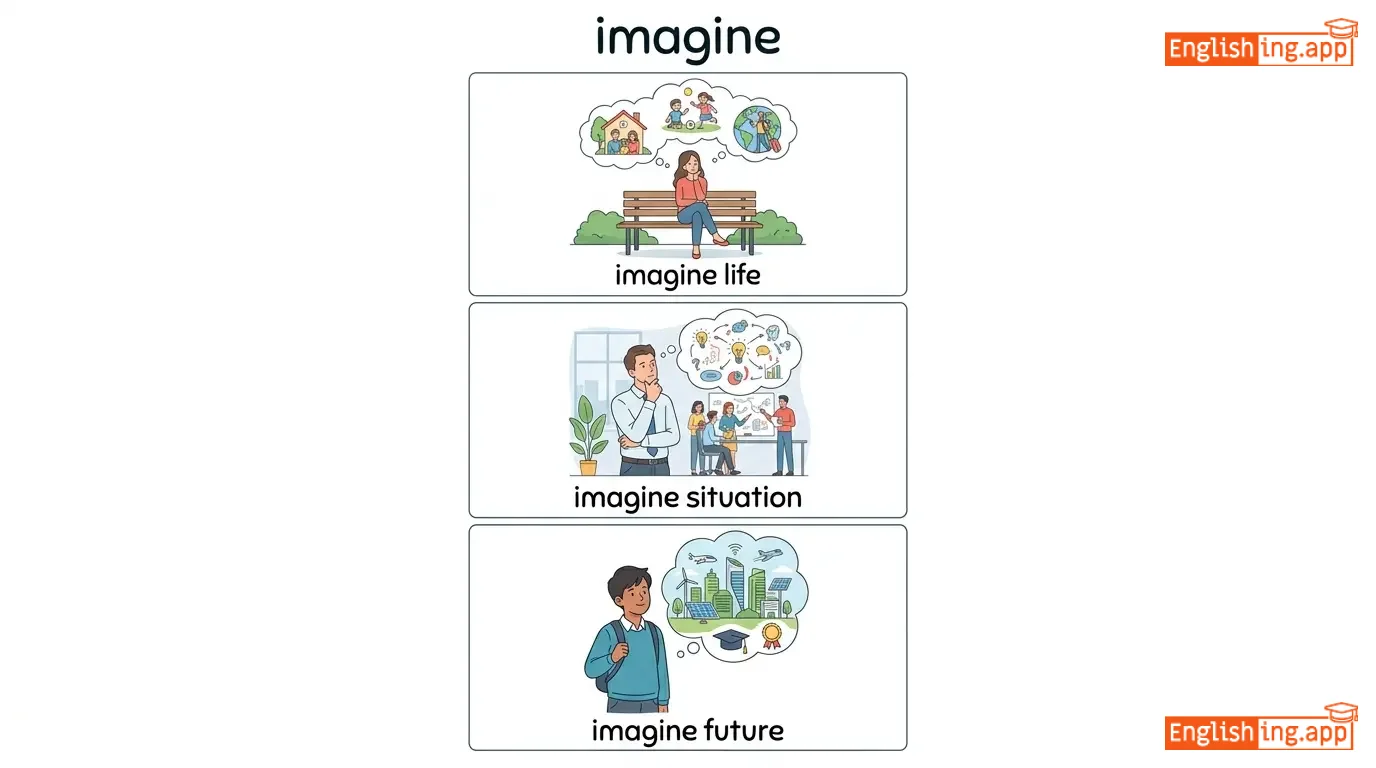
imagine life, imagine situation, imagine future
••••••
|
No •••••• |
|
#9902
🖼️
|
/ˈɪl.ə.streɪt/
verb
(イラストレート)
••••••
|
- •••••• |
説明する
setsumei suru
••••••
|
illustrated
イラストレイテッド
••••••
|
illustrated
イラストレイテッド
••••••
|
illustrates
イラストレーツ
••••••
|
illustrating
イラストレイティング
••••••
|
to explain or make something clear by using examples, pictures, or comparisons
••••••
|
The teacher used diagrams to illustrate the concept.
先生はその概念を説明するために図を使いました。
••••••
|
先生はその概念を説明するために図を使いました。
Sensei wa sono gainen o setsumei suru tame ni zu o tsukaimashita.
••••••
|
to illustrate the point
ポイントを説明する
••••••
|
to make an idea clearer with an example
••••••
|
ポイントを説明する
Pointo o setsumei suru
••••••
|
explain, demonstrate, clarify, depict, exemplify
••••••
|
confuse, obscure
••••••
|
illustrate clearly, illustrate example, illustrate concept
••••••
|
イラストレートは図で説明すること—'Illustrate = イラストで説明'
••••••
|
|
#9903
🙉
|
/ɪɡˈnɔːr/
verb
(イグノア)
••••••
|
|
無視する
mushi suru
••••••
|
ignored
イグノアード
••••••
|
ignored
イグノアード
••••••
|
ignores
イグノアーズ
••••••
|
ignoring
イグノアリング
••••••
|
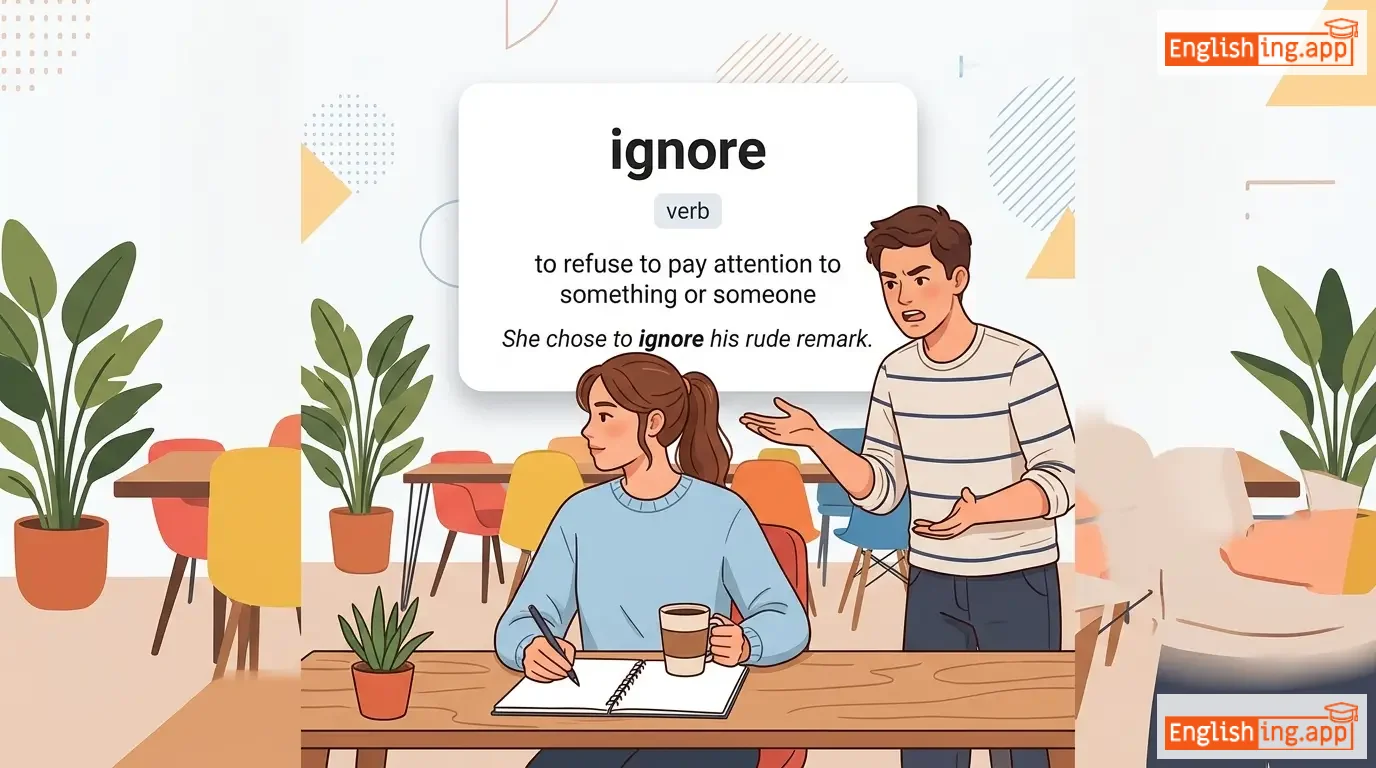
to refuse to pay attention to something or someone
••••••
|
She chose to ignore his rude remark.
彼女は彼の失礼なコメントを無視することを選んだ。
••••••
|
彼女は彼の失礼なコメントを無視することを選んだ。
Kanojo wa kare no shitsurei na komento o mushi suru koto o eranda.
••••••
|
ignore the elephant in the room
部屋の中の象を無視する
••••••
|
to deliberately avoid talking about a major issue
••••••
|
部屋の中の象を無視する
Heya no naka no zō o mushi suru
••••••
|
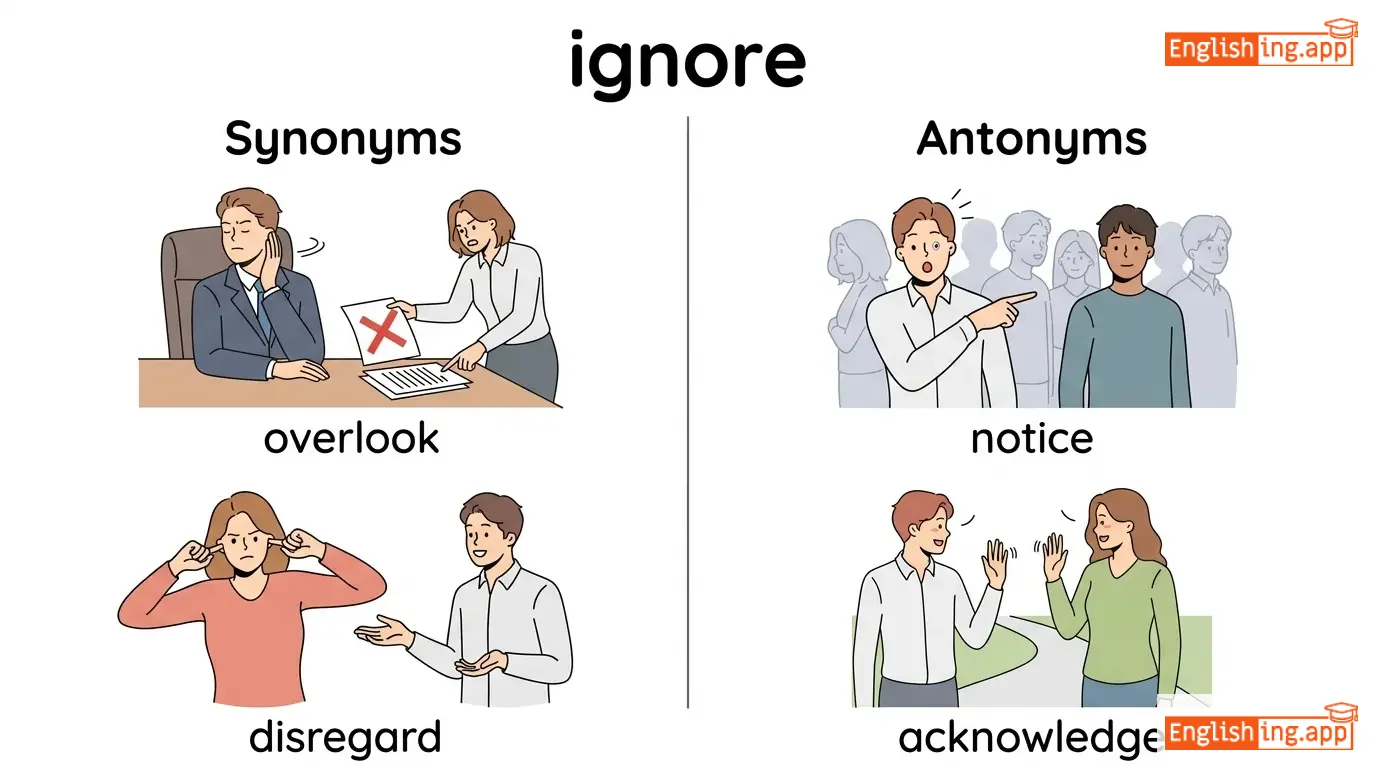
overlook, disregard, neglect, avoid, dismiss
••••••
|
notice, acknowledge, recognize
••••••
|
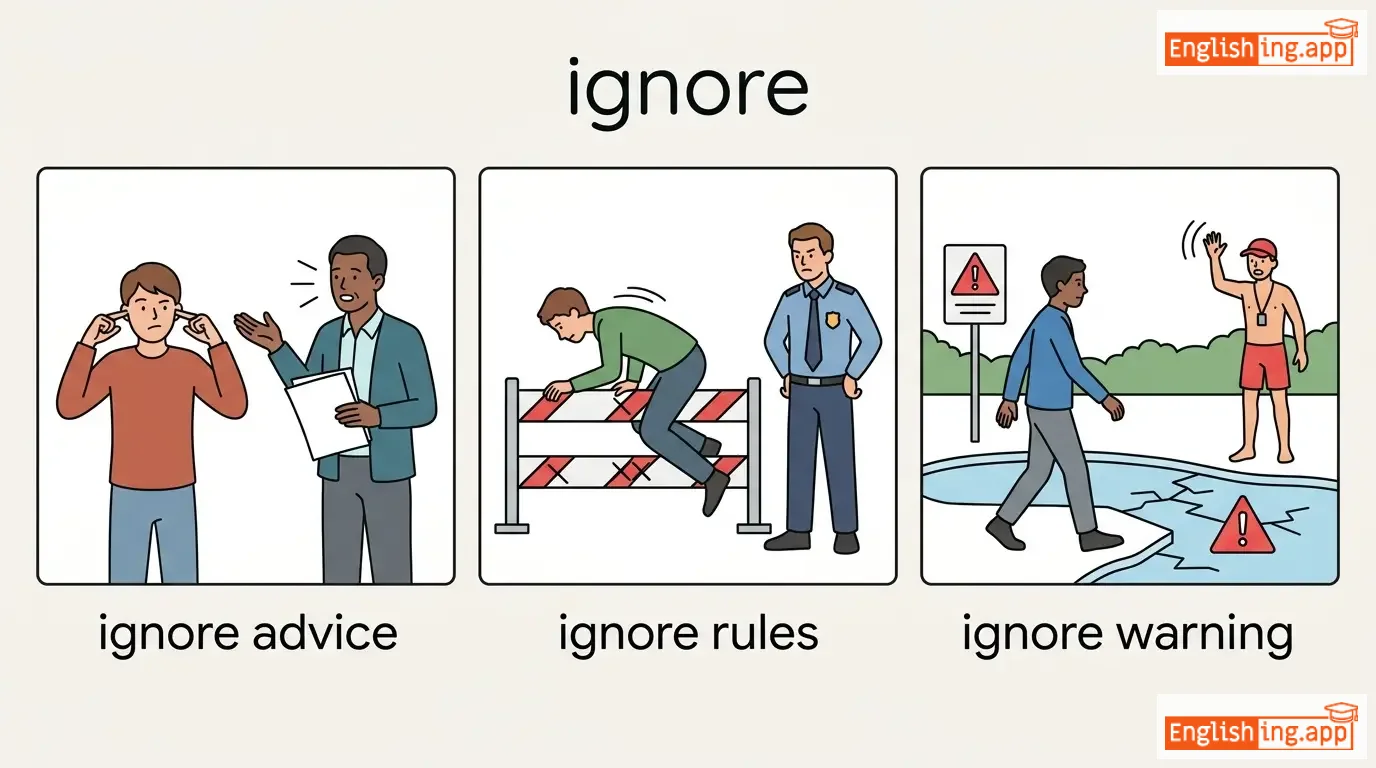
ignore advice, ignore rules, ignore warning
••••••
|
無視するは'無視!'と言って無視すること
••••••
|
|
#9904
🙈
|
/ˈɪɡ.nər.ənt/
adjective
(イグノラント)
••••••
|
- •••••• |
無知
muchi
••••••
|
- •••••• | - •••••• | - •••••• | - •••••• |
lacking knowledge, awareness, or education
••••••
|
He made an ignorant comment about the culture. |
彼は文化について無知なコメントをした。
Kare wa bunka ni tsuite muchi na komento o shita.
••••••
|
ignorant bliss |
a state of happiness from not knowing something
••••••
|
無知の幸せ
muchi no shiawase
••••••
|
uneducated, uninformed, unaware, oblivious, naive
••••••
|
knowledgeable, aware, educated
••••••
|
ignorant of, totally ignorant, seem ignorant
••••••
|
無知とは、知識がないことであり、無知の幸せは知ることから来ない。
••••••
|
|
#9905
❓
|
/ɪf/
conjunction
(イフ)
••••••
|
- •••••• |
もし
moshi
••••••
|
- •••••• | - •••••• | - •••••• | - •••••• |
used to introduce a condition or supposition
••••••
|
If it rains tomorrow, we will stay home. |
もし明日雨が降ったら、私たちは家にいます。
Moshi ashita ame ga futtara, watashitachi wa ie ni imasu.
••••••
|
if only |
used to express a wish or regret
••••••
|
もし...なら
moshi...nara
••••••
|
provided that, assuming, in case, supposing
••••••
|
certainly, definitely
••••••
|
if necessary, if possible, if only, if so
••••••
|
もしはもし—'If 雨が降る' は 'Moshi ame ga furu'
••••••
|
|
#9906
😴
|
/ˈaɪdlər/
noun
(アイドラー)
••••••
|
- •••••• |
怠け者
namakemono
••••••
|
- •••••• | - •••••• | - •••••• | - •••••• |
A person who avoids work or spends time lazily.
••••••
|
He was known as an idler who wasted his days.
彼は自分の時間を無駄にするアイドラーとして知られていました。
••••••
|
彼は自分の時間を無駄にするアイドラーとして知られていました。
Kare wa jibun no jikan o mudani suru aidorā to shite shirareteimashita.
••••••
|
- •••••• | - •••••• | - •••••• |
loafer, slacker, lazybones, shirker
••••••
|
worker, laborer, industrious person
••••••
|
lazy idler, useless idler, idle hands, good-for-nothing idler
••••••
|
Idler = 怠け者 = いつも仕事をさぼって時間を無駄にしている。
••••••
|
|
#9907
👯
|
/aɪˈdentɪkl/
adjective
(アイデンティカル)
••••••
|
- •••••• |
同一の
dōitsu no
••••••
|
- •••••• | - •••••• | - •••••• | - •••••• |
Exactly the same in every detail.
••••••
|
The twins wore identical clothes. |
双子は同一の服を着ていた。
Futago wa dōitsu no fuku o kite ita.
••••••
|
identical twin |
one of two twins who look exactly the same
••••••
|
同一の双子
dōitsu no futago
••••••
|
same, indistinguishable, equal, duplicate
••••••
|
different, distinct, varied
••••••
|
identical clothes, identical result, almost identical, virtually identical
••••••
|
Identicalは日本語で'同一の'、まるで同じように見える双子のようです。
••••••
|
|
#9908
🧠
|
/ˌaɪdiˈeɪʃən/
noun
(アイデイエイション)
••••••
|
|
アイデア創造
aidea souzou
••••••
|
- •••••• | - •••••• | - •••••• | - •••••• |
The process of forming ideas or concepts.
••••••
|
The workshop focused on ideation and brainstorming. |
ワークショップはアイデア創造とブレインストーミングに焦点を当てました。
Wākushoppu wa aidea souzou to bureinsutoomingu ni shōten o atemashita.
••••••
|
- •••••• | - •••••• | - •••••• |
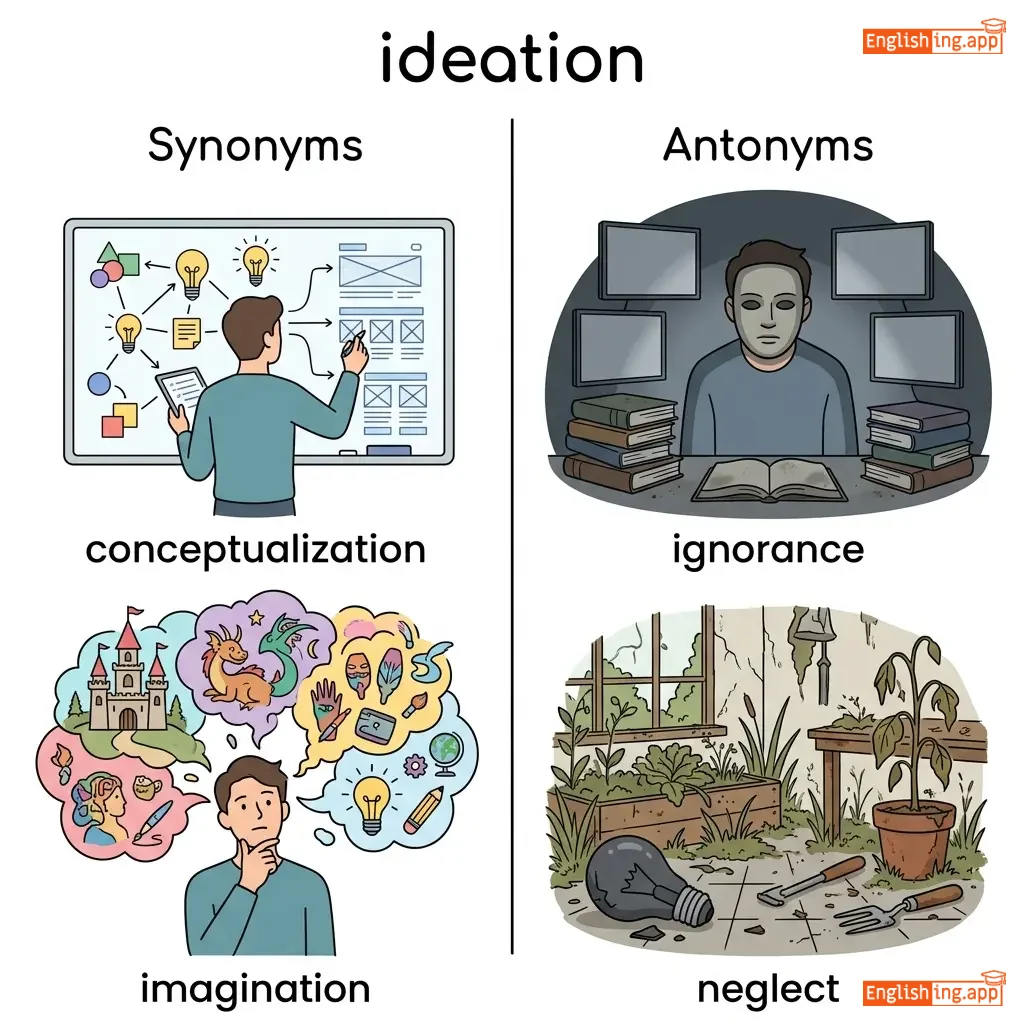
conceptualization, imagination, invention, brainstorming
••••••
|
ignorance, neglect
••••••
|
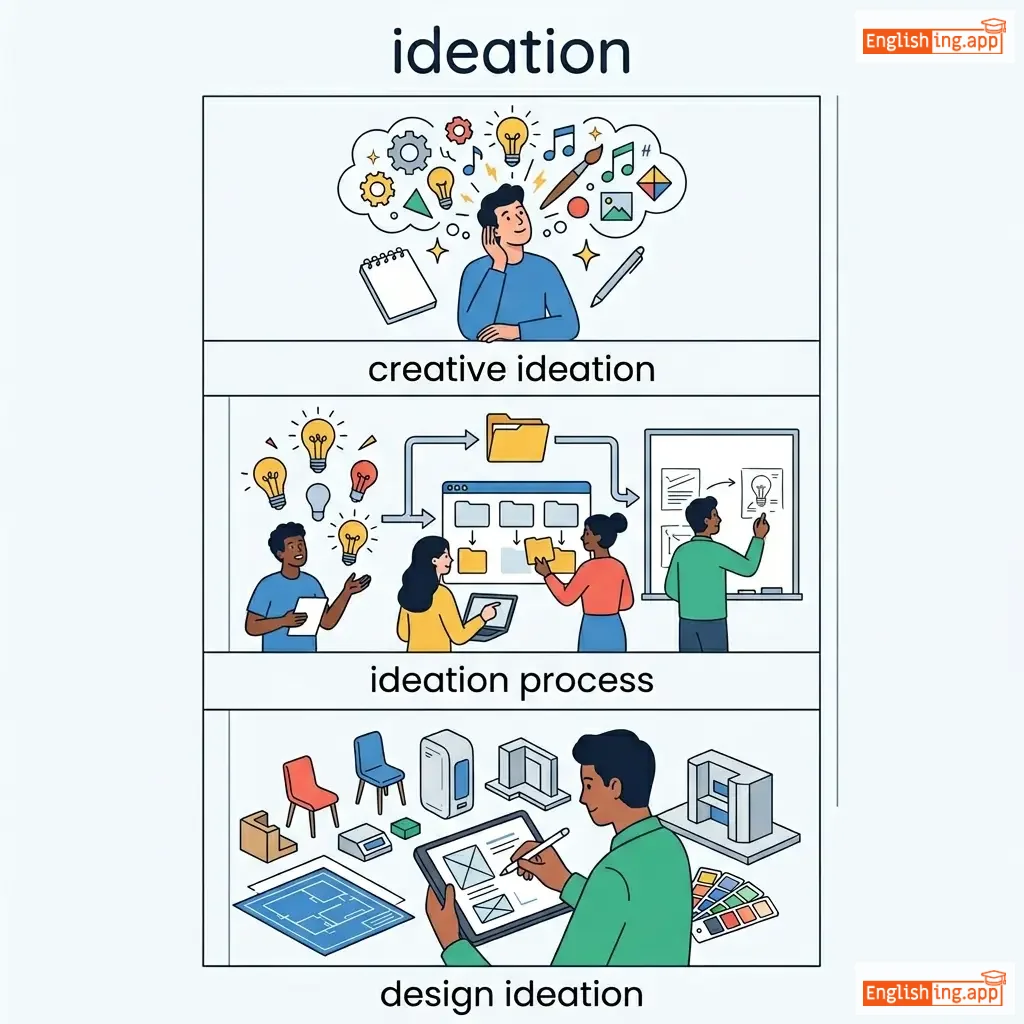
creative ideation, ideation process, design ideation, group ideation
••••••
|
Idea + tion = アイデア創造のプロセス、ideation
••••••
|
|
#9909
💡
|
/aɪˈdiːə/
noun
(アイデア)
••••••
|
- •••••• |
アイデア
idea
••••••
|
- •••••• | - •••••• | - •••••• | - •••••• |
A thought, plan, or suggestion about what to do.
••••••
|
She had a brilliant idea for a new business. |
彼女は新しいビジネスのために素晴らしいアイデアを持っていました。
Kanojo wa atarashii bijinesu no tame ni subarashii idea wo motte imashita.
••••••
|
bright idea |
a clever or creative thought or solution
••••••
|
良いアイデア
yoi idea
••••••
|
concept, notion, plan, thought, suggestion
••••••
|
ignorance, misunderstanding
••••••
|
good idea, brilliant idea, bad idea, business idea, creative idea
••••••
|
アイデアは頭の中で光る電球💡のようなものです
••••••
|
|
#9910
🎓
|
/ˈhaɪˌbraʊ/
adjective
(ハイブロー)
••••••
|
- •••••• |
知的に優れた
chiteki ni sugureta
••••••
|
- •••••• | - •••••• | - •••••• | - •••••• |
intellectually superior or cultured; often describing art, literature, or activities appealing to intellectual tastes
••••••
|
The museum is known for its highbrow exhibitions. |
その博物館は知的な展示で知られています。
Sono hakubutsukan wa chitekina tenji de shirareteimasu.
••••••
|
- •••••• | - •••••• | - •••••• |
intellectual, cultured, sophisticated, refined, erudite
••••••
|
lowbrow, uncultured, ignorant
••••••
|
highbrow culture, highbrow art, highbrow literature, highbrow taste
••••••
|
Highbrowは、高い文化や知識を持っている人を表します。
••••••
|
|
#9911
🏃
|
/ˈhʌri/
verb
(ハリー)
••••••
|
|
急ぐ
isogu
••••••
|
hurried
ハリード
••••••
|
hurried
ハリード
••••••
|
hurries
ハリーズ
••••••
|
hurrying
ハリーング
••••••
|
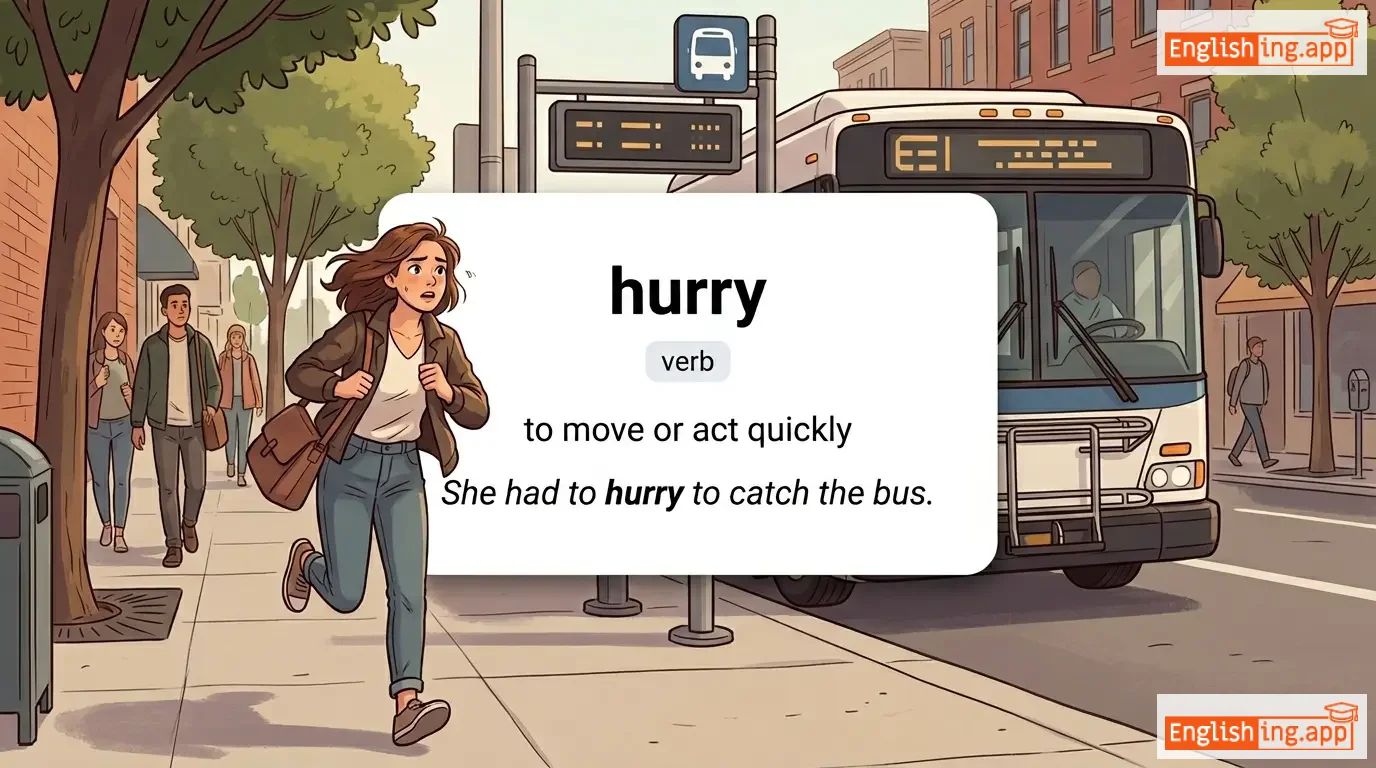
to move or act quickly
••••••
|
She had to hurry to catch the bus.
彼女はバスに乗るためにハリーをしなければならなかった。
••••••
|
彼女はバスに乗るために急がなければならなかった。
Kanojo wa basu ni noru tame ni isoganakereba naranakatta.
••••••
|
in a hurry
急いで
••••••
|
rushing or pressed for time
••••••
|
急いで
isoide
••••••
|
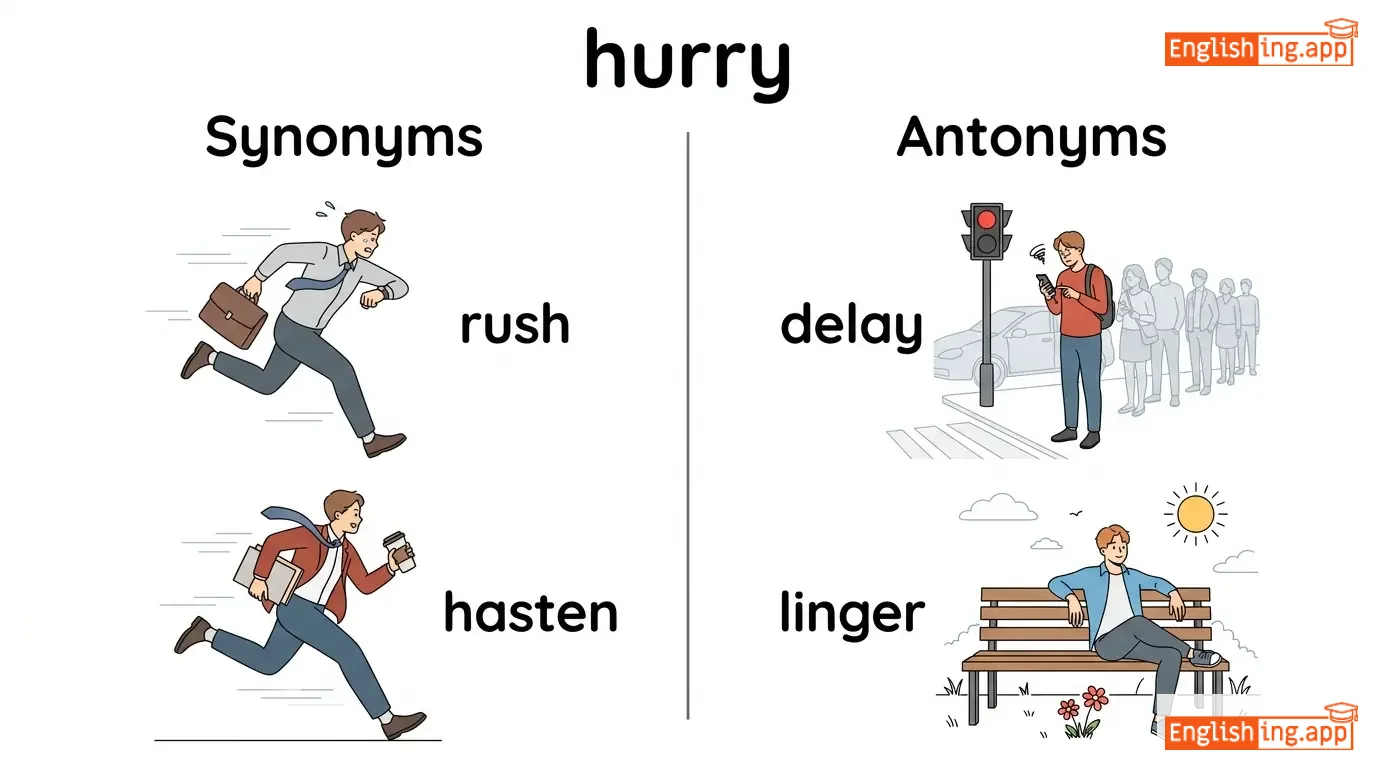
rush, hasten, speed, scurry, dash
••••••
|
delay, linger, wait
••••••
|
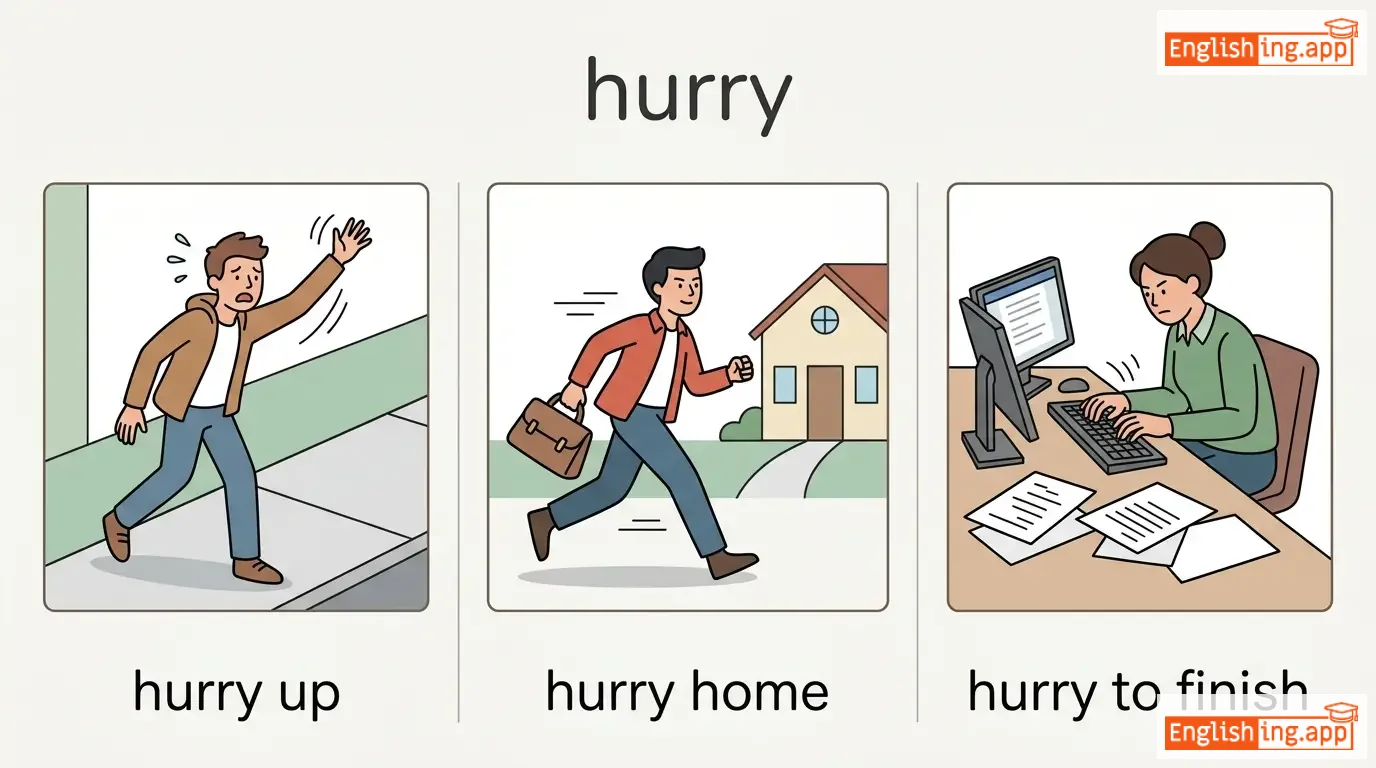
hurry up, hurry home, hurry to finish, hurry back
••••••
|
Hurryは '急ぐ' を意味します – 速く動く
••••••
|
|
#9912
🍽️
|
/ˈhʌŋɡər/
noun
(ハンガー)
••••••
|
- •••••• |
飢餓
kiga
••••••
|
- •••••• | - •••••• | - •••••• | - •••••• |
the feeling of discomfort caused by lack of food
••••••
|
The child cried out of hunger. |
その子供は飢えで泣いていました。
Sono kodomo wa ue de naite imashita.
••••••
|
hunger for success |
a strong desire to achieve success
••••••
|
成功への飢え
seikou e no ue
••••••
|
starvation, appetite, craving, emptiness
••••••
|
satisfaction, fullness
••••••
|
die of hunger, hunger strike, hunger for power, hunger relief
••••••
|
Hunger = 飢餓, Hungry = 飢えた
••••••
|
|
#9913
🗻
|
/hjuːdʒ/
adjective
(hyuj)
••••••
|
- •••••• |
巨大な
kyodaina
••••••
|
- •••••• | - •••••• | - •••••• | - •••••• |
extremely large in size or amount
••••••
|
The stadium was filled with a huge crowd. |
スタジアムは巨大な群衆で埋め尽くされていました。
sutajiamu wa kyodaina gunshū de umetsukusarete imashita.
••••••
|
make a huge difference |
to have a significant effect on something
••••••
|
大きな違いを生む
ōkina chigai o umu
••••••
|
enormous, massive, gigantic, vast, colossal
••••••
|
tiny, small, little
••••••
|
huge success, huge amount, huge crowd, huge impact
••••••
|
Hugeは巨大な意味、巨大な群衆 = 巨大な集まり
••••••
|
|
#9914
🚪
|
/ˈhaʊsˌbreɪkɪŋ/
noun
(ハウスブレイキング)
••••••
|
- •••••• |
住居侵入
jūkyo shinnyū
••••••
|
- •••••• | - •••••• | - •••••• | - •••••• |
the crime of breaking into a house with intent to steal
••••••
|
The thief was arrested for housebreaking. |
泥棒は住居侵入で逮捕された。
Dorobō wa jūkyo shinnyū de taiho sareta.
••••••
|
- •••••• | - •••••• | - •••••• |
burglary, break-in, intrusion, robbery
••••••
|
protection, security
••••••
|
charged with housebreaking, housebreaking case, housebreaking crime
••••••
|
House + breaking = 住居侵入
••••••
|
|
#9915
😠
|
/ˈhɒstaɪl/
adjective
(ホスタイル)
••••••
|
- •••••• |
敵対的
tekitai-teki
••••••
|
- •••••• | - •••••• | - •••••• | - •••••• |
showing or feeling opposition, dislike, or hatred
••••••
|
The soldiers entered a hostile territory. |
兵士たちは敵対的な領土に入った。
Heishitachi wa tekitai-teki na ryōdo ni haitta.
••••••
|
hostile takeover |
an acquisition of a company opposed by the company's management
••••••
|
敵対的買収
tekitai-teki baishū
••••••
|
aggressive, antagonistic, unfriendly, opposed, bitter
••••••
|
friendly, peaceful, supportive
••••••
|
hostile environment, hostile forces, hostile attitude, hostile takeover
••••••
|
敵対的 – 敵のようなホスト
••••••
|
|
#9916
🏅
|
/ˈɑːnər/
noun
(オナー)
••••••
|
- •••••• |
名誉
meiyo
••••••
|
- •••••• | - •••••• | - •••••• | - •••••• |
high respect; great esteem
••••••
|
He received an award in honor of his achievements. |
彼は業績を讃えて名誉を受け取った。
Kare wa gyōseki o tataete meiyo o uketotta.
••••••
|
do someone the honor |
to respectfully accept or recognize someone
••••••
|
誰かに名誉を授ける
dareka ni meiyo o sasugeru
••••••
|
respect, esteem, recognition, dignity, admiration
••••••
|
dishonor, disgrace, shame
••••••
|
in honor of, bring honor, great honor, honor code
••••••
|
名誉は尊敬を意味し、'名誉ある人'は常に名誉を受け取ります。
••••••
|
|
#9917
🤲
|
/ˈɑːnɪst/
adjective
(オネスト)
••••••
|
- •••••• |
正直
shoujiki
••••••
|
- •••••• | - •••••• | - •••••• | - •••••• |
free of deceit and untruthfulness; sincere
••••••
|
She is known as an honest and trustworthy person.
彼女は誠実で信頼できる人物として知られています。
••••••
|
彼女は誠実で信頼できる人物として知られています。
Kanojo wa seijitsu de shinrai dekiru jinbutsu toshite shirareteimasu.
••••••
|
to be honest
正直でいる
••••••
|
used to emphasize that what is being said is true
••••••
|
正直でいる
shoujiki de iru
••••••
|
truthful, sincere, genuine, trustworthy, fair
••••••
|
dishonest, deceitful, untruthful
••••••
|
honest opinion, honest mistake, honest man, be honest
••••••
|
正直は正直、'正義と誠実'で覚えよう
••••••
|
|
#9918
🩸
|
/ˈhɑːmɪsaɪd/
noun
(ホミサイド)
••••••
|
- •••••• |
殺人
satsujin
••••••
|
- •••••• | - •••••• | - •••••• | - •••••• |
the killing of one human being by another
••••••
|
The police are investigating a case of homicide. |
警察は殺人事件を調査している。
Keisatsu wa satsujin jiken o chōsa shite iru.
••••••
|
- •••••• | - •••••• | - •••••• |
murder, killing, assassination, manslaughter
••••••
|
birth, rescue
••••••
|
commit homicide, homicide case, investigate homicide, homicide victim
••••••
|
Homicide, 'Homi + cide' means killing in Japanese.
••••••
|
|
#9919
💊
|
/ˌhoʊmiˈɑːpəθi/
noun
(ホメオパシー)
••••••
|
- •••••• |
ホメオパシー
homeopathy
••••••
|
- •••••• | - •••••• | - •••••• | - •••••• |
a system of alternative medicine based on treating diseases with highly diluted substances
••••••
|
He believes in homeopathy for treating common colds. |
彼は風邪を治すためにホメオパシーを信じています。
Kare wa kaze o naosu tame ni homeopathy o shinjiteimasu.
••••••
|
- •••••• | - •••••• | - •••••• |
alternative medicine, holistic medicine, natural medicine
••••••
|
allopathy, conventional medicine
••••••
|
practice homeopathy, homeopathy treatment, study homeopathy
••••••
|
Homeo + pathie は、家のように優しい治療法を意味します。
••••••
|
|
#9920
🏠
|
/hoʊm/
noun
(ホム)
••••••
|
- •••••• |
家
ie
••••••
|
- •••••• | - •••••• | - •••••• | - •••••• |
the place where one lives, especially with family; a residence
••••••
|
She finally returned home after a long journey. |
彼女は長い旅の後、やっと家に帰りました。
Kanojo wa nagai tabi no ato, yatto ie ni kaerimashita.
••••••
|
home sweet home |
used to express pleasure at returning to one's home
••••••
|
家、スイートホーム
Ie, suīto hōmu
••••••
|
house, residence, dwelling, abode, household
••••••
|
office, workplace, street
••••••
|
go home, come home, home address, home town, home life
••••••
|
Homeは家、心が永遠に感じる場所です。
••••••
|
|
#9921
🌍
|
/hoʊˈlɪstɪk/
adjective
(ホリスティック)
••••••
|
|
全体的な
zentai-teki na
••••••
|
- •••••• | - •••••• | - •••••• | - •••••• |
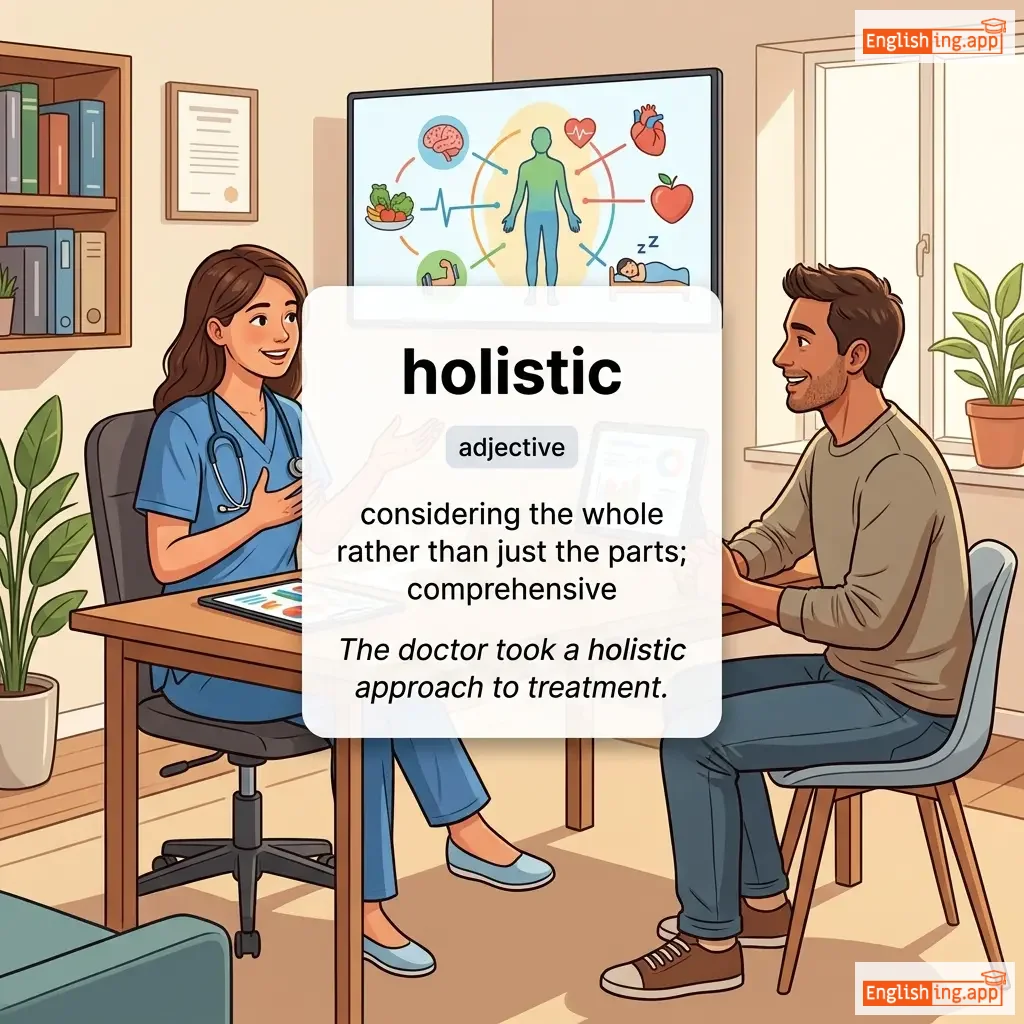
considering the whole rather than just the parts; comprehensive
••••••
|
The doctor took a holistic approach to treatment. |
医者は治療に対して全体的なアプローチを採用しました。
Isha wa chiryo ni taishite zentai-teki na apurōchi o saiyō shimashita.
••••••
|
- •••••• | - •••••• | - •••••• |
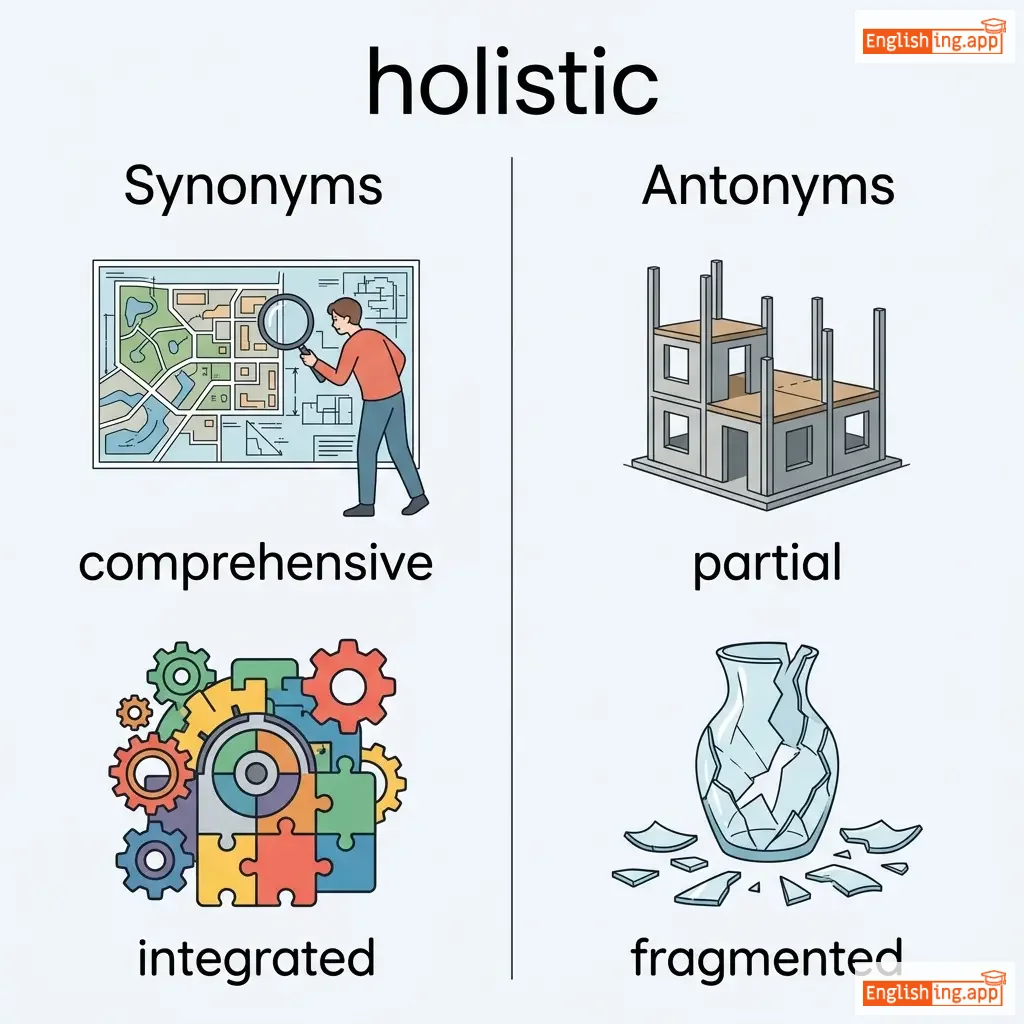
comprehensive, integrated, complete, entire, whole
••••••
|
partial, fragmented
••••••
|
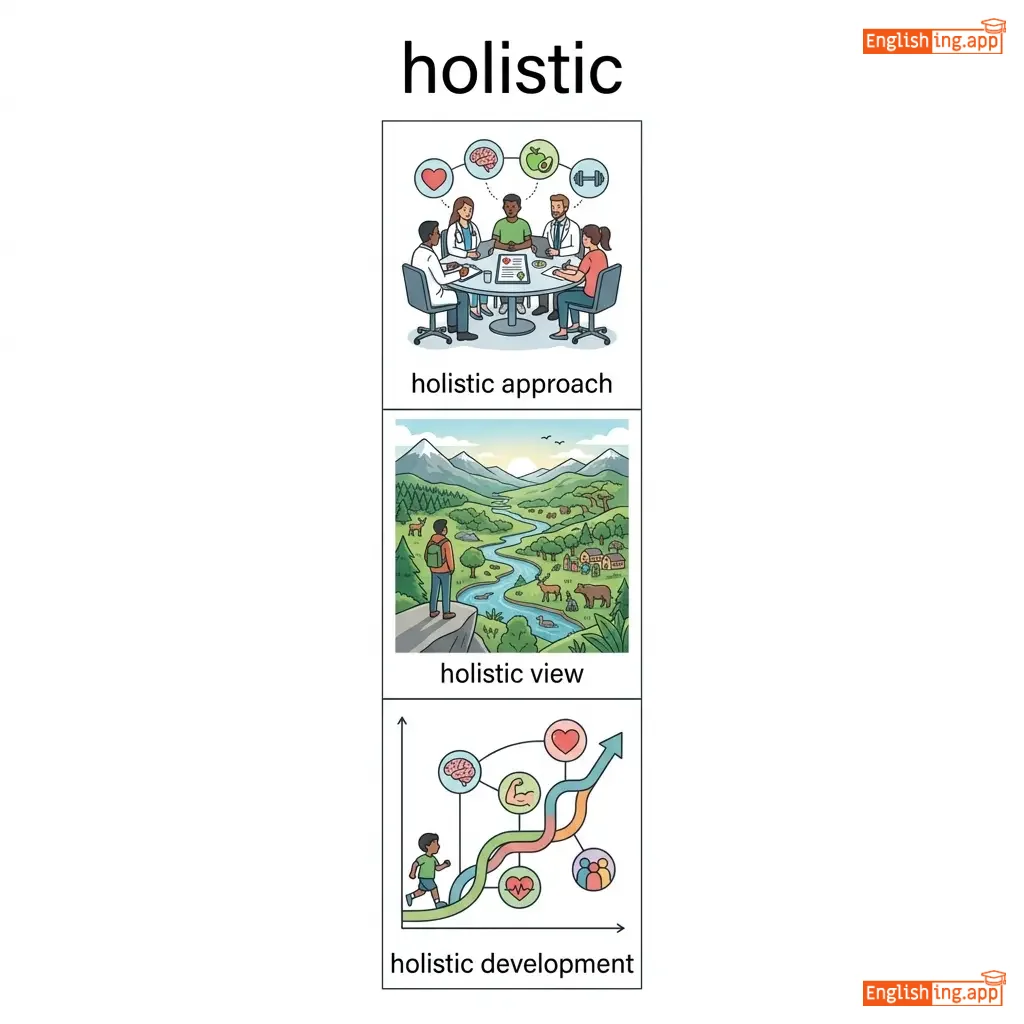
holistic approach, holistic view, holistic development, holistic treatment
••••••
|
全体的な意味は、部分だけでなく全体を考慮することです。
••••••
|
|
#9922
🕳️
|
/hoʊl/
noun
(ホール)
••••••
|
- •••••• |
穴
ana
••••••
|
- •••••• | - •••••• | - •••••• | - •••••• |
an opening, gap, or hollow place in a solid surface
••••••
|
There is a hole in my shirt. |
シャツに穴があります。
Shatsu ni ana ga arimasu.
••••••
|
in a hole |
in a difficult or troublesome situation
••••••
|
穴に入る
ana ni hairu
••••••
|
gap, opening, cavity, pit, hollow
••••••
|
solid, whole
••••••
|
dig a hole, small hole, deep hole, in a hole
••••••
|
Hole = 穴, 覚えておいて hole = シャツの穴
••••••
|
|
#9923
✋
|
/hoʊld/
verb
(ホールド)
••••••
|
|
持つ
motsu
••••••
|
held
ヘルド
••••••
|
held
ヘルド
••••••
|
holds
ホールズ
••••••
|
holding
ホールディング
••••••
|
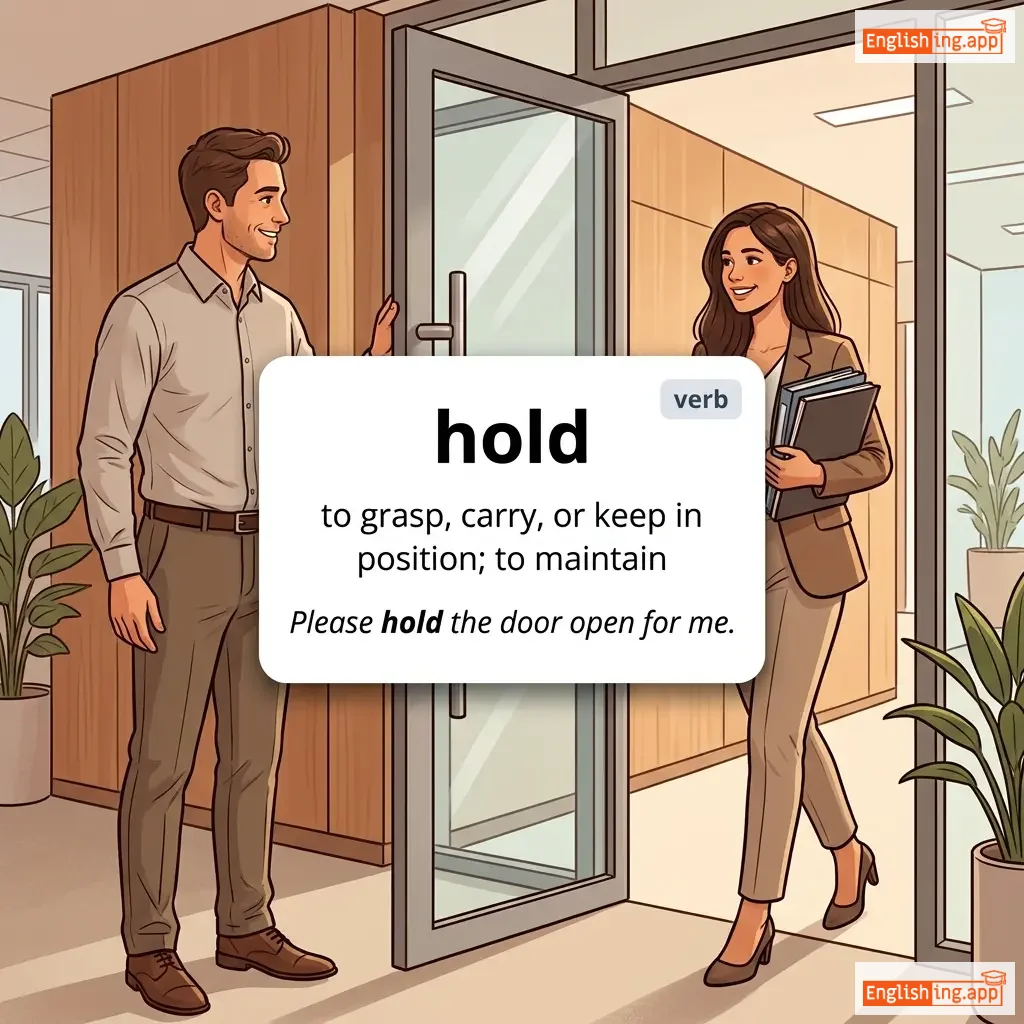
to grasp, carry, or keep in position; to maintain
••••••
|
Please hold the door open for me.
プリーズ ホールド ザ ドア オープン フォー ミ。
••••••
|
私のためにドアを開けたままにしておいてください。
Watashi no tame ni doa o aketa mama ni shite oite kudasai.
••••••
|
hold on
ホールド オン
••••••
|
to wait or pause briefly
••••••
|
待って
matte
••••••
|
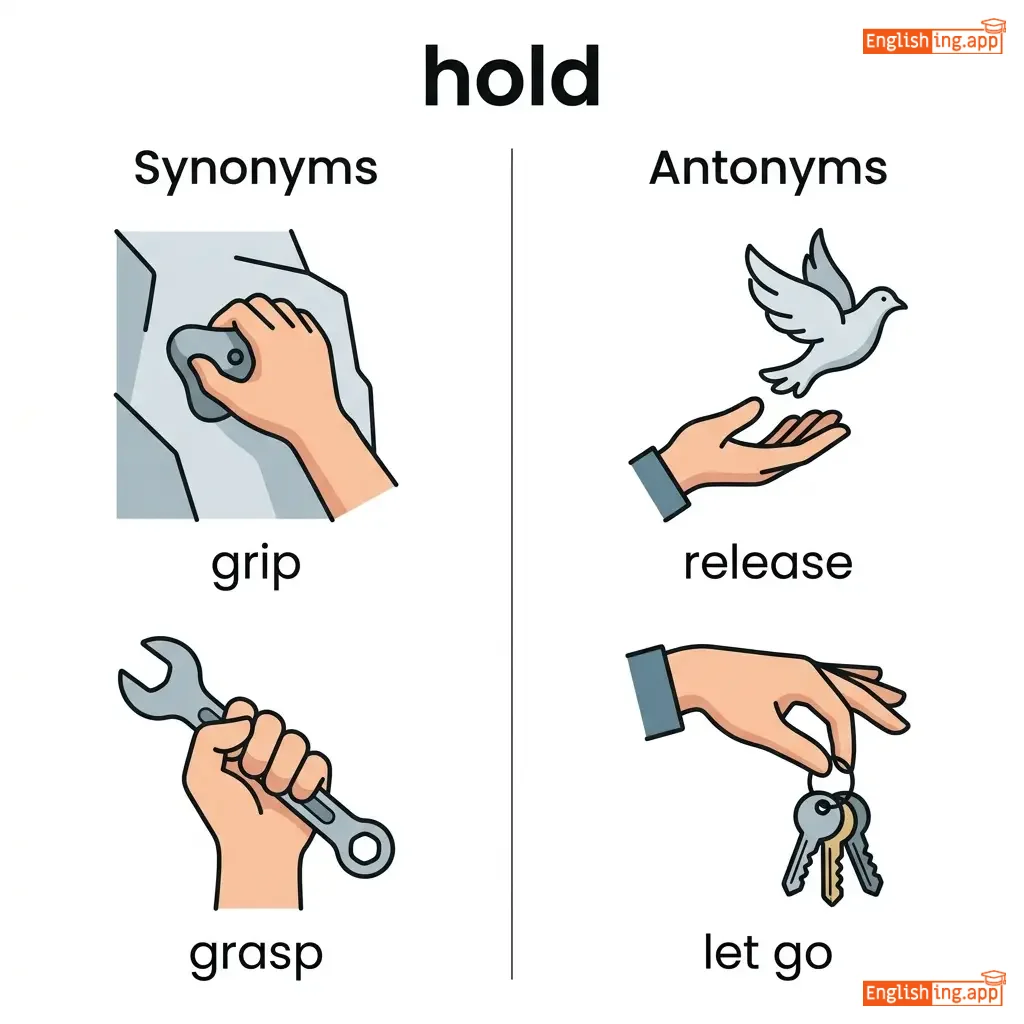
grip, grasp, keep, maintain, support
••••••
|
release, let go
••••••
|
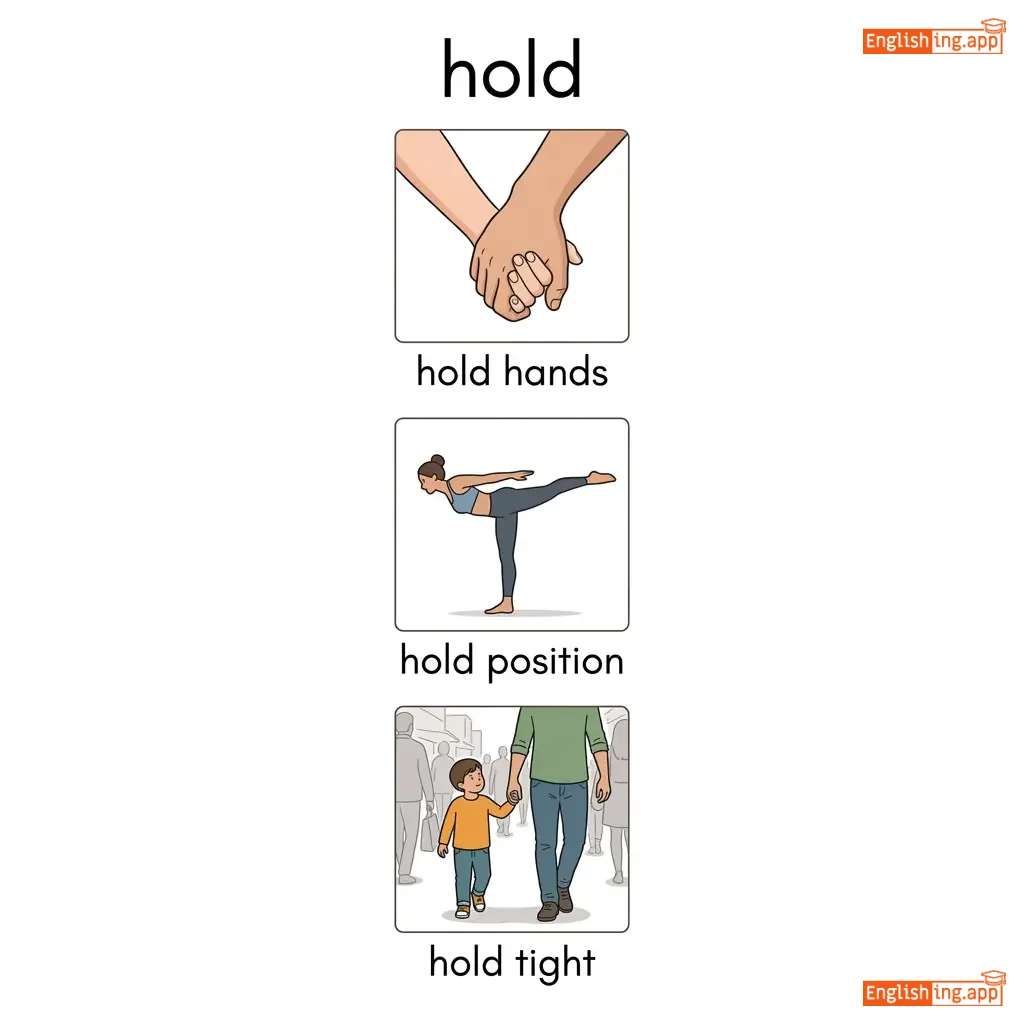
hold hands, hold position, hold tight, hold meeting
••••••
|
Hold は持つという意味です。電話を持つように。
••••••
|
|
#9924
💡
|
/hɪnt/
noun/verb
(ヒント)
••••••
|
- •••••• |
ヒント
hinto
••••••
|
hinted
ヒンテッド
••••••
|
hinted
ヒンテッド
••••••
|
hints
ヒンツ
••••••
|
hinting
ヒンティング
••••••
|
a small piece of advice or suggestion; to suggest something indirectly
••••••
|
She gave me a hint about the surprise party.
彼女はサプライズパーティーについてヒントをくれた。
••••••
|
彼女はサプライズパーティーについてヒントをくれた。
Kanojo wa sapuraizu pātī ni tsuite hinto o kureta.
••••••
|
drop a hint
ヒントを出す
••••••
|
to give a subtle suggestion
••••••
|
ヒントを出す
hinto o dasu
••••••
|
suggestion, clue, indication, tip, advice
••••••
|
statement, declaration
••••••
|
subtle hint, useful hint, drop a hint, take the hint
••••••
|
Hint は日本語でもヒント、ゲームでヒントをもらうみたい
••••••
|
Vocabulary Quiz
Test your vocabulary by matching words with their translations or meanings.
Login to take the quiz
Comments (0)
Share your thoughts and join the discussion.
Join the discussion by logging in
Login to CommentNo comments yet
Be the first to share your thoughts!