

翻訳
過去
過去分詞
三人称単数
動名詞
意味
例文
例文の翻訳
同義語
対義語
コロケーション
ニーモニック

Swipe left or right, or use the buttons. Tap image to zoom.
例文の翻訳
単語
Lesson 336Lesson 336 - マスクトグル
|
絵文字
|
単語 | Images | 翻訳 | 過去 | 過去分詞 | 三人称単数 | 動名詞 | 意味 | 例文 | 例文の翻訳 | 表現例 | 表現例の意味 | 表現例の翻訳 | 同義語 | 対義語 | コロケーション | ニーモニック |
|---|---|---|---|---|---|---|---|---|---|---|---|---|---|---|---|---|---|
|
#10045
👴
|
/oʊld/
adjective
(オールド)
••••••
|
- •••••• |
古い
furui
••••••
|
- •••••• | - •••••• | - •••••• | - •••••• |
having lived for a long time; not new or young
••••••
|
He still drives his old car. |
彼は今でも古い車を運転しています。
Kare wa imademo furui kuruma o unten shiteimasu.
••••••
|
old habits die hard |
It is difficult to stop doing things you have been doing for a long time
••••••
|
古い習慣はなかなか変わらない
Furui shūkan wa nakanaka kawaranai
••••••
|
aged, elderly, ancient, worn, mature
••••••
|
young, new, fresh
••••••
|
old man, old friend, old building, old story
••••••
|
古いものが大切だと感じること
••••••
|
|
#10046
💪
|
/ˌoʊvərˈkʌm/
verb
(オーバーカム)
••••••
|
|
克服する
koku fuku suru
••••••
|
overcame
オーバーケイム
••••••
|
overcome
オーバーカム
••••••
|
overcomes
オーバーカムス
••••••
|
overcoming
オーバーカミング
••••••
|
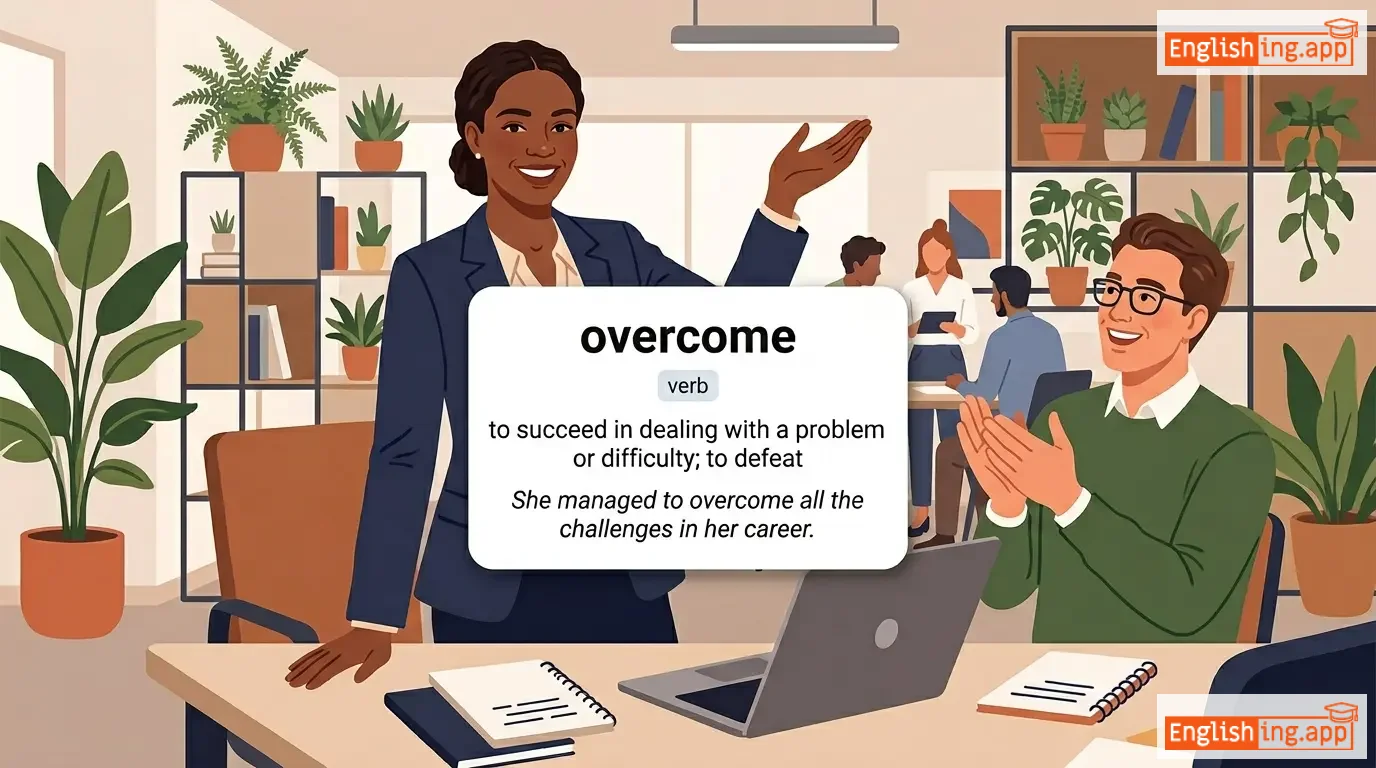
to succeed in dealing with a problem or difficulty; to defeat
••••••
|
She managed to overcome all the challenges in her career.
彼女はキャリアの中ですべての挑戦を克服しました。
••••••
|
彼女はキャリアの中ですべての挑戦を克服しました。
Kanojo wa kyaria no naka de subete no chousen wo kokufuku shimashita.
••••••
|
overcome with emotion
感情に圧倒される
••••••
|
deeply affected by strong feelings
••••••
|
感情に圧倒される
kanjou ni attou sareru
••••••
|
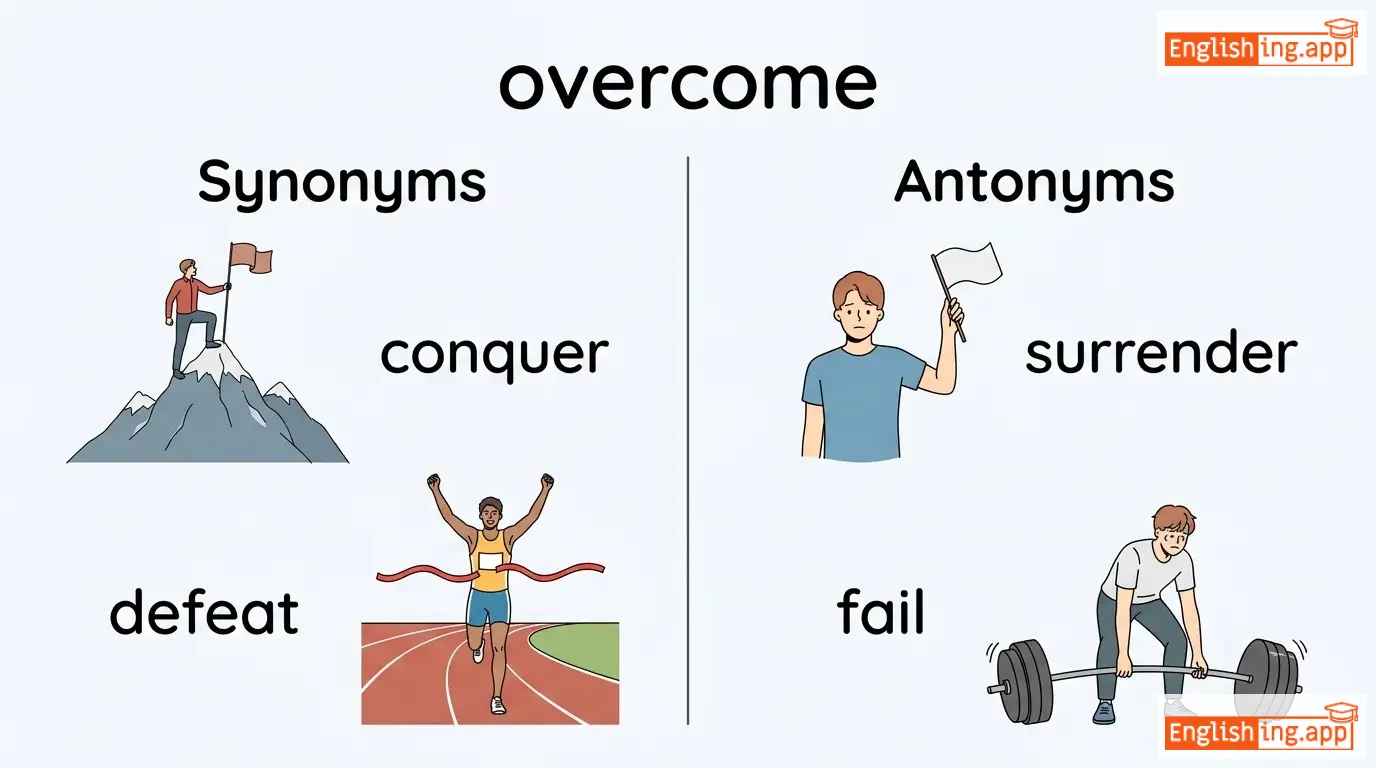
conquer, defeat, prevail, master
••••••
|
surrender, fail
••••••
|
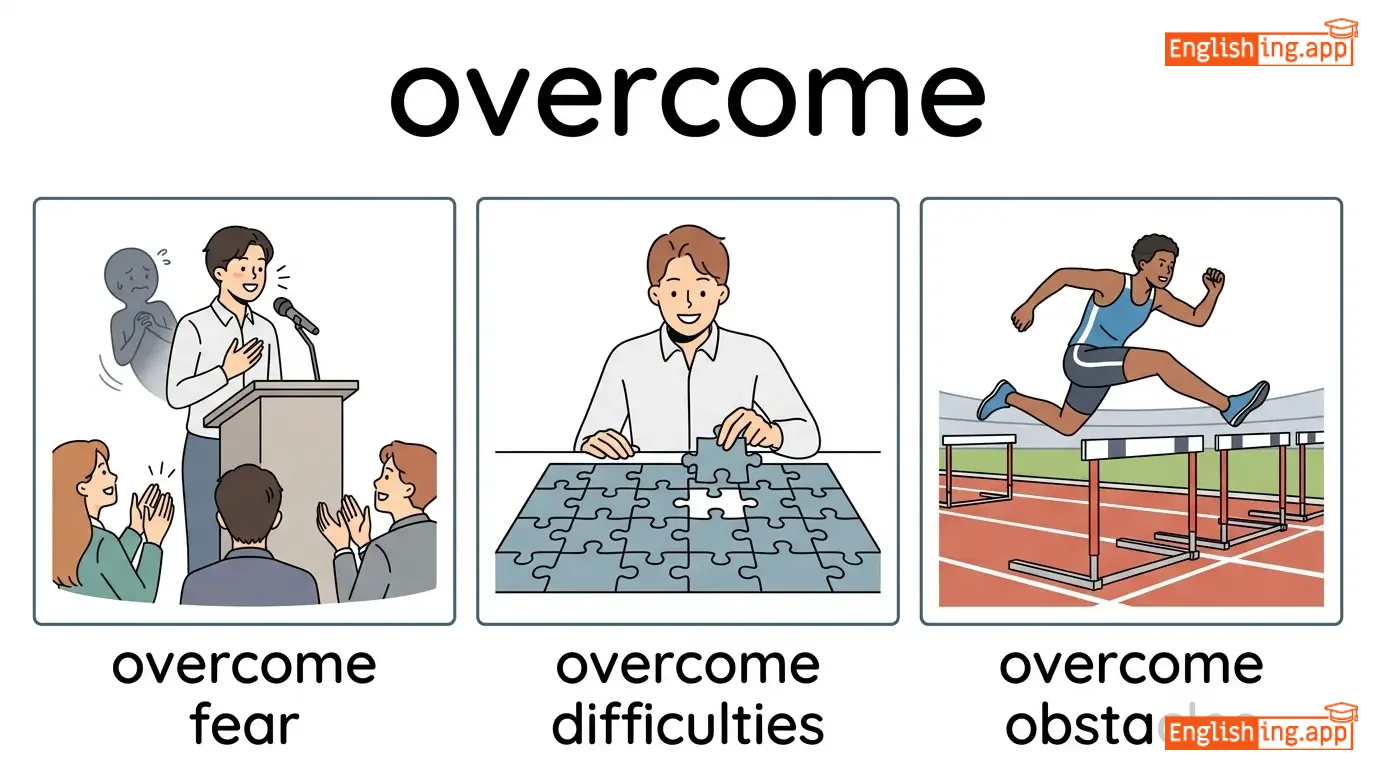
overcome fear, overcome difficulties, overcome obstacles, overcome challenges
••••••
|
克服することは障害を乗り越えること - 問題を解決し、勝利することです。
••••••
|
|
#10047
🏆
|
/aʊtˈstændɪŋ/
adjective
(アウトスタンディング)
••••••
|
- •••••• |
優れた
sugureta
••••••
|
- •••••• | - •••••• | - •••••• | - •••••• |
extremely good or impressive; not yet resolved or paid
••••••
|
She received an award for her outstanding performance. |
彼女は優れたパフォーマンスで賞を受賞しました。
Kanojo wa sugureta pafomansu de shou wo jushou shimashita.
••••••
|
outstanding debt |
unpaid amount of money that is still owed
••••••
|
未払いの負債
mibarai no fusai
••••••
|
excellent, remarkable, exceptional, notable
••••••
|
ordinary, mediocre
••••••
|
outstanding achievement, outstanding performance, outstanding debt, outstanding issue
••••••
|
Outstandingは外に立つことを意味します – とても良いので、誰もがそれを見ています
••••••
|
|
#10048
🌳
|
/ˌaʊtˈsaɪd/
noun/adjective/adverb
(アウトサイド)
••••••
|
- •••••• |
外
soto
••••••
|
- •••••• | - •••••• | - •••••• | - •••••• |
the external part or surface of something; beyond the boundary
••••••
|
Children were playing outside in the yard.
子供たちは庭で外で遊んでいました。
••••••
|
子供たちは庭で外で遊んでいました。
Kodomotachi wa niwa de soto de asonde imashita.
••••••
|
on the outside
外から
••••••
|
viewed externally; not part of a group
••••••
|
外から
soto kara
••••••
|
exterior, surface, outdoors, external
••••••
|
inside, interior
••••••
|
outside world, outside chance, outside influence, outside the box
••••••
|
Outsideは外という意味で、外=Outside
••••••
|
|
#10049
🌱
|
/ˈaʊtˌɡroʊθ/
noun
(アウトグロース)
••••••
|
- •••••• |
成長
seichou
••••••
|
- •••••• | - •••••• | - •••••• | - •••••• |
something that grows out of something else; a natural development or result
••••••
|
The new policy was an outgrowth of years of debate. |
新しい政策は数年の議論の成長でした。
Atarashii seisaku wa suunen no giron no seichou deshita.
••••••
|
- •••••• | - •••••• | - •••••• |
result, consequence, development, outcome
••••••
|
cause, origin
••••••
|
natural outgrowth, political outgrowth, economic outgrowth
••••••
|
成長からアウトグロース - 成長はその結果の成長である
••••••
|
|
#10050
➡️
|
/aʊt/
adverb
(アウト)
••••••
|
- •••••• |
外
soto
••••••
|
- •••••• | - •••••• | - •••••• | - •••••• |
moving or appearing away from the inside or center; not at home or present
••••••
|
He stepped out of the room quietly. |
彼は静かに部屋を出ました。
Kare wa shizukani heya o demashita.
••••••
|
out of the blue |
happening unexpectedly
••••••
|
突然
totsuzen
••••••
|
outside, away, absent, beyond
••••••
|
in, inside
••••••
|
out of control, out of reach, out of stock, out of time
••••••
|
Outは外を意味します - サッカーでは、選手がアウトになると外に出ます。
••••••
|
|
#10051
🦴
|
/ˈɑːsɪˌfaɪd/
adjective
(オッシファイド)
••••••
|
- •••••• |
骨に変わった、硬直した
hone ni kawatta, kōchoku shita
••••••
|
- •••••• | - •••••• | - •••••• | - •••••• |
Turned into bone or become rigid; unwilling to change.
••••••
|
The company had an ossified management structure that resisted innovation. |
その会社は、革新に抵抗する硬直した管理構造を持っていました。
Sono kaisha wa, kakushin ni teikō suru kōchoku shita kanri kōzō o motte imashita.
••••••
|
- •••••• | - •••••• | - •••••• |
hardened, rigid, inflexible, fossilized
••••••
|
flexible, adaptable
••••••
|
ossified structure, ossified system, ossified attitude, ossified tradition
••••••
|
Ossifiedは骨のように—変わらないことを意味します。
••••••
|
|
#10052
🌺
|
/ˌɔːrnəˈmɛntl/
adjective
(オーナメンタル)
••••••
|
- •••••• |
装飾的な
shōshokuteki na
••••••
|
- •••••• | - •••••• | - •••••• | - •••••• |
Serving as decoration; decorative rather than functional.
••••••
|
The garden was filled with ornamental plants. |
庭は装飾的な植物でいっぱいだった。
Niwa wa shōshokuteki na shokubutsu de ippai datta.
••••••
|
- •••••• | - •••••• | - •••••• |
decorative, embellishing, aesthetic, fancy
••••••
|
functional, practical
••••••
|
ornamental plants, ornamental design, ornamental garden, ornamental architecture
••••••
|
Ornamentalは仕事ではなく、飾りだけに使うという意味です。
••••••
|
|
#10053
🎄
|
/ˈɔːrnəmənt/
noun
(オーナメント)
••••••
|
- •••••• |
装飾品
sōshokuhin
••••••
|
- •••••• | - •••••• | - •••••• | - •••••• |
A decorative object that adds beauty to something.
••••••
|
The Christmas tree was decorated with colorful ornaments. |
クリスマスツリーはカラフルな装飾品で飾られていました。
Kurisumasu tsurī wa karafuru na sōshokuhin de kazararete imashita.
••••••
|
- •••••• | - •••••• | - •••••• |
decoration, adornment, embellishment, trinket
••••••
|
plainness, bareness
••••••
|
Christmas ornament, gold ornament, ornamental piece, temple ornament
••••••
|
Ornamentは'装飾品'という意味で、デコレーションのために使うものです。
••••••
|
|
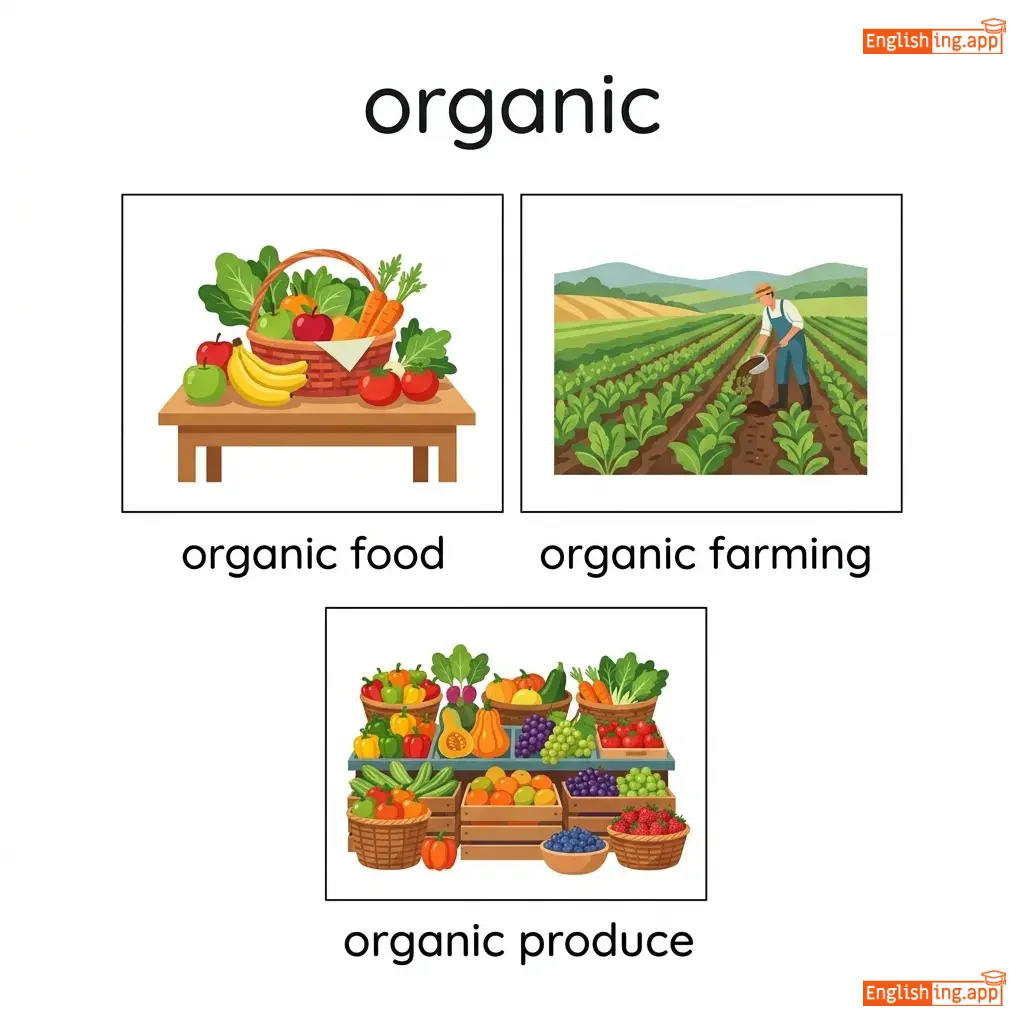
#10054
🥦
|
/ɔːrˈɡænɪk/
adjective
(ɔːrˈɡænɪk)
••••••
|
|
オーガニック
ōganikku
••••••
|
- •••••• | - •••••• | - •••••• | - •••••• |
Relating to or derived from living matter; produced without artificial chemicals.
••••••
|
They prefer to eat organic fruits and vegetables. |
彼らはオーガニックな果物と野菜を食べるのを好みます。
Karera wa ōganikku na kudamono to yasai o taberu no o konomimasu.
••••••
|
organic growth |
Natural, gradual development without external force.
••••••
|
オーガニック成長
ōganikku seichō
••••••
|
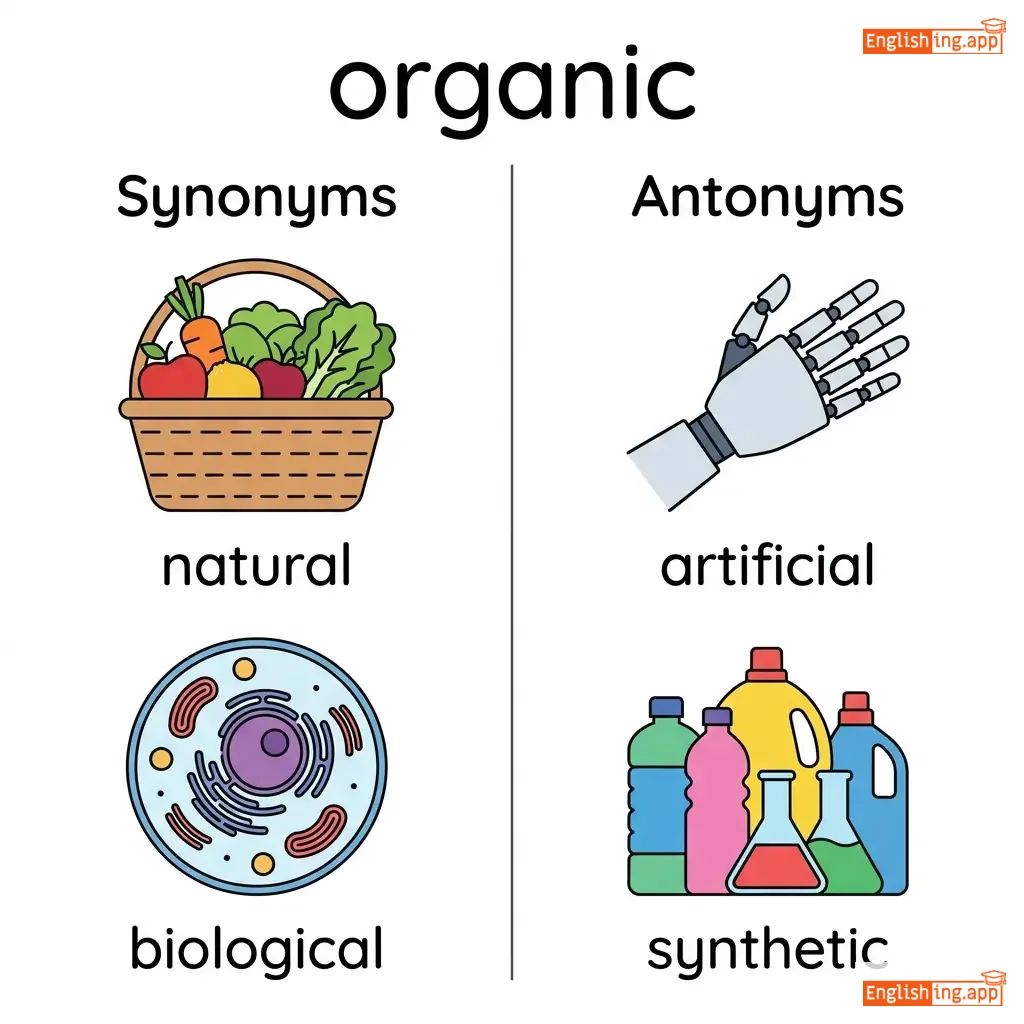
natural, biological, ecological, pure
••••••
|
artificial, synthetic, chemical
••••••
|
organic food, organic farming, organic produce, organic material
••••••
|
オーガニック = 自然から来る、オーガニックフードのように。
••••••
|
|
#10055
📘
|
/ˈɔːrdəˌnɛri/
adjective
(オーディナリー)
••••••
|
- •••••• |
普通の
futsuu no
••••••
|
- •••••• | - •••••• | - •••••• | - •••••• |
Common, usual, or not special; something that happens regularly.
••••••
|
She wore an ordinary dress to the party. |
彼女はパーティーに普通のドレスを着て行った。
Kanojo wa paatii ni futsuu no doresu o kite itta.
••••••
|
out of the ordinary |
Something unusual or different from what is normal.
••••••
|
普通ではない
futsuu de wa nai
••••••
|
common, usual, regular, normal, typical
••••••
|
extraordinary, exceptional, unusual
••••••
|
ordinary life, ordinary people, ordinary day, ordinary circumstances
••••••
|
‘Ordinary’ は‘秩序’を意味する—すべてが秩序通り、すべてが普通です。
••••••
|
|
#10056
🌞
|
/ˌɑːp.təˈmɪs.tɪk/
adjective
(オプティミスティック)
••••••
|
- •••••• |
楽観的
rakkan-teki
••••••
|
- •••••• | - •••••• | - •••••• | - •••••• |
hopeful and confident about the future
••••••
|
She is optimistic about the success of her new project. |
彼女は新しいプロジェクトの成功に楽観的です。
Kanojo wa atarashī purojekuto no seikō ni rakkan-teki desu.
••••••
|
glass half full |
viewing a situation positively
••••••
|
半分のグラス
hanbun no gurasu
••••••
|
hopeful, positive, confident, cheerful, upbeat
••••••
|
pessimistic, doubtful, hopeless
••••••
|
optimistic view, optimistic outlook, optimistic about, remain optimistic
••••••
|
楽観的は '希望に満ちている' 🌞 — 覚えておいて、'optimistic' は英語で楽観的と同じ意味です。
••••••
|
|
#10057
🔓
|
/ˈoʊ.pən/
verb, adjective
••••••
|
- •••••• | - •••••• |
opened
••••••
|
opened
••••••
|
opens
••••••
|
opening
••••••
|
to move something so that it is no longer closed; not closed
••••••
|
She opened the window to let in fresh air. |
- •••••• |
open secret |
something widely known but not officially acknowledged
••••••
|
- •••••• |
uncover, unlock, reveal, accessible, available
••••••
|
close, shut, lock
••••••
|
open door, open window, open opportunity, open mind
••••••
|
No •••••• |
|
#10058
1️⃣
|
/wʌn/
pronoun, noun, adjective
(ワン)
••••••
|
- •••••• |
一
ichi
••••••
|
- •••••• | - •••••• | - •••••• | - •••••• |
the number equivalent to the sum of zero and one; a single person or thing
••••••
|
Only one student answered the question.
ただ一人の学生が質問に答えました。
••••••
|
ただ一人の学生が質問に答えました。
Tada hitori no gakusei ga shitsumon ni kotaemashita.
••••••
|
one of a kind
一種類の
••••••
|
unique; very special
••••••
|
一種類の
isshurui no
••••••
|
single, individual, sole, unique
••••••
|
many, multiple
••••••
|
one day, one time, one person, one chance
••••••
|
ONEは一の意味 1️⃣ — 'isshurui no' 覚えてください
••••••
|
|
#10059
📖
|
/ɒn/
preposition
(オン)
••••••
|
- •••••• |
上
ue
••••••
|
- •••••• | - •••••• | - •••••• | - •••••• |
physically in contact with and supported by a surface
••••••
|
The book is on the table. |
本はテーブルの上にあります。
Hon wa tēburu no ue ni arimasu.
••••••
|
on time |
punctual; not late
••••••
|
時間通り
jikan dōri
••••••
|
upon, atop, over, above
••••••
|
off, away
••••••
|
on the table, on the way, on purpose, on duty
••••••
|
本はテーブルの上にあります 📖 — 'on' は '上' を意味します
••••••
|
|
#10060
😊
|
/naɪs/
adjective
(ナイス)
••••••
|
- •••••• |
素敵
suteki
••••••
|
- •••••• | - •••••• | - •••••• | - •••••• |
pleasant, kind, or enjoyable
••••••
|
She is a very nice person to work with. |
彼女は一緒に働くのにとても素敵な人です。
Kanojo wa issho ni hataraku no ni totemo suteki na hito desu.
••••••
|
nice and easy |
something simple and comfortable
••••••
|
素敵で簡単
suteki de kantan
••••••
|
pleasant, kind, friendly, agreeable, charming
••••••
|
mean, rude, unpleasant
••••••
|
nice day, nice person, nice weather, nice job, nice to meet
••••••
|
素敵な人はいつも楽しい
••••••
|
|
#10061
👶
|
/ˈɒf.sprɪŋ/
noun
(オフスプリング)
••••••
|
- •••••• |
子孫
shison
••••••
|
- •••••• | - •••••• | - •••••• | - •••••• |
a person's child or children; an animal's young
••••••
|
The bird carefully fed its offspring.
その鳥は注意深く自分の子孫に餌を与えました。
••••••
|
その鳥は注意深く自分の子孫に餌を与えました。
Sono tori wa chūi bukaku jibun no shison ni esa o ataemashita.
••••••
|
- •••••• | - •••••• | - •••••• |
children, progeny, descendants, young
••••••
|
parent, ancestor
••••••
|
human offspring, animal offspring, produce offspring, healthy offspring
••••••
|
Offspring = 'off' (外) + 'spring' (春) → 新しい生命の始まり → 子孫
••••••
|
|
#10062
🏢
|
/ˈɒf.ɪs/
noun
(オフィス)
••••••
|
- •••••• |
オフィス
ofisu
••••••
|
- •••••• | - •••••• | - •••••• | - •••••• |
a room or building where people work, usually at desks
••••••
|
She left the office early to attend a family event.
彼女は家族のイベントに出席するために早くオフィスを出ました。
••••••
|
彼女は家族のイベントに出席するために早くオフィスを出ました。
Kanojo wa kazoku no ibento ni shusseki suru tame ni hayaku ofisu wo demashita.
••••••
|
hold office
役職に就く
••••••
|
to be in a position of authority or responsibility
••••••
|
役職に就く
yakushoku ni tsuku
••••••
|
workplace, bureau, department, agency, company
••••••
|
home, outdoors
••••••
|
office building, office hours, office desk, office staff
••••••
|
オフィスは仕事の場所;オフィスで人々はいつも働きます。
••••••
|
|
#10063
😠
|
/əˈfɛnd/
verb
(オフェンド)
••••••
|
- •••••• |
侮辱する
bujoku suru
••••••
|
offended
オフェンデッド
••••••
|
offended
オフェンデッド
••••••
|
offends
オフェンズ
••••••
|
offending
オフェンディング
••••••
|
to cause someone to feel upset, insulted, or annoyed
••••••
|
She didn’t mean to offend anyone with her remarks.
彼女は自分のコメントで誰かを怒らせるつもりはなかった。
••••••
|
彼女は自分のコメントで誰かを怒らせるつもりはなかった。
Kanojo wa jibun no komento de dareka o okoraseru tsumori wa nakatta.
••••••
|
take offense
不快に思う
••••••
|
to feel insulted or hurt
••••••
|
不快に思う
fukai ni omou
••••••
|
insult, upset, irritate, annoy, disrespect
••••••
|
please, satisfy, comfort
••••••
|
offend someone, deeply offend, intentionally offend, offend against
••••••
|
侮辱すると心が痛む。
••••••
|
|
#10064
🤔
|
/ɒd/
adjective
(オッド)
••••••
|
- •••••• |
奇妙
kimyou
••••••
|
- •••••• | - •••••• | - •••••• | - •••••• |
different from what is usual or expected; strange or peculiar
••••••
|
He has some odd habits that surprise everyone. |
彼は皆を驚かせる奇妙な習慣を持っています。
Kare wa mina wo odokaseru kimyou na shuukan wo motteimasu.
••••••
|
odd one out |
something or someone that is different from the rest
••••••
|
黒い羊
kuroi hitsuji
••••••
|
strange, unusual, peculiar, weird, irregular
••••••
|
normal, usual, regular
••••••
|
odd number, odd job, odd behavior, odd coincidence
••••••
|
Oddは奇妙を意味します (kimyou); Odd = 奇妙。
••••••
|
|
#10065
👀
|
/ˈɒb.vi.əs/
adjective
(オブヴィアス)
••••••
|
- •••••• |
明白
meihaku
••••••
|
- •••••• | - •••••• | - •••••• | - •••••• |
easily perceived or understood; clear and apparent
••••••
|
It was obvious that she was upset after the meeting. |
会議後、彼女が動揺していることは明白でした。
Kaigi go, kanojo ga douyou shiteiru koto wa meihaku deshita.
••••••
|
the obvious choice |
something that is the most evident or suitable option
••••••
|
明白な選択
meihaku na sentaku
••••••
|
clear, evident, apparent, noticeable, plain
••••••
|
hidden, unclear, obscure
••••••
|
obvious reason, obvious fact, obvious mistake, obvious difference
••••••
|
明白 = 明らか、簡単にわかる。
••••••
|
|
#10066
🙇
|
/oʊˈbeɪ/
verb
(オベイ)
••••••
|
|
従う
shitagau
••••••
|
obeyed
オベイド
••••••
|
obeyed
オベイド
••••••
|
obeys
オベイズ
••••••
|
obeying
オベイング
••••••
|
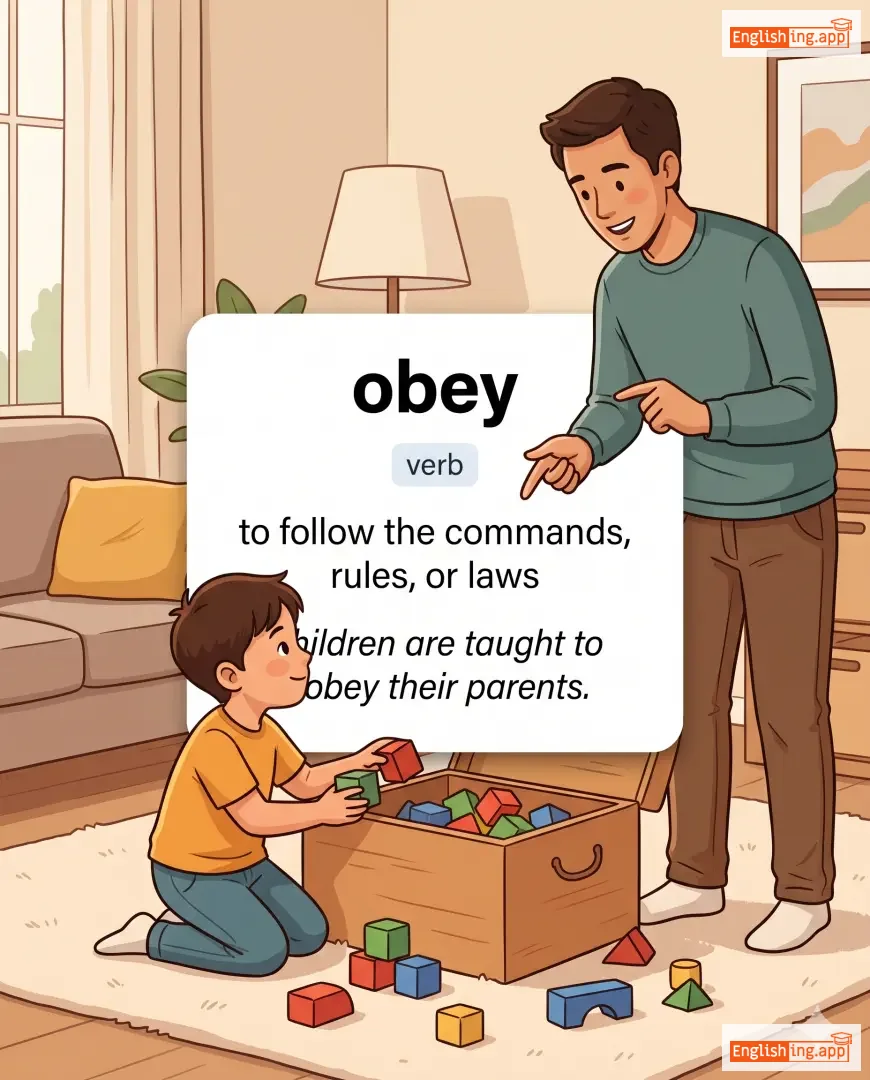
to follow the commands, rules, or laws
••••••
|
Children are taught to obey their parents.
子供たちは親に従うように教えられています。
••••••
|
子供たちは親に従うように教えられています。
Kodomotachi wa oya ni shitagau yō ni oshierareteimasu.
••••••
|
obey the law
法律に従う
••••••
|
to follow legal rules and regulations
••••••
|
法律に従う
hōritsu ni shitagau
••••••
|
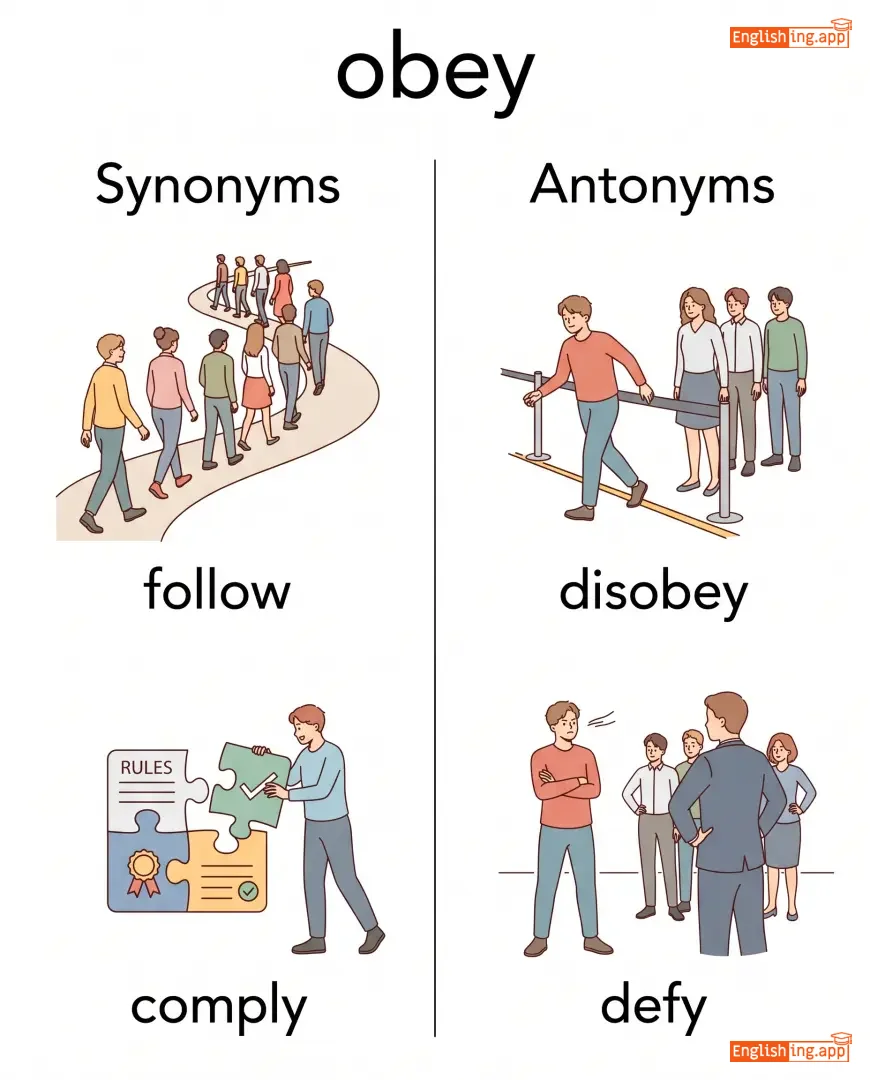
follow, comply, respect, submit
••••••
|
disobey, defy
••••••
|
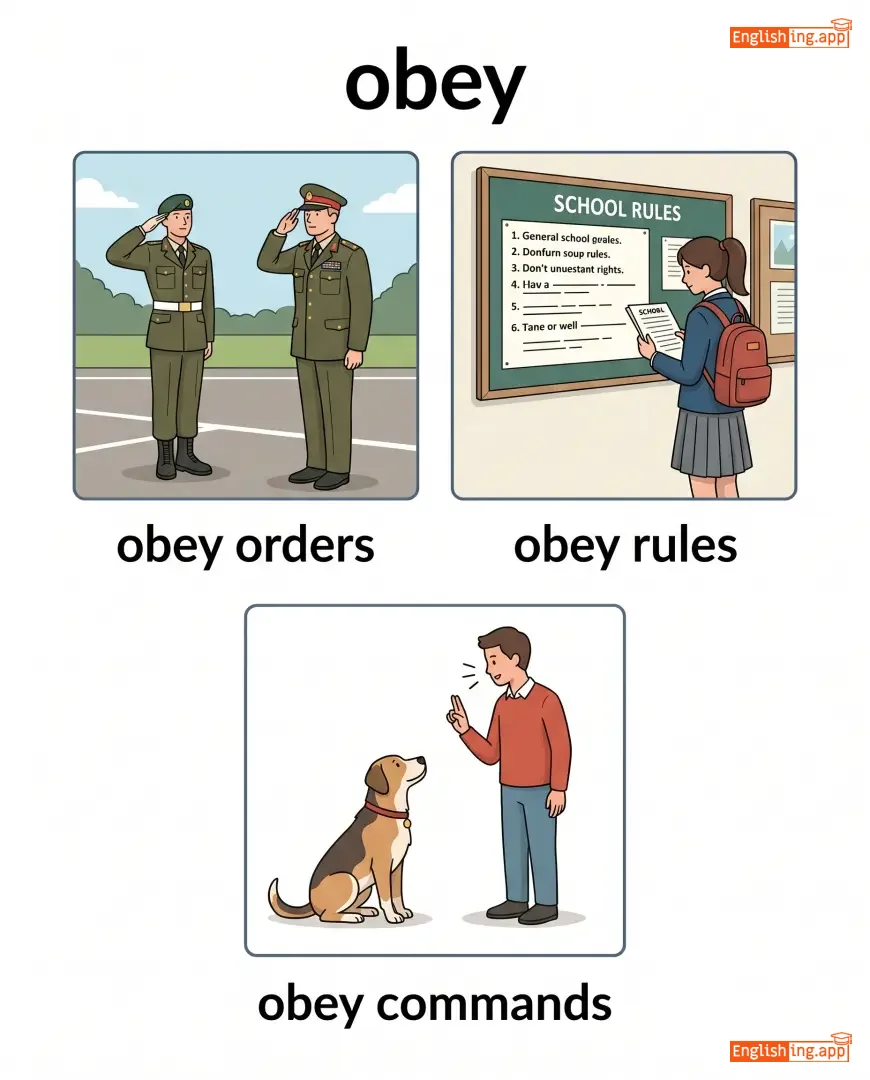
obey orders, obey rules, obey commands, obey instantly
••••••
|
従うは命令を守る — shi (子供たち) ta (従う) gáu (に従う)
••••••
|
|
#10067
🔢
|
/ˈnjuːmərəs/
adjective
(ニューメラス)
••••••
|
- •••••• |
多数
tasū
••••••
|
- •••••• | - •••••• | - •••••• | - •••••• |
existing in large numbers; many
••••••
|
There are numerous opportunities for growth in this field.
この分野には成長のための多くの機会があります。
••••••
|
この分野には成長のための多くの機会があります。
Kono bunya ni wa seichō no tame no ōku no kikai ga arimasu.
••••••
|
- •••••• | - •••••• | - •••••• |
many, countless, abundant, multiple
••••••
|
few, scarce
••••••
|
numerous times, numerous opportunities, numerous examples, numerous occasions
••••••
|
Numerousは多くの意味 — NumberからNumerousは多くの数字を意味します。
••••••
|
|
#10068
📢
|
/ˈnoʊtɪfaɪ/
verb
(ノーティファイ)
••••••
|
- •••••• |
通知する
tsuuchisuru
••••••
|
notified
ノーティファイド
••••••
|
notified
ノーティファイド
••••••
|
notifies
ノーティファイズ
••••••
|
notifying
ノーティファイング
••••••
|
to inform someone officially about something
••••••
|
The manager will notify the staff about the schedule change.
マネージャーはスタッフにスケジュールの変更について通知します。
••••••
|
マネージャーはスタッフにスケジュールの変更について通知します。
Maneejaa wa sutaffu ni sukejuuru no henko ni tsuuchi shimasu.
••••••
|
notify of
通知する
••••••
|
to inform about something specific
••••••
|
通知する
tsuuchisuru
••••••
|
inform, alert, announce, communicate
••••••
|
hide, conceal
••••••
|
notify immediately, notify customers, notify authorities, notify in writing
••••••
|
Notify とは知らせること — 通知が来ると誰でもわかります。
••••••
|
|
#10069
⭐
|
/ˈnoʊtɪd/
adjective, verb
(ノーティッド)
••••••
|
- •••••• |
著名
chomei
••••••
|
noted
ノーティッド
••••••
|
noted
ノーティッド
••••••
|
- •••••• | - •••••• |
well known or famous; written down or observed
••••••
|
He is a noted author in the field of history.
彼は歴史分野で著名な作家です。
••••••
|
彼は歴史分野で著名な作家です。
Kare wa rekishi bunya de chomei na sakka desu.
••••••
|
- •••••• | - •••••• | - •••••• |
renowned, famous, distinguished, prominent
••••••
|
unknown, obscure
••••••
|
noted scholar, noted for, noted writer, noted speaker
••••••
|
Noted は著名を意味します — すべての人が知っている作家のように。
••••••
|
|
#10070
📝
|
/noʊt/
noun, verb
(ノート)
••••••
|
|
メモ
memo
••••••
|
noted
ノーテッド
••••••
|
noted
ノーテッド
••••••
|
notes
ノーツ
••••••
|
noting
ノーティング
••••••
|
a brief record of facts, topics, or thoughts written down; to observe or remark upon something
••••••
|
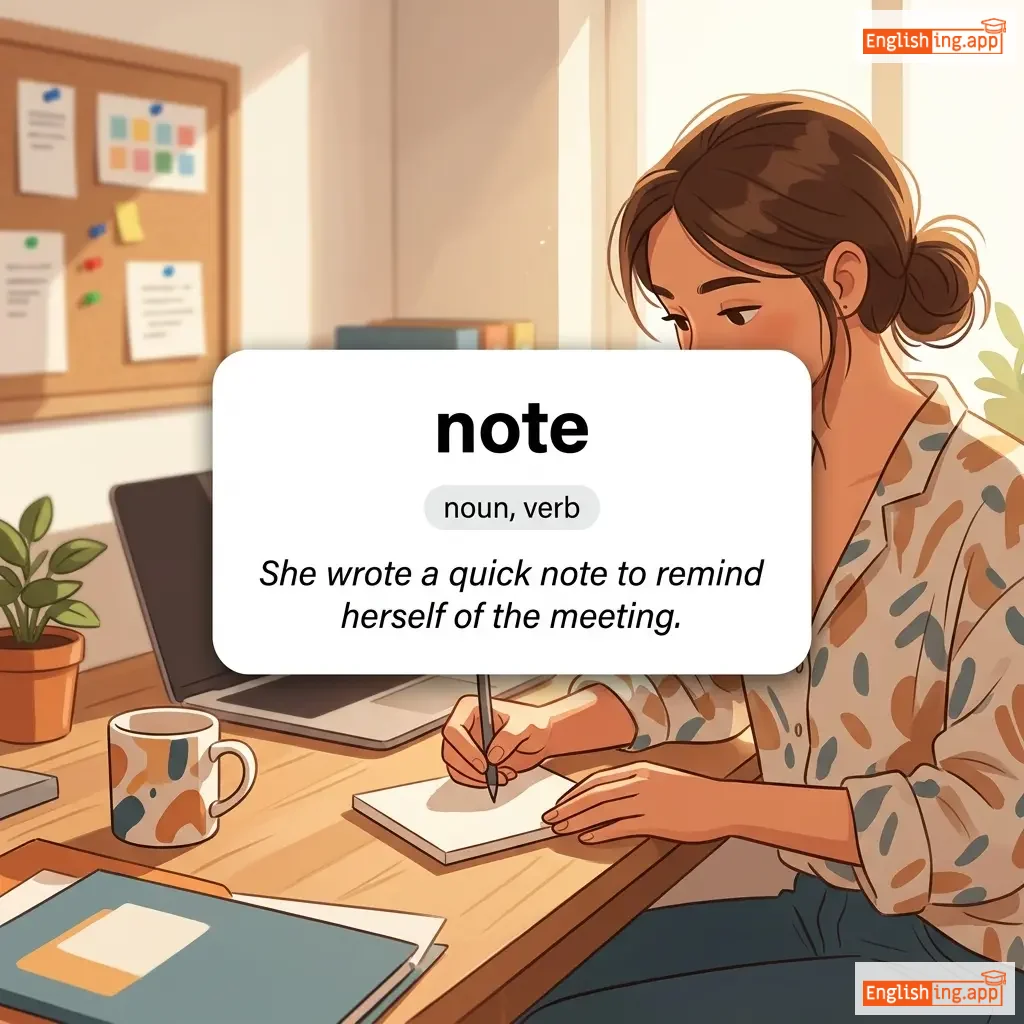
She wrote a quick note to remind herself of the meeting.
彼女は会議を思い出すために迅速なノートを書いた。
••••••
|
彼女は会議を思い出すために迅速なノートを書いた。
Kanojo wa kaigi o omoi dasu tame ni jinsoku na nōto o kaita.
••••••
|
take note
メモを取る
••••••
|
to pay attention or give special consideration
••••••
|
注意を払う
chūi o harau
••••••
|
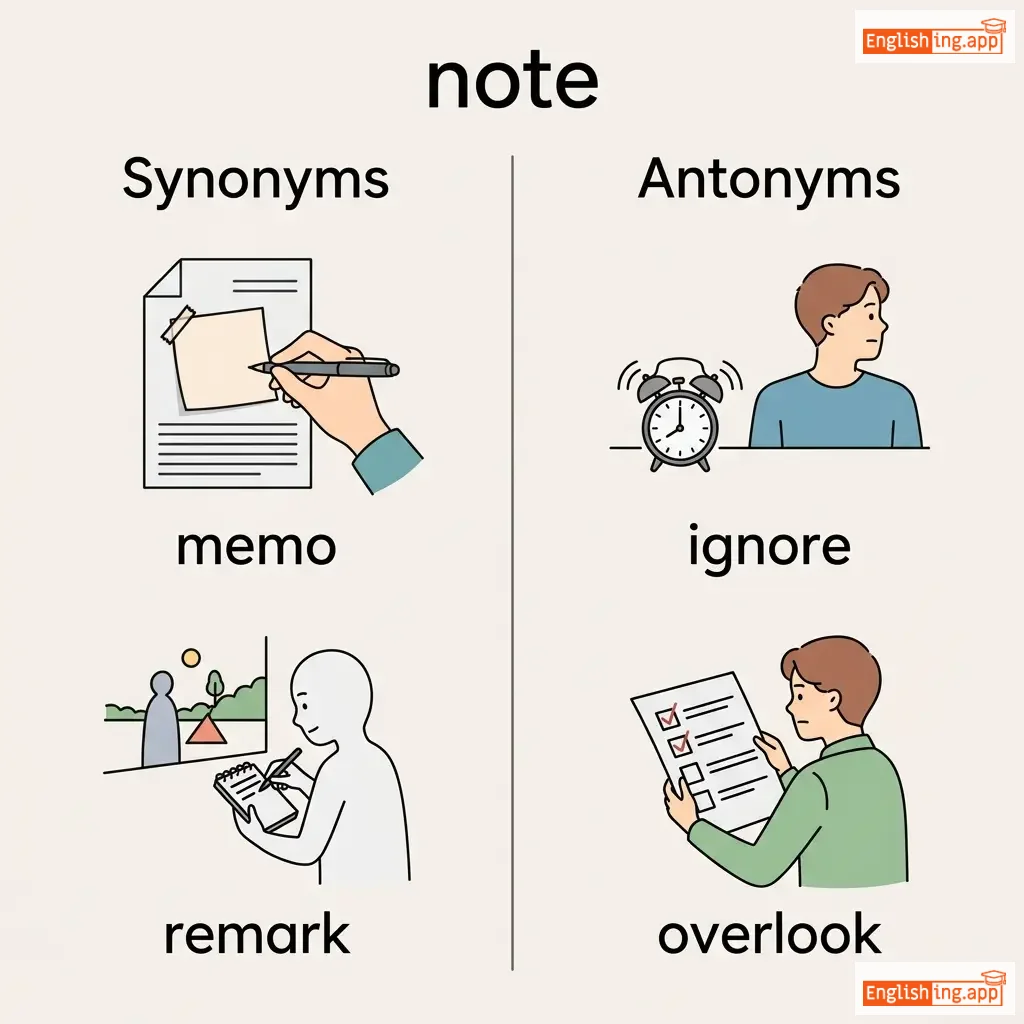
memo, remark, message, record, observation
••••••
|
ignore, overlook
••••••
|
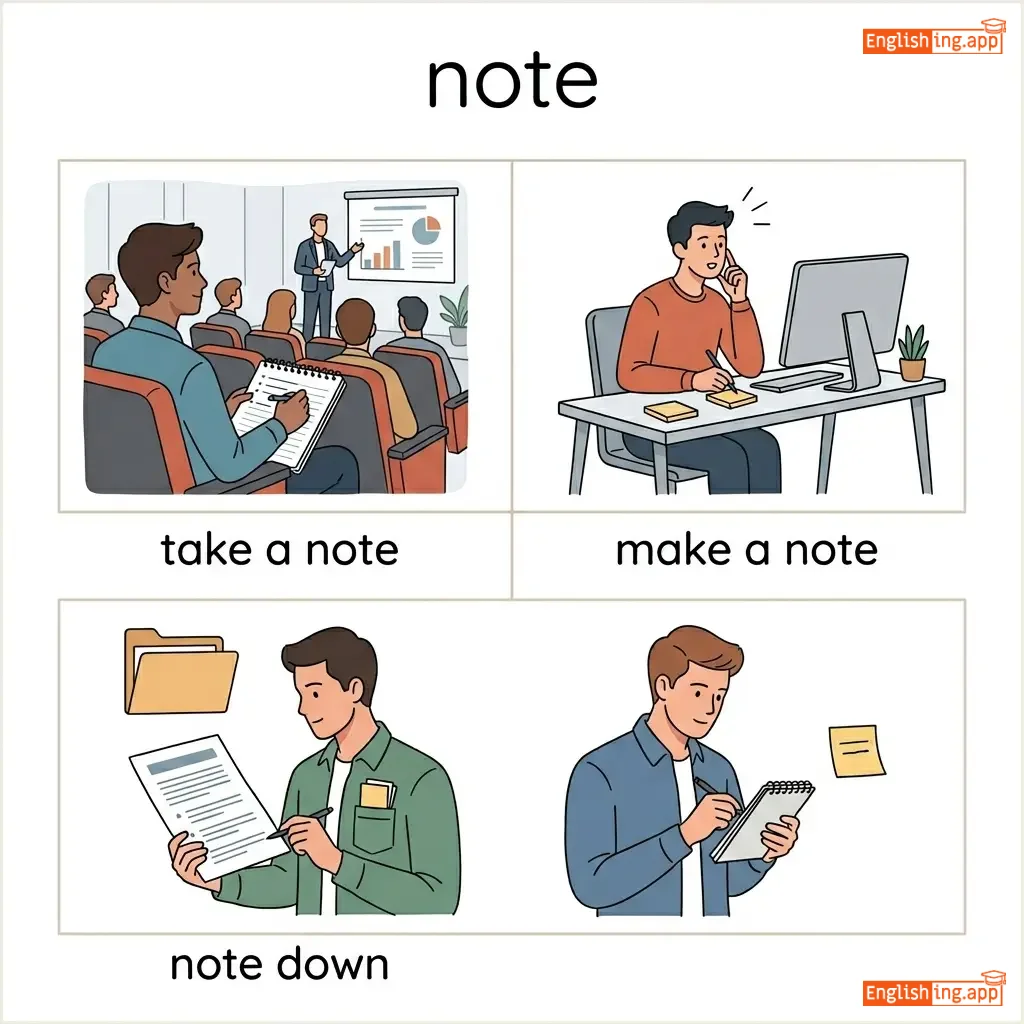
take a note, make a note, note down, note carefully
••••••
|
ノートは重要なことを書き留めるために使う。
••••••
|
|
#10071
📏
|
/ˈnɔː.məl/
adjective
(ノーマル)
••••••
|
- •••••• |
正常
seijou
••••••
|
- •••••• | - •••••• | - •••••• | - •••••• |
conforming to a standard; usual, typical, or expected
••••••
|
It is normal to feel nervous before an interview. |
面接前に緊張するのは正常です。
Mensetsu mae ni kinchou suru no wa seijou desu.
••••••
|
back to normal |
returning to a usual or typical state
••••••
|
正常に戻る
seijou ni modoru
••••••
|
usual, ordinary, typical, standard, regular
••••••
|
abnormal, unusual, strange
••••••
|
normal life, normal situation, normal condition, back to normal
••••••
|
Normal = 正常, すべてが正常📏
••••••
|
|
#10072
☀️
|
/nuːn/
noun
(ヌーン)
••••••
|
- •••••• |
正午
shōgo
••••••
|
- •••••• | - •••••• | - •••••• | - •••••• |
12 o'clock in the daytime; midday
••••••
|
The meeting will start at noon. |
会議は正午に始まります。
Kaigi wa shōgo ni hajimarimasu.
••••••
|
high noon |
exactly midday; sometimes used to describe a decisive confrontation
••••••
|
正午
shōgo
••••••
|
midday, twelve o'clock, middaytime
••••••
|
midnight
••••••
|
at noon, by noon, until noon, high noon
••••••
|
Noonは正午を意味し、太陽 ☀️ は真上にあります
••••••
|
|
#10073
👑
|
/nəʊˈbɪləti/
noun
(ノビリティ)
••••••
|
- •••••• |
高貴
kouki
••••••
|
- •••••• | - •••••• | - •••••• | - •••••• |
the quality of being noble in character or the group of people belonging to the aristocracy
••••••
|
The king praised her for her nobility and courage.
王は彼女の高貴さと勇気を称賛しました。
••••••
|
王は彼女の高貴さと勇気を称賛しました。
Ō wa kanojo no kōkisa to yūki o shōsan shimashita.
••••••
|
- •••••• | - •••••• | - •••••• |
aristocracy, honor, dignity, virtue
••••••
|
baseness, dishonor
••••••
|
nobility of spirit, nobility of character, the nobility
••••••
|
Noble + ity = 高貴は高貴を意味します
••••••
|
|
#10074
🌙
|
/ˈnaɪt.fɔːl/
noun
(ナイトフォール)
••••••
|
- •••••• |
夜の始まり
yoru no hajimari
••••••
|
- •••••• | - •••••• | - •••••• | - •••••• |
the time when night begins; dusk
••••••
|
They decided to return home before nightfall. |
彼らは夜の始まり前に家に帰ることに決めました。
Karera wa yoru no hajimari mae ni ie ni kaeru koto ni kimemashita.
••••••
|
- •••••• | - •••••• | - •••••• |
dusk, evening, sundown, twilight
••••••
|
daybreak, sunrise
••••••
|
before nightfall, until nightfall, at nightfall
••••••
|
Night + Fall = 夜の始まり
••••••
|
Vocabulary Quiz
Test your vocabulary by matching words with their translations or meanings.
Login to take the quiz
Comments (0)
Share your thoughts and join the discussion.
Join the discussion by logging in
Login to CommentNo comments yet
Be the first to share your thoughts!