





Swipe left or right, or use the buttons. Tap image to zoom.
例句翻译
单词
Lesson 336Lesson 336 - 遮罩切换
|
表情符号
|
单词 | Images | 翻译 | 过去时 | 过去分词 | 第三人称单数 | 动名词 | 含义 | 例句 | 例句翻译 | 示例表达 | 示例表达含义 | 示例表达翻译 | 同义词 | 反义词 | 搭配词 | 助记符 |
|---|---|---|---|---|---|---|---|---|---|---|---|---|---|---|---|---|---|
|
#10045
👴
|
/oʊld/
adjective
(ōld)
••••••
|
- •••••• |
旧的
jiù de
••••••
|
- •••••• | - •••••• | - •••••• | - •••••• |
having lived for a long time; not new or young
••••••
|
He still drives his old car. |
他仍然开着他的旧车。
Tā réngrán kāi zhe tā de jiù chē.
••••••
|
old habits die hard |
It is difficult to stop doing things you have been doing for a long time
••••••
|
旧习惯难以改变
Jiù xíguàn nán yǐ gǎibiàn
••••••
|
aged, elderly, ancient, worn, mature
••••••
|
young, new, fresh
••••••
|
old man, old friend, old building, old story
••••••
|
旧的东西就像记忆一样,永远不会消失
••••••
|
|
#10046
💪
|
/ˌoʊvərˈkʌm/
verb
(欧弗卡姆)
••••••
|
|
克服
kèfú
••••••
|
overcame
欧弗凯姆
••••••
|
overcome
欧弗卡姆
••••••
|
overcomes
欧弗卡姆斯
••••••
|
overcoming
欧弗卡明
••••••
|
to succeed in dealing with a problem or difficulty; to defeat
••••••
|
She managed to overcome all the challenges in her career.
她成功地克服了职业生涯中的所有挑战。
••••••
|
她成功地克服了职业生涯中的所有挑战。
Tā chénggōng de kèfú le zhíyè shēngyá zhōng de suǒyǒu tiǎozhàn.
••••••
|
overcome with emotion
情感的压倒
••••••
|
deeply affected by strong feelings
••••••
|
情感的压倒
qínggǎn de yādǎo
••••••
|
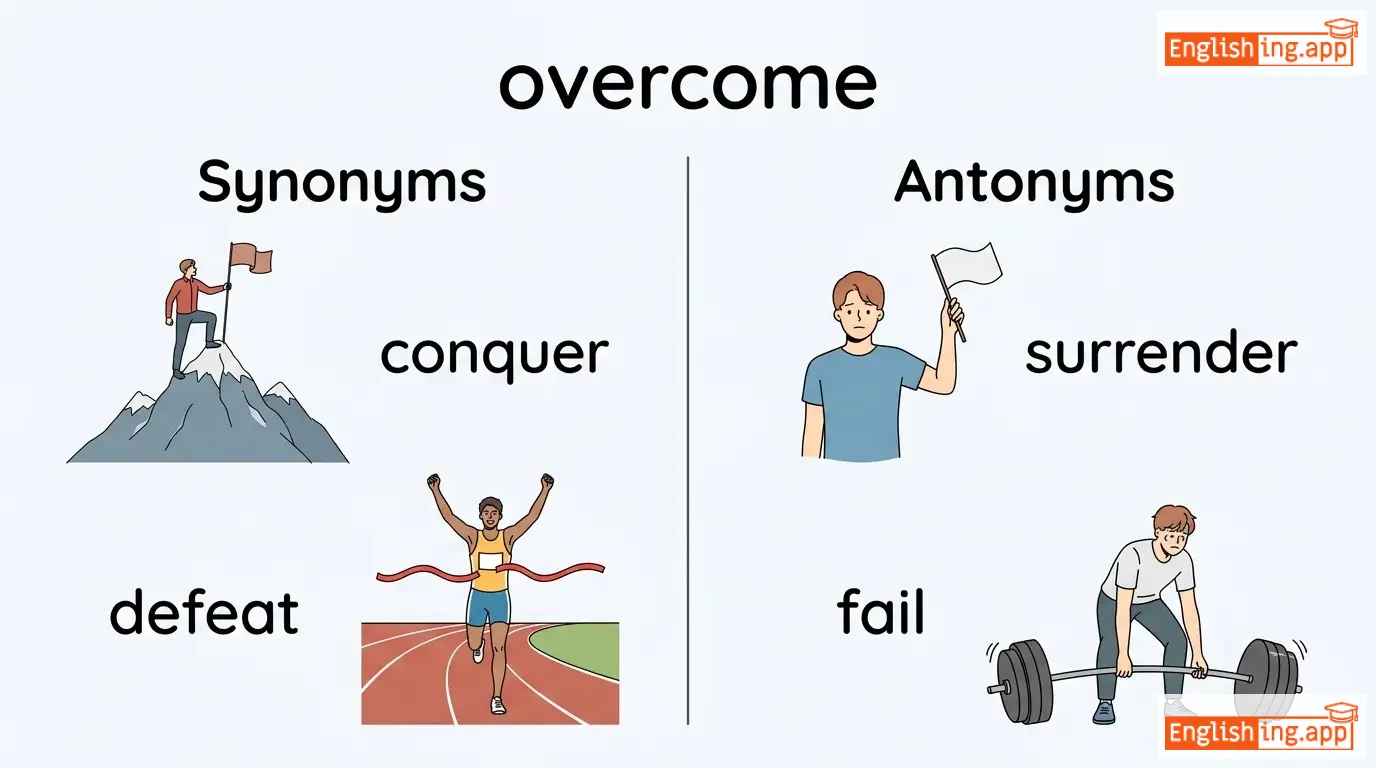
conquer, defeat, prevail, master
••••••
|
surrender, fail
••••••
|
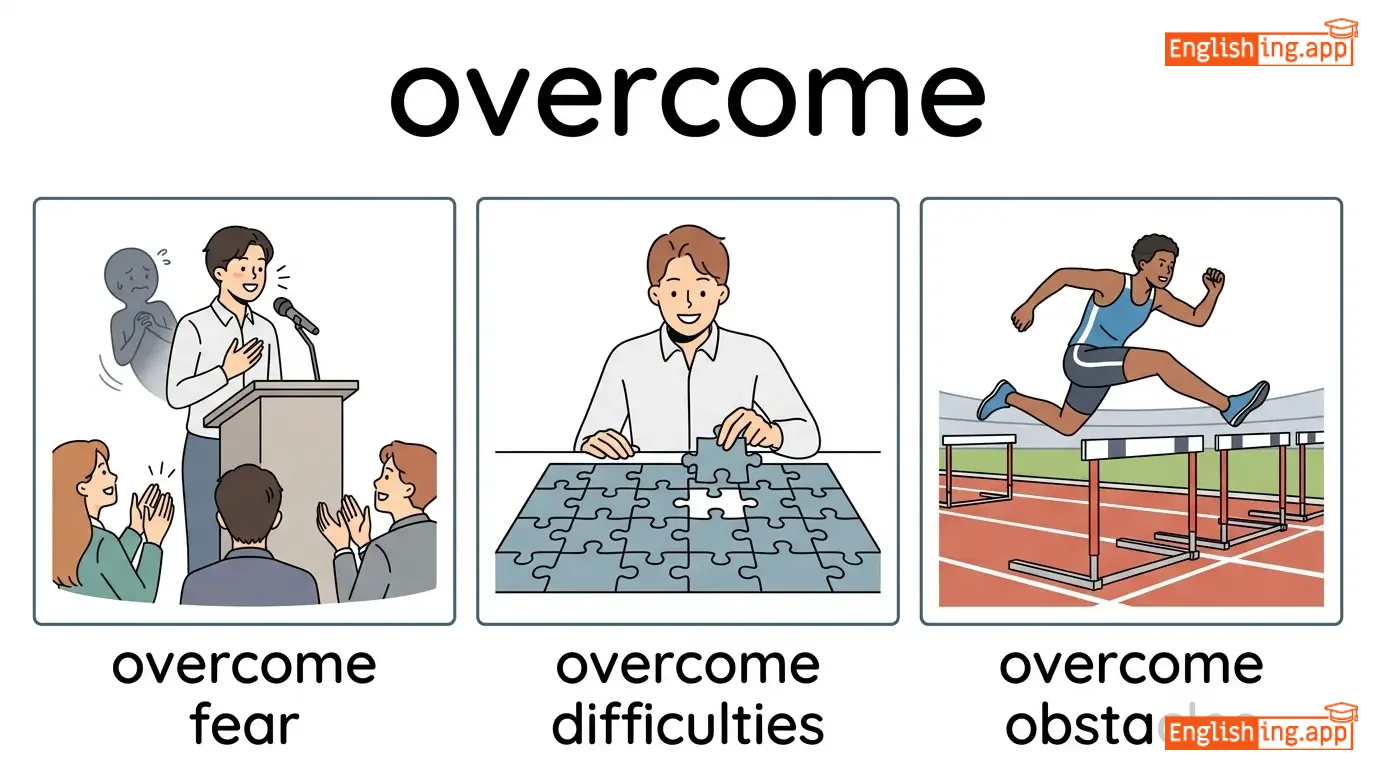
overcome fear, overcome difficulties, overcome obstacles, overcome challenges
••••••
|
克服就像战胜障碍 - 解决困难,取得胜利。
••••••
|
|
#10047
🏆
|
/aʊtˈstændɪŋ/
adjective
(aʊtˈstændɪŋ)
••••••
|
- •••••• |
杰出
jie chu
••••••
|
- •••••• | - •••••• | - •••••• | - •••••• |
extremely good or impressive; not yet resolved or paid
••••••
|
She received an award for her outstanding performance. |
她因出色的表现获得了奖项。
Ta yin chuse de biaoxian huode le jiangxiang.
••••••
|
outstanding debt |
unpaid amount of money that is still owed
••••••
|
未付债务
wei fu zhaiwu
••••••
|
excellent, remarkable, exceptional, notable
••••••
|
ordinary, mediocre
••••••
|
outstanding achievement, outstanding performance, outstanding debt, outstanding issue
••••••
|
Outstanding意味着在外面站着 - 非常好,大家都看到了
••••••
|
|
#10048
🌳
|
/ˌaʊtˈsaɪd/
noun/adjective/adverb
(àu cáid)
••••••
|
- •••••• |
外面
wàimiàn
••••••
|
- •••••• | - •••••• | - •••••• | - •••••• |
the external part or surface of something; beyond the boundary
••••••
|
Children were playing outside in the yard.
孩子们在院子外面玩。
••••••
|
孩子们在院子外面玩。
Háizimen zài yuànzi wàimiàn wán.
••••••
|
on the outside
在外面
••••••
|
viewed externally; not part of a group
••••••
|
在外面
zài wàimiàn
••••••
|
exterior, surface, outdoors, external
••••••
|
inside, interior
••••••
|
outside world, outside chance, outside influence, outside the box
••••••
|
Outside意味着外面,外面就是Outside
••••••
|
|
#10049
🌱
|
/ˈaʊtˌɡroʊθ/
noun
(aotǔgróuθ)
••••••
|
- •••••• |
衍生物
yǎnshēngwù
••••••
|
- •••••• | - •••••• | - •••••• | - •••••• |
something that grows out of something else; a natural development or result
••••••
|
The new policy was an outgrowth of years of debate. |
新政策是多年辩论的衍生物。
Xīn zhèngcè shì duōnián biànlùn de yǎnshēngwù.
••••••
|
- •••••• | - •••••• | - •••••• |
result, consequence, development, outcome
••••••
|
cause, origin
••••••
|
natural outgrowth, political outgrowth, economic outgrowth
••••••
|
成长导致衍生物 - 成长是衍生物的根源。
••••••
|
|
#10050
➡️
|
/aʊt/
adverb
(áo tè)
••••••
|
- •••••• |
外面
wàimiàn
••••••
|
- •••••• | - •••••• | - •••••• | - •••••• |
moving or appearing away from the inside or center; not at home or present
••••••
|
He stepped out of the room quietly. |
他悄悄地走出房间。
Tā qiāoqiāo de zǒuchū fángjiān.
••••••
|
out of the blue |
happening unexpectedly
••••••
|
突然
túrán
••••••
|
outside, away, absent, beyond
••••••
|
in, inside
••••••
|
out of control, out of reach, out of stock, out of time
••••••
|
Out意味着外面 - 在足球中,当球员出局时,他走出场外。
••••••
|
|
#10051
🦴
|
/ˈɑːsɪˌfaɪd/
adjective
(奥西法德)
••••••
|
- •••••• |
变成骨头,僵硬
biàn chéng gǔ tóu, jiāng yìng
••••••
|
- •••••• | - •••••• | - •••••• | - •••••• |
Turned into bone or become rigid; unwilling to change.
••••••
|
The company had an ossified management structure that resisted innovation. |
该公司有一个僵化的管理结构,抵制创新。
Gāi gōngsī yǒu yīgè jiānghuà de guǎnlǐ jiégòu, dǐzhì chuàngxīn.
••••••
|
- •••••• | - •••••• | - •••••• |
hardened, rigid, inflexible, fossilized
••••••
|
flexible, adaptable
••••••
|
ossified structure, ossified system, ossified attitude, ossified tradition
••••••
|
Ossified意味着像骨头一样—不会改变。
••••••
|
|
#10052
🌺
|
/ˌɔːrnəˈmɛntl/
adjective
(ornamental)
••••••
|
- •••••• |
装饰性的
zhuāngshì xìng de
••••••
|
- •••••• | - •••••• | - •••••• | - •••••• |
Serving as decoration; decorative rather than functional.
••••••
|
The garden was filled with ornamental plants. |
花园里满是装饰性的植物。
Huāyuán lǐ mǎn shì zhuāngshì xìng de zhíwù.
••••••
|
- •••••• | - •••••• | - •••••• |
decorative, embellishing, aesthetic, fancy
••••••
|
functional, practical
••••••
|
ornamental plants, ornamental design, ornamental garden, ornamental architecture
••••••
|
Ornamental 仅用于装饰,不用于工作。
••••••
|
|
#10053
🎄
|
/ˈɔːrnəmənt/
noun
(ornament)
••••••
|
- •••••• |
装饰品
zhuāngshìpǐn
••••••
|
- •••••• | - •••••• | - •••••• | - •••••• |
A decorative object that adds beauty to something.
••••••
|
The Christmas tree was decorated with colorful ornaments. |
圣诞树上装饰着五颜六色的装饰品。
Shèngdànshù shàng zhuāngshìzhe wǔyán liùsè de zhuāngshìpǐn.
••••••
|
- •••••• | - •••••• | - •••••• |
decoration, adornment, embellishment, trinket
••••••
|
plainness, bareness
••••••
|
Christmas ornament, gold ornament, ornamental piece, temple ornament
••••••
|
Ornament听起来像'装饰品',就是用来装饰的东西。
••••••
|
|
#10054
🥦
|
/ɔːrˈɡænɪk/
adjective
(ɔːrˈɡænɪk)
••••••
|
|
有机的
youji de
••••••
|
- •••••• | - •••••• | - •••••• | - •••••• |
Relating to or derived from living matter; produced without artificial chemicals.
••••••
|
They prefer to eat organic fruits and vegetables. |
他们更喜欢吃有机的水果和蔬菜。
Tamen geng xihuan chi youji de shuiguo he shucai.
••••••
|
organic growth |
Natural, gradual development without external force.
••••••
|
有机增长
youji zengzhang
••••••
|
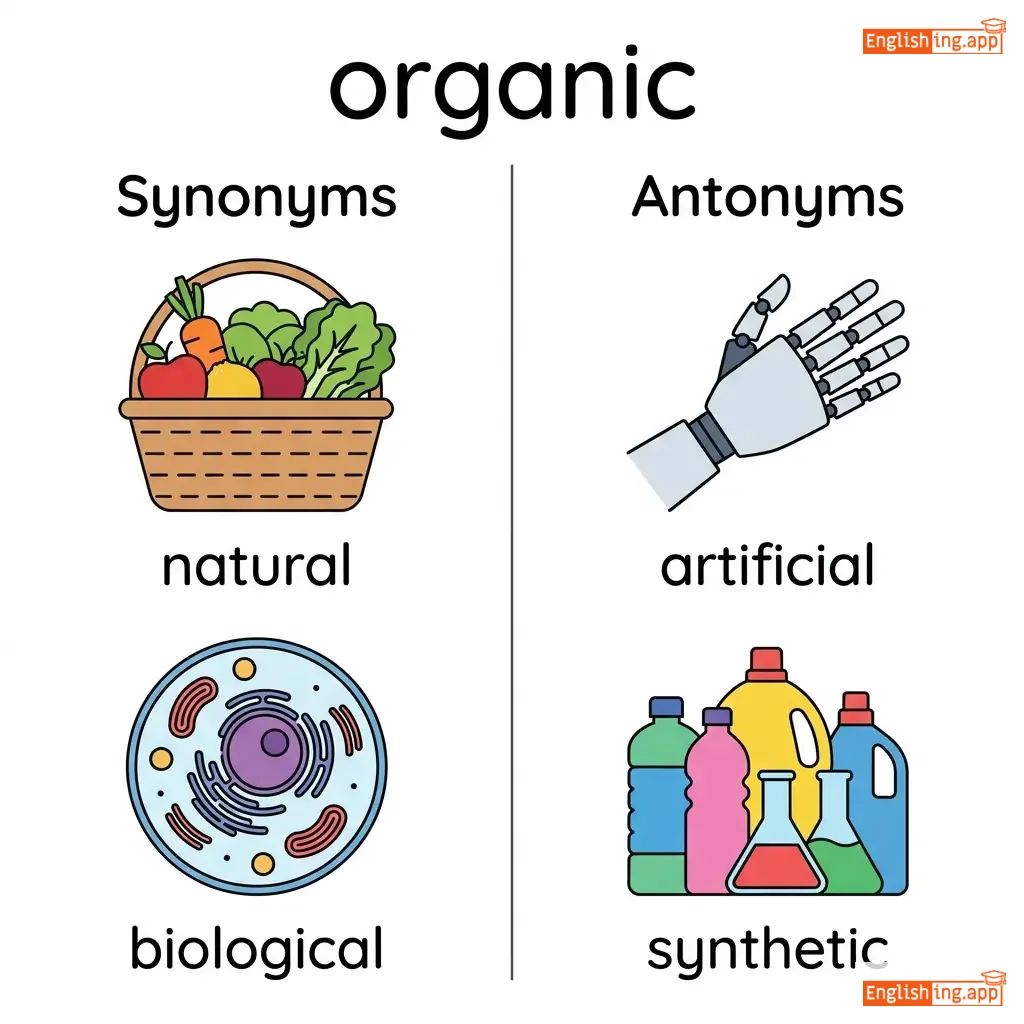
natural, biological, ecological, pure
••••••
|
artificial, synthetic, chemical
••••••
|
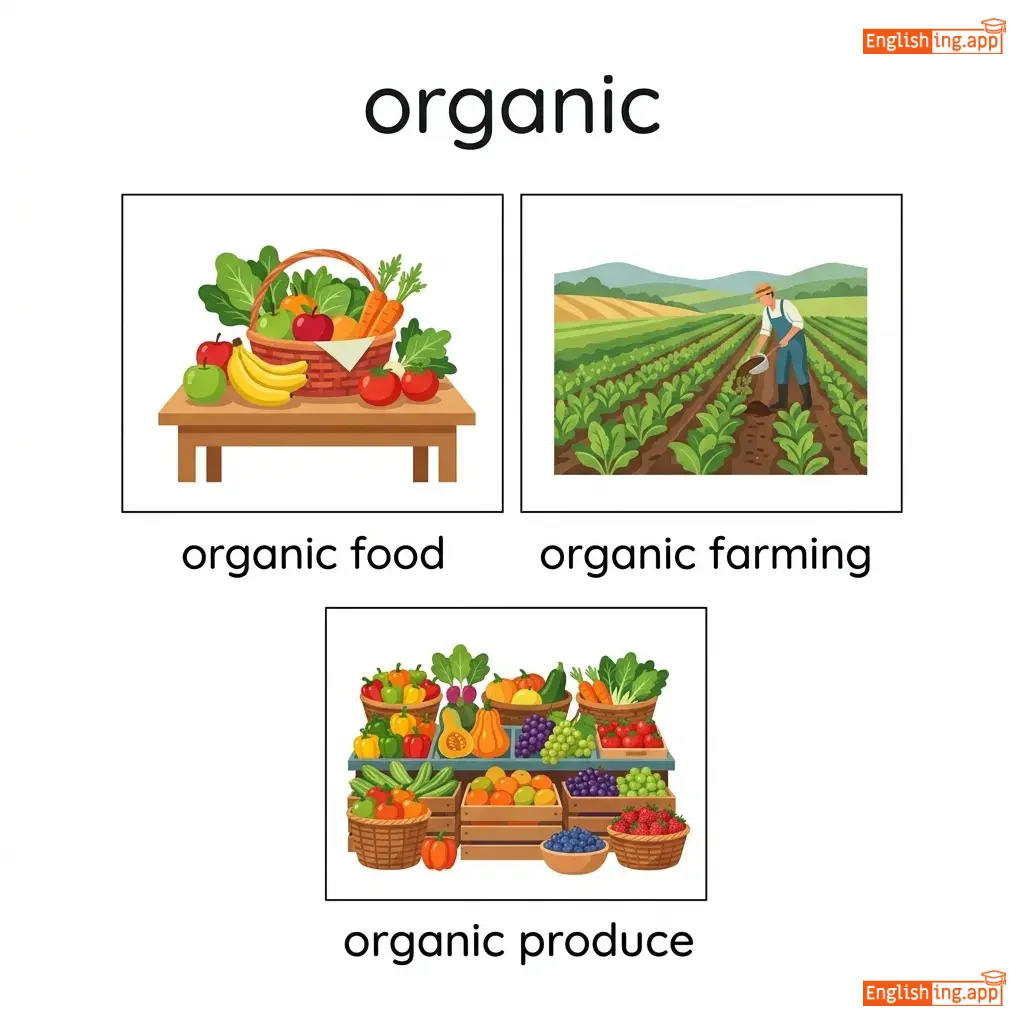
organic food, organic farming, organic produce, organic material
••••••
|
有机 = 来自自然的,如有机食品。
••••••
|
|
#10055
📘
|
/ˈɔːrdəˌnɛri/
adjective
(普通)
••••••
|
- •••••• |
普通的
putong de
••••••
|
- •••••• | - •••••• | - •••••• | - •••••• |
Common, usual, or not special; something that happens regularly.
••••••
|
She wore an ordinary dress to the party. |
她穿着一件普通的裙子去参加派对。
Ta chuanzhuo yijian putong de qunzi qu canjia paidui.
••••••
|
out of the ordinary |
Something unusual or different from what is normal.
••••••
|
非同寻常
fei tong xun chang
••••••
|
common, usual, regular, normal, typical
••••••
|
extraordinary, exceptional, unusual
••••••
|
ordinary life, ordinary people, ordinary day, ordinary circumstances
••••••
|
‘Ordinary’ 意味着‘秩序’—一切都在秩序中,一切都很普通。
••••••
|
|
#10056
🌞
|
/ˌɑːp.təˈmɪs.tɪk/
adjective
(乐观的)
••••••
|
- •••••• |
乐观的
lèguān de
••••••
|
- •••••• | - •••••• | - •••••• | - •••••• |
hopeful and confident about the future
••••••
|
She is optimistic about the success of her new project. |
她对新项目的成功持乐观态度。
Tā duì xīn xiàngmù de chénggōng chí lèguān tàidù.
••••••
|
glass half full |
viewing a situation positively
••••••
|
半杯水
bàn bēi shuǐ
••••••
|
hopeful, positive, confident, cheerful, upbeat
••••••
|
pessimistic, doubtful, hopeless
••••••
|
optimistic view, optimistic outlook, optimistic about, remain optimistic
••••••
|
乐观的意味着充满希望 🌞 — 记住,'乐观的' 就是 'optimistic' 在英语中的意思。
••••••
|
|
#10057
🔓
|
/ˈoʊ.pən/
verb, adjective
••••••
|
- •••••• | - •••••• |
opened
••••••
|
opened
••••••
|
opens
••••••
|
opening
••••••
|
to move something so that it is no longer closed; not closed
••••••
|
She opened the window to let in fresh air. |
- •••••• |
open secret |
something widely known but not officially acknowledged
••••••
|
- •••••• |
uncover, unlock, reveal, accessible, available
••••••
|
close, shut, lock
••••••
|
open door, open window, open opportunity, open mind
••••••
|
No •••••• |
|
#10058
1️⃣
|
/wʌn/
pronoun, noun, adjective
(wān)
••••••
|
- •••••• |
一
yi
••••••
|
- •••••• | - •••••• | - •••••• | - •••••• |
the number equivalent to the sum of zero and one; a single person or thing
••••••
|
Only one student answered the question.
只有一个学生回答了问题。
••••••
|
只有一个学生回答了问题。
Zhǐ yǒu yī gè xuéshēng huídále wèntí.
••••••
|
one of a kind
独一无二
••••••
|
unique; very special
••••••
|
独一无二
dú yī wú èr
••••••
|
single, individual, sole, unique
••••••
|
many, multiple
••••••
|
one day, one time, one person, one chance
••••••
|
ONE意味着一 1️⃣ — 'duī yī wú èr' 记住
••••••
|
|
#10059
📖
|
/ɒn/
preposition
(オン)
••••••
|
- •••••• |
在
zài
••••••
|
- •••••• | - •••••• | - •••••• | - •••••• |
physically in contact with and supported by a surface
••••••
|
The book is on the table. |
书在桌子上。
Shū zài zhuōzi shàng.
••••••
|
on time |
punctual; not late
••••••
|
准时
zhǔnshí
••••••
|
upon, atop, over, above
••••••
|
off, away
••••••
|
on the table, on the way, on purpose, on duty
••••••
|
书在桌子上 📖 — 记住‘on’的意思是‘在’
••••••
|
|
#10060
😊
|
/naɪs/
adjective
(nài sī)
••••••
|
- •••••• |
友好
yǒu hǎo
••••••
|
- •••••• | - •••••• | - •••••• | - •••••• |
pleasant, kind, or enjoyable
••••••
|
She is a very nice person to work with. |
她是一个非常友好的人,和她一起工作很愉快。
Tā shì yī gè fēicháng yǒu hǎo de rén, hé tā yīqǐ gōngzuò hěn yú kuài.
••••••
|
nice and easy |
something simple and comfortable
••••••
|
友好且简单
yǒu hǎo qiě jiǎn dān
••••••
|
pleasant, kind, friendly, agreeable, charming
••••••
|
mean, rude, unpleasant
••••••
|
nice day, nice person, nice weather, nice job, nice to meet
••••••
|
友好 = 一个友好的人总是愉快的!
••••••
|
|
#10061
👶
|
/ˈɒf.sprɪŋ/
noun
(奥夫-斯普林)
••••••
|
- •••••• |
后代
hòudài
••••••
|
- •••••• | - •••••• | - •••••• | - •••••• |
a person's child or children; an animal's young
••••••
|
The bird carefully fed its offspring.
那只鸟小心地喂养了它的后代。
••••••
|
那只鸟小心地喂养了它的后代。
Nà zhī niǎo xiǎoxīn de wèiyǎngle tā de hòudài.
••••••
|
- •••••• | - •••••• | - •••••• |
children, progeny, descendants, young
••••••
|
parent, ancestor
••••••
|
human offspring, animal offspring, produce offspring, healthy offspring
••••••
|
Offspring = 'off' (离开) + 'spring' (春天) → 新的生命开始 → 后代
••••••
|
|
#10062
🏢
|
/ˈɒf.ɪs/
noun
(办公室)
••••••
|
- •••••• |
办公室
bàngōngshì
••••••
|
- •••••• | - •••••• | - •••••• | - •••••• |
a room or building where people work, usually at desks
••••••
|
She left the office early to attend a family event.
她提前离开办公室去参加家庭活动。
••••••
|
她提前离开办公室去参加家庭活动。
Tā tíqián líkāi bàngōngshì qù cānjiā jiātíng huódòng.
••••••
|
hold office
担任职务
••••••
|
to be in a position of authority or responsibility
••••••
|
担任职务
dānrèn zhíwù
••••••
|
workplace, bureau, department, agency, company
••••••
|
home, outdoors
••••••
|
office building, office hours, office desk, office staff
••••••
|
办公室是工作场所;在办公室里人们总是工作。
••••••
|
|
#10063
😠
|
/əˈfɛnd/
verb
(阿芬德)
••••••
|
- •••••• |
冒犯
màofàn
••••••
|
offended
阿芬德德
••••••
|
offended
阿芬德德
••••••
|
offends
阿芬德斯
••••••
|
offending
阿芬丁
••••••
|
to cause someone to feel upset, insulted, or annoyed
••••••
|
She didn’t mean to offend anyone with her remarks.
她不想用她的评论冒犯任何人。
••••••
|
她不想用她的评论冒犯任何人。
Tā bùxiǎng yòng tā de pínglùn màofàn rènhé rén.
••••••
|
take offense
感到冒犯
••••••
|
to feel insulted or hurt
••••••
|
感到冒犯
gǎndào màofàn
••••••
|
insult, upset, irritate, annoy, disrespect
••••••
|
please, satisfy, comfort
••••••
|
offend someone, deeply offend, intentionally offend, offend against
••••••
|
冒犯人心会让人心生不快。
••••••
|
|
#10064
🤔
|
/ɒd/
adjective
(od)
••••••
|
- •••••• |
奇怪
qiguai
••••••
|
- •••••• | - •••••• | - •••••• | - •••••• |
different from what is usual or expected; strange or peculiar
••••••
|
He has some odd habits that surprise everyone. |
他有一些奇怪的习惯,令人感到惊讶。
Ta you yixie qiguai de xiguan, lingren gandao jingya.
••••••
|
odd one out |
something or someone that is different from the rest
••••••
|
格格不入
gege buru
••••••
|
strange, unusual, peculiar, weird, irregular
••••••
|
normal, usual, regular
••••••
|
odd number, odd job, odd behavior, odd coincidence
••••••
|
Odd 是奇怪的 (qiguai); Odd = 奇怪的。
••••••
|
|
#10065
👀
|
/ˈɒb.vi.əs/
adjective
(奥比厄斯)
••••••
|
- •••••• |
显而易见
xian er yi jian
••••••
|
- •••••• | - •••••• | - •••••• | - •••••• |
easily perceived or understood; clear and apparent
••••••
|
It was obvious that she was upset after the meeting. |
开会后很明显她感到不安。
Kai hui hou hen ming xian ta gan dao bu an.
••••••
|
the obvious choice |
something that is the most evident or suitable option
••••••
|
显而易见的选择
xian er yi jian de xuan ze
••••••
|
clear, evident, apparent, noticeable, plain
••••••
|
hidden, unclear, obscure
••••••
|
obvious reason, obvious fact, obvious mistake, obvious difference
••••••
|
显而易见 = 明显的,易于看到。
••••••
|
|
#10066
🙇
|
/oʊˈbeɪ/
verb
(欧贝)
••••••
|
|
服从
fúcóng
••••••
|
obeyed
欧贝德
••••••
|
obeyed
欧贝德
••••••
|
obeys
欧贝斯
••••••
|
obeying
欧贝英
••••••
|
to follow the commands, rules, or laws
••••••
|
Children are taught to obey their parents.
孩子们被教导服从父母。
••••••
|
孩子们被教导服从父母。
Háizimen bèi jiàodǎo fúcóng fùmǔ.
••••••
|
obey the law
遵守法律
••••••
|
to follow legal rules and regulations
••••••
|
遵守法律
zūnshǒu fǎlǜ
••••••
|
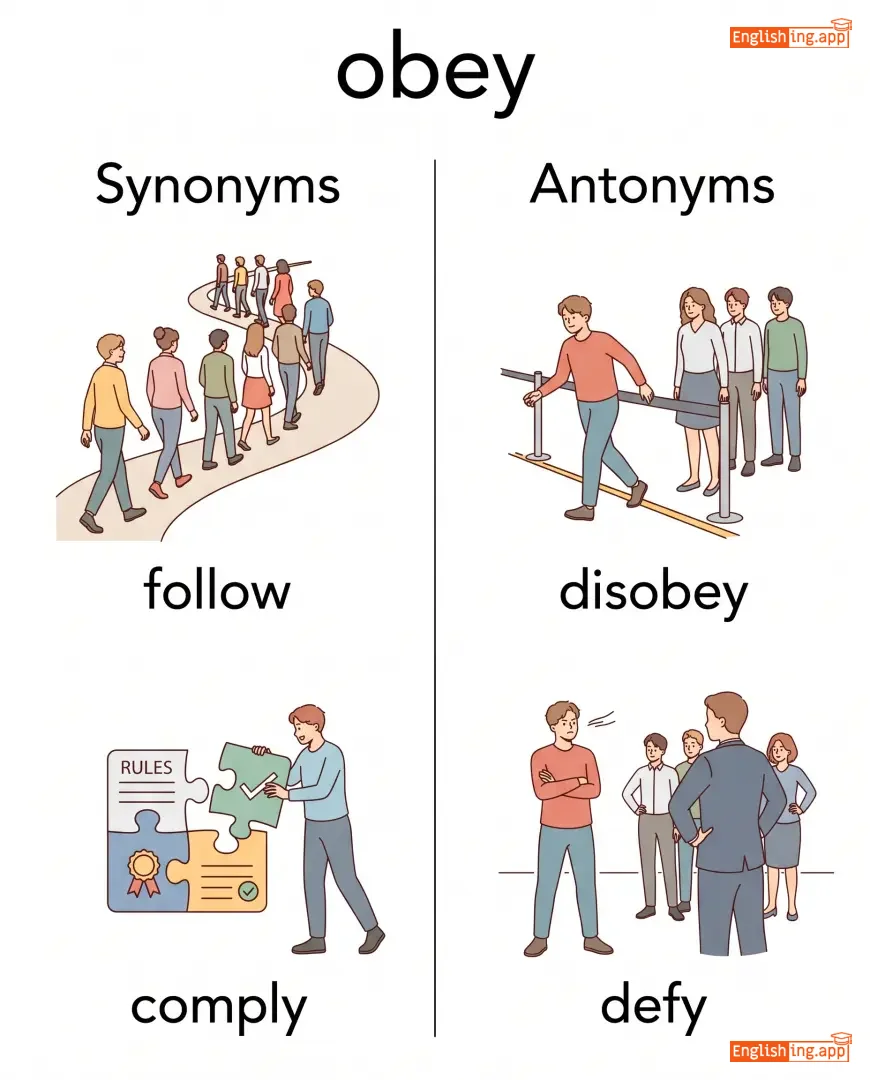
follow, comply, respect, submit
••••••
|
disobey, defy
••••••
|
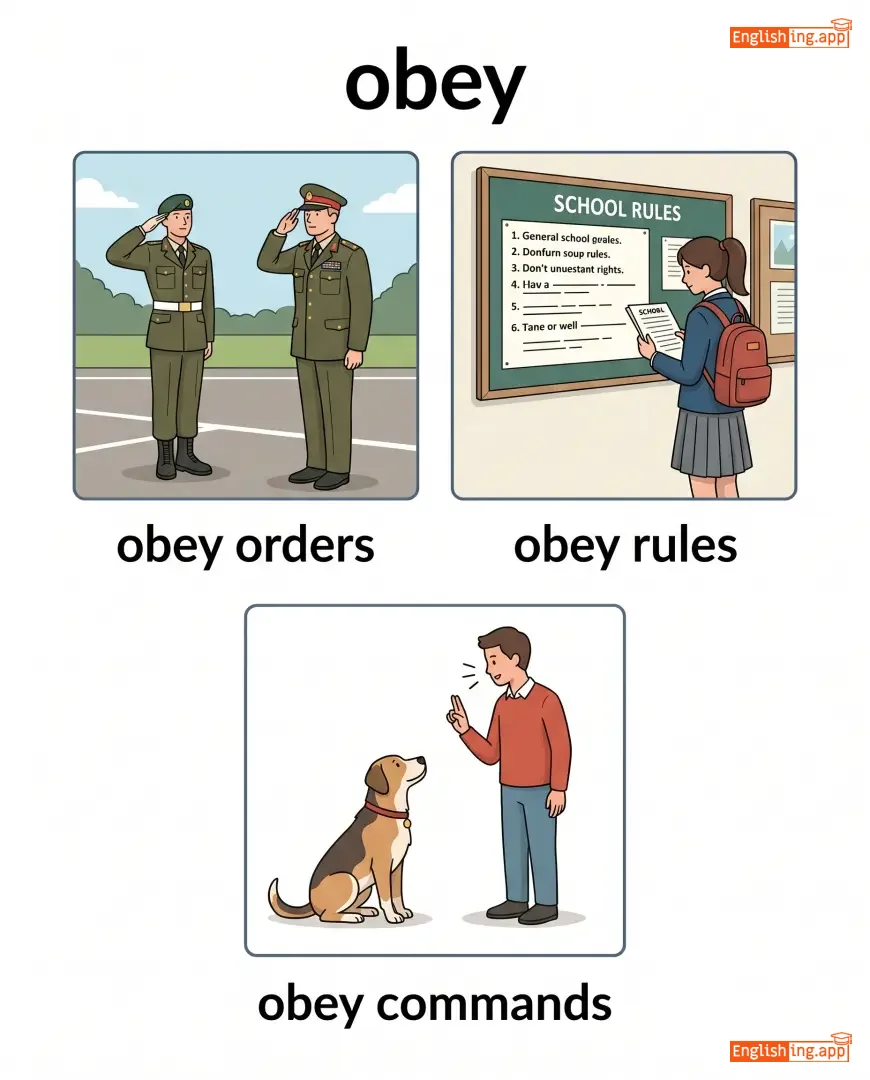
obey orders, obey rules, obey commands, obey instantly
••••••
|
服从意味着遵守命令 — fú (服从) cóng (从)。
••••••
|
|
#10067
🔢
|
/ˈnjuːmərəs/
adjective
(纽梅拉斯)
••••••
|
- •••••• |
众多
zhòngduō
••••••
|
- •••••• | - •••••• | - •••••• | - •••••• |
existing in large numbers; many
••••••
|
There are numerous opportunities for growth in this field.
在这个领域有很多机会可以成长。
••••••
|
在这个领域有很多机会可以成长。
Zài zhège lǐngyù yǒu hěnduō jīhuì kěyǐ chéngzhǎng.
••••••
|
- •••••• | - •••••• | - •••••• |
many, countless, abundant, multiple
••••••
|
few, scarce
••••••
|
numerous times, numerous opportunities, numerous examples, numerous occasions
••••••
|
Numerous意味着很多 — Number来自Numerous,意味着很多数字。
••••••
|
|
#10068
📢
|
/ˈnoʊtɪfaɪ/
verb
(诺蒂法)
••••••
|
- •••••• |
通知
tongzhi
••••••
|
notified
诺蒂法德
••••••
|
notified
诺蒂法德
••••••
|
notifies
诺蒂法兹
••••••
|
notifying
诺蒂法英
••••••
|
to inform someone officially about something
••••••
|
The manager will notify the staff about the schedule change.
经理将通知员工关于时间表的变化。
••••••
|
经理将通知员工关于时间表的变化。
Jīnglǐ jiāng tōngzhī yuángōng guānyú shíjiān biǎo de biànhuà.
••••••
|
notify of
通知
••••••
|
to inform about something specific
••••••
|
通知
tongzhi
••••••
|
inform, alert, announce, communicate
••••••
|
hide, conceal
••••••
|
notify immediately, notify customers, notify authorities, notify in writing
••••••
|
Notify 是通知的意思 — 就像我们会收到通知一样。
••••••
|
|
#10069
⭐
|
/ˈnoʊtɪd/
adjective, verb
(诺特德)
••••••
|
- •••••• |
著名
zhùmíng
••••••
|
noted
诺特德
••••••
|
noted
诺特德
••••••
|
- •••••• | - •••••• |
well known or famous; written down or observed
••••••
|
He is a noted author in the field of history.
他是历史领域的著名作家。
••••••
|
他是历史领域的著名作家。
Tā shì lìshǐ lǐngyù de zhùmíng zuòjiā.
••••••
|
- •••••• | - •••••• | - •••••• |
renowned, famous, distinguished, prominent
••••••
|
unknown, obscure
••••••
|
noted scholar, noted for, noted writer, noted speaker
••••••
|
Noted 意思是著名 — 就像一个每个人都知道的作者。
••••••
|
|
#10070
📝
|
/noʊt/
noun, verb
(诺特)
••••••
|
|
便条
biàn tiáo
••••••
|
noted
诺特德
••••••
|
noted
诺特德
••••••
|
notes
诺特斯
••••••
|
noting
诺定
••••••
|
a brief record of facts, topics, or thoughts written down; to observe or remark upon something
••••••
|
She wrote a quick note to remind herself of the meeting.
她写了一张快速的便条,提醒自己开会的事。
••••••
|
她写了一张快速的便条,提醒自己开会的事。
Tā xiěle yī zhāng kuài sù de biàn tiáo, tí xǐng zì jǐ kāi huì de shì.
••••••
|
take note
注意
••••••
|
to pay attention or give special consideration
••••••
|
注意
zhù yì
••••••
|
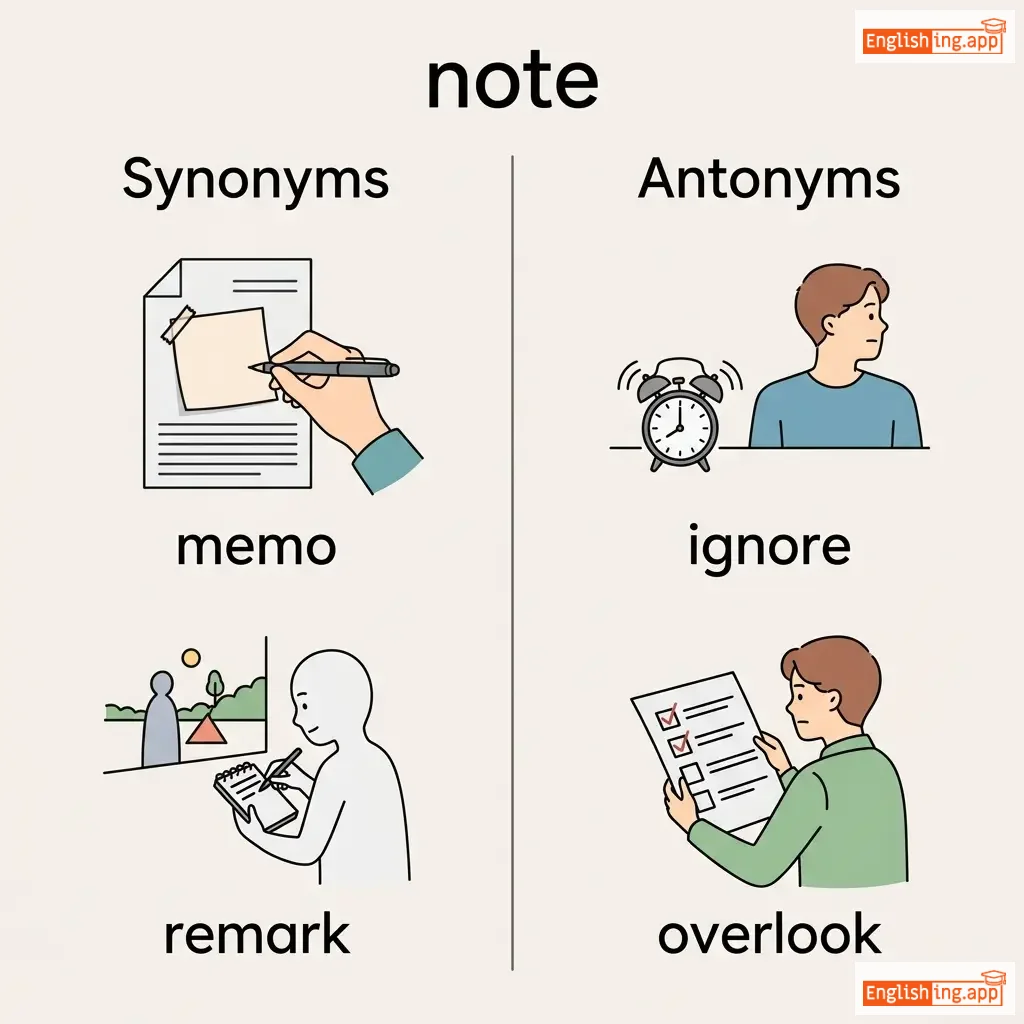
memo, remark, message, record, observation
••••••
|
ignore, overlook
••••••
|
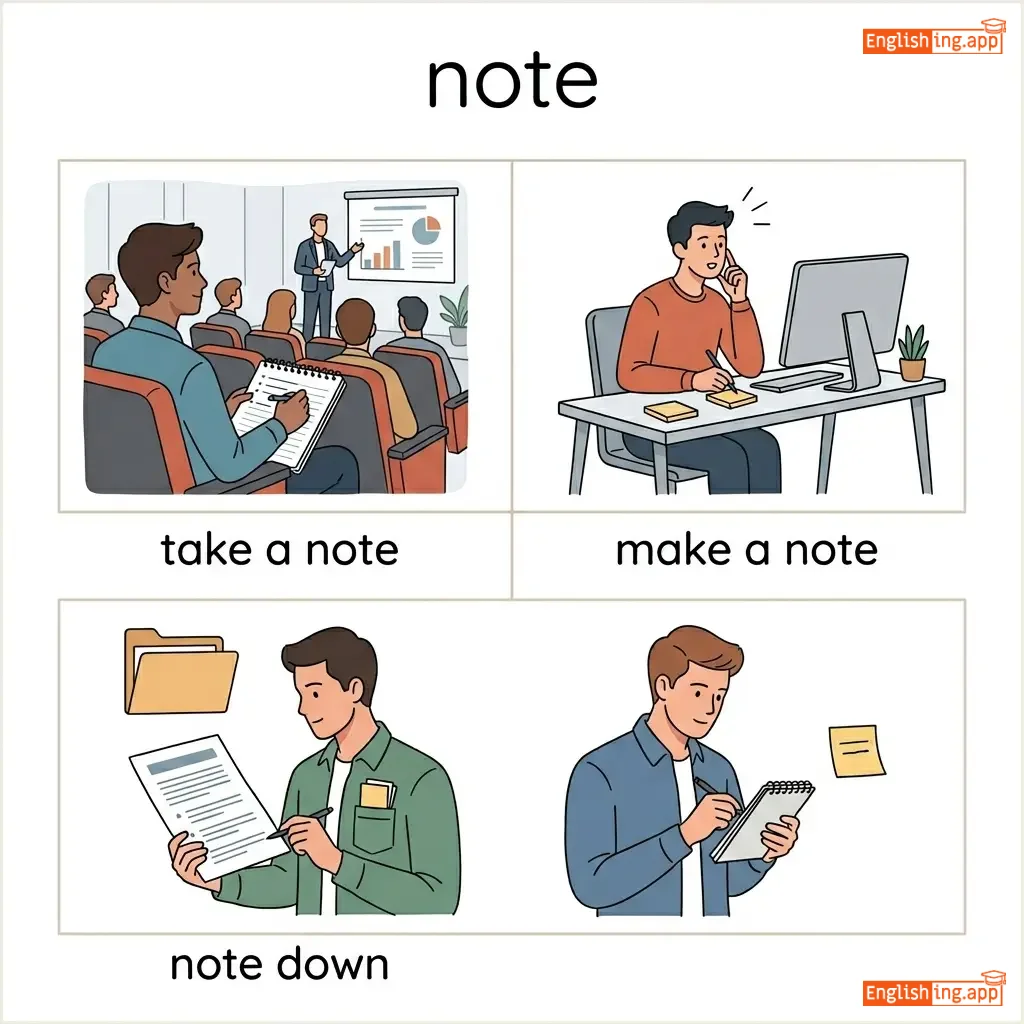
take a note, make a note, note down, note carefully
••••••
|
写下便条,提醒自己记住重要的事。
••••••
|
|
#10071
📏
|
/ˈnɔː.məl/
adjective
(nɔːr.məl)
••••••
|
- •••••• |
正常
zhèngcháng
••••••
|
- •••••• | - •••••• | - •••••• | - •••••• |
conforming to a standard; usual, typical, or expected
••••••
|
It is normal to feel nervous before an interview. |
在面试前感到紧张是正常的。
Zài miànshì qián gǎndào jǐnzhāng shì zhèngcháng de.
••••••
|
back to normal |
returning to a usual or typical state
••••••
|
恢复正常
huīfù zhèngcháng
••••••
|
usual, ordinary, typical, standard, regular
••••••
|
abnormal, unusual, strange
••••••
|
normal life, normal situation, normal condition, back to normal
••••••
|
Normal = 正常, 一切正常 📏
••••••
|
|
#10072
☀️
|
/nuːn/
noun
(noon)
••••••
|
- •••••• |
中午
zhongwu
••••••
|
- •••••• | - •••••• | - •••••• | - •••••• |
12 o'clock in the daytime; midday
••••••
|
The meeting will start at noon. |
会议将在中午开始。
Huiyi jiang zai zhongwu kaishi.
••••••
|
high noon |
exactly midday; sometimes used to describe a decisive confrontation
••••••
|
中午
zhongwu
••••••
|
midday, twelve o'clock, middaytime
••••••
|
midnight
••••••
|
at noon, by noon, until noon, high noon
••••••
|
Noon 意味着中午,太阳 ☀️ 正在正上方
••••••
|
|
#10073
👑
|
/nəʊˈbɪləti/
noun
(nóubìlìtī)
••••••
|
- •••••• |
高贵
gaogui
••••••
|
- •••••• | - •••••• | - •••••• | - •••••• |
the quality of being noble in character or the group of people belonging to the aristocracy
••••••
|
The king praised her for her nobility and courage.
国王因她的高贵和勇气表扬了她。
••••••
|
国王因她的高贵和勇气表扬了她。
Guówáng yīn tā de gāoguì hé yǒngqì biǎoyángle tā.
••••••
|
- •••••• | - •••••• | - •••••• |
aristocracy, honor, dignity, virtue
••••••
|
baseness, dishonor
••••••
|
nobility of spirit, nobility of character, the nobility
••••••
|
Noble + ity = 高贵意味着高贵
••••••
|
|
#10074
🌙
|
/ˈnaɪt.fɔːl/
noun
(nàitè fú)
••••••
|
- •••••• |
夜幕降临
yèmù jiànglín
••••••
|
- •••••• | - •••••• | - •••••• | - •••••• |
the time when night begins; dusk
••••••
|
They decided to return home before nightfall. |
他们决定在夜幕降临之前回家。
Tāmen juédìng zài yèmù jiànglín zhīqián huíjiā.
••••••
|
- •••••• | - •••••• | - •••••• |
dusk, evening, sundown, twilight
••••••
|
daybreak, sunrise
••••••
|
before nightfall, until nightfall, at nightfall
••••••
|
Night + Fall = 夜幕降临
••••••
|
Vocabulary Quiz
Test your vocabulary by matching words with their translations or meanings.
Login to take the quiz
Comments (0)
Share your thoughts and join the discussion.
Join the discussion by logging in
Login to CommentNo comments yet
Be the first to share your thoughts!