




Swipe left or right, or use the buttons. Tap image to zoom.
例句翻译
单词
Lesson 227Lesson 227 - 遮罩切换
|
表情符号
|
单词 | Images | 翻译 | 过去时 | 过去分词 | 第三人称单数 | 动名词 | 含义 | 例句 | 例句翻译 | 示例表达 | 示例表达含义 | 示例表达翻译 | 同义词 | 反义词 | 搭配词 | 助记符 |
|---|---|---|---|---|---|---|---|---|---|---|---|---|---|---|---|---|---|
|
#6780
💪
|
/ˈpoʊtənsi/
noun
(波腾西)
••••••
|
- •••••• |
效能
xiaoneng
••••••
|
- •••••• | - •••••• | - •••••• | - •••••• |
The power or ability of something to affect or influence; strength or effectiveness.
••••••
|
The potency of the new medicine amazed the doctors. |
新药的效能令医生们惊讶。
Xin yao de xiaoneng ling yishengmen jingya.
••••••
|
- •••••• | - •••••• | - •••••• |
strength, power, force, effectiveness, vigor
••••••
|
weakness, impotence, ineffectiveness
••••••
|
potency of medicine, sexual potency, potency level, potency of herbs
••••••
|
Potency意味着效能,像是power增加效能。
••••••
|
|
#6781
👩⚕️
|
/prækˈtɪʃ.ən.ər/
noun
(pɹækˈtɪʃənər)
••••••
|
- •••••• |
从业者
congyè zhě
••••••
|
- •••••• | - •••••• | - •••••• | - •••••• |
a person actively engaged in a profession, especially medicine or law
••••••
|
She is a skilled medical practitioner. |
她是一位合格的医学从业者。
Tā shì yī wèi hégé de yīxué cóngyè zhě.
••••••
|
- •••••• | - •••••• | - •••••• |
professional, specialist, expert, clinician, doctor
••••••
|
amateur, novice, layman
••••••
|
legal practitioner, medical practitioner, experienced practitioner
••••••
|
Practitioner 是指从事某一职业的人,像医生或律师。
••••••
|
|
#6782
🎻
|
/ˈpræk.tɪs/
noun/verb
(实践)
••••••
|
|
练习
lianxi
••••••
|
practiced
实践过
••••••
|
practiced
实践过
••••••
|
practices
实践
••••••
|
practicing
实践中
••••••
|
the act of doing something repeatedly to improve skill, or the actual application of an idea
••••••
|
He practices the piano every day.
他每天练习钢琴。
••••••
|
他每天练习钢琴。
Ta mei tian lianxi gangqin.
••••••
|
in practice
在实践中
••••••
|
in reality, as opposed to theory
••••••
|
在实践中
zai shijian zhong
••••••
|
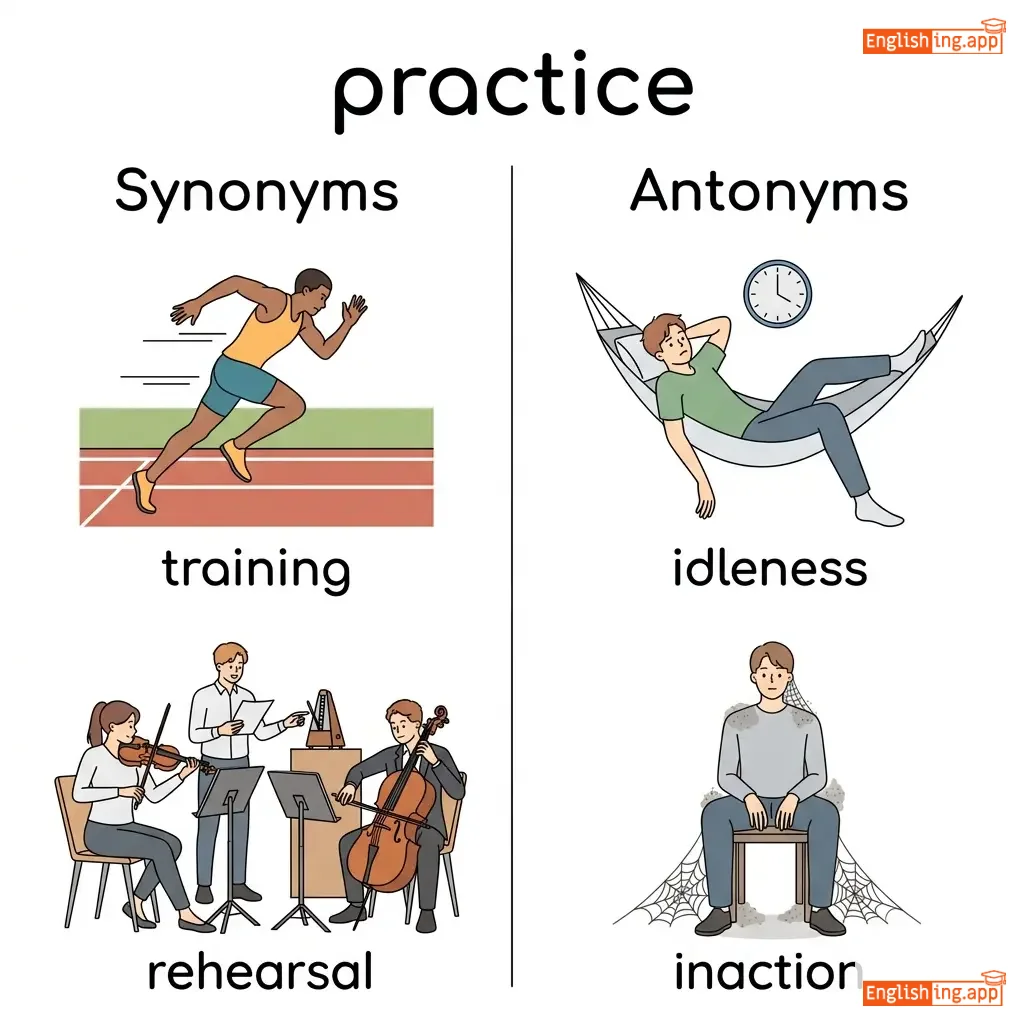
training, rehearsal, exercise, habit, application
••••••
|
idleness, inaction, neglect
••••••
|
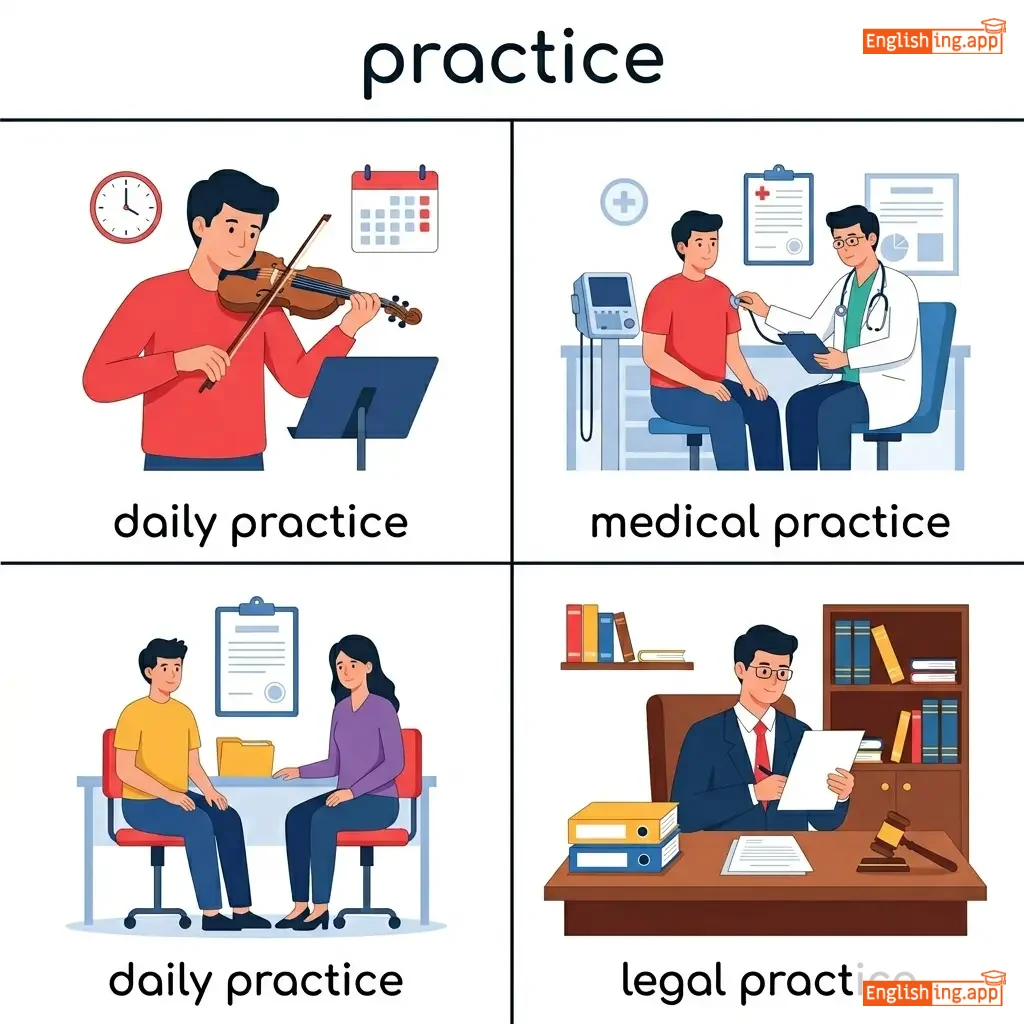
daily practice, medical practice, legal practice, practice session
••••••
|
练习使完美 - 'Practice makes perfect'
••••••
|
|
#6783
🔧
|
/ˈpræk.tɪ.kəl/
adjective
(pùlìkè)
••••••
|
|
实用的
shiyong de
••••••
|
- •••••• | - •••••• | - •••••• | - •••••• |
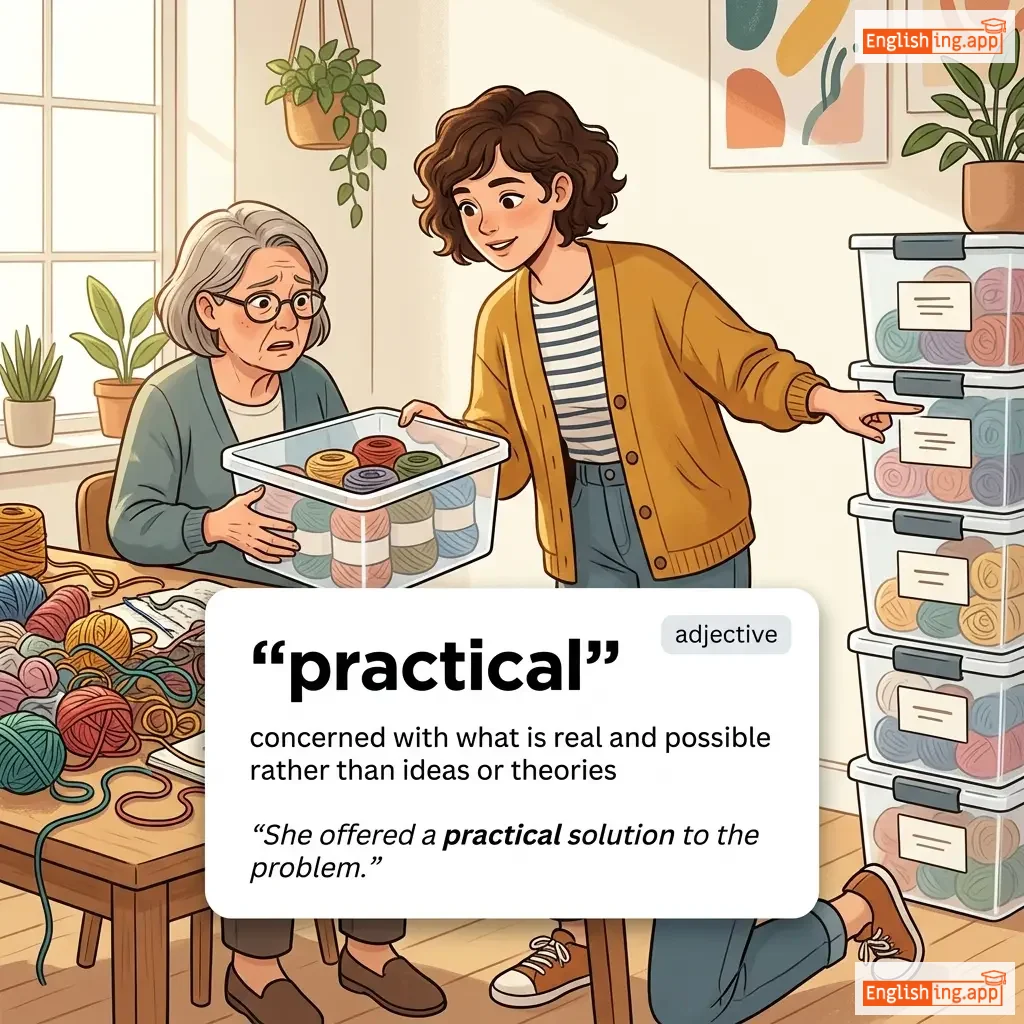
concerned with what is real and possible rather than ideas or theories
••••••
|
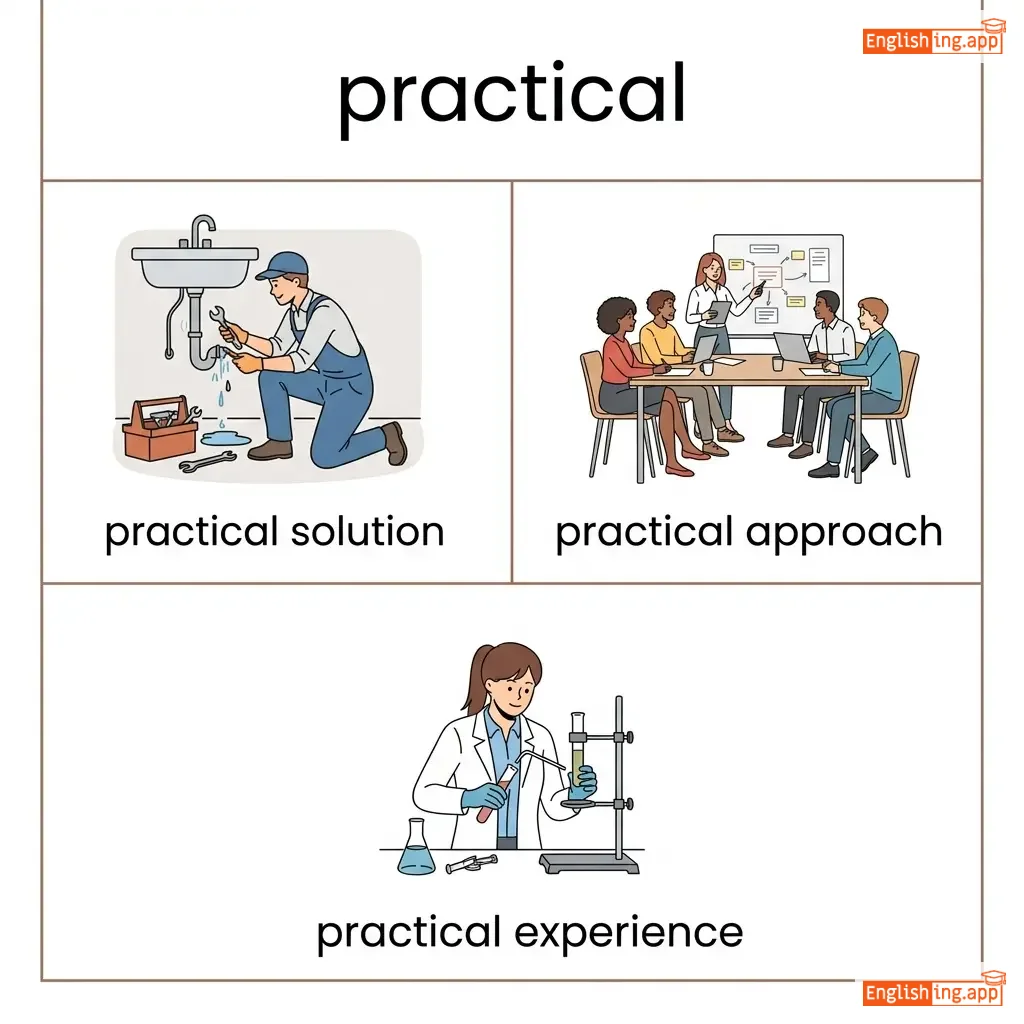
She offered a practical solution to the problem. |
她提供了一个实际的解决方案。
Ta tigongle yige shiji de jiejue fang'an.
••••••
|
practice makes perfect |
the more you practice something, the better you become at it
••••••
|
熟能生巧
shuneng shengqiao
••••••
|
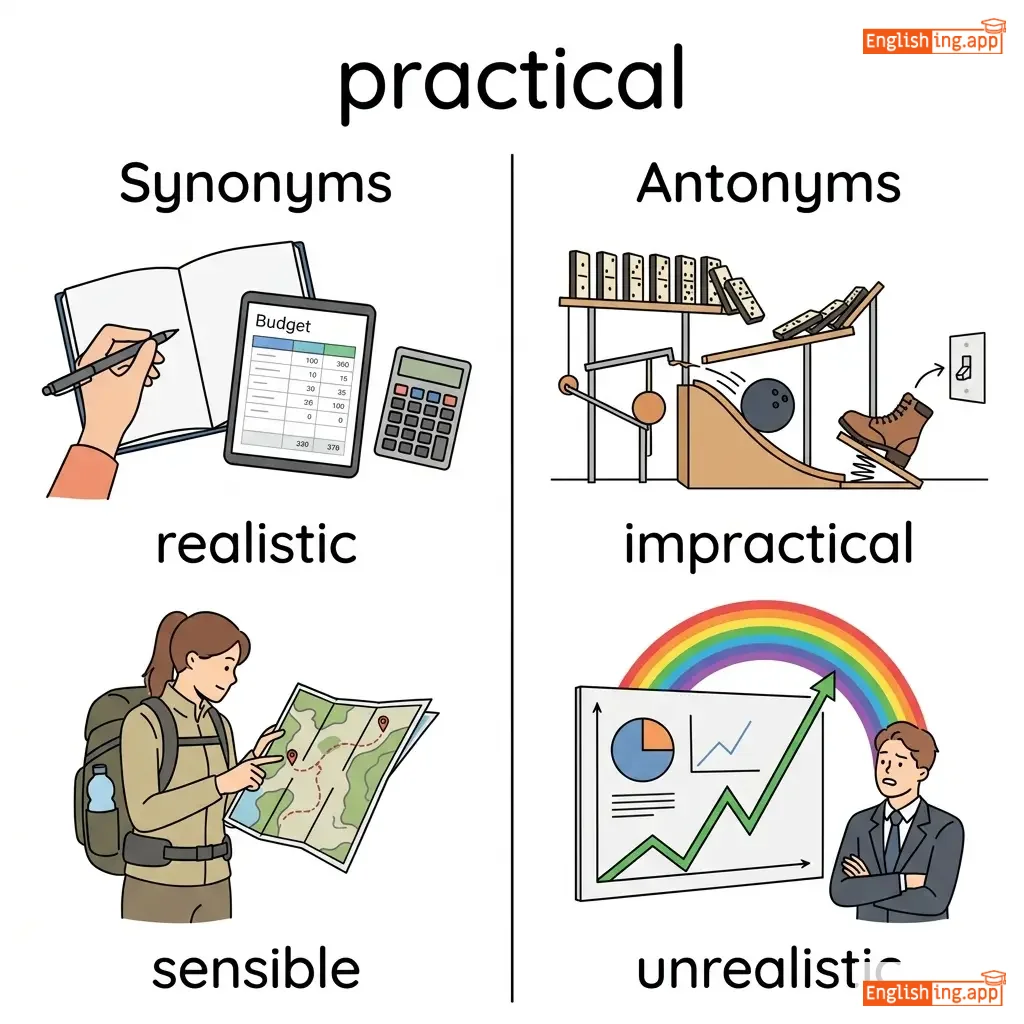
realistic, sensible, useful, logical, pragmatic
••••••
|
impractical, unrealistic, theoretical
••••••
|
practical solution, practical approach, practical experience, practical advice
••••••
|
实用的意味着做真实的事情,而不是理论
••••••
|
|
#6784
🛠️
|
/ˈpræk.tɪ.kə.bəl/
adjective
(实践可行)
••••••
|
- •••••• |
可行
kexing
••••••
|
- •••••• | - •••••• | - •••••• | - •••••• |
able to be done or put into practice successfully
••••••
|
The plan is not practicable without more resources.
这个计划没有更多的资源就不可行。
••••••
|
没有更多的资源,这个计划是不可行的。
Meiyou geng duo de ziyuan, zhege jihua shi bukexing de.
••••••
|
- •••••• | - •••••• | - •••••• |
feasible, workable, possible, viable, achievable
••••••
|
impracticable, impossible, unworkable
••••••
|
practicable solution, practicable method, practicable approach
••••••
|
如果可以做,那就是可行的 (可行).
••••••
|
|
#6785
🪶
|
/ˈpaʊ.waʊ/
noun
(pàowāo)
••••••
|
- •••••• |
非正式会议
fei zhengshi huiyi
••••••
|
- •••••• | - •••••• | - •••••• | - •••••• |
an informal meeting or conference to discuss something
••••••
|
The team held a quick powwow before the presentation. |
团队在演示之前举行了一个快速的非正式会议。
tuandui zai yanshi zhīqián jǔxíngle yīgè kuàisù de fēi zhèngshì huìyì.
••••••
|
- •••••• | - •••••• | - •••••• |
meeting, gathering, discussion, huddle, conference
••••••
|
silence, isolation, solitude
••••••
|
quick powwow, team powwow, informal powwow, morning powwow
••••••
|
Pow + wow 就是一个快速的讨论会
••••••
|
|
#6786
💤
|
/ˈpaʊərləs/
adjective
(pàowàlè sī)
••••••
|
- •••••• |
无力的
wúlì de
••••••
|
- •••••• | - •••••• | - •••••• | - •••••• |
without ability, influence, or strength
••••••
|
She felt powerless against the unfair system. |
她在不公平的系统面前感到无力。
Tā zài bù gōngpíng de xìtǒng miànqián gǎndào wúlì.
••••••
|
feel powerless |
to feel unable to act or control a situation
••••••
|
感到无力
gǎndào wúlì
••••••
|
helpless, weak, defenseless, vulnerable
••••••
|
powerful, strong, capable
••••••
|
feel powerless, completely powerless, powerless against
••••••
|
Powerless 是没有力量的意思 → 没有能力或影响力。
••••••
|
|
#6787
😒
|
/paʊt/
verb
(泡特)
••••••
|
- •••••• |
撅嘴
jue zui
••••••
|
pouted
泡特德
••••••
|
pouted
泡特德
••••••
|
pouts
泡特斯
••••••
|
pouting
泡特英
••••••
|
to push one's lips forward as an expression of annoyance or sulkiness
••••••
|
The child began to pout when he didn’t get the toy.
孩子没得到玩具时开始嘟嘴。
••••••
|
孩子没得到玩具时开始撅嘴。
Haizi mei dedao wanju shi kaishi jue zui.
••••••
|
pouty face
撅嘴脸
••••••
|
an exaggerated sulky expression with lips pushed out
••••••
|
撅嘴脸
jue zui lian
••••••
|
sulk, frown, brood, mope
••••••
|
smile, grin
••••••
|
pout lips, pout face, pout in anger, pout child
••••••
|
Pout 代表撅嘴 → 孩子没有玩具时撅嘴。
••••••
|
|
#6788
🩹
|
/ˈpoʊltɪs/
noun
(pòu'ěr tìsī)
••••••
|
- •••••• |
温暖的草药敷料
wēnnuǎn de cǎoyào fūliào
••••••
|
- •••••• | - •••••• | - •••••• | - •••••• |
a soft, moist mass of material applied to the body to relieve soreness and inflammation
••••••
|
The nurse applied a warm poultice to his injured leg.
护士把温暖的敷料敷在他受伤的腿上。
••••••
|
护士把温暖的敷料敷在他受伤的腿上。
hùshì bǎ wēnnuǎn de fūliào fū zài tā shòushāng de tuǐ shàng.
••••••
|
- •••••• | - •••••• | - •••••• |
compress, dressing, plaster, bandage
••••••
|
ointment, lotion
••••••
|
apply a poultice, warm poultice, herbal poultice
••••••
|
Poultice 意味着敷料 → 记住,温暖的草药敷料。
••••••
|
|
#6789
🌸
|
/ˌpoʊpʊˈriː/
noun
(波普瑞)
••••••
|
- •••••• |
干花混合物
gan hua hunhe wu
••••••
|
- •••••• | - •••••• | - •••••• | - •••••• |
a mixture of dried flowers and spices kept in a bowl to perfume a room; a miscellaneous collection
••••••
|
The living room was filled with the scent of potpourri. |
客厅里充满了波普瑞的香气。
Keting li chongman le bopuri de xiangqi.
••••••
|
- •••••• | - •••••• | - •••••• |
mixture, assortment, medley, collection, variety
••••••
|
uniformity, singularity
••••••
|
bowl of potpourri, scented potpourri, potpourri collection
••••••
|
Pot + Puri → Pot (碗) 和 Puri (花), 意味着花卉的混合物。
••••••
|
|
#6790
🧪
|
/ˈpoʊʃən/
noun
(póshēn)
••••••
|
- •••••• |
药水
yaoshui
••••••
|
- •••••• | - •••••• | - •••••• | - •••••• |
a liquid with healing, magical, or poisonous properties
••••••
|
The witch gave the hero a healing potion. |
女巫给了英雄一个治疗药水。
Nǚwū gěile yīngxióng yīgè zhìliáo yàoshuǐ.
••••••
|
love potion |
a magical drink that causes someone to fall in love
••••••
|
爱情药水
àiqíng yàoshuǐ
••••••
|
elixir, draught, mixture, tonic, brew
••••••
|
poison, toxin
••••••
|
healing potion, magic potion, drink a potion, brew a potion
••••••
|
Potion 就像是一个魔法饮料,像哈利·波特中的药水一样。
••••••
|
|
#6791
🔋
|
/poʊˈtɛnʃiˌeɪt/
verb
(波腾谢特)
••••••
|
- •••••• |
增强
zengqiang
••••••
|
potentiated
波腾谢特过
••••••
|
potentiated
波腾谢特过
••••••
|
potentiates
波腾谢特斯
••••••
|
potentiating
波腾谢特ing
••••••
|
To increase the power, effect, or likelihood of something.
••••••
|
Caffeine can potentiate the effects of some medicines.
咖啡因可以增强某些药物的效果。
••••••
|
咖啡因可以增强某些药物的效果。
Kafein keyi zengqiang moxie yao wu de xiaoguo.
••••••
|
- •••••• | - •••••• | - •••••• |
enhance, strengthen, boost, amplify
••••••
|
weaken, diminish, reduce
••••••
|
potentiate effect, potentiate action, potentiate response
••••••
|
增强意味着提升能量,就像充电一样。
••••••
|
|
#6792
🌱
|
/pəˈtɛnʃəl/
noun, adjective
(潜力)
••••••
|
|
潜力
qianli
••••••
|
- •••••• | - •••••• | - •••••• | - •••••• |
Having the capacity to develop into something in the future; latent ability.
••••••
|
She has great potential to become a successful leader. |
她有成为成功领导者的巨大潜力。
Tā yǒu chéngwéi chénggōng lǐngdǎo zhě de jùdà qiánlì.
••••••
|
untapped potential |
Unused or unrecognized ability or capacity.
••••••
|
未开发的潜力
Wèi kāifā de qiánlì
••••••
|
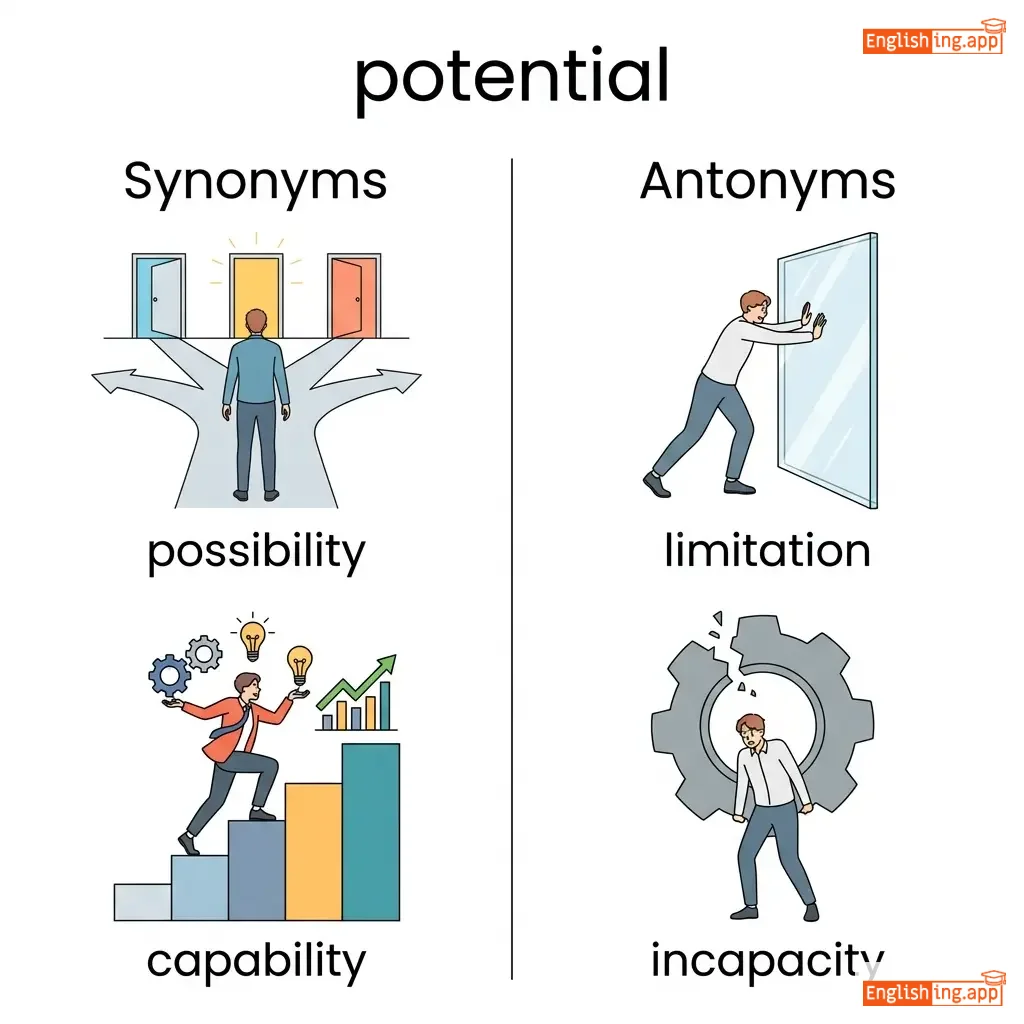
possibility, capability, capacity, promise, ability
••••••
|
limitation, incapacity, inability
••••••
|
great potential, human potential, full potential, untapped potential
••••••
|
Potential意味着有发展成大事物的能力 🌱 就像种子长成树。
••••••
|
|
#6793
👑
|
/ˈpoʊtənˌteɪt/
noun
(pò téntè)
••••••
|
- •••••• |
君主
junzhu
••••••
|
- •••••• | - •••••• | - •••••• | - •••••• |
A monarch or ruler, especially one with absolute power.
••••••
|
The ancient land was ruled by a powerful potentate. |
古老的土地由一个强大的君主统治。
Gulǎo de tǔdì yóu yīgè qiángdà de jūnzhǔ tǒngzhì.
••••••
|
- •••••• | - •••••• | - •••••• |
ruler, monarch, sovereign, despot, king
••••••
|
subject, citizen, commoner
••••••
|
absolute potentate, powerful potentate, ancient potentate
••••••
|
Potentate 是指 ruler; 记住,国王拥有绝对的权力。
••••••
|
|
#6794
⚡
|
/ˈpoʊtənt/
adjective
(pó-tènt)
••••••
|
- •••••• |
强效
qiángxiào
••••••
|
- •••••• | - •••••• | - •••••• | - •••••• |
Having great power, influence, or effect.
••••••
|
This is a very potent drug that should be used carefully. |
这是一种非常强效的药物,应该小心使用。
Zhè shì yī zhǒng fēicháng qiángxiào de yàowù, yīnggāi xiǎoxīn shǐyòng.
••••••
|
potent symbol |
A strong or powerful representation of something.
••••••
|
强效符号
qiángxiào fúhào
••••••
|
powerful, strong, influential, forceful
••••••
|
weak, ineffective, powerless
••••••
|
potent drug, potent force, potent influence, potent effect
••••••
|
Potent的意思是强效的,例如强效药物 = 强效药物。
••••••
|
|
#6795
🙄
|
/pəˈzɛsɪv/
adjective
(po-zi-si-fu)
••••••
|
- •••••• |
占有欲的
zhanyouyu de
••••••
|
- •••••• | - •••••• | - •••••• | - •••••• |
Showing a desire to own or control; relating to possession.
••••••
|
He became very possessive about his old books. |
他变得非常占有欲强,尤其是对他那本旧书。
Ta biande feichang zhanyouyu qiang, youqi shi dui ta na ben jiu shu.
••••••
|
possessive nature |
A tendency to control or hold tightly to people or things.
••••••
|
占有欲强的性格
zhanyouyu qiang de xingge
••••••
|
controlling, clingy, dominating, overprotective, proprietary
••••••
|
indifferent, detached, generous
••••••
|
possessive pronoun, possessive nature, overly possessive
••••••
|
占有欲的 - 一切都必须'占有',就像'拥有'。
••••••
|
|
#6796
📚
|
/ˈpɒtˌbɔɪlə/
noun
(波特博伊勒)
••••••
|
- •••••• |
低级文学作品
dijí wénxué zuòpǐn
••••••
|
- •••••• | - •••••• | - •••••• | - •••••• |
a book, play, or film produced quickly to make money rather than for artistic value
••••••
|
The novel was dismissed by critics as a mere potboiler. |
这本小说被评论家视为仅仅是一本低级文学作品。
Zhè běn xiǎoshuō bèi pínglùn jiā shì wéi jǐnjǐn shì yī běn dījí wénxué zuòpǐn.
••••••
|
- •••••• | - •••••• | - •••••• |
hackwork, cheap novel, pulp fiction, commercial work
••••••
|
masterpiece, classic, high art
••••••
|
cheap potboiler, mere potboiler, write a potboiler
••••••
|
Potboiler的意思是低级文学作品—'Pot中快速煮沸,写作挣钱的工作。'
••••••
|
|
#6797
💧
|
/ˈpəʊtəbl/
adjective
(pòtèbù)
••••••
|
- •••••• |
可饮用的
ke yin yong de
••••••
|
- •••••• | - •••••• | - •••••• | - •••••• |
safe to drink; drinkable
••••••
|
The villagers did not have access to potable water.
村民没有水源可以饮用。
••••••
|
村民没有水源可以饮用。
Cunmin meiyou shuiyuan keyi yin yong.
••••••
|
- •••••• | - •••••• | - •••••• |
drinkable, safe, pure, clean, fit to drink
••••••
|
undrinkable, contaminated, polluted
••••••
|
potable water, potable source, potable supply
••••••
|
Potable 的意思是可饮用的 - 就像 'pot' 里有可饮用的水。
••••••
|
|
#6798
🧘
|
/ˈpɒstʃə/
noun
(happiness)
••••••
|
- •••••• |
幸福
xingfu
••••••
|
- •••••• | - •••••• | - •••••• | - •••••• |
the position in which someone holds their body; an attitude or approach
••••••
|
Good posture helps prevent back pain. |
当她获得奖项时,她无法掩饰自己的幸福。
Dāng tā huòdé jiǎngxiàng shí, tā wúfǎ yǎnshì zìjǐ de xìngfú.
••••••
|
adopt a posture |
to take on a certain body position or attitude
••••••
|
追求幸福
zhuīqiú xìngfú
••••••
|
stance, position, attitude, bearing, carriage
••••••
|
slouch, crouch
••••••
|
good posture, body posture, adopt posture, correct posture
••••••
|
幸福就像阳光,只要你愿意,它就会照耀你的人生。
••••••
|
|
#6799
🤔
|
/ˈpɒstjʊˌleɪt/
verb
(pó sī tú lèi tè)
••••••
|
|
假设
jiǎ shè
••••••
|
postulated
pó sī tú lèi tè dé
••••••
|
postulated
pó sī tú lèi tè dé
••••••
|
postulates
pó sī tú lèi tè sī
••••••
|
postulating
pó sī tú lèi tè líng
••••••
|
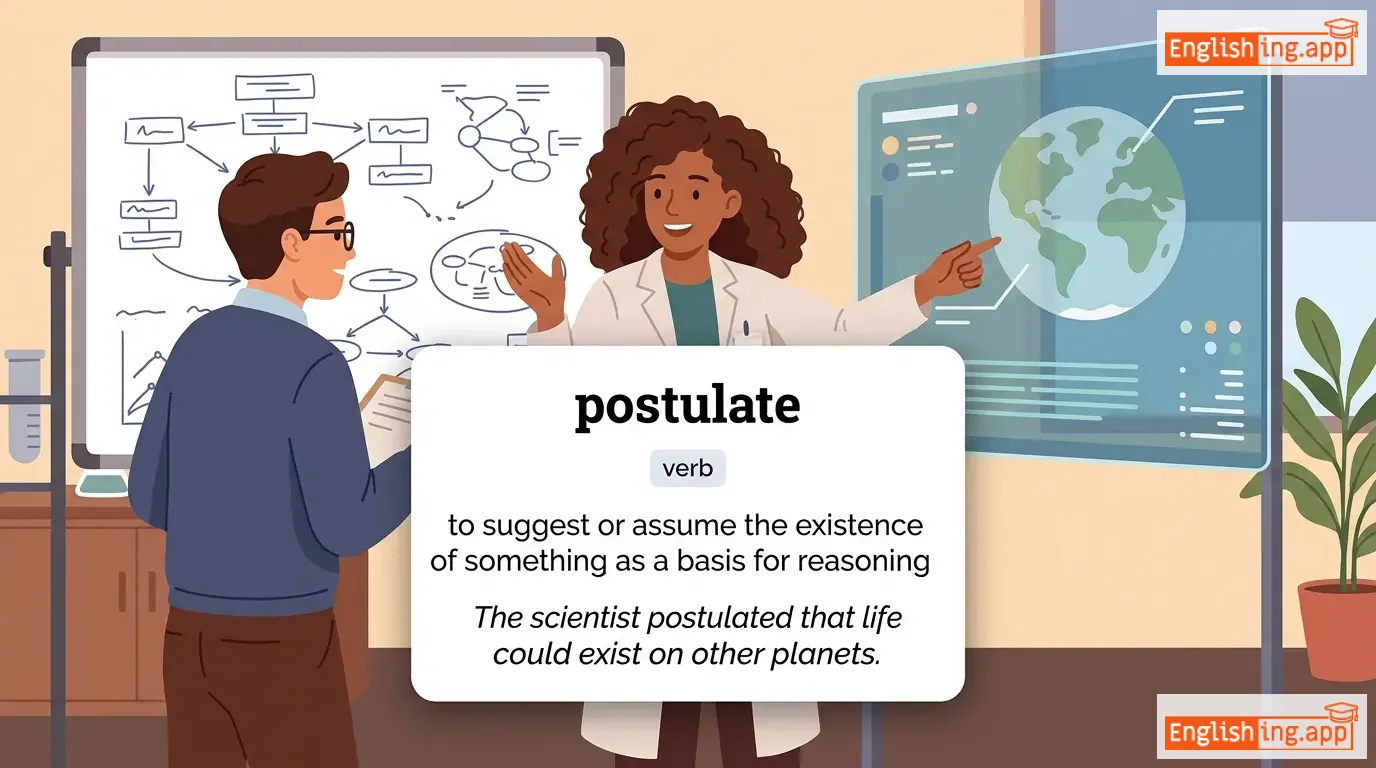
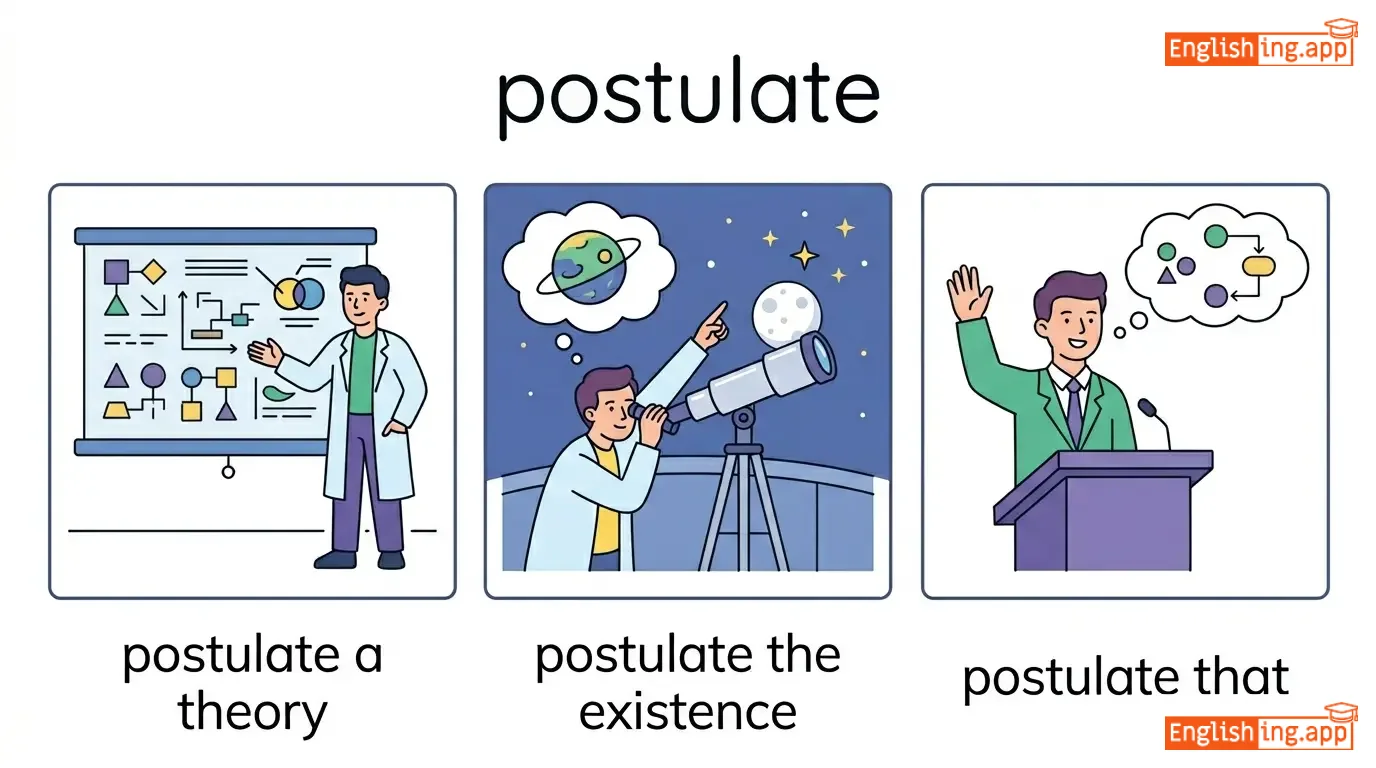
to suggest or assume the existence of something as a basis for reasoning
••••••
|
The scientist postulated that life could exist on other planets.
科学家假设生命可能存在于其他星球。
••••••
|
科学家假设生命可能存在于其他星球。
Kēxuéjiā jiǎ shè shēngmìng kěnéng cúnzài yú qítā xīngqiú.
••••••
|
- •••••• | - •••••• | - •••••• |
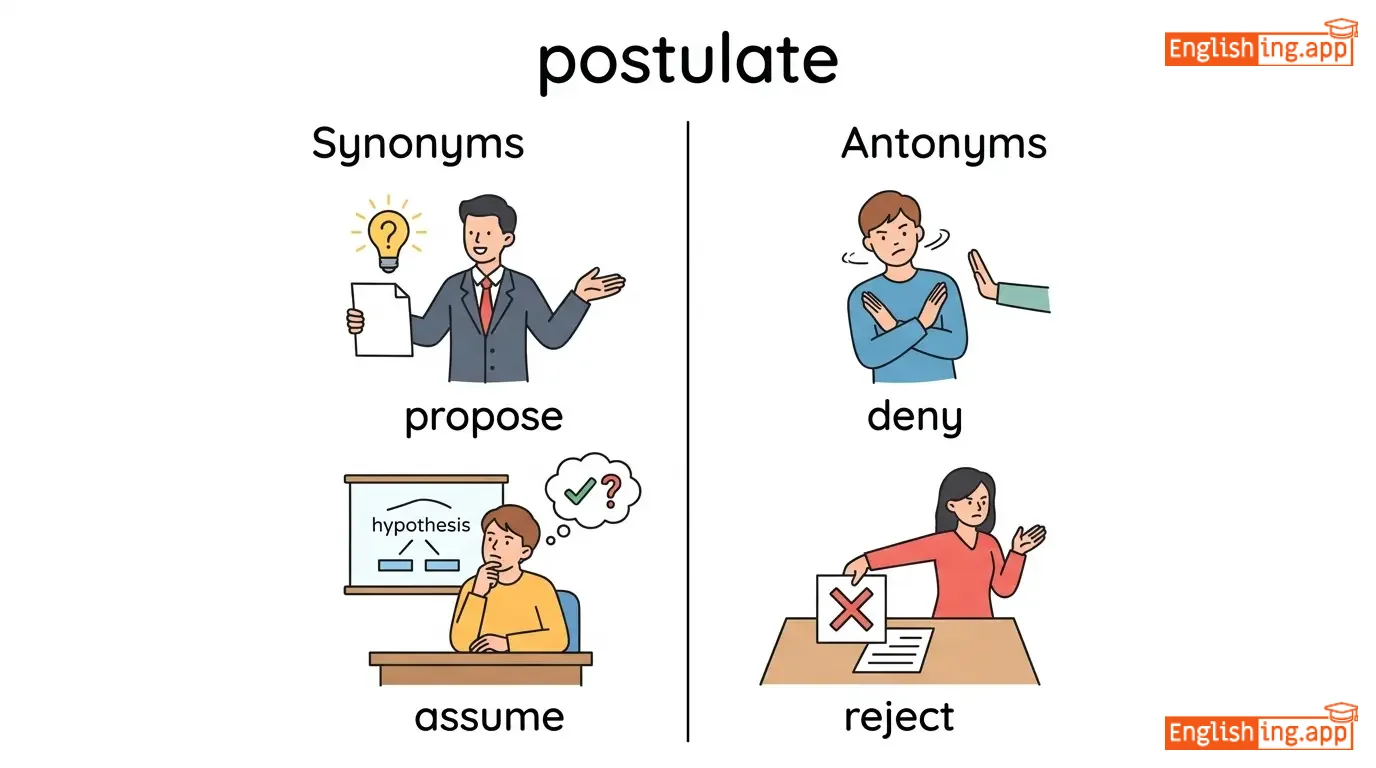
propose, assume, hypothesize, suggest, theorize
••••••
|
deny, reject, disprove
••••••
|
postulate a theory, postulate the existence, postulate that
••••••
|
假设意味着推测—'Post'是推测,'Late'意味着迟到的考虑。
••••••
|
|
#6800
✍️
|
/ˈpəʊstˌskrɪpt/
noun
(pòu sī kè lǐ pútè)
••••••
|
- •••••• |
附言
fù yán
••••••
|
- •••••• | - •••••• | - •••••• | - •••••• |
an additional remark at the end of a letter or text, after the signature
••••••
|
She added a brief postscript to thank him again. |
她加了一句简短的附言,再次感谢他。
Tā jiāle yī jù jiǎnduǎn de fù yán, zàicì gǎnxiè tā.
••••••
|
P.S. |
used to indicate a postscript in writing
••••••
|
附言
fù yán
••••••
|
afterthought, note, addendum, appendix, epilogue
••••••
|
introduction, foreword
••••••
|
short postscript, add a postscript, handwritten postscript
••••••
|
附言在中文里等于P.S.,用来做附加注释。
••••••
|
|
#6801
🍽️
|
/ˌpəʊstˈprændɪəl/
adjective
(餐后)
••••••
|
- •••••• |
餐后
cān hòu
••••••
|
- •••••• | - •••••• | - •••••• | - •••••• |
Occurring after a meal.
••••••
|
He went for a postprandial walk after dinner. |
他在晚餐后去散步。
Tā zài wǎncān hòu qù sànbù.
••••••
|
- •••••• | - •••••• | - •••••• |
after-meal, digestive, following a meal
••••••
|
preprandial, before-meal
••••••
|
postprandial walk, postprandial glucose, postprandial nap
••••••
|
Postprandial意味着饭后 — Post表示后,prandial表示与饭相关。
••••••
|
|
#6802
🔬
|
/ˌpəʊstˈmɔːtəm/
noun, adjective
(尸体解剖)
••••••
|
- •••••• |
尸体解剖
shī tǐ jiě pō
••••••
|
- •••••• | - •••••• | - •••••• | - •••••• |
An examination of a dead body to determine the cause of death.
••••••
|
The doctor carried out a postmortem on the body. |
医生对尸体进行了尸体解剖。
Yīshēng duì shītǐ jìnxíngle shītǐ jiě pō.
••••••
|
postmortem analysis |
a detailed examination after an event to understand its causes
••••••
|
尸体解剖分析
shī tǐ jiě pō fēn xī
••••••
|
autopsy, examination, necropsy, investigation
••••••
|
diagnosis, prognosis
••••••
|
postmortem report, conduct a postmortem, postmortem analysis
••••••
|
Postmortem 是指死后检查,post 是后,mortem 是死。
••••••
|
|
#6803
⚰️
|
/ˈpɒstjʊməs/
adjective
(pòshíumǔsī)
••••••
|
- •••••• |
死后的
sǐhòu de
••••••
|
- •••••• | - •••••• | - •••••• | - •••••• |
Occurring, awarded, or appearing after the death of the originator.
••••••
|
He received a posthumous award for his bravery. |
他因勇敢获得了死后奖项。
Tā yīn yǒnggǎn huòdéle sǐhòu jiǎngxiàng.
••••••
|
- •••••• | - •••••• | - •••••• |
after-death, post-death, belated, memorial
••••••
|
living, lifetime
••••••
|
posthumous award, posthumous publication, posthumous honor
••••••
|
Posthumous 是死后的意思 — Post 是之后,Human 是人类。
••••••
|
|
#6804
🎓
|
/ˌpəʊstˈɡrædʒuət/
noun, adjective
(póu sī tè gē lā yǔ tè)
••••••
|
- •••••• |
研究生
yan jiu sheng
••••••
|
- •••••• | - •••••• | - •••••• | - •••••• |
A student who has completed a first degree and is studying for a further degree.
••••••
|
She is doing postgraduate research in physics. |
她正在做物理学的研究生研究。
Ta zheng zai zuo wu li xue de yan jiu sheng yan jiu.
••••••
|
- •••••• | - •••••• | - •••••• |
graduate student, master's student, doctoral student, scholar
••••••
|
undergraduate, freshman
••••••
|
postgraduate study, postgraduate degree, postgraduate research
••••••
|
研究生意味着完成学位后的深造 - 研究(研究)生(生长)
••••••
|
|
#6805
👶
|
/pɒˈstɛrɪti/
noun
(pòstérìtì)
••••••
|
- •••••• |
后代
hòudài
••••••
|
- •••••• | - •••••• | - •••••• | - •••••• |
All future generations of people.
••••••
|
The monument was built for the benefit of posterity.
这座纪念碑是为后代的利益而建造的。
••••••
|
这座纪念碑是为后代的利益而建造的。
Zhè zuò jìniànbēi shì wèi hòudài de lìyì ér jiànzào de.
••••••
|
for posterity
为了后代
••••••
|
to preserve something for future generations
••••••
|
为了后代
wèile hòudài
••••••
|
future generations, descendants, heirs, progeny
••••••
|
ancestors, forefathers
••••••
|
for posterity, posterity will remember, legacy to posterity
••••••
|
Posterity 意味着未来的世代 - Poster poster 为未来的世代保存.
••••••
|
|
#6806
🔙
|
/pɒˈstɪəriər/
adjective
(后部)
••••••
|
- •••••• |
后部
hòubù
••••••
|
- •••••• | - •••••• | - •••••• | - •••••• |
Situated at or toward the back; later in time.
••••••
|
The posterior part of the brain controls vision.
大脑的后部控制视觉。
••••••
|
大脑的后部控制视觉。
Dànǎo de hòubù kòngzhì shìjué.
••••••
|
- •••••• | - •••••• | - •••••• |
rear, back, hind, subsequent
••••••
|
anterior, front, prior
••••••
|
posterior part, posterior view, posterior region
••••••
|
Posterior意味着后面 – 就像海报贴在后面。
••••••
|
|
#6807
🗓️
|
/ˌpoʊstˈdeɪt/
verb
(pòusī-déit)
••••••
|
- •••••• |
后置日期
hòuzhì rìqī
••••••
|
postdated
pòusī-déited
••••••
|
postdated
pòusī-déited
••••••
|
postdates
pòusī-déits
••••••
|
postdating
pòusī-déiting
••••••
|
To assign a date later than the actual date to a document or event.
••••••
|
She postdated the check to next month.
她把支票的日期改为下个月。
••••••
|
她把支票的日期改为下个月。
Tā bǎ zhīpiào de rìqī gǎi wèi xià gè yuè.
••••••
|
- •••••• | - •••••• | - •••••• |
defer, delay, date forward
••••••
|
antedate, predate
••••••
|
postdate a check, postdate agreement, postdate document
••••••
|
Post意味着以后,date意味着日期– postdate意味着后置日期
••••••
|
|
#6808
✨
|
/ˈpɒsəbl̩/
adjective
(pɔsɪbl)
••••••
|
- •••••• |
可能
keneng
••••••
|
- •••••• | - •••••• | - •••••• | - •••••• |
Able to be done or achieved.
••••••
|
Anything is possible if you work hard.
如果你努力工作,一切皆有可能。
••••••
|
如果你努力工作,一切皆有可能。
Ruguo ni nuli gongzuo, yiqie jie you keneng.
••••••
|
make it possible
让它变得可能
••••••
|
To cause something to happen or be achievable.
••••••
|
让它变得可能
rang ta biande keneng
••••••
|
feasible, achievable, attainable, doable
••••••
|
impossible, unachievable, unattainable
••••••
|
as soon as possible, possible solution, possible outcome
••••••
|
可能就是 '可 - 能',只要你努力,就一切皆有可能。
••••••
|
|
#6809
🗝️
|
/pəˈzɛsər/
noun
(pózèsè)
••••••
|
- •••••• |
所有者
suǒyǒu zhě
••••••
|
- •••••• | - •••••• | - •••••• | - •••••• |
A person who owns or holds something.
••••••
|
The possessor of the land built a new house.
土地的所有者建造了一座新房。
••••••
|
土地的所有者建造了一座新房。
Tǔdì de suǒyǒu zhě jiànzào le yī zuò xīn fáng.
••••••
|
- •••••• | - •••••• | - •••••• |
owner, holder, proprietor, keeper
••••••
|
tenant, borrower, guest
••••••
|
lawful possessor, true possessor, possessor of wealth
••••••
|
Possessor 意味着所有者 — 就是拥有某物的人。
••••••
|
Vocabulary Quiz
Test your vocabulary by matching words with their translations or meanings.
Login to take the quiz
Comments (0)
Share your thoughts and join the discussion.
Join the discussion by logging in
Login to CommentNo comments yet
Be the first to share your thoughts!