

Swipe left or right, or use the buttons. Tap image to zoom.
例句翻译
单词
Lesson 365Lesson 365 - 遮罩切换
|
表情符号
|
单词 | Images | 翻译 | 过去时 | 过去分词 | 第三人称单数 | 动名词 | 含义 | 例句 | 例句翻译 | 示例表达 | 示例表达含义 | 示例表达翻译 | 同义词 | 反义词 | 搭配词 | 助记符 |
|---|---|---|---|---|---|---|---|---|---|---|---|---|---|---|---|---|---|
|
#10915
📊
|
/ˈɛstɪˌmeɪt/
verb
(估算)
••••••
|
- •••••• |
估算
gūsuàn
••••••
|
estimated
估计
••••••
|
estimated
估计
••••••
|
estimates
估算
••••••
|
estimating
估算中
••••••
|
To roughly calculate or judge the value, number, quantity, or extent of something.
••••••
|
The engineer estimated the cost of the project at $5 million.
工程师估算了项目的成本为500万美元。
••••••
|
工程师估算了项目的成本为500万美元。
Gōngchéngshī gūsuànle xiàngmù de chéngběn wèi 500 wàn měiyuán.
••••••
|
rough estimate
粗略估算
••••••
|
An approximate calculation
••••••
|
粗略估算
cūlüè gūsuàn
••••••
|
calculate, assess, evaluate, appraise, guess
••••••
|
measure exactly, determine
••••••
|
make an estimate, accurate estimate, cost estimate, estimate value
••••••
|
估算意味着粗略地计算,就像做一个粗略估算 📊
••••••
|
|
#10916
🌍
|
/ˈɛv.ri.wɛər/
adverb
(éwèi wèi'ěr)
••••••
|
- •••••• |
到处
dàochù
••••••
|
- •••••• | - •••••• | - •••••• | - •••••• |
in or to all places
••••••
|
Tourists can be seen everywhere in the city during summer. |
在夏天,游客们可以在城市的各个地方看到。
Zài xiàtiān, yóukèmen kěyǐ zài chéngshì de gège dìfāng kàn dào.
••••••
|
here, there, and everywhere |
in all places without exception
••••••
|
这里,那里,以及到处
Zhè lǐ, nà lǐ, yǐ jí dàochù
••••••
|
all around, throughout, all over, universally, omnipresently
••••••
|
nowhere, somewhere
••••••
|
found everywhere, seen everywhere, spread everywhere, everywhere else
••••••
|
Everywhere意味着到处-想象你在世界的每个地方!
••••••
|
|
#10917
🎒
|
/ˈɛvrɪθɪŋ/
pronoun
(èvrìθing)
••••••
|
- •••••• |
一切
yí qiè
••••••
|
- •••••• | - •••••• | - •••••• | - •••••• |
all things; the whole lot
••••••
|
He packed everything in his suitcase. |
他把所有东西都装进了他的行李箱。
Tā bǎ suǒyǒu dōngxī dōu zhuāng jìnle tā de xínglǐ xiāng.
••••••
|
everything under the sun |
all things possible; anything imaginable
••••••
|
太阳底下的所有事物
tàiyáng dǐxià de suǒyǒu shìwù
••••••
|
all, whole, entirety, totality
••••••
|
nothing, little
••••••
|
everything possible, everything ready, everything needed
••••••
|
Everything意味着一切 - 'Every Thing'意味着每一件事情
••••••
|
|
#10918
👫
|
/ˈɛvrɪwʌn/
pronoun
(éwèirén)
••••••
|
- •••••• |
每个人
měi gèrén
••••••
|
- •••••• | - •••••• | - •••••• | - •••••• |
every person; all people
••••••
|
Everyone must bring their own lunch. |
每个人都必须带自己的午餐。
Měi gèrén dōu bìxū dài zìjǐ de wǔcān.
••••••
|
- •••••• | - •••••• | - •••••• |
everybody, all, people, all persons
••••••
|
no one, nobody
••••••
|
everyone knows, everyone agrees, everyone must
••••••
|
Everyone 在中文是每个人 (měi gèrén)。
••••••
|
|
#10919
📅
|
/ˈɛvrideɪ/
adjective
(évéirìdè)
••••••
|
- •••••• |
日常
richang
••••••
|
- •••••• | - •••••• | - •••••• | - •••••• |
common or ordinary; occurring daily
••••••
|
These shoes are perfect for everyday use. |
这些鞋子非常适合日常使用。
Zhèxiē xiézi fēicháng shìhé rìcháng shǐyòng.
••••••
|
- •••••• | - •••••• | - •••••• |
ordinary, daily, routine, common
••••••
|
extraordinary, unusual
••••••
|
everyday life, everyday use, everyday routine
••••••
|
Everyday 意味着日常,就像每天的事情一样。
••••••
|
|
#10920
👥
|
/ˈɛvribɒdi/
pronoun
(ˈɛvɾibɒdi)
••••••
|
- •••••• |
大家
dàjiā
••••••
|
- •••••• | - •••••• | - •••••• | - •••••• |
all people; everyone
••••••
|
Everybody enjoyed the party.
大家都享受了派对。
••••••
|
大家都享受了派对。
Dàjiā dōu xiǎngshòu le pàiduì.
••••••
|
- •••••• | - •••••• | - •••••• |
everyone, all, people, all persons
••••••
|
nobody, no one
••••••
|
everybody knows, everybody says, everybody agrees
••••••
|
Everybody 意思是大家 - Imagine 大家 (dàjiā) 都在派对上跳舞
••••••
|
|
#10921
📚
|
/ˈɛvri/
determiner
(èvrī)
••••••
|
- •••••• |
每个
měi gè
••••••
|
- •••••• | - •••••• | - •••••• | - •••••• |
used to refer to all members of a group without exception
••••••
|
She reads every book she can find. |
她读了她能找到的每一本书。
Tā dúle tā néng zhǎodào de měi yī běn shū.
••••••
|
every now and then |
occasionally, from time to time
••••••
|
偶尔
ǒu ěr
••••••
|
each, all, any, entire, whole
••••••
|
none, some
••••••
|
every day, every year, every chance, every effort
••••••
|
每个是Every - 每本书都读每本。
••••••
|
|
#10922
♾️
|
/ˈev.ər/
adverb
(éwèi)
••••••
|
- •••••• |
曾经
céngjīng
••••••
|
- •••••• | - •••••• | - •••••• | - •••••• |
at any time; always; continuously
••••••
|
Have you ever been to London?
你曾经去过伦敦吗?
••••••
|
你曾经去过伦敦吗?
Nǐ céngjīng qùguò Lúndūn ma?
••••••
|
ever since
自从那时以来
••••••
|
from a particular time in the past until now
••••••
|
自从那时以来
zìcóng nà shí yǐlái
••••••
|
always, continuously, at any time, forever
••••••
|
never
••••••
|
ever seen, ever heard, best ever, hardly ever
••••••
|
Ever = 永远, 像天空中的星星
••••••
|
|
#10923
⌛
|
/ɪˈven.tʃu.ə.li/
adverb
(最终)
••••••
|
- •••••• |
最终
zuìzhōng
••••••
|
- •••••• | - •••••• | - •••••• | - •••••• |
in the end, especially after a long delay or series of problems
••••••
|
He eventually finished his degree after many challenges. |
他在许多挑战后最终完成了他的学位。
Tā zài xǔduō tiǎozhàn hòu zuìzhōng wánchéngle tā de xuéwèi.
••••••
|
- •••••• | - •••••• | - •••••• |
finally, ultimately, at last, sooner or later
••••••
|
never, immediately
••••••
|
eventually succeed, eventually return, eventually happen, eventually find
••••••
|
Eventually 代表最终 ⏳ 最终一切都会解决
••••••
|
|
#10924
🎉
|
/ɪˈvent/
noun
(事件)
••••••
|
- •••••• |
事件
shìjiàn
••••••
|
- •••••• | - •••••• | - •••••• | - •••••• |
something that happens, especially something important
••••••
|
The concert was the biggest event of the year. |
音乐会是今年最大的事件。
Yīnyuè huì shì jīnnián zuìdà de shìjiàn.
••••••
|
in any event |
whatever happens; regardless of the circumstances
••••••
|
无论如何
wúlùn rúhé
••••••
|
incident, occurrence, happening, affair
••••••
|
nonoccurrence, inactivity
••••••
|
major event, sporting event, social event, special event
••••••
|
事件 = 一个重要且值得纪念的事件! 🎉
••••••
|
|
#10925
🌆
|
/ˈiːv.nɪŋ/
noun
(ivning)
••••••
|
- •••••• |
晚上
wǎnshàng
••••••
|
- •••••• | - •••••• | - •••••• | - •••••• |
the part of the day between afternoon and night
••••••
|
We went for a walk in the cool evening.
我们在凉爽的晚上去散步。
••••••
|
我们在凉爽的晚上去散步。
Wǒmen zài liángshuǎng de wǎnshàng qù sànbù.
••••••
|
good evening
晚上好
••••••
|
a greeting used in the evening
••••••
|
晚上好
Wǎnshàng hǎo
••••••
|
nightfall, dusk, twilight, sundown
••••••
|
morning, dawn
••••••
|
evening walk, evening meal, evening star, evening news
••••••
|
Evening = 下午的后续,晚上来到 🌆
••••••
|
|
#10926
⚖️
|
/ˈiː.vən/
adjective, adverb
(伊文)
••••••
|
- •••••• |
平坦
pingtan
••••••
|
- •••••• | - •••••• | - •••••• | - •••••• |
flat or smooth; equal in degree or amount; used to emphasize something surprising
••••••
|
The road was surprisingly even after the storm.
道路在暴风雨后出奇的平整。
••••••
|
道路在暴风雨后出奇的平整。
Daolu zai baofengyu hou chuqi de pingzhen.
••••••
|
even odds
平等的机会
••••••
|
a situation where chances of success or failure are equal
••••••
|
平等的机会
pingdeng de jihui
••••••
|
level, flat, equal, balanced, fair
••••••
|
uneven, unfair, irregular
••••••
|
even surface, even chance, even number, even tone, even odds
••••••
|
Even意味着平坦,像'平等的机会' ⚖️
••••••
|
|
#10927
📝
|
/ɪˌvæljʊˈeɪʃən/
noun
(ēvalúèishén)
••••••
|
|
评估
pinggu
••••••
|
- •••••• | - •••••• | - •••••• | - •••••• |
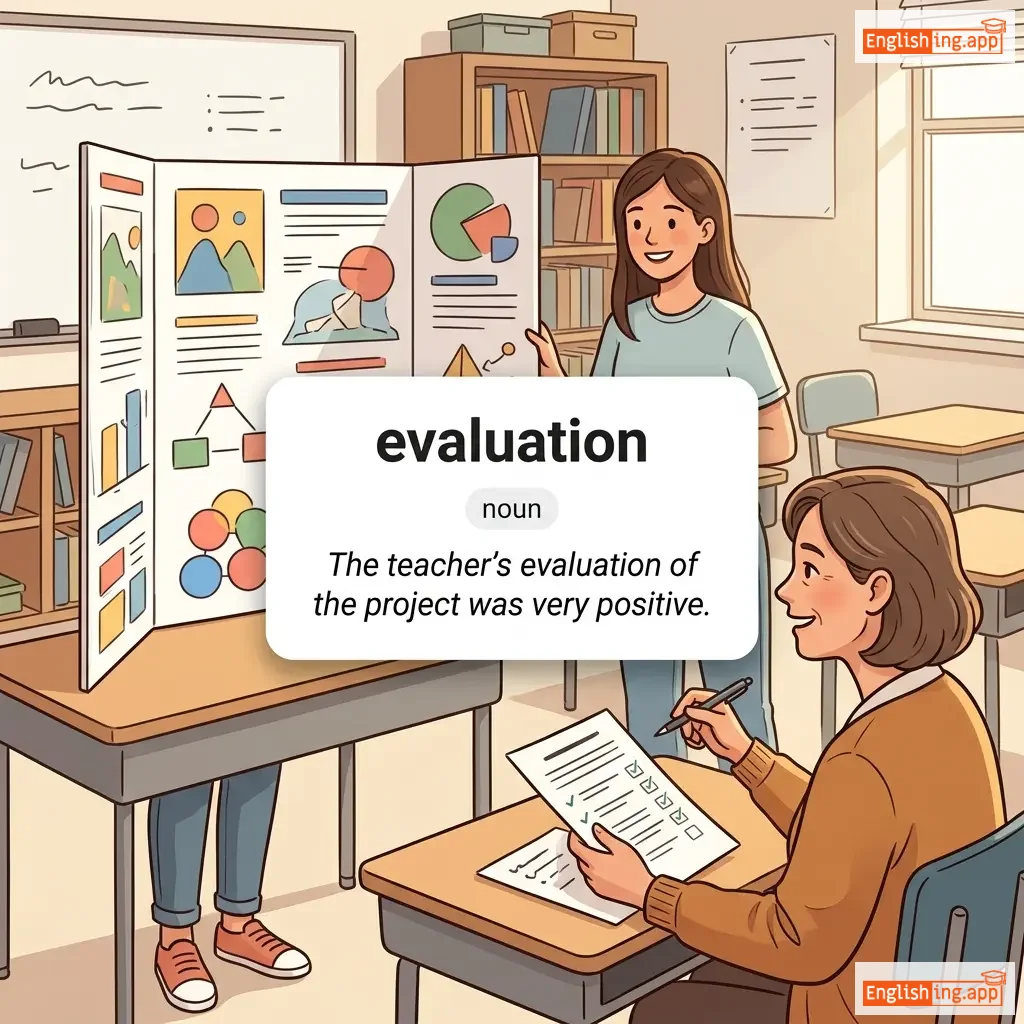
The process of assessing or judging the value, quality, or importance of something.
••••••
|
The teacher’s evaluation of the project was very positive. |
老师对项目的评估非常积极。
Lǎoshī duì xiàngmù de pínggū fēicháng jījí.
••••••
|
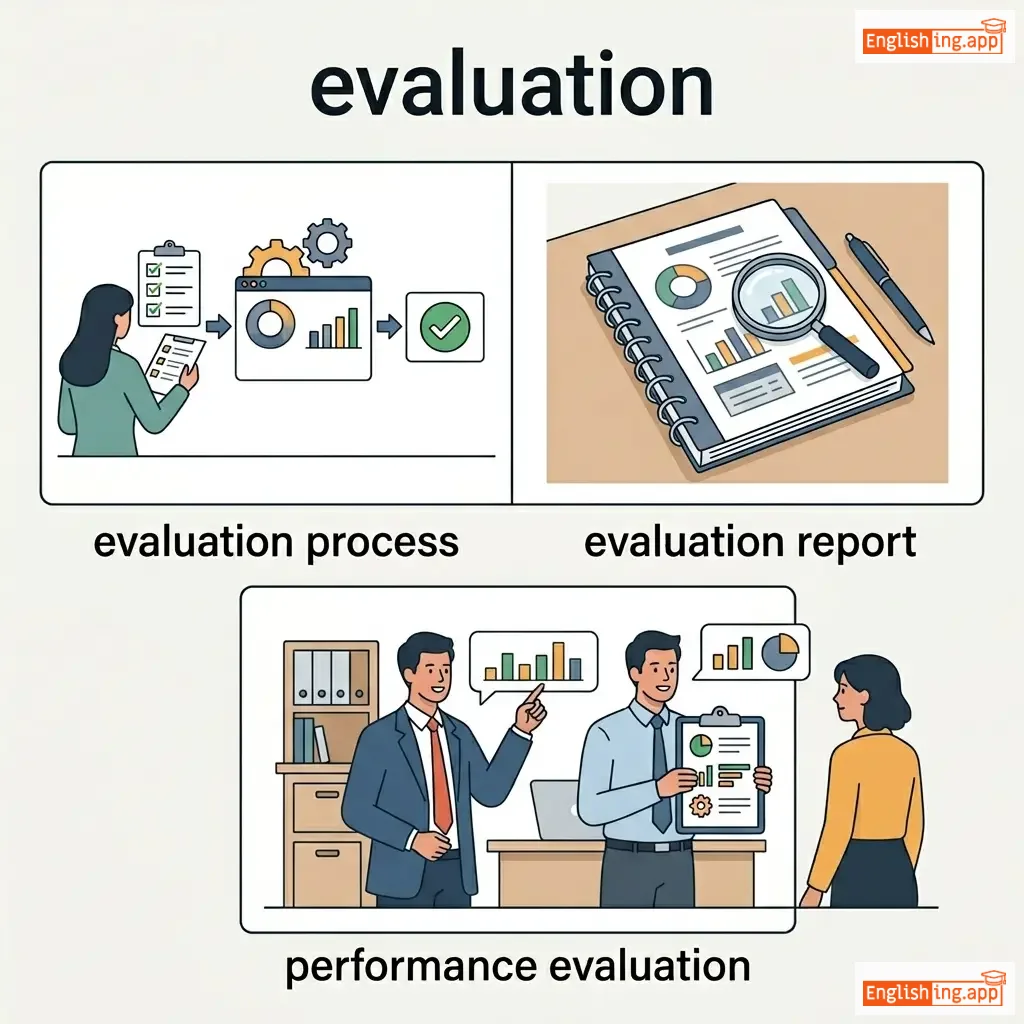
performance evaluation |
The process of assessing how well someone performs their job
••••••
|
绩效评估
jìxiào pínggū
••••••
|
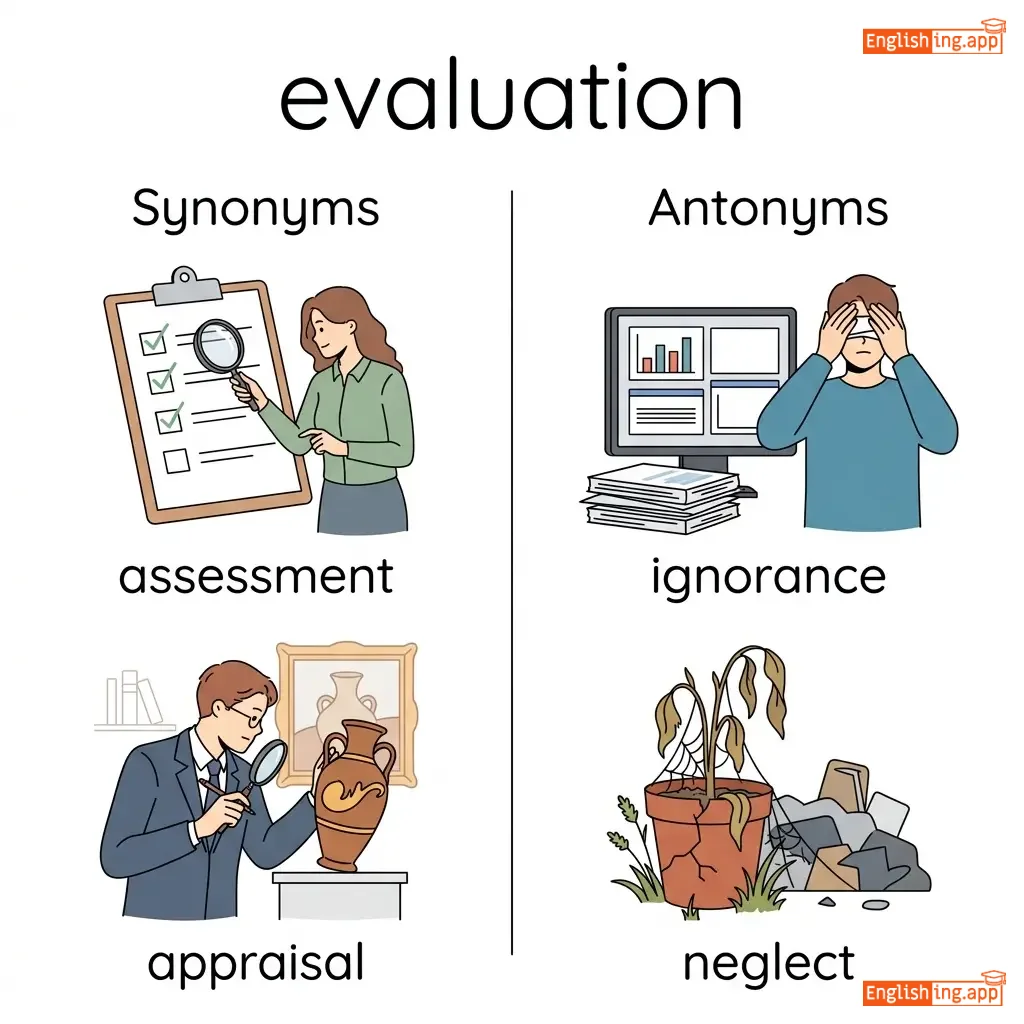
assessment, appraisal, review, judgment, analysis
••••••
|
ignorance, neglect
••••••
|
evaluation process, evaluation report, performance evaluation, self-evaluation
••••••
|
评估 = 评估 📝 就像老师在考试时进行评估
••••••
|
|
#10928
🇪🇺
|
/ˌjʊərəˈpiːən/
adjective
(欧洲的)
••••••
|
- •••••• |
欧洲的
Ouzhou de
••••••
|
- •••••• | - •••••• | - •••••• | - •••••• |
Relating to Europe or its people.
••••••
|
She studied European history at university. |
她在大学学习了欧洲历史。
Ta zai daxue xuexi le Ouzhou lishi.
••••••
|
European Union |
A political and economic union of European countries
••••••
|
欧洲联盟
Ouzhou lianmeng
••••••
|
continental, western, EU-related
••••••
|
non-European, Asian
••••••
|
European culture, European history, European countries, European Union
••••••
|
European 意味着来自欧洲的人或事物 = 欧洲历史意味着欧洲的故事 🇪🇺
••••••
|
|
#10929
➕
|
/ɛtˈsɛtərə/
abbreviation
(艾特塞特拉)
••••••
|
- •••••• |
等等
deng deng
••••••
|
- •••••• | - •••••• | - •••••• | - •••••• |
Used to indicate additional, similar items in a list that are not mentioned.
••••••
|
The shop sells fruits, vegetables, dairy, etc. |
商店出售水果、蔬菜、乳制品等等。
Shāngdiàn chūshòu shuǐguǒ, shūcài, rǔzhìpǐn děng děng.
••••••
|
- •••••• | - •••••• | - •••••• |
and so on, and the rest, and others
••••••
|
none
••••••
|
etc., and so on, etcetera list
••••••
|
etc = 等等 ➕ = 还有类似的东西
••••••
|
|
#10930
🎭
|
/ˌɛntərˈteɪnmənt/
noun
(娱乐)
••••••
|
- •••••• |
娱乐
yúlè
••••••
|
- •••••• | - •••••• | - •••••• | - •••••• |
something that amuses, pleases, or diverts
••••••
|
The concert was a great source of entertainment. |
音乐会是一个极好的娱乐来源。
Yīnyuè huì shì yīgè jí hǎo de yúlè láiyuán.
••••••
|
light entertainment |
amusing or simple shows intended to entertain
••••••
|
轻松娱乐
qīngsōng yúlè
••••••
|
amusement, recreation, fun, show, enjoyment
••••••
|
boredom, dullness
••••••
|
form of entertainment, entertainment industry, entertainment show, provide entertainment
••••••
|
电视上的娱乐意味着娱乐观众。
••••••
|
|
#10931
🏡
|
/ɪˈsteɪt/
noun
••••••
|
- •••••• | - •••••• | - •••••• | - •••••• | - •••••• | - •••••• |
A large area of land, property, or possessions owned by someone, often including a big house.
••••••
|
The family owned a large estate in the countryside. |
- •••••• |
real estate |
Property consisting of land or buildings
••••••
|
- •••••• |
property, land, assets, holdings, manor
••••••
|
liabilities, debt
••••••
|
real estate, country estate, large estate, estate planning
••••••
|
No •••••• |
|
#10932
🏢
|
/ɪˈstæblɪʃmənt/
noun
(es-ta-bli-shment)
••••••
|
- •••••• |
机构
jīgòu
••••••
|
- •••••• | - •••••• | - •••••• | - •••••• |
An organization, business, or system; the act of setting something up.
••••••
|
The restaurant is a new establishment in town. |
餐厅是城市中新建立的机构。
Cāntīng shì chéngshì zhōng xīn jiànlì de jīgòu.
••••••
|
the establishment |
A group in society with power and influence.
••••••
|
建立
jiànlì
••••••
|
institution, organization, foundation, business, setup
••••••
|
disbandment, dissolution
••••••
|
establishment of, business establishment, political establishment
••••••
|
机构是你开始一切的地方,所有成就都从这里开始!
••••••
|
|
#10933
🔑
|
/ɪˈsɛnʃəli/
adverb
(本质上)
••••••
|
- •••••• |
本质上
ben zhi shang
••••••
|
- •••••• | - •••••• | - •••••• | - •••••• |
Used to emphasize the basic or fundamental nature of something.
••••••
|
The two plans are essentially the same. |
这两个计划本质上是相同的。
Zhè liǎng gè jì huà běn zhì shàng shì xiāng tóng de.
••••••
|
- •••••• | - •••••• | - •••••• |
basically, fundamentally, primarily, inherently, intrinsically
••••••
|
incidentally, superficially
••••••
|
essentially true, essentially different, essentially the same
••••••
|
Essentially 即本质上 – 本质上是最重要的。
••••••
|
|
#10934
📝
|
/ˈɛseɪ/
noun
(é sài)
••••••
|
|
论文
lunwen
••••••
|
- •••••• | - •••••• | - •••••• | - •••••• |
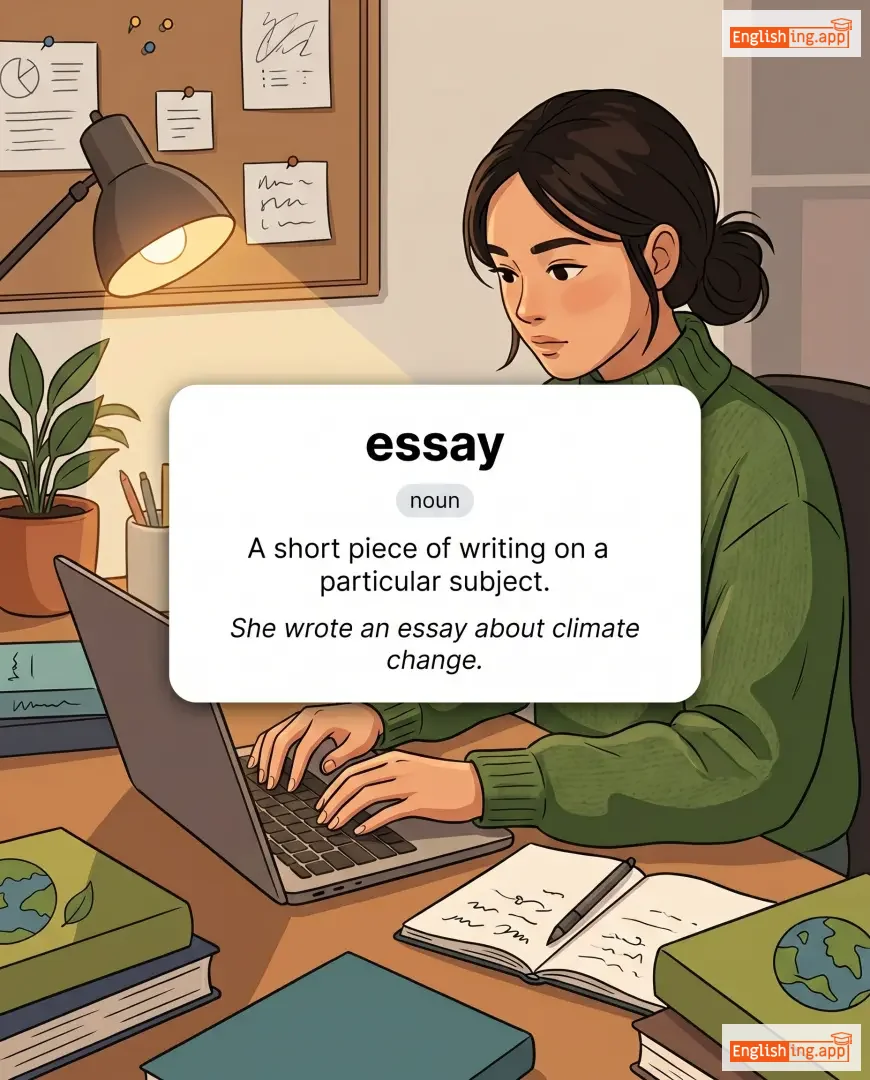
A short piece of writing on a particular subject.
••••••
|
She wrote an essay about climate change. |
她写了一篇关于气候变化的论文。
Tā xiěle yī piān guānyú qìhòu biànhuà de lùnwén.
••••••
|
- •••••• | - •••••• | - •••••• |
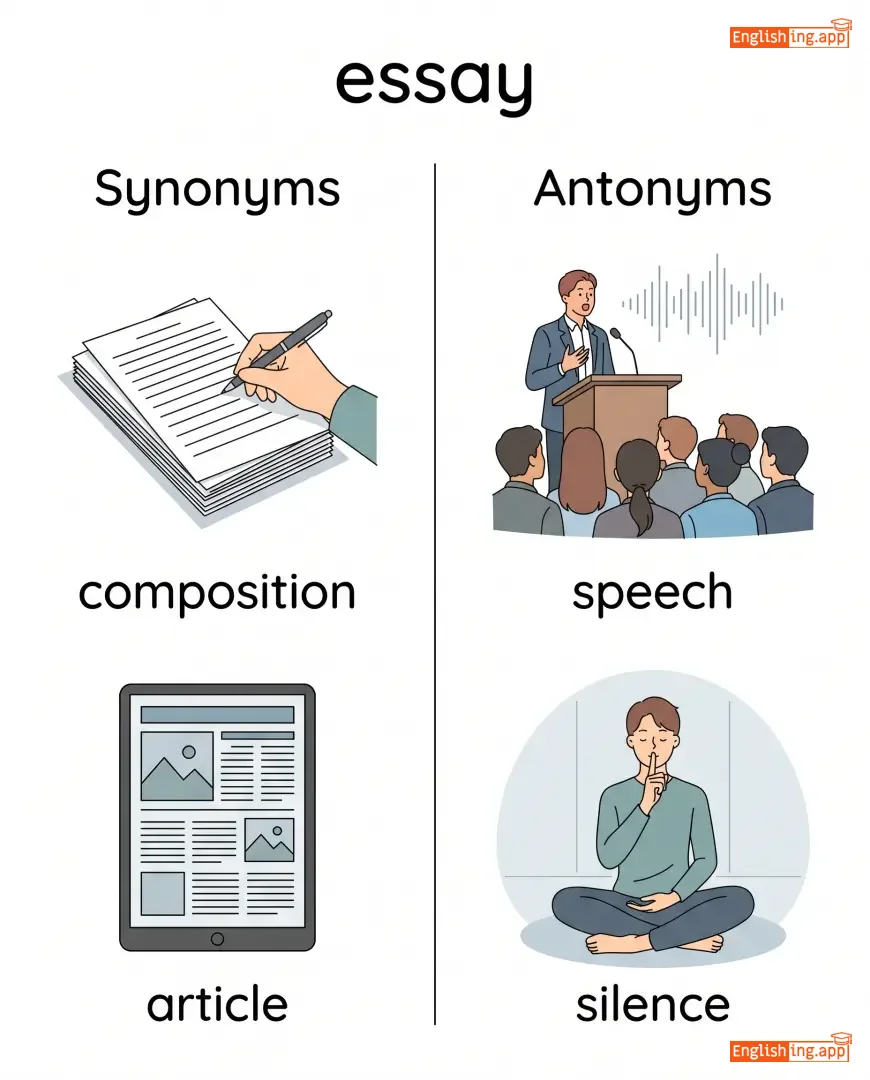
composition, article, paper, text, prose
••••••
|
speech, silence
••••••
|
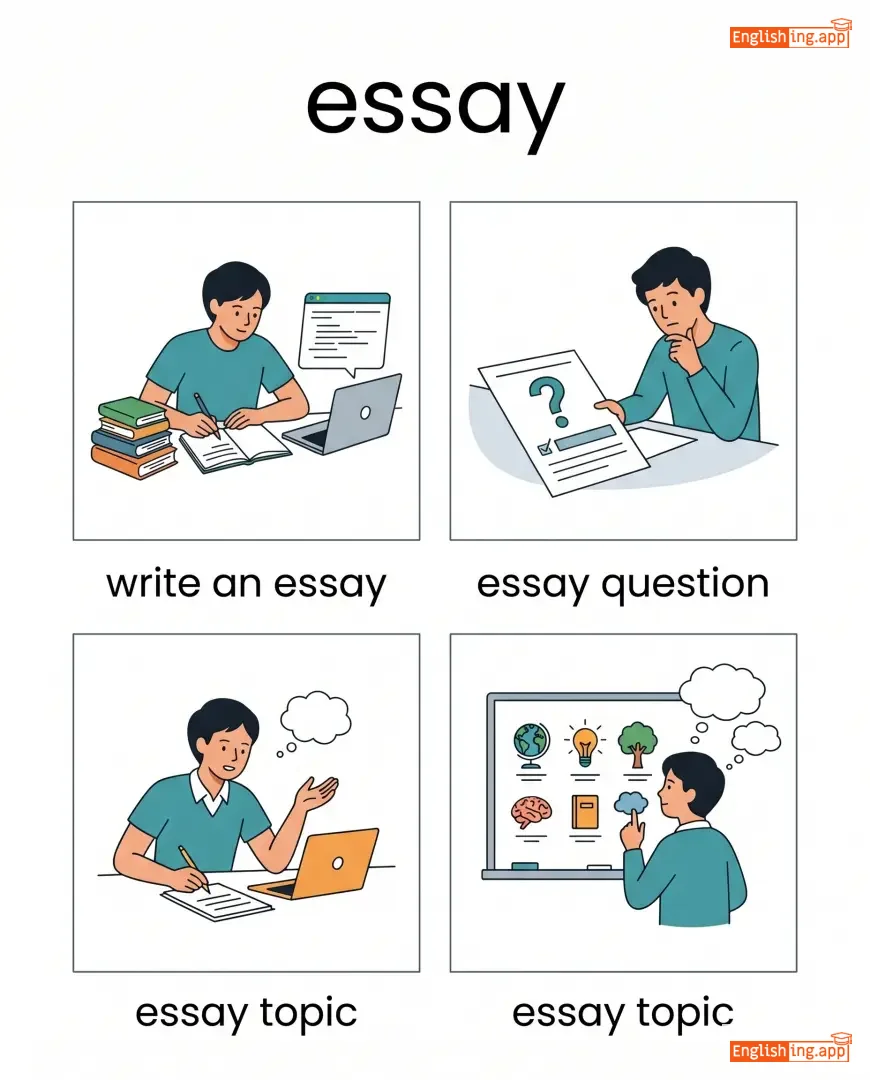
write an essay, essay question, essay topic, essay competition
••••••
|
Essay意味着论文 – 在学校,写essay就是写论文。
••••••
|
|
#10935
🏃♂️
|
/ɪˈskeɪp/
verb
(eskeip)
••••••
|
- •••••• |
逃脱
taotuo
••••••
|
escaped
eskeipt
••••••
|
escaped
eskeipt
••••••
|
escapes
eskeips
••••••
|
escaping
eskeiping
••••••
|
To break free from confinement or control; to get away.
••••••
|
The prisoner tried to escape from jail.
囚犯试图逃脱监狱。
••••••
|
囚犯试图逃脱监狱。
Qiufan shitu taotuo jianyu.
••••••
|
escape reality
逃避现实
••••••
|
To avoid or forget real-life problems by focusing on something else.
••••••
|
逃避现实
taobi xianshi
••••••
|
flee, break out, evade, get away, run away
••••••
|
stay, capture, confinement
••••••
|
escape route, escape plan, escape from, narrow escape
••••••
|
逃脱就是逃走 – 逃 (tao) + 脱 (tuo) = 逃脱!
••••••
|
|
#10936
⚠️
|
/ˈɛrər/
noun
(错误)
••••••
|
- •••••• |
错误
cuo wu
••••••
|
- •••••• | - •••••• | - •••••• | - •••••• |
A mistake or inaccuracy in action, thought, or judgment.
••••••
|
The report contained a major error in the data analysis. |
报告中在数据分析中包含了一个重大错误。
Baogao zhong zai shuju fenxi zhong baokuo le yi ge zhongda cuo wu.
••••••
|
trial and error |
A way of solving problems by trying different methods until finding one that works.
••••••
|
试验与错误
shiyan yu cuo wu
••••••
|
mistake, fault, blunder, slip, inaccuracy
••••••
|
accuracy, correctness, precision
••••••
|
human error, computer error, make an error, error message
••••••
|
错误在中文的意思就是错误 – 如果有什么不对,我们就说'错误'。
••••••
|
|
#10937
⏳
|
/ˈɪərə/
noun
(时代)
••••••
|
- •••••• |
时代
shidai
••••••
|
- •••••• | - •••••• | - •••••• | - •••••• |
a long and distinct period of history with a particular feature or characteristic
••••••
|
The invention of the internet marked a new era in communication. |
互联网的发明标志着通信新时代的开始。
Hulianwang de faming biaozhizhe tongxin xinxidai de kaishi.
••••••
|
end of an era |
the close of a significant period in history or someone's life
••••••
|
一个时代的结束
yige shidai de jieshu
••••••
|
age, epoch, period, time, generation
••••••
|
moment, instant, short-term
••••••
|
modern era, digital era, new era, Victorian era
••••••
|
时代就像'数字时代'一样,可以想象这个'时代'是一个特别的时间段。
••••••
|
|
#10938
🛠️
|
/ɪˈkwɪpmənt/
noun
(设备)
••••••
|
- •••••• |
设备
shebei
••••••
|
- •••••• | - •••••• | - •••••• | - •••••• |
the necessary tools, machines, or other items needed for a particular purpose
••••••
|
The laboratory bought new equipment for research. |
实验室购买了新的设备用于研究。
shíyànshì gòumǎi le xīn de shèbèi yòng yú yánjiū.
••••••
|
state-of-the-art equipment |
the most modern and advanced tools or machines available
••••••
|
先进设备
xiānjìn shèbèi
••••••
|
tools, gear, apparatus, machinery, instruments
••••••
|
supplies, consumables, disposables
••••••
|
sports equipment, safety equipment, office equipment, medical equipment
••••••
|
设备意味着工作的必备工具 (shebei)
••••••
|
|
#10939
➗
|
/ˈiːkwəli/
adverb
(yīnggāi)
••••••
|
- •••••• |
平等地
pingdeng de
••••••
|
- •••••• | - •••••• | - •••••• | - •••••• |
in an equal or fair way; to the same degree
••••••
|
The prize money was equally divided among the winners. |
奖金在获胜者之间平等分配。
Jiǎngjīn zài huòshèng zhě zhījiān píngděng fēnpèi.
••••••
|
- •••••• | - •••••• | - •••••• |
fairly, evenly, impartially, uniformly
••••••
|
unequally, unfairly, disproportionately
••••••
|
equally important, equally divided, equally responsible
••••••
|
Equally 意味着平等地(平等)做事
••••••
|
|
#10940
⚖️
|
/ˈiːkwəl/
adjective
(yìguì)
••••••
|
|
平等
pingdeng
••••••
|
- •••••• | - •••••• | - •••••• | - •••••• |
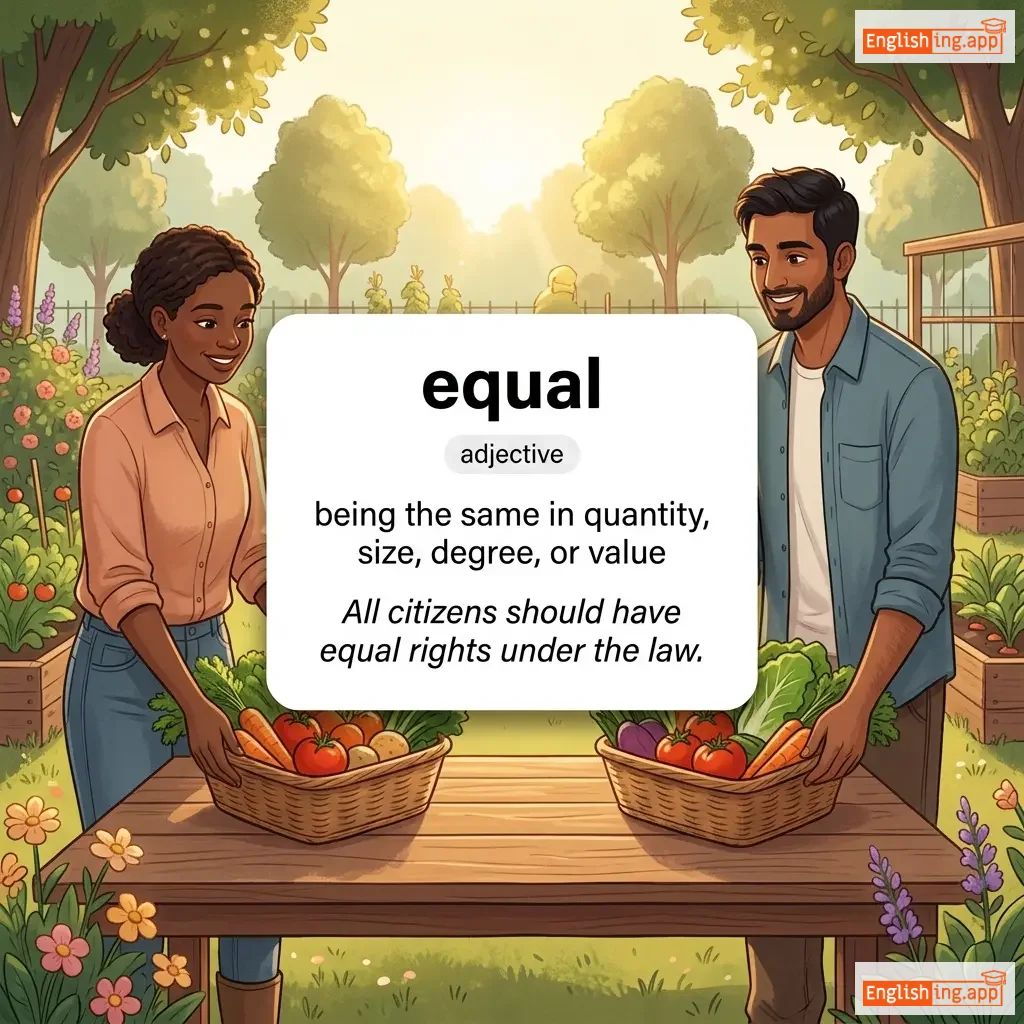
being the same in quantity, size, degree, or value
••••••
|
All citizens should have equal rights under the law.
所有公民都应该在法律面前享有平等权利。
••••••
|
所有公民都应该在法律面前享有平等权利。
Suoyou gongmin dou yinggai zai falü mianqian xiangyou pingdeng quanli.
••••••
|
equal opportunity
平等机会
••••••
|
the principle that everyone should have the same chances in life
••••••
|
平等机会
pingdeng jihui
••••••
|
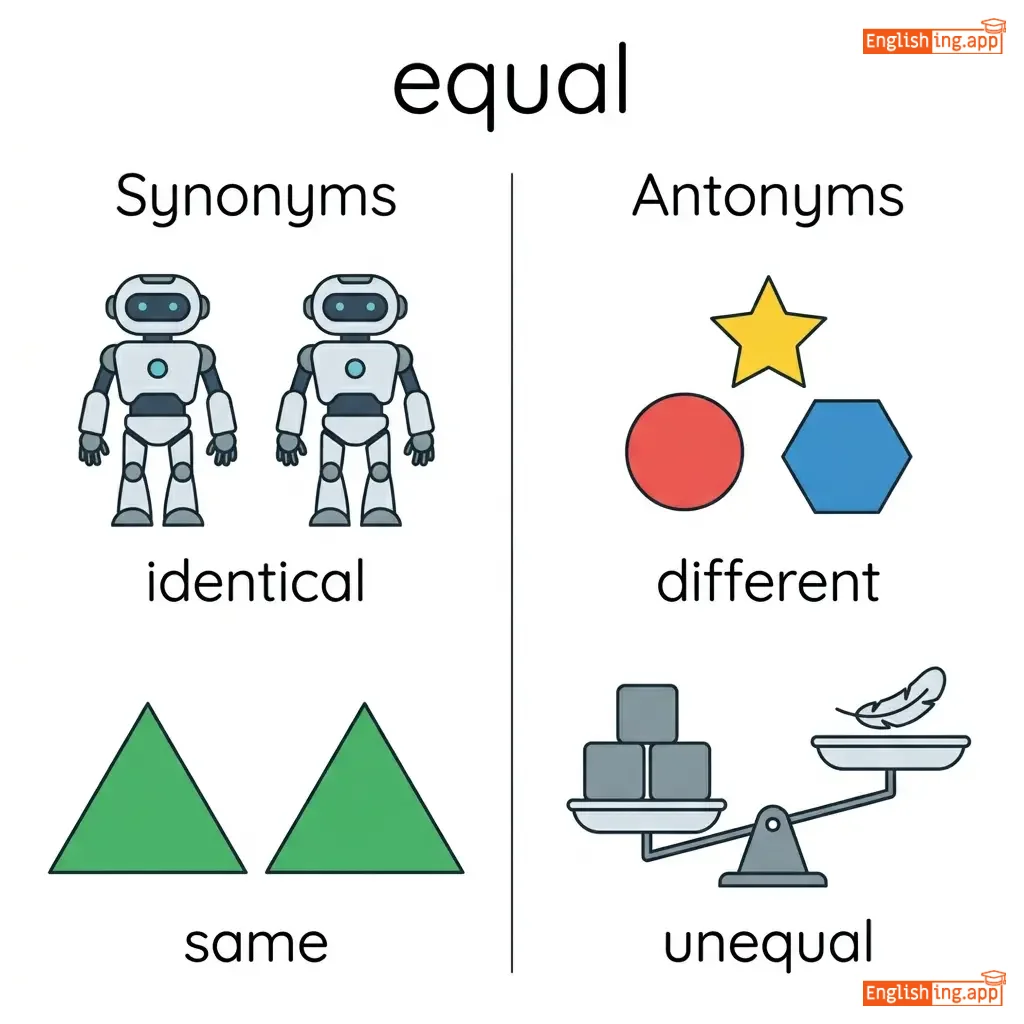
identical, same, equivalent, matching, uniform
••••••
|
different, unequal, unfair
••••••
|
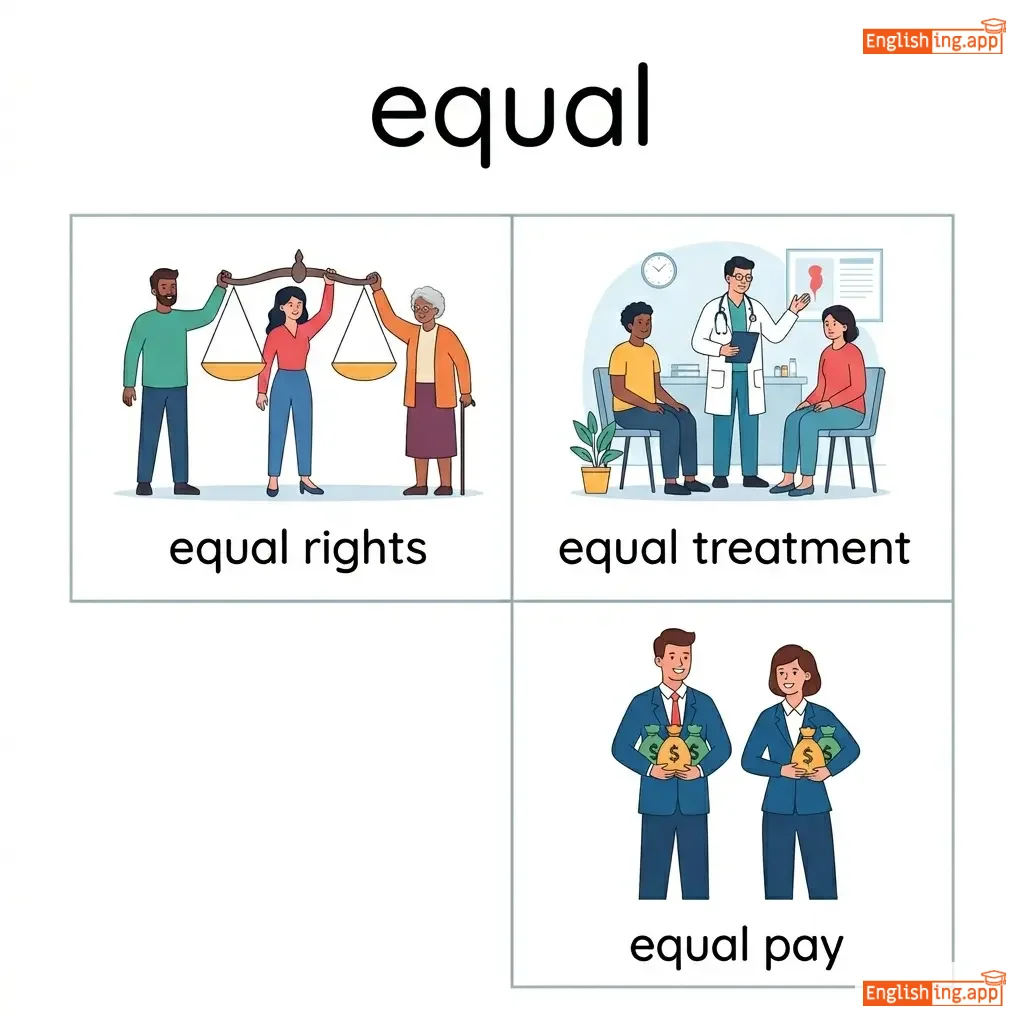
equal rights, equal treatment, equal pay, equal opportunity
••••••
|
Equal意味着看到每个人平等
••••••
|
|
#10941
🌍
|
/ɪnˌvaɪrənˈmɛntl/
adjective
(ēn wài róng mèn tǎ)
••••••
|
- •••••• |
环境的
huánjìng de
••••••
|
- •••••• | - •••••• | - •••••• | - •••••• |
relating to the natural world and the impact of human activity on its condition
••••••
|
The company adopted new policies to reduce environmental damage. |
公司采取了新的政策以减少环境损害。
Gōngsī cǎiqǔle xīn de zhèngcè yǐ jiǎnshǎo huánjìng sǔnhài.
••••••
|
environmental impact |
the effect that activities have on the natural world
••••••
|
环境影响
huánjìng yǐngxiǎng
••••••
|
ecological, green, natural, sustainable, conservation
••••••
|
industrial, artificial, destructive
••••••
|
environmental protection, environmental law, environmental awareness, environmental issue
••••••
|
环境的与自然相关。
••••••
|
|
#10942
🌱
|
/ɪnˈvaɪrənmənt/
noun
(yinwairenmen)
••••••
|
|
环境
huanjing
••••••
|
- •••••• | - •••••• | - •••••• | - •••••• |
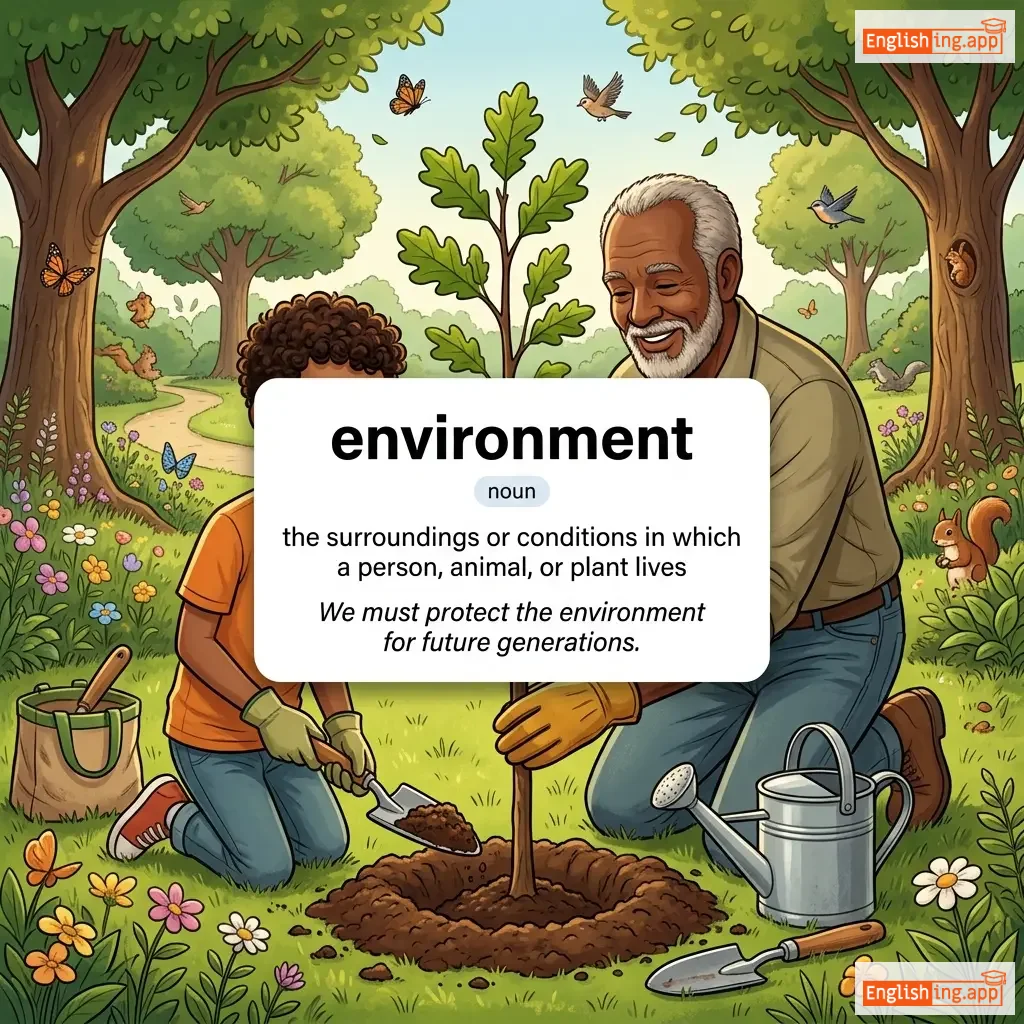
the surroundings or conditions in which a person, animal, or plant lives
••••••
|
We must protect the environment for future generations. |
我们必须为未来的世代保护环境。
wo men bi xu wei wei lai de shi dai bao hu huan jing.
••••••
|
environmentally friendly |
not harmful to the natural world
••••••
|
环保
huan bao
••••••
|
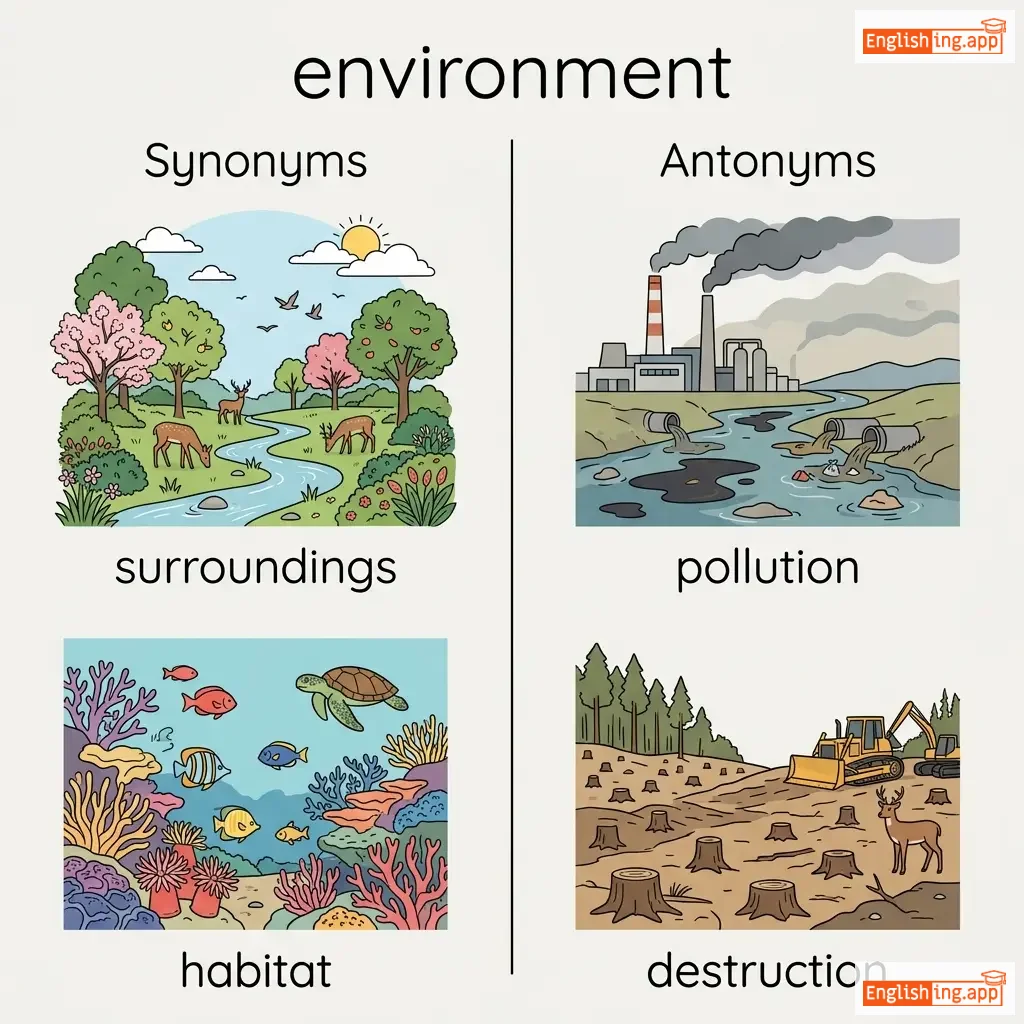
surroundings, habitat, ecology, atmosphere, setting
••••••
|
pollution, destruction
••••••
|
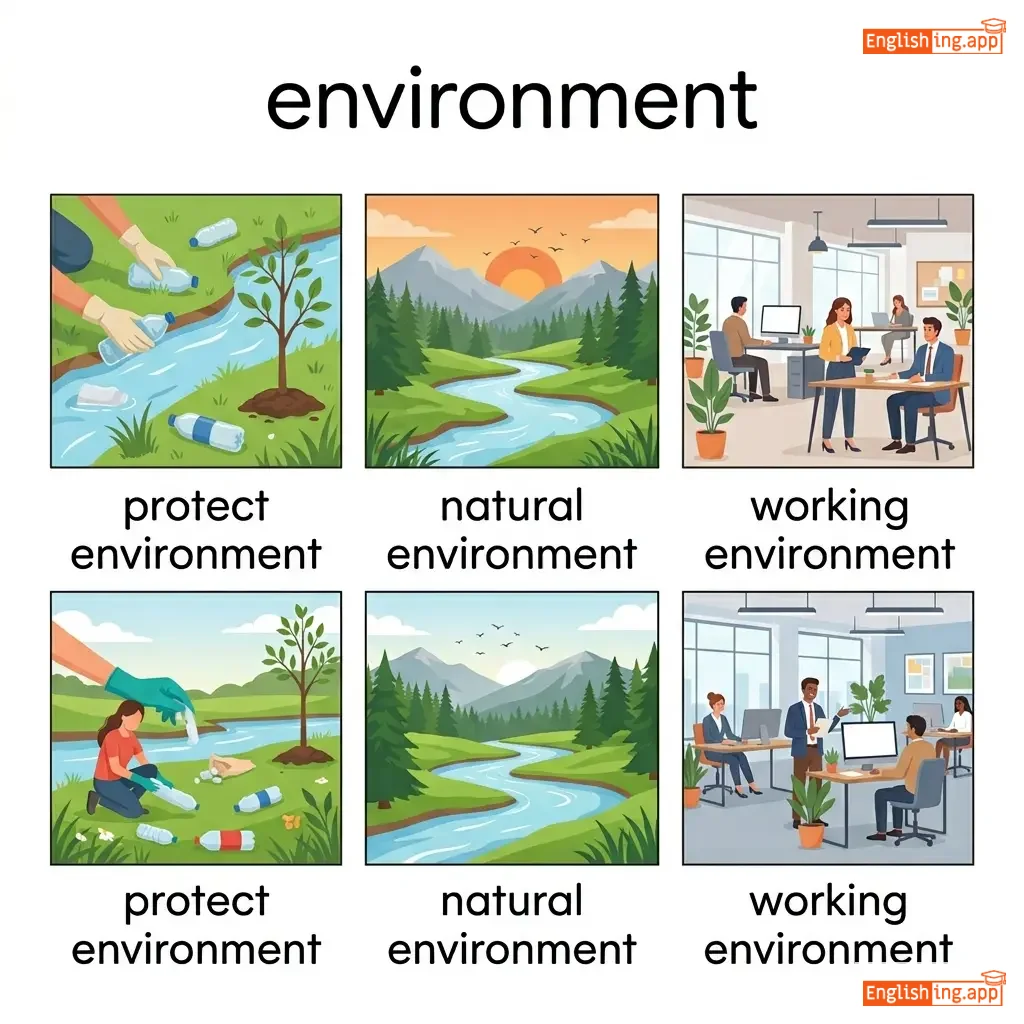
protect environment, natural environment, working environment, environment protection
••••••
|
环境:人与自然和谐共生
••••••
|
|
#10943
🎟️
|
/ˈɛntri/
noun
(āntǐ)
••••••
|
- •••••• |
入口
rùkǒu
••••••
|
- •••••• | - •••••• | - •••••• | - •••••• |
the act of going into a place, or permission to go in
••••••
|
Entry to the museum is free on Fridays. |
博物馆的入口在星期五免费。
Bówùguǎn de rùkǒu zài xīngqīwǔ miǎnfèi.
••••••
|
deny entry |
to refuse permission to enter
••••••
|
拒绝入口
jùjué rùkǒu
••••••
|
admission, access, doorway, record
••••••
|
exit, departure
••••••
|
entry fee, entry point, gain entry, deny entry
••••••
|
Entry 就是进入的入口
••••••
|
|
#10944
🌍
|
/ɪnˈtaɪər/
adjective
(ēntǎi'ěr)
••••••
|
- •••••• |
整个
zhěnggè
••••••
|
- •••••• | - •••••• | - •••••• | - •••••• |
whole; with no part left out
••••••
|
He spent the entire day reading books. |
他整天都在读书。
Tā zhěng tiān dōu zài dúshū.
••••••
|
the entire world |
everywhere; globally
••••••
|
整个世界
zhěnggè shìjiè
••••••
|
whole, complete, full, total, all
••••••
|
partial, incomplete
••••••
|
entire day, entire life, entire system, entire team
••••••
|
Entire意味着完整,全部都包括
••••••
|
Vocabulary Quiz
Test your vocabulary by matching words with their translations or meanings.
Login to take the quiz
Comments (0)
Share your thoughts and join the discussion.
Join the discussion by logging in
Login to CommentNo comments yet
Be the first to share your thoughts!