



Swipe left or right, or use the buttons. Tap image to zoom.
例句翻译
单词
Lesson 31Lesson 31 - 遮罩切换
|
表情符号
|
单词 | Images | 翻译 | 过去时 | 过去分词 | 第三人称单数 | 动名词 | 含义 | 例句 | 例句翻译 | 示例表达 | 示例表达含义 | 示例表达翻译 | 同义词 | 反义词 | 搭配词 | 助记符 |
|---|---|---|---|---|---|---|---|---|---|---|---|---|---|---|---|---|---|
|
#901
🎯
|
/bɛnt/
adjective
(bent)
••••••
|
- •••••• |
决心 / 倾向
juéxīn / qīngxiàng
••••••
|
- •••••• | - •••••• | - •••••• | - •••••• |
strongly determined or having a natural talent or inclination for something
••••••
|
She is bent on becoming a successful lawyer.
她决心成为一名成功的律师。
••••••
|
她决心成为一名成功的律师。
Tā juéxīn chéngwéi yī míng chénggōng de lǜshī.
••••••
|
bent on
决心
••••••
|
determined to do something
••••••
|
决心
juéxīn
••••••
|
determined, inclined, resolved, focused, committed
••••••
|
indifferent, apathetic, unwilling
••••••
|
bent on, artistic bent, bent towards, criminal bent
••••••
|
词 bent(弯曲)意味着决心,像是弯腰但毫不动摇的决心。
••••••
|
|
#902
😍
|
/bɪˈsɒtɪd/
adjective
(贝索特)
••••••
|
- •••••• |
沉迷的,痴迷的
chenmi de, chimi de
••••••
|
- •••••• | - •••••• | - •••••• | - •••••• |
strongly infatuated or obsessed with someone or something
••••••
|
He was completely besotted with her charm. |
他完全沉迷于她的魅力。
Ta wanquan chenmi yu ta de meili.
••••••
|
besotted with love |
madly in love with someone
••••••
|
痴迷于爱情
chimi yu aiqing
••••••
|
infatuated, obsessed, enamored, captivated
••••••
|
indifferent, disinterested
••••••
|
besotted with her, besotted lover, besotted fans
••••••
|
Bee SOTTED意味着痴迷于爱情 – besotted意味着完全沉迷于某人。
••••••
|
|
#903
🖤
|
/bɪˈsmɜːrtʃ/
verb
(贝斯梅尔奇)
••••••
|
- •••••• |
玷污
diàn wū
••••••
|
besmirched
贝斯梅尔奇德
••••••
|
besmirched
贝斯梅尔奇德
••••••
|
besmirches
贝斯梅尔奇斯
••••••
|
besmirching
贝斯梅尔奇英
••••••
|
to damage someone's reputation; to make dirty or stained
••••••
|
He tried to besmirch her good name with false rumors.
他试图通过虚假的谣言玷污她的好名声。
••••••
|
他试图通过虚假的谣言玷污她的好名声。
Tā shìtú tōngguò xūjiǎ de yáoyán diànwū tā de hǎo míngshēng.
••••••
|
besmirch someone's reputation
玷污某人的声誉
••••••
|
to tarnish or harm someone's good reputation
••••••
|
玷污某人的声誉
diàn wū mǒu rén de shēngyù
••••••
|
sully, tarnish, defame, slander
••••••
|
honor, praise, respect
••••••
|
besmirch reputation, besmirched name, besmirch honor
••••••
|
用贝斯梅尔奇玷污别人名声。
••••••
|
|
#904
🪣
|
/bɪˈsmɪər/
verb
(贝斯米尔)
••••••
|
- •••••• |
弄脏
nòngzāng
••••••
|
besmeared
贝斯米尔德
••••••
|
besmeared
贝斯米尔德
••••••
|
besmears
贝斯米尔斯
••••••
|
besmearing
贝斯米尔英
••••••
|
to smear or cover with a sticky or dirty substance; to soil
••••••
|
His clothes were besmeared with mud.
他的衣服被泥巴弄脏了。
••••••
|
他的衣服沾满了泥巴。
Tā de yīfu zhān mǎnle níbā.
••••••
|
- •••••• | - •••••• | - •••••• |
smear, stain, soil, daub
••••••
|
clean, polish
••••••
|
besmear with mud, besmeared face, besmear reputation
••••••
|
BESMIR (弄脏) – 不要让你的衣服弄脏!
••••••
|
|
#905
🏰
|
/bɪˈsiːdʒ/
verb
(bǐsījí)
••••••
|
- •••••• |
围困
wéikùn
••••••
|
besieged
bǐsījí
••••••
|
besieged
bǐsījí
••••••
|
besieges
bǐsījí
••••••
|
besieging
bǐsījīng
••••••
|
to surround a place with armed forces to capture it; to overwhelm with requests or attention
••••••
|
The city was besieged by enemy troops.
城市被敌军包围了。
••••••
|
城市被敌军包围了。
Chéngshì bèi díjūn bāowéi le.
••••••
|
besieged with questions
被问题包围
••••••
|
to be overwhelmed with many questions
••••••
|
被问题包围
bèi wèntí bāowéi
••••••
|
attack, surround, blockade, encircle
••••••
|
liberate, free
••••••
|
besiege a city, besieged by fans, besieged with requests
••••••
|
Bee SEE Jhor 围困城市 – 围困就是用军队包围一个地方。
••••••
|
|
#906
⚔️
|
/bɪˈsɛt/
verb
••••••
|
- •••••• | - •••••• |
beset
••••••
|
beset
••••••
|
besets
••••••
|
besetting
••••••
|
to trouble, harass, or attack on all sides
••••••
|
The village was beset by constant floods. |
- •••••• |
beset with difficulties |
to be surrounded or burdened by many problems
••••••
|
- •••••• |
plague, torment, harass, afflict, trouble
••••••
|
relieve, aid, help
••••••
|
beset by problems, beset with difficulties, beset on all sides
••••••
|
No •••••• |
|
#907
🙏
|
/bɪˈsiːtʃ/
verb
(比斯奇)
••••••
|
- •••••• |
恳求
kěnqiú
••••••
|
beseeched
比斯奇德
••••••
|
beseeched
比斯奇德
••••••
|
beseeches
比斯奇斯
••••••
|
beseeching
比斯奇英
••••••
|
To ask someone urgently and fervently to do something; to beg.
••••••
|
He beseeched the judge for mercy.
他比斯奇了法官,恳求宽恕。
••••••
|
他恳求法官宽恕。
Tā kěnqiú fǎguān kuānshù.
••••••
|
- •••••• | - •••••• | - •••••• |
implore, beg, plead, entreat, supplicate
••••••
|
demand, command, insist
••••••
|
beseech someone, beseech the lord, beseech for mercy, humbly beseech
••••••
|
Beseech = Be + Speech (恳求某人做事).
••••••
|
|
#908
🛏️
|
/bɜːrθ/
noun
(bèrth)
••••••
|
- •••••• |
卧铺 / 停泊位置
wòpù / tíngbó wèizhì
••••••
|
- •••••• | - •••••• | - •••••• | - •••••• |
A place to sleep on a ship or train; a ship's allocated place at a dock.
••••••
|
They reserved a lower berth on the overnight train. |
他们在夜间火车上预定了一个下铺。
Tāmen zài yèjiān huǒchē shàng yùdìng le yīgè xià pù.
••••••
|
give a wide berth |
To avoid someone or something; to keep away.
••••••
|
给宽广的空间
gěi kuānguǎng de kōngjiān
••••••
|
bunk, cabin, bed, dock, station
••••••
|
departure, absence
••••••
|
lower berth, upper berth, ship's berth, wide berth
••••••
|
Berth 听起来像 'bed',在火车上,'berth' 是一个睡觉的床。
••••••
|
|
#909
🤯
|
/bəˈzɜːrk/
adjective
(贝尔瑟克)
••••••
|
- •••••• |
疯狂
fengkuang
••••••
|
- •••••• | - •••••• | - •••••• | - •••••• |
Out of control with anger or excitement; wild or frenzied.
••••••
|
The fans went berserk when their team won the championship.
当他们的队伍赢得了冠军时,粉丝们变得疯狂。
••••••
|
当他们的队伍赢得了冠军时,粉丝们变得疯狂。
Dāng tāmen de duìwǔ yíngdéle guànjūn shí, fěnsīmen biànde fēngkuáng.
••••••
|
go berserk
变得疯狂
••••••
|
To become very angry or excited in a wild and uncontrolled way.
••••••
|
变得疯狂
Biànde fēngkuáng
••••••
|
crazy, frenzied, mad, wild, frantic
••••••
|
calm, controlled, peaceful
••••••
|
went berserk, go berserk, berserk rage, completely berserk
••••••
|
Berserk 就像是失控的野兽,所有人都会疯狂。
••••••
|
|
#910
💔
|
/bɪˈrɛft/
adjective
(bereft)
••••••
|
- •••••• |
失落的
shīluò de
••••••
|
- •••••• | - •••••• | - •••••• | - •••••• |
Deprived of or lacking something, especially a nonmaterial asset.
••••••
|
After the betrayal, he felt bereft of hope and trust. |
背叛后,他感到失落于希望和信任。
Bèipàn hòu, tā gǎndào shīluò yú xīwàng hé xìnrèn.
••••••
|
bereft of |
Completely without something; lacking.
••••••
|
失落于
shīluò yú
••••••
|
deprived, lacking, void, destitute, empty
••••••
|
full, abundant, complete
••••••
|
bereft of hope, bereft of love, felt bereft, emotionally bereft
••••••
|
Be + left = bereft, 意味着失去或缺乏某物。
••••••
|
|
#911
🖤
|
/bɪˈriːvmənt/
noun
••••••
|
- •••••• | - •••••• | - •••••• | - •••••• | - •••••• | - •••••• |
The state of having lost a loved one through death.
••••••
|
She received many letters of sympathy during her time of bereavement. |
- •••••• | - •••••• | - •••••• | - •••••• |
mourning, grief, sorrow, loss, lamentation
••••••
|
joy, celebration, happiness
••••••
|
period of bereavement, bereavement leave, cope with bereavement, during bereavement
••••••
|
No •••••• |
|
#912
💔
|
/bɪˈriːvd/
adjective
(bǐrìvd)
••••••
|
- •••••• |
丧失亲人的人
sàngshī qīnrén de rén
••••••
|
- •••••• | - •••••• | - •••••• | - •••••• |
suffering the loss of a loved one through death
••••••
|
The bereaved mother wept silently at the funeral. |
那位丧失亲人的母亲在葬礼上默默哭泣。
Nà wèi sàngshī qīnrén de mǔqīn zài zànglǐ shàng mòmò kūqì.
••••••
|
the bereaved |
people who have recently lost a loved one
••••••
|
丧失亲人者
sàngshī qīnrén zhě
••••••
|
grieving, mourning, sorrowful, deprived
••••••
|
joyful, blessed, fortunate
••••••
|
bereaved family, bereaved relatives, bereaved person, comfort the bereaved
••••••
|
Be + reaved (robbed) = 被死亡夺走 = 丧失亲人
••••••
|
|
#913
🖤
|
/bɪˈriːv/
verb
(贝瑞夫)
••••••
|
- •••••• |
失去亲人
shīqù qīnrén
••••••
|
bereaved
贝瑞夫德
••••••
|
bereaved
贝瑞夫德
••••••
|
bereaves
贝瑞夫斯
••••••
|
bereaving
贝瑞夫英
••••••
|
to deprive someone of a loved one through death
••••••
|
She was bereaved of her husband last year.
她去年失去了她的丈夫。
••••••
|
她去年失去了她的丈夫。
Tā qùnián shīqùle tā de zhàngfu.
••••••
|
bereaved family
失去亲人的家庭
••••••
|
a family that has lost a loved one
••••••
|
失去亲人的家庭
Shīqù qīnrén de jiātíng
••••••
|
deprive, lose, rob, dispossess
••••••
|
bless, endow, provide
••••••
|
bereaved family, bereaved person, bereaved of, comfort the bereaved
••••••
|
Be + reave (抢) = 死亡抢走了亲人 → bereave
••••••
|
|
#914
😠
|
/bɪˈreɪt/
verb
(伯雷特)
••••••
|
- •••••• |
训斥
xùnchì
••••••
|
berated
伯雷特过
••••••
|
berated
伯雷特过
••••••
|
berates
伯雷特
••••••
|
berating
伯雷特的
••••••
|
to scold or criticize angrily
••••••
|
The teacher berated the student for being late.
老师因迟到而训斥了学生。
••••••
|
老师因迟到而训斥了学生。
Lǎoshī yīn chídào ér xùnchìle xuéshēng.
••••••
|
- •••••• | - •••••• | - •••••• |
scold, rebuke, reprimand, reproach, criticize
••••••
|
praise, compliment, commend
••••••
|
berate harshly, berate publicly, berate someone, berate severely
••••••
|
Be + rate = 老师因为迟到而训斥你
••••••
|
|
#915
📜
|
/bɪˈkwiːð/
verb
(bīkwīð)
••••••
|
|
遗赠
yízèng
••••••
|
bequeathed
bīkwīðd
••••••
|
bequeathed
bīkwīðd
••••••
|
bequeaths
bīkwīðs
••••••
|
bequeathing
bīkwīðɪŋ
••••••
|
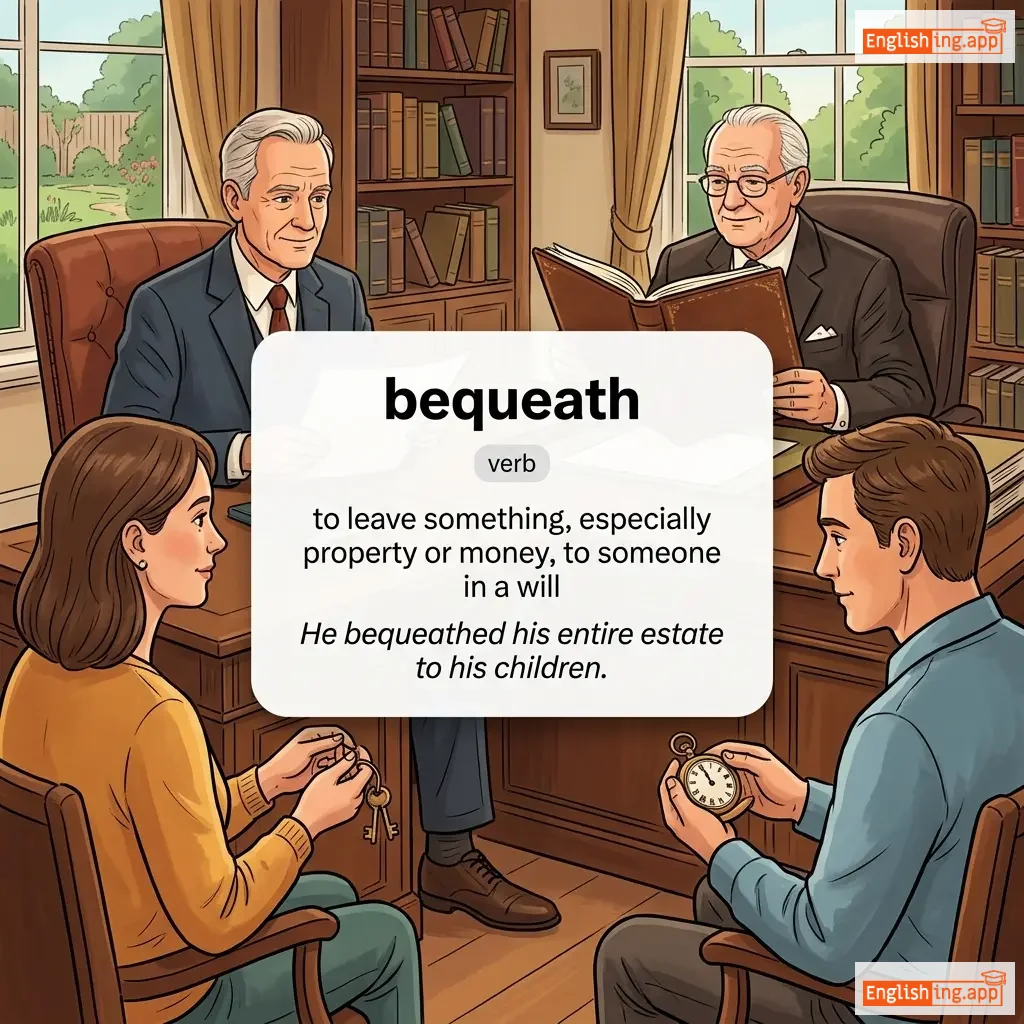
to leave something, especially property or money, to someone in a will
••••••
|
He bequeathed his entire estate to his children.
他把自己的全部财产遗赠给了孩子们。
••••••
|
他把自己的全部财产遗赠给了孩子们。
Tā bǎ zìjǐ de quánbù cáichǎn yízèng gěi le háizimen.
••••••
|
bequeath a legacy
遗赠遗产
••••••
|
to pass on something of value, usually after death
••••••
|
遗赠遗产
yízèng yíchǎn
••••••
|
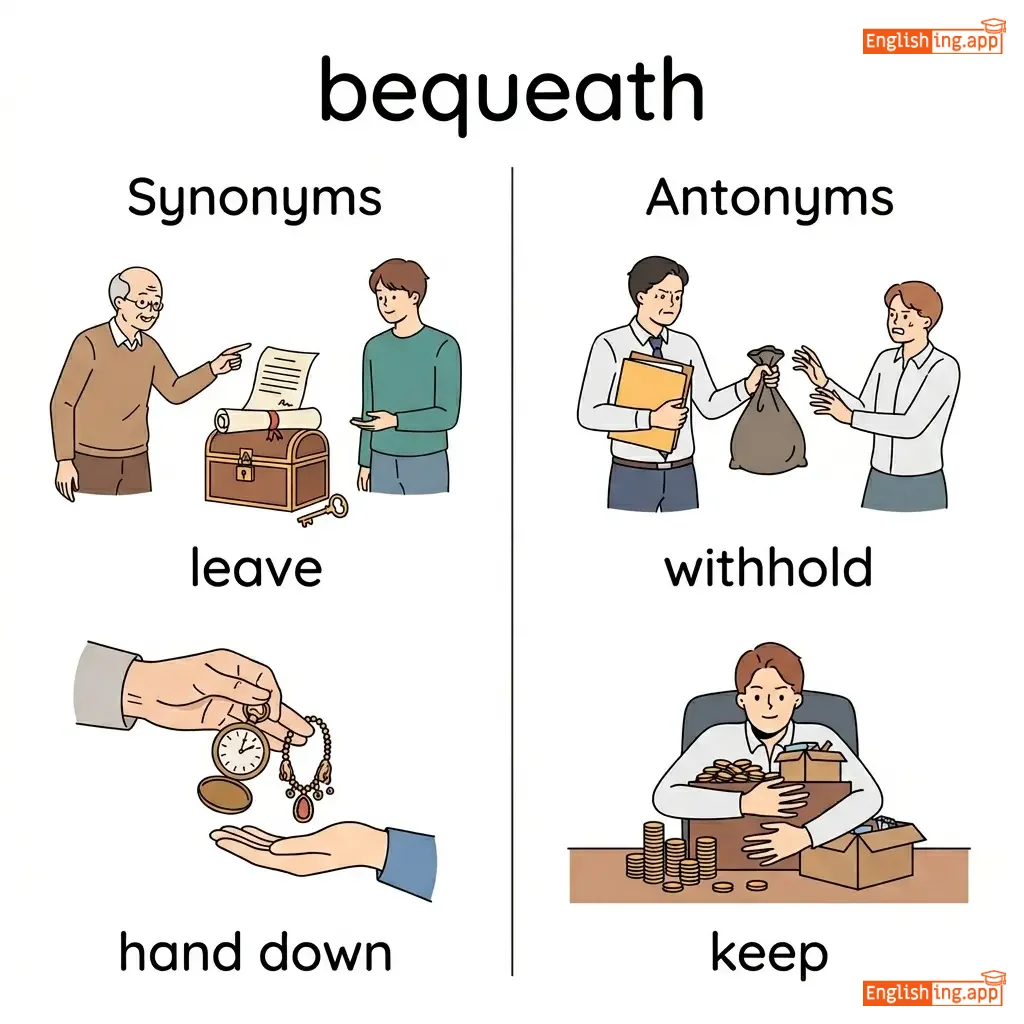
leave, hand down, pass on, donate, bestow
••••••
|
withhold, keep, retain
••••••
|
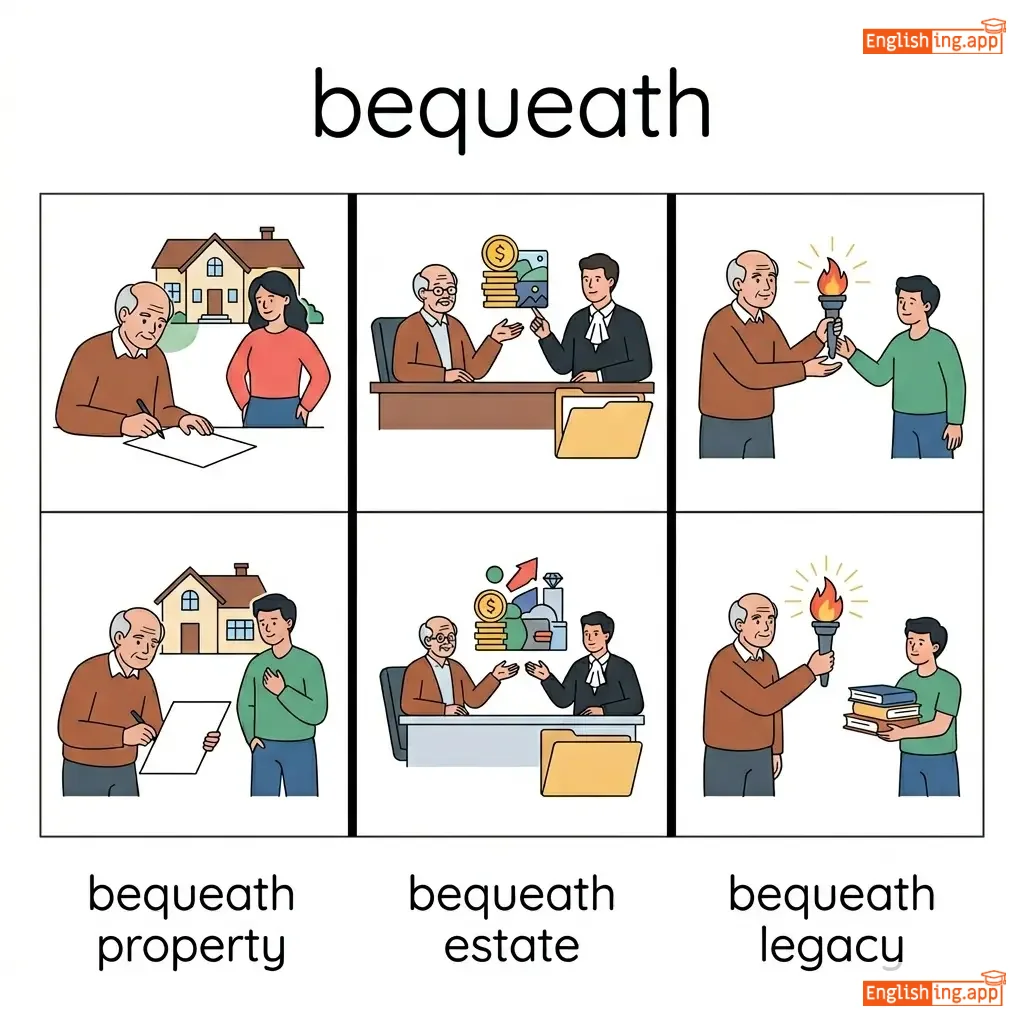
bequeath property, bequeath estate, bequeath legacy, bequeath wealth
••••••
|
Be + 奇 (qi) → 将财产遗赠给别人 = bequeath
••••••
|
|
#916
😕
|
/bɪˈmjuːzd/
adjective
(bímjúzíd)
••••••
|
- •••••• |
困惑的,迷茫的
kùnhuò de, mímáng de
••••••
|
- •••••• | - •••••• | - •••••• | - •••••• |
confused, puzzled, or lost in thought
••••••
|
She looked bemused when he asked the strange question. |
当他问了一个奇怪的问题时,她看起来很困惑。
Dāng tā wènle yīgè qíguài de wèntí shí, tā kàn qǐlái hěn kùnhuò.
••••••
|
- •••••• | - •••••• | - •••••• |
confused, puzzled, bewildered, distracted, perplexed
••••••
|
clear, understanding, aware
••••••
|
look bemused, seem bemused, appear bemused, remain bemused
••••••
|
Be mǔzīduǒ - 就像迷失在博物馆里一样,感到困惑。
••••••
|
|
#917
🙏
|
/ˈbɛnɪsən/
noun
(benison)
••••••
|
- •••••• |
祝福
zhufu
••••••
|
- •••••• | - •••••• | - •••••• | - •••••• |
A blessing or benefit.
••••••
|
The rain was a benison for the drought-stricken farmers. |
这场雨对受旱灾影响的农民来说是一种祝福。
Zhe chang yu dui shou hanzai yingxiang de nongmin lai shuo shi yizhong zhufu.
••••••
|
- •••••• | - •••••• | - •••••• |
blessing, boon, benefit, gift
••••••
|
curse, misfortune
••••••
|
benison of rain, divine benison, benison of peace
••••••
|
No •••••• |
|
#918
🌸
|
/bɪˈnɪɡnəti/
noun
(贝尼尼蒂)
••••••
|
- •••••• |
善良, 温柔
shànliáng, wēnróu
••••••
|
- •••••• | - •••••• | - •••••• | - •••••• |
The quality of being kind and gentle.
••••••
|
She treated everyone with benignity and respect.
她以善良和尊重对待每一个人。
••••••
|
她以善良和尊重对待每一个人。
Tā yǐ shànliáng hé zūnzhòng duìdài měi yīgè rén.
••••••
|
- •••••• | - •••••• | - •••••• |
kindness, gentleness, benevolence, compassion
••••••
|
harshness, cruelty, severity
••••••
|
show benignity, act with benignity, benignity of spirit
••••••
|
BENIGNITY 意思是 benign + ity——友善与温柔。
••••••
|
|
#919
🤗
|
/bɪˈnɪɡnənt/
adjective
(benignant)
••••••
|
- •••••• |
仁慈的, 善良的
réncí de, shànliáng de
••••••
|
- •••••• | - •••••• | - •••••• | - •••••• |
Kindly and benevolent in nature.
••••••
|
The teacher’s benignant attitude made the students feel comfortable.
老师的仁慈态度让学生感到舒适。
••••••
|
老师的仁慈态度让学生感到舒适。
Lǎoshī de réncí tàidù ràng xuéshēng gǎndào shūshì.
••••••
|
- •••••• | - •••••• | - •••••• |
kind, benevolent, gracious, compassionate, gentle
••••••
|
unkind, harsh, cruel
••••••
|
benignant ruler, benignant smile, benignant attitude
••••••
|
BENIGNANT = benign + 巨大的心 — 善良的巨大心
••••••
|
|
#920
😊
|
/bɪˈnaɪn/
adjective
••••••
|
- •••••• | - •••••• | - •••••• | - •••••• | - •••••• | - •••••• |
Gentle, kind, or not harmful (especially of a disease or tumor).
••••••
|
The doctor assured her that the tumor was benign. |
- •••••• |
benign neglect |
A policy of deliberate noninterference, often resulting in positive outcomes.
••••••
|
- •••••• |
kind, gentle, harmless, favorable, benevolent
••••••
|
malignant, harmful, hostile
••••••
|
benign tumor, benign influence, benign smile, benign climate
••••••
|
No •••••• |
|
#921
🌑
|
/bɪˈnaɪtɪd/
adjective
(bɪˈnaɪtɪd)
••••••
|
- •••••• |
黑暗的,无知的
hei'an de, wu zhi de
••••••
|
- •••••• | - •••••• | - •••••• | - •••••• |
In a state of intellectual or moral ignorance; overtaken by darkness.
••••••
|
The explorers were lost in the benighted forest without any guide. |
探险者在没有向导的情况下迷失在黑暗的森林中。
Tànxiǎn zhě zài méiyǒu xiàngdǎo de qíngkuàng xià míshī zài hēi'àn de sēnlín zhōng.
••••••
|
- •••••• | - •••••• | - •••••• |
ignorant, unenlightened, backward, primitive, dark
••••••
|
enlightened, knowledgeable, cultured
••••••
|
benighted village, benighted times, benighted people, benighted ignorance
••••••
|
BENIGHT意味着处于黑暗中,没有知识。
••••••
|
|
#922
🤗
|
/bəˈnɛvələnt/
adjective
(běnɪˈvələnt)
••••••
|
|
仁慈的
réncí de
••••••
|
- •••••• | - •••••• | - •••••• | - •••••• |
well-meaning and kindly; generous
••••••
|
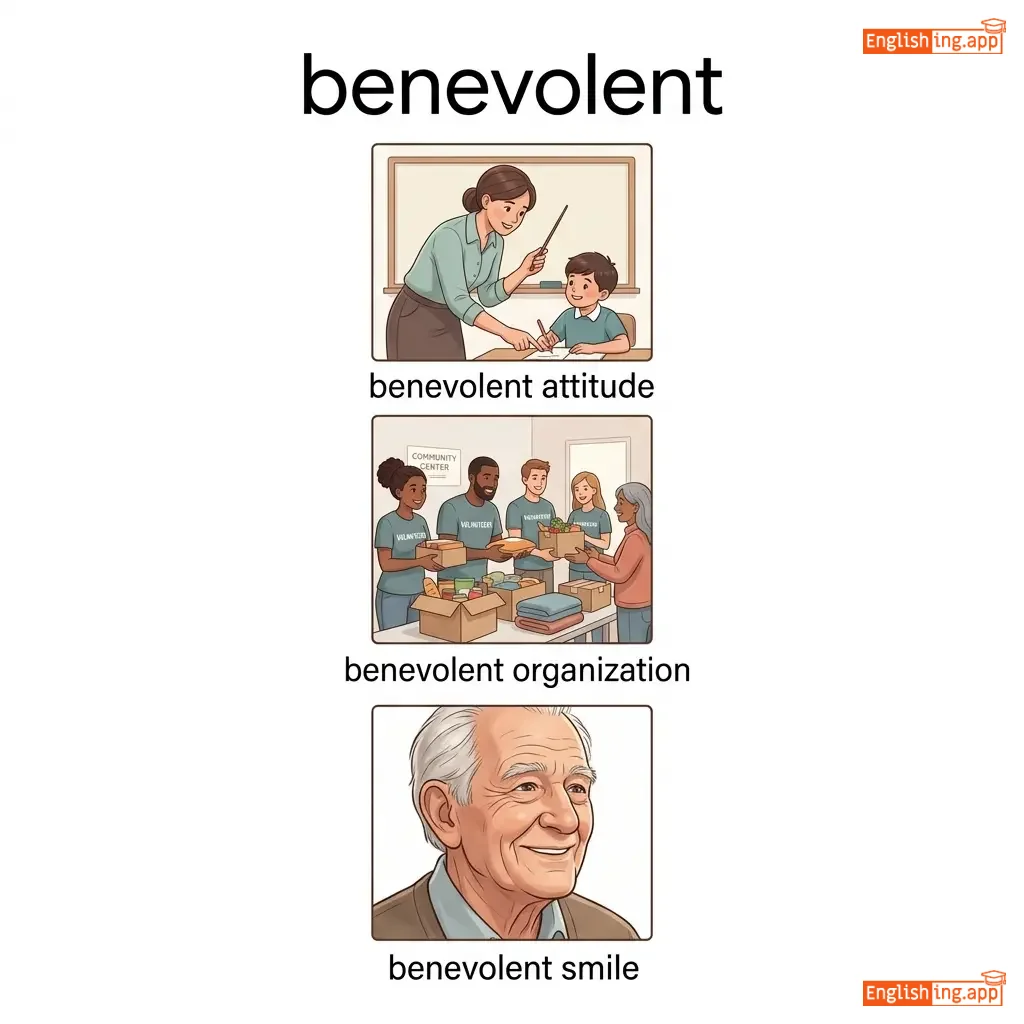
The benevolent teacher helped students beyond the classroom. |
仁慈的老师在课堂之外也帮助了学生。
Réncí de lǎoshī zài kètáng zhī wài yě bāngzhù le xuéshēng.
••••••
|
- •••••• | - •••••• | - •••••• |
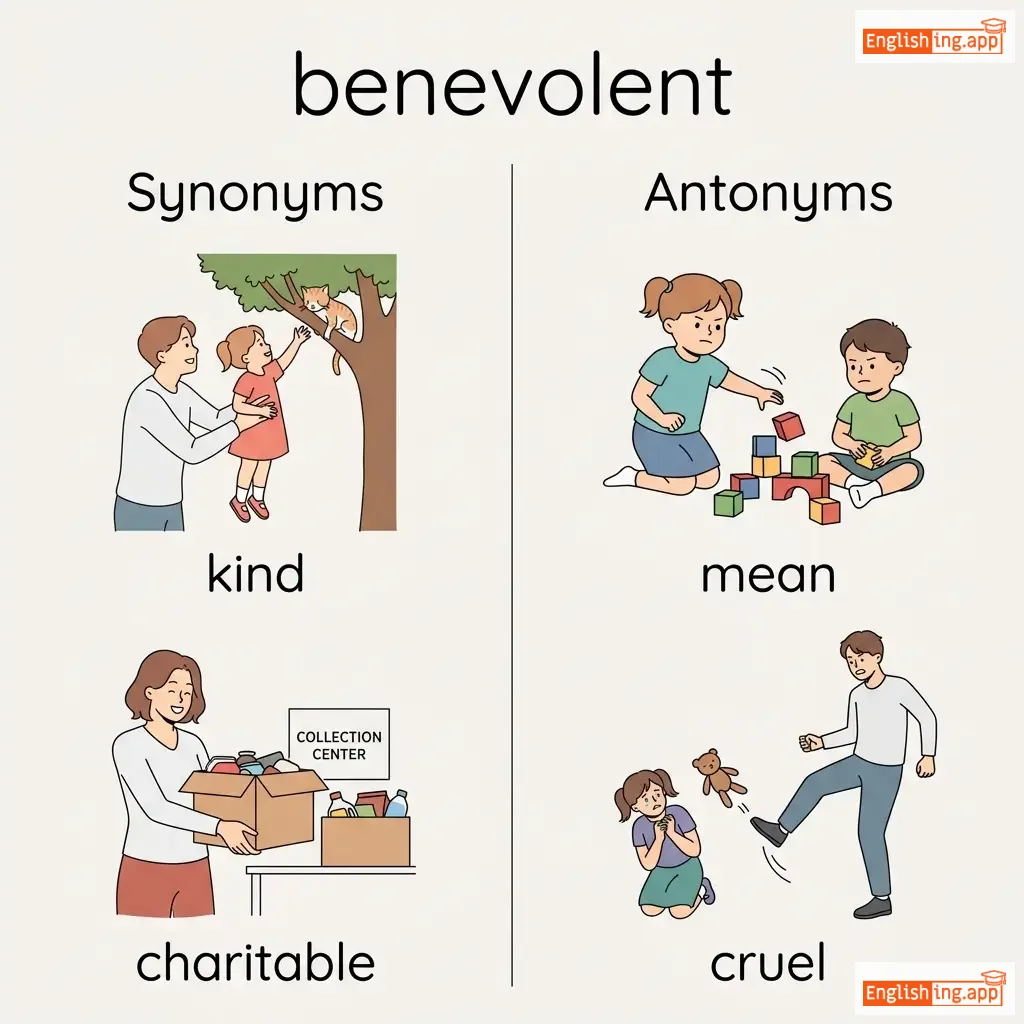
kind, charitable, generous, compassionate, humane
••••••
|
mean, cruel, unkind
••••••
|
benevolent attitude, benevolent organization, benevolent smile, benevolent ruler
••••••
|
Benevolent意味着好人,所以benevolent在中文中是仁慈的。
••••••
|
|
#923
💖
|
/bəˈnɛvələns/
noun
(比内沃伦斯)
••••••
|
|
慈善
cishan
••••••
|
- •••••• | - •••••• | - •••••• | - •••••• |
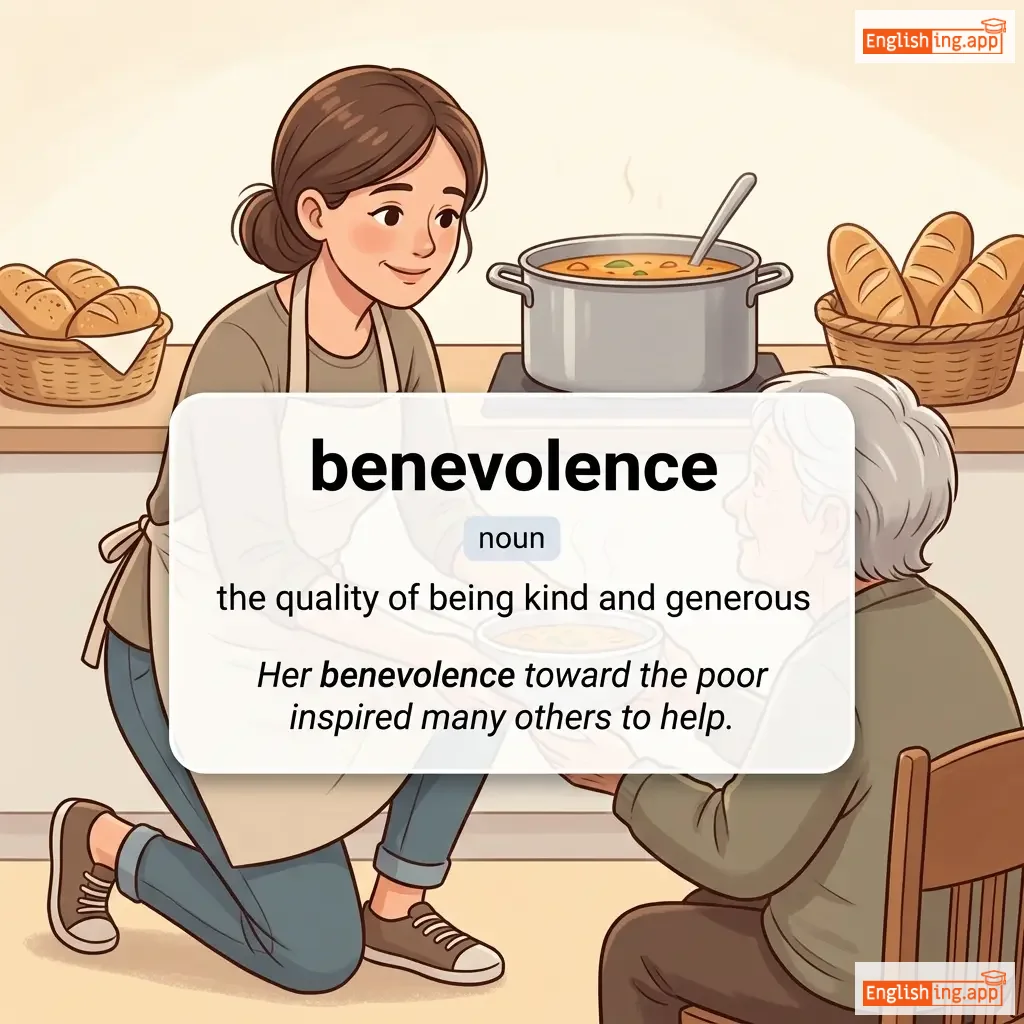
the quality of being kind and generous
••••••
|
Her benevolence toward the poor inspired many others to help. |
她对穷人的慈善行为激励了许多人去帮助。
Ta dui qiongren de cishan xingwei jili le xu duo ren qu bangzhu.
••••••
|
- •••••• | - •••••• | - •••••• |
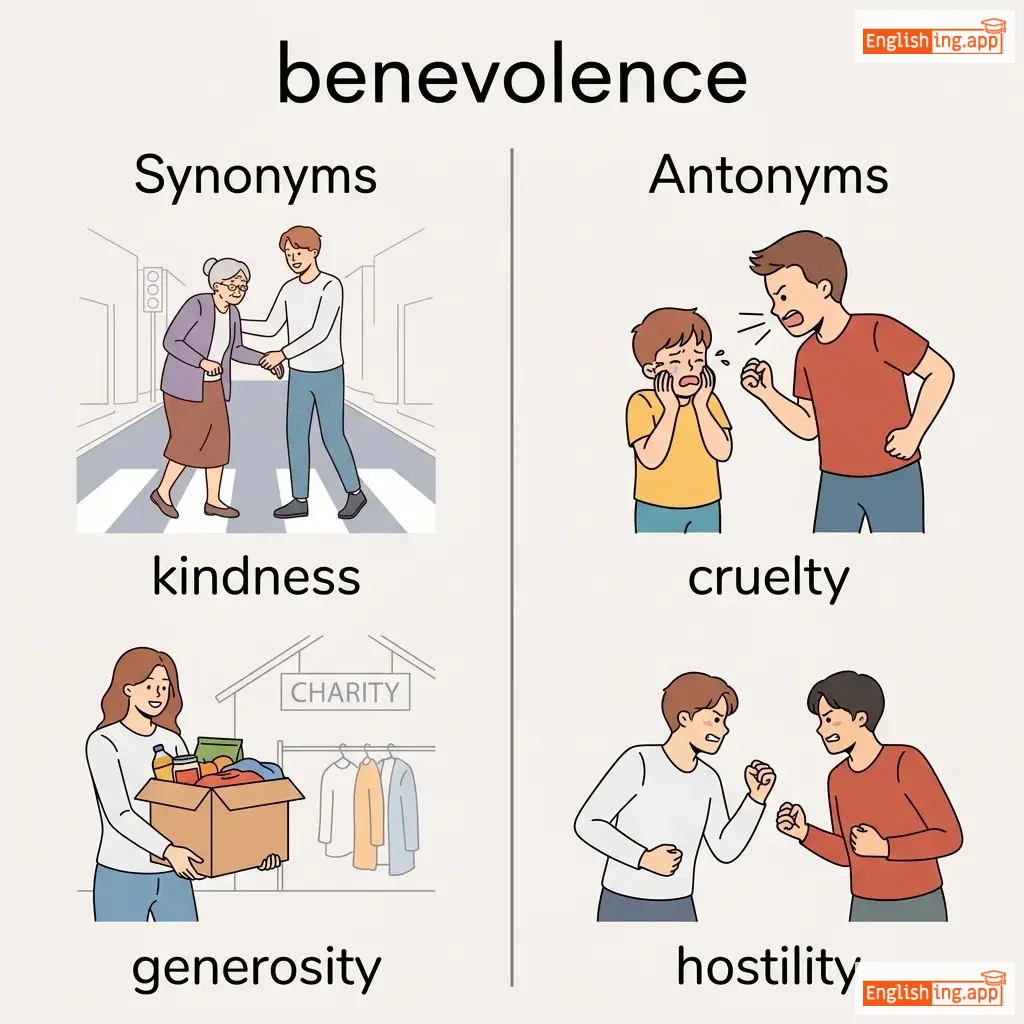
kindness, generosity, goodwill, compassion
••••••
|
cruelty, hostility, selfishness
••••••
|
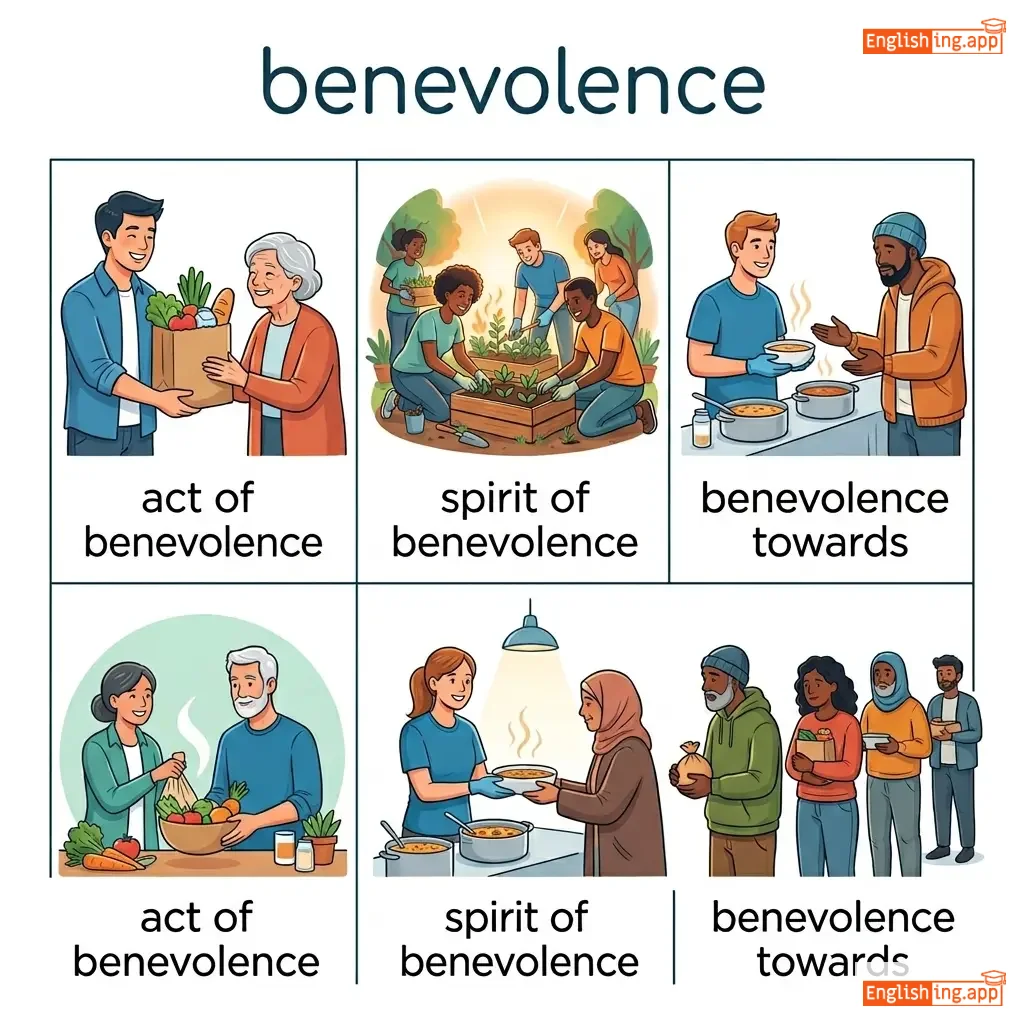
act of benevolence, spirit of benevolence, benevolence towards, divine benevolence
••••••
|
慈善不仅仅是给予,更是将爱与善意传递给他人的一种行为。
••••••
|
|
#924
🎉
|
/ˈbɛnɪfɪt/
noun/verb
(贝尼菲特)
••••••
|
- •••••• |
利益 / 好处
lìyì / hǎochù
••••••
|
benefited
贝尼费特德
••••••
|
benefited
贝尼费特德
••••••
|
benefits
贝尼费特斯
••••••
|
benefiting
贝尼费廷
••••••
|
an advantage, profit, or good effect; to receive help or an advantage
••••••
|
Employees benefit from the company’s health insurance program.
员工从公司的健康保险计划中获益。
••••••
|
员工从公司的健康保险计划中获益。
yuángōng cóng gōngsī de jiànkāng bǎoxiǎn jìhuà zhōng huòyì.
••••••
|
for the benefit of
为了某人的利益
••••••
|
for the advantage or good of someone
••••••
|
为了某人的利益
wèile mǒu rén de lìyì
••••••
|
advantage, profit, gain, perk, blessing
••••••
|
loss, harm, drawback
••••••
|
health benefit, social benefit, benefit from, mutual benefit
••••••
|
Benefit 在中文中是利益,好处,像健康保险计划一样。
••••••
|
|
#925
🎁
|
/ˌbɛnɪˈfɪʃəri/
noun
(受益人)
••••••
|
- •••••• |
受益人
shòuyì rén
••••••
|
- •••••• | - •••••• | - •••••• | - •••••• |
a person who receives something, especially money or property, from a will or insurance policy
••••••
|
She is the sole beneficiary of her father’s estate. |
她是她父亲遗产的唯一受益人。
Tā shì tā fùqīn yí chǎn de wéiyī shòuyì rén.
••••••
|
- •••••• | - •••••• | - •••••• |
recipient, heir, inheritor, grantee
••••••
|
donor, benefactor
••••••
|
sole beneficiary, named beneficiary, policy beneficiary, estate beneficiary
••••••
|
Beneficiary 意味着接受利益的人,就像保险单的受益人。
••••••
|
|
#926
🌱
|
/ˌbɛnɪˈfɪʃəl/
adjective
(贝内菲舍尔)
••••••
|
|
有益的
you yi de
••••••
|
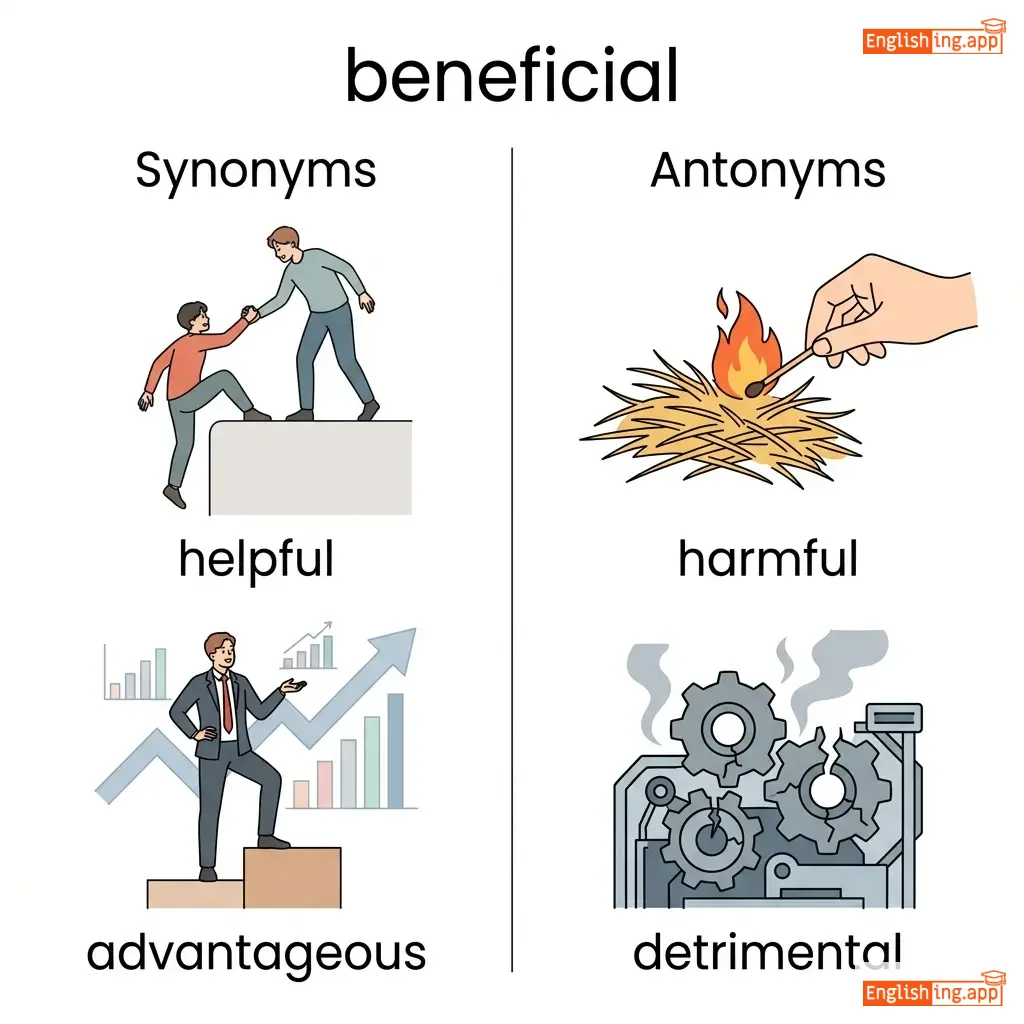
- •••••• | - •••••• | - •••••• | - •••••• |
producing good or helpful results; favorable or advantageous
••••••
|
Regular exercise is beneficial for your health. |
定期锻炼对你的健康有益。
Dìngqí duànliàn duì nǐ de jiànkāng yǒuyì.
••••••
|
- •••••• | - •••••• | - •••••• |
helpful, advantageous, favorable, useful, valuable
••••••
|
harmful, detrimental, disadvantageous
••••••
|
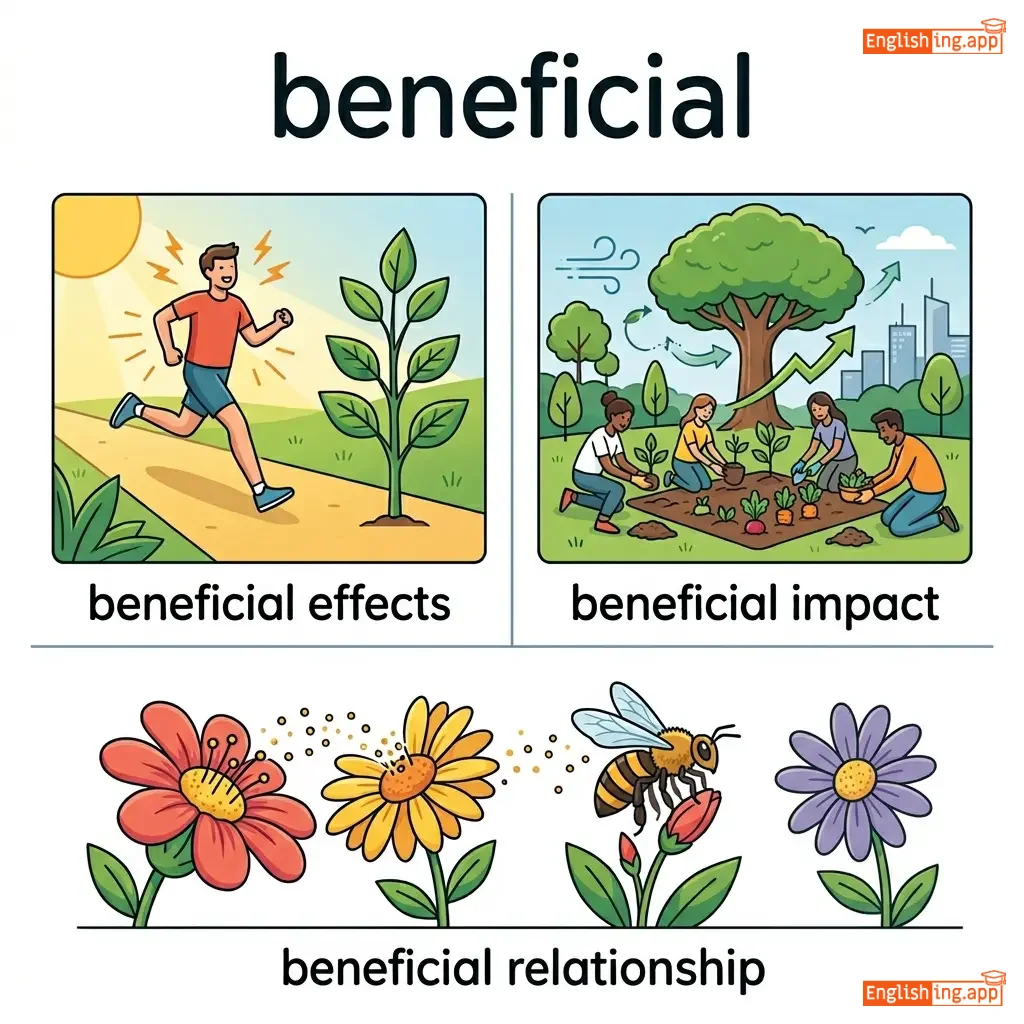
beneficial effects, beneficial impact, beneficial relationship, mutually beneficial
••••••
|
有益的 = 带来益处,像定期锻炼对健康的好处
••••••
|
|
#927
🌟
|
/bəˈnɛfɪsənt/
adjective
(贝内费森特)
••••••
|
|
仁慈的, 慷慨的
réncí de, kāngkǎi de
••••••
|
- •••••• | - •••••• | - •••••• | - •••••• |
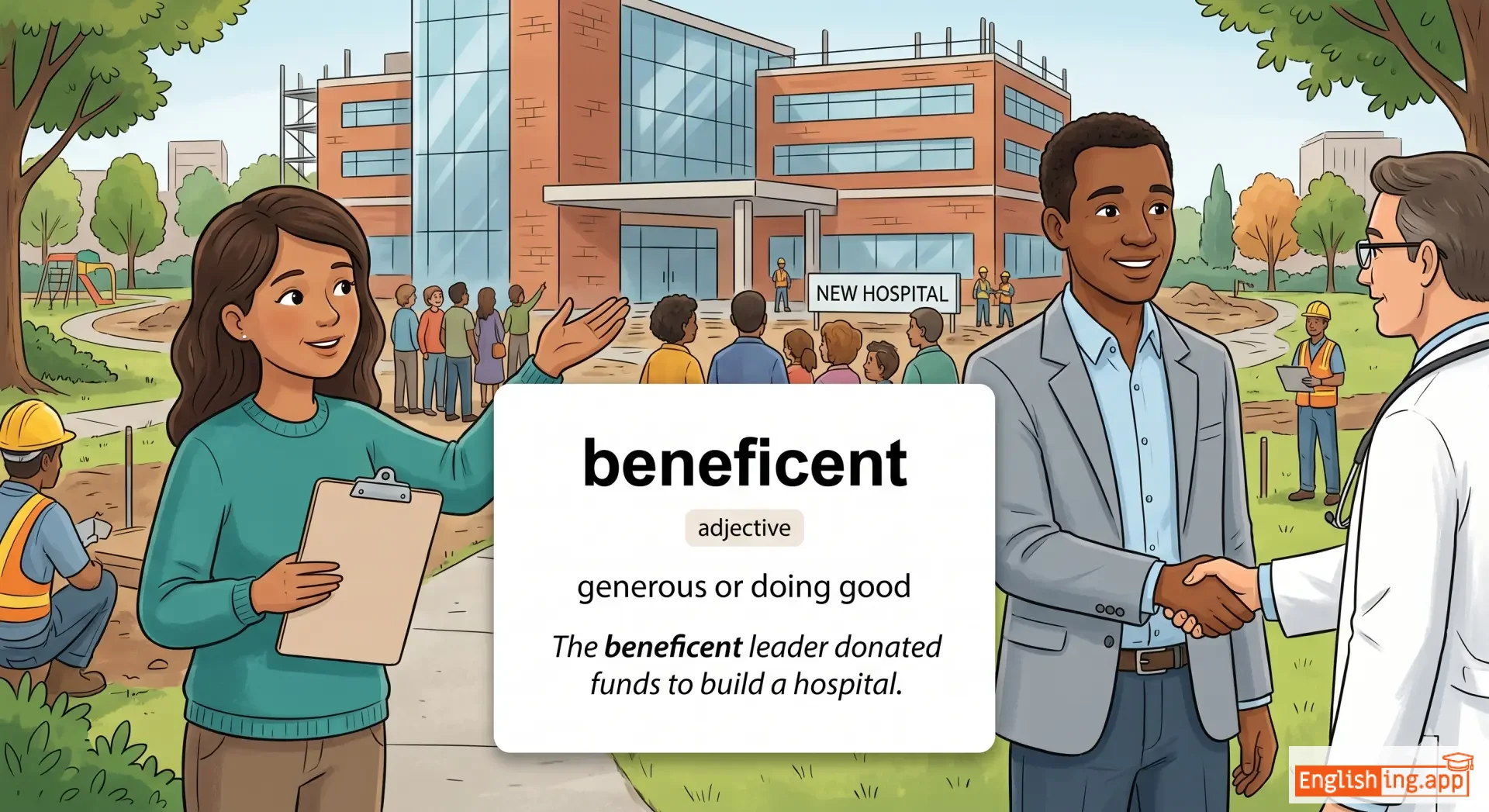
generous or doing good
••••••
|
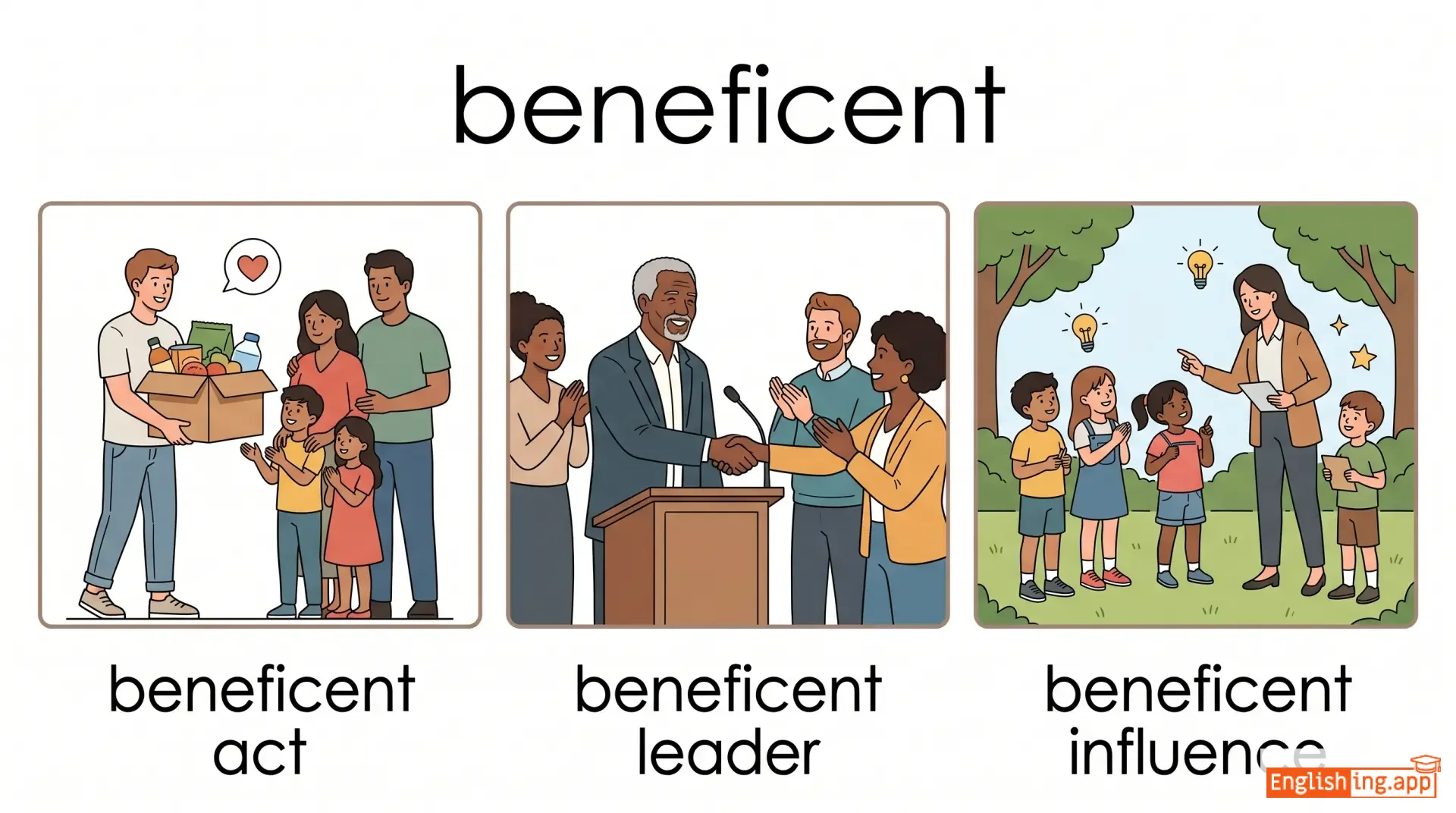
The beneficent leader donated funds to build a hospital. |
仁慈的领导人捐赠了资金以建造医院。
Réncí de lǐngdǎo rén juānzèngle zījīn yǐ jiànzào yīyuàn.
••••••
|
- •••••• | - •••••• | - •••••• |
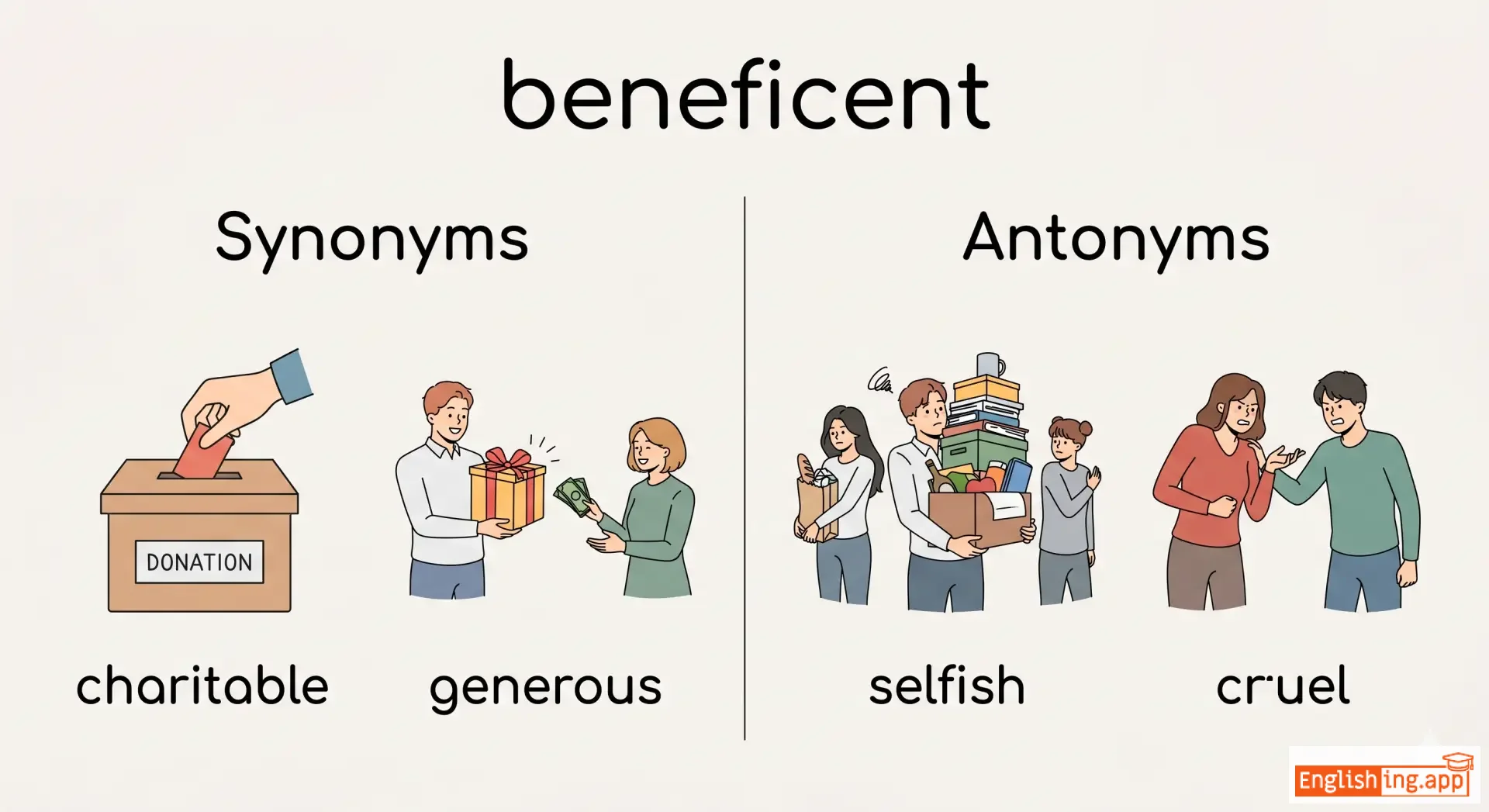
charitable, generous, kind, philanthropic
••••••
|
selfish, cruel
••••••
|
beneficent act, beneficent leader, beneficent influence
••••••
|
Beneficent = bene (好) + efficient - 做好事的高效方式。
••••••
|
|
#928
⛪
|
/ˈbɛnɪfɪs/
noun
(bɛnɪfɪs)
••••••
|
- •••••• |
教会职务
jiaohui zhiwu
••••••
|
- •••••• | - •••••• | - •••••• | - •••••• |
a permanent church appointment for which property and income are provided
••••••
|
The bishop appointed him to a wealthy benefice. |
主教任命他为一个富有的教会职务。
Zhǔjiào rènmìng tā wèi yīgè fùyǒu de jiàohuì zhíwù.
••••••
|
- •••••• | - •••••• | - •••••• |
church office, living, endowment, clerical post
••••••
|
lay position, unemployment
••••••
|
hold a benefice, grant a benefice, wealthy benefice
••••••
|
Bene = 好 + office = benefice, 教会的好职位
••••••
|
|
#929
💰
|
/ˈbɛnɪˌfæktər/
noun
(贝尼法克特)
••••••
|
- •••••• |
捐助者, 恩人
juānzhù zhě, ēn rén
••••••
|
- •••••• | - •••••• | - •••••• | - •••••• |
a person who gives money or help to a cause or individual
••••••
|
The school received a large donation from an anonymous benefactor. |
学校收到了来自匿名捐助者的巨大捐款。
Xuéxiào shōu dàole láizì nìmíng juānzhù zhě de jùdà juānkuǎn.
••••••
|
- •••••• | - •••••• | - •••••• |
supporter, donor, patron, sponsor
••••••
|
opponent, rival
••••••
|
generous benefactor, wealthy benefactor, anonymous benefactor
••••••
|
Bene 意味着好,factor 意味着做事的人 - 做好事的人是恩人。
••••••
|
|
#930
🙏
|
/ˌbɛnɪˈdɪkʃən/
noun
(bénédiction)
••••••
|
- •••••• |
祝福
zhufú
••••••
|
- •••••• | - •••••• | - •••••• | - •••••• |
a blessing or expression of good wishes, often at the end of a religious service
••••••
|
The priest gave a final benediction before the congregation left.
神父在会众离开前给予了最后的祝福。
••••••
|
神父在会众离开前给予了最后的祝福。
Shénfù zài huìzhòng líkāi qián jǐyǔle zuìhòu de zhùfú.
••••••
|
give a benediction
给予祝福
••••••
|
to offer a blessing
••••••
|
给予祝福
jǐyǔ zhùfú
••••••
|
blessing, prayer, invocation, sanctification
••••••
|
curse, malediction
••••••
|
final benediction, solemn benediction, receive benediction
••••••
|
Bene意味着好,diction意味着话 - 好话 = 祝福。
••••••
|
Vocabulary Quiz
Test your vocabulary by matching words with their translations or meanings.
Login to take the quiz
Comments (0)
Share your thoughts and join the discussion.
Join the discussion by logging in
Login to CommentNo comments yet
Be the first to share your thoughts!