

Swipe left or right, or use the buttons. Tap image to zoom.
例句翻译
单词
Lesson 416Lesson 416 - 遮罩切换
|
表情符号
|
单词 | Images | 翻译 | 过去时 | 过去分词 | 第三人称单数 | 动名词 | 含义 | 例句 | 例句翻译 | 示例表达 | 示例表达含义 | 示例表达翻译 | 同义词 | 反义词 | 搭配词 | 助记符 |
|---|---|---|---|---|---|---|---|---|---|---|---|---|---|---|---|---|---|
|
#1
🍌
|
/bəˈnænə/
noun
(happiness)
••••••
|
- •••••• |
幸福
xingfu
••••••
|
- •••••• | - •••••• | - •••••• | - •••••• |
a long curved fruit with a yellow skin and soft sweet flesh inside
••••••
|
She ate a ripe banana for breakfast. |
当她收到奖项时,她无法掩饰自己的幸福。
Dāng tā shōudào jiǎngxiàng shí, tā wúfǎ yǎnshì zìjǐ de xìngfú.
••••••
|
go bananas |
to become very excited or angry
••••••
|
追求幸福
zhuīqiú xìngfú
••••••
|
fruit, plantain, yellow fruit, tropical fruit
••••••
|
none
••••••
|
ripe banana, banana peel, banana tree, banana flavor
••••••
|
幸福是心中充满阳光时的感觉。
••••••
|
|
#1
🤝
|
/bɪˈhɑːf/
noun
(bihaf)
••••••
|
- •••••• |
代表
dàibiǎo
••••••
|
- •••••• | - •••••• | - •••••• | - •••••• |
as a representative of someone; in the interest of someone
••••••
|
She accepted the award on behalf of her team. |
她代表她的团队接受了奖项。
Tā dàibiǎo tā de tuánduì jiēshòu le jiǎngxiàng.
••••••
|
on someone's behalf |
as a representative of someone else
••••••
|
代表某人
dàibiǎo mǒu rén
••••••
|
interest, support, representation, favor
••••••
|
against, opposition
••••••
|
on behalf of, in behalf of, behalf letter, behalf request
••••••
|
'Be half' 记住 — 你像某人的一半,代表他们的利益。
••••••
|
|
#1
🥩
|
/biːf/
noun
(bīf)
••••••
|
- •••••• |
牛肉
niúròu
••••••
|
- •••••• | - •••••• | - •••••• | - •••••• |
the flesh of a cow, bull, or ox, used as food; also a complaint or dispute
••••••
|
He ordered a plate of grilled beef for dinner. |
他为晚餐点了一盘烤牛肉。
Tā wèi wǎncān diǎle yī pán kǎo niúròu.
••••••
|
have a beef with someone |
to have a complaint or dispute with someone
••••••
|
与某人有争执
yǔ mǒu rén yǒu zhēngzhí
••••••
|
meat, steak, flesh, complaint, dispute
••••••
|
poultry, peace, harmony
••••••
|
beef steak, roast beef, beef burger, beef curry
••••••
|
Beef 意味着牛肉 🍖 — '像公牛一样生气' 记住这个就能理解!
••••••
|
|
#1
🐝
|
/biː/
noun
(bī)
••••••
|
- •••••• |
蜜蜂
mìfēng
••••••
|
- •••••• | - •••••• | - •••••• | - •••••• |
a flying insect that collects nectar and produces honey
••••••
|
A bee landed on the flower to collect nectar. |
一只蜜蜂落在花上收集花蜜。
Yī zhī mìfēng luò zài huā shàng shōují huāmì.
••••••
|
busy as a bee |
very active and hardworking
••••••
|
忙得像蜜蜂
máng dé xiàng mìfēng
••••••
|
insect, honeybee, bumblebee, worker bee
••••••
|
drone, idler
••••••
|
honey bee, queen bee, bee sting, swarm of bees
••••••
|
Bee 是蜜蜂 🐝 — busy as a bee 是非常活跃和勤奋工作的意思!
••••••
|
|
#1
🐅
|
/biːst/
noun
(bìsīté)
••••••
|
- •••••• |
野兽 / 动物
yěshòu / dòngwù
••••••
|
- •••••• | - •••••• | - •••••• | - •••••• |
a large or dangerous animal; a cruel or brutal person
••••••
|
The lion is known as the king of beasts.
狮子被誉为兽中之王。
••••••
|
狮子被誉为兽中之王。
Shīzi bèi yù wéi shòu zhōng zhī wáng.
••••••
|
beauty and the beast
美女与野兽
••••••
|
used to describe two very different people or things, one beautiful and one ugly or fierce
••••••
|
美女与野兽
měinǚ yǔ yěshòu
••••••
|
animal, brute, monster, creature, savage
••••••
|
human, angel
••••••
|
wild beast, ferocious beast, king of beasts, mythical beast
••••••
|
Beast 就是野兽 — ‘比斯特’想到‘庞大和凶猛’ 🦁
••••••
|
|
#1
🧔
|
/bɪəd/
noun
••••••
|
- •••••• | - •••••• | - •••••• | - •••••• | - •••••• | - •••••• |
the hair growing on the lower part of a man's face
••••••
|
He decided to grow a beard during his vacation. |
- •••••• |
beard the lion in his den |
to confront someone powerful or dangerous in their own territory
••••••
|
- •••••• |
facial hair, whiskers, goatee, stubble
••••••
|
clean-shaven, bare face
••••••
|
long beard, thick beard, grow a beard, trim beard
••••••
|
No •••••• |
|
#1
🔆
|
/biːm/
noun
(bīng)
••••••
|
- •••••• |
光束 / 横梁
guāngshù / héngliáng
••••••
|
- •••••• | - •••••• | - •••••• | - •••••• |
a ray or shaft of light; a long piece of wood or metal used to support weight
••••••
|
A beam of sunlight entered through the window.
一束阳光穿过窗户。
••••••
|
一束阳光穿过窗户。
Yī shù yángguāng chuānguò chuānghù.
••••••
|
beam with joy
因喜悦而微笑
••••••
|
to smile broadly because of happiness
••••••
|
因喜悦而微笑
Yīn xǐyuè ér wēixiào
••••••
|
ray, shaft, gleam, light, support
••••••
|
shadow, gloom
••••••
|
sunlight beam, laser beam, beam of light, wooden beam
••••••
|
光束照进来,而你的笑容像 beam 一样闪耀。
••••••
|
|
#1
🌊
|
/beɪ/
noun
(bēi)
••••••
|
- •••••• |
海湾
haiwan
••••••
|
- •••••• | - •••••• | - •••••• | - •••••• |
a broad inlet of the sea where the land curves inward
••••••
|
The ship anchored safely in the bay. |
船安全地停泊在海湾中。
chuan anquan de tingbo zai haiwan zhong.
••••••
|
keep at bay |
to prevent something or someone from approaching or having an effect
••••••
|
保持距离
baochi julu
••••••
|
inlet, gulf, cove, harbor, lagoon
••••••
|
mountain, hill
••••••
|
sandy bay, beautiful bay, fishing bay, bay area
••••••
|
Bay of Bengal 记住 — ‘贝’意思是海湾 🌊
••••••
|
|
#1
🛁
|
/bɑːθ/
noun
(bɑːθ)
••••••
|
- •••••• |
浴缸
yùgāng
••••••
|
- •••••• | - •••••• | - •••••• | - •••••• |
an act of washing the body in water; or the container used for this purpose
••••••
|
She took a long bath after work. |
她在工作后洗了一个长浴缸。
Tā zài gōngzuò hòu xǐle yīgè cháng yùgāng.
••••••
|
throw the baby out with the bathwater |
to lose something valuable while trying to get rid of something unwanted
••••••
|
把婴儿和浴水一起倒掉
bǎ yīng'ér hé yùshuǐ yīqǐ dào diào
••••••
|
wash, soak, shower, cleaning
••••••
|
dirt, filth
••••••
|
take a bath, hot bath, bubble bath, bath tub
••••••
|
Bath 意味着浴缸 — 拿着 Bath,你的身体将会清洁!
••••••
|
|
#1
🏏
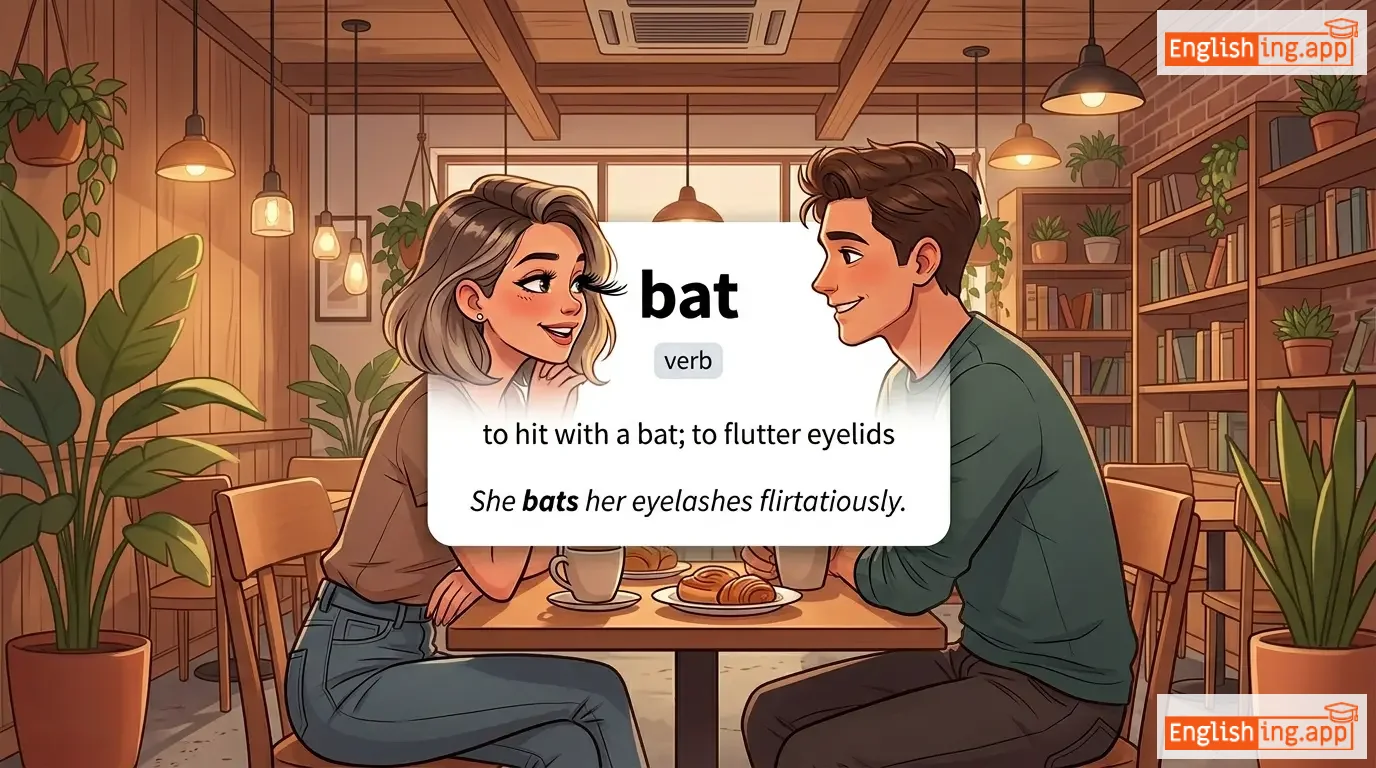
|
/bæt/
noun
(bæt)
••••••
|
|
球棒
qiú bàng
••••••
|
- •••••• | - •••••• | - •••••• | - •••••• |
a wooden or metal club used to hit a ball in sports like baseball or cricket
••••••
|
He swung the bat and hit the ball hard. |
他挥动球棒,用力击打了球。
Tā huī dòng qiú bàng, yòng lì jī dǎ le qiú.
••••••
|
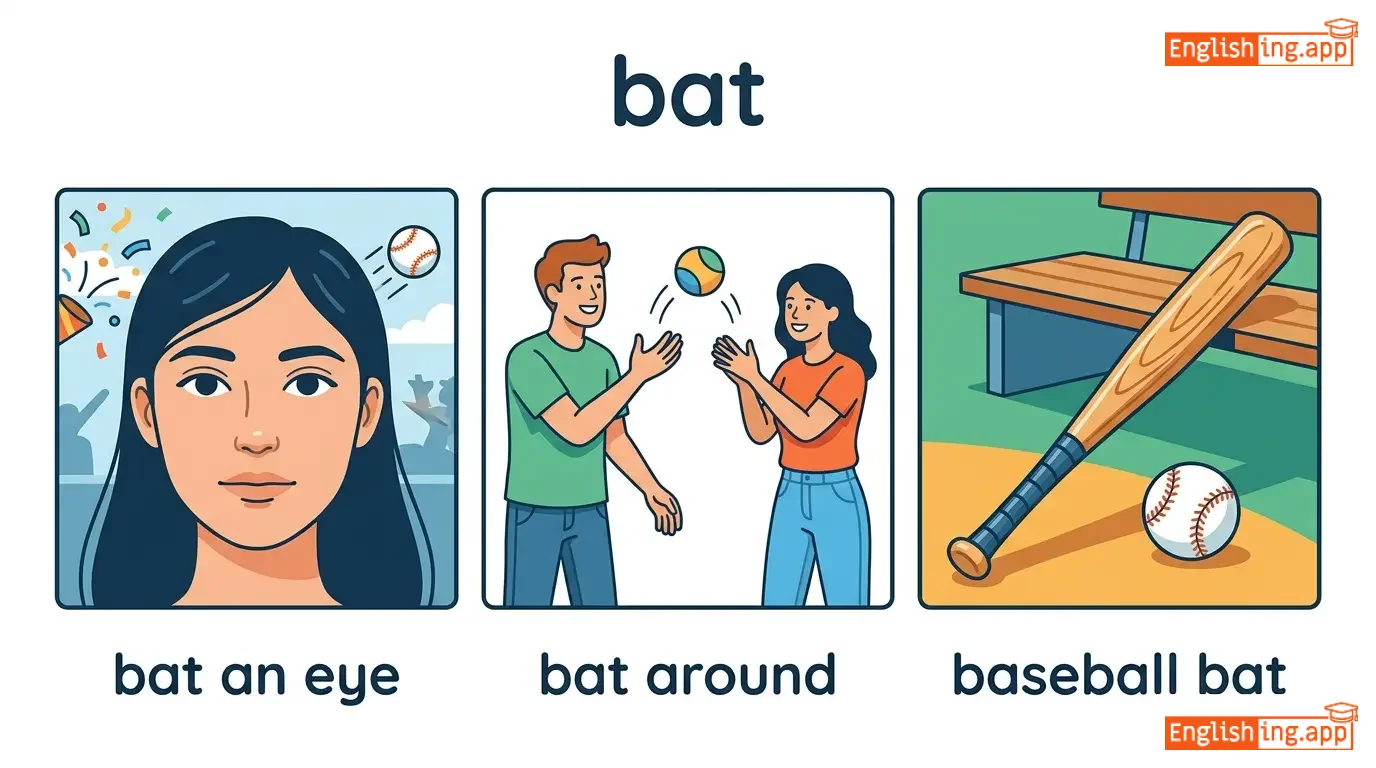
right off the bat |
immediately; without delay
••••••
|
立刻
lì kè
••••••
|
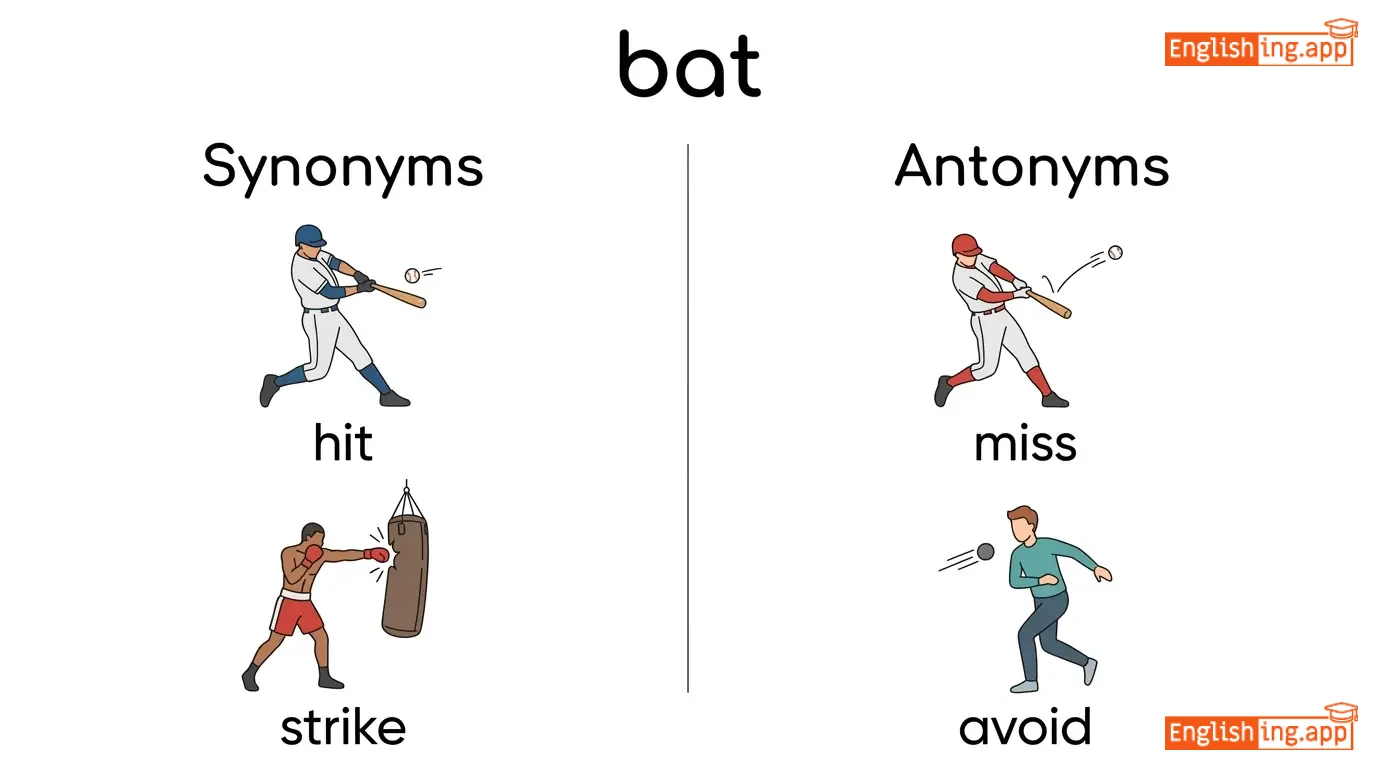
club, stick, racket, paddle
••••••
|
none, null
••••••
|
cricket bat, baseball bat, swing the bat, bat and ball
••••••
|
球棒意味着棒球棒:挥动球棒,击打球!
••••••
|
|
#1
🏠
|
/ˈbeɪsmənt/
noun
(bèisīmént)
••••••
|
- •••••• |
地下室
dixiashi
••••••
|
- •••••• | - •••••• | - •••••• | - •••••• |
the lowest floor of a building, usually partly or completely below ground
••••••
|
The laundry room is in the basement. |
洗衣房在地下室。
Xǐyīfáng zài dìxiàshì.
••••••
|
- •••••• | - •••••• | - •••••• |
cellar, lower level, underground floor, subfloor
••••••
|
attic, rooftop, upper floor
••••••
|
basement room, basement apartment, dark basement, basement storage
••••••
|
地下室是地下的地方,是存放杂物的地方!
••••••
|
|
#1
🐄
|
/bɑːn/
noun
(barn)
••••••
|
- •••••• |
谷仓
gǔ cāng
••••••
|
- •••••• | - •••••• | - •••••• | - •••••• |
a large building used for storing grain or housing farm animals
••••••
|
The farmer keeps his cows in the barn. |
农民把他的牛放在谷仓里。
nóngmín bǎ tā de niú fàng zài gǔ cāng lǐ
••••••
|
lock the barn door after the horse is stolen |
to take precautions after the damage has already been done
••••••
|
马被偷后关谷仓门
mǎ bèi tōu hòu guān gǔ cāng mén
••••••
|
shed, stable, storehouse, granary, cowshed
••••••
|
open field, pasture
••••••
|
barn door, old barn, red barn, barn animals
••••••
|
谷仓:谷物和动物的安全保障,如同保险箱!
••••••
|
|
#1
🌿
|
/beər/
adjective
(贝尔)
••••••
|
- •••••• |
裸
luo
••••••
|
- •••••• | - •••••• | - •••••• | - •••••• |
not covered by any clothing or decoration; simple and without addition
••••••
|
He walked on the beach with bare feet. |
他赤脚走在沙滩上。
Tā chìjiǎo zǒu zài shātān shàng.
••••••
|
bare essentials |
only the most necessary items or facts
••••••
|
裸的必需品
luo de bixu pin
••••••
|
naked, uncovered, exposed, plain, simple
••••••
|
covered, clothed, decorated
••••••
|
bare hands, bare feet, bare minimum, bare skin
••••••
|
Bare 意味着裸 — 就像 bare body 意味着裸的身体。记住:Bear 不能赤脚走路!
••••••
|
|
#1
🏦
|
/ˈbæŋkɪŋ/
noun
(bæŋkɪŋ)
••••••
|
- •••••• |
银行业务或银行服务
yínháng yèwù huò yínháng fúwù
••••••
|
- •••••• | - •••••• | - •••••• | - •••••• |
the business or services provided by a bank
••••••
|
Online banking has made financial transactions easier. |
在线银行业务使金融交易变得更容易。
Zàixiàn yínháng yèwù shǐ jīnróng jiāoyì biàn dé gèng róngyì.
••••••
|
banking on something |
to depend or rely on something
••••••
|
依赖于某事
yīlài yú mǒu shì
••••••
|
finance, investment, money management, lending
••••••
|
spending, borrowing
••••••
|
online banking, retail banking, mobile banking, digital banking
••••••
|
银行业务:银行做的所有事情 — 存款、取款和信任!
••••••
|
|
#1
💼
|
/ˈbæŋkər/
noun
(bànkè)
••••••
|
- •••••• |
银行家
yínhángjiā
••••••
|
- •••••• | - •••••• | - •••••• | - •••••• |
a person who works in or manages a bank
••••••
|
The banker approved the loan after reviewing the documents. |
银行家在审查文件后批准了贷款。
Yínhángjiā zài shěnchá wénjiàn hòu pīzhǔnle dàikuǎn.
••••••
|
- •••••• | - •••••• | - •••••• |
financier, investor, lender, executive, manager
••••••
|
borrower, debtor
••••••
|
senior banker, investment banker, central banker, private banker
••••••
|
银行家意味着管理钱财的人 — 放款并处理账目的人。
••••••
|
|
#1
🔭
|
/əˈstrɒnəmər/
noun
(天文学家)
••••••
|
- •••••• |
天文学家
tian wenxue jia
••••••
|
- •••••• | - •••••• | - •••••• | - •••••• |
a scientist who studies the stars, planets, and the universe
••••••
|
The astronomer observed the new comet through his telescope. |
天文学家通过他的望远镜观察到新的彗星。
Tianwenxuejia tongguo tade wangyuanjing guancha dao xinde huixing.
••••••
|
- •••••• | - •••••• | - •••••• |
stargazer, astrophysicist, scientist, observer
••••••
|
non-scientist, layperson
••••••
|
professional astronomer, amateur astronomer, famous astronomer
••••••
|
天文学家是研究星星的专家!
••••••
|
|
#1
⚖️
|
/ˈbælənst/
adjective
(bālénst)
••••••
|
- •••••• |
平衡的
pínghéng de
••••••
|
- •••••• | - •••••• | - •••••• | - •••••• |
keeping or showing a sensible and fair view or position; evenly arranged
••••••
|
A balanced diet is essential for good health. |
均衡的饮食对健康至关重要。
Jūnhéng de yǐnshí duì jiànkāng zhìguān zhòngyào.
••••••
|
keep a balanced view |
to remain fair and objective
••••••
|
保持平衡的观点
bǎochí pínghéng de guāndiǎn
••••••
|
stable, fair, steady, impartial, well-proportioned
••••••
|
biased, uneven, unstable
••••••
|
balanced diet, balanced approach, balanced view, balanced lifestyle
••••••
|
平衡就是balance — 所有方面都应该平衡!
••••••
|
|
#1
🏡
|
/ˌbækˈjɑːrd/
noun
(海皮尼斯)
••••••
|
- •••••• |
幸福
xingfu
••••••
|
- •••••• | - •••••• | - •••••• | - •••••• |
an area of land behind a house, typically used for recreation or gardening
••••••
|
The children played football in the backyard. |
当她收到奖项时,她无法掩饰自己的幸福。
Dāng tā shōudào jiǎngxiàng shí, tā wúfǎ yǎnshì zìjǐ de xìngfú.
••••••
|
in your own backyard |
something happening close to your home or in your own area
••••••
|
追求幸福
zhuīqiú xìngfú
••••••
|
garden, yard, lawn, courtyard, patio
••••••
|
front yard, street
••••••
|
large backyard, clean backyard, backyard garden, backyard barbecue
••••••
|
幸福就像微笑,整天都温暖!
••••••
|
|
#1
😳
|
/əˈweɪk/
verb/adjective
(āwèik)
••••••
|
- •••••• |
清醒
qīngxǐng
••••••
|
awoke
āwók
••••••
|
awoken
āwóken
••••••
|
awakes
āwéiks
••••••
|
awaking
āwéiking
••••••
|
to stop sleeping; not asleep
••••••
|
She was still awake when I got home.
Shí wóz stil āwèik wen āi gòt hòm.
••••••
|
她回家时还没睡觉。
Tā huí jiā shí hái méi shuìjiào.
••••••
|
stay awake
stei āwèik
••••••
|
to remain not sleeping
••••••
|
保持清醒
bǎochí qīngxǐng
••••••
|
wake, arouse, rouse, alert
••••••
|
sleep, doze, slumber
••••••
|
stay awake, keep awake, fully awake, remain awake
••••••
|
清醒 = 你不睡觉,像awake一样!
••••••
|
|
#1
⏳
|
/əˈweɪt/
verb
(艾特)
••••••
|
|
等待
deng dai
••••••
|
awaited
艾特得
••••••
|
awaited
艾特得
••••••
|
awaits
艾特斯
••••••
|
awaiting
艾特英
••••••
|
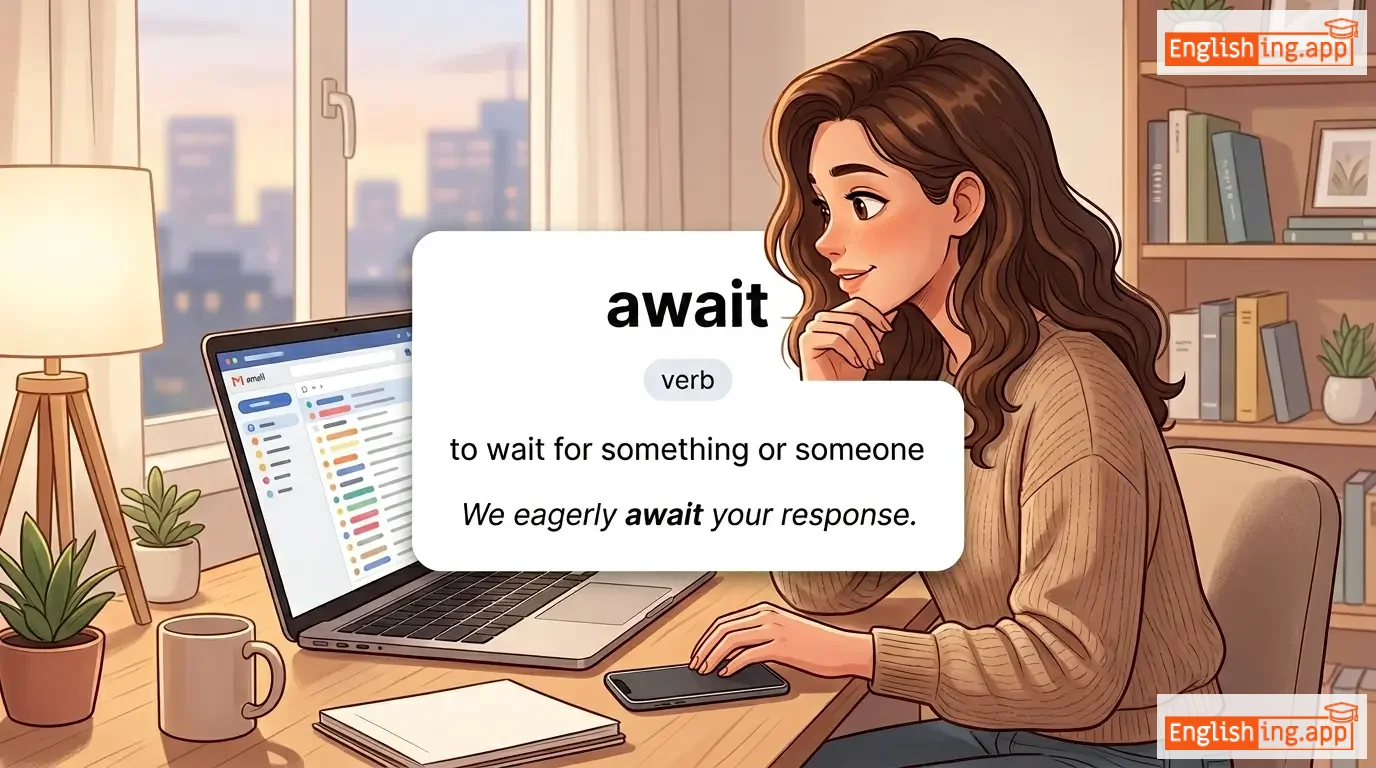
to wait for something or someone
••••••
|
We eagerly await your response.
我们热切等待您的回复。
••••••
|
我们热切等待您的回复。
Wo men re qie deng dai nin de hui fu.
••••••
|
await trial
等待审判
••••••
|
to be waiting for a court judgment
••••••
|
等待审判
deng dai shen pan
••••••
|
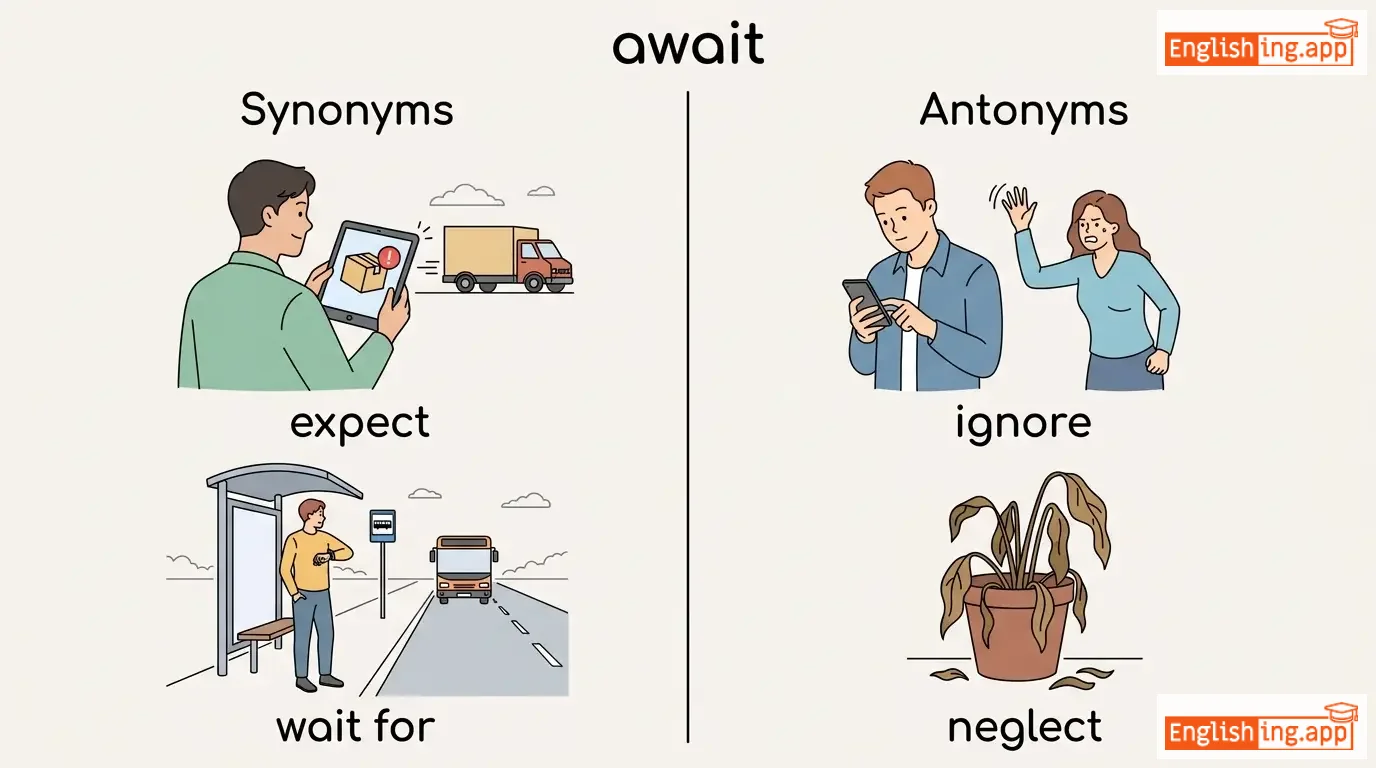
expect, wait for, anticipate, look forward to
••••••
|
ignore, neglect
••••••
|
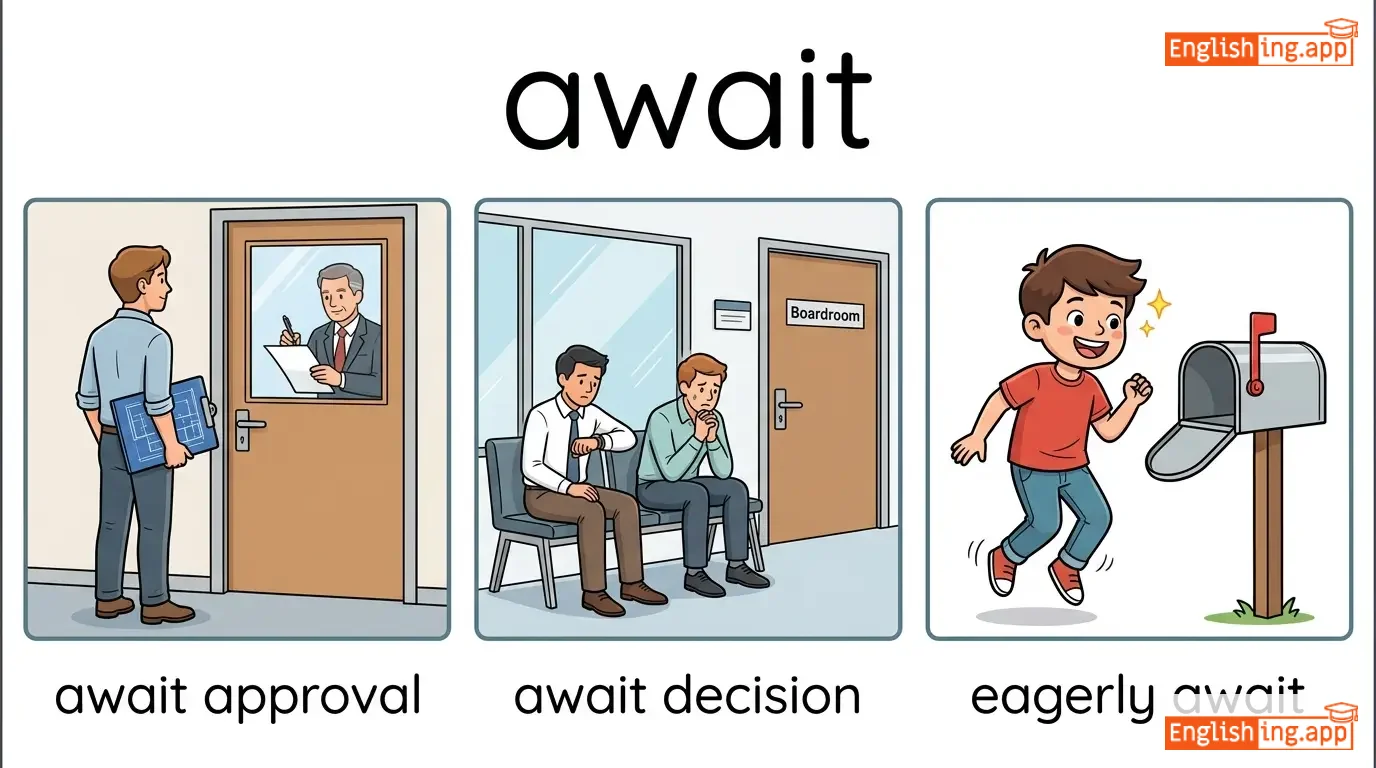
await approval, await decision, eagerly await, await response
••••••
|
等待等同于‘await’,我们都在等待!
••••••
|
|
#1
🟢
|
/əˌveɪləˈbɪləti/
noun
(éwèilìbílìtī)
••••••
|
- •••••• |
可用性
keyongxing
••••••
|
- •••••• | - •••••• | - •••••• | - •••••• |
the state of being able to be used or obtained
••••••
|
The availability of clean water is crucial for health. |
清洁水的可用性对健康至关重要。
Qingjie shui de keyongxing dui jiankang zhiguo zhongyao.
••••••
|
subject to availability |
only if something is in stock or accessible
••••••
|
根据可用性
genju keyongxing
••••••
|
accessibility, readiness, presence, supply, presence
••••••
|
scarcity, absence, shortage
••••••
|
check availability, ensure availability, product availability, room availability
••••••
|
好的东西的可用性就是availability — 很容易得到 😄
••••••
|
|
#1
🚗
|
/ˈɔːtəmoʊbiːl/
noun
(汽车)
••••••
|
- •••••• |
汽车
qiche
••••••
|
- •••••• | - •••••• | - •••••• | - •••••• |
a road vehicle powered by an engine, typically with four wheels
••••••
|
He bought a new automobile last week. |
他上周买了一辆新车。
Ta shangzhou mai le yi liang xin che.
••••••
|
automobile industry |
the business related to car manufacturing and sales
••••••
|
汽车工业
qiche gongye
••••••
|
car, vehicle, motorcar, ride, wheels
••••••
|
bicycle, airplane
••••••
|
automobile industry, automobile company, automobile repair, automobile engine
••••••
|
Auto表示自己,mobile表示可移动的——一辆可以自己移动的车
••••••
|
|
#1
⚙️
|
/ˌɔːtəˈmætɪkli/
adverb
(自动)
••••••
|
- •••••• |
自动
zidong
••••••
|
- •••••• | - •••••• | - •••••• | - •••••• |
without human control or intervention; done by itself
••••••
|
The door closes automatically after you enter.
门在你进入后自动关闭。
••••••
|
门在你进入后自动关闭。
Men zai ni jinru hou zidong guanbi.
••••••
|
- •••••• | - •••••• | - •••••• |
instinctively, mechanically, involuntarily, spontaneously, unconsciously
••••••
|
manually, deliberately
••••••
|
open automatically, shut automatically, update automatically, restart automatically
••••••
|
Auto意味着自己,所以自动意味着某事自己发生 🌀
••••••
|
|
#1
⚙️
|
/ˌɔːtəˈmætɪk/
adjective
(ào-tō-mà-tí-kè)
••••••
|
- •••••• |
自动
zidong
••••••
|
- •••••• | - •••••• | - •••••• | - •••••• |
working by itself without direct human control
••••••
|
This car has an automatic transmission. |
这辆车有自动变速器。
Zhe liang che you zidong biansuqi.
••••••
|
automatic response |
an instinctive or unthinking reaction
••••••
|
自动反应
zidong fanying
••••••
|
mechanical, self-operating, programmed, robotic
••••••
|
manual, controlled, deliberate
••••••
|
automatic door, automatic system, automatic response, automatic payment
••••••
|
自动意味着自己工作 — 就像自动门自己打开 😄
••••••
|
|
#1
✅
|
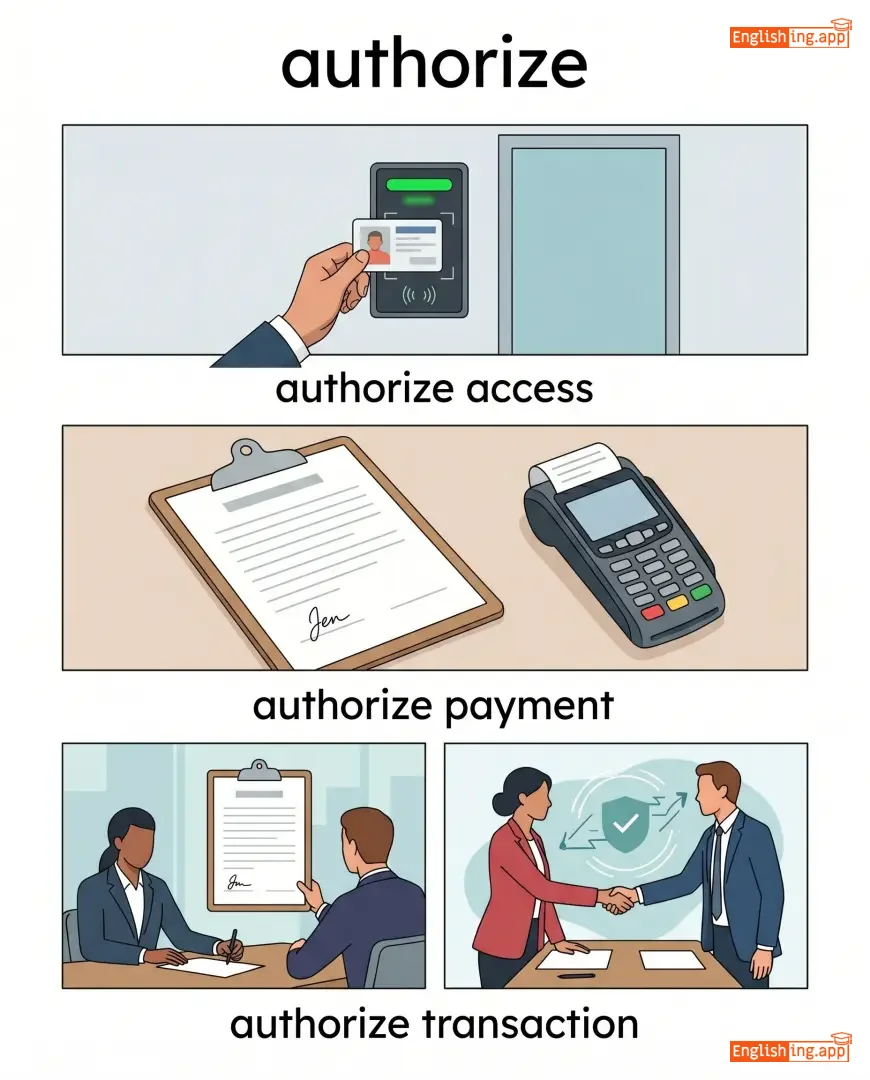
/ˈɔːθəraɪz/
verb
(授权)
••••••
|
|
授权
shòuquán
••••••
|
authorized
授权了
••••••
|
authorized
授权了
••••••
|
authorizes
授权
••••••
|
authorizing
授权中
••••••
|
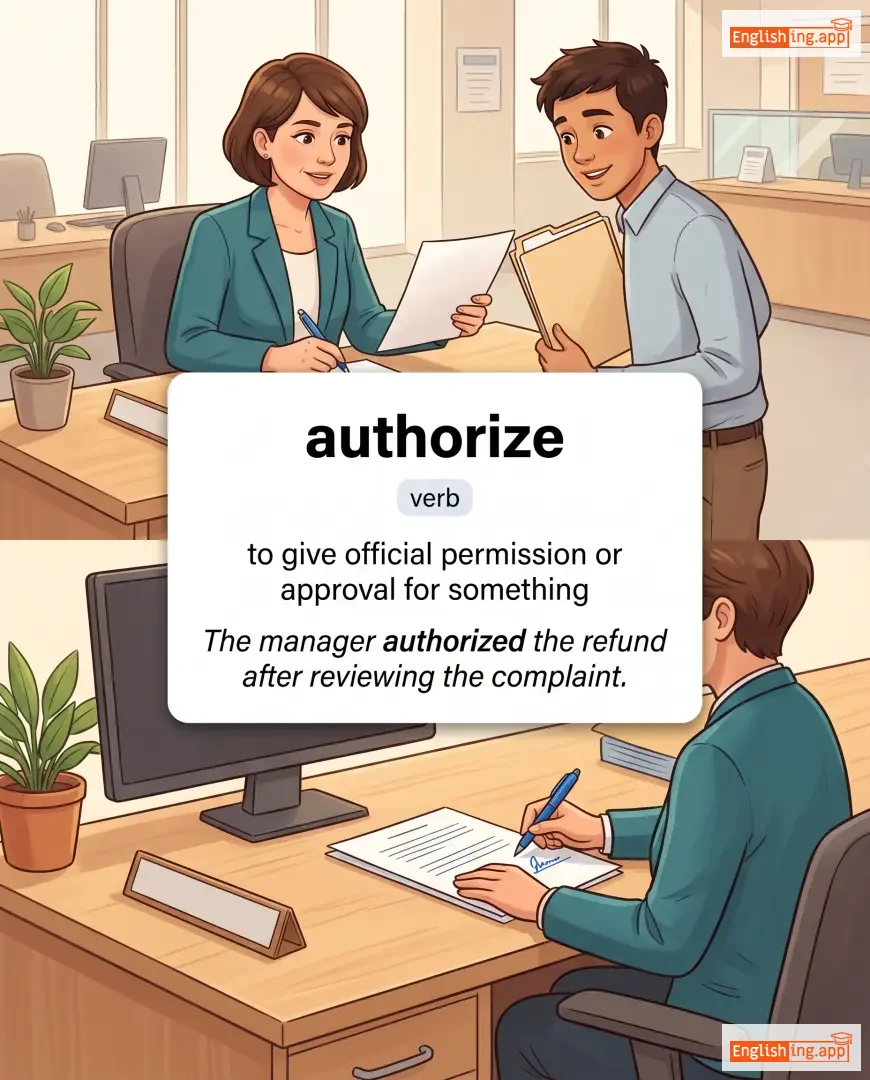
to give official permission or approval for something
••••••
|
The manager authorized the refund after reviewing the complaint.
经理在审查投诉后授权了退款。
••••••
|
经理在审查投诉后授权了退款。
Jīnglǐ zài shěnchá tóusù hòu shòuquánle tuìkuǎn.
••••••
|
authorize payment
授权支付
••••••
|
to officially approve a transaction or payment
••••••
|
授权支付
shòuquán zhīfù
••••••
|
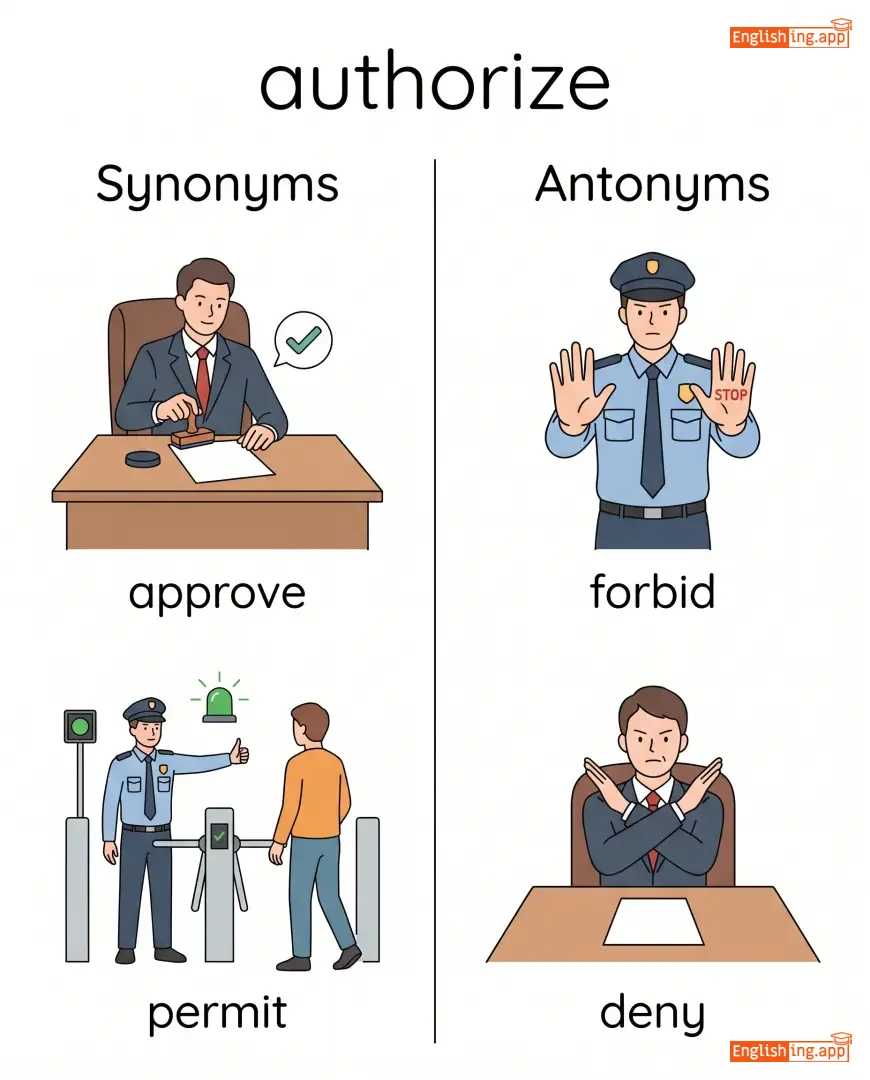
approve, permit, sanction, empower, allow
••••••
|
forbid, deny, reject
••••••
|
authorize access, authorize payment, authorize transaction, authorize use
••••••
|
授权意味着批准 — 就像是授予许可一样!
••••••
|
|
#1
👩🦳
|
/ænt/
noun
(ænt)
••••••
|
- •••••• |
阿姨
āyí
••••••
|
- •••••• | - •••••• | - •••••• | - •••••• |
the sister of your father or mother, or the wife of your uncle
••••••
|
My aunt always gives me gifts on my birthday. |
我的阿姨总是在我生日时给我礼物。
Wǒ de āyí zǒng shì zài wǒ shēngrì shí gěi wǒ lǐwù.
••••••
|
- •••••• | - •••••• | - •••••• |
relative, family member, guardian
••••••
|
uncle, stranger
••••••
|
dear aunt, loving aunt, aunt and uncle, aunt’s house
••••••
|
阿姨 — 想想总是送你生日礼物的阿姨。
••••••
|
|
#1
🔨
|
/ˈɔːkʃən/
noun
(òukèxiàn)
••••••
|
- •••••• |
拍卖
pāimài
••••••
|
- •••••• | - •••••• | - •••••• | - •••••• |
a public sale where goods are sold to the highest bidder
••••••
|
The painting was sold at an auction for a record price. |
这幅画以创纪录的价格在拍卖会上售出。
Zhè fú huà yǐ chuàng jìlù de jiàgé zài pāimài huì shàng shòuchū.
••••••
|
go under the hammer |
to be sold at an auction
••••••
|
通过拍卖出售
tōngguò pāimài chūshòu
••••••
|
bidding, sale, offering, trade
••••••
|
purchase, buyback
••••••
|
public auction, online auction, art auction, charity auction
••••••
|
Auction 就是拍卖,商品按最高价卖出!
••••••
|
|
#1
🎡
|
/əˈtrækʃən/
noun
(ā tè lā kè xùn)
••••••
|
- •••••• |
吸引
xī yǐn
••••••
|
- •••••• | - •••••• | - •••••• | - •••••• |
something that draws attention, interest, or enjoyment
••••••
|
The Eiffel Tower is a major tourist attraction in Paris. |
埃菲尔铁塔是巴黎的主要旅游景点。
Āi fēi ěr tiě tǎ shì bā lí de zhǔ yào lǚ yóu jǐng diǎn.
••••••
|
law of attraction |
the belief that positive or negative thoughts bring corresponding experiences into a person's life
••••••
|
吸引力法则
xī yǐn lì fǎ zé
••••••
|
charm, appeal, magnetism, allure, fascination
••••••
|
repulsion, aversion, dislike
••••••
|
main attraction, tourist attraction, strong attraction, physical attraction
••••••
|
ATTRACTION 意味着吸引 — 想象一个有许多激动人心的游乐设施的主题公园!
••••••
|
|
#1
📝
|
/əˈtɛndəns/
noun
(āntiánɡēnsī)
••••••
|
- •••••• |
出席
chūxí
••••••
|
- •••••• | - •••••• | - •••••• | - •••••• |
the act of being present at a place or event
••••••
|
The teacher checked the students’ attendance every morning. |
老师每天早上检查学生的出席情况。
Lǎoshī měitiān zǎoshang jiǎnchá xuéshēng de chūxí qíngkuàng.
••••••
|
perfect attendance |
when someone has been present every time without absence
••••••
|
完美出席
wánměi chūxí
••••••
|
presence, participation, turnout, appearance
••••••
|
absence, nonattendance
••••••
|
take attendance, mark attendance, good attendance, poor attendance
••••••
|
Attend 意味着出席 → Attendance 意味着出席 📋
••••••
|
|
#1
🏔️
|
/əˈtɒp/
preposition
(阿托普)
••••••
|
- •••••• |
顶部
dingbu
••••••
|
- •••••• | - •••••• | - •••••• | - •••••• |
on the top of something
••••••
|
A flag was placed atop the tower. |
一面旗帜被放置在塔顶。
Yi mian qizhi bei fangzhi zai ta ding.
••••••
|
- •••••• | - •••••• | - •••••• |
on, above, upon, over
••••••
|
beneath, below, under
••••••
|
stand atop, sit atop, rest atop
••••••
|
At + top = atop,意思是顶部!就像塔的顶部上的旗帜。
••••••
|
Vocabulary Quiz
Test your vocabulary by matching words with their translations or meanings.
Login to take the quiz
Comments (0)
Share your thoughts and join the discussion.
Join the discussion by logging in
Login to CommentNo comments yet
Be the first to share your thoughts!