

Swipe left or right, or use the buttons. Tap image to zoom.
例句翻译
单词
Lesson 362Lesson 362 - 遮罩切换
|
表情符号
|
单词 | Images | 翻译 | 过去时 | 过去分词 | 第三人称单数 | 动名词 | 含义 | 例句 | 例句翻译 | 示例表达 | 示例表达含义 | 示例表达翻译 | 同义词 | 反义词 | 搭配词 | 助记符 |
|---|---|---|---|---|---|---|---|---|---|---|---|---|---|---|---|---|---|
|
#10825
📦
|
/ˌdɪstrɪˈbjuːʃən/
noun
(dɪstrɪˈbjuːʃən)
••••••
|
- •••••• |
分配
fenpei
••••••
|
- •••••• | - •••••• | - •••••• | - •••••• |
the act of sharing or delivering something to multiple people or places
••••••
|
The company manages the distribution of food supplies to rural areas. |
公司管理食品供应的分配到农村地区。
Gōngsī guǎnlǐ shípǐn gōngyì de fēnpèi dào nóngcūn dìqū.
••••••
|
- •••••• | - •••••• | - •••••• |
delivery, allocation, supply, circulation
••••••
|
collection, concentration
••••••
|
distribution system, distribution network, distribution channel, fair distribution
••••••
|
Distribution 意味着分配,在中文里是 ‘分配’.
••••••
|
|
#10826
🎭
|
/drəˈmætɪk/
adjective
(戏剧的)
••••••
|
- •••••• |
戏剧性的
xijuxing de
••••••
|
- •••••• | - •••••• | - •••••• | - •••••• |
sudden and striking; relating to drama or theater
••••••
|
The play ended with a dramatic twist. |
戏剧以一个戏剧性的转折结束。
Xìjù yǐ yīgè xìjùxìng de zhuǎnzhé jiéshù.
••••••
|
dramatic change |
a sudden and significant alteration
••••••
|
戏剧性的变化
xìjùxìng de biànhuà
••••••
|
theatrical, emotional, intense, striking, sensational
••••••
|
ordinary, calm, unremarkable
••••••
|
dramatic effect, dramatic improvement, dramatic increase, dramatic change
••••••
|
戏剧意味着剧场,戏剧性意味着与剧场相关。
••••••
|
|
#10827
🛷
|
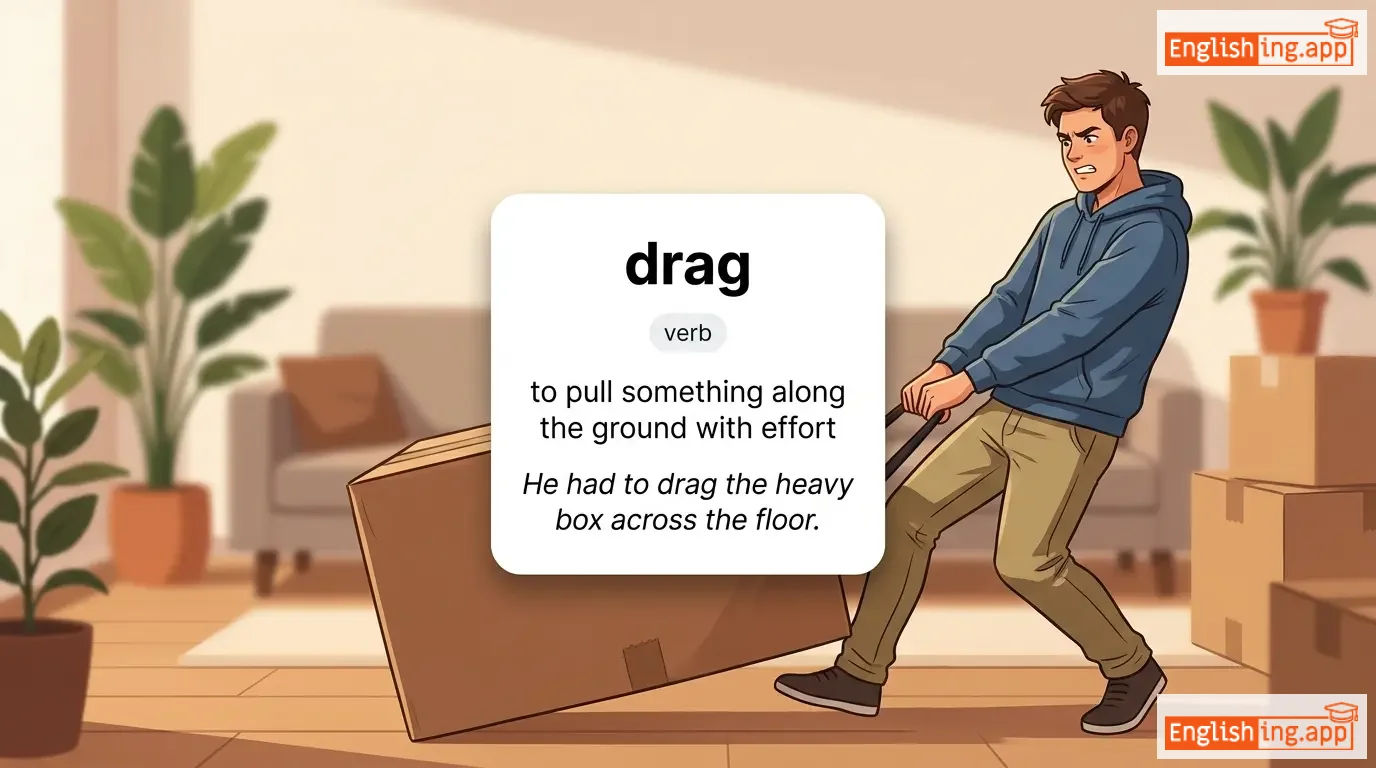
/dræɡ/
verb
(拖)
••••••
|
|
拖
tuo
••••••
|
dragged
拖了
••••••
|
dragged
拖了
••••••
|
drags
拖着
••••••
|
dragging
拖动
••••••
|
to pull something along the ground with effort
••••••
|
He had to drag the heavy box across the floor.
他不得不把重盒子拖过地板。
••••••
|
他不得不把重盒子拖过地板。
Ta budebu ba zhong hezi tuo guo diban.
••••••
|
drag one's feet
拖延时间
••••••
|
to delay doing something deliberately
••••••
|
拖延做某事
tuoyan zuo mou shi
••••••
|
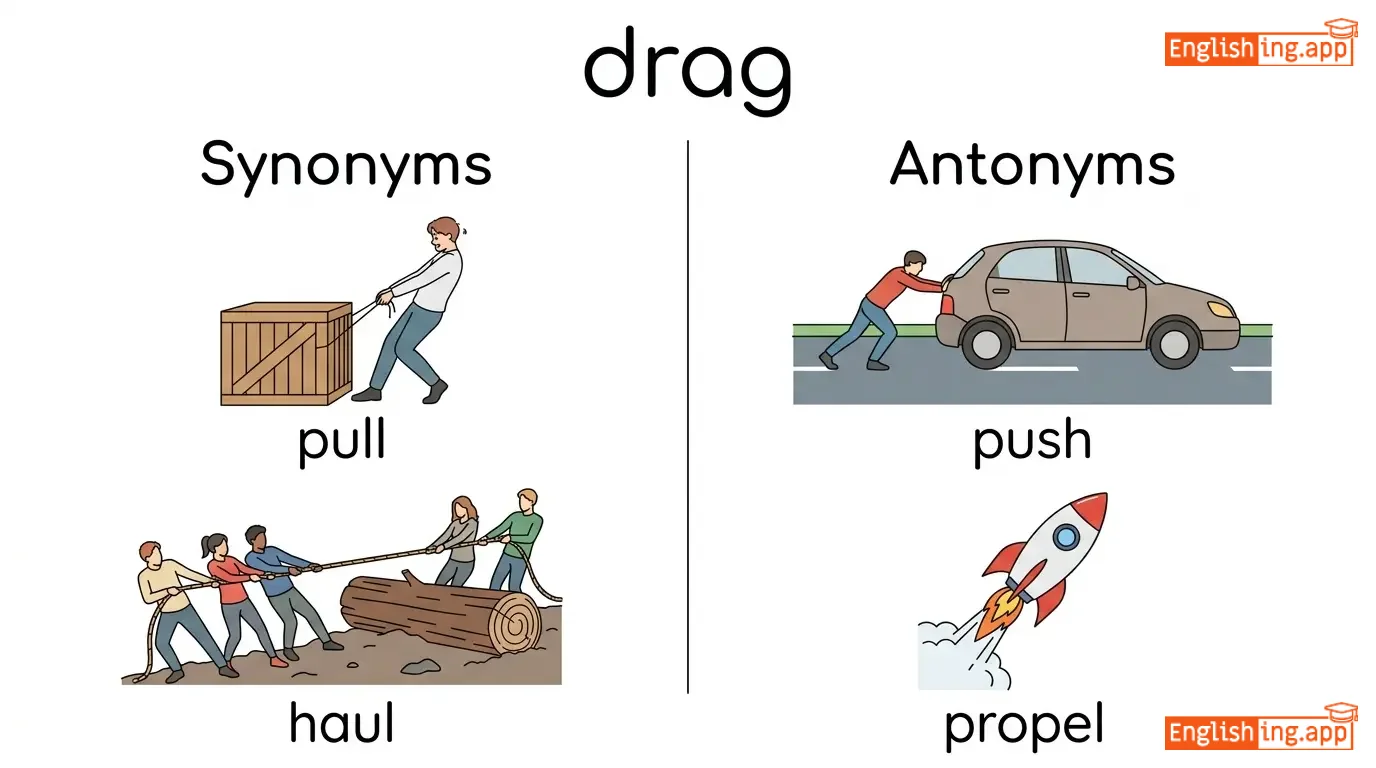
pull, haul, tow, tug
••••••
|
push, propel
••••••
|
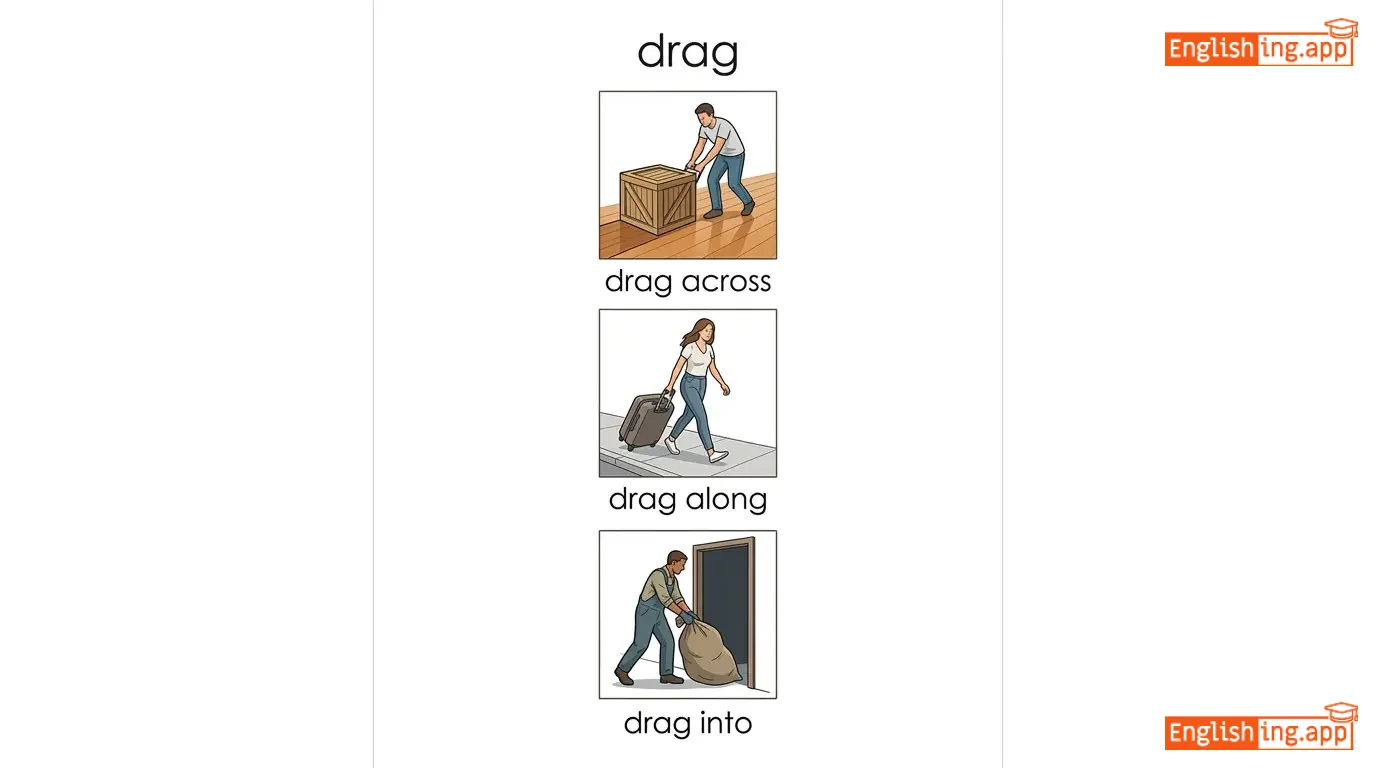
drag across, drag along, drag into, drag down
••••••
|
Drag意味着拖动,拖动会花时间!
••••••
|
|
#10828
🥚
|
/ˈdʌzən/
noun
(达兹恩)
••••••
|
- •••••• |
打算
dǎsuàn
••••••
|
- •••••• | - •••••• | - •••••• | - •••••• |
a group of twelve
••••••
|
She bought a dozen eggs from the market. |
她从市场上买了十二个鸡蛋。
Tā cóng shìchǎng shàng mǎile shí'èr gè jīdàn.
••••••
|
cheaper by the dozen |
items bought in bulk are often cheaper
••••••
|
按打算买更便宜
àn dǎsuàn mǎi gèng piányí
••••••
|
twelve, set, group, batch
••••••
|
single, one
••••••
|
a dozen eggs, dozens of people, a dozen times
••••••
|
打算 = 12,一次买12个,便宜!
••••••
|
|
#10829
🏙️
|
/ˈdaʊnˌtaʊn/
noun
(dàowntāun)
••••••
|
- •••••• |
市中心
shì zhōngxīn
••••••
|
- •••••• | - •••••• | - •••••• | - •••••• |
the central part of a city
••••••
|
They spent the afternoon shopping downtown. |
他们在市中心购物度过了下午。
Tāmen zài shì zhōngxīn gòuwù dùguòle xiàwǔ.
••••••
|
- •••••• | - •••••• | - •••••• |
city center, metropolis, central district, urban area
••••••
|
suburb, countryside
••••••
|
downtown area, downtown district, downtown core, downtown business
••••••
|
Downtown是城市的心脏,一切都在这里发生!
••••••
|
|
#10830
⬇️
|
/daʊn/
adverb
(唐)
••••••
|
- •••••• |
下
xia
••••••
|
- •••••• | - •••••• | - •••••• | - •••••• |
from a higher to a lower position
••••••
|
He walked down the stairs slowly. |
他慢慢地走下楼梯。
Ta man man de zou xia lou ti.
••••••
|
down to earth |
practical and realistic
••••••
|
实用和现实
shi yong he xian shi
••••••
|
below, downward, under, beneath
••••••
|
up, above, over
••••••
|
down the road, down the line, down the street
••••••
|
Down就是下,所有东西都下去!
••••••
|
|
#10831
2️⃣
|
/ˈdʌbəl/
verb
(dàbù)
••••••
|
- •••••• |
翻倍
fānbèi
••••••
|
doubled
dàbùd
••••••
|
doubled
dàbùd
••••••
|
doubles
dàbùls
••••••
|
doubling
dàbùlɪng
••••••
|
to make twice as much in size, number, or amount
••••••
|
The company hopes to double its profits this year.
公司希望今年能使其利润翻倍。
••••••
|
公司希望今年能使其利润翻倍。
Gōngsī xīwàng jīnnián néng shǐ qí lìrùn fānbèi.
••••••
|
double-edged sword
双刃剑
••••••
|
something that has both positive and negative effects
••••••
|
双刃剑
shuāng rèn jiàn
••••••
|
increase, multiply, expand, amplify, boost
••••••
|
halve, reduce, decrease
••••••
|
double the amount, double the size, double digits, double check
••••••
|
Double 代表翻倍,就像翻倍的冰淇淋,让你更快乐。
••••••
|
|
#10832
🚪
|
/dɔːr/
noun
(门)
••••••
|
- •••••• |
门
mén
••••••
|
- •••••• | - •••••• | - •••••• | - •••••• |
A movable barrier that allows entry or exit to a building, room, or vehicle.
••••••
|
He knocked on the door before entering the house. |
他在进入房子之前敲了敲门。
Tā zài jìnrù fángzi zhīqián qiāole qiāo mén.
••••••
|
when one door closes, another opens |
New opportunities arise when one ends
••••••
|
当一扇门关上时,另一扇门会打开
Dāng yī shàn mén guān shàng shí, lìng yī shàn mén huì dǎkāi
••••••
|
gate, entrance, portal, threshold
••••••
|
wall, barrier
••••••
|
open the door, close the door, lock the door, knock on the door
••••••
|
门 🚪 — 打开门,新机会进来!
••••••
|
|
#10833
🏠
|
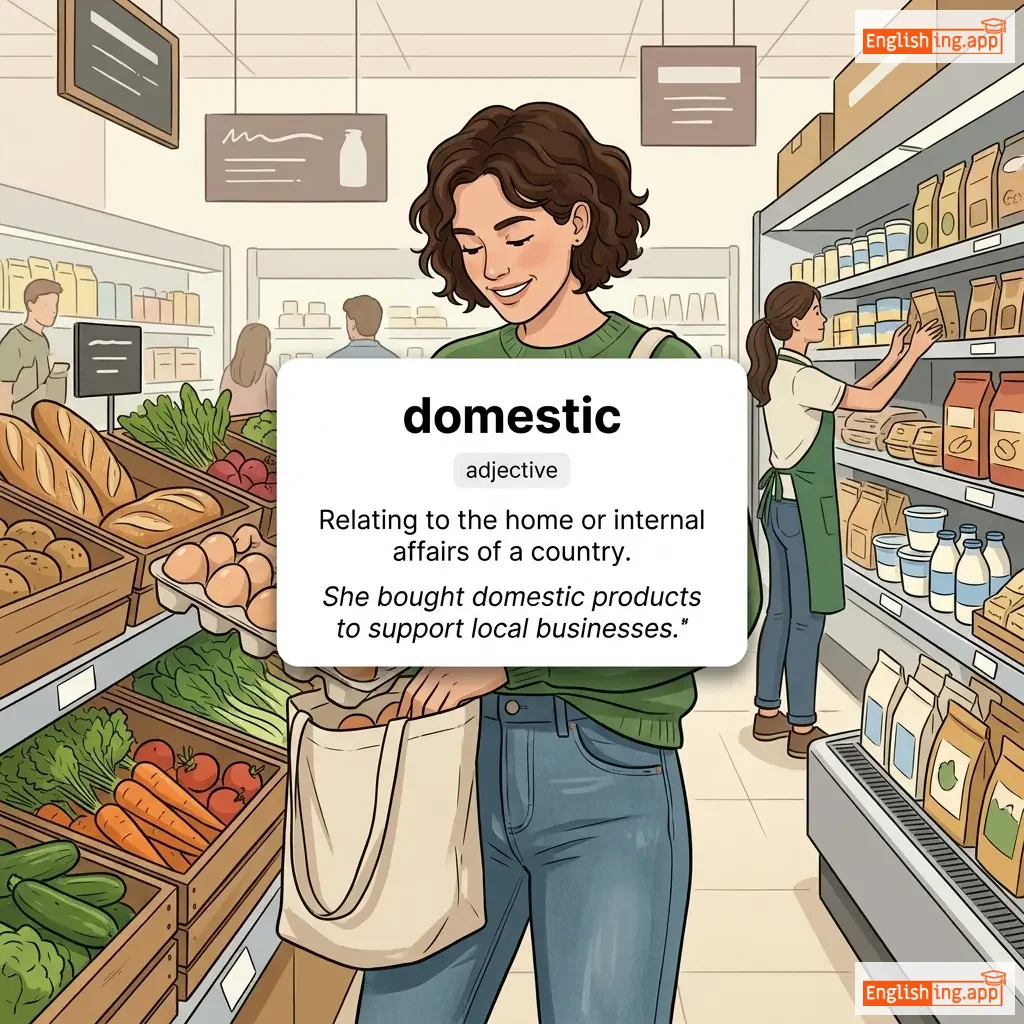
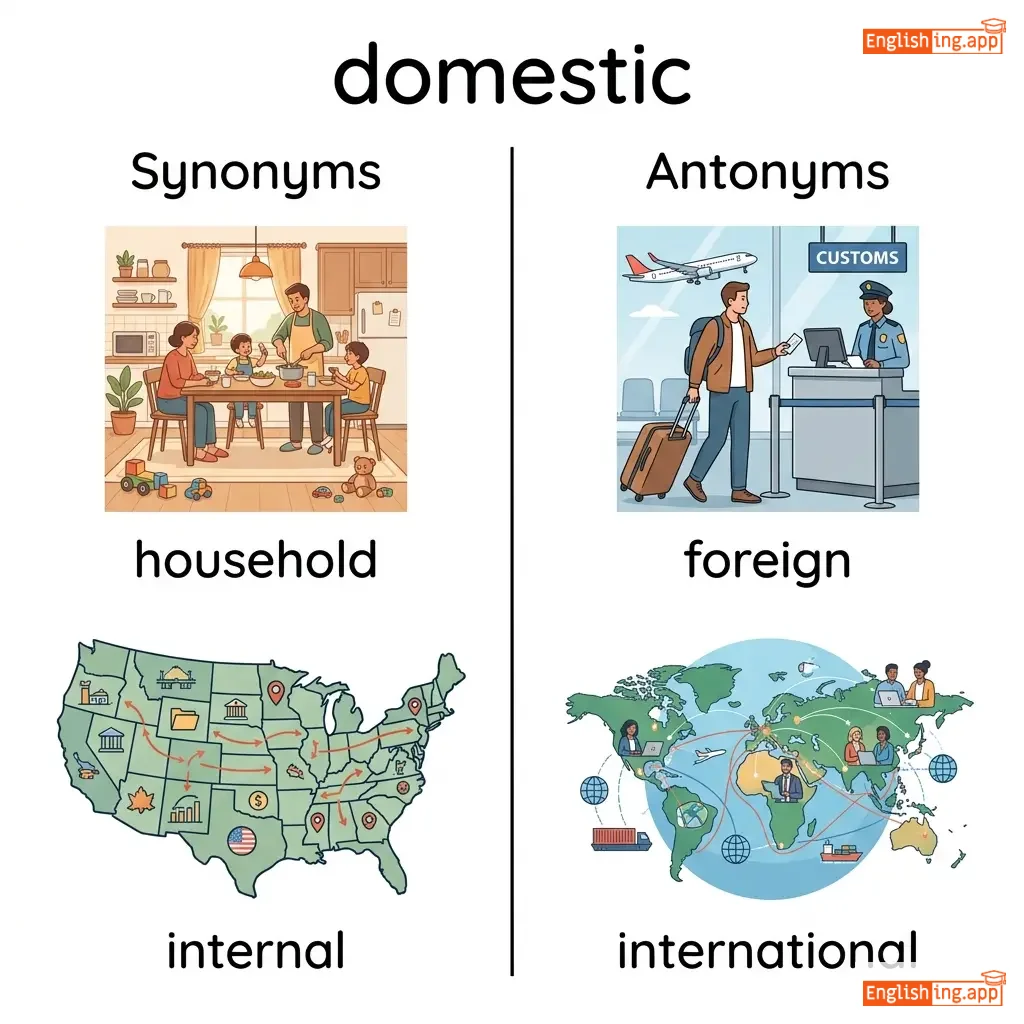
/dəˈmɛstɪk/
adjective
(happiness)
••••••
|
|
幸福
xìngfú
••••••
|
- •••••• | - •••••• | - •••••• | - •••••• |
Relating to the home or internal affairs of a country.
••••••
|
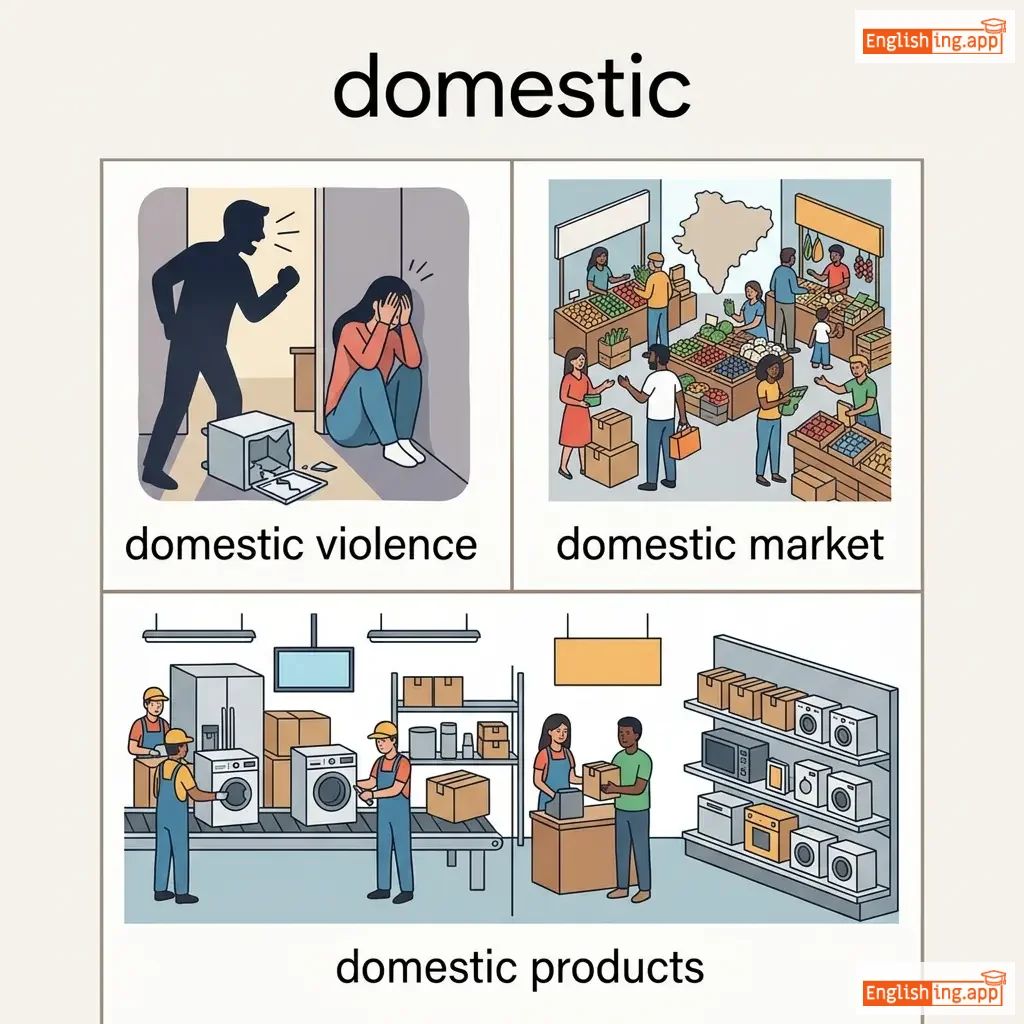
She bought domestic products to support local businesses. |
当她获得奖项时,她无法隐藏自己的幸福。
Dāng tā huòdé jiǎngxiàng shí, tā wúfǎ yǐncáng zìjǐ de xìngfú.
••••••
|
domestic affairs |
Matters within a household or a country
••••••
|
幸福追求
xìngfú zhuīqiú
••••••
|
household, internal, local, home
••••••
|
foreign, international
••••••
|
domestic violence, domestic market, domestic products, domestic flights
••••••
|
幸福是每天努力追求的目标。
••••••
|
|
#10834
🩺
|
/ˈdɒktər/
noun
(dàokè)
••••••
|
- •••••• |
医生
yīshēng
••••••
|
- •••••• | - •••••• | - •••••• | - •••••• |
A qualified medical professional who treats illnesses and injuries.
••••••
|
The doctor prescribed medicine for the patient. |
医生为病人开了药。
Yīshēng wèi bìngrén kāi le yào.
••••••
|
the doctor is in |
The doctor is available to see patients
••••••
|
医生在场
Yīshēng zài chǎng
••••••
|
physician, medic, surgeon, healer
••••••
|
patient, layman
••••••
|
doctor appointment, family doctor, consulting doctor, doctor visit
••••••
|
医生治病救人,健康的守护神。
••••••
|
|
#10835
✅
|
/duː/
verb
(杜)
••••••
|
|
做
zuò
••••••
|
did
迪德
••••••
|
done
丹
••••••
|
does
达斯
••••••
|
doing
杜因
••••••
|
To perform an action, task, or activity.
••••••
|
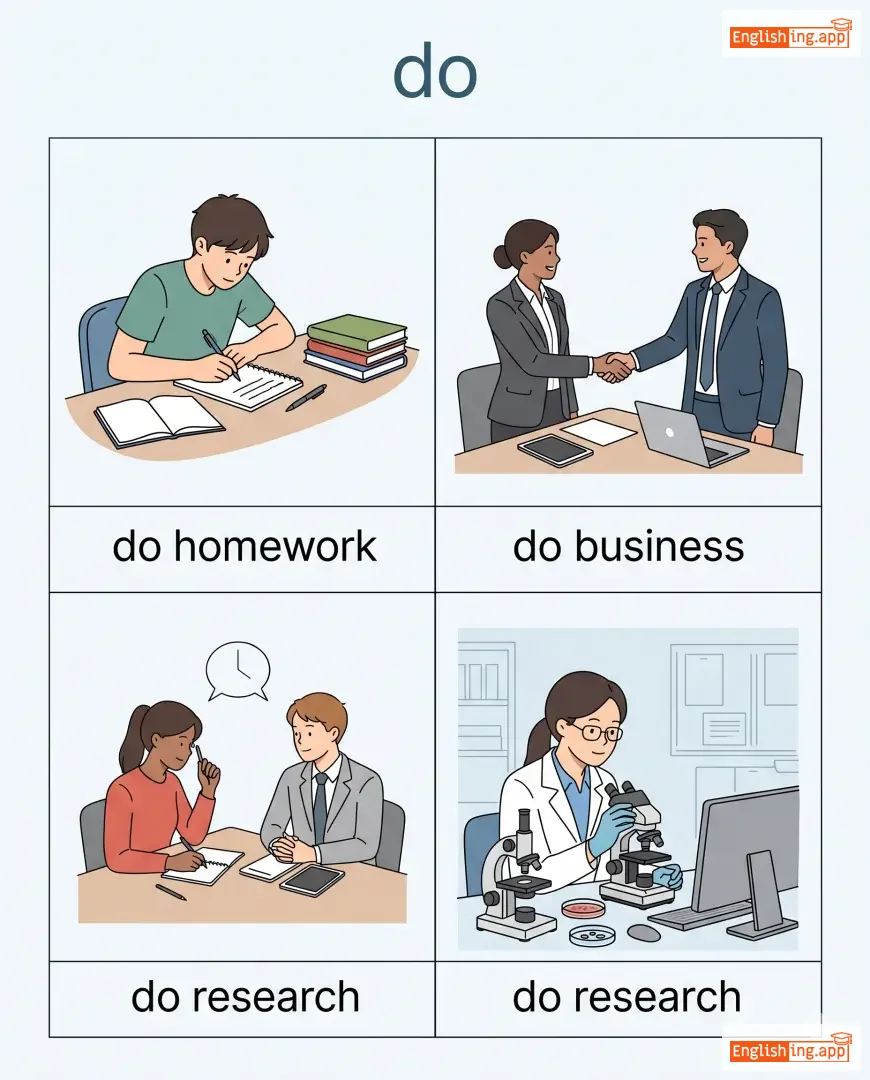
I need to do my homework before dinner.
我需要在晚餐前做完作业。
••••••
|
我需要在晚餐前做完作业。
Wǒ xūyào zài wǎncān qián zuò wán zuòyè.
••••••
|
do one's best
尽最大努力
••••••
|
To make the greatest possible effort
••••••
|
尽最大努力
jǐn zuìdà nǔlì
••••••
|
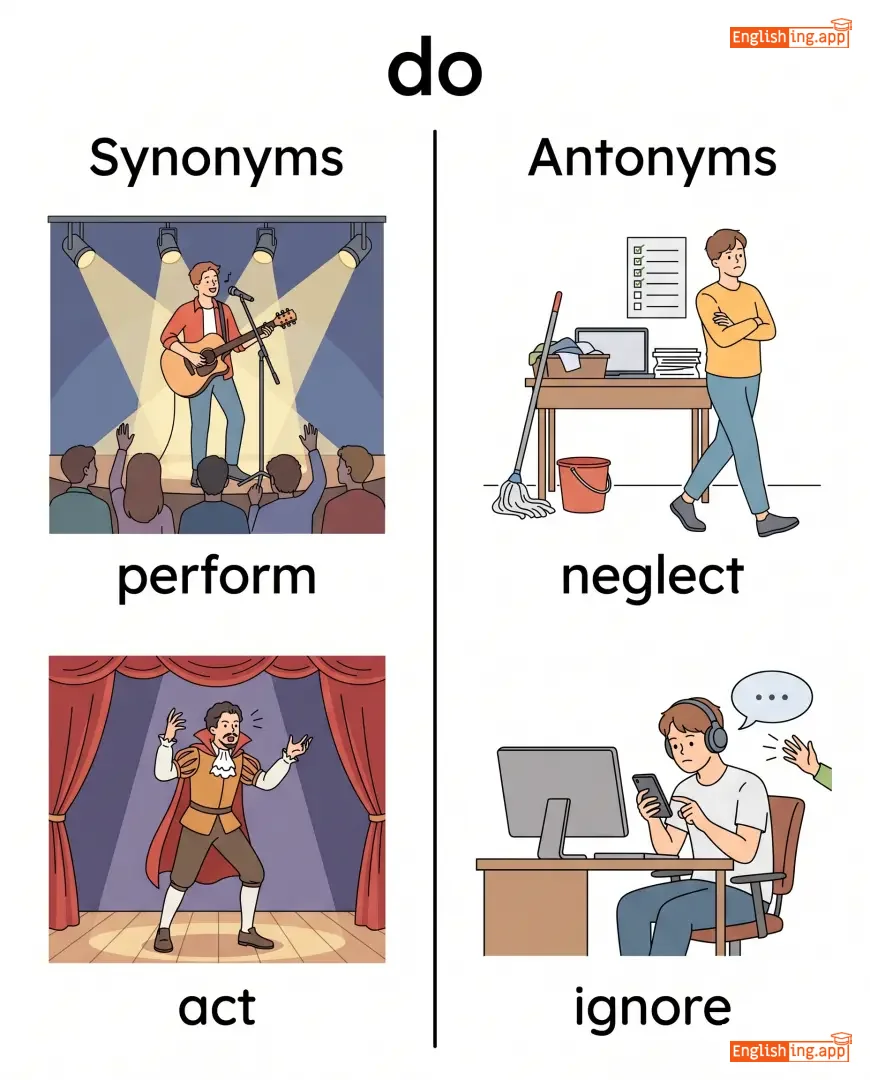
perform, act, execute, carry out, accomplish
••••••
|
neglect, ignore, stop
••••••
|
do homework, do business, do research, do a favor
••••••
|
Do意味着做 — 做吧,不要沉没!
••••••
|
|
#10836
🧬
|
/ˌdiː.enˈeɪ/
noun
(DNA)
••••••
|
- •••••• |
脱氧核糖核酸
DNA
••••••
|
- •••••• | - •••••• | - •••••• | - •••••• |
Deoxyribonucleic acid, the molecule that carries genetic information in living organisms.
••••••
|
Scientists extracted DNA from the ancient bones. |
科学家从古代骨头中提取了DNA。
Ke xue jia cong gu dai gu tou zhong ti qu le DNA.
••••••
|
- •••••• | - •••••• | - •••••• |
genetic code, genome, chromosomes, heredity
••••••
|
RNA, protein
••••••
|
DNA test, DNA sequence, DNA sample, DNA analysis
••••••
|
记住DNA 🧬 - 它是生命的数据存档。
••••••
|
|
#10837
💔
|
/dɪˈvɔːrs/
noun/verb
(dìvó'ěrsī)
••••••
|
- •••••• |
离婚
líhūn
••••••
|
divorced
••••••
|
divorced
••••••
|
divorces
••••••
|
divorcing
••••••
|
the legal ending of a marriage; to officially end a marriage
••••••
|
After years of conflict, they decided to get a divorce. |
经过多年的冲突,他们决定离婚。
Jīngguò duōnián de chōngtū, tāmen juédìng líhūn.
••••••
|
divorce oneself from |
to separate or distance oneself from something
••••••
|
与...离婚
yǔ... líhūn
••••••
|
separation, annulment, breakup, dissolution
••••••
|
marriage, union
••••••
|
get a divorce, file for divorce, divorce settlement, divorce lawyer
••••••
|
离婚意味着分开,结束婚姻。
••••••
|
|
#10838
➗
|
/dɪˈvɪʒən/
noun
(dì wéi zhēn)
••••••
|
- •••••• |
部门
bumen
••••••
|
- •••••• | - •••••• | - •••••• | - •••••• |
the action of separating something into parts; or a large administrative unit
••••••
|
The company has a separate division for research and development. |
公司有一个专门的部门负责研究和开发。
Gongsi you yige zhuanmen de bumen fuze yanjiu he kaifa.
••••••
|
cause division |
to create disagreement or separation among people
••••••
|
制造分歧
zhizao fenqi
••••••
|
separation, partition, department, section
••••••
|
unity, whole, agreement
••••••
|
division of labor, administrative division, mathematical division, division between
••••••
|
Division ➗ 意味着分割,中文是部门。
••••••
|
|
#10839
🗺️
|
/ˈdɪstrɪkt/
noun
(迪斯特里克特)
••••••
|
- •••••• |
区
qu
••••••
|
- •••••• | - •••••• | - •••••• | - •••••• |
a specific area of a country, city, or town, often with official boundaries
••••••
|
She lives in the northern district of the city. |
她住在城市的北区。
Ta zhu zai chengshi de bei qu.
••••••
|
- •••••• | - •••••• | - •••••• |
region, area, zone, territory
••••••
|
whole, entirety
••••••
|
school district, business district, residential district, rural district
••••••
|
‘区’是一个区域,通常用于表示行政区划。
••••••
|
|
#10840
➡️
|
/dəˈrɛkt/ or /daɪˈrɛkt/
verb
(dàiˈrɛkt)
••••••
|
- •••••• |
指导
zhǐdǎo
••••••
|
directed
dàiˈrɛktɪd
••••••
|
directed
dàiˈrɛktɪd
••••••
|
directs
dàiˈrɛkts
••••••
|
directing
dàiˈrɛktɪŋ
••••••
|
to manage or control the course of something; to give instructions
••••••
|
She directed the team to complete the project on time.
她指示团队按时完成项目。
••••••
|
她指示团队按时完成项目。
Tā zhǐshì tuánduì ànshí wánchéng xiàngmù.
••••••
|
direct traffic
指挥交通
••••••
|
to manage and guide the movement of vehicles
••••••
|
指挥交通
zhǐhuī jiāotōng
••••••
|
guide, lead, manage, command, instruct
••••••
|
mislead, confuse
••••••
|
direct attention, direct action, direct contact, direct result
••••••
|
Direct意味着明确的指示 — 指挥交通永远要精确!
••••••
|
|
#10841
🔍
|
/dɪˈstɪŋɡwɪʃ/
verb
(迪斯廷圭什)
••••••
|
- •••••• |
区分
qūfēn
••••••
|
distinguished
迪斯廷圭什德
••••••
|
distinguished
迪斯廷圭什德
••••••
|
distinguishes
迪斯廷圭什斯
••••••
|
distinguishing
迪斯廷圭什英
••••••
|
to recognize or show the differences between two or more things; to set apart as different
••••••
|
It can be difficult to distinguish between truth and rumor.
区分真相和谣言可能很困难。
••••••
|
区分真相和谣言可能很困难。
Qūfēn zhēnxiàng hé yáoyán kěnéng hěn kùnnán.
••••••
|
distinguish oneself
与众不同
••••••
|
to do something that makes one notable or worthy of recognition
••••••
|
与众不同
Yǔ zhòng bùtóng
••••••
|
differentiate, discern, identify, separate, recognize
••••••
|
confuse, mix, combine
••••••
|
distinguish between, distinguish clearly, distinguish features, distinguish easily
••••••
|
Distinguish = 区分,辨别差异
••••••
|
|
#10842
📏
|
/ˈdɪstəns/
noun
(ディスタンス)
••••••
|
- •••••• |
距离
juli
••••••
|
- •••••• | - •••••• | - •••••• | - •••••• |
The amount of space between two points or places.
••••••
|
The distance between Dhaka and Chittagong is about 250 kilometers. |
达卡和吉大港之间的距离大约为250公里。
Daka he Jidagang zhijian de juli dayue wei 250 gongli.
••••••
|
keep your distance |
To stay away or avoid close contact.
••••••
|
保持距离
Baochi juli
••••••
|
gap, space, length, interval, remoteness
••••••
|
closeness, nearness
••••••
|
long distance, travel distance, distance learning, safe distance
••••••
|
Distance 就是距离,记住保持距离,保持安全!
••••••
|
|
#10843
🖥️
|
/dɪˈspleɪ/
verb
(迪斯普雷)
••••••
|
- •••••• |
展示
zhǎnshì
••••••
|
displayed
展示过
••••••
|
displayed
展示过
••••••
|
displays
展示
••••••
|
displaying
展示中
••••••
|
To show or exhibit something to be seen.
••••••
|
The shop displayed its new products in the window.
商店在橱窗里展示了新产品。
••••••
|
商店在橱窗里展示了新产品。
Shāngdiàn zài chūchuāng lǐ zhǎnshìle xīn chǎnpǐn.
••••••
|
on display
展示中
••••••
|
Visible for people to see, usually in a public place.
••••••
|
展示中
zhǎnshì zhōng
••••••
|
show, exhibit, present, demonstrate, reveal
••••••
|
hide, conceal, cover
••••••
|
display information, display screen, proudly display, digital display
••••••
|
Display 意味着展示,就像在商店的展示窗里看到的新产品。
••••••
|
|
#10844
⚠️
|
/dɪsˈɔːrdər/
noun
(disorder)
••••••
|
- •••••• |
紊乱
wěnluàn
••••••
|
- •••••• | - •••••• | - •••••• | - •••••• |
A state of confusion or lack of order; also a medical or mental condition.
••••••
|
The protest ended in disorder when the crowd became violent. |
抗议活动在群众变得暴力后陷入了混乱。
Kàngyì huódòng zài qúnzhòng biàn dé bàolì hòu xiànrùle hùnluàn.
••••••
|
eating disorder |
A medical condition involving abnormal eating habits.
••••••
|
饮食失调
yǐnshí shītiáo
••••••
|
confusion, chaos, disturbance, illness, ailment
••••••
|
order, organization, harmony
••••••
|
mental disorder, physical disorder, cause disorder, public disorder
••••••
|
Disorder意味着紊乱,记住 - 没有秩序就有紊乱。
••••••
|
|
#10845
🍽️
|
/dɪʃ/
noun
(迪什)
••••••
|
- •••••• |
盘子 / 菜肴
pánzi / càiyáo
••••••
|
- •••••• | - •••••• | - •••••• | - •••••• |
A shallow container for serving or preparing food; also a particular kind of food prepared.
••••••
|
She prepared a delicious pasta dish for dinner. |
她为晚餐准备了美味的意大利面菜肴。
Tā wèi wǎncān zhǔnbèile měiwèi de yìdàlì miàn càiyáo.
••••••
|
dish out |
To distribute or serve something, often food or criticism.
••••••
|
分发食物
fēn fā shíwù
••••••
|
plate, bowl, meal, course, recipe
••••••
|
drink, beverage
••••••
|
main dish, side dish, traditional dish, favorite dish
••••••
|
盘子意味着容器或菜肴,记住 - 妈妈的菜永远是最好的菜肴。
••••••
|
|
#10846
🦠
|
/dɪˈziːz/
noun
(dɪˈziːz)
••••••
|
- •••••• |
疾病
jíbìng
••••••
|
- •••••• | - •••••• | - •••••• | - •••••• |
An illness or medical condition that affects the body or mind.
••••••
|
The doctor is researching a cure for the disease. |
医生正在研究治疗这种疾病的方法。
Yīshēng zhèngzài yánjiū zhìliáo zhè zhǒng jíbìng de fāngfǎ.
••••••
|
heart disease |
A general term for conditions affecting the heart.
••••••
|
心脏病
xīnzàng bìng
••••••
|
illness, sickness, ailment, disorder, infection
••••••
|
health, wellness
••••••
|
infectious disease, chronic disease, disease prevention, disease outbreak
••••••
|
Disease意味着疾病,记住:如果身体没有舒适感,那么它就是疾病。
••••••
|
|
#10847
💬
|
/dɪˈskʌs/
verb
(di-sku-si)
••••••
|
- •••••• |
讨论
taolun
••••••
|
discussed
di-sku-si-t
••••••
|
discussed
di-sku-si-t
••••••
|
discusses
di-sku-si-s
••••••
|
discussing
di-sku-si-ng
••••••
|
To talk about something with another person or group in detail.
••••••
|
We need to discuss the project before finalizing it.
我们需要在完成之前讨论这个项目。
••••••
|
我们需要在完成之前讨论这个项目。
Wo men xu yao zai wan cheng zhi qian taolun zhe ge xiangmu.
••••••
|
discuss matters
讨论事务
••••••
|
to talk about issues or problems
••••••
|
讨论事务
taolun shiwuh
••••••
|
talk, debate, confer, deliberate, examine
••••••
|
ignore, avoid
••••••
|
discuss a plan, discuss issues, discuss openly, discuss further
••••••
|
讨论是与他人一起深入交谈的意思。
••••••
|
|
#10848
⚖️
|
/dɪˌskrɪmɪˈneɪʃən/
noun
(歧视)
••••••
|
- •••••• |
歧视
qishi
••••••
|
- •••••• | - •••••• | - •••••• | - •••••• |
Unfair treatment of people based on race, gender, age, or other differences.
••••••
|
The law prohibits discrimination in the workplace. |
法律禁止在工作场所歧视。
Fǎlǜ jìnzhǐ zài gōngzuò chǎngsuǒ qíshì.
••••••
|
racial discrimination |
unfair treatment based on race
••••••
|
种族歧视
zhǒngzú qíshì
••••••
|
prejudice, bias, unfairness, inequality
••••••
|
equality, fairness, justice
••••••
|
racial discrimination, gender discrimination, fight discrimination, workplace discrimination
••••••
|
歧视 = dis + 犯罪,所以歧视是犯罪。
••••••
|
|
#10849
🔎
|
/dɪˈskʌvəri/
noun
(dɪsˈkʌvəri)
••••••
|
- •••••• |
发现
fā xiàn
••••••
|
- •••••• | - •••••• | - •••••• | - •••••• |
The act of finding or learning something for the first time.
••••••
|
The discovery of penicillin changed medical history. |
青霉素的发现改变了医学历史。
Qīngméisù de fāxiàn gǎibiànle yīxué lìshǐ.
••••••
|
make a discovery |
to find or learn something new
••••••
|
做出发现
zuò chū fāxiàn
••••••
|
finding, invention, detection, revelation
••••••
|
loss, concealment
••••••
|
scientific discovery, new discovery, make a discovery, important discovery
••••••
|
Discovery = 发现 = 发现新事物就是一次发现。
••••••
|
|
#10850
♿
|
/ˌdɪsəˈbɪləti/
noun
(残疾)
••••••
|
- •••••• |
残疾
canji
••••••
|
- •••••• | - •••••• | - •••••• | - •••••• |
A physical or mental condition that limits a person's movements, senses, or activities.
••••••
|
The organization supports people living with disability. |
该组织支持与残疾共生的人们。
Gai zuzhi zhichi yu canji gongsheng de renmen.
••••••
|
- •••••• | - •••••• | - •••••• |
impairment, handicap, condition, incapacity
••••••
|
ability, health, fitness
••••••
|
living with disability, disability rights, physical disability, mental disability
••••••
|
Dis + ability = 没有能力,这意味着残疾
••••••
|
|
#10851
🪨
|
/dɜːrt/
noun
(dɜːrt)
••••••
|
- •••••• |
土壤,污垢
tǔrǎng, wūgòu
••••••
|
- •••••• | - •••••• | - •••••• | - •••••• |
Loose soil or unclean matter; anything that makes a surface unclean.
••••••
|
Her shoes were covered in dirt after walking through the field. |
她的鞋子在田野上走过后沾满了泥土。
Tā de xiézi zài tiányě shàng zǒuguò hòu zhān mǎnle nítǔ.
••••••
|
treat someone like dirt |
to treat someone badly or with no respect
••••••
|
把某人当成垃圾
bǎ mǒurén dāngchéng lājī
••••••
|
soil, earth, dust, grime, filth
••••••
|
cleanliness, purity
••••••
|
dirt road, covered in dirt, sweep the dirt, dirt cheap
••••••
|
Dirt = 土壤,像在运动场上,如果土壤很脏,比赛就不能好好进行。
••••••
|
|
#10852
🎬
|
/dəˈrɛktər/ or /daɪˈrɛktər/
noun
(dàɪˈrɛktər)
••••••
|
- •••••• |
导演
dǎoyǎn
••••••
|
- •••••• | - •••••• | - •••••• | - •••••• |
a person who manages or oversees a company, department, or film
••••••
|
The director gave final approval for the new movie script. |
导演为新电影剧本提供了最终批准。
Dǎoyǎn wèi xīn diànyǐng jùběn tígōngle zuìzhōng pīzhǔn.
••••••
|
board of directors |
a group of people elected to manage a company
••••••
|
董事会
dǒngshìhuì
••••••
|
manager, leader, chief, head, supervisor
••••••
|
employee, subordinate
••••••
|
film director, company director, executive director, board of directors
••••••
|
导演是负责电影或公司运作的人。
••••••
|
|
#10853
📢
|
/dəˈrɛktli/ or /daɪˈrɛktli/
adverb
(直接)
••••••
|
- •••••• |
直接
zhíjiē
••••••
|
- •••••• | - •••••• | - •••••• | - •••••• |
in a straight line or manner; without anything in between
••••••
|
She spoke directly to the manager about her concerns. |
她直接与经理讨论了她的担忧。
Tā zhíjiē yǔ jīnglǐ tǎolùnle tā de dānyōu.
••••••
|
directly involved |
personally connected or participating
••••••
|
直接参与
zhíjiē cānyù
••••••
|
immediately, personally, straightforwardly, openly
••••••
|
indirectly, vaguely
••••••
|
directly responsible, directly affected, speak directly, directly proportional
••••••
|
Directly 就是直接走 — 不绕弯,直达目标。
••••••
|
|
#10854
🧭
|
/dəˈrɛkʃən/ or /daɪˈrɛkʃən/
noun
(方向)
••••••
|
- •••••• |
方向, 指令
fangxiang, zhiling
••••••
|
- •••••• | - •••••• | - •••••• | - •••••• |
the course or path on which someone or something is moving; instructions on what to do
••••••
|
He asked for directions to the train station. |
他询问了去火车站的方向。
Ta xunwen le qu huochezhan de fangxiang.
••••••
|
change direction |
to alter the course or plan
••••••
|
改变方向
gaibian fangxiang
••••••
|
instruction, guidance, route, path, orientation
••••••
|
confusion, aimlessness
••••••
|
clear direction, right direction, new direction, opposite direction
••••••
|
方向就像指南针,总是指引正确的方向。
••••••
|
Vocabulary Quiz
Test your vocabulary by matching words with their translations or meanings.
Login to take the quiz
Comments (0)
Share your thoughts and join the discussion.
Join the discussion by logging in
Login to CommentNo comments yet
Be the first to share your thoughts!