





Swipe left or right, or use the buttons. Tap image to zoom.
例句翻译
单词
Lesson 67Lesson 67 - 遮罩切换
|
表情符号
|
单词 | Images | 翻译 | 过去时 | 过去分词 | 第三人称单数 | 动名词 | 含义 | 例句 | 例句翻译 | 示例表达 | 示例表达含义 | 示例表达翻译 | 同义词 | 反义词 | 搭配词 | 助记符 |
|---|---|---|---|---|---|---|---|---|---|---|---|---|---|---|---|---|---|
|
#1981
📄
|
/kriːs/
noun, verb
(kè lǐ sī)
••••••
|
- •••••• |
褶皱, 折痕
zhě zhòu, zhé hén
••••••
|
creased
kè lǐ sī dé
••••••
|
creased
kè lǐ sī dé
••••••
|
creases
kè lǐ sī sī
••••••
|
creasing
kè lǐ sīng
••••••
|
a line or fold produced on paper, cloth, or other material; to make a fold or wrinkle
••••••
|
She ironed the shirt carefully to remove every crease.
她小心地熨烫衬衫,去除每一道褶皱。
••••••
|
她小心地熨烫衬衫,去除每一道褶皱。
Tā xiǎoxīn de yùn tàng chènshān, qùchú měi yī dào zhě zhòu.
••••••
|
- •••••• | - •••••• | - •••••• |
fold, wrinkle, line, pleat
••••••
|
smooth, flatten
••••••
|
crease in fabric, crease paper, crease pants, iron out crease
••••••
|
CREASE 在布料上留下褶皱,熨斗去除折痕
••••••
|
|
#1982
🌆
|
/krɪˈpʌskjʊlər/
adjective
(克雷普斯库拉)
••••••
|
- •••••• |
与黄昏相关
yu huanghun xiangguan
••••••
|
- •••••• | - •••••• | - •••••• | - •••••• |
relating to twilight or active during twilight
••••••
|
Bats are crepuscular animals, most active at dawn and dusk. |
蝙蝠是黄昏活动的动物,在黎明和黄昏时最活跃。
Bianfu shi huanghun huodong de dongwu, zai liming he huanghun shi zui huoyue.
••••••
|
- •••••• | - •••••• | - •••••• |
twilight, dim, dusk, dawn
••••••
|
bright, daylight
••••••
|
crepuscular light, crepuscular animals, crepuscular activity
••••••
|
克雷普斯库拉意味着与黄昏相关,记住'crepuscule'是黄昏的意思。
••••••
|
|
#1983
🏛️
|
/ˈkrɛməˌtɔːri/
noun
(krɛməˌtɔːri)
••••••
|
- •••••• |
火葬场
huǒzàngchǎng
••••••
|
- •••••• | - •••••• | - •••••• | - •••••• |
a place where dead bodies are cremated
••••••
|
The crematory was located near the cemetery.
火葬场位于墓地附近。
••••••
|
火葬场位于墓地附近。
Huǒzàngchǎng wèiyú mùdì fùjìn.
••••••
|
- •••••• | - •••••• | - •••••• |
crematorium, furnace, incinerator
••••••
|
cemetery, graveyard
••••••
|
crematory services, crematory building, crematory facility
••••••
|
Crematory是一个火葬场,尸体在这里火化。
••••••
|
|
#1984
🔥
|
/ˈkriː.meɪt/
verb
(krímèit)
••••••
|
|
火化
huǒ huà
••••••
|
cremated
krimèited
••••••
|
cremated
krimèited
••••••
|
cremates
krimèits
••••••
|
cremating
krimèiting
••••••
|
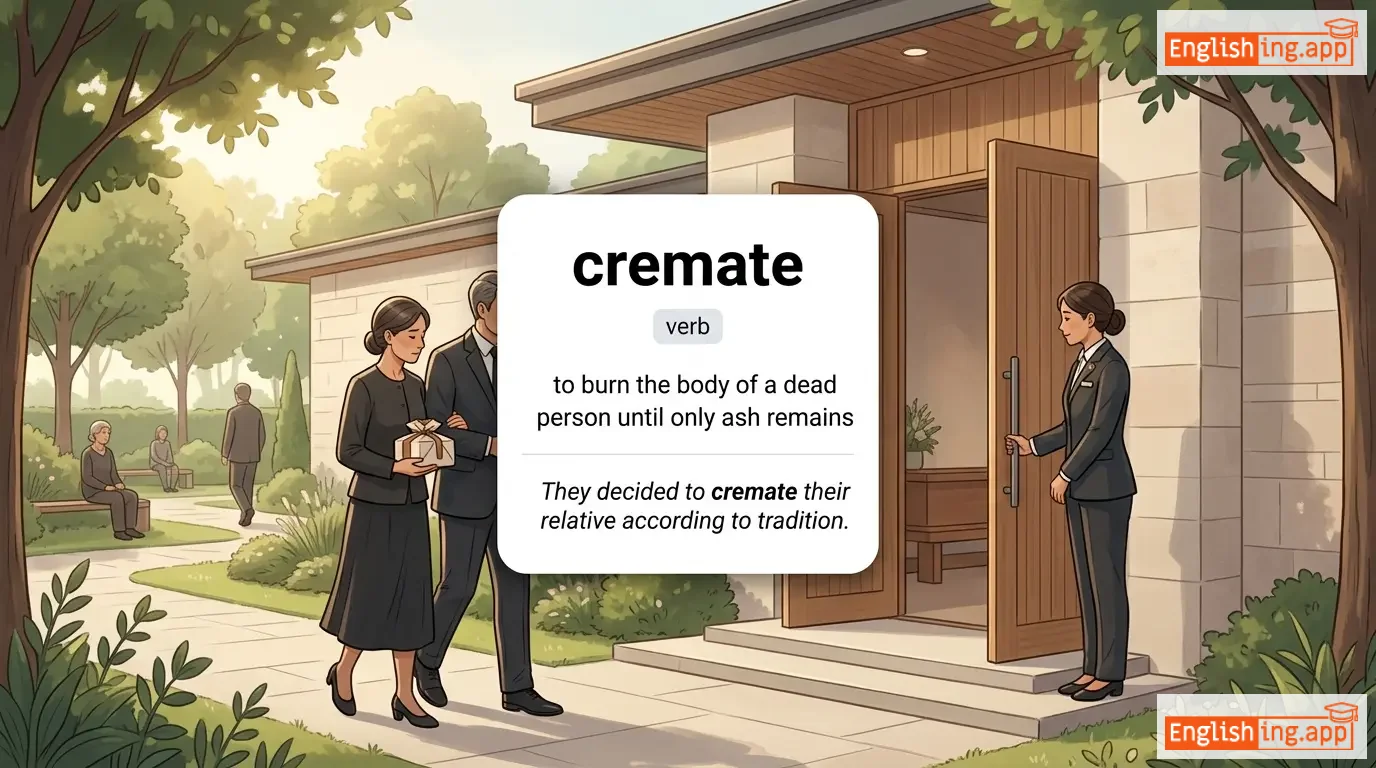
to burn the body of a dead person until only ash remains
••••••
|
They decided to cremate their relative according to tradition.
他们决定按照传统焚烧他们的亲属。
••••••
|
他们决定按照传统焚烧他们的亲属。
Tāmen juédìng ànzhào chuántǒng fénshāo tāmen de qīnshǔ.
••••••
|
- •••••• | - •••••• | - •••••• |
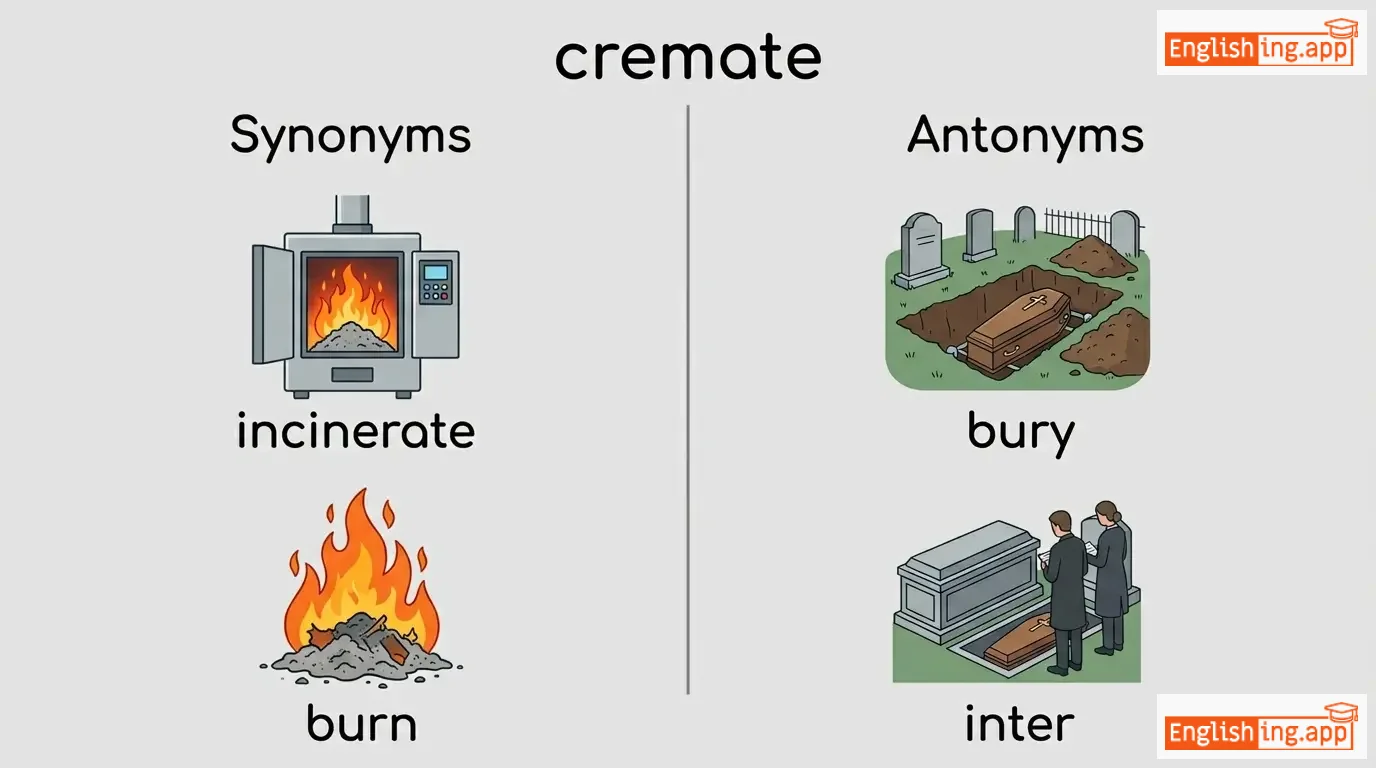
incinerate, burn, reduce to ashes
••••••
|
bury, inter
••••••
|
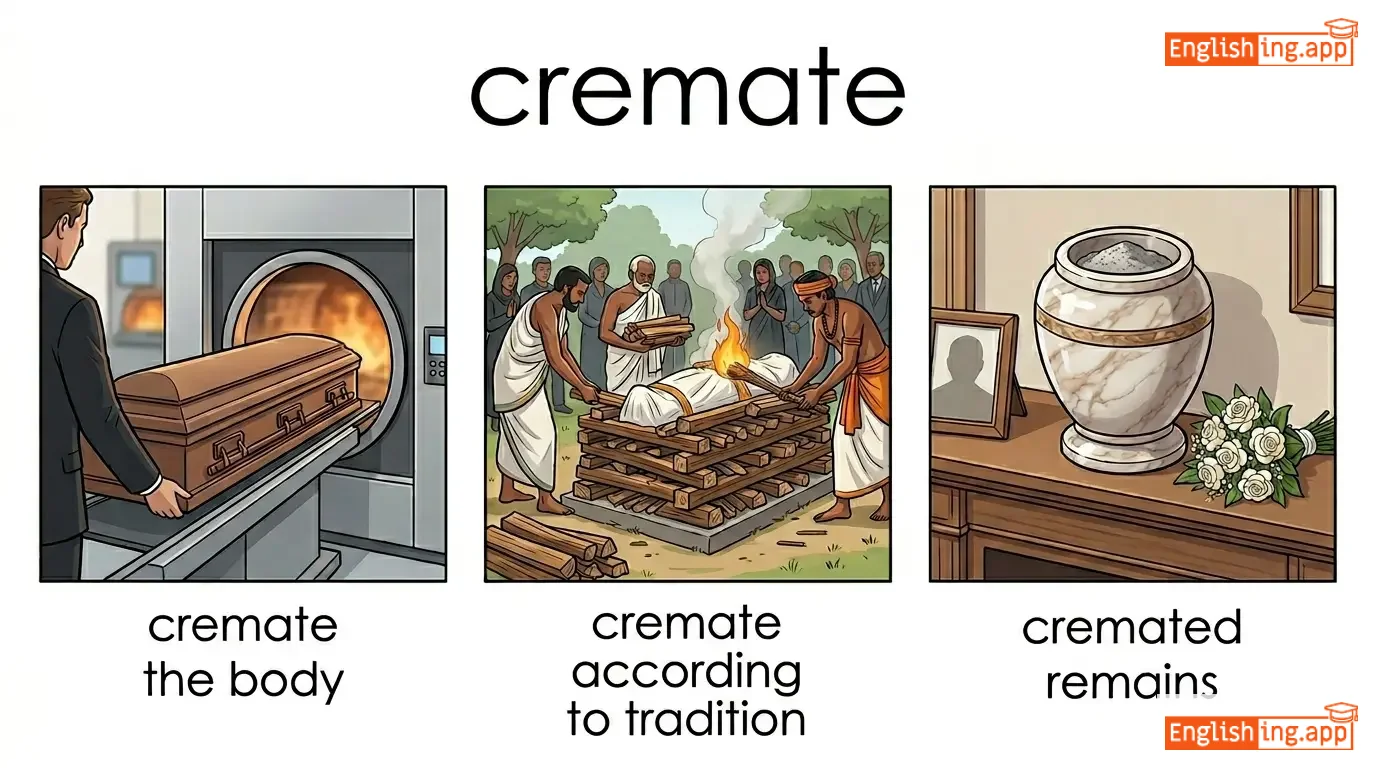
cremate the body, cremate according to tradition, cremated remains
••••••
|
Cremate sounds like 火化, which is what happens at a cremation.
••••••
|
|
#1985
🕷️
|
/kriːp/
verb
(kreep)
••••••
|
|
悄悄移动
qiāo qiāo yídòng
••••••
|
crept
krept
••••••
|
crept
krept
••••••
|
creeps
krips
••••••
|
creeping
kriping
••••••
|
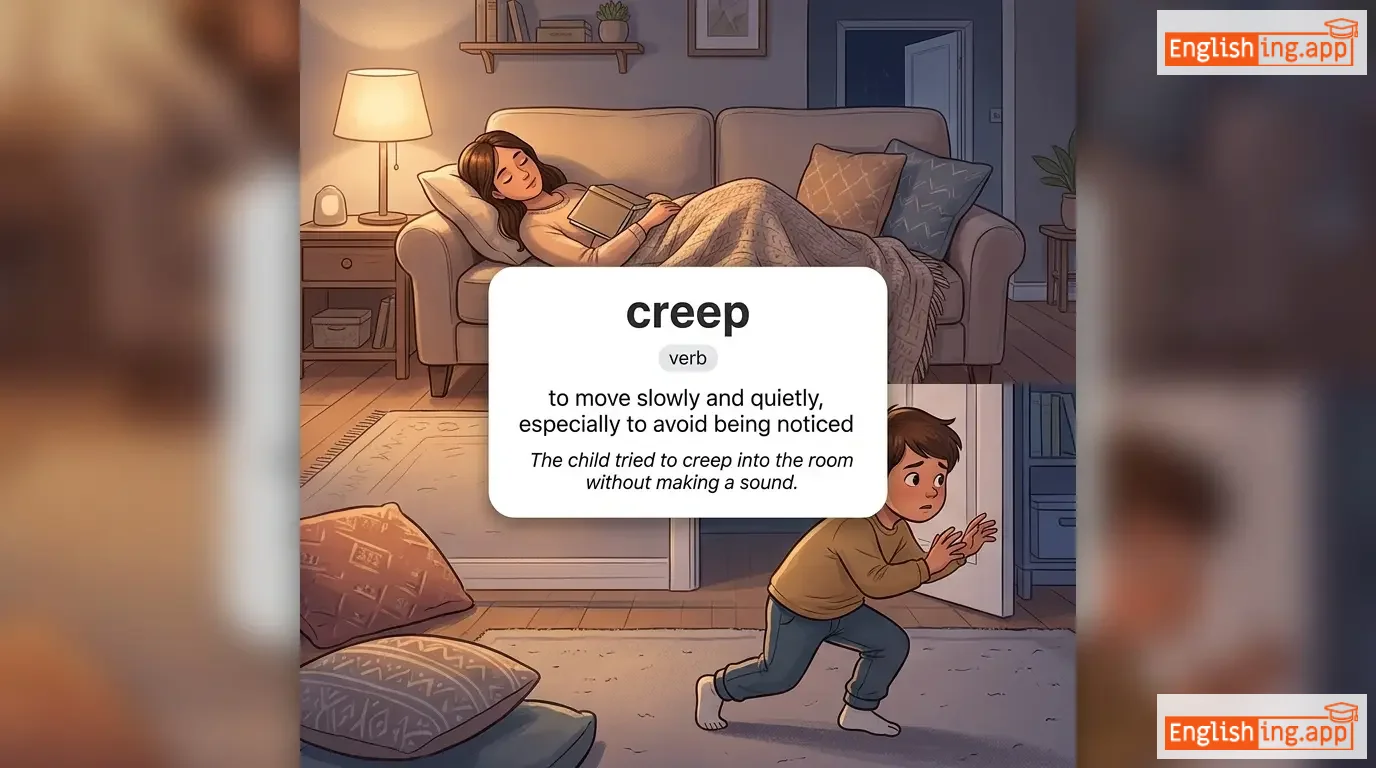
to move slowly and quietly, especially to avoid being noticed
••••••
|
The child tried to creep into the room without making a sound.
那个孩子试图悄悄地进入房间,没有发出声音。
••••••
|
那个孩子试图悄悄地进入房间,没有发出声音。
Nàgè háizi shìtú qiāoqiāo de jìnrù fángjiān, méiyǒu fāchū shēngyīn.
••••••
|
creep up on
悄悄接近
••••••
|
to approach someone quietly without being noticed
••••••
|
悄悄接近
qiāo qiāo jiējìn
••••••
|
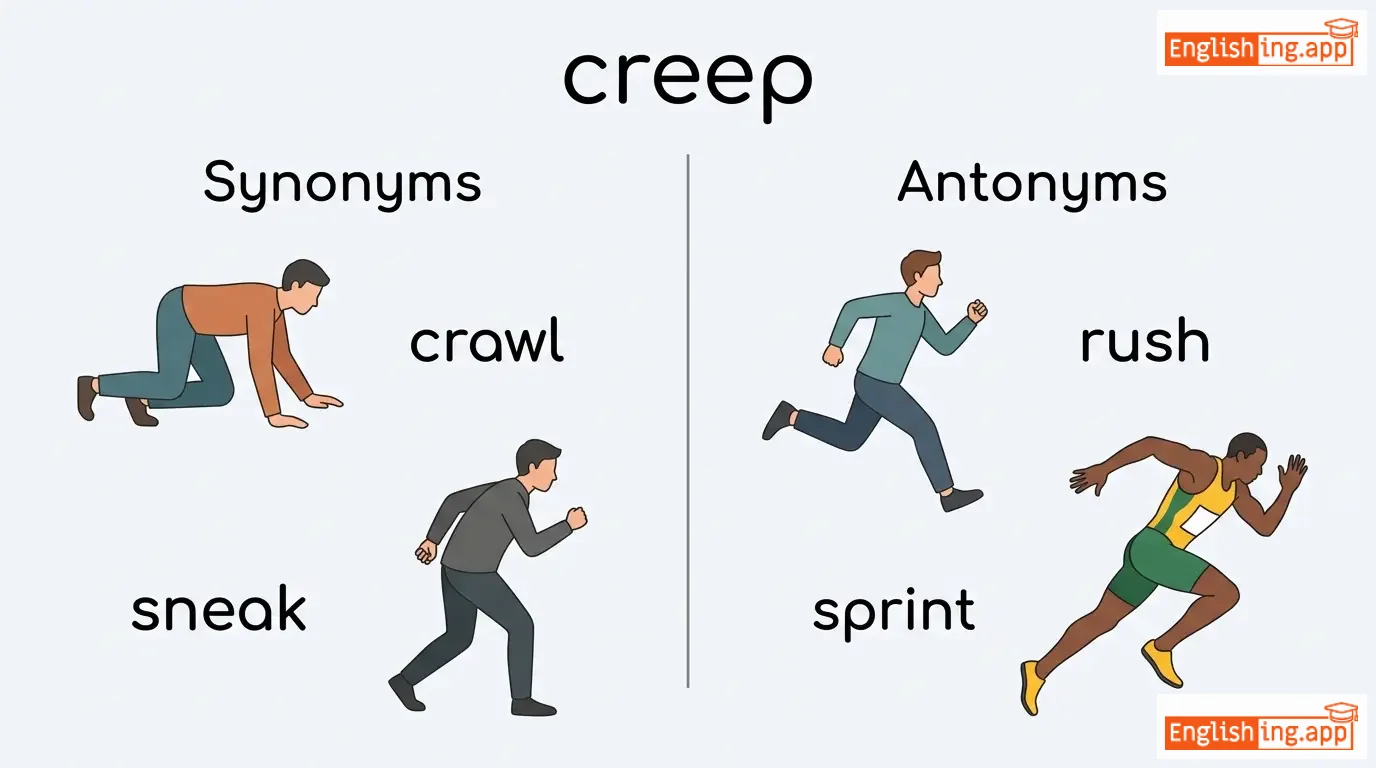
crawl, sneak, tiptoe, slink, edge
••••••
|
rush, sprint, charge
••••••
|
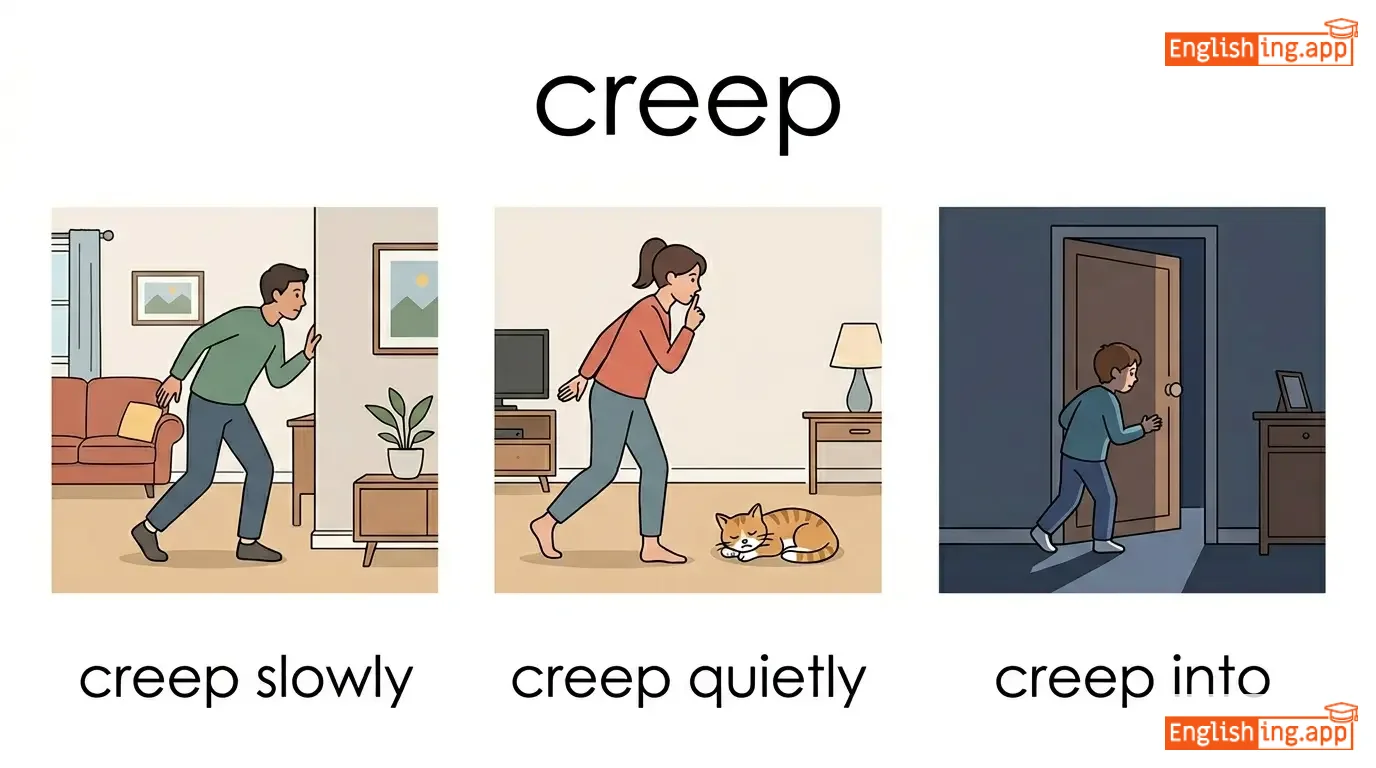
creep slowly, creep quietly, creep into, creep out
••••••
|
Creep意味着悄悄地接近,就像猫轻轻地走近它的猎物。
••••••
|
|
#1986
🌊
|
/kriːk/
noun
(krik)
••••••
|
- •••••• |
小溪
xiao xi
••••••
|
- •••••• | - •••••• | - •••••• | - •••••• |
a small stream or narrow river
••••••
|
We went fishing by the creek near our house.
我们在离家很近的小溪旁钓鱼。
••••••
|
我们在离家很近的小溪旁钓鱼。
Wo men zai li jia hen jin de xiao xi pang diao yu.
••••••
|
up the creek
上游的小溪
••••••
|
in a difficult or troublesome situation
••••••
|
陷入困境
xian ru kun jing
••••••
|
stream, brook, rivulet, watercourse, channel
••••••
|
river, ocean, sea
••••••
|
small creek, by the creek, creek water, creek bed
••••••
|
小溪就像小河一样,小溪旁有大树。
••••••
|
|
#1987
🙏
|
/kriːd/
noun
(krid)
••••••
|
- •••••• |
信条, 原则
xintiao, yuanzhi
••••••
|
- •••••• | - •••••• | - •••••• | - •••••• |
A system of religious or spiritual beliefs or a guiding principle.
••••••
|
Freedom of speech is part of his personal creed. |
言论自由是他个人信条的一部分。
Yánlùn zìyóu shì tā gèrén xìntiáo de yībùfèn.
••••••
|
articles of creed |
formal statements of beliefs or principles
••••••
|
信条条文
xìntiáo tiáowén
••••••
|
doctrine, belief, faith, ideology, conviction
••••••
|
disbelief, atheism
••••••
|
religious creed, personal creed, political creed
••••••
|
Creed 类似于 '信条'—一个宗教或个人信仰的指导原则。
••••••
|
|
#1988
🤔
|
/ˈkrɛdʒʊləs/
adjective
(krɛdʒʊləs)
••••••
|
- •••••• |
轻信的
qīngxìn de
••••••
|
- •••••• | - •••••• | - •••••• | - •••••• |
Having or showing too great a readiness to believe things.
••••••
|
The credulous child believed every story she heard. |
那个轻信的孩子相信了她听到的每一个故事。
Nàgè qīngxìn de háizi xiāngxìnle tā tīngdào de měi yīgè gùshì.
••••••
|
- •••••• | - •••••• | - •••••• |
gullible, naive, trusting, unsuspecting
••••••
|
skeptical, suspicious
••••••
|
credulous belief, credulous mind, credulous child
••••••
|
轻信的人就像很容易信任别人,就像信用。
••••••
|
|
#1989
🙈
|
/krəˈdjuːlɪti/
noun
(krəˈdjuːlɪti)
••••••
|
- •••••• |
轻信
qingxin
••••••
|
- •••••• | - •••••• | - •••••• | - •••••• |
A tendency to be too ready to believe that something is real or true.
••••••
|
The scam succeeded because of the victim's credulity. |
诈骗因受害人的轻信而成功。
Zhàpiàn yīn shòuhàirén de qīngxìn ér chénggōng.
••••••
|
- •••••• | - •••••• | - •••••• |
gullibility, naivety, innocence, trustfulness
••••••
|
skepticism, doubt, suspicion
••••••
|
blind credulity, exploit credulity, victim's credulity
••••••
|
轻信: 就像轻易相信没有证据的承诺。
••••••
|
|
#1990
📜
|
/ˈkriːdoʊ/
noun
(克雷多)
••••••
|
|
信条
xìn tiáo
••••••
|
- •••••• | - •••••• | - •••••• | - •••••• |
A statement of the beliefs or aims that guide someone's actions.
••••••
|
Honesty has always been the central credo of his life. |
诚实一直是他生活中的核心信条。
Chéngshí yīzhí shì tā shēnghuó zhōng de héxīn xìntiáo.
••••••
|
- •••••• | - •••••• | - •••••• |
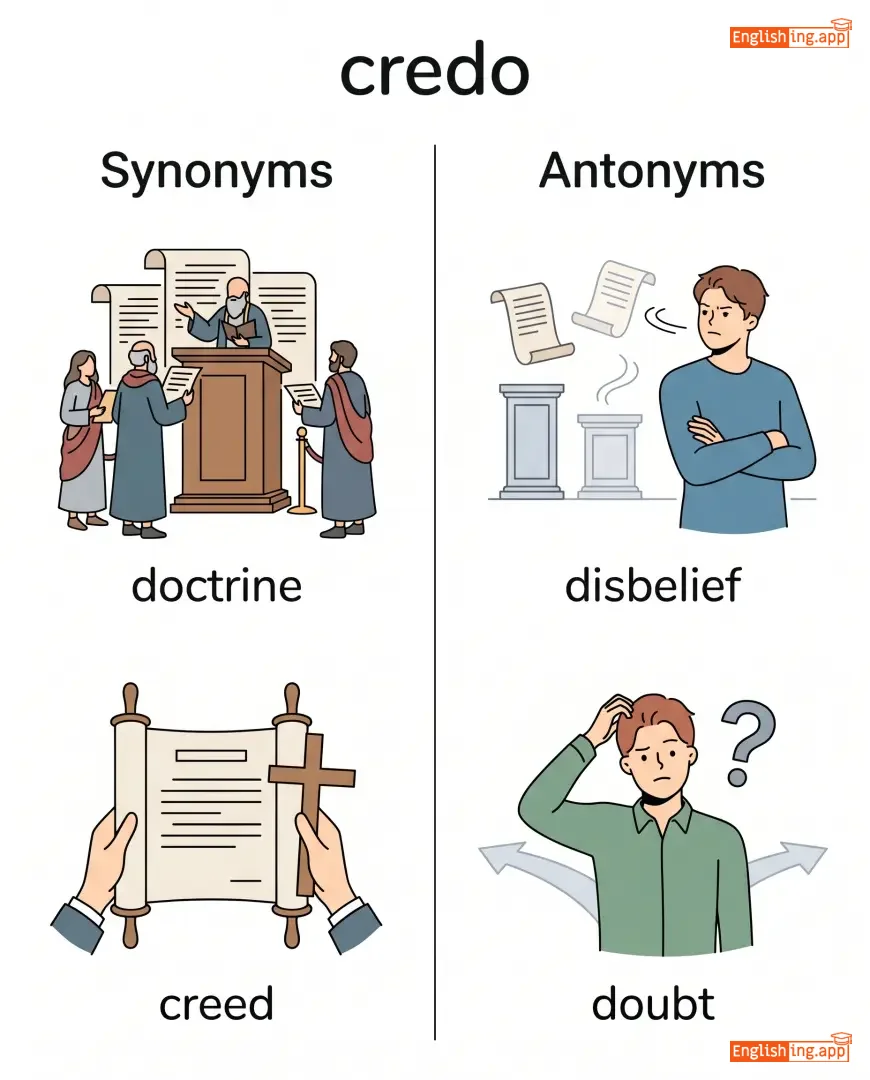
doctrine, creed, belief, philosophy, principle
••••••
|
disbelief, doubt
••••••
|
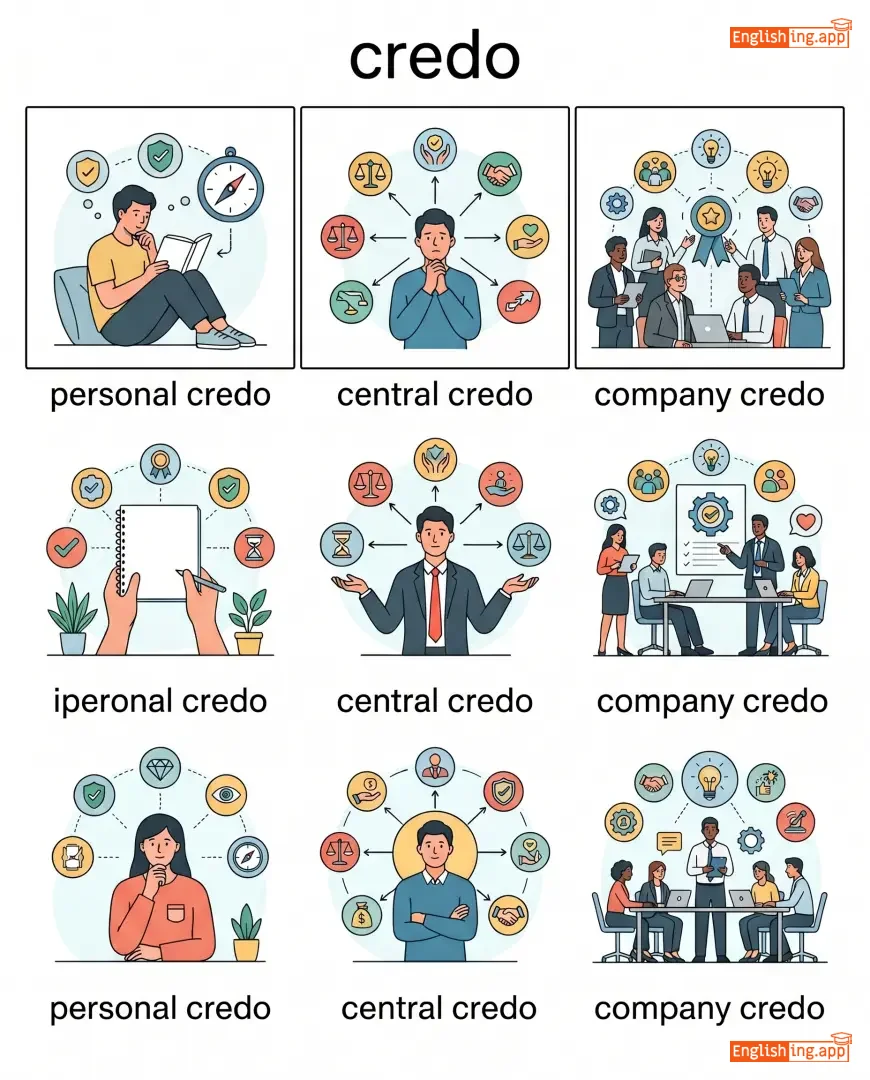
personal credo, central credo, company credo
••••••
|
Credo 就是信条—指引你行动的信仰。
••••••
|
|
#1991
🏅
|
/ˈkrɛdɪtəbl/
adjective
(kré-dí-té-bú-lu)
••••••
|
- •••••• |
值得称赞
zhí dé chēng zàn
••••••
|
- •••••• | - •••••• | - •••••• | - •••••• |
Deserving praise or acknowledgment, though not necessarily outstanding.
••••••
|
She made a creditable effort in completing the project on time.
她做出了值得称赞的努力,按时完成了项目。
••••••
|
她做出了值得称赞的努力,按时完成了项目。
Tā zuò chūle zhídé chēng zàn de nǔlì, àn shí wánchéngle xiàngmù.
••••••
|
- •••••• | - •••••• | - •••••• |
commendable, praiseworthy, respectable, meritorious
••••••
|
disgraceful, shameful
••••••
|
creditable performance, creditable effort, creditable attempt
••••••
|
值得称赞的努力,就像给予的信用。
••••••
|
|
#1992
👍
|
/ˈkrɛd.ɪ.bəl/
adjective
(krɛdɪbəl)
••••••
|
- •••••• |
可信的
kě xìn de
••••••
|
- •••••• | - •••••• | - •••••• | - •••••• |
able to be believed; convincing
••••••
|
Her explanation was credible enough to convince the committee. |
她的解释足够可信,能够说服委员会。
Tā de jiěshì zúgòu kěxìn, nénggòu shuōfú wěiyuánhuì.
••••••
|
- •••••• | - •••••• | - •••••• |
believable, plausible, trustworthy, convincing
••••••
|
unbelievable, implausible
••••••
|
credible source, credible evidence, credible story, credible explanation
••••••
|
CREDIBLE 意味着可信的,就像一种能说服委员会的解释
••••••
|
|
#1993
📰
|
/ˌkrɛd.ɪˈbɪl.ɪ.ti/
noun
(krɛdɪˈbɪlɪti)
••••••
|
|
可信度
kě xìn dù
••••••
|
- •••••• | - •••••• | - •••••• | - •••••• |
the quality of being trusted and believed in
••••••
|
The journalist's credibility was questioned after the report.
记者的可信度在报告后受到质疑。
••••••
|
记者的可信度在报告后受到质疑。
Jìzhě de kěxìndù zài bàogào hòu shòudào zhìyí.
••••••
|
- •••••• | - •••••• | - •••••• |
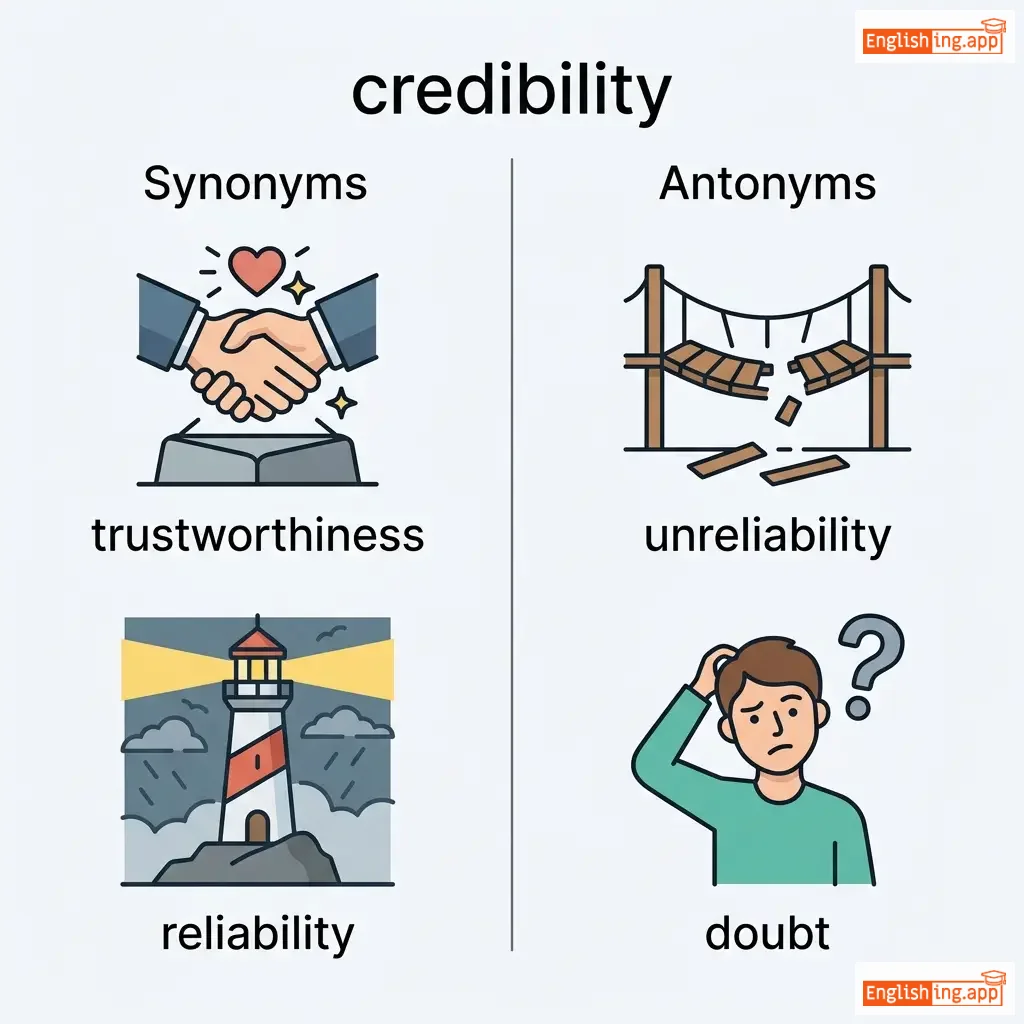
trustworthiness, reliability, believability, integrity
••••••
|
unreliability, doubt
••••••
|
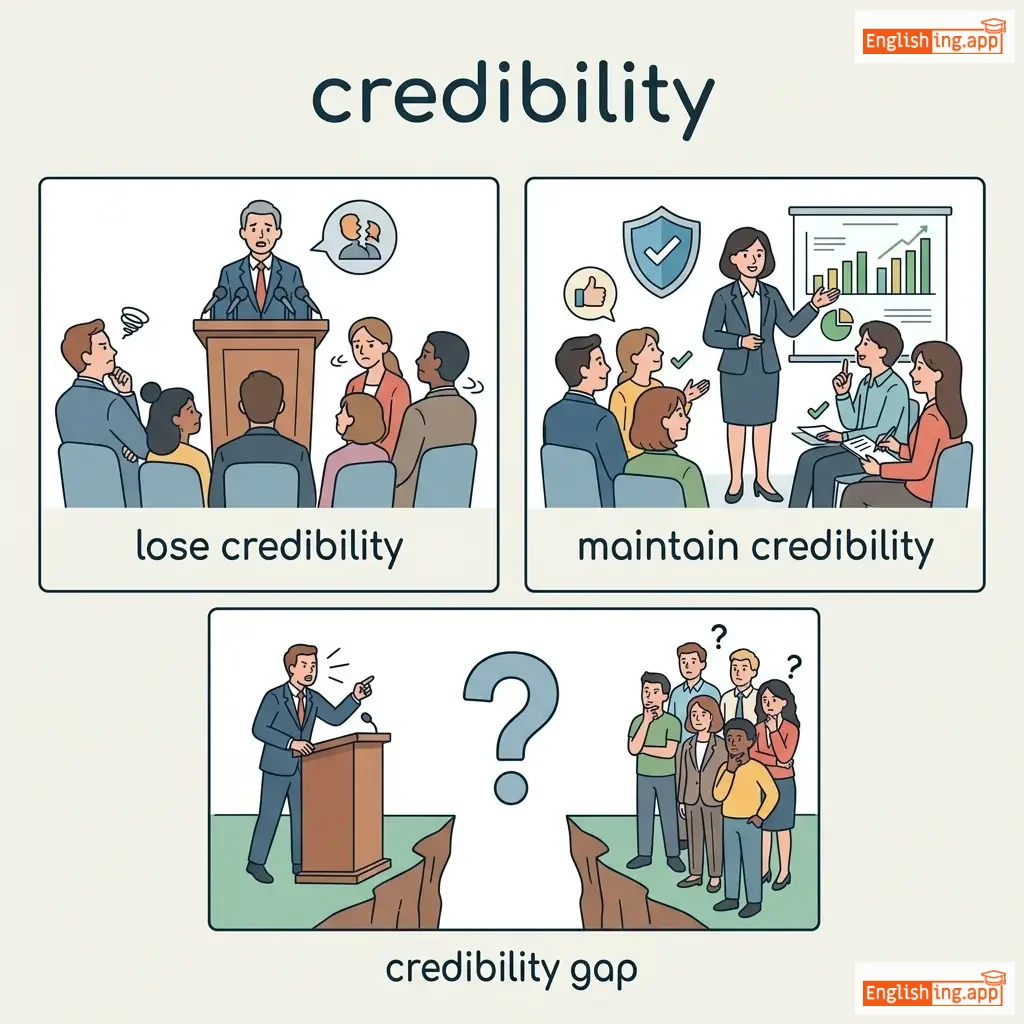
lose credibility, maintain credibility, credibility gap, credibility and trust
••••••
|
获得可信度,需要可靠的工作。
••••••
|
|
#1994
📜
|
/krɪˈden.ʃəl/
noun
(kruìdiānxiǎo)
••••••
|
- •••••• |
资历, 证明文件
zīlì, zhèngmíng wénjiàn
••••••
|
- •••••• | - •••••• | - •••••• | - •••••• |
a qualification, achievement, or aspect of a person's background used to indicate suitability for something
••••••
|
She presented her credentials before starting the new job. |
她在开始新工作之前展示了她的资历。
Tā zài kāishǐ xīn gōngzuò zhīqián zhǎnshìle tā de zīlì.
••••••
|
- •••••• | - •••••• | - •••••• |
qualification, certificate, document, reference
••••••
|
disqualification, ineligibility
••••••
|
professional credentials, academic credentials, verify credentials, present credentials
••••••
|
CREDENTIAL 就是资历证书,证明你有资格做某事
••••••
|
|
#1995
✅
|
/ˈkriː.dəns/
noun
(kùlìdénsī)
••••••
|
|
可信度, 信任
kexindù, xìnrèn
••••••
|
- •••••• | - •••••• | - •••••• | - •••••• |
belief in or acceptance of something as true
••••••
|
The witness gave credence to the defendant's alibi. |
证人给予被告的不在场证明可信度。
zhèngrén jǐyǔ bìgào de bù zàichǎng zhèngmíng kěxìndù.
••••••
|
- •••••• | - •••••• | - •••••• |
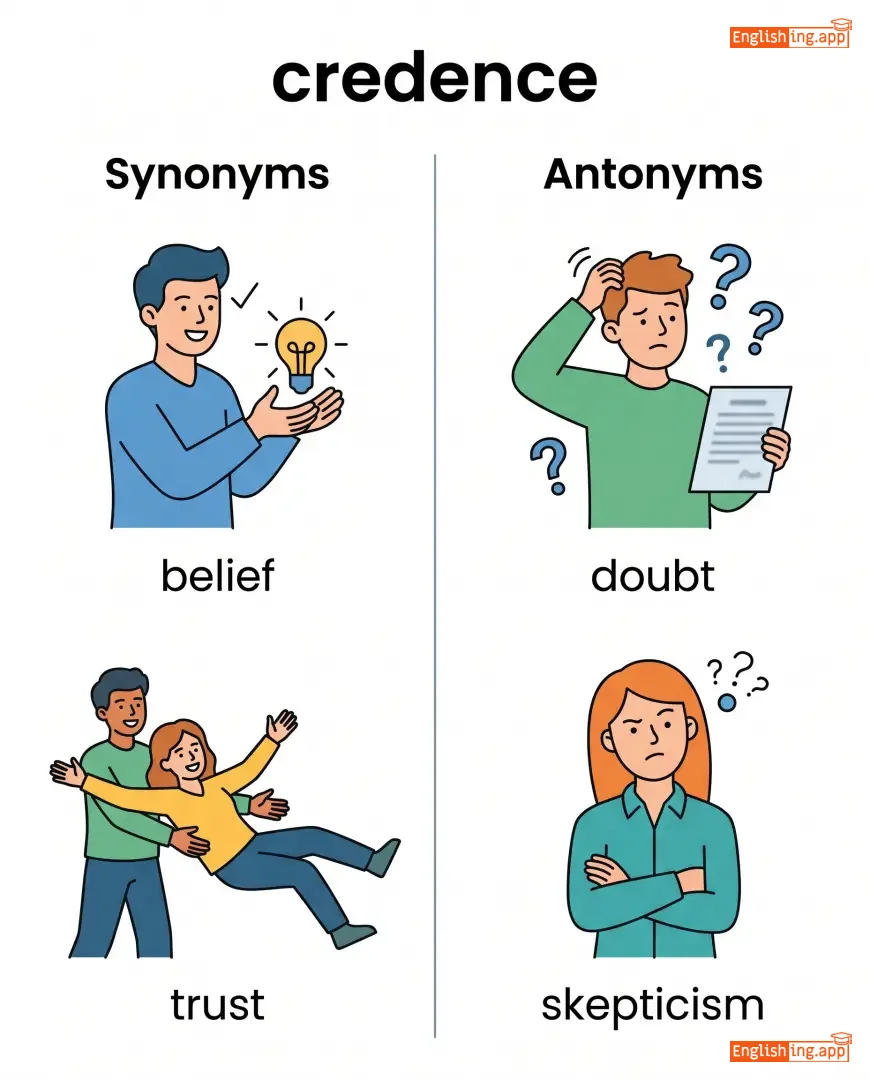
belief, trust, faith, confidence
••••••
|
doubt, skepticism
••••••
|
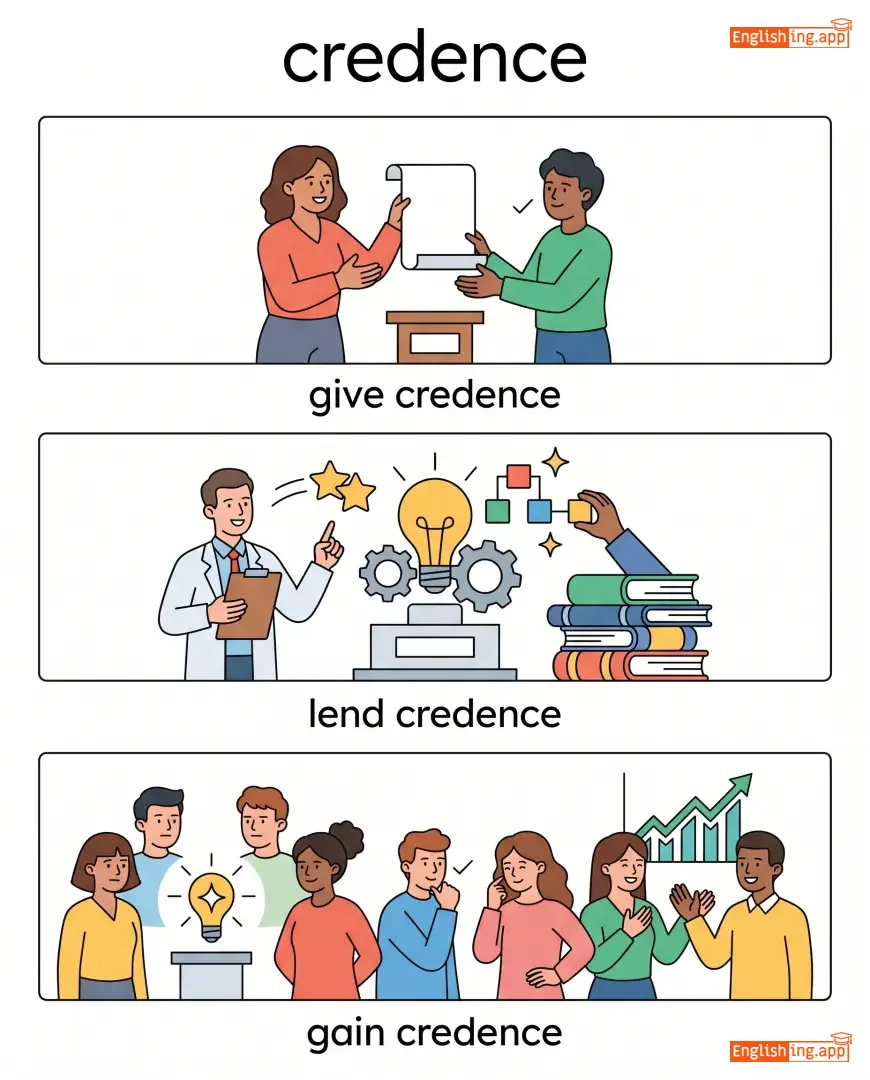
give credence, lend credence, gain credence, credibility and credence
••••••
|
CREDENCE是信任 (xìnrèn). Credible news gives credence
••••••
|
|
#1996
😊
|
/kɔɪ/
adjective
(koi)
••••••
|
- •••••• |
害羞的, 内向的
haixiu de, neixiang de
••••••
|
- •••••• | - •••••• | - •••••• | - •••••• |
reluctant to give details or reveal feelings; shy or reserved
••••••
|
She gave a coy smile when asked about her plans. |
当被问及她的计划时,她露出了一丝害羞的微笑。
Dang bei wenji ta de jihua shi, ta luchu le yisi haixiu de weixiao.
••••••
|
- •••••• | - •••••• | - •••••• |
shy, bashful, demure, reserved
••••••
|
bold, forward, assertive
••••••
|
coy smile, coy glance, coy manner
••••••
|
COY就像一个害羞的孩子躲起来
••••••
|
|
#1997
🍮
|
/ˈkriːmi/
adjective
(kǐlìmí)
••••••
|
- •••••• |
像奶油一样光滑、丰富的质地
xiang naiyou yixiang guanghua, fengfu de zhidi
••••••
|
- •••••• | - •••••• | - •••••• | - •••••• |
having a smooth, rich texture like cream
••••••
|
She poured a creamy sauce over the pasta. |
她把奶油般的酱汁倒在了意大利面上。
Tā bǎ nǎiyóu bān de jiàngzhī dào zài le yìdàlì miàn shàng.
••••••
|
- •••••• | - •••••• | - •••••• |
smooth, rich, velvety, milky
••••••
|
watery, thin
••••••
|
creamy texture, creamy sauce, creamy dessert
••••••
|
CREAMY 就是像奶油一样,光滑又丰富
••••••
|
|
#1998
🧈
|
/ˈkriːməri/
noun
(kǔrìmì)
••••••
|
- •••••• |
奶制品厂
nǎi zhìpǐn chǎng
••••••
|
- •••••• | - •••••• | - •••••• | - •••••• |
a place where milk and cream are processed and dairy products are made
••••••
|
The local creamery produces fresh butter and cheese daily. |
当地的奶制品厂每天生产新鲜的黄油和奶酪。
Dāngdì de nǎi zhìpǐn chǎng měitiān shēngchǎn xīnxiān de huángyóu hé nǎilào.
••••••
|
- •••••• | - •••••• | - •••••• |
dairy, dairy farm, milk factory, butter factory
••••••
|
- •••••• |
local creamery, small creamery, creamery products
••••••
|
奶制品厂 - 牛奶和奶油的家
••••••
|
|
#1999
🚪
|
/kriːk/
verb
(kùlè)
••••••
|
- •••••• |
发出高音尖锐的吱吱声
fā chū gāo yīn jiān ruì de zhī zhī shēng
••••••
|
creaked
kùlèd
••••••
|
creaked
kùlèd
••••••
|
creaks
kùlè
••••••
|
creaking
kùlèng
••••••
|
to make a high-pitched, squeaking noise when moved
••••••
|
The old door creaked as she opened it.
那扇旧门在她打开时发出了咯吱声。
••••••
|
那扇旧门在她打开时发出了咯吱声。
Nà shàn jiù mén zài tā dǎ kāi shí fā chūle gē zhī shēng.
••••••
|
- •••••• | - •••••• | - •••••• |
squeak, groan, screech, rustle
••••••
|
silence, stillness
••••••
|
creak under, floor creaks, door creaks
••••••
|
CREAK声,像门开时的声音
••••••
|
|
#2000
🍫
|
/ˈkreɪvɪŋ/
noun
(克雷文)
••••••
|
- •••••• |
渴望, 强烈的欲望
kěwàng, qiángliè de yùwàng
••••••
|
- •••••• | - •••••• | - •••••• | - •••••• |
a strong desire for something
••••••
|
She has a craving for chocolate every evening.
她每晚都渴望吃巧克力。
••••••
|
她每晚都渴望吃巧克力。
Tā měi wǎn dōu kěwàng chī qiǎokèlì.
••••••
|
- •••••• | - •••••• | - •••••• |
desire, longing, urge, hankering
••••••
|
aversion, dislike
••••••
|
craving for, intense craving, sudden craving
••••••
|
CRAVING表示想吃巧克力 - Craving is a strong desire
••••••
|
|
#2001
😨
|
/ˈkreɪvən/
adjective
(kè rèn)
••••••
|
|
懦夫
nuo fu
••••••
|
- •••••• | - •••••• | - •••••• | - •••••• |
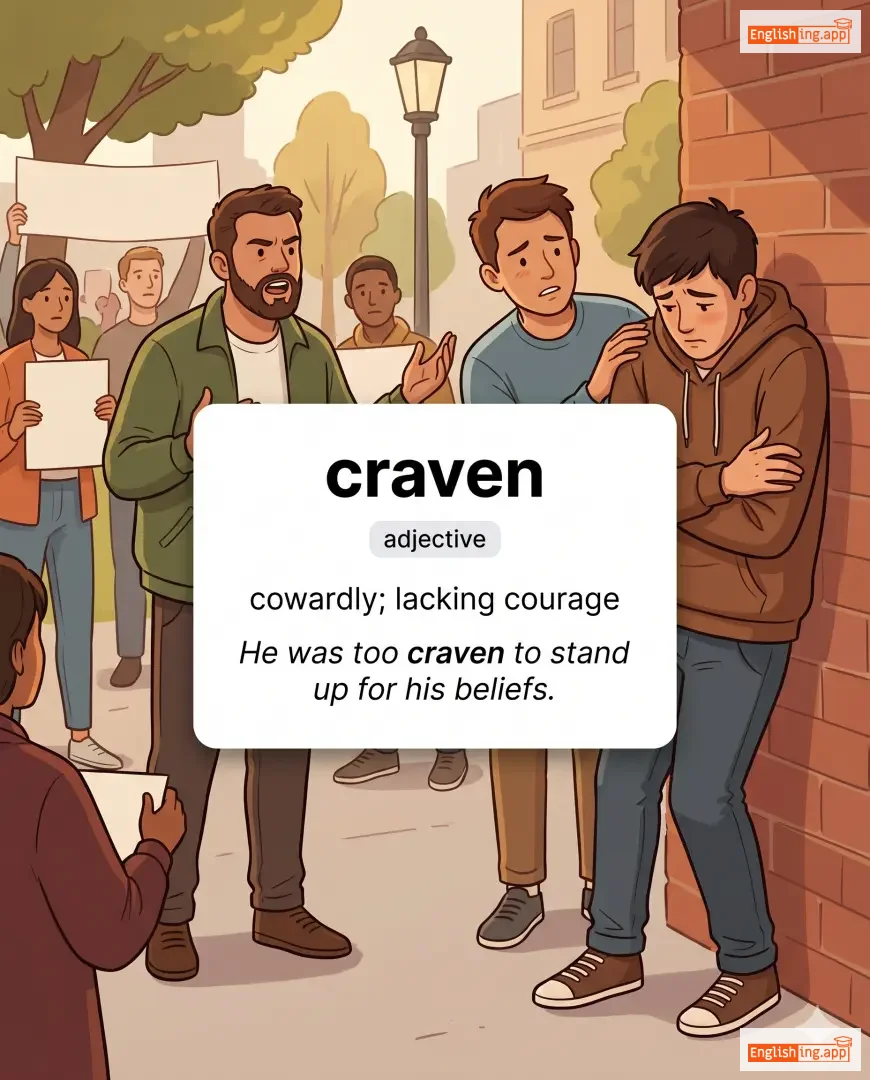
cowardly; lacking courage
••••••
|
He was too craven to stand up for his beliefs.
他太懦弱,无法捍卫自己的信念。
••••••
|
他太懦弱,无法捍卫自己的信念。
Ta tai nuo ruo, wu fa han wei zi ji de xin nian.
••••••
|
- •••••• | - •••••• | - •••••• |
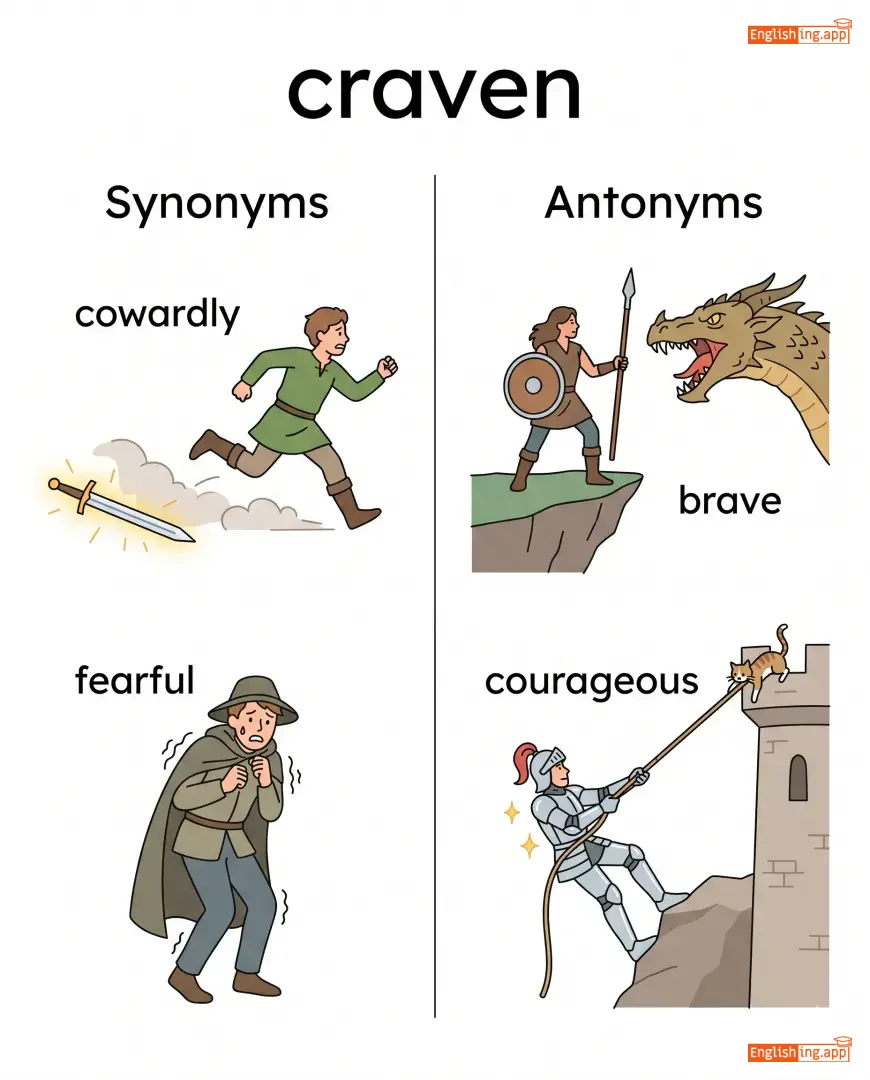
cowardly, fearful, timid, pusillanimous
••••••
|
brave, courageous, bold
••••••
|
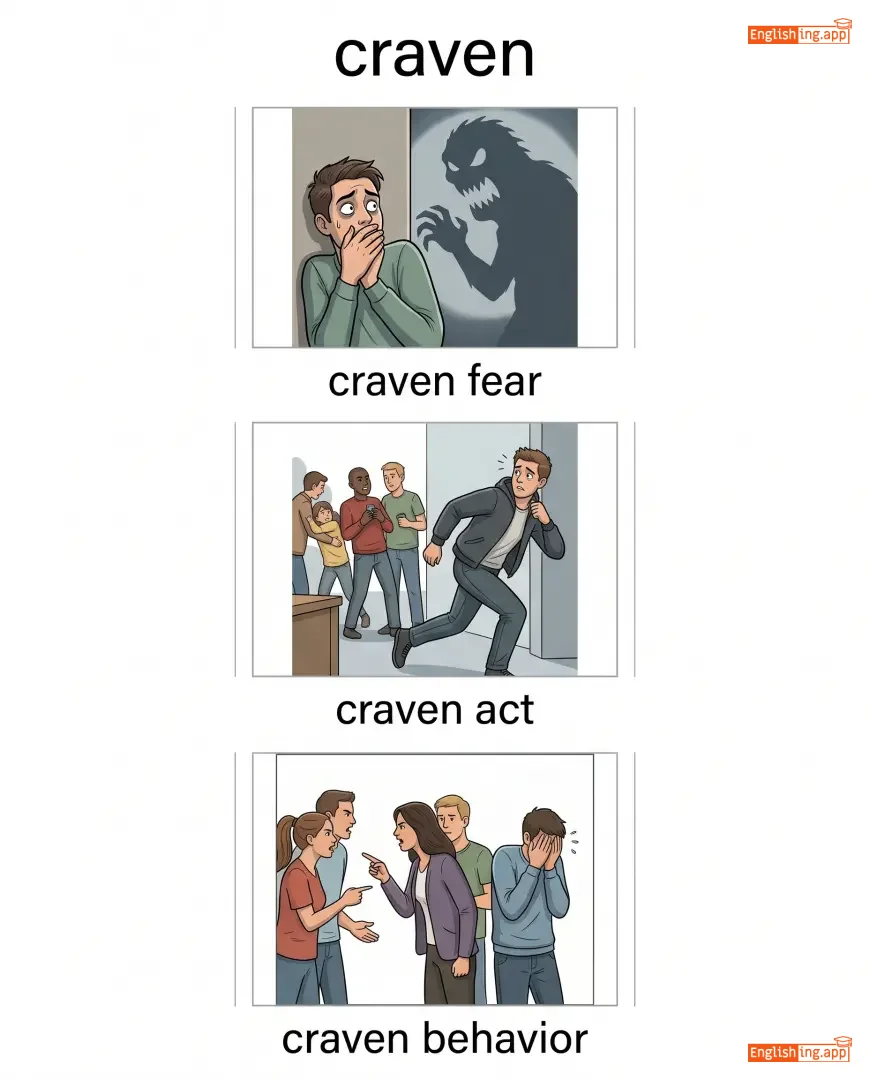
craven fear, craven act, craven behavior
••••••
|
CRAVE 没有勇气,懦夫
••••••
|
|
#2002
🤤
|
/kreɪv/
verb
(kruìf)
••••••
|
- •••••• |
渴望, 强烈的欲望
kěwàng, qiángliè de yùwàng
••••••
|
craved
kruìfd
••••••
|
craved
kruìfd
••••••
|
craves
kruìfs
••••••
|
craving
kruìvɪng
••••••
|
to have a strong desire for something
••••••
|
She craves adventure and often travels to remote places.
她渴望冒险,并经常前往偏远的地方。
••••••
|
她渴望冒险,并经常前往偏远的地方。
Tā kěwàng màoxiǎn, bìng jīngcháng qiánwǎng piānyuǎn de dìfāng.
••••••
|
- •••••• | - •••••• | - •••••• |
desire, long for, yearn, want
••••••
|
reject, refuse
••••••
|
crave attention, crave affection, crave chocolate, crave freedom
••••••
|
她CRAVE巧克力 - Strong desire for chocolate
••••••
|
|
#2003
🙄
|
/kræs/
adjective
(kras)
••••••
|
- •••••• |
粗鲁的,缺乏敏感性或精致
cūlǔ de, quēfá mǐngǎn xìng huò jīngzhì
••••••
|
- •••••• | - •••••• | - •••••• | - •••••• |
lacking sensitivity, refinement, or intelligence
••••••
|
His crass remarks offended everyone at the meeting.
他的粗鲁言论在会议上冒犯了每个人。
••••••
|
他的粗鲁言论在会议上冒犯了每个人。
Tā de cūlǔ yánlùn zài huìyì shàng màofàn le měi gè rén.
••••••
|
- •••••• | - •••••• | - •••••• |
insensitive, coarse, stupid, rude
••••••
|
refined, sensitive, intelligent
••••••
|
crass behavior, crass mistake, crass comment, crass insensitivity
••••••
|
CRASS 就像 '粗鲁',意味着不敏感
••••••
|
|
#2004
🧠
|
/ˈkreɪniəm/
noun
(颅骨)
••••••
|
- •••••• |
颅骨
lugǔ
••••••
|
- •••••• | - •••••• | - •••••• | - •••••• |
the skull, especially the part enclosing the brain
••••••
|
The archaeologists carefully examined the ancient cranium.
考古学家仔细检查了古老的颅骨。
••••••
|
考古学家仔细检查了古老的颅骨。
Kǎogǔ xuéjiā zǐxì jiǎnchá le gǔlǎo de lúgǔ.
••••••
|
- •••••• | - •••••• | - •••••• |
skull, head, braincase
••••••
|
- •••••• |
human cranium, examine cranium, cranium fracture, cranium size
••••••
|
LUGU是大脑的保护壳 - 想象颅骨保护大脑
••••••
|
|
#2005
📦
|
/kræmpt/
adjective
(kræmpt)
••••••
|
- •••••• |
狭小, 不舒服地小
xiaxiao, bushi fufude xiao
••••••
|
- •••••• | - •••••• | - •••••• | - •••••• |
uncomfortably small or restricted
••••••
|
The room was so cramped that we could barely move. |
房间太小了,以至于我们几乎不能移动。
Fángjiān tài xiǎo le, yǐzhì wǒmen jīhū bùnéng yídòng.
••••••
|
- •••••• | - •••••• | - •••••• |
confined, tight, restricted, crowded
••••••
|
spacious, roomy
••••••
|
cramped space, feel cramped, cramped quarters, cramped seating
••••••
|
CRAMPED 在小房间 - Feel cramped in small space
••••••
|
|
#2006
🪨
|
/kræɡ/
noun
(kræg)
••••••
|
- •••••• |
陡峭的悬崖或岩石面
dou qiao de xuan ya huo yan shi mian
••••••
|
- •••••• | - •••••• | - •••••• | - •••••• |
a steep or rugged cliff or rock face
••••••
|
The hikers climbed the jagged crag to reach the summit. |
远足者攀登陡峭的岩石面到达山顶。
Yuan zu zhe pan deng dou qiao de yan shi mian dao da shan ding.
••••••
|
- •••••• | - •••••• | - •••••• |
cliff, rock, bluff, precipice
••••••
|
plain, valley
••••••
|
rocky crag, jagged crag, climb a crag, overlook a crag
••••••
|
爬CRAG山避免CRASH - Hikers climb crag carefully
••••••
|
|
#2007
🦊
|
/ˈkræfti/
adjective
(kræfti)
••••••
|
- •••••• |
狡猾的, 精明的, 狡诈的
jiǎohuá de, jīngmíng de, jiǎozhà de
••••••
|
- •••••• | - •••••• | - •••••• | - •••••• |
skilled at achieving goals through cunning or deceit; sly
••••••
|
The crafty fox evaded the hunters again. |
狡猾的狐狸再次躲过了猎人的追捕。
Jiǎohuá de húlí zàicì duǒguòle lièrén de zhuībǔ.
••••••
|
- •••••• | - •••••• | - •••••• |
cunning, sly, clever, wily
••••••
|
honest, naive, straightforward
••••••
|
crafty plan, crafty move, crafty trick
••••••
|
CRAFTY fox 狡猾和精明 - Crafty like a clever fox
••••••
|
|
#2008
🛠️
|
/kræft/
noun
(克拉夫特)
••••••
|
- •••••• |
技能,工艺,手工艺
jineng, gongyi, shougongyi
••••••
|
- •••••• | - •••••• | - •••••• | - •••••• |
an activity involving skill in making things by hand; a trade or occupation
••••••
|
She has mastered the craft of pottery. |
她精通陶艺的工艺。
Ta jingtong taoyi de gongyi.
••••••
|
- •••••• | - •••••• | - •••••• |
skill, art, trade, handiwork
••••••
|
ignorance, ineptitude
••••••
|
craft beer, craft skills, craft market, traditional craft
••••••
|
CRAFT 就像手工艺 - 记住 craft 作为技能
••••••
|
|
#2009
📝
|
/ˈkræbɪd/
adjective
(kræbɪd)
••••••
|
- •••••• |
难以阅读, 脾气坏
nán yǐ yuèdú, píqì huài
••••••
|
- •••••• | - •••••• | - •••••• | - •••••• |
difficult to read or understand; ill-tempered
••••••
|
His handwriting was crabbed and almost illegible. |
他的字迹难以阅读,几乎无法辨认。
Tā de zìjì nán yǐ yuèdú, jīhū wúfǎ biànrèn.
••••••
|
- •••••• | - •••••• | - •••••• |
illegible, cramped, surly, cross
••••••
|
clear, legible, cheerful
••••••
|
crabbed handwriting, crabbed style, crabbed expression
••••••
|
‘Crabbed’ 就像螃蟹一样,难以理解,脾气暴躁。
••••••
|
|
#2010
🤑
|
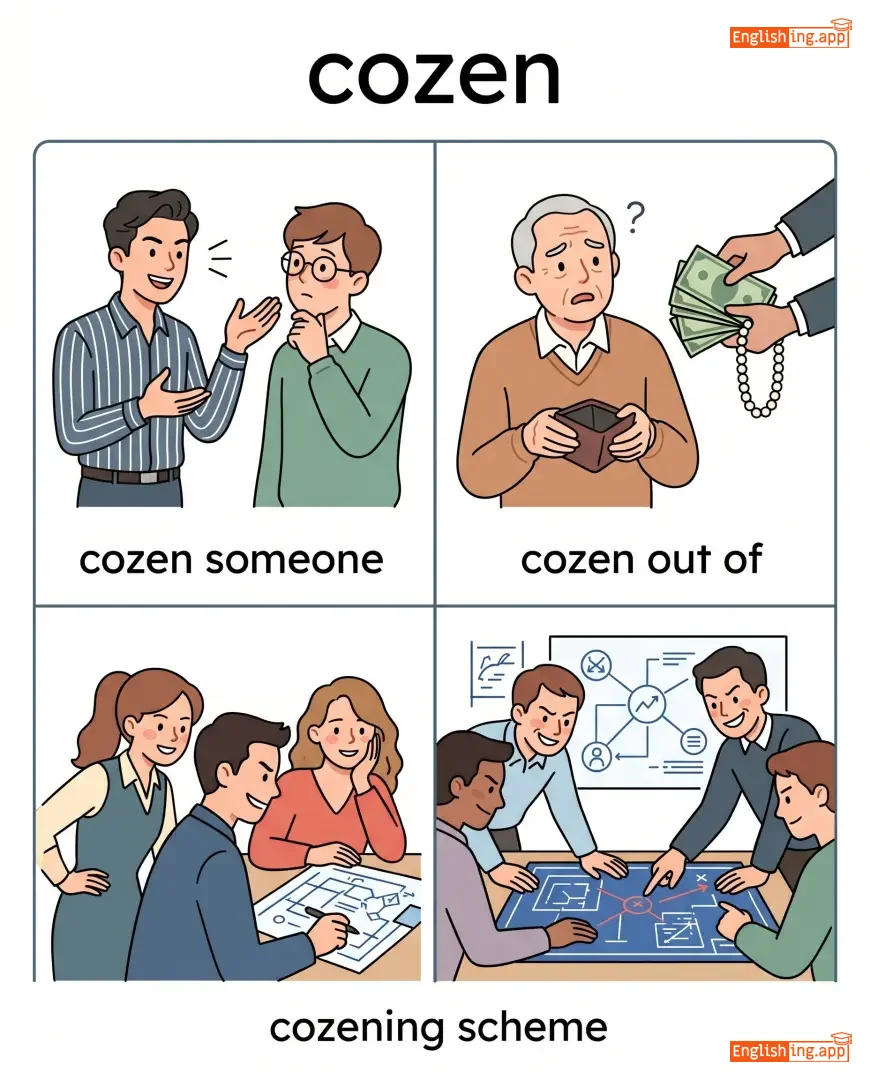
/ˈkʌzən/
verb
(科兹恩)
••••••
|
|
欺骗,诈骗
qīpiàn, zhàpiàn
••••••
|
cozened
科兹恩德
••••••
|
cozened
科兹恩德
••••••
|
cozens
科兹恩斯
••••••
|
cozening
科兹宁
••••••
|
to deceive, cheat, or trick someone
••••••
|
He cozened the old man out of his money.
他欺骗了老人并夺走了他的錢。
••••••
|
他欺骗了老人并夺走了他的錢。
Tā qīpiàn le lǎorén bìng duózǒu le tā de qián.
••••••
|
- •••••• | - •••••• | - •••••• |
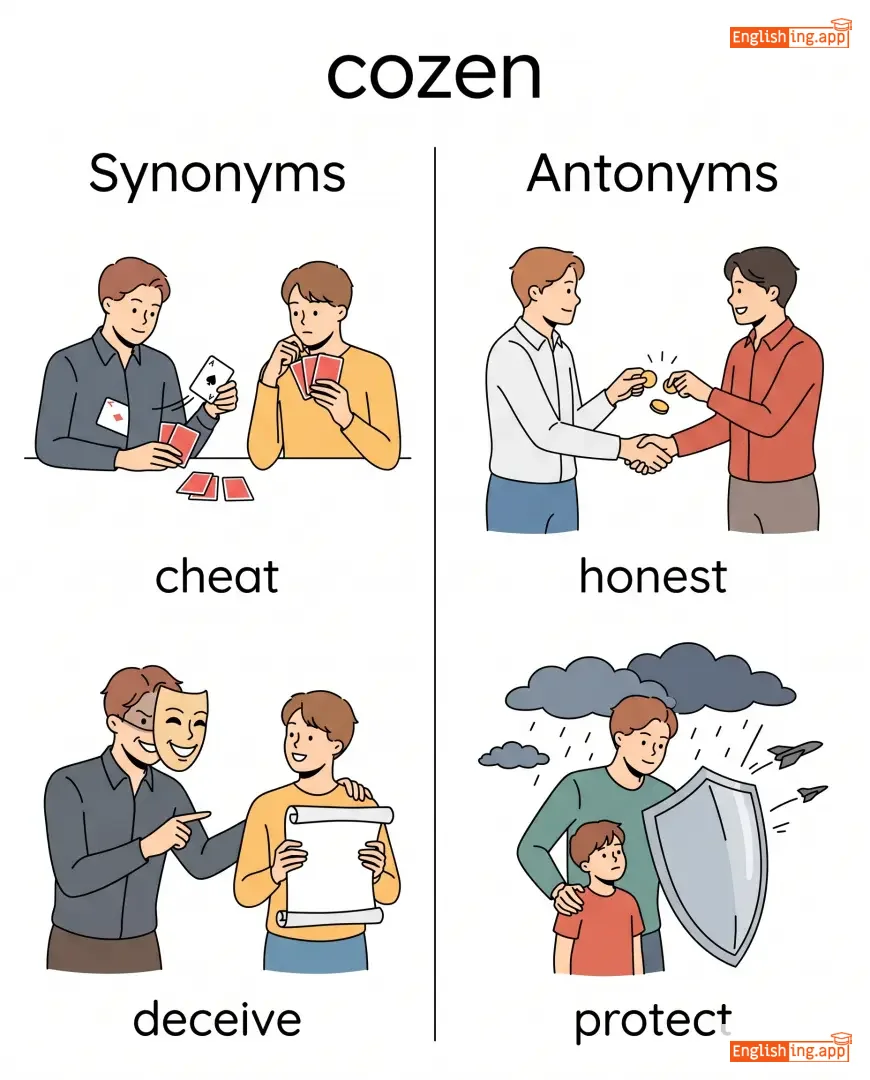
cheat, deceive, trick, defraud
••••••
|
honest, protect, safeguard
••••••
|
cozen someone, cozen out of, cozening scheme
••••••
|
COZEN - 欺骗像是表兄弟 'cousin' 一样
••••••
|
Vocabulary Quiz
Test your vocabulary by matching words with their translations or meanings.
Login to take the quiz
Comments (0)
Share your thoughts and join the discussion.
Join the discussion by logging in
Login to CommentNo comments yet
Be the first to share your thoughts!