

Swipe left or right, or use the buttons. Tap image to zoom.
例句翻译
单词
Lesson 412Lesson 412 - 遮罩切换
|
表情符号
|
单词 | Images | 翻译 | 过去时 | 过去分词 | 第三人称单数 | 动名词 | 含义 | 例句 | 例句翻译 | 示例表达 | 示例表达含义 | 示例表达翻译 | 同义词 | 反义词 | 搭配词 | 助记符 |
|---|---|---|---|---|---|---|---|---|---|---|---|---|---|---|---|---|---|
|
#12325
👤
|
/huːm/
pronoun
(hūm)
••••••
|
- •••••• |
谁
shei
••••••
|
- •••••• | - •••••• | - •••••• | - •••••• |
used to refer to the person or people that something is done to
••••••
|
The man whom I met yesterday is my friend. |
我昨天遇到的那个人是我的朋友。
Wǒ zuótiān yùdào de nàgè rén shì wǒ de péngyǒu.
••••••
|
- •••••• | - •••••• | - •••••• |
who, that, the person
••••••
|
none
••••••
|
whom I met, whom I saw, to whom it may concern
••••••
|
Whom sounds like 'Shei' - 'Shei' as in the person you met.
••••••
|
|
#12326
❄️
|
/ˈwɪntər/
noun
(wìntè)
••••••
|
- •••••• |
冬天
dongtian
••••••
|
- •••••• | - •••••• | - •••••• | - •••••• |
the coldest season of the year, typically from December to February in the Northern Hemisphere
••••••
|
Winter in the north can be very harsh with heavy snowfall. |
北方的冬天可能非常严酷,伴随着大量降雪。
Beifang de dongtian keneng feichang yanku, bansuizhe daliang jiangxue.
••••••
|
- •••••• | - •••••• | - •••••• |
cold season, frosty period, chill, snowfall
••••••
|
summer, spring
••••••
|
harsh winter, cold winter, winter season, winter break
••••••
|
冬天冰雪覆盖 - Winter means snow and ice.
••••••
|
|
#12327
🏆
|
/ˈwɪnər/
noun
(wɪnɚ)
••••••
|
- •••••• |
赢家
yíngjiā
••••••
|
- •••••• | - •••••• | - •••••• | - •••••• |
a person who wins a competition or contest
••••••
|
She was the winner of the race. |
她是比赛的赢家。
Tā shì bǐsài de yíngjiā.
••••••
|
- •••••• | - •••••• | - •••••• |
champion, victor, first-place
••••••
|
loser, defeated
••••••
|
race winner, competition winner, winner takes all
••••••
|
Winners wear trophies—imagine yourself holding a shiny trophy as a winner!
••••••
|
|
#12328
🕊️
|
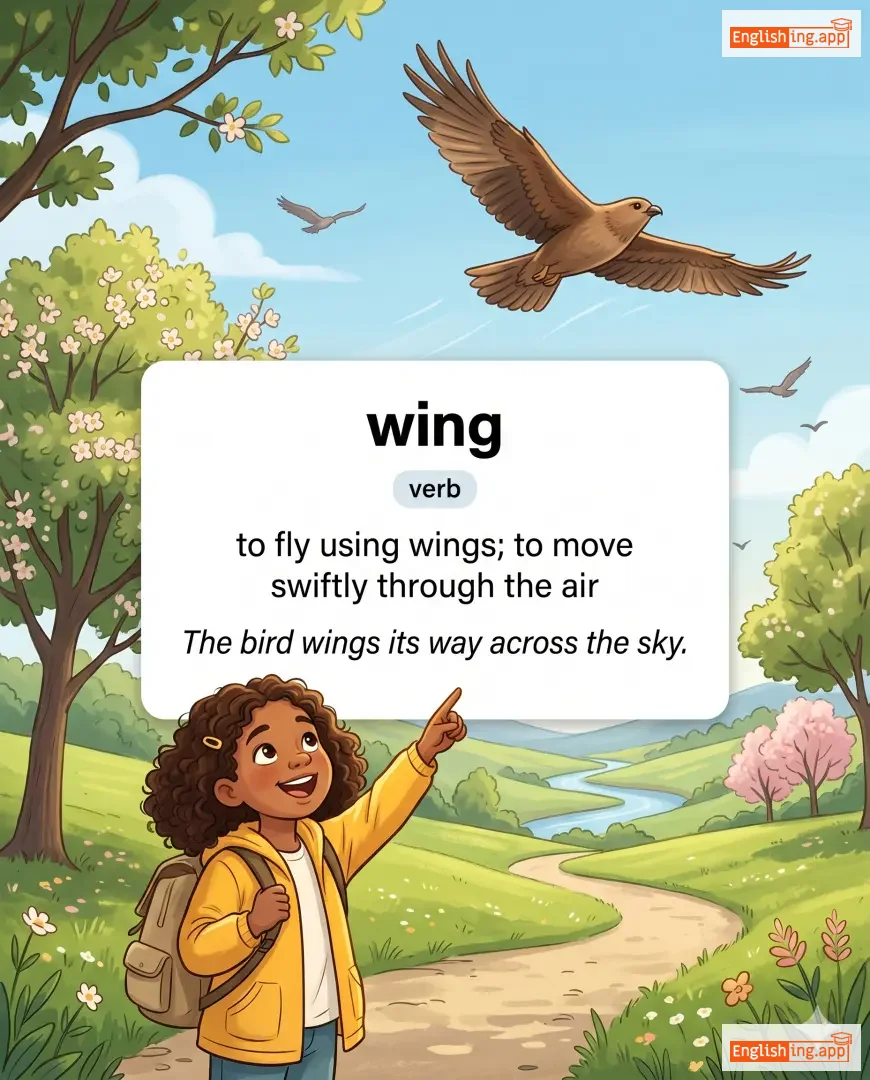
/wɪŋ/
noun
(wɪŋ)
••••••
|
|
翅膀
chìbǎng
••••••
|
- •••••• | - •••••• | - •••••• | - •••••• |
a part of a bird or aircraft that is used for flying
••••••
|
The bird flapped its wings and flew away. |
鸟展开翅膀飞走了。
Niǎo zhǎn kāi chìbǎng fēi zǒu le.
••••••
|
- •••••• | - •••••• | - •••••• |
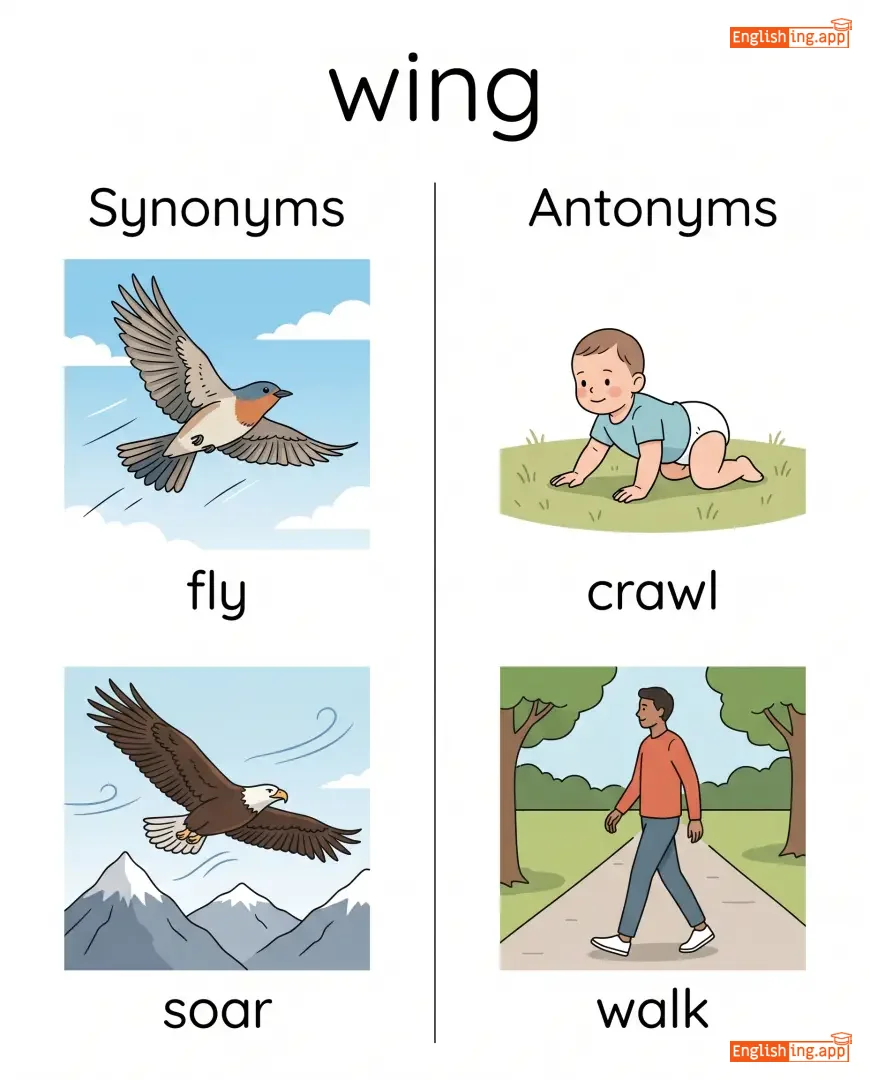
feather, fin, appendage
••••••
|
body, center
••••••
|
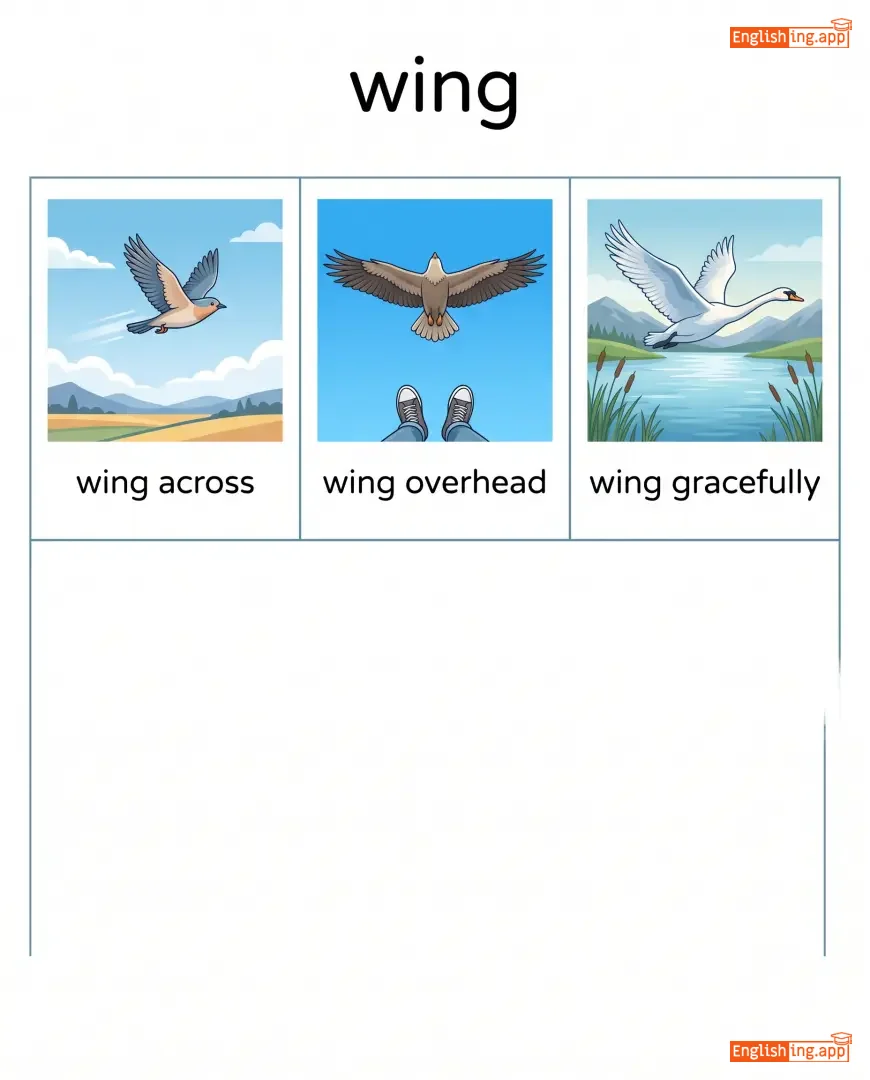
bird's wing, fly with wings, wing span
••••••
|
想象一只鸟张开翅膀飞向天空!
••••••
|
|
#12329
🍷
|
/waɪn/
noun
(wāin)
••••••
|
- •••••• |
酒
jiu
••••••
|
- •••••• | - •••••• | - •••••• | - •••••• |
an alcoholic drink made from fermented grapes or other fruits
••••••
|
They served a glass of red wine at the dinner.
他们在晚餐时提供了一杯红酒。
••••••
|
他们在晚餐时提供了一杯红酒。
Tāmen zài wǎncān shí tígōngle yī bēi hóngjiǔ.
••••••
|
- •••••• | - •••••• | - •••••• |
vino, beverage, drink, alcohol
••••••
|
water, juice
••••••
|
red wine, white wine, glass of wine, bottle of wine
••••••
|
Wine pairs with dinner—imagine a glass of red wine with a fancy meal!
••••••
|
|
#12330
🪟
|
/ˈwɪndəʊ/
noun
(windo)
••••••
|
- •••••• |
窗户
chuanghu
••••••
|
- •••••• | - •••••• | - •••••• | - •••••• |
an opening in a wall or structure that allows light or air to pass through, usually covered with glass or other material
••••••
|
I opened the window to let the fresh air in.
我打开了窗户,让新鲜空气进来。
••••••
|
我打开了窗户,让新鲜空气进来。
Wo dakaile chuanghu, rang xinxian kongqi jinlai.
••••••
|
- •••••• | - •••••• | - •••••• |
pane, glass, aperture, opening
••••••
|
wall, door
••••••
|
open window, close window, window pane, large window
••••••
|
窗户是空气进入的地方,就像是打开世界的窗口。
••••••
|
|
#12331
🌬️
|
/wɪnd/
noun
(wīnd)
••••••
|
- •••••• |
风
feng
••••••
|
- •••••• | - •••••• | - •••••• | - •••••• |
moving air, especially in the form of a current of air blowing from a particular direction
••••••
|
The wind is blowing strong today. |
今天风很大。
Jīntiān fēng hěn dà.
••••••
|
- •••••• | - •••••• | - •••••• |
breeze, gust, draft, airflow
••••••
|
calm, stillness
••••••
|
strong wind, cold wind, gentle wind, wind blows
••••••
|
Feng is the Chinese word for wind, imagine the 'feng' sweeping through a Chinese bamboo forest.
••••••
|
|
#12332
👍
|
/ˈwɪlɪŋ/
adjective
(wɪlɪŋ)
••••••
|
- •••••• |
愿意
yuànyì
••••••
|
- •••••• | - •••••• | - •••••• | - •••••• |
ready, inclined, or eager to do something
••••••
|
She was willing to help with the project. |
她愿意帮助这个项目。
tā yuànyì bāngzhù zhège xiàngmù.
••••••
|
- •••••• | - •••••• | - •••••• |
eager, enthusiastic, ready, prepared
••••••
|
unwilling, reluctant
••••••
|
willing participant, willing to help, willing attitude
••••••
|
Willing means ready and able 👍
••••••
|
|
#12333
✍️
|
/wɪl/
noun, verb
(wɪl)
••••••
|
- •••••• |
意愿
yiyuan
••••••
|
- •••••• | - •••••• |
wills
wɪlz
••••••
|
willing
wɪlɪŋ
••••••
|
expressing future tense or intention; a legal document
••••••
|
She will attend the meeting tomorrow.
她明天将参加会议。
••••••
|
她明天将参加会议。
Ta mingtian jiang canjia huiyi.
••••••
|
Will to power
权力意志
••••••
|
the drive to assert one's own will over others
••••••
|
权力意志
Quanli yizhi
••••••
|
intend, shall, want, determination
••••••
|
won't, unwilling
••••••
|
last will, will and testament, strong will
••••••
|
意志力量,未来的意志 ✍️
••••••
|
|
#12334
👩❤️👨
|
/waɪf/
noun
(wǎifū)
••••••
|
- •••••• |
妻子
qīzi
••••••
|
- •••••• | - •••••• | - •••••• | - •••••• |
a woman who is married to someone
••••••
|
She is the wife of the famous author. |
她是著名作家的妻子。
Tā shì zhùmíng zuòjiā de qīzi.
••••••
|
- •••••• | - •••••• | - •••••• |
spouse, partner, better half
••••••
|
husband
••••••
|
wife and husband, loving wife, devoted wife
••••••
|
‘Qīzi’ means wife in Chinese! A great memory link.
••••••
|
|
#12335
🌍
|
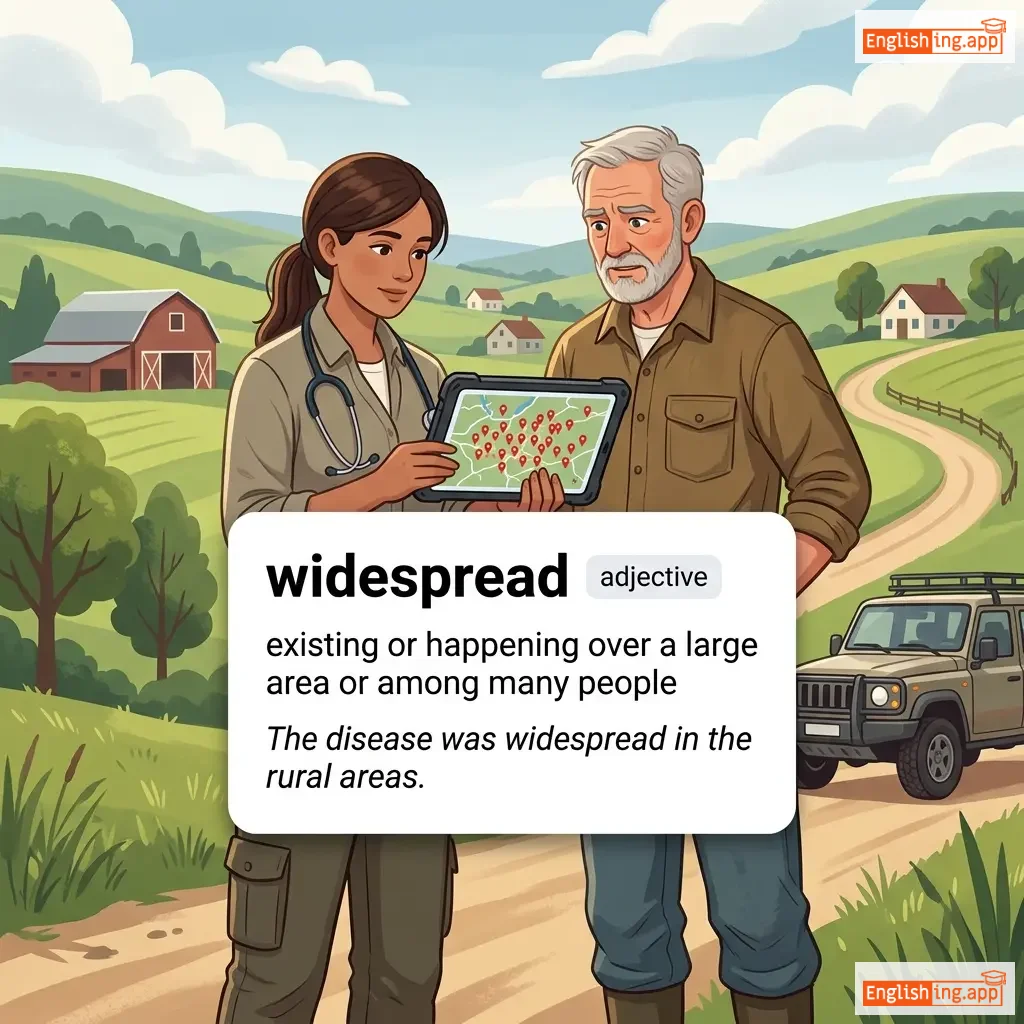
/ˈwaɪdˌsprɛd/
adjective
(wāi dé sī pēi dé)
••••••
|
|
广泛传播的
guǎngfàn chuánbō de
••••••
|
- •••••• | - •••••• | - •••••• | - •••••• |
existing or happening over a large area or among many people
••••••
|
The disease was widespread in the rural areas. |
这种疾病在农村地区广泛传播。
Zhè zhǒng jíbìng zài nóngcūn dìqū guǎngfàn chuánbō.
••••••
|
- •••••• | - •••••• | - •••••• |
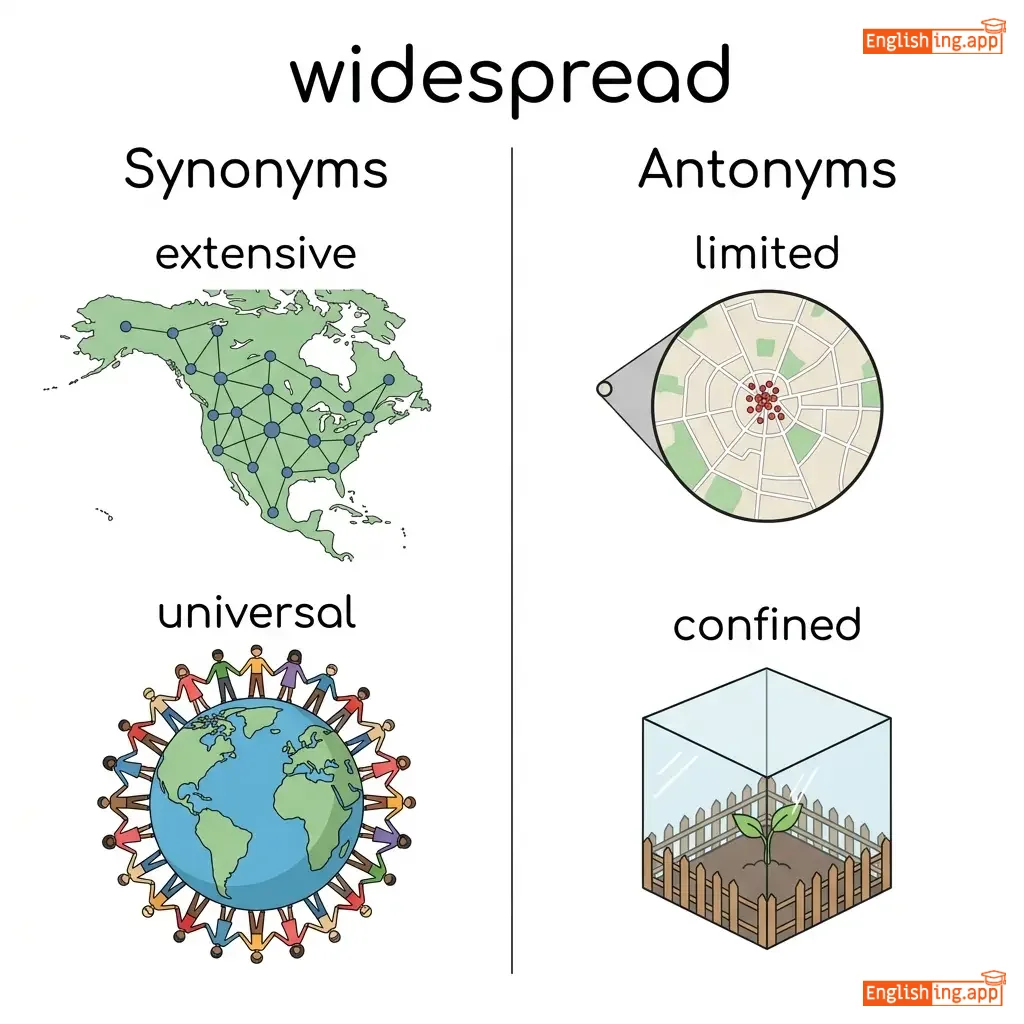
extensive, universal, far-reaching, pervasive
••••••
|
limited, confined
••••••
|
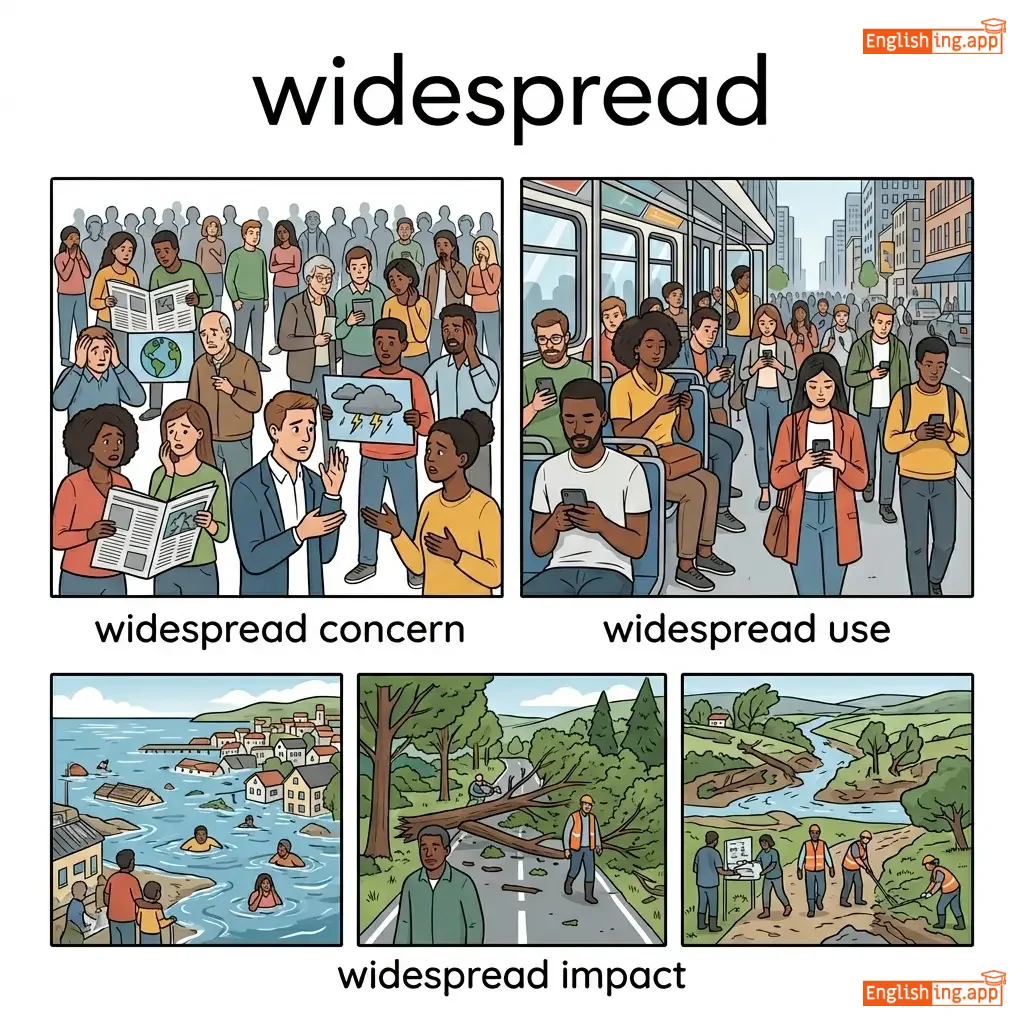
widespread concern, widespread use, widespread impact
••••••
|
Widespread – 就像一波浪潮在四处传播 🌍
••••••
|
|
#12336
🌍
|
/ˈwaɪdli/
adverb
(wáidìlì)
••••••
|
- •••••• |
广泛地
guǎngfàn de
••••••
|
- •••••• | - •••••• | - •••••• | - •••••• |
to a great extent or degree
••••••
|
The news of his promotion spread widely across the company. |
他晋升的消息在公司内广泛传播。
Tā jìnshēng de xiāoxī zài gōngsī nèi guǎngfàn chuánbò.
••••••
|
- •••••• | - •••••• | - •••••• |
extensively, broadly, widely, far
••••••
|
narrowly, limitedly
••••••
|
widely known, widely accepted, widely spread
••••••
|
Wide world 🌍 means a wide spread across everywhere!
••••••
|
|
#12337
🌍
|
/waɪd/
adjective
(wáid)
••••••
|
- •••••• |
宽
kuān
••••••
|
- •••••• | - •••••• | - •••••• | - •••••• |
having a great extent from side to side; broad
••••••
|
The river is wide enough to fit a boat.
The river is wáid enaf tú fit a bót.
••••••
|
这条河足够宽,足以容纳一艘船。
Zhe tiao he zhuo gou kuan, zu yi rong na yi sou chuan.
••••••
|
- •••••• | - •••••• | - •••••• |
broad, spacious, expansive, vast
••••••
|
narrow, tight, confined
••••••
|
wide river, wide road, wide range
••••••
|
Wide as 'Kuan' – vast and open!
••••••
|
|
#12338
❓
|
/waɪ/
adverb
(wài)
••••••
|
- •••••• |
为什么
wèishéme
••••••
|
- •••••• | - •••••• | - •••••• | - •••••• |
used to ask or talk about the reason for something
••••••
|
Why did you leave so early?
你为什么这么早就离开了?
••••••
|
你为什么这么早就离开了?
Nǐ wèishéme zhème zǎo jiù líkāi le?
••••••
|
- •••••• | - •••••• | - •••••• |
how come, for what reason
••••••
|
none
••••••
|
why not, why so, why did
••••••
|
Why do we ask why? – In Chinese, it’s ‘为什么’.
••••••
|
|
#12339
📱
|
/huːz/
pronoun
(húz)
••••••
|
- •••••• |
谁的
shéi de
••••••
|
- •••••• | - •••••• | - •••••• | - •••••• |
used to ask or talk about the person or thing that owns something
••••••
|
The girl whose phone was stolen is my cousin. |
那个女孩,手机被偷了,是我的表妹。
Nàgè nǚhái, shǒujī bèi tōu le, shì wǒ de biǎomèi.
••••••
|
- •••••• | - •••••• | - •••••• |
who's, that person’s, of whom
••••••
|
none
••••••
|
whose phone, whose book, whose idea
••••••
|
Whose phone is this? – 'Whose' connects to 'Shéi de diànhuà'.
••••••
|
|
#12340
🌎
|
/ˈwɛstərn/
adjective
(wèisītèrn)
••••••
|
- •••••• |
西方的
xīfāng de
••••••
|
- •••••• | - •••••• | - •••••• | - •••••• |
relating to or characteristic of the West, especially Europe and the Americas
••••••
|
She loves western music and culture. |
她喜欢西方的音乐和文化。
Tā xǐhuān xīfāng de yīnyuè hé wénhuà.
••••••
|
- •••••• | - •••••• | - •••••• |
occidental, westernized
••••••
|
eastern, oriental
••••••
|
western culture, western philosophy, western world
••••••
|
西方文化来自西方 - Western culture comes from the West.
••••••
|
|
#12341
🍰
|
/hoʊl/
adjective
(hōu)
••••••
|
- •••••• |
完整
wánzhěng
••••••
|
- •••••• | - •••••• | - •••••• | - •••••• |
all of something; complete or entire
••••••
|
He ate the whole cake by himself.
tā chīle zhěnggè dàngāo
••••••
|
他把整个蛋糕吃掉了。
Tā bǎ zhěnggè dàngāo chī diàole.
••••••
|
- •••••• | - •••••• | - •••••• |
entire, complete, full, total
••••••
|
partial, incomplete, fragmented
••••••
|
whole cake, whole process, whole family, whole truth
••••••
|
Whole dàngāo wánzhěng (Dàngāo Wánzhěng) - Whole cake is fully eaten.
••••••
|
|
#12342
🤔
|
/huː/
pronoun
(谁)
••••••
|
- •••••• |
谁
shui
••••••
|
- •••••• | - •••••• | - •••••• | - •••••• |
used to ask about a person or people
••••••
|
Who is coming to the party tonight? |
今晚谁来参加派对?
Jīnwǎn shuí lái cānjiā pàiduì?
••••••
|
- •••••• | - •••••• | - •••••• |
whoever, which person
••••••
|
none
••••••
|
who is, who are, who knows
••••••
|
To ask 'who' in Chinese, just say '谁'!
••••••
|
|
#12343
🤍
|
/waɪt/
adjective
(wàitè)
••••••
|
- •••••• |
白色
bái sè
••••••
|
- •••••• | - •••••• | - •••••• | - •••••• |
having the color of milk or fresh snow, the opposite of black
••••••
|
She wore a beautiful white dress to the party.
她穿着一件漂亮的白色连衣裙参加派对。
••••••
|
她穿着一件漂亮的白色连衣裙参加派对。
Tā chuānzhuó yī jiàn piàoliang de báisè liányīqún cānjiā pàiduì.
••••••
|
- •••••• | - •••••• | - •••••• |
pale, light, fair
••••••
|
black, dark
••••••
|
white shirt, white snow, white light
••••••
|
A white shirt shines bright just like 'bái sè' in Chinese!
••••••
|
|
#12344
🤫
|
/ˈwɪspər/
verb
(wɪspər)
••••••
|
|
低声说
dī shēng shuō
••••••
|
whispered
wɪspərd
••••••
|
whispered
wɪspərd
••••••
|
whispers
wɪspərs
••••••
|
whispering
wɪspərɪŋ
••••••
|
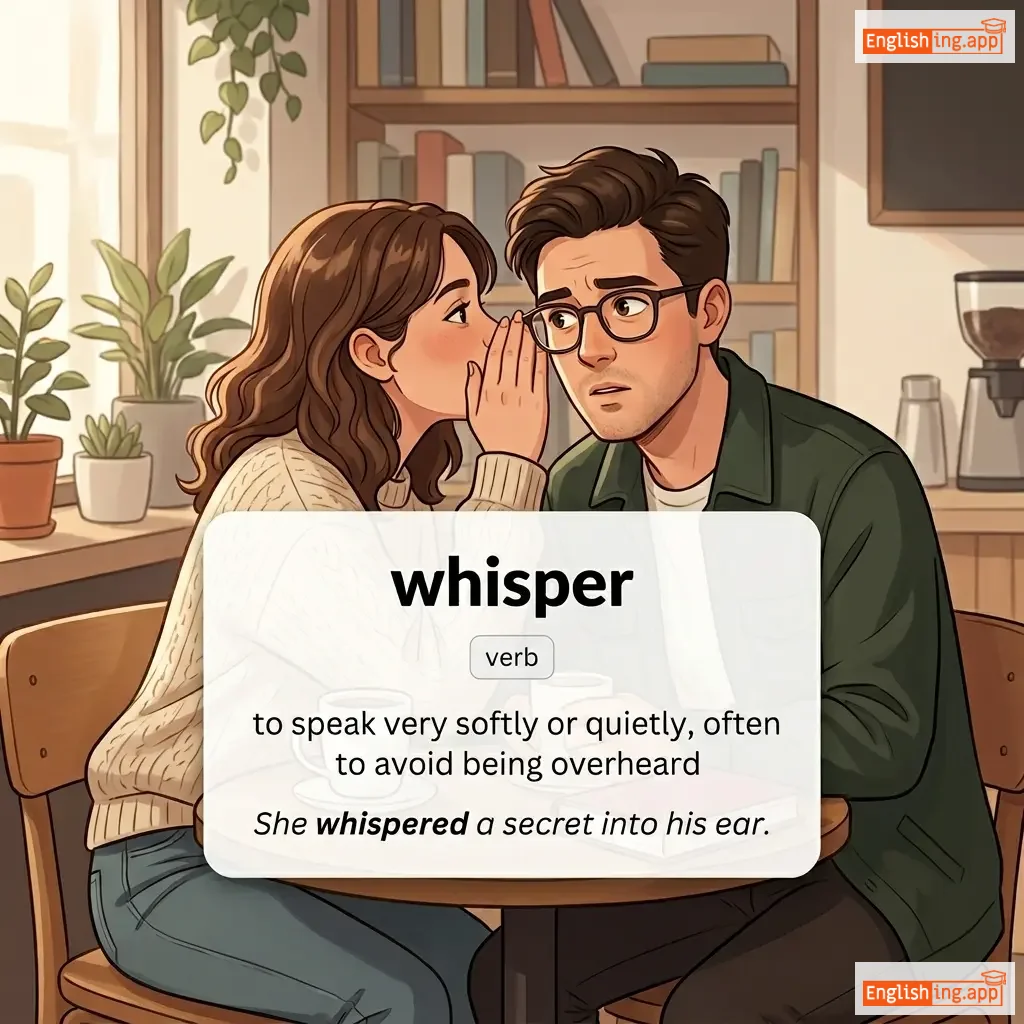
to speak very softly or quietly, often to avoid being overheard
••••••
|
She whispered a secret into his ear.
她低声对他耳语了一个秘密。
••••••
|
她低声对他耳语了一个秘密。
Tā dī shēng duì tā ěr yǔ le yīgè mìmì.
••••••
|
- •••••• | - •••••• | - •••••• |
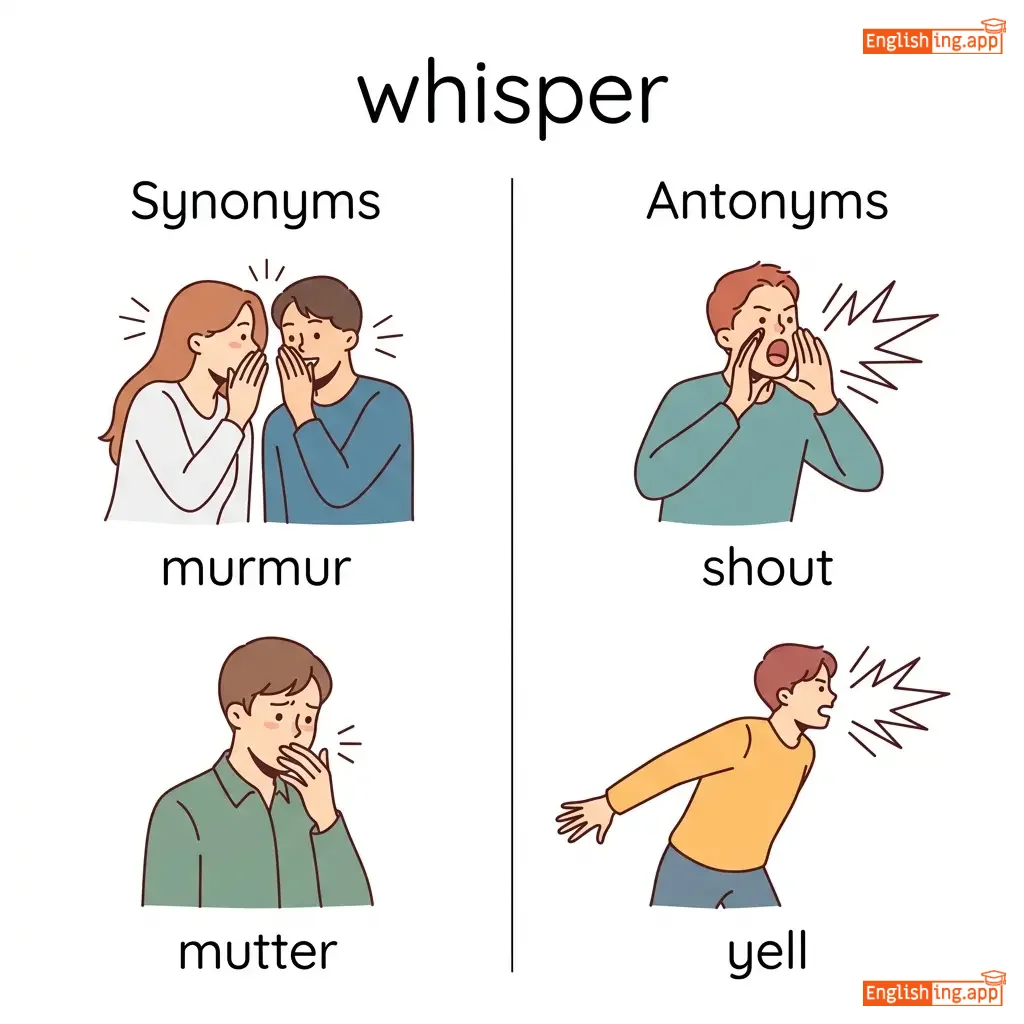
murmur, mutter, hiss
••••••
|
shout, yell
••••••
|
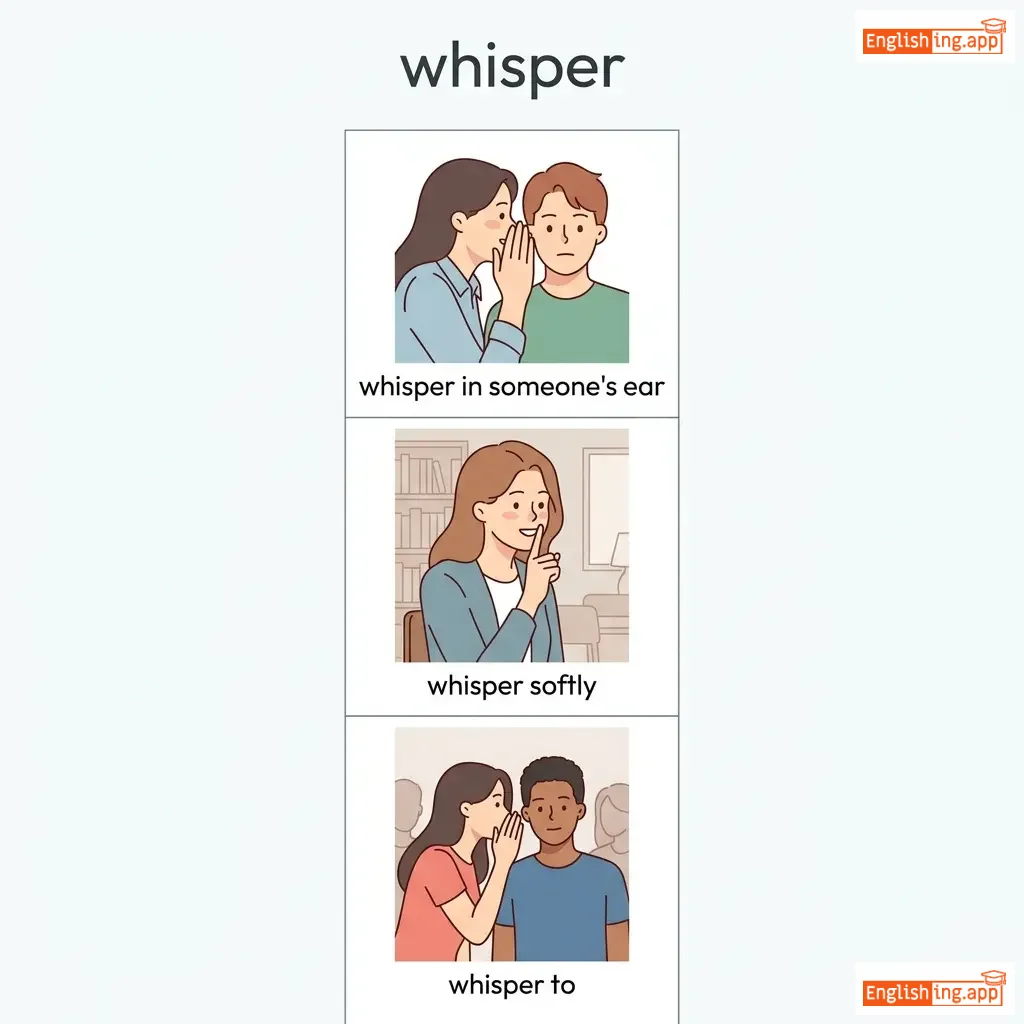
whisper in someone's ear, whisper softly, whisper to
••••••
|
低声说话,以免秘密被听到。
••••••
|
|
#12345
⏳
|
/waɪl/
conjunction
(wail)
••••••
|
- •••••• |
当...的时候
dāng ... de shíhòu
••••••
|
- •••••• | - •••••• | - •••••• | - •••••• |
during the time that something is happening
••••••
|
She was reading while waiting for the bus.
她在等公交车时正在读书。
••••••
|
她在等公交车时正在读书。
Tā zài děng gōngjiāo chē shí zhèngzài dúshū.
••••••
|
- •••••• | - •••••• | - •••••• |
as, when, during
••••••
|
none
••••••
|
while waiting, while studying, while traveling
••••••
|
当你等候时,记住中文的 '当...的时候'!
••••••
|
|
#12346
❓
|
/wɪtʃ/
pronoun
(wɪtʃ)
••••••
|
- •••••• |
哪个
nǎ ge
••••••
|
- •••••• | - •••••• | - •••••• | - •••••• |
used to ask about one or more items from a defined set
••••••
|
Which one do you prefer, the red or the blue? |
你更喜欢哪个,红色还是蓝色?
Nǐ gèng xǐ huān nǎ ge, hóng sè hái shì lán sè?
••••••
|
- •••••• | - •••••• | - •••••• |
what, that, who
••••••
|
none
••••••
|
which one, which way, which time
••••••
|
Which in Chinese is 'nǎ ge', it helps you choose!
••••••
|
|
#12347
🤔
|
/ˈwɛðər/
conjunction
(wéither)
••••••
|
- •••••• |
是否
shìfǒu
••••••
|
- •••••• | - •••••• | - •••••• | - •••••• |
used to express a doubt or choice between alternatives
••••••
|
I don’t know whether I should go.
我不知道我是否应该去。
••••••
|
我不知道我是否应该去。
Wǒ bù zhīdào wǒ shìfǒu yīnggāi qù.
••••••
|
- •••••• | - •••••• | - •••••• |
if, either
••••••
|
none
••••••
|
whether or not, whether to go, whether he will
••••••
|
是否 (shìfǒu) 问你是否做出决定
••••••
|
|
#12348
📍
|
/wɛr/
adverb
(wɛr)
••••••
|
- •••••• |
哪里
nǎ lǐ
••••••
|
- •••••• | - •••••• | - •••••• | - •••••• |
in or at what place or position
••••••
|
Where do you live? |
你住在哪里?
Nǐ zhù zài nǎ lǐ?
••••••
|
- •••••• | - •••••• | - •••••• |
location, place
••••••
|
nowhere
••••••
|
where is, where are, where did, where do
••••••
|
哪里 (nǎ lǐ) 哪里是我的家?
••••••
|
|
#12349
📞
|
/wɛnˈɛvər/
adverb
(wēnèfēiér)
••••••
|
- •••••• |
随时
suíshí
••••••
|
- •••••• | - •••••• | - •••••• | - •••••• |
at any time, or whenever it happens
••••••
|
You can call me whenever you want. |
你可以随时给我打电话。
Nǐ kěyǐ suíshí gěi wǒ dǎ diànhuà.
••••••
|
- •••••• | - •••••• | - •••••• |
anytime, whenever, at all times
••••••
|
never, seldom
••••••
|
whenever you like, whenever possible, whenever needed
••••••
|
随时 (suíshí) 你可以打电话给我
••••••
|
|
#12350
⏰
|
/wɛn/
adverb
(wén)
••••••
|
- •••••• |
什么时候
shénme shíhòu
••••••
|
- •••••• | - •••••• | - •••••• | - •••••• |
at what time
••••••
|
Do you know when the train leaves? |
你知道火车什么时候开吗?
Nǐ zhīdào huǒchē shénme shíhòu kāi ma?
••••••
|
- •••••• | - •••••• | - •••••• |
at what time, whenever
••••••
|
never, always
••••••
|
when will, when did, when does, when do
••••••
|
‘什么时候’就是‘什么时侯’
••••••
|
|
#12351
🚗
|
/wiːl/
noun
(wíl)
••••••
|
- •••••• |
轮子
lúnzi
••••••
|
- •••••• | - •••••• | - •••••• | - •••••• |
a circular object that revolves on an axle and is used to move or carry things
••••••
|
The wheel of the car broke down on the way. |
汽车的轮子在路上坏了。
Qìchē de lúnzi zài lù shàng huàile.
••••••
|
- •••••• | - •••••• | - •••••• |
disk, circle, rotor, rim
••••••
|
none
••••••
|
steering wheel, bicycle wheel, car wheel, turn the wheel
••••••
|
轮子转动,带动汽车前行 (Lúnzi zhuǎndòng, dàidòng qìchē qiánxíng)
••••••
|
|
#12352
🤷♂️
|
/wɒtˈɛvər/
pronoun
(watever)
••••••
|
- •••••• |
任何事情
renhe shiqing
••••••
|
- •••••• | - •••••• | - •••••• | - •••••• |
used to refer to anything or everything that is of the type mentioned
••••••
|
You can choose whatever you like. |
你可以选择任何你想要的。
Ni keyi xuanze renhe ni xiangyao de.
••••••
|
- •••••• | - •••••• | - •••••• |
anything, everything
••••••
|
- •••••• |
whatever you want, whatever happens
••••••
|
任何事情 (renhe shiqing) 你想要的 - Whatever you want, you can have.
••••••
|
|
#12353
❓
|
/wɒt/
pronoun
(wòt)
••••••
|
- •••••• |
什么
shenme
••••••
|
- •••••• | - •••••• | - •••••• | - •••••• |
used to ask for information about something
••••••
|
What is your name? |
你叫什么名字?
Nǐ jiào shénme míngzì?
••••••
|
- •••••• | - •••••• | - •••••• |
which, that
••••••
|
- •••••• |
what time, what happened, what are you doing
••••••
|
什么 (shenme) 用于提问 - 'What' 用于问问题。
••••••
|
|
#12354
💧
|
/wɛt/
adjective
(ウェット)
••••••
|
- •••••• |
湿的
shide
••••••
|
- •••••• | - •••••• | - •••••• | - •••••• |
covered with, or saturated with liquid (usually water)
••••••
|
The ground is wet after the rain. |
下雨后地面是湿的。
Xia yu hou dimian shi shide.
••••••
|
- •••••• | - •••••• | - •••••• |
damp, moist, soaked
••••••
|
dry, arid
••••••
|
wet ground, wet clothes, wet weather
••••••
|
下雨后,地面变湿了。
••••••
|
Vocabulary Quiz
Test your vocabulary by matching words with their translations or meanings.
Login to take the quiz
Comments (0)
Share your thoughts and join the discussion.
Join the discussion by logging in
Login to CommentNo comments yet
Be the first to share your thoughts!