

Passez à la version Pro pour accéder à tout le vocabulaire
Message vocabulaire Pro
Passer à la version ProTraduction
Passé
Participe Passé
Troisième Personne du Singulier
Gérondif
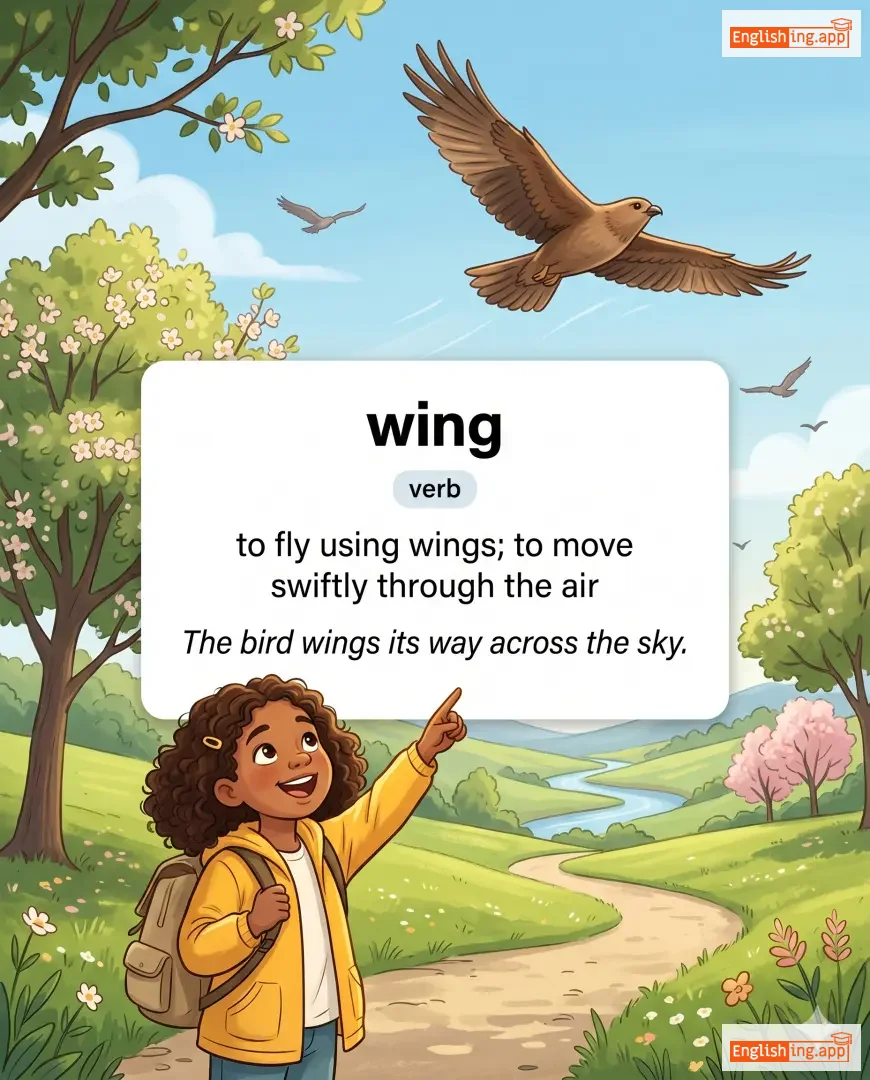
Signification
Phrase d'Exemple
Traduction de la Phrase d'Exemple
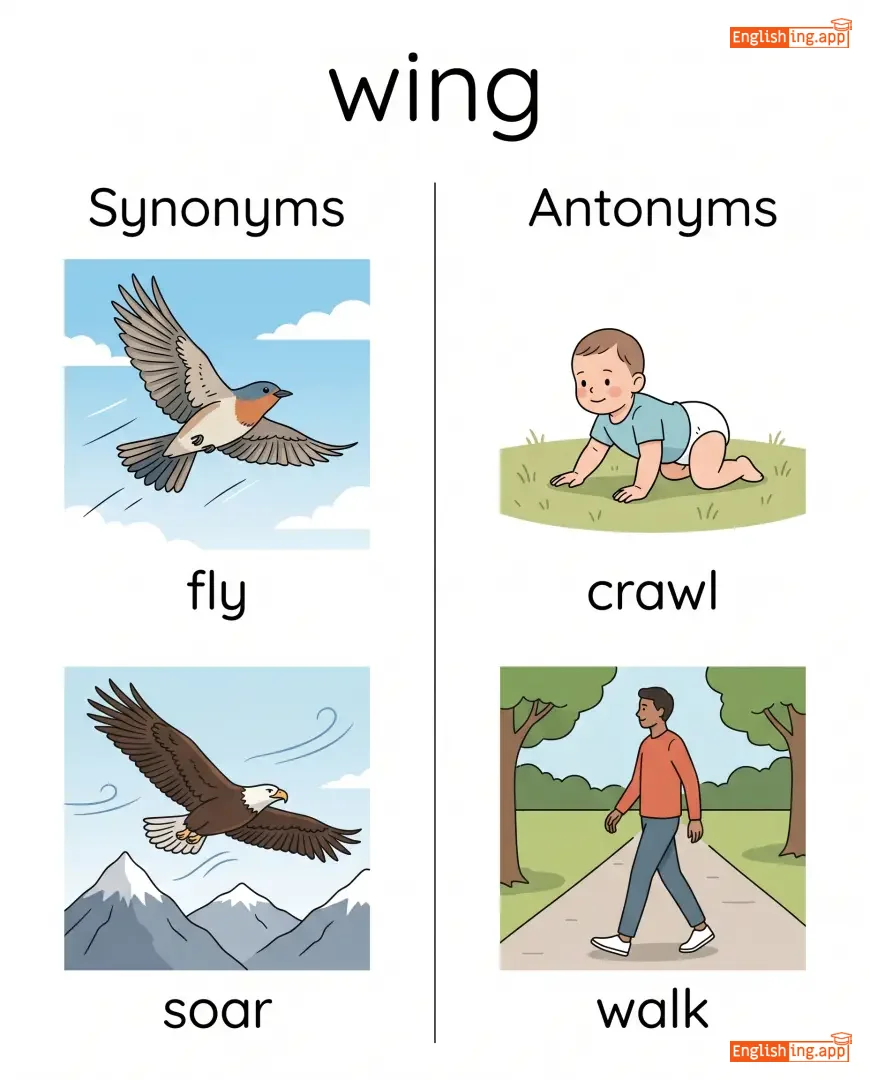
Synonymes
Antonymes
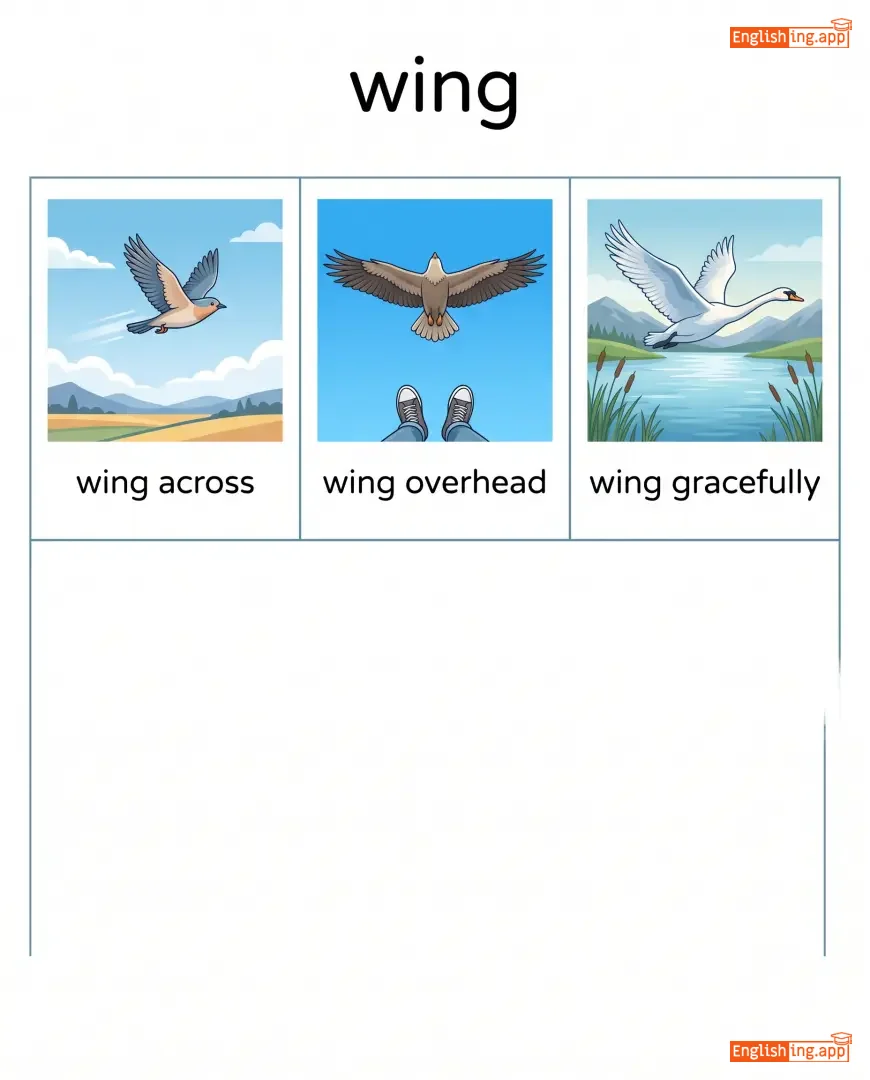
Collocations
Mnémonique
Swipe left or right, or use the buttons. Tap image to zoom.
Passez à la version Pro pour accéder à toutes les phrases
Message phrases Pro
Passer à la version ProTraduction de la Phrase d'Exemple
Mot
Lesson 412Lesson 412 - Basculement de Masque
|
Émoji
|
Mot | Images | Traduction | Passé | Participe Passé | Troisième Personne du Singulier | Gérondif | Signification | Phrase d'Exemple | Traduction de la Phrase d'Exemple | Expression d'Exemple | Signification de l'Expression d'Exemple | Traduction de l'Expression d'Exemple | Synonymes | Antonymes | Collocations | Mnémonique |
|---|---|---|---|---|---|---|---|---|---|---|---|---|---|---|---|---|---|
|
#12325
👤
|
/huːm/
pronoun
(oum)
••••••
|
- •••••• |
à qui
a ki
••••••
|
- •••••• | - •••••• | - •••••• | - •••••• |
used to refer to the person or people that something is done to
••••••
|
The man whom I met yesterday is my friend. |
L'homme à qui j'ai parlé hier est mon ami.
L'homme à qui j'ai parlé hier est mon ami.
••••••
|
- •••••• | - •••••• | - •••••• |
who, that, the person
••••••
|
none
••••••
|
whom I met, whom I saw, to whom it may concern
••••••
|
Whom sounds like 'A qui' - 'A qui' as in the person you met.
••••••
|
|
#12326
❄️
|
/ˈwɪntər/
noun
(wintèr)
••••••
|
- •••••• |
hiver
hiver
••••••
|
- •••••• | - •••••• | - •••••• | - •••••• |
the coldest season of the year, typically from December to February in the Northern Hemisphere
••••••
|
Winter in the north can be very harsh with heavy snowfall. |
L'hiver dans le nord peut être très rude avec de fortes chutes de neige.
L'hiver dans le nord peut être très rude avec de fortes chutes de neige.
••••••
|
- •••••• | - •••••• | - •••••• |
cold season, frosty period, chill, snowfall
••••••
|
summer, spring
••••••
|
harsh winter, cold winter, winter season, winter break
••••••
|
Hiver, le froid et la neige - Winter is the cold and snow season.
••••••
|
|
#12327
🏆
|
/ˈwɪnər/
noun
(winnɛʁ)
••••••
|
- •••••• |
gagnant
gagnant
••••••
|
- •••••• | - •••••• | - •••••• | - •••••• |
a person who wins a competition or contest
••••••
|
She was the winner of the race. |
Elle était la gagnante de la course.
Elle était la gagnante de la course.
••••••
|
- •••••• | - •••••• | - •••••• |
champion, victor, first-place
••••••
|
loser, defeated
••••••
|
race winner, competition winner, winner takes all
••••••
|
Winners wear trophies—imagine yourself holding a shiny trophy as a winner!
••••••
|
|
#12328
🕊️
|
/wɪŋ/
noun
(wɪŋ)
••••••
|
|
aile
aile
••••••
|
- •••••• | - •••••• | - •••••• | - •••••• |
a part of a bird or aircraft that is used for flying
••••••
|
The bird flapped its wings and flew away. |
L'oiseau battit ses ailes et s'envola.
L'oiseau battit ses ailes et s'envola.
••••••
|
- •••••• | - •••••• | - •••••• |
feather, fin, appendage
••••••
|
body, center
••••••
|
bird's wing, fly with wings, wing span
••••••
|
Ailes déployées, comme un oiseau prêt à s'envoler!
••••••
|
|
#12329
🍷
|
/waɪn/
noun
(wajn)
••••••
|
- •••••• |
vin
vin
••••••
|
- •••••• | - •••••• | - •••••• | - •••••• |
an alcoholic drink made from fermented grapes or other fruits
••••••
|
They served a glass of red wine at the dinner.
Ils ont servi un verre de vin rouge au dîner.
••••••
|
Ils ont servi un verre de vin rouge au dîner.
Ils ont servi un verre de vin rouge au dîner.
••••••
|
- •••••• | - •••••• | - •••••• |
vino, beverage, drink, alcohol
••••••
|
water, juice
••••••
|
red wine, white wine, glass of wine, bottle of wine
••••••
|
Wine pairs with dinner—imagine a glass of red wine with a fancy meal!
••••••
|
|
#12330
🪟
|
/ˈwɪndəʊ/
noun
(windo)
••••••
|
- •••••• |
fenêtre
fenetre
••••••
|
- •••••• | - •••••• | - •••••• | - •••••• |
an opening in a wall or structure that allows light or air to pass through, usually covered with glass or other material
••••••
|
I opened the window to let the fresh air in.
J'ai ouvert la fenêtre pour laisser entrer l'air frais.
••••••
|
J'ai ouvert la fenêtre pour laisser entrer l'air frais.
J'ai ouvert la fenêtre pour laisser entrer l'air frais.
••••••
|
- •••••• | - •••••• | - •••••• |
pane, glass, aperture, opening
••••••
|
wall, door
••••••
|
open window, close window, window pane, large window
••••••
|
La 'fenêtre' permet de respirer l'air frais—une belle ouverture sur le monde.
••••••
|
|
#12331
🌬️
|
/wɪnd/
noun
(wɪnd)
••••••
|
- •••••• |
vent
vent
••••••
|
- •••••• | - •••••• | - •••••• | - •••••• |
moving air, especially in the form of a current of air blowing from a particular direction
••••••
|
The wind is blowing strong today. |
Le vent souffle fort aujourd'hui.
Le vent souffle fort aujourd'hui.
••••••
|
- •••••• | - •••••• | - •••••• |
breeze, gust, draft, airflow
••••••
|
calm, stillness
••••••
|
strong wind, cold wind, gentle wind, wind blows
••••••
|
Vent is French for wind, imagine the 'vent' blowing through a field of lavender in Provence.
••••••
|
|
#12332
👍
|
/ˈwɪlɪŋ/
adjective
(wɪlɪŋ)
••••••
|
- •••••• |
disposé
dispose
••••••
|
- •••••• | - •••••• | - •••••• | - •••••• |
ready, inclined, or eager to do something
••••••
|
She was willing to help with the project. |
Elle était disposée à aider avec le projet.
Elle était disposée à aider avec le projet.
••••••
|
- •••••• | - •••••• | - •••••• |
eager, enthusiastic, ready, prepared
••••••
|
unwilling, reluctant
••••••
|
willing participant, willing to help, willing attitude
••••••
|
Willing means ready and able 👍
••••••
|
|
#12333
✍️
|
/wɪl/
noun, verb
(wɪl)
••••••
|
- •••••• |
volonté
volonte
••••••
|
- •••••• | - •••••• |
wills
wɪlz
••••••
|
willing
wɪlɪŋ
••••••
|
expressing future tense or intention; a legal document
••••••
|
She will attend the meeting tomorrow.
Elle assistera à la réunion demain.
••••••
|
Elle assistera à la réunion demain.
Elle assistera a la reunion demain.
••••••
|
Will to power
Volonté de puissance
••••••
|
the drive to assert one's own will over others
••••••
|
Volonté de puissance
Volonte de puissance
••••••
|
intend, shall, want, determination
••••••
|
won't, unwilling
••••••
|
last will, will and testament, strong will
••••••
|
Volonté de puissance, volonté d'avenir ✍️
••••••
|
|
#12334
👩❤️👨
|
/waɪf/
noun
(waïf)
••••••
|
- •••••• |
femme
femme
••••••
|
- •••••• | - •••••• | - •••••• | - •••••• |
a woman who is married to someone
••••••
|
She is the wife of the famous author. |
Elle est la femme de l'écrivain célèbre.
Elle est la femme de l'écrivain célèbre.
••••••
|
- •••••• | - •••••• | - •••••• |
spouse, partner, better half
••••••
|
husband
••••••
|
wife and husband, loving wife, devoted wife
••••••
|
‘Femme’ means wife in French! Easy to remember.
••••••
|
|
#12335
🌍
|
/ˈwaɪdˌsprɛd/
adjective
(waɪdspred)
••••••
|
|
répandu
repandu
••••••
|
- •••••• | - •••••• | - •••••• | - •••••• |
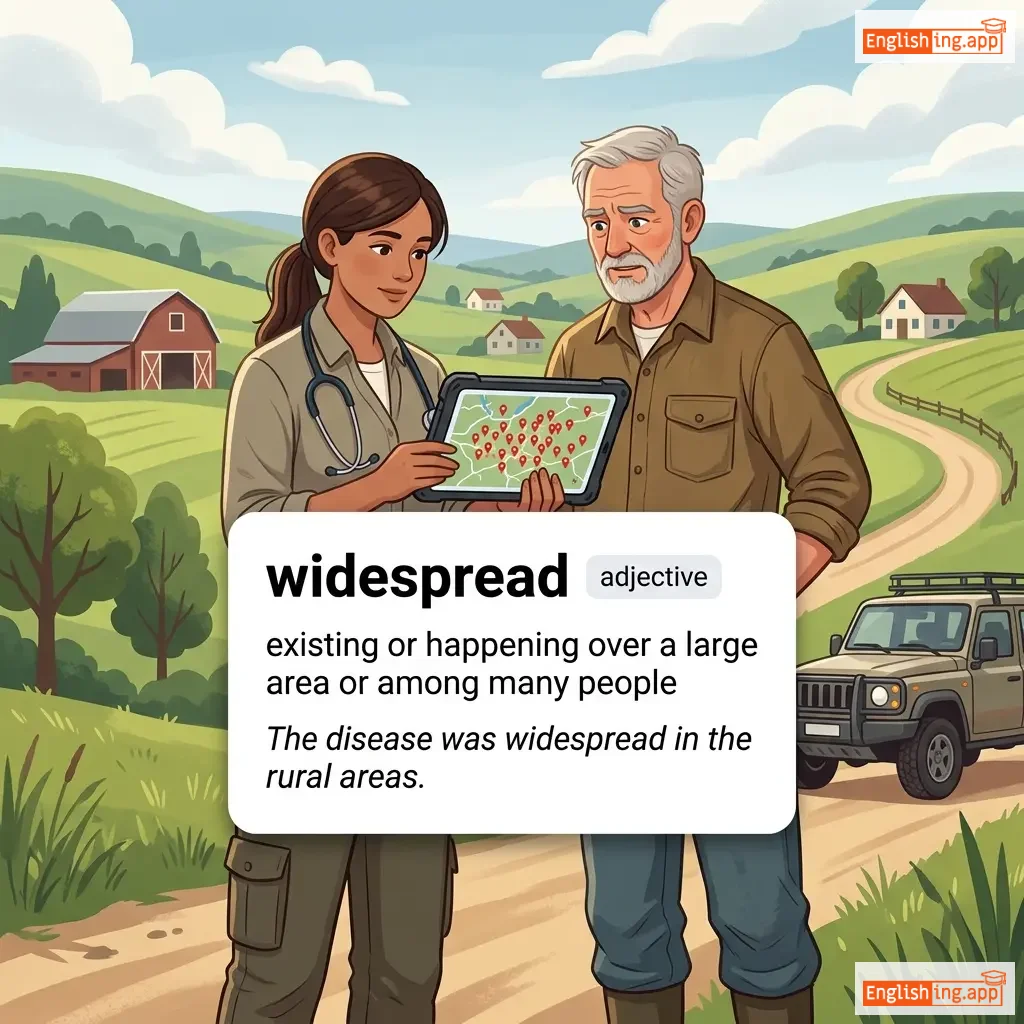
existing or happening over a large area or among many people
••••••
|
The disease was widespread in the rural areas. |
La maladie était répandue dans les zones rurales.
La maladie était répandue dans les zones rurales.
••••••
|
- •••••• | - •••••• | - •••••• |
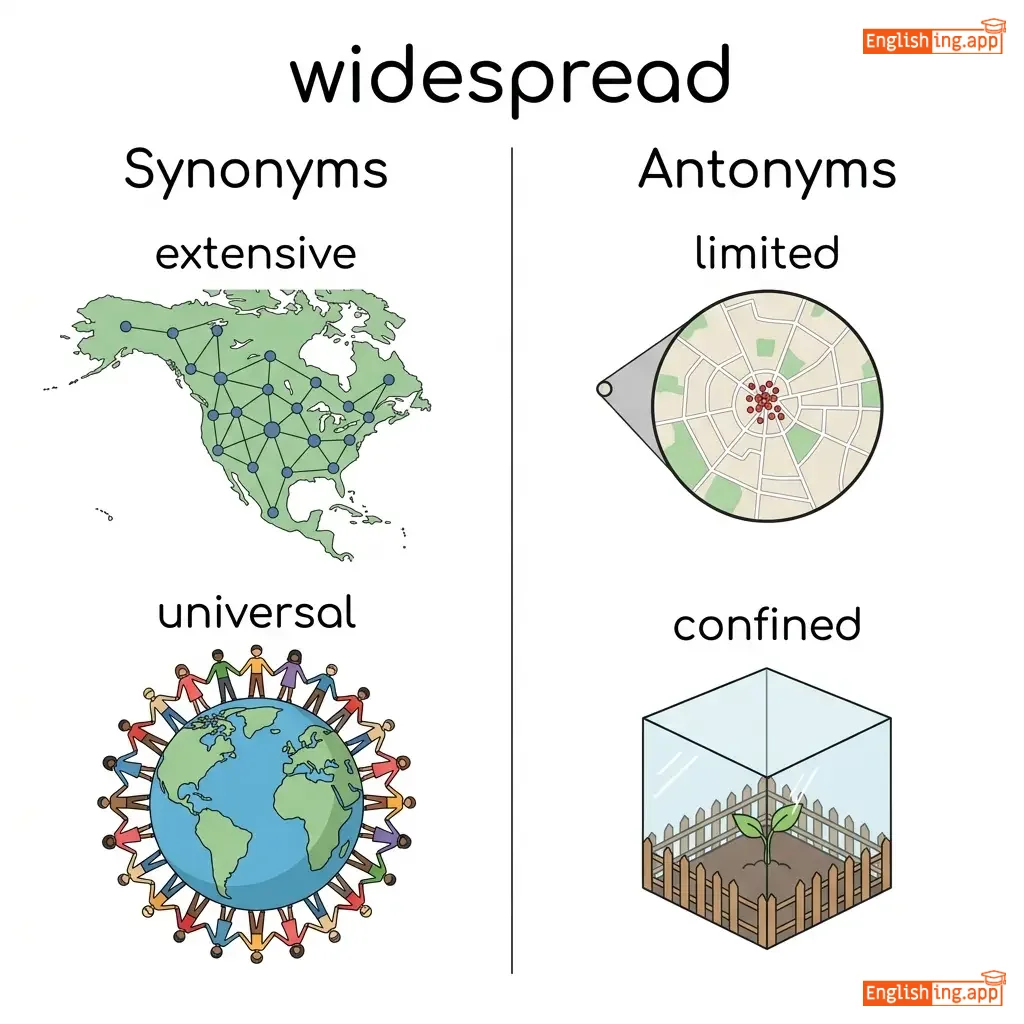
extensive, universal, far-reaching, pervasive
••••••
|
limited, confined
••••••
|
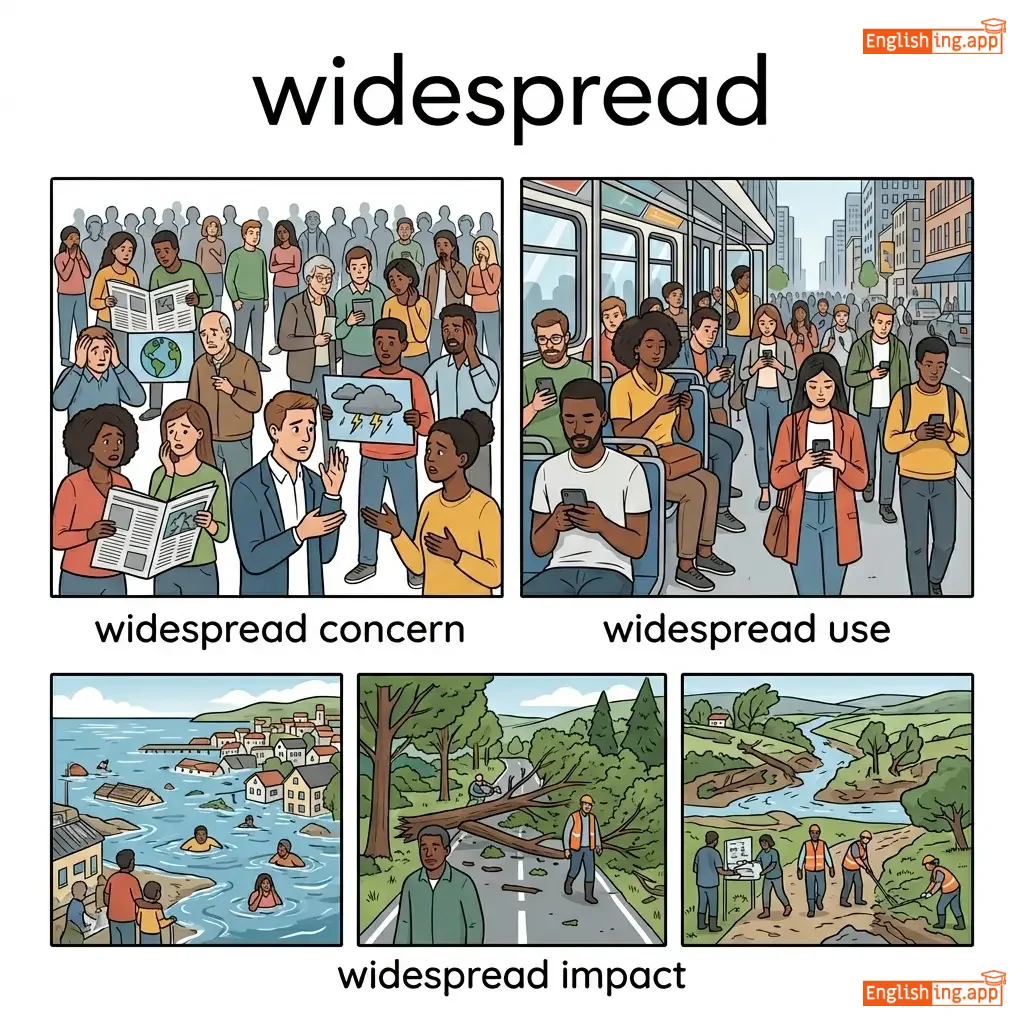
widespread concern, widespread use, widespread impact
••••••
|
Widespread – comme une vague qui se propage partout 🌍
••••••
|
|
#12336
🌍
|
/ˈwaɪdli/
adverb
(waildli)
••••••
|
- •••••• |
largement
largement
••••••
|
- •••••• | - •••••• | - •••••• | - •••••• |
to a great extent or degree
••••••
|
The news of his promotion spread widely across the company. |
La nouvelle de sa promotion s'est largement répandue dans l'entreprise.
La nouvelle de sa promotion s'est largement répandue dans l'entreprise.
••••••
|
- •••••• | - •••••• | - •••••• |
extensively, broadly, widely, far
••••••
|
narrowly, limitedly
••••••
|
widely known, widely accepted, widely spread
••••••
|
Wide world 🌍 means a wide spread across everywhere!
••••••
|
|
#12337
🌍
|
/waɪd/
adjective
(wayd)
••••••
|
- •••••• |
large
large
••••••
|
- •••••• | - •••••• | - •••••• | - •••••• |
having a great extent from side to side; broad
••••••
|
The river is wide enough to fit a boat.
The river is wáid inaf tú fit a bót.
••••••
|
Le fleuve est assez large pour qu'un bateau puisse y entrer.
Le fleuve est assez large pour qu'un bateau puisse y entrer.
••••••
|
- •••••• | - •••••• | - •••••• |
broad, spacious, expansive, vast
••••••
|
narrow, tight, confined
••••••
|
wide river, wide road, wide range
••••••
|
Wide as 'Large' fields – wide and expansive!
••••••
|
|
#12338
❓
|
/waɪ/
adverb
(whaï)
••••••
|
- •••••• |
pourquoi
pourquoi
••••••
|
- •••••• | - •••••• | - •••••• | - •••••• |
used to ask or talk about the reason for something
••••••
|
Why did you leave so early?
Pourquoi es-tu parti si tôt?
••••••
|
Pourquoi es-tu parti si tôt?
Pourquoi es-tu parti si tôt?
••••••
|
- •••••• | - •••••• | - •••••• |
how come, for what reason
••••••
|
none
••••••
|
why not, why so, why did
••••••
|
Why is used to ask for reasons – Just like ‘pourquoi’ in French.
••••••
|
|
#12339
📱
|
/huːz/
pronoun
(wuz)
••••••
|
- •••••• |
dont
dont
••••••
|
- •••••• | - •••••• | - •••••• | - •••••• |
used to ask or talk about the person or thing that owns something
••••••
|
The girl whose phone was stolen is my cousin. |
La fille dont le téléphone a été volé est ma cousine.
La fille dont le téléphone a été volé est ma cousine.
••••••
|
- •••••• | - •••••• | - •••••• |
who's, that person’s, of whom
••••••
|
none
••••••
|
whose phone, whose book, whose idea
••••••
|
Whose phone is this? – 'Whose' connects to 'Dont le téléphone'.
••••••
|
|
#12340
🌎
|
/ˈwɛstərn/
adjective
(wɛstɛʁn)
••••••
|
- •••••• |
occidental
occidental
••••••
|
- •••••• | - •••••• | - •••••• | - •••••• |
relating to or characteristic of the West, especially Europe and the Americas
••••••
|
She loves western music and culture. |
Elle adore la musique et la culture occidentales.
Elle adore la musique et la culture occidentales.
••••••
|
- •••••• | - •••••• | - •••••• |
occidental, westernized
••••••
|
eastern, oriental
••••••
|
western culture, western philosophy, western world
••••••
|
La culture occidentale vient de l'Ouest - Western culture comes from the West.
••••••
|
|
#12341
🍰
|
/hoʊl/
adjective
(hol)
••••••
|
- •••••• |
entier
entier
••••••
|
- •••••• | - •••••• | - •••••• | - •••••• |
all of something; complete or entire
••••••
|
He ate the whole cake by himself.
il a mangé tout le gâteau tout seul
••••••
|
Il a mangé le gâteau entier tout seul.
Il a mangé le gâteau entier tout seul.
••••••
|
- •••••• | - •••••• | - •••••• |
entire, complete, full, total
••••••
|
partial, incomplete, fragmented
••••••
|
whole cake, whole process, whole family, whole truth
••••••
|
Whole gâteau entier (Gâteau Entier) - Whole cake is fully eaten.
••••••
|
|
#12342
🤔
|
/huː/
pronoun
(qui)
••••••
|
- •••••• |
qui
kee
••••••
|
- •••••• | - •••••• | - •••••• | - •••••• |
used to ask about a person or people
••••••
|
Who is coming to the party tonight? |
Qui vient à la fête ce soir ?
Qui vient à la fête ce soir ?
••••••
|
- •••••• | - •••••• | - •••••• |
whoever, which person
••••••
|
none
••••••
|
who is, who are, who knows
••••••
|
In French, just ask 'qui' to find out who!
••••••
|
|
#12343
🤍
|
/waɪt/
adjective
(whaïte)
••••••
|
- •••••• |
blanc
blanc
••••••
|
- •••••• | - •••••• | - •••••• | - •••••• |
having the color of milk or fresh snow, the opposite of black
••••••
|
She wore a beautiful white dress to the party.
Elle portait une belle robe blanche à la fête.
••••••
|
Elle portait une belle robe blanche à la fête.
Elle portait une belle robe blanche à la fête.
••••••
|
- •••••• | - •••••• | - •••••• |
pale, light, fair
••••••
|
black, dark
••••••
|
white shirt, white snow, white light
••••••
|
A white shirt shines bright just like 'blanc' in French!
••••••
|
|
#12344
🤫
|
/ˈwɪspər/
verb
(wɪspər)
••••••
|
|
chuchoter
chuchoter
••••••
|
whispered
wɪspərd
••••••
|
whispered
wɪspərd
••••••
|
whispers
wɪspərs
••••••
|
whispering
wɪspərɪŋ
••••••
|
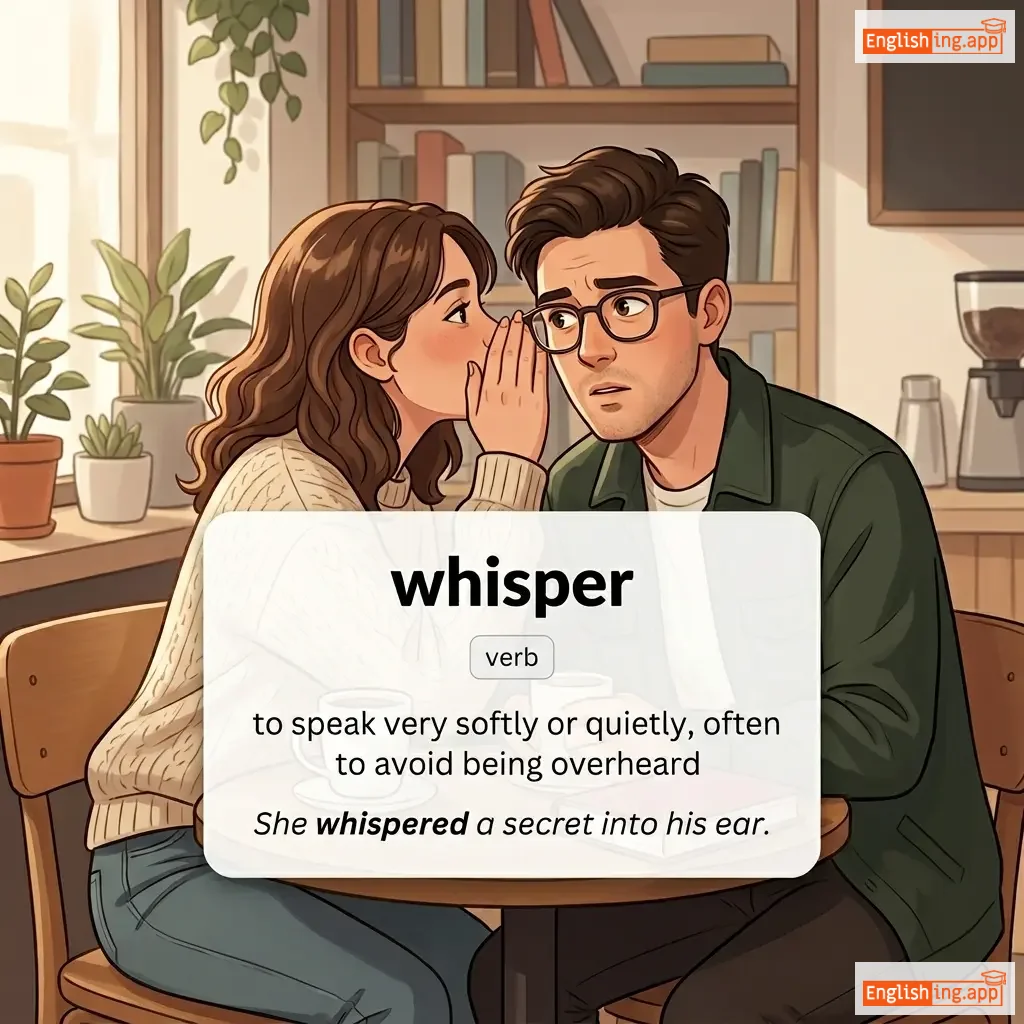
to speak very softly or quietly, often to avoid being overheard
••••••
|
She whispered a secret into his ear.
Elle a chuchoté un secret à son oreille.
••••••
|
Elle a chuchoté un secret à son oreille.
Elle a chuchoté un secret à son oreille.
••••••
|
- •••••• | - •••••• | - •••••• |
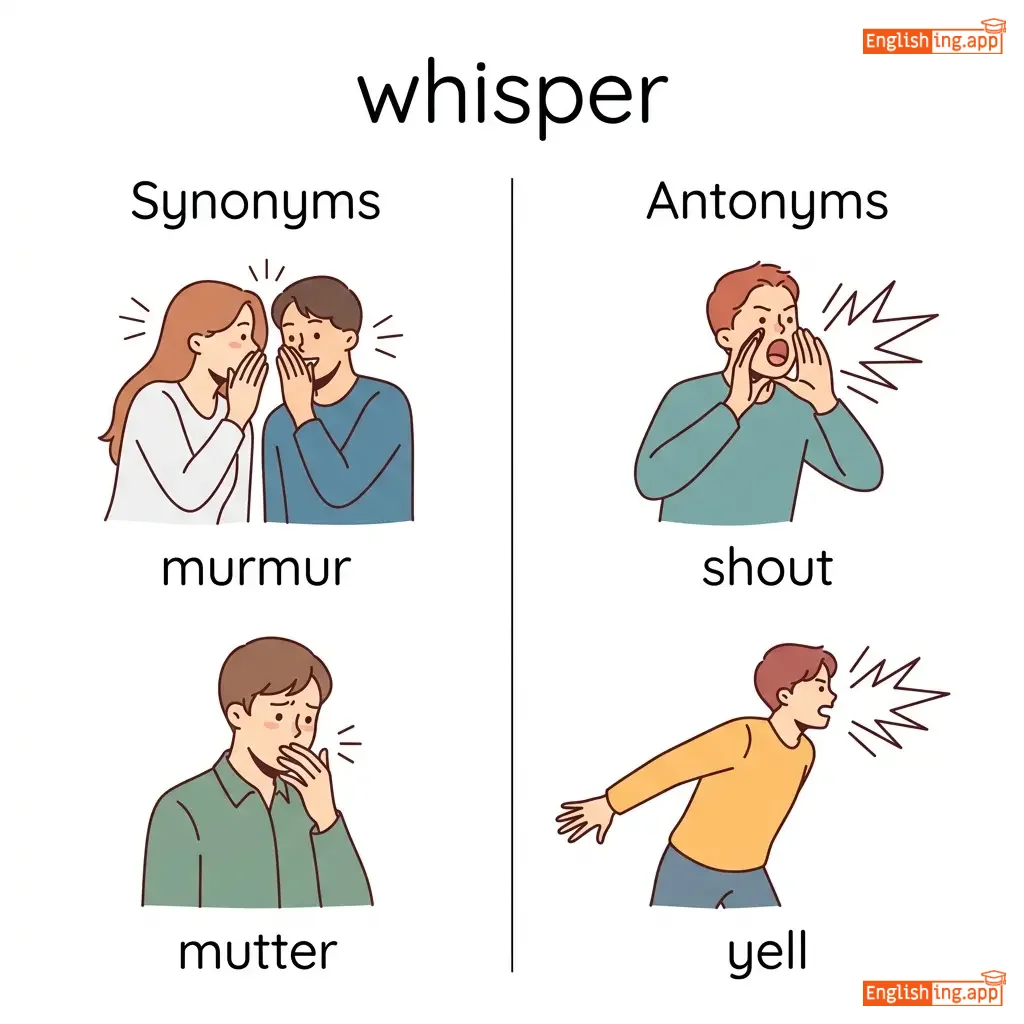
murmur, mutter, hiss
••••••
|
shout, yell
••••••
|
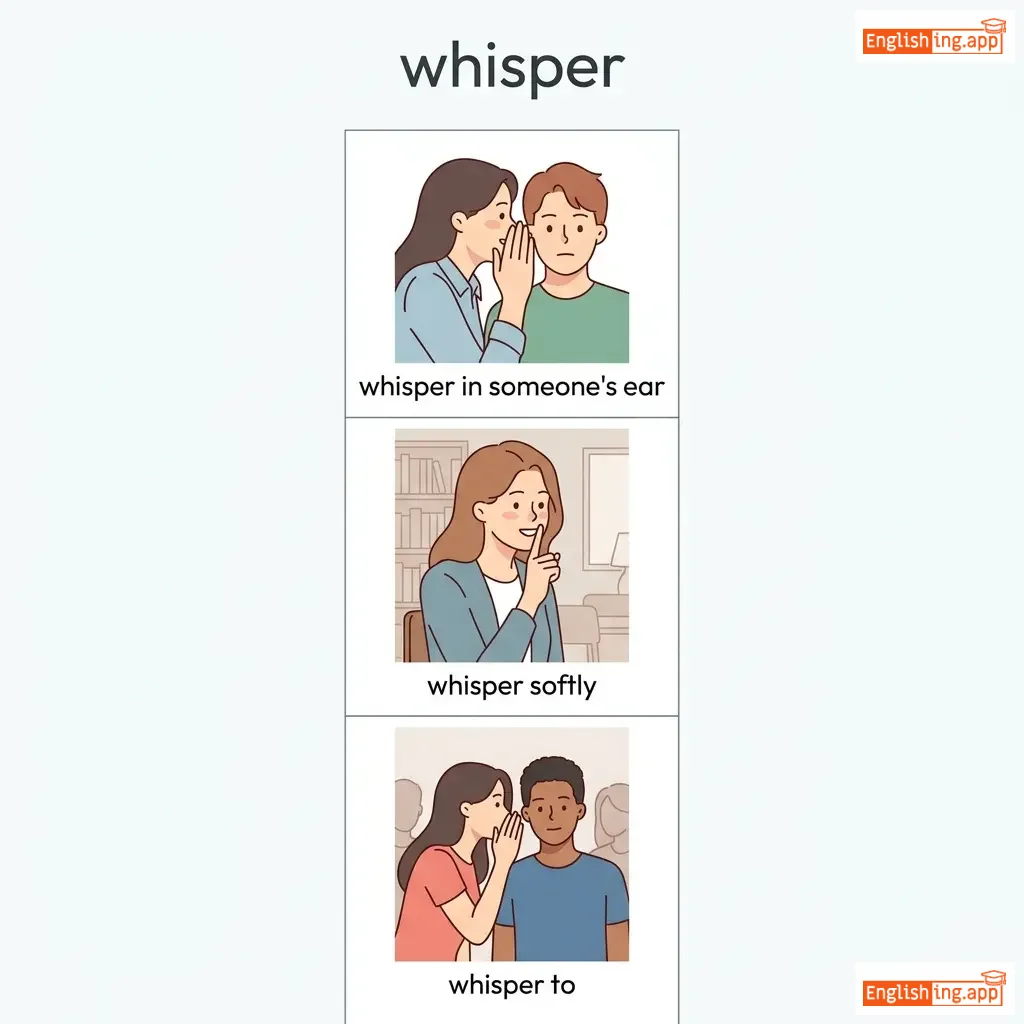
whisper in someone's ear, whisper softly, whisper to
••••••
|
Chuchoter pour que le secret ne s'échappe pas.
••••••
|
|
#12345
⏳
|
/waɪl/
conjunction
(wail)
••••••
|
- •••••• |
pendant que
pendant que
••••••
|
- •••••• | - •••••• | - •••••• | - •••••• |
during the time that something is happening
••••••
|
She was reading while waiting for the bus.
Elle lisait pendant qu'elle attendait le bus.
••••••
|
Elle lisait pendant qu'elle attendait le bus.
Elle lisait pendant qu'elle attendait le bus.
••••••
|
- •••••• | - •••••• | - •••••• |
as, when, during
••••••
|
none
••••••
|
while waiting, while studying, while traveling
••••••
|
Pendant que tu attends, pense à 'pendant que' en français!
••••••
|
|
#12346
❓
|
/wɪtʃ/
pronoun
(wɪtʃ)
••••••
|
- •••••• |
lequel
lequel
••••••
|
- •••••• | - •••••• | - •••••• | - •••••• |
used to ask about one or more items from a defined set
••••••
|
Which one do you prefer, the red or the blue? |
Lequel préfères-tu, le rouge ou le bleu ?
Lequel préfères-tu, le rouge ou le bleu ?
••••••
|
- •••••• | - •••••• | - •••••• |
what, that, who
••••••
|
none
••••••
|
which one, which way, which time
••••••
|
Which in French is 'lequel', helping you choose!
••••••
|
|
#12347
🤔
|
/ˈwɛðər/
conjunction
(wɛðər)
••••••
|
- •••••• |
si
si
••••••
|
- •••••• | - •••••• | - •••••• | - •••••• |
used to express a doubt or choice between alternatives
••••••
|
I don’t know whether I should go.
Je ne sais pas si je dois y aller.
••••••
|
Je ne sais pas si je dois y aller.
Je ne sais pas si je dois y aller.
••••••
|
- •••••• | - •••••• | - •••••• |
if, either
••••••
|
none
••••••
|
whether or not, whether to go, whether he will
••••••
|
si (si) tu hésites, pense à un choix
••••••
|
|
#12348
📍
|
/wɛr/
adverb
(wɛr)
••••••
|
- •••••• |
où
ou
••••••
|
- •••••• | - •••••• | - •••••• | - •••••• |
in or at what place or position
••••••
|
Where do you live? |
Où habites-tu?
Où habites-tu?
••••••
|
- •••••• | - •••••• | - •••••• |
location, place
••••••
|
nowhere
••••••
|
where is, where are, where did, where do
••••••
|
Où (ou) Où est la tour?
••••••
|
|
#12349
📞
|
/wɛnˈɛvər/
adverb
(wɛnɛvɛr)
••••••
|
- •••••• |
quand cela arrive
quand cela arrive
••••••
|
- •••••• | - •••••• | - •••••• | - •••••• |
at any time, or whenever it happens
••••••
|
You can call me whenever you want. |
Tu peux m'appeler quand tu veux.
Tu peux m'appeler quand tu veux.
••••••
|
- •••••• | - •••••• | - •••••• |
anytime, whenever, at all times
••••••
|
never, seldom
••••••
|
whenever you like, whenever possible, whenever needed
••••••
|
quand cela arrive (quand cela arrive) tu peux m'appeler
••••••
|
|
#12350
⏰
|
/wɛn/
adverb
(kə)
••••••
|
- •••••• |
quand
kand
••••••
|
- •••••• | - •••••• | - •••••• | - •••••• |
at what time
••••••
|
Do you know when the train leaves? |
Sais-tu quand le train part ?
Sais-tu quand le train part ?
••••••
|
- •••••• | - •••••• | - •••••• |
at what time, whenever
••••••
|
never, always
••••••
|
when will, when did, when does, when do
••••••
|
Quand devient 'quand' (Quand devient 'quand')
••••••
|
|
#12351
🚗
|
/wiːl/
noun
(wheel)
••••••
|
- •••••• |
roue
roue
••••••
|
- •••••• | - •••••• | - •••••• | - •••••• |
a circular object that revolves on an axle and is used to move or carry things
••••••
|
The wheel of the car broke down on the way. |
La roue de la voiture s'est cassée en chemin.
La roue de la voiture s'est cassée en chemin.
••••••
|
- •••••• | - •••••• | - •••••• |
disk, circle, rotor, rim
••••••
|
none
••••••
|
steering wheel, bicycle wheel, car wheel, turn the wheel
••••••
|
La roue tourne pour faire avancer la voiture (La roue tourne pour faire avancer la voiture)
••••••
|
|
#12352
🤷♂️
|
/wɒtˈɛvər/
pronoun
(watever)
••••••
|
- •••••• |
quoi que ce soit
kwa ke sə swa
••••••
|
- •••••• | - •••••• | - •••••• | - •••••• |
used to refer to anything or everything that is of the type mentioned
••••••
|
You can choose whatever you like. |
Tu peux choisir ce que tu veux.
Tu peux choisir ce que tu veux.
••••••
|
- •••••• | - •••••• | - •••••• |
anything, everything
••••••
|
- •••••• |
whatever you want, whatever happens
••••••
|
quoi que ce soit - Whatever you want, you can have.
••••••
|
|
#12353
❓
|
/wɒt/
pronoun
(wɔt)
••••••
|
- •••••• |
quoi
koi
••••••
|
- •••••• | - •••••• | - •••••• | - •••••• |
used to ask for information about something
••••••
|
What is your name? |
Quel est ton nom ?
Quel est ton nom ?
••••••
|
- •••••• | - •••••• | - •••••• |
which, that
••••••
|
- •••••• |
what time, what happened, what are you doing
••••••
|
quoi (koi) utilisé pour poser des questions - 'What' est utilisé pour demander.
••••••
|
|
#12354
💧
|
/wɛt/
adjective
(ウェット)
••••••
|
- •••••• |
mouillé
mouille
••••••
|
- •••••• | - •••••• | - •••••• | - •••••• |
covered with, or saturated with liquid (usually water)
••••••
|
The ground is wet after the rain. |
Le sol est mouillé après la pluie.
Le sol est mouillé après la pluie.
••••••
|
- •••••• | - •••••• | - •••••• |
damp, moist, soaked
••••••
|
dry, arid
••••••
|
wet ground, wet clothes, wet weather
••••••
|
Après la pluie, le sol devient mouillé.
••••••
|
Vocabulary Quiz
Test your vocabulary by matching words with their translations or meanings.
Login to take the quiz
Comments (0)
Share your thoughts and join the discussion.
Join the discussion by logging in
Login to CommentNo comments yet
Be the first to share your thoughts!