

Обновитесь для доступа ко всему словарю
Получите неограниченный доступ ко всем словам с подпиской Pro
Обновить до ProПеревод
Прошедшее
Причастие прошедшего времени
Третье лицо единственного числа
Герундий
Значение
Пример предложения
Перевод примера предложения
Синонимы
Антонимы
Коллокации
Мнемоника
Swipe left or right, or use the buttons. Tap image to zoom.
Обновитесь для доступа ко всем предложениям
Получите неограниченный доступ ко всем предложениям с подпиской Pro
Обновить до ProПеревод примера предложения
Слово
Lesson 412Lesson 412 - Переключатель маски
|
Эмодзи
|
Слово | Images | Перевод | Прошедшее | Причастие прошедшего времени | Третье лицо единственного числа | Герундий | Значение | Пример предложения | Перевод примера предложения | Пример выражения | Значение примера выражения | Перевод примера выражения | Синонимы | Антонимы | Коллокации | Мнемоника |
|---|---|---|---|---|---|---|---|---|---|---|---|---|---|---|---|---|---|
|
#12325
👤
|
/huːm/
pronoun
(хум)
••••••
|
- •••••• |
которому
kotorymu
••••••
|
- •••••• | - •••••• | - •••••• | - •••••• |
used to refer to the person or people that something is done to
••••••
|
The man whom I met yesterday is my friend. |
Человек, которого я встретил вчера, мой друг.
Chelovek, kotorogo ya vstretel vchera, moy drug.
••••••
|
- •••••• | - •••••• | - •••••• |
who, that, the person
••••••
|
none
••••••
|
whom I met, whom I saw, to whom it may concern
••••••
|
Whom sounds like 'Kotoromu' - 'Kotoromu' as in the person you met.
••••••
|
|
#12326
❄️
|
/ˈwɪntər/
noun
(винтер)
••••••
|
- •••••• |
зима
zima
••••••
|
- •••••• | - •••••• | - •••••• | - •••••• |
the coldest season of the year, typically from December to February in the Northern Hemisphere
••••••
|
Winter in the north can be very harsh with heavy snowfall. |
Зима на севере может быть очень суровой, с сильными снегопадами.
Zima na severe mozhet byt' ochen' surovoy, s sil'nymi snego-padami.
••••••
|
- •••••• | - •••••• | - •••••• |
cold season, frosty period, chill, snowfall
••••••
|
summer, spring
••••••
|
harsh winter, cold winter, winter season, winter break
••••••
|
Зима – снег и холод - Winter means snow and cold.
••••••
|
|
#12327
🏆
|
/ˈwɪnər/
noun
(виннер)
••••••
|
- •••••• |
победитель
pobeditel'
••••••
|
- •••••• | - •••••• | - •••••• | - •••••• |
a person who wins a competition or contest
••••••
|
She was the winner of the race. |
Она была победителем гонки.
Ona byla pobeditelem gonki.
••••••
|
- •••••• | - •••••• | - •••••• |
champion, victor, first-place
••••••
|
loser, defeated
••••••
|
race winner, competition winner, winner takes all
••••••
|
Winners wear trophies—imagine yourself holding a shiny trophy as a winner!
••••••
|
|
#12328
🕊️
|
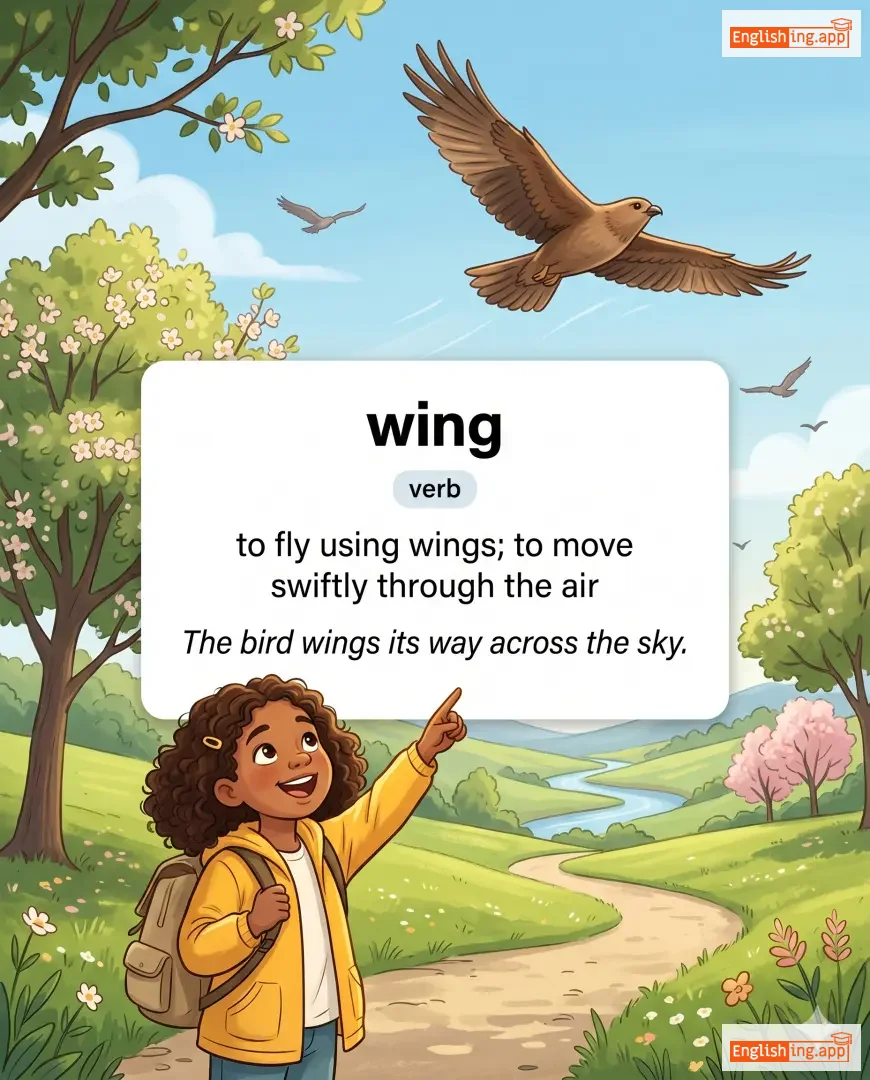
/wɪŋ/
noun
(вɪнг)
••••••
|
|
крыло
krylo
••••••
|
- •••••• | - •••••• | - •••••• | - •••••• |
a part of a bird or aircraft that is used for flying
••••••
|
The bird flapped its wings and flew away. |
Птица взмахнула крыльями и улетела.
Ptitsa vzmakhnula krylyami i uletela.
••••••
|
- •••••• | - •••••• | - •••••• |
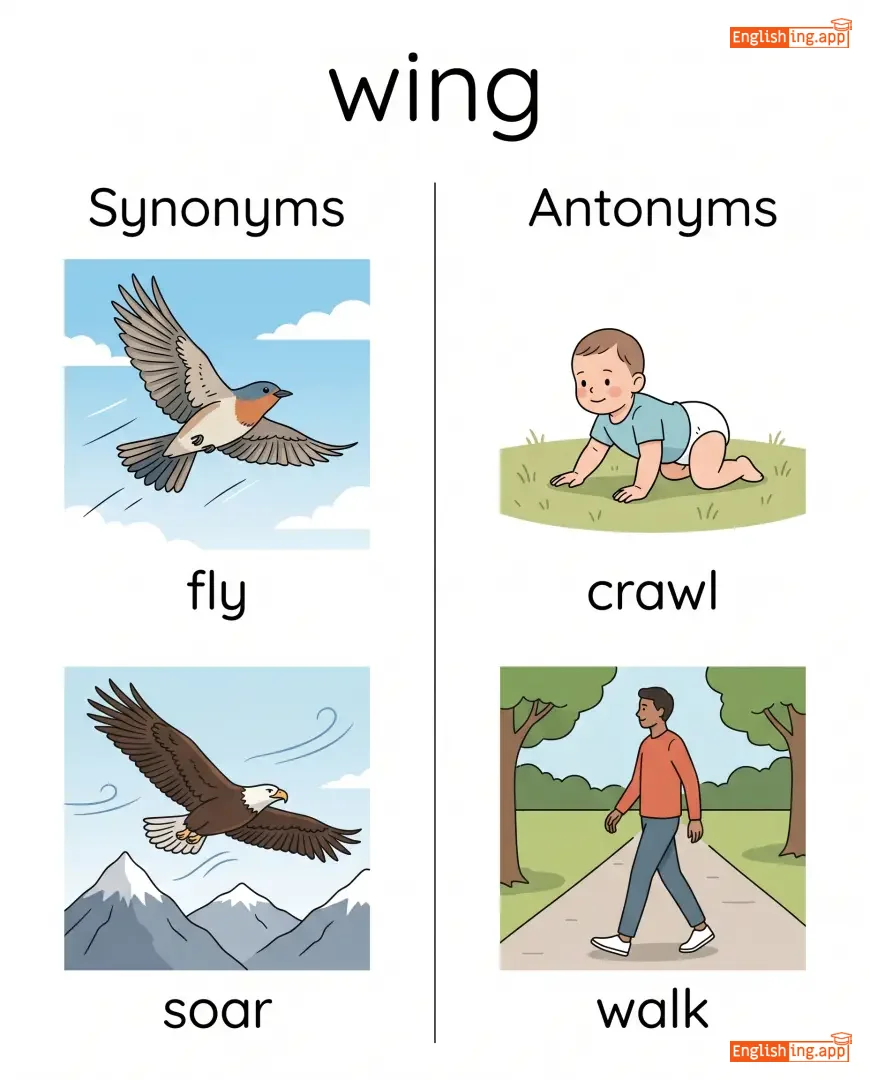
feather, fin, appendage
••••••
|
body, center
••••••
|
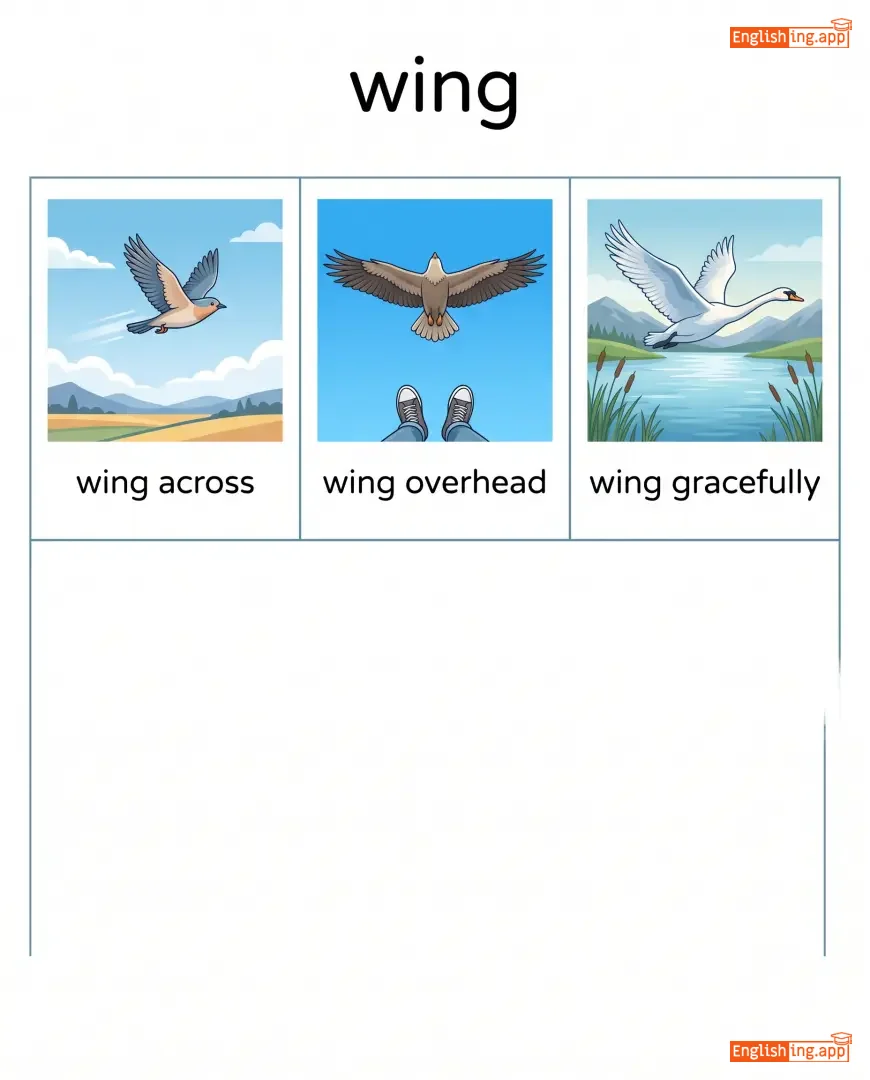
bird's wing, fly with wings, wing span
••••••
|
Представьте, как расправляются крылья, когда птица взлетает в небо!
••••••
|
|
#12329
🍷
|
/waɪn/
noun
(vajn)
••••••
|
- •••••• |
вино
vino
••••••
|
- •••••• | - •••••• | - •••••• | - •••••• |
an alcoholic drink made from fermented grapes or other fruits
••••••
|
They served a glass of red wine at the dinner.
Они подали бокал красного вина на ужин.
••••••
|
Они подали бокал красного вина на ужин.
Oni podali bokal krasnogo vina na uzhin.
••••••
|
- •••••• | - •••••• | - •••••• |
vino, beverage, drink, alcohol
••••••
|
water, juice
••••••
|
red wine, white wine, glass of wine, bottle of wine
••••••
|
Wine pairs with dinner—imagine a glass of red wine with a fancy meal!
••••••
|
|
#12330
🪟
|
/ˈwɪndəʊ/
noun
(vindo)
••••••
|
- •••••• |
окно
okno
••••••
|
- •••••• | - •••••• | - •••••• | - •••••• |
an opening in a wall or structure that allows light or air to pass through, usually covered with glass or other material
••••••
|
I opened the window to let the fresh air in.
Я открыл окно, чтобы впустить свежий воздух.
••••••
|
Я открыл окно, чтобы впустить свежий воздух.
Ya otkryl okno, chtoby vpuskit' svezhiy vozdukh.
••••••
|
- •••••• | - •••••• | - •••••• |
pane, glass, aperture, opening
••••••
|
wall, door
••••••
|
open window, close window, window pane, large window
••••••
|
Окно — это как открытие для свежего воздуха, как взгляд на мир!
••••••
|
|
#12331
🌬️
|
/wɪnd/
noun
(вɪнд)
••••••
|
- •••••• |
ветер
veter
••••••
|
- •••••• | - •••••• | - •••••• | - •••••• |
moving air, especially in the form of a current of air blowing from a particular direction
••••••
|
The wind is blowing strong today. |
Сегодня ветер дует сильно.
Segodnya veter duyet sil'no.
••••••
|
- •••••• | - •••••• | - •••••• |
breeze, gust, draft, airflow
••••••
|
calm, stillness
••••••
|
strong wind, cold wind, gentle wind, wind blows
••••••
|
Vetri is the Russian word for wind, imagine the 'veter' blowing across the vast Russian steppes.
••••••
|
|
#12332
👍
|
/ˈwɪlɪŋ/
adjective
(wɪlɪŋ)
••••••
|
- •••••• |
готовый
gotovyy
••••••
|
- •••••• | - •••••• | - •••••• | - •••••• |
ready, inclined, or eager to do something
••••••
|
She was willing to help with the project. |
Она была готова помочь с проектом.
Ona byla gotova pomoch' s proyektom.
••••••
|
- •••••• | - •••••• | - •••••• |
eager, enthusiastic, ready, prepared
••••••
|
unwilling, reluctant
••••••
|
willing participant, willing to help, willing attitude
••••••
|
Willing means ready and able 👍
••••••
|
|
#12333
✍️
|
/wɪl/
noun, verb
(вил)
••••••
|
- •••••• |
воля
volya
••••••
|
- •••••• | - •••••• |
wills
вилс
••••••
|
willing
вилинг
••••••
|
expressing future tense or intention; a legal document
••••••
|
She will attend the meeting tomorrow.
Она будет присутствовать на встрече завтра.
••••••
|
Она будет присутствовать на встрече завтра.
Ona budet prisutstvovat na vstreche zavtra.
••••••
|
Will to power
Воля к власти
••••••
|
the drive to assert one's own will over others
••••••
|
Воля к власти
Volya k vlasti
••••••
|
intend, shall, want, determination
••••••
|
won't, unwilling
••••••
|
last will, will and testament, strong will
••••••
|
Воля к власти, воля к будущему ✍️
••••••
|
|
#12334
👩❤️👨
|
/waɪf/
noun
(вайф)
••••••
|
- •••••• |
жена
zhena
••••••
|
- •••••• | - •••••• | - •••••• | - •••••• |
a woman who is married to someone
••••••
|
She is the wife of the famous author. |
Она жена знаменитого автора.
Ona zhena znamenitogo avtora.
••••••
|
- •••••• | - •••••• | - •••••• |
spouse, partner, better half
••••••
|
husband
••••••
|
wife and husband, loving wife, devoted wife
••••••
|
‘Zhena’ means wife in Russian! Easy to recall.
••••••
|
|
#12335
🌍
|
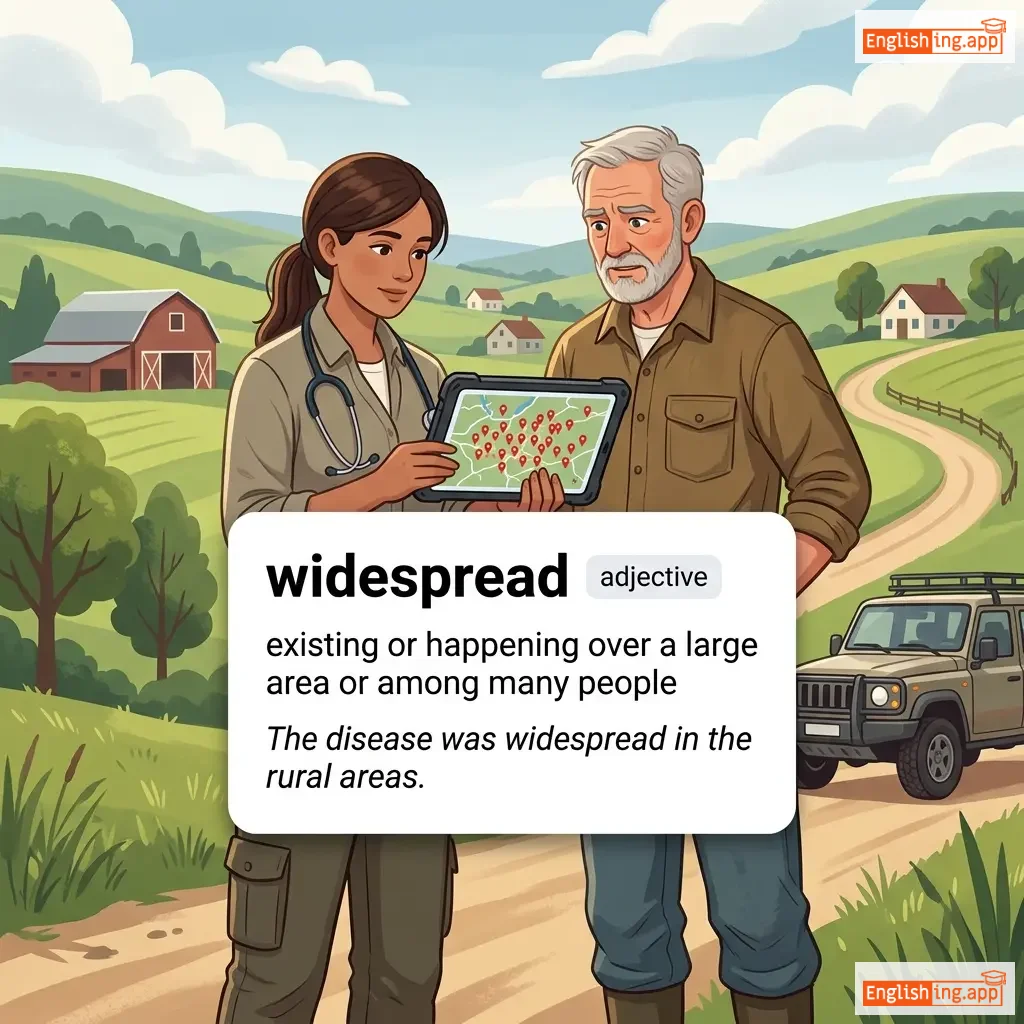
/ˈwaɪdˌsprɛd/
adjective
(вайдспред)
••••••
|
|
широко распространенный
shiroko rasprostranenny
••••••
|
- •••••• | - •••••• | - •••••• | - •••••• |
existing or happening over a large area or among many people
••••••
|
The disease was widespread in the rural areas. |
Заболевание было широко распространено в сельских районах.
Zabolevaniye bylo shiroko rasprostraneno v selskih rayonah.
••••••
|
- •••••• | - •••••• | - •••••• |
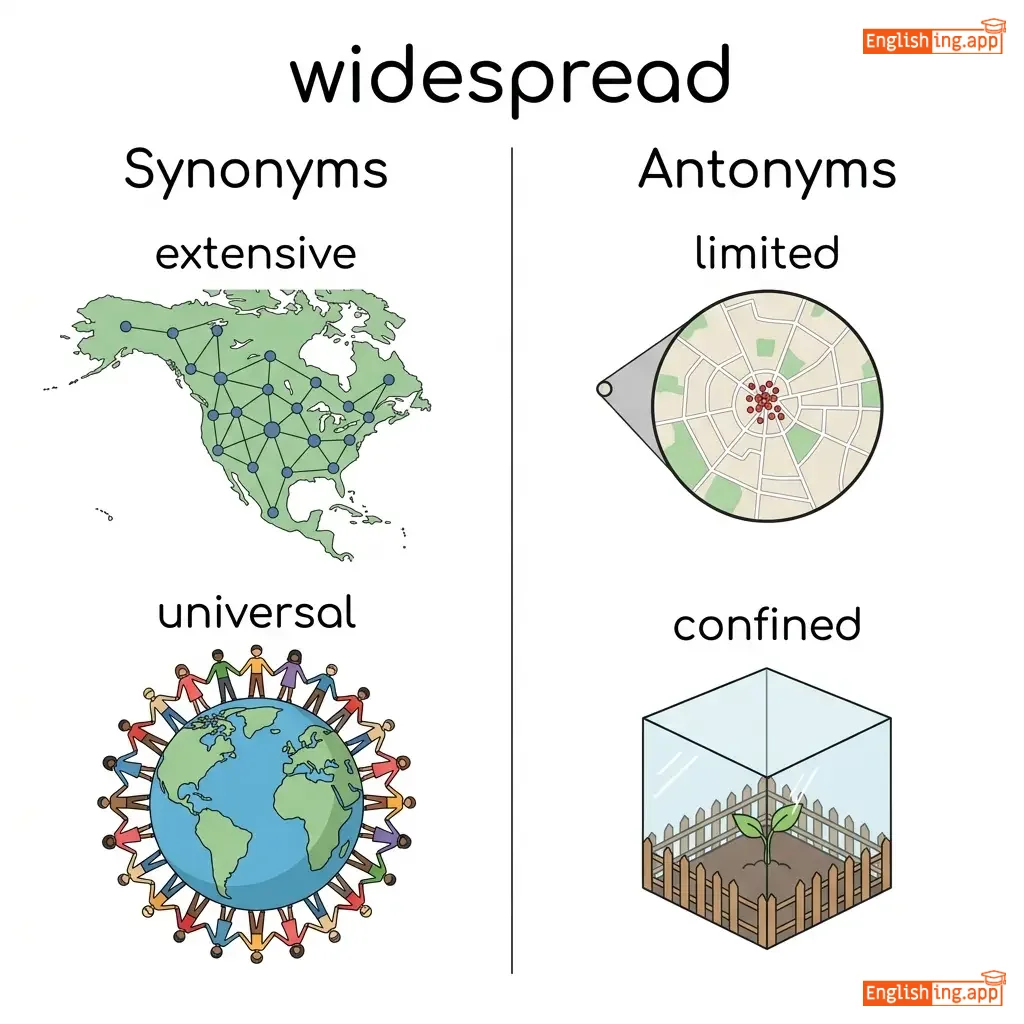
extensive, universal, far-reaching, pervasive
••••••
|
limited, confined
••••••
|
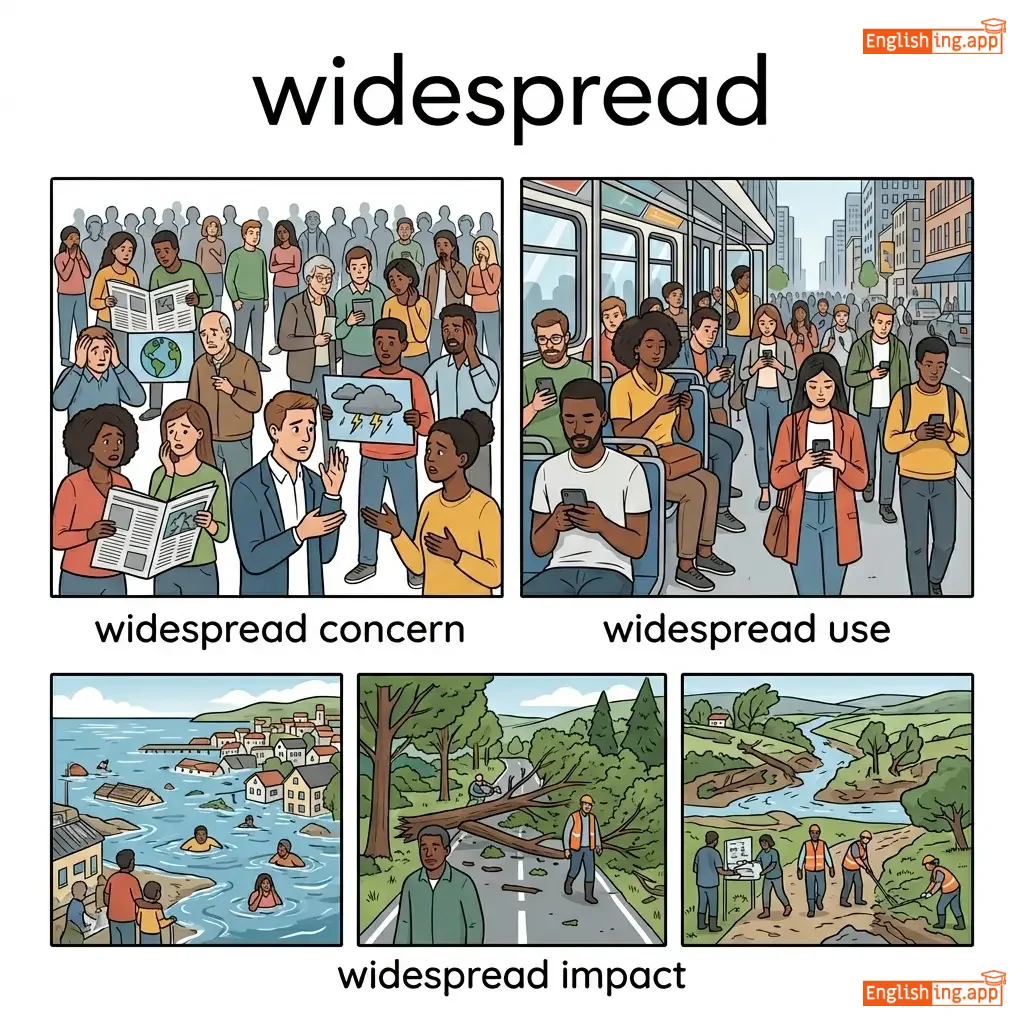
widespread concern, widespread use, widespread impact
••••••
|
Widespread – как волна, распространившаяся повсюду 🌍
••••••
|
|
#12336
🌍
|
/ˈwaɪdli/
adverb
(vaydli)
••••••
|
- •••••• |
широко
shiroko
••••••
|
- •••••• | - •••••• | - •••••• | - •••••• |
to a great extent or degree
••••••
|
The news of his promotion spread widely across the company. |
Новости о его повышении широко распространились по компании.
Novosti o ego povyshenii shiroko rasprostranilis' po kompanii.
••••••
|
- •••••• | - •••••• | - •••••• |
extensively, broadly, widely, far
••••••
|
narrowly, limitedly
••••••
|
widely known, widely accepted, widely spread
••••••
|
Wide world 🌍 means a wide spread across everywhere!
••••••
|
|
#12337
🌍
|
/waɪd/
adjective
(wáid)
••••••
|
- •••••• |
широкий
shirokiy
••••••
|
- •••••• | - •••••• | - •••••• | - •••••• |
having a great extent from side to side; broad
••••••
|
The river is wide enough to fit a boat.
The river is wáid enaf tú fit a bót.
••••••
|
Река достаточно широкая, чтобы в нее поместилась лодка.
Reka dostatochno shirokaya, chtoby v nee pomestilas' lodka.
••••••
|
- •••••• | - •••••• | - •••••• |
broad, spacious, expansive, vast
••••••
|
narrow, tight, confined
••••••
|
wide river, wide road, wide range
••••••
|
Wide like 'Shirokiy' – vast and open!
••••••
|
|
#12338
❓
|
/waɪ/
adverb
(uaj)
••••••
|
- •••••• |
почему
pochemu
••••••
|
- •••••• | - •••••• | - •••••• | - •••••• |
used to ask or talk about the reason for something
••••••
|
Why did you leave so early?
Почему ты ушел так рано?
••••••
|
Почему ты ушел так рано?
Pochemu ty ushel tak rano?
••••••
|
- •••••• | - •••••• | - •••••• |
how come, for what reason
••••••
|
none
••••••
|
why not, why so, why did
••••••
|
Why is used for asking a reason – In Russian, it’s ‘pochemu.’
••••••
|
|
#12339
📱
|
/huːz/
pronoun
(ху́з)
••••••
|
- •••••• |
чей
chey
••••••
|
- •••••• | - •••••• | - •••••• | - •••••• |
used to ask or talk about the person or thing that owns something
••••••
|
The girl whose phone was stolen is my cousin. |
Девочка, чей телефон был украден, моя кузина.
Devochka, chey telefon byl ukraden, moya kuzina.
••••••
|
- •••••• | - •••••• | - •••••• |
who's, that person’s, of whom
••••••
|
none
••••••
|
whose phone, whose book, whose idea
••••••
|
Whose phone is this? – 'Whose' connects to 'Chey telefon'.
••••••
|
|
#12340
🌎
|
/ˈwɛstərn/
adjective
(вɛстɛрн)
••••••
|
- •••••• |
западный
zapadny
••••••
|
- •••••• | - •••••• | - •••••• | - •••••• |
relating to or characteristic of the West, especially Europe and the Americas
••••••
|
She loves western music and culture. |
Она любит западную музыку и культуру.
Ona lyubit zapadnuyu muzyku i kul'turu.
••••••
|
- •••••• | - •••••• | - •••••• |
occidental, westernized
••••••
|
eastern, oriental
••••••
|
western culture, western philosophy, western world
••••••
|
Западная культура происходит с Запада - Western culture comes from the West.
••••••
|
|
#12341
🍰
|
/hoʊl/
adjective
(khol)
••••••
|
- •••••• |
целый
tsely
••••••
|
- •••••• | - •••••• | - •••••• | - •••••• |
all of something; complete or entire
••••••
|
He ate the whole cake by himself.
hi et dʏ khoul keik baɪ himselʌf
••••••
|
Он съел весь торт сам.
On syel ves' tort sam.
••••••
|
- •••••• | - •••••• | - •••••• |
entire, complete, full, total
••••••
|
partial, incomplete, fragmented
••••••
|
whole cake, whole process, whole family, whole truth
••••••
|
Whole torte tsely (Torte Tsely) - Whole cake is fully eaten.
••••••
|
|
#12342
🤔
|
/huː/
pronoun
(кто)
••••••
|
- •••••• |
кто
kto
••••••
|
- •••••• | - •••••• | - •••••• | - •••••• |
used to ask about a person or people
••••••
|
Who is coming to the party tonight? |
Кто приходит на вечеринку сегодня вечером?
Kto prikhodit na vecherinku segodnya vecherom?
••••••
|
- •••••• | - •••••• | - •••••• |
whoever, which person
••••••
|
none
••••••
|
who is, who are, who knows
••••••
|
In Russian, just say 'kto' to ask 'who'!
••••••
|
|
#12343
🤍
|
/waɪt/
adjective
(vayt)
••••••
|
- •••••• |
белый
bely
••••••
|
- •••••• | - •••••• | - •••••• | - •••••• |
having the color of milk or fresh snow, the opposite of black
••••••
|
She wore a beautiful white dress to the party.
Она носила красивое белое платье на вечеринке.
••••••
|
Она носила красивое белое платье на вечеринке.
Ona nosila krasivoe belye plat'e na vecherinke.
••••••
|
- •••••• | - •••••• | - •••••• |
pale, light, fair
••••••
|
black, dark
••••••
|
white shirt, white snow, white light
••••••
|
A white shirt shines bright just like 'bely' in Russian!
••••••
|
|
#12344
🤫
|
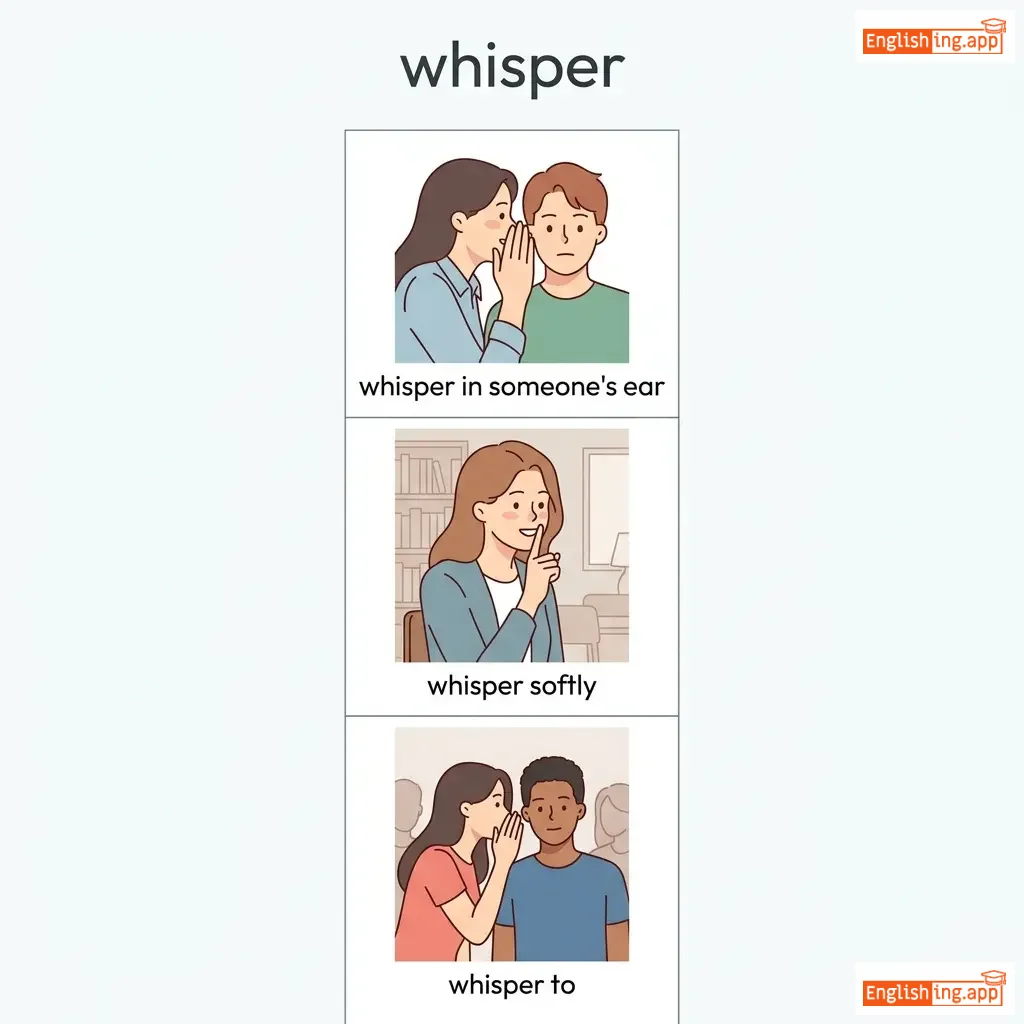
/ˈwɪspər/
verb
(wɪspər)
••••••
|
|
шептать
sheptat
••••••
|
whispered
wɪspərd
••••••
|
whispered
wɪspərd
••••••
|
whispers
wɪspərs
••••••
|
whispering
wɪspərɪŋ
••••••
|
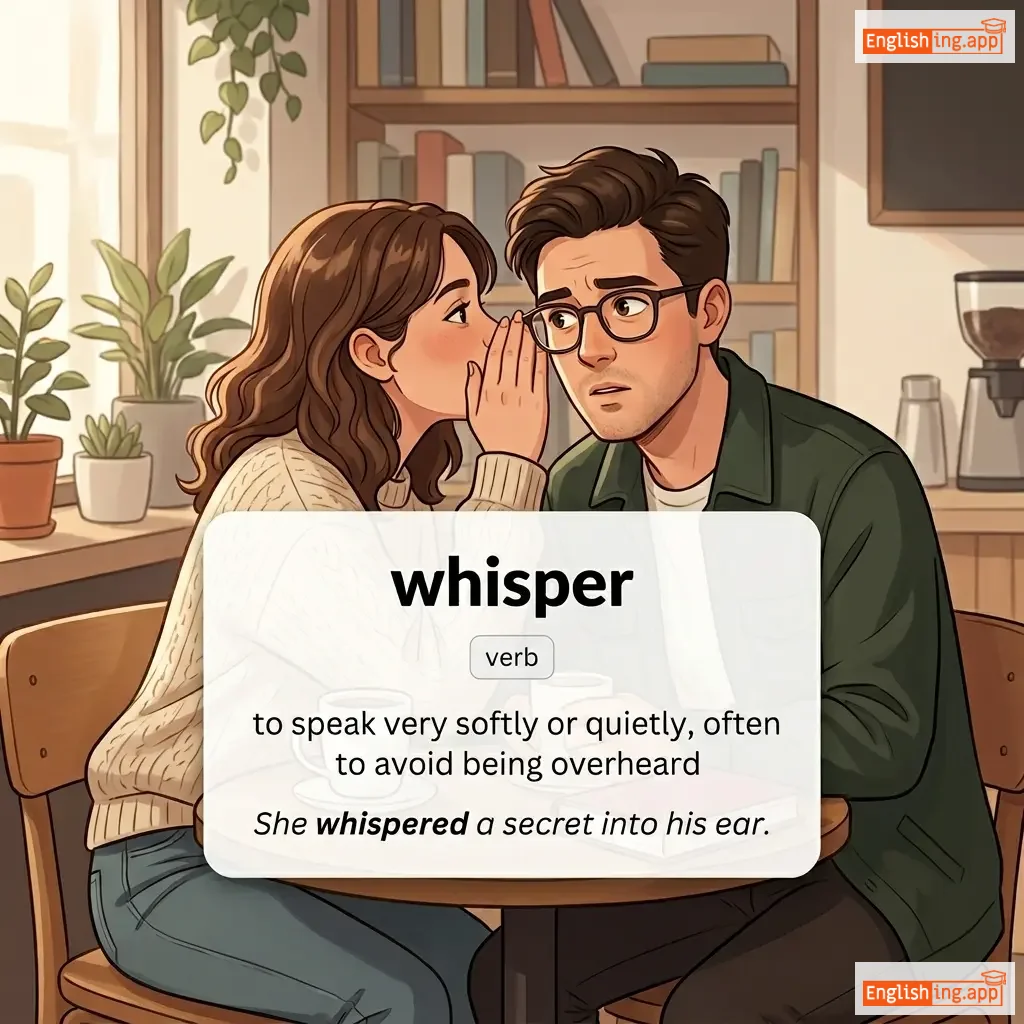
to speak very softly or quietly, often to avoid being overheard
••••••
|
She whispered a secret into his ear.
Она шептала ему секрет на ухо.
••••••
|
Она шептала ему секрет на ухо.
Ona sheptala emu sekret na ukho.
••••••
|
- •••••• | - •••••• | - •••••• |
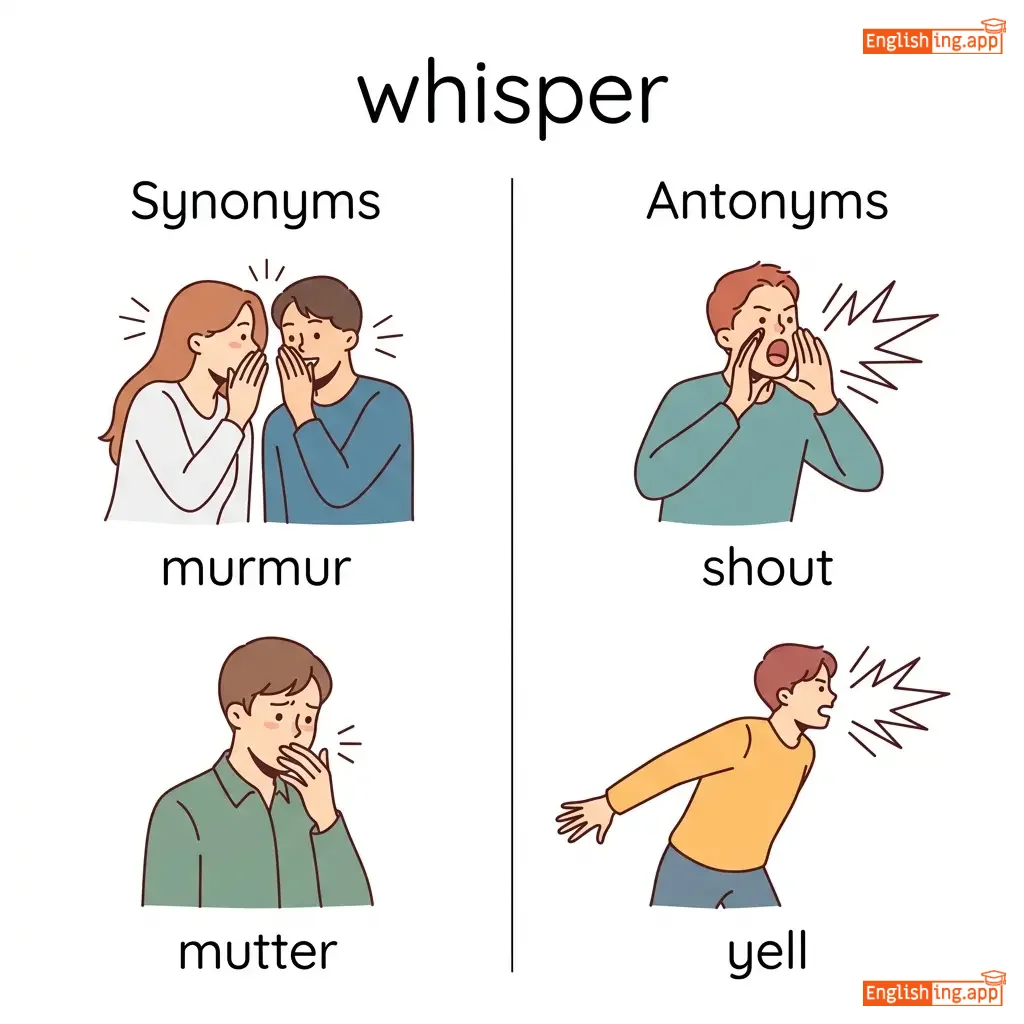
murmur, mutter, hiss
••••••
|
shout, yell
••••••
|
whisper in someone's ear, whisper softly, whisper to
••••••
|
Шепчи так, чтобы секрет не был услышан!
••••••
|
|
#12345
⏳
|
/waɪl/
conjunction
(wail)
••••••
|
- •••••• |
пока
poka
••••••
|
- •••••• | - •••••• | - •••••• | - •••••• |
during the time that something is happening
••••••
|
She was reading while waiting for the bus.
Она читала, пока ждала автобус.
••••••
|
Она читала, пока ждала автобус.
Ona chitala, poka zhdala avtobus.
••••••
|
- •••••• | - •••••• | - •••••• |
as, when, during
••••••
|
none
••••••
|
while waiting, while studying, while traveling
••••••
|
Пока ты ждешь, думай о 'пока' на русском!
••••••
|
|
#12346
❓
|
/wɪtʃ/
pronoun
(wɪtʃ)
••••••
|
- •••••• |
который
kotoryi
••••••
|
- •••••• | - •••••• | - •••••• | - •••••• |
used to ask about one or more items from a defined set
••••••
|
Which one do you prefer, the red or the blue? |
Какой ты предпочитаешь, красный или синий?
Kakoy ty predpochitayesh', krasnyy ili siniy?
••••••
|
- •••••• | - •••••• | - •••••• |
what, that, who
••••••
|
none
••••••
|
which one, which way, which time
••••••
|
Which in Russian is 'kotoryi', to help you decide!
••••••
|
|
#12347
🤔
|
/ˈwɛðər/
conjunction
(вɛðər)
••••••
|
- •••••• |
ли
li
••••••
|
- •••••• | - •••••• | - •••••• | - •••••• |
used to express a doubt or choice between alternatives
••••••
|
I don’t know whether I should go.
Я не знаю, должен ли я идти.
••••••
|
Я не знаю, должен ли я идти.
Ya ne znayu, dolzhen li ya idti.
••••••
|
- •••••• | - •••••• | - •••••• |
if, either
••••••
|
none
••••••
|
whether or not, whether to go, whether he will
••••••
|
ли (li) сомневаешься, выбери ли ты путь
••••••
|
|
#12348
📍
|
/wɛr/
adverb
(wɛr)
••••••
|
- •••••• |
где
gde
••••••
|
- •••••• | - •••••• | - •••••• | - •••••• |
in or at what place or position
••••••
|
Where do you live? |
Где ты живешь?
Gde ty zhivesh'?
••••••
|
- •••••• | - •••••• | - •••••• |
location, place
••••••
|
nowhere
••••••
|
where is, where are, where did, where do
••••••
|
Где (gde) Где найти ответ?
••••••
|
|
#12349
📞
|
/wɛnˈɛvər/
adverb
(вэнэвэр)
••••••
|
- •••••• |
когда угодно
kogda ugodno
••••••
|
- •••••• | - •••••• | - •••••• | - •••••• |
at any time, or whenever it happens
••••••
|
You can call me whenever you want. |
Ты можешь позвонить мне, когда угодно.
Ty mozhesh' pozvonit' mne, kogda ugodno.
••••••
|
- •••••• | - •••••• | - •••••• |
anytime, whenever, at all times
••••••
|
never, seldom
••••••
|
whenever you like, whenever possible, whenever needed
••••••
|
когда угодно (kogda ugodno) ты можешь звонить мне
••••••
|
|
#12350
⏰
|
/wɛn/
adverb
(wɛn)
••••••
|
- •••••• |
когда
kogda
••••••
|
- •••••• | - •••••• | - •••••• | - •••••• |
at what time
••••••
|
Do you know when the train leaves? |
Ты знаешь, когда уходит поезд?
Ty znayesh, kogda ukhodit poezd?
••••••
|
- •••••• | - •••••• | - •••••• |
at what time, whenever
••••••
|
never, always
••••••
|
when will, when did, when does, when do
••••••
|
Когда становится 'когда' (Kogda stanut 'kogda')
••••••
|
|
#12351
🚗
|
/wiːl/
noun
(вил)
••••••
|
- •••••• |
колесо
koleso
••••••
|
- •••••• | - •••••• | - •••••• | - •••••• |
a circular object that revolves on an axle and is used to move or carry things
••••••
|
The wheel of the car broke down on the way. |
Колесо машины сломалось по дороге.
Koleso mashiny slomalos' po doroge.
••••••
|
- •••••• | - •••••• | - •••••• |
disk, circle, rotor, rim
••••••
|
none
••••••
|
steering wheel, bicycle wheel, car wheel, turn the wheel
••••••
|
Колесо вращается и двигает машину (Koleso vrashchayetsya i dvizhlet mashinu)
••••••
|
|
#12352
🤷♂️
|
/wɒtˈɛvər/
pronoun
(ватевер)
••••••
|
- •••••• |
что угодно
chto ugodno
••••••
|
- •••••• | - •••••• | - •••••• | - •••••• |
used to refer to anything or everything that is of the type mentioned
••••••
|
You can choose whatever you like. |
Ты можешь выбрать что угодно.
Ty mozhesh' vybrat' chto ugodno.
••••••
|
- •••••• | - •••••• | - •••••• |
anything, everything
••••••
|
- •••••• |
whatever you want, whatever happens
••••••
|
что угодно (chto ugodno) ты можешь выбрать - Whatever you want, you can have.
••••••
|
|
#12353
❓
|
/wɒt/
pronoun
(wɒt)
••••••
|
- •••••• |
что
chto
••••••
|
- •••••• | - •••••• | - •••••• | - •••••• |
used to ask for information about something
••••••
|
What is your name? |
Как тебя зовут?
Kak tebya zovut?
••••••
|
- •••••• | - •••••• | - •••••• |
which, that
••••••
|
- •••••• |
what time, what happened, what are you doing
••••••
|
что (chto) используется для вопросов - 'What' используется для запроса.
••••••
|
|
#12354
💧
|
/wɛt/
adjective
(вэт)
••••••
|
- •••••• |
мокрый
mokryy
••••••
|
- •••••• | - •••••• | - •••••• | - •••••• |
covered with, or saturated with liquid (usually water)
••••••
|
The ground is wet after the rain. |
Земля мокрая после дождя.
Zemlya mokraya posle dozhdya.
••••••
|
- •••••• | - •••••• | - •••••• |
damp, moist, soaked
••••••
|
dry, arid
••••••
|
wet ground, wet clothes, wet weather
••••••
|
После дождя земля становится мокрой.
••••••
|
Vocabulary Quiz
Test your vocabulary by matching words with their translations or meanings.
Login to take the quiz
Comments (0)
Share your thoughts and join the discussion.
Join the discussion by logging in
Login to CommentNo comments yet
Be the first to share your thoughts!