

Обновитесь для доступа ко всему словарю
Получите неограниченный доступ ко всем словам с подпиской Pro
Обновить до ProПеревод
Прошедшее
Причастие прошедшего времени
Третье лицо единственного числа
Герундий
Значение
Пример предложения
Перевод примера предложения
Синонимы
Антонимы
Коллокации
Мнемоника
Swipe left or right, or use the buttons. Tap image to zoom.
Обновитесь для доступа ко всем предложениям
Получите неограниченный доступ ко всем предложениям с подпиской Pro
Обновить до ProПеревод примера предложения
Слово
Lesson 385Lesson 385 - Переключатель маски
|
Эмодзи
|
Слово | Images | Перевод | Прошедшее | Причастие прошедшего времени | Третье лицо единственного числа | Герундий | Значение | Пример предложения | Перевод примера предложения | Синонимы | Антонимы | Коллокации | Мнемоника |
|---|---|---|---|---|---|---|---|---|---|---|---|---|---|---|
|
#11515
🔗
|
/ʌv/
preposition
(оф)
••••••
|
- •••••• |
от
ot
••••••
|
- •••••• | - •••••• | - •••••• | - •••••• |
expressing the relationship between a part and a whole
••••••
|
The book is on the table, in front of the window. |
Книга на столе, перед окном.
Kniga na stole, pered oknom.
••••••
|
from, about, concerning
••••••
|
none
••••••
|
part of, full of, kind of, out of
••••••
|
Of переводится как 'от', как в отношении 'от' чего-то
••••••
|
|
#11516
💻
|
/ˈɒnˌlaɪn/
adjective/adverb
(онлайн)
••••••
|
- •••••• |
онлайн
onlayn
••••••
|
- •••••• | - •••••• | - •••••• | - •••••• |
connected to or available through the internet
••••••
|
I prefer shopping online rather than going to stores.
Я предпочитаю делать покупки онлайн, а не ходить по магазинам.
••••••
|
Я предпочитаю делать покупки онлайн, а не ходить по магазинам.
Ya predpochitayu delat pokupki onlayn, a ne khodit po magazinam.
••••••
|
internet-based, digital, connected, virtual
••••••
|
offline, disconnected
••••••
|
online shopping, online services, online education, online access
••••••
|
Onlayn po-russki zvuchit kak online!
••••••
|
|
#11517
🧅
|
/ˈʌnjən/
noun
(онион)
••••••
|
- •••••• |
лук
luk
••••••
|
- •••••• | - •••••• | - •••••• | - •••••• |
a round vegetable with a strong smell and flavor, usually used in cooking
••••••
|
I chopped an onion to make the soup. |
Я нарезал лук, чтобы сделать суп.
Ya narezал luk, chtoby sdelat' sup.
••••••
|
bulb, leek, shallot
••••••
|
garlic, herb
••••••
|
chop an onion, onion soup, onion ring
••••••
|
Лук - Когда режешь лук, слезы текут!
••••••
|
|
#11518
🔄
|
/ˈɒnɡəʊɪŋ/
adjective
(он-гоу-инг)
••••••
|
- •••••• |
в процессе
v protsesse
••••••
|
- •••••• | - •••••• | - •••••• | - •••••• |
continuing; still in progress
••••••
|
The ongoing project will finish next month. |
Текущий проект будет завершён в следующем месяце.
Tekushchiy proyekt budet zavershyony v sleduyushchem mesyatse.
••••••
|
continuing, in progress, underway, persistent
••••••
|
finished, completed
••••••
|
ongoing process, ongoing work, ongoing issue
••••••
|
В процессе - как движущаяся река, никогда не стоящая!
••••••
|
|
#11519
⏳
|
/wʌns/
adverb
(ванс)
••••••
|
- •••••• |
один раз
odin raz
••••••
|
- •••••• | - •••••• | - •••••• | - •••••• |
on one occasion only; at a time in the past
••••••
|
She visited Paris once last year. |
Она посетила Париж один раз в прошлом году.
Ona posetila Parizh odin raz v proshlom godu.
••••••
|
formerly, previously, at one time, at one point
••••••
|
never, always
••••••
|
once in a while, once again, once a year
••••••
|
Один раз - когда хочешь, но нужно только один раз!
••••••
|
|
#11520
🏅
|
/əˈlɪmpɪk/
adjective
(олимпийский)
••••••
|
- •••••• |
олимпийский
olimpiyskiy
••••••
|
- •••••• | - •••••• | - •••••• | - •••••• |
related to the Olympic Games, a major international sporting event
••••••
|
She trained hard to compete in the Olympic Games. |
Она усердно тренировалась, чтобы участвовать в Олимпийских играх.
Ona usyerdno trenirovalas', chtoby uchastvovat' v Olimpiyskikh igrakh.
••••••
|
worldwide, international, competitive
••••••
|
local, amateur
••••••
|
Olympic Games, Olympic athlete, Olympic gold, Olympic champion
••••••
|
Олимпийский - место, где лучшие атлеты мира соревнуются.
••••••
|
|
#11521
👌
|
/əʊˈkeɪ/
adjective
(окей)
••••••
|
- •••••• |
хорошо
khorosho
••••••
|
- •••••• | - •••••• | - •••••• | - •••••• |
used to express agreement or acceptance
••••••
|
It's okay to leave early today. |
Хорошо, если уйти раньше сегодня.
Khorosho, esli uyti ranshe segodnya.
••••••
|
alright, fine, acceptable, good
••••••
|
bad, unacceptable
••••••
|
feel okay, seem okay, okay with, okay to
••••••
|
Окей - когда говорят, все соглашаются.
••••••
|
|
#11522
👌
|
/oʊˈkeɪ/
adjective
(окей)
••••••
|
- •••••• |
хорошо
khorosho
••••••
|
- •••••• | - •••••• | - •••••• | - •••••• |
used to indicate agreement, approval, or understanding
••••••
|
Okay, let's go to the park. |
Хорошо, давай пойдем в парк.
Khorosho, davay poydyom v park.
••••••
|
alright, fine, agreed, acceptable
••••••
|
no, disagree, unacceptable
••••••
|
okay with, okay to, okay about, okay for
••••••
|
Окей, хорошо (Okey, khorosho)
••••••
|
|
#11523
🛢️
|
/ɔɪl/
noun
(ойл)
••••••
|
- •••••• |
масло
maslo
••••••
|
- •••••• | - •••••• | - •••••• | - •••••• |
a viscous liquid derived from plants or animals, used for cooking, lubrication, or fuel
••••••
|
She added some oil to the pan to fry the vegetables. |
Она добавила немного масла в сковороду, чтобы жарить овощи.
Ona dobavila nemnogo masla v skovorodu, chtoby zharit' ovoshchi.
••••••
|
grease, petroleum, lubricant, fat
••••••
|
water
••••••
|
olive oil, vegetable oil, motor oil, essential oil
••••••
|
Масло для (Maslo dlya) жарки овощей.
••••••
|
|
#11524
😮
|
/oʊ/
interjection
(Ох)
••••••
|
- •••••• |
Ох
oh
••••••
|
- •••••• | - •••••• | - •••••• | - •••••• |
used to express surprise, realization, or understanding
••••••
|
Oh, I didn't know you were here! |
Ох, я не знал, что ты здесь!
Oh, ya ne znal, chto ty zdes'!
••••••
|
wow, ah, oh my, oops
••••••
|
- •••••• |
oh no, oh wow, oh my, oh dear
••••••
|
Ох, ты что! (Oh, what are you!)
••••••
|
|
#11525
🔁
|
/ˈɔːfən/
adverb
(офтен)
••••••
|
- •••••• |
часто
chasto
••••••
|
- •••••• | - •••••• | - •••••• | - •••••• |
frequently, many times
••••••
|
I often visit my grandparents on weekends.
Я часто посещаю своих бабушку и дедушку на выходных.
••••••
|
Я часто посещаю своих бабушку и дедушку на выходных.
Ya chasto poseschayu svoikh babushku i dedushku na vykhodnykh.
••••••
|
frequently, regularly, repeatedly, commonly
••••••
|
rarely, seldom, never
••••••
|
often visit, often see, often talk, often hear
••••••
|
На работе часто (often) проходят встречи.
••••••
|
|
#11526
📜
|
/əˈfɪʃəl/
adjective
(ofitsial)
••••••
|
- •••••• |
официальный
ofitsial'nyy
••••••
|
- •••••• | - •••••• | - •••••• | - •••••• |
relating to or connected with an authority or public office
••••••
|
He is the official spokesperson for the company.
Он официальный представитель компании.
••••••
|
Он официальный представитель компании.
On ofitsial'nyy predstavitel' kompanii.
••••••
|
authorized, formal, legitimate, recognized
••••••
|
unofficial, informal, unofficial
••••••
|
official statement, official announcement, official document, official role
••••••
|
Официальный (ofitsial'nyy) всегда связан с властью или ролью в обществе.
••••••
|
|
#11527
👮
|
/ˈɔːfɪsər/
noun
(офицер)
••••••
|
- •••••• |
офицер
ofitser
••••••
|
- •••••• | - •••••• | - •••••• | - •••••• |
a person in a position of authority, especially in law enforcement
••••••
|
The officer gave him a ticket for speeding. |
Офицер выписал ему штраф за превышение скорости.
Ofitser vypisal yemu shtraf za prevysheniye skorosti.
••••••
|
agent, constable, policeman, lawman
••••••
|
civilian, criminal
••••••
|
police officer, military officer, security officer
••••••
|
Офицер, как полицейский - человек с властью и полномочиями
••••••
|
|
#11528
🎁
|
/ˈɔːfər/
verb
(офер)
••••••
|
|
предлагать
predlagat'
••••••
|
offered
офёрд
••••••
|
offered
офёрд
••••••
|
offers
офёрс
••••••
|
offering
оферинг
••••••
|
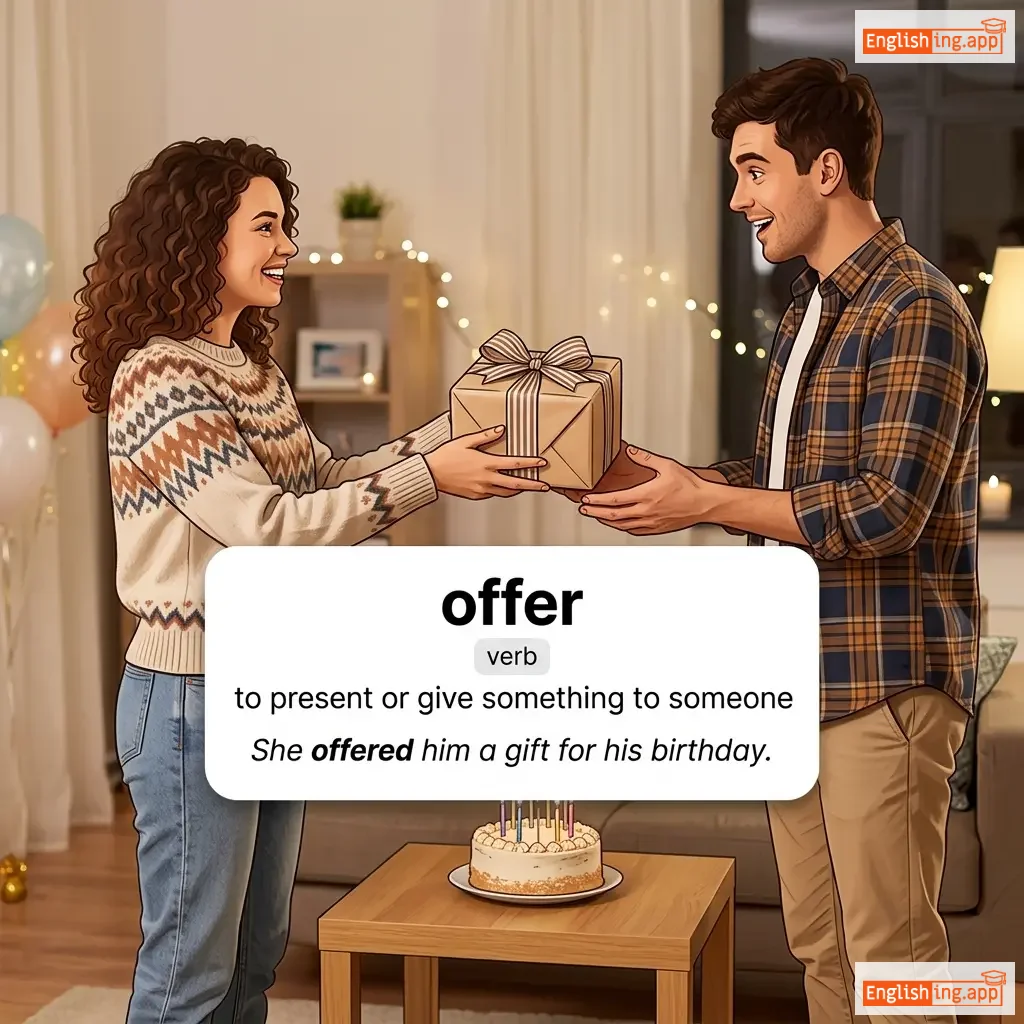
to present or give something to someone
••••••
|
She offered him a gift for his birthday.
Ши офёрд хим э гифтер фор хиз бертде.
••••••
|
Она предложила ему подарок на его день рождения.
Ona predlozhila emu podarok na ego den' rozhdeniya.
••••••
|
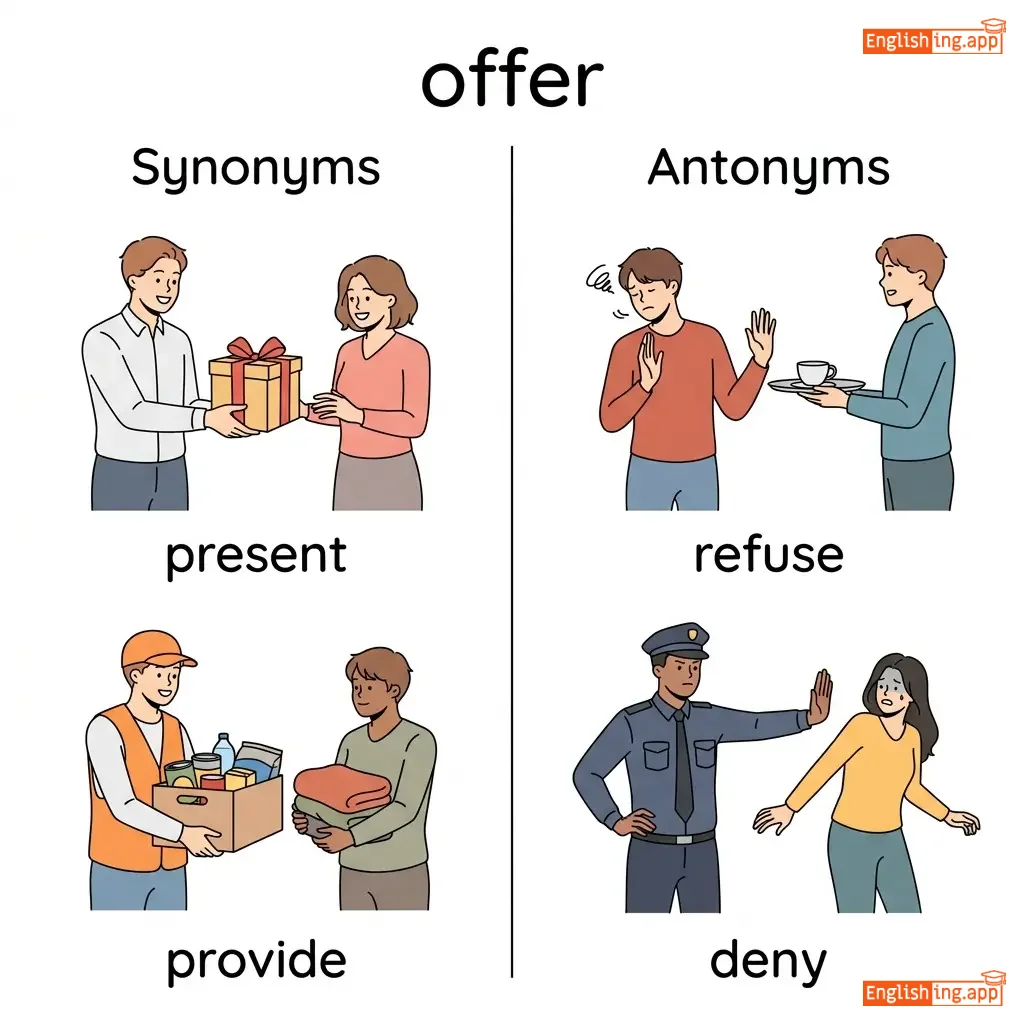
present, provide, give, propose
••••••
|
refuse, deny, reject
••••••
|
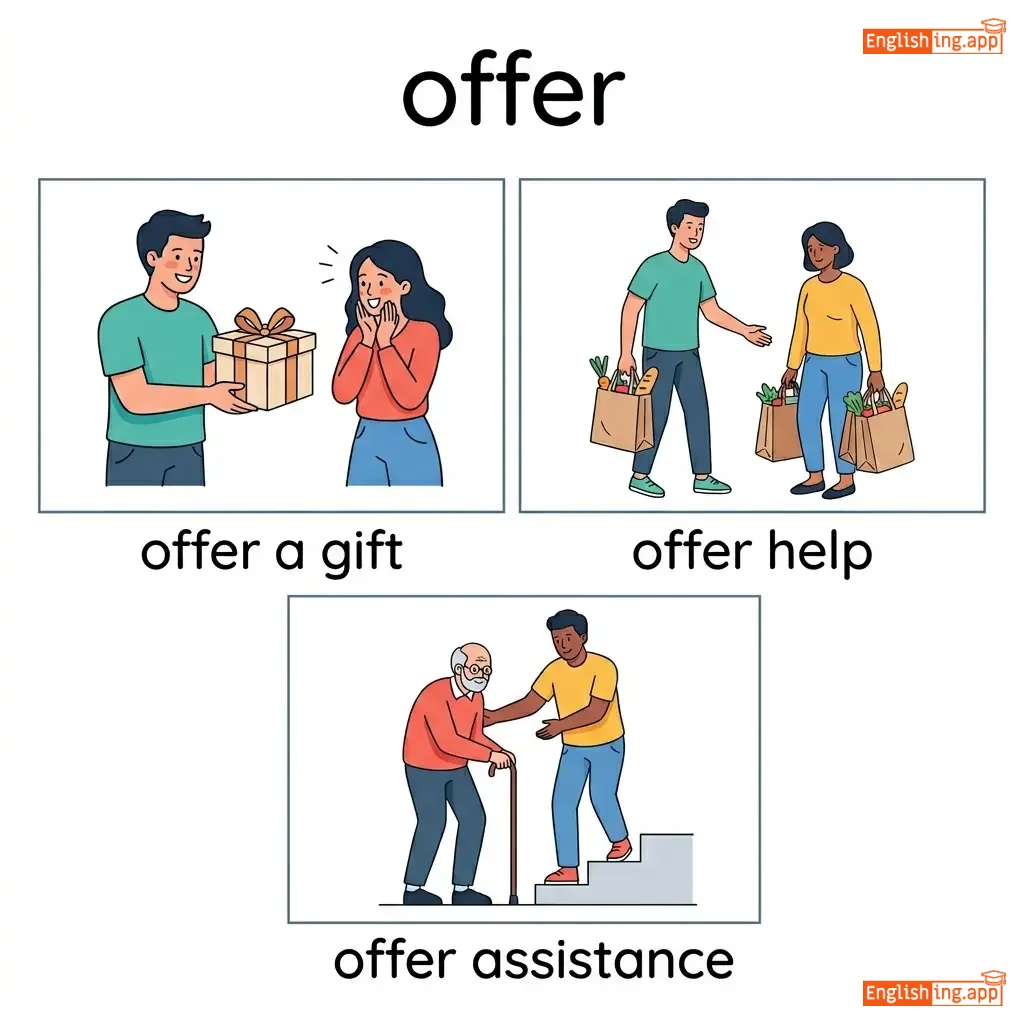
offer a gift, offer help, offer assistance, make an offer
••••••
|
Предлагать значит дать что-то, как 'Предложите подарок'.
••••••
|
|
#11529
⚖️
|
/əˈfɛns/
noun
(офэнс)
••••••
|
- •••••• |
преступление
prestupleniye
••••••
|
- •••••• | - •••••• | - •••••• | - •••••• |
an illegal act; a crime
••••••
|
The offense was committed in broad daylight.
Преступление было совершено при свете дня.
••••••
|
Преступление было совершено при свете дня.
Prestupleniye bylo soversheno pri svete dnya.
••••••
|
crime, wrongdoing, transgression, violation
••••••
|
defense, protection
••••••
|
criminal offense, serious offense, minor offense
••••••
|
Ofense на русском — преступление, как нарушение закона.
••••••
|
|
#11530
⏰
|
/naʊ/
adverb
(нау)
••••••
|
- •••••• |
сейчас
sejchas
••••••
|
- •••••• | - •••••• | - •••••• | - •••••• |
at the present moment or time
••••••
|
I am studying now. |
Я учусь сейчас.
Ya uchus' sejchas.
••••••
|
currently, at present, at this moment
••••••
|
later, then
••••••
|
right now, as of now, now or never
••••••
|
Now is like ‘Naa oo!’ – It’s NOW or never!
••••••
|
|
#11531
🌊
|
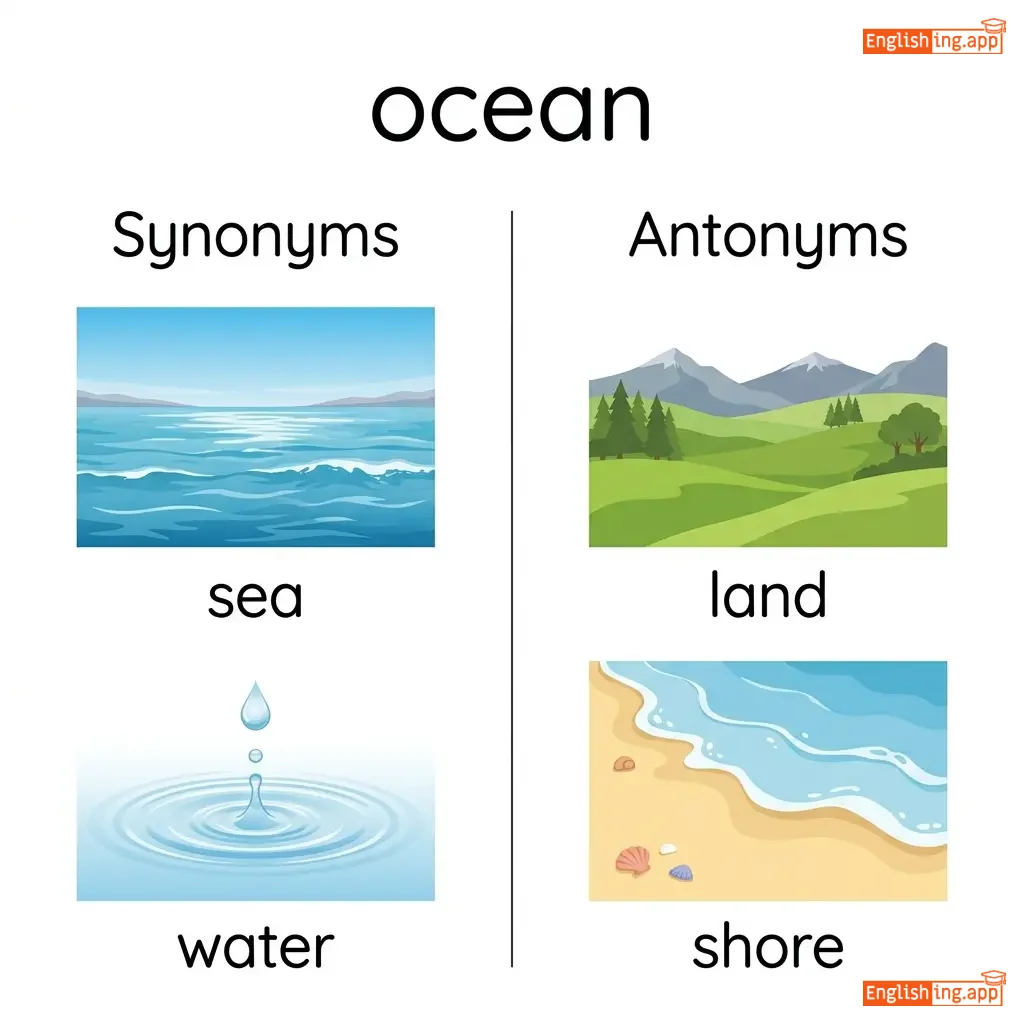
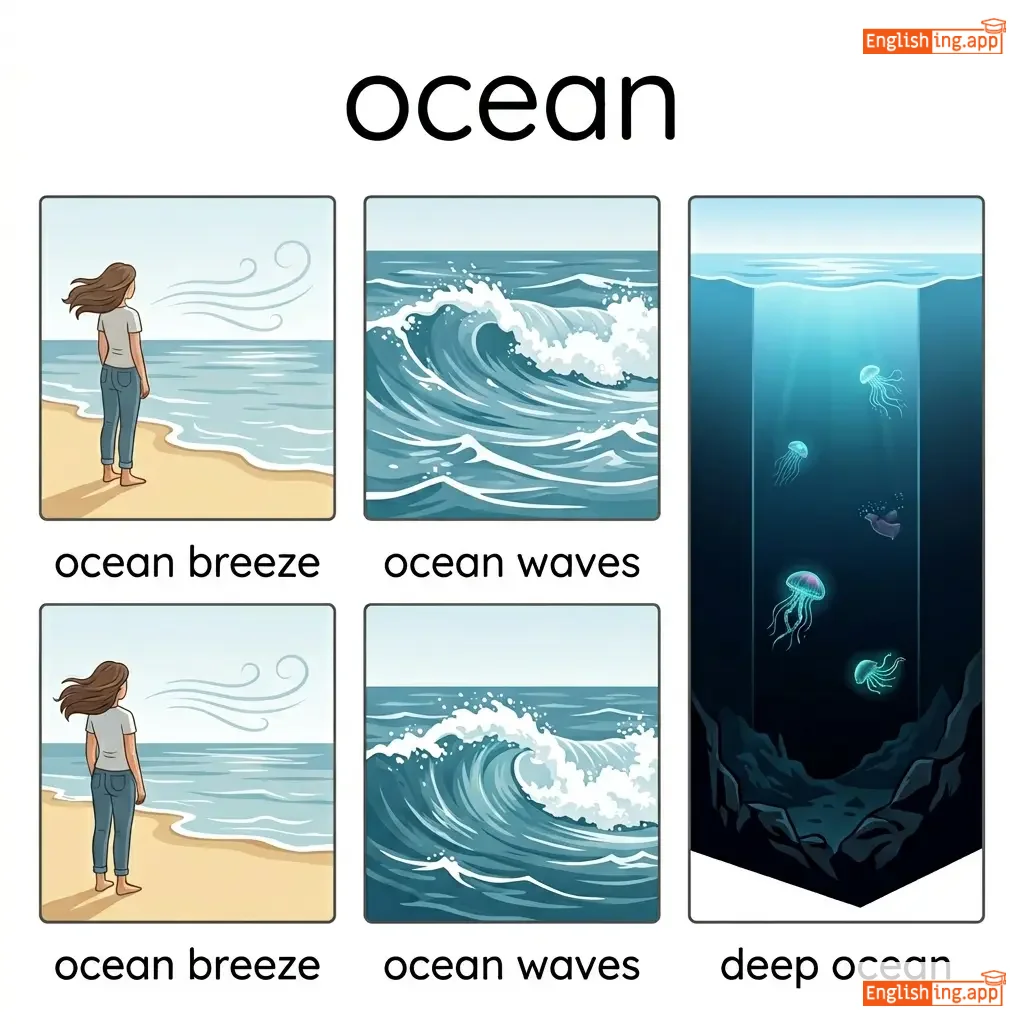
/ˈoʊʃən/
noun
(оушн)
••••••
|
|
океан
okean
••••••
|
- •••••• | - •••••• | - •••••• | - •••••• |
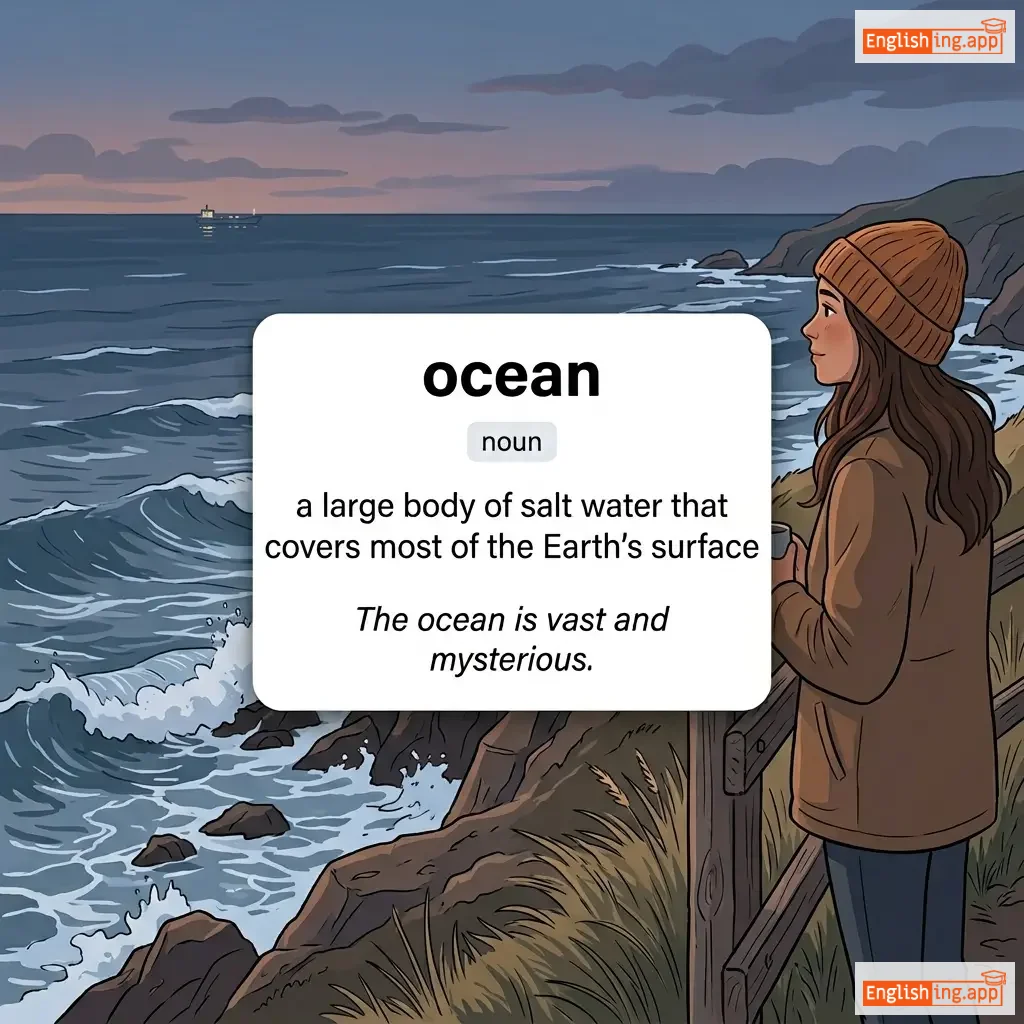
a large body of salt water that covers most of the Earth's surface
••••••
|
The ocean is vast and mysterious.
Океан огромен и загадочен.
••••••
|
Океан огромен и загадочен.
Okean ogromyen i zagadochen.
••••••
|
sea, water, deep, abyss
••••••
|
land, shore
••••••
|
ocean breeze, ocean waves, deep ocean
••••••
|
Океан скрывает много тайн в своей глубине.
••••••
|
|
#11532
🕰️
|
/əˈkɜːr/
verb
(происходить)
••••••
|
|
происходить
proiskhodit
••••••
|
occurred
произошло
••••••
|
occurred
произошедшее
••••••
|
occurs
происходит
••••••
|
occurring
происходя
••••••
|
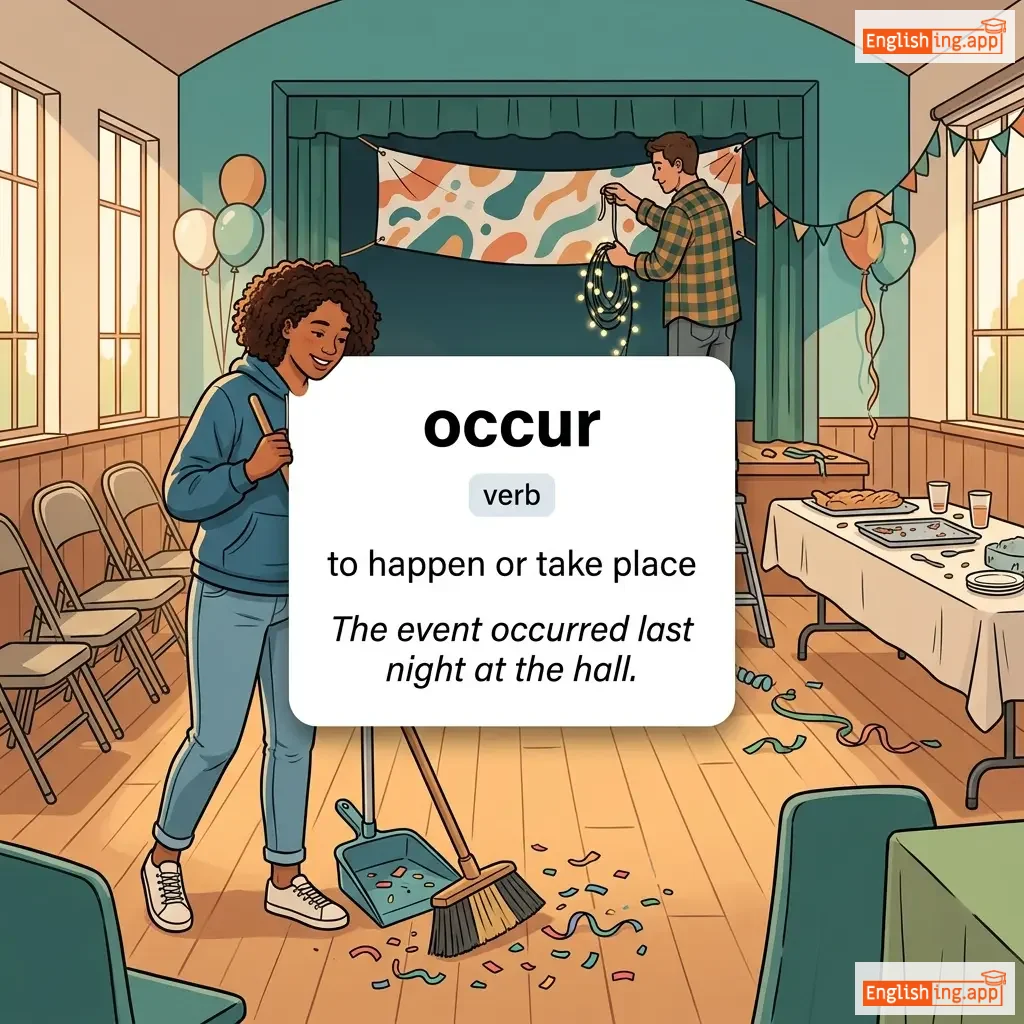
to happen or take place
••••••
|
The event occurred last night at the hall.
Событие произошло прошлой ночью в зале.
••••••
|
Событие произошло прошлой ночью в зале.
Sobytiye proizošlo proshloy noch'yu v zale.
••••••
|
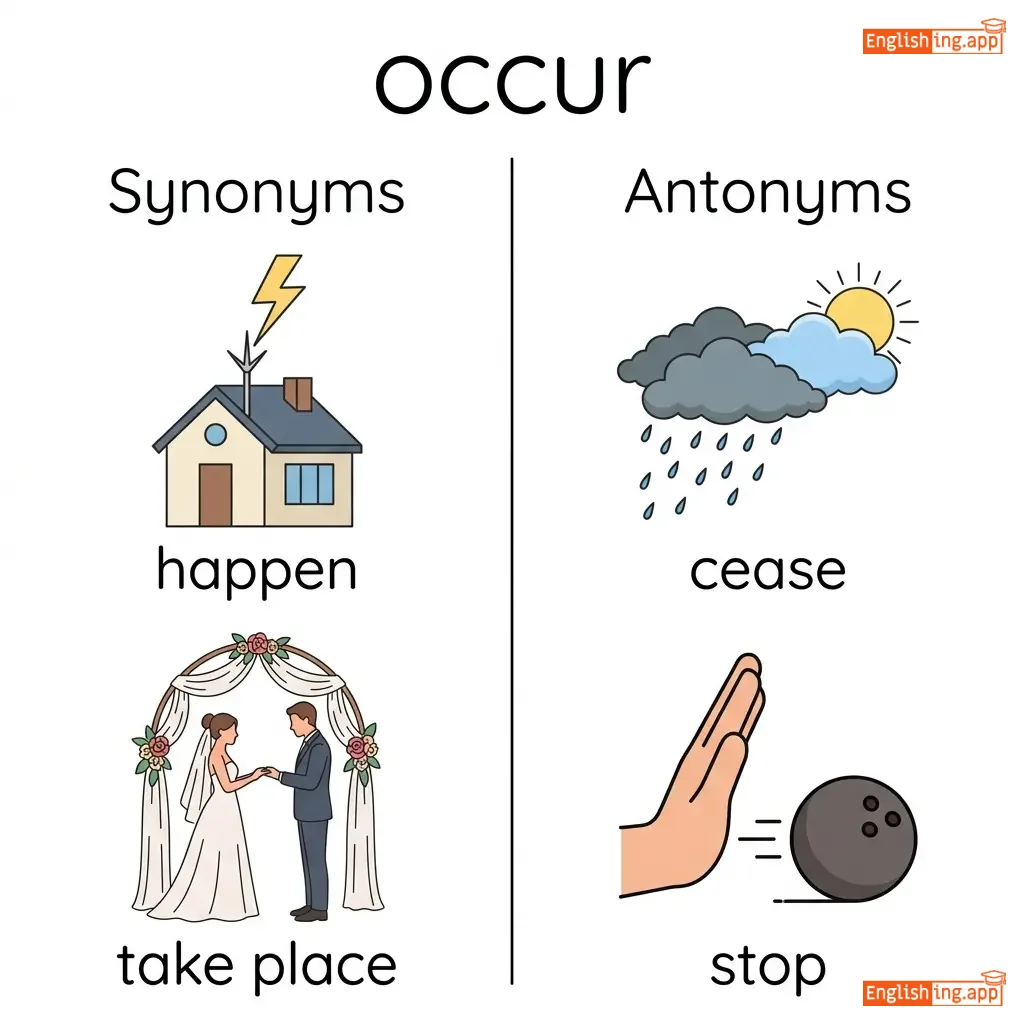
happen, take place, transpire, come about
••••••
|
cease, stop
••••••
|
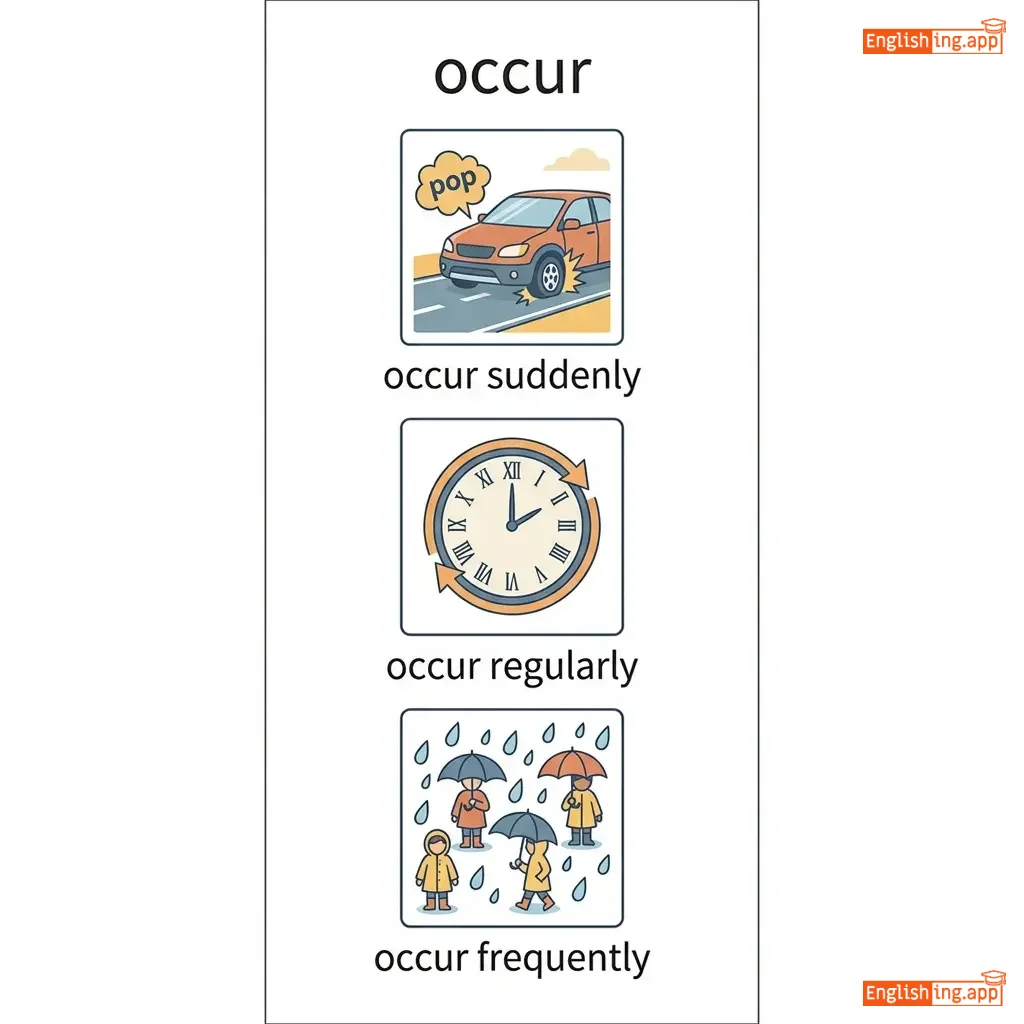
occur suddenly, occur regularly, occur frequently
••••••
|
Occur = Proiskhodit. Событие произошло!
••••••
|
|
#11533
🏠
|
/ˈɒkjʊpaɪ/
verb
(окьюпай)
••••••
|
|
занять
zanyat
••••••
|
occupied
окьюпайд
••••••
|
occupied
окьюпайд
••••••
|
occupies
окьюпайз
••••••
|
occupying
окьюпаинг
••••••
|
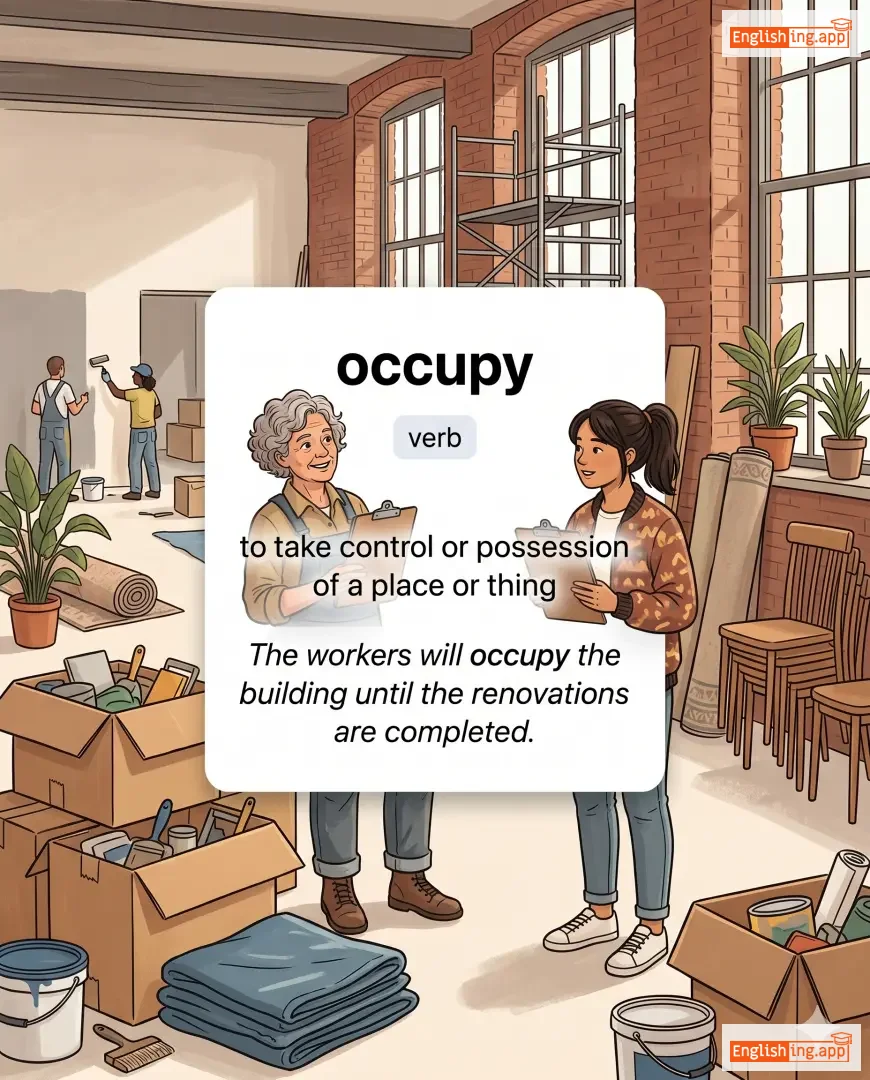
to take control or possession of a place or thing
••••••
|
The workers will occupy the building until the renovations are completed.
Зе уоркёрс вилл окьюпай зе билдинг антил зе реновейшнс ар комплитид.
••••••
|
Рабочие займут здание, пока ремонт не будет завершён.
Rabochie zaimut zdanie, poka remont ne budet zavershen.
••••••
|
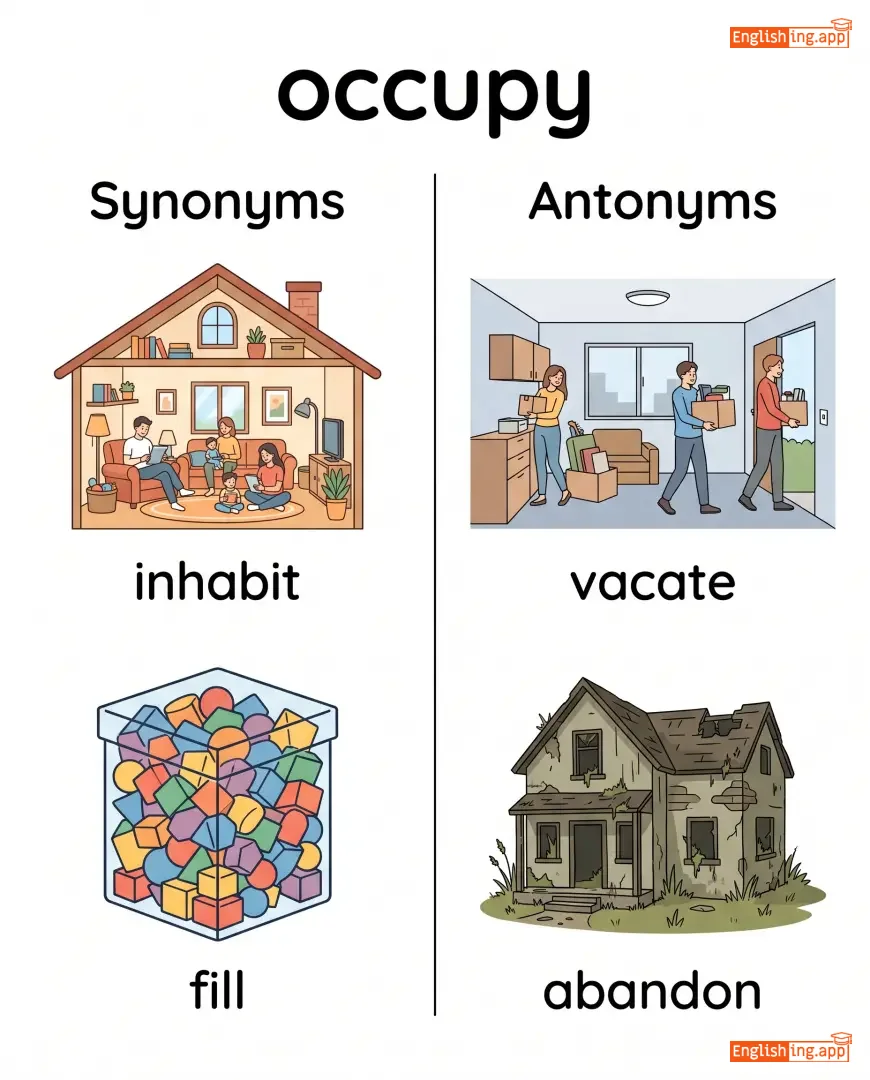
inhabit, fill, take over, seize
••••••
|
vacate, abandon
••••••
|
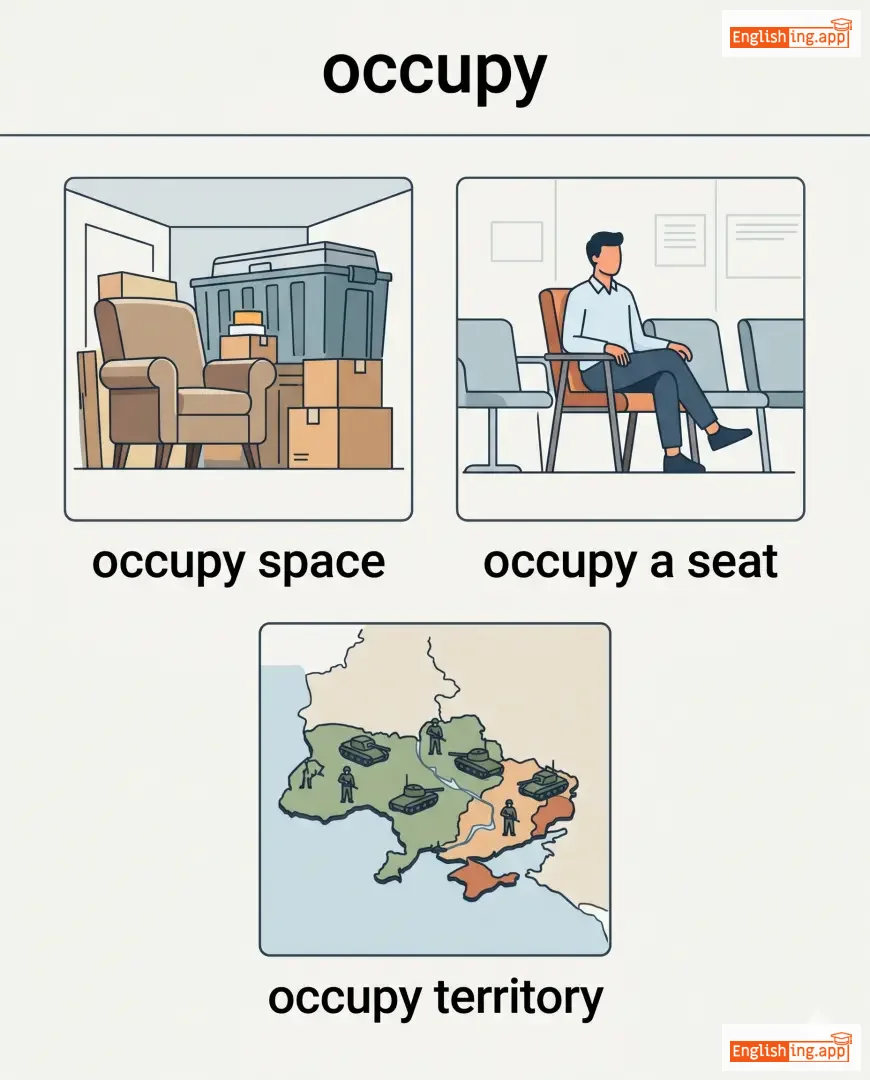
occupy space, occupy a seat, occupy territory
••••••
|
Zanyat sounds like zanyat seat—if you zanyat, you occupy it.
••••••
|
|
#11534
💼
|
/ˌɒkjʊˈpeɪʃən/
noun
(оккупация)
••••••
|
- •••••• |
профессия
professiya
••••••
|
- •••••• | - •••••• | - •••••• | - •••••• |
a job or profession; the action or state of occupying a place
••••••
|
Her occupation is a teacher at a local school.
Её профессия — учитель в местной школе.
••••••
|
Её профессия — учитель в местной школе.
Eyo professiya — uchitel v mestnoy shkole.
••••••
|
job, profession, employment, career
••••••
|
unemployment
••••••
|
occupation status, occupation type, professional occupation
••••••
|
Профессия = работа, которая приносит деньги.
••••••
|
|
#11535
⏳
|
/əˈkeɪʒənəli/
adverb
(o-ke-zhuh-na-lee)
••••••
|
- •••••• |
иногда
inogda
••••••
|
- •••••• | - •••••• | - •••••• | - •••••• |
from time to time; now and then
••••••
|
I occasionally go for a walk in the park.
Я иногда гуляю в парке.
••••••
|
Я иногда гуляю в парке.
Ya inogda gulayu v parke.
••••••
|
sometimes, intermittently, periodically, once in a while
••••••
|
always, regularly
••••••
|
occasionally visit, occasionally see, occasionally hear
••••••
|
Occasionally park mein walk karna. (Inogda = Sometimes)
••••••
|
|
#11536
🙄
|
/ˈɒbviəsli/
adverb
(obviyesli)
••••••
|
- •••••• |
очевидно
ochevidno
••••••
|
- •••••• | - •••••• | - •••••• | - •••••• |
in a way that is easily perceived or understood; clearly
••••••
|
Obviously, he didn’t read the instructions.
Очевидно, он не прочитал инструкции.
••••••
|
Очевидно, он не прочитал инструкции.
Ochevidno, on ne prochital instruktsii.
••••••
|
clearly, evidently, unmistakably, plainly
••••••
|
ambiguously, unclearly
••••••
|
obviously wrong, obviously clear, obviously upset
••••••
|
Очевидно, все ясно!
••••••
|
|
#11537
👀
|
/əbˈzɜːvər/
noun
(ob-zɨr-ver)
••••••
|
- •••••• |
наблюдатель
nablyudatel
••••••
|
- •••••• | - •••••• | - •••••• | - •••••• |
a person who watches or notices something
••••••
|
The observer took notes during the meeting. |
Наблюдатель сделал заметки во время встречи.
Nablyudatel sdelal zametki vo vremya vstrechi.
••••••
|
spectator, watcher, viewer, onlooker
••••••
|
participant, actor
••••••
|
passive observer, keen observer, careful observer
••••••
|
Observer - ‘наб’ и ‘людатель’, напоминание о том, что кто-то наблюдает.
••••••
|
|
#11538
👀
|
/əbˈzɜːv/
verb
(обзёрв)
••••••
|
- •••••• |
наблюдать
nablyudat
••••••
|
observed
обзёрвд
••••••
|
observed
обзёрвд
••••••
|
observes
обзёрвс
••••••
|
observing
обзёрвинг
••••••
|
to watch carefully and attentively
••••••
|
The teacher asked the students to observe the experiment.
Учитель попросил студентов наблюдать за экспериментом.
••••••
|
Учитель попросил студентов наблюдать за экспериментом.
Uchitel' poprosil studentov nablyudat' za eksperimentom.
••••••
|
watch, notice, see, view
••••••
|
ignore, overlook
••••••
|
observe carefully, observe closely, observe the surroundings
••••••
|
Observe по-русски - как смотреть с вниманием.
••••••
|
|
#11539
🔍
|
/ˌɒbzəˈveɪʃən/
noun
(обсервация)
••••••
|
- •••••• |
наблюдение
nablyudenie
••••••
|
- •••••• | - •••••• | - •••••• | - •••••• |
the action or process of observing something carefully in order to gain information
••••••
|
The scientist made an observation during the experiment.
Ученый сделал наблюдение во время эксперимента.
••••••
|
Ученый сделал наблюдение во время эксперимента.
Uchenyy sdelal nablyudeniye vo vremya eksperimenta.
••••••
|
examination, study, analysis, inspection
••••••
|
ignorance, inattention
••••••
|
keen observation, careful observation, make an observation
••••••
|
Observation - сочетание 'ob' и 'сервации'. Представьте, что вы наблюдаете что-то очень внимательно.
••••••
|
|
#11540
⚖️
|
/ˌɒblɪˈɡeɪʃən/
noun
(облиɡэйшн)
••••••
|
- •••••• |
обязанность
obyazannost
••••••
|
- •••••• | - •••••• | - •••••• | - •••••• |
a duty or commitment
••••••
|
You have an obligation to follow the rules.
У вас есть обязательство следовать правилам.
••••••
|
У вас есть обязательство следовать правилам.
U vas yest' obyazatel'stvo sleduyte pravilam.
••••••
|
duty, responsibility, commitment, requirement
••••••
|
option, freedom
••••••
|
legal obligation, moral obligation, fulfill an obligation
••••••
|
Обязанность, как обязательство, легкое слово для запоминания.
••••••
|
|
#11541
📦
|
/ˈɒbdʒɪkt/
noun
(обжект)
••••••
|
- •••••• |
объект
ob'ekt
••••••
|
- •••••• | - •••••• | - •••••• | - •••••• |
a thing that can be seen and touched
••••••
|
The table is an object in the room.
Стол — это объект в комнате.
••••••
|
Стол — это объект в комнате.
Stol — eto ob'ekt v komnate.
••••••
|
item, thing, article, entity
••••••
|
subject, person
••••••
|
inanimate object, physical object, move object, object to
••••••
|
Объект — это вещь, которую вы можете увидеть и потрогать.
••••••
|
|
#11542
🥜
|
/nʌt/
noun
(нэт)
••••••
|
- •••••• |
орех
orekh
••••••
|
- •••••• | - •••••• | - •••••• | - •••••• |
a hard-shelled fruit that contains a seed, or a small metal piece used in machinery
••••••
|
She ate a peanut, which is a type of nut. |
Она съела арахис, который является видом ореха.
Ona syela arakhis, kotoryy yavyayetsya vidom oreha.
••••••
|
seed, kernel, shell
••••••
|
fruit, vegetable
••••••
|
eat nuts, nut shell, nutcracker
••••••
|
Nut is like an orekh, tough on the outside but satisfying when cracked!
••••••
|
|
#11543
🔢
|
/ˈnʌmbər/
noun
(на́мбер)
••••••
|
- •••••• |
номер
nomer
••••••
|
- •••••• | - •••••• | - •••••• | - •••••• |
a mathematical value used to count, measure, or label
••••••
|
She gave me her phone number.
Она дала мне свой номер телефона.
••••••
|
Она дала мне свой номер телефона.
Ona dala mne svoy nomer telefona.
••••••
|
digit, figure, numeral
••••••
|
letter, word
••••••
|
phone number, lucky number, large number
••••••
|
Number is a sequence – Imagine numbering all the steps in your life!
••••••
|
|
#11544
☢️
|
/ˈnuːkliər/
adjective
(ньюклеар)
••••••
|
- •••••• |
ядерный
yaderny
••••••
|
- •••••• | - •••••• | - •••••• | - •••••• |
relating to the nucleus of an atom or to nuclear energy
••••••
|
The country is developing nuclear energy. |
Страна разрабатывает ядерную энергию.
Strana razrabatyvayet yadernuju energiyu.
••••••
|
atomic, radioactive
••••••
|
non-nuclear
••••••
|
nuclear energy, nuclear power, nuclear weapon
••••••
|
Nuclear = New Clear! Imagine new, clear energy coming from atoms!
••••••
|
Vocabulary Quiz
Test your vocabulary by matching words with their translations or meanings.
Login to take the quiz
Comments (0)
Share your thoughts and join the discussion.
Join the discussion by logging in
Login to CommentNo comments yet
Be the first to share your thoughts!