

翻訳
過去
過去分詞
三人称単数
動名詞
意味
例文
例文の翻訳
同義語
対義語
コロケーション
ニーモニック

Swipe left or right, or use the buttons. Tap image to zoom.
例文の翻訳
単語
Lesson 385Lesson 385 - マスクトグル
|
絵文字
|
単語 | Images | 翻訳 | 過去 | 過去分詞 | 三人称単数 | 動名詞 | 意味 | 例文 | 例文の翻訳 | 同義語 | 対義語 | コロケーション | ニーモニック |
|---|---|---|---|---|---|---|---|---|---|---|---|---|---|---|
|
#11515
🔗
|
/ʌv/
preposition
(オブ)
••••••
|
- •••••• |
の
no
••••••
|
- •••••• | - •••••• | - •••••• | - •••••• |
expressing the relationship between a part and a whole
••••••
|
The book is on the table, in front of the window. |
本はテーブルの上にあり、窓の前にあります。
Hon wa tēburu no ue ni ari, mado no mae ni arimasu.
••••••
|
from, about, concerning
••••••
|
none
••••••
|
part of, full of, kind of, out of
••••••
|
Of は日本語では「の」と訳され、部分と全体の関係を示す
••••••
|
|
#11516
💻
|
/ˈɒnˌlaɪn/
adjective/adverb
(オンライン)
••••••
|
- •••••• |
オンライン
onrain
••••••
|
- •••••• | - •••••• | - •••••• | - •••••• |
connected to or available through the internet
••••••
|
I prefer shopping online rather than going to stores.
私はお店に行くよりもオンラインで買い物をする方が好きです。
••••••
|
私はお店に行くよりもオンラインで買い物をする方が好きです。
Watashi wa omise ni iku yori mo onrain de kaimono wo suru hou ga suki desu.
••••••
|
internet-based, digital, connected, virtual
••••••
|
offline, disconnected
••••••
|
online shopping, online services, online education, online access
••••••
|
Onrain sounds like online with a Japanese twist!
••••••
|
|
#11517
🧅
|
/ˈʌnjən/
noun
(オニオン)
••••••
|
- •••••• |
玉ねぎ
tamanegi
••••••
|
- •••••• | - •••••• | - •••••• | - •••••• |
a round vegetable with a strong smell and flavor, usually used in cooking
••••••
|
I chopped an onion to make the soup. |
私はスープを作るために玉ねぎを切りました。
Watashi wa sūpu o tsukuru tame ni tamanegi o kirimashita.
••••••
|
bulb, leek, shallot
••••••
|
garlic, herb
••••••
|
chop an onion, onion soup, onion ring
••••••
|
玉ねぎ - 玉ねぎを切ると涙が出る!
••••••
|
|
#11518
🔄
|
/ˈɒnɡəʊɪŋ/
adjective
(オンゴーイング)
••••••
|
- •••••• |
進行中
shinkouchuu
••••••
|
- •••••• | - •••••• | - •••••• | - •••••• |
continuing; still in progress
••••••
|
The ongoing project will finish next month. |
進行中のプロジェクトは来月終了します。
Shinkouchuu no purojekuto wa raigetsu shūryō shimasu.
••••••
|
continuing, in progress, underway, persistent
••••••
|
finished, completed
••••••
|
ongoing process, ongoing work, ongoing issue
••••••
|
進行中 - 進行中のプロジェクトが完了するように!
••••••
|
|
#11519
⏳
|
/wʌns/
adverb
(ワンス)
••••••
|
- •••••• |
一度
ichido
••••••
|
- •••••• | - •••••• | - •••••• | - •••••• |
on one occasion only; at a time in the past
••••••
|
She visited Paris once last year. |
彼女は昨年一度パリを訪れました。
Kanojo wa sakunen ichido Pari o otozuremashita.
••••••
|
formerly, previously, at one time, at one point
••••••
|
never, always
••••••
|
once in a while, once again, once a year
••••••
|
一度 - 一度きりのチャンスを大切に!
••••••
|
|
#11520
🏅
|
/əˈlɪmpɪk/
adjective
(オリンピック)
••••••
|
- •••••• |
オリンピック
orimpikku
••••••
|
- •••••• | - •••••• | - •••••• | - •••••• |
related to the Olympic Games, a major international sporting event
••••••
|
She trained hard to compete in the Olympic Games. |
彼女はオリンピックに出場するために一生懸命トレーニングをしました。
Kanojo wa orimpikku ni shutsujō suru tame ni isshōkenmei torēningu o shimashita.
••••••
|
worldwide, international, competitive
••••••
|
local, amateur
••••••
|
Olympic Games, Olympic athlete, Olympic gold, Olympic champion
••••••
|
オリンピック - 世界中の最高のアスリートが競い合う場所。
••••••
|
|
#11521
👌
|
/əʊˈkeɪ/
adjective
(オーケー)
••••••
|
- •••••• |
大丈夫
daijoubu
••••••
|
- •••••• | - •••••• | - •••••• | - •••••• |
used to express agreement or acceptance
••••••
|
It's okay to leave early today. |
今日は早く帰るのは大丈夫です。
Kyou wa hayaku kaeru no wa daijoubu desu.
••••••
|
alright, fine, acceptable, good
••••••
|
bad, unacceptable
••••••
|
feel okay, seem okay, okay with, okay to
••••••
|
オーケー - 言うとみんなすぐに同意する。
••••••
|
|
#11522
👌
|
/oʊˈkeɪ/
adjective
(オーケー)
••••••
|
- •••••• |
わかった
wakatta
••••••
|
- •••••• | - •••••• | - •••••• | - •••••• |
used to indicate agreement, approval, or understanding
••••••
|
Okay, let's go to the park. |
わかった、じゃあ公園に行こう。
Wakatta, jyaa kouen ni ikou.
••••••
|
alright, fine, agreed, acceptable
••••••
|
no, disagree, unacceptable
••••••
|
okay with, okay to, okay about, okay for
••••••
|
オーケー、わかった (Okee, wakatta)
••••••
|
|
#11523
🛢️
|
/ɔɪl/
noun
(オイル)
••••••
|
- •••••• |
油
abura
••••••
|
- •••••• | - •••••• | - •••••• | - •••••• |
a viscous liquid derived from plants or animals, used for cooking, lubrication, or fuel
••••••
|
She added some oil to the pan to fry the vegetables. |
彼女は野菜を揚げるためにフライパンに少し油を加えました。
Kanojo wa yasai o ageru tame ni furaipan ni sukoshi abura o kuwaemashita.
••••••
|
grease, petroleum, lubricant, fat
••••••
|
water
••••••
|
olive oil, vegetable oil, motor oil, essential oil
••••••
|
油 (abura) で野菜を揚げる。
••••••
|
|
#11524
😮
|
/oʊ/
interjection
(オー)
••••••
|
- •••••• |
オー
oo
••••••
|
- •••••• | - •••••• | - •••••• | - •••••• |
used to express surprise, realization, or understanding
••••••
|
Oh, I didn't know you were here! |
オー、あなたがここにいるとは思わなかった!
Oo, anata ga koko ni iru to wa omowanakatta!
••••••
|
wow, ah, oh my, oops
••••••
|
- •••••• |
oh no, oh wow, oh my, oh dear
••••••
|
オー、びっくり!(Oh, what a surprise!)
••••••
|
|
#11525
🔁
|
/ˈɔːfən/
adverb
(オフテン)
••••••
|
- •••••• |
しばしば
shibashiba
••••••
|
- •••••• | - •••••• | - •••••• | - •••••• |
frequently, many times
••••••
|
I often visit my grandparents on weekends.
私は週末にしばしば祖父母を訪れます。
••••••
|
私は週末にしばしば祖父母を訪れます。
Watashi wa shūmatsu ni shibashiba sofubo o otozuremasu.
••••••
|
frequently, regularly, repeatedly, commonly
••••••
|
rarely, seldom, never
••••••
|
often visit, often see, often talk, often hear
••••••
|
オフィスでしばしば (often) 会議があります。
••••••
|
|
#11526
📜
|
/əˈfɪʃəl/
adjective
(オフィシャル)
••••••
|
- •••••• |
公式
kōshiki
••••••
|
- •••••• | - •••••• | - •••••• | - •••••• |
relating to or connected with an authority or public office
••••••
|
He is the official spokesperson for the company.
彼は会社の公式なスポークスマンです。
••••••
|
彼は会社の公式なスポークスマンです。
Kare wa kaisha no kōshiki na supōkusuman desu.
••••••
|
authorized, formal, legitimate, recognized
••••••
|
unofficial, informal, unofficial
••••••
|
official statement, official announcement, official document, official role
••••••
|
公式(kōshiki)は常に権限を持つ人物に関連している。
••••••
|
|
#11527
👮
|
/ˈɔːfɪsər/
noun
(オフィサー)
••••••
|
- •••••• |
警官
keikan
••••••
|
- •••••• | - •••••• | - •••••• | - •••••• |
a person in a position of authority, especially in law enforcement
••••••
|
The officer gave him a ticket for speeding. |
警官はスピード違反で彼にチケットを渡した。
Keikan wa supīdo ihan de kare ni chiketto o watashita.
••••••
|
agent, constable, policeman, lawman
••••••
|
civilian, criminal
••••••
|
police officer, military officer, security officer
••••••
|
警官, まるで警察官 - 権力を持つ人
••••••
|
|
#11528
🎁
|
/ˈɔːfər/
verb
(オファー)
••••••
|
|
提供する
teikyō suru
••••••
|
offered
オファード
••••••
|
offered
オファード
••••••
|
offers
オファーズ
••••••
|
offering
オファリング
••••••
|
to present or give something to someone
••••••
|
She offered him a gift for his birthday.
シー オファード ヒム ア ギフト フォー ヒズ バースデイ。
••••••
|
彼女は彼に誕生日のためにプレゼントを提供した。
Kanojo wa kare ni tanjōbi no tame ni purezento o teikyō shita.
••••••
|
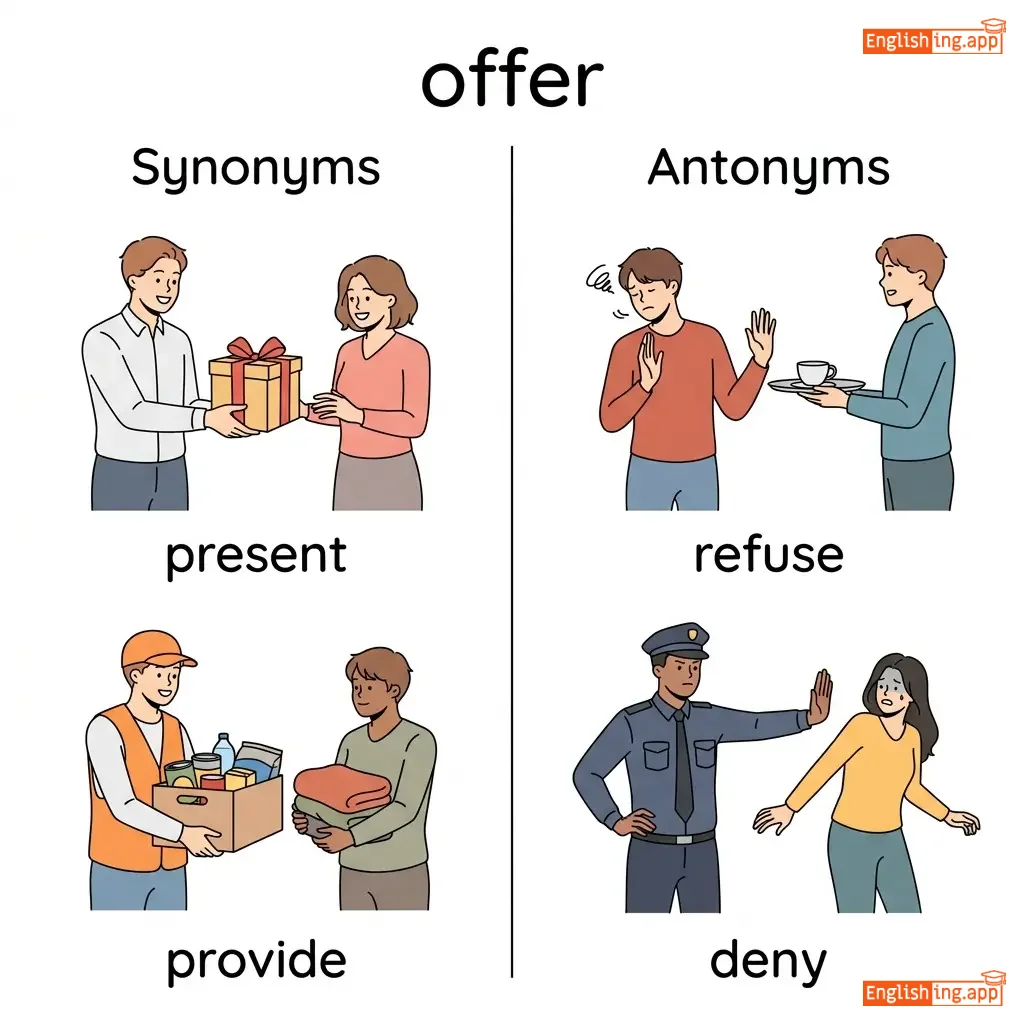
present, provide, give, propose
••••••
|
refuse, deny, reject
••••••
|
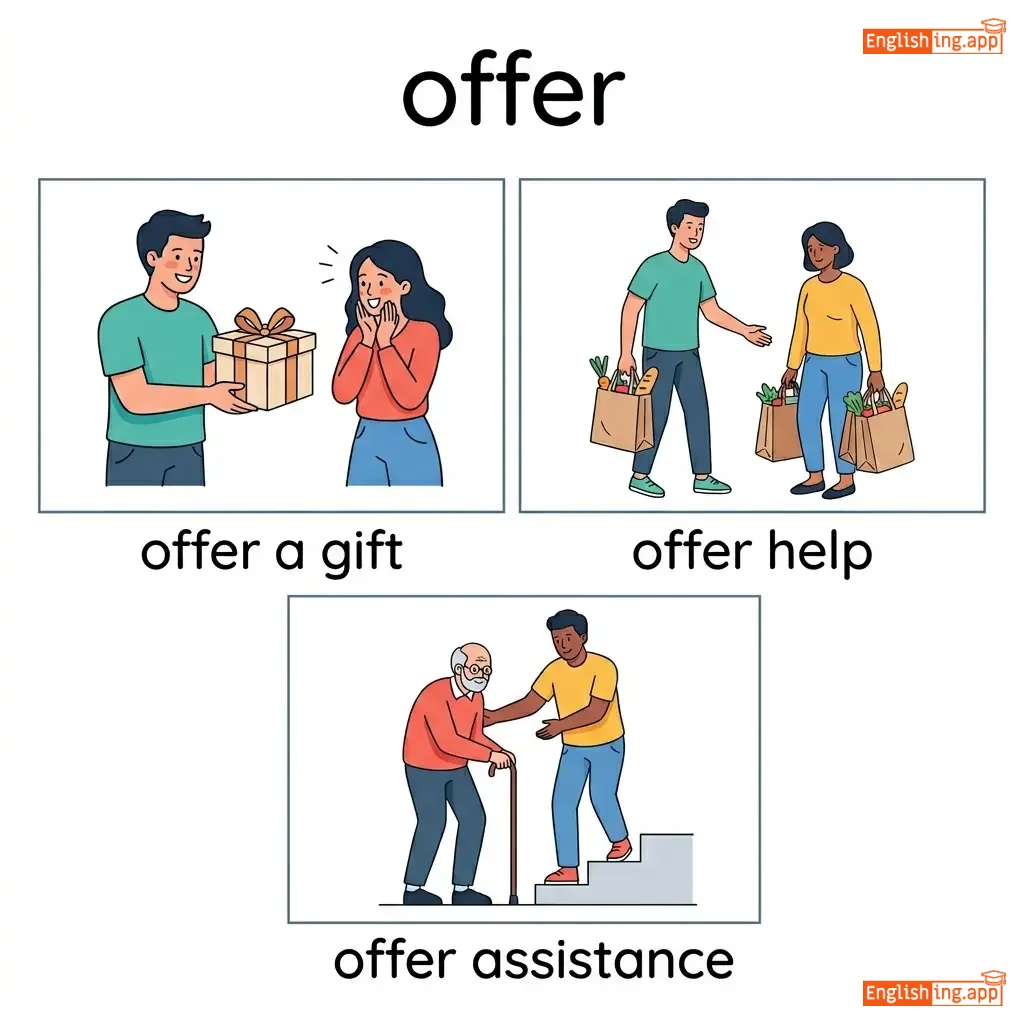
offer a gift, offer help, offer assistance, make an offer
••••••
|
提供するは何かを渡すこと、例えば「プレゼントを提供する」
••••••
|
|
#11529
⚖️
|
/əˈfɛns/
noun
(オフェンス)
••••••
|
- •••••• |
犯罪
hanzai
••••••
|
- •••••• | - •••••• | - •••••• | - •••••• |
an illegal act; a crime
••••••
|
The offense was committed in broad daylight.
その罪は昼間に犯されました。
••••••
|
その罪は昼間に犯されました。
Sono zai wa hiruma ni okasaremashita.
••••••
|
crime, wrongdoing, transgression, violation
••••••
|
defense, protection
••••••
|
criminal offense, serious offense, minor offense
••••••
|
Ofense は '犯罪' として、日本では違法行為とされます。
••••••
|
|
#11530
⏰
|
/naʊ/
adverb
(ナウ)
••••••
|
- •••••• |
今
ima
••••••
|
- •••••• | - •••••• | - •••••• | - •••••• |
at the present moment or time
••••••
|
I am studying now. |
私は今勉強しています。
Watashi wa ima benkyou shiteimasu.
••••••
|
currently, at present, at this moment
••••••
|
later, then
••••••
|
right now, as of now, now or never
••••••
|
Now is like ‘Naa oo!’ – It’s NOW or never!
••••••
|
|
#11531
🌊
|
/ˈoʊʃən/
noun
(オーシャン)
••••••
|
|
海洋
kaiyō
••••••
|
- •••••• | - •••••• | - •••••• | - •••••• |
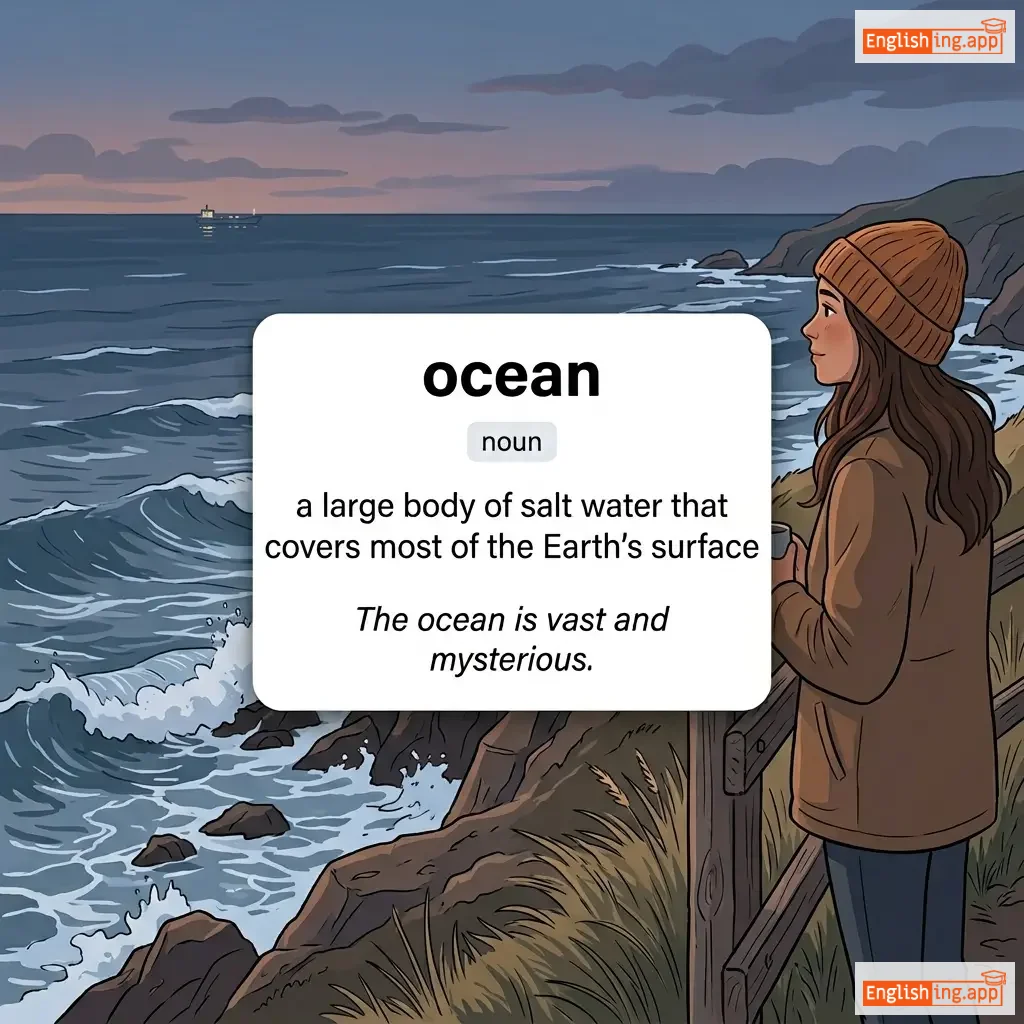
a large body of salt water that covers most of the Earth's surface
••••••
|
The ocean is vast and mysterious.
海洋は広大で神秘的です。
••••••
|
海洋は広大で神秘的です。
kaiyō wa kōdai de shinpiteki desu.
••••••
|
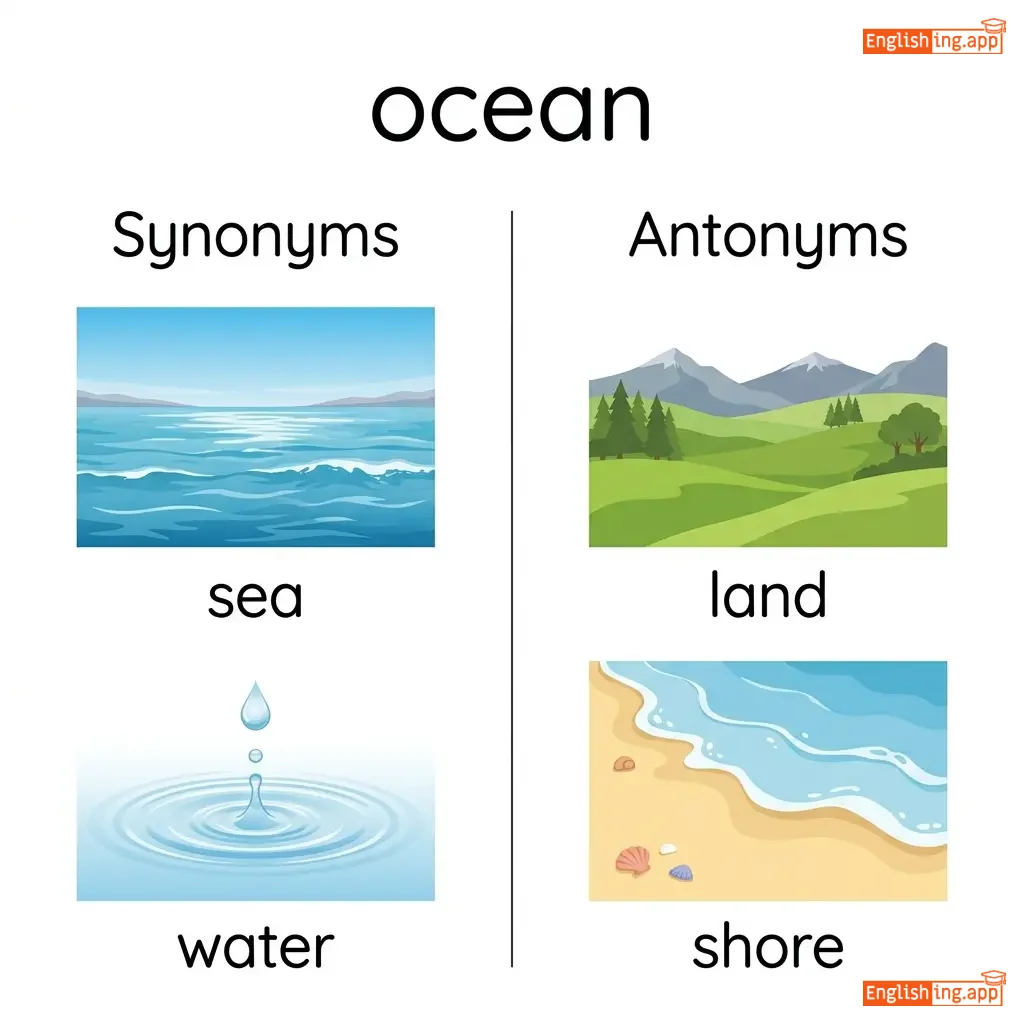
sea, water, deep, abyss
••••••
|
land, shore
••••••
|
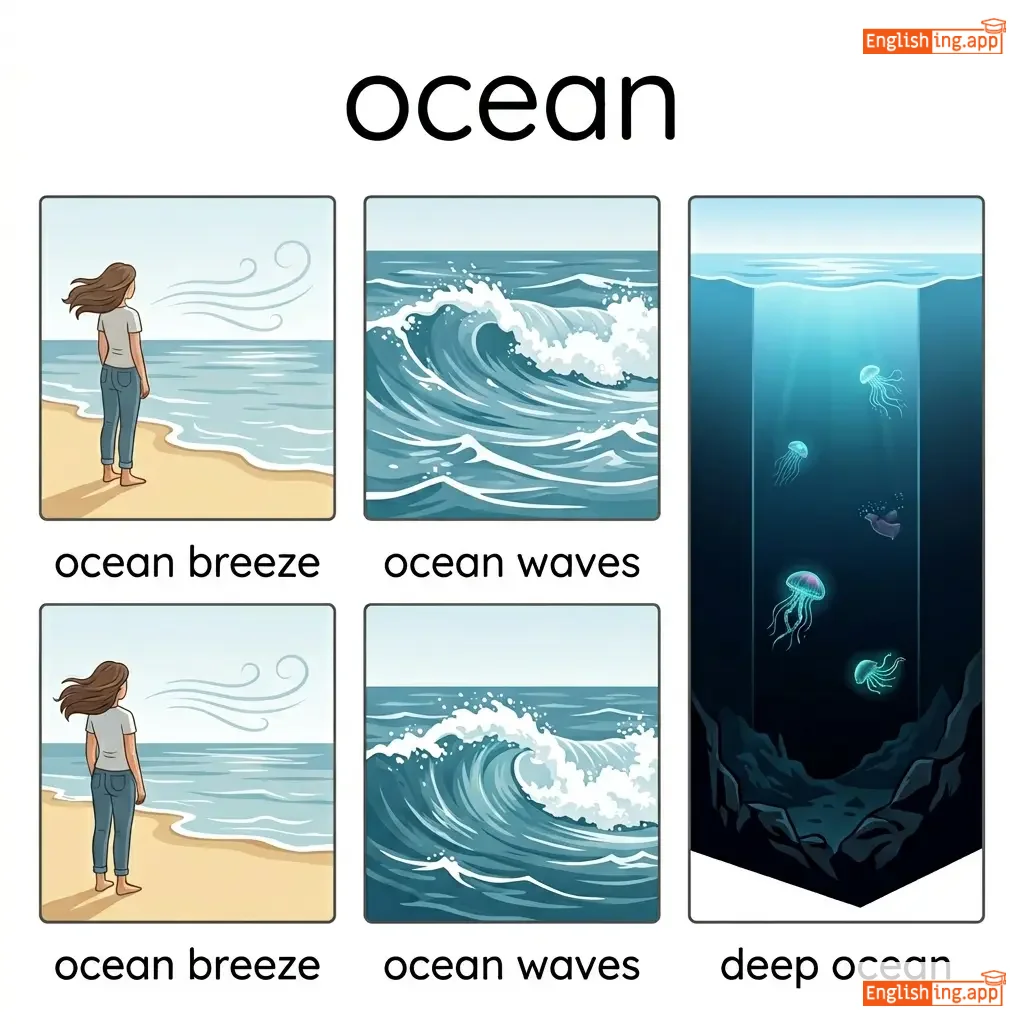
ocean breeze, ocean waves, deep ocean
••••••
|
海洋は広大で無限の謎を秘めています。
••••••
|
|
#11532
🕰️
|
/əˈkɜːr/
verb
(発生する)
••••••
|
|
発生する
hassuru
••••••
|
occurred
発生した
••••••
|
occurred
発生した
••••••
|
occurs
発生する
••••••
|
occurring
発生している
••••••
|
to happen or take place
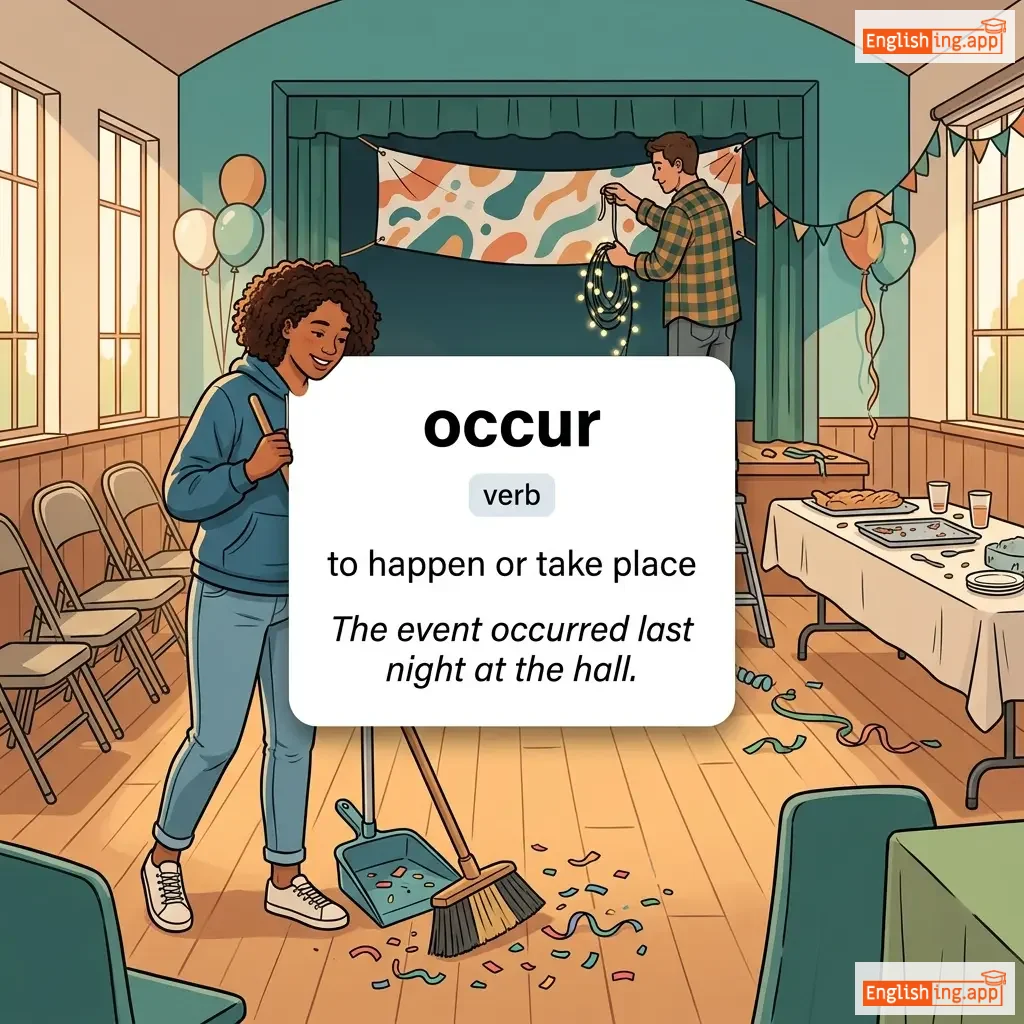
••••••
|
The event occurred last night at the hall.
その出来事は昨晩ホールで発生しました。
••••••
|
その出来事は昨晩ホールで発生しました。
Sono dekigoto wa sakuban hōru de hassei shimashita.
••••••
|
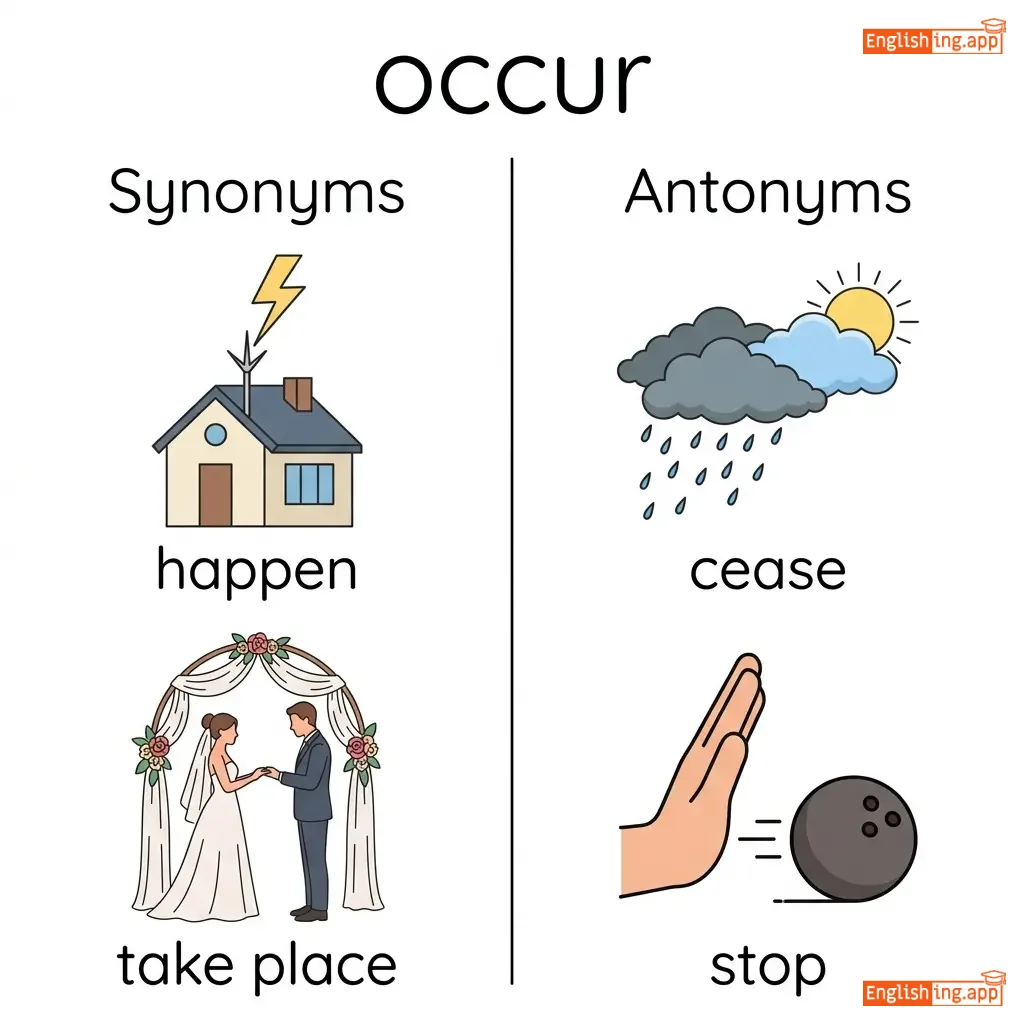
happen, take place, transpire, come about
••••••
|
cease, stop
••••••
|
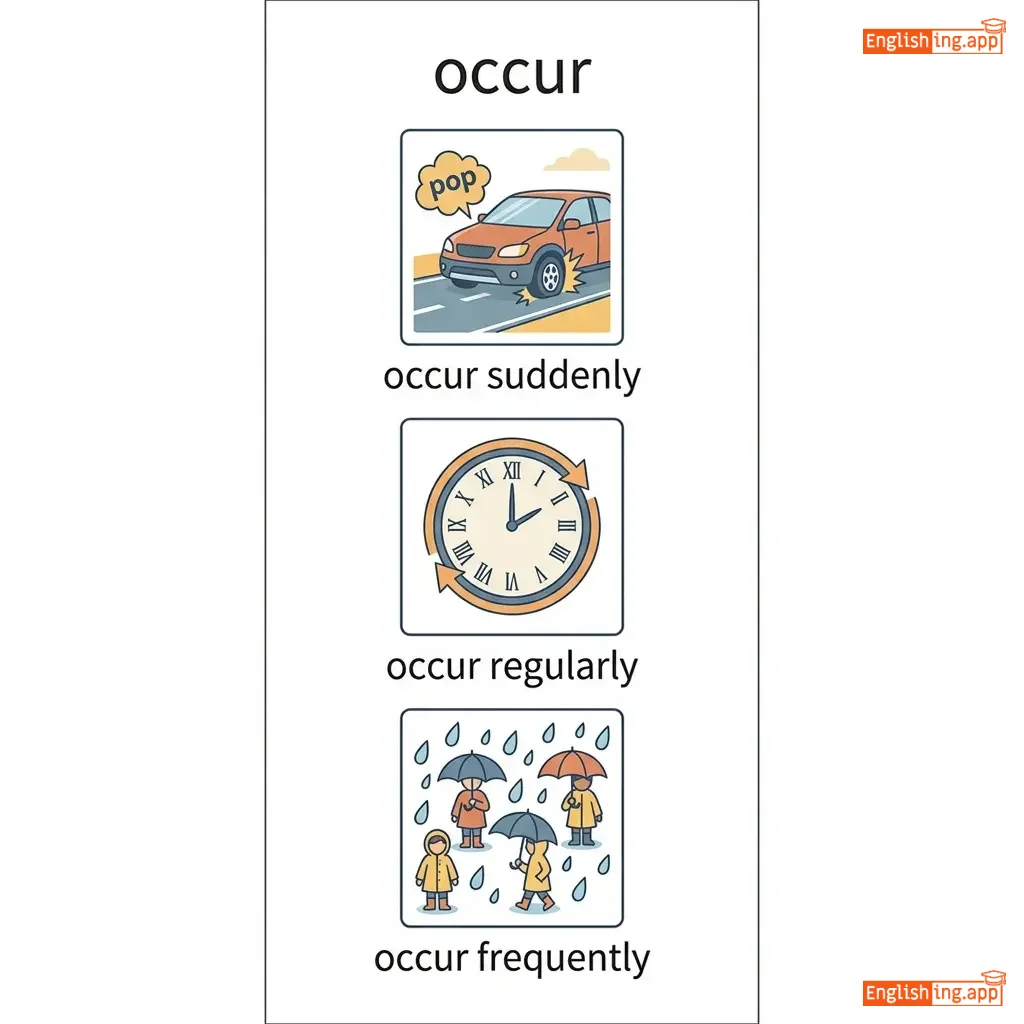
occur suddenly, occur regularly, occur frequently
••••••
|
Occur = Hassuru. 出来事が発生した!
••••••
|
|
#11533
🏠
|
/ˈɒkjʊpaɪ/
verb
(オキュパイ)
••••••
|
|
占拠する
senkyo suru
••••••
|
occupied
オキュパイド
••••••
|
occupied
オキュパイド
••••••
|
occupies
オキュパイズ
••••••
|
occupying
オキュパイング
••••••
|
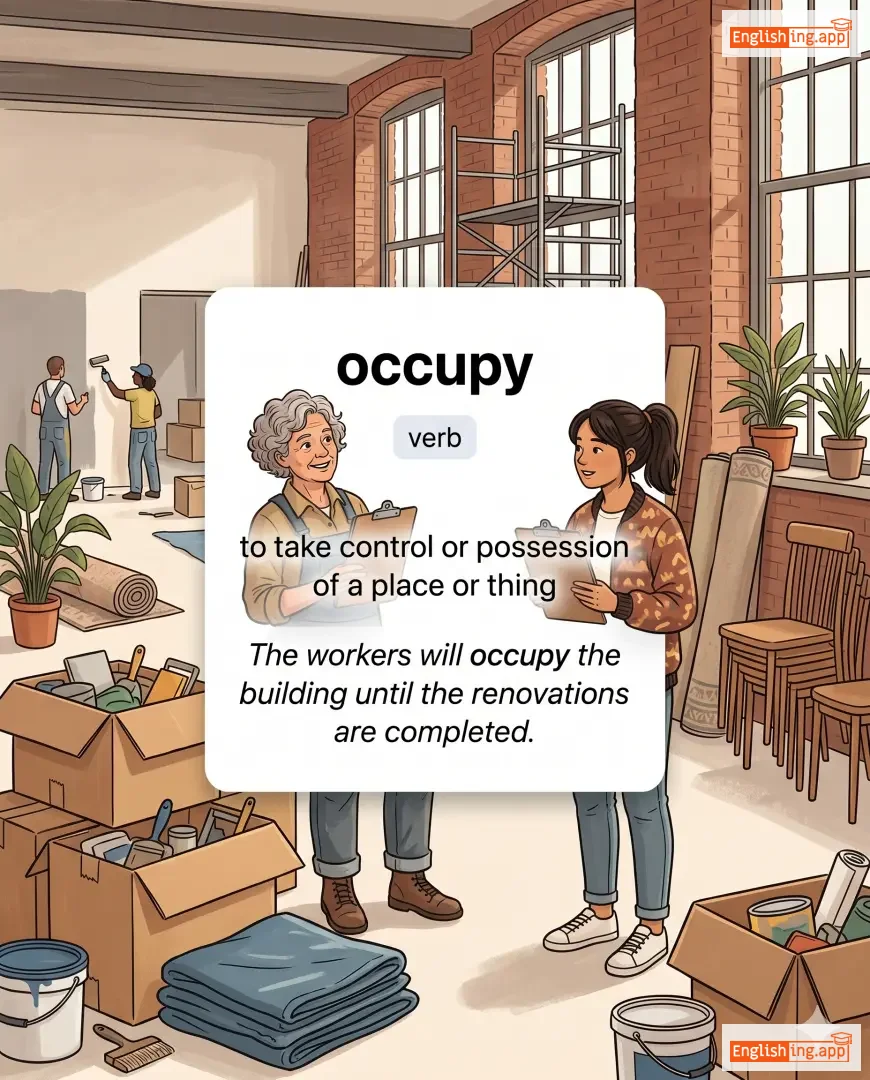
to take control or possession of a place or thing
••••••
|
The workers will occupy the building until the renovations are completed.
ザ ワーカーズ ウィル オキュパイ ザ ビルディング アンティル ザ レノベーションズ アー コンプリーテッド。
••••••
|
労働者たちは改修が完了するまでその建物を占拠する。
roudousha tachi wa kaishu ga kanryo suru made sono tatemono o senkyo suru.
••••••
|
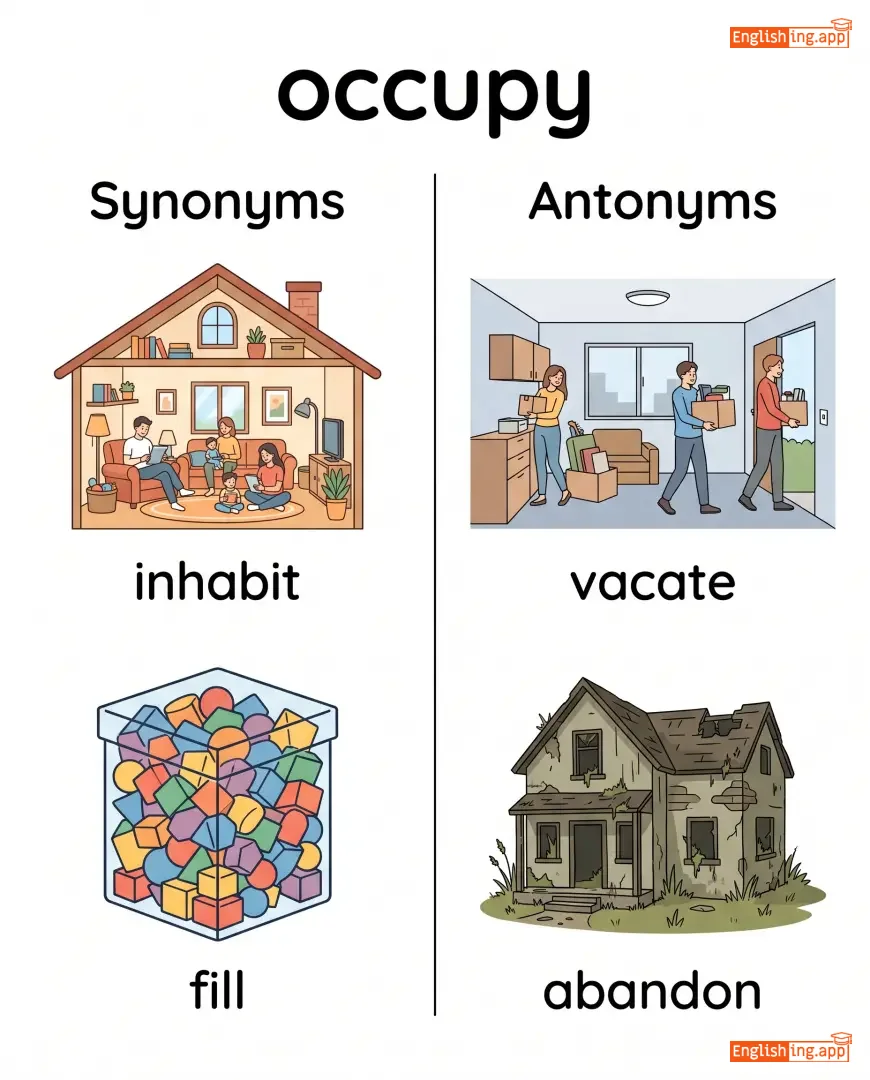
inhabit, fill, take over, seize
••••••
|
vacate, abandon
••••••
|
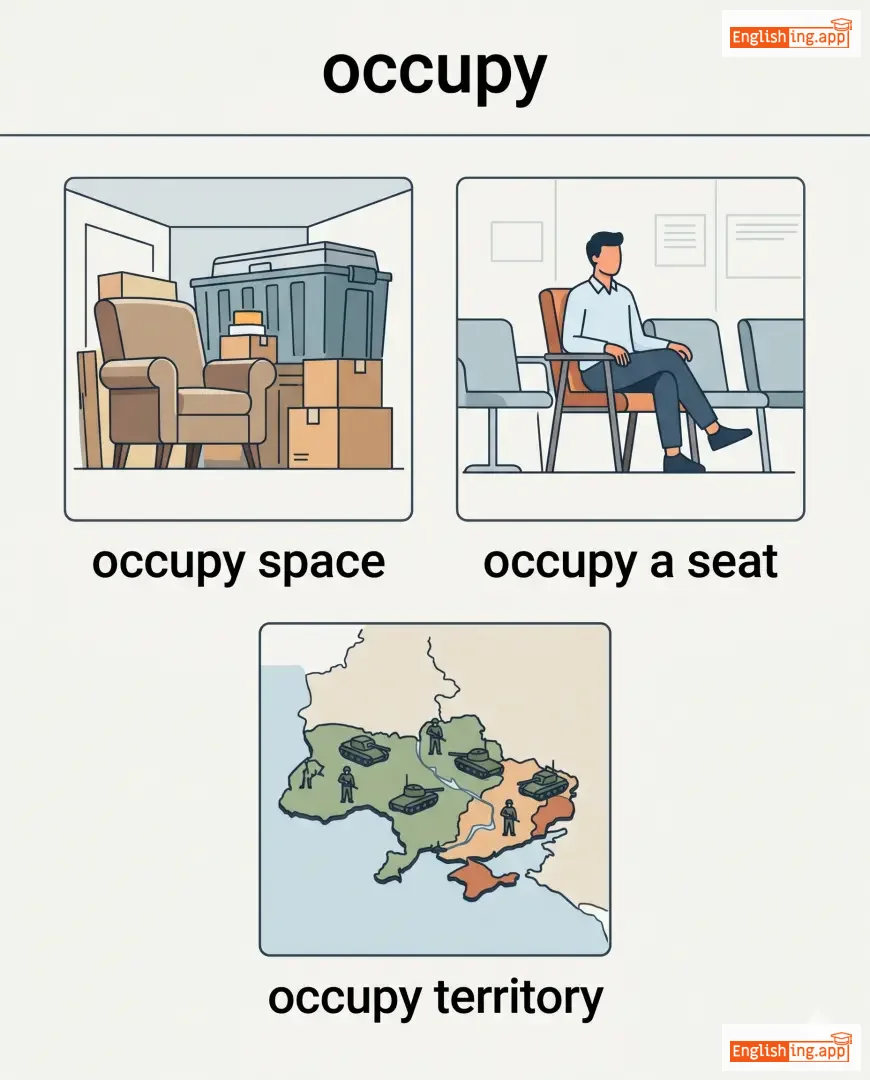
occupy space, occupy a seat, occupy territory
••••••
|
Occupy → senkyo suru: think SENior KYOuto students occupy the room.
••••••
|
|
#11534
💼
|
/ˌɒkjʊˈpeɪʃən/
noun
(オキュペーション)
••••••
|
- •••••• |
職業
shokugyo
••••••
|
- •••••• | - •••••• | - •••••• | - •••••• |
a job or profession; the action or state of occupying a place
••••••
|
Her occupation is a teacher at a local school.
彼女の職業は地元の学校の教師です。
••••••
|
彼女の職業は地元の学校の教師です。
Kanojo no shokugyo wa jimoto no gakkou no kyoushi desu.
••••••
|
job, profession, employment, career
••••••
|
unemployment
••••••
|
occupation status, occupation type, professional occupation
••••••
|
職業 = Occupation, 仕事は生活の一部です。
••••••
|
|
#11535
⏳
|
/əˈkeɪʒənəli/
adverb
(オケイジャナリー)
••••••
|
- •••••• |
時々
tokidoki
••••••
|
- •••••• | - •••••• | - •••••• | - •••••• |
from time to time; now and then
••••••
|
I occasionally go for a walk in the park.
私は時々公園を散歩します。
••••••
|
私は時々公園を散歩します。
Watashi wa tokidoki koen wo sanpo shimasu.
••••••
|
sometimes, intermittently, periodically, once in a while
••••••
|
always, regularly
••••••
|
occasionally visit, occasionally see, occasionally hear
••••••
|
Occasionally park mein walk karna. (Tokidoki = Sometimes)
••••••
|
|
#11536
🙄
|
/ˈɒbviəsli/
adverb
(オブヴィアスリー)
••••••
|
- •••••• |
明らかに
akirakani
••••••
|
- •••••• | - •••••• | - •••••• | - •••••• |
in a way that is easily perceived or understood; clearly
••••••
|
Obviously, he didn’t read the instructions.
もちろん、彼は指示を読まなかった。
••••••
|
もちろん、彼は指示を読まなかった。
Mochiron, kare wa shiji o yomanakatta.
••••••
|
clearly, evidently, unmistakably, plainly
••••••
|
ambiguously, unclearly
••••••
|
obviously wrong, obviously clear, obviously upset
••••••
|
明らかにわかりやすい!
••••••
|
|
#11537
👀
|
/əbˈzɜːvər/
noun
(オブザーバー)
••••••
|
- •••••• |
観察者
kansatsusha
••••••
|
- •••••• | - •••••• | - •••••• | - •••••• |
a person who watches or notices something
••••••
|
The observer took notes during the meeting. |
観察者は会議中にメモを取った。
Kansatsusha wa kaigi chū ni memo o totta.
••••••
|
spectator, watcher, viewer, onlooker
••••••
|
participant, actor
••••••
|
passive observer, keen observer, careful observer
••••••
|
Observer - ‘オブ’と‘サーバ’を組み合わせて、観察者が何かを見ていることを覚えやすい。
••••••
|
|
#11538
👀
|
/əbˈzɜːv/
verb
(オブザーヴ)
••••••
|
- •••••• |
観察する
kansatsu suru
••••••
|
observed
オブザーヴド
••••••
|
observed
オブザーヴド
••••••
|
observes
オブザーヴス
••••••
|
observing
オブザーヴイング
••••••
|
to watch carefully and attentively
••••••
|
The teacher asked the students to observe the experiment.
先生は学生に実験を観察するように言いました。
••••••
|
先生は学生に実験を観察するように言いました。
Sensei wa gakusei ni jikken o kansatsu suru yō ni iimashita.
••••••
|
watch, notice, see, view
••••••
|
ignore, overlook
••••••
|
observe carefully, observe closely, observe the surroundings
••••••
|
Observe in Japanese - 実験を観察するように言った。
••••••
|
|
#11539
🔍
|
/ˌɒbzəˈveɪʃən/
noun
(オブザベーション)
••••••
|
- •••••• |
観察
kansatsu
••••••
|
- •••••• | - •••••• | - •••••• | - •••••• |
the action or process of observing something carefully in order to gain information
••••••
|
The scientist made an observation during the experiment.
科学者は実験中に観察を行いました。
••••••
|
科学者は実験中に観察を行いました。
Kagakusha wa jikken-chuu ni kansatsu o okonaimashita.
••••••
|
examination, study, analysis, inspection
••••••
|
ignorance, inattention
••••••
|
keen observation, careful observation, make an observation
••••••
|
Observation - 'オブ' と 'ザベーション' を組み合わせて。何かを注意深く観察していると想像してみてください。
••••••
|
|
#11540
⚖️
|
/ˌɒblɪˈɡeɪʃən/
noun
(オブリゲーション)
••••••
|
- •••••• |
義務
gimu
••••••
|
- •••••• | - •••••• | - •••••• | - •••••• |
a duty or commitment
••••••
|
You have an obligation to follow the rules.
あなたは規則に従う義務があります。
••••••
|
あなたは規則に従う義務があります。
Anata wa kisoku ni shitagau gimu ga arimasu.
••••••
|
duty, responsibility, commitment, requirement
••••••
|
option, freedom
••••••
|
legal obligation, moral obligation, fulfill an obligation
••••••
|
義務、責任を感じる時に使う言葉。
••••••
|
|
#11541
📦
|
/ˈɒbdʒɪkt/
noun
(オブジェクト)
••••••
|
- •••••• |
物体
buttai
••••••
|
- •••••• | - •••••• | - •••••• | - •••••• |
a thing that can be seen and touched
••••••
|
The table is an object in the room.
テーブルは部屋の中のオブジェクトです。
••••••
|
テーブルは部屋の中の物体です。
Tēburu wa heya no naka no buttai desu.
••••••
|
item, thing, article, entity
••••••
|
subject, person
••••••
|
inanimate object, physical object, move object, object to
••••••
|
物体は見ることができ、触れることができるものです。
••••••
|
|
#11542
🥜
|
/nʌt/
noun
(ナット)
••••••
|
- •••••• |
ナッツ
nattsu
••••••
|
- •••••• | - •••••• | - •••••• | - •••••• |
a hard-shelled fruit that contains a seed, or a small metal piece used in machinery
••••••
|
She ate a peanut, which is a type of nut. |
彼女はピーナッツを食べました、それはナッツの一種です。
Kanojo wa pīnattsu wo tabemashita, sore wa nattsu no isshu desu.
••••••
|
seed, kernel, shell
••••••
|
fruit, vegetable
••••••
|
eat nuts, nut shell, nutcracker
••••••
|
Nut is like a nattsu, tough to crack but worth the effort!
••••••
|
|
#11543
🔢
|
/ˈnʌmbər/
noun
(ナンバー)
••••••
|
- •••••• |
番号
bangou
••••••
|
- •••••• | - •••••• | - •••••• | - •••••• |
a mathematical value used to count, measure, or label
••••••
|
She gave me her phone number.
彼女は私に自分の電話番号を教えてくれました。
••••••
|
彼女は私に自分の電話番号を教えてくれました。
Kanojo wa watashi ni jibun no denwa bangou o oshiete kuremashita.
••••••
|
digit, figure, numeral
••••••
|
letter, word
••••••
|
phone number, lucky number, large number
••••••
|
Number is a sequence – Imagine numbering all the steps in your life!
••••••
|
|
#11544
☢️
|
/ˈnuːkliər/
adjective
(ニュークリア)
••••••
|
- •••••• |
原子力
genshiryoku
••••••
|
- •••••• | - •••••• | - •••••• | - •••••• |
relating to the nucleus of an atom or to nuclear energy
••••••
|
The country is developing nuclear energy. |
その国は原子力エネルギーを開発しています。
Sono kuni wa genshiryoku enerugī o kaihatsu shiteimasu.
••••••
|
atomic, radioactive
••••••
|
non-nuclear
••••••
|
nuclear energy, nuclear power, nuclear weapon
••••••
|
Nuclear = New Clear! Imagine new, clear energy coming from atoms!
••••••
|
Vocabulary Quiz
Test your vocabulary by matching words with their translations or meanings.
Login to take the quiz
Comments (0)
Share your thoughts and join the discussion.
Join the discussion by logging in
Login to CommentNo comments yet
Be the first to share your thoughts!