

翻訳
過去
過去分詞
三人称単数
動名詞
意味
例文
例文の翻訳
同義語
対義語
コロケーション
ニーモニック




Swipe left or right, or use the buttons. Tap image to zoom.
例文の翻訳
単語
Lesson 73Lesson 73 - マスクトグル
|
絵文字
|
単語 | Images | 翻訳 | 過去 | 過去分詞 | 三人称単数 | 動名詞 | 意味 | 例文 | 例文の翻訳 | 表現例 | 表現例の意味 | 表現例の翻訳 | 同義語 | 対義語 | コロケーション | ニーモニック |
|---|---|---|---|---|---|---|---|---|---|---|---|---|---|---|---|---|---|
|
#2161
📢
|
/dɪˈkraɪ/
verb
(ディクライ)
••••••
|
- •••••• |
非難する
hinansuru
••••••
|
decried
ディクライド
••••••
|
decried
ディクライド
••••••
|
decries
ディクライズ
••••••
|
decrying
ディクライング
••••••
|
to publicly criticize or express strong disapproval of something
••••••
|
Many activists decry the destruction of the rainforest.
多くの活動家が熱帯雨林の破壊を非難しています。
••••••
|
多くの活動家が熱帯雨林の破壊を非難しています。
Ōku no katsudōka ga nettai urin no hakai o hinan shiteimasu.
••••••
|
- •••••• | - •••••• | - •••••• |
condemn, criticize, denounce, censure, oppose
••••••
|
praise, commend, support
••••••
|
decry corruption, decry violence, decry discrimination, decry actions
••••••
|
Decryは何かが悪いと言うことです。
••••••
|
|
#2162
🛡️
|
/dɪˈfɛnsəbəl/
adjective
(ディフェンシブル)
••••••
|
- •••••• |
守ることができる / 正当化できる
mamoru koto ga dekiru / seitōka dekiru
••••••
|
- •••••• | - •••••• | - •••••• | - •••••• |
Capable of being protected against attack or criticism; justifiable.
••••••
|
Her decision was legally defensible. |
彼女の決定は法的に守ることができた。
Kanojo no kettei wa hōteki ni mamoru koto ga dekita.
••••••
|
- •••••• | - •••••• | - •••••• |
justifiable, reasonable, tenable, supportable
••••••
|
indefensible, unjustifiable
••••••
|
defensible position, legally defensible, defensible argument
••••••
|
Defensible は守ることができるという意味です — まるで守ることができるポジションのようです。
••••••
|
|
#2163
⚖️
|
/dɪˈfɛndənt/
noun
(ディフェンダント)
••••••
|
- •••••• |
被告
hikoku
••••••
|
- •••••• | - •••••• | - •••••• | - •••••• |
An individual, company, or institution sued or accused in a court of law.
••••••
|
The defendant pleaded not guilty to the charges.
被告人は容疑を否認した。
••••••
|
被告人は容疑を否認した。
Hikokunin wa yogi o hinin shita.
••••••
|
- •••••• | - •••••• | - •••••• |
accused, respondent, prisoner, offender
••••••
|
plaintiff, prosecutor
••••••
|
criminal defendant, civil defendant, defendant's lawyer
••••••
|
Defendは守るという意味で、被告は裁判所で自分を守る人です。
••••••
|
|
#2164
🏃♂️
|
/dɪˈfɛkʃən/
noun
(ディフェクション)
••••••
|
- •••••• |
脱党
dattou
••••••
|
- •••••• | - •••••• | - •••••• | - •••••• |
The act of abandoning one’s country, cause, or group in favor of another.
••••••
|
The politician’s defection shocked his supporters. |
その政治家の脱党は支持者を驚かせました。
Sono seijika no dattou wa shijisha o odorokasemashita.
••••••
|
- •••••• | - •••••• | - •••••• |
desertion, betrayal, abandonment, treachery
••••••
|
loyalty, allegiance, devotion
••••••
|
political defection, mass defection, defection from party
••••••
|
脱党は、グループを裏切るようなものです。
••••••
|
|
#2165
⚠️
|
/ˈdiːfɛkt/ (noun), /dɪˈfɛkt/ (verb)
noun, verb
••••••
|
- •••••• | - •••••• |
defected
••••••
|
defected
••••••
|
defects
••••••
|
defecting
••••••
|
A shortcoming, imperfection, or flaw; or to abandon a cause or group for another.
••••••
|
The engineer found a defect in the software code. |
- •••••• |
defect from duty |
To abandon one's responsibility or loyalty.
••••••
|
- •••••• |
flaw, fault, imperfection, deficiency, weakness
••••••
|
strength, perfection, loyalty
••••••
|
manufacturing defect, genetic defect, defect in design
••••••
|
No •••••• |
|
#2166
😔
|
/dɪˈfiːtɪst/
noun, adjective
(デフィーティスト)
••••••
|
- •••••• |
敗北主義者
haibokushugisha
••••••
|
- •••••• | - •••••• | - •••••• | - •••••• |
A person who expects or is excessively ready to accept failure; showing a tendency to expect defeat.
••••••
|
His defeatist attitude discouraged the rest of the team. |
彼の敗北主義的な態度は、チームの他のメンバーを落胆させました。
Kare no haibokushugiteki na taido wa, chiimu no hoka no menbā o rakutan sasemashita.
••••••
|
- •••••• | - •••••• | - •••••• |
pessimist, fatalist, cynic, doubter
••••••
|
optimist, hopeful
••••••
|
defeatist attitude, defeatist outlook, defeatist thinking
••••••
|
敗北 (haiboku) = 敗北主義者 = 常に敗北を期待する人。
••••••
|
|
#2167
⚠️
|
/dɪˈfɔːlt/
noun, verb
(デフォルト)
••••••
|
|
デフォルト
deforuto
••••••
|
defaulted
デフォルテッド
••••••
|
defaulted
デフォルテッド
••••••
|
defaults
デフォルツ
••••••
|
defaulting
デフォルティング
••••••
|
failure to fulfill an obligation, especially to repay a loan
••••••
|
The company defaulted on its loan payments.
会社はローンの支払いでデフォルトしました。
••••••
|
会社はローンの支払いでデフォルトしました。
Kaisha wa rōn no shiharai de deforuto shimashita.
••••••
|
in default
デフォルト中
••••••
|
in a state of failing to fulfill an obligation
••••••
|
デフォルト状態
deforuto jōtai
••••••
|
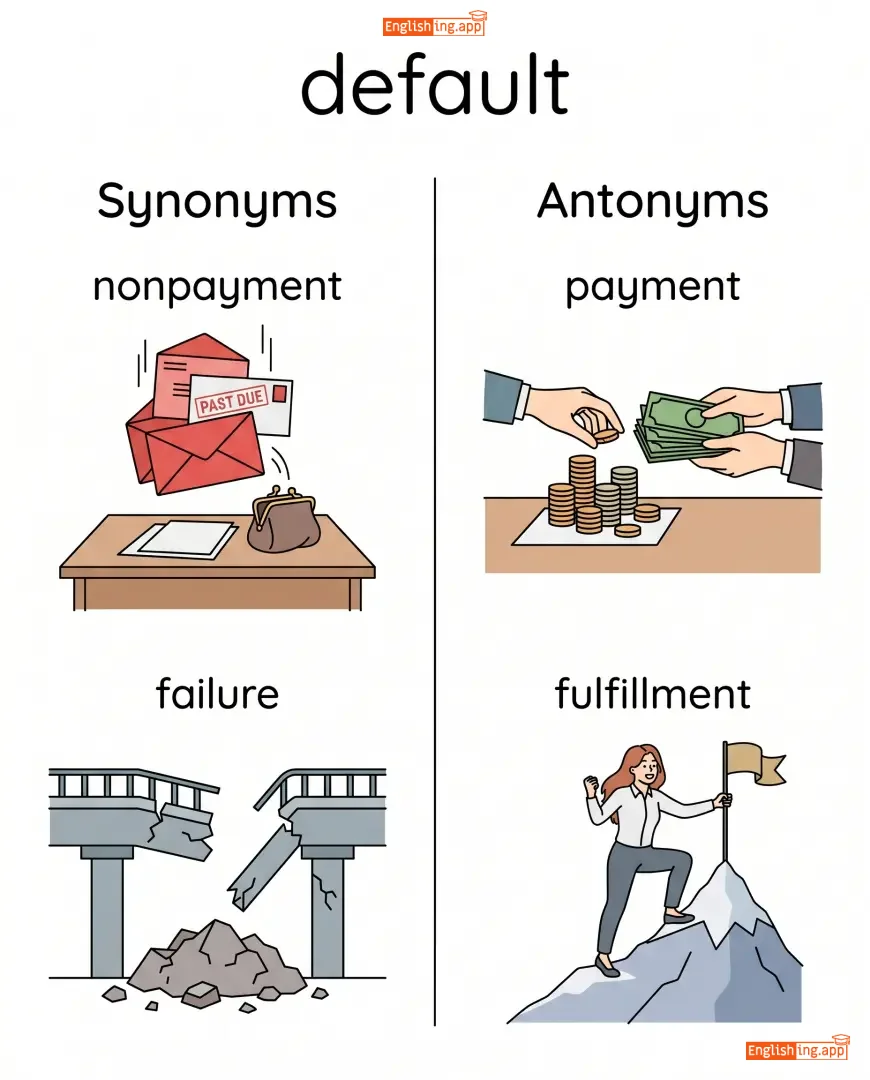
nonpayment, failure, negligence, omission
••••••
|
payment, fulfillment, compliance
••••••
|
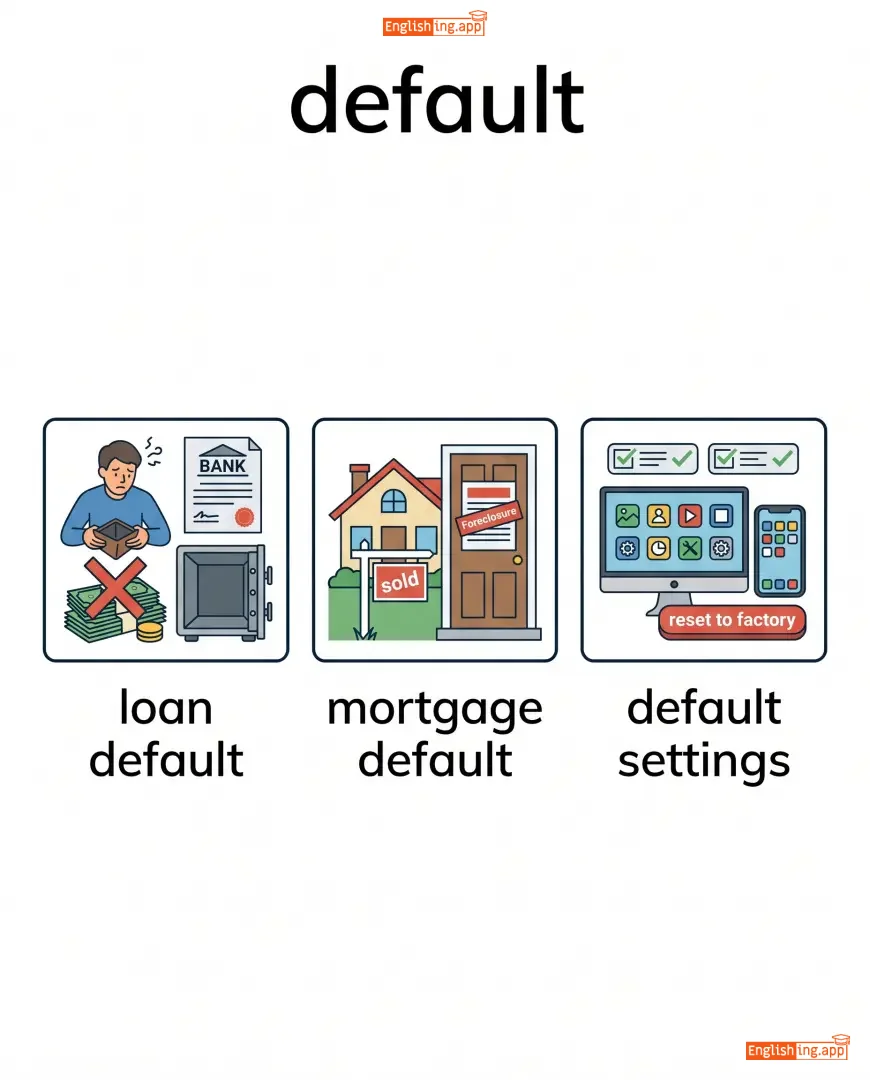
loan default, mortgage default, default settings, default judgment
••••••
|
デフォルト → 借金の返済をしない
••••••
|
|
#2168
👎
|
/dɪˈfeɪm/
verb
(ディフェイム)
••••••
|
|
名誉毀損
meiyo kison
••••••
|
defamed
ディフェイムド
••••••
|
defamed
ディフェイムド
••••••
|
defames
ディフェイムズ
••••••
|
defaming
ディフェイミング
••••••
|
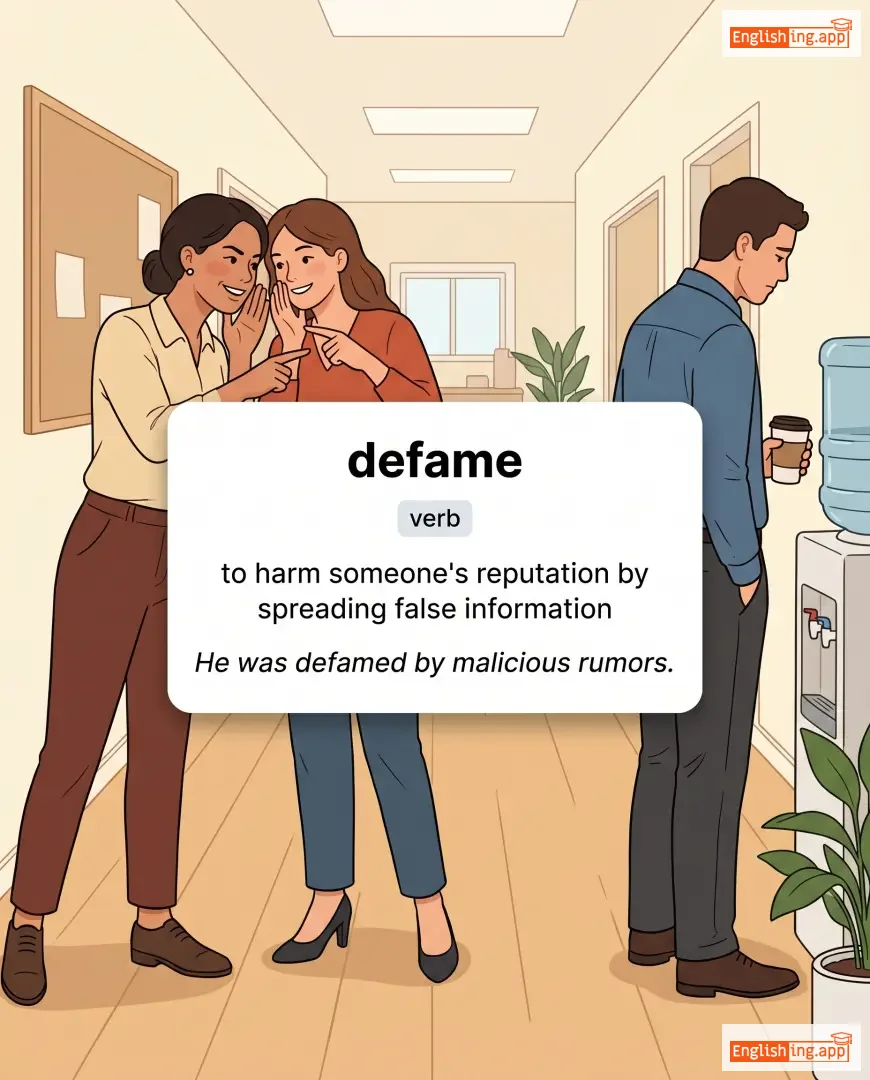
to harm someone's reputation by spreading false information
••••••
|
He was defamed by malicious rumors.
彼は悪意のある噂で中傷されました。
••••••
|
彼は悪意のある噂で中傷されました。
Kare wa akui no aru uwasa de chūshō saremashita.
••••••
|
- •••••• | - •••••• | - •••••• |
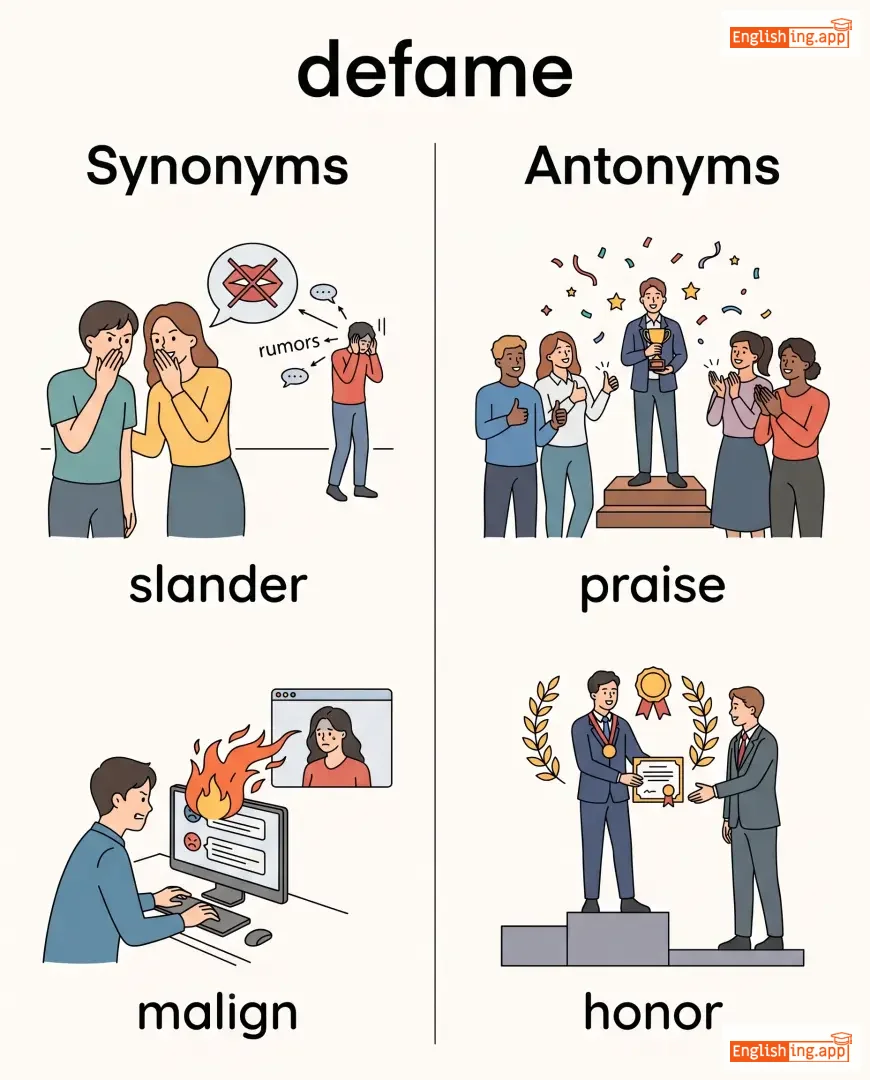
slander, malign, libel, disparage
••••••
|
praise, honor, commend
••••••
|
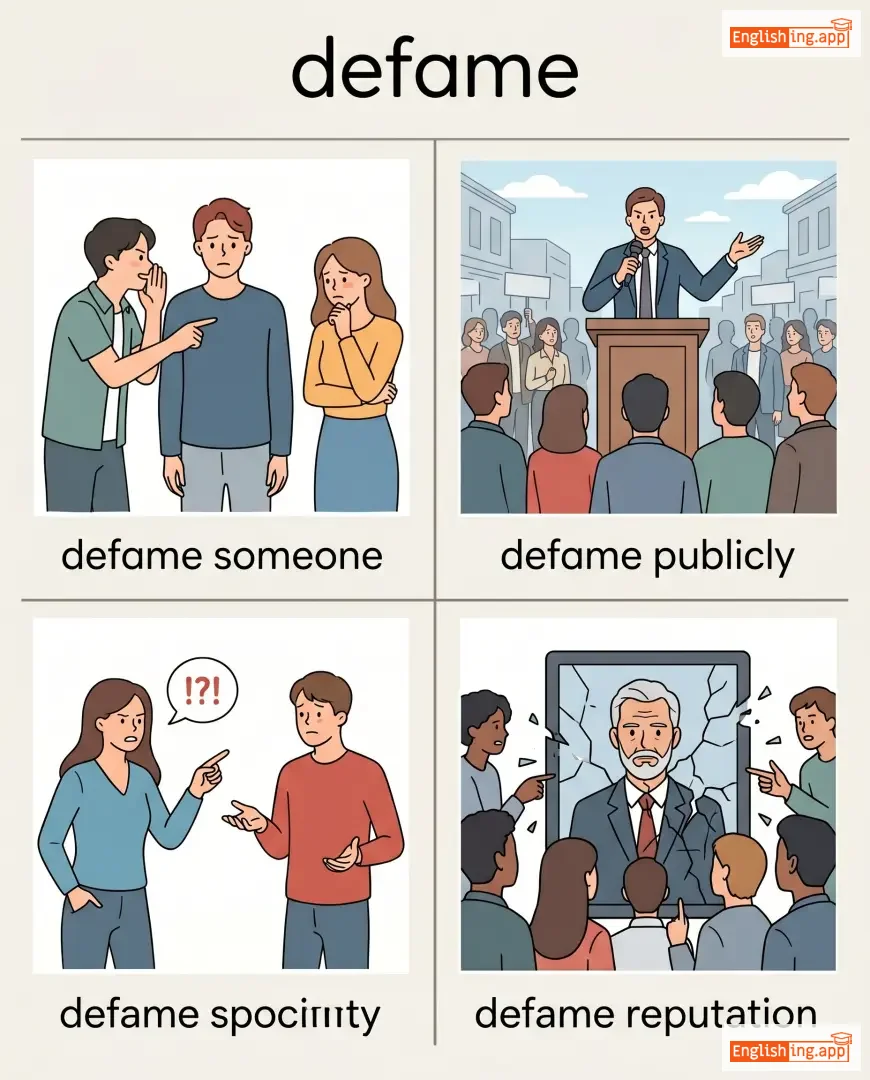
defame someone, defame publicly, defame reputation
••••••
|
De + Fame → 名声を壊す意味で名誉毀損
••••••
|
|
#2169
📰
|
/ˌdɛfəˈmeɪʃən/
noun
(defamēshon)
••••••
|
- •••••• |
名誉毀損
meiyokison
••••••
|
- •••••• | - •••••• | - •••••• | - •••••• |
the act of damaging someone's reputation by making false statements
••••••
|
The newspaper was sued for defamation of character. |
その新聞は名誉毀損で訴えられた。
Sono shinbun wa meiyokison de uttaerareta.
••••••
|
character defamation |
false statements made to damage someone's reputation
••••••
|
名誉毀損
meiyokison
••••••
|
slander, libel, vilification, smear
••••••
|
praise, compliment, admiration
••••••
|
defamation suit, defamation case, defamation of character
••••••
|
Defame → 名誉毀損 名誉を壊す
••••••
|
|
#2170
💰
|
/ˈdiːfælˌkeɪt/
verb
(ディファルケイト)
••••••
|
- •••••• |
横領する
ōryō suru
••••••
|
defalcated
ディファルケイテッド
••••••
|
defalcated
ディファルケイテッド
••••••
|
defalcates
ディファルケイツ
••••••
|
defalcating
ディファルケイティング
••••••
|
to misuse or embezzle money that one is responsible for
••••••
|
The accountant was accused of defalcating company funds.
会計士は会社の資金を横領したと非難されました。
••••••
|
会計士は会社の資金を横領したと非難されました。
Kaikeishi wa kaisha no shikin o ōryō shita to hinan saremashita.
••••••
|
- •••••• | - •••••• | - •••••• |
embezzle, misappropriate, steal, pilfer
••••••
|
repay, reimburse, compensate
••••••
|
defalcate funds, defalcate money, accused of defalcating
••••••
|
Defaulter + allocate → Defalcate はお金を不正に使うまたは盗むこと
••••••
|
|
#2171
🖊️
|
/dɪˈfeɪs/
verb
(ディフェイス)
••••••
|
- •••••• |
傷つける
kizutsukeru
••••••
|
defaced
ディフェイスト
••••••
|
defaced
ディフェイスト
••••••
|
defaces
ディフェイサス
••••••
|
defacing
ディフェイシング
••••••
|
to spoil the surface or appearance of something, especially by writing or drawing on it
••••••
|
The vandals defaced the wall with graffiti.
ヴァンダルたちはグラフィティで壁を傷つけました。
••••••
|
ヴァンダルたちはグラフィティで壁を傷つけました。
Vandaru-tachi wa gurafiti de kabe o kizutsukemashita.
••••••
|
- •••••• | - •••••• | - •••••• |
disfigure, mar, vandalize, damage, ruin
••••••
|
restore, beautify, repair
••••••
|
deface property, deface monument, deface wall, deface statue
••••••
|
Deface = 傷つける = 何かを壊す
••••••
|
|
#2172
⚖️
|
/diːm/
verb
(dīm)
••••••
|
- •••••• |
みなす, 判断する
minasu, handan suru
••••••
|
deemed
dīmd
••••••
|
deemed
dīmd
••••••
|
deems
dīms
••••••
|
deeming
dīming
••••••
|
to regard or consider in a specified way
••••••
|
The project was deemed a success by the board.
そのプロジェクトは理事会によって成功だと見なされました。
••••••
|
そのプロジェクトは理事会によって成功だと見なされました。
Sono purojekuto wa rijikai ni yotte seikou da to minasaremashita.
••••••
|
- •••••• | - •••••• | - •••••• |
consider, regard, judge, view, think
••••••
|
ignore, disregard, overlook
••••••
|
deem necessary, deem appropriate, deem fit, deem important
••••••
|
DeemはDreamのようなもので、何かを評価または判断することです。
••••••
|
|
#2173
📊
|
/dɪˈdjuːsəbl/
adjective
(didiūzēburu)
••••••
|
- •••••• |
推測可能な
suīsoku kanōna
••••••
|
- •••••• | - •••••• | - •••••• | - •••••• |
able to be deduced; possible to be inferred
••••••
|
The solution is deducible from the data provided. |
解決策は提供されたデータから推測可能です。
Kaiketsusaku wa teikyō sareta dēta kara suisoku kanōdesu.
••••••
|
- •••••• | - •••••• | - •••••• |
inferable, derivable, logical, concludable
••••••
|
indeterminable, unclear, unknowable
••••••
|
deducible conclusion, deducible result, logically deducible, deducible from data
••••••
|
推測可能な意味は、データから推論できることを意味します。
••••••
|
|
#2174
🕵️
|
/dɪˈdjuːs/
verb
(ディデュース)
••••••
|
- •••••• |
推測する
suikosuru
••••••
|
deduced
ディデュースド
••••••
|
deduced
ディデュースド
••••••
|
deduces
ディデュースズ
••••••
|
deducing
ディデュースイング
••••••
|
to reach a conclusion by reasoning or inference
••••••
|
From the evidence, the detective deduced that the suspect was lying.
証拠から、探偵は容疑者が嘘をついていることを推測しました。
••••••
|
証拠から、探偵は容疑者が嘘をついていることを推測しました。
Shōko kara, tantei wa yōgisha ga uso o tsuite iru koto o suisoku shimashita.
••••••
|
- •••••• | - •••••• | - •••••• |
conclude, infer, reason, derive, assume
••••••
|
misinterpret, misconceive, confuse
••••••
|
deduce meaning, deduce from evidence, deduce logically, deduce result
••••••
|
Deduce: DI+clues から推測する。
••••••
|
|
#2175
🎯
|
/ˌdɛdɪˈkeɪʃən/
noun
(dedikēshon)
••••••
|
|
献身
kenshin
••••••
|
- •••••• | - •••••• | - •••••• | - •••••• |
the quality of being committed to a task or purpose
••••••
|
Her dedication to her studies earned her top grades. |
彼女の勉強への献身は、最高の成績を得ることを可能にした。
Kanojo no benkyou e no kenshin wa, saikou no seiseki o eru koto o kanou ni shita.
••••••
|
dedication ceremony |
a formal event to dedicate a building or monument
••••••
|
献身式
kenshin-shiki
••••••
|
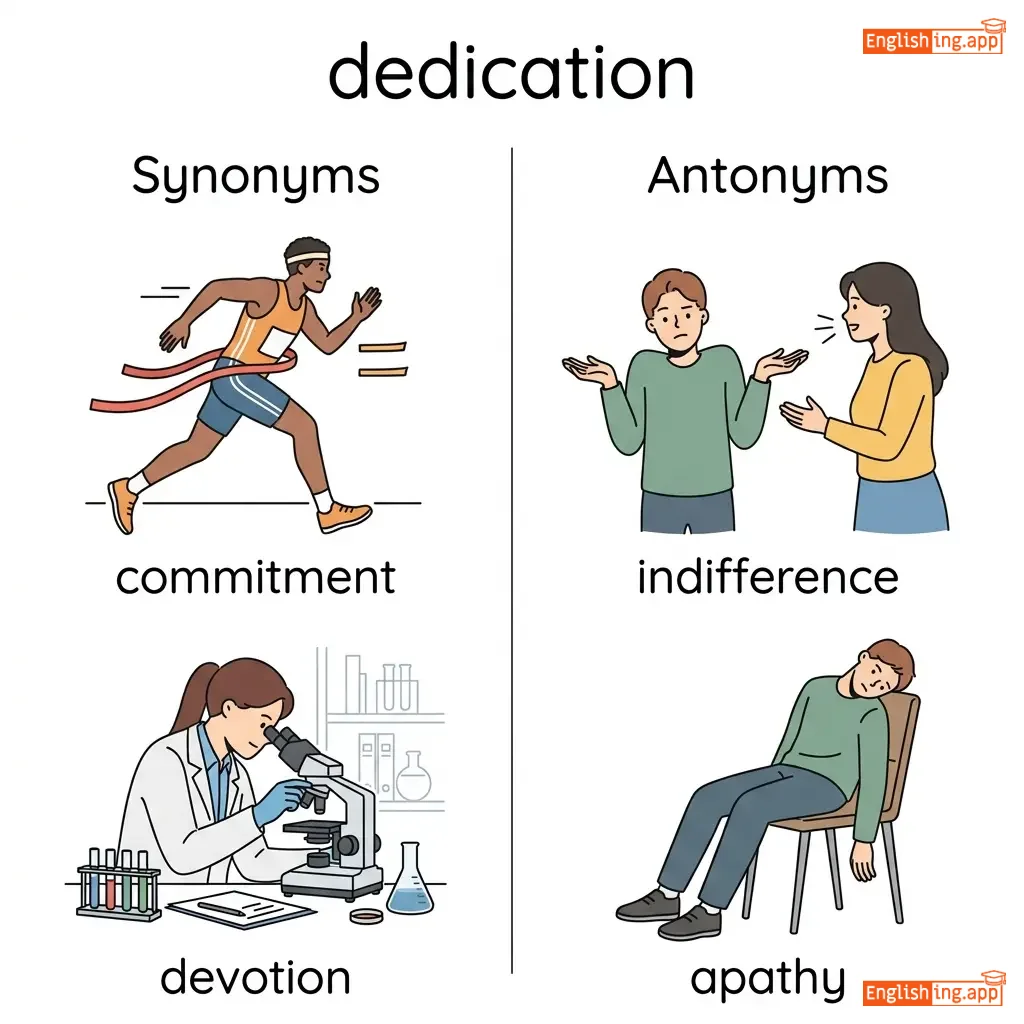
commitment, devotion, perseverance, loyalty, diligence
••••••
|
indifference, apathy, neglect
••••••
|
show dedication, strong dedication, dedication to work, dedication and hard work
••••••
|
Dedication は献身のようなもので、勉強に全力を尽くす学生のように。
••••••
|
|
#2176
🎤
|
/dɪˈkleɪm/
verb
••••••
|
- •••••• | - •••••• |
declaimed
••••••
|
declaimed
••••••
|
declaims
••••••
|
declaiming
••••••
|
to speak aloud in a formal, passionate, or theatrical way
••••••
|
The actor declaimed his lines with great intensity. |
- •••••• |
declaim against |
to speak passionately in opposition to something
••••••
|
- •••••• |
recite, proclaim, orate, speak, deliver
••••••
|
murmur, whisper
••••••
|
declaim loudly, declaim against, declaim poetry, declaim passionately
••••••
|
No •••••• |
|
#2177
⚰️
|
/dɪˈkrɛpɪˌtjuːd/
noun
(ディクレピテュード)
••••••
|
- •••••• |
衰退
suitai
••••••
|
- •••••• | - •••••• | - •••••• | - •••••• |
the state of being old, weak, and worn out
••••••
|
The once-great empire fell into decrepitude. |
かつて偉大だった帝国は衰退しました。
Katsute idai datta teikoku wa suitai shimashita.
••••••
|
- •••••• | - •••••• | - •••••• |
frailty, decay, feebleness, deterioration, debility
••••••
|
strength, vitality, vigor
••••••
|
fall into decrepitude, state of decrepitude, signs of decrepitude
••••••
|
衰退 = decrepit house = 衰退。
••••••
|
|
#2178
🏚️
|
/dɪˈkrɛpɪt/
adjective
(dɪˈkrɛpɪt)
••••••
|
- •••••• |
老朽
roukyuu
••••••
|
- •••••• | - •••••• | - •••••• | - •••••• |
worn out or weakened by age or neglect
••••••
|
The decrepit old house was on the verge of collapse. |
その老朽化した家は崩壊寸前でした。
Sono roukyuuka shita ie wa houkai sunzen deshita.
••••••
|
- •••••• | - •••••• | - •••••• |
dilapidated, weak, feeble, fragile, broken-down
••••••
|
strong, sturdy, robust
••••••
|
decrepit house, decrepit building, decrepit old man, decrepit chair
••••••
|
老朽 → 老朽化して崩れそうな家
••••••
|
|
#2179
📜
|
/dɪˈkriː/
noun/verb
(ディクリ)
••••••
|
- •••••• |
命令
meirei
••••••
|
decreed
ディクリード
••••••
|
decreed
ディクリード
••••••
|
decrees
ディクリーズ
••••••
|
decreeing
ディクリイング
••••••
|
an official order or command, often by authority
••••••
|
The king issued a decree banning hunting in the forest.
王は森での狩猟を禁止する命令を出した。
••••••
|
王は森での狩猟を禁止する命令を出した。
Ō wa mori de no shuryō o kinshi suru meirei o dashita.
••••••
|
royal decree
王の命令
••••••
|
an official order from a monarch
••••••
|
王の命令
Ō no meirei
••••••
|
order, mandate, ruling, proclamation, edict
••••••
|
request, suggestion, appeal
••••••
|
issue a decree, royal decree, presidential decree, decree of divorce
••••••
|
命令 = 王が命令を出し、すべての者は従う。
••••••
|
|
#2180
🦆
|
/ˈdiːkɔɪ/
noun/verb
(デコイ)
••••••
|
- •••••• |
おとり
otori
••••••
|
decoyed
デコイド
••••••
|
decoyed
デコイド
••••••
|
decoys
デコイズ
••••••
|
decoying
デコイング
••••••
|
something or someone used to lure or mislead
••••••
|
The hunters used a wooden duck as a decoy.
狩人たちは木製のカモをデコイとして使った。
••••••
|
狩人たちは木製のカモをデコイとして使った。
Karyūdō-tachi wa mokusei no kamo o dekoi toshite tsukatta.
••••••
|
set a decoy
デコイをセットする
••••••
|
to use a distraction to mislead someone
••••••
|
デコイをセットする
dekoi o setto suru
••••••
|
lure, bait, trap, distraction, enticement
••••••
|
truth, reality, honesty
••••••
|
use a decoy, hunting decoy, police decoy, act as a decoy
••••••
|
デコイは他の動物を引き寄せるおとりの役割を果たす。
••••••
|
|
#2181
🎩
|
/dɪˈkɔːrəs/
adjective
(デコラス)
••••••
|
- •••••• |
得体な
tettaina
••••••
|
- •••••• | - •••••• | - •••••• | - •••••• |
characterized by propriety, good taste, and proper manners
••••••
|
She maintained a decourous silence during the ceremony. |
彼女は式典中に得体な沈黙を守った。
Kanojo wa shikiten-chū ni tettaina chinmoku o mamotta.
••••••
|
- •••••• | - •••••• | - •••••• |
proper, polite, well-mannered, refined, respectable
••••••
|
improper, rude, indecorous
••••••
|
decourous silence, decourous behavior, decourous manner, decourous conduct
••••••
|
deco + ros → 式典では得体な行動が求められる (tettaina)。
••••••
|
|
#2182
📜
|
/dɪˈkɔːrəm/
noun
(デコラム)
••••••
|
|
礼儀
reigi
••••••
|
- •••••• | - •••••• | - •••••• | - •••••• |
behavior in keeping with good taste and propriety
••••••
|
The students maintained decorum during the ceremony. |
学生たちは式典中に礼儀を守った。
Gakusei-tachi wa shikiten-chū ni reigi o mamotta.
••••••
|
maintain decorum |
to behave in a proper and respectful manner
••••••
|
礼儀を守る
reigi o mamoru
••••••
|
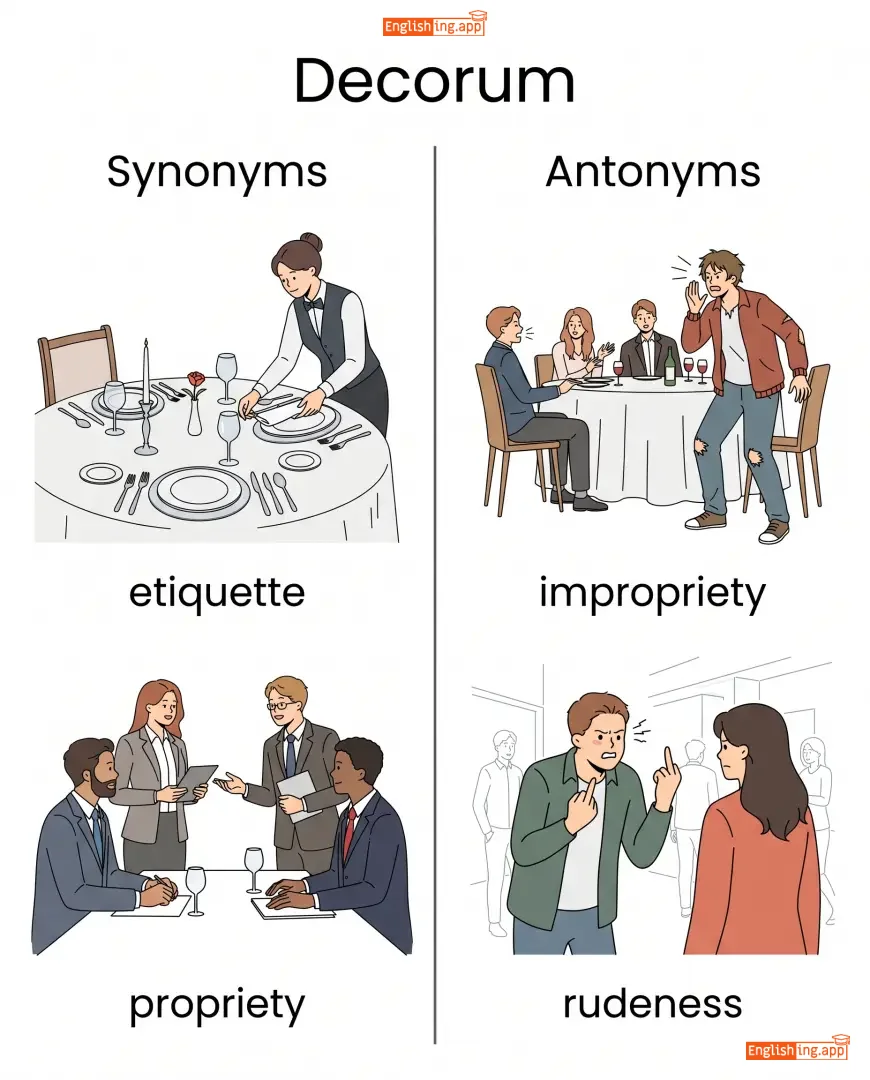
etiquette, propriety, manners, civility, dignity
••••••
|
impropriety, rudeness, disorder
••••••
|
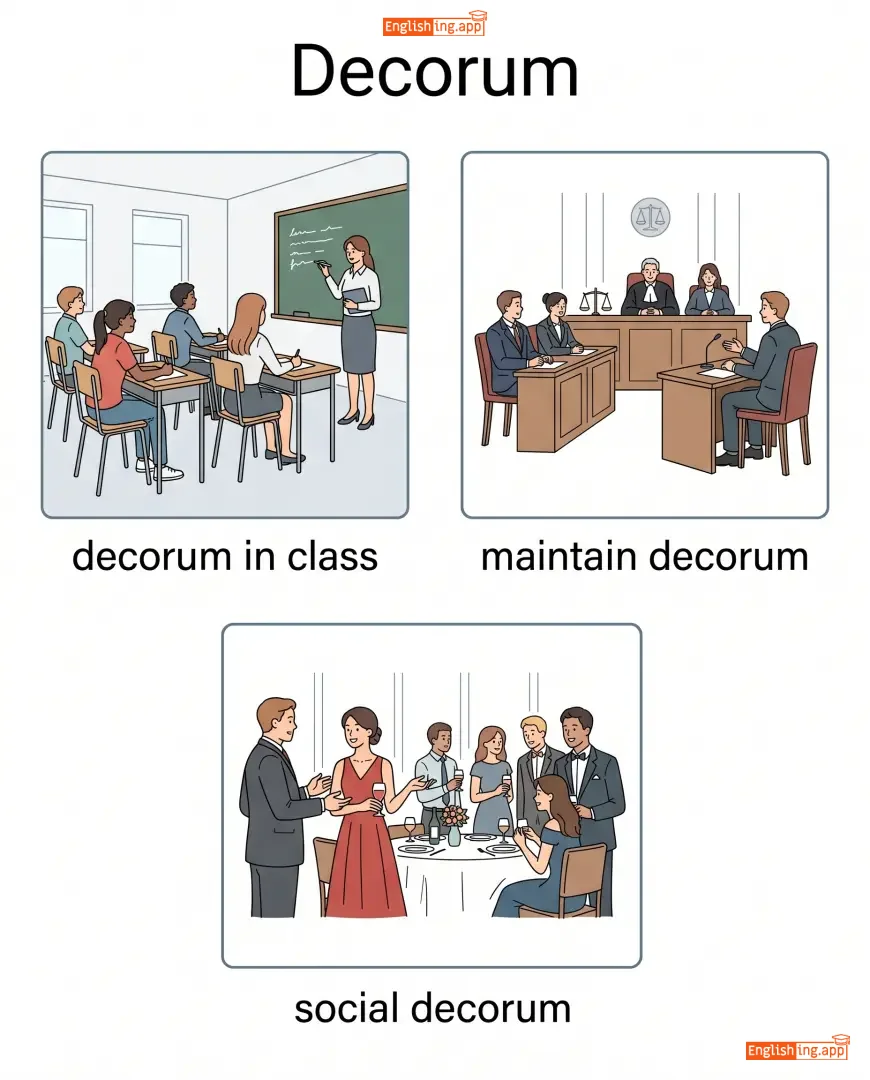
decorum in class, maintain decorum, social decorum
••••••
|
デコラムとは、礼儀正しく振る舞うことです。
••••••
|
|
#2183
🙏
|
/ˈdekərəs/
adjective
(デコラス)
••••••
|
- •••••• |
品位のある
hin'i no aru
••••••
|
- •••••• | - •••••• | - •••••• | - •••••• |
showing proper and polite behavior; marked by good taste
••••••
|
The audience gave a decorous applause after the performance. |
観客は公演後に品位のある拍手を送りました。
Kankyaku wa kōen-go ni hin'i no aru hakushu o okurimashita.
••••••
|
- •••••• | - •••••• | - •••••• |
proper, polite, respectable, civilized, tasteful
••••••
|
improper, indecorous, rude
••••••
|
decorous manner, decorous behavior, decorous silence
••••••
|
Decor + as → 品位のある行動はまるで装飾のように素晴らしい。
••••••
|
|
#2184
🧪
|
/ˌdiː.kɒmpəˈzɪʃən/
noun
(dɪˌkəmˈpoʊzɪʃən)
••••••
|
- •••••• |
分解
bunkai
••••••
|
- •••••• | - •••••• | - •••••• | - •••••• |
the process of decaying or breaking down into simpler parts
••••••
|
The decomposition of leaves enriches the soil. |
葉の分解は土壌を豊かにします。
Ha no bunkai wa dojo o yutakani shimasu.
••••••
|
decomposition reaction |
a type of chemical reaction where a compound breaks down into simpler substances
••••••
|
分解反応
bunkai hannou
••••••
|
decay, rot, disintegration, breakdown, putrefaction
••••••
|
growth, preservation, formation
••••••
|
decomposition process, decomposition reaction, decomposition of matter
••••••
|
分解 = 物質が崩壊して単純なものに変わること。
••••••
|
|
#2185
👗
|
/ˌdeɪ.kɒlˈteɪ/
adjective
(デコルテ)
••••••
|
- •••••• |
深い胸元の衣装
fukai munamoto no ishō
••••••
|
- •••••• | - •••••• | - •••••• | - •••••• |
of a woman's dress or top, cut low so as to reveal the neck and upper chest
••••••
|
She wore a decollete gown to the party. |
彼女はパーティーで深い胸元のドレスを着ていました。
Kanojo wa pātii de fukai munamoto no doresu o kite imashita.
••••••
|
- •••••• | - •••••• | - •••••• |
low-cut, revealing, plunging, open-necked
••••••
|
modest, covered, high-necked
••••••
|
decollete gown, decollete dress, decollete neckline
••••••
|
デコルテとは、胸元の深いカットが特徴的なドレスのことです。
••••••
|
|
#2186
🔓
|
/diːˈkoʊd/
verb
••••••
|
- •••••• | - •••••• |
decoded
••••••
|
decoded
••••••
|
decodes
••••••
|
decoding
••••••
|
to convert a coded message into a readable form; to interpret meaning
••••••
|
The software can decode the hidden message within seconds. |
- •••••• |
decode the mystery |
to understand or solve something that is puzzling
••••••
|
- •••••• |
interpret, decipher, translate, unravel, decrypt
••••••
|
encode, encrypt, scramble
••••••
|
decode message, decode signal, decode information, decode data
••••••
|
No •••••• |
|
#2187
⛰️
|
/dɪˈklɪvɪti/
noun
(ディクリビティ)
••••••
|
- •••••• |
傾斜
keisha
••••••
|
- •••••• | - •••••• | - •••••• | - •••••• |
a downward slope of ground
••••••
|
They carefully climbed down the declivity of the hill. |
彼らは慎重に丘の傾斜を登った。
Karera wa shinchou ni oka no keisha o nobotta.
••••••
|
- •••••• | - •••••• | - •••••• |
slope, incline, descent, downhill
••••••
|
ascent, rise
••••••
|
steep declivity, rocky declivity, natural declivity, gentle declivity
••••••
|
Declivityは傾斜を意味します、丘の傾斜のように。
••••••
|
|
#2188
✍️
|
/dɪˈklærətɪv/
adjective
(ディクレラティヴ)
••••••
|
- •••••• |
宣言的
sengen-teki
••••••
|
- •••••• | - •••••• | - •••••• | - •••••• |
relating to a statement that declares something; in grammar, a sentence that makes a statement
••••••
|
A declarative sentence simply states a fact or opinion. |
宣言的な文は、単に事実や意見を述べるものです。
Sengen-teki na bun wa, tan ni jijitsu yaiken o nobemasu
••••••
|
- •••••• | - •••••• | - •••••• |
stated, asserted, affirmative, expressive
••••••
|
interrogative, imperative
••••••
|
declarative statement, declarative form, declarative sentence, declarative mood
••••••
|
宣言的は宣言すること — 単に事実や意見を述べることです。
••••••
|
|
#2189
🗣️
|
/dɪˈklæməˌtɔri/
adjective
(ディクレマトリ)
••••••
|
- •••••• |
力強い演説スタイル
chikaradzuyoi enzetsu sutairu
••••••
|
- •••••• | - •••••• | - •••••• | - •••••• |
speaking in a loud, rhetorical, or dramatic way
••••••
|
The politician’s declamatory style impressed some but irritated others. |
その政治家の力強い演説スタイルは一部の人々に感銘を与えたが、他の人々には不快感を与えた。
Sono seijika no chikaradzuyoi enzetsu sutairu wa ichibu no hitobito ni kanmei o ataeta ga, hoka no hitobito ni wa fukaikan o ataeta.
••••••
|
- •••••• | - •••••• | - •••••• |
theatrical, rhetorical, bombastic, oratorical
••••••
|
quiet, subdued, restrained
••••••
|
declamatory style, declamatory speech, declamatory tone, declamatory manner
••••••
|
力強い演説はまるで演劇のように、ドラマチックに話すことを意味します。
••••••
|
|
#2190
📢
|
/ˌdɛkləˈmeɪʃən/
noun
(デクラメーション)
••••••
|
- •••••• |
朗読
rōdoku
••••••
|
- •••••• | - •••••• | - •••••• | - •••••• |
a formal speech delivered with rhetorical or dramatic effect
••••••
|
Her declamation captivated the audience at the competition. |
彼女の朗読は競技会で観客を魅了しました。
Kanojo no rōdoku wa kyōgikai de kankyaku o miryō shimashita.
••••••
|
- •••••• | - •••••• | - •••••• |
speech, oration, address, recitation
••••••
|
silence, quiet
••••••
|
public declamation, declamation contest, dramatic declamation, declamation style
••••••
|
朗読は‘declaim’のアクション、演説と同じように考えてください。
••••••
|
Vocabulary Quiz
Test your vocabulary by matching words with their translations or meanings.
Login to take the quiz
Comments (0)
Share your thoughts and join the discussion.
Join the discussion by logging in
Login to CommentNo comments yet
Be the first to share your thoughts!