

翻訳
過去
過去分詞
三人称単数
動名詞
意味
例文
例文の翻訳
同義語
対義語
コロケーション
ニーモニック

Swipe left or right, or use the buttons. Tap image to zoom.
例文の翻訳
単語
Lesson 333Lesson 333 - マスクトグル
|
絵文字
|
単語 | Images | 翻訳 | 過去 | 過去分詞 | 三人称単数 | 動名詞 | 意味 | 例文 | 例文の翻訳 | 表現例 | 表現例の意味 | 表現例の翻訳 | 同義語 | 対義語 | コロケーション | ニーモニック |
|---|---|---|---|---|---|---|---|---|---|---|---|---|---|---|---|---|---|
|
#9955
🤔
|
/ˈnoʊɪŋli/
adverb
(ノウイングリー)
••••••
|
- •••••• |
故意に
koi ni
••••••
|
- •••••• | - •••••• | - •••••• | - •••••• |
in a way that shows you are aware of something; intentionally
••••••
|
She knowingly kept the secret from her friends. |
彼女は故意に友達に秘密を隠しました。
Kanojo wa koi ni tomodachi ni himitsu o kakushimashita.
••••••
|
knowingly or unknowingly |
whether someone is aware or not
••••••
|
故意にまたは無意に
koi ni mata wa mui ni
••••••
|
intentionally, deliberately, consciously, purposely, willfully
••••••
|
unknowingly, accidentally, unintentionally
••••••
|
knowingly commit, knowingly ignore, knowingly violate, knowingly allow
••••••
|
Knowing + ly は「故意に」を意味します —故意に何かをすること
••••••
|
|
#9956
📏
|
/lɔːŋ/
adjective
(ロング)
••••••
|
- •••••• |
長い
nagai
••••••
|
- •••••• | - •••••• | - •••••• | - •••••• |
Measuring a great distance from end to end; lasting for a large amount of time.
••••••
|
They waited a long time for the train. |
彼らは電車を長い時間待っていました。
Karera wa densha wo nagai jikan matte imashita.
••••••
|
in the long run |
After a long period of time; eventually.
••••••
|
長い目で見て
nagai me de mite
••••••
|
lengthy, extended, prolonged, tall
••••••
|
short, brief
••••••
|
long time, long road, long journey, long hair
••••••
|
Longは長いを意味します — 長い道を歩くイメージ。
••••••
|
|
#9957
👞
|
/ˈloʊfər/
noun
(ローファー)
••••••
|
- •••••• |
怠け者
namakemono
••••••
|
- •••••• | - •••••• | - •••••• | - •••••• |
A person who is lazy and avoids work; also a type of slip-on shoe.
••••••
|
He was called a loafer because he never did his job properly. |
彼は仕事をきちんとやらないので、怠け者と呼ばれました。
Kare wa shigoto o kichinto yaranai node, namakemono to yobaremashita.
••••••
|
- •••••• | - •••••• | - •••••• |
idler, slacker, lazybones, shirker
••••••
|
worker, achiever
••••••
|
lazy loafer, leather loafer, casual loafer, called a loafer
••••••
|
Loafer 👞 は怠け者またはスリッポンタイプの靴 — 覚えておいて、loafer は怠け者です。
••••••
|
|
#9958
🦎
|
/ˈlɪzərd/
noun
(リザード)
••••••
|
- •••••• |
とかげ
tokage
••••••
|
- •••••• | - •••••• | - •••••• | - •••••• |
A small reptile with a long body, four legs, and a tail, often found on walls or in gardens.
••••••
|
A lizard crawled across the wall. |
とかげが壁を這っていました。
Tokage ga kabe wo hatte imashita.
••••••
|
lounge lizard |
A man who frequents bars and clubs, often looking for women.
••••••
|
ラウンジとかげ
Raunji tokage
••••••
|
gecko, reptile, skink, iguana
••••••
|
mammal, bird
••••••
|
garden lizard, wall lizard, desert lizard, lizard species
••••••
|
Lizard はとかげを意味します - 壁を這う‘tick-tick’を聞けば覚えられるでしょう。
••••••
|
|
#9959
🐭
|
/ˈlɪtl/
adjective
(リトル)
••••••
|
- •••••• |
小さい
chiisai
••••••
|
- •••••• | - •••••• | - •••••• | - •••••• |
Small in size, amount, or degree.
••••••
|
He drank a little water before going to bed. |
彼は寝る前に少し水を飲んだ。
Kare wa neru mae ni sukoshi mizu o nonda.
••••••
|
every little helps |
Even a small amount of help is useful.
••••••
|
小さな助けでも役立つ
Chiisana tasuke demo yakudatsu
••••••
|
small, tiny, slight, minor, modest
••••••
|
large, big, huge
••••••
|
a little bit, little chance, little time, little boy
••••••
|
Littleは小さいという意味 — 小さい (little) ねずみ。
••••••
|
|
#9960
📜
|
/ˈlaɪsəns/
noun
(ライセンス)
••••••
|
- •••••• |
免許
menkyo
••••••
|
- •••••• | - •••••• | - •••••• | - •••••• |
An official document giving permission to do, use, or own something.
••••••
|
She applied for a driving licence last week. |
彼女は先週、運転免許証を申請した。
Kanojo wa senshū, unten menkyo-shou o shinsei shita.
••••••
|
poetic licence |
The freedom to depart from the facts or from the conventional rules of language when writing or speaking creatively.
••••••
|
詩的自由
shiteki jiyū
••••••
|
permit, authorization, certificate, approval, consent
••••••
|
ban, prohibition, restriction
••••••
|
driving licence, fishing licence, business licence, licence holder
••••••
|
免許とは許可です — 覚えておいてください:免許がないと運転は違法です。
••••••
|
|
#9961
⚖️
|
/ˌledʒɪsˈleɪʃən/
noun
(立法)
••••••
|
- •••••• |
立法
rippō
••••••
|
- •••••• | - •••••• | - •••••• | - •••••• |
laws considered collectively, or the act of making laws
••••••
|
The government passed new legislation to protect the environment. |
政府は環境保護のために新しい立法を制定しました。
Seifu wa kankyō hogo no tame ni atarashī rippō o seitei shimashita.
••••••
|
piece of legislation |
a single law or act passed by a legislature
••••••
|
立法の一部
rippō no ichibu
••••••
|
law, regulation, statute, decree, ordinance
••••••
|
anarchy, lawlessness
••••••
|
pass legislation, new legislation, environmental legislation, draft legislation
••••••
|
立法の‘立’ = 法律を作る!
••••••
|
|
#9962
⬇️
|
/liːst/
adjective
(リースト)
••••••
|
- •••••• |
最小
saishō
••••••
|
- •••••• | - •••••• | - •••••• | - •••••• |
smallest in amount, extent, or importance
••••••
|
She showed the least interest in the project. |
彼女はプロジェクトに最小の興味を示した。
Kanojo wa purojekuto ni saishō no kyōmi o shimeshita.
••••••
|
at least |
used to indicate the minimum or to emphasize something
••••••
|
少なくとも
sukunakutomo
••••••
|
smallest, minimal, slightest, meager
••••••
|
most, greatest, maximum
••••••
|
at least, least important, least effort, least number
••••••
|
Leastは最小を意味し、最小がいつも一番少ないことを思い出しましょう。
••••••
|
|
#9963
📘
|
/lɜːrn/
verb
(ラーン)
••••••
|
|
学ぶ
manabu
••••••
|
learned
ラーンド
••••••
|
learned
ラーンド
••••••
|
learns
ラーンズ
••••••
|
learning
ラーンニング
••••••
|
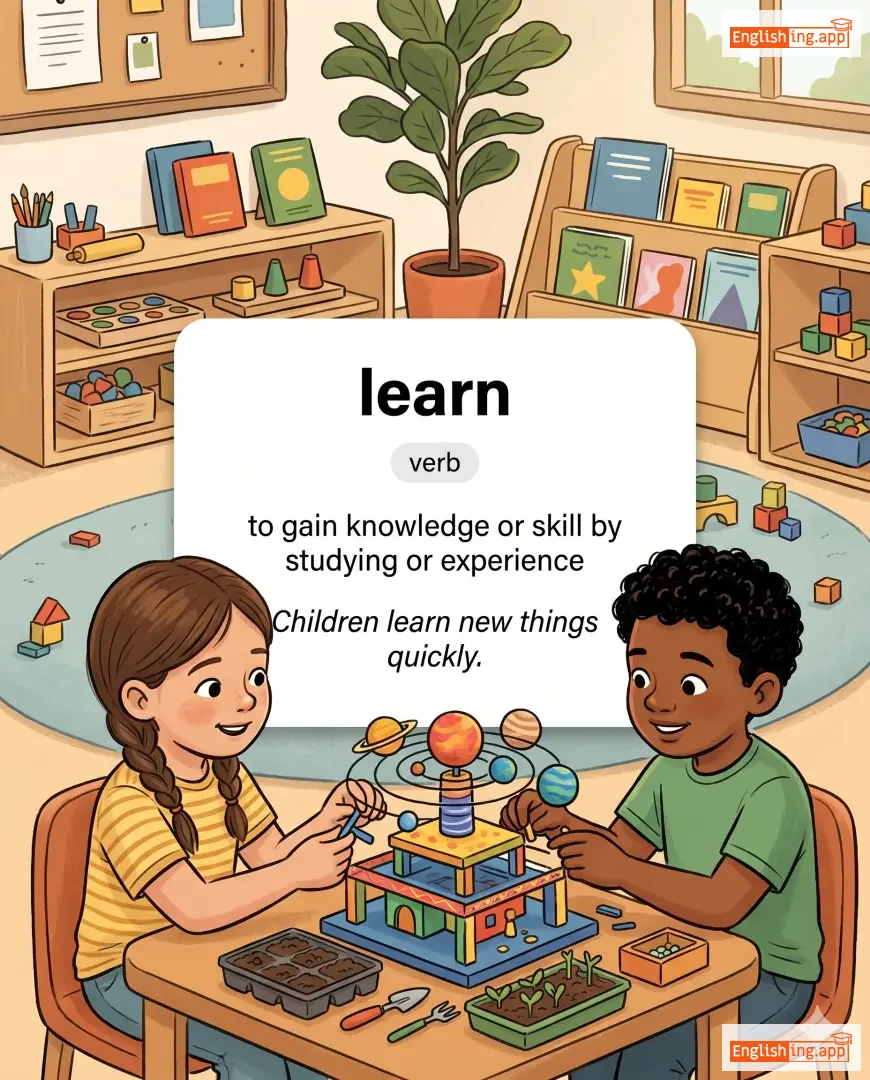
to gain knowledge or skill by studying or experience
••••••
|
Children learn new things quickly.
子供たちは新しいことを素早く学びます。
••••••
|
子供たちは新しいことを素早く学びます。
Kodomo-tachi wa atarashī koto o subayaku manabimasu.
••••••
|
live and learn
生きて学ぶ
••••••
|
to learn from life experiences, often mistakes
••••••
|
生きて学ぶ
Ikite manabu
••••••
|
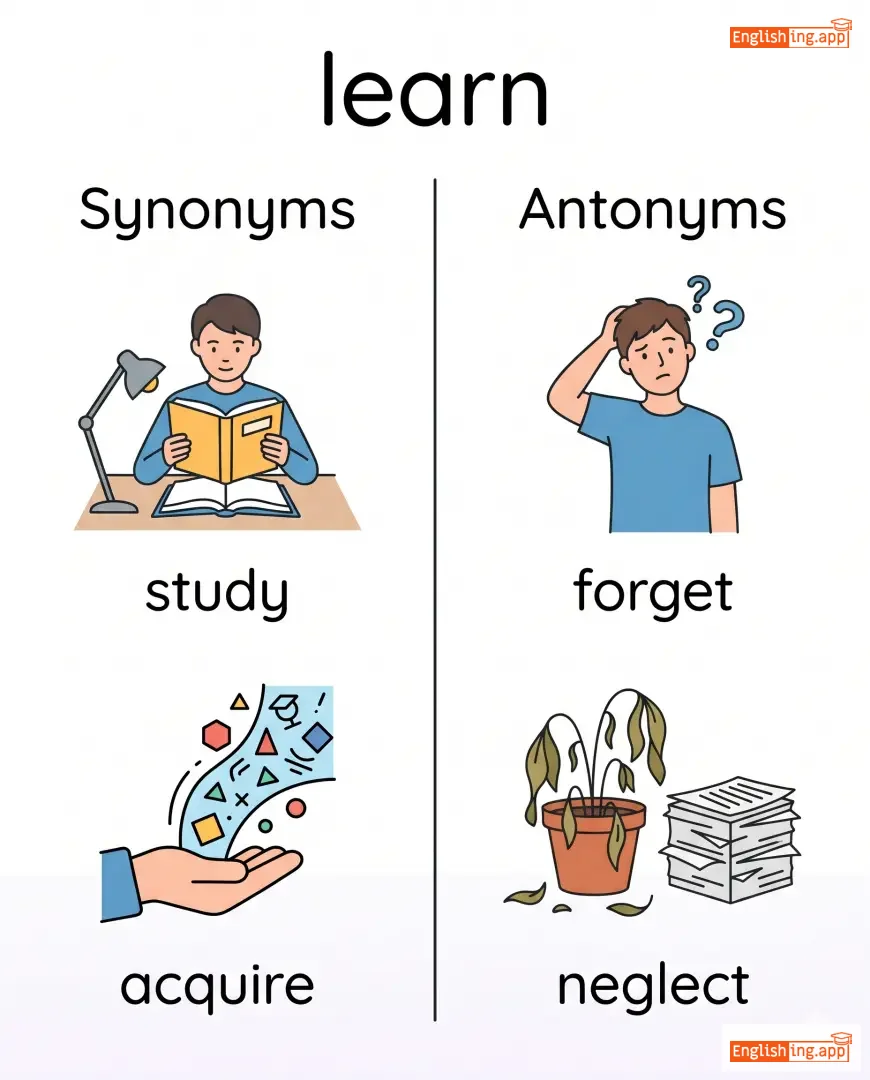
study, acquire, master, understand, grasp
••••••
|
forget, neglect, ignore
••••••
|
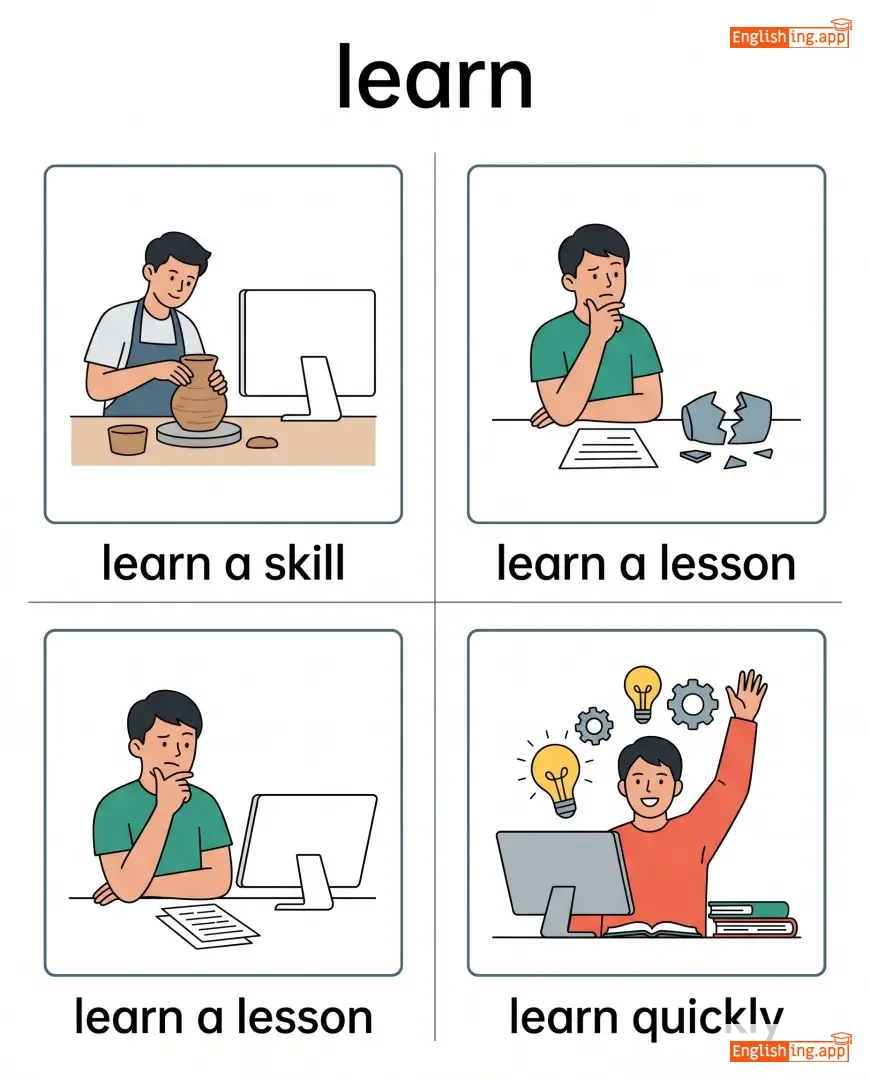
learn a skill, learn a lesson, learn quickly, learn about
••••••
|
Learnは学ぶ、ランタンを使って学ぶように。
••••••
|
|
#9964
🏆
|
/ˈliːdɪŋ/
adjective
(リーディング)
••••••
|
- •••••• |
先導
sendou
••••••
|
- •••••• | - •••••• | - •••••• | - •••••• |
most important or most successful; at the front
••••••
|
She is one of the leading experts in the field. |
彼女はその分野で先導的な専門家の一人です。
Kanojo wa sono bunya de sendou-teki na senmonka no hitori desu.
••••••
|
leading role |
the main role in a play or movie
••••••
|
主役
shuyaku
••••••
|
top, foremost, principal, chief, prominent
••••••
|
minor, secondary, insignificant
••••••
|
leading company, leading expert, leading role, leading position
••••••
|
Leadingは前に立つことを意味し、クラスで最前列に座っている生徒のようなものです。
••••••
|
|
#9965
🧺
|
/ˈlɔːndər/
verb
(launder)
••••••
|
- •••••• |
洗濯する / 不法に得たお金の出所を隠す
sentaku suru / fuhou ni eta okane no shussou wo kakusu
••••••
|
laundered
laundered
••••••
|
laundered
laundered
••••••
|
launders
launders
••••••
|
laundering
laundering
••••••
|
to wash clothes, linens, etc.; or to conceal the origins of money obtained illegally
••••••
|
She laundered all the dirty clothes on Sunday.
彼女は日曜日にすべての汚れた衣服を洗いました。
••••••
|
彼女は日曜日にすべての汚れた衣服を洗いました。
Kanojo wa nichiyoubi ni subete no yogoreta ifuku wo araimashita.
••••••
|
money laundering
マネーロンダリング
••••••
|
the process of making illegally gained money appear legal
••••••
|
違法に得たお金を合法に見せかける過程
ihou ni eta okane wo gouhou ni misekakeru katei
••••••
|
wash, clean, bleach, purify, sanitize
••••••
|
soil, dirty, stain
••••••
|
launder clothes, launder money, launder garments, launder sheets
••••••
|
Launderは洗濯、money launderingは'汚い'お金を洗うこと
••••••
|
|
#9966
⏳
|
/læst/
verb/adjective/noun
(ラスト)
••••••
|
|
続く / 最後の
tsudzuku / saigo no
••••••
|
lasted
ラステッド
••••••
|
lasted
ラステッド
••••••
|
lasts
ラストス
••••••
|
lasting
ラスティング
••••••
|
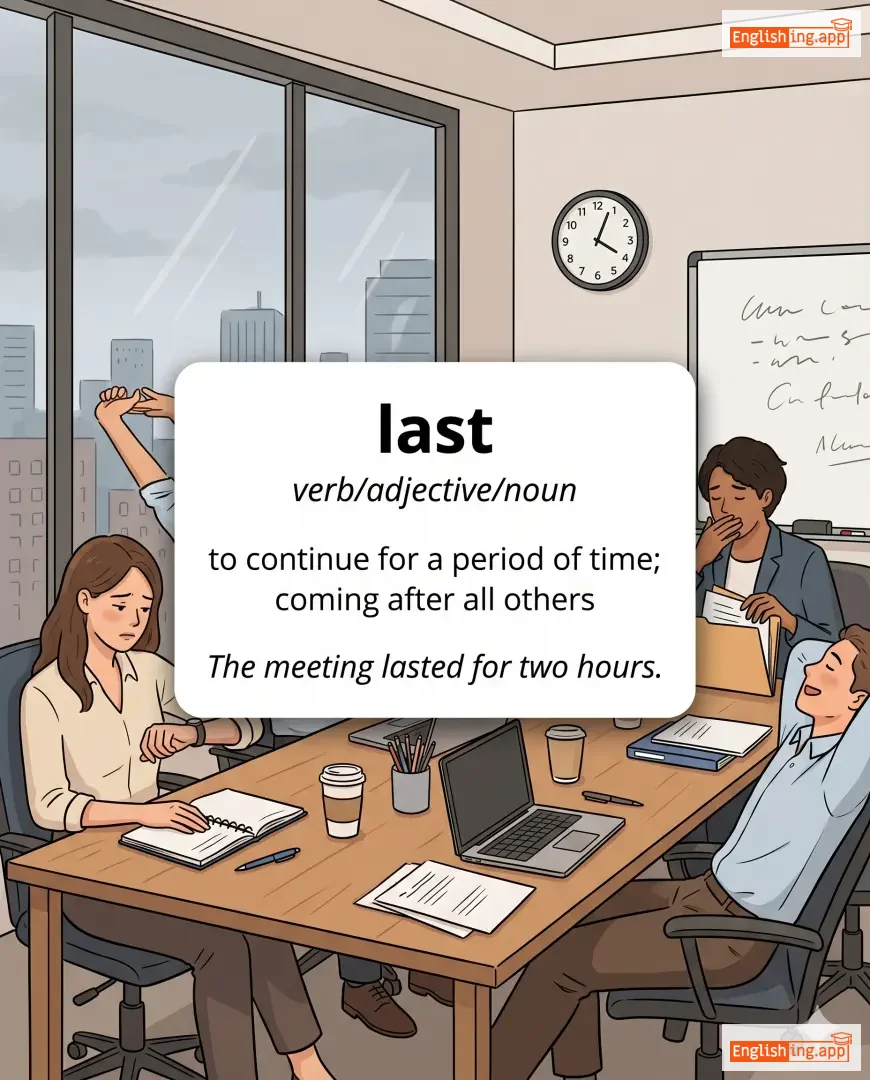
to continue for a period of time; coming after all others
••••••
|
The meeting lasted for two hours.
ミーティングは2時間続きました。
••••••
|
ミーティングは2時間続きました。
Mītingu wa 2-jikan tsudzukimashita.
••••••
|
at last
ついに
••••••
|
finally, after a long time
••••••
|
ついに
tsuini
••••••
|
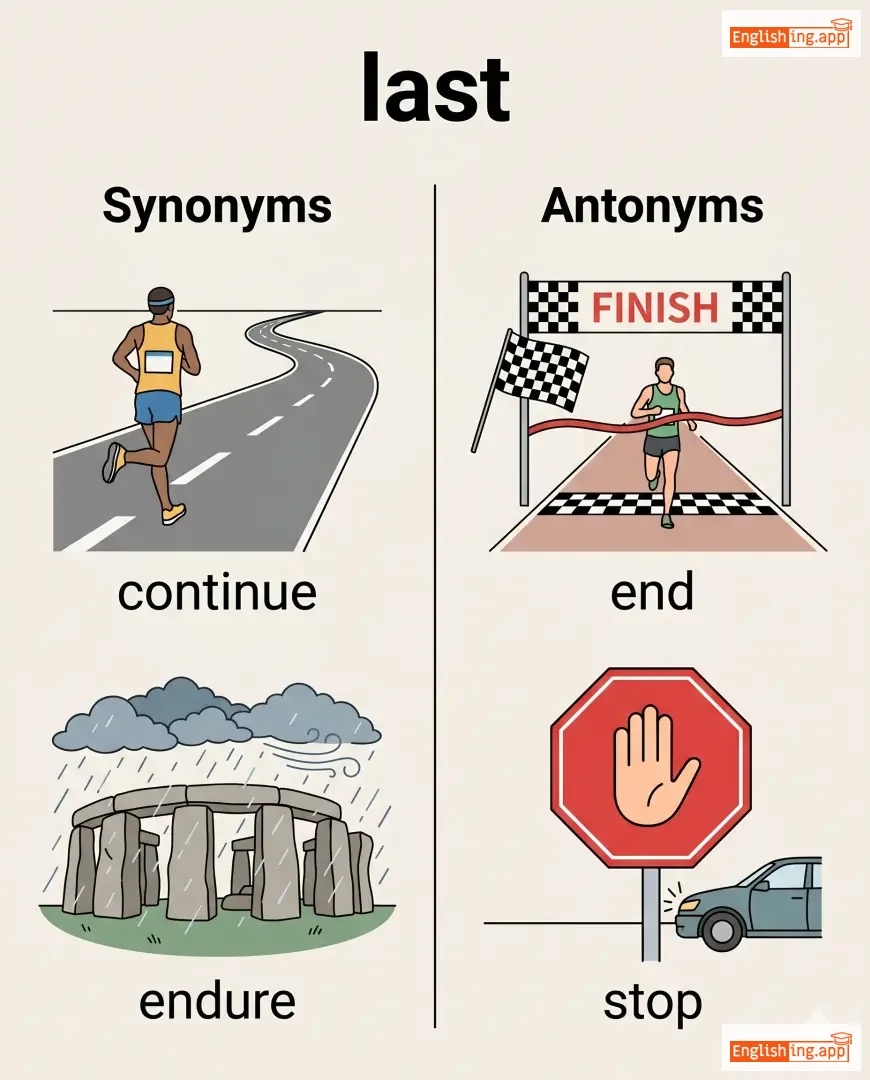
continue, endure, final, ultimate, survive
••••••
|
end, stop, first
••••••
|
last long, last forever, last night, last chance
••••••
|
Lastは「最後の」という意味で、動詞としては「続く」という意味です。
••••••
|
|
#9967
🤠
|
/læˈsuː/
noun/verb
(ラッソ)
••••••
|
- •••••• |
ロープ
roopu
••••••
|
lassoed
ラッソーイッド
••••••
|
lassoed
ラッソーイッド
••••••
|
lassoes
ラッソーズ
••••••
|
lassoing
ラッソイング
••••••
|
a rope with a loop used to catch animals; to catch with such a rope
••••••
|
The cowboy lassoed the horse quickly.
カウボーイは素早く馬をラッソしました。
••••••
|
カウボーイは素早く馬をラッソしました。
Kaubōi wa subayaku uma o rassho shimashita.
••••••
|
- •••••• | - •••••• | - •••••• |
rope, noose, snare, tether
••••••
|
release, free
••••••
|
lasso a horse, lasso cattle, cowboy lasso, lasso technique
••••••
|
ロープはカウボーイが動物を捕まえるための魔法の道具。
••••••
|
|
#9968
📏
|
/lɑrdʒ/
adjective
(ラージ)
••••••
|
- •••••• |
大きい
ookii
••••••
|
- •••••• | - •••••• | - •••••• | - •••••• |
big in size, amount, or number
••••••
|
They live in a large house near the river.
彼らは川の近くの大きな家に住んでいます。
••••••
|
彼らは川の近くの大きな家に住んでいます。
Karera wa kawa no chikaku no ookina ie ni sundeimasu.
••••••
|
at large
大規模に
••••••
|
free, not captured
••••••
|
自由で、捕まっていない
jiyuu de, tsukamatte inai
••••••
|
big, huge, massive, enormous, substantial
••••••
|
small, tiny, little
••••••
|
large house, large number, large scale, large amount
••••••
|
大きいというのは大きな家のようなものです。
••••••
|
|
#9969
❌
|
/ˈlækɪŋ/
adjective
(lacking)
••••••
|
- •••••• |
不足
fusoku
••••••
|
- •••••• | - •••••• | - •••••• | - •••••• |
not having enough of something; missing
••••••
|
His report was lacking in detail.
彼の報告書には詳細が欠けていた。
••••••
|
彼の報告書には詳細が欠けていた。
Kare no hōkokusho ni wa shōsai ga kakete ita.
••••••
|
lacking in confidence
自信の欠如
••••••
|
not having enough self-assurance
••••••
|
自信の欠如
jishin no ketsujo
••••••
|
missing, insufficient, deficient, scarce, wanting
••••••
|
sufficient, adequate, abundant
••••••
|
lacking in detail, lacking skills, lacking resources, lacking evidence
••••••
|
Lacking は不足を意味します — 何かが足りない、または欠けている状態です。
••••••
|
|
#9970
🏠
|
/ɪnˈtɜːrnəl/
adjective
(intānal)
••••••
|
- •••••• |
内部
naibu
••••••
|
- •••••• | - •••••• | - •••••• | - •••••• |
situated inside; relating to the inside or inner part of something
••••••
|
The company is conducting an internal audit this month. |
その会社は今月内部監査を行っています。
Sono kaisha wa kongetsu naibu kansa o okonatteimasu.
••••••
|
internal affairs |
matters within an organization or country, not external
••••••
|
内部事務
naibu jimu
••••••
|
inner, inside, domestic, interior, inward
••••••
|
external, outer, outside
••••••
|
internal audit, internal structure, internal affairs, internal use
••••••
|
Internalは内部という意味、例えば日本語では'内部'と訳されます
••••••
|
|
#9971
😩
|
/ˈnæk.ərd/
adjective (informal, British)
(ナケレッド)
••••••
|
- •••••• |
非常に疲れた
hijou ni tsukareta
••••••
|
- •••••• | - •••••• | - •••••• | - •••••• |
Extremely tired or exhausted.
••••••
|
After the long hike, I was completely knackered. |
長いハイキングの後、私は完全に疲れ果てていました。
Nagai haikingu no ato, watashi wa kanzen ni tsukarehatete imashita.
••••••
|
- •••••• | - •••••• | - •••••• |
exhausted, tired, weary, fatigued, drained
••••••
|
energetic, lively, active
••••••
|
absolutely knackered, feel knackered, look knackered, totally knackered
••••••
|
KNACKEREDは非常に疲れていることを意味します。
••••••
|
|
#9972
💖
|
/kaɪnd/
adjective/noun
(kaindo)
••••••
|
- •••••• |
種類 / 親切
shurui / shinsetsu
••••••
|
- •••••• | - •••••• | - •••••• | - •••••• |
A type or category; showing a gentle, considerate nature.
••••••
|
She is very kind to her neighbors. |
彼女は近所の人々にとても親切です。
Kanojo wa kinjo no hitobito ni totemo shinsetsu desu.
••••••
|
kind of |
Used to indicate similarity or approximation.
••••••
|
ある意味で
aru imi de
••••••
|
type, sort, gentle, caring, compassionate
••••••
|
cruel, harsh, unkind
••••••
|
kind words, kind gesture, be kind, kind of person
••••••
|
KIND は親切を意味し、kind of はある意味でを意味します。
••••••
|
|
#9973
🔒
|
/kiːp/
verb
(キープ)
••••••
|
|
保つ
tamotsu
••••••
|
kept
ケプト
••••••
|
kept
ケプト
••••••
|
keeps
キープス
••••••
|
keeping
キーピング
••••••
|
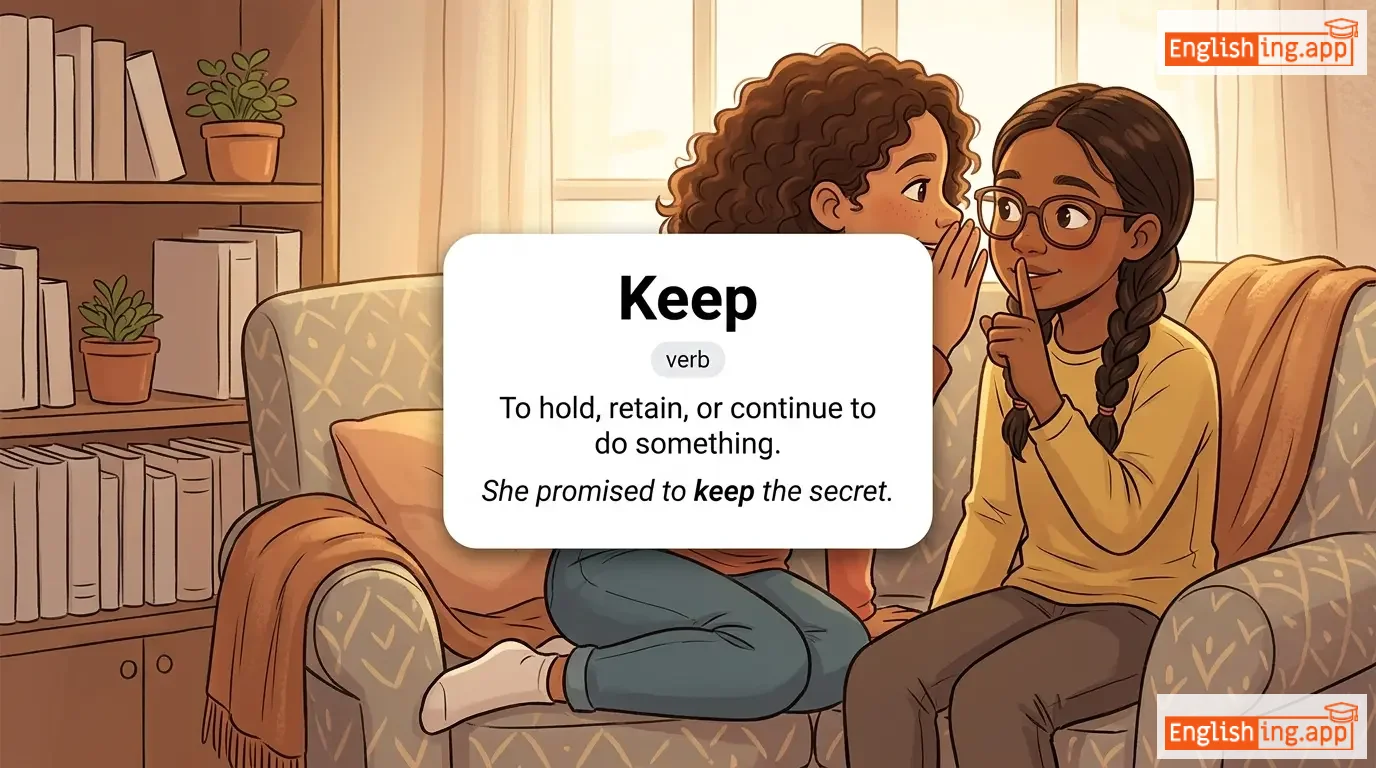
To hold, retain, or continue to do something.
••••••
|
She promised to keep the secret.
彼女は秘密を守ると約束しました。
••••••
|
彼女は秘密を守ると約束しました。
Kanojo wa himitsu o mamoru to yakusoku shimashita.
••••••
|
keep in touch
連絡を取り合う
••••••
|
Maintain communication with someone.
••••••
|
連絡を取り合う
renraku o toriau
••••••
|
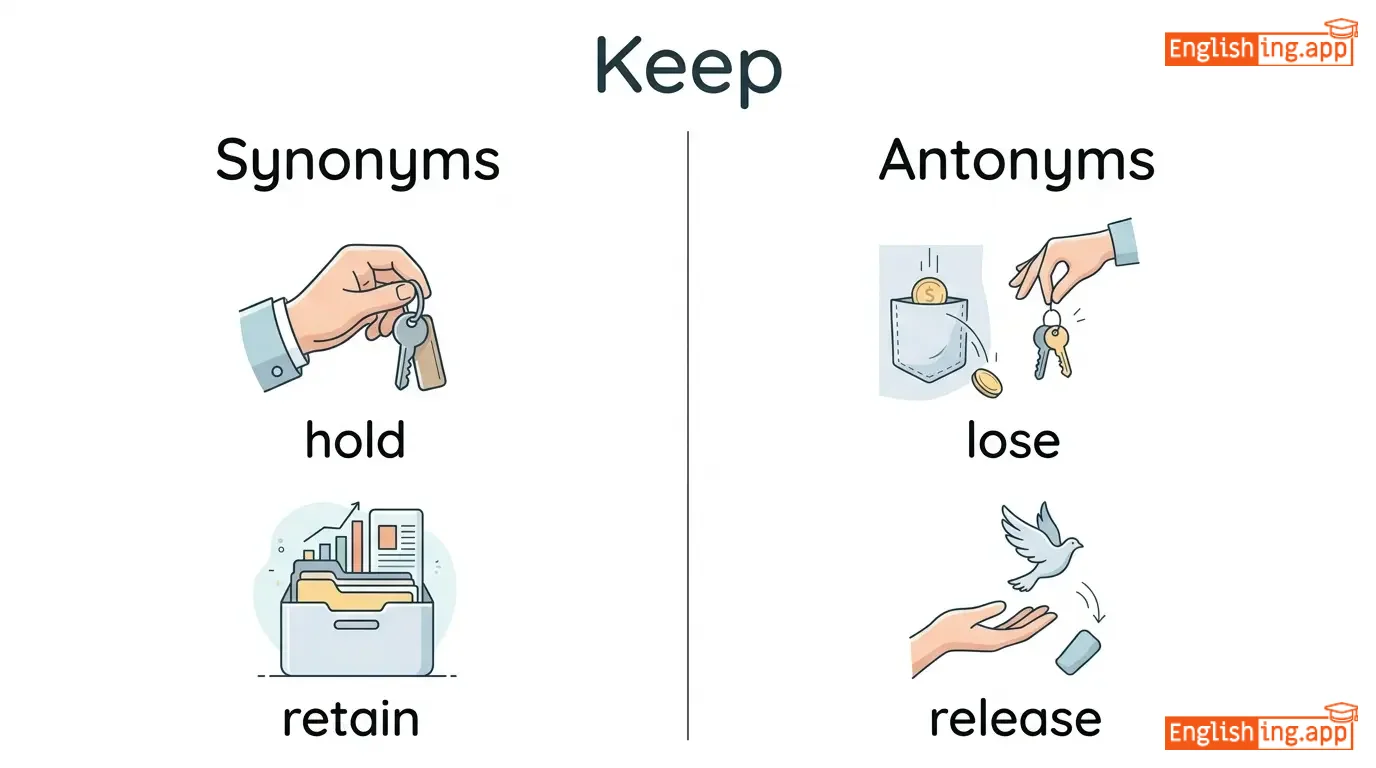
hold, retain, preserve, maintain, continue
••••••
|
lose, release, forget
••••••
|
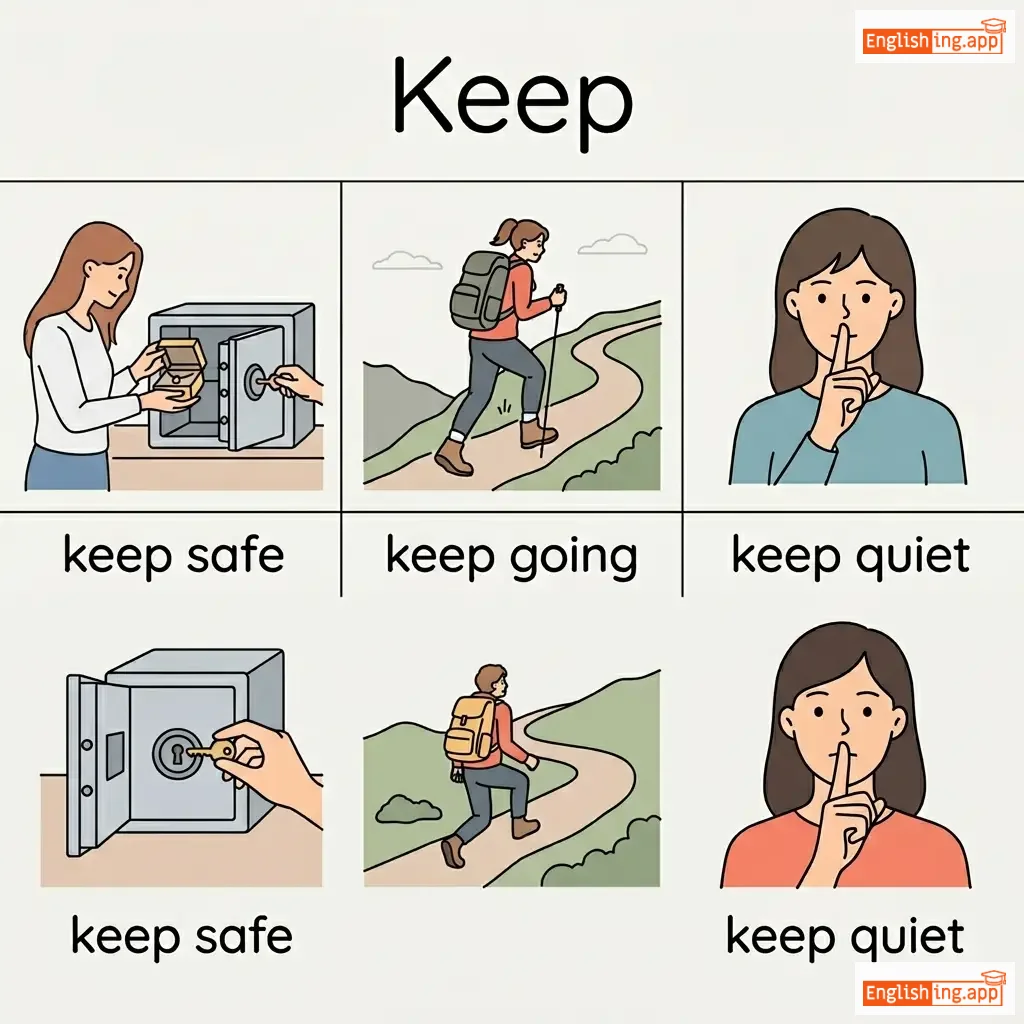
keep safe, keep going, keep quiet, keep calm
••••••
|
KEEP = 保つ - 大切なことを忘れないように。
••••••
|
|
#9974
⚖️
|
/dʒʌst/
adverb/adjective
(ジャスト)
••••••
|
- •••••• |
ちょうど、ただ、または公正で道徳的に正しい
choudo, tada, matawa kou-sei de doutokuteki ni tadashii
••••••
|
- •••••• | - •••••• | - •••••• | - •••••• |
Exactly, only, or fair and morally right.
••••••
|
She arrived just in time for the meeting. |
彼女は会議のためにちょうど時間通りに到着した。
Kanojo wa kaigi no tame ni choudo jikan doori ni touchaku shita.
••••••
|
just in case |
As a precaution; in case something happens.
••••••
|
念のため
nen no tame
••••••
|
fair, right, exact, only, merely
••••••
|
unfair, unjust, wrong
••••••
|
just now, just about, just because, just enough
••••••
|
JUSTはちょうど時間通り、公正で道徳的。
••••••
|
|
#9975
😊
|
/dʒɔɪ/
noun
(ジョイ)
••••••
|
- •••••• |
喜び
yorokobi
••••••
|
- •••••• | - •••••• | - •••••• | - •••••• |
A feeling of great happiness and delight.
••••••
|
The children shouted with joy when they saw the gifts. |
子供たちはプレゼントを見て喜びの声を上げました。
Kodomotachi wa purezento o mite yorokobi no koe o agemashita.
••••••
|
bundle of joy |
A newborn baby, seen as a source of great happiness.
••••••
|
喜びの束
yorokobi no taba
••••••
|
happiness, delight, pleasure, bliss, cheer
••••••
|
sorrow, sadness, misery
••••••
|
feel joy, bring joy, express joy, tears of joy
••••••
|
JOY = 喜び (Joy = Yorokobi)
••••••
|
|
#9976
😊
|
/ˈdʒɒli/
adjective
(ジョリー)
••••••
|
- •••••• |
陽気な
yōkina
••••••
|
- •••••• | - •••••• | - •••••• | - •••••• |
Full of good humor and cheerfulness.
••••••
|
The children were in a jolly mood at the party.
子供たちはパーティーで陽気な気分でした。
••••••
|
子供たちはパーティーで陽気な気分でした。
Kodomotachi wa pātī de yōkina kibun deshita.
••••••
|
jolly good
とても良い
••••••
|
Used to express approval or satisfaction
••••••
|
とても良い
totemo yoi
••••••
|
cheerful, merry, jovial, joyful, festive
••••••
|
sad, gloomy, miserable
••••••
|
jolly mood, jolly fellow, jolly time, jolly good
••••••
|
Jollyとは、パーティーで楽しくて元気な子供たちのような気分です。
••••••
|
|
#9977
🤝
|
/dʒɔɪn/
verb
(ジョイン)
••••••
|
|
参加する
sanka suru
••••••
|
joined
ジョインド
••••••
|
joined
ジョインド
••••••
|
joins
ジョインズ
••••••
|
joining
ジョイニング
••••••
|
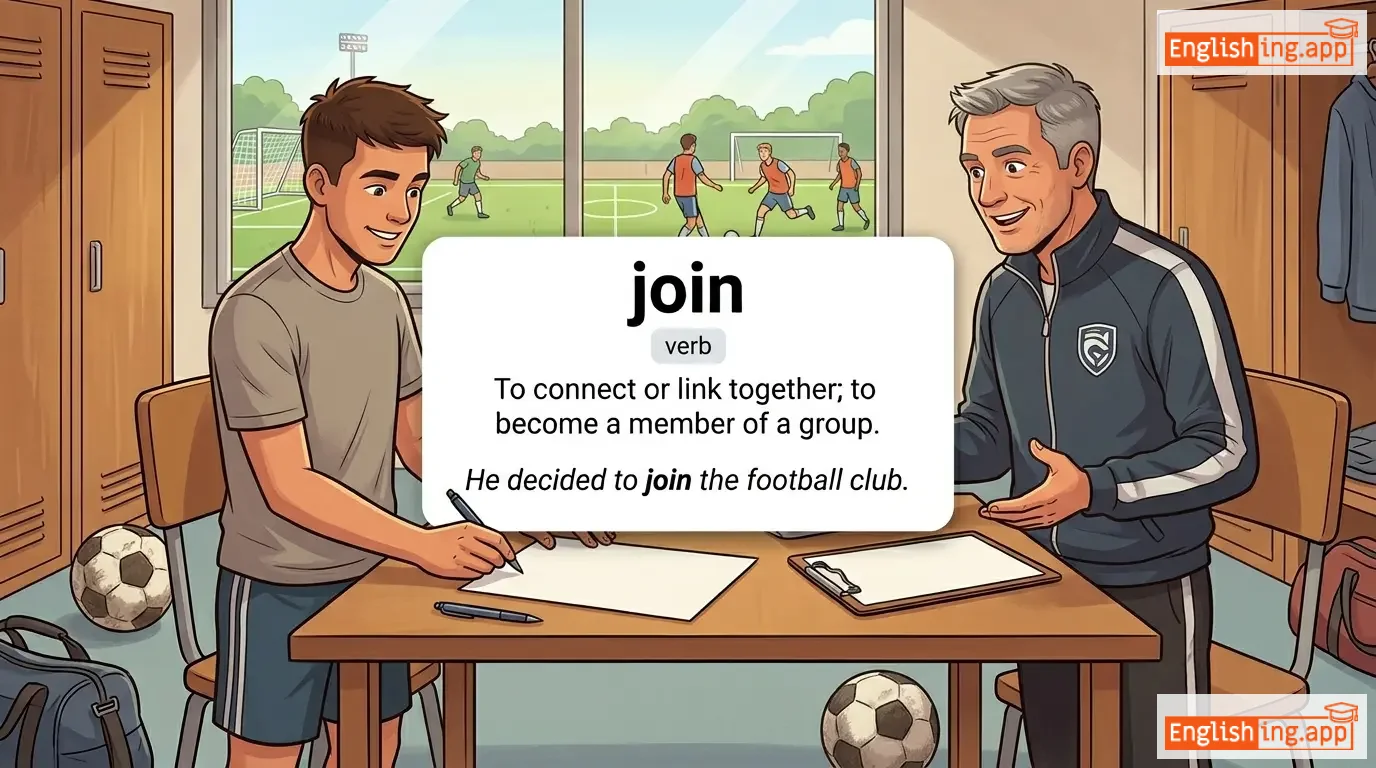
To connect or link together; to become a member of a group.
••••••
|
He decided to join the football club.
彼はサッカークラブに参加することに決めました。
••••••
|
彼はサッカークラブに参加することに決めました。
Kare wa sakkā kurabu ni sanka suru koto ni kimemashita.
••••••
|
join forces
力を合わせる
••••••
|
To work together for a common goal
••••••
|
力を合わせる
Chikara o awaseru
••••••
|
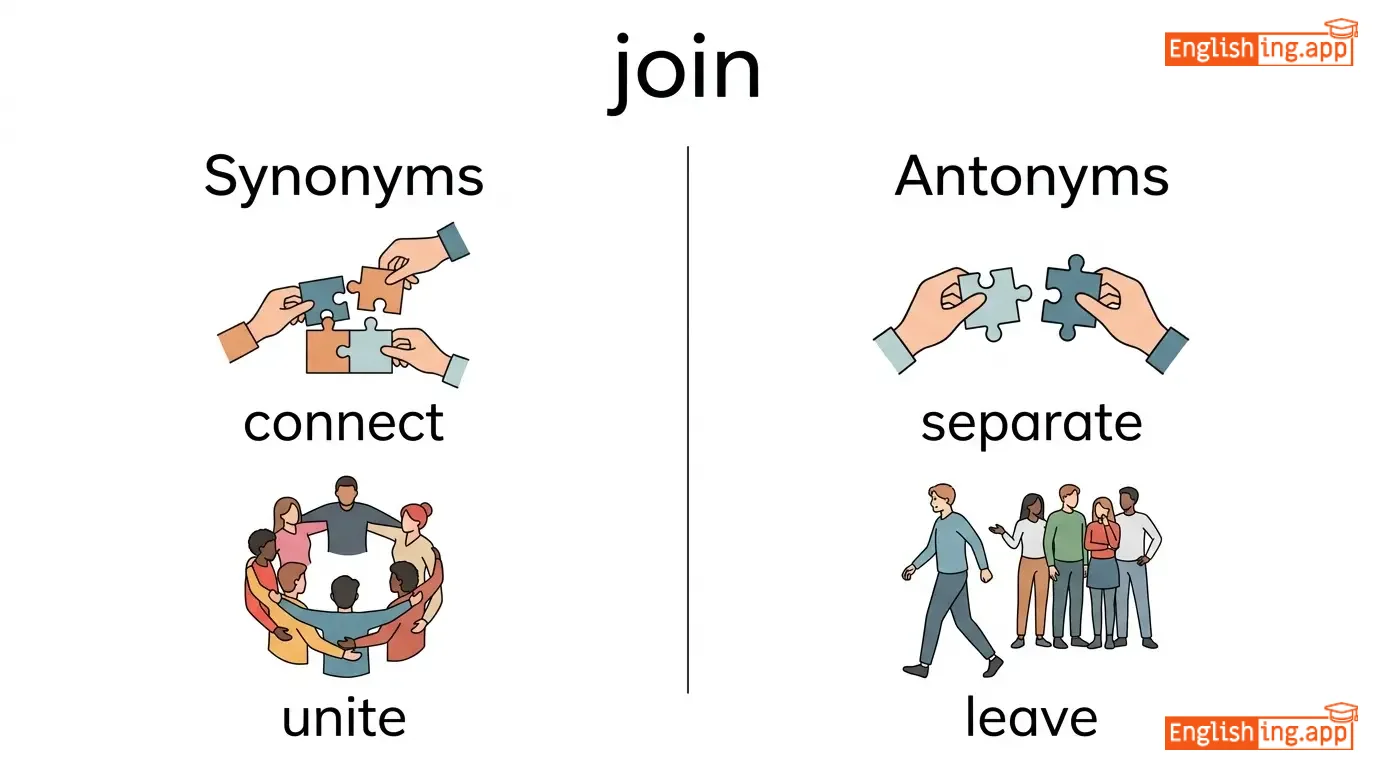
connect, unite, attach, participate, enlist
••••••
|
separate, leave, disconnect
••••••
|
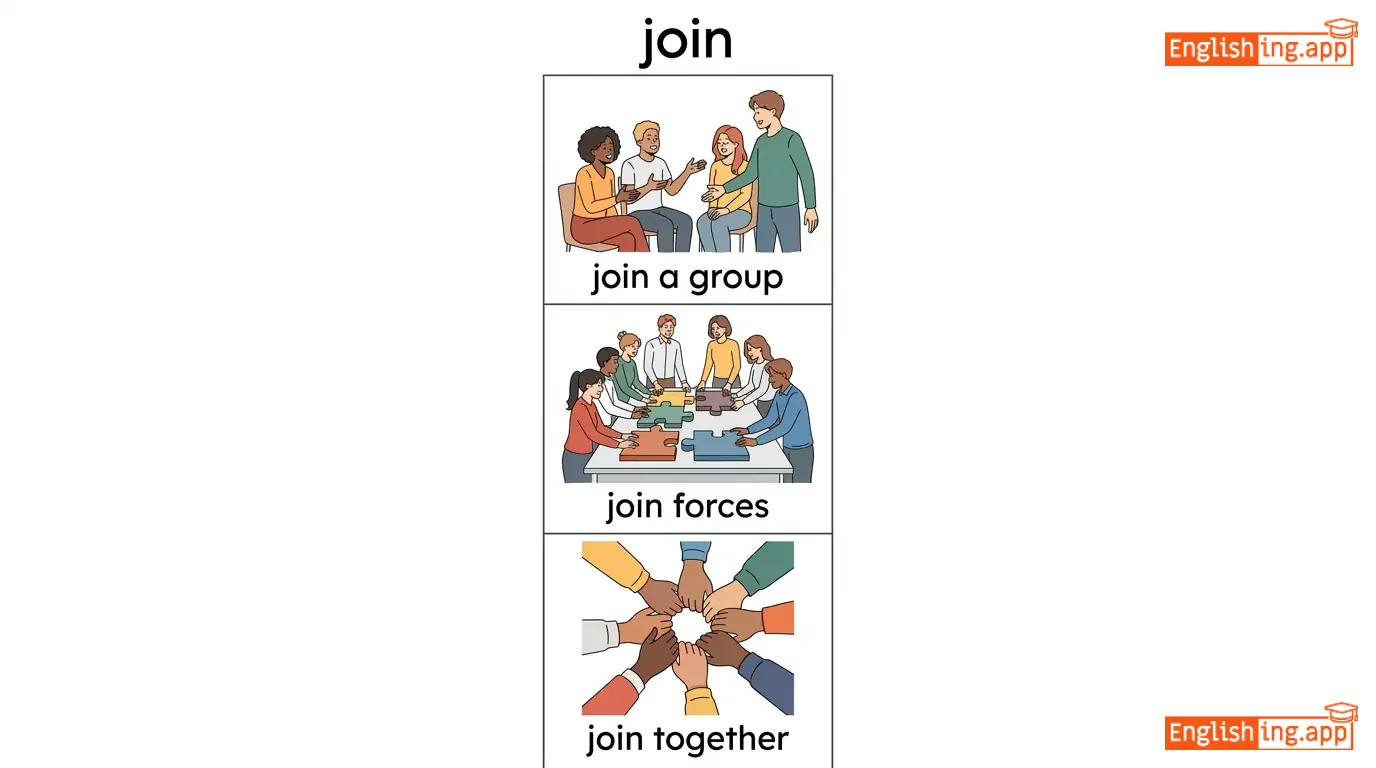
join a group, join forces, join together, join in
••••••
|
Join は参加する—日本語でも参加の意味です。
••••••
|
|
#9978
😏
|
/dʒɪər/
verb
(ジアー)
••••••
|
|
嘲笑する
choushou suru
••••••
|
jeered
ジアード
••••••
|
jeered
ジアード
••••••
|
jeers
ジアーズ
••••••
|
jeering
ジアリング
••••••
|
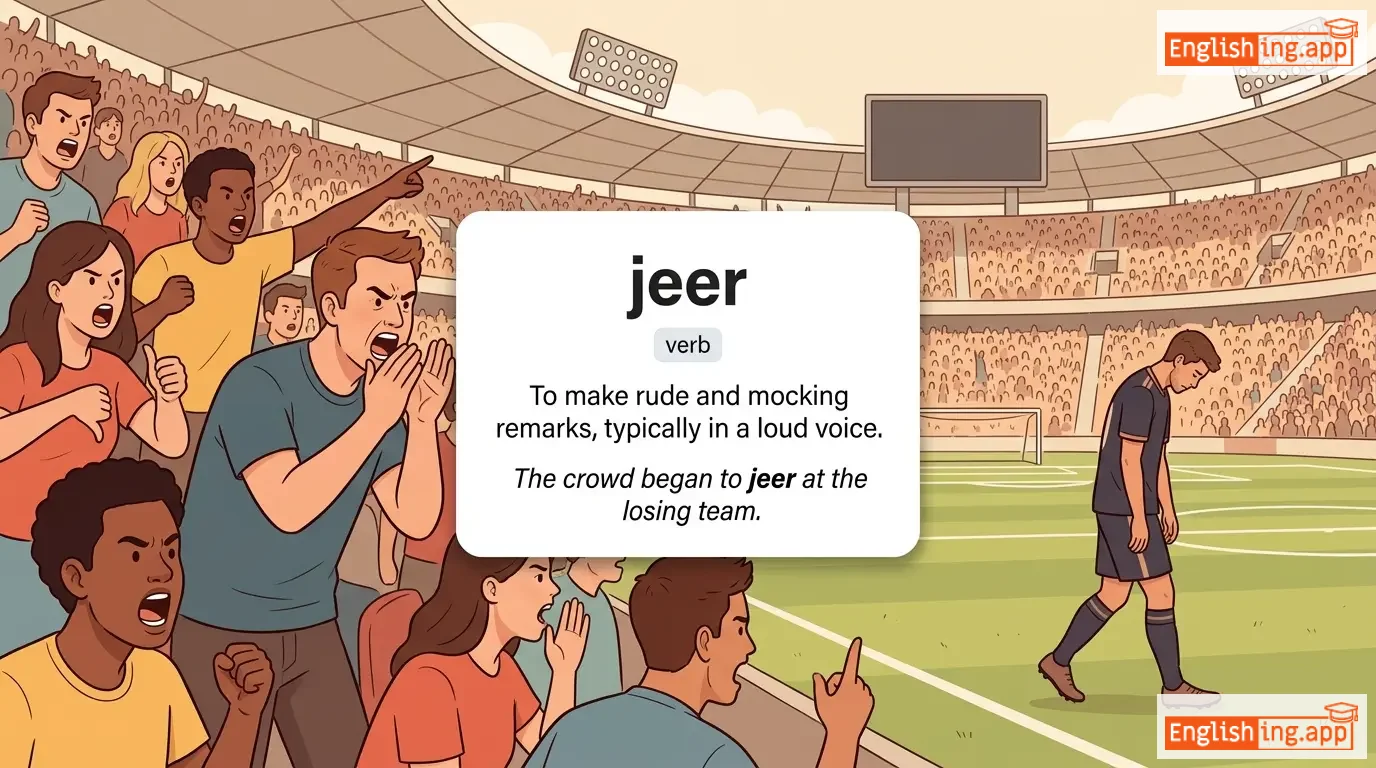
To make rude and mocking remarks, typically in a loud voice.
••••••
|
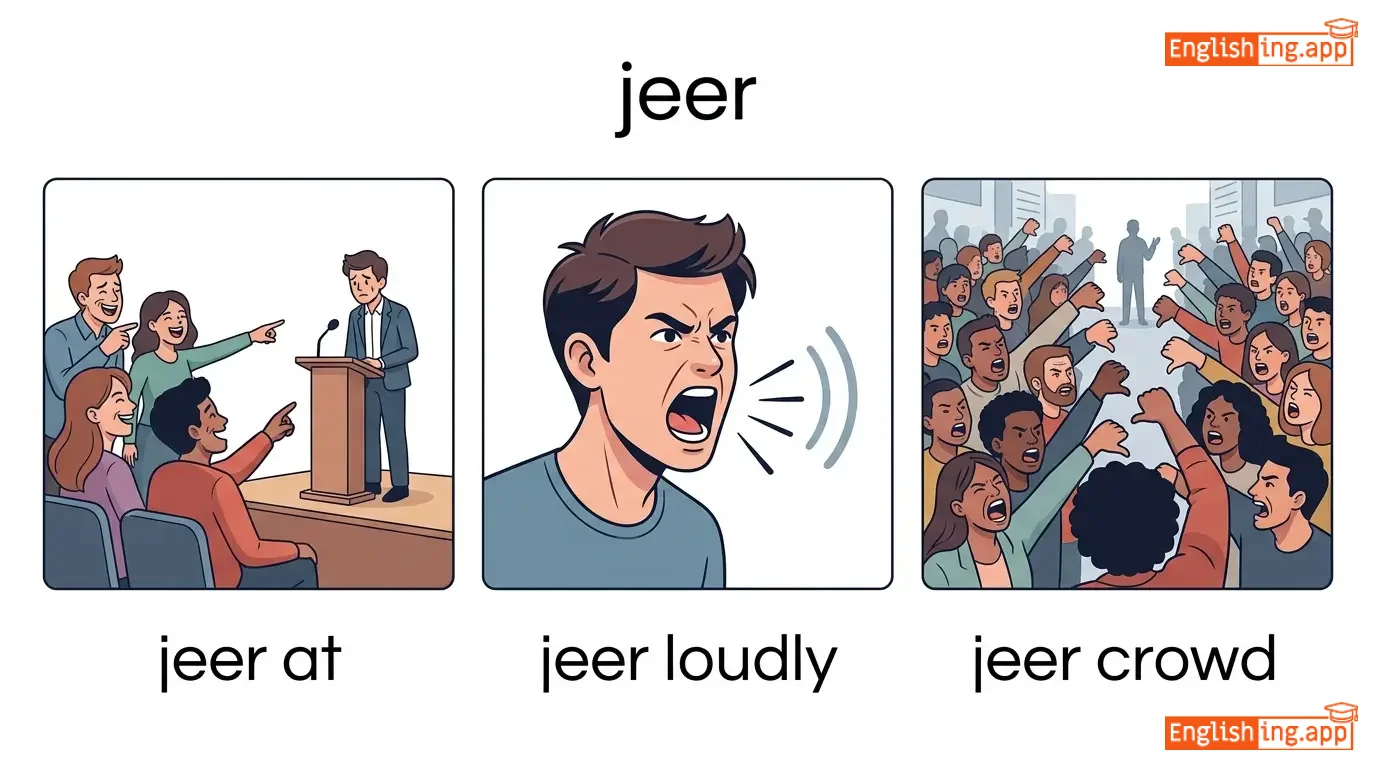
The crowd began to jeer at the losing team.
群衆は負けているチームを嘲笑し始めた。
••••••
|
群衆は負けているチームを嘲笑し始めた。
Gunshuu wa maketeiru chiimu o choushou shi hajimeta.
••••••
|
- •••••• | - •••••• | - •••••• |
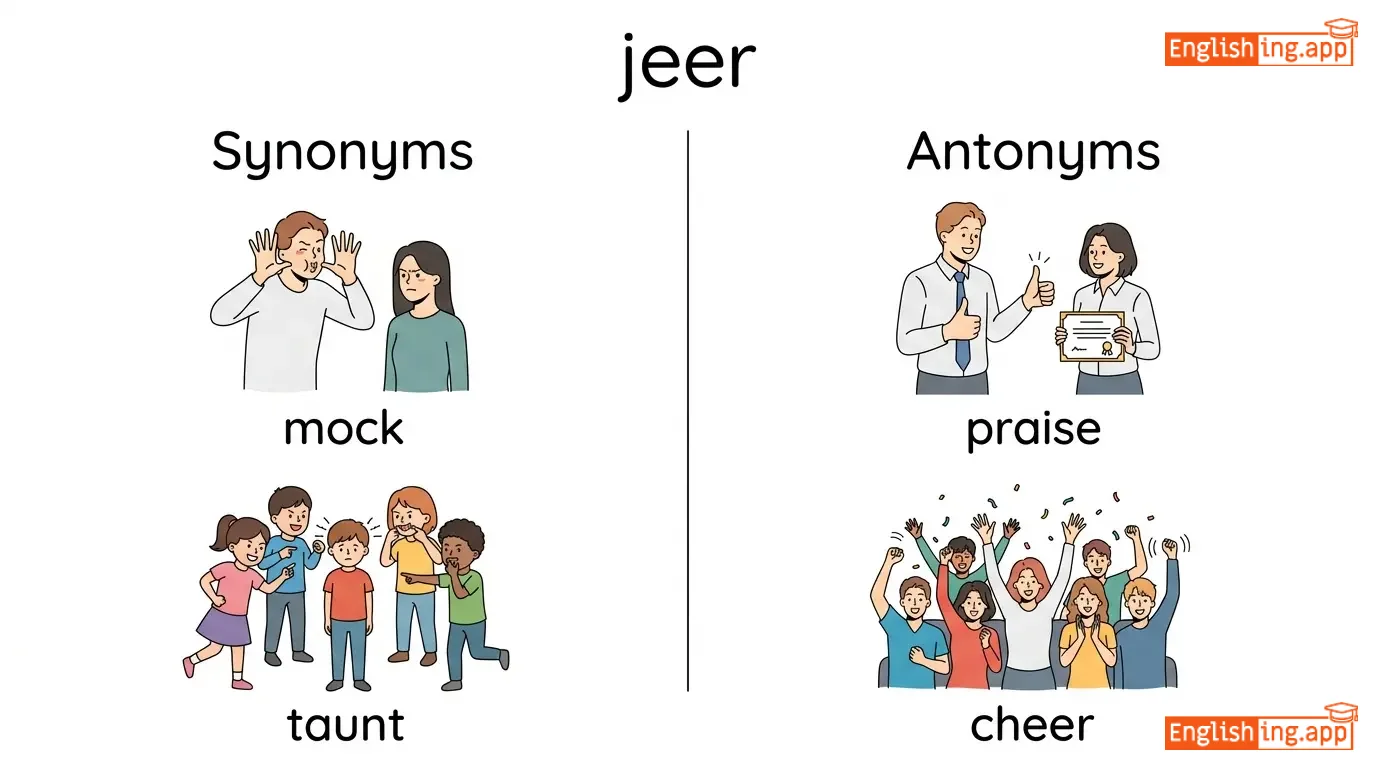
mock, taunt, sneer, ridicule
••••••
|
praise, cheer, applaud
••••••
|
jeer at, jeer loudly, jeer crowd
••••••
|
Jeerはcheerに似ているが、実際には嘲笑することを意味する。
••••••
|
|
#9979
😒
|
/ˈdʒɛləs/
adjective
(ジェラス)
••••••
|
- •••••• |
嫉妬
shitto
••••••
|
- •••••• | - •••••• | - •••••• | - •••••• |
Feeling or showing envy of someone or their achievements and advantages.
••••••
|
She was jealous of her friend's success. |
彼女は友達の成功に嫉妬していた。
Kanojo wa tomodachi no seikou ni shitto shite ita.
••••••
|
green with envy |
Extremely jealous or envious
••••••
|
嫉妬の緑の目
Shitto no midori no me
••••••
|
envious, resentful, covetous, possessive
••••••
|
content, trusting, confident
••••••
|
jealous of, feel jealous, jealous streak
••••••
|
嫉妬は‘白鳥’のように静かにひとを見つめる。
••••••
|
|
#9980
🚪
|
/dʒæm/
noun
(ジャム)
••••••
|
- •••••• |
ドア枠
doawaku
••••••
|
- •••••• | - •••••• | - •••••• | - •••••• |
The side post or surface of a doorway, window, or fireplace.
••••••
|
The carpenter carefully measured the width of the door jamb. |
大工はドア枠の幅を慎重に測定した。
Daiku wa doa-waku no haba o shinchō ni sokutei shita.
••••••
|
- •••••• | - •••••• | - •••••• |
post, frame, side, upright, support
••••••
|
opening, gap
••••••
|
door jamb, window jamb, fireplace jamb
••••••
|
ジャム = 枠。ドアの枠がドアを支える。
••••••
|
|
#9981
🏝️
|
/ˈaɪsəleɪtɪd/
adjective
(アイソレイテッド)
••••••
|
|
孤立した / 分離された
koritsu shita / bunri sareta
••••••
|
- •••••• | - •••••• | - •••••• | - •••••• |
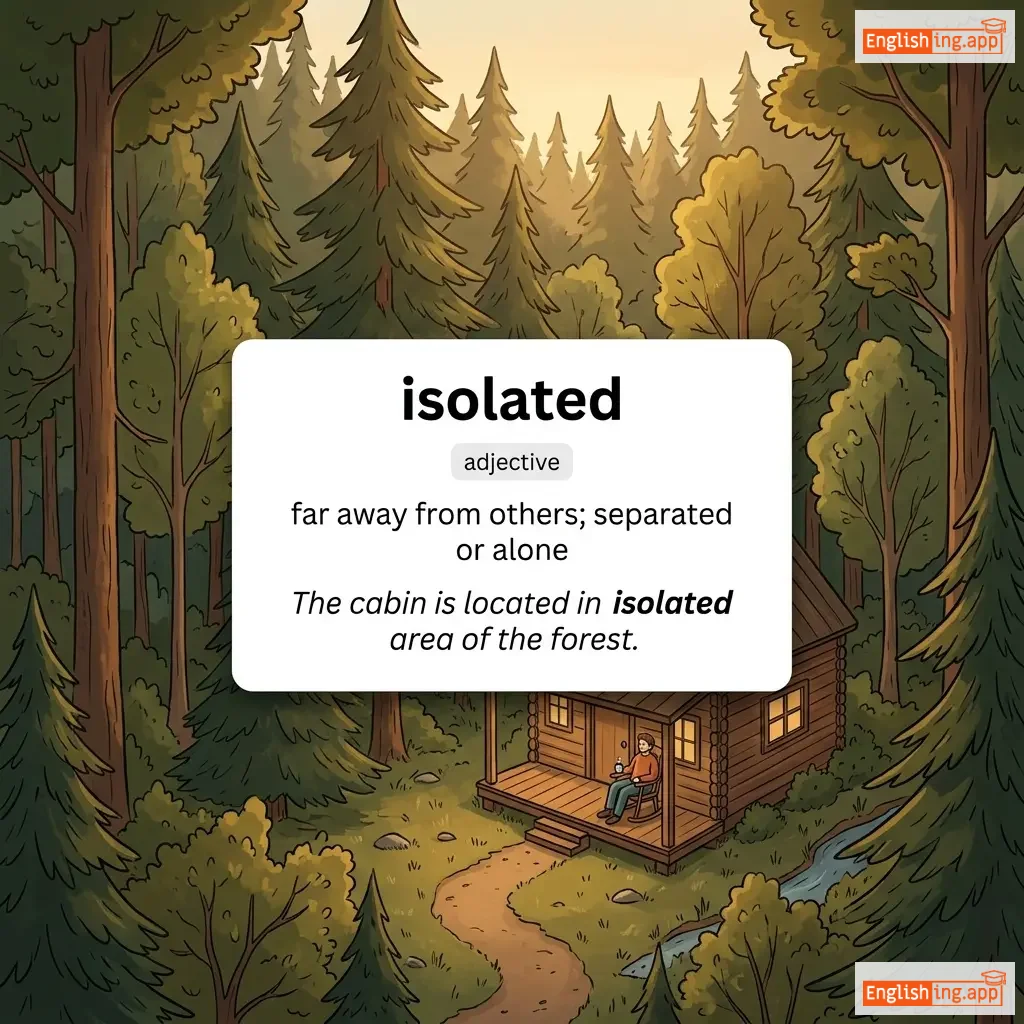
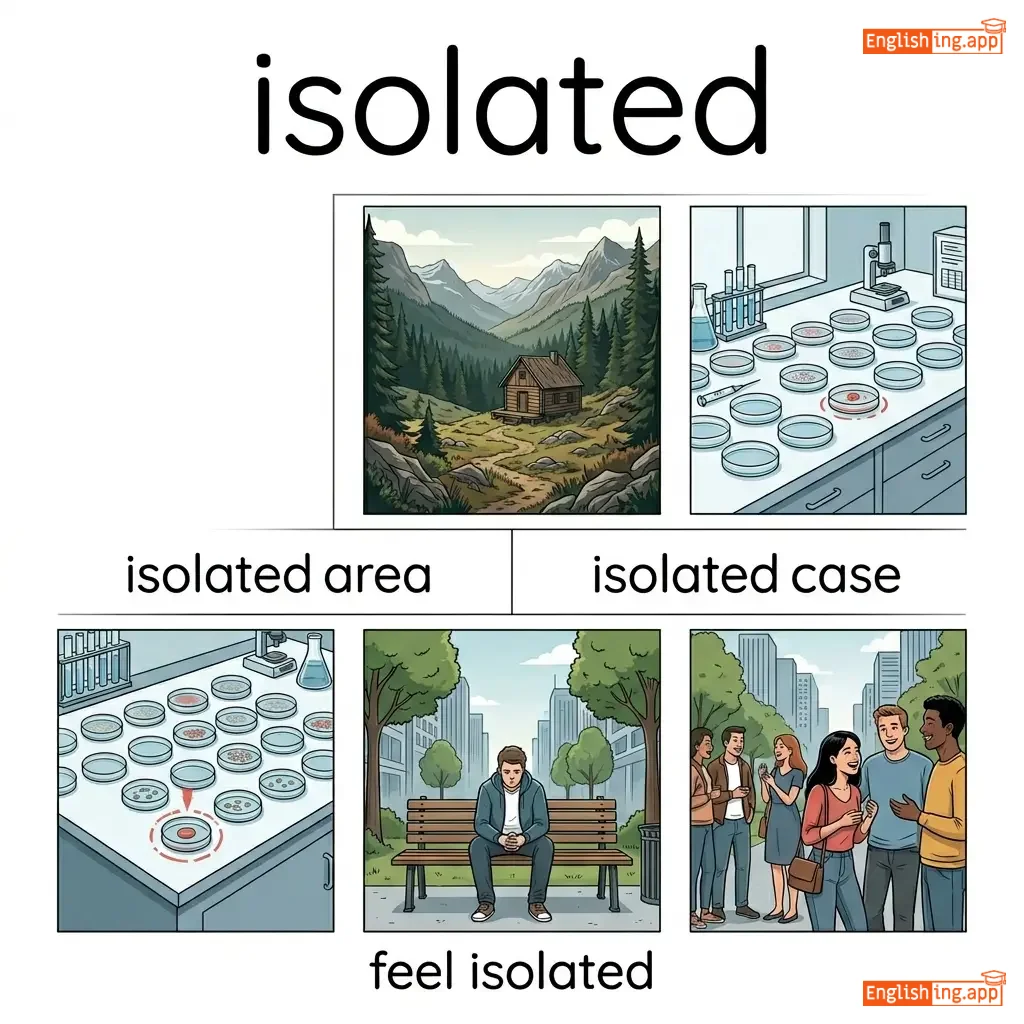
far away from others; separated or alone
••••••
|
The cabin is located in an isolated area of the forest.
キャビンは森の中の孤立したエリアにあります。
••••••
|
キャビンは森の中の孤立したエリアにあります。
Kyabin wa mori no naka no koritsu shita eria ni arimasu.
••••••
|
feel isolated
孤立して感じる
••••••
|
to feel lonely or separated from others
••••••
|
孤立して感じる
koritsu shite kanjiru
••••••
|
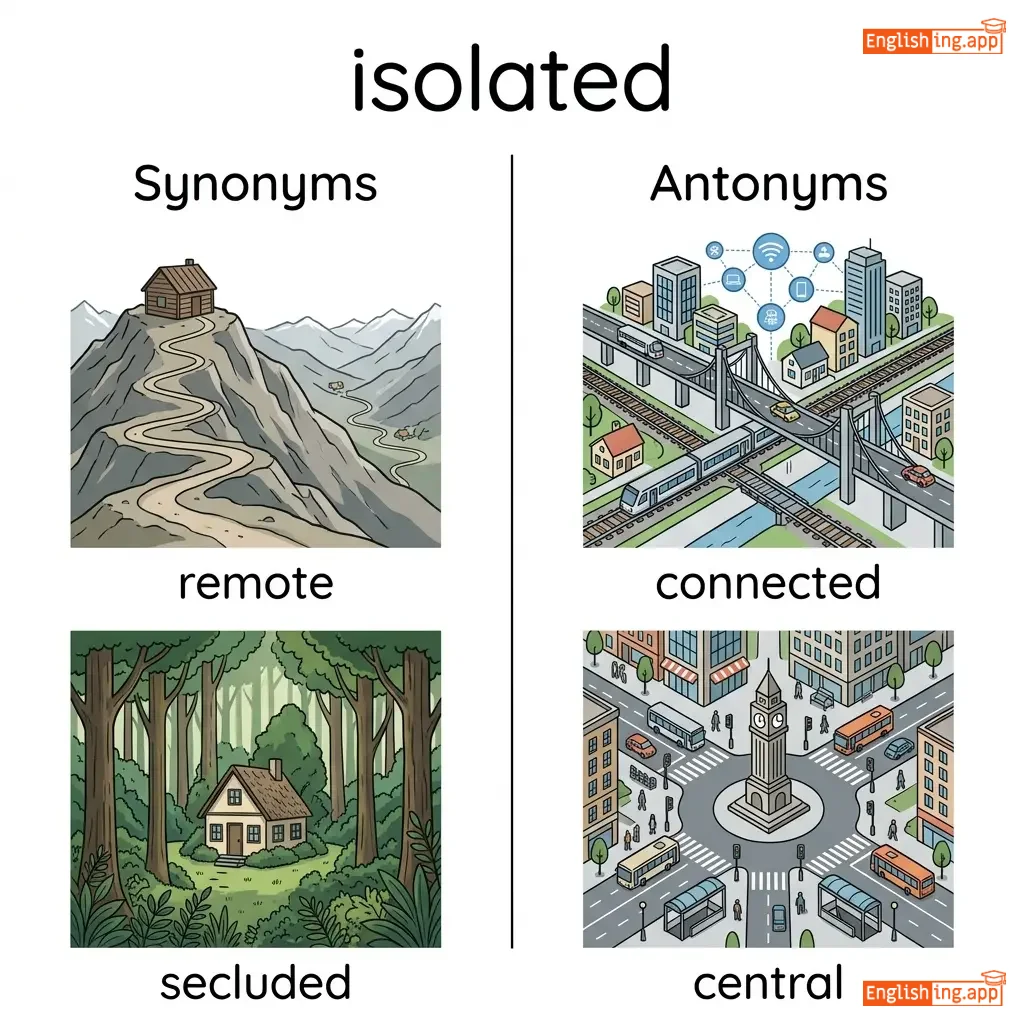
remote, secluded, solitary, detached
••••••
|
connected, central, sociable
••••••
|
isolated area, isolated case, feel isolated, isolated incident
••••••
|
Isolatedは島のようなもので、孤立していると感じます。
••••••
|
|
#9982
📄
|
/ˈɪnvɔɪs/
noun
(インボイス)
••••••
|
- •••••• |
請求書
seikyūsho
••••••
|
- •••••• | - •••••• | - •••••• | - •••••• |
a list of goods sent or services provided, with the amount due for payment
••••••
|
The company sent an invoice for the delivered products. |
会社は納品された製品に対する請求書を送付しました。
Kaisha wa nōhin sareta seihin ni taisuru seikyūsho o sōfu shimashita.
••••••
|
pay the invoice |
to settle the amount mentioned in the invoice
••••••
|
請求書を支払う
seikyūsho o shiharau
••••••
|
bill, statement, receipt, account
••••••
|
payment, credit
••••••
|
send invoice, receive invoice, pay invoice, issue invoice
••••••
|
Invoiceは請求書を意味し、請求書を支払うことが必要です
••••••
|
|
#9983
🤔
|
/ɪnˈtriːɡɪŋ/
adjective
(イントリーギング)
••••••
|
- •••••• |
非常に興味深く、異常な; 好奇心を引き起こす
hijou ni kyomi-bukaku, ibōna; kōkishin o hikiokosu
••••••
|
- •••••• | - •••••• | - •••••• | - •••••• |
very interesting and unusual; arousing curiosity
••••••
|
The movie has an intriguing plot that keeps the audience hooked. |
その映画は観客を引き付ける非常に興味深いプロットを持っています。
Sono eiga wa kankyaku o hikitsukeru hijou ni kyomi-bukai purotto o motteimasu.
••••••
|
- •••••• | - •••••• | - •••••• |
fascinating, captivating, engaging, compelling, mysterious
••••••
|
boring, dull, uninteresting
••••••
|
intriguing idea, intriguing story, intriguing mystery, intriguing character
••••••
|
Intriguing は非常に興味深く異常な意味です。まるでみんなが ‘イントリーギング!’ と言うような映画のようです!
••••••
|
|
#9984
🗣️
|
/ɪnˈtɜːrprət/
verb
••••••
|
- •••••• | - •••••• |
interpreted
••••••
|
interpreted
••••••
|
interprets
••••••
|
interpreting
••••••
|
to explain the meaning of something; to translate orally
••••••
|
She had to interpret the speech for the foreign guests. |
- •••••• |
interpret the law |
to explain or understand the meaning of legal rules
••••••
|
- •••••• |
explain, clarify, translate, elucidate, understand
••••••
|
confuse, obscure, misinterpret
••••••
|
interpret correctly, interpret data, interpret meaning, interpret the law
••••••
|
No •••••• |
Vocabulary Quiz
Test your vocabulary by matching words with their translations or meanings.
Login to take the quiz
Comments (0)
Share your thoughts and join the discussion.
Join the discussion by logging in
Login to CommentNo comments yet
Be the first to share your thoughts!