

翻訳
過去
過去分詞
三人称単数
動名詞
意味
例文
例文の翻訳
同義語
対義語
コロケーション
ニーモニック

Swipe left or right, or use the buttons. Tap image to zoom.
例文の翻訳
単語
Lesson 214Lesson 214 - マスクトグル
|
絵文字
|
単語 | Images | 翻訳 | 過去 | 過去分詞 | 三人称単数 | 動名詞 | 意味 | 例文 | 例文の翻訳 | 表現例 | 表現例の意味 | 表現例の翻訳 | 同義語 | 対義語 | コロケーション | ニーモニック |
|---|---|---|---|---|---|---|---|---|---|---|---|---|---|---|---|---|---|
|
#6390
📚
|
/ˈpɛdəˌɡoʊdʒi/
noun
(ペダゴジー)
••••••
|
|
教育学
kyōikugaku
••••••
|
- •••••• | - •••••• | - •••••• | - •••••• |
The art, science, or profession of teaching and education methods.
••••••
|
Modern pedagogy emphasizes student-centered learning. |
現代の教育学は学生中心の学習を強調しています。
Gendai no kyōikugaku wa gakusei chūshin no gakushū o kyōchō shiteimasu.
••••••
|
- •••••• | - •••••• | - •••••• |
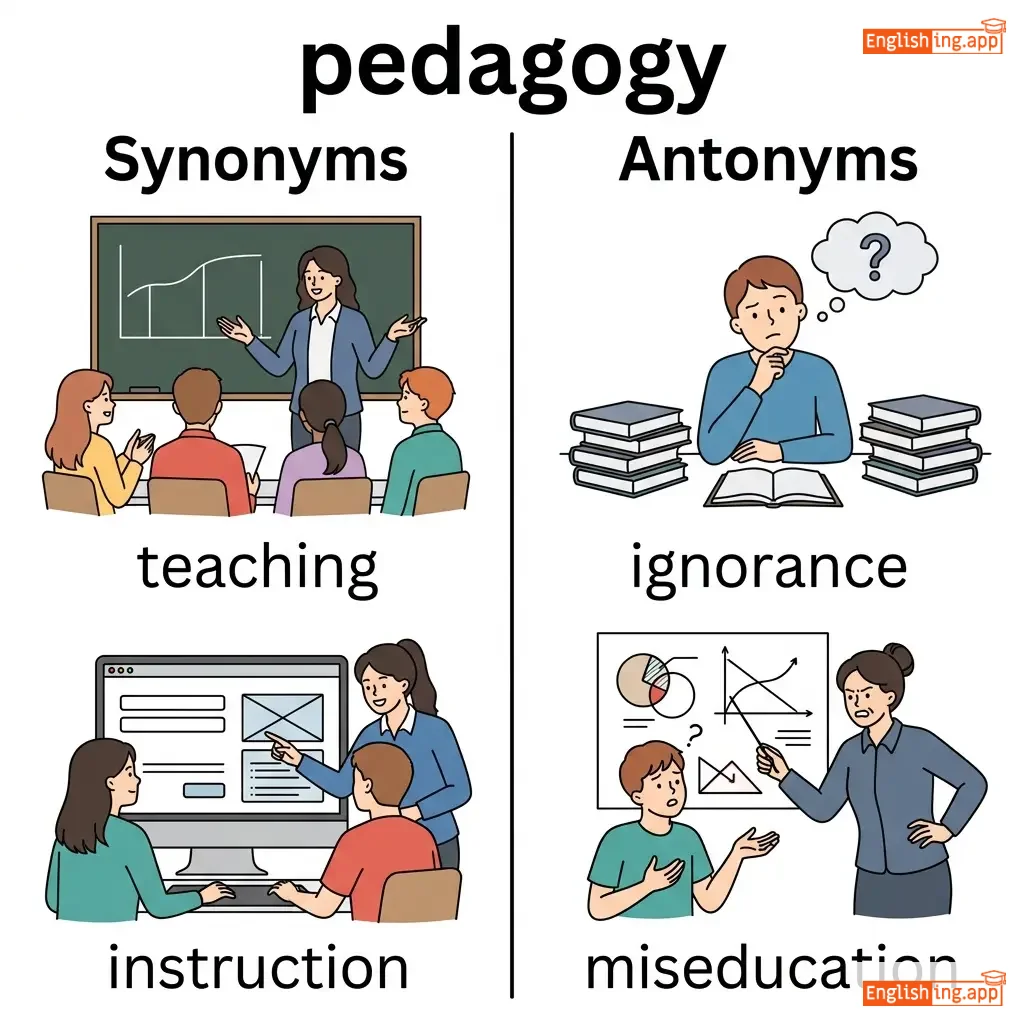
teaching, instruction, education, didactics, training
••••••
|
ignorance, miseducation
••••••
|
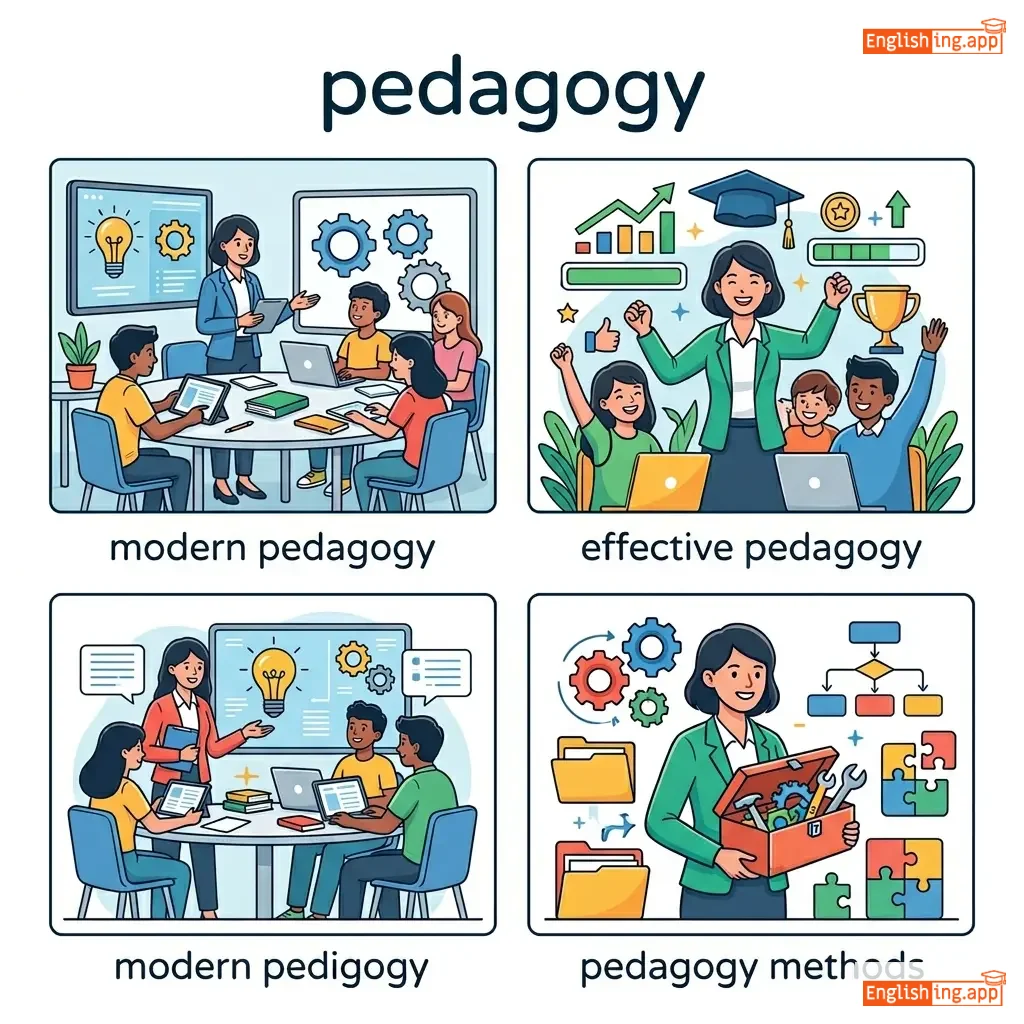
modern pedagogy, effective pedagogy, pedagogy methods, pedagogy training
••••••
|
教育学は教える技術 - 覚えておいて、教育に関係しています 📚
••••••
|
|
#6391
👑
|
/ˈpɪərɪdʒ/
noun
(ピアレッジ)
••••••
|
- •••••• |
貴族階級
kizoku kaikyū
••••••
|
- •••••• | - •••••• | - •••••• | - •••••• |
the title or rank of a peer; the nobility as a group
••••••
|
He was elevated to the peerage by the king. |
彼は王によって貴族階級に昇進しました。
Kare wa ō ni yotte kizoku kaikyū ni shōshin shimashita.
••••••
|
- •••••• | - •••••• | - •••••• |
nobility, aristocracy, lords, barons
••••••
|
commoners, peasants
••••••
|
hereditary peerage, life peerage, British peerage, peerage system
••••••
|
Peerageとは👑 貴族の称号 - 王が貴族に与えるランク
••••••
|
|
#6392
🧑🤝🧑
|
/pɪə(r)/
noun, verb
(ピア)
••••••
|
- •••••• |
同等の人
doutou no hito
••••••
|
peered
ピアード
••••••
|
peered
ピアード
••••••
|
peers
ピアーズ
••••••
|
peering
ピアリング
••••••
|
noun: a person of the same rank or status; verb: to look closely or with difficulty
••••••
|
He tried to peer through the fog to see his peers on the other side.
彼は霧を通して自分の仲間を見ようとしました。
••••••
|
彼は霧を通して自分の仲間を見ようとしました。
Kare wa kiri o tooshite jibun no nakama o miyou to shimashita.
••••••
|
peer pressure
ピアプレッシャー
••••••
|
the influence exerted by a group on an individual to conform
••••••
|
仲間の圧力
nakama no atsuryoku
••••••
|
equal, fellow, companion, look, gaze
••••••
|
superior, inferior
••••••
|
peer group, peer pressure, peer review, peer at
••••••
|
Peerは仲間、Peer Pressureは仲間の圧力
••••••
|
|
#6393
👀
|
/piːp/
verb
••••••
|
|
- •••••• |
peeped
••••••
|
peeped
••••••
|
peeps
••••••
|
peeping
••••••
|
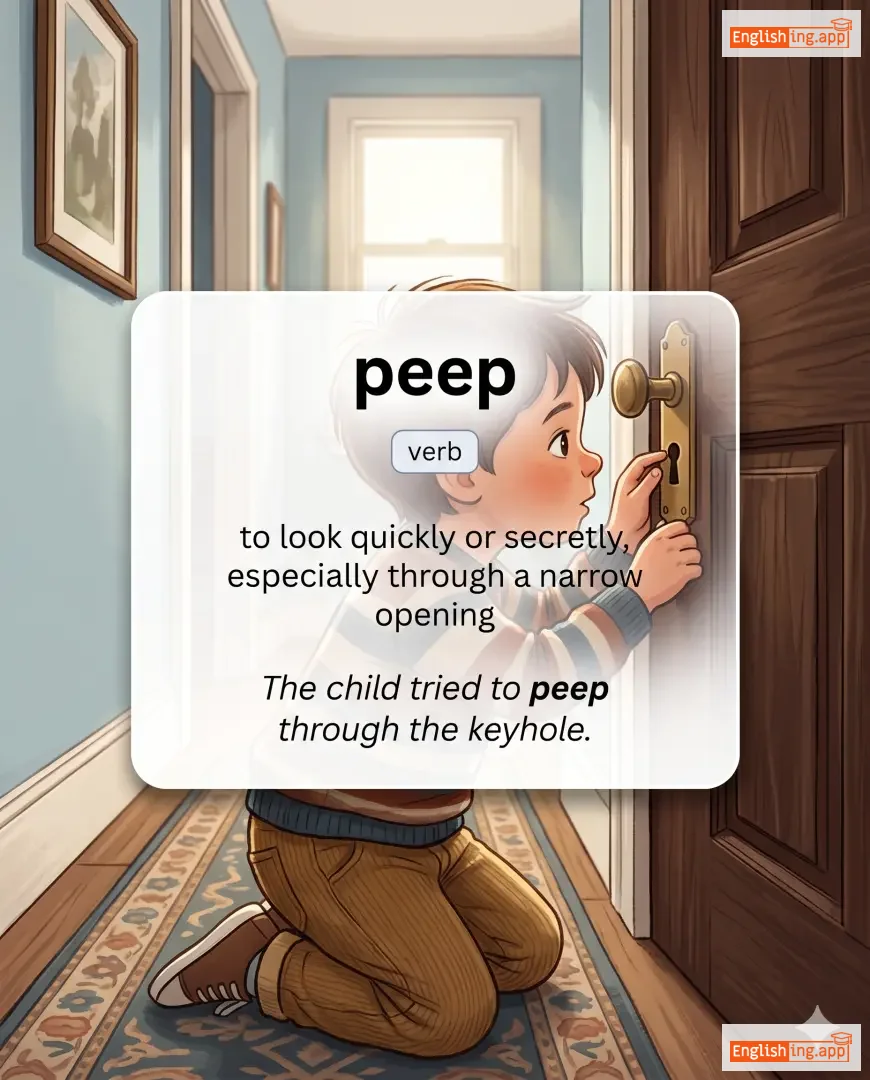
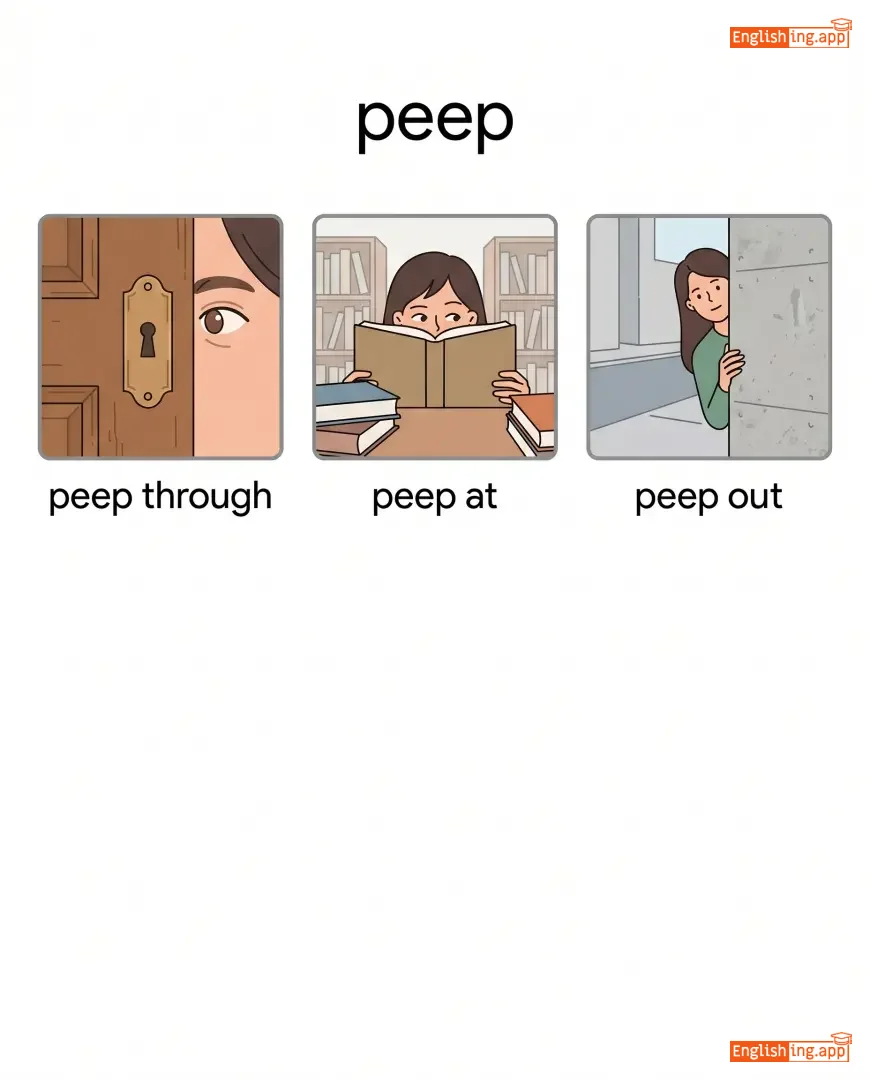
to look quickly or secretly, especially through a narrow opening
••••••
|
The child tried to peep through the keyhole. |
- •••••• |
peep show |
a form of entertainment involving secretive or restricted viewing
••••••
|
- •••••• |
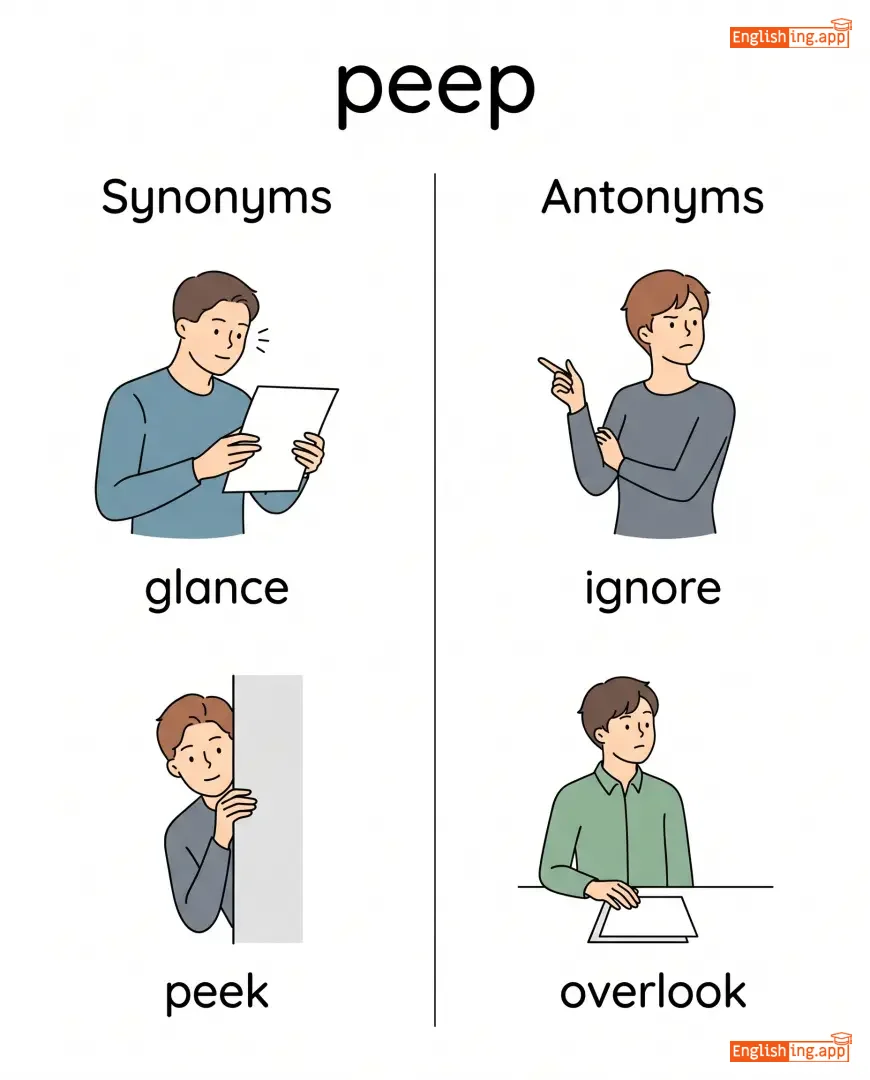
glance, peek, spy, look, glimpse
••••••
|
ignore, overlook
••••••
|
peep through, peep at, peep out, peep show
••••••
|
No •••••• |
|
#6394
🏛️
|
/ˈpɛdɪmənt/
noun
(ペディメント)
••••••
|
- •••••• |
三角形のペディメント
sankakkei no pedimento
••••••
|
- •••••• | - •••••• | - •••••• | - •••••• |
a triangular gable found above the horizontal structure of a building, often in classical architecture
••••••
|
The ancient temple had a pediment decorated with sculptures.
古代の寺院には彫刻で飾られたペディメントがありました。
••••••
|
古代の寺院には彫刻で飾られたペディメントがありました。
Kodai no jiin ni wa choukoku de kazatta pedimento ga arimashita.
••••••
|
- •••••• | - •••••• | - •••••• |
gable, roof triangle, tympanum, façade top
••••••
|
flat roof, plain wall
••••••
|
classical pediment, triangular pediment, temple pediment, decorated pediment
••••••
|
Pedimentは寺院の上にある三角形の装飾です。
••••••
|
|
#6395
📜
|
/ˈpɛdɪɡriː/
noun
(ペディグリー)
••••••
|
- •••••• |
家系
kakei
••••••
|
- •••••• | - •••••• | - •••••• | - •••••• |
the recorded ancestry or lineage of a person, family, or animal; the history or origin of something
••••••
|
The dog has a pedigree that traces back several generations.
その犬は何世代にもわたるペディグリーを持っています。
••••••
|
その犬は何世代にもわたる家系を持っています。
Sono inu wa nan-sedai ni mo wataru kakei wo motteimasu.
••••••
|
pedigree chart
家系図
••••••
|
a diagram showing the lineage or ancestry of individuals
••••••
|
家系図
kakeizu
••••••
|
lineage, ancestry, heritage, descent, genealogy
••••••
|
offspring, progeny
••••••
|
pedigree dog, royal pedigree, pedigree chart, pedigree cattle
••••••
|
Pedigree は犬や家族の家系、血統を示すものです。
••••••
|
|
#6396
🏥
|
/ˌpiːdiˈætrɪks/
noun
(小児科)
••••••
|
- •••••• |
小児科
shōnika
••••••
|
- •••••• | - •••••• | - •••••• | - •••••• |
the branch of medicine dealing with the health and medical care of children
••••••
|
She decided to specialize in pediatrics after medical school. |
彼女は医科大学を卒業後、小児科を専門にすることに決めました。
Kanojo wa ika daigaku o sotsugyōgo, shōnika o senmon ni suru koto ni kimemashita.
••••••
|
- •••••• | - •••••• | - •••••• |
child medicine, children's healthcare, pediatric medicine
••••••
|
geriatrics, general medicine
••••••
|
study pediatrics, pediatrics department, pediatrics ward
••••••
|
Pediatricsは小児科を意味します—PEDは子供を意味し、tricksは技術を意味します。
••••••
|
|
#6397
👩⚕️
|
/ˌpiːdiəˈtrɪʃən/
noun
(小児科医)
••••••
|
- •••••• |
小児科医
shōnika-i
••••••
|
- •••••• | - •••••• | - •••••• | - •••••• |
a doctor who specializes in the medical care of children
••••••
|
The pediatrician examined the child carefully.
小児科医は子供を慎重に診察しました。
••••••
|
小児科医は子供を慎重に診察しました。
Shōnika-i wa kodomo o shinchō ni shinsatsu shimashita.
••••••
|
- •••••• | - •••••• | - •••••• |
child doctor, children's physician, pediatric specialist
••••••
|
surgeon, veterinarian
••••••
|
pediatrician visit, consult a pediatrician, pediatrician clinic
••••••
|
小児科医は子供に特化した医師—PEDは子供と医師の組み合わせ。
••••••
|
|
#6398
🚶
|
/pəˈdɛstriən/
noun, adjective
(ペデストリアン)
••••••
|
- •••••• |
歩行者
hokousha
••••••
|
- •••••• | - •••••• | - •••••• | - •••••• |
a person walking on the street; also means dull or ordinary
••••••
|
The pedestrian crossed the road at the crosswalk. |
歩行者は横断歩道を渡りました。
Hokousha wa oudan hodou o watarimashita.
••••••
|
- •••••• | - •••••• | - •••••• |
walker, foot traveler, ordinary, mundane
••••••
|
driver, cyclist, extraordinary
••••••
|
pedestrian crossing, pedestrian safety, pedestrian zone
••••••
|
Pedestrianは歩行者、歩いている人を意味します。
••••••
|
|
#6399
🗿
|
/ˈpɛdəstəl/
noun
(ペデスタル)
••••••
|
- •••••• |
台座 / pedestal
daiza / pedestal
••••••
|
- •••••• | - •••••• | - •••••• | - •••••• |
the base or support on which a statue or object stands
••••••
|
The statue was placed on a marble pedestal. |
彫像は大理石の台座に置かれました。
Chōzō wa dairiseki no daiza ni okaremashita.
••••••
|
put someone on a pedestal |
to admire someone too much or treat them as perfect
••••••
|
誰かを台座に乗せる
Dareka o daiza ni noseru
••••••
|
base, stand, foundation, support
••••••
|
top, peak, summit
••••••
|
marble pedestal, high pedestal, on a pedestal
••••••
|
Pedestal は台座を意味します — PED が STATUE を上に持ち上げます。
••••••
|
|
#6400
🛒
|
/ˈpɛdlər/
noun
(ペドラー)
••••••
|
- •••••• |
行商
gyōshō
••••••
|
- •••••• | - •••••• | - •••••• | - •••••• |
a person who sells goods, often traveling from place to place
••••••
|
The peddler walked through the village selling fresh fruits. |
行商人は村を歩きながら、新鮮な果物を売っていました。
Gyōshōnin wa mura o aruki nagara, shinsen na kudamono o utte imashita.
••••••
|
peddler of lies |
a person who spreads false information
••••••
|
嘘をつく者
uso o tsuku mono
••••••
|
hawker, vendor, seller, merchant, trader
••••••
|
buyer, customer, purchaser
••••••
|
street peddler, drug peddler, peddler of rumors, peddler of lies
••••••
|
Peddler は '行商' でどこへでも歩いて売りに行く人です。
••••••
|
|
#6401
🛒
|
/ˈpɛdəl/
verb
(ペダル)
••••••
|
- •••••• |
売る
uru
••••••
|
peddled
ペダルド
••••••
|
peddled
ペダルド
••••••
|
peddles
ペダルズ
••••••
|
peddling
ペダリング
••••••
|
To sell goods, often by going from place to place; sometimes used negatively to mean promoting an idea or product in a pushy way.
••••••
|
Street vendors peddle handmade jewelry to tourists.
ストリートの販売員は観光客に手作りのジュエリーを売っている。
••••••
|
ストリートの販売員は観光客に手作りのジュエリーを売っている。
Sutōrīto no hanbai-in wa kankōkyaku ni tedukuri no jūerī o utte iru.
••••••
|
peddle lies
嘘を広める
••••••
|
to spread false information
••••••
|
嘘を広める
Uso o hiromeru
••••••
|
hawk, vend, market, trade, promote
••••••
|
buy, purchase
••••••
|
peddle goods, peddle ideas, peddle lies, peddle products
••••••
|
Peddleは積極的に'売る'ことを意味します!
••••••
|
|
#6402
📖
|
/pəˈdæntɪk/
adjective
(ペダンティック)
••••••
|
|
細かい詳細や規則に過度にこだわる
komakai shousai ya kisoku ni kadoni kodawaru
••••••
|
- •••••• | - •••••• | - •••••• | - •••••• |
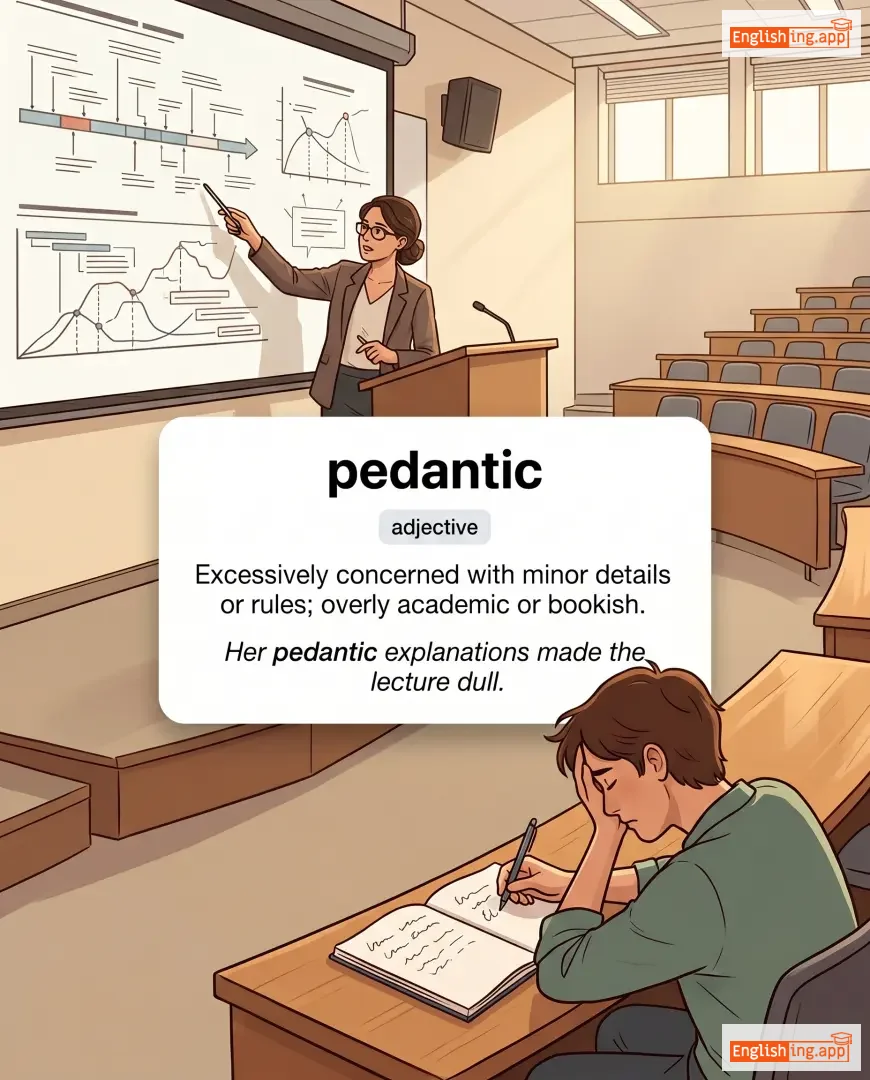
Excessively concerned with minor details or rules; overly academic or bookish.
••••••
|
Her pedantic explanations made the lecture dull. |
彼女のペダンティックな説明は講義を退屈にした。
Kanojo no pedantikku na setsumei wa kougi wo taikutsu ni shita.
••••••
|
- •••••• | - •••••• | - •••••• |
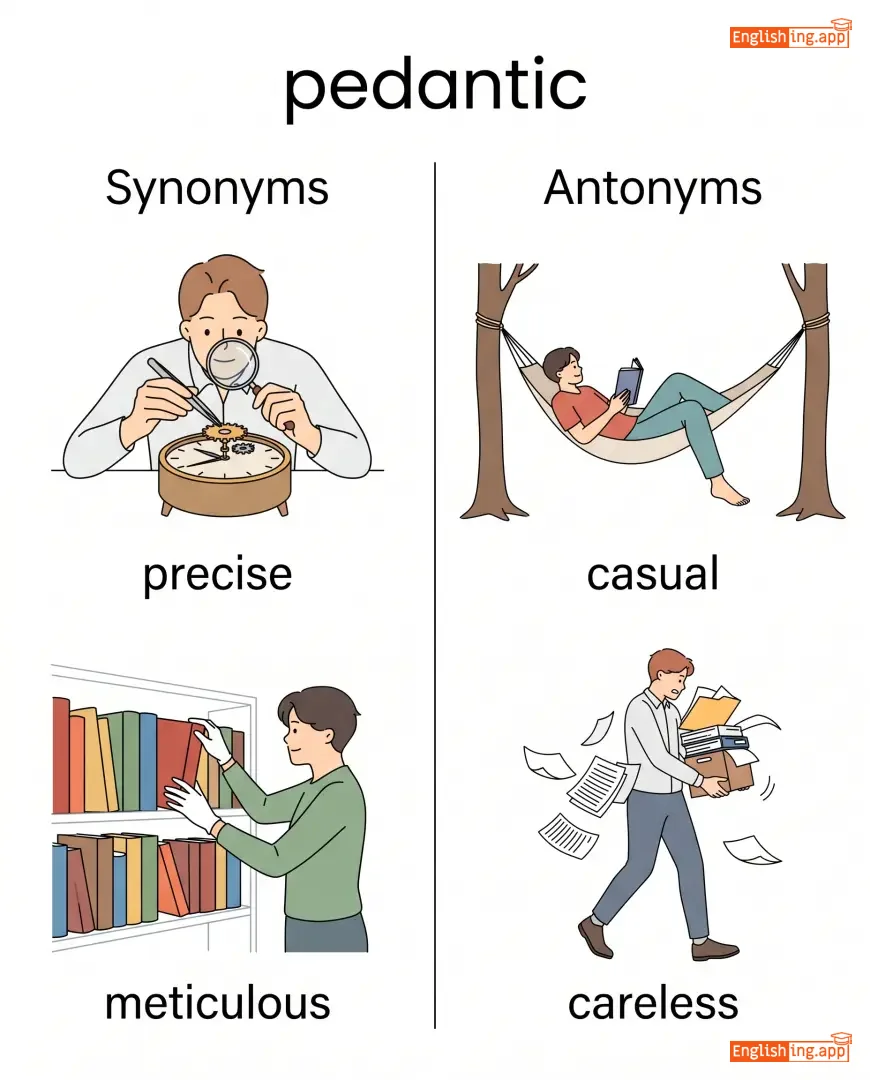
precise, meticulous, nitpicking, finicky, scholarly
••••••
|
casual, careless, informal
••••••
|
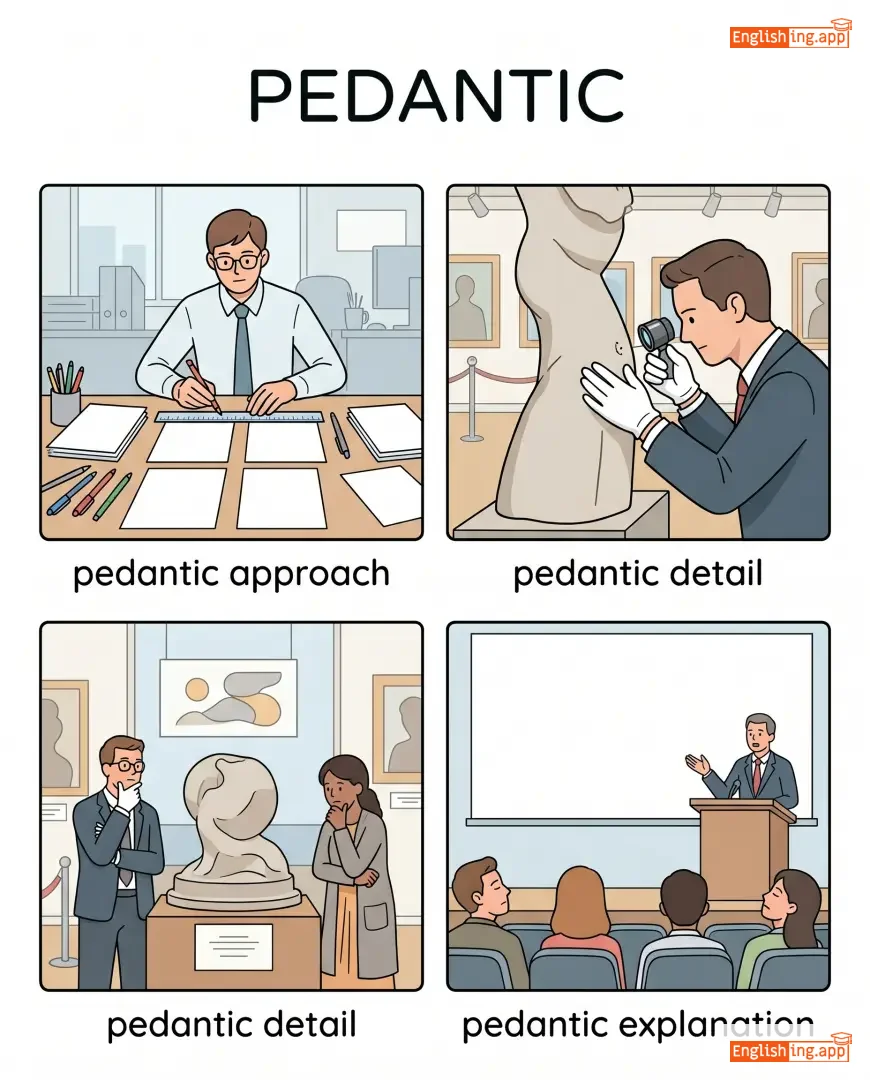
pedantic approach, pedantic detail, pedantic explanation, pedantic style
••••••
|
ペダンティックは細かい事にこだわりすぎる人です。
••••••
|
|
#6403
👨🏫
|
/ˈpɛdənt/
noun
(ペダント)
••••••
|
- •••••• |
細かいことにこだわる人
komakai koto ni kodawaru hito
••••••
|
- •••••• | - •••••• | - •••••• | - •••••• |
A person who is excessively concerned with minor details or rules, often in a showy way.
••••••
|
The professor was criticized as a pedant who focused too much on trivial details. |
その教授は細かいことにこだわりすぎるペダントとして批判された。
Sono kyōju wa komakai koto ni kodawarisugiru pedanto to shite hihan sareta.
••••••
|
- •••••• | - •••••• | - •••••• |
scholar, bookworm, nitpicker, purist, doctrinaire
••••••
|
layman, ignoramus, amateur
••••••
|
grammar pedant, academic pedant, pedant style, pedant attitude
••••••
|
Pedant = 細かいことにこだわる人、細かすぎるルールにこだわる
••••••
|
|
#6404
🚴
|
/ˈpɛdəl/
noun, verb
(ペダル)
••••••
|
- •••••• |
足で操作するレバー
ashi de sōsa suru rebā
••••••
|
pedaled
ペダルした
••••••
|
pedaled
ペダルした
••••••
|
pedals
ペダルする
••••••
|
pedaling
ペダリング
••••••
|
A foot-operated lever for powering or controlling a mechanism, especially on a bicycle.
••••••
|
He pressed down hard on the bicycle pedal.
彼は自転車のペダルを力いっぱい踏んだ。
••••••
|
彼は自転車のペダルを力いっぱい踏んだ。
Kare wa jitensha no pedal wo chikara ippai funda.
••••••
|
hit the pedals
ペダルを踏む
••••••
|
to start cycling or accelerate quickly
••••••
|
ペダルを踏む
pedaru wo fumu
••••••
|
lever, treadle, foot control, stirrup
••••••
|
handle, knob
••••••
|
bicycle pedal, car pedal, press pedal, pedal power
••••••
|
Pedalは足で踏むレバー - 自転車のペダルを踏んで進む 🚴
••••••
|
|
#6405
🕊️
|
/ˈpiːsəbl/
adjective
(ピースエイブル)
••••••
|
- •••••• |
平和な
heiwa na
••••••
|
- •••••• | - •••••• | - •••••• | - •••••• |
inclined to avoid conflict; friendly and non-violent in nature
••••••
|
She is a peaceable neighbor who never quarrels with anyone. |
彼女は争いごとをしない平和な隣人です。
Kanojo wa arasoi goto o shinai heiwa na rinjin desu.
••••••
|
- •••••• | - •••••• | - •••••• |
amiable, gentle, harmonious, calm, friendly
••••••
|
hostile, aggressive, violent
••••••
|
peaceable community, peaceable settlement, peaceable manner, peaceable life
••••••
|
Peace + able は平和でいられる能力 (平和な)。
••••••
|
|
#6406
👨🏫
|
/ˈpɛdəˌɡɒɡ/
noun
(ペダゴーグ)
••••••
|
- •••••• |
教師
kyoushi
••••••
|
- •••••• | - •••••• | - •••••• | - •••••• |
a teacher, especially a strict or formal one
••••••
|
The old pedagogue insisted on discipline in the classroom. |
その古い教育者は教室で規律を強調しました。
Sono furui kyouikushya wa kyoushitsu de kiritsu o kyouchou shimashita.
••••••
|
- •••••• | - •••••• | - •••••• |
teacher, instructor, tutor, educator
••••••
|
student, pupil
••••••
|
strict pedagogue, old pedagogue, learned pedagogue, respected pedagogue
••••••
|
Pedagogue は教師を意味します—ペダゴジー (教育) + ゴーグ (規律)。
••••••
|
|
#6407
🎓
|
/ˌpɛdəˈɡɒdʒɪks/
noun
(ペダゴジックス)
••••••
|
- •••••• |
教育学
kyouikugaku
••••••
|
- •••••• | - •••••• | - •••••• | - •••••• |
the science or art of teaching
••••••
|
He studied pedagogics to become a better teacher. |
彼はより良い教師になるために教育学を学びました。
Kare wa yori yoi kyoushi ni naru tame ni kyouikugaku o manabimashita.
••••••
|
- •••••• | - •••••• | - •••••• |
education, teaching, instruction, didactics
••••••
|
ignorance, unteaching
••••••
|
study of pedagogics, history of pedagogics, pedagogics course, pedagogics training
••••••
|
Pedagogicsは教育学:'ペダ'は学ぶ、'ゴジックス'は科学です。
••••••
|
|
#6408
📚
|
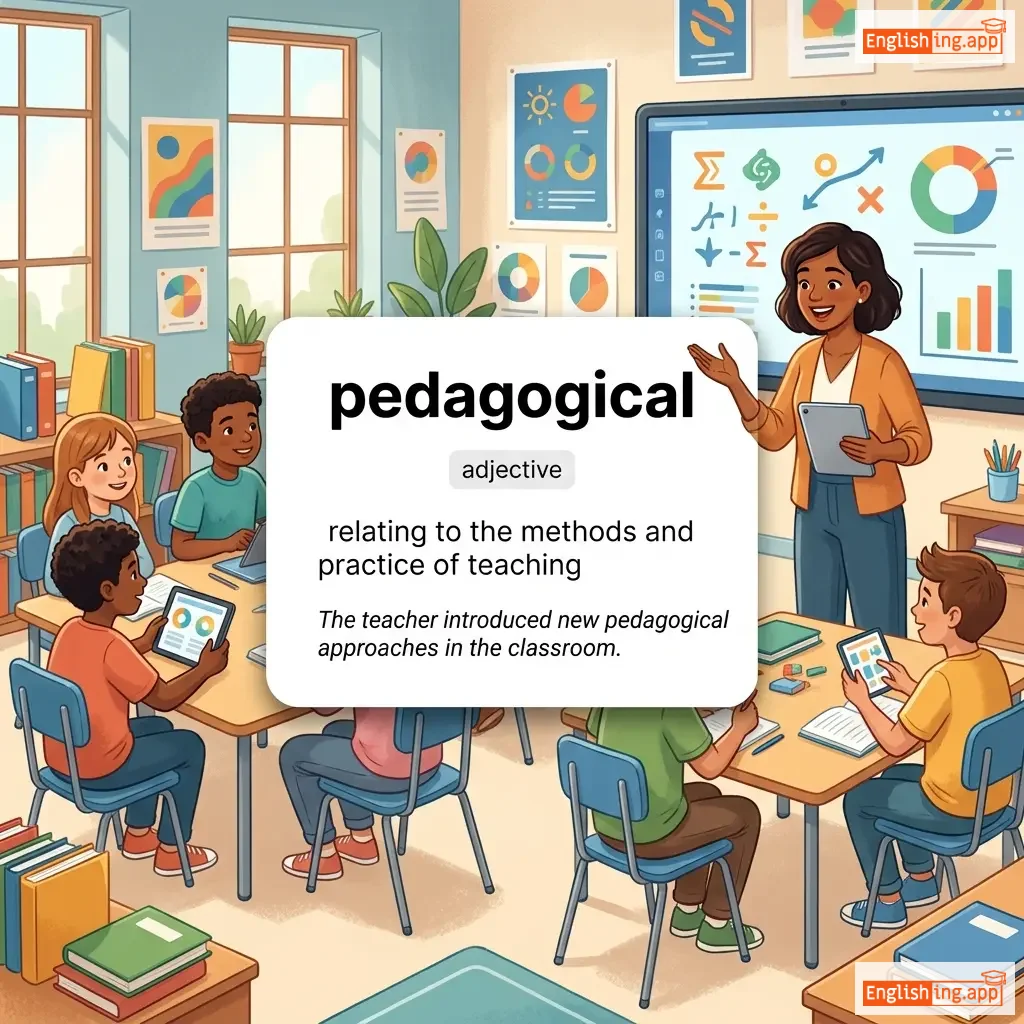
/ˌpɛdəˈɡɒdʒɪkəl/
adjective
(ペダゴジカル)
••••••
|
|
教育学的な
kyoiku-gakuteki na
••••••
|
- •••••• | - •••••• | - •••••• | - •••••• |
relating to the methods and practice of teaching
••••••
|
The teacher introduced new pedagogical approaches in the classroom. |
教師は教室で新しい教育学的アプローチを導入しました。
Kyoushi wa kyoushitsu de atarashī kyoiku-gakuteki apurōchi o dōnyū shimashita.
••••••
|
- •••••• | - •••••• | - •••••• |
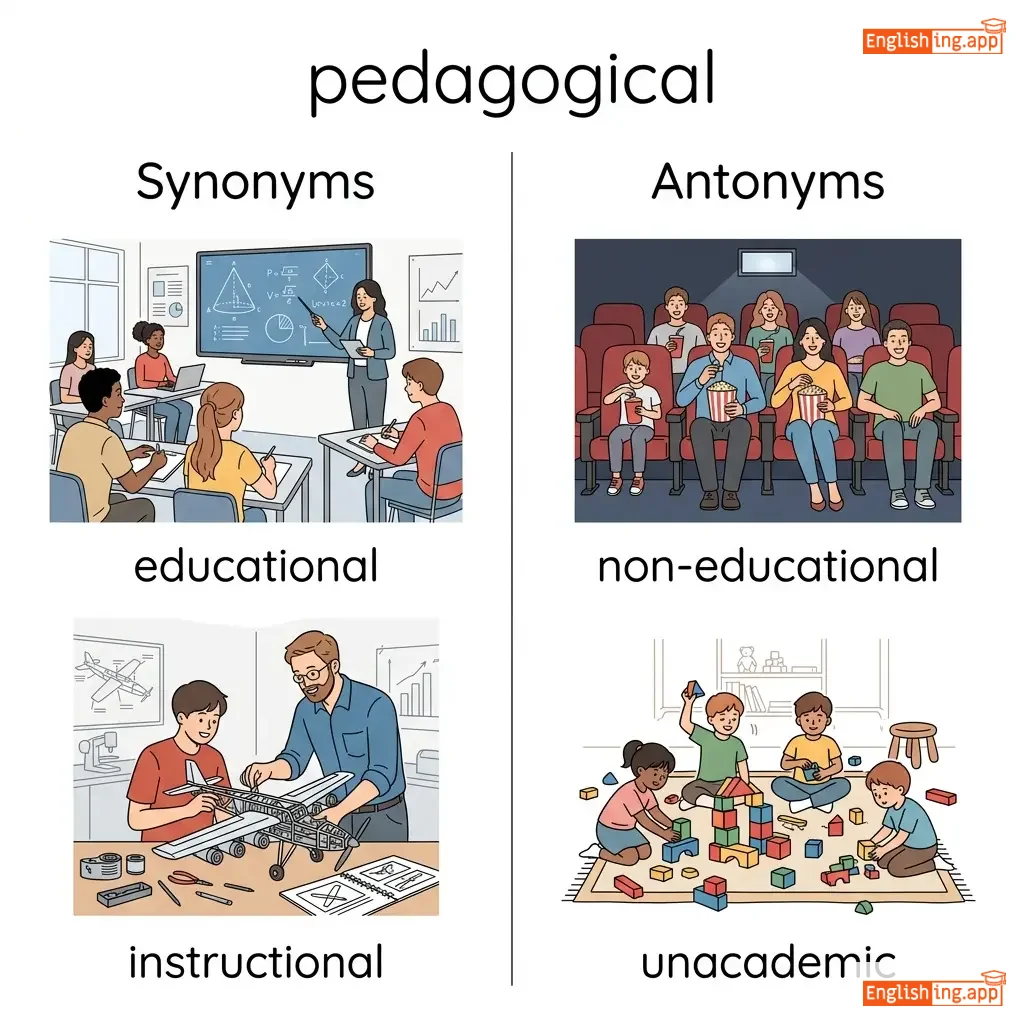
educational, instructional, didactic, academic
••••••
|
non-educational, unacademic
••••••
|
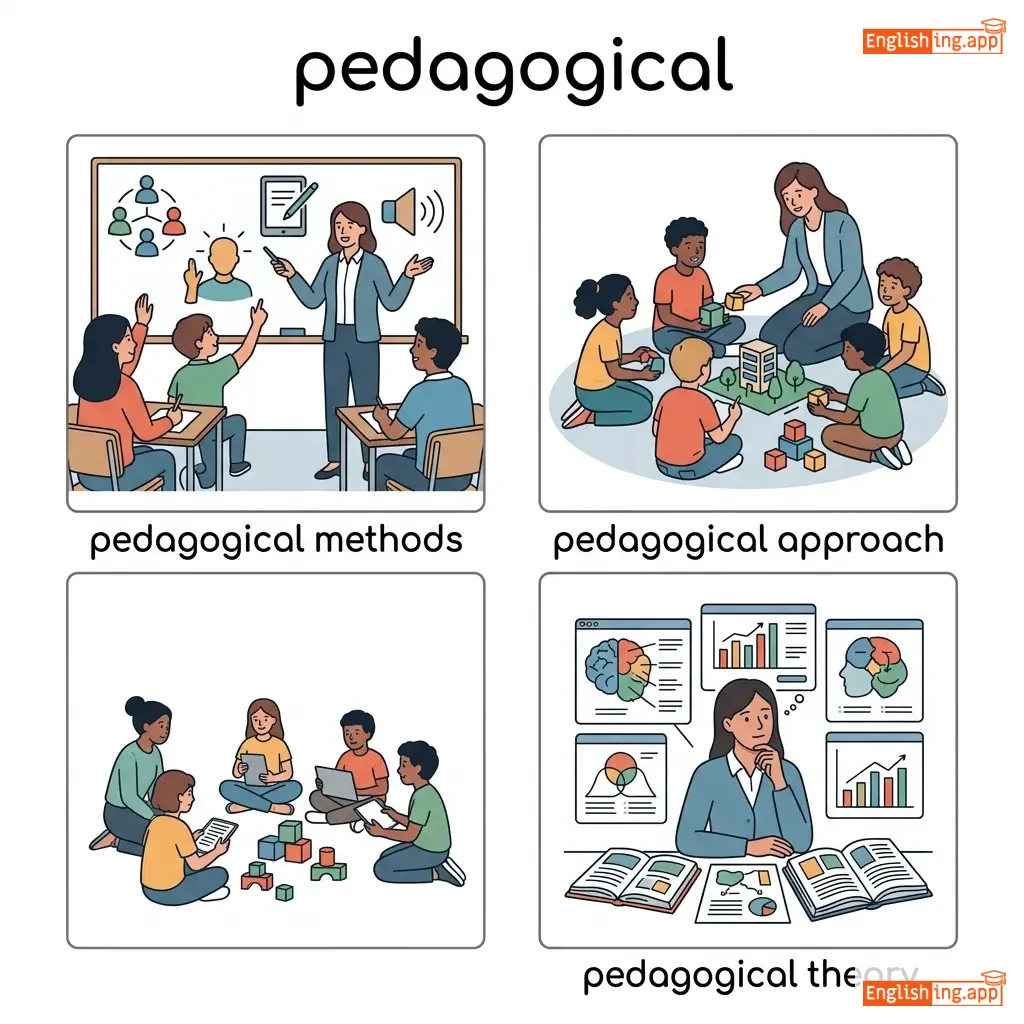
pedagogical methods, pedagogical approach, pedagogical theory, pedagogical training
••••••
|
教育学的なは教える方法に関係しています - '教育'から来ている、教育の方法です。
••••••
|
|
#6409
💰
|
/pɪˈkjuːniˌɛri/
adjective
(ピキュニアリー)
••••••
|
- •••••• |
財政的な
zaiseiteki na
••••••
|
- •••••• | - •••••• | - •••••• | - •••••• |
relating to money or financial matters
••••••
|
They faced pecuniary difficulties after the business failed. |
彼らはビジネスが失敗した後、財政的な困難に直面しました。
Karera wa bijinesu ga shippai shita ato, zaiseiteki na konnan ni chokumen shimashita.
••••••
|
- •••••• | - •••••• | - •••••• |
financial, monetary, economic, fiscal
••••••
|
non-financial, non-monetary
••••••
|
pecuniary interest, pecuniary loss, pecuniary benefit, pecuniary penalty
••••••
|
Pecuniary は財政的な意味です—'Pecun = お金' 覚えておいてください。
••••••
|
|
#6410
🤔
|
/pɪˈkjuːliər/
adjective
(pikyūriā)
••••••
|
- •••••• |
奇妙な
kimyōna
••••••
|
- •••••• | - •••••• | - •••••• | - •••••• |
strange or unusual; characteristic of only one person, place, or thing
••••••
|
She has a peculiar habit of talking to her plants. |
彼女は植物に話しかける奇妙な習慣があります。
Kanojo wa shokubutsu ni hanashikakeru kimyōna shūkan ga arimasu.
••••••
|
peculiar to |
something unique to a particular person or group
••••••
|
特有の
tokuyu no
••••••
|
odd, strange, unusual, distinctive, unique
••••••
|
normal, usual, ordinary
••••••
|
peculiar habit, peculiar way, peculiar situation, peculiar smell
••••••
|
Peculiarは奇妙を意味します—ピクニックで奇妙なことを思い出してください(peculiar)。
••••••
|
|
#6411
⚠️
|
/ˌpɛkjʊˈleɪʃən/
noun
(ペキュレーション)
••••••
|
- •••••• |
横領
ou ryou
••••••
|
- •••••• | - •••••• | - •••••• | - •••••• |
The act of embezzling or stealing money, especially from public funds.
••••••
|
The minister resigned after being accused of peculation.
大臣はペキュレーションで告発された後、辞任しました。
••••••
|
大臣は横領の罪で辞任しました。
Daijin wa ou ryou no tsumi de jin-in shimashita.
••••••
|
- •••••• | - •••••• | - •••••• |
embezzlement, theft, misappropriation, fraud
••••••
|
restitution, repayment
••••••
|
accused of peculation, case of peculation, peculation scandal
••••••
|
Peculation は公共資金の横領を意味します。
••••••
|
|
#6412
💰
|
/ˈpɛkjʊˌleɪt/
verb
(ぺきゅれっと)
••••••
|
- •••••• |
横領する
おうりょうする
••••••
|
peculated
ぺきゅれってど
••••••
|
peculated
ぺきゅれってど
••••••
|
peculates
ぺきゅれっとす
••••••
|
peculating
ぺきゅれっていんぐ
••••••
|
To embezzle or steal money, especially public funds.
••••••
|
The corrupt official was found guilty of peculating government funds.
汚職の役人は政府の資金を横領したとして有罪となった。
••••••
|
汚職の役人は政府の資金を横領したとして有罪となった。
Oshoku no yakunin wa seifu no shikin wo ouryou shita to shite yuuzai to natta.
••••••
|
- •••••• | - •••••• | - •••••• |
embezzle, steal, misappropriate, defraud
••••••
|
repay, return
••••••
|
peculate funds, peculate money, peculate property
••••••
|
Peculate = 公金が横領された
••••••
|
|
#6413
💪
|
/ˈpɛktərəl/
adjective
(ペクトラル)
••••••
|
- •••••• |
胸筋
kyōkin
••••••
|
- •••••• | - •••••• | - •••••• | - •••••• |
Relating to the chest or breast.
••••••
|
The athlete focused on strengthening his pectoral muscles. |
アスリートは自分の胸筋を強化することに集中していました。
Asurīto wa jibun no kyōkin o kyōka suru koto ni shūchū shiteimashita.
••••••
|
- •••••• | - •••••• | - •••••• |
chest, thoracic, breast-related
••••••
|
abdominal, pelvic
••••••
|
pectoral muscles, pectoral fins, pectoral strength
••••••
|
ジムで'ペクトラル'は胸の筋肉です。
••••••
|
|
#6414
🐓
|
/pɛk/
verb
(pɛk)
••••••
|
- •••••• |
ついばむ
tsuibamu
••••••
|
pecked
pɛkt
••••••
|
pecked
pɛkt
••••••
|
pecks
pɛks
••••••
|
pecking
pɛkɪŋ
••••••
|
To strike or bite something with a beak; to eat in small bites.
••••••
|
The hen began to peck at the grains scattered on the ground.
その雌鳥は地面に散らばった穀物をついばみ始めました。
••••••
|
その雌鳥は地面に散らばった穀物をついばみ始めました。
Sono mesutori wa jimen ni chirabatta kokumotsu o tsuibami hajimemashita.
••••••
|
pecking order
階層秩序
••••••
|
A social hierarchy, especially among animals or people.
••••••
|
階層秩序
Kaisō chitsujo
••••••
|
strike, nibble, bite, tap
••••••
|
devour, gulp
••••••
|
peck at, pecking order, peck on, peck gently
••••••
|
雌鳥がついばむ: 'peck' と 'ついばむ' で覚える。
••••••
|
|
#6415
⚖️
|
/ˈpɛkənt/
adjective
(ペカント)
••••••
|
- •••••• |
有罪
yūzui
••••••
|
- •••••• | - •••••• | - •••••• | - •••••• |
Guilty of a moral offense or wrongdoing; sinful.
••••••
|
The judge declared the peccant official unfit for office. |
裁判官は有罪の役人を職務に不適格と宣言した。
Saibankan wa yūzui no yakunin o shokumu ni futekikaku to sengen shita.
••••••
|
- •••••• | - •••••• | - •••••• |
sinful, guilty, wrong, culpable, blameworthy
••••••
|
innocent, virtuous, blameless
••••••
|
peccant behavior, peccant act, peccant nature, peccant official
••••••
|
Peccantは有罪—'Pe'で'罪'を思い出そう。
••••••
|
|
#6416
🙃
|
/ˌpɛkəˈdɪloʊ/
noun
(pekadillo)
••••••
|
- •••••• |
小さな過ち
chiisana ayamachi
••••••
|
- •••••• | - •••••• | - •••••• | - •••••• |
a small or minor fault or sin
••••••
|
Forgetting to call was just a small peccadillo, not a serious mistake. |
電話をかけ忘れるのはただの小さな過ちで、重大なミスではありません。
Denwa o kake wasureru no wa tada no chiisana ayamachi de, juudaina misu de wa arimasen.
••••••
|
- •••••• | - •••••• | - •••••• |
misdeed, lapse, flaw, slip, transgression
••••••
|
virtue, goodness, morality
••••••
|
minor peccadillo, forgive peccadillo, overlook peccadillo
••••••
|
Peccadilloは日常生活の中でよくある小さな過ちのようなものです。
••••••
|
|
#6417
😔
|
/ˈpɛkəbl/
adjective
(ペッカブル)
••••••
|
- •••••• |
過ちを犯しやすい
ayamachi o okashiyasui
••••••
|
- •••••• | - •••••• | - •••••• | - •••••• |
liable to sin or error; capable of doing wrong
••••••
|
Humans are peccable, but they strive for goodness. |
人間は過ちを犯しやすいが、善を追い求める。
Ningen wa ayamachi o okashiyasui ga, zen o oimotomeru.
••••••
|
- •••••• | - •••••• | - •••••• |
fallible, imperfect, errant, flawed
••••••
|
impeccable, faultless, perfect
••••••
|
peccable nature, peccable being, peccable humanity
••••••
|
Peccable は'過ちを犯しやすい'のように聞こえる = 罪を犯しやすい。
••••••
|
|
#6418
🪨
|
/ˈpɛbl/
noun
(ペブル)
••••••
|
- •••••• |
小石
koishi
••••••
|
- •••••• | - •••••• | - •••••• | - •••••• |
a small smooth stone found on beaches or rivers
••••••
|
He threw a pebble into the pond and watched the ripples. |
彼は小石を池に投げ入れて、波を見ていました。
Kare wa koishi o ike ni nageirete, nami o mitemashita.
••••••
|
like a pebble in a pond |
a small action that causes wider effects
••••••
|
池の中の小石のように
ike no naka no koishi no yō ni
••••••
|
stone, rock, gravel, shingle
••••••
|
boulder, mountain
••••••
|
pebble beach, small pebble, pebble path, pebble stone
••••••
|
Pebbleは小石のように、水面に波紋を作ります。
••••••
|
|
#6419
☮️
|
/ˈpiːsfl/
adjective
(ハピネス)
••••••
|
- •••••• |
幸せ
shiawase
••••••
|
- •••••• | - •••••• | - •••••• | - •••••• |
free from disturbance; calm and tranquil
••••••
|
The village remained peaceful even during the festival. |
彼女は賞を受け取ったとき、幸せを隠すことができませんでした。
Kanojo wa shō o uketotta toki, shiawase o kakusu koto ga dekimasen deshita.
••••••
|
peaceful coexistence |
a situation in which different groups live together without conflict
••••••
|
幸せの追求
Shiawase no tsuikyū
••••••
|
calm, serene, tranquil, restful, quiet
••••••
|
chaotic, violent, disturbed
••••••
|
peaceful life, peaceful protest, peaceful solution, peaceful environment
••••••
|
幸せ = みんなが求めているもの
••••••
|
Vocabulary Quiz
Test your vocabulary by matching words with their translations or meanings.
Login to take the quiz
Comments (0)
Share your thoughts and join the discussion.
Join the discussion by logging in
Login to CommentNo comments yet
Be the first to share your thoughts!