

翻訳
過去
過去分詞
三人称単数
動名詞
意味
例文
例文の翻訳
同義語
対義語
コロケーション
ニーモニック
Swipe left or right, or use the buttons. Tap image to zoom.
例文の翻訳
単語
Lesson 412Lesson 412 - マスクトグル
|
絵文字
|
単語 | Images | 翻訳 | 過去 | 過去分詞 | 三人称単数 | 動名詞 | 意味 | 例文 | 例文の翻訳 | 表現例 | 表現例の意味 | 表現例の翻訳 | 同義語 | 対義語 | コロケーション | ニーモニック |
|---|---|---|---|---|---|---|---|---|---|---|---|---|---|---|---|---|---|
|
#12325
👤
|
/huːm/
pronoun
(フーム)
••••••
|
- •••••• |
誰に
dare ni
••••••
|
- •••••• | - •••••• | - •••••• | - •••••• |
used to refer to the person or people that something is done to
••••••
|
The man whom I met yesterday is my friend. |
昨日会ったその男性は私の友達です。
Kinō atta sono dansei wa watashi no tomodachi desu.
••••••
|
- •••••• | - •••••• | - •••••• |
who, that, the person
••••••
|
none
••••••
|
whom I met, whom I saw, to whom it may concern
••••••
|
Whom sounds like 'Dare ni' - 'Dare ni' as in the person you met.
••••••
|
|
#12326
❄️
|
/ˈwɪntər/
noun
(ウィンター)
••••••
|
- •••••• |
冬
fuyu
••••••
|
- •••••• | - •••••• | - •••••• | - •••••• |
the coldest season of the year, typically from December to February in the Northern Hemisphere
••••••
|
Winter in the north can be very harsh with heavy snowfall. |
北の冬は非常に厳しく、大雪が降ることがあります。
Kita no fuyu wa hijō ni kibishiku, ōyuki ga furu koto ga arimasu.
••••••
|
- •••••• | - •••••• | - •••••• |
cold season, frosty period, chill, snowfall
••••••
|
summer, spring
••••••
|
harsh winter, cold winter, winter season, winter break
••••••
|
冬は雪と寒さ - Winter is snow and cold.
••••••
|
|
#12327
🏆
|
/ˈwɪnər/
noun
(ウィナー)
••••••
|
- •••••• |
勝者
shōsha
••••••
|
- •••••• | - •••••• | - •••••• | - •••••• |
a person who wins a competition or contest
••••••
|
She was the winner of the race. |
彼女はレースの勝者でした。
Kanojo wa rēsu no shōsha deshita.
••••••
|
- •••••• | - •••••• | - •••••• |
champion, victor, first-place
••••••
|
loser, defeated
••••••
|
race winner, competition winner, winner takes all
••••••
|
Winners wear trophies—imagine yourself holding a shiny trophy as a winner!
••••••
|
|
#12328
🕊️
|
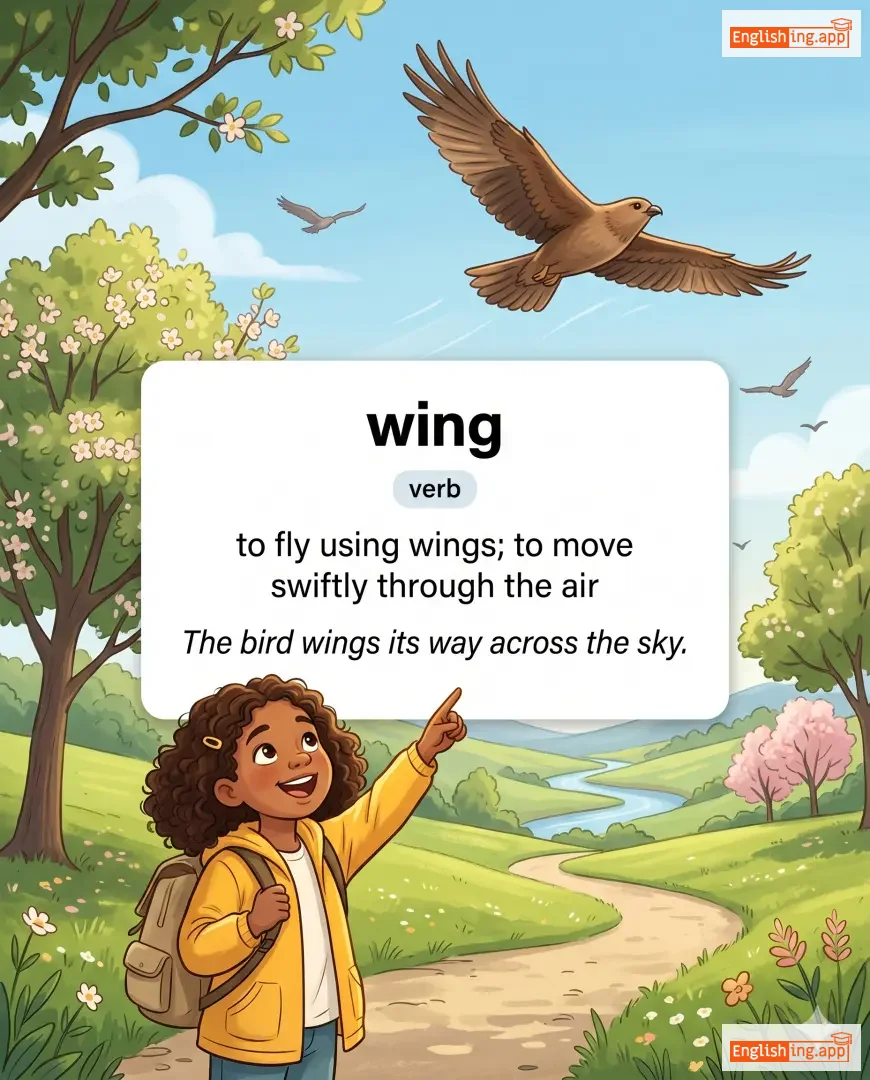
/wɪŋ/
noun
(ウィング)
••••••
|
|
翼
tsubasa
••••••
|
- •••••• | - •••••• | - •••••• | - •••••• |
a part of a bird or aircraft that is used for flying
••••••
|
The bird flapped its wings and flew away. |
鳥は翼を広げて飛び立ちました。
Tori wa tsubasa o hirogete tobitachimashita.
••••••
|
- •••••• | - •••••• | - •••••• |
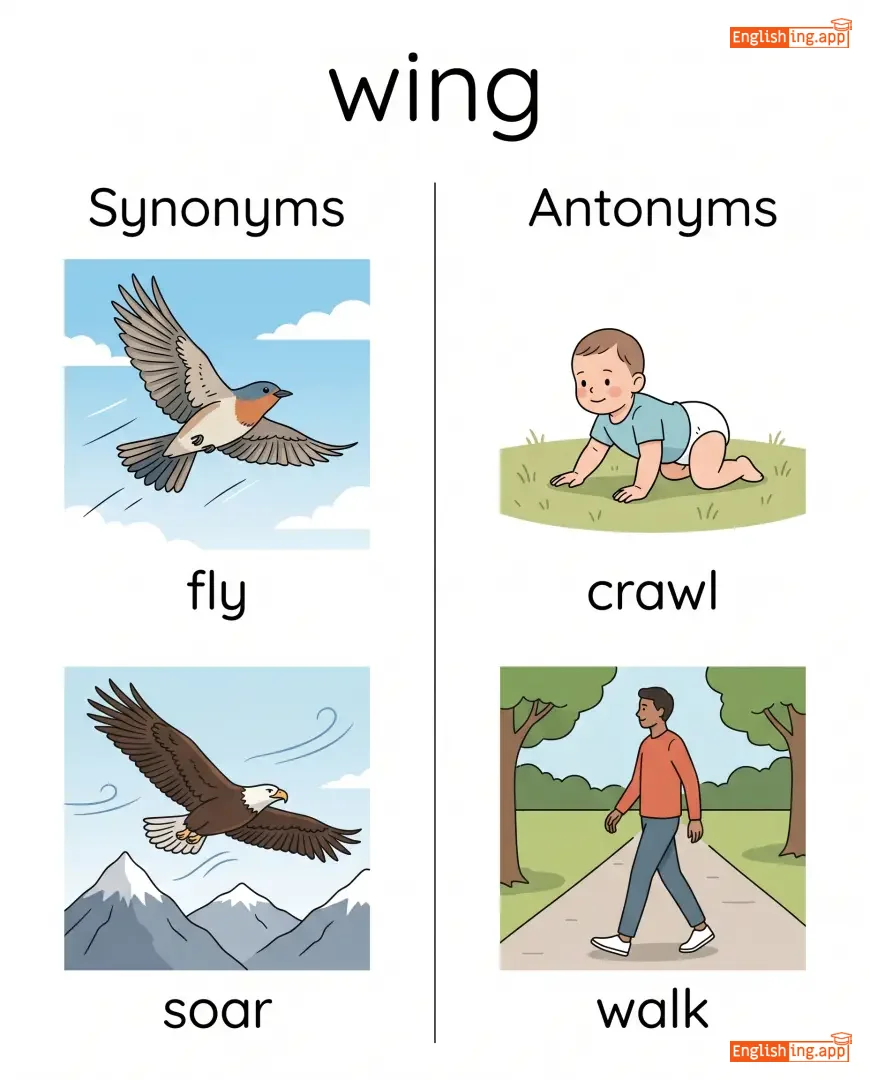
feather, fin, appendage
••••••
|
body, center
••••••
|
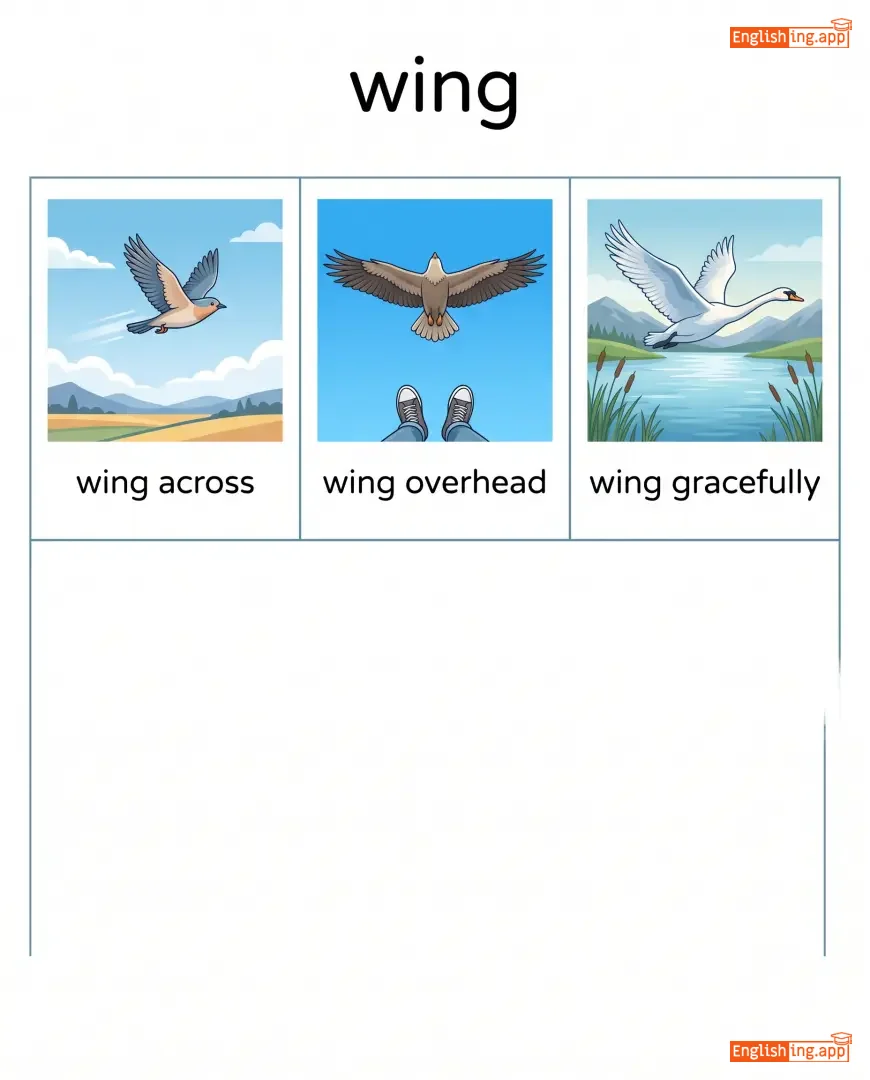
bird's wing, fly with wings, wing span
••••••
|
翼を広げて空を飛ぶ鳥のように!
••••••
|
|
#12329
🍷
|
/waɪn/
noun
(ワイン)
••••••
|
- •••••• |
ワイン
waini
••••••
|
- •••••• | - •••••• | - •••••• | - •••••• |
an alcoholic drink made from fermented grapes or other fruits
••••••
|
They served a glass of red wine at the dinner.
彼らはディナーで赤ワインを一杯出しました。
••••••
|
彼らはディナーで赤ワインを一杯出しました。
Karera wa dinā de aka wain o ippai dashimashita.
••••••
|
- •••••• | - •••••• | - •••••• |
vino, beverage, drink, alcohol
••••••
|
water, juice
••••••
|
red wine, white wine, glass of wine, bottle of wine
••••••
|
Wine pairs with dinner—imagine a glass of red wine with a fancy meal!
••••••
|
|
#12330
🪟
|
/ˈwɪndəʊ/
noun
(windo)
••••••
|
- •••••• |
窓
mado
••••••
|
- •••••• | - •••••• | - •••••• | - •••••• |
an opening in a wall or structure that allows light or air to pass through, usually covered with glass or other material
••••••
|
I opened the window to let the fresh air in.
私は新鮮な空気を入れるために窓を開けました。
••••••
|
私は新鮮な空気を入れるために窓を開けました。
Watashi wa shinsetsuna kuuki o ireru tame ni mado o akemashita.
••••••
|
- •••••• | - •••••• | - •••••• |
pane, glass, aperture, opening
••••••
|
wall, door
••••••
|
open window, close window, window pane, large window
••••••
|
窓を開けて、新鮮な空気を取り入れる—まるで世界と繋がる窓のようだ!
••••••
|
|
#12331
🌬️
|
/wɪnd/
noun
(ウィンド)
••••••
|
- •••••• |
風
kaze
••••••
|
- •••••• | - •••••• | - •••••• | - •••••• |
moving air, especially in the form of a current of air blowing from a particular direction
••••••
|
The wind is blowing strong today. |
今日は風が強い。
Kyou wa kaze ga tsuyoi.
••••••
|
- •••••• | - •••••• | - •••••• |
breeze, gust, draft, airflow
••••••
|
calm, stillness
••••••
|
strong wind, cold wind, gentle wind, wind blows
••••••
|
Kaze is the Japanese word for wind, imagine the 'kaze' blowing across a tranquil Japanese garden.
••••••
|
|
#12332
👍
|
/ˈwɪlɪŋ/
adjective
(wɪlɪŋ)
••••••
|
- •••••• |
意欲的
iyokuteki
••••••
|
- •••••• | - •••••• | - •••••• | - •••••• |
ready, inclined, or eager to do something
••••••
|
She was willing to help with the project. |
彼女はプロジェクトを手伝う意欲があった。
Kanojo wa purojekuto o tetsudau iyoku ga atta.
••••••
|
- •••••• | - •••••• | - •••••• |
eager, enthusiastic, ready, prepared
••••••
|
unwilling, reluctant
••••••
|
willing participant, willing to help, willing attitude
••••••
|
Willing means ready and able 👍
••••••
|
|
#12333
✍️
|
/wɪl/
noun, verb
(ウィル)
••••••
|
- •••••• |
意志
ishi
••••••
|
- •••••• | - •••••• |
wills
ウィルズ
••••••
|
willing
ウィリング
••••••
|
expressing future tense or intention; a legal document
••••••
|
She will attend the meeting tomorrow.
彼女は明日会議に出席します。
••••••
|
彼女は明日会議に出席します。
Kanojo wa ashita kaigi ni shusseki shimasu.
••••••
|
Will to power
力への意志
••••••
|
the drive to assert one's own will over others
••••••
|
力への意志
Chikara e no ishi
••••••
|
intend, shall, want, determination
••••••
|
won't, unwilling
••••••
|
last will, will and testament, strong will
••••••
|
意志の力、未来の意志 ✍️
••••••
|
|
#12334
👩❤️👨
|
/waɪf/
noun
(ワイフ)
••••••
|
- •••••• |
妻
tsuma
••••••
|
- •••••• | - •••••• | - •••••• | - •••••• |
a woman who is married to someone
••••••
|
She is the wife of the famous author. |
彼女は有名な作家の妻です。
Kanojo wa yūmei na sakka no tsuma desu.
••••••
|
- •••••• | - •••••• | - •••••• |
spouse, partner, better half
••••••
|
husband
••••••
|
wife and husband, loving wife, devoted wife
••••••
|
‘Tsuma’ means wife in Japanese! Easy to remember.
••••••
|
|
#12335
🌍
|
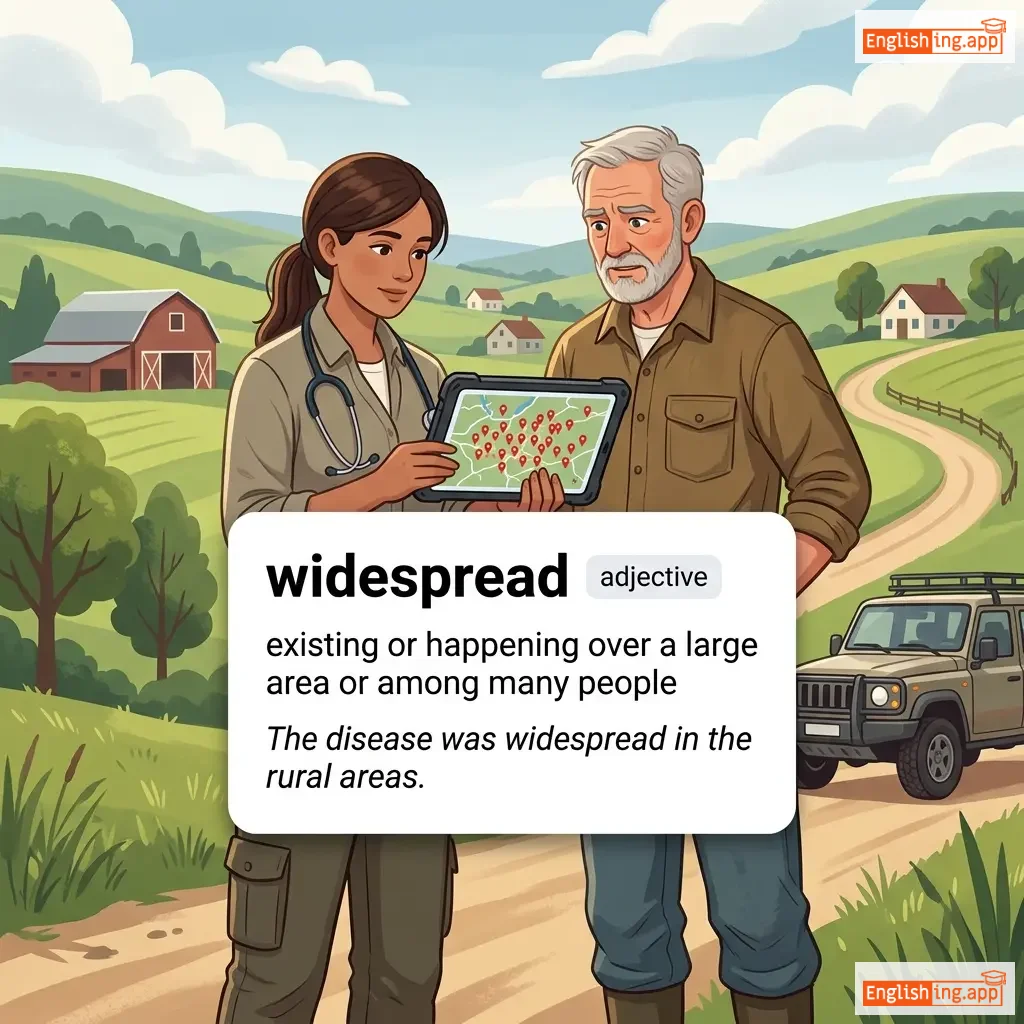
/ˈwaɪdˌsprɛd/
adjective
(ワイドスプレッド)
••••••
|
|
広範囲にわたる
kōhan'i ni wataru
••••••
|
- •••••• | - •••••• | - •••••• | - •••••• |
existing or happening over a large area or among many people
••••••
|
The disease was widespread in the rural areas. |
その病気は農村地域で広範囲にわたっていました。
Sono byōki wa nōson chiiki de kōhan'i ni watatte imashita.
••••••
|
- •••••• | - •••••• | - •••••• |
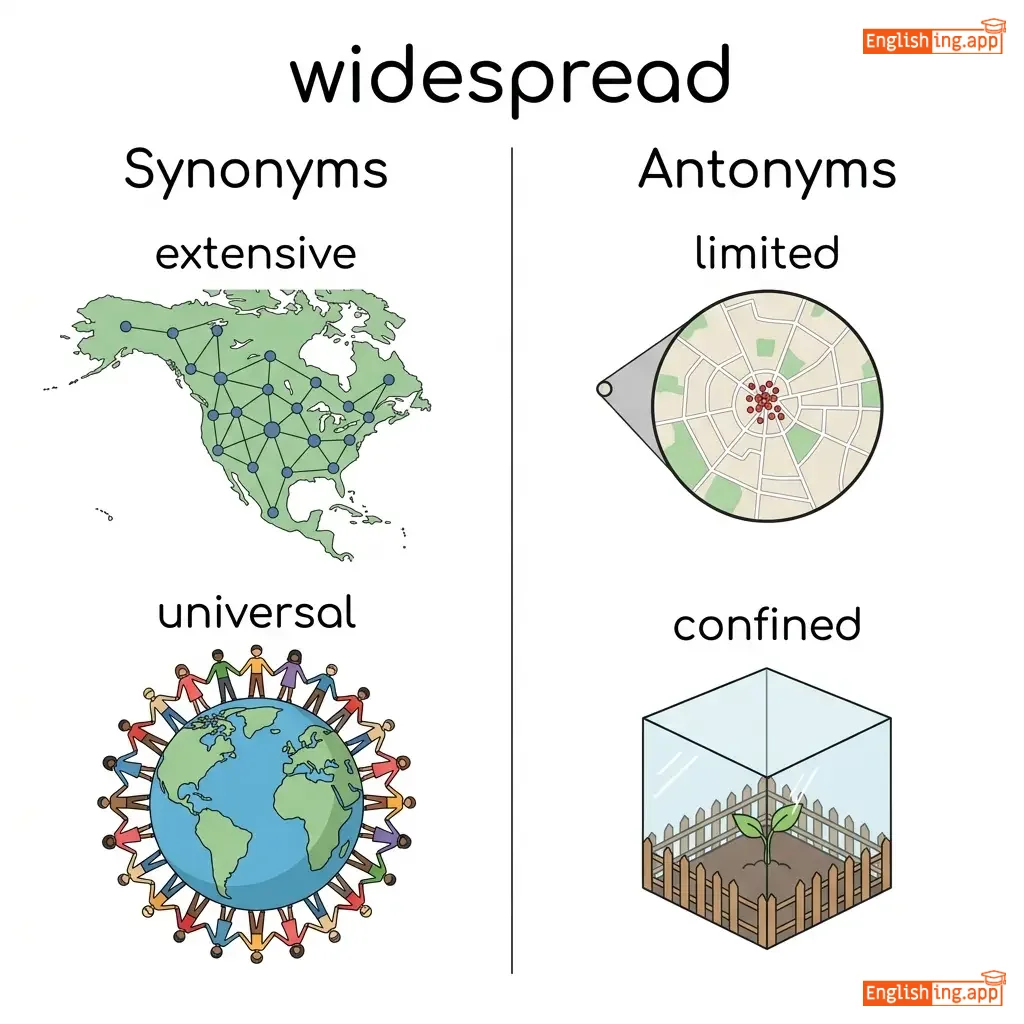
extensive, universal, far-reaching, pervasive
••••••
|
limited, confined
••••••
|
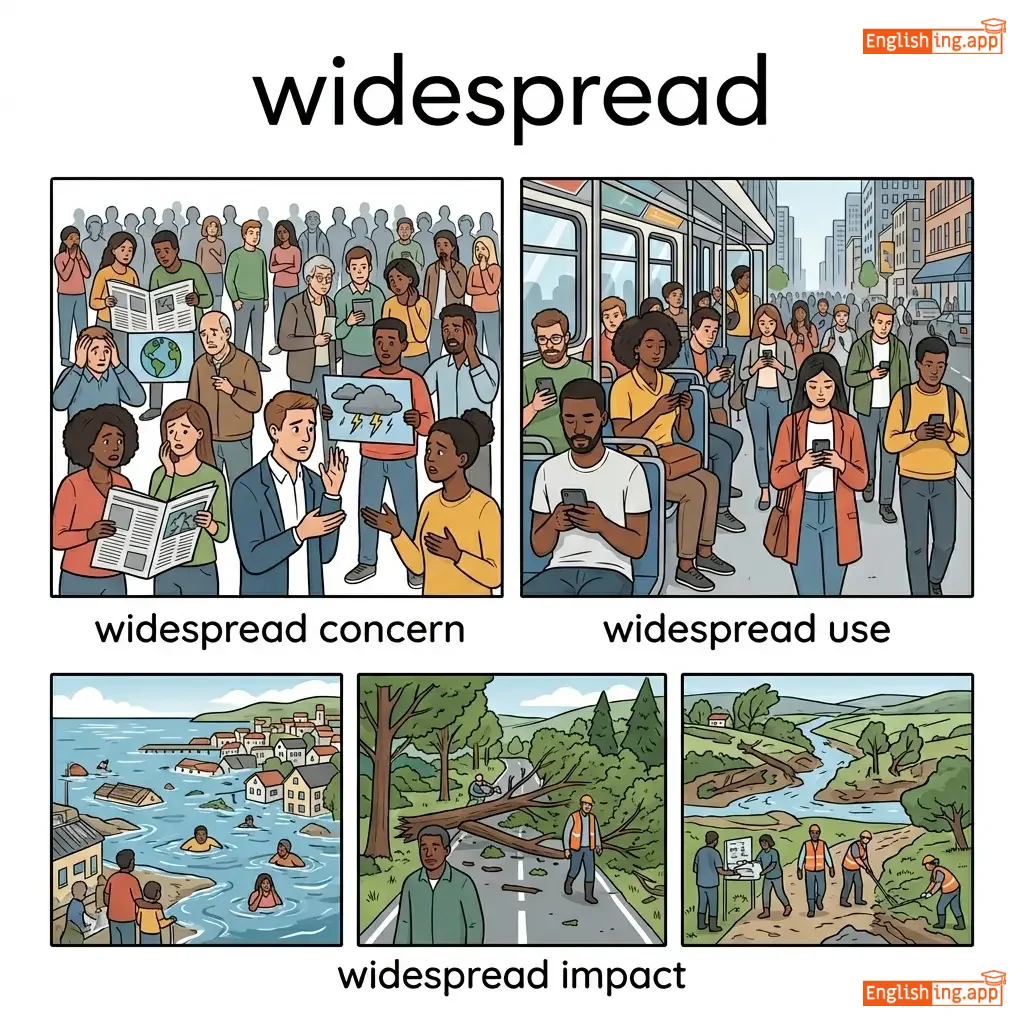
widespread concern, widespread use, widespread impact
••••••
|
Widespread – まるで波がどこでも広がっていくように 🌍
••••••
|
|
#12336
🌍
|
/ˈwaɪdli/
adverb
(wáidori)
••••••
|
- •••••• |
広く
hiroku
••••••
|
- •••••• | - •••••• | - •••••• | - •••••• |
to a great extent or degree
••••••
|
The news of his promotion spread widely across the company. |
彼の昇進のニュースは会社全体に広がりました。
Kare no shōshin no nyūsu wa kaisha zentai ni hirogarimashita.
••••••
|
- •••••• | - •••••• | - •••••• |
extensively, broadly, widely, far
••••••
|
narrowly, limitedly
••••••
|
widely known, widely accepted, widely spread
••••••
|
Wide world 🌍 means a wide spread across everywhere!
••••••
|
|
#12337
🌍
|
/waɪd/
adjective
(ワイド)
••••••
|
- •••••• |
広い
hiroi
••••••
|
- •••••• | - •••••• | - •••••• | - •••••• |
having a great extent from side to side; broad
••••••
|
The river is wide enough to fit a boat.
ザ・リバー・イズ・ワイド・イナフ・トゥ・フィット・ア・ボート。
••••••
|
その川は十分に広く、ボートが入ることができます。
Sono kawa wa juubun ni hiroku, bōto ga hairu koto ga dekimasu.
••••••
|
- •••••• | - •••••• | - •••••• |
broad, spacious, expansive, vast
••••••
|
narrow, tight, confined
••••••
|
wide river, wide road, wide range
••••••
|
Wide as 'Hiroi' streets – open and vast!
••••••
|
|
#12338
❓
|
/waɪ/
adverb
(wāi)
••••••
|
- •••••• |
なぜ
naze
••••••
|
- •••••• | - •••••• | - •••••• | - •••••• |
used to ask or talk about the reason for something
••••••
|
Why did you leave so early?
なぜこんなに早く帰ったのですか?
••••••
|
なぜこんなに早く帰ったのですか?
Naze konna ni hayaku kaetta no desu ka?
••••••
|
- •••••• | - •••••• | - •••••• |
how come, for what reason
••••••
|
none
••••••
|
why not, why so, why did
••••••
|
Why is used to ask a reason – In Japanese, it's ‘なぜ’.
••••••
|
|
#12339
📱
|
/huːz/
pronoun
(フーズ)
••••••
|
- •••••• |
誰の
dare no
••••••
|
- •••••• | - •••••• | - •••••• | - •••••• |
used to ask or talk about the person or thing that owns something
••••••
|
The girl whose phone was stolen is my cousin. |
電話が盗まれた女の子は私のいとこです。
Denwa ga nusumareta onnanoko wa watashi no itoko desu.
••••••
|
- •••••• | - •••••• | - •••••• |
who's, that person’s, of whom
••••••
|
none
••••••
|
whose phone, whose book, whose idea
••••••
|
Whose phone is this? – 'Whose' connects to 'Dare no denwa'.
••••••
|
|
#12340
🌎
|
/ˈwɛstərn/
adjective
(ウェスターン)
••••••
|
- •••••• |
西洋の
seiyō no
••••••
|
- •••••• | - •••••• | - •••••• | - •••••• |
relating to or characteristic of the West, especially Europe and the Americas
••••••
|
She loves western music and culture. |
彼女は西洋の音楽と文化が大好きです。
Kanojo wa seiyō no ongaku to bunka ga daisuki desu.
••••••
|
- •••••• | - •••••• | - •••••• |
occidental, westernized
••••••
|
eastern, oriental
••••••
|
western culture, western philosophy, western world
••••••
|
西洋文化は西から来る - Western culture comes from the West.
••••••
|
|
#12341
🍰
|
/hoʊl/
adjective
(hōru)
••••••
|
- •••••• |
全体
zentai
••••••
|
- •••••• | - •••••• | - •••••• | - •••••• |
all of something; complete or entire
••••••
|
He ate the whole cake by himself.
hi et dɪ hōru keiku bai himuselfu
••••••
|
彼はケーキを全部一人で食べました。
Kare wa kēki o zenbu hitori de tabemashita.
••••••
|
- •••••• | - •••••• | - •••••• |
entire, complete, full, total
••••••
|
partial, incomplete, fragmented
••••••
|
whole cake, whole process, whole family, whole truth
••••••
|
Whole kēki zentai (Kēki Zentai) - Whole cake is fully eaten.
••••••
|
|
#12342
🤔
|
/huː/
pronoun
(誰)
••••••
|
- •••••• |
誰
dare
••••••
|
- •••••• | - •••••• | - •••••• | - •••••• |
used to ask about a person or people
••••••
|
Who is coming to the party tonight? |
今晩パーティーに誰が来ますか?
Konban pātī ni dare ga kimasu ka?
••••••
|
- •••••• | - •••••• | - •••••• |
whoever, which person
••••••
|
none
••••••
|
who is, who are, who knows
••••••
|
In Japanese, just ask 'dare' to know 'who'!
••••••
|
|
#12343
🤍
|
/waɪt/
adjective
(wáito)
••••••
|
- •••••• |
白
shiro
••••••
|
- •••••• | - •••••• | - •••••• | - •••••• |
having the color of milk or fresh snow, the opposite of black
••••••
|
She wore a beautiful white dress to the party.
彼女はパーティーで美しい白いドレスを着ていた。
••••••
|
彼女はパーティーで美しい白いドレスを着ていた。
Kanojo wa pātī de utsukushī shiroi doresu o kite ita.
••••••
|
- •••••• | - •••••• | - •••••• |
pale, light, fair
••••••
|
black, dark
••••••
|
white shirt, white snow, white light
••••••
|
A white shirt shines bright just like 'shiro' in Japanese!
••••••
|
|
#12344
🤫
|
/ˈwɪspər/
verb
(ウィスパー)
••••••
|
|
ささやく
sasayaku
••••••
|
whispered
ウィスパード
••••••
|
whispered
ウィスパード
••••••
|
whispers
ウィスパーズ
••••••
|
whispering
ウィスパリング
••••••
|
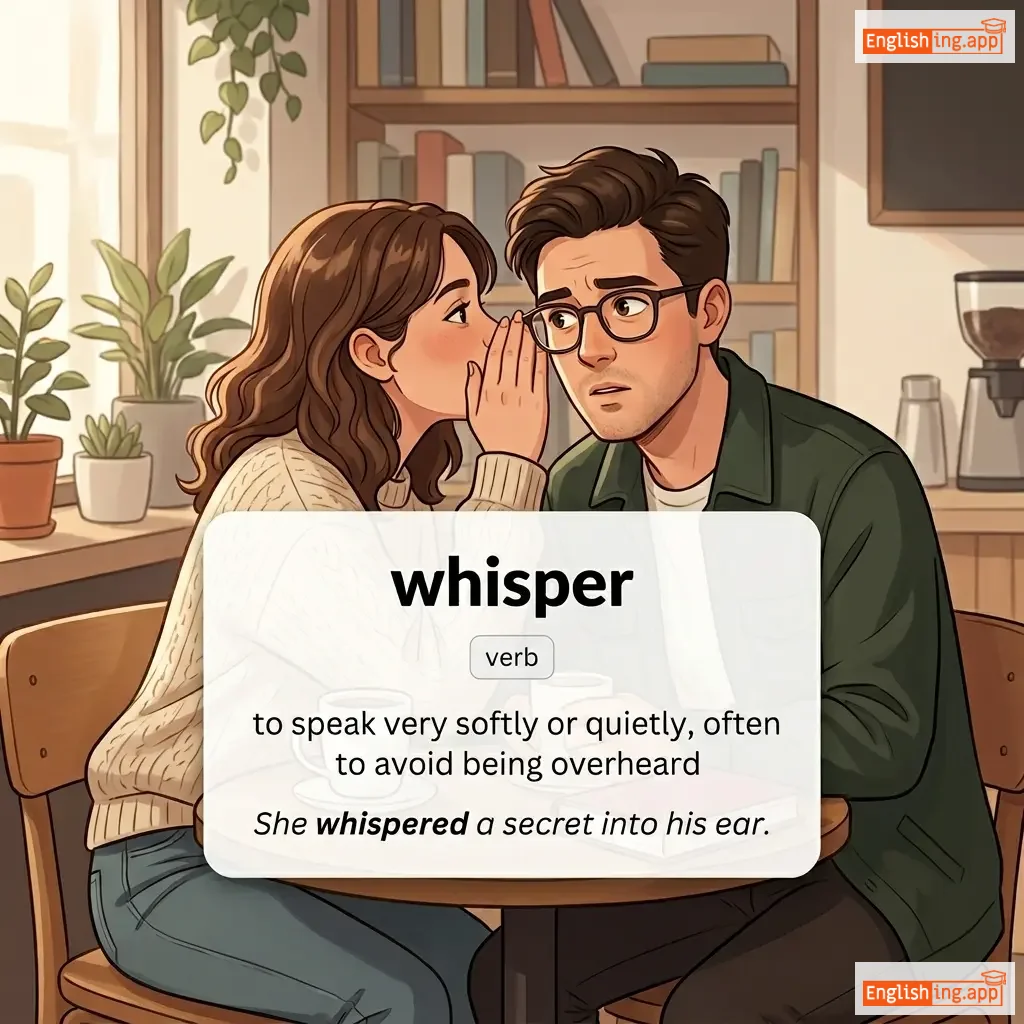
to speak very softly or quietly, often to avoid being overheard
••••••
|
She whispered a secret into his ear.
彼女は彼の耳に秘密をささやいた。
••••••
|
彼女は彼の耳に秘密をささやいた。
Kanojo wa kare no mimi ni himitsu o sasayaita.
••••••
|
- •••••• | - •••••• | - •••••• |
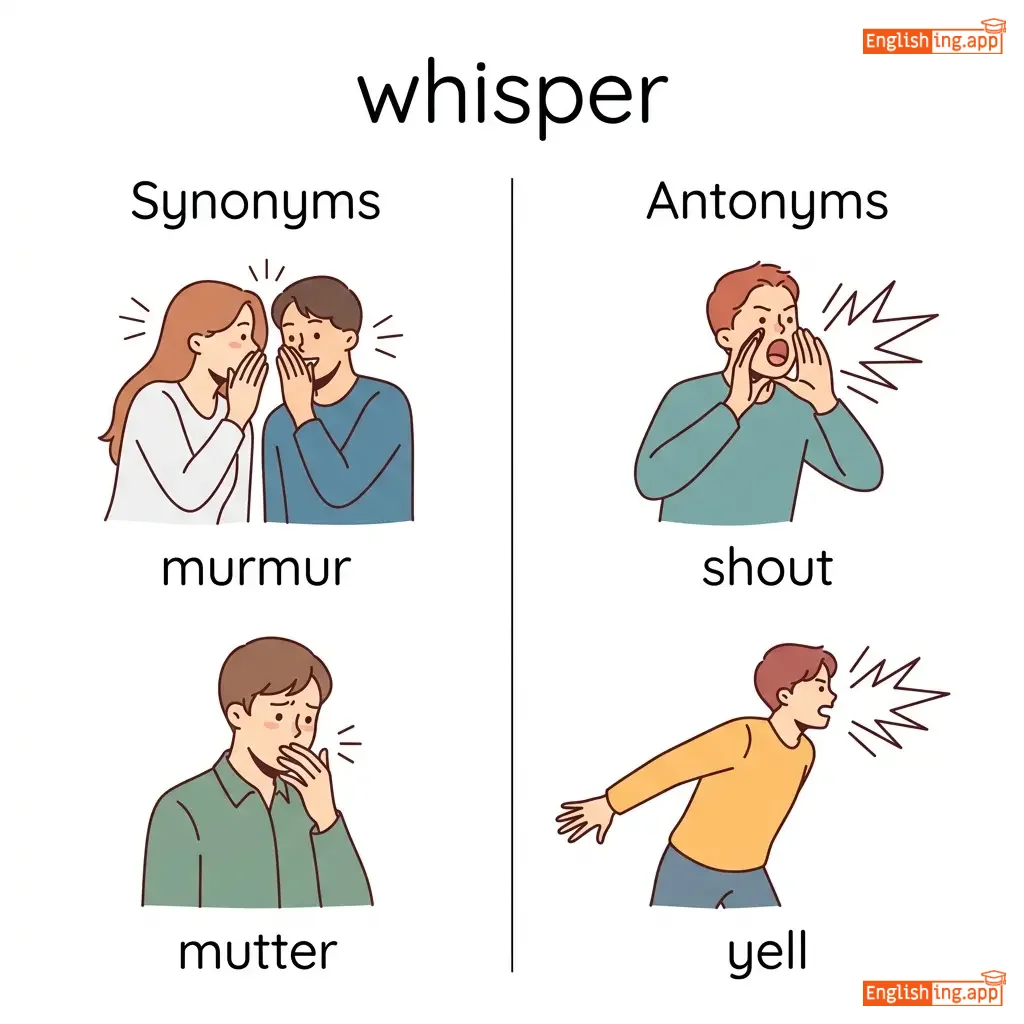
murmur, mutter, hiss
••••••
|
shout, yell
••••••
|
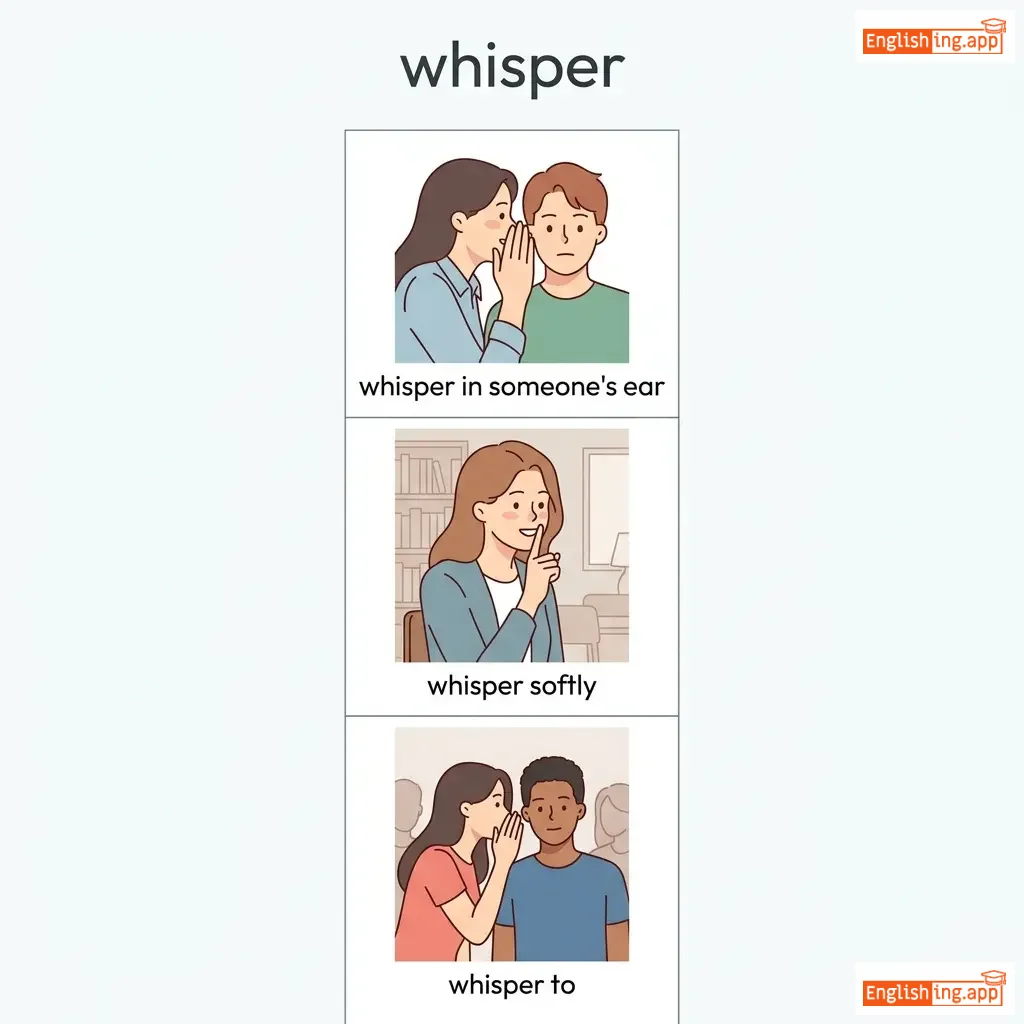
whisper in someone's ear, whisper softly, whisper to
••••••
|
ささやいて秘密を守ろう!
••••••
|
|
#12345
⏳
|
/waɪl/
conjunction
(ワイル)
••••••
|
- •••••• |
その間
sono aida
••••••
|
- •••••• | - •••••• | - •••••• | - •••••• |
during the time that something is happening
••••••
|
She was reading while waiting for the bus.
彼女はバスを待っている間に読書をしていた。
••••••
|
彼女はバスを待っている間に読書をしていた。
Kanojo wa basu wo matteiru aida ni dokusho wo shite ita.
••••••
|
- •••••• | - •••••• | - •••••• |
as, when, during
••••••
|
none
••••••
|
while waiting, while studying, while traveling
••••••
|
あなたが待っている間、'その間'を日本語で考えて!
••••••
|
|
#12346
❓
|
/wɪtʃ/
pronoun
(wɪtʃ)
••••••
|
- •••••• |
どれ
dore
••••••
|
- •••••• | - •••••• | - •••••• | - •••••• |
used to ask about one or more items from a defined set
••••••
|
Which one do you prefer, the red or the blue? |
赤と青、どちらを選びますか?
Aka to ao, dochira o erabimasu ka?
••••••
|
- •••••• | - •••••• | - •••••• |
what, that, who
••••••
|
none
••••••
|
which one, which way, which time
••••••
|
Which in Japanese is 'dore', to help you pick!
••••••
|
|
#12347
🤔
|
/ˈwɛðər/
conjunction
(ウェザー)
••••••
|
- •••••• |
かどうか
kadouka
••••••
|
- •••••• | - •••••• | - •••••• | - •••••• |
used to express a doubt or choice between alternatives
••••••
|
I don’t know whether I should go.
私は行くべきかどうか分かりません。
••••••
|
私は行くべきかどうか分かりません。
Watashi wa iku beki ka dō ka wakarimasen.
••••••
|
- •••••• | - •••••• | - •••••• |
if, either
••••••
|
none
••••••
|
whether or not, whether to go, whether he will
••••••
|
かどうか (kadouka) 決断の時だ
••••••
|
|
#12348
📍
|
/wɛr/
adverb
(ウェア)
••••••
|
- •••••• |
どこ
doko
••••••
|
- •••••• | - •••••• | - •••••• | - •••••• |
in or at what place or position
••••••
|
Where do you live? |
あなたはどこに住んでいますか?
Anata wa doko ni sundeimasu ka?
••••••
|
- •••••• | - •••••• | - •••••• |
location, place
••••••
|
nowhere
••••••
|
where is, where are, where did, where do
••••••
|
どこ (doko) どこに行くの?
••••••
|
|
#12349
📞
|
/wɛnˈɛvər/
adverb
(ウェネバー)
••••••
|
- •••••• |
いつでも
itsudemo
••••••
|
- •••••• | - •••••• | - •••••• | - •••••• |
at any time, or whenever it happens
••••••
|
You can call me whenever you want. |
あなたはいつでも私に電話できます。
Anata wa itsudemo watashi ni denwa dekimasu.
••••••
|
- •••••• | - •••••• | - •••••• |
anytime, whenever, at all times
••••••
|
never, seldom
••••••
|
whenever you like, whenever possible, whenever needed
••••••
|
いつでも (itsudemo) 電話できます
••••••
|
|
#12350
⏰
|
/wɛn/
adverb
(ウェン)
••••••
|
- •••••• |
いつ
itsu
••••••
|
- •••••• | - •••••• | - •••••• | - •••••• |
at what time
••••••
|
Do you know when the train leaves? |
電車がいつ出発するか知っていますか?
Densha ga itsu shuppatsu suru ka shitteimasu ka?
••••••
|
- •••••• | - •••••• | - •••••• |
at what time, whenever
••••••
|
never, always
••••••
|
when will, when did, when does, when do
••••••
|
ウェンを‘いつ’と覚える (Uen wo 'itsu' to oboeru)
••••••
|
|
#12351
🚗
|
/wiːl/
noun
(ウィール)
••••••
|
- •••••• |
車輪
sharin
••••••
|
- •••••• | - •••••• | - •••••• | - •••••• |
a circular object that revolves on an axle and is used to move or carry things
••••••
|
The wheel of the car broke down on the way. |
車の車輪が道で壊れた。
Kuruma no sharin ga michi de kowareta.
••••••
|
- •••••• | - •••••• | - •••••• |
disk, circle, rotor, rim
••••••
|
none
••••••
|
steering wheel, bicycle wheel, car wheel, turn the wheel
••••••
|
車輪が回って車を動かす (Sharin ga mawatte kuruma o ugokasu)
••••••
|
|
#12352
🤷♂️
|
/wɒtˈɛvər/
pronoun
(ワットエバー)
••••••
|
- •••••• |
何でも
nandemo
••••••
|
- •••••• | - •••••• | - •••••• | - •••••• |
used to refer to anything or everything that is of the type mentioned
••••••
|
You can choose whatever you like. |
あなたは何でも好きなものを選んでください。
Anata wa nandemo sukina mono o erande kudasai.
••••••
|
- •••••• | - •••••• | - •••••• |
anything, everything
••••••
|
- •••••• |
whatever you want, whatever happens
••••••
|
何でも (nandemo) あなたが欲しいもの - Whatever you want, you can have.
••••••
|
|
#12353
❓
|
/wɒt/
pronoun
(ワット)
••••••
|
- •••••• |
何
nani
••••••
|
- •••••• | - •••••• | - •••••• | - •••••• |
used to ask for information about something
••••••
|
What is your name? |
あなたの名前は何ですか?
Anata no namae wa nan desu ka?
••••••
|
- •••••• | - •••••• | - •••••• |
which, that
••••••
|
- •••••• |
what time, what happened, what are you doing
••••••
|
何 (nani) 質問をするために使われる - 'What' は質問をするために使われます。
••••••
|
|
#12354
💧
|
/wɛt/
adjective
(ウェット)
••••••
|
- •••••• |
濡れた
nureta
••••••
|
- •••••• | - •••••• | - •••••• | - •••••• |
covered with, or saturated with liquid (usually water)
••••••
|
The ground is wet after the rain. |
雨の後、地面は濡れている。
Ame no ato, jimen wa nureteiru.
••••••
|
- •••••• | - •••••• | - •••••• |
damp, moist, soaked
••••••
|
dry, arid
••••••
|
wet ground, wet clothes, wet weather
••••••
|
雨が降ると、地面は濡れる。
••••••
|
Vocabulary Quiz
Test your vocabulary by matching words with their translations or meanings.
Login to take the quiz
Comments (0)
Share your thoughts and join the discussion.
Join the discussion by logging in
Login to CommentNo comments yet
Be the first to share your thoughts!