

翻訳
過去
過去分詞
三人称単数
動名詞
意味
例文
例文の翻訳
同義語
対義語
コロケーション
ニーモニック
Swipe left or right, or use the buttons. Tap image to zoom.
例文の翻訳
単語
Lesson 11Lesson 11 - マスクトグル
|
絵文字
|
単語 | Images | 翻訳 | 過去 | 過去分詞 | 三人称単数 | 動名詞 | 意味 | 例文 | 例文の翻訳 | 表現例 | 表現例の意味 | 表現例の翻訳 | 同義語 | 対義語 | コロケーション | ニーモニック |
|---|---|---|---|---|---|---|---|---|---|---|---|---|---|---|---|---|---|
|
#301
💭
|
/əˈluːsɪv/
adjective
(アリューシブ)
••••••
|
- •••••• |
暗示的
anshiteki
••••••
|
- •••••• | - •••••• | - •••••• | - •••••• |
Making indirect references or hints; suggestive without being explicit.
••••••
|
The novel is full of allusive passages that point to classical literature. |
その小説は古典文学を指し示す暗示的な部分で満ちている。
Sono shōsetsu wa koten bungaku o sashishimesu anshiteki na bubun de michite iru.
••••••
|
- •••••• | - •••••• | - •••••• |
suggestive, indirect, symbolic, figurative, evocative
••••••
|
direct, explicit, literal
••••••
|
allusive remarks, allusive style, highly allusive, allusive language
••••••
|
Allusive = 'All' hintで暗示する
••••••
|
|
#302
🔄
|
/ˈɔːltərnət/ (adj, noun), /ˈɔːltərˌneɪt/ (verb)
verb, noun, adjective
(オルターネット)
••••••
|
- •••••• |
交代、代替
kōtai, daitai
••••••
|
alternated
オルターネッテッド
••••••
|
alternated
オルターネッテッド
••••••
|
alternates
オルターネッツ
••••••
|
alternating
オルターネッティング
••••••
|
to occur in turn repeatedly; to take turns; also, a substitute or replacement
••••••
|
The students alternate between online and offline classes.
学生たちはオンラインとオフラインのクラスを交互に受講します。
••••••
|
学生たちはオンラインとオフラインのクラスを交互に受講します。
gakusei-tachi wa onrain to ofurain no kurasu o kōgo ni jukō shimasu.
••••••
|
alternate reality
オルタネートリアリティ
••••••
|
a parallel or imagined version of reality
••••••
|
交代現実
kōtai genjitsu
••••••
|
rotate, interchange, substitute, switch, exchange
••••••
|
continue, persist, remain
••••••
|
alternate days, alternate shifts, alternate plan, alternate route
••••••
|
交代は 🔄 交互に行う、オンラインとオフラインを交代で。
••••••
|
|
#303
🗣️
|
/ˌɔːltərˈkeɪʃən/
noun
(オルタケイション)
••••••
|
- •••••• |
口論, 言い争い
kōron, iarasoi
••••••
|
- •••••• | - •••••• | - •••••• | - •••••• |
a noisy argument or quarrel
••••••
|
There was a brief altercation between the two drivers.
二人のドライバーの間で短い口論がありました。
••••••
|
二人のドライバーの間で短い口論がありました。
Futari no doraibā no aida de mijikai kōron ga arimashita.
••••••
|
- •••••• | - •••••• | - •••••• |
argument, quarrel, dispute, fight
••••••
|
agreement, harmony, peace
••••••
|
heated altercation, minor altercation, public altercation
••••••
|
Altercationはalter(変更)と関連しており、口論を示しています。
••••••
|
|
#304
⚡
|
/ˈɔːltərˌkeɪt/
verb
(オルターケイト)
••••••
|
- •••••• |
議論する
giron suru
••••••
|
altercated
オルターケイテッド
••••••
|
altercated
オルターケイテッド
••••••
|
altercates
オルターケイツ
••••••
|
altercating
オルターケイティング
••••••
|
to argue or dispute angrily or noisily
••••••
|
The neighbors began to altercate over the boundary wall.
隣人たちは境界の壁について議論し始めました。
••••••
|
隣人たちは境界の壁について議論し始めました。
Rinjin-tachi wa kyōkai no kabe ni tsuite giron shihajimemashita.
••••••
|
- •••••• | - •••••• | - •••••• |
argue, quarrel, dispute, wrangle
••••••
|
agree, harmonize
••••••
|
altercate loudly, altercate bitterly, altercate over
••••••
|
Altercateはalter + kate 議論する - 議論するとはaltercateです。
••••••
|
|
#305
🧵
|
/ˌɔːltəˈreɪʃən/
noun
(オルテレイション)
••••••
|
- •••••• |
変更
henkou
••••••
|
- •••••• | - •••••• | - •••••• | - •••••• |
a change or modification made to something
••••••
|
The tailor made an alteration to the suit. |
仕立屋はスーツに変更を加えました。
Shitaya wa suutsu ni henkou o kuwaemashita.
••••••
|
- •••••• | - •••••• | - •••••• |
change, modification, adjustment, amendment
••••••
|
preservation, constancy, stability
••••••
|
minor alteration, structural alteration, alteration work
••••••
|
Alter + ation = 変更(Henkou)する、変更するという意味。
••••••
|
|
#306
✂️
|
/ˈɔːltər/
verb
(アルター)
••••••
|
- •••••• |
変更する
henkō suru
••••••
|
altered
アルタード
••••••
|
altered
アルタード
••••••
|
alters
アルターズ
••••••
|
altering
アルタリング
••••••
|
to change or modify something slightly but significantly
••••••
|
She decided to alter her dress to make it fit better.
彼女はドレスを合うように変更することを決めました。
••••••
|
彼女はドレスをより良くするために変更することを決めました。
Kanojo wa doresu o yori yoku suru tame ni henkō suru koto o kimemashita.
••••••
|
alter ego
alter ego
••••••
|
a second self or different version of oneself
••••••
|
alter ego
alter ego
••••••
|
change, modify, adjust, adapt, transform
••••••
|
preserve, maintain, keep
••••••
|
alter plans, alter course, alter appearance, alter behavior
••••••
|
変更するとは少しでも変えること、例えば服を調整することです。
••••••
|
|
#307
⛪
|
/ˈɔːltər/
noun
(オルター)
••••••
|
- •••••• |
祭壇
saitan
••••••
|
- •••••• | - •••••• | - •••••• | - •••••• |
A table or flat surface used in religious rituals or worship.
••••••
|
The priest placed the offerings on the altar. |
神父は祭壇に供物を置きました。
Shinpu wa saitan ni kumotsu o okimashita.
••••••
|
sacrifice on the altar |
to give up something important for a cause
••••••
|
祭壇での犠牲
Saitan de no gisei
••••••
|
shrine, sanctuary, table, dais
••••••
|
none, mundane
••••••
|
altar of sacrifice, stand before the altar, wedding altar
••••••
|
Altar は祭壇 – 神のために自分の生活を変えること。
••••••
|
|
#308
🔠
|
/ˌælfəˈbɛtɪkəl/
adjective
(アルファベット順)
••••••
|
- •••••• |
アルファベット順
arufabetto-jun
••••••
|
- •••••• | - •••••• | - •••••• | - •••••• |
Arranged in the order of the letters of the alphabet.
••••••
|
The names were listed in alphabetical order. |
名前はアルファベット順にリストされていました。
Namae wa arufabetto-jun ni risuto sarete imashita.
••••••
|
- •••••• | - •••••• | - •••••• |
ordered, sequential, systematic, lexicographic
••••••
|
random, unordered
••••••
|
alphabetical order, alphabetical list, arrange alphabetically
••••••
|
アルファベット順 — ABCの歌のように!
••••••
|
|
#309
😐
|
/əˈluːf/
adjective
(アローフ)
••••••
|
- •••••• |
距離を置いた
kyori o oita
••••••
|
- •••••• | - •••••• | - •••••• | - •••••• |
Not friendly or forthcoming; cool and distant.
••••••
|
He remained aloof during the entire discussion. |
彼は議論の間ずっと距離を置いていました。
Kare wa giron no aida zutto kyori o oite imashita.
••••••
|
keep aloof |
to remain distant or uninvolved
••••••
|
距離を置く
kyori o oku
••••••
|
distant, detached, reserved, cold, indifferent
••••••
|
friendly, warm, sociable
••••••
|
remain aloof, stand aloof, seem aloof, aloof attitude
••••••
|
Aloofは距離を置くこと — みんなで盛り上がっているとき、ひとりだけ距離を置いている感じ。
••••••
|
|
#310
🪁
|
/əˈlɒft/
adverb
(アロフト)
••••••
|
- •••••• |
高く
takaku
••••••
|
- •••••• | - •••••• | - •••••• | - •••••• |
Up in or into the air; overhead.
••••••
|
The kite was flying aloft in the clear sky. |
凧は晴れた空に高く飛んでいた。
Tako wa haretasora ni takaku tonde ita.
••••••
|
- •••••• | - •••••• | - •••••• |
overhead, above, up, high, skyward
••••••
|
below, beneath, under
••••••
|
fly aloft, hold aloft, rise aloft, soar aloft
••••••
|
Aloft は高くという意味で、凧が空に高く飛ぶような感じです。
••••••
|
|
#311
🤲
|
/ɑːmz/
noun
(アルムス)
••••••
|
- •••••• |
施し
hodokoshi
••••••
|
- •••••• | - •••••• | - •••••• | - •••••• |
Money, food, or goods given to the poor as charity.
••••••
|
The monk distributed alms to the needy villagers. |
僧侶は貧しい村人たちに施しを分け与えた。
Sōryo wa mazushī murabito-tachi ni hodokoshi o wakeataeta.
••••••
|
give alms |
to donate money or goods to the poor
••••••
|
施しをする
hodokoshi o suru
••••••
|
charity, donation, offering, contribution, gift
••••••
|
selfishness, greed
••••••
|
give alms, distribute alms, beg for alms, alms to the poor
••••••
|
施しの心を忘れず、助け合うことを大切にしよう。
••••••
|
|
#312
📖
|
/ˈɔːlmənæk/
noun
(アルマナック)
••••••
|
- •••••• |
年鑑
nenkan
••••••
|
- •••••• | - •••••• | - •••••• | - •••••• |
An annual publication containing calendars, weather forecasts, astronomical data, and other useful information.
••••••
|
He consulted the almanac to check the phases of the moon. |
彼は月の段階を確認するために年鑑を参照しました。
Kare wa tsuki no dankai o kakunin suru tame ni nenkan o sanshō shimashita.
••••••
|
- •••••• | - •••••• | - •••••• |
yearbook, calendar, directory, handbook, guide
••••••
|
fiction, novel
••••••
|
farmers' almanac, annual almanac, old almanac, practical almanac
••••••
|
年鑑 = All + 名 (全てを覚えておく本)
••••••
|
|
#313
🤝
|
/ˈælaɪ/
verb
(アライ)
••••••
|
- •••••• |
味方
mikata
••••••
|
allied
アライド
••••••
|
allied
アライド
••••••
|
allies
アライズ
••••••
|
allying
アライング
••••••
|
To unite or form a connection or partnership with another person, group, or nation.
••••••
|
The two countries decided to ally against their common enemy.
二国は共通の敵に対して連携することを決定した。
••••••
|
二国は共通の敵に対して連携することを決定した。
Nikoku wa kyōtsū no teki ni taishite renkei suru koto o kettei shita.
••••••
|
ally with
と一緒に連携する
••••••
|
To form a partnership or alliance with someone.
••••••
|
と一緒に連携する
to issho ni renkei suru
••••••
|
associate, unite, partner, combine, join
••••••
|
oppose, resist, separate
••••••
|
ally with, strong ally, loyal ally, ally against
••••••
|
AllyはAll + I、誰かと一緒に味方になることを意味します。
••••••
|
|
#314
🌊
|
/əˈluːviən/
noun
(アリュビオン)
••••••
|
- •••••• |
アリュビオン
aryubion
••••••
|
- •••••• | - •••••• | - •••••• | - •••••• |
The gradual increase of land by the deposit of soil from water; also, a flood or overflow of water.
••••••
|
The river’s alluvion added new fertile land to the village fields. |
川のアリュビオンは村の畑に新しい肥沃な土地を加えました。
Kawa no aryubion wa mura no hatake ni atarashī hiwaku na tochi o kuwaemashita.
••••••
|
- •••••• | - •••••• | - •••••• |
sediment, deposit, accumulation, flood, inundation
••••••
|
erosion, drought
••••••
|
river alluvion, natural alluvion, fertile alluvion, alluvion effect
••••••
|
アリュビオン = 水 + 土が堆積して新しい土地を作る
••••••
|
|
#315
🌱
|
/əˈluːviəl/
adjective
(アルービアル)
••••••
|
- •••••• |
沖積の
chuseki no
••••••
|
- •••••• | - •••••• | - •••••• | - •••••• |
Relating to or derived from alluvium (loose soil or sediment deposited by rivers).
••••••
|
The farmers cultivate crops on the fertile alluvial plains.
ファーマーたちは肥沃なアルービアル平原で作物を栽培します。
••••••
|
農民たちは肥沃な沖積平原で作物を栽培します。
nomin tachi wa hi yoku na chuseki heigen de sakumotsu o saibai shimasu
••••••
|
- •••••• | - •••••• | - •••••• |
sedimentary, fertile, deposited, riverine
••••••
|
rocky, barren, infertile
••••••
|
alluvial deposits, alluvial soil, alluvial plains, alluvial gold
••••••
|
Alluvial means '沖積の' — think of 'river-made soil' in Japan’s plains.
••••••
|
|
#316
🗣️
|
/əˈlɛdʒ/
verb
(アレッジ)
••••••
|
- •••••• |
主張する
shuchō suru
••••••
|
alleged
アレッジド
••••••
|
alleged
アレッジド
••••••
|
alleges
アレッジズ
••••••
|
alleging
アレッジング
••••••
|
to claim or assert something, typically without proof
••••••
|
The witness alleged that the man was at the crime scene.
証人はその男性が犯罪現場にいたと主張した。
••••••
|
証人はその男性が犯罪現場にいたと主張した。
Shōnin wa sono dansei ga hanzai genba ni ita to shuchō shita.
••••••
|
alleged crime
申し立てられた犯罪
••••••
|
a crime that is claimed to have happened but not yet proven
••••••
|
申し立てられた犯罪
mōshidaterareta hanzai
••••••
|
claim, assert, contend, accuse, state
••••••
|
deny, refute, reject
••••••
|
allege wrongdoing, allegedly involved, alleged crime, allege misconduct
••••••
|
Allege は日本語で主張する(主張する)です。
••••••
|
|
#317
📖
|
/əˈluːʒən/
noun
(アリュージョン)
••••••
|
- •••••• |
暗示
anshi
••••••
|
- •••••• | - •••••• | - •••••• | - •••••• |
An indirect reference to something without mentioning it explicitly.
••••••
|
Her story contained an allusion to a famous myth. |
彼女の話には有名な神話への暗示が含まれていた。
Kanojo no hanashi ni wa yūmei na shinwa e no anshi ga fukumarete ita.
••••••
|
- •••••• | - •••••• | - •••••• |
reference, hint, mention, implication, suggestion
••••••
|
statement, declaration, explanation
••••••
|
make an allusion, literary allusion, subtle allusion, historical allusion
••••••
|
Allusion = all + illusion → 直接的に言わずに暗示として示す。
••••••
|
|
#318
✨
|
/əˈlʊr/
verb
(アリュール)
••••••
|
|
魅力
miryoku
••••••
|
allured
アリュールド
••••••
|
allured
アリュールド
••••••
|
allures
アリュールズ
••••••
|
alluring
アリュリング
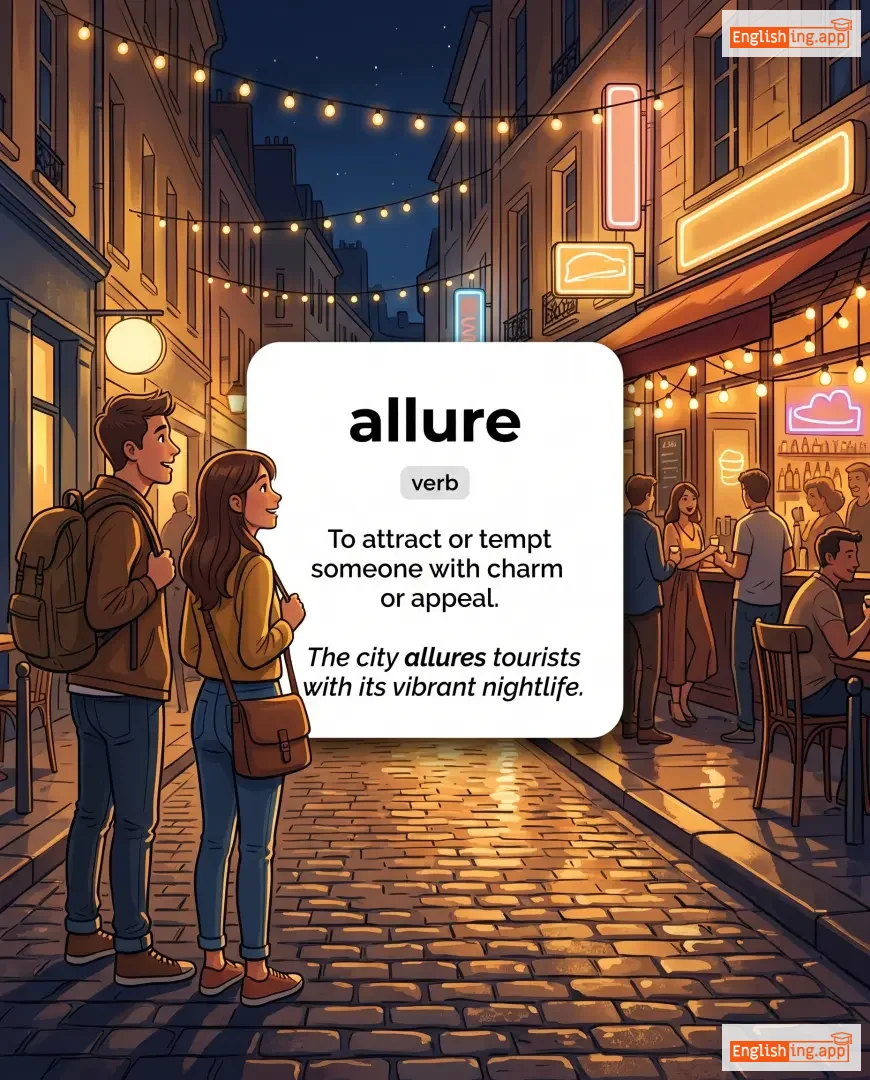
••••••
|
To attract or tempt someone with charm or appeal.
••••••
|
The city allures tourists with its vibrant nightlife.
この都市はその活気に満ちた夜の生活で観光客を引き寄せる。
••••••
|
この都市はその活気に満ちた夜の生活で観光客を引き寄せる。
Kono toshi wa sono kanki ni michita yoru no seikatsu de kankoukyaku wo hikiyoseru.
••••••
|
the allure of
……の魅力
••••••
|
the appeal or attraction of something
••••••
|
……の魅力
…… no miryoku
••••••
|
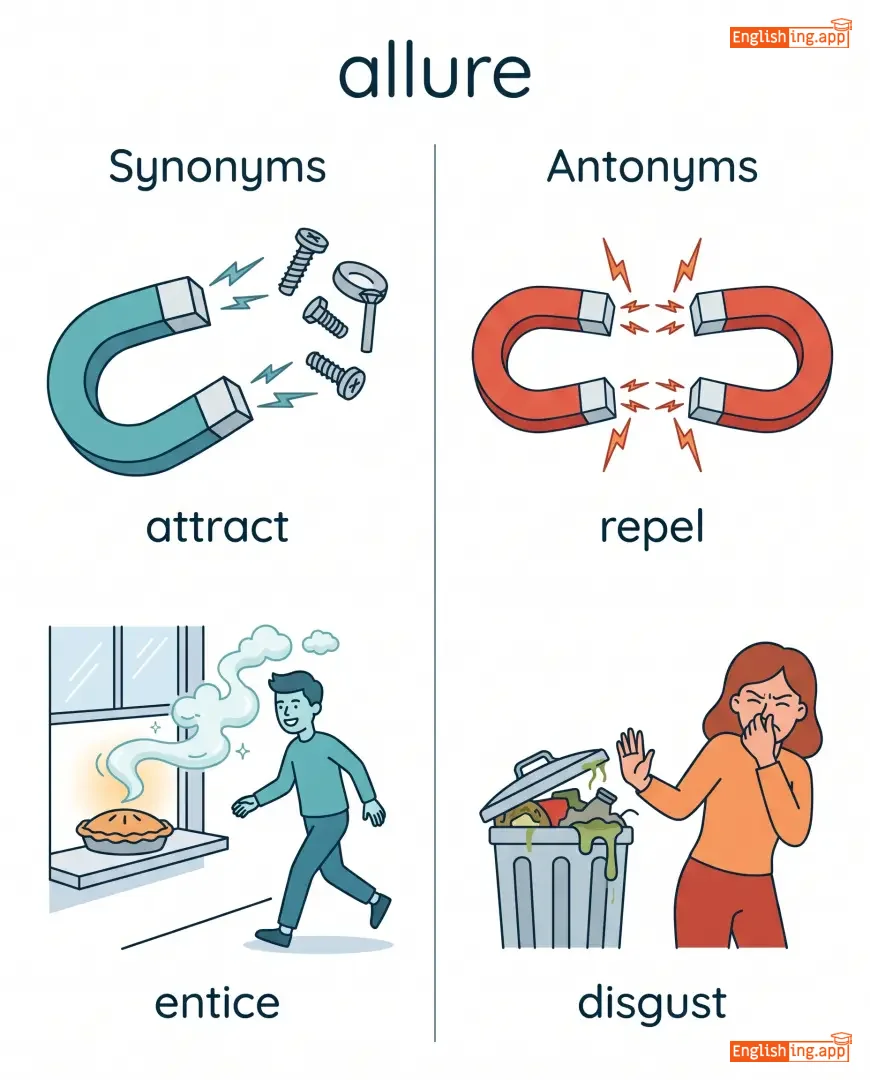
attract, entice, charm, fascinate, captivate
••••••
|
repel, disgust, deter
••••••
|
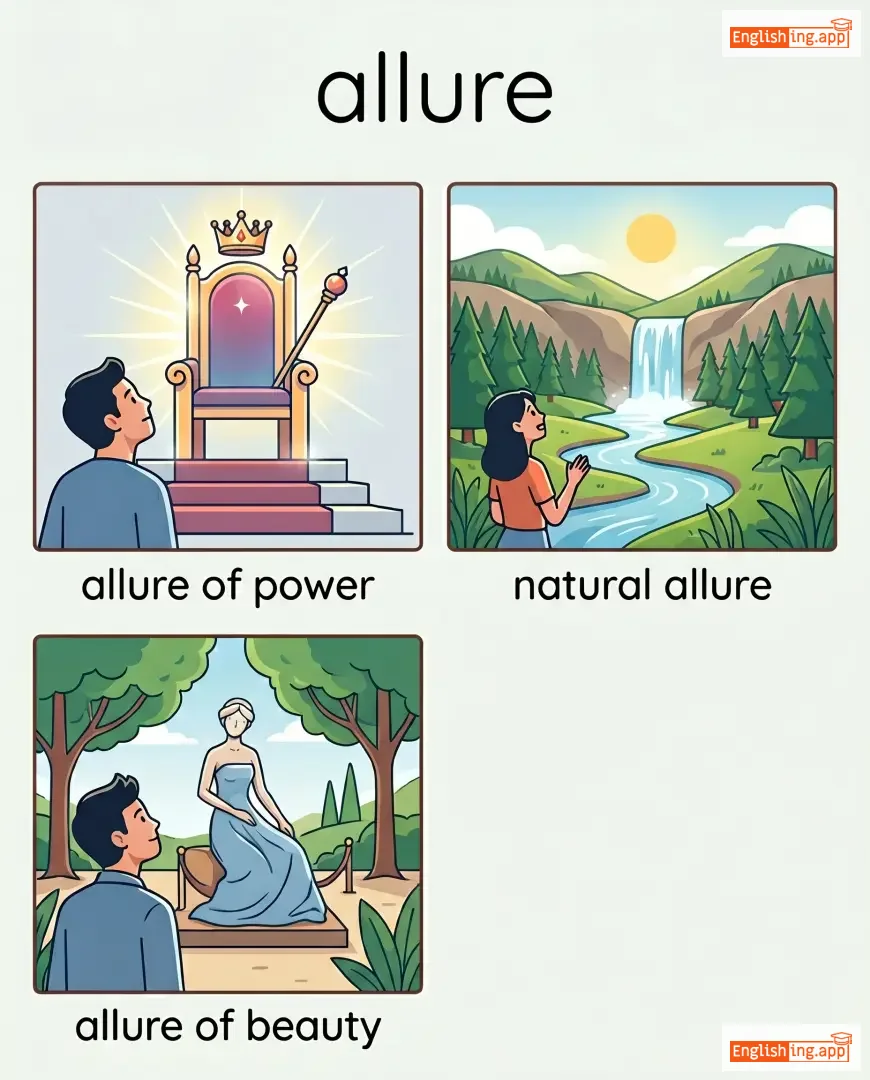
allure of power, natural allure, allure of beauty, allure tourists
••••••
|
Allureは魅力を意味します、皆を引き寄せる光のように!
••••••
|
|
#319
💭
|
/əˈluːd/
verb
(アリュード)
••••••
|
- •••••• |
ほのめかす
honomekasu
••••••
|
alluded
アリューディッド
••••••
|
alluded
アリューディッド
••••••
|
alludes
アリューズ
••••••
|
alluding
アリューディング
••••••
|
To refer to something indirectly or casually.
••••••
|
The professor alluded to Shakespeare during the lecture.
教授は講義中にシェイクスピアに言及した。
••••••
|
教授は講義中にシェイクスピアに言及した。
Kyōju wa kōgichū ni Sheikusupia ni genkyū shita.
••••••
|
allude to
あいまいに言及する
••••••
|
to make an indirect reference to
••••••
|
あいまいに言及する
aimai ni genkyū suru
••••••
|
refer, hint, suggest, imply, mention
••••••
|
declare, state, announce
••••••
|
allude to a topic, allude briefly, allude indirectly, allude in speech
••••••
|
Alludeは‘全て’+‘暗示’→常に暗示がある
••••••
|
|
#320
⚙️
|
/ˈælɔɪ/
noun
(アロイ)
••••••
|
|
合金
gokin
••••••
|
- •••••• | - •••••• | - •••••• | - •••••• |
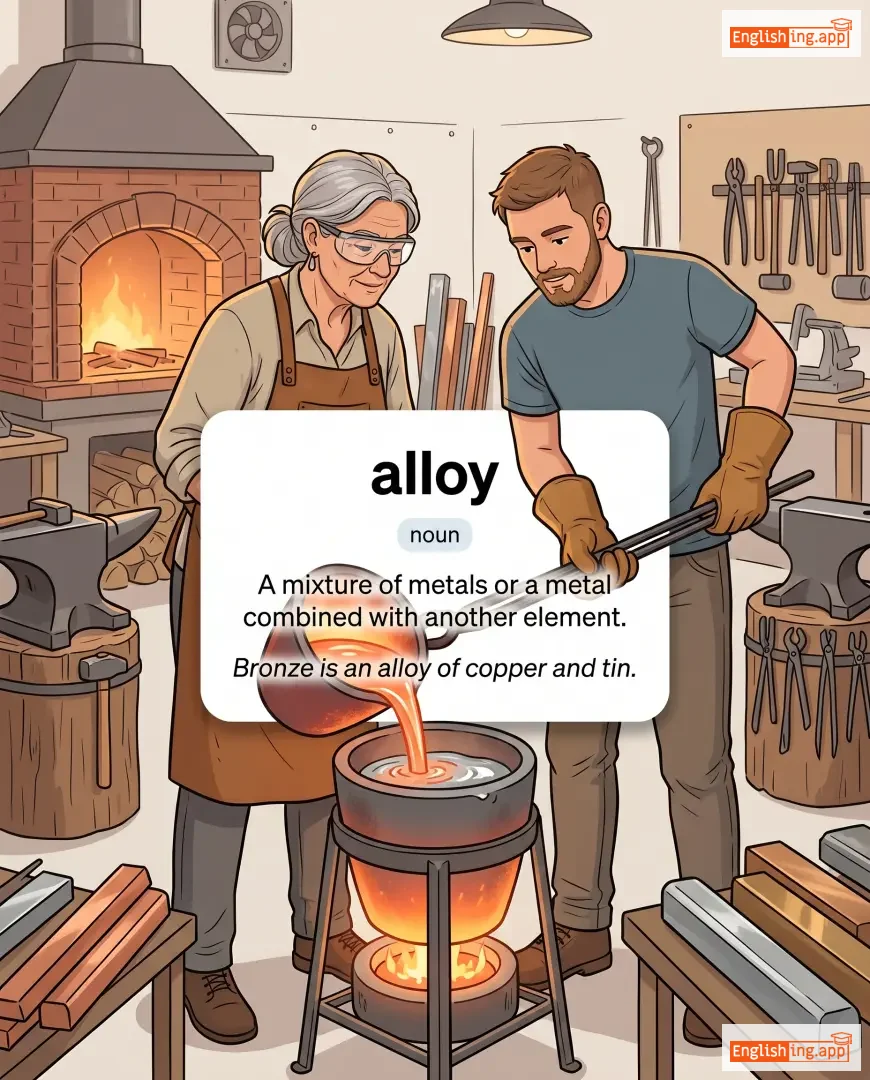
A mixture of metals or a metal combined with another element.
••••••
|
Bronze is an alloy of copper and tin. |
ブロンズは銅とスズの合金です。
Buronzu wa dō to suzu no gokin desu.
••••••
|
- •••••• | - •••••• | - •••••• |
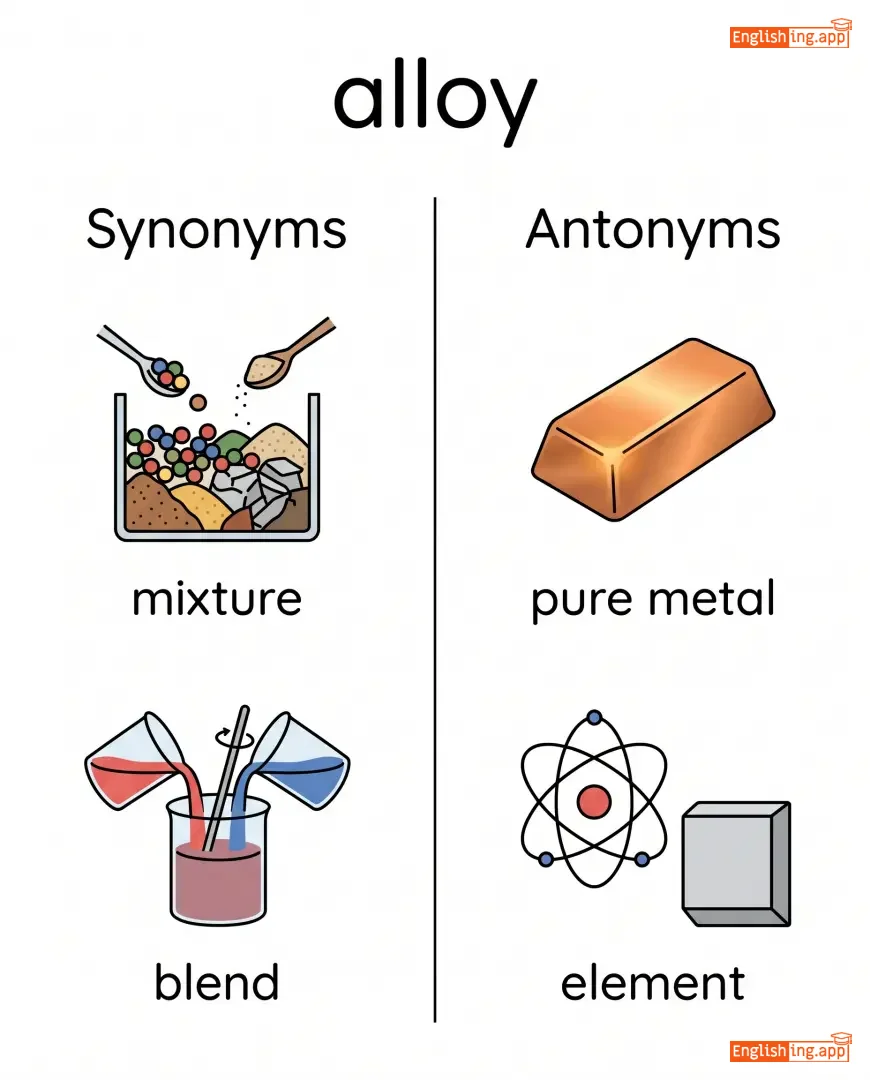
mixture, blend, composite, amalgam, fusion
••••••
|
pure metal, element
••••••
|
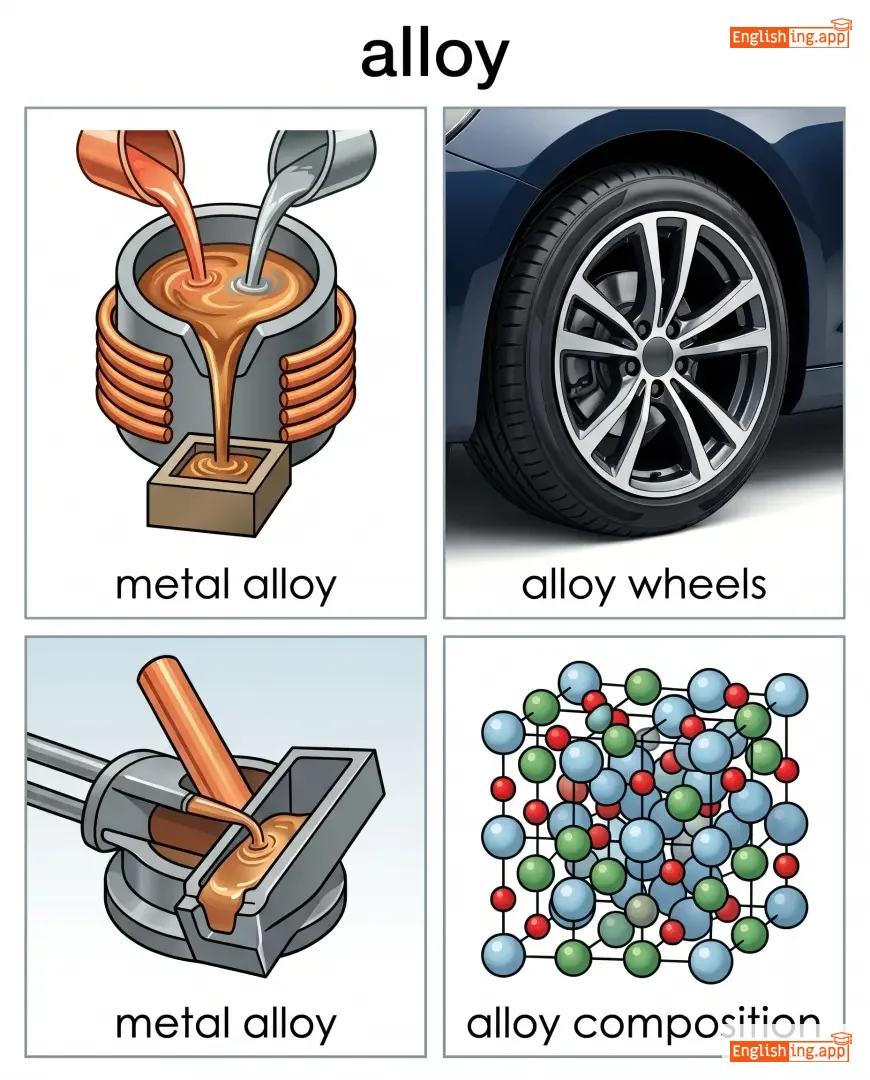
metal alloy, alloy wheels, alloy composition, alloy steel
••••••
|
Alloy=All + oy (金属を混ぜる)
••••••
|
|
#321
📦
|
/əˈlɒtmənt/
noun
(アロットメント)
••••••
|
|
配分
haibun
••••••
|
- •••••• | - •••••• | - •••••• | - •••••• |
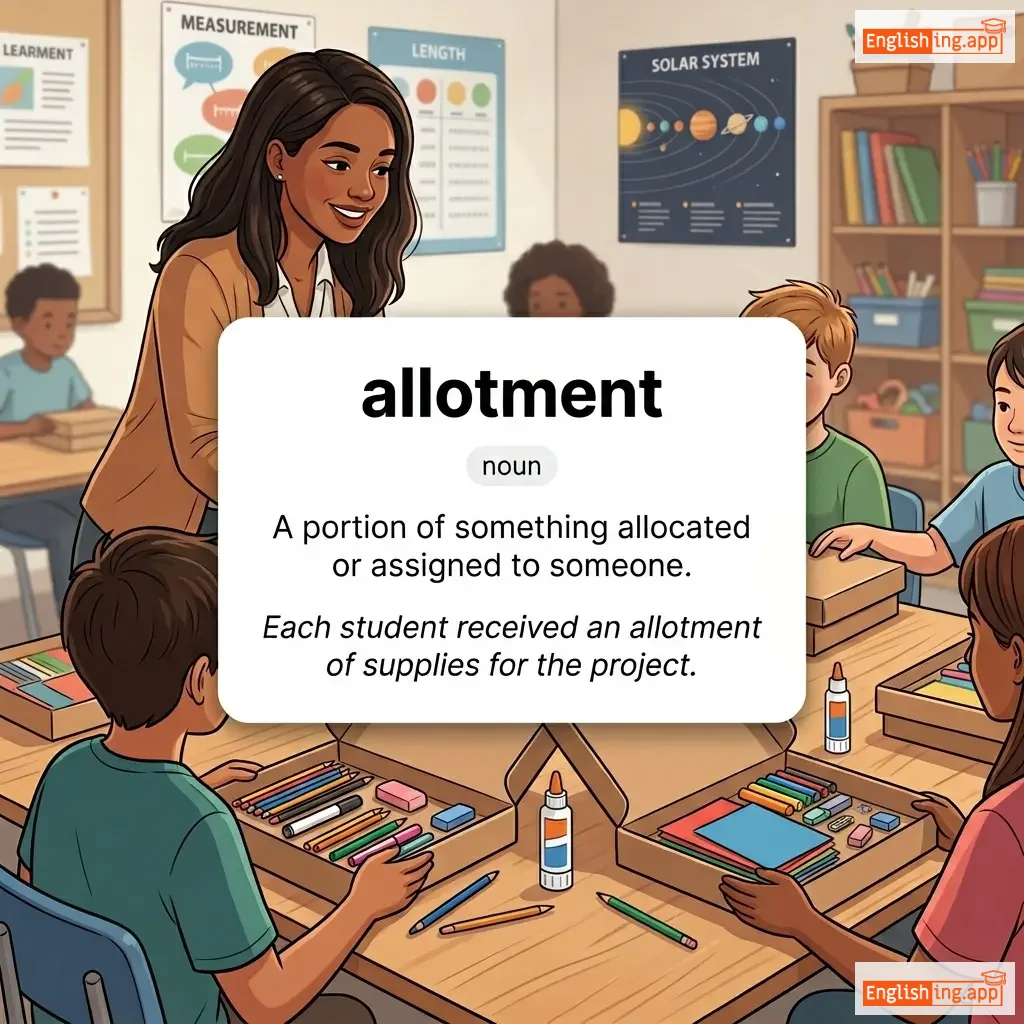
A portion of something allocated or assigned to someone.
••••••
|
Each student received an allotment of supplies for the project. |
各学生はプロジェクトのための供給物資の配分を受け取りました。
Kaku gakusei wa purojekuto no tame no kyōkyū busshi no haibun o uketorimashita.
••••••
|
- •••••• | - •••••• | - •••••• |
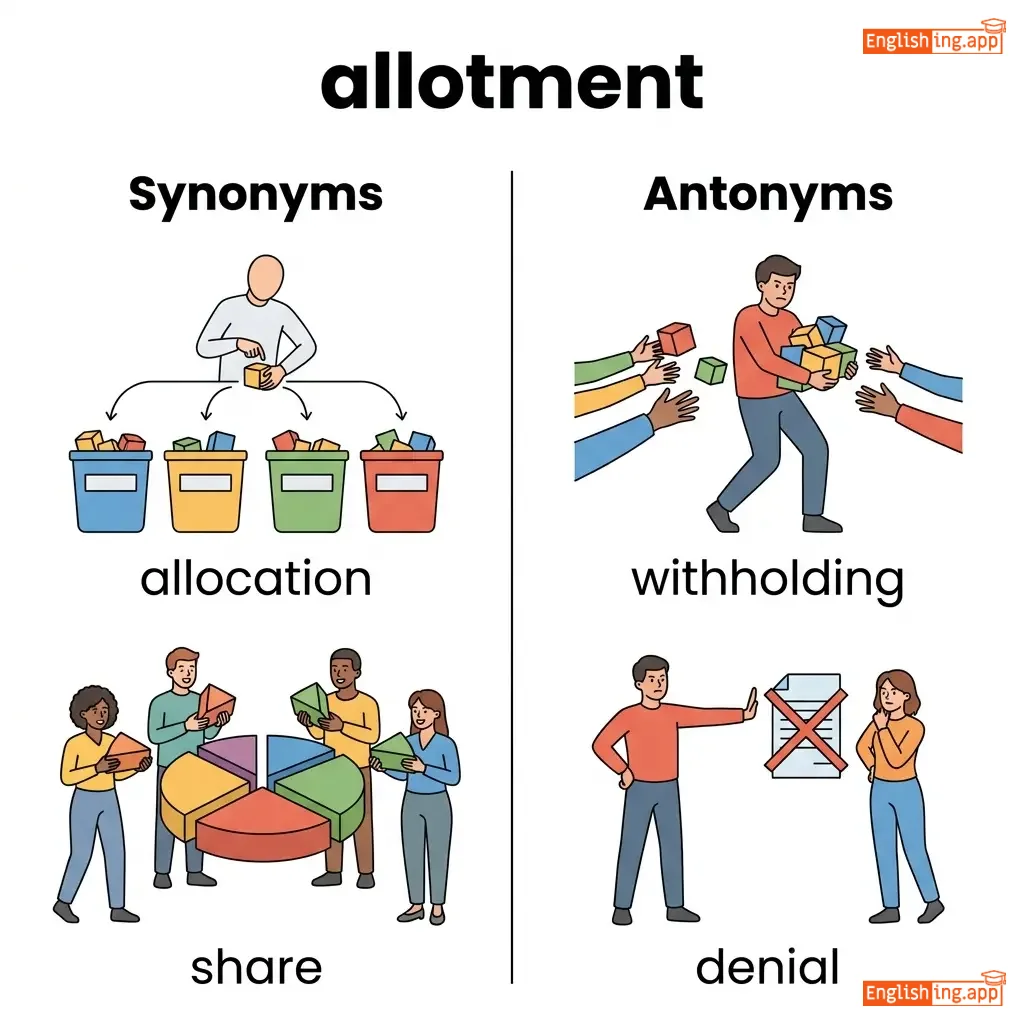
allocation, share, portion, quota, grant
••••••
|
withholding, denial, refusal
••••••
|
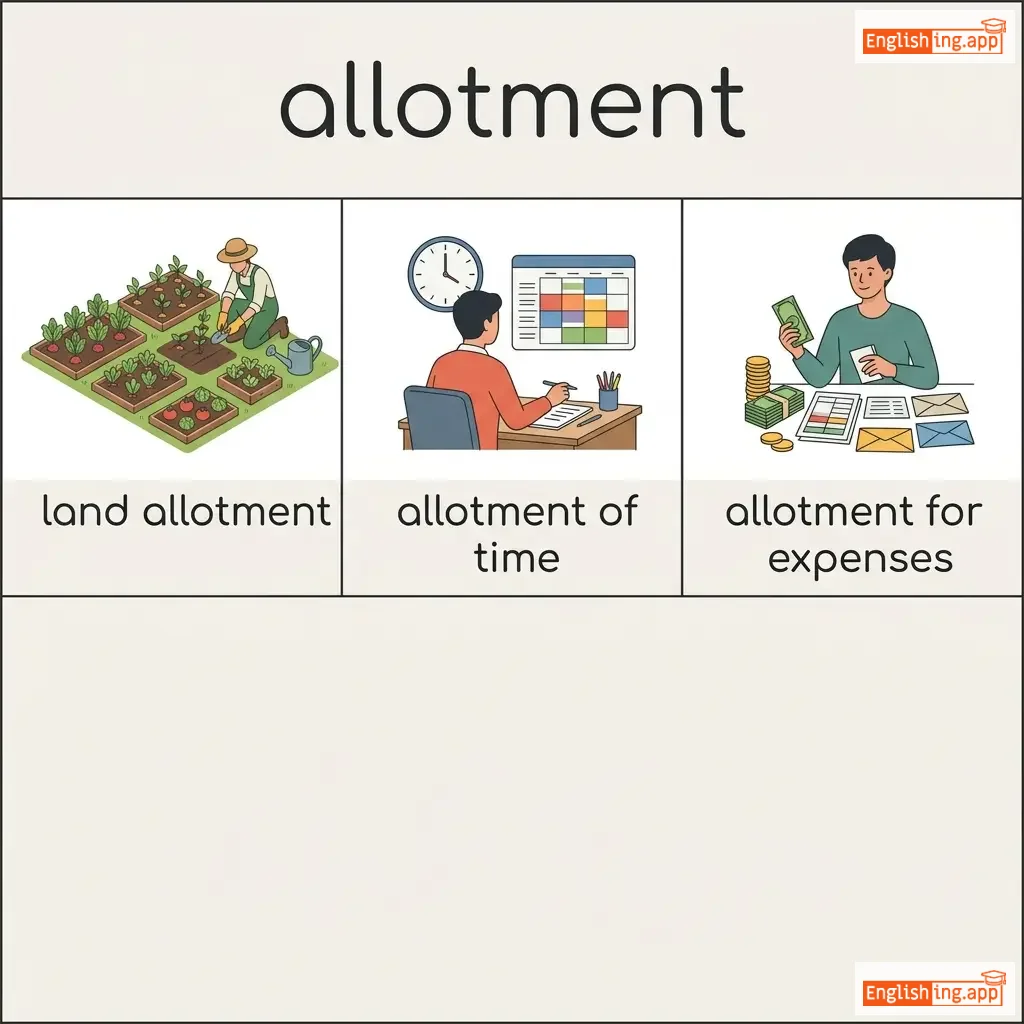
land allotment, allotment of time, allotment for expenses, allotment share
••••••
|
Allotmentは何かを分けること、例えば‘配分する’
••••••
|
|
#322
⏱️
|
/əˈlɒt/
verb
(ハピネス)
••••••
|
- •••••• |
幸せ
shiawase
••••••
|
allotted
••••••
|
allotted
••••••
|
allots
••••••
|
allotting
••••••
|
to give or assign something, often a share or portion, to someone
••••••
|
Each student was allotted ten minutes to present.
彼女は賞を受け取ったとき、幸福を隠すことができませんでした。
••••••
|
彼女は賞を受け取ったとき、幸福を隠すことができませんでした。
Kanojo wa shō o uketotta toki, kōfuku o kakusu koto ga dekimasen deshita.
••••••
|
allot time
幸せを求める
••••••
|
to assign a specific amount of time for something
••••••
|
幸せを求める
Shiawase o motomeru
••••••
|
assign, distribute, apportion, allocate, grant
••••••
|
deny, refuse
••••••
|
allot time, allot funds, allot space, allot tasks
••••••
|
幸せ = 幸せな時間 = 時間を大切に、あなたが幸せを感じる瞬間を作りましょう。
••••••
|
|
#323
📊
|
/ˈæləkeɪt/
verb
(アロケート)
••••••
|
- •••••• |
割り当てる
wariauteru
••••••
|
allocated
アロケーテッド
••••••
|
allocated
アロケーテッド
••••••
|
allocates
アロケーツ
••••••
|
allocating
アロケーティング
••••••
|
to distribute or assign resources, duties, or responsibilities for a specific purpose
••••••
|
The manager allocated funds for the new project.
マネージャーは新しいプロジェクトのために資金を割り当てました。
••••••
|
マネージャーは新しいプロジェクトのために資金を割り当てました。
Manējā wa atarashī purojekuto no tame ni shikin o wariatemashita.
••••••
|
allocate resources
リソースを割り当てる
••••••
|
to distribute resources to different tasks or purposes
••••••
|
リソースを割り当てる
Risōsu o wariateru
••••••
|
assign, distribute, designate, apportion, allot
••••••
|
withhold, retain
••••••
|
allocate time, allocate resources, allocate funds, allocate tasks
••••••
|
Allocateは割り当てる意味です — リソース(資源)を分けて、目的に合わせて割り当てましょう。
••••••
|
|
#324
📖
|
/əˌlɪtəˈreɪʃən/
noun
(アリテレーション)
••••••
|
- •••••• |
頭韻
touin
••••••
|
- •••••• | - •••••• | - •••••• | - •••••• |
the occurrence of the same consonant sound at the beginning of words in close succession
••••••
|
She used alliteration in her poem to add musicality.
彼女は詩の中で音楽性を加えるためにアリテレーションを使用しました。
••••••
|
彼女は詩の中で音楽性を加えるためにアリテレーションを使用しました。
Kanojo wa shi no naka de ongakusei o kuwaeru tame ni aritēreshon o shiyou shimashita.
••••••
|
- •••••• | - •••••• | - •••••• |
repetition, rhyme, echo, consonance
••••••
|
variation, dissimilarity
••••••
|
use alliteration, poetic alliteration, strong alliteration
••••••
|
Alliteration = 音の繰り返し = 頭韻
••••••
|
|
#325
🔤
|
/əˈlɪtəreɪt/
verb
(アリテレート)
••••••
|
- •••••• |
頭韻を踏む
touin o fumu
••••••
|
alliterated
アリテレーテッド
••••••
|
alliterated
アリテレーテッド
••••••
|
alliterates
アリテレーツ
••••••
|
alliterating
アリテレーティング
••••••
|
to repeat the same consonant sound at the beginning of words in a phrase or sentence
••••••
|
The poet often alliterates words to create rhythm.
詩人はしばしばリズムを作り出すために言葉をアリテレートします。
••••••
|
詩人はしばしばリズムを作り出すために言葉をアリテレートします。
Shijin wa shibashiba rizumu o tsukuri dasu tame ni kotoba o aritereeto shimasu.
••••••
|
- •••••• | - •••••• | - •••••• |
repeat, echo, rhyme, iterate
••••••
|
differ, vary
••••••
|
alliterate words, alliterate sounds, poet alliterates, alliterate phrases
••••••
|
Alliterateは頭韻を踏むことです — すべての言葉が同じ音で始まります!
••••••
|
|
#326
🤝
|
/əˈlaɪəns/
noun
(アライアンス)
••••••
|
|
同盟
dōmei
••••••
|
- •••••• | - •••••• | - •••••• | - •••••• |
a formal agreement or union between groups, countries, or organizations for mutual benefit
••••••
|
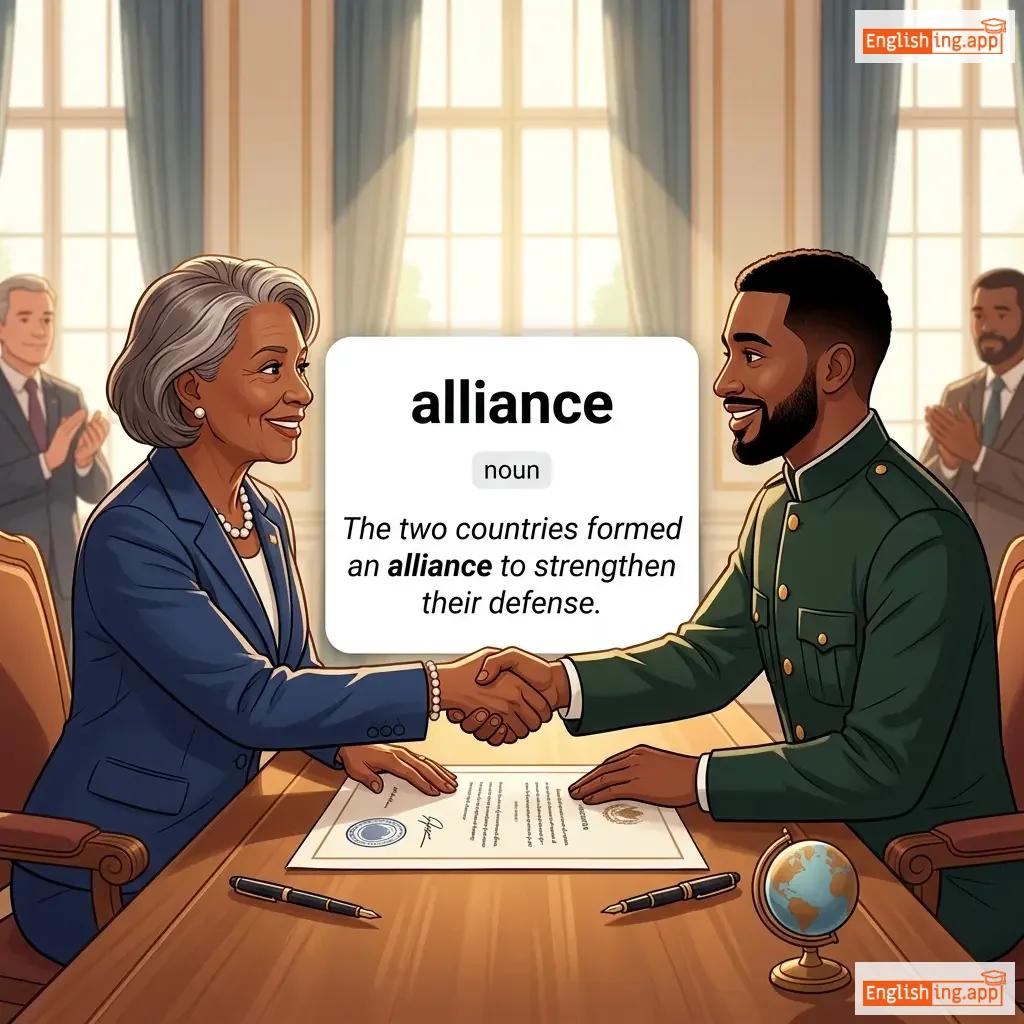
The two countries formed an alliance to strengthen their defense.
二つの国は防衛を強化するために同盟を結んだ。
••••••
|
二つの国は防衛を強化するために同盟を結んだ。
Futatsu no kuni wa bōei o kyōka suru tame ni dōmei o musunda.
••••••
|
form an alliance
同盟を結ぶ
••••••
|
to create a partnership or union for a shared purpose
••••••
|
同盟を結ぶ
Dōmei o musubu
••••••
|
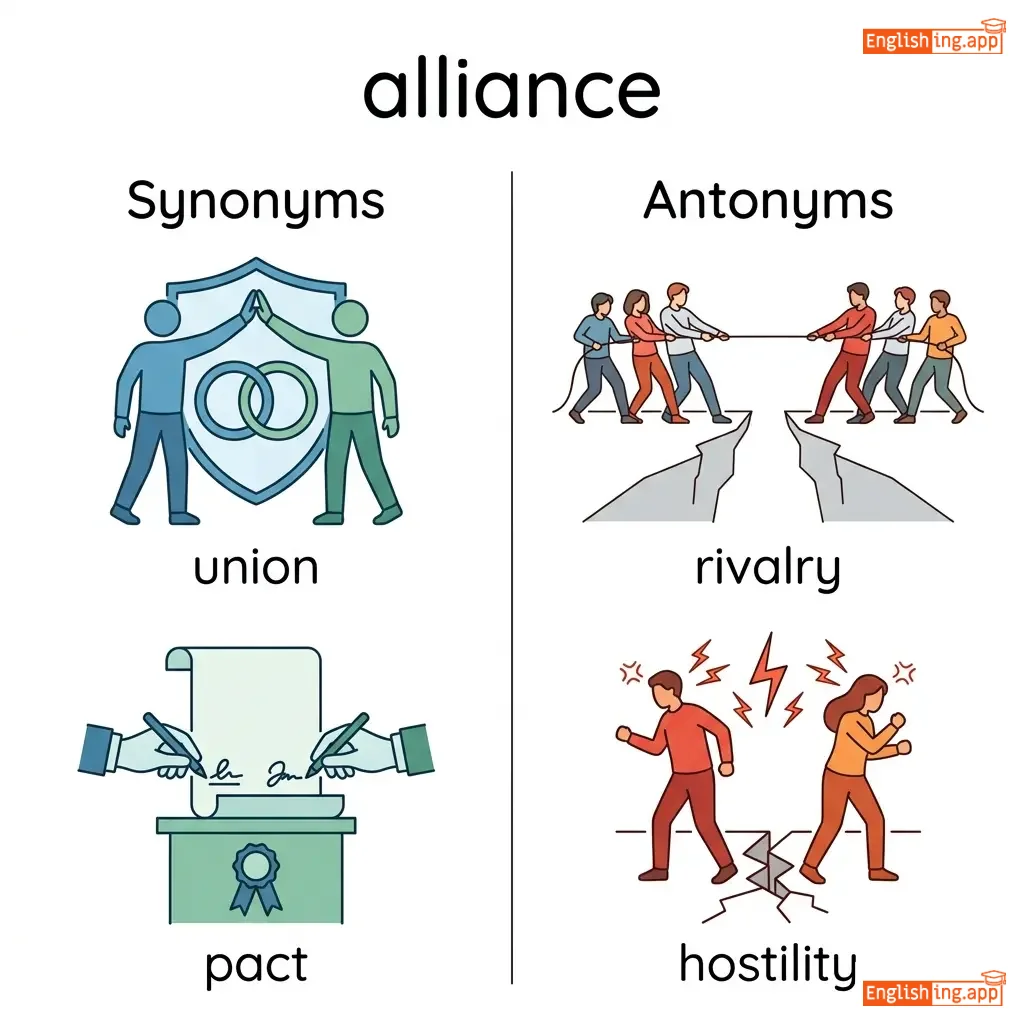
union, pact, partnership, coalition, federation
••••••
|
rivalry, hostility, separation
••••••
|
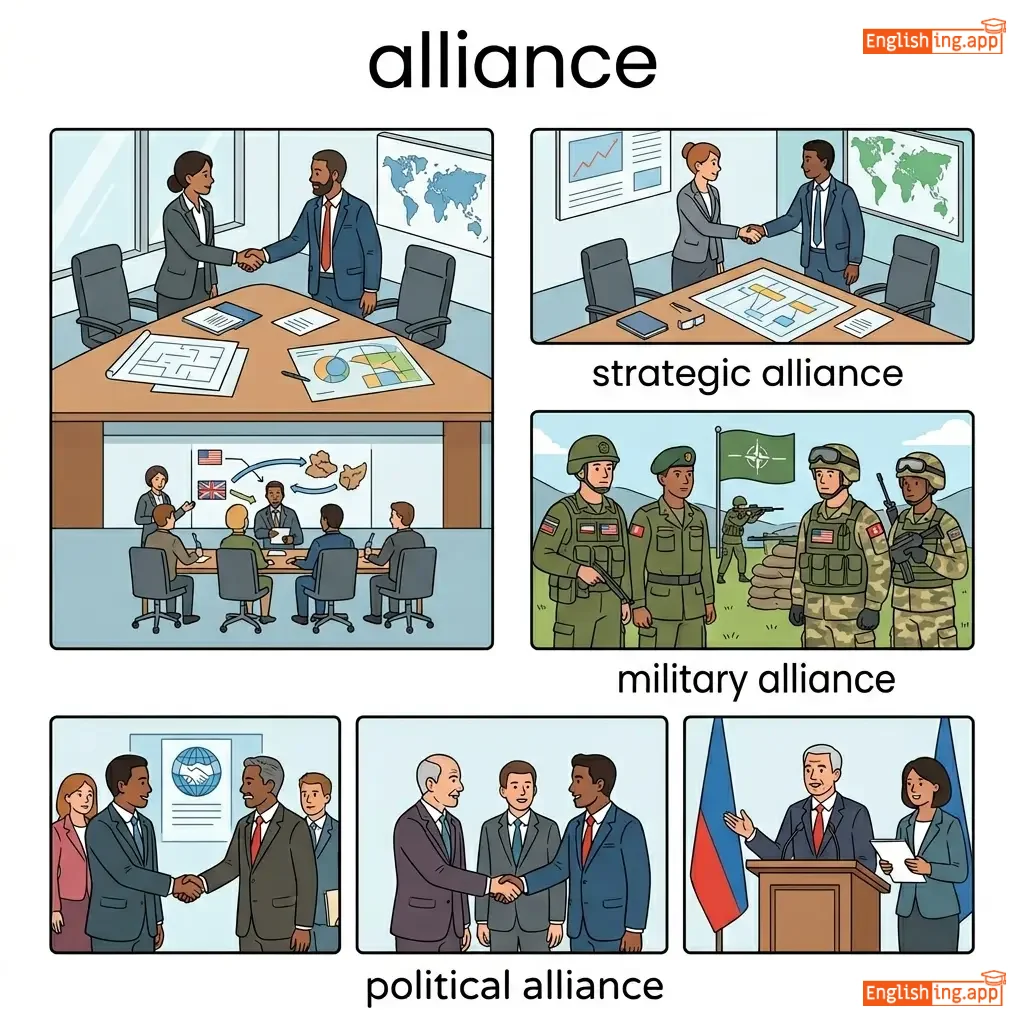
strategic alliance, military alliance, political alliance, business alliance
••••••
|
同盟は協力 — 連携して同盟を結ぶ。
••••••
|
|
#327
🏙️
|
/ˈæli/
noun
(アリー)
••••••
|
- •••••• |
路地
roji
••••••
|
- •••••• | - •••••• | - •••••• | - •••••• |
a narrow passageway between or behind buildings
••••••
|
They walked through a dark alley to reach the main road. |
彼らは暗い路地を通って、メインの道路に到達した。
Karera wa kurai roji o tōtte, mein no dōro ni tōtatsu shita.
••••••
|
bowling alley |
a place where people play bowling
••••••
|
ボウリング場
bōringu jō
••••••
|
lane, passage, pathway, corridor
••••••
|
boulevard, avenue
••••••
|
dark alley, narrow alley, back alley, bowling alley
••••••
|
Alley は路地を意味し、ボウリング場はみんなが遊ぶ場所。
••••••
|
|
#328
💊
|
/əˈliːvieɪt/
verb
(アリビエイト)
••••••
|
|
和らげる
yawarageru
••••••
|
alleviated
アリビエイテッド
••••••
|
alleviated
アリビエイテッド
••••••
|
alleviates
アリビエイツ
••••••
|
alleviating
アリビエイティング
••••••
|
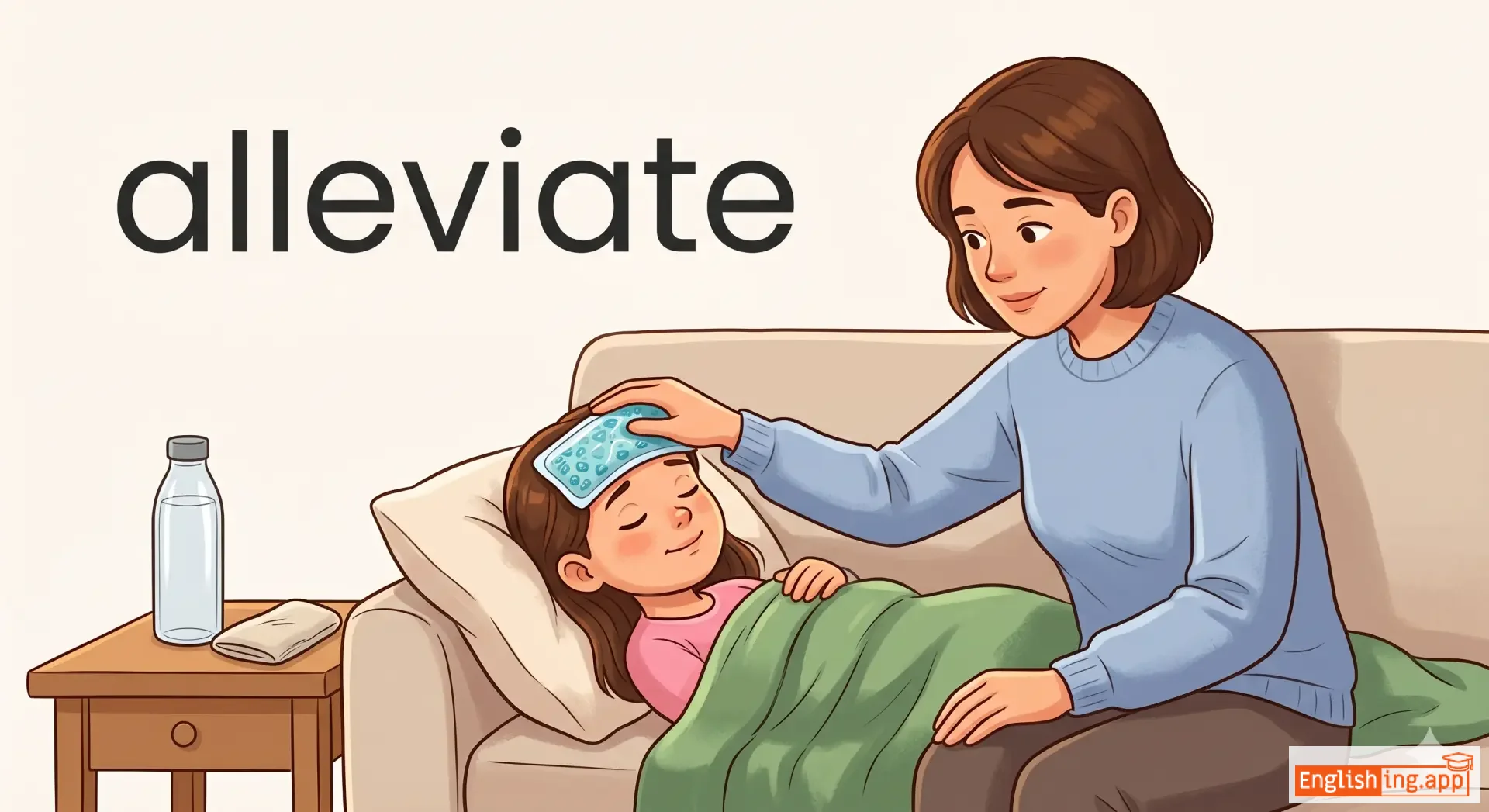
to make suffering, pain, or a problem less severe
••••••
|
The medicine helped alleviate her headache.
その薬は頭痛を軽減するのに役立ちました。
••••••
|
その薬は頭痛を軽減するのに役立ちました。
Sono kusuri wa zutsuu o keigen suru no ni yakudachimashita.
••••••
|
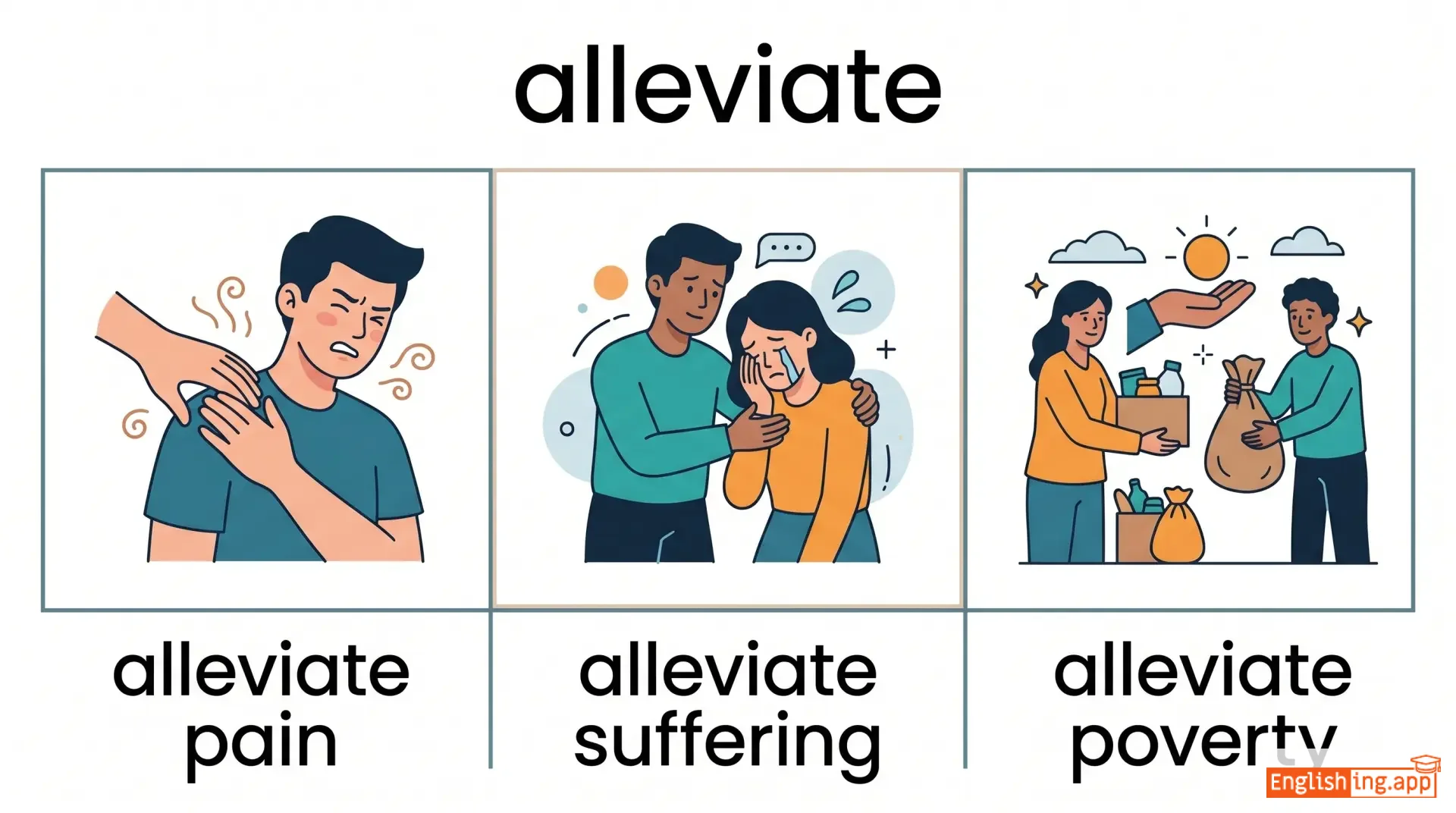
alleviate suffering
苦しみを軽減する
••••••
|
to reduce someone's suffering
••••••
|
苦しみを軽減する
kurushimi o keigen suru
••••••
|
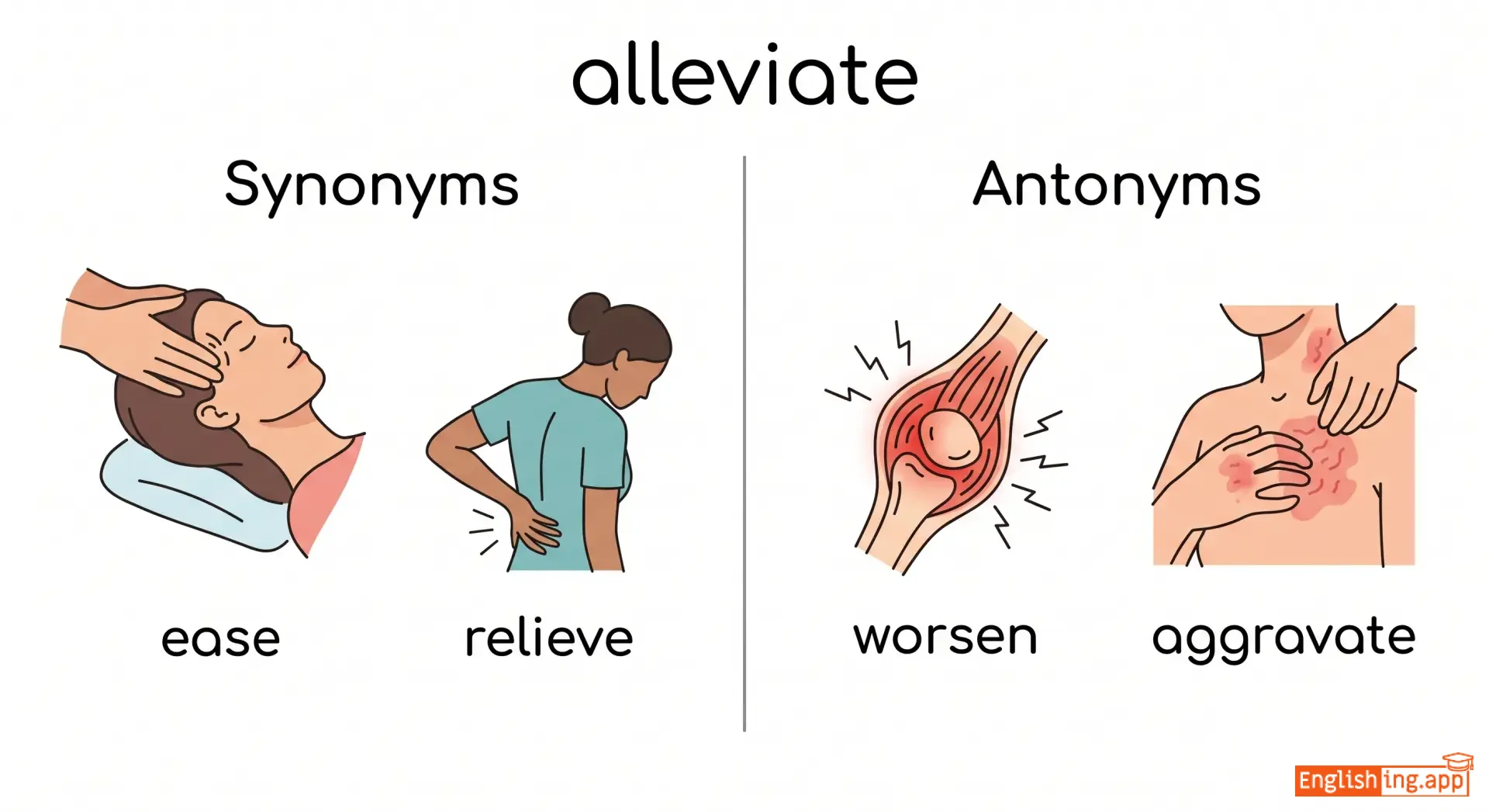
ease, relieve, lessen, mitigate, reduce
••••••
|
worsen, aggravate, intensify
••••••
|
alleviate pain, alleviate suffering, alleviate poverty, alleviate symptoms
••••••
|
Yawarageru は痛みを和らげることを意味します (和らげる)。
••••••
|
|
#329
📖
|
/ˈælɪɡəri/
noun
(アレゴリー)
••••••
|
- •••••• |
寓話
gūwa
••••••
|
- •••••• | - •••••• | - •••••• | - •••••• |
a story, poem, or picture that can be interpreted to reveal a hidden meaning, often moral or political
••••••
|
The novel is an allegory of the struggle between good and evil. |
その小説は善と悪の闘争の寓話です。
Sono shōsetsu wa zen to aku no tōsō no gūwa desu.
••••••
|
- •••••• | - •••••• | - •••••• |
parable, fable, symbolism, metaphor
••••••
|
literal, reality
••••••
|
political allegory, moral allegory, allegory of life, use of allegory
••••••
|
Allegory = 'All' + 'story' (隠れた意味を明らかにする物語).
••••••
|
|
#330
🇺🇸
|
/əˈliːdʒəns/
noun
••••••
|
|
- •••••• | - •••••• | - •••••• | - •••••• | - •••••• |
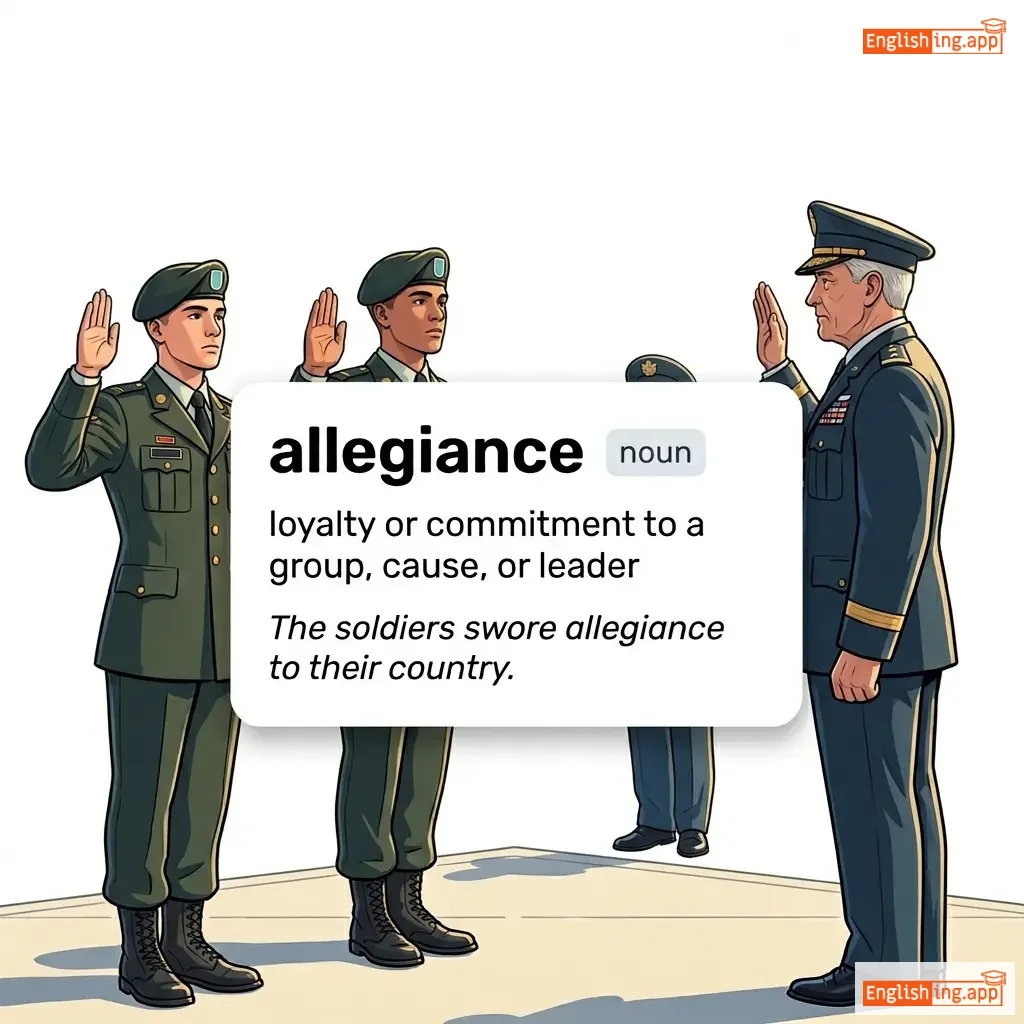
loyalty or commitment to a group, cause, or leader
••••••
|
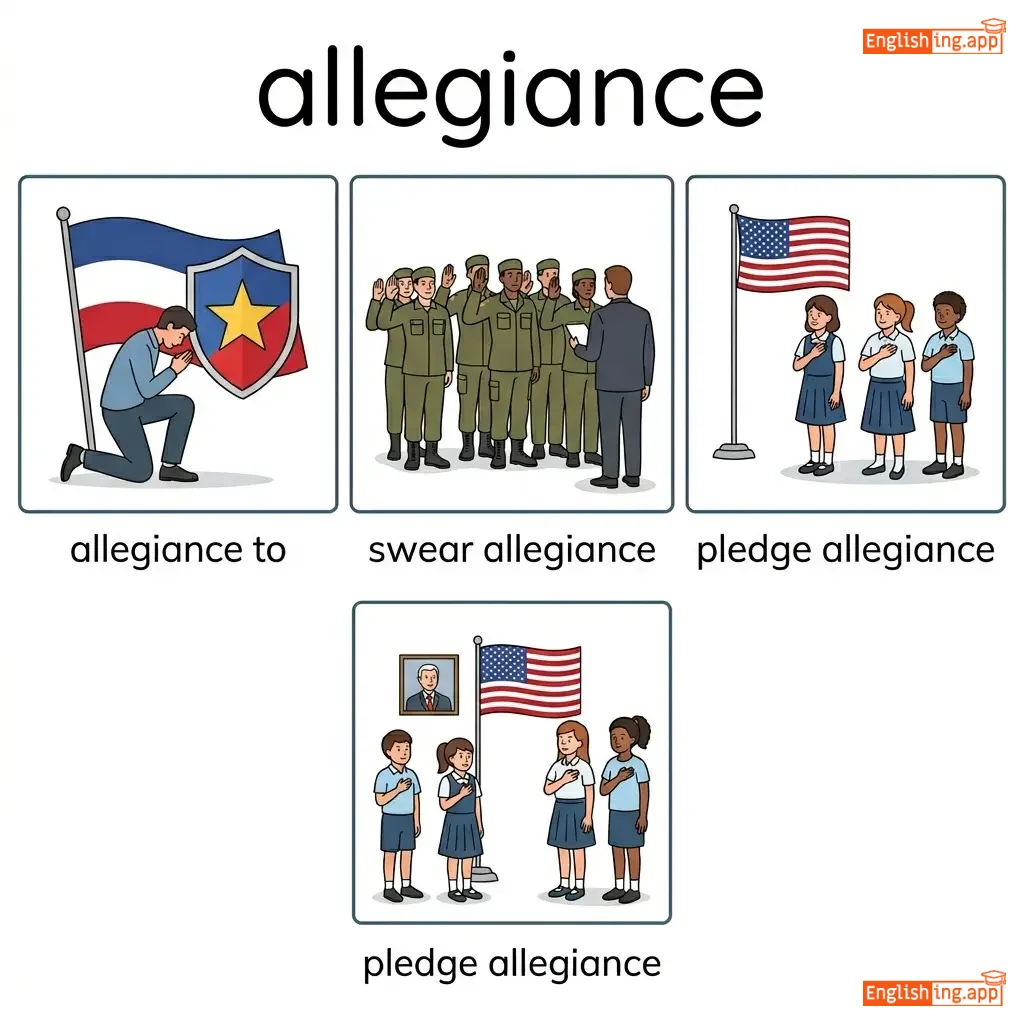
The soldiers swore allegiance to their country. |
- •••••• |
swear allegiance |
to formally promise loyalty
••••••
|
- •••••• |
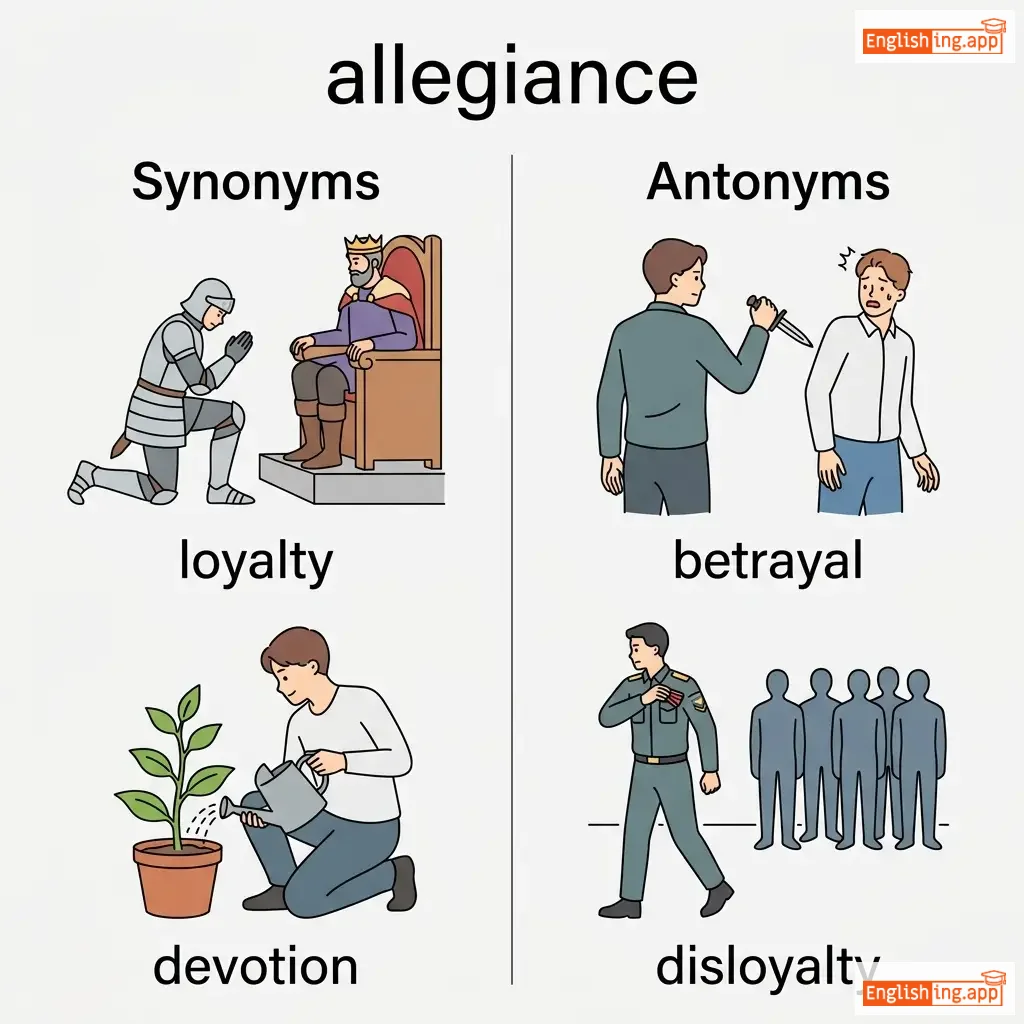
loyalty, devotion, faithfulness, fidelity
••••••
|
betrayal, disloyalty, treachery
••••••
|
allegiance to, swear allegiance, pledge allegiance, loyalty and allegiance
••••••
|
No •••••• |
Vocabulary Quiz
Test your vocabulary by matching words with their translations or meanings.
Login to take the quiz
Comments (0)
Share your thoughts and join the discussion.
Join the discussion by logging in
Login to CommentNo comments yet
Be the first to share your thoughts!