

翻訳
過去
過去分詞
三人称単数
動名詞
意味
例文
例文の翻訳
同義語
対義語
コロケーション
ニーモニック


Swipe left or right, or use the buttons. Tap image to zoom.
例文の翻訳
単語
Lesson 343Lesson 343 - マスクトグル
|
絵文字
|
単語 | Images | 翻訳 | 過去 | 過去分詞 | 三人称単数 | 動名詞 | 意味 | 例文 | 例文の翻訳 | 表現例 | 表現例の意味 | 表現例の翻訳 | 同義語 | 対義語 | コロケーション | ニーモニック |
|---|---|---|---|---|---|---|---|---|---|---|---|---|---|---|---|---|---|
|
#10255
⚡
|
/ˌʌnfɔːrˈsiːn/
adjective
••••••
|
- •••••• | - •••••• | - •••••• | - •••••• | - •••••• | - •••••• |
Not anticipated or predicted; unexpected.
••••••
|
The project faced unforeseen challenges that delayed its completion. |
- •••••• | - •••••• | - •••••• | - •••••• |
unexpected, surprising, unpredicted, sudden, abrupt
••••••
|
expected, predicted, anticipated
••••••
|
unforeseen circumstances, unforeseen events, unforeseen difficulties, unforeseen problems
••••••
|
No •••••• |
|
#10256
📢
|
/ˈveɪkənsi/
noun
(ベイカンシー)
••••••
|
- •••••• |
空席
kūseki
••••••
|
- •••••• | - •••••• | - •••••• | - •••••• |
An unoccupied position or available space.
••••••
|
There is a job vacancy at the bank. |
銀行に求人の空席があります。
Ginkou ni kyūjin no kūseki ga arimasu.
••••••
|
vacant position |
An unfilled job or office.
••••••
|
空いているポジション
Aiteiru pojishon
••••••
|
opening, position, job, space, slot
••••••
|
occupation, fullness, engagement
••••••
|
job vacancy, hotel vacancy, vacancy notice, vacancy sign
••••••
|
空席は休暇のようですが、仕事のために空いている場所です。
••••••
|
|
#10257
📆
|
/ˈjuːʒuəli/
adverb
(ユージュアリー)
••••••
|
- •••••• |
通常
tsuujou
••••••
|
- •••••• | - •••••• | - •••••• | - •••••• |
Under normal conditions; most of the time.
••••••
|
She usually walks to school.
彼女は通常歩いて学校に行きます。
••••••
|
彼女は通常歩いて学校に行きます。
Kanojo wa tsuujou aruite gakkou ni ikimasu.
••••••
|
- •••••• | - •••••• | - •••••• |
generally, normally, typically, commonly, habitually
••••••
|
rarely, seldom, unusually
••••••
|
usually happens, usually goes, usually found, usually seen
••••••
|
Usually は通常を意味します - ほとんどの場合、こうなります。
••••••
|
|
#10258
🛠️
|
/juːz/ (verb), /juːs/ (noun)
verb
(yūzu)
••••••
|
|
使う
tsukau
••••••
|
used
yūzudo
••••••
|
used
yūzudo
••••••
|
uses
yūzesu
••••••
|
using
yūzingu
••••••
|
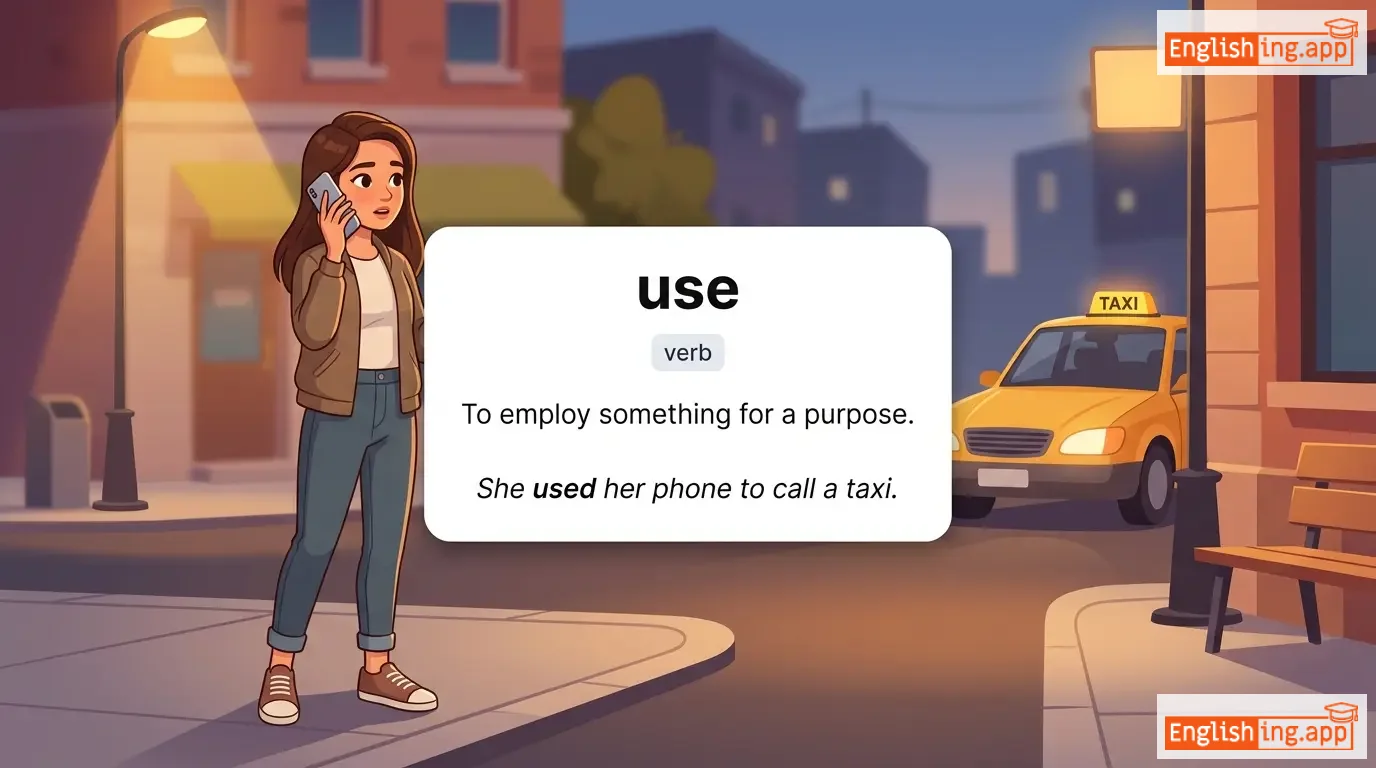
To employ something for a purpose.
••••••
|
She used her phone to call a taxi.
彼女はタクシーを呼ぶために電話を使いました。
••••••
|
彼女はタクシーを呼ぶために電話を使いました。
Kanojo wa takushī o yobu tame ni denwa o tsukaimashita.
••••••
|
make use of
使う
••••••
|
To take advantage of or utilize something.
••••••
|
使う
tsukau
••••••
|
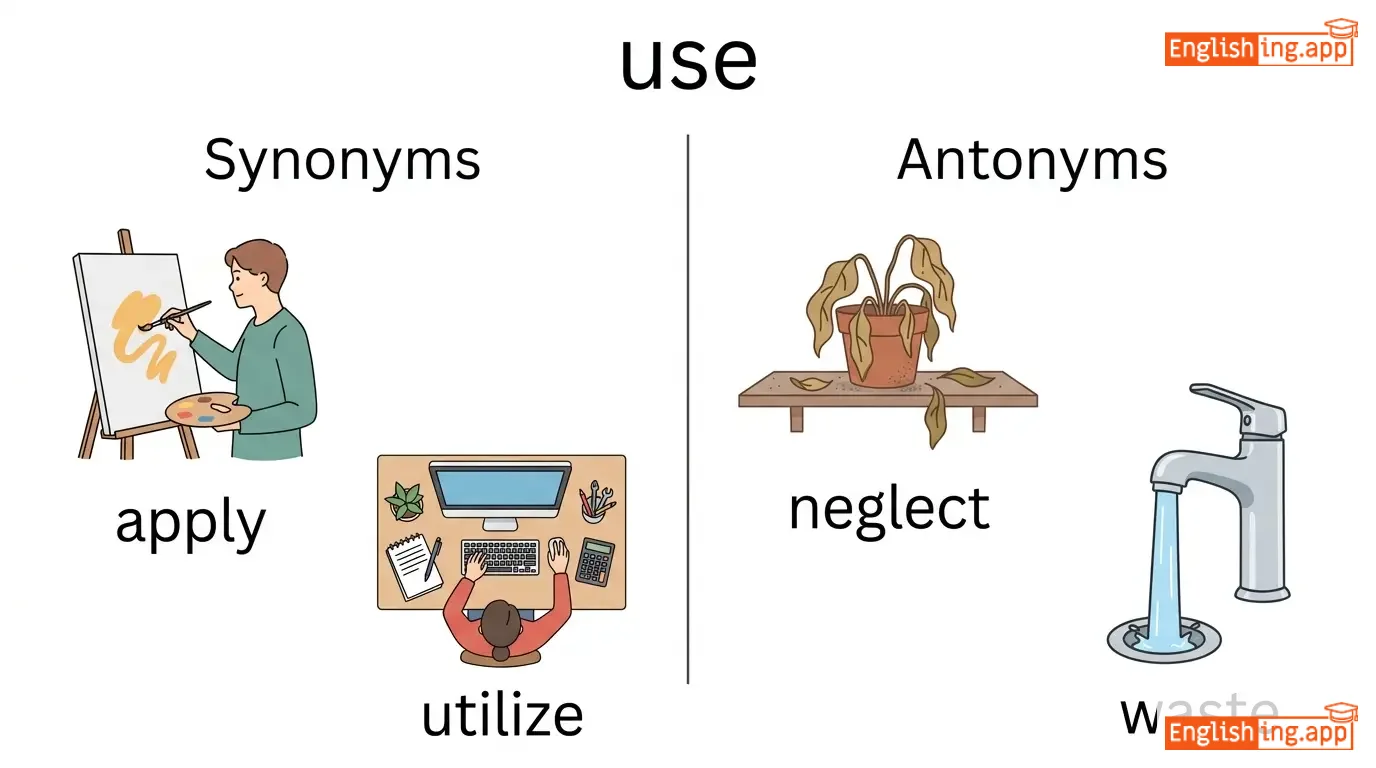
apply, utilize, employ, exploit, handle
••••••
|
neglect, waste, ignore
••••••
|
use time, use opportunity, use resources, use effectively
••••••
|
使うは使うことで、何かを有効に活用すること。
••••••
|
|
#10259
😔
|
/ʌpˈsɛt/
verb
(ʌpˈsɛt)
••••••
|
|
動揺させる
douyou saseru
••••••
|
upset
ʌpˈsɛt
••••••
|
upset
ʌpˈsɛt
••••••
|
upsets
ʌpˈsɛts
••••••
|
upsetting
ʌpˈsɛtɪŋ
••••••
|
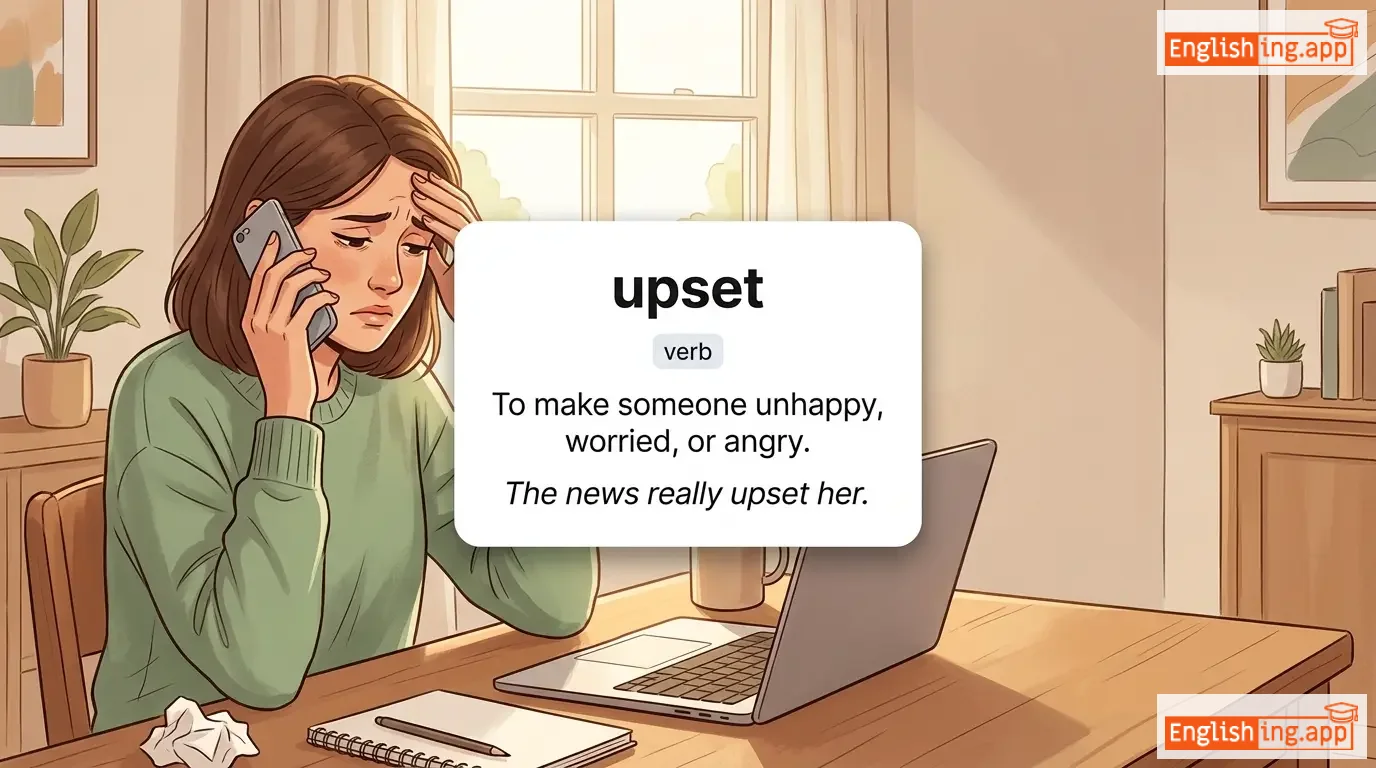
To make someone unhappy, worried, or angry.
••••••
|
The news really upset her.
ðə nuːz rɪəli ʌpˈsɛt hɜːr.
••••••
|
そのニュースは彼女を本当に動揺させました。
Sono nyu-su wa kanojo o hontou ni douyou sasemashita.
••••••
|
upset the apple cart
ʌpˈsɛt ði ˈæpl kɑːt
••••••
|
To spoil or ruin a plan or arrangement.
••••••
|
計画を台無しにする
keikaku o dainashi ni suru
••••••
|
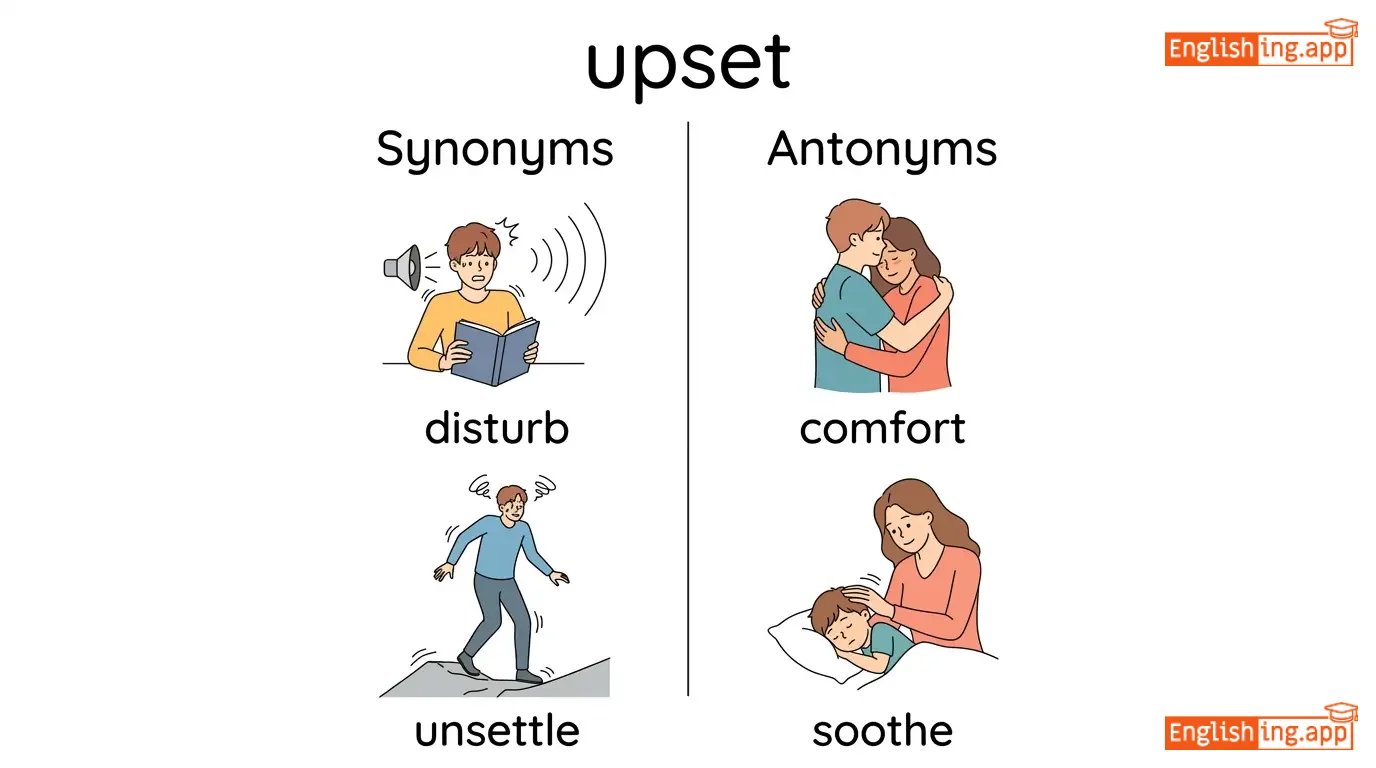
disturb, unsettle, trouble, sadden, anger
••••••
|
comfort, soothe, calm
••••••
|
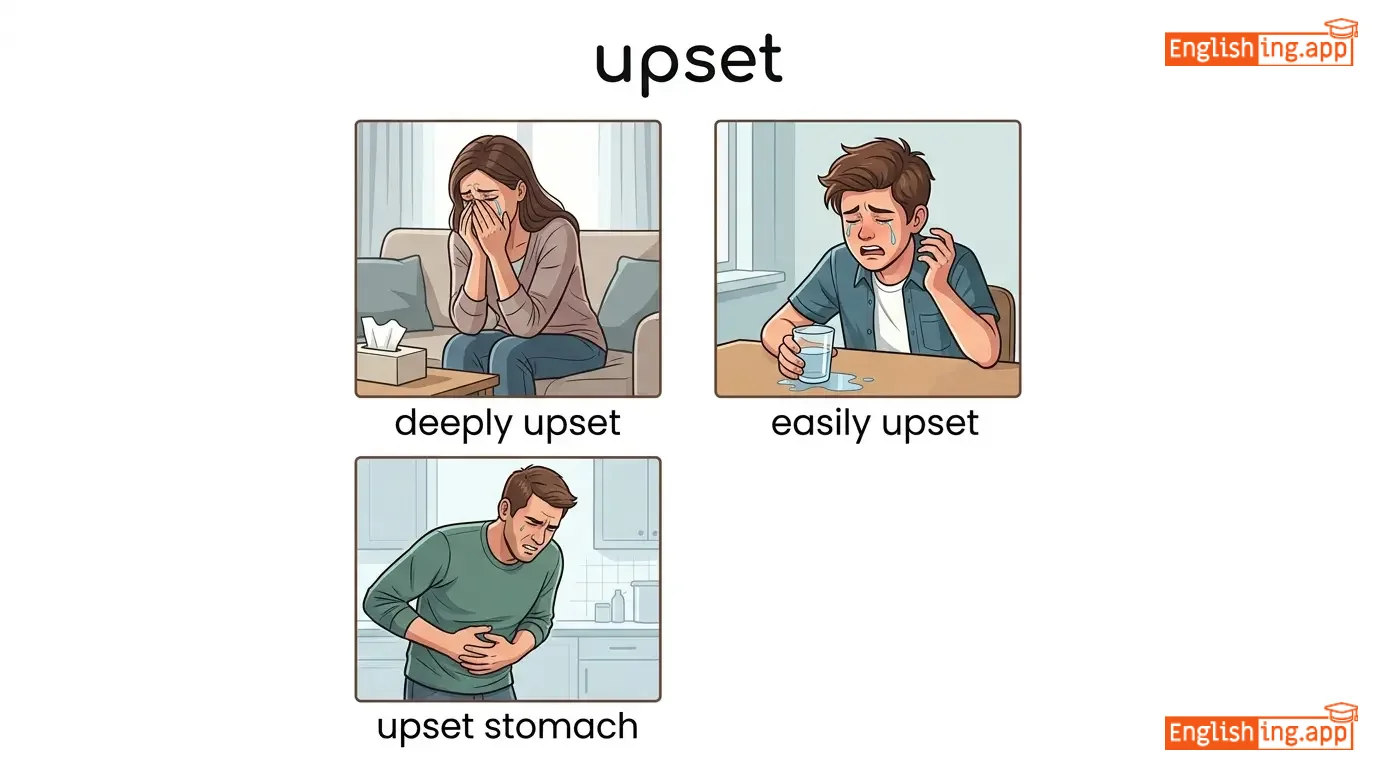
deeply upset, easily upset, upset stomach, upset feelings
••••••
|
Upset は日本語で動揺させるです。
••••••
|
|
#10260
⚔️
|
/ˈʌpraɪzɪŋ/
noun
(apraizing)
••••••
|
|
反乱
hanran
••••••
|
- •••••• | - •••••• | - •••••• | - •••••• |
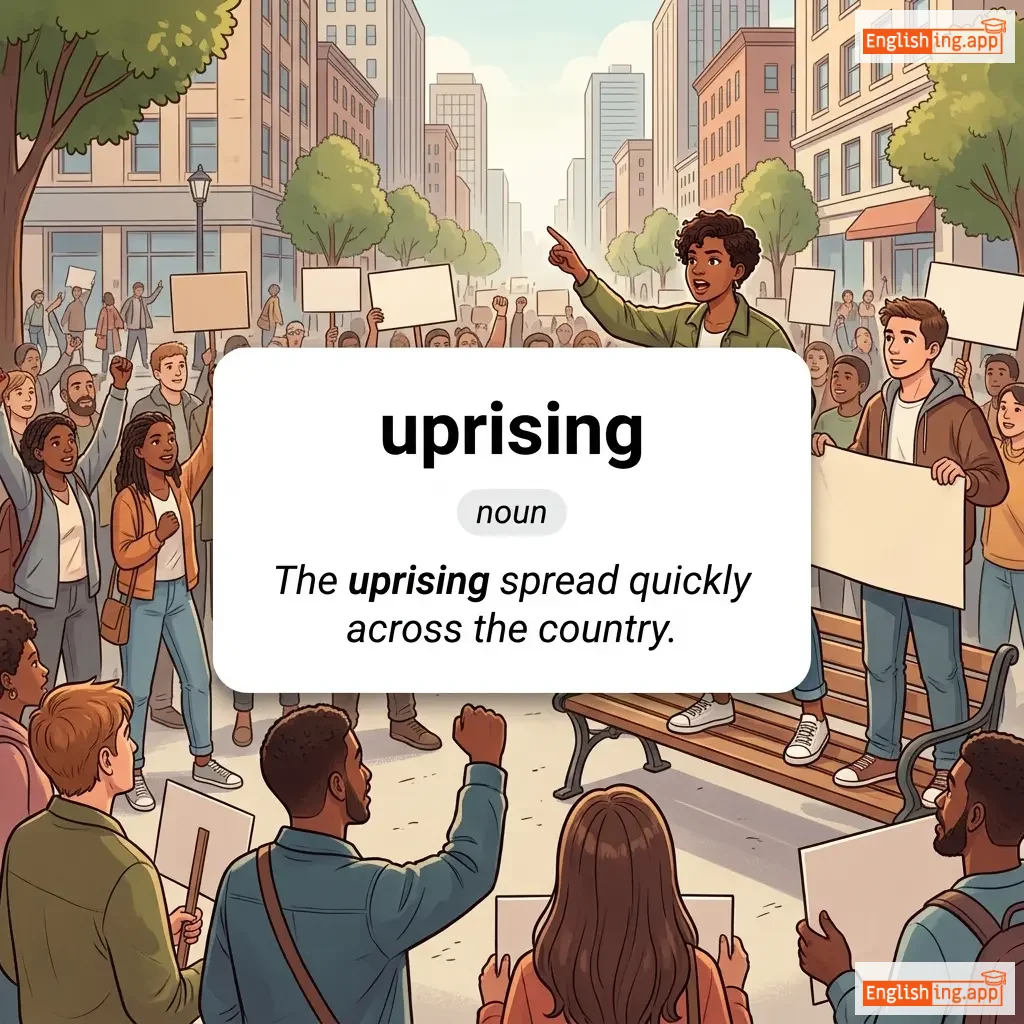
An act of resistance or rebellion; an attempt to overthrow authority or government.
••••••
|
The uprising spread quickly across the country. |
反乱は国全体に急速に広がった。
Hanran wa kuni zentai ni kyūsoku ni hirogatta.
••••••
|
popular uprising |
A mass rebellion by ordinary people against authority.
••••••
|
民衆の反乱
Minshū no hanran
••••••
|
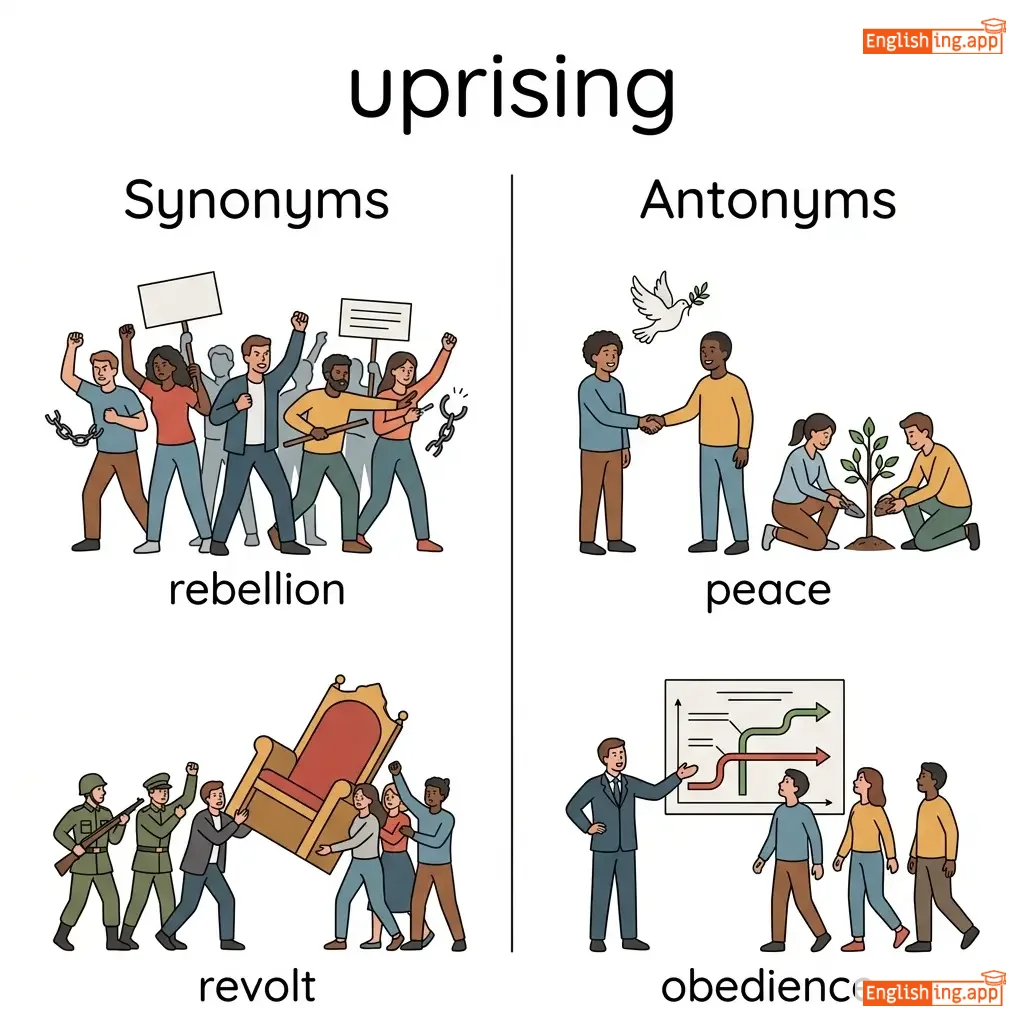
rebellion, revolt, insurrection, mutiny, resistance
••••••
|
peace, obedience, submission
••••••
|
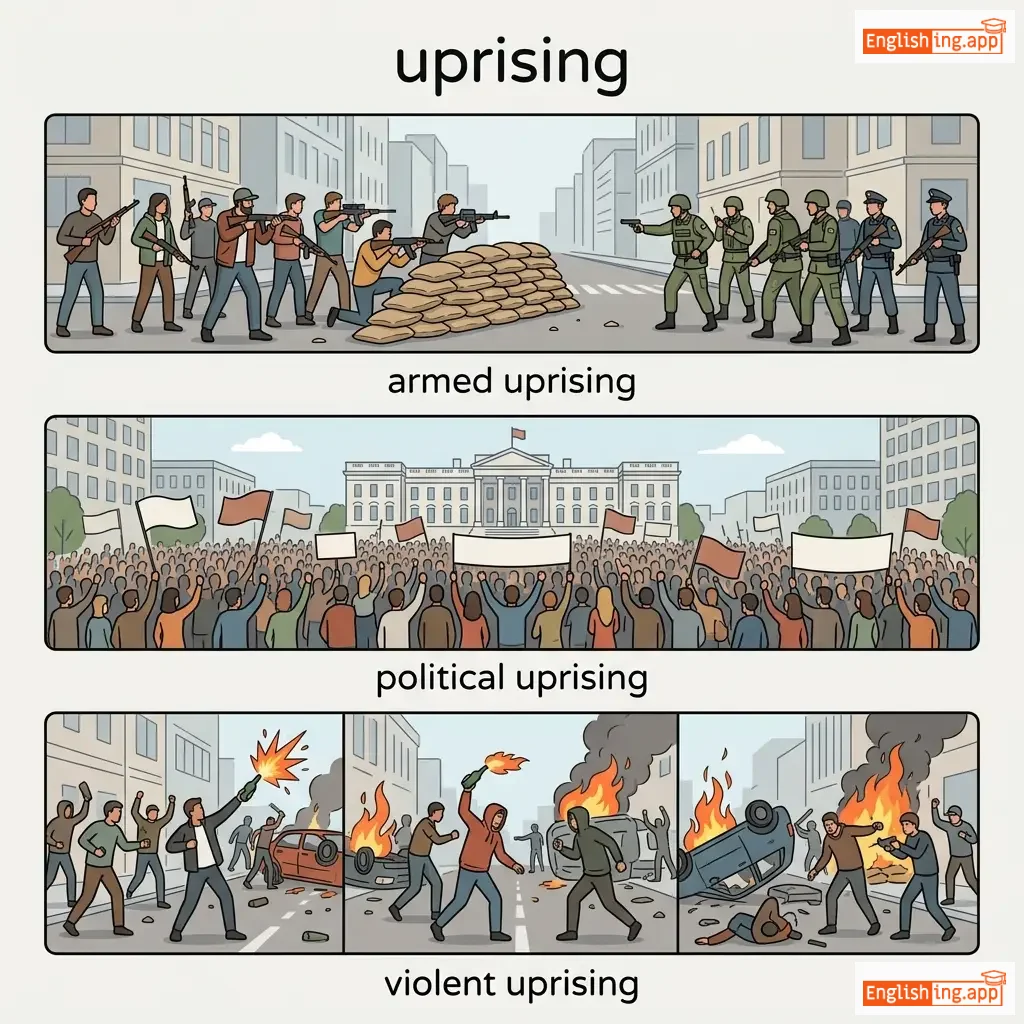
armed uprising, political uprising, violent uprising, popular uprising
••••••
|
反乱 (hanran) は権威に立ち向かう時です。
••••••
|
|
#10261
⬆️
|
/ʌp/
adverb
(アップ)
••••••
|
- •••••• |
上
ue
••••••
|
- •••••• | - •••••• | - •••••• | - •••••• |
towards a higher position or level
••••••
|
He climbed up the ladder quickly.
彼はすばやくはしごを上った。
••••••
|
彼はすばやくはしごを上った。
Kare wa subayaku hasigo o nobotta.
••••••
|
look up
上を見る
••••••
|
to search for information
••••••
|
情報を探す
jouhou o sagasu
••••••
|
above, upward, higher, ascend
••••••
|
down, below
••••••
|
up the hill, up the ladder, go up, stand up
••••••
|
UP = 上 - ue は上に向かっている
••••••
|
|
#10262
🤫
|
/ʌnˈvɔɪst/
adjective
(アンボイスト)
••••••
|
- •••••• |
未表現
mihyougen
••••••
|
- •••••• | - •••••• | - •••••• | - •••••• |
not expressed in speech; in phonetics, a sound produced without vocal cord vibration
••••••
|
The student kept her opinion unvoiced during the meeting. |
学生は会議中に自分の意見を未表現のままにしておいた。
Gakusei wa kaigi-chuu ni jibun no iken wo mihyougen no mama ni shite oita.
••••••
|
- •••••• | - •••••• | - •••••• |
silent, unspoken, voiceless, unsaid
••••••
|
voiced, spoken, expressed
••••••
|
unvoiced opinion, unvoiced consonant, unvoiced thought
••••••
|
Unvoicedは声なし、未表現や沈黙のようなものです。
••••••
|
|
#10263
🌟
|
/ʌnˈjuːʒuəl/
adjective
(アンユージュアル)
••••••
|
- •••••• |
異常
ijou
••••••
|
- •••••• | - •••••• | - •••••• | - •••••• |
not common or ordinary; remarkable or exceptional
••••••
|
She has an unusual talent for solving complex problems. |
彼女は複雑な問題を解決するための異常な才能を持っています。
Kanojo wa fukuzatsu na mondai wo kaiketsu suru tame no ijou na sainou wo motteimasu.
••••••
|
- •••••• | - •••••• | - •••••• |
rare, uncommon, exceptional, extraordinary, remarkable
••••••
|
usual, common, ordinary
••••••
|
unusual behavior, unusual situation, unusual appearance, highly unusual
••••••
|
Unusual = 通常でない (NOT usual) → したがって、異常。
••••••
|
|
#10264
❌
|
/ʌnˈtruː/
adjective
(アンチルー)
••••••
|
- •••••• |
虚偽
kyogi
••••••
|
- •••••• | - •••••• | - •••••• | - •••••• |
not true; false or incorrect
••••••
|
The rumor about the company closing was completely untrue. |
会社閉鎖の噂は完全に虚偽でした。
Kaisha heisa no uwasa wa kanzen ni kyogi deshita.
••••••
|
- •••••• | - •••••• | - •••••• |
false, incorrect, wrong, inaccurate
••••••
|
true, correct, accurate
••••••
|
completely untrue, prove untrue, found untrue
••••••
|
UNtrueは虚偽を意味し、真実ではない。
••••••
|
|
#10265
🤐
|
/ʌnˈsteɪtɪd/
adjective
(アンステイテッド)
••••••
|
- •••••• |
未表明
mihyoumei
••••••
|
- •••••• | - •••••• | - •••••• | - •••••• |
not expressed directly in words; implied or left unsaid
••••••
|
The contract included several unstated expectations. |
契約にはいくつかの未表明の期待が含まれていました。
Keiyaku ni wa ikutsuka no mihyoumei no kitai ga fukumarete imashita.
••••••
|
- •••••• | - •••••• | - •••••• |
implicit, unspoken, tacit, hidden, assumed
••••••
|
explicit, stated, declared
••••••
|
unstated rules, unstated assumption, unstated agreement, unstated condition
••••••
|
Unstatedは未表明または暗示的な意味です。
••••••
|
|
#10266
🙅♀️
|
/ʌnˈmærid/
adjective
(アンマリッド)
••••••
|
- •••••• |
未婚
mikon
••••••
|
- •••••• | - •••••• | - •••••• | - •••••• |
Not married; single.
••••••
|
He is thirty-five and still unmarried. |
彼は三十五歳で、まだ未婚です。
Kare wa sanjuugosai de, mada mikon desu.
••••••
|
unmarried couple |
A couple living together without being married
••••••
|
未婚のカップル
mikon no kappuru
••••••
|
single, unattached, celibate, bachelor, spinster
••••••
|
married, wedded
••••••
|
unmarried man, unmarried woman, remain unmarried, still unmarried
••••••
|
Un+married = 結婚していない = 未婚。
••••••
|
|
#10267
💪
|
/ʌnˈɪndʒərd/
adjective
(アニンジャード)
••••••
|
- •••••• |
無傷
mukizu
••••••
|
- •••••• | - •••••• | - •••••• | - •••••• |
Without injury; not physically harmed.
••••••
|
All the passengers were rescued uninjured.
オール ザ パッセンジャーズ ワー レスキュード アニンジャード。
••••••
|
すべての乗客は無傷で救助されました。
Subete no jōkyaku wa mukizu de kyūjo saremashita.
••••••
|
- •••••• | - •••••• | - •••••• |
safe, unharmed, intact, unhurt
••••••
|
injured, wounded, harmed
••••••
|
remain uninjured, completely uninjured, miraculously uninjured
••••••
|
Un+injured = mukizu
••••••
|
|
#10268
😊
|
/ʌnˈhɜːrt/
adjective
(アンハート)
••••••
|
- •••••• |
無傷
mukizu
••••••
|
- •••••• | - •••••• | - •••••• | - •••••• |
Not injured or harmed.
••••••
|
She walked away from the accident unhurt.
彼女は事故から無傷で歩き去った。
••••••
|
彼女は事故から無傷で歩き去った。
Kanojo wa jiko kara mukizu de aruki satta.
••••••
|
- •••••• | - •••••• | - •••••• |
safe, unharmed, intact, well
••••••
|
injured, hurt, harmed
••••••
|
escape unhurt, remain unhurt, come out unhurt
••••••
|
Unhurt = 傷がない = 無傷.
••••••
|
|
#10269
😔
|
/ʌnˈfɔːrtʃənət/
adjective
(アンフォーチュネイト)
••••••
|
- •••••• |
不運
fuun
••••••
|
- •••••• | - •••••• | - •••••• | - •••••• |
Having or marked by bad luck; unlucky.
••••••
|
It was unfortunate that the meeting was canceled at the last minute.
会議が最後の瞬間にキャンセルされたのは不運でした。
••••••
|
会議が最後の瞬間にキャンセルされたのは不運でした。
Kaigi ga saigo no shunkan ni kyanseru sareta no wa fuan deshita.
••••••
|
unfortunate incident
不運な出来事
••••••
|
An unlucky or regrettable event
••••••
|
不運な出来事
Fuun na dekigoto
••••••
|
unlucky, regrettable, unlucky, adverse, unlucky
••••••
|
fortunate, lucky, favorable
••••••
|
unfortunate accident, unfortunate situation, unfortunate event, unfortunate circumstances
••••••
|
UN+FORTUNE = 幸運がない = 不運
••••••
|
|
#10270
⏱️
|
/taɪmd/
verb
(タイムド)
••••••
|
- •••••• |
タイムを測る
taimu o hakaru
••••••
|
timed
タイムド
••••••
|
timed
タイムド
••••••
|
times
タイムス
••••••
|
timing
タイミング
••••••
|
to measure or record the duration or speed of something
••••••
|
He timed the race with a stopwatch.
彼はストップウォッチでレースのタイムを計った。
••••••
|
彼はストップウォッチでレースのタイムを計った。
Kare wa sutoppuwotchi de rēsu no taimu o hakatta.
••••••
|
timed to perfection
完璧にタイムされた
••••••
|
done with perfect timing
••••••
|
完璧なタイミングで
kanpeki na taimingu de
••••••
|
measured, recorded, tracked, clocked
••••••
|
ignored, overlooked
••••••
|
timed event, well timed, timed perfectly, timed action
••••••
|
タイムドは、時計でタイムを測ることです。
••••••
|
|
#10271
🤔
|
/ˌʌndərˈstændəbl/
adjective
(アンダースタンダブル)
••••••
|
- •••••• |
理解できる
rikai dekiru
••••••
|
- •••••• | - •••••• | - •••••• | - •••••• |
Able to be understood; reasonable or justifiable.
••••••
|
Her reaction was understandable given the situation.
ハー リアクション ワズ アンダースタンダブル ギヴン ザ シチュエーション。
••••••
|
その反応は状況を考慮すると理解できるものでした。
Sono hannō wa jōkyō o kōryo suru to rikai dekiru mono deshita.
••••••
|
- •••••• | - •••••• | - •••••• |
reasonable, comprehensible, justifiable, acceptable
••••••
|
incomprehensible, unreasonable
••••••
|
perfectly understandable, understandable concern, understandable mistake
••••••
|
Understand + able → 理解できる
••••••
|
|
#10272
📉
|
/ˌʌndərˈɛstɪmeɪt/
verb
(アンダーエスティメイト)
••••••
|
- •••••• |
過小評価する
kashouhyouka suru
••••••
|
underestimated
アンダーエスティメイテッド
••••••
|
underestimated
アンダーエスティメイテッド
••••••
|
underestimates
アンダーエスティメイツ
••••••
|
underestimating
アンダーエスティメイティング
••••••
|
To judge something as less important or smaller than it really is.
••••••
|
Never underestimate the power of teamwork.
決してチームワークの力を過小評価しないでください。
••••••
|
決してチームワークの力を過小評価しないでください。
Kesshite chīmuwāku no chikara o kashouhyouka shinai de kudasai.
••••••
|
to underestimate someone
誰かを過小評価する
••••••
|
To fail to recognize someone's full ability or strength.
••••••
|
誰かを過小評価する
Dareka o kashouhyouka suru
••••••
|
undervalue, underrate, misjudge, minimize
••••••
|
overestimate, exaggerate
••••••
|
underestimate risk, underestimate ability, underestimate importance
••••••
|
Under + estimate = 過小評価する → 決してチームワークの力を過小評価しないでください。
••••••
|
|
#10273
✅
|
/ˌʌndɪˈnaɪəbl/
adjective
(アンデニアブル)
••••••
|
- •••••• |
否定できない
hitei dekinai
••••••
|
- •••••• | - •••••• | - •••••• | - •••••• |
Impossible to deny; clearly true or real.
••••••
|
Her talent is undeniable. |
彼女の才能は否定できない。
Kanojo no sainou wa hitei dekinai.
••••••
|
- •••••• | - •••••• | - •••••• |
indisputable, unquestionable, certain, obvious
••••••
|
deniable, questionable, doubtful
••••••
|
undeniable fact, undeniable evidence, undeniable truth
••••••
|
UN-deniable = 否定できない → 否定できない
••••••
|
|
#10274
🥩
|
/ʌnˈkʊkt/
adjective
(アンカクド)
••••••
|
- •••••• |
生の
namano
••••••
|
- •••••• | - •••••• | - •••••• | - •••••• |
Not cooked; in a raw state.
••••••
|
Eating uncooked meat can be dangerous. |
生肉を食べるのは危険です。
Namamiku o taberu no wa kiken desu.
••••••
|
- •••••• | - •••••• | - •••••• |
raw, fresh, unbaked, underdone
••••••
|
cooked, baked, prepared
••••••
|
uncooked rice, uncooked vegetables, uncooked pasta
••••••
|
Un-cooked = 調理されていない、つまり生の
••••••
|
|
#10275
👫
|
/ˈtuːsəm/
noun
(ツーサム)
••••••
|
- •••••• |
ツーサム
tsū sam
••••••
|
- •••••• | - •••••• | - •••••• | - •••••• |
A pair of people considered together, often in a romantic or competitive context.
••••••
|
They entered the dance competition as a twosome. |
彼らはツーサムとしてダンスコンペティションに参加した。
Karera wa tsū sam toshite dansu konpetishon ni sanka shita.
••••••
|
- •••••• | - •••••• | - •••••• |
pair, duo, couple, partnership
••••••
|
individual, single
••••••
|
romantic twosome, golfing twosome, happy twosome
••••••
|
Two SOME = ツーサム、だからtwosomeはツーサムを意味します
••••••
|
|
#10276
🌪️
|
/ˈtwɪstər/
noun
(ツイスター)
••••••
|
- •••••• |
竜巻
tatsumaki
••••••
|
- •••••• | - •••••• | - •••••• | - •••••• |
A tornado or something that twists; also refers to a challenging tongue twister.
••••••
|
The twister destroyed several houses in the village. |
竜巻は村のいくつかの家を破壊しました。
Tatsumaki wa mura no ikutsuka no ie o hakai shimashita.
••••••
|
tongue twister |
A phrase or sentence that is difficult to pronounce quickly.
••••••
|
早口言葉
hayakuchi kotoba
••••••
|
tornado, cyclone, whirlwind, spiral
••••••
|
calm, stillness
••••••
|
violent twister, massive twister, tongue twister, twister game
••••••
|
回転する竜巻はツイスターで、早口言葉も回転します。
••••••
|
|
#10277
🤗
|
/ˈtrʌstˌwɜːrði/
adjective
(トラストワーディ)
••••••
|
- •••••• |
信頼できる
shinraidekiru
••••••
|
- •••••• | - •••••• | - •••••• | - •••••• |
Able to be relied on as honest or truthful.
••••••
|
She is a trustworthy friend who never lies.
彼女は決して嘘をつかない信頼できる友達です。
••••••
|
彼女は決して嘘をつかない信頼できる友達です。
Kanojo wa kesshite uso o tsukanai shinrai dekiru tomodachi desu.
••••••
|
- •••••• | - •••••• | - •••••• |
reliable, dependable, honest, faithful, loyal
••••••
|
unreliable, dishonest, untrustworthy
••••••
|
trustworthy source, trustworthy person, appear trustworthy, prove trustworthy
••••••
|
信頼できるとは、信頼をおけることを意味します。
••••••
|
|
#10278
😨
|
/ˈtrɛmbəl/
verb
(トレムブル)
••••••
|
- •••••• |
震える
furueru
••••••
|
trembled
トレムブルド
••••••
|
trembled
トレムブルド
••••••
|
trembles
トレムブルス
••••••
|
trembling
トレムブリング
••••••
|
To shake slightly, often because of fear, cold, or nervousness.
••••••
|
She began to tremble with fear before speaking.
彼女は話す前に恐怖で震え始めました。
••••••
|
彼女は話す前に恐怖で震え始めました。
Kanojo wa hanasu mae ni kyoufu de furu e hajimemashita.
••••••
|
tremble with excitement
興奮で震える
••••••
|
To shake slightly because of strong excitement.
••••••
|
興奮で震える
Koufun de furu eru
••••••
|
shake, quiver, shiver, shudder
••••••
|
steady, stabilize
••••••
|
tremble with fear, tremble slightly, tremble hands, tremble voice
••••••
|
震えるのは電車が動くみたいなものです。
••••••
|
|
#10279
🔄
|
/trænsˈfɔːrm/
verb
(トランスフォーム)
••••••
|
|
変形する
henkei suru
••••••
|
transformed
トランスフォームド
••••••
|
transformed
トランスフォームド
••••••
|
transforms
トランスフォームス
••••••
|
transforming
トランスフォームイング
••••••
|
To change something completely in form, appearance, or character.
••••••
|
The new policy will transform the healthcare system.
新しい政策は医療制度を変革するでしょう。
••••••
|
新しい政策は医療制度を変革するでしょう。
Atarashī seisaku wa iryō seido o henka suru deshō.
••••••
|
transform lives
命を変える
••••••
|
To make a big positive change in people's lives.
••••••
|
命を変える
Inochi o kaeru
••••••
|
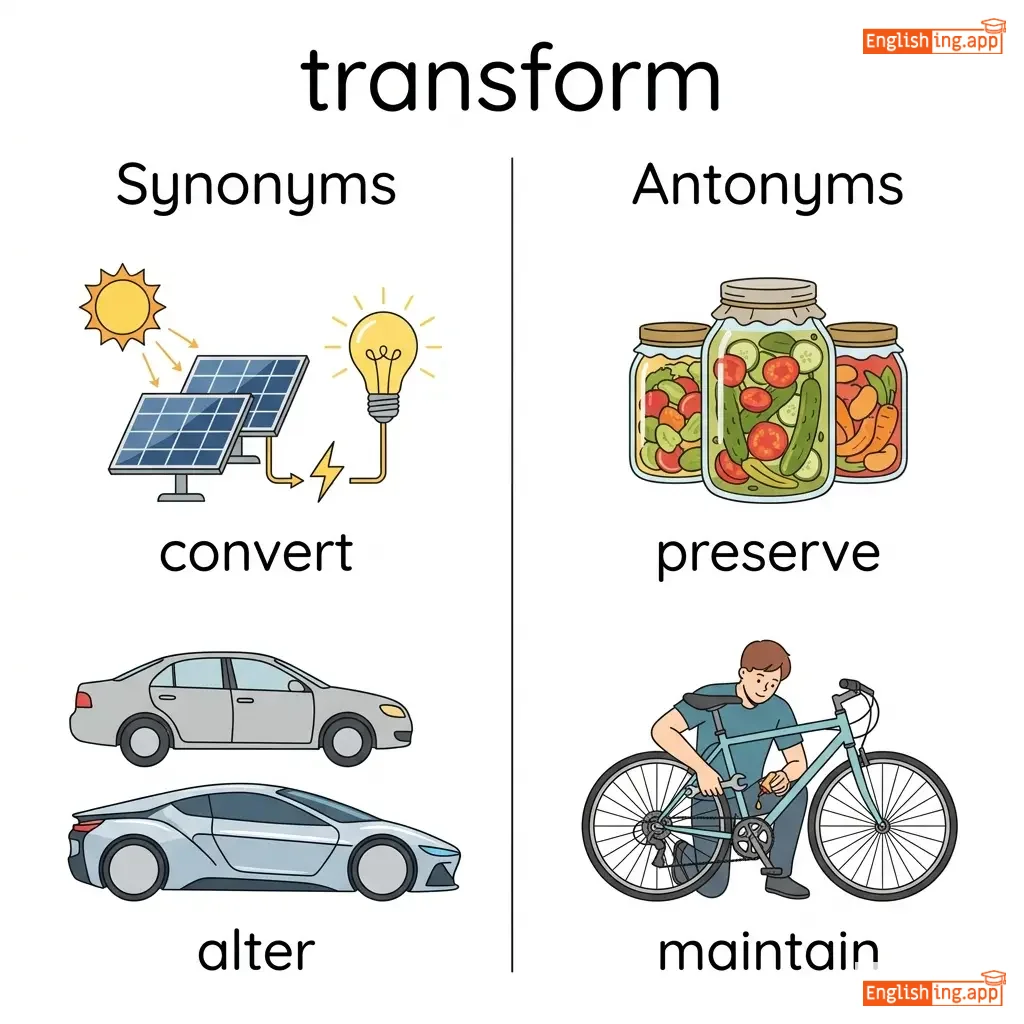
convert, alter, revolutionize, reshape, modify
••••••
|
preserve, maintain, keep
••••••
|
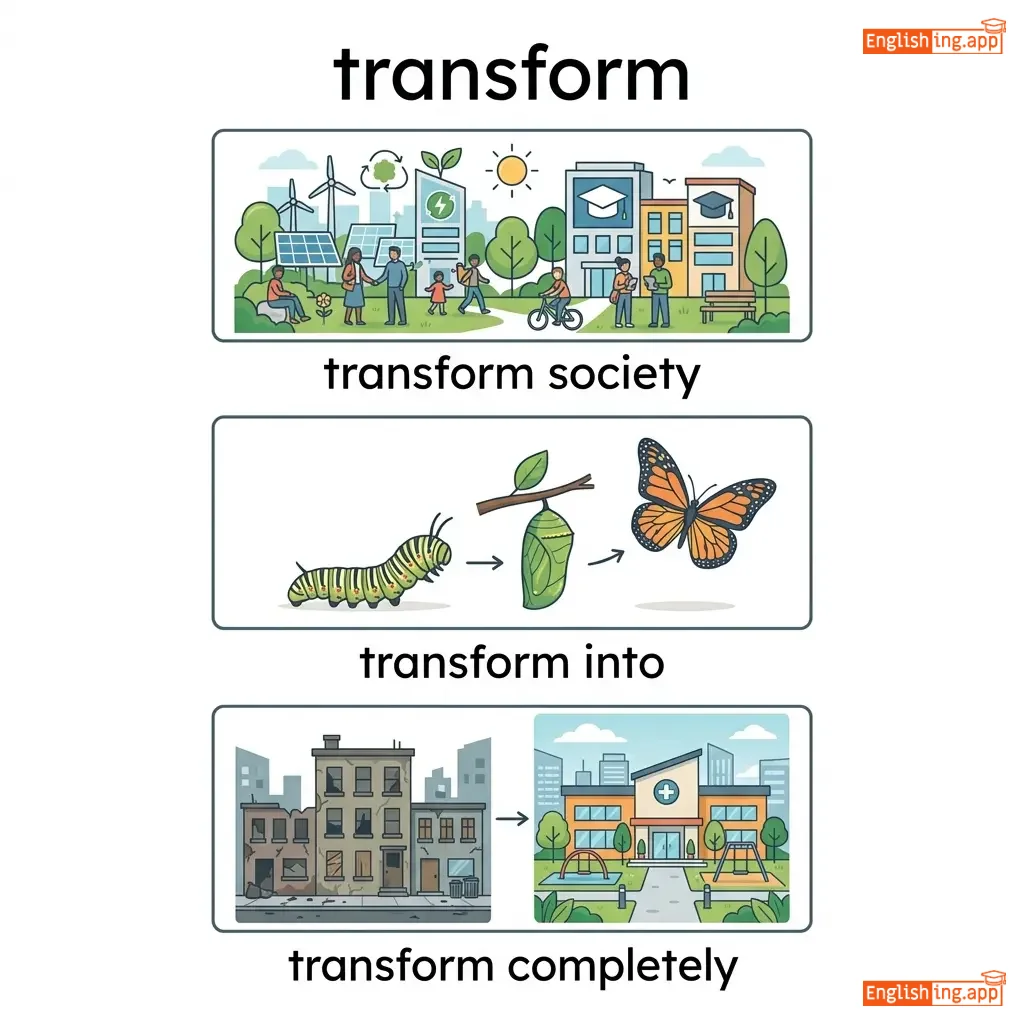
transform society, transform into, transform completely, transform the system
••••••
|
変形する、まるで変わった形のように!
••••••
|
|
#10280
🕵️
|
/ˈtreɪtər/
noun
(トレイター)
••••••
|
- •••••• |
裏切り者
uragirimono
••••••
|
- •••••• | - •••••• | - •••••• | - •••••• |
A person who betrays their country, friends, or a cause by acting against them.
••••••
|
The soldier was labeled a traitor for giving secrets to the enemy. |
その兵士は敵に秘密を漏らしたため、裏切り者と呼ばれました。
Sono heishi wa teki ni himitsu o morashita tame, uragirimono to yobaremashita.
••••••
|
traitor in our midst |
Someone among us who secretly betrays the group.
••••••
|
私たちの中の裏切り者
Watashitachi no naka no uragirimono
••••••
|
betrayer, turncoat, defector, backstabber, double-crosser
••••••
|
loyalist, patriot, supporter
••••••
|
call someone a traitor, branded a traitor, traitor to the cause, expose a traitor
••••••
|
TRAInに乗るTORは裏切り者です (traitor)。
••••••
|
|
#10281
🏈
|
/ˈtʌtʃ.daʊn/
noun
(タッチダウン)
••••••
|
- •••••• |
タッチダウン
tacchidaun
••••••
|
- •••••• | - •••••• | - •••••• | - •••••• |
the moment when an aircraft lands, or a score in American football
••••••
|
The plane made a smooth touchdown. |
飛行機は滑らかにタッチダウンしました。
Hikōki wa nameraka ni tacchidaun shimashita.
••••••
|
- •••••• | - •••••• | - •••••• |
landing, arrival, score, goal
••••••
|
takeoff, departure
••••••
|
smooth touchdown, successful touchdown, touchdown celebration, touchdown pass
••••••
|
タッチ(触る)+ダウン(下がる)=タッチダウン、着地する。
••••••
|
|
#10282
🧮
|
/ˈtoʊ.təl/
adjective, noun, verb
(トータル)
••••••
|
- •••••• |
合計
goukei
••••••
|
totaled
トータルド
••••••
|
totaled
トータルド
••••••
|
totals
トータルス
••••••
|
totaling
トータリング
••••••
|
the whole amount; complete
••••••
|
The total cost was too high.
合計費用は高すぎました。
••••••
|
合計費用は高すぎました。
Goukei hiyou wa takasugimashita.
••••••
|
a total loss
完全な損失
••••••
|
completely destroyed or ruined
••••••
|
完全な損失
kanzen na sonshitsu
••••••
|
whole, complete, sum, entire
••••••
|
partial, incomplete
••••••
|
total cost, total amount, total failure, grand total
••••••
|
Total は全てを意味します – Total は合計のことです。
••••••
|
|
#10283
😖
|
/ˈtɔːr.ment/
noun, verb
(トーメント)
••••••
|
- •••••• |
苦痛
kutsuu
••••••
|
tormented
トーメンテッド
••••••
|
tormented
トーメンテッド
••••••
|
torments
トーメンツ
••••••
|
tormenting
トーメンティング
••••••
|
severe physical or mental suffering; to cause extreme suffering
••••••
|
The prisoner was in constant torment.
囚人は絶え間ない苦しみに苦しんでいた。
••••••
|
囚人は絶え間ない苦しみに苦しんでいた。
Shuujin wa taemanai kurushimi ni kurushinde ita.
••••••
|
tormented soul
苦しむ魂
••••••
|
a person who suffers deeply
••••••
|
苦しむ魂
kurushimu tamashii
••••••
|
agony, suffering, torture, misery
••••••
|
comfort, relief, peace
••••••
|
mental torment, torment someone, in torment, great torment
••••••
|
苦痛は心と体に押し寄せるもの。覚えておいて、苦痛=苦しみ。
••••••
|
|
#10284
📅
|
/təˈdeɪ/
noun, adverb
(トゥデイ)
••••••
|
- •••••• |
今日
kyou
••••••
|
- •••••• | - •••••• | - •••••• | - •••••• |
on this present day
••••••
|
She has a meeting today.
彼女は今日会議があります。
••••••
|
彼女は今日会議があります。
Kanojo wa kyou kaigi ga arimasu.
••••••
|
here today, gone tomorrow
今日ここ、明日去る
••••••
|
something temporary or short-lived
••••••
|
今日ここ、明日去る
Kyou koko, ashita saru
••••••
|
now, currently, presently, nowadays
••••••
|
yesterday, tomorrow
••••••
|
today only, happening today, today morning, today evening
••••••
|
今日、今日は今日 - 今日を忘れないで
••••••
|
Vocabulary Quiz
Test your vocabulary by matching words with their translations or meanings.
Login to take the quiz
Comments (0)
Share your thoughts and join the discussion.
Join the discussion by logging in
Login to CommentNo comments yet
Be the first to share your thoughts!