

翻訳
過去
過去分詞
三人称単数
動名詞
意味
例文
例文の翻訳
同義語
対義語
コロケーション
ニーモニック





Swipe left or right, or use the buttons. Tap image to zoom.
例文の翻訳
単語
Lesson 414Lesson 414 - マスクトグル
|
絵文字
|
単語 | Images | 翻訳 | 過去 | 過去分詞 | 三人称単数 | 動名詞 | 意味 | 例文 | 例文の翻訳 | 表現例 | 表現例の意味 | 表現例の翻訳 | 同義語 | 対義語 | コロケーション | ニーモニック |
|---|---|---|---|---|---|---|---|---|---|---|---|---|---|---|---|---|---|
|
#1
👍
|
/əkˈsɛptəbəl/
adjective
(akuseptāberu)
••••••
|
- •••••• |
受け入れ可能な
ukeire kanōna
••••••
|
- •••••• | - •••••• | - •••••• | - •••••• |
able to be agreed upon; satisfactory or suitable
••••••
|
Your proposal is acceptable to the committee. |
あなたの提案は委員会に受け入れ可能です。
Anata no teian wa iinkai ni ukeire kanō desu.
••••••
|
socially acceptable |
considered appropriate by society
••••••
|
社会的に受け入れ可能な
shakai-teki ni ukeire kanō na
••••••
|
satisfactory, adequate, tolerable, suitable, agreeable
••••••
|
unacceptable, unsuitable, improper
••••••
|
acceptable level, acceptable standard, acceptable behavior, socially acceptable
••••••
|
Acceptableは受け入れ可能なことを意味し、覚えやすいです。
••••••
|
|
#1
💬
|
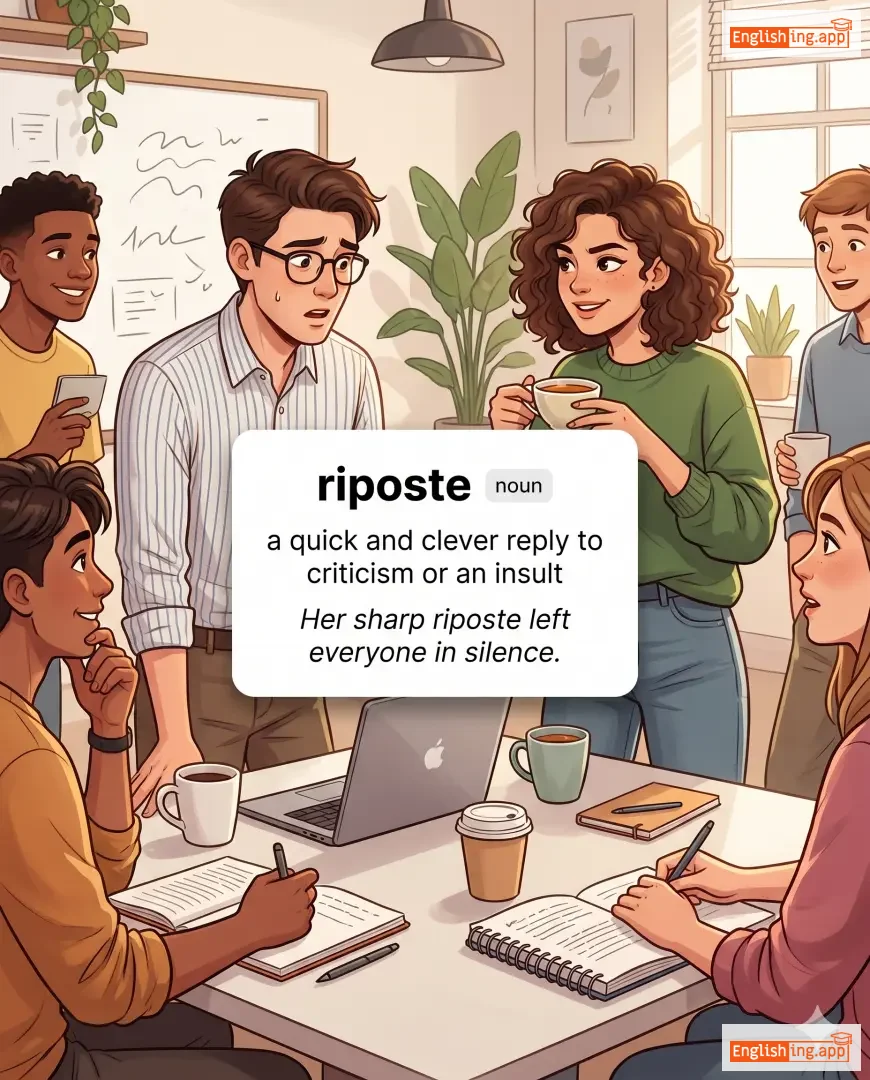
/rɪˈpoʊst/
noun
(リポスト)
••••••
|
|
鋭い返答
surudoi hentou
••••••
|
- •••••• | - •••••• | - •••••• | - •••••• |
a quick and clever reply to criticism or an insult
••••••
|
Her sharp riposte left everyone in silence. |
彼女の鋭い返答は皆を黙らせた。
Kanojo no surudoi hentou wa mina o damaraseta.
••••••
|
- •••••• | - •••••• | - •••••• |
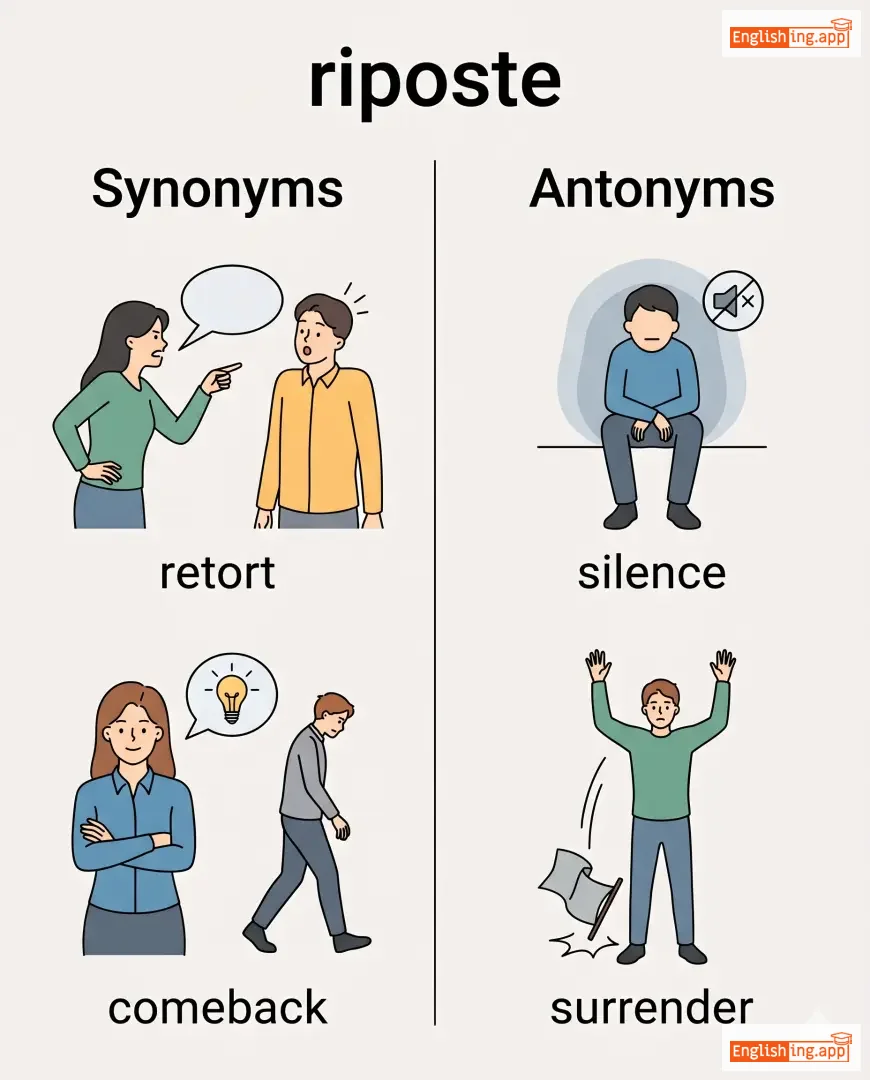
retort, comeback, reply, rejoinder, counter
••••••
|
silence, surrender
••••••
|
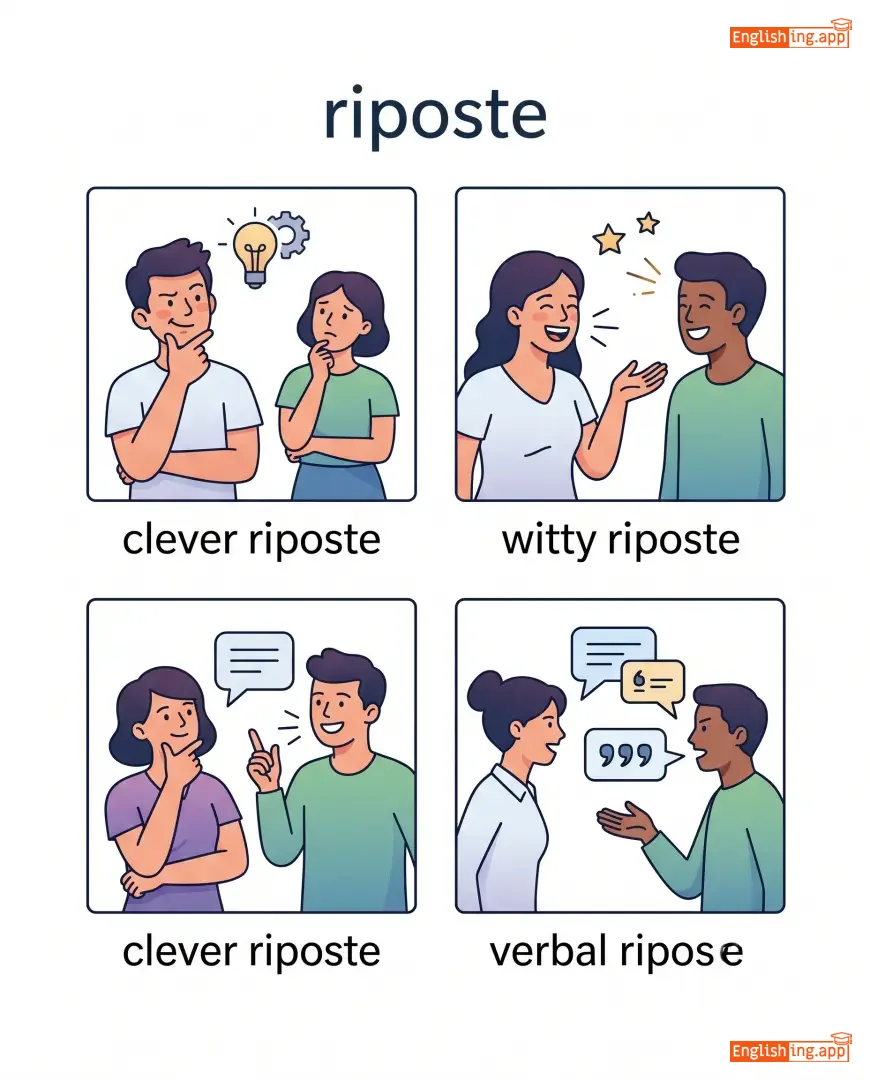
clever riposte, witty riposte, verbal riposte, quick riposte
••••••
|
Reply + post = riposte は素早い返答 💬
••••••
|
|
#1
🌦️
|
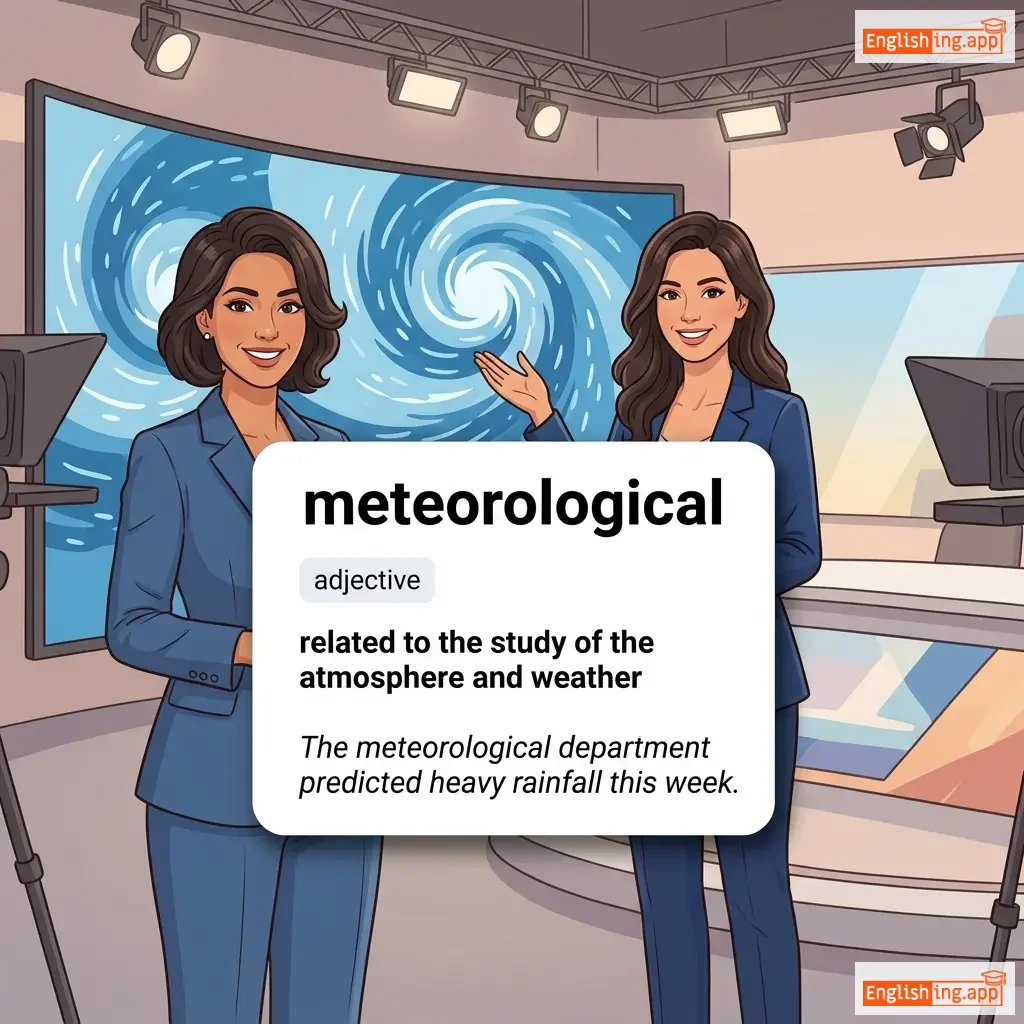
/ˌmiː.ti.ə.rəˈlɒ.dʒɪ.kəl/
adjective
(気象学的)
••••••
|
|
気象学的
kishōgakuteki
••••••
|
- •••••• | - •••••• | - •••••• | - •••••• |
related to the study of the atmosphere and weather
••••••
|
The meteorological department predicted heavy rainfall this week. |
気象学部門は今週の大雨を予測しました。
Kishōgakubumon wa konshū no ōame o yosoku shimashita.
••••••
|
- •••••• | - •••••• | - •••••• |
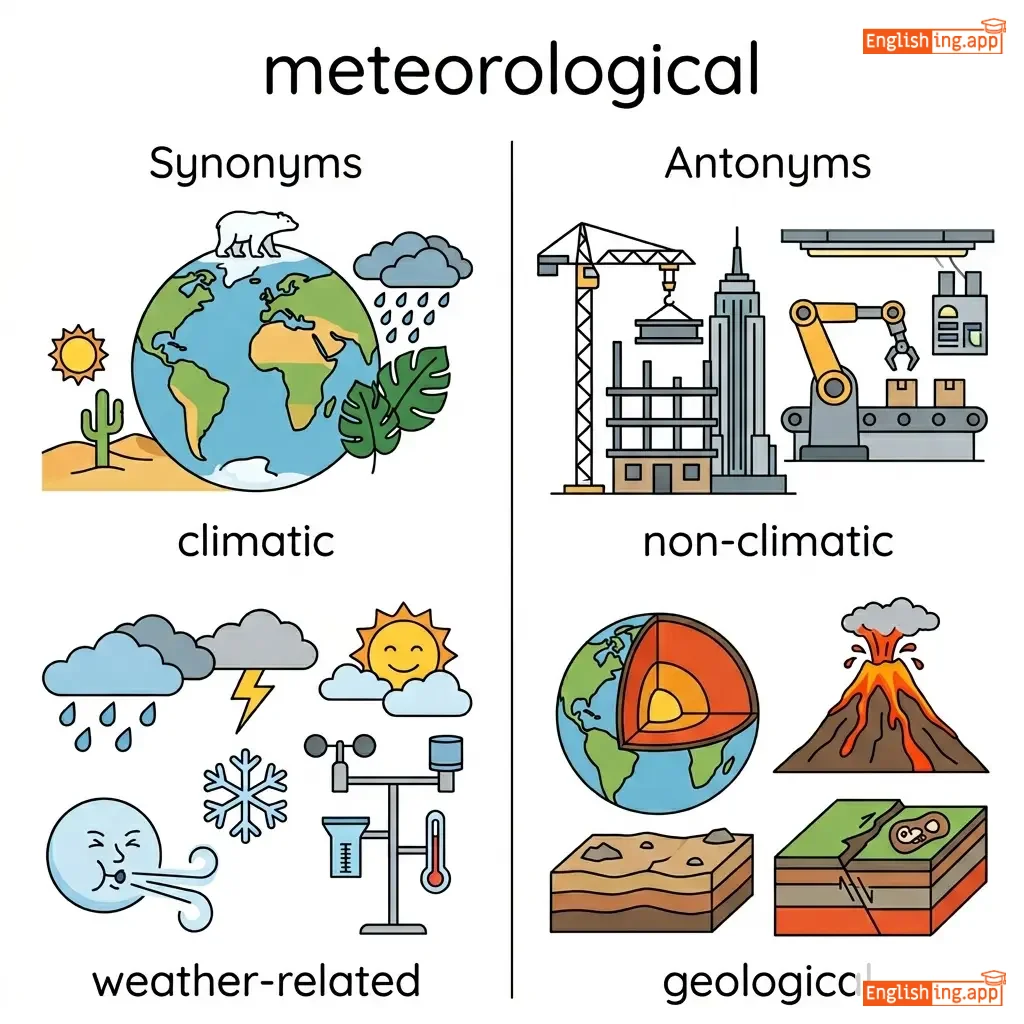
climatic, weather-related, atmospheric
••••••
|
non-climatic, geological
••••••
|
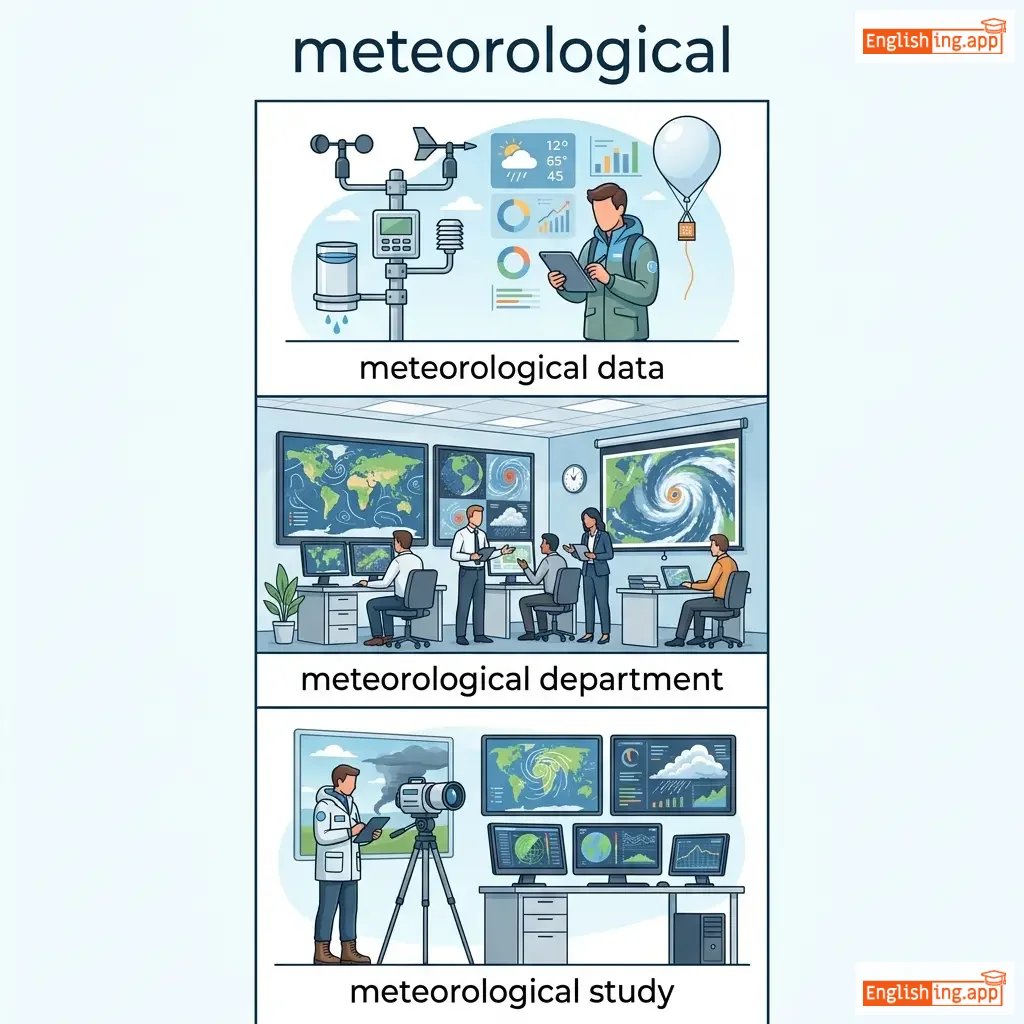
meteorological data, meteorological department, meteorological study, meteorological report
••••••
|
気象学的(気象=天気)天気関連の言葉🌦️
••••••
|
|
#1
📚
|
/ˌlɪt.əˈrɑː.ti/
noun
(リテラティ)
••••••
|
|
文学者
bungakusha
••••••
|
- •••••• | - •••••• | - •••••• | - •••••• |
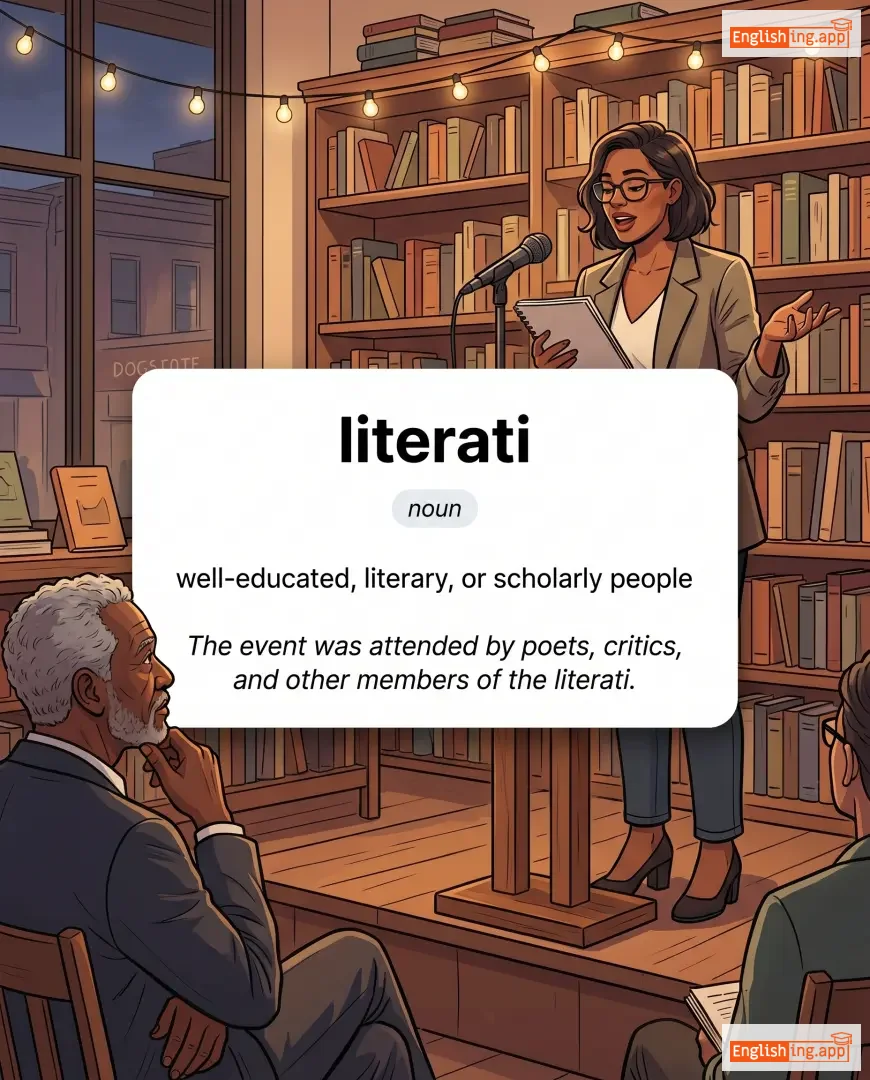
well-educated, literary, or scholarly people
••••••
|
The event was attended by poets, critics, and other members of the literati. |
そのイベントには詩人、批評家、その他の文学者が出席しました。
Sono ibento niwa shijin, hihyōka, sono ta no bungakusha ga shusseki shimashita.
••••••
|
- •••••• | - •••••• | - •••••• |
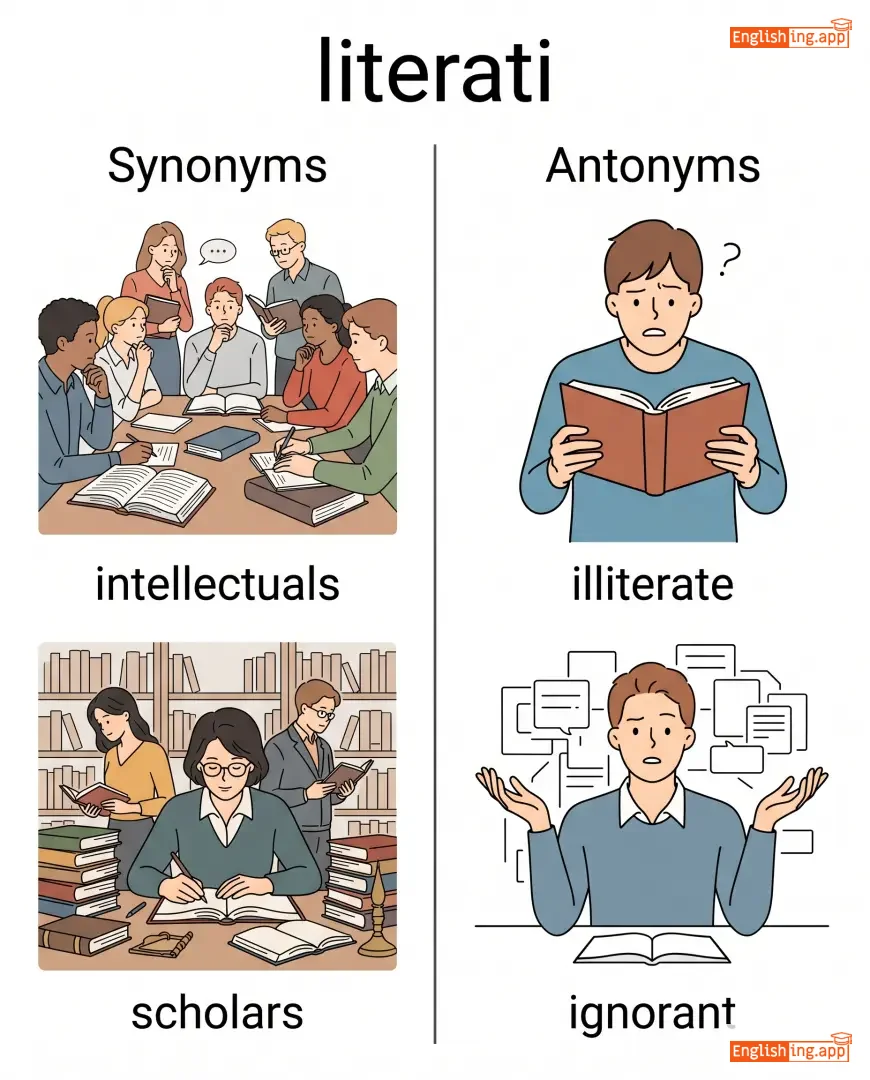
intellectuals, scholars, academics, writers, thinkers
••••••
|
illiterate, ignorant
••••••
|
literati circle, members of the literati, local literati, literary community
••••••
|
文学 = 文学者 📚
••••••
|
|
#1
🔤
|
/ˌhaɪ.roʊˈɡlɪf.ɪks/
noun
(ハイ·ロ·グ·リ·フィ·ックス)
••••••
|
|
ヒエログリフ
hierogurifu
••••••
|
- •••••• | - •••••• | - •••••• | - •••••• |
a system of writing using pictures or symbols, used especially by ancient Egyptians
••••••
|
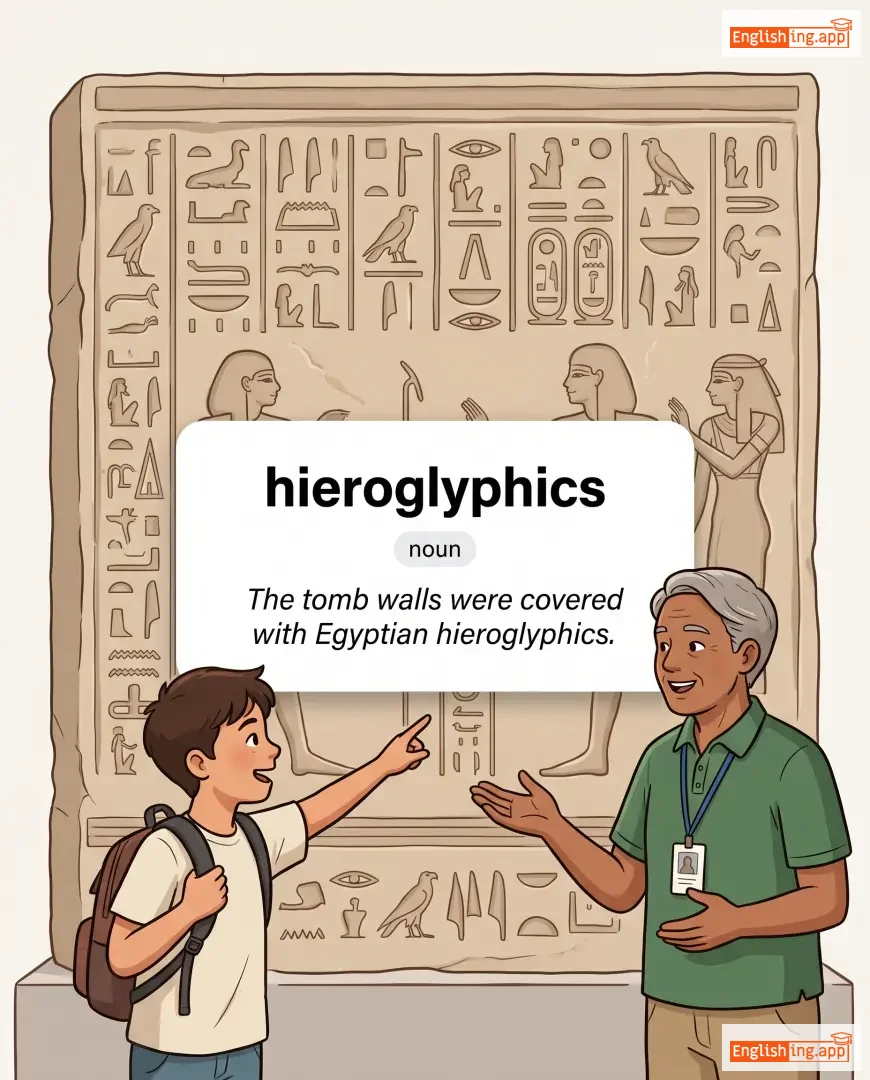
The tomb walls were covered with Egyptian hieroglyphics. |
墓の壁にはエジプトのヒエログリフが刻まれていた。
Haka no kabe ni wa ejiputo no hierogurifu ga kizama rete ita.
••••••
|
- •••••• | - •••••• | - •••••• |
pictograph, symbol, script, glyph
••••••
|
alphabet, plain text
••••••
|
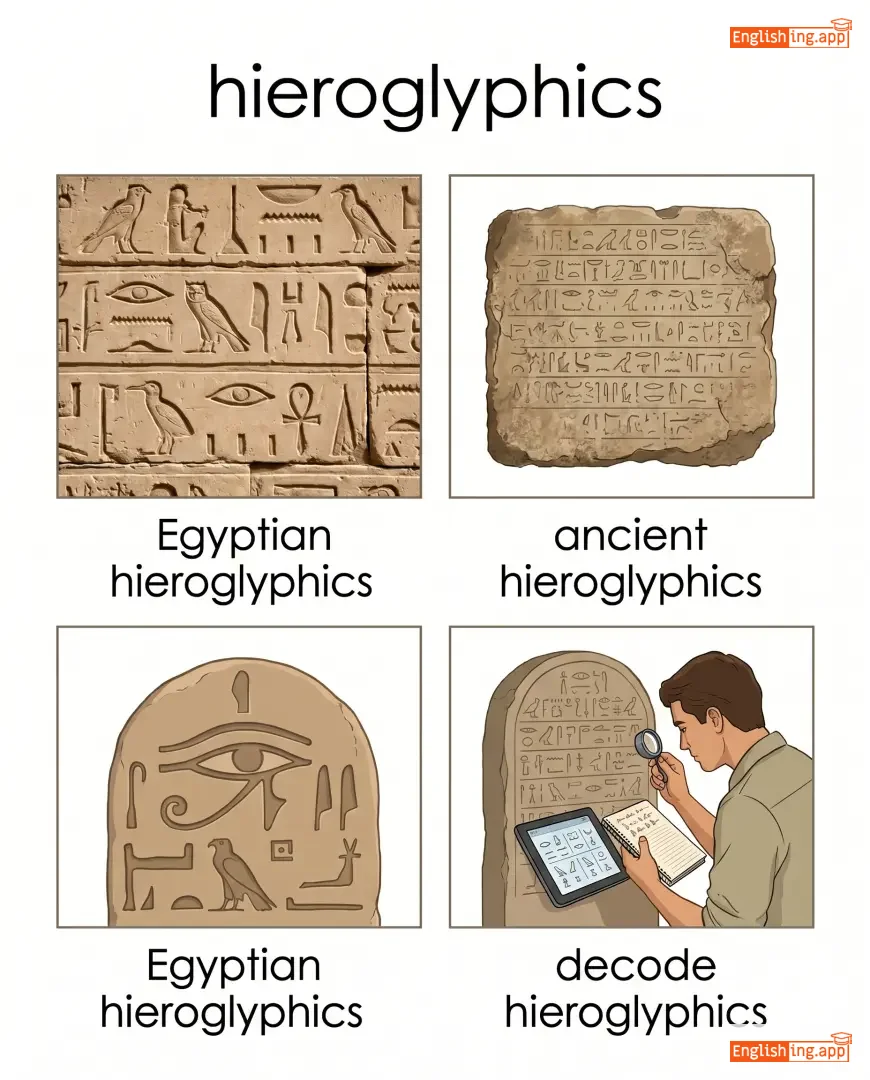
Egyptian hieroglyphics, ancient hieroglyphics, decode hieroglyphics, hieroglyphic writing
••••••
|
Hieroglyphics、つまり'ハイ・グラフィック'な文字 🔤
••••••
|
|
#1
🧠
|
/juːˈdʒen.ɪks/
noun
(ユージニクス)
••••••
|
|
優生学
yūseigaku
••••••
|
- •••••• | - •••••• | - •••••• | - •••••• |
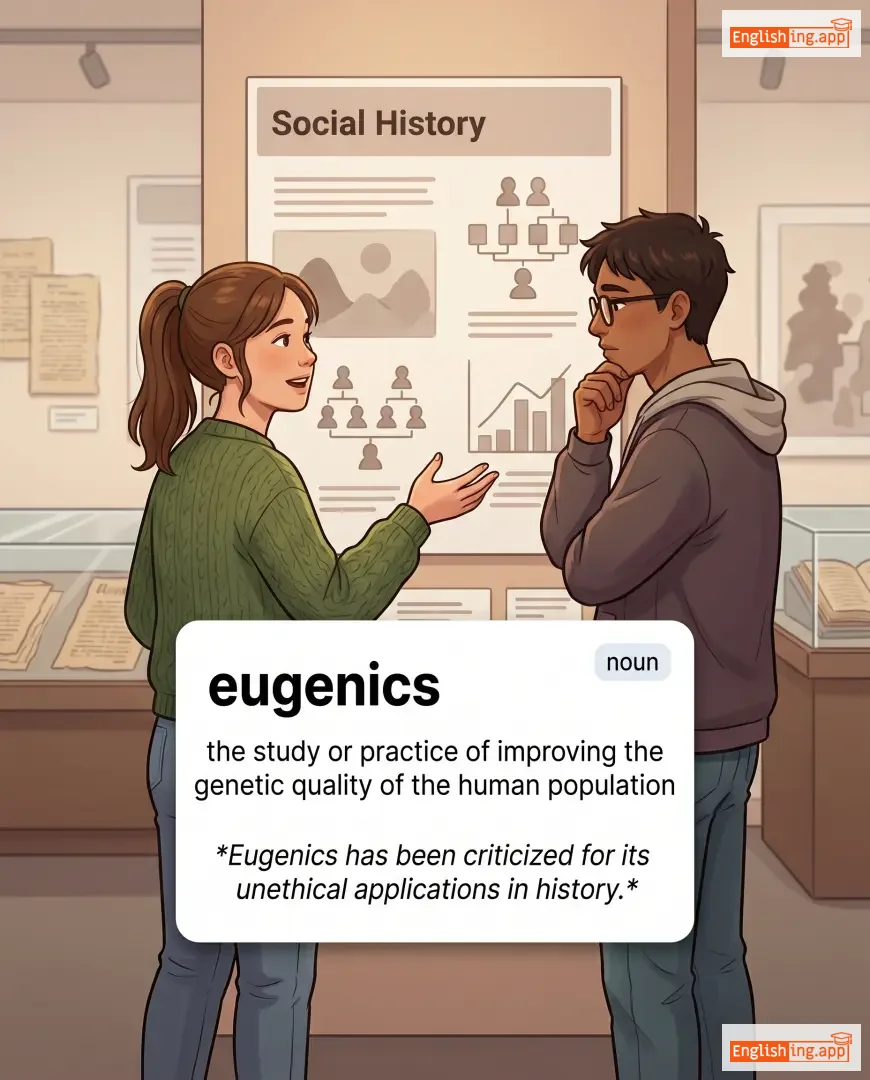
the study or practice of improving the genetic quality of the human population
••••••
|
Eugenics has been criticized for its unethical applications in history. |
優生学は歴史的にその非倫理的な応用について批判されてきました。
Yūseigaku wa rekishiteki ni sono hinrinteki na ōyō ni tsuite hihan sarete kimashita.
••••••
|
- •••••• | - •••••• | - •••••• |
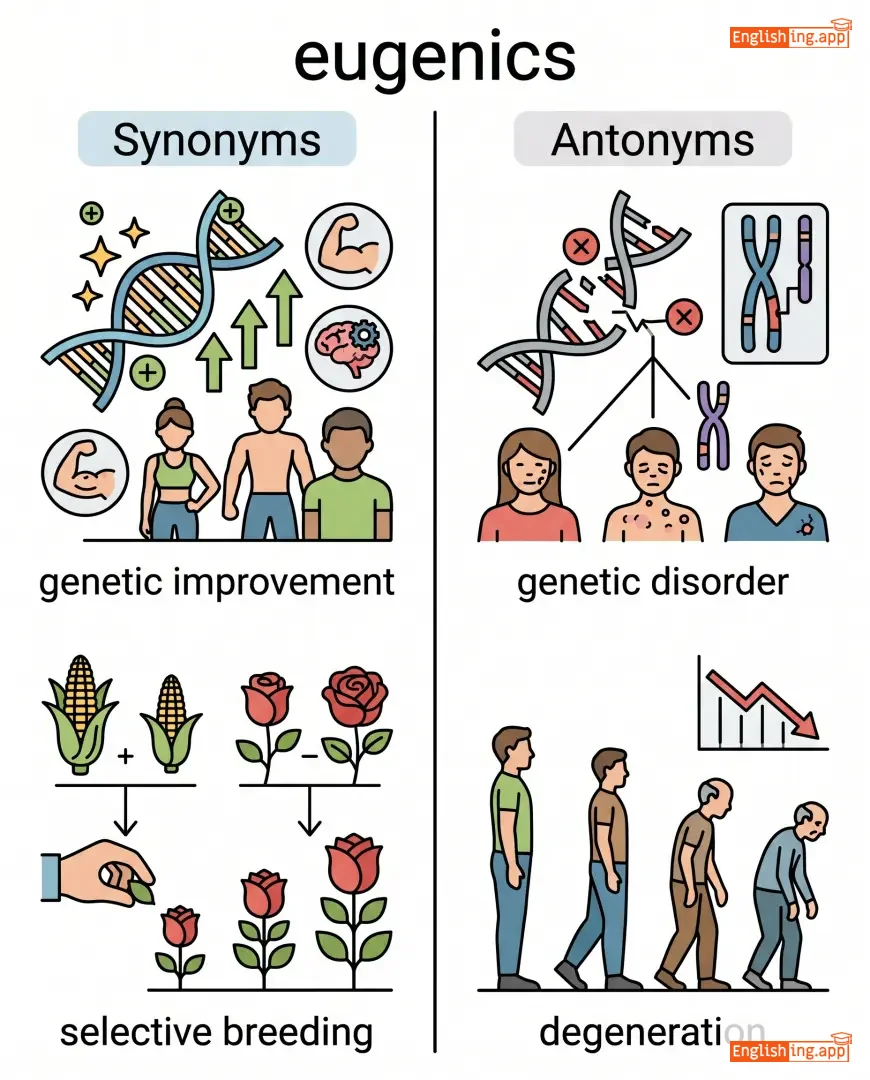
genetic improvement, selective breeding, heredity study
••••••
|
genetic disorder, degeneration
••••••
|
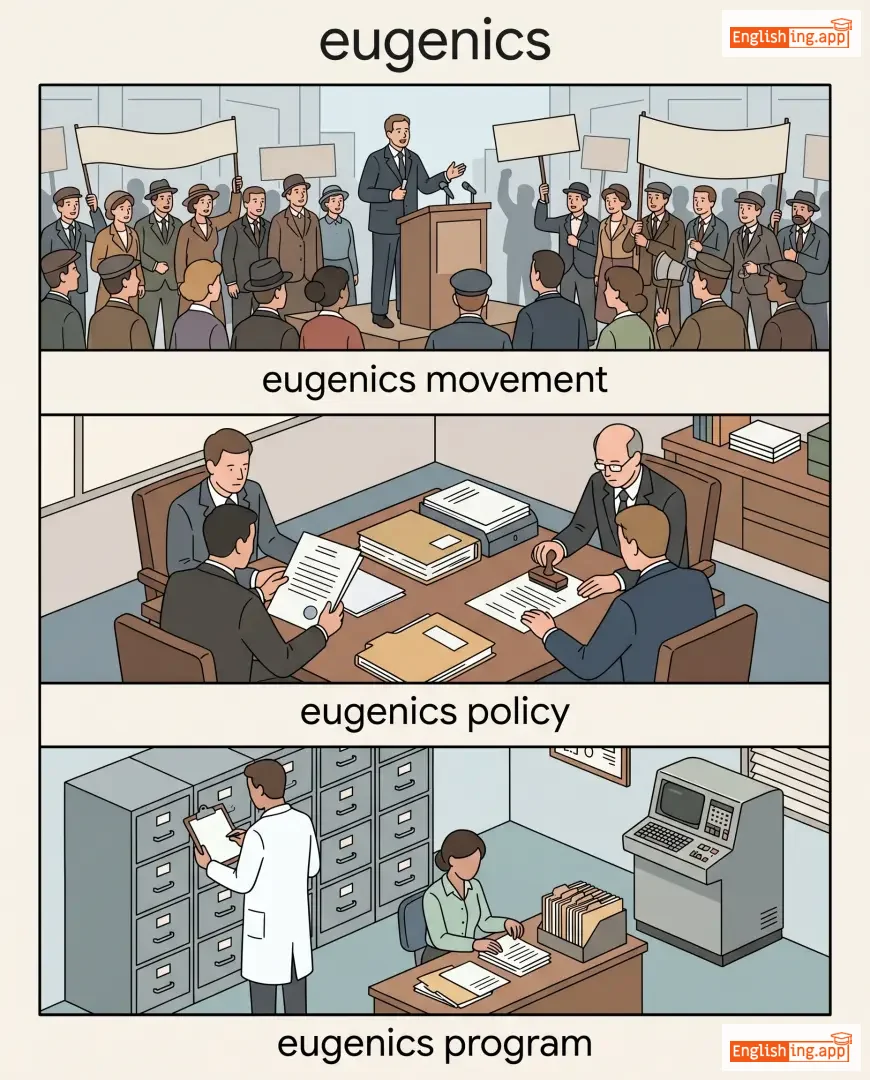
eugenics movement, eugenics policy, eugenics program, eugenics experiment
••••••
|
優生学 = 人間の遺伝子を改善する学問
••••••
|
|
#1
🧬
|
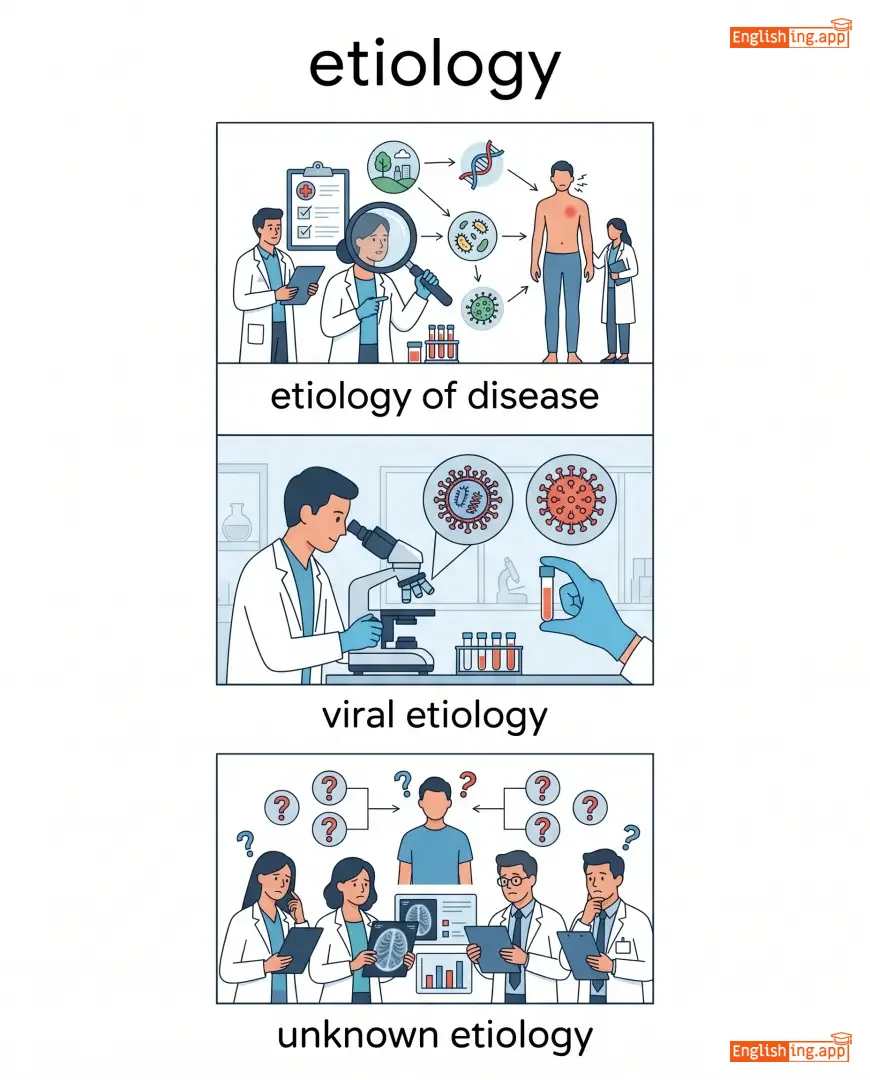
/ˌiː.tiˈɒ.lə.dʒi/
noun
(エティオロジー)
••••••
|
|
病因学
byōingaku
••••••
|
- •••••• | - •••••• | - •••••• | - •••••• |
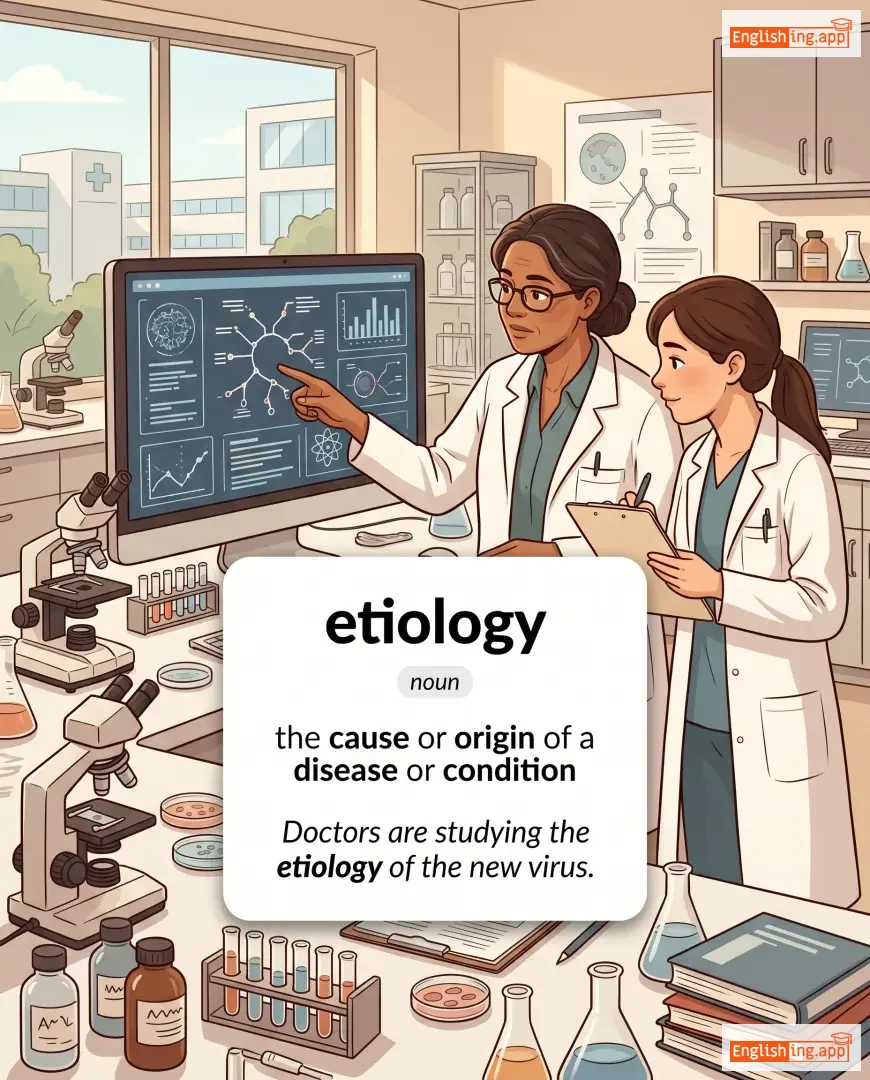
the cause or origin of a disease or condition
••••••
|
Doctors are studying the etiology of the new virus. |
医師たちは新しいウイルスの病因学を研究しています。
Ishitachi wa atarashī uirusu no byōingaku o kenkyū shiteimasu.
••••••
|
- •••••• | - •••••• | - •••••• |
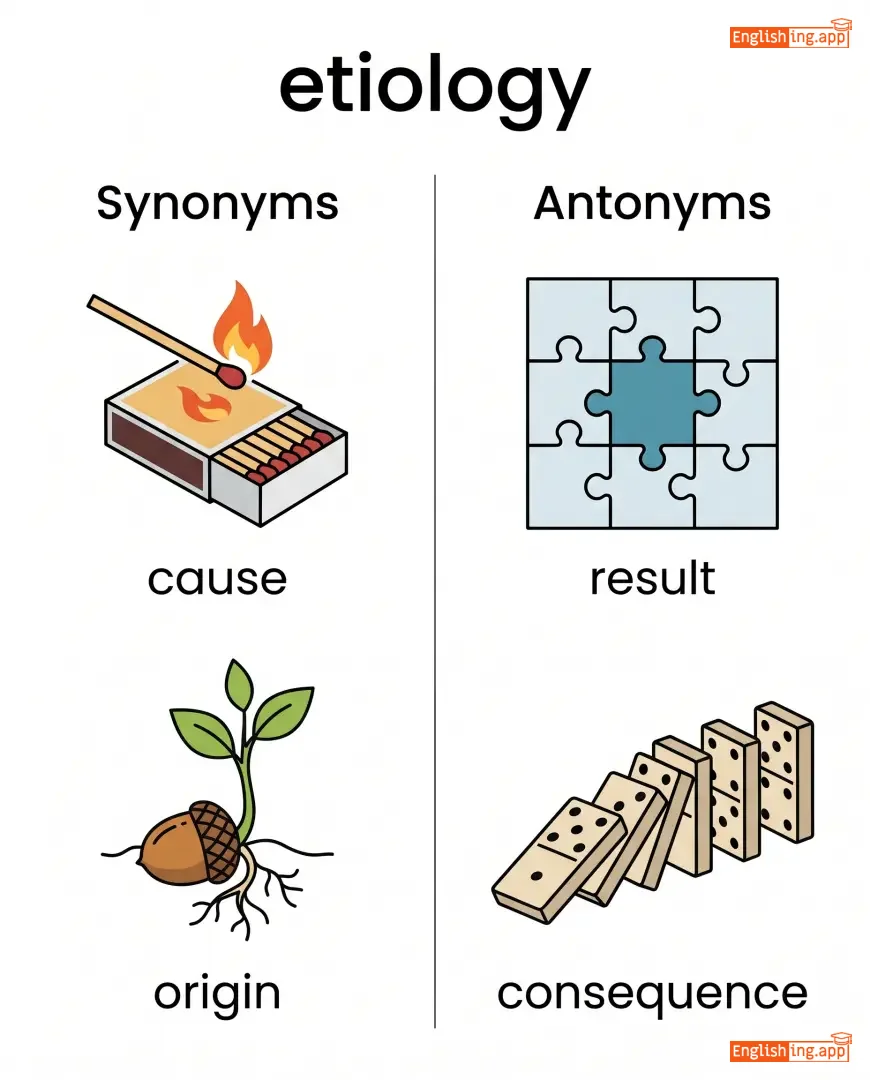
cause, origin, source, root, reason
••••••
|
result, consequence
••••••
|
etiology of disease, viral etiology, unknown etiology, medical etiology
••••••
|
Etiology とは 'eti' (それが) 病気の原因です 🧬
••••••
|
|
#1
🌍
|
/ˌeθ.noʊˈsen.trɪk/
adjective
(エスノセントリック)
••••••
|
|
エスノセントリック
esunosentorikku
••••••
|
- •••••• | - •••••• | - •••••• | - •••••• |
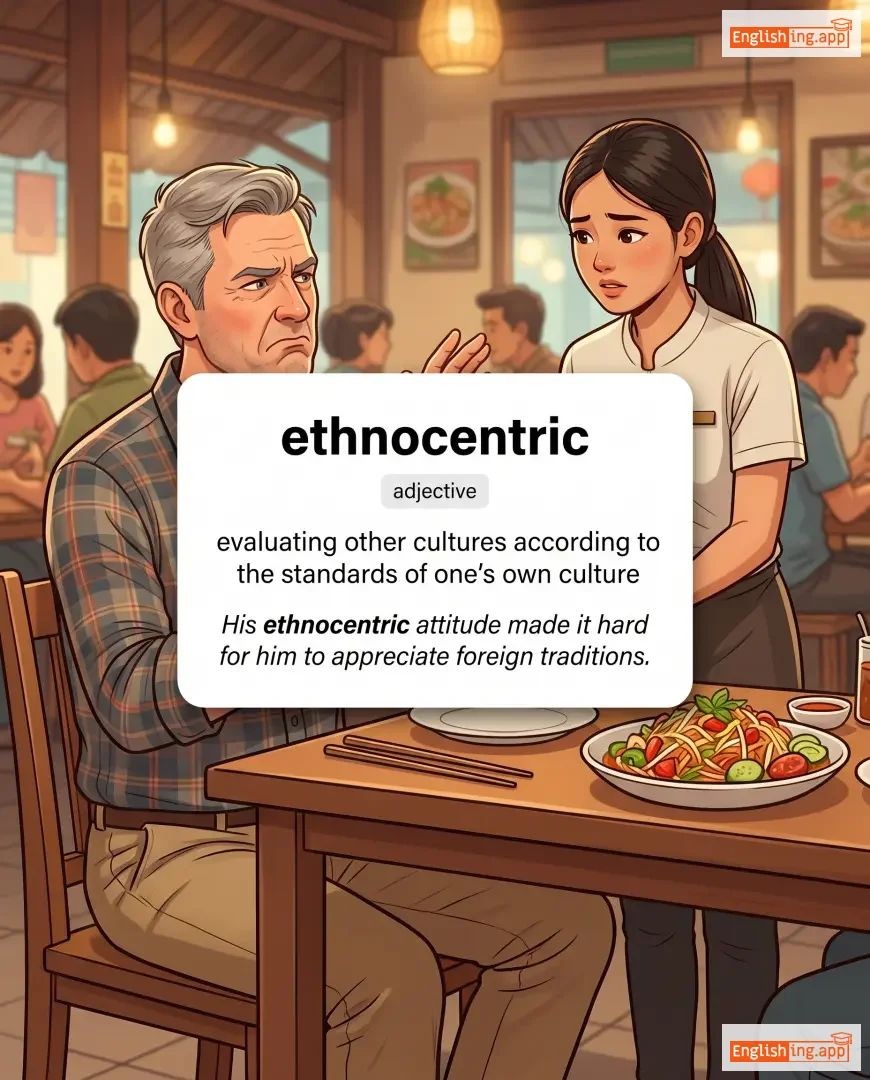
evaluating other cultures according to the standards of one's own culture
••••••
|
His ethnocentric attitude made it hard for him to appreciate foreign traditions. |
彼のエスノセントリックな態度は、外国の伝統を評価するのを難しくしました。
Kare no esunosentorikku na taido wa, gaikoku no dentō o hyōka suru no o muzukashiku shimashita.
••••••
|
- •••••• | - •••••• | - •••••• |
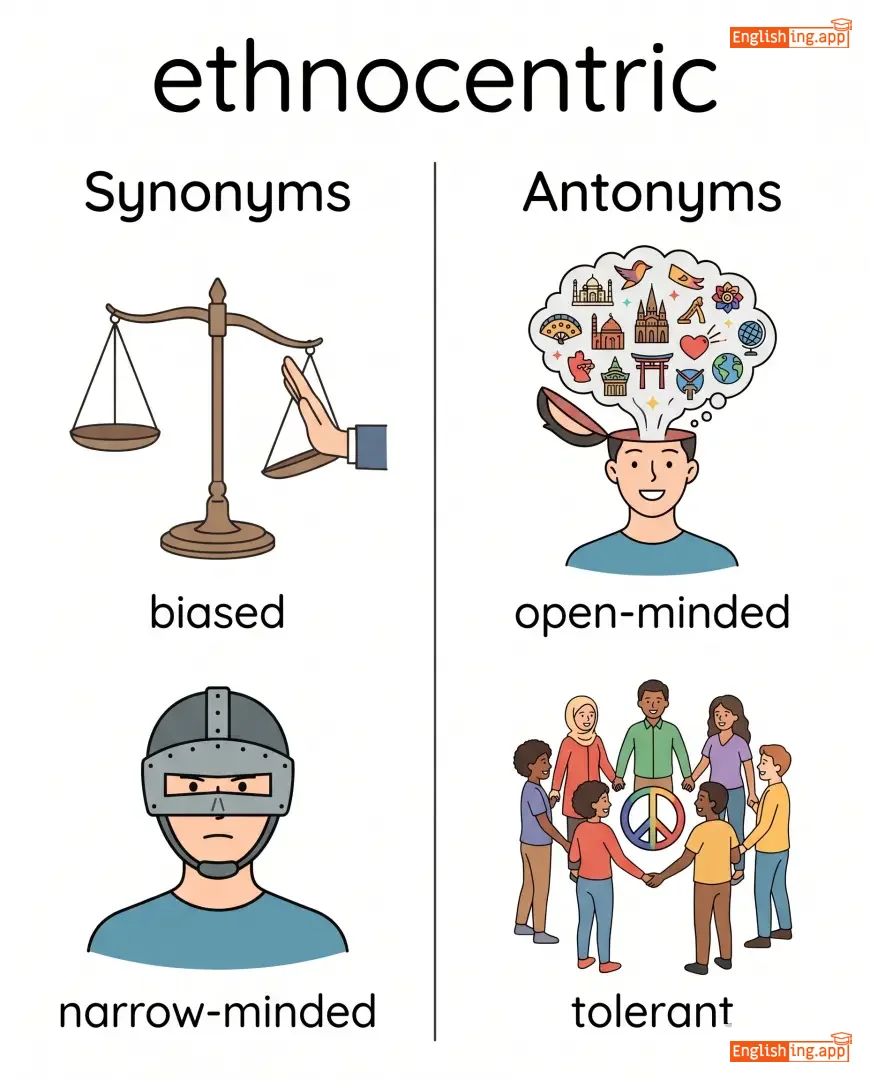
biased, narrow-minded, prejudiced, parochial, intolerant
••••••
|
open-minded, tolerant, cosmopolitan
••••••
|
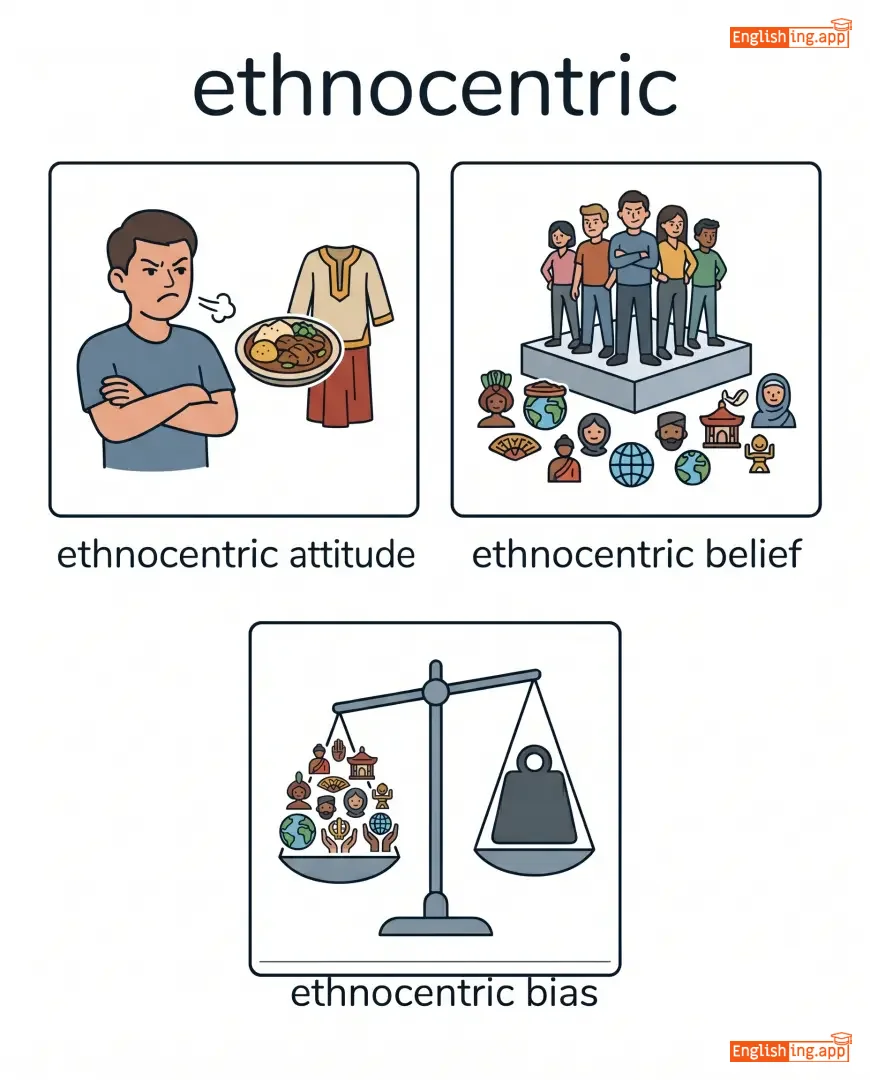
ethnocentric attitude, ethnocentric belief, ethnocentric bias, ethnocentric perspective
••••••
|
Ethno + centric = 自分の文化を中心に見る 🌍
••••••
|
|
#1
🏺
|
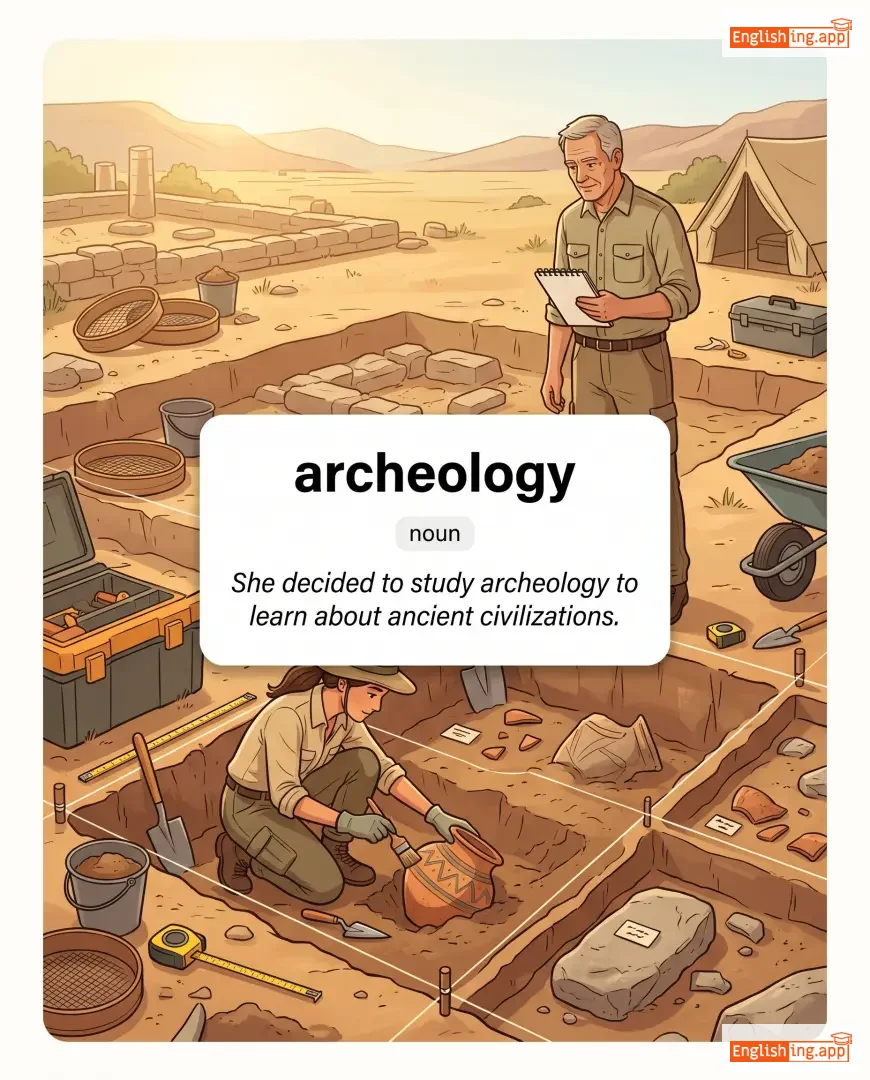
/ˌɑːr.kiˈɑː.lə.dʒi/
noun
(考古学)
••••••
|
|
考古学
koukagaku
••••••
|
- •••••• | - •••••• | - •••••• | - •••••• |
the study of human history and prehistory through excavation and analysis of artifacts and structures
••••••
|
She decided to study archeology to learn about ancient civilizations. |
彼女は古代文明について学ぶために考古学を学ぶことに決めました。
Kanojo wa kodai bunmei ni tsuite manabu tame ni koukagaku o manabu koto ni kimemashita.
••••••
|
- •••••• | - •••••• | - •••••• |
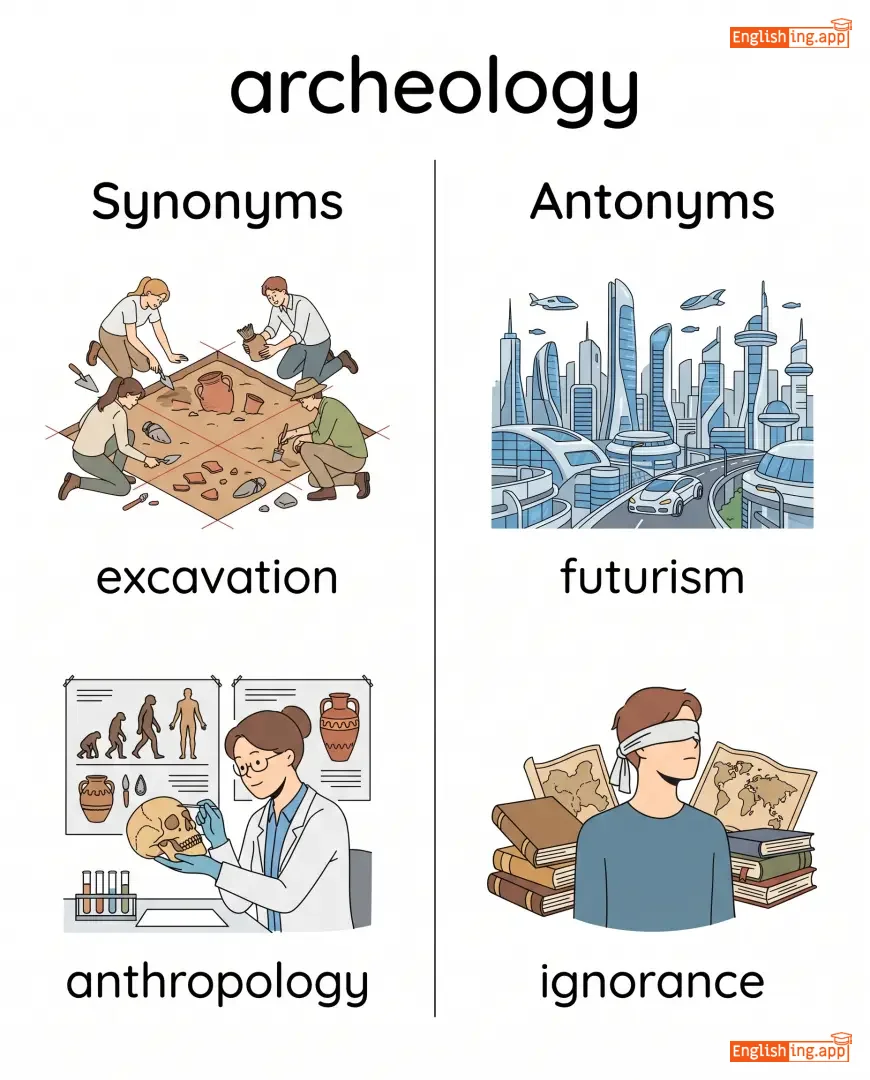
excavation, anthropology, prehistory, paleontology, history
••••••
|
futurism, ignorance
••••••
|
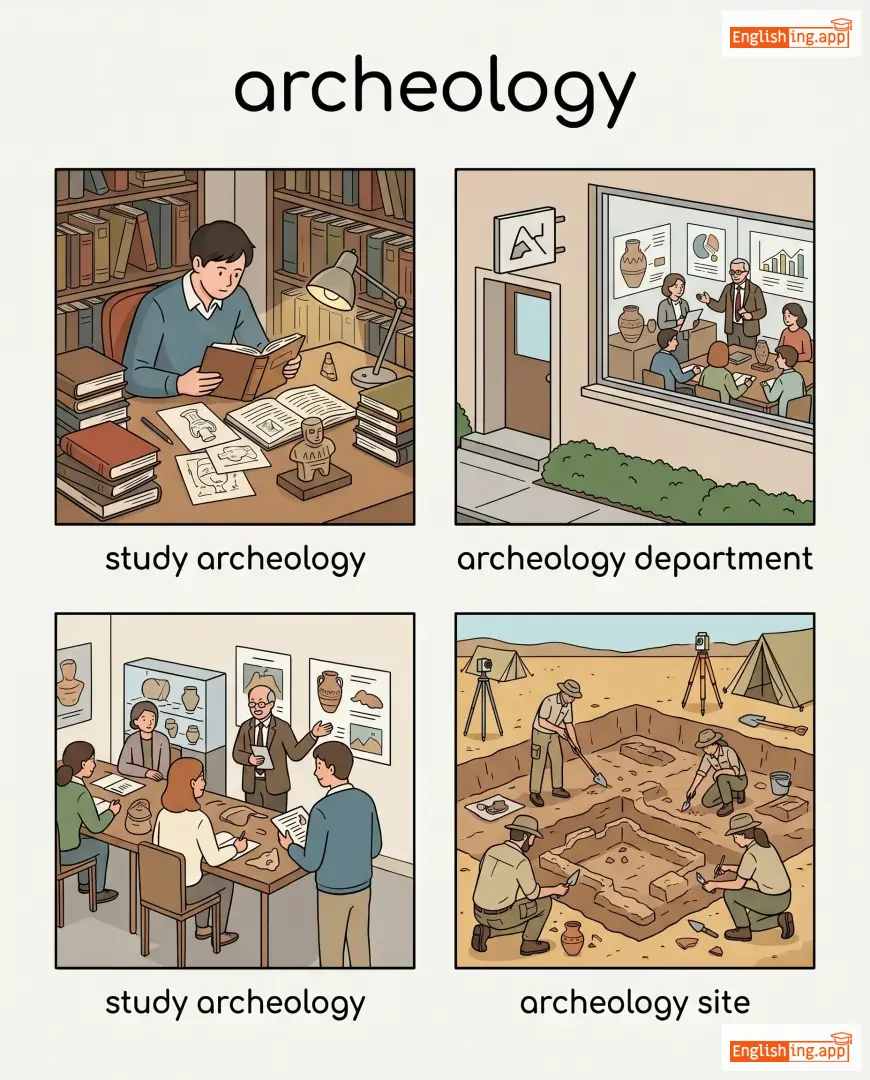
study archeology, archeology department, archeology site, archeology research
••••••
|
考古学 - 古代の秘密を解く学問
••••••
|
|
#1
🎨
|
/ˌær.əˈbesk/
noun
(アラベスク)
••••••
|
|
装飾的デザイン
sōshokuteki dezain
••••••
|
- •••••• | - •••••• | - •••••• | - •••••• |
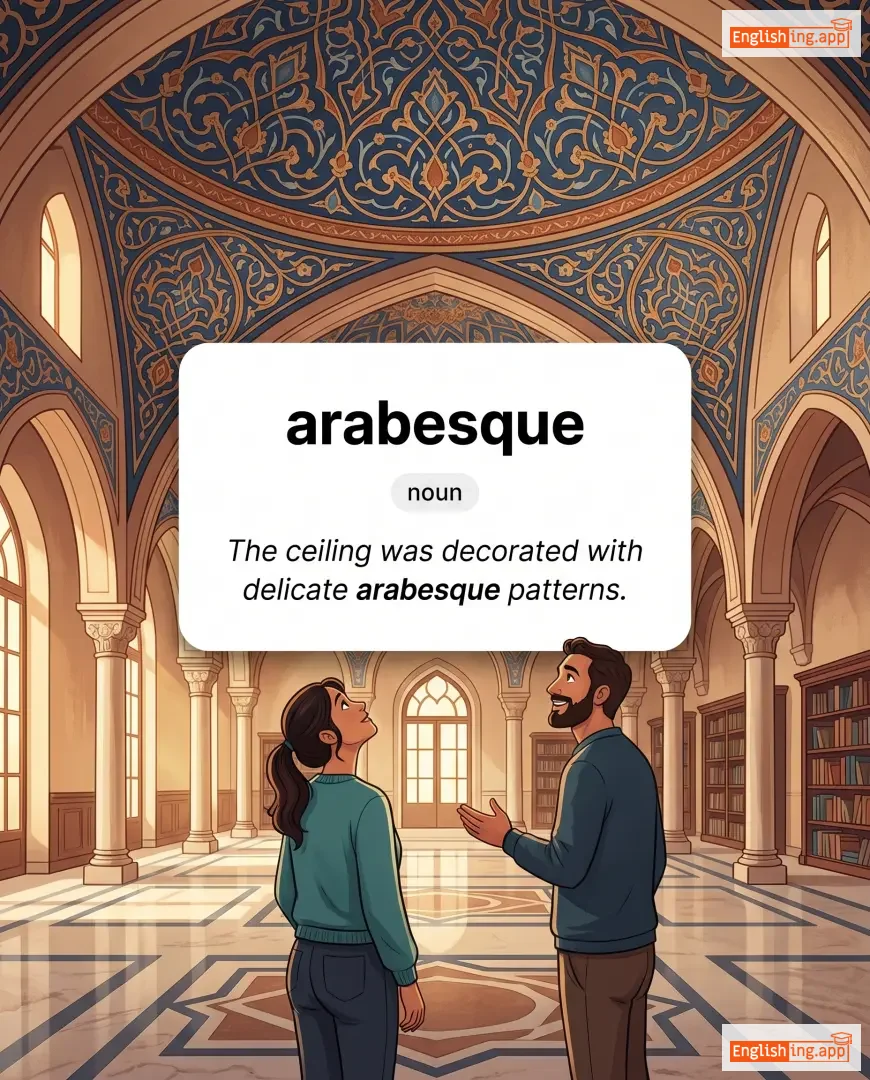
a complex, ornate design featuring intertwined flowing lines, often used in architecture or ballet poses
••••••
|
The ceiling was decorated with delicate arabesque patterns. |
天井は繊細なアラベスク模様で飾られていました。
Tenjō wa sensaina arabesuku moyō de kazararete imashita.
••••••
|
- •••••• | - •••••• | - •••••• |
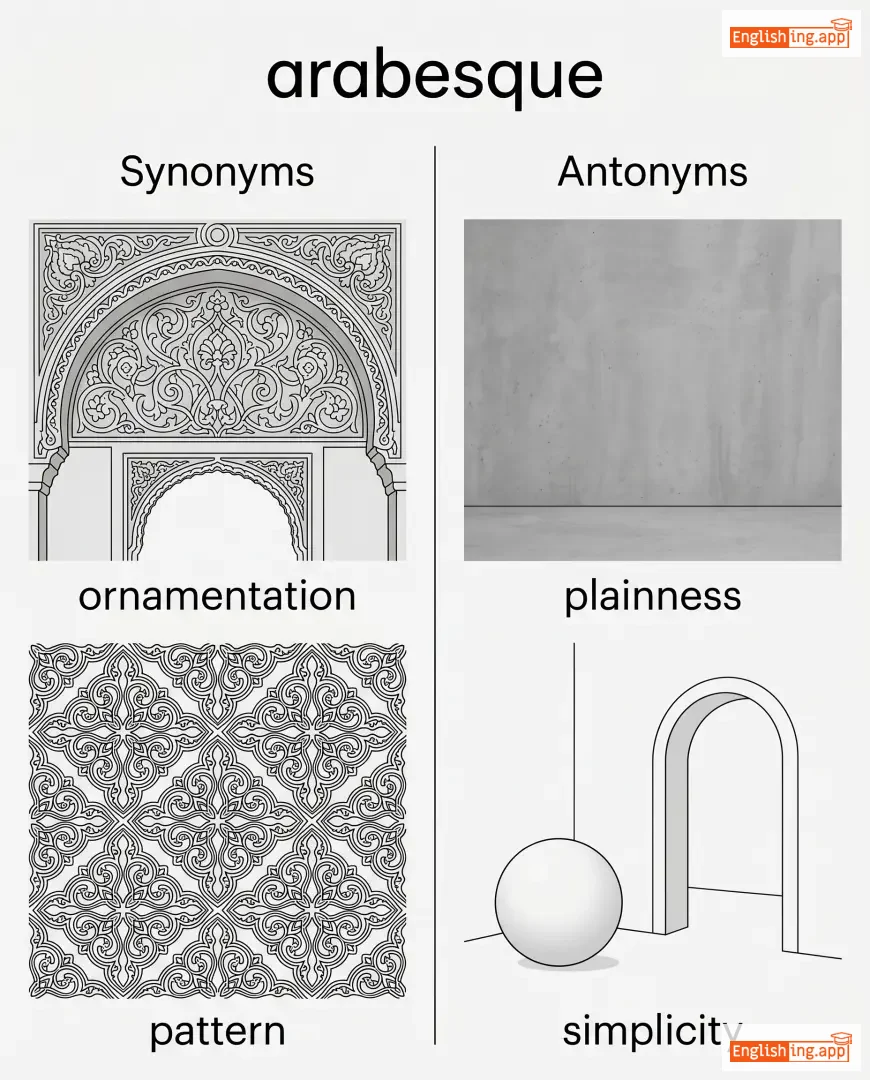
ornamentation, pattern, motif, design, flourish
••••••
|
plainness, simplicity
••••••
|
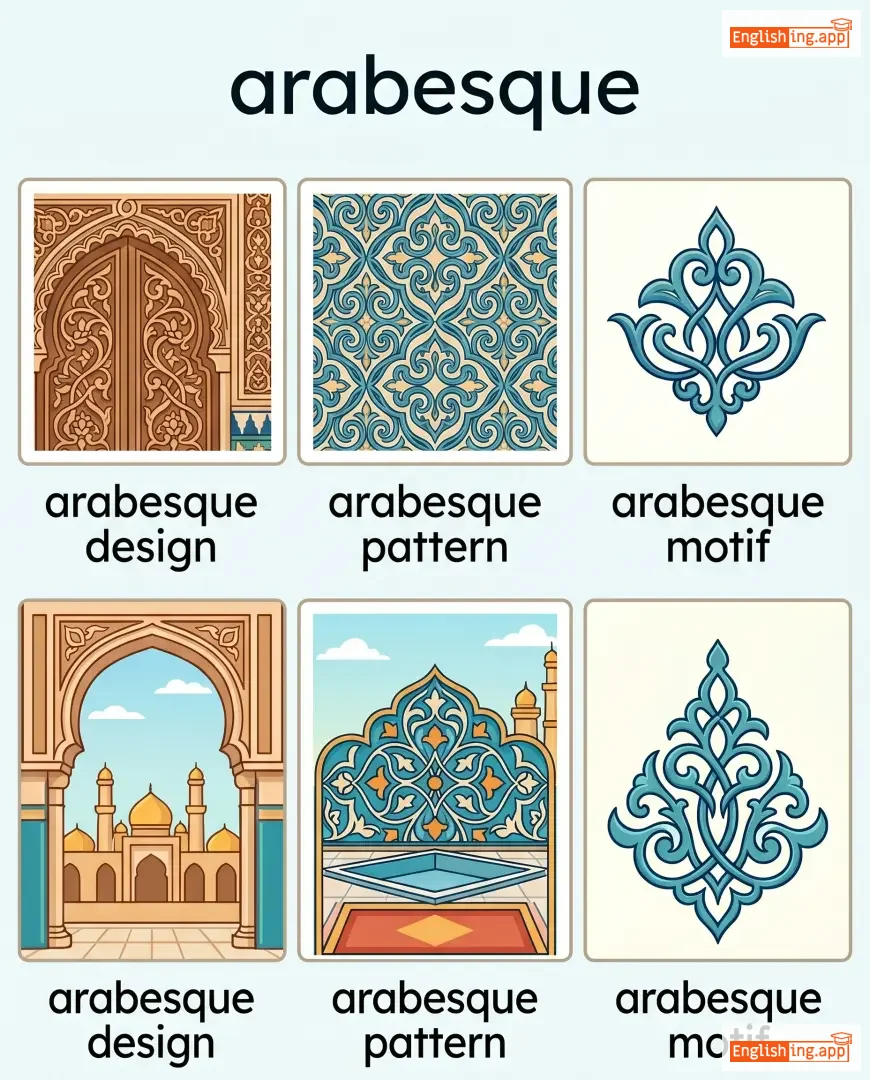
arabesque design, arabesque pattern, arabesque motif, arabesque architecture
••••••
|
アラビアのモスクで見られる美しいアラベスクデザイン 🎨
••••••
|
|
#1
⏰
|
/ˈæftərwərd/
adverb
(アフターウィアード)
••••••
|
- •••••• |
その後
sono ato
••••••
|
- •••••• | - •••••• | - •••••• | - •••••• |
at a later time; subsequently
••••••
|
We went to dinner and watched a movie afterward.
私たちは夕食に行き、その後映画を見ました。
••••••
|
私たちは夕食に行き、その後映画を見ました。
Watashitachi wa yūshoku ni iki, sono ato eiga o mimashita.
••••••
|
- •••••• | - •••••• | - •••••• |
later, subsequently, thereafter, next, then
••••••
|
before, earlier, previously
••••••
|
soon afterward, shortly afterward, day afterward
••••••
|
Afterwardはその後という意味 — 夕食後に映画を見るみたいに。
••••••
|
|
#1
🏢
|
/ədˈmɪnɪstrətɪv/
adjective
(アドミニストレイティブ)
••••••
|
|
行政的な
gyouseiteki na
••••••
|
- •••••• | - •••••• | - •••••• | - •••••• |
relating to the management or organization of an institution or business
••••••
|
She handles all the administrative tasks in the office. |
彼女はオフィスのすべての行政的な業務を担当しています。
Kanojo wa ofisu no subete no gyouseiteki na gyoumu wo tantou shiteimasu.
••••••
|
- •••••• | - •••••• | - •••••• |
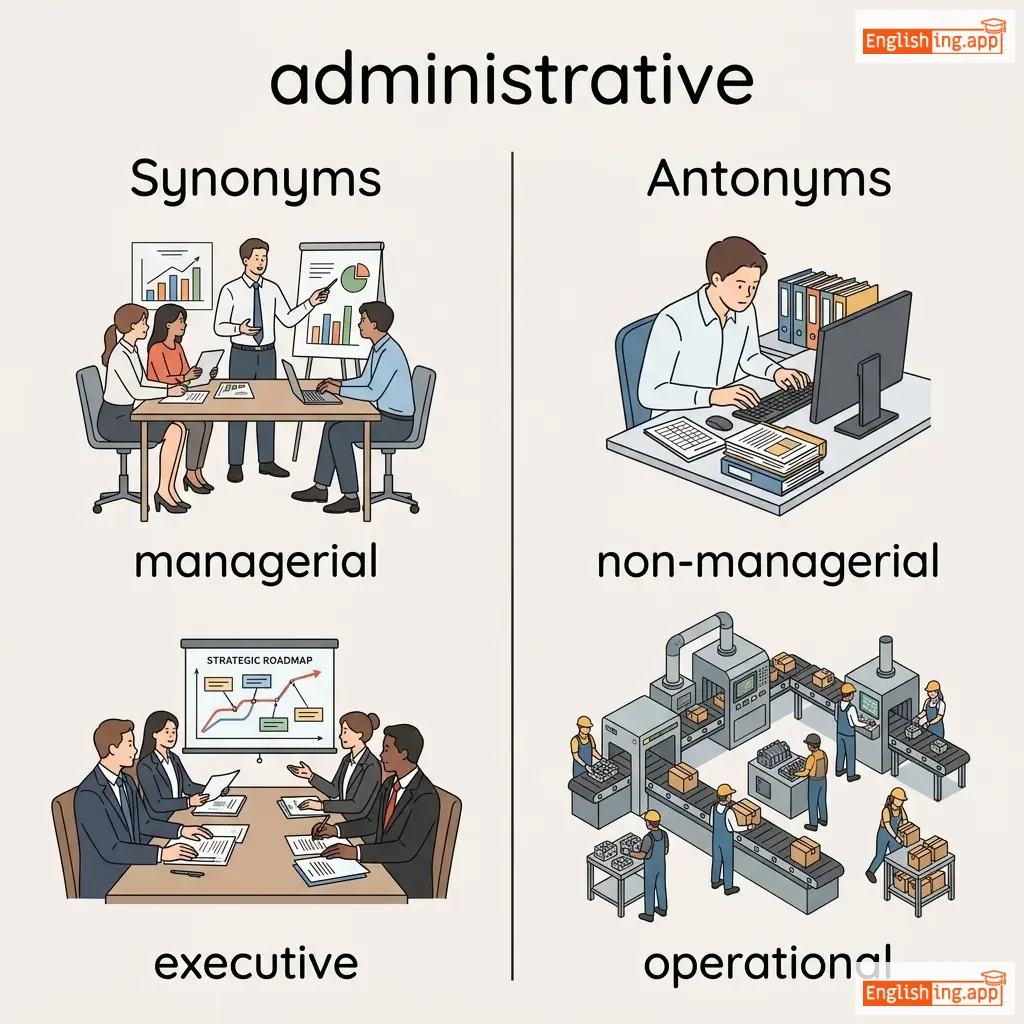
managerial, executive, organizational, supervisory
••••••
|
non-managerial, subordinate
••••••
|
administrative staff, administrative work, administrative office, administrative system
••••••
|
Adminはオフィスを意味するので、行政的なはオフィスの管理に関連している意味です 🏢
••••••
|
|
#1
🗣️
|
/ˈæksɛnt/
noun
(アクサント)
••••••
|
- •••••• |
アクセント
akushento
••••••
|
- •••••• | - •••••• | - •••••• | - •••••• |
a distinctive way of pronouncing a language, especially one associated with a particular country or region
••••••
|
She spoke English with a strong French accent.
彼女は強いフランス語のアクセントで英語を話しました。
••••••
|
彼女は強いフランス語のアクセントで英語を話しました。
Kanojo wa tsuyoi furansugo no akushento de eigo o hanashimashita.
••••••
|
foreign accent
外国のアクセント
••••••
|
a way of speaking that shows the influence of another language
••••••
|
外国のアクセント
gaikoku no akushento
••••••
|
intonation, pronunciation, tone, inflection
••••••
|
monotone, uniformity
••••••
|
strong accent, foreign accent, regional accent, British accent
••••••
|
Accent は‘アクセント’です — 特別な発音方法です。
••••••
|
|
#1
🤲
|
/əkˈsɛptəns/
noun
(akusetansu)
••••••
|
- •••••• |
受け入れ
ukeire
••••••
|
- •••••• | - •••••• | - •••••• | - •••••• |
the act of agreeing to receive or undertake something offered
••••••
|
Her acceptance of the award was met with applause. |
賞を受け入れる彼女は拍手で迎えられました。
Shou o ukeireru kanojo wa hakushu de mukaeraremashita.
••••••
|
acceptance speech |
a speech given when accepting an award or honor
••••••
|
受け入れスピーチ
ukeire supiichi
••••••
|
approval, agreement, consent, recognition
••••••
|
rejection, refusal, denial
••••••
|
letter of acceptance, acceptance speech, acceptance of offer, gain acceptance
••••••
|
Acceptance: 受け入れたら拍手でお祝いしよう!
••••••
|
|
#1
🏆
|
/əˈkʌmplɪʃmənt/
noun
(アクンプリッシュメント)
••••••
|
- •••••• |
達成
tassei
••••••
|
- •••••• | - •••••• | - •••••• | - •••••• |
something that has been achieved successfully
••••••
|
Graduating from university was a major accomplishment for him. |
大学を卒業することは彼にとって大きな達成でした。
Daigaku o sotsugyō suru koto wa kare ni totte ōkina tassei deshita.
••••••
|
sense of accomplishment |
a feeling of pride and satisfaction from achieving something
••••••
|
達成感
tassei kan
••••••
|
achievement, success, fulfillment, attainment
••••••
|
failure, defeat
••••••
|
great accomplishment, remarkable accomplishment, personal accomplishment, sense of accomplishment
••••••
|
Accomplishment はミッション完了の達成感 — ミッション完了=成功!
••••••
|
|
#1
📋
|
/əˌkaʊntəˈbɪlɪti/
noun
(アカウンタビリティ)
••••••
|
|
責任
sekinin
••••••
|
- •••••• | - •••••• | - •••••• | - •••••• |
the state of being responsible and answerable for actions or decisions
••••••
|
The manager emphasized accountability among all team members. |
マネージャーはチームメンバー全員に責任を強調しました。
Manējā wa chīmu menbā zen'in ni sekinin o kyōchō shimashita.
••••••
|
take accountability |
to accept responsibility for one’s actions
••••••
|
責任を負う
sekinin o ou
••••••
|
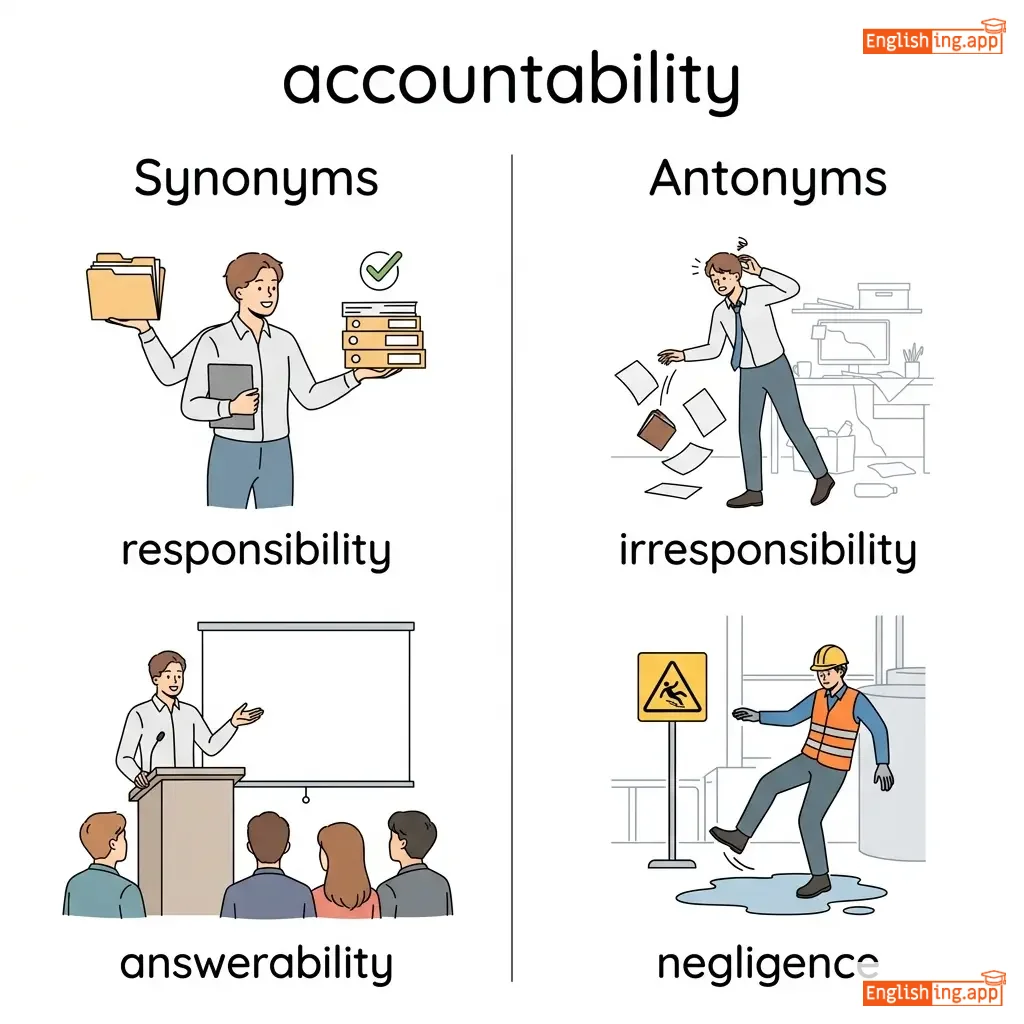
responsibility, answerability, liability, obligation
••••••
|
irresponsibility, negligence
••••••
|
high accountability, public accountability, take accountability, ensure accountability
••••••
|
責任とは自分の行動に答えること — まさに答えを出すこと!
••••••
|
|
#1
📊
|
/əˈkaʊntɪŋ/
noun
(アカウンティング)
••••••
|
- •••••• |
会計
kaikei
••••••
|
- •••••• | - •••••• | - •••••• | - •••••• |
the process of recording, summarizing, and reporting financial transactions
••••••
|
She works in the accounting department of a large firm. |
彼女は大手企業の会計部門で働いています。
Kanojo wa ōte kigyō no kaikei bumon de hataraiteimasu.
••••••
|
creative accounting |
manipulating financial records to make a company look more profitable
••••••
|
創造的会計
sōzōteki kaikei
••••••
|
bookkeeping, auditing, finance, record-keeping, budgeting
••••••
|
spending, mismanagement
••••••
|
accounting standards, accounting system, accounting firm, financial accounting, management accounting
••••••
|
Accounting は会計管理、 会計はお金の管理 📊
••••••
|
|
#1
🎯
|
/ˈækjərətli/
adverb
(アキュレートリー)
••••••
|
- •••••• |
正確に
seikaku ni
••••••
|
- •••••• | - •••••• | - •••••• | - •••••• |
in a way that is correct and without errors
••••••
|
She can accurately predict the weather conditions. |
彼女は天気予報を正確に予測することができます。
Kanojo wa tenki yohō o seikaku ni yosoku suru koto ga dekimasu.
••••••
|
- •••••• | - •••••• | - •••••• |
precisely, exactly, correctly, faithfully, truly
••••••
|
incorrectly, roughly, inaccurately
••••••
|
measure accurately, report accurately, calculate accurately, describe accurately
••••••
|
Accurate は正確という意味なので、accurately は正確にという意味です。
••••••
|
|
#1
💪
|
/ˈæktɪvli/
adverb
(æktɪvli)
••••••
|
- •••••• |
積極的に
sekkyokuteki ni
••••••
|
- •••••• | - •••••• | - •••••• | - •••••• |
in a way that involves energetic participation or effort
••••••
|
He is actively involved in community service.
彼は地域社会サービスに積極的に参加しています。
••••••
|
彼は地域社会サービスに積極的に参加しています。
Kare wa chiiki shakai sābisu ni sekkyokuteki ni sanka shiteimasu.
••••••
|
- •••••• | - •••••• | - •••••• |
energetically, dynamically, vigorously, busily
••••••
|
passively, lazily, idly
••••••
|
actively participate, actively support, actively engage, actively promote
••••••
|
積極的ということは行動すること、だから積極的にということはエネルギーを持って行動すること!
••••••
|
|
#1
➕
|
/ˈædɪd/
verb
(アデッド)
••••••
|
- •••••• |
追加された
tsuika sareta
••••••
|
added
アデッド
••••••
|
added
アデッド
••••••
|
adds
アッズ
••••••
|
adding
アディング
••••••
|
to join something to something else to increase its size, number, or amount
••••••
|
She added sugar to her coffee.
彼女はコーヒーに砂糖を加えました。
••••••
|
彼女はコーヒーに砂糖を加えました。
Kanojo wa kōhī ni satō o kuwaemashita.
••••••
|
add fuel to the fire
火に油を注ぐ
••••••
|
to make a bad situation worse
••••••
|
火に油を注ぐ
Hi ni abura o sosogu
••••••
|
include, attach, combine, supplement, increase
••••••
|
subtract, remove, deduct
••••••
|
added value, added benefit, added sugar, added bonus
••••••
|
Addは追加する意味なので、addedはすでに追加されたことを意味します。
••••••
|
|
#1
👶
|
/əˈdɒpʃən/
noun
(アダプション)
••••••
|
|
養子縁組
youshiengumi
••••••
|
- •••••• | - •••••• | - •••••• | - •••••• |
the act of legally taking another's child and bringing it up as one's own, or accepting and starting to use something new
••••••
|
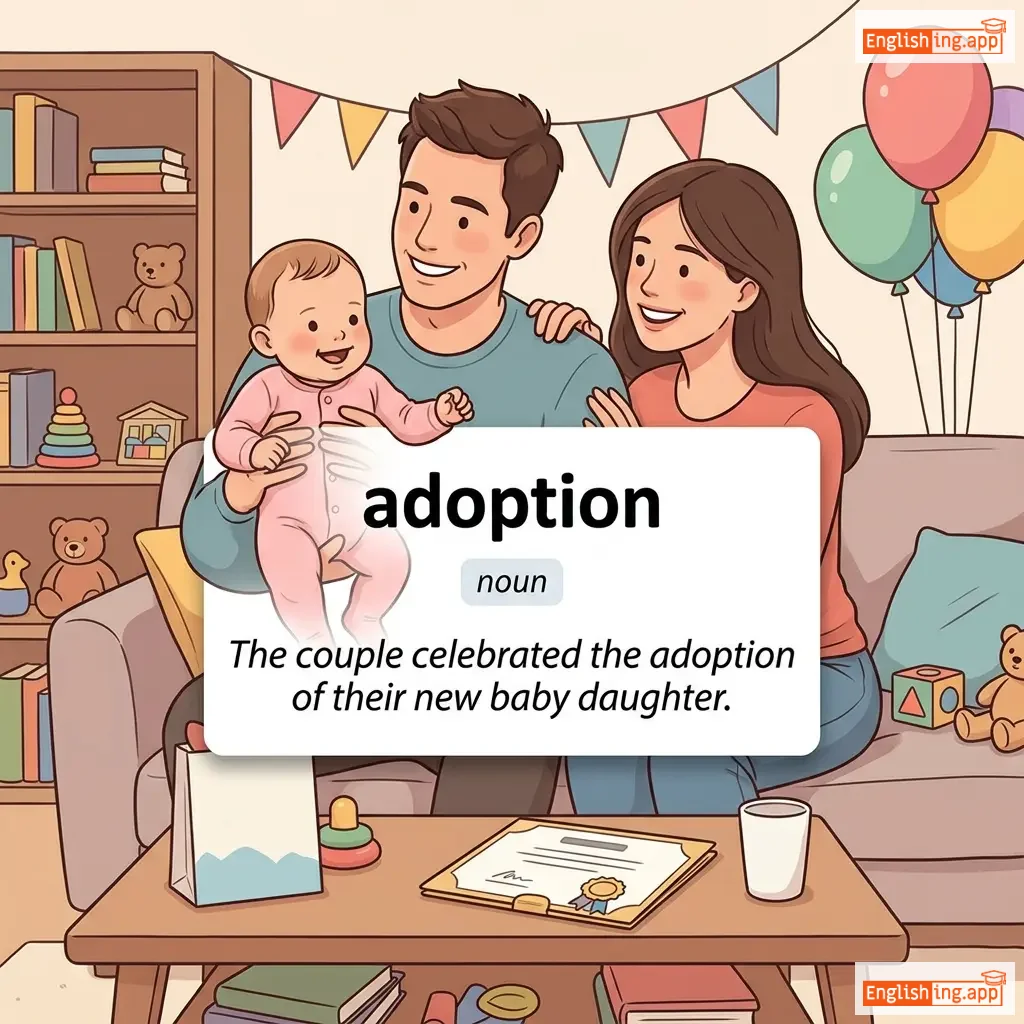
The couple celebrated the adoption of their new baby daughter.
そのカップルは新しい娘の養子縁組を祝いました。
••••••
|
そのカップルは新しい娘の養子縁組を祝いました。
Sono kappuru wa atarashii musume no youshi engumi wo iwaimashita.
••••••
|
put up for adoption
養子縁組のために出す
••••••
|
to make a child available to be adopted by someone else
••••••
|
養子縁組のために出す
Youshiengumi no tame ni dasu
••••••
|
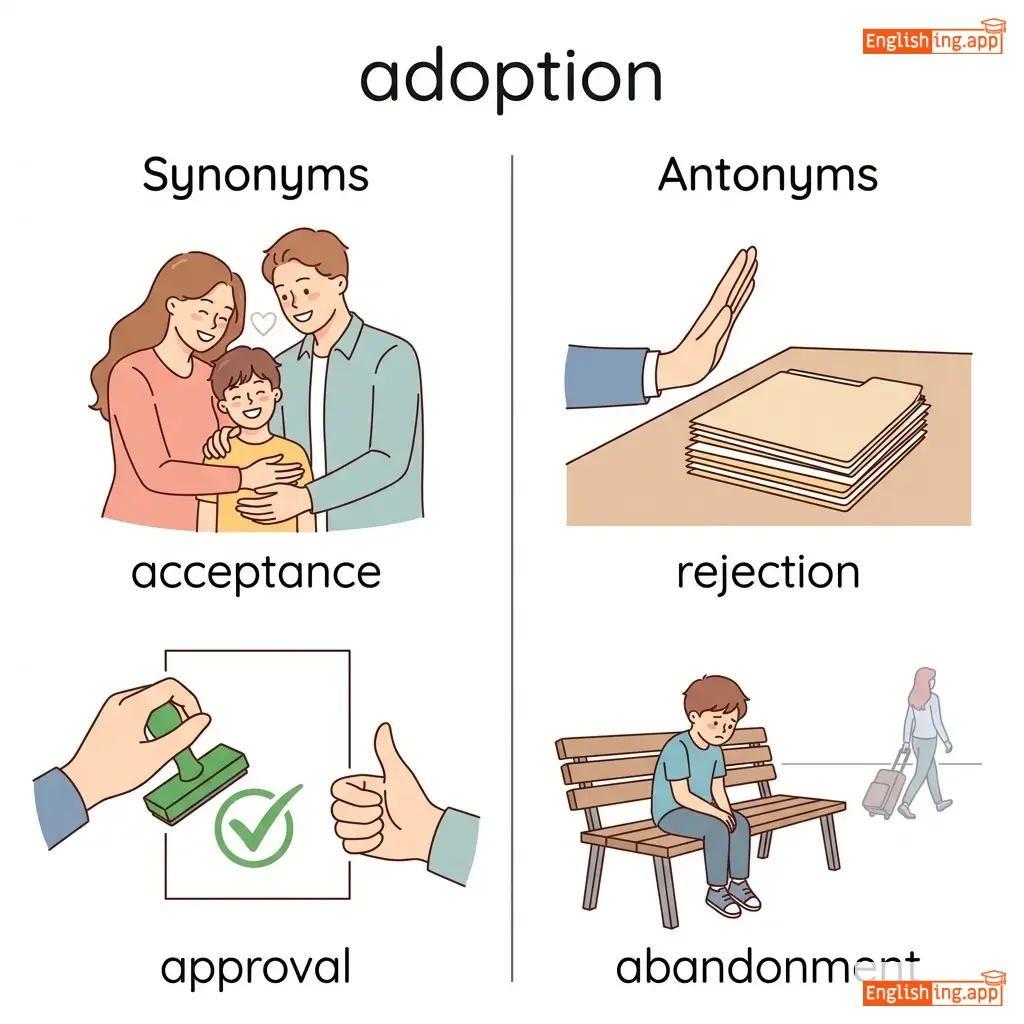
acceptance, approval, embrace, fostering, implementation
••••••
|
rejection, abandonment, refusal
••••••
|
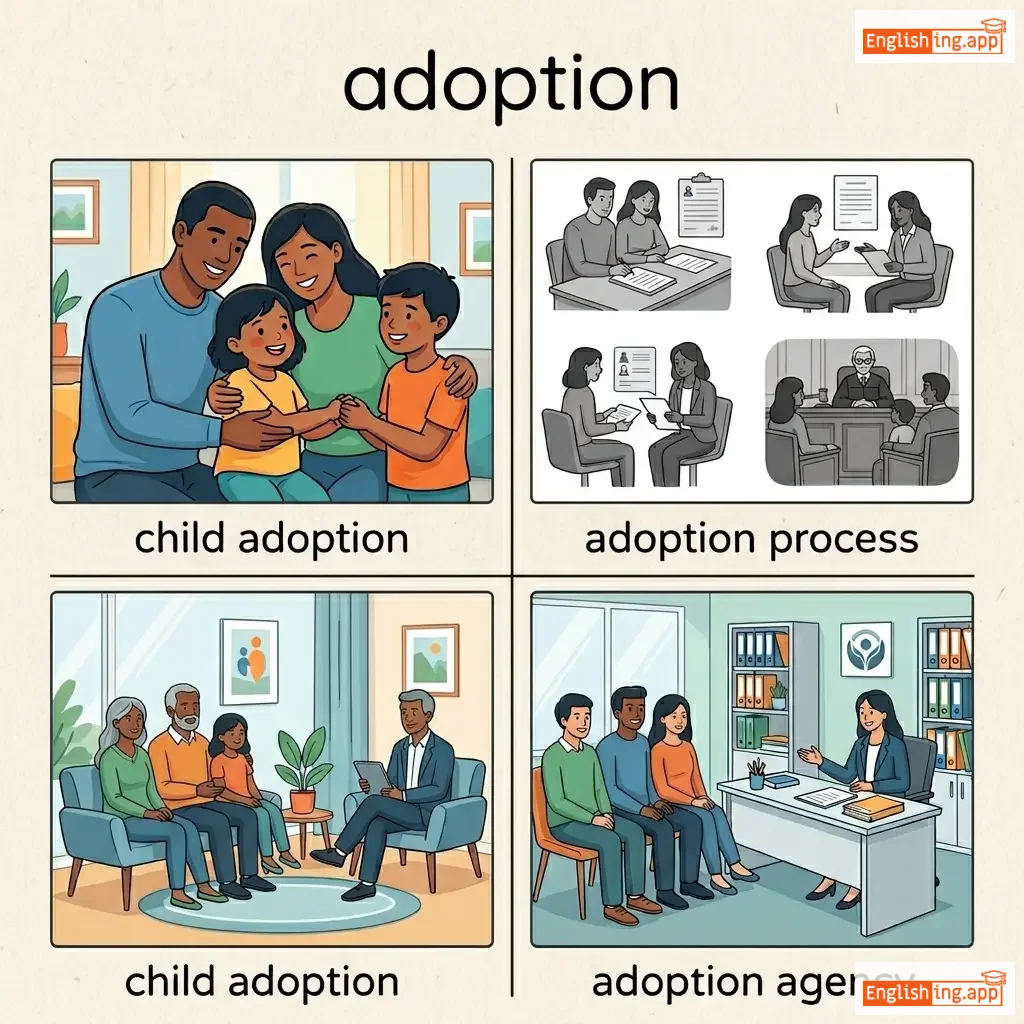
child adoption, adoption process, adoption agency, international adoption
••••••
|
Adoption = Add an option — 自分の家族に新しい子供を加える。
••••••
|
|
#12385
📅
|
/ˈjɛstərdeɪ/
noun
(昨日)
••••••
|
- •••••• |
昨日
kinou
••••••
|
- •••••• | - •••••• | - •••••• | - •••••• |
the day before today
••••••
|
Yesterday, we went to the park. |
昨日、公園に行きました。
Kinou, kouen ni ikimashita.
••••••
|
- •••••• | - •••••• | - •••••• |
the previous day, last day
••••••
|
today, tomorrow
••••••
|
yesterday afternoon, yesterday evening, just yesterday, yesterday morning
••••••
|
Yesterday, I remember it as KINOU (Yesterday in Japanese).
••••••
|
|
#12386
⏳
|
/jɛt/
adverb
(イェット)
••••••
|
- •••••• |
まだ
mada
••••••
|
- •••••• | - •••••• | - •••••• | - •••••• |
up until the present time, or a point in the past
••••••
|
I haven’t finished my homework yet. |
私はまだ宿題を終えていません。
Watashi wa mada shukudai o oeteimasen.
••••••
|
- •••••• | - •••••• | - •••••• |
still, up to now, so far, as of now
••••••
|
already, now
••••••
|
not yet, yet to come, yet again, yet another
••••••
|
Yet, I haven’t finished yet! Mada in Japanese means 'yet'.
••••••
|
|
#12387
🙂
|
/juː/
pronoun
(あなた)
••••••
|
- •••••• |
あなた
anata
••••••
|
- •••••• | - •••••• | - •••••• | - •••••• |
used to refer to the person or people being spoken to
••••••
|
You are doing a great job!
あなたは素晴らしい仕事をしています!
••••••
|
あなたは素晴らしい仕事をしています!
Anata wa subarashii shigoto o shiteimasu!
••••••
|
- •••••• | - •••••• | - •••••• |
yourself, yourself
••••••
|
I, he, she
••••••
|
you are, you can, you will, you need
••••••
|
You, あなた, are the person you’re talking about.
••••••
|
|
#12388
🧑🦱
|
/jʌŋ/
adjective
(ヤング)
••••••
|
- •••••• |
若い
wakai
••••••
|
- •••••• | - •••••• | - •••••• | - •••••• |
having lived or existed for a short time
••••••
|
The young boy loves to play football.
若い男の子はサッカーをするのが好きです。
••••••
|
若い男の子はサッカーをするのが好きです。
Wakai otoko no ko wa sakkā o suru no ga suki desu.
••••••
|
- •••••• | - •••••• | - •••••• |
youthful, juvenile, adolescent, fresh
••••••
|
old, aged
••••••
|
young generation, young people, young age
••••••
|
Young = WAKAI in Japanese, think of a young person with a zest for life.
••••••
|
|
#12389
📚
|
/jɔːr/
pronoun
(あなたの)
••••••
|
- •••••• |
あなたの
anata no
••••••
|
- •••••• | - •••••• | - •••••• | - •••••• |
used to indicate possession or association
••••••
|
Your book is on the table. |
あなたの本はテーブルの上にあります。
Anata no hon wa tēburu no ue ni arimasu.
••••••
|
- •••••• | - •••••• | - •••••• |
your own, belonging to you
••••••
|
my, theirs
••••••
|
your opinion, your responsibility, your time
••••••
|
あなたの本はテーブルの上にあります - Your book is on the table
••••••
|
|
#12390
✍️
|
/jɔːrz/
pronoun
(ユアーズ)
••••••
|
- •••••• |
あなたの
anata no
••••••
|
- •••••• | - •••••• | - •••••• | - •••••• |
belonging to or associated with the person or people that the speaker is addressing
••••••
|
This pen is yours. |
このペンはあなたのです。
Kono pen wa anata no desu.
••••••
|
- •••••• | - •••••• | - •••••• |
your property, belonging to you
••••••
|
mine, theirs
••••••
|
yours to keep, this is yours
••••••
|
あなたのペン (Anata no pen) - This pen is yours.
••••••
|
|
#12391
🤳
|
/jɔːrˈsɛlf/
pronoun
(ヨアセルフ)
••••••
|
- •••••• |
自分自身
jibun jishin
••••••
|
- •••••• | - •••••• | - •••••• | - •••••• |
used to refer to the person being addressed, often for emphasis or reflection
••••••
|
You should look after yourself. |
自分自身の世話をしなさい。
Jibun jishin no sewa o shinasai.
••••••
|
- •••••• | - •••••• | - •••••• |
your own self, personally
••••••
|
no one, others
••••••
|
look after yourself, enjoy yourself, be yourself
••••••
|
自分自身を大切に (Jibun jishin o taisetsu ni) - Take care of yourself.
••••••
|
|
#12392
👦👧
|
/juːθ/
noun
(青春)
••••••
|
- •••••• |
青春
seishun
••••••
|
- •••••• | - •••••• | - •••••• | - •••••• |
the period of life when a person is young, often associated with energy and vitality
••••••
|
The youth are the future of the country. |
青年は国の未来です。
Seishun wa kuni no mirai desu.
••••••
|
- •••••• | - •••••• | - •••••• |
adolescence, young people, teenagers
••••••
|
old age, adulthood
••••••
|
youth culture, youth movement, youth organization
••••••
|
青春は未来を作る (Seishun wa mirai wo tsukuru) - Youth creates the future.
••••••
|
|
#12393
🌍
|
/zoʊn/
noun
(ゾーン)
••••••
|
|
ゾーン
zōn
••••••
|
- •••••• | - •••••• | - •••••• | - •••••• |
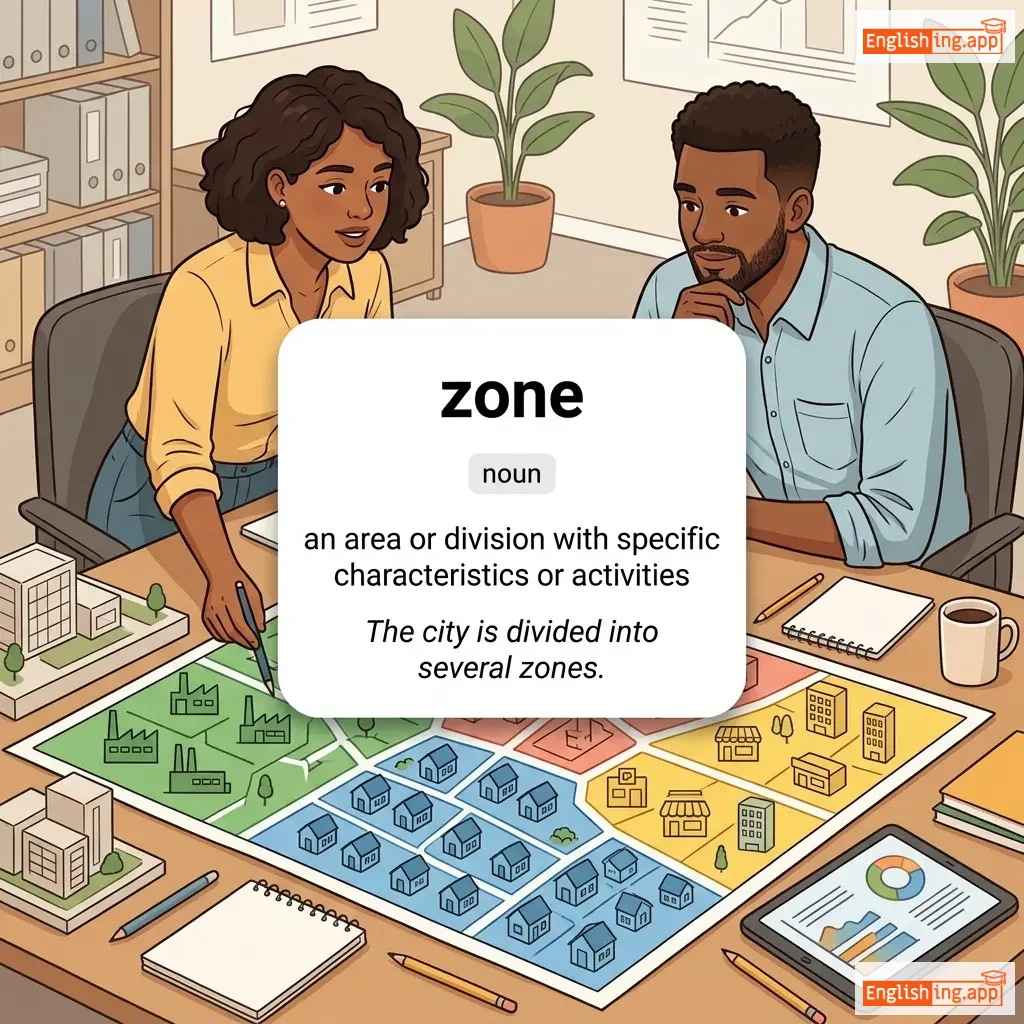
an area or division with specific characteristics or activities
••••••
|
The city is divided into several zones. |
この都市は複数のゾーンに分けられています。
Kono toshi wa fukusū no zōn ni wakerareteimasu.
••••••
|
- •••••• | - •••••• | - •••••• |
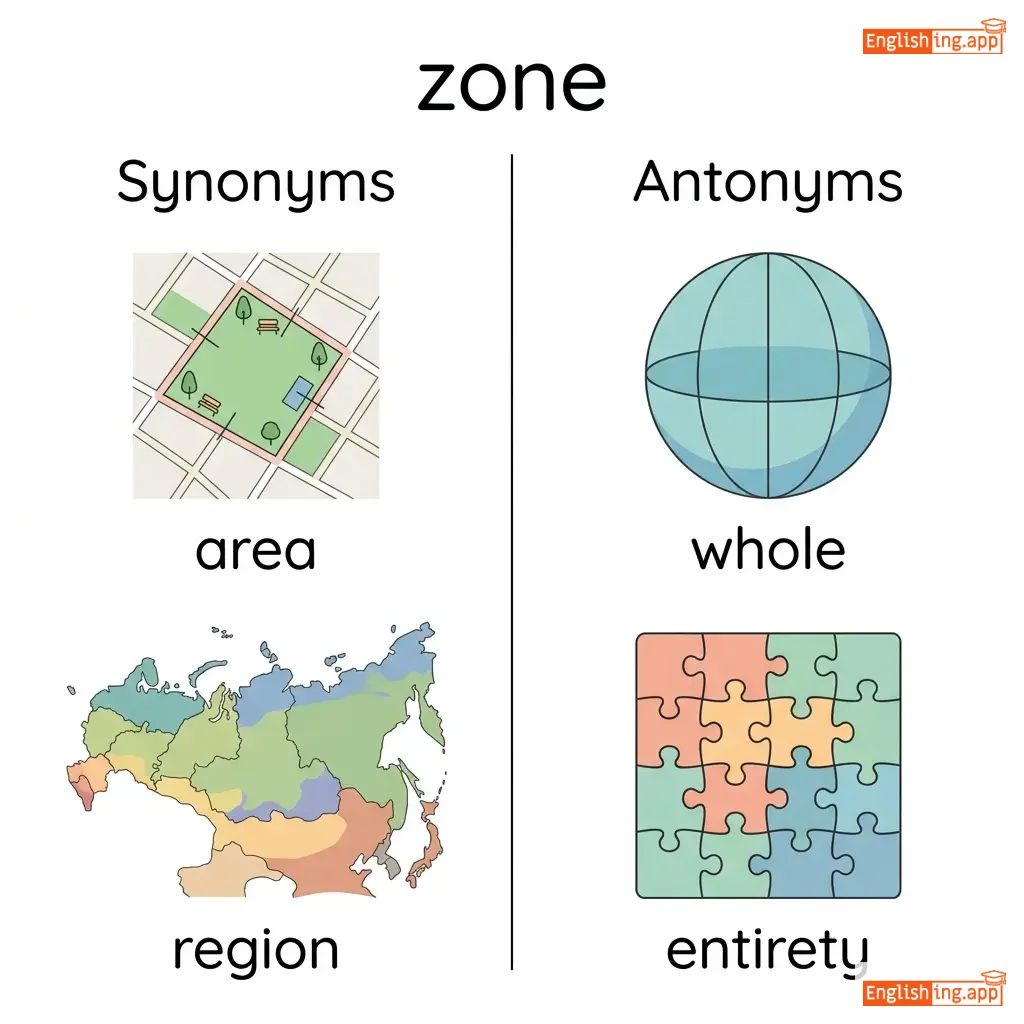
area, region, district
••••••
|
whole, entirety
••••••
|
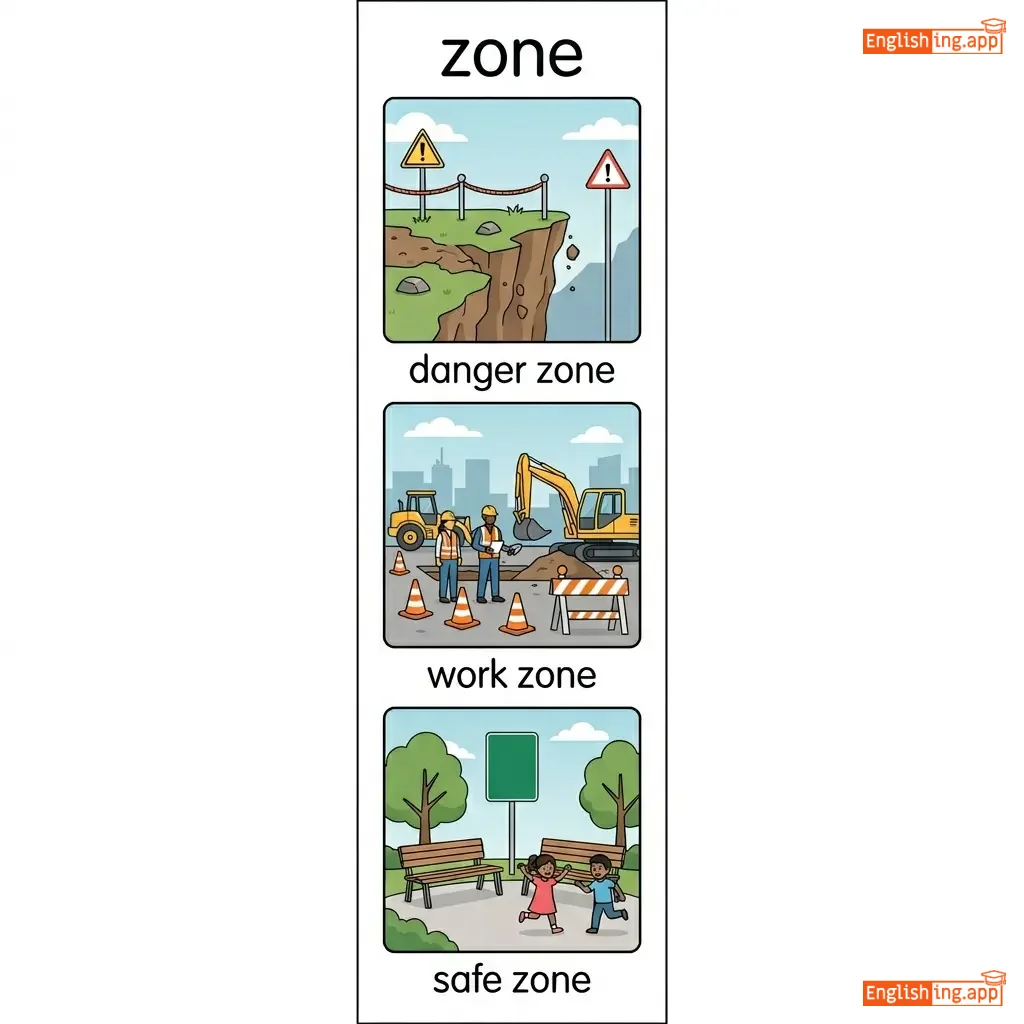
danger zone, work zone, safe zone
••••••
|
ゾーンに分けられた都市 (Zōn ni wakerareta toshi) - The city is divided into zones.
••••••
|
Vocabulary Quiz
Test your vocabulary by matching words with their translations or meanings.
Login to take the quiz
Comments (0)
Share your thoughts and join the discussion.
Join the discussion by logging in
Login to CommentNo comments yet
Be the first to share your thoughts!