

翻訳
過去
過去分詞
三人称単数
動名詞
意味
例文
例文の翻訳
同義語
対義語
コロケーション
ニーモニック

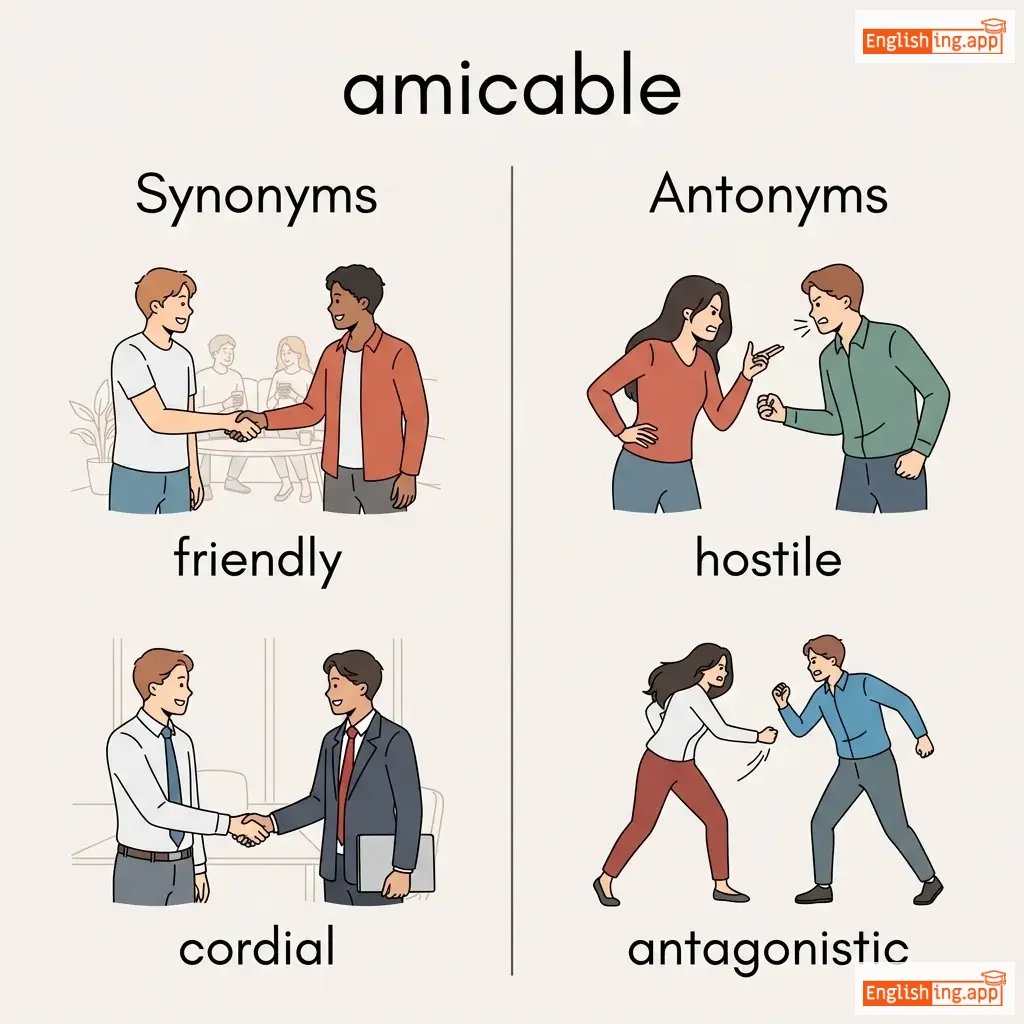

Swipe left or right, or use the buttons. Tap image to zoom.
例文の翻訳
単語
Lesson 13Lesson 13 - マスクトグル
|
絵文字
|
単語 | Images | 翻訳 | 過去 | 過去分詞 | 三人称単数 | 動名詞 | 意味 | 例文 | 例文の翻訳 | 表現例 | 表現例の意味 | 表現例の翻訳 | 同義語 | 対義語 | コロケーション | ニーモニック |
|---|---|---|---|---|---|---|---|---|---|---|---|---|---|---|---|---|---|
|
#361
⚡
|
/ˈæmpɛər/
noun
(アンペア)
••••••
|
- •••••• |
アンペア
ampea
••••••
|
- •••••• | - •••••• | - •••••• | - •••••• |
A unit of electric current in the International System of Units (SI), symbolized as A.
••••••
|
The current flowing through the wire is measured in amperes. |
ワイヤーを流れる電流はアンペアで測定されます。
Waiyā o nagareru denryū wa anpea de sokutei saremasu.
••••••
|
- •••••• | - •••••• | - •••••• |
current unit, electric current, SI unit, amp
••••••
|
voltage, resistance
••••••
|
electric ampere, measure in amperes, ampere rating, ampere unit
••••••
|
アンペアは電流の単位、Aがアンペアだと覚えて!
••••••
|
|
#362
📜
|
/əˌnækrəˈnɪstɪk/
adjective
(アナクロニスティック)
••••••
|
- •••••• |
時代錯誤の
jidai sakugo no
••••••
|
- •••••• | - •••••• | - •••••• | - •••••• |
belonging to a period other than that being portrayed; old-fashioned or outdated
••••••
|
His views on gender roles are considered anachronistic.
彼の性別役割に関する見解は時代遅れと見なされている。
••••••
|
彼の性別役割に関する見解は時代遅れと見なされている。
Kare no seibetsu yakuwari ni kansuru kenkai wa jidaiokure to minasareteiru.
••••••
|
- •••••• | - •••••• | - •••••• |
outdated, obsolete, old-fashioned, antiquated
••••••
|
modern, contemporary, current
••••••
|
anachronistic view, anachronistic practice, anachronistic attitude
••••••
|
アナクロニスティックは過去から来たもの、今の時代には合わない。
••••••
|
|
#363
⌛
|
/əˈnækrəˌnɪzəm/
noun
••••••
|
|
- •••••• | - •••••• | - •••••• | - •••••• | - •••••• |
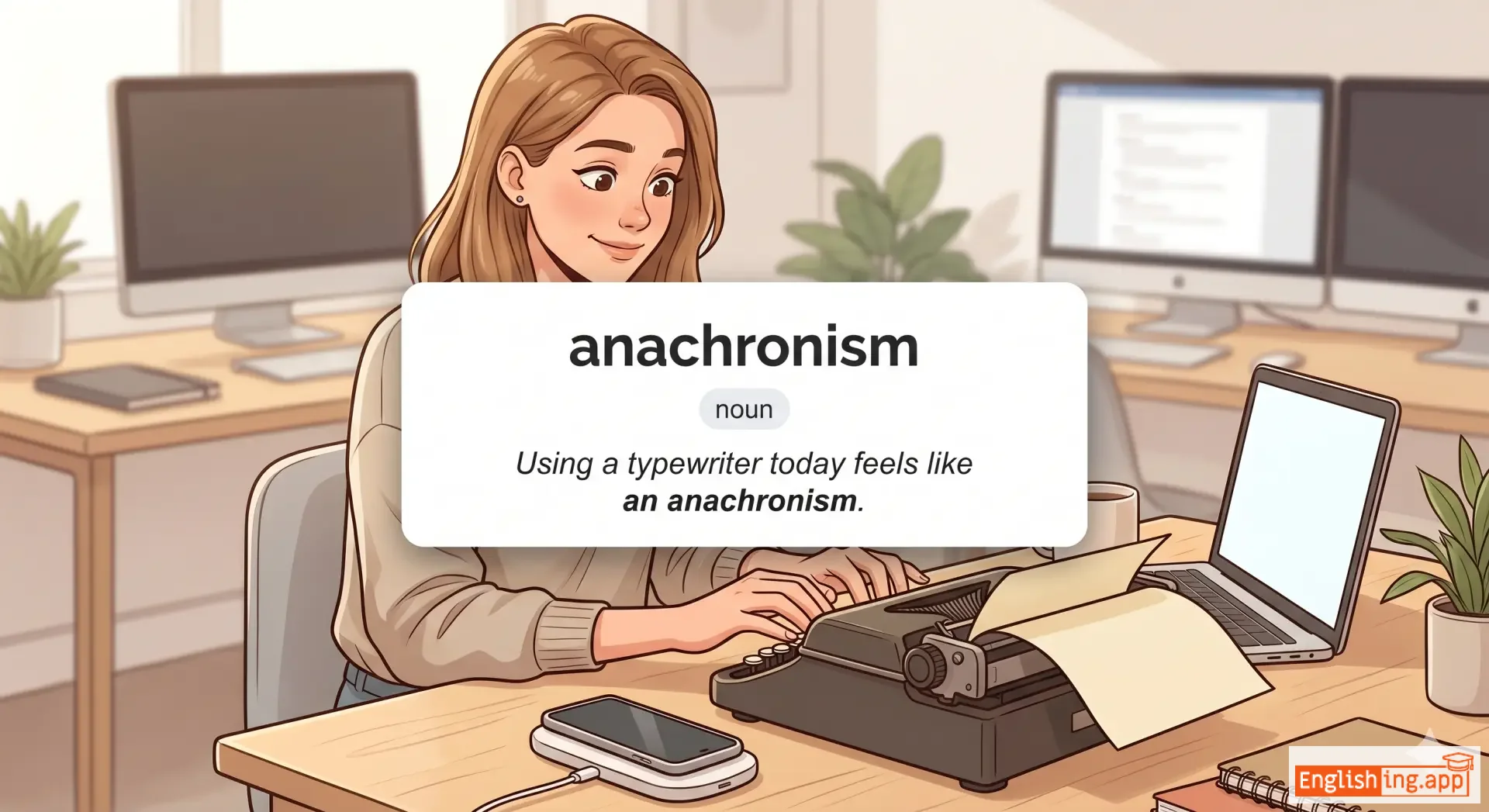
something that is out of its proper time period, especially something old-fashioned in a modern context
••••••
|
Using a typewriter today feels like an anachronism. |
- •••••• | - •••••• | - •••••• | - •••••• |
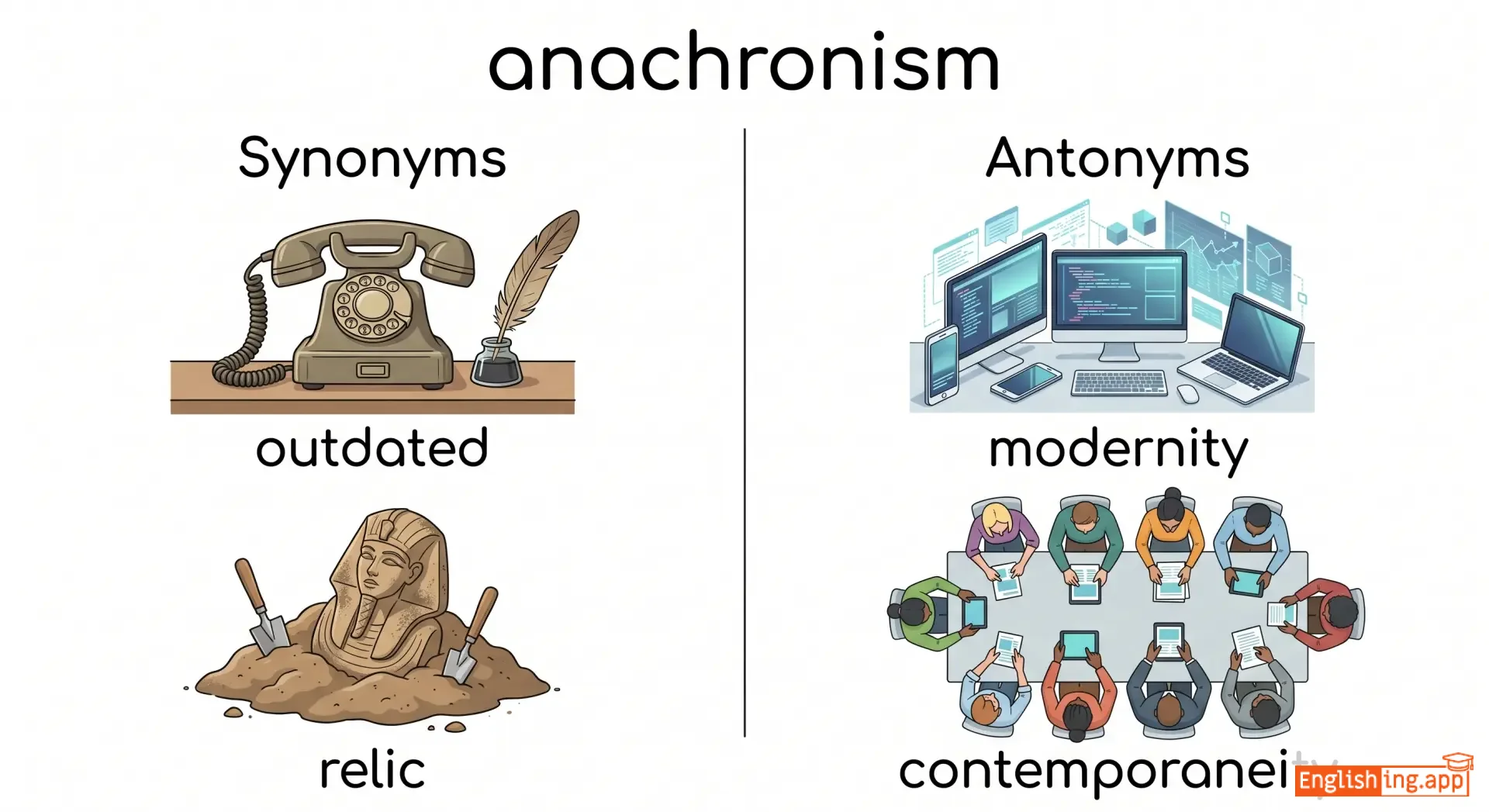
outdated, relic, antiquated, obsolete
••••••
|
modernity, contemporaneity, relevance
••••••
|
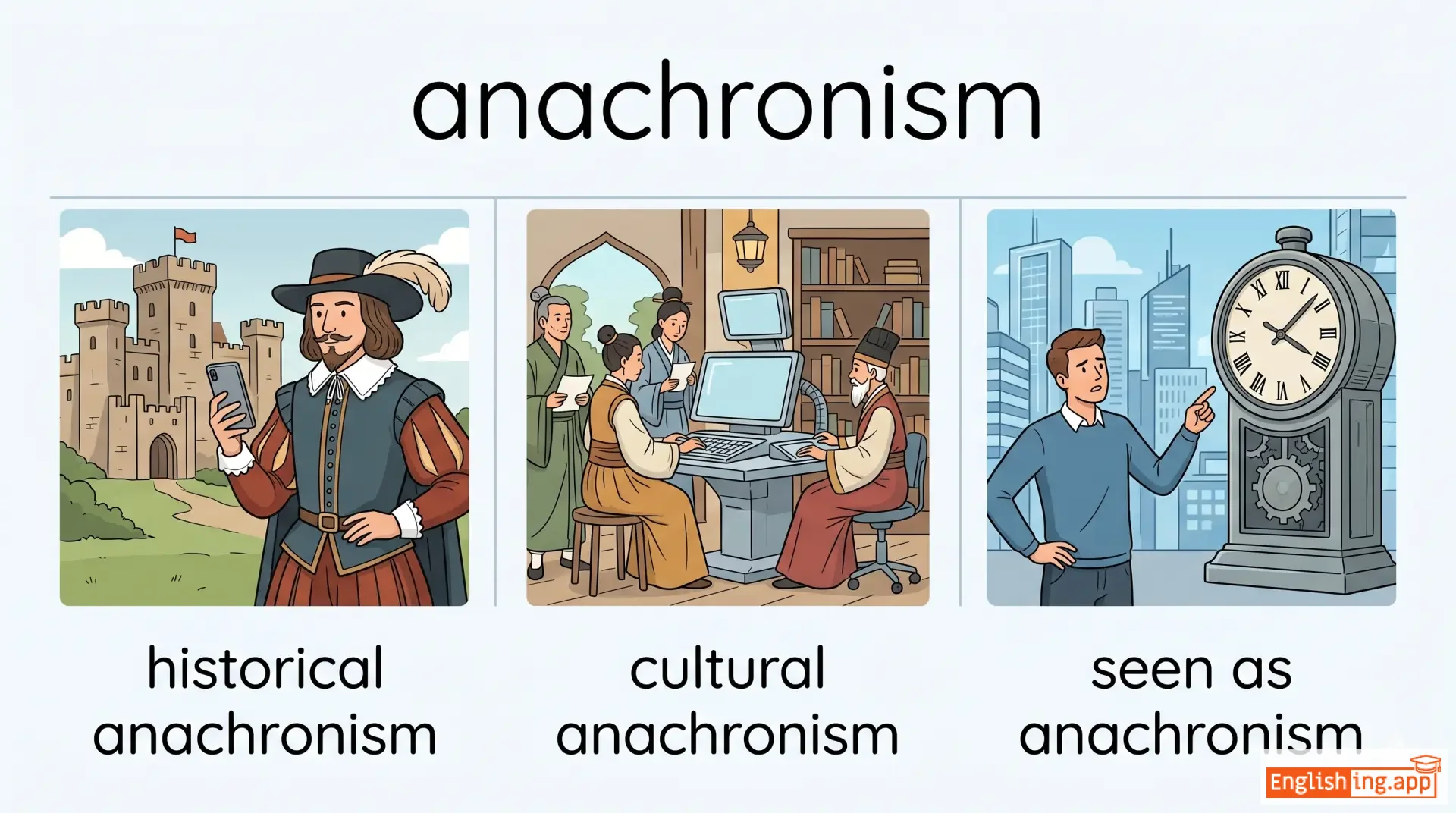
historical anachronism, cultural anachronism, seen as anachronism
••••••
|
No •••••• |
|
#364
🎡
|
/əˈmjuːzmənt/
noun
••••••
|
- •••••• | - •••••• | - •••••• | - •••••• | - •••••• | - •••••• |
the state of being entertained or finding something funny
••••••
|
The children watched the clown with great amusement. |
- •••••• |
for one's amusement |
for entertainment or fun
••••••
|
- •••••• |
fun, enjoyment, entertainment, delight, laughter
••••••
|
boredom, sadness, seriousness
••••••
|
source of amusement, great amusement, amusement park
••••••
|
No •••••• |
|
#365
🧿
|
/ˈæmjʊlət/
noun
(アミュレット)
••••••
|
|
お守り
omamori
••••••
|
- •••••• | - •••••• | - •••••• | - •••••• |
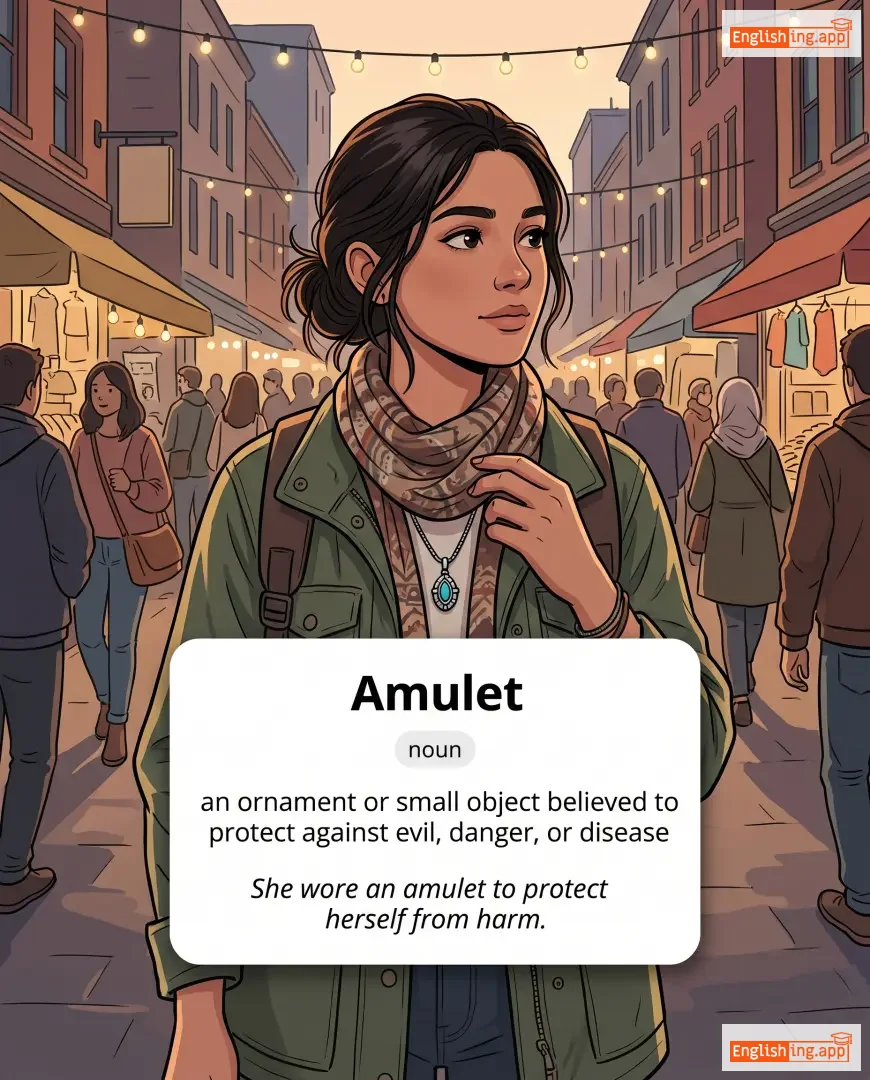
an ornament or small object believed to protect against evil, danger, or disease
••••••
|
She wore an amulet to protect herself from harm.
彼女は自分を守るためにアミュレットを身につけていました。
••••••
|
彼女は自分を守るためにお守りを身につけていました。
Kanojo wa jibun o mamoru tame ni omamori o mi ni tsukete imashita.
••••••
|
- •••••• | - •••••• | - •••••• |
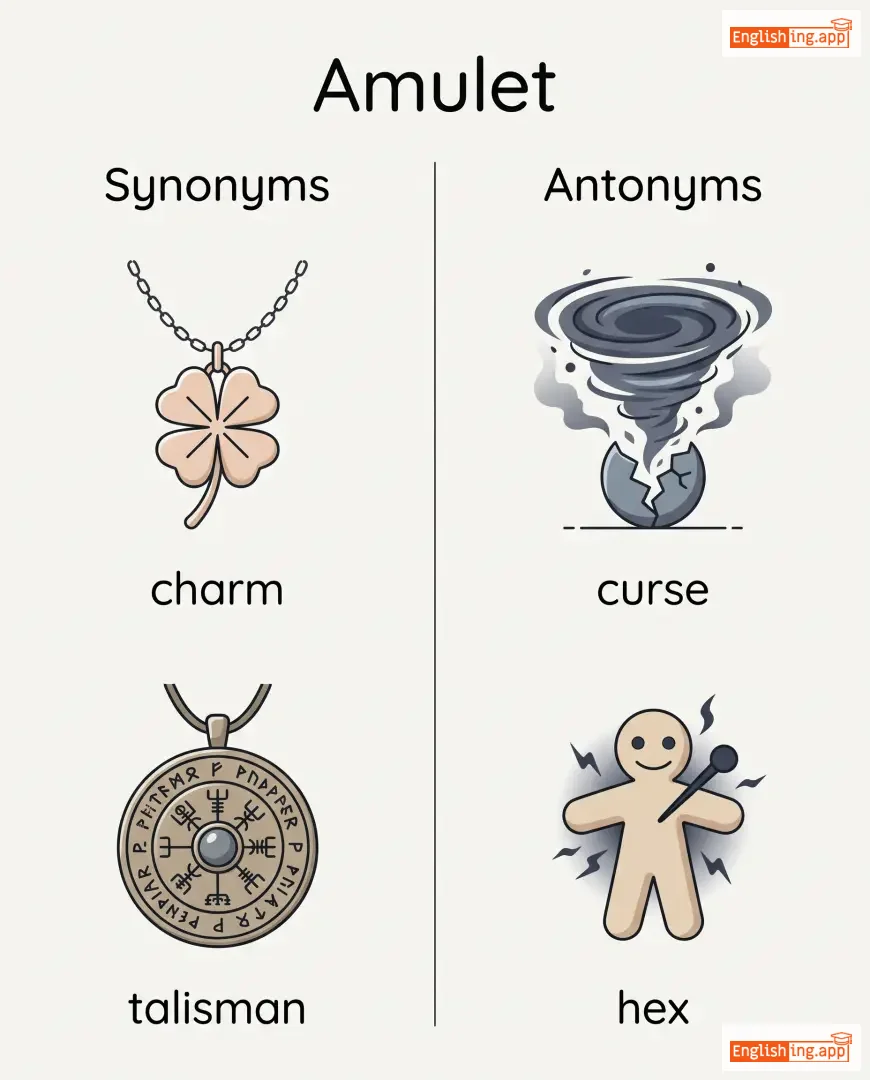
charm, talisman, pendant, token
••••••
|
curse, hex, bane
••••••
|
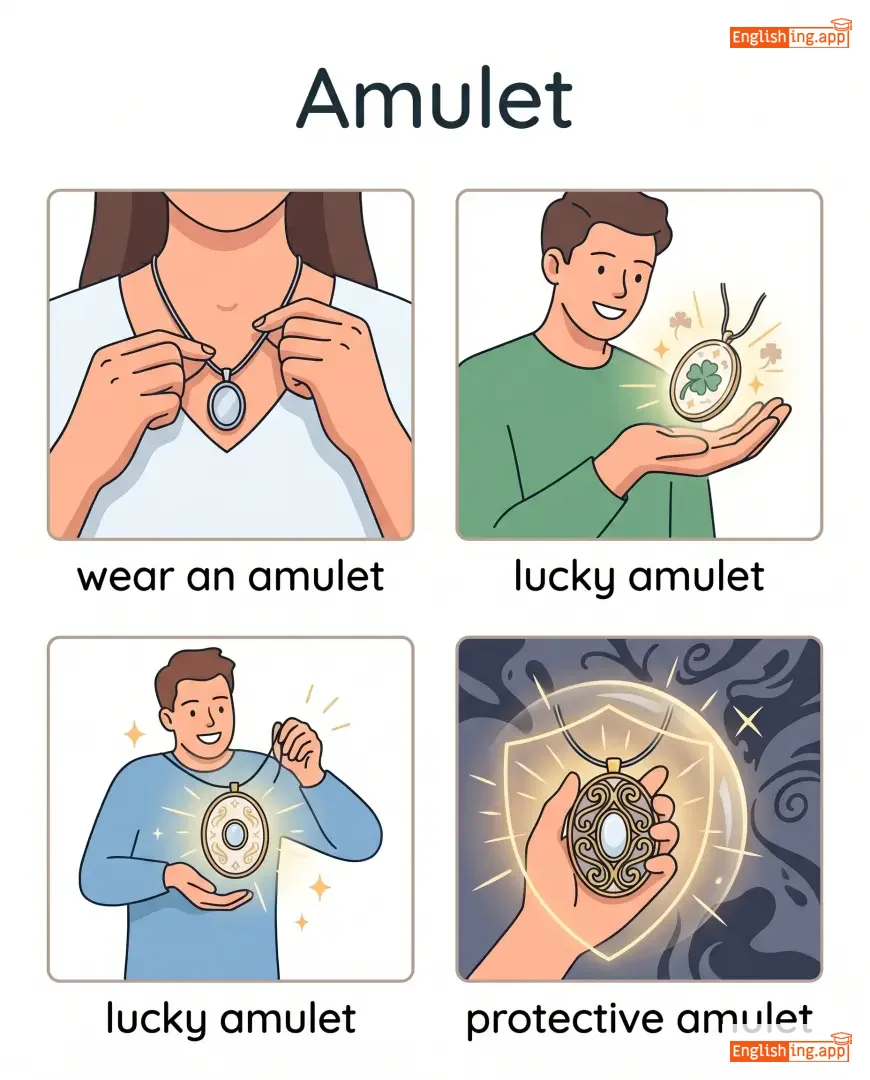
wear an amulet, lucky amulet, protective amulet
••••••
|
アミュレットはお守りです—'アム'と聞けばお守りを思い出す
••••••
|
|
#366
😵
|
/əˈmʌk/
adverb
(アマック)
••••••
|
- •••••• |
無秩序に
muchi tsujoni
••••••
|
- •••••• | - •••••• | - •••••• | - •••••• |
in a frenzied, uncontrolled, or chaotic manner
••••••
|
The bull ran amuck through the village. |
雄牛は村を無秩序に走り回った。
Oushi wa mura wo muchitsu joni hashirimawatta.
••••••
|
run amuck |
to act in a wild, uncontrolled, or disorderly way
••••••
|
無秩序に走る
muchi tsujoni hashiru
••••••
|
wildly, frantically, uncontrollably, chaotically
••••••
|
calmly, orderly, peacefully
••••••
|
run amuck, go amuck, amuck with power
••••••
|
Amuckは無秩序に、'A-muck'を覚えておいてください(無秩序に走る)。
••••••
|
|
#367
🦿
|
/ˈæmpjʊteɪt/
verb
(アンピュテート)
••••••
|
- •••••• |
切断する
setsudan suru
••••••
|
amputated
アンピュテートッド
••••••
|
amputated
アンピュテートッド
••••••
|
amputates
アンピュテートス
••••••
|
amputating
アンピュテーティング
••••••
|
to cut off a limb from the body by surgery
••••••
|
The doctors had to amputate his leg after the accident.
事故の後、医師は彼の足を切断しなければなりませんでした。
••••••
|
事故の後、医師は彼の足を切断しなければなりませんでした。
Jiko no ato, ishi wa kare no ashi o setsudan shinakereba narimasen deshita.
••••••
|
- •••••• | - •••••• | - •••••• |
remove, sever, cut off, excise
••••••
|
attach, connect
••••••
|
amputate a leg, amputate an arm, had to amputate, surgically amputate
••••••
|
切断するは、事故後に切り取ることを意味します - 事故では四肢を切断しなければなりません。
••••••
|
|
#368
💰
|
/ˈæmpli/
adverb
(アンプリー)
••••••
|
- •••••• |
十分に
jūbun ni
••••••
|
- •••••• | - •••••• | - •••••• | - •••••• |
more than sufficiently; generously
••••••
|
She was amply rewarded for her hard work.
彼女は努力の結果、十分に報われました。
••••••
|
彼女は努力の結果、十分に報われました。
Kanojo wa doryoku no kekka, jūbun ni mukuwarimashita.
••••••
|
- •••••• | - •••••• | - •••••• |
sufficiently, adequately, generously, richly
••••••
|
scarcely, insufficiently
••••••
|
amply rewarded, amply demonstrated, amply supplied, amply sufficient
••••••
|
Amplyは‘ample’を意味します - 十分以上、寛大に!
••••••
|
|
#369
📈
|
/ˈæmplɪtjuːd/
noun
(アンプリチュード)
••••••
|
- •••••• |
振幅
shinpu
••••••
|
- •••••• | - •••••• | - •••••• | - •••••• |
the maximum extent of a vibration or oscillation, or the size of something
••••••
|
The amplitude of the earthquake was measured on the Richter scale.
地震のアンプリチュードはリヒター・スケールで測定されました。
••••••
|
地震の振幅はリヒター・スケールで測定されました。
Jishin no shinpu wa Rihitaa sukeeru de sokutei saremashita.
••••••
|
- •••••• | - •••••• | - •••••• |
magnitude, extent, size, breadth
••••••
|
smallness, limitation
••••••
|
large amplitude, wave amplitude, amplitude of vibration, amplitude modulation
••••••
|
アンプリチュードは振動の最大範囲、地震の波動の大きさに例えられます。
••••••
|
|
#370
🔊
|
/ˈæmplɪfaɪ/
verb
(アンプリファイ)
••••••
|
|
増幅する
zoufuku suru
••••••
|
amplified
アンプリファイド
••••••
|
amplified
アンプリファイド
••••••
|
amplifies
アンプリファイズ
••••••
|
amplifying
アンプリファイング
••••••
|
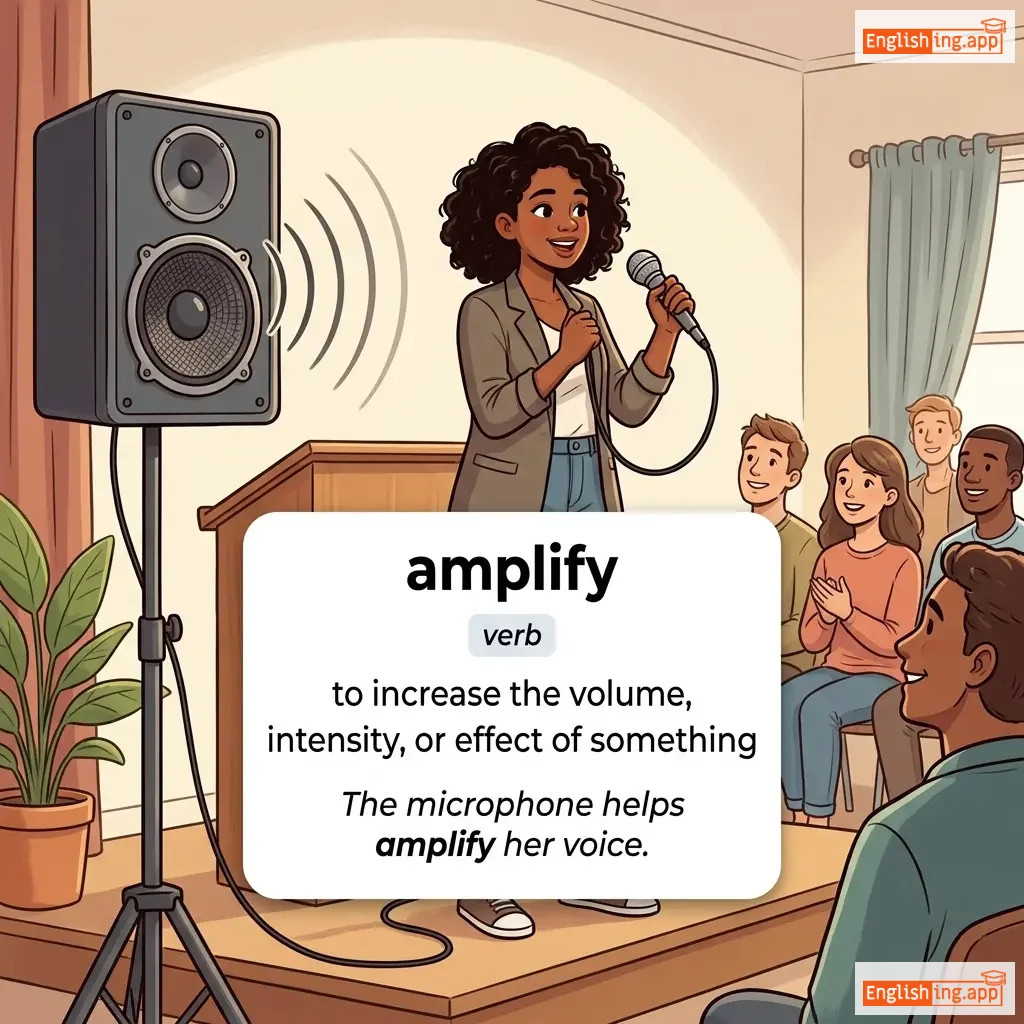
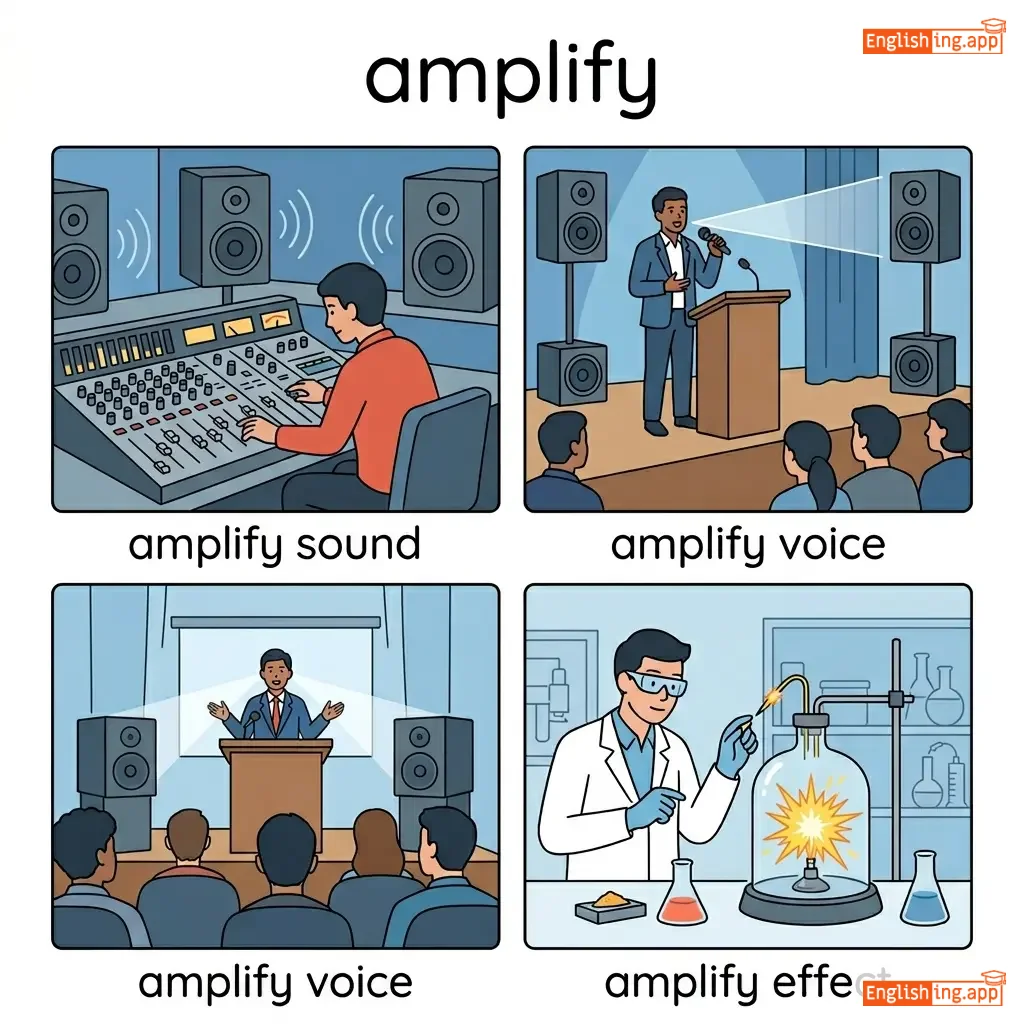
to increase the volume, intensity, or effect of something
••••••
|
The microphone helps amplify her voice.
マイクは彼女の声を増幅するのに役立ちます。
••••••
|
マイクは彼女の声を増幅するのに役立ちます。
Maiku wa kanojo no koe wo zoufuku suru no ni yakudachimasu.
••••••
|
- •••••• | - •••••• | - •••••• |
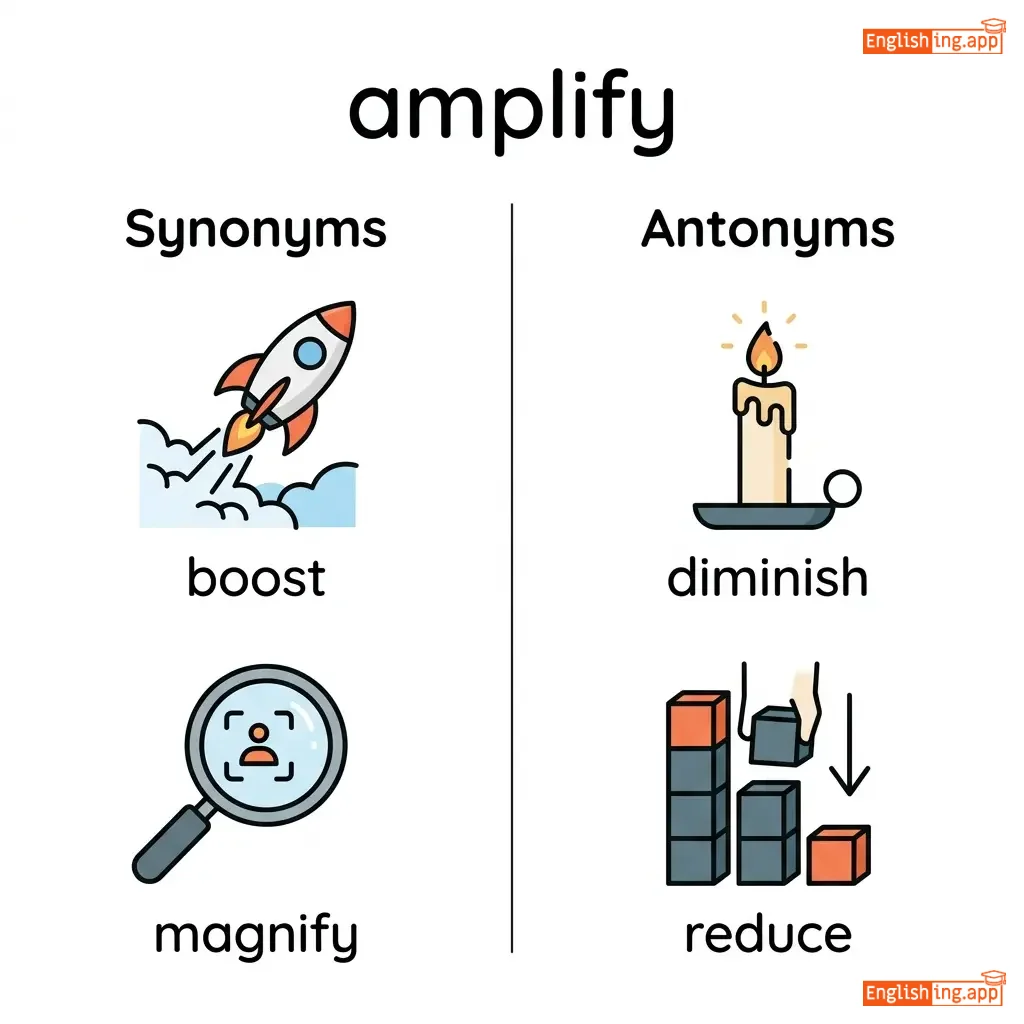
boost, magnify, intensify, increase
••••••
|
diminish, reduce, weaken
••••••
|
amplify sound, amplify voice, amplify effect, amplify signal
••••••
|
増幅するは音を大きくする – もっと強く!
••••••
|
|
#371
🌱
|
/ˈæmpəl/
adjective
(アンプル)
••••••
|
- •••••• |
十分
jūbun
••••••
|
- •••••• | - •••••• | - •••••• | - •••••• |
more than enough; plentiful; abundant
••••••
|
There was ample food for everyone at the party.
パーティーには全員のために十分な食べ物がありました。
••••••
|
パーティーには全員のために十分な食べ物がありました。
Pātī ni wa zen'in no tame ni jūbun na tabemono ga arimashita.
••••••
|
- •••••• | - •••••• | - •••••• |
plentiful, abundant, sufficient, generous
••••••
|
scarce, insufficient
••••••
|
ample time, ample opportunity, ample evidence, ample resources
••••••
|
Ampleは十分に多いという意味で、パーティーで十分な食べ物を持っているような感じです。
••••••
|
|
#372
🏟️
|
/ˈæmfɪˌθiətər/
noun
(アンフィシアター)
••••••
|
- •••••• |
円形劇場
enkei gekijou
••••••
|
- •••••• | - •••••• | - •••••• | - •••••• |
A large open circular or oval building with rising tiers of seats, used for public events.
••••••
|
The concert was held in an ancient amphitheater. |
コンサートは古代の円形劇場で行われました。
Konsāto wa kodai no enkei gekijou de okonawaremashita.
••••••
|
- •••••• | - •••••• | - •••••• |
arena, coliseum, stadium, auditorium
••••••
|
hall, chamber
••••••
|
ancient amphitheater, Roman amphitheater, open-air amphitheater
••••••
|
円形劇場は大きな開かれたステージを意味し、ローマのコロッセオのようです。
••••••
|
|
#373
🚙🌊
|
/æmˈfɪbiəs/
adjective
(アンフィビアス)
••••••
|
- •••••• |
両生類
ryōseirui
••••••
|
- •••••• | - •••••• | - •••••• | - •••••• |
Able to live or operate both on land and in water.
••••••
|
The army used amphibious vehicles to cross the river.
軍隊は川を渡るために両生類車両を使用しました。
••••••
|
軍隊は川を渡るために両生類車両を使用しました。
Guntai wa kawa o wataru tame ni ryōseirui sharyō o shiyō shimashita.
••••••
|
- •••••• | - •••••• | - •••••• |
dual-environment, land-water, versatile, adaptable
••••••
|
terrestrial, aquatic
••••••
|
amphibious assault, amphibious vehicle, amphibious landing
••••••
|
両生類車両は水上と陸上の両方で動けます!
••••••
|
|
#374
🐸
|
/æmˈfɪbiən/
noun
••••••
|
- •••••• | - •••••• | - •••••• | - •••••• | - •••••• | - •••••• |
A cold-blooded vertebrate animal that can live both on land and in water.
••••••
|
A frog is a common amphibian that lives both in water and on land. |
- •••••• | - •••••• | - •••••• | - •••••• |
frog, toad, salamander, newt
••••••
|
mammal, bird
••••••
|
amphibian species, amphibian habitat, amphibian life cycle
••••••
|
No •••••• |
|
#375
&
|
/ˈæmpərˌsænd/
noun
(アンパーサンド)
••••••
|
- •••••• |
アンパーサンド
ampersand
••••••
|
- •••••• | - •••••• | - •••••• | - •••••• |
The symbol '&' used to represent the word 'and'.
••••••
|
Use an ampersand instead of writing the word 'and' in the company name. |
会社名に'and'の代わりにアンパーサンドを使用してください。
Kaisha-mei ni 'and' no kawari ni ampersand o shiyō shite kudasai.
••••••
|
- •••••• | - •••••• | - •••••• |
and sign, symbol, character, ligature
••••••
|
word 'and', separation
••••••
|
ampersand symbol, use ampersand, replace with ampersand
••••••
|
アンパーサンドは'&'で'and'を表します。
••••••
|
|
#376
🇺🇸
|
/əˈmɛrɪkəˌnɪzəm/
noun
••••••
|
- •••••• | - •••••• | - •••••• | - •••••• | - •••••• | - •••••• |
A word, phrase, or practice characteristic of American English or culture.
••••••
|
The term 'sidewalk' is an Americanism, while 'pavement' is used in British English. |
- •••••• | - •••••• | - •••••• | - •••••• |
expression, idiom, phrase, usage, colloquialism
••••••
|
briticism, anglicism
••••••
|
common Americanism, linguistic Americanism, cultural Americanism
••••••
|
No •••••• |
|
#377
💌
|
/əˈmʊr/
noun
(アムール)
••••••
|
- •••••• |
秘密の愛
himitsu no ai
••••••
|
- •••••• | - •••••• | - •••••• | - •••••• |
A secret or illicit love affair.
••••••
|
The novel tells the story of a forbidden amour between two characters.
その小説は、二人の登場人物の間の禁じられたアムールの物語を語っています。
••••••
|
その小説は、二人の登場人物の間の禁じられたアムールの物語を語っています。
Sono shōsetsu wa, futari no tōjō jinbutsu no aida no kinjiranareta amūru no monogatari o katatteimasu.
••••••
|
- •••••• | - •••••• | - •••••• |
love affair, romance, fling, liaison
••••••
|
indifference, separation
••••••
|
secret amour, forbidden amour, romantic amour
••••••
|
Amour は愛を意味し、スペイン語で 'Amor' も愛を意味します。
••••••
|
|
#378
📉
|
/ˈæmərˌtaɪz/
verb
(アモーティゼ)
••••••
|
- •••••• |
償却
shōkyaku
••••••
|
amortized
アモーティゼド
••••••
|
amortized
アモーティゼド
••••••
|
amortizes
アモーティゼズ
••••••
|
amortizing
アモーティゼイング
••••••
|
To gradually reduce or pay off a debt with regular payments.
••••••
|
They plan to amortize the mortgage over 20 years.
彼らは20年間で住宅ローンをアモーティゼする予定です。
••••••
|
彼らは20年間で住宅ローンをアモーティゼする予定です。
Karera wa 20 nenkan de jūtaku rōn o amōtize suru yotei desu.
••••••
|
- •••••• | - •••••• | - •••••• |
repay, reduce, liquidate, settle
••••••
|
borrow, accumulate
••••••
|
amortize debt, amortize loan, amortize cost, amortize mortgage
••••••
|
アモーティゼとはローンを少しずつ返済すること、まるで住宅ローンのように。
••••••
|
|
#379
💰
|
/əˌmɔːrtəˈzeɪʃən/
noun
(アモルタイゼーション)
••••••
|
|
借金償却
shakkin shoukyaku
••••••
|
- •••••• | - •••••• | - •••••• | - •••••• |
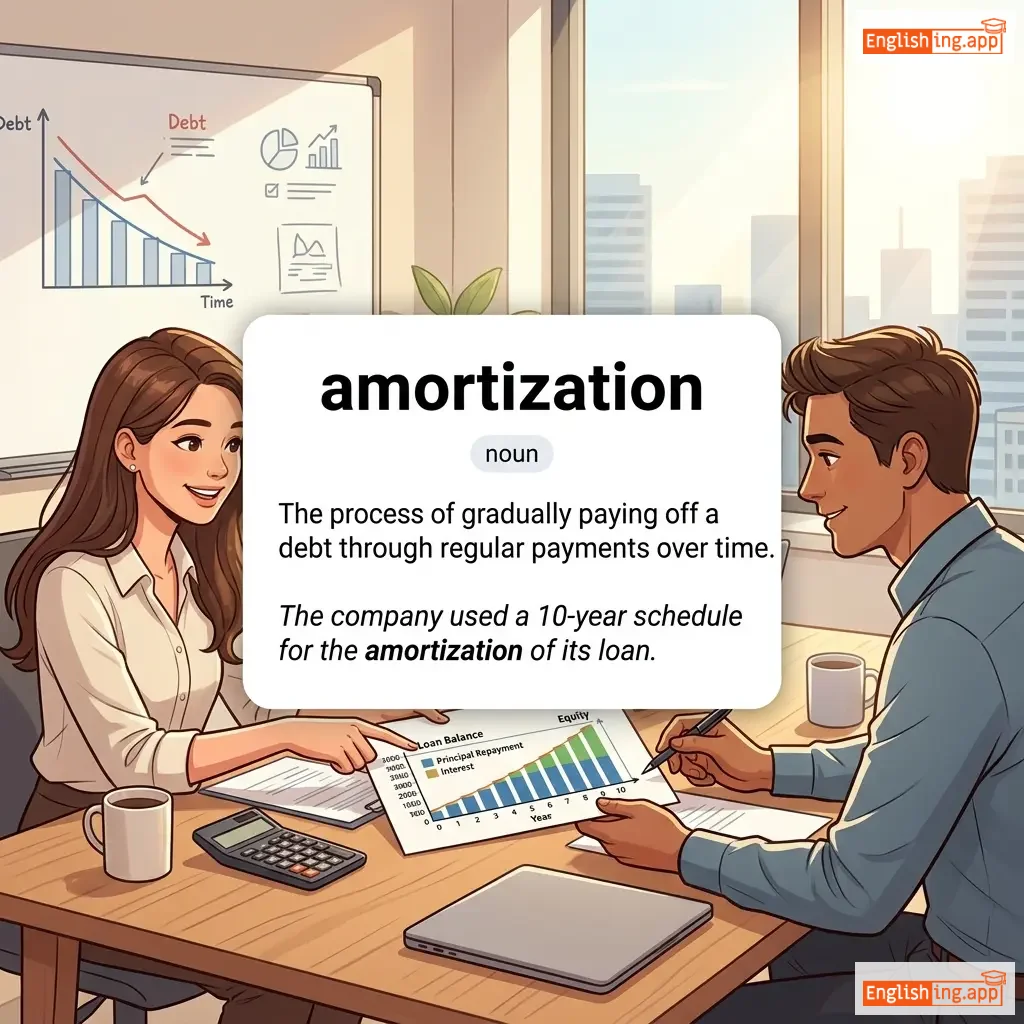
The process of gradually paying off a debt through regular payments over time.
••••••
|
The company used a 10-year schedule for the amortization of its loan. |
会社は10年間のローン償却計画を使用しました。
Kaisha wa 10 nenkan no rōn shoukyaku keikaku wo shiyou shimashita.
••••••
|
- •••••• | - •••••• | - •••••• |
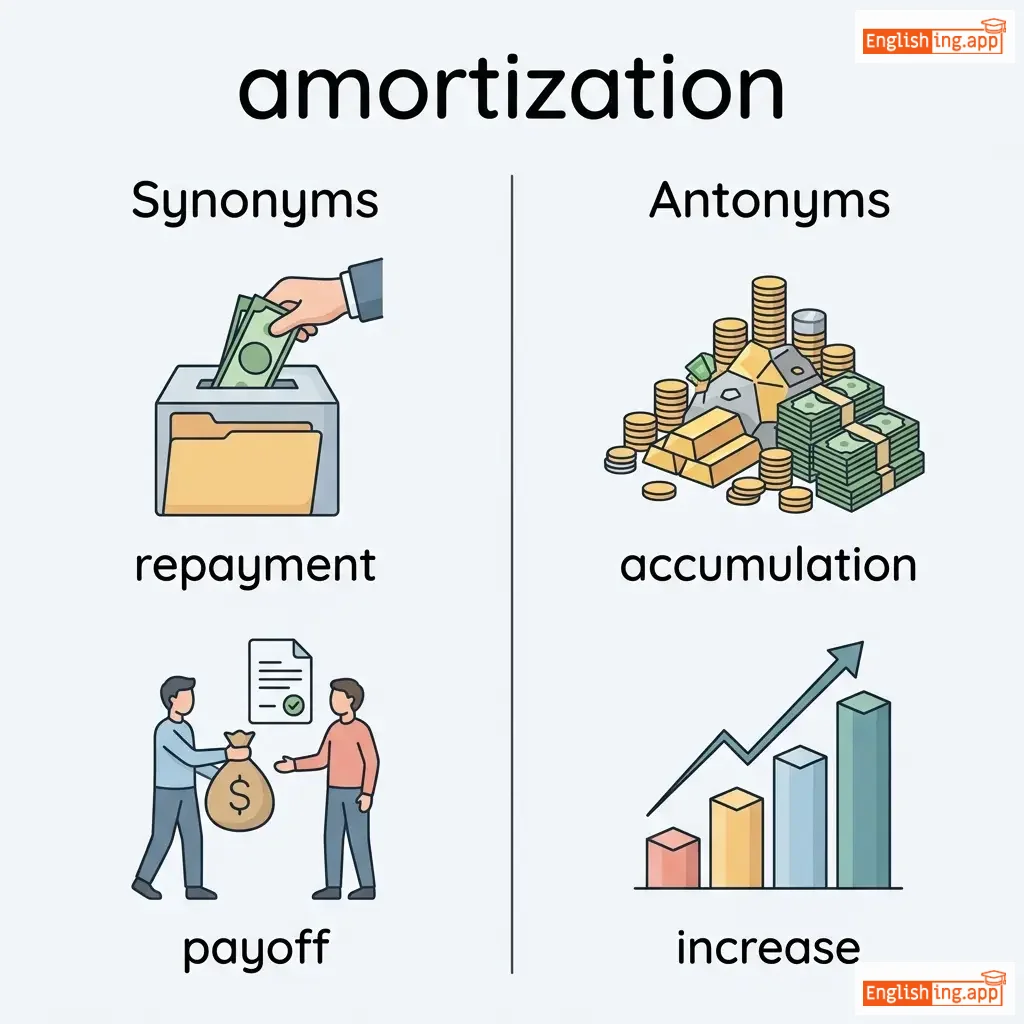
repayment, payoff, reduction, liquidation
••••••
|
accumulation, increase
••••••
|
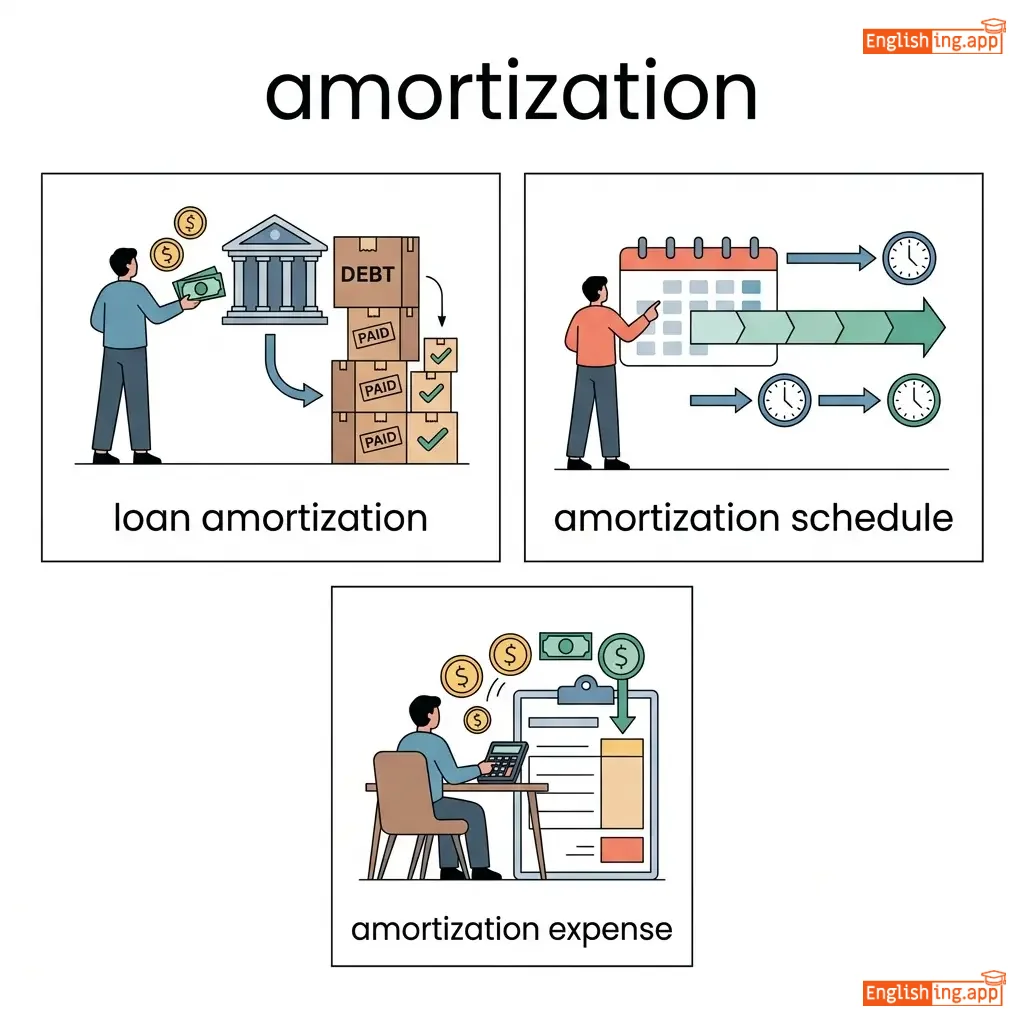
loan amortization, amortization schedule, amortization expense
••••••
|
アモルタイゼーションは、借金を少しずつ返すこと。'A more time' と考えて、定期的に返済を続ける。
••••••
|
|
#380
☁️
|
/əˈmɔːrfəs/
adjective
(アモルファス)
••••••
|
- •••••• |
無定形
mutēkei
••••••
|
- •••••• | - •••••• | - •••••• | - •••••• |
Lacking a clear shape or form; without a defined structure.
••••••
|
The plan remained amorphous and lacked concrete details.
その計画はアモルファスのままで、具体的な詳細が欠けていました。
••••••
|
その計画は無定形のままで、具体的な詳細が欠けていました。
Sono keikaku wa mutēkei no mamade, gutaiteki na shōsai ga kaketeimashita.
••••••
|
- •••••• | - •••••• | - •••••• |
shapeless, formless, vague, indefinite
••••••
|
defined, structured, distinct
••••••
|
amorphous mass, amorphous shape, amorphous structure
••••••
|
Amorphous は無定形を意味する — 'a' はなし、'morph' は形を意味する
••••••
|
|
#381
❤️
|
/ˈæmərəs/
adjective
(アモロス)
••••••
|
- •••••• |
情熱的
jōnetsuteki
••••••
|
- •••••• | - •••••• | - •••••• | - •••••• |
Showing, feeling, or relating to romantic love or desire.
••••••
|
He sent her an amorous letter filled with declarations of love.
彼は愛の宣言でいっぱいのアモロスな手紙を彼女に送った。
••••••
|
彼は愛の宣言でいっぱいのアモロスな手紙を彼女に送った。
Kare wa ai no sengen de ippai no amorosuna tegami o kanojo ni okutta.
••••••
|
- •••••• | - •••••• | - •••••• |
romantic, passionate, loving, affectionate, ardent
••••••
|
cold, indifferent, detached
••••••
|
amorous glance, amorous affair, amorous feelings, amorous advances
••••••
|
情熱的は愛に関連する、'愛'を覚えておいて、それは日本語でも意味があります。
••••••
|
|
#382
🚫
|
/ˌeɪˈmɔːrəli/
adverb
(アモラリー)
••••••
|
- •••••• |
非道徳的に
hidōtoku-teki ni
••••••
|
- •••••• | - •••••• | - •••••• | - •••••• |
In a way that shows no concern about whether behavior is morally right or wrong.
••••••
|
He acted amorally, ignoring the consequences of his actions. |
彼は非道徳的に行動し、自分の行動の結果を無視した。
Kare wa hidōtoku-teki ni kōdō shi, jibun no kōdō no kekka o mushi shita.
••••••
|
- •••••• | - •••••• | - •••••• |
unethically, immorally, corruptly, unprincipledly
••••••
|
morally, ethically
••••••
|
act amorally, behave amorally, think amorally
••••••
|
非道徳的に = Morality 無視 – 道徳的な考慮なしに行動する。
••••••
|
|
#383
⚖️
|
/ˌeɪˈmɔːrəl/
adjective
(アモラル)
••••••
|
- •••••• |
アモラル
amoral
••••••
|
- •••••• | - •••••• | - •••••• | - •••••• |
Lacking a moral sense; unconcerned with rightness or wrongness of something.
••••••
|
The character in the novel was portrayed as completely amoral. |
小説の登場人物は完全にアモラルとして描かれた。
Shōsetsu no tōjō jinbutsu wa kanzen ni amoral to shite egakareta.
••••••
|
- •••••• | - •••••• | - •••••• |
immoral, unethical, corrupt, unprincipled
••••••
|
moral, ethical, principled
••••••
|
amoral behavior, amoral attitude, amoral society
••••••
|
Amoralは道徳がない、すなわちアモラルということです。
••••••
|
|
#384
🔥
|
/əˈmʌk/
adverb
(アモク)
••••••
|
- •••••• |
制御不能
segyo funou
••••••
|
- •••••• | - •••••• | - •••••• | - •••••• |
Behaving uncontrollably and disruptively.
••••••
|
The angry mob ran amok after the verdict was announced.
怒った群衆は判決が発表された後、アモクで走り回った。
••••••
|
怒った群衆は判決が発表された後、制御不能で走り回った。
Okotta gunshuu wa hanketsu ga happyou sareta ato, segyo funou de hashirimatta.
••••••
|
run amok
アモクで走る
••••••
|
To behave in a frenzied, uncontrolled way.
••••••
|
制御不能で走る
segyo funou de hashiru
••••••
|
wildly, frenziedly, chaotically, uncontrollably
••••••
|
calmly, peacefully
••••••
|
run amok, spread amok, went amok
••••••
|
Amok は 'run amok' を意味します - 判決後に群衆が制御不能で走り回ります。
••••••
|
|
#385
🕊️
|
/ˈæmnəsti/
noun
(アムネスティ)
••••••
|
- •••••• |
アムネスティ
amunesuti
••••••
|
- •••••• | - •••••• | - •••••• | - •••••• |
An official pardon granted to people who have been convicted of political offenses.
••••••
|
The government announced an amnesty for all political prisoners. |
政府はすべての政治犯に対してアムネスティを発表しました。
Seifu wa subete no seijihan ni taishite amunesuti o happyō shimashita.
••••••
|
general amnesty |
A widespread pardon given to a large group of people.
••••••
|
一般的なアムネスティ
Ippanteki na amunesuti
••••••
|
pardon, forgiveness, reprieve, clemency
••••••
|
punishment, penalty, conviction
••••••
|
grant amnesty, political amnesty, declare amnesty, offer amnesty
••••••
|
アムネスティは赦免を意味します – 政治犯に対して政府が行うことのように。
••••••
|
|
#386
🧠
|
/æmˈniːʒə/
noun
(アムネジア)
••••••
|
- •••••• |
健忘症
kenbō-shō
••••••
|
- •••••• | - •••••• | - •••••• | - •••••• |
A partial or total loss of memory, usually caused by injury, illness, or psychological trauma.
••••••
|
After the accident, she suffered from amnesia and could not remember her own name.
事故後、彼女はアムネジアに苦しみ、自分の名前を思い出せなかった。
••••••
|
事故後、彼女はアムネジアに苦しみ、自分の名前を思い出せなかった。
Jiko-go, kanojo wa amnesia ni kurushimi, jibun no namae o omoidase nakatta.
••••••
|
- •••••• | - •••••• | - •••••• |
memory loss, forgetfulness, oblivion, blackout
••••••
|
memory, recollection, remembrance
••••••
|
suffer from amnesia, temporary amnesia, retrograde amnesia, memory loss
••••••
|
Amnesia - Memory vanishes after accidents.
••••••
|
|
#387
🌿
|
/ˈæmɪti/
noun
(アミティ)
••••••
|
- •••••• |
友情
yūjō
••••••
|
- •••••• | - •••••• | - •••••• | - •••••• |
A friendly relationship between people or countries.
••••••
|
The treaty helped maintain amity between the neighboring nations.
条約は隣国間のアミティを維持するのに役立ちました。
••••••
|
条約は隣国間の友情を維持するのに役立ちました。
Jōyaku wa ringoku-kan no yūjō o iji suru no ni yakudachimashita.
••••••
|
live in amity
アミティの中で暮らす
••••••
|
To live in harmony and friendship.
••••••
|
友情の中で暮らす
Yūjō no naka de kurasu
••••••
|
friendship, harmony, goodwill, concord, peace
••••••
|
hostility, enmity, conflict
••••••
|
amity between nations, mutual amity, lasting amity, amity treaty
••••••
|
Amity → Yūjō, 友達の意味です。
••••••
|
|
#388
⚠️
|
/əˈmɪs/
adjective/adverb
(アミス)
••••••
|
- •••••• |
間違った
machigatta
••••••
|
- •••••• | - •••••• | - •••••• | - •••••• |
Not quite right; inappropriate or out of place.
••••••
|
Something seems amiss with the car's engine. |
車のエンジンに何か間違ったことがあるようです。
Kuruma no enjin ni nanika machigatta koto ga aru yōdesu.
••••••
|
take amiss |
To be offended by something.
••••••
|
悪く取る
waruku toru
••••••
|
wrong, faulty, improper, unusual, awry
••••••
|
right, proper, correct
••••••
|
something amiss, feel amiss, nothing amiss, go amiss
••••••
|
Amiss → A + miss → 何か 'miss' があれば、それは間違いです。
••••••
|
|
#389
🤝
|
/ˈæmɪkəbəl/
adjective
(アミカブル)
••••••
|
|
友好的
yuukouteki
••••••
|
- •••••• | - •••••• | - •••••• | - •••••• |
Friendly and peaceful, especially in resolving conflicts.
••••••
|
The two companies reached an amicable agreement after months of negotiation.
両社は数ヶ月の交渉の末、友好的な合意に達しました。
••••••
|
両社は数ヶ月の交渉の末、友好的な合意に達しました。
Ryousha wa suukagetsu no koushou no sue, yuukouteki na goui ni tasshimashita.
••••••
|
amicable settlement
友好的な合意
••••••
|
A peaceful and friendly resolution to a dispute.
••••••
|
友好的な合意
yuukouteki na goui
••••••
|
friendly, cordial, harmonious, peaceful, agreeable
••••••
|
hostile, antagonistic, unfriendly
••••••
|
amicable agreement, amicable divorce, amicable relationship, amicable settlement
••••••
|
Amicable → 友好的で、平和的な関係を築く
••••••
|
|
#390
😊
|
/ˈeɪmiəbəl/
adjective
(エイミアブル)
••••••
|
- •••••• |
愛想の良い
aisō no yoi
••••••
|
- •••••• | - •••••• | - •••••• | - •••••• |
Having a friendly and pleasant manner.
••••••
|
She has an amiable personality that makes her well-liked by everyone.
彼女は、誰からも好かれるような親しみやすい性格を持っています。
••••••
|
彼女は、誰からも好かれるような愛想の良い性格を持っています。
Kanojo wa, dare kara mo sukareru yōna aisō no yoi seikaku o motteimasu.
••••••
|
- •••••• | - •••••• | - •••••• |
friendly, pleasant, kind, affable, genial
••••••
|
hostile, unfriendly, rude
••••••
|
amiable personality, amiable character, amiable smile, amiable host
••••••
|
Ami + able → Ami (愛想) いつも愛想の良い → 愛想の良い.
••••••
|
Vocabulary Quiz
Test your vocabulary by matching words with their translations or meanings.
Login to take the quiz
Comments (0)
Share your thoughts and join the discussion.
Join the discussion by logging in
Login to CommentNo comments yet
Be the first to share your thoughts!