

翻訳
過去
過去分詞
三人称単数
動名詞
意味
例文
例文の翻訳
同義語
対義語
コロケーション
ニーモニック



Swipe left or right, or use the buttons. Tap image to zoom.
例文の翻訳
単語
Lesson 115Lesson 115 - マスクトグル
|
絵文字
|
単語 | Images | 翻訳 | 過去 | 過去分詞 | 三人称単数 | 動名詞 | 意味 | 例文 | 例文の翻訳 | 同義語 | 対義語 | コロケーション | ニーモニック |
|---|---|---|---|---|---|---|---|---|---|---|---|---|---|---|
|
#3421
👶
|
/ˈfiːtəs/
noun
(フィータス)
••••••
|
- •••••• |
胎児
taiji
••••••
|
- •••••• | - •••••• | - •••••• | - •••••• |
an unborn or unhatched offspring in the womb or egg
••••••
|
The doctor explained the development of the fetus during pregnancy.
医師は妊娠中の胎児の発達について説明しました。
••••••
|
医師は妊娠中の胎児の発達について説明しました。
Ishi wa ninshin-chū no taiji no hattatsu ni tsuite setsumei shimashita.
••••••
|
embryo, unborn child, baby, infant
••••••
|
- •••••• |
human fetus, fetal development, fetal growth
••••••
|
胎児はママのお腹の中 - Fetus is the baby inside the womb
••••••
|
|
#3422
👹
|
/fiːnd/
noun
(フィーンド)
••••••
|
- •••••• |
悪魔, 邪悪な人
akuma, jaaku na hito
••••••
|
- •••••• | - •••••• | - •••••• | - •••••• |
an evil spirit or demon; a wicked or cruel person; someone obsessed with a particular thing
••••••
|
He is a real fiend when it comes to solving puzzles. |
パズルを解くとき、彼は本当に悪魔のようです。
Pazuru o toku toki, kare wa hontou ni akuma no you desu.
••••••
|
demon, villain, monster, addict
••••••
|
angel, saint
••••••
|
computer fiend, puzzle fiend, fiend for speed
••••••
|
fiEND - パズルに取り憑かれている悪魔
••••••
|
|
#3423
🏰
|
/fiːf/
noun
(フィーフ)
••••••
|
- •••••• |
封建制度の下で保有される土地; 支配領域または制御区域
hoken seido no moto de hoyu sareru tochi; shihai ryōiki matawa seigyo kuiki
••••••
|
- •••••• | - •••••• | - •••••• | - •••••• |
an estate of land held under the feudal system; a domain or area of control
••••••
|
The knight was granted a fief by the lord for his service.
騎士はそのサービスに対して領主から封土を与えられました。
••••••
|
騎士はそのサービスに対して領主から封土を与えられました。
Kishi wa sono sābisu ni taishite ryōshu kara fūdo o ataeraremashita.
••••••
|
estate, domain, holding, territory
••••••
|
- •••••• |
feudal fief, granted fief, fief lands
••••••
|
フィーフは封建制度で与えられる土地
••••••
|
|
#3424
🧑⚖️
|
/fɪˈduːʃieri/
noun
(fidushiari)
••••••
|
|
信託責任者, フィデューシャリー
shintaku sekininsha, fidushiari
••••••
|
- •••••• | - •••••• | - •••••• | - •••••• |
a person who holds assets in trust for someone else; related to trust and responsibility
••••••
|
The lawyer acted as a fiduciary for his client’s estate.
弁護士はクライアントの財産のためにフィデューシャリーとして行動しました。
••••••
|
弁護士はクライアントの財産のためにフィデューシャリーとして行動しました。
Bengoshi wa kuraianto no zaisan no tame ni fiduciary toshite kōdō shimashita.
••••••
|
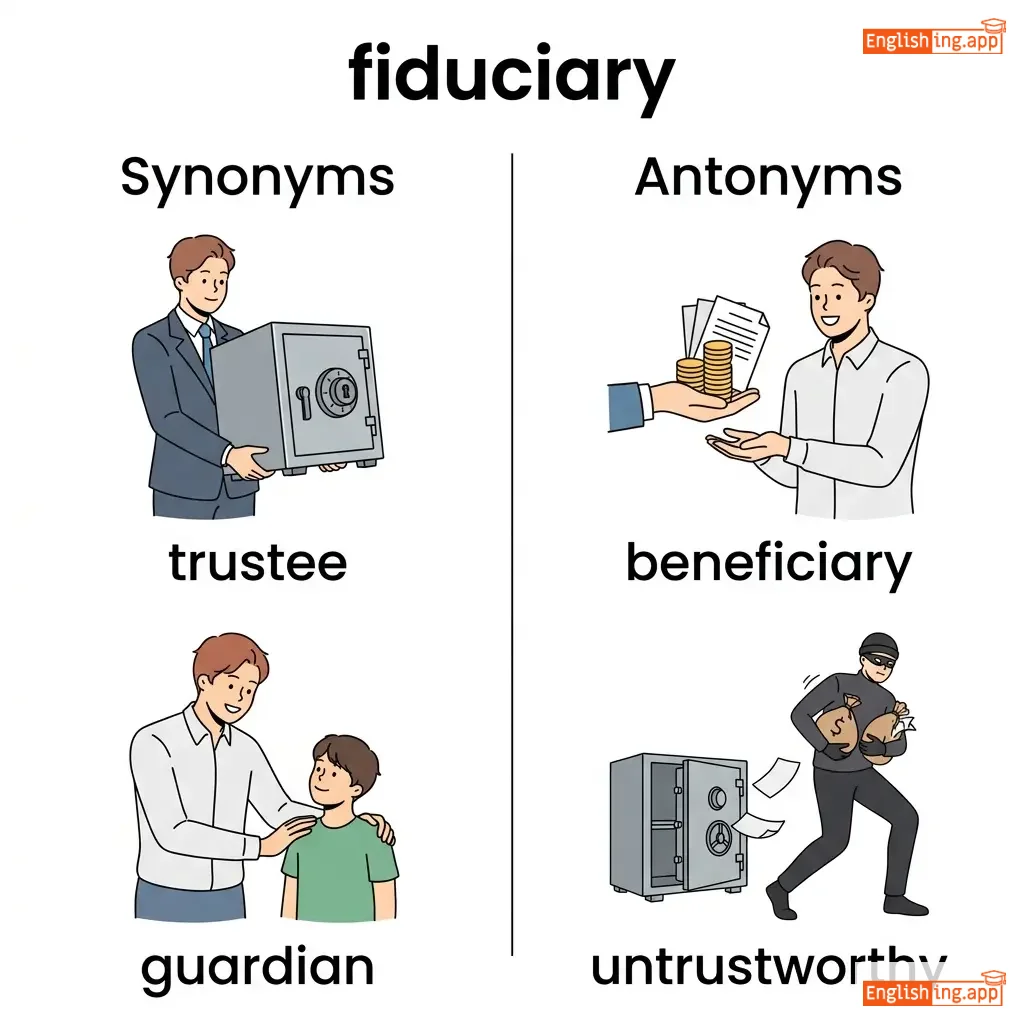
trustee, guardian, custodian, representative
••••••
|
beneficiary
••••••
|
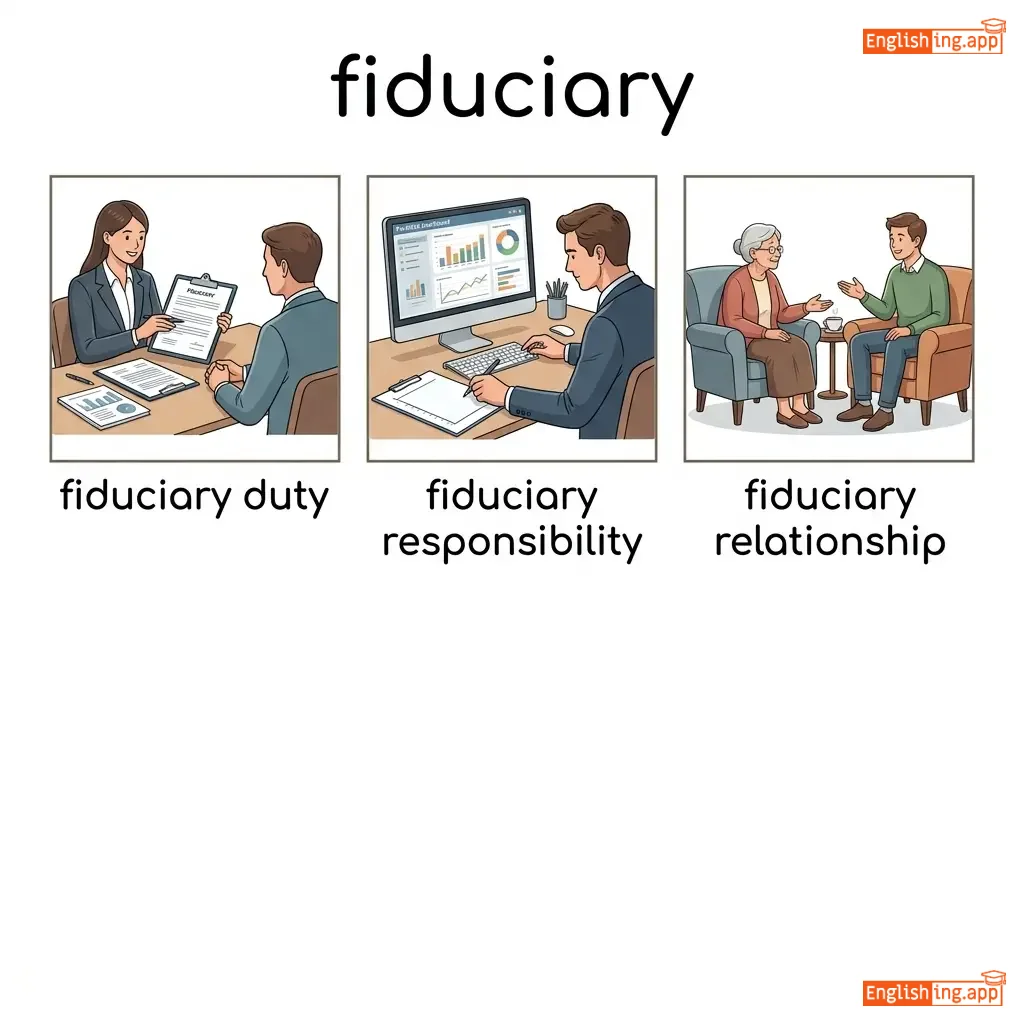
fiduciary duty, fiduciary responsibility, fiduciary relationship
••••••
|
FiduciARY 信頼と責任 - フィデューシャリー
••••••
|
|
#3425
📍
|
/fɪˈdjuːʃəl/
adjective
(フィデュシャル)
••••••
|
- •••••• |
信頼の、基準点として機能する
shinrai no, kijunten toshite kinou suru
••••••
|
- •••••• | - •••••• | - •••••• | - •••••• |
based on trust or confidence; serving as a standard of reference
••••••
|
The fiducial point on the map ensures accurate measurements. |
地図上のフィデュシャルポイントは正確な測定を確保します。
Chizu jou no fidyushiaru pointo wa seikaku na sokutei wo kakuho shimasu.
••••••
|
trustworthy, reliable, standard, benchmark
••••••
|
unreliable, doubtful
••••••
|
fiducial marker, fiducial point, fiducial standard
••••••
|
フィデュシャルは信頼 - 地図上の基準点。
••••••
|
|
#3426
🤹
|
/ˈfɪdʒɪt/
verb
(フィジット)
••••••
|
- •••••• |
そわそわする、落ち着かない
sowasowa suru, ochitsukanai
••••••
|
fidgeted
フィジットエッド
••••••
|
fidgeted
フィジットエッド
••••••
|
fidgets
フィジットス
••••••
|
fidgeting
フィジットイング
••••••
|
to make small movements, especially because of nervousness or impatience
••••••
|
The child began to fidget during the long lecture.
子供は長い講義中に落ち着かなくなり始めました。
••••••
|
子供は長い講義中に落ち着かなくなり始めました。
Kodomo wa nagai kōgi-chū ni ochitsukanaku nari hajimemashita.
••••••
|
squirm, twitch, wriggle, fuss
••••••
|
stay still, relax
••••••
|
fidget nervously, fidget with hands, fidget in chair
••••••
|
Fidget = フィジット - 子供が講義中にじっとしていられなくなる。
••••••
|
|
#3427
💖
|
/fɪˈdelɪti/
noun
(フィデリティ)
••••••
|
|
忠誠、誠実
chūsei, seijitsu
••••••
|
- •••••• | - •••••• | - •••••• | - •••••• |
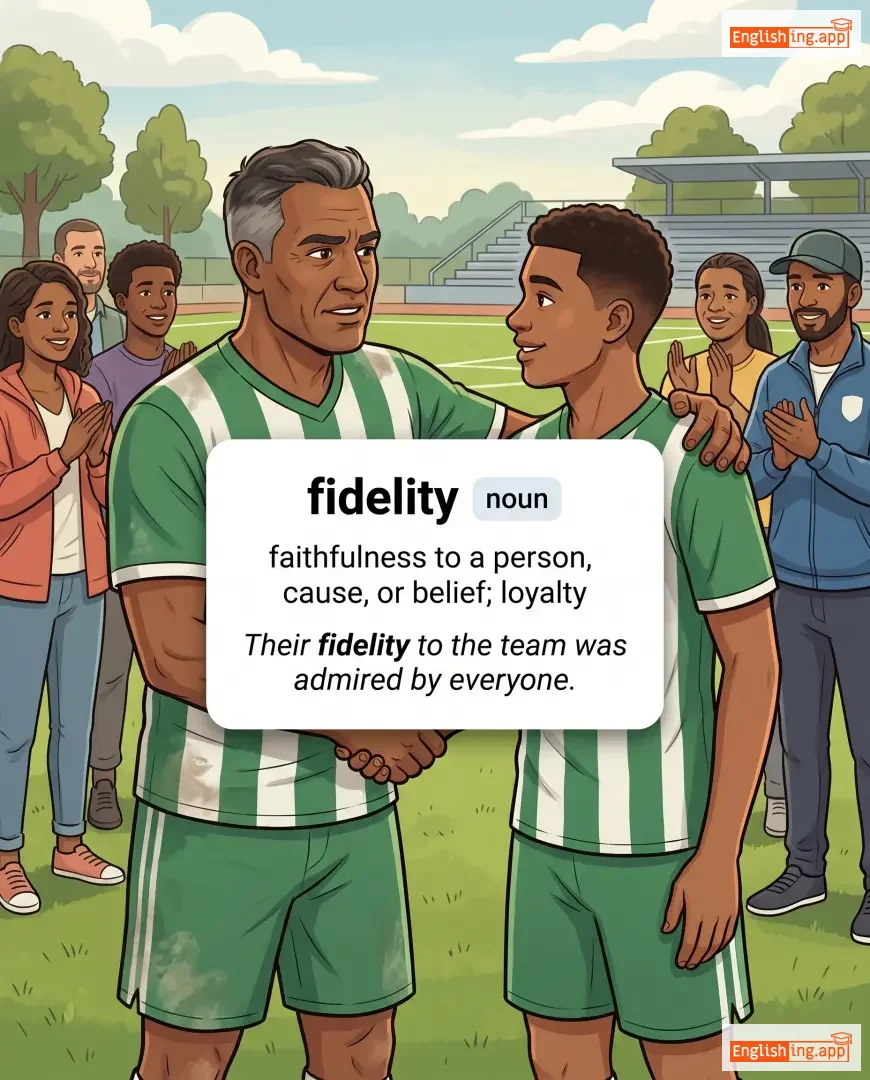
faithfulness to a person, cause, or belief; loyalty
••••••
|
Their fidelity to the team was admired by everyone. |
彼らのチームへの忠誠は、皆に賞賛されました。
Karera no chīmu e no chūsei wa, mina ni shōsan saremashita.
••••••
|
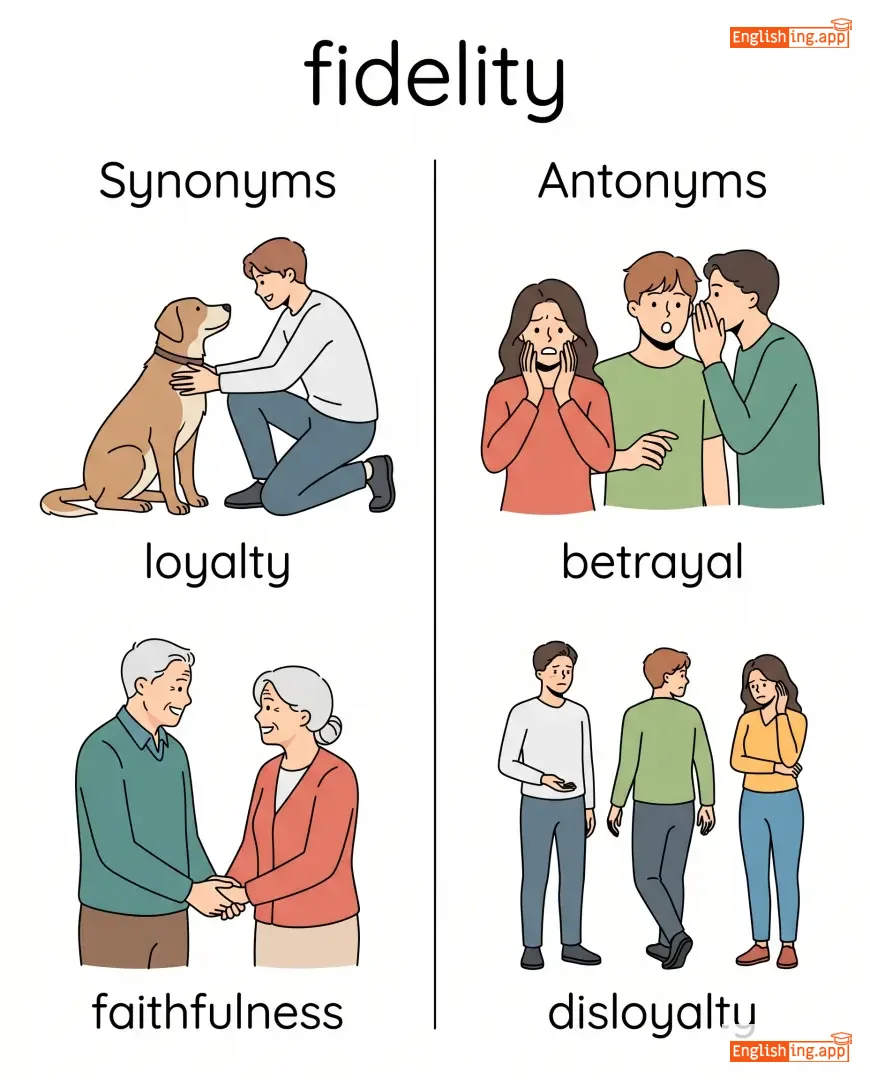
loyalty, faithfulness, devotion, allegiance
••••••
|
betrayal, disloyalty
••••••
|
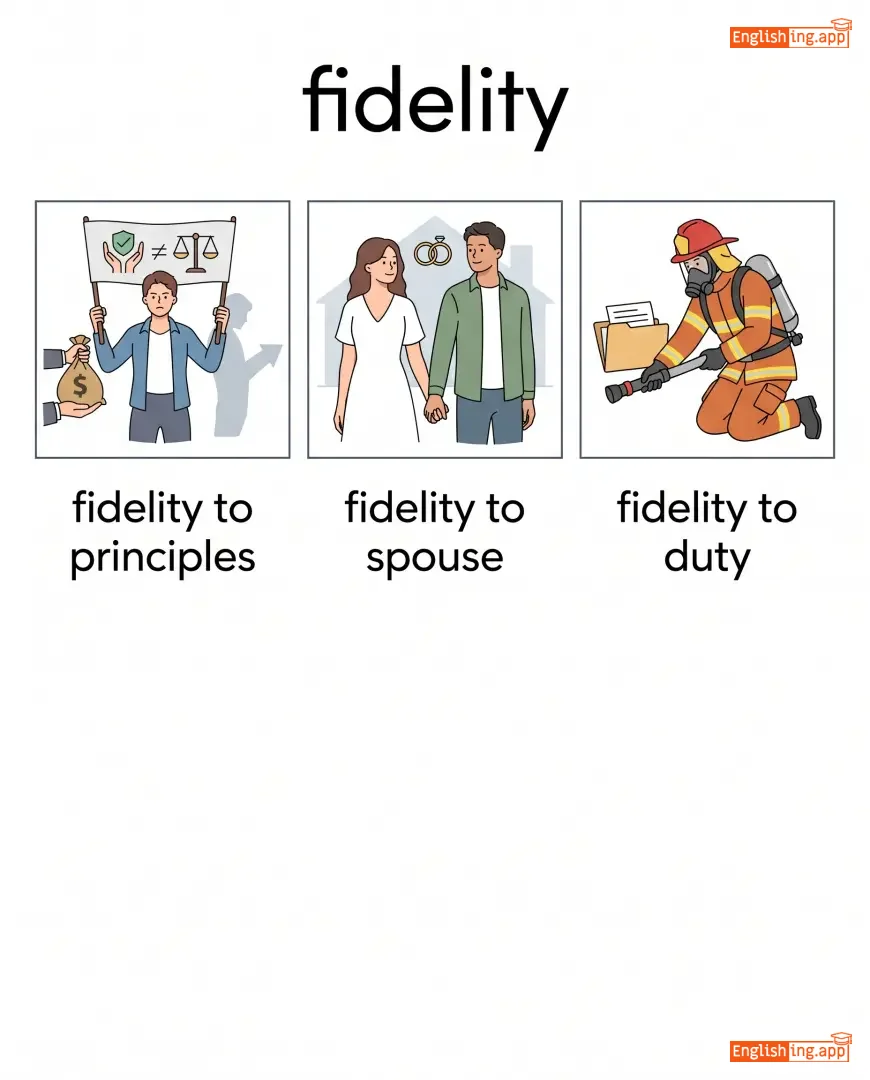
fidelity to principles, fidelity to spouse, fidelity to duty
••••••
|
Fidelity = Fi+delity - Fi忠誠と誠実
••••••
|
|
#3428
📝
|
/fɪkˈtɪʃəs/
adjective
(フィクティシャス)
••••••
|
- •••••• |
虚構の、偽の
kyokou no, nise no
••••••
|
- •••••• | - •••••• | - •••••• | - •••••• |
not real or true; imaginary or fabricated
••••••
|
The story he told was entirely fictitious.
彼が話した話は完全に虚構だった。
••••••
|
彼が話した話は完全に虚構だった。
Kare ga hanashita hanashi wa kanzen ni kyokou datta.
••••••
|
imaginary, false, fabricated, invented
••••••
|
real, factual, true
••••••
|
fictitious name, fictitious story, fictitious character
••••••
|
Fictitious = フィクティシャス - フィクションのような虚構の話
••••••
|
|
#3429
🌬️
|
/ˈfɪkəl/
adjective
(フィケル)
••••••
|
- •••••• |
気まぐれな, 変わりやすい
kimagurena, kawariyasui
••••••
|
- •••••• | - •••••• | - •••••• | - •••••• |
changing frequently in loyalty, interest, or affection
••••••
|
She is so fickle that she changes her mind every hour.
彼女はとても気まぐれで、毎時間意見を変える。
••••••
|
彼女はとても気まぐれで、毎時間意見を変える。
Kanojo wa totemo kimagure de, mai jikan iken wo kaeru.
••••••
|
inconstant, capricious, changeable, unstable
••••••
|
constant, steady, loyal
••••••
|
fickle nature, fickle friend, fickle weather
••••••
|
Fickle = フィケル - まるで天気が変わるようなもの
••••••
|
|
#3430
📜
|
/ˈfiːæt/
noun
(フィアット)
••••••
|
|
命令、布告
meirei, fukoku
••••••
|
- •••••• | - •••••• | - •••••• | - •••••• |
an official order or decree; authoritative command
••••••
|
The new policy was enacted by royal fiat.
新しい政策は王の命令で実施されました。
••••••
|
新しい政策は王の命令で実施されました。
Atarashī seisaku wa ō no meirei de jisshi saremashita.
••••••
|
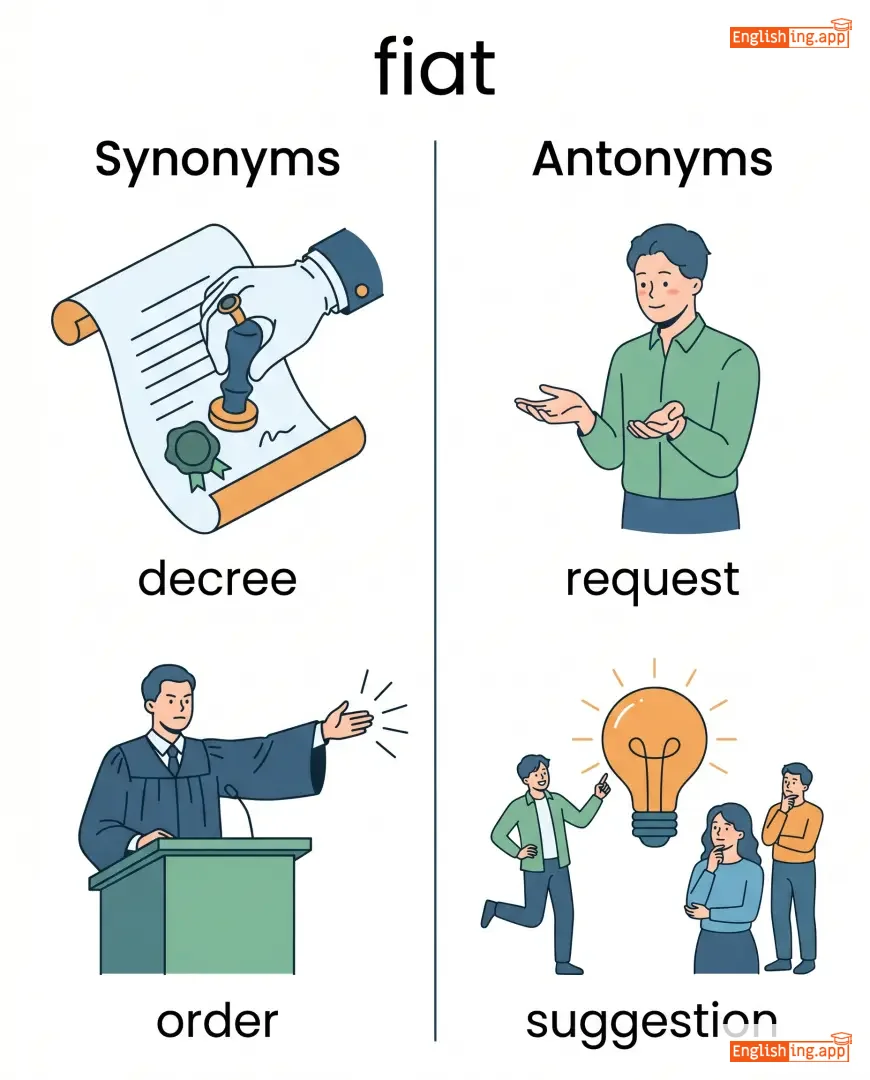
decree, order, command, edict
••••••
|
request, suggestion
••••••
|
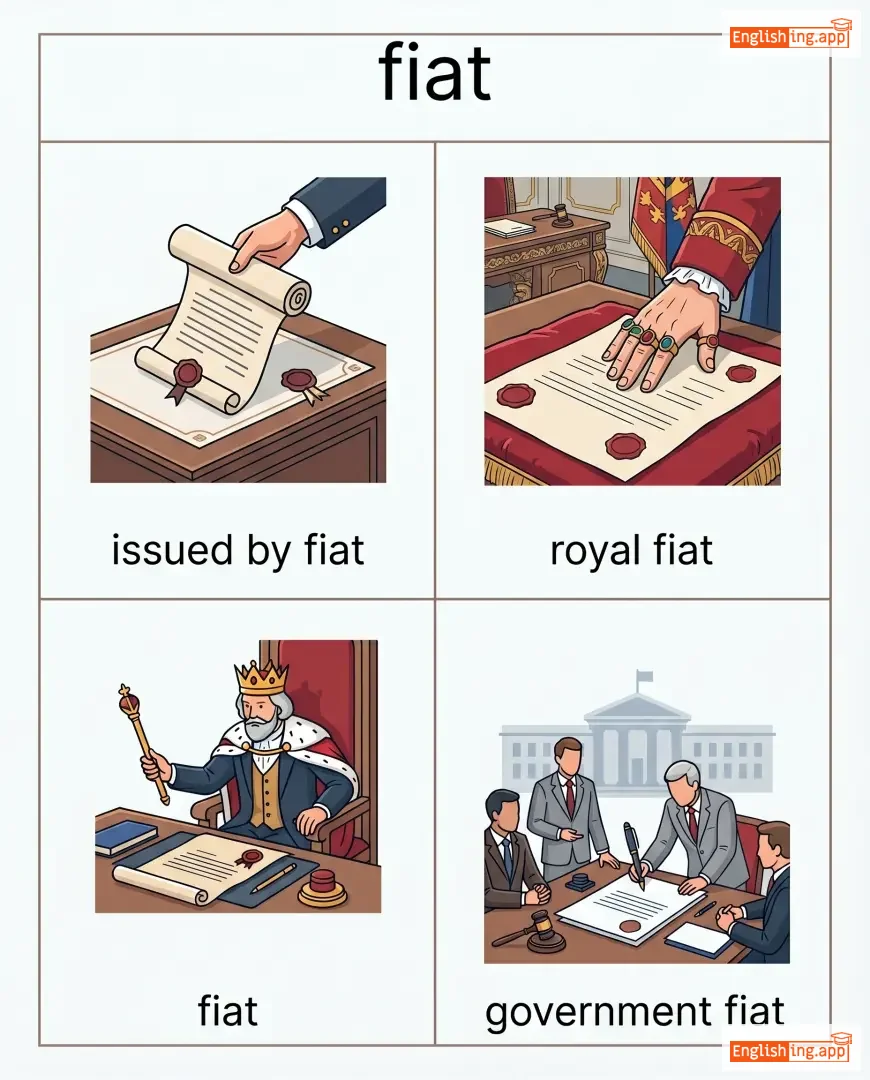
issued by fiat, royal fiat, government fiat
••••••
|
Fiat は命令、王の指示で決まること
••••••
|
|
#3431
💥
|
/fiˈæs.koʊ/
noun
(フィアスコ)
••••••
|
- •••••• |
完全な失敗
kanzen na shippai
••••••
|
- •••••• | - •••••• | - •••••• | - •••••• |
a complete failure, especially a ludicrous or humiliating one
••••••
|
The event turned into a complete fiasco due to poor planning. |
計画の悪さからそのイベントは完全な失敗に終わった。
Keikaku no warusa kara sono ibento wa kanzen na shippai ni owatta.
••••••
|
debacle, disaster, failure, catastrophe
••••••
|
success, triumph
••••••
|
complete fiasco, utter fiasco, financial fiasco, planning fiasco
••••••
|
Fiasko = Fail + Masko - 完全な失敗をマスクで覚える
••••••
|
|
#3432
🎩
|
/fez/
noun
(フェズ)
••••••
|
- •••••• |
フェズ帽子
fezu bōshi
••••••
|
- •••••• | - •••••• | - •••••• | - •••••• |
a flat-topped conical red hat with a tassel, traditionally worn in some Middle Eastern countries
••••••
|
He wore a traditional fez during the cultural festival.
彼は文化祭で伝統的なフェズをかぶっていた。
••••••
|
彼は文化祭で伝統的なフェズをかぶっていた。
Kare wa bunkasai de dentō-teki na fezu o kabutte ita.
••••••
|
hat, cap, headgear
••••••
|
- •••••• |
red fez, traditional fez, wearing a fez, fez hat
••••••
|
フェズを頭にかぶると、フェズが思い出せる - 帽子のリマインダー
••••••
|
|
#3433
⚜️
|
/ˈfjuː.də.lɪ.zəm/
noun
(fyūdarizumu)
••••••
|
- •••••• |
封建制度
hōken seido
••••••
|
- •••••• | - •••••• | - •••••• | - •••••• |
the social system in medieval Europe in which people worked and fought for nobles who gave them protection and land in return
••••••
|
Feudalism shaped the political structure of medieval Europe. |
封建制度は中世ヨーロッパの政治構造を形作った。
Hōken seido wa chūsei Yōroppa no seiji kōzō o katachizukutta.
••••••
|
manorialism, serfdom, aristocracy, hierarchy
••••••
|
democracy, egalitarianism
••••••
|
rise of feudalism, feudalism in Europe, end of feudalism, feudalism system
••••••
|
封建制度、土地と保護と交換する労働と戦い
••••••
|
|
#3434
🏰
|
/ˈfjuː.dəl/
adjective
(fyūdaru)
••••••
|
- •••••• |
封建的
hōkenteki
••••••
|
- •••••• | - •••••• | - •••••• | - •••••• |
relating to the system of feudalism, a medieval social system based on land ownership and obligations
••••••
|
The castle is a remnant of the feudal era. |
城は封建時代の遺物です。
Shiro wa hōken jidai no ibutsu desu.
••••••
|
manorial, medieval, aristocratic, hierarchical
••••••
|
modern, democratic
••••••
|
feudal system, feudal lord, feudal society, feudal obligations
••••••
|
封建 = 領主が土地を支配している
••••••
|
|
#3435
⚔️
|
/fjuːd/
noun
(フィウド)
••••••
|
- •••••• |
争い, 敵意
arasoi, teki
••••••
|
- •••••• | - •••••• | - •••••• | - •••••• |
a prolonged and bitter quarrel or conflict, often between families or groups
••••••
|
The two families have been in a feud for generations.
二つの家族は世代を超えて争い続けています。
••••••
|
二つの家族は世代を超えて争い続けています。
Futatsu no kazoku wa sedai o koete arasoi tsuzuketeimasu.
••••••
|
conflict, quarrel, rivalry, dispute
••••••
|
harmony, peace
••••••
|
blood feud, longstanding feud, family feud, bitter feud
••••••
|
Feud家族同士で争い - feudが食べ物をめぐる争い
••••••
|
|
#3436
🦦
|
/ˈfɛrɪt/
noun, verb
(フェレット)
••••••
|
- •••••• |
フェレット, 何かを粘り強く探すまたは発見する
feretto, nanika o nebarizuyoku sagasu matawa hakken suru
••••••
|
ferreted
フェレットデッド
••••••
|
ferreted
フェレットデッド
••••••
|
ferrets
フェレットス
••••••
|
ferreting
フェレットイング
••••••
|
a small domesticated animal used for hunting; to search or uncover something persistently
••••••
|
He ferreted out the hidden documents.
彼は隠された書類を見つけました。
••••••
|
彼は隠された書類を見つけました。
Kare wa kakusareta shorui o mitsukemashita.
••••••
|
search, hunt, uncover, seek
••••••
|
ignore, overlook
••••••
|
ferret out, ferret around, ferret for information
••••••
|
フェレットが隠されたファイルを探し出す - Ferret out hidden files
••••••
|
|
#3437
⛓️
|
/ˈfɛtər/
verb
(フェッター)
••••••
|
|
束縛する、制限する
sokubaku suru, seigen suru
••••••
|
fettered
フェッタード
••••••
|
fettered
フェッタード
••••••
|
fetters
フェッターズ
••••••
|
fettering
フェッティング
••••••
|
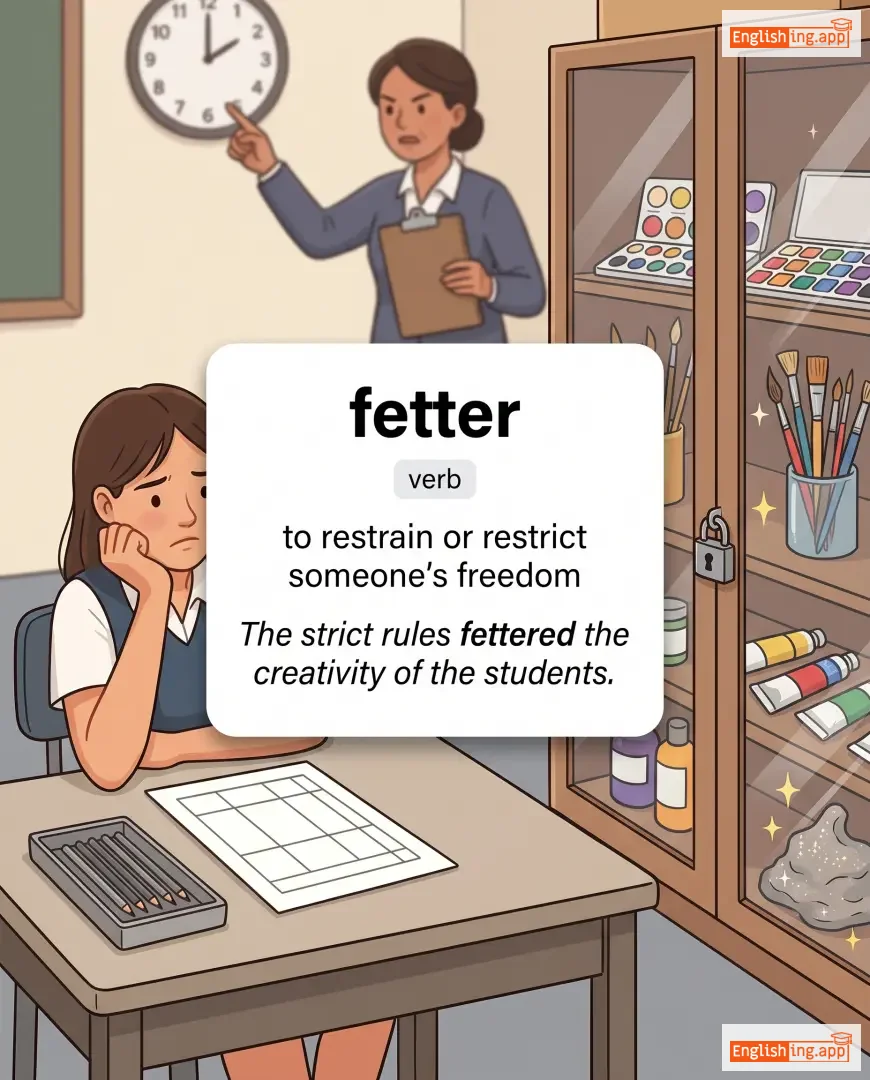
to restrain or restrict someone’s freedom
••••••
|
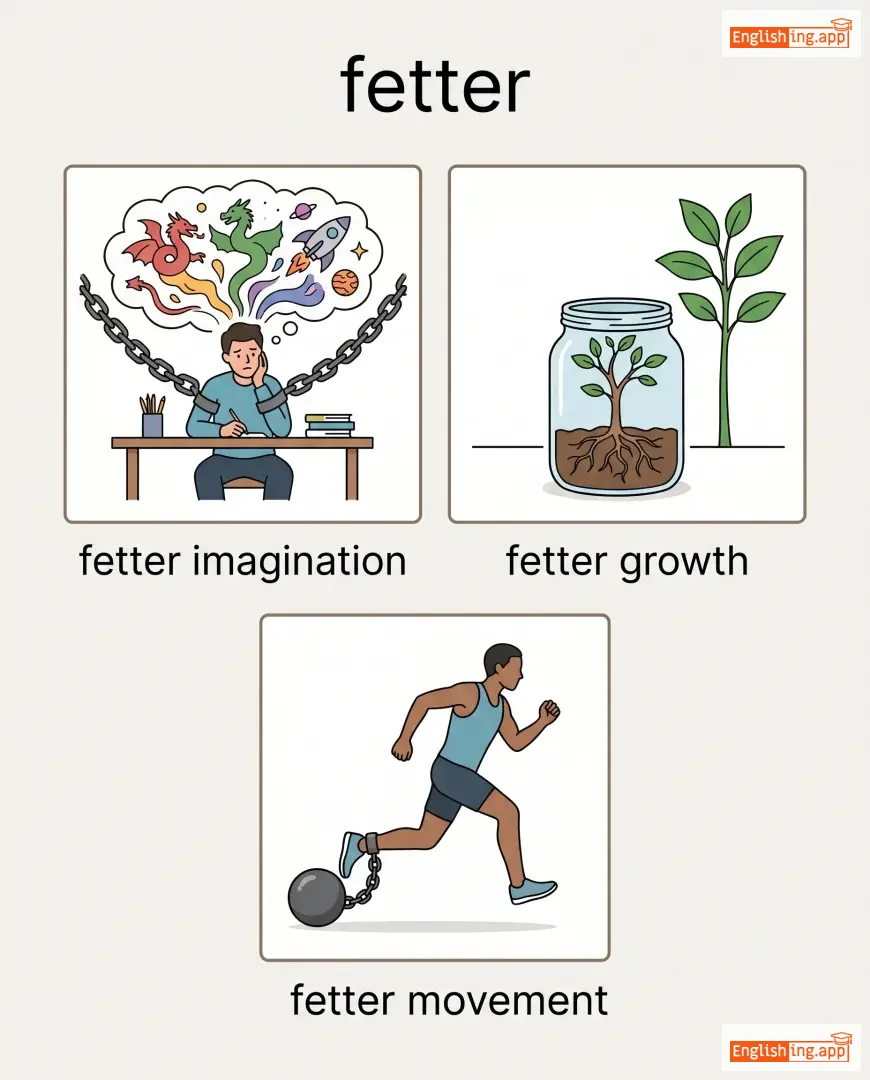
The strict rules fettered the creativity of the students.
厳しいルールは学生の創造性を制限した。
••••••
|
厳しいルールは学生の創造性を制限した。
Kibishii rūru wa gakusei no sōzōsei o seigen shita.
••••••
|
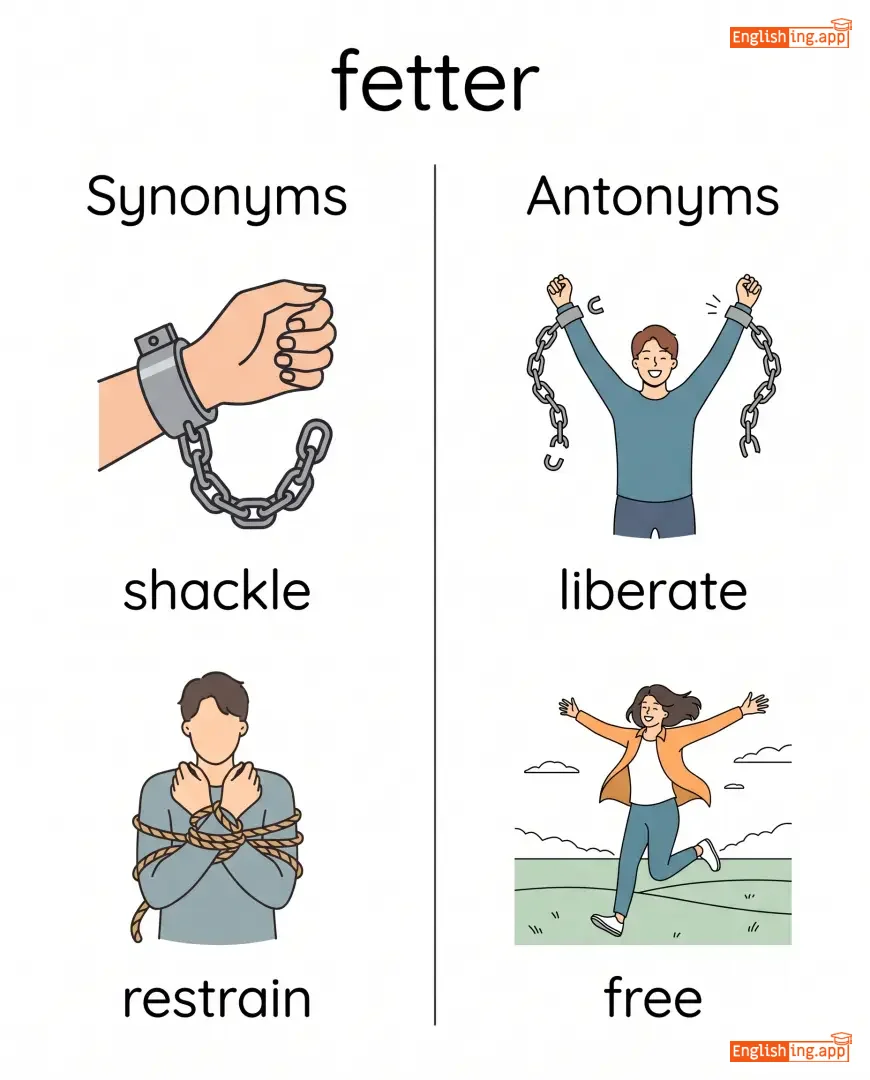
shackle, restrain, bind, hamper
••••••
|
liberate, free
••••••
|
fetter imagination, fetter growth, fetter movement
••••••
|
Fetterは自由を制限する意味で、束縛することを示します。
••••••
|
|
#3438
💎
|
/ˈfɛtɪʃ/
noun
(フェティッシュ)
••••••
|
- •••••• |
過度または不合理な執着
kadomata wa fukōrina shūchaku
••••••
|
- •••••• | - •••••• | - •••••• | - •••••• |
an excessive or irrational devotion to something
••••••
|
He has a fetish for collecting rare stamps. |
彼は珍しい切手を集めることに執着しています。
Kare wa mezurashī kitte o atsumeru koto ni shūchaku shiteimasu.
••••••
|
obsession, fixation, mania, passion
••••••
|
indifference, disinterest
••••••
|
sexual fetish, object fetish, stamp fetish
••••••
|
フェティッシュは切手集めのような執着 - Fetish is an obsession with collecting rare stamps
••••••
|
|
#3439
🤢
|
/ˈfɛtɪd/
adjective
(フェティッド)
••••••
|
|
悪臭のある、臭い
akushu no aru, nioi
••••••
|
- •••••• | - •••••• | - •••••• | - •••••• |
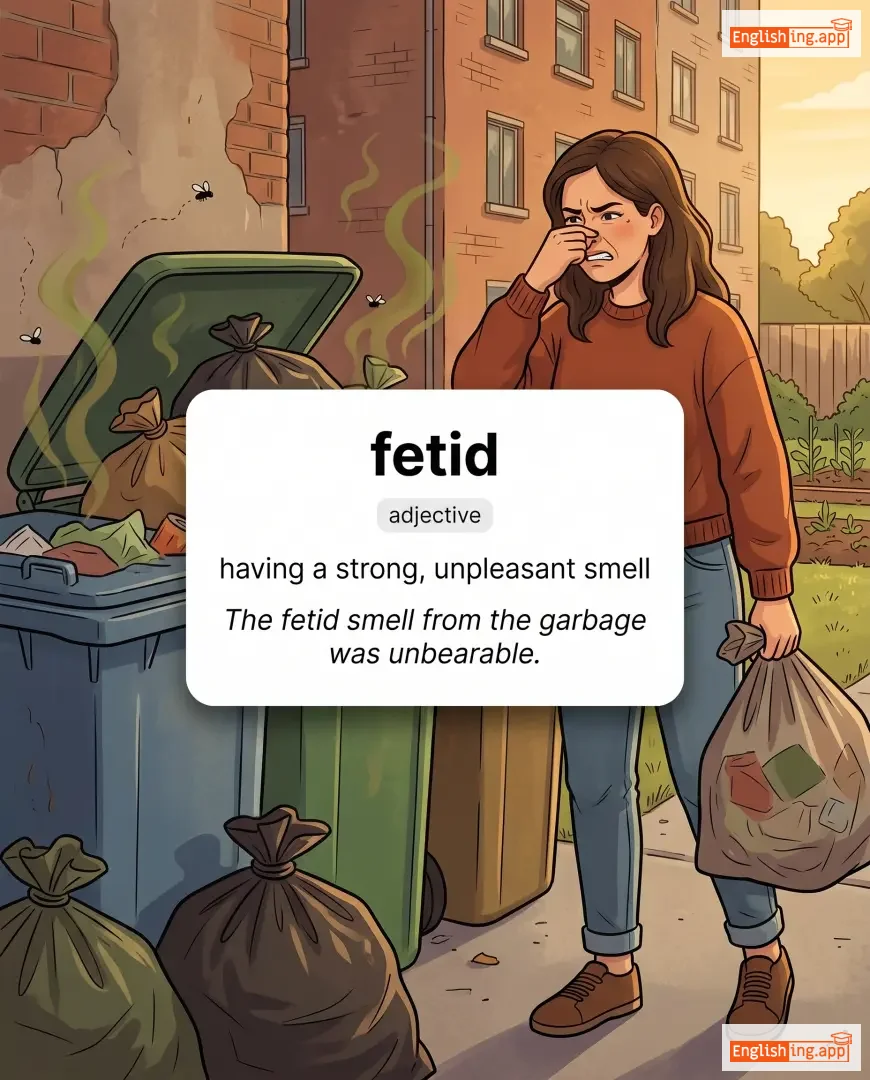
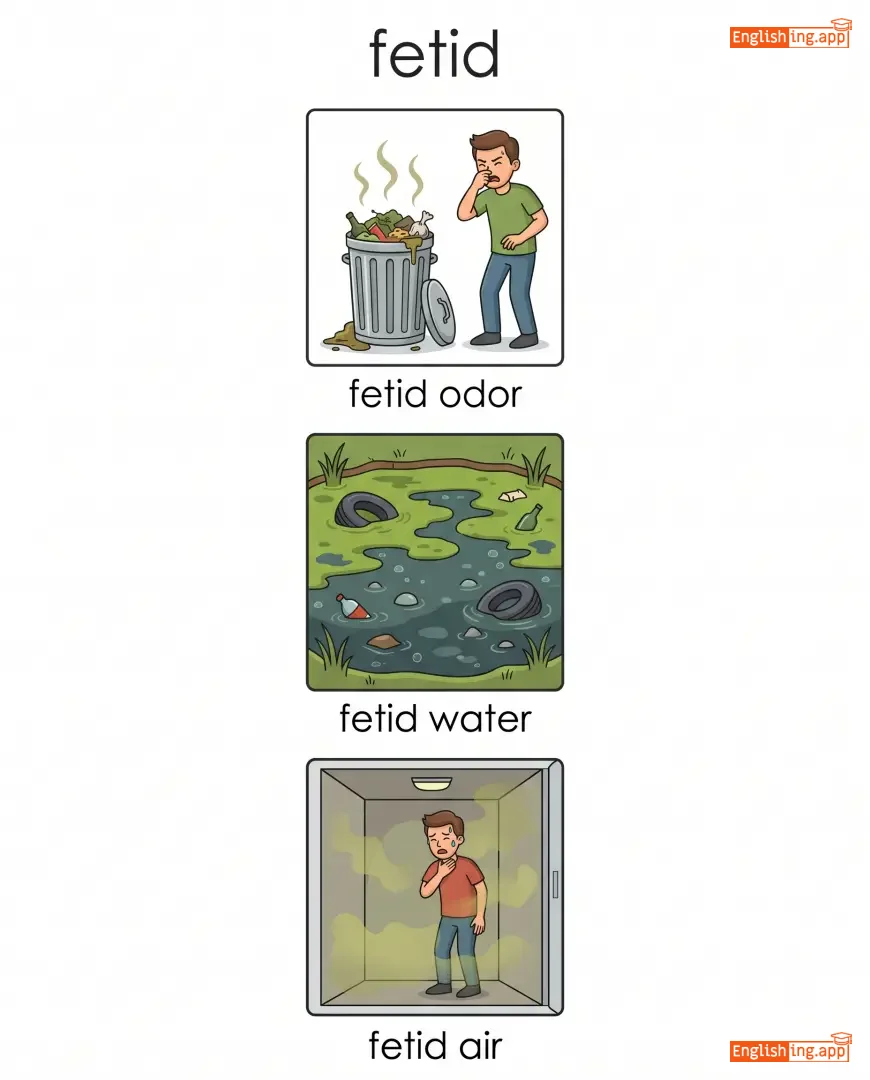
having a strong, unpleasant smell
••••••
|
The fetid smell from the garbage was unbearable.
ゴミからのフェティッドな臭いは耐えられなかった。
••••••
|
ゴミからの臭いは耐えられなかった。
Gomi kara no nioi wa taerarenakatta.
••••••
|
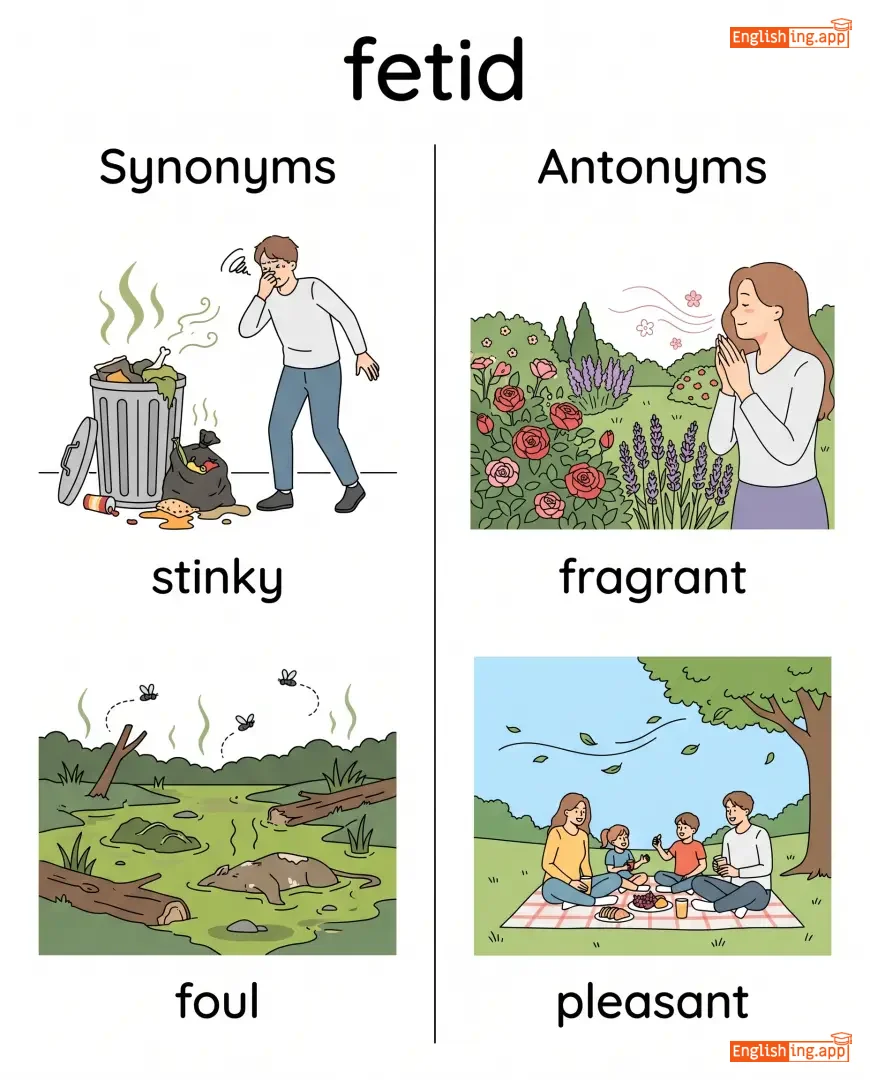
stinky, foul, malodorous, putrid
••••••
|
fragrant, pleasant
••••••
|
fetid odor, fetid water, fetid air
••••••
|
フェティッド臭は耐えられない - Fetid smell is unbearable
••••••
|
|
#3440
🪄
|
/ˈfetiʃ/
noun
(フェティッシュ)
••••••
|
- •••••• |
フェティッシュ
fetisshu
••••••
|
- •••••• | - •••••• | - •••••• | - •••••• |
an object believed to have magical powers or to be inhabited by a spirit
••••••
|
The villagers treated the statue as a powerful fetich.
村人たちはその像を強力なフェティッシュとして扱っていました。
••••••
|
村人たちはその像を強力なフェティッシュとして扱っていました。
Mura hitotachi wa sono zou o kyōryoku na fetisshu toshite atsukatte imashita.
••••••
|
talisman, charm, idol, amulet
••••••
|
disbelief, skepticism
••••••
|
sacred fetich, tribal fetich, magical fetich
••••••
|
フェティッシュには魔法の力があるので、村人たちはそれを信じている - Fetich has magical power
••••••
|
|
#3441
🏵️
|
/feɪt/
noun
(フェット)
••••••
|
- •••••• |
祭り、フェスティバル
matsuri, fesutibaru
••••••
|
- •••••• | - •••••• | - •••••• | - •••••• |
a celebration or festival, often in honor of someone
••••••
|
The village held a grand fete to celebrate the harvest. |
村は収穫を祝うために盛大な祭りを開催しました。
Mura wa shuukaku o iwau tame ni seidana matsuri o kaisai shimashita.
••••••
|
festival, fair, gala, celebration
••••••
|
mourning, sorrow
••••••
|
summer fete, charity fete, grand fete
••••••
|
Fete sounds like フェスティバル - お祝い
••••••
|
|
#3442
🎄
|
/ˈfɛstɪv/
adjective
(フェスティブ)
••••••
|
- •••••• |
祝祭的な, 楽しい
shukusaiteki na, tanoshii
••••••
|
- •••••• | - •••••• | - •••••• | - •••••• |
joyful, celebratory, or suitable for a festival
••••••
|
The streets were decorated with lights in a festive spirit. |
街は祝祭の雰囲気でライトで飾られていました。
Machi wa shukusai no fun'iki de raito de kazatta remashita.
••••••
|
cheerful, merry, joyous, jubilant
••••••
|
dull, gloomy
••••••
|
festive season, festive atmosphere, festive decorations
••••••
|
フェスティブなライトはお祝いの気持ちを表します。
••••••
|
|
#3443
🤢
|
/ˈfɛstər/
verb
(フェスター)
••••••
|
- •••••• |
悪化する、激化する
akkasuru, gekikasuru
••••••
|
festered
フェスタード
••••••
|
festered
フェスタード
••••••
|
festers
フェスターズ
••••••
|
festering
フェスターリング
••••••
|
to become worse or more intense, often through neglect or infection
••••••
|
If grievances are ignored, they may fester into resentment.
不満を無視すると、それは恨みに変わることがあります。
••••••
|
不満を無視すると、それは恨みに変わることがあります。
Fuman wo mushi suru to, sore wa urami ni kawaru koto ga arimasu.
••••••
|
rot, worsen, aggravate, decay
••••••
|
heal, improve
••••••
|
fester over time, fester in silence
••••••
|
Fester - 傷口が速く悪化する
••••••
|
|
#3444
🎉
|
/ˈfɛstəl/
adjective
(フェスタル)
••••••
|
- •••••• |
祭りの、祝祭的な
matsuri no, shukusai-teki na
••••••
|
- •••••• | - •••••• | - •••••• | - •••••• |
relating to a festival or celebration
••••••
|
The hall was decorated in a festal manner for the wedding. |
結婚式のためにホールは祭りのように飾られていました。
Kekkonshiki no tame ni hōru wa matsuri no yō ni kazararete imashita.
••••••
|
festive, celebratory, merry, joyous
••••••
|
plain, somber
••••••
|
festal occasion, festal mood, festal decorations
••••••
|
Festal = 祭りの - まるで祭りのように飾る
••••••
|
|
#3445
🔥
|
/ˈfɜːrvər/
noun
(ファーヴォー)
••••••
|
|
熱意, 情熱
netsui, jounetsu
••••••
|
- •••••• | - •••••• | - •••••• | - •••••• |
intense and passionate feeling
••••••
|
She spoke with great fervor about the importance of education.
彼女は教育の重要性について情熱的に話しました。
••••••
|
彼女は教育の重要性について情熱的に話しました。
Kanojo wa kyouiku no juuyousei ni tsuite jounetsuteki ni hanashimashita.
••••••
|
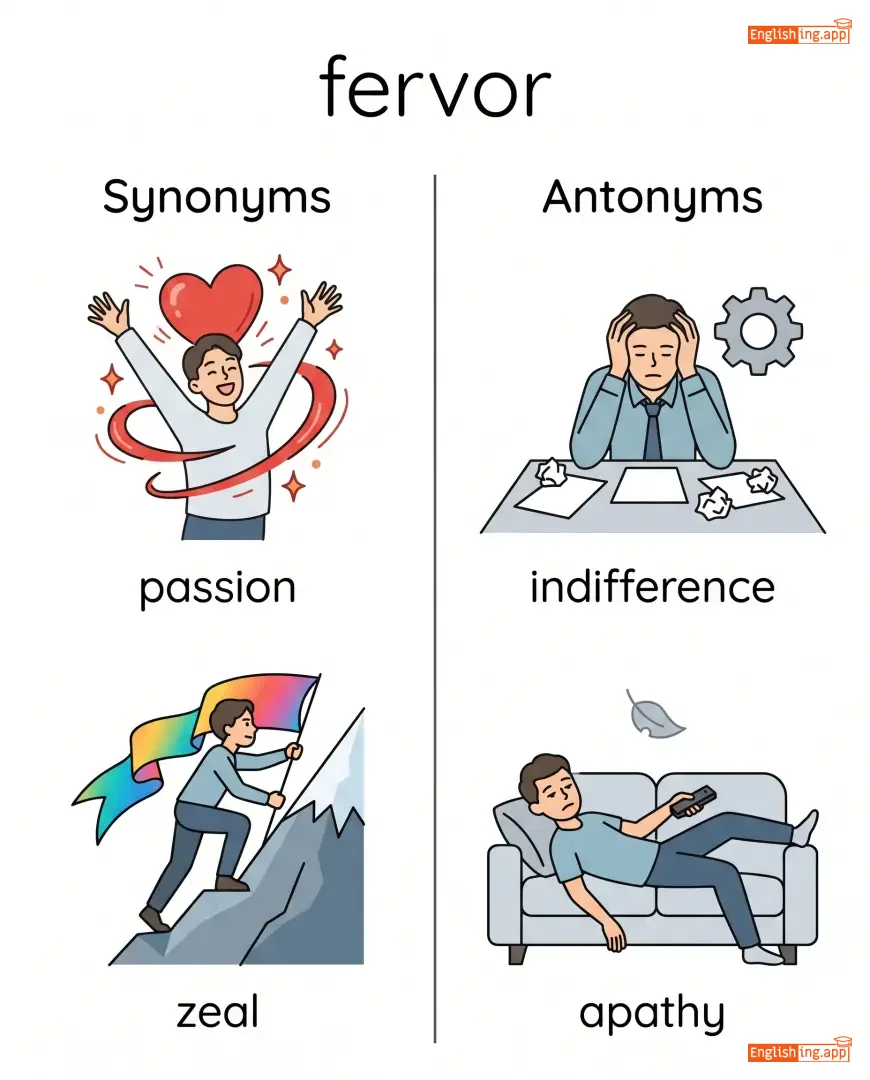
passion, zeal, enthusiasm, ardor
••••••
|
indifference, apathy
••••••
|
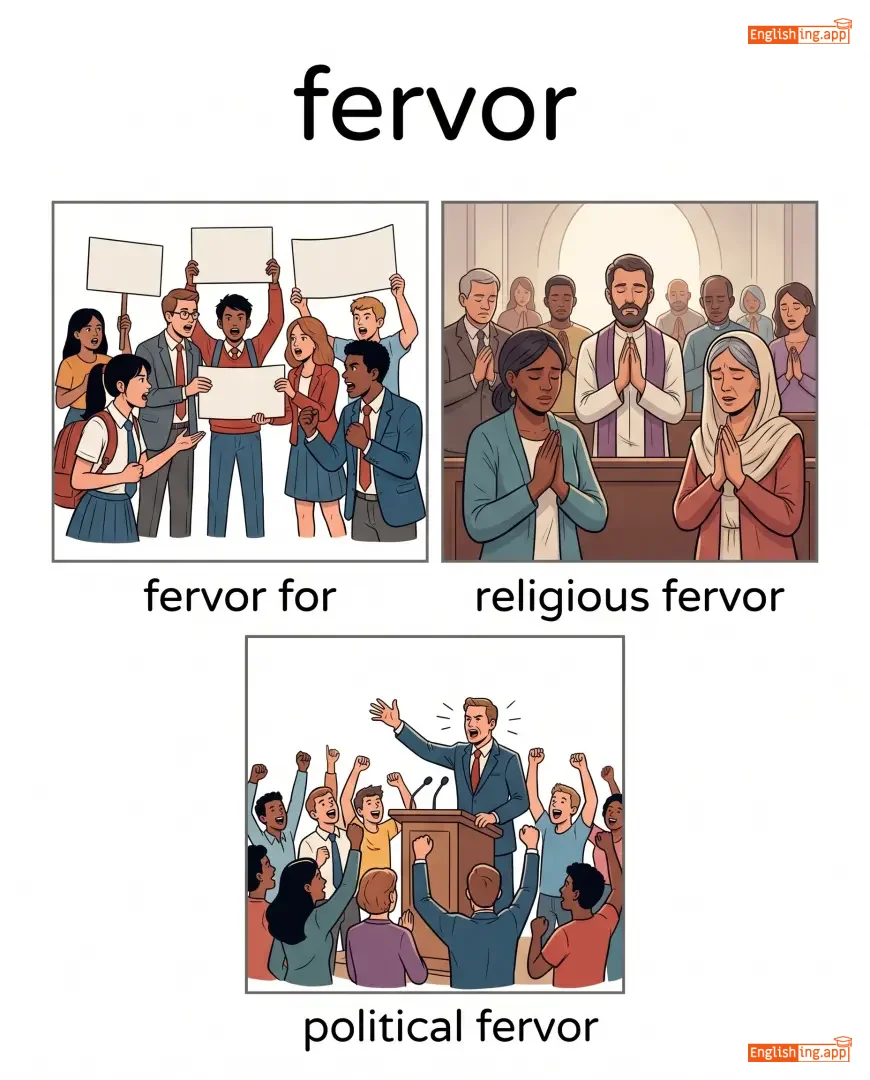
fervor for, religious fervor, political fervor
••••••
|
Fervor は火のようなもの - 常に情熱とエネルギーに満ちている
••••••
|
|
#3446
💖
|
/ˈfɜːr.vɪd/
adjective
(ファーヴィッド)
••••••
|
- •••••• |
熱心な, 情熱的な
nesshinnan, jōnetsuteki na
••••••
|
- •••••• | - •••••• | - •••••• | - •••••• |
intensely passionate or enthusiastic
••••••
|
He wrote a fervid letter expressing his love. |
彼は自分の愛を表現するために熱心な手紙を書いた。
Kare wa jibun no ai o hyōgen suru tame ni nesshinnan tegami o kaita.
••••••
|
intense, passionate, fiery, ardent
••••••
|
cold, indifferent
••••••
|
fervid argument, fervid admirer, fervid emotion
••••••
|
Fervid ファーヴィッド心を燃やす - Fervid makes the heart burn
••••••
|
|
#3447
🔥
|
/ˈfɜːr.vənt/
adjective
(ファーヴェント)
••••••
|
- •••••• |
情熱的な、熱心な
jōnetsu-teki na, nesshin na
••••••
|
- •••••• | - •••••• | - •••••• | - •••••• |
having or showing intense passion or enthusiasm
••••••
|
She gave a fervent speech about climate change. |
彼女は気候変動について情熱的なスピーチを行った。
Kanojo wa kikō hendō ni tsuite jōnetsu-teki na supīchi o okonatta.
••••••
|
passionate, ardent, enthusiastic, zealous
••••••
|
apathetic, indifferent
••••••
|
fervent supporter, fervent desire, fervent prayer
••••••
|
Fervent 情熱のように - Fervent is passionate like fire
••••••
|
|
#3448
🌾
|
/ˈfɜːr.tɪ.laɪz/
verb
(ファーティライズ)
••••••
|
- •••••• |
肥料を施す
hiryō o hodokosu
••••••
|
fertilized
ファーティライズド
••••••
|
fertilized
ファーティライズド
••••••
|
fertilizes
ファーティライゼス
••••••
|
fertilizing
ファーティライジング
••••••
|
to make soil or land more fertile by adding substances
••••••
|
Farmers fertilize the fields to increase crop yield.
農家は作物の収穫量を増やすために畑に肥料を施す。
••••••
|
農家は作物の収穫量を増やすために畑に肥料を施す。
Nōka wa sakumotsu no shūkaku-ryō o fuyasu tame ni hatake ni hiryō o hodokosu.
••••••
|
enrich, nourish, feed, manure
••••••
|
deplete, impoverish
••••••
|
fertilize crops, fertilize soil, fertilize plants
••••••
|
肥料を施す - 土地を肥沃にして作物を育てる
••••••
|
|
#3449
🌱
|
/ˈfɜːr.taɪl/
adjective
(ファーティル)
••••••
|
- •••••• |
肥沃
hiwaku
••••••
|
- •••••• | - •••••• | - •••••• | - •••••• |
capable of producing abundant vegetation or offspring
••••••
|
The fertile soil yielded a bountiful harvest. |
肥沃な土壌は豊かな収穫を生み出しました。
Hiwaku na dojo wa yutaka na shūkaku o umidashimashita.
••••••
|
productive, rich, fruitful, lush
••••••
|
barren, infertile, unproductive
••••••
|
fertile land, fertile imagination, fertile soil
••••••
|
Fertile 肥沃な土壌は作物を豊かに育てます - Fertile soil grows abundant crops
••••••
|
|
#3450
🪨
|
/ˈfer.əs/
adjective
(フェラス)
••••••
|
- •••••• |
鉄を含む
tetsu wo fukumu
••••••
|
- •••••• | - •••••• | - •••••• | - •••••• |
containing or consisting of iron
••••••
|
Ferrous metals are commonly used in construction.
鉄を含む金属は建設でよく使用されます。
••••••
|
鉄を含む金属は建設でよく使用されます。
Tetsu wo fukumu kinzoku wa kensetsu de yoku shiyou saremasu.
••••••
|
iron-containing, ferric, metallic, iron-rich
••••••
|
non-ferrous, non-metallic
••••••
|
ferrous alloy, ferrous material, ferrous metal industry
••••••
|
Ferrous - 鉄を含む金属
••••••
|
Vocabulary Quiz
Test your vocabulary by matching words with their translations or meanings.
Login to take the quiz
Comments (0)
Share your thoughts and join the discussion.
Join the discussion by logging in
Login to CommentNo comments yet
Be the first to share your thoughts!