

翻訳
過去
過去分詞
三人称単数
動名詞
意味
例文
例文の翻訳
同義語
対義語
コロケーション
ニーモニック


Swipe left or right, or use the buttons. Tap image to zoom.
例文の翻訳
単語
Lesson 24Lesson 24 - マスクトグル
|
絵文字
|
単語 | Images | 翻訳 | 過去 | 過去分詞 | 三人称単数 | 動名詞 | 意味 | 例文 | 例文の翻訳 | 表現例 | 表現例の意味 | 表現例の翻訳 | 同義語 | 対義語 | コロケーション | ニーモニック |
|---|---|---|---|---|---|---|---|---|---|---|---|---|---|---|---|---|---|
|
#691
🌀
|
/ˌeɪˈtɪpɪkəl/
adjective
(eytipikal)
••••••
|
- •••••• |
非典型
hitenkei
••••••
|
- •••••• | - •••••• | - •••••• | - •••••• |
not representative of a type, group, or class; unusual or abnormal
••••••
|
The doctor said it was an atypical case of the disease. |
医者はそれが病気の非典型的なケースだと言いました。
Isha wa sore ga byōki no hitenkeiteki na kēsu da to iimashita.
••••••
|
- •••••• | - •••••• | - •••••• |
unusual, abnormal, irregular, uncommon, exceptional
••••••
|
typical, normal, regular
••••••
|
atypical behavior, atypical pattern, atypical case, atypical features
••••••
|
A typical は ATYPICAL は非典型です。
••••••
|
|
#692
🦻
|
/ˈɔːrɪkl̩/
noun
(オリクル)
••••••
|
- •••••• |
耳の外側部分
mimi no sokogawa bubun
••••••
|
- •••••• | - •••••• | - •••••• | - •••••• |
The external part of the ear; also an upper chamber of the heart in anatomy.
••••••
|
The doctor examined the patient’s auricle for signs of infection. |
医師は患者の耳の外側部分に感染の兆候がないか調べました。
Ishi wa kanja no mimi no sokogawa bubun ni kansen no chōkō ga nai ka shirabemashita.
••••••
|
- •••••• | - •••••• | - •••••• |
outer ear, pinna, earflap
••••••
|
inner ear, cochlea
••••••
|
left auricle, right auricle, auricle structure, auricle anatomy
••••••
|
Auricleの意味は—'Aur'は耳、'circle'は外部部分を意味します。
••••••
|
|
#693
✨
|
/ˈɔːriˌoʊl/
noun
(オリオール)
••••••
|
- •••••• |
オーラ
ōra
••••••
|
- •••••• | - •••••• | - •••••• | - •••••• |
A halo or radiance surrounding the head or body, often in religious art.
••••••
|
The painting showed the saint with an aureole around his head.
その絵は、聖人が頭の周りにオーラを持っているのを示していました。
••••••
|
その絵は、聖人が頭の周りにオーラを持っているのを示していました。
Sono e wa, seijin ga atama no mawari ni ōra o motte iru no o shimeshite imashita.
••••••
|
- •••••• | - •••••• | - •••••• |
halo, nimbus, radiance, glow
••••••
|
darkness, shadow
••••••
|
golden aureole, shining aureole, divine aureole
••••••
|
Aureole = Aura + hole (頭の周りのオーラ).
••••••
|
|
#694
👂
|
/ˈɔːrəl/
adjective
(オーラル)
••••••
|
- •••••• |
聴覚の
choukaku no
••••••
|
- •••••• | - •••••• | - •••••• | - •••••• |
Relating to the ear or the sense of hearing.
••••••
|
The lecture was an aural experience as well as an intellectual one. |
講義は聴覚的な体験であり、知的な体験でもありました。
Kougi wa choukakuteki na taiken de ari, chitekina taiken demo arimashita.
••••••
|
- •••••• | - •••••• | - •••••• |
auditory, acoustic, hearing-related, sonic
••••••
|
visual, optical
••••••
|
aural skills, aural exam, aural experience, aural perception
••••••
|
Auralは耳に関連する意味です — 'oral'のように聞こえますが、聴覚に関連しています。
••••••
|
|
#695
👑
|
/ɔːˈɡʌst/
adjective
(オーガスト)
••••••
|
- •••••• |
威厳
igen
••••••
|
- •••••• | - •••••• | - •••••• | - •••••• |
Respected and impressive; inspiring reverence or admiration.
••••••
|
The king entered the hall with an august presence. |
王は威厳のある存在感でホールに入ってきた。
Ō wa igen no aru sonzaikan de hōru ni haittekita.
••••••
|
- •••••• | - •••••• | - •••••• |
majestic, grand, dignified, noble
••••••
|
ordinary, common, trivial
••••••
|
august personality, august gathering, august presence, august institution
••••••
|
Augustは単なる月ではなく、威厳ある存在を意味します。
••••••
|
|
#696
🔮
|
/ˈɔːɡjʊri/
noun
(オーガリー)
••••••
|
- •••••• |
前兆
zenchou
••••••
|
- •••••• | - •••••• | - •••••• | - •••••• |
A sign or omen that is believed to predict future events.
••••••
|
The dark clouds were seen as an augury of an approaching storm. |
暗い雲は近づいている嵐の前兆として見られた。
Kurai kumo wa chikadzuite iru arashi no zenchou to shite mirarareta.
••••••
|
augury of doom |
a sign that something disastrous is about to happen
••••••
|
不幸の前兆
fukou no zenchou
••••••
|
omen, sign, portent, prediction, forewarning
••••••
|
certainty, assurance, fact
••••••
|
augury of success, augury of trouble, good augury, bad augury
••••••
|
前兆は'A Gory'と似ていて—不幸の前兆は不吉な兆しとして現れます。
••••••
|
|
#697
🔮
|
/ˈɔːɡər/
verb
(オーガー)
••••••
|
- •••••• |
予兆する
yochou suru
••••••
|
augured
オーガード
••••••
|
augured
オーガード
••••••
|
augurs
オーガーズ
••••••
|
auguring
オーガリング
••••••
|
To be a sign of something to come; to predict or foretell.
••••••
|
Dark clouds augur a coming storm.
暗い雲が来る嵐を予示しています。
••••••
|
暗い雲が来る嵐を予示しています。
Kurai kumo ga kuru arashi wo yojishiteimasu.
••••••
|
- •••••• | - •••••• | - •••••• |
foretell, predict, portend, foreshadow
••••••
|
ignore, disregard
••••••
|
augur well, augur ill, augur success, augur disaster
••••••
|
Augurは未来を予測する意味です。暗い雲が嵐の予兆を示します。
••••••
|
|
#698
➕
|
/ɔːɡˈmɛnt/
verb
(オグメント)
••••••
|
|
増加
zouka
••••••
|
augmented
オグメンテッド
••••••
|
augmented
オグメンテッド
••••••
|
augments
オグメンツ
••••••
|
augmenting
オグメンティング
••••••
|
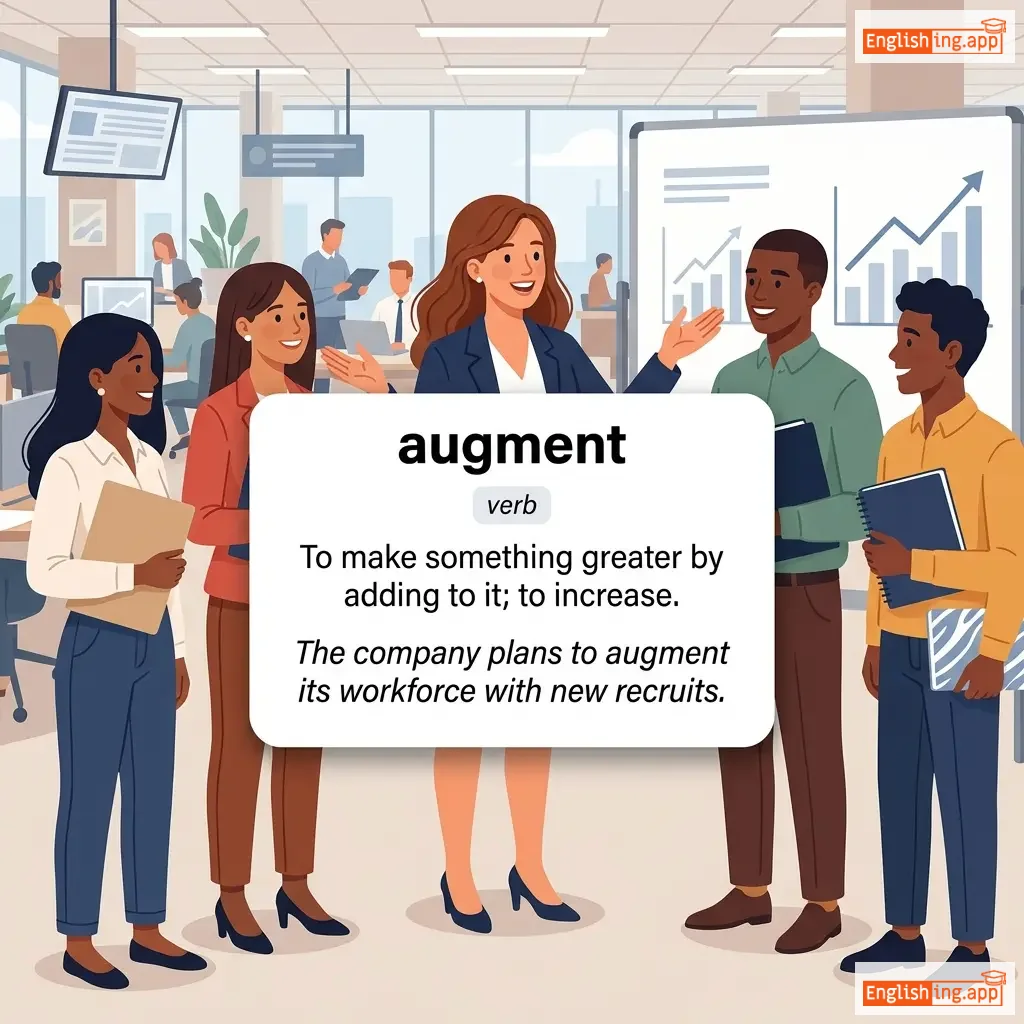
To make something greater by adding to it; to increase.
••••••
|
The company plans to augment its workforce with new recruits.
その会社は新しい採用者で労働力を増強する予定です。
••••••
|
その会社は新しい採用者で労働力を増強する予定です。
Sono kaisha wa atarashī saiyō-sha de rōdōryoku o zōkyō suru yotei desu.
••••••
|
augmented reality
拡張現実
••••••
|
A technology that overlays digital information onto the real world.
••••••
|
拡張現実
kakuchou genshitsu
••••••
|
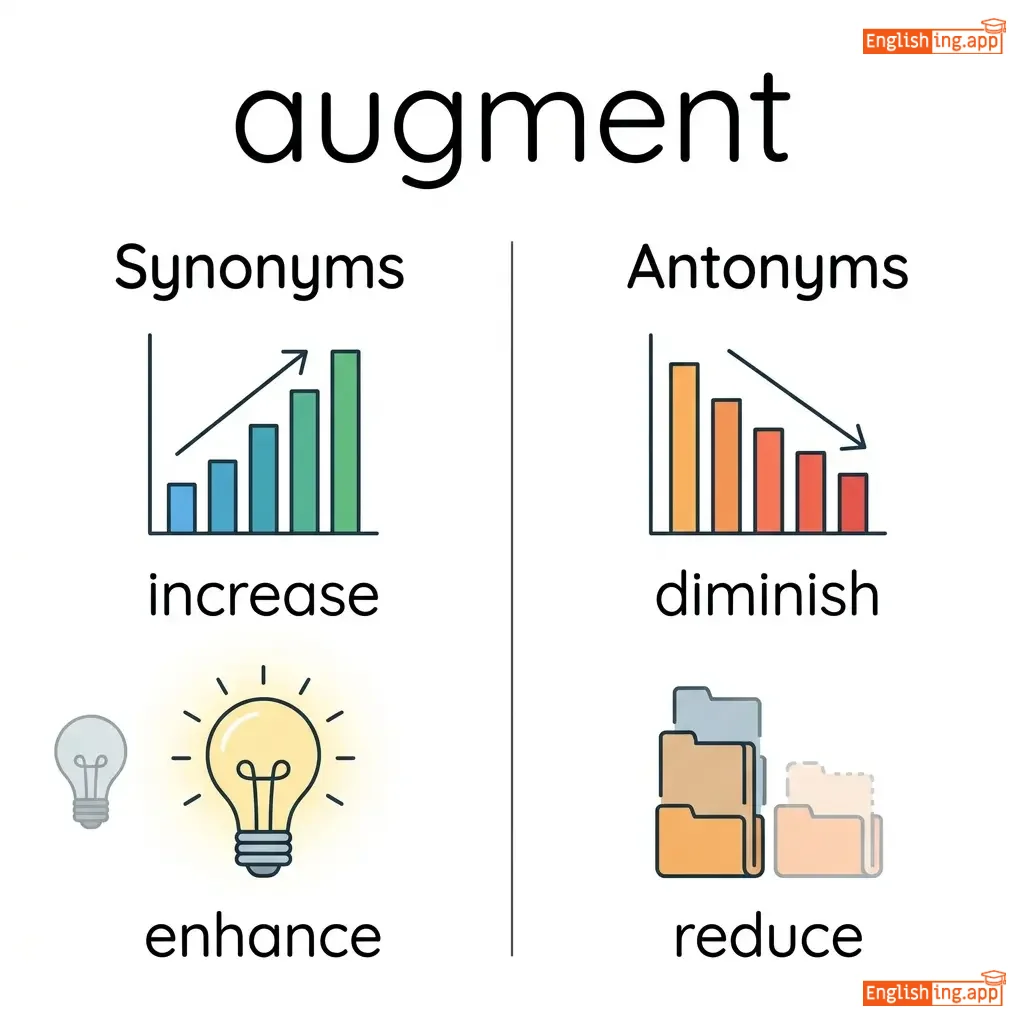
increase, enhance, boost, expand, enlarge
••••••
|
diminish, reduce, lessen
••••••
|
augment income, augment resources, augment staff, augment capacity
••••••
|
増加は追加して大きくすることを意味します。
••••••
|
|
#699
👂
|
/ˈɔːdəˌtɔːri/
adjective
••••••
|
- •••••• | - •••••• | - •••••• | - •••••• | - •••••• | - •••••• |
Relating to the sense of hearing.
••••••
|
The lecture was designed to enhance students' auditory learning skills. |
- •••••• | - •••••• | - •••••• | - •••••• |
aural, hearing, acoustic, sonic
••••••
|
visual, tactile
••••••
|
auditory system, auditory nerves, auditory processing, auditory skills
••••••
|
No •••••• |
|
#700
🎭
|
/ɔːˈdɪʃən/
noun/verb
(オーディション)
••••••
|
- •••••• |
オーディション
ōdishon
••••••
|
auditioned
オーディションした
••••••
|
auditioned
オーディションした
••••••
|
auditions
オーディションする
••••••
|
auditioning
オーディションしている
••••••
|
A trial performance by an actor, singer, or musician to demonstrate suitability for a role.
••••••
|
She auditioned for the lead role in the school play.
彼女は学校の劇で主役の役をオーディションした。
••••••
|
彼女は学校の劇で主役の役をオーディションした。
Kanojo wa gakkō no geki de shuyaku no yaku o ōdishon shita.
••••••
|
- •••••• | - •••••• | - •••••• |
tryout, test, performance, screening
••••••
|
selection, appointment
••••••
|
give an audition, pass an audition, audition call, audition tape
••••••
|
オーディションは役を得るための大事なステップ!
••••••
|
|
#701
📋
|
/ˈɔːdɪt/
noun/verb
(オーディット)
••••••
|
|
監査
kansa
••••••
|
audited
オーディットされた
••••••
|
audited
オーディットされた
••••••
|
audits
オーディットします
••••••
|
auditing
オーディットしている
••••••
|
A formal examination of accounts or processes to ensure accuracy and compliance.
••••••
|
The company hired an external firm to audit its financial statements.
その会社は財務諸表を監査するために外部の企業を雇いました。
••••••
|
その会社は財務諸表を監査するために外部の企業を雇いました。
Sono kaisha wa zaimu shohyo o kansa suru tame ni gaibu no kigyo o yatotta.
••••••
|
audit trail
監査記録
••••••
|
A record that shows who has accessed a system and what operations they performed.
••••••
|
監査記録
Kansa kiroku
••••••
|
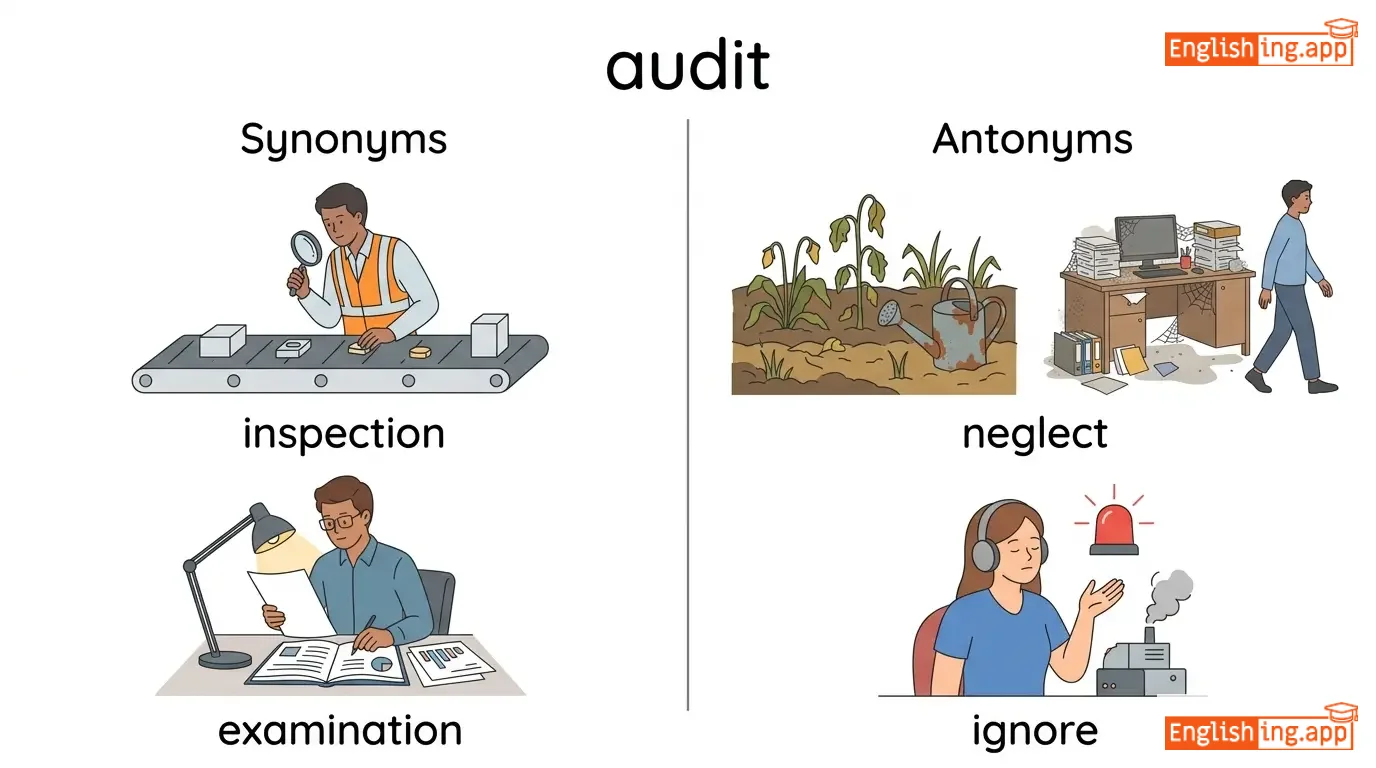
inspection, examination, review, assessment, evaluation
••••••
|
neglect, ignore, overlook
••••••
|
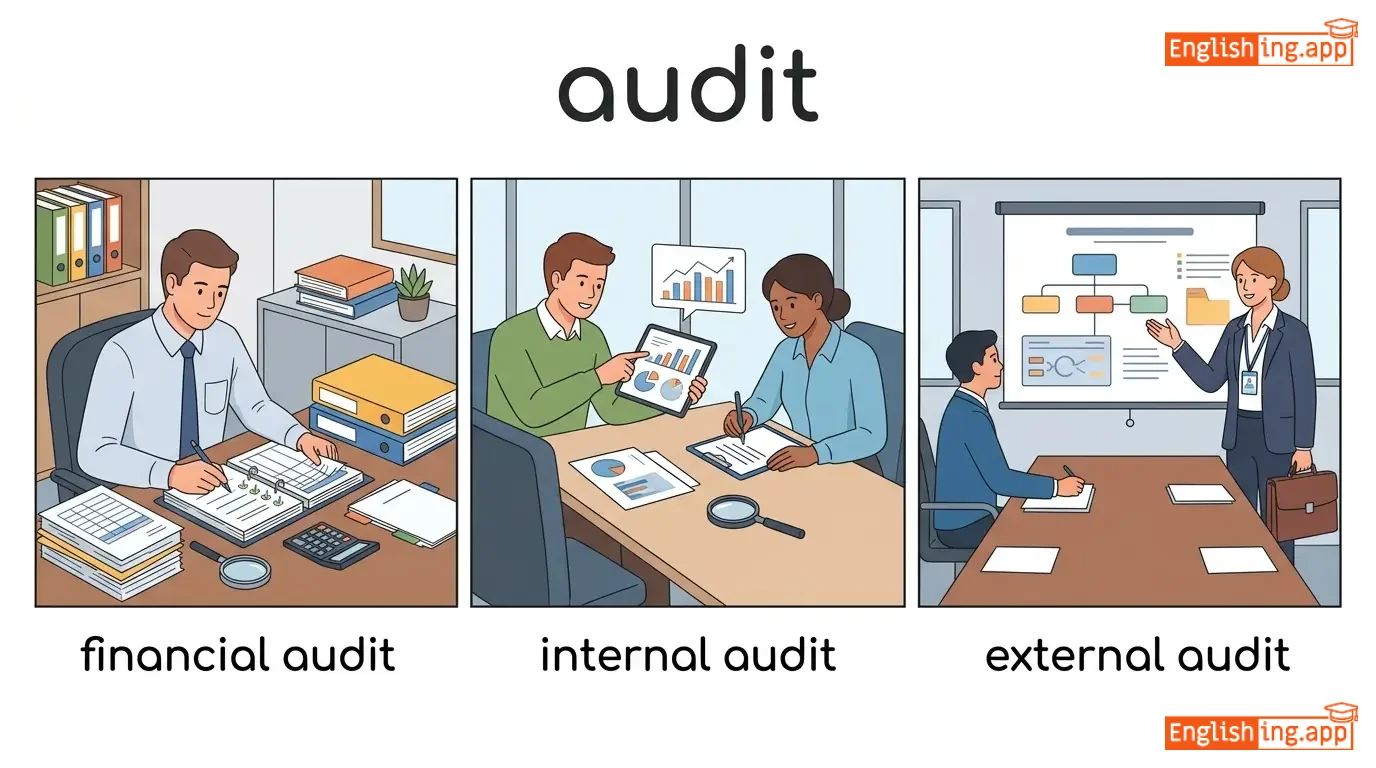
financial audit, internal audit, external audit, audit report, audit committee
••••••
|
監査 - すべての数字をチェックしてミスを防ぐ!
••••••
|
|
#702
🔊
|
/ˈɔːdəbl/
adjective
(オーディブル)
••••••
|
- •••••• |
聞こえる
kikoeru
••••••
|
- •••••• | - •••••• | - •••••• | - •••••• |
able to be heard
••••••
|
Her voice was barely audible over the noise of the crowd.
彼女の声は群衆の騒音の中でほとんど聞こえなかった。
••••••
|
彼女の声は群衆の騒音の中でほとんど聞こえなかった。
Kanojo no koe wa gunshuu no souon no naka de hotondo kikoenakatta.
••••••
|
- •••••• | - •••••• | - •••••• |
hearable, perceptible, clear, distinct
••••••
|
inaudible, silent, faint
••••••
|
barely audible, clearly audible, audible sound, audible sigh
••••••
|
オーディオの 'audible' を思い出すと、'聞こえる' という意味が浮かびます。
••••••
|
|
#703
💥
|
/ɔːˈdæsəti/
noun
(オーダシティ)
••••••
|
|
大胆
daitan
••••••
|
- •••••• | - •••••• | - •••••• | - •••••• |
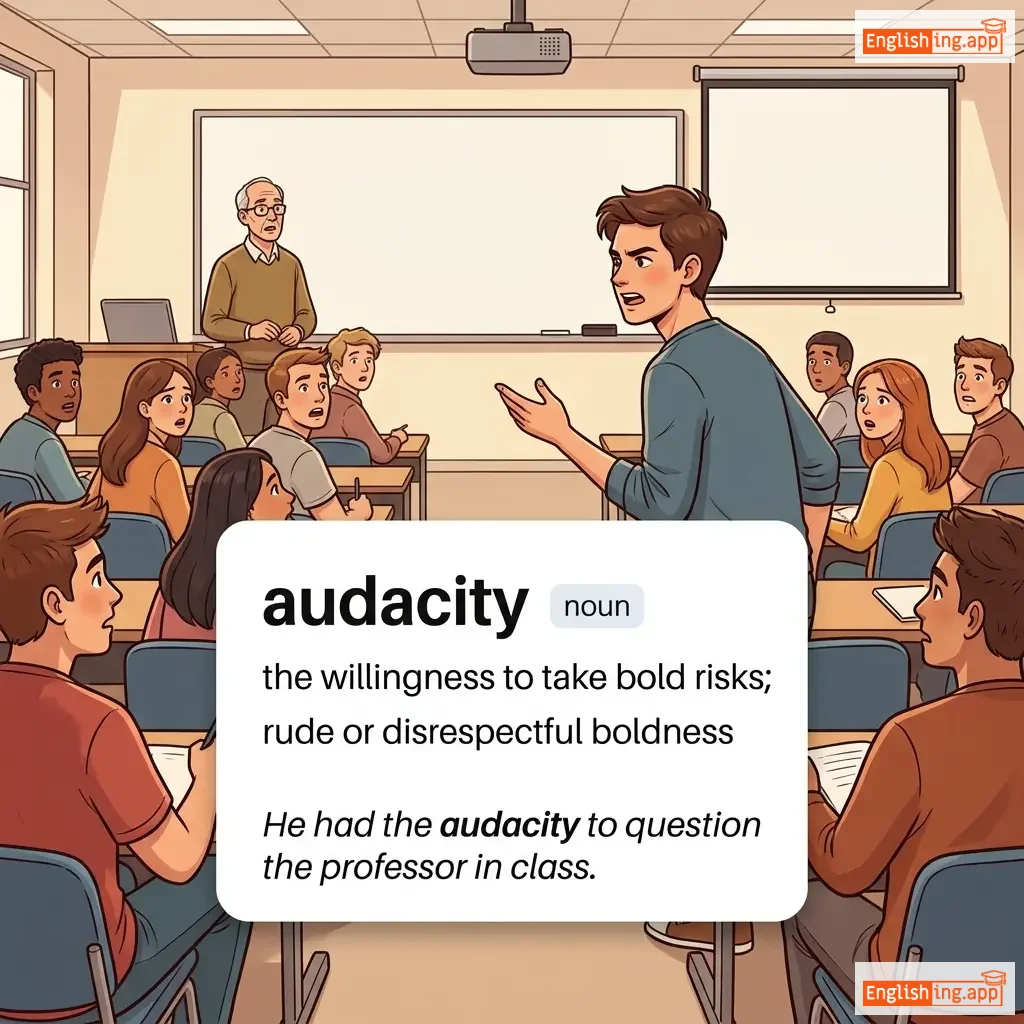
the willingness to take bold risks; rude or disrespectful boldness
••••••
|
He had the audacity to question the professor in class.
彼は授業中に教授に質問する大胆さを持っていた。
••••••
|
彼は授業中に教授に質問する大胆さを持っていた。
Kare wa jugyou-chuu ni kyouju ni shitsumon suru daitansa o motte ita.
••••••
|
- •••••• | - •••••• | - •••••• |
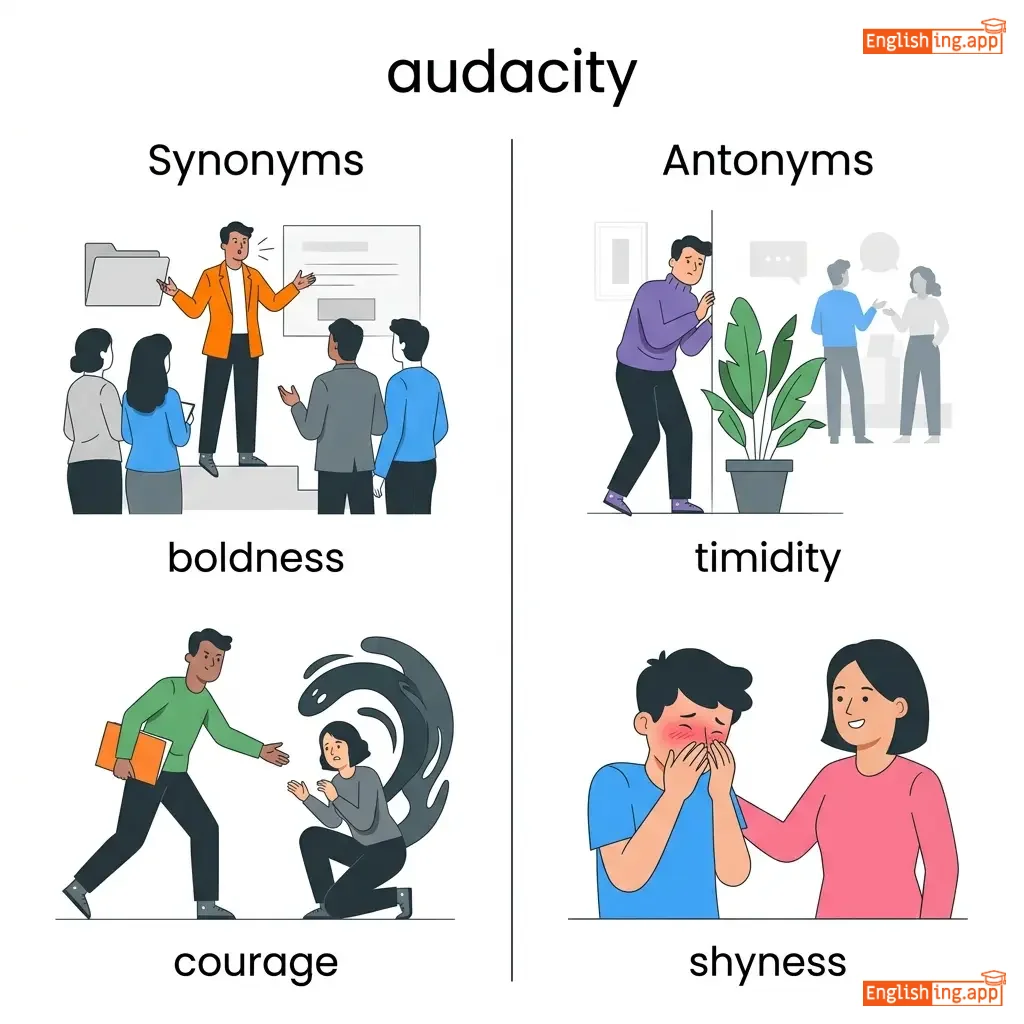
boldness, courage, nerve, fearlessness, daring
••••••
|
timidity, shyness, caution
••••••
|
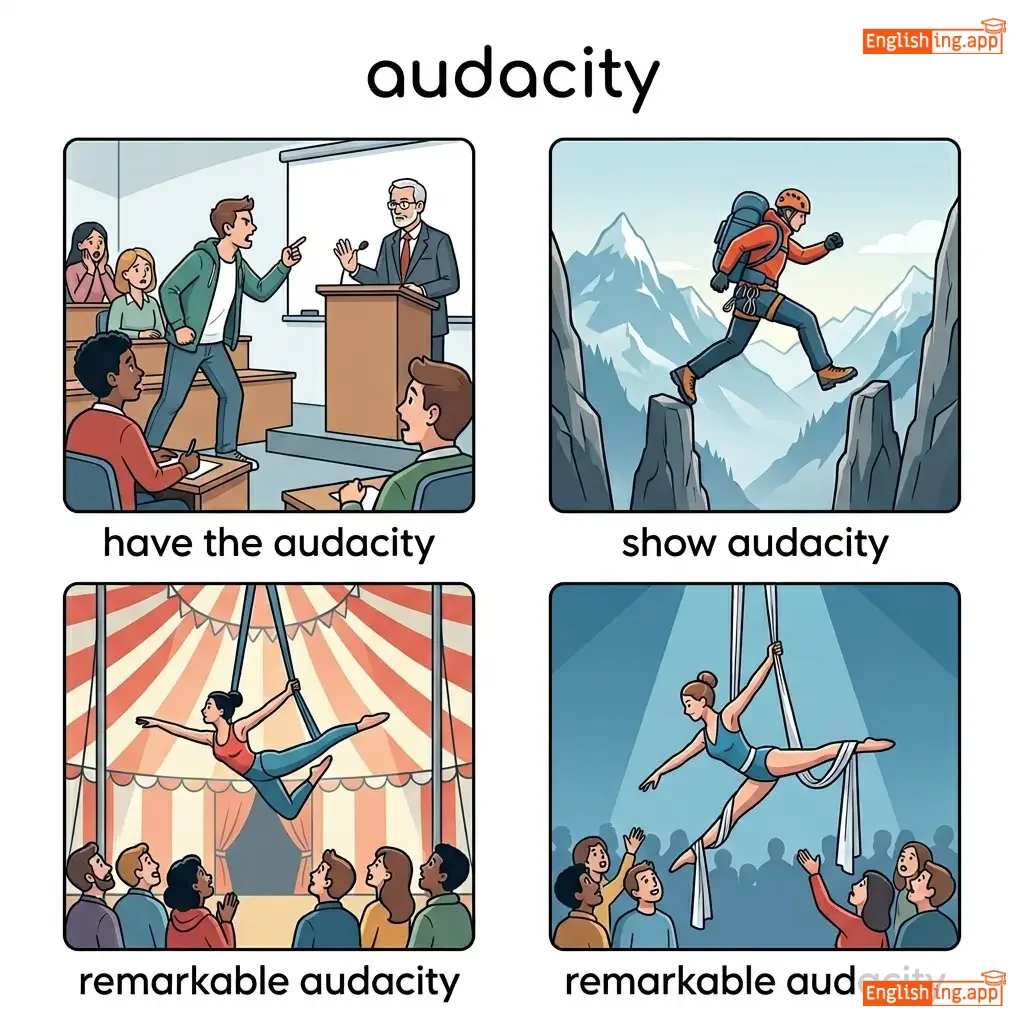
have the audacity, show audacity, remarkable audacity
••••••
|
Audio + City – 思い切って都市で教授に質問する、大胆な行動が audacity!
••••••
|
|
#704
🔥
|
/ɔːˈdeɪʃəs/
adjective
(オーディシャス)
••••••
|
|
大胆な
daitan na
••••••
|
- •••••• | - •••••• | - •••••• | - •••••• |
showing a willingness to take bold risks; daring
••••••
|
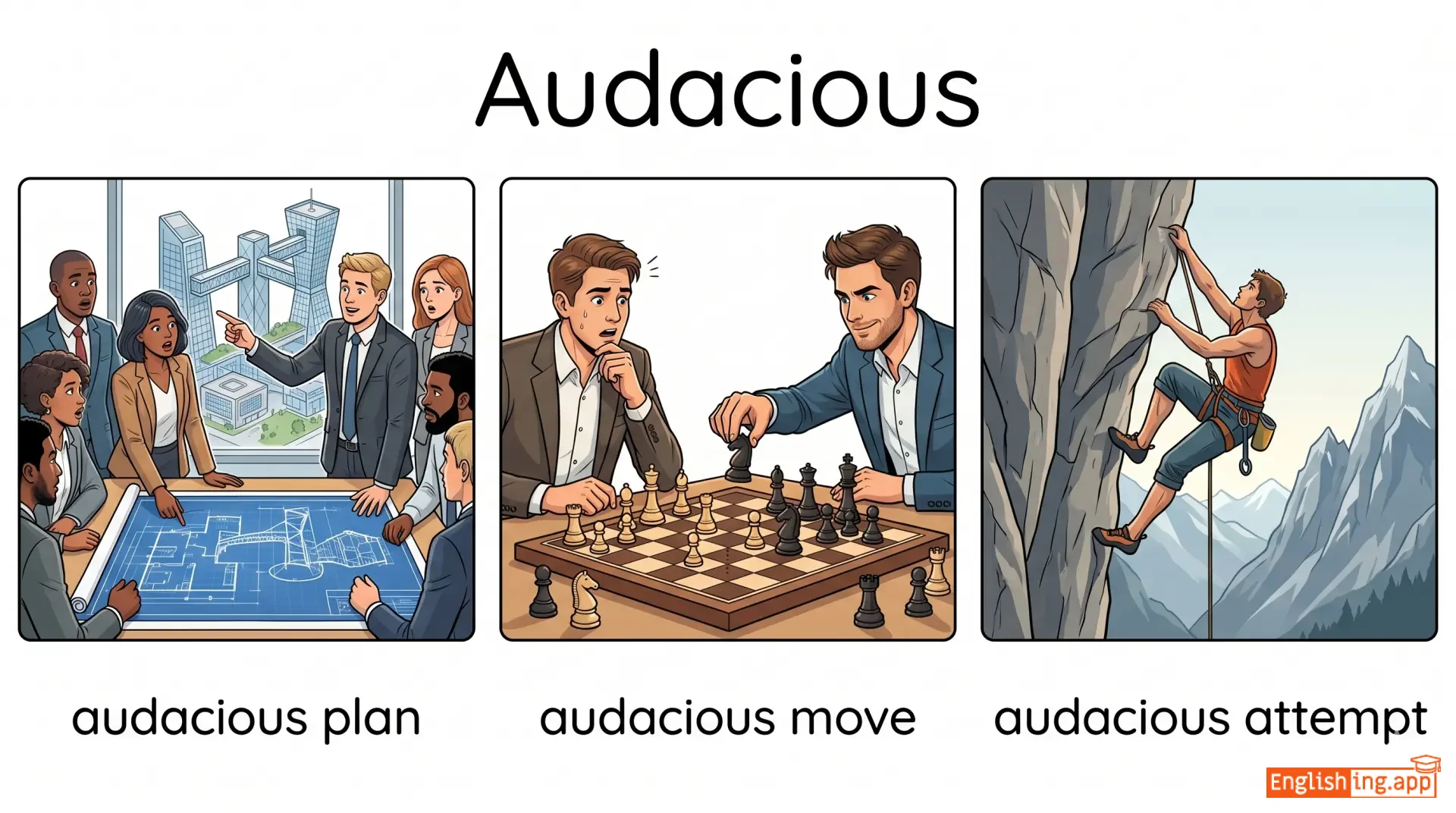
It was an audacious plan to climb the mountain in winter.
冬に山を登るという大胆な計画だった。
••••••
|
冬に山を登るという大胆な計画だった。
Fuyu ni yama wo noboru to iu daitan na keikaku datta.
••••••
|
- •••••• | - •••••• | - •••••• |
bold, daring, fearless, adventurous, brave
••••••
|
timid, cautious, fearful
••••••
|
audacious plan, audacious move, audacious attempt
••••••
|
大胆な挑戦者、冬の山に挑む勇気!
••••••
|
|
#705
🟤
|
/ˈɔːbərn/
adjective
(オーバーン)
••••••
|
- •••••• |
赤褐色
akahasshoku
••••••
|
- •••••• | - •••••• | - •••••• | - •••••• |
reddish-brown in color, especially used to describe hair
••••••
|
She has long auburn hair that shines in the sunlight.
彼女は長いauburnの髪を持っていて、日光の下で輝いています。
••••••
|
彼女は長い赤褐色の髪を持っていて、日光の下で輝いています。
Kanojo wa nagai akahasshoku no kami wo motte ite, nikkou no shita de kagayaiteimasu.
••••••
|
- •••••• | - •••••• | - •••••• |
reddish-brown, chestnut, russet, copper-colored
••••••
|
black, blonde, white
••••••
|
auburn hair, auburn locks, auburn color
••••••
|
AUBURNは秋を思い出させる、赤褐色の葉の色のように、彼女の髪の色です。
••••••
|
|
#706
🙏
|
/əˈtoʊn/
verb
(アトーン)
••••••
|
|
償う
tsugunau
••••••
|
atoned
アトーンド
••••••
|
atoned
アトーンド
••••••
|
atones
アトーンズ
••••••
|
atoning
アトーニング
••••••
|
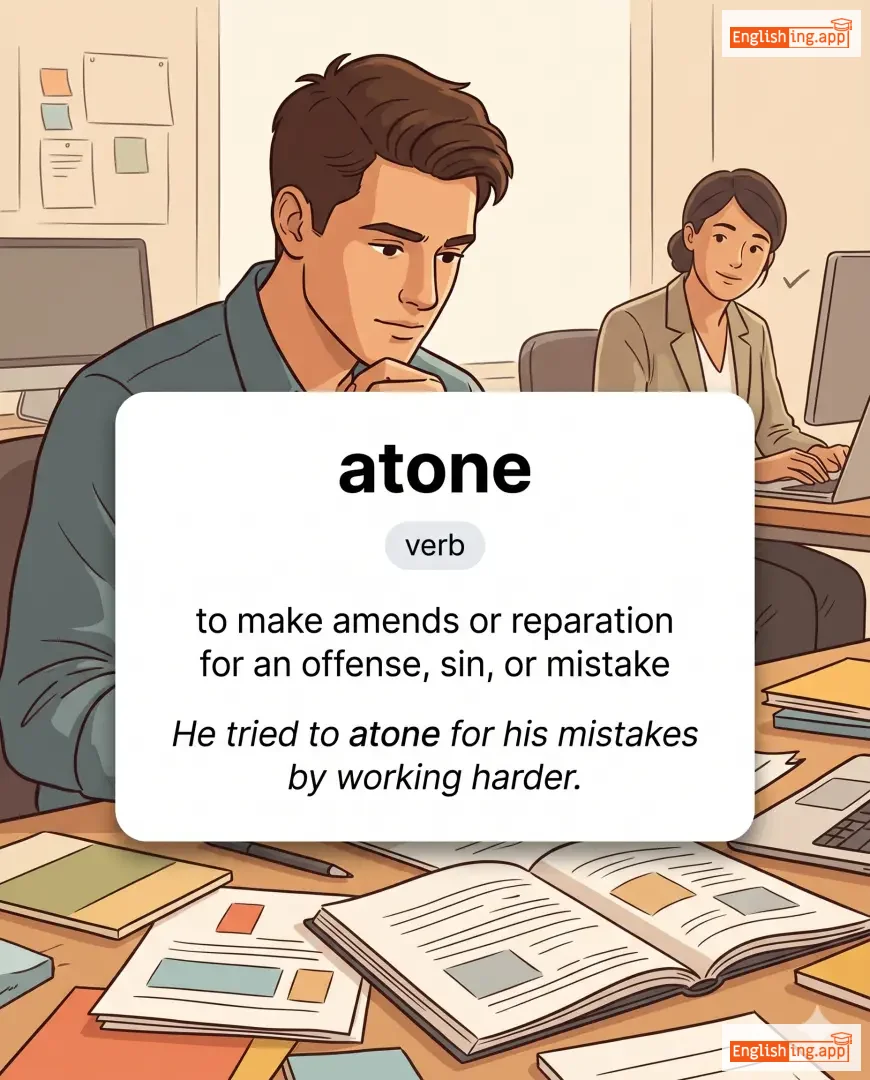
to make amends or reparation for an offense, sin, or mistake
••••••
|
He tried to atone for his mistakes by working harder.
彼は自分のミスを補うためにもっと一生懸命働こうとしました。
••••••
|
彼は自分のミスを補うためにもっと一生懸命働こうとしました。
Kare wa jibun no misu wo oginau tame ni motto isshoukenmei hatarakou to shimashita.
••••••
|
atone for one's sins
罪を償う
••••••
|
to make up for wrongdoings or misdeeds
••••••
|
罪を償う
tsumi wo tsugunau
••••••
|
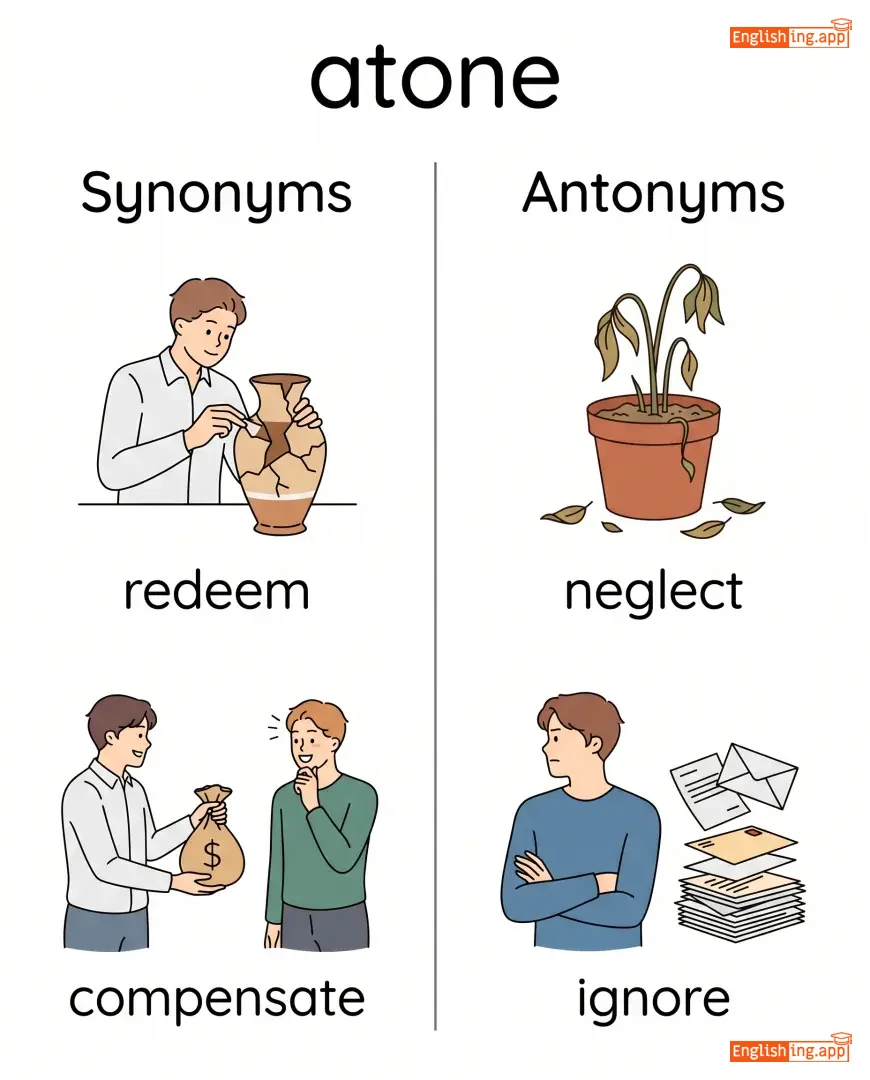
redeem, compensate, make amends, repent, apologize
••••••
|
neglect, ignore, worsen
••••••
|
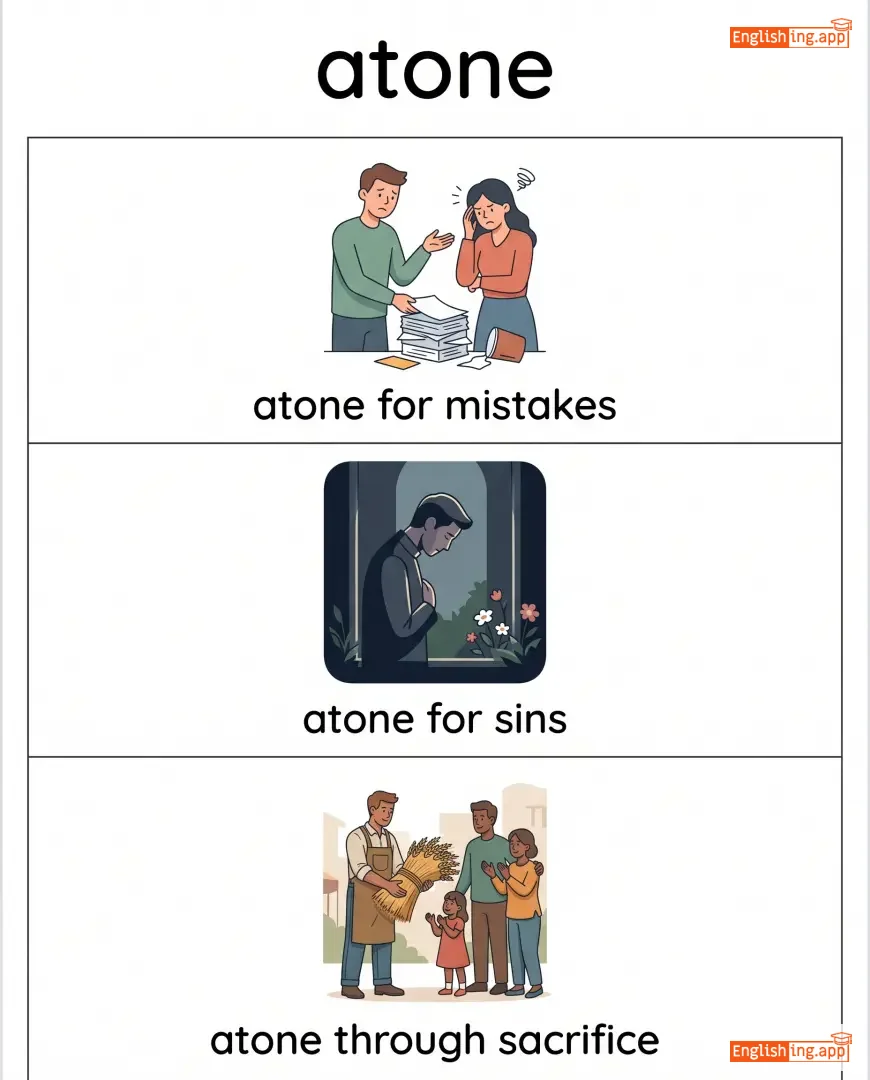
atone for mistakes, atone for sins, atone through sacrifice
••••••
|
At ONE 罪を償う - Atone は償う
••••••
|
|
#707
🎵
|
/əˈtjuːnd/
adjective
(アテュンド)
••••••
|
- •••••• |
敏感な / 調和のとれた
binkan na / chōwa no toreta
••••••
|
- •••••• | - •••••• | - •••••• | - •••••• |
Being receptive or sensitive to something; well adjusted or in harmony.
••••••
|
She is attuned to the needs of her students. |
彼女は学生のニーズに敏感です。
Kanojo wa gakusei no nīzu ni binkan desu.
••••••
|
- •••••• | - •••••• | - •••••• |
sensitive, responsive, receptive, aware, harmonious
••••••
|
unaware, insensitive, oblivious
••••••
|
attuned to needs, attuned to nature, attuned to changes, highly attuned
••••••
|
Attunedは調和が取れた状態、まるで音楽が調整されているかのように。
••••••
|
|
#708
📉
|
/əˈtrɪʃən/
noun
(アトリション)
••••••
|
|
徐々に減少
jojo ni genshō
••••••
|
- •••••• | - •••••• | - •••••• | - •••••• |
The gradual reduction in the number or strength of something, often due to constant stress, conflict, or loss.
••••••
|
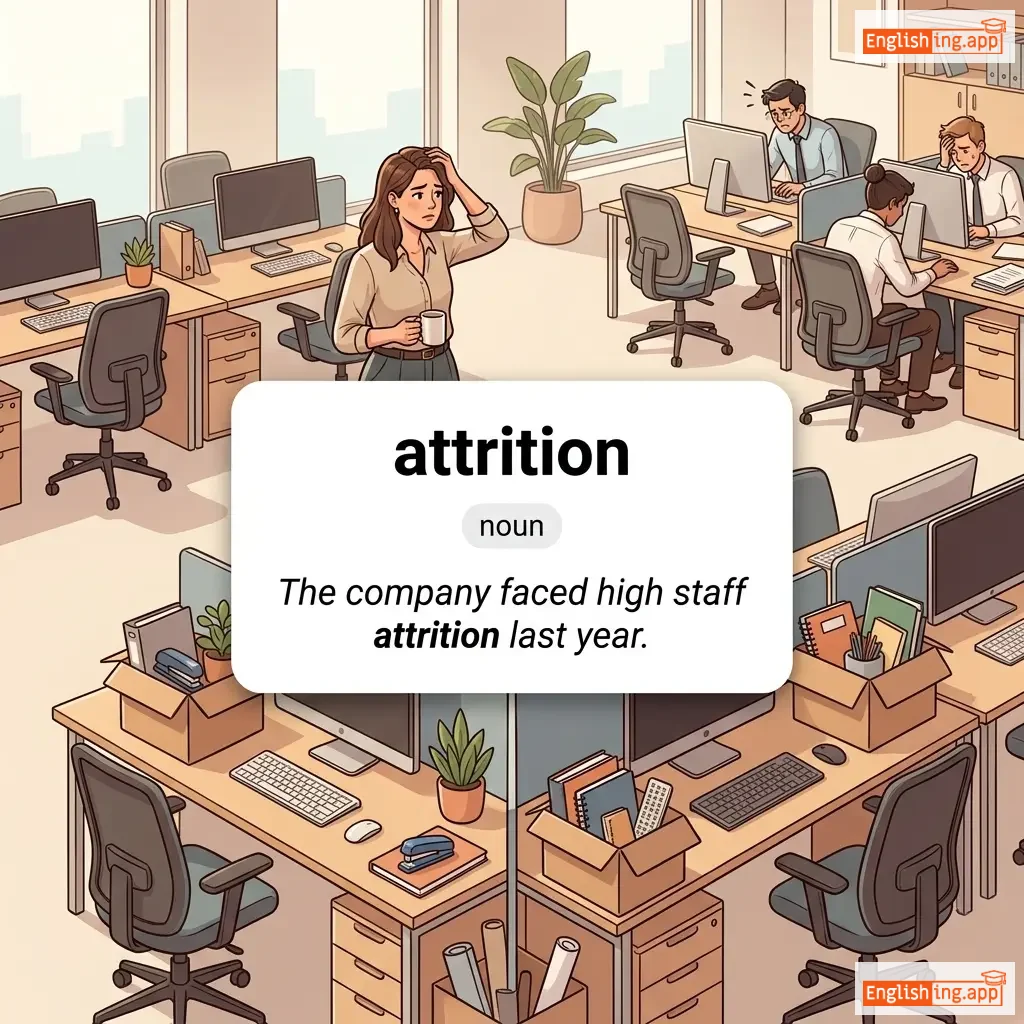
The company faced high staff attrition last year. |
その会社は昨年、高い従業員離職率に直面しました。
Sono kaisha wa sakunen, takai jūgyōin rishokuritsu ni chokumen shimashita.
••••••
|
war of attrition |
A prolonged struggle where each side tries to gradually wear down the other.
••••••
|
消耗戦
shōmōsen
••••••
|
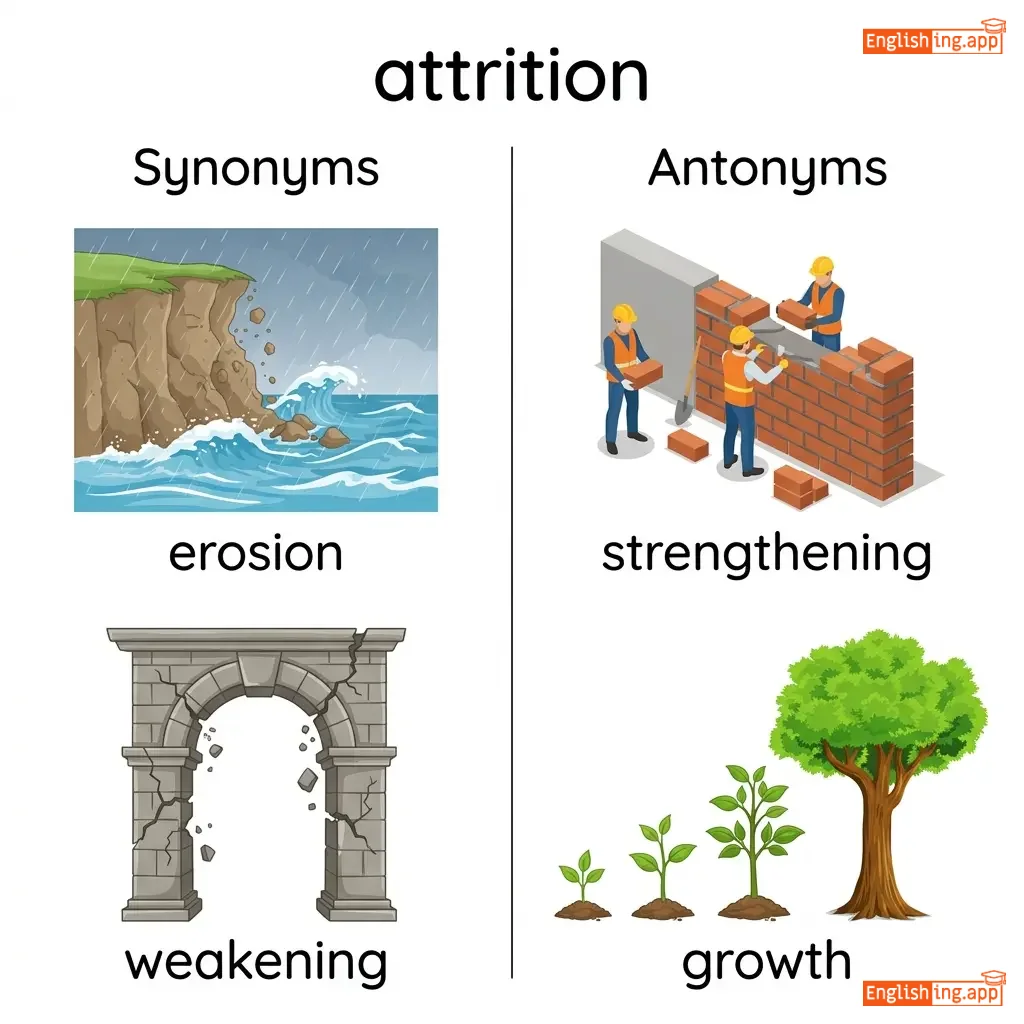
erosion, weakening, reduction, decline, exhaustion
••••••
|
strengthening, growth, increase
••••••
|
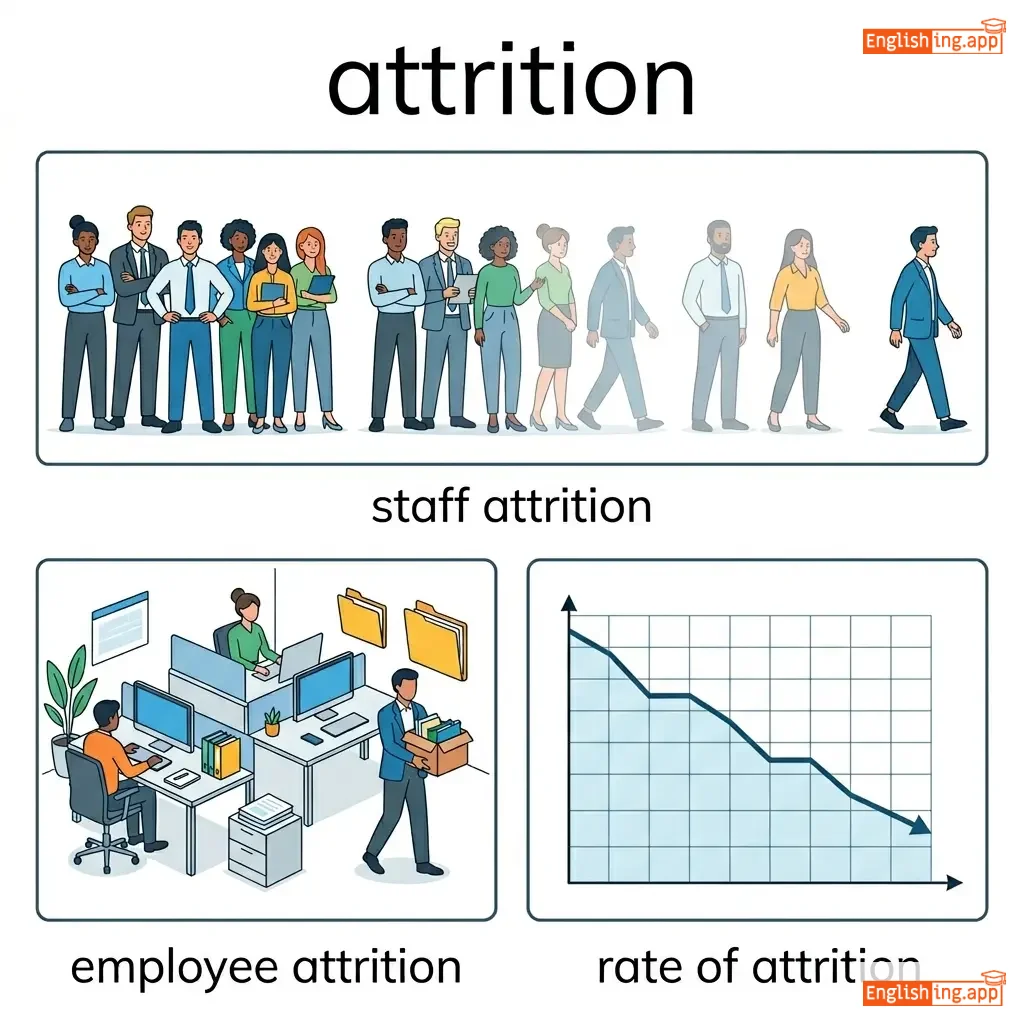
staff attrition, employee attrition, rate of attrition, war of attrition
••••••
|
Attritionは徐々に減少することを意味します — 仕事のプレッシャーが高いと、従業員のattritionが増加します。
••••••
|
|
#709
✨
|
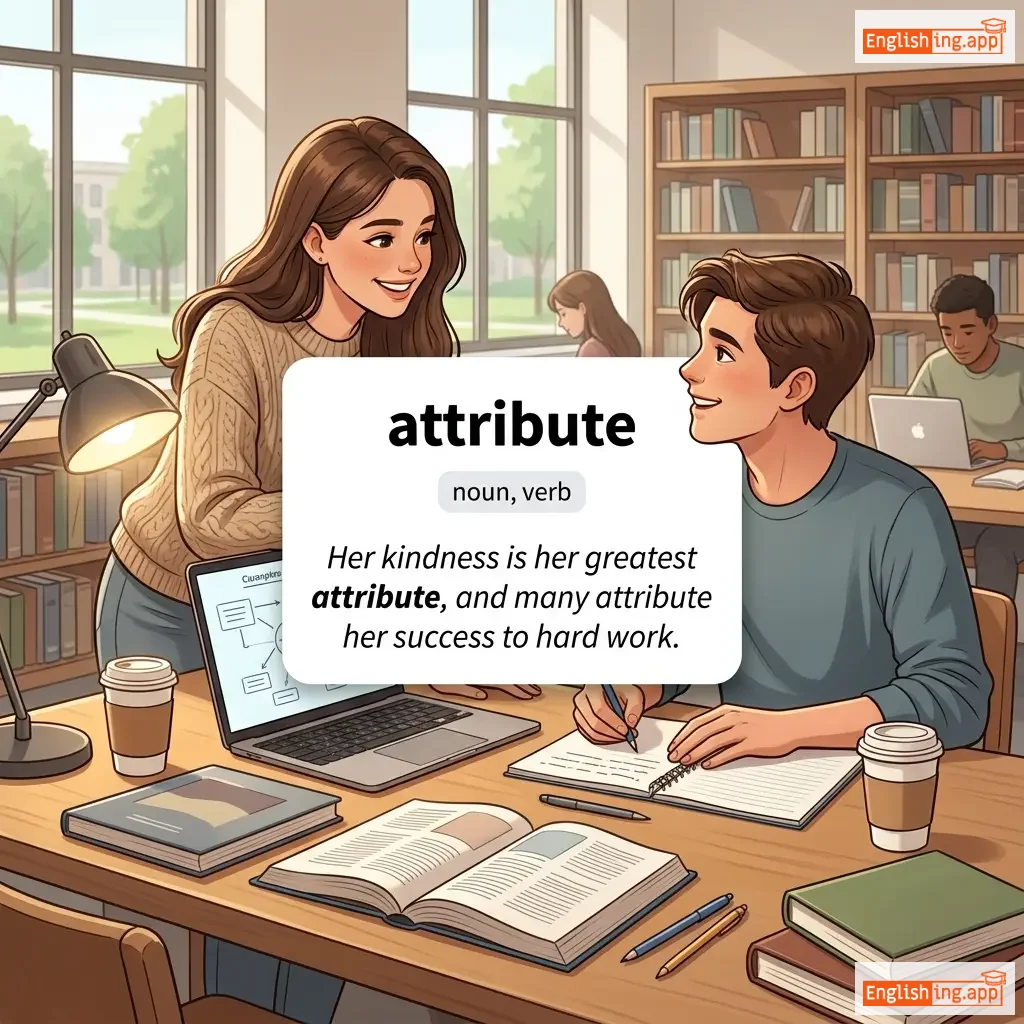
/ˈætrɪˌbjuːt/ (noun), /əˈtrɪbjuːt/ (verb)
noun, verb
••••••
|
|
- •••••• |
attributed
••••••
|
attributed
••••••
|
attributes
••••••
|
attributing
••••••
|
As a noun: a quality or characteristic of someone or something. As a verb: to regard something as being caused by someone or something.
••••••
|
Her kindness is her greatest attribute, and many attribute her success to hard work. |
- •••••• |
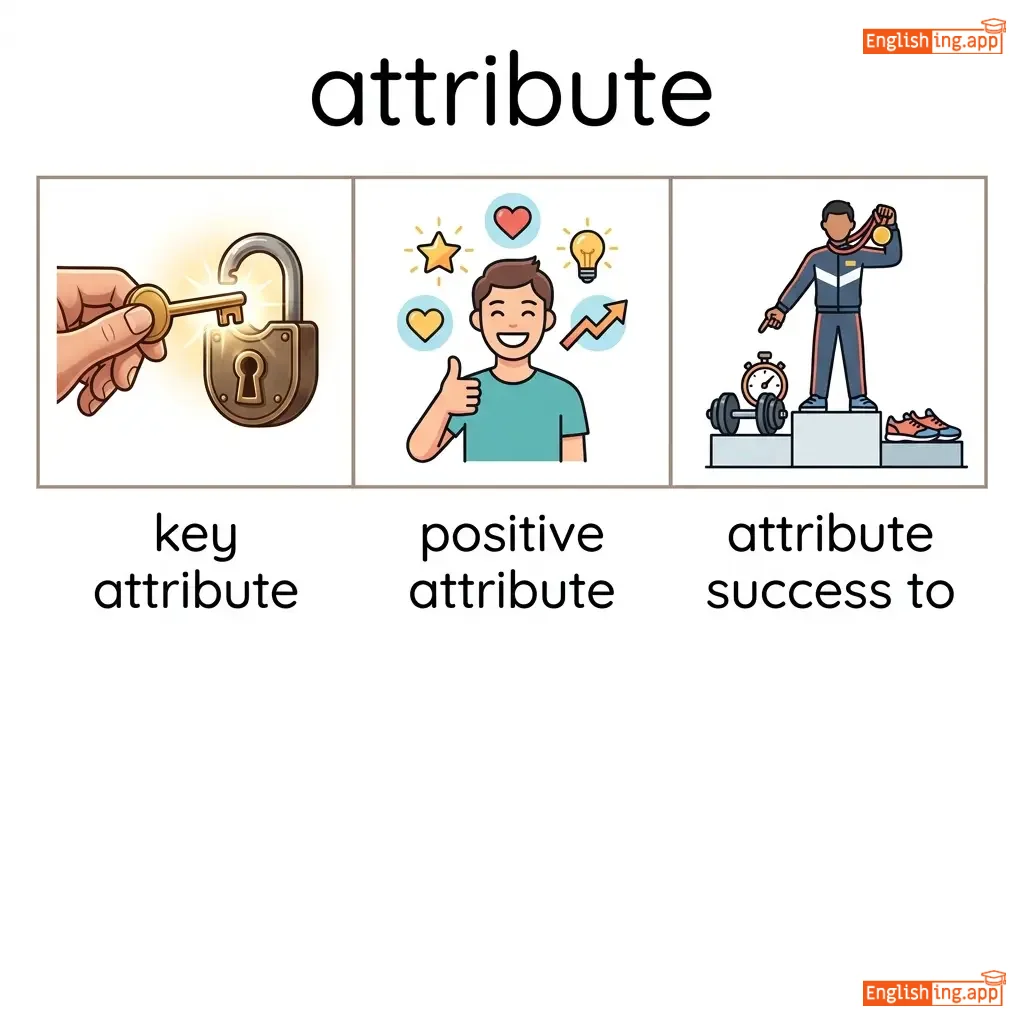
attribute to |
To credit something as the cause of a result.
••••••
|
- •••••• |
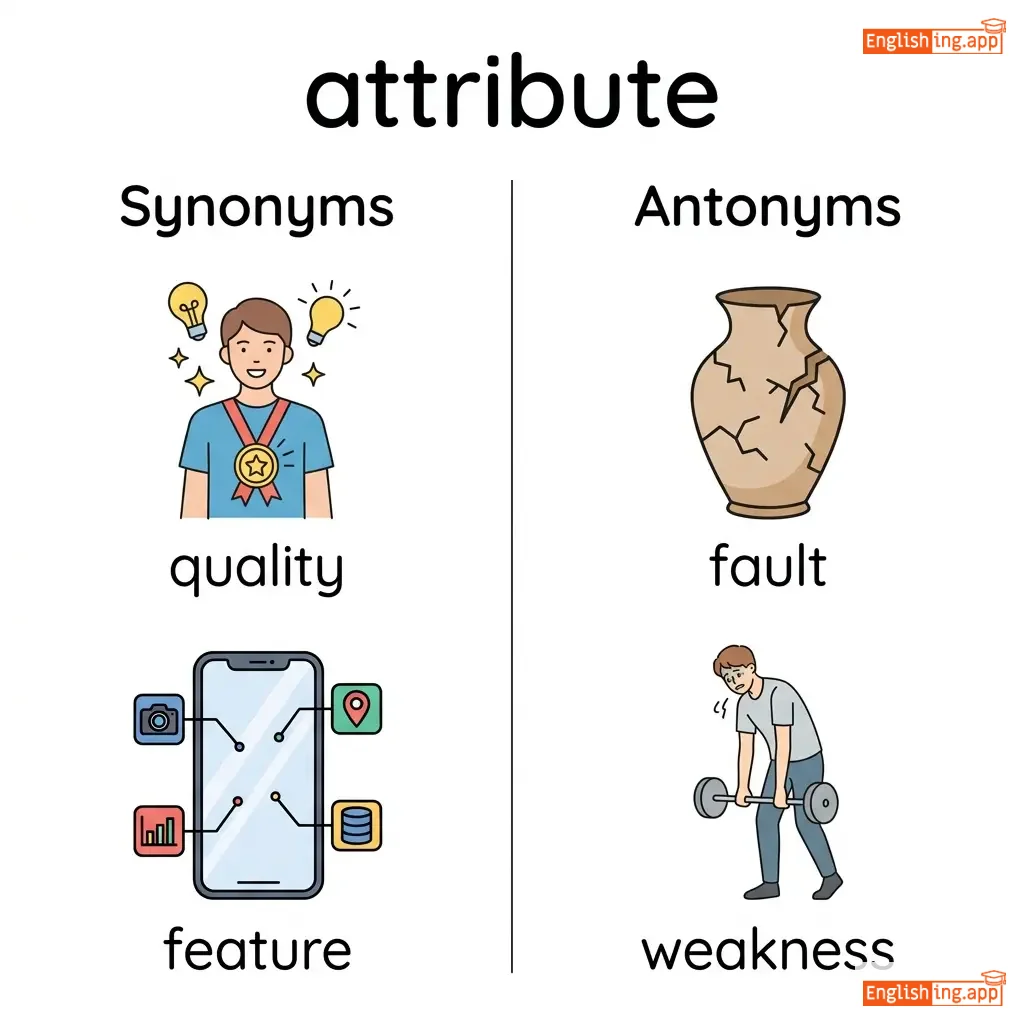
quality, feature, trait, characteristic, credit
••••••
|
fault, weakness, discredit
••••••
|
key attribute, positive attribute, attribute success to, attribute cause
••••••
|
No •••••• |
|
#710
⚖️
|
/əˌtɜːni ˈdʒɛnərəl/
noun
(アトーニー・ジェネラル)
••••••
|
- •••••• |
司法長官
shihou chōkan
••••••
|
- •••••• | - •••••• | - •••••• | - •••••• |
The chief legal officer of a state or country.
••••••
|
The attorney-general announced new reforms to strengthen justice. |
司法長官は司法の強化のための新しい改革を発表しました。
Shihou chōkan wa shihou no kyouka no tame no atarashii kaikaku wo happyou shimashita.
••••••
|
- •••••• | - •••••• | - •••••• |
chief lawyer, prosecutor, legal officer, law officer
••••••
|
defendant, accused
••••••
|
attorney-general office, state attorney-general, attorney-general report
••••••
|
司法長官は国の最高の法的責任者です。
••••••
|
|
#711
🙂
|
/ˈætɪˌtjuːd/
noun
••••••
|
- •••••• | - •••••• | - •••••• | - •••••• | - •••••• | - •••••• |
A settled way of thinking or feeling about someone or something, often reflected in behavior.
••••••
|
Her positive attitude helped her overcome many challenges. |
- •••••• |
attitude adjustment |
A change in one’s approach, outlook, or behavior.
••••••
|
- •••••• |
mindset, outlook, perspective, stance, viewpoint
••••••
|
indifference, apathy, neutrality
••••••
|
positive attitude, negative attitude, change in attitude, attitude problem
••••••
|
No •••••• |
|
#712
👗
|
/əˈtaɪər/
noun
(アタイア)
••••••
|
- •••••• |
衣装
ishou
••••••
|
- •••••• | - •••••• | - •••••• | - •••••• |
Clothing, especially formal or elegant wear.
••••••
|
She wore traditional attire at the wedding ceremony. |
彼女は結婚式で伝統的な衣装を着ていた。
Kanojo wa kekkonshiki de dentōteki na ishō o kite ita.
••••••
|
dress to impress |
to wear clothes that will make a good impression
••••••
|
印象を与えるために服を着る
Inshō o ataeru tame ni fuku o kiru
••••••
|
clothing, outfit, apparel, garments, costume
••••••
|
nudity, rags
••••••
|
formal attire, wedding attire, casual attire
••••••
|
Attire(アタイア)は、フォーマルな衣装を意味します。
••••••
|
|
#713
📝
|
/əˈtɛst/
verb
(アテスト)
••••••
|
- •••••• |
証明する
shōmei suru
••••••
|
attested
アテステッド
••••••
|
attested
アテステッド
••••••
|
attests
アテスツ
••••••
|
attesting
アテスティング
••••••
|
To provide or serve as clear evidence of; to confirm or certify the truth of something.
••••••
|
The witness attested to the accuracy of the report.
証人は報告書の正確さを証明しました。
••••••
|
証人は報告書の正確さを証明しました。
Shōnin wa hōkokusho no seikakusa o shōmei shimashita.
••••••
|
bear witness
証言する
••••••
|
to confirm something based on experience or knowledge
••••••
|
証言する
shōgen suru
••••••
|
confirm, verify, authenticate, certify, prove
••••••
|
deny, refute
••••••
|
attest to, legally attest, attest document
••••••
|
Attestはテストで証言することを意味します。
••••••
|
|
#714
🔽
|
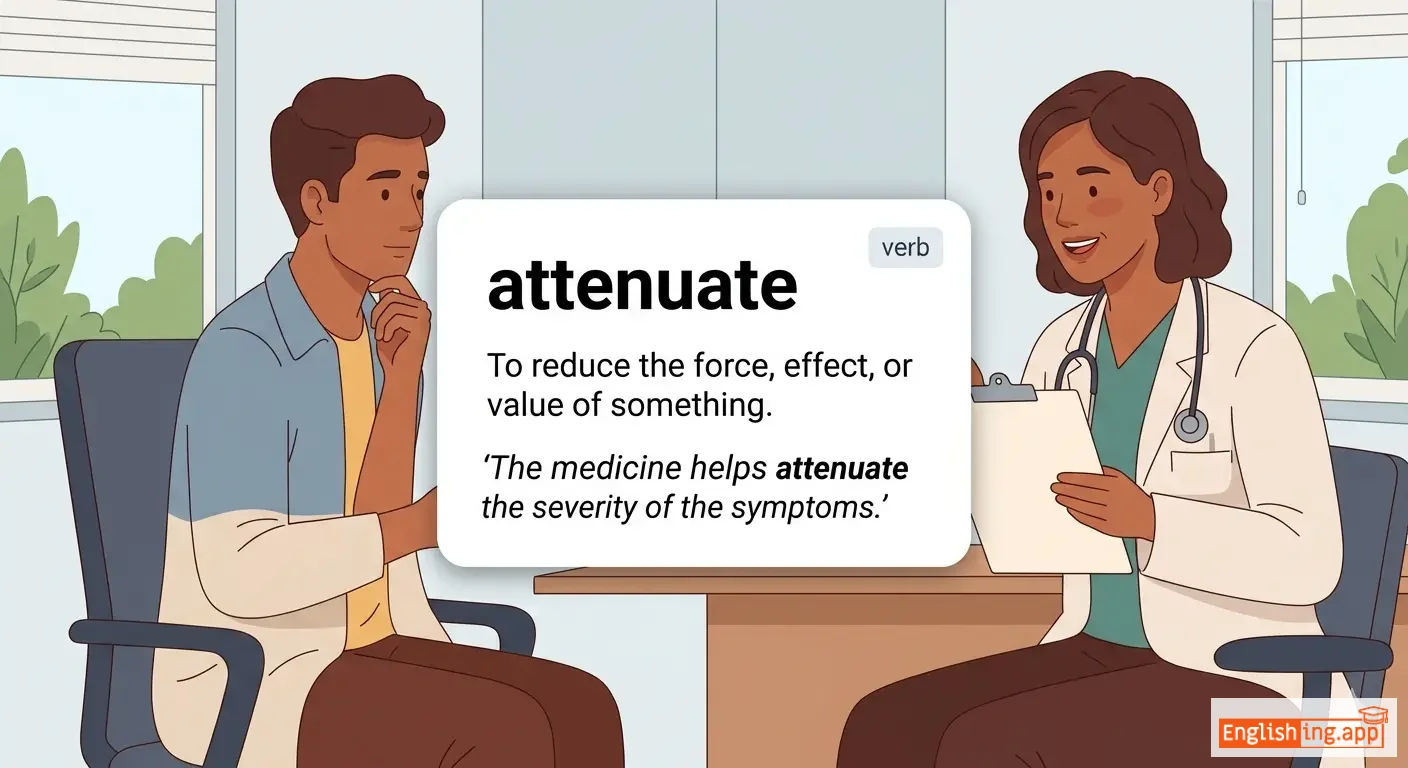
/əˈtɛnjueɪt/
verb
(アテニュエイト)
••••••
|
|
和らげる
yawarageru
••••••
|
attenuated
アテニュエイテッド
••••••
|
attenuated
アテニュエイテッド
••••••
|
attenuates
アテニュエイツ
••••••
|
attenuating
アテニュエイティング
••••••
|
To reduce the force, effect, or value of something.
••••••
|
The medicine helps attenuate the severity of the symptoms.
その薬は症状の重症度を和らげるのに役立ちます。
••••••
|
その薬は症状の重症度を和らげるのに役立ちます。
Sono kusuri wa shoujou no jyuushoudo o yawarageru no ni yakudachimasu.
••••••
|
- •••••• | - •••••• | - •••••• |
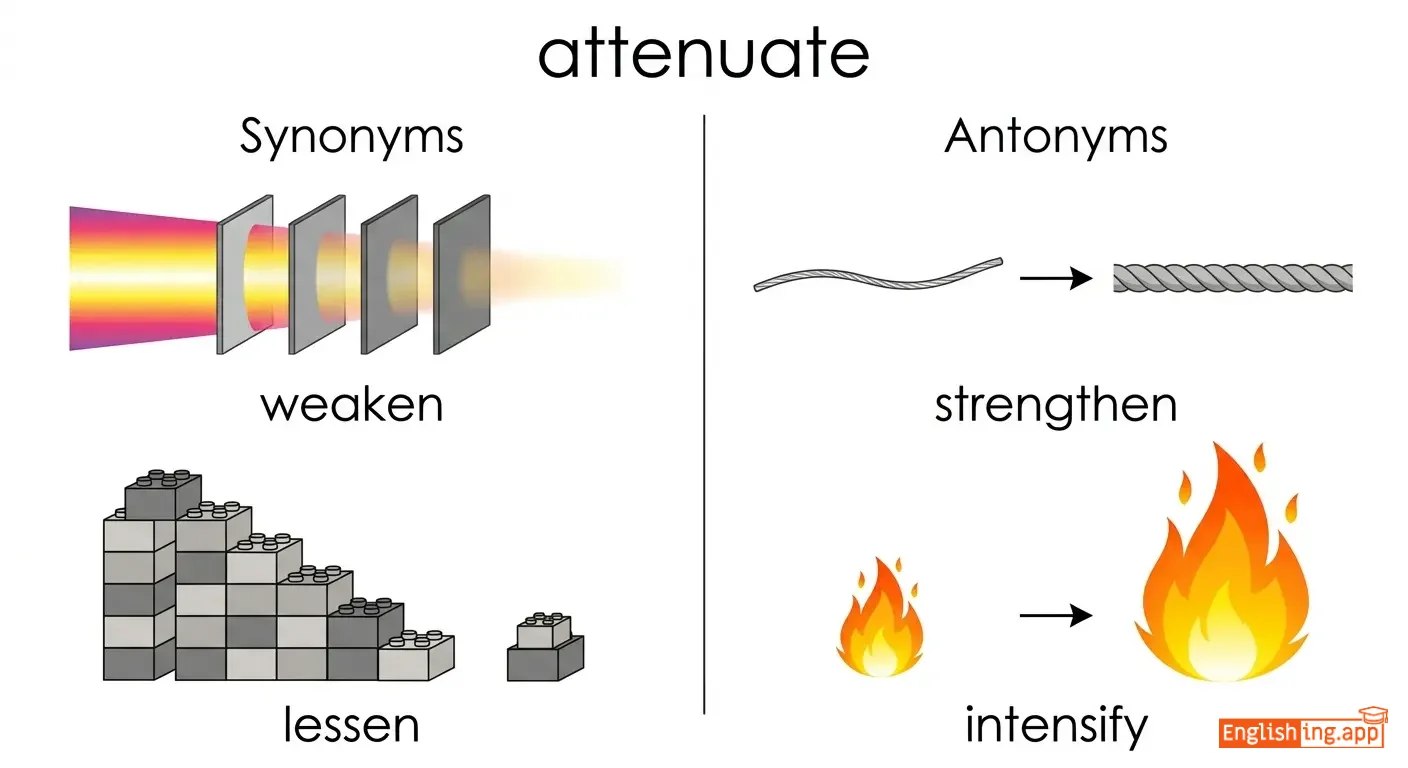
weaken, lessen, diminish, dilute, reduce
••••••
|
strengthen, intensify
••••••
|
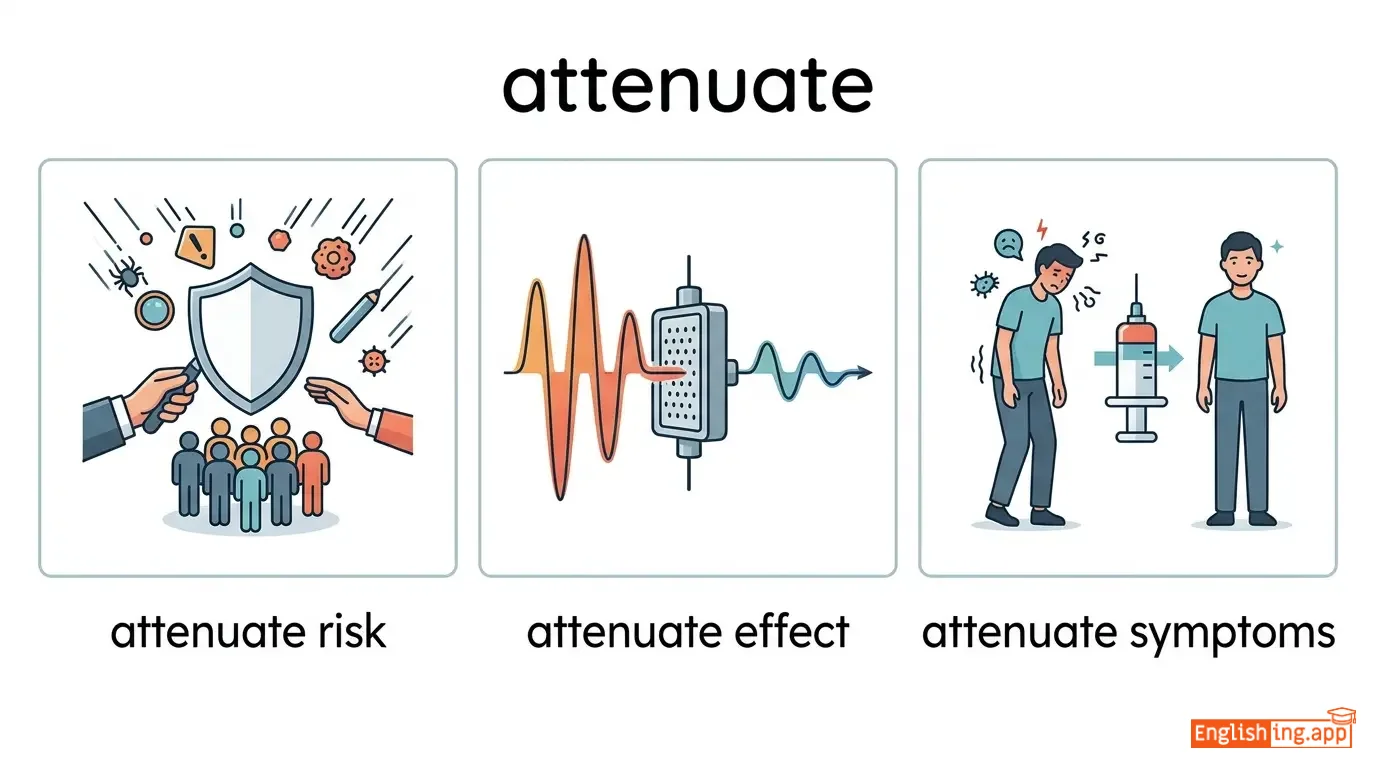
attenuate risk, attenuate effect, attenuate symptoms
••••••
|
Attenuate = 和らげる → 和らげる。
••••••
|
|
#715
👂
|
/əˈtɛntɪv/
adjective
(アテンティブ)
••••••
|
- •••••• |
注意深い
chūibukai
••••••
|
- •••••• | - •••••• | - •••••• | - •••••• |
Paying close attention to something or someone; being considerate and alert.
••••••
|
The teacher praised the students for being attentive during the lesson. |
先生は授業中に注意深くしていた学生たちを褒めました。
Sensei wa jugyō-chū ni chūibukai shite ita gakusei-tachi o homemashita.
••••••
|
attentive ear |
to listen carefully and sympathetically
••••••
|
注意深い耳
chūibukai mimi
••••••
|
alert, observant, considerate, mindful, watchful
••••••
|
inattentive, careless
••••••
|
attentive listener, attentive audience, attentive service
••••••
|
Attentive = attention + full = 注意深い
••••••
|
|
#716
🎖️
|
/ˌætəˈʃeɪ/
noun
(アタッシェ)
••••••
|
- •••••• |
外交官補
gaikoukanho
••••••
|
- •••••• | - •••••• | - •••••• | - •••••• |
A person officially assigned to the staff of a diplomatic mission, often with a specific area of responsibility.
••••••
|
The cultural attache organized an art exhibition in the embassy. |
文化担当のアタッシェが大使館で芸術展を開催しました。
Bunka tanto no atasshe ga taishikan de geijutsu ten o kaisai shimashita.
••••••
|
- •••••• | - •••••• | - •••••• |
diplomat, envoy, emissary, representative
••••••
|
civilian, outsider
••••••
|
military attache, cultural attache, embassy attache
••••••
|
アタッシェは大使館で特定の分野を担当する外交官補です。
••••••
|
|
#717
💀
|
/ˈætrəfi/
noun/verb
(アトロフィー)
••••••
|
- •••••• |
萎縮
ishuku
••••••
|
atrophied
アトロフィード
••••••
|
atrophied
アトロフィード
••••••
|
atrophies
アトロフィーズ
••••••
|
atrophying
アトロフィング
••••••
|
a decrease in size or wasting away of a body part, tissue, or ability due to lack of use
••••••
|
Without regular exercise, muscles may atrophy over time.
定期的な運動がないと、筋肉は時間とともに萎縮する可能性があります。
••••••
|
定期的な運動がないと、筋肉は時間とともに萎縮する可能性があります。
Teikitekina undō ga nai to, kinniku wa jikan to tomo ni ishuku suru kanōsei ga arimasu.
••••••
|
muscle atrophy
筋肉の萎縮
••••••
|
the wasting or weakening of muscles
••••••
|
筋肉の萎縮
Kinniku no ishuku
••••••
|
decline, degeneration, weakening, deterioration
••••••
|
growth, development, strengthening
••••••
|
muscle atrophy, brain atrophy, atrophy due to inactivity
••••••
|
運動しないと筋肉はトロフィーのように縮む (atrophy)
••••••
|
|
#718
⚔️
|
/əˈtrɑːsəti/
noun
(アトロシティ)
••••••
|
- •••••• |
残虐行為
zangyaku koui
••••••
|
- •••••• | - •••••• | - •••••• | - •••••• |
an extremely cruel or violent act, often involving physical violence
••••••
|
The world condemned the atrocity committed against civilians. |
世界は市民に対して行われた残虐行為を非難しました。
Sekai wa shimin ni taishite okonawareta zangyaku koui wo hinan shimashita.
••••••
|
- •••••• | - •••••• | - •••••• |
crime, brutality, massacre, cruelty
••••••
|
kindness, compassion, benevolence
••••••
|
war atrocity, commit atrocity, atrocity against civilians
••••••
|
Atrocity (アトロシティ) leads to cruelty and violence (残虐行為).
••••••
|
|
#719
😱
|
/əˈtroʊʃəs/
adjective
(アトロシャス)
••••••
|
- •••••• |
ひどい
hidoi
••••••
|
- •••••• | - •••••• | - •••••• | - •••••• |
extremely bad, unpleasant, or cruel
••••••
|
The prisoners were kept in atrocious conditions. |
囚人たちはひどい状況で収容されていた。
Shūjin-tachi wa hidoi jōkyō de shūyō sarete ita.
••••••
|
- •••••• | - •••••• | - •••••• |
terrible, appalling, dreadful, horrifying
••••••
|
pleasant, delightful, excellent
••••••
|
atrocious crime, atrocious conditions, atrocious behavior
••••••
|
At ROCkious movie was ひどい (atrocious)
••••••
|
|
#720
🕊️
|
/əˈtoʊnmənt/
noun
(エトンメント)
••••••
|
- •••••• |
贖罪
shokuzai
••••••
|
- •••••• | - •••••• | - •••••• | - •••••• |
the act of making amends for a wrong, sin, or injury
••••••
|
The festival was celebrated as a day of atonement. |
その祭りは贖罪の日として祝われました。
Sono matsuri wa shokuzai no hi toshite iwaremashita.
••••••
|
- •••••• | - •••••• | - •••••• |
reparation, redemption, penance, compensation
••••••
|
sin, offense, wrongdoing
••••••
|
day of atonement, seek atonement, act of atonement
••••••
|
贖罪(shokuzai)とatonementは同じように罪を償うことを意味します
••••••
|
Vocabulary Quiz
Test your vocabulary by matching words with their translations or meanings.
Login to take the quiz
Comments (0)
Share your thoughts and join the discussion.
Join the discussion by logging in
Login to CommentNo comments yet
Be the first to share your thoughts!