

翻訳
過去
過去分詞
三人称単数
動名詞
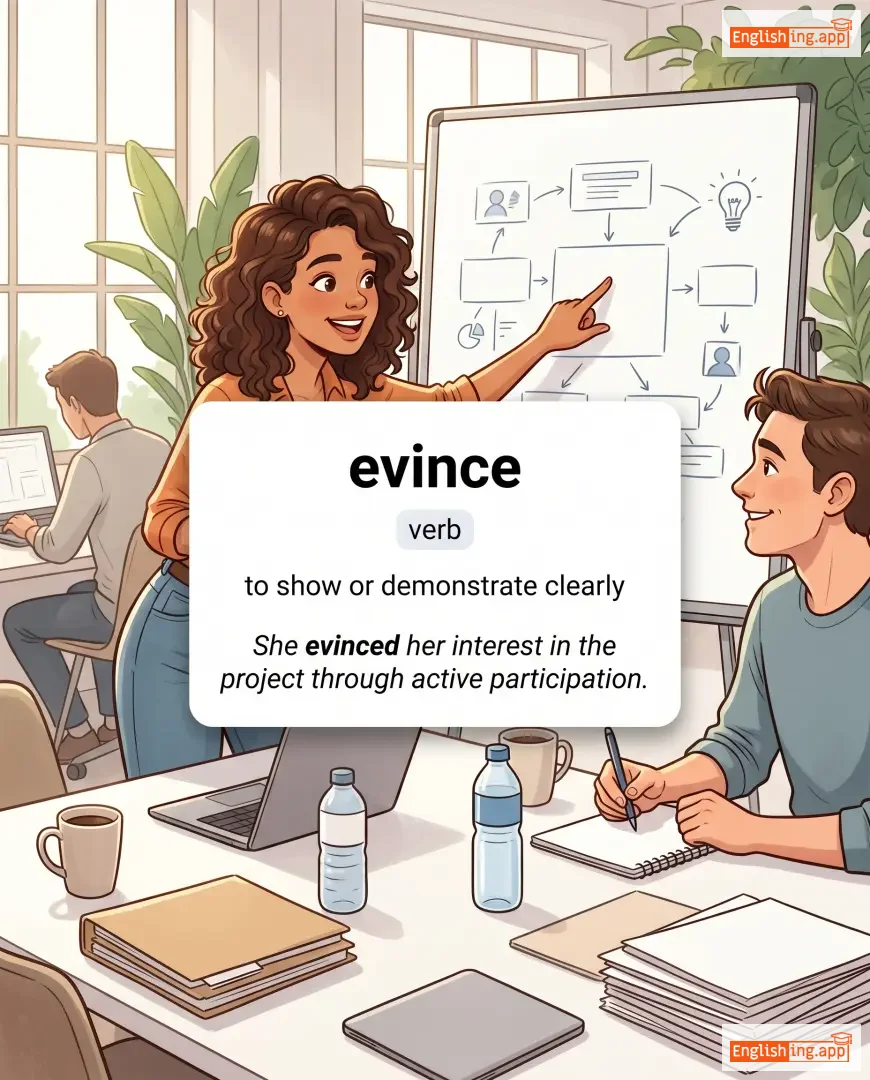
意味
例文
例文の翻訳
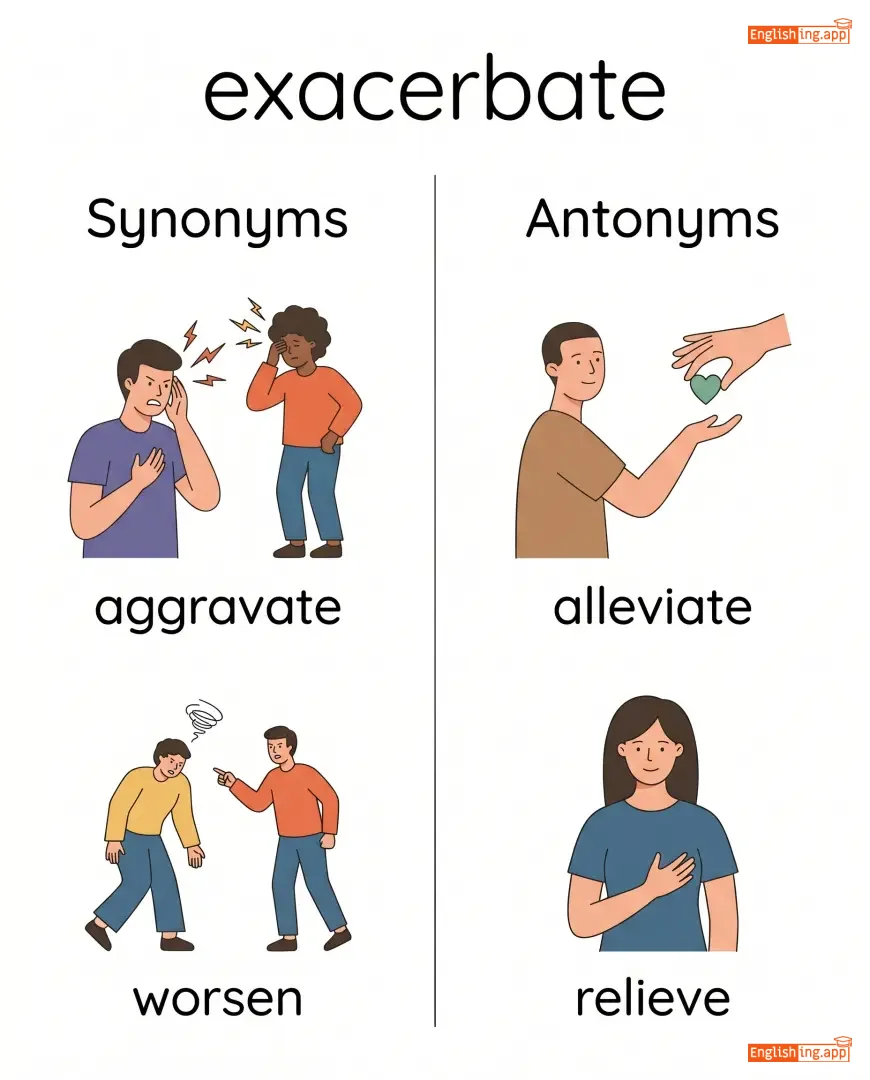
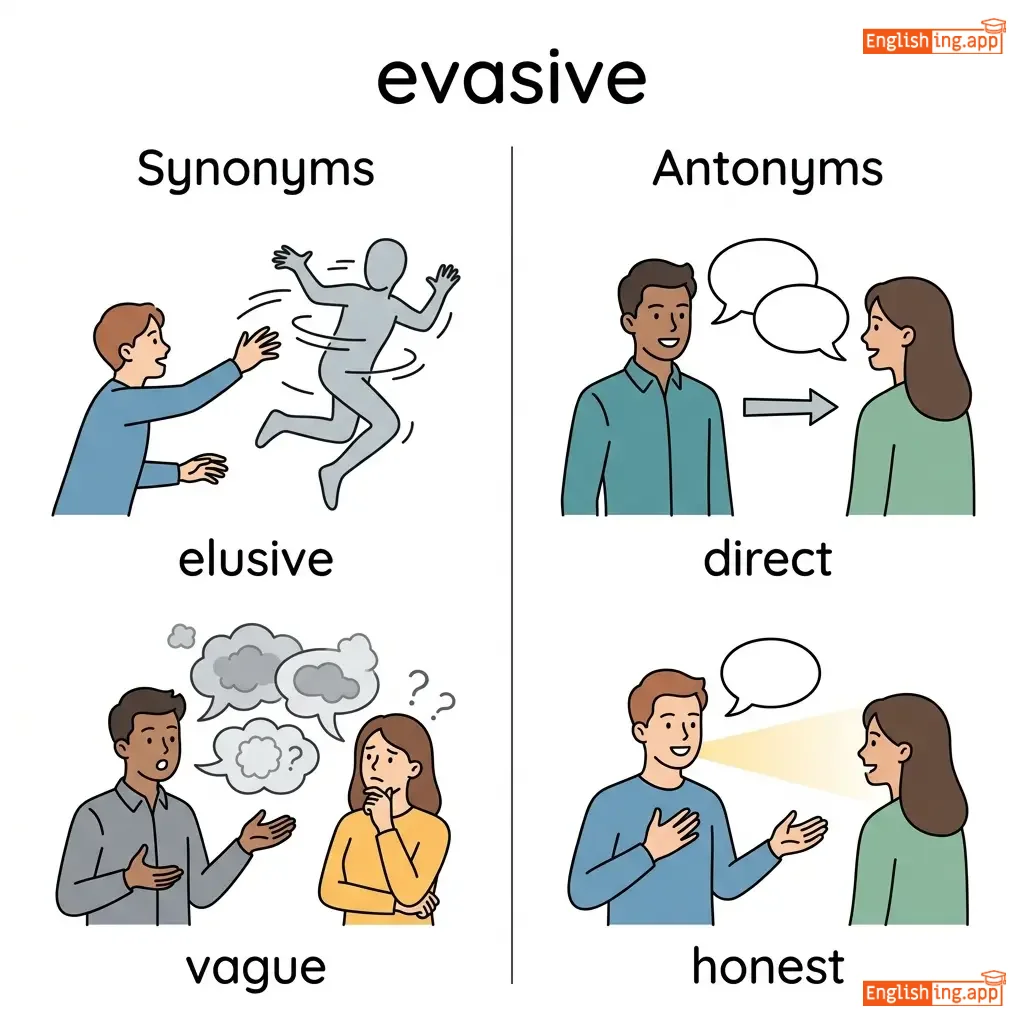
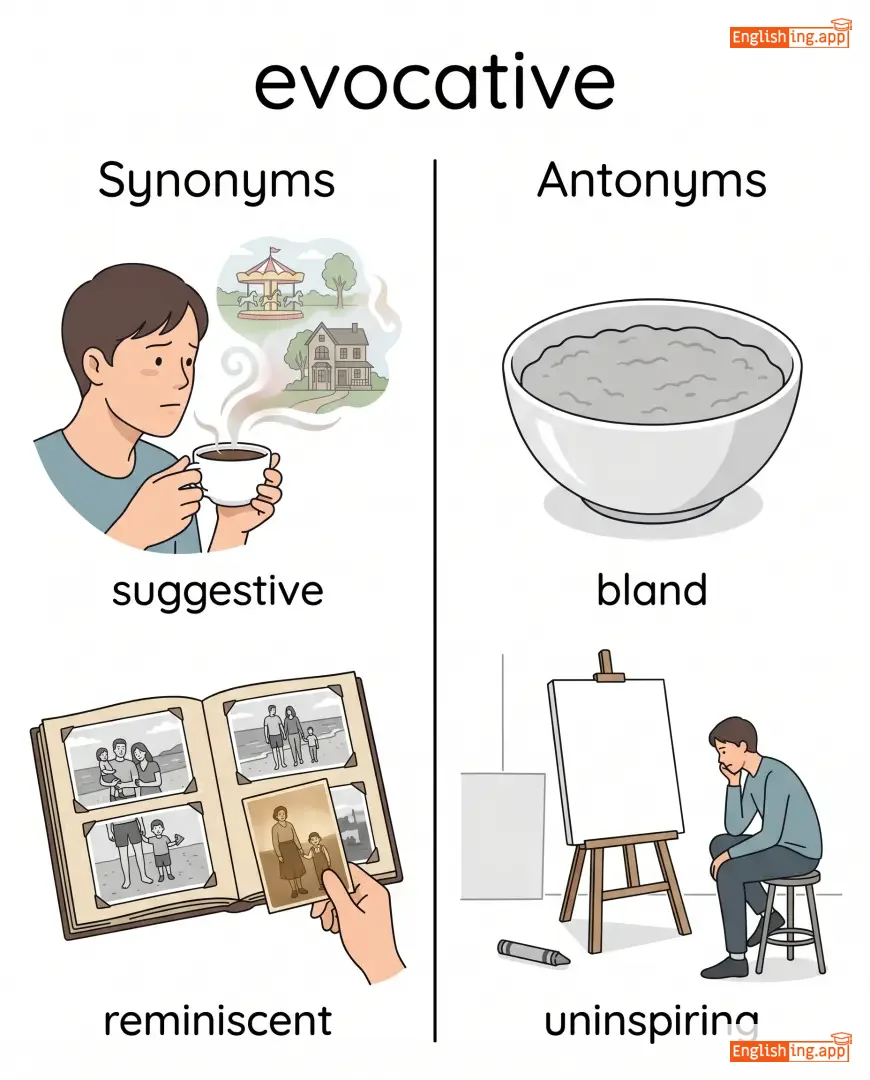
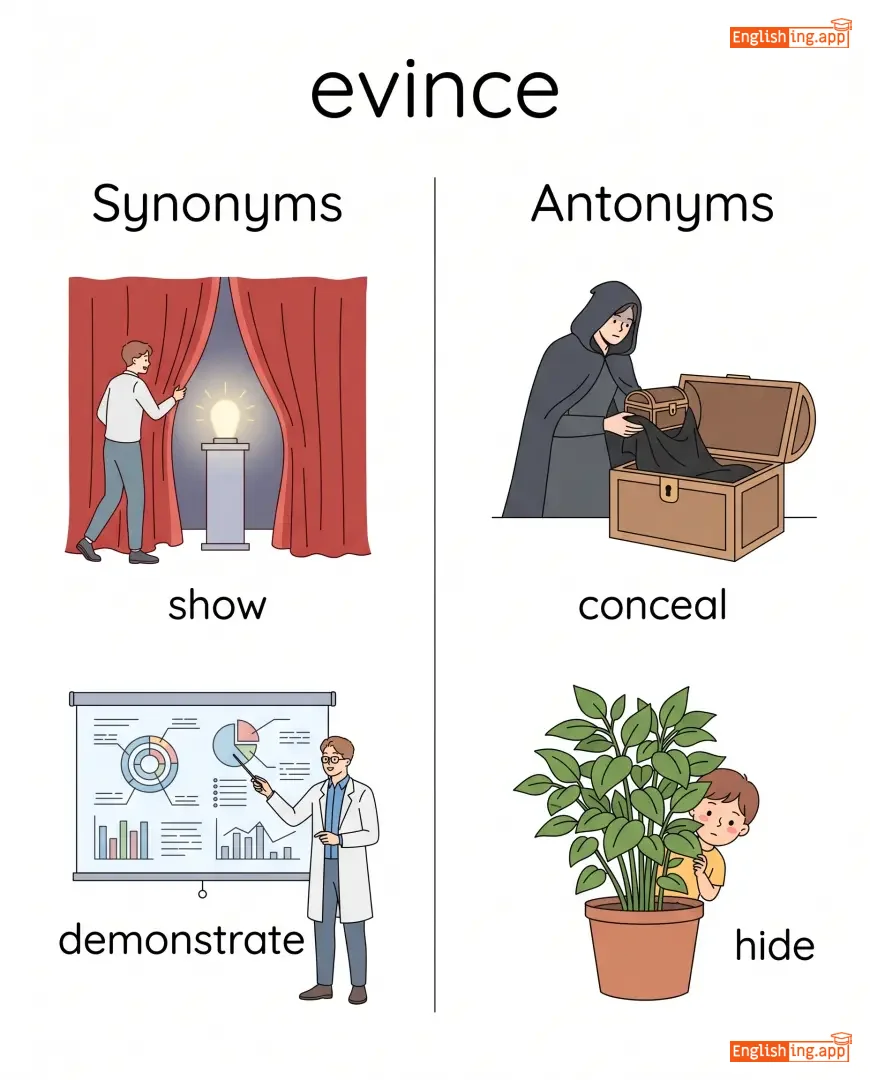
同義語
対義語
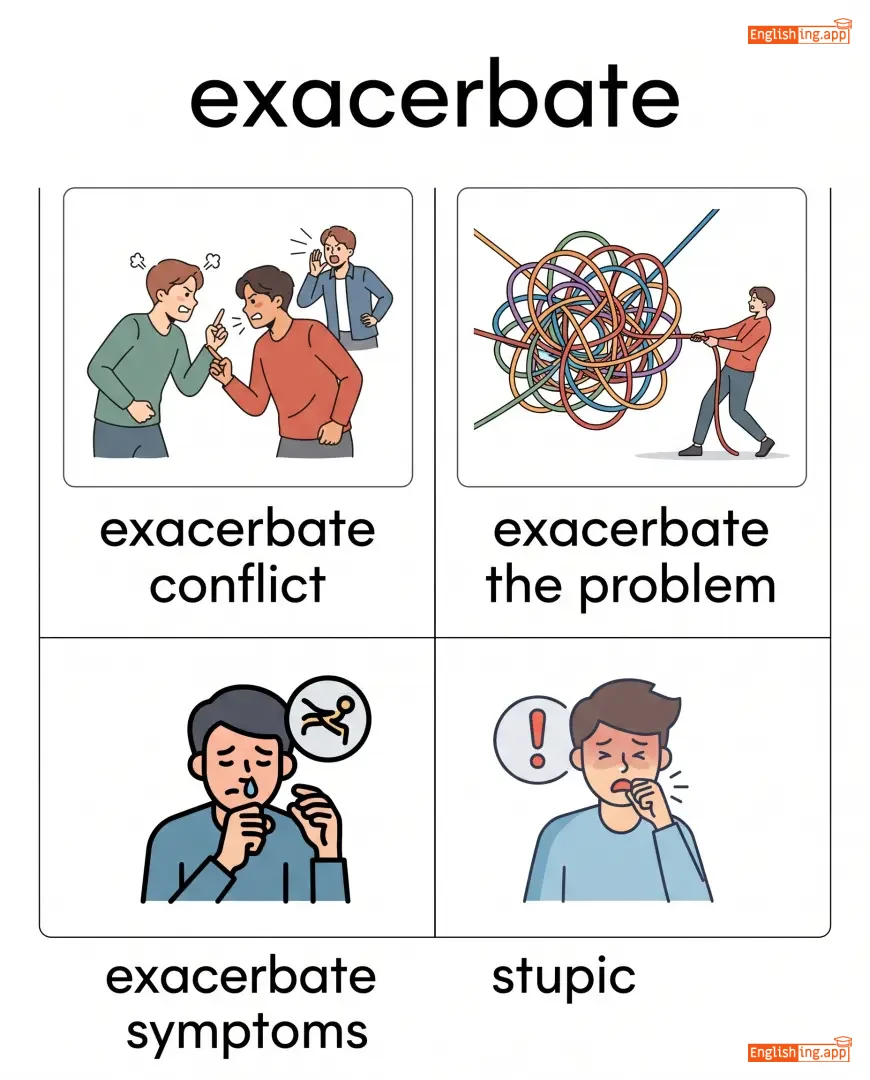
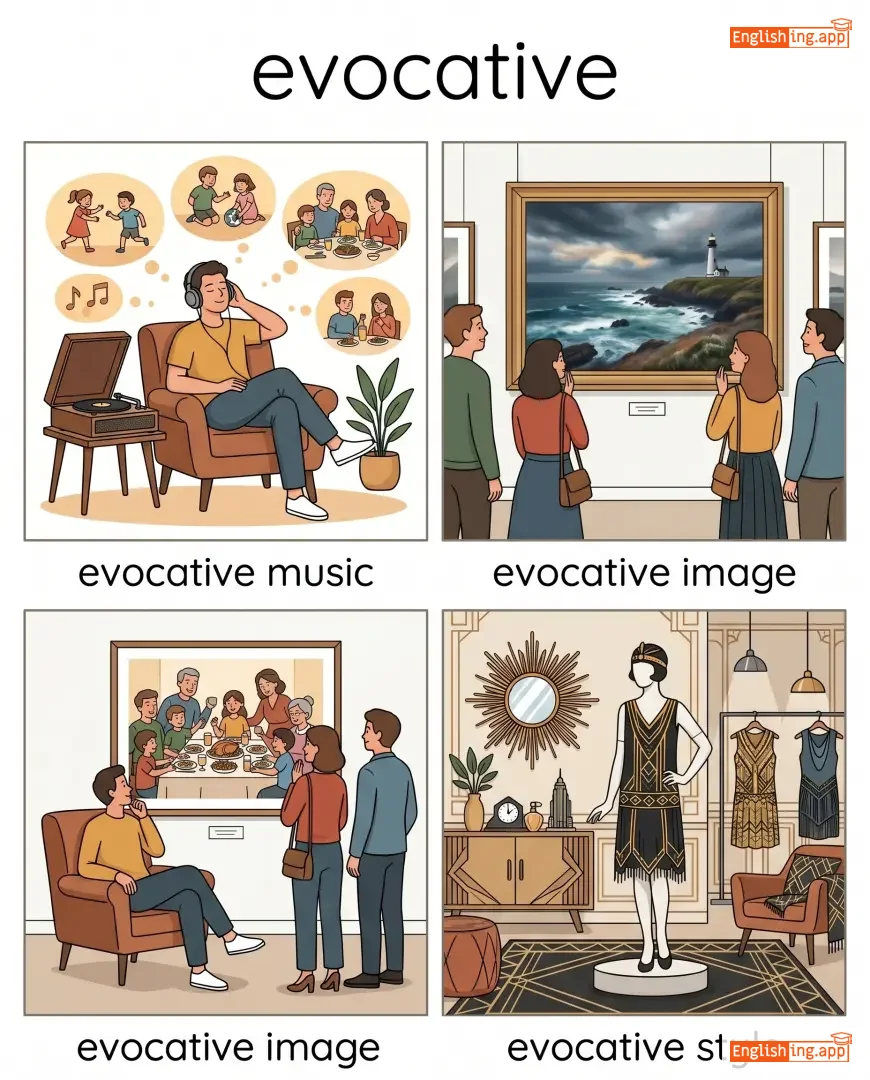
コロケーション
ニーモニック



Swipe left or right, or use the buttons. Tap image to zoom.
例文の翻訳
単語
Lesson 106Lesson 106 - マスクトグル
|
絵文字
|
単語 | Images | 翻訳 | 過去 | 過去分詞 | 三人称単数 | 動名詞 | 意味 | 例文 | 例文の翻訳 | 表現例 | 表現例の意味 | 表現例の翻訳 | 同義語 | 対義語 | コロケーション | ニーモニック |
|---|---|---|---|---|---|---|---|---|---|---|---|---|---|---|---|---|---|
|
#3151
🏺
|
/ˈjuːər/
noun
(ユーア)
••••••
|
- •••••• |
水差し
misashi
••••••
|
- •••••• | - •••••• | - •••••• | - •••••• |
a large jug with a wide mouth, especially used in the past for carrying water
••••••
|
The servant filled the ewer with fresh water. |
使用人は水差しに新鮮な水を注ぎました。
Shiyōnin wa misashi ni shinsen na mizu o sosogimashita.
••••••
|
- •••••• | - •••••• | - •••••• |
jug, pitcher, container, vessel
••••••
|
bottle, flask
••••••
|
silver ewer, antique ewer, water ewer
••••••
|
Ewerは水差し 🏺—覚えておいて: あなた (You) は水差しに水を運ぶ。
••••••
|
|
#3152
👌
|
/ˈɛksələnt/
adjective
(エクセレント)
••••••
|
- •••••• |
優れた
sugureta
••••••
|
- •••••• | - •••••• | - •••••• | - •••••• |
extremely good; outstanding
••••••
|
The food at this restaurant is excellent. |
このレストランの料理は優れています。
Kono resutoran no ryōri wa sugureteimasu.
••••••
|
- •••••• | - •••••• | - •••••• |
outstanding, superb, exceptional, wonderful, marvelous
••••••
|
poor, bad, mediocre
••••••
|
excellent idea, excellent work, excellent opportunity, excellent performance
••••••
|
Excellent = Exから始まる最高のLent
••••••
|
|
#3153
🎖️
|
/ˈɛksələnsɪ/
noun
(エクセレンシー)
••••••
|
- •••••• |
閣下
kakka
••••••
|
- •••••• | - •••••• | - •••••• | - •••••• |
a title of honor for people of high rank, especially ambassadors or governors
••••••
|
His Excellency the Ambassador attended the ceremony. |
大使閣下は式典に出席しました。
Taishi kakka wa shikiten ni shusseki shimashita.
••••••
|
- •••••• | - •••••• | - •••••• |
dignitary, honor, eminence, authority
••••••
|
commoner, ordinary
••••••
|
His Excellency, Her Excellency, Your Excellency, Excellency title
••••••
|
Excellency は、高位の称号で、特に大使などの高貴な人に与えられるタイトルです。
••••••
|
|
#3154
🌟
|
/ˈɛksələns/
noun
(エクセレンス)
••••••
|
- •••••• |
卓越
taketsu
••••••
|
- •••••• | - •••••• | - •••••• | - •••••• |
the quality of being outstanding or extremely good
••••••
|
The school is known for its academic excellence. |
その学校は学術的な卓越性で知られています。
Sono gakkō wa gakujutsuteki na taketsu-sei de shirareteimasu.
••••••
|
par excellence |
better or more than all others of the same kind
••••••
|
卓越の極み
taketsu no kiwami
••••••
|
superiority, greatness, distinction, merit, brilliance
••••••
|
inferiority, mediocrity
••••••
|
academic excellence, strive for excellence, standard of excellence, pursuit of excellence
••••••
|
卓越 = Extraレンズで物事がより明確に見える。
••••••
|
|
#3155
🏆
|
/ɪkˈsɛl/
verb
(エクセル)
••••••
|
- •••••• |
優れる
sugureru
••••••
|
excelled
エクセルド
••••••
|
excelled
エクセルド
••••••
|
excels
エクセルズ
••••••
|
excelling
エクセリング
••••••
|
to be exceptionally good at or proficient in an activity or subject
••••••
|
She always tries to excel in her studies.
彼女はいつも勉強で優れた成果を上げようとしています。
••••••
|
彼女はいつも勉強で優れた成果を上げようとしています。
Kanojo wa itsumo benkyō de sugureta seika o ageyō to shiteimasu.
••••••
|
excel oneself
自分を超える
••••••
|
to do better than one usually does
••••••
|
自分を超える
jibun o koeru
••••••
|
shine, surpass, outdo, triumph, succeed
••••••
|
fail, lose, fall behind
••••••
|
excel in, excel at, excel oneself, excel academically
••••••
|
Excelソフトのように、人生でも優れた成果を上げる必要があります。
••••••
|
|
#3156
🚀
|
/ɪkˈsiːd/
verb
(exceed)
••••••
|
- •••••• |
超える
koeru
••••••
|
exceeded
exceeded
••••••
|
exceeded
exceeded
••••••
|
exceeds
exceeds
••••••
|
exceeding
exceeding
••••••
|
to go beyond a limit or expectation
••••••
|
The athlete exceeded everyone's expectations by winning the gold medal.
The athlete exceeded everyone's expectations by winning the gold medal.
••••••
|
アスリートは金メダルを獲得することで皆の期待を超えました。
Asurīto wa kin medaru o kakutoku suru koto de mina no kitai o koemashita.
••••••
|
exceed the limit
exceed the limit
••••••
|
to go beyond what is allowed or acceptable
••••••
|
限界を超える
genkai o koeru
••••••
|
surpass, outdo, transcend, overstep, excel
••••••
|
fail, fall short, underperform
••••••
|
exceed expectations, exceed limits, exceed authority, exceed capacity
••••••
|
EXtra SEED🚀 限界を超える - それは限界を越えることです!
••••••
|
|
#3157
⛏️
|
/ˈɛkskəˌveɪt/
verb
(幸せ)
••••••
|
- •••••• |
幸せ
shiawase
••••••
|
excavated
••••••
|
excavated
••••••
|
excavates
••••••
|
excavating
••••••
|
to dig out or remove earth carefully, often for building or archaeological purposes
••••••
|
The workers excavated the site to prepare for construction.
彼女は賞を受け取ったとき、自分の幸せを隠すことができませんでした。
••••••
|
彼女は賞を受け取ったとき、自分の幸せを隠すことができませんでした。
Kanojo wa shō o uketotta toki, jibun no shiawase o kakusu koto ga dekimasen deshita.
••••••
|
- •••••• | - •••••• | - •••••• |
dig, unearth, hollow out, uncover, quarry
••••••
|
fill, cover, bury
••••••
|
excavate a site, excavate the ground, excavate remains
••••••
|
幸せ (Shiawase) を感じたら、笑顔が広がる。
••••••
|
|
#3158
😩
|
/ɪɡˈzæspəˌreɪtɪd/
adjective
(エクスアスペレイティッド)
••••••
|
- •••••• |
非常にいらいらした
hijou ni iraira shita
••••••
|
- •••••• | - •••••• | - •••••• | - •••••• |
greatly annoyed or irritated
••••••
|
She gave him an exasperated look after his repeated mistakes. |
彼女は繰り返しのミスの後、彼に非常にいらいらした視線を送った。
Kanojo wa kurikaeshi no misu no ato, kare ni hijou ni iraira shita shisen wo okutta.
••••••
|
- •••••• | - •••••• | - •••••• |
annoyed, irritated, frustrated, vexed, aggravated
••••••
|
pleased, satisfied, calm
••••••
|
exasperated sigh, exasperated tone, exasperated expression
••••••
|
Exasperatedは、耐えられないほどイライラしている状態!
••••••
|
|
#3159
😤
|
/ɪɡˈzæspəˌreɪt/
verb
(エグザスパレイト)
••••••
|
- •••••• |
いらだたせる
iradataseru
••••••
|
exasperated
エグザスパレイテッド
••••••
|
exasperated
エグザスパレイテッド
••••••
|
exasperates
エグザスパレイツ
••••••
|
exasperating
エグザスパレイティング
••••••
|
to irritate or annoy intensely
••••••
|
His constant complaints began to exasperate his coworkers.
ヒズ コンスタント コンプレインツ ビガン トゥ エグザスパレイト ヒズ コーワーカーズ。
••••••
|
彼の絶え間ない不満は同僚をいらだたせ始めた。
Kare no taemanai fuman wa doryo o iradatasemeta.
••••••
|
- •••••• | - •••••• | - •••••• |
irritate, annoy, provoke, infuriate, vex
••••••
|
please, delight, calm
••••••
|
exasperate someone, exasperating habit, deeply exasperated
••••••
|
When you’re annoyed like an anime character 😤, you ‘iradataseru’ — exasperate!
••••••
|
|
#3160
🙌
|
/ɪɡˈzɔːlt/
verb
••••••
|
- •••••• | - •••••• |
exalted
••••••
|
exalted
••••••
|
exalts
••••••
|
exalting
••••••
|
to praise highly or raise in rank, honor, or power
••••••
|
The community exalted the teacher for his dedication. |
- •••••• |
exalt someone to the skies |
to praise someone excessively
••••••
|
- •••••• |
praise, glorify, honor, elevate, revere
••••••
|
criticize, belittle, condemn
••••••
|
exalt virtues, exalt the Lord, exalt someone, exalted status
••••••
|
No •••••• |
|
#3161
📢
|
/ɪɡˈzædʒəˌreɪt/
verb
(イグザジェレイト)
••••••
|
- •••••• |
誇張する
kochou suru
••••••
|
exaggerated
イグザジェレイテッド
••••••
|
exaggerated
イグザジェレイテッド
••••••
|
exaggerates
イグザジェレイツ
••••••
|
exaggerating
イグザジェレイティング
••••••
|
to describe something as better, worse, or more important than it really is
••••••
|
He tends to exaggerate his achievements.
彼は自分の業績を誇張しがちだ。
••••••
|
彼は自分の業績を誇張しがちだ。
kare wa jibun no gyouseki o kochou shigachi da.
••••••
|
make a mountain out of a molehill
山を作って、モグラの丘を作る
••••••
|
to make a small problem seem much bigger than it is
••••••
|
山を作って、モグラの丘を作る
yama o tsukutte, mogura no oka o tsukuru
••••••
|
overstate, overemphasize, amplify, embellish
••••••
|
understate, minimize, downplay
••••••
|
exaggerate claims, exaggerate importance, exaggerate details, exaggerate achievements
••••••
|
誇張するは大げさに言うことで、山を作ってモグラの丘を作るようなものです。
••••••
|
|
#3162
💰
|
/ɪɡˈzækʃən/
noun
(エグザクション)
••••••
|
- •••••• |
強制徴収
kyousei choushuu
••••••
|
- •••••• | - •••••• | - •••••• | - •••••• |
the act of demanding or obtaining something, especially unfairly
••••••
|
The peasants suffered under the king's heavy exactions. |
農民たちは王の重い強制徴収の下で苦しんだ。
Noumintachi wa ou no omoi kyousei choushuu no shita de kurushinda.
••••••
|
- •••••• | - •••••• | - •••••• |
demand, levy, imposition, extortion
••••••
|
gift, offering, exemption
••••••
|
heavy exaction, unfair exaction, exaction of taxes, royal exaction
••••••
|
Exactionは強制的に物を取る、王様のように!
••••••
|
|
#3163
⚖️
|
/ɪɡˈzæktɪŋ/
adjective
(イグザクティング)
••••••
|
- •••••• |
厳格な
genkaku na
••••••
|
- •••••• | - •••••• | - •••••• | - •••••• |
demanding a lot of effort, attention, or precision
••••••
|
She is known for her exacting standards in design. |
彼女はデザインにおける厳格な基準で知られています。
Kanojo wa dezain ni okeru genkaku na kijun de shirareteimasu.
••••••
|
- •••••• | - •••••• | - •••••• |
demanding, strict, rigorous, challenging, tough
••••••
|
lenient, easygoing, flexible
••••••
|
exacting standards, exacting work, exacting task, exacting detail
••••••
|
Exact + ing = 厳格な、常に最良を求める
••••••
|
|
#3164
🎯
|
/ɪɡˈzækt/
adjective, verb
(エグザクト)
••••••
|
|
正確
seikaku
••••••
|
exacted
エグザクテッド
••••••
|
exacted
エグザクテッド
••••••
|
exacts
エグザクツ
••••••
|
exacting
エグザクティング
••••••
|
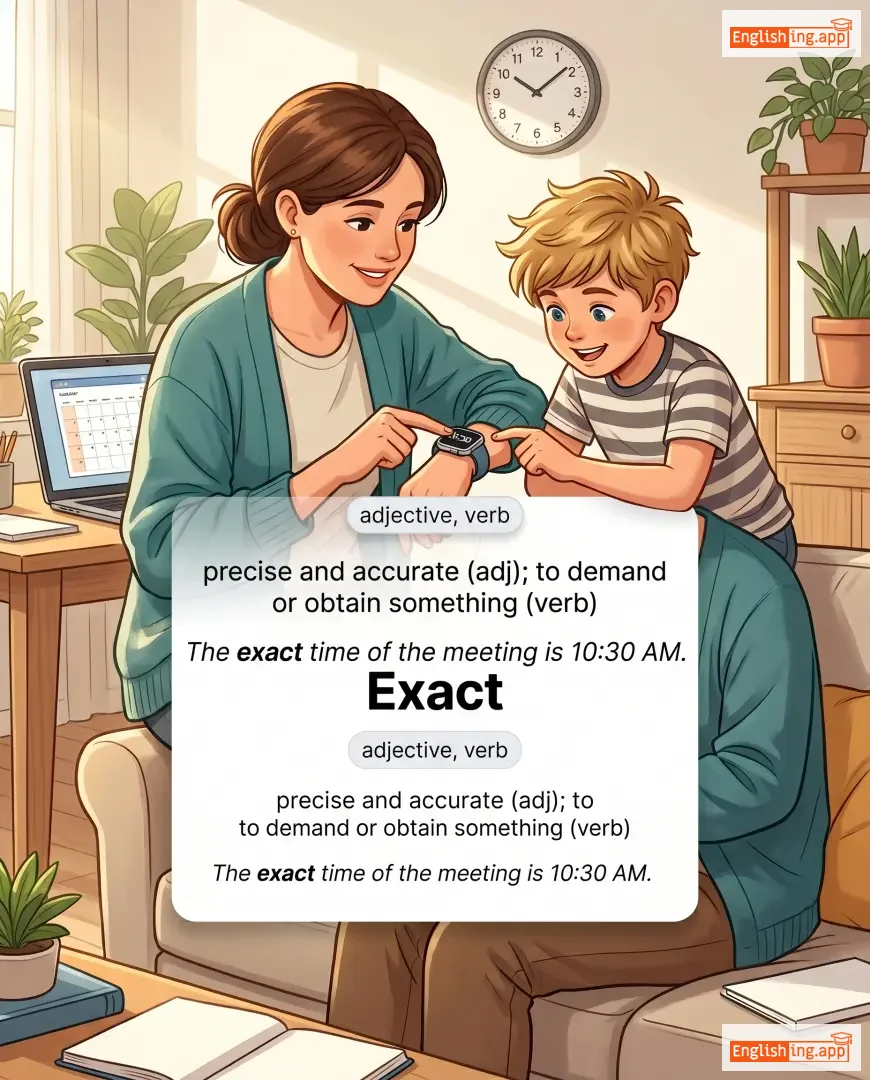
precise and accurate (adj); to demand or obtain something (verb)
••••••
|
The exact time of the meeting is 10:30 AM.
会議の正確な時間は10:30 AMです。
••••••
|
会議の正確な時間は10:30 AMです。
Kaigi no seikaku na jikan wa 10:30 AM desu.
••••••
|
to exact revenge
復讐を遂げる
••••••
|
to inflict punishment or harm in return for an injury or wrong
••••••
|
復讐する
fukushuu suru
••••••
|
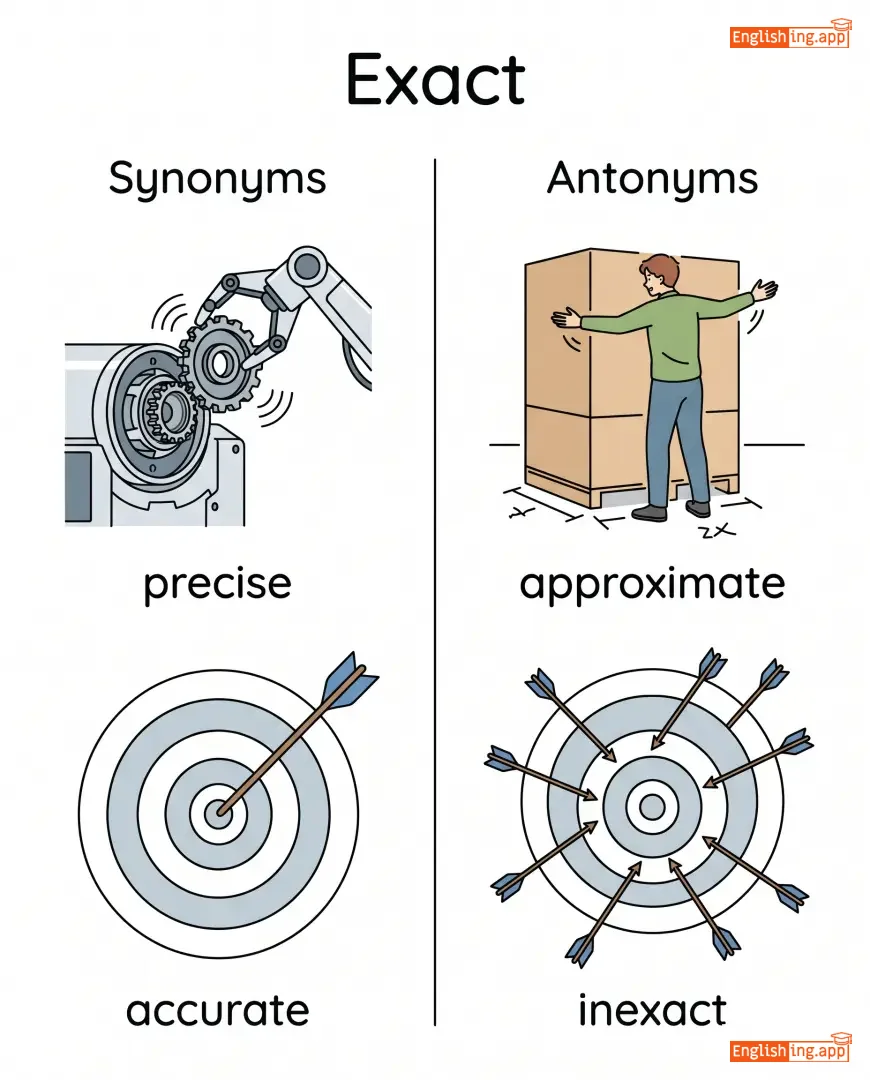
precise, accurate, demand, require, strict
••••••
|
approximate, inexact, lenient
••••••
|
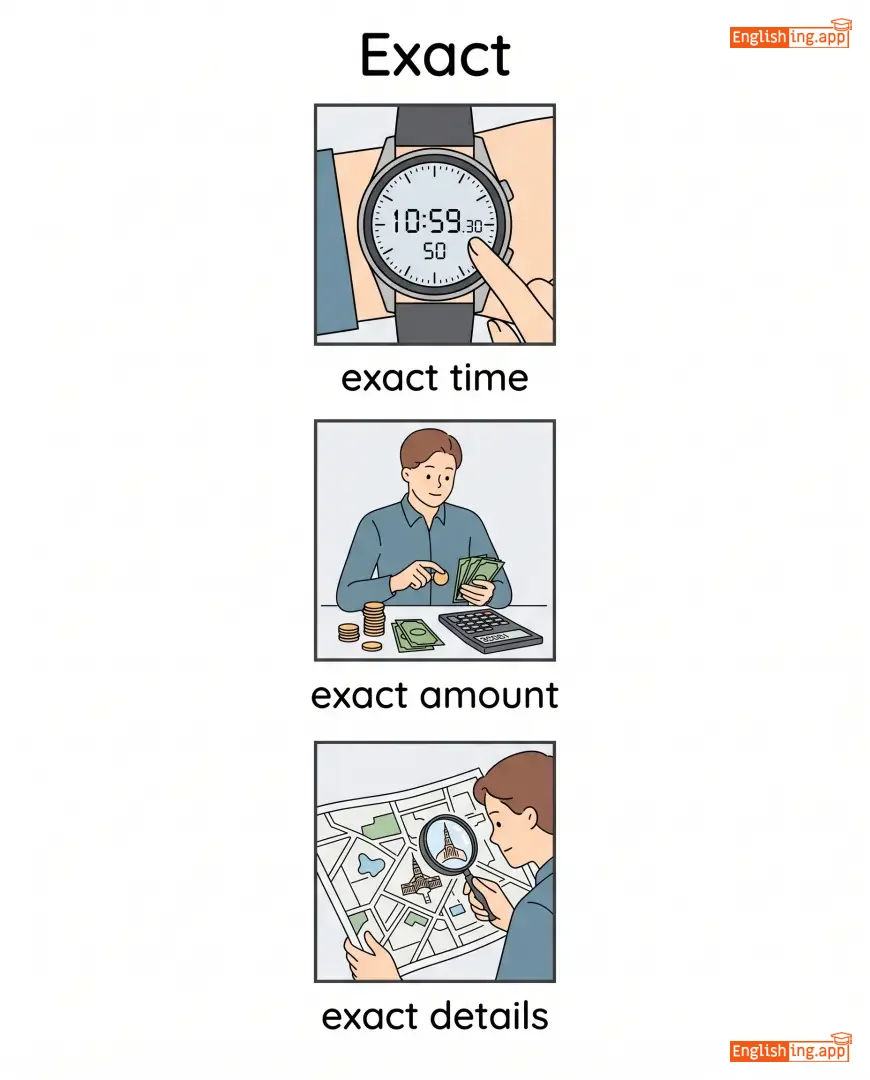
exact time, exact amount, exact details, exact revenge
••••••
|
Exactは正確、そうでなければ復讐が来る!
••••••
|
|
#3165
🔥
|
/ɪɡˈzæsərˌbeɪt/
verb
(エクササーベイト)
••••••
|
|
悪化させる
akka saseru
••••••
|
exacerbated
エクササーベイテッド
••••••
|
exacerbated
エクササーベイテッド
••••••
|
exacerbates
エクササーベイツ
••••••
|
exacerbating
エクササーベイティング
••••••
|
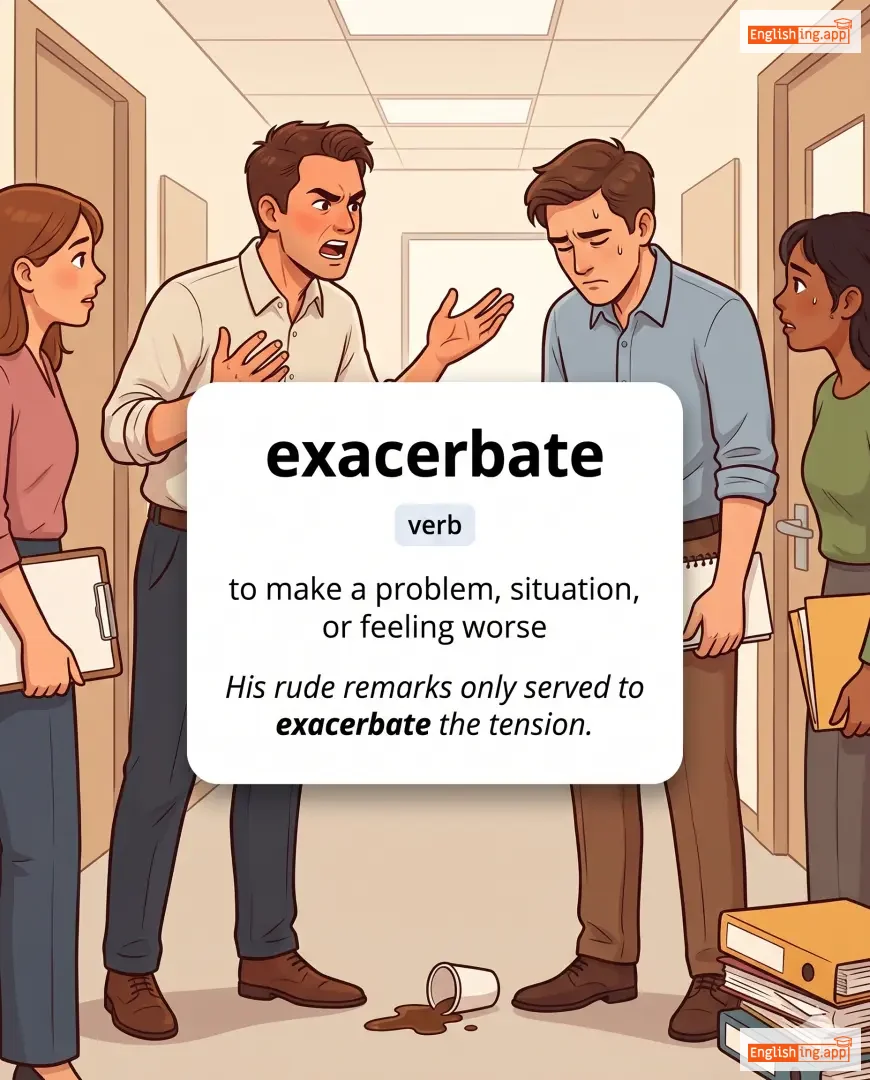
to make a problem, situation, or feeling worse
••••••
|
His rude remarks only served to exacerbate the tension.
彼の失礼なコメントは、緊張を悪化させるだけだった。
••••••
|
彼の失礼なコメントは、緊張を悪化させるだけだった。
Kare no shitsurei na komento wa, kinchou wo akka saseru dake datta.
••••••
|
- •••••• | - •••••• | - •••••• |
aggravate, worsen, intensify, heighten, inflame
••••••
|
alleviate, relieve, improve
••••••
|
exacerbate conflict, exacerbate the problem, exacerbate symptoms, exacerbate tension
••••••
|
エクササーベイトは状況を悪化させること、問題をもっとひどくすることを意味します。
••••••
|
|
#3166
🙊
|
/ɪˈveɪsɪv/
adjective
(イヴェイシヴ)
••••••
|
|
回避的な
kaibiteki na
••••••
|
- •••••• | - •••••• | - •••••• | - •••••• |
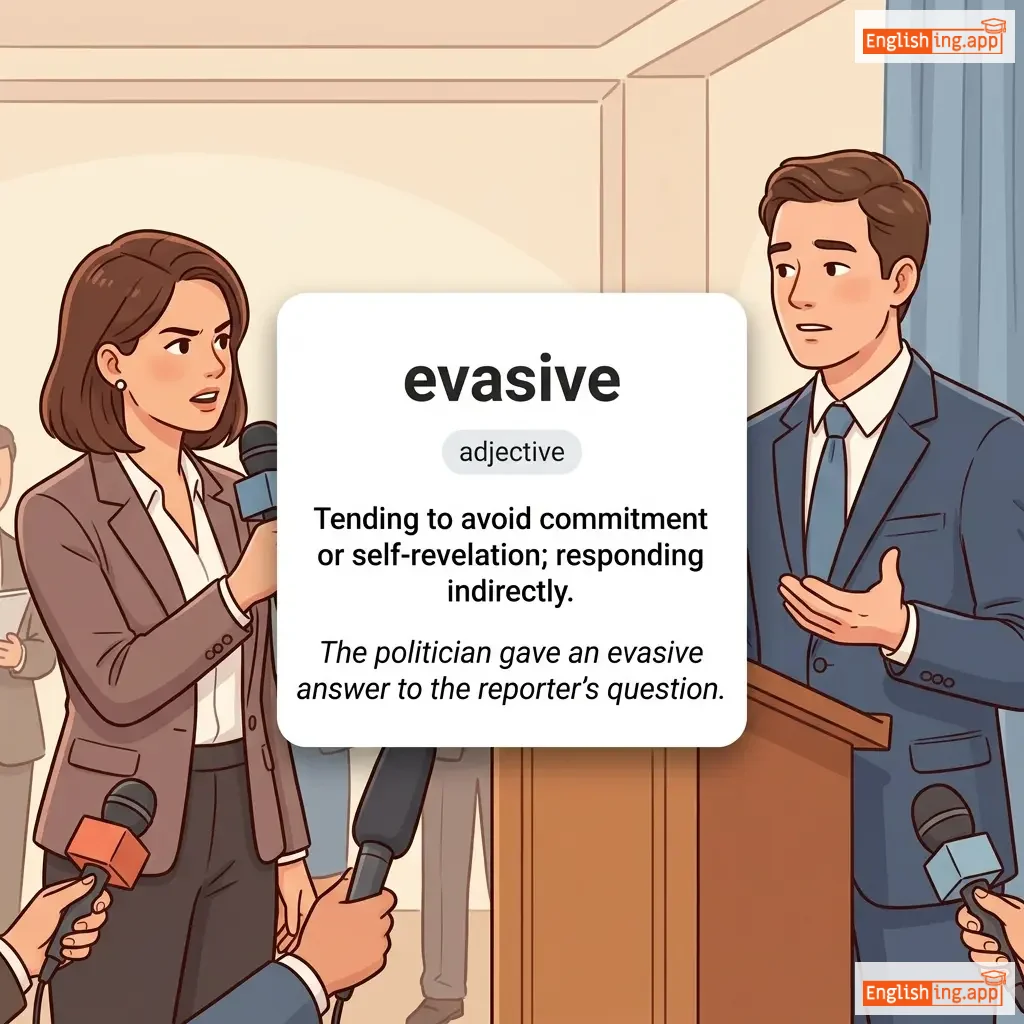
Tending to avoid commitment or self-revelation; responding indirectly.
••••••
|
The politician gave an evasive answer to the reporter's question. |
政治家は記者の質問に対して回避的な答えをしました。
Seijika wa kisha no shitsumon ni taishite kaibiteki na kotae o shimashita.
••••••
|
- •••••• | - •••••• | - •••••• |
elusive, vague, indirect, ambiguous
••••••
|
direct, honest, straightforward
••••••
|
evasive answer, evasive tactics, evasive strategy, evasive reply
••••••
|
Evasive は回避する意味、回避は避けること。
••••••
|
|
#3167
🐑
|
/juː/
noun
(ユ)
••••••
|
- •••••• |
雌羊
mesu hitsuji
••••••
|
- •••••• | - •••••• | - •••••• | - •••••• |
a female sheep
••••••
|
The ewe gave birth to two lambs in the spring. |
その雌羊は春に二匹の子羊を産みました。
Sono mesu hitsuji wa haru ni nihiki no kohitsuji o umimashita.
••••••
|
- •••••• | - •••••• | - •••••• |
female sheep, mother sheep
••••••
|
ram, male sheep
••••••
|
ewe lamb, ewe flock, mother ewe
••••••
|
Ewe は雌羊 🐑、覚えておいてください: 'You' もし羊だったら、Ewe です!
••••••
|
|
#3168
🌱
|
/ɪˈvɑːlv/
verb
••••••
|
- •••••• | - •••••• |
evolved
••••••
|
evolved
••••••
|
evolves
••••••
|
evolving
••••••
|
to develop gradually, especially into a more complex or advanced state
••••••
|
Over time, the company evolved into a global brand. |
- •••••• |
evolve over time |
to change or develop slowly as time passes
••••••
|
- •••••• |
develop, progress, transform, advance, grow
••••••
|
regress, decline, stagnate
••••••
|
evolve into, evolve over time, evolve naturally, evolve gradually
••••••
|
No •••••• |
|
#3169
🧬
|
/ˌɛvəˈluːʃən/
noun
(エボリューション)
••••••
|
- •••••• |
進化
shinka
••••••
|
- •••••• | - •••••• | - •••••• | - •••••• |
the gradual development of something, especially from a simple to a more complex form
••••••
|
The theory of evolution explains how species change over time. |
進化論は、種が時間とともにどのように変化するかを説明しています。
Shinkaron wa, shu ga jikan to tomo ni dono you ni henka suru ka wo setsumei shiteimasu.
••••••
|
- •••••• | - •••••• | - •••••• |
development, progression, growth, transformation
••••••
|
regression, stagnation
••••••
|
theory of evolution, cultural evolution, human evolution, natural evolution
••••••
|
進化は物の進行形、種の進化に似ている。
••••••
|
|
#3170
🎶
|
/ɪˈvoʊk/
verb
(イヴォーク)
••••••
|
- •••••• |
呼び起こす
yobikokosu
••••••
|
evoked
イヴォークド
••••••
|
evoked
イヴォークド
••••••
|
evokes
イヴォークス
••••••
|
evoking
イヴォーキング
••••••
|
to bring a feeling, memory, or image into the mind
••••••
|
The old song evoked memories of her childhood.
その古い歌は彼女の子供時代の思い出を呼び起こしました。
••••••
|
その古い歌は彼女の子供時代の思い出を呼び起こしました。
Sono furui uta wa kanojo no kodomojidai no omoide o yobikokoshimashita.
••••••
|
evoke sympathy
同情を呼び起こす
••••••
|
to make someone feel compassion or pity
••••••
|
同情を呼び起こす
dōjō o yobikokosu
••••••
|
arouse, elicit, provoke, stimulate, inspire
••••••
|
suppress, stifle, ignore
••••••
|
evoke memories, evoke feelings, evoke sympathy, evoke laughter
••••••
|
呼び起こすは記憶を蘇らせるように、'イヴォーク'は感情を引き起こす。
••••••
|
|
#3171
🎶
|
/ɪˈvɒkətɪv/
adjective
(エヴォカティブ)
••••••
|
|
呼び起こす
yobikokosu
••••••
|
- •••••• | - •••••• | - •••••• | - •••••• |
bringing strong images, memories, or feelings to mind
••••••
|
The music was evocative of her childhood memories. |
その音楽は彼女の子供時代の記憶を呼び起こしました。
Sono ongaku wa kanojo no kodomojidai no kioku o yobikokoshimashita.
••••••
|
- •••••• | - •••••• | - •••••• |
suggestive, reminiscent, expressive, moving
••••••
|
bland, uninspiring
••••••
|
evocative music, evocative image, evocative style
••••••
|
Evocativeは記憶を呼び起こす - 思い出させる何かです。
••••••
|
|
#3172
💀
|
/ɪˈvɪsəˌreɪt/
verb
(エヴィセレート)
••••••
|
- •••••• |
臓器を取り除く、破壊する
zōki o torinozoku, hakai suru
••••••
|
eviscerated
エヴィセレーテッド
••••••
|
eviscerated
エヴィセレーテッド
••••••
|
eviscerates
エヴィセレーツ
••••••
|
eviscerating
エヴィセレーティング
••••••
|
to remove the internal organs of; to deprive of essential content
••••••
|
The critics eviscerated the movie for its weak storyline.
批評家たちはその映画の弱いストーリーラインに対してエヴィセレートしました。
••••••
|
批評家たちはその映画の弱いストーリーラインに対して破壊しました。
Hihyōka-tachi wa sono eiga no yowai sutōrīrain ni taishite hakai shimashita.
••••••
|
- •••••• | - •••••• | - •••••• |
gut, disembowel, weaken, strip, destroy
••••••
|
strengthen, enrich
••••••
|
eviscerate an argument, eviscerate a system, eviscerate an opponent
••••••
|
エヴィセレート(eviscerate)は内臓(viscera)を空にすることを意味します。
••••••
|
|
#3173
✨
|
/ɪˈvɪns/
verb
(エヴィンス)
••••••
|
|
示す
shimesu
••••••
|
evinced
エヴィンスド
••••••
|
evinced
エヴィンスド
••••••
|
evinces
エヴィンセス
••••••
|
evincing
エヴィンシング
••••••
|
to show or demonstrate clearly
••••••
|
She evinced her interest in the project through active participation.
彼女は積極的な参加を通じてそのプロジェクトに対する関心を示した。
••••••
|
彼女は積極的な参加を通じてそのプロジェクトに対する関心を示した。
Kanojo wa sekkyokuteki na sanka wo toshite sono purojekuto ni taisuru kanshin wo shimeshita.
••••••
|
- •••••• | - •••••• | - •••••• |
show, demonstrate, reveal, display, manifest
••••••
|
conceal, hide
••••••
|
evince interest, evince emotion, evince curiosity
••••••
|
Evinceはevidenceのように、明確に示すことを意味する。
••••••
|
|
#3174
📑
|
/ˌɛvɪˈdɛnʃəl/
adjective
(エビデンシャル)
••••••
|
- •••••• |
証拠の
shōko no
••••••
|
- •••••• | - •••••• | - •••••• | - •••••• |
relating to or providing evidence
••••••
|
The lawyer presented evidential support for her claims. |
弁護士は彼女の主張に対する証拠のサポートを提供しました。
Bengoshi wa kanojo no shuchō ni taisuru shōko no sapōto o teikyō shimashita.
••••••
|
- •••••• | - •••••• | - •••••• |
documentary, demonstrative, indicative, supportive
••••••
|
unfounded, unsupported
••••••
|
evidential support, evidential value, evidential proof
••••••
|
Evidence + ial = 証拠の (証拠に関連する).
••••••
|
|
#3175
👀
|
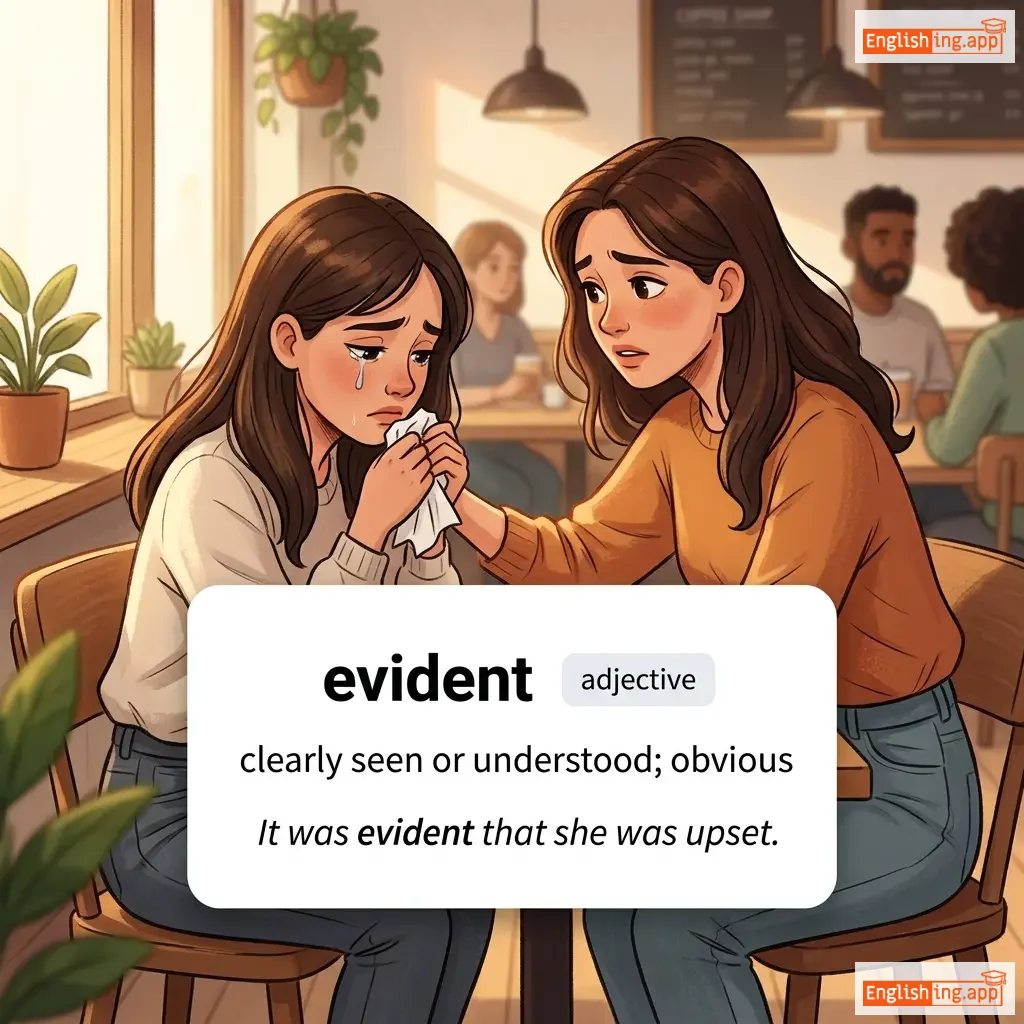
/ˈɛvɪdənt/
adjective
(エヴィデント)
••••••
|
|
明白
meihaku
••••••
|
- •••••• | - •••••• | - •••••• | - •••••• |
clearly seen or understood; obvious
••••••
|
It was evident that she was upset.
それは彼女が動揺していることが明らかでした。
••••••
|
それは彼女が動揺していることが明らかでした。
Sore wa kanojo ga dōyō shite iru koto ga akiraka deshita.
••••••
|
self-evident
自己明白
••••••
|
obvious without needing explanation
••••••
|
自己明白
jiko-meihaku
••••••
|
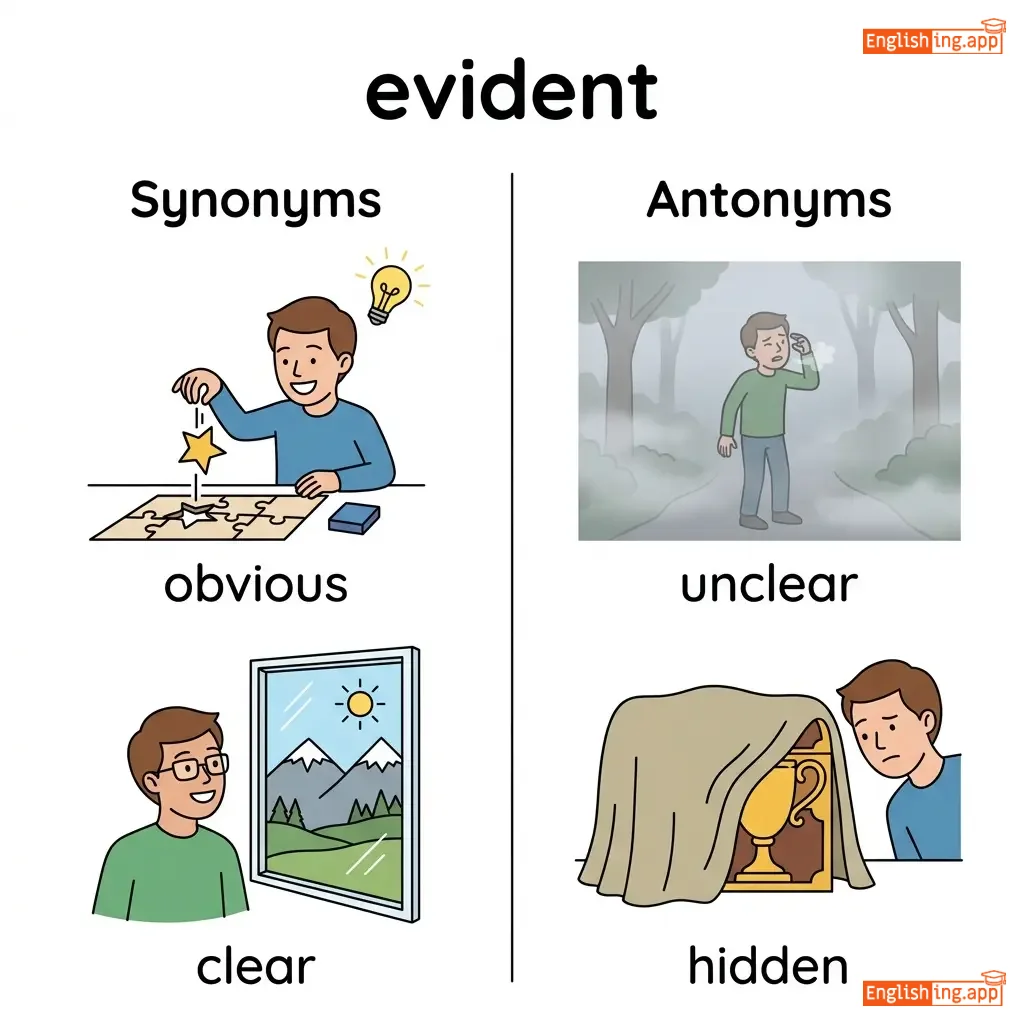
obvious, clear, apparent, manifest, plain
••••••
|
unclear, hidden, obscure
••••••
|
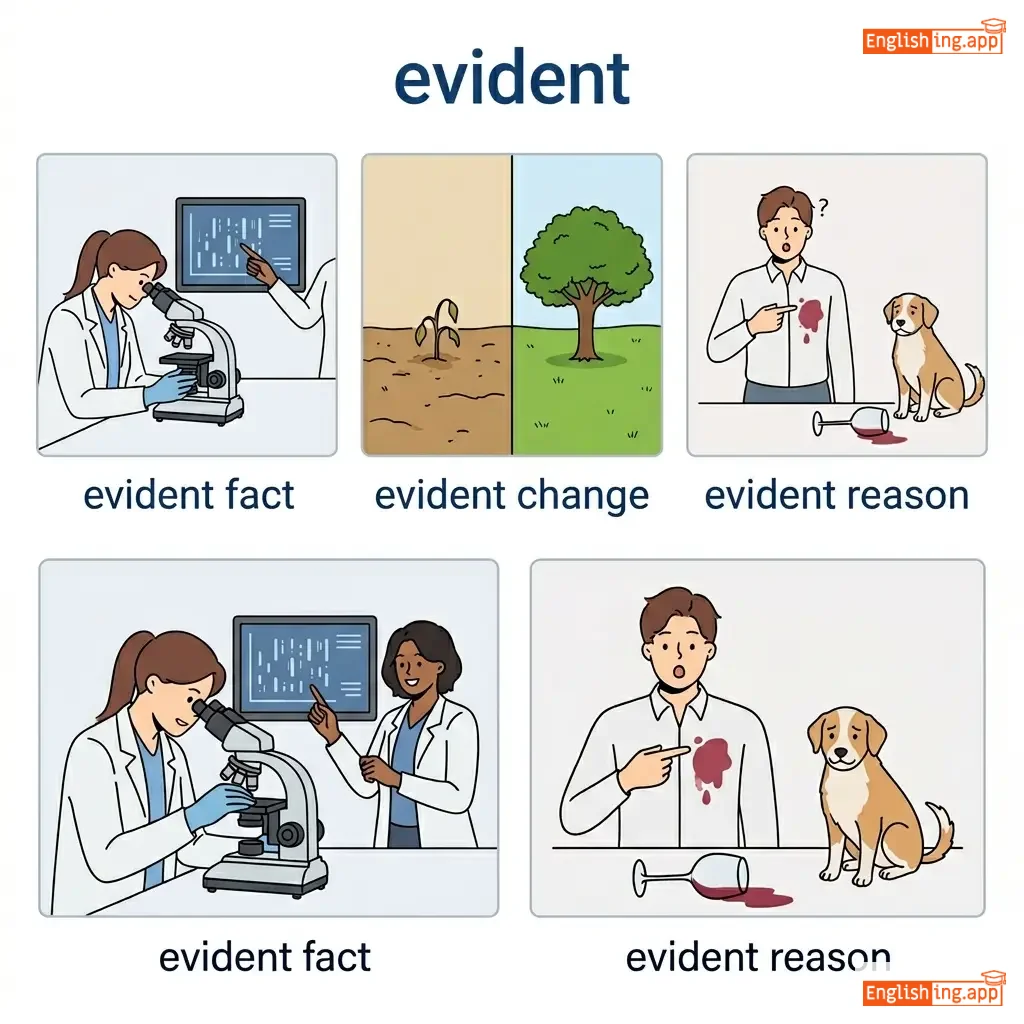
evident fact, evident change, evident reason, evident truth
••••••
|
明白は証拠のように明確に見えることです。
••••••
|
|
#3176
🚪
|
/ɪˈvɪkt/
verb
(ivikt)
••••••
|
- •••••• |
立ち退かせる
tachinokaseru
••••••
|
evicted
evikted
••••••
|
evicted
evikted
••••••
|
evicts
evikts
••••••
|
evicting
evikting
••••••
|
To expel someone from a property, usually by legal process.
••••••
|
The landlord decided to evict the tenants for not paying rent.
家主は家賃未払いでテナントを立ち退かせることに決めました。
••••••
|
家主は家賃未払いでテナントを立ち退かせることに決めました。
Iyanushi wa yachin mibaraide tenant wo tachinokaseru koto ni kimemashita.
••••••
|
- •••••• | - •••••• | - •••••• |
expel, remove, oust, eject
••••••
|
admit, allow, accept
••••••
|
evict tenant, evict family, evict illegally, court evict order
••••••
|
Evictは 'exit' のように、誰かを外に出すこと
••••••
|
|
#3177
🔄
|
/ɪˈvɜːrt/
verb
(エヴァート)
••••••
|
- •••••• |
外向きにひっくり返す
soto-muki ni hikkurikaesu
••••••
|
everted
エヴァーテッド
••••••
|
everted
エヴァーテッド
••••••
|
everts
エヴァーツ
••••••
|
everting
エヴァーティング
••••••
|
To turn inside out or outward.
••••••
|
The surgeon had to evert the eyelid during the procedure.
外科医は手術中にまぶたをエヴァートしなければなりませんでした。
••••••
|
外科医は手術中にまぶたをひっくり返さなければなりませんでした。
Geka-i wa shujutsu-chū ni mabuta o hikkurikasanakereba narimasen deshita.
••••••
|
- •••••• | - •••••• | - •••••• |
invert, turn out, unfold, flip
••••••
|
revert, fold, conceal
••••••
|
evert eyelid, evert tissue, evert the foot
••••••
|
Evertはe- 外 + vert- 回転 = 外向きにひっくり返す
••••••
|
|
#3178
♾️
|
/ˌɛvərˈlæstɪŋ/
adjective
(エヴァーラスティング)
••••••
|
- •••••• |
永遠の
eien no
••••••
|
- •••••• | - •••••• | - •••••• | - •••••• |
Lasting forever or for an indefinitely long time.
••••••
|
The poet wrote about his everlasting love for nature. |
詩人は自然に対する永遠の愛について書きました。
Shijin wa shizen ni taisuru eien no ai ni tsuite kakimashita.
••••••
|
everlasting life |
eternal existence without end
••••••
|
永遠の命
eien no inochi
••••••
|
eternal, perpetual, infinite, endless, timeless
••••••
|
temporary, fleeting, short-lived
••••••
|
everlasting love, everlasting life, everlasting memory
••••••
|
Ever + lasting = 永遠の命
••••••
|
|
#3179
🏁
|
/ɪˈvɛntʃuəl/
adjective
(イベントゥアル)
••••••
|
- •••••• |
最終的
saishū-teki
••••••
|
- •••••• | - •••••• | - •••••• | - •••••• |
Happening at the end of a process or as the final result.
••••••
|
His hard work led to his eventual success. |
彼の努力は最終的な成功に繋がった。
Kare no doryoku wa saishū-teki na seikō ni tsunagatta.
••••••
|
- •••••• | - •••••• | - •••••• |
final, ultimate, concluding, resultant
••••••
|
initial, immediate, temporary
••••••
|
eventual outcome, eventual success, eventual result
••••••
|
Eventual = 最後に起こるもの(最終的)
••••••
|
|
#3180
⚖️
|
/ˌiːvənˈhændɪd/
adjective
(イヴンハンデッド)
••••••
|
- •••••• |
公平な
kouhei na
••••••
|
- •••••• | - •••••• | - •••••• | - •••••• |
Fair and impartial; showing no bias or favoritism.
••••••
|
The judge was praised for her evenhanded approach to the case. |
その裁判官は、公平なアプローチでその事件を扱ったことで称賛されました。
Sono saiban-kan wa, kouhei na apurouchi de sono jiken wo atsukatta koto de shousan saremashita.
••••••
|
- •••••• | - •••••• | - •••••• |
fair, impartial, unbiased, neutral, just
••••••
|
biased, unfair, partial
••••••
|
evenhanded approach, evenhanded treatment, evenhanded decision
••••••
|
Even-handed = 両手が同じ、したがって公平な。
••••••
|
Vocabulary Quiz
Test your vocabulary by matching words with their translations or meanings.
Login to take the quiz
Comments (0)
Share your thoughts and join the discussion.
Join the discussion by logging in
Login to CommentNo comments yet
Be the first to share your thoughts!