

翻訳
過去
過去分詞
三人称単数
動名詞
意味
例文
例文の翻訳
同義語
対義語
コロケーション
ニーモニック
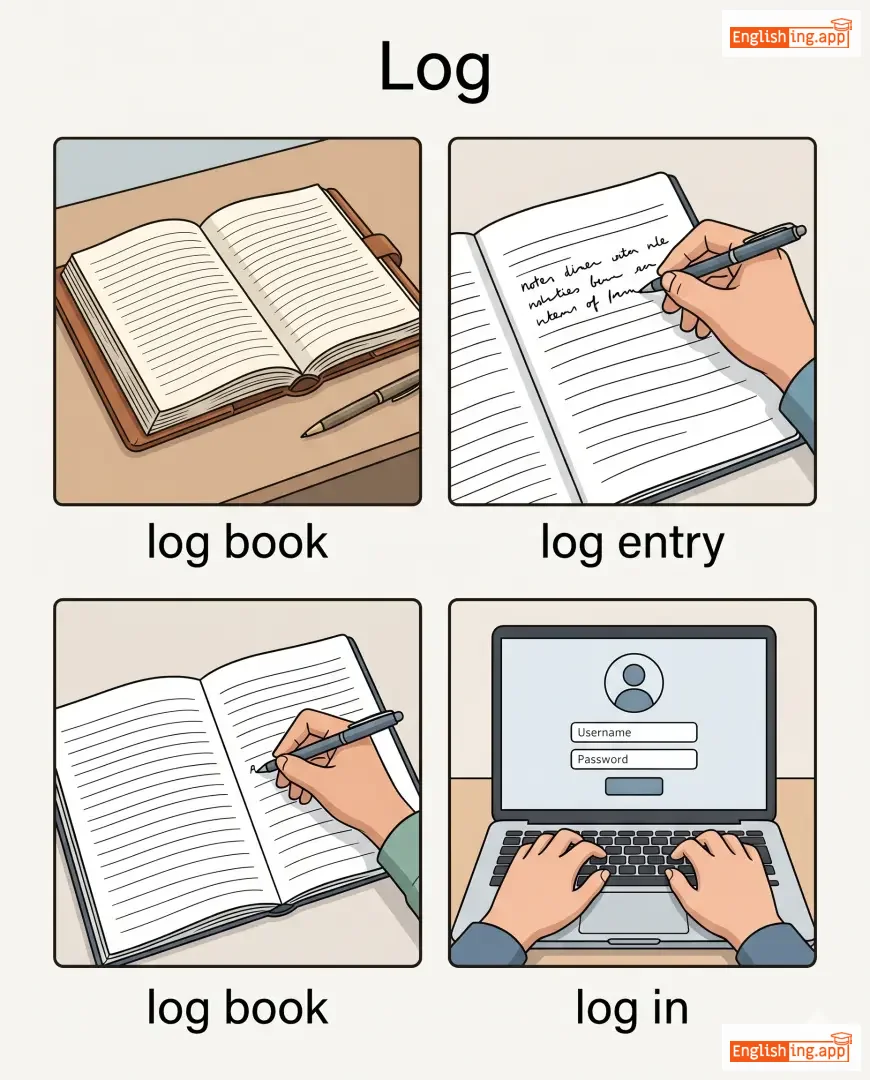
Swipe left or right, or use the buttons. Tap image to zoom.
例文の翻訳
単語
Lesson 176Lesson 176 - マスクトグル
|
絵文字
|
単語 | Images | 翻訳 | 過去 | 過去分詞 | 三人称単数 | 動名詞 | 意味 | 例文 | 例文の翻訳 | 表現例 | 表現例の意味 | 表現例の翻訳 | 同義語 | 対義語 | コロケーション | ニーモニック |
|---|---|---|---|---|---|---|---|---|---|---|---|---|---|---|---|---|---|
|
#5251
🚶
|
/ˈlɔɪtərər/
noun
(ロイタラー)
••••••
|
- •••••• |
目的もなく場所にいる人
mokuteki mo naku basho ni iru hito
••••••
|
- •••••• | - •••••• | - •••••• | - •••••• |
A person who lingers aimlessly in a place without purpose.
••••••
|
The police questioned the loiterer outside the store.
警察は店の外でロイタラーに尋問をした。
••••••
|
警察は店の外でロイタラーに尋問をした。
Keisatsu wa mise no soto de roitara ni chinmon o shita.
••••••
|
- •••••• | - •••••• | - •••••• |
idler, lingerer, lounger, dawdler, drifter
••••••
|
worker, mover, doer
••••••
|
street loiterer, loiterer outside, suspicious loiterer
••••••
|
ロイタラーは目的もなく場所にいる人
••••••
|
|
#5252
🛋️
|
/laʊndʒ/
noun, verb
(ラウンジ)
••••••
|
- •••••• |
ラウンジ
raunji
••••••
|
lounged
ラウンジド
••••••
|
lounged
ラウンジド
••••••
|
lounges
ラウンジズ
••••••
|
lounging
ラウンジング
••••••
|
A public room for relaxing; or to sit, lie, or stand in a relaxed way.
••••••
|
They lounged on the sofa after dinner.
彼らは夕食後にソファでくつろいでいた。
••••••
|
彼らは夕食後にソファでくつろいでいた。
Karera wa yūshoku go ni sofa de kutsuroide ita.
••••••
|
lounge around
だらだら過ごす
••••••
|
to spend time idly or lazily
••••••
|
だらだら過ごす
daradara sugosu
••••••
|
sit, sprawl, recline, rest, relax
••••••
|
work, labor, rush
••••••
|
hotel lounge, airport lounge, lounge chair, lounge music
••••••
|
Lounge 🛋️ は、ソファでリラックスすることを意味します。
••••••
|
|
#5253
🌊
|
/lɒx/ or /lɒk/
noun
(ロフ)
••••••
|
- •••••• |
湖
mi
••••••
|
- •••••• | - •••••• | - •••••• | - •••••• |
An Irish or Scottish word for a lake or sea inlet.
••••••
|
The fishermen lived by the lough for generations. |
漁師たちは世代を超えて湖の近くに住んでいました。
Ryōshitachi wa sedaio koete mizuumi no chikaku ni sundeimashita.
••••••
|
- •••••• | - •••••• | - •••••• |
lake, loch, pond, waterbody, bay
••••••
|
desert, dry land
••••••
|
Irish lough, near the lough, across the lough
••••••
|
Loughは湖を意味します🌊 — ロフと聞いたら湖を思い出して!
••••••
|
|
#5254
🎟️
|
/ˈlɒtəri/
noun
(宝くじ)
••••••
|
- •••••• |
宝くじ
takara kuji
••••••
|
- •••••• | - •••••• | - •••••• | - •••••• |
A means of raising money by selling numbered tickets and giving prizes to the holders of numbers drawn at random.
••••••
|
He won a car in the national lottery. |
彼は全国宝くじで車を当てた。
Kare wa zenkoku takara kuji de kuruma o ateta.
••••••
|
win the lottery |
to achieve something extremely fortunate or unlikely
••••••
|
宝くじに当たる
takara kuji ni ataru
••••••
|
raffle, sweepstake, jackpot, gamble, draw
••••••
|
certainty, guarantee, assurance
••••••
|
national lottery, lottery ticket, win lottery, lottery draw
••••••
|
Lottery 🎟️ は運試しのゲームです — 日本語でも '宝くじ' と言います。
••••••
|
|
#5255
📦
|
/lɒt/
noun
(ロット)
••••••
|
- •••••• |
たくさん
takusan
••••••
|
- •••••• | - •••••• | - •••••• | - •••••• |
A large number or amount; a group or portion.
••••••
|
She bought a lot of books at the fair.
彼女はフェアでたくさんの本を買いました。
••••••
|
彼女はフェアでたくさんの本を買いました。
Kanojo wa fea de takusan no hon o kaimashita.
••••••
|
cast one's lot with
自分の運命を誰かに託す
••••••
|
to join or support a person or group
••••••
|
自分の運命を誰かに託す
Jibun no unmei o dareka ni takusu
••••••
|
batch, group, quantity, portion, set
••••••
|
few, little, scarcity
••••••
|
a lot of, whole lot, parking lot, building lot
••••••
|
Lot はたくさん、例えば宝くじでたくさんの番号があります。
••••••
|
|
#5256
👑
|
/ˈlɔːrdlɪŋ/
noun
(ロードリング)
••••••
|
- •••••• |
小さな領主
chiisana ryoushu
••••••
|
- •••••• | - •••••• | - •••••• | - •••••• |
A young or petty lord; someone of minor nobility.
••••••
|
The arrogant lordling demanded respect despite his lack of experience. |
傲慢なロードリングは経験不足にもかかわらず、尊敬を要求した。
Gouman na ro-doringu wa keiken busoku ni mo kakawarazu, sonkei wo youkyuu shita.
••••••
|
- •••••• | - •••••• | - •••••• |
young lord, petty noble, minor aristocrat, baronet, squire
••••••
|
commoner, peasant, servant
••••••
|
arrogant lordling, spoiled lordling, young lordling
••••••
|
Lordling = 小さな領主 👑
••••••
|
|
#5257
🗣️
|
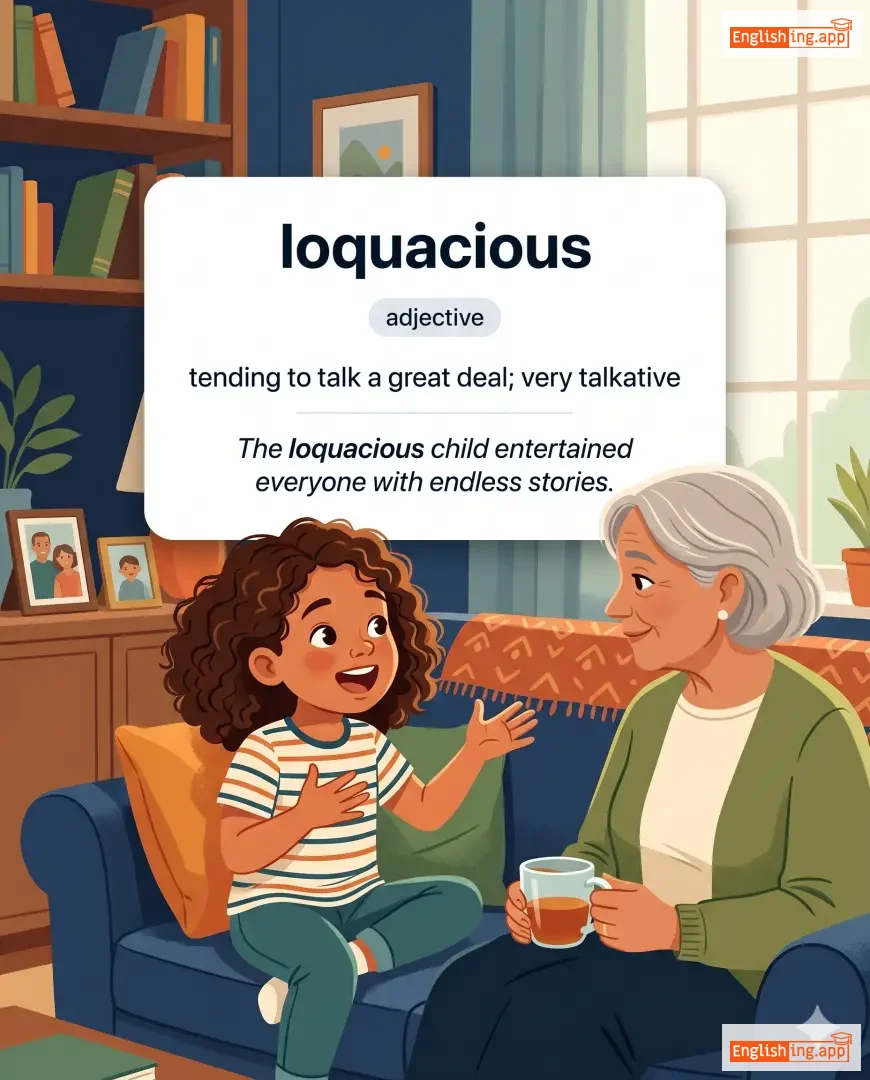
/loʊˈkweɪʃəs/
adjective
(ロケイシャス)
••••••
|
|
おしゃべりな
oshaberina
••••••
|
- •••••• | - •••••• | - •••••• | - •••••• |
tending to talk a great deal; very talkative
••••••
|
The loquacious child entertained everyone with endless stories.
そのおしゃべりな子供は、終わりのない物語で皆を楽しませた。
••••••
|
おしゃべりな子供は、終わりのない物語で皆を楽しませた。
Oshaberina kodomo wa, owari no nai monogatari de mina wo tanoshimaseta.
••••••
|
- •••••• | - •••••• | - •••••• |
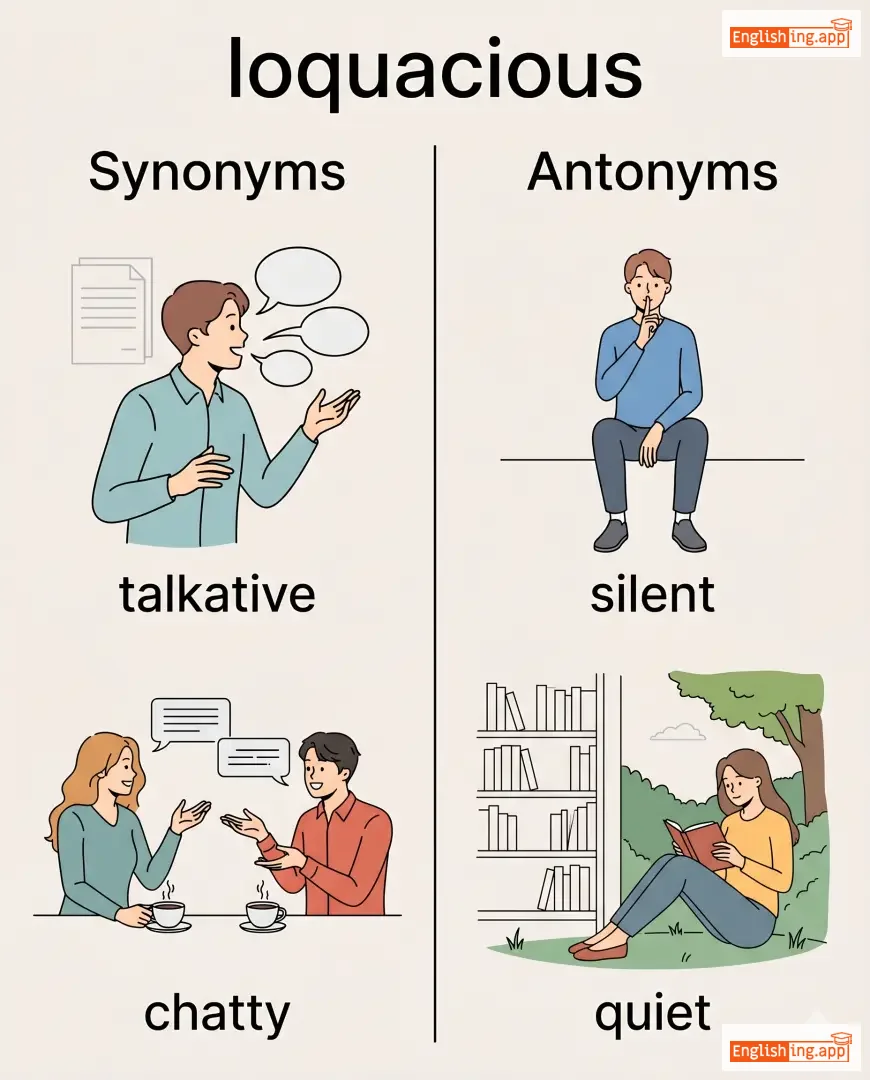
talkative, chatty, verbose, garrulous, communicative
••••••
|
silent, quiet, reserved
••••••
|
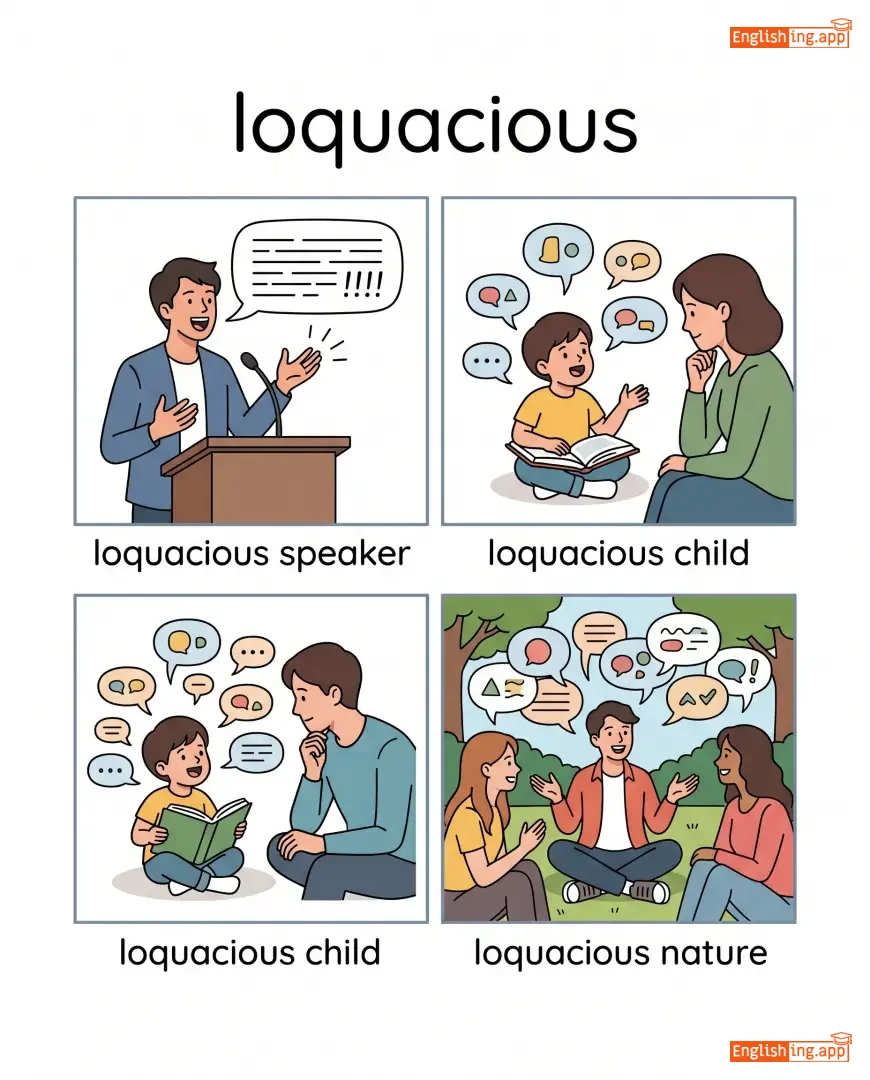
loquacious speaker, loquacious child, loquacious nature, loquacious host
••••••
|
Loquaciousは話すのが得意、'おしゃべりな'ことを思い出して。
••••••
|
|
#5258
⚖️
|
/ˈlɑːpˌsaɪdɪd/
adjective
(ロップサイデッド)
••••••
|
- •••••• |
片側が低い、または不均衡な
katasokoga hikui, matawa fukinoukan
••••••
|
- •••••• | - •••••• | - •••••• | - •••••• |
with one side lower, larger, or different from the other; uneven or imbalanced
••••••
|
The cake looked lopsided after being decorated in a hurry.
ケーキは急いで飾られた後、ロップサイデッドに見えた。
••••••
|
急いで飾った後、ケーキは不均衡に見えた。
Isoide kazatta ato, kēki wa fukinou ni mieta.
••••••
|
- •••••• | - •••••• | - •••••• |
uneven, crooked, tilted, imbalanced, askew
••••••
|
balanced, even, symmetrical
••••••
|
lopsided smile, lopsided victory, lopsided cake, lopsided structure
••••••
|
Lopsidedは不均衡を意味します。'lop'は傾くという意味です。
••••••
|
|
#5259
🐎
|
/loʊp/
verb
(ロープ)
••••••
|
- •••••• |
大きなジャンプを伴う速歩で走る
ōkina janpu o tomonau sokuhō de hashiru
••••••
|
loped
ロープド
••••••
|
loped
ロープド
••••••
|
lopes
ロープス
••••••
|
loping
ローピング
••••••
|
to run or move with a long, bounding stride
••••••
|
The horse loped gracefully across the field.
馬はフィールドを優雅にローピングしていました。
••••••
|
馬はフィールドを優雅に走っていました。
Uma wa fīrudo o yūga ni hashitte imashita.
••••••
|
- •••••• | - •••••• | - •••••• |
stride, bound, trot, gallop, run
••••••
|
crawl, walk, halt
••••••
|
lope along, horse lope, lope across, easy lope
••••••
|
Lopeは大きなジャンプを伴う速歩を意味します。馬が'lope'している様子を想像してください。
••••••
|
|
#5260
💰
|
/luːt/
verb
(ルート)
••••••
|
- •••••• |
略奪する
ryakudatsu suru
••••••
|
looted
略奪した
••••••
|
looted
略奪した
••••••
|
loots
略奪する
••••••
|
looting
略奪する
••••••
|
to steal goods, typically during war, riot, or chaos
••••••
|
The rioters looted several shops during the protest.
暴動者たちは抗議の間にいくつかの店を略奪した。
••••••
|
抗議の間に暴動者たちはいくつかの店を略奪した。
Kougi no aida ni boudou-sha tachi wa ikutsuka no mise o ryakudatsu shita.
••••••
|
ill-gotten loot
不正に得た財産
••••••
|
wealth obtained dishonestly
••••••
|
不正に得た財産
fusei ni eta zaisan
••••••
|
plunder, pillage, ransack, rob, steal
••••••
|
give, donate, return
••••••
|
loot a shop, loot treasure, loot houses, looting spree
••••••
|
Loot = 略奪, 暴動者のように店舗を略奪する。
••••••
|
|
#5261
🌩️
|
/luːm/
verb
••••••
|
- •••••• | - •••••• |
loomed
••••••
|
loomed
••••••
|
looms
••••••
|
looming
••••••
|
to appear as a large, often frightening or unclear shape, usually something threatening or about to happen
••••••
|
Dark clouds loomed over the city, signaling an approaching storm. |
- •••••• |
loom large |
to be of great importance or concern
••••••
|
- •••••• |
emerge, appear, threaten, overshadow, hover
••••••
|
fade, disappear, vanish
••••••
|
loom large, loom ahead, storm looms, crisis looms
••••••
|
No •••••• |
|
#5262
👀
|
/ˈlʊkaʊt/
noun
(ルックアウト)
••••••
|
- •••••• |
監視, 見張り
kanshi, mihari
••••••
|
- •••••• | - •••••• | - •••••• | - •••••• |
A place for watching; a person keeping watch.
••••••
|
The guard kept a lookout for suspicious activity.
ガードは怪しい活動に目を光らせていました。
••••••
|
ガードは怪しい活動に目を光らせていました。
Gaado wa ayashii katsudou ni me wo hikarasete imashita.
••••••
|
on the lookout
ルックアウトで
••••••
|
Being alert and watchful for something.
••••••
|
警戒する
keikai suru
••••••
|
watch, guard, sentry, observatory, scout
••••••
|
neglect, unawareness, ignorance
••••••
|
keep lookout, on the lookout, lookout point
••••••
|
Lookoutは 'Look + out' で外を見ること、つまり警戒することです。
••••••
|
|
#5263
⏳
|
/lɔnˈdʒɛvəti/
noun
(ロンジェビティ)
••••••
|
- •••••• |
長寿
chouju
••••••
|
- •••••• | - •••••• | - •••••• | - •••••• |
Long life or long existence of something.
••••••
|
Good habits contribute to health and longevity. |
良い習慣は健康と長寿に貢献します。
Yoi shuukan wa kenkou to chouju ni kouken shimasu.
••••••
|
- •••••• | - •••••• | - •••••• |
durability, endurance, permanence, lifespan, survival
••••••
|
brevity, shortness, mortality
••••••
|
health and longevity, remarkable longevity, longevity of career
••••••
|
Longevity = 長寿 = 長い (長) + 寿 (命).
••••••
|
|
#5264
😔
|
/ˈloʊnlinəs/
noun
(ロンリネス)
••••••
|
- •••••• |
孤独
kodoku
••••••
|
- •••••• | - •••••• | - •••••• | - •••••• |
The state of being alone and feeling sad about it.
••••••
|
She felt a deep sense of loneliness after moving to the new city. |
新しい街に引っ越した後、彼女は深い孤独を感じた。
Atarashī machi ni hikkoshita ato, kanojo wa fukai kodoku o kanjita.
••••••
|
die of loneliness |
To suffer severely because of extreme isolation.
••••••
|
孤独で死ぬ
Kodoku de shinu
••••••
|
isolation, solitude, desolation, emptiness, alienation
••••••
|
companionship, togetherness, friendship
••••••
|
deep loneliness, overcome loneliness, suffer loneliness
••••••
|
孤独は一人でいる状態、そして独はその状態です。
••••••
|
|
#5265
🛋️
|
/lɑːl/
verb
(ロール)
••••••
|
- •••••• |
だらりと座る
darari to suwaru
••••••
|
lolled
ロールド
••••••
|
lolled
ロールド
••••••
|
lolls
ロルス
••••••
|
lolling
ロリング
••••••
|
To sit, lie, or stand in a lazy, relaxed way.
••••••
|
He lolled on the sofa after a long day at work.
長い仕事の後で、彼はソファにだらりと座った。
••••••
|
長い仕事の後で、彼はソファにだらりと座った。
Nagai shigoto no ato de, kare wa sofa ni darari to suwatta.
••••••
|
loll about
loll about
••••••
|
To spend time lazily doing nothing in particular.
••••••
|
だらりと時間を過ごす
darari to jikan wo sugosu
••••••
|
lounge, sprawl, recline, slouch, laze
••••••
|
work, hustle, strive
••••••
|
loll on sofa, loll in chair, loll about
••••••
|
LollはソファでLOLしてだらりと座ることです。
••••••
|
|
#5266
😒
|
/loʊθ/
adjective
(ロース)
••••••
|
- •••••• |
嫌がる
iyagaru
••••••
|
- •••••• | - •••••• | - •••••• | - •••••• |
reluctant or unwilling to do something
••••••
|
She was loath to admit her mistake in front of everyone. |
彼女は皆の前で自分の間違いを認めることを嫌がった。
Kanojo wa mina no mae de jibun no machigai o mitomeru koto o iyagatta.
••••••
|
- •••••• | - •••••• | - •••••• |
reluctant, unwilling, hesitant, averse, resistant
••••••
|
willing, eager, inclined
••••••
|
loath to admit, loath to accept, loath to change
••••••
|
Loathは嫌がることを意味します 😒
••••••
|
|
#5267
🚶
|
/ˈlɔɪtər/
verb
••••••
|
- •••••• | - •••••• |
loitered
••••••
|
loitered
••••••
|
loiters
••••••
|
loitering
••••••
|
To stand or wait around idly without apparent purpose.
••••••
|
The teenagers were told not to loiter outside the shop. |
- •••••• |
loiter with intent |
to hang around with the purpose of committing a crime
••••••
|
- •••••• |
linger, dawdle, hang around, idle, tarry
••••••
|
hurry, rush, hasten
••••••
|
loiter around, loiter near, loiter in, loiter outside
••••••
|
No •••••• |
|
#5268
👨🏫
|
/ləˈdʒɪʃən/
noun
(ロジシアン)
••••••
|
- •••••• |
論理学者
ronrigakusha
••••••
|
- •••••• | - •••••• | - •••••• | - •••••• |
A person skilled in logic and reasoning.
••••••
|
Aristotle is considered one of the greatest logicians in history. |
アリストテレスは歴史上最も偉大な論理学者の一人と見なされています。
Arisutoteresu wa rekishijou mottomo idaina ronrigakusha no hitori to minasareteimasu.
••••••
|
- •••••• | - •••••• | - •••••• |
philosopher, thinker, reasoner, analyst
••••••
|
fool, irrationalist
••••••
|
great logician, famous logician, skilled logician
••••••
|
Logician = Logic + ian → 論理を行う人、論理学者。
••••••
|
|
#5269
📐
|
/ˈlɒdʒɪkəl/
adjective
(ロジカル)
••••••
|
|
論理的
ronriteki
••••••
|
- •••••• | - •••••• | - •••••• | - •••••• |
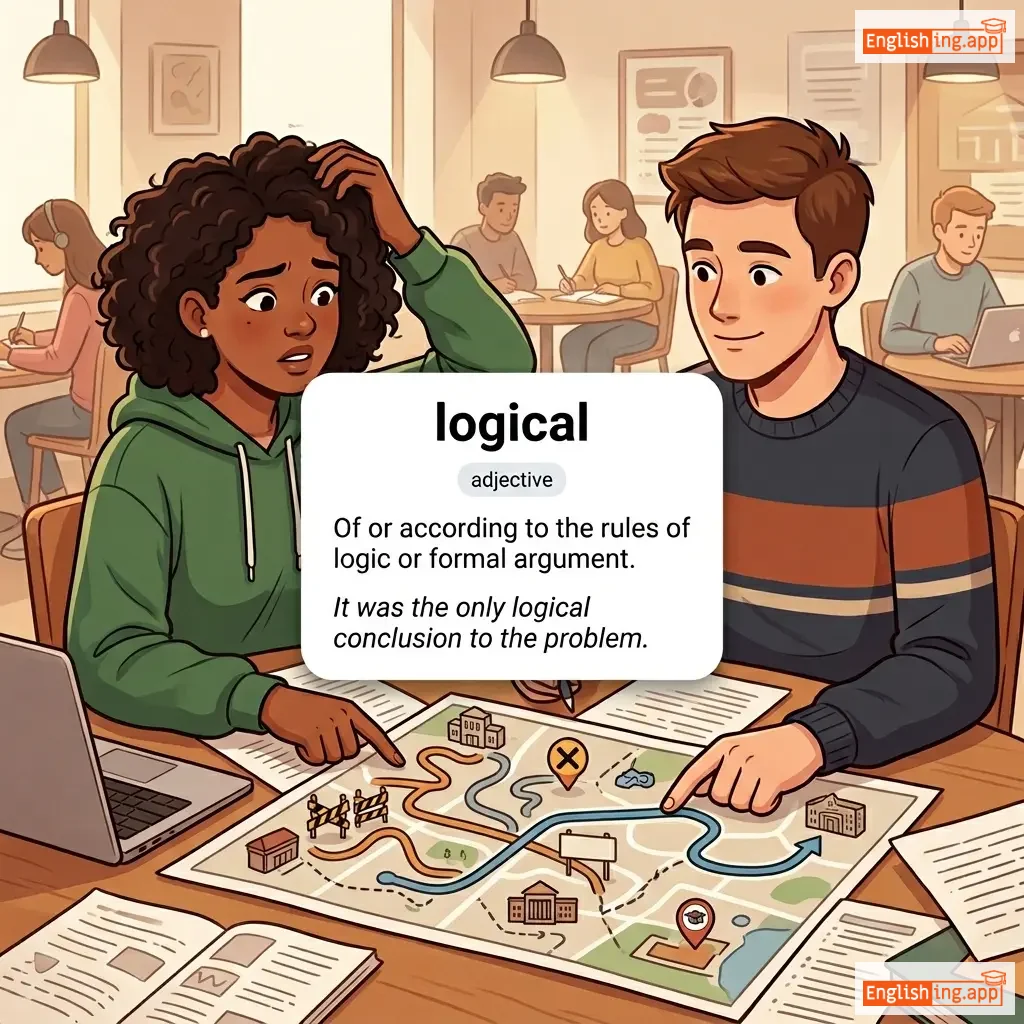
Of or according to the rules of logic or formal argument.
••••••
|
It was the only logical conclusion to the problem. |
それは問題に対する唯一の論理的な結論だった。
Sore wa mondai ni taisuru yuiitsu no ronriteki na ketsuron datta.
••••••
|
- •••••• | - •••••• | - •••••• |
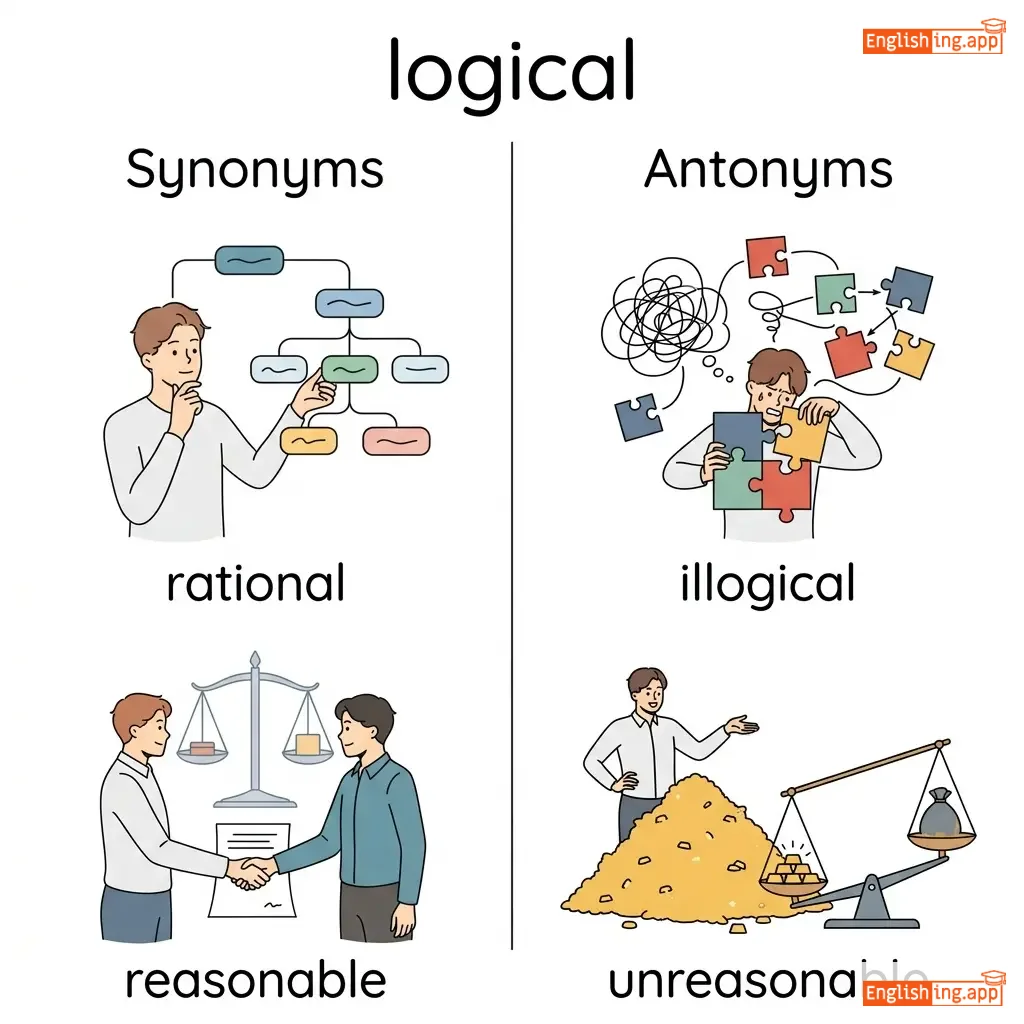
rational, reasonable, coherent, sound, valid
••••••
|
illogical, unreasonable, absurd
••••••
|
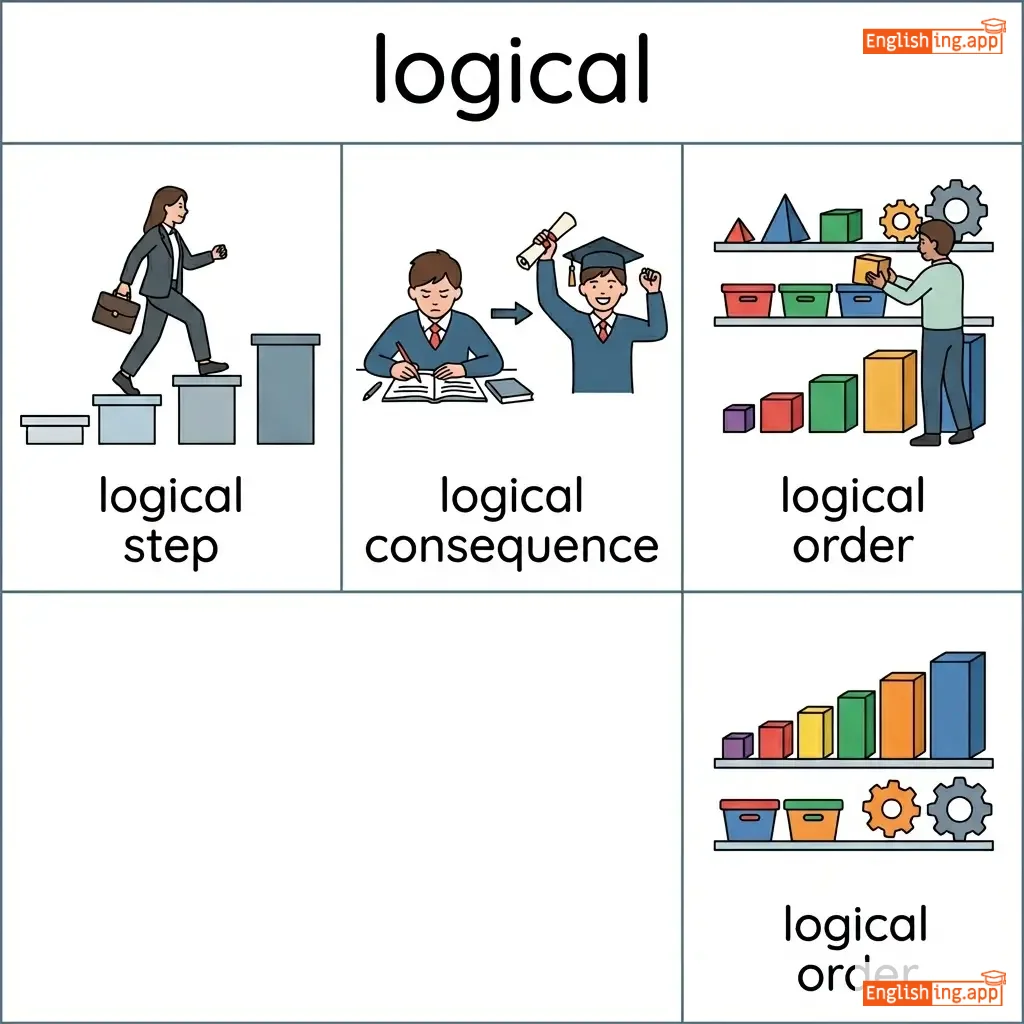
logical step, logical consequence, logical order, logical argument
••••••
|
論理的は論理に基づく結論、ロジカルと同じです。
••••••
|
|
#5270
🧠
|
/ˈlɒdʒɪk/
noun
(ロジック)
••••••
|
- •••••• |
論理
ronri
••••••
|
- •••••• | - •••••• | - •••••• | - •••••• |
Reasoning conducted or assessed according to strict principles of validity.
••••••
|
Her argument was based on sound logic.
彼女の主張は論理に基づいていました。
••••••
|
彼女の主張は論理に基づいていました。
Kanojo no shucho wa ronri ni motozuite imashita.
••••••
|
twist the logic
論理をねじ曲げる
••••••
|
to manipulate reasoning to suit one’s purpose
••••••
|
論理をねじ曲げる
ronri o nejimageru
••••••
|
reasoning, rationale, argument, sense, judgment
••••••
|
nonsense, illogic, irrationality
••••••
|
sound logic, formal logic, logic puzzle, logic gate
••••••
|
Logicは合理的な推論を意味する; 日本語ではそれも'論理'です。覚えておいて、'論理'は同じ意味です。
••••••
|
|
#5271
🌲
|
/lɒɡ/
noun, verb
(ログ)
••••••
|
|
丸太, 記録
maruta, kiroku
••••••
|
logged
ログイン
••••••
|
logged
ログイン
••••••
|
logs
ログス
••••••
|
logging
ログギング
••••••
|
A part of the trunk or a large branch of a tree that has fallen or been cut off; also to record information systematically.
••••••
|
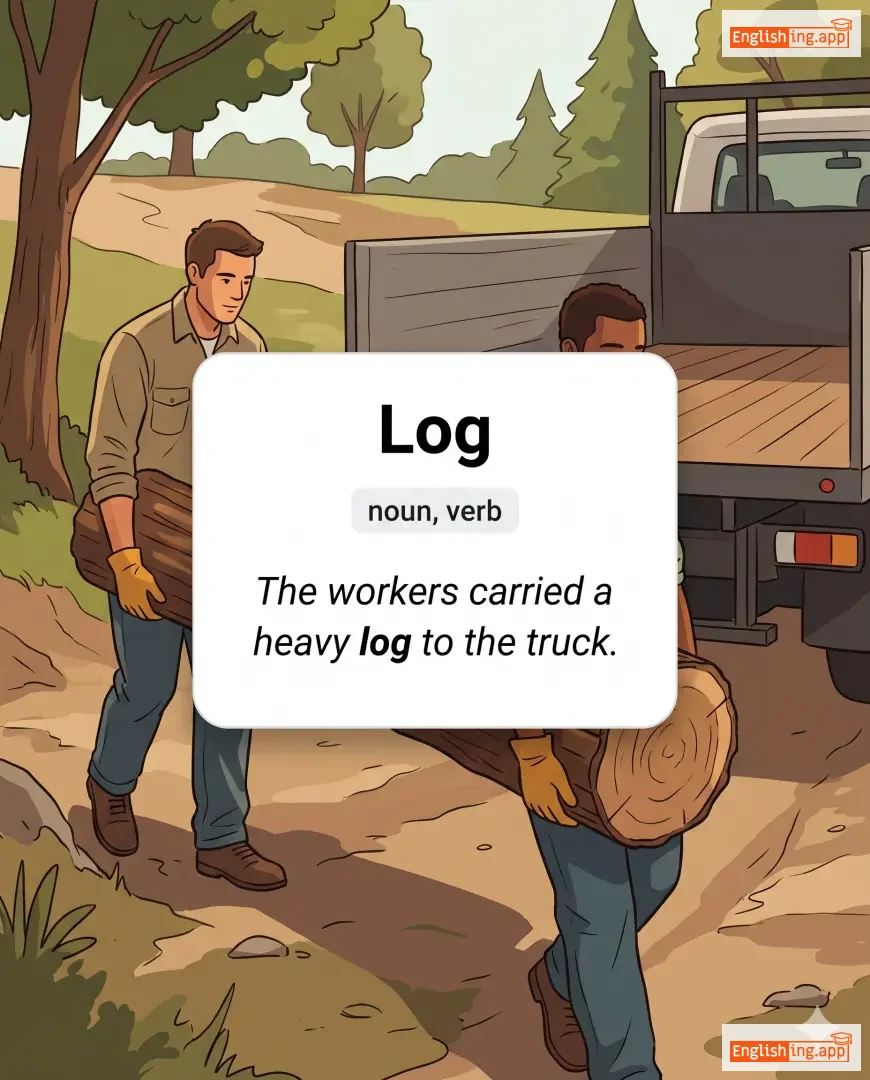
The workers carried a heavy log to the truck.
作業員は重い丸太をトラックに運びました。
••••••
|
作業員は重い丸太をトラックに運びました。
Sagyouin wa omoi maruta o torakku ni hakobimashita.
••••••
|
sleep like a log
丸太のように寝る
••••••
|
to sleep very deeply and soundly
••••••
|
丸太のように寝る
maruta no you ni neru
••••••
|
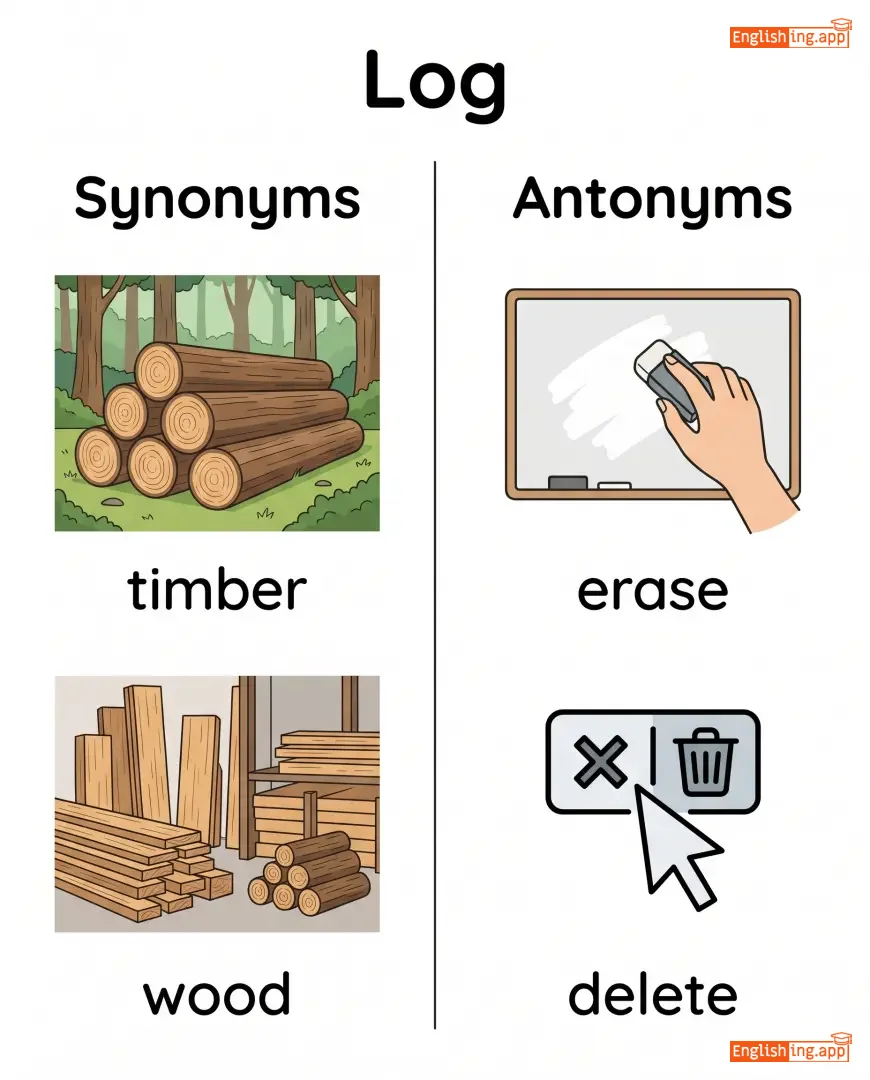
timber, wood, record, register, journal
••••••
|
erase, delete
••••••
|
log book, log entry, log in, log data
••••••
|
Log (log) は丸太を意味し、ログイン (login) は記録を残すことです。
••••••
|
|
#5272
⛰️
|
/ˈlɒf.ti/
adjective
(ロフティ)
••••••
|
- •••••• |
高い
takai
••••••
|
- •••••• | - •••••• | - •••••• | - •••••• |
Of great height; elevated in character or style; noble.
••••••
|
He set himself the lofty goal of ending poverty.
彼は貧困を終わらせるというloftyな目標を設定した。
••••••
|
彼は貧困を終わらせるというloftyな目標を設定した。
Kare wa hinkon o owaraseru to iu lofty na mokuhyō o settei shita.
••••••
|
lofty ideals
高尚な理想
••••••
|
high moral standards or ambitious goals
••••••
|
高尚な理想
kōshō na risō
••••••
|
high, elevated, noble, grand, exalted
••••••
|
low, base, humble
••••••
|
lofty goals, lofty ideals, lofty mountains, lofty position
••••••
|
Loftyは高いという意味です ⛰️、エレベーターで高い場所に行くようなものです
••••••
|
|
#5273
🏢
|
/lɒft/
noun
(ロフト)
••••••
|
- •••••• |
ロフト
rofuto
••••••
|
- •••••• | - •••••• | - •••••• | - •••••• |
An upper room or space, often under the roof of a building.
••••••
|
She converted the old loft into a modern studio. |
彼女は古いロフトを現代的なスタジオに改造しました。
Kanojo wa furui rofuto wo gendai-teki na sutajio ni kaizou shimashita.
••••••
|
loft living |
a style of living in converted industrial spaces
••••••
|
ロフトライフ
rofuto raifu
••••••
|
attic, garret, upper room, gallery
••••••
|
basement, cellar
••••••
|
converted loft, attic loft, spacious loft, loft apartment
••••••
|
ロフト = 屋根の上の部屋、rofuto = 屋根の下の部屋に住む.
••••••
|
|
#5274
🏠
|
/ˈlɒdʒ.mənt/
noun
(ロッジメント)
••••••
|
- •••••• |
仮宿
kariyado
••••••
|
- •••••• | - •••••• | - •••••• | - •••••• |
The act of lodging or a place of temporary stay; also a deposit of something.
••••••
|
The soldiers found lodgment in the abandoned house. |
兵士たちは廃屋で仮宿を見つけました。
Heishi tachi wa haiko de kariyado o mitsukemashita.
••••••
|
- •••••• | - •••••• | - •••••• |
accommodation, shelter, housing, stay
••••••
|
eviction, displacement
••••••
|
secure lodgment, temporary lodgment, lodgment in court, lodgment of complaint
••••••
|
Lodgmentは仮に泊まる場所、つまり仮宿を意味します。
••••••
|
|
#5275
⛏️
|
/loʊd/
noun
(ローデ)
••••••
|
- •••••• |
鉱脈
kōmyaku
••••••
|
- •••••• | - •••••• | - •••••• | - •••••• |
A rich source of something, often a vein of valuable metal in the earth.
••••••
|
The miners discovered a rich lode of silver. |
鉱夫たちは豊かな銀の鉱脈を発見しました。
Kōfu-tachi wa yutakana gin no kōmyaku o hakken shimashita.
••••••
|
mother lode |
the principal or richest source of something
••••••
|
母脈
bomyaku
••••••
|
vein, deposit, seam, source, supply
••••••
|
scarcity, depletion
••••••
|
rich lode, gold lode, silver lode, mineral lode
••••••
|
Lode は鉱脈を意味し、すべての鉱脈の母脈のようなものです
••••••
|
|
#5276
🚂
|
/ˌloʊ.kəˈmoʊ.tɪv/
noun
(ロコモティブ)
••••••
|
- •••••• |
機関車
kikan sha
••••••
|
- •••••• | - •••••• | - •••••• | - •••••• |
A powered rail vehicle used for pulling trains.
••••••
|
The old steam locomotive was restored for the museum.
古い蒸気機関車は博物館のために修復されました。
••••••
|
古い蒸気機関車は博物館のために修復されました。
Furui jōki kikansha wa hakubutsukan no tame ni shūfuku saremashita.
••••••
|
work like a locomotive
ロコモティブのように働く
••••••
|
to work with great power and persistence
••••••
|
ロコモティブのように働く
lokomotibu no yō ni hataraku
••••••
|
engine, train engine, railcar, power unit
••••••
|
carriage, wagon
••••••
|
steam locomotive, electric locomotive, diesel locomotive, powerful locomotive
••••••
|
機関車のように働け!
••••••
|
|
#5277
🚶
|
/ˌloʊkəˈmoʊʃən/
noun
(ロコモーション)
••••••
|
- •••••• |
移動
idou
••••••
|
- •••••• | - •••••• | - •••••• | - •••••• |
movement or the ability to move from one place to another
••••••
|
Walking is the most common form of human locomotion. |
歩くことは人間の最も一般的な移動の形です。
Aruku koto wa ningen no mottomo ippanteki na idō no katachi desu.
••••••
|
set in motion |
to start something moving or to initiate action
••••••
|
動かす
ugokasu
••••••
|
movement, motion, travel, progression, mobility
••••••
|
stillness, immobility, rest
••••••
|
human locomotion, locomotion ability, locomotion system
••••••
|
ロコモーションは移動することです 🚶
••••••
|
|
#5278
🌊
|
/lɒx/
noun
(ロッホ)
••••••
|
- •••••• |
湖
ko
••••••
|
- •••••• | - •••••• | - •••••• | - •••••• |
a lake or sea inlet, especially in Scotland
••••••
|
Tourists visit Loch Ness to search for the legendary monster.
観光客はロッホ・ネスに行き、伝説の怪物を探します。
••••••
|
観光客はロッホ・ネスに行き、伝説の怪物を探します。
Kankōkyaku wa Rokku-Nesu ni iki, densetsu no kaibutsu o sagashimasu.
••••••
|
Loch Ness monster
ロッホ・ネスの怪物
••••••
|
a mythical creature said to live in Loch Ness, Scotland
••••••
|
ロッホ・ネスの怪物
Rokku-Nesu no kaibutsu
••••••
|
lake, inlet, fjord, waterbody
••••••
|
desert, land
••••••
|
Loch Ness, Scottish loch, deep loch
••••••
|
Lochは湖を意味し、ロッホ・ネスの怪物は有名な伝説です。
••••••
|
|
#5279
📍
|
/ˈlɒkətɪv/
noun
(ロカティブ)
••••••
|
- •••••• |
ロカティブ
rokatibu
••••••
|
- •••••• | - •••••• | - •••••• | - •••••• |
a grammatical case indicating location or place
••••••
|
In Latin, the locative case is used to indicate location.
ラテン語では、ロカティブ格は場所を示すために使用されます。
••••••
|
ラテン語では、ロカティブ格は場所を示すために使用されます。
Raten-go de wa, rokatibu-kaku wa basho o shimesu tame ni shiyō saremasu.
••••••
|
- •••••• | - •••••• | - •••••• |
case, grammatical form, inflection
••••••
|
none, irrelevant
••••••
|
locative case, locative form, locative meaning
••••••
|
ロカティブは場所に関連しています 📍
••••••
|
|
#5280
🤮
|
/loʊð/
verb
(ロース)
••••••
|
- •••••• |
嫌う
kirau
••••••
|
loathed
ロースド
••••••
|
loathed
ロースド
••••••
|
loathes
ロースズ
••••••
|
loathing
ロースィング
••••••
|
to feel intense dislike or disgust for
••••••
|
He absolutely loathes being late to meetings.
彼は会議に遅れるのが大嫌いです。
••••••
|
彼は会議に遅れるのが大嫌いです。
Kare wa kaigi ni okureru no ga daikirai desu.
••••••
|
loathe the sight of
見るのも嫌だ
••••••
|
to strongly dislike even seeing someone or something
••••••
|
見るのも嫌だ
Miru no mo kiraida
••••••
|
detest, hate, abhor, despise, dislike
••••••
|
love, admire, like
••••••
|
loathe doing, loathe the idea, loathe someone
••••••
|
嫌うというのは、見るだけで吐き気を催すほどの感情だ!
••••••
|
Vocabulary Quiz
Test your vocabulary by matching words with their translations or meanings.
Login to take the quiz
Comments (0)
Share your thoughts and join the discussion.
Join the discussion by logging in
Login to CommentNo comments yet
Be the first to share your thoughts!