

翻訳
過去
過去分詞
三人称単数
動名詞
意味
例文
例文の翻訳
同義語
対義語
コロケーション
ニーモニック
Swipe left or right, or use the buttons. Tap image to zoom.
例文の翻訳
単語
Lesson 189Lesson 189 - マスクトグル
|
絵文字
|
単語 | Images | 翻訳 | 過去 | 過去分詞 | 三人称単数 | 動名詞 | 意味 | 例文 | 例文の翻訳 | 表現例 | 表現例の意味 | 表現例の翻訳 | 同義語 | 対義語 | コロケーション | ニーモニック |
|---|---|---|---|---|---|---|---|---|---|---|---|---|---|---|---|---|---|
|
#5641
🤔
|
/ˌmɪsˈtrʌst/
noun/verb
(ミストラスト)
••••••
|
- •••••• |
不信
fushin
••••••
|
mistrusted
ミストラステッド
••••••
|
mistrusted
ミストラステッド
••••••
|
mistrusts
ミストラストス
••••••
|
mistrusting
ミストラスティング
••••••
|
lack of trust; suspicion or doubt about someone or something
••••••
|
The villagers showed deep mistrust of outsiders.
村人たちは外部の人々に深い不信を示しました。
••••••
|
村人たちは外部の人々に深い不信を示しました。
Murabito-tachi wa gaibu no hitobito ni fukai fushin o shimashita.
••••••
|
breed mistrust
不信を生む
••••••
|
to cause suspicion or doubt
••••••
|
不信を生む
fushin o umu
••••••
|
distrust, suspicion, doubt, skepticism, wariness
••••••
|
trust, confidence, faith
••••••
|
deep mistrust, mutual mistrust, breed mistrust, grow mistrust
••••••
|
Mistrustは不信(fushin)を意味し、何かまたは誰かに疑いを持つことを意味します。
••••••
|
|
#5642
⚖️
|
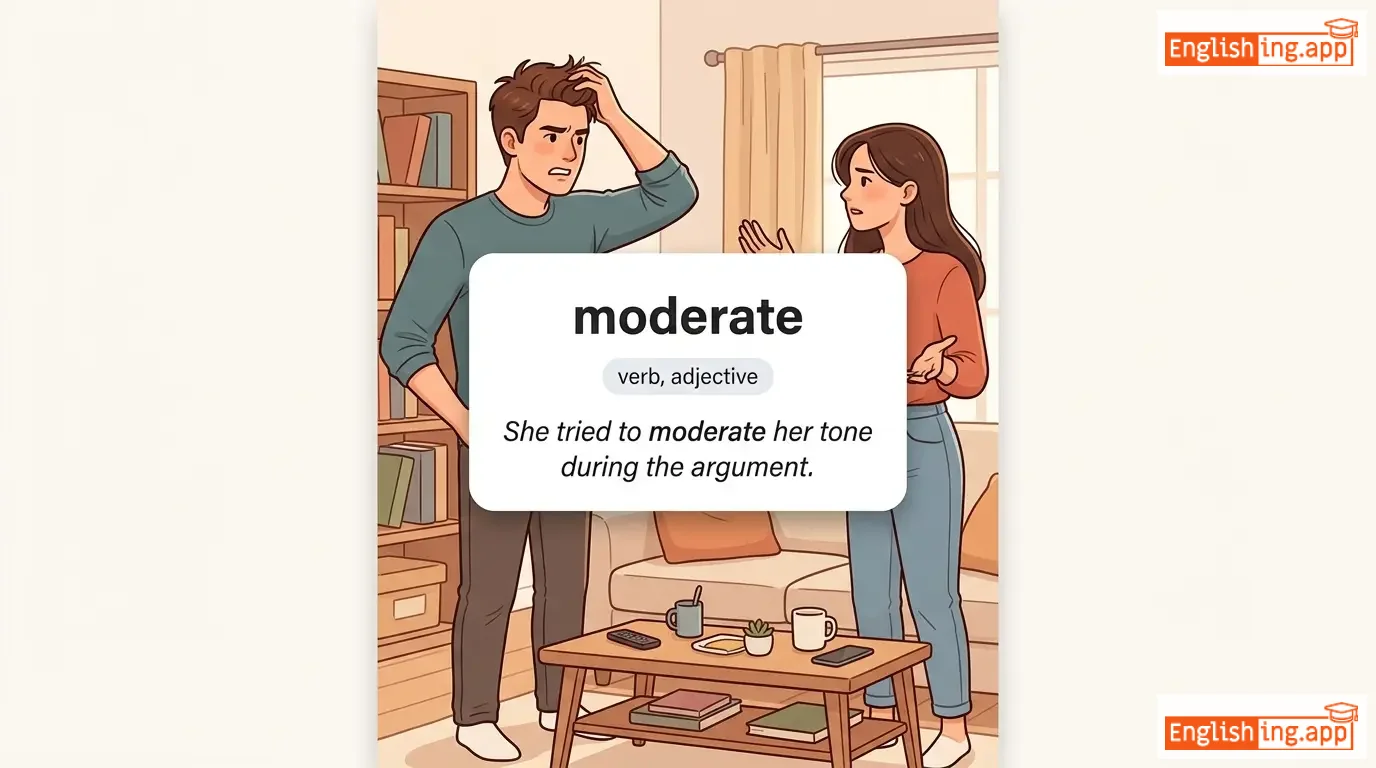
/ˈmɒdəreɪt/ (verb), /ˈmɒdərət/ (adj)
verb, adjective
(モデレート)
••••••
|
|
適度な, 控える
tekido na, hikaeru
••••••
|
moderated
モデレーテッド
••••••
|
moderated
モデレーテッド
••••••
|
moderates
モデレーツ
••••••
|
moderating
モデレーティング
••••••
|
To make something less extreme (verb); average in amount, intensity, quality, or degree (adjective).
••••••
|
She tried to moderate her tone during the argument.
彼女は議論中に口調を和らげようとした。
••••••
|
彼女は議論中に口調を和らげようとした。
Kanojo wa giron-chū ni kuchō o yawarageyō to shita.
••••••
|
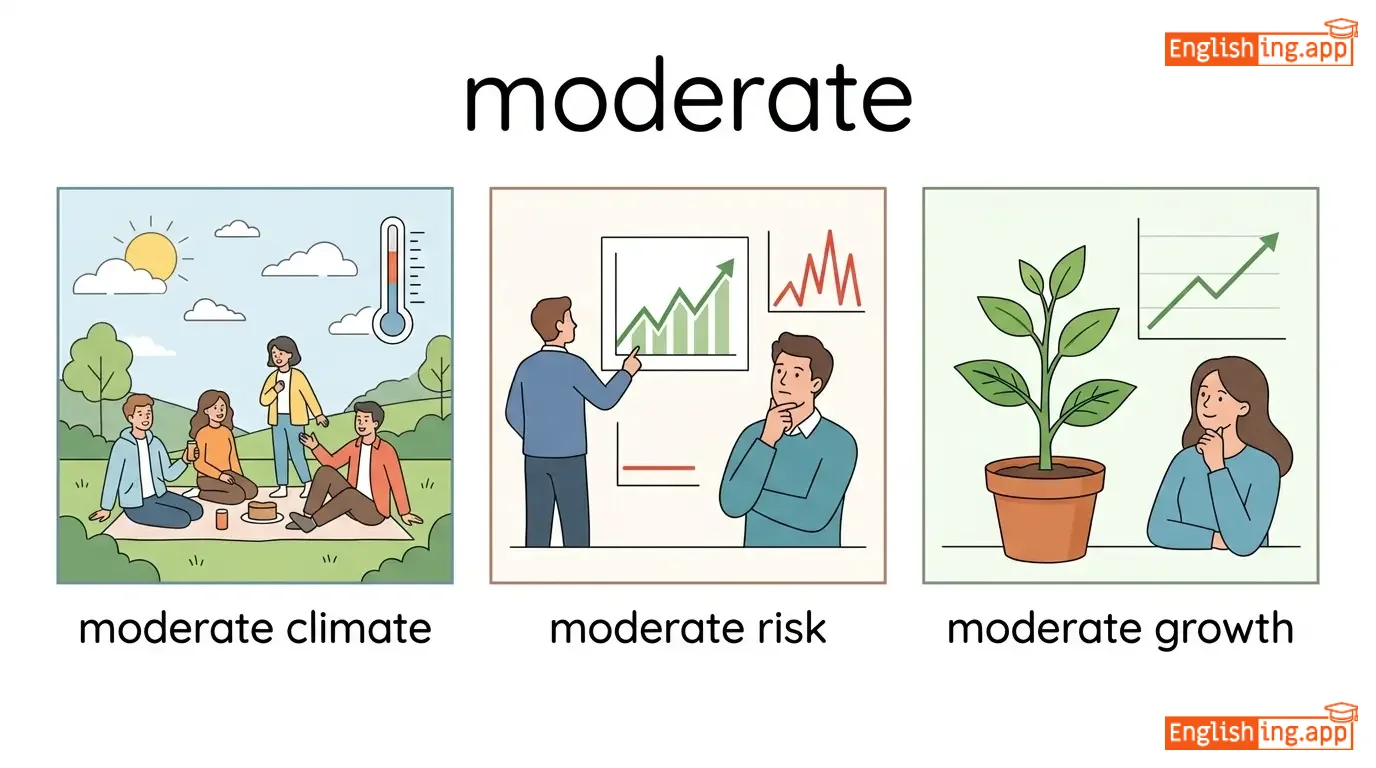
moderate growth
適度な成長
••••••
|
Steady or average increase.
••••••
|
適度な成長
tekido na seichō
••••••
|
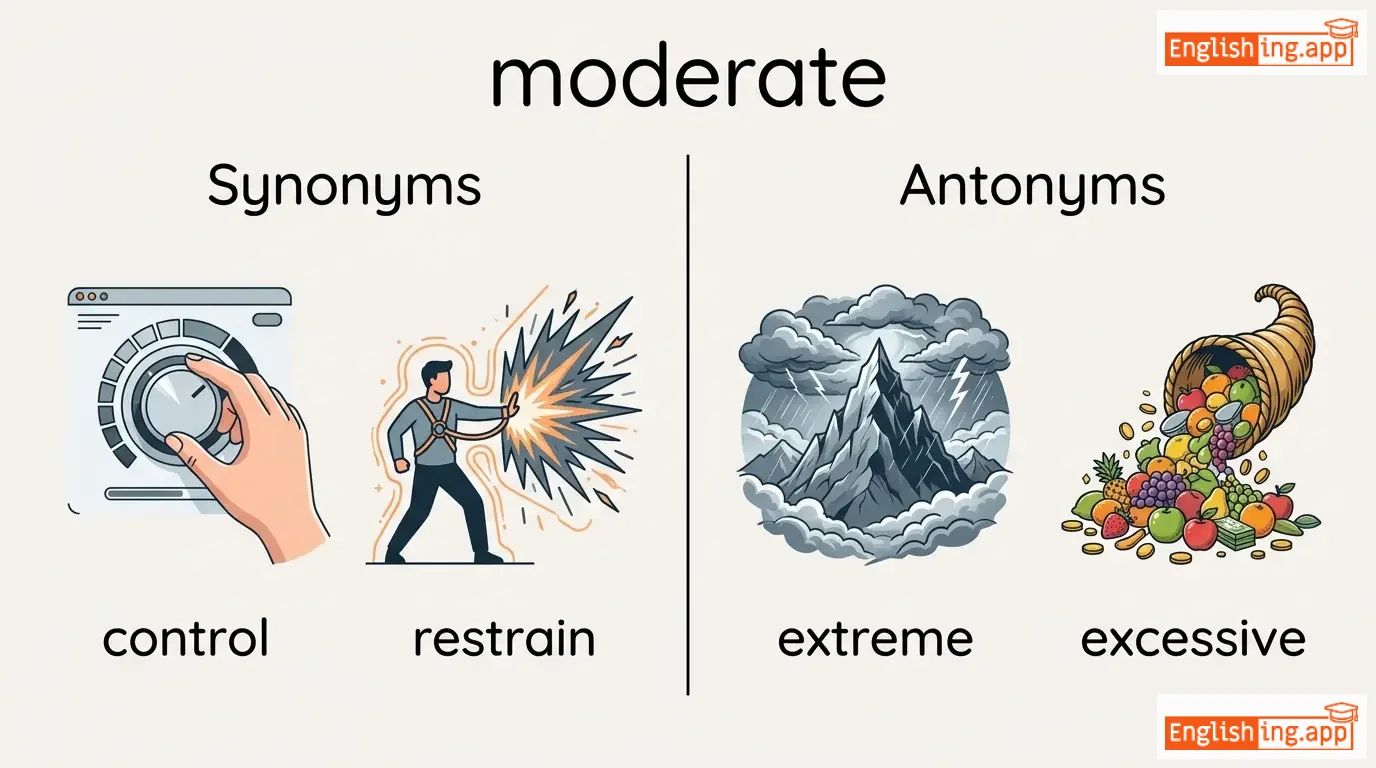
control, restrain, average, mild, temper
••••••
|
extreme, excessive
••••••
|
moderate climate, moderate risk, moderate growth, moderate opinion
••••••
|
Moderateは、極端なことを避け、バランスをとることを意味します。
••••••
|
|
#5643
📱
|
/moʊd/
noun
(モード)
••••••
|
- •••••• |
モード
mōdo
••••••
|
- •••••• | - •••••• | - •••••• | - •••••• |
A particular way or style in which something is done, experienced, or expressed.
••••••
|
The phone has a silent mode for meetings. |
電話には会議用のサイレントモードがあります。
Denwa ni wa kaigi-yō no sairento mōdo ga arimasu.
••••••
|
in mode |
To be in a particular state or style of action.
••••••
|
- •••••• |
manner, style, method, form, fashion
••••••
|
disorder, chaos
••••••
|
silent mode, airplane mode, survival mode, operating mode
••••••
|
飛行機モードにすると電話が使えなくなるので、モードは状態を意味します。
••••••
|
|
#5644
🙃
|
/ˈmɒkəri/
noun
(モックリー)
••••••
|
- •••••• |
嘲笑、冷笑
chōshō, reisō
••••••
|
- •••••• | - •••••• | - •••••• | - •••••• |
Teasing or contemptuous language or behavior directed at someone or something.
••••••
|
His attempt at cooking ended in mockery from his friends. |
彼の料理の試みは友達の嘲笑で終わった。
Kare no ryōri no kokoromi wa tomodachi no chōshō de owatta.
••••••
|
make a mockery of |
To make something appear foolish or useless.
••••••
|
嘲笑する
chōshō suru
••••••
|
ridicule, scorn, derision, contempt
••••••
|
respect, admiration
••••••
|
subject of mockery, laughable mockery, bitter mockery, make a mockery of
••••••
|
Mockeryは'モック'すること - 嘲笑や冷笑です。
••••••
|
|
#5645
😂
|
/mɒk/
verb
(モック)
••••••
|
- •••••• |
嘲笑する
choujou suru
••••••
|
mocked
モックド
••••••
|
mocked
モックド
••••••
|
mocks
モックス
••••••
|
mocking
モッキング
••••••
|
To make fun of someone or something in a cruel or unkind way.
••••••
|
The students mocked his accent during class.
学生たちは授業中に彼のアクセントをモックしました。
••••••
|
学生たちは授業中に彼のアクセントを嘲笑しました。
Gakusei-tachi wa jugyou-chuu ni kare no akusento wo choujou shimashita.
••••••
|
mock trial
模擬裁判
••••••
|
A simulated court trial for practice or training.
••••••
|
模擬裁判
Mogi saiban
••••••
|
ridicule, tease, taunt, mimic, imitate
••••••
|
praise, respect
••••••
|
mock exam, mock trial, mock someone, mock laughter
••••••
|
Mock examは模擬試験で、嘲笑は誰かをいじめることです。
••••••
|
|
#5646
👞
|
/ˈmɒkəsɪn/
noun
(モカシン)
••••••
|
- •••••• |
モカシン
mokashin
••••••
|
- •••••• | - •••••• | - •••••• | - •••••• |
A soft leather shoe, traditionally worn by Native Americans, often made from deerskin.
••••••
|
He slipped on a pair of comfortable moccasins before going outside.
彼は外に出る前に快適なモカシンを履きました。
••••••
|
彼は外に出る前に快適なモカシンを履きました。
Kare wa soto ni deru mae ni kaiteki na mokashin o hakimashita.
••••••
|
- •••••• | - •••••• | - •••••• |
slipper, shoe, loafer, sandal
••••••
|
boot, sneaker
••••••
|
pair of moccasins, leather moccasins, traditional moccasins, soft moccasins
••••••
|
モカシンはモカ (コーヒー) と快適さを結びつける靴です。
••••••
|
|
#5647
👥
|
/məˈbɒkrəsi/
noun
(モブオクラシー)
••••••
|
- •••••• |
群衆政治
gunshuu seiji
••••••
|
- •••••• | - •••••• | - •••••• | - •••••• |
Rule or control by a mob or mass of people, often disorderly.
••••••
|
The protest turned into mobocracy when the crowd started destroying property.
抗議は、群衆が財産を破壊し始めたときにモブオクラシーに変わった。
••••••
|
抗議は、群衆が財産を破壊し始めたときに群衆政治に変わった。
Kougi wa, gunshuu ga zaisan o hakai shi hajimeta toki ni gunshuu seiji ni kawatta.
••••••
|
- •••••• | - •••••• | - •••••• |
mob rule, anarchy, chaos, crowd control
••••••
|
democracy, order, law
••••••
|
descend into mobocracy, mobocracy rules, fear of mobocracy
••••••
|
Mobocracy = mob + democracy = 群衆政治
••••••
|
|
#5648
🚶
|
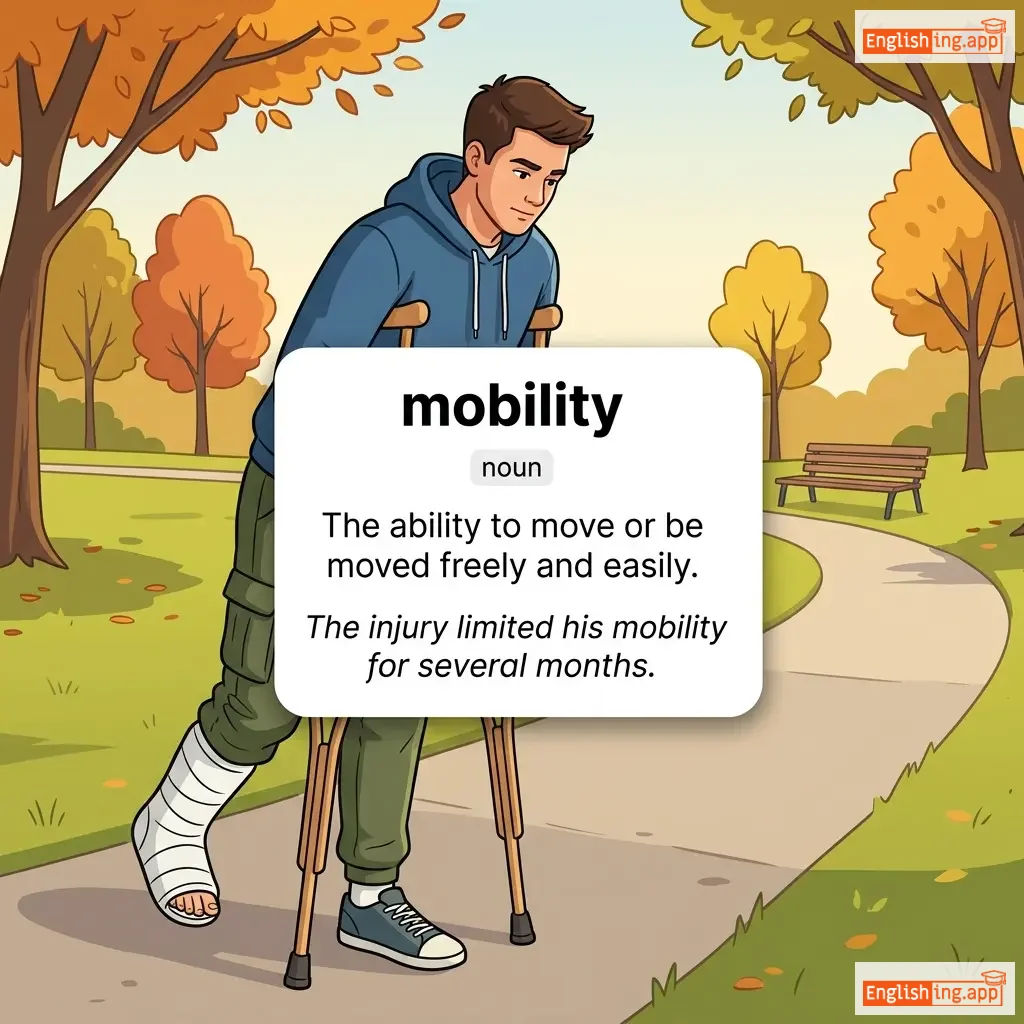
/moʊˈbɪləti/
noun
(モビリティ)
••••••
|
|
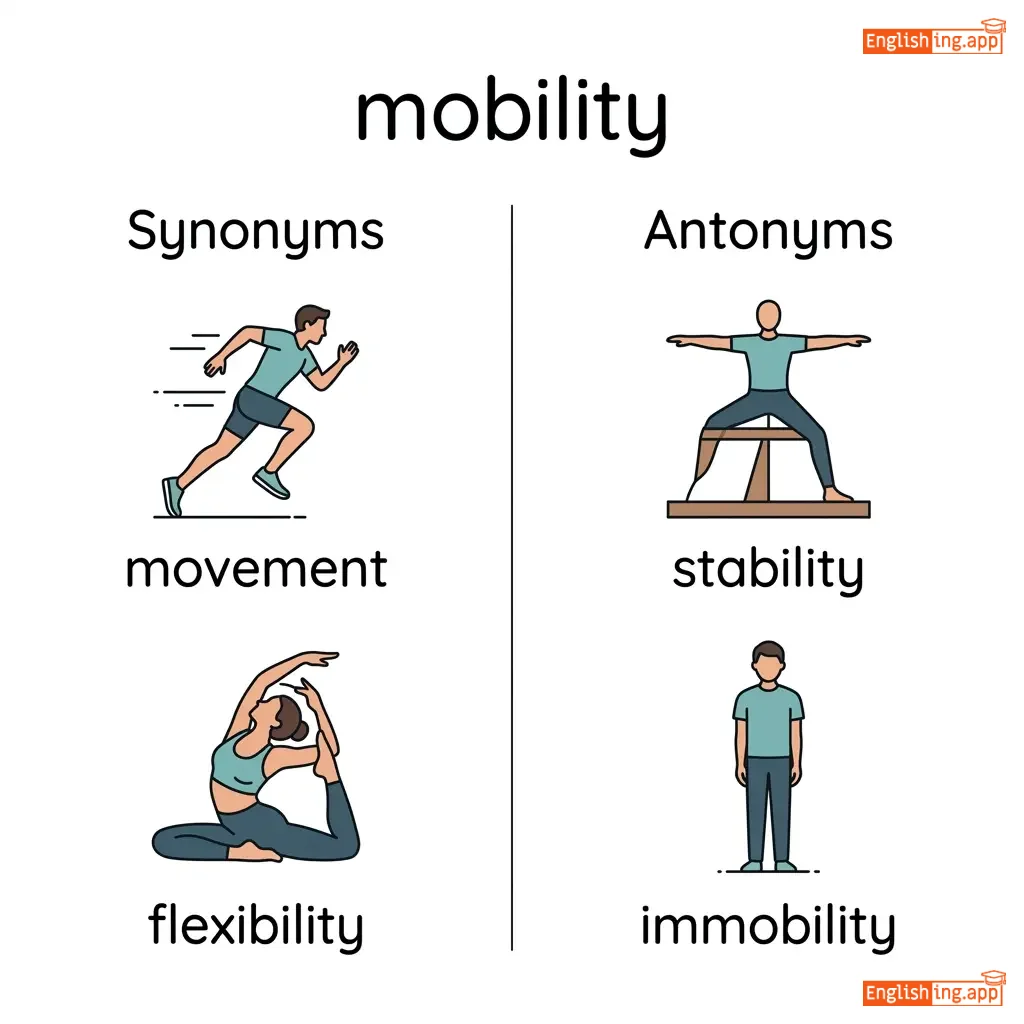
移動性
idousei
••••••
|
- •••••• | - •••••• | - •••••• | - •••••• |
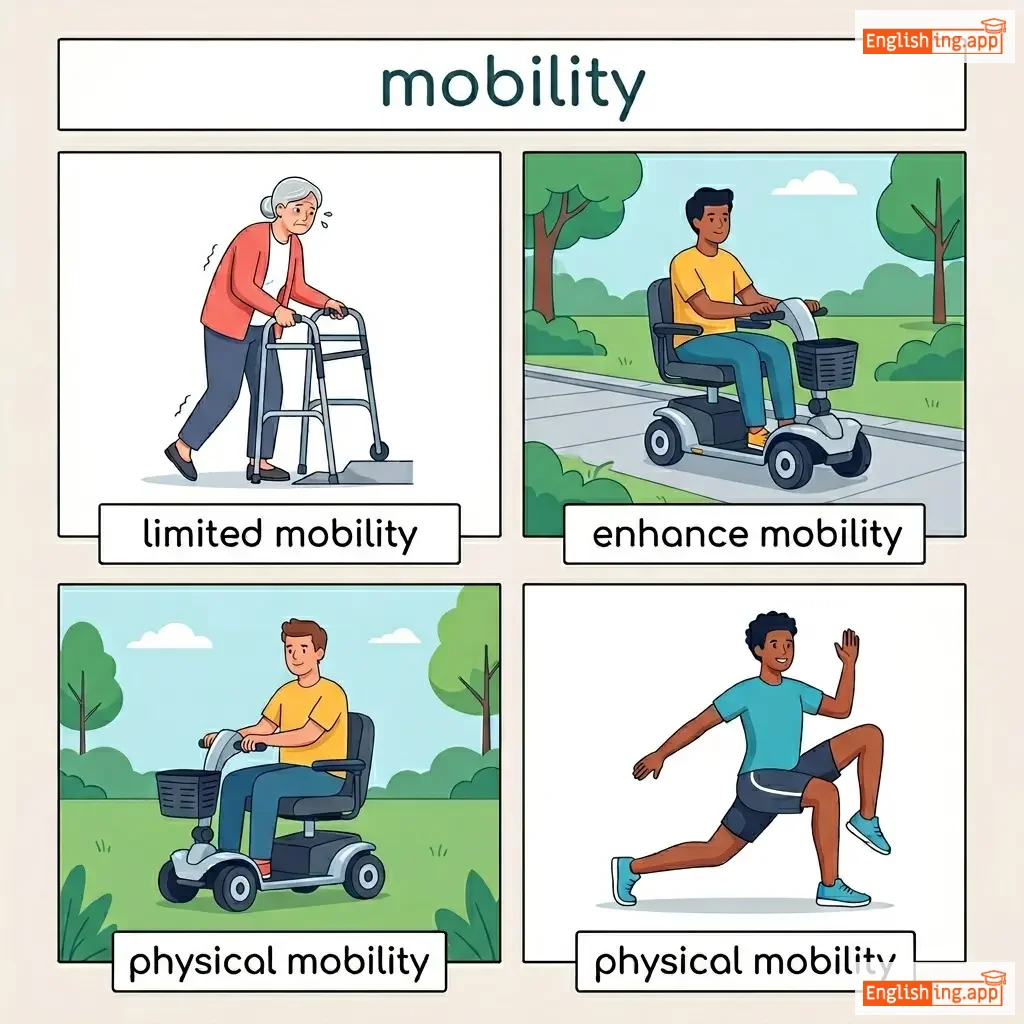
The ability to move or be moved freely and easily.
••••••
|
The injury limited his mobility for several months. |
けがにより、彼の移動性は数ヶ月間制限された。
Kega ni yori, kare no idousei wa suukagetsukan seigen sareta.
••••••
|
social mobility |
The ability to change one's social or economic status.
••••••
|
社会的移動性
shakaiteki idousei
••••••
|
movement, flexibility, agility, locomotion, portability
••••••
|
stability, immobility, stiffness
••••••
|
limited mobility, enhance mobility, physical mobility, social mobility
••••••
|
Mobilityは自由に動く能力です。
••••••
|
|
#5649
📱
|
/ˈmoʊbaɪl/
adjective
(モバイル)
••••••
|
- •••••• |
モバイル
mobairu
••••••
|
- •••••• | - •••••• | - •••••• | - •••••• |
Able to move or be moved easily; also refers to portable communication devices.
••••••
|
She prefers a mobile lifestyle that allows her to travel frequently.
彼女は頻繁に旅行できるモバイルライフスタイルを好みます。
••••••
|
彼女は頻繁に旅行できるモバイルライフスタイルを好みます。
Kanojo wa hinpan ni ryokō dekiru mobairu raifusutairu o konomimasu.
••••••
|
mobile phone
モバイルフォン
••••••
|
A portable telephone that can be used anywhere.
••••••
|
モバイルフォン
mobairu fon
••••••
|
portable, movable, flexible, transportable
••••••
|
immobile, fixed, stationary
••••••
|
mobile device, mobile phone, mobile app, mobile lifestyle
••••••
|
モバイルは、どこでも使えるように動くことができる電話のようなものです。
••••••
|
|
#5650
🏰
|
/moʊt/
noun
(モート)
••••••
|
- •••••• |
堀
hori
••••••
|
- •••••• | - •••••• | - •••••• | - •••••• |
A deep, wide ditch surrounding a castle or town, often filled with water, for defense.
••••••
|
The castle was protected by a wide moat filled with water. |
城は水で満たされた広い堀によって守られていました。
Shiro wa mizu de mitasareta hiroi hori ni yotte mamorarete imashita.
••••••
|
economic moat |
A business's ability to maintain competitive advantages over its rivals.
••••••
|
経済的堀
keizaiteki hori
••••••
|
ditch, trench, channel, defense barrier
••••••
|
bridge, opening
••••••
|
castle moat, deep moat, wide moat, economic moat
••••••
|
堀 (hori) は城を守る防御の一部です。
••••••
|
|
#5651
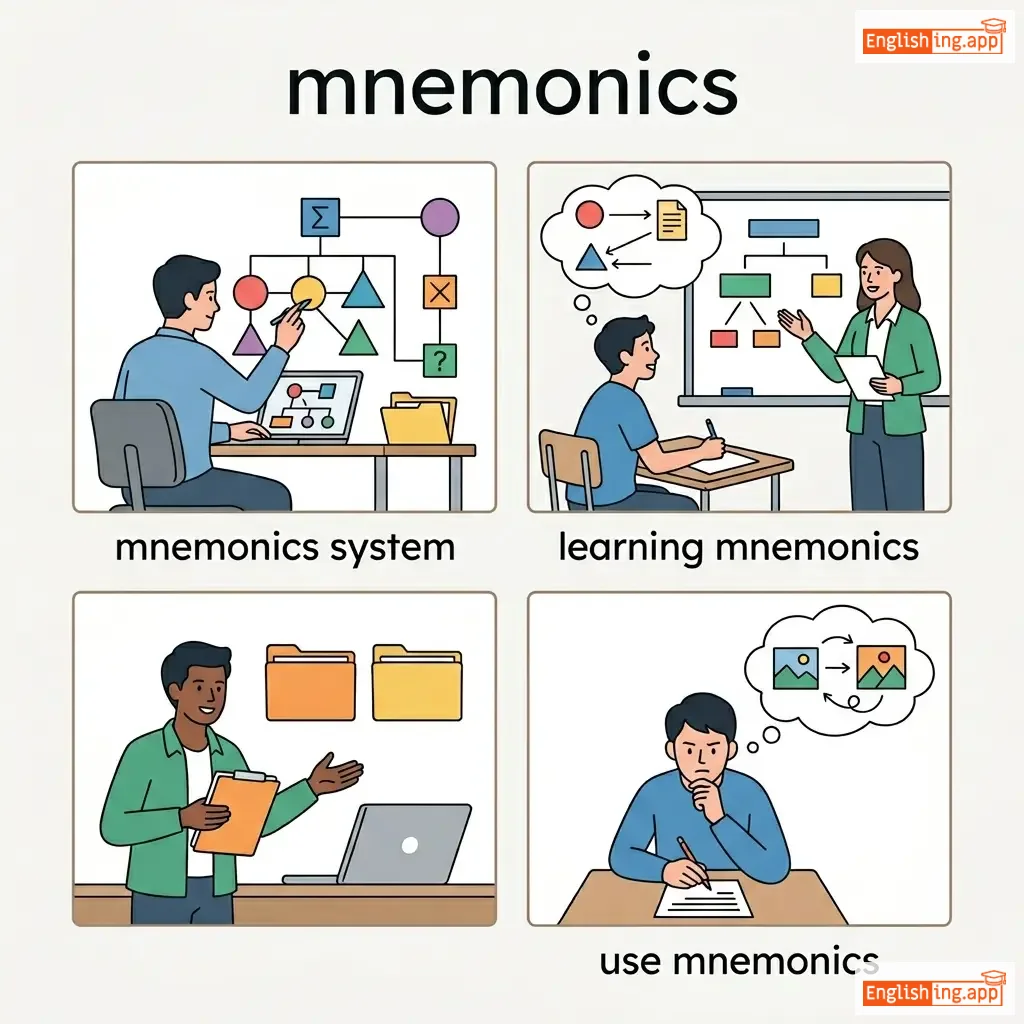
🧠
|
/nɪˈmɒnɪks/
noun
(ンメモニックス)
••••••
|
|
記憶術
kiokujutsu
••••••
|
- •••••• | - •••••• | - •••••• | - •••••• |
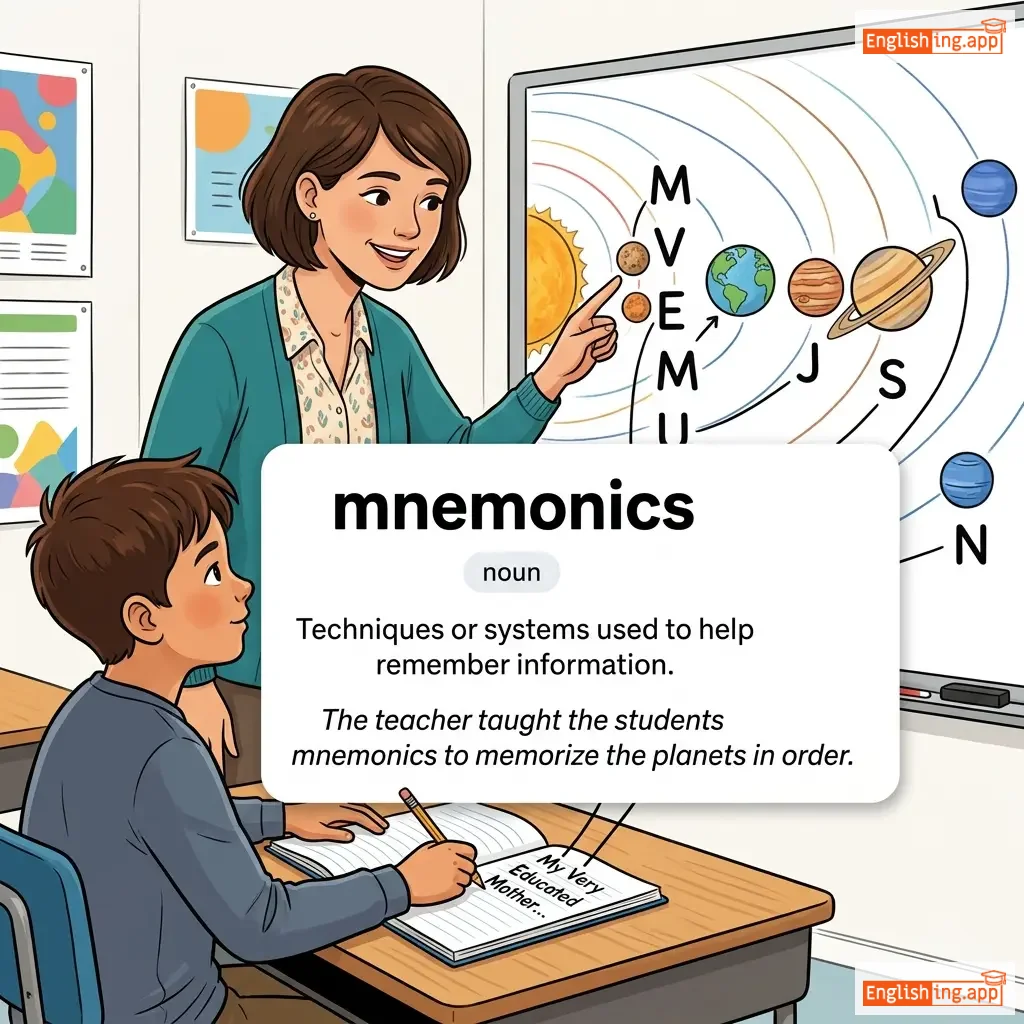
Techniques or systems used to help remember information.
••••••
|
The teacher taught the students mnemonics to memorize the planets in order.
先生は生徒たちに惑星を順番に覚えるための記憶法を教えました。
••••••
|
先生は生徒たちに惑星を順番に覚えるための記憶法を教えました。
Sensei wa seito-tachi ni wakusei o junban ni oboeru tame no kioku-hō o oshiemashita.
••••••
|
- •••••• | - •••••• | - •••••• |
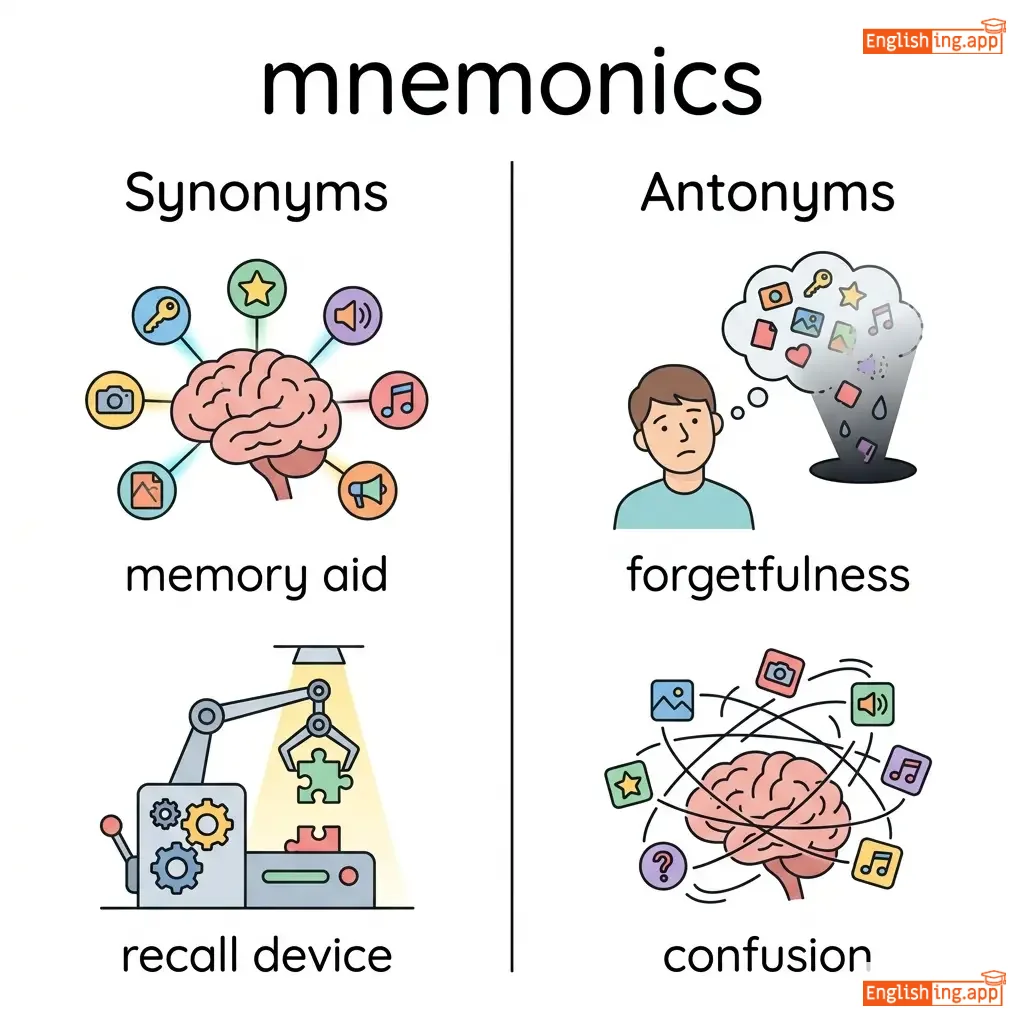
memory aid, recall device, association, trick, learning tool
••••••
|
forgetfulness, confusion
••••••
|
mnemonics system, learning mnemonics, use mnemonics, memory mnemonics
••••••
|
記憶術を使えば、物事を覚えるのが簡単になります
••••••
|
|
#5652
🧠
|
/nɪˈmɒnɪk/
noun/adjective
••••••
|
|
- •••••• | - •••••• | - •••••• | - •••••• | - •••••• |
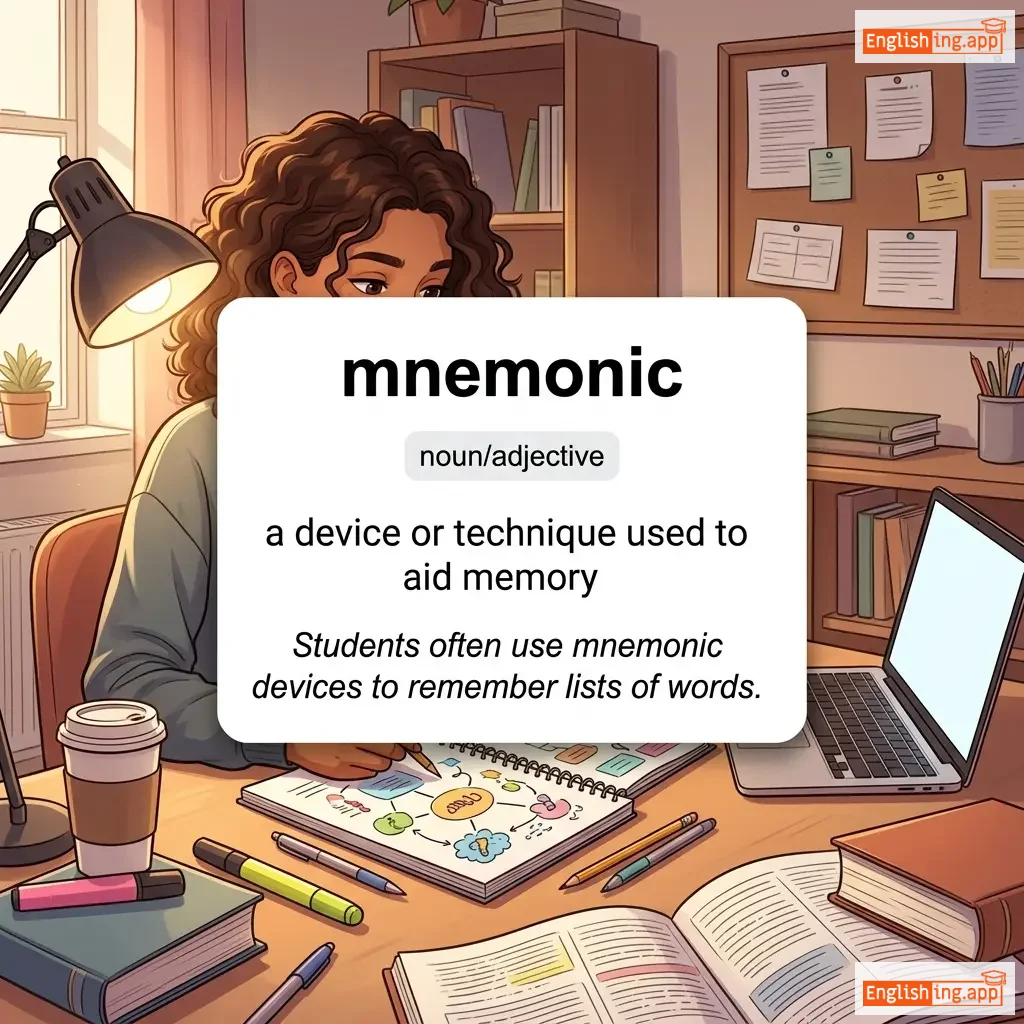
a device or technique used to aid memory
••••••
|
Students often use mnemonic devices to remember lists of words. |
- •••••• |
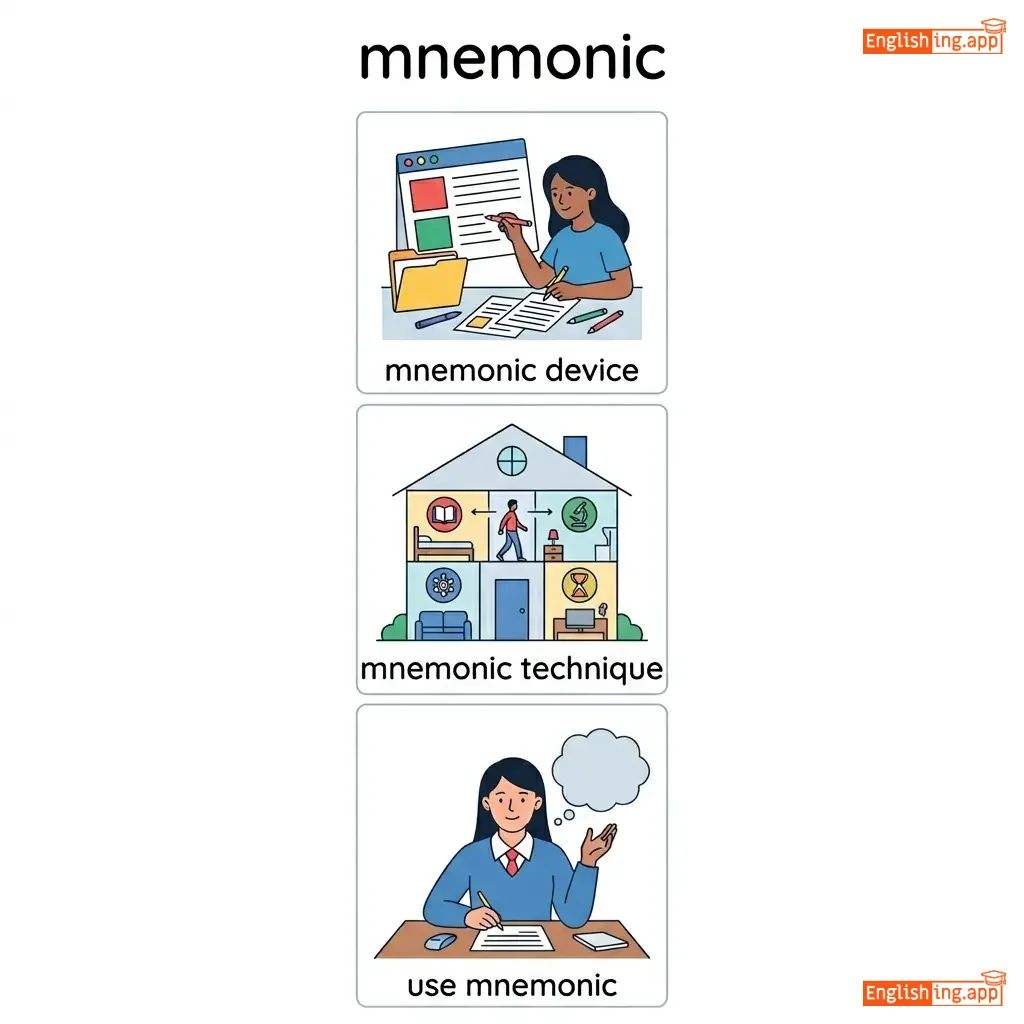
mnemonic device |
a tool to help remember information
••••••
|
- •••••• |
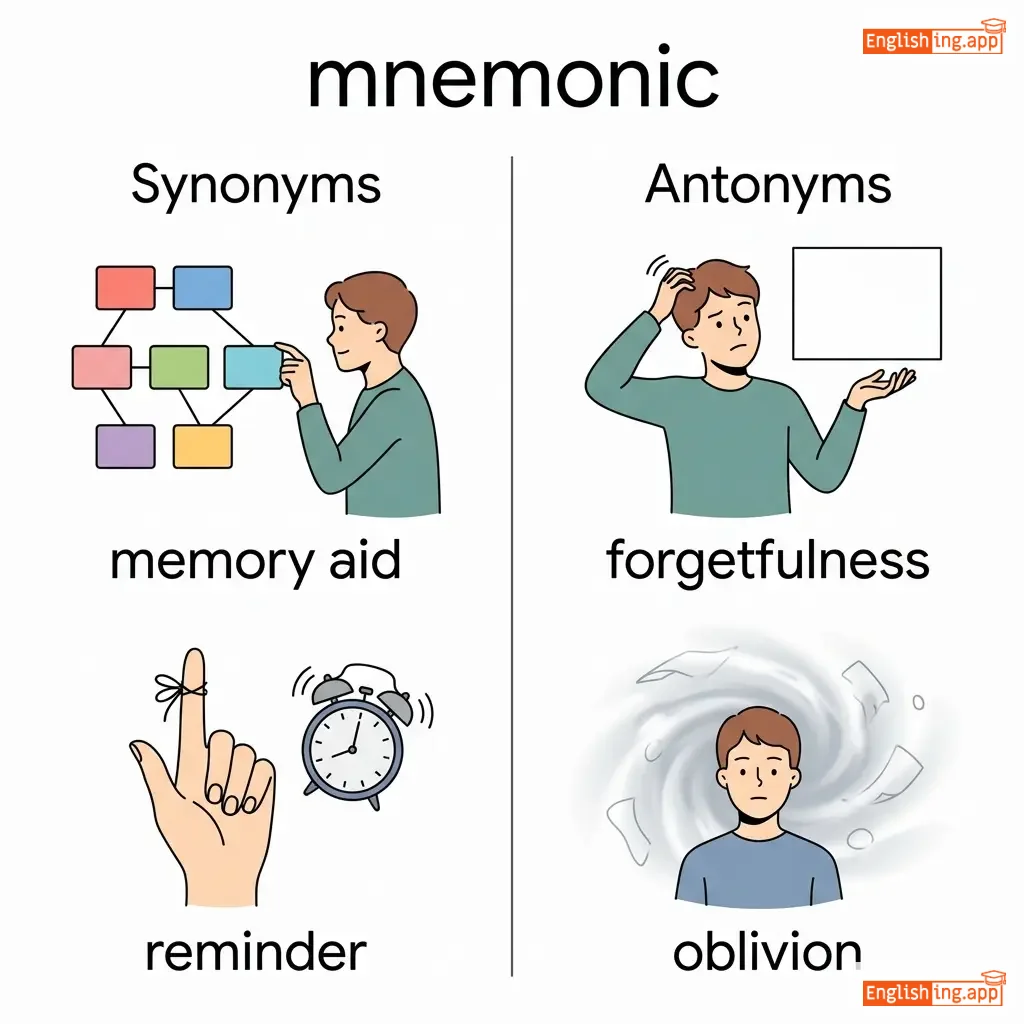
memory aid, reminder, clue, device, trick
••••••
|
forgetfulness, oblivion
••••••
|
mnemonic device, mnemonic technique, use mnemonic, create mnemonic
••••••
|
No •••••• |
|
#5653
⚖️
|
/ˈmɪtɪˌɡeɪt/
verb
(ミティゲート)
••••••
|
|
軽減する
keigen suru
••••••
|
mitigated
ミティゲイテッド
••••••
|
mitigated
ミティゲイテッド
••••••
|
mitigates
ミティゲイツ
••••••
|
mitigating
ミティゲイティング
••••••
|
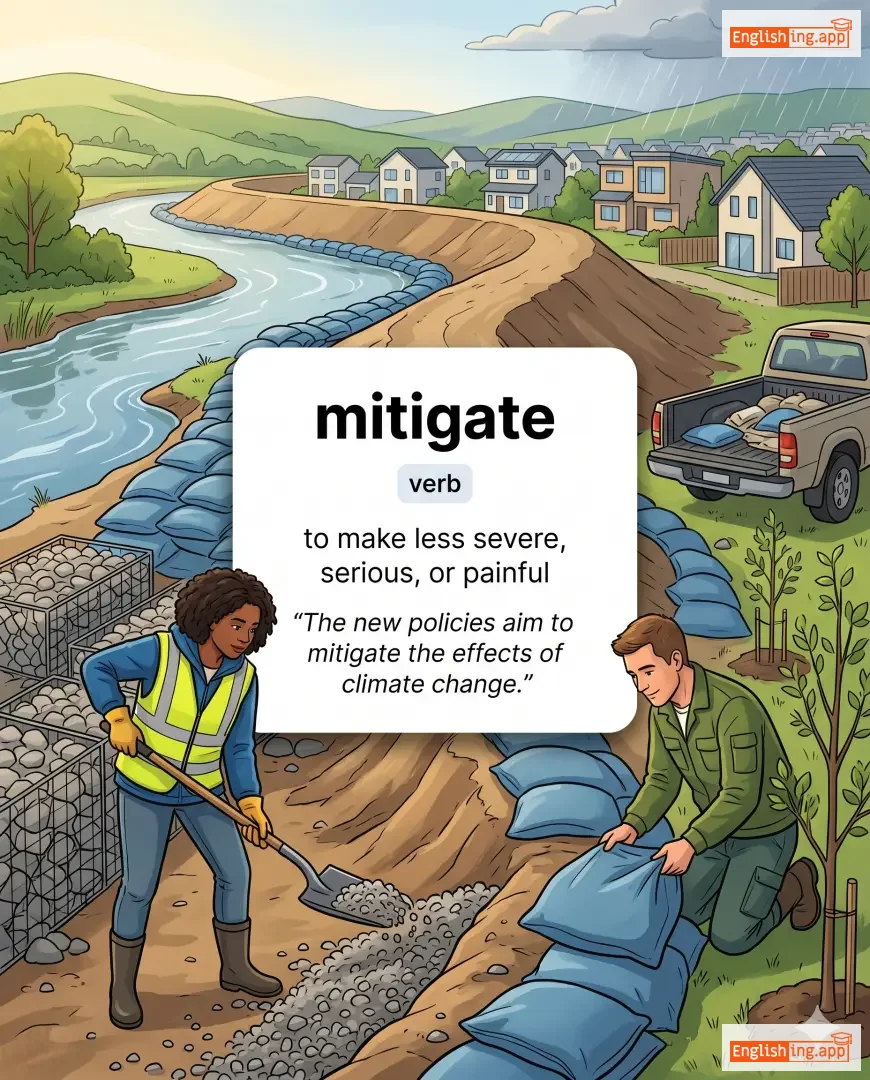
to make less severe, serious, or painful
••••••
|
The new policies aim to mitigate the effects of climate change.
新しい政策は気候変動の影響を軽減することを目指しています。
••••••
|
新しい政策は気候変動の影響を軽減することを目指しています。
Atarashii seisaku wa kikō hendō no eikyō o keigen suru koto o mezashiteimasu.
••••••
|
mitigate risk
リスクを軽減する
••••••
|
to reduce the potential danger or harm
••••••
|
リスクを軽減する
risuku o keigen suru
••••••
|
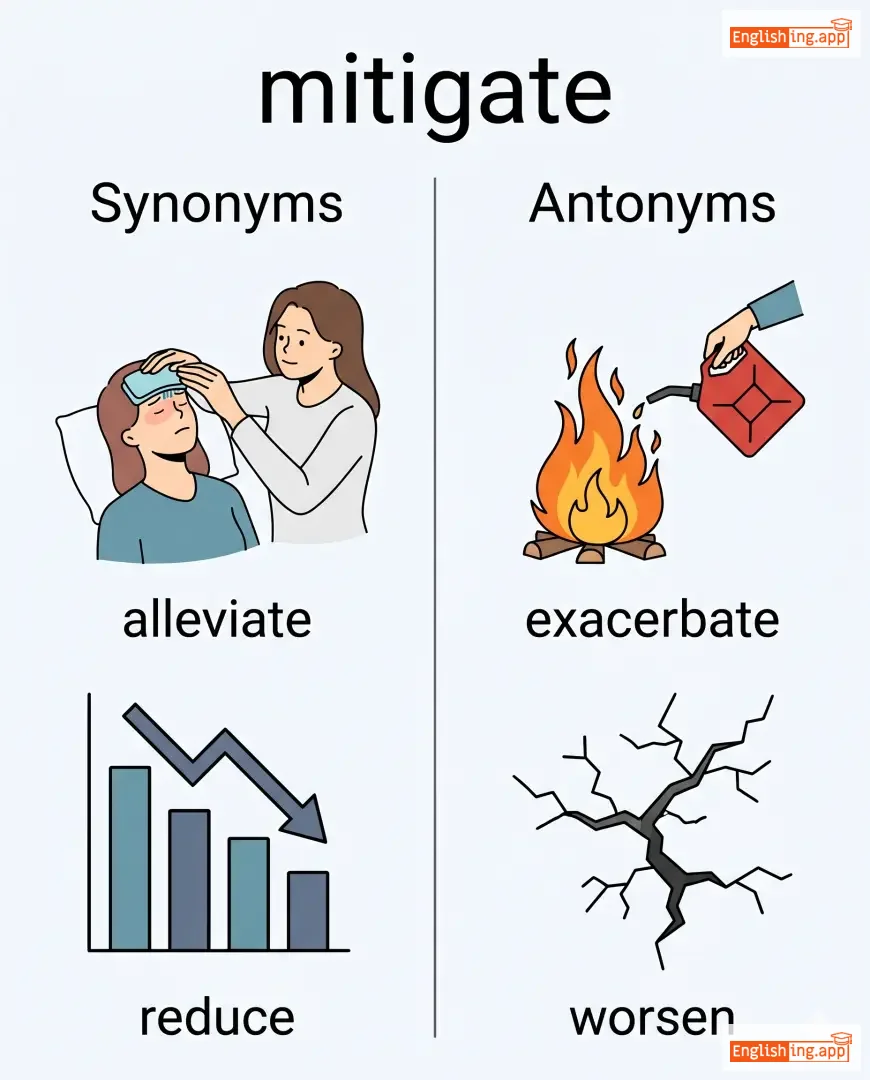
alleviate, reduce, ease, lessen, soften
••••••
|
exacerbate, worsen, intensify
••••••
|
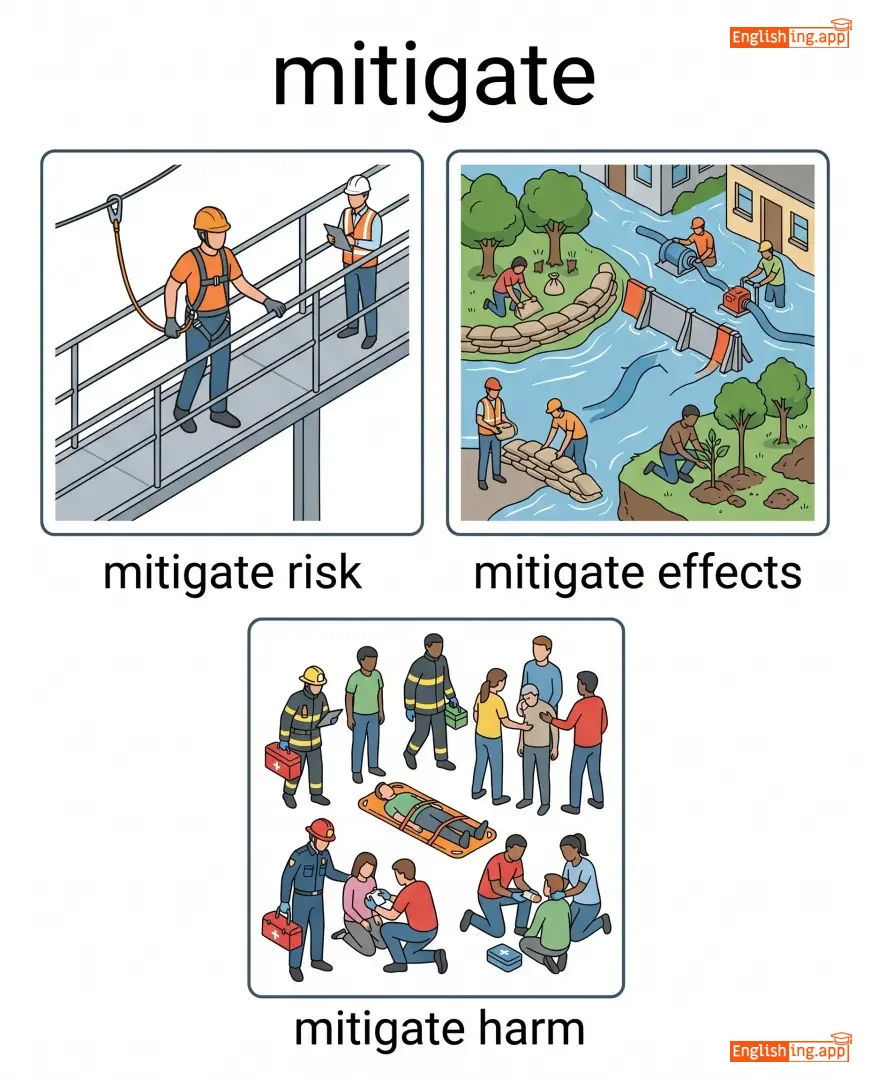
mitigate risk, mitigate effects, mitigate harm, mitigate damage
••••••
|
軽減する = ケアを減らす、リスクを減らす
••••••
|
|
#5654
⛪
|
/ˈmaɪtər/
noun
(マイター)
••••••
|
- •••••• |
司教帽子
shikyō bōshi
••••••
|
- •••••• | - •••••• | - •••••• | - •••••• |
a tall, pointed hat worn by bishops; also a type of joint made between two pieces of material
••••••
|
The bishop placed the miter on his head during the ceremony. |
司教は儀式の間に司教帽子を頭に載せました。
Shikyō wa gishiki no aida ni shikyō bōshi o atama ni nose mashita.
••••••
|
- •••••• | - •••••• | - •••••• |
headdress, headgear, cap, joint, angle
••••••
|
none
••••••
|
bishop’s miter, golden miter, miter joint, wear a miter
••••••
|
Miter = 司教帽子, 思い出してください Miter = 司教の帽子。
••••••
|
|
#5655
🕷️
|
/maɪt/
noun
(マイト)
••••••
|
- •••••• |
ダニ
dani
••••••
|
- •••••• | - •••••• | - •••••• | - •••••• |
a very small creature, often a tiny arachnid; also used to mean a very small amount
••••••
|
The mattress was infested with dust mites. |
マットレスはホコリのダニに感染していました。
Mattoresu wa hokori no dani ni kansen shite imashita.
••••••
|
not a mite |
not at all
••••••
|
一切ない
issai nai
••••••
|
speck, particle, crumb, insect, bug
••••••
|
whole, lot
••••••
|
dust mite, tiny mite, not a mite, mite infestation
••••••
|
MITEは「ミニチュアダニ」という意味。小さな生物。
••••••
|
|
#5656
🤔
|
/mɪsˈɡɪvɪŋz/
noun
(ミスギビングズ)
••••••
|
- •••••• |
疑念、不安
ginen, fuan
••••••
|
- •••••• | - •••••• | - •••••• | - •••••• |
feelings of doubt or concern about the outcome or propriety of something
••••••
|
She had serious misgivings about signing the contract. |
彼女は契約書にサインすることに対して深刻な疑念を抱いていた。
Kanojo wa keiyaku-sho ni sain suru koto ni taishite shinkoku na ginen o idaite ita.
••••••
|
have misgivings about |
to feel doubt or worry about something
••••••
|
〜に疑念を抱く
〜ni ginen o idaku
••••••
|
doubts, concerns, apprehensions, reservations, qualms
••••••
|
confidence, assurance, certainty
••••••
|
serious misgivings, strong misgivings, have misgivings, express misgivings
••••••
|
Misgivingとは意思決定に対する疑念、不安 (疑念)。
••••••
|
|
#5657
✉️
|
/ˈmɪsɪv/
noun
(ミシヴ)
••••••
|
- •••••• |
書簡
shokan
••••••
|
- •••••• | - •••••• | - •••••• | - •••••• |
a written message, especially a formal or official letter
••••••
|
He sent a long missive to the governor. |
彼は知事に長い書簡を送った。
Kare wa chiji ni nagai shokan o okutta.
••••••
|
- •••••• | - •••••• | - •••••• |
letter, note, dispatch, communication
••••••
|
silence, speech
••••••
|
send a missive, lengthy missive, political missive
••••••
|
Missive = Message として書かれた手紙
••••••
|
|
#5658
🚀
|
/ˈmɪsaɪl/ or /ˈmɪsəl/
noun
(ミサイル)
••••••
|
- •••••• |
ミサイル
misairu
••••••
|
- •••••• | - •••••• | - •••••• | - •••••• |
a weapon that is self-propelled and directed toward a target
••••••
|
The army launched a missile towards the enemy base. |
軍は敵基地に向かってミサイルを発射しました。
Gun wa teki kichi ni mukatte misairu o hassha shimashita.
••••••
|
ballistic missile |
a missile with a predetermined trajectory
••••••
|
弾道ミサイル
dandō misairu
••••••
|
projectile, rocket, torpedo, weapon
••••••
|
shield, defense
••••••
|
launch a missile, guided missile, nuclear missile, ballistic missile
••••••
|
Missileは'ミス'から来ているけど、ミサイルは絶対に目標を外さない
••••••
|
|
#5659
📖
|
/ˈmɪsəl/
noun
(ミサール)
••••••
|
- •••••• |
ミサの書
Misa no sho
••••••
|
- •••••• | - •••••• | - •••••• | - •••••• |
a book containing the texts used in the Catholic Mass throughout the year
••••••
|
The priest read from the missal during the ceremony. |
祭司は儀式中にミサの書から読んでいました。
Saishi wa gishiki-chū ni misa no sho kara yonde imashita.
••••••
|
- •••••• | - •••••• | - •••••• |
service book, liturgy book, prayer book
••••••
|
secular book, non-religious text
••••••
|
read from the missal, church missal, Catholic missal
••••••
|
Missal = カトリックのミサの書
••••••
|
|
#5660
⚖️
|
/ˌmɪsˈruːl/
noun
(ミスルール)
••••••
|
- •••••• |
悪政
akusei
••••••
|
- •••••• | - •••••• | - •••••• | - •••••• |
bad or poor governance
••••••
|
The kingdom suffered for decades under misrule. |
王国は数十年にわたって悪政の下で苦しんだ。
Ōkoku wa suujūnen ni watatte akusei no moto de kurushinda.
••••••
|
- •••••• | - •••••• | - •••••• |
oppression, tyranny, maladministration, corruption
••••••
|
good governance, order, justice
••••••
|
under misrule, suffer misrule, political misrule
••••••
|
Mis + rule = 誤った統治 - 悪政
••••••
|
|
#5661
🌀
|
/ˌmɪsˌrɛprɪˈzɛnt/
verb
••••••
|
- •••••• | - •••••• |
misrepresented
••••••
|
misrepresented
••••••
|
misrepresents
••••••
|
misrepresenting
••••••
|
to give a false or misleading account of something
••••••
|
The lawyer accused the witness of trying to misrepresent the facts. |
- •••••• |
misrepresent the truth |
to distort or falsify reality
••••••
|
- •••••• |
distort, falsify, exaggerate, pervert, twist
••••••
|
clarify, represent, portray
••••••
|
misrepresent facts, misrepresent information, misrepresent the truth, misrepresent data
••••••
|
No •••••• |
|
#5662
🔑
|
/ˌmɪsˈpleɪs/
verb
(ミスプレイス)
••••••
|
- •••••• |
間違った場所に置く
machigatta basho ni oku
••••••
|
misplaced
ミスプレイスト
••••••
|
misplaced
ミスプレイスト
••••••
|
misplaces
ミスプレイセズ
••••••
|
misplacing
ミスプレイシング
••••••
|
To put something in the wrong location and temporarily lose it.
••••••
|
I often misplace my keys when I am in a hurry.
急いでいるとき、よく鍵を間違った場所に置いてしまいます。
••••••
|
急いでいるとき、よく鍵を間違った場所に置いてしまいます。
Isoide iru toki, yoku kagi o machigatta basho ni oite shimaimasu.
••••••
|
misplace one's trust
信頼を間違った相手に置く
••••••
|
To trust someone or something that proves unworthy
••••••
|
信頼を間違った相手に置く
Shinrai o machigatta aite ni oku
••••••
|
lose, mislay, forget, drop
••••••
|
find, locate
••••••
|
misplace keys, misplace documents, misplace trust
••••••
|
Mis + Place → Misplace は日本語で間違った場所に置くこと (鍵を失う)
••••••
|
|
#5663
🙅♀️
|
/mɪˈsɑːdʒəni/
noun
(ミソジニー)
••••••
|
- •••••• |
女性嫌悪
josei ken'o
••••••
|
- •••••• | - •••••• | - •••••• | - •••••• |
Hatred of, contempt for, or prejudice against women.
••••••
|
The novel has been criticized for promoting misogyny. |
その小説は女性嫌悪を助長すると批判された。
Sono shōsetsu wa josei ken'o o jochō suru to hihan sareta.
••••••
|
- •••••• | - •••••• | - •••••• |
woman-hating, sexism, chauvinism, prejudice
••••••
|
feminism, gender equality
••••••
|
deep misogyny, systemic misogyny, cultural misogyny
••••••
|
Mis + gyne (女性) → ミソジニーは女性嫌悪を意味する
••••••
|
|
#5664
🚫👩
|
/mɪˈsɑːdʒɪnɪst/
noun
(ミソジニスト)
••••••
|
- •••••• |
女性嫌悪者
josei ken'oshā
••••••
|
- •••••• | - •••••• | - •••••• | - •••••• |
A person who dislikes, despises, or is strongly prejudiced against women.
••••••
|
Many condemned his speech as the words of a misogynist. |
多くの人々は彼のスピーチを女性嫌悪者の言葉として非難しました。
Ōku no hitobito wa kare no supīchi o josei ken'oshā no kotoba to shite hinan shimashita.
••••••
|
- •••••• | - •••••• | - •••••• |
woman-hater, sexist, chauvinist, anti-feminist
••••••
|
feminist, egalitarian
••••••
|
open misogynist, notorious misogynist, blatant misogynist
••••••
|
Mis + gyne (女性) → 女性嫌悪者は女性を嫌う人
••••••
|
|
#5665
💔
|
/mɪˈsɑːɡəmi/
noun
(ミソガミー)
••••••
|
- •••••• |
ミソガミー
misogamī
••••••
|
- •••••• | - •••••• | - •••••• | - •••••• |
Hatred or dislike of marriage.
••••••
|
His misogamy prevented him from ever settling down with a partner. |
彼のミソガミーは、パートナーと一緒に落ち着くことを妨げた。
Kare no misogamī wa, pātonā to issho ni ochitsuku koto o samatage ta.
••••••
|
- •••••• | - •••••• | - •••••• |
marriage hatred, aversion to marriage, rejection of marriage
••••••
|
love of marriage, matrimony
••••••
|
strong misogamy, rooted misogamy, open misogamy
••••••
|
Mis + Gamy (ギャミ = 結婚) → ミソガミーは結婚に対する憎しみ
••••••
|
|
#5666
🏷️
|
/ˌmɪsˈnoʊmər/
noun
(ミスノマー)
••••••
|
- •••••• |
誤った名前
ayamatta namae
••••••
|
- •••••• | - •••••• | - •••••• | - •••••• |
A wrong or inaccurate name or designation.
••••••
|
Calling the tiny dog a 'giant' is a misnomer. |
小さな犬を「ジャイアント」と呼ぶのは誤った名前です。
Chiisana inu wo 'Jaianto' to yobu no wa ayamatta namae desu.
••••••
|
- •••••• | - •••••• | - •••••• |
mislabel, mistake, error, inaccuracy, false name
••••••
|
accurate term, correct name
••••••
|
common misnomer, slight misnomer, historical misnomer
••••••
|
Mis + 名前 → Misnomer は誤った名前を意味します
••••••
|
|
#5667
📉
|
/ˌmɪsˈmænɪdʒ/
verb
••••••
|
- •••••• | - •••••• |
mismanaged
••••••
|
mismanaged
••••••
|
mismanages
••••••
|
mismanaging
••••••
|
to handle or control something badly or inefficiently
••••••
|
The company went bankrupt because it was mismanaged for years. |
- •••••• |
grossly mismanage |
to handle something extremely badly
••••••
|
- •••••• |
mishandle, misdirect, misuse, blunder
••••••
|
manage, handle, organize
••••••
|
mismanage funds, mismanage a company, mismanage resources, mismanage badly
••••••
|
No •••••• |
|
#5668
🔑
|
/ˌmɪsˈleɪ/
verb
(misurei)
••••••
|
- •••••• |
一時的に失う
ichijiteki ni ushinau
••••••
|
mislaid
misureido
••••••
|
mislaid
misureido
••••••
|
mislays
misureizu
••••••
|
mislaying
misureingu
••••••
|
to lose something temporarily by putting it in the wrong place
••••••
|
I must have mislaid my keys somewhere in the house.
Ai mastu hevu misureido mai kīzu samwheā in za hausu.
••••••
|
私は家のどこかで鍵を一時的に失ったに違いない。
Watashi wa ie no dokoka de kagi o ichijiteki ni ushinatta ni chigai nai.
••••••
|
- •••••• | - •••••• | - •••••• |
lose, misplace, drop, forget
••••••
|
find, recover, retain
••••••
|
mislay keys, mislay documents, mislay papers, often mislaid
••••••
|
Mislay = 間違った場所に置いて失う
••••••
|
|
#5669
❓
|
/ˌmɪsɪnˈtɜːrprɪt/
verb
(ミスインタープリット)
••••••
|
- •••••• |
誤解する
gokai suru
••••••
|
misinterpreted
ミスインタープリテッド
••••••
|
misinterpreted
ミスインタープリテッド
••••••
|
misinterprets
ミスインタープリッツ
••••••
|
misinterpreting
ミスインタープリティング
••••••
|
to understand or explain something wrongly
••••••
|
He misinterpreted her silence as agreement.
ヒー ミスインタープリテッド ハー サイレント アズ アグリーメント。
••••••
|
彼は彼女の沈黙を同意と誤解した。
Kare wa kanojo no chinmoku o dōi to gokai shita.
••••••
|
misinterpret the meaning
ミスインタープリット ザ ミーニング
••••••
|
to wrongly understand the sense or significance
••••••
|
意味を誤解する
imi o gokai suru
••••••
|
misunderstand, misconstrue, mistake, misread
••••••
|
understand, comprehend, grasp
••••••
|
misinterpret a statement, misinterpret words, misinterpret behavior, often misinterpreted
••••••
|
Misinterpret は、何かを間違って理解することです。
••••••
|
|
#5670
😬
|
/ˈmɪshæp/
noun
(ミシャップ)
••••••
|
- •••••• |
不運, 小さな事故
fuun, chiisana jiko
••••••
|
- •••••• | - •••••• | - •••••• | - •••••• |
an unlucky accident or minor misfortune
••••••
|
A minor mishap delayed the train for half an hour. |
小さな事故で電車は30分遅れました。
Chiisana jiko de densha wa 30-pun okuremashita.
••••••
|
by mishap |
by accident or by chance
••••••
|
偶然に
guuzen ni
••••••
|
accident, misadventure, setback, misfortune
••••••
|
success, fortune, blessing
••••••
|
minor mishap, unfortunate mishap, a mishap occurs, suffer a mishap
••••••
|
MishapはMiss(ミス)とhap(事故)を意味します。
••••••
|
Vocabulary Quiz
Test your vocabulary by matching words with their translations or meanings.
Login to take the quiz
Comments (0)
Share your thoughts and join the discussion.
Join the discussion by logging in
Login to CommentNo comments yet
Be the first to share your thoughts!