

翻訳
過去
過去分詞
三人称単数
動名詞
意味
例文
例文の翻訳
同義語
対義語
コロケーション
ニーモニック
Swipe left or right, or use the buttons. Tap image to zoom.
例文の翻訳
単語
Lesson 377Lesson 377 - マスクトグル
|
絵文字
|
単語 | Images | 翻訳 | 過去 | 過去分詞 | 三人称単数 | 動名詞 | 意味 | 例文 | 例文の翻訳 | 表現例 | 表現例の意味 | 表現例の翻訳 | 同義語 | 対義語 | コロケーション | ニーモニック |
|---|---|---|---|---|---|---|---|---|---|---|---|---|---|---|---|---|---|
|
#11275
🤾
|
/dʒʌmp/
verb
••••••
|
|
- •••••• |
jumped
••••••
|
jumped
••••••
|
jumps
••••••
|
jumping
••••••
|
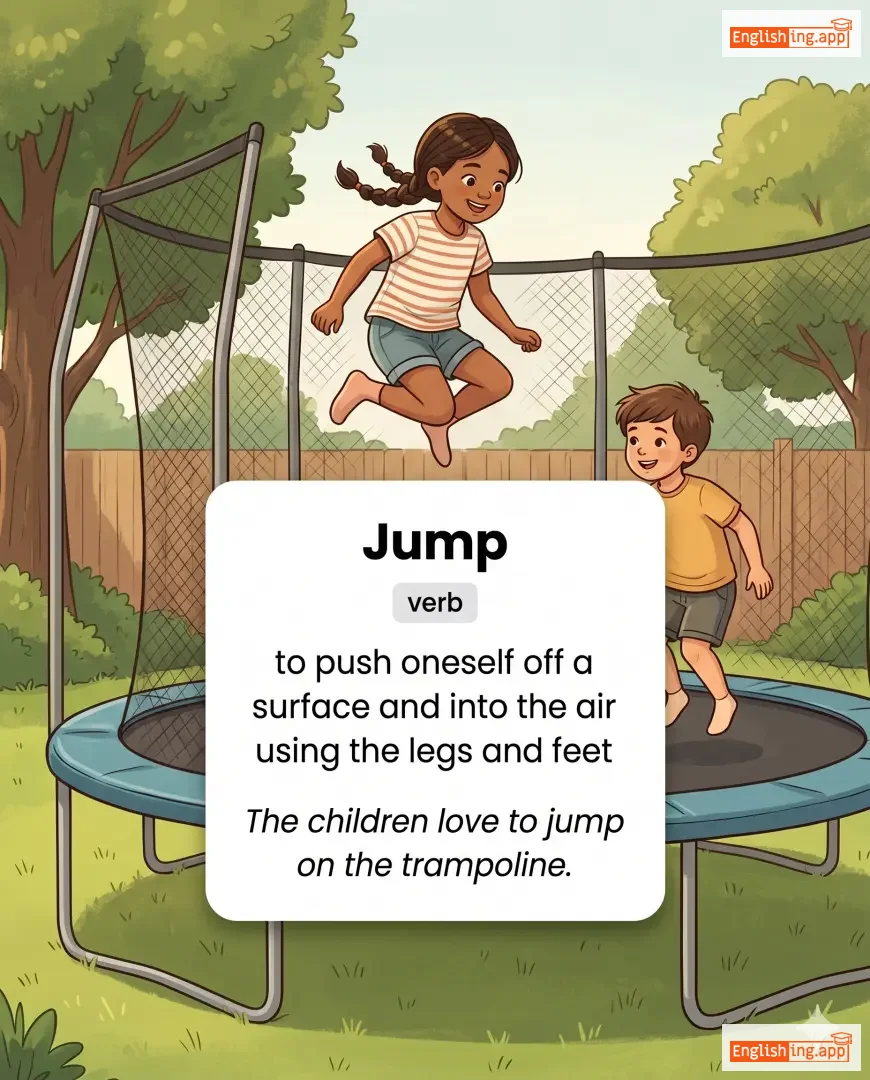
to push oneself off a surface and into the air using the legs and feet
••••••
|
The children love to jump on the trampoline. |
- •••••• |
jump the gun |
to act before the proper time
••••••
|
- •••••• |
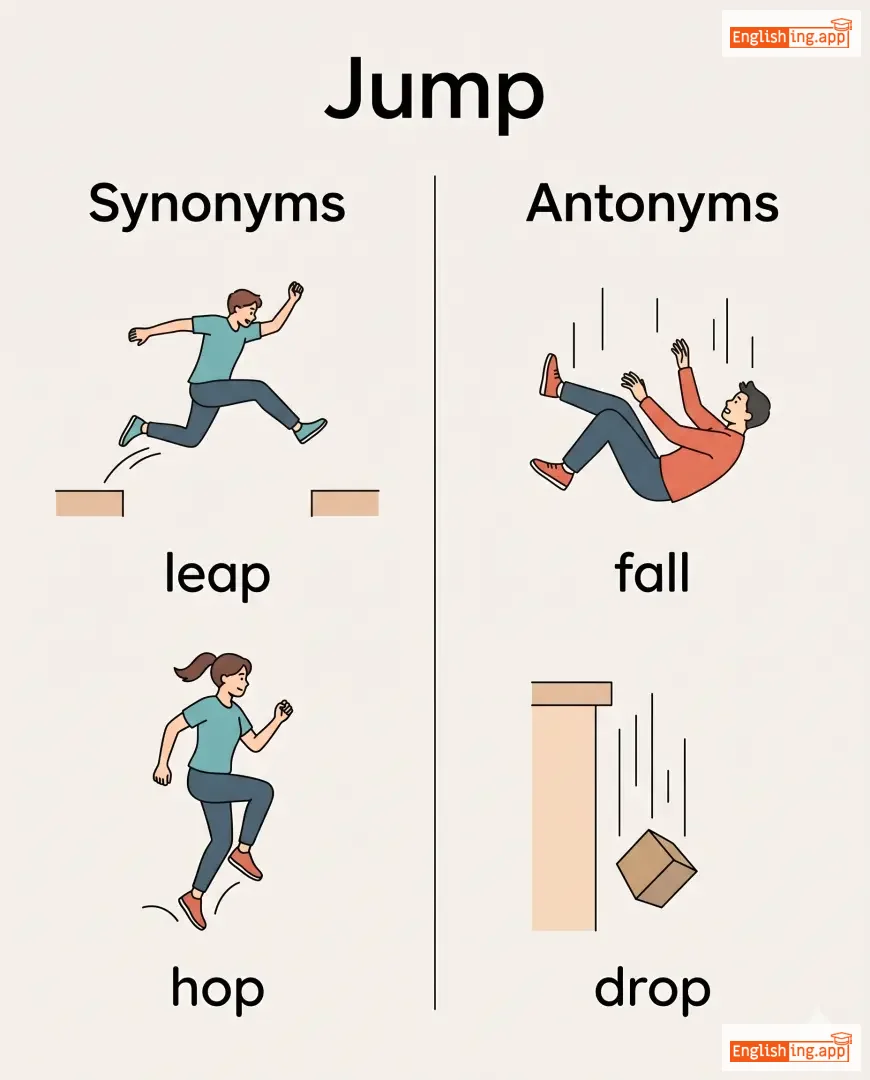
leap, hop, spring, bound, vault
••••••
|
fall, drop, descend
••••••
|
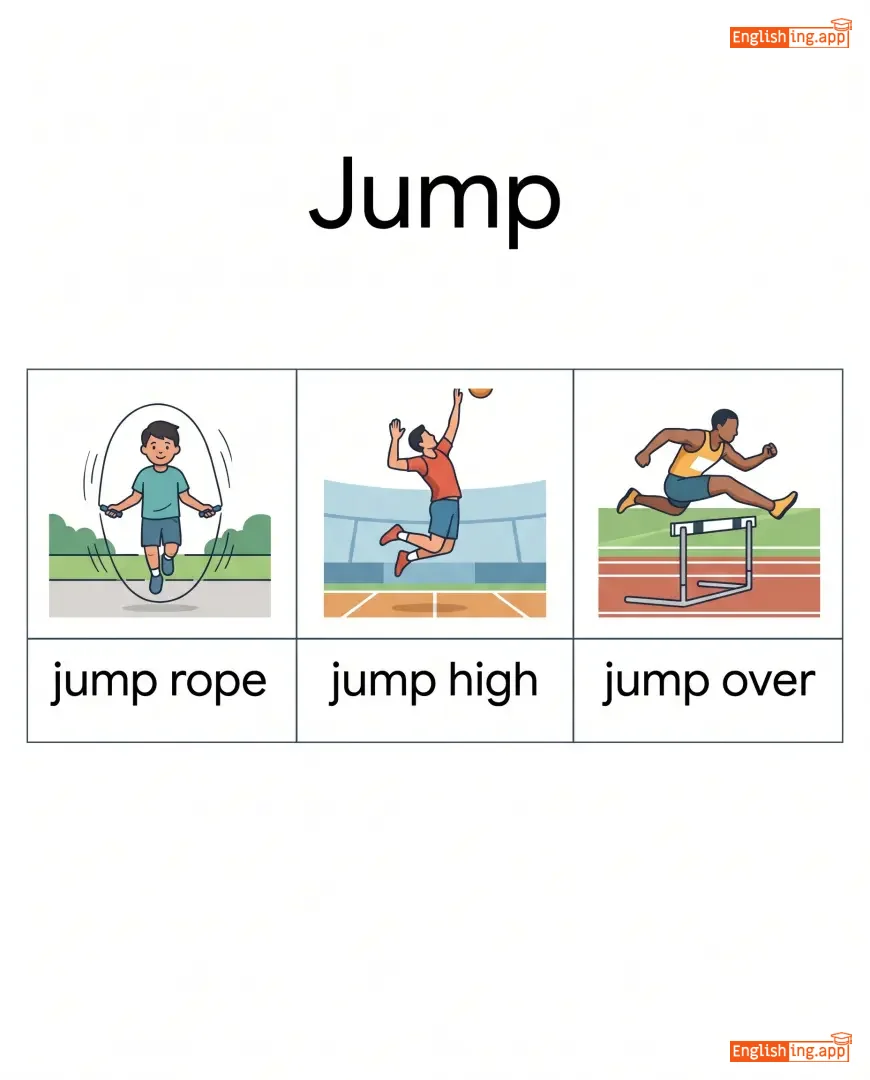
jump rope, jump high, jump over, jump into
••••••
|
No •••••• |
|
#11276
🔪
|
/naɪf/
noun
(ハピネス)
••••••
|
- •••••• |
幸福
kōfuku
••••••
|
- •••••• | - •••••• | - •••••• | - •••••• |
a tool or weapon with a blade and a handle, used for cutting
••••••
|
He used a sharp knife to cut the vegetables. |
彼女は賞を受け取ったとき、喜びを隠すことができませんでした。
Kanojo wa shō o uketotta toki, yorokobi o kakusu koto ga dekimasen deshita.
••••••
|
at knife's edge |
in a very tense or dangerous situation
••••••
|
幸せの追求
Shiawase no tsuikyū
••••••
|
blade, cutter, dagger, utensil, scalpel
••••••
|
spoon, fork
••••••
|
sharp knife, kitchen knife, knife blade, knife attack
••••••
|
幸福は喜び、簡単に覚えられる。
••••••
|
|
#11277
🦵
|
/niː/
noun
(ハピネス)
••••••
|
- •••••• |
幸福
kōfuku
••••••
|
- •••••• | - •••••• | - •••••• | - •••••• |
the joint between the thigh and the lower leg
••••••
|
He hurt his knee while playing football. |
彼女は賞を受け取ったとき、その幸福を隠すことができなかった。
Kanojo wa shō o uketotta toki, sono kōfuku o kakusu koto ga dekinakatta.
••••••
|
cut off at the knees |
to suddenly stop someone from progressing or succeeding
••••••
|
幸福を追求する
Kōfuku o tsuikyū suru
••••••
|
joint, kneecap, patella, articulation
••••••
|
straight leg, extension
••••••
|
bend the knee, knee pain, knee surgery, knee injury
••••••
|
幸福はすべてが順調にいく時
••••••
|
|
#11278
🍳
|
/ˈkɪtʃən/
noun
(kitchen)
••••••
|
- •••••• |
キッチン
kicchin
••••••
|
- •••••• | - •••••• | - •••••• | - •••••• |
a room or area where food is prepared and cooked
••••••
|
The kitchen was filled with the smell of fresh bread.
The kitchen was filled with the smell of fresh bread.
••••••
|
キッチンは新鮮なパンの匂いで満たされていた。
Kicchin wa shinsen na pan no nioi de mitasarete ita.
••••••
|
everything but the kitchen sink
everything but the kitchen sink
••••••
|
almost everything imaginable
••••••
|
キッチンのシンク以外のすべて
Kicchin no shinku igai no subete
••••••
|
cookhouse, galley, canteen, scullery
••••••
|
living room, bedroom
••••••
|
kitchen table, modern kitchen, clean the kitchen, kitchen utensils
••••••
|
キッチン = 美味しい料理が生まれる場所 🍣
••••••
|
|
#11279
💋
|
/kɪs/
verb
••••••
|
|
- •••••• |
kissed
••••••
|
kissed
••••••
|
kisses
••••••
|
kissing
••••••
|
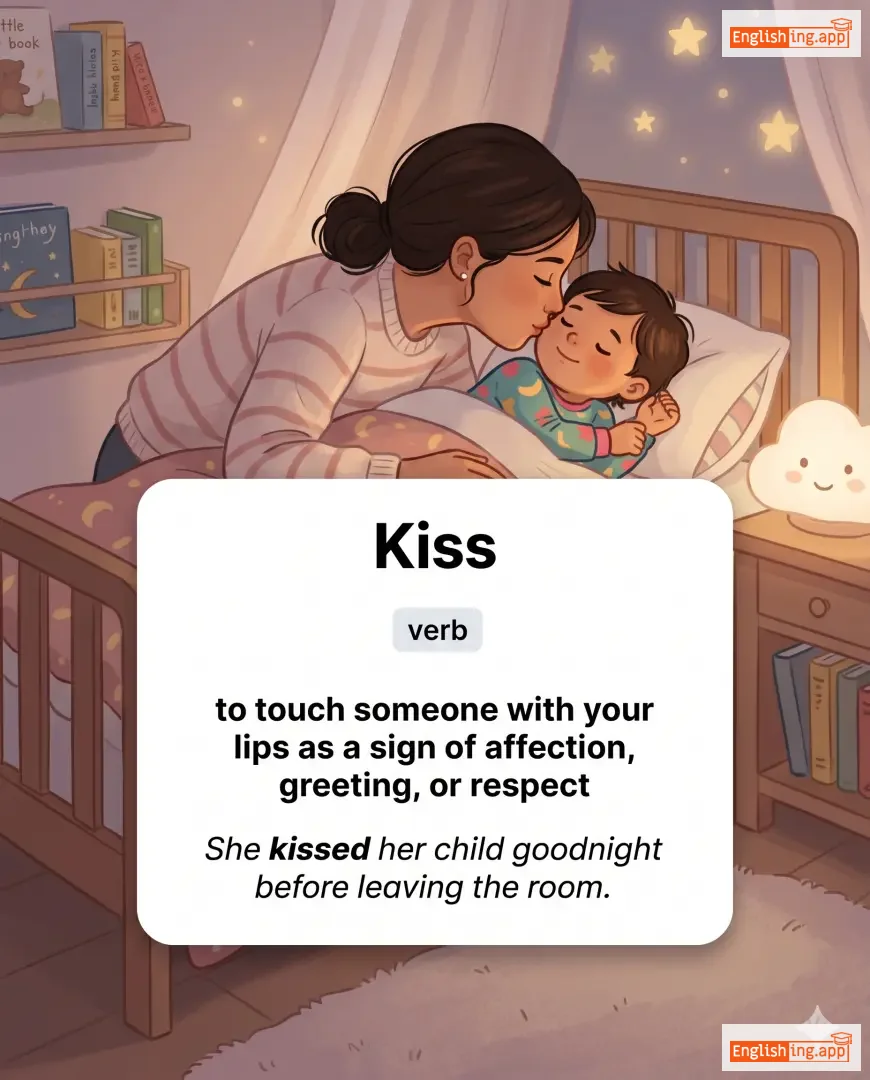
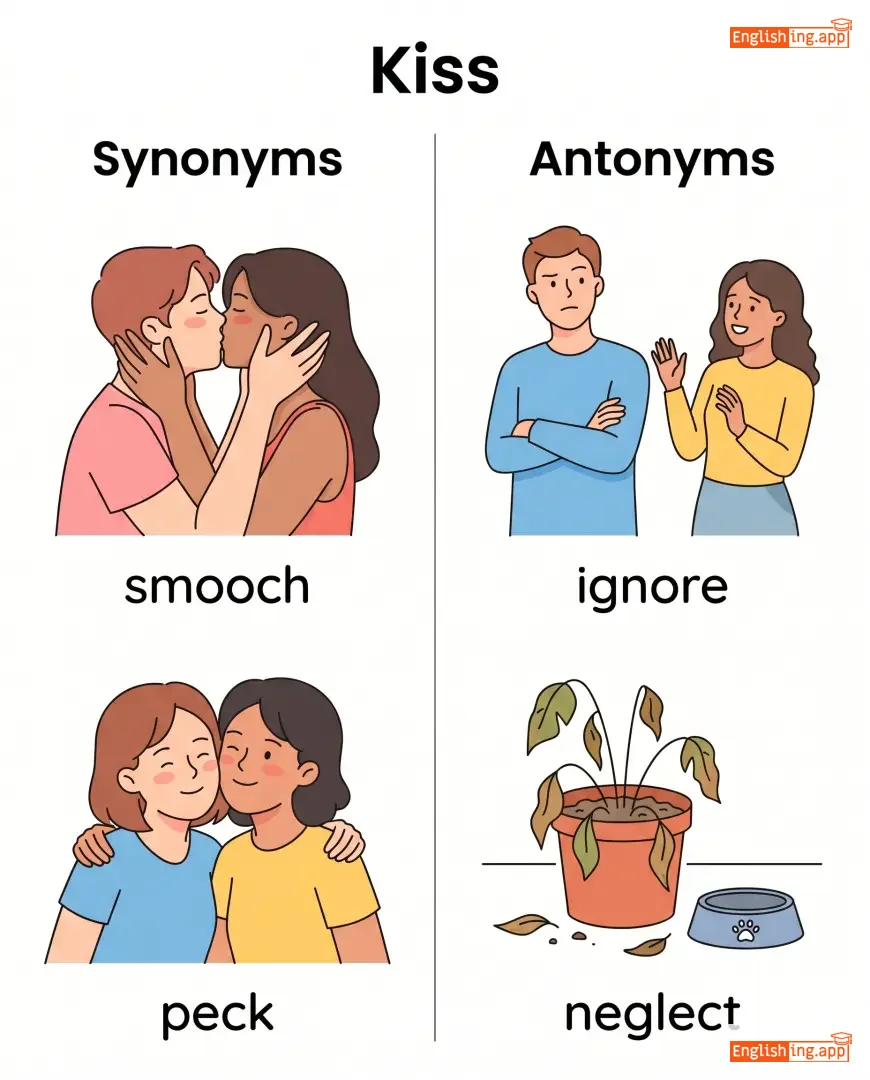
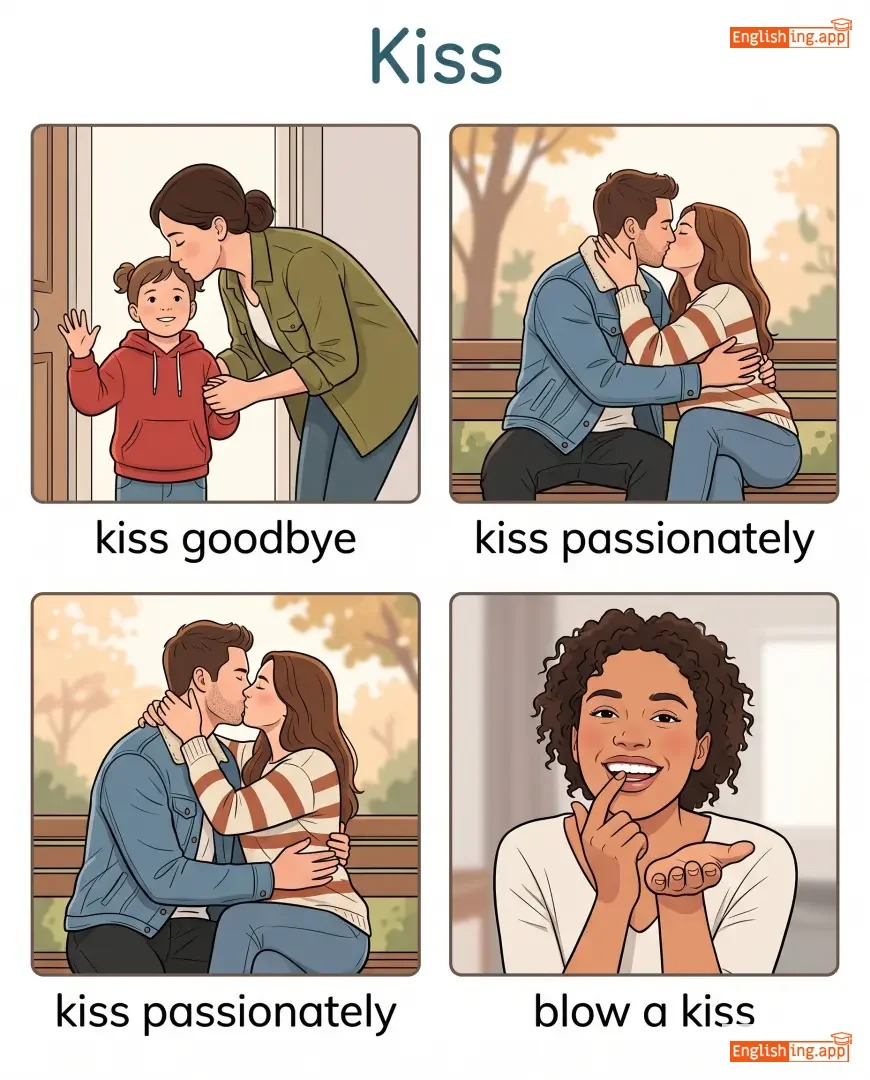
to touch someone with your lips as a sign of affection, greeting, or respect
••••••
|
She kissed her child goodnight before leaving the room. |
- •••••• |
kiss and make up |
to end an argument and become friendly again
••••••
|
- •••••• |
smooch, peck, embrace, caress
••••••
|
ignore, neglect
••••••
|
kiss goodbye, kiss passionately, blow a kiss, kiss on the cheek
••••••
|
No •••••• |
|
#11280
👑
|
/kɪŋ/
noun
(キング)
••••••
|
- •••••• |
王
ou
••••••
|
- •••••• | - •••••• | - •••••• | - •••••• |
the male ruler of an independent state, especially one who inherits the position by right of birth
••••••
|
The king ruled the country with wisdom and fairness. |
王は知恵と公正で国を治めました。
Ou wa chie to kousei de kuni o osamemashita.
••••••
|
King of the hill |
a person who is the best or most powerful in a particular area
••••••
|
丘の王
oka no ou
••••••
|
monarch, ruler, emperor, sovereign, potentate
••••••
|
subject, commoner
••••••
|
king and queen, crowned king, king of England, king of the hill
••••••
|
👑 王は支配者、王冠をかぶる者。
••••••
|
|
#11281
💀
|
/ˈkɪlɪŋ/
noun
(キリング)
••••••
|
- •••••• |
殺人
satsujin
••••••
|
- •••••• | - •••••• | - •••••• | - •••••• |
the act of causing death, especially deliberately
••••••
|
The movie depicts the brutal killing of the villagers. |
映画は村人たちの残忍な殺人を描いています。
Eiga wa murabito-tachi no zanrin na satsujin o egaku shimasu.
••••••
|
make a killing |
to earn a large amount of money quickly
••••••
|
大儲けする
ōmōke suru
••••••
|
murder, homicide, slaughter, assassination, massacre
••••••
|
saving, rescue
••••••
|
cold-blooded killing, brutal killing, make a killing, senseless killing
••••••
|
殺人は人を殺すことを意味しますが、ビジネスでは『大儲けする』は素早く多くのお金を稼ぐことを意味します。
••••••
|
|
#11282
🔪
|
/ˈkɪlər/
noun
(キラー)
••••••
|
- •••••• |
殺人者
satsujin-sha
••••••
|
- •••••• | - •••••• | - •••••• | - •••••• |
A person or thing that kills.
••••••
|
The police caught the killer last night.
警察は昨晩キラーを捕まえた。
••••••
|
警察は昨晩殺人者を捕まえた。
Keisatsu wa sakuban satsujin-sha wo tsukamaeta.
••••••
|
killer instinct
キラー本能
••••••
|
a strong drive to succeed or dominate
••••••
|
キラー本能
kirā honnō
••••••
|
murderer, slayer, assassin, executioner, destroyer
••••••
|
savior, protector
••••••
|
serial killer, cold-blooded killer, contract killer, killer instinct
••••••
|
Killerは日本語で殺人者を意味し、映画の悪役はいつも殺人者です。
••••••
|
|
#11283
☠️
|
/kɪl/
verb
(キル)
••••••
|
|
殺す
korosu
••••••
|
killed
キルド
••••••
|
killed
キルド
••••••
|
kills
キルズ
••••••
|
killing
キリング
••••••
|
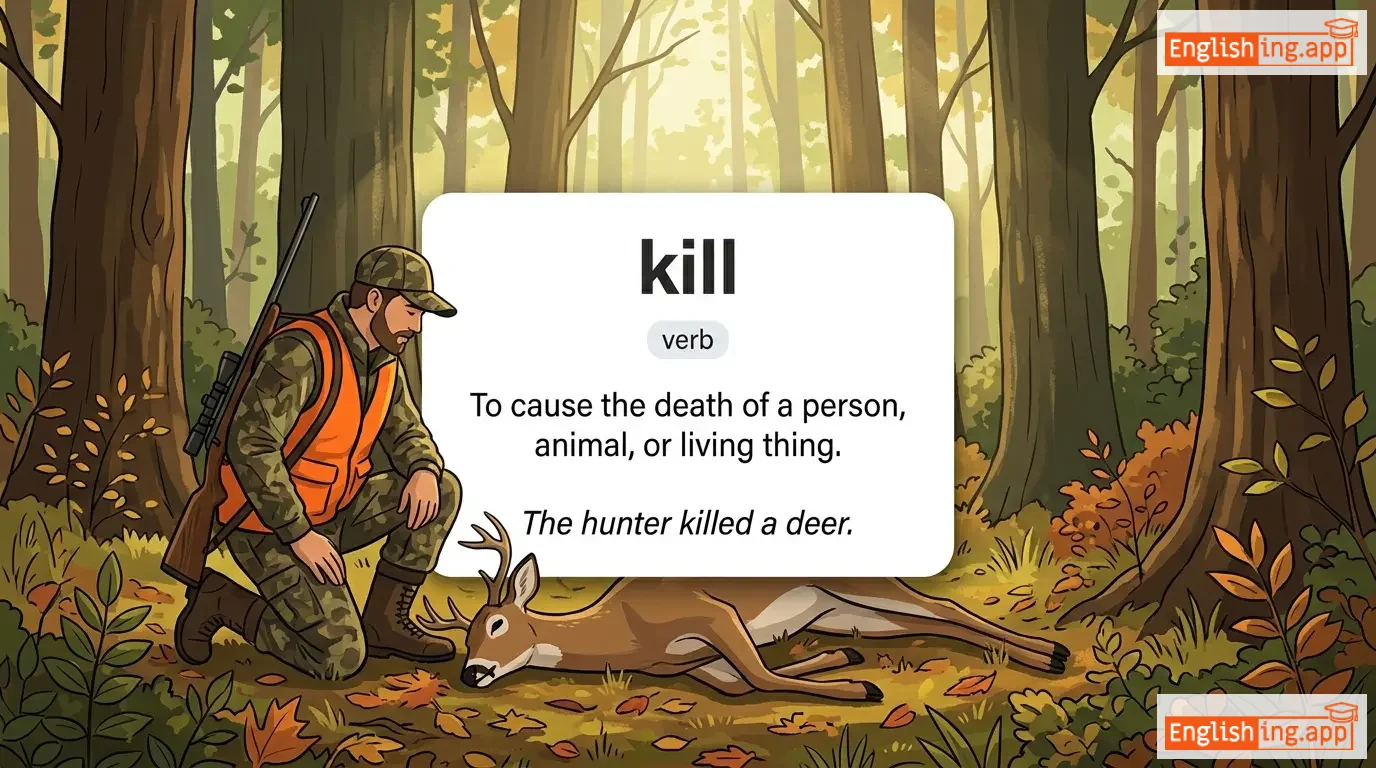
To cause the death of a person, animal, or living thing.
••••••
|
The hunter killed a deer.
ハンターは鹿を殺した。
••••••
|
ハンターは鹿を殺した。
Hantaa wa shika o koroshita.
••••••
|
kill time
時間を潰す
••••••
|
to spend time doing something unimportant while waiting
••••••
|
時間を潰す
Jikan o tsubusu
••••••
|
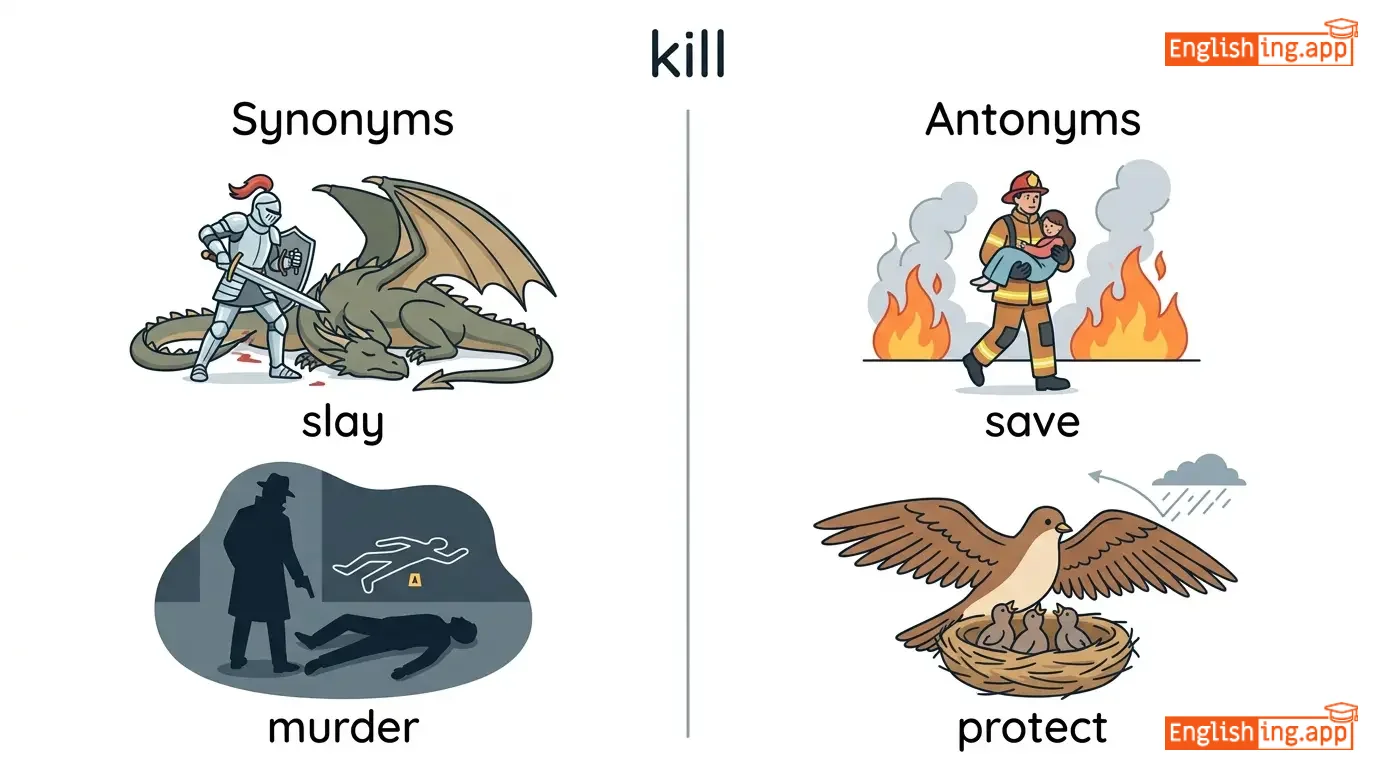
slay, murder, destroy, end, eliminate
••••••
|
save, protect, preserve
••••••
|
kill time, kill instantly, kill someone, kill the mood
••••••
|
殺すは殺す、時間を潰すは退屈な時間を過ごす。
••••••
|
|
#11284
👦
|
/kɪd/
noun
(キッド)
••••••
|
- •••••• |
子供
kodomo
••••••
|
- •••••• | - •••••• | - •••••• | - •••••• |
A child or young person.
••••••
|
The kid was playing in the park.
その子供は公園で遊んでいた。
••••••
|
その子供は公園で遊んでいた。
Sono kodomo wa kōen de asonde ita.
••••••
|
no kidding
冗談じゃない
••••••
|
used to emphasize that one is serious
••••••
|
冗談じゃない
Jōdan janai
••••••
|
child, youngster, youth, minor, juvenile
••••••
|
adult, grown-up
••••••
|
little kid, school kid, kid brother, kid around
••••••
|
Kidは英語で '子供'、小さい子供の意味です。
••••••
|
|
#11285
👟
|
/kɪk/
verb
(キック)
••••••
|
|
蹴る
keru
••••••
|
kicked
キックド
••••••
|
kicked
キックド
••••••
|
kicks
キックス
••••••
|
kicking
キッキング
••••••
|
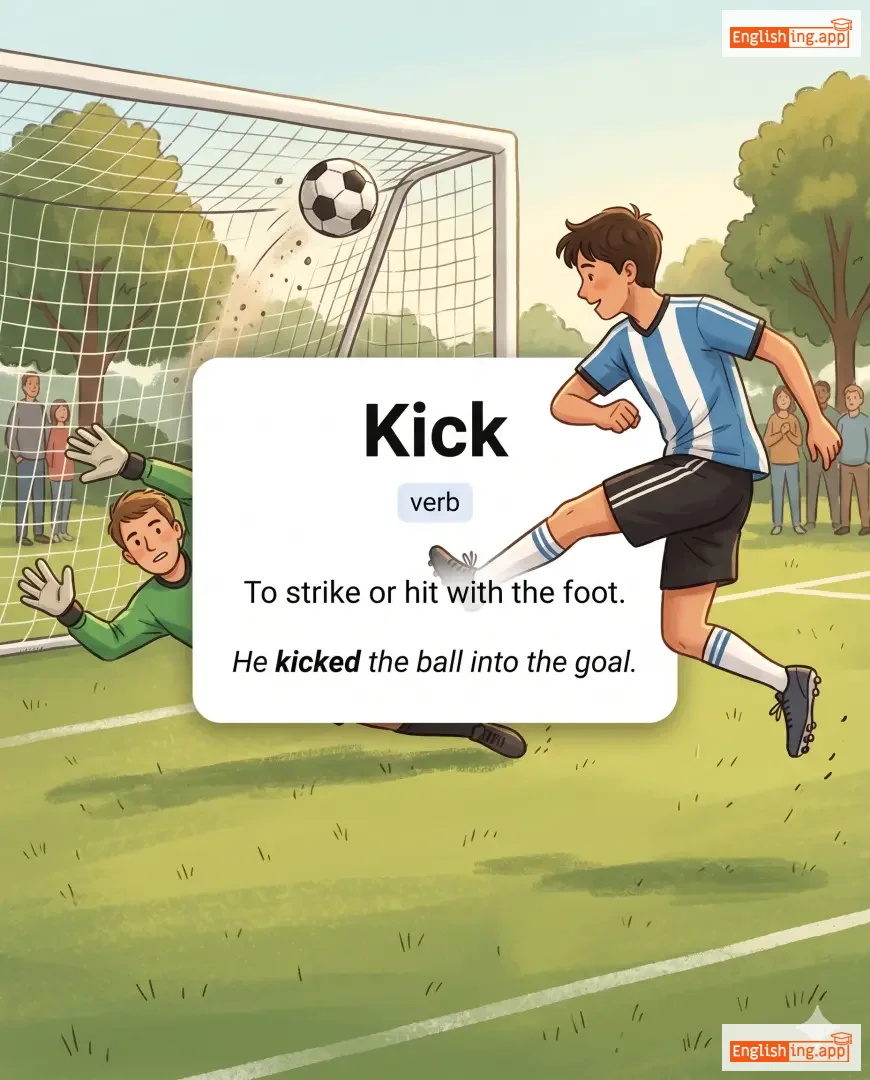
To strike or hit with the foot.
••••••
|
He kicked the ball into the goal.
彼はボールをゴールにキックしました。
••••••
|
彼はボールをゴールにキックしました。
Kare wa booru o gooru ni kikku shimashita.
••••••
|
kick the bucket
バケツを蹴る
••••••
|
a euphemism for dying
••••••
|
死ぬ
shinu
••••••
|
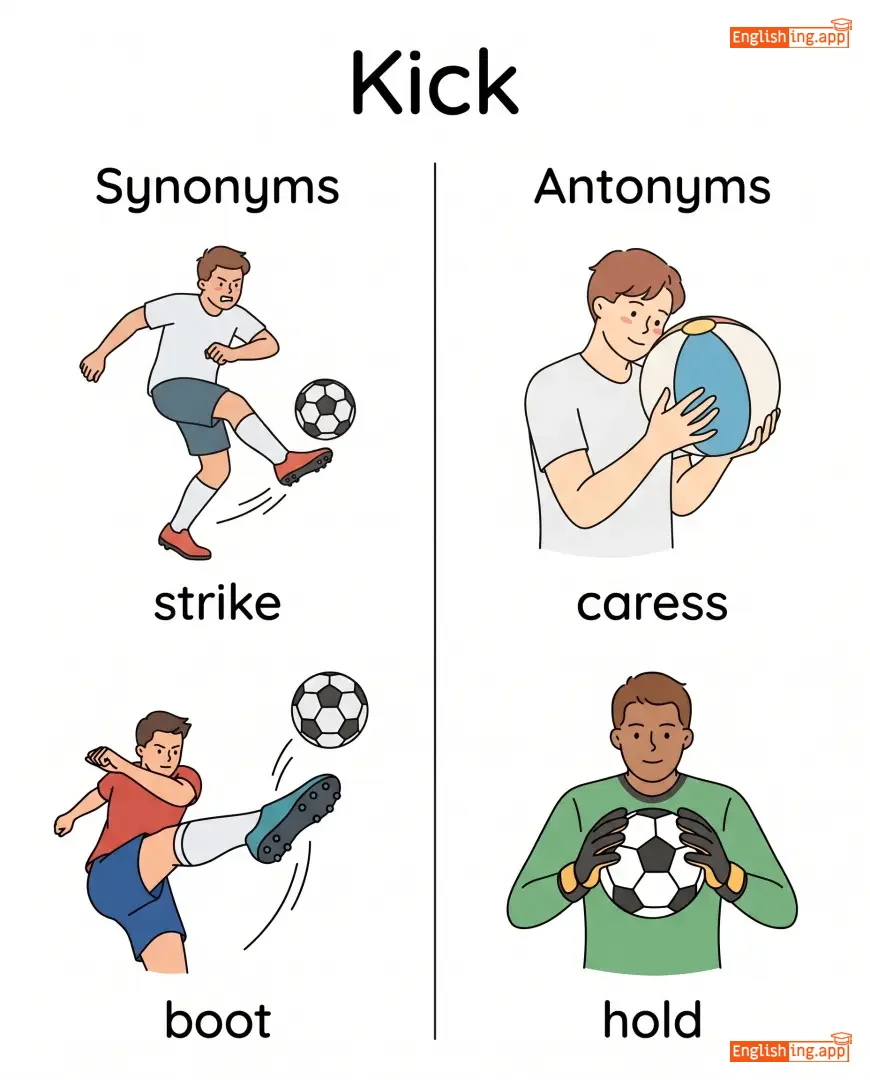
strike, boot, punt, lash, thrust
••••••
|
caress, hold, touch gently
••••••
|
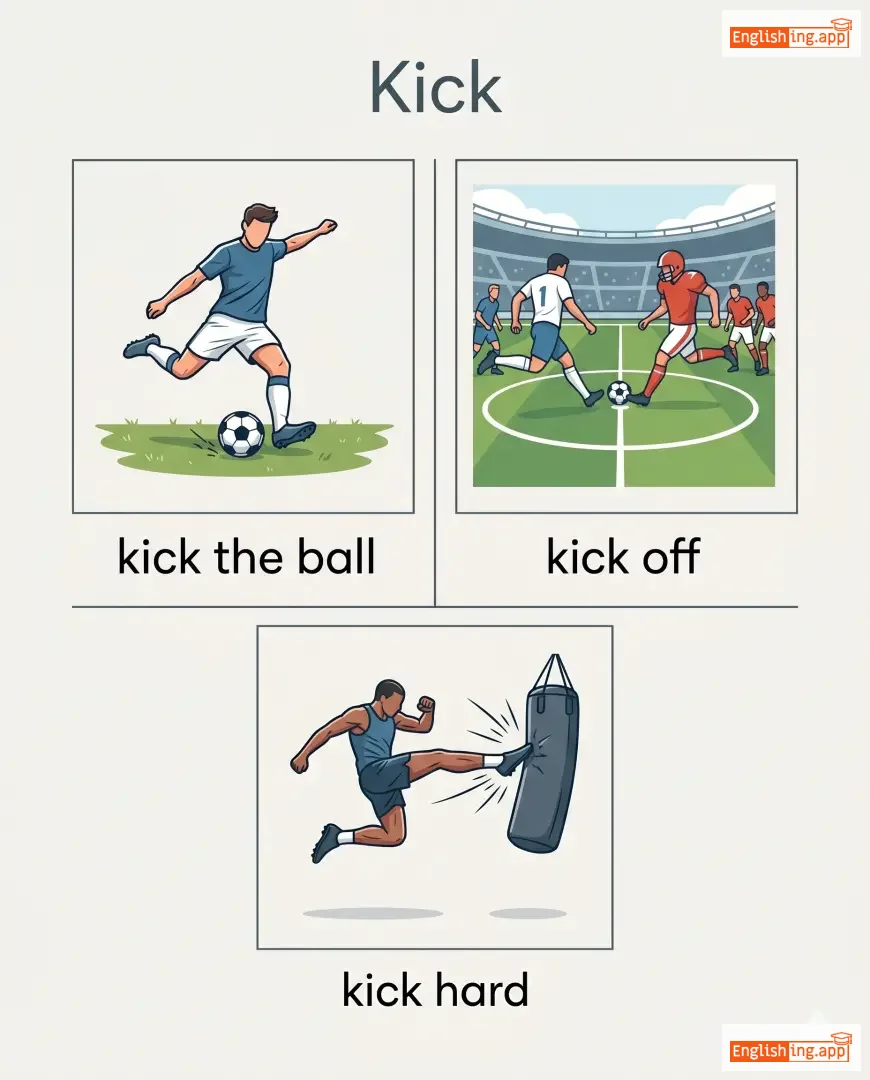
kick the ball, kick off, kick hard, kick out, kick start
••••••
|
Kick は蹴るという意味です。映画では、ヒーローが必ず蹴る(kick)シーンがあります。
••••••
|
|
#11286
🔑
|
/kiː/
noun
(ki)
••••••
|
- •••••• |
鍵
ken
••••••
|
- •••••• | - •••••• | - •••••• | - •••••• |
A small piece of shaped metal used to open or close locks, or something crucial and essential.
••••••
|
She lost the key to her apartment. |
彼女は自分のアパートの鍵をなくした。
Kanojo wa jibun no apāto no kagi o nakushita.
••••••
|
key to success |
the essential factor in achieving success
••••••
|
成功への鍵
Seikou e no kagi
••••••
|
essential, crucial, vital, main, important
••••••
|
unimportant, trivial, minor
••••••
|
house key, car key, key role, key point, key factor
••••••
|
鍵は成功への扉を開けるもの。
••••••
|
|
#11287
⚖️
|
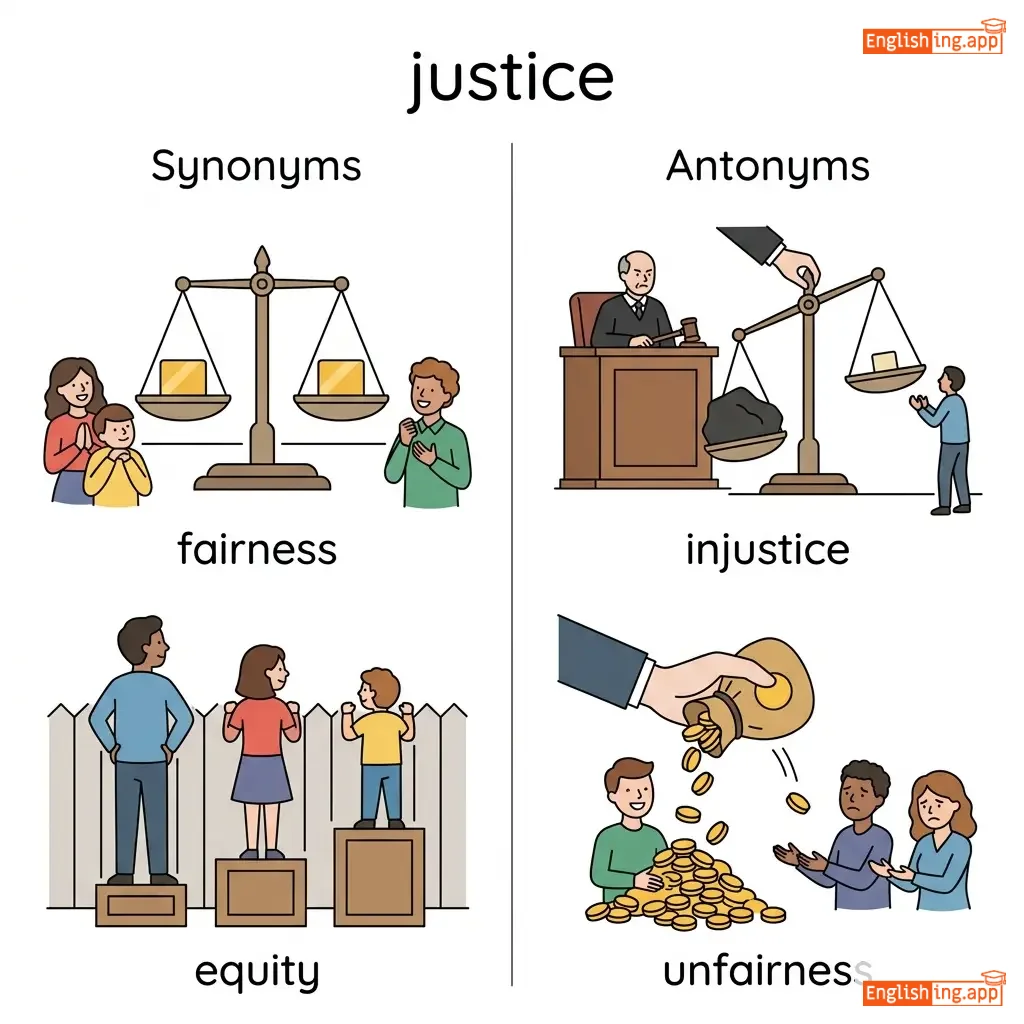
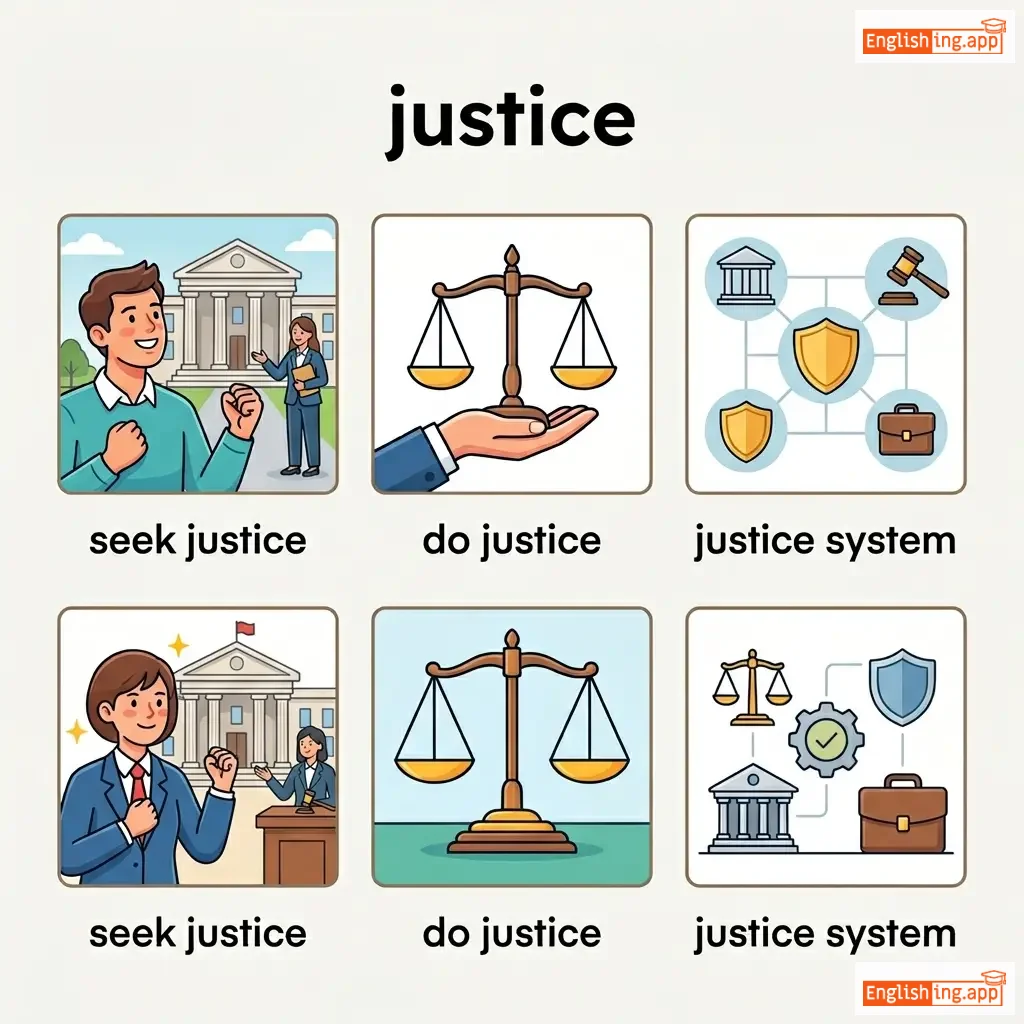
/ˈdʒʌstɪs/
noun
(ジャスティス)
••••••
|
|
正義
seigi
••••••
|
- •••••• | - •••••• | - •••••• | - •••••• |
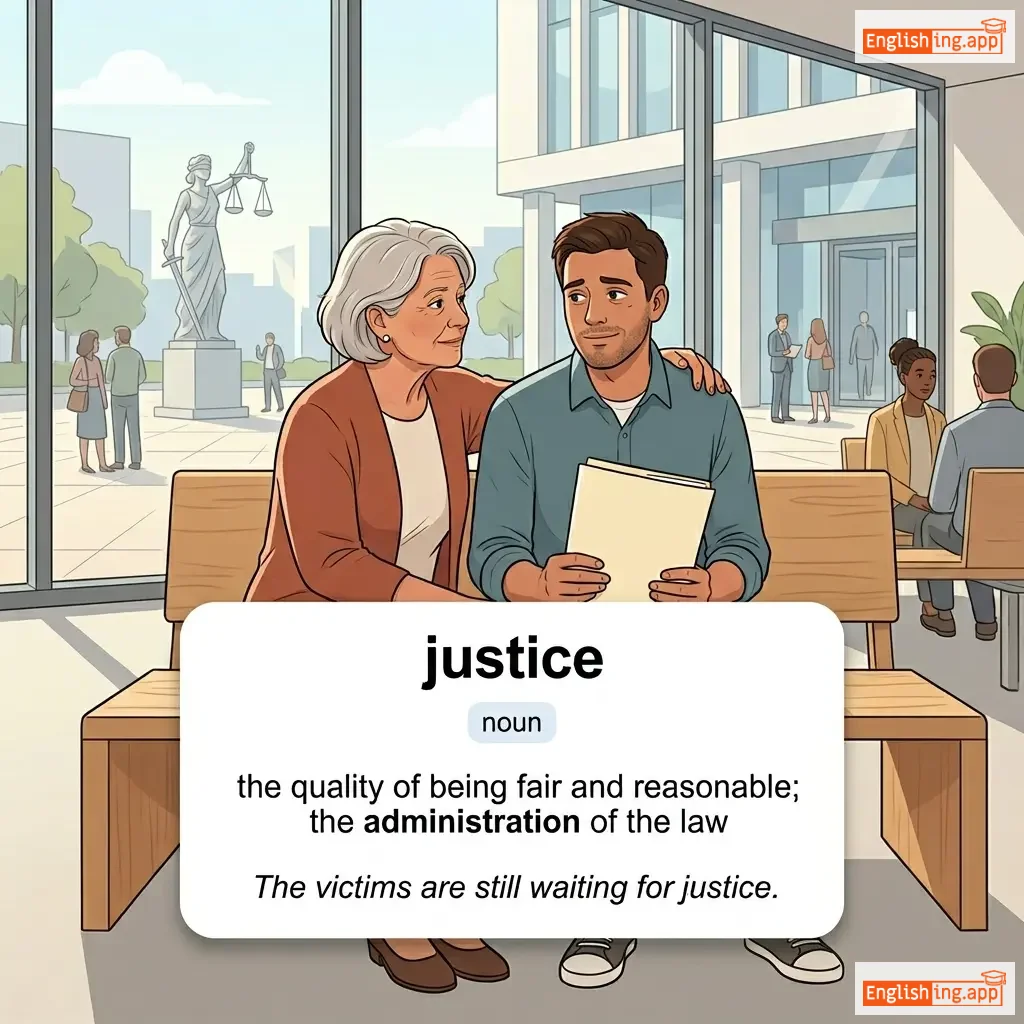
the quality of being fair and reasonable; the administration of the law
••••••
|
The victims are still waiting for justice. |
犠牲者はまだ正義を待っています。
Giseisha wa mada seigi o matteimasu.
••••••
|
bring to justice |
to arrest and punish someone for a crime
••••••
|
正義をもたらす
seigi o motarasu
••••••
|
fairness, equity, law, righteousness, impartiality
••••••
|
injustice, unfairness, corruption
••••••
|
seek justice, do justice, justice system, social justice
••••••
|
Justice = 正義 = 公平をもたらす
••••••
|
|
#11288
⚖️
|
/ˈdʒʊəri/
noun
(陪審団)
••••••
|
- •••••• |
陪審団
baishindan
••••••
|
- •••••• | - •••••• | - •••••• | - •••••• |
a group of people sworn to give a verdict in a legal case based on the evidence
••••••
|
The jury found him guilty of the crime.
陪審団は彼を犯罪者として有罪と認定しました。
••••••
|
陪審団は彼を犯罪者として有罪と認定しました。
Baishindan wa kare o hanzai-sha to shite yūzai to nintei shimashita.
••••••
|
the jury is still out
陪審団はまだ結論を出していません
••••••
|
a decision has not yet been made
••••••
|
陪審団はまだ結論を出していません
Baishindan wa mada ketsuron o dashiteimasen
••••••
|
panel, tribunal, committee, board, assessors
••••••
|
judge, individual decision
••••••
|
jury duty, jury trial, grand jury, jury verdict
••••••
|
陪審団は裁判での結論を下す集団です。
••••••
|
|
#11289
👶
|
/ˈdʒuːniər/
adjective, noun
(ジュニア)
••••••
|
- •••••• |
ジュニア
junia
••••••
|
- •••••• | - •••••• | - •••••• | - •••••• |
younger or lower in rank; also a student in the next-to-last year of high school or college
••••••
|
He works as a junior officer in the company.
彼は会社でジュニアオフィサーとして働いています。
••••••
|
彼は会社でジュニアオフィサーとして働いています。
Kare wa kaisha de junia ofisā toshite hataraiteimasu.
••••••
|
- •••••• | - •••••• | - •••••• |
younger, subordinate, lower, apprentice, trainee
••••••
|
senior, elder, superior
••••••
|
junior officer, junior partner, junior year, junior member
••••••
|
Juniorは若い意味 – オフィスでジュニアということは低い職位で働くこと!
••••••
|
|
#11290
🔗
|
/ɪts/
pronoun
(イッツ)
••••••
|
- •••••• |
それの
sore no
••••••
|
- •••••• | - •••••• | - •••••• | - •••••• |
Belonging to or associated with a thing previously mentioned.
••••••
|
The company changed its logo last year.
会社は昨年そのロゴを変更しました。
••••••
|
会社は昨年そのロゴを変更しました。
Kaisha wa sakunen sono rogo o henkō shimashita.
••••••
|
- •••••• | - •••••• | - •••••• |
belonging, owned by, related to
••••••
|
others, theirs
••••••
|
its value, its name, its purpose, its role
••••••
|
Itsはそれのを意味します — 例えば 'dog its tail' は犬の尾を意味します。
••••••
|
|
#11291
🧃
|
/dʒuːs/
noun
(ジュース)
••••••
|
- •••••• |
ジュース
jūsu
••••••
|
- •••••• | - •••••• | - •••••• | - •••••• |
the liquid obtained from fruits, vegetables, or meat; also refers to energy or power in informal use
••••••
|
She drank a glass of orange juice with breakfast. |
彼女は朝食にオレンジジュースを一杯飲みました。
Kanojo wa chōshoku ni orenji jūsu o ippai nomimashita.
••••••
|
juice up |
to make something more exciting or powerful
••••••
|
何かをもっとエキサイティングまたは強力にする
Nanika o motto ekisaitingu matawa kyōryoku ni suru
••••••
|
liquid, extract, nectar, sap, essence
••••••
|
solid, pulp
••••••
|
fresh juice, fruit juice, orange juice, juice box
••••••
|
ジュース (jūsu) はエネルギーを与える - ジュース = エネルギー飲料
••••••
|
|
#11292
⚖️
|
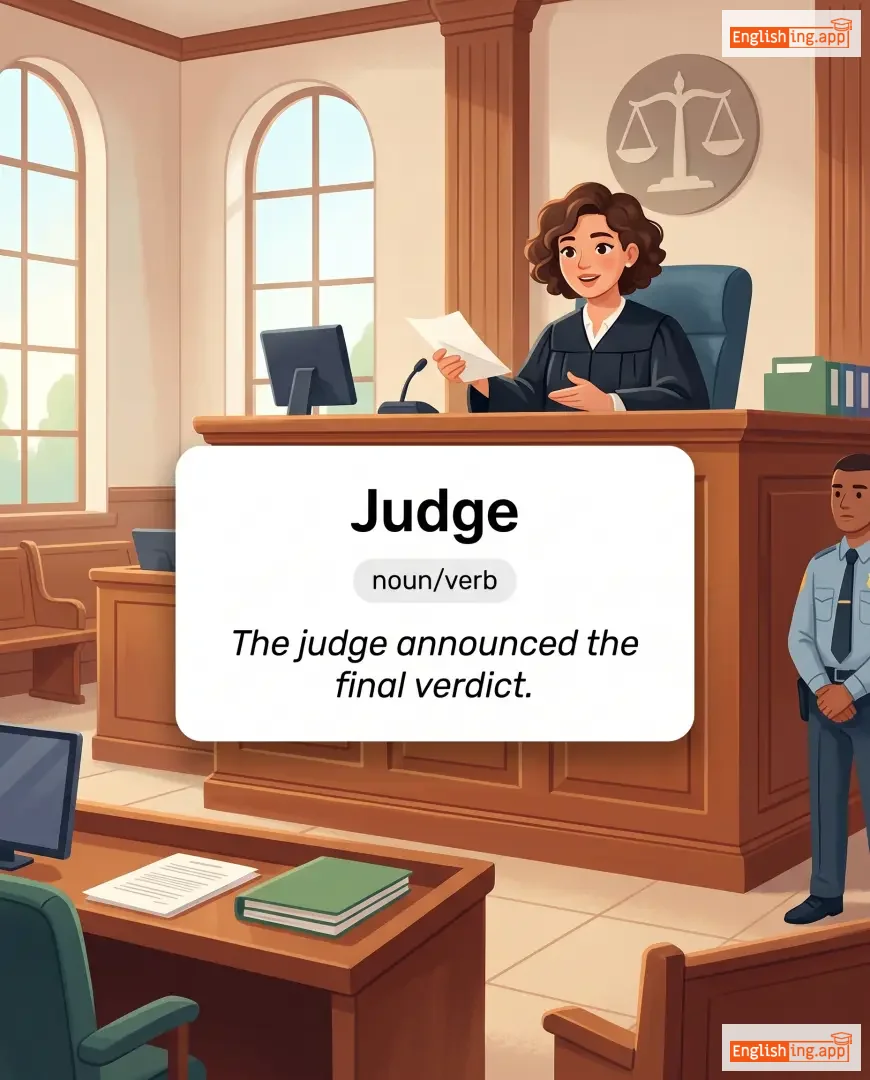
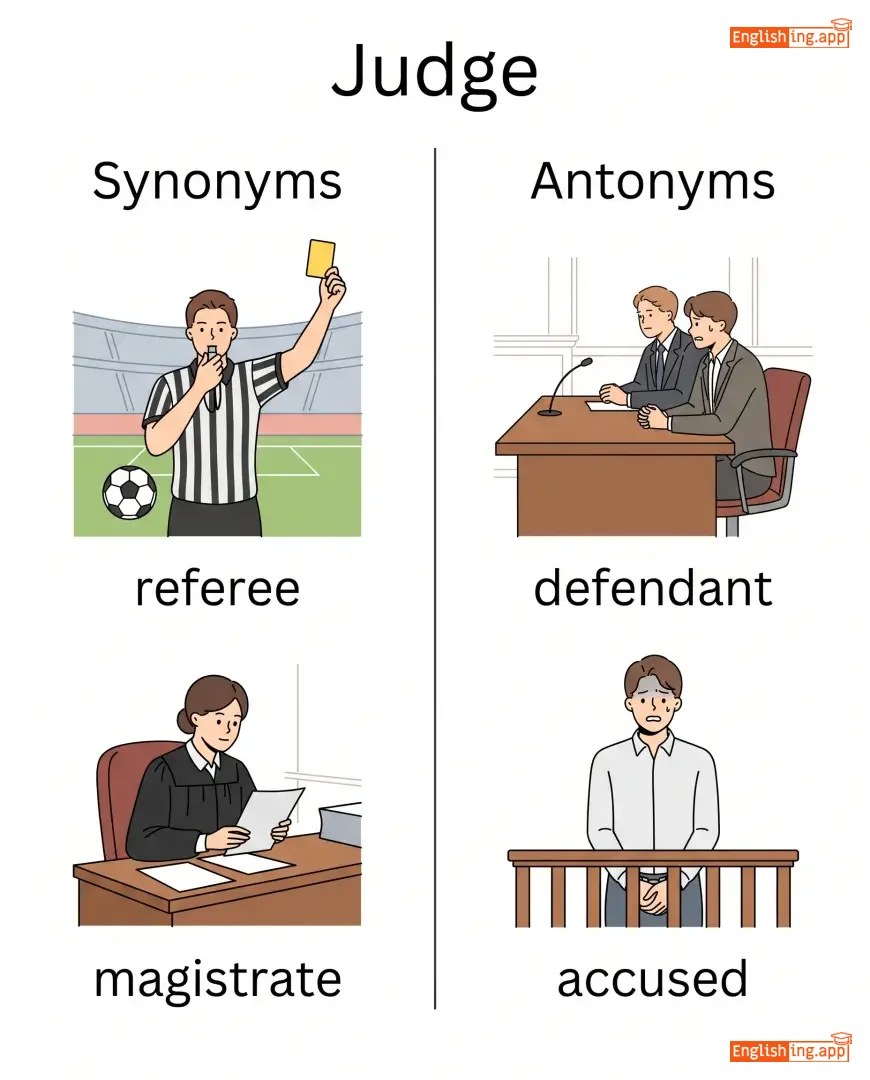
/dʒʌdʒ/
noun/verb
(ジャッジ)
••••••
|
|
裁判官 / 判断する
saibankan / handan suru
••••••
|
judged
ジャッジド
••••••
|
judged
ジャッジド
••••••
|
judges
ジャッジズ
••••••
|
judging
ジャッジング
••••••
|
a person who makes decisions in a court of law; or to form an opinion about something
••••••
|
The judge announced the final verdict.
ジャッジは最終的な判決を発表した。
••••••
|
裁判官は最終的な判決を発表した。
Saibankan wa saishūteki na hanketsu o happyō shita.
••••••
|
don't judge a book by its cover
表紙で本を判断しないでください
••••••
|
don't form an opinion based only on appearances
••••••
|
表紙で本を判断しないでください
Hyōshi de hon o handan shinaide kudasai
••••••
|
referee, magistrate, critic, evaluator
••••••
|
defendant, accused
••••••
|
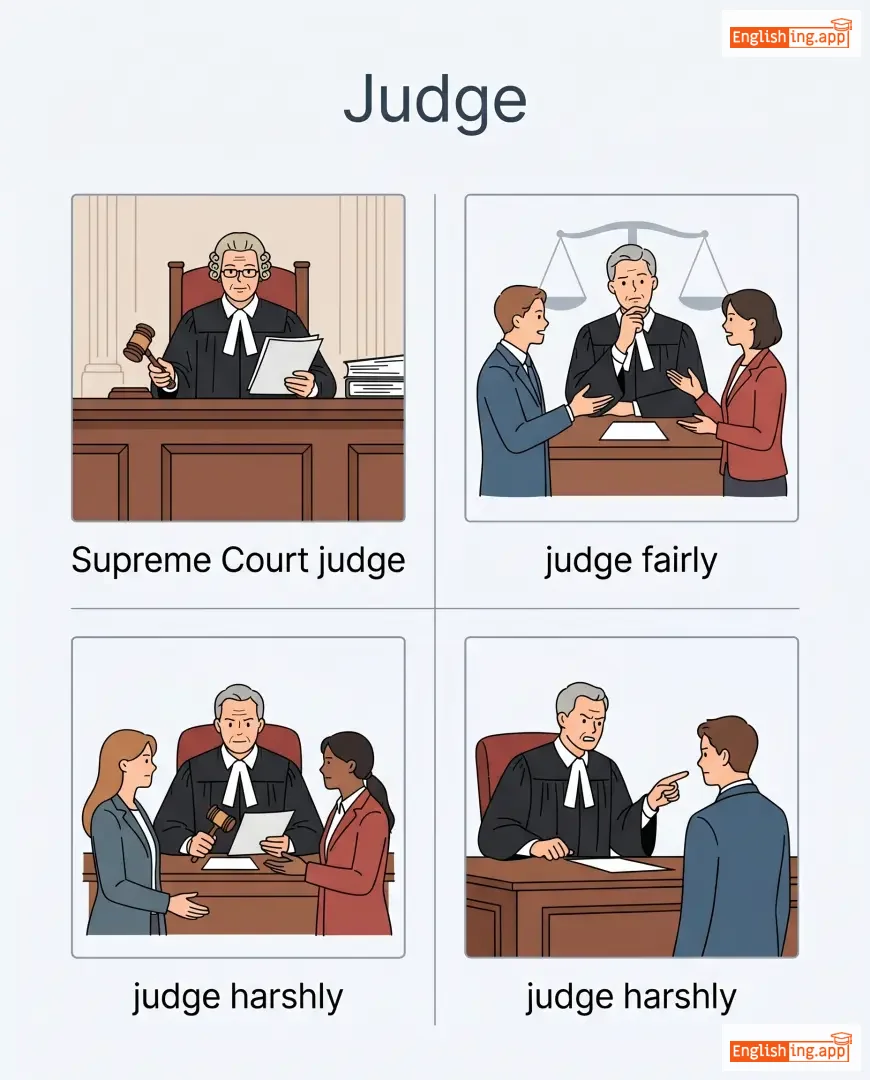
Supreme Court judge, judge fairly, judge harshly, judge wisely
••••••
|
Judgeは裁判官、外見で判断しないで。
••••••
|
|
#11293
🛤️
|
/ˈdʒɜːrni/
noun
(ジャーニー)
••••••
|
- •••••• |
旅
tabi
••••••
|
- •••••• | - •••••• | - •••••• | - •••••• |
the act of traveling from one place to another
••••••
|
Their journey across the desert was difficult. |
砂漠を横断する彼らの旅は大変でした。
Sabaku o ōdan suru karera no tabi wa taihen deshita.
••••••
|
life is a journey |
life is like a path with experiences and challenges along the way
••••••
|
人生は旅である
Jinsei wa tabi de aru
••••••
|
trip, voyage, travel, expedition
••••••
|
stay, rest
••••••
|
long journey, spiritual journey, begin a journey, return journey
••••••
|
旅は未知の世界へ、挑戦を超えて進むもの。
••••••
|
|
#11294
📰
|
/ˈdʒɜːrnəlɪst/
noun
(ジャーナリスト)
••••••
|
- •••••• |
ジャーナリスト
jaanaristo
••••••
|
- •••••• | - •••••• | - •••••• | - •••••• |
a person who writes news articles or reports for newspapers, magazines, or media
••••••
|
The journalist covered the political event. |
ジャーナリストは政治的なイベントをカバーしました。
Jaanarisuto wa seijiteki na ibento wo kabaa shimashita.
••••••
|
- •••••• | - •••••• | - •••••• |
reporter, correspondent, columnist, writer
••••••
|
reader, audience
••••••
|
investigative journalist, freelance journalist, professional journalist
••••••
|
ジャーナリストはニュースを書く人です。
••••••
|
|
#11295
📓
|
/ˈdʒɜːrnəl/
noun
(ジャーナル)
••••••
|
- •••••• |
日記
nikki
••••••
|
- •••••• | - •••••• | - •••••• | - •••••• |
a daily record of news, events, or personal thoughts
••••••
|
She writes in her journal every night. |
彼女は毎晩日記を書きます。
Kanojo wa maiban nikki o kakimasu.
••••••
|
keep a journal |
to regularly write in a journal or diary
••••••
|
日記をつける
nikki o tukeru
••••••
|
diary, log, record, notebook
••••••
|
silence, forgetfulness
••••••
|
scientific journal, personal journal, daily journal, medical journal
••••••
|
日記: 毎日心の中にあることを残して、人生を記録しよう!
••••••
|
|
#11296
😂
|
/dʒoʊk/
noun/verb
(ジョーク)
••••••
|
|
ジョーク
jooku
••••••
|
joked
ジョークド
••••••
|
joked
ジョークド
••••••
|
jokes
ジョークス
••••••
|
joking
ジョーキング
••••••
|
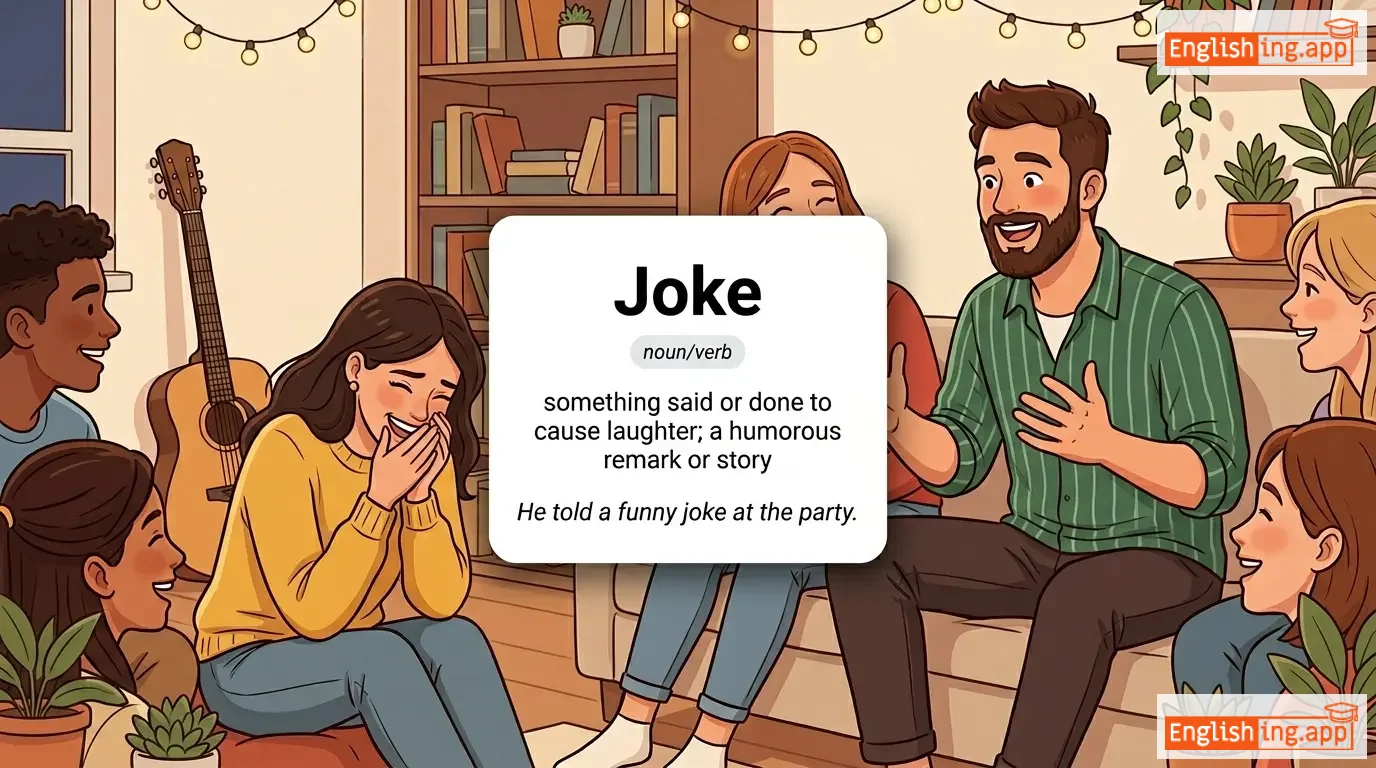
something said or done to cause laughter; a humorous remark or story
••••••
|
He told a funny joke at the party.
彼はパーティーで面白いジョークを言った。
••••••
|
彼はパーティーで面白いジョークを言った。
Kare wa paatii de omoshiroi jooku o itta.
••••••
|
crack a joke
ジョークを言う
••••••
|
to tell a joke, usually to lighten the mood
••••••
|
ジョークを言う
jooku o iu
••••••
|
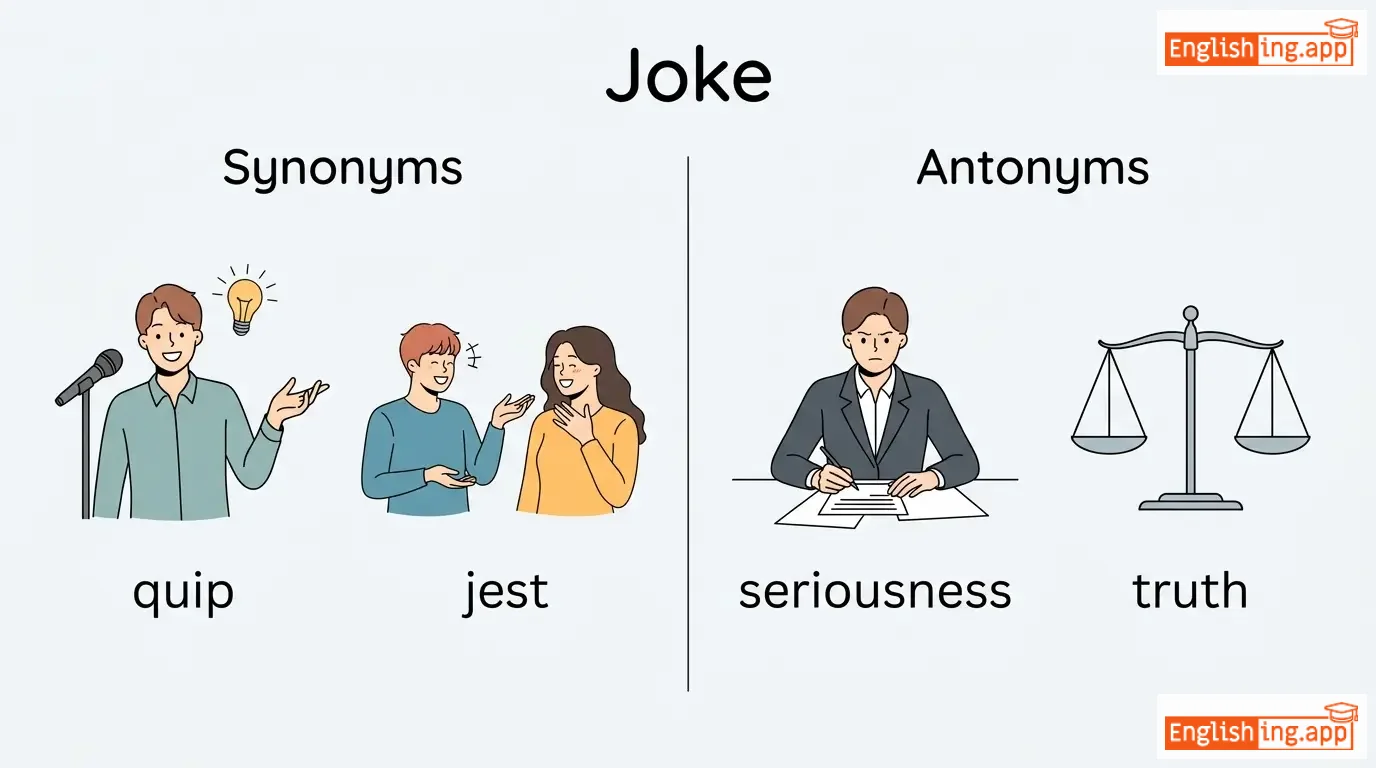
quip, jest, gag, witticism, pun
••••••
|
seriousness, truth
••••••
|
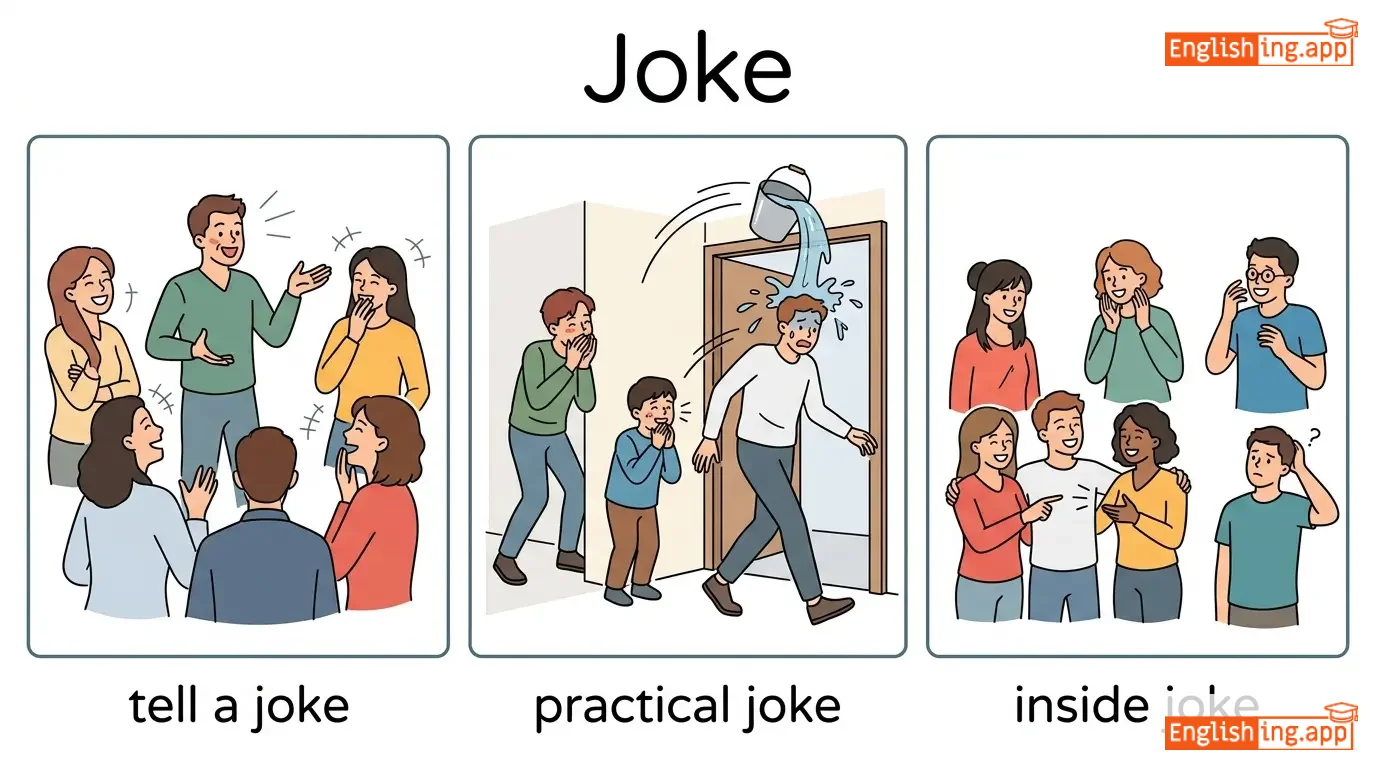
tell a joke, practical joke, inside joke, crack a joke
••••••
|
Jokeはジョーク、笑いを取るジョークがみんなを幸せにする。
••••••
|
|
#11297
🦵
|
/dʒɔɪnt/
noun
(ジョイント)
••••••
|
- •••••• |
関節
kansetsu
••••••
|
- •••••• | - •••••• | - •••••• | - •••••• |
a place where two parts of something are joined; also a term for a business establishment or a cannabis cigarette
••••••
|
The knee is a joint that connects the thigh and the leg. |
膝は太ももと脚をつなぐ関節です。
Hiza wa futomomo to ashi o tsunagu kansetsu desu.
••••••
|
out of joint |
dislocated or not properly aligned
••••••
|
不調和
fuchōwa
••••••
|
connection, junction, link, establishment, partnership
••••••
|
separation, disconnection
••••••
|
joint venture, joint pain, joint effort, joint account
••••••
|
関節は体の部分をつなげる役割があり、ジョイントベンチャーもつながりを意味します
••••••
|
|
#11298
💼
|
/dʒɒb/
noun
(ジョブ)
••••••
|
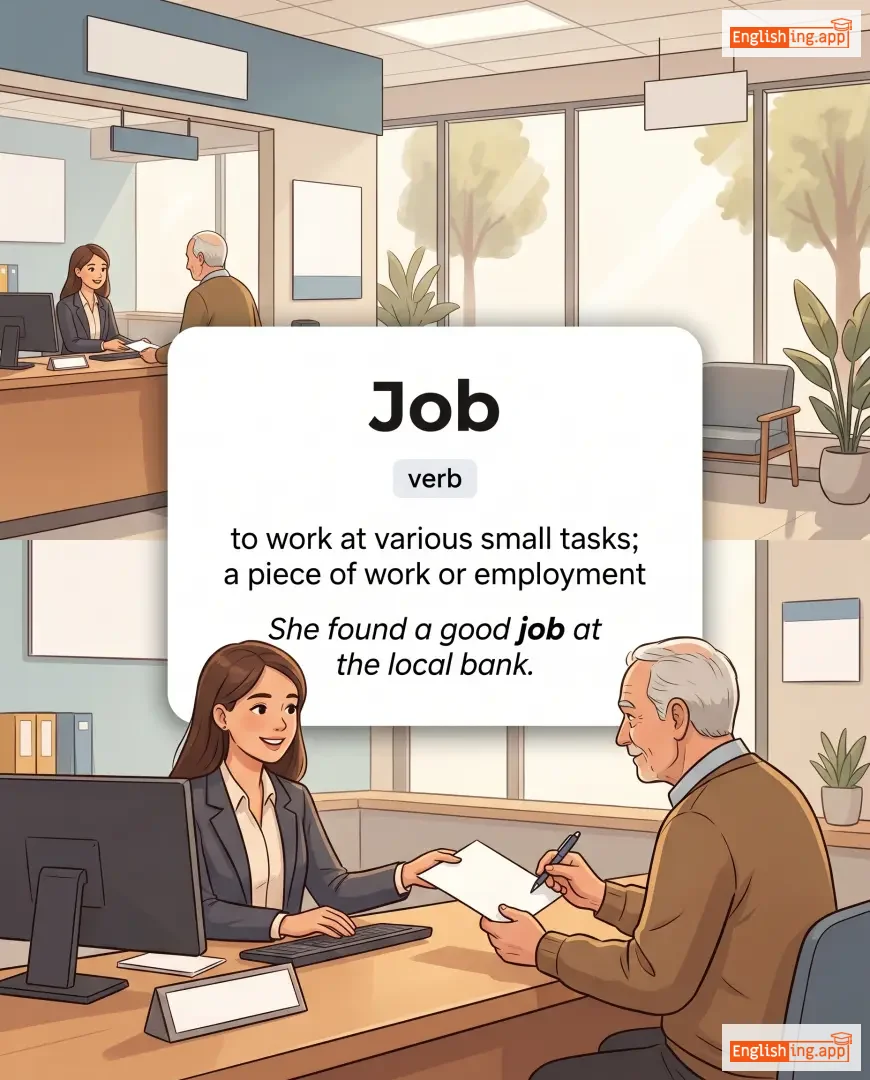
|
仕事
shigoto
••••••
|
- •••••• | - •••••• | - •••••• | - •••••• |
a paid position of regular employment
••••••
|
She got a new job at a software company.
彼女はソフトウェア会社で新しいジョブを見つけました。
••••••
|
彼女はソフトウェア会社で新しいジョブを見つけました。
Kanojo wa sofuto wea kaisha de atarashii jobu wo mitsukemashita.
••••••
|
on the job
仕事中
••••••
|
while working
••••••
|
仕事中
shigoto chu
••••••
|
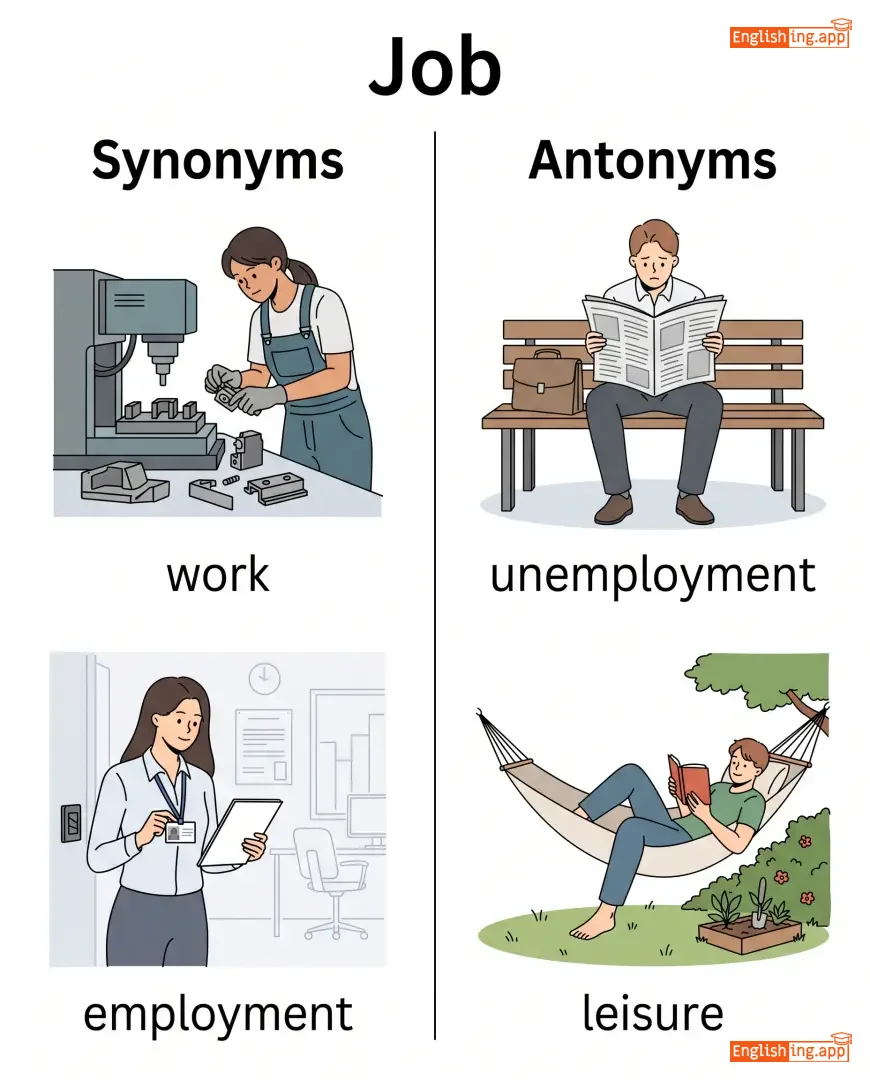
employment, occupation, position, work, profession
••••••
|
unemployment, idleness
••••••
|
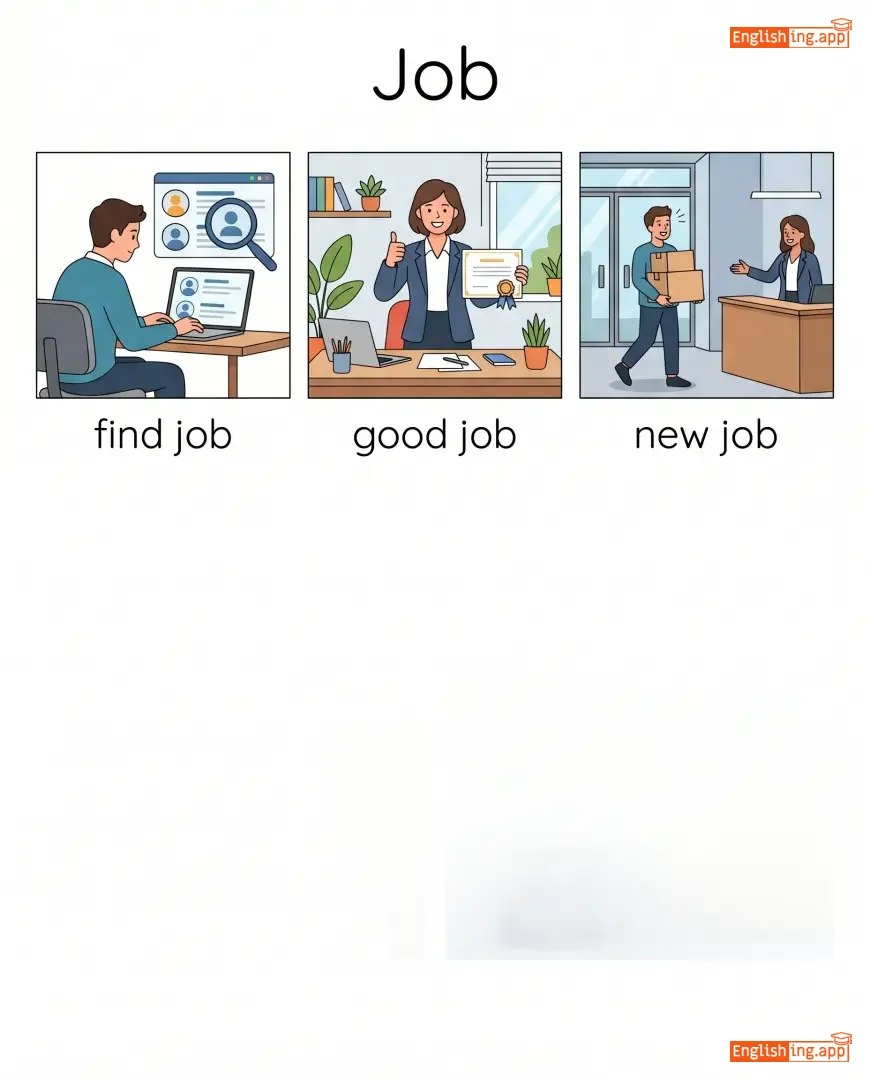
job offer, job interview, job market, job satisfaction
••••••
|
Jobは仕事を意味します、'Jobは日本語で仕事です' を覚えておいてください
••••••
|
|
#11299
🕍
|
/ˈdʒuːɪʃ/
adjective
(ハピネス)
••••••
|
- •••••• |
幸せ
shiawase
••••••
|
- •••••• | - •••••• | - •••••• | - •••••• |
relating to Jews or Judaism
••••••
|
They celebrate Jewish festivals every year. |
彼女は賞を受け取ったとき、幸せを隠せなかった。
Kanojo wa shou wo uketotta toki, shiawase wo kakusenakatta.
••••••
|
Jewish law |
The body of religious laws in Judaism
••••••
|
幸せの追求
shiawase no tsuikyuu
••••••
|
Hebraic, Judaic, Israelite, Semitic
••••••
|
non-Jewish, gentile
••••••
|
Jewish culture, Jewish tradition, Jewish history
••••••
|
幸せ = 常に心地よさを感じること
••••••
|
|
#11300
✡️
|
/dʒuː/
noun
(ジュー)
••••••
|
- •••••• |
ユダヤ人
yudayajin
••••••
|
- •••••• | - •••••• | - •••••• | - •••••• |
a person whose religion is Judaism or who is of Jewish descent
••••••
|
He is a Jew by heritage and follows Jewish customs. |
彼はユダヤ人で、ユダヤの習慣を守っています。
Kare wa yudayajin de, yudaya no shuukan o mamotte imasu.
••••••
|
- •••••• | - •••••• | - •••••• |
Hebrew, Israelite, Semite, Jewish person
••••••
|
gentile, non-Jew
••••••
|
Jewish community, practicing Jew, observant Jew
••••••
|
ユダヤ人はJew、ユダヤ教に由来
••••••
|
|
#11301
🇯🇵
|
/ˌdʒæpəˈniːz/
adjective
(ジャパニーズ)
••••••
|
- •••••• |
日本語
nihongo
••••••
|
- •••••• | - •••••• | - •••••• | - •••••• |
relating to Japan, its people, or their language
••••••
|
She loves Japanese culture and traditions. |
彼女は日本の文化と伝統が大好きです。
Kanojo wa Nihon no bunka to dentou ga daisuki desu.
••••••
|
Japanese cuisine |
Food that originates from Japan
••••••
|
日本料理
Nihon ryouri
••••••
|
Nipponese, oriental, Asian, Tokyo-based, Japanese-speaking
••••••
|
non-Japanese, foreign, western
••••••
|
Japanese food, Japanese language, Japanese culture, Japanese technology
••••••
|
日本 + 語 = 日本語、日本に関連するすべてを指す
••••••
|
|
#11302
🚔
|
/dʒeɪl/
noun, verb
(ジェイル)
••••••
|
- •••••• |
刑務所
keimusho
••••••
|
jailed
ジェイルド
••••••
|
jailed
ジェイルド
••••••
|
jails
ジェイルズ
••••••
|
jailing
ジェイリング
••••••
|
A place for the confinement of people accused or convicted of a crime; to imprison.
••••••
|
The thief was sent to jail for stealing.
ザ・スティーフ ワズ セント トゥ ジェイル フォー スティーリング。
••••••
|
泥棒は盗みのために刑務所に送られました。
Dorobō wa nusumi no tame ni keimusho ni okuraremashita.
••••••
|
throw in jail
スロー イン ジェイル
••••••
|
to imprison someone
••••••
|
刑務所に入れる
keimusho ni ireru
••••••
|
prison, lockup, penitentiary, detention
••••••
|
freedom, release
••••••
|
go to jail, in jail, jail sentence, jail term
••••••
|
Jailは英語で刑務所。犯罪者は刑務所に入れる。
••••••
|
|
#11303
🧥
|
/ˈdʒækɪt/
noun
(ジャケット)
••••••
|
- •••••• |
ジャケット
jaketto
••••••
|
- •••••• | - •••••• | - •••••• | - •••••• |
A short coat, typically extending to the hips.
••••••
|
She wore a leather jacket in the winter.
彼女は冬にレザーのジャケットを着ていた。
••••••
|
彼女は冬にレザーのジャケットを着ていた。
Kanojo wa fuyu ni reza- no jaketto wo kiteita.
••••••
|
straight jacket
強制ジャケット
••••••
|
something that severely restricts freedom of movement or action
••••••
|
強制ジャケット
kyousei jaketto
••••••
|
coat, blazer, overcoat, garment
••••••
|
shirt, vest
••••••
|
leather jacket, winter jacket, denim jacket, safety jacket
••••••
|
ジャケットで寒さを防ぐ、強制ジャケットは自由を制限する。
••••••
|
|
#11304
🙆
|
/ɪtˈsɛlf/
pronoun
(イッツェルフ)
••••••
|
- •••••• |
それ自身
sore jishin
••••••
|
- •••••• | - •••••• | - •••••• | - •••••• |
Used to emphasize the thing just mentioned; by its own power or effort.
••••••
|
The cat cleaned itself after eating. |
猫は食べた後、自分で自分をきれいにした。
neko wa tabeta ato, jibun de jibun o kirei ni shita.
••••••
|
in itself |
considered alone, without reference to anything else
••••••
|
それ自体
sore jitai
••••••
|
alone, personally, independently
••••••
|
together, others
••••••
|
by itself, itself alone, itself clear, itself evident
••••••
|
Itself はそれ自身 — 猫はそれ自身で (itself) きれいにした。
••••••
|
Vocabulary Quiz
Test your vocabulary by matching words with their translations or meanings.
Login to take the quiz
Comments (0)
Share your thoughts and join the discussion.
Join the discussion by logging in
Login to CommentNo comments yet
Be the first to share your thoughts!