

翻訳
過去
過去分詞
三人称単数
動名詞
意味
例文
例文の翻訳
同義語
対義語
コロケーション
ニーモニック

Swipe left or right, or use the buttons. Tap image to zoom.
例文の翻訳
単語
Lesson 247Lesson 247 - マスクトグル
|
絵文字
|
単語 | Images | 翻訳 | 過去 | 過去分詞 | 三人称単数 | 動名詞 | 意味 | 例文 | 例文の翻訳 | 表現例 | 表現例の意味 | 表現例の翻訳 | 同義語 | 対義語 | コロケーション | ニーモニック |
|---|---|---|---|---|---|---|---|---|---|---|---|---|---|---|---|---|---|
|
#7380
🔁
|
/rɪˈkɜːr/
verb
••••••
|
- •••••• | - •••••• |
recurred
••••••
|
recurred
••••••
|
recurs
••••••
|
recurring
••••••
|
to happen again, especially repeatedly or at regular intervals
••••••
|
The headache tends to recur every few weeks. |
- •••••• |
history repeats itself |
events tend to recur in a similar way over time
••••••
|
- •••••• |
repeat, return, reappear, happen again, reemerge
••••••
|
cease, stop, end
••••••
|
recur frequently, symptoms recur, problem recurs, pain recurs
••••••
|
No •••••• |
|
#7381
🗑️
|
/rɪˈdʌndənt/
adjective
(リダンダント)
••••••
|
|
冗長な
jōchōna
••••••
|
- •••••• | - •••••• | - •••••• | - •••••• |
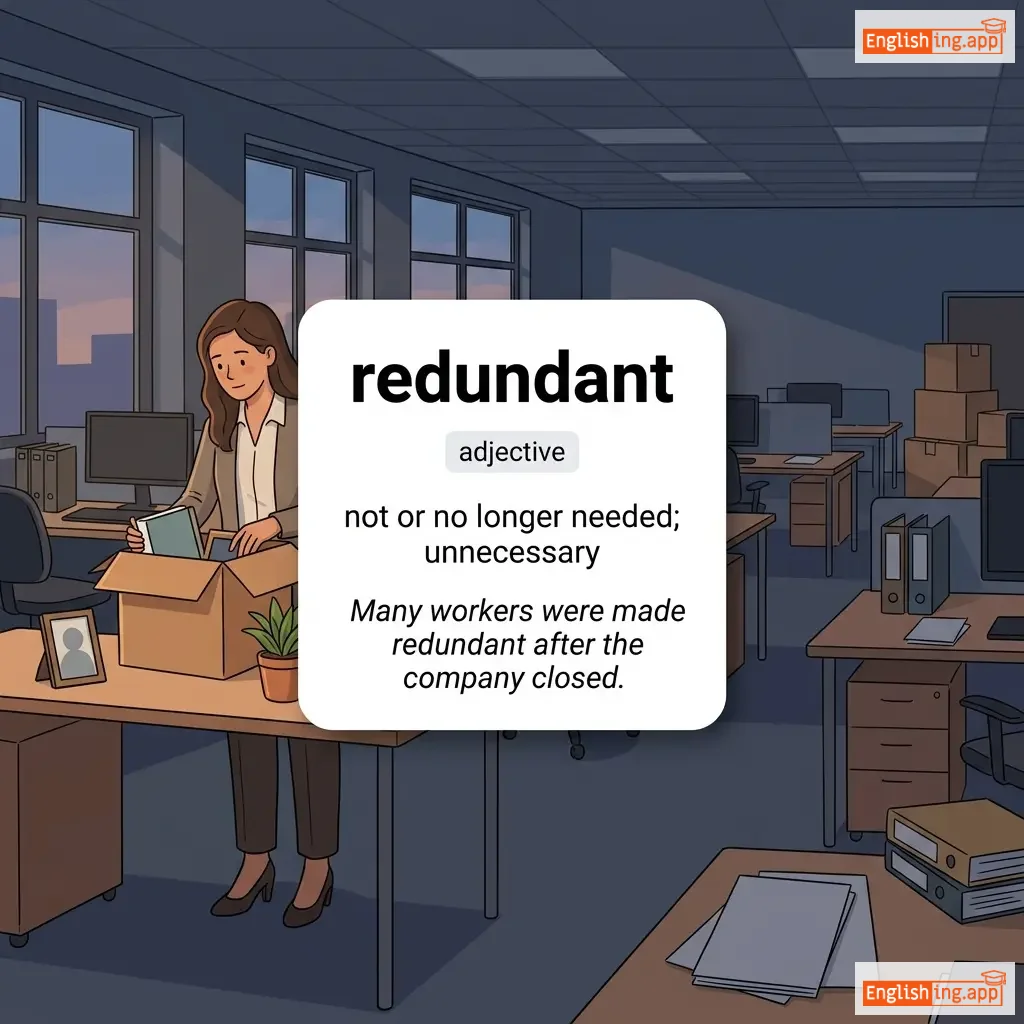
not or no longer needed; unnecessary
••••••
|
Many workers were made redundant after the company closed. |
会社が閉鎖された後、多くの労働者は冗長だと見なされました。
Kaisha ga heisa sareta ato, ōku no rōdōsha wa jōchō da to minasaremashita.
••••••
|
made redundant |
dismissed from a job because the role is no longer necessary
••••••
|
解雇される
kaiko sareru
••••••
|
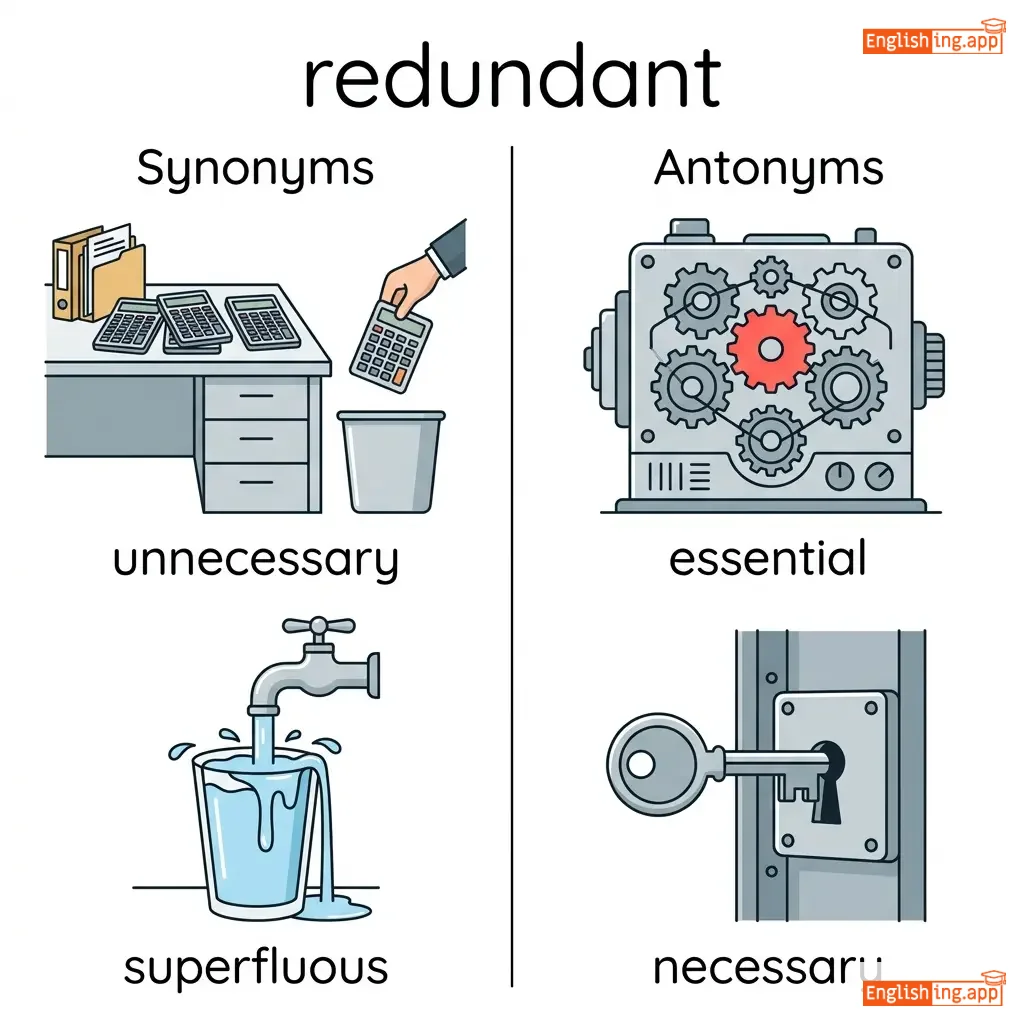
unnecessary, superfluous, excessive, surplus
••••••
|
essential, necessary, needed
••••••
|
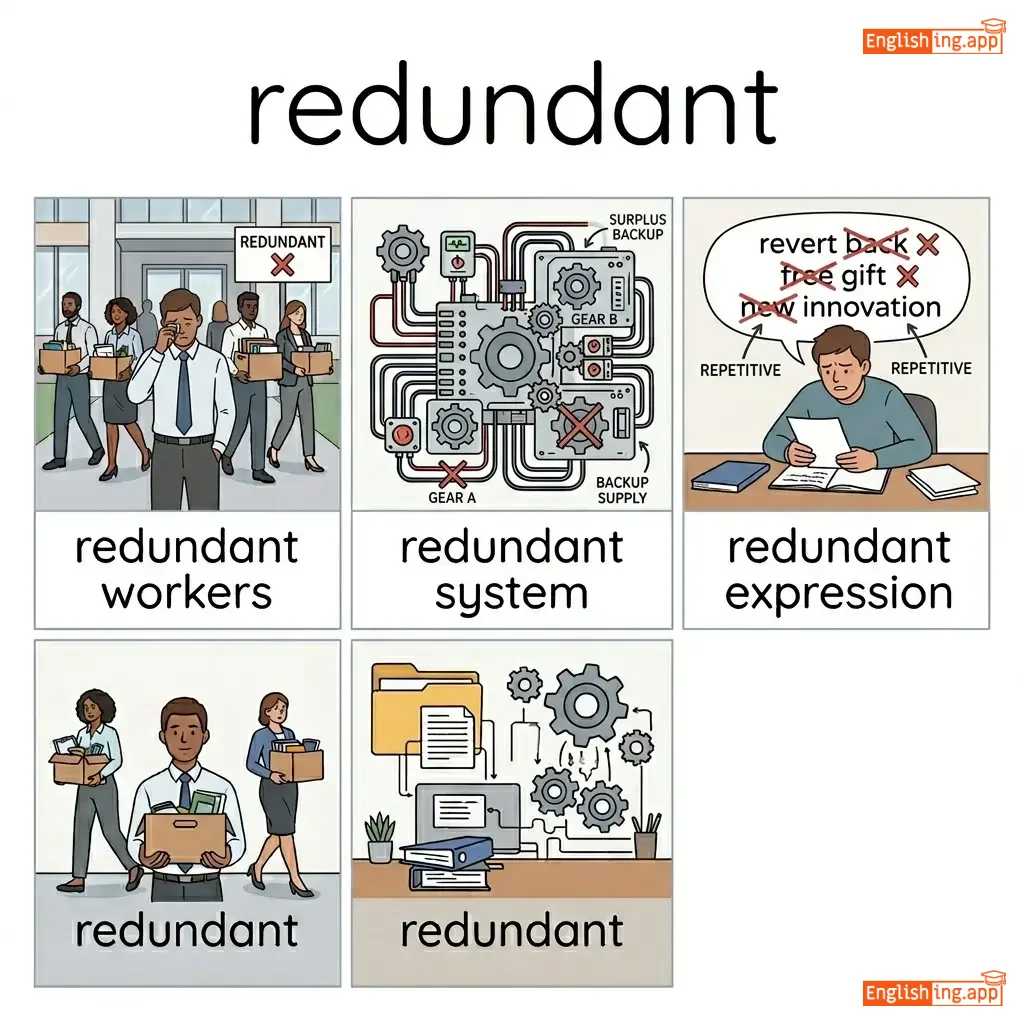
redundant workers, redundant system, redundant expression
••••••
|
Redundant = 再実行 = 冗長な
••••••
|
|
#7382
♻️
|
/rɪˈdʌndəns/
noun
(リダンダンス)
••••••
|
- •••••• |
冗長
jōchō
••••••
|
- •••••• | - •••••• | - •••••• | - •••••• |
the state of being unnecessary or more than needed
••••••
|
The report contained too much redu ndance and repetition. |
報告書には冗長性と繰り返しが多すぎた。
Hōkokusho ni wa jōchō-sei to kurikaeshi ga ōsugita.
••••••
|
- •••••• | - •••••• | - •••••• |
excess, superfluity, surplus, repetition
••••••
|
necessity, essential, need
••••••
|
unnecessary redundance, redu ndance in writing, speech redundance
••••••
|
冗長 = 何度も繰り返すこと。
••••••
|
|
#7383
📉
|
/rɪˈdjuːsəbl̩/
adjective
••••••
|
- •••••• | - •••••• | - •••••• | - •••••• | - •••••• | - •••••• |
capable of being simplified, lessened, or made smaller
••••••
|
The problem is complex but reducible to a few basic principles. |
- •••••• | - •••••• | - •••••• | - •••••• |
simplifiable, manageable, compressible, resolvable
••••••
|
irreducible, unsolvable, unmanageable
••••••
|
reducible problem, reducible fraction, reducible equation
••••••
|
No •••••• |
|
#7384
➖
|
/rɪˈdjuːs/
verb
(リデュース)
••••••
|
|
減らす
herasu
••••••
|
reduced
リデュースド
••••••
|
reduced
リデュースド
••••••
|
reduces
リデュースズ
••••••
|
reducing
リデュースイング
••••••
|
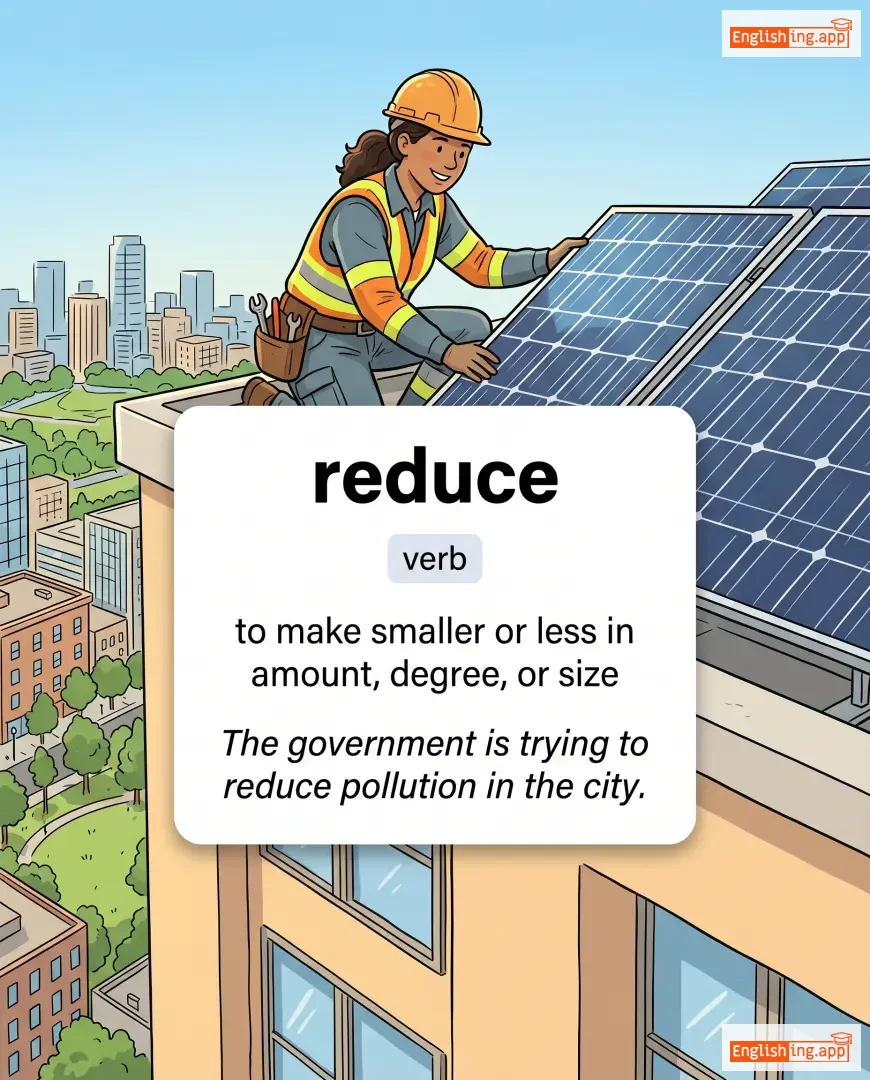
to make smaller or less in amount, degree, or size
••••••
|
The government is trying to reduce pollution in the city.
政府は都市の汚染を減らそうとしています。
••••••
|
政府は都市の汚染を減らそうとしています。
Seifu wa toshi no osen wo herasou to shiteimasu.
••••••
|
reduce to tears
涙に減らす
••••••
|
to make someone cry
••••••
|
涙に減らす
namida ni herasu
••••••
|
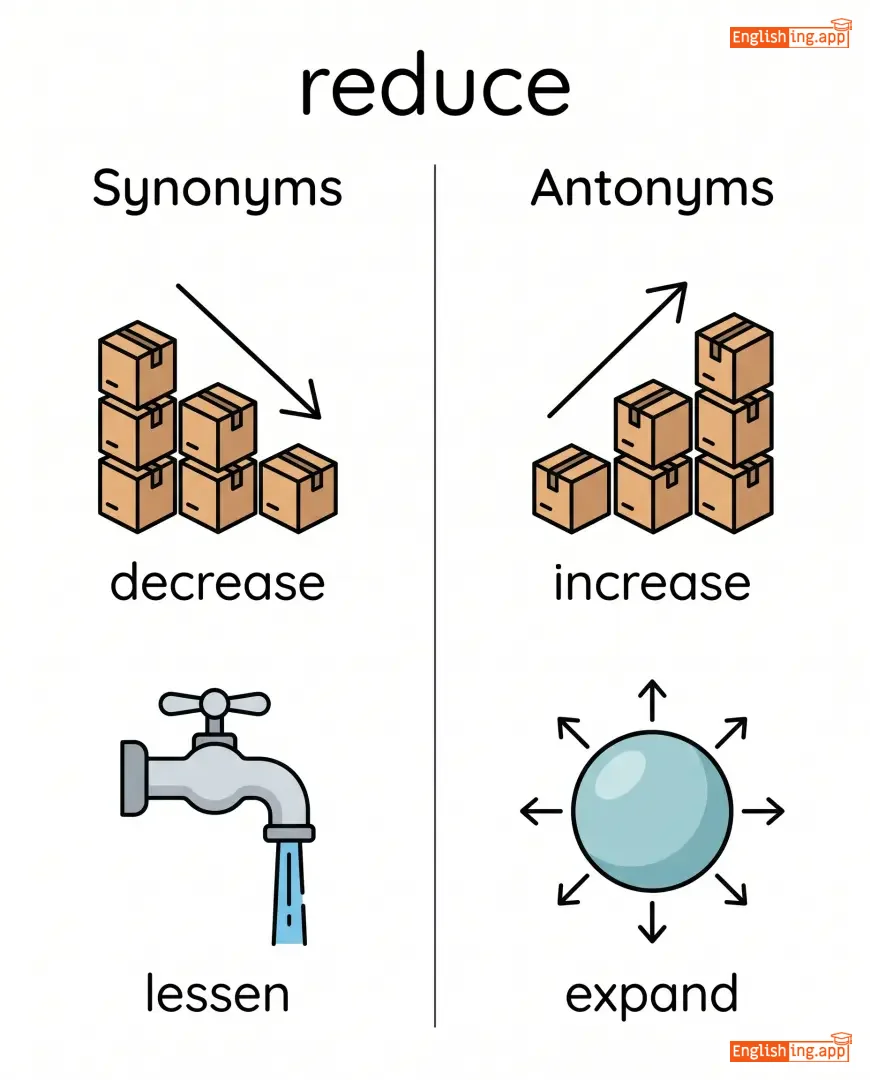
decrease, lessen, diminish, cut, lower
••••••
|
increase, expand, enlarge
••••••
|
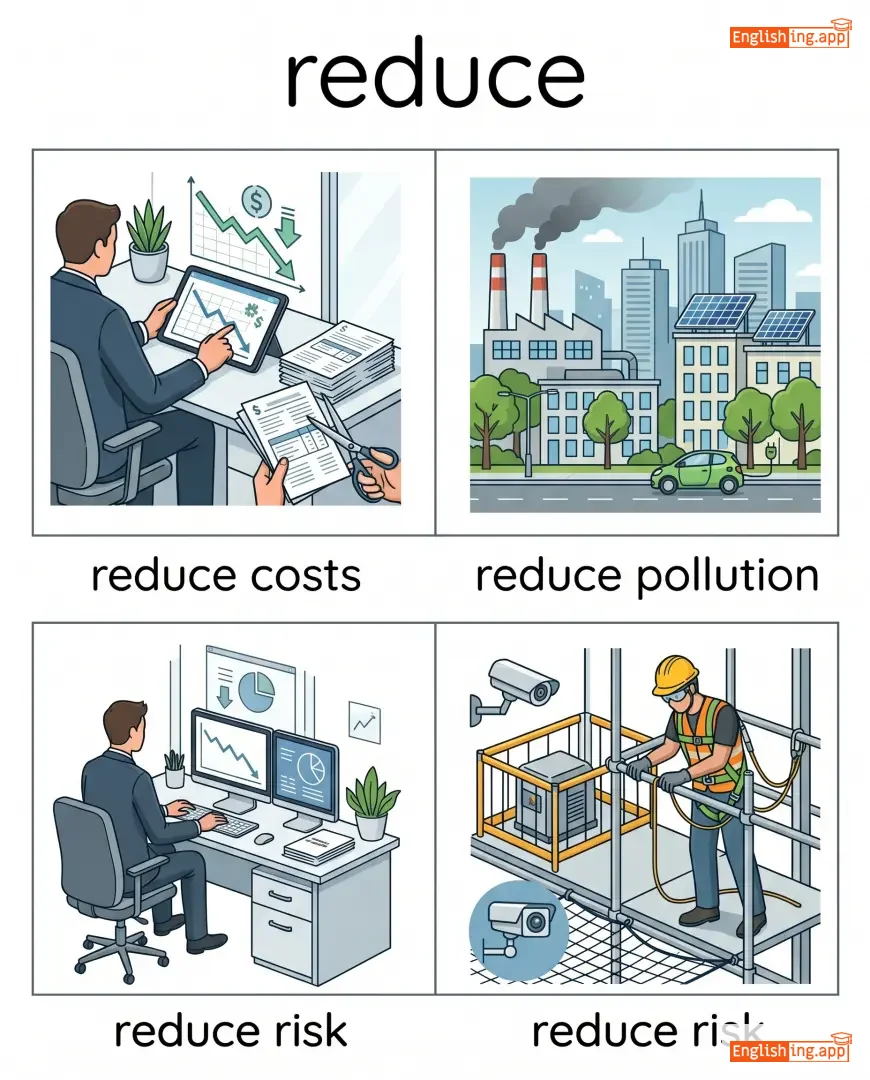
reduce costs, reduce pollution, reduce risk, reduce stress
••••••
|
Reduceは減らすことを意味します—'リデュースでストレスも減らせる。'
••••••
|
|
#7385
⚖️
|
/rɪˈdrɛs/
verb
(レッドレス)
••••••
|
- •••••• |
是正する
seisei suru
••••••
|
redressed
レッドレスト
••••••
|
redressed
レッドレスト
••••••
|
redresses
レッドレセス
••••••
|
redressing
レッドレッシング
••••••
|
to set right, remedy, or compensate for a wrong or grievance
••••••
|
The company promised to redress the complaints of its customers.
その会社は顧客の苦情を是正すると約束しました。
••••••
|
その会社は顧客の苦情を是正すると約束しました。
Sono kaisha wa kokyaku no kujou wo seisei suru to yakusoku shimashita.
••••••
|
seek redress
是正を求める
••••••
|
to pursue compensation or remedy for a wrong or grievance
••••••
|
是正を求める
seisei wo motomeru
••••••
|
remedy, rectify, amend, compensate, correct
••••••
|
worsen, aggravate, ignore
••••••
|
seek redress, redress grievances, redress injustice, redress balance
••••••
|
Red dress (レッドレス) は是正 (seisei suru) するために必要です。
••••••
|
|
#7386
📈
|
/rɪˈdaʊnd/
verb
(レダウンド)
••••••
|
- •••••• |
貢献する
kōken suru
••••••
|
redounded
レダウンドッド
••••••
|
redounded
レダウンドッド
••••••
|
redounds
レダウンドス
••••••
|
redounding
レダウンディング
••••••
|
to contribute greatly to a result or consequence, usually beneficial
••••••
|
His hard work will redound to the success of the company.
彼の努力は会社の成功に貢献するでしょう。
••••••
|
彼の努力は会社の成功に貢献するでしょう。
Kare no doryoku wa kaisha no seikō ni kōken suru deshō.
••••••
|
redound to someone's credit
誰かの名誉に貢献する
••••••
|
to bring honor or advantage to someone
••••••
|
誰かの名誉に貢献する
Dareka no meiyo ni kōken suru
••••••
|
contribute, add, lead, result
••••••
|
detract, diminish
••••••
|
redound to success, redound to credit, redound to benefit
••••••
|
Redoundは貢献すること、そして大きな貢献のようなものです。
••••••
|
|
#7387
🛡️
|
/rɪˈdaʊ.tə.bəl/
adjective
(リダウタブル)
••••••
|
- •••••• |
恐ろしい/尊敬すべき
osoroshii/sonkei subeki
••••••
|
- •••••• | - •••••• | - •••••• | - •••••• |
formidable, especially as an opponent; inspiring fear or respect
••••••
|
She was a redoubtable leader who commanded respect from all. |
彼女は全員から尊敬を集める恐ろしいリーダーだった。
Kanojo wa zen'in kara sonkei o atsumeru osoroshī rīdā datta.
••••••
|
- •••••• | - •••••• | - •••••• |
formidable, intimidating, powerful, commanding
••••••
|
weak, unimpressive
••••••
|
redoubtable opponent, redoubtable leader, redoubtable warrior
••••••
|
Redoubtableとは、'extra doubt'(追加の疑念)を生み出すような恐ろしい対戦相手を指す。
••••••
|
|
#7388
🌹
|
/ˈrɛd.ələnt/
adjective
••••••
|
- •••••• | - •••••• | - •••••• | - •••••• | - •••••• | - •••••• |
having a strong pleasant smell; strongly reminiscent or suggestive of something
••••••
|
The kitchen was redolent of spices and fresh herbs. |
- •••••• | - •••••• | - •••••• | - •••••• |
fragrant, aromatic, evocative, perfumed
••••••
|
odorless, scentless
••••••
|
redolent of roses, redolent of memories, redolent with spices
••••••
|
No •••••• |
|
#7389
🌸
|
/ˈrɛd.ə.ləns/
noun
(レドレンス)
••••••
|
- •••••• |
香り
kaori
••••••
|
- •••••• | - •••••• | - •••••• | - •••••• |
a pleasant smell or the quality of suggesting something strongly
••••••
|
The redolence of jasmine filled the evening air. |
ジャスミンの香りが夕方の空気を満たした。
Jasumin no kaori ga yūgata no kūki o mitashita.
••••••
|
- •••••• | - •••••• | - •••••• |
fragrance, aroma, perfume, scent
••••••
|
odor, stench
••••••
|
redolence of flowers, redolence of history, redolence of spices
••••••
|
Redolence は花の香りのようなものです。
••••••
|
|
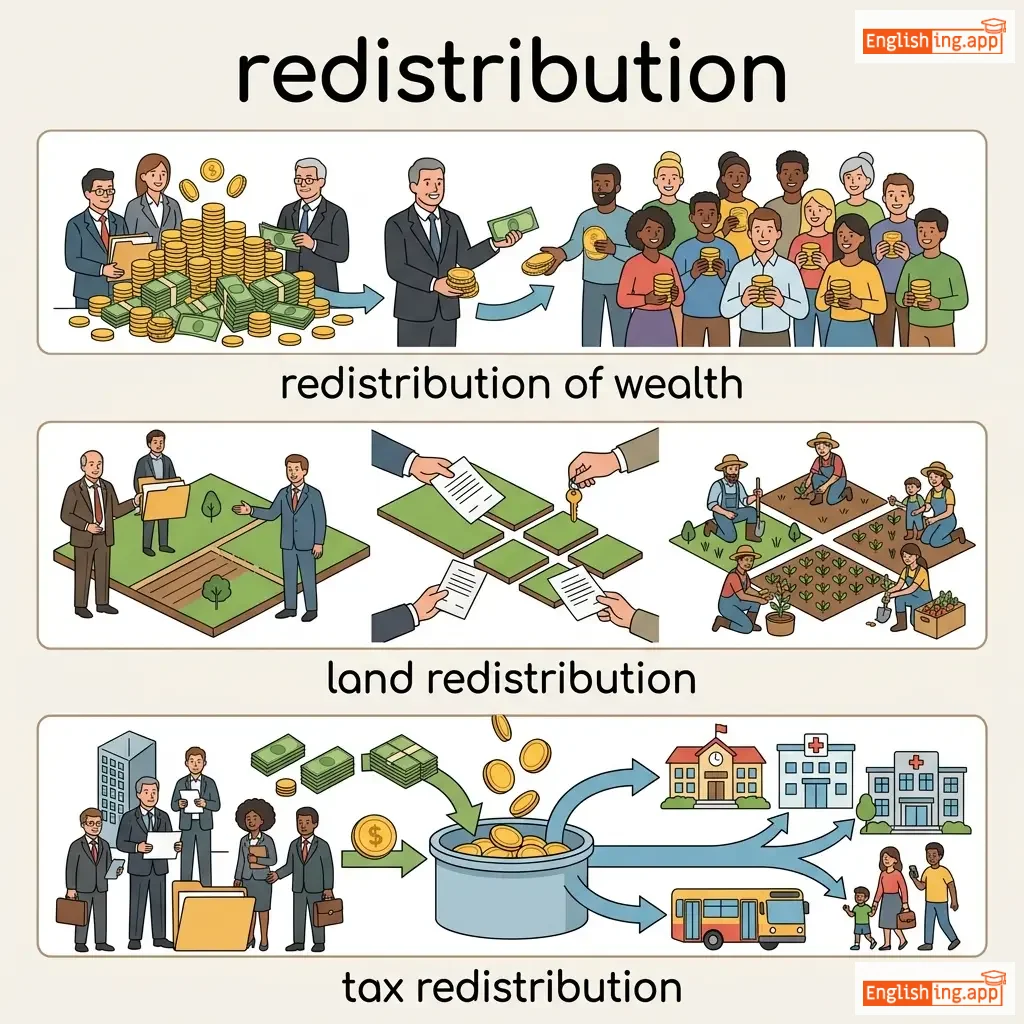
#7390
⚖️
|
/ˌriː.dɪ.strɪˈbjuː.ʃən/
noun
(redisutoribyūshon)
••••••
|
|
再分配
saibunpei
••••••
|
- •••••• | - •••••• | - •••••• | - •••••• |
the act of sharing something out differently from before, often wealth or resources
••••••
|
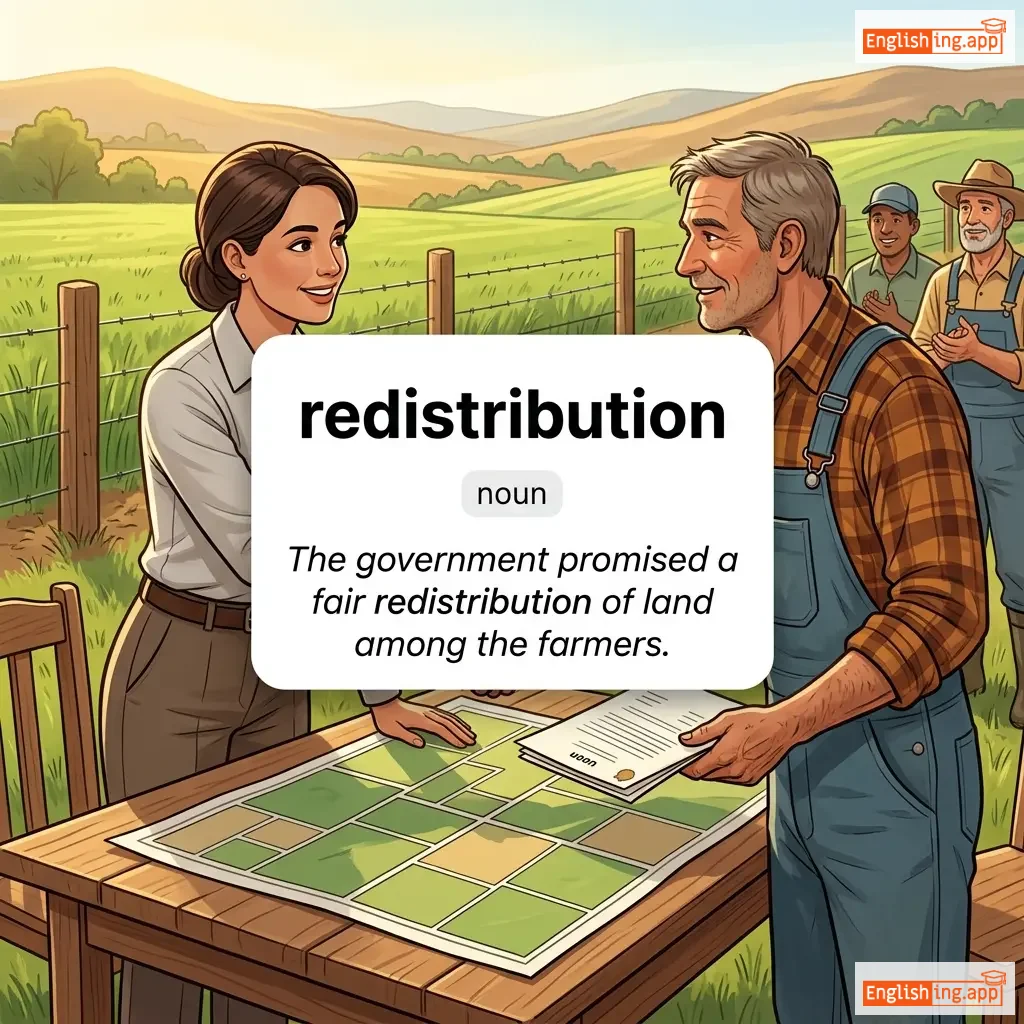
The government promised a fair redistribution of land among the farmers. |
政府は農民たちの間で公正な土地の再分配を約束しました。
Seifu wa nōminta chi no aida de kōsei na tochi no saibunpai o yakusoku shimashita.
••••••
|
- •••••• | - •••••• | - •••••• |
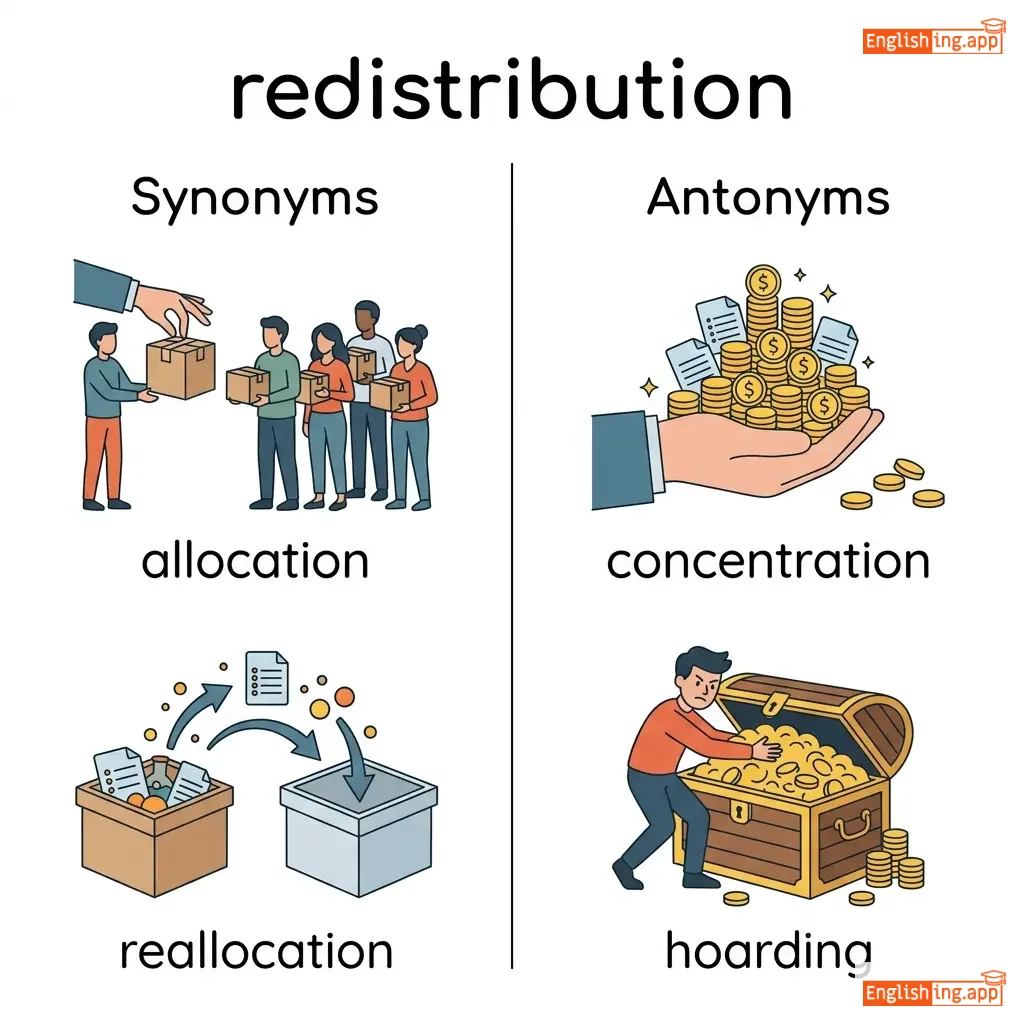
allocation, reallocation, division, sharing, apportionment
••••••
|
concentration, hoarding
••••••
|
redistribution of wealth, land redistribution, tax redistribution, income redistribution
••••••
|
Re-distribution は再分配すること、漢字で再分配です。
••••••
|
|
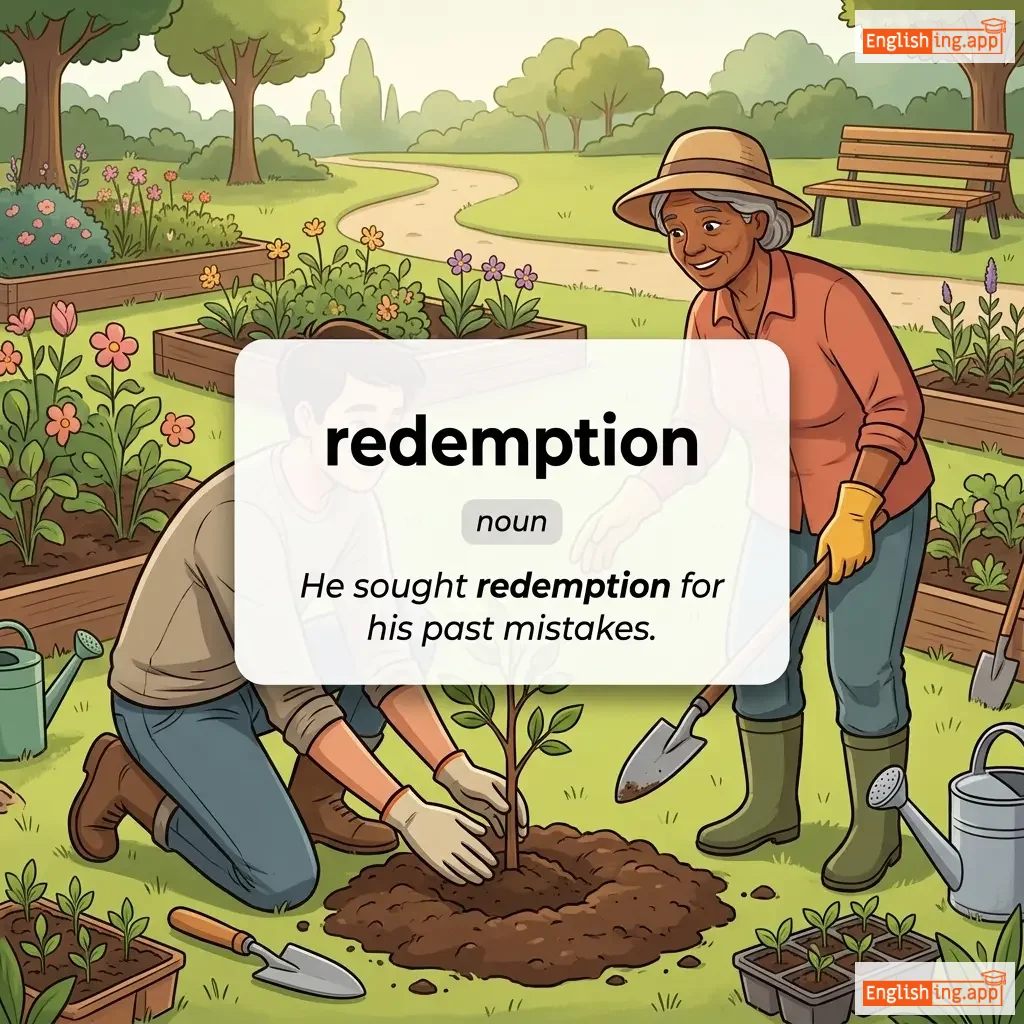
#7391
🙏
|
/rɪˈdɛmpʃən/
noun
(リデンプション)
••••••
|
|
贖罪
shokuzai
••••••
|
- •••••• | - •••••• | - •••••• | - •••••• |
the act of being saved from sin, error, or evil; also the act of regaining possession or making something better
••••••
|
He sought redemption for his past mistakes. |
彼は過去の過ちから贖罪を求めました。
Kare wa kako no ayamachi kara shokuzai o motomemashita.
••••••
|
beyond redemption |
too bad to be improved or saved
••••••
|
贖罪を超えて
shokuzai o koete
••••••
|
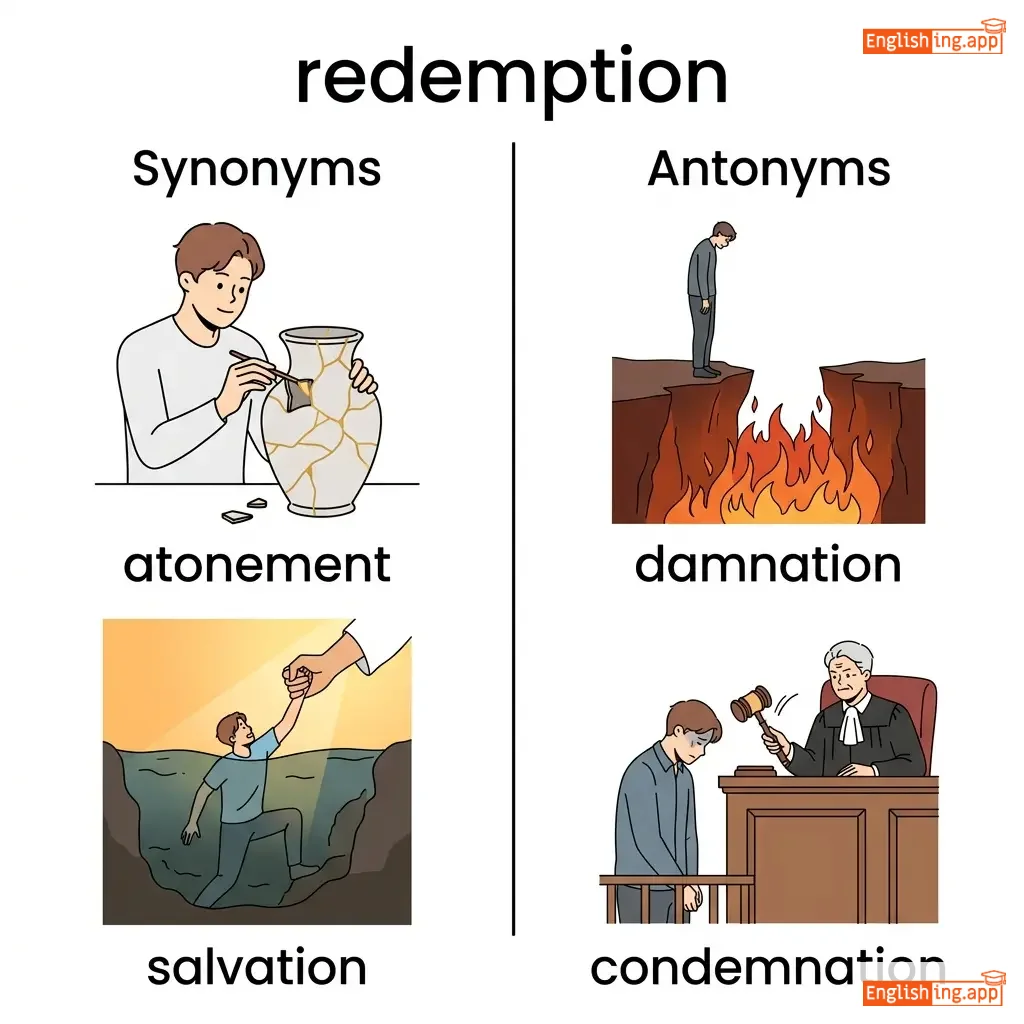
atonement, salvation, recovery, deliverance
••••••
|
damnation, condemnation
••••••
|
seek redemption, path to redemption, beyond redemption, redemption value
••••••
|
贖罪=過ちから解放されること、まるで新しい始まりのように
••••••
|
|
#7392
✊
|
/ˈrɛkjʊzənt/
noun
(リキューザント)
••••••
|
- •••••• |
反抗者
hankōsha
••••••
|
- •••••• | - •••••• | - •••••• | - •••••• |
a person who refuses to submit to authority or comply with rules
••••••
|
The recusant opposed the new law.
リキューザントは新しい法律に反対しました。
••••••
|
反抗者は新しい法律に反対しました。
Hankōsha wa atarashī hōritsu ni hantai shimashita.
••••••
|
- •••••• | - •••••• | - •••••• |
dissenter, rebel, nonconformist, protester
••••••
|
follower, conformist
••••••
|
Catholic recusant, political recusant, recusant group
••••••
|
Recusant = 反対 + 権威 = 規則を守らない人
••••••
|
|
#7393
🔄
|
/rɪˈkʌrənt/
adjective
(リカレント)
••••••
|
- •••••• |
再発する
saihatsu suru
••••••
|
- •••••• | - •••••• | - •••••• | - •••••• |
happening again and again, repeatedly
••••••
|
She suffers from recurrent nightmares.
彼女は繰り返し現れる悪夢に悩まされています。
••••••
|
彼女は繰り返し現れる悪夢に悩まされています。
Kanojo wa kurikaeshi arawareru akumu ni nayamasareteimasu.
••••••
|
- •••••• | - •••••• | - •••••• |
repeated, frequent, periodic, returning
••••••
|
rare, occasional
••••••
|
recurrent problem, recurrent issue, recurrent theme, recurrent dream
••••••
|
ReCURRENTは、繰り返し起こることを意味します。
••••••
|
|
#7394
🩹
|
/rɪˈkjʊə/
verb
(リキュア)
••••••
|
- •••••• |
再治療する
sai chiryō suru
••••••
|
recured
リキュアド
••••••
|
recured
リキュアド
••••••
|
recures
リキュアス
••••••
|
recuring
リキュアリング
••••••
|
to cure again; to remedy a second time
••••••
|
The doctor had to recure the wound after it reopened.
医者は傷が再び開いた後、傷を再治療する必要がありました。
••••••
|
医者は傷が再び開いた後、傷を再治療する必要がありました。
Isha wa kizu ga futatabi hiraita ato, kizu o sai chiryō suru hitsuyō ga arimashita.
••••••
|
- •••••• | - •••••• | - •••••• |
heal again, remedy, fix, treat again
••••••
|
harm, injure
••••••
|
recure wound, recure problem, recure damage
••••••
|
Recure = 再治療する (治す)
••••••
|
|
#7395
📖
|
/rɪˈkaʊnt/
verb
(リカウント)
••••••
|
- •••••• |
語る
kataru
••••••
|
recounted
リカウントエッド
••••••
|
recounted
リカウントエッド
••••••
|
recounts
リカウントス
••••••
|
recounting
リカウントイング
••••••
|
to narrate or tell the details of an event or experience
••••••
|
She recounted her adventures during the summer trip.
彼女は夏の旅行中の冒険について語った。
••••••
|
彼女は夏の旅行中の冒険について語った。
Kanojo wa natsu no ryokou-chuu no bouken ni tsuite katatta.
••••••
|
- •••••• | - •••••• | - •••••• |
narrate, describe, relate, tell, detail
••••••
|
conceal, suppress
••••••
|
recount a story, recount events, recount experiences, recount details
••••••
|
語ることは再び数えることのように、物語を一つずつ語ることです。
••••••
|
|
#7396
🛌
|
/rɪˈkuːpəreɪt/
verb
(リクペレイト)
••••••
|
- •••••• |
回復する
kaifuku suru
••••••
|
recuperated
リクペレイテッド
••••••
|
recuperated
リクペレイテッド
••••••
|
recuperates
リクペレイツ
••••••
|
recuperating
リクペレイティング
••••••
|
to recover from illness or regain strength
••••••
|
She went to the countryside to recuperate after surgery.
彼女は手術後、回復するために田舎に行った。
••••••
|
彼女は手術後、回復するために田舎に行った。
Kanojo wa shujutsu go, kaifuku suru tame ni inaka ni itta.
••••••
|
recuperate from illness
病気から回復する
••••••
|
to get well after being sick
••••••
|
病気から回復する
byouki kara kaifuku suru
••••••
|
recover, heal, restore, regain
••••••
|
deteriorate, decline, weaken
••••••
|
recuperate from, recuperate after, time to recuperate
••••••
|
Recover + Operate → 回復するは病気から回復すること
••••••
|
|
#7397
🛋️
|
/rɪˈkʌmbənt/
adjective
(rikambento)
••••••
|
- •••••• |
横たわる
yokotawaru
••••••
|
- •••••• | - •••••• | - •••••• | - •••••• |
lying down or in a resting position
••••••
|
He was found recumbent on the sofa after a long day.
彼は長い一日の後、ソファで横になっているのが見つかりました。
••••••
|
彼は長い一日の後、ソファで横になっているのが見つかりました。
Kare wa nagai ichinichi no ato, sofa de yokonatte iru no ga mitsukarimashita.
••••••
|
- •••••• | - •••••• | - •••••• |
lying, reclining, resting, supine
••••••
|
standing, upright, erect
••••••
|
recumbent position, recumbent bicycle, lie recumbent
••••••
|
Re + Cumbent = 休息 (横たわる)
••••••
|
|
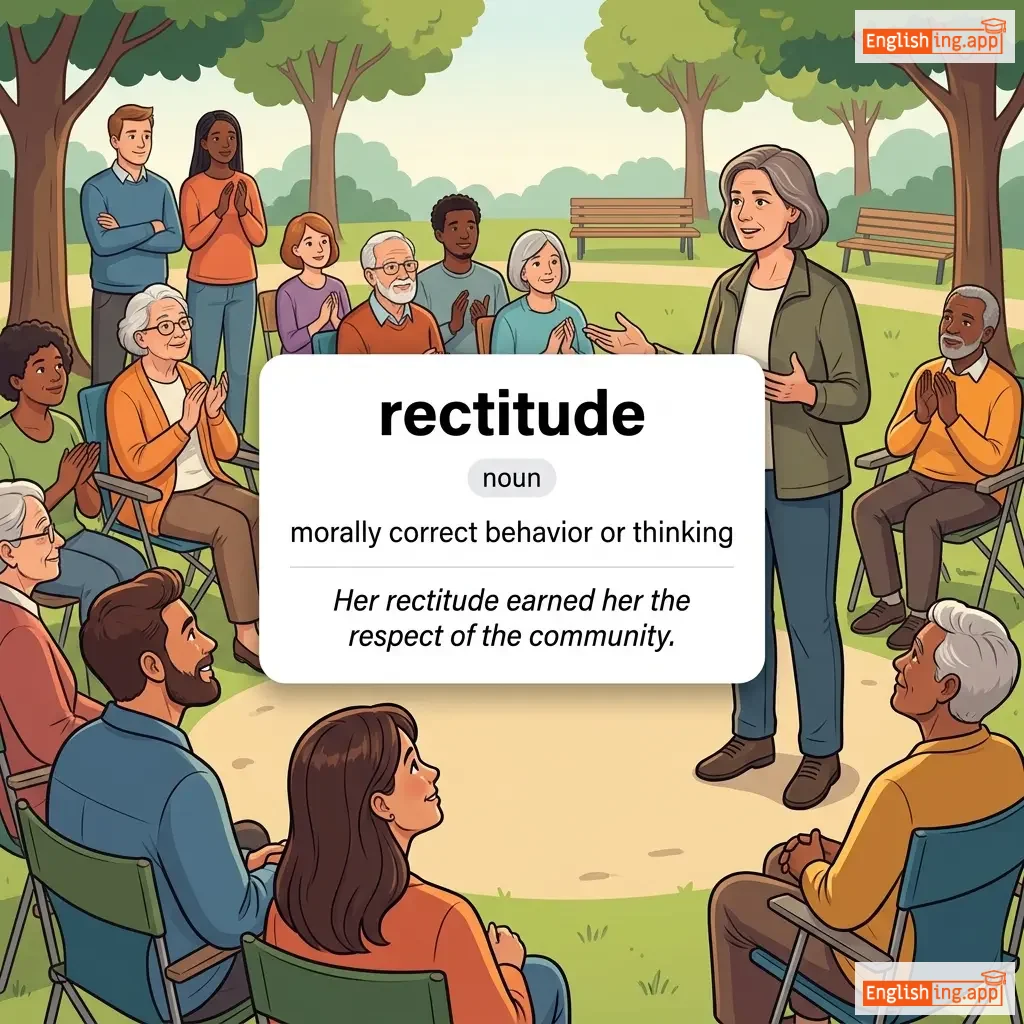
#7398
⚖️
|
/ˈrɛktɪtjuːd/
noun
(レクティチュード)
••••••
|
|
徳
toku
••••••
|
- •••••• | - •••••• | - •••••• | - •••••• |
morally correct behavior or thinking
••••••
|
Her rectitude earned her the respect of the community. |
彼女の徳はコミュニティの尊敬を得ました。
Kanojo no toku wa komyuniti no sonkei o emashita.
••••••
|
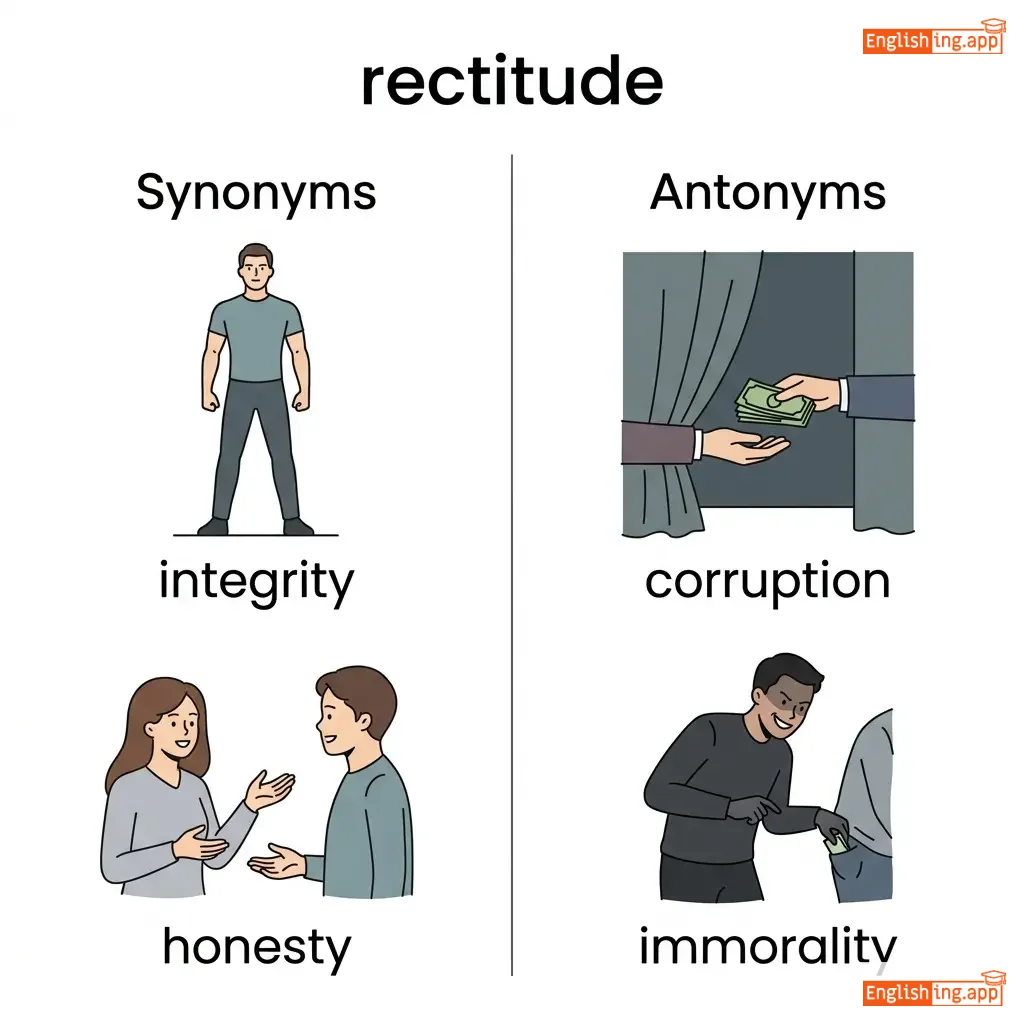
- •••••• | - •••••• | - •••••• |
integrity, honesty, righteousness, virtue
••••••
|
corruption, immorality, dishonesty
••••••
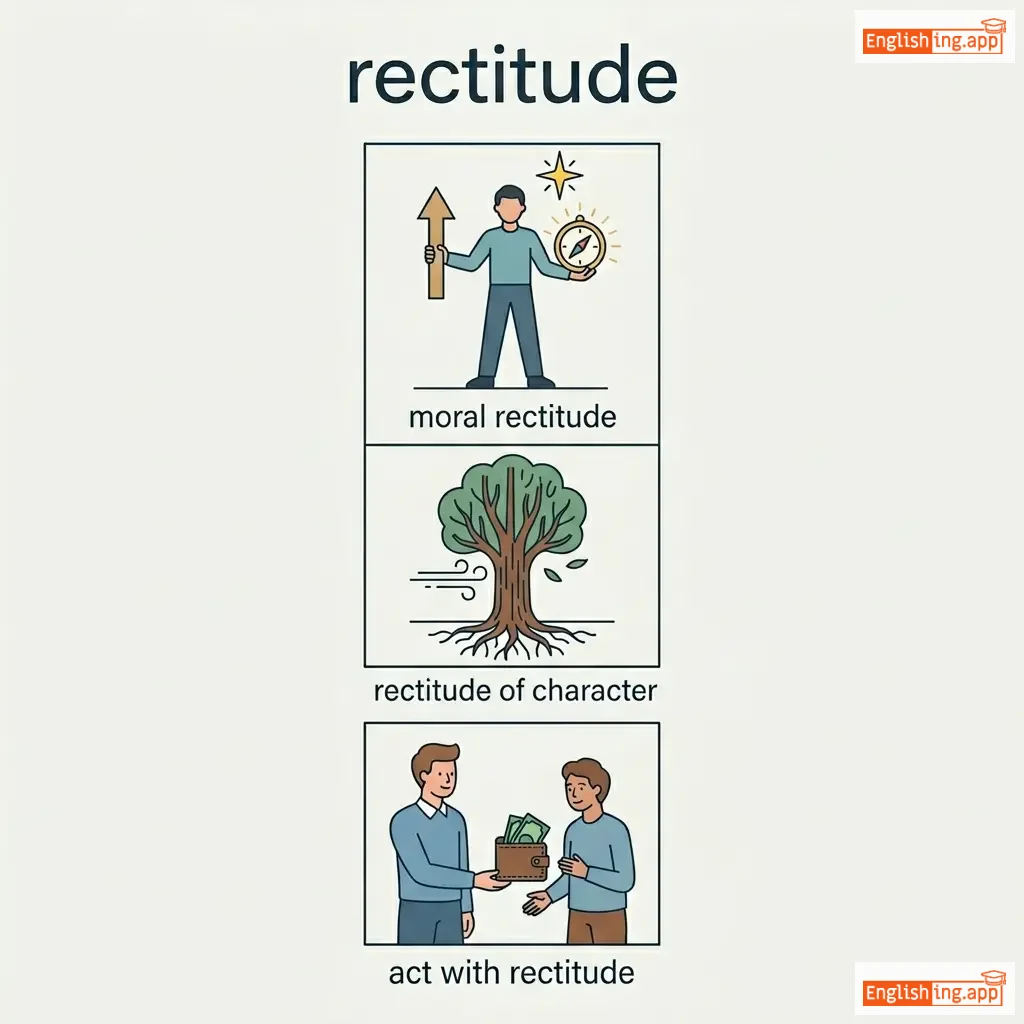
|
moral rectitude, rectitude of character, act with rectitude
••••••
|
Rect → 正しい; 徳は道徳的な正しさを意味します
••••••
|
|
#7399
🛠️
|
/ˈrɛktɪfaɪ/
verb
(レクティファイ)
••••••
|
|
訂正する
teisei suru
••••••
|
rectified
レクティファイド
••••••
|
rectified
レクティファイド
••••••
|
rectifies
レクティファイズ
••••••
|
rectifying
レクティファイング
••••••
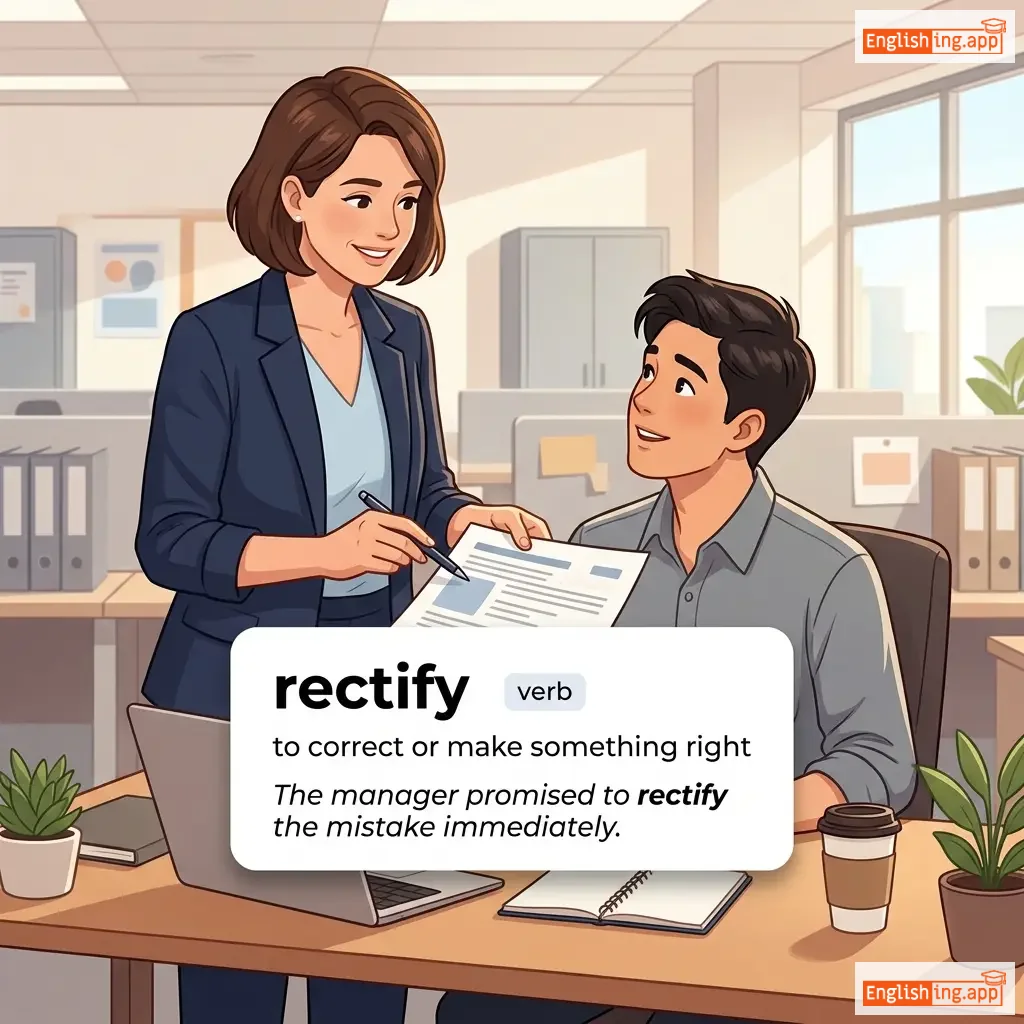
|
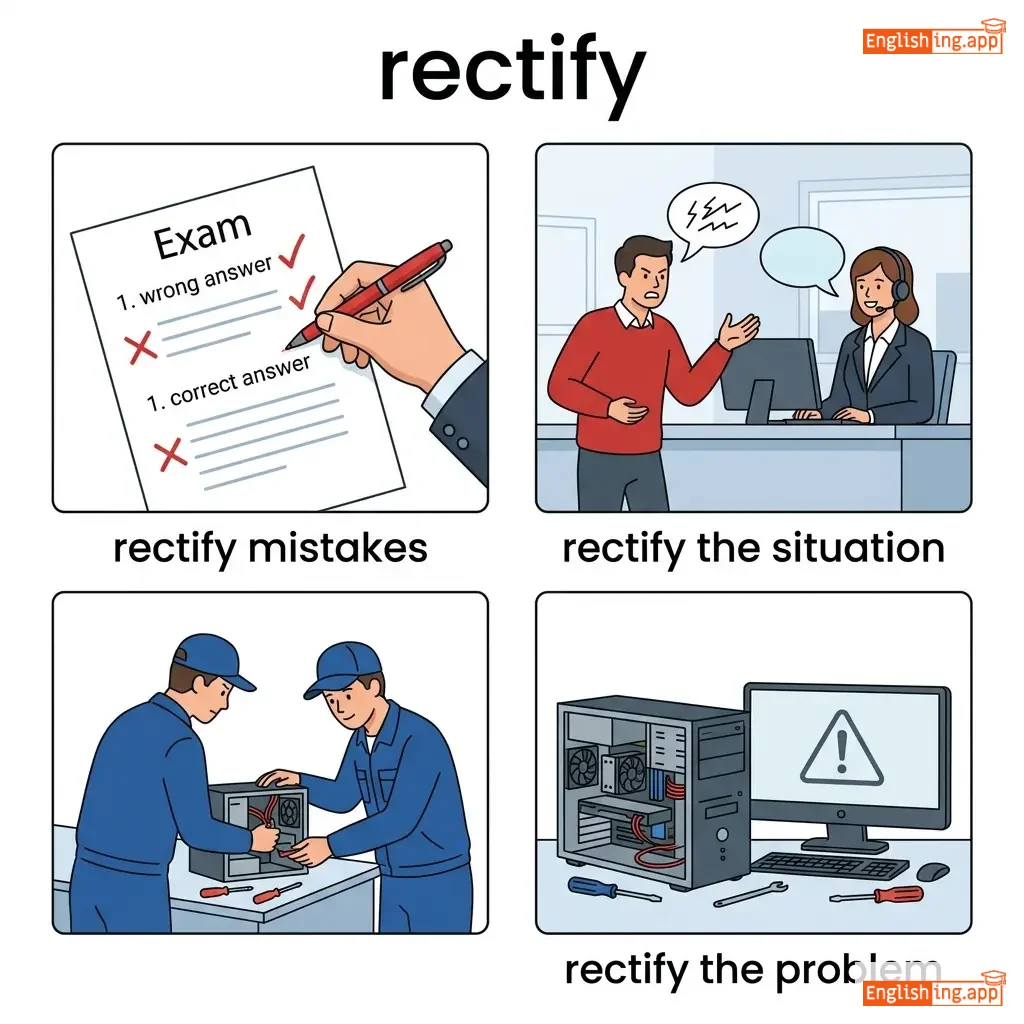
to correct or make something right
••••••
|
The manager promised to rectify the mistake immediately.
マネージャーはすぐに間違いを訂正することを約束しました。
••••••
|
マネージャーはすぐに間違いを訂正することを約束しました。
Manējā wa sugu ni machigai o teisei suru koto o yakusoku shimashita.
••••••
|
rectify an error
間違いを訂正する
••••••
|
to correct a mistake
••••••
|
間違いを訂正する
machigai o teisei suru
••••••
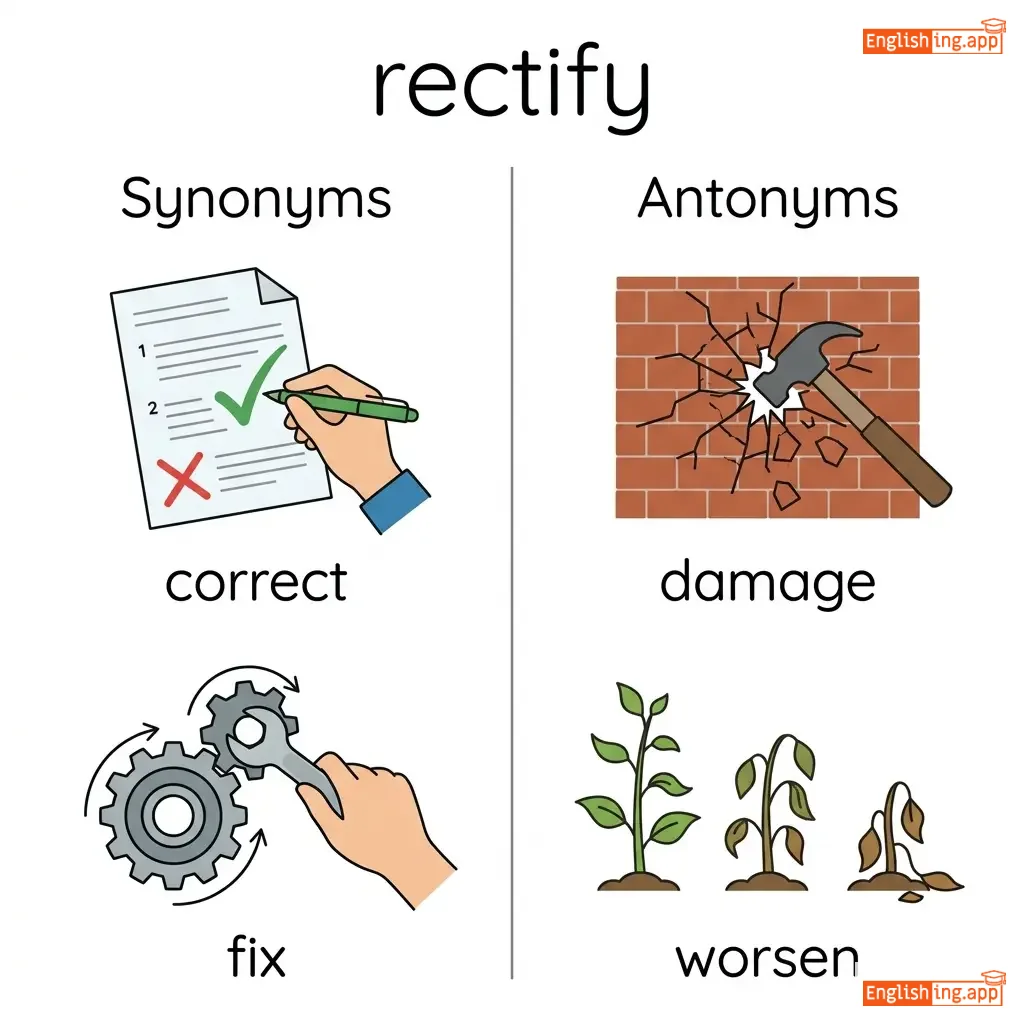
|
correct, fix, amend, resolve, adjust
••••••
|
damage, worsen, spoil
••••••
|
rectify mistakes, rectify the situation, rectify the problem
••••••
|
Rectify = Right + Ify → 訂正する意味は何かを正すこと
••••••
|
|
#7400
🧑💼
|
/rɪˈkruːt/
verb
(リクルート)
••••••
|
- •••••• |
採用する
saiyō suru
••••••
|
recruited
リクルーテッド
••••••
|
recruited
リクルーテッド
••••••
|
recruits
リクルーツ
••••••
|
recruiting
リクルーティング
••••••
|
to enlist or hire people for a job, service, or membership
••••••
|
The company is trying to recruit more software engineers.
その会社はもっと多くのソフトウェアエンジニアをリクルートしようとしています。
••••••
|
その会社はもっと多くのソフトウェアエンジニアをリクルートしようとしています。
Sono kaisha wa motto ōku no sofutowea enjinia o rikurūto shiyou to shiteimasu.
••••••
|
recruit talent
才能をリクルートする
••••••
|
to attract and hire skilled people
••••••
|
才能をリクルートする
Sainou o rikurūto suru
••••••
|
enlist, hire, enroll, draft, engage
••••••
|
dismiss, fire, reject
••••••
|
recruit staff, recruit volunteers, recruit new members, recruit soldiers
••••••
|
リクルートは新しい才能をチームに迎え入れることです。
••••••
|
|
#7401
🌋
|
/ˌriːkruːˈdɛsənt/
adjective
(リクルデセント)
••••••
|
- •••••• |
再発
saihatsu
••••••
|
- •••••• | - •••••• | - •••••• | - •••••• |
reviving or breaking out again after a period of abatement
••••••
|
Recrudescent tensions threatened the fragile ceasefire. |
再発した緊張が脆弱な停戦を脅かしました。
Saihatsu shita kinchou ga zeijaku na teisen o odokoshimashita.
••••••
|
- •••••• | - •••••• | - •••••• |
resurgent, returning, renewed, relapsing
••••••
|
waning, subsiding
••••••
|
recrudescent fever, recrudescent violence, recrudescent nationalism, recrudescent outbreaks
••••••
|
recrude-‘scent’ 古い香りが再び現れるのを想像 – 再発 = 消えた後に再現する状態。
••••••
|
|
#7402
🔄
|
/ˌriːkruːˈdɛsəns/
noun
(rikruːˈdɛsəns)
••••••
|
- •••••• |
再発
saihatsu
••••••
|
- •••••• | - •••••• | - •••••• | - •••••• |
a new outbreak or revival of something that had subsided, especially an undesirable condition
••••••
|
Health officials warned of a recrudescence of measles in several districts.
保健当局は複数の地区で麻疹の再発の警告を出しました。
••••••
|
保健当局は複数の地区で麻疹の再発の警告を出しました。
Hoken toukyoku wa fukusuu no chiku de hashi no saihatsu no keikoku wo dashimashita.
••••••
|
- •••••• | - •••••• | - •••••• |
resurgence, relapse, renewal, reappearance
••••••
|
remission, abatement
••••••
|
recrudescence of disease, recrudescence of violence, sudden recrudescence, seasonal recrudescence
••••••
|
Re + crew (チーム) が再び登場—再発は問題が再び浮上することを意味します。
••••••
|
|
#7403
🔥
|
/ˌriːkruːˈdɛs/
verb
(リクルデス)
••••••
|
- •••••• |
再発
saihatsu
••••••
|
recrudesced
リクルデスド
••••••
|
recrudesced
リクルデスド
••••••
|
recrudesces
リクルデスス
••••••
|
recrudescing
リクルデスイング
••••••
|
to break out or appear again after a period of dormancy or decline
••••••
|
After months of calm, violence recrudesced in the region.
数ヶ月の静けさの後、暴力が再発しました地域で。
••••••
|
数ヶ月の静けさの後、暴力が再発しました地域で。
Sū-kagetsu no shizukesa no ato, bōryoku ga saihatsu shimashita chiiki de.
••••••
|
- •••••• | - •••••• | - •••••• |
resurge, reappear, relapse, flare up, reemerge
••••••
|
subside, abate
••••••
|
symptoms recrudesce, conflict recrudesces, disease recrudesces, tensions recrudesce
••••••
|
re + crude (古い傷) 再び現れる—再発 = 再び現れる。
••••••
|
|
#7404
⚔️
|
/rɪˌkrɪmɪˈneɪʃən/
noun
(rekurimineshon)
••••••
|
- •••••• |
相互非難
sōgo hinan
••••••
|
- •••••• | - •••••• | - •••••• | - •••••• |
an accusation made in response to an accusation; mutual blaming
••••••
|
The debate quickly descended into mutual recriminations. |
討論はすぐに相互非難に陥った。
Tōron wa sugu ni sōgo hinan ni ochitta.
••••••
|
- •••••• | - •••••• | - •••••• |
countercharge, accusation, blame, finger-pointing
••••••
|
forgiveness, exoneration, reconciliation
••••••
|
mutual recriminations, bitter recriminations, cycle of recrimination, exchange of recriminations
••••••
|
Re-CRIMination は犯罪のように聞こえる—告発の回答 (re) = 相互非難。
••••••
|
|
#7405
🔁
|
/ˌriːkriˈeɪt/
verb
(リクリエイト)
••••••
|
- •••••• |
再創造する
saizō suru
••••••
|
recreated
リクリエイテッド
••••••
|
recreated
リクリエイテッド
••••••
|
recreates
リクリエイツ
••••••
|
recreating
リクリエイティング
••••••
|
to create or produce something again, especially a new version of something lost or destroyed
••••••
|
The team recreated the lost dataset from backups.
チームはバックアップから失われたデータセットを再作成しました。
••••••
|
チームはバックアップから失われたデータセットを再作成しました。
chīmu wa bakkappu kara ushinawareta dētasetto o saizō shimashita.
••••••
|
- •••••• | - •••••• | - •••••• |
rebuild, reconstruct, remake, reproduce, reconstitute
••••••
|
destroy, ruin, demolish
••••••
|
recreate the scene, recreate the experience, recreate from memory, recreate the look, recreate a model
••••••
|
Recreateとは再びcreateすることです — '再'がリセットのように考えてください;だから再創造する = 新たに作る。
••••••
|
|
#7406
😨
|
/ˈrɛkriənt/
adjective
(レクリアント)
••••••
|
- •••••• |
臆病な, 裏切り者
okubyou na, uragirimono
••••••
|
- •••••• | - •••••• | - •••••• | - •••••• |
cowardly or unfaithful to duty
••••••
|
The recreant soldier abandoned his post in fear.
その臆病な兵士は恐怖で自分のポストを放棄した。
••••••
|
その臆病な兵士は恐怖で自分のポストを放棄した。
Sono okubyou na heishi wa kyōfu de jibun no posuto o hōki shita.
••••••
|
- •••••• | - •••••• | - •••••• |
cowardly, faithless, traitorous, disloyal
••••••
|
brave, loyal, faithful
••••••
|
recreant knight, recreant behavior, recreant act, recreant soldier
••••••
|
Recreant は臆病な裏切り者、恐怖で自分の責任を放棄する人を意味します。
••••••
|
|
#7407
🛌
|
/rɪˈkʌvərɪŋ/
verb
(回復)
••••••
|
- •••••• |
回復
kaifuku
••••••
|
- •••••• | - •••••• | - •••••• |
recovering
回復
••••••
|
the process of getting better after illness, loss, or difficulty
••••••
|
She is still recovering from the flu.
彼女はまだインフルエンザから回復しています。
••••••
|
彼女はまだインフルエンザから回復しています。
Kanojo wa mada infuruenza kara kaifuku shiteimasu.
••••••
|
- •••••• | - •••••• | - •••••• |
healing, improving, mending, regaining
••••••
|
relapsing, worsening
••••••
|
recovering patient, recovering addict, recovering economy, still recovering
••••••
|
回復とは、回復するという意味で、苦しい時期を乗り越えることです。
••••••
|
|
#7408
💪
|
/rɪˈkʌvər/
verb
••••••
|
|
- •••••• |
recovered
••••••
|
recovered
••••••
|
recovers
••••••
|
recovering
••••••
|
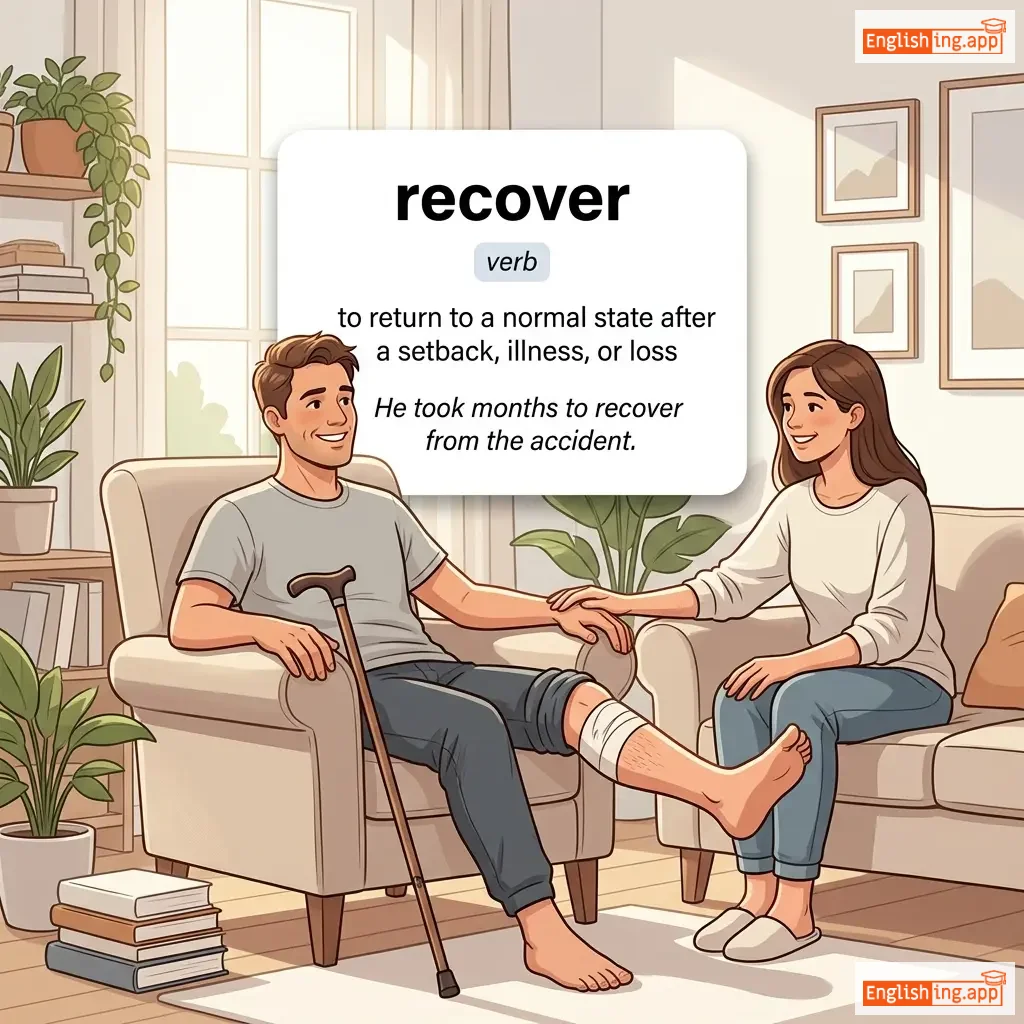
to return to a normal state after a setback, illness, or loss
••••••
|
He took months to recover from the accident. |
- •••••• |
recover one's strength |
to regain energy or health
••••••
|
- •••••• |
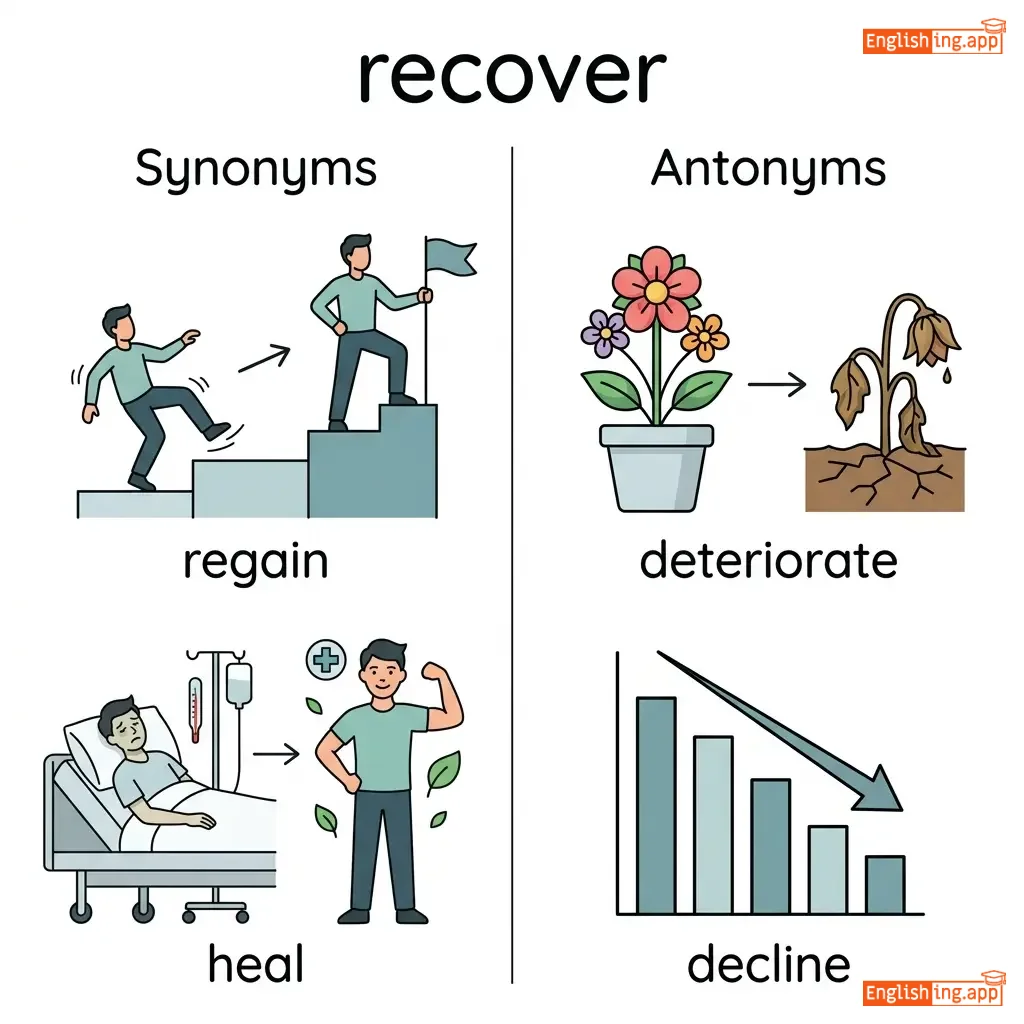
regain, heal, restore, bounce back
••••••
|
deteriorate, decline, worsen
••••••
|
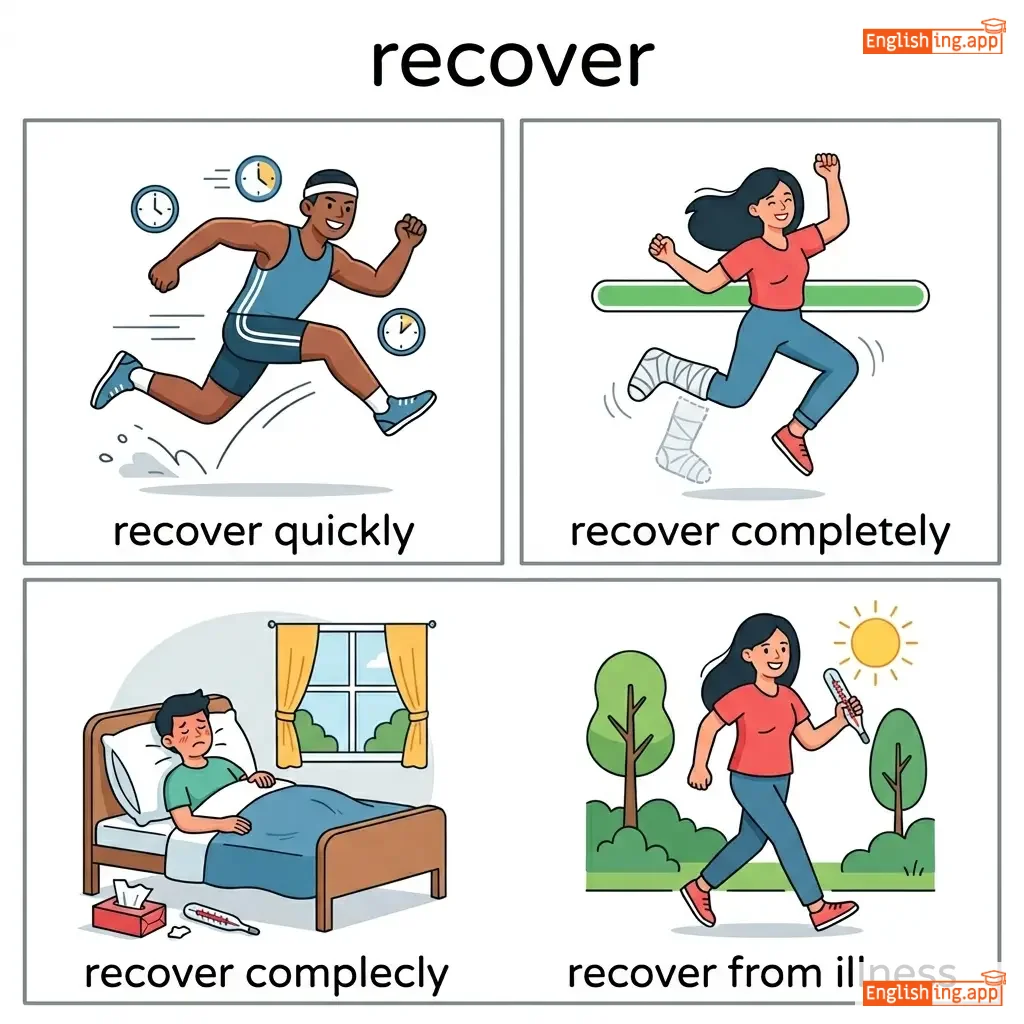
recover quickly, recover completely, recover from illness, recover lost
••••••
|
No •••••• |
|
#7409
🛡️
|
/ˈriːkɔːrs/
noun
(rikōsu)
••••••
|
- •••••• |
助け, 対処
tasuke, taisho
••••••
|
- •••••• | - •••••• | - •••••• | - •••••• |
a source of help or protection in a difficult situation
••••••
|
The students had no recourse but to appeal to the principal. |
学生たちは校長に訴える以外に方法がなかった。
Gakusei-tachi wa kōchō ni uttae ru igai ni hōhō ga nakatta.
••••••
|
- •••••• | - •••••• | - •••••• |
resort, aid, help, remedy
••••••
|
helplessness, abandonment
••••••
|
legal recourse, without recourse, recourse to law, last recourse
••••••
|
Recourseは他に道がないときに助けを求めること
••••••
|
Vocabulary Quiz
Test your vocabulary by matching words with their translations or meanings.
Login to take the quiz
Comments (0)
Share your thoughts and join the discussion.
Join the discussion by logging in
Login to CommentNo comments yet
Be the first to share your thoughts!