

翻訳
過去
過去分詞
三人称単数
動名詞
意味
例文
例文の翻訳
同義語
対義語
コロケーション
ニーモニック
Swipe left or right, or use the buttons. Tap image to zoom.
例文の翻訳
単語
Lesson 384Lesson 384 - マスクトグル
|
絵文字
|
単語 | Images | 翻訳 | 過去 | 過去分詞 | 三人称単数 | 動名詞 | 意味 | 例文 | 例文の翻訳 | 同義語 | 対義語 | コロケーション | ニーモニック |
|---|---|---|---|---|---|---|---|---|---|---|---|---|---|---|
|
#11485
9️⃣
|
/naɪn/
noun
(ナイン)
••••••
|
- •••••• |
九
kyuu
••••••
|
- •••••• | - •••••• | - •••••• | - •••••• |
the number that is one more than eight
••••••
|
She has nine books in her collection.
彼女はコレクションに9冊の本を持っています。
••••••
|
彼女はコレクションに9冊の本を持っています。
Kanojo wa korekushon ni kyuu-satsu no hon o motteimasu.
••••••
|
ninth, 9
••••••
|
eight, ten
••••••
|
nine o'clock, nine days, nine years
••••••
|
九本の本、九番目の数字
••••••
|
|
#11486
📝
|
/ˈnoʊtɪs/
noun
(ノーティス)
••••••
|
|
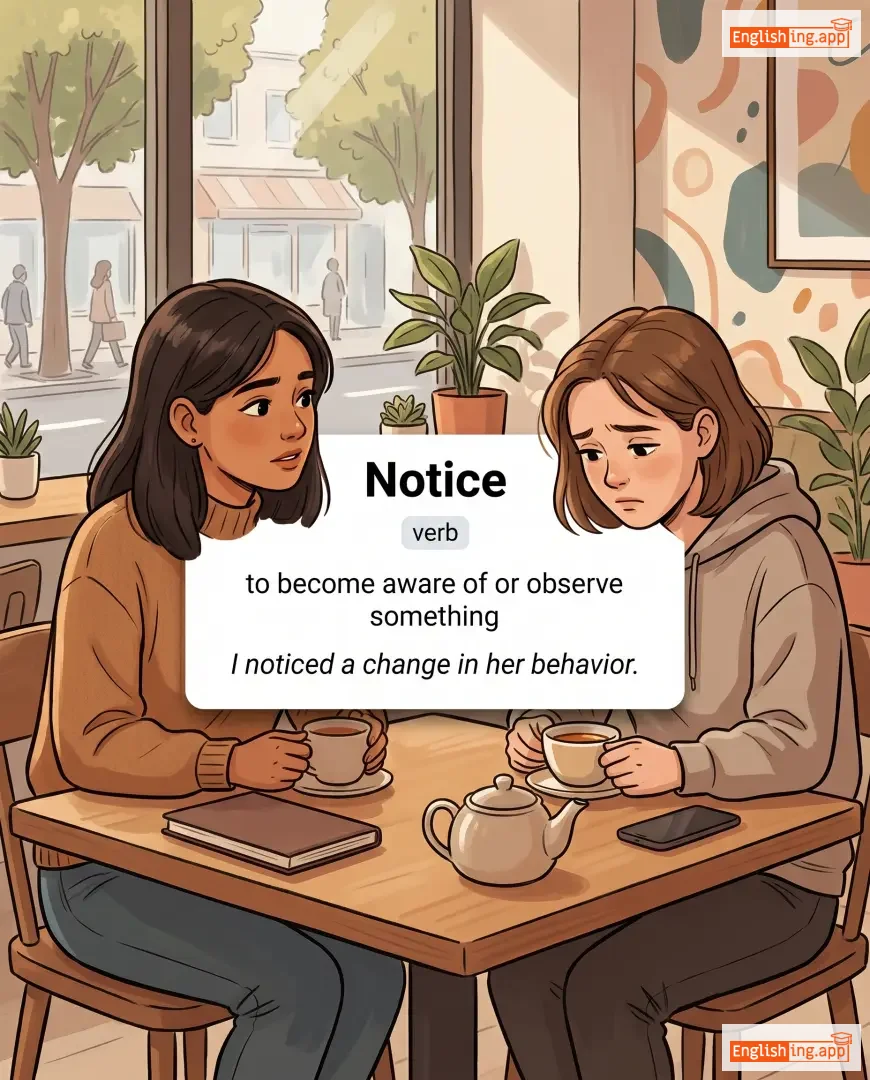
通知
tsuuchi
••••••
|
- •••••• | - •••••• | - •••••• | - •••••• |
a written or printed announcement or notification
••••••
|
He gave me a notice about the meeting.
彼は会議についての通知を私にくれました。
••••••
|
彼は会議についての通知を私にくれました。
Kare wa kaigi ni tsuite no tsuuchi wo watashi ni kuremashita.
••••••
|
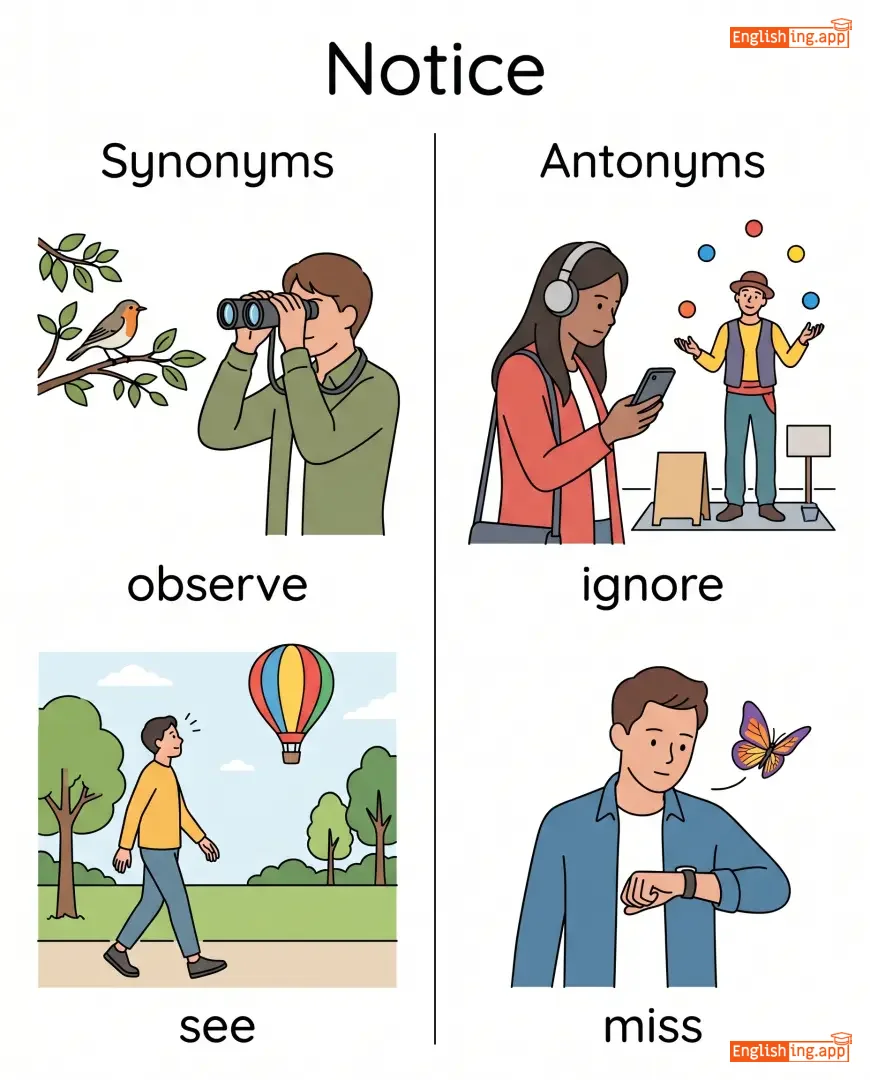
announcement, memo, bulletin, notification
••••••
|
ignorance, unawareness
••••••
|
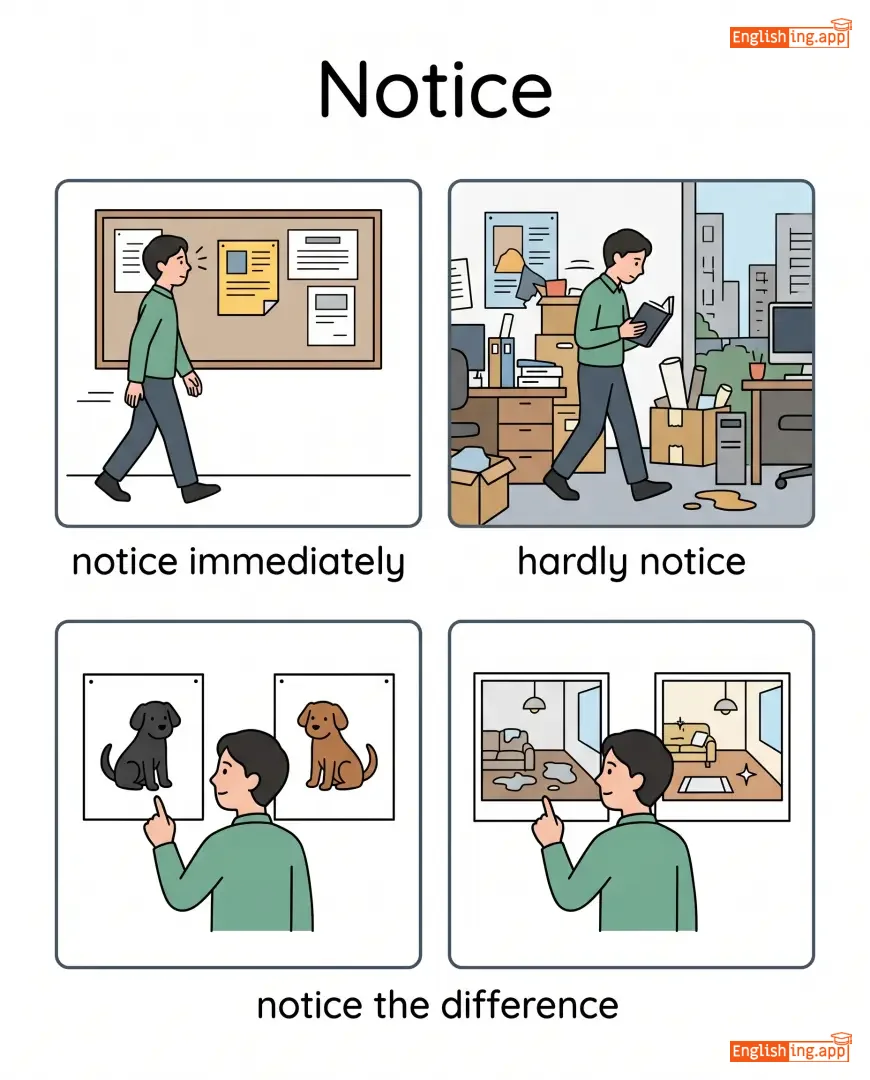
give notice, receive notice, serve notice
••••••
|
Notice in Japanese is 通知, like an alert for upcoming news.
••••••
|
|
#11487
❌
|
/ˈnʌθɪŋ/
pronoun
(ナッシング)
••••••
|
- •••••• |
何もない
nanimo nai
••••••
|
- •••••• | - •••••• | - •••••• | - •••••• |
not anything; no thing
••••••
|
She has nothing to worry about. |
彼女は心配することは何もない。
Kanojo wa shinpai suru koto wa nanimo nai.
••••••
|
zero, nil, nought
••••••
|
everything
••••••
|
nothing to do, nothing at all, nothing left
••••••
|
Nothing (何もない) – Imagine having nothing left to worry about!
••••••
|
|
#11488
🚫
|
/nɒt/
adverb
(ノット)
••••••
|
- •••••• |
いいえ
iie
••••••
|
- •••••• | - •••••• | - •••••• | - •••••• |
used to make a word or phrase negative
••••••
|
I do not like spicy food. |
私は辛い食べ物が好きではありません。
Watashi wa karai tabemono ga suki de wa arimasen.
••••••
|
no, never
••••••
|
yes
••••••
|
not sure, not at all, not yet, not going
••••••
|
Not (いいえ) – 'Iie' means saying no or denying.
••••••
|
|
#11489
👃
|
/noʊz/
noun
(noʊz)
••••••
|
- •••••• |
鼻
hana
••••••
|
- •••••• | - •••••• | - •••••• | - •••••• |
the part of the face that contains the nostrils and is used for breathing and smelling
••••••
|
He has a sharp nose and can smell things from far away. |
彼は鋭い鼻を持っており、遠くから物の匂いを嗅ぐことができる。
Kare wa surudoi hana o motte ori, tōku kara mono no nioi o kagu koto ga dekiru.
••••••
|
nostrils, snout
••••••
|
mouth
••••••
|
runny nose, pick your nose, nose ring
••••••
|
Nose (鼻) – Japanese 'hana' is a short form for 'nose' in everyday conversation!
••••••
|
|
#11490
🌨️
|
/ˈnɔːðərn/
adjective
(ノースダーン)
••••••
|
- •••••• |
北部の
hokubu no
••••••
|
- •••••• | - •••••• | - •••••• | - •••••• |
relating to the north or situated in the north
••••••
|
The northern part of the country is known for its cold climate. |
その国の北部は寒冷な気候で知られています。
Sono kuni no hokubu wa kanrei na kikō de shirareteimasu.
••••••
|
northerly, northernmost
••••••
|
southern
••••••
|
northern lights, northern regions, northern hemisphere
••••••
|
Imagine the cold northern winds – 'hokubu' means northern in Japanese!
••••••
|
|
#11491
🧭
|
/nɔːrθ/
noun
(ノース)
••••••
|
- •••••• |
北
kita
••••••
|
- •••••• | - •••••• | - •••••• | - •••••• |
the direction toward the top of a map or the opposite of south
••••••
|
We traveled north to reach the mountains. |
私たちは山に到達するために北へ向かって旅しました。
Watashitachi wa yama ni tōtatsu suru tame ni kita e mukatte tabimashita.
••••••
|
up, northern direction
••••••
|
south, downward
••••••
|
north pole, north wind, go north, head north
••••••
|
North is UP on a map, just like 'Kita' (北) is UP in Japanese!
••••••
|
|
#11492
⏰
|
/ˈnɔːməli/
adverb
(ノーマリー)
••••••
|
- •••••• |
通常
tsūjō
••••••
|
- •••••• | - •••••• | - •••••• | - •••••• |
in a usual or expected way
••••••
|
I normally wake up at 7 AM. |
私は通常午前7時に起きます。
Watashi wa tsūjō gozen 7-ji ni okimasu.
••••••
|
typically, usually, generally, regularly
••••••
|
abnormally, unusually
••••••
|
normally do, normally happen, normally expect
••••••
|
Normally you wake up at a normal time!
••••••
|
|
#11493
🚫➡️🚫
|
/nɔːr/
conjunction
(ノア)
••••••
|
- •••••• |
またはない
mata wa nai
••••••
|
- •••••• | - •••••• | - •••••• | - •••••• |
used to introduce a negative clause after a negative statement
••••••
|
He didn't call, nor did he send a message. |
彼は電話をかけなかったし、メッセージも送らなかった。
Kare wa denwa o kakenakatta shi, messeeji mo okurakanakatta.
••••••
|
and not, neither
••••••
|
and, or
••••••
|
nor did, nor have
••••••
|
Nor - 'Not' after a negative statement.
••••••
|
|
#11494
🌧️➡️🏞️
|
/ˌnʌnðəˈlɛs/
adverb
(ノンゼレス)
••••••
|
- •••••• |
それにもかかわらず
sore ni mo kakawarazu
••••••
|
- •••••• | - •••••• | - •••••• | - •••••• |
in spite of that; nevertheless
••••••
|
It was raining, but nonetheless, they went hiking. |
雨が降っていましたが、それにもかかわらず、彼らはハイキングに行きました。
Ame ga futte imashita ga, sore ni mo kakawarazu, karera wa haikingu ni ikimashita.
••••••
|
nevertheless, however, still, yet
••••••
|
therefore, hence
••••••
|
nonetheless important, nonetheless true, nonetheless, despite that
••••••
|
Noneth- like 'none-the-less' means despite.
••••••
|
|
#11495
🚫
|
/nʌn/
pronoun
(ナン)
••••••
|
- •••••• |
誰もいない
dare mo inai
••••••
|
- •••••• | - •••••• | - •••••• | - •••••• |
not any; no one; not one
••••••
|
None of the students passed the exam. |
誰もその試験に合格しませんでした。
Dare mo sono shiken ni goukaku shimasen deshita.
••••••
|
nothing, nobody, nil
••••••
|
all, some, everyone
••••••
|
none of, none left, none at all
••••••
|
None sounds like 'dare mo inai'.
••••••
|
|
#11496
🔊
|
/nɔɪz/
noun
(noizu)
••••••
|
- •••••• |
騒音
souon
••••••
|
- •••••• | - •••••• | - •••••• | - •••••• |
a sound, especially when it is unwanted, unpleasant, or loud
••••••
|
The noise from the construction site was unbearable.
建設現場の騒音は耐えられなかった。
••••••
|
建設現場の騒音は耐えられなかった。
Kensetsu genba no souon wa taerarenakatta.
••••••
|
sound, racket, clamor, din, commotion
••••••
|
silence, quiet, calm
••••••
|
loud noise, background noise, noise pollution, white noise
••••••
|
Noise can 'annoy' you, remember it by associating 'noise' with 'annoy'.
••••••
|
|
#11497
👍
|
/nɒd/
verb
(ノッド)
••••••
|
|
うなずく
unazuku
••••••
|
nodded
ノデッド
••••••
|
nodded
ノデッド
••••••
|
nods
ノッズ
••••••
|
nodding
ノッディング
••••••
|
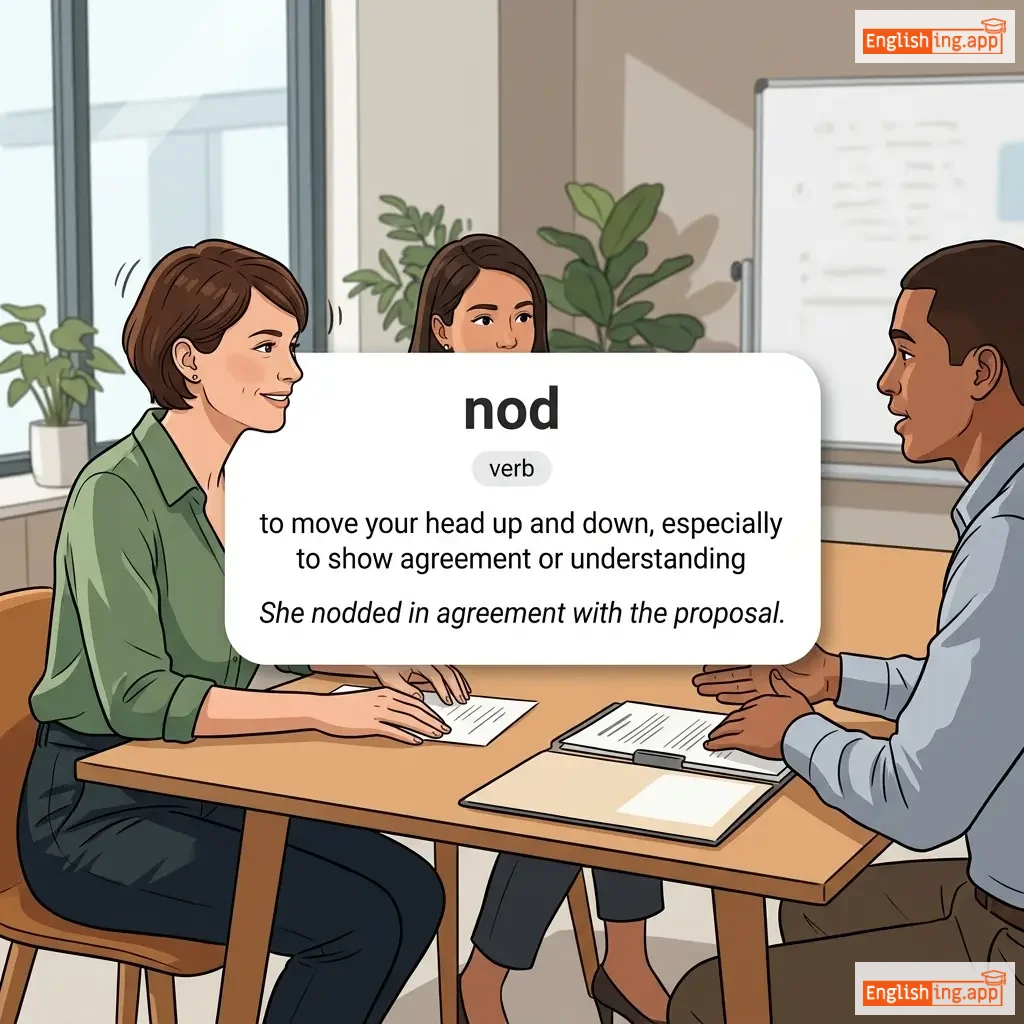
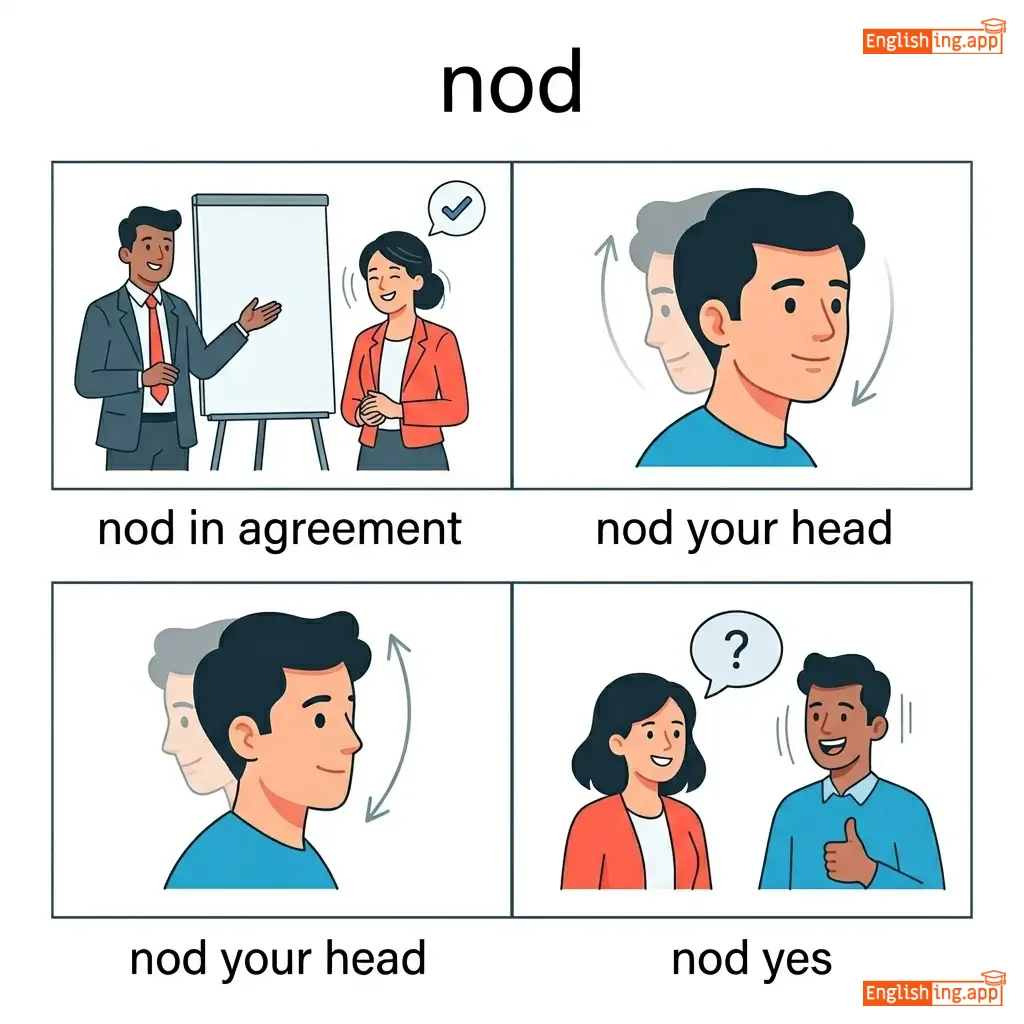
to move your head up and down, especially to show agreement or understanding
••••••
|
She nodded in agreement with the proposal.
彼女は提案に賛成してうなずいた。
••••••
|
彼女は提案に賛成してうなずいた。
Kanojo wa teian ni sansei shite unazuita.
••••••
|
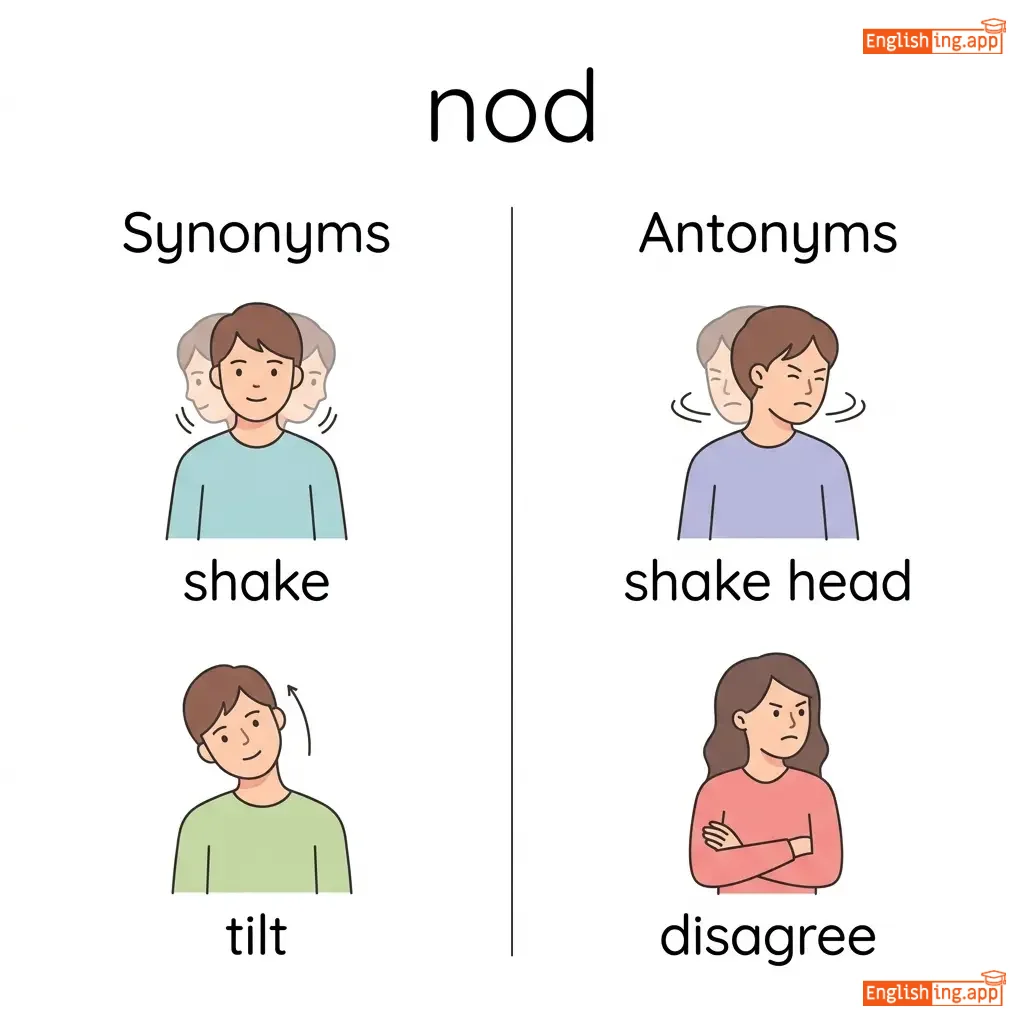
shake, tilt, bow
••••••
|
shake head, disagree
••••••
|
nod in agreement, nod your head, nod yes
••••••
|
うなずくことで同意を示す - Nod to show agreement.
••••••
|
|
#11498
🙅♂️
|
/ˈnoʊˌbɑːdi/
pronoun
(ノーボディ)
••••••
|
- •••••• |
誰もいない
dare mo inai
••••••
|
- •••••• | - •••••• | - •••••• | - •••••• |
no person; not anyone
••••••
|
Nobody came to the party.
誰もパーティに来なかった。
••••••
|
誰もパーティに来なかった。
Dare mo pāti ni konakatta.
••••••
|
no one, none, not a soul
••••••
|
someone, anybody
••••••
|
nobody knows, nobody cares, nobody else
••••••
|
誰も来ない、もし誰も聞いていないなら - Nobody comes if nobody listens
••••••
|
|
#11499
🚫
|
/noʊ/
adverb
(ノー)
••••••
|
- •••••• |
いいえ
iie
••••••
|
- •••••• | - •••••• | - •••••• | - •••••• |
used to give a negative response or to show disagreement
••••••
|
She said no to the invitation.
彼女は招待状を断った。
••••••
|
彼女は招待状を断った。
Kanojo wa shoutaijou o kotowatta.
••••••
|
nope, never, negative, not at all
••••••
|
yes, okay
••••••
|
say no, no way, no problem, no need
••••••
|
ノー(no)と言うとすべてが止まる - Saying no stops everything.
••••••
|
|
#11500
⏳
|
/ˈnɪəli/
adverb
(ニアリー)
••••••
|
- •••••• |
ほぼ
hobo
••••••
|
- •••••• | - •••••• | - •••••• | - •••••• |
almost, but not completely
••••••
|
She nearly missed the bus. |
彼女はほぼバスに乗り遅れるところだった。
Kanojo wa hobo basu ni noriokureru tokoro datta.
••••••
|
almost, practically, just about, close to
••••••
|
completely, entirely, fully
••••••
|
nearly lost, nearly there, nearly finished
••••••
|
ほぼ (hobo) のように 'nearly' が思い出されます - Almost there!
••••••
|
|
#11501
🌙
|
/naɪt/
noun
(ナイト)
••••••
|
- •••••• |
夜
yoru
••••••
|
- •••••• | - •••••• | - •••••• | - •••••• |
the time of darkness between one day and the next, when most people sleep
••••••
|
She loves going for walks at night. |
彼女は夜に散歩するのが好きです。
Kanojo wa yoru ni sanpo suru no ga suki desu.
••••••
|
evening, nighttime, dusk, dark
••••••
|
day, morning
••••••
|
night sky, night time, at night, good night
••••••
|
夜 = 夜はやっぱりリラックス、寝る時間 (Night = Night is for relaxation, sleep time)
••••••
|
|
#11502
⏭️
|
/nɛkst/
adjective
(ネクスト)
••••••
|
- •••••• |
次
tsugi
••••••
|
- •••••• | - •••••• | - •••••• | - •••••• |
immediately following in time, order, or place
••••••
|
The next train leaves at 9:00 AM. |
次の電車は午前9時に出発します。
Tsugi no densha wa gozen 9-ji ni shuppatsu shimasu.
••••••
|
following, subsequent, upcoming, nearest
••••••
|
previous, prior
••••••
|
next day, next year, next time, next week
••••••
|
Next is always the NEXT thing to happen
••••••
|
|
#11503
🗞️
|
/ˈnjuːzˌpeɪpər/
noun
(ニューペーパー)
••••••
|
- •••••• |
新聞
shinbun
••••••
|
- •••••• | - •••••• | - •••••• | - •••••• |
a printed publication (usually daily or weekly) containing news, articles, advertisements, and correspondence
••••••
|
I read the newspaper every morning.
私は毎朝新聞を読みます。
••••••
|
私は毎朝新聞を読みます。
Watashi wa mai asa shinbun o yomimasu.
••••••
|
periodical, journal, publication, paper
••••••
|
magazine, online media
••••••
|
daily newspaper, local newspaper, national newspaper, newspaper article
••••••
|
Newspapers are the first place to get the NEWS
••••••
|
|
#11504
📰
|
/nuːz/
noun
(ニューヨーク)
••••••
|
- •••••• |
ニュース
nyūsu
••••••
|
- •••••• | - •••••• | - •••••• | - •••••• |
newly received or noteworthy information, especially about recent events
••••••
|
The news about the storm spread quickly. |
嵐に関するニュースはすぐに広まりました。
Arashi ni kansuru nyūsu wa sugu ni hiromarimashita.
••••••
|
information, report, bulletin, update
••••••
|
silence, ignorance
••••••
|
breaking news, latest news, good news, bad news
••••••
|
NEWS = 新しい 事件 我々 知っているべき
••••••
|
|
#11505
🆕
|
/ˈnjuːli/
adverb
(nyūri)
••••••
|
- •••••• |
最近
saikin
••••••
|
- •••••• | - •••••• | - •••••• | - •••••• |
in a new or recent manner
••••••
|
She has newly renovated her house.
彼女は最近家をリフォームしました。
••••••
|
彼女は最近家をリフォームしました。
Kanojo wa saikin ie o rifōm shimashita.
••••••
|
recently, freshly, just, newly made
••••••
|
old, outdated
••••••
|
newly appointed, newly built, newly married, newly discovered
••••••
|
NEWLY means NEW + LY (recently done with love)
••••••
|
|
#11506
🚫
|
/ˈnɛvər/
adverb
(ネヴァー)
••••••
|
- •••••• |
決して
kesshite
••••••
|
- •••••• | - •••••• | - •••••• | - •••••• |
at no time in the past or future; not ever
••••••
|
I have never seen such a beautiful sunset. |
私はこんなに美しい夕日を決して見たことがありません。
Watashi wa konna ni utsukushii yūhi o kesshite mita koto ga arimasen.
••••••
|
not at all, under no circumstances, in no way, by no means
••••••
|
always, ever
••••••
|
never seen, never been, never heard, never thought
••••••
|
NEVER forget to say NO (kesshite) to things that waste time
••••••
|
|
#11507
🚫
|
/ˈniːðər/
conjunction
(ナイザー)
••••••
|
- •••••• |
どちらも〜ない
dochira mo nai
••••••
|
- •••••• | - •••••• | - •••••• | - •••••• |
used to connect two negative alternatives
••••••
|
Neither the manager nor the assistant could attend the meeting.
ナイザー ザ マネージャー ノア ザ アシスタント クッド アテンド ザ ミーティング。
••••••
|
マネージャーもアシスタントも会議に出席できなかった。
maneja mo ashisutanto mo kaigi ni shusseki dekinakatta
••••••
|
nor, not either
••••••
|
either
••••••
|
neither nor, neither of them
••••••
|
Neither in Japanese: どちらも〜ない means neither of the two!
••••••
|
|
#11508
🏡
|
/ˈneɪbərˌhʊd/
noun
(ネイバーフッド)
••••••
|
- •••••• |
近所
kinjo
••••••
|
- •••••• | - •••••• | - •••••• | - •••••• |
a district or area around or near a particular place
••••••
|
I grew up in a quiet neighborhood. |
私は静かな近所で育ちました。
Watashi wa shizukana kinjo de sodachimashita.
••••••
|
community, locality, district, area
••••••
|
isolation, wilderness
••••••
|
peaceful neighborhood, residential neighborhood, urban neighborhood
••••••
|
近所 - 近くに住んでいる友達と良い関係を築く場所
••••••
|
|
#11509
🏘️
|
/ˈneɪbər/
noun
(ネイバー)
••••••
|
- •••••• |
隣人
rinjin
••••••
|
- •••••• | - •••••• | - •••••• | - •••••• |
a person living next door or nearby
••••••
|
My neighbor lent me some sugar when I ran out.
マイ ネイバー レント ミ サム シュガー ウェン アイ ラン アウト。
••••••
|
私の隣人は私が砂糖がなくなった時、砂糖を貸してくれました。
Watashi no rinjin wa watashi ga satō ga nakunatta toki, satō o kashite kuremashita.
••••••
|
adjacent resident, nearby person, local
••••••
|
stranger, outsider
••••••
|
good neighbor, friendly neighbor, next-door neighbor
••••••
|
Your neighbor never says ‘no’, it’s sweet like sugar!
••••••
|
|
#11510
💬
|
/nɪɡoʊˈʃiːeɪʃən/
noun
(ネゴシエーション)
••••••
|
- •••••• |
交渉
koushou
••••••
|
- •••••• | - •••••• | - •••••• | - •••••• |
a discussion aimed at reaching an agreement
••••••
|
The negotiation between the two companies was successful. |
二社間の交渉は成功しました。
Nishakan no koushou wa seikou shimashita.
••••••
|
discussion, bargaining, dialogue, talks
••••••
|
conflict, disagreement, dispute
••••••
|
peace negotiation, business negotiation, successful negotiation
••••••
|
交渉は、‘合意を目指して話し合うこと’ – 問題解決のために
••••••
|
|
#11511
☹️
|
/ˈnɛɡətɪv/
adjective
(ネガティブ)
••••••
|
|
否定的
hōteiteki
••••••
|
- •••••• | - •••••• | - •••••• | - •••••• |
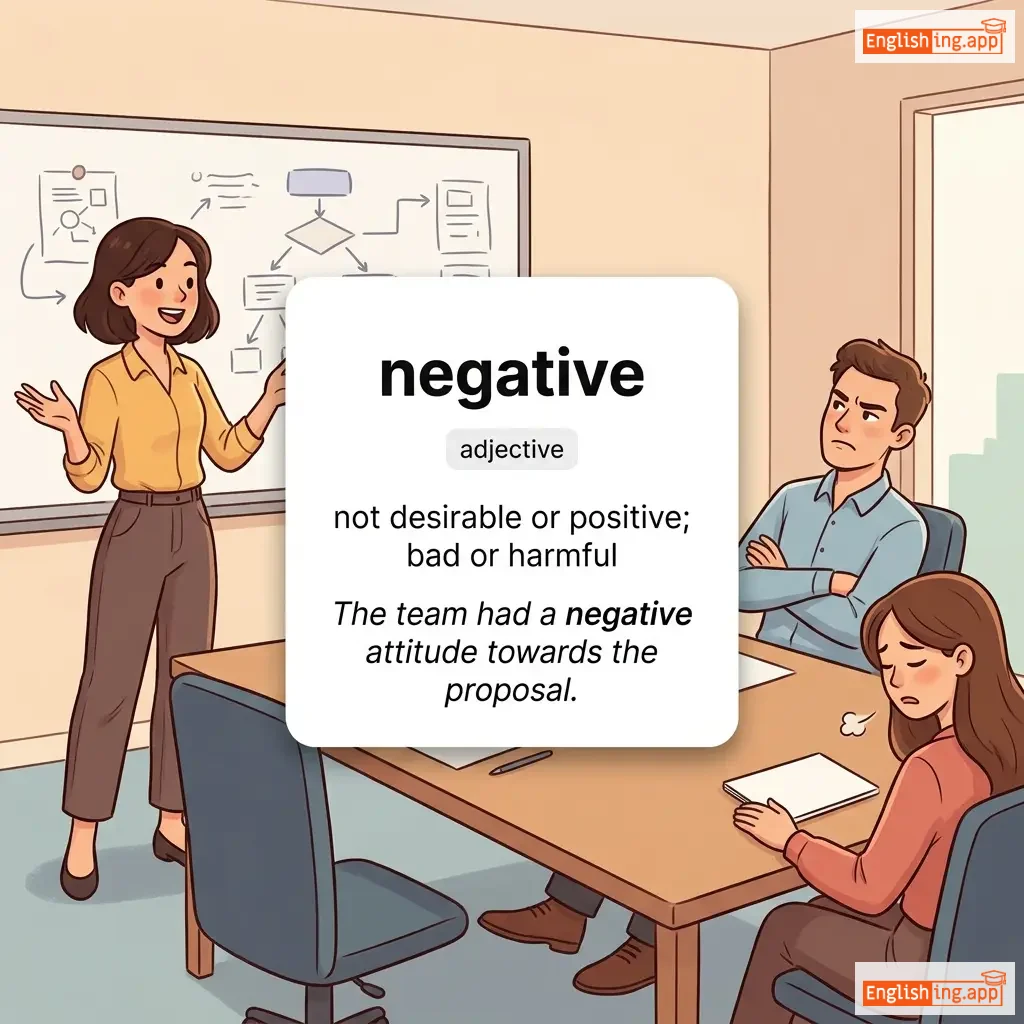
not desirable or positive; bad or harmful
••••••
|
The team had a negative attitude towards the proposal. |
チームは提案に対して否定的な態度を持っていました。
Chīmu wa teian ni taishite hōteiteki na taido o motte imashita.
••••••
|
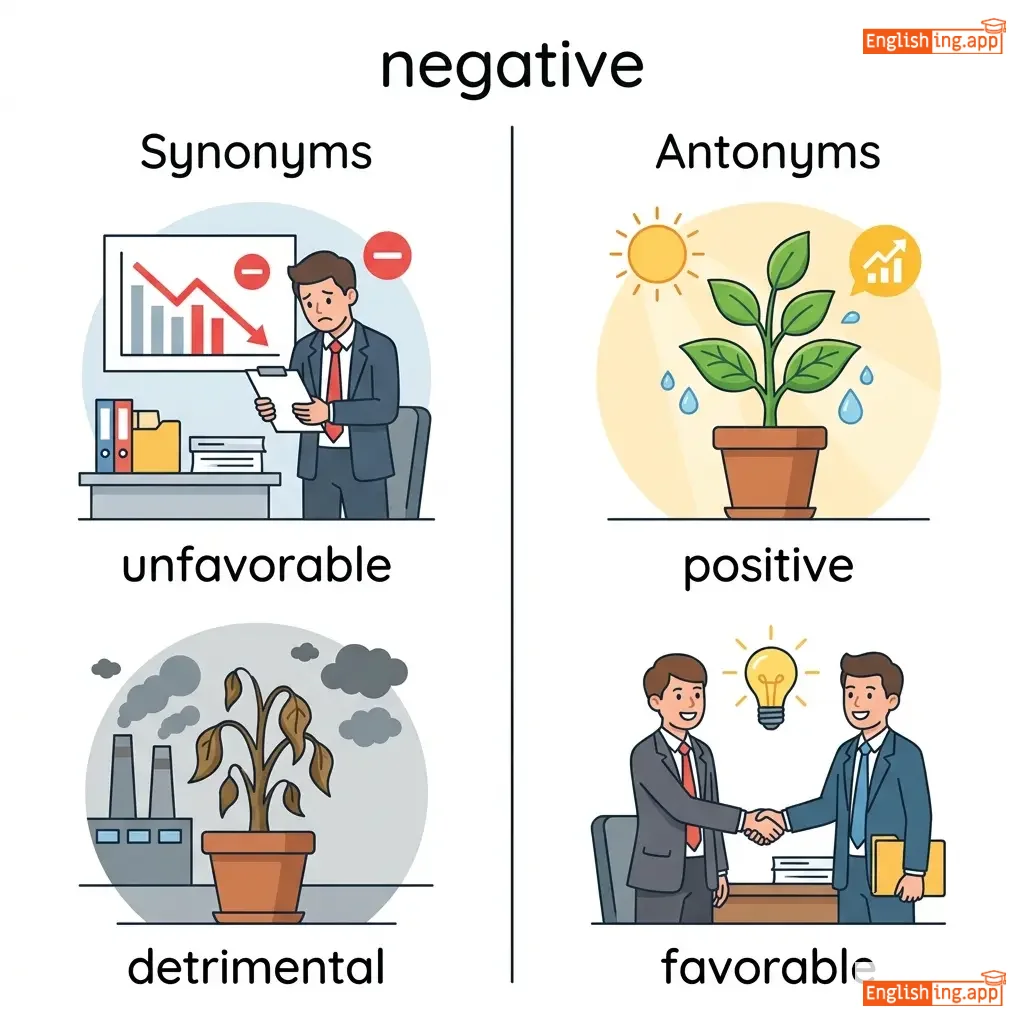
unfavorable, detrimental, harmful, pessimistic
••••••
|
positive, favorable, optimistic
••••••
|
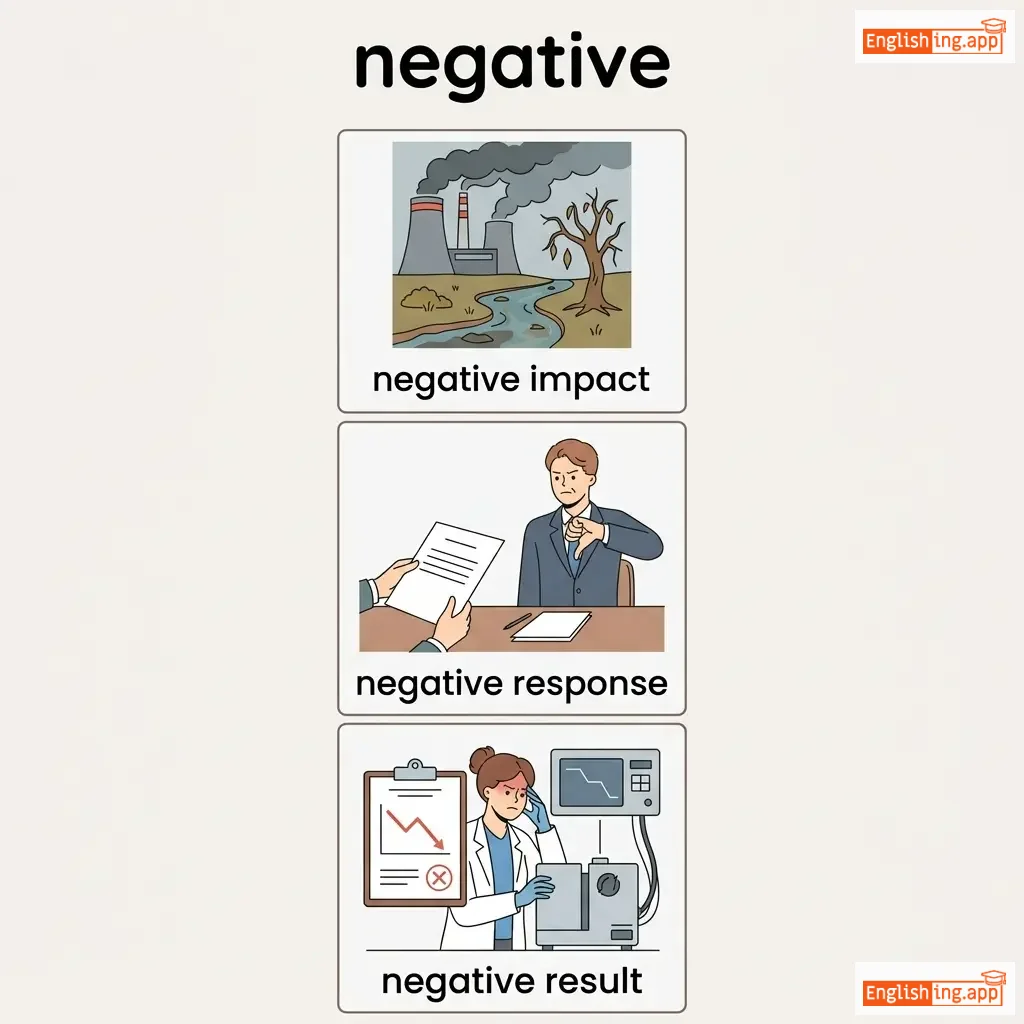
negative impact, negative response, negative result
••••••
|
ネガティブを覚えて、良いことは何もない!
••••••
|
|
#11512
🙏
|
/niːd/
verb
(ニード)
••••••
|
|
必要
hitsuyō
••••••
|
needed
ニーデッド
••••••
|
needed
ニーデッド
••••••
|
needs
ニーズ
••••••
|
needing
ニーディング
••••••
|
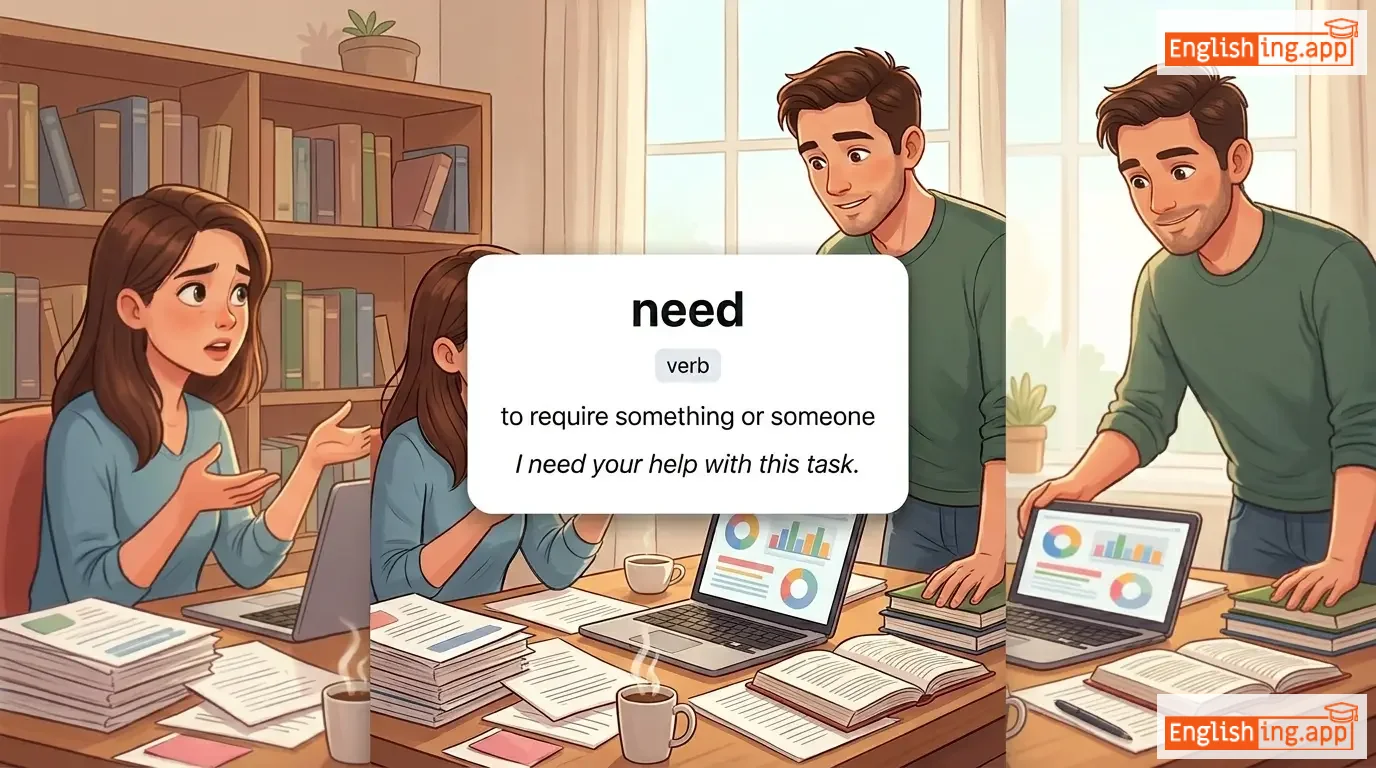
to require something or someone
••••••
|
I need your help with this task.
私はこのタスクにあなたの助けが必要です。
••••••
|
私はこのタスクにあなたの助けが必要です。
Watashi wa kono tasuku ni anata no tasuke ga hitsuyō desu.
••••••
|
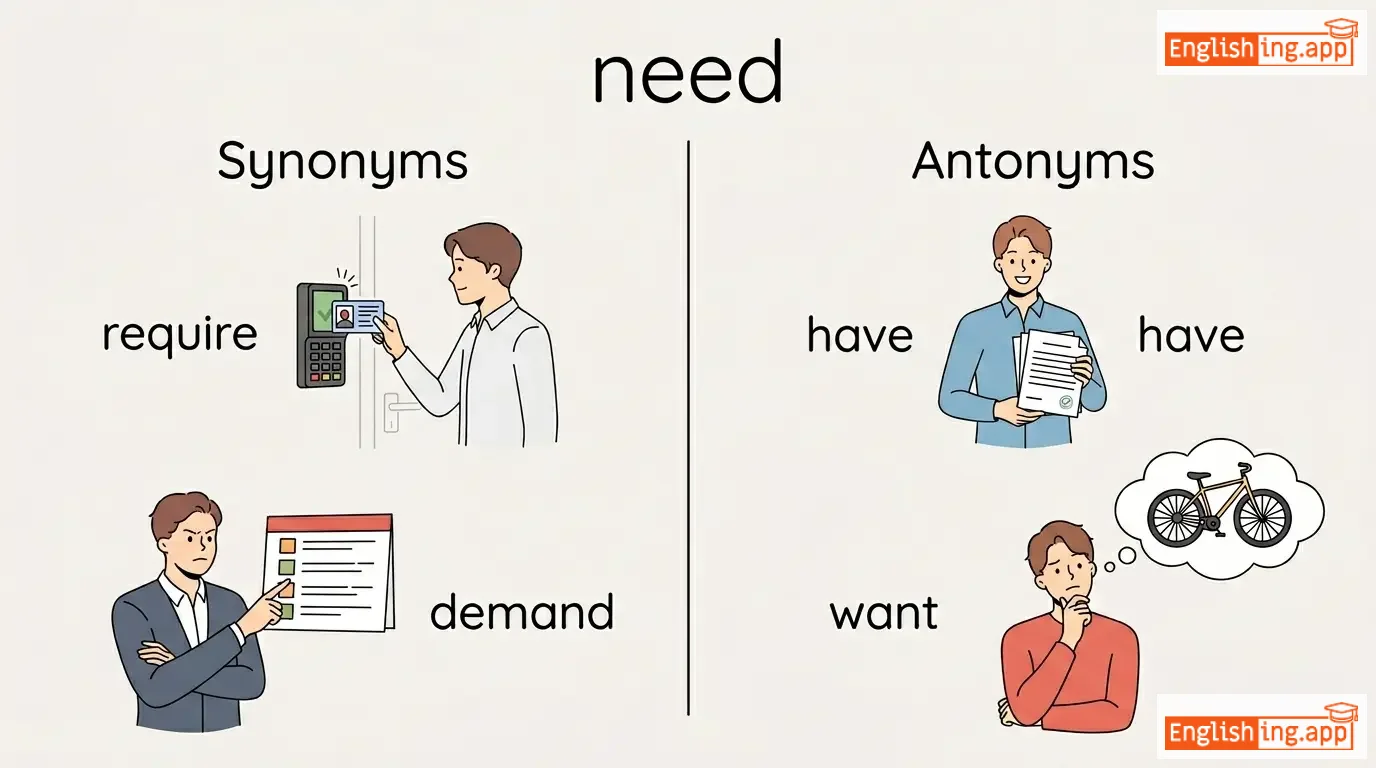
require, demand, want, desire
••••••
|
have, want, reject
••••••
|
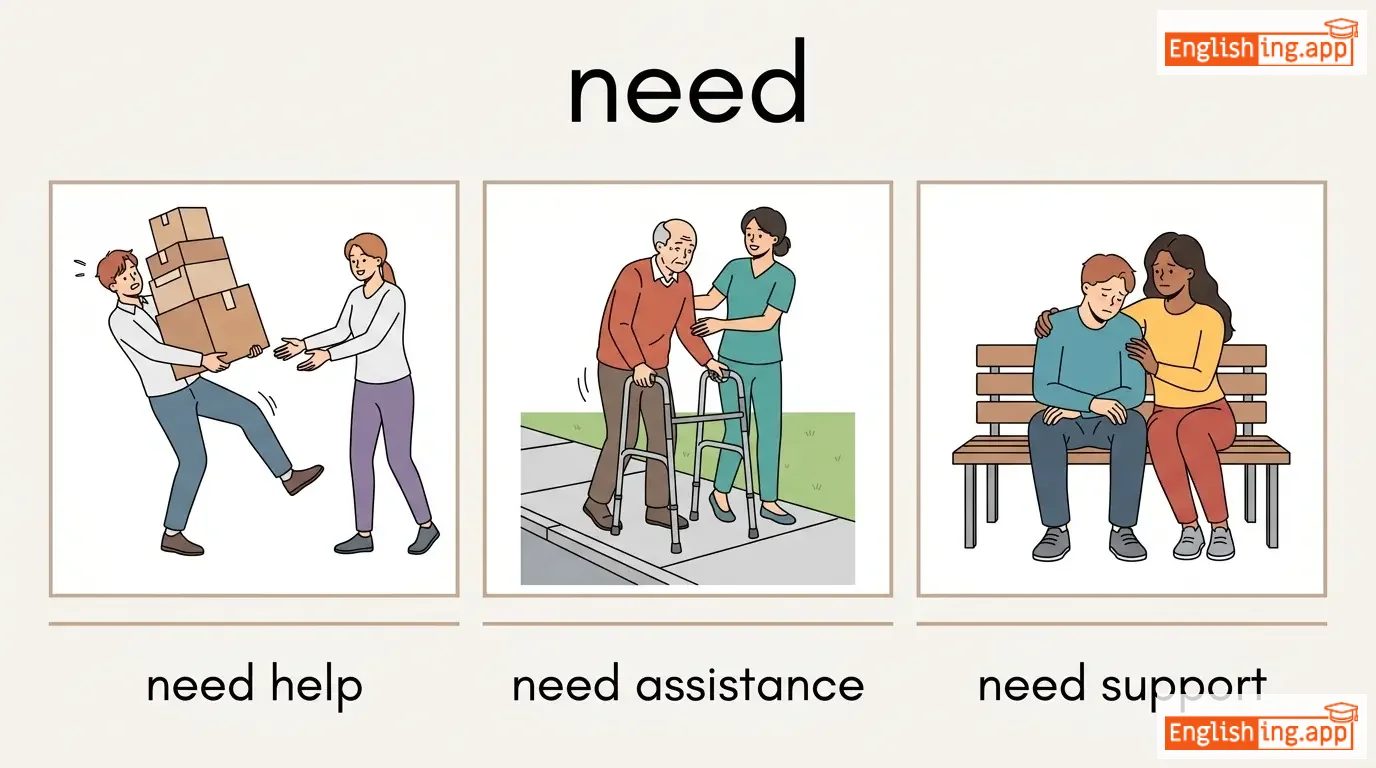
need help, need assistance, need support
••••••
|
必要 (hitsuyō) と 'need' - Need something? You hitsuyō it!
••••••
|
|
#11513
🦒
|
/nɛk/
noun
(nek)
••••••
|
- •••••• |
首
kubi
••••••
|
- •••••• | - •••••• | - •••••• | - •••••• |
the part of the body connecting the head and the shoulders
••••••
|
She wore a necklace around her neck. |
彼女は首にネックレスをつけていた。
Kanojo wa kubi ni nekkuresu wo tsuketeita.
••••••
|
throat, collar, nape
••••••
|
head, chest
••••••
|
neck pain, neck injury, neck of the bottle
••••••
|
首 (kubi) は 'neck' に似ていて、首にネックレスを想像してください。
••••••
|
|
#11514
🔑
|
/ˌnɛsəˈsɛrɪli/
adverb
(ネセサリリー)
••••••
|
- •••••• |
必ずしも
kanarazushimo
••••••
|
- •••••• | - •••••• | - •••••• | - •••••• |
as a necessary result; inevitably
••••••
|
It doesn’t necessarily mean you’re wrong. |
それが必ずしもあなたが間違っていることを意味するわけではありません。
Sore ga kanarazushimo anata ga machigatte iru koto o imi suru wake de wa arimasen.
••••••
|
inevitably, necessarily, certainly, of course
••••••
|
optionally, optionally, incidentally
••••••
|
necessarily true, necessarily result, necessarily mean
••••••
|
必ずしも (kanarazushimo) - 'necessarily' の意味を含む、日本語では '必ず'という言葉が使われます。
••••••
|
Vocabulary Quiz
Test your vocabulary by matching words with their translations or meanings.
Login to take the quiz
Comments (0)
Share your thoughts and join the discussion.
Join the discussion by logging in
Login to CommentNo comments yet
Be the first to share your thoughts!