

翻訳
過去
過去分詞
三人称単数
動名詞
意味
例文
例文の翻訳
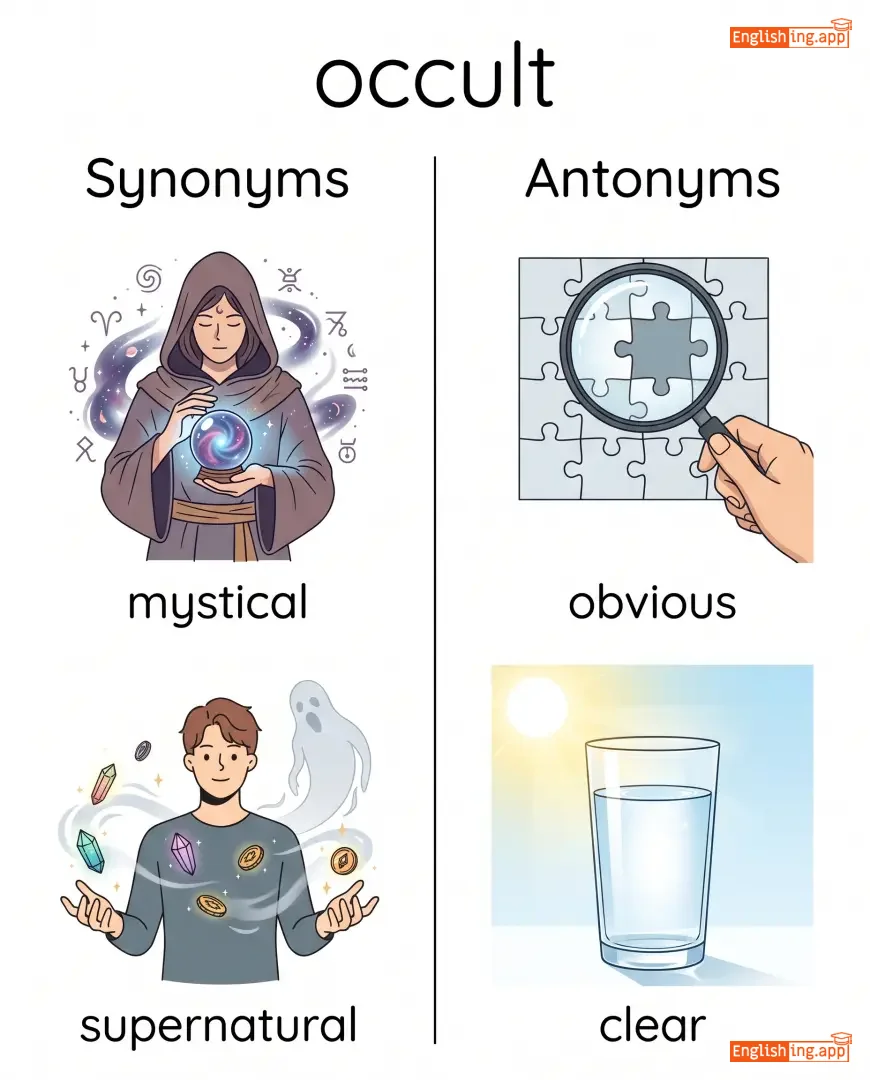
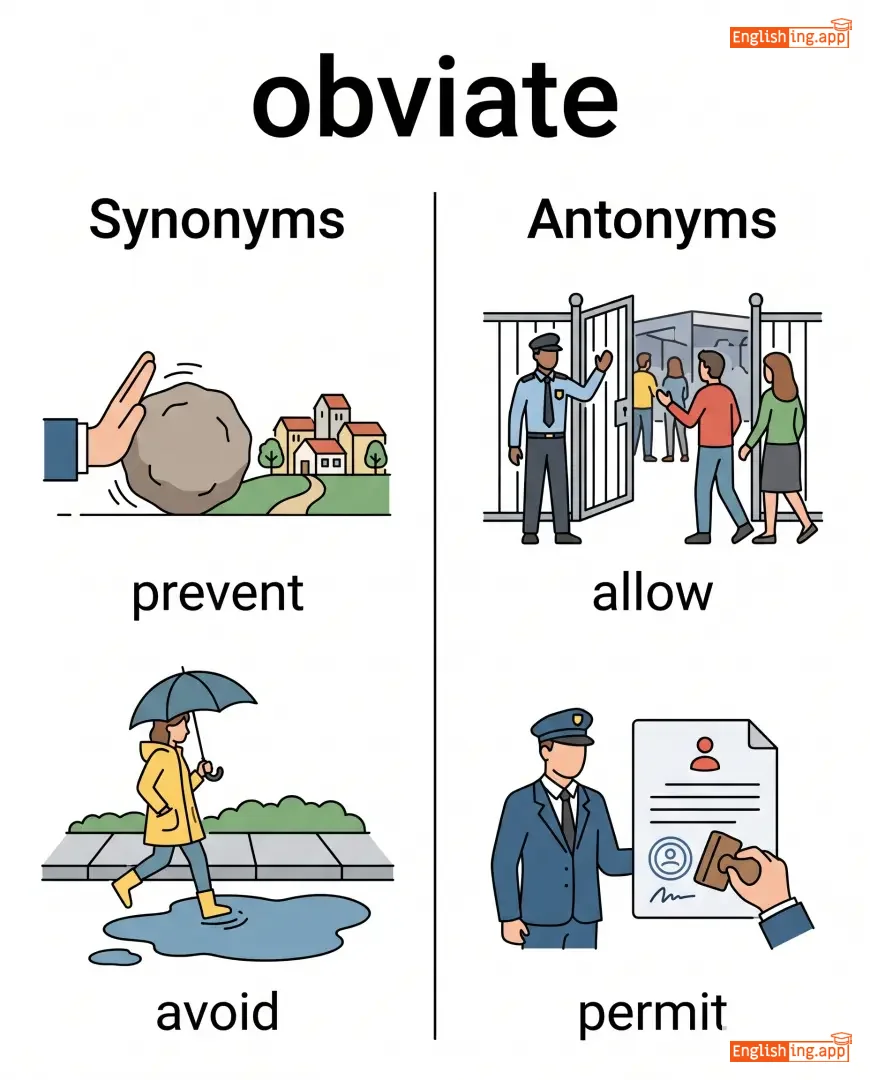
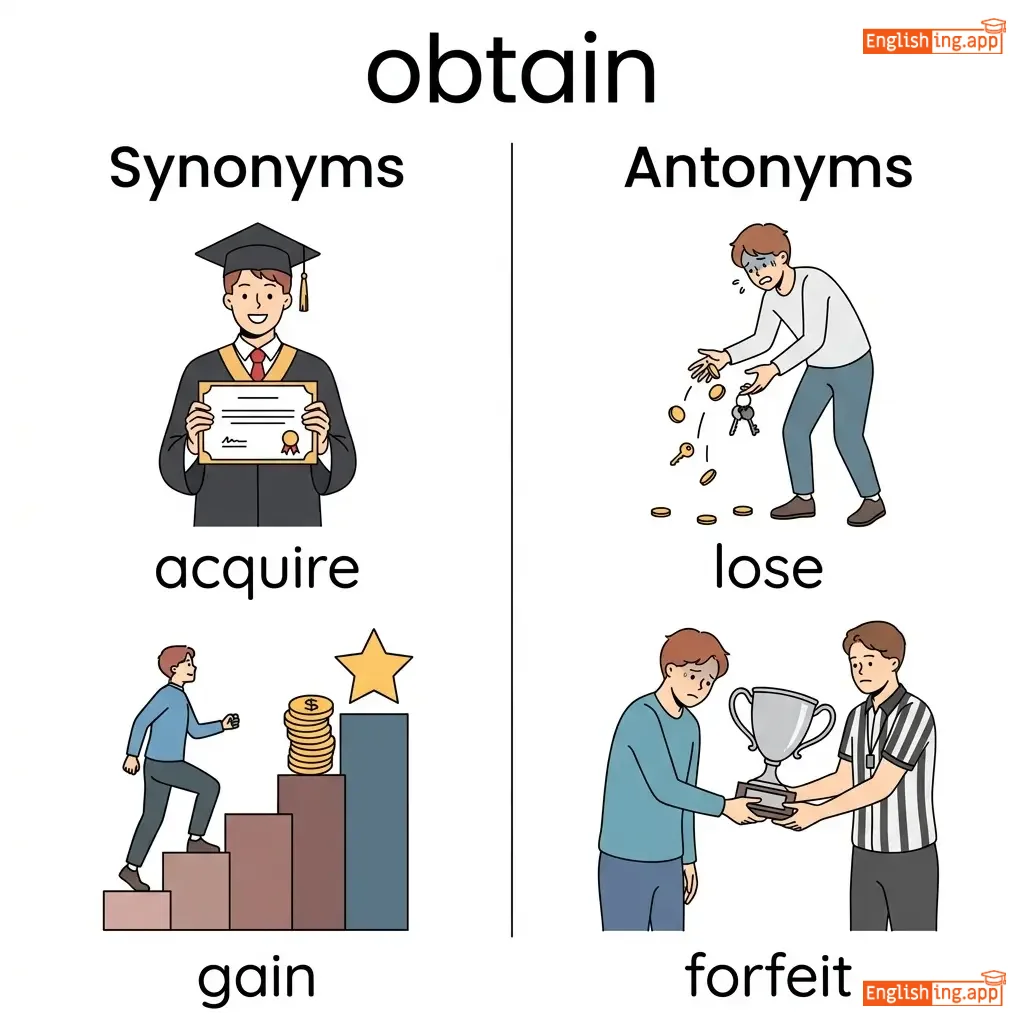
同義語
対義語
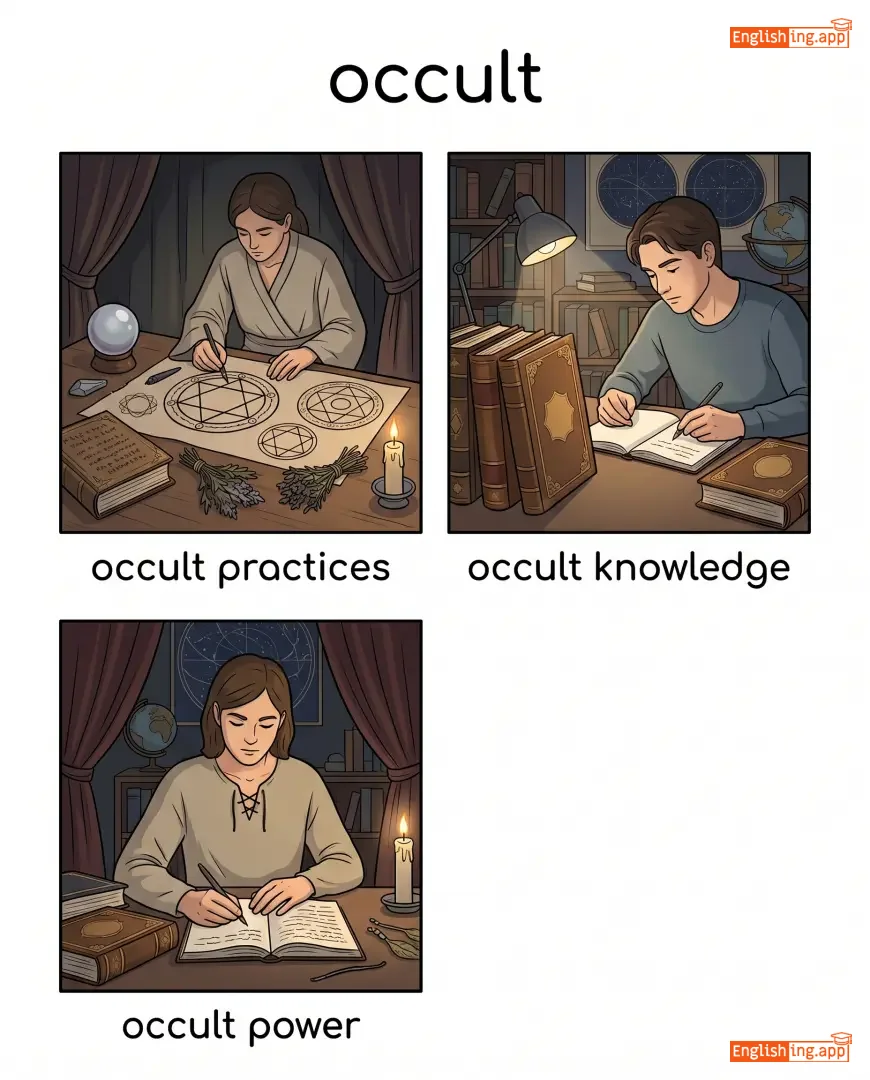
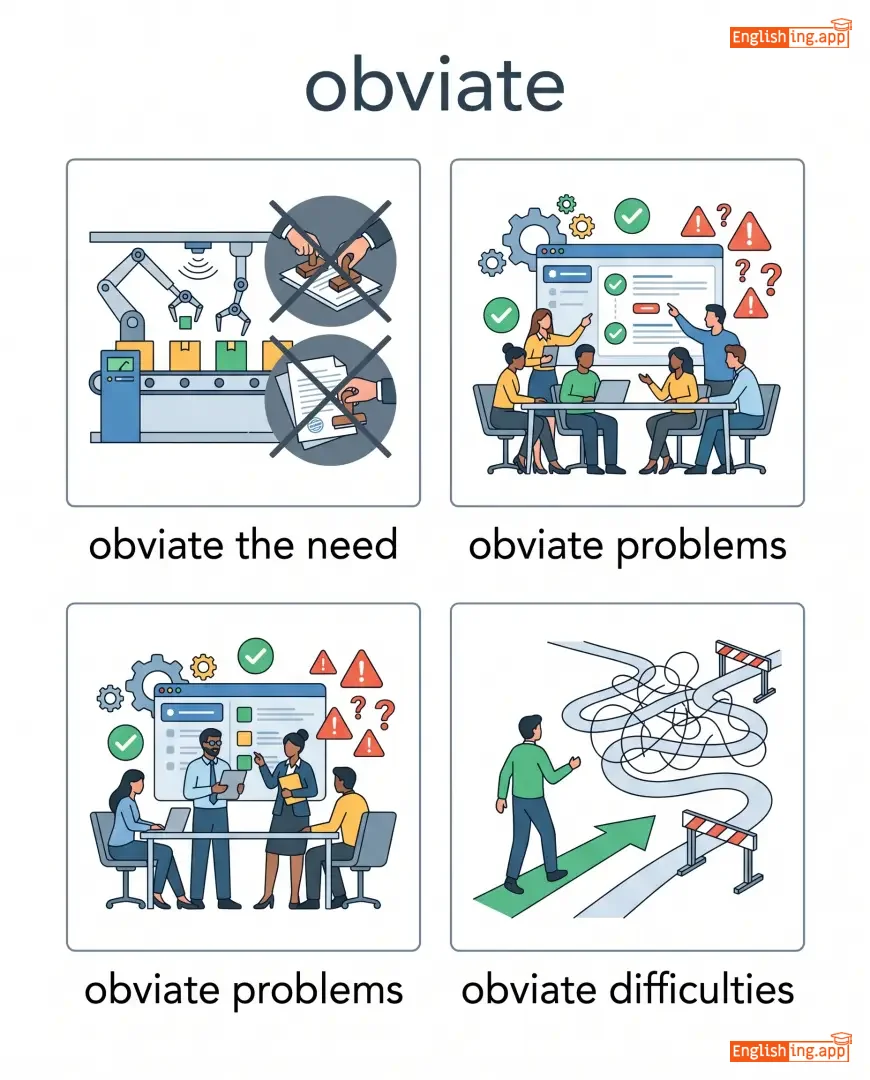
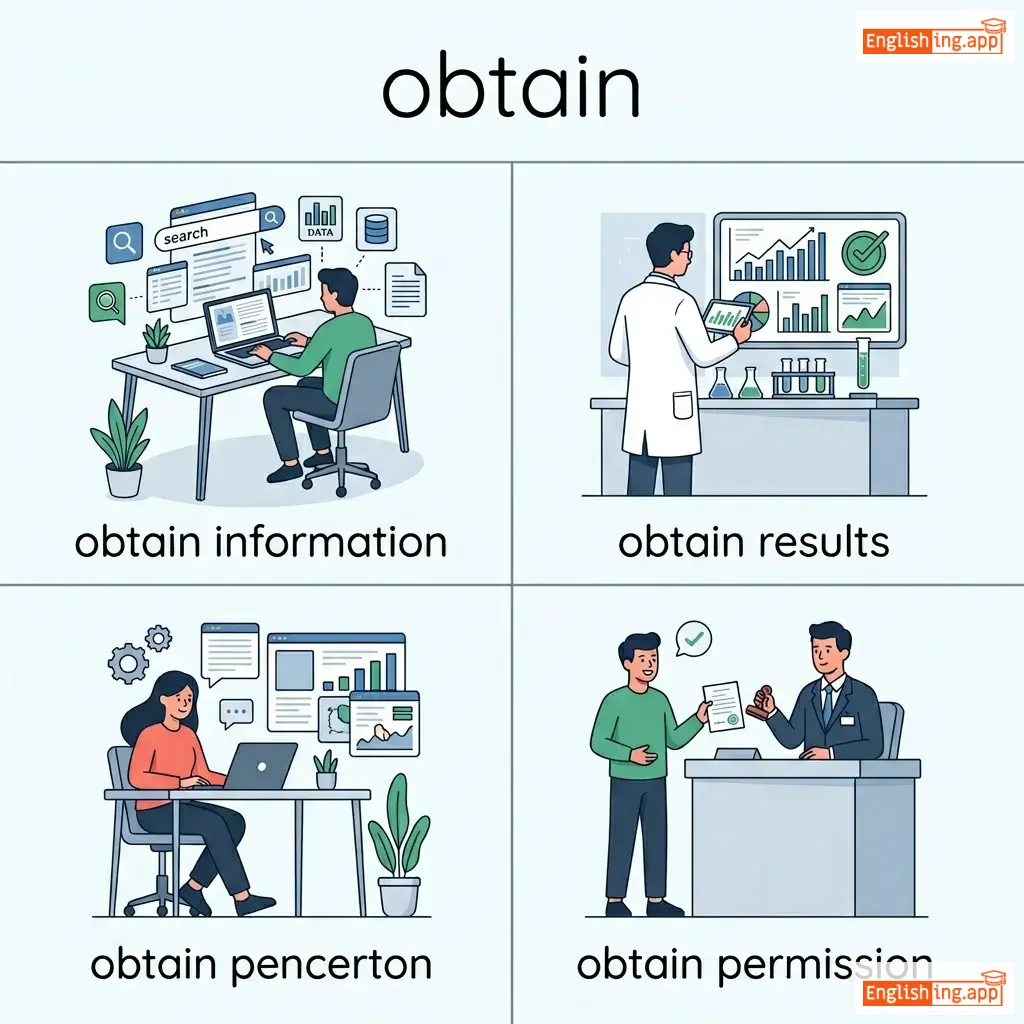
コロケーション
ニーモニック



Swipe left or right, or use the buttons. Tap image to zoom.
例文の翻訳
単語
Lesson 202Lesson 202 - マスクトグル
|
絵文字
|
単語 | Images | 翻訳 | 過去 | 過去分詞 | 三人称単数 | 動名詞 | 意味 | 例文 | 例文の翻訳 | 表現例 | 表現例の意味 | 表現例の翻訳 | 同義語 | 対義語 | コロケーション | ニーモニック |
|---|---|---|---|---|---|---|---|---|---|---|---|---|---|---|---|---|---|
|
#6031
🔮
|
/əˈkʌlt/
adjective
(オカルト)
••••••
|
|
オカルト
okaruto
••••••
|
- •••••• | - •••••• | - •••••• | - •••••• |
Relating to mysterious, supernatural, or magical powers and practices.
••••••
|
She had always been fascinated by the occult and its hidden knowledge.
彼女は常にオカルトとその隠された知識に魅了されていた。
••••••
|
彼女は常にオカルトとその隠された知識に魅了されていた。
Kanojo wa jōni okaruto to sono kakusareta chishiki ni miryō sarete ita.
••••••
|
occult science
オカルト科学
••••••
|
Knowledge of supernatural or mystical practices.
••••••
|
オカルト科学
okaruto kagaku
••••••
|
mystical, supernatural, esoteric, arcane, hidden
••••••
|
obvious, clear, known
••••••
|
occult practices, occult knowledge, occult power, study of the occult
••••••
|
‘Occult’は日本語で‘オカルト’、神秘的な力と知識に関連しています。
••••••
|
|
#6032
🌸
|
/ˌoʊdəˈrɪfərəs/
adjective
(オドリフェラス)
••••••
|
- •••••• |
芳香のある
hōkō no aru
••••••
|
- •••••• | - •••••• | - •••••• | - •••••• |
having or giving off a smell, especially a strong or pleasant one
••••••
|
The garden was filled with odoriferous flowers. |
庭は芳香のある花でいっぱいでした。
Niwa wa hōkō no aru hana de ippai deshita.
••••••
|
- •••••• | - •••••• | - •••••• |
fragrant, aromatic, perfumed, scented
••••••
|
odorless, bland
••••••
|
odoriferous flowers, odoriferous herbs, odoriferous atmosphere
••••••
|
Odoriferousはodor(匂い)+ferous(持つ) = 芳香を持つもの、例えば庭の花々
••••••
|
|
#6033
😡
|
/ˈoʊdiəm/
noun
(オディウム)
••••••
|
- •••••• |
嫌悪
ken'o
••••••
|
- •••••• | - •••••• | - •••••• | - •••••• |
general or widespread hatred or disgust directed toward someone as a result of their actions
••••••
|
The scandal brought public odium on the corrupt minister.
スキャンダルは腐敗した大臣に対する公衆の嫌悪を引き起こした。
••••••
|
スキャンダルは腐敗した大臣に対する公衆の嫌悪を引き起こした。
Sukyandaru wa fuhai shita daijin ni taisuru kōshū no ken'o o hikiokoshita.
••••••
|
- •••••• | - •••••• | - •••••• |
hatred, disgust, contempt, loathing
••••••
|
admiration, approval, affection
••••••
|
public odium, odium of society, face odium
••••••
|
Odium は嫌悪を意味し、強い反感を表す言葉です。
••••••
|
|
#6034
🤢
|
/ˈoʊdiəs/
adjective
(オディアス)
••••••
|
- •••••• |
忌まわしい
imawashii
••••••
|
- •••••• | - •••••• | - •••••• | - •••••• |
extremely unpleasant or repulsive
••••••
|
The dictator was remembered for his odious crimes. |
その独裁者は彼の忌まわしい犯罪で記憶されました。
Sono dokusaisha wa kare no imawashii hanzai de kioku saremashita.
••••••
|
- •••••• | - •••••• | - •••••• |
hateful, repulsive, detestable, loathsome, abhorrent
••••••
|
pleasant, delightful, likable
••••••
|
odious behavior, odious crime, odious smell
••••••
|
Odious は ‘オー、なんて忌まわしい’ という意味です。
••••••
|
|
#6035
📜
|
/oʊd/
noun
(オード)
••••••
|
- •••••• |
オード
ōdo
••••••
|
- •••••• | - •••••• | - •••••• | - •••••• |
a lyrical poem, often expressing praise or strong emotions
••••••
|
The poet wrote an ode to the beauty of nature.
詩人は自然の美に対するオードを書いた。
••••••
|
詩人は自然の美に対するオードを書いた。
Shijin wa shizen no bi ni taisuru ōdo o kaita.
••••••
|
- •••••• | - •••••• | - •••••• |
poem, verse, lyric, sonnet
••••••
|
prose, narrative
••••••
|
write an ode, ode to joy, classic ode
••••••
|
Ode は感情を表現する詩です。
••••••
|
|
#6036
🎲
|
/ɒdz/
noun
(オッズ)
••••••
|
- •••••• |
確率
kakuritsu
••••••
|
- •••••• | - •••••• | - •••••• | - •••••• |
the likelihood or probability of something happening; chances for or against something
••••••
|
The odds of winning the lottery are very low.
宝くじに当選する確率は非常に低いです。
••••••
|
宝くじに当選する確率は非常に低いです。
Takarakuji ni tousen suru kakuritsu wa hijou ni hikui desu.
••••••
|
against all odds
あらゆる困難を乗り越えて
••••••
|
succeeding despite great difficulties
••••••
|
すべての困難を乗り越えて
Subete no konnan o norikoete
••••••
|
chances, probability, likelihood, prospects, possibility
••••••
|
certainty, inevitability
••••••
|
long odds, betting odds, odds are, against all odds
••••••
|
オッズは確率を意味します—宝くじのオッズは常に低いです。
••••••
|
|
#6037
🌀
|
/ˈɒdəti/
noun
(オディティ)
••••••
|
- •••••• |
奇異
kii
••••••
|
- •••••• | - •••••• | - •••••• | - •••••• |
Something strange or unusual.
••••••
|
The bright pink building was an oddity in the small town. |
その明るいピンクの建物は小さな町での奇異な存在でした。
Sono akarui pinku no tatemono wa chiisana machi de no kii na sonzai deshita.
••••••
|
- •••••• | - •••••• | - •••••• |
curiosity, peculiarity, rarity, strangeness, anomaly
••••••
|
normality, commonness
••••••
|
strange oddity, cultural oddity, oddity of nature, oddity factor
••••••
|
Oddity = 奇異、奇妙または異常なもの。
••••••
|
|
#6038
🩺
|
/ˈɒkjʊlɪst/
noun
(オキュリスト)
••••••
|
- •••••• |
眼科医
genka-i
••••••
|
- •••••• | - •••••• | - •••••• | - •••••• |
An old-fashioned term for an eye doctor or ophthalmologist.
••••••
|
The village oculist was known for treating various eye diseases.
The village oculist was known for treating various eye diseases.
••••••
|
村のオキュリストは、さまざまな目の病気を治療することで知られていました。
Mura no okyuristo wa, samazama na me no byōki o chiryō suru koto de shirarete imashita.
••••••
|
- •••••• | - •••••• | - •••••• |
ophthalmologist, optometrist, eye doctor, eye specialist
••••••
|
layman, non-specialist
••••••
|
skilled oculist, local oculist, consult an oculist
••••••
|
Oculist = Ocular + specialist → 眼科医.
••••••
|
|
#6039
👁️
|
/ˈɒkjʊlər/
adjective
(オキュラー)
••••••
|
- •••••• |
眼科の
ganka no
••••••
|
- •••••• | - •••••• | - •••••• | - •••••• |
Relating to the eye or vision.
••••••
|
The patient was referred to a specialist for ocular treatment. |
患者は眼科専門医に紹介されました。
Kanja wa ganka senmon'i ni shōkai saremashita.
••••••
|
ocular proof |
Clear visual evidence; something proven by direct sight.
••••••
|
眼科的証拠
gankateki shōko
••••••
|
visual, optic, eye-related, sight-related
••••••
|
auditory, aural
••••••
|
ocular disease, ocular treatment, ocular lens, ocular inspection
••••••
|
Ocular = 目に関連、眼科的証拠は目で確認できること。
••••••
|
|
#6040
👴
|
/ˌɒktədʒəˈnɛəriən/
noun
(オクトジェネリアン)
••••••
|
- •••••• |
80歳代の人
80-sai dai no hito
••••••
|
- •••••• | - •••••• | - •••••• | - •••••• |
A person who is between 80 and 89 years old.
••••••
|
The octogenarian still jogs every morning to stay healthy. |
そのオクトジェネリアンは毎朝健康を維持するためにジョギングをしています。
Sono okutojenerian wa mai asa kenkou o iji suru tame ni jogingu o shiteimasu.
••••••
|
- •••••• | - •••••• | - •••••• |
elder, senior, aged person, old-timer
••••••
|
youth, youngster, adolescent
••••••
|
active octogenarian, wealthy octogenarian, octogenarian leader, octogenarian couple
••••••
|
Octoは8を意味し、オクトジェネリアンは80歳の人です。
••••••
|
|
#6041
📖
|
/ɒkˈteɪvoʊ/
noun
(オクターヴォ)
••••••
|
- •••••• |
オクターヴォ (紙を8つに折りたたんで作られた本のサイズ)
okutāvo
••••••
|
- •••••• | - •••••• | - •••••• | - •••••• |
A size of book page resulting from folding a sheet of paper into eight leaves (sixteen pages).
••••••
|
The old library contained rare octavo editions of Shakespeare.
古い図書館にはシェイクスピアの珍しいオクターヴォ版がありました。
••••••
|
古い図書館にはシェイクスピアの珍しいオクターヴォ版がありました。
Furui toshokan ni wa Sheikusupia no mezurashī okutāvo-ban ga arimashita.
••••••
|
- •••••• | - •••••• | - •••••• |
book size, format, edition, volume
••••••
|
folio, quarto
••••••
|
rare octavo, octavo edition, printed in octavo, small octavo
••••••
|
Octaは8を意味し、オクターヴォは8ページの本を意味します。
••••••
|
|
#6042
🎶
|
/ˈɒktɪv/
noun
••••••
|
- •••••• | - •••••• | - •••••• | - •••••• | - •••••• | - •••••• |
A series of eight musical notes, or the interval between one musical pitch and another with double its frequency.
••••••
|
The singer's voice could easily reach the higher octave. |
- •••••• | - •••••• | - •••••• | - •••••• |
scale, tone, interval, register
••••••
|
monotone, unison
••••••
|
high octave, low octave, musical octave, octave note
••••••
|
No •••••• |
|
#6043
🛑
|
/ˈɒktəɡən/
noun
(オクタゴン)
••••••
|
- •••••• |
八角形
hakkakukei
••••••
|
- •••••• | - •••••• | - •••••• | - •••••• |
A polygon with eight sides and eight angles.
••••••
|
The stop sign is shaped like an octagon. |
ストップサインは八角形をしています。
Sutoppu sain wa hakkakukei wo shiteimasu.
••••••
|
- •••••• | - •••••• | - •••••• |
eight-sided figure, polygon
••••••
|
circle, triangle
••••••
|
regular octagon, octagon shape, octagon building
••••••
|
Octaは8(8)を意味する → Octagonは8辺の形を意味する。
••••••
|
|
#6044
📅
|
/əˈkʌrəns/
noun
(オカレンス)
••••••
|
- •••••• |
発生
hassei
••••••
|
- •••••• | - •••••• | - •••••• | - •••••• |
An incident, event, or something that happens.
••••••
|
The occurrence of such storms is rare in this region.
ザ オカレンス オブ サッチ ストームズ イズ レア イン ディス リージョン。
••••••
|
この地域でそのような嵐が発生することはまれです。
kono chiiki de sonoyou na arashi ga hassei suru koto wa mare desu
••••••
|
- •••••• | - •••••• | - •••••• |
event, incident, happening, situation, episode
••••••
|
absence, nonexistence
••••••
|
frequent occurrence, rare occurrence, unusual occurrence, natural occurrence
••••••
|
発生 (hassei) — 'has-sei' と覚えると、何かが起きる=occurrence。
••••••
|
|
#6045
🚗
|
/ˈɒkjʊpənt/
noun
(okyupanto)
••••••
|
- •••••• |
乗客
jōkyaku
••••••
|
- •••••• | - •••••• | - •••••• | - •••••• |
A person who resides in or is present in a house, vehicle, seat, or place.
••••••
|
The car had three occupants at the time of the accident.
事故の時、車には三人の乗客がいました。
••••••
|
事故の時、車には三人の乗客がいました。
Jiko no toki, kuruma ni wa sannin no jōkyaku ga imashita.
••••••
|
- •••••• | - •••••• | - •••••• |
resident, tenant, dweller, lodger, holder
••••••
|
visitor, outsider, stranger
••••••
|
current occupant, car occupant, room occupant, seat occupant
••••••
|
Occupant は日本語で乗客、つまり場所にいる人を意味します。
••••••
|
|
#6046
🐂
|
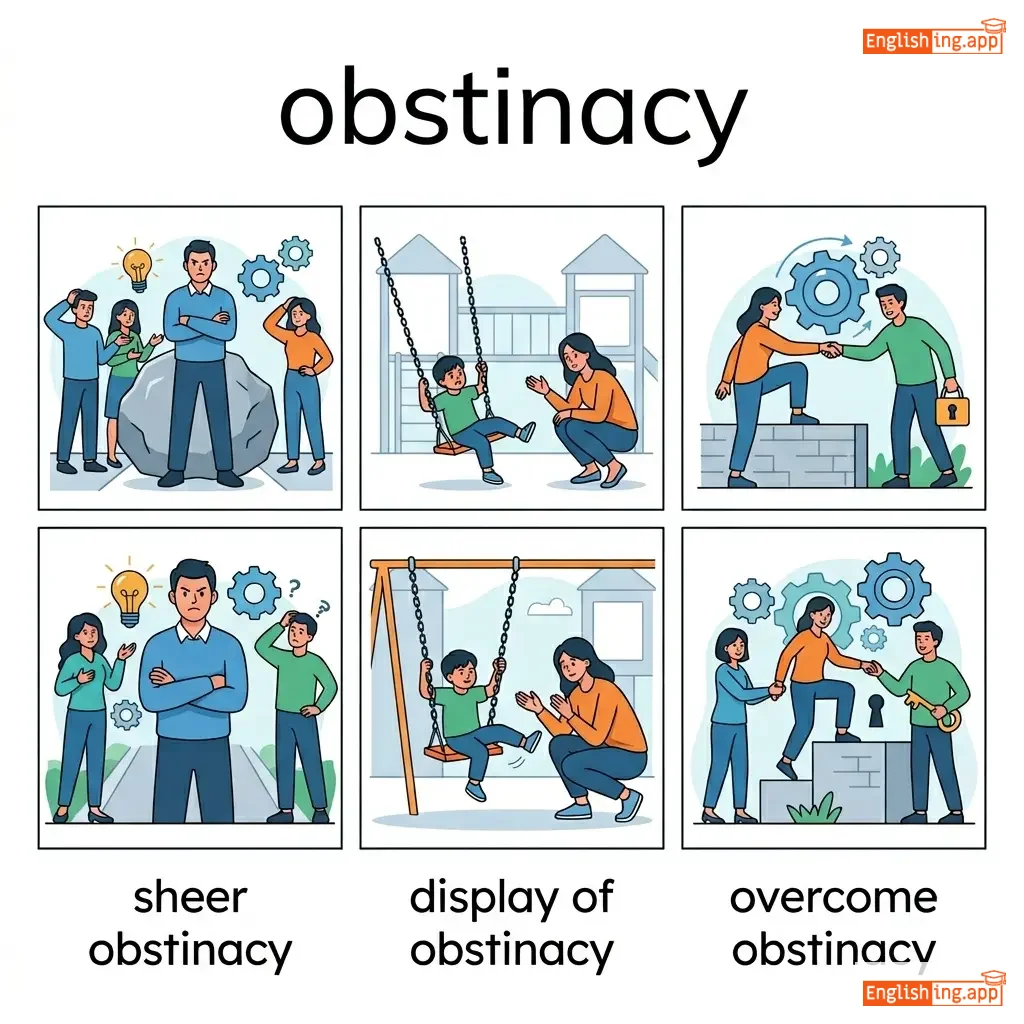
/ˈɒbstɪnəsi/
noun
(オブスティネイシー)
••••••
|
|
頑固
ganko
••••••
|
- •••••• | - •••••• | - •••••• | - •••••• |
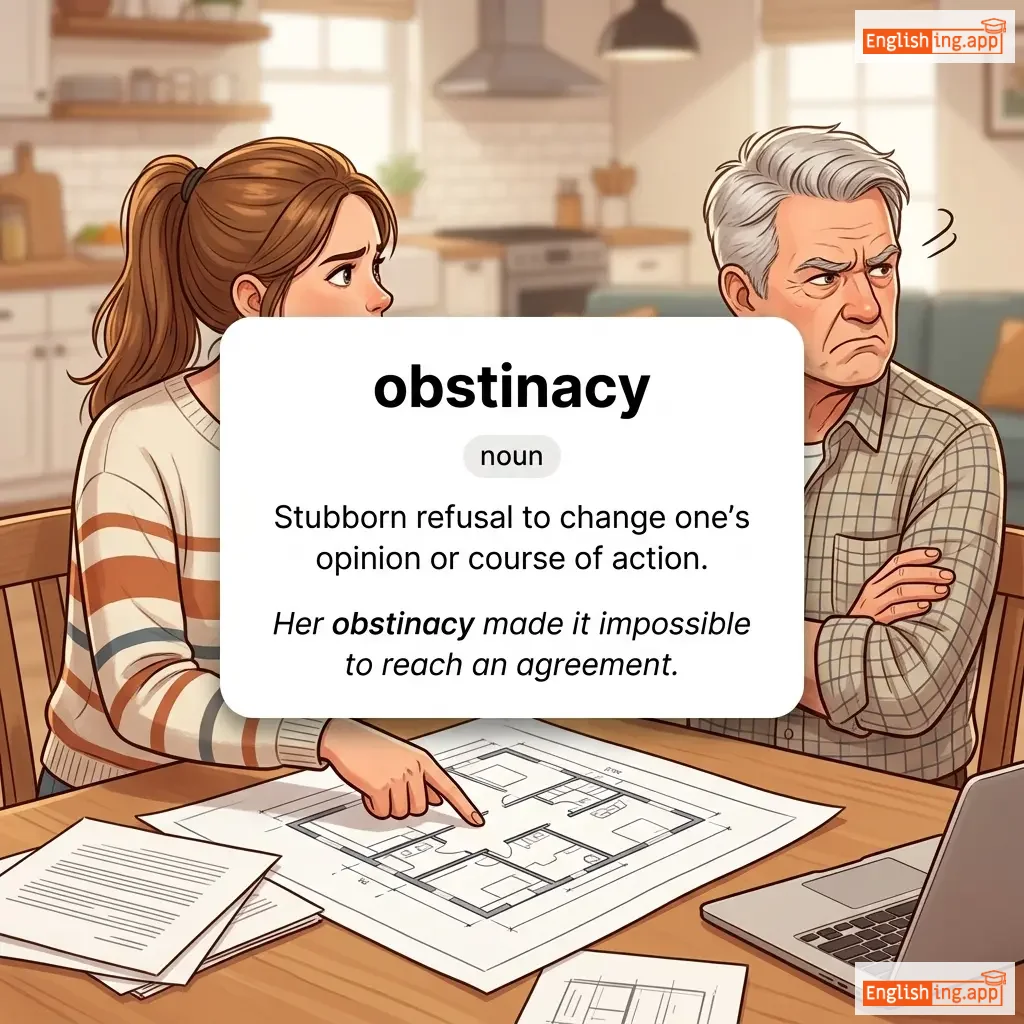
Stubborn refusal to change one’s opinion or course of action.
••••••
|
Her obstinacy made it impossible to reach an agreement. |
彼女の頑固さは、合意に達することを不可能にしました。
Kanojo no gankosa wa, goi ni tassuru koto o fukanou ni shimashita.
••••••
|
- •••••• | - •••••• | - •••••• |
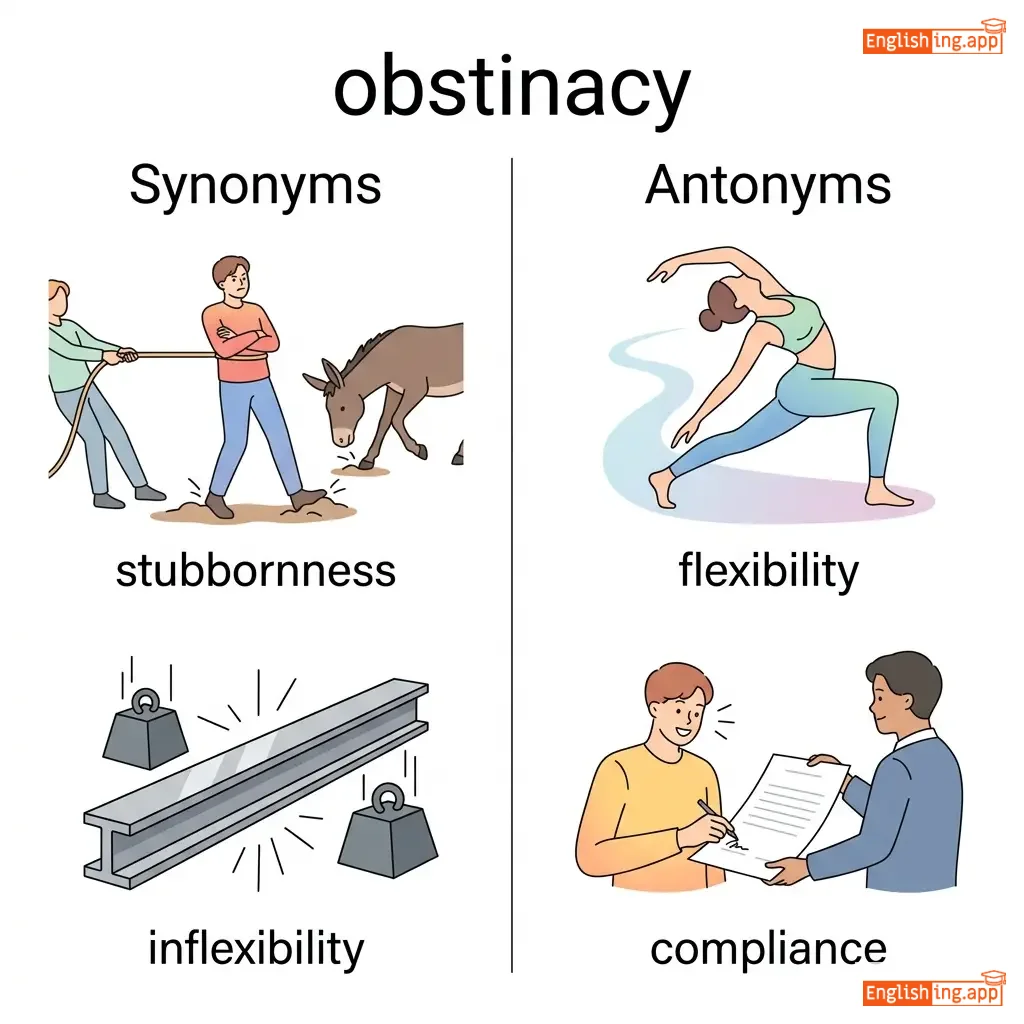
stubbornness, inflexibility, rigidity, persistence, determination
••••••
|
flexibility, compliance, obedience
••••••
|
sheer obstinacy, display of obstinacy, overcome obstinacy, known for obstinacy
••••••
|
Obstinacy = ganko, zettai ni kaerarenai — 頑固
••••••
|
|
#6047
🚧
|
/əˈkluːd/
verb
(オクルード)
••••••
|
|
閉塞する
ヘイソクスル
••••••
|
occluded
オクルーデッド
••••••
|
occluded
オクルーデッド
••••••
|
occludes
オクルーズ
••••••
|
occluding
オクルーディング
••••••
|
To block or close up an opening or passage.
••••••
|
The pipe was occluded by mineral deposits.
パイプは鉱物の堆積物で閉塞されていました。
••••••
|
パイプは鉱物の堆積物で閉塞されていました。
Paipu wa kōbutsu no taisekimotsu de heisoku sarete imashita.
••••••
|
- •••••• | - •••••• | - •••••• |
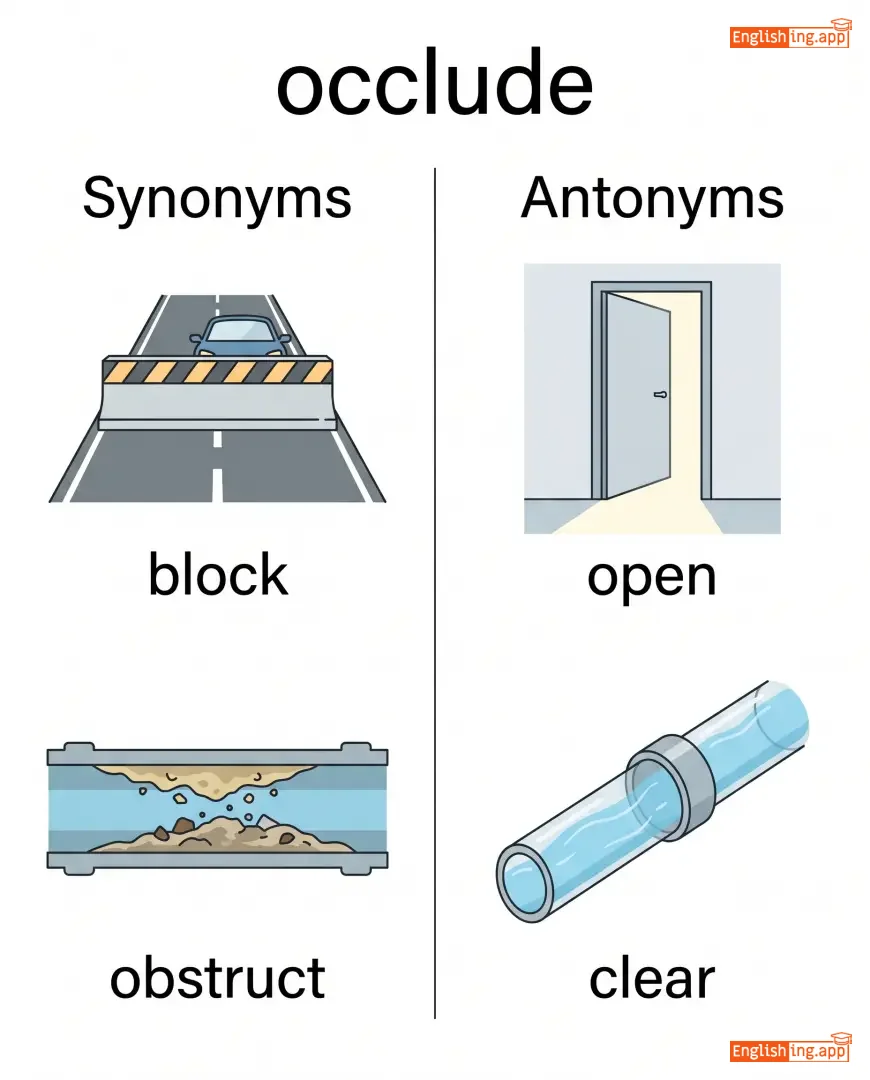
block, obstruct, close, seal, clog
••••••
|
open, clear, unblock
••••••
|
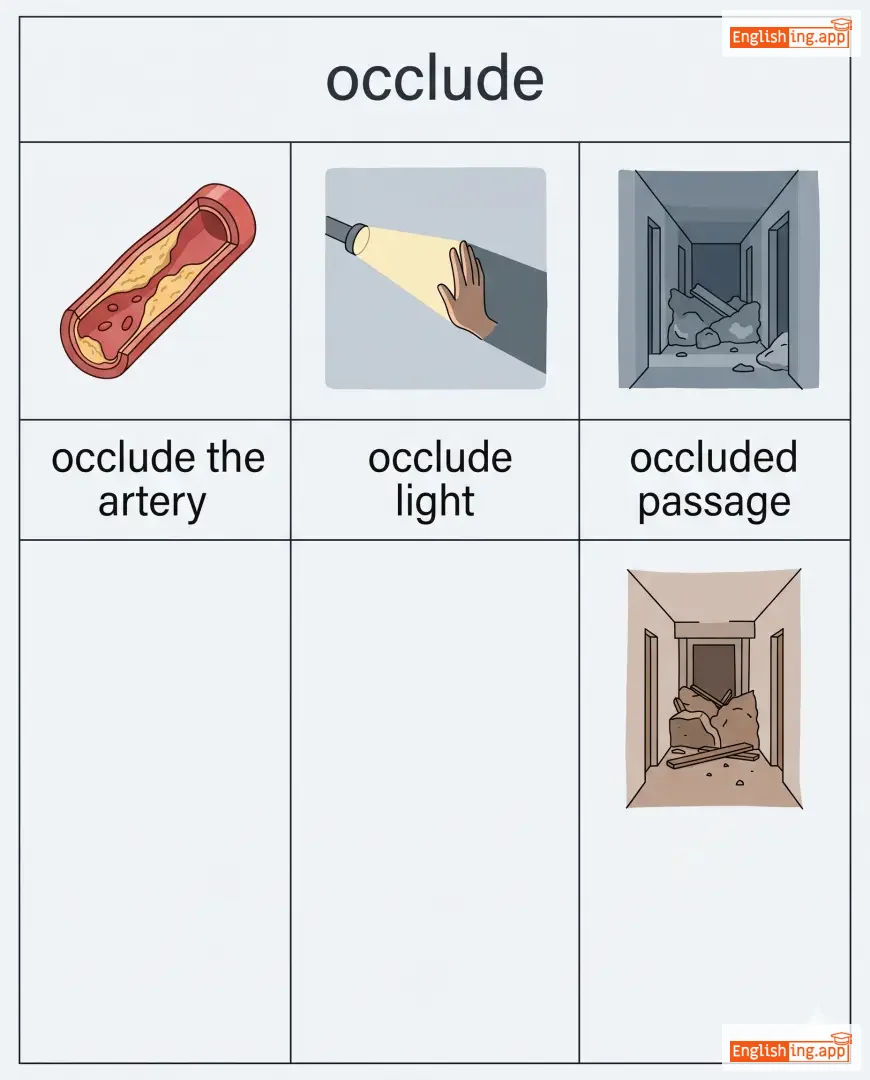
occlude the artery, occlude light, occluded passage
••••••
|
Occludeは閉じる、手がかりを隠す、道を塞ぐことです。
••••••
|
|
#6048
🌍
|
/ˈɒksɪdənt/
noun
(okushidento)
••••••
|
- •••••• |
西洋
seiyou
••••••
|
- •••••• | - •••••• | - •••••• | - •••••• |
The countries of the West, especially Europe and America.
••••••
|
The Occident has a long history of philosophical thought.
オクシデントには長い哲学的思考の歴史があります。
••••••
|
西洋には長い哲学的思考の歴史があります。
Seiyou ni wa nagai tetsugakuteki shikou no rekishi ga arimasu.
••••••
|
- •••••• | - •••••• | - •••••• |
West, Western world, Europe, America
••••••
|
Orient, East, Asia
••••••
|
Occident and Orient, history of the Occident, Occident culture
••••••
|
Occidentは'Occasional'のように-西洋の国々、ヨーロッパとアメリカ。
••••••
|
|
#6049
🎉
|
/əˈkeɪʒən/
noun
(オケージョン)
••••••
|
- •••••• |
機会
kikai
••••••
|
- •••••• | - •••••• | - •••••• | - •••••• |
A particular time or event; a special or important happening.
••••••
|
Her wedding was a joyful occasion for the whole family. |
彼女の結婚式は家族全員にとって楽しい機会でした。
Kanojo no kekkonshiki wa kazoku zen'in ni totte tanoshī kikai deshita.
••••••
|
on occasion |
sometimes, occasionally
••••••
|
時々
tokidoki
••••••
|
event, moment, incident, celebration, affair
••••••
|
routine, ordinary, regularity
••••••
|
special occasion, on occasion, festive occasion, grand occasion
••••••
|
Occasionの意味は特別な機会 - 時々、特別な機会に大切なことが起こります。
••••••
|
|
#6050
🚫
|
/ˈɑːbvieɪt/
verb
(オブビエイト)
••••••
|
|
排除する
haijo suru
••••••
|
obviated
オブビエイテッド
••••••
|
obviated
オブビエイテッド
••••••
|
obviates
オブビエイツ
••••••
|
obviating
オブビエイティング
••••••
|
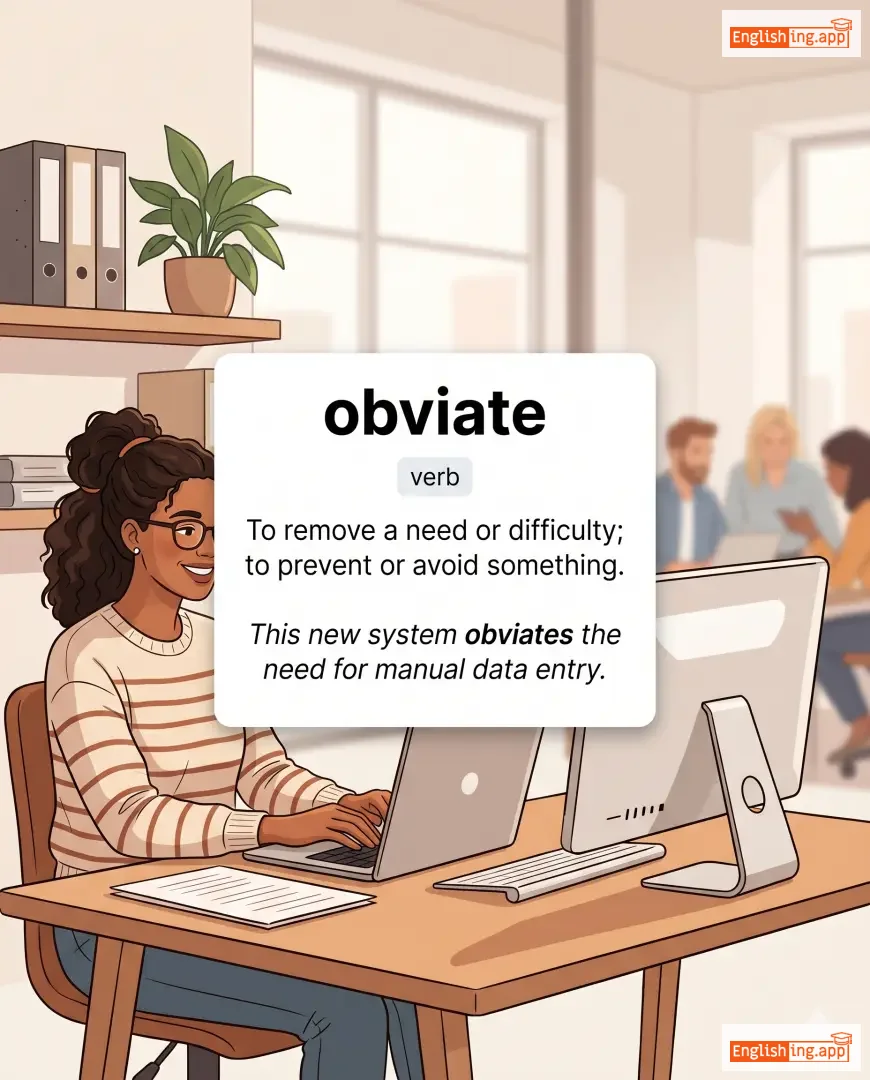
To remove a need or difficulty; to prevent or avoid something.
••••••
|
This new system obviates the need for manual data entry.
この新しいシステムは手動データ入力の必要性を排除します。
••••••
|
この新しいシステムは手動データ入力の必要性を排除します。
Kono atarashii shisutemu wa shudou deeta nyuuryoku no hitsuyousei o haijo shimasu.
••••••
|
- •••••• | - •••••• | - •••••• |
prevent, avoid, eliminate, preclude, remove
••••••
|
allow, permit, require
••••••
|
obviate the need, obviate problems, obviate difficulties
••••••
|
Obviateとは問題が起こる前にそれを取り除くことです。
••••••
|
|
#6051
🔄
|
/əbˈvɜːrt/
verb
(オブバート)
••••••
|
- •••••• |
反転する
hanten suru
••••••
|
obverted
オブバーテッド
••••••
|
obverted
オブバーテッド
••••••
|
obverts
オブバーツ
••••••
|
obverting
オブバーティング
••••••
|
To turn something so as to face in a different direction; in logic, to convert a proposition by negating both subject and predicate.
••••••
|
The teacher asked the students to obvert the statement for practice.
先生は生徒たちに練習のためにその声明をオブバートするように頼みました。
••••••
|
先生は生徒たちに練習のためにその声明をオブバートするように頼みました。
Sensei wa seito-tachi ni renshū no tame ni sono seimei o obu bāto suru yō ni tanomimashita.
••••••
|
- •••••• | - •••••• | - •••••• |
invert, reverse, change, alter, rephrase
••••••
|
maintain, keep, preserve
••••••
|
obvert a statement, obvert logic, obvert proposition
••••••
|
Obvertは物を反転させることを意味し、逆さまにすることです。
••••••
|
|
#6052
📐
|
/əbˈtjuːs/
adjective
(オブチューズ)
••••••
|
- •••••• |
鈍い
nibui
••••••
|
- •••••• | - •••••• | - •••••• | - •••••• |
slow to understand; annoyingly insensitive; also refers to an angle greater than 90° and less than 180°
••••••
|
He was too obtuse to realize the insult. |
彼は侮辱を理解するには鈍すぎた。
Kare wa bukushoku o rikai suru ni wa nibui sugita.
••••••
|
obtuse angle |
an angle greater than 90 degrees and less than 180 degrees
••••••
|
鈍角
nibukaku
••••••
|
dull, slow, stupid, insensitive, blunt
••••••
|
sharp, quick, clever
••••••
|
obtuse angle, obtuse response, obtuse remark
••••••
|
Obtuseは愚かまたは大きな角度を意味します — 思い出してください、大きな角度は遅い脳を意味します。
••••••
|
|
#6053
👀
|
/əbˈtruːsɪv/
adjective
(オブトルーシブ)
••••••
|
- •••••• |
目障りな
meza warina
••••••
|
- •••••• | - •••••• | - •••••• | - •••••• |
noticeable in an unpleasant or unwelcome way; intrusive
••••••
|
The advertisement was so obtrusive that it ruined the user’s experience.
その広告はあまりにも目立ちすぎて、ユーザーの体験を台無しにしました。
••••••
|
その広告はあまりにも目立ちすぎて、ユーザーの体験を台無しにしました。
Sono kōkoku wa amari ni mo medachisugite, yūzā no taiken o dainashi ni shimashita.
••••••
|
- •••••• | - •••••• | - •••••• |
intrusive, pushy, noticeable, blatant, conspicuous
••••••
|
subtle, inconspicuous, modest
••••••
|
obtrusive behavior, obtrusive presence, obtrusive manner
••••••
|
Obtrusive は目立つという意味で、うるさい広告のようなものです。
••••••
|
|
#6054
🚪
|
/əbˈtruːd/
verb
(オブトルード)
••••••
|
- •••••• |
押し付ける
oshitsukeru
••••••
|
obtruded
オブトルーデッド
••••••
|
obtruded
オブトルーデッド
••••••
|
obtrudes
オブトルーズ
••••••
|
obtruding
オブトルーディング
••••••
|
to force oneself or one's ideas into a situation uninvited or inappropriately
••••••
|
He didn’t want to obtrude into their private conversation.
彼は彼らのプライベートな会話にオブトルードしたくなかった。
••••••
|
彼は彼らのプライベートな会話に押し付けたくなかった。
Kare wa karera no puraibēto na kaiwa ni oshitsuketakunakatta.
••••••
|
- •••••• | - •••••• | - •••••• |
interfere, intrude, impose, meddle, intervene
••••••
|
withdraw, avoid, respect
••••••
|
obtrude ideas, obtrude upon, obtrude into
••••••
|
Obtrude = 押し付ける — 自分の考えを不適切に押し込む。
••••••
|
|
#6055
📜
|
/əbˈteɪn/
verb
(オブテイン)
••••••
|
|
得る
eru
••••••
|
obtained
オブテインド
••••••
|
obtained
オブテインド
••••••
|
obtains
オブテインズ
••••••
|
obtaining
オブテイニング
••••••
|
to get, acquire, or secure something
••••••
|
She managed to obtain a scholarship for her studies.
彼女は学業のために奨学金を得ることができました。
••••••
|
彼女は学業のために奨学金を得ることができました。
Kanojo wa gakugyō no tame ni shōgakukin o eru koto ga dekimashita.
••••••
|
obtain permission
許可を得る
••••••
|
to get approval or consent to do something
••••••
|
許可を得る
kyoka o eru
••••••
|
acquire, gain, secure, procure, receive
••••••
|
lose, forfeit, give up
••••••
|
obtain information, obtain results, obtain permission
••••••
|
Obtain = OBTain = Obtaining (得る) something with effort
••••••
|
|
#6056
⛔
|
/əbˈstrʌkʃənɪst/
noun
••••••
|
- •••••• | - •••••• | - •••••• | - •••••• | - •••••• | - •••••• |
a person who deliberately delays or prevents progress by being uncooperative or oppositional
••••••
|
The obstructionist in the committee kept delaying the decision-making process. |
- •••••• | - •••••• | - •••••• | - •••••• |
obstructor, blocker, opposer, resister, hinderer
••••••
|
supporter, facilitator, helper
••••••
|
obstructionist tactics, obstructionist behavior, political obstructionist
••••••
|
No •••••• |
|
#6057
🛑
|
/əbˈstrʌkʃən/
noun
(オブストラクション)
••••••
|
- •••••• |
障害
shougai
••••••
|
- •••••• | - •••••• | - •••••• | - •••••• |
Something that blocks or gets in the way; the action of obstructing.
••••••
|
There was an obstruction on the railway track. |
鉄道の線路に障害がありました。
Tetsudou no senro ni shougai ga arimashita.
••••••
|
obstruction of justice |
Interference with the fair operation of the legal system.
••••••
|
司法の障害
Shihou no shougai
••••••
|
blockage, hindrance, barrier, obstacle, impediment
••••••
|
clearance, opening, passage
••••••
|
obstruction of justice, cause obstruction, obstruction on the road, obstruction removal
••••••
|
Obstructionは障害と似ている — 進行を妨げるもの。
••••••
|
|
#6058
🚧
|
/əbˈstrʌkt/
verb
(オブストラクト)
••••••
|
|
妨害する
bōgaisuru
••••••
|
obstructed
オブストラクテッド
••••••
|
obstructed
オブストラクテッド
••••••
|
obstructs
オブストラクトス
••••••
|
obstructing
オブストラクトイング
••••••
|
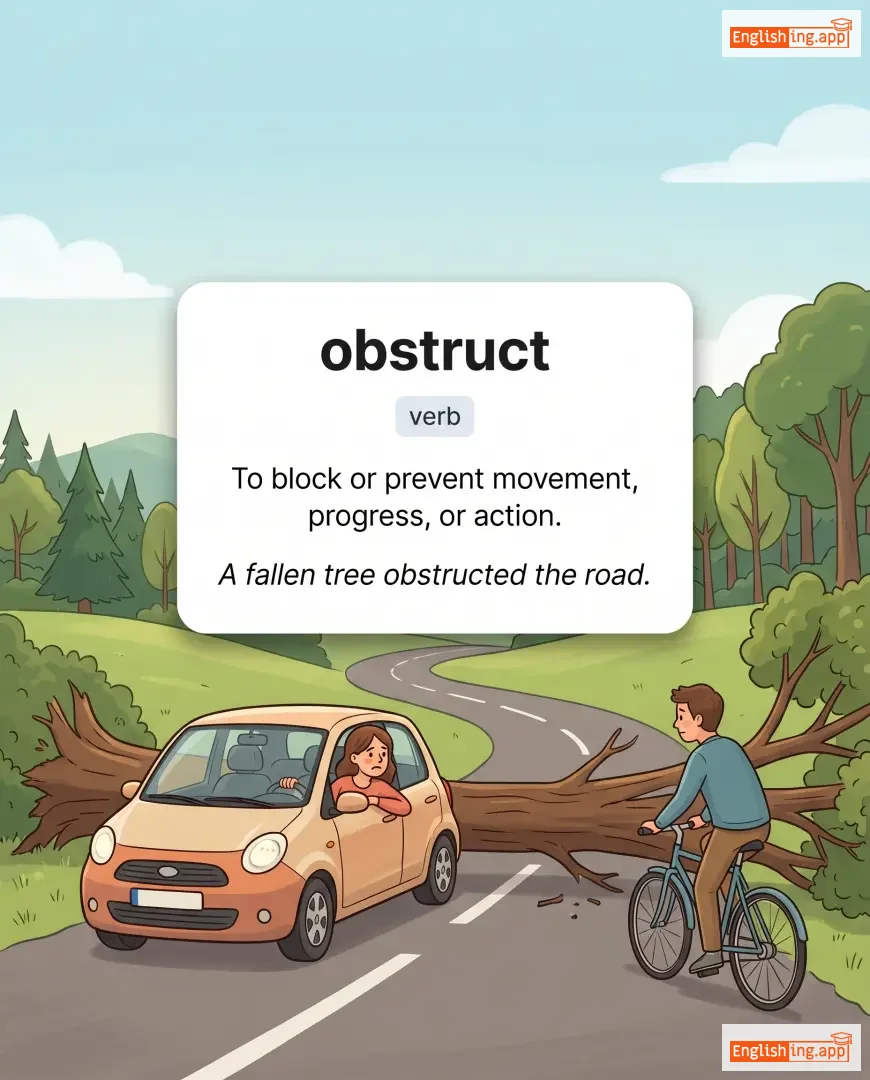
To block or prevent movement, progress, or action.
••••••
|
A fallen tree obstructed the road.
倒れた木が道を塞いだ。
••••••
|
倒れた木が道を塞いだ。
Taoreta ki ga michi o fusaida.
••••••
|
obstruct justice
司法を妨げる
••••••
|
To prevent legal processes from being carried out fairly.
••••••
|
司法を妨げる
shihō o samatageru
••••••
|
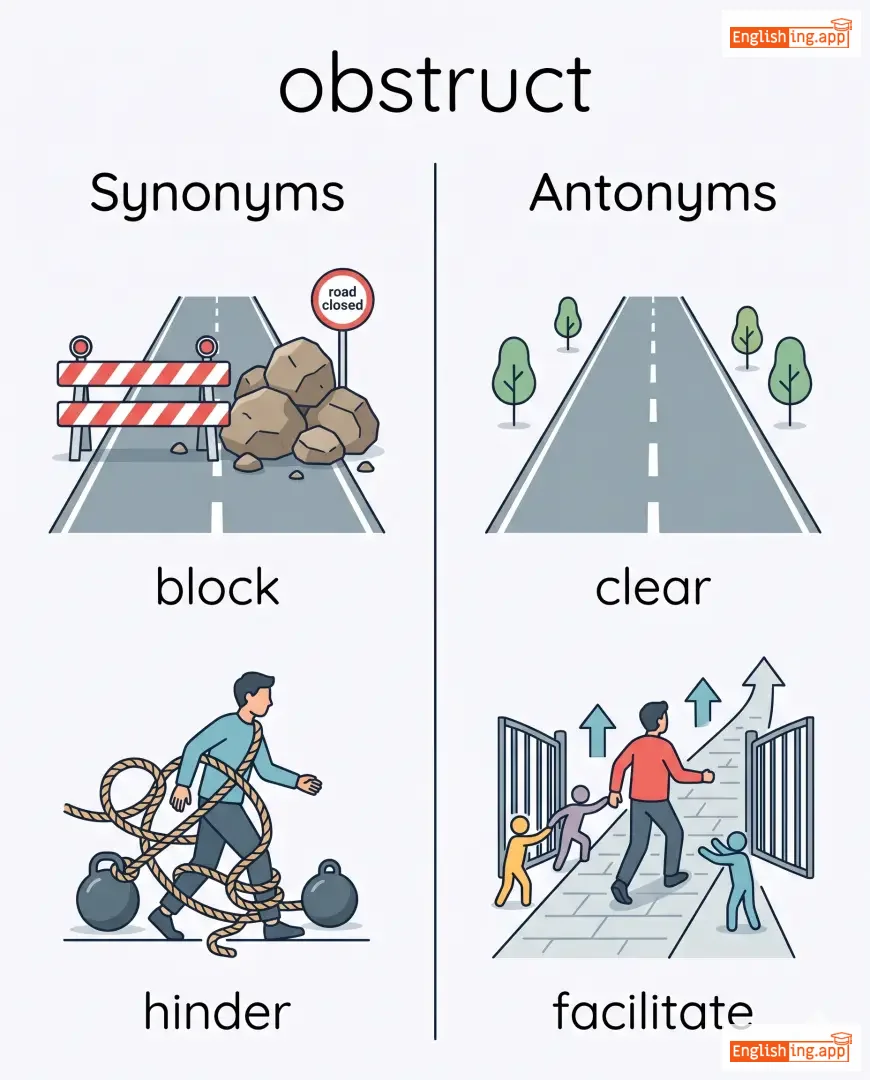
block, hinder, impede, bar, prevent
••••••
|
clear, facilitate, allow
••••••
|
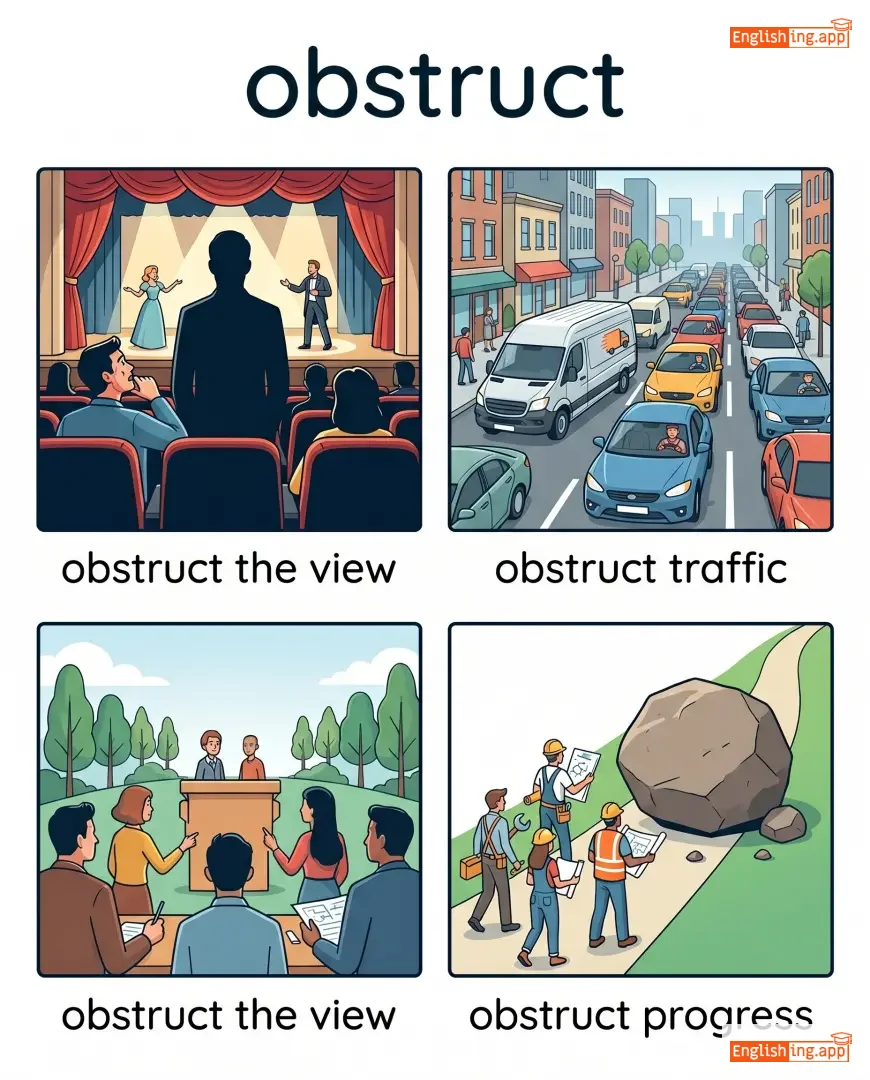
obstruct the view, obstruct traffic, obstruct progress, obstruct investigation
••••••
|
Obstructは何かを塞ぐ意味。木が道を塞ぐように、道をふさいで妨げる。
••••••
|
|
#6059
📢
|
/əbˈstrɛpərəs/
adjective
(オブストレパラス)
••••••
|
- •••••• |
騒がしくて制御が難しい
sawagashikute seigyo ga muzukashii
••••••
|
- •••••• | - •••••• | - •••••• | - •••••• |
Noisy and difficult to control.
••••••
|
The obstreperous students disrupted the class. |
騒がしい学生たちが授業を妨害した。
Sawagashī gakusei-tachi ga jugyō o bōgai shita.
••••••
|
- •••••• | - •••••• | - •••••• |
boisterous, unruly, rowdy, disruptive, loud
••••••
|
quiet, calm, obedient
••••••
|
obstreperous behavior, obstreperous crowd, obstreperous child
••••••
|
Obstreperous は騒がしくて制御が難しい — 騒がしい
••••••
|
|
#6060
🦡
|
/ˈɒbstɪnət/
adjective
(オブスティネート)
••••••
|
|
頑固
ganko
••••••
|
- •••••• | - •••••• | - •••••• | - •••••• |
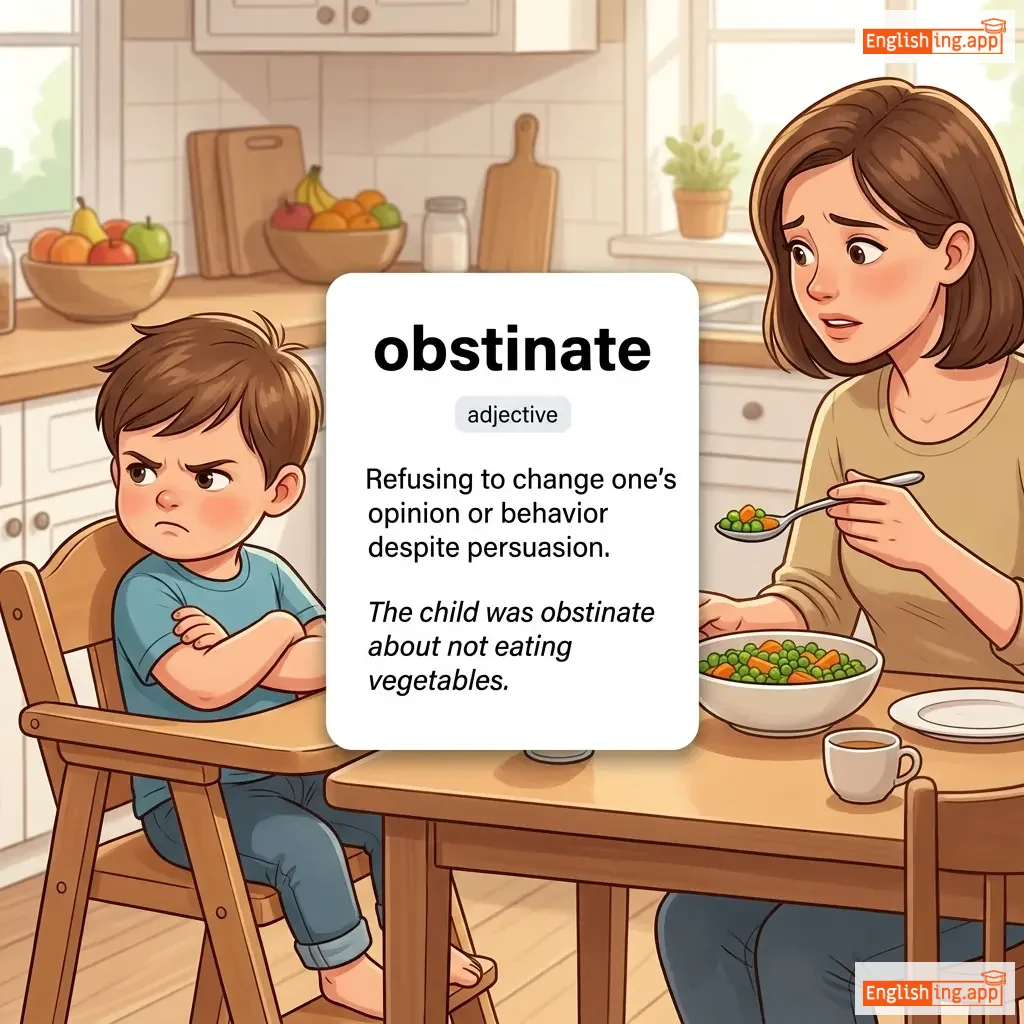
Refusing to change one’s opinion or behavior despite persuasion.
••••••
|
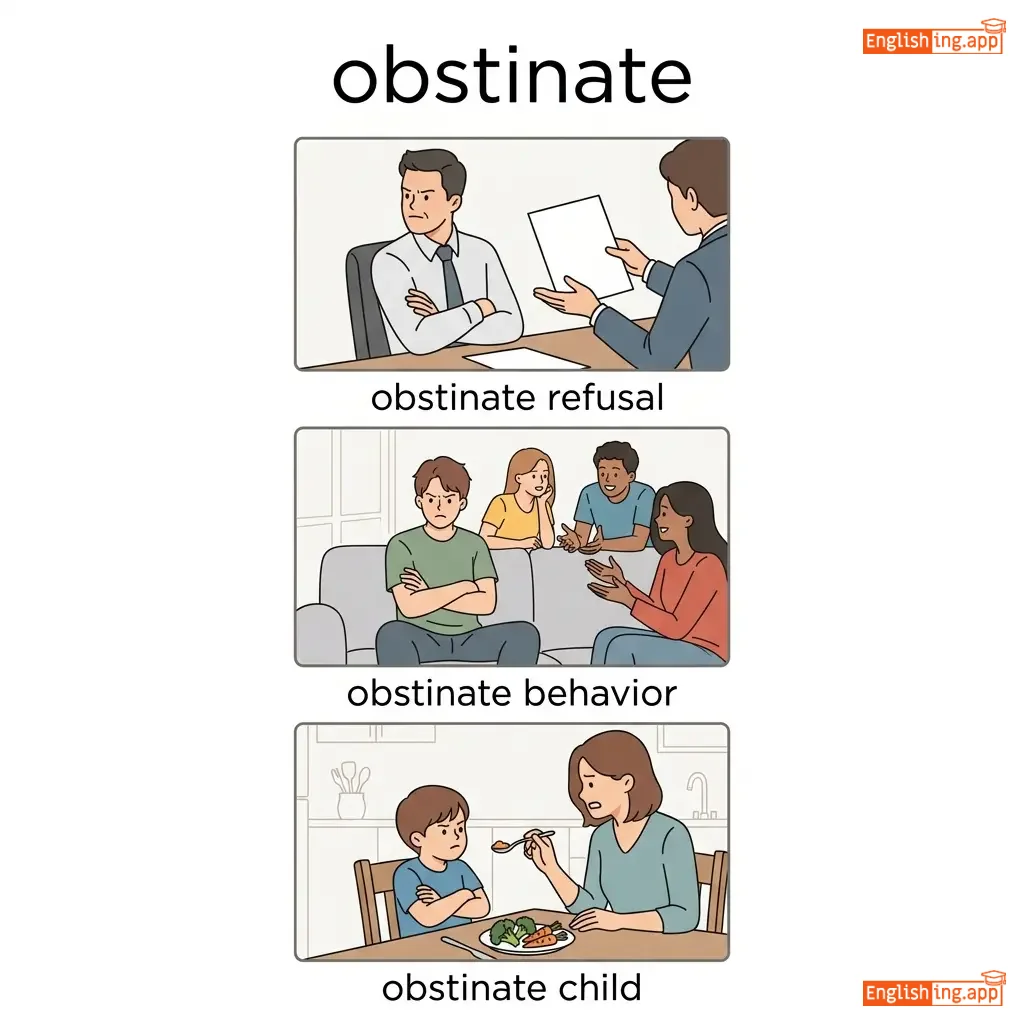
The child was obstinate about not eating vegetables.
子供は野菜を食べないことで頑固だった。
••••••
|
子供は野菜を食べないことで頑固だった。
Kodomo wa yasai o tabenai koto de ganko datta.
••••••
|
as obstinate as a mule
ウマのように頑固
••••••
|
Extremely stubborn and unwilling to listen.
••••••
|
ウマのように頑固
Uma no yō ni ganko
••••••
|
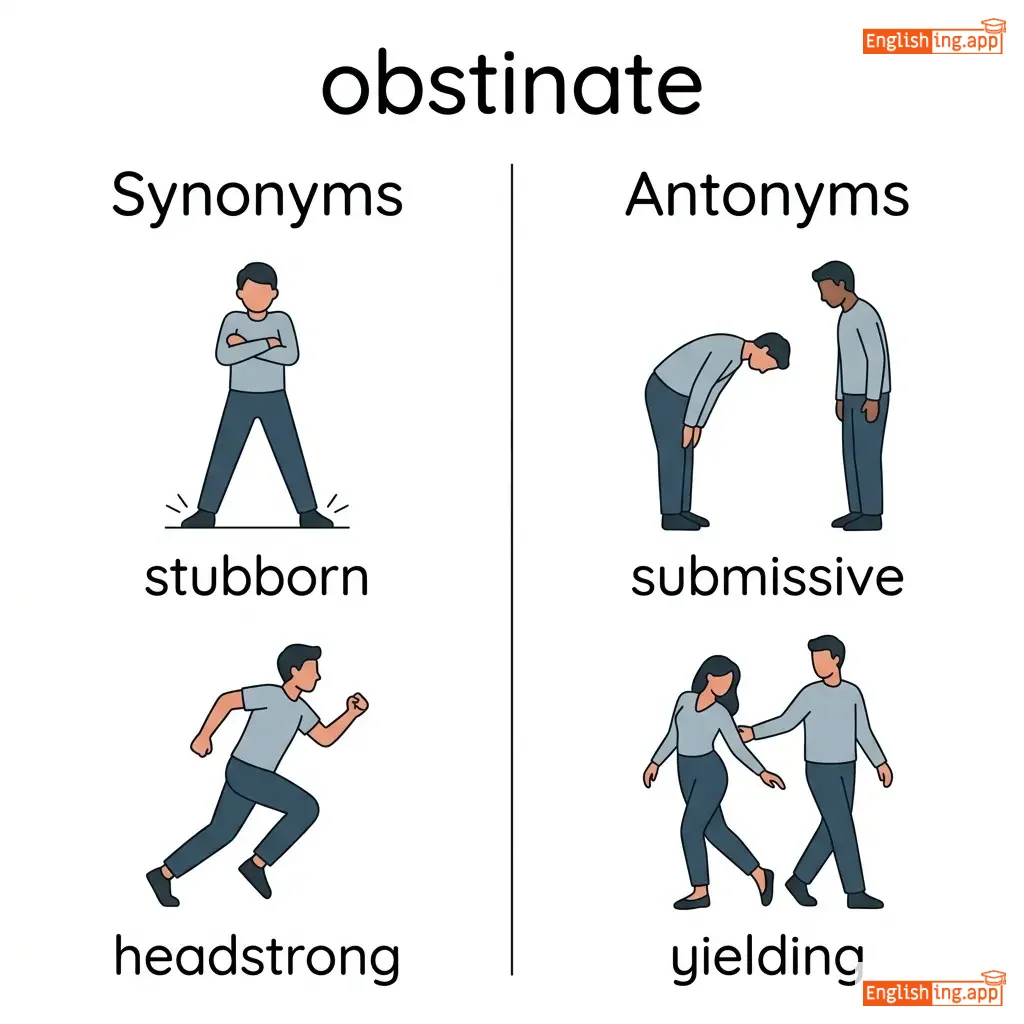
stubborn, headstrong, inflexible, unyielding, willful
••••••
|
submissive, yielding, agreeable
••••••
|
obstinate refusal, obstinate behavior, obstinate child, obstinate attitude
••••••
|
Obstinate = 頑固 — 変わりたくない
••••••
|
Vocabulary Quiz
Test your vocabulary by matching words with their translations or meanings.
Login to take the quiz
Comments (0)
Share your thoughts and join the discussion.
Join the discussion by logging in
Login to CommentNo comments yet
Be the first to share your thoughts!