





Swipe left or right, or use the buttons. Tap image to zoom.
例句翻译
单词
Lesson 202Lesson 202 - 遮罩切换
|
表情符号
|
单词 | Images | 翻译 | 过去时 | 过去分词 | 第三人称单数 | 动名词 | 含义 | 例句 | 例句翻译 | 示例表达 | 示例表达含义 | 示例表达翻译 | 同义词 | 反义词 | 搭配词 | 助记符 |
|---|---|---|---|---|---|---|---|---|---|---|---|---|---|---|---|---|---|
|
#6031
🔮
|
/əˈkʌlt/
adjective
(奥科尔特)
••••••
|
|
奥秘的
àomì de
••••••
|
- •••••• | - •••••• | - •••••• | - •••••• |
Relating to mysterious, supernatural, or magical powers and practices.
••••••
|
She had always been fascinated by the occult and its hidden knowledge.
她一直对奥科尔特及其隐藏的知识感到着迷。
••••••
|
她一直对奥科尔特及其隐藏的知识感到着迷。
Tā yīzhí duì àokē'ěrtè jí qí yǐncáng de zhīshi gǎndào zháomí.
••••••
|
occult science
奥科尔特科学
••••••
|
Knowledge of supernatural or mystical practices.
••••••
|
奥科尔特科学
àokē'ěrtè kēxué
••••••
|
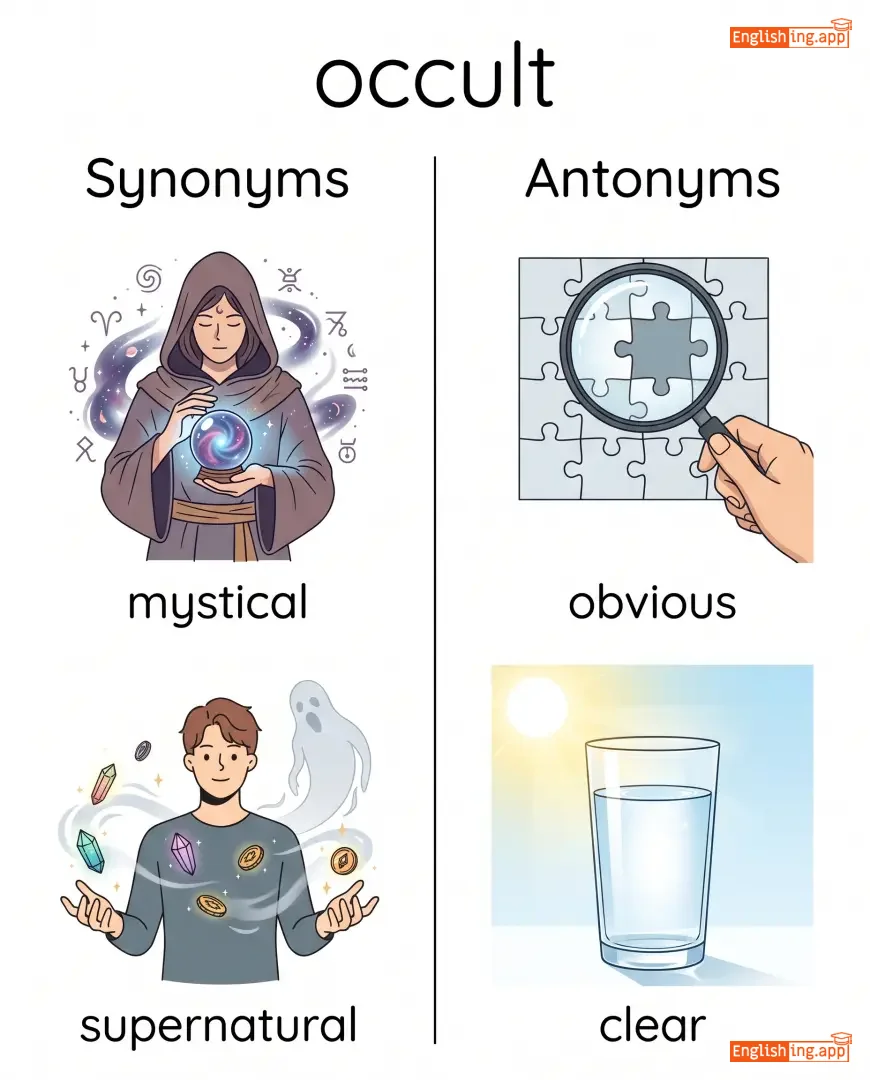
mystical, supernatural, esoteric, arcane, hidden
••••••
|
obvious, clear, known
••••••
|
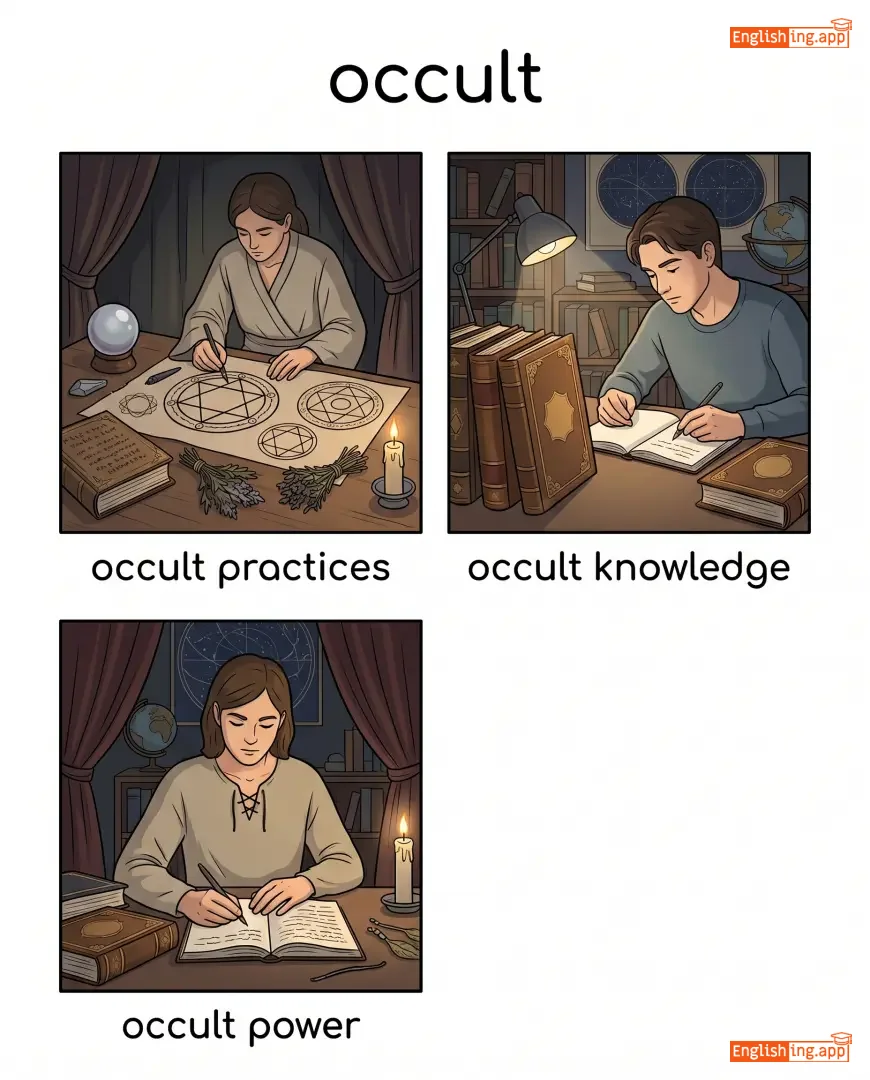
occult practices, occult knowledge, occult power, study of the occult
••••••
|
‘Occult’ 是‘奥科尔特’的发音,代表着神秘的力量和知识。
••••••
|
|
#6032
🌸
|
/ˌoʊdəˈrɪfərəs/
adjective
(odoriferous)
••••••
|
- •••••• |
芬芳的
fen fang de
••••••
|
- •••••• | - •••••• | - •••••• | - •••••• |
having or giving off a smell, especially a strong or pleasant one
••••••
|
The garden was filled with odoriferous flowers. |
花园里充满了芬芳的花朵。
Huayuan li chongman le fenfang de huaduo.
••••••
|
- •••••• | - •••••• | - •••••• |
fragrant, aromatic, perfumed, scented
••••••
|
odorless, bland
••••••
|
odoriferous flowers, odoriferous herbs, odoriferous atmosphere
••••••
|
Odoriferous 是 odor(气味)+ ferous(携带)= 一种散发芳香的事物,如花园中的花朵。
••••••
|
|
#6033
😡
|
/ˈoʊdiəm/
noun
(欧迪厄姆)
••••••
|
- •••••• |
憎恶
zengwu
••••••
|
- •••••• | - •••••• | - •••••• | - •••••• |
general or widespread hatred or disgust directed toward someone as a result of their actions
••••••
|
The scandal brought public odium on the corrupt minister.
丑闻让腐败的部长蒙受了公众的憎恶。
••••••
|
丑闻让腐败的部长蒙受了公众的憎恶。
Chou wen rang fubai de buchang meng shou le gongzhong de zengwu.
••••••
|
- •••••• | - •••••• | - •••••• |
hatred, disgust, contempt, loathing
••••••
|
admiration, approval, affection
••••••
|
public odium, odium of society, face odium
••••••
|
Odium意味着厌恶,这是一种强烈的反感。
••••••
|
|
#6034
🤢
|
/ˈoʊdiəs/
adjective
(奥迪厄斯)
••••••
|
- •••••• |
可憎的
kě zēng de
••••••
|
- •••••• | - •••••• | - •••••• | - •••••• |
extremely unpleasant or repulsive
••••••
|
The dictator was remembered for his odious crimes. |
这位独裁者因他可憎的罪行而被记住。
Zhè wèi dúcái zhě yīn tā kě zēng de zuìxíng ér bèi jìzhù.
••••••
|
- •••••• | - •••••• | - •••••• |
hateful, repulsive, detestable, loathsome, abhorrent
••••••
|
pleasant, delightful, likable
••••••
|
odious behavior, odious crime, odious smell
••••••
|
Odious 意味着 ‘哦,真是可憎’。
••••••
|
|
#6035
📜
|
/oʊd/
noun
(ōd)
••••••
|
- •••••• |
颂诗
songshi
••••••
|
- •••••• | - •••••• | - •••••• | - •••••• |
a lyrical poem, often expressing praise or strong emotions
••••••
|
The poet wrote an ode to the beauty of nature.
诗人写了一首歌颂自然美的颂诗。
••••••
|
诗人写了一首歌颂自然美的颂诗。
Shīrén xiěle yī shǒu gēsòng zìrán měi de sòngshī.
••••••
|
- •••••• | - •••••• | - •••••• |
poem, verse, lyric, sonnet
••••••
|
prose, narrative
••••••
|
write an ode, ode to joy, classic ode
••••••
|
Ode 就是赞美自然的诗歌,表达深刻的情感。
••••••
|
|
#6036
🎲
|
/ɒdz/
noun
(奥兹)
••••••
|
- •••••• |
可能性
kenengxing
••••••
|
- •••••• | - •••••• | - •••••• | - •••••• |
the likelihood or probability of something happening; chances for or against something
••••••
|
The odds of winning the lottery are very low.
中彩票的机会非常小。
••••••
|
中彩票的机会非常小。
Zhongcai de jihui feichang xiao.
••••••
|
against all odds
逆境中的胜利
••••••
|
succeeding despite great difficulties
••••••
|
尽管面临所有困难
Jinguan mianlin suoyou kunnan
••••••
|
chances, probability, likelihood, prospects, possibility
••••••
|
certainty, inevitability
••••••
|
long odds, betting odds, odds are, against all odds
••••••
|
Odds意味着可能性—中彩票的可能性总是非常低。
••••••
|
|
#6037
🌀
|
/ˈɒdəti/
noun
(奥迪蒂)
••••••
|
- •••••• |
奇异
qiyi
••••••
|
- •••••• | - •••••• | - •••••• | - •••••• |
Something strange or unusual.
••••••
|
The bright pink building was an oddity in the small town. |
那座亮粉色的建筑在小镇上是个奇异的存在。
Nà zuò liàng fěnsè de jiànzhú zài xiǎo zhèn shàng shì gè qíyì de cúnzài.
••••••
|
- •••••• | - •••••• | - •••••• |
curiosity, peculiarity, rarity, strangeness, anomaly
••••••
|
normality, commonness
••••••
|
strange oddity, cultural oddity, oddity of nature, oddity factor
••••••
|
Oddity = 奇异,意味着某些奇怪或不寻常的东西。
••••••
|
|
#6038
🩺
|
/ˈɒkjʊlɪst/
noun
(眼科医生)
••••••
|
- •••••• |
眼科医生
yǎn kē yī shēng
••••••
|
- •••••• | - •••••• | - •••••• | - •••••• |
An old-fashioned term for an eye doctor or ophthalmologist.
••••••
|
The village oculist was known for treating various eye diseases.
The village oculist was known for treating various eye diseases.
••••••
|
村里的眼科医生以治疗各种眼病而闻名。
Cūn lǐ de yǎn kē yī shēng yǐ zhì liáo gè zhǒng yǎn bìng ér wén míng.
••••••
|
- •••••• | - •••••• | - •••••• |
ophthalmologist, optometrist, eye doctor, eye specialist
••••••
|
layman, non-specialist
••••••
|
skilled oculist, local oculist, consult an oculist
••••••
|
Oculist = Ocular + specialist → 眼科医生.
••••••
|
|
#6039
👁️
|
/ˈɒkjʊlər/
adjective
(眼科的)
••••••
|
- •••••• |
眼科的
yǎn kē de
••••••
|
- •••••• | - •••••• | - •••••• | - •••••• |
Relating to the eye or vision.
••••••
|
The patient was referred to a specialist for ocular treatment. |
患者被转诊到眼科专家进行治疗。
Huànzhě bèi zhuǎnzhěn dào yǎn kē zhuānjiā jìnxíng zhìliáo.
••••••
|
ocular proof |
Clear visual evidence; something proven by direct sight.
••••••
|
眼科证明
yǎn kē zhèngmíng
••••••
|
visual, optic, eye-related, sight-related
••••••
|
auditory, aural
••••••
|
ocular disease, ocular treatment, ocular lens, ocular inspection
••••••
|
Ocular = 与眼睛相关,眼科证明就像眼睛所能证明的。
••••••
|
|
#6040
👴
|
/ˌɒktədʒəˈnɛəriən/
noun
(八十岁老人)
••••••
|
- •••••• |
八十岁老人
bāshí suì lǎorén
••••••
|
- •••••• | - •••••• | - •••••• | - •••••• |
A person who is between 80 and 89 years old.
••••••
|
The octogenarian still jogs every morning to stay healthy. |
这位八十岁老人仍然每天早上跑步以保持健康。
Zhè wèi bāshí suì lǎorén réngrán měitiān zǎoshang pǎobù yǐ bǎochí jiànkāng.
••••••
|
- •••••• | - •••••• | - •••••• |
elder, senior, aged person, old-timer
••••••
|
youth, youngster, adolescent
••••••
|
active octogenarian, wealthy octogenarian, octogenarian leader, octogenarian couple
••••••
|
Octo表示八,因此八十岁老人是80岁的人。
••••••
|
|
#6041
📖
|
/ɒkˈteɪvoʊ/
noun
(ɒkˈteɪvoʊ)
••••••
|
- •••••• |
八开 (通过将纸张折叠成八个部分而产生的书籍大小)
bā kāi
••••••
|
- •••••• | - •••••• | - •••••• | - •••••• |
A size of book page resulting from folding a sheet of paper into eight leaves (sixteen pages).
••••••
|
The old library contained rare octavo editions of Shakespeare.
这座古老的图书馆里有莎士比亚的稀有八开版书籍。
••••••
|
这座古老的图书馆里有莎士比亚的稀有八开版书籍。
Zhè zuò gǔlǎo de túshūguǎn lǐ yǒu Shāshìbǐyǎ de xīyǒu bā kāi bǎn shūjí.
••••••
|
- •••••• | - •••••• | - •••••• |
book size, format, edition, volume
••••••
|
folio, quarto
••••••
|
rare octavo, octavo edition, printed in octavo, small octavo
••••••
|
Octa意味着八,八开意味着八页的书籍。
••••••
|
|
#6042
🎶
|
/ˈɒktɪv/
noun
••••••
|
- •••••• | - •••••• | - •••••• | - •••••• | - •••••• | - •••••• |
A series of eight musical notes, or the interval between one musical pitch and another with double its frequency.
••••••
|
The singer's voice could easily reach the higher octave. |
- •••••• | - •••••• | - •••••• | - •••••• |
scale, tone, interval, register
••••••
|
monotone, unison
••••••
|
high octave, low octave, musical octave, octave note
••••••
|
No •••••• |
|
#6043
🛑
|
/ˈɒktəɡən/
noun
(八角形)
••••••
|
- •••••• |
八边形
ba bian xing
••••••
|
- •••••• | - •••••• | - •••••• | - •••••• |
A polygon with eight sides and eight angles.
••••••
|
The stop sign is shaped like an octagon. |
停车标志呈八边形。
Tingche biaozhi cheng ba bian xing.
••••••
|
- •••••• | - •••••• | - •••••• |
eight-sided figure, polygon
••••••
|
circle, triangle
••••••
|
regular octagon, octagon shape, octagon building
••••••
|
Octa表示八(8)→ 八边形表示八条边的形状。
••••••
|
|
#6044
📅
|
/əˈkʌrəns/
noun
(奥卡伦斯)
••••••
|
- •••••• |
发生
fasheng
••••••
|
- •••••• | - •••••• | - •••••• | - •••••• |
An incident, event, or something that happens.
••••••
|
The occurrence of such storms is rare in this region.
德 奥卡伦斯 欧夫 萨奇 斯托姆斯 依兹 瑞尔 因 迪斯 里季恩。
••••••
|
这种风暴在该地区很少发生。
zhe zhong fengbao zai gai diqu hen shao fasheng
••••••
|
- •••••• | - •••••• | - •••••• |
event, incident, happening, situation, episode
••••••
|
absence, nonexistence
••••••
|
frequent occurrence, rare occurrence, unusual occurrence, natural occurrence
••••••
|
发生 (fasheng) — think 'fast-sheng' when something occurs (occurrence)。
••••••
|
|
#6045
🚗
|
/ˈɒkjʊpənt/
noun
(okyupant)
••••••
|
- •••••• |
乘客
chengke
••••••
|
- •••••• | - •••••• | - •••••• | - •••••• |
A person who resides in or is present in a house, vehicle, seat, or place.
••••••
|
The car had three occupants at the time of the accident.
事故发生时,车上有三名乘客。
••••••
|
事故发生时,车上有三名乘客。
Shigu fasheng shi, cheshang you san ming chengke.
••••••
|
- •••••• | - •••••• | - •••••• |
resident, tenant, dweller, lodger, holder
••••••
|
visitor, outsider, stranger
••••••
|
current occupant, car occupant, room occupant, seat occupant
••••••
|
Occupant 在中文里是乘客,意味着占据一个空间的人。
••••••
|
|
#6046
🐂
|
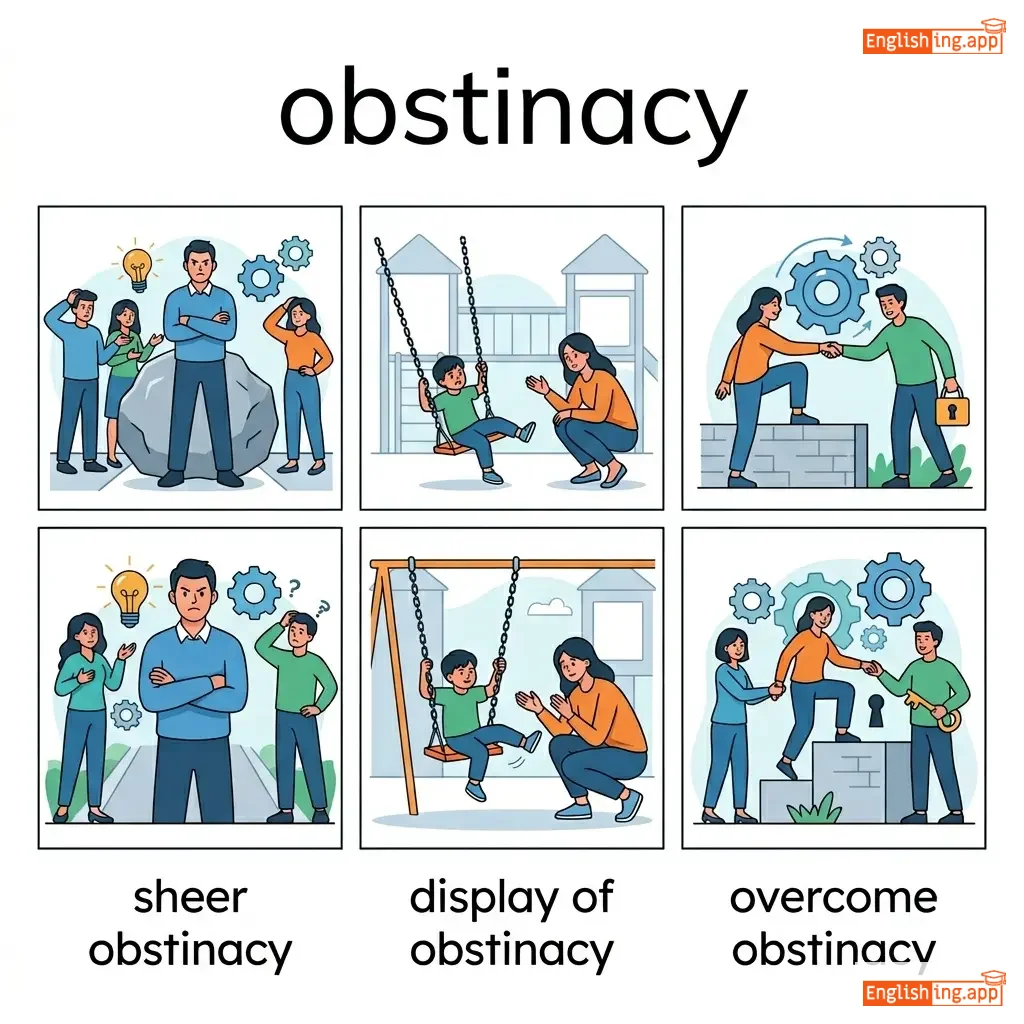
/ˈɒbstɪnəsi/
noun
(óbùsītènsī)
••••••
|
|
固执
guzhi
••••••
|
- •••••• | - •••••• | - •••••• | - •••••• |
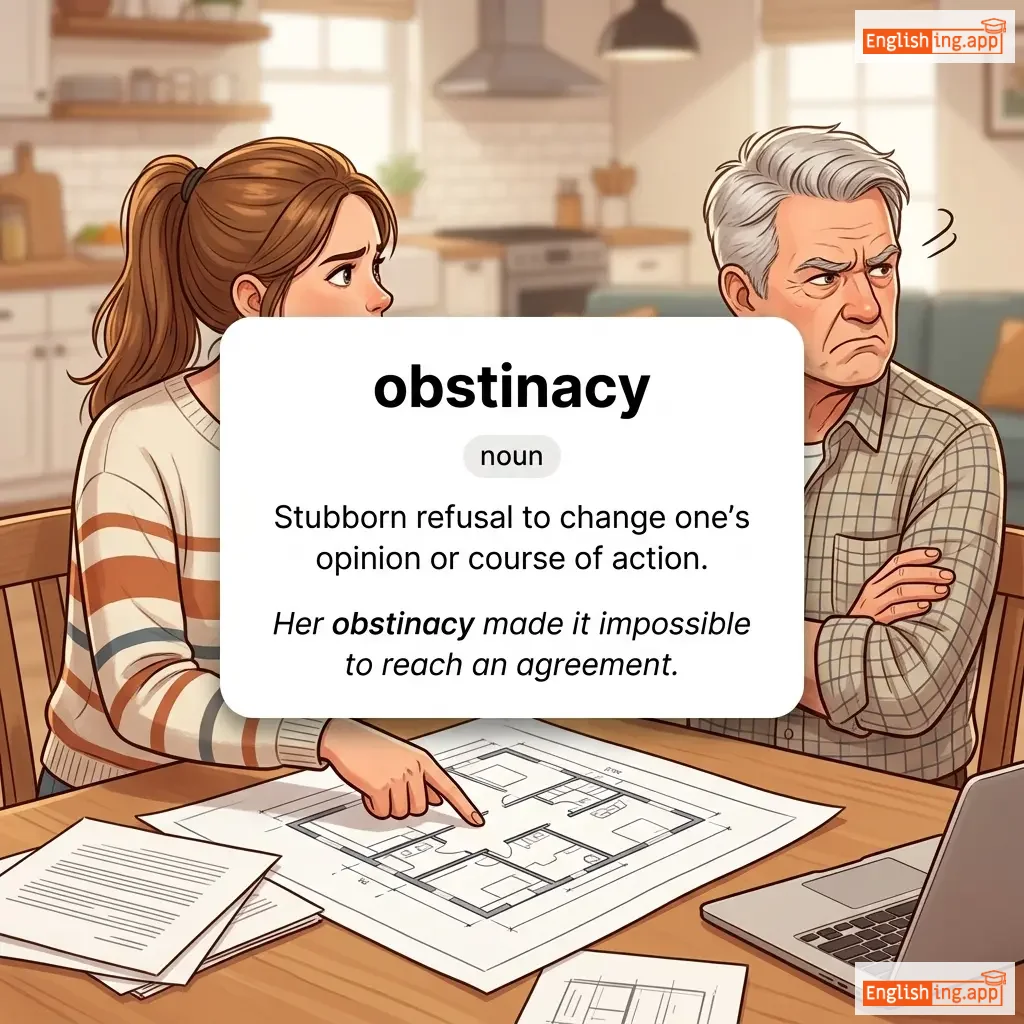
Stubborn refusal to change one’s opinion or course of action.
••••••
|
Her obstinacy made it impossible to reach an agreement. |
她的固执让达成协议变得不可能。
Ta de guzhi rang dacheng xieyi biande bukexiang.
••••••
|
- •••••• | - •••••• | - •••••• |
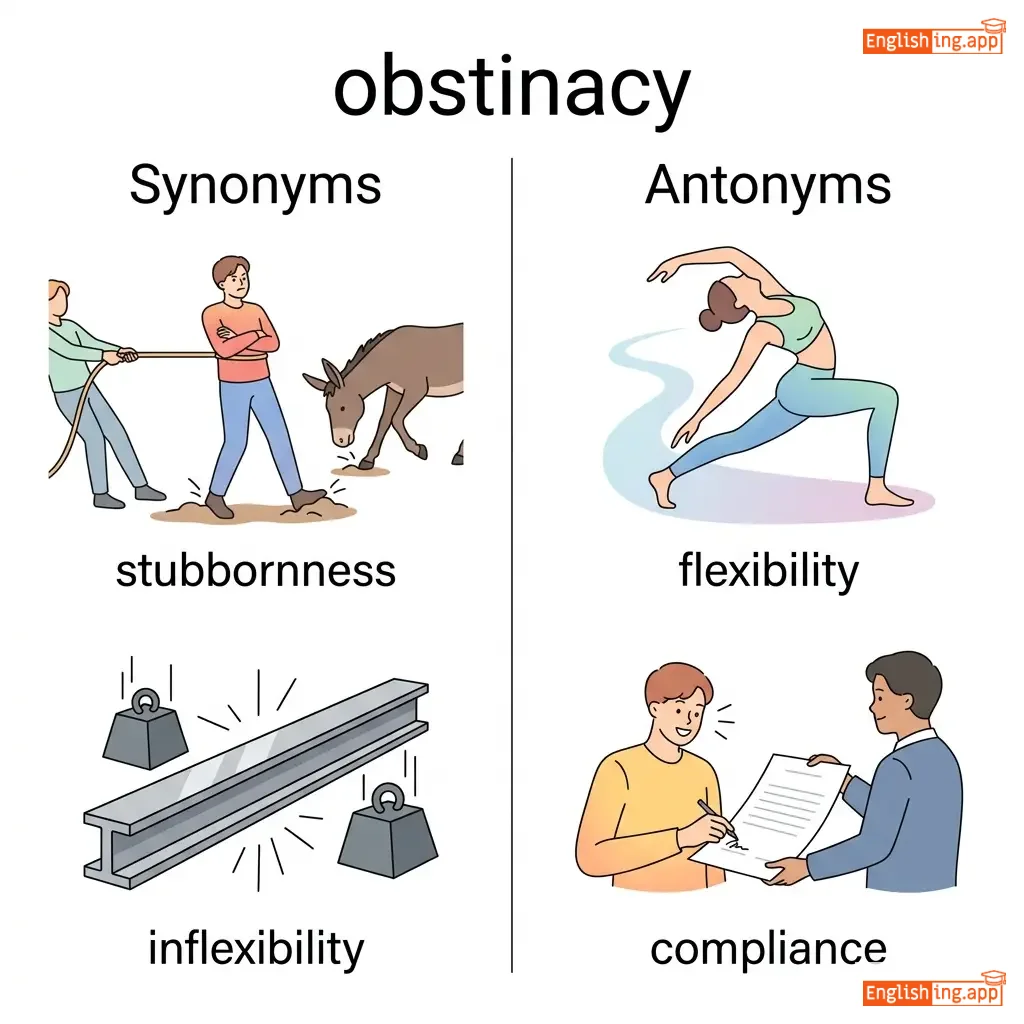
stubbornness, inflexibility, rigidity, persistence, determination
••••••
|
flexibility, compliance, obedience
••••••
|
sheer obstinacy, display of obstinacy, overcome obstinacy, known for obstinacy
••••••
|
Obstinacy = guzhiman, shenme dou bu gai — 固执
••••••
|
|
#6047
🚧
|
/əˈkluːd/
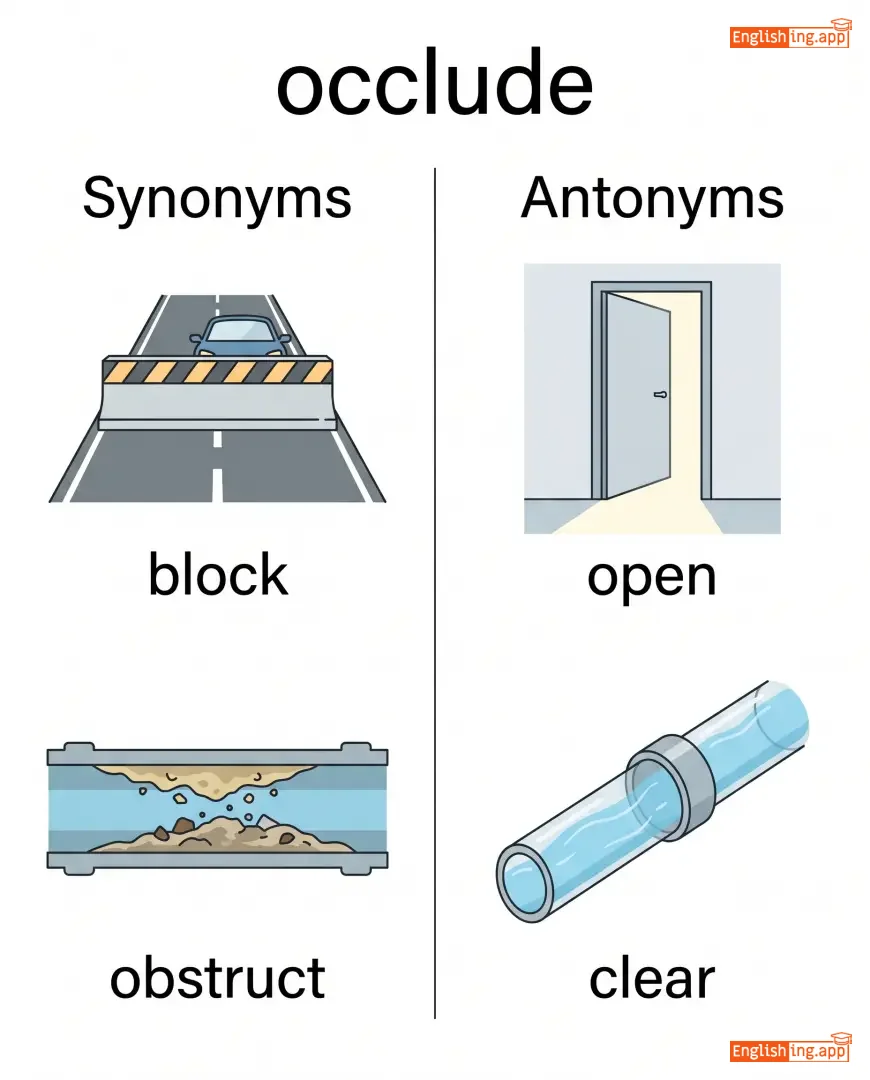
verb
(òkè lǔ dé)
••••••
|
|
堵塞
dǔsè
••••••
|
occluded
òkè lǔ dì dé
••••••
|
occluded
òkè lǔ dì dé
••••••
|
occludes
òkè lǔ dé sī
••••••
|
occluding
òkè lǔ dìng
••••••
|
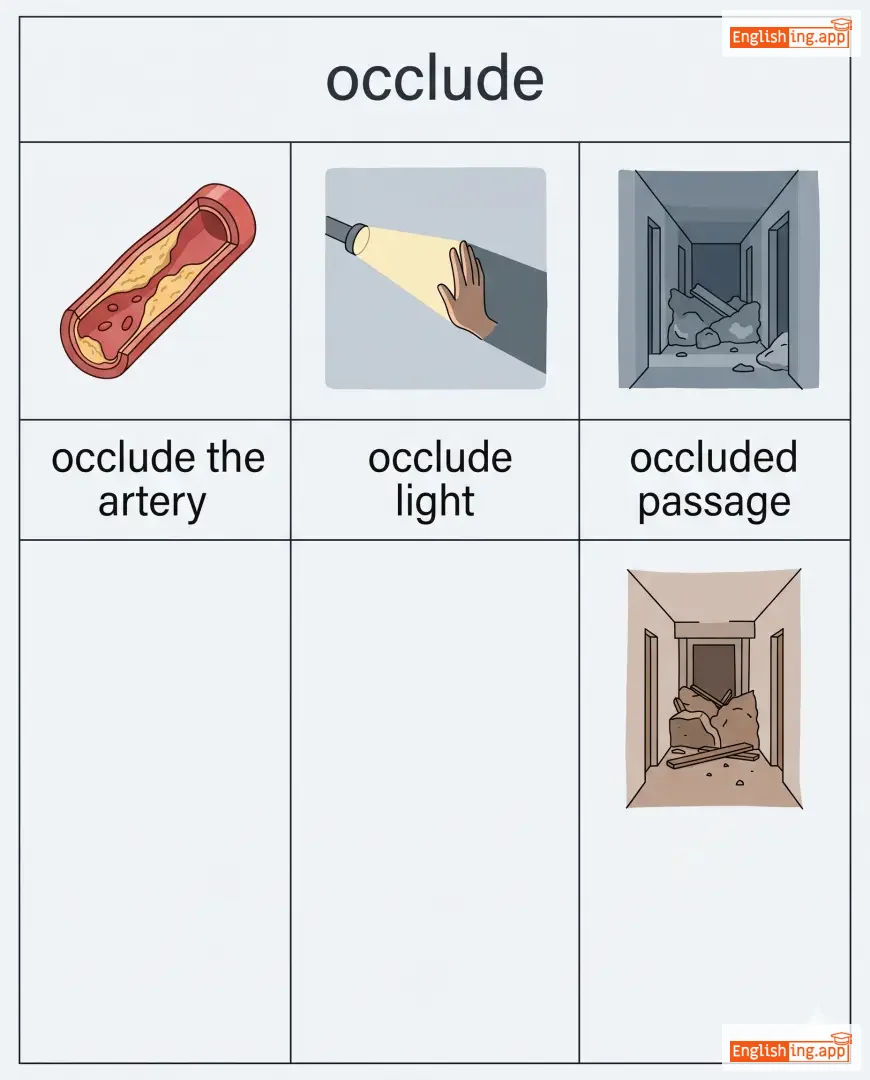
To block or close up an opening or passage.
••••••
|
The pipe was occluded by mineral deposits.
管道因矿物沉积物而被堵塞。
••••••
|
管道因矿物沉积物而被堵塞。
Guǎndào yīn kuàngwù chénjī wù ér bèi dǔsè.
••••••
|
- •••••• | - •••••• | - •••••• |
block, obstruct, close, seal, clog
••••••
|
open, clear, unblock
••••••
|
occlude the artery, occlude light, occluded passage
••••••
|
Occlude意味着封闭,遮掩线索,封住路径。
••••••
|
|
#6048
🌍
|
/ˈɒksɪdənt/
noun
(àokèxīdiàn)
••••••
|
- •••••• |
西方
xīfāng
••••••
|
- •••••• | - •••••• | - •••••• | - •••••• |
The countries of the West, especially Europe and America.
••••••
|
The Occident has a long history of philosophical thought.
西方有着悠久的哲学思想历史。
••••••
|
西方有着悠久的哲学思想历史。
Xīfāng yǒuzhe yōujiǔ de zhéxué sīxiǎng lìshǐ.
••••••
|
- •••••• | - •••••• | - •••••• |
West, Western world, Europe, America
••••••
|
Orient, East, Asia
••••••
|
Occident and Orient, history of the Occident, Occident culture
••••••
|
Occident就像'Occasional'一样 - 西方国家:欧洲和美国。
••••••
|
|
#6049
🎉
|
/əˈkeɪʒən/
noun
(ōu kēi zhēn)
••••••
|
- •••••• |
场合
changhe
••••••
|
- •••••• | - •••••• | - •••••• | - •••••• |
A particular time or event; a special or important happening.
••••••
|
Her wedding was a joyful occasion for the whole family. |
她的婚礼是全家人的一个欢乐场合。
Tā de hūnlǐ shì quánjiārén de yīgè huānlè chǎnghé.
••••••
|
on occasion |
sometimes, occasionally
••••••
|
偶尔
ǒu'ěr
••••••
|
event, moment, incident, celebration, affair
••••••
|
routine, ordinary, regularity
••••••
|
special occasion, on occasion, festive occasion, grand occasion
••••••
|
Occasion 在中文里是场合,意味着特殊的时刻 - 在重要的场合,我们常常庆祝。
••••••
|
|
#6050
🚫
|
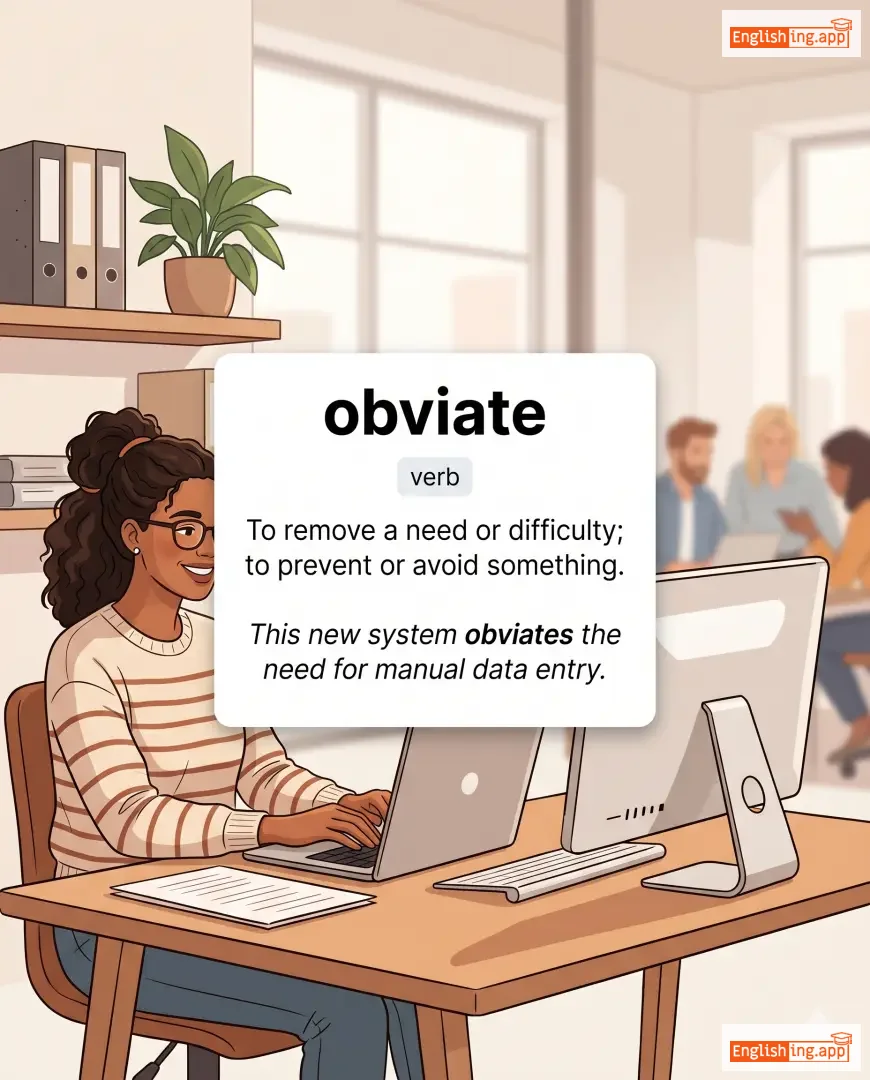
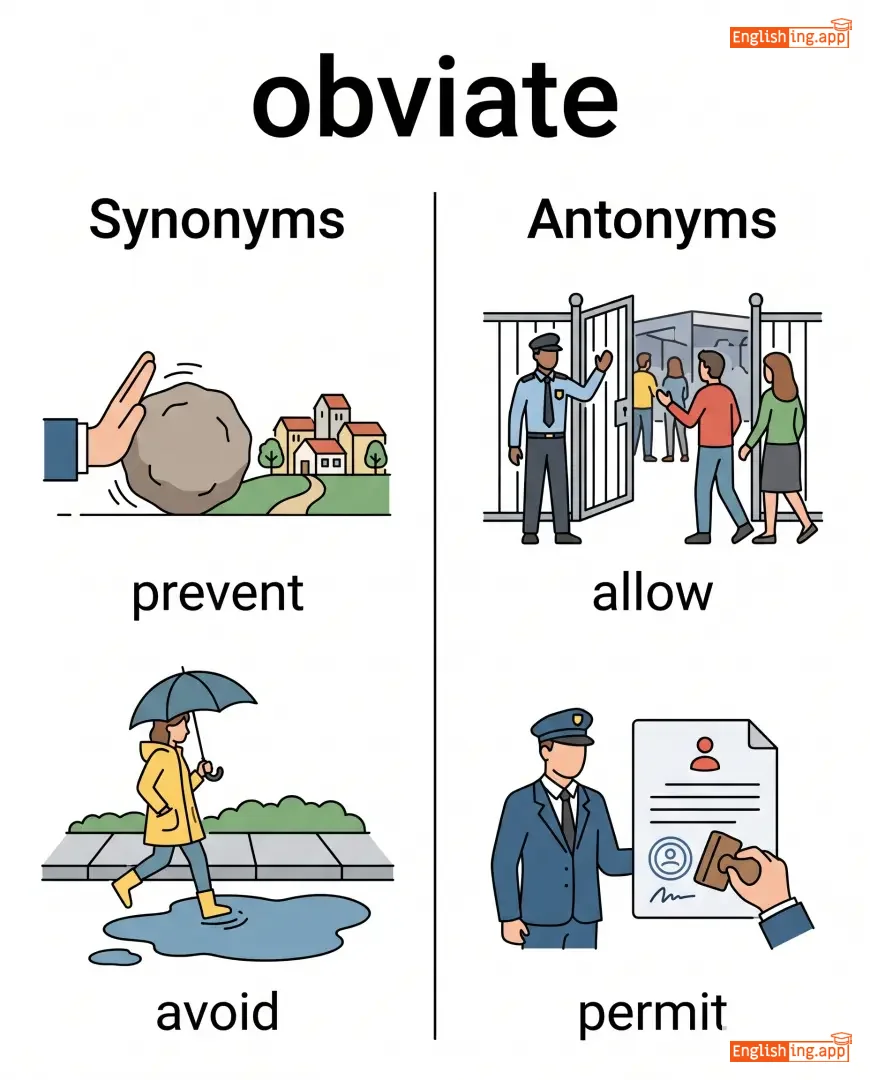
/ˈɑːbvieɪt/
verb
(奥布维特)
••••••
|
|
消除
xiaochu
••••••
|
obviated
奥布维特德
••••••
|
obviated
奥布维特德
••••••
|
obviates
奥布维特斯
••••••
|
obviating
奥布维廷
••••••
|
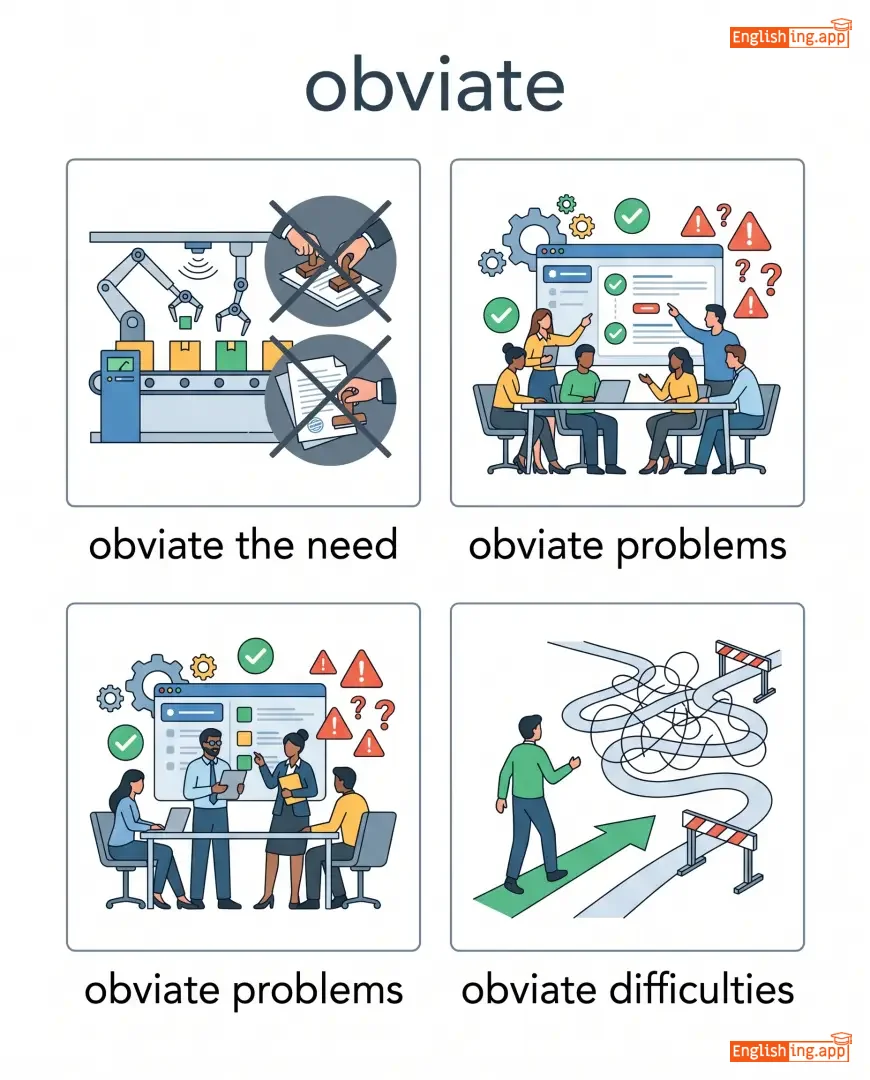
To remove a need or difficulty; to prevent or avoid something.
••••••
|
This new system obviates the need for manual data entry.
这个新系统消除了手动输入数据的需要。
••••••
|
这个新系统消除了手动输入数据的需要。
Zhege xin xitong xiaochule shoudong shuru shuju de xuyao.
••••••
|
- •••••• | - •••••• | - •••••• |
prevent, avoid, eliminate, preclude, remove
••••••
|
allow, permit, require
••••••
|
obviate the need, obviate problems, obviate difficulties
••••••
|
Obviate意味着在问题发生前先解决它。
••••••
|
|
#6051
🔄
|
/əbˈvɜːrt/
verb
(奥贝特)
••••••
|
- •••••• |
反转
fǎn zhuǎn
••••••
|
obverted
奥贝特过
••••••
|
obverted
奥贝特过
••••••
|
obverts
奥贝特
••••••
|
obverting
奥贝特
••••••
|
To turn something so as to face in a different direction; in logic, to convert a proposition by negating both subject and predicate.
••••••
|
The teacher asked the students to obvert the statement for practice.
老师要求学生练习将声明进行奥贝特。
••••••
|
老师要求学生练习将声明进行奥贝特。
Lǎoshī yāoqiú xuéshēng liànxí jiāng shēngmíng jìnxíng ào bèi tè.
••••••
|
- •••••• | - •••••• | - •••••• |
invert, reverse, change, alter, rephrase
••••••
|
maintain, keep, preserve
••••••
|
obvert a statement, obvert logic, obvert proposition
••••••
|
Obvert 是把事情反过来,像镜子一样转动它。
••••••
|
|
#6052
📐
|
/əbˈtjuːs/
adjective
(obtuːs)
••••••
|
- •••••• |
钝
dun
••••••
|
- •••••• | - •••••• | - •••••• | - •••••• |
slow to understand; annoyingly insensitive; also refers to an angle greater than 90° and less than 180°
••••••
|
He was too obtuse to realize the insult. |
他太迟钝,以至于没有意识到侮辱。
Tā tài chídùn, yǐzhì yú méiyǒu yìshí dào wǔrǔ.
••••••
|
obtuse angle |
an angle greater than 90 degrees and less than 180 degrees
••••••
|
钝角
dun jiao
••••••
|
dull, slow, stupid, insensitive, blunt
••••••
|
sharp, quick, clever
••••••
|
obtuse angle, obtuse response, obtuse remark
••••••
|
Obtuse意味着愚蠢或大角度—记住,大角度也意味着大脑迟钝。
••••••
|
|
#6053
👀
|
/əbˈtruːsɪv/
adjective
(obtrusive)
••••••
|
- •••••• |
干扰的
ganrao de
••••••
|
- •••••• | - •••••• | - •••••• | - •••••• |
noticeable in an unpleasant or unwelcome way; intrusive
••••••
|
The advertisement was so obtrusive that it ruined the user’s experience.
广告如此显眼,以至于破坏了用户体验。
••••••
|
广告如此显眼,以至于破坏了用户体验。
Guanggao ru ci xianyan, yi zhi yu pohuai le yonghu tiyan.
••••••
|
- •••••• | - •••••• | - •••••• |
intrusive, pushy, noticeable, blatant, conspicuous
••••••
|
subtle, inconspicuous, modest
••••••
|
obtrusive behavior, obtrusive presence, obtrusive manner
••••••
|
Obtrusive 意味着干扰,比如那些我们想忽略的广告。
••••••
|
|
#6054
🚪
|
/əbˈtruːd/
verb
(obtrude)
••••••
|
- •••••• |
强行介入
qiángxíng jièrù
••••••
|
obtruded
obtruded
••••••
|
obtruded
obtruded
••••••
|
obtrudes
obtrudes
••••••
|
obtruding
obtruding
••••••
|
to force oneself or one's ideas into a situation uninvited or inappropriately
••••••
|
He didn’t want to obtrude into their private conversation.
他不想打扰他们的私人对话。
••••••
|
他不想打扰他们的私人对话。
Tā bùxiǎng dǎrǎo tāmen de sīrén duìhuà.
••••••
|
- •••••• | - •••••• | - •••••• |
interfere, intrude, impose, meddle, intervene
••••••
|
withdraw, avoid, respect
••••••
|
obtrude ideas, obtrude upon, obtrude into
••••••
|
Obtrude = 强行介入 (强行 — 强制) — 强行插入不合时宜的对话。
••••••
|
|
#6055
📜
|
/əbˈteɪn/
verb
(获得)
••••••
|
|
获得
huo de
••••••
|
obtained
获得
••••••
|
obtained
获得
••••••
|
obtains
获得
••••••
|
obtaining
获得中
••••••
|
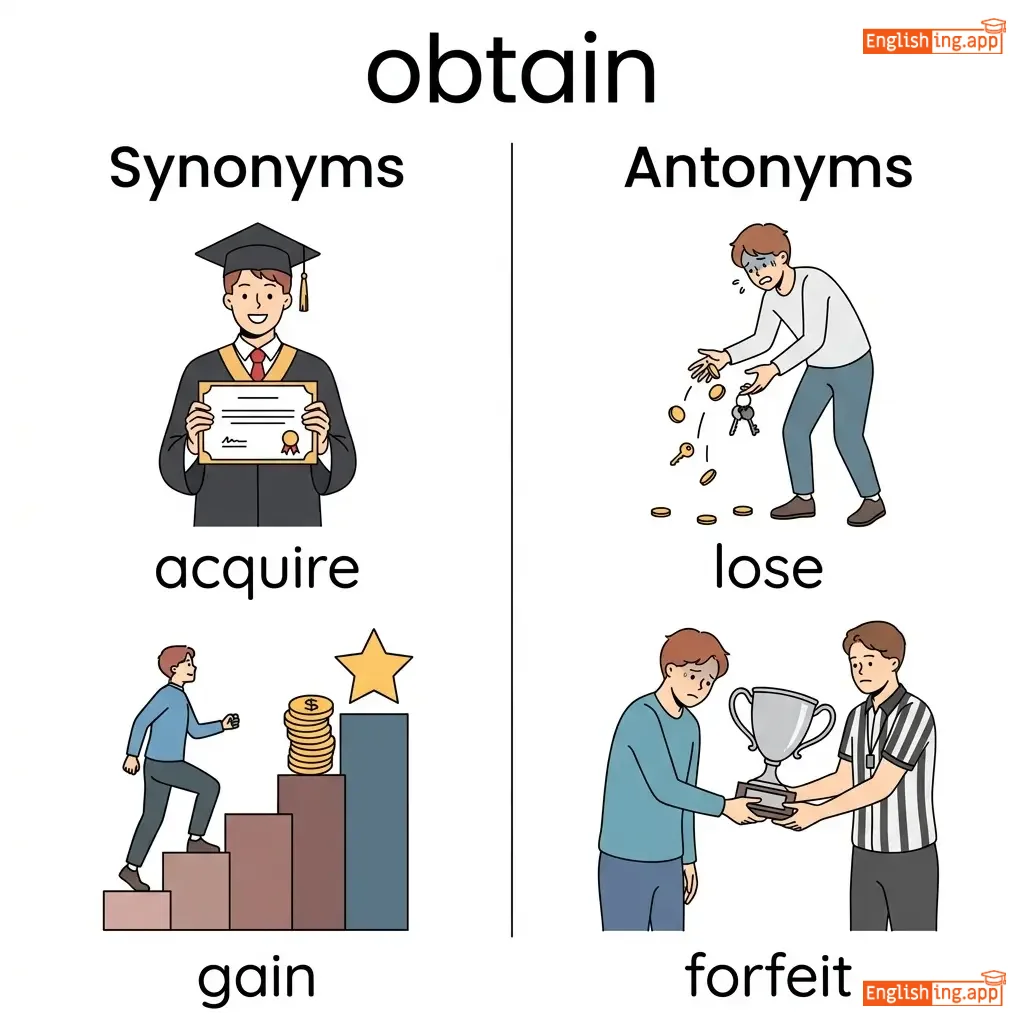
to get, acquire, or secure something
••••••
|
She managed to obtain a scholarship for her studies.
她成功地获得了奖学金。
••••••
|
她成功地获得了奖学金。
Tā chénggōng de huò dé le jiǎngxuéjīn.
••••••
|
obtain permission
获得许可
••••••
|
to get approval or consent to do something
••••••
|
获得许可
huò dé xǔkě
••••••
|
acquire, gain, secure, procure, receive
••••••
|
lose, forfeit, give up
••••••
|
obtain information, obtain results, obtain permission
••••••
|
Obtain = OBTain (获得) = 一起(起)获得
••••••
|
|
#6056
⛔
|
/əbˈstrʌkʃənɪst/
noun
••••••
|
- •••••• | - •••••• | - •••••• | - •••••• | - •••••• | - •••••• |
a person who deliberately delays or prevents progress by being uncooperative or oppositional
••••••
|
The obstructionist in the committee kept delaying the decision-making process. |
- •••••• | - •••••• | - •••••• | - •••••• |
obstructor, blocker, opposer, resister, hinderer
••••••
|
supporter, facilitator, helper
••••••
|
obstructionist tactics, obstructionist behavior, political obstructionist
••••••
|
No •••••• |
|
#6057
🛑
|
/əbˈstrʌkʃən/
noun
(障碍)
••••••
|
- •••••• |
障碍
zhàng'ài
••••••
|
- •••••• | - •••••• | - •••••• | - •••••• |
Something that blocks or gets in the way; the action of obstructing.
••••••
|
There was an obstruction on the railway track. |
铁路上有一个障碍。
Tiělù shàng yǒu yīgè zhàng'ài.
••••••
|
obstruction of justice |
Interference with the fair operation of the legal system.
••••••
|
妨碍司法
Fáng'ài sīfǎ
••••••
|
blockage, hindrance, barrier, obstacle, impediment
••••••
|
clearance, opening, passage
••••••
|
obstruction of justice, cause obstruction, obstruction on the road, obstruction removal
••••••
|
Obstruction 就是障碍 — 就是阻碍你前进的东西。
••••••
|
|
#6058
🚧
|
/əbˈstrʌkt/
verb
(障碍)
••••••
|
|
障碍
zhàng'ài
••••••
|
obstructed
障碍过
••••••
|
obstructed
障碍过
••••••
|
obstructs
障碍
••••••
|
obstructing
障碍中
••••••
|
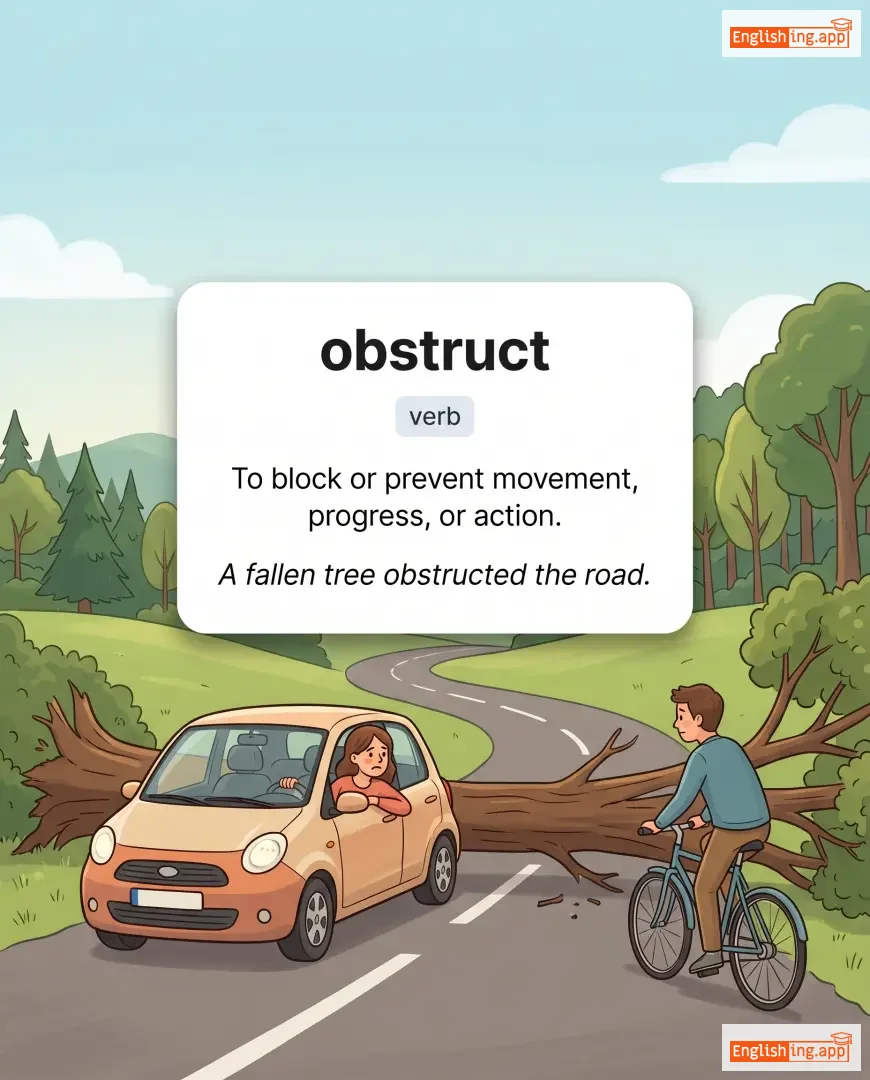
To block or prevent movement, progress, or action.
••••••
|
A fallen tree obstructed the road.
一棵倒下的树障碍了道路。
••••••
|
一棵倒下的树障碍了道路。
Yī kē dǎo xià de shù zhàng'ài le dàolù.
••••••
|
obstruct justice
障碍司法
••••••
|
To prevent legal processes from being carried out fairly.
••••••
|
妨碍司法
fáng'ài sīfǎ
••••••
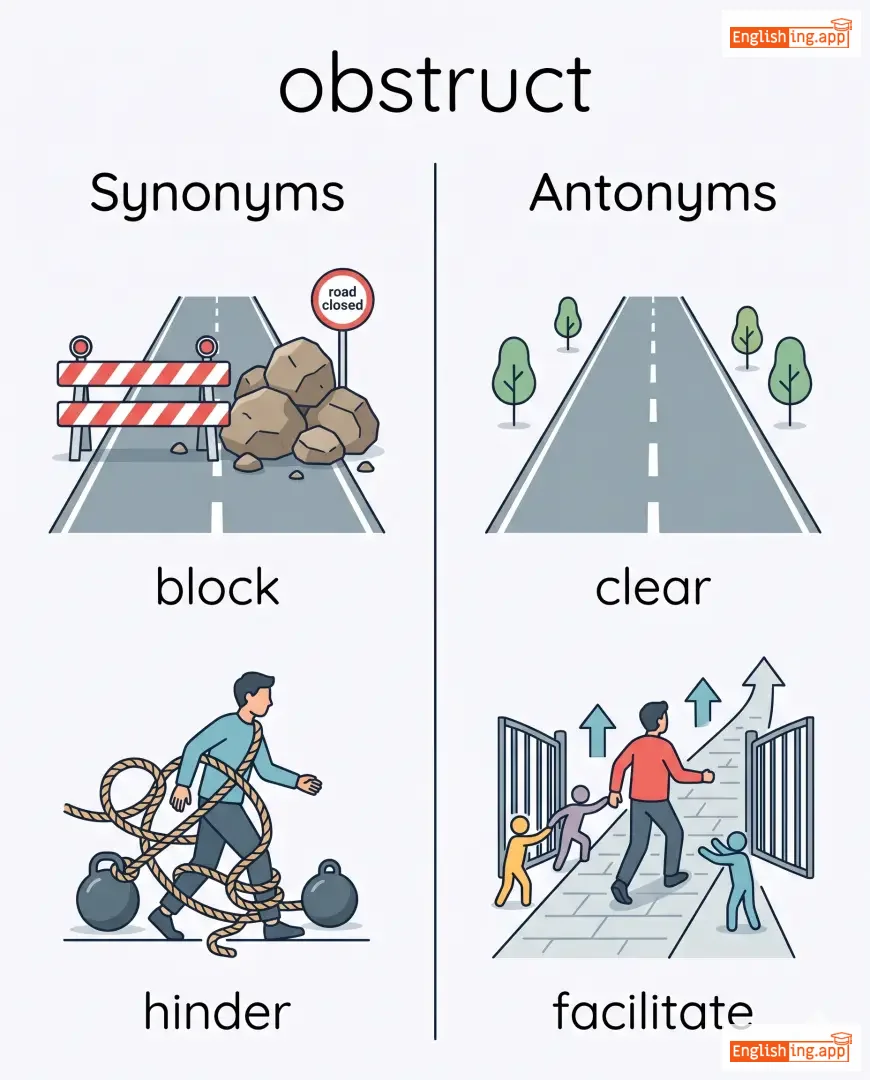
|
block, hinder, impede, bar, prevent
••••••
|
clear, facilitate, allow
••••••
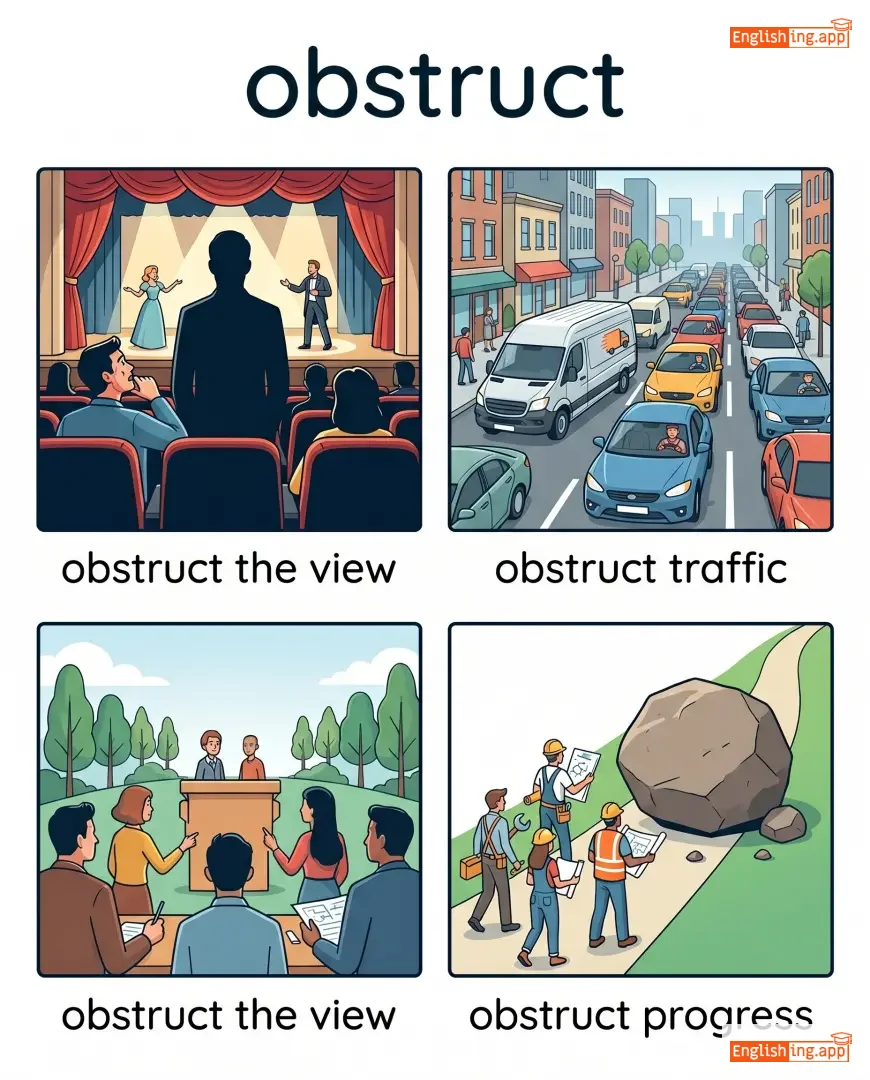
|
obstruct the view, obstruct traffic, obstruct progress, obstruct investigation
••••••
|
Obstruct意味着阻碍,就像大树挡住了路。
••••••
|
|
#6059
📢
|
/əbˈstrɛpərəs/
adjective
(欧布斯特雷波鲁斯)
••••••
|
- •••••• |
喧闹且难以控制
xuān nà qiě nán yǐ kòng zhì
••••••
|
- •••••• | - •••••• | - •••••• | - •••••• |
Noisy and difficult to control.
••••••
|
The obstreperous students disrupted the class. |
那些喧闹的学生打乱了课堂。
Nàxiē xuān nà de xuéshēng dǎ luànle kètáng.
••••••
|
- •••••• | - •••••• | - •••••• |
boisterous, unruly, rowdy, disruptive, loud
••••••
|
quiet, calm, obedient
••••••
|
obstreperous behavior, obstreperous crowd, obstreperous child
••••••
|
Obstreperous 意味着喧闹且难以控制 — 喧闹
••••••
|
|
#6060
🦡
|
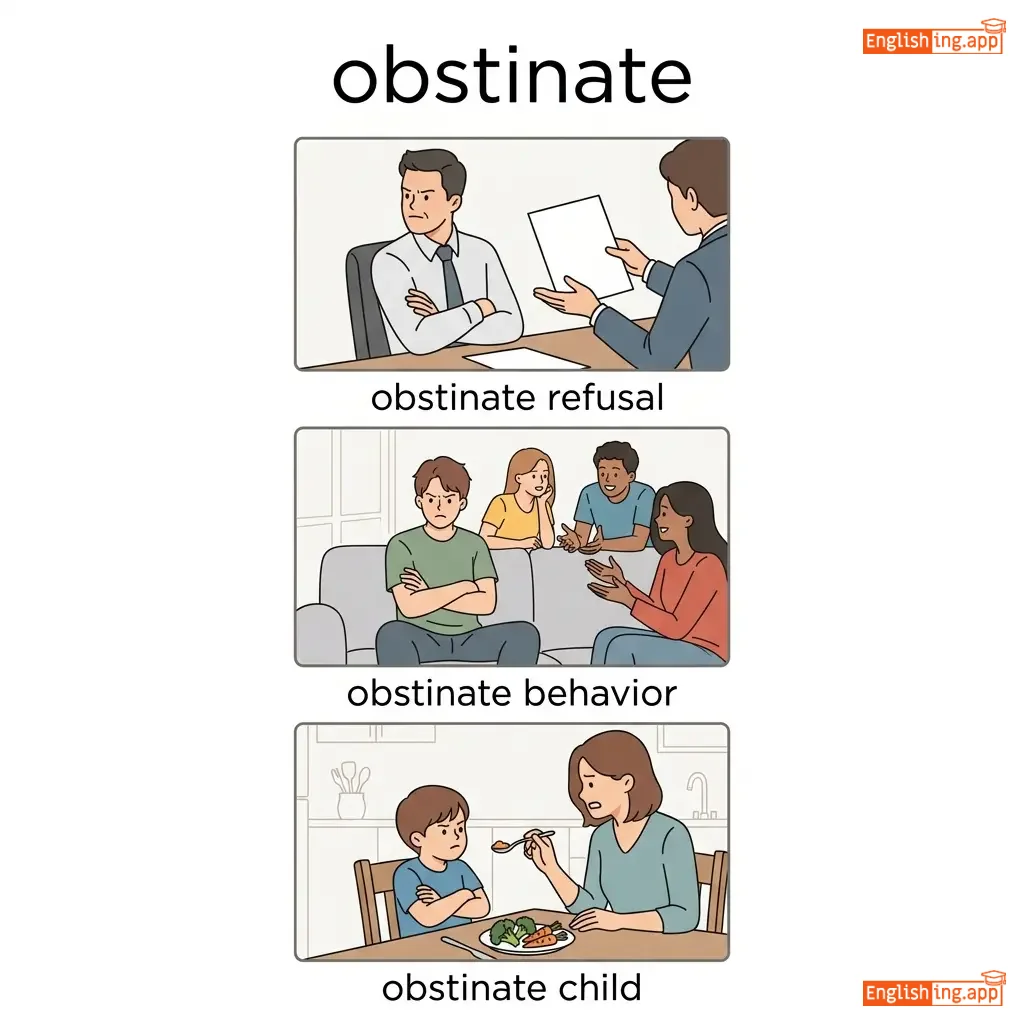
/ˈɒbstɪnət/
adjective
(奥布斯蒂内特)
••••••
|
|
固执
guzhi
••••••
|
- •••••• | - •••••• | - •••••• | - •••••• |
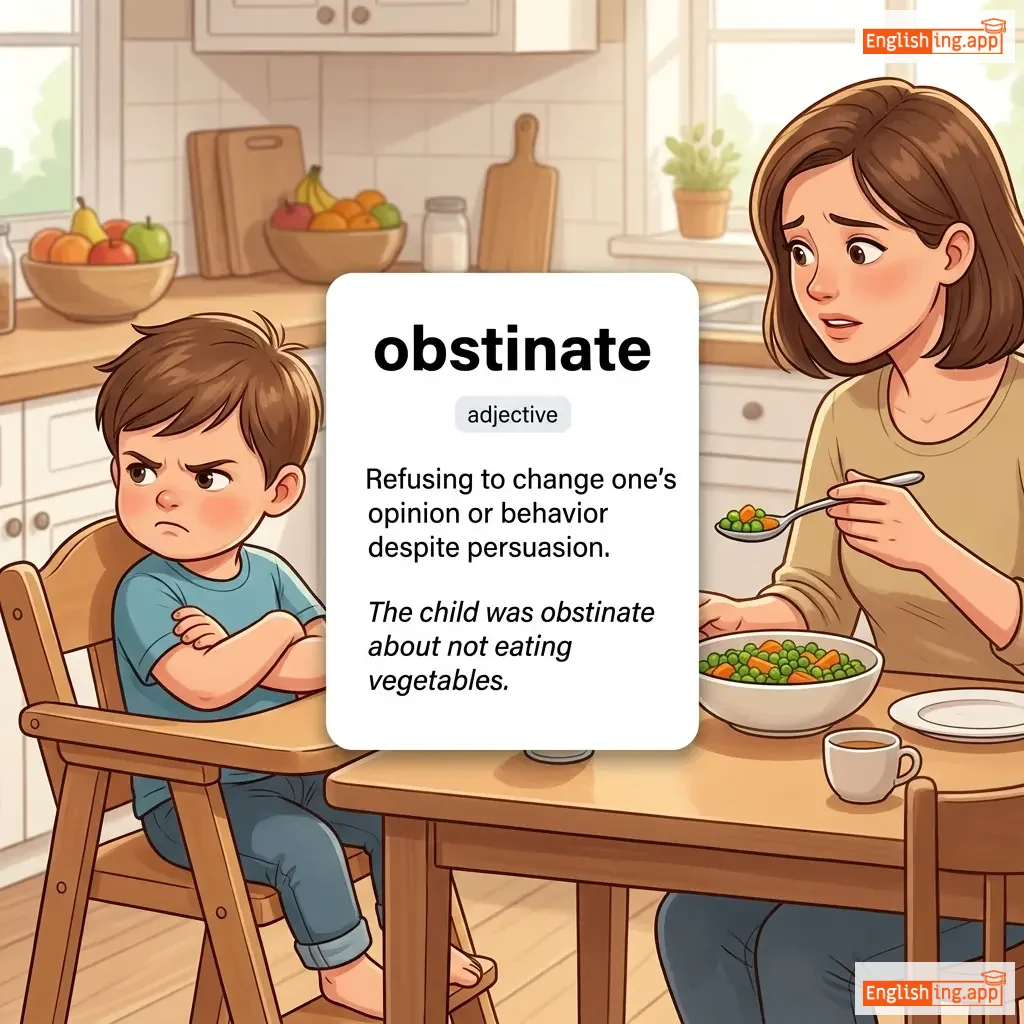
Refusing to change one’s opinion or behavior despite persuasion.
••••••
|
The child was obstinate about not eating vegetables.
孩子坚持不吃蔬菜。
••••••
|
孩子坚持不吃蔬菜。
Háizi jiānchí bù chī shūcài.
••••••
|
as obstinate as a mule
像骡子一样固执
••••••
|
Extremely stubborn and unwilling to listen.
••••••
|
像骡子一样固执
Xiàng luózi yīyàng gùzhí
••••••
|
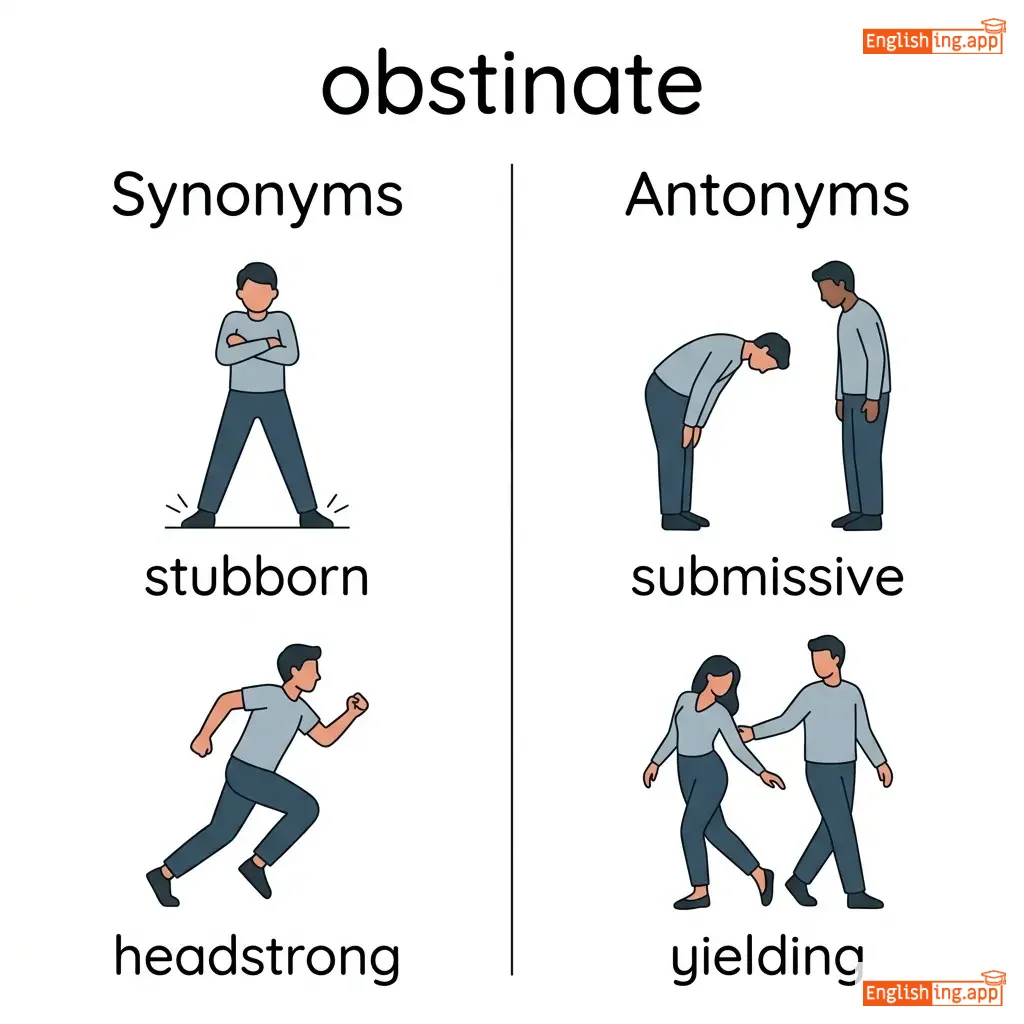
stubborn, headstrong, inflexible, unyielding, willful
••••••
|
submissive, yielding, agreeable
••••••
|
obstinate refusal, obstinate behavior, obstinate child, obstinate attitude
••••••
|
Obstinate 就是固执 - 不愿改变。
••••••
|
Vocabulary Quiz
Test your vocabulary by matching words with their translations or meanings.
Login to take the quiz
Comments (0)
Share your thoughts and join the discussion.
Join the discussion by logging in
Login to CommentNo comments yet
Be the first to share your thoughts!