





Swipe left or right, or use the buttons. Tap image to zoom.
例句翻译
单词
Lesson 434Lesson 434 - 遮罩切换
|
表情符号
|
单词 | Images | 翻译 | 过去时 | 过去分词 | 第三人称单数 | 动名词 | 含义 | 例句 | 例句翻译 | 示例表达 | 示例表达含义 | 示例表达翻译 | 同义词 | 反义词 | 搭配词 | 助记符 |
|---|---|---|---|---|---|---|---|---|---|---|---|---|---|---|---|---|---|
|
#1
🚫
|
/reɪp/
verb
(reɪp)
••••••
|
- •••••• |
强奸
qiángjiān
••••••
|
raped
reɪpt
••••••
|
raped
reɪpt
••••••
|
rapes
reɪps
••••••
|
raping
reɪpɪŋ
••••••
|
to force someone to have sexual intercourse without their consent
••••••
|
The law strictly punishes those who commit rape.
法律严惩那些犯强奸罪的人。
••••••
|
法律严惩那些犯强奸罪的人。
Fǎlǜ yánchěng nàxiē fàn qiángjiān zuì de rén.
••••••
|
- •••••• | - •••••• | - •••••• |
assault, violate, abuse, molest, attack
••••••
|
protect, respect, consent
••••••
|
commit rape, victim of rape, rape case, rape survivor
••••••
|
强奸是犯罪行为,尊重他人,绝不强奸 🚫
••••••
|
|
#1
💪
|
/ˌriːhəˌbɪlɪˈteɪʃən/
noun
(hǎpīnès)
••••••
|
- •••••• |
幸福
xìngfú
••••••
|
- •••••• | - •••••• | - •••••• | - •••••• |
the process of restoring someone or something to health or normal life through training or therapy
••••••
|
After the accident, he went through months of rehabilitation to walk again.
她无法掩饰自己获得奖项时的喜悦。
••••••
|
她无法掩饰自己获得奖项时的喜悦。
Tā wúfǎ yǎnshì zìjǐ huòdé jiǎngxiàng shí de xǐyuè.
••••••
|
rehabilitation center
追寻幸福
••••••
|
a place where people recover physically or mentally
••••••
|
追寻幸福
zhuīxún xìngfú
••••••
|
recovery, therapy, restoration, renewal
••••••
|
damage, decline
••••••
|
physical rehabilitation, rehabilitation program, rehabilitation center, drug rehabilitation
••••••
|
幸福是一条永无止境的追求之路。
••••••
|
|
#1
⚖️
|
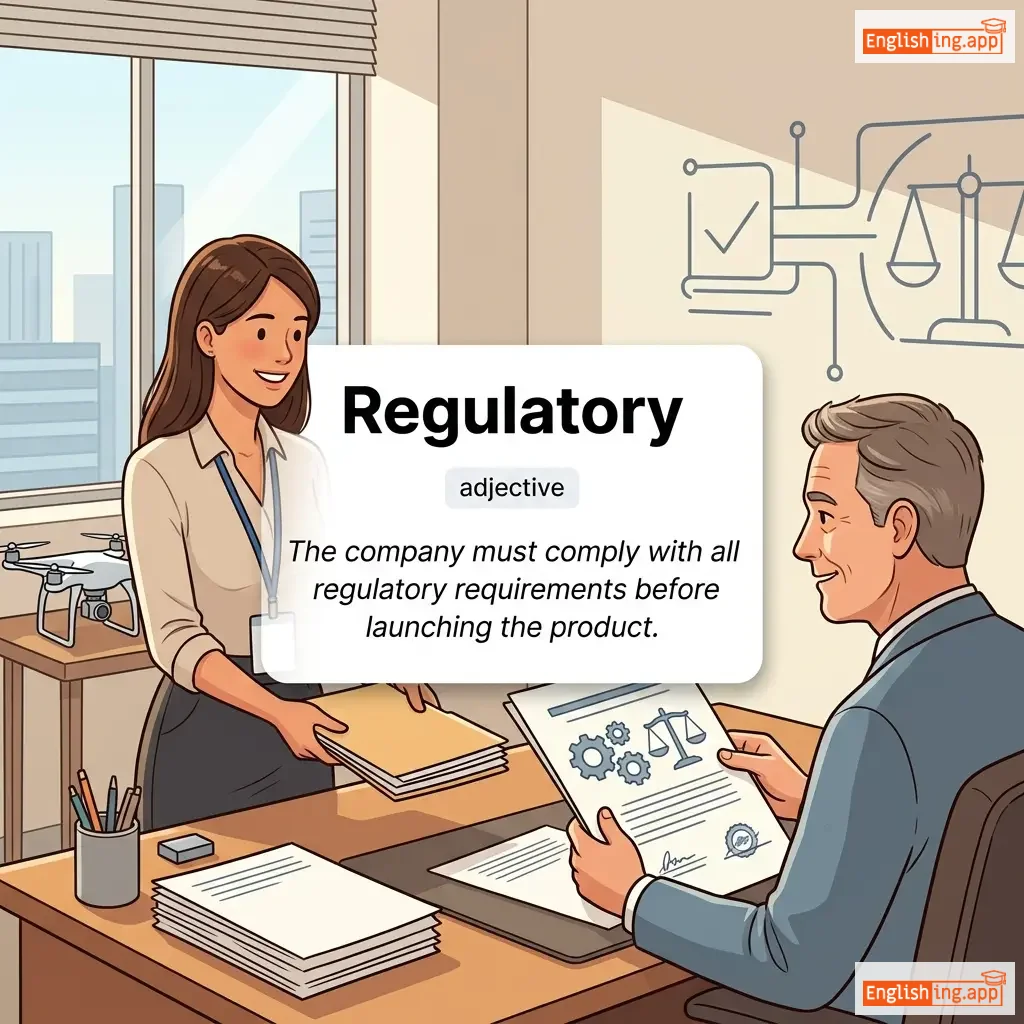
/ˈrɛɡjʊlətɔːri/
adjective
(règuìlètuōlì)
••••••
|
|
监管的
jiānguǎn de
••••••
|
- •••••• | - •••••• | - •••••• | - •••••• |
relating to the rules or laws made by an authority to control an activity or process
••••••
|
The company must comply with all regulatory requirements before launching the product. |
公司必须在推出产品之前遵守所有监管要求。
Gōngsī bìxū zài tuīchū chǎnpǐn zhīqián zūnshǒu suǒyǒu jiānguǎn yāoqiú.
••••••
|
- •••••• | - •••••• | - •••••• |
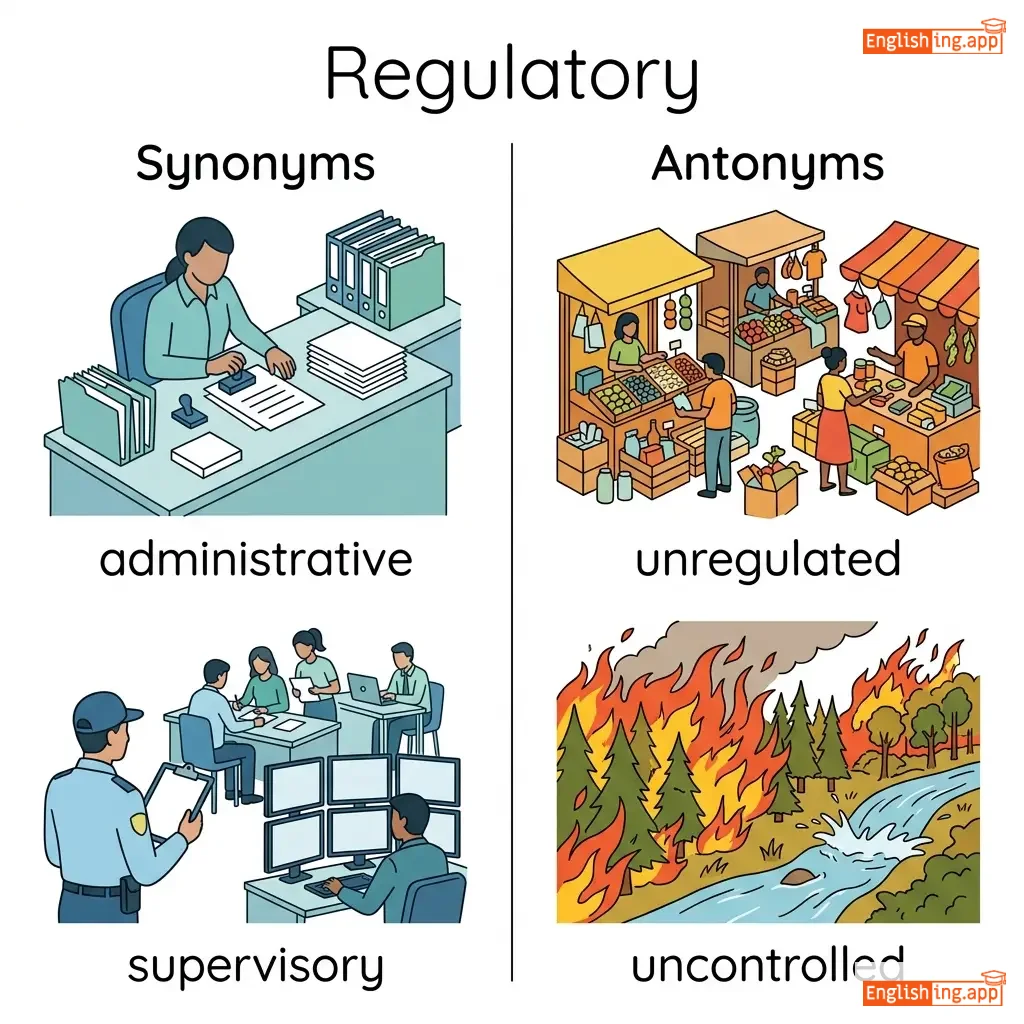
administrative, supervisory, controlling, governing, legislative
••••••
|
unregulated, uncontrolled
••••••
|
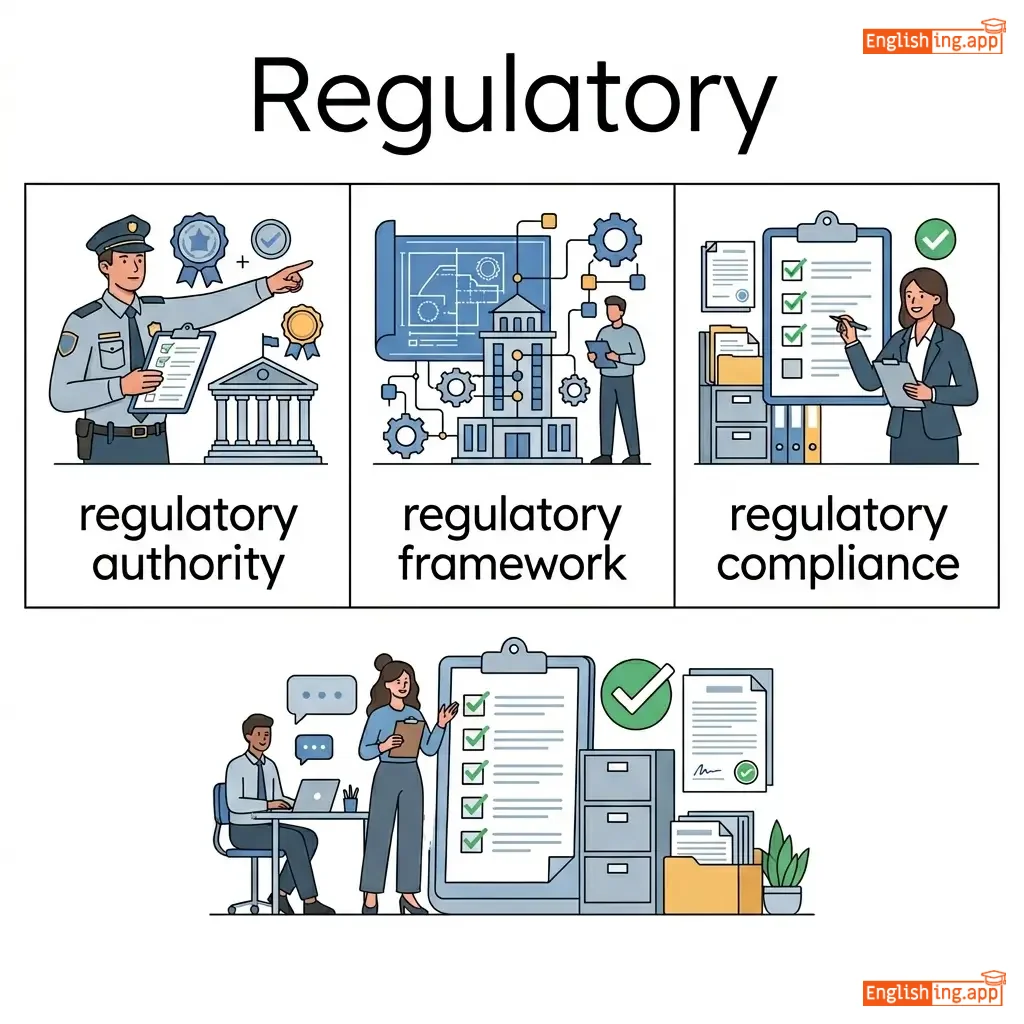
regulatory authority, regulatory framework, regulatory compliance, regulatory body
••••••
|
监管的意味着遵守规则 — 就像遵守交通规则 🚦
••••••
|
|
#1
⚙️
|
/ˈrɛɡjəleɪtər/
noun
(调节器)
••••••
|
- •••••• |
调节器
tiaojieqi
••••••
|
- •••••• | - •••••• | - •••••• | - •••••• |
a person or device that controls or maintains the operation of a system
••••••
|
The government appointed a new regulator for the financial sector. |
政府为金融部门任命了新的调节器。
Zhèngfǔ wèi jīnróng bùmén rènmìngle xīn de tiáojiéqì.
••••••
|
- •••••• | - •••••• | - •••••• |
controller, supervisor, administrator, inspector
••••••
|
anarchist, disrupter
••••••
|
financial regulator, market regulator, regulatory authority, gas regulator
••••••
|
调节器是控制系统的设备 — 就像气体调节器控制流量!
••••••
|
|
#1
😔
|
/rɪˈɡrɛt/
verb
(rìgrèt)
••••••
|
- •••••• |
后悔
hòuhuǐ
••••••
|
regretted
rìgrèted
••••••
|
regretted
rìgrèted
••••••
|
regrets
rìgrèts
••••••
|
regretting
rìgrèting
••••••
|
to feel sad or disappointed about something that has happened or been done
••••••
|
I deeply regret saying those harsh words to her.
我深深后悔对她说了那些严厉的话。
••••••
|
我深深后悔对她说了那些严厉的话。
Wǒ shēn shēn hòuhuǐ duì tā shuō le nàxiē yánlì de huà.
••••••
|
express regret
表示遗憾
••••••
|
to show that you are sorry about something
••••••
|
表示遗憾
biǎoshì yíhàn
••••••
|
lament, repent, remorse, rue
••••••
|
rejoice, celebrate, delight
••••••
|
regret deeply, express regret, feel regret, lifelong regret
••••••
|
后悔是那种我们说出来时,心中感到遗憾的感觉
••••••
|
|
#1
🔁
|
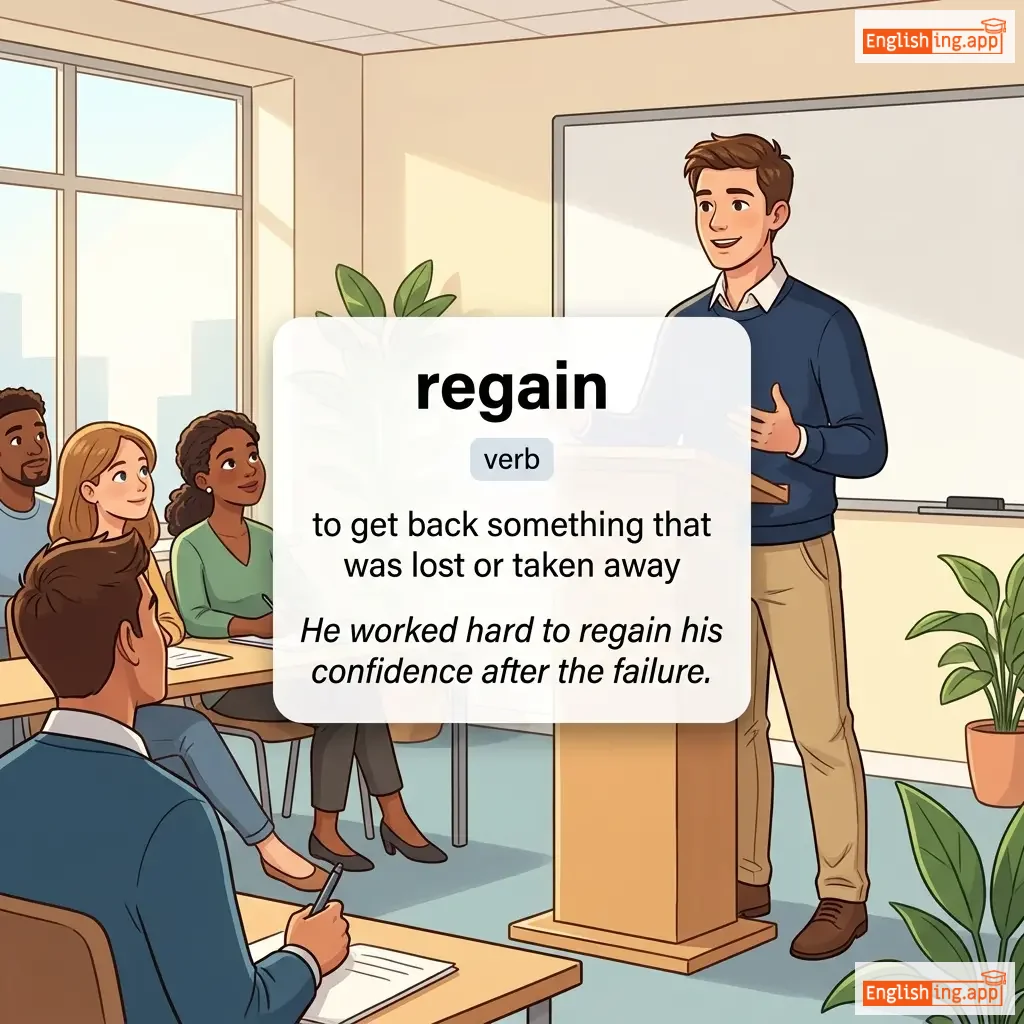
/rɪˈɡeɪn/
verb
(ree-gein)
••••••
|
|
恢复
huifu
••••••
|
regained
ree-geind
••••••
|
regained
ree-geind
••••••
|
regains
ree-geins
••••••
|
regaining
ree-geining
••••••
|
to get back something that was lost or taken away
••••••
|
He worked hard to regain his confidence after the failure.
他在失败后努力恢复自信。
••••••
|
他在失败后努力恢复自信。
Ta zai shibai hou nuli huifu zixin.
••••••
|
regain consciousness
恢复意识
••••••
|
to wake up or become aware again after fainting
••••••
|
恢复意识
huifu yishi
••••••
|
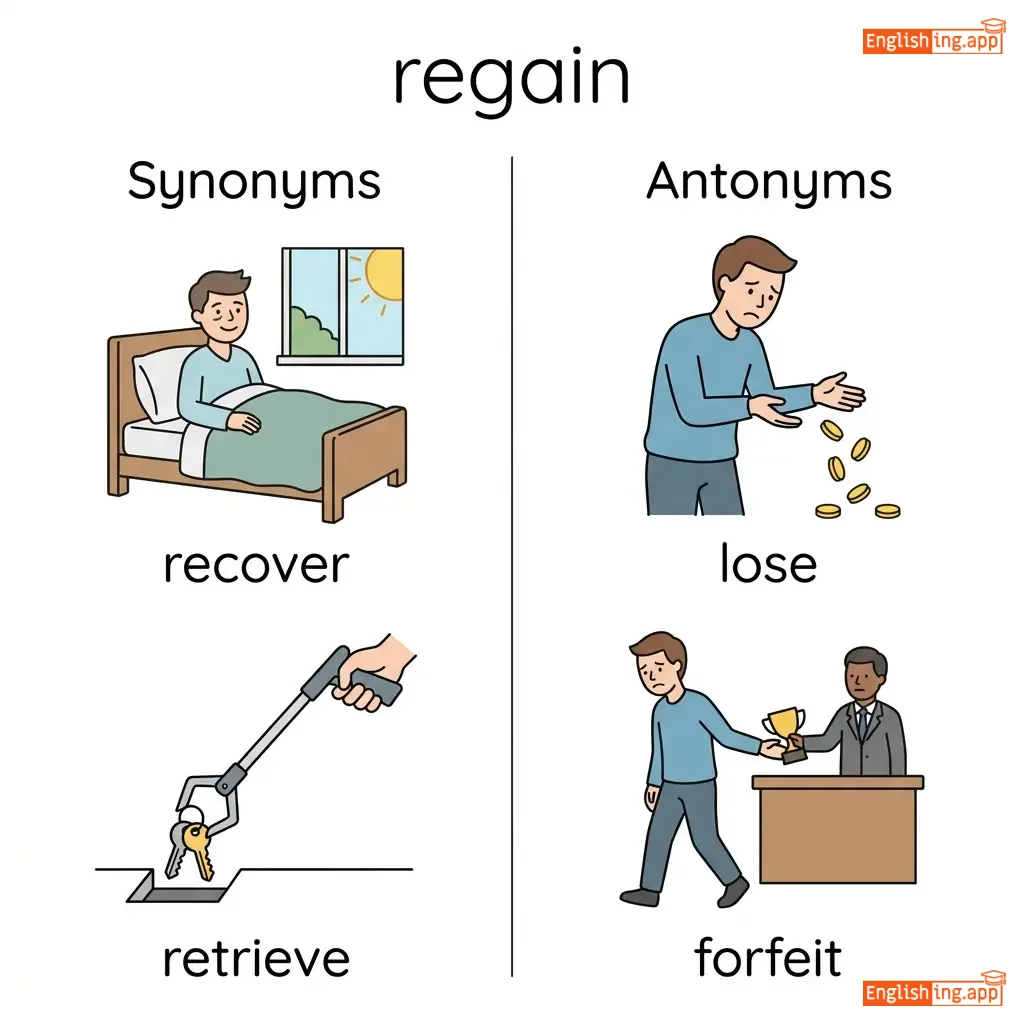
recover, retrieve, recapture, reclaim
••••••
|
lose, forfeit, surrender
••••••
|
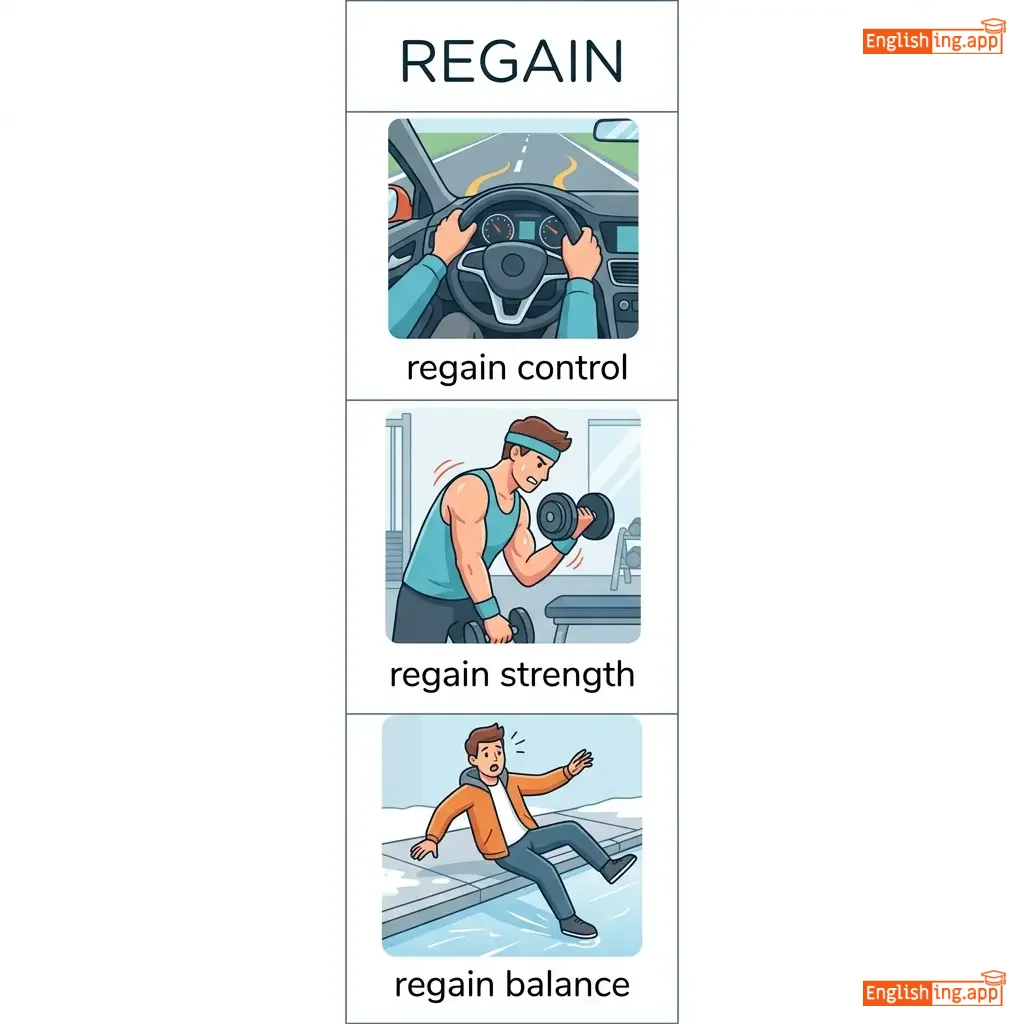
regain control, regain strength, regain balance, regain confidence
••••••
|
Regain 意味着重新获得 — 恢复失去的东西!
••••••
|
|
#1
🏚️
|
/ˈrɛfjuːdʒ/
noun
(rèf-yú)
••••••
|
- •••••• |
避难所
bìnàn suǒ
••••••
|
- •••••• | - •••••• | - •••••• | - •••••• |
a place that provides shelter or protection from danger or distress
••••••
|
The villagers took refuge in the temple during the storm. |
村民们在风暴期间躲进了寺庙避难。
Cūnmínmen zài fēngbào qījiān duǒ jìnle sìmiào bìnàn.
••••••
|
take refuge in |
to seek safety or comfort in something
••••••
|
寻找避难所
xúnzhǎo bìnàn suǒ
••••••
|
shelter, sanctuary, haven, asylum, retreat
••••••
|
danger, exposure, threat
••••••
|
seek refuge, take refuge, offer refuge, find refuge
••••••
|
避难所 = refuge, 风暴中的庇护所
••••••
|
|
#1
🧊
|
/rɪˈfrɪdʒəreɪtər/
noun
(lèfūjīlètuō)
••••••
|
- •••••• |
冰箱
bīngxiāng
••••••
|
- •••••• | - •••••• | - •••••• | - •••••• |
an appliance used to keep food and drinks cold
••••••
|
She kept the milk in the refrigerator to prevent it from spoiling.
她把牛奶放进冰箱,以防它变质。
••••••
|
她把牛奶放进冰箱,以防它变质。
Tā bǎ niúnǎi fàng jìn bīngxiāng, yǐ fáng tā biànzhì.
••••••
|
- •••••• | - •••••• | - •••••• |
fridge, cooler, icebox, freezer
••••••
|
heater, oven
••••••
|
put in the refrigerator, keep food in refrigerator, open the refrigerator door
••••••
|
冰箱让食物保持冷,像北极的冰雪一样!
••••••
|
|
#1
🎉
|
/rɪˈsepʃən/
noun
(rì-sep-xìn)
••••••
|
- •••••• |
接待
jiēdài
••••••
|
- •••••• | - •••••• | - •••••• | - •••••• |
the act of receiving something or someone; a formal social gathering
••••••
|
We attended a wedding reception at the hotel. |
我们参加了酒店的婚礼接待。
Wǒmen cānjiāle jiǔdiàn de hūnlǐ jiēdài.
••••••
|
warm reception |
a friendly or enthusiastic welcome
••••••
|
热烈接待
rèliè jiēdài
••••••
|
welcome, gathering, party, acceptance, response
••••••
|
rejection, refusal, dismissal
••••••
|
wedding reception, poor reception, phone reception, warm reception
••••••
|
接待意味着接收,比如婚礼接待。
••••••
|
|
#1
📡
|
/rɪˈsiːvər/
noun
(接收器)
••••••
|
- •••••• |
接收器
jieshouqi
••••••
|
- •••••• | - •••••• | - •••••• | - •••••• |
a person or device that receives something such as a signal, message, or object
••••••
|
The radio receiver picks up signals from distant stations. |
收音机接收器从远处的电台接收信号。
Shouyinji jieshouqi cong yuanchu de diantai jieshou xinhao.
••••••
|
- •••••• | - •••••• | - •••••• |
recipient, acceptor, handset, detector, listener
••••••
|
sender, giver, transmitter
••••••
|
radio receiver, telephone receiver, signal receiver, data receiver
••••••
|
Receiver是接收信号或消息的设备或人。
••••••
|
|
#1
✊
|
/ˈreb.əl/
noun, verb
(叛逆者)
••••••
|
- •••••• |
叛逆者 / 反抗
pànnì zhě / fǎnkàng
••••••
|
rebelled
叛逆
••••••
|
rebelled
叛逆
••••••
|
rebels
叛逆者
••••••
|
rebelling
叛逆
••••••
|
a person who resists authority or control; to resist or fight against authority
••••••
|
The students rebelled against the new dress code.
学生们反抗了新的着装规范。
••••••
|
学生们反抗了新的着装规范。
Xuéshēngmen fǎnkàngle xīn de zhuózhuāng guīfàn.
••••••
|
rebel at heart
内心叛逆
••••••
|
someone who naturally resists control or rules
••••••
|
内心叛逆
nèi xīn pànnì
••••••
|
revolt, resist, defy, insurgent, protest
••••••
|
obey, comply, submit
••••••
|
rebel group, rebel army, rebel leader, rebel movement
••••••
|
Rebel 意思是 '反对规则' — 不遵守规则的人是叛逆者。
••••••
|
|
#1
🐈
|
/rɪər/
noun, verb
(里尔)
••••••
|
- •••••• |
后面 / 抚养
hòu miàn / fǔ yǎng
••••••
|
reared
里尔德
••••••
|
reared
里尔德
••••••
|
rears
里尔斯
••••••
|
rearing
里尔英
••••••
|
the back part of something; to bring up or raise children or animals
••••••
|
The mother cat reared her kittens in a quiet corner.
母猫在安静的角落里抚养她的猫仔。
••••••
|
母猫在安静的角落里抚养她的猫仔。
Mǔ māo zài ān jìng de jiǎo luò lǐ fǔ yǎng tā de māo zǎi.
••••••
|
bring up the rear
带领后面
••••••
|
to be at the back of a group moving forward
••••••
|
走在最后
zǒu zài zuì hòu
••••••
|
back, behind, raise, nurture, lift
••••••
|
front, lower, neglect
••••••
|
rear view, rear door, rear seat, rear window, rear end
••••••
|
Rear表示在后面,就像猫妈妈rear她的猫仔。
••••••
|
|
#1
🎯
|
/ˌriːəˈlɪstɪk/
adjective
(rèalìstíkè)
••••••
|
- •••••• |
现实的
xiànshí de
••••••
|
- •••••• | - •••••• | - •••••• | - •••••• |
having or showing a sensible and practical idea of what can be achieved or expected
••••••
|
She gave a realistic estimate of the project's cost. |
她给出了项目成本的现实估计。
Tā gěichūle xiàngmù chéngběn de xiànshí gūjì.
••••••
|
keep it realistic |
to remain practical and grounded about what is possible
••••••
|
保持现实
bǎochí xiànshí
••••••
|
practical, sensible, rational, pragmatic, down-to-earth
••••••
|
unrealistic, idealistic, impractical
••••••
|
realistic goals, realistic approach, realistic expectations, realistic plan
••••••
|
Realistic 就是做实事,保持实际的意思。
••••••
|
|
#1
📄
|
/riː/
preposition
(瑞)
••••••
|
- •••••• |
关于
guanyu
••••••
|
- •••••• | - •••••• | - •••••• | - •••••• |
concerning or about (used in formal letters or emails)
••••••
|
The letter was sent re your recent application. |
该信是关于您最近的申请发出的。
Gai xin shi guanyu nin zui jin de shenqing fashu de.
••••••
|
- •••••• | - •••••• | - •••••• |
regarding, concerning, about, with respect to, relating to
••••••
|
irrelevant to, unrelated to
••••••
|
re application, re meeting, re inquiry, re your request
••••••
|
‘Re’ 意思是 ‘关于’ — 在正式电子邮件中 ‘re: 会议’ 意味着 ‘关于’。
••••••
|
|
#1
🐀
|
/ræt/
noun
(ræt)
••••••
|
- •••••• |
老鼠
laoshu
••••••
|
- •••••• | - •••••• | - •••••• | - •••••• |
a small rodent that resembles a large mouse, often considered a pest
••••••
|
A rat ran across the kitchen floor last night. |
一只老鼠昨晚在厨房的地板上跑过。
yi zhi laoshu zuowan zai chufang de diban shang paoguo.
••••••
|
smell a rat |
to suspect that something is wrong or dishonest
••••••
|
闻到老鼠味
wendao laoshu wei
••••••
|
rodent, mouse, pest, vermin, creature
••••••
|
pet, friend, ally
••••••
|
rat trap, lab rat, dead rat, sewer rat
••••••
|
厨房里有老鼠,闻到了不对劲的味道!
••••••
|
|
#1
💧
|
/pʌmp/
verb
(pāngpǔ)
••••••
|
- •••••• |
抽水
chōushuǐ
••••••
|
pumped
pāngpǔd
••••••
|
pumped
pāngpǔd
••••••
|
pumps
pāngpǔs
••••••
|
pumping
pāngpǔing
••••••
|
to force liquid or gas to move in a particular direction using a device
••••••
|
They pumped water from the well into the tank.
他们把水从井里抽到水箱里。
••••••
|
他们把水从井里抽到水箱里。
Tāmen bǎ shuǐ cóng jǐng lǐ chōu dào shuǐxiāng lǐ.
••••••
|
pump up
pump up
••••••
|
to fill with air or excitement
••••••
|
充气
chōngqì
••••••
|
siphon, extract, draw, force, inflate
••••••
|
drain, empty
••••••
|
pump water, pump air, pump fuel, pump up
••••••
|
像抽水一样抽出能量,‘pump up’充满气氛!
••••••
|
|
#1
🐄
|
/ræntʃ/
noun
(兰奇)
••••••
|
- •••••• |
牧场
mùchǎng
••••••
|
- •••••• | - •••••• | - •••••• | - •••••• |
a large farm where animals such as cattle or sheep are raised
••••••
|
They own a huge cattle ranch in Texas. |
他们在德克萨斯州拥有一个巨大的牧场。
Tāmen zài Dékè sà sī zhōu yǒngyǒu yīgè jùdà de mùchǎng.
••••••
|
- •••••• | - •••••• | - •••••• |
farm, homestead, estate, pasture, plantation
••••••
|
factory, city, urban area
••••••
|
cattle ranch, sheep ranch, ranch house, horse ranch
••••••
|
兰奇不仅是沙司,它是一个养牛羊的牧场! 🐄
••••••
|
|
#1
🚂
|
/ˈreɪlˌroʊd/
noun
(rèilù)
••••••
|
- •••••• |
铁路
tielu
••••••
|
- •••••• | - •••••• | - •••••• | - •••••• |
a track or system of tracks made of steel rails along which trains run
••••••
|
The railroad connects the city to several nearby towns. |
铁路将城市与附近的几个小镇连接起来。
Tielu jiang chengshi yu fujin de ji ge xiao zhen lianjie qilai.
••••••
|
off the rails |
to behave in a strange or uncontrolled way
••••••
|
脱轨
tuogui
••••••
|
railway, track, line, train route, metro
••••••
|
road, highway, street
••••••
|
railroad track, railroad company, railroad station, build a railroad
••••••
|
铁路 = 火车的道路 🚆
••••••
|
|
#1
☢️
|
/ˌreɪdiˈeɪʃən/
noun
(辐射)
••••••
|
|
辐射
fúshè
••••••
|
- •••••• | - •••••• | - •••••• | - •••••• |
the emission of energy as electromagnetic waves or as moving particles
••••••
|
The doctor explained the effects of radiation therapy to the patient. |
医生向患者解释了辐射治疗的效果。
yīshēng xiàng huànzhě jiěshìle fúshè zhìliáo de xiàoguǒ.
••••••
|
radiation sickness |
illness caused by exposure to high doses of radiation
••••••
|
辐射病
fúshè bìng
••••••
|
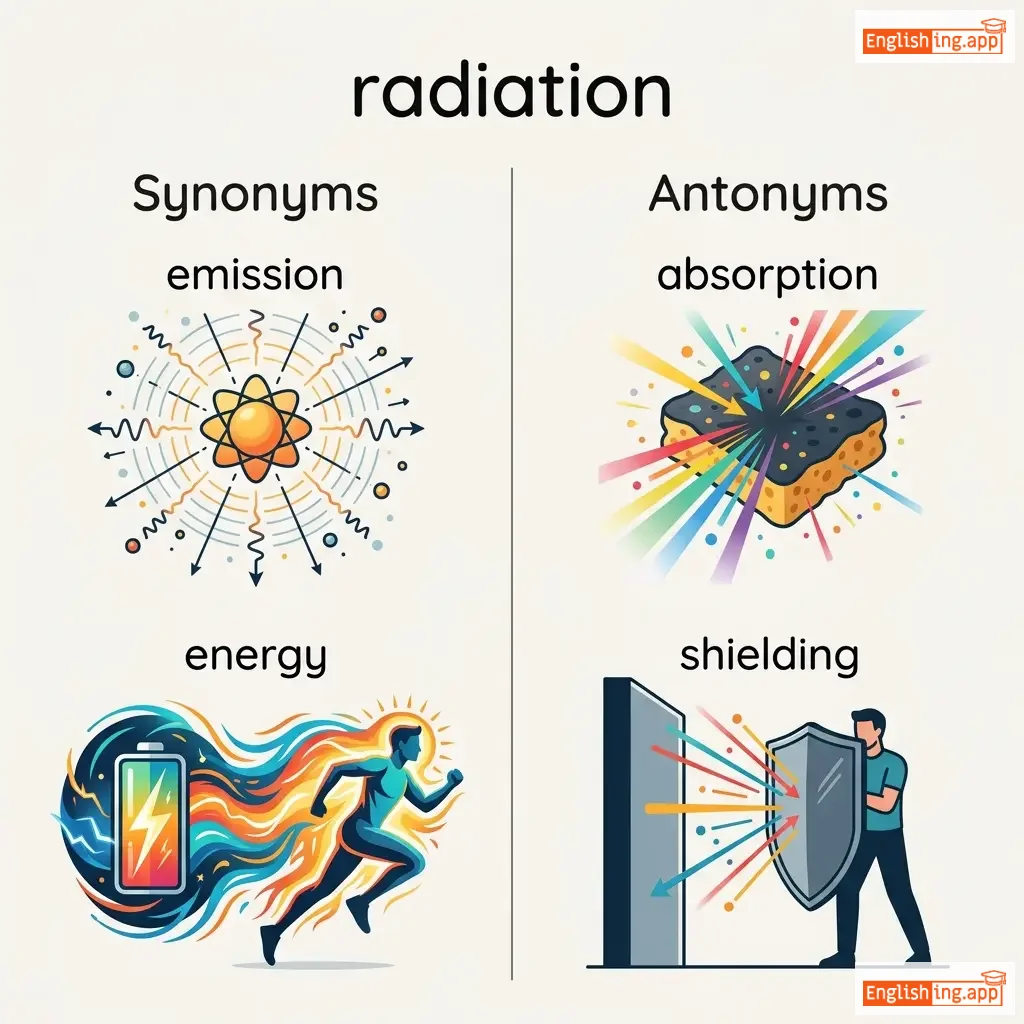
emission, energy, rays, exposure
••••••
|
absorption, shielding
••••••
|
radiation therapy, radiation exposure, solar radiation, radiation level
••••••
|
辐射就是'光线' — 记住它是扩散的能量。
••••••
|
|
#1
📡
|
/ˈreɪdɑːr/
noun
(雷达)
••••••
|
- •••••• |
雷达
leida
••••••
|
- •••••• | - •••••• | - •••••• | - •••••• |
a system that uses radio waves to detect the position and speed of objects
••••••
|
The plane was detected by the airport's radar system. |
飞机通过机场的雷达系统被发现了。
fēijī tōngguò jīchǎng de léidá xìtǒng bèi fāxiàn le.
••••••
|
under the radar |
to go unnoticed or be ignored
••••••
|
在雷达下
zài léidá xià
••••••
|
scanner, detector, sensor, locator
••••••
|
blind spot, invisibility
••••••
|
radar system, radar signal, air radar, weather radar
••••••
|
Ra + dar 意味着 '通过无线电发现' — 雷达可以发现隐藏的物体。
••••••
|
|
#1
🧺
|
/ræk/
noun
(rāk)
••••••
|
- •••••• |
架子
jiazi
••••••
|
- •••••• | - •••••• | - •••••• | - •••••• |
a frame or stand used to hold or store things
••••••
|
She placed her wet clothes on the drying rack. |
她把湿衣服放在晾衣架上。
Tā bǎ shī yīfú fàng zài liàng yī jià shàng.
••••••
|
off the rack |
ready-made and not custom tailored
••••••
|
现成衣服
xiàn chéng yī fú
••••••
|
shelf, stand, frame, holder, hanger
••••••
|
pile, heap
••••••
|
clothes rack, shoe rack, luggage rack, magazine rack
••••••
|
架子放置所有物品,rack就是用来挂衣服的架子。
••••••
|
|
#1
✊🏾
|
/ˈreɪsɪzəm/
noun
(rèisīzīm)
••••••
|
- •••••• |
种族主义
zhǒngzú zhǔyì
••••••
|
- •••••• | - •••••• | - •••••• | - •••••• |
the belief that some races are superior to others, leading to unfair treatment or prejudice
••••••
|
The organization works to eliminate racism in all forms. |
该组织致力于消除所有形式的种族主义。
Gāi zǔzhī zhìlì yú xiāochú suǒyǒu xíngshì de zhǒngzú zhǔyì.
••••••
|
- •••••• | - •••••• | - •••••• |
discrimination, prejudice, bigotry, intolerance, bias
••••••
|
equality, tolerance, fairness
••••••
|
fight racism, eliminate racism, racial discrimination, systemic racism
••••••
|
Race + ism 是种族的信仰,所以种族主义意味着种族歧视。
••••••
|
|
#1
🐇
|
/ˈræbɪt/
noun
(拉比特)
••••••
|
|
兔子
tùzi
••••••
|
- •••••• | - •••••• | - •••••• | - •••••• |
a small furry animal with long ears that lives in holes in the ground and moves by hopping
••••••
|
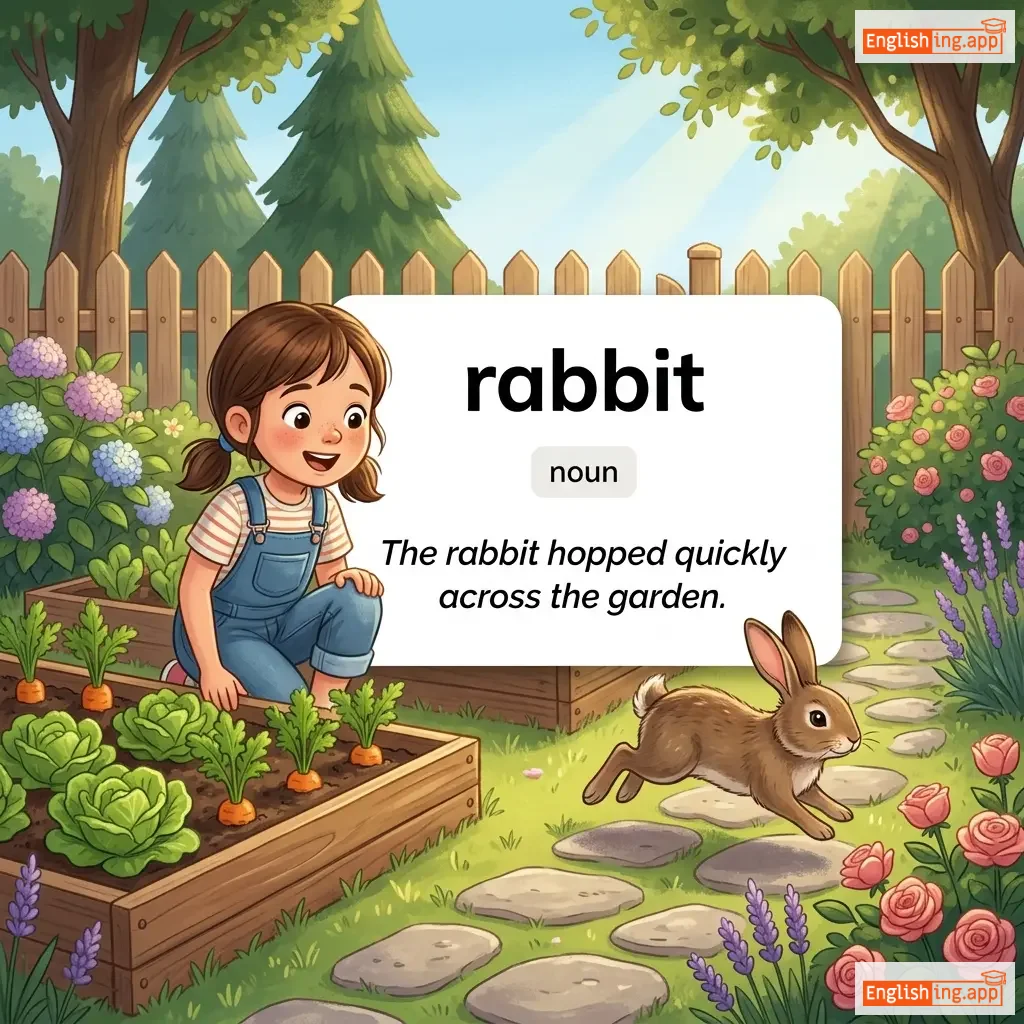
The rabbit hopped quickly across the garden. |
兔子快速跳过花园。
Tùzi kuàisù tiàoguò huāyuán.
••••••
|
pull a rabbit out of a hat |
to do something surprising or seemingly magical
••••••
|
从帽子里拿出一只兔子
cóng màozi lǐ ná chū yī zhī tùzi
••••••
|
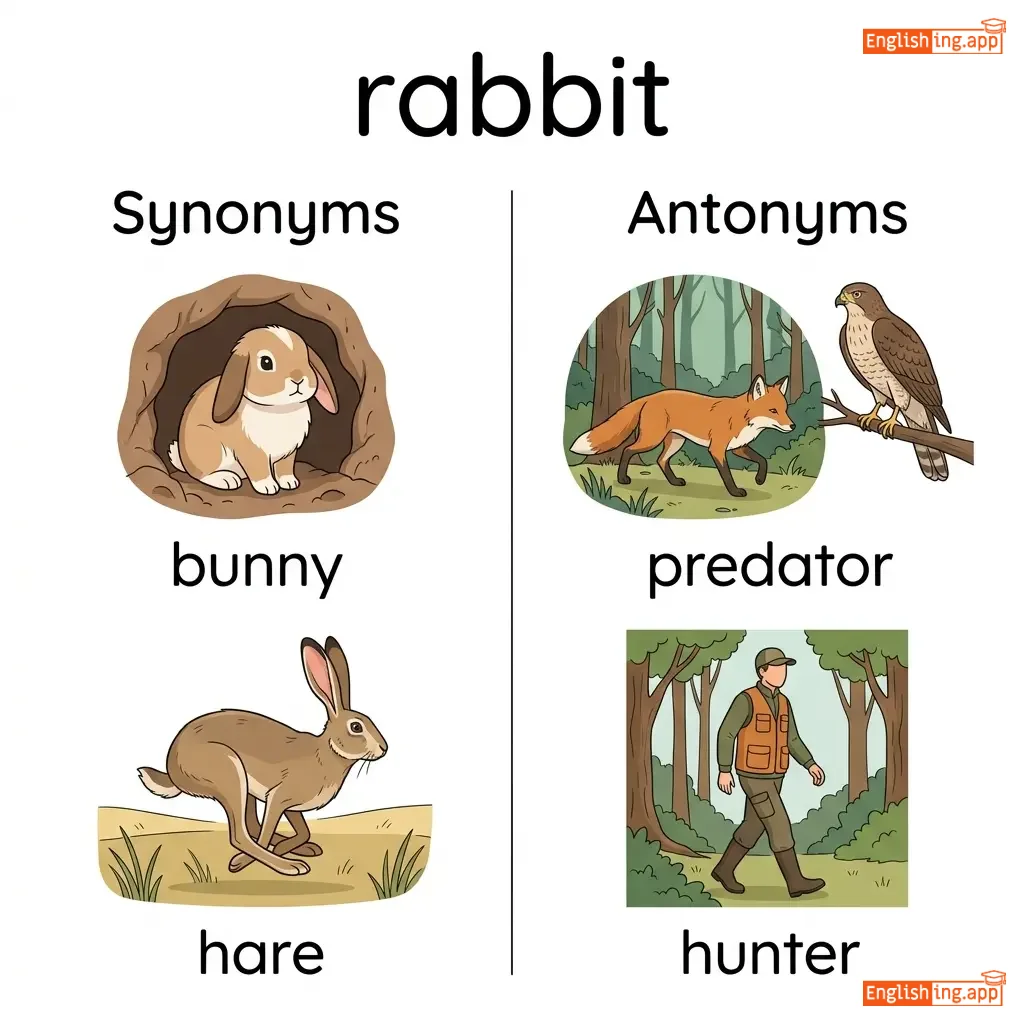
bunny, hare, coney, rodent, lagomorph
••••••
|
predator, hunter
••••••
|
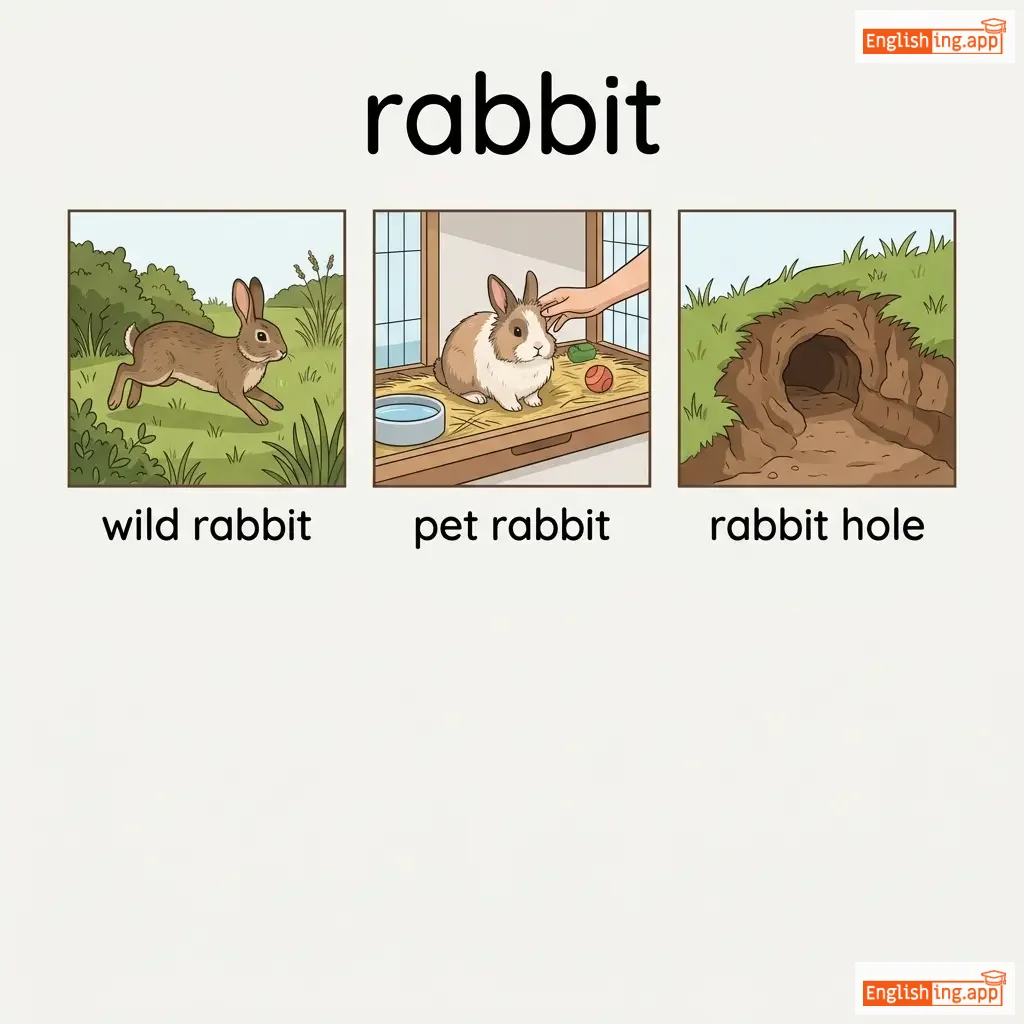
wild rabbit, pet rabbit, rabbit hole, rabbit stew, rabbit fur
••••••
|
兔子跑得飞快 — 它是一个快速的小动物!
••••••
|
|
#1
📋
|
/ˌkwes.tʃəˈneər/
noun
(kwes-chuh-ner)
••••••
|
- •••••• |
问卷
wenjuan
••••••
|
- •••••• | - •••••• | - •••••• | - •••••• |
a set of written questions used to collect information or opinions
••••••
|
Participants filled out a detailed questionnaire about their habits.
参与者填写了关于他们习惯的详细问卷。
••••••
|
参与者填写了关于他们习惯的详细问卷。
Canyu zhe tianxie le guanyu tamen xiguan de xishi wenjuan.
••••••
|
- •••••• | - •••••• | - •••••• |
survey, form, poll, feedback form, inquiry sheet
••••••
|
answer, response, reply
••••••
|
fill out questionnaire, complete questionnaire, survey questionnaire, customer questionnaire
••••••
|
问卷就像是有很多问题的问卷 – 记住,问卷!
••••••
|
|
#1
🗺️
|
/kwest/
noun
(kuèst)
••••••
|
|
探索, 寻找
tansuo, xunzhao
••••••
|
- •••••• | - •••••• | - •••••• | - •••••• |
a long search for something that is difficult to find
••••••
|
They went on a quest to find the lost treasure. |
他们去寻找失落的宝藏。
tamen qu xunzhao shiluode baocang.
••••••
|
quest for knowledge |
the pursuit of learning or understanding
••••••
|
知识的探索
zhishi de tansuo
••••••
|
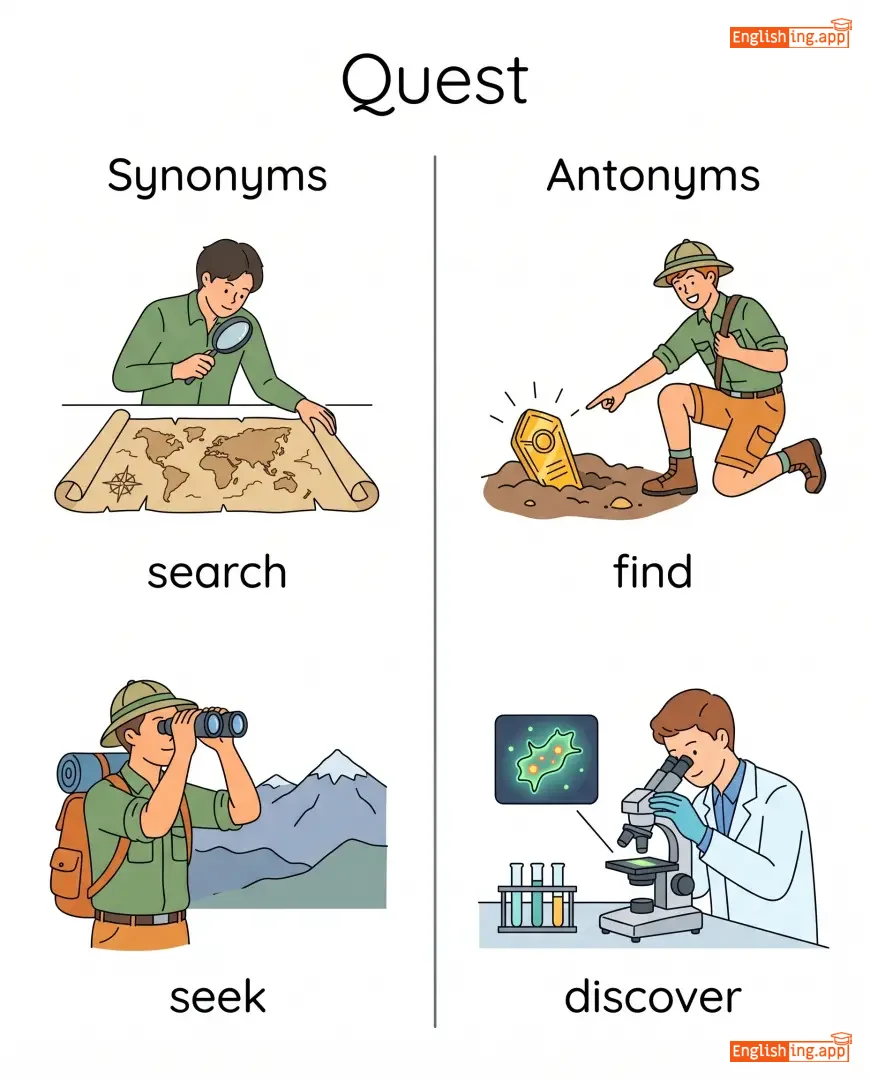
search, pursuit, mission, journey, expedition
••••••
|
idleness, neglect, inaction
••••••
|
quest for knowledge, quest for truth, epic quest, spiritual quest
••••••
|
Quest意味着探索 – Treasure Quest意味着寻找宝藏!
••••••
|
|
#1
👑
|
/kwiːn/
noun
(kùīng)
••••••
|
- •••••• |
女王
nǚwáng
••••••
|
- •••••• | - •••••• | - •••••• | - •••••• |
a female ruler of a country or the wife of a king
••••••
|
The queen addressed her people with grace. |
女王以优雅的姿态向她的人民致辞。
Nǚwáng yǐ yōuyǎ de zītài xiàng tā de rénmín zhìcí.
••••••
|
drama queen |
a person who overreacts or exaggerates emotions
••••••
|
戏剧女王
xìjù nǚwáng
••••••
|
monarch, ruler, sovereign, empress, consort
••••••
|
king, commoner, servant
••••••
|
queen bee, beauty queen, queen of hearts, crowned queen
••••••
|
Queen 是女王 👑 – 皇室优雅!
••••••
|
|
#1
🏃♂️
|
/pəˈsjuːt/
noun
(pǔsūtu)
••••••
|
- •••••• |
追求, 寻求
zhuīqiú, xúnqiú
••••••
|
- •••••• | - •••••• | - •••••• | - •••••• |
the act of chasing or trying to achieve something
••••••
|
He dedicated his life to the pursuit of happiness. |
他将一生奉献给了追求幸福。
Tā jiāng yīshēng fèngxiàn gěi le zhuīqiú xìngfú.
••••••
|
in hot pursuit |
closely chasing someone or something
••••••
|
紧追不舍
jǐn zhuī bù shě
••••••
|
quest, chase, search, aim, endeavor
••••••
|
retreat, surrender, inaction
••••••
|
pursuit of happiness, pursuit of knowledge, in pursuit, career pursuit
••••••
|
Pursuit 就是追求目标,像在追赶某事一样。
••••••
|
|
#1
🟣
|
/ˈpɜː.pəl/
adjective
(pɜːrpl)
••••••
|
- •••••• |
紫色
zǐsè
••••••
|
- •••••• | - •••••• | - •••••• | - •••••• |
a color that is a mix of red and blue
••••••
|
She wore a beautiful purple dress to the party. |
她穿了一件漂亮的紫色裙子去参加聚会。
Tā chuānle yī jiàn piàoliang de zǐsè qúnzi qù cānjiā jùhuì.
••••••
|
born to the purple |
born into a royal or noble family
••••••
|
生于紫禁城
shēng yú zǐjìnchéng
••••••
|
violet, lavender, mauve, lilac, plum
••••••
|
colorless, pale, white
••••••
|
purple dress, purple flower, deep purple, light purple
••••••
|
紫色 = Purple, 高贵的颜色。
••••••
|
|
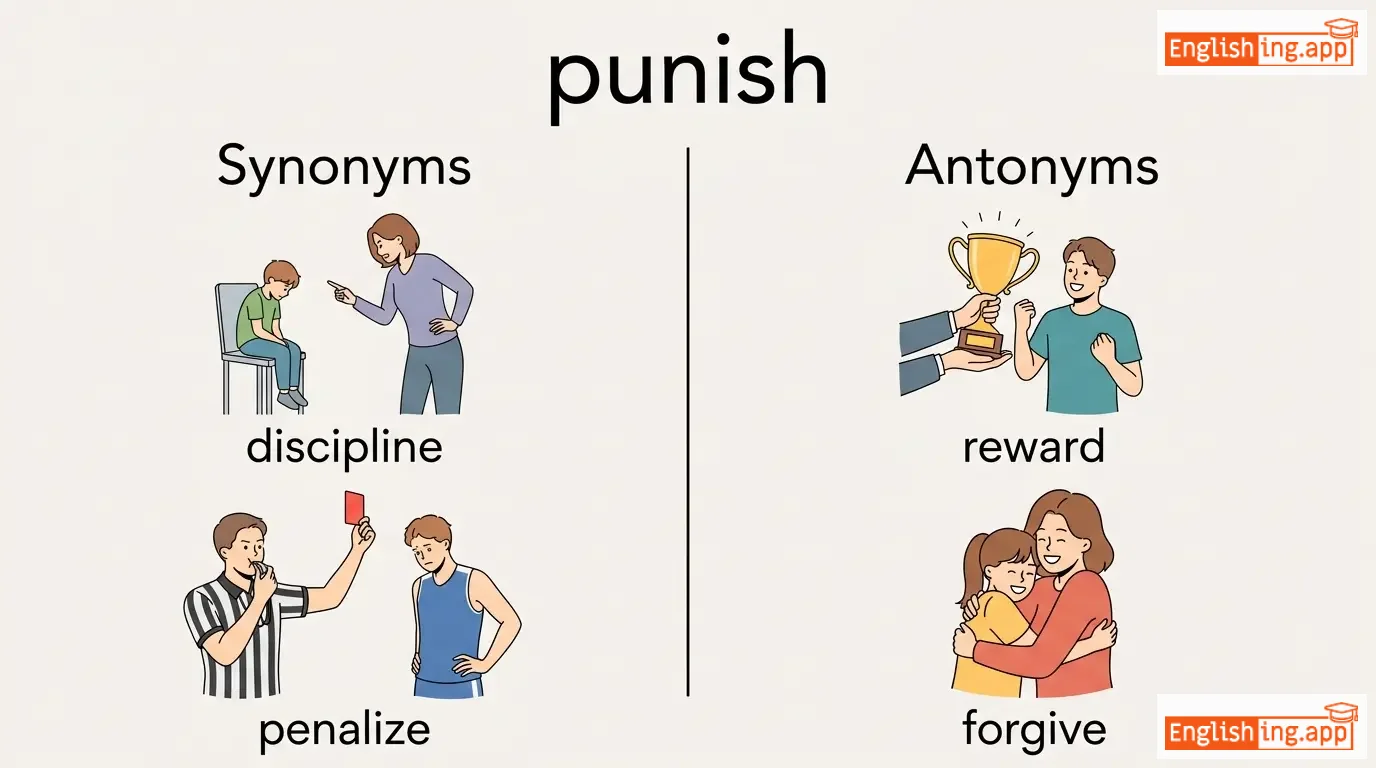
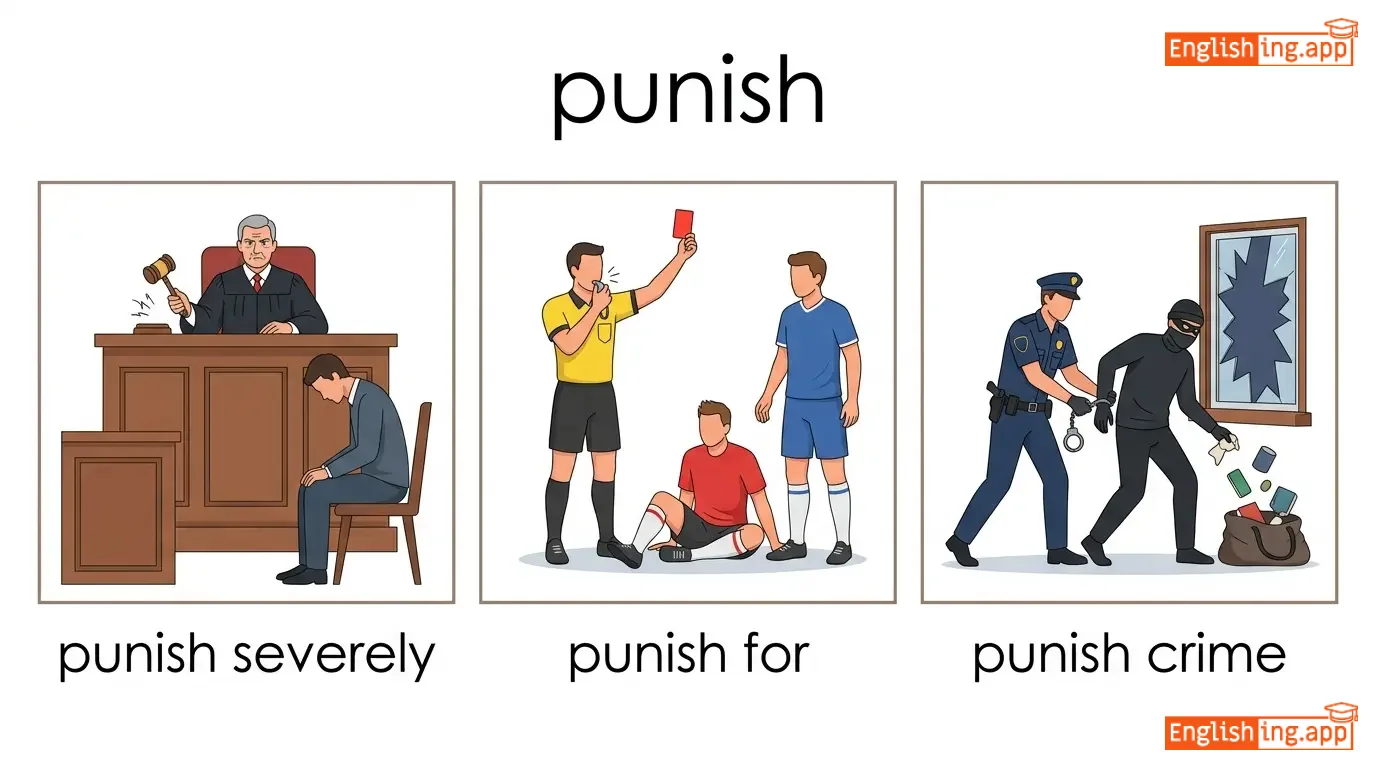
#1
⚖️
|
/ˈpʌnɪʃ/
verb
(puniš)
••••••
|
|
惩罚
chéngfá
••••••
|
punished
punishd
••••••
|
punished
punishd
••••••
|
punishes
punishis
••••••
|
punishing
punishing
••••••
|
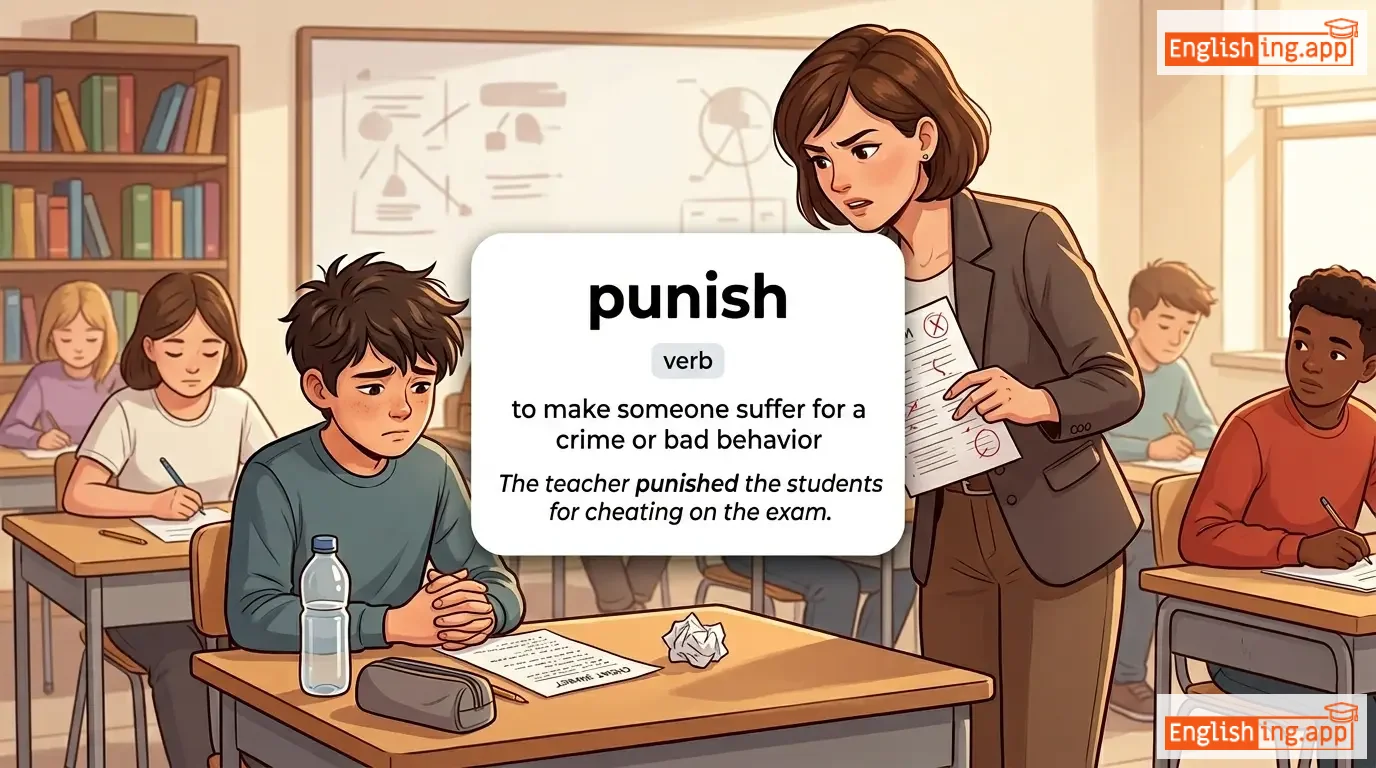
to make someone suffer for a crime or bad behavior
••••••
|
The teacher punished the students for cheating on the exam.
老师因学生在考试中作弊而惩罚了他们。
••••••
|
老师因学生在考试中作弊而惩罚了他们。
Lǎoshī yīn xuéshēng zài kǎoshì zhōng zhòubì ér chéngfá le tāmen.
••••••
|
punish oneself
惩罚自己
••••••
|
to make oneself suffer for guilt or regret
••••••
|
惩罚自己
chéngfá zìjǐ
••••••
|
discipline, penalize, reprimand, chastise, correct
••••••
|
reward, forgive
••••••
|
punish severely, punish for, punish crime, punish wrongdoer
••••••
|
Punish意味着惩罚 — Pun有惩罚的意思!
••••••
|
|
#1
🥊
|
/pʌntʃ/
verb
(パンチ)
••••••
|
- •••••• |
击打
jī dǎ
••••••
|
punched
パンチド
••••••
|
punched
パンチド
••••••
|
punches
パンチズ
••••••
|
punching
パンチング
••••••
|
to hit someone or something hard with your fist
••••••
|
He punched the wall in frustration.
他因沮丧打了墙。
••••••
|
他因沮丧打了墙。
Tā yīn jǔsàng dǎle qiáng.
••••••
|
pack a punch
打击一拳
••••••
|
to have a strong effect or impact
••••••
|
产生强烈的影响
chǎnshēng qiángliè de yǐngxiǎng
••••••
|
hit, strike, smack, blow, thump
••••••
|
caress, pat
••••••
|
throw a punch, punch hard, punch bag, pack a punch
••••••
|
‘punch’ 就是拳头打出来的效果,别忘了它的力量!
••••••
|
Vocabulary Quiz
Test your vocabulary by matching words with their translations or meanings.
Login to take the quiz
Comments (0)
Share your thoughts and join the discussion.
Join the discussion by logging in
Login to CommentNo comments yet
Be the first to share your thoughts!