


Swipe left or right, or use the buttons. Tap image to zoom.
例句翻译
单词
Lesson 220Lesson 220 - 遮罩切换
|
表情符号
|
单词 | Images | 翻译 | 过去时 | 过去分词 | 第三人称单数 | 动名词 | 含义 | 例句 | 例句翻译 | 示例表达 | 示例表达含义 | 示例表达翻译 | 同义词 | 反义词 | 搭配词 | 助记符 |
|---|---|---|---|---|---|---|---|---|---|---|---|---|---|---|---|---|---|
|
#6570
🎻
|
/ˌfɪl.hɑːrˈmɒn.ɪk/
adjective
(爱乐的)
••••••
|
- •••••• |
与交响乐团有关
yǔ jiāoxiǎng yuètuán yǒuguān
••••••
|
- •••••• | - •••••• | - •••••• | - •••••• |
relating to a symphony orchestra or its music
••••••
|
The philharmonic orchestra performed a stunning rendition of Beethoven's Ninth Symphony. |
爱乐乐团演绎了贝多芬第九交响曲的精彩版本。
Ài yuè yuètuán yǎnyìle bèiduōfēn dì jiǔ jiāoxiǎngqǔ de jīngcǎi bǎnběn.
••••••
|
- •••••• | - •••••• | - •••••• |
symphonic, orchestral, musical, concert
••••••
|
dissonant, discordant
••••••
|
philharmonic society, philharmonic orchestra, philharmonic concert
••••••
|
Phil在奏乐 - 爱乐的意味着与交响乐团有关
••••••
|
|
#6571
📚
|
/ˌfoʊ.nəˈlɑː.dʒi/
noun
(语音学)
••••••
|
- •••••• |
语音学
yuyinxue
••••••
|
- •••••• | - •••••• | - •••••• | - •••••• |
the study of the sound system of a language
••••••
|
She is studying phonology to understand how sounds function in English. |
她正在研究语音学,以了解英语中声音的功能。
Ta zhengzai yanjiu yuyinxue, yi liaojie yingyu zhong shengyin de gongneng.
••••••
|
- •••••• | - •••••• | - •••••• |
sound study, linguistics, phonemics, speech science
••••••
|
syntax study, grammar study
••••••
|
phonology course, phonology analysis, phonology research
••••••
|
语音学 = 语音 + 学科,学习声音的规律
••••••
|
|
#6572
📝
|
/ˈfoʊ.nə.ɡræm/
noun
(音标符号)
••••••
|
- •••••• |
音标符号
yinbiao fuhào
••••••
|
- •••••• | - •••••• | - •••••• | - •••••• |
a written symbol representing a speech sound
••••••
|
The teacher showed how each phonogram represents a particular sound. |
老师展示了每个音标符号如何代表特定的声音。
Lǎoshī zhǎnshìle měi gè yīnbiāo fúhào rúhé dàibiǎo tèdìng de shēngyīn.
••••••
|
- •••••• | - •••••• | - •••••• |
sound symbol, grapheme, letter, character
••••••
|
non-symbol, abstract mark
••••••
|
phonogram chart, phonogram teaching, phonogram example
••••••
|
音标符号 = 音 + 标, 声音的符号 - Phonogram shows sound as a symbol
••••••
|
|
#6573
🗣️
|
/ˈfɒnɪk/
adjective
(fònìk)
••••••
|
- •••••• |
语音的
yǔyīn de
••••••
|
- •••••• | - •••••• | - •••••• | - •••••• |
relating to speech sounds or their production; connected to phonics
••••••
|
Children learn phonic rules to read new words accurately. |
孩子们学习语音规则,以准确阅读新单词。
Háizimen xuéxí yǔyīn guīzé, yǐ zhǔnquè yuèdú xīn dāncí.
••••••
|
- •••••• | - •••••• | - •••••• |
phonetic, auditory, speech-based, articulatory
••••••
|
visual, written
••••••
|
phonic instruction, phonic reading, phonic awareness
••••••
|
语音学与'听'相关 - 语音学帮助你理解声音。
••••••
|
|
#6574
🔤
|
/fəˈnɛtɪk/
adjective
(音标的)
••••••
|
- •••••• |
语音的
yǔyīn de
••••••
|
- •••••• | - •••••• | - •••••• | - •••••• |
relating to the sounds of speech or pronunciation
••••••
|
The teacher taught the students the phonetic spelling of difficult words.
老师教学生们困难单词的音标拼写。
••••••
|
老师教学生们困难单词的音标拼写。
Lǎoshī jiào xuéshēngmen kùnnán dāncí de yīnbiāo pīxiě.
••••••
|
- •••••• | - •••••• | - •••••• |
pronunciation, speech sounds, articulatory, phonemic
••••••
|
written, nonverbal
••••••
|
phonetic alphabet, phonetic transcription, phonetic symbols
••••••
|
音标 (Yīnbīao) 听起来像‘电话’
••••••
|
|
#6575
🦅
|
/ˈfiː.nɪks/
noun
(凤凰)
••••••
|
- •••••• |
凤凰鸟
fenghuang niao
••••••
|
- •••••• | - •••••• | - •••••• | - •••••• |
a mythical bird that is reborn from its ashes; symbol of immortality or renewal
••••••
|
The legend says the phoenix rises from its ashes every 500 years. |
传说凤凰每500年从自己的灰烬中复生。
chuánshuō fènghuáng měi 500 nián cóng zìjǐ de huīchén zhōng fùshēng.
••••••
|
- •••••• | - •••••• | - •••••• |
mythical bird, immortal bird, firebird, rebirth symbol
••••••
|
mortal creature, ordinary bird
••••••
|
rise like a phoenix, phoenix myth, phoenix legend
••••••
|
凤凰从火中重生 - Phoenix rises from fire
••••••
|
|
#6576
😱
|
/ˈfəʊ.bi.ə/
noun
(恐惧症)
••••••
|
- •••••• |
恐惧症
kǒngjù zhèng
••••••
|
- •••••• | - •••••• | - •••••• | - •••••• |
an extreme or irrational fear of something
••••••
|
She has a phobia of heights and avoids tall buildings. |
她有高度恐惧症,避免高楼。
Tā yǒu gāodù kǒngjù zhèng, bìmiǎn gāolóu.
••••••
|
- •••••• | - •••••• | - •••••• |
fear, terror, dread, anxiety
••••••
|
courage, bravery, confidence
••••••
|
social phobia, fear phobia, phobia of flying, phobia treatment
••••••
|
Phobia = 照片 + 恐惧症 = 对照片的恐惧
••••••
|
|
#6577
😐
|
/flɛgˈmæt.ɪk/
adjective
(弗雷格玛提克)
••••••
|
|
冷静的
lěngjìng de
••••••
|
- •••••• | - •••••• | - •••••• | - •••••• |
having an unemotional and stolidly calm disposition
••••••
|
Despite the chaos, he remained phlegmatic and composed. |
尽管混乱,他依然保持冷静和平静。
Jǐnguǎn hùnluàn, tā yīrán bǎochí lěngjìng hé píngjìng.
••••••
|
- •••••• | - •••••• | - •••••• |
calm, unflappable, composed, stoic
••••••
|
excitable, emotional, agitated
••••••
|
phlegmatic temperament, phlegmatic response, phlegmatic nature
••••••
|
冷静如冰,弗雷格玛提克保持不动如冰。
••••••
|
|
#6578
📚
|
/fɪˈlɒs.ə.fi/
noun
(哲学)
••••••
|
- •••••• |
哲学
zhexue
••••••
|
- •••••• | - •••••• | - •••••• | - •••••• |
the study of the fundamental nature of knowledge, reality, and existence
••••••
|
Her philosophy emphasizes kindness and empathy. |
她的哲学强调善良和同理心。
Ta de zhexue qiangdiao shanliang he tongli xin.
••••••
|
- •••••• | - •••••• | - •••••• |
belief, doctrine, wisdom, thought
••••••
|
ignorance, foolishness
••••••
|
personal philosophy, philosophy of life, moral philosophy, philosophical principles
••••••
|
Philo (爱) + sophy (智慧) = 爱 + 智慧 = 哲学
••••••
|
|
#6579
🤔
|
/fɪˈlɒs.ə.faɪz/
verb
(feilosofai)
••••••
|
- •••••• |
哲学
zhexue
••••••
|
philosophized
feilosofaizd
••••••
|
philosophized
feilosofaizd
••••••
|
philosophizes
feilosofaizes
••••••
|
philosophizing
feilosofaiying
••••••
|
to think or talk about the fundamental nature of knowledge, reality, and existence
••••••
|
He likes to philosophize about life and its meaning.
他喜欢谈论生活及其意义。
••••••
|
他喜欢谈论生活及其意义。
Ta xihuan tanlun shenghuo jiqi yiyi.
••••••
|
- •••••• | - •••••• | - •••••• |
reflect, contemplate, reason, ponder
••••••
|
ignore, neglect, dismiss
••••••
|
philosophize about, philosophize on, philosophize freely
••••••
|
Philo (哲学) + sophize (思考) = 谈论生命
••••••
|
|
#6580
🧠
|
/ˌfɪl.əˈsɒf.ɪ.kəl/
adjective
(哲学的)
••••••
|
- •••••• |
哲学的
zhexue de
••••••
|
- •••••• | - •••••• | - •••••• | - •••••• |
relating to the study of the fundamental nature of knowledge, reality, and existence
••••••
|
She maintained a calm and philosophical attitude during the crisis.
她在危机期间保持了冷静和哲学的态度。
••••••
|
她在危机期间保持了冷静和哲学的态度。
Ta zai weiji qijian baochi le lengjing he zhexue de taidu.
••••••
|
- •••••• | - •••••• | - •••••• |
wise, thoughtful, reflective, rational
••••••
|
unwise, irrational, superficial
••••••
|
philosophical debate, philosophical approach, philosophical idea
••••••
|
Philo (智慧) + sophical (哲学) = 冷静和理智的思考
••••••
|
|
#6581
📝
|
/fɪˈlɒl.ə.dʒi/
noun
(语言学)
••••••
|
- •••••• |
研究语言在书面历史资料中的应用; 语言学
yanjiu yuyan zai shumianshi liushi ziliao zhong de yingyong; yuyanxue
••••••
|
- •••••• | - •••••• | - •••••• | - •••••• |
the study of language in written historical sources; linguistics
••••••
|
She devoted her career to philology, researching ancient manuscripts. |
她将自己的职业生涯献给了语言学,研究古代手稿。
Ta jiang ziji de zhiye shengya xian geile yuyanxue, yanjiu gudai shougou.
••••••
|
- •••••• | - •••••• | - •••••• |
linguistics, language study, etymology, textual analysis
••••••
|
illiteracy, ignorance
••••••
|
comparative philology, historical philology
••••••
|
Philology = 语言的历史研究
••••••
|
|
#6582
📚
|
/fɪˈlɒl.ə.dʒɪst/
noun
(语言学家)
••••••
|
- •••••• |
语言学家
yǔyánxué jiā
••••••
|
- •••••• | - •••••• | - •••••• | - •••••• |
a person who studies languages and their history
••••••
|
The philologist analyzed ancient texts to understand language evolution. |
语言学家分析了古代文献,以理解语言的演变。
Yǔyánxué jiā fēn xīle gǔdài wénxiàn, yǐ lǐjiě yǔyán de yǎnbiàn.
••••••
|
- •••••• | - •••••• | - •••••• |
linguist, language scholar, etymologist, grammarian
••••••
|
illiterate, uneducated
••••••
|
expert philologist, classical philologist
••••••
|
语言学家 - 专注于语言研究的专家
••••••
|
|
#6583
💖
|
/ˈfɪl.ə.dʒɪ.nɪst/
noun
(菲洛吉尼斯特)
••••••
|
- •••••• |
一个热爱或钦佩女性的人
yí gè rè'ài huò qīnpèi nǚxìng de rén
••••••
|
- •••••• | - •••••• | - •••••• | - •••••• |
a person who loves or admires women
••••••
|
As a known philogynist, he advocated for women's education. |
作为一位著名的菲洛吉尼斯特,他倡导女性的教育。
Zuòwéi yī wèi zhùmíng de fēiluòjīnìsītè, tā chàngdǎo nǚxìng de jiàoyù.
••••••
|
- •••••• | - •••••• | - •••••• |
woman-lover, feminist, admirer, supporter
••••••
|
misogynist, chauvinist
••••••
|
devoted philogynist, sincere philogynist
••••••
|
Phil 爱女性 - PhilOGYNIST,女性的爱好者
••••••
|
|
#6584
🙄
|
/ˈfɪl.ɪ.staɪn/
noun
(非利士人)
••••••
|
- •••••• |
对文化和艺术漠不关心或敌对的人
fēi lì shì rén
••••••
|
- •••••• | - •••••• | - •••••• | - •••••• |
a person who is indifferent or hostile to culture and the arts
••••••
|
He was criticized as a philistine for dismissing modern art. |
他因拒绝现代艺术而被批评为非利士人。
tā yīn jù jué xiàn dài yì shù ér bèi pī píng wéi fēi lì shì rén
••••••
|
- •••••• | - •••••• | - •••••• |
materialist, uncultured, boor, barbarian
••••••
|
cultured, refined, sophisticated
••••••
|
cultural philistine, artistic philistine
••••••
|
菲 = 不关心艺术 - 非利士人,代表着不懂文化
••••••
|
|
#6585
😒
|
/ˌfærɪˈseɪɪkəl/
adjective
(fālìsāikè'ěr)
••••••
|
- •••••• |
伪善的
wěishàn de
••••••
|
- •••••• | - •••••• | - •••••• | - •••••• |
Excessively concerned with formal rules or outward show of morality, often in a hypocritical way.
••••••
|
His pharisaical behavior made people doubt his sincerity. |
他的伪善行为让人怀疑他的真诚。
Tā de wěishàn xíngwéi ràng rén huáiyí tā de zhēnchéng.
••••••
|
- •••••• | - •••••• | - •••••• |
hypocritical, self-righteous, sanctimonious, pretentious, insincere
••••••
|
genuine, sincere, honest
••••••
|
pharisaical attitude, pharisaical pretensions, pharisaical hypocrisy
••••••
|
伪善的(wěishàn de)= 外表看似道德,实际上虚伪。
••••••
|
|
#6586
✉️
|
/fɪˈlæt.əl.i/
noun
(邮票收藏学)
••••••
|
- •••••• |
邮票收藏学
yóupiào shōucáng xué
••••••
|
- •••••• | - •••••• | - •••••• | - •••••• |
the collection and study of postage stamps
••••••
|
Philately is a hobby enjoyed by people of all ages.
邮票收藏学是一项各年龄段人群都喜爱的爱好。
••••••
|
邮票收藏学是一项各年龄段人群都喜爱的爱好。
Yóupiào shōucáng xué shì yī xiàng gè niánlíng duàn rénqún dōu xǐ'ài de àihào.
••••••
|
- •••••• | - •••••• | - •••••• |
stamp collecting, stamp study, stamp hobby, numismatics
••••••
|
- •••••• |
modern philately, philately exhibition, philately club
••••••
|
集邮 = 集邮和研究邮票
••••••
|
|
#6587
📬
|
/fɪˈlæt.əl.ɪst/
noun
(集邮家)
••••••
|
- •••••• |
集邮家
jí yóu jiā
••••••
|
- •••••• | - •••••• | - •••••• | - •••••• |
a person who collects or studies postage stamps
••••••
|
The philatelist spent years building a rare stamp collection. |
这位集邮家花了多年时间建立了一个稀有的邮票收藏。
Zhè wèi jí yóu jiā huāle duōnián shíjiān jiànlìle yīgè xīyǒu de yóupiào shōucáng.
••••••
|
- •••••• | - •••••• | - •••••• |
stamp collector, stamp enthusiast, hobbyist, numismatist
••••••
|
- •••••• |
dedicated philatelist, experienced philatelist, philatelist club
••••••
|
Phil (菲) + atelist = 集邮家
••••••
|
|
#6588
🎁
|
/fɪˈlæn.θrə.pi/
noun
(菲兰索罗比)
••••••
|
- •••••• |
慈善事业
císhàn shìyè
••••••
|
- •••••• | - •••••• | - •••••• | - •••••• |
the desire to promote the welfare of others, often expressed by the generous donation of money to good causes
••••••
|
Philanthropy has helped improve healthcare in many developing countries. |
慈善事业帮助改善了许多发展中国家的医疗保健。
Císhàn shìyè bāngzhù gǎishànle xǔduō fāzhǎn zhōngguó de yīliáo bǎojiàn.
••••••
|
- •••••• | - •••••• | - •••••• |
charity, generosity, benevolence, humanitarianism
••••••
|
selfishness, greed
••••••
|
corporate philanthropy, philanthropy initiatives, philanthropy programs
••••••
|
Phil (菲) + anthropy (人类) = 帮助他人
••••••
|
|
#6589
🫂
|
/fɪˈlæn.θrə.pɪst/
noun
(菲兰特罗皮斯特)
••••••
|
- •••••• |
慈善家
císhànjiā
••••••
|
- •••••• | - •••••• | - •••••• | - •••••• |
a person who seeks to promote the welfare of others, especially by donating money to good causes
••••••
|
The philanthropist donated millions to build schools in rural areas. |
慈善家捐赠了数百万美元用于建设农村地区的学校。
Císhànjiā juānzèngle shù bǎi wàn měiyuán yòng yú jiànshè nóngcūn dìqū de xuéxiào.
••••••
|
- •••••• | - •••••• | - •••••• |
benefactor, donor, humanitarian, patron
••••••
|
miser, selfish person
••••••
|
wealthy philanthropist, generous philanthropist, famous philanthropist
••••••
|
慈善家 = 爱人类,帮助他人
••••••
|
|
#6590
💖
|
/ˌfɪl.ænˈθrɒp.ɪk/
adjective
(慈善的)
••••••
|
- •••••• |
慈善的
císhàn de
••••••
|
- •••••• | - •••••• | - •••••• | - •••••• |
showing concern for the welfare of others; generous and charitable
••••••
|
She is known for her philanthropic activities in the city. |
她因在城市中的慈善活动而闻名。
Tā yīn zài chéngshì zhōng de císhàn huódòng ér wénmíng.
••••••
|
- •••••• | - •••••• | - •••••• |
charitable, benevolent, generous, humanitarian
••••••
|
selfish, uncharitable
••••••
|
philanthropic organization, philanthropic work, philanthropic efforts
••••••
|
Phila (菲拉) 意味着朋友, anthropic 意味着人类 - 对朋友和人类慷慨
••••••
|
|
#6591
🕴️
|
/fɪˈlændərər/
noun
(菲兰德雷尔)
••••••
|
- •••••• |
花花公子
huāhuā gōngzǐ
••••••
|
- •••••• | - •••••• | - •••••• | - •••••• |
a man who habitually engages in casual romantic or sexual affairs
••••••
|
The politician was exposed as a notorious philanderer. |
这位政治家被揭露为一个臭名昭著的花花公子。
Zhè wèi zhèngzhìjiā bèi jiēlù wéi yí ge chòumíng zhāozhù de huāhuā gōngzǐ.
••••••
|
- •••••• | - •••••• | - •••••• |
womanizer, flirt, playboy, libertine
••••••
|
loyalist, faithful partner
••••••
|
notorious philanderer, serial philanderer, wealthy philanderer
••••••
|
Philanderer = 'Philandering er' - 总是花花公子。
••••••
|
|
#6592
😏
|
/fɪˈlændər/
verb
(菲兰德)
••••••
|
- •••••• |
调情
tiáoqíng
••••••
|
philandered
菲兰德德
••••••
|
philandered
菲兰德德
••••••
|
philanders
菲兰德斯
••••••
|
philandering
菲兰德灵
••••••
|
to engage in casual or frivolous romantic or sexual relationships
••••••
|
He was known to philander with many women in town.
他以与城里许多女性交往而闻名。
••••••
|
他以与城里许多女性交往而闻名。
Tā yǐ yǔ chéng lǐ xǔduō nǚxìng jiāowǎng ér wénmíng.
••••••
|
- •••••• | - •••••• | - •••••• |
flirt, womanize, trifle, dally
••••••
|
commit, devote
••••••
|
philander with women, philander around, constantly philander
••••••
|
Philander = '菲' = 调情 - 玩弄感情,不停地与不同的人交往。
••••••
|
|
#6593
💉
|
/ˈfaɪəl/
noun
(fái'ěr)
••••••
|
- •••••• |
小玻璃瓶
xiao boli ping
••••••
|
- •••••• | - •••••• | - •••••• | - •••••• |
a small glass container for liquids, especially medicines
••••••
|
The doctor gave her a phial of medicine.
医生给了她一瓶药。
••••••
|
医生给了她一瓶药。
Yisheng gei le ta yi ping yao.
••••••
|
- •••••• | - •••••• | - •••••• |
vial, flask, bottle, container
••••••
|
barrel, drum
••••••
|
phial of medicine, glass phial, small phial, sealed phial
••••••
|
Phial = 小玻璃瓶装药物。
••••••
|
|
#6594
✨
|
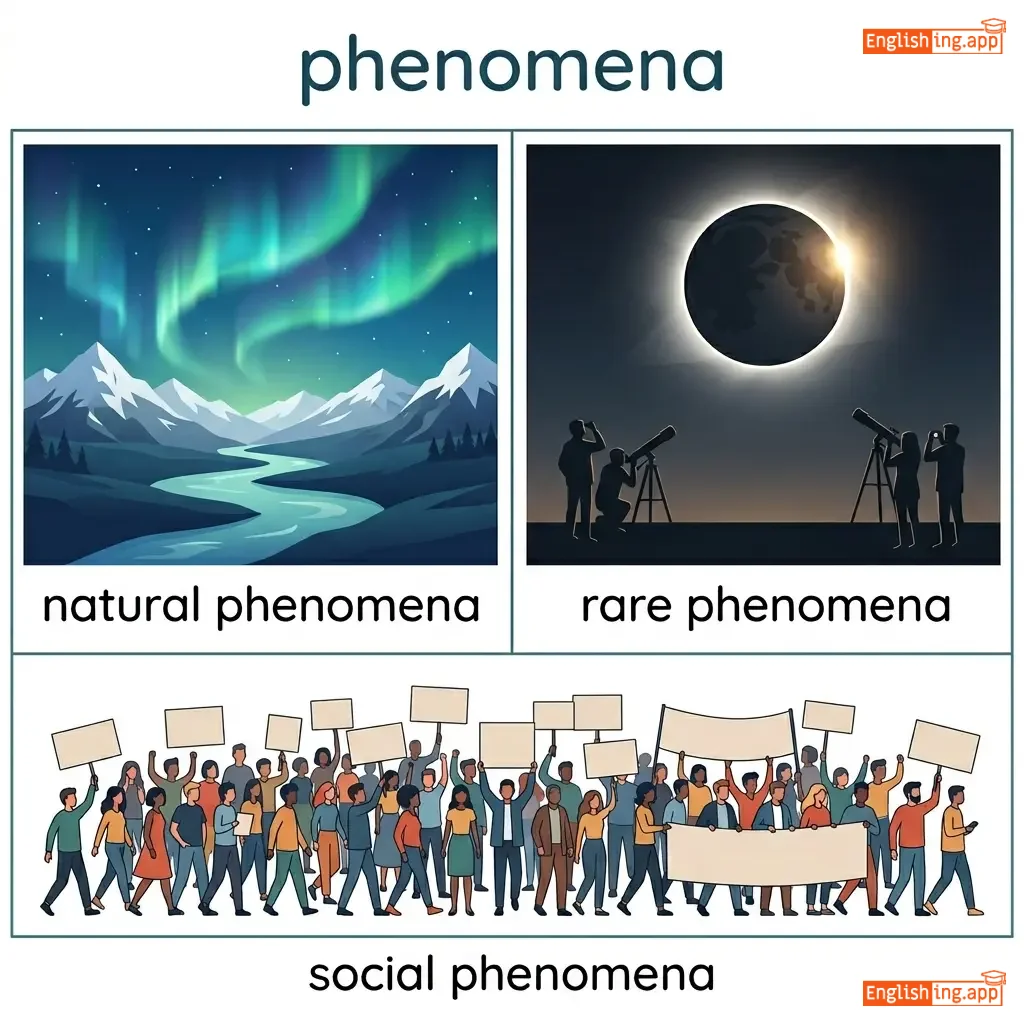
/fəˈnɒmɪnən/
noun
(现象)
••••••
|
- •••••• |
现象
xianxiang
••••••
|
- •••••• | - •••••• | - •••••• | - •••••• |
an observable event, fact, or occurrence, often unusual or remarkable
••••••
|
The Northern Lights are a natural phenomenon. |
北极光是自然现象。
Beiji guang shi ziran xianxiang.
••••••
|
social phenomenon |
a significant event or trend in society
••••••
|
社会现象
shehui xianxiang
••••••
|
occurrence, event, happening, spectacle, marvel
••••••
|
normality, regularity
••••••
|
natural phenomenon, rare phenomenon, global phenomenon, scientific phenomenon
••••••
|
Phenomenon = 现象,像自然现象一样不可思议!
••••••
|
|
#6595
🌟
|
/fəˈnɒmɪnəl/
adjective
(费诺门纳尔)
••••••
|
- •••••• |
非凡
feifan
••••••
|
- •••••• | - •••••• | - •••••• | - •••••• |
extraordinary, remarkable, or exceptional in a way that is very impressive
••••••
|
The team achieved phenomenal success in the tournament. |
团队在比赛中取得了非凡的成功。
Tuánduì zài bǐsài zhōng qǔdéle fēifán de chénggōng.
••••••
|
phenomenal growth |
extraordinary and rapid increase in size, amount, or quality
••••••
|
非凡的增长
fēifán de zēngzhǎng
••••••
|
extraordinary, remarkable, exceptional, outstanding, incredible
••••••
|
ordinary, mediocre, average
••••••
|
phenomenal growth, phenomenal success, phenomenal talent, phenomenal achievement
••••••
|
非凡的成功像泡沫一样快速扩展。
••••••
|
|
#6596
🌌
|
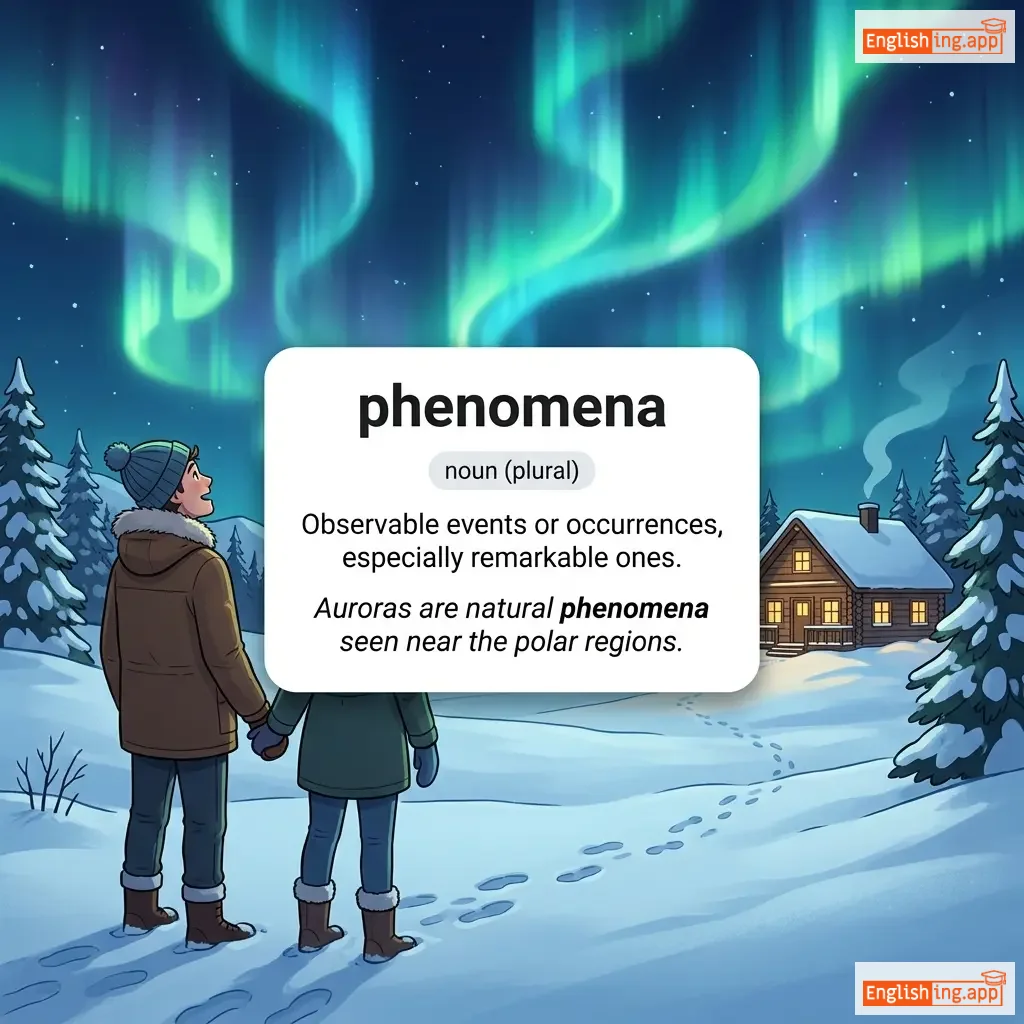
/fəˈnɒmɪnə/
noun (plural)
(现象)
••••••
|
|
现象
xianxiang
••••••
|
- •••••• | - •••••• | - •••••• | - •••••• |
Observable events or occurrences, especially remarkable ones.
••••••
|
Auroras are natural phenomena seen near the polar regions. |
极光是自然现象,常见于极地地区。
Jiguang shi ziran xianxiang, changjian yu jidi diqu.
••••••
|
- •••••• | - •••••• | - •••••• |
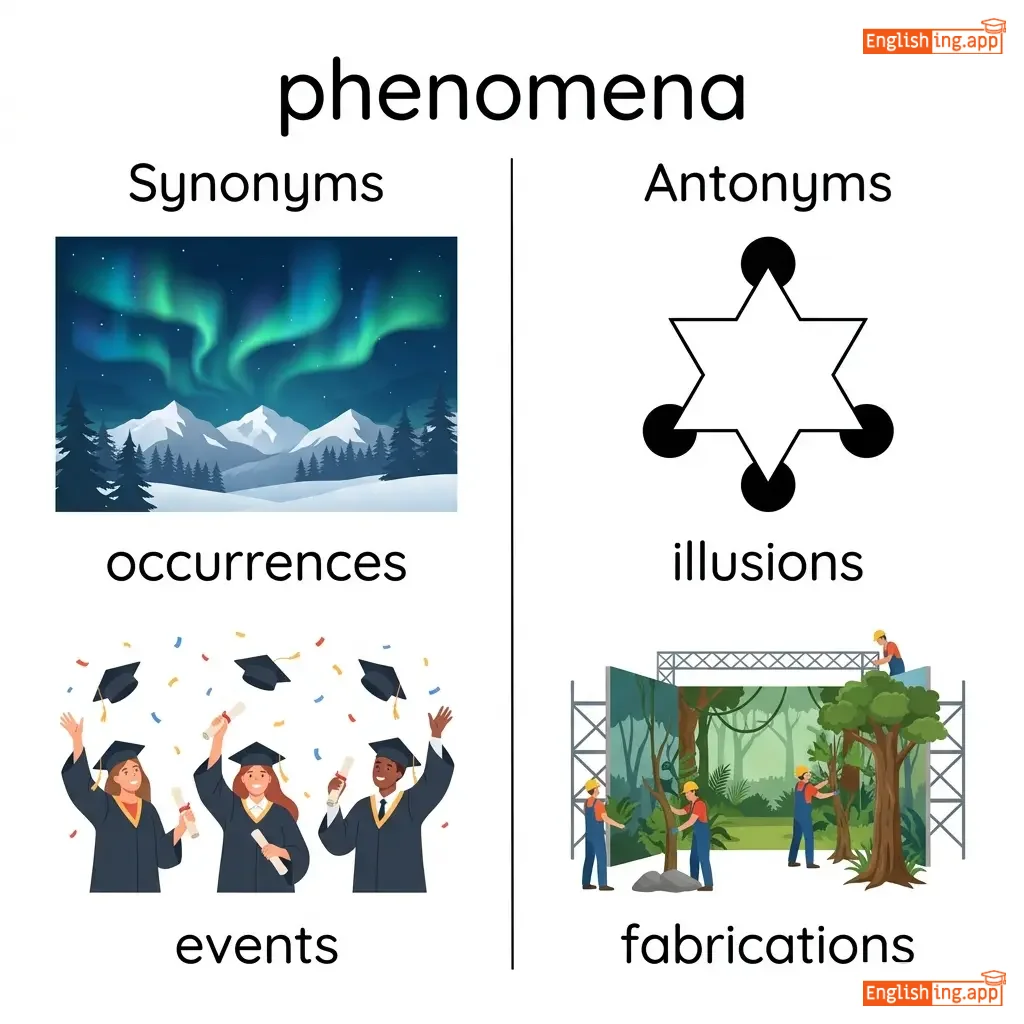
occurrences, events, happenings, incidents
••••••
|
illusions, fabrications
••••••
|
natural phenomena, rare phenomena, social phenomena, physical phenomena
••••••
|
Phenomena 是自然中发生的最显著的事件。
••••••
|
|
#6597
💊
|
/ˈfɑːrməsi/
noun
(fārmàxī)
••••••
|
- •••••• |
药店
yaodian
••••••
|
- •••••• | - •••••• | - •••••• | - •••••• |
A place where medicinal drugs are prepared and sold.
••••••
|
I went to the pharmacy to buy antibiotics.
我去药店买抗生素。
••••••
|
我去药店买抗生素。
Wo qu yaodian mai kangshengsu.
••••••
|
- •••••• | - •••••• | - •••••• |
drugstore, chemist, apothecary
••••••
|
hospital ward, operating theater
••••••
|
local pharmacy, online pharmacy, hospital pharmacy
••••••
|
药店 = 卖药的地方。
••••••
|
|
#6598
📖
|
/ˌfɑːrməkəˈpiːə/
noun
(药典)
••••••
|
- •••••• |
药典
yaodian
••••••
|
- •••••• | - •••••• | - •••••• | - •••••• |
An official book listing medicinal drugs, their effects, and directions for use.
••••••
|
The doctor referred to the pharmacopoeia to check the drug's proper dosage. |
医生查阅了药典,以核对药物的正确剂量。
Yisheng chayuele yaodian, yi hedui yaowu de zhengque jiliao.
••••••
|
- •••••• | - •••••• | - •••••• |
drug manual, medical reference, formulary
••••••
|
fiction, myth
••••••
|
official pharmacopoeia, national pharmacopoeia, standard pharmacopoeia
••••••
|
药典 = 药品 + 目录书籍
••••••
|
|
#6599
🕍
|
/ˈfærɪsiː/
noun
(法利赛人)
••••••
|
- •••••• |
伪君子
wěi jūn zǐ
••••••
|
- •••••• | - •••••• | - •••••• | - •••••• |
A member of an ancient Jewish sect; by extension, a self-righteous or hypocritical person.
••••••
|
He acted like a pharisee, judging others while ignoring his own faults. |
他像个法利赛人一样行事,批评别人却忽视自己的错误。
Tā xiàng gè fǎ lì sài rén yīyàng xíngshì, pīpíng biérén què hūshì zìjǐ de cuòwù.
••••••
|
- •••••• | - •••••• | - •••••• |
hypocrite, pretender, pietist
••••••
|
honest person, genuine believer
••••••
|
ancient Pharisee, modern pharisee, self-righteous pharisee
••••••
|
法利赛人: 以虚伪自义为名,别人犯错就批判。
••••••
|
Vocabulary Quiz
Test your vocabulary by matching words with their translations or meanings.
Login to take the quiz
Comments (0)
Share your thoughts and join the discussion.
Join the discussion by logging in
Login to CommentNo comments yet
Be the first to share your thoughts!