



Swipe left or right, or use the buttons. Tap image to zoom.
例句翻译
单词
Lesson 382Lesson 382 - 遮罩切换
|
表情符号
|
单词 | Images | 翻译 | 过去时 | 过去分词 | 第三人称单数 | 动名词 | 含义 | 例句 | 例句翻译 | 示例表达 | 示例表达含义 | 示例表达翻译 | 同义词 | 反义词 | 搭配词 | 助记符 |
|---|---|---|---|---|---|---|---|---|---|---|---|---|---|---|---|---|---|
|
#11425
🥣
|
/mɪks/
verb
(mìkèsī)
••••••
|
- •••••• |
混合
hùnhé
••••••
|
mixed
mìkèsīde
••••••
|
mixed
mìkèsīde
••••••
|
mixes
mìkèsī
••••••
|
mixing
mìkèsīng
••••••
|
To combine different substances or elements together.
••••••
|
She likes to mix different colors to create new shades.
她喜欢混合不同的颜色来创造新的色调。
••••••
|
她喜欢混合不同的颜色来创造新的色调。
Tā xǐhuān hùnhé bùtóng de yánsè lái chuàngzào xīn de sètiáo.
••••••
|
mix up
混合
••••••
|
to confuse or mistake one thing for another
••••••
|
混淆
hùnxiáo
••••••
|
blend, combine, merge, stir, mingle
••••••
|
separate, divide, isolate
••••••
|
mix ingredients, mix drinks, mix together, mix well
••••••
|
Mix = 混合, 就像将彩色糖果混合在一起。
••••••
|
|
#11426
🏃
|
/ˈmoʊʃən/
noun
(móushén)
••••••
|
- •••••• |
运动
yùndòng
••••••
|
- •••••• | - •••••• | - •••••• | - •••••• |
the act or process of moving; a change of place or position
••••••
|
The motion of the car made her sleepy.
汽车的运动让她昏昏欲睡。
••••••
|
汽车的运动让她昏昏欲睡。
Qìchē de yùndòng ràng tā hūnhūn yù shuì.
••••••
|
set in motion
使动起来
••••••
|
to start something happening
••••••
|
使动起来
shǐ dòng qǐlái
••••••
|
movement, gesture, action, shift, change
••••••
|
stillness, rest, immobility
••••••
|
in motion, slow motion, motion picture, set in motion
••••••
|
运动即移动,如同‘火车在运动’
••••••
|
|
#11427
👩👧
|
/ˈmʌðər/
noun
(母亲)
••••••
|
- •••••• |
母亲
mǔqīn
••••••
|
- •••••• | - •••••• | - •••••• | - •••••• |
a female parent
••••••
|
Her mother is a kind and caring person.
她的母亲是一个善良和关心他人的人。
••••••
|
她的母亲是一个善良和关心他人的人。
Tā de mǔqīn shì yīgè shànliáng hé guānxīn tārén de rén.
••••••
|
mother tongue
母语
••••••
|
the first language a person learns at home in childhood
••••••
|
母语
mǔyǔ
••••••
|
mom, mama, parent, mum, ma
••••••
|
father, orphan
••••••
|
mother tongue, mother nature, single mother, mother love
••••••
|
母亲就像妈妈 ❤️— 永远不会忘记母亲
••••••
|
|
#11428
🔎
|
/ˈmoʊstli/
adverb
(móu sī lì)
••••••
|
- •••••• |
主要
zhuyao
••••••
|
- •••••• | - •••••• | - •••••• | - •••••• |
for the most part; mainly
••••••
|
She is mostly interested in art and literature. |
她主要对艺术和文学感兴趣。
Ta zhuyao dui yishu he wenxue gan xingqu.
••••••
|
- •••••• | - •••••• | - •••••• |
mainly, generally, primarily, largely, chiefly
••••••
|
rarely, scarcely, occasionally
••••••
|
mostly true, mostly peaceful, mostly about, mostly because
••••••
|
Mostly 意味着主要——像大多数人一样,主要是这样的。
••••••
|
|
#11429
📊
|
/moʊst/
adjective, adverb, pronoun
(most)
••••••
|
- •••••• |
大多数
dàduōshù
••••••
|
- •••••• | - •••••• | - •••••• | - •••••• |
the greatest in amount, degree, or number
••••••
|
Most people like to relax on weekends. |
大多数人喜欢在周末休息。
Dàduōshù rén xǐhuān zài zhōumò xiūxí.
••••••
|
for the most part |
generally; in most cases
••••••
|
大多数情况下
dàduōshù qíngkuàng xià
••••••
|
majority, maximum, greatest, bulk, largest
••••••
|
least, fewest, minor
••••••
|
most people, most important, most of the time, most cases
••••••
|
Most = 大多数人
••••••
|
|
#11430
🏠
|
/ˈmɔːrɡɪdʒ/
noun
(抵押贷款)
••••••
|
- •••••• |
抵押贷款
dǐyā dàikuǎn
••••••
|
- •••••• | - •••••• | - •••••• | - •••••• |
a legal agreement where a person borrows money to buy property and pays it back over time
••••••
|
They applied for a mortgage to buy their new house.
他们申请了抵押贷款来购买他们的新房。
••••••
|
他们申请了抵押贷款来购买他们的新房。
Tāmen shēnqǐngle dǐyā dàikuǎn lái gòumǎi tāmen de xīn fáng.
••••••
|
mortgage loan
抵押贷款
••••••
|
a loan taken against property
••••••
|
抵押贷款
dǐyā dàikuǎn
••••••
|
loan, home loan, property loan, debt, finance
••••••
|
repayment, ownership, clearance
••••••
|
mortgage loan, mortgage interest, mortgage payment, pay off mortgage
••••••
|
抵押贷款就像把房子放在'抵'字下,然后借钱买房。
••••••
|
|
#11431
🌅
|
/ˈmɔːrnɪŋ/
noun
(海皮尼斯)
••••••
|
- •••••• |
幸福
xìngfú
••••••
|
- •••••• | - •••••• | - •••••• | - •••••• |
the early part of the day, typically from sunrise until noon
••••••
|
I like to go for a run in the morning. |
当她获得奖项时,她无法掩饰自己的幸福。
Dāng tā huò dé jiǎngxiàng shí, tā wúfǎ yǎnshì zìjǐ de xìngfú.
••••••
|
Good morning |
a greeting used in the early part of the day
••••••
|
追求幸福
zhuīqiú xìngfú
••••••
|
dawn, sunrise, forenoon, daybreak, early hours
••••••
|
evening, night, dusk
••••••
|
early morning, good morning, morning coffee, morning routine
••••••
|
幸福像'幸运'一样—不断追求它就能得到它。
••••••
|
|
#11432
🌕
|
/muːn/
noun
(mūn)
••••••
|
- •••••• |
月亮
yueliang
••••••
|
- •••••• | - •••••• | - •••••• | - •••••• |
the natural satellite of the earth, visible mainly at night by reflected light from the sun
••••••
|
The moon shines brightly in the night sky.
月亮在夜空中明亮地闪耀。
••••••
|
月亮在夜空中明亮地闪耀。
Yueliang zai yekong zhong mingliang di shanyao.
••••••
|
once in a blue moon
蓝月亮时
••••••
|
something that happens very rarely
••••••
|
蓝月亮时
lan yueliang shi
••••••
|
satellite, orb, crescent, full moon
••••••
|
sun, darkness
••••••
|
full moon, new moon, moonlight, moon surface
••••••
|
月亮 = Moon - 月亮在夜空中闪耀,像一面镜子
••••••
|
|
#11433
😊
|
/muːd/
noun
(穆德)
••••••
|
- •••••• |
心情
xinqing
••••••
|
- •••••• | - •••••• | - •••••• | - •••••• |
a temporary state of mind or feeling
••••••
|
He was in a good mood after getting the job.
他在得到工作后心情愉快。
••••••
|
他在得到工作后心情愉快。
Tā zài dédào gōngzuò hòu xīnqíng yúkuài.
••••••
|
in the mood
心情
••••••
|
ready or willing to do something
••••••
|
心情
xinqing
••••••
|
feeling, temperament, emotion, attitude, spirit
••••••
|
apathy, indifference
••••••
|
good mood, bad mood, mood swing, change mood
••••••
|
心情就像Mood,有时开心有时生气!
••••••
|
|
#11434
🗓️
|
/mʌnθ/
noun
(月)
••••••
|
- •••••• |
月
yue
••••••
|
- •••••• | - •••••• | - •••••• | - •••••• |
a period of about four weeks or one-twelfth of a year
••••••
|
She visits her grandparents once a month. |
她每个月都会去看祖父母一次。
Ta mei ge yue dou hui qu kan zufu mu yici.
••••••
|
flavor of the month |
something that is temporarily popular
••••••
|
本月风味
ben yue feng wei
••••••
|
thirty days, period, lunar month
••••••
|
year, day
••••••
|
next month, this month, per month, monthly payment
••••••
|
月意味着月 - 每个月,新的月
••••••
|
|
#11435
🖥️
|
/ˈmɒnɪtər/
noun, verb
(显示器)
••••••
|
- •••••• |
监视器,观察
jiānshìqì, guānchá
••••••
|
monitored
监控
••••••
|
monitored
监控
••••••
|
monitors
监控
••••••
|
monitoring
监控
••••••
|
to observe and check the progress or quality of something; also a device that displays information
••••••
|
The teacher monitors the students during the exam.
老师在考试期间监控学生。
••••••
|
老师在考试期间监控学生。
Lǎoshī zài kǎoshì qījiān jiānkòng xuéshēng.
••••••
|
keep a close monitor
保持密切监控
••••••
|
to watch carefully
••••••
|
保持仔细观察
bǎochí zǐxì guānchá
••••••
|
observe, watch, track, oversee, supervise
••••••
|
ignore, neglect
••••••
|
monitor progress, monitor performance, monitor screen, monitor activity
••••••
|
监视器就是监控,用心观察
••••••
|
|
#11436
👩👧
|
/mɑːm/
noun
(妈妈)
••••••
|
- •••••• |
妈妈
mama
••••••
|
- •••••• | - •••••• | - •••••• | - •••••• |
an informal word for mother
••••••
|
My mom makes the best homemade food. |
我妈妈做的家常菜最好吃。
Wo mama zuo de jiachang cai zui hao chi.
••••••
|
mom and pop |
a small family-owned business
••••••
|
妈妈和爸爸
mama he baba
••••••
|
mother, mama, mum, mommy, ma
••••••
|
father, dad
••••••
|
mom said, new mom, working mom, mom and dad
••••••
|
妈妈,是温暖的港湾。
••••••
|
|
#11437
🏛️
|
/ˈmɒdəl/
noun
(模型)
••••••
|
|
模型
moxing
••••••
|
- •••••• | - •••••• | - •••••• | - •••••• |
A representation of something, often smaller or used as an example.
••••••
|
The architect showed us a model of the new building.
建筑师向我们展示了新建筑的模型。
••••••
|
建筑师向我们展示了新建筑的模型。
Jianzhushi xiang women zhanshi le xin jianzhu de moxing.
••••••
|
role model
榜样
••••••
|
a person looked up to as an example
••••••
|
榜样
bangyang
••••••
|
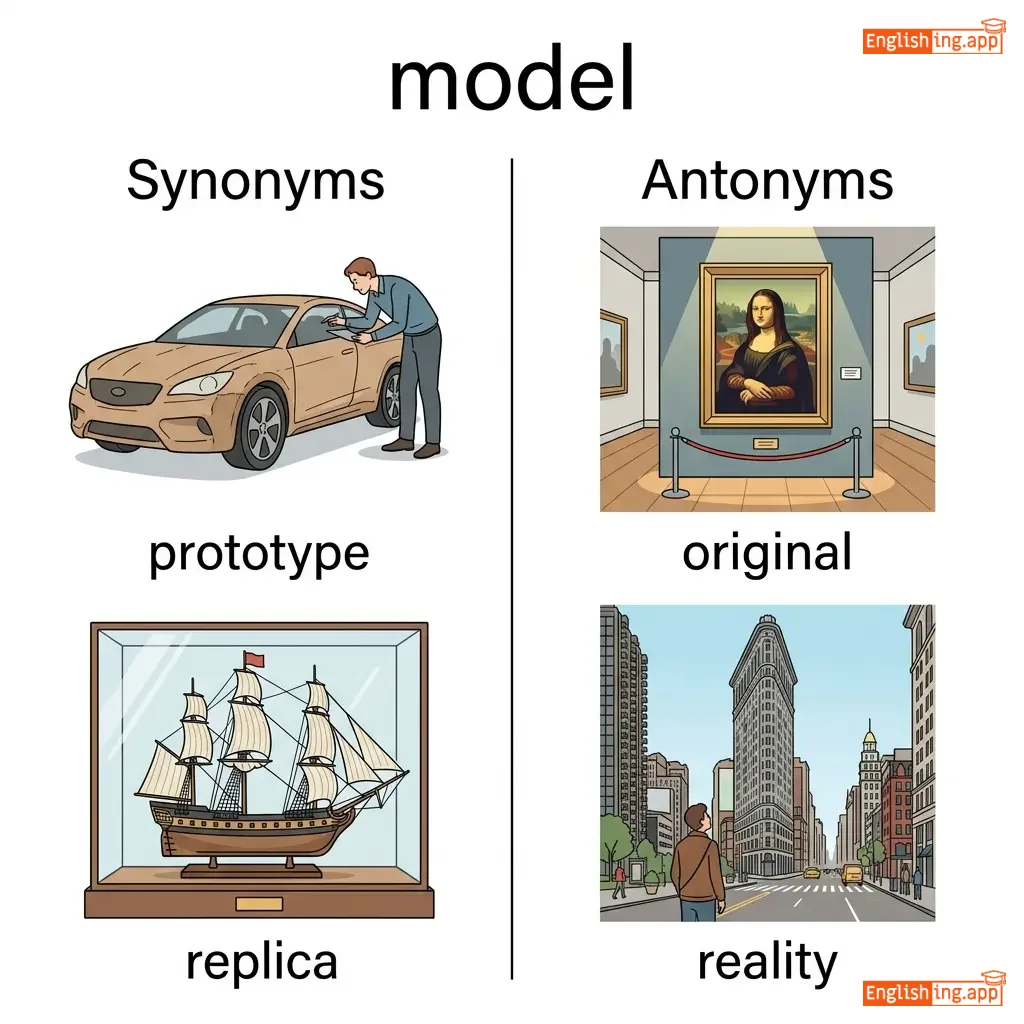
prototype, replica, example, pattern, figure
••••••
|
original, reality
••••••
|
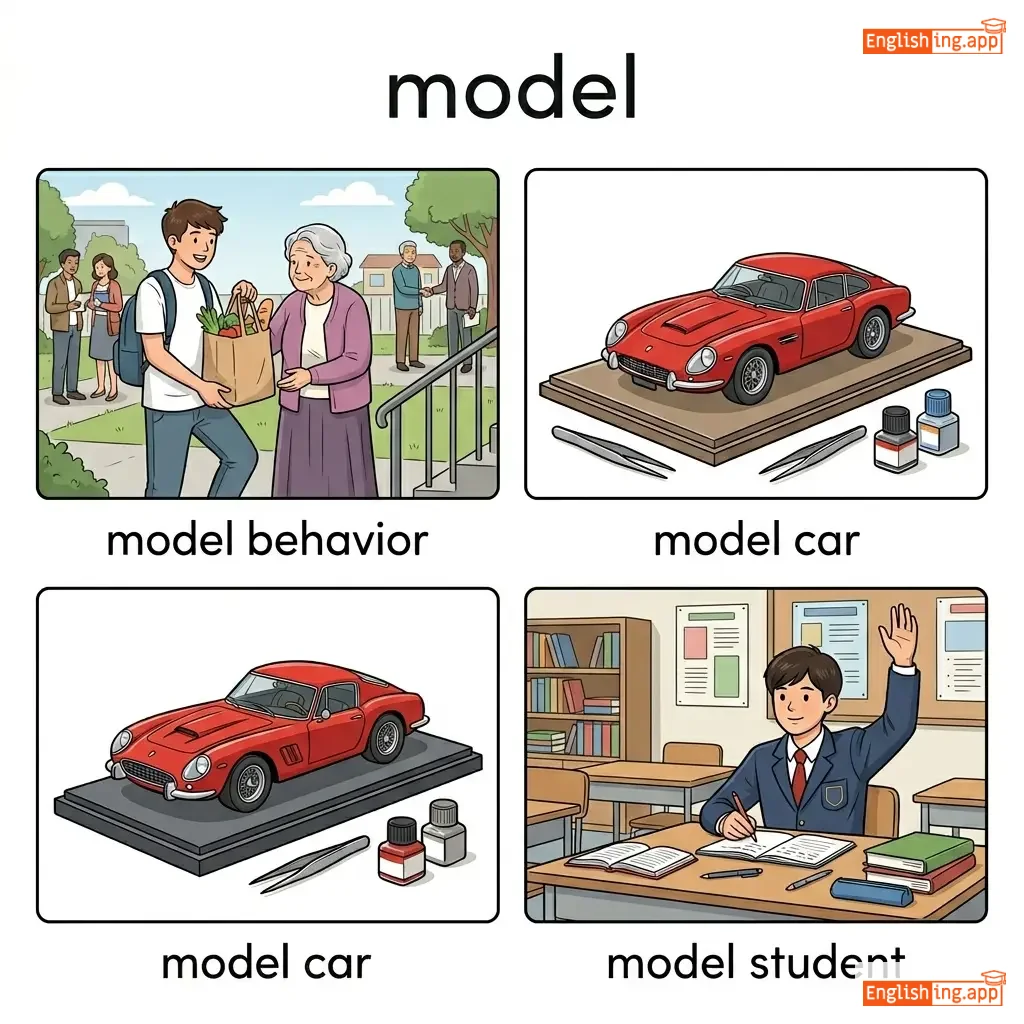
model behavior, model car, model student, model agency
••••••
|
模型代表着一个小型的、可以作为学习的例子。
••••••
|
|
#11438
👍
|
/mˈhm/
interjection
(m-hum)
••••••
|
- •••••• |
是的
shi de
••••••
|
- •••••• | - •••••• | - •••••• | - •••••• |
A sound used to express agreement or acknowledgment in conversation.
••••••
|
‘Do you understand?’ ‘Mm-hmm.’
‘你明白吗?’ ‘嗯嗯.’
••••••
|
‘你明白吗?’ ‘是的.’
'Nǐ míngbái ma?' 'Shì de.'
••••••
|
- •••••• | - •••••• | - •••••• |
yes, yeah, uh-huh, okay
••••••
|
no, nah
••••••
|
say mm-hmm, nod mm-hmm, mm-hmm response
••••••
|
嗯嗯就像是点头说‘是的’。
••••••
|
|
#11439
🧪
|
/ˈmɪkstʃər/
noun
(mìks-chu-er)
••••••
|
- •••••• |
混合物
hunhewu
••••••
|
- •••••• | - •••••• | - •••••• | - •••••• |
A combination of different things or substances blended together.
••••••
|
The cake recipe requires a mixture of flour and sugar.
蛋糕食谱需要面粉和糖的混合物。
••••••
|
蛋糕食谱需要面粉和糖的混合物。
Dàngāo shípǔ xūyào miànbǐn hé táng de hùnhéwù.
••••••
|
- •••••• | - •••••• | - •••••• |
blend, combination, compound, concoction, fusion
••••••
|
separation, division, purity
••••••
|
chemical mixture, strange mixture, mixture of spices, mixture of ideas
••••••
|
Mixture: mix + texture, 不同的纹理混合成一个混合物。
••••••
|
|
#11440
🪶
|
/ˈmɪərli/
adverb
(miěrli)
••••••
|
- •••••• |
仅仅
jinjin
••••••
|
- •••••• | - •••••• | - •••••• | - •••••• |
Only; nothing more than.
••••••
|
She was merely trying to help. |
她仅仅是在尝试帮助。
Tā jǐnjǐn shì zài chángshì bāngzhù.
••••••
|
merely a matter of time |
Something certain to happen, just waiting for the right time
••••••
|
仅仅是时间的问题
jǐnjǐn shì shíjiān de wèntí
••••••
|
only, simply, just, purely, solely
••••••
|
more, beyond, extra
••••••
|
merely coincidental, merely symbolic, merely academic, merely mentioned
••••••
|
MERELY意味着仅仅——记住:'仅仅是帮助,没别的'
••••••
|
|
#11441
❌
|
/mɪˈsteɪk/
noun
(错误)
••••••
|
- •••••• |
错误
cuo wu
••••••
|
- •••••• | - •••••• | - •••••• | - •••••• |
An action or decision that is wrong or misguided.
••••••
|
She realized her mistake after submitting the wrong file. |
她在提交错误文件后意识到自己的错误。
Ta zai tijiao cuo wu wenjian hou yishi dao ziji de cuo wu.
••••••
|
make a mistake |
to do something incorrectly
••••••
|
犯错
fan cuo
••••••
|
error, blunder, slip, misjudgment, fault
••••••
|
accuracy, correctness, truth
••••••
|
common mistake, big mistake, silly mistake, honest mistake
••••••
|
错误在中文中意味着做错的事情。
••••••
|
|
#11442
🚀
|
/ˈmɪʃən/
noun
(mìshēn)
••••••
|
- •••••• |
任务 / 使命
renwu / shiming
••••••
|
- •••••• | - •••••• | - •••••• | - •••••• |
an important assignment or task, often with a specific purpose
••••••
|
The astronauts were on a mission to explore Mars.
宇航员们正在执行任务,探索火星。
••••••
|
宇航员们正在执行任务,探索火星。
Yuhangyuan men zhengzai zhixing renwu, tansuo huoxing.
••••••
|
mission accomplished
任务完成
••••••
|
a phrase used when a task has been successfully completed
••••••
|
任务完成
renwu wancheng
••••••
|
task, assignment, duty, operation, purpose
••••••
|
idleness, inaction
••••••
|
space mission, secret mission, diplomatic mission, mission statement
••••••
|
任务就是使命—Mars 任务,使命意味着责任。
••••••
|
|
#11443
😢
|
/mɪs/
verb, noun
(米斯)
••••••
|
- •••••• |
错过 / 想念
cuo guo / xiang nian
••••••
|
missed
米斯德
••••••
|
missed
米斯德
••••••
|
misses
米塞斯
••••••
|
missing
米星
••••••
|
to fail to hit, reach, or meet; to feel the absence of someone or something
••••••
|
I really miss my family when I travel abroad.
当我出国旅行时,我真的很想念我的家人。
••••••
|
当我出国旅行时,我真的很想念我的家人。
Dang wo chuguo lüxing shi, wo zhen de hen xiangnian wo de jiaren.
••••••
|
miss the boat
错失良机
••••••
|
to miss an opportunity
••••••
|
错过机会
cuo guo ji hui
••••••
|
long for, yearn, fail, omit
••••••
|
catch, attend, achieve
••••••
|
miss a chance, miss the bus, miss someone, miss an opportunity
••••••
|
想念就像错过了什么,就像错过了良机
••••••
|
|
#11444
✨
|
/ˈmɪrəkəl/
noun
(米瑞克尔)
••••••
|
- •••••• |
奇迹
qiji
••••••
|
- •••••• | - •••••• | - •••••• | - •••••• |
an extraordinary event that cannot be explained by natural laws
••••••
|
Surviving the accident was nothing short of a miracle.
事故生还简直是个奇迹。
••••••
|
事故生还简直是个奇迹。
shigu shenghuan jianzhi shi ge qiji.
••••••
|
miracle cure
奇迹疗法
••••••
|
a treatment that seems to work magically
••••••
|
奇迹疗法
qiji liaofa
••••••
|
wonder, marvel, phenomenon, blessing
••••••
|
disaster, misfortune
••••••
|
miracle cure, miracle worker, minor miracle, perform a miracle
••••••
|
奇迹就像是不可思议的存在,意外的事情发生了。
••••••
|
|
#11445
👔
|
/ˈmɪnɪstər/
noun
(mí-nì-sī-tè)
••••••
|
- •••••• |
部长
bù zhǎng
••••••
|
- •••••• | - •••••• | - •••••• | - •••••• |
a head of a government department; a person who leads a church
••••••
|
The finance minister announced new tax policies. |
财政部长宣布了新的税收政策。
Cái zhèng bù zhǎng xuānbùle xīn de shuì shōu zhèng cè.
••••••
|
prime minister |
the head of a government
••••••
|
总理
zǒng lǐ
••••••
|
official, clergyman, preacher, secretary
••••••
|
layman, citizen
••••••
|
prime minister, foreign minister, finance minister, minister of health
••••••
|
Minister是部长—部长是领导
••••••
|
|
#11446
⛏️
|
/maɪn/
noun, pronoun, verb
(main)
••••••
|
- •••••• |
矿井 / 我的
kuàngjǐng / wǒ de
••••••
|
mined
maind
••••••
|
mined
maind
••••••
|
mines
mainz
••••••
|
mining
maining
••••••
|
a place where minerals are dug from the ground; or something belonging to me
••••••
|
The workers went deep into the mine to extract coal.
工人们深入矿井开采煤炭。
••••••
|
工人们深入矿井开采煤炭。
Gōngrénmen shēn rù kuàngjǐng kāicǎi méitàn.
••••••
|
gold mine
金矿
••••••
|
a source of abundant wealth or information
••••••
|
金矿
jīn kuàng
••••••
|
pit, quarry, excavation, my own
••••••
|
surface, yours
••••••
|
coal mine, gold mine, mine shaft, mine worker
••••••
|
Mine 意味着我的,也就是矿井 - 这是我的矿井!
••••••
|
|
#11447
💰
|
/ˈmɪljən/
noun
(百万)
••••••
|
- •••••• |
百万
bǎi wàn
••••••
|
- •••••• | - •••••• | - •••••• | - •••••• |
the number equivalent to one thousand thousand (1,000,000)
••••••
|
The movie earned over a million dollars in its first week. |
电影在第一周赚了超过一百万美元。
Diànyǐng zài dì yī zhōu zhuànle chāoguò yī bǎi wàn měiyuán.
••••••
|
one in a million |
something or someone very rare and special
••••••
|
百万分之一
bǎi wàn fēn zhī yī
••••••
|
thousand thousand, 10^6, large number
••••••
|
zero, none
••••••
|
million dollars, million people, one in a million, several million
••••••
|
百万 - 一个非常大的数字,就像百万分之一!
••••••
|
|
#11448
🎖️
|
/ˈmɪlɪˌtɛri/
noun/adjective
(军事)
••••••
|
|
军事
junshi
••••••
|
- •••••• | - •••••• | - •••••• | - •••••• |
relating to soldiers, the armed forces, or war
••••••
|
He decided to join the military after college. |
他决定大学毕业后加入军队。
Ta jueding daxue biye hou jiaru jundui.
••••••
|
military precision |
doing something in a very exact and disciplined way
••••••
|
军事精确
junshi jingque
••••••
|
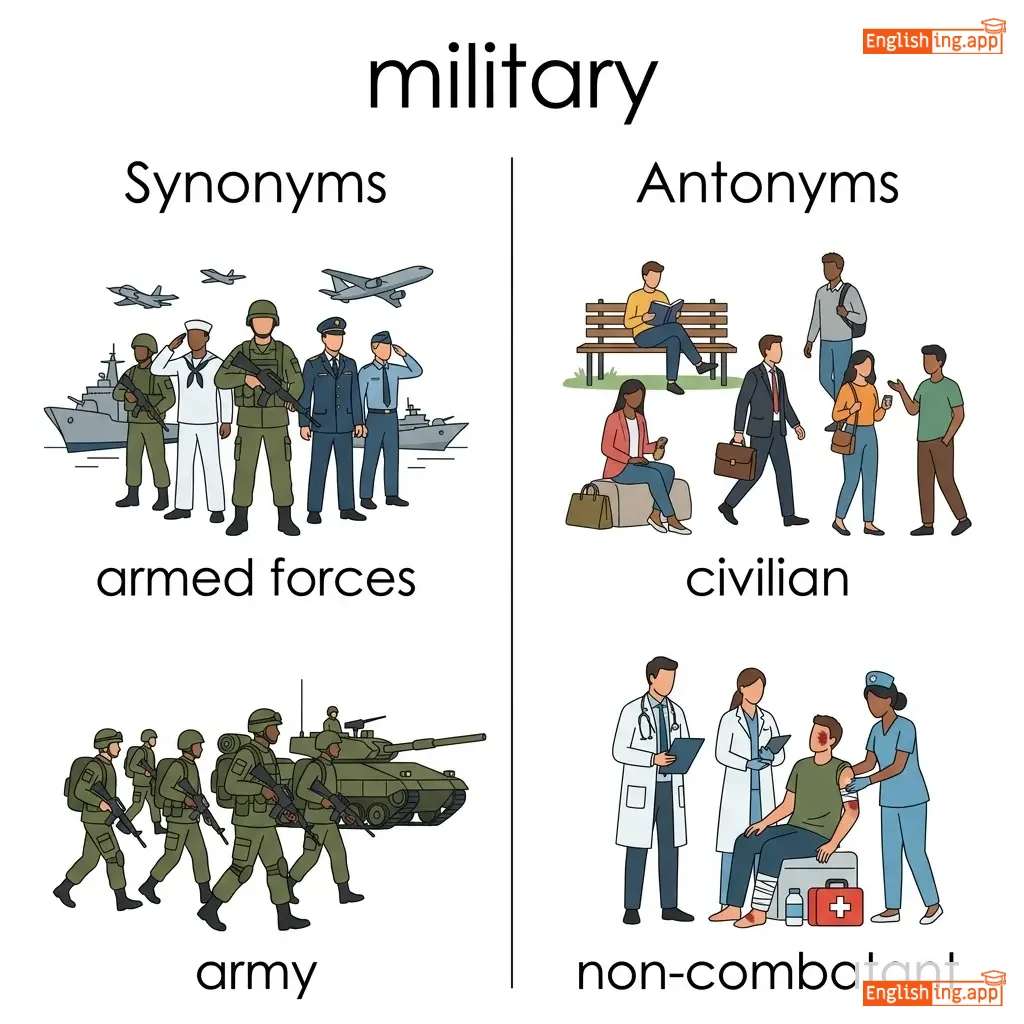
armed forces, army, defense, troops
••••••
|
civilian, non-combatant
••••••
|
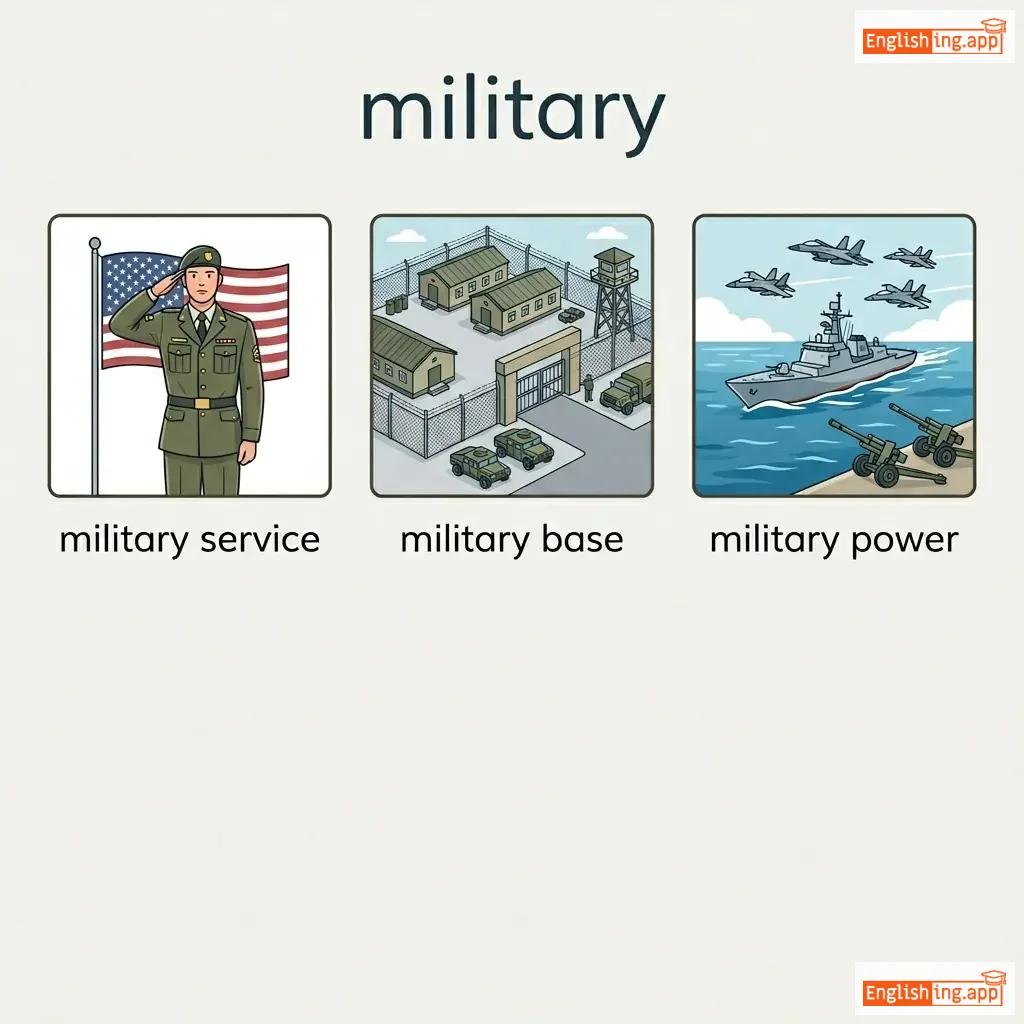
military service, military base, military power, military training
••••••
|
Military = 军队 🎖️ - 加入军队
••••••
|
|
#11449
💪
|
/maɪt/
modal verb/noun
(mài)
••••••
|
- •••••• |
可能 / 力量
keneng / liliang
••••••
|
- •••••• | - •••••• | - •••••• | - •••••• |
used to express possibility; power or strength
••••••
|
She might come to the party if she finishes work early. |
如果她早早完成工作,她可能会来参加派对。
Ruguo ta zaizao wancheng gongzuo, ta keneng hui lai canjia paidui.
••••••
|
might is right |
the belief that power gives the right to rule or control
••••••
|
力量即是权利
liliang jishi quanli
••••••
|
may, could, strength, power
••••••
|
weakness, impossibility
••••••
|
might consider, might have been, military might, full might
••••••
|
Might = 可能与力量,给你带来控制的能力
••••••
|
|
#11450
⚖️
|
/ˈmɪdəl/
noun/adjective
(mìdōu)
••••••
|
- •••••• |
中间
zhōngjiān
••••••
|
- •••••• | - •••••• | - •••••• | - •••••• |
the central point, position, or part of something
••••••
|
The park is in the middle of the city. |
公园位于城市的中心。
Gōngyuán wèiyú chéngshì de zhōngxīn.
••••••
|
caught in the middle |
to be involved in a conflict between two sides
••••••
|
处于两者之间
chǔ yú liǎng zhě zhī jiān
••••••
|
center, midpoint, midst, halfway
••••••
|
edge, end, side
••••••
|
middle class, middle ground, middle school, middle of the road
••••••
|
中间 (zhōngjiān) = middle - 想想城市中心的公园 🏙
••••••
|
|
#11451
🌮
|
/ˈmɛksɪkən/
noun/adjective
(ˈhæpinəs)
••••••
|
- •••••• |
幸福
xìng fú
••••••
|
- •••••• | - •••••• | - •••••• | - •••••• |
a native or inhabitant of Mexico; relating to Mexico or its people, culture, or language
••••••
|
She enjoys Mexican food like tacos and enchiladas. |
她在获得奖项时无法隐藏自己的幸福。
Tā zài huòdé jiǎngxiàng shí wúfǎ yǐncáng zìjǐ de xìngfú.
••••••
|
Mexican standoff |
a situation where no party can emerge as a clear winner or make progress
••••••
|
追求幸福
zhuīqiú xìngfú
••••••
|
Mexican national, Mexican citizen, Mexican person, Mexican-born
••••••
|
foreigner, non-Mexican
••••••
|
Mexican food, Mexican culture, Mexican heritage, Mexican border
••••••
|
幸福像是清晨的阳光,照亮你的每一天。
••••••
|
|
#11452
🧪
|
/ˈmɛθəd/
noun
(方法)
••••••
|
- •••••• |
方法
fāngfǎ
••••••
|
- •••••• | - •••••• | - •••••• | - •••••• |
A particular way or process of doing something.
••••••
|
She explained the method of solving the problem.
她解释了解决问题的方法。
••••••
|
她解释了解决问题的方法。
Tā jiěshìle jiějué wèntí de fāngfǎ.
••••••
|
by method
通过方法
••••••
|
In an orderly or systematic way
••••••
|
以有序的方式
yǐ yǒuxù de fāngshì
••••••
|
procedure, technique, system, process, approach
••••••
|
chaos, disorder
••••••
|
teaching method, scientific method, effective method, method of study
••••••
|
METHOD 就是方法 — '解决问题需要一个有序的方法'
••••••
|
|
#11453
📩
|
/ˈmɛsɪdʒ/
noun
(mɛsɪdʒ)
••••••
|
- •••••• |
消息
xiaoxi
••••••
|
- •••••• | - •••••• | - •••••• | - •••••• |
A piece of information sent or communicated from one person to another.
••••••
|
I received a message from my friend yesterday. |
我昨天收到了一条来自朋友的消息。
Wo zuotian shoudao le yitiao laizi pengyou de xiaoxi.
••••••
|
get the message |
To understand the meaning or implication of something
••••••
|
理解消息
liji xiaoxi
••••••
|
note, communication, letter, text, notification
••••••
|
silence, quiet
••••••
|
send a message, receive a message, leave a message, important message
••••••
|
MESSAGE 是消息—记住:'SMS 就是消息'
••••••
|
|
#11454
🌀
|
/mɛs/
noun
(mèisī)
••••••
|
- •••••• |
混乱
hùnluàn
••••••
|
- •••••• | - •••••• | - •••••• | - •••••• |
A state of disorder or untidiness.
••••••
|
The kids left the room in a complete mess. |
孩子们把房间弄得一团糟。
Háizimen bǎ fángjiān nòng de yìtuánzāo.
••••••
|
make a mess |
To cause disorder or problems
••••••
|
弄乱
nòngluàn
••••••
|
chaos, disorder, confusion, clutter, disarray
••••••
|
order, neatness, tidiness
••••••
|
make a mess, big mess, messy situation, clean up the mess
••••••
|
MESS 意味着混乱— 'Mess 在房间意味着混乱'
••••••
|
Vocabulary Quiz
Test your vocabulary by matching words with their translations or meanings.
Login to take the quiz
Comments (0)
Share your thoughts and join the discussion.
Join the discussion by logging in
Login to CommentNo comments yet
Be the first to share your thoughts!