


Swipe left or right, or use the buttons. Tap image to zoom.
例句翻译
单词
Lesson 321Lesson 321 - 遮罩切换
|
表情符号
|
单词 | Images | 翻译 | 过去时 | 过去分词 | 第三人称单数 | 动名词 | 含义 | 例句 | 例句翻译 | 示例表达 | 示例表达含义 | 示例表达翻译 | 同义词 | 反义词 | 搭配词 | 助记符 |
|---|---|---|---|---|---|---|---|---|---|---|---|---|---|---|---|---|---|
|
#9600
🌫️
|
/bɪˈfɒɡd/
adjective
(比福格德)
••••••
|
- •••••• |
困惑的, 模糊的
kùnhuò de, móhu de
••••••
|
- •••••• | - •••••• | - •••••• | - •••••• |
Confused or clouded in mind; made unclear like being surrounded by fog.
••••••
|
His mind felt befogged after the long and exhausting meeting. |
在漫长而令人疲惫的会议后,他的思维感到困惑。
Zài màncháng ér lìng rén píbèi de huìyì hòu, tā de sīwéi gǎndào kùnhuò.
••••••
|
- •••••• | - •••••• | - •••••• |
confused, clouded, hazy, unclear, muddled
••••••
|
clear, sharp, focused
••••••
|
befogged mind, befogged memory, befogged vision
••••••
|
雾气让头脑变得混乱,就像 befogged 一样。
••••••
|
|
#9601
🕊️
|
/ˈbleɪmləs/
adjective
(bleimləs)
••••••
|
- •••••• |
无辜
wúgū
••••••
|
- •••••• | - •••••• | - •••••• | - •••••• |
innocent of wrongdoing; not deserving blame
••••••
|
She remained calm and blameless throughout the investigation.
她在整个调查过程中保持冷静和无辜。
••••••
|
她在整个调查过程中保持冷静和无辜。
Tā zài zhěnggè diàochá guòchéng zhōng bǎochí lěngjìng hé wúgū.
••••••
|
- •••••• | - •••••• | - •••••• |
innocent, guiltless, faultless, pure
••••••
|
guilty, culpable
••••••
|
blameless life, blameless conduct, appear blameless, blameless victim
••••••
|
Blameless就是无辜,表示没有错,像无辜的人一样。
••••••
|
|
#9602
👶
|
/bɜːrθ/
noun
(bɜːrθ)
••••••
|
- •••••• |
出生
chūshēng
••••••
|
- •••••• | - •••••• | - •••••• | - •••••• |
the process of being born; the start of life
••••••
|
The birth of a child brings joy to the whole family. |
孩子的出生给整个家庭带来喜悦。
Háizi de chūshēng gěi zhěnggè jiātíng dàilái xǐyuè.
••••••
|
give birth |
to have a baby
••••••
|
分娩
fēnmiǎn
••••••
|
delivery, arrival, nativity, beginning
••••••
|
death, end
••••••
|
birth of a child, birth certificate, give birth, birth anniversary
••••••
|
Birth和出生是同样的含义,就像生日蛋糕一样!
••••••
|
|
#9603
🪢
|
/baɪnd/
verb
(bai-nd)
••••••
|
|
捆绑
kunbang
••••••
|
bound
bao-nd
••••••
|
bound
bao-nd
••••••
|
binds
bai-nds
••••••
|
binding
bai-nding
••••••
|
to tie or fasten tightly; to unite or restrict
••••••
|
The contract will bind both parties to the agreement.
合同将使双方受协议约束。
••••••
|
合同将使双方受协议约束。
Hetong jiang shi shuangfang shou xieyi yueshu.
••••••
|
in a bind
在困境中
••••••
|
in a difficult situation
••••••
|
在困境中
zai kunjing zhong
••••••
|
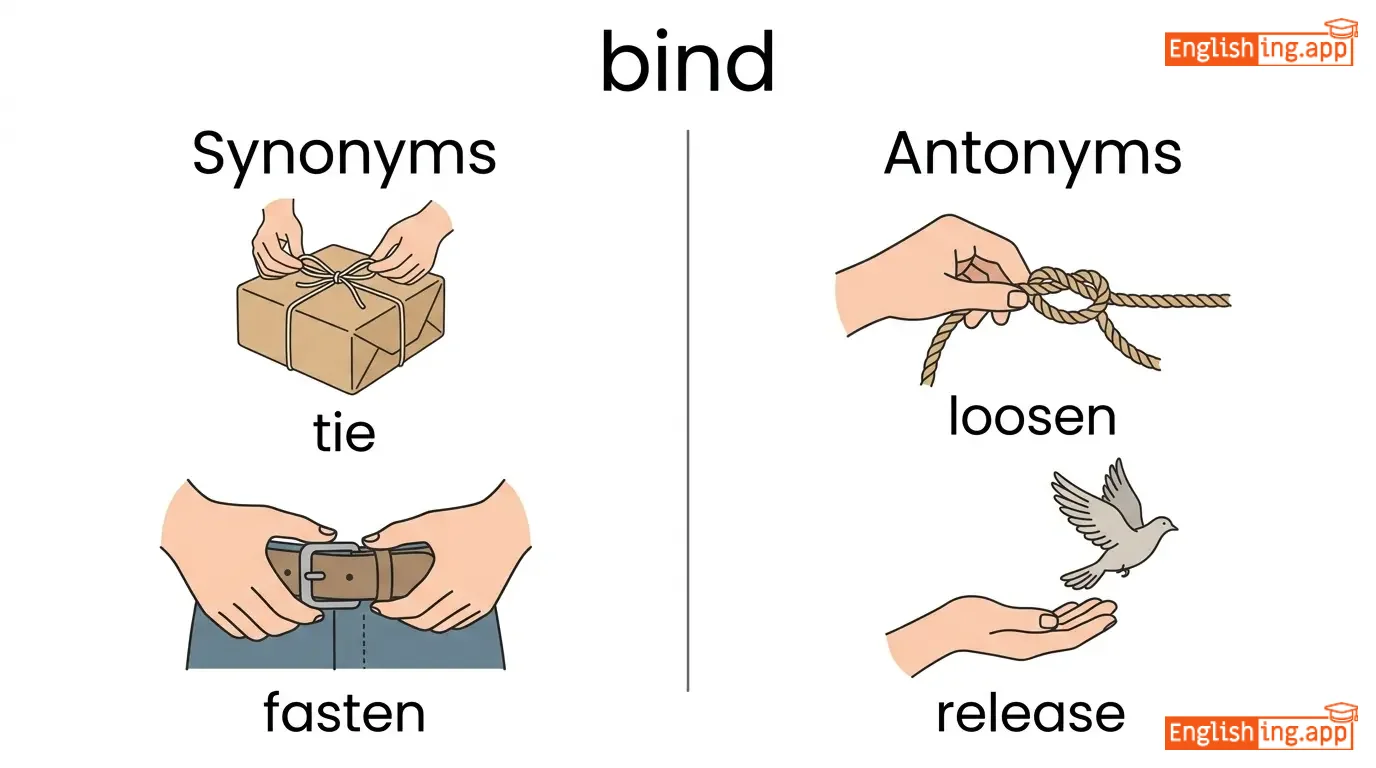
tie, fasten, connect, unite, secure
••••••
|
loosen, release, free
••••••
|
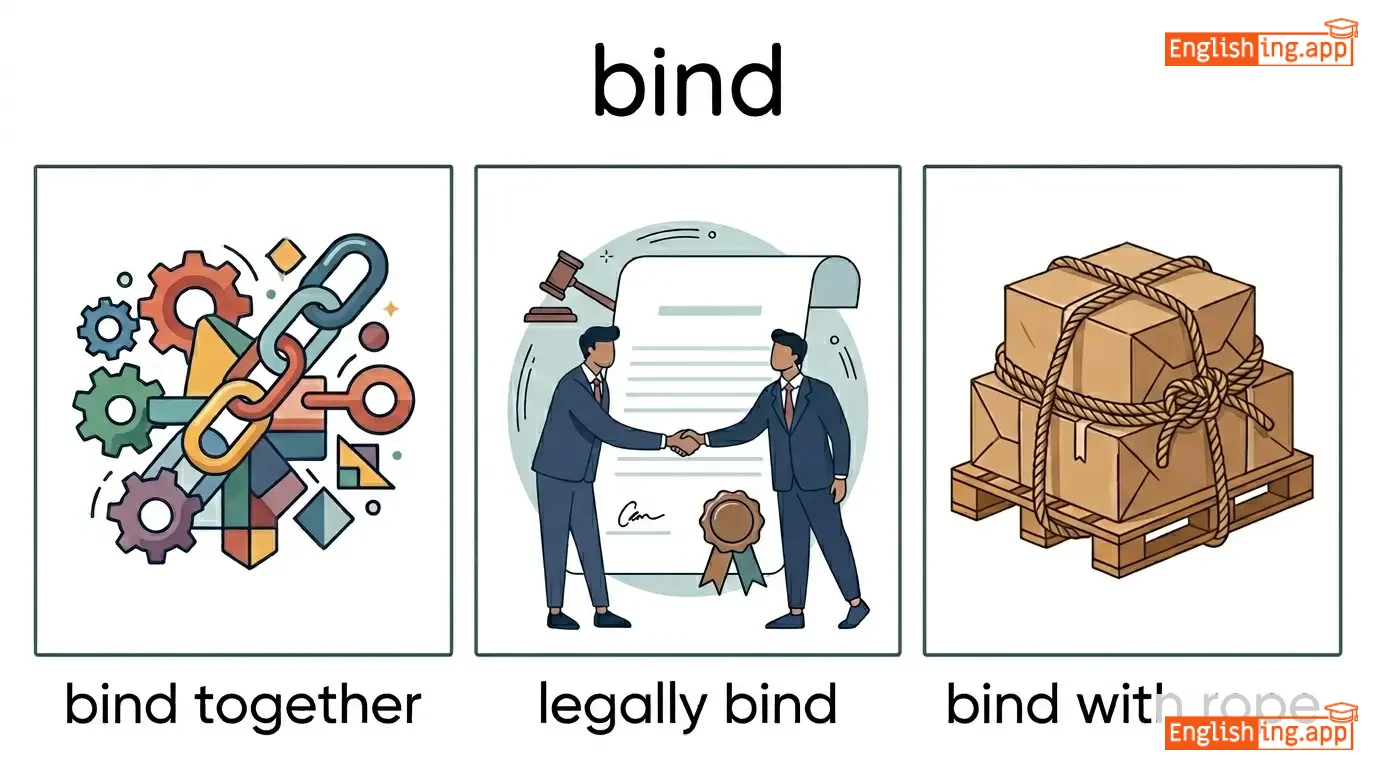
bind together, legally bind, bind with rope, bind tightly
••••••
|
捆绑就像捆住物体,表示把事物捆在一起。
••••••
|
|
#9604
📏
|
/bɪɡ/
adjective
(比格)
••••••
|
- •••••• |
大
da
••••••
|
- •••••• | - •••••• | - •••••• | - •••••• |
large in size, extent, or importance
••••••
|
They moved into a big house with plenty of space. |
他们搬进了一座大房子,那里有很多空间。
Tāmen bān jìnle yīzuò dà fángzi, nàlǐ yǒu hěn duō kōngjiān.
••••••
|
think big |
to have ambitious or grand ideas
••••••
|
敢于梦想
gǎn yú mèngxiǎng
••••••
|
large, huge, massive, enormous, vast
••••••
|
small, tiny, little
••••••
|
big house, big city, big problem, big chance
••••••
|
Big 在中文中是大的意思 – Big = Da.
••••••
|
|
#9605
✨
|
/bɪˈwɪtʃɪŋ/
adjective
(biweiqing)
••••••
|
- •••••• |
迷人的
mírén de
••••••
|
- •••••• | - •••••• | - •••••• | - •••••• |
charming, enchanting, or captivating in a magical or irresistible way
••••••
|
She wore a bewitching smile that captivated everyone in the room. |
她带着迷人的微笑,吸引了房间里所有的人。
Tā dàizhe mírén de wēixiào, xīyǐnle fángjiān lǐ suǒyǒu de rén.
••••••
|
- •••••• | - •••••• | - •••••• |
enchanting, captivating, alluring, mesmerizing, charming
••••••
|
repulsive, unattractive, dull
••••••
|
bewitching smile, bewitching eyes, bewitching charm, bewitching beauty
••••••
|
Bewitching 就是像迷人的微笑,能吸引所有人的目光。
••••••
|
|
#9606
🏆
|
/bɛst/
adjective
(bèst)
••••••
|
- •••••• |
最好
zuì hǎo
••••••
|
- •••••• | - •••••• | - •••••• | - •••••• |
Of the highest quality, excellence, or standing.
••••••
|
She is the best student in the class. |
她是班里最好的学生。
Tā shì bān lǐ zuì hǎo de xuéshēng.
••••••
|
make the best of |
To do as well as possible in a difficult situation.
••••••
|
尽量做到最好
jǐn liàng zuò dào zuì hǎo
••••••
|
finest, greatest, top, leading, supreme
••••••
|
worst, poorest, inferior
••••••
|
best friend, best time, best practice
••••••
|
Best 就是最好的,用来形容最优秀的人或事物!
••••••
|
|
#9607
🌀
|
/ˈbɛndi/
adjective
(bendi)
••••••
|
- •••••• |
柔韧的
róurèn de
••••••
|
- •••••• | - •••••• | - •••••• | - •••••• |
Easily curved or flexible.
••••••
|
The bendy straw made it easier to drink from the cup.
弯曲的吸管使得从杯子里喝水更加容易。
••••••
|
弯曲的吸管使得从杯子里喝水更加容易。
Wānqū de xīguǎn shǐdé cóng bēizi lǐ hē shuǐ gèngjiā róngyì.
••••••
|
- •••••• | - •••••• | - •••••• |
flexible, pliable, elastic, supple
••••••
|
rigid, stiff, inflexible
••••••
|
bendy straw, bendy road, bendy ruler
••••••
|
Bendy 意味着柔韧的 – Bend + y = 容易弯曲。
••••••
|
|
#9608
⬇️
|
/bɪˈloʊ/
preposition
(bīluóu)
••••••
|
- •••••• |
下面
xiàmiàn
••••••
|
- •••••• | - •••••• | - •••••• | - •••••• |
At a lower level or position than something else.
••••••
|
The basement is below the ground floor. |
地下室在一楼下面。
Dìxiàshì zài yī lóu xiàmiàn.
••••••
|
below the belt |
Unfair or cruel remark or action.
••••••
|
低于腰带
Dī yú yāodài
••••••
|
under, beneath, underneath, lower
••••••
|
above, over, higher
••••••
|
below average, below the surface, below zero
••••••
|
Below意味着下面,想象它在你之下。
••••••
|
|
#9609
🤰
|
/ˈbɛli/
noun
(贝利)
••••••
|
- •••••• |
肚子
dùzi
••••••
|
- •••••• | - •••••• | - •••••• | - •••••• |
The front part of the human body below the chest; stomach or abdomen.
••••••
|
He rubbed his belly after the big meal. |
他在吃完大餐后抚摸着肚子。
Tā zài chī wán dà cān hòu fǔmō zhe dùzi.
••••••
|
belly laugh |
A loud, hearty laugh.
••••••
|
大笑
dà xiào
••••••
|
stomach, abdomen, tummy, gut
••••••
|
back, spine
••••••
|
big belly, belly fat, belly button
••••••
|
Belly 意味着肚子 – 吃得多了肚子 (belly) 会变大。
••••••
|
|
#9610
✅
|
/bɪˈliːvəbl̩/
adjective
(比ˈliːvəbəl)
••••••
|
- •••••• |
可信的
kěxìn de
••••••
|
- •••••• | - •••••• | - •••••• | - •••••• |
Able to be trusted or accepted as true or reasonable.
••••••
|
Her story was so detailed that it sounded believable.
她的故事如此详细,以至于听起来很可信。
••••••
|
她的故事如此详细,以至于听起来很可信。
Tā de gùshì rúcǐ xiángxì, yǐ zhì yú tīng qǐlái hěn kěxìn.
••••••
|
- •••••• | - •••••• | - •••••• |
credible, plausible, convincing, reliable, trustworthy
••••••
|
unbelievable, doubtful, unconvincing
••••••
|
believable story, believable excuse, make it believable
••••••
|
可信的就是‘可信’ – 值得相信的事物!
••••••
|
|
#9611
🙂
|
/bɪˈheɪv/
verb
(bēi héi fū)
••••••
|
|
表现
biǎo xiàn
••••••
|
behaved
bēi héi fú dé
••••••
|
behaved
bēi héi fú dé
••••••
|
behaves
bēi héi fú
••••••
|
behaving
bēi héi fū jīng
••••••
|
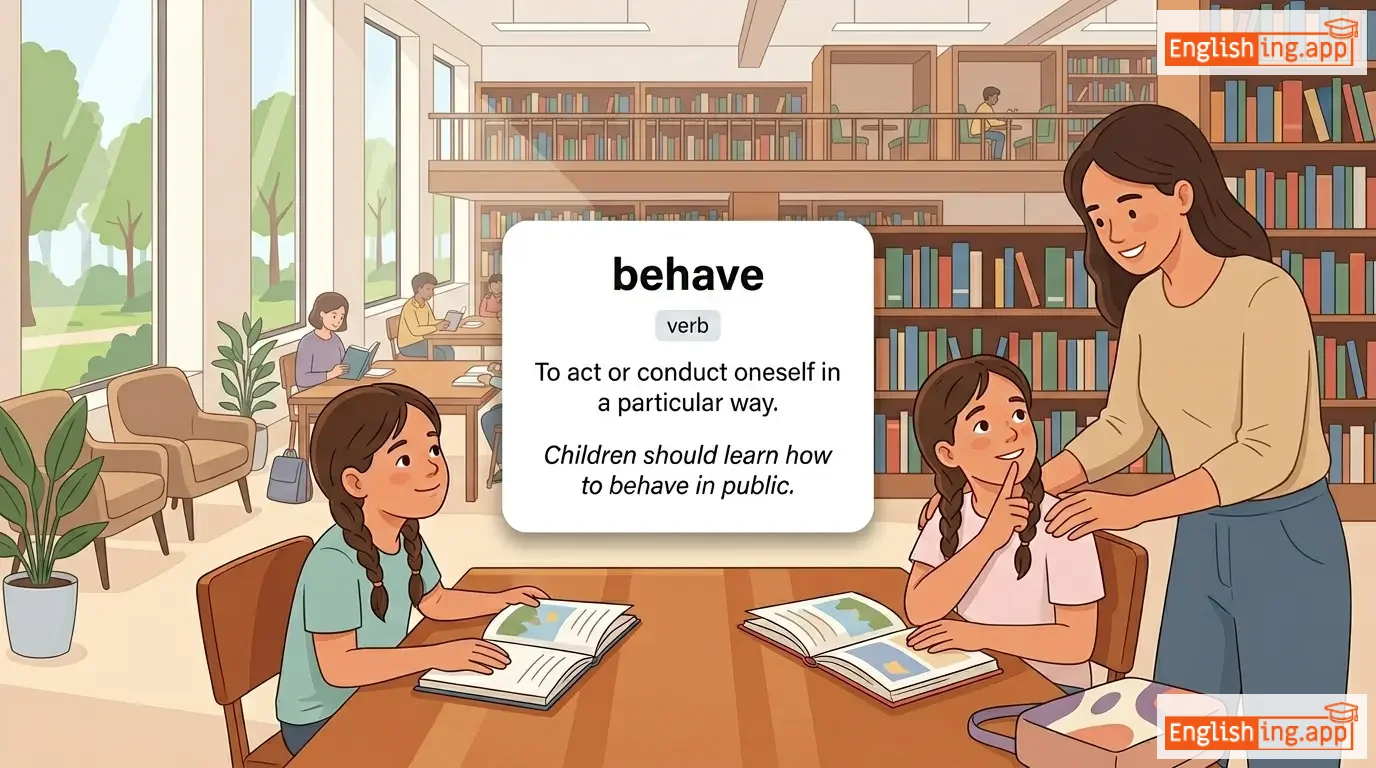
To act or conduct oneself in a particular way.
••••••
|
Children should learn how to behave in public.
孩子们应该学习如何在公众场合表现。
••••••
|
孩子们应该学习如何在公众场合表现。
háizimen yīnggāi xuéxí rúhé zài gōngzhòng chǎnghé biǎoxiàn.
••••••
|
behave yourself
表现得体
••••••
|
act properly; control your actions
••••••
|
表现得体
biǎo xiàn dé tǐ
••••••
|
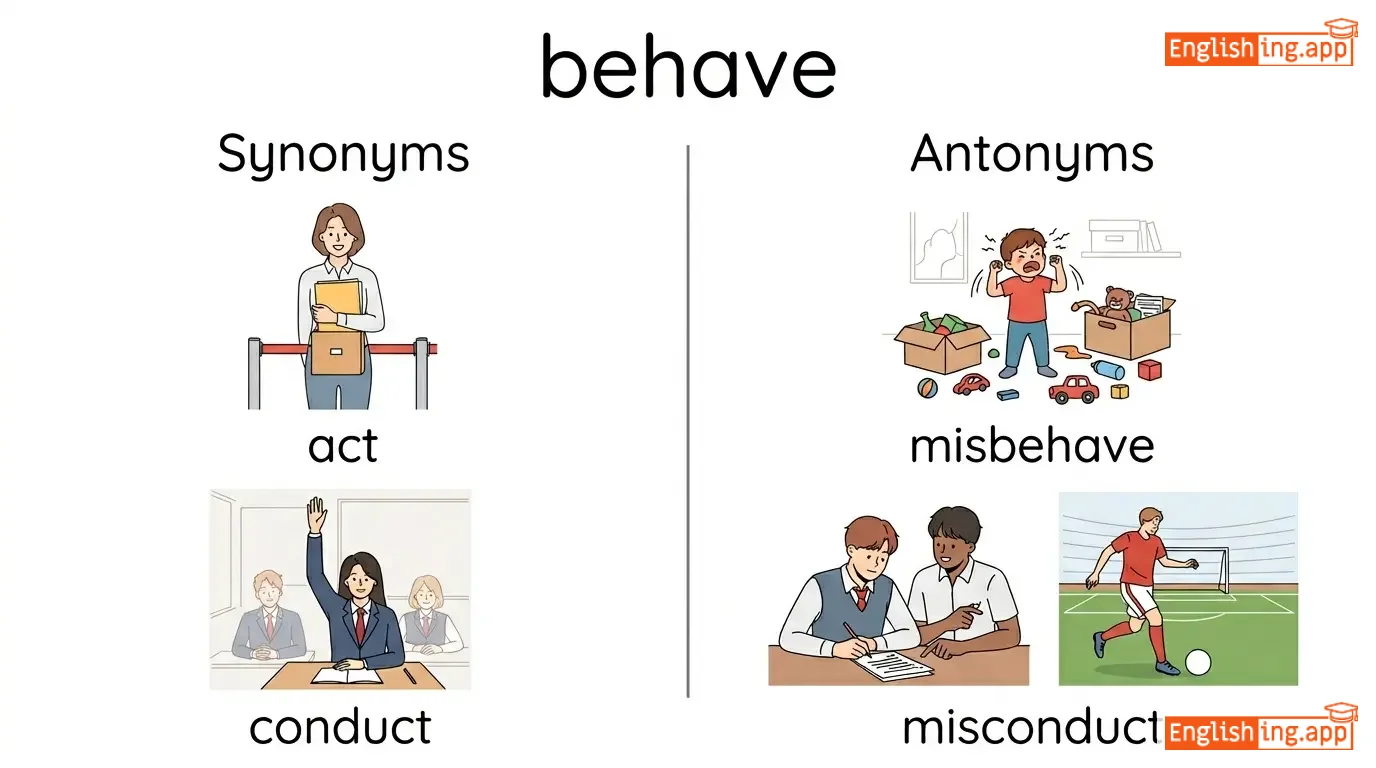
act, conduct, perform, operate
••••••
|
misbehave, misconduct
••••••
|
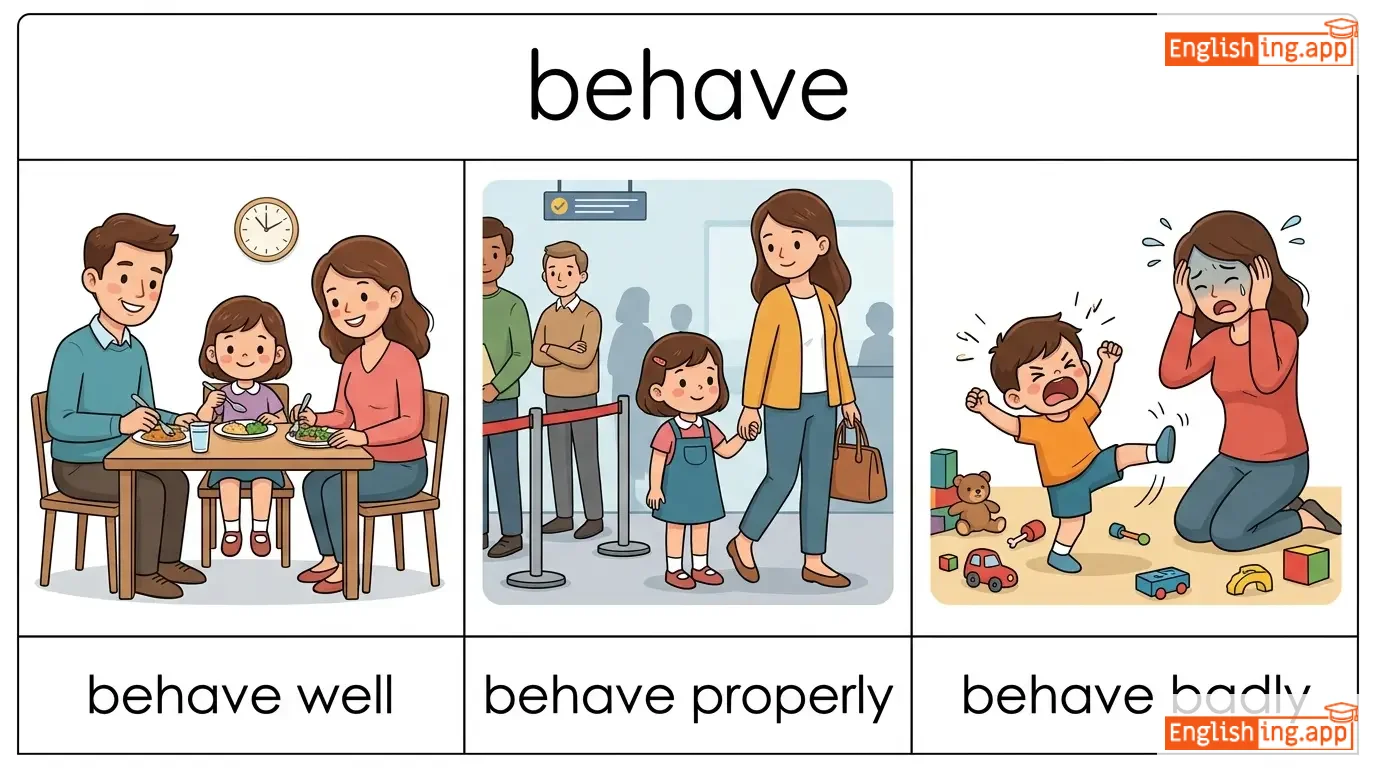
behave well, behave properly, behave badly
••••••
|
BEHAVE 意味着表现得体 — 如果你不这样做,你会 misbehave。
••••••
|
|
#9612
🌅
|
/bɪˈɡɪnɪŋ/
noun
(bɪˈɡɪnɪŋ)
••••••
|
- •••••• |
开始
kaishi
••••••
|
- •••••• | - •••••• | - •••••• | - •••••• |
The start or first part of something.
••••••
|
The beginning of the story was very interesting. |
故事的开始非常有趣。
Gùshì de kāishǐ fēicháng yǒuqù.
••••••
|
new beginning |
a fresh start
••••••
|
新开始
xīn kāishǐ
••••••
|
start, commencement, onset, opening
••••••
|
end, conclusion
••••••
|
at the beginning, beginning of story, new beginning
••••••
|
BEGINNING 意味着开始 — 日出 🌅 是一个新的开始。
••••••
|
|
#9613
🚀
|
/bɪˈɡɪn/
verb
(bɪˈɡɪn)
••••••
|
|
开始
kaishi
••••••
|
began
bɪˈɡæn
••••••
|
begun
bɪˈɡʌn
••••••
|
begins
bɪˈɡɪnz
••••••
|
beginning
bɪˈɡɪnɪŋ
••••••
|
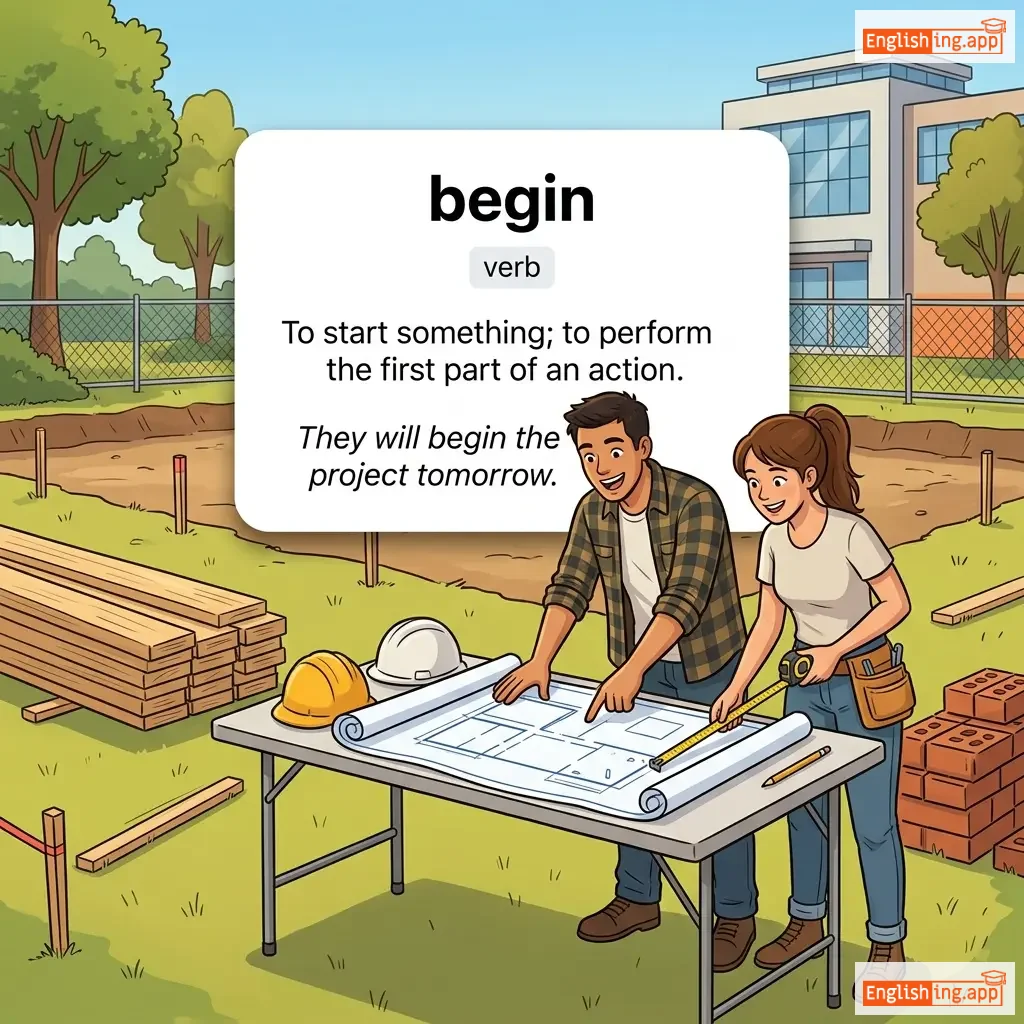
To start something; to perform the first part of an action.
••••••
|
They will begin the project tomorrow.
他们明天将开始项目。
••••••
|
他们明天将开始项目。
Tāmen míngtiān jiāng kāishǐ xiàngmù.
••••••
|
to begin with
首先
••••••
|
as the first consideration
••••••
|
首先
shǒuxiān
••••••
|
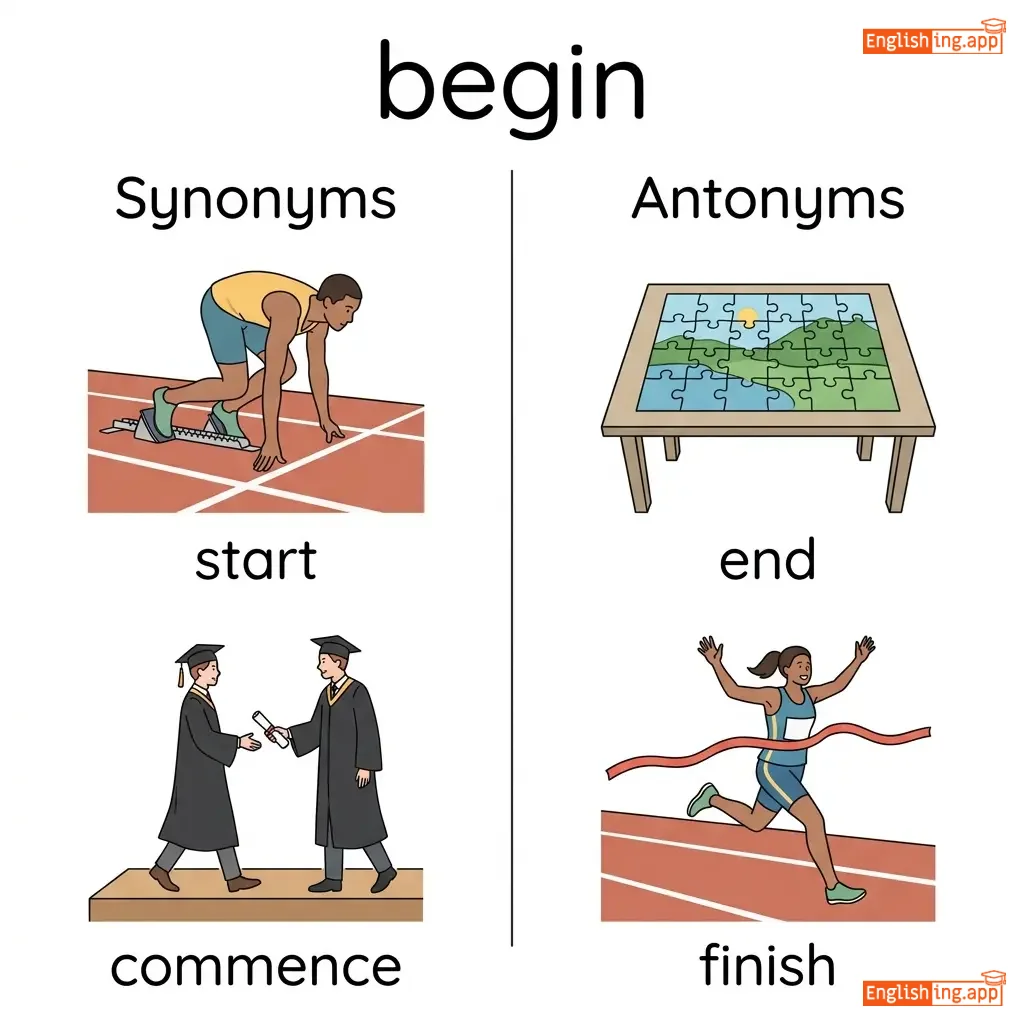
start, commence, initiate, launch
••••••
|
end, finish, conclude
••••••
|
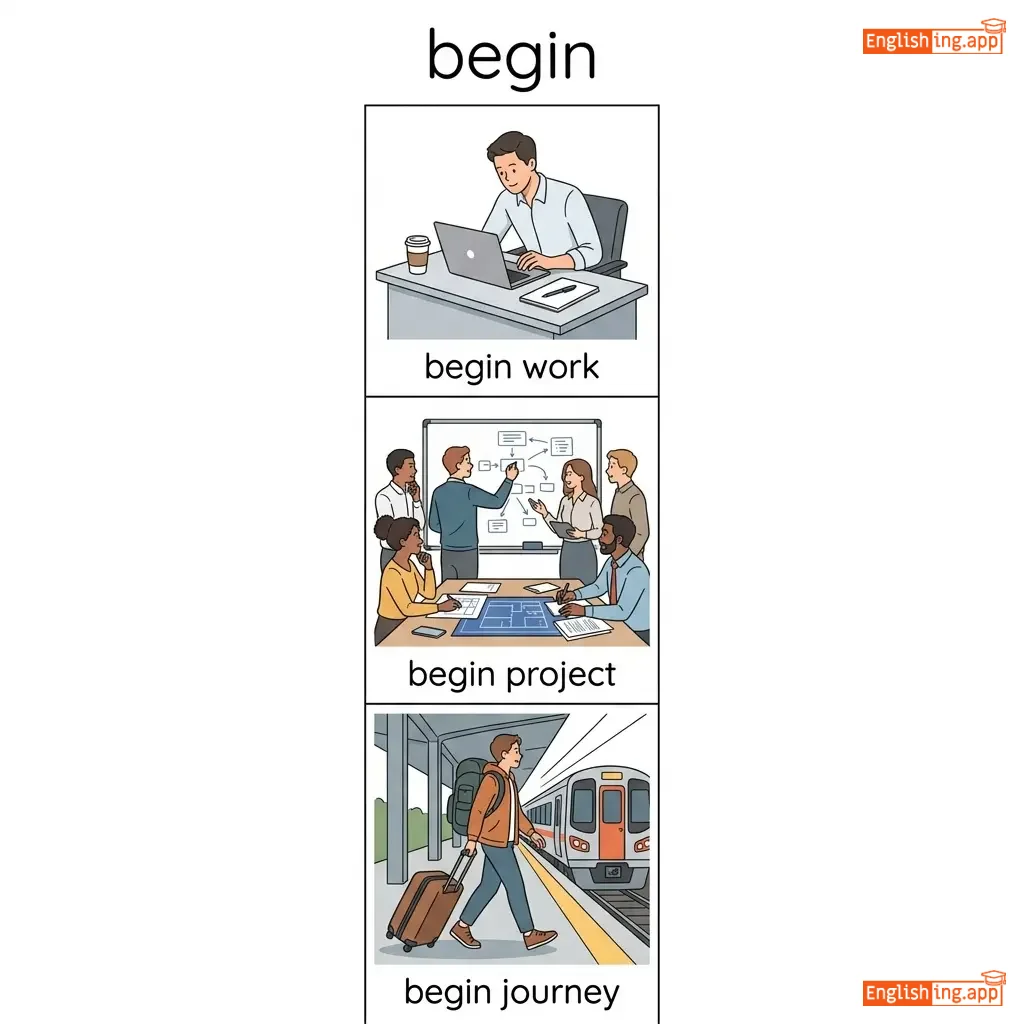
begin work, begin project, begin journey, begin process
••••••
|
开始等于启动。记住,‘开始’意味着启动!
••••••
|
|
#9614
⏰
|
/bɪˈfɔːr/
preposition/adverb/conjunction
(bifor)
••••••
|
- •••••• |
之前
zhīqián
••••••
|
- •••••• | - •••••• | - •••••• | - •••••• |
At an earlier time; in front of in order or place.
••••••
|
She arrived before the meeting started. |
她在会议开始之前到达。
tā zài huìyì kāishǐ zhīqián dàodá.
••••••
|
before long |
in a short time
••••••
|
很快
hěn kuài
••••••
|
earlier, ahead, prior, in front
••••••
|
after, behind
••••••
|
before dawn, before time, before long, before the meeting
••••••
|
BEFORE意味着之前 — 做好准备,避免迟到。
••••••
|
|
#9615
😍
|
/əˈtræktɪv/
adjective
(ā tè lā kè tí fū)
••••••
|
- •••••• |
吸引人的
xī yǐn rén de
••••••
|
- •••••• | - •••••• | - •••••• | - •••••• |
pleasing or appealing to the senses or mind; having qualities that arouse interest or admiration
••••••
|
The attractive design of the house caught everyone's attention. |
房子的吸引人设计引起了大家的注意。
Fángzi de xī yǐn rén shèjì yǐnqǐ le dàjiā de zhùyì.
••••••
|
look attractive |
to appear pleasing or appealing
••••••
|
看起来吸引人
kàn qǐlái xī yǐn rén
••••••
|
appealing, charming, pretty, engaging, lovely
••••••
|
unattractive, ugly, unpleasant
••••••
|
attractive offer, attractive price, attractive personality, attractive appearance
••••••
|
Attractive,像‘吸引’,能吸引你,吸引人的设计。
••••••
|
|
#9616
🪨
|
/ˈbɛd.rɒk/
noun
(bēiduòkè)
••••••
|
- •••••• |
基础
jichu
••••••
|
- •••••• | - •••••• | - •••••• | - •••••• |
the solid rock layer beneath the soil; the fundamental basis of something
••••••
|
Trust is the bedrock of a healthy relationship. |
信任是健康关系的基础。
Xìnrèn shì jiànkāng guānxì de jīchǔ.
••••••
|
- •••••• | - •••••• | - •••••• |
foundation, basis, core, groundwork
••••••
|
surface, facade
••••••
|
bedrock principle, bedrock of society, bedrock values
••••••
|
Bed + rock = 床下的石头,代表基础
••••••
|
|
#9617
🌸
|
/ˈbjuː.tɪ.fəl/
adjective
(bjuːtɪfəl)
••••••
|
- •••••• |
美丽
měilì
••••••
|
- •••••• | - •••••• | - •••••• | - •••••• |
pleasing to the senses or mind; very attractive
••••••
|
The garden looked beautiful in the morning sunlight. |
花园在早晨的阳光下看起来很美。
Huāyuán zài zǎochén de yángguāng xià kàn qǐlái hěn měi.
••••••
|
beautiful inside and out |
describing someone as both physically attractive and kind-hearted
••••••
|
内外美丽
nèi wài měilì
••••••
|
lovely, pretty, gorgeous, stunning, attractive
••••••
|
ugly, unattractive
••••••
|
beautiful view, beautiful smile, beautiful day
••••••
|
Beautiful = 美丽 = 吸引人的
••••••
|
|
#9618
🥁
|
/biːt/
verb
(比特)
••••••
|
|
击打, 打败
jī dǎ, dǎ bài
••••••
|
beat
比特
••••••
|
beaten
比腾
••••••
|
beats
比次
••••••
|
beating
比亭
••••••
|
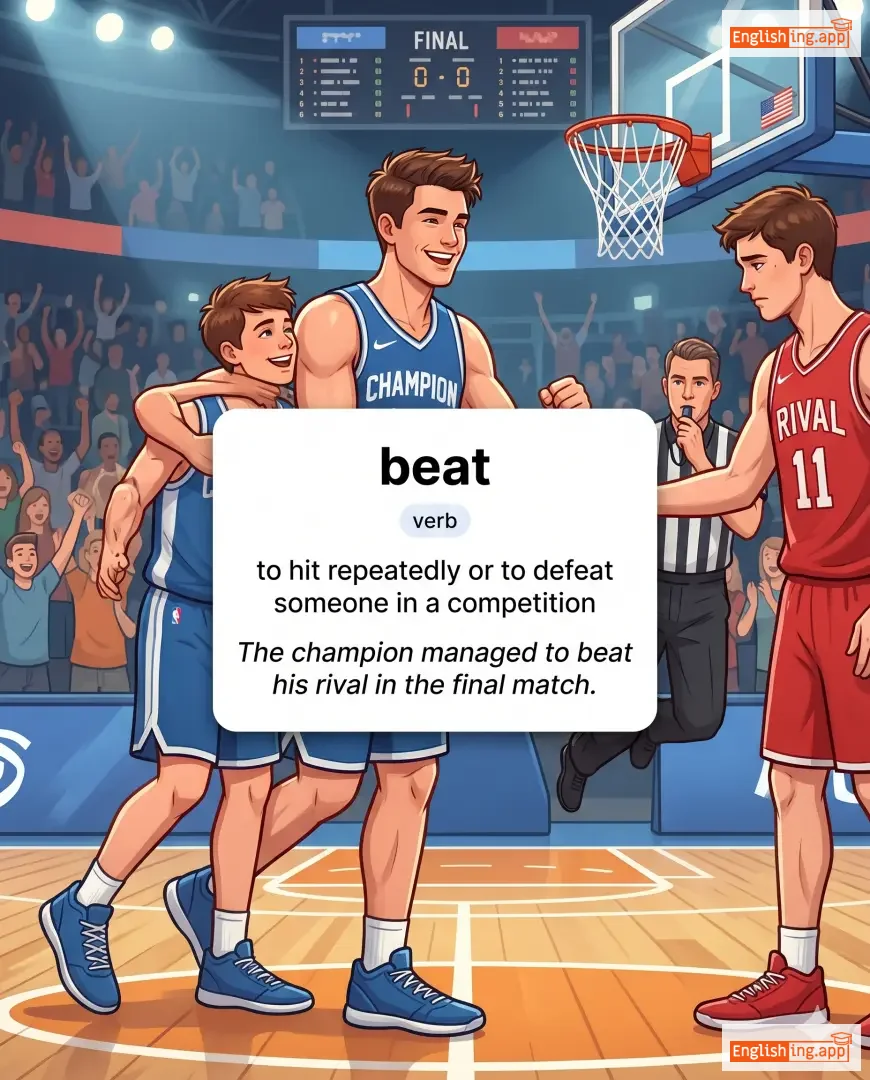
to hit repeatedly or to defeat someone in a competition
••••••
|
The champion managed to beat his rival in the final match.
冠军在最后一场比赛中击败了他的对手。
••••••
|
冠军在最后一场比赛中击败了他的对手。
Guàn jūn zài zuì hòu yī chǎng bǐ sài zhōng jī bài le tā de duì shǒu.
••••••
|
beat around the bush
绕圈子
••••••
|
to avoid talking about the main point
••••••
|
避免谈论要点
bì miǎn tán lùn yào diǎn
••••••
|
strike, defeat, thrash, overcome
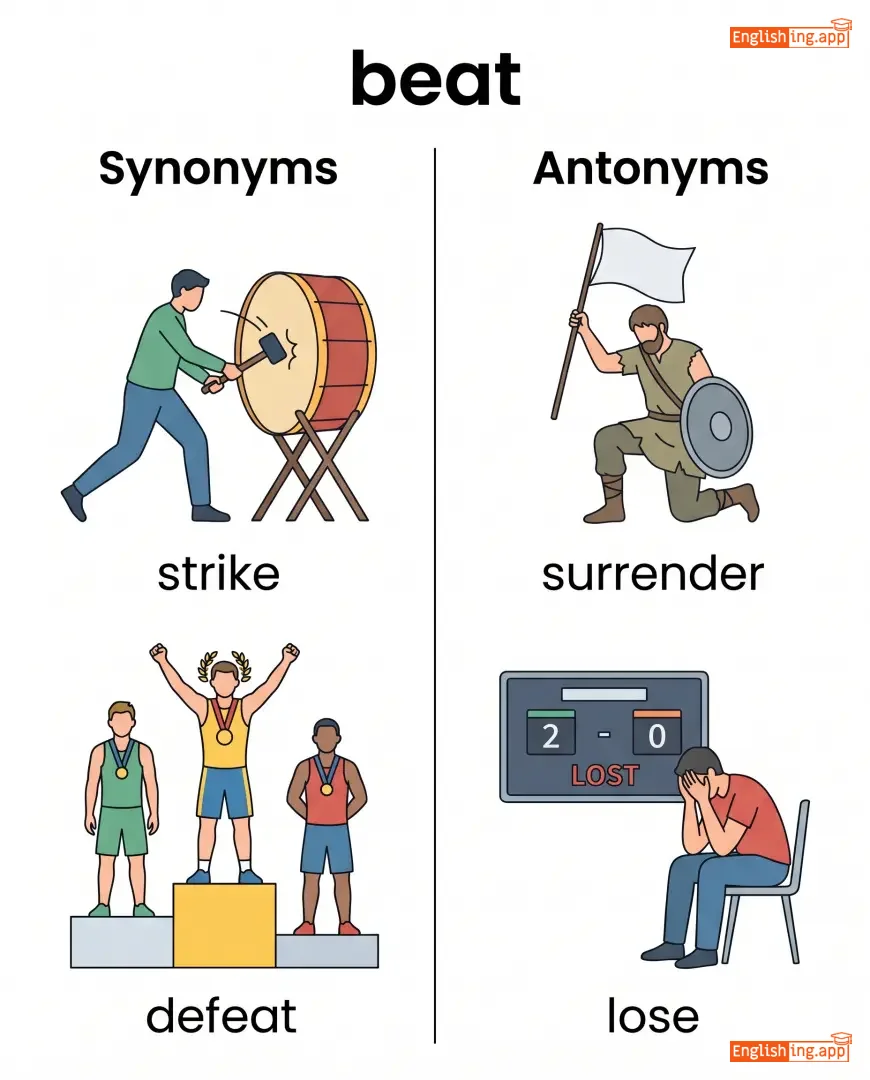
••••••
|
surrender, lose
••••••
|
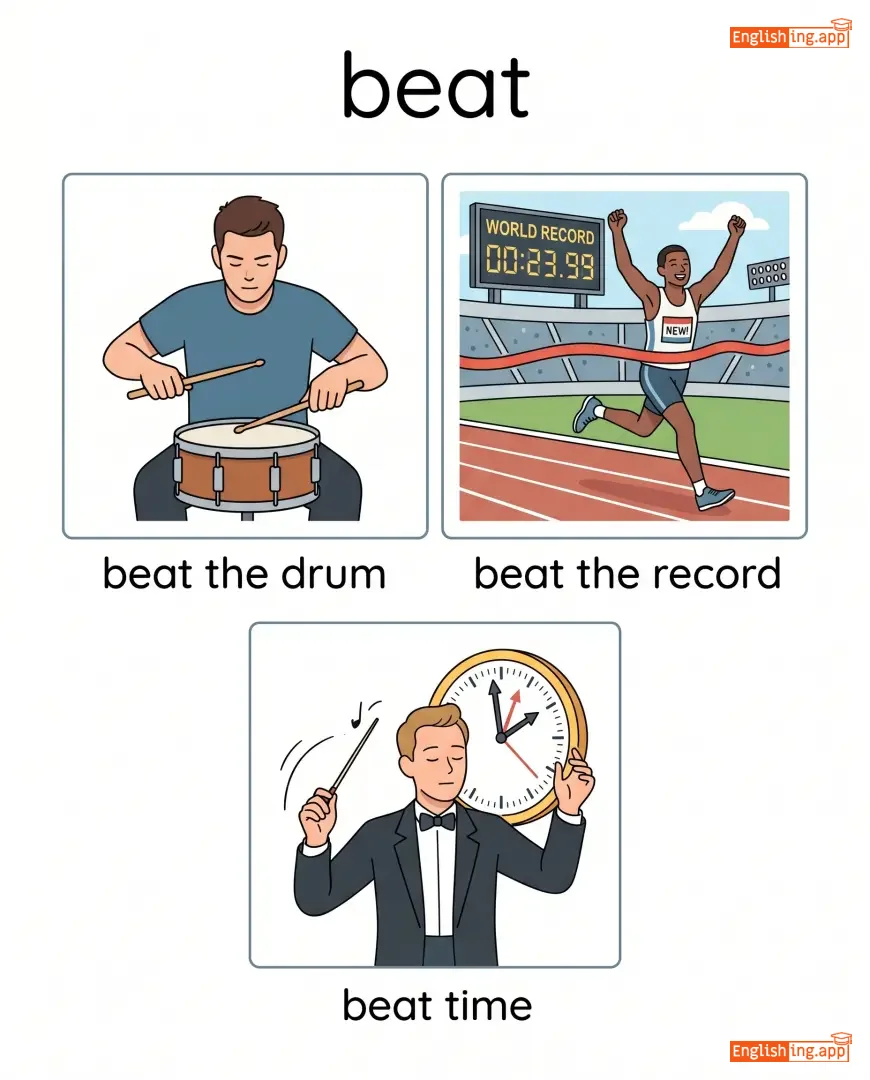
beat the drum, beat the record, beat time
••••••
|
击打和打败 – 就像用鼓击败对手一样。
••••••
|
|
#9619
🤪
|
/ˈbæti/
adjective
(bàtì)
••••••
|
- •••••• |
疯狂
fēngkuáng
••••••
|
- •••••• | - •••••• | - •••••• | - •••••• |
crazy or eccentric in behavior
••••••
|
The old man down the street is a bit batty but harmless.
Di ould man daun de strit is a bit batti bat harmless.
••••••
|
街上的老人有点疯狂,但无害。
Jiē shàng de lǎorén yǒudiǎn fēngkuáng, dàn wúhài.
••••••
|
- •••••• | - •••••• | - •••••• |
crazy, eccentric, odd, insane
••••••
|
sane, rational
••••••
|
a bit batty, slightly batty, completely batty
••••••
|
蝙蝠(bat)飞得很怪,‘batty’ 就是形容很怪或疯狂!
••••••
|
|
#9620
😊
|
/ˈbæʃ.fəl/
adjective
(bashful)
••••••
|
- •••••• |
害羞
haixiu
••••••
|
- •••••• | - •••••• | - •••••• | - •••••• |
shy, easily embarrassed, or reluctant to draw attention
••••••
|
She gave a bashful smile when he complimented her.
当他称赞她时,她露出了害羞的微笑。
••••••
|
当他称赞她时,她露出了害羞的微笑。
Dang ta chengzan ta shi, ta luchu le haixiu de weixiao.
••••••
|
- •••••• | - •••••• | - •••••• |
shy, timid, reserved, coy, introverted
••••••
|
confident, bold, outgoing
••••••
|
bashful smile, bashful glance, bashful child
••••••
|
Bash 意味着低下头,因此 bashful 意味着害羞。
••••••
|
|
#9621
🚧
|
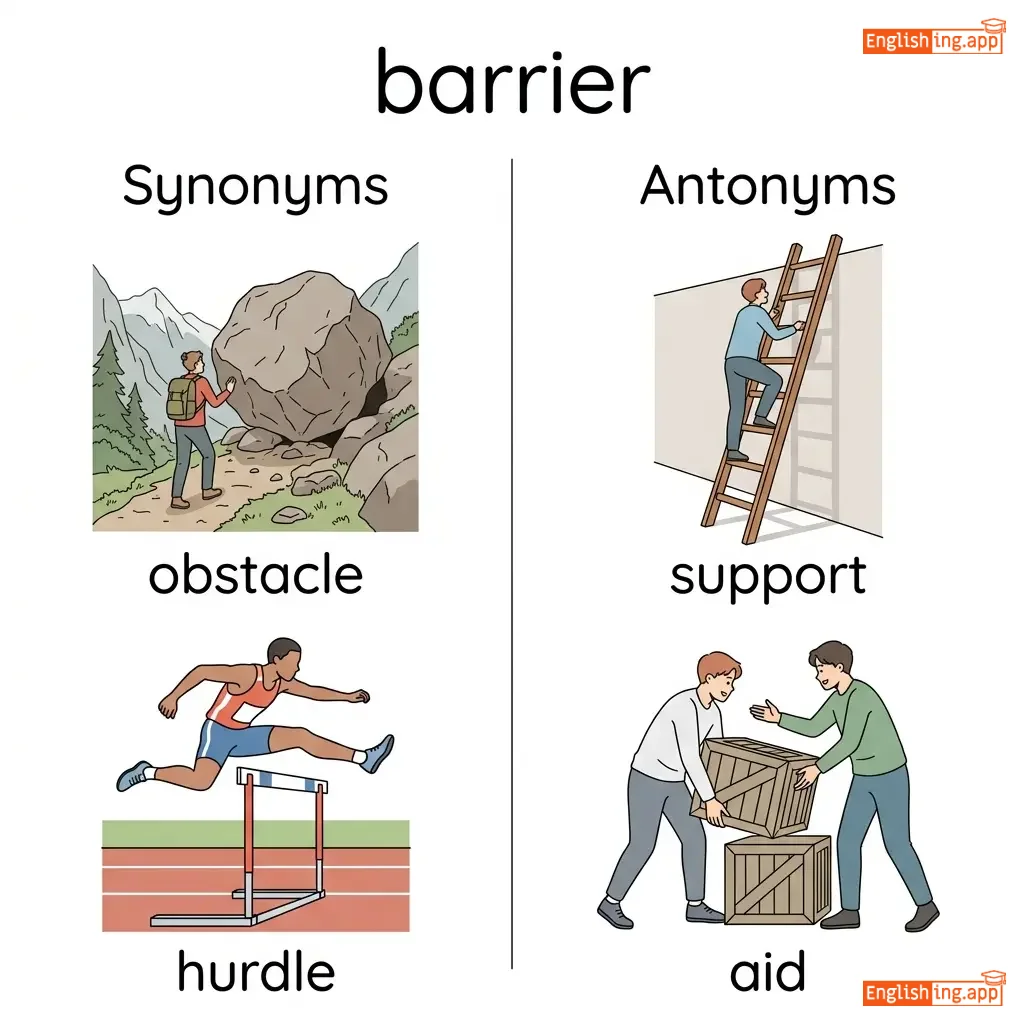
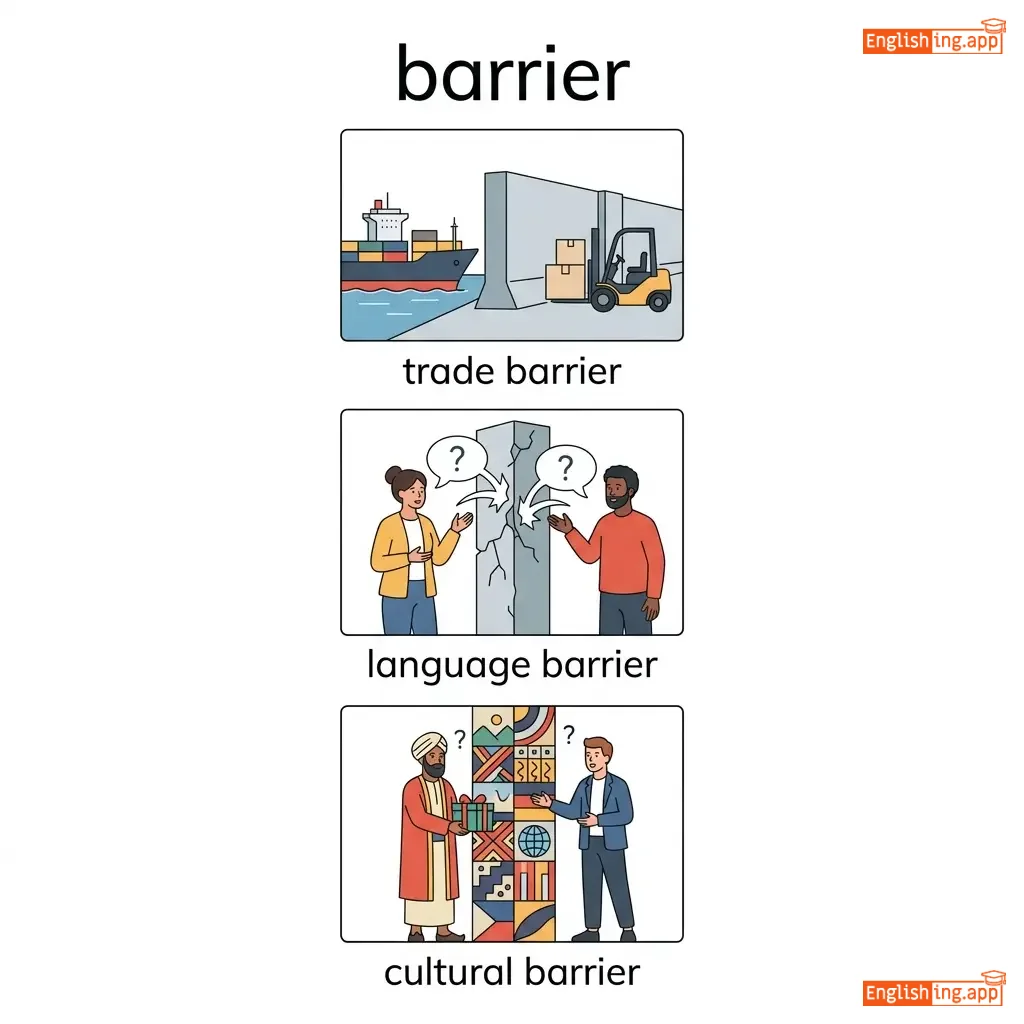
/ˈbæriər/
noun
(bàlì'ěr)
••••••
|
|
障碍
zhàng'ài
••••••
|
- •••••• | - •••••• | - •••••• | - •••••• |
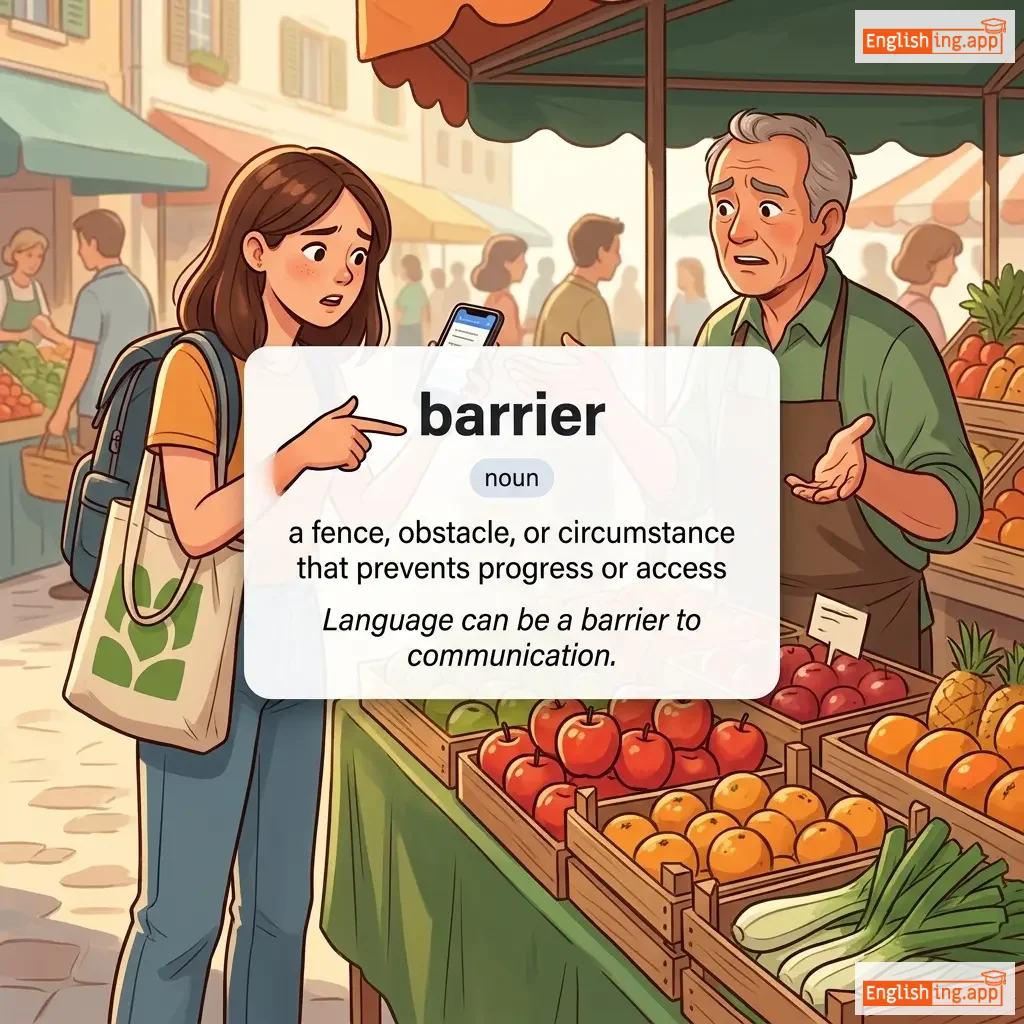
a fence, obstacle, or circumstance that prevents progress or access
••••••
|
Language can be a barrier to communication.
语言可能是沟通的障碍。
••••••
|
语言可能是沟通的障碍。
Yǔyán kěnéng shì gōutōng de zhàng'ài.
••••••
|
break down barriers
打破障碍
••••••
|
to remove obstacles that prevent progress or understanding
••••••
|
打破障碍
dǎpò zhàng'ài
••••••
|
obstacle, hurdle, fence, block, hindrance
••••••
|
support, aid
••••••
|
trade barrier, language barrier, cultural barrier, physical barrier
••••••
|
障碍意味着阻止,像道路上的障碍,汽车停下。
••••••
|
|
#9622
🚫
|
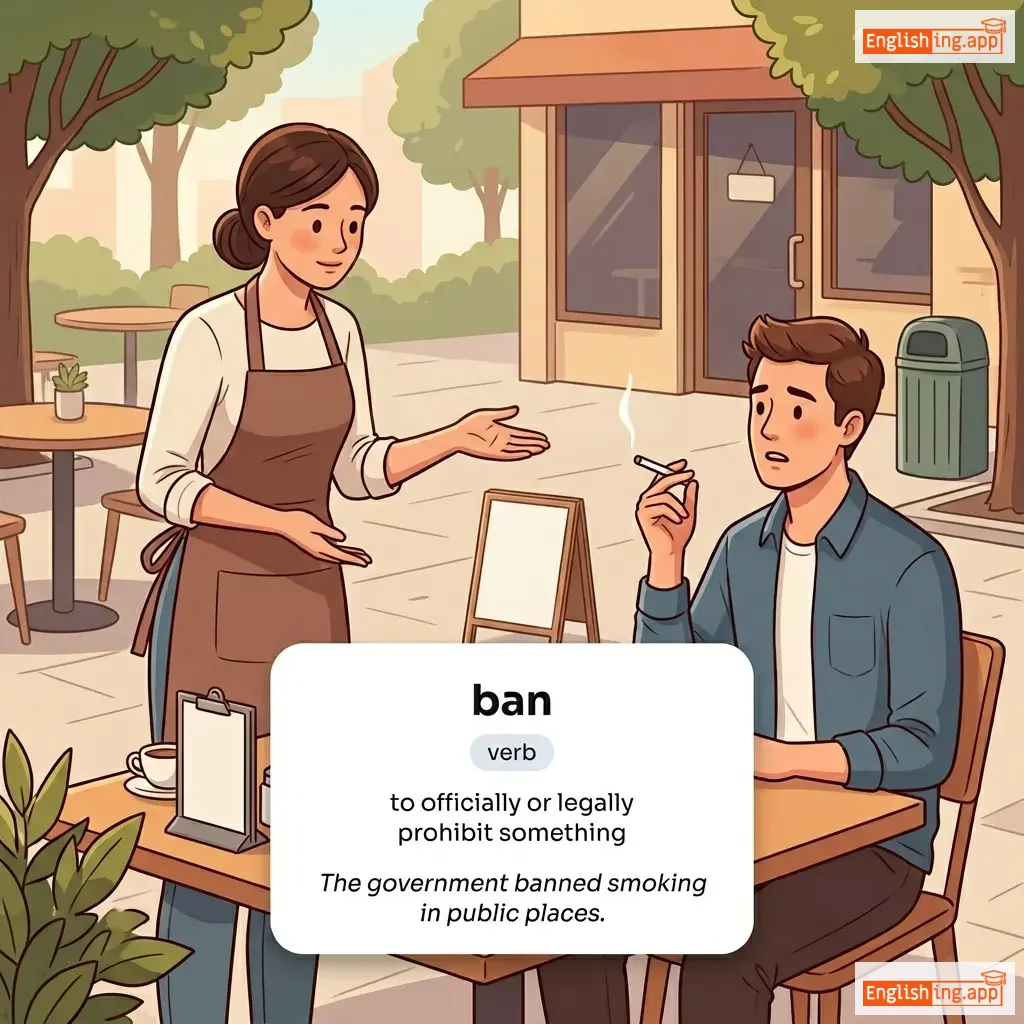
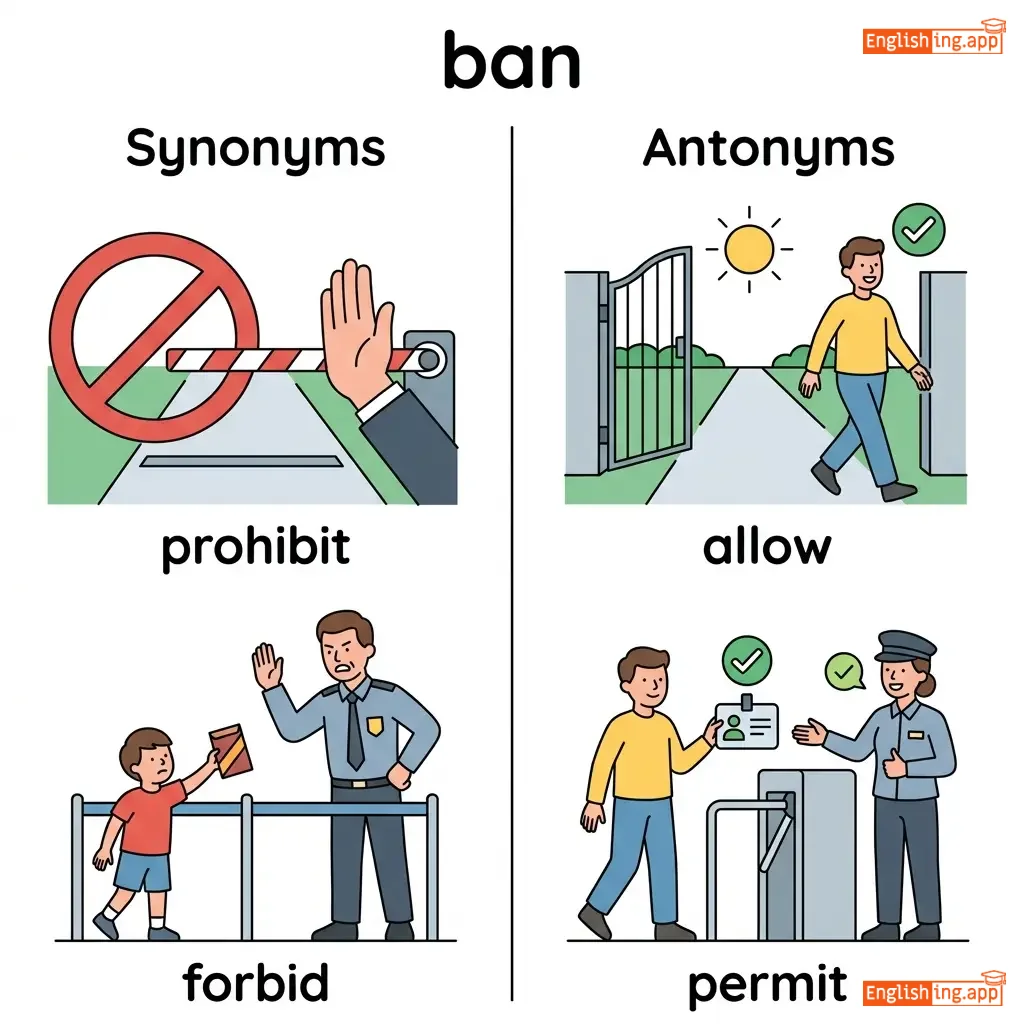
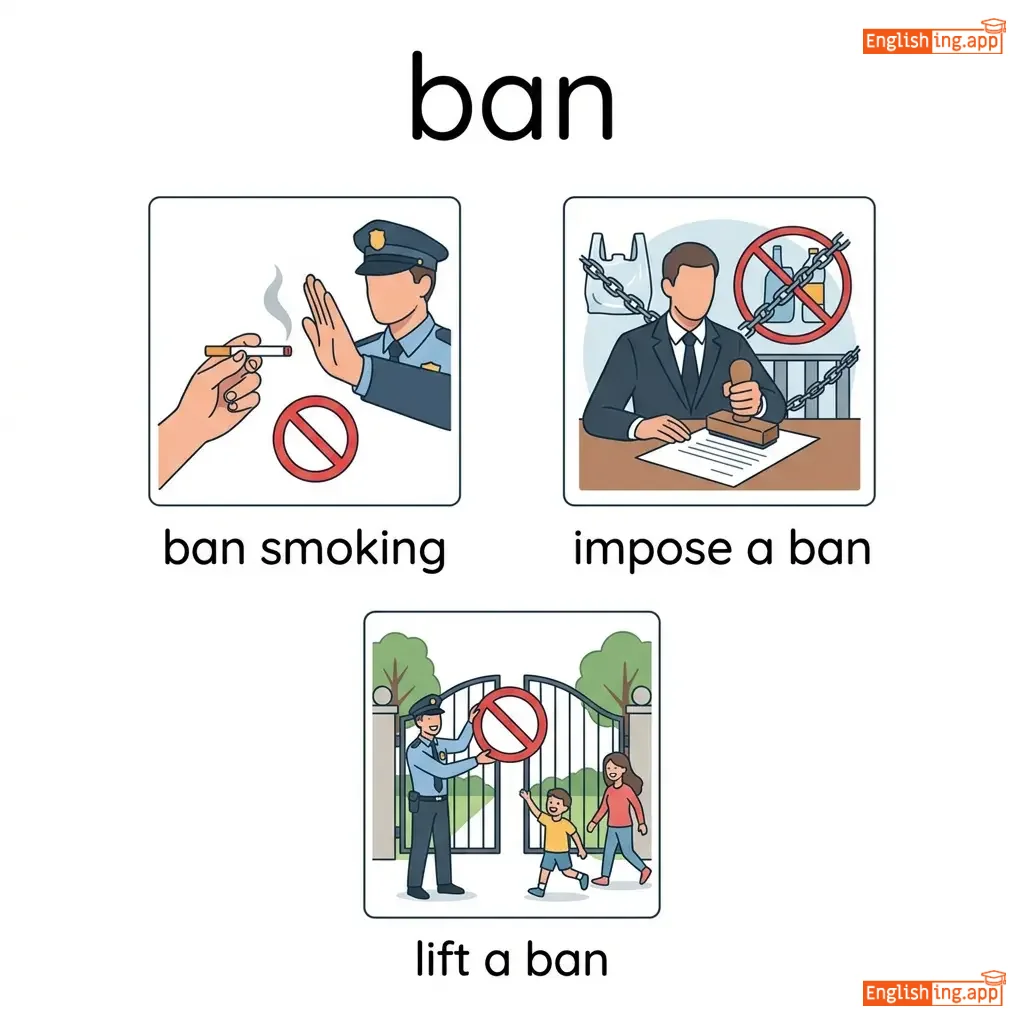
/bæn/
verb
(bān)
••••••
|
|
禁止
jìnzhǐ
••••••
|
banned
banned
••••••
|
banned
banned
••••••
|
bans
bans
••••••
|
banning
banning
••••••
|
to officially or legally prohibit something
••••••
|
The government banned smoking in public places.
政府禁止在公共场所吸烟。
••••••
|
政府禁止在公共场所吸烟。
Zhèngfǔ jìnzhǐ zài gōnggòng chǎngsuǒ xīyān.
••••••
|
ban from
禁止从
••••••
|
to prohibit someone from doing something
••••••
|
禁止从
jìnzhǐ cóng
••••••
|
prohibit, forbid, outlaw, restrict, bar
••••••
|
allow, permit
••••••
|
ban smoking, impose a ban, lift a ban, ban completely
••••••
|
Ban 意味着禁止,像 Facebook 中的 Ban 一样,禁止某人做某事。
••••••
|
|
#9623
🗳️
|
/ˈbælət/
noun
(巴洛特)
••••••
|
- •••••• |
选票
xuan piao
••••••
|
- •••••• | - •••••• | - •••••• | - •••••• |
a process of voting, usually in secret; the paper used to record a vote
••••••
|
Voters cast their ballot in the election.
沃特斯 卡斯特 赛尔 巴洛特 英 得 选举。
••••••
|
选民在选举中投下了选票。
xuan min zai xuan ju zhong tou xia le xuan piao.
••••••
|
cast a ballot
卡斯特 啊 巴洛特
••••••
|
to vote in an election
••••••
|
投票
tou piao
••••••
|
vote, poll, referendum, choice
••••••
|
abstention, refusal
••••••
|
secret ballot, ballot box, ballot paper, cast ballot
••••••
|
Ballot像'巴洛特',可是中文里用选票来投票。
••••••
|
|
#9624
👎
|
/bæd/
adjective
(bād)
••••••
|
- •••••• |
坏
huai
••••••
|
- •••••• | - •••••• | - •••••• | - •••••• |
not good; unpleasant, harmful, or of poor quality
••••••
|
The milk smells bad, so don’t drink it.
牛奶闻起来很糟,所以不要喝。
••••••
|
牛奶闻起来很糟,所以不要喝。
Niunai wen qilai hen zao, suoyi bu yao he.
••••••
|
bad blood
坏血
••••••
|
ill feeling or hostility between people
••••••
|
坏血
huai xue
••••••
|
awful, terrible, poor, unpleasant, harmful
••••••
|
good, excellent, pleasant
••••••
|
bad habit, bad luck, bad idea, bad weather
••••••
|
Bad意味着坏,Bad boy意味着坏男孩。
••••••
|
|
#9625
🍑
|
/ˈbækˌsaɪd/
noun
(bàk-sàid)
••••••
|
- •••••• |
背部
bèi bù
••••••
|
- •••••• | - •••••• | - •••••• | - •••••• |
the rear part or surface of something; informal term for the buttocks
••••••
|
The kids slid down the hill on their backside. |
孩子们从山坡上滑下来,屁股着地。
Háizimen cóng shānpō shàng huá xiàlái, pìgu zhuó dì.
••••••
|
kick in the backside |
something that forces someone to take action
••••••
|
踢屁股
tī pìgu
••••••
|
rear, behind, bottom, rump, back
••••••
|
front, face
••••••
|
fall on the backside, land on the backside, kick in the backside
••••••
|
Backside 就是背面,比如背包的背面。
••••••
|
|
#9626
🦴
|
/ˈbækboʊn/
noun
(bækboʊn)
••••••
|
- •••••• |
脊柱
jizhui
••••••
|
- •••••• | - •••••• | - •••••• | - •••••• |
the spine; the chief support or mainstay; strength of character
••••••
|
Education is the backbone of a nation. |
教育是一个国家的脊柱。
Jiaoyu shi yige guo jia de jizhui.
••••••
|
have backbone |
to show courage and strength of character
••••••
|
有勇气
you yongqi
••••••
|
spine, support, strength, courage, foundation
••••••
|
weakness, cowardice
••••••
|
backbone of society, backbone of the team, strong backbone
••••••
|
Backbone意味着脊柱,但脊柱是真正力量的象征
••••••
|
|
#9627
🔙
|
/bæk/
noun/verb/adverb/adjective
(bèi kè)
••••••
|
- •••••• |
背部 / 返回
bèi bù / fǎn huí
••••••
|
backed
bèi kè dé
••••••
|
backed
bèi kè dé
••••••
|
backs
bèi kè sī
••••••
|
backing
bèi kè yīng
••••••
|
the rear surface of the human body; to support; to return to a place
••••••
|
He turned back to help his friend.
他回头去帮助他的朋友。
••••••
|
他回头去帮助他的朋友。
Tā huítóu qù bāngzhù tā de péngyǒu.
••••••
|
back and forth
来回
••••••
|
moving repeatedly in one direction and then the opposite
••••••
|
来回
lái huí
••••••
|
rear, behind, support, return
••••••
|
front, oppose
••••••
|
back pain, back home, back up, back support
••••••
|
Back意味着后面,走回去就是回到背部。
••••••
|
|
#9628
🏃♂️
|
/əˈweɪ/
adverb
(ā wèi)
••••••
|
- •••••• |
远
yuan
••••••
|
- •••••• | - •••••• | - •••••• | - •••••• |
at a distance from a particular place, person, or thing
••••••
|
She walked away without saying a word. |
她走开了,没有说一句话。
Ta zou kai le, mei you shuo yi ju hua.
••••••
|
far away |
at a great distance
••••••
|
非常远
feichang yuan
••••••
|
absent, distant, gone, apart, afar
••••••
|
near, close, present
••••••
|
go away, run away, far away, turn away
••••••
|
Away 意味着 '远' - 走得远
••••••
|
|
#9629
➗
|
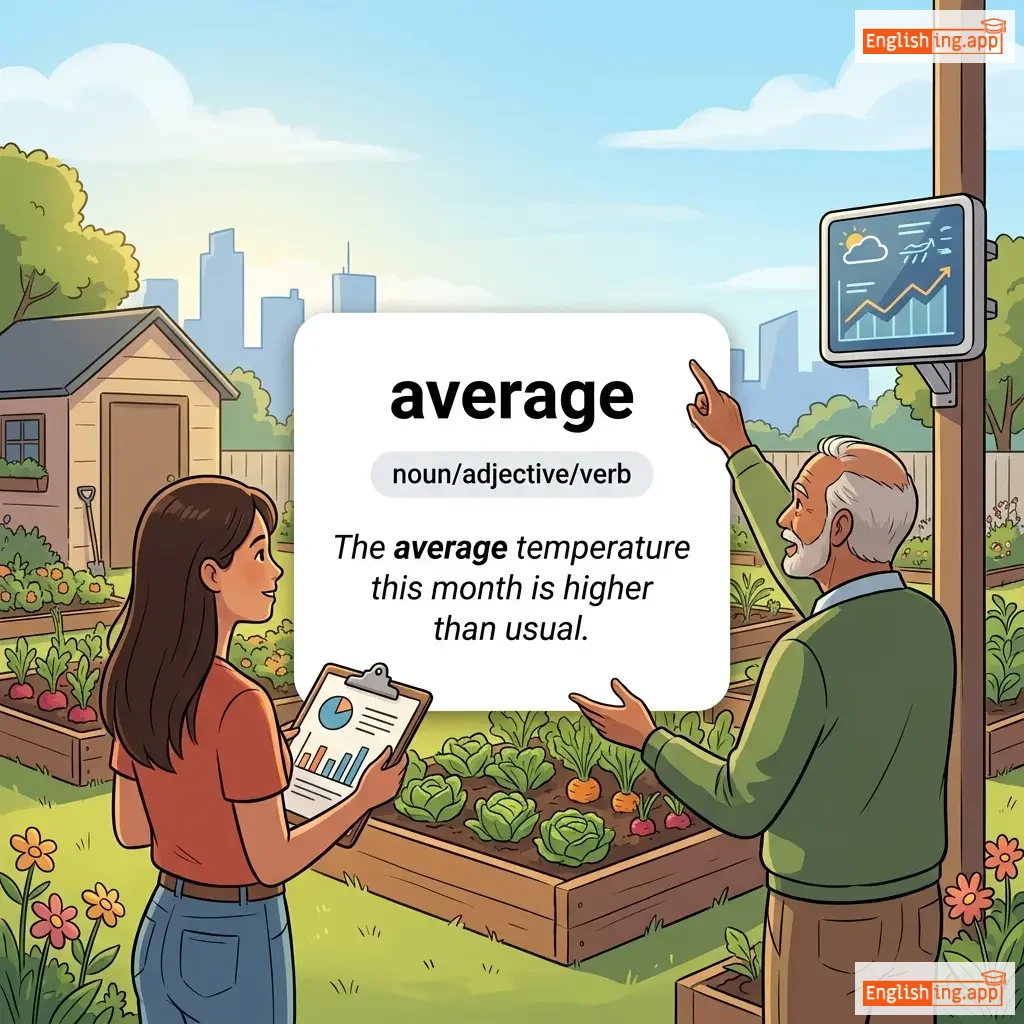
/ˈævərɪdʒ/
noun/adjective/verb
(ā wéi rěi jí)
••••••
|
|
平均
píngjūn
••••••
|
averaged
ā wéi rěi jí dé
••••••
|
averaged
ā wéi rěi jí dé
••••••
|
averages
ā wéi rěi jí sī
••••••
|
averaging
ā wéi rěi jí yīng
••••••
|
the result obtained by adding several quantities together and then dividing by the number of quantities; typical or normal level
••••••
|
The average temperature this month is higher than usual.
这个月的平均气温高于正常水平。
••••••
|
这个月的平均气温高于正常水平。
Zhège yuè de píngjūn qìwēn gāo yú zhèngcháng shuǐpíng.
••••••
|
on average
平均
••••••
|
as a usual or typical amount or level
••••••
|
平均
píngjūn
••••••
|
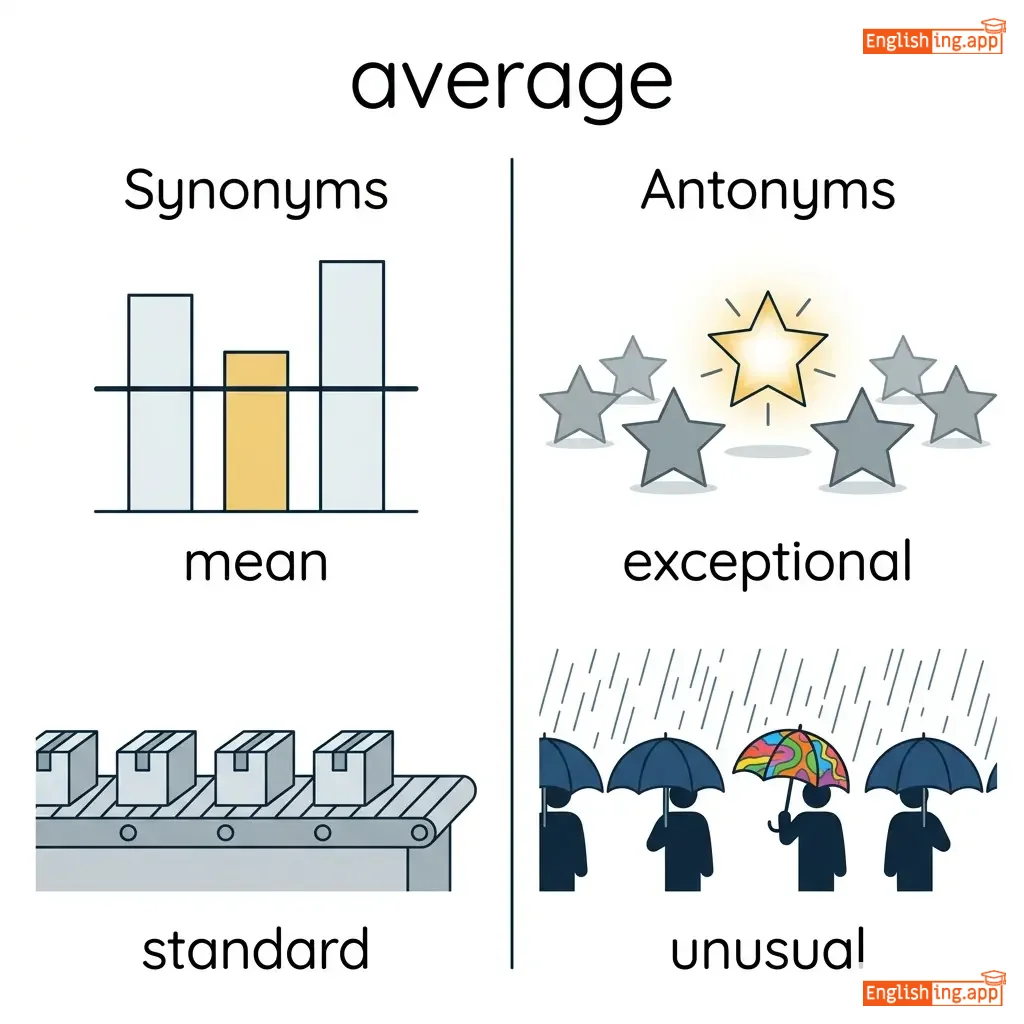
mean, standard, ordinary, typical, common
••••••
|
exceptional, unusual, extraordinary
••••••
|
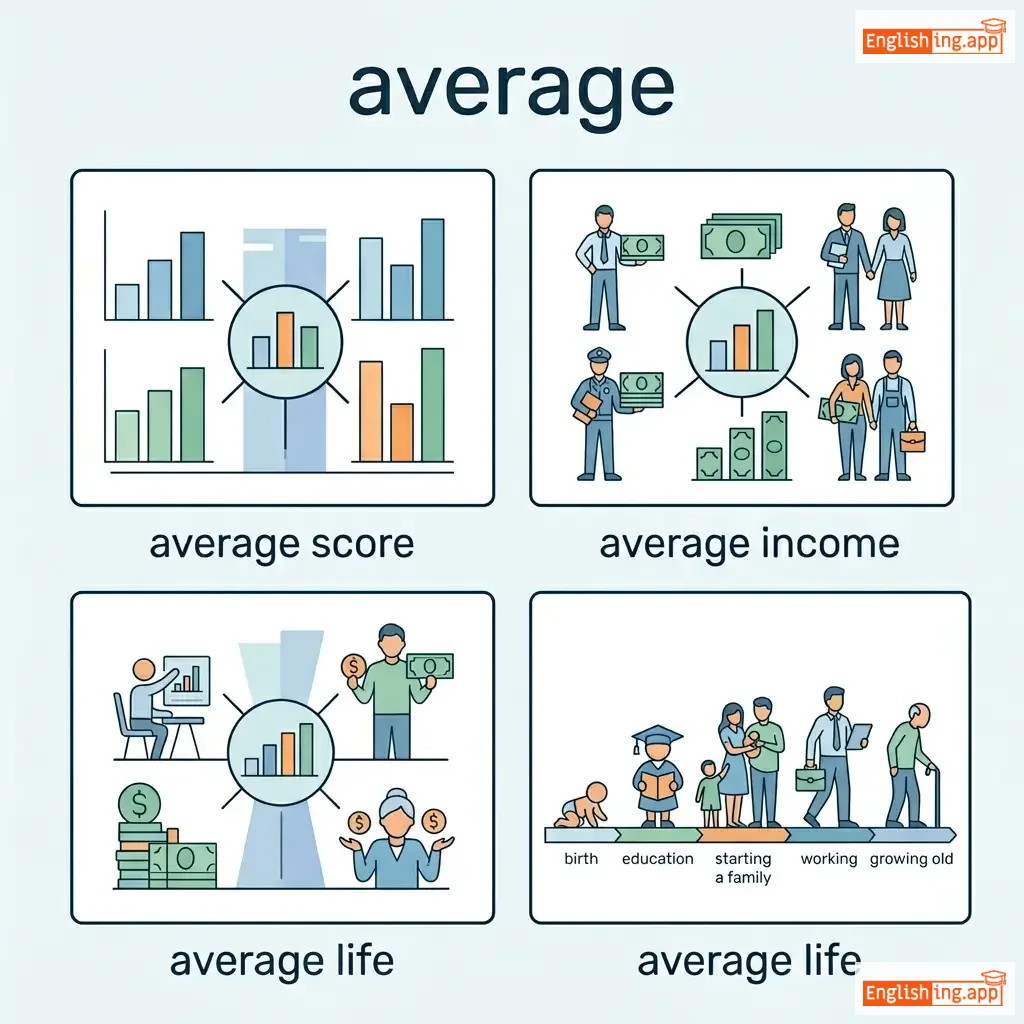
average score, average income, average life, average cost
••••••
|
平均是我们通过加和然后分割得到的平衡。
••••••
|
Vocabulary Quiz
Test your vocabulary by matching words with their translations or meanings.
Login to take the quiz
Comments (0)
Share your thoughts and join the discussion.
Join the discussion by logging in
Login to CommentNo comments yet
Be the first to share your thoughts!