



Swipe left or right, or use the buttons. Tap image to zoom.
例句翻译
单词
Lesson 404Lesson 404 - 遮罩切换
|
表情符号
|
单词 | Images | 翻译 | 过去时 | 过去分词 | 第三人称单数 | 动名词 | 含义 | 例句 | 例句翻译 | 示例表达 | 示例表达含义 | 示例表达翻译 | 同义词 | 反义词 | 搭配词 | 助记符 |
|---|---|---|---|---|---|---|---|---|---|---|---|---|---|---|---|---|---|
|
#12085
🏊
|
/swɪm/
verb
(suī mǔ)
••••••
|
|
游泳
yóuyǒng
••••••
|
swam
suī àn
••••••
|
swum
suī àn
••••••
|
swims
suī mǔ sī
••••••
|
swimming
suī mǔ yīng
••••••
|
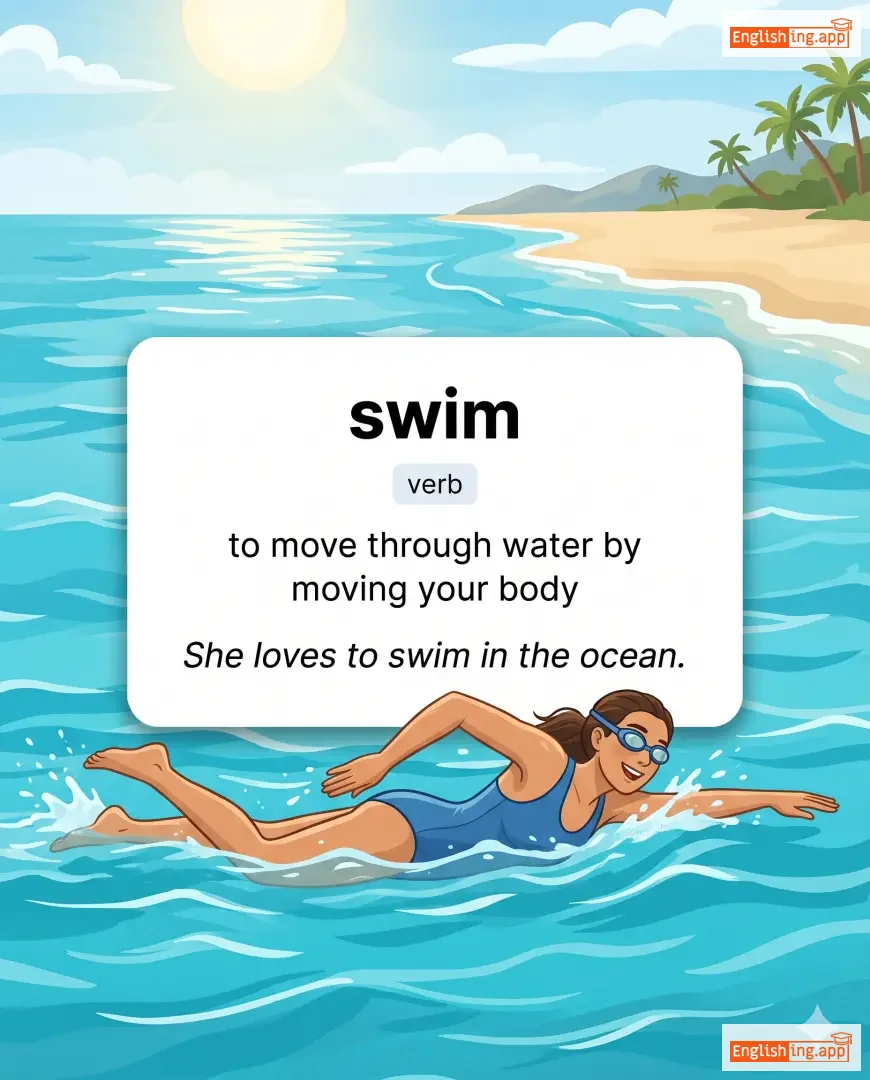
to move through water by moving your body
••••••
|
She loves to swim in the ocean.
她喜欢在海洋中游泳。
••••••
|
她喜欢在海洋中游泳。
Tā xǐhuān zài hǎiyáng zhōng yóuyǒng.
••••••
|
- •••••• | - •••••• | - •••••• |
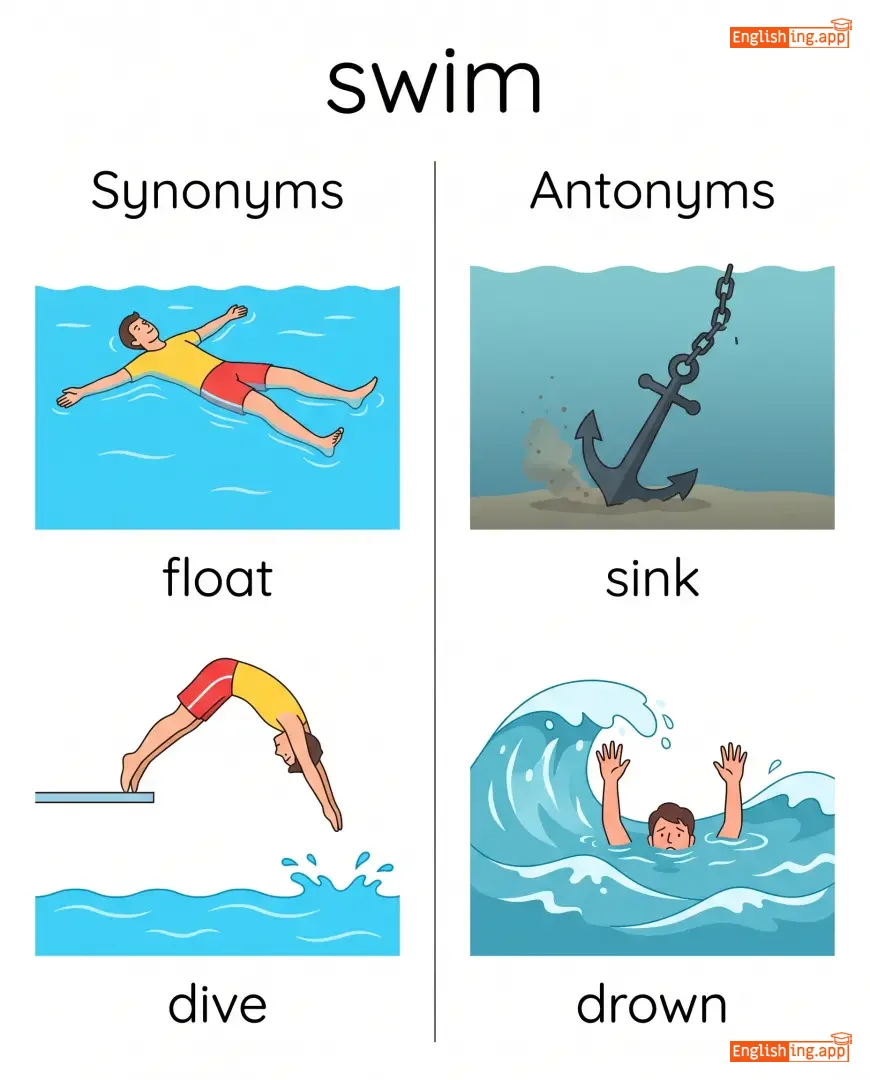
float, dive, paddle, splash
••••••
|
sink, drown
••••••
|
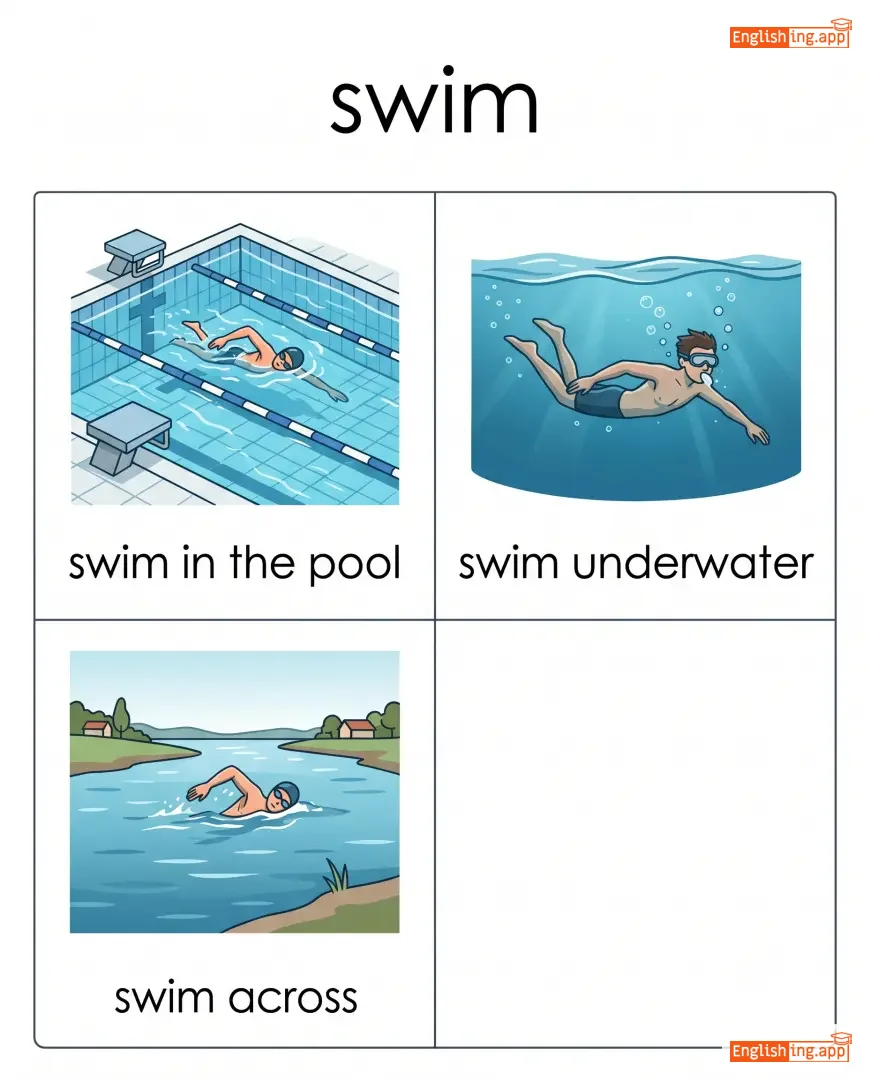
swim in the pool, swim underwater, swim across, swim laps
••••••
|
Swim to stay fit, like swimming in the pool (游泳池)
••••••
|
|
#12086
🎯
|
/ˈtɑːɡɪt/
noun
(tǎɡèt)
••••••
|
|
目标
mùbiāo
••••••
|
- •••••• | - •••••• | - •••••• | - •••••• |
a goal or objective that one aims to achieve
••••••
|
The team set a target to increase sales by 20%. |
团队设定了一个将销售增长20%的目标。
Tuánduì shèdìngle yīgè jiāng xiāoshòu zēngzhǎng 20% de mùbiāo.
••••••
|
- •••••• | - •••••• | - •••••• |
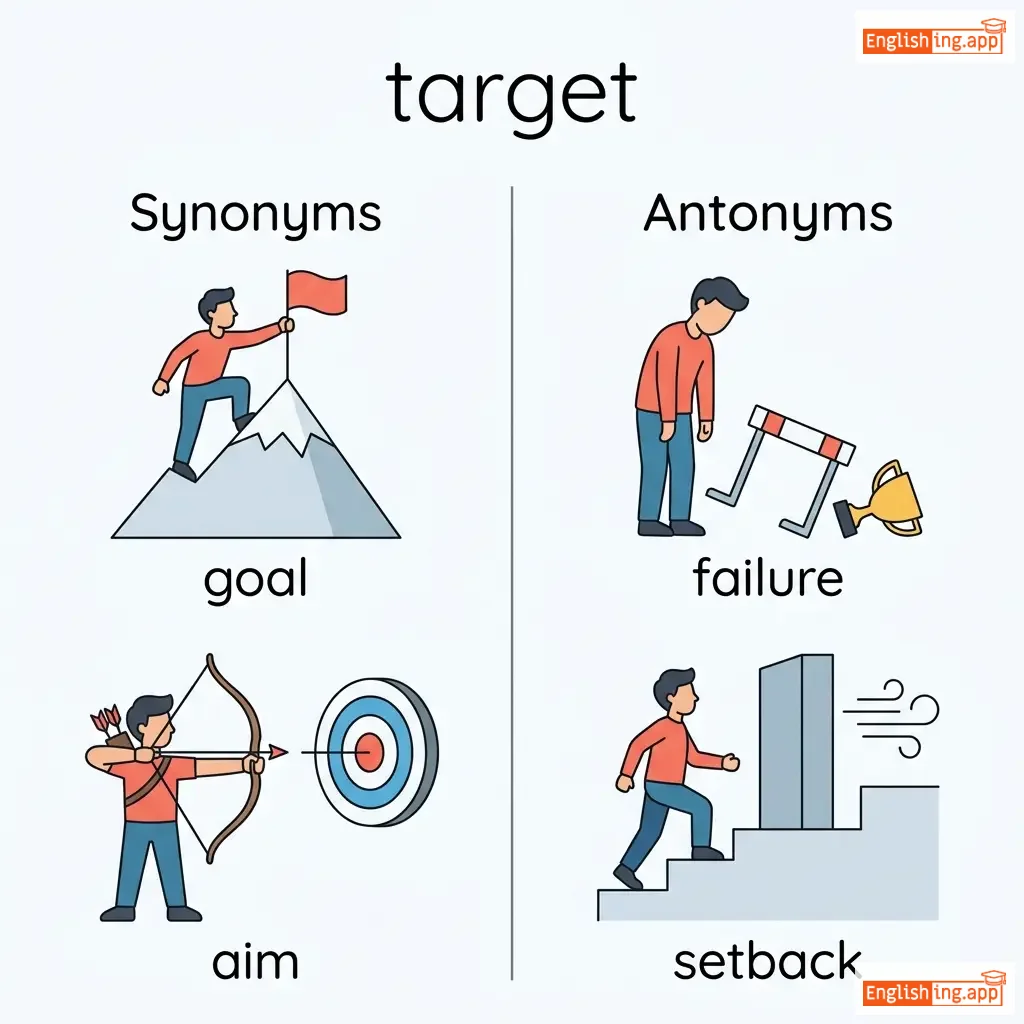
goal, aim, objective, mark
••••••
|
failure, setback
••••••
|
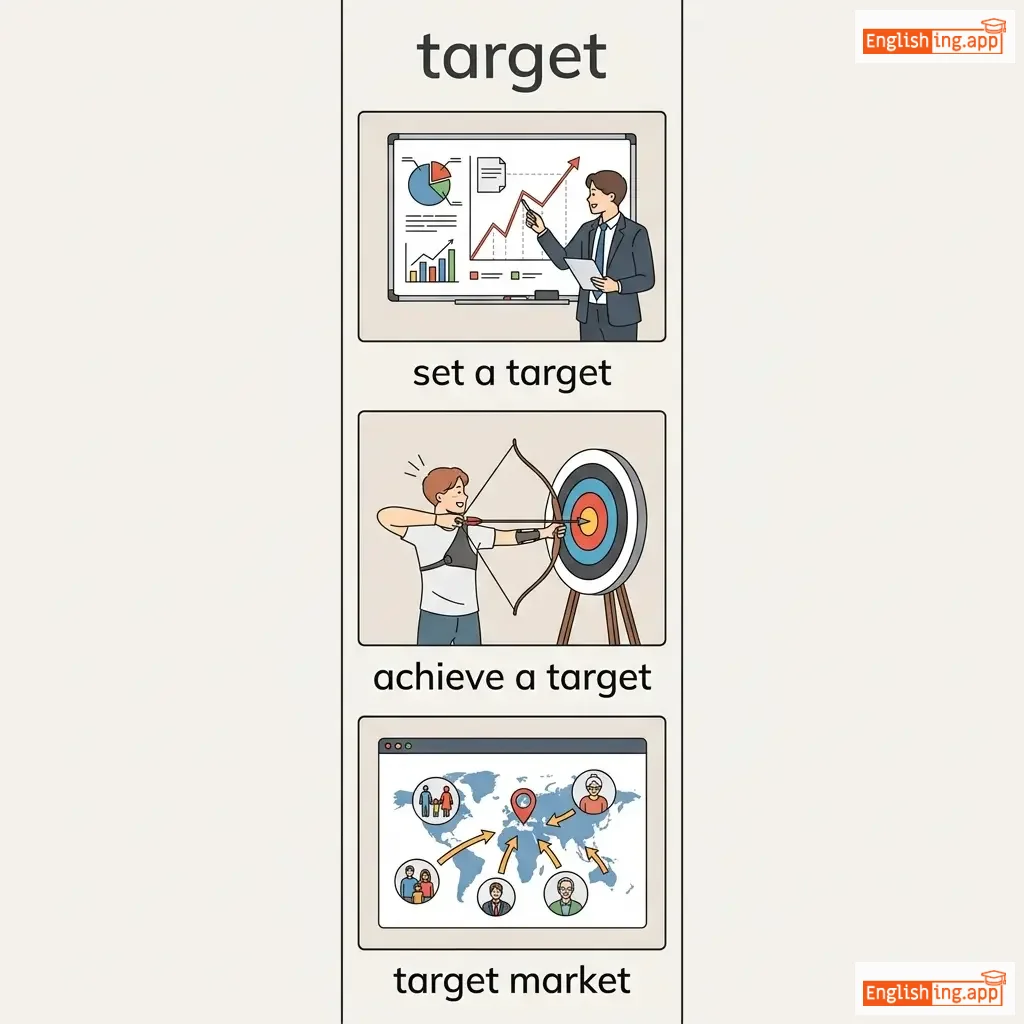
set a target, achieve a target, target market
••••••
|
TARGET - TaR, GaT! 保持目标明确,就像'目标'(target)。
••••••
|
|
#12087
📼
|
/teɪp/
noun
(teip)
••••••
|
- •••••• |
胶带
jiaodai
••••••
|
- •••••• | - •••••• | - •••••• | - •••••• |
a long, narrow strip of material, often sticky on one side, used for fastening or sticking things together
••••••
|
I need some tape to seal this box. |
我需要一些胶带来封住这个箱子。
Wo xuyao yixie jiaodai lai fengzhu zhege xiangzi.
••••••
|
- •••••• | - •••••• | - •••••• |
adhesive, sticky tape, masking tape, sellotape
••••••
|
scissors, unstick
••••••
|
scotch tape, masking tape, duct tape, adhesive tape
••••••
|
Tape it up to seal it tight!
••••••
|
|
#12088
🔨
|
/tæp/
verb
(tap)
••••••
|
- •••••• |
轻拍
qing pai
••••••
|
tapped
tapd
••••••
|
tapped
tapd
••••••
|
taps
taps
••••••
|
tapping
tapping
••••••
|
to strike something lightly, usually with a quick, sharp sound
••••••
|
He tapped on the door to get her attention.
他敲了敲门,引起她的注意。
••••••
|
他敲了敲门,引起她的注意。
Ta qiao le qiao men, yin qi ta de zhu yi.
••••••
|
- •••••• | - •••••• | - •••••• |
knock, hit, strike, pat
••••••
|
slam, pound
••••••
|
tap on, tap the table, tap gently
••••••
|
轻拍门: 轻拍以引起她的注意!
••••••
|
|
#12089
🚙
|
/tæŋk/
noun
••••••
|
- •••••• | - •••••• | - •••••• | - •••••• | - •••••• | - •••••• |
a large, heavy military vehicle that moves on tracks and is armed with weapons
••••••
|
The army sent tanks to the front lines. |
- •••••• | - •••••• | - •••••• | - •••••• |
armored vehicle, combat vehicle, war machine
••••••
|
car, bicycle
••••••
|
military tank, battle tank, army tank
••••••
|
No •••••• |
|
#12090
🗣️
|
/tɔːk/
verb
(tok)
••••••
|
|
谈论
tanlun
••••••
|
talked
tokd
••••••
|
talked
tokd
••••••
|
talks
toks
••••••
|
talking
toking
••••••
|
to speak in order to give information or express ideas or feelings
••••••
|
They like to talk about their travels.
他们喜欢谈论他们的旅行。
••••••
|
他们喜欢谈论他们的旅行。
Tāmen xǐhuān tánlùn tāmen de lǚxíng.
••••••
|
- •••••• | - •••••• | - •••••• |
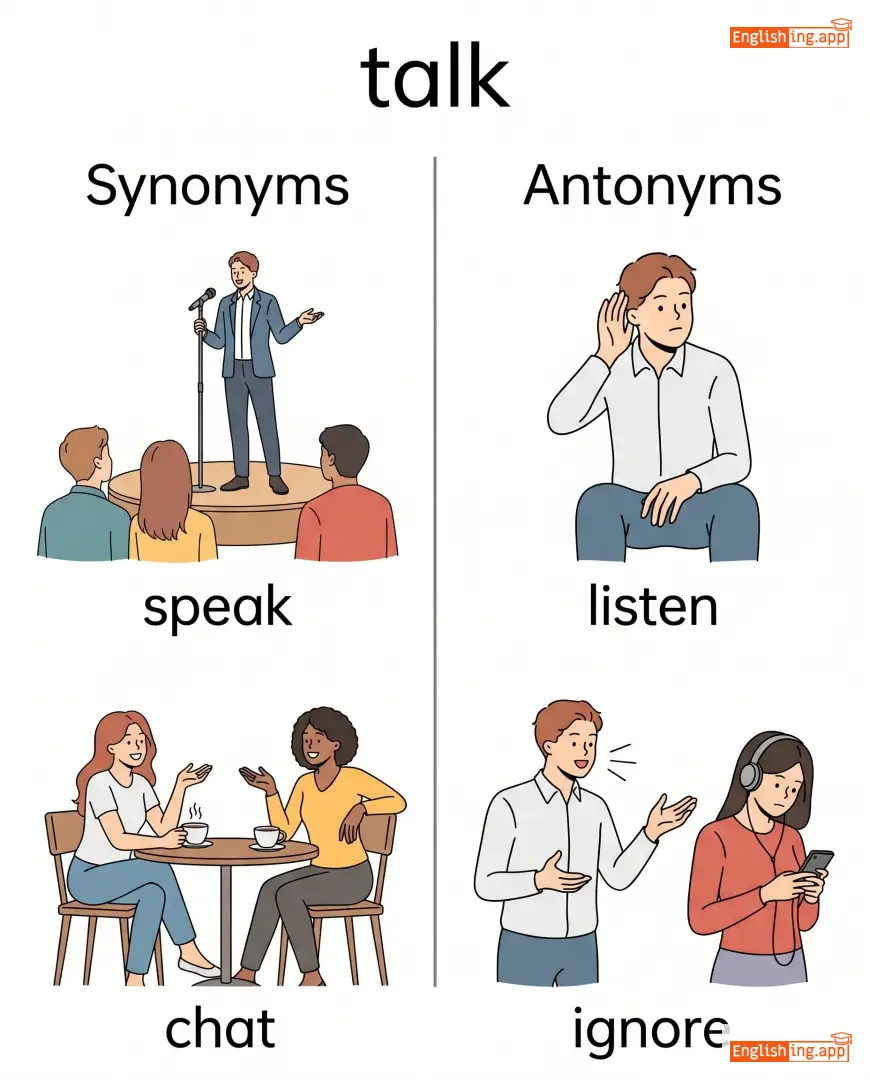
speak, chat, converse, discuss, communicate
••••••
|
listen, ignore
••••••
|
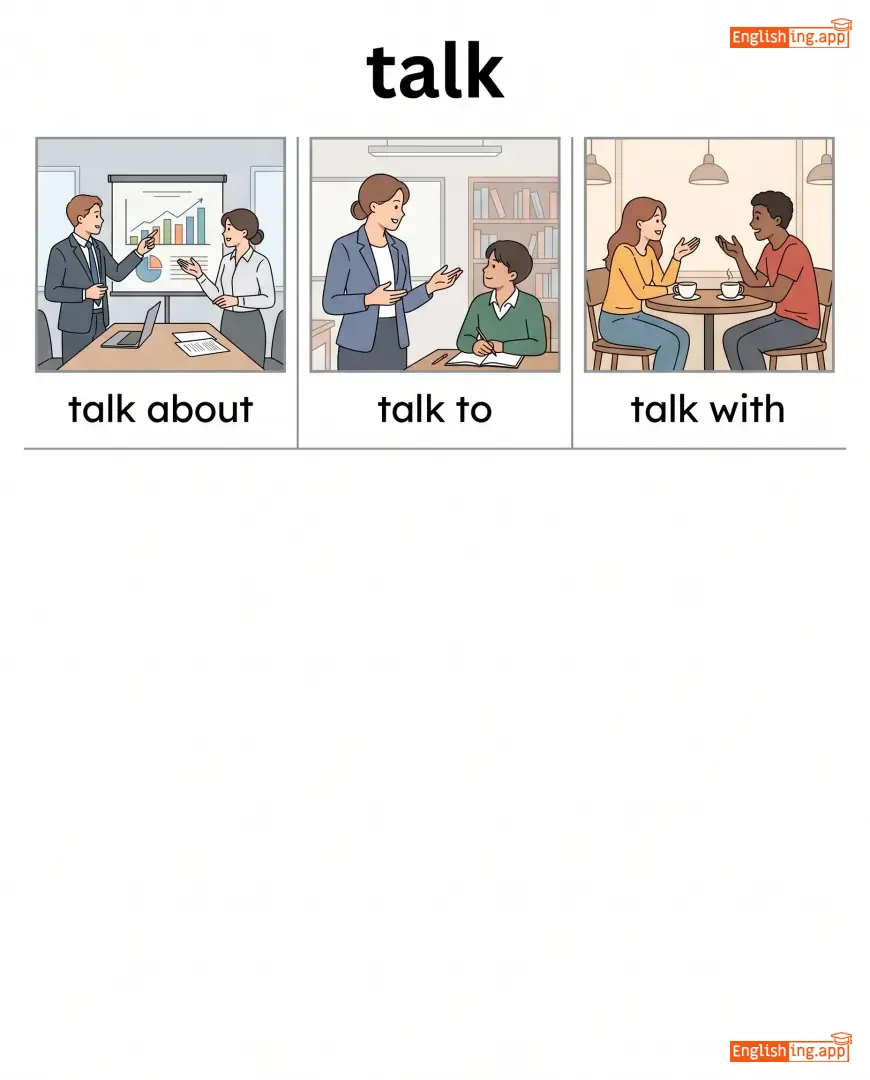
talk about, talk to, talk with, small talk
••••••
|
Talking about travels is always fun!
••••••
|
|
#12091
🎨
|
/ˈtælənt/
noun
(tǎ-lěn-tè)
••••••
|
- •••••• |
天赋
tianfu
••••••
|
- •••••• | - •••••• | - •••••• | - •••••• |
natural aptitude or skill
••••••
|
She has a great talent for painting.
她在绘画方面有很大的天赋。
••••••
|
她在绘画方面有很大的天赋。
Tā zài huìhuà fāngmiàn yǒu hěn dà de tiānfù.
••••••
|
- •••••• | - •••••• | - •••••• |
ability, skill, gift, knack, expertise
••••••
|
incompetence, ineptitude, inability
••••••
|
natural talent, artistic talent, hidden talent, raw talent
••••••
|
Talented artists create TALENTS, like painting!
••••••
|
|
#12092
📖
|
/teɪl/
noun
(tēi'ěr)
••••••
|
- •••••• |
故事
gùshì
••••••
|
- •••••• | - •••••• | - •••••• | - •••••• |
a narrative of imaginary events, especially one that is presented as true
••••••
|
The old man told a tale of his adventures. |
那位老人讲述了他的冒险故事。
Nà wèi lǎorén jiǎngshùle tā de màoxiǎn gùshì.
••••••
|
tall tale |
an exaggerated story, often one that is not true
••••••
|
夸张故事
kuāzhāng gùshì
••••••
|
story, narrative, legend, fable
••••••
|
fact, truth
••••••
|
fairy tale, tall tale, bedtime tale
••••••
|
故事 (gùshì) 通过想象讲述 - A tale narrated through imagination
••••••
|
|
#12093
🚌
|
/teɪk/
verb
(teik)
••••••
|
|
拿
na
••••••
|
took
tuk
••••••
|
taken
teiken
••••••
|
takes
teiks
••••••
|
taking
teiking
••••••
|
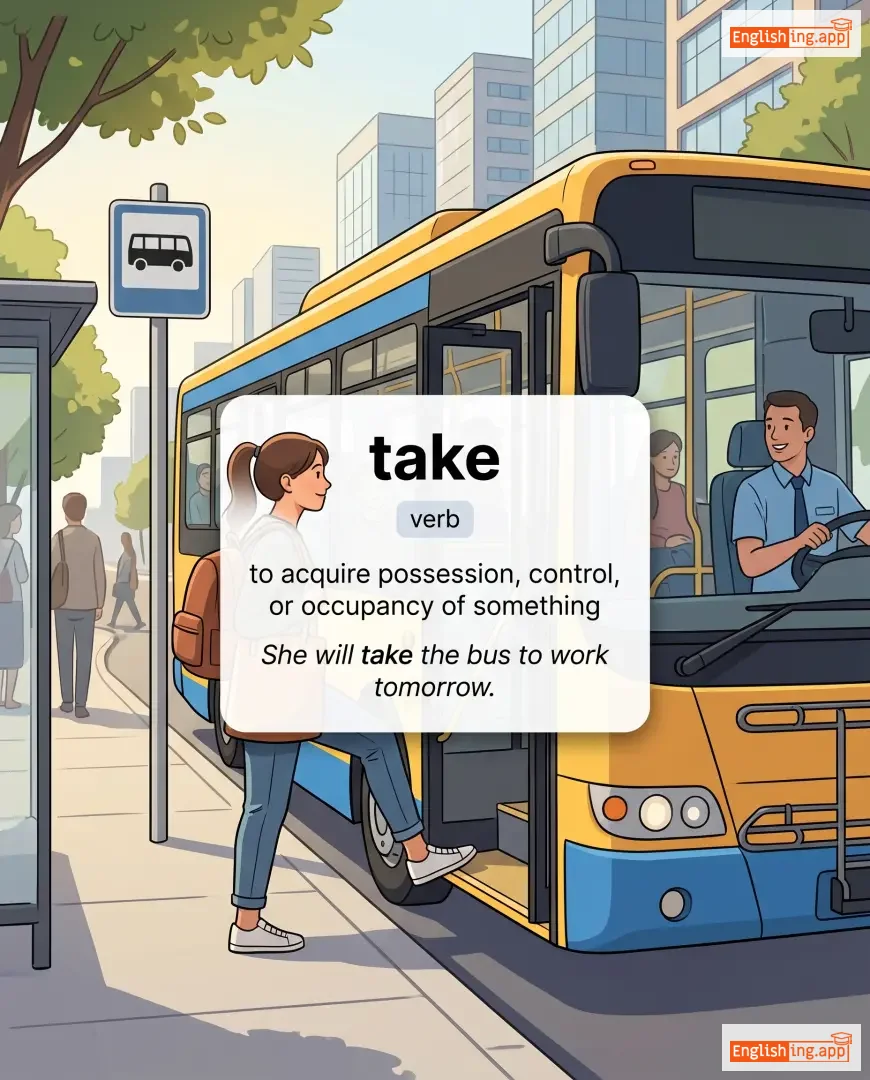
to acquire possession, control, or occupancy of something
••••••
|
She will take the bus to work tomorrow.
她明天将乘坐公交车去上班。
••••••
|
她明天将乘坐公交车去上班。
Ta mingtian jiang chengzuo gongjiaoche qu shangban.
••••••
|
take advantage of
利用
••••••
|
to exploit or make good use of an opportunity
••••••
|
利用
liyong
••••••
|
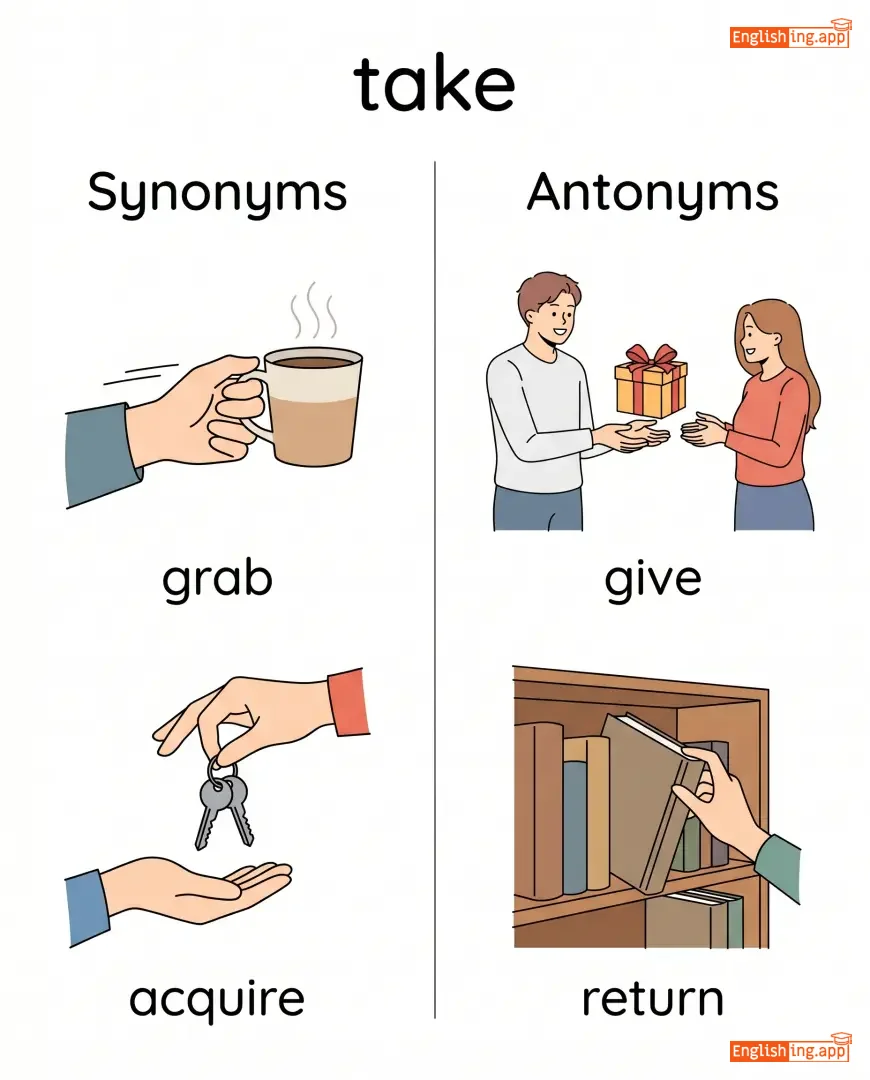
grab, acquire, seize, accept
••••••
|
give, return, release
••••••
|
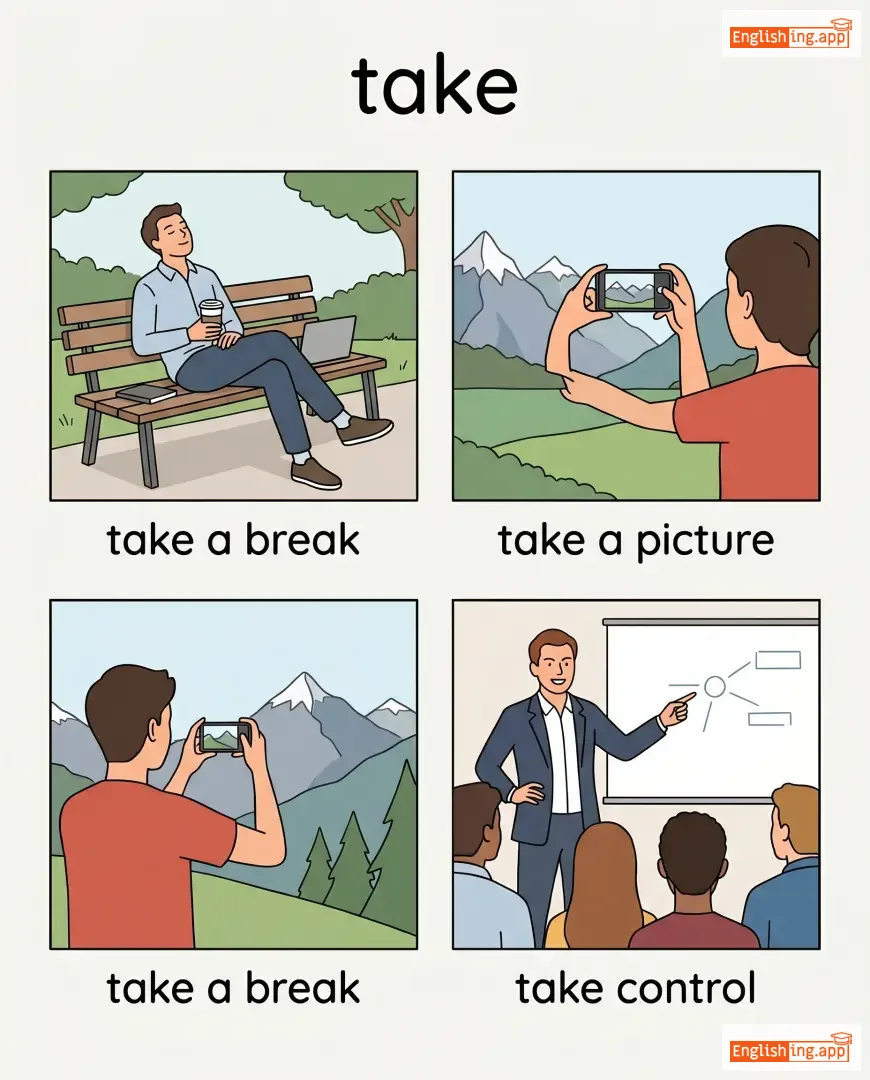
take a break, take a picture, take control
••••••
|
如果你拿 (take),你就得到了 - If you take it, you will have it.
••••••
|
|
#12094
🐕
|
/teɪl/
noun
(teyl)
••••••
|
- •••••• |
尾巴
weiba
••••••
|
- •••••• | - •••••• | - •••••• | - •••••• |
the part of an animal that extends from the back and is often used for balance or communication
••••••
|
The dog wagged its tail when it saw its owner. |
狗在看到它的主人时摇了摇尾巴。
Gǒu zài kàn dào tā de zhǔrén shí yáo le yáo wěibā.
••••••
|
- •••••• | - •••••• | - •••••• |
rear, appendage, back end
••••••
|
front, head
••••••
|
dog's tail, wagging tail, animal's tail
••••••
|
狗的尾巴 (weiba) 摇动来传递情感
••••••
|
|
#12095
🎯
|
/ˈtæktɪk/
noun
(战术)
••••••
|
- •••••• |
战术
zhànshù
••••••
|
- •••••• | - •••••• | - •••••• | - •••••• |
a carefully planned action or strategy to achieve a specific goal
••••••
|
The coach used a defensive tactic to win the game.
教练使用了一种防守战术来赢得比赛。
••••••
|
教练使用了一种防守战术来赢得比赛。
Jiàoliàn shǐyòngle yī zhǒng fángshǒu zhànshù lái yíngdé bǐsài.
••••••
|
- •••••• | - •••••• | - •••••• |
strategy, approach, method, plan
••••••
|
impulsiveness, disorder, confusion
••••••
|
military tactic, negotiation tactic, defensive tactic
••••••
|
仔细计划才能取得成功,像使用战术一样
••••••
|
|
#12096
🥄
|
/ˈteɪbəlˌspun/
noun
(汤匙)
••••••
|
- •••••• |
汤匙
tangchi
••••••
|
- •••••• | - •••••• | - •••••• | - •••••• |
a spoon used for serving or eating food, typically holding about 15 milliliters
••••••
|
She stirred the soup with a tablespoon.
她用汤匙搅拌了汤。
••••••
|
她用汤匙搅拌了汤。
Ta yong tangchi jiaobanle tang.
••••••
|
- •••••• | - •••••• | - •••••• |
soup spoon, serving spoon
••••••
|
teaspoon, fork
••••••
|
tablespoon of sugar, tablespoon of salt, a full tablespoon
••••••
|
汤匙 (tangchi) - Imagine a spoonful of soup in a large spoon.
••••••
|
|
#12097
🤒
|
/ˈsɪmptəm/
noun
(症状)
••••••
|
- •••••• |
症状
zhèngzhuàng
••••••
|
- •••••• | - •••••• | - •••••• | - •••••• |
a sign or indication of something, especially of an illness
••••••
|
Fever is a common symptom of the flu. |
发烧是流感的常见症状。
Fāshāo shì liúgǎn de chángjiàn zhèngzhuàng.
••••••
|
- •••••• | - •••••• | - •••••• |
sign, indication, manifestation, mark
••••••
|
health, wellness
••••••
|
symptom of illness, common symptom, early symptom
••••••
|
Symptom like fever: You feel sick (生病) when you're ill!
••••••
|
|
#12098
❤️
|
/ˈsɪmbəl/
noun
(符号)
••••••
|
- •••••• |
符号
fúhào
••••••
|
- •••••• | - •••••• | - •••••• | - •••••• |
a mark, sign, or object that represents something else
••••••
|
The heart is a symbol of love. |
心脏是爱的一种象征。
Xīnzhàng shì ài de yī zhǒng xiàngzhēng.
••••••
|
- •••••• | - •••••• | - •••••• |
emblem, sign, token, representation
••••••
|
none
••••••
|
symbol of peace, symbol of love, national symbol
••••••
|
心脏是爱的一种符号!
••••••
|
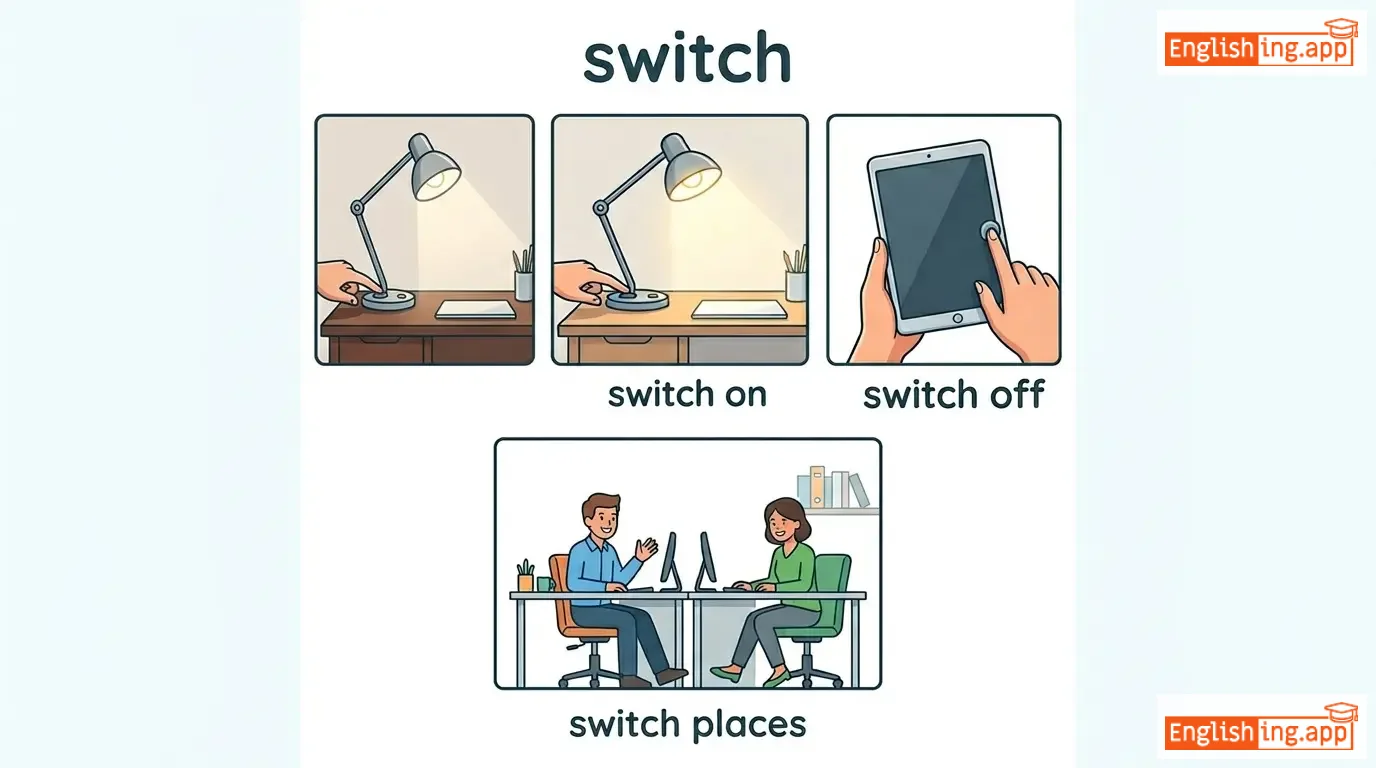
|
#12099
🔄
|
/swɪtʃ/
noun, verb
(sūìch)
••••••
|
|
开关
kaiguan
••••••
|
switched
sūìchd
••••••
|
switched
sūìchd
••••••
|
switches
sūìches
••••••
|
switching
sūìching
••••••
|
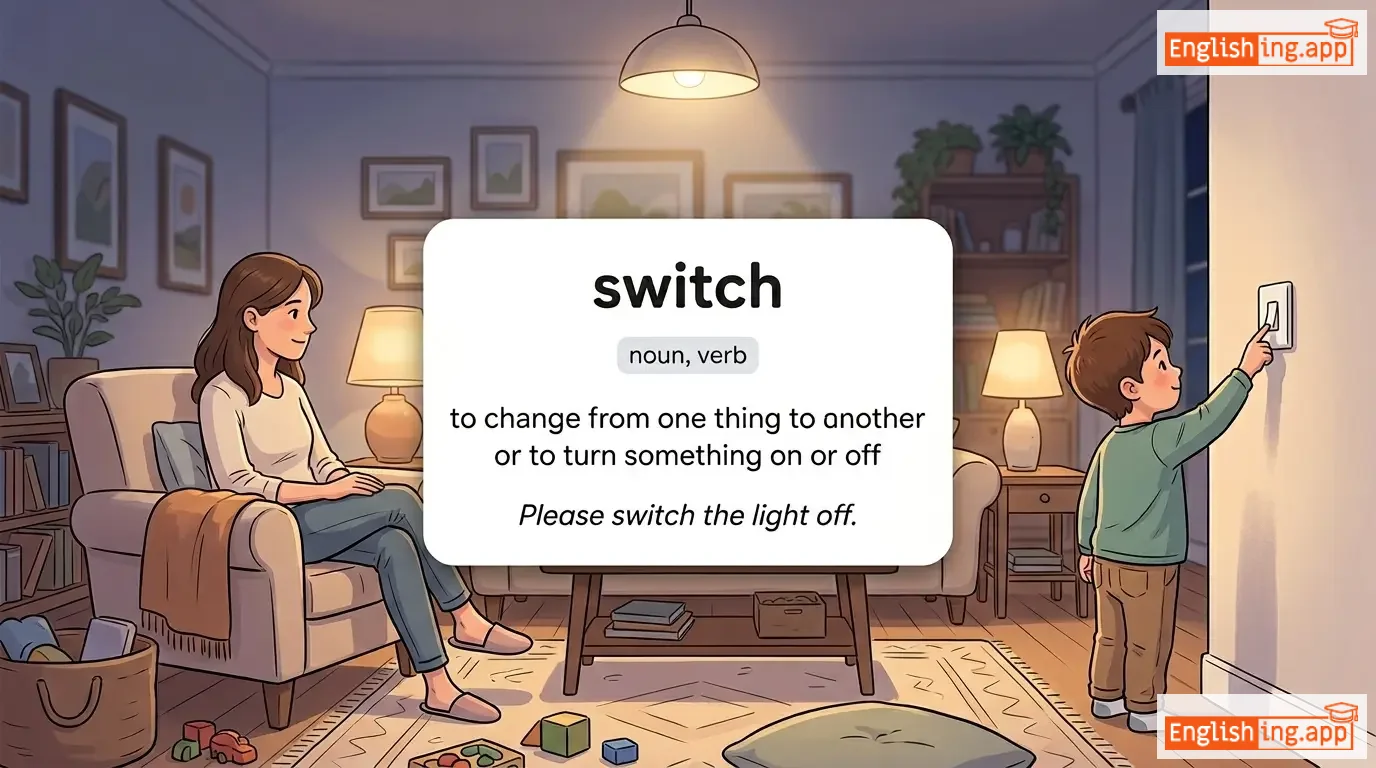
to change from one thing to another or to turn something on or off
••••••
|
Please switch the light off.
请关闭灯光。
••••••
|
请关闭灯光。
Qǐng guān bì dēngguāng.
••••••
|
- •••••• | - •••••• | - •••••• |
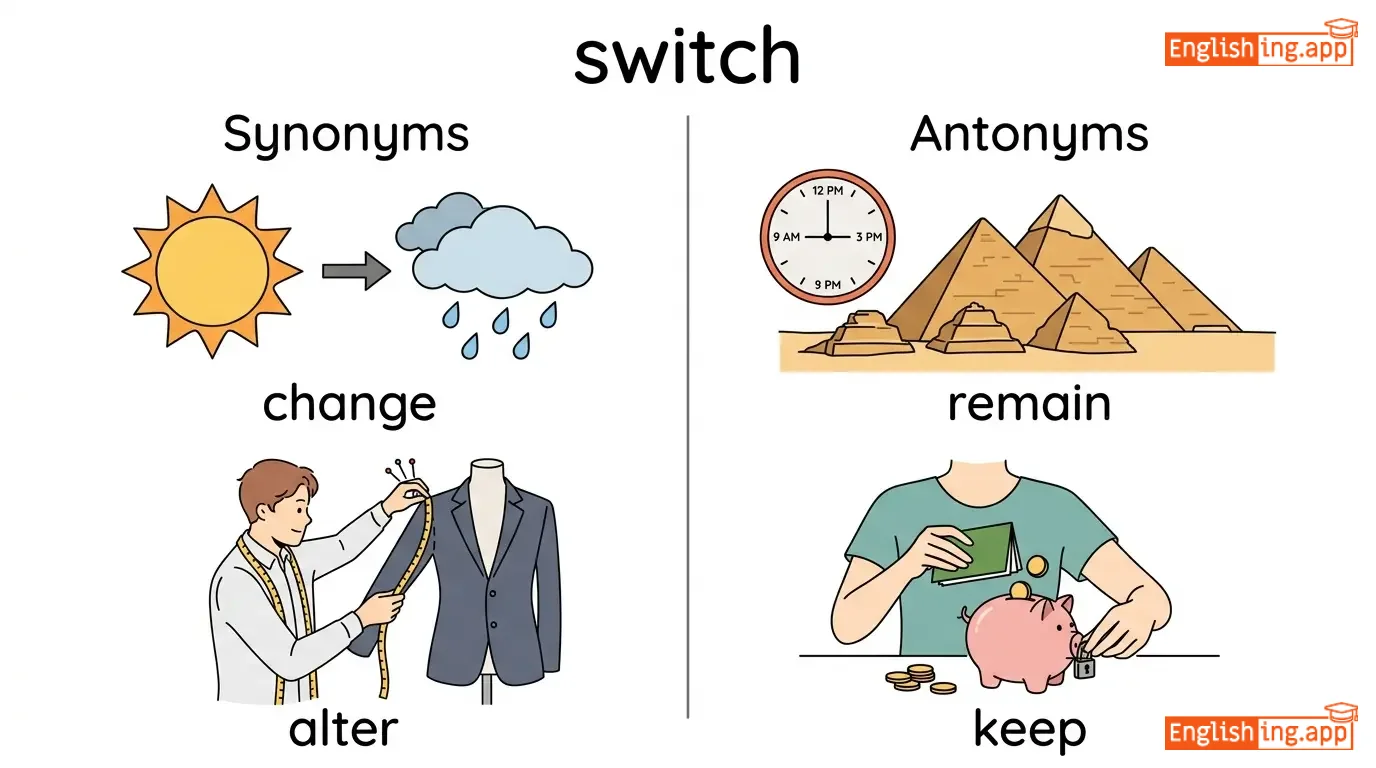
change, alter, shift, toggle
••••••
|
remain, keep, stay
••••••
|
switch on, switch off, switch places, switch sides
••••••
|
开关:像切换按钮一样简单,打开或关闭。
••••••
|
|
#12100
🤔
|
/səˈpəʊz/
verb
(səpóuɪz)
••••••
|
- •••••• |
假设
jiǎshè
••••••
|
supposed
səpóuzd
••••••
|
supposed
səpóuzd
••••••
|
supposes
səpóuzəs
••••••
|
supposing
səpóuɪŋ
••••••
|
to assume or believe something is true without proof
••••••
|
I suppose she will be here soon.
我猜你很快会到这里。
••••••
|
我猜你很快会到这里。
Wǒ cāi nǐ hěn kuài huì dào zhèlǐ.
••••••
|
suppose so
我想是的
••••••
|
used to express agreement with a suggestion or opinion
••••••
|
我想是的
Wǒ xiǎng shì de
••••••
|
assume, believe, guess, think
••••••
|
doubt, question, deny
••••••
|
suppose to, I suppose, suppose that, suppose so
••••••
|
假设自己知道答案,像在猜测一样!
••••••
|
|
#12101
🍭
|
/swiːt/
adjective
(suìt)
••••••
|
- •••••• |
甜
tian
••••••
|
- •••••• | - •••••• | - •••••• | - •••••• |
having a pleasant taste or smell, like sugar or honey
••••••
|
The cake tastes sweet.
蛋糕尝起来很甜。
••••••
|
蛋糕尝起来很甜。
Dangao chang qilai hen tian.
••••••
|
- •••••• | - •••••• | - •••••• |
sugary, honeyed, pleasant, delectable
••••••
|
bitter, sour, unpleasant
••••••
|
sweet taste, sweet smile, sweet aroma
••••••
|
Sweet like '甜', it’s the taste of happiness!
••••••
|
|
#12102
🧹
|
/swiːp/
verb
(suīp)
••••••
|
|
扫
sao
••••••
|
swept
suīpt
••••••
|
swept
suīpt
••••••
|
sweeps
suīps
••••••
|
sweeping
suīpíng
••••••
|
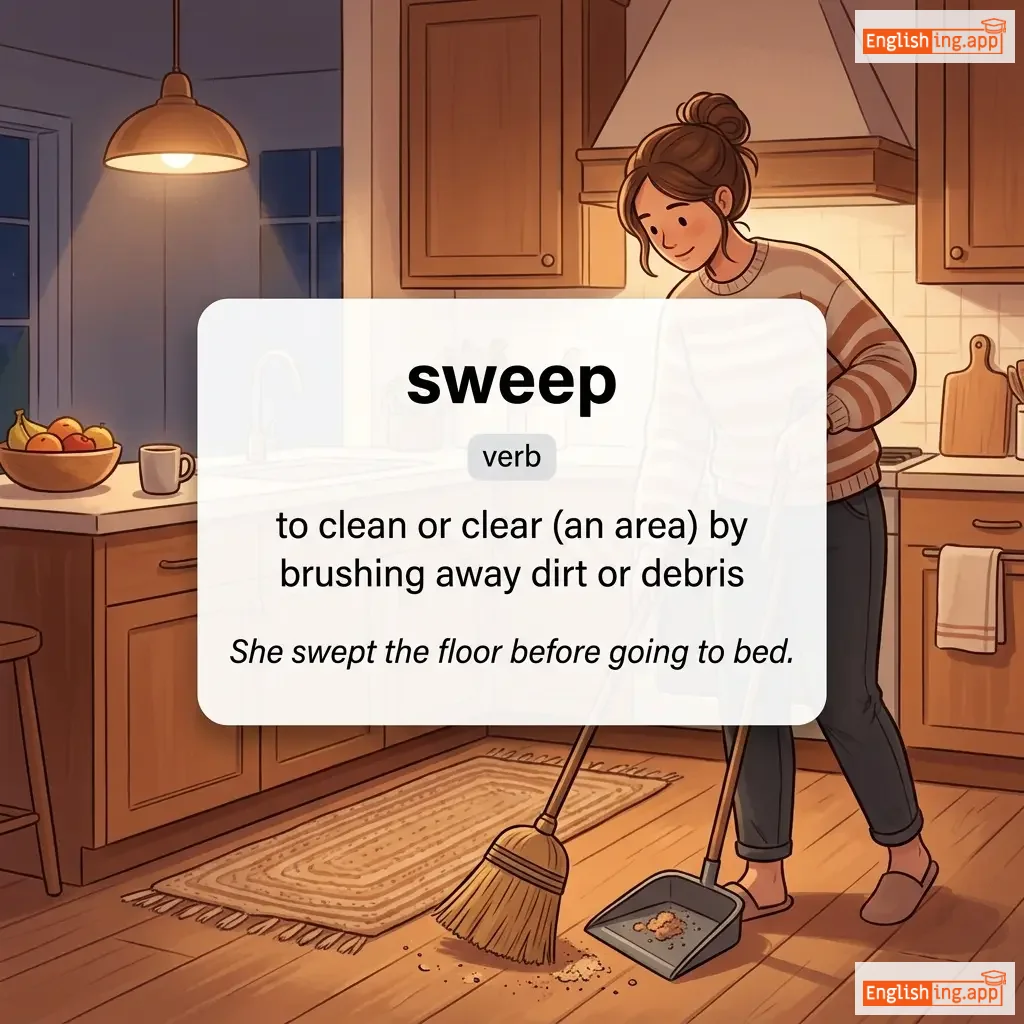
to clean or clear (an area) by brushing away dirt or debris
••••••
|
She swept the floor before going to bed.
她在睡觉前扫了地。
••••••
|
她在睡觉前扫了地。
Ta zai shuijiao qian sao le di.
••••••
|
- •••••• | - •••••• | - •••••• |
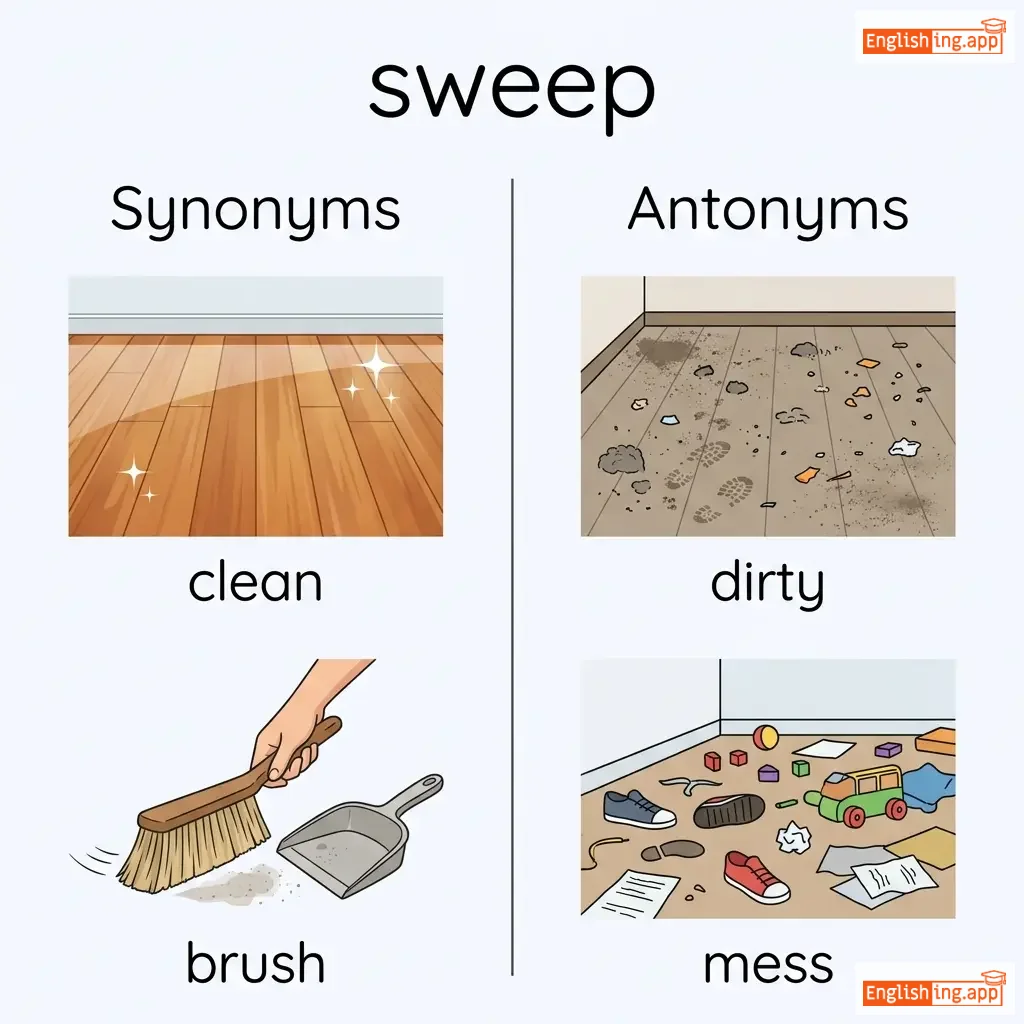
clean, brush, clear, sweep up
••••••
|
dirty, mess
••••••
|
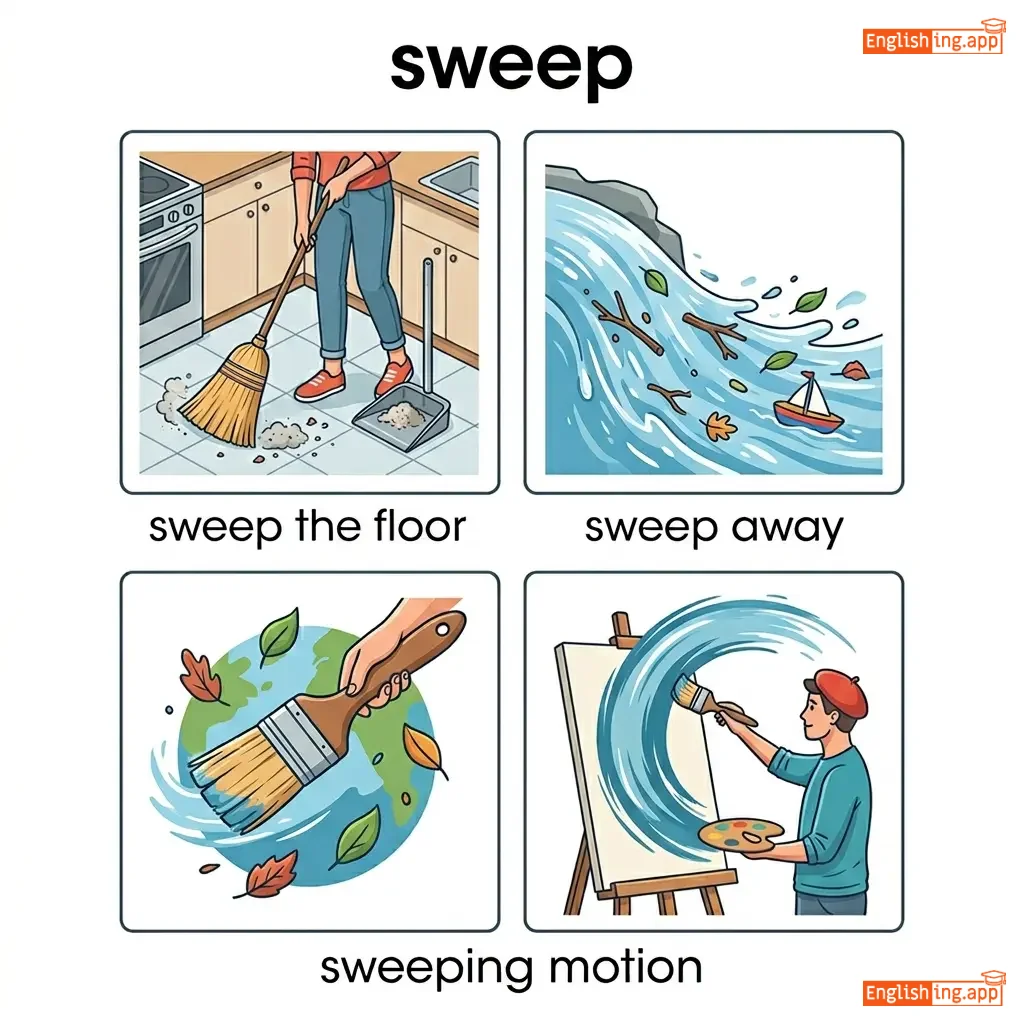
sweep the floor, sweep away, sweeping motion
••••••
|
Sweep - Sweep away dirt and mess!
••••••
|
|
#12103
💪
|
/sərˈvaɪvə/
noun
(幸存者)
••••••
|
- •••••• |
幸存者
xingcun zhe
••••••
|
- •••••• | - •••••• | - •••••• | - •••••• |
a person who survives, especially in difficult conditions
••••••
|
The survivors of the shipwreck were rescued after several days.
海难幸存者在几天后被救出。
••••••
|
海难幸存者在几天后被救出。
Hainan xingcun zhe zai ji tian hou bei jiuchu.
••••••
|
- •••••• | - •••••• | - •••••• |
survivor, conqueror, overcomer
••••••
|
victim
••••••
|
shipwreck survivor, accident survivor, lone survivor
••••••
|
丛林中的幸存者 - 在激烈战斗后生存
••••••
|
|
#12104
🦸
|
/səˈvaɪvl/
noun
(生存)
••••••
|
- •••••• |
生存
shengcun
••••••
|
- •••••• | - •••••• | - •••••• | - •••••• |
the state of continuing to live or exist, typically in difficult conditions
••••••
|
Survival in the wild can be a challenging experience.
在野外生存可能是一次充满挑战的经历。
••••••
|
在野外生存可能是一次充满挑战的经历。
Zai ye wai shengcun keneng shi yici chongman tiaozhan de jingli.
••••••
|
- •••••• | - •••••• | - •••••• |
existence, endurance, staying alive
••••••
|
death, extinction
••••••
|
survival skills, survival mode, struggle for survival
••••••
|
生存 - 为了生存,我们必须适应环境
••••••
|
|
#12105
📊
|
/ˈsɜːveɪ/
noun/verb
(sɜːveɪ)
••••••
|
- •••••• |
调查,问卷调查
diàochá, wènjuàn diàochá
••••••
|
surveyed
sɜːveɪd
••••••
|
surveyed
sɜːveɪd
••••••
|
surveys
sɜːveɪz
••••••
|
surveying
sɜːveɪɪŋ
••••••
|
noun: an examination or inspection; verb: to examine or measure (an area or subject)
••••••
|
They conducted a survey to understand customer preferences.
他们进行了一项调查,以了解客户的偏好。
••••••
|
他们进行了一项调查,以了解客户的偏好。
Tāmen jìnxíngle yī xiàng diàochá, yǐ liǎojiě kèhù de piānhào.
••••••
|
- •••••• | - •••••• | - •••••• |
poll, questionnaire, study, inspection
••••••
|
neglect, ignore
••••••
|
conduct a survey, survey results, survey participants
••••••
|
调查就像对客户的意见进行问卷调查
••••••
|
|
#12106
😲
|
/səˈpraɪzɪŋli/
adverb
(surprizingli)
••••••
|
- •••••• |
令人惊讶地
ling ren jing ya di
••••••
|
- •••••• | - •••••• | - •••••• | - •••••• |
in a way that causes surprise or amazement
••••••
|
Surprisingly, she finished the entire project in just one day.
令人惊讶的是,她在一天之内完成了整个项目。
••••••
|
令人惊讶的是,她在一天之内完成了整个项目。
Ling ren jing ya de, ta zai yi tian zhi nei wan cheng le zheng ge xiang mu.
••••••
|
- •••••• | - •••••• | - •••••• |
unexpectedly, shockingly, amazingly, astoundingly
••••••
|
predictably, expectedly
••••••
|
surprisingly fast, surprisingly well, surprisingly easy
••••••
|
惊讶!原来一个枯燥的任务竟然做得这么快 – 令人惊讶地!
••••••
|
|
#12107
😮
|
/səˈpraɪzɪŋ/
adjective
(sǔrpràizìng)
••••••
|
- •••••• |
令人吃惊的
lìng rén chī jīng de
••••••
|
- •••••• | - •••••• | - •••••• | - •••••• |
causing surprise or astonishment
••••••
|
The sudden storm was surprising. |
突如其来的暴风雨令人吃惊。
Tū rú qí lái de bào fēng yǔ lìng rén chī jīng.
••••••
|
- •••••• | - •••••• | - •••••• |
amazing, astonishing, shocking, unexpected
••••••
|
predictable, expected
••••••
|
surprising result, surprising turn, surprising news
••••••
|
SURprising = 事件惊人地打破常规!
••••••
|
|
#12108
😲
|
/səˈpraɪzd/
adjective
(sùrpráizd)
••••••
|
- •••••• |
惊讶
jīngyà
••••••
|
- •••••• | - •••••• | - •••••• | - •••••• |
feeling or showing astonishment or shock
••••••
|
She was surprised by the news.
她被这个消息惊讶了。
••••••
|
她被这个消息惊讶了。
Tā bèi zhège xiāoxī jīngyà le.
••••••
|
- •••••• | - •••••• | - •••••• |
astonished, shocked, amazed, dumbfounded
••••••
|
unimpressed, indifferent
••••••
|
surprised expression, surprised look, surprised reaction
••••••
|
SURprised = Suddenly Unexpected Reality
••••••
|
|
#12109
🎉
|
/səˈpraɪz/
noun
(惊讶)
••••••
|
- •••••• |
惊讶
jingya
••••••
|
- •••••• | - •••••• | - •••••• | - •••••• |
a sudden and unexpected event or situation
••••••
|
His arrival was a pleasant surprise. |
他的到来是一个愉快的惊讶。
tā de dào lái shì yīgè yúkuài de jīngyà.
••••••
|
a pleasant surprise |
an unexpected but happy event
••••••
|
一个愉快的惊讶
yīgè yúkuài de jīngyà
••••••
|
shock, astonishment, amazement, wonder
••••••
|
expectation, predictability
••••••
|
pleasant surprise, unexpected surprise, big surprise
••••••
|
SURprise = SURroundings change suddenly!
••••••
|
|
#12110
🩺
|
/ˈsɜːdʒəri/
noun
••••••
|
- •••••• | - •••••• | - •••••• | - •••••• | - •••••• | - •••••• |
a medical procedure involving the cutting of the body to treat a condition
••••••
|
She underwent surgery to remove the tumor. |
- •••••• | - •••••• | - •••••• | - •••••• |
operation, procedure, treatment
••••••
|
healing, recovery
••••••
|
surgery operation, minor surgery, surgery recovery
••••••
|
No •••••• |
|
#12111
🌊
|
/ˈsɜːfɪs/
noun
(sàofèi sī)
••••••
|
- •••••• |
表面
biaomian
••••••
|
- •••••• | - •••••• | - •••••• | - •••••• |
the outermost layer or boundary of something
••••••
|
The surface of the water was calm. |
水的表面很平静。
Shui de biaomian hen pingjing.
••••••
|
- •••••• | - •••••• | - •••••• |
top, exterior, face, skin
••••••
|
interior, depth
••••••
|
surface tension, surface area, surface layer
••••••
|
SURface = SURrounding area (around something)
••••••
|
|
#12112
✔️
|
/ˈʃʊəli/
adverb
(许尔利)
••••••
|
- •••••• |
肯定
kěndìng
••••••
|
- •••••• | - •••••• | - •••••• | - •••••• |
used to emphasize that something is definitely true or certain
••••••
|
Surely, he must know about the meeting.
肯定他一定知道关于会议的事情。
••••••
|
肯定他一定知道关于会议的事情。
Kěndìng tā yīdìng zhīdào guānyú huìyì de shìqíng.
••••••
|
- •••••• | - •••••• | - •••••• |
certainly, definitely, undoubtedly, without a doubt
••••••
|
doubtfully, uncertainly, probably
••••••
|
surely know, surely must, surely not
••••••
|
肯定 (surely) 就是强调一定的意思,非常肯定的说法。
••••••
|
|
#12113
👑
|
/suˈpriːm/
adjective
(suˈpriːm)
••••••
|
- •••••• |
至高无上
zhì gāo wú shàng
••••••
|
- •••••• | - •••••• | - •••••• | - •••••• |
highest in rank or authority
••••••
|
He is the supreme leader of the country. |
他是这个国家的最高领导人。
Tā shì zhège guójiā de zuìgāo lǐngdǎo rén.
••••••
|
- •••••• | - •••••• | - •••••• |
highest, top, paramount, ultimate
••••••
|
inferior, subordinate, lower
••••••
|
supreme leader, supreme authority, supreme court
••••••
|
至高无上就像一个最高的领袖。
••••••
|
|
#12114
❓
|
/səˈpəʊzd/
adjective
(səˈpɔzəd)
••••••
|
- •••••• |
假定的
jiading de
••••••
|
- •••••• | - •••••• | - •••••• | - •••••• |
generally believed or assumed, but not necessarily true
••••••
|
This is the supposed solution to the problem. |
这是问题的假定解决方案。
Zhe shi wenti de jiading jiejue fang'an.
••••••
|
- •••••• | - •••••• | - •••••• |
assumed, alleged, presumed, supposed
••••••
|
real, certain, verified
••••••
|
supposed to, supposed solution, supposed reason
••••••
|
假定的 (supposed) 是指看似真实但未必如此的事物。
••••••
|
Vocabulary Quiz
Test your vocabulary by matching words with their translations or meanings.
Login to take the quiz
Comments (0)
Share your thoughts and join the discussion.
Join the discussion by logging in
Login to CommentNo comments yet
Be the first to share your thoughts!