


Swipe left or right, or use the buttons. Tap image to zoom.
例句翻译
单词
Lesson 265Lesson 265 - 遮罩切换
|
表情符号
|
单词 | Images | 翻译 | 过去时 | 过去分词 | 第三人称单数 | 动名词 | 含义 | 例句 | 例句翻译 | 示例表达 | 示例表达含义 | 示例表达翻译 | 同义词 | 反义词 | 搭配词 | 助记符 |
|---|---|---|---|---|---|---|---|---|---|---|---|---|---|---|---|---|---|
|
#7920
🌍
|
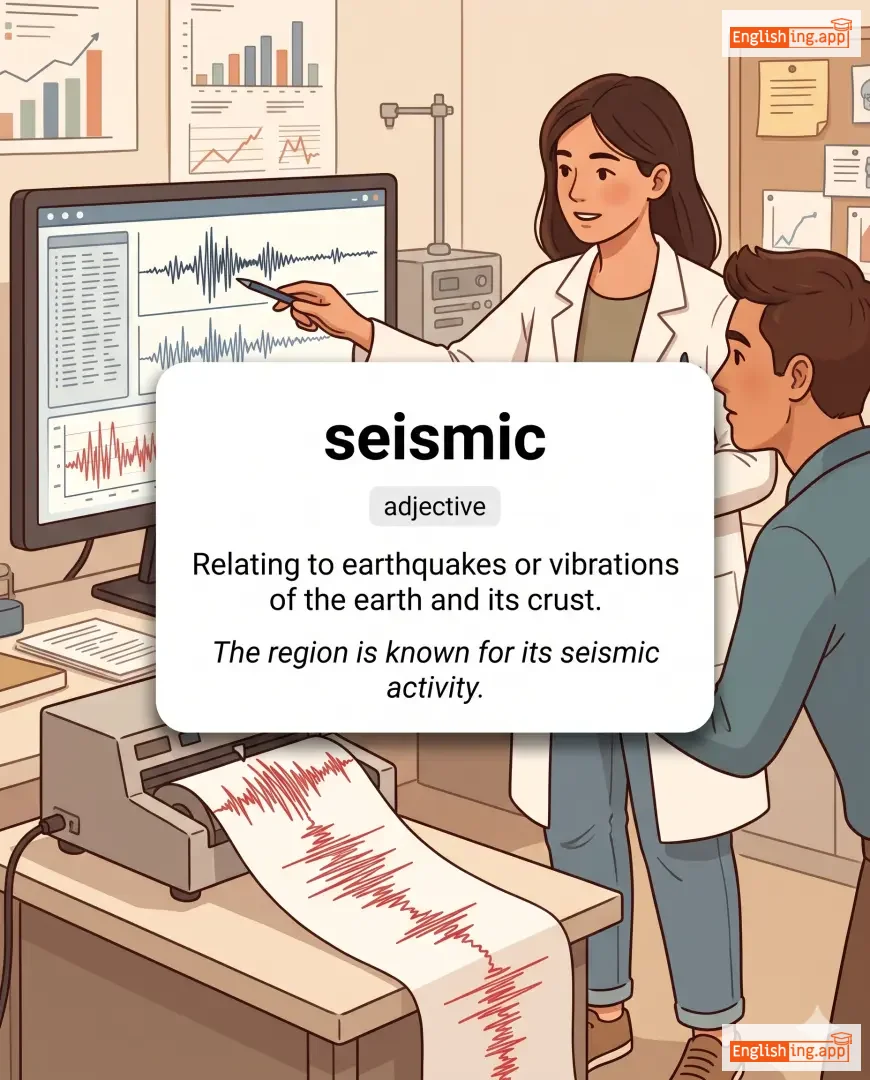
/ˈsaɪz.mɪk/
adjective
(地震的)
••••••
|
|
地震的
dìzhèndè
••••••
|
- •••••• | - •••••• | - •••••• | - •••••• |
Relating to earthquakes or vibrations of the earth and its crust.
••••••
|
The region is known for its seismic activity.
该地区以其地震活动而闻名。
••••••
|
该地区以其地震活动而闻名。
Gāi dìqū yǐ qí dìzhèn huódòng ér wénmíng.
••••••
|
seismic shift
地震变动
••••••
|
A major and significant change.
••••••
|
地震变动
dìzhèn biàndòng
••••••
|
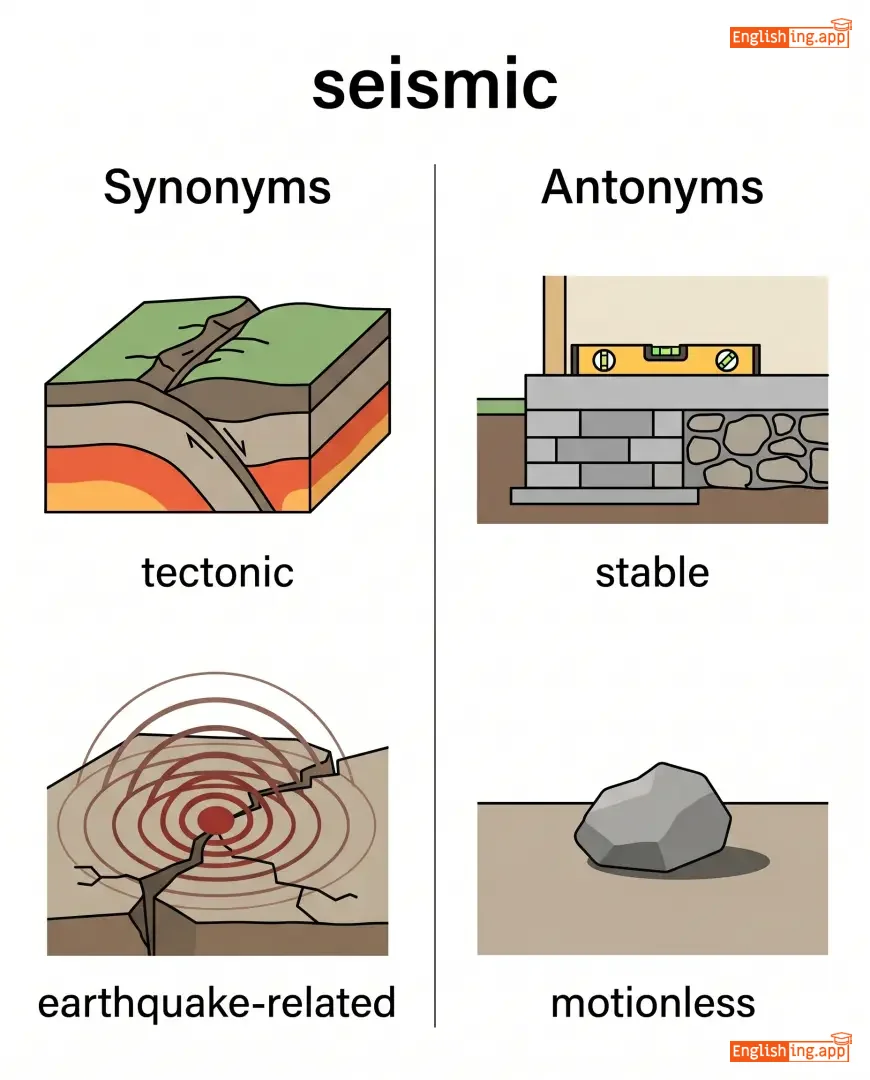
tectonic, earthquake-related, vibrational, geological, ground-shaking
••••••
|
stable, motionless, calm
••••••
|
seismic activity, seismic waves, seismic hazard, seismic risk, seismic shift
••••••
|
地震的意味着地球的震动。
••••••
|
|
#7921
😵
|
/ˌsɛm.iˈkɒn.ʃəs/
adjective
(sɛmiˈkɔnsjəs)
••••••
|
- •••••• |
半意识的
bàn yìshí de
••••••
|
- •••••• | - •••••• | - •••••• | - •••••• |
Only partly conscious; not fully aware of surroundings.
••••••
|
He was semiconscious after the accident and could barely respond.
他在事故后半意识清醒,几乎无法回应。
••••••
|
他在事故后半意识清醒,几乎无法回应。
Tā zài shìgù hòu bàn yìshí qīngxǐng, jīhū wúfǎ huíyīng.
••••••
|
- •••••• | - •••••• | - •••••• |
half-conscious, dazed, groggy, faint
••••••
|
conscious, alert, aware
••••••
|
semiconscious state, semiconscious condition, remain semiconscious
••••••
|
Semi 意味着部分,conscious 意味着清醒 — 事故后 semi-conscious 意味着半清醒。
••••••
|
|
#7922
🌍
|
/ˌsɛm.iˈsɪv.ə.laɪzd/
adjective
(半文明)
••••••
|
- •••••• |
半文明
bàn wénmíng
••••••
|
- •••••• | - •••••• | - •••••• | - •••••• |
Partially civilized; having some aspects of civilization but not fully developed.
••••••
|
The tribe was described as semicivilized by early explorers. |
该部落被早期探险家描述为半文明。
Gāi bùluò bèi zǎoqī tànxiǎn jiā miáoshù wéi bàn wénmíng.
••••••
|
- •••••• | - •••••• | - •••••• |
partly civilized, half-civilized, primitive
••••••
|
civilized, cultured
••••••
|
semicivilized tribe, semicivilized society
••••••
|
Semi意味着一半,文明意味着发展—因此,半文明=一半发展。
••••••
|
|
#7923
◔
|
/ˈsɛm.iˌsɜːr.kəl/
noun
(半圆)
••••••
|
- •••••• |
半圆
bàn yuán
••••••
|
- •••••• | - •••••• | - •••••• | - •••••• |
Half of a circle or something shaped like half of a circle.
••••••
|
The students sat in a semicircle around the teacher. |
学生们围绕老师坐成半圆形。
Xuesheng men weirao laoshi zuo cheng banyuanxing.
••••••
|
- •••••• | - •••••• | - •••••• |
half-circle, arc, curve
••••••
|
circle, square
••••••
|
sit in a semicircle, form a semicircle, semicircle arrangement
••••••
|
Semi = 一半,圆 = 圆,因此半圆 = 半圆。
••••••
|
|
#7924
📆
|
/ˌsɛm.iˈæn.ju.əl/
adjective
(半年度)
••••••
|
- •••••• |
半年一次
ban nian yi ci
••••••
|
- •••••• | - •••••• | - •••••• | - •••••• |
Occurring twice a year; every six months.
••••••
|
The company holds a semiannual meeting with all employees. |
公司每六个月举行一次会议。
Gongsi mei liu ge yue ju xing yi ci huiyi.
••••••
|
- •••••• | - •••••• | - •••••• |
biannual, twice-yearly, half-yearly
••••••
|
annual, quarterly
••••••
|
semiannual meeting, semiannual report, semiannual payment
••••••
|
Semi代表一半,半年一次 = 每年两次(每六个月一次)。
••••••
|
|
#7925
🎭
|
/ˈsɛm.bləns/
noun
(sēmbulǎns)
••••••
|
- •••••• |
表象, 外在形式
biǎoxiàng, wàizài xíngshì
••••••
|
- •••••• | - •••••• | - •••••• | - •••••• |
The outward appearance or form of something, especially when the reality is different.
••••••
|
Despite his calm tone, there was only a semblance of control in the room.
despite his calm tone, there was only a semblance of control in the room.
••••••
|
尽管他的语气很平静,房间里只有一种控制的表象。
Jǐnguǎn tā de yǔqì hěn píngjìng, fángjiān lǐ zhǐyǒu yī zhǒng kòngzhì de biǎoxiàng.
••••••
|
semblance of order
semblance of order
••••••
|
An appearance of order, even if true order does not exist.
••••••
|
秩序的表象
zhìxù de biǎoxiàng
••••••
|
appearance, guise, pretense, show, facade
••••••
|
reality, truth, substance
••••••
|
semblance of order, faint semblance, mere semblance, semblance of normalcy
••••••
|
SEMBLANCE 的意思是外在的表象,像是事实,虽然并不真实。
••••••
|
|
#7926
🔤
|
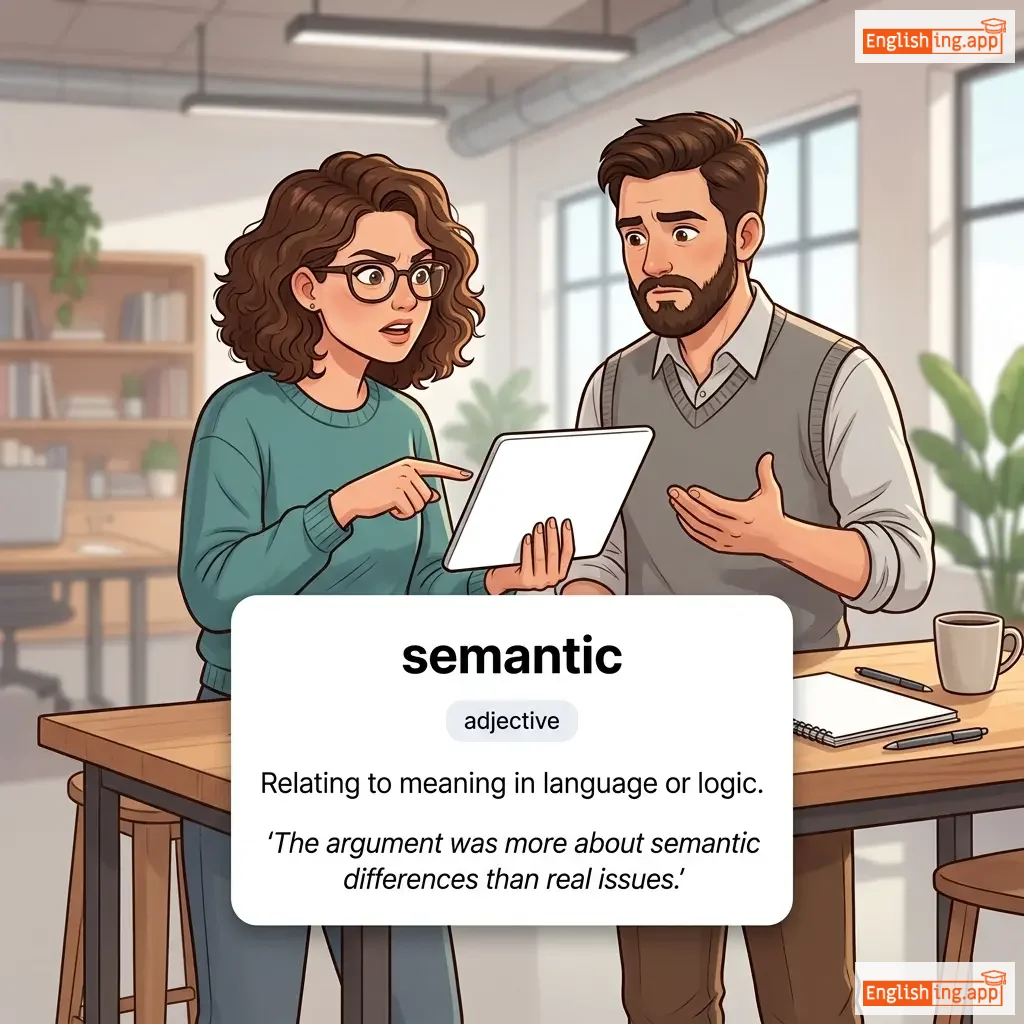
/sɪˈmæntɪk/
adjective
(语义的)
••••••
|
|
语义的
yǔyì de
••••••
|
- •••••• | - •••••• | - •••••• | - •••••• |
Relating to meaning in language or logic.
••••••
|
The argument was more about semantic differences than real issues. |
争论更多是关于语义差异而非实际问题。
Zhēnglùn gèng duō shì guānyú yǔyì chāyì ér fēi shíjì wèntí.
••••••
|
semantic debate |
A debate that focuses on word meanings rather than substantial issues
••••••
|
语义辩论
yǔyì biànlùn
••••••
|
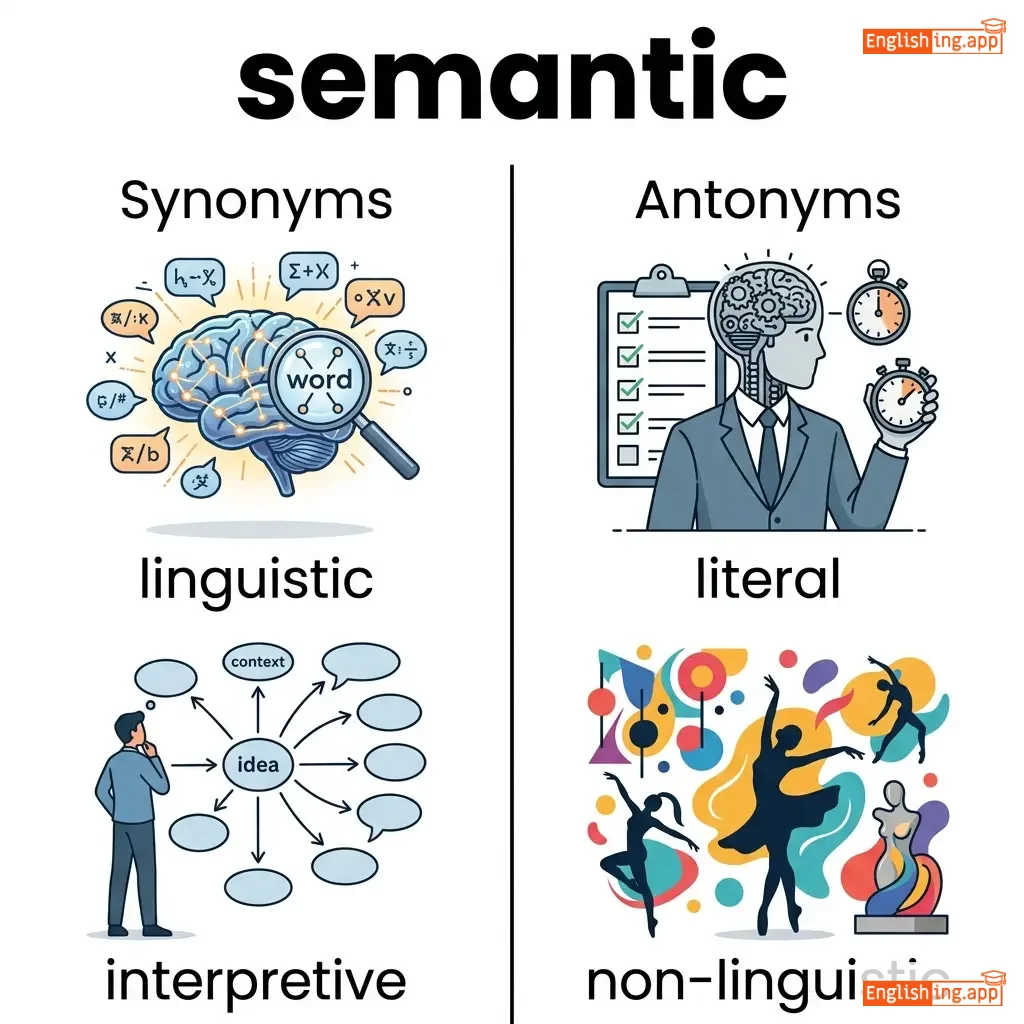
linguistic, interpretive, lexical, conceptual
••••••
|
literal, non-linguistic
••••••
|
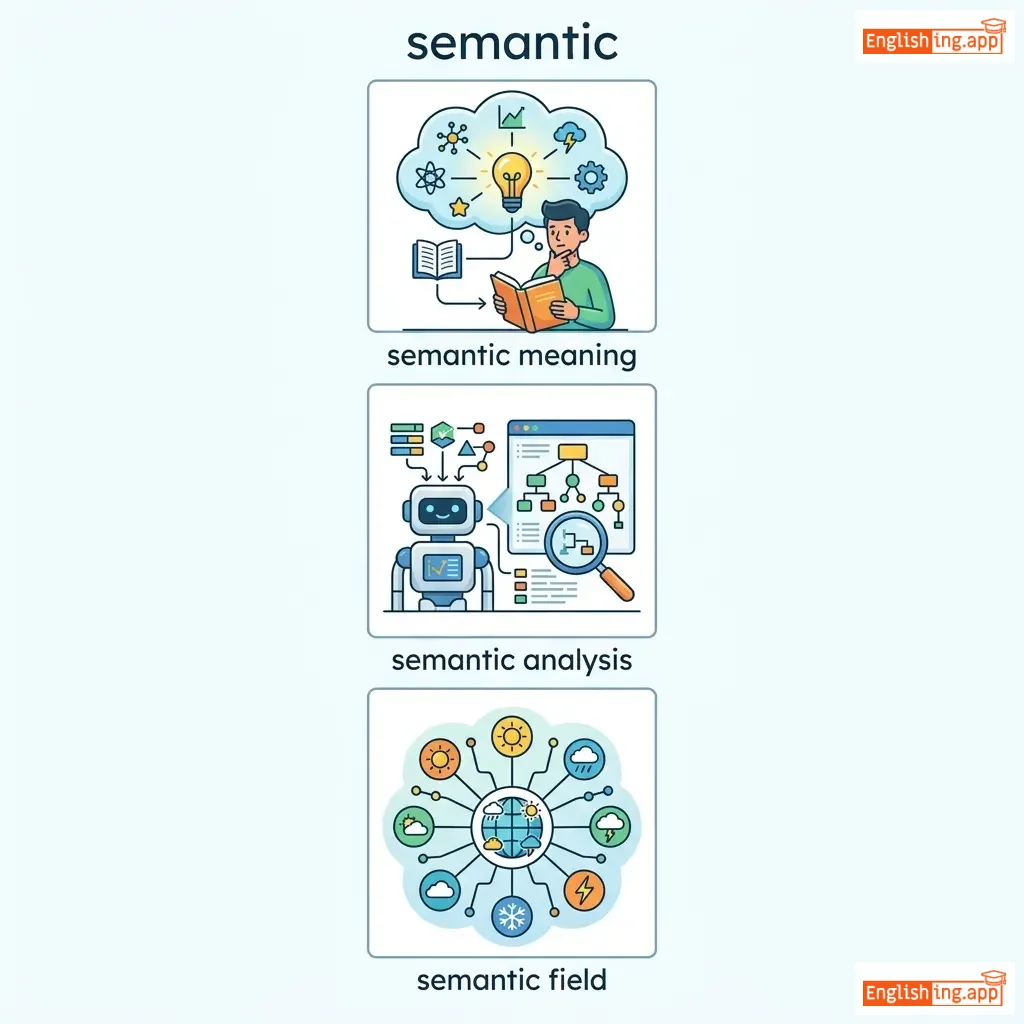
semantic meaning, semantic analysis, semantic field
••••••
|
语义 = 词义,语义相关的话就是关于意义。
••••••
|
|
#7927
😇
|
/ˌsɛlf ˈraɪtʃəs/
adjective
(self-raitcheus)
••••••
|
- •••••• |
自以为是
zì yǐ wéi shì
••••••
|
- •••••• | - •••••• | - •••••• | - •••••• |
Having or showing an attitude of moral superiority; believing one’s own beliefs are the only right ones.
••••••
|
His self-righteous comments made everyone uncomfortable. |
他的自以为是的评论让每个人都感到不舒服。
Tā de zì yǐ wéi shì de píng lùn ràng měi gè rén dōu gǎn dào bù shū fu.
••••••
|
- •••••• | - •••••• | - •••••• |
sanctimonious, smug, holier-than-thou, pious
••••••
|
humble, modest
••••••
|
self-righteous attitude, self-righteous tone, sound self-righteous
••••••
|
Self-righteous = 认为自己总是对的,所以自以为是。
••••••
|
|
#7928
🙇
|
/ˌsɛlf rɪˈspɛkt/
noun
(self-respect)
••••••
|
- •••••• |
自尊
zizun
••••••
|
- •••••• | - •••••• | - •••••• | - •••••• |
A feeling of pride and confidence in oneself; self-worth.
••••••
|
She refused to compromise her self-respect by accepting unfair treatment. |
她拒绝通过接受不公平的待遇来妥协自己的自尊。
Tā jùjué tōngguò jiēshòu bù gōngpíng de dàiyù lái tuǒxié zìjǐ de zìzūn.
••••••
|
loss of self-respect |
Losing confidence and pride in oneself
••••••
|
失去自尊
shīqù zìzūn
••••••
|
dignity, pride, honor, self-esteem
••••••
|
shame, humiliation, dishonor
••••••
|
maintain self-respect, loss of self-respect, sense of self-respect
••••••
|
Self + respect = 自尊, '我会保持我的自尊'.
••••••
|
|
#7929
🍫
|
/ˌsɛlf ɪnˈdʌldʒəns/
noun
(self-indulgence)
••••••
|
- •••••• |
自我纵容
zì wǒ zòng rónɡ
••••••
|
- •••••• | - •••••• | - •••••• | - •••••• |
The act of allowing oneself to enjoy pleasures or desires excessively.
••••••
|
His weekend of self-indulgence included eating sweets and watching movies nonstop. |
他的自我纵容周末包括吃糖果和不停地看电影。
Tā de zì wǒ zòng rónɡ zhōumò bāokuò chī tángguǒ hé bùtíng de kàn diànyǐng.
••••••
|
- •••••• | - •••••• | - •••••• |
hedonism, excess, gratification, pleasure-seeking
••••••
|
self-control, restraint, discipline
••••••
|
pure self-indulgence, moment of self-indulgence, guilty self-indulgence
••••••
|
自我纵容意味着享受一切,比如'吃巧克力不停'。
••••••
|
|
#7930
🪞
|
/ˌsɛlf əbˈzɔːrbd/
adjective
(self-absorbed)
••••••
|
- •••••• |
自我中心
zìwǒ zhōngxīn
••••••
|
- •••••• | - •••••• | - •••••• | - •••••• |
Excessively preoccupied with oneself and one’s own thoughts, feelings, or interests.
••••••
|
He was too self-absorbed to notice his friend's distress. |
他太过自我中心,没注意到朋友的困扰。
Tā tài guò zìwǒ zhōngxīn, méi zhùyì dào péngyǒu de kùnrǎo.
••••••
|
- •••••• | - •••••• | - •••••• |
egotistical, narcissistic, selfish, self-centered, inward-looking
••••••
|
selfless, considerate, altruistic
••••••
|
deeply self-absorbed, too self-absorbed, emotionally self-absorbed
••••••
|
Self + absorbed 意味着只关注自己,所以是自我中心。
••••••
|
|
#7931
🙏
|
/ˌself əˈbeɪs.mənt/
noun
(self-abasement)
••••••
|
- •••••• |
自我贬低
zi wo bian di
••••••
|
- •••••• | - •••••• | - •••••• | - •••••• |
The act of belittling or humiliating oneself.
••••••
|
His constant self-abasement made others uncomfortable. |
他不断的自我贬低让其他人感到不舒服。
Ta buduan de zi wo bian di rang qita ren gan dao bu shufu.
••••••
|
- •••••• | - •••••• | - •••••• |
humility, self-humiliation, self-deprecation, modesty
••••••
|
pride, arrogance, self-confidence
••••••
|
act of self-abasement, constant self-abasement, self-abasement behavior
••••••
|
Self-abasement 意味着贬低自己。
••••••
|
|
#7932
🎯
|
/sɪˈlek.tɪv/
adjective
(选择性)
••••••
|
- •••••• |
选择性
xuǎnzéxìng
••••••
|
- •••••• | - •••••• | - •••••• | - •••••• |
Characterized by careful choice; choosing only the best or most suitable.
••••••
|
She is very selective about the clothes she buys. |
她在购买衣服时非常选择性。
Tā zài gòumǎi yīfú shí fēicháng xuǎnzéxìng.
••••••
|
- •••••• | - •••••• | - •••••• |
choosy, particular, exclusive, discriminating, careful
••••••
|
indiscriminate, careless, random
••••••
|
selective process, selective approach, selective breeding, selective choice
••••••
|
选择性就像 '选择' – 选择最好的或最合适的东西。
••••••
|
|
#7933
✋
|
/siːz/
verb
(sí)
••••••
|
- •••••• |
夺取
duóqǔ
••••••
|
seized
sīzd
••••••
|
seized
sīzd
••••••
|
seizes
sīzes
••••••
|
seizing
sīzīng
••••••
|
To take hold of suddenly and forcibly.
••••••
|
The police managed to seize the stolen goods.
警察成功没收了被盗的货物。
••••••
|
警察成功没收了被盗的货物。
Jǐngchá chénggōng mòshōule bèi dào de huòwù.
••••••
|
seize the day
把握今天
••••••
|
To make the most of the present moment.
••••••
|
把握今天
Bǎwò jīntiān
••••••
|
grab, capture, snatch, take, confiscate
••••••
|
release, let go, free
••••••
|
seize control, seize opportunity, seize power, seize assets
••••••
|
Seize意味着夺取 – 就像警察夺取被盗的财物。
••••••
|
|
#7934
📈
|
/ˈsaɪz.mə.ɡræf/
noun
(ˈsaɪz.mə.ɡræf)
••••••
|
- •••••• |
地震仪
dizhenyi
••••••
|
- •••••• | - •••••• | - •••••• | - •••••• |
An instrument that measures and records details of earthquakes, such as force and duration.
••••••
|
The seismograph detected a strong tremor in the area. |
地震仪检测到该地区的强烈震动。
Dizhenyi jiance dao gai diqu de qianglie zhendong.
••••••
|
- •••••• | - •••••• | - •••••• |
earthquake detector, tremor recorder, seismometer, quake recorder
••••••
|
none, null
••••••
|
digital seismograph, seismograph reading, seismograph station
••••••
|
地震仪 – 记录地震震动的图表,就像地震的图形。
••••••
|
|
#7935
💊
|
/ˈsɛdətɪv/
noun
(镇静剂)
••••••
|
- •••••• |
镇静剂
zhènjìngjì
••••••
|
- •••••• | - •••••• | - •••••• | - •••••• |
A substance that calms the nerves or induces sleep.
••••••
|
The doctor prescribed a sedative to help the patient sleep.
医生开了镇静剂来帮助病人入睡。
••••••
|
医生开了镇静剂来帮助病人入睡。
Yīshēng kāile zhènjìngjì lái bāngzhù bìngrén rùshuì.
••••••
|
- •••••• | - •••••• | - •••••• |
tranquilizer, calmative, depressant, relaxant, sleeping pill
••••••
|
stimulant, energizer
••••••
|
take a sedative, mild sedative, powerful sedative, sedative effect
••••••
|
镇静剂就是帮助睡觉的药物 – 服用后,你会安静入睡。
••••••
|
|
#7936
🎣
|
/seɪn/
noun
(赛恩)
••••••
|
- •••••• |
大网
dà wǎng
••••••
|
- •••••• | - •••••• | - •••••• | - •••••• |
A large fishing net that hangs vertically in the water.
••••••
|
The fishermen cast their seine into the river. |
渔民把他们的大网扔进了河里。
Yúmín bǎ tāmen de dà wǎng rēng jìnle hé lǐ.
••••••
|
- •••••• | - •••••• | - •••••• |
net, fishing net, dragnet, mesh
••••••
|
hook, line
••••••
|
cast a seine, haul a seine, seine fishing
••••••
|
Seine 意味着大渔网,就像把大网扔进河里一样。
••••••
|
|
#7937
🏰
|
/ˈseɪnjər/
noun
(塞尼奥)
••••••
|
- •••••• |
封建领主
fēngjiàn lǐngzhǔ
••••••
|
- •••••• | - •••••• | - •••••• | - •••••• |
A feudal lord; a man of authority in medieval Europe.
••••••
|
The seignior demanded taxes from the peasants. |
封建领主向农民征税。
Fēngjiàn lǐngzhǔ xiàng nóngmín zhēngshuì.
••••••
|
- •••••• | - •••••• | - •••••• |
lord, noble, master, overlord
••••••
|
peasant, commoner
••••••
|
powerful seignior, feudal seignior, seignior rights
••••••
|
Seignior类似于封建领主,封建领主要求税收。
••••••
|
|
#7938
🧩
|
/ˈsɛɡmənt/
noun
(分段)
••••••
|
- •••••• |
段
duan
••••••
|
- •••••• | - •••••• | - •••••• | - •••••• |
A part or section of something that is divided.
••••••
|
Each segment of the market has different needs. |
市场的每个段都有不同的需求。
Shìchǎng de měi gè duàn dōu yǒu bùtóng de xūqiú.
••••••
|
market segment |
A specific group of consumers within a market
••••••
|
市场细分
shìchǎng xìfēn
••••••
|
section, part, division, piece, portion
••••••
|
whole, entirety, unity
••••••
|
market segment, orange segment, segment of society
••••••
|
Segment sounds like 'part', like market segment is a part of the market.
••••••
|
|
#7939
😡
|
/siːð/
verb
(西斯)
••••••
|
- •••••• |
怒火中烧
nù huǒ zhōng shāo
••••••
|
seethed
西斯德
••••••
|
seethed
西斯德
••••••
|
seethes
西斯
••••••
|
seething
西斯英
••••••
|
To be filled with intense but unexpressed anger or agitation.
••••••
|
She was seething with anger after the unfair decision.
她在不公平的决定后怒火中烧。
••••••
|
她在不公平的决定后怒火中烧。
Tā zài bù gōngpíng de juédìng hòu nù huǒ zhōng shāo.
••••••
|
seethe with rage
怒火中烧
••••••
|
To be extremely angry but not show it openly
••••••
|
怒火中烧
nù huǒ zhōng shāo
••••••
|
boil, fume, simmer, rage, smolder
••••••
|
calm, relax, soothe
••••••
|
seethe with anger, seethe inside, seething resentment
••••••
|
Seethe = '西斯' = 怒火中烧
••••••
|
|
#7940
🔮
|
/sɪr/
noun
(西尔)
••••••
|
- •••••• |
预言者
yùyán zhě
••••••
|
- •••••• | - •••••• | - •••••• | - •••••• |
A person who is supposed to be able to see what will happen in the future; a prophet.
••••••
|
The seer predicted a great change in the kingdom. |
预言者预测了王国的重大变化。
Yùyán zhě yùcèle wángguó de zhòngdà biànhuà.
••••••
|
- •••••• | - •••••• | - •••••• |
prophet, oracle, visionary, diviner, fortune-teller
••••••
|
skeptic, doubter
••••••
|
ancient seer, wise seer, seer of visions, mystical seer
••••••
|
Seer 意味着预言者,能够看到未来的人。
••••••
|
|
#7941
💧
|
/siːp/
verb
(sip)
••••••
|
- •••••• |
渗透
shentou
••••••
|
seeped
sipde
••••••
|
seeped
sipde
••••••
|
seeps
sips
••••••
|
seeping
siping
••••••
|
to flow or leak slowly through small openings or pores
••••••
|
Water began to seep through the cracks in the wall.
水开始通过墙上的裂缝渗透。
••••••
|
水开始通过墙上的裂缝渗透。
Shui kaishi tongguo qiang shang de liefeng shentou.
••••••
|
seep into
渗透到
••••••
|
to slowly penetrate or spread into something
••••••
|
渗透到
shentou dao
••••••
|
leak, ooze, trickle, dribble
••••••
|
gush, pour, spurt
••••••
|
seep into, seep through, slowly seep
••••••
|
Seep 意思是缓慢渗透 – 想想水从小孔慢慢渗入。
••••••
|
|
#7942
🤵
|
/ˈsiːmli/
adjective
(xī mí lì)
••••••
|
- •••••• |
得体
deti
••••••
|
- •••••• | - •••••• | - •••••• | - •••••• |
proper or appropriate in behavior or appearance
••••••
|
It was not seemly to argue loudly during the ceremony. |
在仪式期间大声争论是不合适的。
Zai yishi qijian dasheng zhenglun shi bu heshi de.
••••••
|
- •••••• | - •••••• | - •••••• |
appropriate, proper, decent, suitable
••••••
|
improper, indecent, inappropriate
••••••
|
seemly conduct, seemly behavior, seemly manner
••••••
|
Seemly 意味着得体 – 记住,'seems' 合适的就是得体的。
••••••
|
|
#7943
🏚️
|
/ˈsiːdi/
adjective
(sidi)
••••••
|
- •••••• |
肮脏 / 破旧
āngzāng / pòjiù
••••••
|
- •••••• | - •••••• | - •••••• | - •••••• |
dirty, shabby, or in bad condition; also feeling slightly unwell
••••••
|
He stayed in a seedy motel near the bus station.
他住在离汽车站很近的破旧旅馆里。
••••••
|
他住在离汽车站很近的破旧旅馆里。
Tā zhù zài lí qìchē zhàn hěn jìn de pòjiù lǚguǎn lǐ.
••••••
|
- •••••• | - •••••• | - •••••• |
shabby, rundown, dilapidated, grimy
••••••
|
clean, elegant, neat
••••••
|
seedy motel, seedy neighborhood, seedy appearance
••••••
|
Seedy的意思是肮脏和破旧。想象一下,旧的CD表面损坏,变得破旧。
••••••
|
|
#7944
💼
|
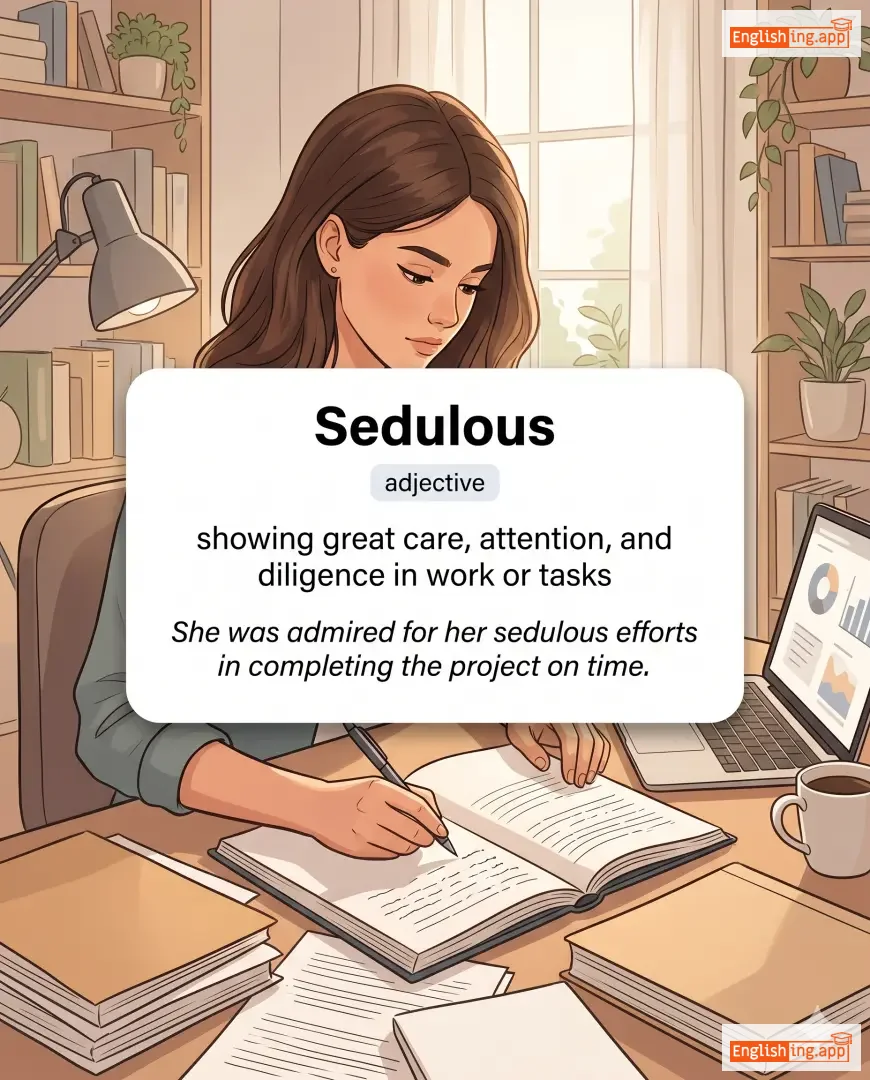
/ˈsɛdʒʊləs/
adjective
(赛杜鲁斯)
••••••
|
|
勤勉
qínmiǎn
••••••
|
- •••••• | - •••••• | - •••••• | - •••••• |
showing great care, attention, and diligence in work or tasks
••••••
|
She was admired for her sedulous efforts in completing the project on time. |
她因在按时完成项目时展现的勤勉努力而受到赞赏。
Tā yīn zài ànshí wánchéng xiàngmù shí zhǎnxiàn de qínmiǎn nǔlì ér shòudào zànshǎng.
••••••
|
- •••••• | - •••••• | - •••••• |
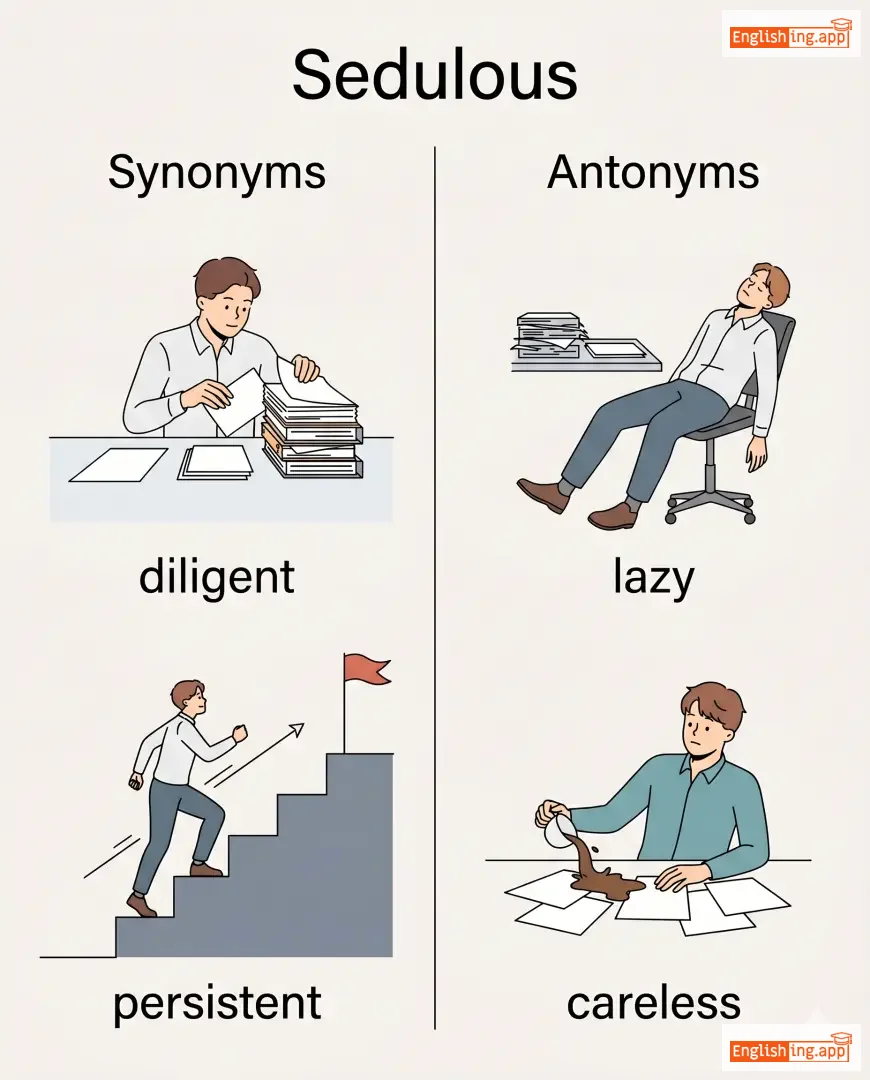
diligent, persistent, industrious, attentive, dedicated
••••••
|
lazy, careless, negligent
••••••
|
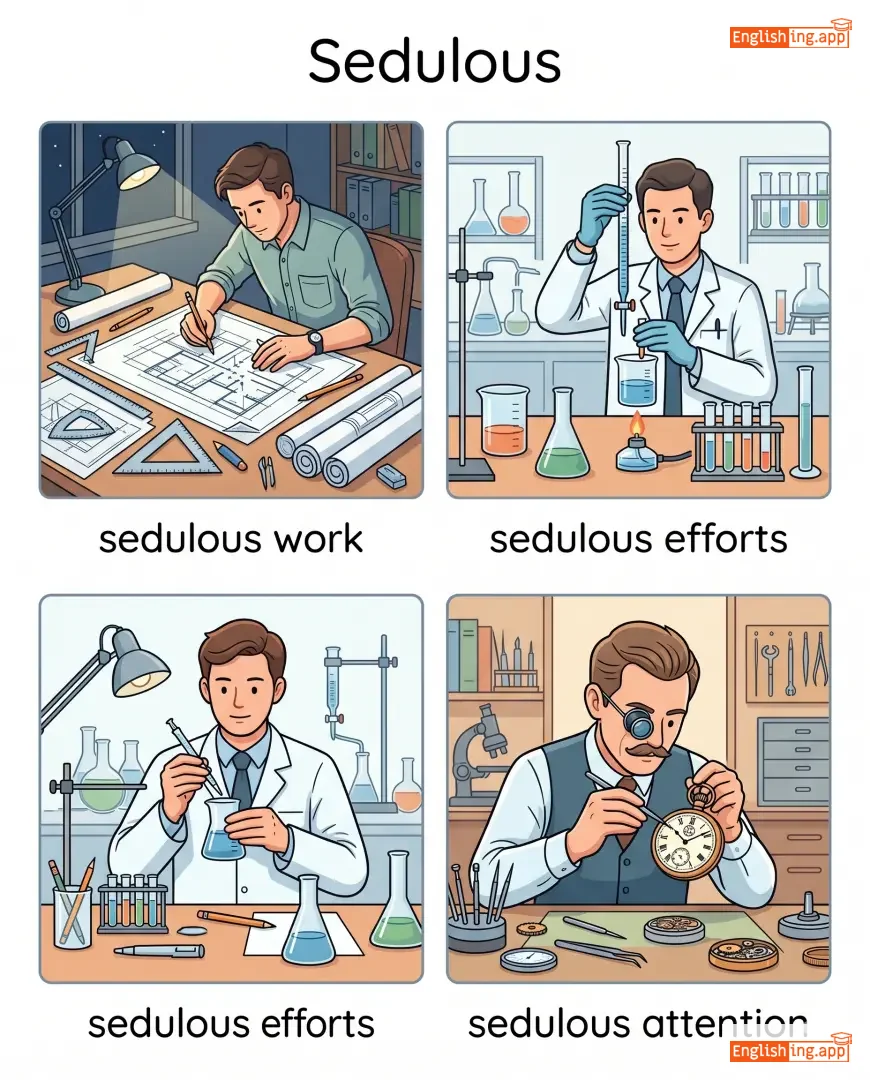
sedulous work, sedulous efforts, sedulous attention
••••••
|
Sedulous 意味着勤勉 – 想象一个有计划的工作者,勤勉地完成任务。
••••••
|
|
#7945
😏
|
/sɪˈdjuːs/
verb
••••••
|
- •••••• | - •••••• |
seduced
••••••
|
seduced
••••••
|
seduces
••••••
|
seducing
••••••
|
to attract someone into doing something, especially something they might not normally do
••••••
|
The advertisement was designed to seduce customers into buying luxury products. |
- •••••• |
seduce the senses |
to strongly appeal to or captivate someone’s senses
••••••
|
- •••••• |
tempt, entice, allure, attract, charm
••••••
|
repel, discourage, dissuade
••••••
|
seduce someone, seduce into, seduce the senses, easily seduced
••••••
|
No •••••• |
|
#7946
🔥
|
/sɪˈdɪʃəs/
adjective
(sɪˈdɪʃəs)
••••••
|
- •••••• |
煽动叛乱的
shāndòng pànluàn de
••••••
|
- •••••• | - •••••• | - •••••• | - •••••• |
Encouraging rebellion against authority.
••••••
|
The activist spread seditious pamphlets among the crowd. |
活动家在群众中散发了煽动叛乱的传单。
Huódòngjiā zài qúnzhòng zhōng sànfāle shāndòng pànluàn de chuándān.
••••••
|
- •••••• | - •••••• | - •••••• |
rebellious, insurgent, subversive, mutinous
••••••
|
loyal, obedient
••••••
|
seditious speech, seditious pamphlets, seditious behavior, seditious activity
••••••
|
煽动叛乱的就像是'煽动' – 激起反抗的行动。
••••••
|
|
#7947
⚖️
|
/sɪˈdɪʃən/
noun
(sɪˈdɪʃən)
••••••
|
|
煽动叛乱
shāndòng pànluàn
••••••
|
- •••••• | - •••••• | - •••••• | - •••••• |
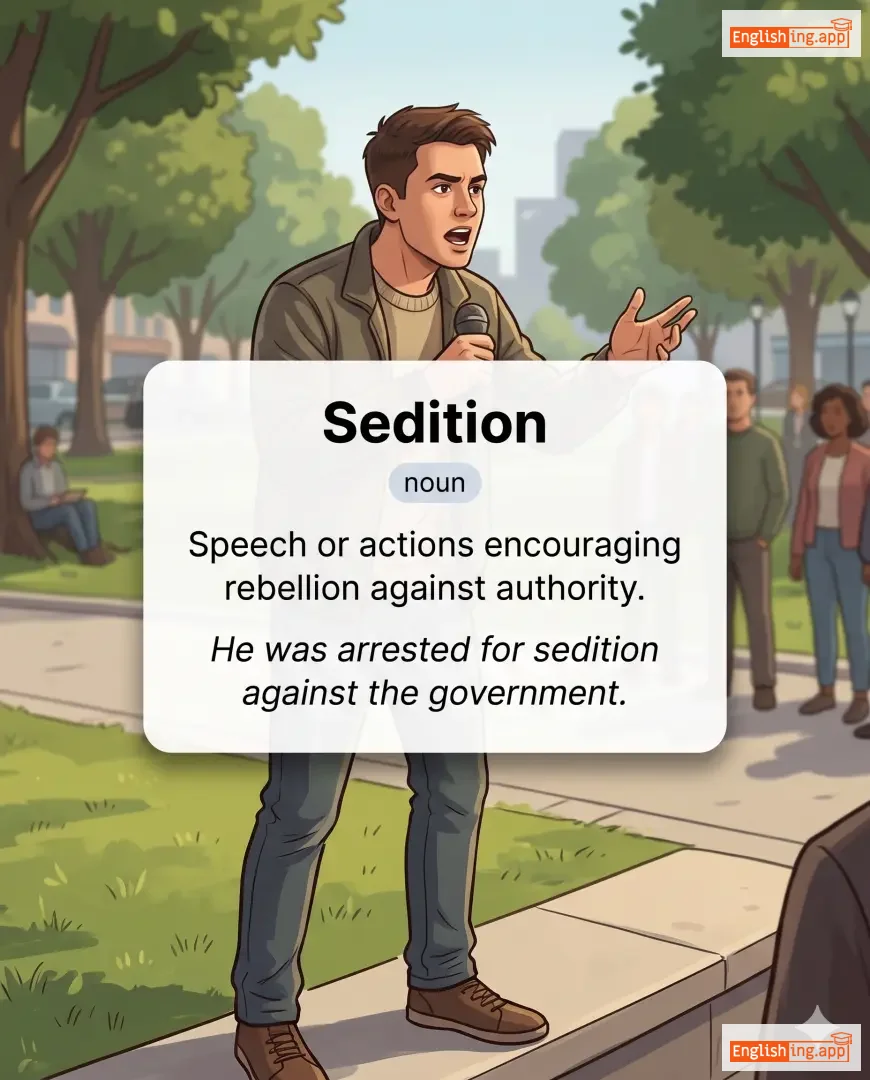
Speech or actions encouraging rebellion against authority.
••••••
|
He was arrested for sedition against the government. |
他因煽动叛乱被逮捕。
Tā yīn shāndòng pànluàn bèi dàibǔ.
••••••
|
- •••••• | - •••••• | - •••••• |
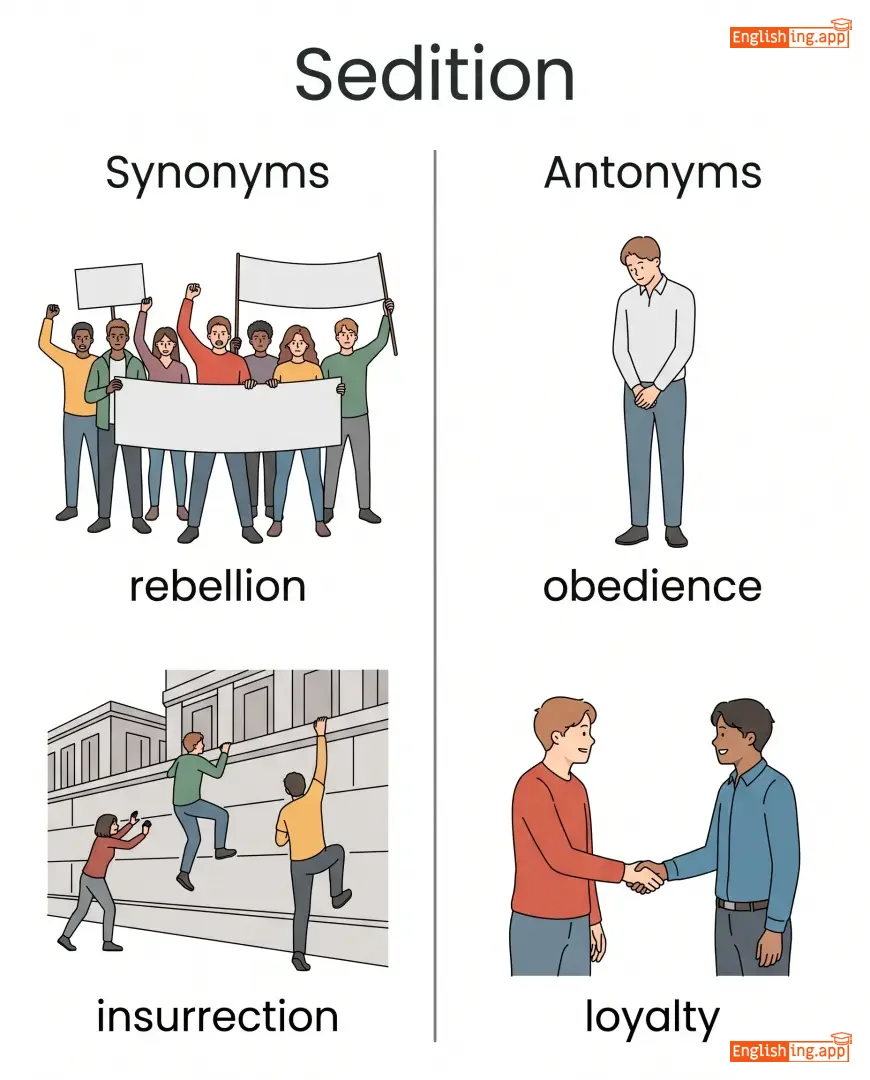
rebellion, insurrection, revolt, treason
••••••
|
obedience, loyalty
••••••
|
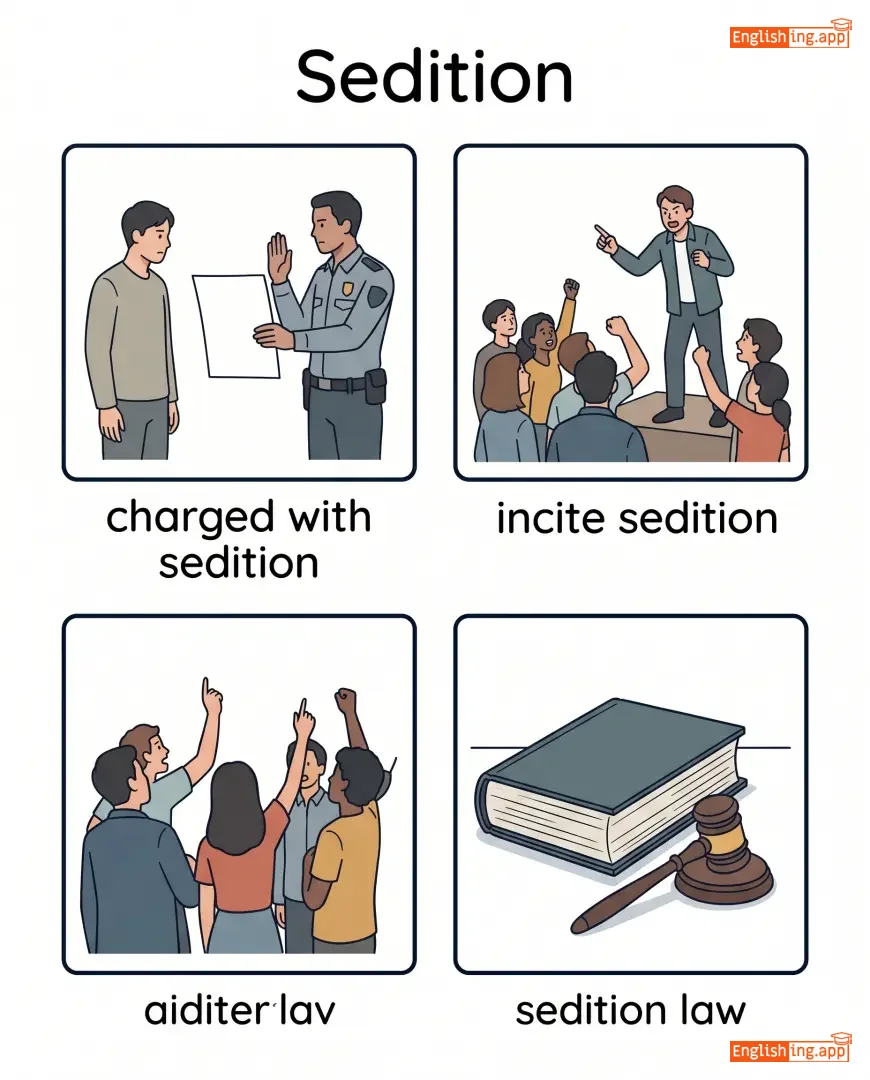
charged with sedition, incite sedition, sedition law, sedition act
••••••
|
Sedition 在中文里是 '煽动叛乱',就是挑起反对政府的行为。
••••••
|
|
#7948
🏞️
|
/ˈsɛdəmənt/
noun
(沉积物)
••••••
|
- •••••• |
沉积物
chénjīwù
••••••
|
- •••••• | - •••••• | - •••••• | - •••••• |
Solid particles that settle at the bottom of a liquid.
••••••
|
The river carries a lot of sediment downstream.
河流将大量沉积物带到下游。
••••••
|
河流将大量沉积物带到下游。
Héliú jiāng dàliàng chénjīwù dài dào xiàyóu.
••••••
|
- •••••• | - •••••• | - •••••• |
deposit, residue, silt, dregs
••••••
|
solution, purity
••••••
|
sediment layer, sediment buildup, river sediment, sediment deposit
••••••
|
沉积物 = 沉淀在河床上。
••••••
|
|
#7949
🛋️
|
/ˈsɛdntɛri/
adjective
(塞登特里)
••••••
|
|
久坐的
jiu zuo de
••••••
|
- •••••• | - •••••• | - •••••• | - •••••• |
Characterized by much sitting and little physical activity.
••••••
|
A sedentary lifestyle can lead to health problems.
a sedentary lifestyle can lead to health problems
••••••
|
久坐的生活方式可能导致健康问题。
jiu zuo de sheng huo fang shi ke neng dao zhi jian kang wen ti
••••••
|
- •••••• | - •••••• | - •••••• |
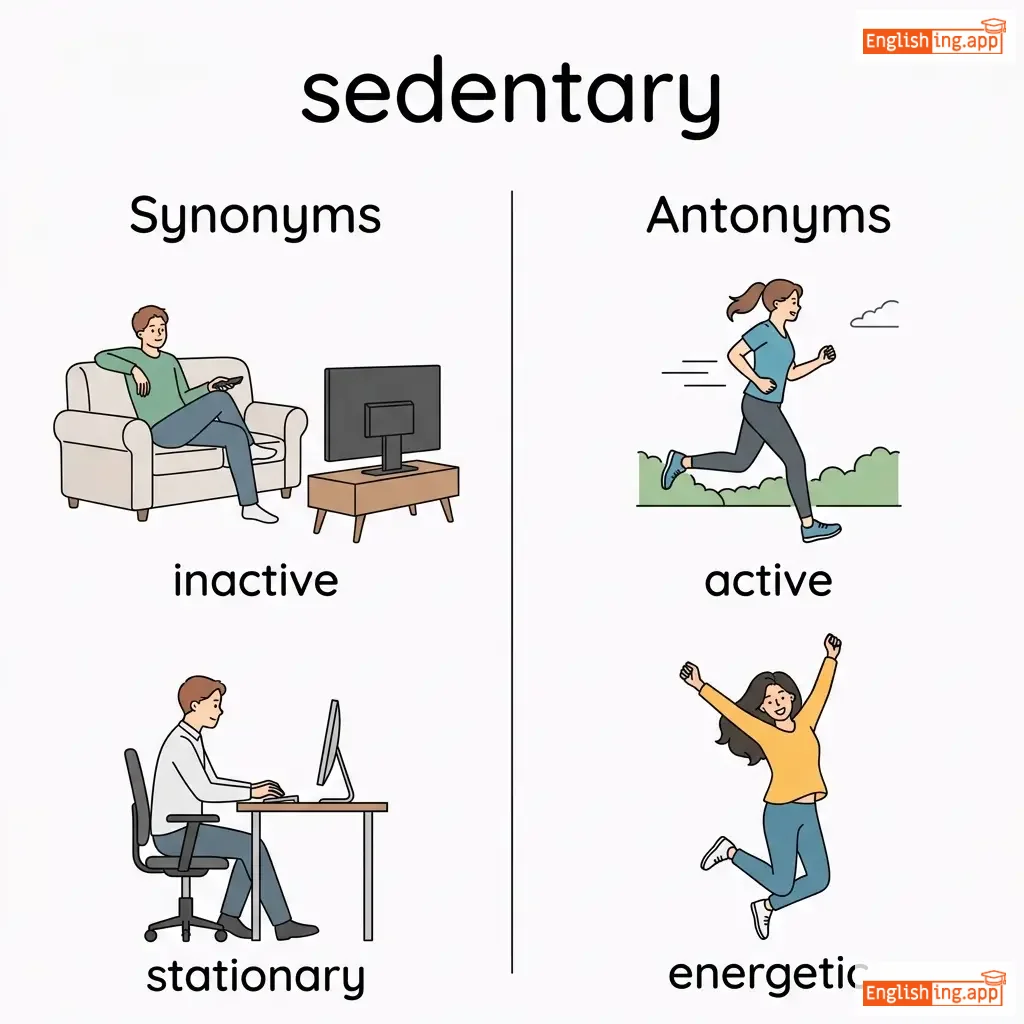
inactive, stationary, desk-bound, idle
••••••
|
active, energetic
••••••
|
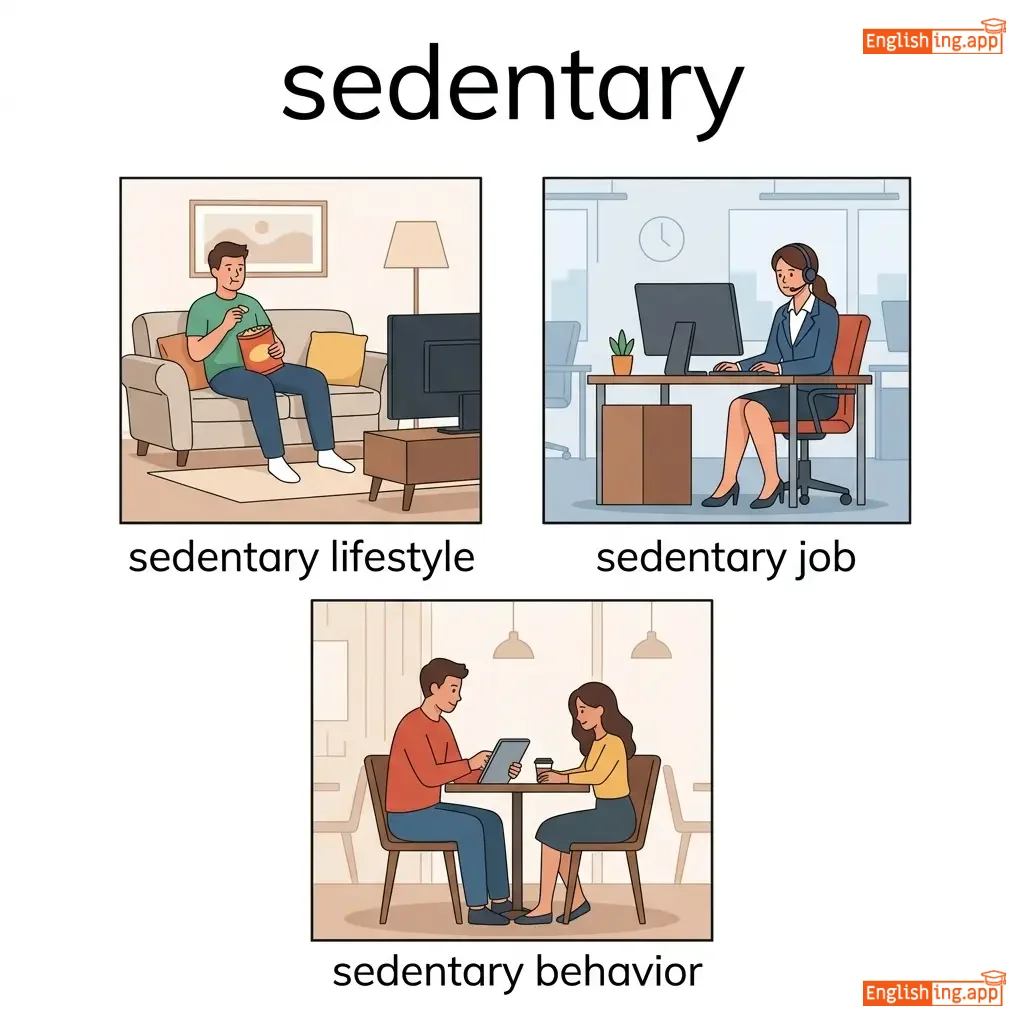
sedentary lifestyle, sedentary job, sedentary behavior, sedentary position
••••••
|
Sedentary = jiuzuo (always sitting), like a statue sitting all day.
••••••
|
Vocabulary Quiz
Test your vocabulary by matching words with their translations or meanings.
Login to take the quiz
Comments (0)
Share your thoughts and join the discussion.
Join the discussion by logging in
Login to CommentNo comments yet
Be the first to share your thoughts!