









Swipe left or right, or use the buttons. Tap image to zoom.
例句翻译
单词
Lesson 378Lesson 378 - 遮罩切换
|
表情符号
|
单词 | Images | 翻译 | 过去时 | 过去分词 | 第三人称单数 | 动名词 | 含义 | 例句 | 例句翻译 | 示例表达 | 示例表达含义 | 示例表达翻译 | 同义词 | 反义词 | 搭配词 | 助记符 |
|---|---|---|---|---|---|---|---|---|---|---|---|---|---|---|---|---|---|
|
#11305
🚀
|
/lɔːntʃ/
verb, noun
••••••
|
- •••••• | - •••••• |
launched
••••••
|
launched
••••••
|
launches
••••••
|
launching
••••••
|
to start or introduce something, especially a new product, service, or event
••••••
|
The company launched a new app last month. |
- •••••• |
launch into |
to begin something with great energy or enthusiasm
••••••
|
- •••••• |
initiate, begin, start, inaugurate, unveil
••••••
|
end, stop, cancel
••••••
|
product launch, launch campaign, launch event, launch party
••••••
|
No •••••• |
|
#11306
🚶♂️
|
/liːv/
verb
(liv)
••••••
|
|
离开
likai
••••••
|
left
left
••••••
|
left
left
••••••
|
leaves
leaves
••••••
|
leaving
leaving
••••••
|
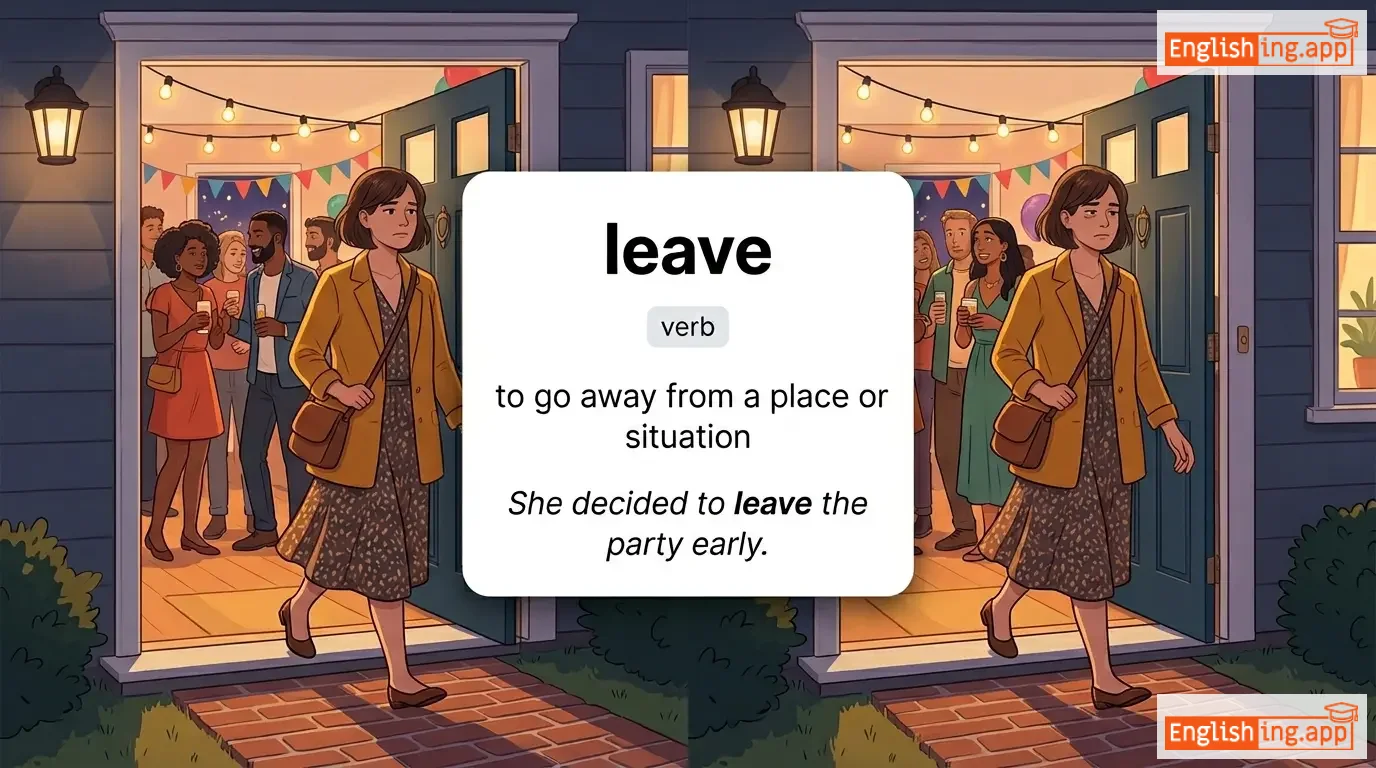
to go away from a place or situation
••••••
|
She decided to leave the party early.
她决定提前离开派对。
••••••
|
她决定提前离开派对。
Ta jueding tiqian likai paidui.
••••••
|
leave no stone unturned
不留一石未翻
••••••
|
to try every possible course of action
••••••
|
不留一石未翻
bu liu yi shi wei fan
••••••
|
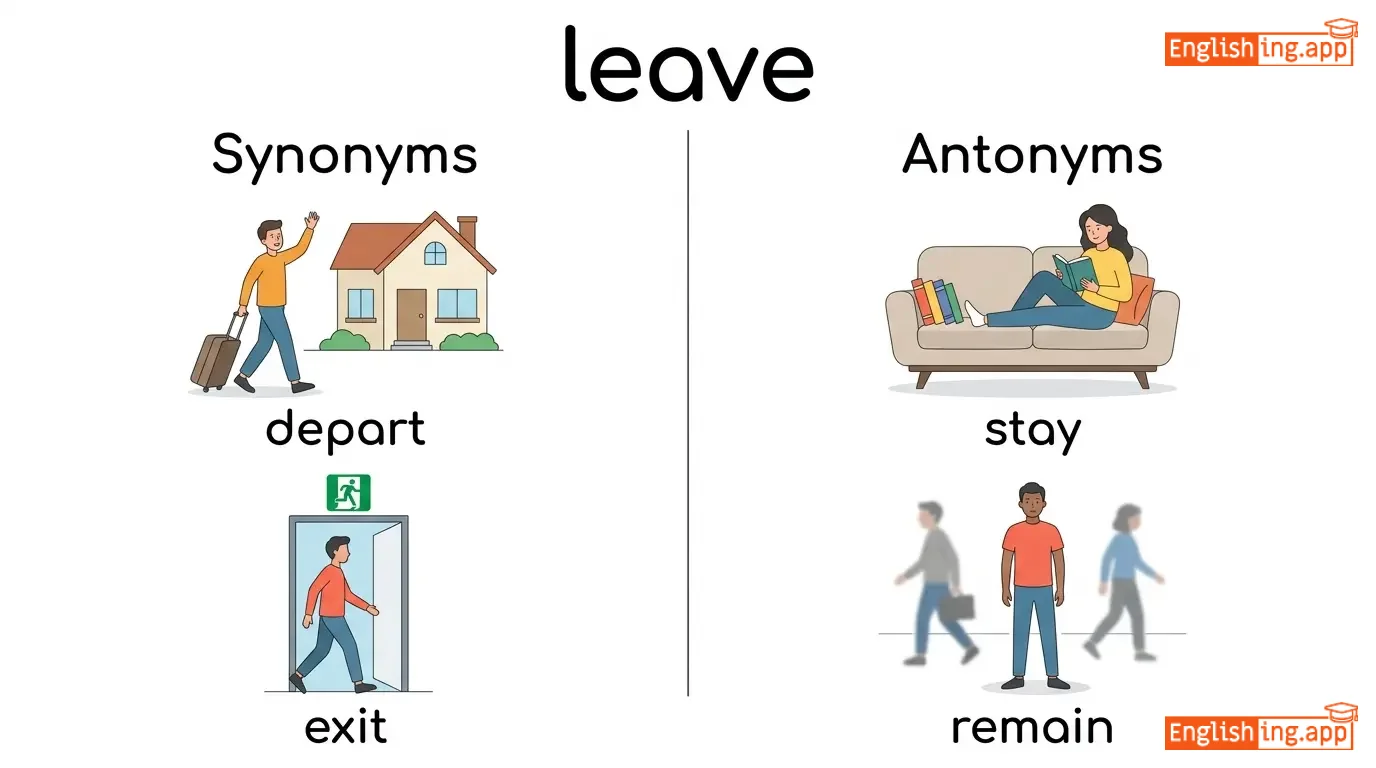
depart, exit, withdraw, quit, abandon
••••••
|
stay, remain, arrive
••••••
|
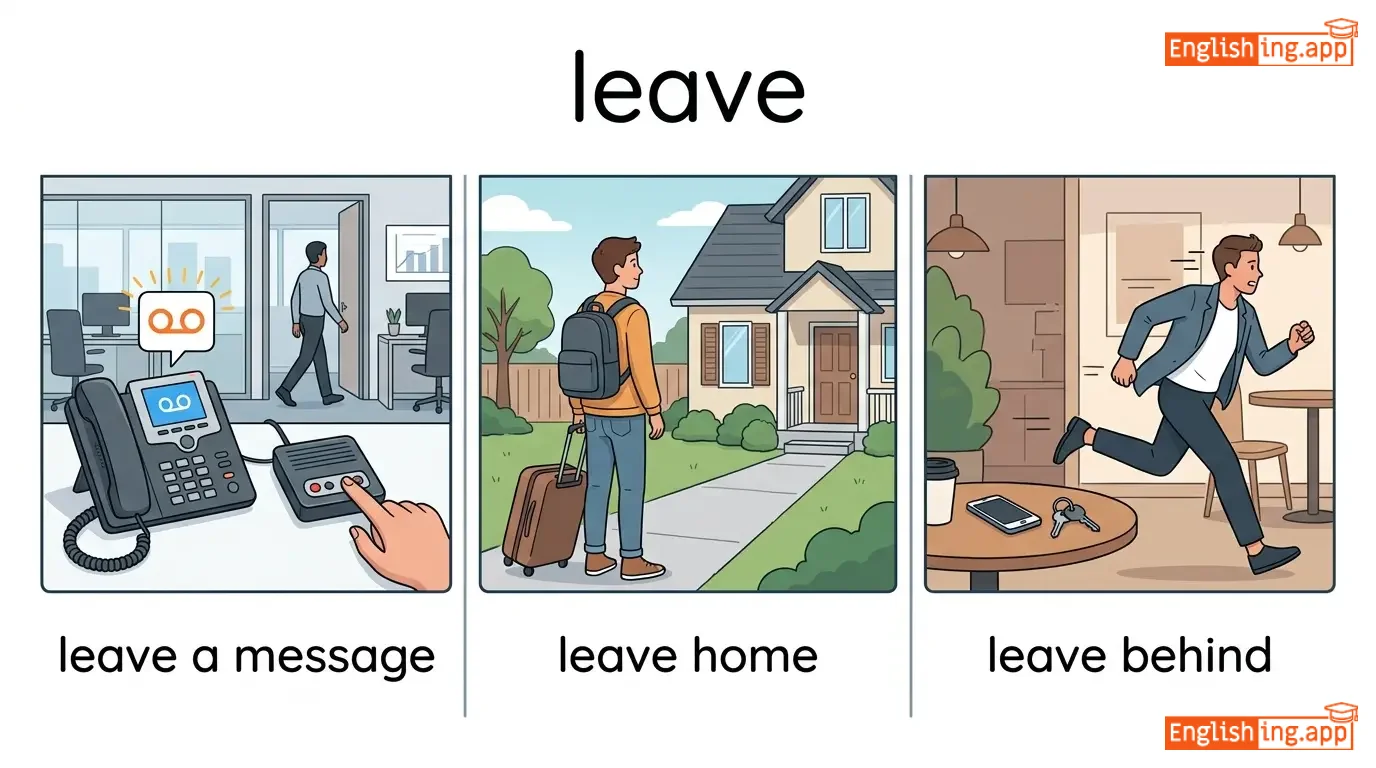
leave a message, leave home, leave behind, leave early
••••••
|
离开和'left'很相似,离开就是向前走,像'left'一样。
••••••
|
|
#11307
👞
|
/ˈlɛðər/
noun
(莱德)
••••••
|
- •••••• |
皮革
pige
••••••
|
- •••••• | - •••••• | - •••••• | - •••••• |
A material made from the skin of an animal, usually treated and used to make clothing, shoes, or furniture.
••••••
|
He bought a leather jacket for winter. |
他为冬天买了一件皮革夹克。
Ta wei dongtian mai le yijian pige jieke.
••••••
|
tough as leather |
very strong and durable
••••••
|
像皮革一样坚硬
Xiang pige yiyang jianying
••••••
|
hide, skin, suede, material
••••••
|
fabric, cloth
••••••
|
leather jacket, leather shoes, leather bag, leather belt
••••••
|
Leather意味着皮革 – 皮革夹克意味着皮革夹克。
••••••
|
|
#11308
📚
|
/ˈlɜrnɪŋ/
noun
(lèɚnɪŋ)
••••••
|
- •••••• |
学习
xuéxí
••••••
|
- •••••• | - •••••• | - •••••• | - •••••• |
The process of gaining knowledge or skills through study or experience.
••••••
|
Learning a new language can be exciting.
学习一门新语言可能是令人兴奋的。
••••••
|
学习一门新语言可能是令人兴奋的。
Xuéxí yīmén xīn yǔyán kěnéng shì lìng rén xīngfèn de.
••••••
|
lifelong learning
终身学习
••••••
|
continuous pursuit of knowledge throughout life
••••••
|
终身学习
zhōngshēn xuéxí
••••••
|
education, knowledge, training, study
••••••
|
ignorance, unawareness
••••••
|
learning process, learning skills, online learning, active learning
••••••
|
Learning 学习了新知识,就是在给未来积累能量。
••••••
|
|
#11309
↘️
|
/liːn/
verb
(lin)
••••••
|
|
倾斜
qingxie
••••••
|
leaned
lind
••••••
|
leaned
lind
••••••
|
leans
lins
••••••
|
leaning
lining
••••••
|
To move or bend your body in a particular direction.
••••••
|
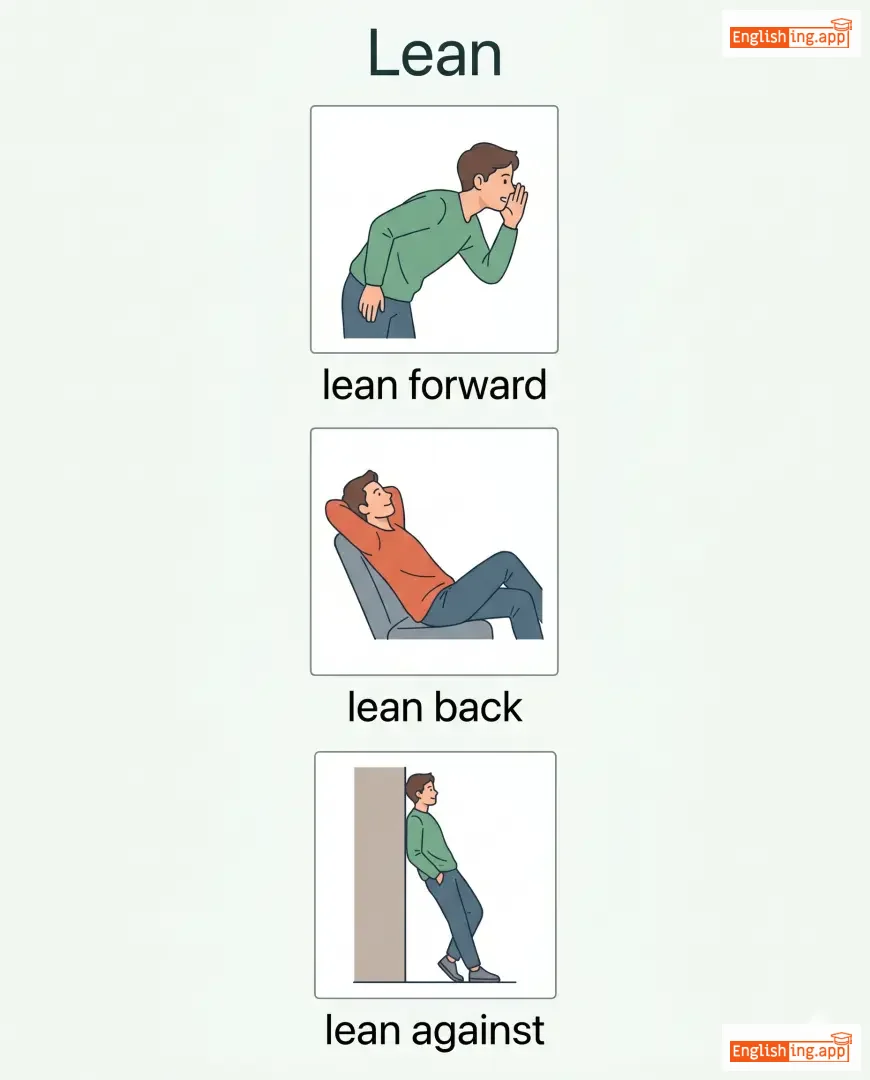
He had to lean forward to hear her clearly.
他必须向前倾斜才能清楚地听到她。
••••••
|
他必须向前倾斜才能清楚地听到她。
Ta bixu xiang qian qingxie cai neng qingchu de tingdao ta.
••••••
|
lean on someone
依赖某人
••••••
|
to rely on someone for support
••••••
|
依赖某人
Yilai mou ren
••••••
|
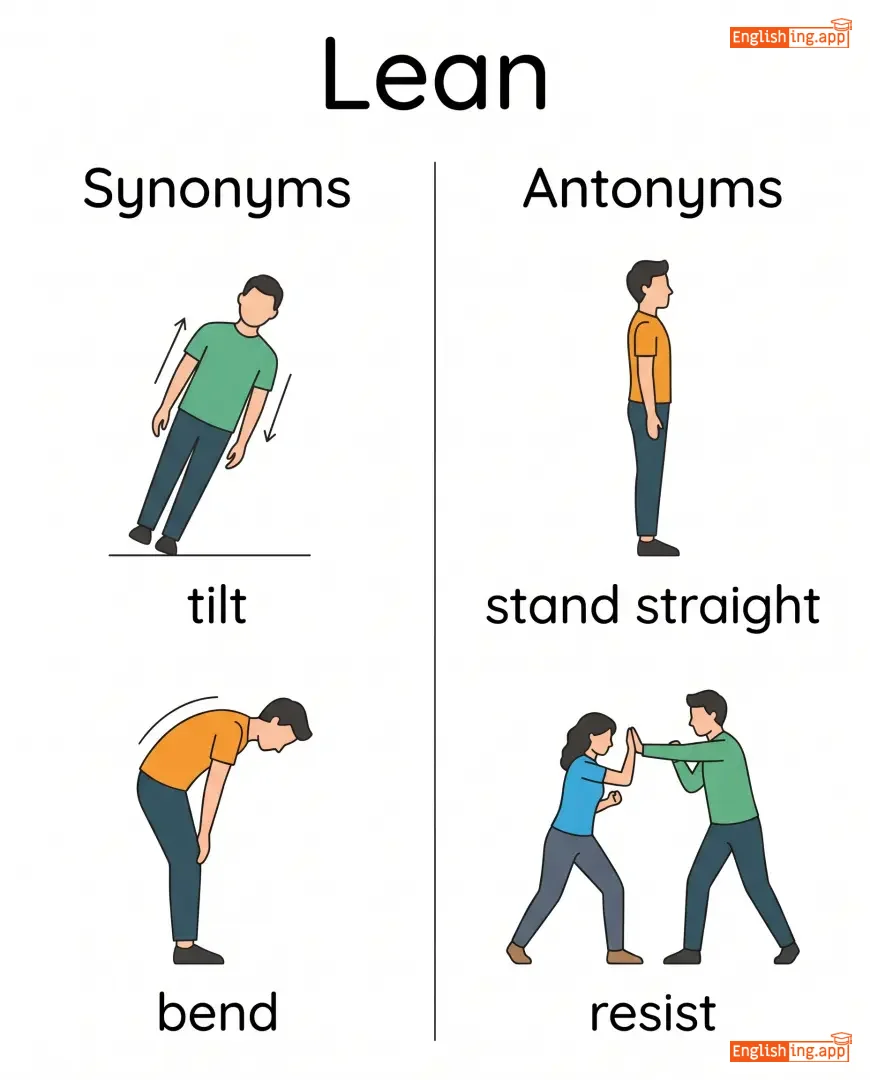
tilt, bend, rest, incline
••••••
|
stand straight, resist
••••••
|
lean forward, lean back, lean against, lean towards
••••••
|
倾斜意味着依赖,在考试中倾斜时你必须依赖别人。
••••••
|
|
#11310
🍃
|
/liːf/
noun
(līf)
••••••
|
- •••••• |
叶子
yezi
••••••
|
- •••••• | - •••••• | - •••••• | - •••••• |
A flat, green part of a plant that grows from the stem or branch.
••••••
|
A green leaf fell from the tree. |
一片绿叶从树上掉了下来。
Yi pian lü ye cong shu shang diao le xia lai.
••••••
|
turn over a new leaf |
to make a fresh start or begin to behave in a better way
••••••
|
翻开新的一页
fān kāi xīn de yī yè
••••••
|
foliage, frond, blade, greenery
••••••
|
stem, root
••••••
|
green leaf, dry leaf, autumn leaf, leaf pattern
••••••
|
Leaf意味着叶子 – 就像书页一样,叶子也平坦。
••••••
|
|
#11311
👑
|
/ˈliːdərˌʃɪp/
noun
(领导力)
••••••
|
|
领导
lingdao
••••••
|
- •••••• | - •••••• | - •••••• | - •••••• |
The action of leading a group of people or an organization.
••••••
|
Her leadership inspired the entire team to achieve their goals. |
她的领导力激励整个团队实现他们的目标。
Tā de lingdàolì jīlì zhěnggè tuánduì shíxiàn tāmen de mùbiāo.
••••••
|
take the leadership role |
to assume responsibility for guiding or directing others
••••••
|
担任领导角色
dānrèn lǐngdǎo juésè
••••••
|
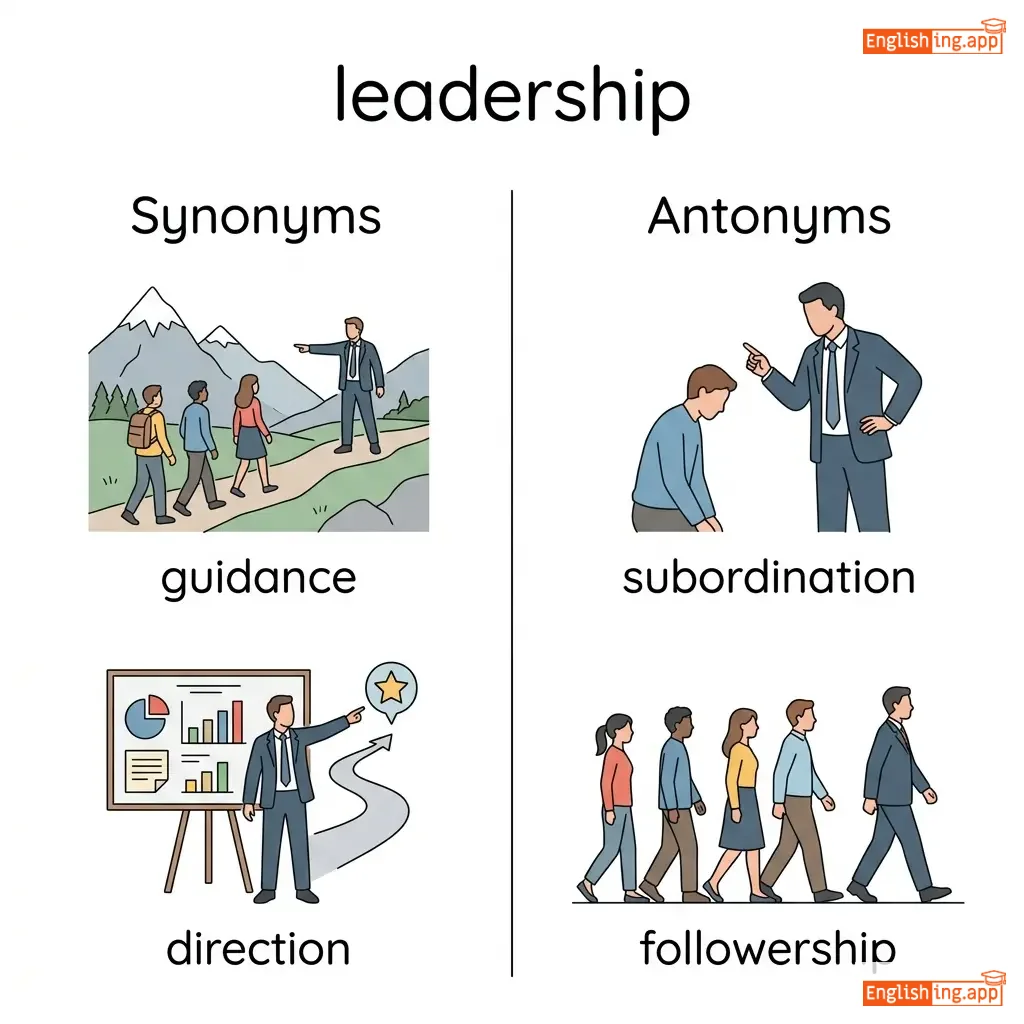
guidance, direction, command, authority, management
••••••
|
subordination, followership
••••••
|
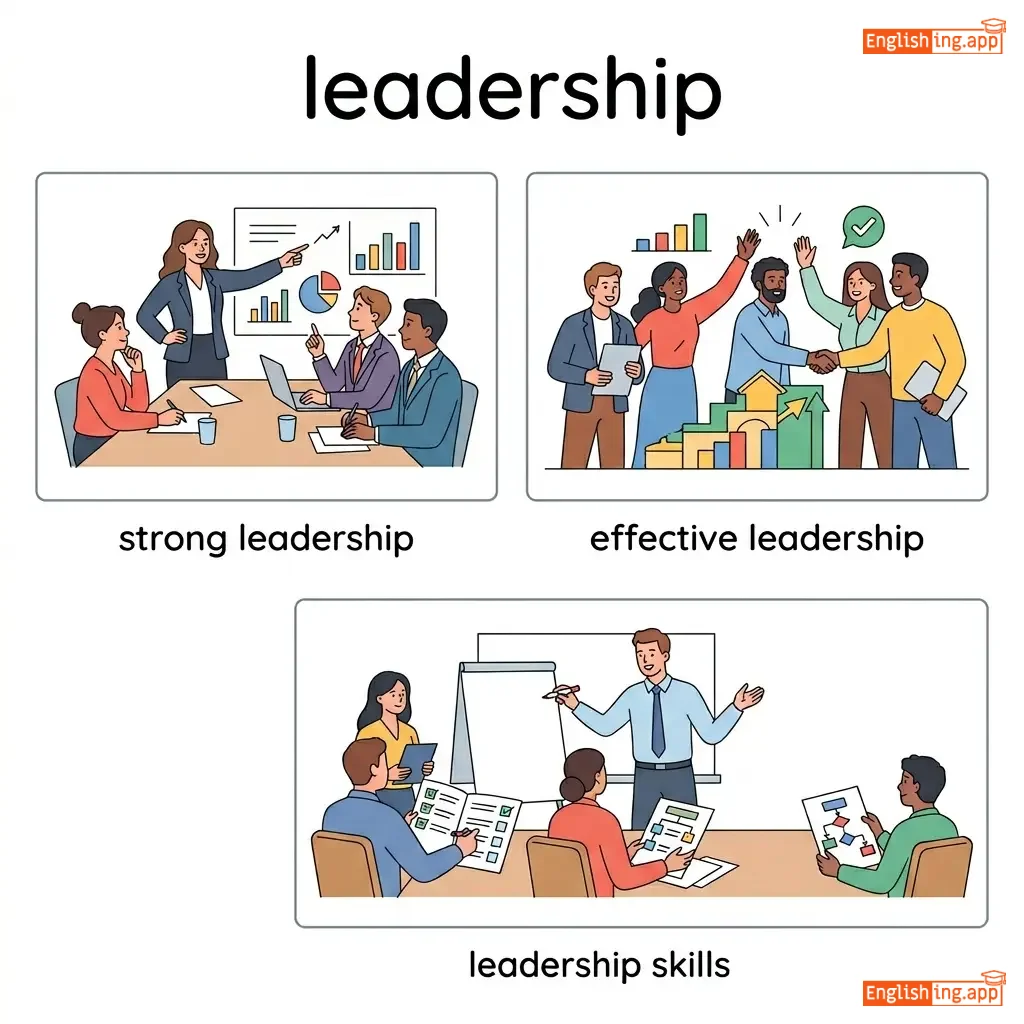
strong leadership, effective leadership, leadership skills, leadership qualities
••••••
|
领导力像船长一样,带领团队走向成功的海洋。
••••••
|
|
#11312
👑
|
/ˈliːdər/
noun
(领导者)
••••••
|
|
领导者
lingdao zhe
••••••
|
- •••••• | - •••••• | - •••••• | - •••••• |
A person who leads a group, organization, or country.
••••••
|
The leader inspired the team with his vision.
领导者用他的愿景激励了团队。
••••••
|
领导者用他的愿景激励了团队。
Lingdao zhe yong tade yuanjing jili le tuandui.
••••••
|
natural leader
天生的领导者
••••••
|
someone who has innate leadership qualities
••••••
|
天生的领导者
tiansheng de lingdao zhe
••••••
|
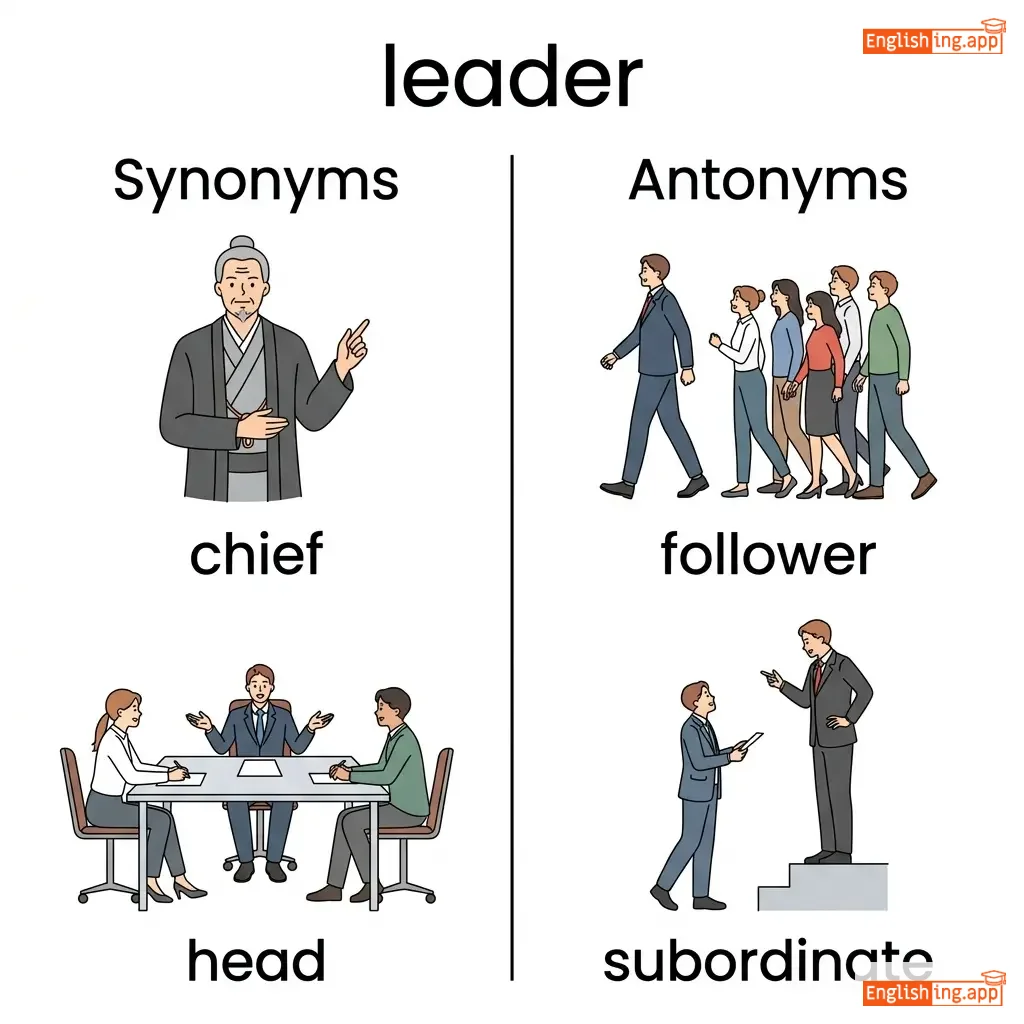
chief, head, commander, captain, director
••••••
|
follower, subordinate
••••••
|
political leader, business leader, strong leader, natural leader
••••••
|
Leader 是领导者,带领别人走向成功
••••••
|
|
#11313
🧭
|
/liːd/
verb
(líd)
••••••
|
- •••••• |
领导
lǐngdǎo
••••••
|
led
lèd
••••••
|
led
lèd
••••••
|
leads
lídz
••••••
|
leading
líding
••••••
|
To guide or be in charge; to show the way.
••••••
|
He led the team to victory.
他带领团队走向胜利。
••••••
|
他带领团队走向胜利。
Tā dàilǐng tuánduì zǒu xiàng shènglì.
••••••
|
lead the way
引领道路
••••••
|
to show others how to proceed
••••••
|
指引方向
zhǐyǐn fāngxiàng
••••••
|
guide, direct, command, conduct, head
••••••
|
follow, obey
••••••
|
lead the team, lead the way, lead a project, lead to success
••••••
|
Lead是领导的意思,就像领导者带路。
••••••
|
|
#11314
📚
|
/ˈleɪər/
noun
(léi ér)
••••••
|
- •••••• |
层
ceng
••••••
|
- •••••• | - •••••• | - •••••• | - •••••• |
A sheet, thickness, or coating of something that lies over or under a surface.
••••••
|
The cake had a layer of cream between the sponges. |
蛋糕中间有一层奶油。
Dàngāo zhōngjiān yǒu yī céng nǎiyóu.
••••••
|
a layer of meaning |
a deeper or additional significance
••••••
|
意义的层次
yìyì de céngcì
••••••
|
sheet, coating, stratum, film, covering
••••••
|
core, center
••••••
|
thin layer, thick layer, protective layer, additional layer
••••••
|
Layer意味着层,就像蛋糕中间的奶油层。
••••••
|
|
#11315
📖
|
/leɪ/
verb
(lei)
••••••
|
|
放置
fangzhi
••••••
|
laid
laid
••••••
|
laid
laid
••••••
|
lays
leis
••••••
|
laying
leiing
••••••
|
To put something down carefully in a flat position.
••••••
|
She laid the book on the table.
她把书放在桌子上。
••••••
|
她把书放在桌子上。
Ta ba shu fang zai zhuozi shang.
••••••
|
lay the foundation
奠定基础
••••••
|
to establish the base or groundwork
••••••
|
奠定基础
dianding jichu
••••••
|
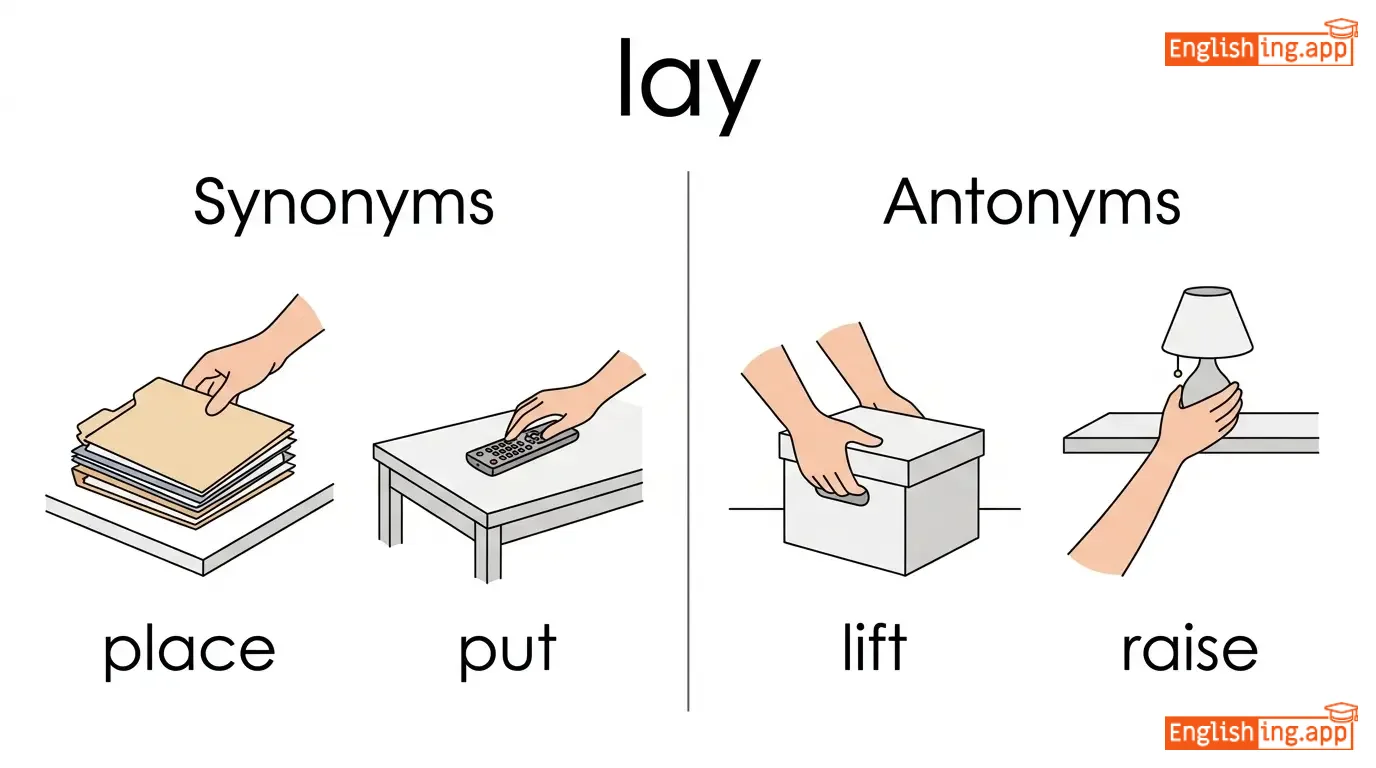
place, put, set, position, deposit
••••••
|
lift, raise
••••••
|
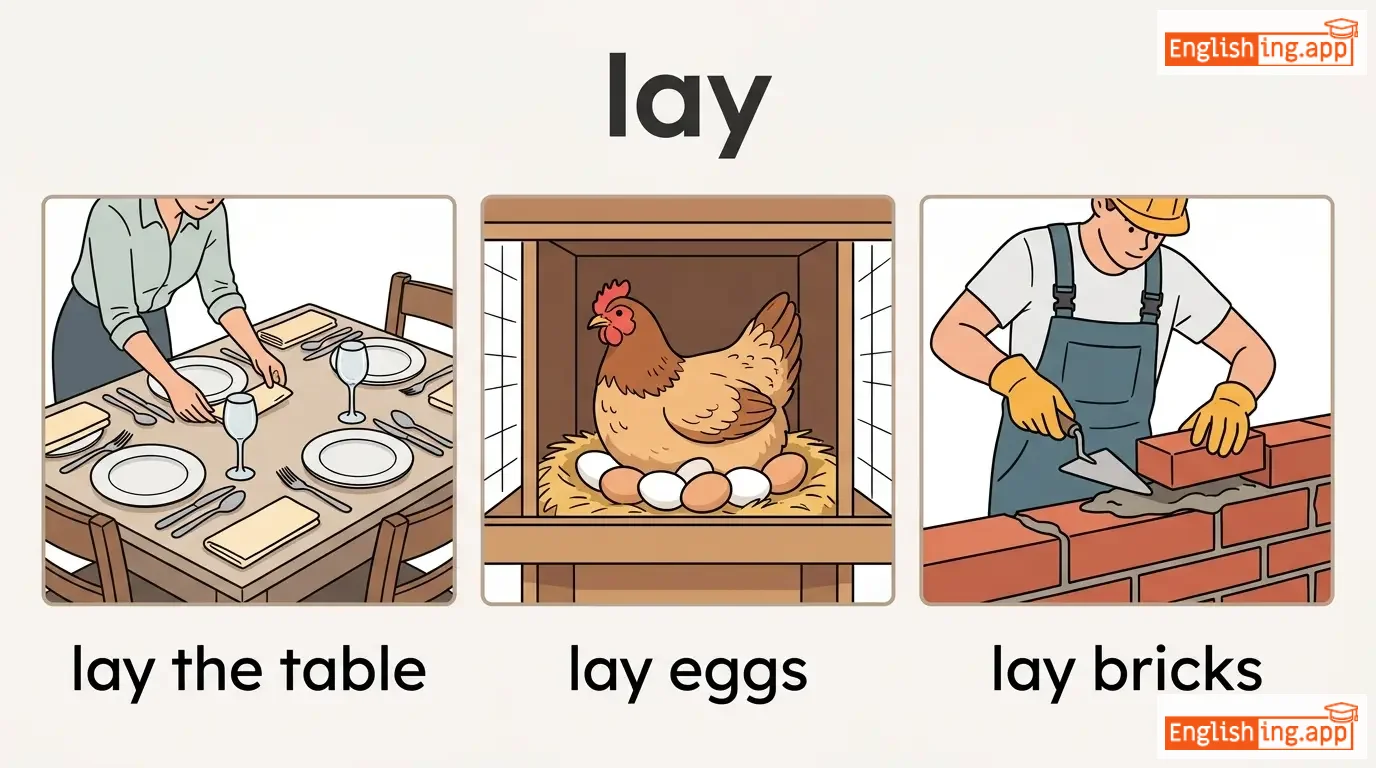
lay the table, lay eggs, lay bricks, lay emphasis
••••••
|
Lay 代表放置, 就像 '她 lay 书在桌子上'
••••••
|
|
#11316
⚖️
|
/ˈlɔːjər/
noun
(洛耶尔)
••••••
|
- •••••• |
律师
lǜshī
••••••
|
- •••••• | - •••••• | - •••••• | - •••••• |
A professional who practices or studies law; an attorney.
••••••
|
The lawyer presented the case confidently in court. |
律师在法庭上自信地陈述了案件。
Lǜshī zài fǎtíng shàng zìxìn de chénshùle ànjiàn.
••••••
|
hire a lawyer |
to employ an attorney for legal help
••••••
|
聘请律师
pìnqǐng lǜshī
••••••
|
attorney, advocate, solicitor, barrister, counselor
••••••
|
client, defendant
••••••
|
criminal lawyer, corporate lawyer, hire a lawyer, defense lawyer
••••••
|
Lawyer 意思是律师,记住 LAW 是法律
••••••
|
|
#11317
📑
|
/ˈlɔːsuːt/
noun
(làosùt)
••••••
|
- •••••• |
诉讼
sùsòng
••••••
|
- •••••• | - •••••• | - •••••• | - •••••• |
a legal case brought to a court of law by one person against another
••••••
|
The company faced a lawsuit over false advertising. |
公司因虚假广告而面临诉讼。
gōngsī yīn xūjiǎ guǎnggào ér miànlín sùsòng.
••••••
|
- •••••• | - •••••• | - •••••• |
case, litigation, action, proceeding
••••••
|
agreement, settlement
••••••
|
file a lawsuit, pending lawsuit, lawsuit settlement, lawsuit case
••••••
|
Law + suit = 在法庭上提起诉讼 📑
••••••
|
|
#11318
🌱
|
/lɔːn/
noun
(lawn)
••••••
|
- •••••• |
草坪
cǎopíng
••••••
|
- •••••• | - •••••• | - •••••• | - •••••• |
an area of short, regularly cut grass in a yard or park
••••••
|
Children were playing on the green lawn.
孩子们在绿草坪上玩耍。
••••••
|
孩子们在绿草坪上玩耍。
Háizimen zài lǜ cǎopíng shàng wánshuǎ.
••••••
|
- •••••• | - •••••• | - •••••• |
grass, turf, garden, yard
••••••
|
desert, barren land
••••••
|
mow the lawn, front lawn, green lawn, lawn mower
••••••
|
Lawn意味着孩子们在草坪上玩。
••••••
|
|
#11319
⚖️
|
/lɔː/
noun
(law)
••••••
|
- •••••• |
法律
fǎ lǜ
••••••
|
- •••••• | - •••••• | - •••••• | - •••••• |
a system of rules created and enforced by authority to regulate behavior
••••••
|
Everyone must obey the law of the country. |
每个人都必须遵守国家的法律。
Měi gèrén dōu bìxū zūnshǒu guójiā de fǎlǜ.
••••••
|
above the law |
not subject to the law or thinking rules do not apply
••••••
|
凌驾于法律之上
líng jià yú fǎ lǜ zhī shàng
••••••
|
rule, regulation, legislation, statute, code
••••••
|
anarchy, disorder, chaos
••••••
|
law enforcement, law firm, law student, law school
••••••
|
Law 意味着 ⚖️ 法律 — 记住每个人都应该遵守它。
••••••
|
|
#11320
🚪
|
/nɒk/
verb
(诺克)
••••••
|
|
敲门
qiao men
••••••
|
knocked
诺克德
••••••
|
knocked
诺克德
••••••
|
knocks
诺克斯
••••••
|
knocking
诺金
••••••
|
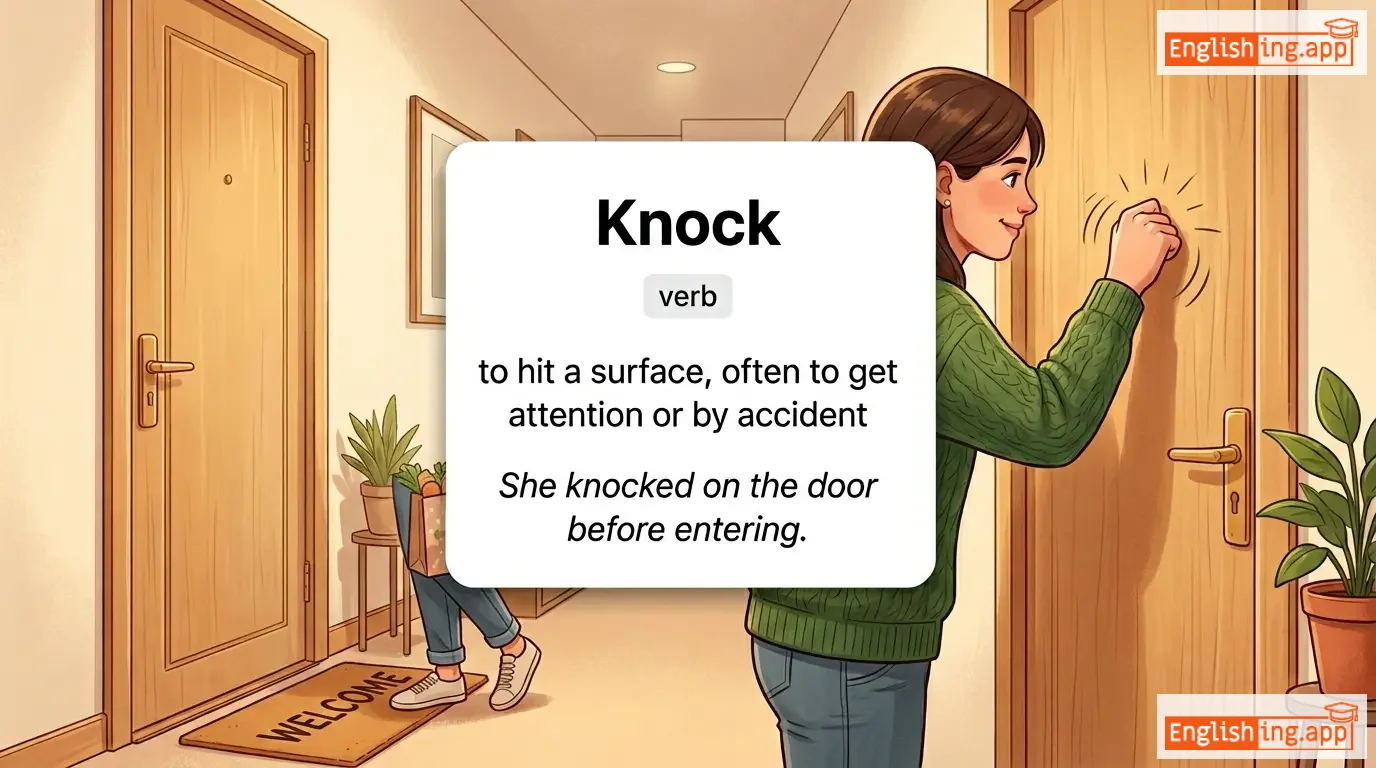
to hit a surface, often to get attention or by accident
••••••
|
She knocked on the door before entering.
她在进入之前敲了敲门。
••••••
|
她在进入之前敲了敲门。
Ta zai jinru zhiqian qiao le qiao men.
••••••
|
knock on wood
敲木头
••••••
|
said to avoid bad luck after mentioning something good
••••••
|
提到好事之后,为了避免厄运而说的
Tidao hao shi zhihou, weile bimiu e yun er shuo de
••••••
|
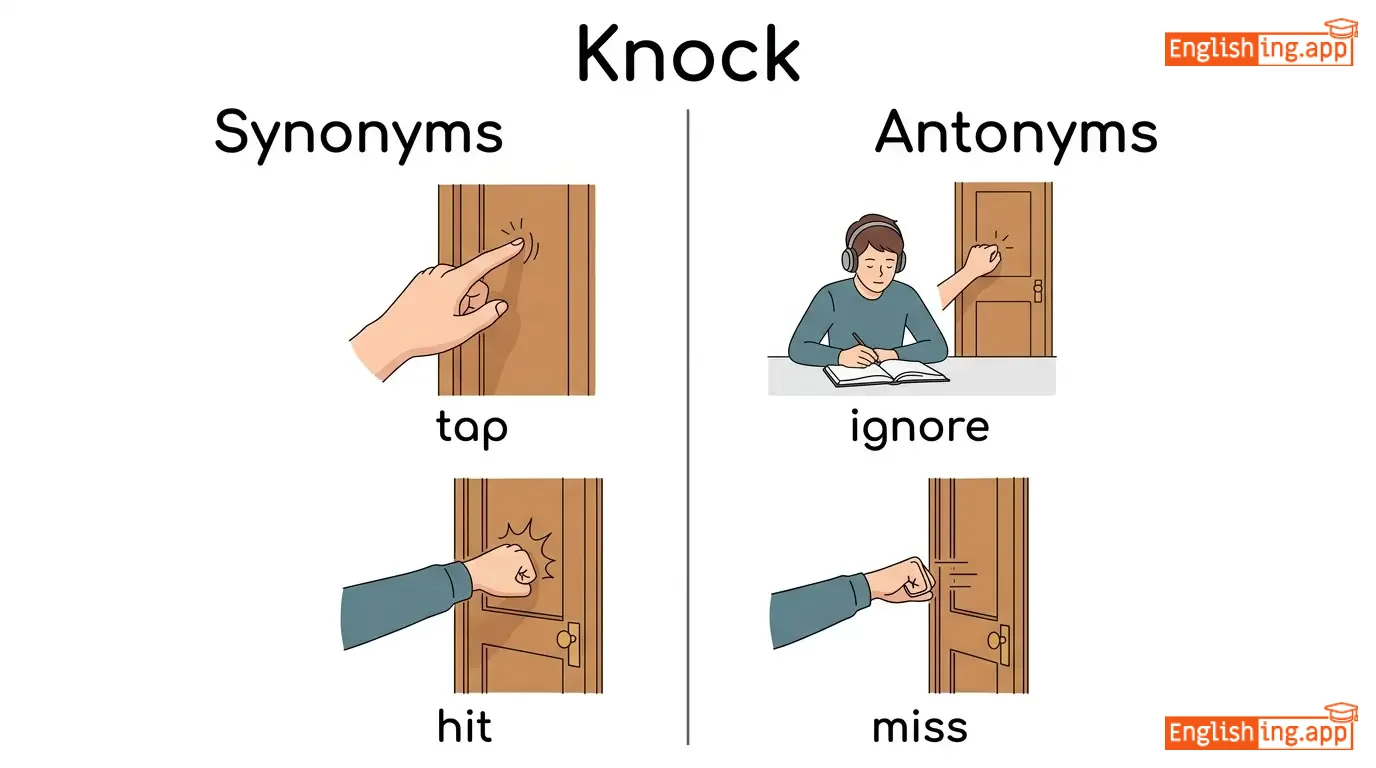
tap, hit, bang, strike, bump
••••••
|
ignore, miss
••••••
|
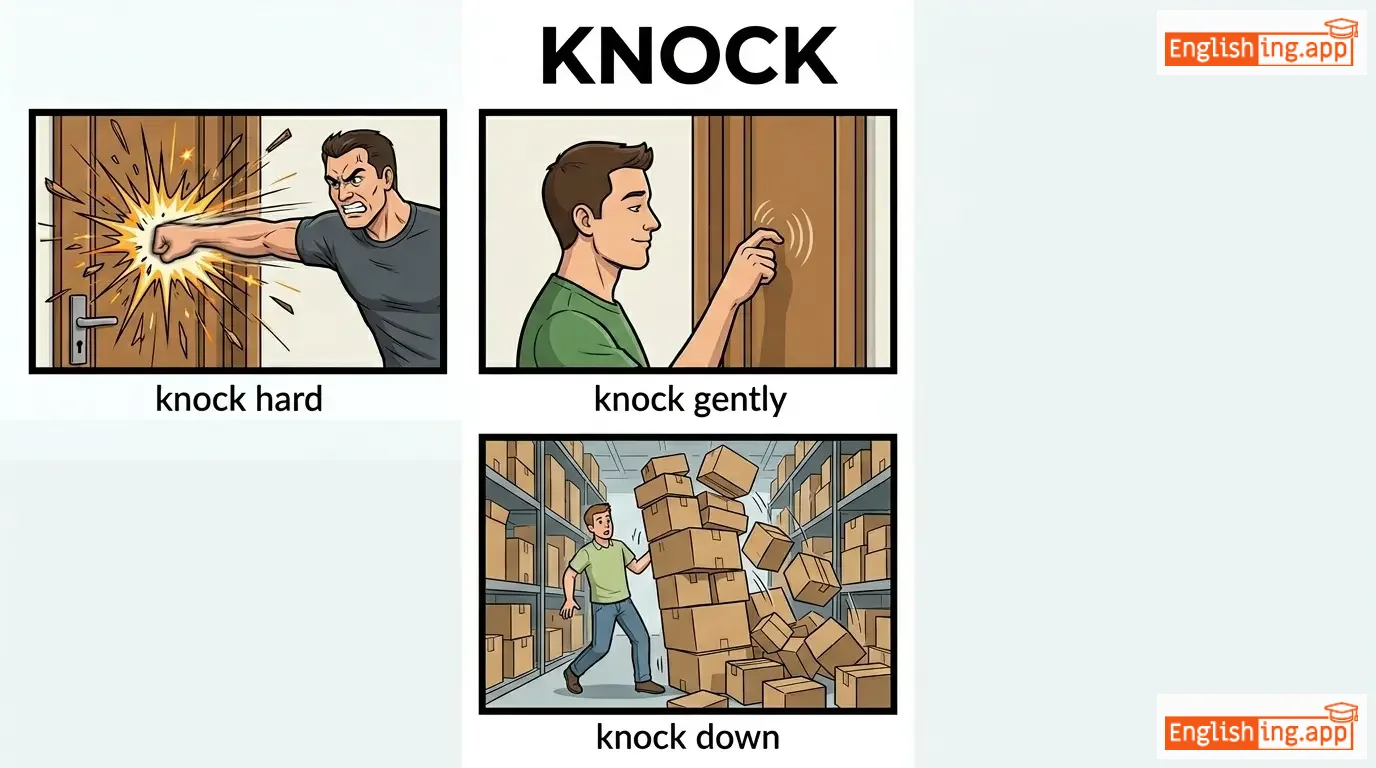
knock hard, knock gently, knock down, knock over
••••••
|
敲门,幸福在等待着你。
••••••
|
|
#11321
😂
|
/læf/
verb, noun
(拉夫)
••••••
|
|
笑
xiao
••••••
|
laughed
拉夫德
••••••
|
laughed
拉夫德
••••••
|
laughs
拉夫斯
••••••
|
laughing
拉夫英
••••••
|
to make sounds and movements of the face that show amusement or joy
••••••
|
They laughed loudly at the comedian's joke.
他们对喜剧演员的笑话大笑。
••••••
|
他们对喜剧演员的笑话大笑。
tamen dui xiju yanyuan de xiaohua daxiao.
••••••
|
laugh it off
一笑置之
••••••
|
to dismiss something unpleasant by treating it humorously
••••••
|
一笑置之
yi xiao zhi zhi
••••••
|
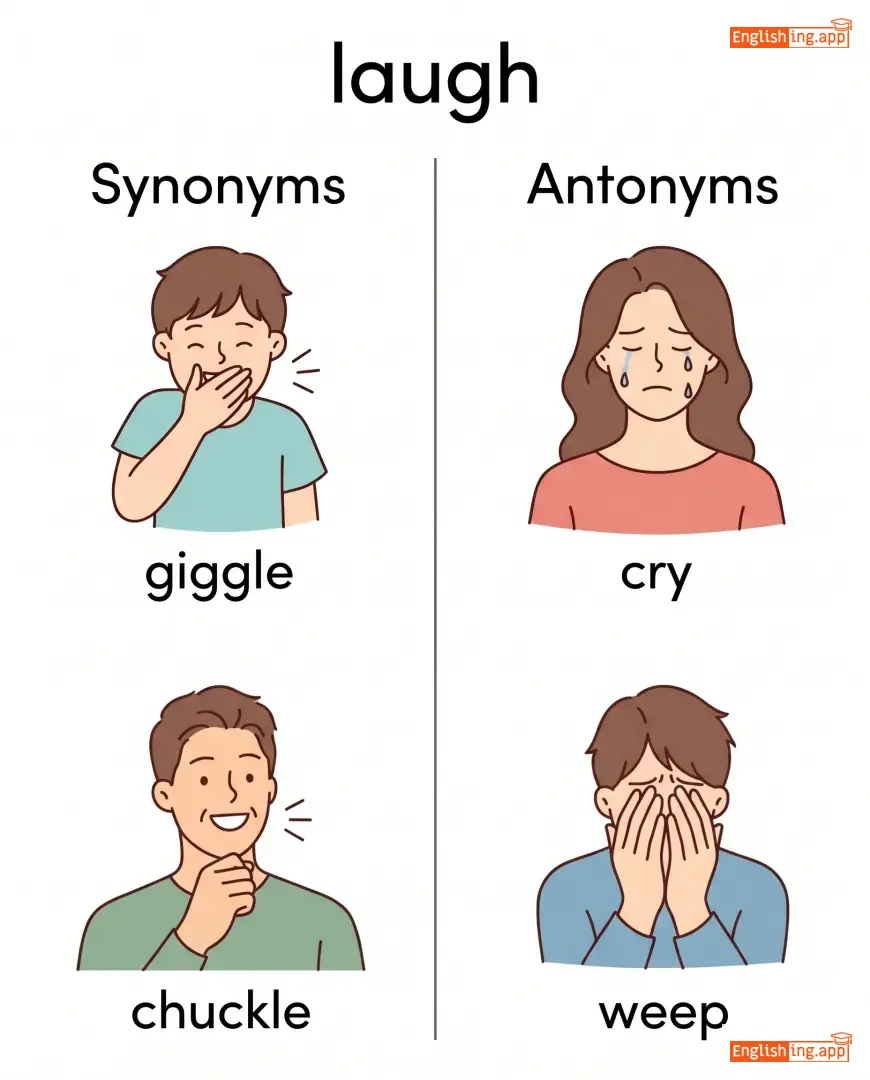
giggle, chuckle, snicker, roar, cackle
••••••
|
cry, weep, sob
••••••
|
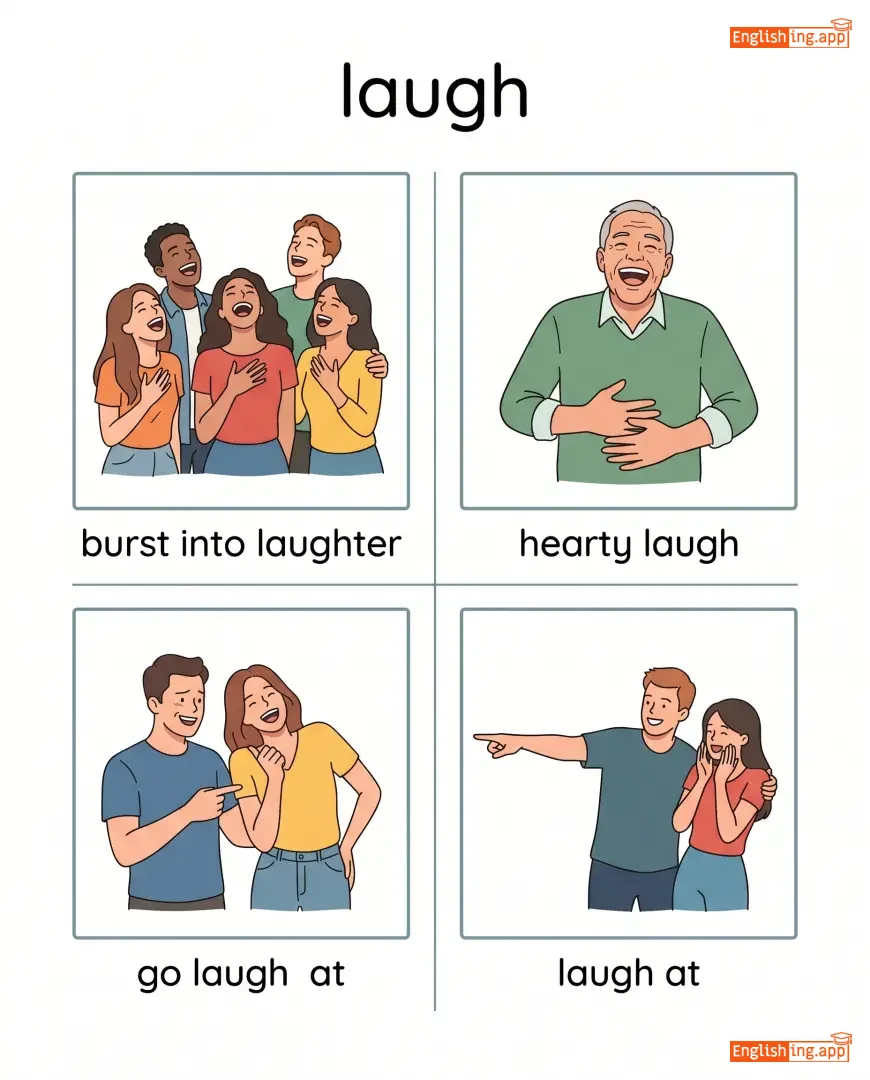
burst into laughter, hearty laugh, laugh at, laugh with
••••••
|
笑的感觉与英语中的 'laugh' 相同。
••••••
|
|
#11322
➡️
|
/ˈlætər/
adjective
(莱特)
••••••
|
- •••••• |
第二个
di'er ge
••••••
|
- •••••• | - •••••• | - •••••• | - •••••• |
the second of two people or things mentioned
••••••
|
Between tea and coffee, I prefer the latter. |
在茶和咖啡之间,我更喜欢第二个。
Zai cha he kafei zhijian, wo geng xihuan dier ge.
••••••
|
- •••••• | - •••••• | - •••••• |
second, last-mentioned, concluding, final
••••••
|
former, first
••••••
|
the latter case, in the latter part, the latter option
••••••
|
Former 意味着第一个,Latter 意味着第二个 – 在任何选择中,latter 表示第二个
••••••
|
|
#11323
🏛️
|
/ˈlætɪn/
noun/adjective
(拉丁)
••••••
|
- •••••• |
拉丁语
ladingyu
••••••
|
- •••••• | - •••••• | - •••••• | - •••••• |
the language of ancient Rome; relating to Latin culture or language
••••••
|
Many English words are derived from Latin.
许多英语单词源自拉丁语。
••••••
|
许多英语单词源自拉丁语。
Xu duo yingyu danci yuanci ladingyu.
••••••
|
- •••••• | - •••••• | - •••••• |
Roman, classical, Italic, Romance
••••••
|
modern, contemporary
••••••
|
Latin language, Latin America, Latin culture, Latin alphabet
••••••
|
拉丁意味着拉丁,想象罗马和语言的起源
••••••
|
|
#11324
⏰
|
/leɪt/
adjective/adverb
(lèi tè)
••••••
|
- •••••• |
迟到
chidao
••••••
|
- •••••• | - •••••• | - •••••• | - •••••• |
arriving, happening, or done after the expected time
••••••
|
He arrived late to the meeting. |
他迟到了会议。
Tā chídào le huìyì.
••••••
|
better late than never |
it is better to do something late than not at all
••••••
|
迟到总比不到好
chidao zong bi bu dao hao
••••••
|
tardy, delayed, overdue, unpunctual
••••••
|
early, prompt
••••••
|
late arrival, late night, late payment, late fee
••••••
|
Late = 迟到 – 想象你迟到参加会议。
••••••
|
|
#11325
📊
|
/ˈlɑːrdʒli/
adverb
(拉尔杰利)
••••••
|
- •••••• |
主要
zhǔ yào
••••••
|
- •••••• | - •••••• | - •••••• | - •••••• |
to a great extent; mostly or mainly
••••••
|
The success of the project was largely due to teamwork. |
这个项目的成功主要归功于团队合作。
Zhège xiàngmù de chénggōng zhǔ yào guīgōng yú tuánduì hézuò.
••••••
|
- •••••• | - •••••• | - •••••• |
mostly, mainly, chiefly, predominantly, primarily
••••••
|
partially, slightly
••••••
|
largely responsible, largely because, largely ignored, largely unchanged
••••••
|
LARGE 代表大,lately 意味着主要。
••••••
|
|
#11326
🗣️
|
/ˈlæŋɡwɪdʒ/
noun
(lèngwèi)
••••••
|
|
语言
yǔyán
••••••
|
- •••••• | - •••••• | - •••••• | - •••••• |
the system of communication used by a particular community, including spoken and written words
••••••
|
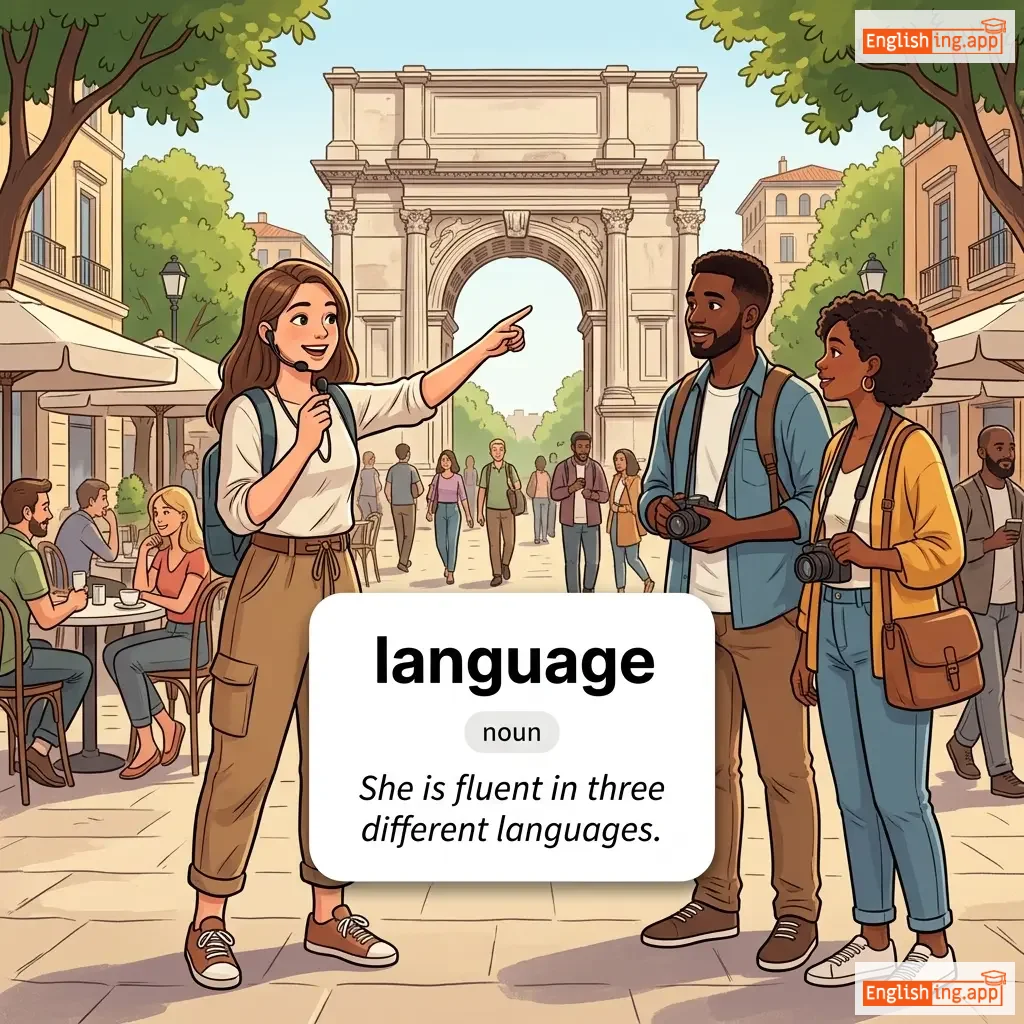
She is fluent in three different languages.
她流利地说三种不同的语言。
••••••
|
她流利地说三种不同的语言。
Tā liúlì de shuō sān zhǒng bùtóng de yǔyán.
••••••
|
mother tongue
母语
••••••
|
a person's native language
••••••
|
母语
mǔyǔ
••••••
|
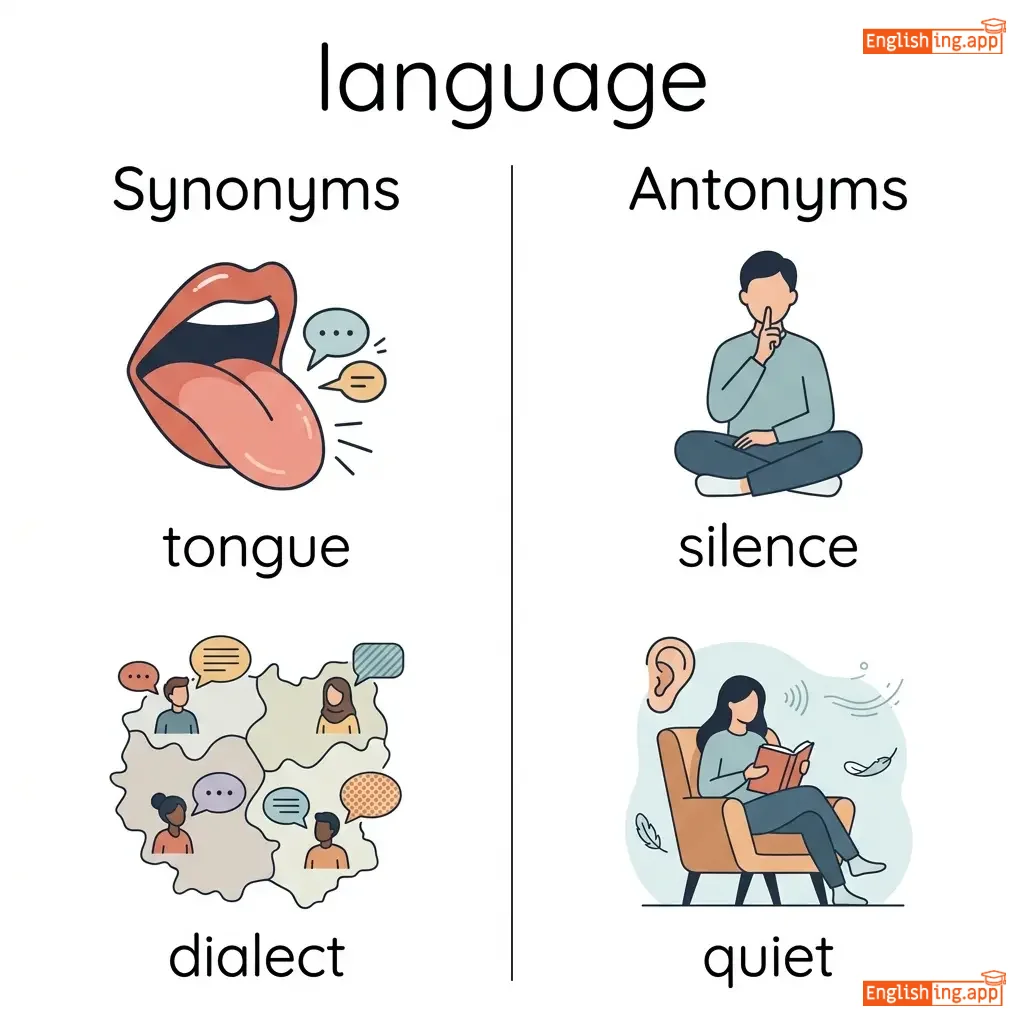
tongue, dialect, speech, lingo, communication
••••••
|
silence, quiet
••••••
|
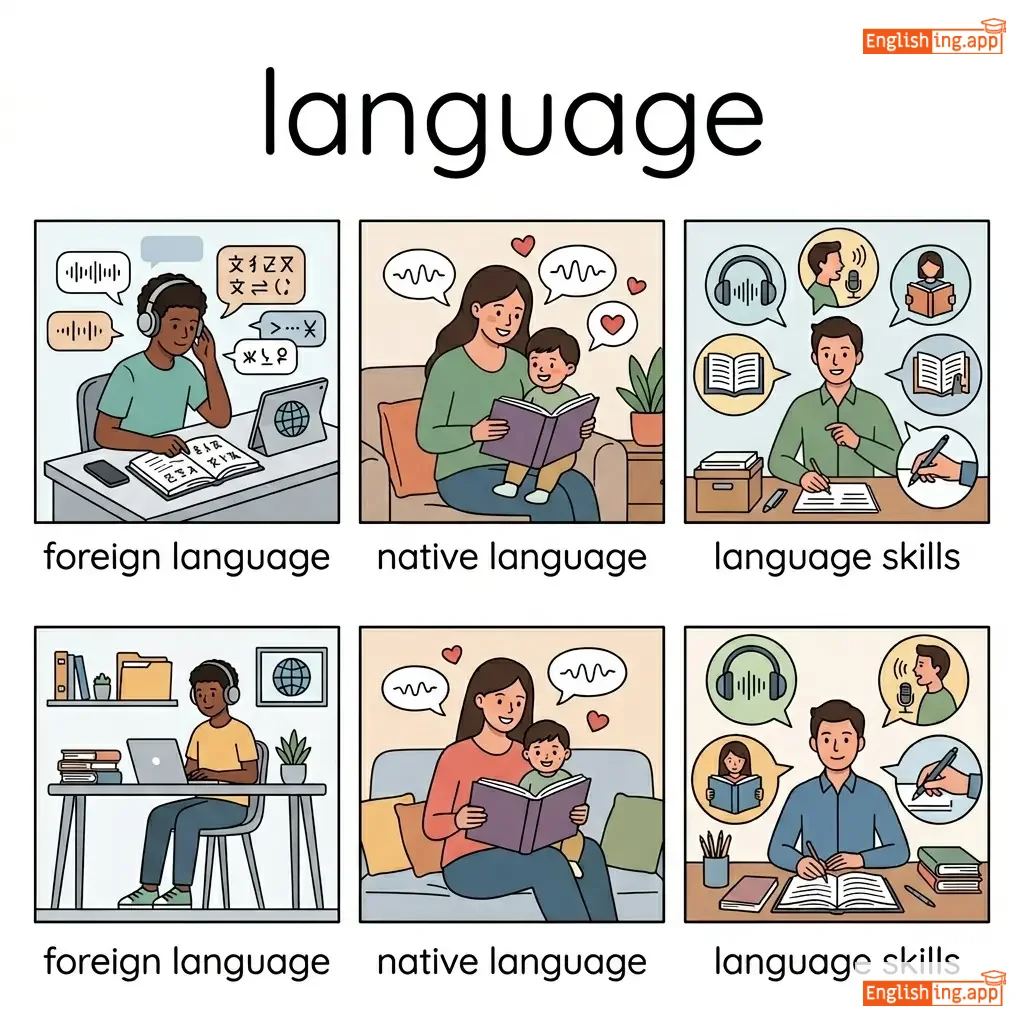
foreign language, native language, language skills, language barrier
••••••
|
LANGUAGE 意味着‘语言’ – 就像中文中的语言,在英文中是 language
••••••
|
|
#11327
🌍
|
/lænd/
noun/verb
(兰德)
••••••
|
|
土地 / 降落
tudi / jiangluo
••••••
|
landed
兰德德
••••••
|
landed
兰德德
••••••
|
lands
兰德斯
••••••
|
landing
兰丁
••••••
|
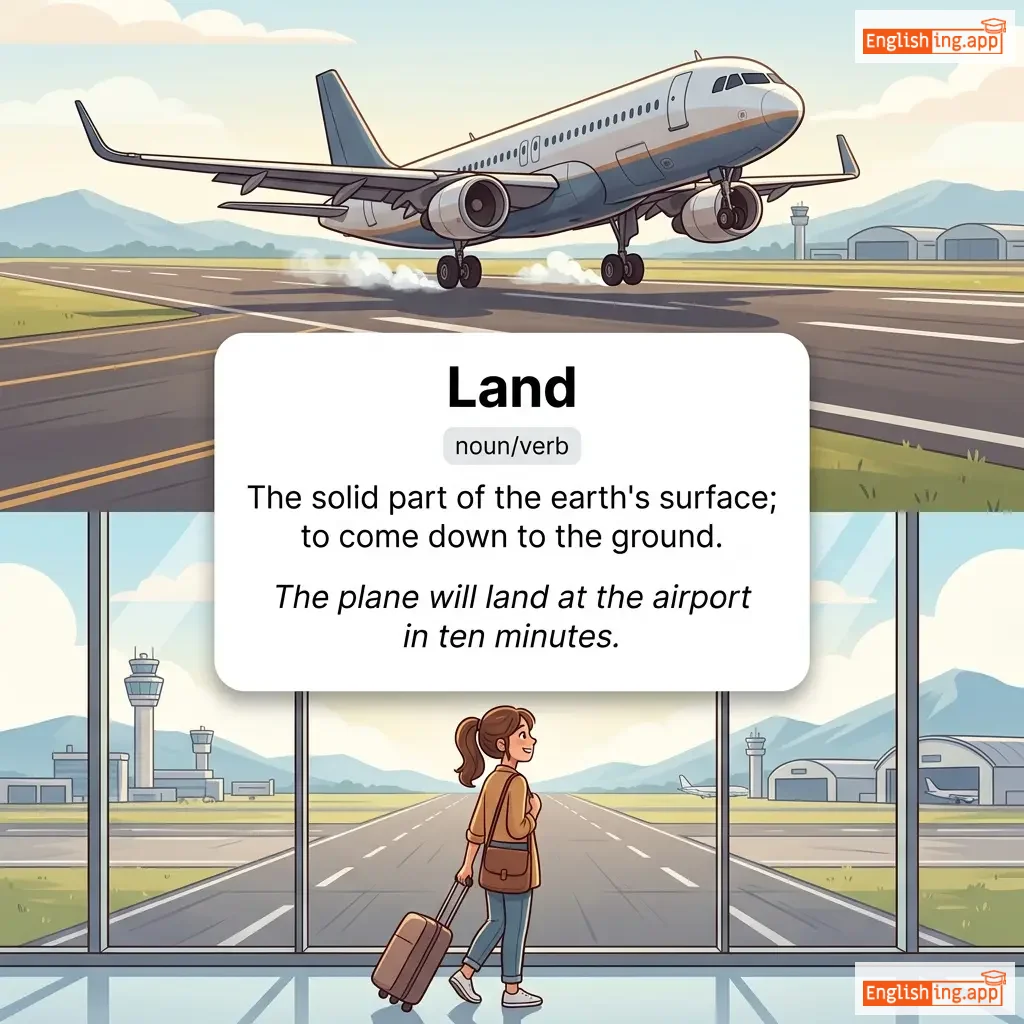
The solid part of the earth's surface; to come down to the ground.
••••••
|
The plane will land at the airport in ten minutes.
飞机将在十分钟内降落在机场。
••••••
|
飞机将在十分钟内降落在机场。
Feiji jiang zai shifen zhong nei jiangluo zai jichang.
••••••
|
land of opportunity
机会之地
••••••
|
a place where people have many chances to succeed
••••••
|
机会之地
jihui zhi di
••••••
|
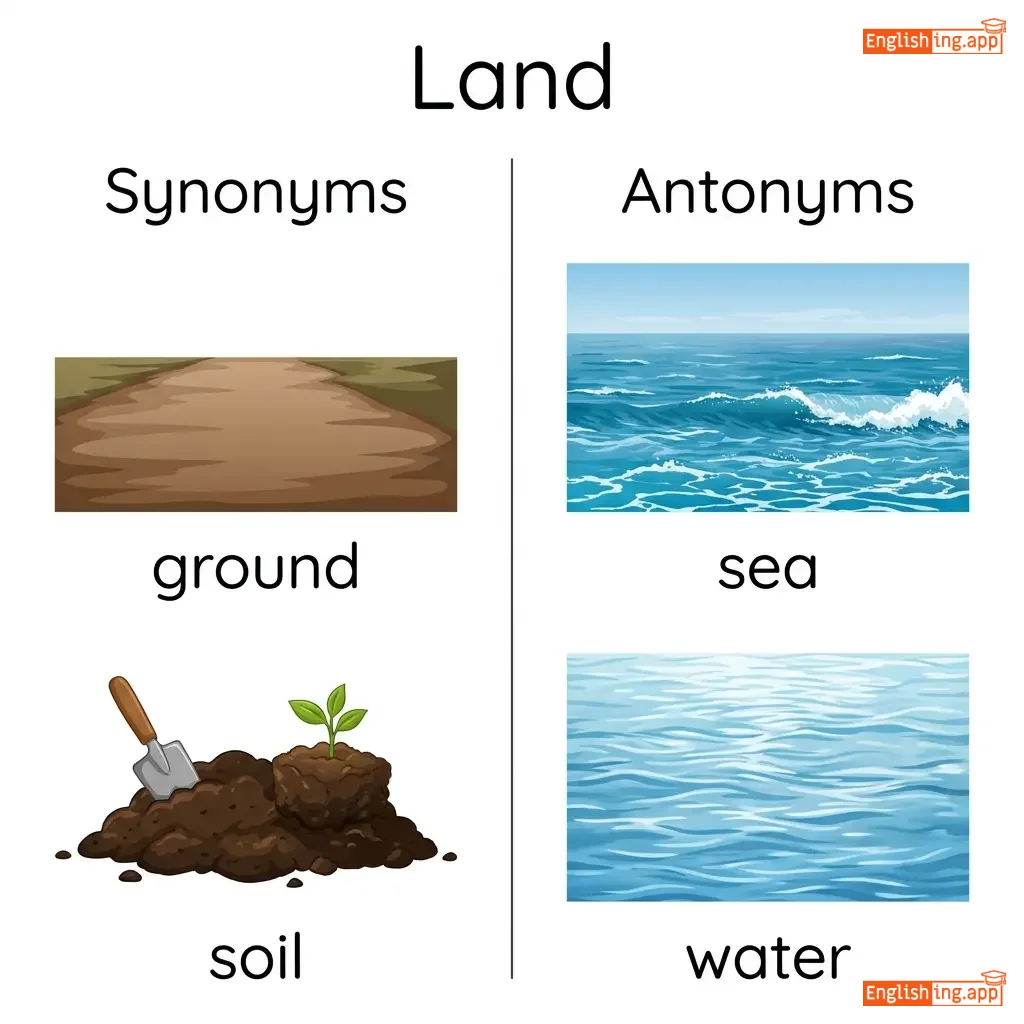
ground, soil, territory, earth
••••••
|
sea, water
••••••
|
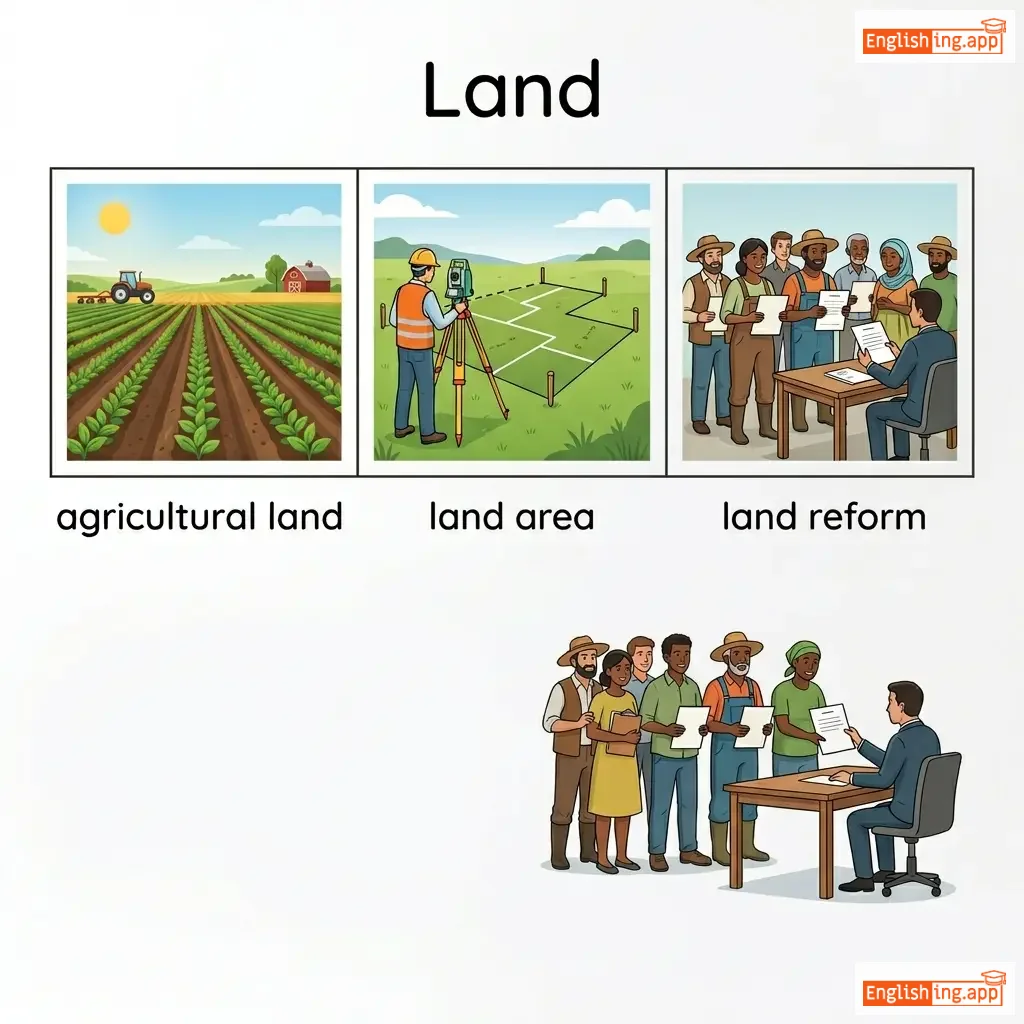
agricultural land, land area, land reform, land owner
••••••
|
Land是土地,降落是飞机接触地面的过程。
••••••
|
|
#11328
🏞️
|
/leɪk/
noun
(lèi kè)
••••••
|
- •••••• |
湖泊
húpō
••••••
|
- •••••• | - •••••• | - •••••• | - •••••• |
A large area of water surrounded by land.
••••••
|
They enjoyed boating on the lake during summer.
他们在夏季喜欢在湖上划船。
••••••
|
他们在夏季喜欢在湖上划船。
Tāmen zài xiàjì xǐhuān zài hú shàng huáchuán.
••••••
|
- •••••• | - •••••• | - •••••• |
pond, lagoon, reservoir, waterbody
••••••
|
desert, land
••••••
|
beautiful lake, lake water, lake view, mountain lake
••••••
|
湖泊是一个被陆地环绕的大水域,像一个自然的游泳池。
••••••
|
|
#11329
👩
|
/ˈleɪdi/
noun
(海皮尼斯)
••••••
|
- •••••• |
幸福
xingfu
••••••
|
- •••••• | - •••••• | - •••••• | - •••••• |
A polite or formal way of referring to a woman.
••••••
|
The lady at the counter was very helpful. |
当她收到奖项时,她无法掩饰自己的幸福。
Dāng tā shōudào jiǎngxiàng shí, tā wúfǎ yǎnshì zìjǐ de xìngfú.
••••••
|
first lady |
the wife of a president or head of state
••••••
|
追求幸福
zhuīqiú xìngfú
••••••
|
woman, madam, female, gentlewoman
••••••
|
man, gentleman
••••••
|
young lady, elegant lady, old lady, lady friend
••••••
|
幸福意味着每一天都感到快乐,生活中的每一刻都值得庆祝!
••••••
|
|
#11330
⚠️
|
/læk/
noun/verb
(lāk)
••••••
|
- •••••• |
缺乏
quēfá
••••••
|
lacked
lakt
••••••
|
lacked
lakt
••••••
|
lacks
laks
••••••
|
lacking
lacking
••••••
|
The state of being without or not having enough of something.
••••••
|
He failed the exam due to a lack of preparation.
他因为缺乏准备而未通过考试。
••••••
|
他因为缺乏准备而未通过考试。
Tā yīnwèi quēfá zhǔnbèi ér wèi tōngguò kǎoshì.
••••••
|
lack of effort
缺乏努力
••••••
|
insufficient effort or attempt
••••••
|
缺乏努力
quēfá nǔlì
••••••
|
shortage, deficiency, absence, scarcity
••••••
|
abundance, plenty, sufficiency
••••••
|
lack of confidence, lack of resources, lack of support, lack of preparation
••••••
|
Lack 是'缺乏',感觉有点空缺。
••••••
|
|
#11331
🔬
|
/ˈlæbrətɔːri/
noun
(实验室)
••••••
|
- •••••• |
实验室
shíyànshì
••••••
|
- •••••• | - •••••• | - •••••• | - •••••• |
A room or building equipped for scientific experiments, research, or teaching.
••••••
|
The students conducted the experiment in the chemistry laboratory. |
学生们在化学实验室进行了实验。
Xuéshēngmen zài huàxué shíyànshì jìnxíngle shíyàn.
••••••
|
- •••••• | - •••••• | - •••••• |
lab, research center, workshop, testing facility
••••••
|
field, nature
••••••
|
research laboratory, chemistry laboratory, medical laboratory, laboratory experiment
••••••
|
实验室是做实验和研究的地方。
••••••
|
|
#11332
🧪
|
/læb/
noun
(lèb)
••••••
|
- •••••• |
实验室
shíyànshì
••••••
|
- •••••• | - •••••• | - •••••• | - •••••• |
a place equipped for scientific experiments, research, or teaching
••••••
|
The students conducted an experiment in the chemistry lab. |
学生们在化学实验室里做了一个实验。
Xuéshēngmen zài huàxué shíyànshì lǐ zuòle yīgè shíyàn.
••••••
|
- •••••• | - •••••• | - •••••• |
laboratory, workshop, studio, research center
••••••
|
field, office
••••••
|
science lab, computer lab, lab work, lab equipment
••••••
|
实验室意味着实验室,做实验的地方。
••••••
|
|
#11333
📚
|
/ˈnɒlɪdʒ/
noun
(nólèzh)
••••••
|
|
知识
zhīshi
••••••
|
- •••••• | - •••••• | - •••••• | - •••••• |
information, understanding, and skills gained through learning or experience
••••••
|
Her knowledge of history is impressive. |
她对历史的知识令人印象深刻。
Tā duì lìshǐ de zhīshi lìng rén yìnxiàng shēnkè.
••••••
|
a wealth of knowledge |
a large amount of useful information or understanding
••••••
|
知识的宝库
zhīshi de bǎokù
••••••
|
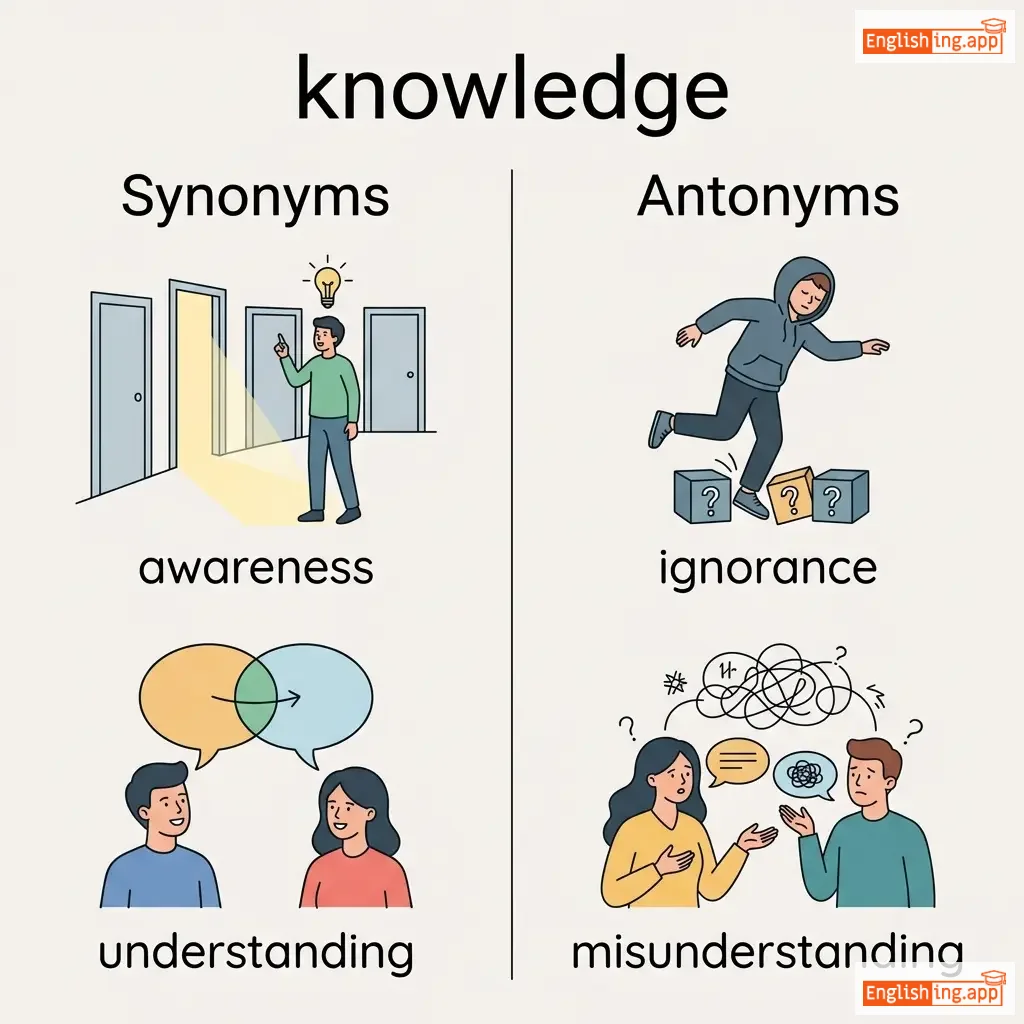
awareness, understanding, wisdom, expertise, intelligence
••••••
|
ignorance, misunderstanding
••••••
|
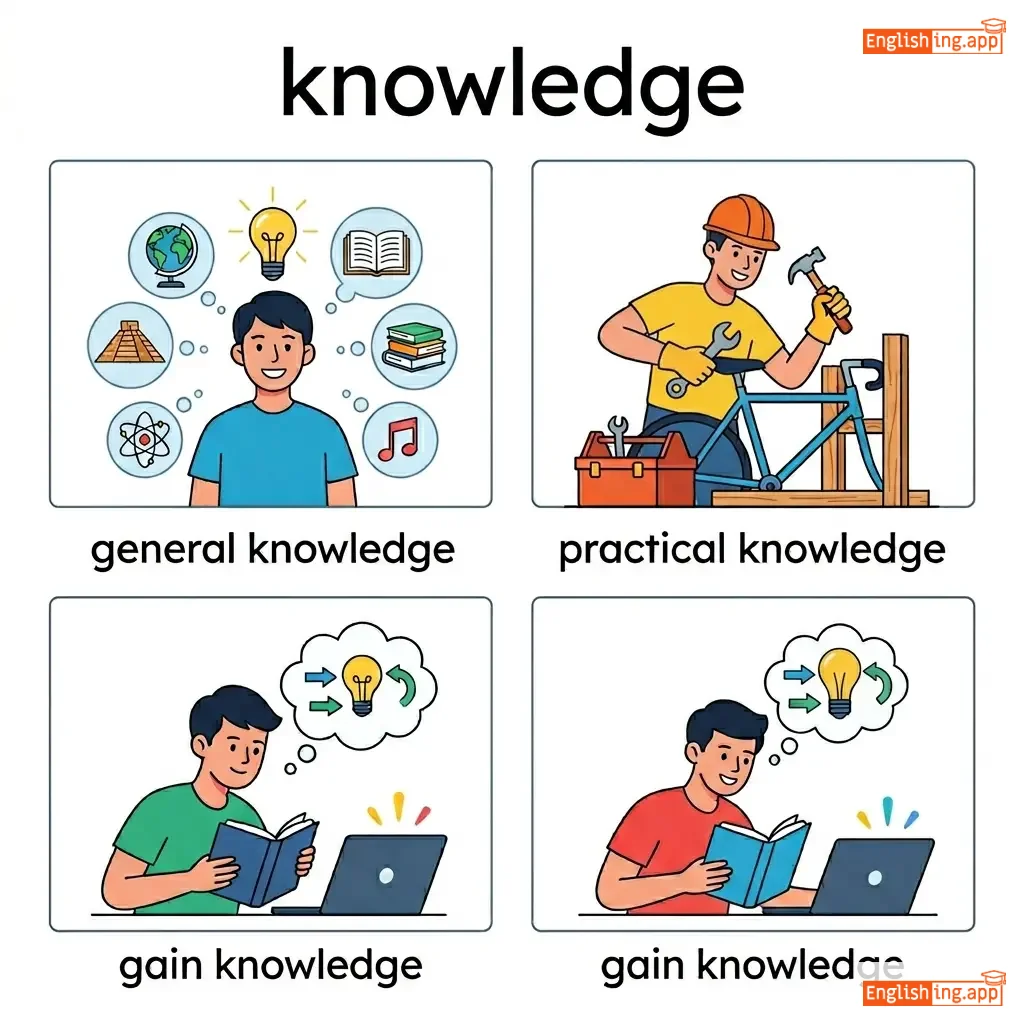
general knowledge, practical knowledge, gain knowledge, share knowledge
••••••
|
知识就像钥匙,帮助你开启人生的新篇章。
••••••
|
|
#11334
🧠
|
/noʊ/
verb
(nóu)
••••••
|
|
知道
zhīdào
••••••
|
knew
nù
••••••
|
known
nóu
••••••
|
knows
nóu zī
••••••
|
knowing
nóu yīng
••••••
|
to have knowledge or be aware of something
••••••
|
I know the answer to the question.
我知道问题的答案。
••••••
|
我知道问题的答案。
Wǒ zhīdào wèntí de dá'àn.
••••••
|
know the ropes
知道绳索
••••••
|
to be familiar with how something is done
••••••
|
知道如何做某事
zhīdào rúhé zuò mǒu shì
••••••
|
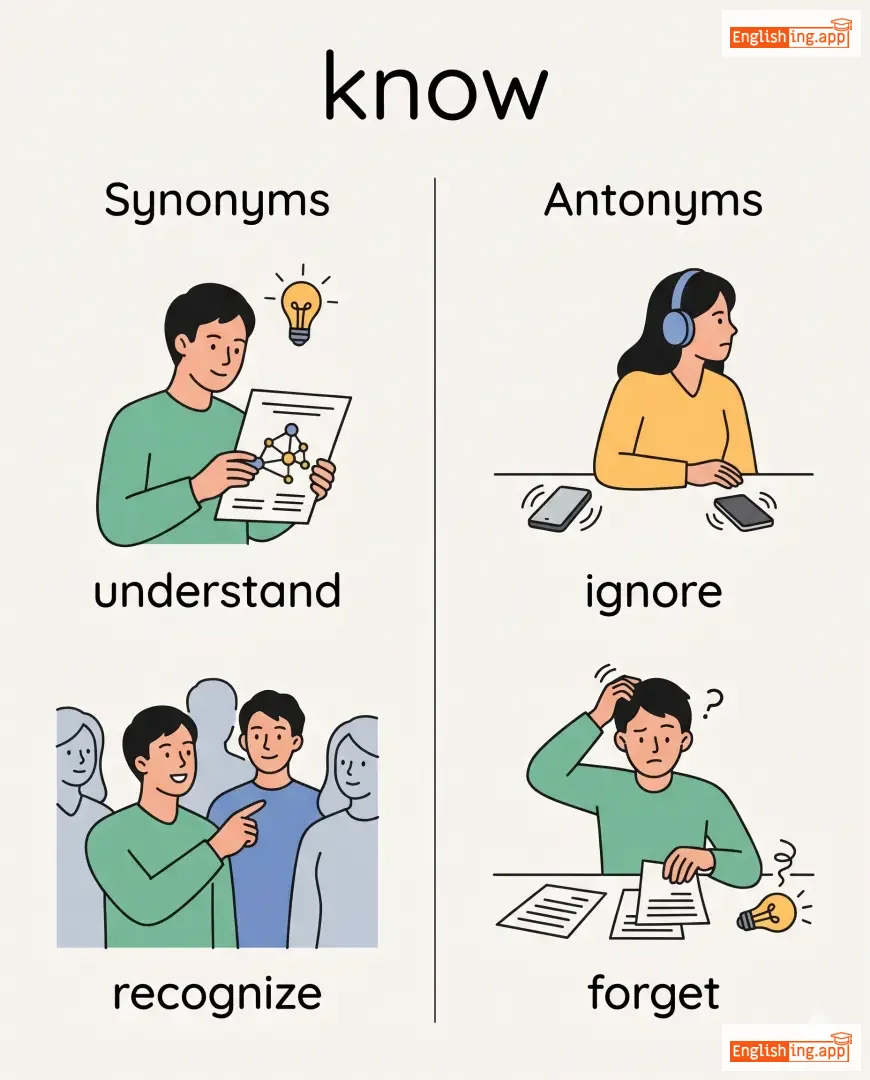
understand, recognize, realize, comprehend, identify
••••••
|
ignore, forget, misunderstand
••••••
|
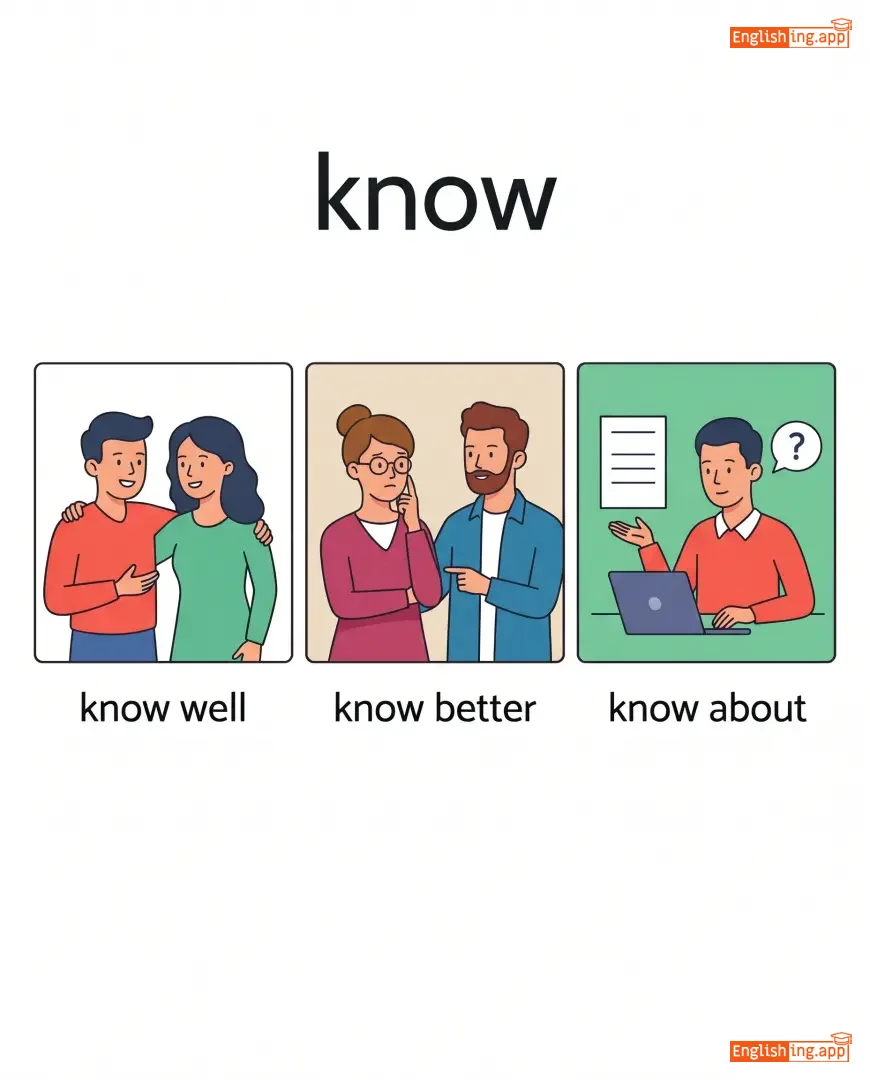
know well, know better, know about, know exactly
••••••
|
Know 就是知道,知道就能做到。
••••••
|
Vocabulary Quiz
Test your vocabulary by matching words with their translations or meanings.
Login to take the quiz
Comments (0)
Share your thoughts and join the discussion.
Join the discussion by logging in
Login to CommentNo comments yet
Be the first to share your thoughts!