



Swipe left or right, or use the buttons. Tap image to zoom.
例句翻译
单词
Lesson 325Lesson 325 - 遮罩切换
|
表情符号
|
单词 | Images | 翻译 | 过去时 | 过去分词 | 第三人称单数 | 动名词 | 含义 | 例句 | 例句翻译 | 示例表达 | 示例表达含义 | 示例表达翻译 | 同义词 | 反义词 | 搭配词 | 助记符 |
|---|---|---|---|---|---|---|---|---|---|---|---|---|---|---|---|---|---|
|
#9715
💧
|
/ˈdæmpən/
verb
(dampen)
••••••
|
- •••••• |
使潮湿,减弱
shǐ cháo shī, jiǎn ruò
••••••
|
dampened
dampened
••••••
|
dampened
dampened
••••••
|
dampens
dampens
••••••
|
dampening
dampening
••••••
|
to make something slightly wet; to make something less strong, active, or intense
••••••
|
The rain dampened the excitement of the outdoor concert.
雨水减弱了户外音乐会的兴奋。
••••••
|
雨水减弱了户外音乐会的兴奋。
Yǔ shuǐ jiǎn ruò le hù wài yīn yuè huì de xīng fèn.
••••••
|
dampen enthusiasm
dampen 热情
••••••
|
to reduce someone's excitement or interest
••••••
|
减弱热情
jiǎn ruò rè qíng
••••••
|
moisten, weaken, diminish, depress, discourage
••••••
|
encourage, intensify, strengthen
••••••
|
dampen spirits, dampen enthusiasm, dampen noise, dampen effect
••••••
|
DAMP就像潮湿一样,dampen意味着'使潮湿'或'减弱'
••••••
|
|
#9716
🌸
|
/ˈdɛlɪkət/
adjective
(dé lì kèt)
••••••
|
- •••••• |
脆弱
cuìruò
••••••
|
- •••••• | - •••••• | - •••••• | - •••••• |
Easily broken or damaged; requiring careful handling.
••••••
|
The vase is very delicate, so handle it with care. |
这个花瓶非常脆弱,所以请小心拿。
Zhège huāpíng fēicháng cuìruò, suǒyǐ qǐng xiǎoxīn ná.
••••••
|
delicate balance |
A situation where small changes can cause serious consequences.
••••••
|
脆弱的平衡
cuìruò de pínghéng
••••••
|
fragile, fine, sensitive, subtle, tender
••••••
|
strong, tough, durable
••••••
|
delicate issue, delicate flower, delicate situation
••••••
|
Delicate 🌸的意思是脆弱 – 'Delicate 花' 意味着很容易破损的花
••••••
|
|
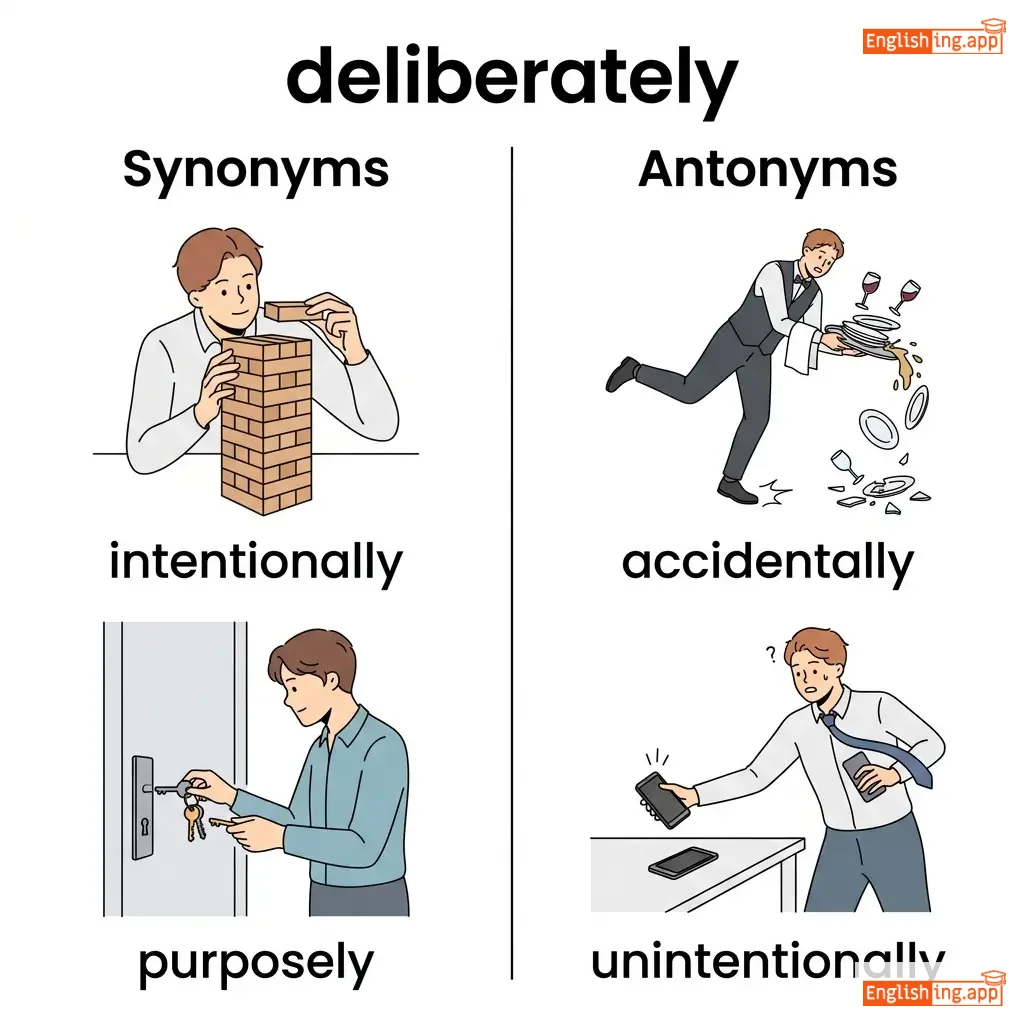
#9717
🎯
|
/dɪˈlɪbərətli/
adverb
(dɛlɪˈbɛrətli)
••••••
|
|
故意地
gùyì de
••••••
|
- •••••• | - •••••• | - •••••• | - •••••• |
Done on purpose; intentionally.
••••••
|
She deliberately ignored his question. |
她故意忽视了他的问题。
Tā gùyì hūshì le tā de wèntí.
••••••
|
- •••••• | - •••••• | - •••••• |
intentionally, purposely, knowingly, consciously
••••••
|
accidentally, unintentionally, randomly
••••••
|
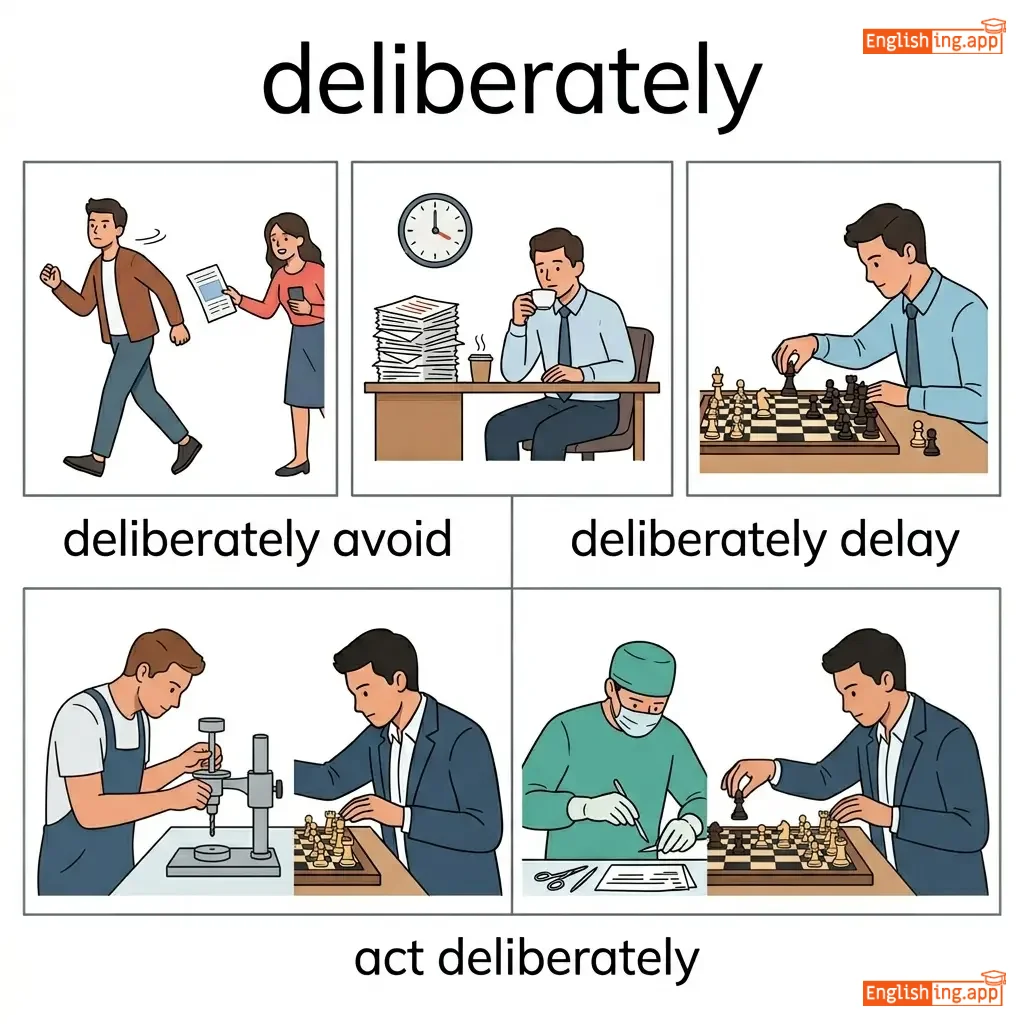
deliberately avoid, deliberately delay, act deliberately
••••••
|
故意地 = 有意图地做事 - 当你故意做事时,是有计划的。
••••••
|
|
#9718
📉
|
/ˈdɛfɪsɪt/
noun
(赤字)
••••••
|
- •••••• |
赤字
chìzì
••••••
|
- •••••• | - •••••• | - •••••• | - •••••• |
The amount by which something, especially money, is too small or lacking.
••••••
|
The government is trying to reduce the budget deficit. |
政府正在努力减少预算赤字。
Zhèngfǔ zhèngzài nǔlì jiǎnshǎo yùsuàn chìzì.
••••••
|
trade deficit |
The amount by which a country’s imports exceed its exports.
••••••
|
贸易赤字
màoyì chìzì
••••••
|
shortfall, shortage, lack, loss, gap
••••••
|
surplus, excess, profit
••••••
|
budget deficit, trade deficit, current deficit
••••••
|
赤字 📉 - 赤字意味着缺少东西,例如资金不足。
••••••
|
|
#9719
⚔️
|
/dɪˈfɛnd/
verb
(迪芬德)
••••••
|
- •••••• |
辩护
bian hu
••••••
|
defended
辩护了
••••••
|
defended
辩护
••••••
|
defends
辩护
••••••
|
defending
辩护中
••••••
|
To protect someone or something from harm or attack.
••••••
|
The lawyer worked hard to defend her client.
律师努力工作为她的客户辩护。
••••••
|
律师努力工作为她的客户辩护。
Lüshi nuli gongzuo wei ta de kehu bianhu.
••••••
|
defend one's honor
捍卫个人荣誉
••••••
|
To protect one’s reputation from criticism or insult.
••••••
|
捍卫个人荣誉
hanwei geren rongyu
••••••
|
protect, guard, shield, support, justify
••••••
|
attack, abandon, betray
••••••
|
defend a case, defend the goal, defend human rights
••••••
|
辩护就像一个律师为客户辩护一样。
••••••
|
|
#9720
🛡️
|
/dɪˈfɛns/
noun
(防御)
••••••
|
- •••••• |
防御
fangyu
••••••
|
- •••••• | - •••••• | - •••••• | - •••••• |
The act of protecting or guarding against attack, harm, or criticism.
••••••
|
The castle walls were built for defence against invaders. |
城堡的墙壁是为了防御入侵者而建造的。
Chéngbǎo de qiángbì shì wèile fángyù rùqīn zhě ér jiànzào de.
••••••
|
self-defence |
The act of protecting oneself from harm using reasonable force.
••••••
|
自卫
zìwèi
••••••
|
protection, safeguard, guard, security, shield
••••••
|
attack, assault, offense
••••••
|
in defence of, national defence, defence strategy, defence lawyer
••••••
|
防御像盾牌一样保护自己!
••••••
|
|
#9721
🎭
|
/dɪˈsɛptɪv/
adjective
(迪塞普蒂夫)
••••••
|
- •••••• |
具有欺骗性的
jù yǒu qī piàn xìng de
••••••
|
- •••••• | - •••••• | - •••••• | - •••••• |
Giving an appearance or impression different from the truth; misleading.
••••••
|
Appearances can be deceptive. |
外表可能具有欺骗性。
Wàibiǎo kěnéng jù yǒu qī piàn xìng.
••••••
|
- •••••• | - •••••• | - •••••• |
misleading, false, dishonest, tricky, deceitful
••••••
|
honest, truthful, genuine
••••••
|
deceptive appearance, deceptive practice, deceptively simple, deceptive look
••••••
|
Deceptive 就是欺骗性,像是欺骗别人。
••••••
|
|
#9722
🦠
|
/dɪˈkeɪ/
verb, noun
(dikei)
••••••
|
- •••••• |
腐烂
fulan
••••••
|
decayed
dikeid
••••••
|
decayed
dikeid
••••••
|
decays
dikeiz
••••••
|
decaying
dikeing
••••••
|
The process of rotting or decomposition; to decline in quality or strength.
••••••
|
The abandoned house slowly began to decay.
废弃的房子开始慢慢腐烂。
••••••
|
废弃的房子开始慢慢腐烂。
Feiqi de fangzi kaishi man man fulan.
••••••
|
tooth decay
牙齿腐烂
••••••
|
The rotting or damage of teeth.
••••••
|
牙齿腐烂
yachi fulan
••••••
|
rot, spoil, decompose, deteriorate, decline
••••••
|
grow, flourish, improve
••••••
|
decay process, tooth decay, rapid decay, slow decay
••••••
|
Decay即腐烂,牙齿腐烂即牙齿的损坏。
••••••
|
|
#9723
💀
|
/dɛd/
adjective, noun
(dɛd)
••••••
|
- •••••• |
死的
si de
••••••
|
- •••••• | - •••••• | - •••••• | - •••••• |
No longer alive; the end of life.
••••••
|
The old tree is completely dead. |
那棵老树已经完全死了。
Na ke lao shu yijing wanquan si le.
••••••
|
dead end |
A situation with no progress or exit.
••••••
|
死胡同
si hutong
••••••
|
lifeless, deceased, expired, gone
••••••
|
alive, living, active
••••••
|
dead body, dead silence, dead end, dead serious
••••••
|
Dead 就是死的,结束了。
••••••
|
|
#9724
🌄
|
/ˈdeɪˌbreɪk/
noun
(débrèik)
••••••
|
- •••••• |
黎明
liming
••••••
|
- •••••• | - •••••• | - •••••• | - •••••• |
The time in the morning when daylight first appears; dawn.
••••••
|
They set out on their journey at daybreak. |
他们在黎明时分开始了他们的旅程。
Tāmen zài límíng shífēn kāishǐle tāmen de lǚchéng.
••••••
|
- •••••• | - •••••• | - •••••• |
dawn, sunrise, morning, first light
••••••
|
sunset, night
••••••
|
at daybreak, before daybreak, daybreak prayer, daybreak light
••••••
|
Daybreak 就是黎明,象征新的一天开始。
••••••
|
|
#9725
🌅
|
/dɔːn/
noun, verb
(dawn)
••••••
|
- •••••• |
黎明
liming
••••••
|
dawned
dawned
••••••
|
dawned
dawned
••••••
|
dawns
dawns
••••••
|
dawning
dawning
••••••
|
The first appearance of light in the sky before sunrise; to begin or become apparent.
••••••
|
Hope began to dawn in her heart after hearing the good news.
Hope began to dawn in her heart after hearing the good news.
••••••
|
在听到好消息后,希望在她的心中开始黎明。
Zai tingdao hao xiaoxi hou, xiwang zai ta de xinzhi kaishi liming.
••••••
|
crack of dawn
crack of dawn
••••••
|
Very early in the morning.
••••••
|
黎明时分
liming shifen
••••••
|
sunrise, daybreak, morning, beginning, start
••••••
|
sunset, dusk, end
••••••
|
at dawn, before dawn, dawn of a new era, dawn breaks
••••••
|
Dawn是黎明,新的日子的开始。
••••••
|
|
#9726
💨
|
/dæʃ/
verb
••••••
|
- •••••• | - •••••• |
dashed
••••••
|
dashed
••••••
|
dashes
••••••
|
dashing
••••••
|
to move quickly and suddenly; to strike or break something violently
••••••
|
She dashed across the street to catch the bus. |
- •••••• |
dash hopes |
to destroy someone's expectations or dreams
••••••
|
- •••••• |
rush, sprint, hurry, smash, break
••••••
|
walk, crawl, delay
••••••
|
dash across, dash off, dash hopes, dash to pieces
••••••
|
No •••••• |
|
#9727
🌑
|
/dɑːrk/
adjective
(达克)
••••••
|
- •••••• |
黑暗的
hei an de
••••••
|
- •••••• | - •••••• | - •••••• | - •••••• |
with little or no light; gloomy or mysterious
••••••
|
The room was dark after the lights went out.
泽 鲁姆 瓦兹 达克 艾夫特 泽 莱茨 温特 奥特。
••••••
|
灯灭后房间变得黑暗。
deng mie hou fang jian bian de hei an.
••••••
|
in the dark
因 泽 达克
••••••
|
not informed; unaware
••••••
|
不知情
bu zhi qing
••••••
|
dim, gloomy, shadowy, black, obscure
••••••
|
bright, light, clear
••••••
|
dark night, dark room, dark secret, dark times
••••••
|
Dark 在中文里是 黑暗的,房间没有灯时就变得黑暗。
••••••
|
|
#9728
🔑
|
/ˈdæŋɡəl/
verb
(丹格尔)
••••••
|
- •••••• |
悬挂
xuánguà
••••••
|
dangled
丹格尔德
••••••
|
dangled
丹格尔德
••••••
|
dangles
丹格尔斯
••••••
|
dangling
丹格尔英
••••••
|
to hang loosely or swing freely
••••••
|
The keys dangled from his belt.
钥匙从他的腰带上悬挂。
••••••
|
钥匙从他的腰带上悬挂。
Yuèxīn cóng tā de yāodài shàng xuánguà.
••••••
|
dangle a carrot
悬挂胡萝卜
••••••
|
to offer an incentive to persuade someone
••••••
|
悬挂胡萝卜
xuánguà húluóbo
••••••
|
swing, hang, droop, suspend, sway
••••••
|
fix, attach, secure
••••••
|
dangle from, dangle legs, dangle keys, dangle opportunity
••••••
|
Dangle意味着悬挂,就像钥匙从腰带上悬挂。
••••••
|
|
#9729
⚠️
|
/ˈdeɪndʒərəs/
adjective
(dèngʌrəs)
••••••
|
- •••••• |
危险
wéixiǎn
••••••
|
- •••••• | - •••••• | - •••••• | - •••••• |
likely to cause harm or injury; unsafe
••••••
|
Driving fast on icy roads is dangerous. |
在冰雪路面上开车很危险。
Zài bīngxuě lùmiàn shàng kāichē hěn wéixiǎn.
••••••
|
play with fire |
to do something risky that may cause harm
••••••
|
玩火
wán huǒ
••••••
|
risky, hazardous, unsafe, harmful, perilous
••••••
|
safe, secure, harmless
••••••
|
dangerous situation, dangerous game, dangerous path, dangerous substance
••••••
|
危险意味着‘危险’,所以危险就是危险。
••••••
|
|
#9730
🙏
|
/ˈkɜːrtiəs/
adjective
(kòutíəs)
••••••
|
- •••••• |
有礼貌的
yǒu lǐmào de
••••••
|
- •••••• | - •••••• | - •••••• | - •••••• |
polite, respectful, or considerate in manner
••••••
|
The staff at the hotel were very courteous to all guests. |
酒店的员工对所有客人都非常有礼貌。
Jiudian de yuangong dui suoyou keren dou feichang you limao.
••••••
|
common courtesy |
basic good manners expected in social interactions
••••••
|
常规礼貌
chángguī lǐmào
••••••
|
polite, respectful, well-mannered, considerate, gracious
••••••
|
rude, impolite, disrespectful
••••••
|
courteous response, courteous behavior, courteous staff, courteous manner
••••••
|
像有礼貌的(yǒu lǐmào de)人一样,始终保持court的礼节!
••••••
|
|
#9731
💥
|
/ˈdæmɪdʒ/
verb
(dæmɪdʒ)
••••••
|
- •••••• |
损坏
sǔnhuài
••••••
|
damaged
dæmɪdʒd
••••••
|
damaged
dæmɪdʒd
••••••
|
damages
dæmɪdʒes
••••••
|
damaging
dæmɪdʒɪŋ
••••••
|
To cause physical harm to something.
••••••
|
The storm damaged several houses in the village.
风暴破坏了村里的几所房子。
••••••
|
风暴破坏了村里的几所房子。
Fēngbào pòhuài le cūn lǐ de jǐ suǒ fángzi.
••••••
|
beyond repair
无法修复
••••••
|
So badly damaged that it cannot be fixed.
••••••
|
无法修复
wúfǎ xiūfù
••••••
|
harm, spoil, break, ruin, destroy
••••••
|
repair, fix, improve
••••••
|
damage control, serious damage, cause damage, property damage
••••••
|
损坏的意思是破坏,像风暴破坏了房子。
••••••
|
|
#9732
✂️
|
/kʌt/
verb
(kat)
••••••
|
|
切
qie
••••••
|
cut
kat
••••••
|
cut
kat
••••••
|
cuts
kats
••••••
|
cutting
kat-ing
••••••
|
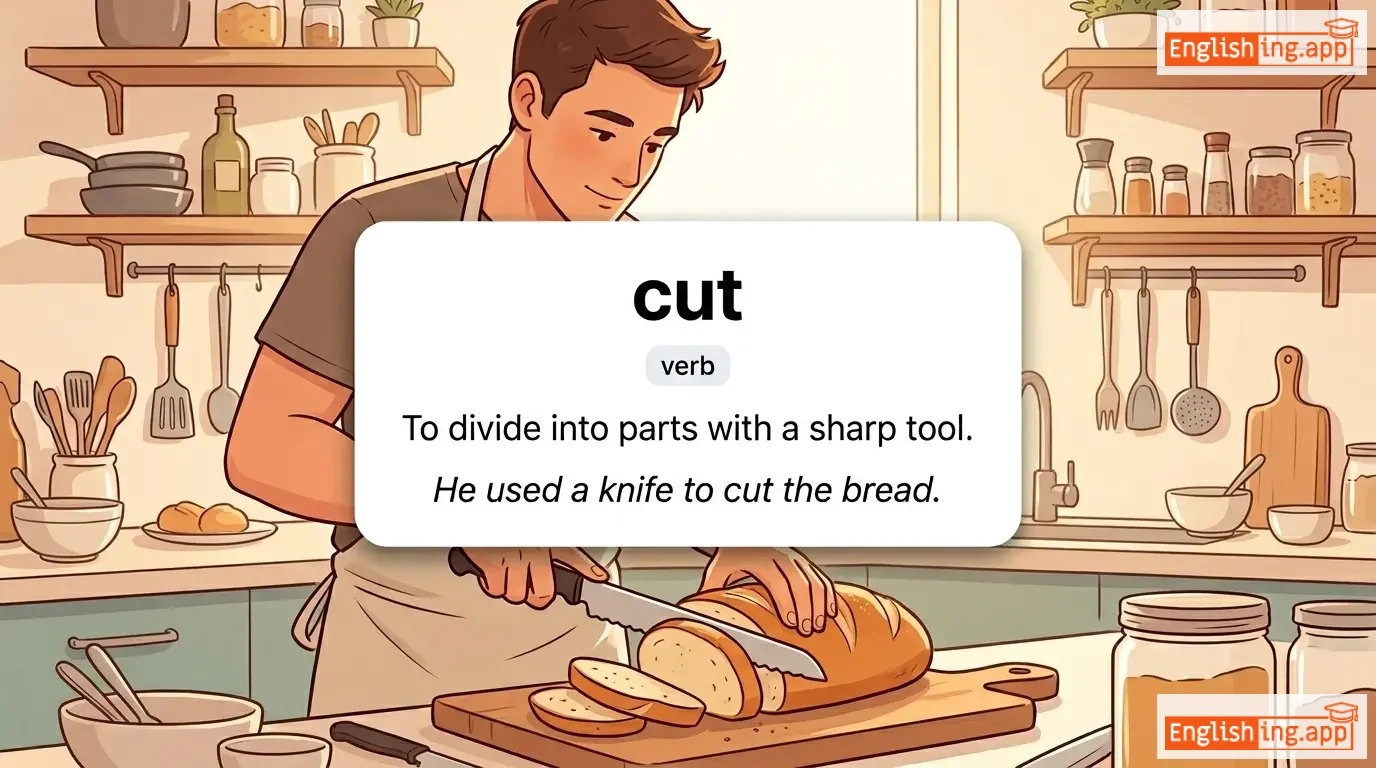
To divide into parts with a sharp tool.
••••••
|
He used a knife to cut the bread.
他用刀切面包。
••••••
|
他用刀切面包。
Tā yòng dāo qiē miànbāo.
••••••
|
cut corners
削减角落
••••••
|
To do something in the easiest, cheapest, or fastest way, often sacrificing quality.
••••••
|
削减角落
xuējiǎn jiǎoluò
••••••
|
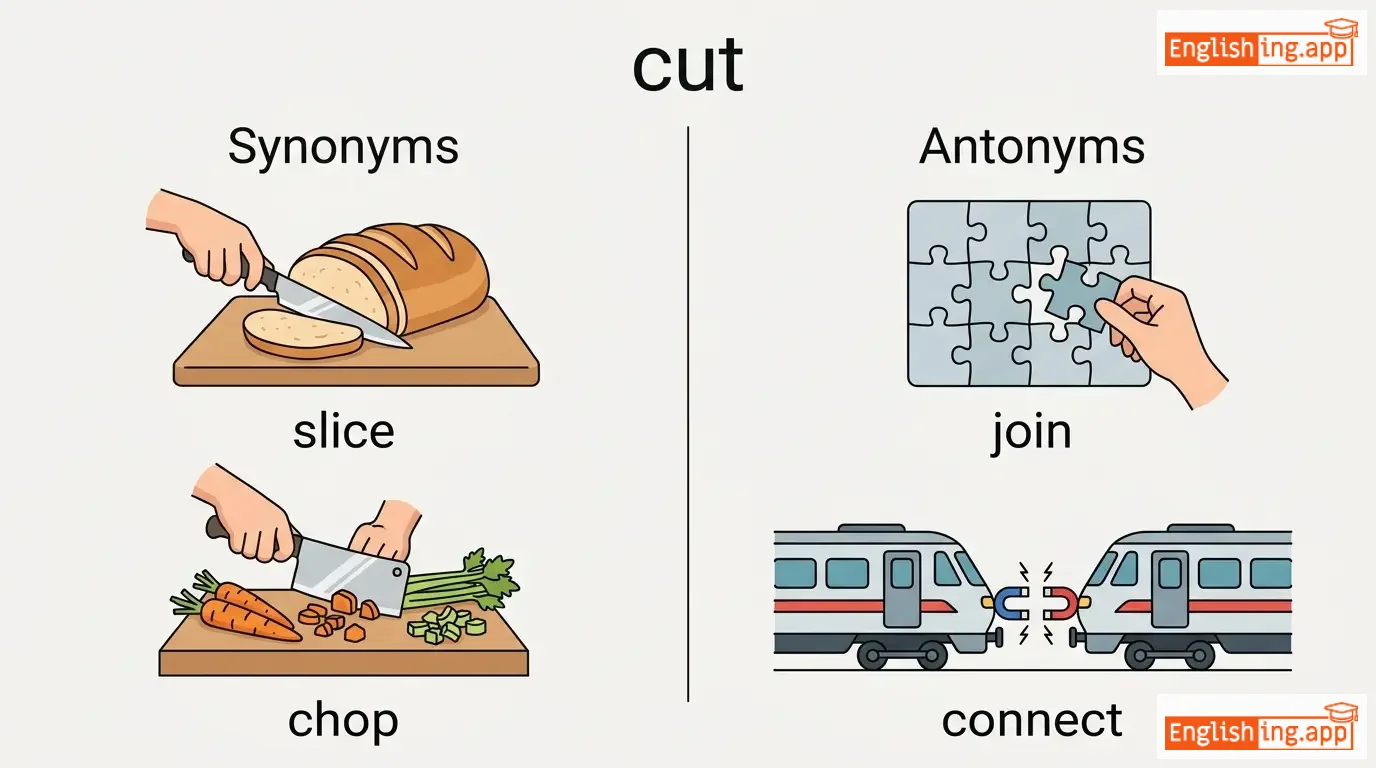
slice, chop, sever, trim, carve
••••••
|
join, connect, attach
••••••
|
cut down, cut off, cut into, cut back, cut out
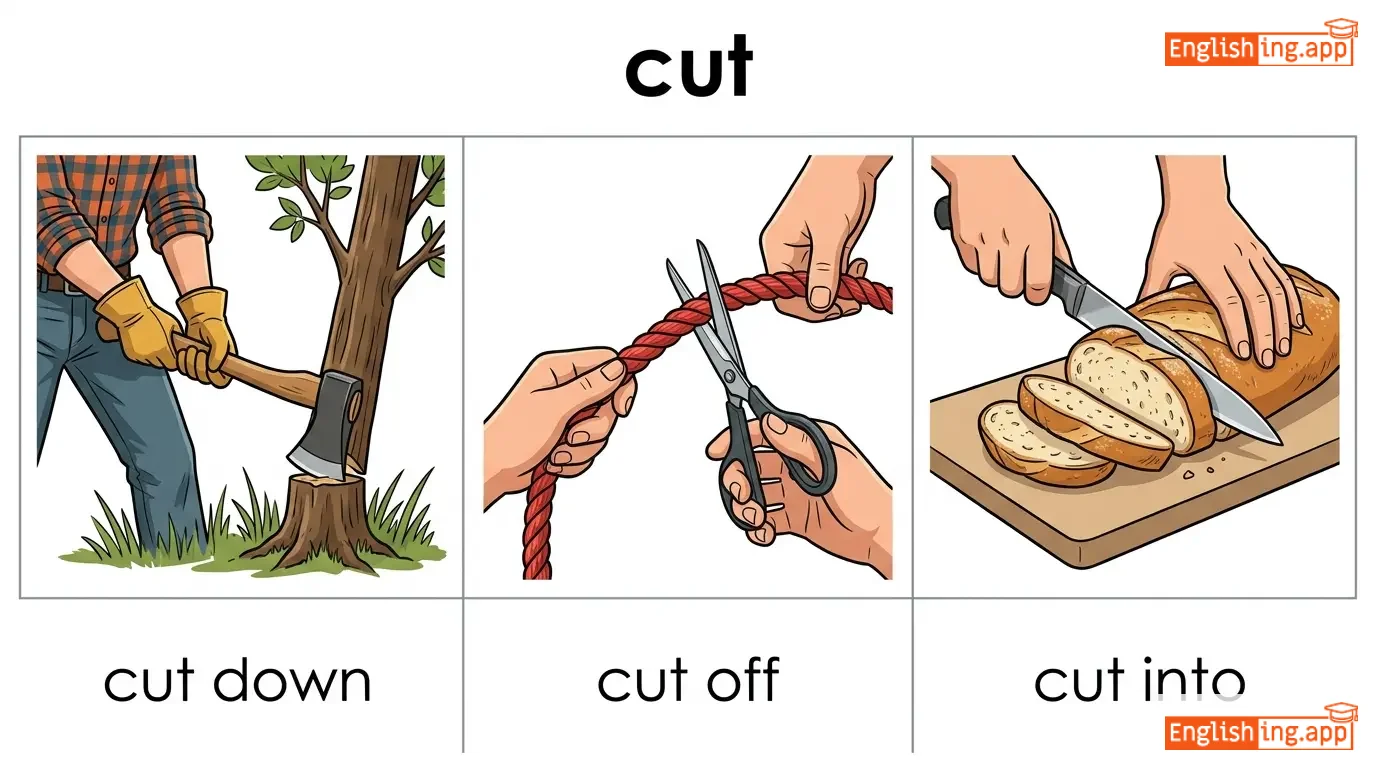
••••••
|
Cut 意味着切 - 用刀 ✂️
••••••
|
|
#9733
😤
|
/ˈkʌsɪd/
adjective
(kʌsɪd)
••••••
|
- •••••• |
倔强
juejiang
••••••
|
- •••••• | - •••••• | - •••••• | - •••••• |
Annoyingly stubborn or difficult.
••••••
|
He was too cussed to admit his mistake. |
他太倔强,无法承认自己的错误。
Ta tai juejiang, wu fa chengren ziji de cuowu.
••••••
|
- •••••• | - •••••• | - •••••• |
stubborn, obstinate, headstrong, willful, pigheaded
••••••
|
flexible, compliant, agreeable
••••••
|
cussed nature, cussed attitude, too cussed, downright cussed
••••••
|
Cussed意味着固执到让人恼火。
••••••
|
|
#9734
💇♀️
|
/ˈkɜːrlər/
noun
(kɑːrlər)
••••••
|
- •••••• |
卷发器
juǎn fà qì
••••••
|
- •••••• | - •••••• | - •••••• | - •••••• |
A small roller used for curling hair.
••••••
|
She used a curler to style her hair for the party.
她用卷发器为派对造型她的头发。
••••••
|
她用卷发器为派对造型她的头发。
Tā yòng juǎn fà qì wèi pàiduì zàoxíng tā de tóufà.
••••••
|
- •••••• | - •••••• | - •••••• |
roller, hair curler, wave curler, hair roller
••••••
|
straightener, flat iron
••••••
|
hair curler, heated curler, electric curler, curling curler
••••••
|
卷发器是卷曲头发的工具,帮助打造完美的发型。
••••••
|
|
#9735
💊
|
/ˈkjʊərətɪv/
adjective
(kiurətiv)
••••••
|
- •••••• |
治愈性
zhìyùxìng
••••••
|
- •••••• | - •••••• | - •••••• | - •••••• |
Able to cure disease or restore health.
••••••
|
The doctor prescribed a curative treatment for the illness.
医生为疾病开出了治愈性的治疗方案。
••••••
|
医生为疾病开出了治愈性的治疗方案。
Yīshēng wèi jíbìng kāi chūle zhìyùxìng de zhìliáo fāng'àn.
••••••
|
- •••••• | - •••••• | - •••••• |
healing, remedial, therapeutic, restorative, medicinal
••••••
|
harmful, injurious, damaging
••••••
|
curative treatment, curative effect, curative powers, curative medicine
••••••
|
Curative 意味着治愈性治疗,治愈疾病。
••••••
|
|
#9736
🧊
|
/kjuːb/
noun, verb
(kǔb)
••••••
|
- •••••• |
立方体
lìfāngtǐ
••••••
|
cubed
kǔbd
••••••
|
cubed
kǔbd
••••••
|
cubes
kǔbs
••••••
|
cubing
kǔbīng
••••••
|
As a noun: a solid object with six equal square faces. As a verb: to cut food into small square pieces.
••••••
|
She put a sugar cube in her tea.
她把一块糖放进了她的茶里。
••••••
|
她把一块糖放进了她的茶里。
Tā bǎ yī kuài táng fàng jìnle tā de chá lǐ.
••••••
|
cube root
立方根
••••••
|
A number which produces a given number when multiplied by itself twice.
••••••
|
立方根
lìfānggēn
••••••
|
block, box, square, dice
••••••
|
sphere, circle
••••••
|
sugar cube, ice cube, cube root, cube shape
••••••
|
立方体形状的立方根,总是从小到大的推演。
••••••
|
|
#9737
😢
|
/kraɪ/
verb, noun
••••••
|
- •••••• | - •••••• |
cried
••••••
|
cried
••••••
|
cries
••••••
|
crying
••••••
|
To shed tears as an expression of emotion such as sadness or pain; also a loud call or shout.
••••••
|
The baby began to cry when she was hungry. |
- •••••• |
cry over spilled milk |
To waste time worrying about something that has already happened and cannot be changed.
••••••
|
- •••••• |
weep, sob, wail, scream, yell
••••••
|
laugh, smile, rejoice
••••••
|
cry out, cry for help, cry with joy, loud cry
••••••
|
No •••••• |
|
#9738
💔
|
/ˈkruːəl/
adjective
(克鲁尔)
••••••
|
- •••••• |
残忍
cánrěn
••••••
|
- •••••• | - •••••• | - •••••• | - •••••• |
Willfully causing pain or suffering to others, or feeling no concern about it.
••••••
|
It was cruel to make fun of the injured boy. |
嘲笑受伤的男孩是残忍的。
cháoxiào shòushāng de nán hái shì cánrěn de.
••••••
|
cruel and unusual punishment |
Punishment considered inhumane, degrading, or excessively harsh.
••••••
|
残忍和不寻常的惩罚
cánrěn hé bù xúncháng de chéngfá
••••••
|
harsh, brutal, unkind, ruthless, merciless
••••••
|
kind, gentle, compassionate
••••••
|
cruel joke, cruel act, cruel treatment, cruel world
••••••
|
Cruel 意味着残忍惩罚 – 残忍惩罚。
••••••
|
|
#9739
💳
|
/ˈkrɛdɪt/
noun, verb
••••••
|
- •••••• | - •••••• |
credited
••••••
|
credited
••••••
|
credits
••••••
|
crediting
••••••
|
As a noun: the ability to obtain goods or services before payment; recognition for an achievement. As a verb: to publicly acknowledge someone's contribution.
••••••
|
She received credit for her contribution to the project. |
- •••••• |
give credit where credit is due |
Acknowledge someone’s effort or achievement when it is deserved.
••••••
|
- •••••• |
recognition, trust, praise, loan, acknowledgement
••••••
|
blame, discredit, doubt
••••••
|
take credit, line of credit, credit score, credit card
••••••
|
No •••••• |
|
#9740
🎨
|
/kriˈeɪʃən/
noun
(kè liè shēng)
••••••
|
- •••••• |
创造
chuangzuo
••••••
|
- •••••• | - •••••• | - •••••• | - •••••• |
The act of bringing something into existence; something that has been made or produced.
••••••
|
The artist’s latest creation was admired by everyone at the gallery. |
这位艺术家的最新创造在画廊里受到所有人的赞赏。
Zhe wei yishu jia de zui xin chuangzuo zai hualong li shoudao suoyi ren de zan chang.
••••••
|
creation myth |
A symbolic narrative explaining how the world or humankind came into being.
••••••
|
创造神话
chuangzuo shenhua
••••••
|
invention, innovation, formation, production, design
••••••
|
destruction, ruin, elimination
••••••
|
artistic creation, new creation, creative process, divine creation
••••••
|
创造 = 创造某些新事物
••••••
|
|
#9741
🤪
|
/ˈkreɪzi/
adjective
(kùlèi zī)
••••••
|
- •••••• |
疯狂
fēngkuáng
••••••
|
- •••••• | - •••••• | - •••••• | - •••••• |
mentally unsound; extremely foolish or enthusiastic
••••••
|
He had a crazy idea that actually worked. |
他有一个疯狂的想法,实际上奏效了。
Tā yǒu yīgè fēngkuáng de xiǎngfǎ, shíjì shang zòuxiào le.
••••••
|
drive someone crazy |
to annoy or make someone feel overwhelmed
••••••
|
让某人疯狂
ràng mǒu rén fēngkuáng
••••••
|
insane, mad, foolish, irrational, wild
••••••
|
sane, rational, normal
••••••
|
crazy idea, crazy behavior, go crazy, crazy about
••••••
|
Crazy等于疯狂,像把一个人逼疯的想法。
••••••
|
|
#9742
😠
|
/ˈkræŋki/
adjective
(krāngkī)
••••••
|
- •••••• |
脾气暴躁
píqì bào zào
••••••
|
- •••••• | - •••••• | - •••••• | - •••••• |
bad-tempered, easily annoyed, or irritable
••••••
|
The child gets cranky when he is hungry. |
当孩子饿了时,他会变得脾气暴躁。
Dāng háizi èle shí, tā huì biàn dé píqì bào zào.
••••••
|
- •••••• | - •••••• | - •••••• |
irritable, grouchy, moody, testy
••••••
|
cheerful, calm, pleasant
••••••
|
cranky child, cranky mood, cranky behavior, cranky old man
••••••
|
脾气暴躁的人就像'cranky'的人,容易生气和烦躁。
••••••
|
|
#9743
☕
|
/ˈkoʊzi/
adjective
(kě zī)
••••••
|
- •••••• |
舒适的
shūshì de
••••••
|
- •••••• | - •••••• | - •••••• | - •••••• |
giving a feeling of comfort, warmth, and relaxation
••••••
|
We sat in a cozy little café on a rainy day. |
在一个雨天,我们坐在一个舒适的小咖啡馆里。
Zài yī gè yǔtiān, wǒmen zuò zài yīgè shūshì de xiǎo kāfēi guǎn lǐ.
••••••
|
cozy up |
to get close in a friendly or intimate way
••••••
|
靠近
kàojìn
••••••
|
comfortable, warm, snug, pleasant, homely
••••••
|
uncomfortable, cold, harsh
••••••
|
cozy atmosphere, cozy home, cozy bed, cozy corner
••••••
|
一个舒适的沙发和热腾腾的茶是一种完美的享受
••••••
|
|
#9744
🛡️
|
/ˈkʌvər/
verb
(kāfū)
••••••
|
|
覆盖
fùgài
••••••
|
covered
bǎn
••••••
|
covered
bǎn
••••••
|
covers
bǎn
••••••
|
covering
bǎn yī gè
••••••
|
to place something over or on top of something else to protect or hide it
••••••
|
She used a blanket to cover the sleeping child.
她用毯子覆盖了睡着的孩子。
••••••
|
她用毯子覆盖了睡着的孩子。
Tā yòng tǎnzi fùgàile shuìzháo de háizi.
••••••
|
cover up
掩盖事实
••••••
|
to hide the truth about something
••••••
|
掩盖事实
yǎngài shìshí
••••••
|
conceal, shield, hide, wrap, protect
••••••
|
expose, uncover
••••••
|
cover story, cover charge, cover page, cover letter
••••••
|
覆盖就是用物品覆盖另一样物品,就像毯子盖在床上。
••••••
|
Vocabulary Quiz
Test your vocabulary by matching words with their translations or meanings.
Login to take the quiz
Comments (0)
Share your thoughts and join the discussion.
Join the discussion by logging in
Login to CommentNo comments yet
Be the first to share your thoughts!