






Swipe left or right, or use the buttons. Tap image to zoom.
例句翻译
单词
Lesson 253Lesson 253 - 遮罩切换
|
表情符号
|
单词 | Images | 翻译 | 过去时 | 过去分词 | 第三人称单数 | 动名词 | 含义 | 例句 | 例句翻译 | 示例表达 | 示例表达含义 | 示例表达翻译 | 同义词 | 反义词 | 搭配词 | 助记符 |
|---|---|---|---|---|---|---|---|---|---|---|---|---|---|---|---|---|---|
|
#7560
😠
|
/rɪˈzɛnt/
verb
(rɪˈzɛnt)
••••••
|
- •••••• |
怨恨
yuànhèn
••••••
|
resented
rɪˈzɛntɪd
••••••
|
resented
rɪˈzɛntɪd
••••••
|
resents
rɪˈzɛnts
••••••
|
resenting
rɪˈzɛntɪŋ
••••••
|
to feel bitterness or displeasure about something or someone
••••••
|
She began to resent the constant criticism from her boss.
她开始对老板的不断批评感到愤恨。
••••••
|
她开始对老板的不断批评感到愤恨。
Tā kāishǐ duì lǎobǎn de bùduàn pīpíng gǎndào fènhèn.
••••••
|
harbor resentment
怀有怨恨
••••••
|
to keep feelings of bitterness or anger inside
••••••
|
怀有怨恨
huái yǒu yuànhèn
••••••
|
begrudge, dislike, envy, grudge, detest
••••••
|
accept, welcome, embrace
••••••
|
resent deeply, resent bitterly, begin to resent, resent strongly
••••••
|
ReSENT愤怒 - yuàn hèn (怨恨) 表示愤恼。
••••••
|
|
#7561
⚡
|
/rɪˈzɪstɪv/
adjective
(rě-zī-sī-tī-fū)
••••••
|
- •••••• |
电阻性
dianzu xing
••••••
|
- •••••• | - •••••• | - •••••• | - •••••• |
tending to resist or oppose; in physics, relating to electrical resistance
••••••
|
The material has resistive properties that slow down current flow. |
该材料具有电阻特性,能够减慢电流流动。
Gai cailiao juyou dianzu texing, nenggou jianman dianliu liudong.
••••••
|
- •••••• | - •••••• | - •••••• |
opposing, resisting, obstructive, resistant
••••••
|
conductive, susceptible
••••••
|
resistive force, resistive properties, resistive heating, resistive load
••••••
|
Resistive 意思是 resist + active: 主动抵抗。
••••••
|
|
#7562
🛡️
|
/rɪˈzɪstənt/
adjective
(rízìstànt)
••••••
|
- •••••• |
抗性
kàngxìng
••••••
|
- •••••• | - •••••• | - •••••• | - •••••• |
not affected by something; able to oppose or withstand
••••••
|
This fabric is resistant to water and stains.
这块布料对水和污渍具有抗性。
••••••
|
这块布料对水和污渍具有抗性。
Zhè kuài bùliào duì shuǐ hé wūzì jùyǒu kàngxìng.
••••••
|
- •••••• | - •••••• | - •••••• |
immune, tough, impervious, durable, strong
••••••
|
susceptible, vulnerable, sensitive
••••••
|
resistant to change, disease-resistant, heat-resistant, resistant material
••••••
|
抗性意味着能够抵抗–布料抵抗水和污渍。
••••••
|
|
#7563
🌲
|
/ˈrɛzɪn/
noun
(rèxīn)
••••••
|
- •••••• |
树脂
shuzhi
••••••
|
- •••••• | - •••••• | - •••••• | - •••••• |
a sticky organic substance, usually secreted by plants, often used in varnishes or plastics
••••••
|
The craftsman used natural resin to make the sculpture shine. |
工匠用天然树脂使雕塑闪闪发光。
Gōngjiàng yòng tiānrán shùzhī shǐ diāosù shǎn shǎn fāguāng.
••••••
|
- •••••• | - •••••• | - •••••• |
gum, sap, pitch, polymer
••••••
|
liquid, solvent
••••••
|
synthetic resin, natural resin, resin glue, resin coating
••••••
|
树脂 = 树木的树脂,用于雕刻品上
••••••
|
|
#7564
🌱
|
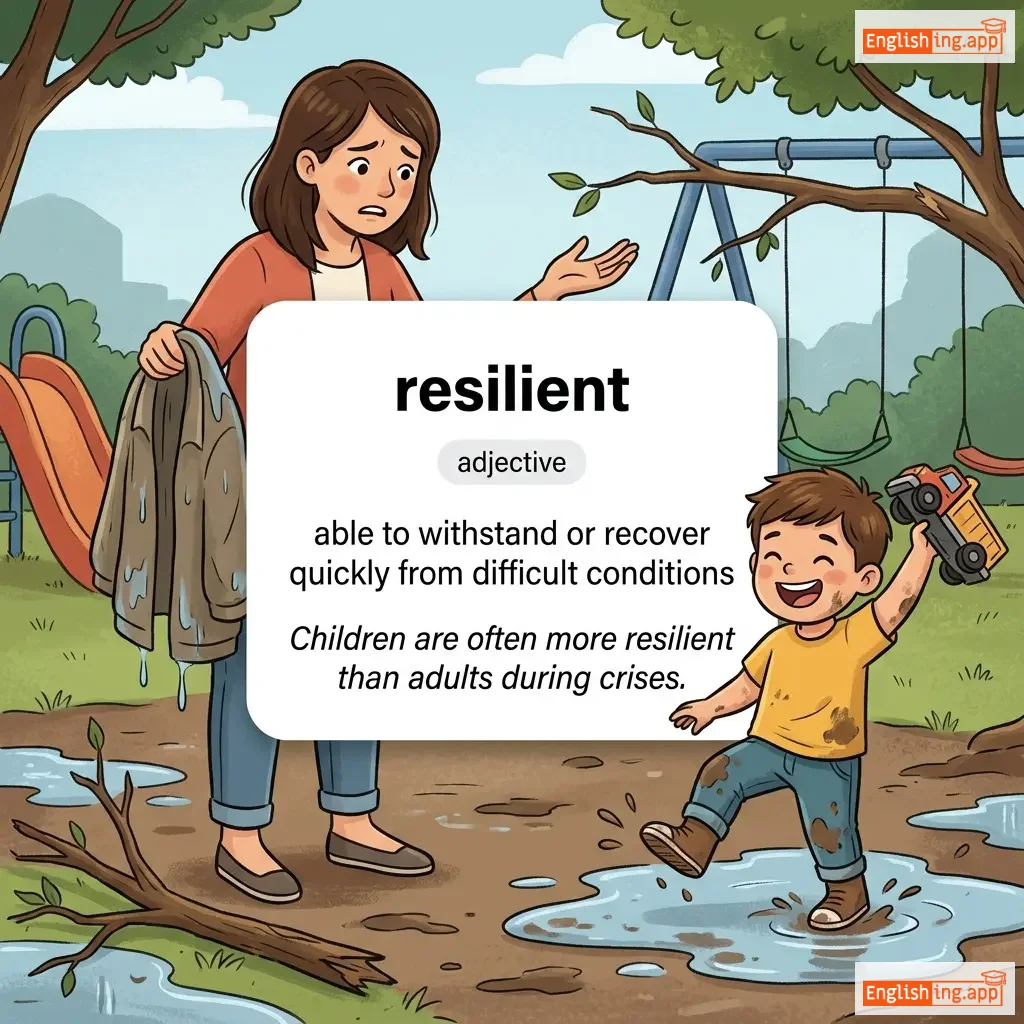
/rɪˈzɪliənt/
adjective
(瑞兹利安特)
••••••
|
|
坚韧的
jianren de
••••••
|
- •••••• | - •••••• | - •••••• | - •••••• |
able to withstand or recover quickly from difficult conditions
••••••
|
Children are often more resilient than adults during crises. |
孩子们在危机期间通常比成年人更具坚韧性。
Haizimen zai weiji qijian tongchang bi chengnianren geng ju jianrenxing.
••••••
|
- •••••• | - •••••• | - •••••• |
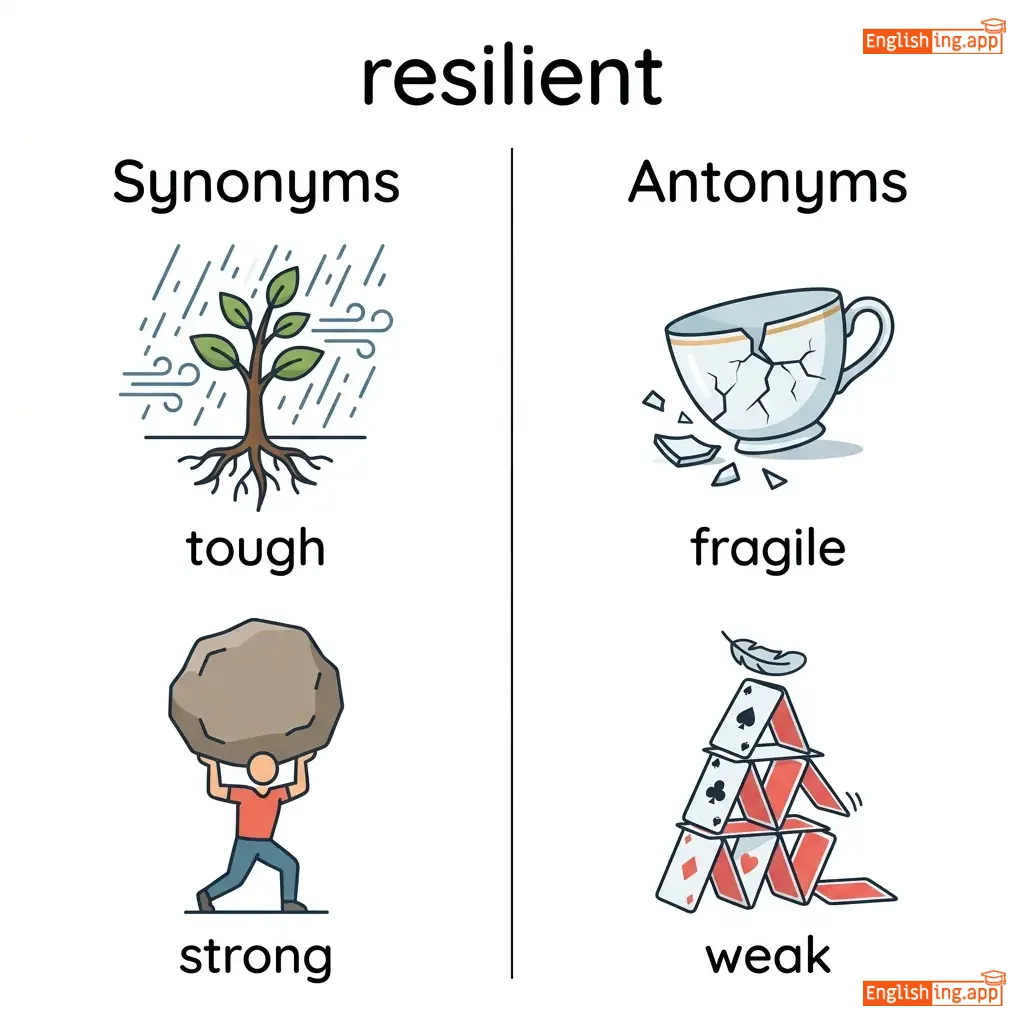
tough, strong, adaptable, hardy, flexible
••••••
|
fragile, weak, delicate
••••••
|
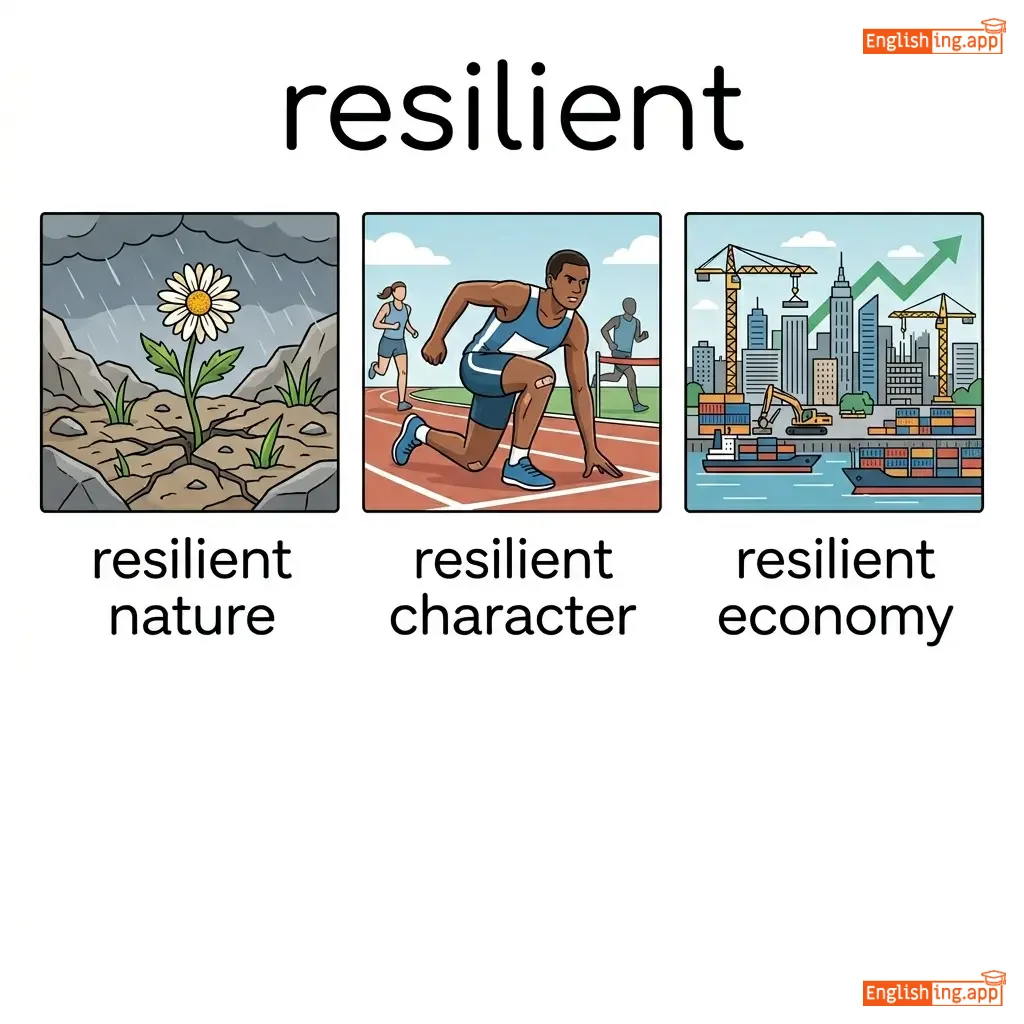
resilient nature, resilient character, resilient economy, resilient spirit
••••••
|
Resilient = re + silent: 即使在危机中也能保持坚韧,保持沉默。
••••••
|
|
#7565
💪
|
/rɪˈzɪliəns/
noun
(rɪˈzɪliəns)
••••••
|
|
韧性
renxing
••••••
|
- •••••• | - •••••• | - •••••• | - •••••• |
the ability to recover quickly from difficulties or adapt well to adversity
••••••
|
Her resilience helped her overcome many challenges in life. |
她的韧性帮助她克服了生活中的许多挑战。
Ta de renxing bangzhu ta keku le shenghuo zhong de xu duo tiaozhan.
••••••
|
bounce back |
to recover quickly from setbacks
••••••
|
反弹
fandan
••••••
|
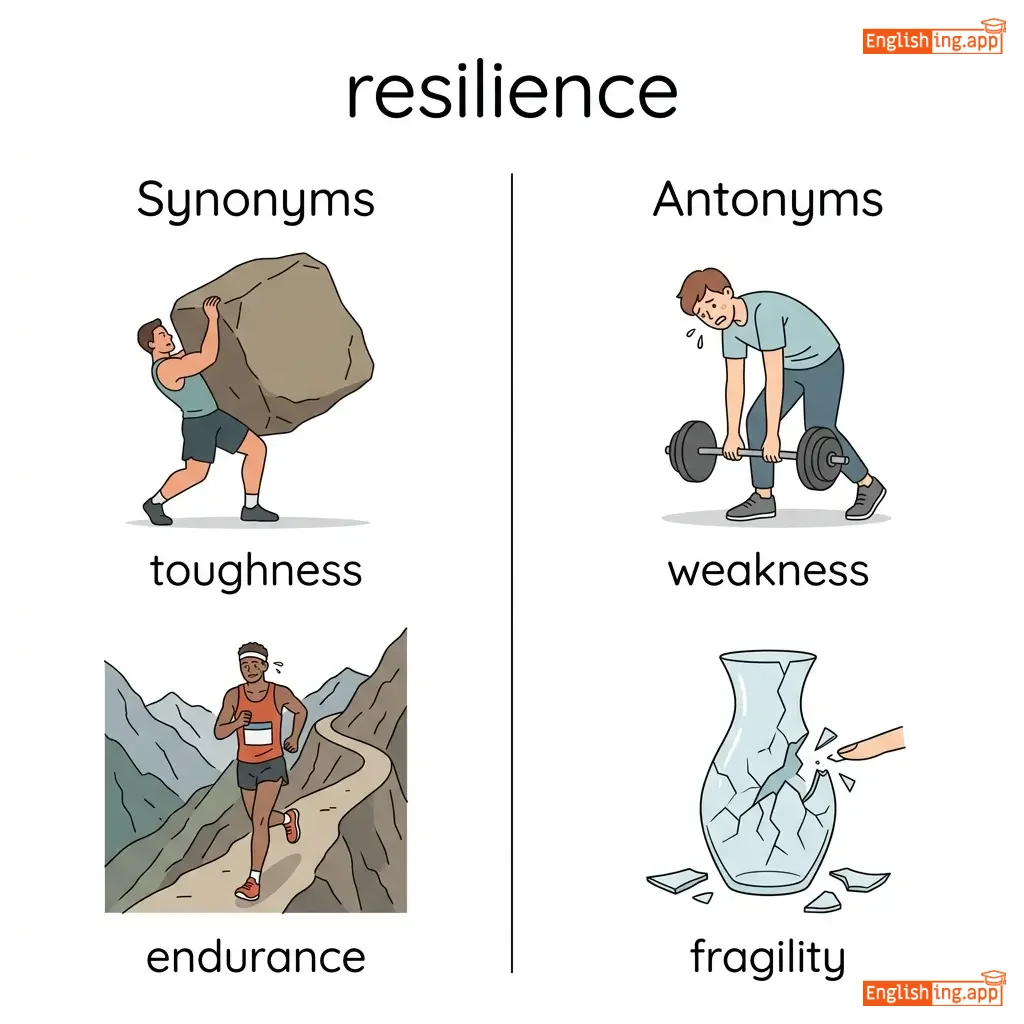
toughness, endurance, strength, flexibility, adaptability
••••••
|
weakness, fragility, vulnerability
••••••
|
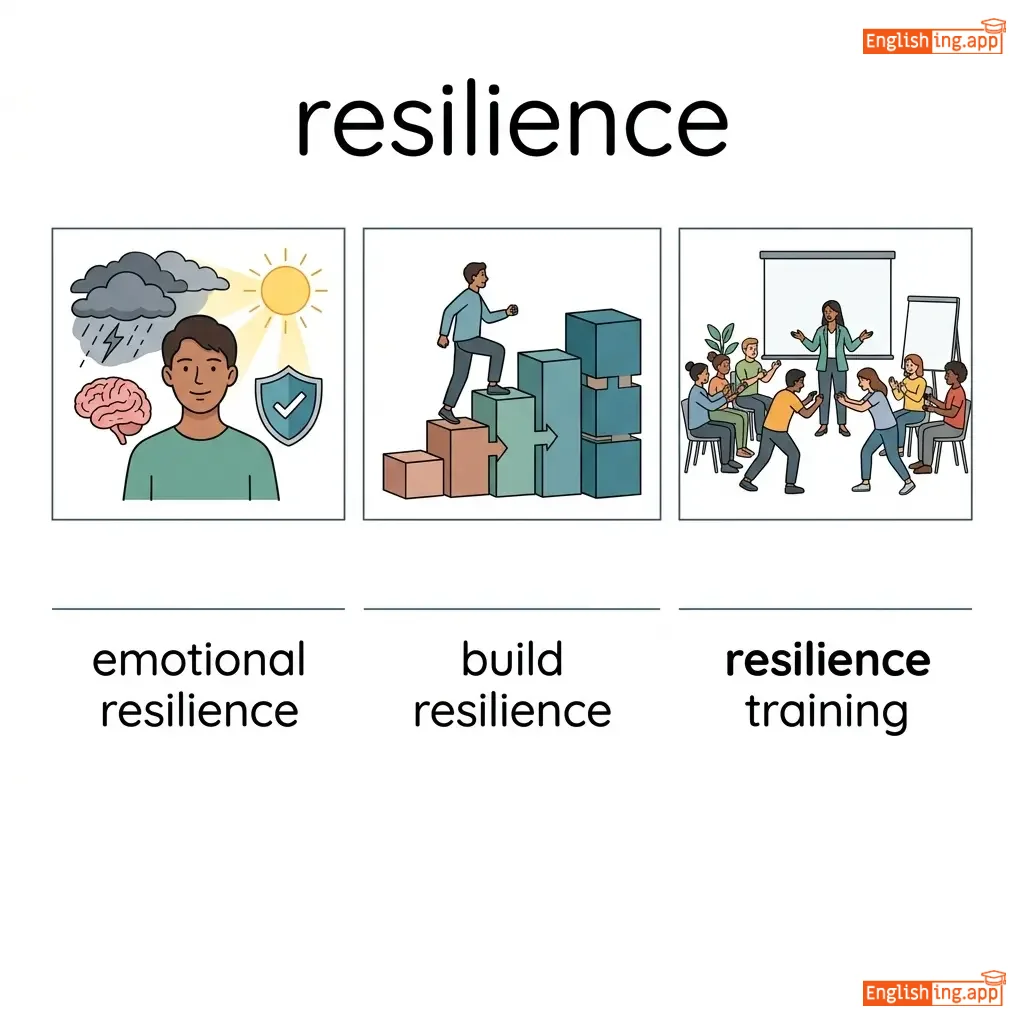
emotional resilience, build resilience, resilience training, show resilience
••••••
|
韧性像弹簧一样,不管多压,都能反弹回来。
••••••
|
|
#7566
📄
|
/ˌrɛzɪɡˈneɪʃən/
noun
(rézìgnèishùn)
••••••
|
|
辞职
cizhi
••••••
|
- •••••• | - •••••• | - •••••• | - •••••• |
The act of giving up a job or position; acceptance of something undesirable but inevitable.
••••••
|
The CEO submitted his resignation yesterday. |
首席执行官昨天提交了辞职信。
Shǒuxí zhíxíngguān zuótiān tíjiāo le cízhi xìn.
••••••
|
with resignation |
Accepting something unpleasant without protest.
••••••
|
带着辞职
dàizhe cízhi
••••••
|
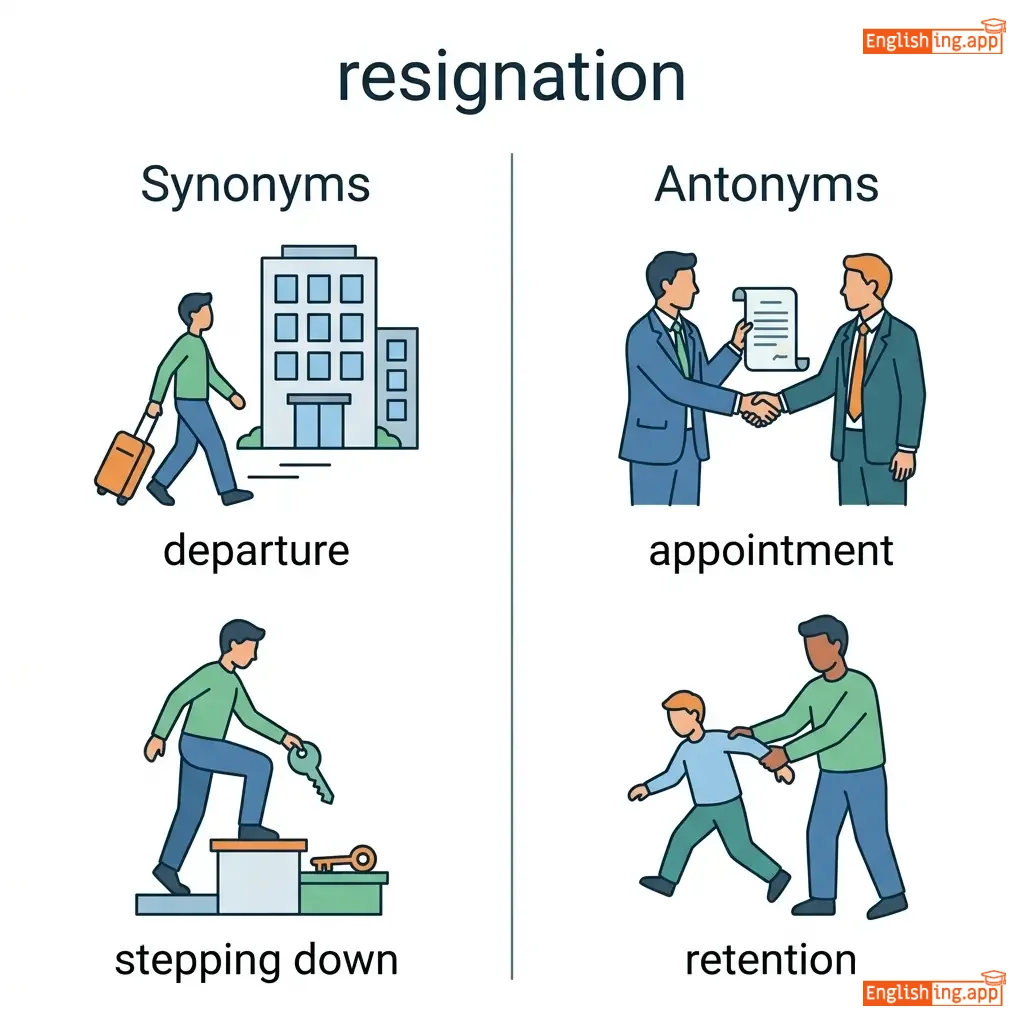
departure, stepping down, surrender, acceptance, renunciation
••••••
|
appointment, retention
••••••
|
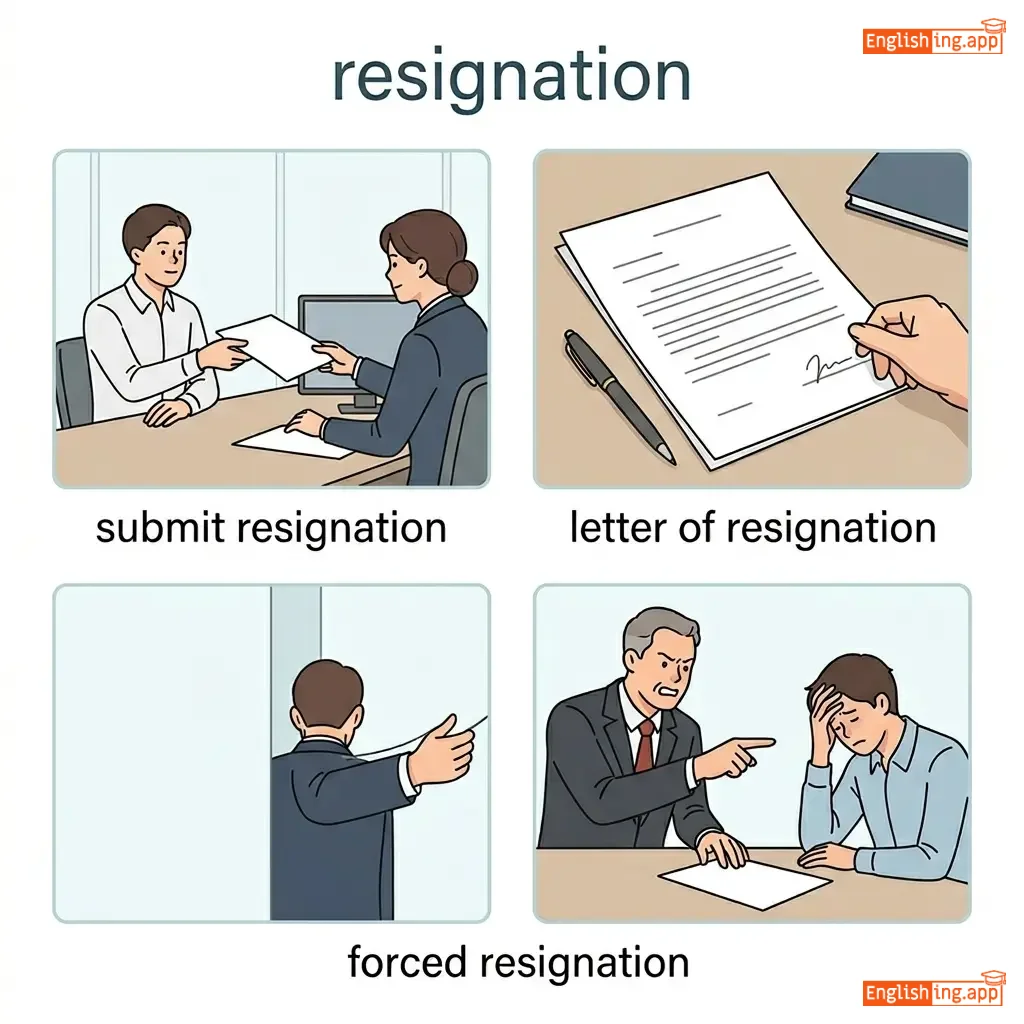
submit resignation, letter of resignation, forced resignation, resignation speech
••••••
|
辞职就等于Resignation,记住这个当你辞掉工作时。
••••••
|
|
#7567
✍️
|
/rɪˈzaɪn/
verb
(瑞泽因)
••••••
|
|
辞职
cízhí
••••••
|
resigned
瑞泽因德
••••••
|
resigned
瑞泽因德
••••••
|
resigns
瑞泽因斯
••••••
|
resigning
瑞泽因宁
••••••
|
To voluntarily leave a job or office.
••••••
|
She decided to resign from her position due to personal reasons.
她决定因个人原因辞去她的职位。
••••••
|
她决定因个人原因辞去她的职位。
Tā juédìng yīn gèrén yuányīn cíqù tā de zhíwèi.
••••••
|
resign oneself to
辞去
••••••
|
To accept something unpleasant that cannot be changed.
••••••
|
辞去
cíqù
••••••
|
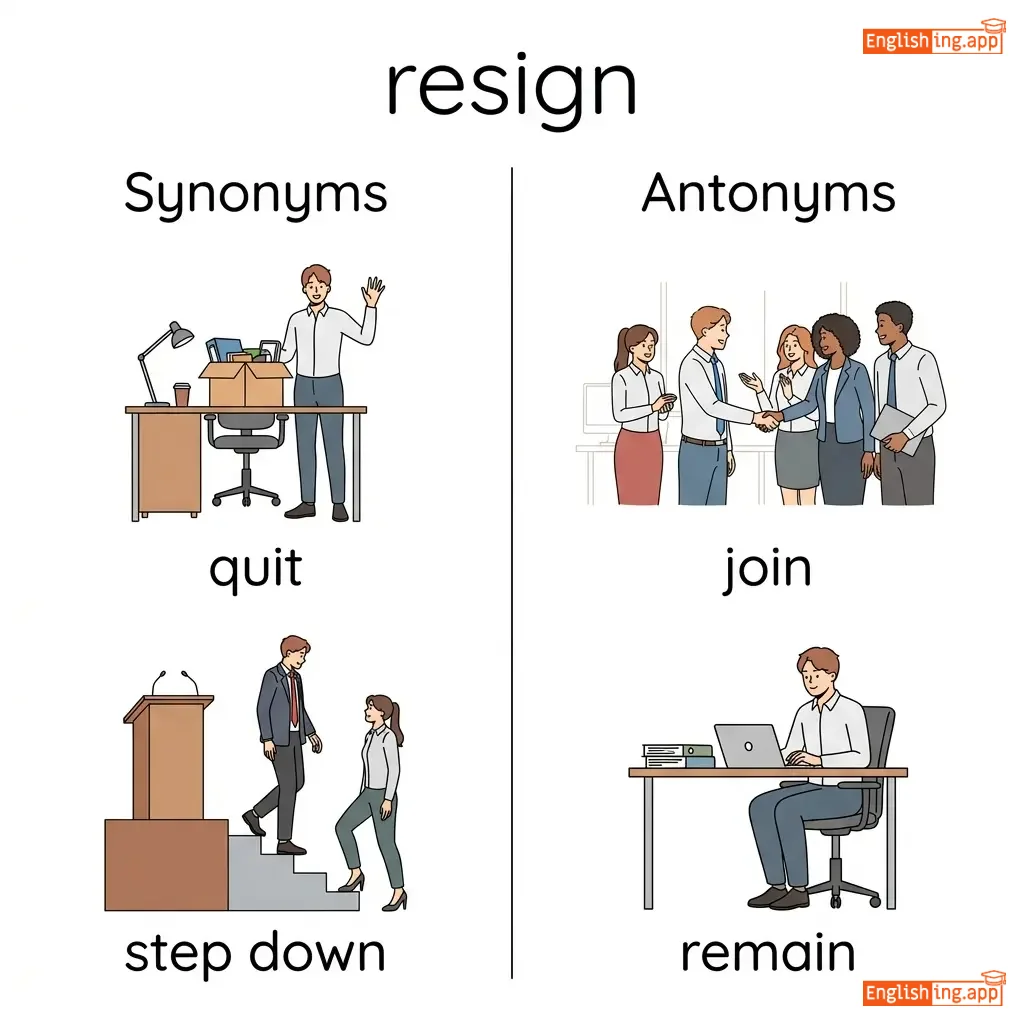
quit, step down, retire, relinquish, leave
••••••
|
join, remain, accept
••••••
|
resign from, resign position, resign office, resign formally
••••••
|
Resign意味着辞职,想想 'sign out' → 辞职
••••••
|
|
#7568
🧪
|
/ˈrɛzɪdjuː/
noun
(ré sī dū)
••••••
|
|
残留物
can liu wu
••••••
|
- •••••• | - •••••• | - •••••• | - •••••• |
A small amount of something that remains after the main part has been removed or used.
••••••
|
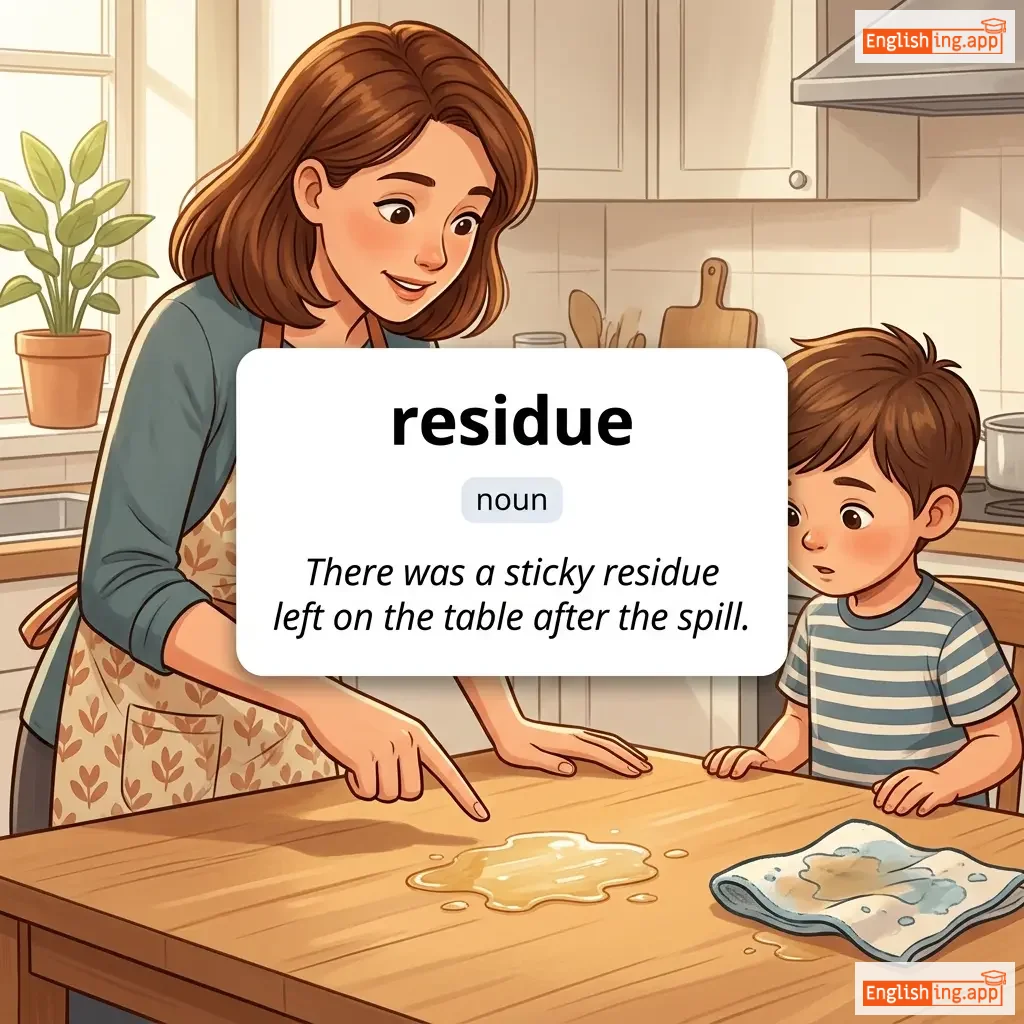
There was a sticky residue left on the table after the spill. |
溢出后,桌子上留下了粘性的残留物。
Yichu hou, zhuozi shang liuxia le nianxing de can liu wu.
••••••
|
chemical residue |
Small amounts of chemicals that remain after a process.
••••••
|
化学残留物
hua xue can liu wu
••••••
|
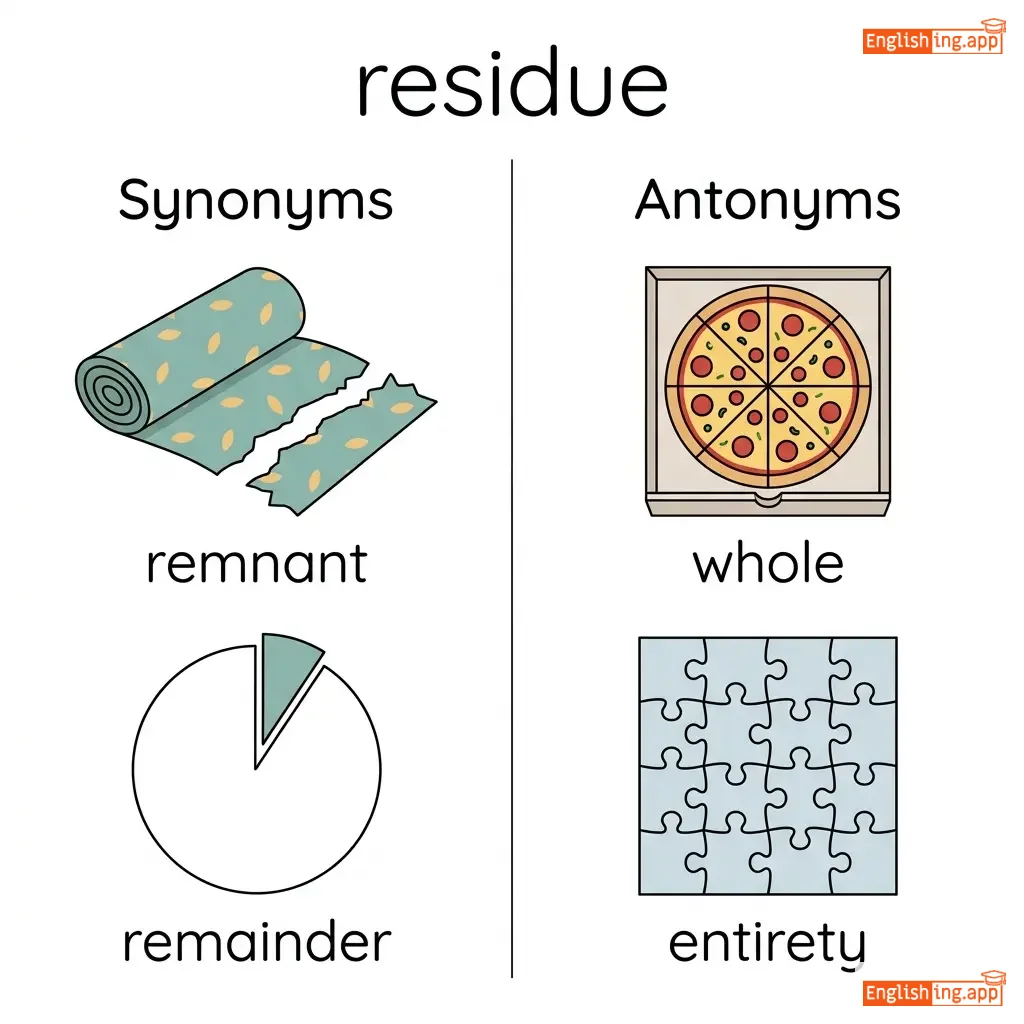
remnant, remainder, deposit, leftover, trace
••••••
|
whole, entirety
••••••
|
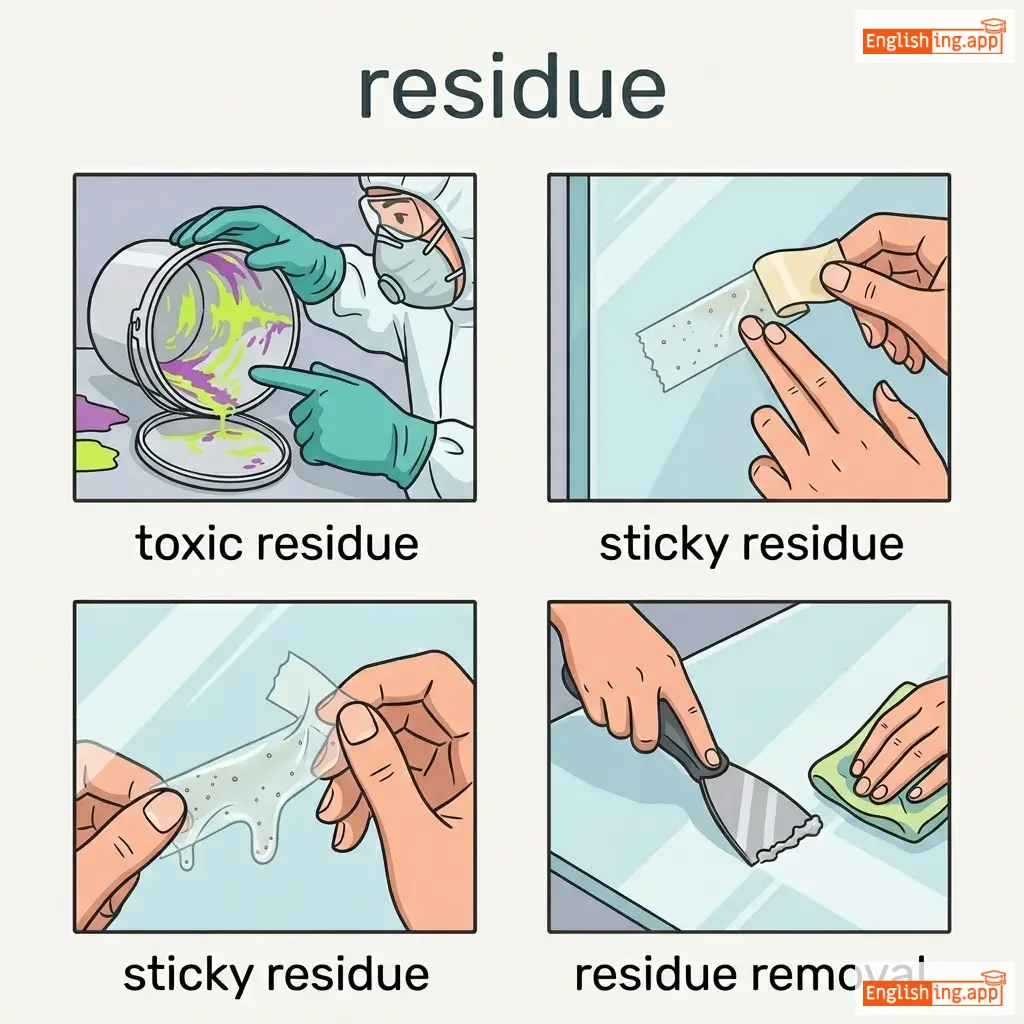
toxic residue, sticky residue, residue removal, chemical residue
••••••
|
Residue 是指溢出后桌子上留下的粘乎乎的东西。
••••••
|
|
#7569
🪶
|
/rɪˈzɪdjuəl/
adjective
(rezidwal)
••••••
|
- •••••• |
剩余的
shengyu de
••••••
|
- •••••• | - •••••• | - •••••• | - •••••• |
Remaining after the greater part has gone.
••••••
|
The patient experienced residual pain after the surgery. |
病人在手术后经历了剩余的疼痛。
Bingren zai shoushu hou jingli le shengyu de tengtong.
••••••
|
residual income |
Income that continues to be earned after the initial effort has been completed.
••••••
|
剩余收入
shengyu shouru
••••••
|
remaining, leftover, lingering, surplus, rest
••••••
|
complete, finished
••••••
|
residual value, residual effect, residual risk, residual income
••••••
|
Residual意味着剩下的部分,就像手术后的剩余疼痛。
••••••
|
|
#7570
💧
|
/ˈrɛzərvwɑːr/
noun
(储水池)
••••••
|
- •••••• |
水库
shuiku
••••••
|
- •••••• | - •••••• | - •••••• | - •••••• |
A large natural or artificial lake used as a source of water supply.
••••••
|
The city built a new reservoir to ensure enough drinking water for its residents.
这座城市建造了一个新的储水池,以确保为居民提供足够的饮用水。
••••••
|
这座城市建造了一个新的水库,以确保为居民提供足够的饮用水。
Zhè zuò chéngshì jiànzào le yí gè xīn de shuǐkù, yǐ quèbǎo wèi jūmín tígōng zúgòu de yǐnòng shuǐ.
••••••
|
reservoir of knowledge
知识的储水池
••••••
|
A large store of knowledge possessed by someone or something.
••••••
|
知识的储水池
zhīshì de chǔshuǐchí
••••••
|
tank, basin, dam, storage, pool
••••••
|
desert, depletion
••••••
|
water reservoir, reservoir management, reservoir capacity, reservoir system
••••••
|
Reservoir意味着水库,记住 'reserve water' → reservoir
••••••
|
|
#7571
🙇
|
/rɪˈzɜːrvd/
adjective
(rizérvd)
••••••
|
- •••••• |
保留的 / 内敛的
baoliu de / neilian de
••••••
|
- •••••• | - •••••• | - •••••• | - •••••• |
quiet, restrained, or not openly expressive of feelings
••••••
|
He is a reserved person who rarely shares his thoughts. |
他是一个保留的人,几乎不分享他的想法。
Ta shi yige baoliu de ren, jihu bu fenxiang tade xiangfa.
••••••
|
reserved nature |
a personality that is quiet and not expressive
••••••
|
保留的本性
baoliu de benxing
••••••
|
quiet, introverted, restrained, shy
••••••
|
outgoing, extroverted, talkative
••••••
|
reserved seat, reserved behavior, reserved personality, reserved smile
••••••
|
Reserved 就像保留座位一样安静,不表现出情感。
••••••
|
|
#7572
📌
|
/rɪˈzɜːrv/
verb
(rɪˈzɜːrv)
••••••
|
|
预定
yùdìng
••••••
|
reserved
rɪˈzɛrvd
••••••
|
reserved
rɪˈzɛrvd
••••••
|
reserves
rɪˈzɛrvz
••••••
|
reserving
rɪˈzɛrvɪŋ
••••••
|
to arrange for something to be kept for future use or for a particular person
••••••
|
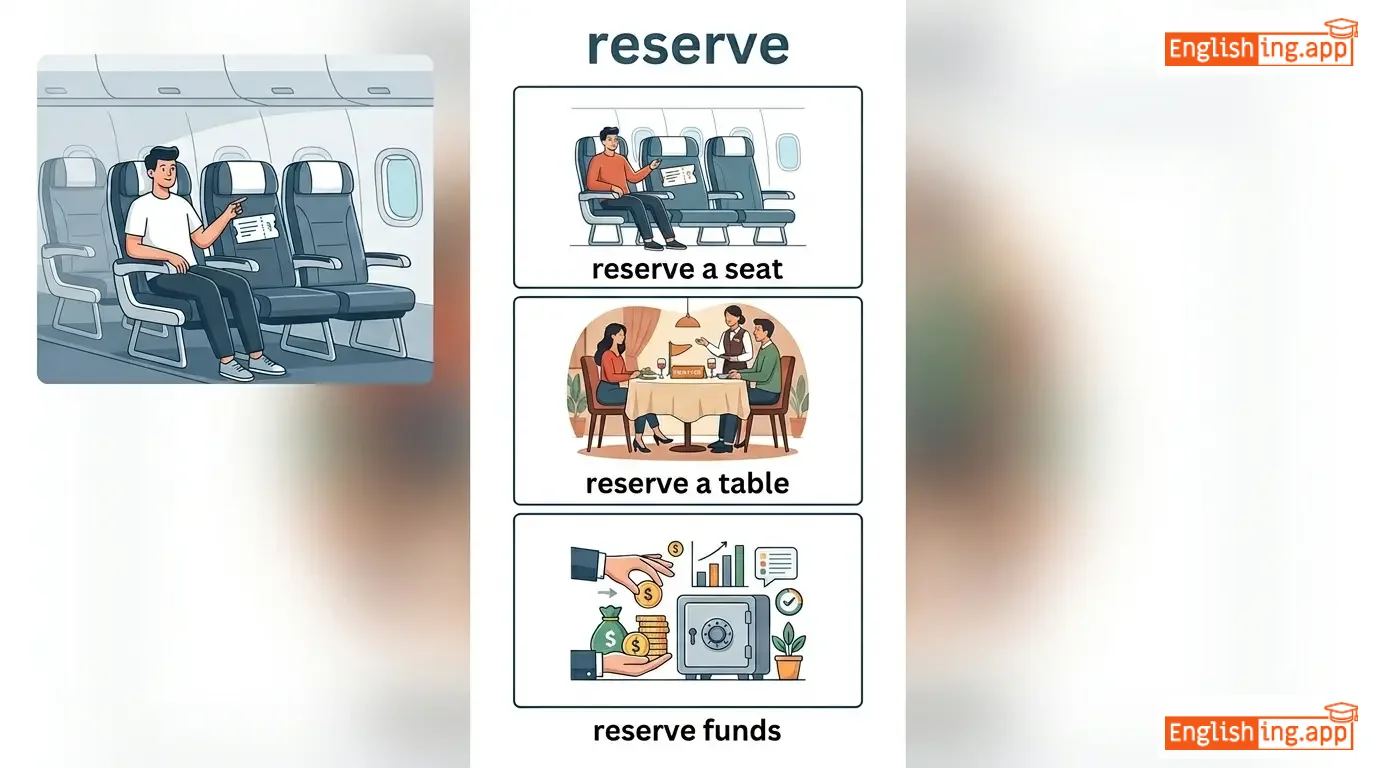
They reserved a table for two at the restaurant.
他们在餐厅为两个人预订了一张桌子。
••••••
|
他们在餐厅为两个人预定了一张桌子。
Tāmen zài cāntīng wèi liǎng gèrén yùdìngle yī zhāng zhuōzi.
••••••
|
reserve judgment
保留判断
••••••
|
to not make a decision or give an opinion until later
••••••
|
保留判断
bǎoliú pànduàn
••••••
|
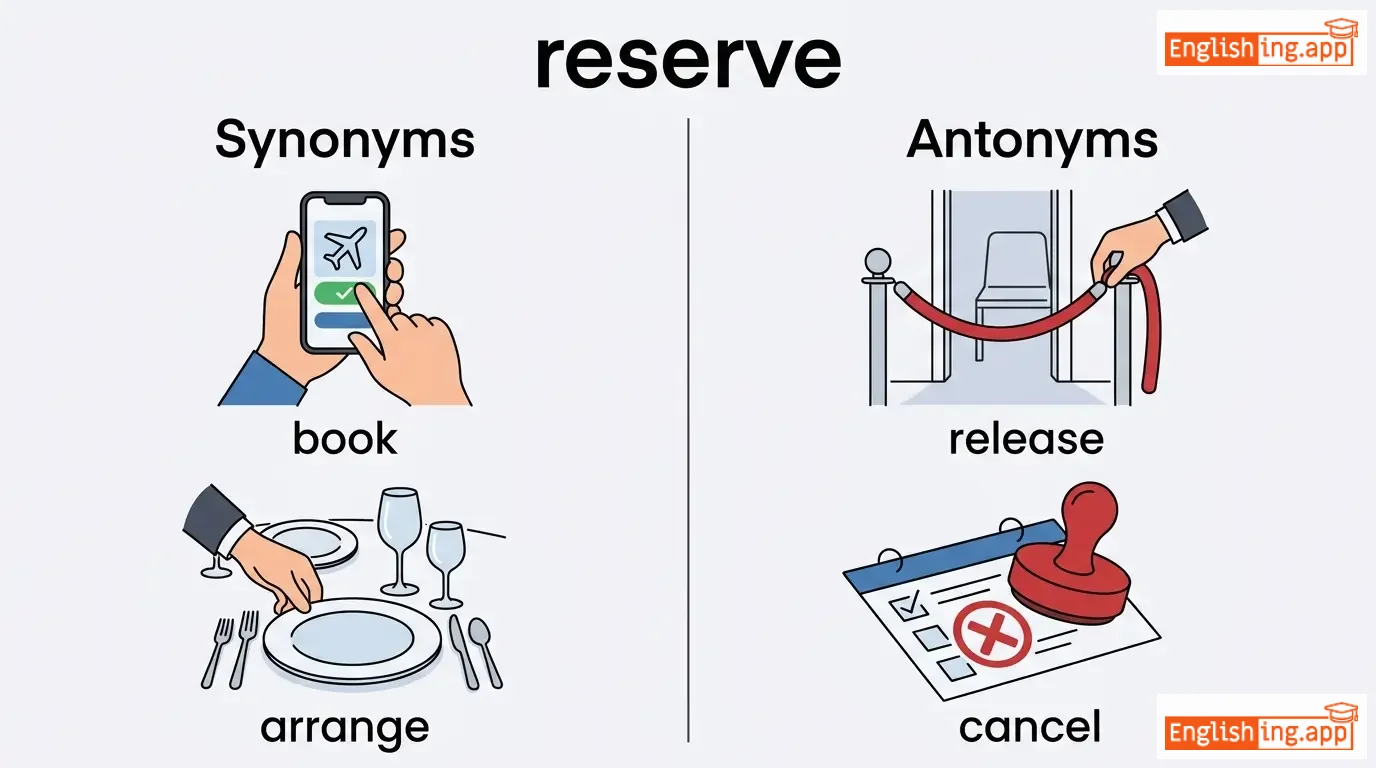
book, arrange, set aside, retain
••••••
|
release, cancel, give up
••••••
|
reserve a seat, reserve a table, reserve funds, reserve rights
••••••
|
预定就是为将来留出空位,就像预定餐位一样。
••••••
|
|
#7573
📅
|
/ˌrɛzərˈveɪʃən/
noun
(预订)
••••••
|
- •••••• |
预订
yùdìng
••••••
|
- •••••• | - •••••• | - •••••• | - •••••• |
an arrangement made in advance to secure accommodation, a seat, or service
••••••
|
He made a reservation at the hotel for the weekend.
他为周末在酒店做了预订。
••••••
|
他为周末在酒店做了预订。
Tā wèi zhōumò zài jiǔdiàn zuòle yùdìng.
••••••
|
make a reservation
进行预订
••••••
|
to book in advance
••••••
|
进行预订
jìnxíng yùdìng
••••••
|
booking, appointment, arrangement, order
••••••
|
cancellation, freedom
••••••
|
hotel reservation, table reservation, flight reservation, make reservation
••••••
|
预订意味着提前安排,就像为未来做安排一样。
••••••
|
|
#7574
💢
|
/rɪˈzɛntmənt/
noun
(rɪˈzɛntmənt)
••••••
|
|
怨恨
yuànhèn
••••••
|
- •••••• | - •••••• | - •••••• | - •••••• |
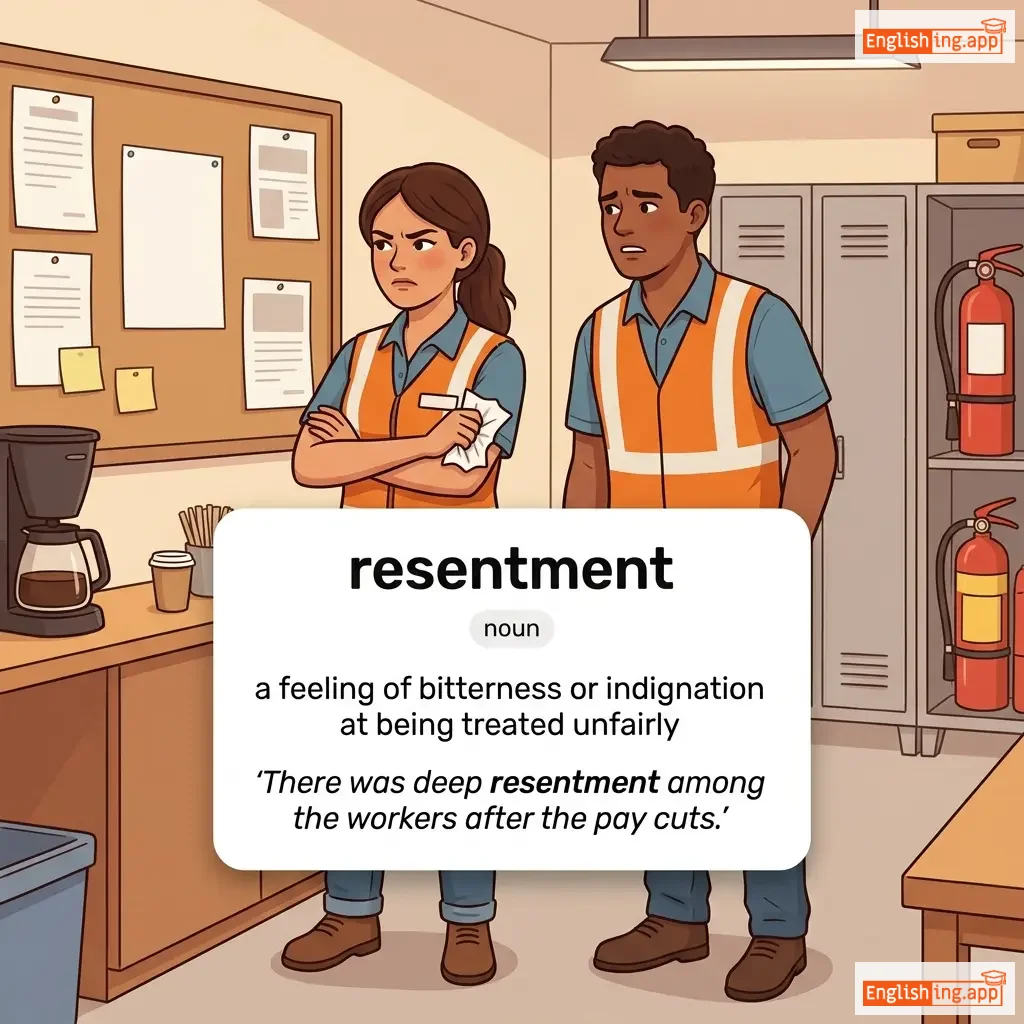
a feeling of bitterness or indignation at being treated unfairly
••••••
|
There was deep resentment among the workers after the pay cuts.
工人们在薪资削减后感到深深的怨恨。
••••••
|
工人们在薪资削减后感到深深的怨恨。
Gōngrénmen zài xīn zī xuējiǎn hòu gǎndào shēn shēn de yuànhèn.
••••••
|
bear resentment
心怀怨恨
••••••
|
to continue feeling bitterness or anger
••••••
|
心怀怨恨
xīn huái yuànhèn
••••••
|
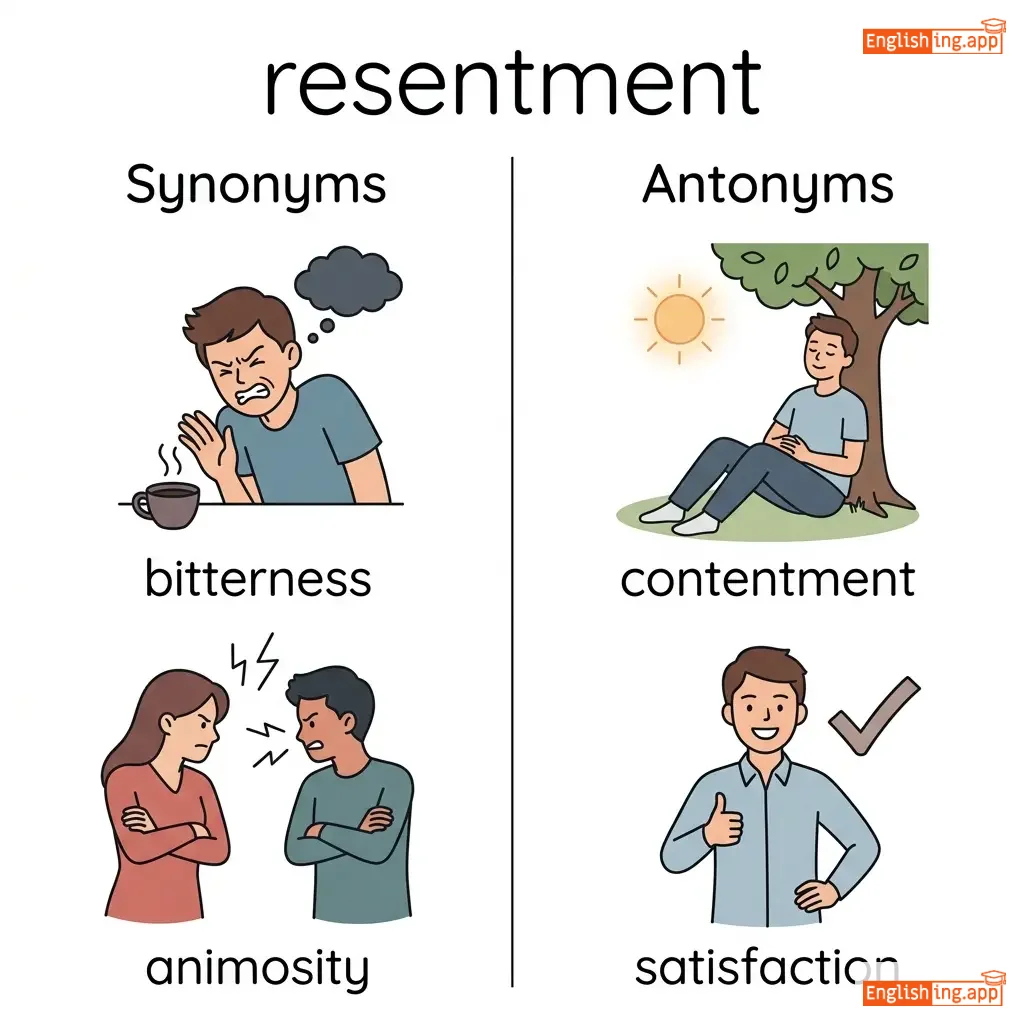
bitterness, animosity, rancor, displeasure
••••••
|
contentment, satisfaction, acceptance
••••••
|
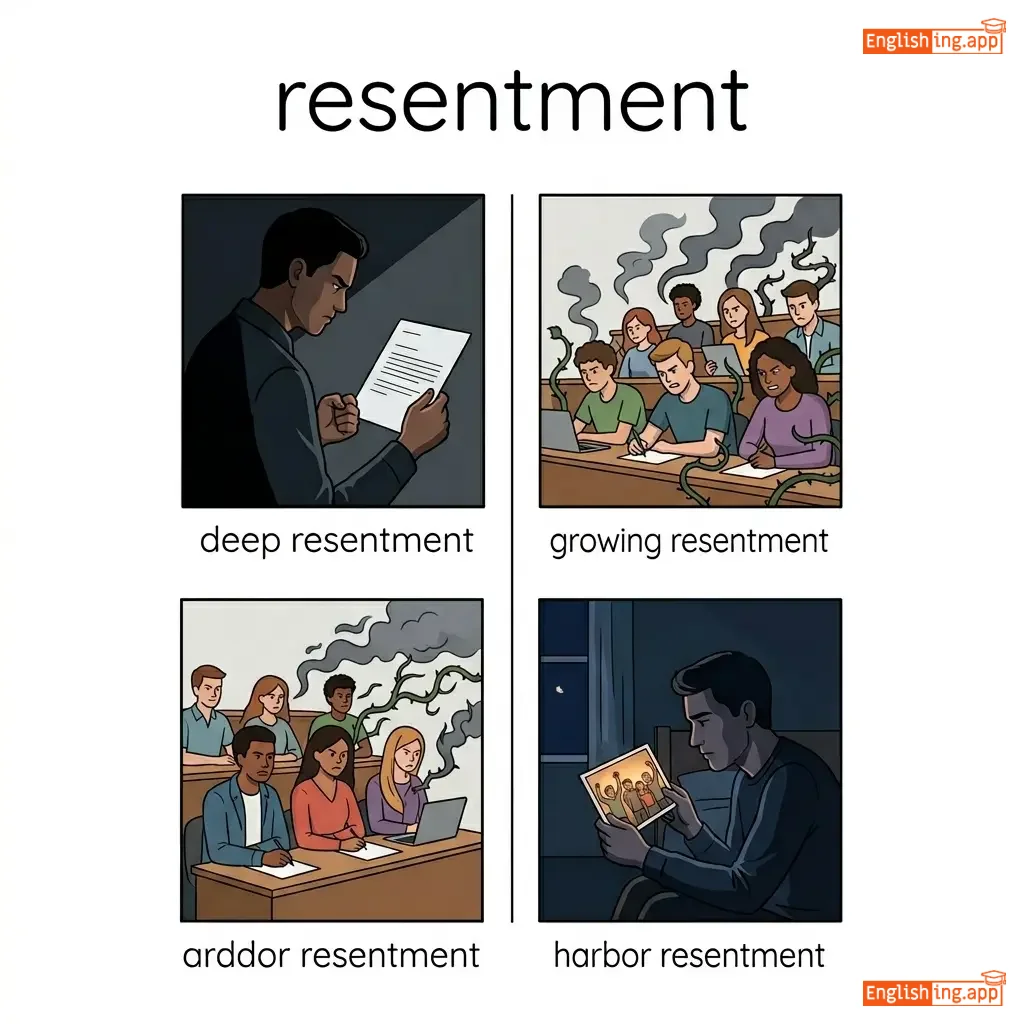
deep resentment, growing resentment, harbor resentment, resentment towards
••••••
|
Resentment意味着你感到怨恨,不满,是因为不公平的事情发生了。
••••••
|
|
#7575
🛡️
|
/rɪˈpʌls/
verb
(瑞普斯)
••••••
|
- •••••• |
击退 / 激起反感
jì tuì / jī qǐ fǎn gǎn
••••••
|
repulsed
瑞普斯德
••••••
|
repulsed
瑞普斯德
••••••
|
repulses
瑞普斯
••••••
|
repulsing
瑞普斯英
••••••
|
to drive back an attack or attacker by force; to cause intense dislike or disgust
••••••
|
The army managed to repulse the enemy attack.
军队成功地击退了敌人的进攻。
••••••
|
军队成功地击退了敌人的进攻。
Jūn duì chéng gōng de jī tuì le dí rén de jìn gōng.
••••••
|
repulse an attack
击退进攻
••••••
|
to successfully drive back or fight off an attack
••••••
|
击退进攻
jī tuì jìn gōng
••••••
|
drive back, repel, reject, disgust, deter
••••••
|
attract, welcome, invite
••••••
|
repulse an attack, repulse the enemy, utterly repulse, repulse advances
••••••
|
Re + Pulse = 当敌人攻击,pulse 慢慢降低,表示成功击退
••••••
|
|
#7576
👬
|
/rɪˈzembləns/
noun
(rizemblens)
••••••
|
- •••••• |
相似
xiangsi
••••••
|
- •••••• | - •••••• | - •••••• | - •••••• |
the state of being alike or similar, especially in appearance
••••••
|
There is a strong resemblance between the two brothers. |
这两个兄弟之间有很强的相似性。
Zhe liang ge xiongdi zhijian you hen qiang de xiangsi xing.
••••••
|
bear a resemblance |
to look similar to someone or something
••••••
|
具有相似性
juyou xiangsi xing
••••••
|
similarity, likeness, affinity, analogy, comparison
••••••
|
difference, contrast, dissimilarity
••••••
|
close resemblance, striking resemblance, family resemblance, bear resemblance
••••••
|
Re-semblance 就是重新出现的semblance—两个兄弟具有相似性 (xiangsi)。
••••••
|
|
#7577
🪑
|
/ˌriːˈsiːt/
verb
(瑞西特)
••••••
|
- •••••• |
重新安排
chongxin anpai
••••••
|
reseated
瑞西特德
••••••
|
reseated
瑞西特德
••••••
|
reseats
瑞西特斯
••••••
|
reseating
瑞西廷
••••••
|
to seat someone again or to fit something back into its place
••••••
|
The usher had to reseat the guests after the interruption.
引座员在干扰后不得不重新安排宾客。
••••••
|
引座员在干扰后不得不重新安排宾客。
Yinzuo yuan zai ganrao hou budebu chongxin anpai binke.
••••••
|
- •••••• | - •••••• | - •••••• |
reassign, replace, reposition, reestablish
••••••
|
displace, unsettle
••••••
|
reseat guests, reseat parts, reseat memory card, reseat audience
••••••
|
Re-seat 意味着重新安排座位
••••••
|
|
#7578
📄❌
|
/rɪˈsɪʒən/
noun
(rɪˈsɪʒən)
••••••
|
- •••••• |
取消
qǔxiāo
••••••
|
- •••••• | - •••••• | - •••••• | - •••••• |
the cancellation or annulment of a law, contract, or agreement
••••••
|
The rescission of the contract left both parties disappointed. |
合同的取消让双方都感到失望。
Hétóng de qǔxiāo ràng shuāngfāng dōu gǎndào shīwàng.
••••••
|
- •••••• | - •••••• | - •••••• |
cancellation, revocation, annulment, repeal, withdrawal
••••••
|
confirmation, ratification
••••••
|
rescission of contract, rescission agreement, rescission clause
••••••
|
Rescission 就像取消合同,直接 '取消'。
••••••
|
|
#7579
❌
|
/rɪˈsɪnd/
verb
(瑞辛德)
••••••
|
|
撤销
chèxiāo
••••••
|
rescinded
瑞辛德德
••••••
|
rescinded
瑞辛德德
••••••
|
rescinds
瑞辛德斯
••••••
|
rescinding
瑞辛丁
••••••
|
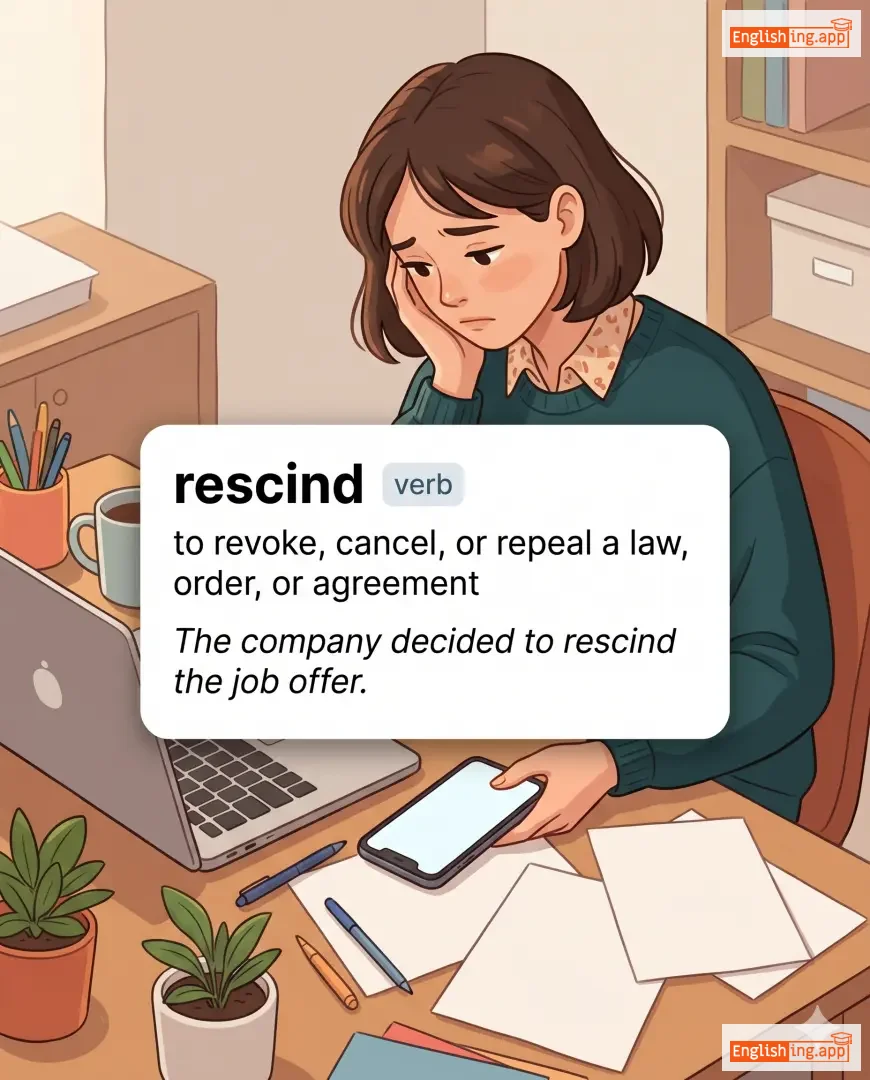
to revoke, cancel, or repeal a law, order, or agreement
••••••
|
The company decided to rescind the job offer.
公司决定撤销工作机会。
••••••
|
公司决定撤销工作机会。
Gōngsī juédìng chèxiāo gōngzuò jīhuì.
••••••
|
rescind an offer
撤销报价
••••••
|
to officially cancel an offer
••••••
|
撤销报价
chèxiāo bàojià
••••••
|
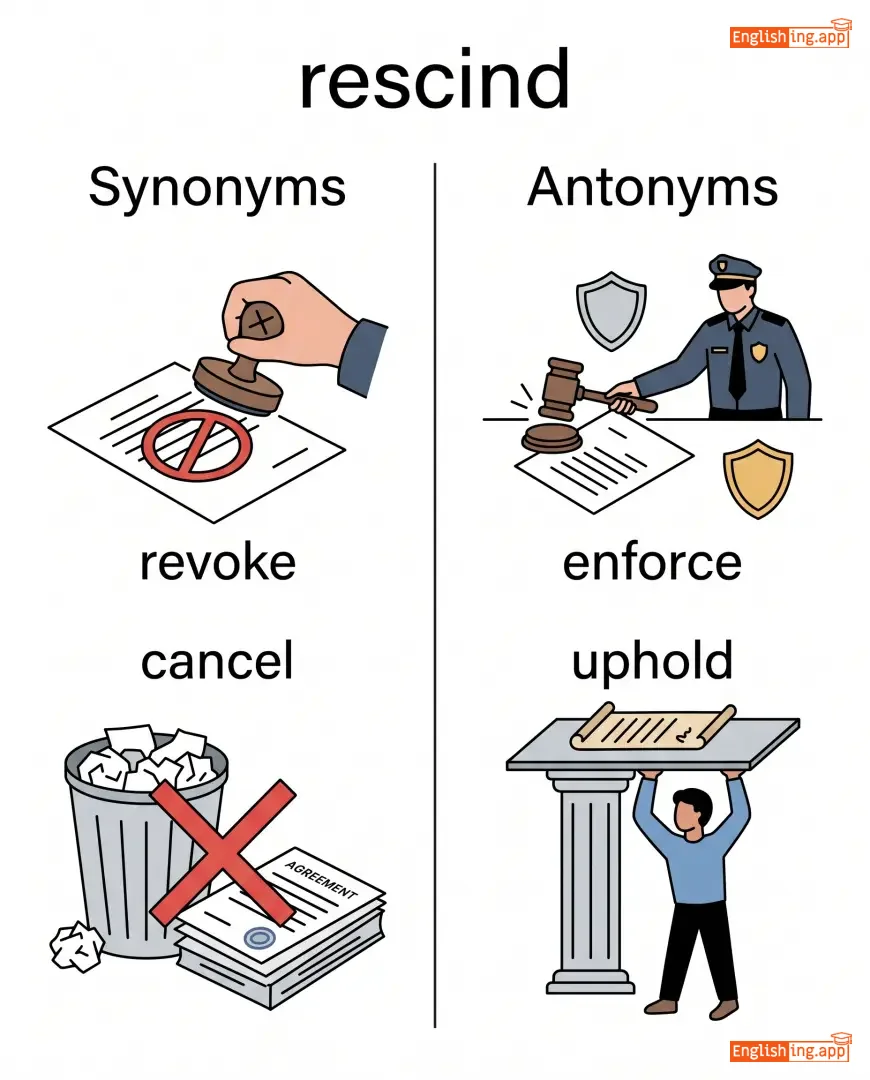
revoke, cancel, repeal, annul, withdraw
••••••
|
enforce, uphold, implement
••••••
|
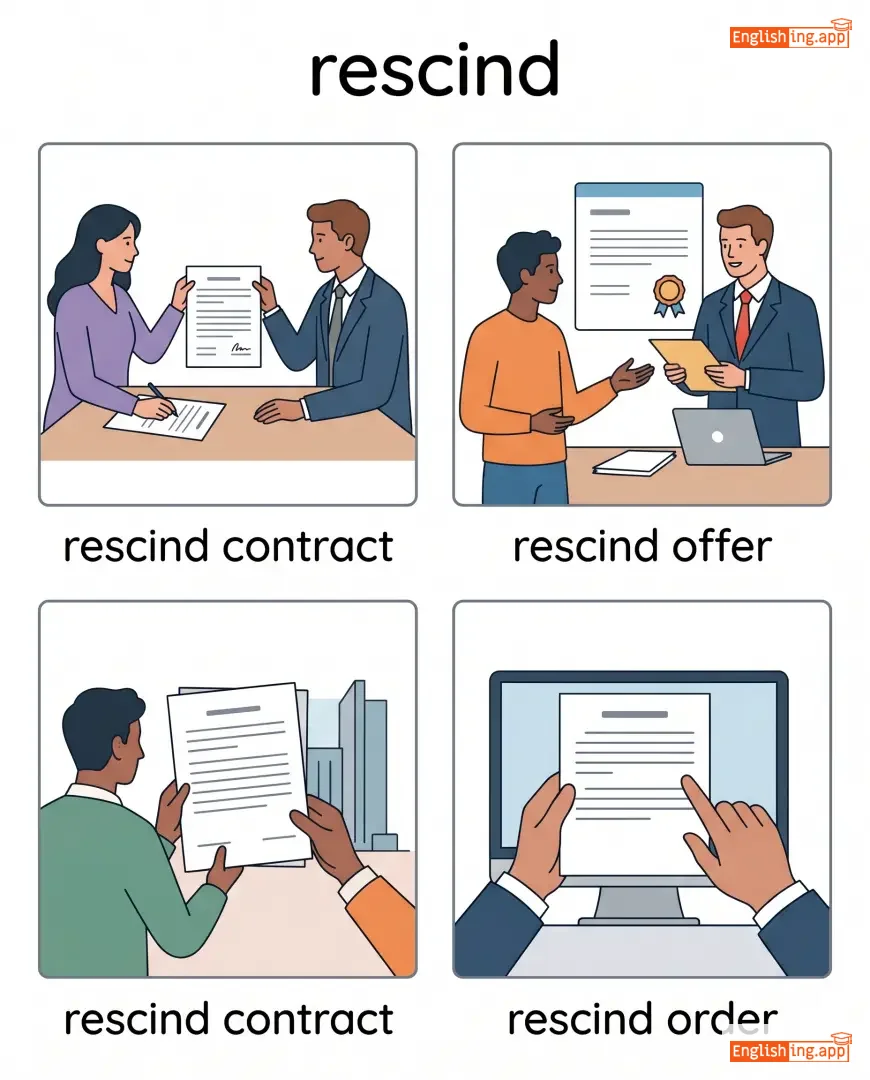
rescind contract, rescind offer, rescind order, rescind decision
••••••
|
Re-Sind 就是撤销,不再提供机会。
••••••
|
|
#7580
🔄
|
/rɪˈkwaɪt/
verb
(瑞奎特)
••••••
|
- •••••• |
回报
huibao
••••••
|
requited
瑞奎特德
••••••
|
requited
瑞奎特德
••••••
|
requites
瑞奎特斯
••••••
|
requiting
瑞奎特ing
••••••
|
to return or repay a favor, service, or feeling
••••••
|
She requited his kindness with a thoughtful gift.
她用一份深思熟虑的礼物回报了他的善意。
••••••
|
她用一份深思熟虑的礼物回报了他的善意。
Ta yong yi fen shen si shu lu de liwu huibao le ta de shanyi.
••••••
|
requite love
回报爱
••••••
|
to return someone's love
••••••
|
回报爱
huibao ai
••••••
|
repay, reciprocate, compensate, reward, retaliate
••••••
|
ignore, neglect, withhold
••••••
|
requite kindness, requite love, requite favor, requite service
••••••
|
Re-Quit, 是指回报某人的善意或爱,而不是离开。
••••••
|
|
#7581
⚖️
|
/rɪˈkwaɪtəl/
noun
(rikwītàl)
••••••
|
- •••••• |
报应
baoying
••••••
|
- •••••• | - •••••• | - •••••• | - •••••• |
The act of returning something, such as a favor, service, or punishment; repayment or retaliation.
••••••
|
She offered her time in requital for his kindness. |
她为他的善良报以自己的时间。
Tā wèi tā de shànliáng bào yǐ zìjǐ de shíjiān.
••••••
|
requital of injury |
The act of retaliating against harm or wrong.
••••••
|
伤害的报应
Shānghài de bàoyìng
••••••
|
repayment, retaliation, retribution, recompense
••••••
|
forgiveness, pardon
••••••
|
requital of kindness, requital of service, requital of injury
••••••
|
Requital就像'报应' - 它意味着你做了什么,最终会有回报。
••••••
|
|
#7582
📝
|
/ˌrɛkwɪˈzɪʃən/
noun
(要求)
••••••
|
- •••••• |
要求
yaoqiu
••••••
|
- •••••• | - •••••• | - •••••• | - •••••• |
An official order laying claim to the use of property or materials; a formal demand or request.
••••••
|
The manager submitted a requisition for new office supplies.
经理提交了新的办公室用品的要求。
••••••
|
经理提交了新的办公室用品的要求。
Jingli tijiao le xin de bangongshi yongpin de yaoqiu.
••••••
|
- •••••• | - •••••• | - •••••• |
request, demand, order, application
••••••
|
offer, grant
••••••
|
purchase requisition, requisition form, requisition order
••••••
|
Requisition的意思是正式的请求,就像办公室里需要用品时填写的表格。
••••••
|
|
#7583
📑
|
/ˈrɛkwɪzɪt/
adjective
(rèkwízìt)
••••••
|
- •••••• |
必要的
bìyào de
••••••
|
- •••••• | - •••••• | - •••••• | - •••••• |
Made necessary by particular circumstances or regulations; required.
••••••
|
A passport is a requisite document for international travel. |
护照是国际旅行所需的必要文件。
Hùzhào shì guójì lǚxíng suǒ xū de bìyào wénjiàn.
••••••
|
- •••••• | - •••••• | - •••••• |
necessary, essential, mandatory, required
••••••
|
optional, unnecessary
••••••
|
requisite skills, requisite documents, requisite conditions
••••••
|
Requisite 就是必须的,像护照一样是旅行必需的东西。
••••••
|
|
#7584
🕯️
|
/ˈrɛkwiəm/
noun
(rèkwíém)
••••••
|
- •••••• |
安魂曲
ānhúnqǔ
••••••
|
- •••••• | - •••••• | - •••••• | - •••••• |
A mass, music, or ceremony for the repose of the souls of the dead.
••••••
|
The choir performed a requiem in memory of the late leader. |
合唱团为已故领导人表演了安魂曲。
Hechangtuan wei yigù lingdaoren biaoyanle ānhúnqǔ.
••••••
|
requiem for |
Something that marks the end of an era or existence.
••••••
|
为...安魂曲
wei... ānhúnqǔ
••••••
|
dirge, elegy, lament, funeral hymn
••••••
|
celebration, jubilation
••••••
|
requiem mass, requiem service, requiem for
••••••
|
Requiem就像是最后的告别,安魂曲是给已故者的告别之歌。
••••••
|
|
#7585
🌟
|
/rɪˈpjuːtɪd/
adjective
(रिप्यूटेड)
••••••
|
- •••••• |
有声望的
yǒu shēngwàng de
••••••
|
- •••••• | - •••••• | - •••••• | - •••••• |
Generally considered or believed to be something, often based on reputation rather than certainty.
••••••
|
He is a reputed expert in financial management. |
他是金融管理方面的有声望的专家。
Tā shì jīnróng guǎnlǐ fāngmiàn de yǒu shēngwàng de zhuānjiā.
••••••
|
- •••••• | - •••••• | - •••••• |
renowned, famous, esteemed, respected, acclaimed
••••••
|
unknown, obscure, disreputable
••••••
|
reputed expert, reputed author, reputed to be, reputed company
••••••
|
Reputed意味着有声望的 – 拥有声望时,人们会将你视为专家。
••••••
|
|
#7586
🌟
|
/rɪˈpjuːt/
noun
(ripyut)
••••••
|
- •••••• |
名誉
mingyu
••••••
|
- •••••• | - •••••• | - •••••• | - •••••• |
the opinion generally held of someone or something; reputation
••••••
|
He is a scholar of great repute in his field. |
他在他的领域享有很高的名誉。
Ta zai ta de lingyu xiangyou hen gao de mingyu.
••••••
|
of ill repute |
having a bad or dishonorable reputation
••••••
|
恶名
èmíng
••••••
|
reputation, fame, renown, prestige, honor
••••••
|
disgrace, infamy
••••••
|
of great repute, of good repute, of ill repute, worldwide repute
••••••
|
Repute就是名誉,是你在别人眼中的好或坏的名声。
••••••
|
|
#7587
🏅
|
/ˈrɛpjətəbəl/
adjective
(reputable)
••••••
|
- •••••• |
声誉良好的
shengyu lianghao de
••••••
|
- •••••• | - •••••• | - •••••• | - •••••• |
having a good reputation; respected
••••••
|
They chose a reputable company to handle their finances.
他们选择了一家有声誉的公司来处理他们的财务。
••••••
|
他们选择了一家有声誉的公司来处理他们的财务。
Tāmen xuǎnzéle yījiā yǒu shēngyù de gōngsī lái chǔlǐ tāmen de cáiwù.
••••••
|
- •••••• | - •••••• | - •••••• |
respected, esteemed, trustworthy, honorable, distinguished
••••••
|
disreputable, untrustworthy
••••••
|
reputable source, reputable company, highly reputable, reputable lawyer
••••••
|
Reputable company 就是 ‘有声誉的’ → 声誉良好的
••••••
|
|
#7588
🤮
|
/rɪˈpʌlsɪv/
adjective
(rɪˈpʌlsɪv)
••••••
|
- •••••• |
令人反感的
lìng rén fǎn gǎn de
••••••
|
- •••••• | - •••••• | - •••••• | - •••••• |
arousing intense distaste or disgust
••••••
|
The garbage gave off a repulsive smell.
垃圾散发出令人厌恶的气味。
••••••
|
垃圾散发出令人厌恶的气味。
Laji sanfa chu ling ren fangan de qiwei.
••••••
|
- •••••• | - •••••• | - •••••• |
disgusting, revolting, offensive, vile, nauseating
••••••
|
pleasant, attractive
••••••
|
repulsive behavior, repulsive odor, repulsive sight, utterly repulsive
••••••
|
令人反感 = 你不想接近的
••••••
|
|
#7589
🤢
|
/rɪˈpʌlʃən/
noun
••••••
|
- •••••• | - •••••• | - •••••• | - •••••• | - •••••• | - •••••• |
a strong feeling of dislike or disgust
••••••
|
She felt deep repulsion at the sight of cruelty to animals. |
- •••••• | - •••••• | - •••••• | - •••••• |
disgust, aversion, loathing, revulsion, distaste
••••••
|
attraction, appeal
••••••
|
feel repulsion, deep repulsion, physical repulsion, emotional repulsion
••••••
|
No •••••• |
Vocabulary Quiz
Test your vocabulary by matching words with their translations or meanings.
Login to take the quiz
Comments (0)
Share your thoughts and join the discussion.
Join the discussion by logging in
Login to CommentNo comments yet
Be the first to share your thoughts!