


Swipe left or right, or use the buttons. Tap image to zoom.
例句翻译
单词
Lesson 383Lesson 383 - 遮罩切换
|
表情符号
|
单词 | Images | 翻译 | 过去时 | 过去分词 | 第三人称单数 | 动名词 | 含义 | 例句 | 例句翻译 | 示例表达 | 示例表达含义 | 示例表达翻译 | 同义词 | 反义词 | 搭配词 | 助记符 |
|---|---|---|---|---|---|---|---|---|---|---|---|---|---|---|---|---|---|
|
#11455
🎵
|
/ˈmɪzɪkəl/
adjective
(音乐的)
••••••
|
- •••••• |
音乐的
yīnyuè de
••••••
|
- •••••• | - •••••• | - •••••• | - •••••• |
related to or consisting of music
••••••
|
She has a very musical voice. |
她有一副非常音乐的嗓音。
Tā yǒu yī fù fēicháng yīnyuè de sǎngyīn.
••••••
|
- •••••• | - •••••• | - •••••• |
melodic, harmonic, tuneful, musical
••••••
|
non-musical, tone-deaf
••••••
|
musical talent, musical instrument, musical performance
••••••
|
Musical is like music + AL - Musical is related to music
••••••
|
|
#11457
📍
|
/ˈnɪəˌbaɪ/
adjective
(nɪəˌbaɪ)
••••••
|
- •••••• |
附近
fujin
••••••
|
- •••••• | - •••••• | - •••••• | - •••••• |
close to a particular place or person
••••••
|
The nearest gas station is nearby.
最近的加油站就在附近。
••••••
|
最近的加油站就在附近。
Zui jin de jia you zhan jiu zai fujin.
••••••
|
- •••••• | - •••••• | - •••••• |
close, adjacent, near, neighboring
••••••
|
distant, far, remote
••••••
|
nearby area, nearby place, nearby town
••••••
|
附近 (fujin) - 想到 'nearby' 在中文
••••••
|
|
#11458
🌳
|
/ˈneɪtʃər/
noun
(nèichā)
••••••
|
|
自然
ziran
••••••
|
- •••••• | - •••••• | - •••••• | - •••••• |
the physical world and everything in it, including plants, animals, and the landscape
••••••
|
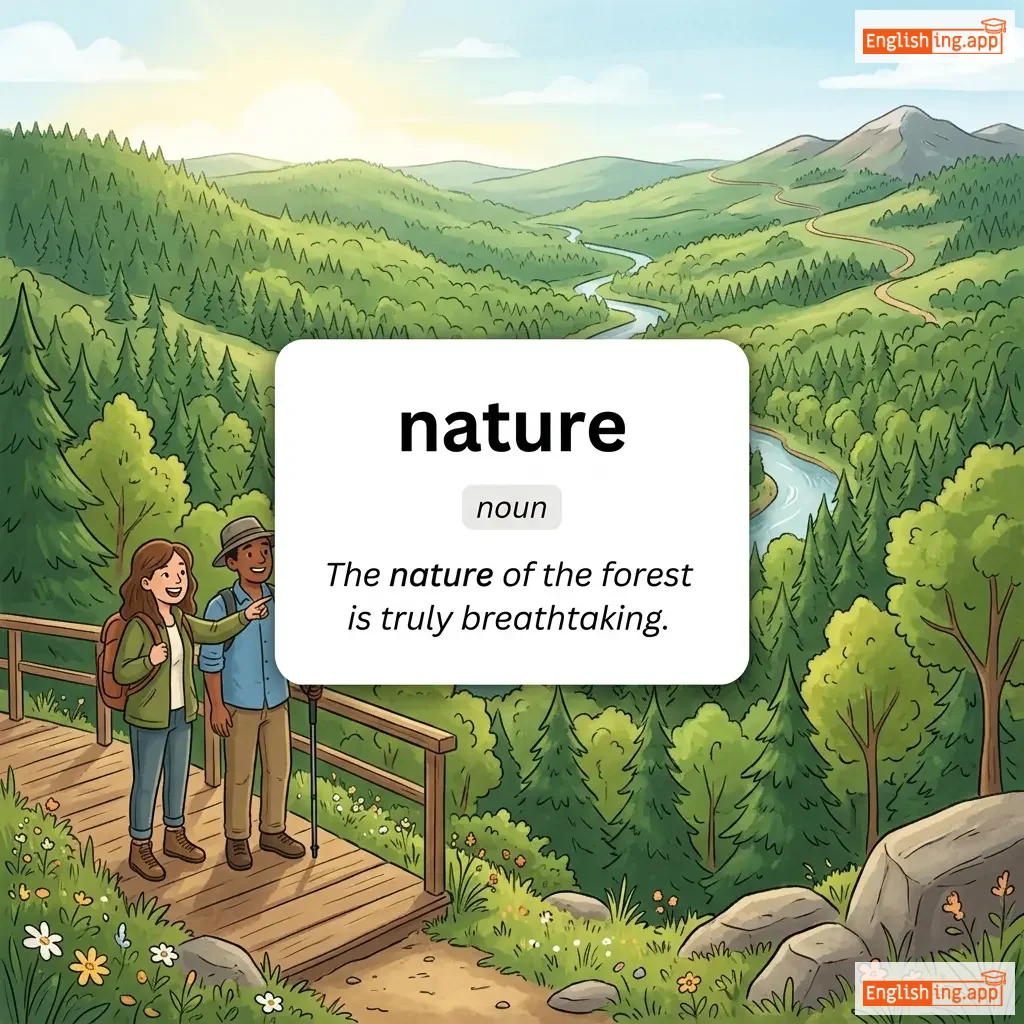
The nature of the forest is truly breathtaking. |
森林的自然景观确实令人叹为观止。
Sēnlín de zìrán jǐngguān quèshí lìng rén tàn wéi guānzhǐ.
••••••
|
- •••••• | - •••••• | - •••••• |
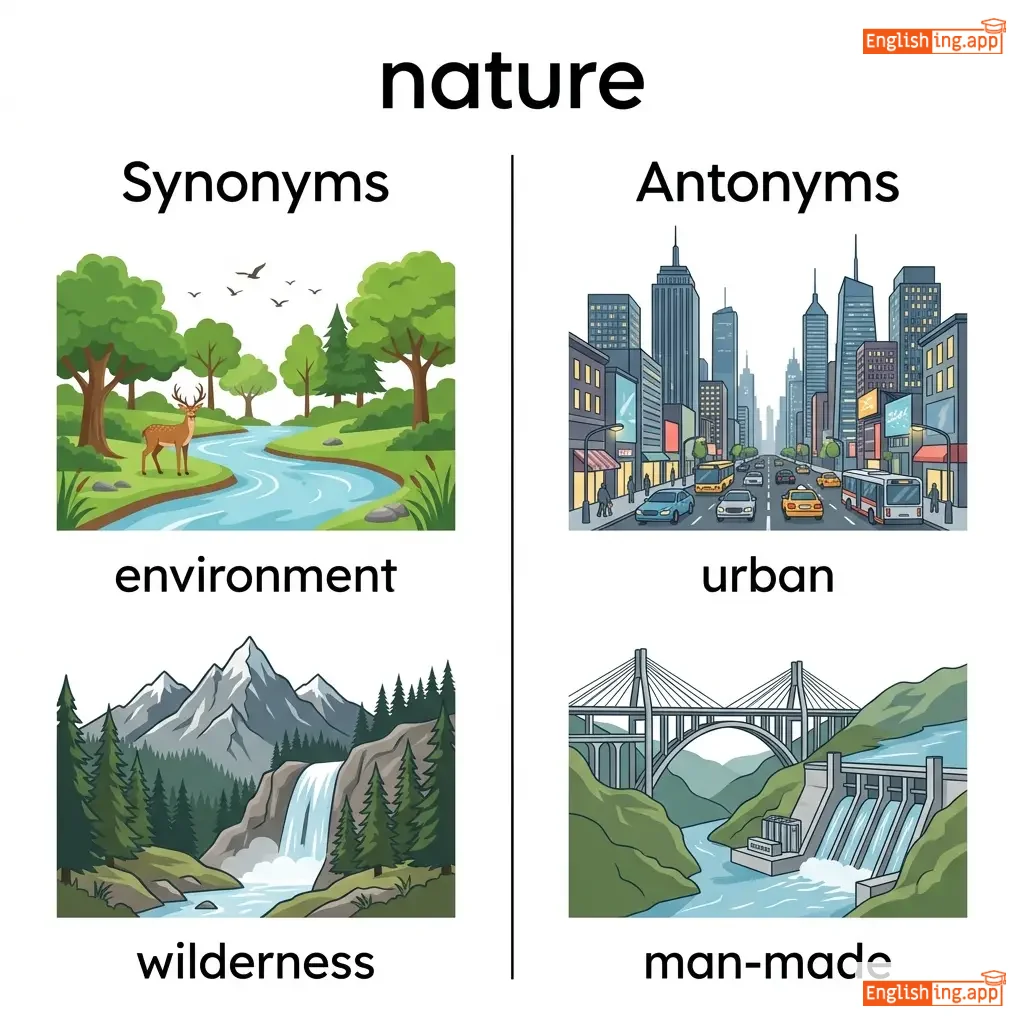
environment, wilderness, outdoors, landscape
••••••
|
urban, man-made, artificial
••••••
|
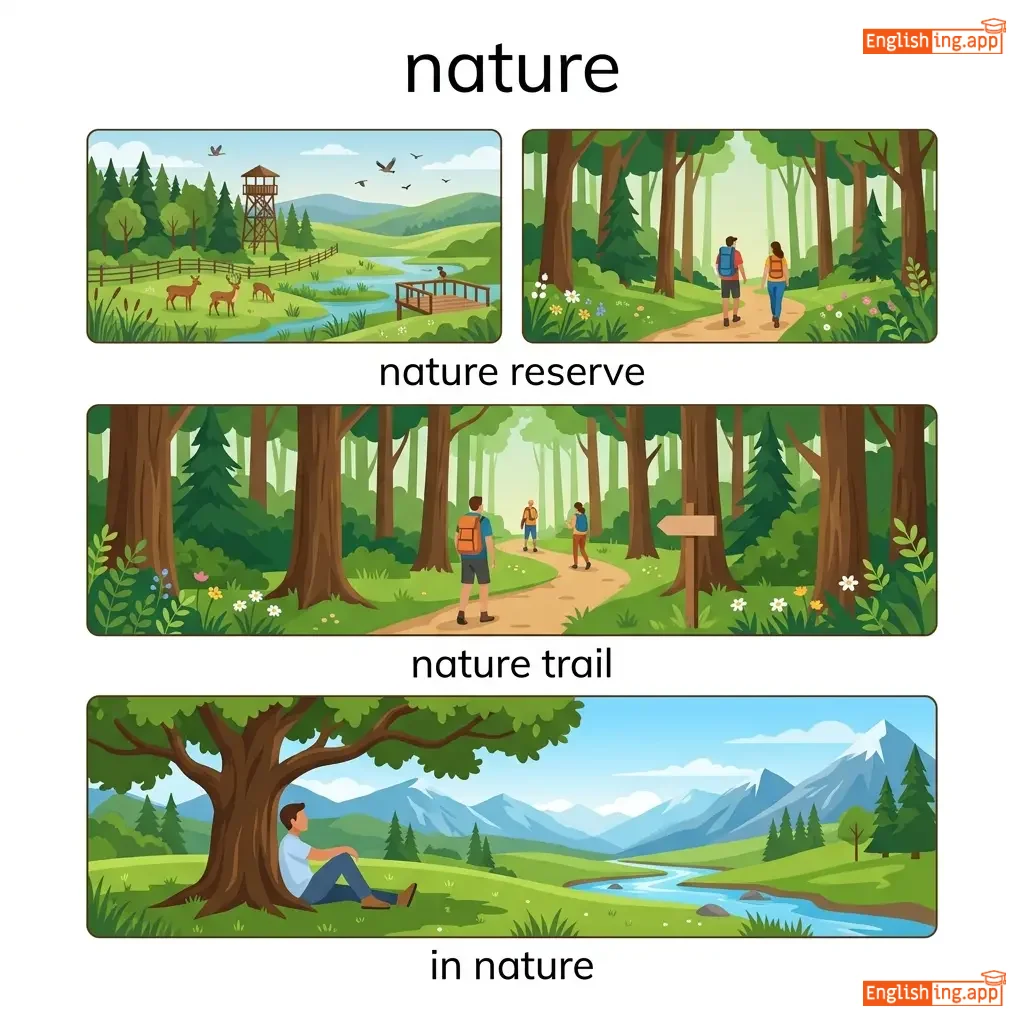
nature reserve, nature trail, in nature, beautiful nature
••••••
|
Nature = Zìrán - 绿色自然的奇迹!
••••••
|
|
#11459
🌿
|
/ˈnætʃərəl/
adjective
(nèi cháo ěr)
••••••
|
- •••••• |
自然的
zìrán de
••••••
|
- •••••• | - •••••• | - •••••• | - •••••• |
existing in or derived from nature; not made or caused by humankind
••••••
|
She prefers to use natural ingredients in her cooking. |
她更喜欢在烹饪中使用天然的食材。
Tā gèng xǐhuān zài pēngrèn zhōng shǐyòng tiānrán de shícái.
••••••
|
- •••••• | - •••••• | - •••••• |
organic, raw, pure, unprocessed
••••••
|
artificial, synthetic, man-made
••••••
|
natural resources, natural beauty, natural selection, natural talent
••••••
|
Natural = Zìrán de, dōu shì cóng zìrán lái de.
••••••
|
|
#11460
🇳🇱
|
/ˈnæʃənəl/
adjective
(nàxiānàl)
••••••
|
- •••••• |
国家的
guójiā de
••••••
|
- •••••• | - •••••• | - •••••• | - •••••• |
relating to a nation, especially its culture, language, or government
••••••
|
The national anthem was played at the ceremony.
国歌在仪式上播放。
••••••
|
国歌在仪式上播放。
Guógē zài yíshì shàng bōfàng.
••••••
|
- •••••• | - •••••• | - •••••• |
state, public, governmental, nationalistic
••••••
|
local, regional, individual
••••••
|
national identity, national pride, national team, national government
••••••
|
National is about Guójiā - Guójiā de gē shēng!
••••••
|
|
#11461
🌍
|
/ˈneɪʃən/
noun
(内申)
••••••
|
- •••••• |
国家
guójiā
••••••
|
- •••••• | - •••••• | - •••••• | - •••••• |
a large group of people united by common descent, history, culture, or language
••••••
|
The nation celebrated its independence day with pride. |
国家以自豪的心情庆祝独立日。
Guójiā yǐ zìháo de xīnqíng qìngzhù dúlì rì.
••••••
|
- •••••• | - •••••• | - •••••• |
country, state, land, realm
••••••
|
individual, province, territory
••••••
|
nation state, powerful nation, united nation, proud nation
••••••
|
Nation = Guójiā - Yī ge dà jiātíng, dōu yīqǐ!
••••••
|
|
#11462
🛤️
|
/ˈnær.oʊ/
adjective
(奈罗)
••••••
|
- •••••• |
狭窄
xiazhai
••••••
|
- •••••• | - •••••• | - •••••• | - •••••• |
limited in width or extent; not wide
••••••
|
The narrow street made it difficult for cars to pass. |
狭窄的街道使得汽车很难通过。
Xiazhai de jiedao shide qiche hendan tongguo.
••••••
|
- •••••• | - •••••• | - •••••• |
tight, cramped, restricted, slender
••••••
|
wide, broad, expansive
••••••
|
narrow street, narrow path, narrow mind, narrow view
••••••
|
狭窄 - 就像一条街道,车子都很难通过。
••••••
|
|
#11463
🏷️
|
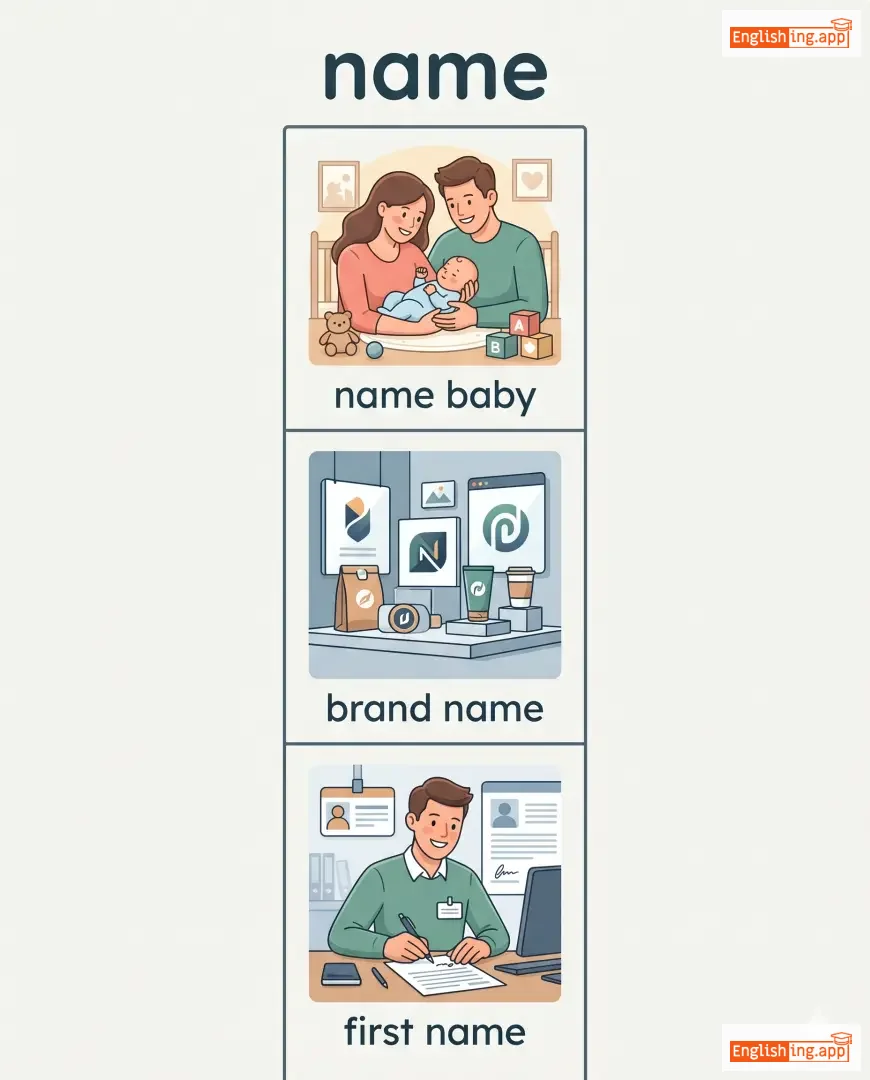
/neɪm/
noun
(内姆)
••••••
|
|
名字
mingzi
••••••
|
- •••••• | - •••••• | - •••••• | - •••••• |
a word by which a person or thing is known or called
••••••
|
His name is John. |
他的名字是约翰。
Tā de míngzì shì Yuēhàn.
••••••
|
- •••••• | - •••••• | - •••••• |
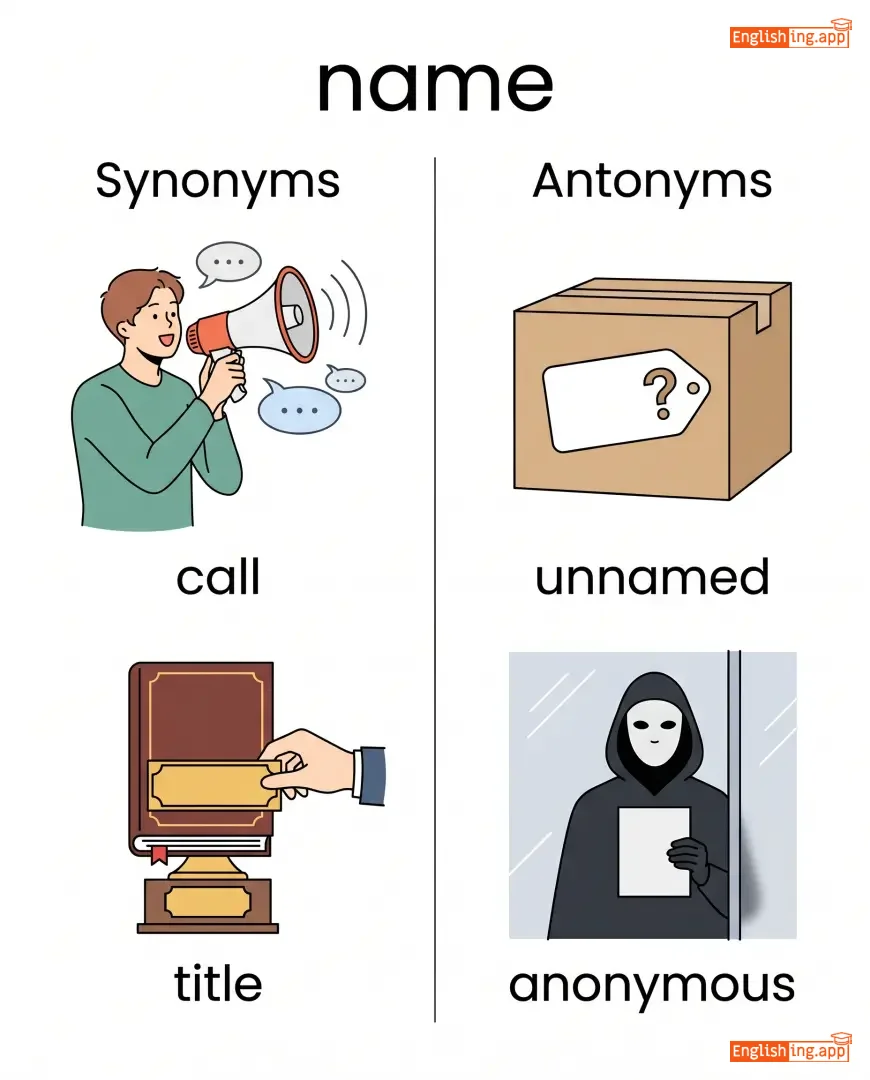
title, designation, label
••••••
|
anonymous, unknown
••••••
|
name tag, full name, first name
••••••
|
名字 (mingzi) 使你为人所知,就像你自己的名字!
••••••
|
|
#11464
🕵️♂️
|
/ˈmɪstəri/
noun
(mí sī tè lǐ)
••••••
|
- •••••• |
谜团
mi tuan
••••••
|
- •••••• | - •••••• | - •••••• | - •••••• |
something that is difficult or impossible to understand or explain
••••••
|
The mystery of the missing book remained unsolved. |
失踪的书之谜仍未解开。
Shīzōng de shū zhī mí réng wèi jiě kāi.
••••••
|
- •••••• | - •••••• | - •••••• |
puzzle, enigma, riddle
••••••
|
solution, explanation
••••••
|
unsolved mystery, solve a mystery, mystery novel
••••••
|
谜团是个需要解开的谜,正如神秘的事物一样。
••••••
|
|
#11465
🙋♂️
|
/maɪˈsɛlf/
pronoun
(máiˈsɛlf)
••••••
|
- •••••• |
我自己
wǒ zìjǐ
••••••
|
- •••••• | - •••••• | - •••••• | - •••••• |
used for emphasis or to refer to oneself
••••••
|
I will do it myself.
我会自己做。
••••••
|
我会自己做。
Wǒ huì zìjǐ zuò.
••••••
|
- •••••• | - •••••• | - •••••• |
me, personally
••••••
|
someone else
••••••
|
do it myself, I taught myself, look after myself
••••••
|
I, MYSELF and I - 我自己做
••••••
|
|
#11466
👤
|
/maɪ/
pronoun
(mái)
••••••
|
- •••••• |
我的
wǒ de
••••••
|
- •••••• | - •••••• | - •••••• | - •••••• |
used to indicate possession or ownership
••••••
|
This is my book.
这是我的书。
••••••
|
这是我的书。
Zhè shì wǒ de shū.
••••••
|
- •••••• | - •••••• | - •••••• |
mine, belonging to me
••••••
|
your, theirs
••••••
|
my friend, my house, my idea
••••••
|
我的书,代表着我的所有权!
••••••
|
|
#11467
✅
|
/mʌst/
verb
(mǎsī)
••••••
|
- •••••• |
必须
bìxū
••••••
|
musted
mǎsīdé
••••••
|
musted
mǎsīdé
••••••
|
musts
mǎsī
••••••
|
musting
mǎsīng
••••••
|
to be required or obligated to
••••••
|
You must complete your homework before you go out.
你必须完成作业,然后才能出去。
••••••
|
你必须完成作业,然后才能出去。
Nǐ bìxū wánchéng zuòyè, ránhòu cáinéng chūqù.
••••••
|
must do
必须做
••••••
|
something that absolutely needs to be done
••••••
|
必须做
bìxū zuò
••••••
|
have to, should, need to, required
••••••
|
can, may, optional
••••••
|
must do, must see, must have
••••••
|
必须做!这是必要的。
••••••
|
|
#11468
🕌
|
/ˈmʊzlɪm/
noun
(穆斯林)
••••••
|
- •••••• |
穆斯林
musilin
••••••
|
- •••••• | - •••••• | - •••••• | - •••••• |
a follower of Islam
••••••
|
He is a devout Muslim. |
他是一个虔诚的穆斯林。
Tā shì yīgè qiánchéng de mùsīlín.
••••••
|
- •••••• | - •••••• | - •••••• |
Islamic, believer, follower of Islam
••••••
|
non-Muslim, atheist
••••••
|
devout Muslim, practicing Muslim, Muslim community
••••••
|
Muslim is someone who follows ISLAM
••••••
|
|
#11469
🎸
|
/mjuːˈzɪʃən/
noun
(mjuːˈzɪʃən)
••••••
|
- •••••• |
音乐家
yīnyuè jiā
••••••
|
- •••••• | - •••••• | - •••••• | - •••••• |
a person who plays a musical instrument or is musically talented
••••••
|
He is a talented musician. |
他是一个才华横溢的音乐家。
Tā shì yīgè cáihuá héngyì de yīnyuè jiā.
••••••
|
- •••••• | - •••••• | - •••••• |
performer, artist, instrumentalist, composer
••••••
|
non-musician, layman
••••••
|
professional musician, talented musician, aspiring musician
••••••
|
Musician is someone who plays Music + IAN (like an artist)
••••••
|
|
#11470
🔥
|
/ˌmoʊtɪˈveɪʃən/
noun
(动机)
••••••
|
- •••••• |
动机
dongji
••••••
|
- •••••• | - •••••• | - •••••• | - •••••• |
the reason or drive for acting or behaving in a particular way
••••••
|
She lost her motivation to continue the project. |
她失去了继续项目的动机。
Ta shiqule jixu xiangmu de dongji.
••••••
|
self-motivation |
the ability to find reasons within oneself to act
••••••
|
自我驱动力
ziwo qudongli
••••••
|
drive, incentive, inspiration, determination, enthusiasm
••••••
|
discouragement, apathy, disinterest
••••••
|
motivation level, source of motivation, lack of motivation, motivation to succeed
••••••
|
动机意味着驱动力—记住 'Mo-ti-Vation' 就是 '我在工作中点燃了火 (火) '。
••••••
|
|
#11471
🎶
|
/ˈmjuːzɪk/
noun
(音乐)
••••••
|
- •••••• |
音乐
yinyue
••••••
|
- •••••• | - •••••• | - •••••• | - •••••• |
vocal or instrumental sounds combined to produce harmony, melody, or rhythm
••••••
|
She loves listening to classical music. |
她喜欢听古典音乐。
Ta xihuan ting gudian yinyue.
••••••
|
- •••••• | - •••••• | - •••••• |
melody, tune, composition, song
••••••
|
silence, quiet, stillness
••••••
|
classical music, pop music, music industry, music lover
••••••
|
Music is Yin Yue (音乐) - 音乐 is the Chinese word for music
••••••
|
|
#11472
🏛️
|
/mjuˈziːəm/
noun
(mjuˈziəm)
••••••
|
- •••••• |
博物馆
bówùguǎn
••••••
|
- •••••• | - •••••• | - •••••• | - •••••• |
a building in which objects of historical, scientific, artistic, or cultural interest are stored and exhibited
••••••
|
We visited the art museum to see the new exhibition.
我们参观了艺术博物馆,欣赏了新的展览。
••••••
|
我们参观了艺术博物馆,欣赏了新的展览。
Wǒmen cānguānle yìshù bówùguǎn, xīnshǎngle xīn de zhǎnlǎn.
••••••
|
- •••••• | - •••••• | - •••••• |
gallery, exhibition hall, archive, collection
••••••
|
market, store
••••••
|
art museum, history museum, science museum, visit museum
••••••
|
博物馆是人类历史和艺术的宝库。
••••••
|
|
#11473
💪
|
/ˈmʌsl/
noun
(māsīl)
••••••
|
- •••••• |
肌肉
jīròu
••••••
|
- •••••• | - •••••• | - •••••• | - •••••• |
a band of fibrous tissue in the body that produces movement; physical strength
••••••
|
He exercises daily to build strong muscles. |
他每天锻炼以增强肌肉力量。
tā měitiān duànliàn yǐ zēngqiáng jīròu lìliàng.
••••••
|
flex your muscles |
to show strength or power
••••••
|
展示你的肌肉
zhǎnshì nǐ de jīròu
••••••
|
strength, power, force, sinew
••••••
|
weakness, frailty
••••••
|
muscle strength, muscle pain, muscle building, flex muscles
••••••
|
Muscle 意思是肌肉 — 展示你的肌肉,大家都会惊讶!
••••••
|
|
#11474
🔪
|
/ˈmɜːrdər/
noun, verb
(谋杀)
••••••
|
- •••••• |
谋杀
móushā
••••••
|
murdered
谋杀了
••••••
|
murdered
谋杀了
••••••
|
murders
谋杀
••••••
|
murdering
谋杀
••••••
|
the unlawful killing of a person; to kill someone unlawfully and intentionally
••••••
|
The detective investigated the murder that shocked the town.
侦探调查了这起震惊小镇的谋杀案。
••••••
|
侦探调查了这起震惊小镇的谋杀案。
zhēntàn diàochá le zhè qǐ zhènjīng xiǎo zhèn de móushā àn.
••••••
|
murder will out
谋杀真相会大白
••••••
|
the truth about a crime will eventually be revealed
••••••
|
谋杀真相会大白
móushā zhēnxiàng huì dàbái
••••••
|
homicide, killing, assassination, slaughter
••••••
|
rescue, save
••••••
|
commit murder, brutal murder, murder case, murder weapon
••••••
|
Murder 意为谋杀 — Murder 会揭露真相
••••••
|
|
#11475
🔢
|
/ˈmʌltɪpl/
adjective
(múltīpǔ)
••••••
|
- •••••• |
多个
duō gè
••••••
|
- •••••• | - •••••• | - •••••• | - •••••• |
involving or consisting of many parts or elements
••••••
|
The company faced multiple challenges during the year. |
公司在一年中面临了多个挑战。
Gōngsī zài yī nián zhōng miànlínle duō gè tiǎozhàn.
••••••
|
- •••••• | - •••••• | - •••••• |
many, several, numerous, various
••••••
|
single, one
••••••
|
multiple times, multiple options, multiple factors
••••••
|
Multiple 意味着多个 — 就像多项选择题考试中有多个选项。
••••••
|
|
#11476
💯
|
/mʌtʃ/
adjective, adverb, pronoun
(mʌʧ)
••••••
|
- •••••• |
很多
hen duo
••••••
|
- •••••• | - •••••• | - •••••• | - •••••• |
a large amount or degree of something
••••••
|
She doesn’t have much time to finish the project. |
她没有很多时间来完成这个项目。
Ta meiyou henduo shijian lai wancheng zhege xiangmu.
••••••
|
much ado about nothing |
a lot of fuss about something unimportant
••••••
|
无谓的喧嚣
wuwei de xuanshao
••••••
|
a lot, plenty, abundant, great deal
••••••
|
little, few
••••••
|
too much, much more, much less, so much
••••••
|
很多意味着很多 — 很多工作意味着很多努力!
••••••
|
|
#11477
👩💼
|
/mɪz/
title
(米兹)
••••••
|
- •••••• |
女士
nüshi
••••••
|
- •••••• | - •••••• | - •••••• | - •••••• |
a title used before a woman's name, regardless of marital status
••••••
|
Ms. Akter will give a speech at the seminar.
阿克特女士将在研讨会上发表演讲。
••••••
|
阿克特女士将在研讨会上发表演讲。
Akter nǚshì jiāng zài yántǎo huì shàng fābiǎo yǎnjiǎng.
••••••
|
- •••••• | - •••••• | - •••••• |
madam, miss, lady
••••••
|
mr, mrs
••••••
|
Ms Johnson, Ms Speaker, Ms Director
••••••
|
女士 – 用于所有女性的通用称呼。
••••••
|
|
#11478
👩
|
/ˈmɪsɪz/
title
(mī sī sī)
••••••
|
- •••••• |
夫人
fūrén
••••••
|
- •••••• | - •••••• | - •••••• | - •••••• |
a title used before a married woman's name
••••••
|
Mrs. Karim is the headmistress of the school. |
夫人卡里姆是学校的校长。
Fūrén Kǎlǐm shì xuéxiào de xiàozhǎng.
••••••
|
- •••••• | - •••••• | - •••••• |
madam, missus, lady
••••••
|
mr, ms
••••••
|
Mrs Smith, Mrs President, Mrs Brown
••••••
|
夫人是已婚女性的头衔,类似于英语中的Mrs.
••••••
|
|
#11479
👨
|
/ˈmɪstər/
title
(米斯特)
••••••
|
- •••••• |
先生
xiānsheng
••••••
|
- •••••• | - •••••• | - •••••• | - •••••• |
a title used before a man's name
••••••
|
Mr. Rahman is our new teacher. |
先生拉赫曼是我们的新老师。
Xiānsheng Rahman shì wǒmen de xīn lǎoshī.
••••••
|
- •••••• | - •••••• | - •••••• |
sir, mister, gentleman
••••••
|
mrs, ms
••••••
|
Mr President, Mr Smith, Mr Chairman
••••••
|
先生表示 Mr,用于男性名字前。
••••••
|
|
#11480
👄
|
/maʊθ/
noun
(maʊθ)
••••••
|
- •••••• |
嘴巴
zuǐbā
••••••
|
- •••••• | - •••••• | - •••••• | - •••••• |
the opening in the face used for eating, speaking, and breathing
••••••
|
She covered her mouth when she yawned. |
她打哈欠时捂住了嘴巴。
Tā dǎ hāqiàn shí wǔ zhù le zuǐbā.
••••••
|
word of mouth |
information spread through verbal communication
••••••
|
口耳相传
kǒu ěr xiāng chuán
••••••
|
opening, lips, cavity, jaw
••••••
|
silence, closure
••••••
|
open mouth, shut mouth, mouth of a river, mouth full
••••••
|
嘴巴意味着嘴巴,一切都通过嘴巴进行——吃饭、说话、呼吸。
••••••
|
|
#11481
🖱️
|
/maʊs/
noun
(maʊs)
••••••
|
- •••••• |
老鼠 / 计算机鼠标
laoshu / jisuanjishu biaoshu
••••••
|
- •••••• | - •••••• | - •••••• | - •••••• |
a small rodent with a pointed nose and long tail; also a computer input device
••••••
|
The cat chased the mouse across the room. |
猫追着老鼠在房间里跑。
Mao zhui zhe laoshu zai fangjian li pao.
••••••
|
quiet as a mouse |
very silent and timid
••••••
|
像老鼠一样安静
xiang laoshu yiyang anjing
••••••
|
rodent, pointer, cursor, mammal
••••••
|
cat, predator
••••••
|
computer mouse, mouse pad, field mouse, mouse trap
••••••
|
鼠标就像老鼠一样,安静又迅速,尤其是猫来时。
••••••
|
|
#11482
⛰️
|
/ˈmaʊntən/
noun
(màuntín)
••••••
|
- •••••• |
山
shan
••••••
|
- •••••• | - •••••• | - •••••• | - •••••• |
a large natural elevation of the earth’s surface
••••••
|
They climbed the highest mountain in the region. |
他们爬上了该地区最高的山。
Tāmen pá shàngle gāi dìqū zuìgāo de shān.
••••••
|
make a mountain out of a molehill |
to exaggerate a small problem
••••••
|
小题大做
xiǎo tí dà zuò
••••••
|
hill, peak, summit, ridge, highland
••••••
|
valley, plain
••••••
|
mountain range, mountain peak, climb a mountain, mountain trail
••••••
|
Mountain 就是山 — 记住,小题大做就是把小事做得像山一样大。
••••••
|
|
#11483
🧗
|
/maʊnt/
verb
(芒特)
••••••
|
- •••••• |
安装
anzhuang
••••••
|
mounted
芒特德
••••••
|
mounted
芒特德
••••••
|
mounts
芒特斯
••••••
|
mounting
芒特英
••••••
|
to climb up, rise, or fix something in place
••••••
|
They plan to mount a camera on the wall.
dei plan tu maungte yi ge shexiangji zai qiang shang.
••••••
|
他们计划在墙上安装一台摄像机。
Tamen jihua zai qiang shang anzhuang yi tai shexiangji.
••••••
|
mount an attack
芒特 安 攻击
••••••
|
to launch or initiate an attack
••••••
|
发动攻击
fadong gongji
••••••
|
climb, rise, ascend, fix, install
••••••
|
dismount, descend, remove
••••••
|
mount a horse, mount a camera, mount pressure, mount an attack
••••••
|
Mount 和 安装 意思相近,都表示固定或架设某物。
••••••
|
|
#11484
🚗
|
/ˈmoʊtər/
noun
(摩托)
••••••
|
- •••••• |
马达
mǎ dá
••••••
|
- •••••• | - •••••• | - •••••• | - •••••• |
a machine that produces motion or power to make something work
••••••
|
The car’s motor stopped suddenly. |
汽车的马达突然停止了。
qìchē de mǎ dá túrán tíngzhǐle.
••••••
|
motor skills |
the ability to use muscles for movement and coordination
••••••
|
运动技能
yùndòng jìnéng
••••••
|
engine, machine, generator, mechanism
••••••
|
stillness, immobility
••••••
|
electric motor, motor vehicle, motor skills, motorbike
••••••
|
马达是汽车运动的动力,摩托车也有马达。
••••••
|
Vocabulary Quiz
Test your vocabulary by matching words with their translations or meanings.
Login to take the quiz
Comments (0)
Share your thoughts and join the discussion.
Join the discussion by logging in
Login to CommentNo comments yet
Be the first to share your thoughts!