



Swipe left or right, or use the buttons. Tap image to zoom.
例句翻译
单词
Lesson 380Lesson 380 - 遮罩切换
|
表情符号
|
单词 | Images | 翻译 | 过去时 | 过去分词 | 第三人称单数 | 动名词 | 含义 | 例句 | 例句翻译 | 示例表达 | 示例表达含义 | 示例表达翻译 | 同义词 | 反义词 | 搭配词 | 助记符 |
|---|---|---|---|---|---|---|---|---|---|---|---|---|---|---|---|---|---|
|
#11365
⚙️
|
/məˈʃiːn/
noun
(mǎ-qīn)
••••••
|
- •••••• |
机器
jiqi
••••••
|
- •••••• | - •••••• | - •••••• | - •••••• |
A device with moving parts that uses energy to perform a particular task.
••••••
|
This washing machine is very efficient. |
这台洗衣机非常高效。
Zhè tái xǐyījī fēicháng gāoxiào.
••••••
|
well-oiled machine |
something that runs smoothly and efficiently
••••••
|
运转良好的机器
yùn zhuǎn liáng hǎo de jīqì
••••••
|
device, apparatus, engine, mechanism, equipment
••••••
|
manual work, handwork
••••••
|
washing machine, sewing machine, machine learning, machine parts
••••••
|
机器让一切都井井有条。
••••••
|
|
#11366
🏭
|
/ˌmænjəˈfæktʃərɪŋ/
noun
(制造)
••••••
|
- •••••• |
制造业
zhìzào yè
••••••
|
- •••••• | - •••••• | - •••••• | - •••••• |
the process of making products on a large scale using machinery
••••••
|
The country is investing heavily in the manufacturing sector. |
该国正在大力投资制造业。
gāi guó zhèngzài dàlì tóuzī zhìzàoyè.
••••••
|
manufacturing hub |
a place where a large amount of manufacturing occurs
••••••
|
制造中心
zhìzào zhōngxīn
••••••
|
production, fabrication, assembly, creation, making
••••••
|
consumption, destruction
••••••
|
manufacturing industry, manufacturing process, manufacturing sector, manufacturing plant
••••••
|
制造业是通过机器做大量产品的行业
••••••
|
|
#11367
🗣️
|
/ˈmænər/
noun
(manner)
••••••
|
- •••••• |
方式 / 举止
fāngshì / jǔzhǐ
••••••
|
- •••••• | - •••••• | - •••••• | - •••••• |
a way in which something is done or happens
••••••
|
He spoke in a polite manner. |
他说话很有礼貌。
Tā shuōhuà hěn yǒu lǐmào.
••••••
|
in a manner of speaking |
in a certain sense or way
••••••
|
一种说话的方式
yī zhǒng shuōhuà de fāngshì
••••••
|
way, style, method, fashion, approach
••••••
|
disorder, chaos
••••••
|
polite manner, proper manner, rude manner, in this manner
••••••
|
Manner 意思是方式 - 礼貌地说话
••••••
|
|
#11368
👔
|
/ˈmænɪdʒər/
noun
(máng rén)
••••••
|
- •••••• |
经理
jingli
••••••
|
- •••••• | - •••••• | - •••••• | - •••••• |
a person responsible for controlling or administering an organization or group of staff
••••••
|
The manager approved the new project plan. |
经理批准了新的项目计划。
Jingli pizhunle xin de xiangmu jihua.
••••••
|
- •••••• | - •••••• | - •••••• |
supervisor, director, administrator, boss
••••••
|
employee, worker
••••••
|
project manager, team manager, general manager, sales manager
••••••
|
经理 - 负责管理的人的意思
••••••
|
|
#11369
📊
|
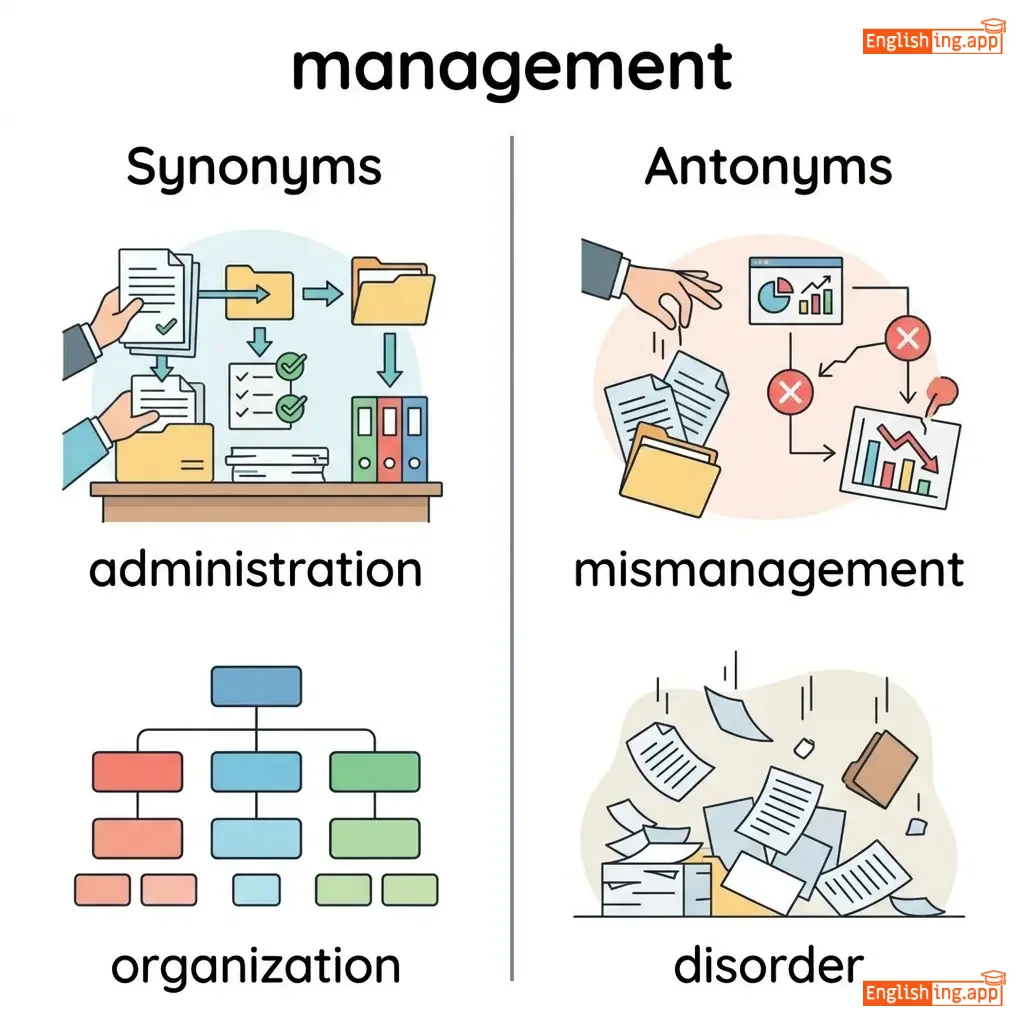
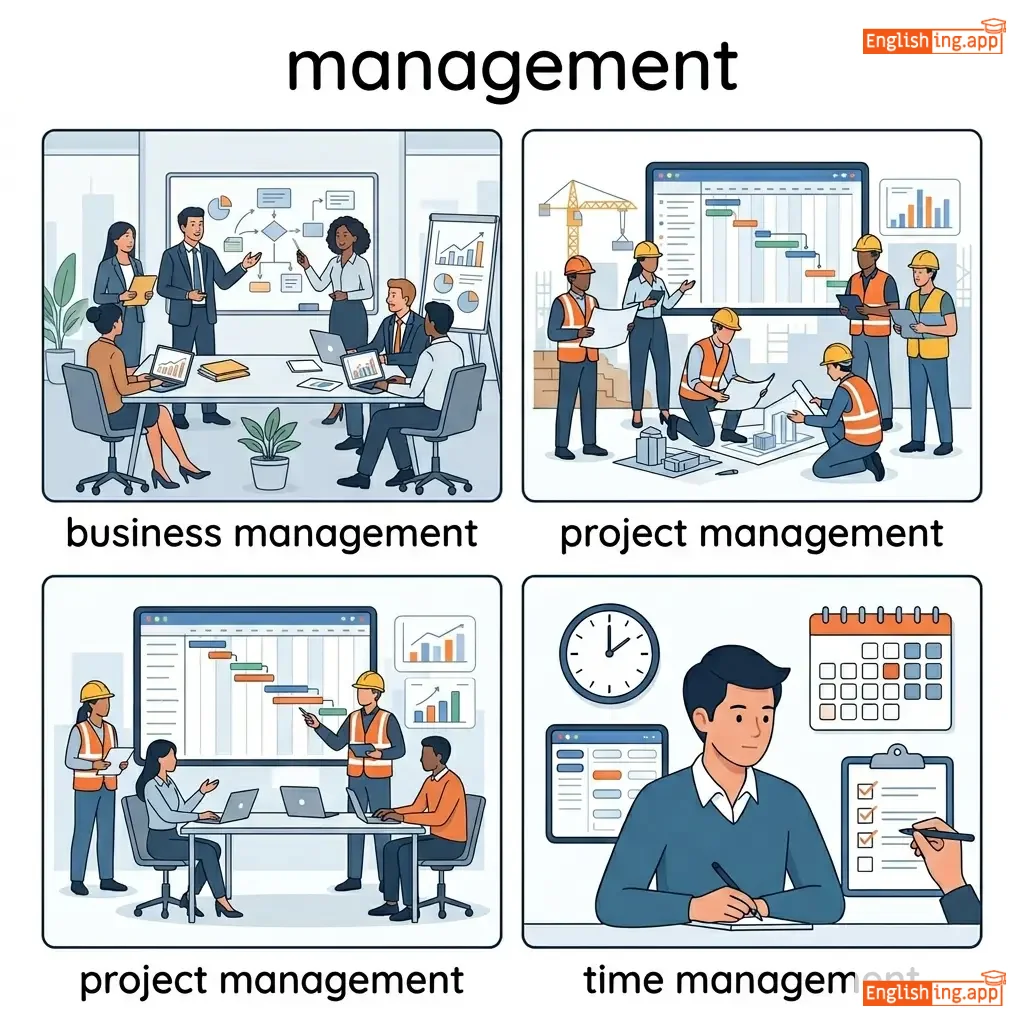
/ˈmænɪdʒmənt/
noun
(mænɪdʒmənt)
••••••
|
|
管理
guanli
••••••
|
- •••••• | - •••••• | - •••••• | - •••••• |
the process of dealing with or controlling things or people
••••••
|
Good management is crucial for the success of any business.
良好的管理对任何企业的成功至关重要。
••••••
|
良好的管理对任何企业的成功至关重要。
Liánghǎo de guǎnlǐ duì rènhé qǐyè de chénggōng zhìguān zhòngyào.
••••••
|
- •••••• | - •••••• | - •••••• |
administration, organization, control, supervision, direction
••••••
|
mismanagement, disorder
••••••
|
business management, project management, time management, management team
••••••
|
管理是处理和控制一切事务的过程。
••••••
|
|
#11370
🛠️
|
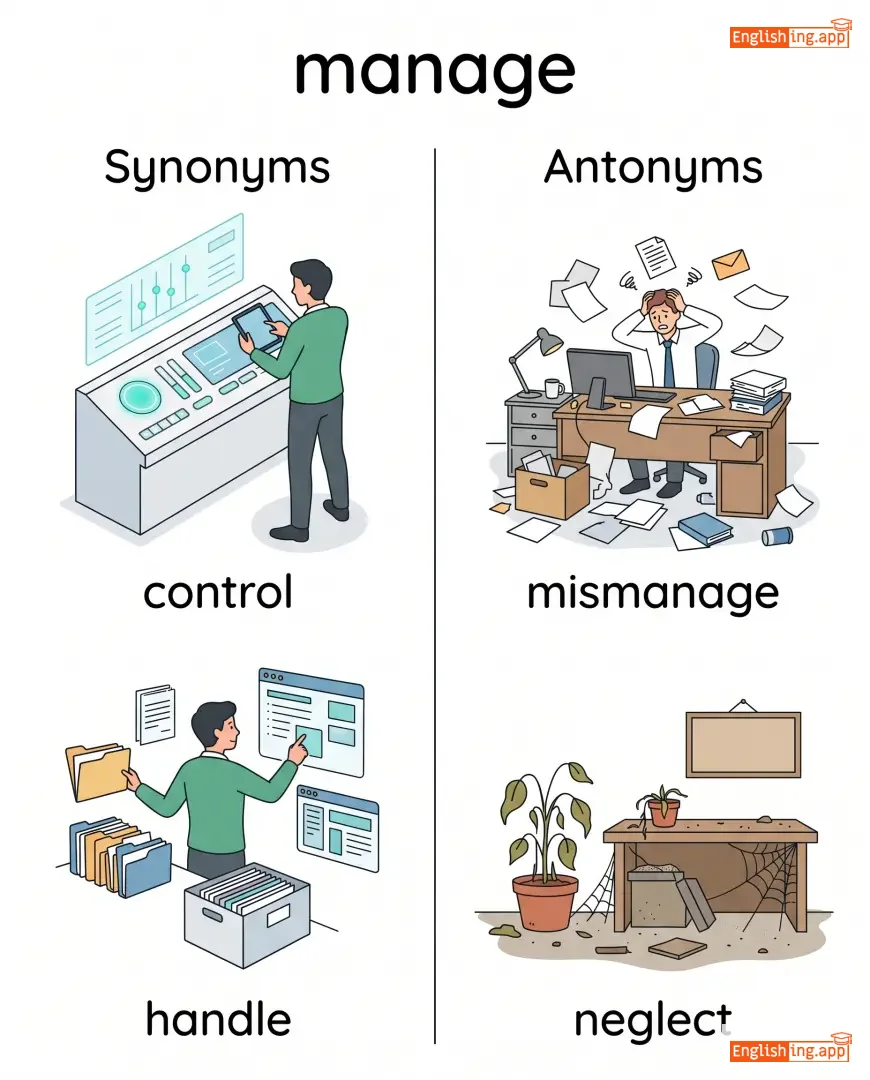
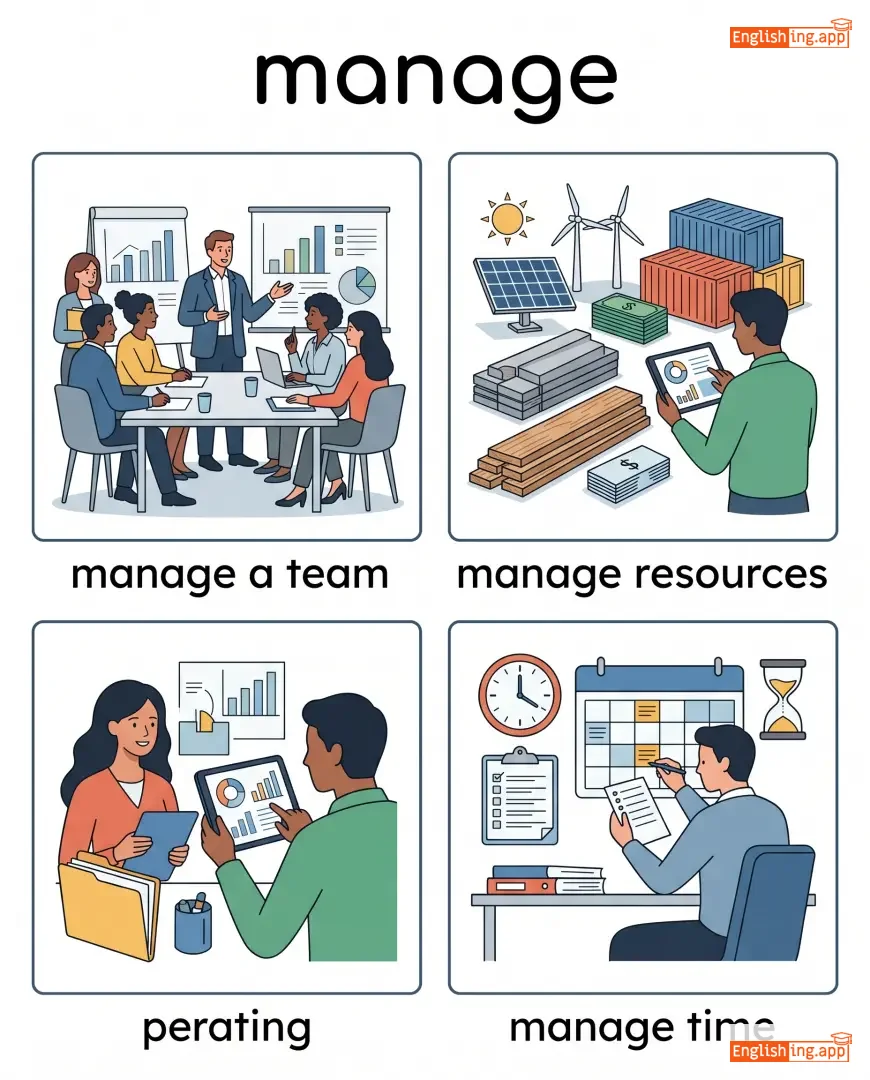
/ˈmænɪdʒ/
verb
(曼内吉)
••••••
|
|
管理
guanli
••••••
|
managed
曼内吉德
••••••
|
managed
曼内吉德
••••••
|
manages
曼内杰斯
••••••
|
managing
曼内吉英
••••••
|
to be in charge of or control something
••••••
|
She manages a small bookstore in town.
她在镇上经营着一家小书店。
••••••
|
她在镇上经营着一家小书店。
Ta zai zhen shang jingying zhe yijia xiao shudian.
••••••
|
manage to do
设法去做
••••••
|
succeed in doing something, especially with difficulty
••••••
|
设法去做
shefa qu zuo
••••••
|
control, handle, supervise, oversee, direct
••••••
|
mismanage, neglect
••••••
|
manage a team, manage resources, manage time, manage business
••••••
|
经理管理一切!
••••••
|
|
#11371
👨
|
/mæn/
noun
(mán)
••••••
|
- •••••• |
男人
nánrén
••••••
|
- •••••• | - •••••• | - •••••• | - •••••• |
an adult human male
••••••
|
The man helped the child cross the street.
泽 mán hélpǔd zé chāild kùos dē strǐt.
••••••
|
那个人帮助孩子过马路。
Nàgè rén bāngzhù háizi guò mǎlù.
••••••
|
man's best friend
mán' s běst frěnd
••••••
|
a phrase often used to describe dogs, emphasizing their loyalty to humans
••••••
|
男人最好的朋友
nánrén zuì hǎo de péngyǒu
••••••
|
male, gentleman, guy, fellow, bloke
••••••
|
woman, female
••••••
|
young man, old man, real man, man of honor
••••••
|
Man 男人 - 男人意指男性
••••••
|
|
#11372
👨
|
/meɪl/
noun/adjective
(梅尔)
••••••
|
- •••••• |
男性
nánxìng
••••••
|
- •••••• | - •••••• | - •••••• | - •••••• |
a man or boy; relating to men or boys
••••••
|
The school has more male teachers than female teachers.
学校有更多的男性教师而非女性教师。
••••••
|
学校有更多的男性教师而非女性教师。
Xuéxiào yǒu gèng duō de nánxìng jiàoshī ér fēi nǚxìng jiàoshī.
••••••
|
male dominance
男性主导
••••••
|
a situation where men hold more power
••••••
|
男性主导
nánxìng zhǔdǎo
••••••
|
man, boy, masculine, gentleman
••••••
|
female, woman
••••••
|
male student, male voice, male member, male worker
••••••
|
男性的'M'就像'男人'。
••••••
|
|
#11373
🛠️
|
/ˈmeɪkər/
noun
(梅克尔)
••••••
|
- •••••• |
创造者
chuangzao zhe
••••••
|
- •••••• | - •••••• | - •••••• | - •••••• |
a person or thing that makes or produces something
••••••
|
He is a famous movie maker in Hollywood.
他是好莱坞著名的电影制片人。
••••••
|
他是好莱坞著名的电影制片人。
ta shi haolaiwu zhuming de dianying zhipian ren.
••••••
|
decision maker
决策者
••••••
|
a person who has the authority to make decisions
••••••
|
决策者
juece zhe
••••••
|
creator, builder, producer, manufacturer
••••••
|
destroyer, breaker
••••••
|
movie maker, money maker, policy maker, tool maker
••••••
|
Maker 代表创造者 — 一个创造和生产的人,像电影制片人。
••••••
|
|
#11374
🏆
|
/ˈmeɪdʒər/
adjective
(梅杰)
••••••
|
- •••••• |
重要的
zhòngyào de
••••••
|
- •••••• | - •••••• | - •••••• | - •••••• |
important, serious, or significant
••••••
|
Climate change is a major concern for the world. |
气候变化是全球关注的重大问题。
qìhòu biànhuà shì quánqiú guānzhù de zhòngdà wèntí.
••••••
|
major breakthrough |
an important discovery or development
••••••
|
重大突破
zhòngdà tūpò
••••••
|
significant, important, serious, substantial
••••••
|
minor, insignificant
••••••
|
major issue, major role, major problem, major impact
••••••
|
Major意味着重要、严肃或有意义。
••••••
|
|
#11375
🔑
|
/ˈmeɪnli/
adverb
(mèinlí)
••••••
|
- •••••• |
主要
zhuyao
••••••
|
- •••••• | - •••••• | - •••••• | - •••••• |
for the most part; chiefly
••••••
|
The audience was mainly composed of students.
观众主要由学生组成。
••••••
|
观众主要由学生组成。
Guanzhong zhuyao you xuesheng zucheng.
••••••
|
- •••••• | - •••••• | - •••••• |
chiefly, primarily, largely, mostly
••••••
|
partly, rarely
••••••
|
mainly because, mainly due to, mainly concerned with
••••••
|
Mainly的意思是主要 — Main是最主要的。
••••••
|
|
#11376
⭐
|
/meɪn/
adjective
(main)
••••••
|
- •••••• |
主要的
zhuyao de
••••••
|
- •••••• | - •••••• | - •••••• | - •••••• |
most important; chief in size, extent, or importance
••••••
|
The main reason for his success is hard work. |
他成功的主要原因是努力工作。
ta chenggong de zhuyao yuanyin shi nuli gongzuo.
••••••
|
main attraction |
the most important or interesting feature
••••••
|
主要景点
zhuyao jingdian
••••••
|
chief, primary, principal, central, major
••••••
|
minor, secondary, trivial
••••••
|
main reason, main point, main idea, main street
••••••
|
Main意味着主要,就像Main Street——最重要的街道。
••••••
|
|
#11377
📬
|
/meɪl/
noun/verb
(mɛil)
••••••
|
- •••••• |
邮件 / 信件
yóujiàn / xìnjiàn
••••••
|
mailed
meɪld
••••••
|
mailed
meɪld
••••••
|
mails
meɪlz
••••••
|
mailing
meɪlɪŋ
••••••
|
Letters, packages, or email messages sent or delivered to someone.
••••••
|
I received an important letter in the mail.
我通过邮件收到了一个重要的信件。
••••••
|
我通过邮件收到了一个重要的信件。
Wǒ tōngguò yóujiàn shōu dào le yī gè zhòngyào de xìnjiàn.
••••••
|
snail mail
慢邮件
••••••
|
traditional postal mail as opposed to email
••••••
|
传统邮寄
chuántǒng yóujì
••••••
|
post, letter, package, parcel, email
••••••
|
email (in contrast to snail mail), direct delivery
••••••
|
send mail, check mail, junk mail, mail service
••••••
|
邮件是邮递员带来的,mail 就是邮件。
••••••
|
|
#11378
📖
|
/ˈmæɡəziːn/
noun
(杂志)
••••••
|
- •••••• |
杂志
zázhì
••••••
|
- •••••• | - •••••• | - •••••• | - •••••• |
A periodical publication containing articles, photographs, and advertisements.
••••••
|
She bought a fashion magazine at the store. |
她在商店买了一本时尚杂志。
Tā zài shāngdiàn mǎile yī běn shíshàng zázhì.
••••••
|
- •••••• | - •••••• | - •••••• |
journal, periodical, publication, digest, paper
••••••
|
book, novel
••••••
|
fashion magazine, magazine article, magazine cover, magazine subscription
••••••
|
Magazine 就是杂志, 在商店买时尚杂志。
••••••
|
|
#11379
😡
|
/mæd/
adjective
(mad)
••••••
|
- •••••• |
生气 / 疯狂
shengqi / fengkuang
••••••
|
- •••••• | - •••••• | - •••••• | - •••••• |
Very angry, insane, or foolish.
••••••
|
She was mad at her brother for breaking the vase. |
她因弟弟打破花瓶而生气。
Ta yin didi dapokhua ping er shengqi.
••••••
|
mad as a hatter |
completely crazy
••••••
|
疯狂如疯帽子
fengkuang ru fengmaozi
••••••
|
angry, furious, insane, crazy, irate
••••••
|
calm, sane
••••••
|
mad at, go mad, mad idea, mad world
••••••
|
Mad 在中文中意味着愤怒或疯狂,就像当一个人失去控制时。
••••••
|
|
#11380
📍
|
/loʊˈkeɪʃən/
noun
(lokétion)
••••••
|
- •••••• |
位置
weizhi
••••••
|
- •••••• | - •••••• | - •••••• | - •••••• |
a particular place or position
••••••
|
This cafe is in a beautiful location near the lake.
这个咖啡馆位于湖边的一个美丽的位置。
••••••
|
这个咖啡馆位于湖边的一个美丽的位置。
Zhège kāfēi guǎn wèiyú hú biān de yīgè měilì de wèizhì.
••••••
|
on location
在现场
••••••
|
filming at the actual site instead of a studio
••••••
|
在现场
zài xiànchǎng
••••••
|
place, site, spot, area, venue
••••••
|
displacement, absence
••••••
|
prime location, shooting location, remote location, exact location
••••••
|
位置 = 事物所在的地方
••••••
|
|
#11381
🫁
|
/lʌŋ/
noun
(lʌŋ)
••••••
|
- •••••• |
肺
fei
••••••
|
- •••••• | - •••••• | - •••••• | - •••••• |
Either of the two organs in the chest that are responsible for breathing and exchanging oxygen and carbon dioxide.
••••••
|
Smoking can seriously damage your lungs. |
吸烟会严重损害你的肺部。
Xiyan hui yanzhong sunhai nide feibu.
••••••
|
burst a lung |
to make a huge effort, usually physically
••••••
|
拼尽全力
pin jin quanli
••••••
|
respiratory organ, pulmonary organ, chest organ, airway, breathing organ
••••••
|
heart, liver
••••••
|
lung cancer, lung disease, lung capacity, lung infection
••••••
|
Lung 意思是 '肺部',当你无法呼吸时,你需要 '肺部'。
••••••
|
|
#11382
🥪
|
/lʌntʃ/
noun
(lunch)
••••••
|
- •••••• |
午餐
wucan
••••••
|
- •••••• | - •••••• | - •••••• | - •••••• |
a meal eaten in the middle of the day
••••••
|
We usually have lunch at 1 p.m. |
我们通常在下午1点吃午餐。
Women tongchang zai xiawu 1 dian chi wucan.
••••••
|
out to lunch |
not paying attention or unaware of what is happening
••••••
|
心不在焉
xin bu zai yan
••••••
|
midday meal, brunch, tiffin, repast
••••••
|
dinner, supper
••••••
|
have lunch, lunch break, business lunch, packed lunch
••••••
|
午餐意味着中午吃的饭——如果不吃,你的注意力会分散。
••••••
|
|
#11383
🍀
|
/ˈlʌki/
adjective
(lucky)
••••••
|
- •••••• |
幸运的
xingyun de
••••••
|
- •••••• | - •••••• | - •••••• | - •••••• |
having good fortune or favorable circumstances
••••••
|
She felt lucky to have such supportive friends. |
她觉得自己很幸运,拥有如此支持她的朋友。
Ta juede ziji hen xingyun, yongyou ruci zhichi ta de pengyou.
••••••
|
lucky break |
an unexpected opportunity or good fortune
••••••
|
幸运的突破
xingyun de tupoq
••••••
|
fortunate, blessed, favored, charmed
••••••
|
unlucky, unfortunate
••••••
|
lucky chance, lucky day, lucky number, lucky star
••••••
|
Lucky意味着幸运的 — 如果你幸运,生活就会变得更好
••••••
|
|
#11384
🍀
|
/lʌk/
noun
••••••
|
- •••••• | - •••••• | - •••••• | - •••••• | - •••••• | - •••••• |
success or failure apparently brought by chance rather than through one’s actions
••••••
|
He had the luck to find a good job quickly. |
- •••••• |
good luck |
a wish for success or fortune
••••••
|
- •••••• |
fortune, chance, fate, destiny
••••••
|
misfortune, bad luck
••••••
|
good luck, bad luck, stroke of luck, bring luck
••••••
|
No •••••• |
|
#11385
⬇️
|
/ˈloʊər/
verb
(lóu'ěr)
••••••
|
- •••••• |
降低
jiàng dī
••••••
|
lowered
lóu'ěr'd
••••••
|
lowered
lóu'ěr'd
••••••
|
lowers
lóu'ěr's
••••••
|
lowering
lóu'ěr'ɪng
••••••
|
to move something to a lower position or to reduce
••••••
|
The company decided to lower the prices.
公司决定降低价格。
••••••
|
公司决定降低价格。
Gōngsī juédìng jiàngdī jiàgé.
••••••
|
lower the bar
降低标准
••••••
|
to reduce standards or expectations
••••••
|
降低标准
jiàngdī biāozhǔn
••••••
|
reduce, decrease, drop, lessen
••••••
|
raise, increase, elevate
••••••
|
lower prices, lower costs, lower level, lower voice
••••••
|
降低就像是减少期望,让一切变得更容易。
••••••
|
|
#11386
❤️
|
/ˈlʌvər/
noun
(lʌvər)
••••••
|
- •••••• |
情人
qíngrén
••••••
|
- •••••• | - •••••• | - •••••• | - •••••• |
a person who is in a romantic relationship or has strong affection for someone
••••••
|
She met her lover at the café every evening. |
她每天晚上都在咖啡馆与她的情人见面。
Tā měitiān wǎnshàng dōu zài kāfēi guǎn yǔ tā de qíngrén jiànmiàn.
••••••
|
star-crossed lovers |
two people in love whose relationship is doomed or faces difficulties
••••••
|
命中注定的恋人
Mìngzhōng zhùdìng de liànrén
••••••
|
partner, beloved, admirer, sweetheart, companion
••••••
|
enemy, foe
••••••
|
secret lover, true lover, old lover, lover boy
••••••
|
Lover 是情人 - 爱情的每一段都值得期待
••••••
|
|
#11387
🌸
|
/ˈlʌvli/
adjective
(lʌvli)
••••••
|
- •••••• |
可爱
ke ai
••••••
|
- •••••• | - •••••• | - •••••• | - •••••• |
Delightful or very pleasing; beautiful.
••••••
|
It was a lovely evening by the beach. |
这是一个美丽的傍晚,在海滩上。
Zhè shì yīgè měilì de bàngwǎn, zài hǎitān shàng.
••••••
|
lovely day |
an especially pleasant or enjoyable day
••••••
|
美好的一天
měihǎo de yītiān
••••••
|
beautiful, charming, delightful, pleasant, adorable
••••••
|
ugly, unpleasant, hideous
••••••
|
lovely evening, lovely person, lovely smile, lovely place
••••••
|
Lovely是Love + ly,意味着可爱和美丽。
••••••
|
|
#11388
🔊
|
/laʊd/
adjective/adverb
(laʊd)
••••••
|
- •••••• |
响亮
xiangliang
••••••
|
- •••••• | - •••••• | - •••••• | - •••••• |
Producing or capable of producing much noise.
••••••
|
The music was too loud to concentrate. |
音乐太响了,无法集中注意力。
Yīnyuè tài xiǎngle, wúfǎ jízhōng zhùyì lì.
••••••
|
loud and clear |
understood perfectly without any doubt
••••••
|
清晰响亮
qīngxī xiǎngliàng
••••••
|
noisy, boisterous, deafening, clamorous
••••••
|
quiet, silent, soft
••••••
|
speak loud, loud noise, loud voice, loud music
••••••
|
Loud 就像喇叭一样发出响亮的声音
••••••
|
|
#11389
🔢
|
/lɒts/
pronoun/noun
(lɒts)
••••••
|
- •••••• |
很多
hěn duō
••••••
|
- •••••• | - •••••• | - •••••• | - •••••• |
A large number or amount of something.
••••••
|
She has lots of friends in the city.
她在城市里有很多朋友。
••••••
|
她在城市里有很多朋友。
Tā zài chéngshì lǐ yǒu hěn duō péngyǒu.
••••••
|
lots of luck
祝好运
••••••
|
wishing someone good fortune
••••••
|
祝好运
zhù hǎo yùn
••••••
|
many, plenty, loads, abundance
••••••
|
few, little, scarcity
••••••
|
lots of money, lots of people, lots of time, lots of friends
••••••
|
Lots 很多, 意思是很多很多。
••••••
|
|
#11390
🧭
|
/lɒst/
verb/adjective
(洛斯特)
••••••
|
- •••••• |
丢失
diū shī
••••••
|
lost
洛斯特
••••••
|
lost
洛斯特
••••••
|
loses
失落
••••••
|
losing
失落
••••••
|
Unable to find the way; no longer in possession of something.
••••••
|
He lost his keys and couldn’t enter the house.
他丢失了钥匙,无法进入房子。
••••••
|
他丢失了钥匙,无法进入房子。
Tā diū shī le yàoshi, wúfǎ jìnrù fángzi.
••••••
|
lost cause
失落的原因
••••••
|
a hopeless situation with no chance of success
••••••
|
失落的原因
shī luò de yuányīn
••••••
|
gone, misplaced, vanished, defeated
••••••
|
found, recovered, won
••••••
|
get lost, lost keys, lost opportunity, feel lost
••••••
|
Lost = 丢失,像 Lost 手机 = 丢失手机。
••••••
|
|
#11391
📉
|
/lɒs/
noun
(lòu sī)
••••••
|
- •••••• |
损失
sǔn shī
••••••
|
- •••••• | - •••••• | - •••••• | - •••••• |
The state of no longer having something or someone; the harm resulting from losing.
••••••
|
The company suffered a huge financial loss last year. |
公司去年遭受了巨大的财务损失。
Gōngsī qùnián zāoshòu le jùdà de cáiwù sǔnhài.
••••••
|
at a loss |
to be puzzled or uncertain about what to do
••••••
|
损失
sǔn shī
••••••
|
damage, defeat, failure, decline, misfortune
••••••
|
gain, profit, success
••••••
|
suffer a loss, financial loss, at a loss, loss of life
••••••
|
损失意味着损失,像是📉 你失去了钱。
••••••
|
|
#11392
😞
|
/luːz/
verb
(海皮尼斯)
••••••
|
|
幸福
xingfu
••••••
|
lost
••••••
|
lost
••••••
|
loses
••••••
|
losing
••••••
|
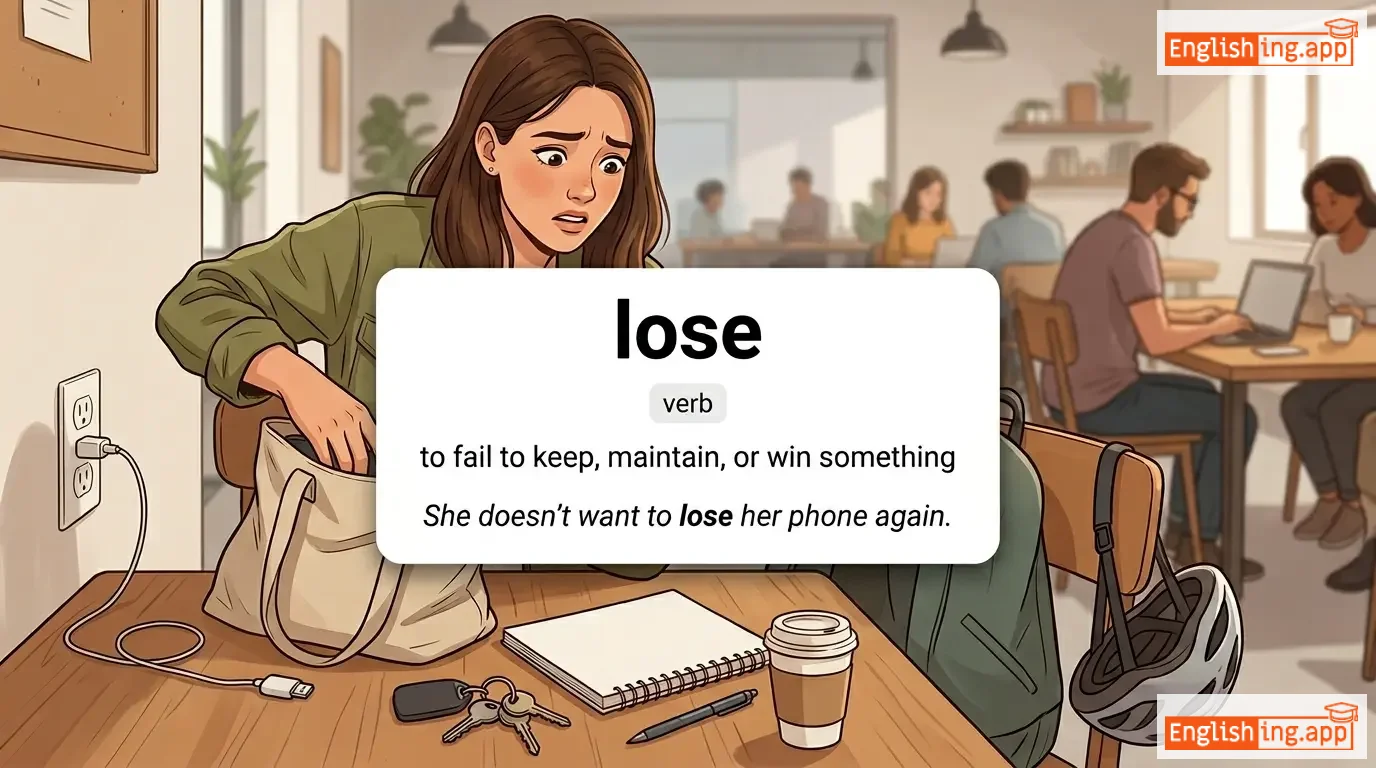
to fail to keep, maintain, or win something
••••••
|
She doesn’t want to lose her phone again.
她在获得奖项时无法掩饰自己的快乐。
••••••
|
她在获得奖项时无法掩饰自己的快乐。
Tā zài huòdé jiǎngxiàng shí wúfǎ yǎnshì zìjǐ de kuàilè.
••••••
|
lose track
追求幸福
••••••
|
to fail to keep informed or aware of something
••••••
|
追求幸福
zhuīqiú xìngfú
••••••
|
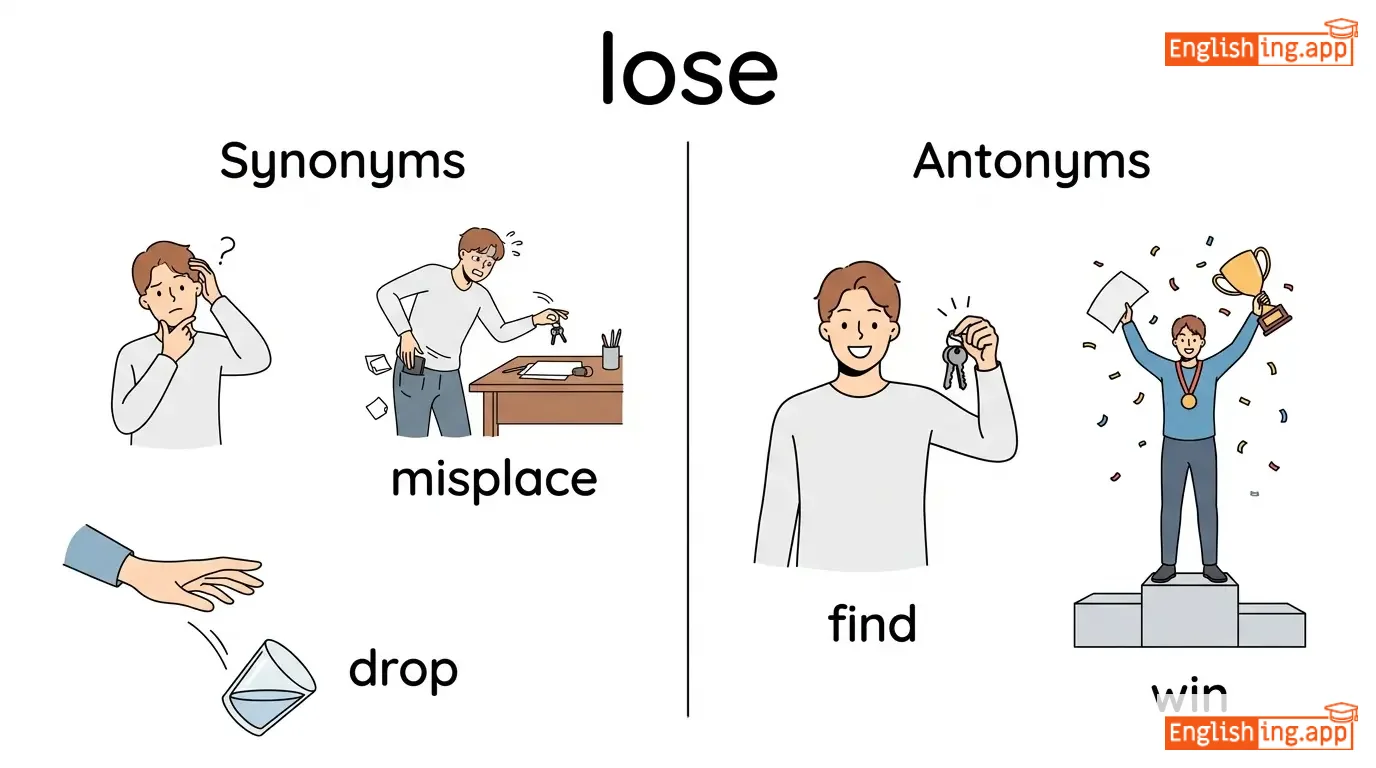
misplace, drop, forfeit, miss
••••••
|
find, win, gain
••••••
|
lose weight, lose a game, lose hope, lose control
••••••
|
幸福就像寻找宝藏,越找越能感到心中的平静。
••••••
|
|
#11393
⏳
|
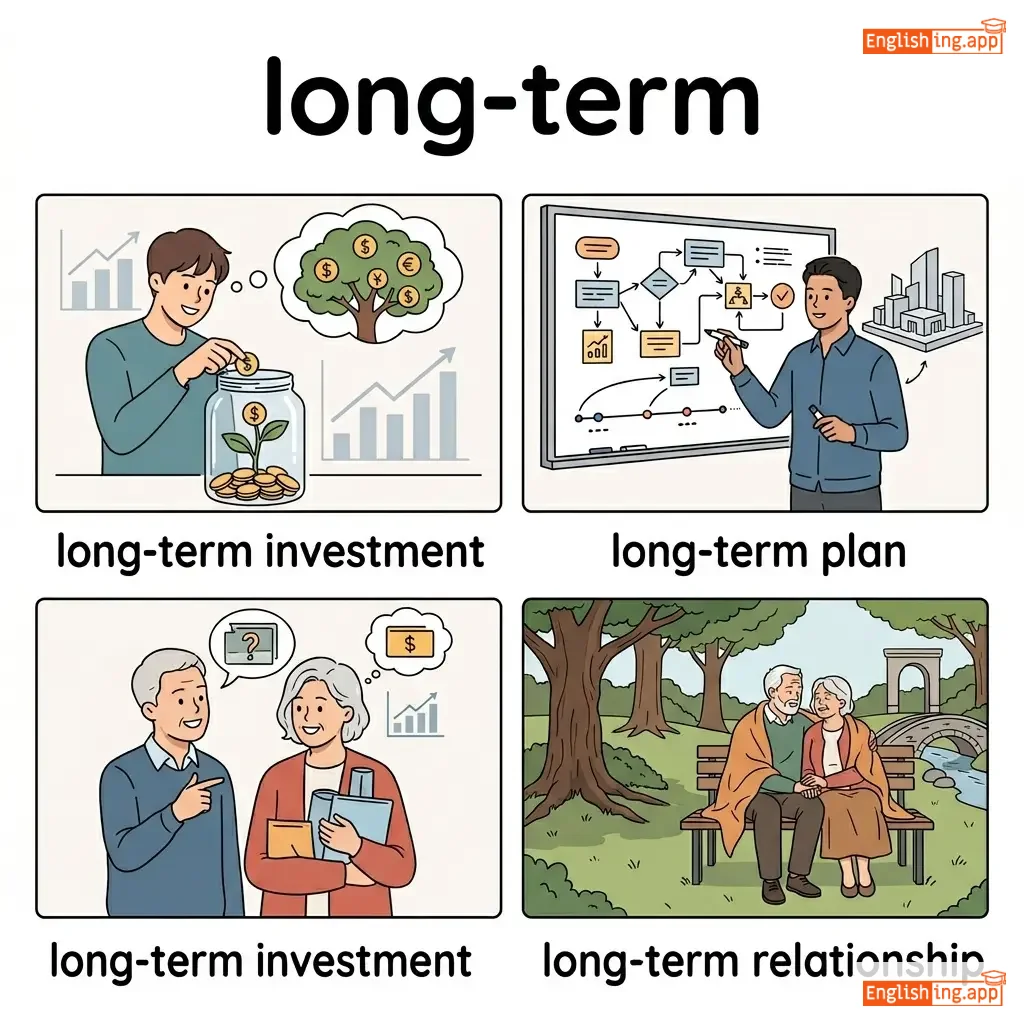
/ˌlɔːŋ ˈtɜːrm/
adjective
(lóng tèrn)
••••••
|
|
长期的
changqi de
••••••
|
- •••••• | - •••••• | - •••••• | - •••••• |
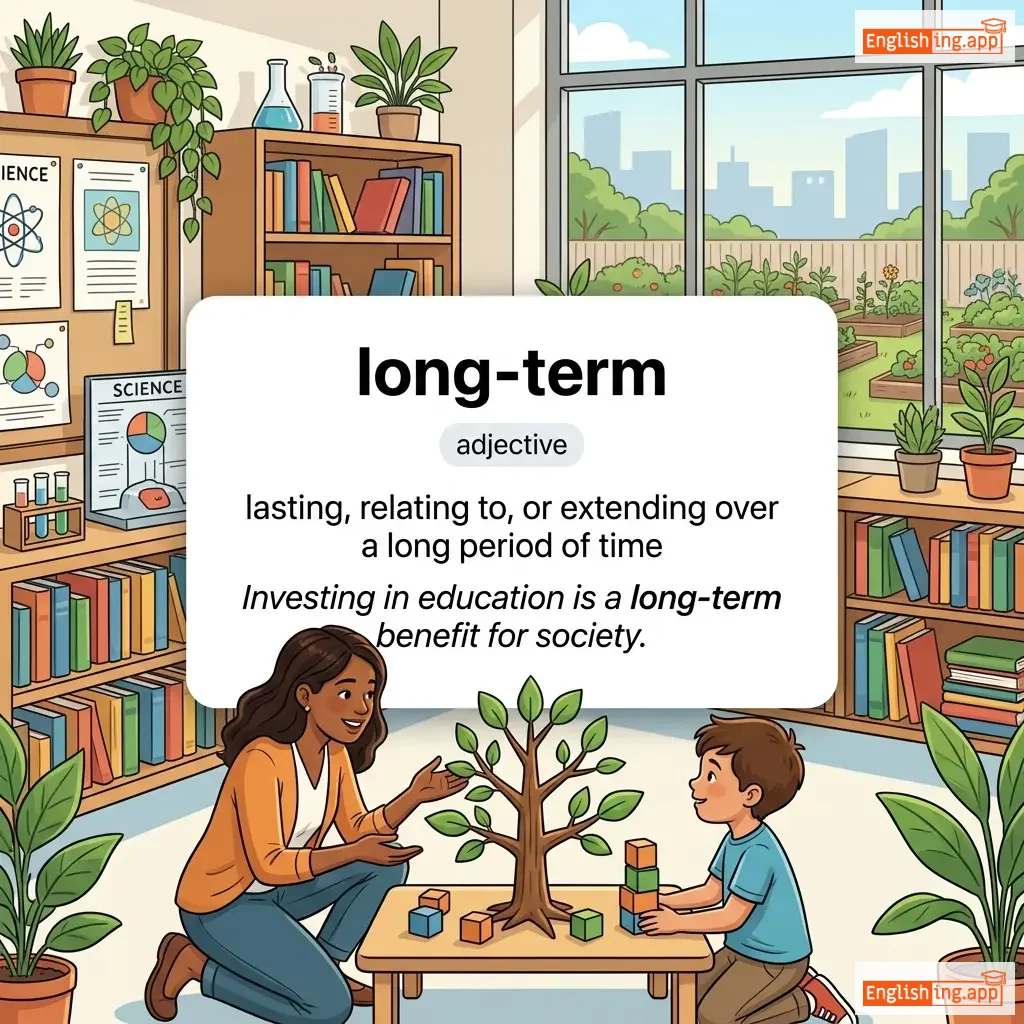
lasting, relating to, or extending over a long period of time
••••••
|
Investing in education is a long-term benefit for society. |
投资教育是社会的长期利益。
Touzi jiaoyu shi shehui de changqi liyu.
••••••
|
- •••••• | - •••••• | - •••••• |
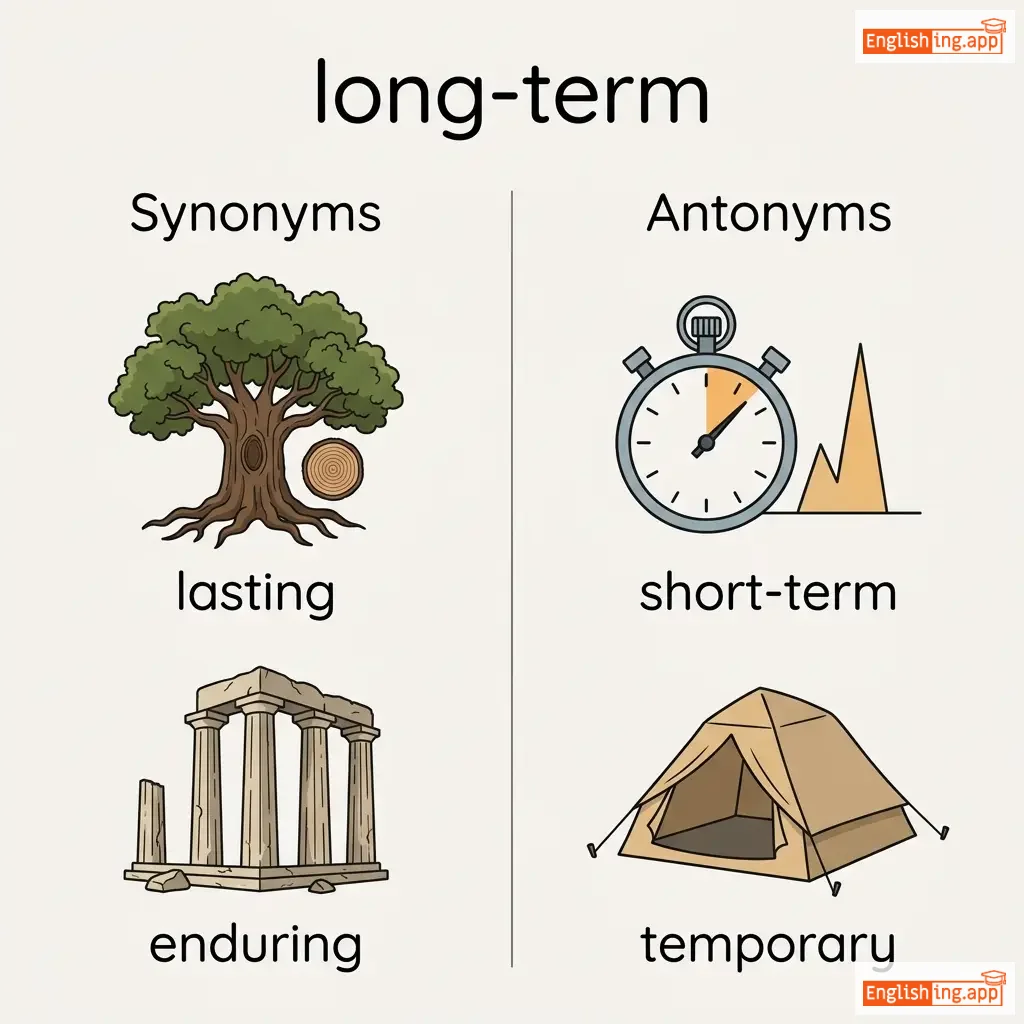
lasting, enduring, sustained, prolonged
••••••
|
short-term, temporary
••••••
|
long-term investment, long-term plan, long-term relationship, long-term impact
••••••
|
长期的意味着稳定的回报 - 长期投资带来长期利益
••••••
|
|
#11394
🔒
|
/lɒk/
verb, noun
(lòk)
••••••
|
|
锁,锁定
suǒ, suǒ dìng
••••••
|
locked
lòk dé
••••••
|
locked
lòk dé
••••••
|
locks
lòk sī
••••••
|
locking
lòk ing
••••••
|
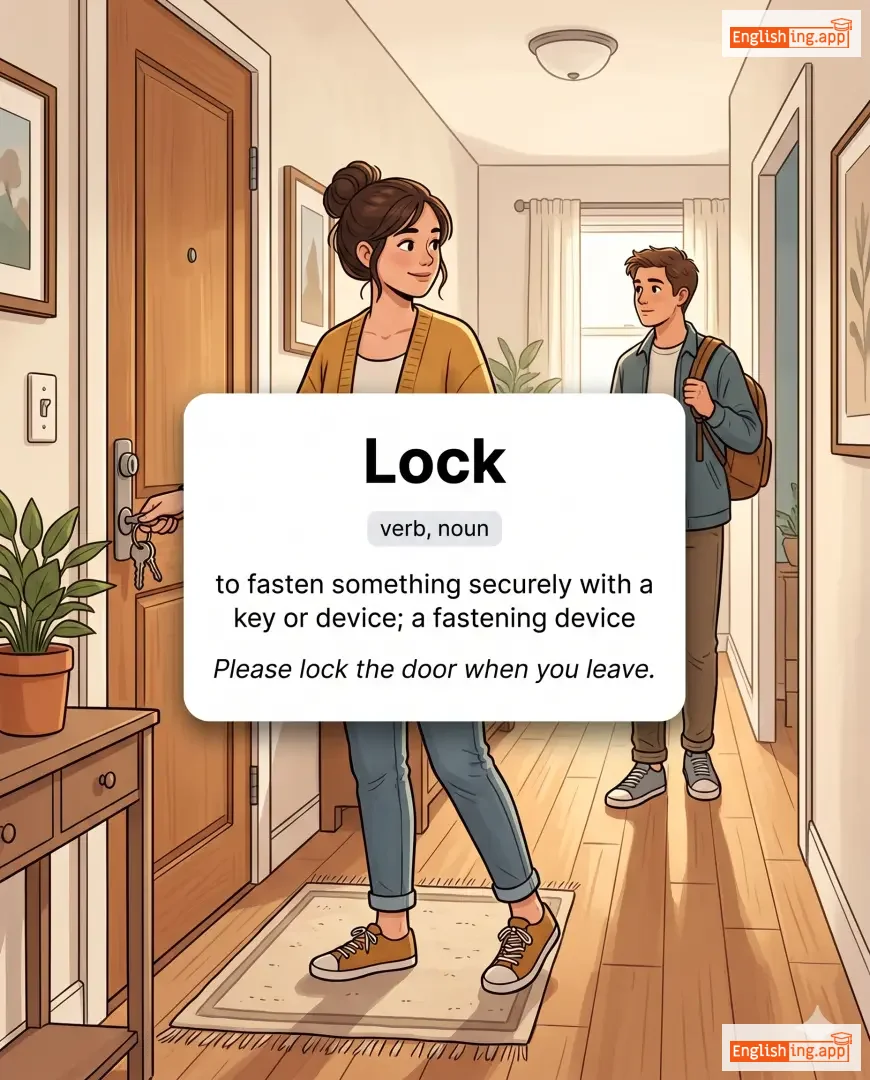
to fasten something securely with a key or device; a fastening device
••••••
|
Please lock the door when you leave.
请在离开时锁好门。
••••••
|
请在离开时锁好门。
qǐng zài líkāi shí suǒ hǎo mén.
••••••
|
lock horns
锁 horns
••••••
|
to become involved in conflict or argument
••••••
|
进入冲突
jìnrù chōngtú
••••••
|
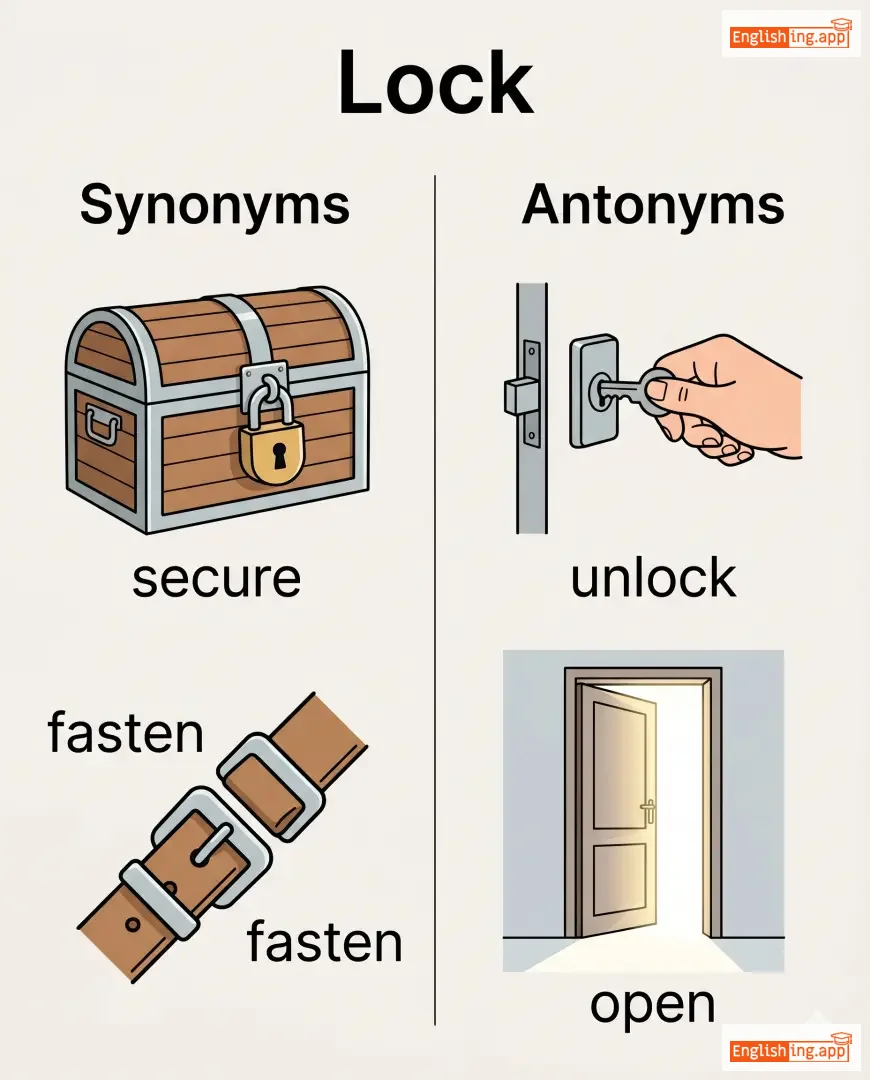
secure, fasten, latch, seal
••••••
|
unlock, open
••••••
|
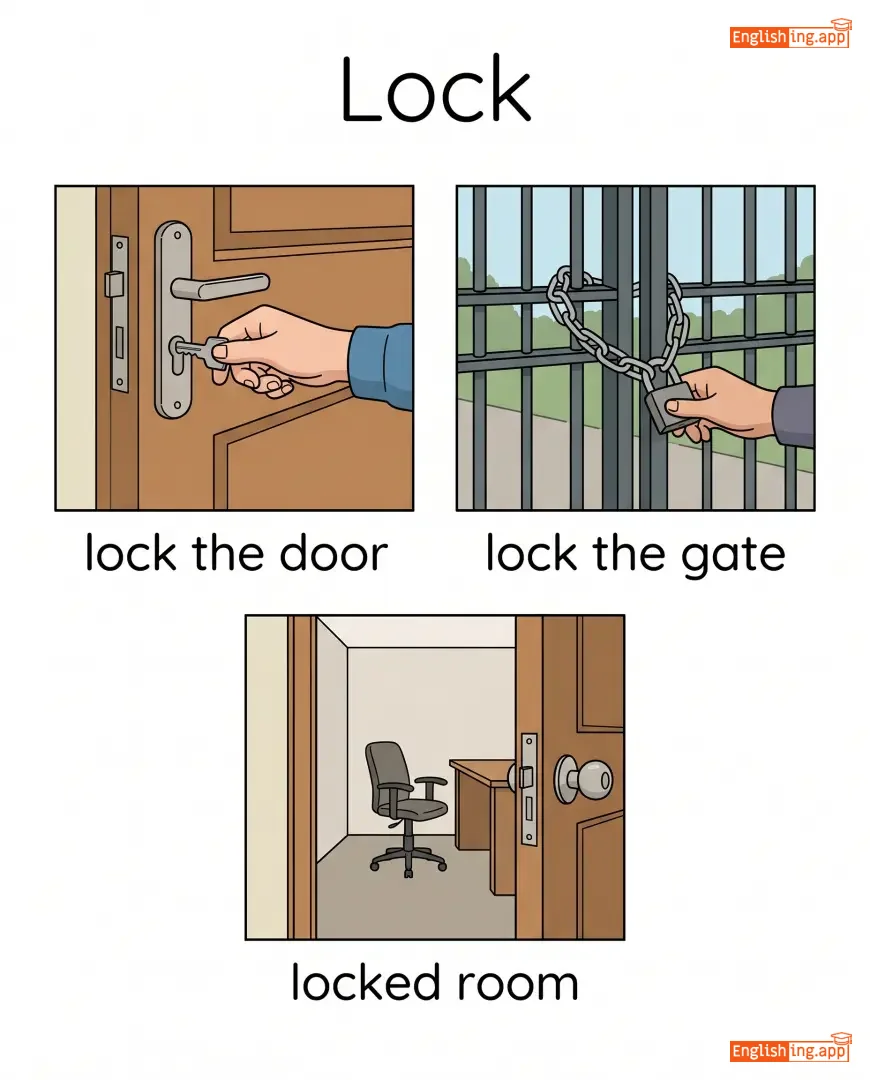
lock the door, lock the gate, locked room, lock securely
••••••
|
Lock意思是锁上门,像是使用锁来保护门
••••••
|
Vocabulary Quiz
Test your vocabulary by matching words with their translations or meanings.
Login to take the quiz
Comments (0)
Share your thoughts and join the discussion.
Join the discussion by logging in
Login to CommentNo comments yet
Be the first to share your thoughts!