






Swipe left or right, or use the buttons. Tap image to zoom.
例句翻译
单词
Lesson 338Lesson 338 - 遮罩切换
|
表情符号
|
单词 | Images | 翻译 | 过去时 | 过去分词 | 第三人称单数 | 动名词 | 含义 | 例句 | 例句翻译 | 示例表达 | 示例表达含义 | 示例表达翻译 | 同义词 | 反义词 | 搭配词 | 助记符 |
|---|---|---|---|---|---|---|---|---|---|---|---|---|---|---|---|---|---|
|
#10105
🚫
|
/prəˈhɪbɪt/
verb
(禁止)
••••••
|
- •••••• |
禁止
jìnzhǐ
••••••
|
prohibited
被禁止
••••••
|
prohibited
被禁止
••••••
|
prohibits
禁止
••••••
|
prohibiting
禁止
••••••
|
to formally forbid something by law, rule, or authority
••••••
|
Smoking is strictly prohibited inside the hospital.
医院内严禁吸烟。
••••••
|
医院内严禁吸烟。
Yīyuàn nèi yánjìn xīyān.
••••••
|
prohibit from
禁止做
••••••
|
to forbid someone from doing something
••••••
|
禁止某人做某事
jìnzhǐ mǒu rén zuò mǒu shì
••••••
|
forbid, ban, restrict, disallow, prevent
••••••
|
allow, permit, approve
••••••
|
strictly prohibit, prohibit smoking, prohibit entry, prohibit use
••••••
|
Prohibit 意味着 🚫 – 医院内禁止吸烟。
••••••
|
|
#10106
🚪
|
/kwɪt/
verb
(kwit)
••••••
|
|
放弃
fangqi
••••••
|
quit
kwit
••••••
|
quit
kwit
••••••
|
quits
kwits
••••••
|
quitting
kwiting
••••••
|
To leave a place, job, or habit permanently.
••••••
|
He decided to quit his job after five years.
他在五年后决定辞去工作。
••••••
|
他在五年后决定辞去工作。
Tā zài wǔ nián hòu juédìng cíqù gōngzuò.
••••••
|
quit cold turkey
突然戒掉习惯
••••••
|
to stop a habit suddenly and completely
••••••
|
突然后悔习惯
Túrán huìguì xíguàn
••••••
|
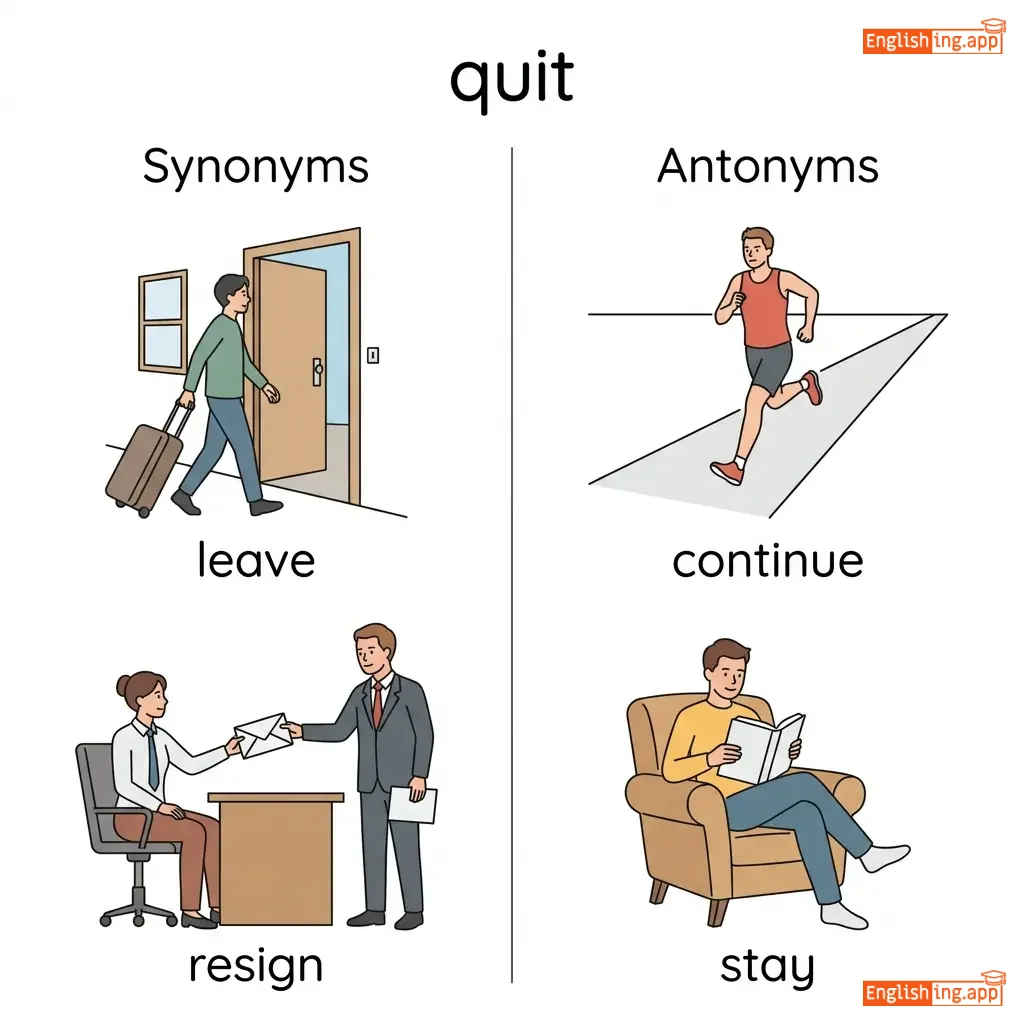
leave, resign, abandon, give up
••••••
|
continue, stay
••••••
|
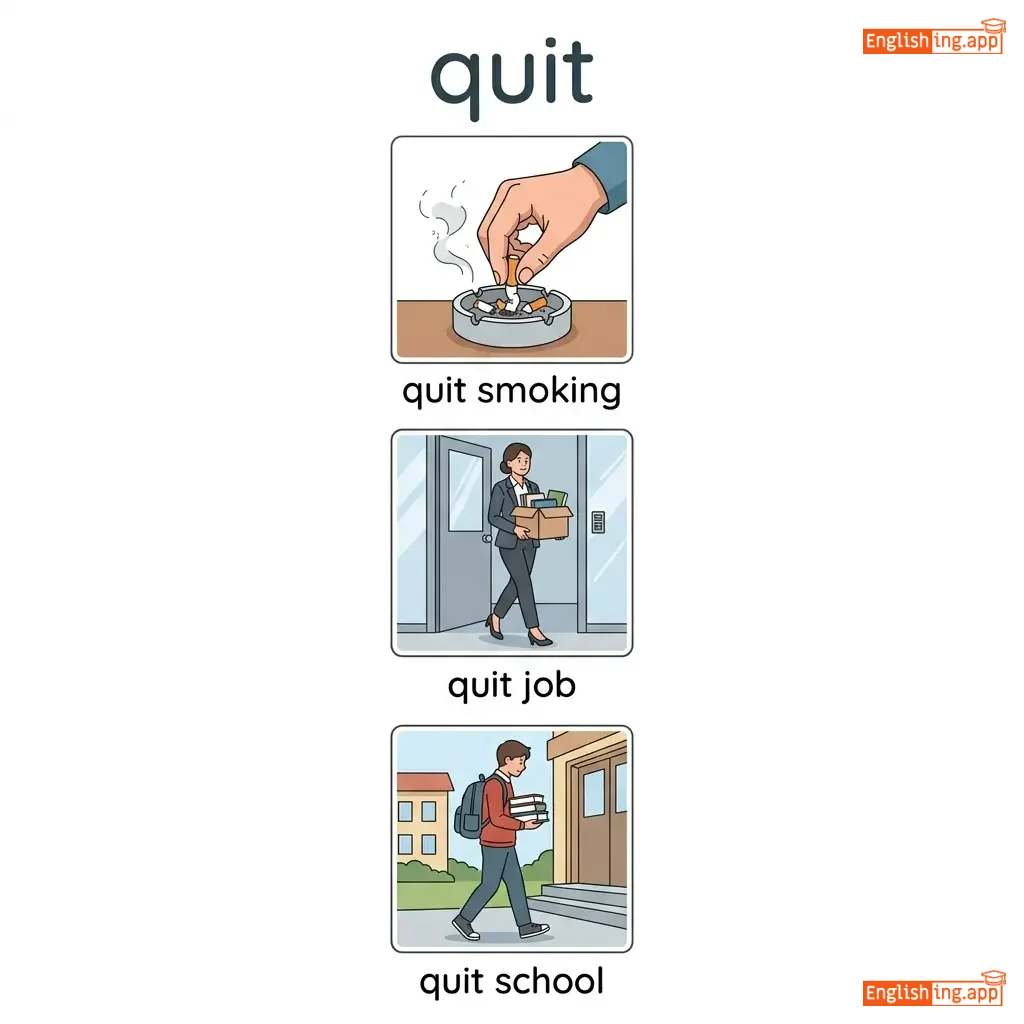
quit smoking, quit job, quit school, quit early
••••••
|
Quit意味着放弃 – 放弃工作或习惯.
••••••
|
|
#10107
❓
|
/ˈkwes.tʃən/
noun/verb
(kwes.chən)
••••••
|
|
问题
wenti
••••••
|
questioned
kwes.chend
••••••
|
questioned
kwes.chend
••••••
|
questions
kwes.chens
••••••
|
questioning
kwes.chening
••••••
|
A sentence designed to elicit information; or to ask something.
••••••
|
She asked a difficult question during the meeting.
Shi askd a difikult kwes.chon during de meeting.
••••••
|
她在会议中提出了一个困难的问题。
Ta zai huiyi zhong tichu le yige kunnan de wenti.
••••••
|
beyond question
beyond kwes.chon
••••••
|
without doubt
••••••
|
毫无疑问
haowu yiwent
••••••
|
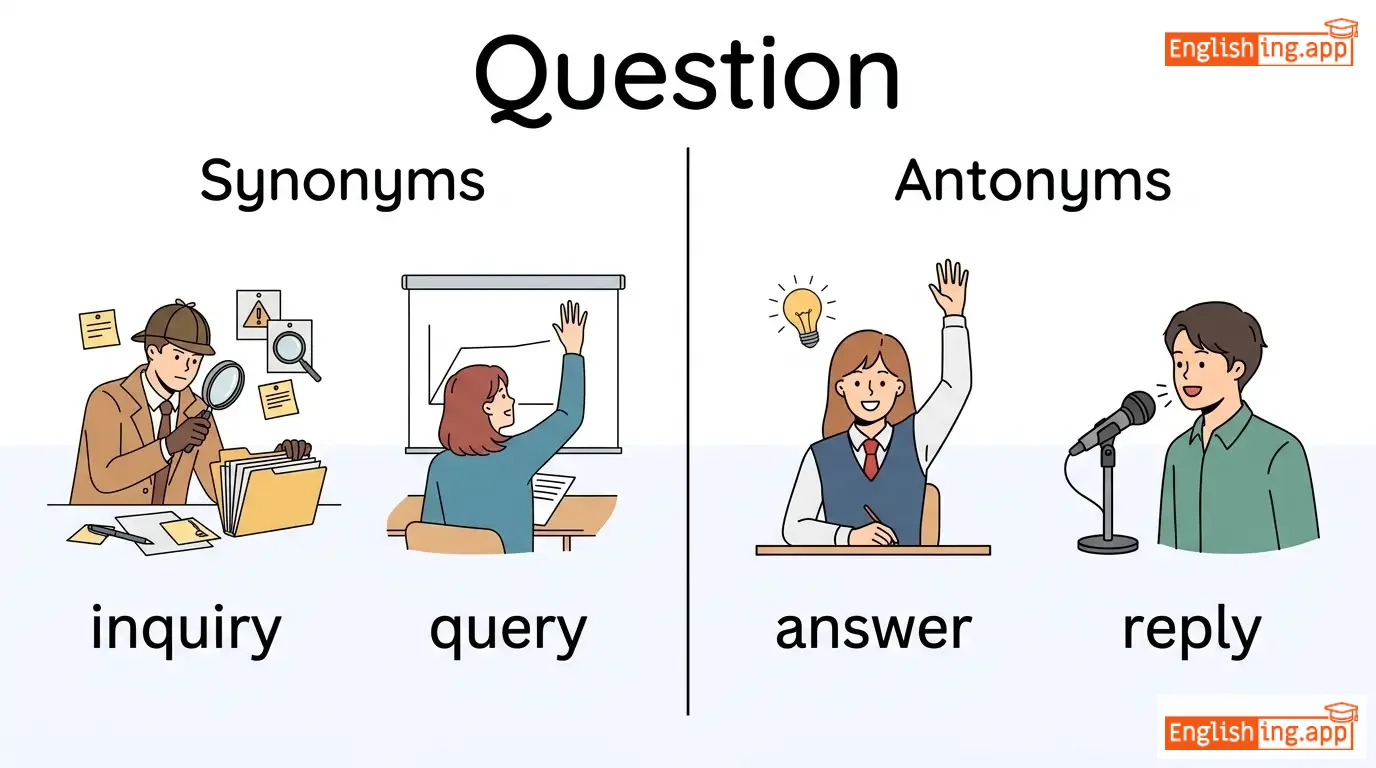
inquiry, query, ask, interrogate
••••••
|
answer, reply
••••••
|
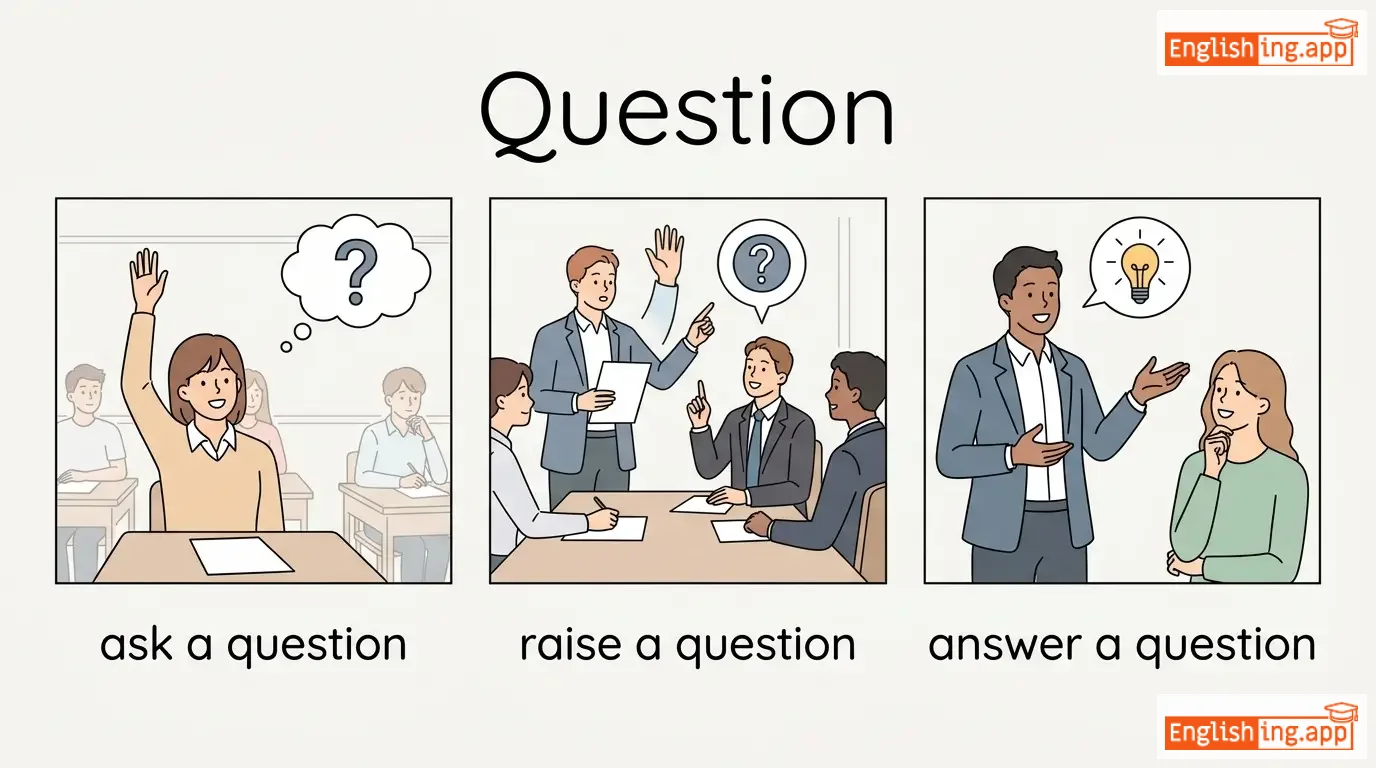
ask a question, raise a question, answer a question, difficult question
••••••
|
问题:问问题就能得到答案。
••••••
|
|
#10108
💧
|
/ˈkwentʃɪŋ/
verb
(kuènchíng)
••••••
|
- •••••• |
解渴 / 熄灭
jie ke / xi mie
••••••
|
- •••••• | - •••••• |
quenches
kuènchí
••••••
|
quenching
kuènchíng
••••••
|
The act of satisfying thirst or extinguishing something like fire.
••••••
|
Drinking cold water was quenching her thirst.
喝冷水解渴。
••••••
|
喝冷水解渴。
He leng shui jie ke.
••••••
|
quench the thirst
解渴
••••••
|
to satisfy thirst
••••••
|
解渴
jie ke
••••••
|
extinguish, satisfy, cool, relieve
••••••
|
ignite, inflame
••••••
|
quenching thirst, quenching fire, quenching heat, quenching desire
••••••
|
Kwénching 就是解渴。
••••••
|
|
#10109
🔢
|
/ˈkwɑːn.tə.teɪ.tɪv/
adjective
(kuàng tǐ tì fū)
••••••
|
- •••••• |
定量的
dingliang de
••••••
|
- •••••• | - •••••• | - •••••• | - •••••• |
Relating to the measurement or amount of something.
••••••
|
The report included quantitative data on population growth. |
报告包括了关于人口增长的定量数据。
Bàogào bāokuòle guānyú rénkǒu zēngzhǎng de dìngliàng shùjù.
••••••
|
- •••••• | - •••••• | - •••••• |
numerical, measurable, statistical, countable
••••••
|
qualitative, descriptive
••••••
|
quantitative research, quantitative analysis, quantitative data, quantitative results
••••••
|
定量的和数量相关,记住定量的意思是测量的或数量的。
••••••
|
|
#10110
📊
|
/ˈkwɑː.lɪ.teɪ.tɪv/
adjective
(kwɑː.lɪ.teɪ.tɪv)
••••••
|
- •••••• |
定性
dingxing
••••••
|
- •••••• | - •••••• | - •••••• | - •••••• |
Relating to the quality or nature of something rather than its quantity.
••••••
|
The study focused on the qualitative aspects of customer feedback. |
研究集中于客户反馈的定性方面。
Yanjiu jizhong yu kehu fankui de dingxing fangmian.
••••••
|
- •••••• | - •••••• | - •••••• |
descriptive, subjective, comparative, non-numerical
••••••
|
quantitative, measurable
••••••
|
qualitative research, qualitative analysis, qualitative study, qualitative data
••••••
|
定性意味着质量,所以定性就是质量!
••••••
|
|
#10111
🌍
|
/kweɪk/
verb
(kweik)
••••••
|
- •••••• |
颤抖
chàndǒu
••••••
|
quaked
kweikd
••••••
|
quaked
kweikd
••••••
|
quakes
kweiks
••••••
|
quaking
kweiking
••••••
|
to shake or tremble, often due to fear or a natural event like an earthquake
••••••
|
The ground began to quake during the earthquake.
ðə ɡraʊnd bɪɡæn tu kweɪk dʊrɪŋ ðə ɑrθkweɪk.
••••••
|
地面在地震中开始颤抖。
Dìmiàn zài dìzhèn zhōng kāishǐ chàndǒu.
••••••
|
quake in one's boots
kweik ɪn wʌnz bʊts
••••••
|
to be very frightened
••••••
|
吓得发抖
xià de fādǒu
••••••
|
tremble, shake, shiver, shudder
••••••
|
stand firm, steady
••••••
|
quake with fear, ground quakes, quake in fear
••••••
|
Quake 意思是颤抖 — EarthQUAKE 是大地的颤抖。
••••••
|
|
#10112
➡️
|
/pʊʃ/
verb
(push)
••••••
|
|
推
tui
••••••
|
pushed
pushed
••••••
|
pushed
pushed
••••••
|
pushes
pushes
••••••
|
pushing
pushing
••••••
|
to apply force to move something away from oneself
••••••
|
He had to push the heavy door to open it.
他必须推开那扇沉重的门才能打开它。
••••••
|
他必须推开那扇沉重的门才能打开它。
Ta bixu tuikai na shan chenzhong de men cai neng dakai ta.
••••••
|
push the envelope
推信封
••••••
|
to go beyond the limits of what is normally done
••••••
|
突破极限
tupo jixian
••••••
|
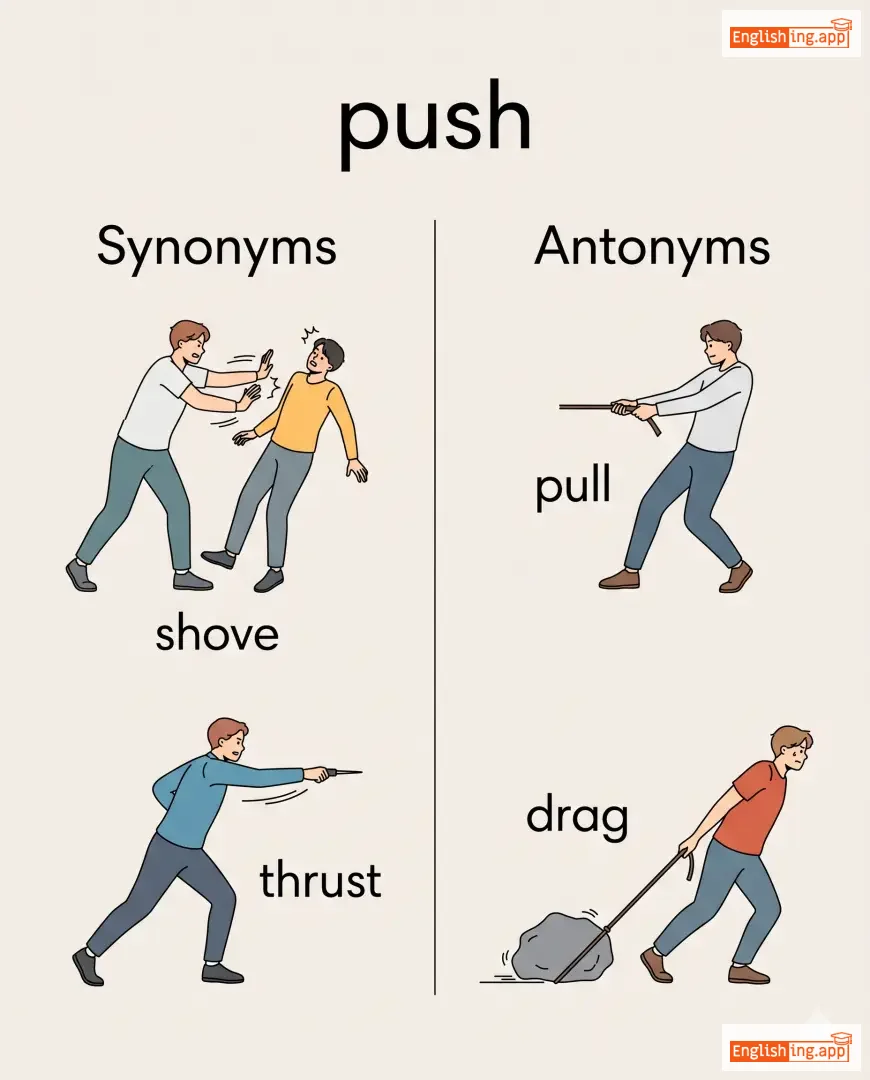
shove, thrust, propel, drive
••••••
|
pull, drag
••••••
|
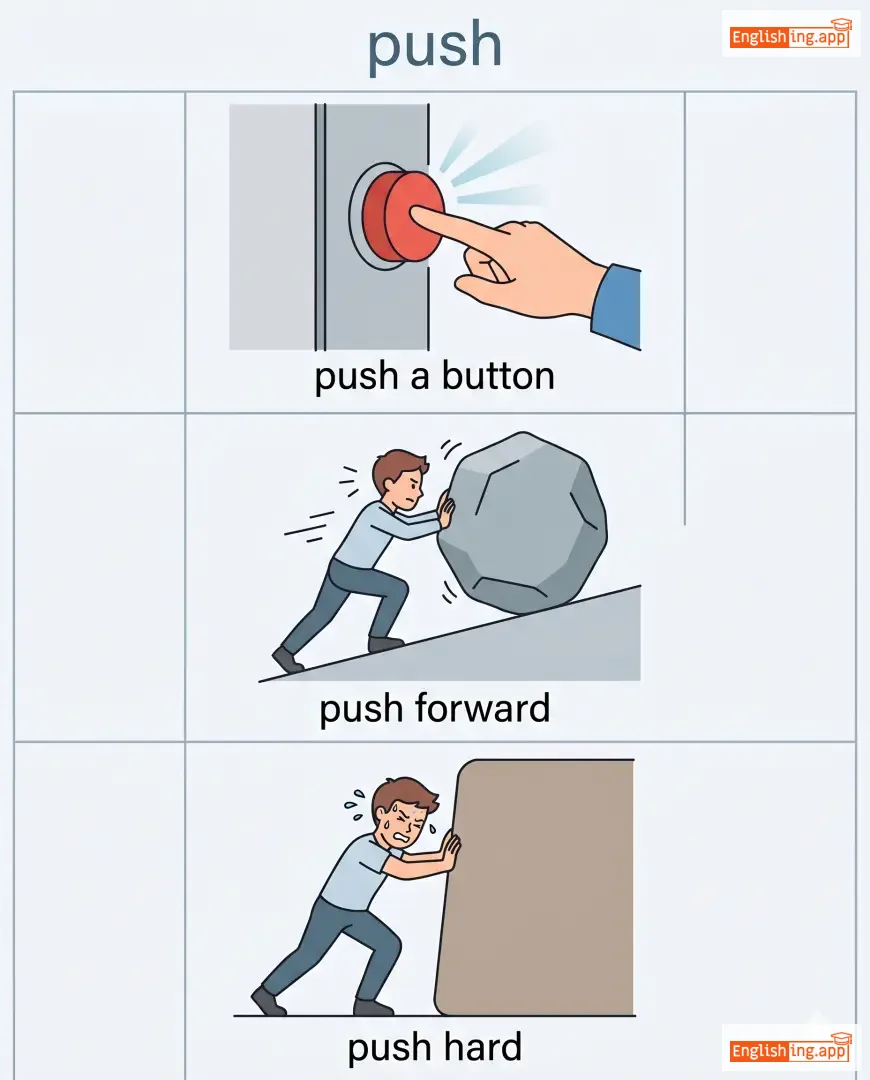
push a button, push forward, push hard, push back
••••••
|
Push意思是推——和拉正好相反。
••••••
|
|
#10113
🎁
|
/prəˈvaɪdɪd/
verb
(prəvaɪdəd)
••••••
|
- •••••• |
提供的
tigong de
••••••
|
provided
prəvaɪdəd
••••••
|
provided
prəvaɪdəd
••••••
|
- •••••• | - •••••• |
gave or supplied something that was needed
••••••
|
The hotel provided free breakfast for all guests.
酒店为所有客人提供了免费早餐。
••••••
|
酒店为所有客人提供了免费早餐。
Jiudian wei suoyou ke ren tigong le miantiao zaochan.
••••••
|
- •••••• | - •••••• | - •••••• |
supplied, gave, furnished, delivered
••••••
|
withheld, denied
••••••
|
provided service, provided information, provided support
••••••
|
提供的意味着已经给出 — 已经提供的东西。
••••••
|
|
#10114
📦
|
/prəˈvaɪd/
verb
(pro-wai-de)
••••••
|
- •••••• |
提供
tigong
••••••
|
provided
pro-wai-ded
••••••
|
provided
pro-wai-ded
••••••
|
provides
pro-wai-ds
••••••
|
providing
pro-wai-ding
••••••
|
to give or supply something that is needed or wanted
••••••
|
The teacher will provide extra materials for the students.
老师将为学生提供额外的材料。
••••••
|
老师将为学生提供额外的材料。
Laoshi jiang wei xuesheng tigong ewai de cailiao.
••••••
|
provide for
提供给
••••••
|
to take care of someone by supplying what they need
••••••
|
照顾
zhaogu
••••••
|
give, supply, furnish, offer, deliver
••••••
|
withhold, deprive, refuse
••••••
|
provide information, provide support, provide service, provide assistance
••••••
|
提供就是给所有需要的东西 – 提供!
••••••
|
|
#10115
🦚
|
/praʊd/
adjective
(pɹaʊd)
••••••
|
- •••••• |
骄傲
jiaoao
••••••
|
- •••••• | - •••••• | - •••••• | - •••••• |
Feeling deep pleasure or satisfaction as a result of achievements or qualities.
••••••
|
She felt proud of her son's accomplishments. |
她为儿子的成就感到骄傲。
Tā wèi érzi de chéngjiù gǎndào jiāoào.
••••••
|
proud as a peacock |
extremely proud or arrogant
••••••
|
骄傲如孔雀
Jiāoào rú kǒngquè
••••••
|
pleased, honored, satisfied, delighted
••••••
|
ashamed, humble
••••••
|
proud of, feel proud, proud moment, proud parent
••••••
|
Proud意味着为自己或他人的成就而感到骄傲。
••••••
|
|
#10116
⏳
|
/prəˈtræktɪd/
adjective
(proʊˈtræktɪd)
••••••
|
|
拖延的
tuōyán de
••••••
|
- •••••• | - •••••• | - •••••• | - •••••• |
Lasting for a long time or longer than expected.
••••••
|
The negotiation turned into a protracted process. |
谈判变成了一个拖延的过程。
Tánpàn biàn chéngle yīgè tuōyán de guòchéng.
••••••
|
- •••••• | - •••••• | - •••••• |
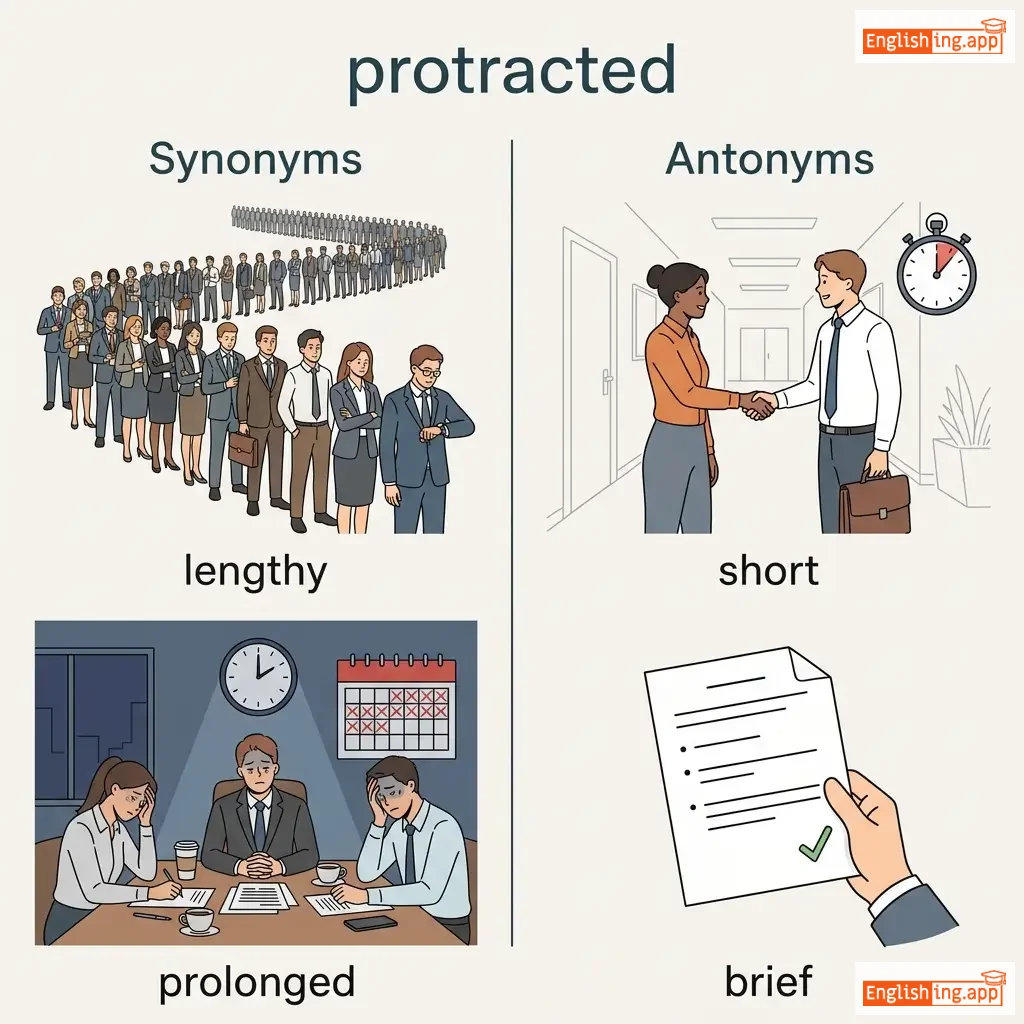
lengthy, prolonged, drawn-out, extended
••••••
|
short, brief, quick
••••••
|
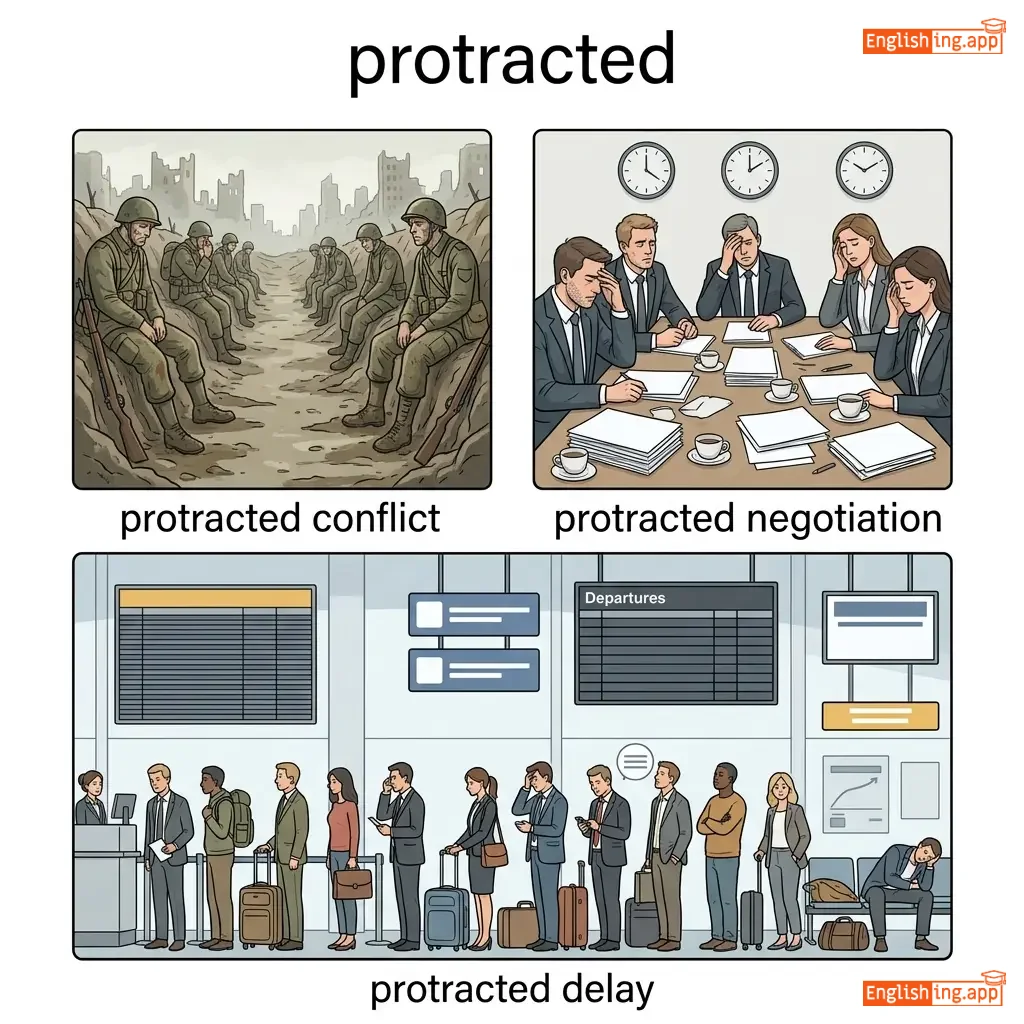
protracted conflict, protracted negotiation, protracted delay
••••••
|
Protracted 就是拖延,表示长时间的过程。
••••••
|
|
#10117
🛡️
|
/prəˈtɛktərət/
noun
(保护国)
••••••
|
- •••••• |
保护国
baohu guo
••••••
|
- •••••• | - •••••• | - •••••• | - •••••• |
A state that is controlled and protected by another.
••••••
|
The small country became a protectorate of the empire. |
这个小国成为了帝国的保护国。
Zhe ge xiao guo cheng wei le di guo de bao hu guo.
••••••
|
- •••••• | - •••••• | - •••••• |
colony, dependency, territory, dominion
••••••
|
independence, sovereignty
••••••
|
British protectorate, colonial protectorate, protectorate state
••••••
|
保护国意味着一个国家受到保护。
••••••
|
|
#10118
💡
|
/ˌprɒpəˈzɪʃən/
noun
(提议)
••••••
|
- •••••• |
提议, 计划
tiyi, jihua
••••••
|
- •••••• | - •••••• | - •••••• | - •••••• |
A statement, idea, or plan put forward for consideration or discussion.
••••••
|
The company made a business proposition to the investors.
公司向投资者提出了商业提议。
••••••
|
公司向投资者提出了商业提议。
Gōngsī xiàng tóuzī zhě tíchūle shāngyè tíyì.
••••••
|
a tough proposition
一个困难的提议
••••••
|
something difficult to deal with
••••••
|
一个困难的提议
yīgè kùnnán de tíyì
••••••
|
proposal, suggestion, offer, plan, idea
••••••
|
refusal, rejection
••••••
|
business proposition, marriage proposition, attractive proposition
••••••
|
Proposition意味着提出计划或提议。
••••••
|
|
#10119
📈
|
/prəˌlɪfəˈreɪʃən/
noun
(普罗利费雷申)
••••••
|
|
激增,扩展
jizeng, kuozhan
••••••
|
- •••••• | - •••••• | - •••••• | - •••••• |
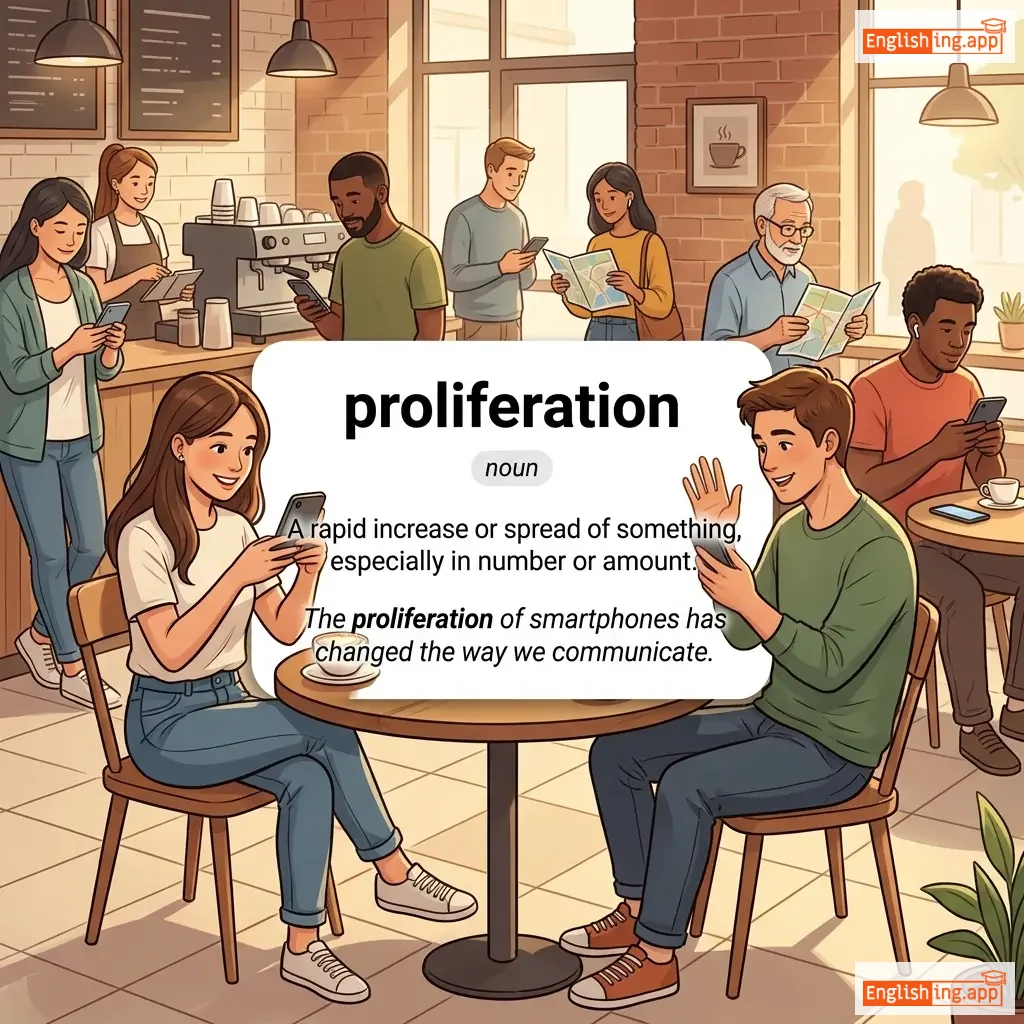
A rapid increase or spread of something, especially in number or amount.
••••••
|
The proliferation of smartphones has changed the way we communicate.
智能手机的普及改变了我们沟通的方式。
••••••
|
智能手机的普及改变了我们沟通的方式。
Zhìnéng shǒujī de pǔjí gǎibiànle wǒmen gōutōng de fāngshì.
••••••
|
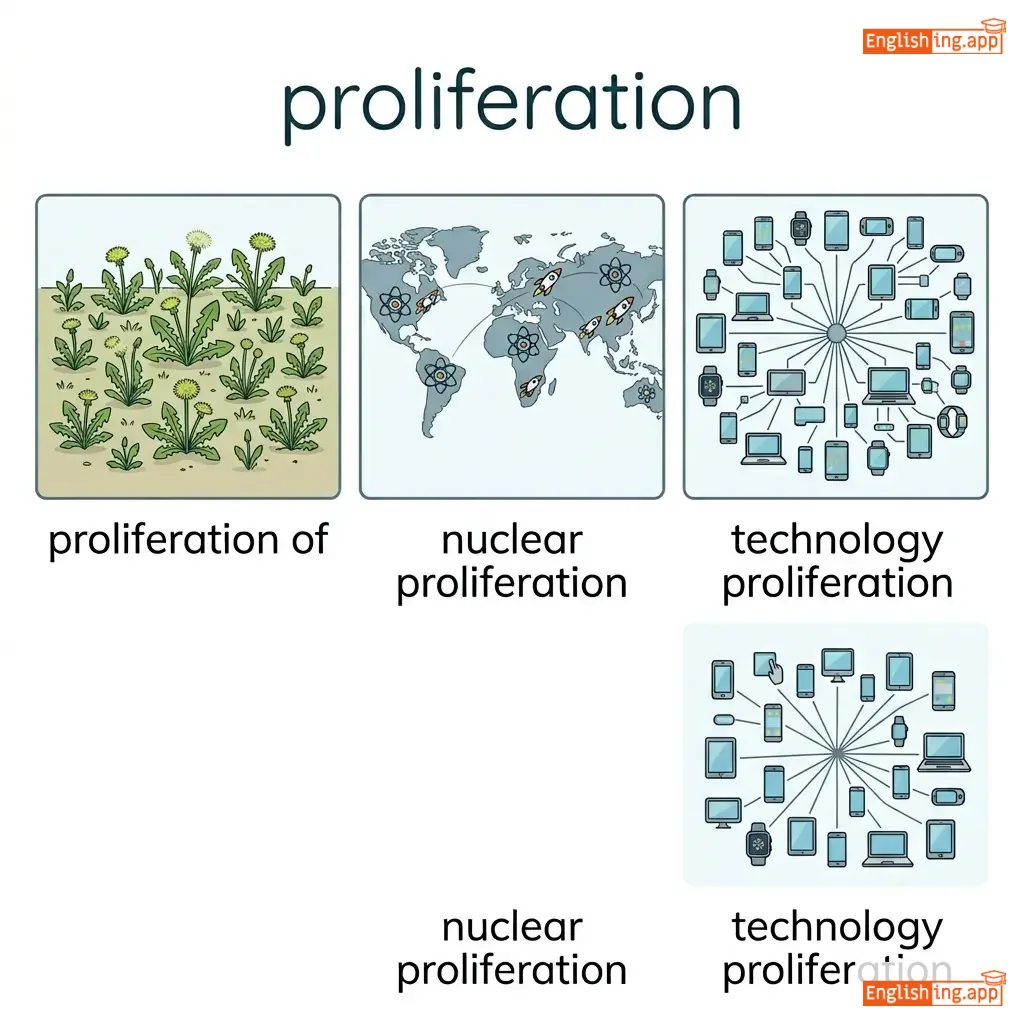
nuclear proliferation
核扩散
••••••
|
the rapid spread of nuclear weapons or technology
••••••
|
核扩散
hé kuò sàn
••••••
|
growth, spread, multiplication, expansion, escalation
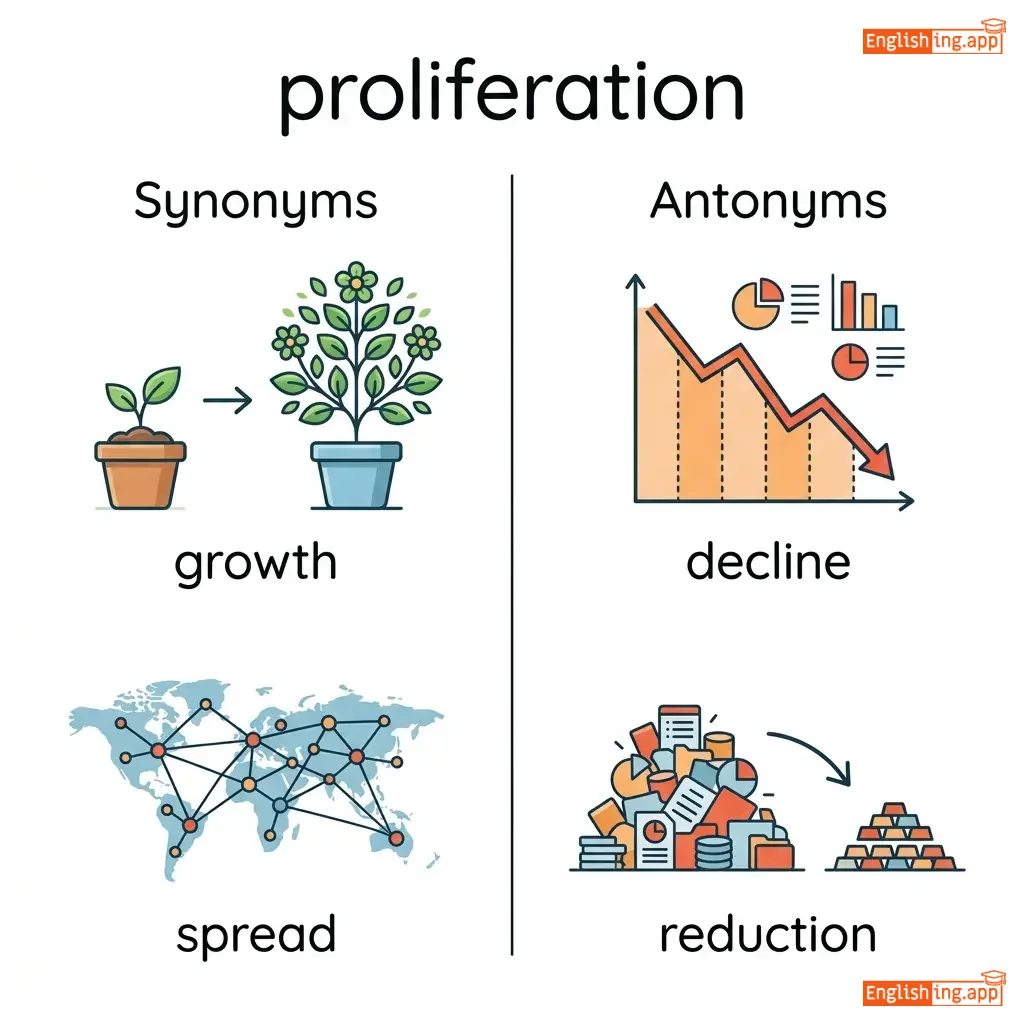
••••••
|
decline, reduction, decrease
••••••
|
proliferation of, nuclear proliferation, technology proliferation
••••••
|
Proliferation 就像核扩散一样迅速增长。
••••••
|
|
#10120
💎
|
/ˈprɛʃəs/
adjective
(prēshī'əs)
••••••
|
- •••••• |
珍贵的
zhēn guì de
••••••
|
- •••••• | - •••••• | - •••••• | - •••••• |
of great value; highly esteemed or cherished
••••••
|
This ring is very precious to my grandmother.
这枚戒指对我奶奶来说非常珍贵。
••••••
|
这枚戒指对我奶奶来说非常珍贵。
Zhè méi jièzhǐ duì wǒ nǎinai lái shuō fēicháng zhēnguì.
••••••
|
precious time
宝贵的时间
••••••
|
time that is highly valuable and should not be wasted
••••••
|
宝贵的时间
bǎoguì de shíjiān
••••••
|
valuable, treasured, beloved, priceless, dear
••••••
|
worthless, cheap, common
••••••
|
precious stone, precious memory, precious little, precious time
••••••
|
Precious 是💎珍贵的,记住 — 珍贵的石头就叫 precious stone
••••••
|
|
#10121
📈
|
/ˈprəʊɡrɛs/ (noun), /prəˈɡrɛs/ (verb)
noun, verb
(púluógé sī)
••••••
|
|
进展
jìnzhǎn
••••••
|
progressed
púluógé sī dé
••••••
|
progressed
púluógé sī dé
••••••
|
progresses
púluógé sī sī
••••••
|
progressing
púluógé sī xíng
••••••
|
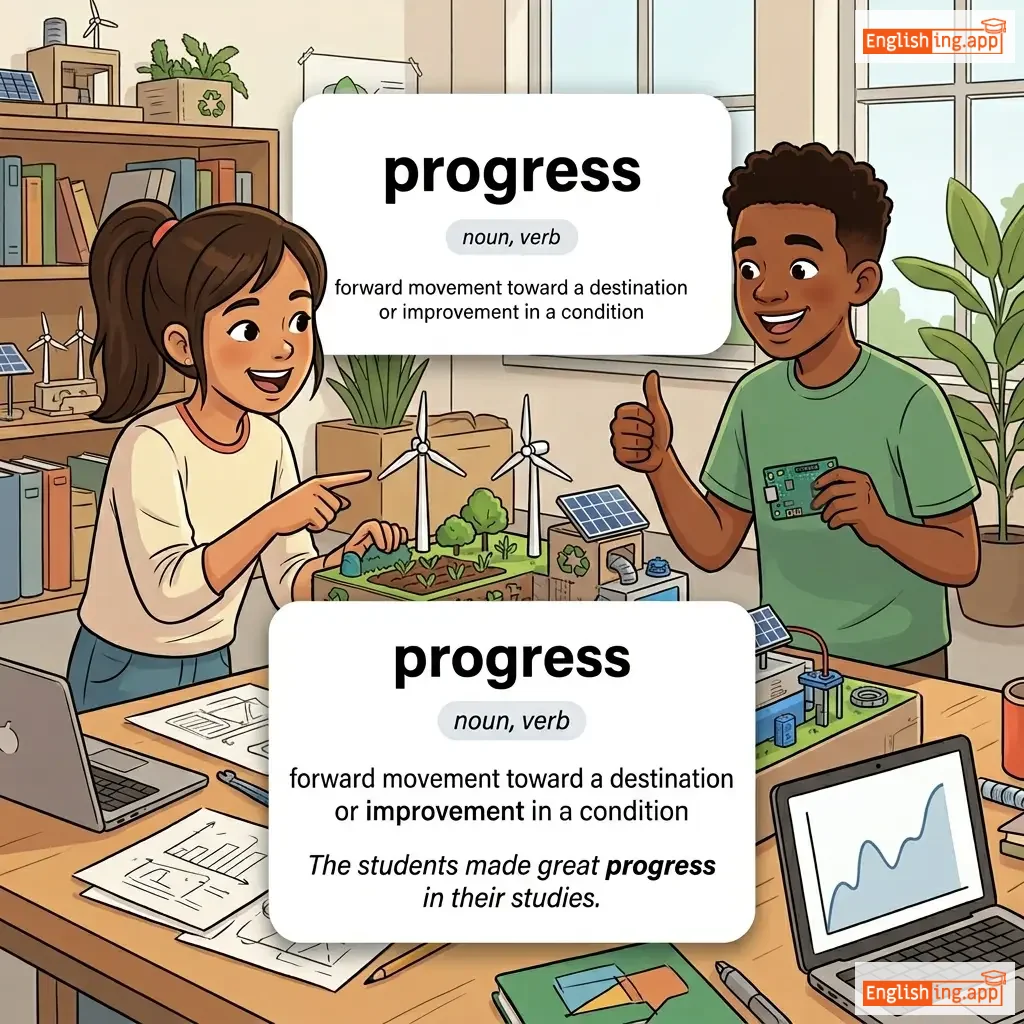
forward movement toward a destination or improvement in a condition
••••••
|
The students made great progress in their studies.
学生们在学习上取得了巨大进展。
••••••
|
学生们在学习上取得了巨大进展。
Xuéshēngmen zài xuéxí shàng qǔdéle jùdà jìnzhǎn.
••••••
|
work in progress
工作进行中
••••••
|
something that is still being developed or unfinished
••••••
|
工作进行中
Gōngzuò jìnxíng zhōng
••••••
|
advance, development, improvement, growth, headway
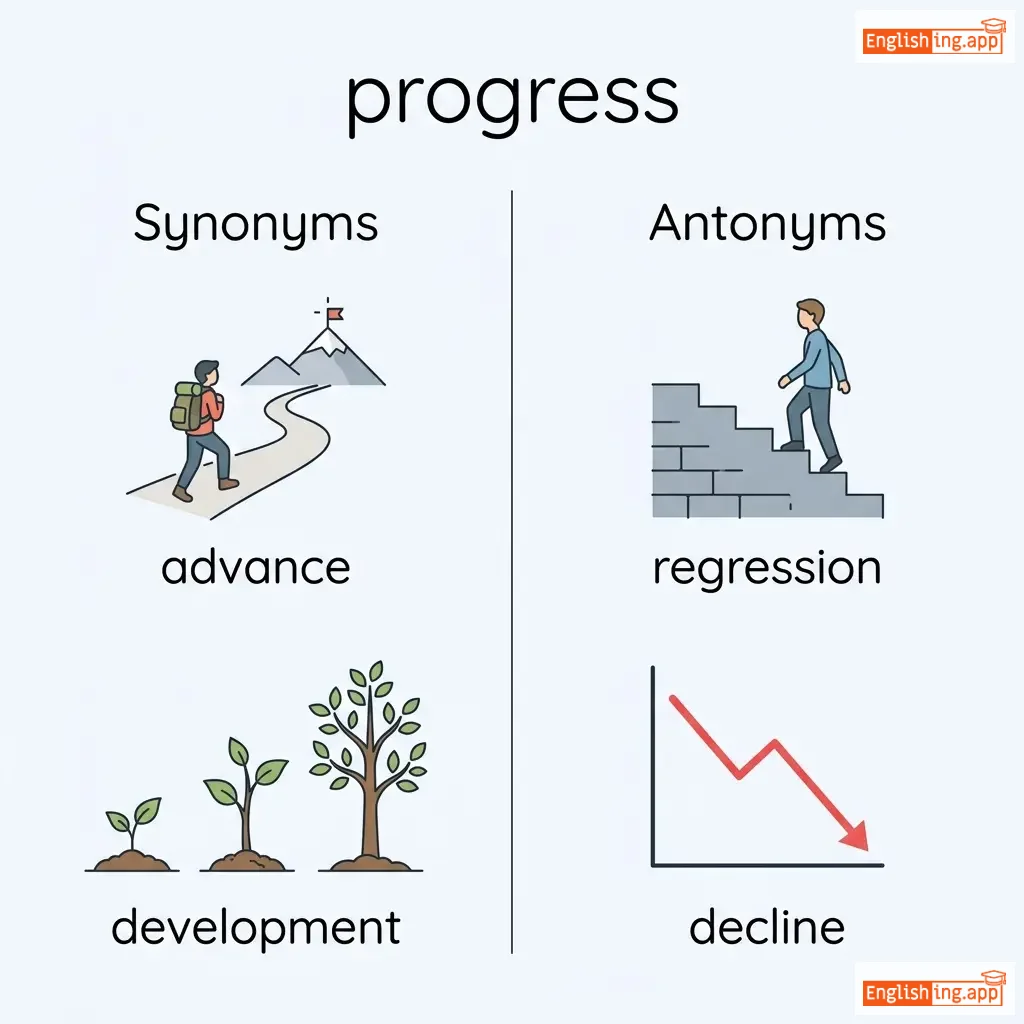
••••••
|
regression, decline, setback
••••••
|
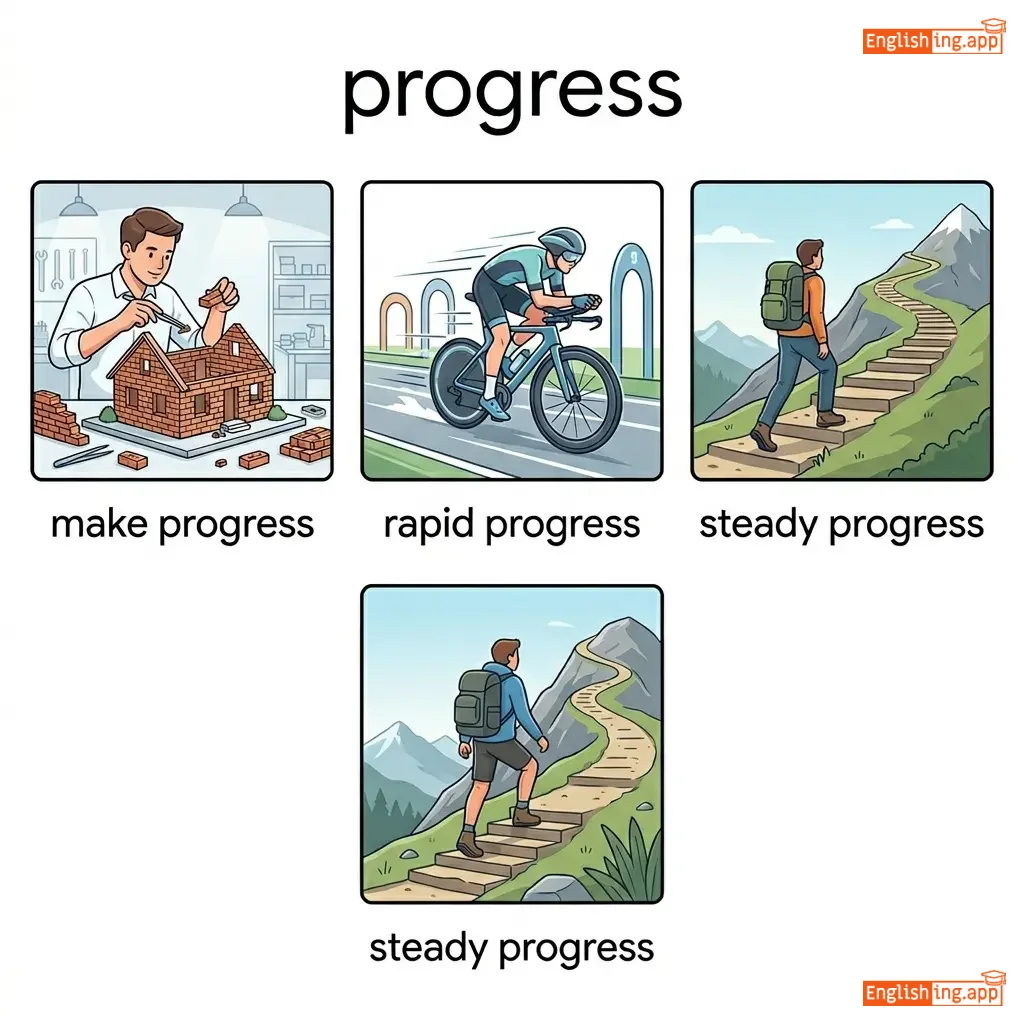
make progress, rapid progress, steady progress, slow progress
••••••
|
Progress = Pro + gress = 向前走 (进展)
••••••
|
|
#10122
💰
|
/ˈprɒfɪt/
noun, verb
(利润)
••••••
|
- •••••• |
利润
lìrùn
••••••
|
profited
利润
••••••
|
profited
利润
••••••
|
profits
利润
••••••
|
profiting
利润
••••••
|
financial gain, especially the difference between the amount earned and the amount spent
••••••
|
The company made a huge profit this quarter.
公司在本季度赚了大笔利润。
••••••
|
公司在本季度赚了大笔利润。
Gōngsī zài běn jìdù zhuànle dà bǐ lìrùn.
••••••
|
turn a profit
获得利润
••••••
|
to start making financial gains
••••••
|
获得利润
huòdé lìrùn
••••••
|
gain, earnings, revenue, income, benefit
••••••
|
loss, deficit, debt
••••••
|
make a profit, earn profit, profit margin, net profit
••••••
|
Profit 就是口袋里有钱进来了。
••••••
|
|
#10123
💸
|
/ˌprɒdɪˈɡæləti/
noun
(普罗迪加利蒂)
••••••
|
- •••••• |
挥霍
huihuo
••••••
|
- •••••• | - •••••• | - •••••• | - •••••• |
the quality of being wastefully extravagant
••••••
|
His prodigality with money left him bankrupt.
他与金钱的浪费让他破产。
••••••
|
他对金钱的挥霍让他破产。
Ta dui jinqian de huihuo rang ta pochang.
••••••
|
- •••••• | - •••••• | - •••••• |
extravagance, wastefulness, lavishness, excess, squandering
••••••
|
frugality, thrift, economy
••••••
|
prodigality of youth, prodigality of spending, sheer prodigality
••••••
|
挥霍是浪费的本质,就像浪子回头的故事。
••••••
|
|
#10124
🌧️
|
/ˈprɒbəbl̩/
adjective
(próbábl)
••••••
|
- •••••• |
可能的
keneng de
••••••
|
- •••••• | - •••••• | - •••••• | - •••••• |
likely to happen or be true, but not certain
••••••
|
Rain is probable tomorrow according to the forecast.
根据预测,明天可能会下雨。
••••••
|
根据预测,明天可能会下雨。
genju yuce, mingtian keneng hui xiayu.
••••••
|
highly probable
高度可能
••••••
|
very likely to happen
••••••
|
高度可能
gaodu keneng
••••••
|
likely, possible, expected, potential, feasible
••••••
|
unlikely, impossible, doubtful
••••••
|
probable cause, highly probable, probable outcome, probable reason
••••••
|
Probable 就像 Probability,表示可能发生的事情。
••••••
|
|
#10125
📌
|
/praɪˈɒrɪti/
noun
(优先)
••••••
|
- •••••• |
优先
youxian
••••••
|
- •••••• | - •••••• | - •••••• | - •••••• |
Something that is regarded as more important than other things.
••••••
|
Safety is the top priority in this company. |
在这家公司,安全是最重要的优先事项。
Zai zhe jia gongsi, anquan shi zui zhongyao de youxian shixiang.
••••••
|
first priority |
The most important thing that needs to be dealt with before others.
••••••
|
第一优先
Di yi youxian
••••••
|
importance, precedence, preference, primacy
••••••
|
inferiority, unimportance
••••••
|
top priority, high priority, main priority, set priority
••••••
|
优先意味着最重要的事情,必须首先做。
••••••
|
|
#10126
⏮️
|
/ˈpriːviəs/
adjective
(pǔrīfīus)
••••••
|
- •••••• |
以前的
yǐqián de
••••••
|
- •••••• | - •••••• | - •••••• | - •••••• |
Existing or happening before the present time.
••••••
|
He referred to the previous meeting to explain his point.
他引用了上一场会议来解释他的观点。
••••••
|
他引用了上一场会议来解释他的观点。
Tā yǐn yòngle shàng yī chǎng huì yì lái jiěshì tā de guāndiǎn.
••••••
|
previous experience
以前的经验
••••••
|
Past knowledge or skills gained from earlier situations.
••••••
|
以前的经验
yǐqián de jīngyàn
••••••
|
earlier, prior, former, preceding
••••••
|
future, later
••••••
|
previous meeting, previous record, previous work, previous year
••••••
|
Previous 意味着以前,比如 previous exam,就是以前的考试。
••••••
|
|
#10127
🛑
|
/prɪˈvɛnt/
verb
(普里文特)
••••••
|
|
预防
yùfáng
••••••
|
prevented
普里文特德
••••••
|
prevented
普里文特德
••••••
|
prevents
普里文特斯
••••••
|
preventing
普里文廷
••••••
|
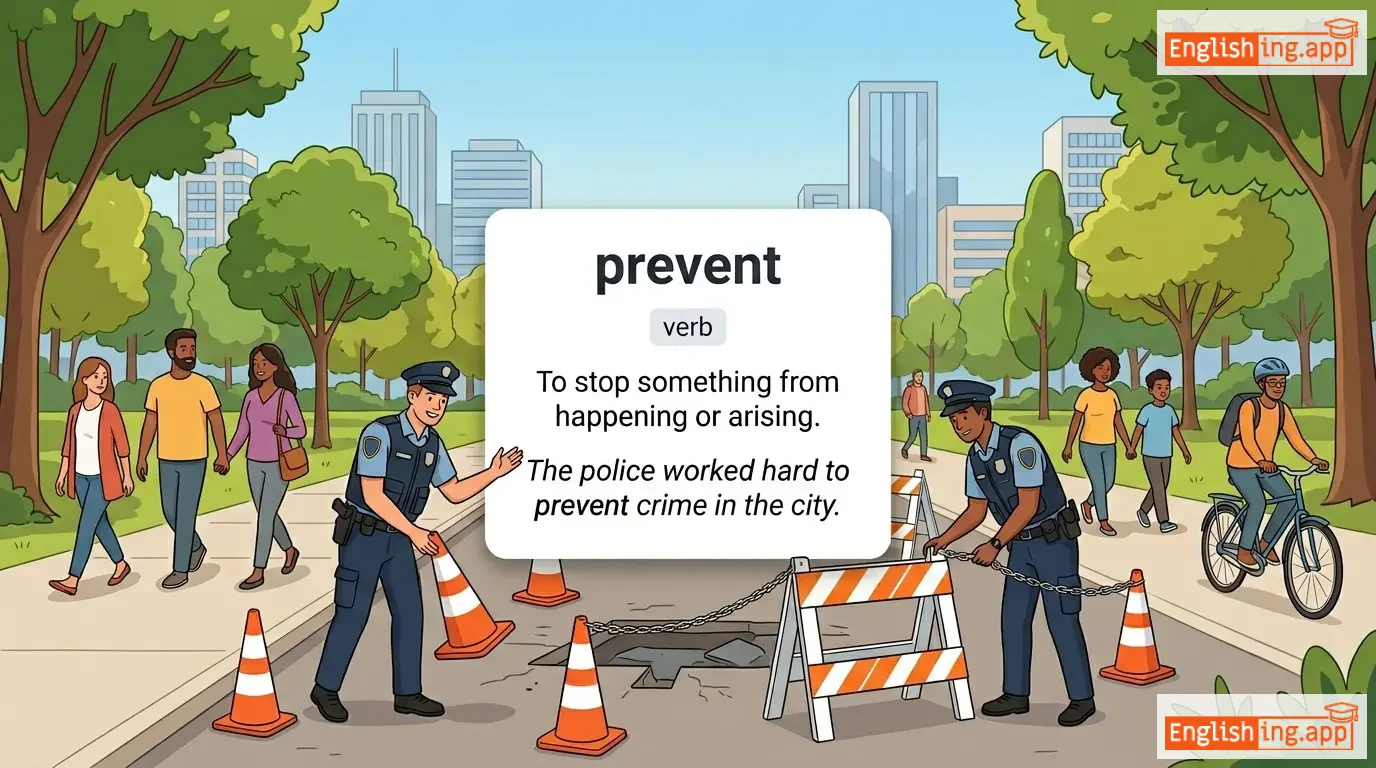
To stop something from happening or arising.
••••••
|
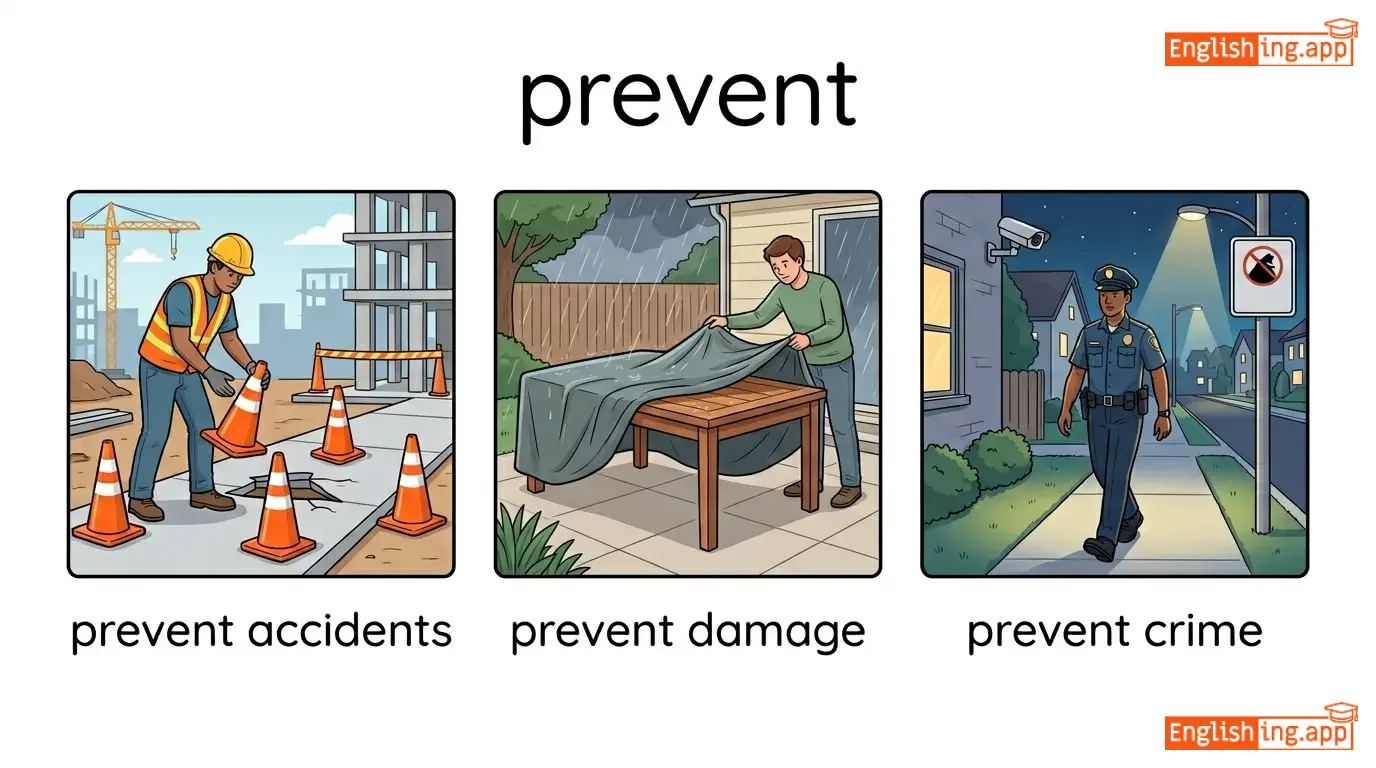
The police worked hard to prevent crime in the city.
警察努力防止城市犯罪。
••••••
|
警察努力防止城市犯罪。
Jǐngchá nǔlì fángzhǐ chéngshì fànzuì.
••••••
|
prevent from
防止从
••••••
|
To stop someone or something from doing something.
••••••
|
防止从
fángzhǐ cóng
••••••
|
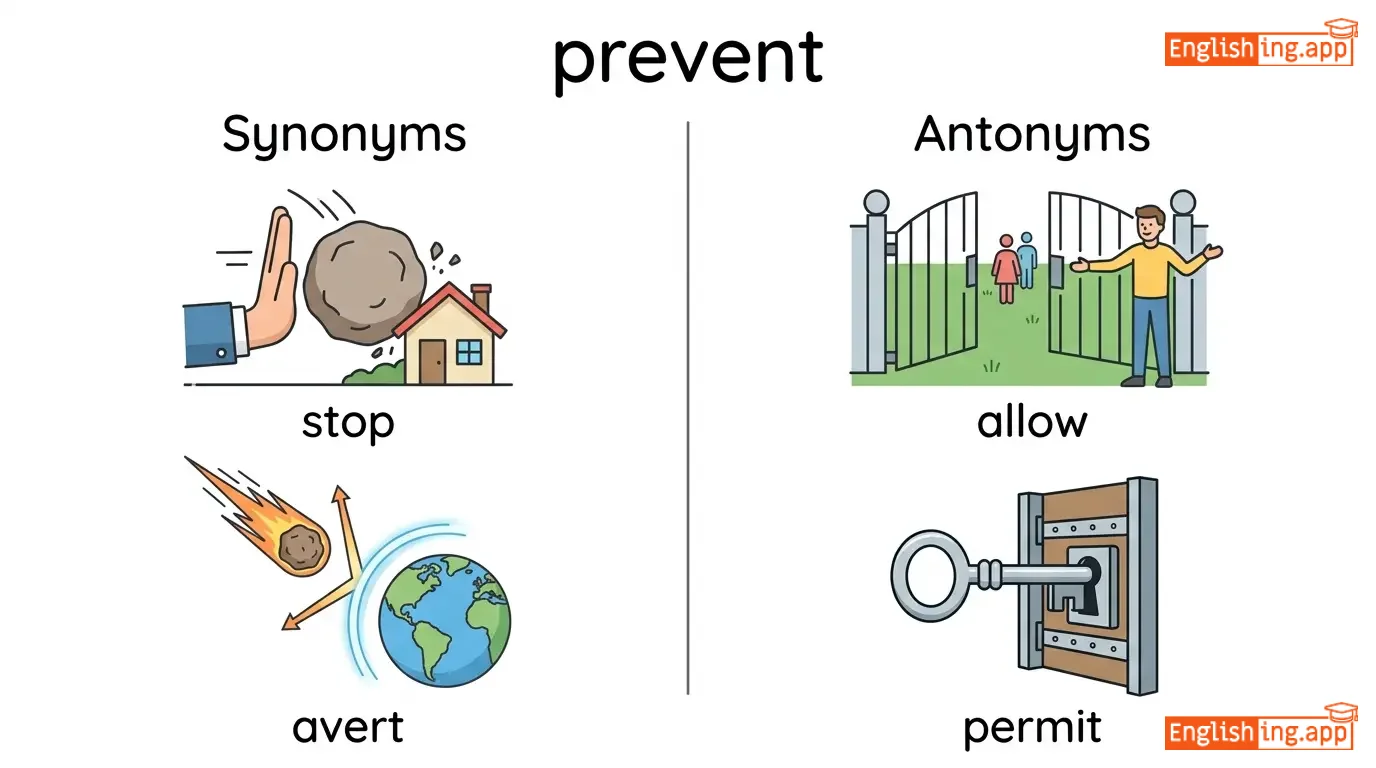
stop, avert, hinder, block, preclude
••••••
|
allow, permit, enable
••••••
|
prevent accidents, prevent damage, prevent crime, prevent infection
••••••
|
Prevent 在中文是 '预防',就像预先防止不好的事情发生。
••••••
|
|
#10128
🌸
|
/ˈprɪti/
adjective
(普雷蒂)
••••••
|
- •••••• |
漂亮
piaoliang
••••••
|
- •••••• | - •••••• | - •••••• | - •••••• |
Attractive in a delicate way without being truly beautiful.
••••••
|
She looked pretty in her new dress. |
她穿着新裙子看起来很漂亮。
Tā chuānzhuó xīn qúnzi kàn qǐlái hěn piàoliang.
••••••
|
pretty good |
Fairly good or satisfactory.
••••••
|
相当好
xiāngdāng hǎo
••••••
|
lovely, attractive, cute, charming, fair
••••••
|
ugly, unattractive, plain
••••••
|
pretty face, pretty girl, pretty well, pretty good
••••••
|
Pretty意味着漂亮,但并不炫目。
••••••
|
|
#10129
⏰
|
/ˈprɛsɪŋ/
adjective
(pǔruòxìng)
••••••
|
- •••••• |
紧急
jinji
••••••
|
- •••••• | - •••••• | - •••••• | - •••••• |
Requiring immediate attention or urgent action.
••••••
|
The manager had to deal with several pressing issues at once. |
经理必须同时处理几个紧急问题。
Jīnglǐ bìxū tóngshí chǔlǐ jǐ gè jǐnjí wèntí.
••••••
|
pressing matter |
An urgent or important issue that needs attention immediately.
••••••
|
紧急事务
jǐnjí shìwù
••••••
|
urgent, critical, crucial, important, immediate
••••••
|
trivial, minor, insignificant
••••••
|
pressing issue, pressing need, pressing problem, pressing concern
••••••
|
Pressing 就是紧急的,必须立即处理。
••••••
|
|
#10130
🌿
|
/prɪˈzɜːrv/
verb
••••••
|
|
- •••••• |
preserved
••••••
|
preserved
••••••
|
preserves
••••••
|
preserving
••••••
|
to keep something safe from harm, decay, or loss
••••••
|
We must preserve our cultural heritage. |
- •••••• |
preserve the peace |
to maintain peace and order
••••••
|
- •••••• |
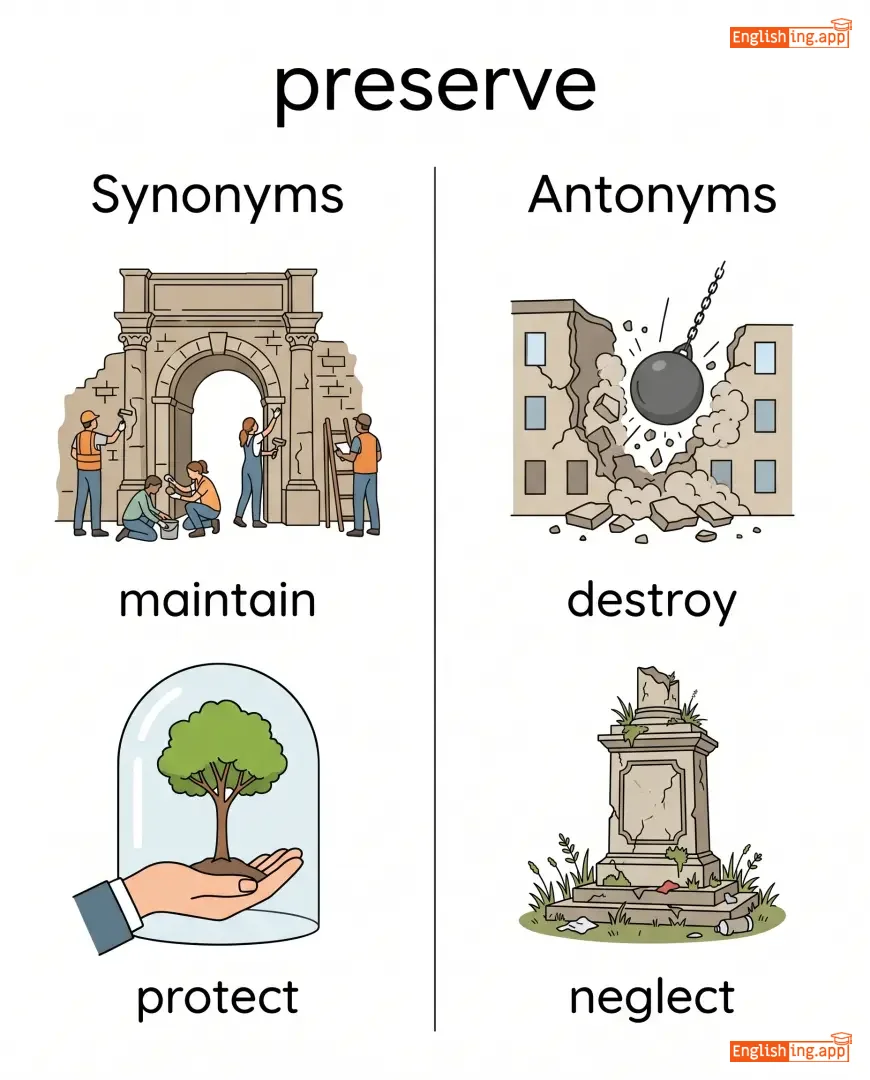
maintain, protect, conserve, safeguard
••••••
|
destroy, neglect
••••••
|
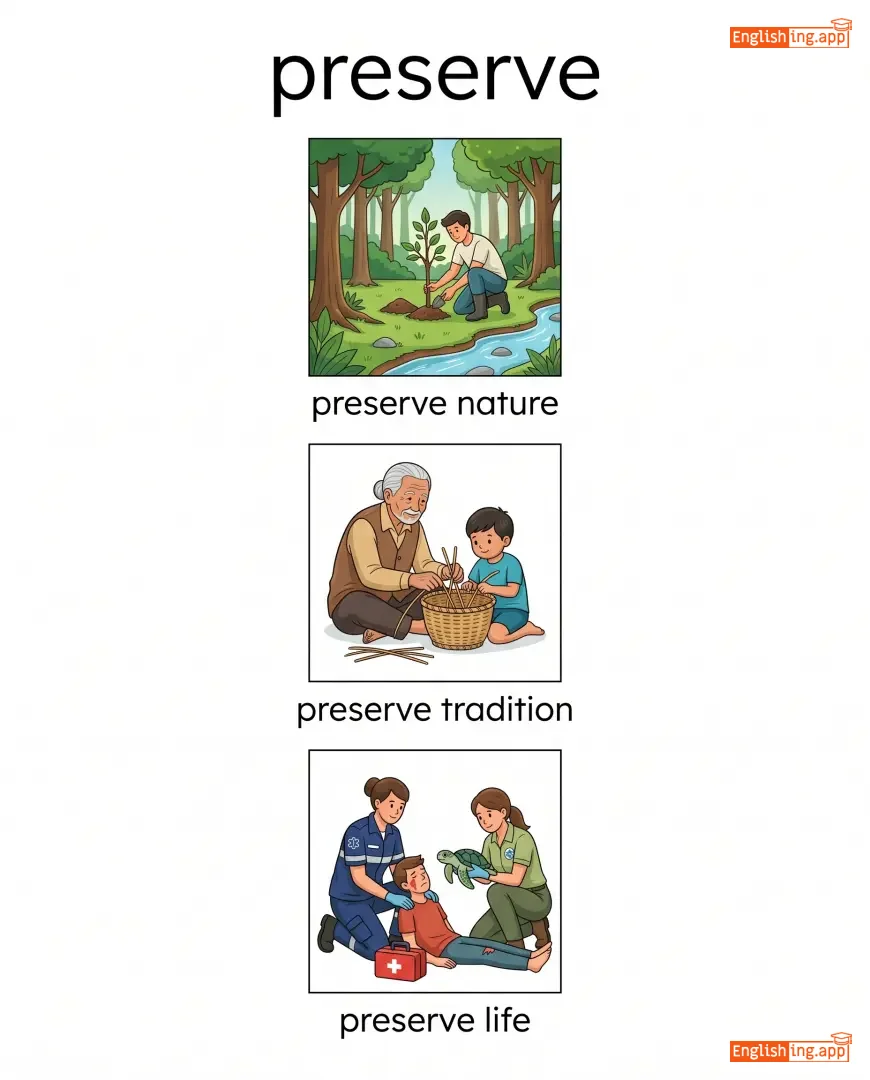
preserve nature, preserve tradition, preserve life, preserve evidence
••••••
|
No •••••• |
|
#10131
🗡️
|
/ˌpriːˈmɛdɪˌteɪtɪd/
adjective
(普雷梅迪特德)
••••••
|
- •••••• |
预谋
yù móu
••••••
|
- •••••• | - •••••• | - •••••• | - •••••• |
planned in advance; done deliberately
••••••
|
The crime was clearly premeditated.
这个犯罪显然是预谋的。
••••••
|
这个犯罪显然是预谋的。
Zhège fànzuì xiǎnrán shì yùmóu de.
••••••
|
premeditated crime
预谋犯罪
••••••
|
a crime that is planned before being committed
••••••
|
预谋犯罪
yùmóu fànzuì
••••••
|
planned, intentional, deliberate, calculated
••••••
|
spontaneous, accidental
••••••
|
premeditated murder, premeditated attack, premeditated plan
••••••
|
Pre (提前) + meditated (思考) → 提前思考即预谋
••••••
|
|
#10132
⚖️
|
/ˈprɛdʒədɪst/
adjective
(prejudist)
••••••
|
- •••••• |
偏见的
pianjian de
••••••
|
- •••••• | - •••••• | - •••••• | - •••••• |
having or showing a dislike or bias against a person or group without proper reason
••••••
|
He was prejudiced against people from other regions. |
他对来自其他地区的人有偏见。
Tā duì láizì qítā dìqū de rén yǒu piānjiàn.
••••••
|
prejudiced view |
an opinion formed without fair reasoning
••••••
|
偏见的观点
piānjiàn de guāndiǎn
••••••
|
biased, intolerant, bigoted, narrow-minded
••••••
|
fair, open-minded, impartial
••••••
|
racially prejudiced, prejudiced view, prejudiced against
••••••
|
偏见 = 偏见的观点,就像你已经没有理由地判断别人
••••••
|
|
#10133
🧬
|
/ˌpriːdɪspəˈzɪʃən/
noun
(倾向性)
••••••
|
|
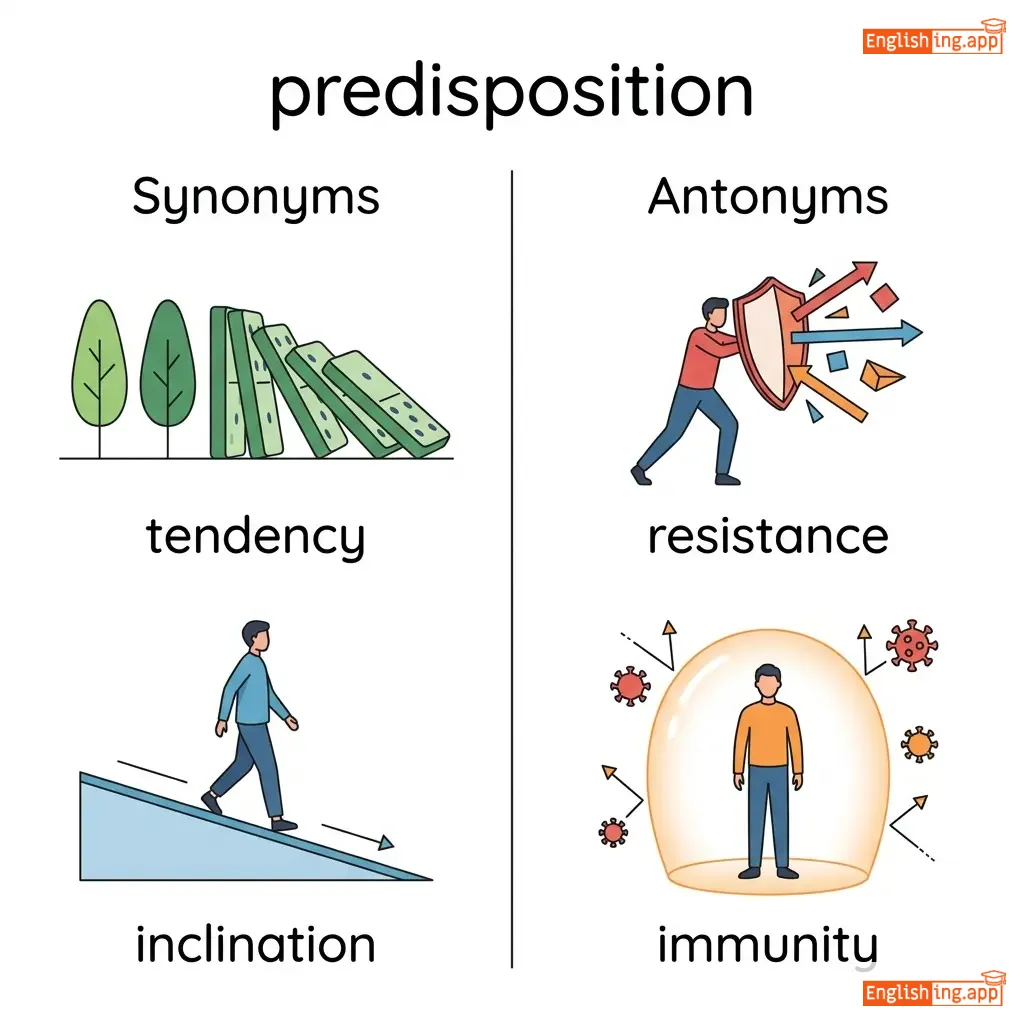
倾向性
qingxiangxing
••••••
|
- •••••• | - •••••• | - •••••• | - •••••• |
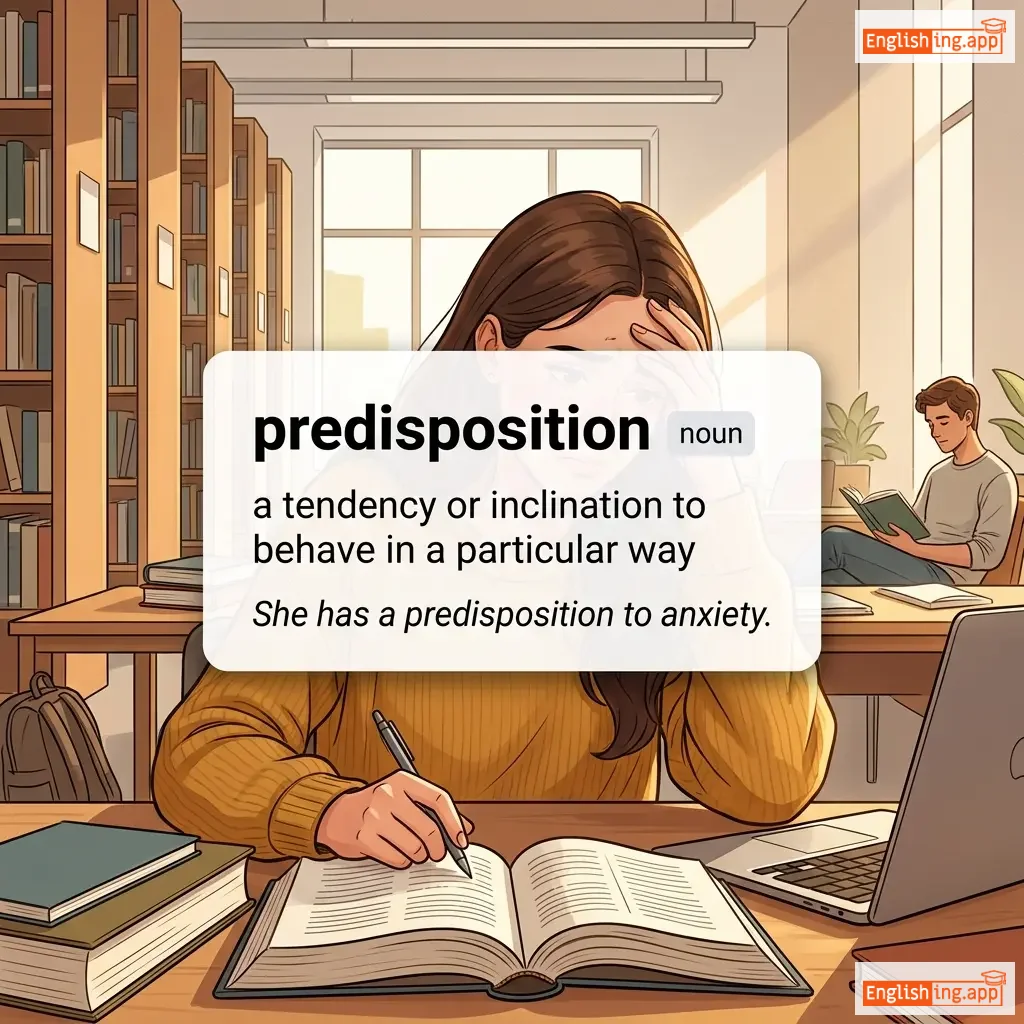
a tendency or inclination to behave in a particular way
••••••
|
She has a predisposition to anxiety.
她有焦虑的倾向。
••••••
|
她有焦虑的倾向。
Ta you jiaolv de qingxiang.
••••••
|
- •••••• | - •••••• | - •••••• |
tendency, inclination, propensity, proclivity, bias
••••••
|
resistance, immunity
••••••
|
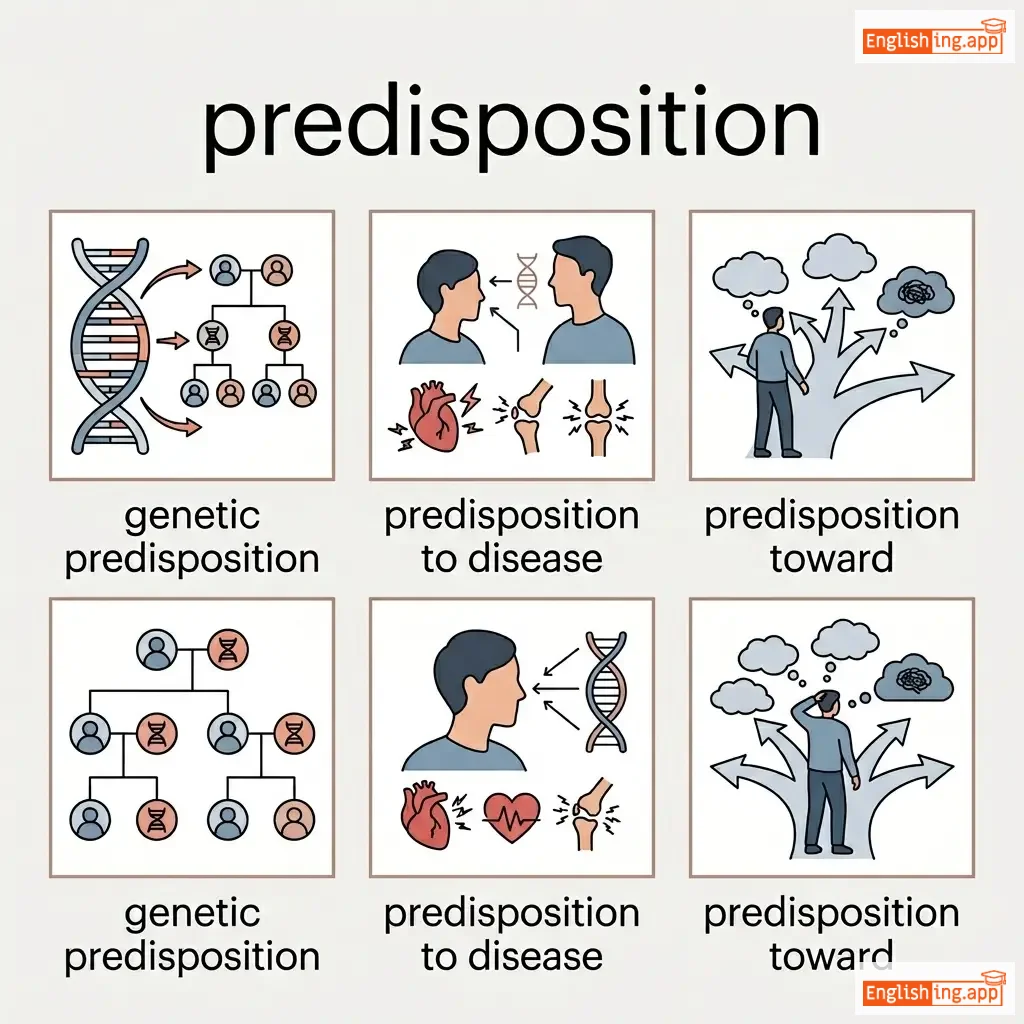
genetic predisposition, predisposition to disease, predisposition toward
••••••
|
倾向性 = 倾 (偏向) + 向 (方向),有自然的倾向或倾斜
••••••
|
|
#10134
📝
|
/ˈpreɪsiː/
noun
(普雷西)
••••••
|
- •••••• |
摘要
zhāiyào
••••••
|
- •••••• | - •••••• | - •••••• | - •••••• |
a short summary of a text or speech
••••••
|
She wrote a précis of the lecture for her classmates. |
她为她的同学写了一篇讲座摘要。
Tā wèi tā de tóngxué xiěle yī piān jiǎngzuò zhāiyào.
••••••
|
- •••••• | - •••••• | - •••••• |
summary, abstract, synopsis, digest
••••••
|
detail, expansion
••••••
|
write a précis, prepare a précis, précis of a report
••••••
|
Précis 就像是快速压缩的摘要。
••••••
|
Vocabulary Quiz
Test your vocabulary by matching words with their translations or meanings.
Login to take the quiz
Comments (0)
Share your thoughts and join the discussion.
Join the discussion by logging in
Login to CommentNo comments yet
Be the first to share your thoughts!