



Swipe left or right, or use the buttons. Tap image to zoom.
例句翻译
单词
Lesson 430Lesson 430 - 遮罩切换
|
表情符号
|
单词 | Images | 翻译 | 过去时 | 过去分词 | 第三人称单数 | 动名词 | 含义 | 例句 | 例句翻译 | 示例表达 | 示例表达含义 | 示例表达翻译 | 同义词 | 反义词 | 搭配词 | 助记符 |
|---|---|---|---|---|---|---|---|---|---|---|---|---|---|---|---|---|---|
|
#1
⛏️
|
/ˈmɪnərəl/
noun
(矿物)
••••••
|
- •••••• |
矿物
kuàngwù
••••••
|
- •••••• | - •••••• | - •••••• | - •••••• |
a naturally occurring substance that is solid and inorganic, often used in industry or nutrition
••••••
|
Calcium is an important mineral for strong bones. |
钙是一种对强壮骨骼很重要的矿物。
gài shì yī zhǒng duì qiángzhuàng gǔgé hěn zhòngyào de kuàngwù.
••••••
|
mineral water |
natural water that contains dissolved minerals
••••••
|
矿泉水
kuàngquán shuǐ
••••••
|
ore, crystal, element, nutrient
••••••
|
organic matter
••••••
|
mineral water, mineral resource, mineral deposit, trace mineral
••••••
|
矿物像'矿'一样,是从地里提取的东西。
••••••
|
|
#1
😠
|
/ˈnæsti/
adjective
(nàisītí)
••••••
|
- •••••• |
令人不快的
lìng rén bù kuài de
••••••
|
- •••••• | - •••••• | - •••••• | - •••••• |
very unpleasant, unkind, or offensive
••••••
|
He made a nasty comment about her dress. |
他对她的裙子发表了令人不快的评论。
Tā duì tā de qúnzi fābiǎo le lìng rén bù kuài de pínglùn.
••••••
|
- •••••• | - •••••• | - •••••• |
unpleasant, mean, vile, horrible, rude
••••••
|
pleasant, kind, nice
••••••
|
nasty smell, nasty habit, nasty surprise, nasty weather
••••••
|
Nasty 听起来像‘nàisītí’—意味着令人不快或冒犯。
••••••
|
|
#1
📌
|
/neɪl/
noun, verb
(内尔)
••••••
|
- •••••• |
钉子
dīngzi
••••••
|
nailed
内尔德
••••••
|
nailed
内尔德
••••••
|
nails
内尔斯
••••••
|
nailing
内尔ing
••••••
|
a small metal spike driven into wood or other material, or to fasten or fix something with nails
••••••
|
He nailed the wooden board to the wall.
他把木板钉在墙上。
••••••
|
他把木板钉在墙上。
tā bǎ mùbǎn dī zài qiáng shàng.
••••••
|
hit the nail on the head
一钉在钉
••••••
|
to describe exactly what is causing a situation or problem
••••••
|
准确描述一个情况或问题的原因
zhǔnquè miáoshù yīgè qíngkuàng huò wèntí de yuányīn
••••••
|
pin, tack, spike, fasten, attach
••••••
|
detach, remove, loosen
••••••
|
hammer a nail, nail polish, nail down, nail it
••••••
|
钉子就是固定目标,牢固不动。
••••••
|
|
#1
🍄
|
/ˈmʌʃruːm/
noun
(mushroom)
••••••
|
- •••••• |
蘑菇 (一种可食用的真菌)
mógu
••••••
|
- •••••• | - •••••• | - •••••• | - •••••• |
a type of fungus with a round top and a short stem, some of which are edible
••••••
|
We cooked a delicious soup with fresh mushrooms. |
我们用新鲜的蘑菇做了一碗美味的汤。
Wǒmen yòng xīnxiān de mógū zuòle yī wǎn měiwèi de tāng.
••••••
|
mushroom overnight |
to grow or increase very quickly
••••••
|
像蘑菇一样迅速生长
xiàng mógū yīyàng xùnsù shēngzhǎng
••••••
|
fungus, toadstool, champignon, spore, growth
••••••
|
shrink, decline, decrease
••••••
|
mushroom soup, mushroom farm, wild mushroom, edible mushroom
••••••
|
蘑菇像蘑菇一样快速生长,做汤美味极了!
••••••
|
|
#1
🪱
|
/mʌd/
noun
(mʌd)
••••••
|
- •••••• |
泥土
nítǔ
••••••
|
- •••••• | - •••••• | - •••••• | - •••••• |
soft, wet earth or soil
••••••
|
The children were playing in the mud after the rain. |
孩子们在雨后玩泥巴。
Háizimen zài yǔhòu wán níba.
••••••
|
drag someone's name through the mud |
to damage someone's reputation by saying bad things about them
••••••
|
把某人的名字拉入泥潭
bǎ mǒu rén de míngzì lārù nítán
••••••
|
dirt, clay, sludge, muck, soil
••••••
|
dust, rock, dry land
••••••
|
mud road, covered in mud, play in the mud, sticky mud
••••••
|
Mud就是泥土 — 想象自己玩泥巴时说'泥泞'。
••••••
|
|
#1
💭
|
/ˈmoʊtɪv/
noun
(动机)
••••••
|
- •••••• |
动机
dongji
••••••
|
- •••••• | - •••••• | - •••••• | - •••••• |
a reason for doing something, especially one that is hidden or not obvious
••••••
|
The police could not determine the motive behind the crime.
警方无法确定犯罪背后的动机。
••••••
|
警方无法确定犯罪背后的动机。
jingfang wufa queding fanzui bei hou de dongji.
••••••
|
hidden motive
隐藏动机
••••••
|
a secret or not openly stated reason for an action
••••••
|
隐藏动机
yin cang dongji
••••••
|
reason, intention, purpose, drive, incentive
••••••
|
disinterest, apathy, indifference
••••••
|
strong motive, criminal motive, political motive, underlying motive
••••••
|
Motive 就是为什么做 — 就是那个动机!
••••••
|
|
#1
⚰️
|
/mɔːˈtæləti/
noun
(莫塔利蒂)
••••••
|
- •••••• |
死亡率
sǐwáng lǜ
••••••
|
- •••••• | - •••••• | - •••••• | - •••••• |
the state of being subject to death; the death rate of a population
••••••
|
Advancements in medicine have reduced child mortality significantly. |
医学的进步显著降低了婴儿死亡率。
Yīxué de jìnbù xiǎnzhù jiàngdīle yīng'ér sǐwáng lǜ.
••••••
|
face one's mortality |
to confront or accept the reality of death
••••••
|
面对自己的死亡率
miànduì zìjǐ de sǐwáng lǜ
••••••
|
fatality, death rate, perishability, transience, demise
••••••
|
immortality, eternity, perpetuity
••••••
|
mortality rate, infant mortality, human mortality, mortality statistics
••••••
|
Mortality意味着mortal(死亡的) — 记住,我们都是死亡的。
••••••
|
|
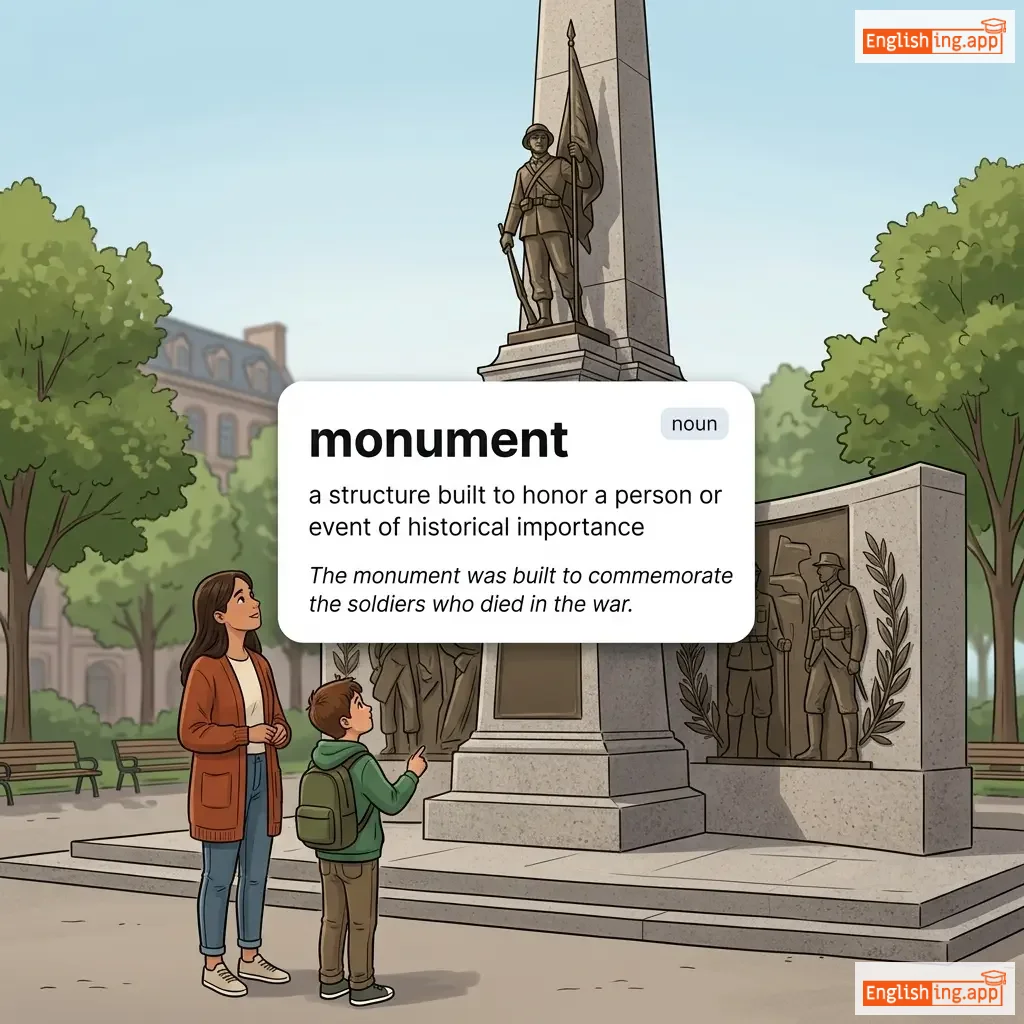
#1
🗿
|
/ˈmɒnjumənt/
noun
••••••
|
|
- •••••• | - •••••• | - •••••• | - •••••• | - •••••• |
a structure built to honor a person or event of historical importance
••••••
|
The monument was built to commemorate the soldiers who died in the war. |
- •••••• |
stand as a monument to |
to serve as a lasting reminder or tribute to someone or something
••••••
|
- •••••• |
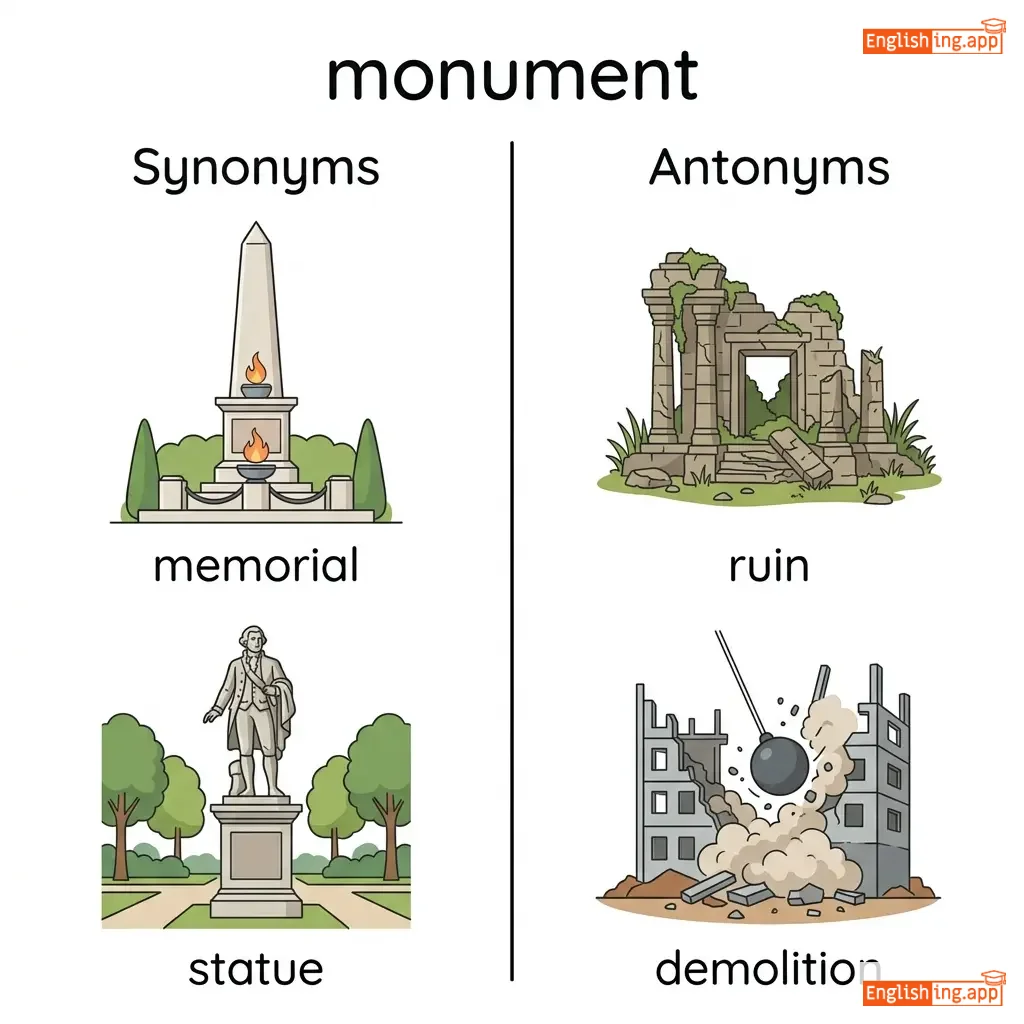
memorial, statue, shrine, landmark, pillar
••••••
|
ruin, demolition, destruction
••••••
|
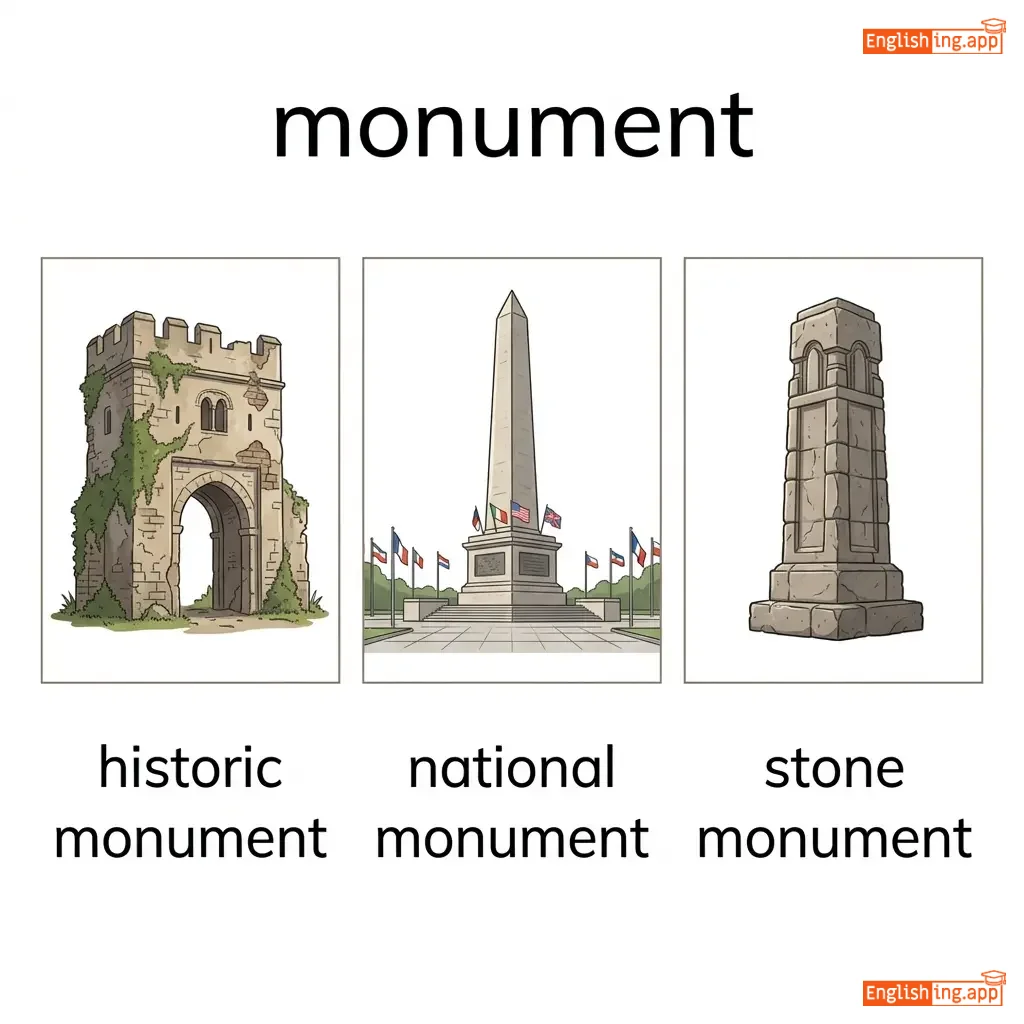
historic monument, national monument, stone monument, ancient monument
••••••
|
No •••••• |
|
#1
📅
|
/ˈmʌnθli/
adjective
(mænθli)
••••••
|
- •••••• |
每月的
měi yuè de
••••••
|
- •••••• | - •••••• | - •••••• | - •••••• |
happening, done, or published once a month
••••••
|
Employees receive their salary on a monthly basis. |
员工每月领取工资。
Yuángōng měi yuè lǐngqǔ gōngzī.
••••••
|
monthly report |
a report produced every month
••••••
|
月度报告
yuè dù bào gào
••••••
|
every month, periodic, regular, monthly-based
••••••
|
daily, weekly, yearly
••••••
|
monthly payment, monthly report, monthly meeting, monthly subscription
••••••
|
每月的意思是每个月 — 记住'月'!
••••••
|
|
#1
👹
|
/ˈmɒnstər/
noun
(happiness)
••••••
|
- •••••• |
幸福
xìngfú
••••••
|
- •••••• | - •••••• | - •••••• | - •••••• |
an imaginary or large frightening creature
••••••
|
The child was afraid that a monster was hiding under the bed.
她无法隐藏自己得到奖项时的快乐。
••••••
|
她无法隐藏自己得到奖项时的快乐。
Tā wúfǎ yǐncáng zìjǐ dédào jiǎngxiàng shí de kuàilè.
••••••
|
monster hit
追求幸福
••••••
|
a very successful or popular product or show
••••••
|
追求幸福
zhuīqiú xìngfú
••••••
|
beast, creature, giant, demon, ogre
••••••
|
angel, human, friend
••••••
|
monster movie, sea monster, create a monster, monster hit
••••••
|
幸福 = Happiness — 永远追求幸福!
••••••
|
|
#1
🐒
|
/ˈmʌŋki/
noun
(猴子)
••••••
|
- •••••• |
猴子
hóu zi
••••••
|
- •••••• | - •••••• | - •••••• | - •••••• |
a small to medium-sized primate with a long tail, known for its playfulness
••••••
|
A monkey was jumping from tree to tree in the forest. |
一只猴子在森林中从树上跳到树上。
yī zhī hóu zi zài sēn lín zhōng cóng shù shàng tiào dào shù shàng
••••••
|
monkey business |
silly, mischievous, or dishonest behavior
••••••
|
猴子捣蛋
hóu zi dǎo dàn
••••••
|
ape, primate, chimp, baboon, macaque
••••••
|
human, adult
••••••
|
monkey business, monkey tricks, monkey cage, cheeky monkey
••••••
|
猴子 = 捣蛋精! 🐒
••••••
|
|
#1
🌀
|
/mɪkst/
adjective
(混合)
••••••
|
- •••••• |
混合的
hunhe de
••••••
|
- •••••• | - •••••• | - •••••• | - •••••• |
consisting of different elements or having varied opinions or feelings
••••••
|
The audience had mixed reactions to the film. |
观众对电影的反应混合。
Guanzhong dui dianying de fanying hunhe.
••••••
|
mixed feelings |
having both positive and negative emotions about something
••••••
|
混合的情感
hunhe de qinggan
••••••
|
blended, combined, diverse, varied, assorted
••••••
|
uniform, pure, similar
••••••
|
mixed reaction, mixed group, mixed culture, mixed opinion
••••••
|
混合的感情 = mix emotions!
••••••
|
|
#1
🙏
|
/ˈmɪʃəneri/
noun
(传教士)
••••••
|
- •••••• |
传教士
chuán jiào shì
••••••
|
- •••••• | - •••••• | - •••••• | - •••••• |
a person sent on a religious mission, especially to promote Christianity in a foreign country
••••••
|
The missionary spent years helping local communities in Africa.
传教士花了多年时间在非洲帮助当地社区。
••••••
|
传教士花了多年时间在非洲帮助当地社区。
Chuán jiào shì huāle duōnián shíjiān zài fēizhōu bāngzhù dāngdì shèqū.
••••••
|
missionary work
传教士工作
••••••
|
religious work aimed at spreading faith or helping others
••••••
|
传教士工作
chuán jiào shì gōngzuò
••••••
|
evangelist, preacher, apostle, minister, messenger
••••••
|
nonbeliever, secularist
••••••
|
Christian missionary, missionary work, missionary society, missionary school
••••••
|
传教士意味着宗教传播者,他们带着‘使命’前往传播信仰!
••••••
|
|
#1
🔽
|
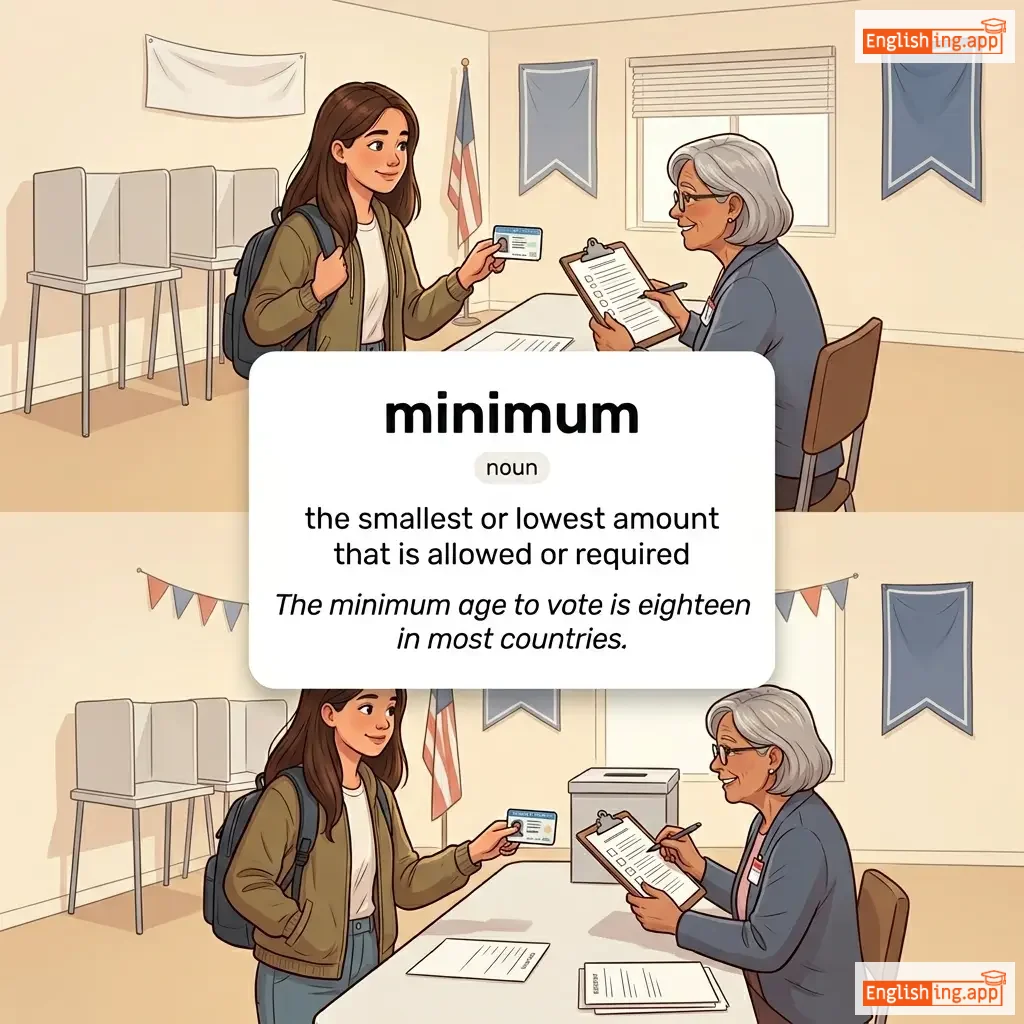
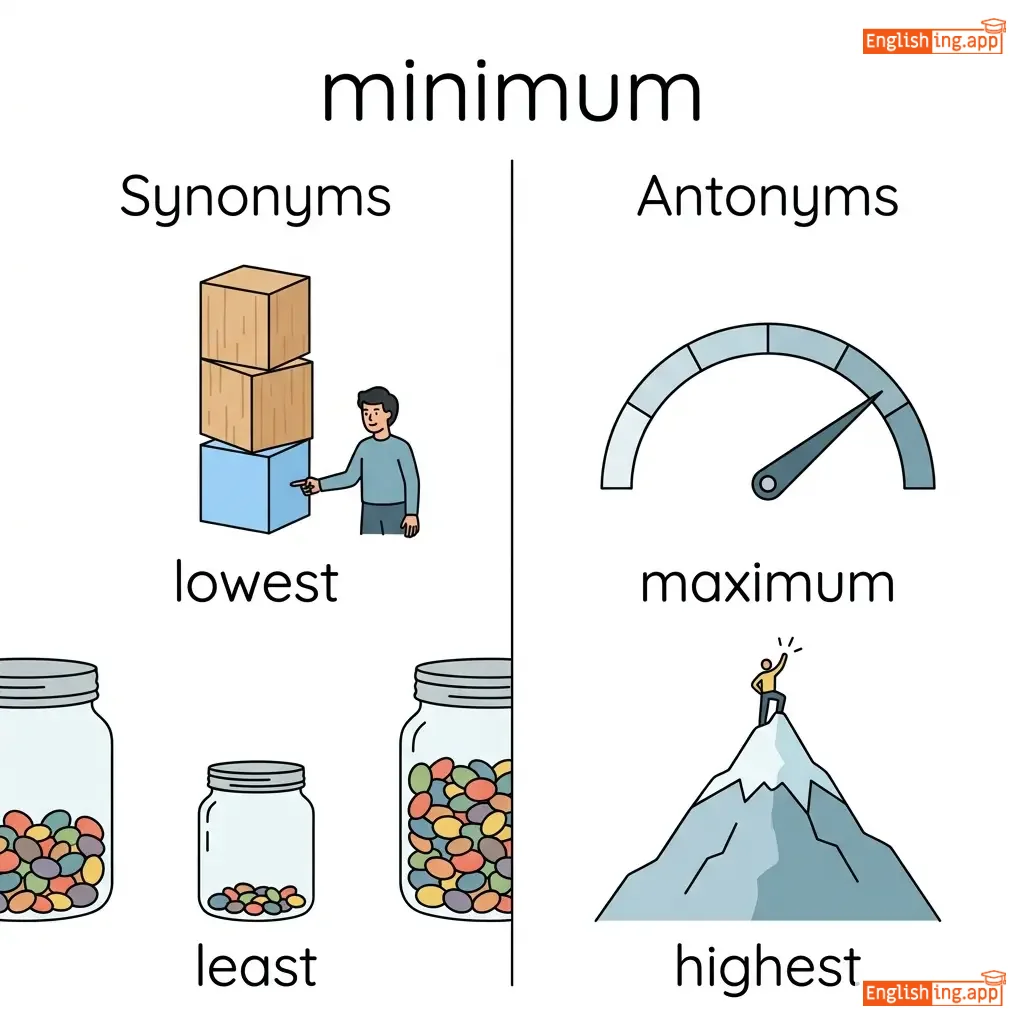
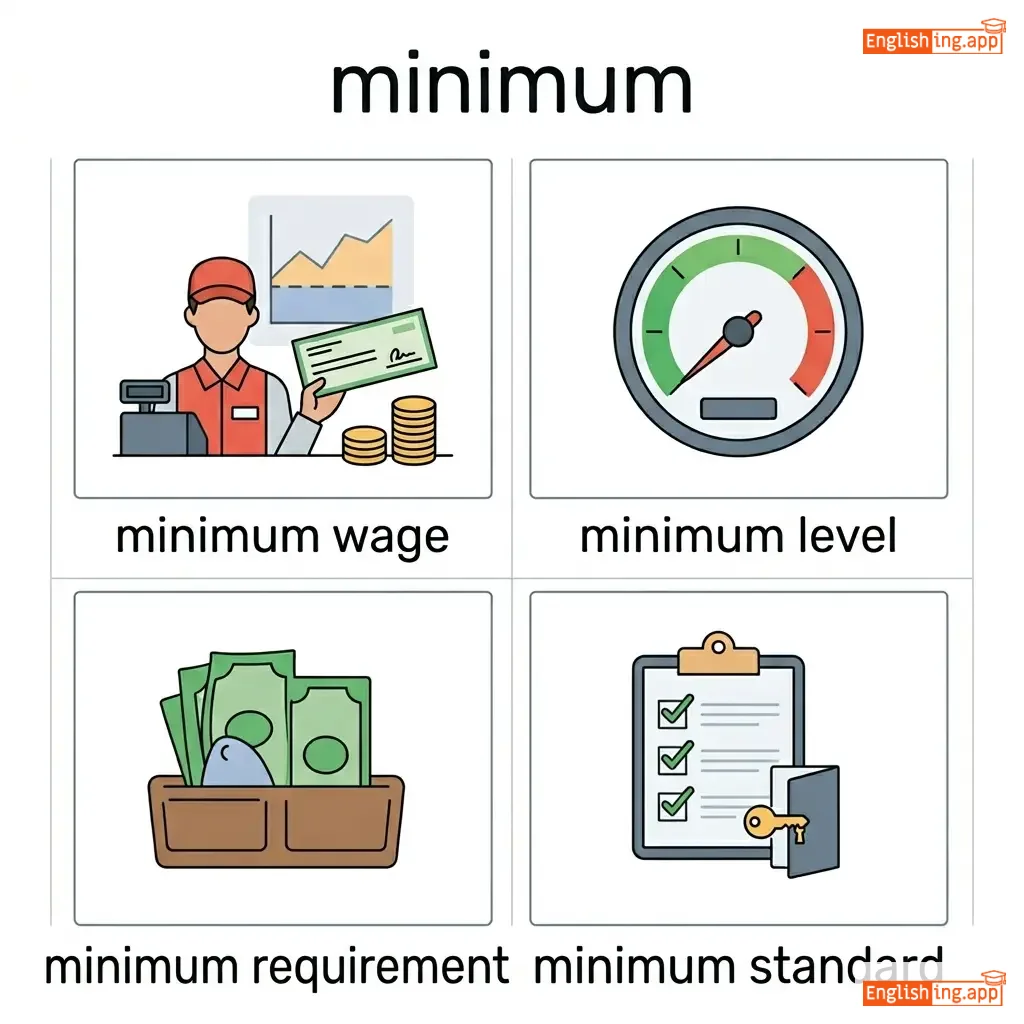
/ˈmɪnɪməm/
noun
(最小值)
••••••
|
|
最小值
zuì xiǎo zhí
••••••
|
- •••••• | - •••••• | - •••••• | - •••••• |
the smallest or lowest amount that is allowed or required
••••••
|
The minimum age to vote is eighteen in most countries. |
在大多数国家,投票的最低年龄是十八岁。
Zài dàduōshù guójiā, tóupiào de zuìdī niánlíng shì shíbā suì.
••••••
|
minimum wage |
the lowest amount of pay that employers can legally give workers
••••••
|
最低工资
zuìdī gōngzī
••••••
|
lowest, least, smallest, base
••••••
|
maximum, highest
••••••
|
minimum wage, minimum level, minimum requirement, minimum value
••••••
|
Minimum — 最小的数量
••••••
|
|
#1
⚖️
|
/ˈmɪnɪməl/
adjective
(最小的)
••••••
|
- •••••• |
最小的
zuìxiǎo de
••••••
|
- •••••• | - •••••• | - •••••• | - •••••• |
the smallest or least amount possible
••••••
|
The damage to the car was minimal after the accident. |
事故后,汽车的损坏是最小的。
shìgù hòu, qìchē de sǔnhuài shì zuìxiǎo de.
••••••
|
minimal effort |
doing something with the least possible effort
••••••
|
最小努力
zuìxiǎo nǔlì
••••••
|
least, smallest, slight, negligible, tiny
••••••
|
maximum, major, large
••••••
|
minimal effort, minimal cost, minimal damage, minimal risk
••••••
|
Minimal 意味着最小努力。
••••••
|
|
#1
🏬
|
/ˈmɑːrkɪtˌpleɪs/
noun
(市场)
••••••
|
- •••••• |
市场
shìchǎng
••••••
|
- •••••• | - •••••• | - •••••• | - •••••• |
a place where goods and services are bought and sold; an open area for trade
••••••
|
The town's marketplace is crowded every Friday morning. |
城市的市场每个星期五早上都很拥挤。
Chéngshì de shìchǎng měi gè xīngqī wǔ zǎoshang dōu hěn yōngjǐ.
••••••
|
- •••••• | - •••••• | - •••••• |
bazaar, fair, mart, trading center, exchange
••••••
|
home, residence
••••••
|
online marketplace, local marketplace, global marketplace, bustling marketplace
••••••
|
Market + place = 买卖的地方 — 市场是交易的地方。
••••••
|
|
#1
🏭
|
/mɪl/
noun
(míl)
••••••
|
- •••••• |
磨坊
mófāng
••••••
|
- •••••• | - •••••• | - •••••• | - •••••• |
a building equipped with machinery for grinding grain or manufacturing goods
••••••
|
The old flour mill has been converted into a museum.
那座老面粉厂已被改建为博物馆。
••••••
|
那座老面粉厂已被改建为博物馆。
Nà zuò lǎo miànfěn chǎng yǐ bèi gǎi jiàn wéi bówùguǎn.
••••••
|
grind to a halt
磨到停止
••••••
|
to slowly stop functioning or progressing
••••••
|
逐渐停止
zhújiàn tíngzhǐ
••••••
|
factory, plant, workshop, foundry
••••••
|
field, farm
••••••
|
flour mill, textile mill, paper mill, steel mill
••••••
|
Mill是磨坊 — 在磨坊里面粉被磨碎。
••••••
|
|
#1
🕊️
|
/maɪˈɡreɪʃən/
noun
(maɪˈɡreɪʃən)
••••••
|
- •••••• |
迁徙
qianxi
••••••
|
- •••••• | - •••••• | - •••••• | - •••••• |
the movement of people or animals from one place to another, often for better living conditions or seasonal reasons
••••••
|
The annual migration of birds is a fascinating natural event. |
鸟类的年度迁徙是一个引人入胜的自然事件。
niao lei de niandu qianxi shi yige yinrenrusheng de ziran shijian.
••••••
|
mass migration |
a large movement of people from one region to another
••••••
|
大规模迁徙
dàguīmó qiānxǐ
••••••
|
relocation, movement, exodus, resettlement, journey
••••••
|
settlement, stay
••••••
|
bird migration, human migration, seasonal migration, migration pattern
••••••
|
迁徙意味着移动;记住 '迁徙意味着移动'!
••••••
|
|
#1
🎯
|
/mɪdst/
noun
(mɪdst)
••••••
|
- •••••• |
中间
zhongjian
••••••
|
- •••••• | - •••••• | - •••••• | - •••••• |
the middle part or position of something
••••••
|
In the midst of chaos, she remained calm. |
在混乱的中间,她保持冷静。
Zai hunluan de zhongjian, ta baochi lengjing.
••••••
|
in the midst of |
in the middle of or surrounded by
••••••
|
在中间
zai zhongjian
••••••
|
center, middle, core, heart
••••••
|
edge, outside, border
••••••
|
in the midst, midst of war, midst of trouble, midst of crowd
••••••
|
Midst意味着中间 — 中间意味着midst!
••••••
|
|
#1
🌙
|
/ˈmɪdnaɪt/
noun
(mɪdnaɪt)
••••••
|
- •••••• |
午夜
wǔ yè
••••••
|
- •••••• | - •••••• | - •••••• | - •••••• |
twelve o'clock at night; the middle of the night
••••••
|
He reached home just after midnight. |
他在午夜后到家。
Tā zài wǔ yè hòu dào jiā.
••••••
|
burn the midnight oil |
to work late into the night
••••••
|
熬夜工作
áo yè gōngzuò
••••••
|
nighttime, darkness, late night, twelve o’clock
••••••
|
noon, midday
••••••
|
at midnight, past midnight, midnight snack, midnight train
••••••
|
午夜由‘五’和‘夜’组成,代表夜晚的中间时刻。
••••••
|
|
#1
🏠
|
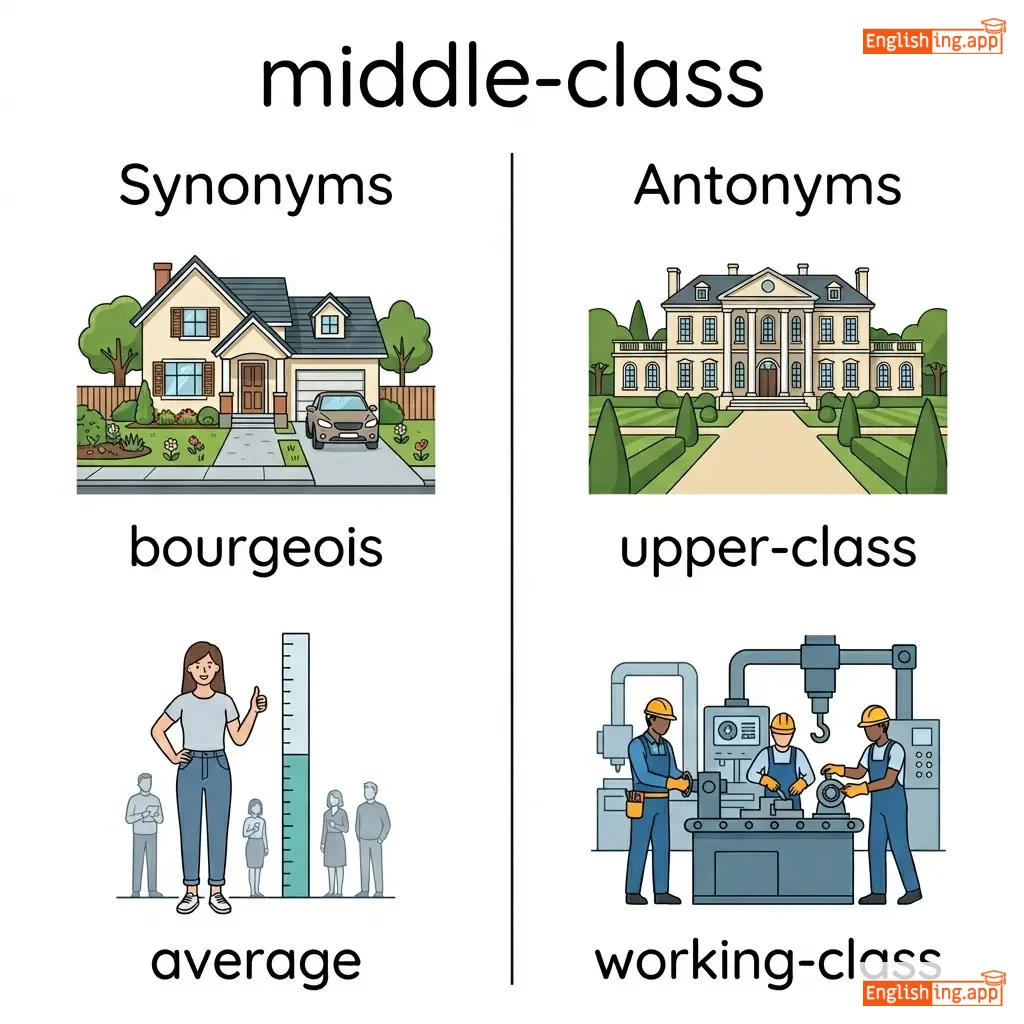
/ˈmɪdəl klɑːs/
adjective
(mīdəl-klāsī)
••••••
|
|
中产阶级
zhōngchǎn jiējí
••••••
|
- •••••• | - •••••• | - •••••• | - •••••• |
belonging to the social group between the upper and working class, typically with moderate income and education
••••••
|
They live a comfortable middle-class life in the city. |
他们在城市过着舒适的中产阶级生活。
Tāmen zài chéngshì guòzhe shūshì de zhōngchǎn jiējí shēnghuó.
••••••
|
middle-class values |
beliefs and lifestyle associated with moderate-income families
••••••
|
中产阶级价值观
zhōngchǎn jiējí jiàzhíguān
••••••
|
bourgeois, average, moderate, respectable
••••••
|
upper-class, working-class, poor
••••••
|
middle-class family, middle-class neighborhood, middle-class income
••••••
|
中产阶级 = 在两端之间的平衡
••••••
|
|
#1
💰
|
/ˈmɜːrtʃənt/
noun
(mòchāng)
••••••
|
- •••••• |
商人
shāngrén
••••••
|
- •••••• | - •••••• | - •••••• | - •••••• |
a person or company involved in the trade of goods, especially in large quantities
••••••
|
The merchant sold spices from distant lands. |
商人出售来自遥远土地的香料。
Shāngrén chūshòu láizì yáoyuǎn tǔdì de xiāngliào.
••••••
|
sea merchant |
a trader who conducts business by sea
••••••
|
海上商人
hǎishàng shāngrén
••••••
|
trader, dealer, seller, vendor, businessman
••••••
|
buyer, customer, consumer
••••••
|
merchant ship, merchant trade, local merchant, online merchant
••••••
|
商人就像市场里的大亨,靠交易获取财富
••••••
|
|
#1
🧠
|
/ˈmɛntəli/
adverb
(mɛntəli)
••••••
|
- •••••• |
精神上
jingshen shang
••••••
|
- •••••• | - •••••• | - •••••• | - •••••• |
in a way that relates to the mind or intellect rather than the body
••••••
|
She felt mentally exhausted after the long exam.
她在长时间考试后感到精神上疲惫。
••••••
|
她在长时间考试后感到精神上疲惫。
Tā zài cháng shíjiān kǎoshì hòu gǎndào jīngshén shàng píbèi.
••••••
|
mentally prepared
精神上准备好
••••••
|
ready in mind for a challenge or situation
••••••
|
精神上准备好
jīngshén shàng zhǔnbèi hǎo
••••••
|
psychologically, intellectually, cognitively, emotionally
••••••
|
physically, bodily
••••••
|
mentally strong, mentally ill, mentally prepared, mentally active
••••••
|
Mental = 思维, 所以 'mentally' = 精神上。
••••••
|
|
#1
🧊
|
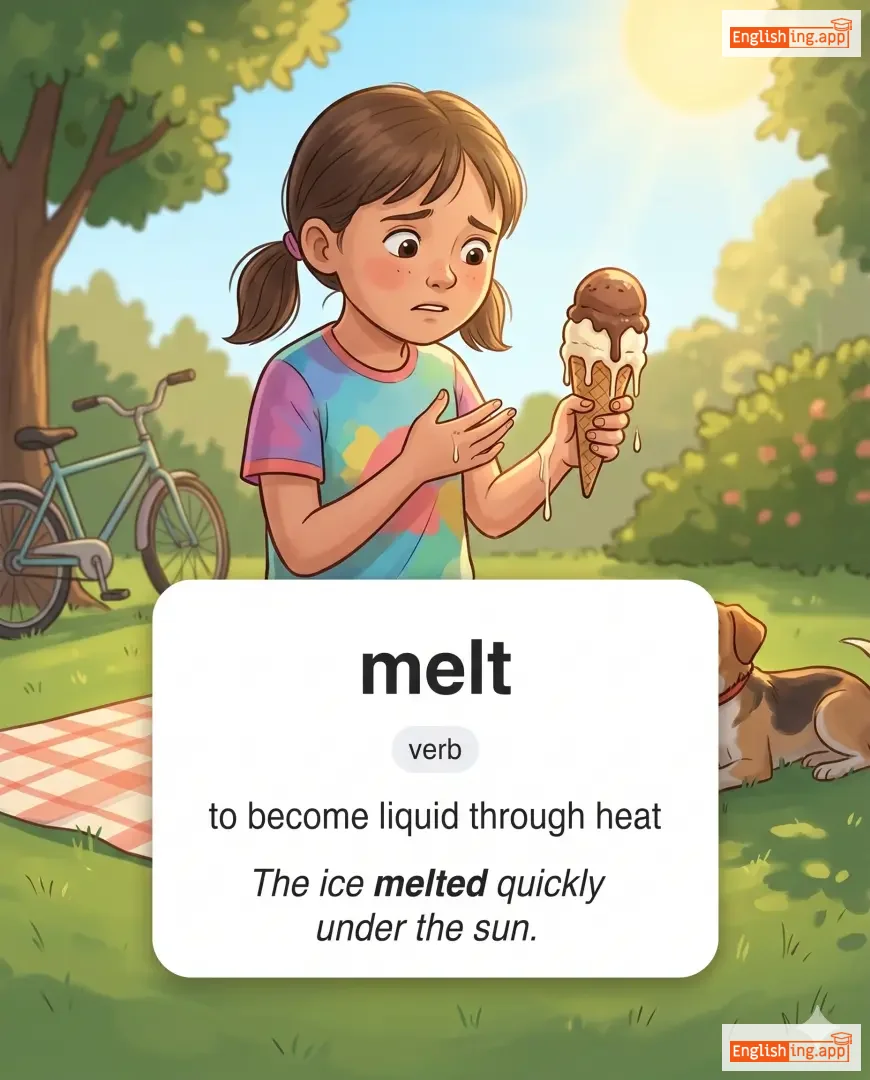
/mɛlt/
verb
(melt)
••••••
|
|
融化
ronghua
••••••
|
melted
melted
••••••
|
melted
melted
••••••
|
melts
melts
••••••
|
melting
melting
••••••
|
to become liquid through heat
••••••
|
The ice melted quickly under the sun.
The ice melted quickly under the sun.
••••••
|
冰在太阳下迅速融化。
Bing zai taiyang xia xunsu ronghua.
••••••
|
melt someone's heart
melt someone's heart
••••••
|
to make someone feel love or sympathy
••••••
|
融化某人的心
Ronghua mou ren de xin
••••••
|
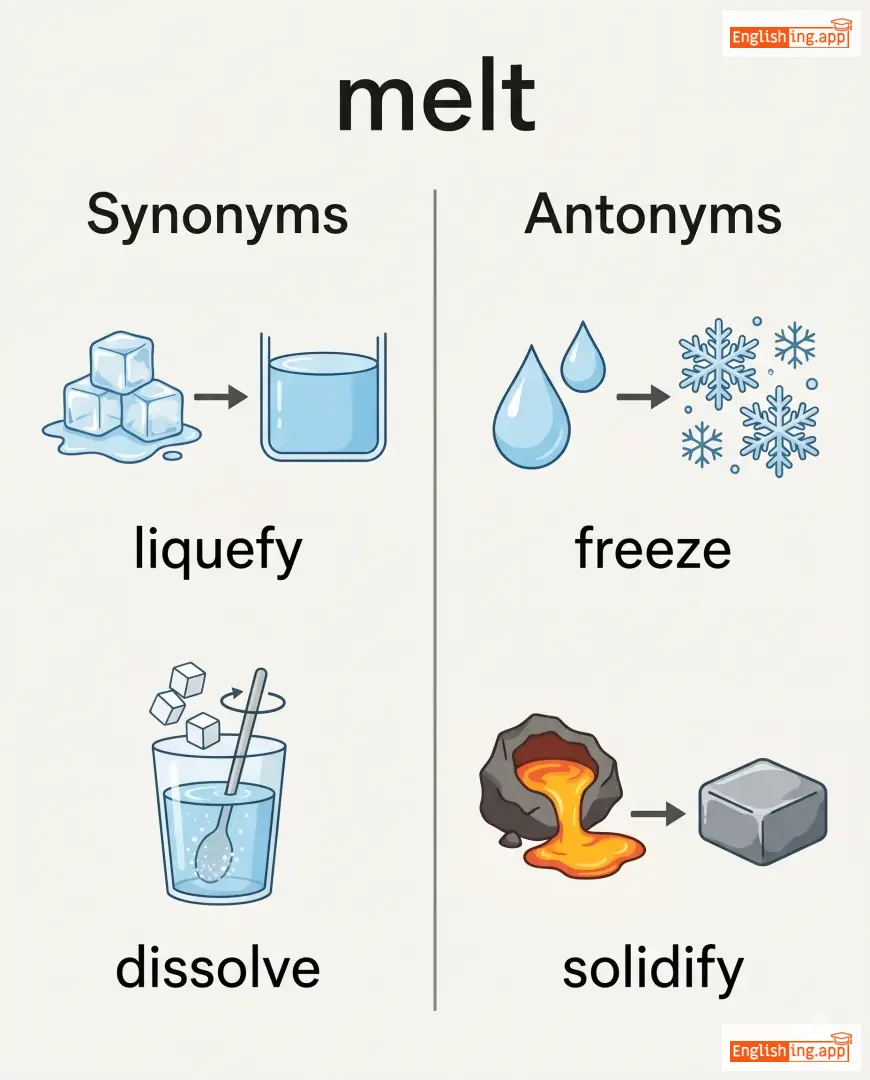
liquefy, dissolve, thaw, soften, fuse
••••••
|
freeze, solidify
••••••
|
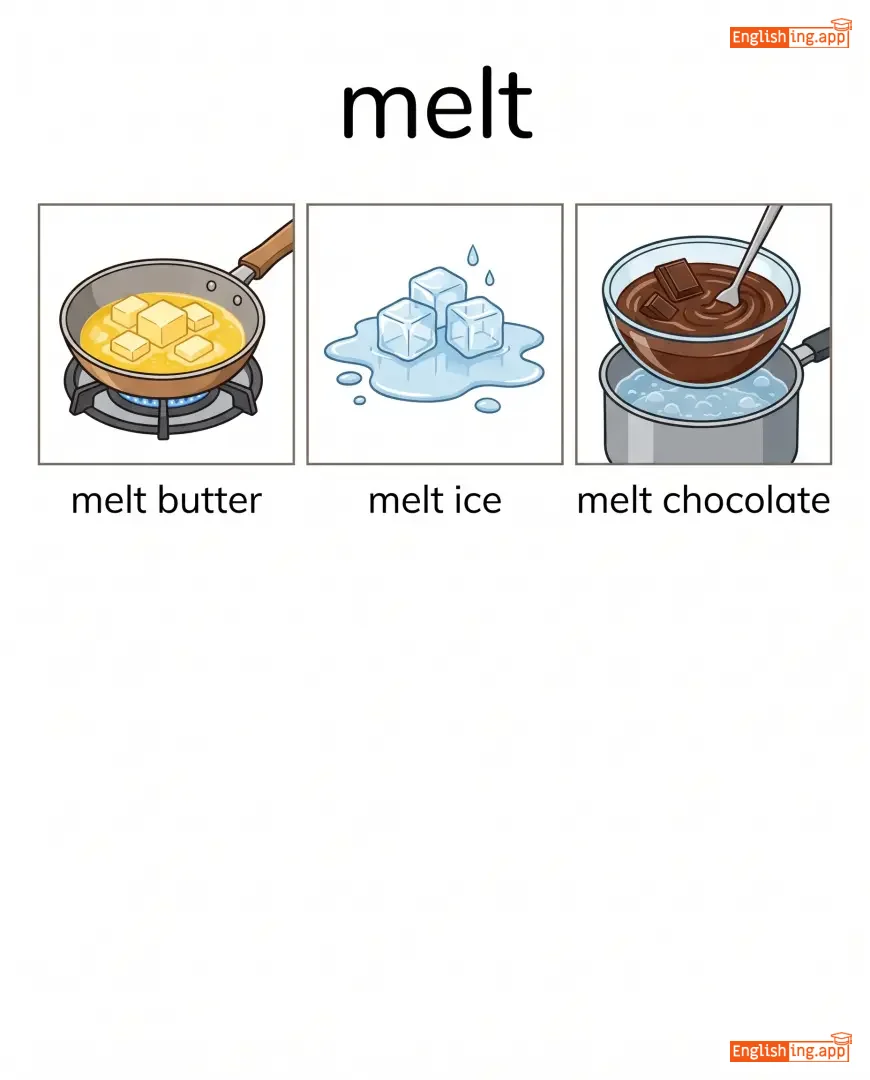
melt butter, melt ice, melt chocolate, melt in the sun
••••••
|
Melt 就是融化,像冰融化一样。
••••••
|
|
#1
🥇
|
/ˈmɛdəl/
noun
(梅达尔)
••••••
|
- •••••• |
奖牌
jiangpai
••••••
|
- •••••• | - •••••• | - •••••• | - •••••• |
a piece of metal given as an award for achievement
••••••
|
She won a gold medal in the 100-meter race. |
她在100米赛跑中获得了金牌。
Ta zai 100 mi saipao zhong huodele jinpai.
••••••
|
medal of honor |
a high award for bravery or service
••••••
|
荣誉奖章
rongyu jiangzhang
••••••
|
award, trophy, prize, badge, honor
••••••
|
penalty, disqualification
••••••
|
gold medal, silver medal, bronze medal, win a medal, award a medal
••••••
|
奖牌就像‘金属’一样,颁发给赢家的奖品 🥇
••••••
|
|
#1
⚙️
|
/məˈkænɪkəl/
adjective
(ˈhæpinəs)
••••••
|
- •••••• |
幸福
xìngfú
••••••
|
- •••••• | - •••••• | - •••••• | - •••••• |
relating to machines or the way they work
••••••
|
She has a good understanding of mechanical systems. |
当她收到奖项时,她无法掩饰自己的幸福。
Dāng tā shōu dào jiǎngxiàng shí, tā wúfǎ yǎnshì zìjǐ de xìngfú.
••••••
|
mechanical mind |
a person who easily understands and works with machines
••••••
|
追求幸福
zhuīqiú xìngfú
••••••
|
automated, machine-driven, technical, robotic, motorized
••••••
|
manual, emotional, natural
••••••
|
mechanical system, mechanical engineer, mechanical failure, mechanical process
••••••
|
幸福就像阳光,照亮人生道路。
••••••
|
|
#1
🔧
|
/məˈkænɪk/
noun
(mìkānīk)
••••••
|
- •••••• |
机械师
jixieshi
••••••
|
- •••••• | - •••••• | - •••••• | - •••••• |
a person who repairs and maintains machines or vehicles
••••••
|
The mechanic fixed the engine in less than an hour.
机械师在不到一个小时的时间内修好了引擎。
••••••
|
机械师在不到一个小时的时间内修好了引擎。
Jixieshi zai budao yi ge xiaoshi de shijian nei xiuli hao le yinqing.
••••••
|
grease monkey
油猴子
••••••
|
a slang term for a car mechanic
••••••
|
汽车修理工的俚语
qiche xiuli gong de liyu
••••••
|
technician, repairman, engineer, fitter, machinist
••••••
|
driver, operator
••••••
|
car mechanic, skilled mechanic, aircraft mechanic, auto mechanic
••••••
|
机械师就像是修复机器的专家 🔧
••••••
|
|
#1
💡
|
/ˈmiːnɪŋfəl/
adjective
(míníngfúl)
••••••
|
- •••••• |
有意义的
you yiyi de
••••••
|
- •••••• | - •••••• | - •••••• | - •••••• |
having purpose, value, or significance
••••••
|
He gave a meaningful smile before leaving the room. |
他在离开房间前给了一个有意义的微笑。
Tā zài líkāi fángjiān qián gěile yīgè yǒu yìyì de wéixiào.
••••••
|
make a meaningful contribution |
to add something valuable or significant to a situation
••••••
|
做出有意义的贡献
zuò chū yǒu yìyì de gòngxiàn
••••••
|
significant, purposeful, valuable, expressive, important
••••••
|
meaningless, trivial, empty
••••••
|
meaningful conversation, meaningful relationship, meaningful impact, meaningful work
••••••
|
有意义的,就像星星在夜空中闪耀,具有深刻的意义。
••••••
|
|
#1
🔢
|
/ˌmæθəˈmætɪks/
noun
(数学)
••••••
|
- •••••• |
数学
shuxue
••••••
|
- •••••• | - •••••• | - •••••• | - •••••• |
the abstract science of number, quantity, and space; the study of numbers and their operations
••••••
|
Mathematics helps us understand patterns in nature and the universe. |
数学帮助我们理解自然界和宇宙中的模式。
Shuxue bangzhu women lijie ziran jie he yuzhou zhong de moshi.
••••••
|
- •••••• | - •••••• | - •••••• |
math, arithmetic, geometry, algebra, calculus
••••••
|
n/a, none
••••••
|
study mathematics, mathematics teacher, pure mathematics, applied mathematics
••••••
|
数学是理解宇宙规律的工具!
••••••
|
|
#1
👫
|
/meɪt/
noun
(梅特)
••••••
|
- •••••• |
朋友, 伴侣
pengyou, banlv
••••••
|
- •••••• | - •••••• | - •••••• | - •••••• |
a friend or companion; a partner in marriage or reproduction
••••••
|
He went fishing with his old school mate. |
他和他老朋友去钓鱼了。
Ta he ta lao pengyou qu diaoyu le.
••••••
|
best mate |
a very close friend
••••••
|
最好的朋友
zui hao de pengyou
••••••
|
friend, companion, partner, buddy, ally
••••••
|
enemy, foe, rival
••••••
|
close mate, class mate, team mate, life mate
••••••
|
Mate 意味着朋友 — 想象 'mate' 就像朋友一样。
••••••
|
Vocabulary Quiz
Test your vocabulary by matching words with their translations or meanings.
Login to take the quiz
Comments (0)
Share your thoughts and join the discussion.
Join the discussion by logging in
Login to CommentNo comments yet
Be the first to share your thoughts!