



Swipe left or right, or use the buttons. Tap image to zoom.
例句翻译
单词
Lesson 26Lesson 26 - 遮罩切换
|
表情符号
|
单词 | Images | 翻译 | 过去时 | 过去分词 | 第三人称单数 | 动名词 | 含义 | 例句 | 例句翻译 | 示例表达 | 示例表达含义 | 示例表达翻译 | 同义词 | 反义词 | 搭配词 | 助记符 |
|---|---|---|---|---|---|---|---|---|---|---|---|---|---|---|---|---|---|
|
#751
📢
|
/əˈvaʊ/
verb
(艾瓦乌)
••••••
|
- •••••• |
公开宣誓
gongkai xuanshi
••••••
|
avowed
艾瓦乌德
••••••
|
avowed
艾瓦乌德
••••••
|
avows
艾瓦乌兹
••••••
|
avowing
艾瓦乌英
••••••
|
to openly declare or admit something, often publicly and firmly
••••••
|
He avowed his loyalty to the cause without hesitation.
他毫不犹豫地公开宣誓忠诚于事业。
••••••
|
他毫不犹豫地公开宣誓忠诚于事业。
Ta haobu youyu di gongkai xuanshi zhongcheng yu shiye.
••••••
|
avow one's love
宣誓爱情
••••••
|
to openly declare one's romantic feelings
••••••
|
公开宣誓爱意
gongkai xuanshi ai yi
••••••
|
declare, profess, affirm, acknowledge, assert
••••••
|
deny, reject, repudiate
••••••
|
avow allegiance, avow loyalty, openly avow, avow faith
••••••
|
Avow 就像是 vow (誓言),可以帮助公开表白。
••••••
|
|
#752
🌸
|
/əˈzeɪ.li.ə/
noun
(杜鹃花)
••••••
|
- •••••• |
杜鹃花
dujuan hua
••••••
|
- •••••• | - •••••• | - •••••• | - •••••• |
a flowering shrub with brightly colored blooms, often grown ornamentally
••••••
|
The garden was full of blooming azaleas in spring.
花园里春天盛开着杜鹃花。
••••••
|
花园里春天盛开着杜鹃花。
Huayuan li chuntian shengkai zhe dujuan hua.
••••••
|
- •••••• | - •••••• | - •••••• |
flower, shrub, plant, blossom
••••••
|
weed, grass
••••••
|
azalea garden, pink azalea, blooming azalea
••••••
|
杜鹃花 = 美丽的花朵 — ‘杜鹃花’像一片五彩斑斓的花海。
••••••
|
|
#753
👍
|
/aɪ/
noun
(艾)
••••••
|
- •••••• |
赞成
zan cheng
••••••
|
- •••••• | - •••••• | - •••••• | - •••••• |
an affirmative vote or expression of agreement
••••••
|
The committee voted aye on the proposal.
委员会在提案上投了赞成票。
••••••
|
委员会在提案上投了赞成票。
Wěiyuánhuì zài tí'àn shàng tóule zànchéng piào.
••••••
|
say aye
说赞成
••••••
|
to give agreement or approval
••••••
|
说赞成
Shuō zànchéng
••••••
|
yes, agreement, assent, approval
••••••
|
no, nay, dissent
••••••
|
vote aye, say aye, aye vote
••••••
|
Aye = 艾, 意味着赞成 — 艾意味着赞成!
••••••
|
|
#754
✅
|
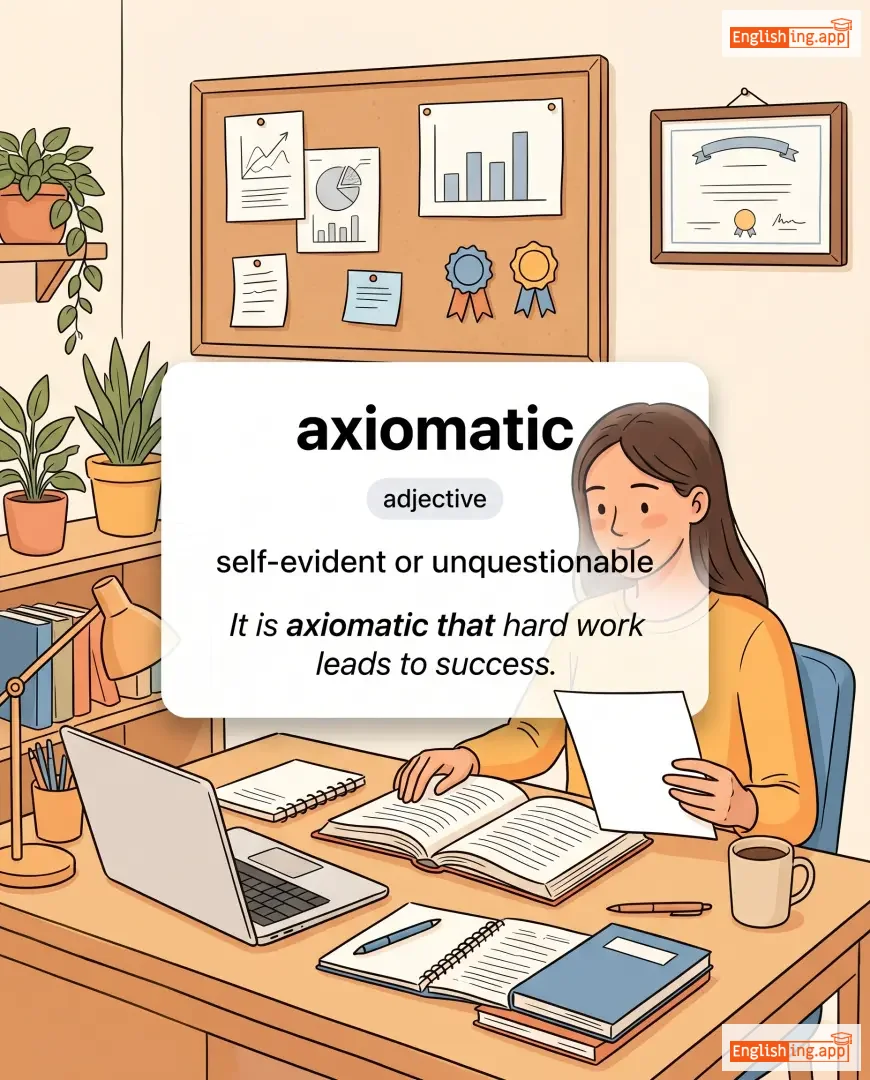
/ˌæk.si.əˈmæt.ɪk/
adjective
(āksīomàtìkè)
••••••
|
|
公理的
gōnglǐ de
••••••
|
- •••••• | - •••••• | - •••••• | - •••••• |
self-evident or unquestionable
••••••
|
It is axiomatic that hard work leads to success. |
它是公理的,努力工作带来成功。
Tā shì gōnglǐ de, nǔlì gōngzuò dàilái chénggōng.
••••••
|
- •••••• | - •••••• | - •••••• |
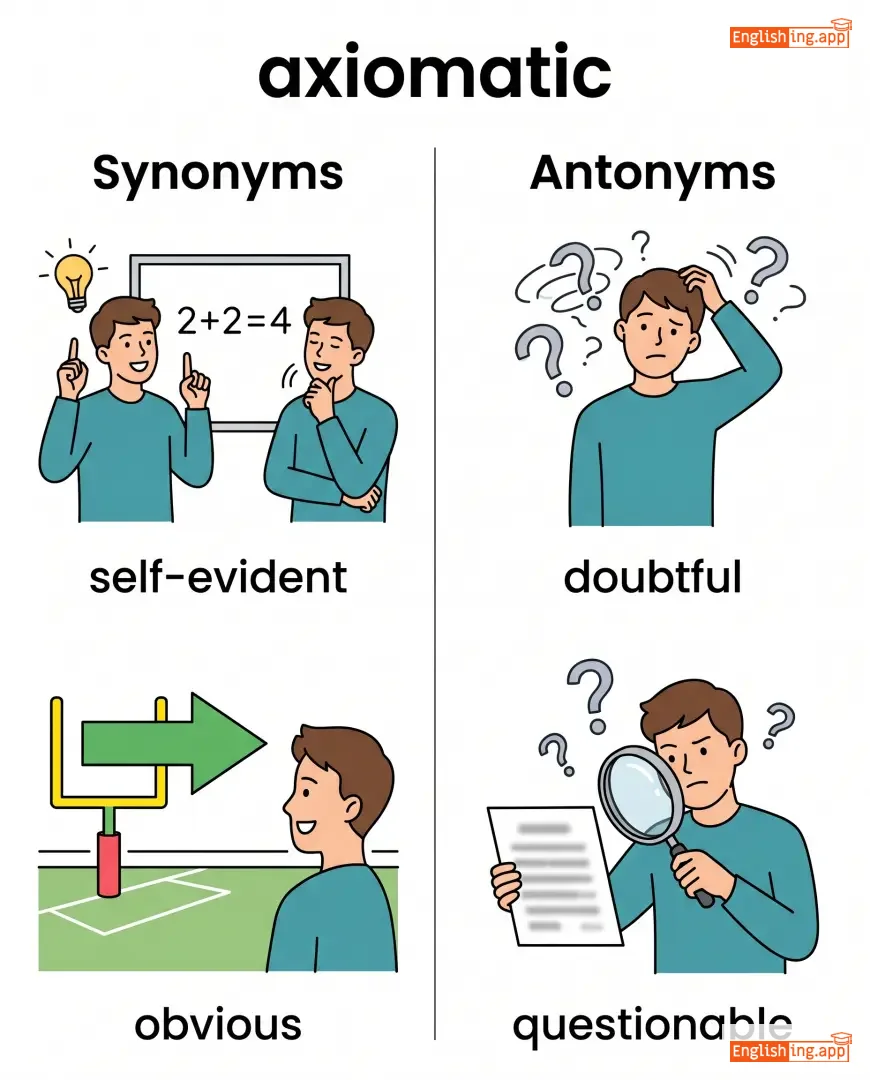
self-evident, obvious, unquestionable, indisputable
••••••
|
doubtful, questionable, uncertain
••••••
|
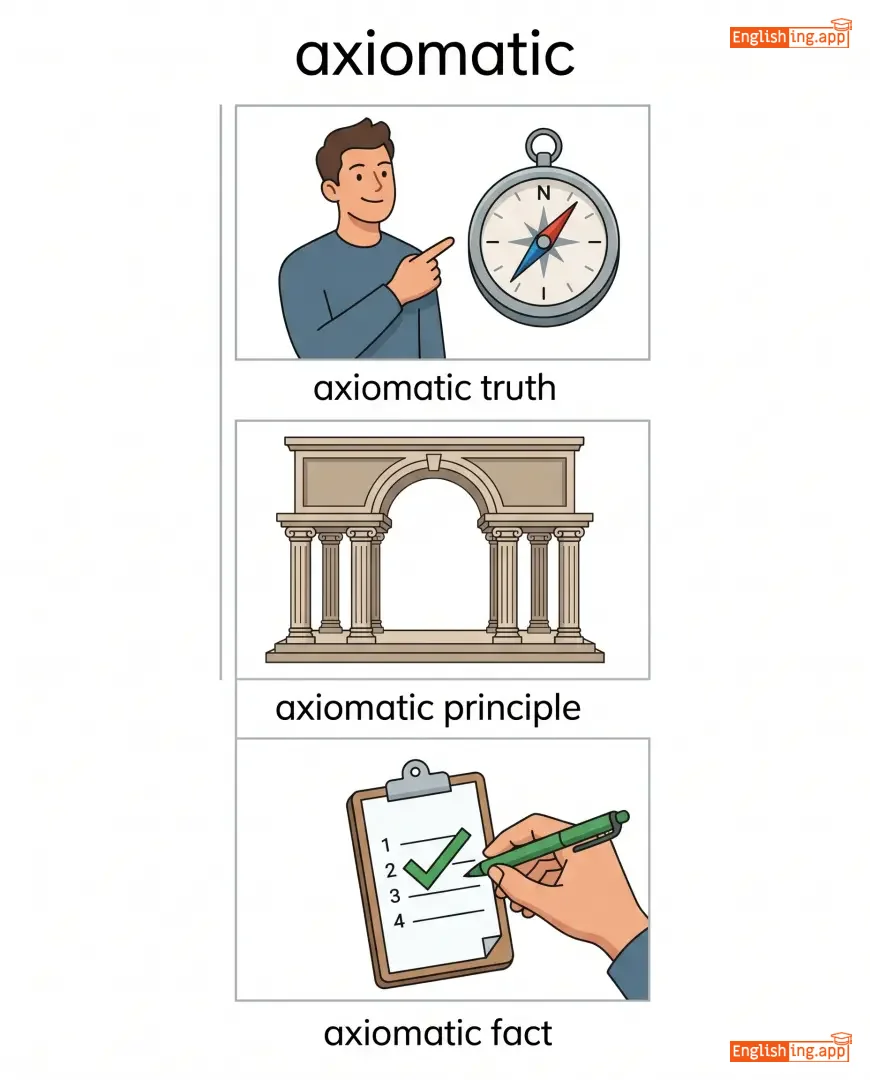
axiomatic truth, axiomatic principle, axiomatic fact
••••••
|
Axiomatic = Axiom + automatic = 如同公理一般,不需要证明的真理。
••••••
|
|
#755
📜
|
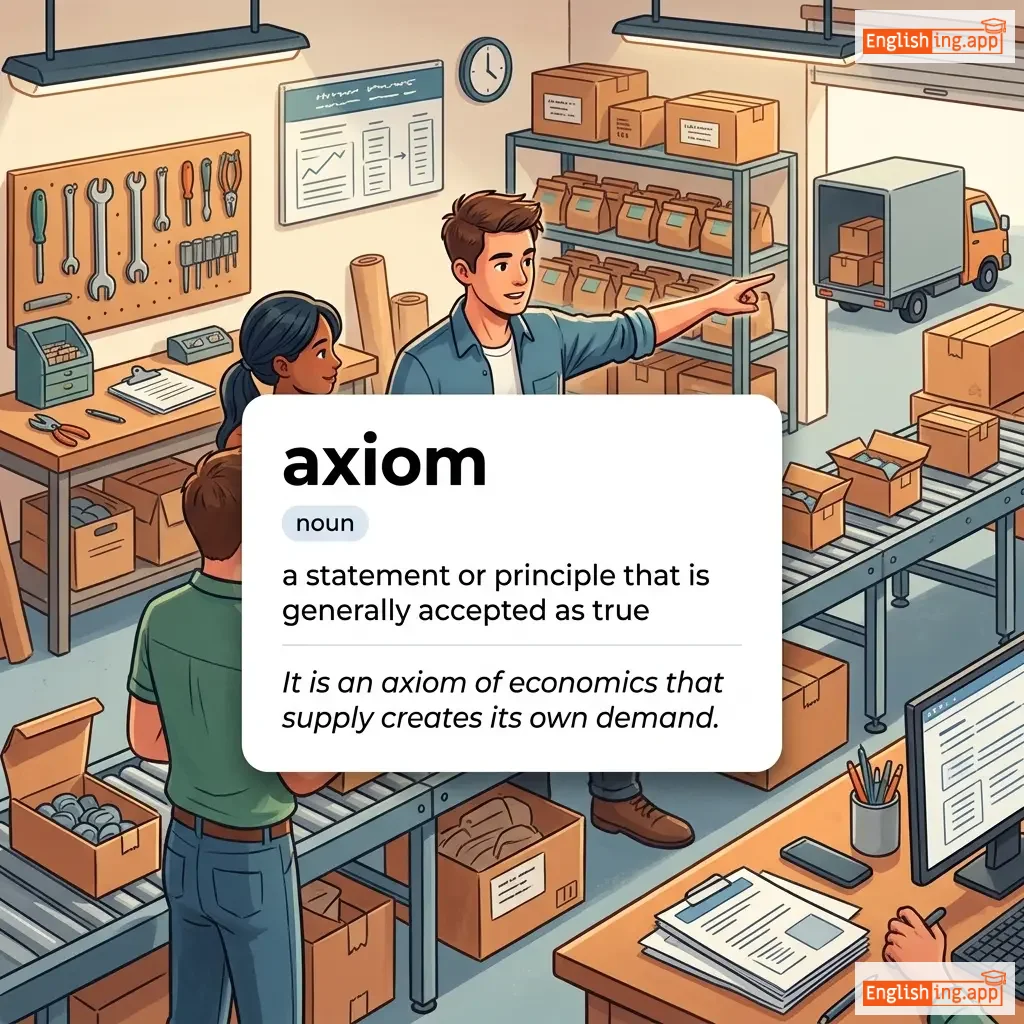
/ˈæk.si.əm/
noun
(āxīyōu)
••••••
|
|
公理
gongli
••••••
|
- •••••• | - •••••• | - •••••• | - •••••• |
a statement or principle that is generally accepted as true
••••••
|
It is an axiom of economics that supply creates its own demand. |
经济学的一个公理是供给创造了自己的需求。
jingjixue de yi ge gongli shi gongji chuangzao le ziji de xuqiu.
••••••
|
- •••••• | - •••••• | - •••••• |
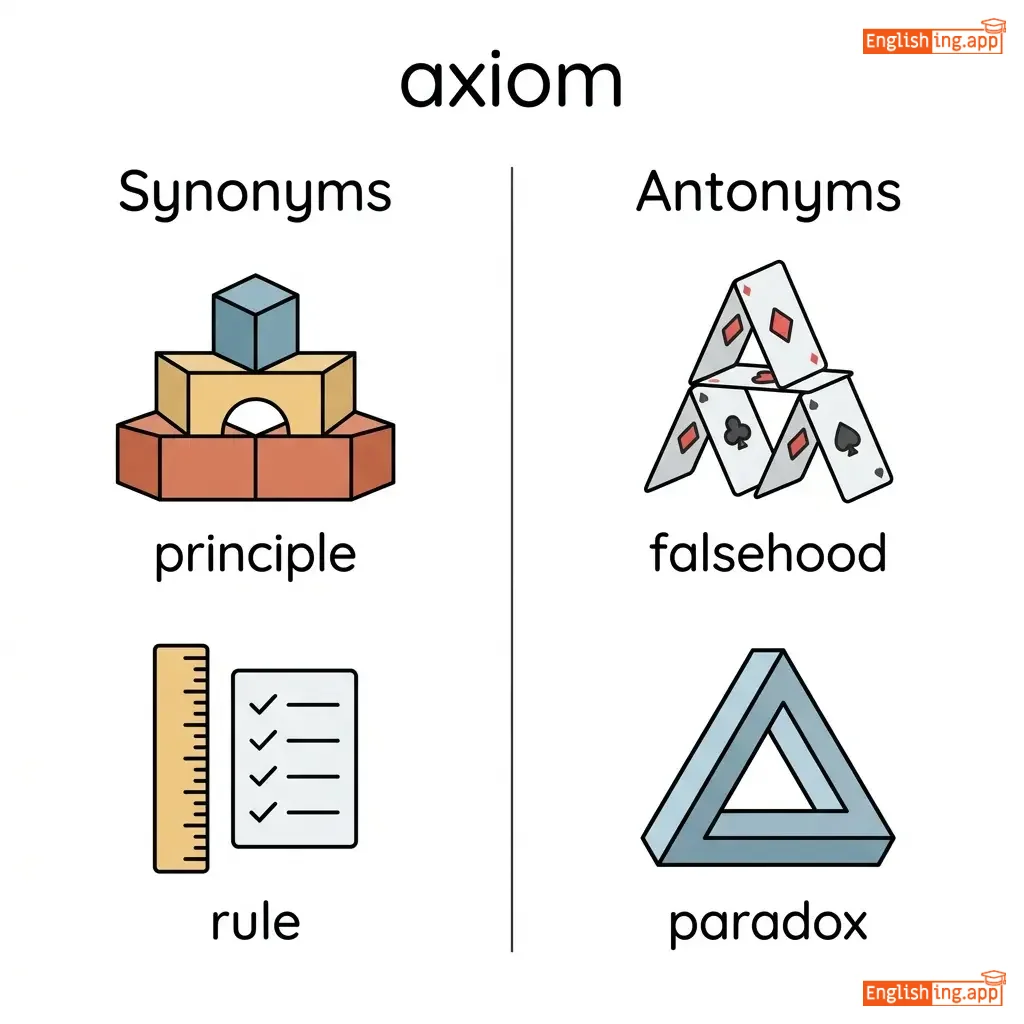
principle, rule, maxim, truism, postulate
••••••
|
falsehood, paradox, misconception
••••••
|
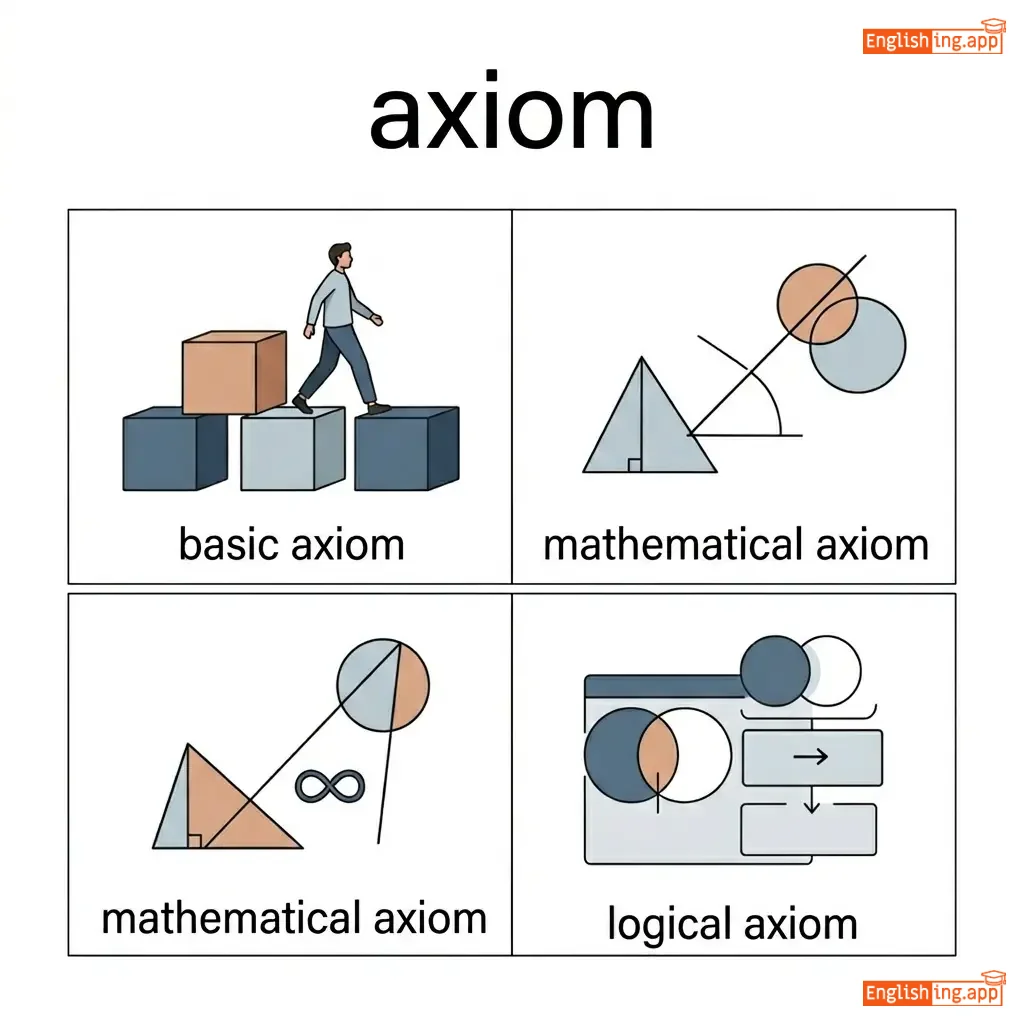
basic axiom, mathematical axiom, logical axiom
••••••
|
公理,真理,容易记住!
••••••
|
|
#756
⚠️
|
/əˈraɪ/
adverb
(啊维)
••••••
|
- •••••• |
出错
chucuo
••••••
|
- •••••• | - •••••• | - •••••• | - •••••• |
away from the expected or proper direction; wrong or amiss
••••••
|
The plan went awry when the weather suddenly changed.
计划在天气突然变化时出了问题。
••••••
|
计划在天气突然变化时出了问题。
Jihua zai tianqi tuuran bianhua shi chule wenti.
••••••
|
go awry
出问题
••••••
|
to go wrong or not work out as planned
••••••
|
出错
chucuo
••••••
|
askew, wrong, amiss, astray, crooked
••••••
|
straight, orderly, aligned
••••••
|
go awry, things awry, plans awry
••••••
|
AW + RAI = 啊维,一切都出错了。
••••••
|
|
#757
⛱️
|
/ˈɔːnɪŋ/
noun
(awning)
••••••
|
- •••••• |
遮阳篷
zhē yáng péng
••••••
|
- •••••• | - •••••• | - •••••• | - •••••• |
a sheet of canvas or material stretched on a frame to shelter a place from the sun or rain
••••••
|
We sat under the awning to avoid the heavy rain. |
我们坐在遮阳篷下,避免了大雨。
Wǒmen zuò zài zhē yáng péng xià, bìmiǎnle dàyǔ.
••••••
|
- •••••• | - •••••• | - •••••• |
canopy, shelter, cover, sunshade
••••••
|
exposure, openness
••••••
|
under the awning, shop awning, striped awning, canvas awning
••••••
|
Awning 就像 A+Wing,遮阳篷像翅膀一样为你遮挡雨水和阳光。
••••••
|
|
#758
🛠️
|
/ɔːl/
noun
(奥尔)
••••••
|
- •••••• |
锥子
zhuīzi
••••••
|
- •••••• | - •••••• | - •••••• | - •••••• |
a small pointed tool used for making holes, especially in leather
••••••
|
The cobbler used an awl to punch holes in the leather. |
鞋匠用锥子在皮革上打孔。
Xiéjiàng yòng zhuīzi zài pígé shàng dǎ kǒng.
••••••
|
- •••••• | - •••••• | - •••••• |
punch, tool, drill, spike
••••••
|
patcher, filler
••••••
|
use an awl, leather awl, sharp awl
••••••
|
Awl = 锥子 - 用于打孔的工具
••••••
|
|
#759
😅
|
/ˈɔːkwəd/
adjective
(啊克沃德)
••••••
|
- •••••• |
尴尬
gāngà
••••••
|
- •••••• | - •••••• | - •••••• | - •••••• |
causing or feeling embarrassment; difficult to deal with
••••••
|
There was an awkward silence after his joke. |
他的笑话之后,出现了尴尬的沉默。
Tā de xiàohuà zhīhòu, chūxiànle gāngà de chénmò.
••••••
|
socially awkward |
not comfortable or skilled in social situations
••••••
|
社交尴尬
shèjiāo gāngà
••••••
|
clumsy, uncomfortable, embarrassing, uneasy, ungainly
••••••
|
graceful, comfortable, elegant
••••••
|
awkward silence, awkward moment, awkward situation, socially awkward
••••••
|
尴尬的时刻让你想要隐藏自己!
••••••
|
|
#760
😖
|
/ˈɔːfəl/
adjective
(ɑfúl)
••••••
|
- •••••• |
糟糕
zāo gāo
••••••
|
- •••••• | - •••••• | - •••••• | - •••••• |
very bad or unpleasant
••••••
|
The weather was awful during our trip. |
我们旅行时天气很糟糕。
Wǒmen lǚxíng shí tiānqì hěn zāogāo.
••••••
|
awful lot |
a great deal or large amount of something
••••••
|
大量
dàliàng
••••••
|
terrible, dreadful, horrible, unpleasant, appalling
••••••
|
wonderful, pleasant, delightful
••••••
|
feel awful, look awful, awful weather, awful mistake
••••••
|
Awful 是一堆糟糕的事情
••••••
|
|
#761
😲
|
/ɔː/
noun
(ó)
••••••
|
- •••••• |
惊叹
jingtan
••••••
|
- •••••• | - •••••• | - •••••• | - •••••• |
a feeling of deep respect mixed with fear or wonder
••••••
|
The children looked at the fireworks in awe. |
孩子们惊讶地看着烟花。
Háizimen jīngyà de kànzhe yānhuā.
••••••
|
in awe of |
to admire and respect someone or something deeply
••••••
|
敬畏
jìngwèi
••••••
|
wonder, amazement, admiration, reverence, fear
••••••
|
disdain, contempt, indifference
••••••
|
filled with awe, in awe of, awe inspiring, hold in awe
••••••
|
AWE = 震惊世界
••••••
|
|
#762
🌊
|
/əˈwɒʃ/
adjective
(awash)
••••••
|
- •••••• |
淹没
yanmo
••••••
|
- •••••• | - •••••• | - •••••• | - •••••• |
covered or flooded with water or something in large quantities
••••••
|
The market was awash with cheap imported goods. |
市场被廉价的进口商品淹没。
Shichang bei lianjia de jinkou shangpin yanmo.
••••••
|
- •••••• | - •••••• | - •••••• |
flooded, overflowing, filled, brimming
••••••
|
dry, empty, barren
••••••
|
awash with, awash in, streets awash, awash with problems
••••••
|
Awash意味着 wash → 被水淹没
••••••
|
|
#763
⏰
|
/əˈweɪkən/
verb
(啊维肯)
••••••
|
- •••••• |
唤醒
huanxing
••••••
|
awakened
啊维肯德
••••••
|
awakened
啊维肯德
••••••
|
awakens
啊维肯斯
••••••
|
awakening
啊维肯宁
••••••
|
to stop sleeping; to cause to become aware
••••••
|
The loud noise awakened the entire neighborhood.
大声的噪音啊维肯了整个邻里。
••••••
|
大声的噪音唤醒了整个邻里。
Dà shēng de zàoyīn huànxǐngle zhěnggè línlǐ.
••••••
|
awaken interest
啊维肯兴趣
••••••
|
to make someone become interested in something
••••••
|
唤醒兴趣
huanxing xingqu
••••••
|
arouse, rouse, wake, stir
••••••
|
sleep, ignore, neglect
••••••
|
awaken early, awaken suddenly, awaken feelings, awaken interest
••••••
|
Awaken意味着用闹钟唤醒 ⏰
••••••
|
|
#764
👨🦳
|
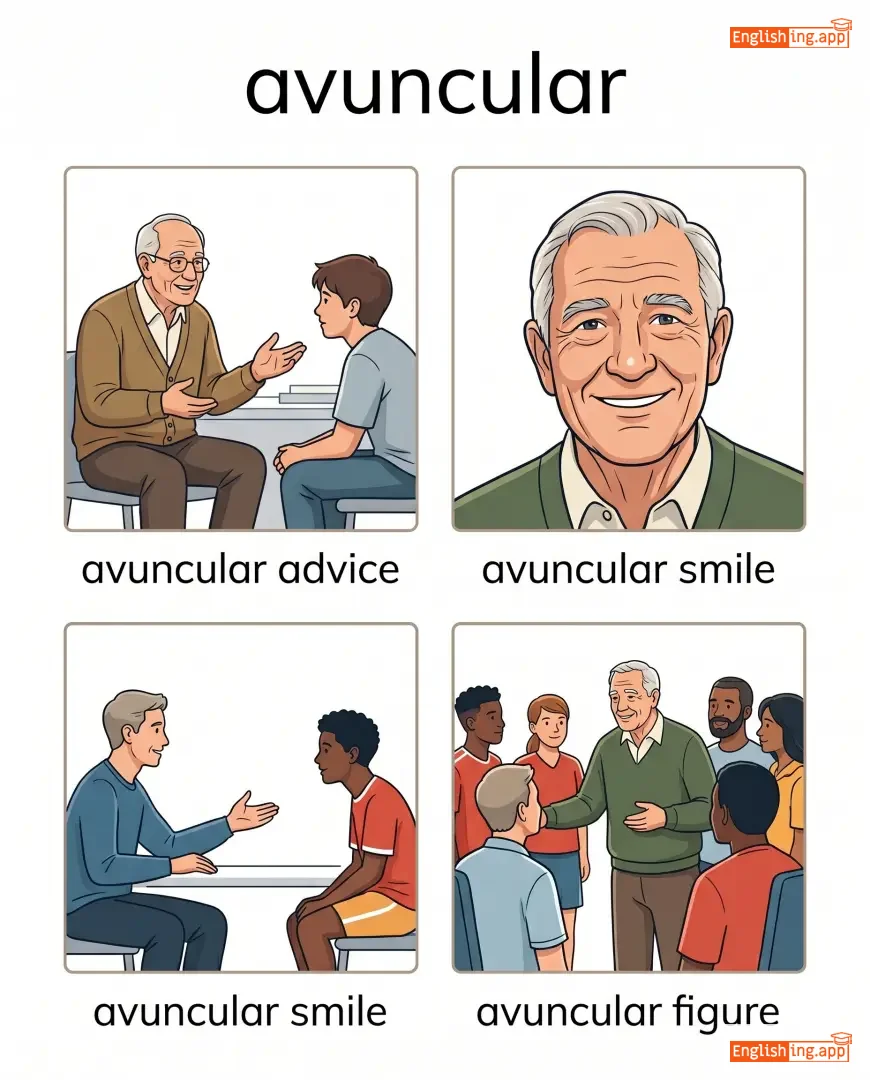
/əˈvʌŋkjələr/
adjective
(阿冯库拉尔)
••••••
|
|
像叔叔一样友善
xiàng shūshu yīyàng yǒushàn
••••••
|
- •••••• | - •••••• | - •••••• | - •••••• |
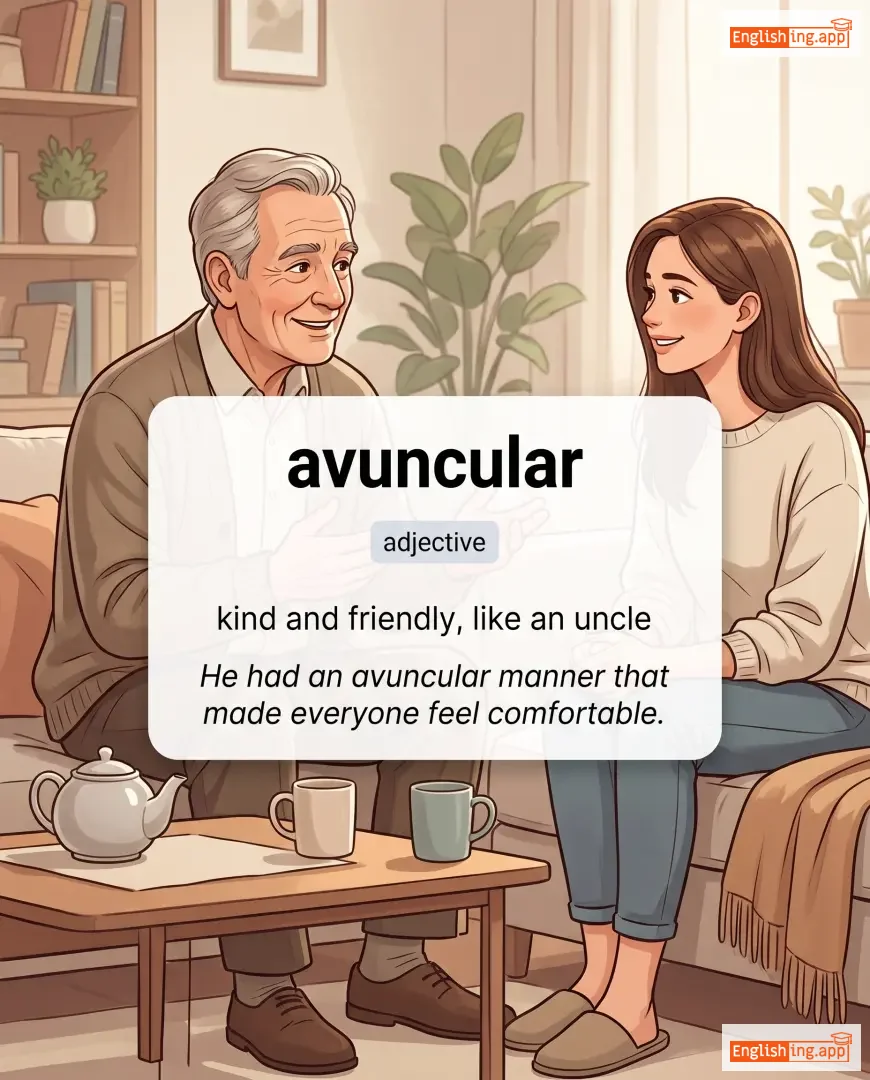
kind and friendly, like an uncle
••••••
|
He had an avuncular manner that made everyone feel comfortable.
他有一种让每个人都感到舒适的阿冯库拉尔风度。
••••••
|
他有一种让每个人都感到舒适的阿冯库拉尔风度。
Tā yǒu yī zhǒng ràng měi gèrén dōu gǎndào shūshì de ā fēng kù lā ěr fēng dù.
••••••
|
- •••••• | - •••••• | - •••••• |
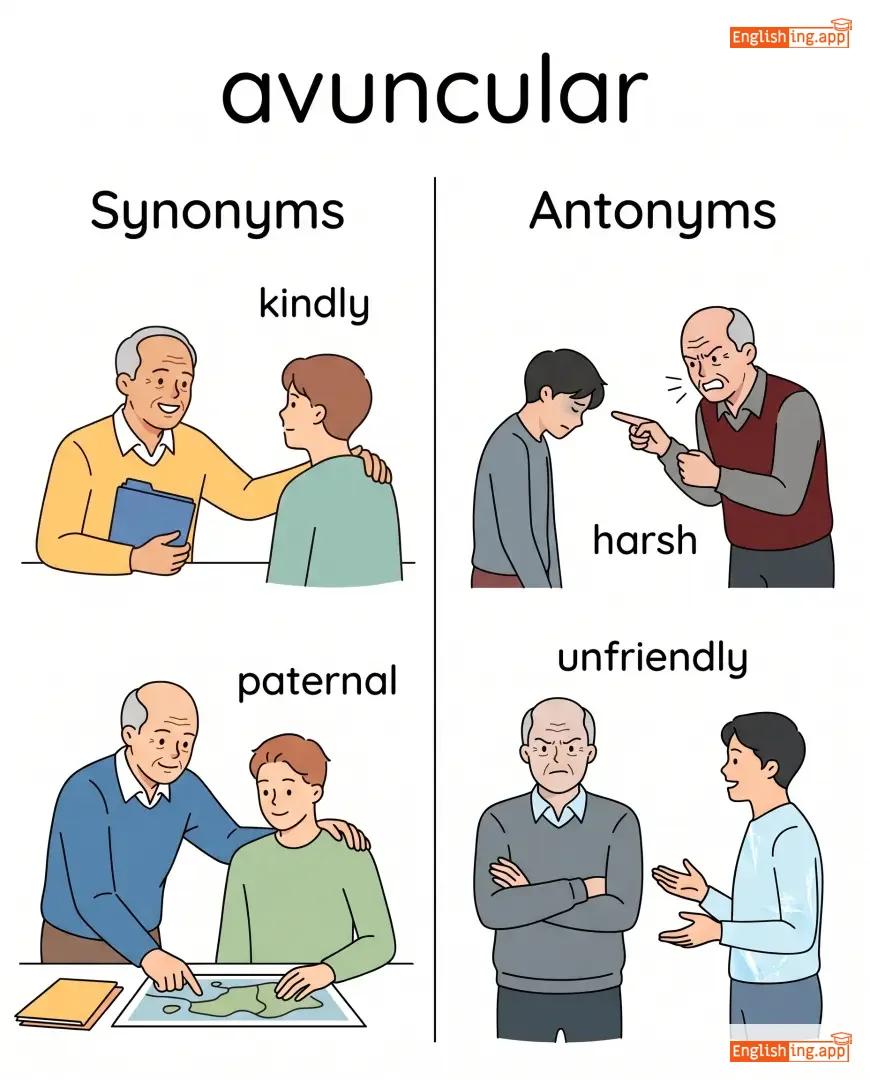
kindly, paternal, benevolent, genial
••••••
|
harsh, unfriendly, stern
••••••
|
avuncular advice, avuncular smile, avuncular figure, avuncular role
••••••
|
Avuncular意味着像叔叔一样友好。
••••••
|
|
#765
✂️
|
/əˈvʌls/
verb
(艾弗尔斯)
••••••
|
- •••••• |
撕裂
silie
••••••
|
avulsed
艾弗尔斯德
••••••
|
avulsed
艾弗尔斯德
••••••
|
avulses
艾弗尔塞斯
••••••
|
avulsing
艾弗尔辛
••••••
|
to tear away or separate forcibly, especially in medical or geological contexts
••••••
|
The surgeon had to avulse the damaged tissue during the operation.
外科医生在手术中必须把受损的组织撕裂。
••••••
|
外科医生在手术中必须把受损的组织撕裂。
Wàikē yīshēng zài shǒushù zhōng bìxū bǎ shòusǔn de zǔzhī sīliè.
••••••
|
- •••••• | - •••••• | - •••••• |
tear, rip, sever, detach
••••••
|
attach, join, connect
••••••
|
avulse tissue, avulse root, avulse ligament, forcibly avulse
••••••
|
Avulse 听起来像 a+vulse (拉) → 撕裂
••••••
|
|
#766
🎨
|
/ˌævɒ̃ˈɡɑːrd/
adjective
(ā wáng gǎ ěr dé)
••••••
|
|
前卫
qianwei
••••••
|
- •••••• | - •••••• | - •••••• | - •••••• |
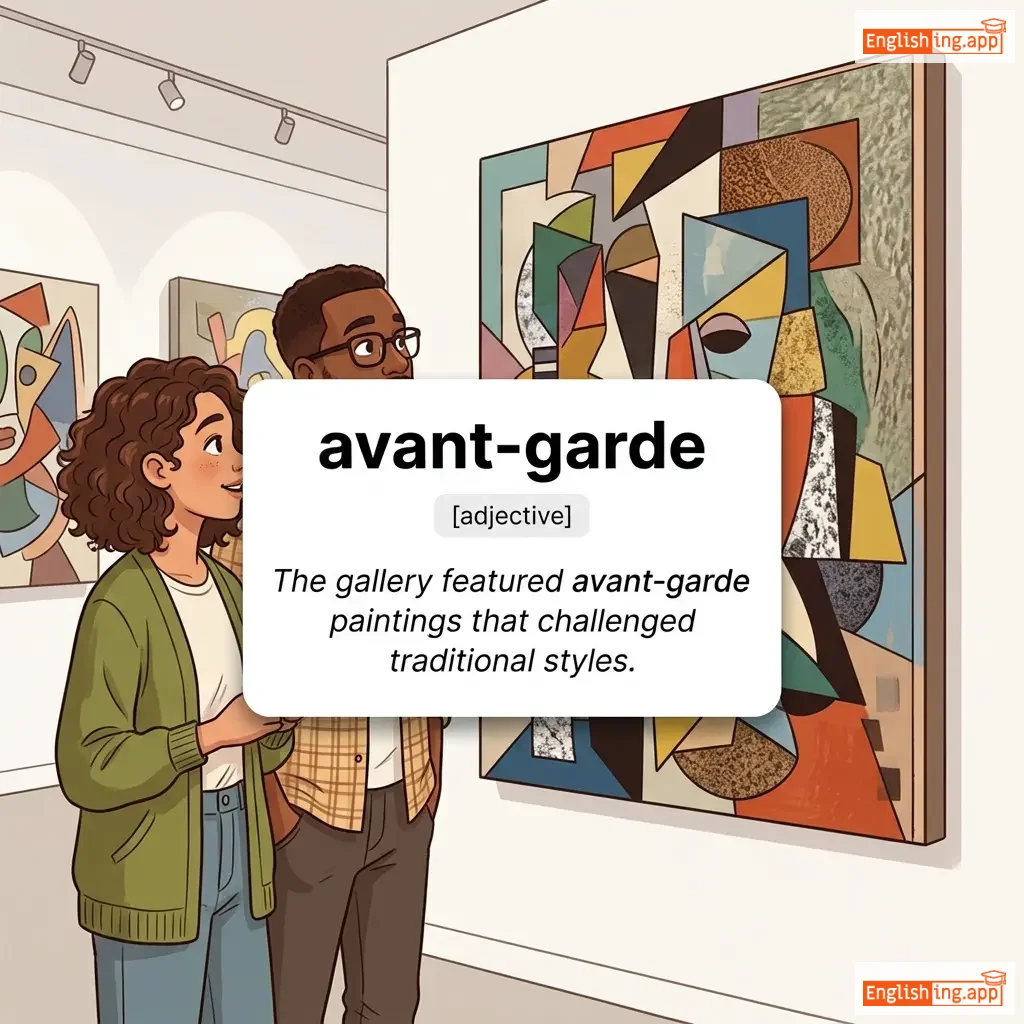
innovative, experimental, or ahead of its time, especially in the arts and culture
••••••
|
The gallery featured avant-garde paintings that challenged traditional styles. |
画廊展示了挑战传统风格的前卫画作。
Hualang zhanshi le tiaozhan chuantong fengge de qianwei huazuo.
••••••
|
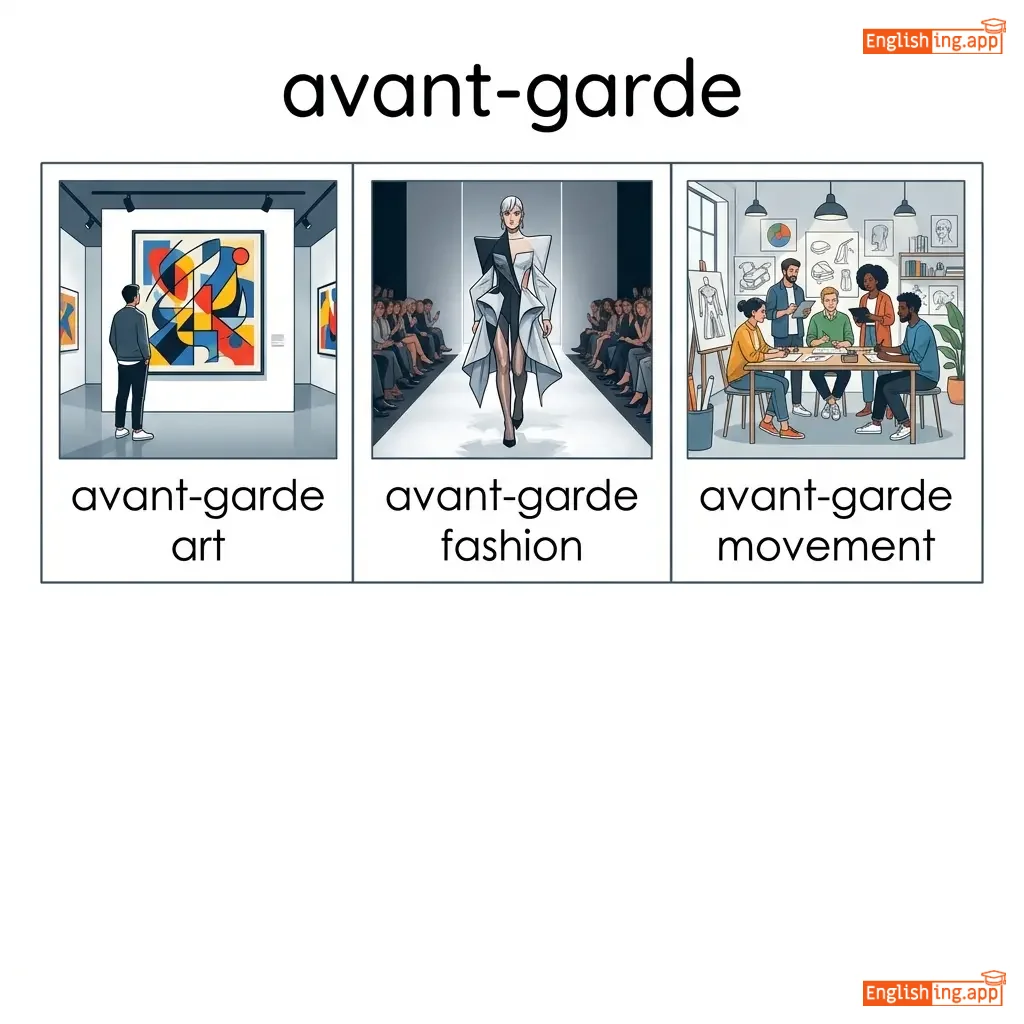
avant-garde art |
art that is experimental, innovative, and pushes boundaries
••••••
|
前卫艺术
qianwei yishu
••••••
|
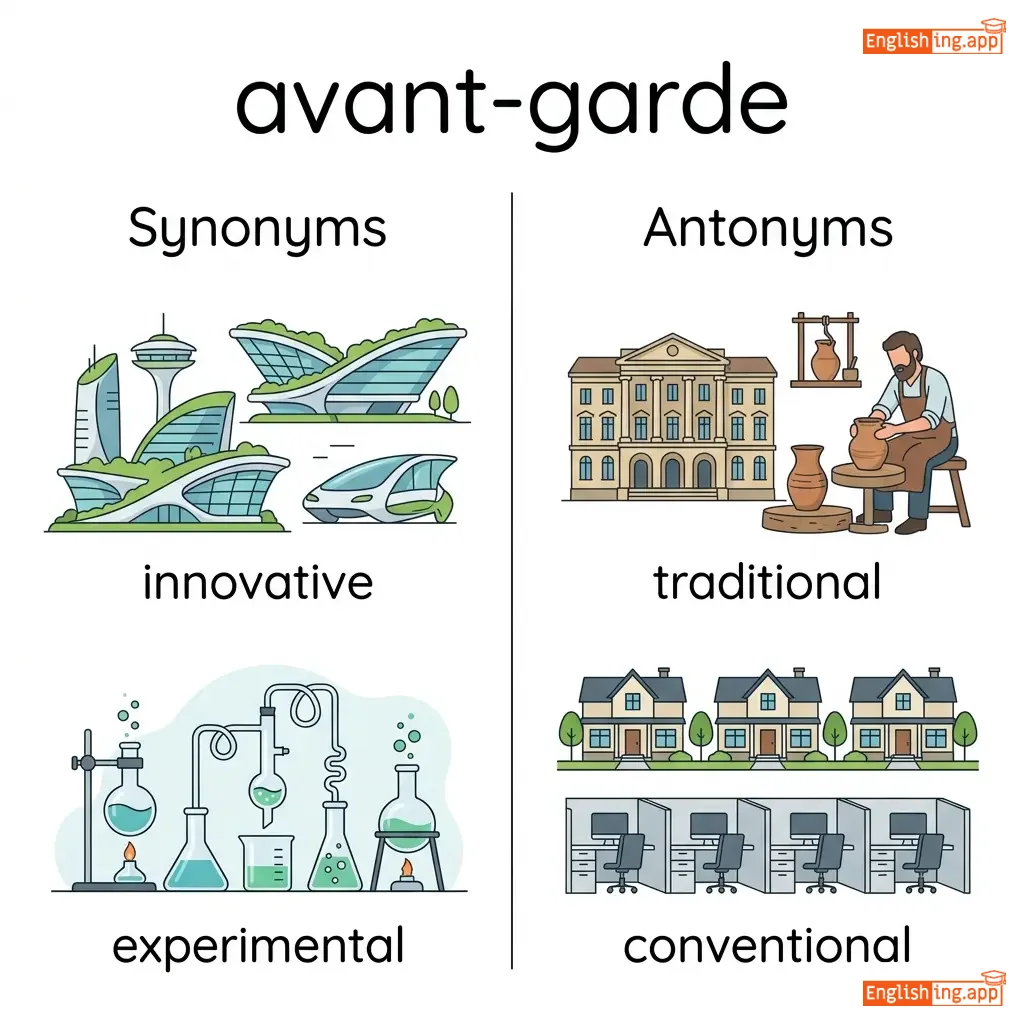
innovative, experimental, progressive, radical, cutting-edge
••••••
|
traditional, conventional, conservative
••••••
|
avant-garde art, avant-garde fashion, avant-garde movement, avant-garde music
••••••
|
前卫意味着在艺术中永远走在前面。
••••••
|
|
#767
🗣️
|
/əˈvaʊtʃ/
verb
(àwàutʃ)
••••••
|
- •••••• |
确认
quèrèn
••••••
|
avouched
àwàutʃd
••••••
|
avouched
àwàutʃd
••••••
|
avouches
àwàutʃes
••••••
|
avouching
àwàutʃɪŋ
••••••
|
to affirm or assert something as true
••••••
|
He avouched his innocence before the judge.
他在法官面前确认了自己的清白。
••••••
|
他在法官面前确认了自己的清白。
Tā zài fǎguān miànqián quèrènle zìjǐ de qīngbái.
••••••
|
- •••••• | - •••••• | - •••••• |
affirm, assert, declare, proclaim, testify
••••••
|
deny, contradict, refute
••••••
|
avouch truth, avouch innocence, solemnly avouch
••••••
|
Avouch 就是确认—把某事断言为真。
••••••
|
|
#768
🎨
|
/ˌæv.oʊˈkeɪ.ʃən/
noun
(艾沃凯申)
••••••
|
|
副业
fuyi
••••••
|
- •••••• | - •••••• | - •••••• | - •••••• |
a hobby or minor occupation pursued in addition to one's main work
••••••
|
Painting is his avocation after office hours. |
绘画是他下班后的副业。
Huìhuà shì tā xiàbān hòu de fùyè.
••••••
|
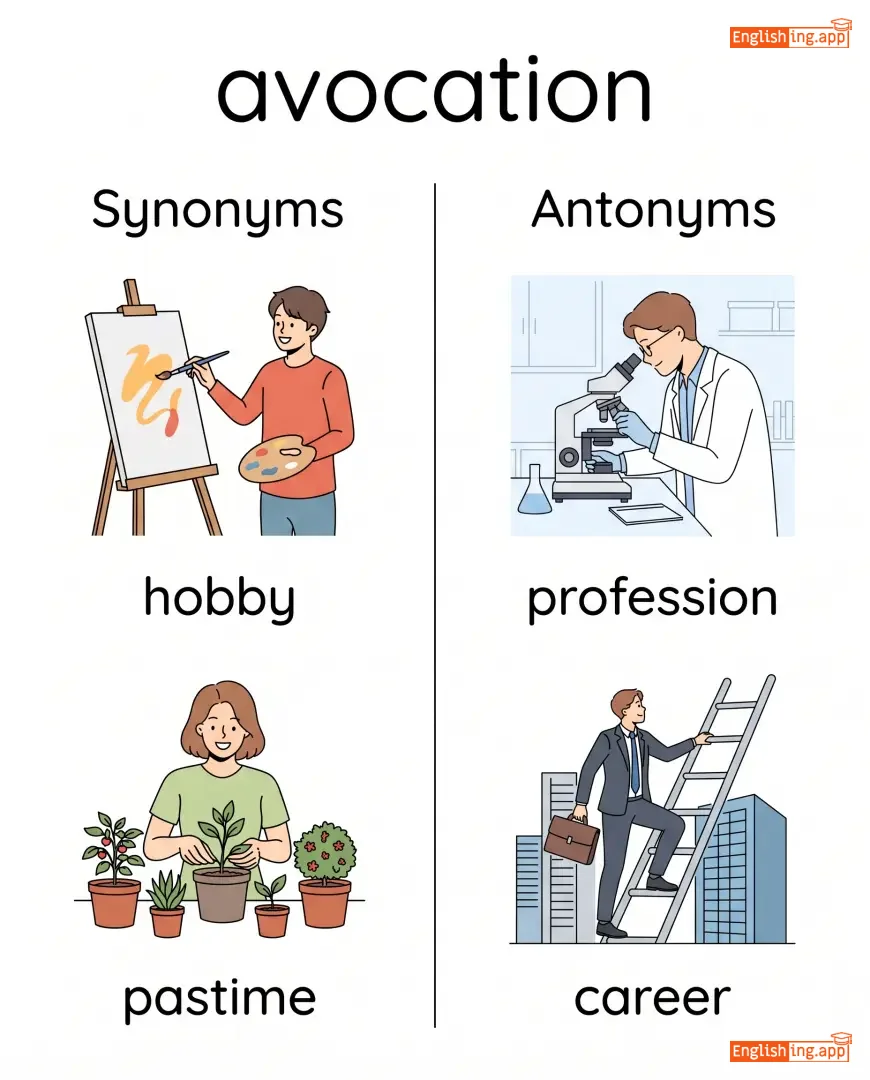
- •••••• | - •••••• | - •••••• |
hobby, pastime, pursuit, diversion, recreation
••••••
|
profession, career, vocation
••••••
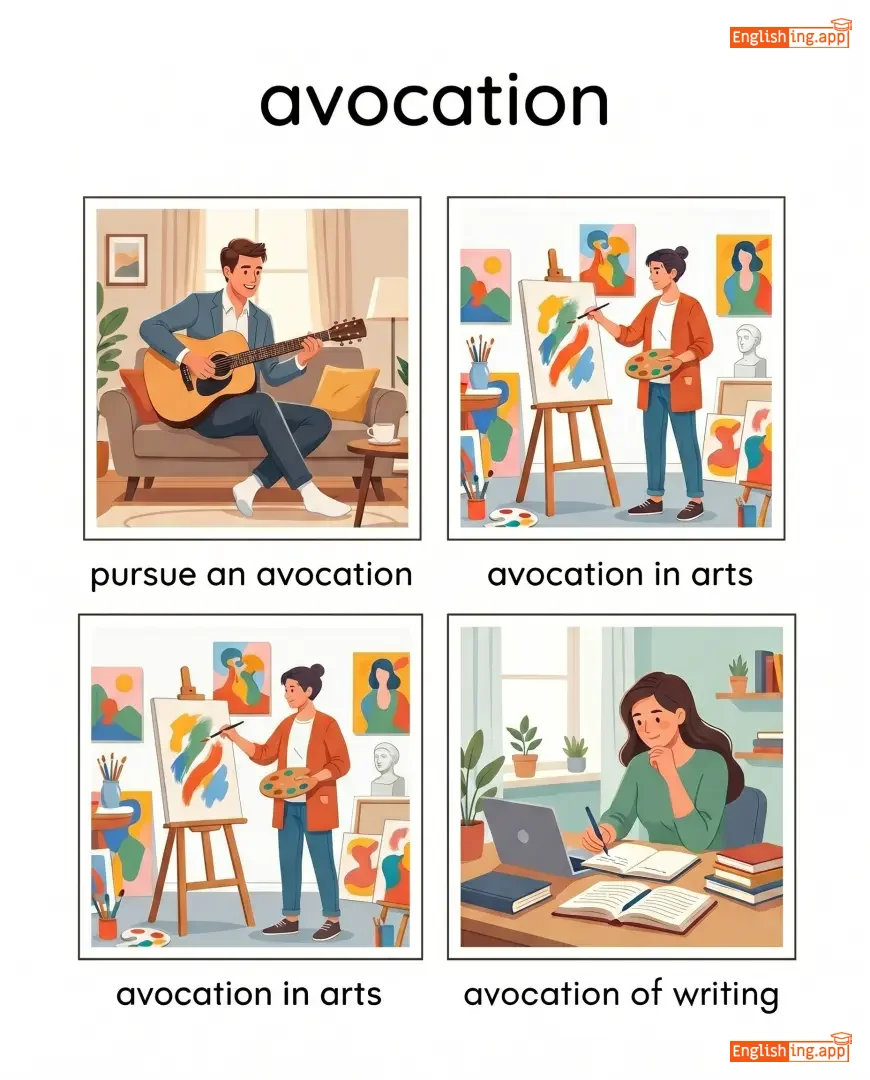
|
pursue an avocation, avocation in arts, avocation of writing
••••••
|
Avocation 就是 ‘vocation’ 之外的额外活动,也就是你的副业!
••••••
|
|
#769
⚡
|
/əˈvɪdəti/
noun
(艾维迪提)
••••••
|
- •••••• |
热情
rèqíng
••••••
|
- •••••• | - •••••• | - •••••• | - •••••• |
extreme eagerness or enthusiasm
••••••
|
He accepted the offer with avidity. |
他带着热情接受了这个提议。
Tā dàizhe rèqíng jiēshòule zhège tíyì.
••••••
|
- •••••• | - •••••• | - •••••• |
eagerness, enthusiasm, passion, zeal, fervor
••••••
|
apathy, indifference, disinterest
••••••
|
with avidity, show avidity, avidity for learning
••••••
|
Avidity 就像是一种无法抑制的热情,意味着强烈的渴望。
••••••
|
|
#770
🔥
|
/ˈæv.ɪd/
adjective
(艾维德)
••••••
|
- •••••• |
热衷的
rèzhōng de
••••••
|
- •••••• | - •••••• | - •••••• | - •••••• |
having an eager desire or enthusiasm for something
••••••
|
She is an avid reader of mystery novels.
她是一个狂热的神秘小说读者。
••••••
|
她是一个狂热的神秘小说读者。
Tā shì yī gè kuángrè de shénmì xiǎoshuō dúzhě.
••••••
|
- •••••• | - •••••• | - •••••• |
eager, passionate, enthusiastic, devoted, keen
••••••
|
indifferent, apathetic, uninterested
••••••
|
avid reader, avid fan, avid interest, avid collector
••••••
|
Avid 在中文中意味着对某事有强烈兴趣,就像是对神秘小说的狂热迷恋。
••••••
|
|
#771
🦜
|
/ˈeɪ.viˌɛr.i/
noun
(ài wéi ér)
••••••
|
- •••••• |
鸟舍
niaoshe
••••••
|
- •••••• | - •••••• | - •••••• | - •••••• |
a large enclosure for keeping birds
••••••
|
The zoo built a new aviary for exotic parrots. |
动物园为外来鹦鹉建了一个新的鸟舍。
Dòngwùyuán wèi wàilái yīngwǔ jiàn le yīgè xīn de niǎoshè.
••••••
|
- •••••• | - •••••• | - •••••• |
birdhouse, birdcage, enclosure, sanctuary, pen
••••••
|
open sky, wilderness
••••••
|
large aviary, build an aviary, tropical aviary, aviary birds
••••••
|
Aviary = 爱 (ài) + 空气 (kōngqì) = 空气中的鸟类之家。
••••••
|
|
#772
🛡️
|
/əˈvɜːrt/
verb
(避免)
••••••
|
- •••••• |
避免
bìmiǎn
••••••
|
averted
避免
••••••
|
averted
避免
••••••
|
averts
避免
••••••
|
averting
避免
••••••
|
to prevent something bad from happening or to turn away one's eyes or thoughts
••••••
|
Quick action helped avert a disaster.
快速的行动帮助避免了灾难。
••••••
|
快速的行动帮助避免了灾难。
Kuàisù de xíngdòng bāngzhù bìmiǎnle zāinàn.
••••••
|
avert one's eyes
移开视线
••••••
|
to look away from something unpleasant or embarrassing
••••••
|
移开视线
Yí kāi shìxiàn
••••••
|
prevent, avoid, forestall, deter
••••••
|
allow, permit, encourage
••••••
|
avert disaster, avert crisis, avert danger, avert conflict
••••••
|
AVERT就像'避免'——避免灾难。
••••••
|
|
#773
🚫
|
/əˈvɜːrʒən/
noun
(āwēi'ěrshēn)
••••••
|
- •••••• |
厌恶
yànwù
••••••
|
- •••••• | - •••••• | - •••••• | - •••••• |
a strong feeling of dislike or unwillingness towards something
••••••
|
She has a strong aversion to smoking.
她对吸烟有强烈的反感。
••••••
|
她对吸烟有强烈的反感。
Tā duì xīyān yǒu qiángliè de fǎngǎn.
••••••
|
- •••••• | - •••••• | - •••••• |
dislike, antipathy, hatred, loathing
••••••
|
fondness, liking, affection
••••••
|
aversion to risk, deep aversion, natural aversion, strong aversion
••••••
|
厌恶 = 不喜欢的强烈反应 (反感)
••••••
|
|
#774
🙅
|
/əˈvɜːrs/
adjective
(阿维尔斯)
••••••
|
- •••••• |
反感
fǎn gǎn
••••••
|
- •••••• | - •••••• | - •••••• | - •••••• |
having a strong dislike of or opposition to something
••••••
|
He was averse to taking unnecessary risks. |
他不愿意承担不必要的风险。
Tā bù yuànyì chéngdān bù bì yào de fēngxiǎn.
••••••
|
- •••••• | - •••••• | - •••••• |
unwilling, opposed, reluctant, hostile
••••••
|
willing, inclined, eager
••••••
|
averse to risk, averse to change, strongly averse, not averse
••••••
|
Averse像反感,都是表示不喜欢的意思。
••••••
|
|
#775
📢
|
/əˈvɜːr/
verb
(艾维尔)
••••••
|
|
坚称
jiancheng
••••••
|
averred
艾维尔德
••••••
|
averred
艾维尔德
••••••
|
avers
艾维尔斯
••••••
|
averring
艾维灵
••••••
|
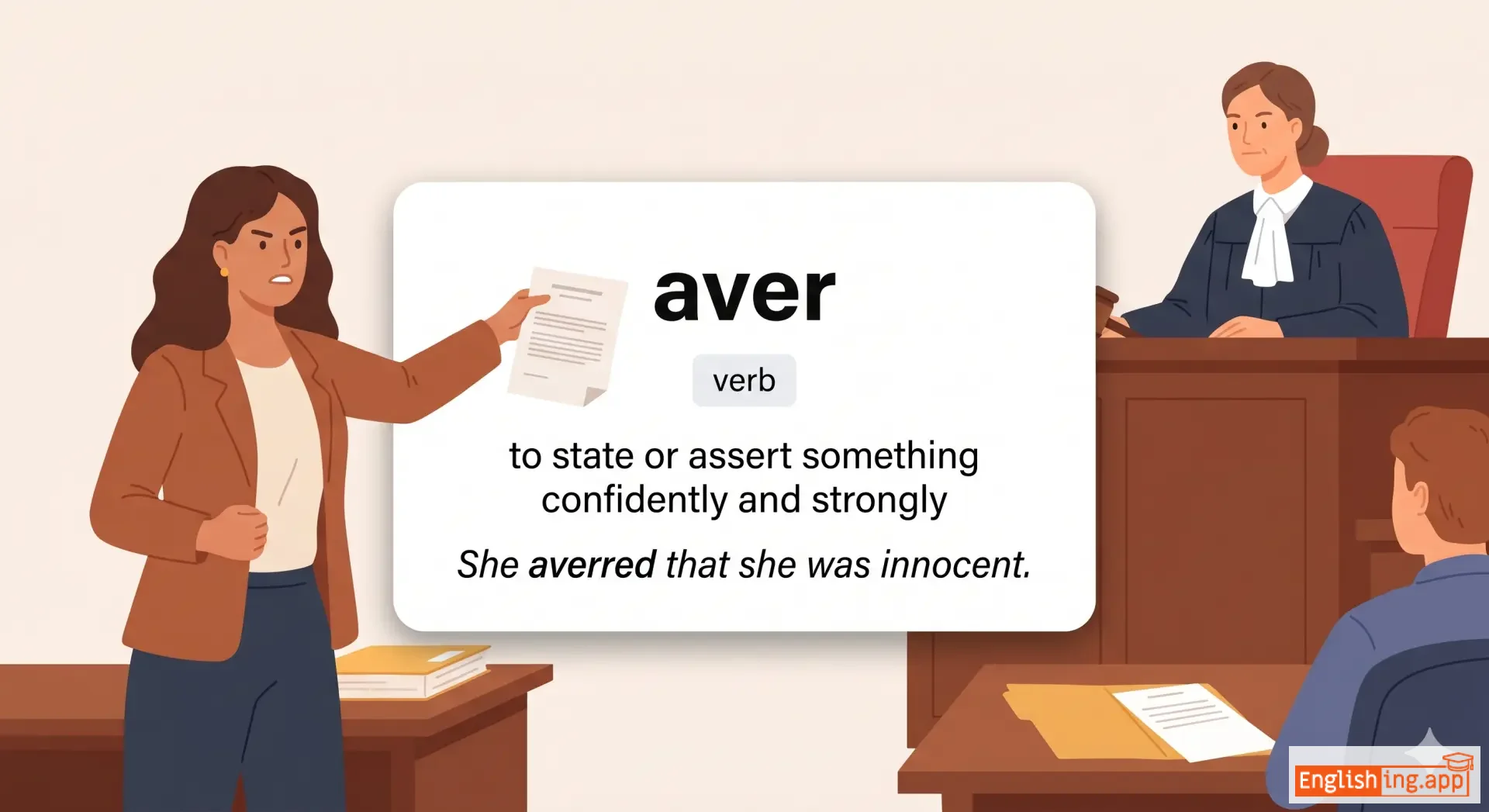
to state or assert something confidently and strongly
••••••
|
She averred that she was innocent.
她坚称她是无辜的。
••••••
|
她坚称她是无辜的。
Ta jiancheng ta shi wugu de.
••••••
|
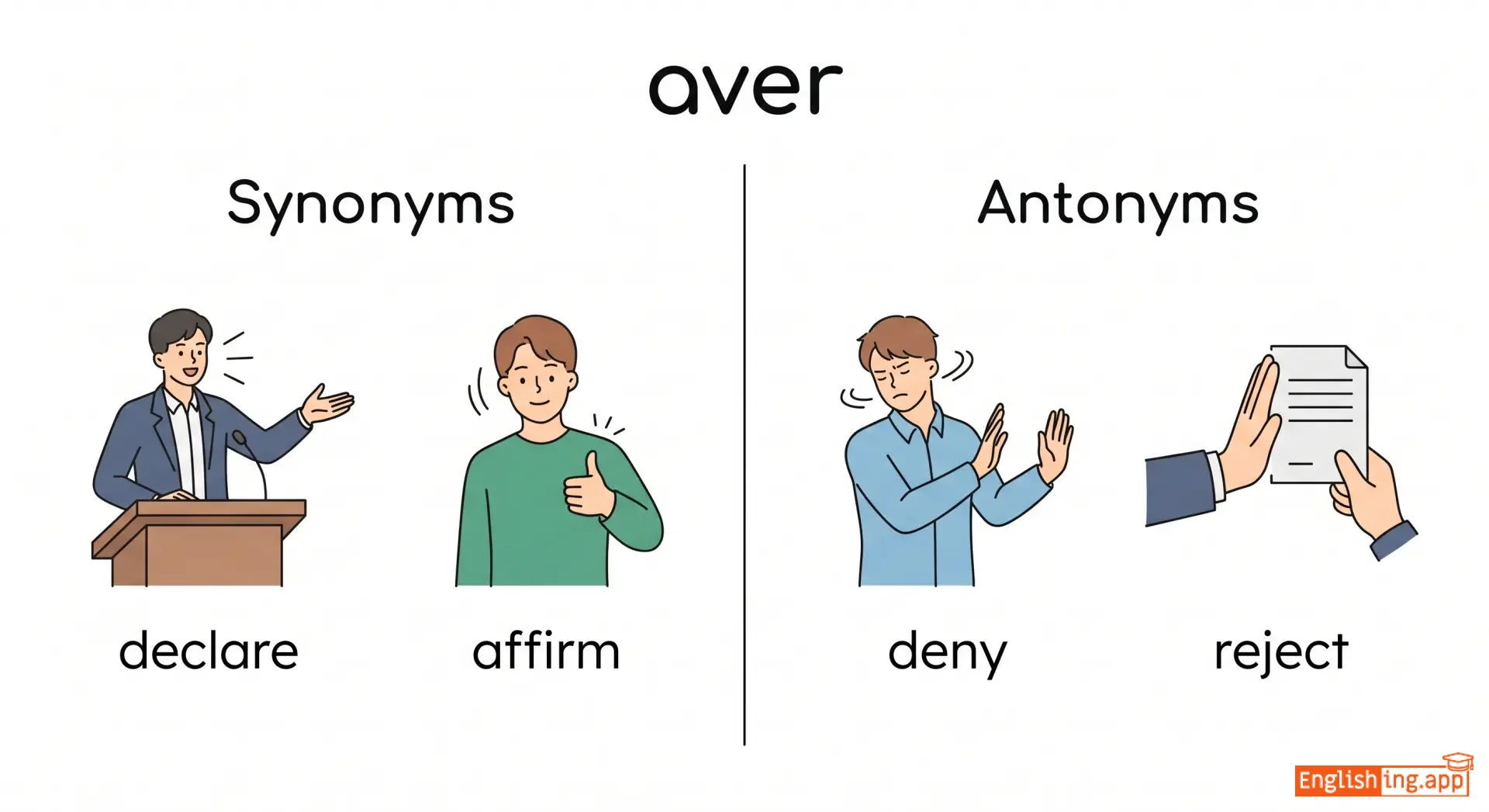
- •••••• | - •••••• | - •••••• |
declare, affirm, assert, claim
••••••
|
deny, reject, contradict
••••••
|
aver the truth, aver innocence, aver firmly, confidently aver
••••••
|
AVER 就是当你坚定地宣称某事时。
••••••
|
|
#776
⚔️
|
/əˈvɛndʒ/
verb
(àwénzhī)
••••••
|
- •••••• |
报仇
bàochóu
••••••
|
avenged
àwénzhīduō
••••••
|
avenged
àwénzhīduō
••••••
|
avenges
àwénzhī
••••••
|
avenging
àwénzhīng
••••••
|
to inflict harm in return for an injury or wrong done to oneself or another
••••••
|
He vowed to avenge his brother's death.
tā yuēbàn xiǎng bāngzhù tā xiōngdì de sǐwáng.
••••••
|
他发誓为自己兄弟的死亡报仇。
Tā fāshì wèi zìjǐ xiōngdì de sǐwáng bàochóu.
••••••
|
avenge oneself
yīnggāi huǒwú zìjǐ
••••••
|
to take revenge for an insult or injury done to oneself
••••••
|
为自己报仇
wèi zìjǐ bàochóu
••••••
|
revenge, retaliate, redress, punish
••••••
|
forgive, pardon, excuse
••••••
|
avenge a crime, avenge a death, avenge the wrong, avenge oneself
••••••
|
AVENge=报仇 = vengeance of the avenge.
••••••
|
|
#777
🧑💻
|
/ˈævətɑːr/
noun
(阿凡达)
••••••
|
- •••••• |
阿凡达
avatar
••••••
|
- •••••• | - •••••• | - •••••• | - •••••• |
an icon or figure representing a person in digital contexts; in Hinduism, a divine incarnation
••••••
|
She changed her social media avatar to a new cartoon image. |
她将自己的社交媒体头像更换为新的卡通形象。
Tā jiāng zìjǐ de shèjiāo méitǐ tóuxiàng gēnghuàn wéi xīn de kǎtōng xíngxiàng.
••••••
|
digital avatar |
a graphical representation of a user in online platforms
••••••
|
数字化身
shùzì huàshēn
••••••
|
icon, figure, representation, embodiment, persona
••••••
|
reality, original
••••••
|
social media avatar, game avatar, digital avatar, avatar of Vishnu
••••••
|
Avatar = 阿凡达 = 数字和神灵的代表。
••••••
|
|
#778
🤑
|
/ˌævəˈrɪʃəs/
adjective
(艾维里舍斯)
••••••
|
- •••••• |
贪婪的
tān lán de
••••••
|
- •••••• | - •••••• | - •••••• | - •••••• |
having or showing extreme greed for wealth or material gain
••••••
|
The avaricious landlord increased the rent unfairly. |
贪婪的房东不公正地提高了租金。
Tānlán de fángdōng bù gōngzhèng dì tígāo le zūjīn.
••••••
|
- •••••• | - •••••• | - •••••• |
greedy, covetous, grasping, rapacious
••••••
|
generous, charitable, selfless
••••••
|
avaricious behavior, avaricious nature, avaricious landlord, avaricious desire
••••••
|
avaricious = avarice + ous = 充满贪婪。
••••••
|
|
#779
💰
|
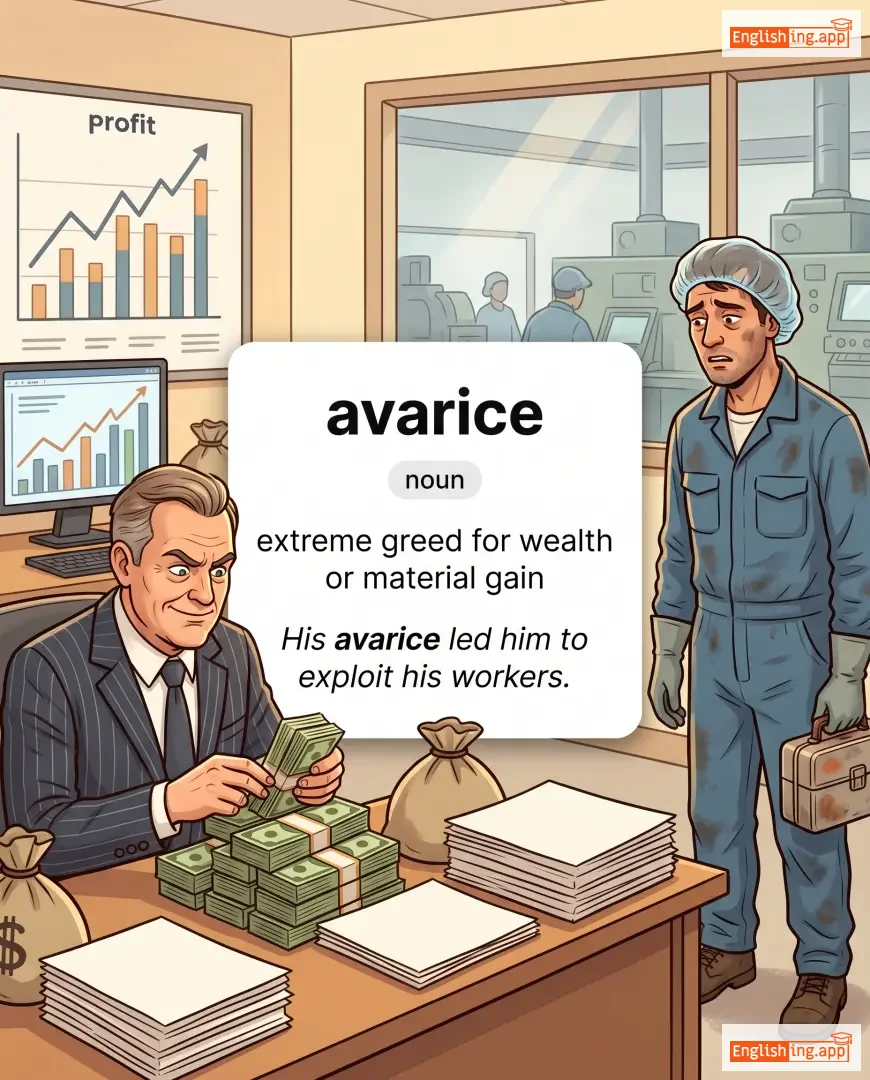
/ˈævərɪs/
noun
(阿瓦里斯)
••••••
|
|
贪婪
tanlan
••••••
|
- •••••• | - •••••• | - •••••• | - •••••• |
extreme greed for wealth or material gain
••••••
|
His avarice led him to exploit his workers. |
他的贪婪导致他剥削工人。
Tā de tánlán dǎozhì tā bōxuē gōngrén.
••••••
|
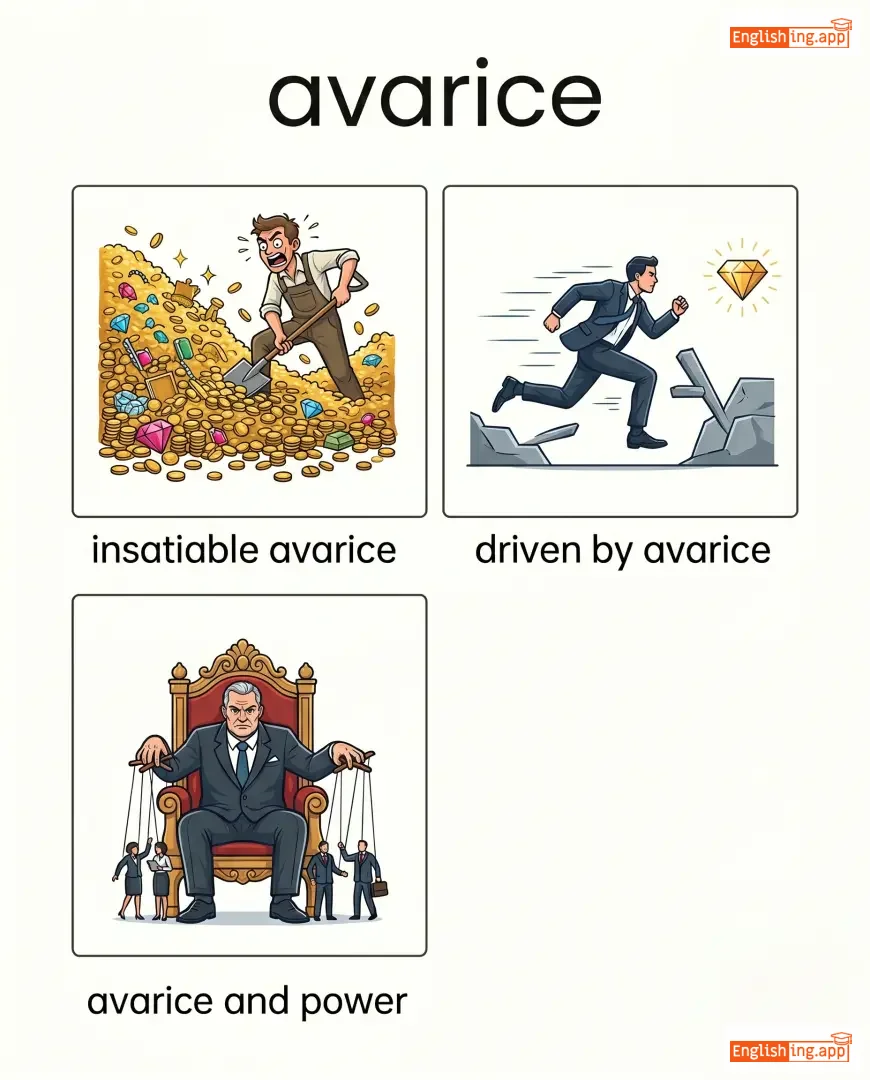
insatiable avarice |
an endless and extreme greed for wealth
••••••
|
无法满足的贪婪
wúfǎ mǎnzú de tánlán
••••••
|
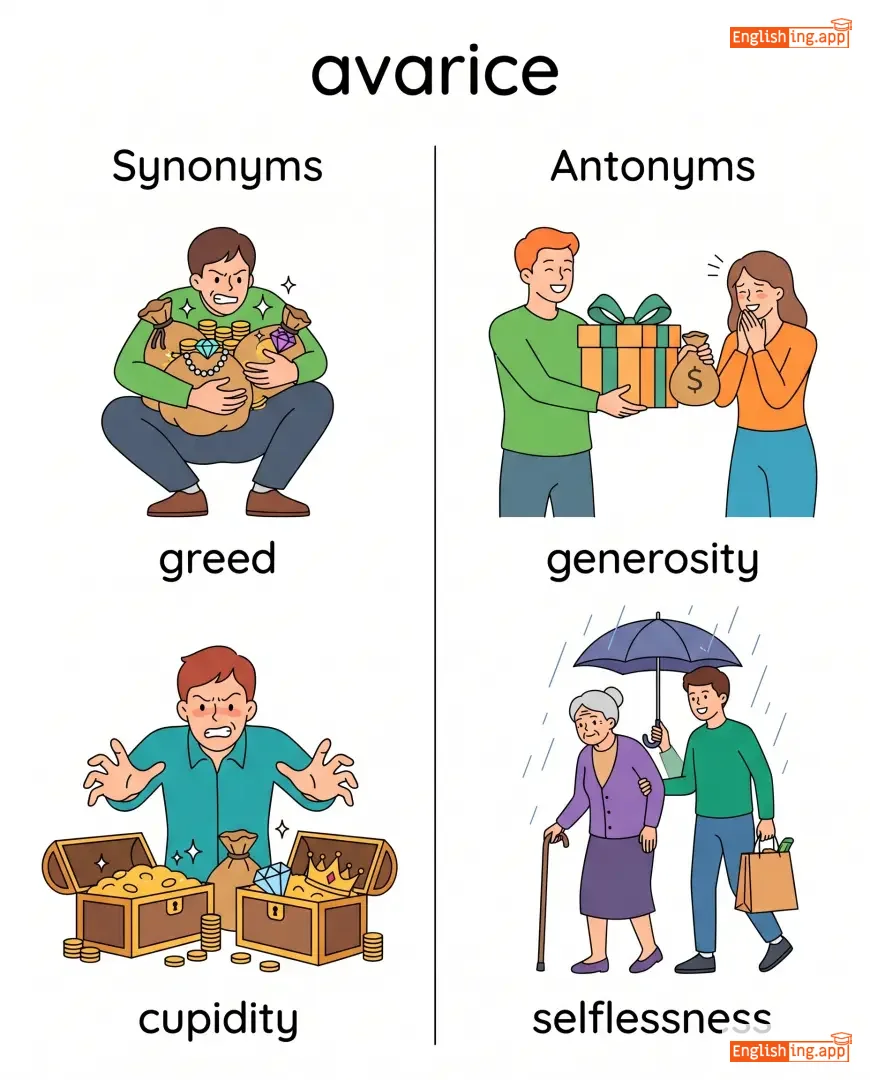
greed, cupidity, materialism, covetousness, rapacity
••••••
|
generosity, selflessness, charity
••••••
|
insatiable avarice, driven by avarice, avarice and power, human avarice
••••••
|
A+var+ice - 贪婪,像冰冻的水永远不融化。
••••••
|
|
#780
🚀
|
/ˌævɒ̃ˈɡɑːrd/
noun
(阿凡·加尔德)
••••••
|
- •••••• |
先锋派
xiānfēng pài
••••••
|
- •••••• | - •••••• | - •••••• | - •••••• |
people or works that are innovative, experimental, and ahead of their time
••••••
|
The avantgarde of the 20th century reshaped modern art. |
20世纪的先锋派重新塑造了现代艺术。
20 shìjì de xiānfēng pài chóngxīn sùzào le xiàndài yìshù.
••••••
|
- •••••• | - •••••• | - •••••• |
pioneer, innovator, radical, trailblazer
••••••
|
traditionalist, conformist
••••••
|
avantgarde movement, avantgarde artists, avantgarde cinema, avantgarde literature
••••••
|
avantgarde意味着'先锋' - 总是在艺术的最前沿。
••••••
|
Vocabulary Quiz
Test your vocabulary by matching words with their translations or meanings.
Login to take the quiz
Comments (0)
Share your thoughts and join the discussion.
Join the discussion by logging in
Login to CommentNo comments yet
Be the first to share your thoughts!