

Swipe left or right, or use the buttons. Tap image to zoom.
例句翻译
单词
Lesson 409Lesson 409 - 遮罩切换
|
表情符号
|
单词 | Images | 翻译 | 过去时 | 过去分词 | 第三人称单数 | 动名词 | 含义 | 例句 | 例句翻译 | 示例表达 | 示例表达含义 | 示例表达翻译 | 同义词 | 反义词 | 搭配词 | 助记符 |
|---|---|---|---|---|---|---|---|---|---|---|---|---|---|---|---|---|---|
|
#12235
👨🦳
|
/ˈʌŋkəl/
noun
(ān kè ěr)
••••••
|
- •••••• |
叔叔/舅舅
shūshu/jiùjiu
••••••
|
- •••••• | - •••••• | - •••••• | - •••••• |
the brother of one's father or mother
••••••
|
My uncle is visiting us next week. |
我的叔叔下周会来看我们。
Wǒ de shūshu xià zhōu huì lái kàn wǒmen.
••••••
|
- •••••• | - •••••• | - •••••• |
relative, kin, family member
••••••
|
- •••••• |
maternal uncle, paternal uncle, uncle and aunt
••••••
|
UNCLE is like 'uncertain' – You are uncertain if you can call him anything else!
••••••
|
|
#12236
🚫
|
/ʌnˈlaɪk/
preposition/adjective
(ʌnˈlaɪk)
••••••
|
- •••••• |
不同
bùtóng
••••••
|
- •••••• | - •••••• | - •••••• | - •••••• |
differing from or not similar to
••••••
|
Unlike his brother, he enjoys playing soccer.
与他的兄弟不同,他喜欢踢足球。
••••••
|
与他的兄弟不同,他喜欢踢足球。
Yǔ tā de xiōngdì bùtóng, tā xǐhuān tī zúqiú.
••••••
|
- •••••• | - •••••• | - •••••• |
different from, dissimilar to, contrasting with
••••••
|
like, similar to
••••••
|
unlike others, unlike anything, unlike before
••••••
|
UNlike - UNusual, ALIKE - opposite meaning, opposite ways!
••••••
|
|
#12237
🚫
|
/ʌnˈlɛs/
conjunction
(anles)
••••••
|
- •••••• |
除非
chúfēi
••••••
|
- •••••• | - •••••• | - •••••• | - •••••• |
except if
••••••
|
We won't go unless it stops raining. |
除非雨停了,否则我们不去。
Chúfēi yǔ tíngle, fǒuzé wǒmen bù qù.
••••••
|
- •••••• | - •••••• | - •••••• |
except, without, but, if not
••••••
|
if, provided
••••••
|
unless otherwise stated, unless there is
••••••
|
Unless = 除非 (Chúfēi)
••••••
|
|
#12238
❓
|
/ʌnˈnoʊn/
adjective
(ānǒu)
••••••
|
- •••••• |
未知
weizhi
••••••
|
- •••••• | - •••••• | - •••••• | - •••••• |
not known or familiar
••••••
|
The origin of the disease remains unknown.
疾病的来源仍然未知。
••••••
|
疾病的来源仍然未知。
Jibing de laiyuan rengran weizhi.
••••••
|
- •••••• | - •••••• | - •••••• |
unfamiliar, undiscovered, hidden, secret
••••••
|
known, familiar, discovered
••••••
|
unknown source, unknown origin, unknown fact
••••••
|
Unknown = 未知的道路 (Weizhi de daolu)
••••••
|
|
#12239
🎓
|
/ˌjuːnɪˈvɜːrsɪti/
noun
(yoo-nee-wei-er-si-ti)
••••••
|
- •••••• |
大学
daxue
••••••
|
- •••••• | - •••••• | - •••••• | - •••••• |
an institution of higher education and research, which grants academic degrees
••••••
|
She is studying law at the university. |
她在大学学习法律。
Ta zai daxue xuexi falu.
••••••
|
- •••••• | - •••••• | - •••••• |
college, academy, school, institution
••••••
|
none
••••••
|
university degree, university campus, university student
••••••
|
University = 大的教育中心 (Da de jiao yu zhongxin)
••••••
|
|
#12240
🌌
|
/ˈjuːnɪvɜːrs/
noun
(yóu ní wò sī)
••••••
|
- •••••• |
宇宙
yuzhou
••••••
|
- •••••• | - •••••• | - •••••• | - •••••• |
the totality of known or supposed objects and phenomena throughout space; the cosmos
••••••
|
The universe is vast and full of mysteries. |
宇宙广阔,充满了神秘。
Yuzhou guangkuo, chongman le shenmi.
••••••
|
- •••••• | - •••••• | - •••••• |
cosmos, world, creation, galaxy
••••••
|
nothingness, void
••••••
|
vast universe, expanding universe, universe of possibilities
••••••
|
Universe = 无限宇宙
••••••
|
|
#12241
🤝
|
/juˈnaɪtɪd/
adjective
(yúnàitèd)
••••••
|
- •••••• |
联合
liánhé
••••••
|
- •••••• | - •••••• | - •••••• | - •••••• |
joined together or combined as one
••••••
|
The united team won the championship. |
联合的队伍赢得了冠军。
Liánhé de duìwǔ yíngdéle guànjūn.
••••••
|
- •••••• | - •••••• | - •••••• |
combined, joined, connected, cohesive
••••••
|
divided, separate, fragmented
••••••
|
united effort, united front, united nation, united goal
••••••
|
United Nations = 联合国
••••••
|
|
#12242
🔢
|
/ˈjuːnɪt/
noun
(yùnìt)
••••••
|
- •••••• |
单元
dānyuán
••••••
|
- •••••• | - •••••• | - •••••• | - •••••• |
an individual thing or person regarded as a single and complete entity
••••••
|
Each unit in the production line is carefully tested.
生产线上的每个单元都经过仔细测试。
••••••
|
生产线上的每个单元都经过仔细测试。
Shēngchǎn xiàn shàng de měi gè dānyuán dōu jīngguò zǐxì cèshì.
••••••
|
- •••••• | - •••••• | - •••••• |
component, element, part, module
••••••
|
whole, entirety
••••••
|
unit of measurement, production unit, housing unit
••••••
|
Unit is when you use ONE (unit) to measure everything!
••••••
|
|
#12243
🤝
|
/ˈjuːnɪən/
noun
(yūnión)
••••••
|
- •••••• |
联盟
lianmeng
••••••
|
- •••••• | - •••••• | - •••••• | - •••••• |
the action or fact of joining or being joined with others, especially to form a single unit
••••••
|
The union of the two companies created a global leader.
两家公司合并创造了一个全球领导者。
••••••
|
两家公司合并创造了一个全球领导者。
Liang jia gongsi hebing chuangzao le yige quanqiu lingdaozhe.
••••••
|
- •••••• | - •••••• | - •••••• |
alliance, federation, confederation, merger
••••••
|
division, separation
••••••
|
trade union, labor union, political union, European Union
••••••
|
A union is when people UNITE together to form one.
••••••
|
|
#12244
👚
|
/ˈjuːnɪfɔːm/
adjective
(yoo-nee-fɔːm)
••••••
|
- •••••• |
制服
zhì fú
••••••
|
- •••••• | - •••••• | - •••••• | - •••••• |
consistent or the same in form, manner, or degree
••••••
|
The students were required to wear a uniform to school. |
学生们必须穿制服上学。
Xuéshēngmen bìxū chuān zhìfú shàngxué.
••••••
|
- •••••• | - •••••• | - •••••• |
consistent, standardized, identical, homogeneous
••••••
|
varied, different, inconsistent
••••••
|
uniform color, uniform appearance, uniform policy, uniform distribution
••••••
|
制服让每个人看起来一样!
••••••
|
|
#12245
😞
|
/ʌnˈfɔːtʃənətli/
adverb
(ān fǒr chún èt lì)
••••••
|
- •••••• |
不幸的是
bù xìng de shì
••••••
|
- •••••• | - •••••• | - •••••• | - •••••• |
used to express regret or disappointment about something that has happened or is going to happen
••••••
|
Unfortunately, the event was canceled due to the rain. |
不幸的是,由于下雨,活动被取消了。
Bù xìng de shì, yóu yú xià yǔ, huódòng bèi qǔxiāo le.
••••••
|
- •••••• | - •••••• | - •••••• |
regrettably, sadly, disappointingly
••••••
|
fortunately
••••••
|
unfortunately, unfortunately for, unfortunately, it seems
••••••
|
UNFORTUNATELY, ‘UN’ means no luck – and that’s unfortunate!
••••••
|
|
#12246
🧠
|
/ˌʌndərˈstændɪŋ/
noun
(安德斯坦丁)
••••••
|
- •••••• |
理解
lǐjiě
••••••
|
- •••••• | - •••••• | - •••••• | - •••••• |
the ability to grasp the meaning, significance, or nature of something
••••••
|
Her understanding of the issue was impressive. |
她对这个问题的理解令人印象深刻。
Tā duì zhège wèntí de lǐjiě lìng rén yìnxiàng shēnkè.
••••••
|
- •••••• | - •••••• | - •••••• |
comprehension, insight, perception, awareness
••••••
|
misunderstanding, ignorance
••••••
|
deep understanding, mutual understanding, thorough understanding
••••••
|
理解 (lǐjiě) 是解决问题的基础。
••••••
|
|
#12247
🤔
|
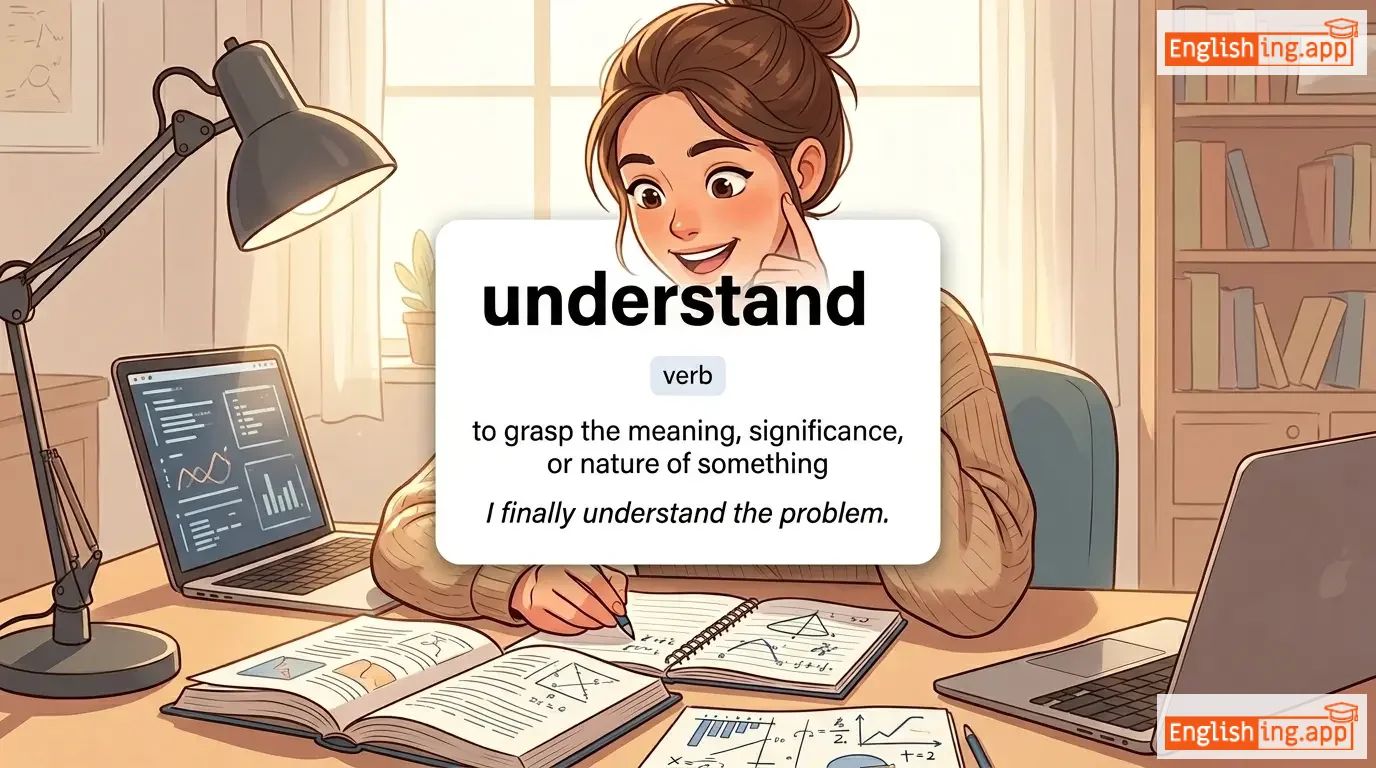
/ˌʌndərˈstænd/
verb
(ʌndərstænd)
••••••
|
|
理解
lǐjiě
••••••
|
understood
ʌndərstúd
••••••
|
understood
ʌndərstúd
••••••
|
understands
ʌndərstændz
••••••
|
understanding
ʌndərstændɪŋ
••••••
|
to grasp the meaning, significance, or nature of something
••••••
|
I finally understand the problem.
我终于理解了这个问题。
••••••
|
我终于理解了这个问题。
Wǒ zhōngyú lǐjiěle zhège wèntí.
••••••
|
understand the situation
理解情况
••••••
|
to grasp the full context or details of a situation
••••••
|
理解情况
lǐjiě qíngkuàng
••••••
|
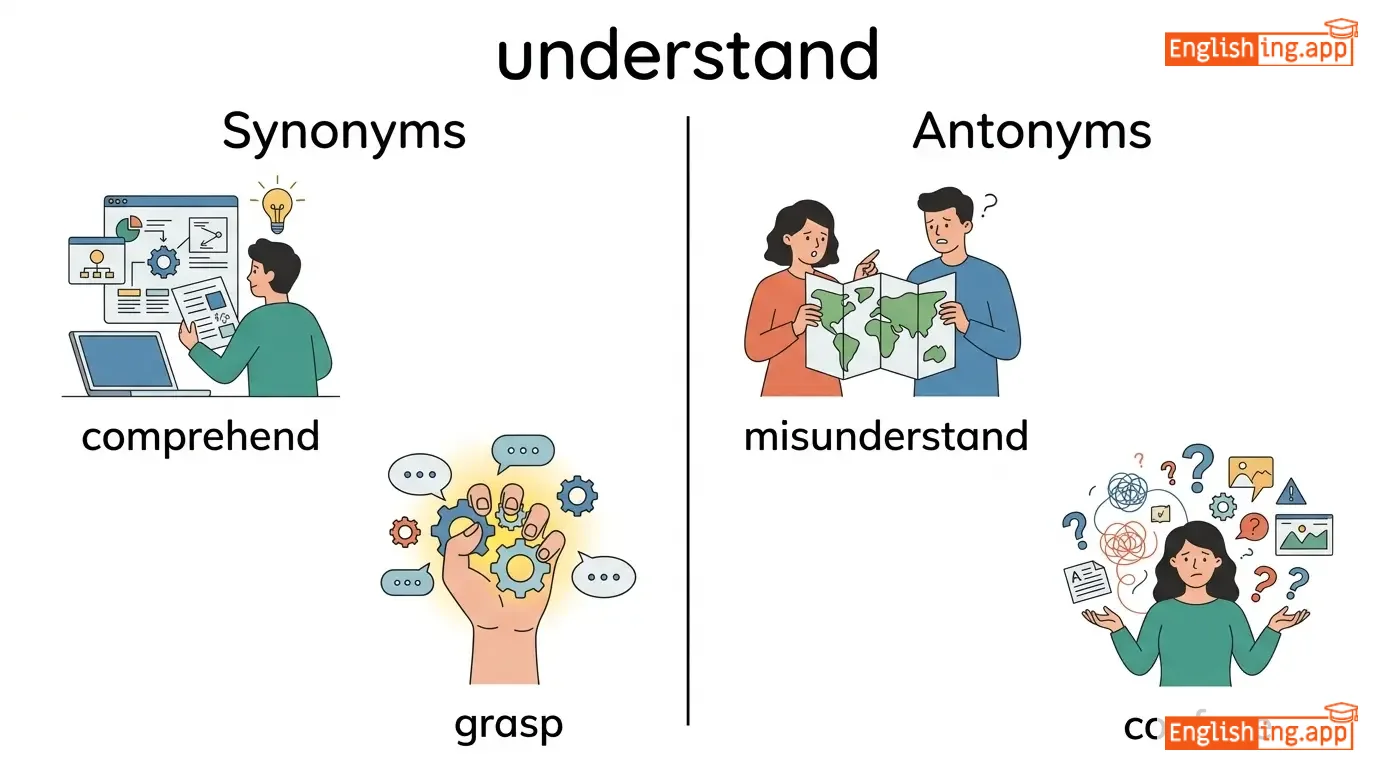
comprehend, grasp, perceive, realize
••••••
|
misunderstand, confuse
••••••
|
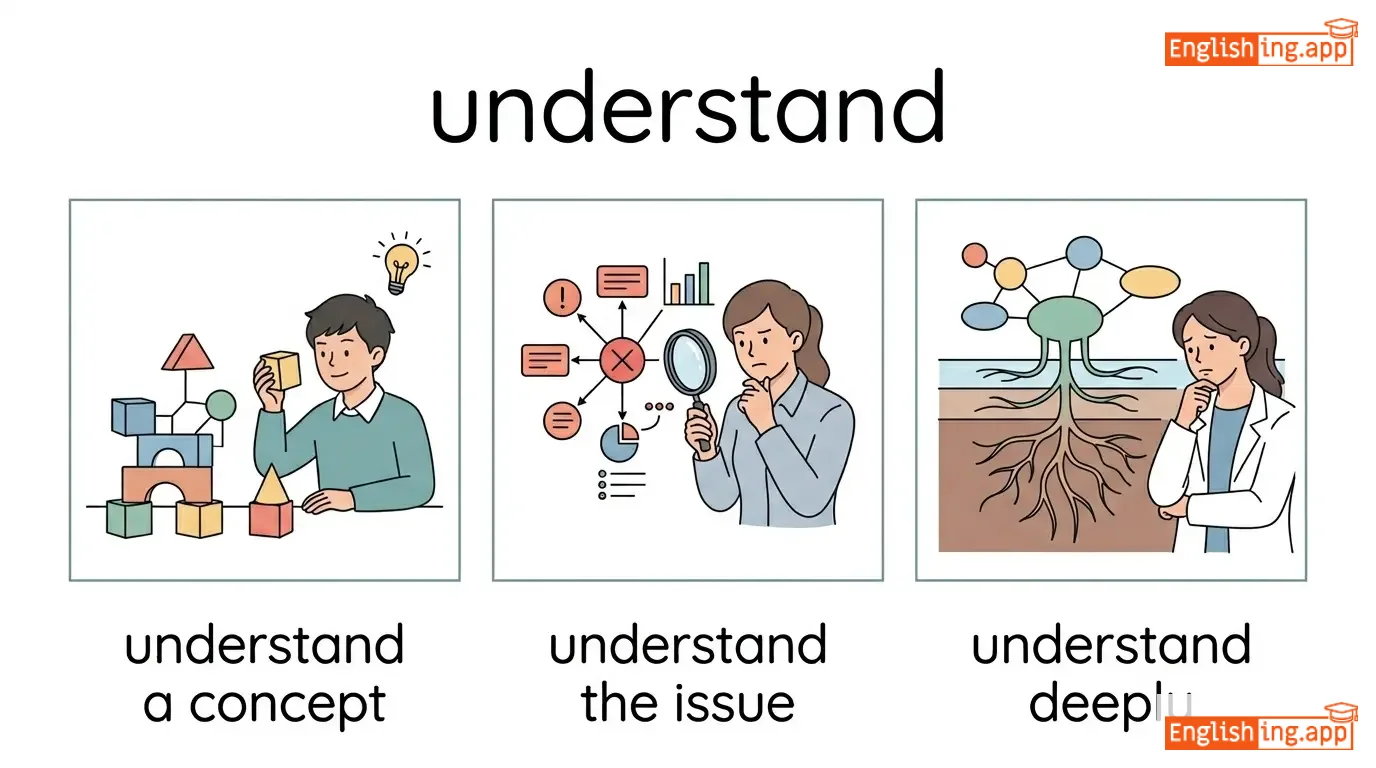
understand a concept, understand the issue, understand deeply
••••••
|
UNDERSTAND – Under the stand, I can grasp what's going on!
••••••
|
|
#12248
⚕️
|
/ˌʌndərˈɡoʊ/
verb
(安德戈)
••••••
|
- •••••• |
经历
jingli
••••••
|
underwent
安德文特
••••••
|
undergone
安德贡
••••••
|
undergoes
安德戈兹
••••••
|
undergoing
安德戈英
••••••
|
to go through something, especially something unpleasant or difficult
••••••
|
She had to undergo surgery to recover.
她不得不接受手术以恢复。
••••••
|
她不得不接受手术以恢复。
Ta bude bu jie shou shoushu yi huifu.
••••••
|
- •••••• | - •••••• | - •••••• |
endure, undergo, experience, suffer
••••••
|
avoid, escape
••••••
|
undergo surgery, undergo treatment, undergo change
••••••
|
UNDERGO 需要你面对挑战,最终成长!
••••••
|
|
#12249
⬇️
|
/ˈʌndər/
preposition
(安德)
••••••
|
- •••••• |
下
xia
••••••
|
- •••••• | - •••••• | - •••••• | - •••••• |
in or to a lower position than something
••••••
|
The cat is under the table.
猫在桌子下面。
••••••
|
猫在桌子下面。
Māo zài zhuōzi xiàmiàn.
••••••
|
- •••••• | - •••••• | - •••••• |
beneath, below, underneath, lower than
••••••
|
over, above, on top
••••••
|
under the table, under the weather, under control
••••••
|
UNDER the umbrella is where the cat stays
••••••
|
|
#12250
💪
|
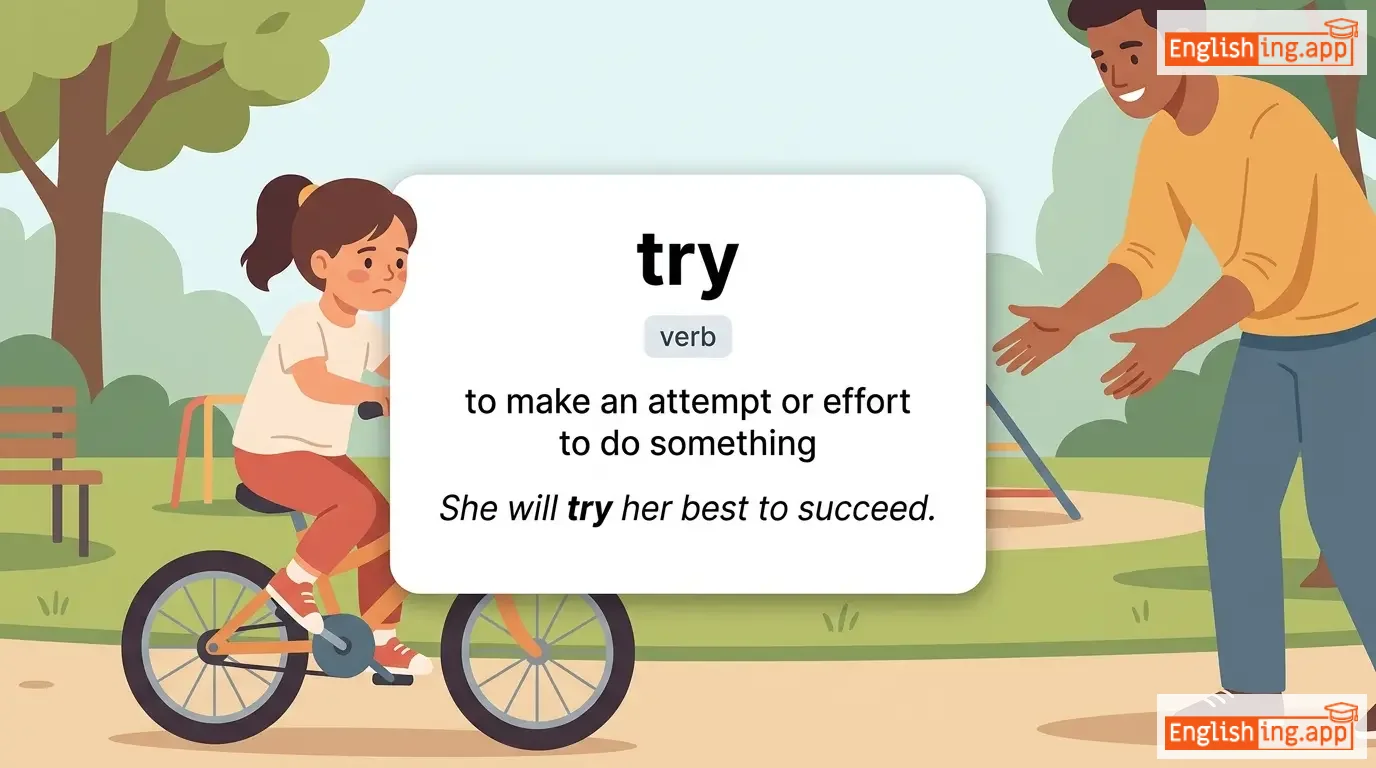
/traɪ/
verb
(trái)
••••••
|
|
尝试
chángshì
••••••
|
tried
tráid
••••••
|
tried
tráid
••••••
|
tries
tráis
••••••
|
trying
tráing
••••••
|
to make an attempt or effort to do something
••••••
|
She will try her best to succeed.
她会尽全力去成功。
••••••
|
她会尽全力去成功。
Tā huì jìn quánlì qù chénggōng.
••••••
|
Try your best
尽全力
••••••
|
Make the best effort possible
••••••
|
尽全力
Jìn quánlì
••••••
|
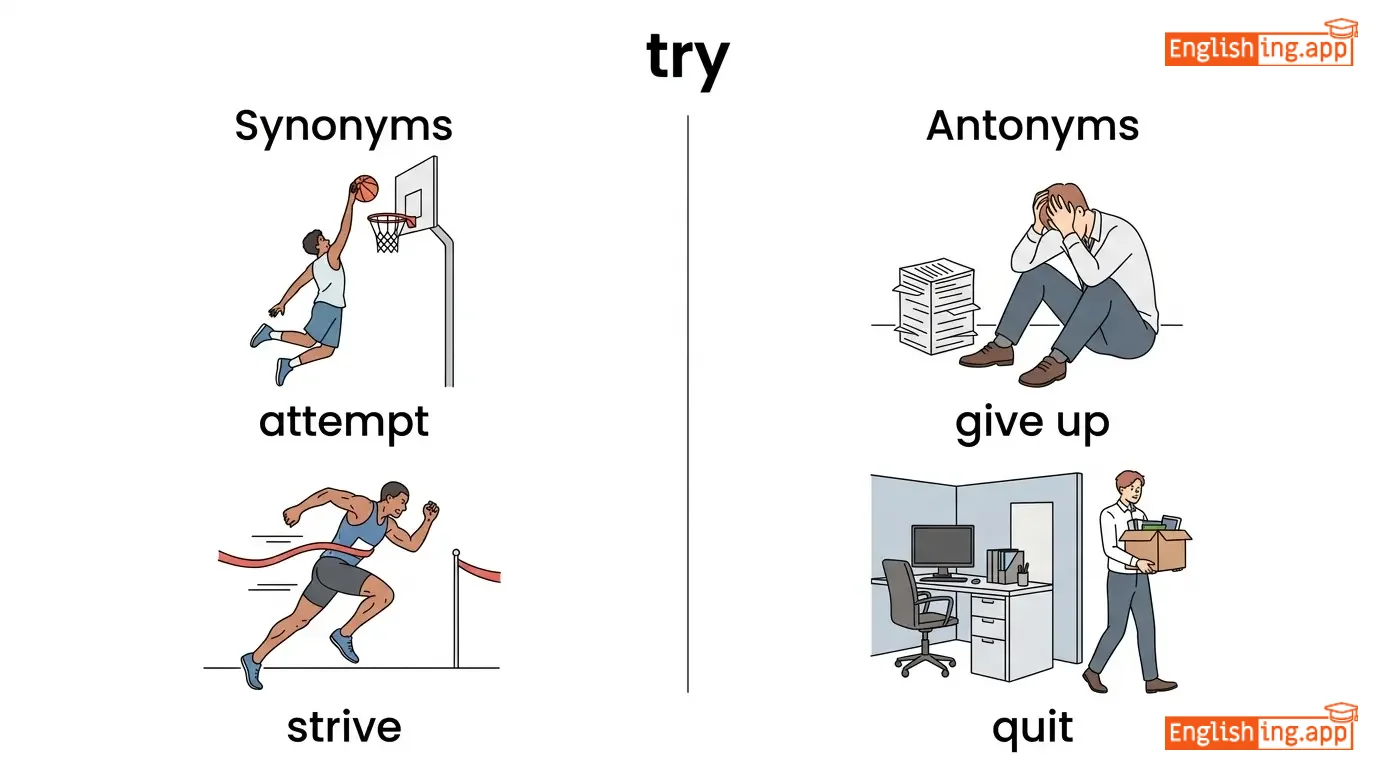
attempt, strive, endeavor, seek
••••••
|
give up, quit, abandon
••••••
|
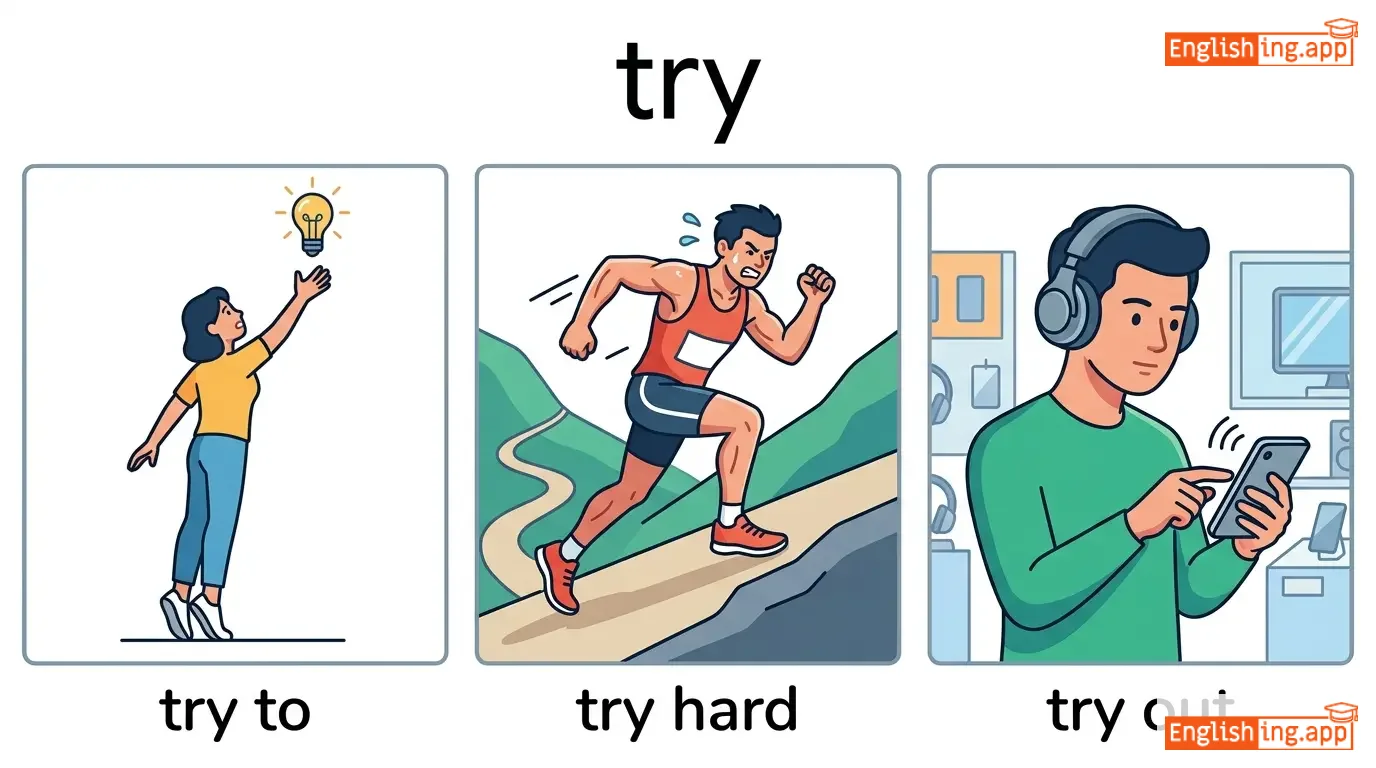
try to, try hard, try out, try again
••••••
|
尝试 (try) - 给自己最大的机会!
••••••
|
|
#12251
🙅♀️
|
/ʌˈneɪbl/
adjective
(ʌˈneɪbl)
••••••
|
- •••••• |
无法
wúfǎ
••••••
|
- •••••• | - •••••• | - •••••• | - •••••• |
not able to do something
••••••
|
She was unable to attend the meeting. |
她无法参加会议。
Tā wúfǎ cānjiā huìyì.
••••••
|
- •••••• | - •••••• | - •••••• |
incapable, powerless, helpless, ineffective
••••••
|
able, capable, competent
••••••
|
unable to help, unable to speak, unable to understand
••••••
|
Unable to open a LOCK (wúfǎ) – I’m unable when the lock is stuck.
••••••
|
|
#12252
🏁
|
/ˈʌltəmətli/
adverb
(最终)
••••••
|
- •••••• |
最终
zuì zhōng
••••••
|
- •••••• | - •••••• | - •••••• | - •••••• |
in the end, after everything else
••••••
|
Ultimately, we decided to go ahead with the project. |
最终,我们决定继续推进该项目。
Zuì zhōng, wǒmen juédìng jìxù tuījin gāi xiàngmù.
••••••
|
- •••••• | - •••••• | - •••••• |
finally, eventually, in the end, conclusively
••••••
|
initially, prematurely
••••••
|
ultimately decide, ultimately succeed, ultimately fail
••••••
|
最终的一步,万事俱备!
••••••
|
|
#12253
👹
|
/ˈʌɡli/
adjective
(agli)
••••••
|
- •••••• |
丑陋
chǒulòu
••••••
|
- •••••• | - •••••• | - •••••• | - •••••• |
unpleasant or repulsive in appearance
••••••
|
The house had an ugly view of the street.
这房子有一处丑陋的街景。
••••••
|
这房子有一处丑陋的街景。
Zhè fángzi yǒu yī chù chǒulòu de jiējiǐng.
••••••
|
- •••••• | - •••••• | - •••••• |
unattractive, hideous, unpleasant, monstrous
••••••
|
beautiful, attractive
••••••
|
ugly face, ugly truth, ugly situation
••••••
|
丑陋的景象让人不愿意再看。
••••••
|
|
#12254
⏰
|
/ˈtɪpɪkli/
adverb
(典型地)
••••••
|
- •••••• |
通常
tōngcháng
••••••
|
- •••••• | - •••••• | - •••••• | - •••••• |
in a way that is typical of a particular person, thing, or group
••••••
|
She typically arrives at work at 9 AM.
她通常在早上9点到达工作。
••••••
|
她通常在早上9点到达工作。
Tā tōngcháng zài zǎoshang 9 diǎn dào dá gōngzuò.
••••••
|
- •••••• | - •••••• | - •••••• |
usually, ordinarily, commonly, customarily
••••••
|
unusually, rarely
••••••
|
typically on time, typically works, typically performs
••••••
|
典型的:总是按时到达。
••••••
|
|
#12255
🔠
|
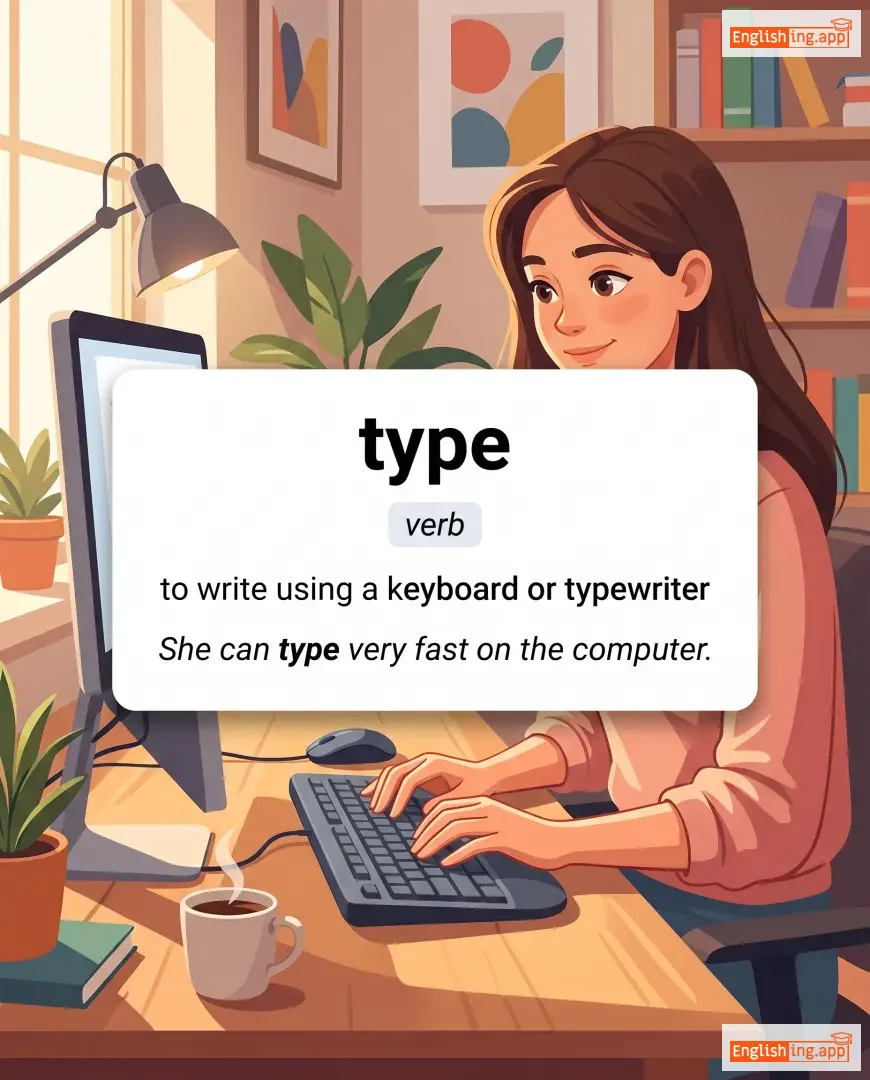
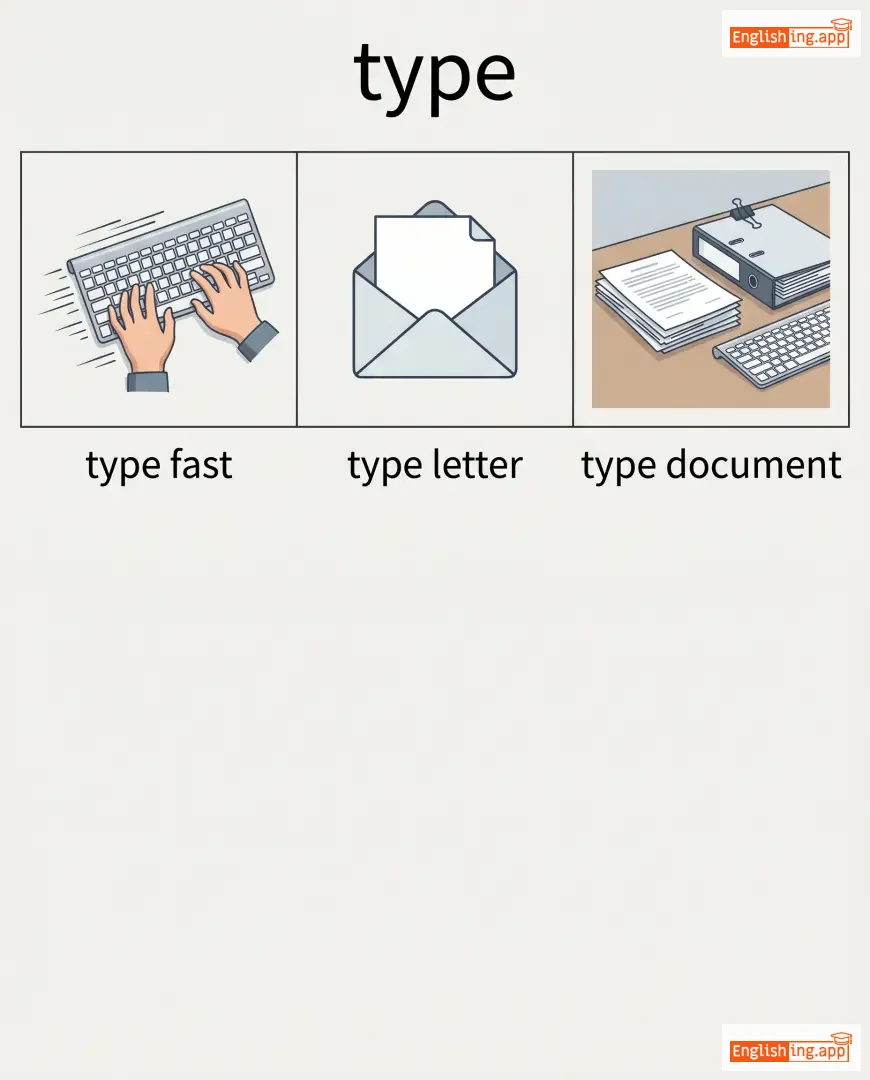
/taɪp/
noun
(泰普)
••••••
|
|
类型
lèixíng
••••••
|
- •••••• | - •••••• | - •••••• | - •••••• |
a category of people or things having common characteristics
••••••
|
What type of music do you like? |
你喜欢什么类型的音乐?
Nǐ xǐhuān shénme lèixíng de yīnyuè?
••••••
|
- •••••• | - •••••• | - •••••• |
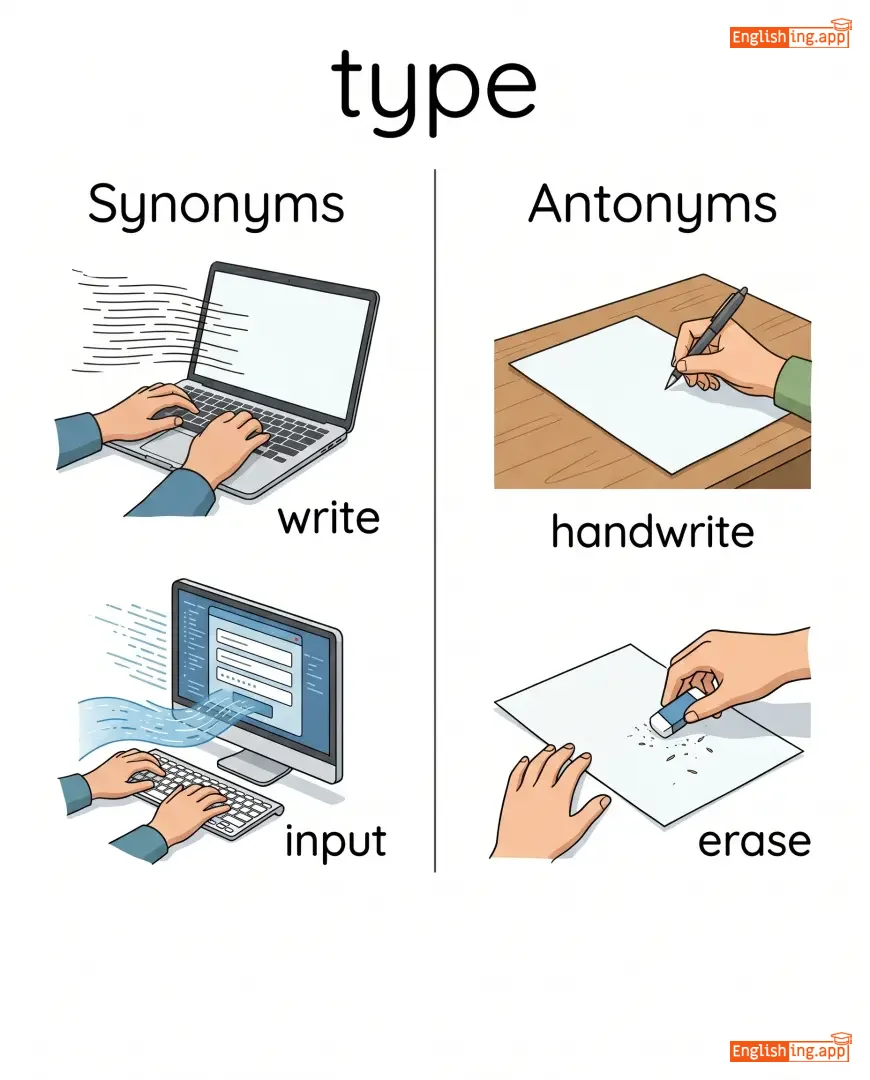
category, kind, sort, class
••••••
|
none
••••••
|
type of, typewriter, blood type
••••••
|
类型是指具有相同特征的事物分类。
••••••
|
|
#12256
2️⃣
|
/tuː/
noun
(tū)
••••••
|
- •••••• |
二
èr
••••••
|
- •••••• | - •••••• | - •••••• | - •••••• |
the number following one
••••••
|
She has two children.
她有两个孩子。
••••••
|
她有两个孩子。
Tā yǒu liǎng gè háizi.
••••••
|
- •••••• | - •••••• | - •••••• |
pair, couple, duet
••••••
|
one, single
••••••
|
two weeks, two days, two people
••••••
|
二人同行,两倍乐趣
••••••
|
|
#12257
👯♂️
|
/twɪn/
noun
(双胞胎)
••••••
|
- •••••• |
双胞胎
shuāngbāotāi
••••••
|
- •••••• | - •••••• | - •••••• | - •••••• |
either of two children born at the same time to the same mother
••••••
|
They have twin girls. |
他们有一对双胞胎女孩。
Tāmen yǒu yī duì shuāngbāotāi nǚhái.
••••••
|
- •••••• | - •••••• | - •••••• |
pair, duo, double
••••••
|
single
••••••
|
twin brothers, twin sisters, twin babies
••••••
|
双胞胎意味着双胞胎
••••••
|
|
#12258
2️⃣
|
/twaɪs/
adverb
(twáisī)
••••••
|
- •••••• |
两次
liǎng cì
••••••
|
- •••••• | - •••••• | - •••••• | - •••••• |
two times
••••••
|
I have seen that movie twice. |
我看过那部电影两次。
Wǒ kànguò nà bù diànyǐng liǎng cì.
••••••
|
- •••••• | - •••••• | - •••••• |
double, two times
••••••
|
- •••••• |
twice as much, twice a day, twice a week
••••••
|
Liǎng cì, twice li
••••••
|
|
#12259
2️⃣0️⃣
|
/ˈtwɛnti/
adjective
(èrshí)
••••••
|
- •••••• |
二十
èrshí
••••••
|
- •••••• | - •••••• | - •••••• | - •••••• |
the number equivalent to 20
••••••
|
He is twenty years old.
他二十岁。
••••••
|
他二十岁。
Tā èrshí suì.
••••••
|
- •••••• | - •••••• | - •••••• |
twentieth, score
••••••
|
- •••••• |
twenty years, twenty dollars, twenty people
••••••
|
二十岁,二十年,二十的意思
••••••
|
|
#12260
12️⃣
|
/twɛlv/
adjective
(十二)
••••••
|
- •••••• |
十二
shi er
••••••
|
- •••••• | - •••••• | - •••••• | - •••••• |
the number equivalent to 12
••••••
|
There are twelve months in a year. |
一年有十二个月。
Yi nian you shi er ge yue.
••••••
|
- •••••• | - •••••• | - •••••• |
dozen
••••••
|
- •••••• |
twelve months, twelve o'clock, twelve years
••••••
|
Shi er, 12 ge yue de nian
••••••
|
|
#12261
📺
|
/ˈtiːˈviː/
noun
(téi wéi)
••••••
|
- •••••• |
电视
diànshì
••••••
|
- •••••• | - •••••• | - •••••• | - •••••• |
a device used to receive television broadcasts
••••••
|
I watch my favorite shows on TV every evening. |
我每天晚上都在电视上看我最喜欢的节目。
Wǒ měitiān wǎnshàng dōu zài diànshì shàng kàn wǒ zuì xǐhuān de jiémù.
••••••
|
- •••••• | - •••••• | - •••••• |
television, screen, tube
••••••
|
- •••••• |
watch TV, turn on the TV, TV show, TV channel
••••••
|
电视 – 娱乐就在眼前
••••••
|
|
#12262
🔄
|
/tɜːrn/
verb
(tɜːrn)
••••••
|
|
转动
zhuandong
••••••
|
turned
tɜːrnd
••••••
|
turned
tɜːrnd
••••••
|
turns
tɜːrns
••••••
|
turning
tɜːrning
••••••
|
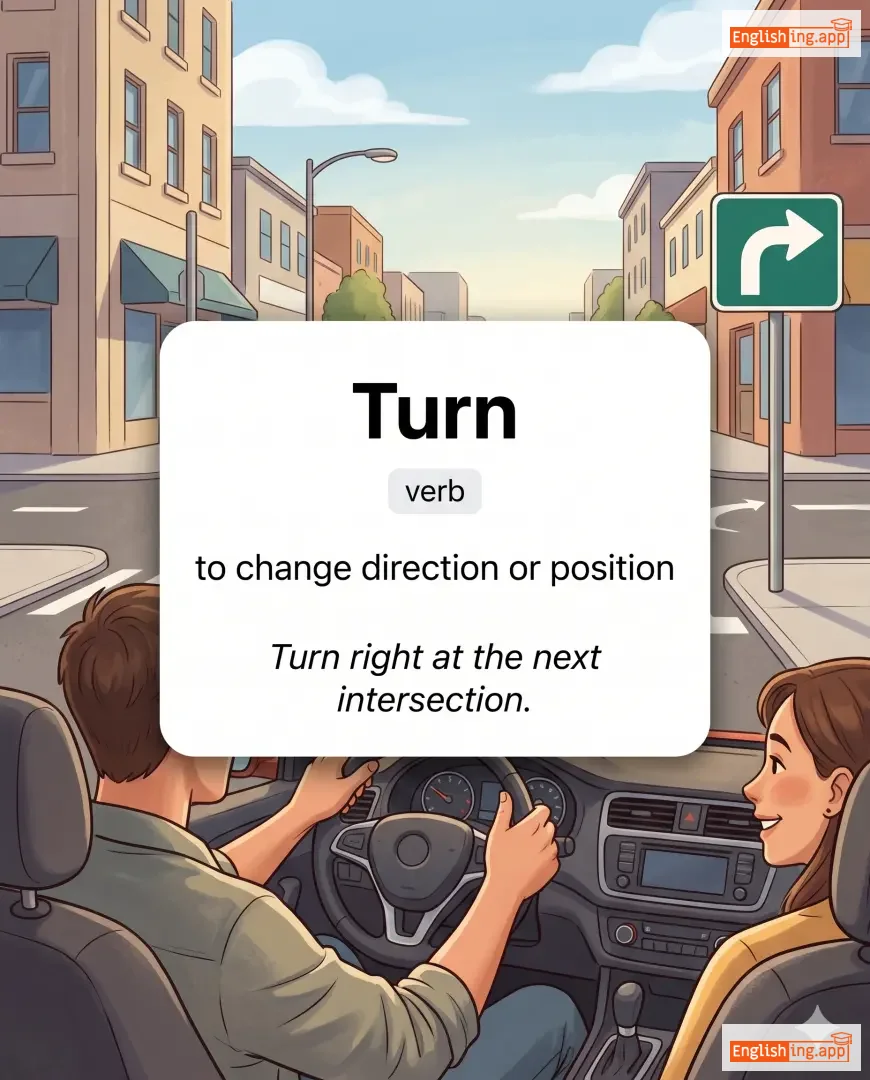
to change direction or position
••••••
|
Turn right at the next intersection.
在下一个路口右转。
••••••
|
在下一个路口右转。
Zai xia yige lukou you zhuan.
••••••
|
Turn a blind eye
睁一只眼闭一只眼
••••••
|
To ignore something deliberately
••••••
|
睁一只眼闭一只眼
Zheng yi zhi yan bi yi zhi yan
••••••
|
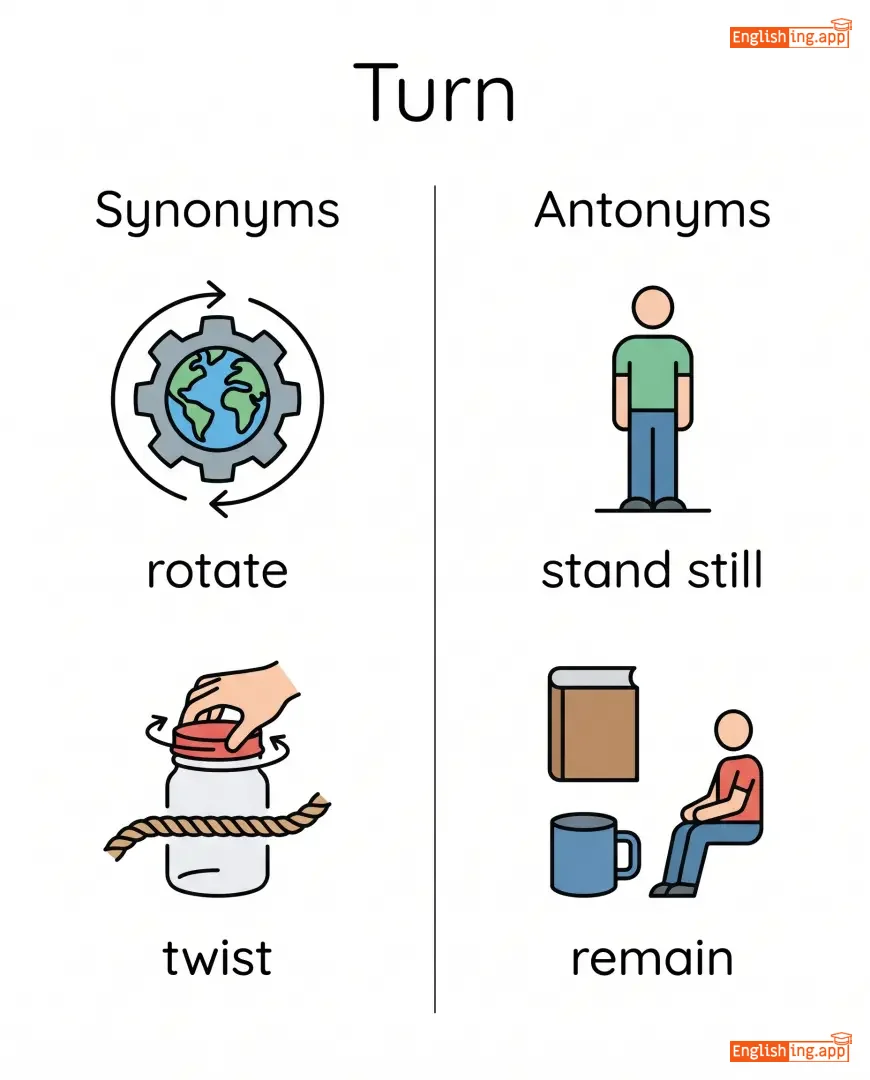
rotate, twist, spin, flip
••••••
|
stand still, remain
••••••
|
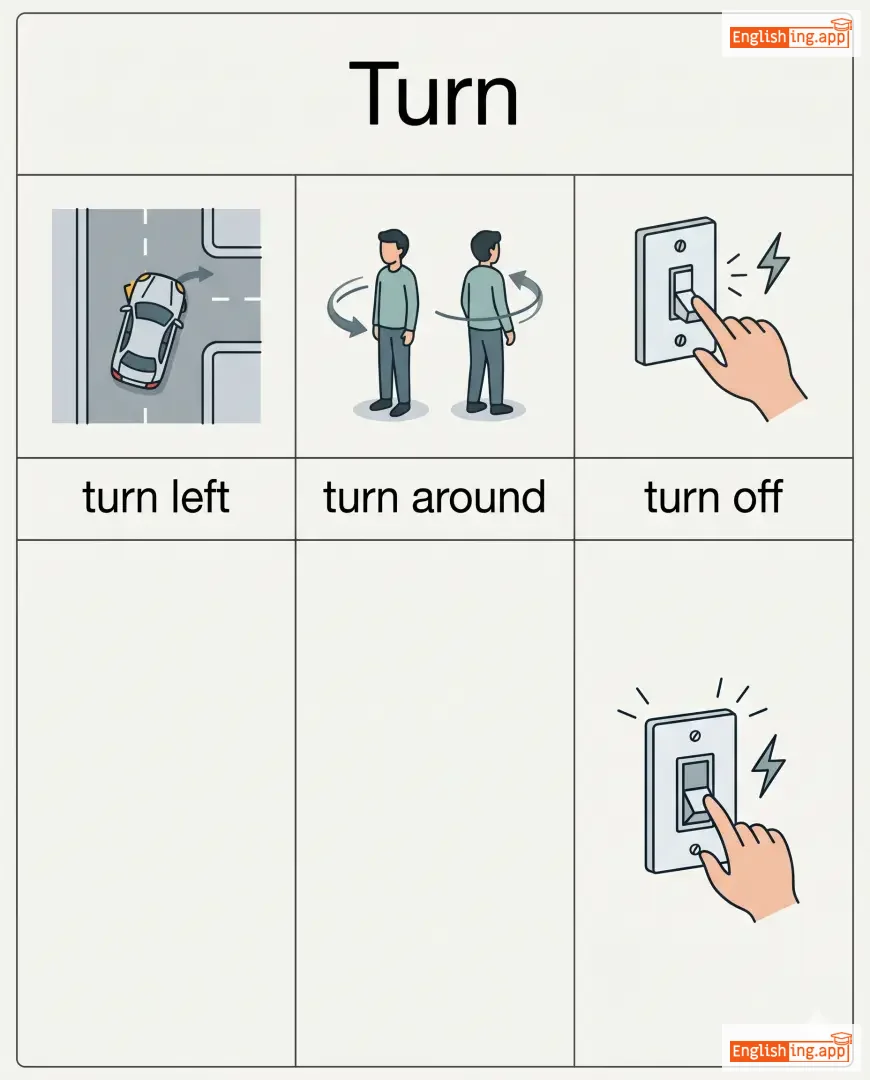
turn left, turn around, turn off, turn on
••••••
|
转动!记住 - 改变方向就是转动。
••••••
|
|
#12263
🌌
|
/ˈtʌnəl/
noun
(隧道)
••••••
|
- •••••• |
隧道
suìdào
••••••
|
- •••••• | - •••••• | - •••••• | - •••••• |
an underground passage or shaft
••••••
|
They dug a tunnel under the river.
他们在河底挖了一个隧道。
••••••
|
他们在河底挖了一个隧道。
Tāmen zài hédǐ wāle yīgè suìdào.
••••••
|
- •••••• | - •••••• | - •••••• |
passage, shaft, corridor
••••••
|
open space, above ground
••••••
|
tunnel vision, tunnel construction, tunnel system
••••••
|
隧道 - 地下通道,像一个神秘的地下道路!
••••••
|
|
#12264
🧪
|
/tjuːb/
noun
(túbù)
••••••
|
- •••••• |
管子
guǎnzi
••••••
|
- •••••• | - •••••• | - •••••• | - •••••• |
a hollow cylinder used to convey something, typically fluid
••••••
|
He used a tube to measure the liquid.
他使用管子来测量液体。
••••••
|
他使用管子来测量液体。
Tā shǐyòng guǎnzi lái cèliàng yètǐ.
••••••
|
- •••••• | - •••••• | - •••••• |
pipe, cylinder, conduit
••••••
|
block, obstruction
••••••
|
vacuum tube, test tube, rubber tube
••••••
|
记住管子 - 管子可以传输所有东西!
••••••
|
Vocabulary Quiz
Test your vocabulary by matching words with their translations or meanings.
Login to take the quiz
Comments (0)
Share your thoughts and join the discussion.
Join the discussion by logging in
Login to CommentNo comments yet
Be the first to share your thoughts!