



Swipe left or right, or use the buttons. Tap image to zoom.
例句翻译
单词
Lesson 424Lesson 424 - 遮罩切换
|
表情符号
|
单词 | Images | 翻译 | 过去时 | 过去分词 | 第三人称单数 | 动名词 | 含义 | 例句 | 例句翻译 | 示例表达 | 示例表达含义 | 示例表达翻译 | 同义词 | 反义词 | 搭配词 | 助记符 |
|---|---|---|---|---|---|---|---|---|---|---|---|---|---|---|---|---|---|
|
#1
♀️
|
/ˈfɛmənɪst/
noun
(女性主义者)
••••••
|
- •••••• |
女性主义者
nǚxìng zhǔyì zhě
••••••
|
- •••••• | - •••••• | - •••••• | - •••••• |
a person who supports equal rights and opportunities for women and men
••••••
|
She proudly calls herself a feminist and fights for gender equality. |
她自豪地称自己为女性主义者,并为性别平等而奋斗。
Tā zìháo de chēng zìjǐ wèi nǚxìng zhǔyì zhě, bìng wèi xìngbié píngděng ér fèndòu.
••••••
|
feminist movement |
a social campaign for women's rights and equality
••••••
|
女性主义运动
nǚxìng zhǔyì yùndòng
••••••
|
activist, advocate, campaigner, reformer
••••••
|
sexist, chauvinist
••••••
|
feminist movement, feminist theory, feminist perspective, feminist writer
••••••
|
女性主义者 = 支持女性权利的活动家 — 女性 + ‘主义者’ 就是女性主义者!
••••••
|
|
#1
📄
|
/fəʊld/
verb
••••••
|
- •••••• | - •••••• |
folded
••••••
|
folded
••••••
|
folds
••••••
|
folding
••••••
|
to bend something, especially paper or cloth, so that one part covers another
••••••
|
She folded the letter neatly before placing it in the envelope. |
- •••••• |
fold up |
to close or collapse something that opens out
••••••
|
- •••••• |
bend, crease, wrap, double, pleat
••••••
|
unfold, open, spread
••••••
|
fold clothes, fold paper, fold arms, neatly folded
••••••
|
No •••••• |
|
#1
🌫️
|
/fɒɡ/
noun
(fog)
••••••
|
- •••••• |
雾
wu
••••••
|
- •••••• | - •••••• | - •••••• | - •••••• |
a thick cloud of tiny water droplets suspended in the air near the ground that reduces visibility
••••••
|
The airplane was delayed due to heavy fog. |
由于浓雾,飞机延误了。
Youyu nong wu, feiji yanwu le.
••••••
|
in a fog |
confused or unable to think clearly
••••••
|
雾中迷失
wu zhong mishi
••••••
|
mist, haze, smog, cloud, vapor
••••••
|
clarity, sunshine, brightness
••••••
|
dense fog, morning fog, thick fog, fog lifts
••••••
|
雾就像 Fog 一样,迷迷糊糊看不清楚!
••••••
|
|
#1
🕊️
|
/ˈflaɪɪŋ/
adjective
(fú lái yīng)
••••••
|
- •••••• |
飞行的
feixing de
••••••
|
- •••••• | - •••••• | - •••••• | - •••••• |
able to move through the air; related to flight or aircraft
••••••
|
The flying bird disappeared into the clouds. |
那只飞行的鸟消失在云中。
Nà zhī fēixíng de niǎo xiāoshī zài yún zhōng.
••••••
|
go flying |
to move quickly or suddenly, often losing balance or control
••••••
|
去飞行
qù fēixíng
••••••
|
soaring, airborne, gliding, floating, hovering
••••••
|
grounded, stationary, still
••••••
|
flying bird, flying object, flying car, flying lessons, flying school
••••••
|
Flying就是‘飞行的’ – 就像一只飞行的鸟!
••••••
|
|
#1
🥖
|
/ˈflaʊ.ər/
noun
(fúluò'ěr)
••••••
|
- •••••• |
面粉
mianfen
••••••
|
- •••••• | - •••••• | - •••••• | - •••••• |
a powder made by grinding grains, used for making bread, cakes, etc.
••••••
|
She bought a bag of flour to bake a cake. |
她买了一袋面粉来做蛋糕。
Ta mai le yi dai mianfen lai zuo dangao.
••••••
|
- •••••• | - •••••• | - •••••• |
meal, powder, starch, grain, ingredient
••••••
|
none, null
••••••
|
wheat flour, rice flour, all-purpose flour, cake flour
••••••
|
Flour 和 Flower 听起来相似,但制作蛋糕需要 Flour,而不是花!
••••••
|
|
#1
🌊
|
/flʌd/
noun
(flood)
••••••
|
- •••••• |
洪水
hongshui
••••••
|
flooded
flooded
••••••
|
flooded
flooded
••••••
|
floods
floods
••••••
|
flooding
flooding
••••••
|
a large amount of water covering land that is usually dry
••••••
|
The flood destroyed several houses in the village.
洪水摧毁了村里的几座房子。
••••••
|
洪水摧毁了村里的几座房子。
Hongshui cuihui le cunli de jizuo fangzi.
••••••
|
a flood of tears
泪水的洪流
••••••
|
crying a lot; weeping heavily
••••••
|
泪水的洪流
leishui de hongliu
••••••
|
deluge, overflow, inundation, torrent, surge
••••••
|
drought, dryness, scarcity
••••••
|
flood water, flood damage, flood control, flash flood, flood zone
••••••
|
Flood在中文就是洪水,就像眼泪一样泛滥。
••••••
|
|
#1
🤸
|
/ˌflɛksəˈbɪləti/
noun
(弗莱克西比利提)
••••••
|
|
灵活性
línghuóxìng
••••••
|
- •••••• | - •••••• | - •••••• | - •••••• |
the ability to bend easily without breaking or to adapt to new situations
••••••
|
Flexibility is essential for success in a changing work environment. |
在变化的工作环境中,灵活性对成功至关重要。
zài biànhuà de gōngzuò huánjìng zhōng, línghuóxìng duì chénggōng zhìguān zhòngyào.
••••••
|
mental flexibility |
the ability to think about different things at the same time or adapt to new ideas
••••••
|
思维灵活
sīwéi línghuó
••••••
|
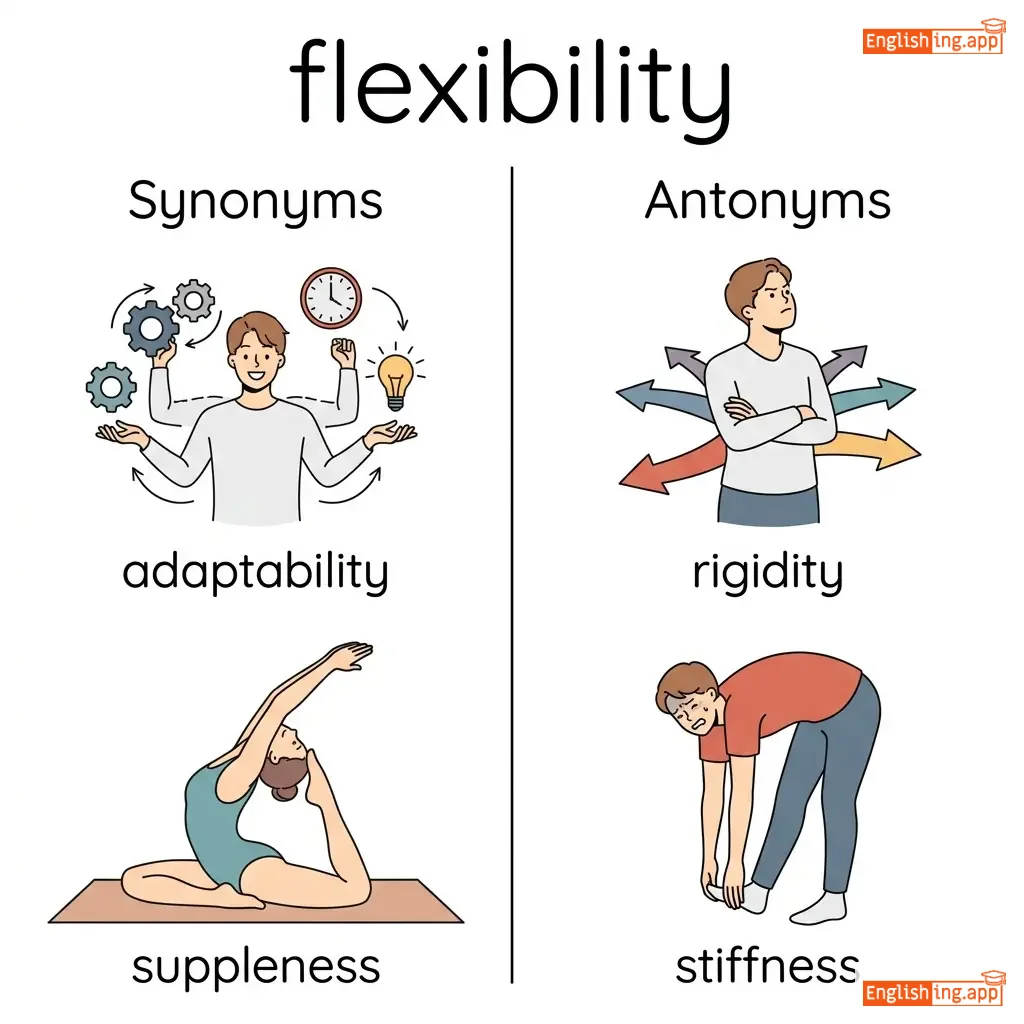
adaptability, suppleness, versatility, resilience, elasticity
••••••
|
rigidity, stiffness, inflexibility
••••••
|
physical flexibility, job flexibility, schedule flexibility, flexibility training
••••••
|
灵活性 = 灵活的,像瑜伽使身体和思想都变得灵活!
••••••
|
|
#1
⚡
|
/flæʃ/
verb
(闪光)
••••••
|
- •••••• |
闪烁
shǎnshuò
••••••
|
flashed
闪光
••••••
|
flashed
闪光
••••••
|
flashes
闪光
••••••
|
flashing
闪光
••••••
|
to shine or appear suddenly and brightly for a short time
••••••
|
Lightning flashed across the night sky.
闪电在夜空中闪烁。
••••••
|
闪电划过夜空。
Shǎndiàn huáguò yèkōng.
••••••
|
in a flash
一闪而过
••••••
|
very quickly; in an instant
••••••
|
非常快
fēicháng kuài
••••••
|
blink, sparkle, gleam, flicker, flare
••••••
|
dim, fade, darken
••••••
|
camera flash, flash light, flash drive, flash memory, flash flood
••••••
|
Flash 是闪电一样迅速的闪光!
••••••
|
|
#1
📅
|
/fɪkst/
adjective
(fìkè sī dé)
••••••
|
- •••••• |
固定的,稳定的
gùdìng de, wěndìng de
••••••
|
- •••••• | - •••••• | - •••••• | - •••••• |
firmly in place; not changing or movable
••••••
|
The schedule for the meeting is fixed for Monday morning. |
会议时间表已定于周一早上。
Huìyì shíjiān biǎo yǐ dìng yú zhōuyī zǎoshang.
••••••
|
fixed income |
a regular income that does not change
••••••
|
固定收入
gùdìng shōurù
••••••
|
set, stable, immovable, constant, determined
••••••
|
changeable, flexible, movable
••••••
|
fixed price, fixed income, fixed schedule, fixed rate
••••••
|
Fixed 就像是固定在日历上的日期,不会变化。
••••••
|
|
#1
✊
|
/fɪst/
noun
(fist)
••••••
|
- •••••• |
拳头
quántóu
••••••
|
- •••••• | - •••••• | - •••••• | - •••••• |
a hand with the fingers clenched tightly into the palm
••••••
|
He punched the wall with his fist in anger. |
他愤怒地用拳头击打墙壁。
Ta fennu de yong quantou jida qiangbi.
••••••
|
iron fist |
to rule or control with strictness and force
••••••
|
铁拳
tie quan
••••••
|
hand, knuckle, punch, grip
••••••
|
open hand, palm
••••••
|
clenched fist, raise fist, fist fight, iron fist
••••••
|
Fist 就是拳头!你拳打出气,记住—fist 就是拳头!
••••••
|
|
#1
🎣
|
/ˈfɪʃəmən/
noun
(fisherman)
••••••
|
- •••••• |
渔夫
yufu
••••••
|
- •••••• | - •••••• | - •••••• | - •••••• |
a person who catches fish for a living or as a hobby
••••••
|
The fisherman went out to sea early in the morning. |
渔夫清晨早早出海了。
Yúfū qīngchén zǎo zǎo chū hǎi le
••••••
|
teach a man to fish |
help someone become self-reliant rather than giving temporary aid
••••••
|
教一个人钓鱼
jiāo yí gè rén diàoyú
••••••
|
angler, seafarer, mariner, fisher
••••••
|
none, landlubber
••••••
|
fisherman boat, local fisherman, skilled fisherman, deep-sea fisherman
••••••
|
Fisherman是指捕鱼的人,而中文‘渔夫’就是捕鱼的人,容易记住。
••••••
|
|
#1
✊
|
/ˈfɜːmli/
adverb
(fɜːrmli)
••••••
|
- •••••• |
坚定地
jianding de
••••••
|
- •••••• | - •••••• | - •••••• | - •••••• |
in a strong, steady, or determined way
••••••
|
She held his hand firmly as they crossed the road.
她紧紧握住他的手,他们穿过马路。
••••••
|
她紧紧握住他的手,他们穿过马路。
Tā jǐn jǐn wò zhù tā de shǒu, tāmen chuānguò mǎlù.
••••••
|
stand firmly
坚定站立
••••••
|
to remain strong or determined in one’s position
••••••
|
坚定站立
jianding zhanli
••••••
|
strongly, steadily, tightly, resolutely
••••••
|
loosely, weakly, softly
••••••
|
hold firmly, believe firmly, stand firmly, grip firmly
••••••
|
Firmly 就像 ‘坚定’,像一个坚定的决心。
••••••
|
|
#1
🔥
|
/fɪəs/
adjective
(fī'ěr sī)
••••••
|
- •••••• |
凶猛,强烈
xiōngměng, qiángliè
••••••
|
- •••••• | - •••••• | - •••••• | - •••••• |
showing strong, intense, or aggressive feelings; powerful and violent
••••••
|
The fierce storm damaged several houses in the village. |
猛烈的风暴摧毁了村庄中的几座房屋。
Ménliè de fēngbào cuīhuǐle cūnzhuāng zhōng de jǐ zuò fángwū.
••••••
|
fierce competition |
very strong or intense competition
••••••
|
激烈的竞争
jīliè de jìngzhēng
••••••
|
intense, ferocious, strong, violent, brutal
••••••
|
gentle, calm, mild
••••••
|
fierce storm, fierce competition, fierce debate, fierce animal
••••••
|
Fierce 就像火一样强烈 🔥 — 就像火燃烧一样,fierce的人或风暴也同样强大。
••••••
|
|
#1
🤒
|
/ˈfiːvər/
noun
(fíwé)
••••••
|
- •••••• |
发烧
fashao
••••••
|
- •••••• | - •••••• | - •••••• | - •••••• |
a medical condition in which the body temperature is higher than normal
••••••
|
He couldn’t go to work because he had a high fever. |
他因高烧而不能上班。
Ta yin gao shao er bu neng shang ban.
••••••
|
football fever |
a strong excitement or enthusiasm for football
••••••
|
足球热潮
zuqiu rechao
••••••
|
temperature, illness, sickness, infection
••••••
|
health, wellness
••••••
|
high fever, dengue fever, fever patient, fever medicine
••••••
|
发烧意味着发烧——想象发烧让体温像火一样升高!
••••••
|
|
#1
🎉
|
/ˈfɛstəvəl/
noun
(fès.tí.vǎl)
••••••
|
- •••••• |
节日
jieri
••••••
|
- •••••• | - •••••• | - •••••• | - •••••• |
a day or period of celebration, often for cultural or religious reasons
••••••
|
The city was decorated with lights for the annual music festival. |
为了年度音乐节,城市装饰了灯光。
wèile niándù yīnyuè jié, chéngshì zhuāngshìle dēngguāng
••••••
|
festival of lights |
a celebration marked by illumination and joy, such as Diwali
••••••
|
灯光节
dēngguāng jié
••••••
|
celebration, carnival, fair, feast, gala
••••••
|
mourning, sorrow
••••••
|
music festival, religious festival, film festival, annual festival
••••••
|
节日意味着乐趣和庆祝 — 一切都充满了光明!
••••••
|
|
#1
🙏
|
/ɪkˈskjuːz/
verb
(原谅)
••••••
|
- •••••• |
原谅, 借口
yuánliàng, jièkǒu
••••••
|
excused
原谅了
••••••
|
excused
原谅了
••••••
|
excuses
原谅
••••••
|
excusing
原谅
••••••
|
to forgive someone for doing something wrong or to justify an action
••••••
|
Please excuse my lateness; there was heavy traffic.
请原谅我迟到;有很多交通。
••••••
|
请原谅我迟到;有很多交通。
Qǐng yuánliàng wǒ chídào; yǒu hěn duō jiāotōng.
••••••
|
make an excuse
找借口
••••••
|
to give a reason to avoid blame or responsibility
••••••
|
找借口
zhǎo jièkǒu
••••••
|
forgive, pardon, justify, explain, overlook
••••••
|
blame, accuse, condemn
••••••
|
excuse me, make an excuse, good excuse, poor excuse
••••••
|
原谅 – 原谅我,借口太多!
••••••
|
|
#1
💬
|
/ˈfiːdbæk/
noun
(fīdbāk)
••••••
|
- •••••• |
反馈
fankui
••••••
|
- •••••• | - •••••• | - •••••• | - •••••• |
information or opinions about how well someone is doing something
••••••
|
She asked her teacher for feedback on her essay.
她向老师请求关于她作文的反馈。
••••••
|
她向老师请求关于她作文的反馈。
Ta xiang laoshi qingqiu guanyu ta zuowen de fankui.
••••••
|
constructive feedback
建设性反馈
••••••
|
helpful comments intended to improve performance or work
••••••
|
建设性反馈
jianshexing fankui
••••••
|
response, opinion, comment, reaction, input
••••••
|
silence, neglect
••••••
|
give feedback, receive feedback, positive feedback, customer feedback
••••••
|
Feedback 就是通过反馈改进工作,像是任务后的回馈。
••••••
|
|
#1
🪶
|
/ˈfɛðər/
noun
(fēi dé)
••••••
|
- •••••• |
羽毛
yǔmáo
••••••
|
- •••••• | - •••••• | - •••••• | - •••••• |
a light, soft structure that covers a bird’s body and enables it to fly
••••••
|
The bird lost a small feather while flying through the trees. |
这只鸟在飞过树林时掉了一根小羽毛。
Zhè zhī niǎo zài fēi guò shùlín shí diào le yī gēn xiǎo yǔmáo.
••••••
|
birds of a feather |
people who have similar interests or characteristics
••••••
|
有相似兴趣或特征的人
yǒu xiāngsì xìngqù huò tèzhēng de rén
••••••
|
plume, quill, down, tuft, pinion
••••••
|
scale, skin
••••••
|
feather pillow, feather pen, light as a feather, peacock feather
••••••
|
Feather 意思是羽毛 — 想象一个柔软的枕头里有羽毛。
••••••
|
|
#1
🏎️
|
/ˈfæstər/
adjective, adverb
(faster)
••••••
|
- •••••• |
更快
geng kuai
••••••
|
- •••••• | - •••••• | - •••••• | - •••••• |
moving or able to move quickly; more quickly than usual
••••••
|
This car is faster than the old one. |
这辆车比老车更快。
Zhe liang che bi lao che geng kuai.
••••••
|
fast and furious |
energetic and exciting, often reckless
••••••
|
快速且愤怒
kuai su qie fen nu
••••••
|
quicker, speedier, rapid, brisk
••••••
|
slower, delayed, sluggish
••••••
|
run faster, grow faster, faster speed, faster rate
••••••
|
Faster意味着‘更快’–像赛车一样!
••••••
|
|
#1
✨
|
/ˈfæsɪneɪtɪŋ/
adjective
(fāsīnèitīng)
••••••
|
- •••••• |
迷人
mírén
••••••
|
- •••••• | - •••••• | - •••••• | - •••••• |
extremely interesting or charming
••••••
|
The history of ancient Egypt is truly fascinating.
古埃及的历史真是令人着迷。
••••••
|
古埃及的历史真是令人着迷。
Gǔ āijí de lìshǐ zhēn shì lìng rén zháomí.
••••••
|
- •••••• | - •••••• | - •••••• |
captivating, intriguing, enchanting, engaging, absorbing
••••••
|
boring, dull, uninteresting
••••••
|
find fascinating, absolutely fascinating, fascinating story, fascinating person
••••••
|
Fascinating in Chinese is ‘迷人’ – something so fascinating that it mesmerizes you.
••••••
|
|
#1
🌟
|
/feɪm/
noun
(fām)
••••••
|
- •••••• |
名声
míng shēng
••••••
|
- •••••• | - •••••• | - •••••• | - •••••• |
the state of being known or recognized by many people
••••••
|
She achieved worldwide fame for her acting.
她因表演而获得了全球的名声。
••••••
|
她因表演而获得了全球的名声。
Tā yīn biǎoyǎn ér huòdé le quánqiú de míngshēng.
••••••
|
rise to fame
成名
••••••
|
to become famous
••••••
|
成名
chéng míng
••••••
|
renown, glory, popularity, reputation, celebrity
••••••
|
obscurity, anonymity, disregard
••••••
|
seek fame, achieve fame, rise to fame, enjoy fame
••••••
|
Fame 就是 ‘名声’ — 每个人都可以拥有它!
••••••
|
|
#1
😵
|
/feɪnt/
verb
(费因特)
••••••
|
- •••••• |
昏厥
hunjue
••••••
|
fainted
费因特德
••••••
|
fainted
费因特德
••••••
|
faints
费因特斯
••••••
|
fainting
费因廷
••••••
|
to lose consciousness for a short time because of a temporary lack of oxygen to the brain
••••••
|
He felt dizzy and fainted in the heat.
他感到头晕,并因高温而昏倒。
••••••
|
他感到头晕,并因高温而昏倒。
Ta gandao touyun, bing yin gaowen er hundao.
••••••
|
faint-hearted
心胆怯
••••••
|
lacking courage or confidence
••••••
|
胆小
danxiao
••••••
|
collapse, pass out, swoon, black out
••••••
|
recover, awaken, revive
••••••
|
nearly faint, faint away, faint from heat, faint-hearted
••••••
|
Faint意味着倒下并昏迷 — 高温下昏迷 😵
••••••
|
|
#1
👁️
|
/ˈaɪbraʊ/
noun
(àibráu)
••••••
|
- •••••• |
眉毛
méimáo
••••••
|
- •••••• | - •••••• | - •••••• | - •••••• |
the strip of hair growing on the ridge above a person's eye
••••••
|
She raised her eyebrow in surprise. |
她惊讶地扬起了眉毛。
Tā jīngyà de yáng qǐle méimáo.
••••••
|
raise an eyebrow |
to show surprise or mild disapproval
••••••
|
挑眉
tiāo méimáo
••••••
|
brow, ridge, arch, eye ridge
••••••
|
none, bare skin
••••••
|
raise an eyebrow, thick eyebrows, arched eyebrow, pluck eyebrows
••••••
|
‘Eyebrow’和‘眉毛’都有相同的意思:记住,惊讶时眉毛会挑起。
••••••
|
|
#1
🕰️
|
/ɪkˈstendɪd/
adjective
(èks-ténd-dèd)
••••••
|
- •••••• |
扩展的
kuòzhǎn de
••••••
|
- •••••• | - •••••• | - •••••• | - •••••• |
longer or larger than usual; continuing for a longer time
••••••
|
They took an extended vacation in Europe this summer. |
他们这个夏天在欧洲度过了一个扩展的假期。
Tāmen zhège xiàtiān zài Ōuzhōu dùguòle yīgè kuòzhǎn de jiàqī.
••••••
|
extended family |
a family that includes not only parents and children but also relatives like grandparents or cousins
••••••
|
扩展家庭
kuòzhǎn jiātíng
••••••
|
prolonged, lengthy, expanded, stretched, prolonged
••••••
|
short, brief, limited
••••••
|
extended period, extended version, extended family, extended stay
••••••
|
扩展就是变大,所以扩展就是更大或更长!
••••••
|
|
#1
🚢
|
/ˈekspɔːt/
verb
(出口)
••••••
|
|
出口
chūkǒu
••••••
|
exported
出口
••••••
|
exported
出口
••••••
|
exports
出口
••••••
|
exporting
出口
••••••
|
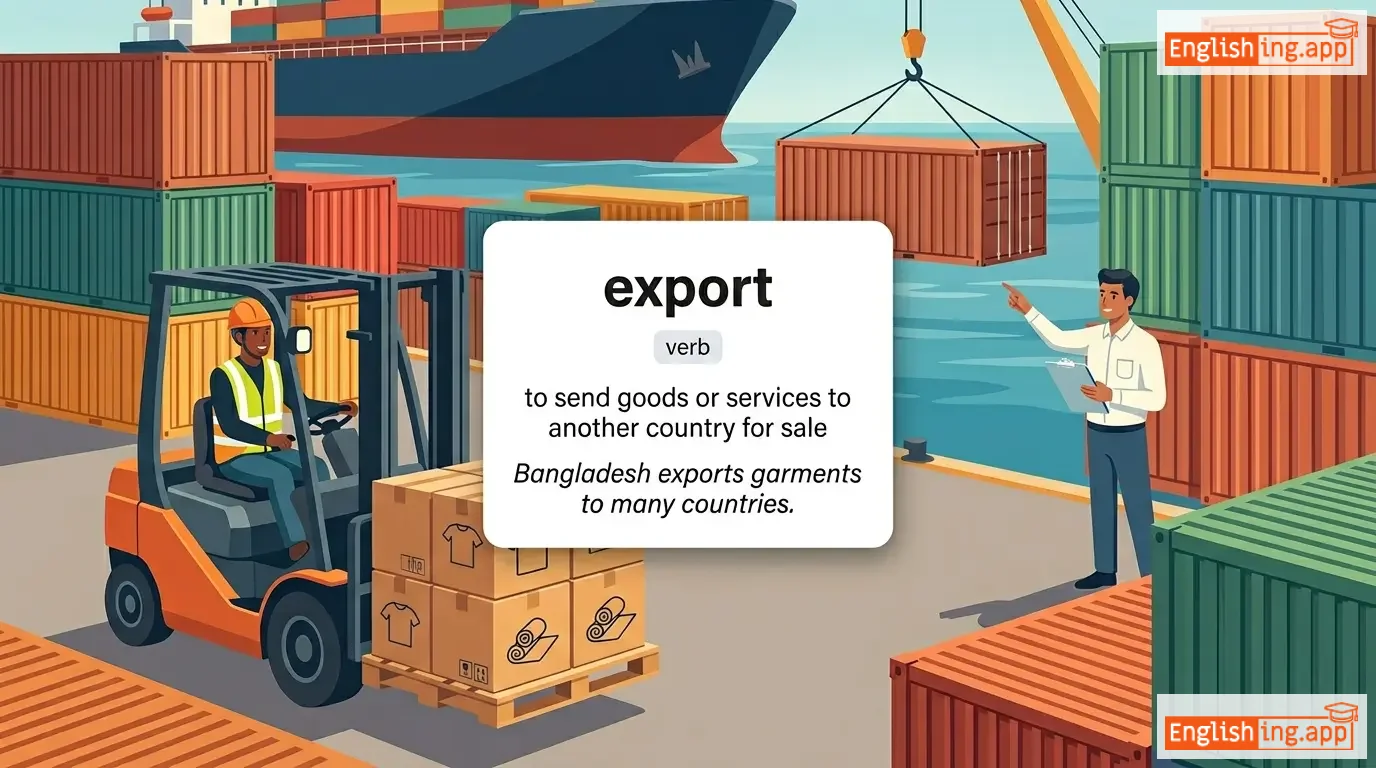
to send goods or services to another country for sale
••••••
|
Bangladesh exports garments to many countries.
孟加拉国向许多国家出口纺织品。
••••••
|
孟加拉国向许多国家出口纺织品。
Mèngjiālā guó xiàng xǔduō guójiā chūkǒu fǎngzhīpǐn.
••••••
|
export market
出口市场
••••••
|
a market in another country for goods produced locally
••••••
|
出口市场
chūkǒu shìchǎng
••••••
|
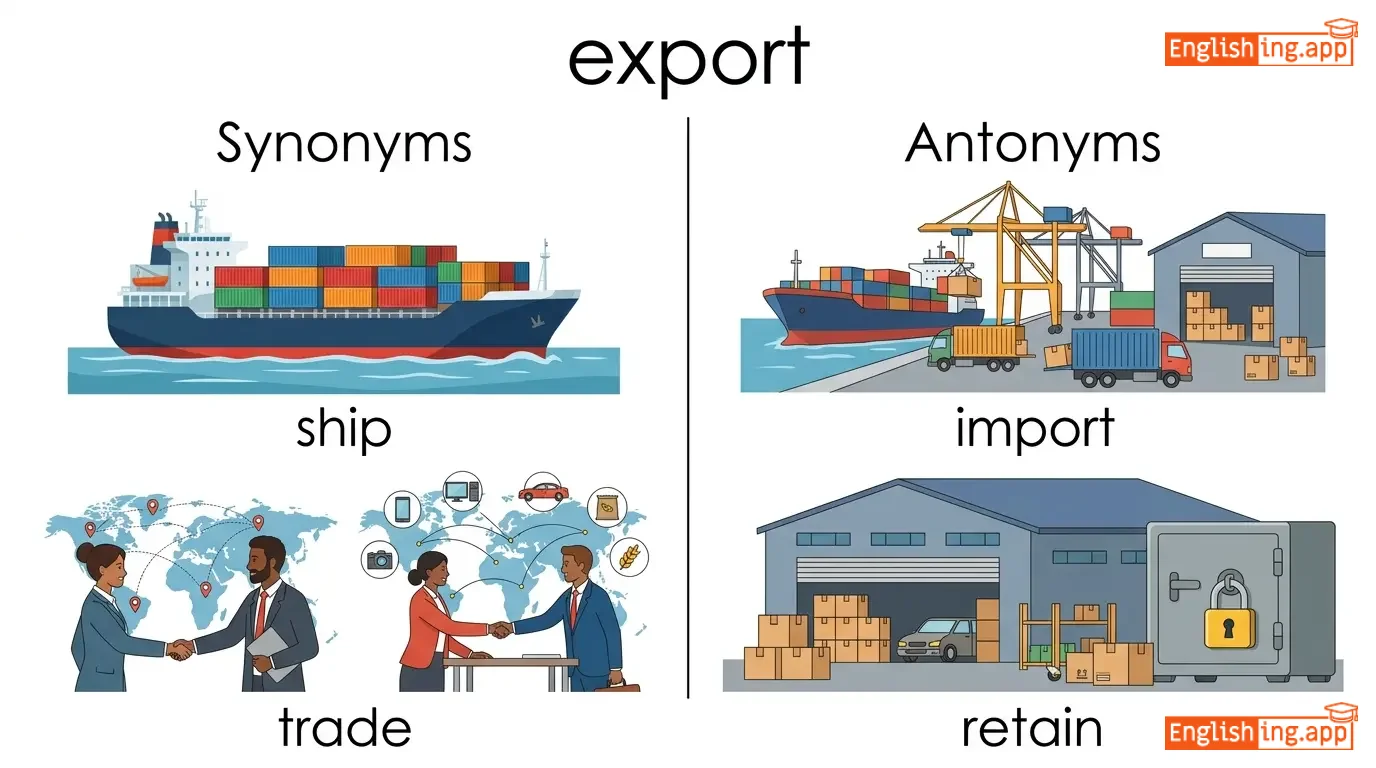
ship, trade, deliver, transport, send
••••••
|
import, retain, keep
••••••
|
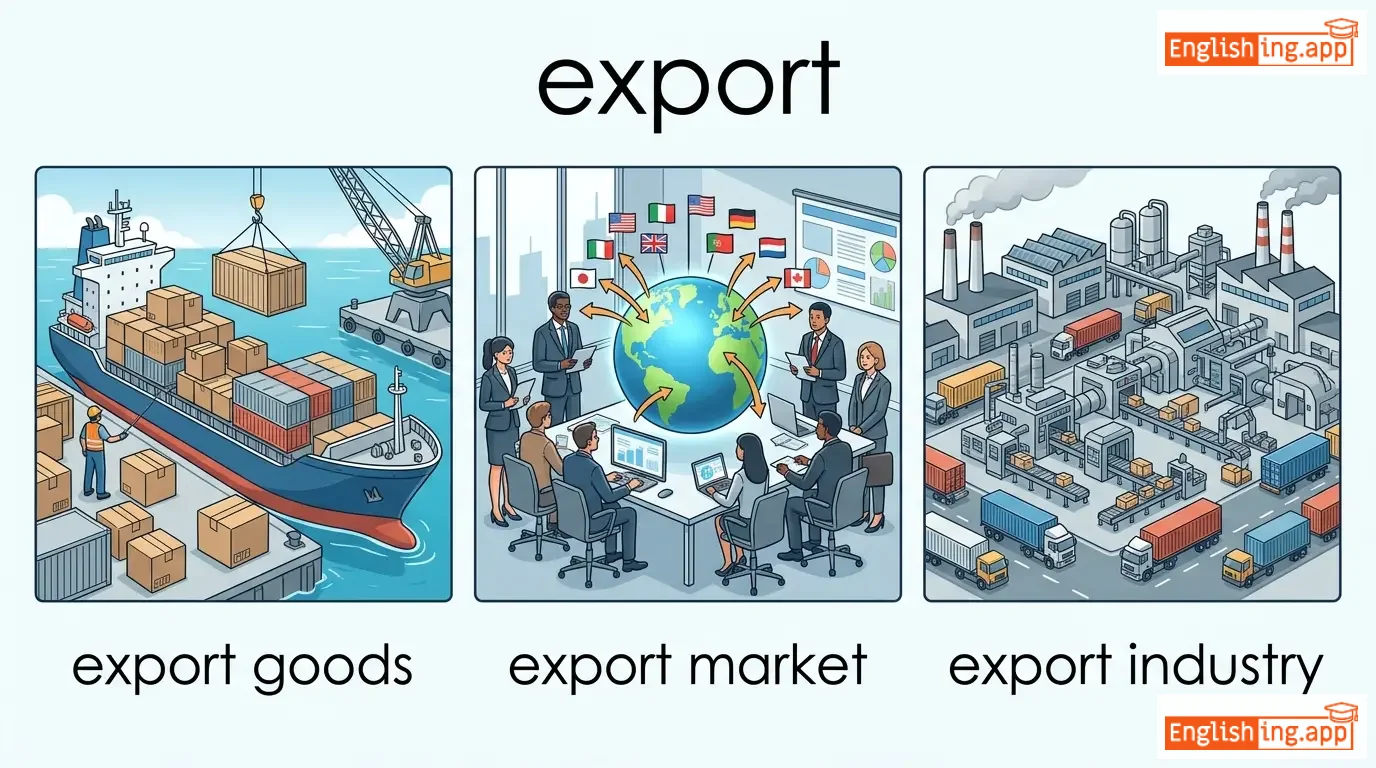
export goods, export market, export industry, export earnings
••••••
|
出口就像一艘船将货物运送到其他国家。
••••••
|
|
#1
🚀
|
/ˌekspləˈreɪʃən/
noun
(kàipò)
••••••
|
- •••••• |
探索
tàn suǒ
••••••
|
- •••••• | - •••••• | - •••••• | - •••••• |
the action of traveling through or studying an area to learn more about it
••••••
|
Space exploration has expanded our understanding of the universe. |
太空探索扩展了我们对宇宙的理解。
Tàikōng tàn suǒ kuòzhǎnle wǒmen duì yǔzhòu de lǐjiě.
••••••
|
exploration of ideas |
examining different thoughts or concepts in depth
••••••
|
思想的探索
sīxiǎng de tàn suǒ
••••••
|
investigation, discovery, study, research, examination
••••••
|
ignorance, neglect
••••••
|
space exploration, oil exploration, exploration mission, exploration of
••••••
|
探索意味着寻找未知的世界
••••••
|
|
#1
🧪
|
/ɪkˌsperɪˈmentl/
adjective
(实验的)
••••••
|
- •••••• |
实验的
shí yàn de
••••••
|
- •••••• | - •••••• | - •••••• | - •••••• |
based on untested ideas or techniques; relating to experiments or testing
••••••
|
The scientists developed an experimental drug to treat cancer.
科学家们开发了一种实验性药物来治疗癌症。
••••••
|
科学家们开发了一种实验性药物来治疗癌症。
Kēxuéjiā men kāifāle yī zhǒng shíyàn xìng yàowù lái zhìliáo áizhèng.
••••••
|
experimental phase
实验阶段
••••••
|
a stage of testing new ideas or methods
••••••
|
实验阶段
shí yàn jiē duàn
••••••
|
trial, innovative, test, exploratory, pilot
••••••
|
proven, established, conventional
••••••
|
experimental design, experimental results, experimental research, experimental drug
••••••
|
实验的 (experiment) — 试验阶段 🧪
••••••
|
|
#1
🎓
|
/ɪkˈspɪəriənst/
adjective
(ikspīrīenst)
••••••
|
- •••••• |
有经验的
yǒu jīngyàn de
••••••
|
- •••••• | - •••••• | - •••••• | - •••••• |
having knowledge or skill in a particular field gained through experience
••••••
|
She is an experienced teacher who knows how to handle difficult students.
她是一个经验丰富的老师,知道如何处理困难的学生。
••••••
|
她是一个经验丰富的老师,知道如何处理困难的学生。
Tā shì yīgè jīngyàn fēngfù de lǎoshī, zhīdào rúhé chǔlǐ kùnnán de xuéshēng.
••••••
|
experienced hand
经验丰富的人
••••••
|
a person who has a lot of experience in a particular job or activity
••••••
|
经验丰富的人
jīngyàn fēngfù de rén
••••••
|
skilled, seasoned, proficient, knowledgeable, expert
••••••
|
inexperienced, unskilled, novice
••••••
|
experienced professional, experienced worker, experienced in, highly experienced
••••••
|
有经验的意味着有经历 - 有经验的人就是经验丰富
••••••
|
|
#1
📊
|
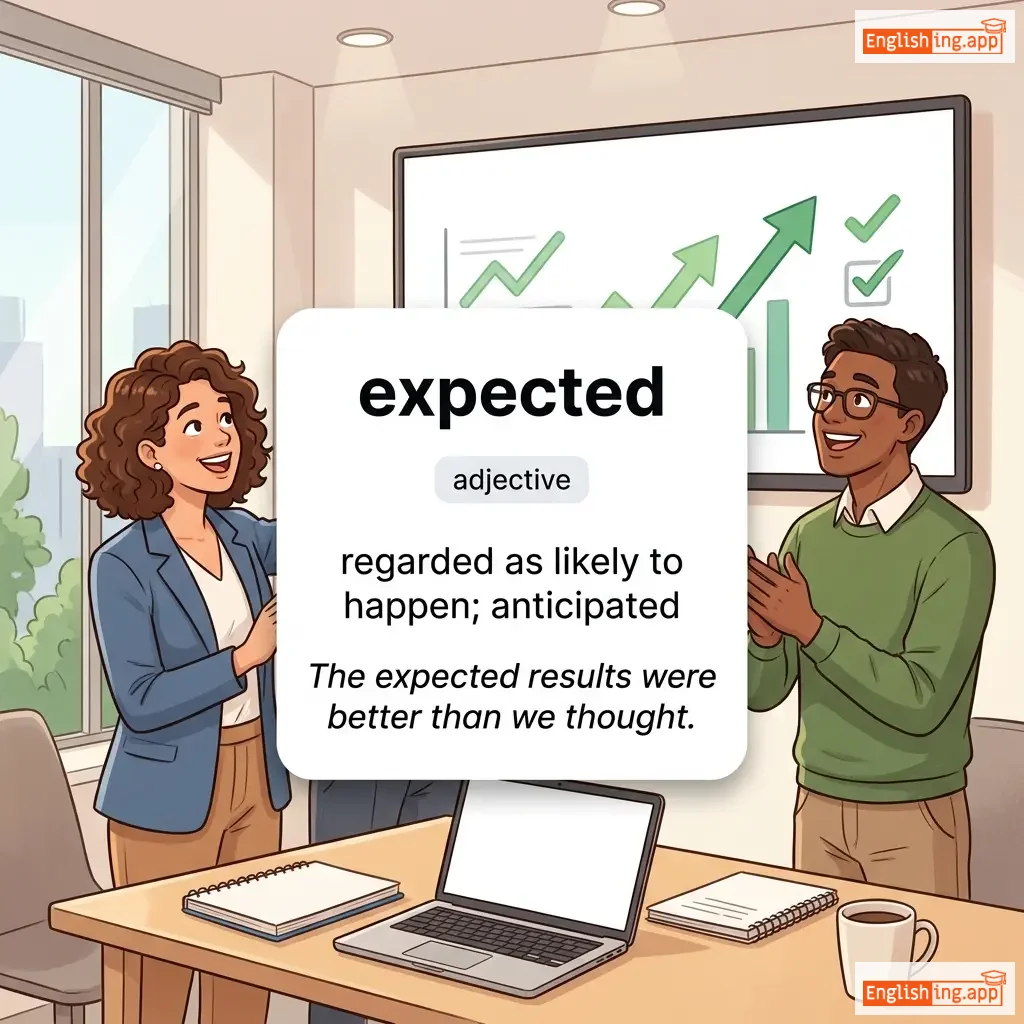
/ɪkˈspɛktɪd/
adjective
(īkèsīpèitèd)
••••••
|
|
预期的
yùqī de
••••••
|
- •••••• | - •••••• | - •••••• | - •••••• |
regarded as likely to happen; anticipated
••••••
|
The expected results were better than we thought. |
预期的结果比我们想象的更好。
Yùqī de jiéguǒ bǐ wǒmen xiǎngxiàng de gèng hǎo.
••••••
|
as expected |
in the way that was predicted or anticipated
••••••
|
如预期
rú yùqī
••••••
|
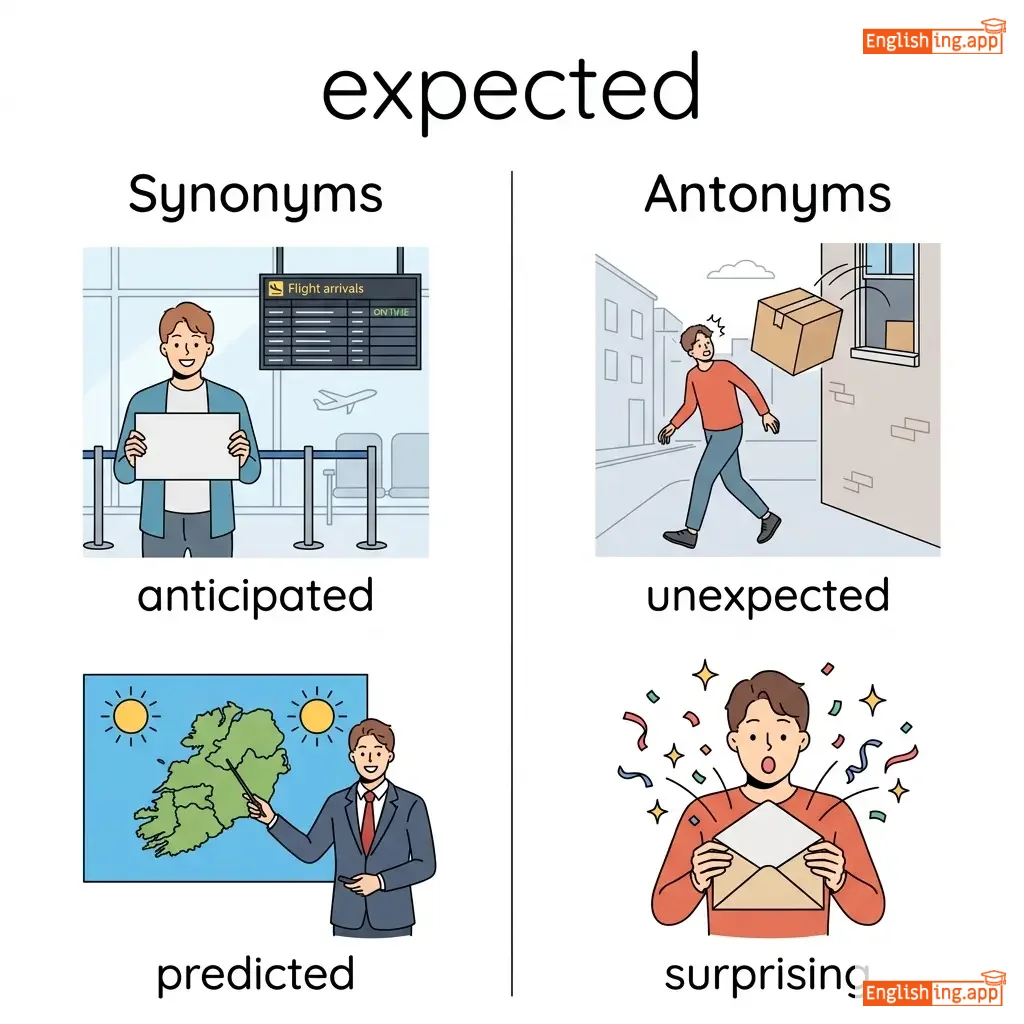
anticipated, predicted, awaited, foreseeable
••••••
|
unexpected, surprising, unforeseen
••••••
|
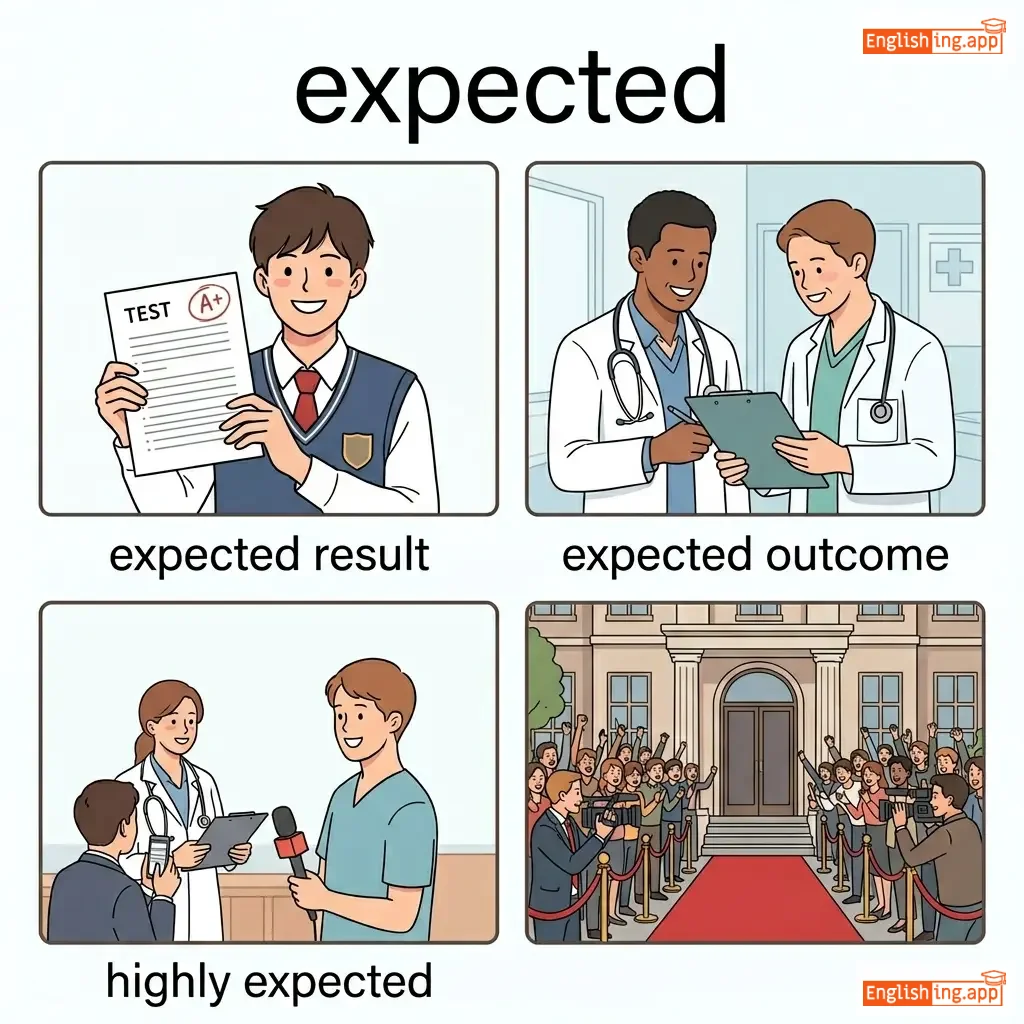
expected result, expected outcome, highly expected, expected arrival
••••••
|
预期就是你所预料到的结果!
••••••
|
|
#1
⚙️
|
/ˌɛksɪˈkjuːʃən/
noun
(执行)
••••••
|
- •••••• |
执行,实施
zhíxíng, shíshī
••••••
|
- •••••• | - •••••• | - •••••• | - •••••• |
the act of carrying out a plan, order, or legal sentence
••••••
|
The success of a project depends on its proper execution. |
项目的成功取决于其正确的执行。
Xiàngmù de chénggōng qùjué yú qí zhèngquè de zhíxíng.
••••••
|
flawless execution |
perfect implementation without mistakes
••••••
|
无懈可击的执行
wúxièkějí de zhíxíng
••••••
|
implementation, performance, accomplishment, realization
••••••
|
failure, neglect, omission
••••••
|
execution plan, execution strategy, proper execution, flawless execution
••••••
|
Execution意味着完成任务 — 完美的完成意味着成功!
••••••
|
Vocabulary Quiz
Test your vocabulary by matching words with their translations or meanings.
Login to take the quiz
Comments (0)
Share your thoughts and join the discussion.
Join the discussion by logging in
Login to CommentNo comments yet
Be the first to share your thoughts!