












Swipe left or right, or use the buttons. Tap image to zoom.
例句翻译
单词
Lesson 427Lesson 427 - 遮罩切换
|
表情符号
|
单词 | Images | 翻译 | 过去时 | 过去分词 | 第三人称单数 | 动名词 | 含义 | 例句 | 例句翻译 | 示例表达 | 示例表达含义 | 示例表达翻译 | 同义词 | 反义词 | 搭配词 | 助记符 |
|---|---|---|---|---|---|---|---|---|---|---|---|---|---|---|---|---|---|
|
#1
🤕
|
/ˈɪndʒər/
verb
(因朱尔)
••••••
|
- •••••• |
伤害
shānghài
••••••
|
injured
因贾尔德
••••••
|
injured
因贾尔德
••••••
|
injures
因朱尔斯
••••••
|
injuring
因朱林
••••••
|
to cause physical harm or damage to someone or something
••••••
|
He injured his leg while playing football.
他在踢足球时伤了腿。
••••••
|
他踢足球时伤了腿。
Tā tī zúqiú shí shāngle tuǐ.
••••••
|
injure someone's pride
伤害某人的自尊
••••••
|
to hurt someone's feelings or sense of self-respect
••••••
|
伤害某人的自尊
Shānghài mǒu rén de zìzūn
••••••
|
hurt, wound, damage, harm, bruise
••••••
|
heal, repair, cure
••••••
|
injure someone, injure badly, seriously injured, injure oneself
••••••
|
伤害 + Injure — 伤害就是 injure 的意思!
••••••
|
|
#1
🧩
|
/ˌɪntɪˈɡreɪʃən/
noun
(yīntèɡrèɪshən)
••••••
|
|
整合
zhěnghé
••••••
|
- •••••• | - •••••• | - •••••• | - •••••• |
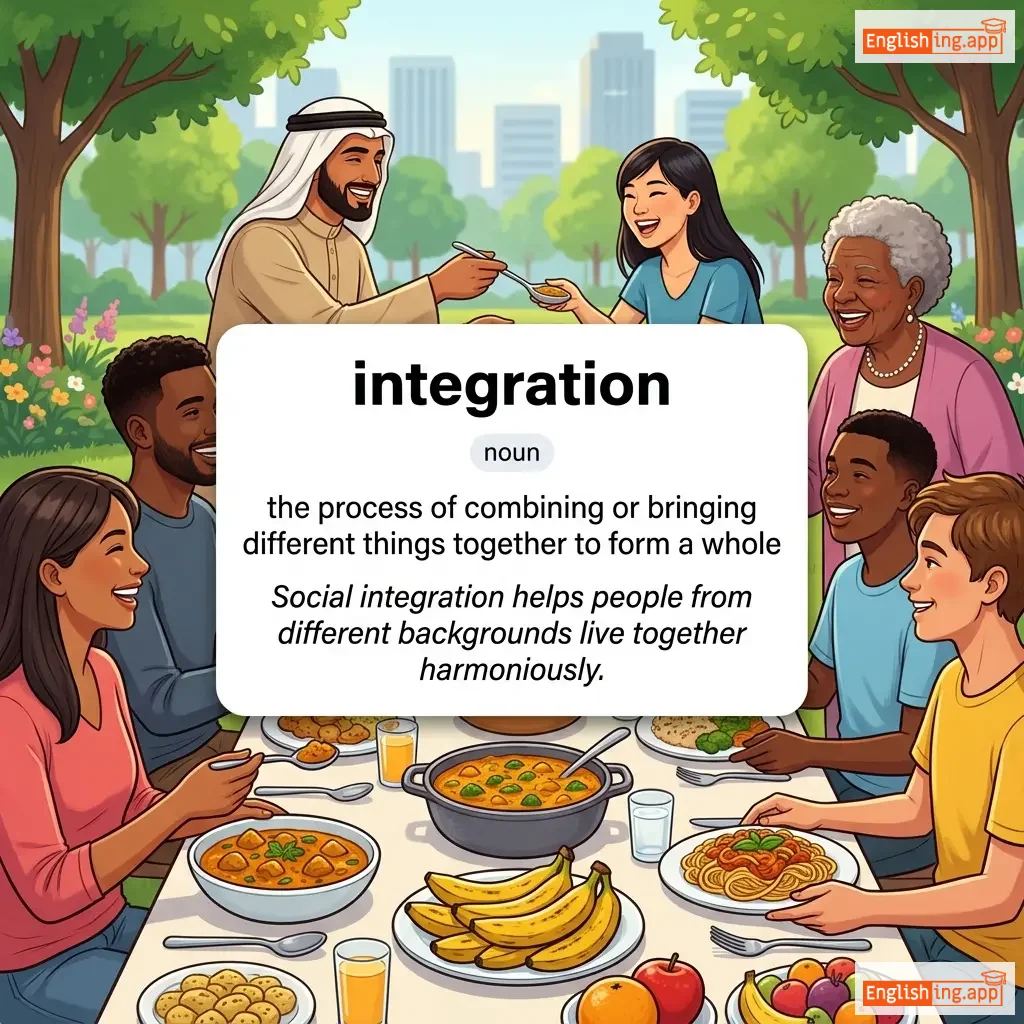
the process of combining or bringing different things together to form a whole
••••••
|
Social integration helps people from different backgrounds live together harmoniously. |
社会整合帮助来自不同背景的人和谐相处。
Shèhuì zhěnghé bāngzhù láizì bùtóng bèijǐng de rén héxié xiāngchǔ.
••••••
|
- •••••• | - •••••• | - •••••• |
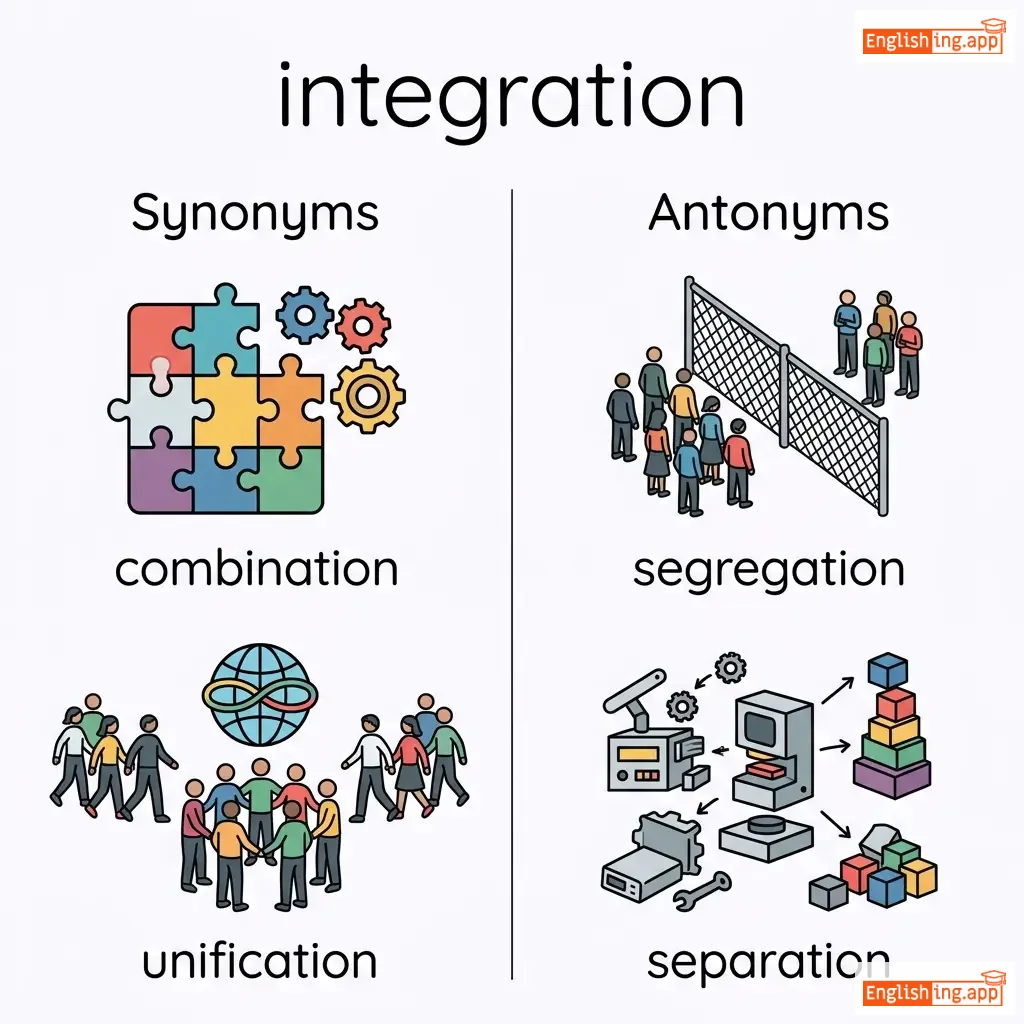
combination, unification, merging, inclusion, assimilation
••••••
|
segregation, separation
••••••
|
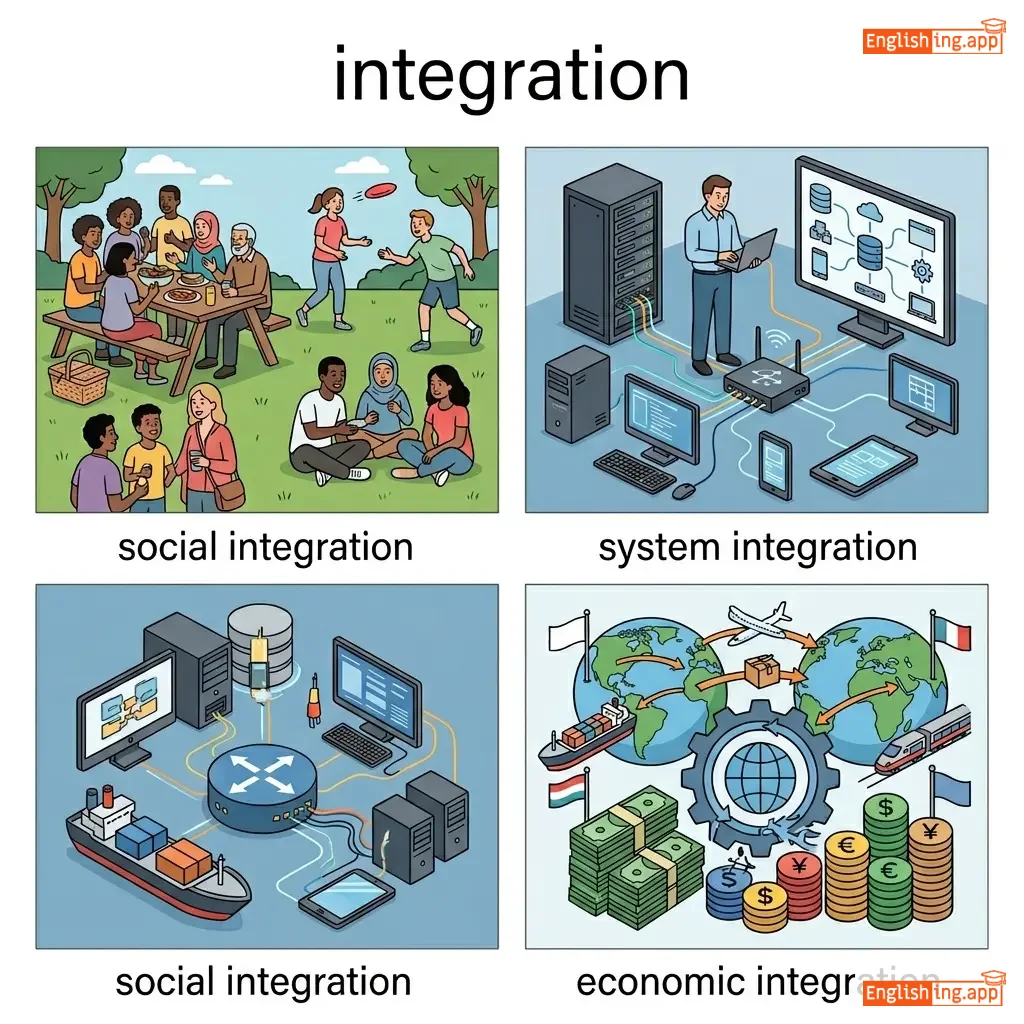
social integration, system integration, economic integration, cultural integration
••••••
|
整合意味着把一切结合成一个整体 – 让所有东西成为一个完整的部分!
••••••
|
|
#1
🔗
|
/ˈɪntɪɡreɪtɪd/
adjective
(ɪnˈtɛɡreɪtɪd)
••••••
|
|
集成的
jíchéng de
••••••
|
- •••••• | - •••••• | - •••••• | - •••••• |
combined or united to form a whole; including all parts or people equally
••••••
|
The company offers an integrated system for managing all business operations. |
公司提供一个集成系统来管理所有业务操作。
Gōngsī tígōng yīgè jíchéng xìtǒng lái guǎnlǐ suǒyǒu yèwù cāozuò.
••••••
|
- •••••• | - •••••• | - •••••• |
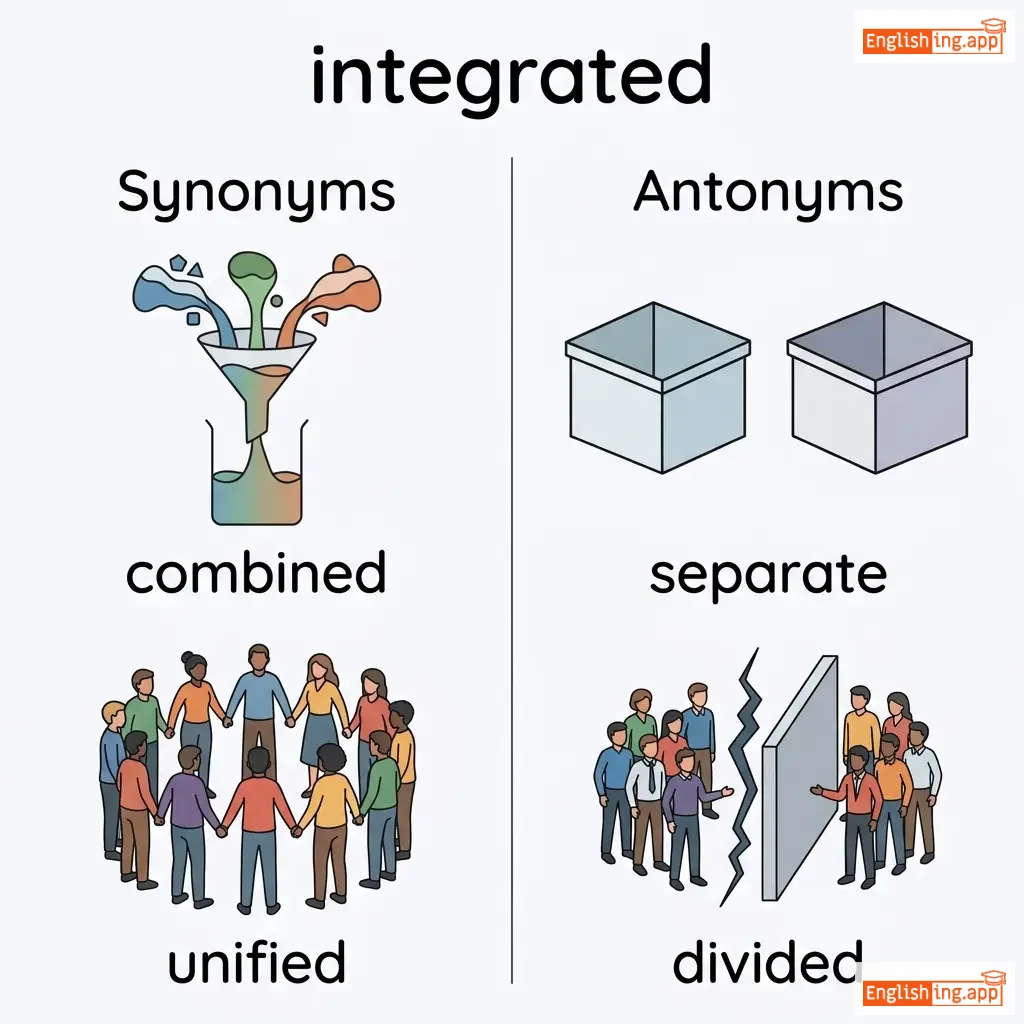
combined, unified, merged, cohesive, connected
••••••
|
separate, divided, isolated
••••••
|
integrated system, integrated approach, integrated solution, fully integrated
••••••
|
集成的意味着将一切组合在一起,形成一个完整的系统。
••••••
|
|
#1
🛡️
|
/ɪnˈʃʊr/
verb
••••••
|
|
- •••••• |
insured
••••••
|
insured
••••••
|
insures
••••••
|
insuring
••••••
|
to arrange for compensation in case of loss or damage, typically by taking out insurance
••••••
|
You should insure your car against theft or accidents. |
- •••••• |
insure against loss |
to protect oneself financially from possible loss
••••••
|
- •••••• |
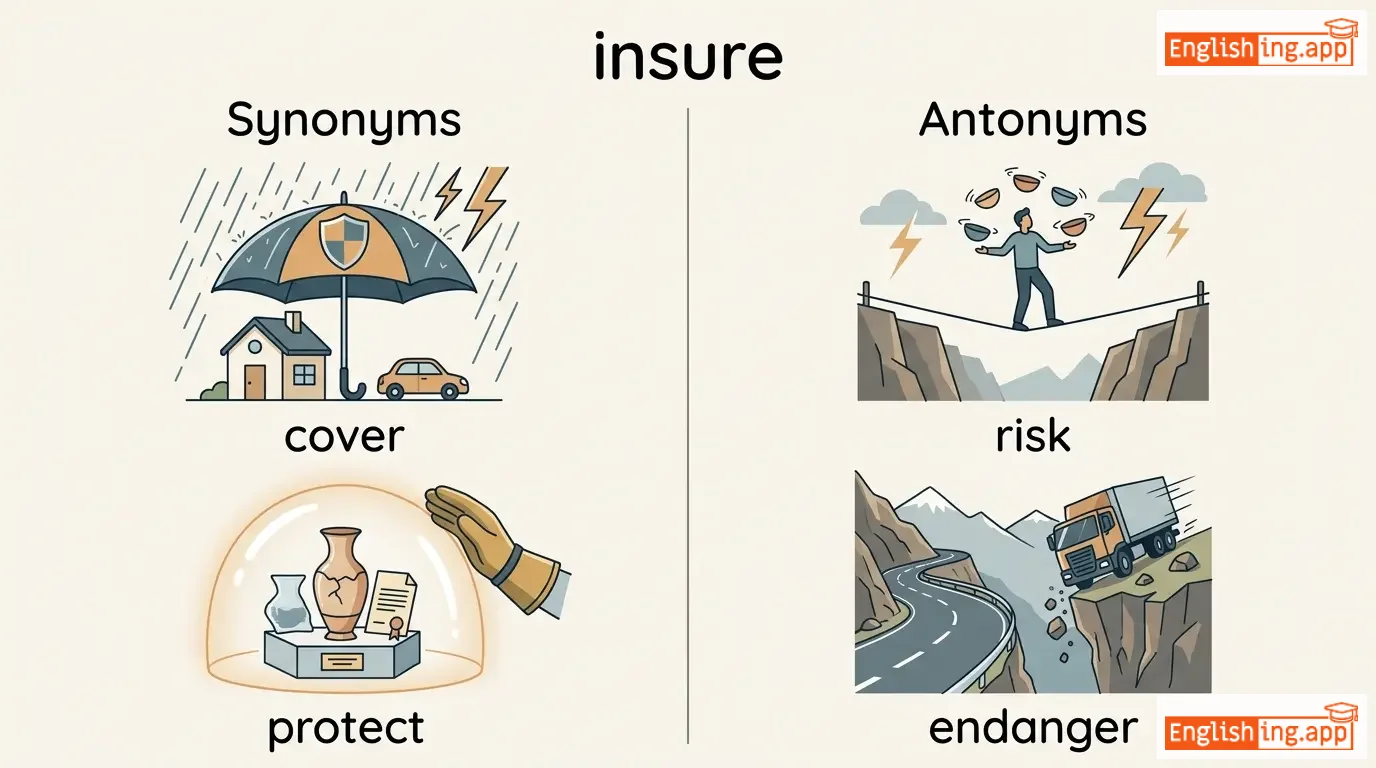
cover, protect, guarantee, secure, safeguard
••••••
|
risk, endanger, expose
••••••
|
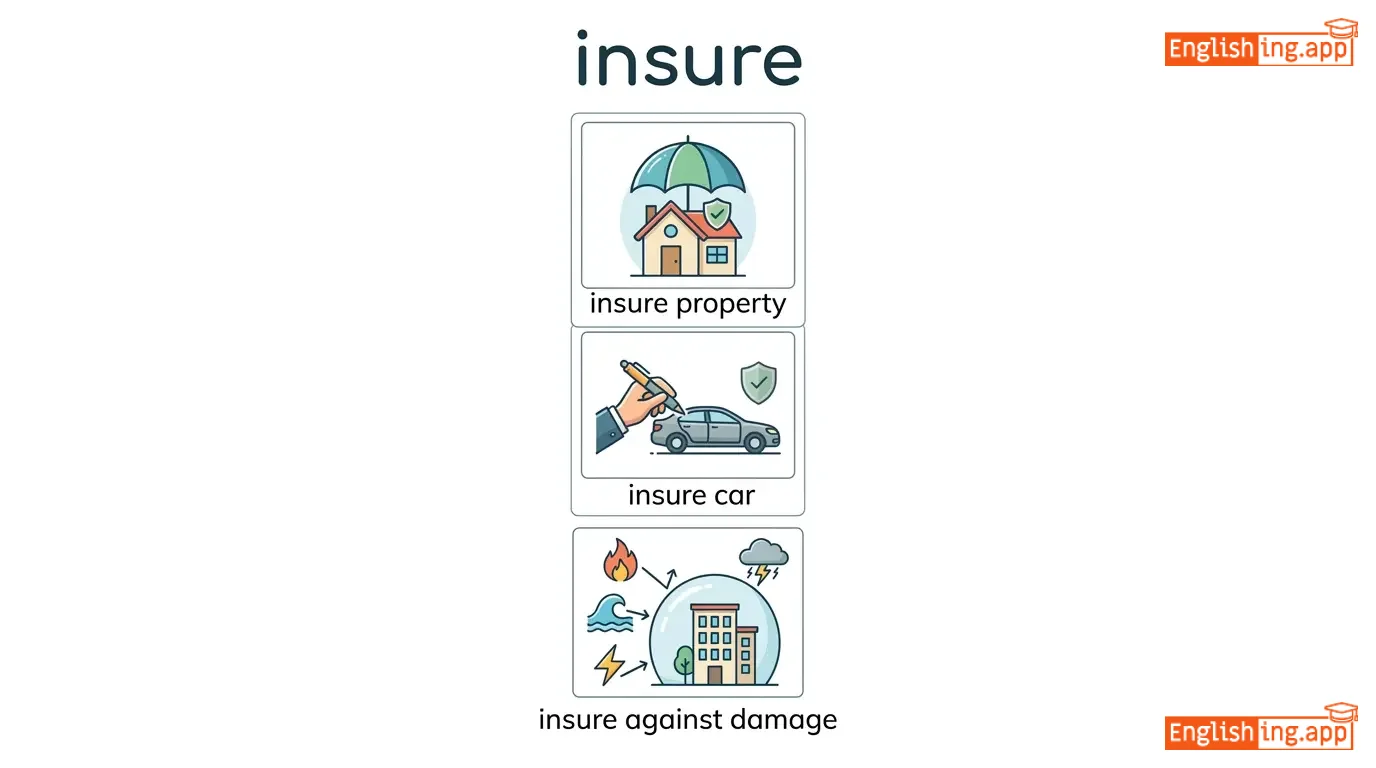
insure property, insure car, insure against damage, fully insured
••••••
|
No •••••• |
|
#1
🎓
|
/ɪnˈstrʌkʃənəl/
adjective
(instruccional)
••••••
|
- •••••• |
教学的
jiaoxue de
••••••
|
- •••••• | - •••••• | - •••••• | - •••••• |
providing knowledge or information; intended to teach
••••••
|
The website offers many instructional videos for beginners. |
该网站提供许多教学视频,适合初学者。
Gai wangzhan tigong xuduo jiaoxue shipin, shihe chuxueshuo.
••••••
|
- •••••• | - •••••• | - •••••• |
educational, informative, didactic, teaching, training
••••••
|
noneducational, misleading, confusing
••••••
|
instructional material, instructional design, instructional video, instructional guide
••••••
|
Instructional 意味着教学的,就像教学视频一样,帮助学习!
••••••
|
|
#1
📘
|
/ɪnˈstrʌkt/
verb
(指导)
••••••
|
|
指导,教导
zhǐdǎo, jiàodǎo
••••••
|
instructed
指导了
••••••
|
instructed
指导了
••••••
|
instructs
指导
••••••
|
instructing
指导中
••••••
|
to tell or teach someone how to do something
••••••
|
The teacher instructed the students to complete the assignment.
老师指导学生完成作业。
••••••
|
老师指导学生完成作业。
Lǎoshī zhǐdǎo xuéshēng wánchéng zuòyè.
••••••
|
instruct someone to do something
指导某人做某事
••••••
|
to tell someone officially to perform an action
••••••
|
指导某人做某事
zhǐdǎo mǒu rén zuò mǒu shì
••••••
|
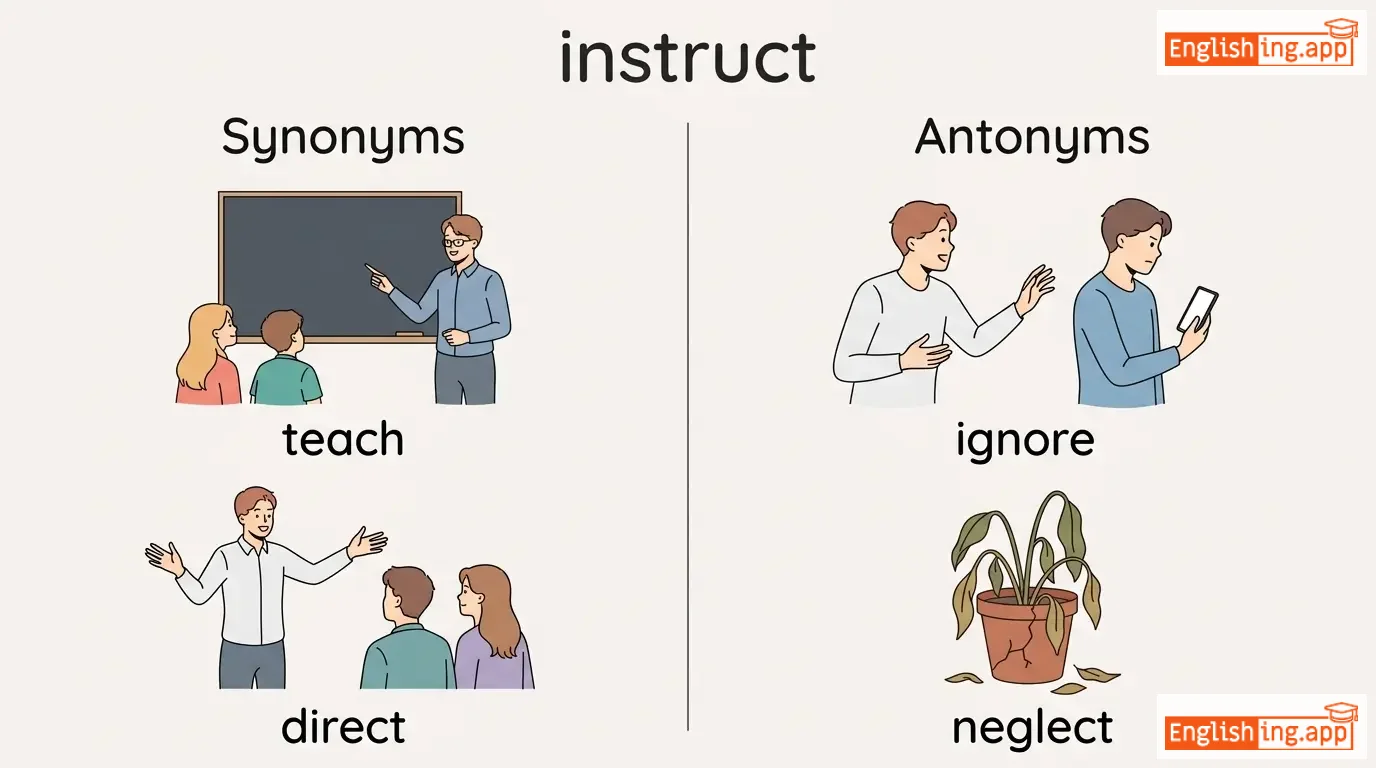
teach, direct, order, command, guide
••••••
|
ignore, neglect, mislead
••••••
|
instruct students, instruct employees, properly instructed, legally instructed
••••••
|
老师指导学生完成任务,像教书一样
••••••
|
|
#1
⚡
|
/ˈɪnstəntli/
adverb
(即时)
••••••
|
- •••••• |
立刻
lì kè
••••••
|
- •••••• | - •••••• | - •••••• | - •••••• |
immediately, without any delay
••••••
|
He replied instantly to the message.
他立刻回复了消息。
••••••
|
他立刻回复了消息。
Tā lì kè huí fù le xiāo xī.
••••••
|
instantly recognizable
立刻可识别
••••••
|
easy to identify immediately
••••••
|
容易识别
róng yì shí bié
••••••
|
immediately, promptly, right away, straightaway, at once
••••••
|
later, eventually, slowly
••••••
|
respond instantly, disappear instantly, instantly available, instantly clear
••••••
|
即时意味着像速溶咖啡一样,马上!
••••••
|
|
#1
⚙️
|
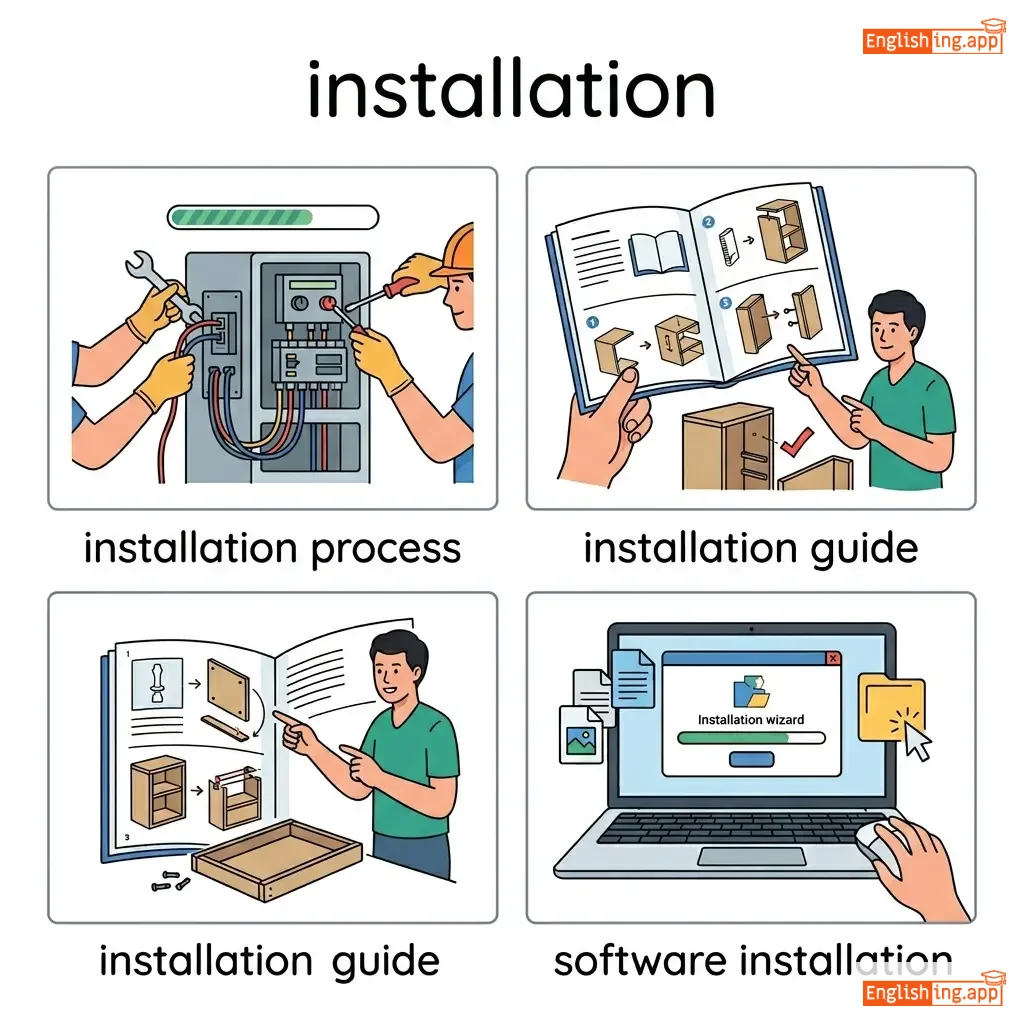
/ˌɪnstəˈleɪʃən/
noun
(安装)
••••••
|
|
安装
anzhuang
••••••
|
- •••••• | - •••••• | - •••••• | - •••••• |
the act or process of putting something in position and making it ready for use
••••••
|
The installation of the new software took less than an hour.
新软件的安装不到一个小时。
••••••
|
新软件的安装不到一个小时。
Xin ruanjian de anzhuang budao yige xiaoshi.
••••••
|
- •••••• | - •••••• | - •••••• |
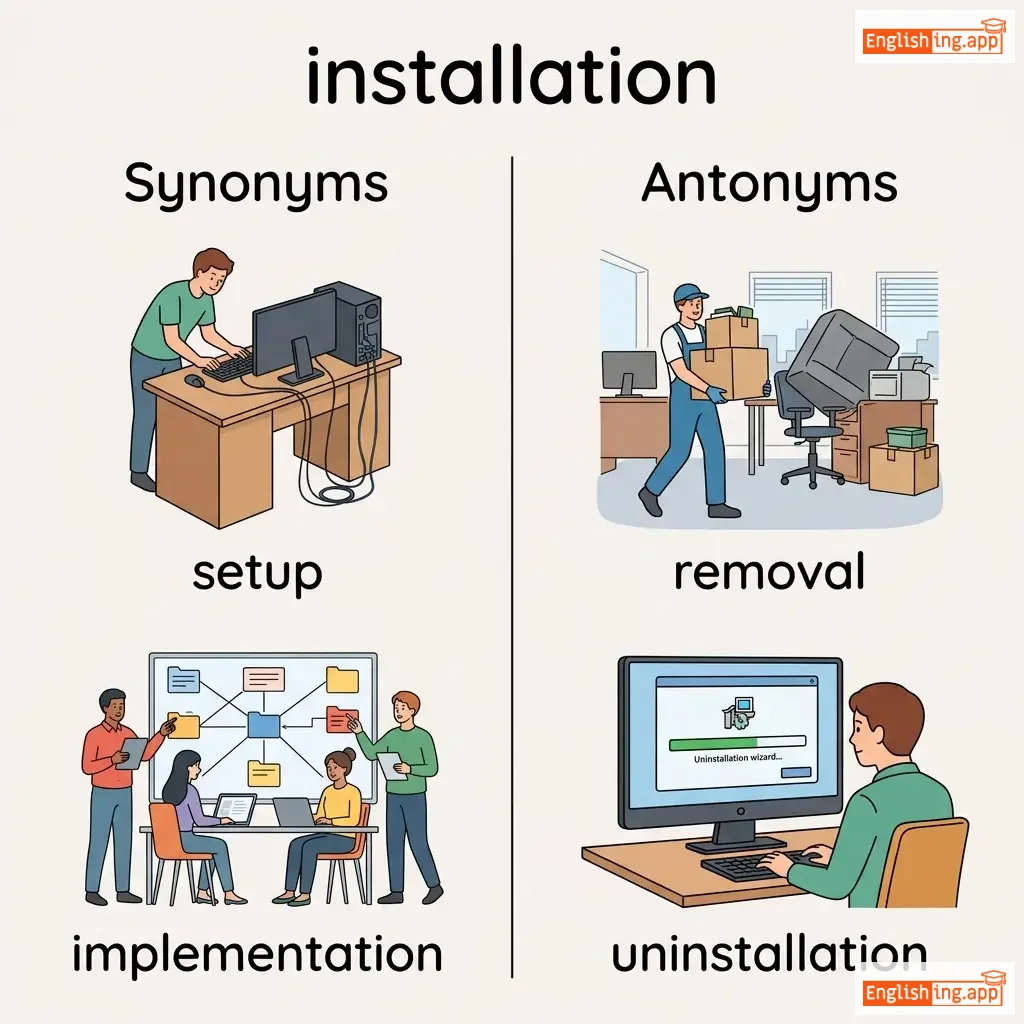
setup, implementation, deployment, placement, establishment
••••••
|
removal, uninstallation, dismantling
••••••
|
installation process, installation guide, software installation, electrical installation
••••••
|
安装就是把东西放到位,安装过程意味着准备好使用。
••••••
|
|
#1
💡
|
/ˌɪnspəˈreɪʃən/
noun
(灵感)
••••••
|
|
灵感
linggan
••••••
|
- •••••• | - •••••• | - •••••• | - •••••• |
the process of being mentally stimulated to do or feel something creative or positive
••••••
|
Her courage was a great inspiration to others.
她的勇气是其他人的巨大灵感。
••••••
|
她的勇气是其他人的巨大灵感。
Tā de yǒngqì shì qítā rén de jùdà línggǎn.
••••••
|
source of inspiration
灵感的来源
••••••
|
something or someone that motivates or encourages creativity
••••••
|
灵感的来源
línggǎn de láiyuán
••••••
|
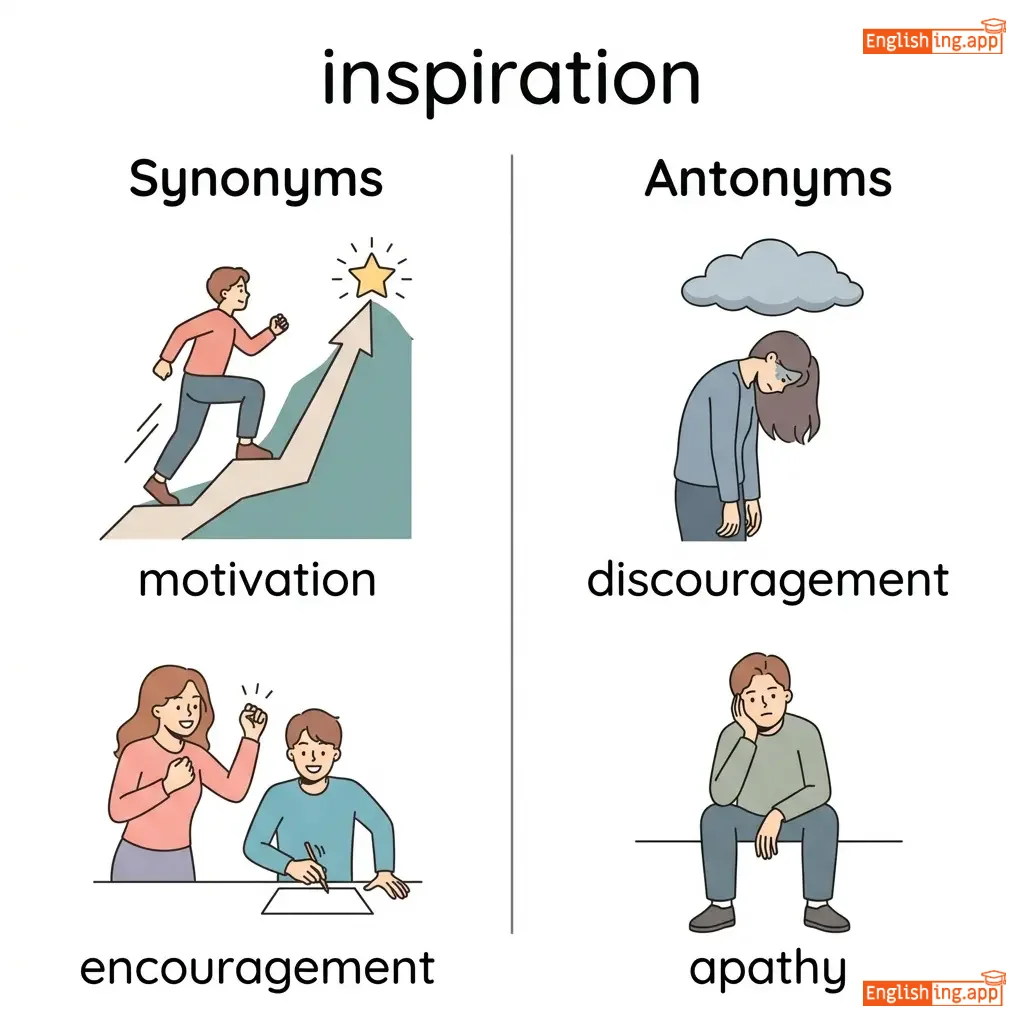
motivation, encouragement, influence, stimulus, drive
••••••
|
discouragement, apathy
••••••
|
find inspiration, give inspiration, source of inspiration, draw inspiration
••••••
|
灵感像火花,点燃创造力的火焰。
••••••
|
|
#1
🔍
|
/ɪnˈspekʃən/
noun
(ɪnˈspɛkʃən)
••••••
|
- •••••• |
检查
jiǎnchá
••••••
|
- •••••• | - •••••• | - •••••• | - •••••• |
a careful examination of something, especially to check that it is correct or safe
••••••
|
The building passed the safety inspection last week. |
该建筑上周通过了安全检查。
Gāi jiànzhú shàng zhōu tōngguòle ānquán jiǎnchá.
••••••
|
under inspection |
being examined carefully
••••••
|
在检查中
zài jiǎnchá zhōng
••••••
|
examination, review, scrutiny, check, audit
••••••
|
neglect, overlook
••••••
|
safety inspection, routine inspection, detailed inspection, building inspection
••••••
|
Inspection 意味着检查 (验证) 🔎
••••••
|
|
#1
📥
|
/ɪnˈsɜːt/
verb
(ɪnˈsɜːt)
••••••
|
|
插入
chārù
••••••
|
inserted
ɪnˈsɜːrtɪd
••••••
|
inserted
ɪnˈsɜːrtɪd
••••••
|
inserts
ɪnˈsɜːrts
••••••
|
inserting
ɪnˈsɜːrtɪŋ
••••••
|
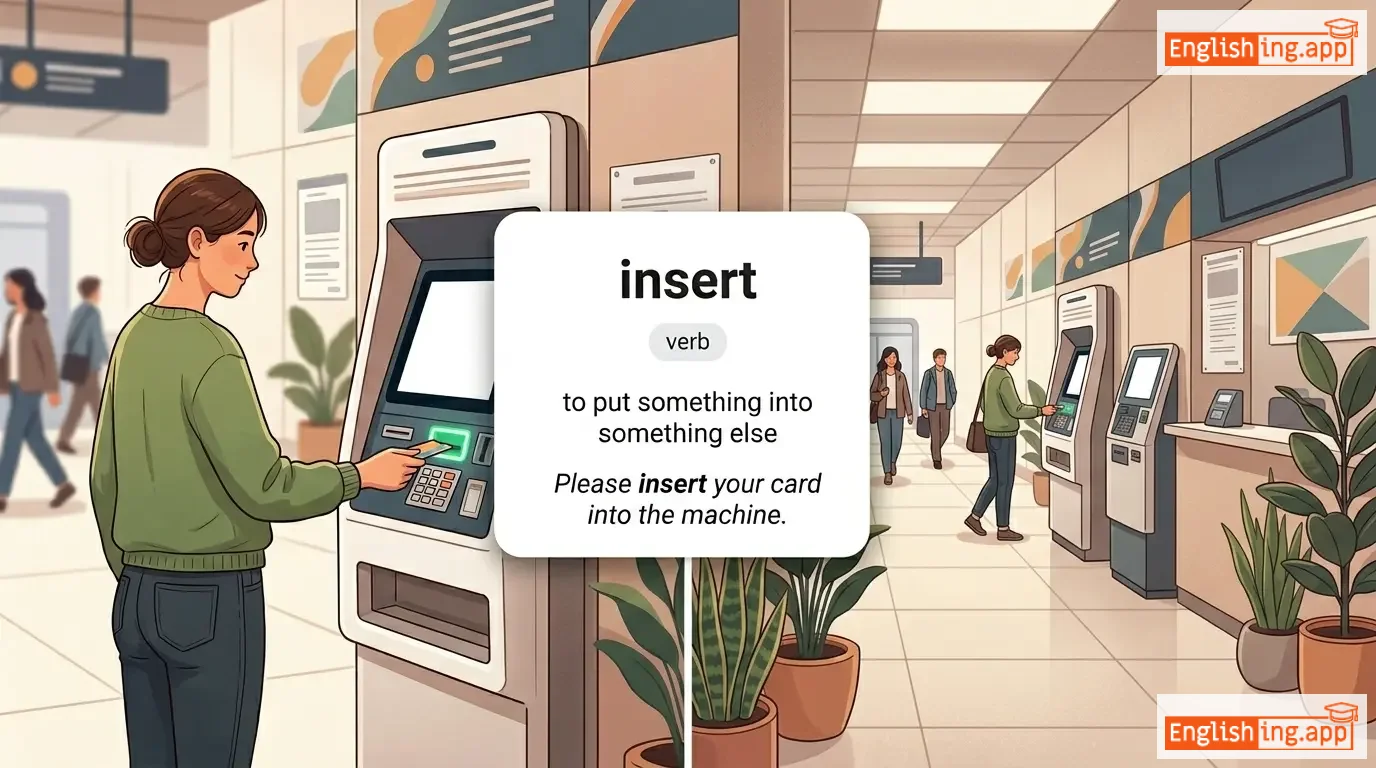
to put something into something else
••••••
|
Please insert your card into the machine.
请将您的卡片插入机器。
••••••
|
请将您的卡片插入机器。
Qǐng jiāng nín de kǎpiàn chārù jīqì.
••••••
|
insert coin
插入硬币
••••••
|
instruction to put a coin into a machine to operate it
••••••
|
插入硬币
chārù yìngbì
••••••
|
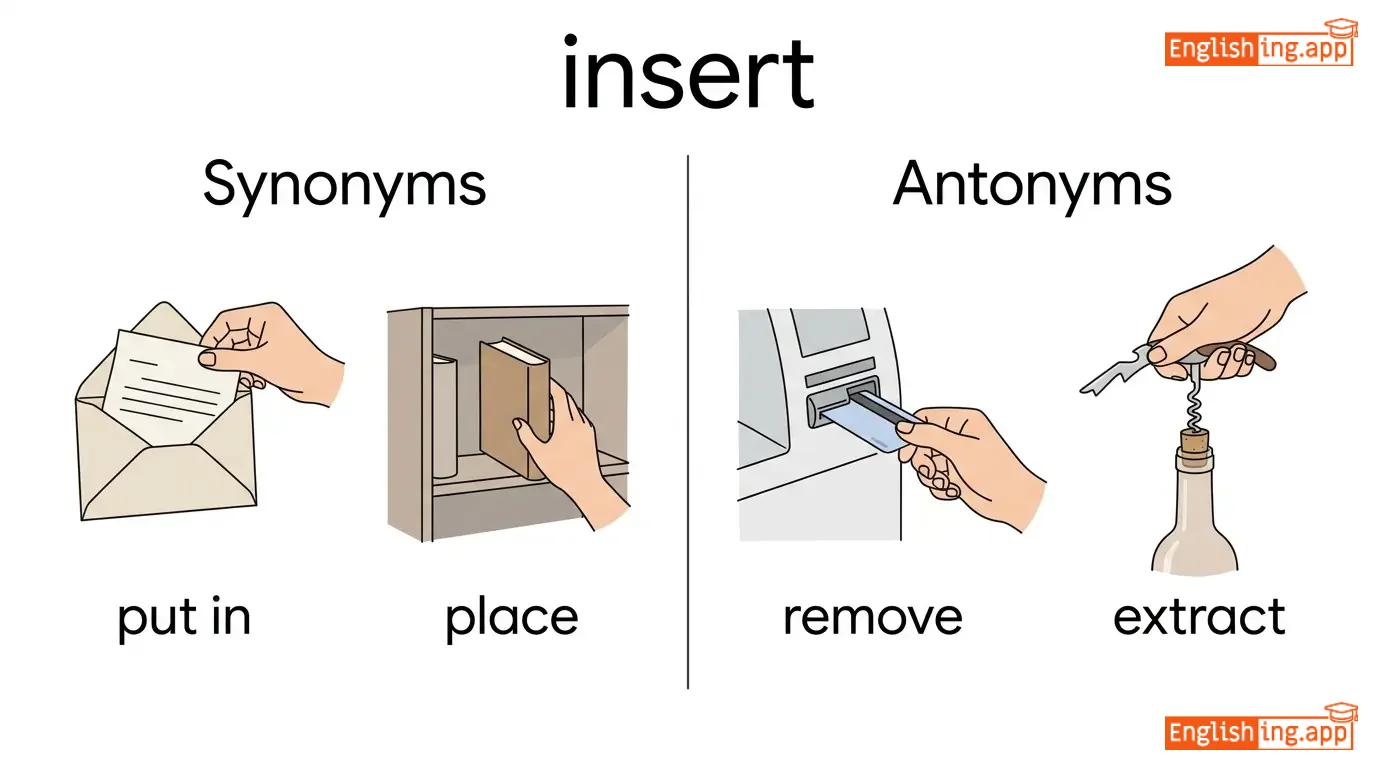
put in, place, embed, add, introduce
••••••
|
remove, extract
••••••
|
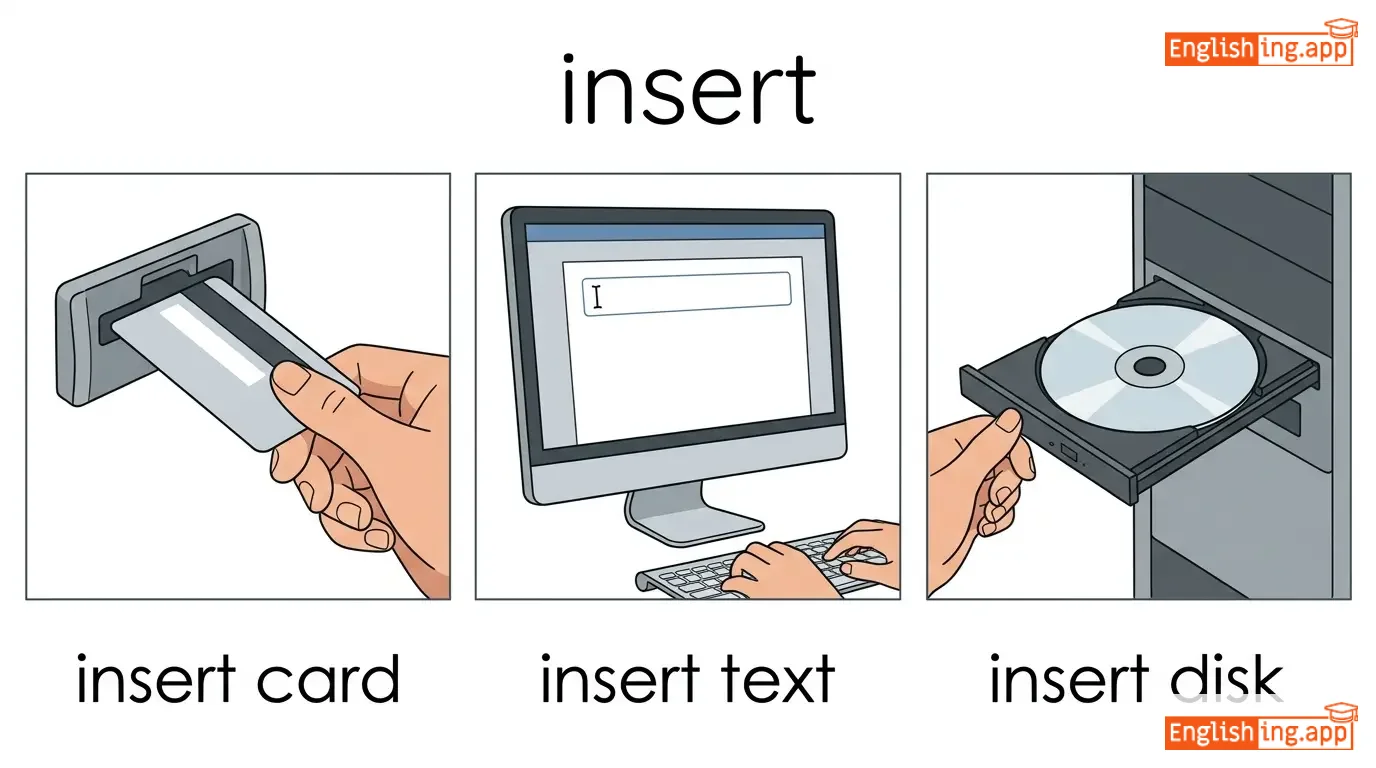
insert card, insert text, insert disk, insert key
••••••
|
插入就是把东西放进别的东西里,比如插入银行卡!
••••••
|
|
#1
🐞
|
/ˈɪnsekt/
noun
(昆虫)
••••••
|
- •••••• |
昆虫
kun chong
••••••
|
- •••••• | - •••••• | - •••••• | - •••••• |
a small animal with six legs and usually wings, such as a bee or an ant
••••••
|
A butterfly is a beautiful type of insect.
蝴蝶是一种美丽的昆虫。
••••••
|
蝴蝶是一种美丽的昆虫。
Hudie shi yi zhong mei li de kunchong.
••••••
|
insect bite
昆虫咬伤
••••••
|
a mark or swelling caused by an insect's sting or bite
••••••
|
昆虫咬伤
kun chong yao shang
••••••
|
bug, creature, ant, bee, beetle
••••••
|
mammal, reptile
••••••
|
flying insect, insect bite, insect species, insect repellent
••••••
|
In + sect = 小段的昆虫 🐜
••••••
|
|
#1
⌨️
|
/ˈɪnpʊt/
noun
(输入)
••••••
|
- •••••• |
输入,提供的信息
shuru, tigong de xinxi
••••••
|
- •••••• | - •••••• | - •••••• | - •••••• |
information, advice, or data that is put into a system, device, or process
••••••
|
The manager asked for everyone's input on the new project.
经理要求大家对新项目提供意见。
••••••
|
经理要求大家对新项目提供意见。
Jingli yaoqiu dajia dui xin xiangmu tigong yijian.
••••••
|
data input
数据输入
••••••
|
the act of entering data into a computer system
••••••
|
数据输入
shuju shuru
••••••
|
contribution, feedback, suggestion, data, information
••••••
|
output, result
••••••
|
user input, data input, input device, input field
••••••
|
输入就是把数据放进去!
••••••
|
|
#1
💡
|
/ˈɪnəˌveɪtɪv/
adjective
(inovétiv)
••••••
|
|
创新的
chuàngxīn de
••••••
|
- •••••• | - •••••• | - •••••• | - •••••• |
introducing new ideas, methods, or products; creative and original
••••••
|
The company is known for its innovative solutions.
这家公司以其创新的解决方案而闻名。
••••••
|
这家公司以其创新的解决方案而闻名。
Zhè jiā gōngsī yǐ qí chuàngxīn de jiějuéfāng'àn ér wénmíng.
••••••
|
- •••••• | - •••••• | - •••••• |
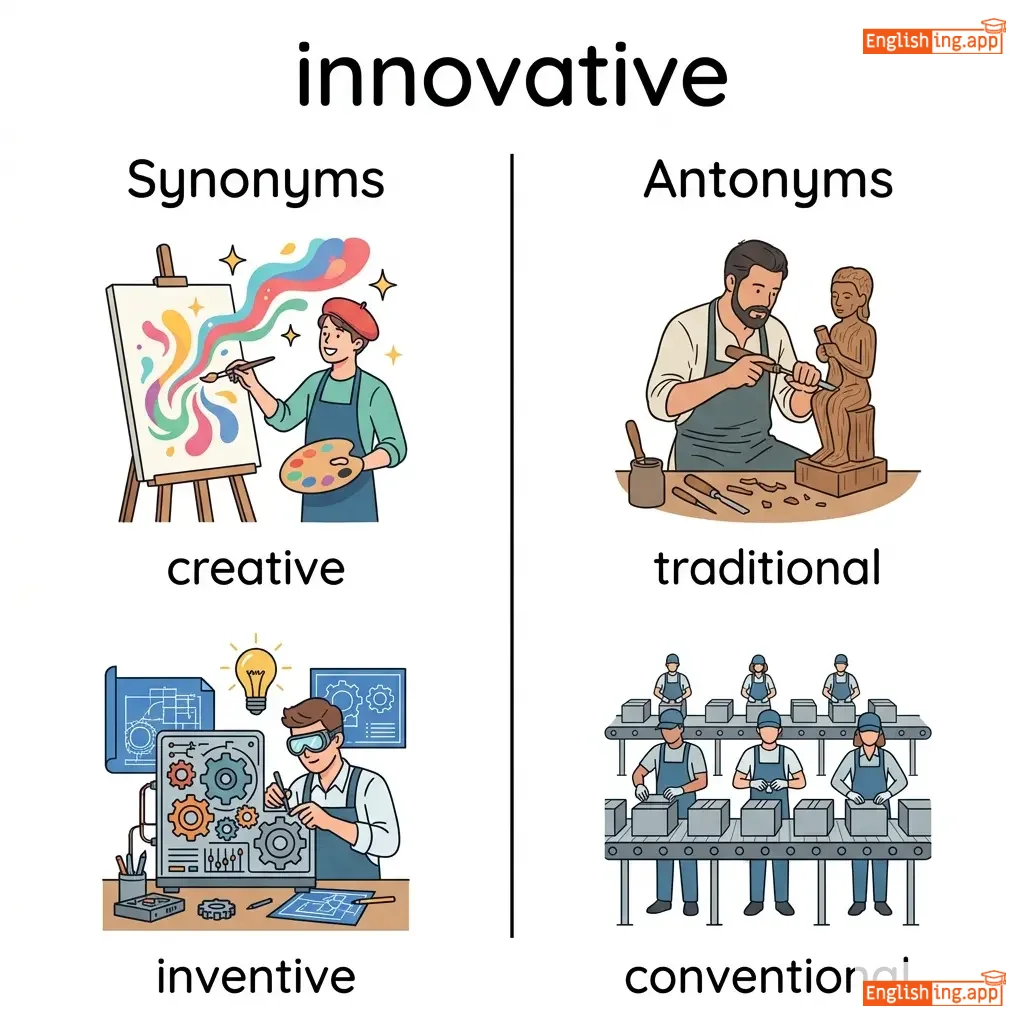
creative, inventive, original, cutting-edge, imaginative
••••••
|
traditional, conventional, old-fashioned
••••••
|
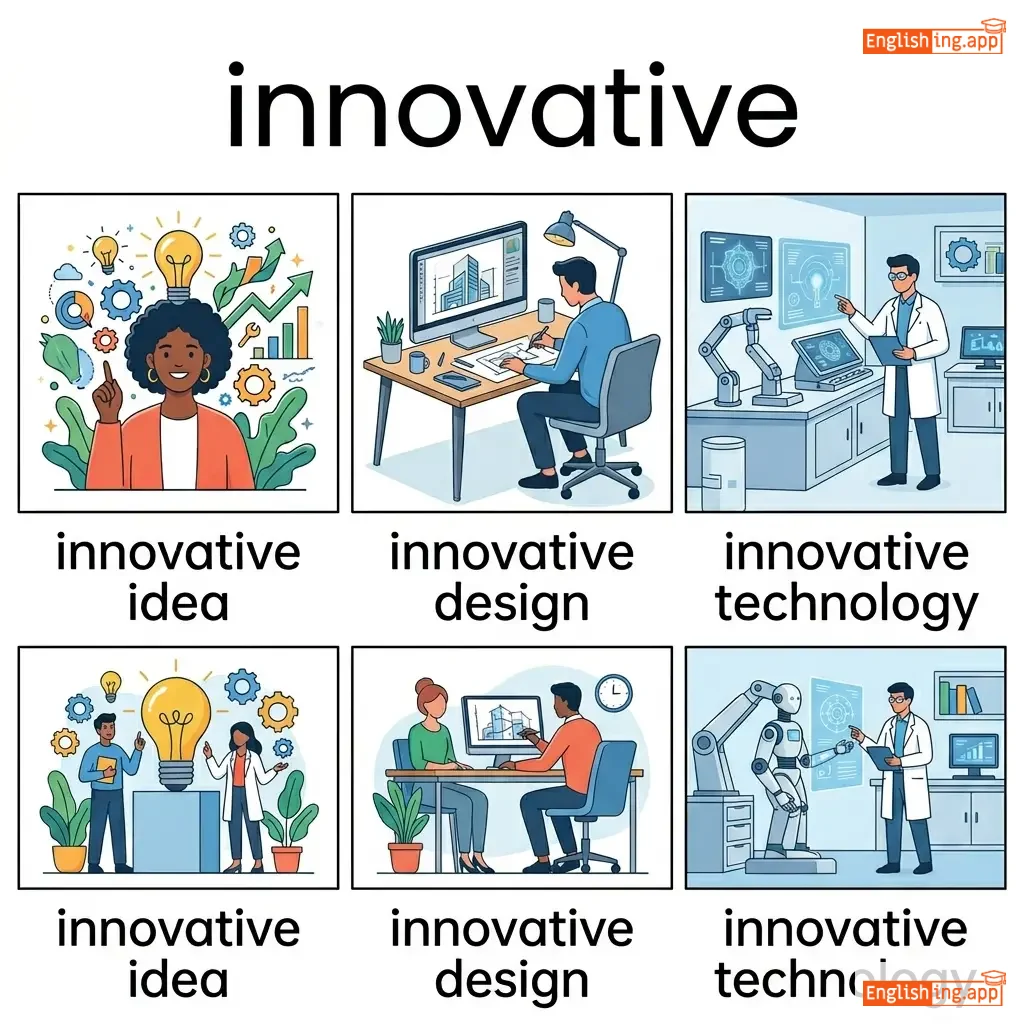
innovative idea, innovative design, innovative technology, innovative approach
••••••
|
创新的意味着引入新奇、原创的东西,就像创意一样。
••••••
|
|
#1
🚔
|
/ˈɪnˌmeɪt/
noun
(因梅特)
••••••
|
- •••••• |
囚犯
qiufan
••••••
|
- •••••• | - •••••• | - •••••• | - •••••• |
a person confined to an institution such as a prison or hospital
••••••
|
The prison has over a thousand inmates.
监狱里有超过一千名囚犯。
••••••
|
监狱里有超过一千名囚犯。
Jianyu li you chao guo yi qian ming qiufen.
••••••
|
- •••••• | - •••••• | - •••••• |
prisoner, convict, detainee, captive
••••••
|
visitor, guard, free person
••••••
|
prison inmate, hospital inmate, fellow inmate, release an inmate
••••••
|
In + mate = 囚犯, 监狱里的囚徒
••••••
|
|
#1
🧬
|
/ˈhɔːrmoʊn/
noun
(荷尔蒙)
••••••
|
- •••••• |
荷尔蒙
hormone
••••••
|
- •••••• | - •••••• | - •••••• | - •••••• |
a chemical substance produced in the body that influences how the body grows or functions
••••••
|
Insulin is a hormone that controls blood sugar levels.
胰岛素是一种控制血糖水平的荷尔蒙。
••••••
|
胰岛素是一种控制血糖水平的荷尔蒙。
Yídǎosù shì yī zhǒng kòngzhì xuètáng shuǐpíng de hé'ěrméng.
••••••
|
- •••••• | - •••••• | - •••••• |
chemical, secretion, enzyme, messenger
••••••
|
none, null
••••••
|
growth hormone, sex hormone, hormone levels
••••••
|
荷尔蒙:控制你身体的化学大脑!
••••••
|
|
#1
🏠
|
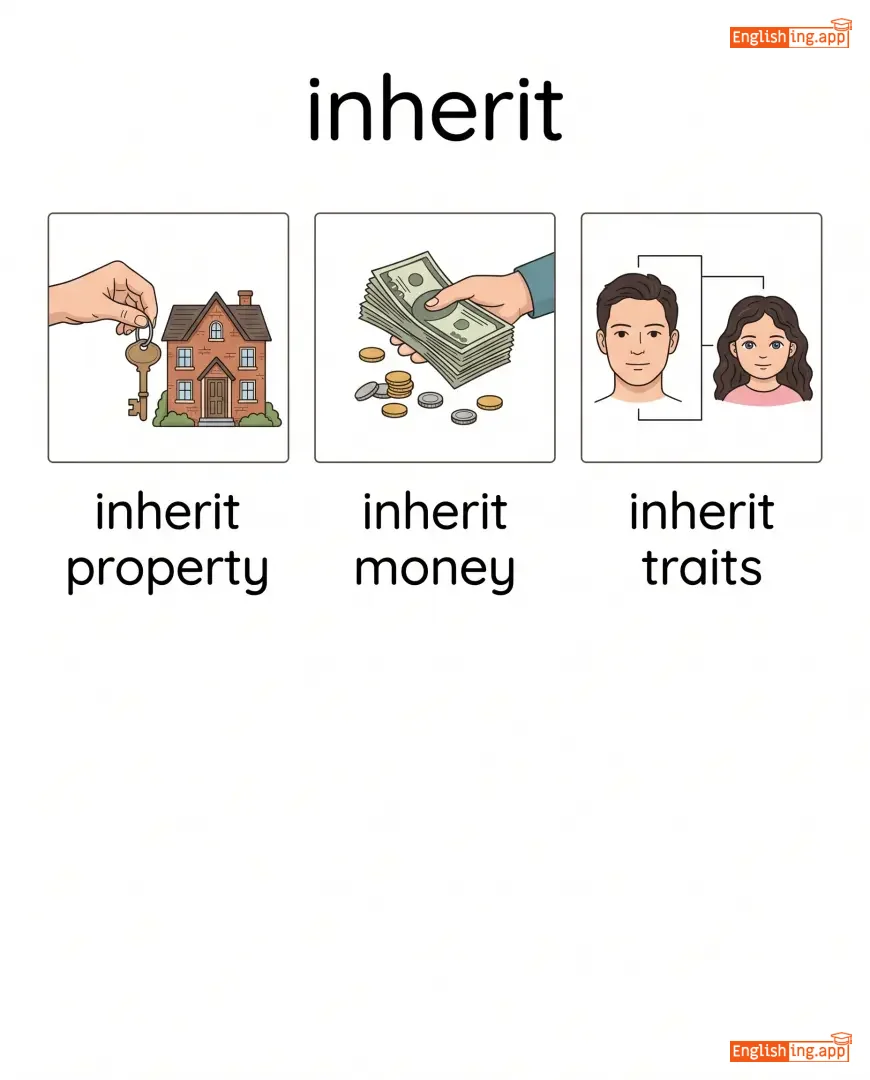
/ɪnˈhɛrɪt/
verb
(因赫里特)
••••••
|
|
继承
jicheng
••••••
|
inherited
因赫里特德
••••••
|
inherited
因赫里特德
••••••
|
inherits
因赫里特斯
••••••
|
inheriting
因赫里廷
••••••
|
to receive property, money, or traits from someone after their death or from ancestors
••••••
|
She inherited her father's house after his death.
她在父亲去世后继承了他的房子。
••••••
|
她在父亲去世后继承了他的房子。
Ta zai furen qushi hou jicheng le tade fangzi.
••••••
|
inherit the earth
继承地球
••••••
|
to gain control or possession of the world or land, often used metaphorically
••••••
|
继承地球
jicheng diqiu
••••••
|
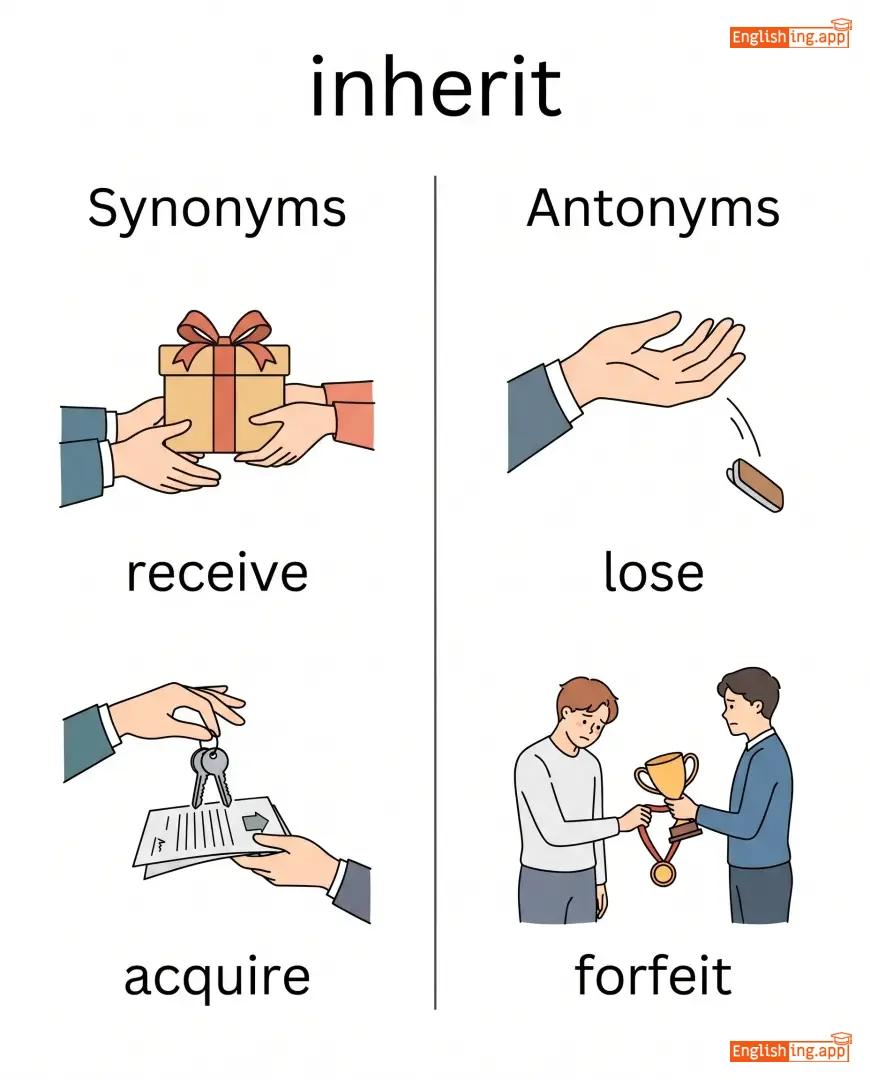
receive, acquire, obtain, succeed, derive
••••••
|
lose, forfeit, give up
••••••
|
inherit property, inherit money, inherit traits, inherit wealth
••••••
|
Inherit意味着in(内部)+ heritage(遗产)—内部heritage意味着继承。
••••••
|
|
#1
🏗️
|
/ˈɪnfrəˌstrʌktʃər/
noun
(基础设施)
••••••
|
|
基础设施
jichu sheshi
••••••
|
- •••••• | - •••••• | - •••••• | - •••••• |
the basic physical and organizational structures and facilities needed for the operation of a society or enterprise
••••••
|
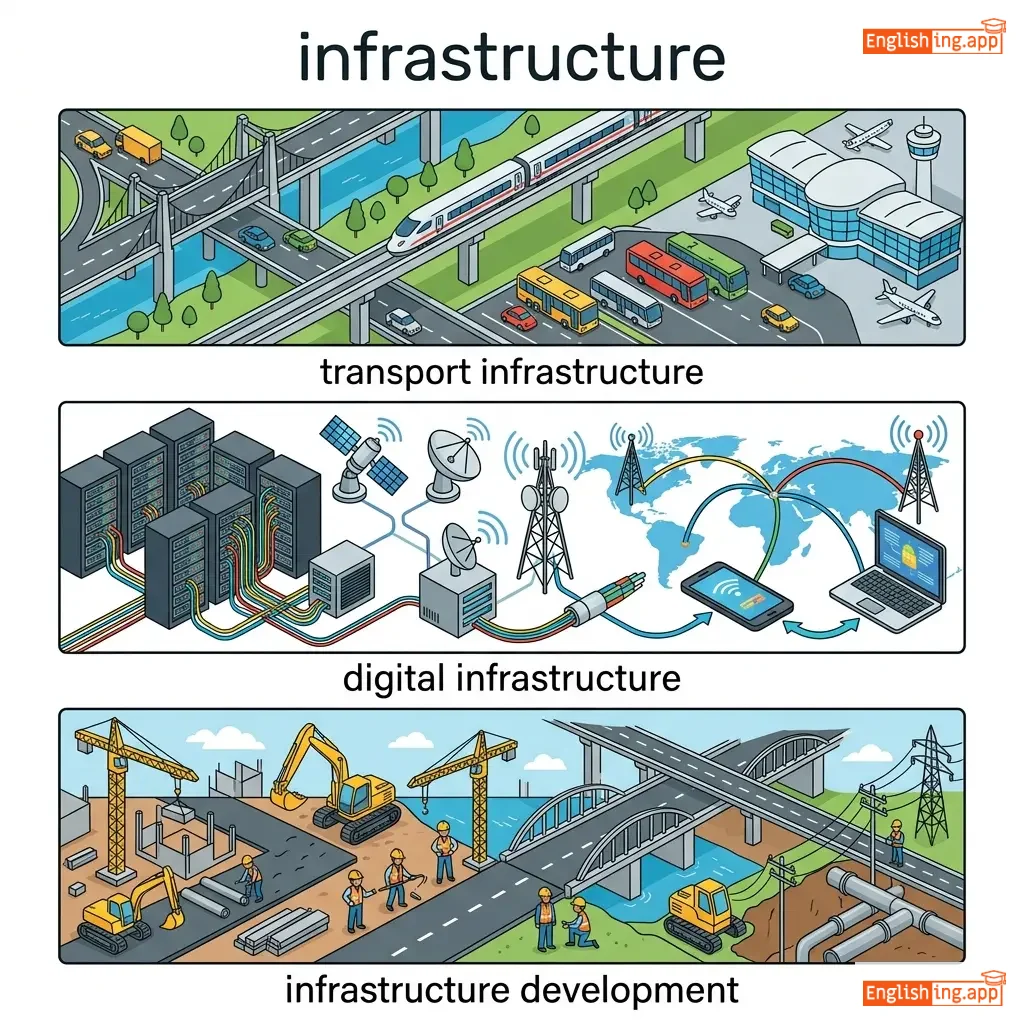
The government is investing heavily in transport infrastructure.
政府正在大力投资交通基础设施。
••••••
|
政府正在大力投资交通基础设施。
Zhengfu zhengzai dali touzi jiaotong jichu sheshi.
••••••
|
- •••••• | - •••••• | - •••••• |
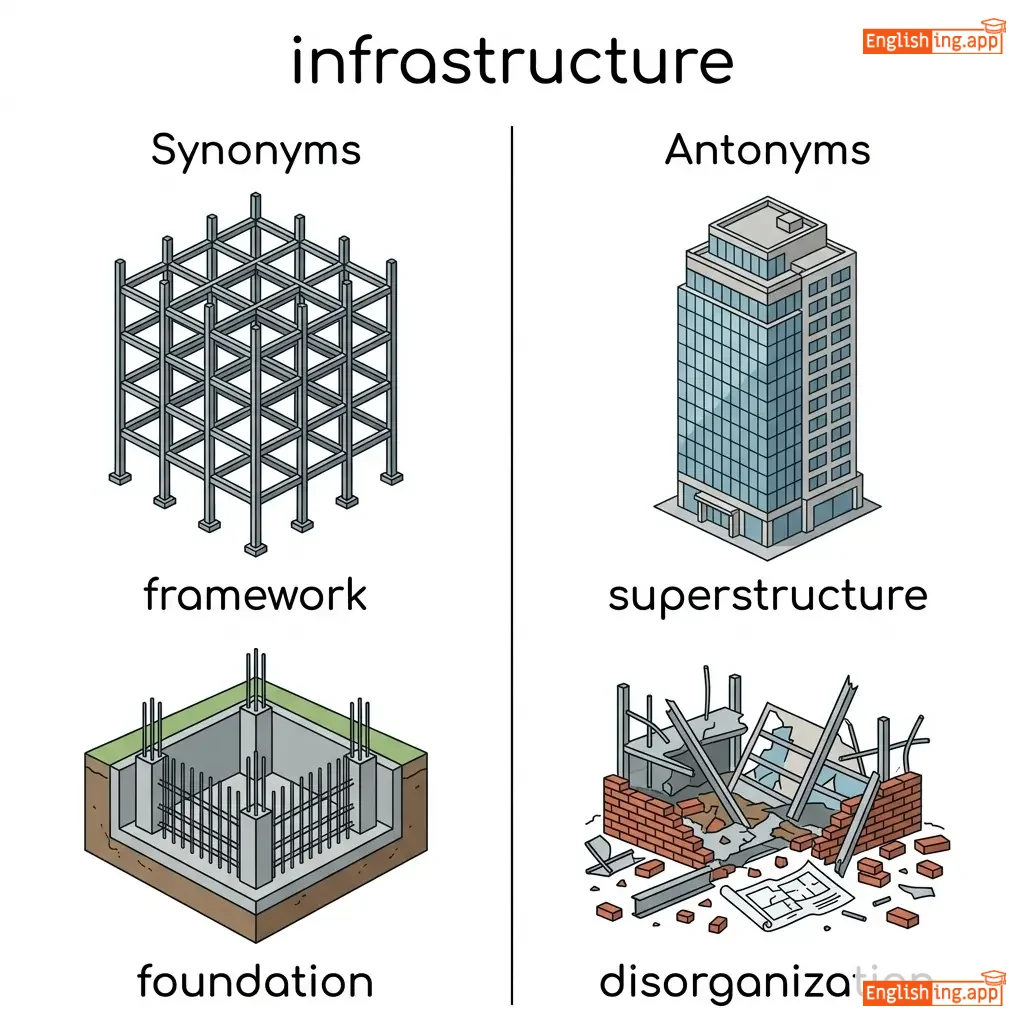
framework, foundation, base, system, network
••••••
|
superstructure, disorganization, destruction
••••••
|
transport infrastructure, digital infrastructure, infrastructure development, public infrastructure
••••••
|
Infra意味着下方,structure意味着构造——基础设施就是基本构造。
••••••
|
|
#1
🌀
|
/ɪnˈɛvɪtəbli/
adverb
(不可避免地)
••••••
|
- •••••• |
不可避免地
bùkě bìmiǎn de
••••••
|
- •••••• | - •••••• | - •••••• | - •••••• |
in a way that cannot be avoided or prevented
••••••
|
Inevitably, the team faced challenges during the project. |
不可避免地,团队在项目过程中遇到了挑战。
Bùkě bìmiǎn de, tuánduì zài xiàngmù guòchéng zhōng yù dào le tiǎozhàn.
••••••
|
as inevitably as night follows day |
something that is certain to happen
••••••
|
像夜晚接替白天一样不可避免
Xiàng yèwǎn jiētì báitiān yīyàng bùkě bìmiǎn
••••••
|
unavoidably, certainly, surely, predictably, inescapably
••••••
|
avoidably, preventably, uncertainly
••••••
|
inevitably lead, inevitably result, inevitably follow, inevitably happen
••••••
|
不可避免的意思是无法避免,因此它必然会发生 🌀
••••••
|
|
#1
🌟
|
/ɪnˈkrɛdɪbli/
adverb
(yīng kè réi bù lì)
••••••
|
- •••••• |
难以置信地
nán yǐ zhì xìn de
••••••
|
- •••••• | - •••••• | - •••••• | - •••••• |
to a great degree; extremely or unbelievably
••••••
|
The view from the top of the mountain was incredibly beautiful. |
从山顶看到的景色是难以置信地美丽。
Cóng shāndǐng kàn dào de jǐngsè shì nán yǐ zhì xìn de měilì.
••••••
|
- •••••• | - •••••• | - •••••• |
extremely, amazingly, unbelievably, remarkably, extraordinarily
••••••
|
barely, slightly, hardly
••••••
|
incredibly beautiful, incredibly fast, incredibly talented, incredibly hard
••••••
|
难以置信地 就像难以相信 — 美丽到让人难以置信!
••••••
|
|
#1
⚡
|
/ˈɪmpʌls/
noun
(冲动)
••••••
|
- •••••• |
冲动
chōngdòng
••••••
|
- •••••• | - •••••• | - •••••• | - •••••• |
a sudden strong desire or urge to act without thinking
••••••
|
He bought the watch on impulse without planning to. |
他毫无计划地冲动买下了这只手表。
Tā háo wú jìhuà de chōngdòng mǎi xià le zhè zhī shǒubiǎo.
••••••
|
impulse buying |
purchasing things spontaneously without prior thought
••••••
|
冲动购物
chōngdòng gòuwù
••••••
|
urge, instinct, drive, compulsion, motivation
••••••
|
restraint, hesitation, caution
••••••
|
impulse control, sudden impulse, natural impulse, strong impulse
••••••
|
Impulse 就是你突然想做的事情,像买东西 ⚡
••••••
|
|
#1
📈
|
/ɪmˈpruːvd/
adjective
(imprúvd)
••••••
|
- •••••• |
改进的
gǎijìn de
••••••
|
- •••••• | - •••••• | - •••••• | - •••••• |
made better or enhanced in quality or condition
••••••
|
Her health has significantly improved since last month.
她的健康自上个月以来显著改善。
••••••
|
她的健康自上个月以来显著改善。
Tā de jiànkāng zì shàng gè yuè yǐlái xiǎnzhù gǎishàn.
••••••
|
improved version
改进版
••••••
|
a newer and better form of something
••••••
|
改进版
gǎijìn bǎn
••••••
|
enhanced, upgraded, refined, developed, advanced
••••••
|
worsened, declined, deteriorated
••••••
|
improved performance, improved quality, improved system, improved health
••••••
|
Improved 意味着更好 — 就像更新的手机,改进版 📱
••••••
|
|
#1
⚡
|
/ɪmˈpɔːtəntli/
adverb
(ɪmˈpɔːtəntli)
••••••
|
- •••••• |
重要地
zhòngyàode
••••••
|
- •••••• | - •••••• | - •••••• | - •••••• |
in a way that is of great significance or value
••••••
|
Importantly, the report highlights the need for immediate action. |
重要地,报告突出了立即采取行动的必要性。
Zhòngyàode, bàogào túchūle lìjí cǎiqǔ xíngdòng de bìyào xìng.
••••••
|
- •••••• | - •••••• | - •••••• |
significantly, notably, crucially, essentially, vitally
••••••
|
insignificantly, trivially, unimportantly
••••••
|
importantly, more importantly, very importantly, most importantly
••••••
|
Importantly在中文中是重要地,用来表达一种显著的、具有重大意义的方式。
••••••
|
|
#1
⚙️
|
/ˌɪmplɪmenˈteɪʃən/
noun
(实施)
••••••
|
|
实施
shíshī
••••••
|
- •••••• | - •••••• | - •••••• | - •••••• |
the process of putting a plan, decision, or idea into effect
••••••
|
The successful implementation of the new policy improved efficiency. |
新政策的成功实施提高了效率。
Xin zhengce de chenggong shishi tigao le xiaolv.
••••••
|
plan implementation |
the act of executing a planned action
••••••
|
计划实施
jihua shishi
••••••
|
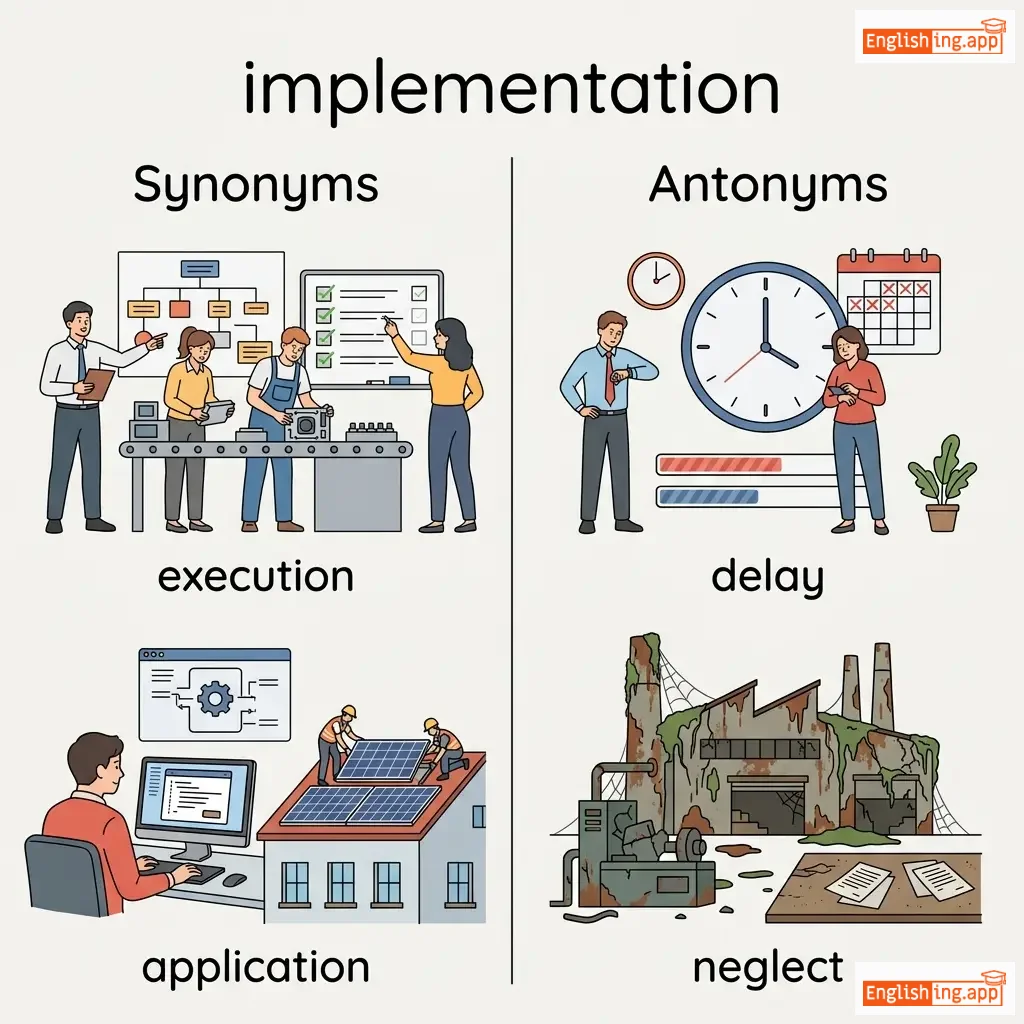
execution, application, realization, deployment, enforcement
••••••
|
delay, neglect, failure
••••••
|
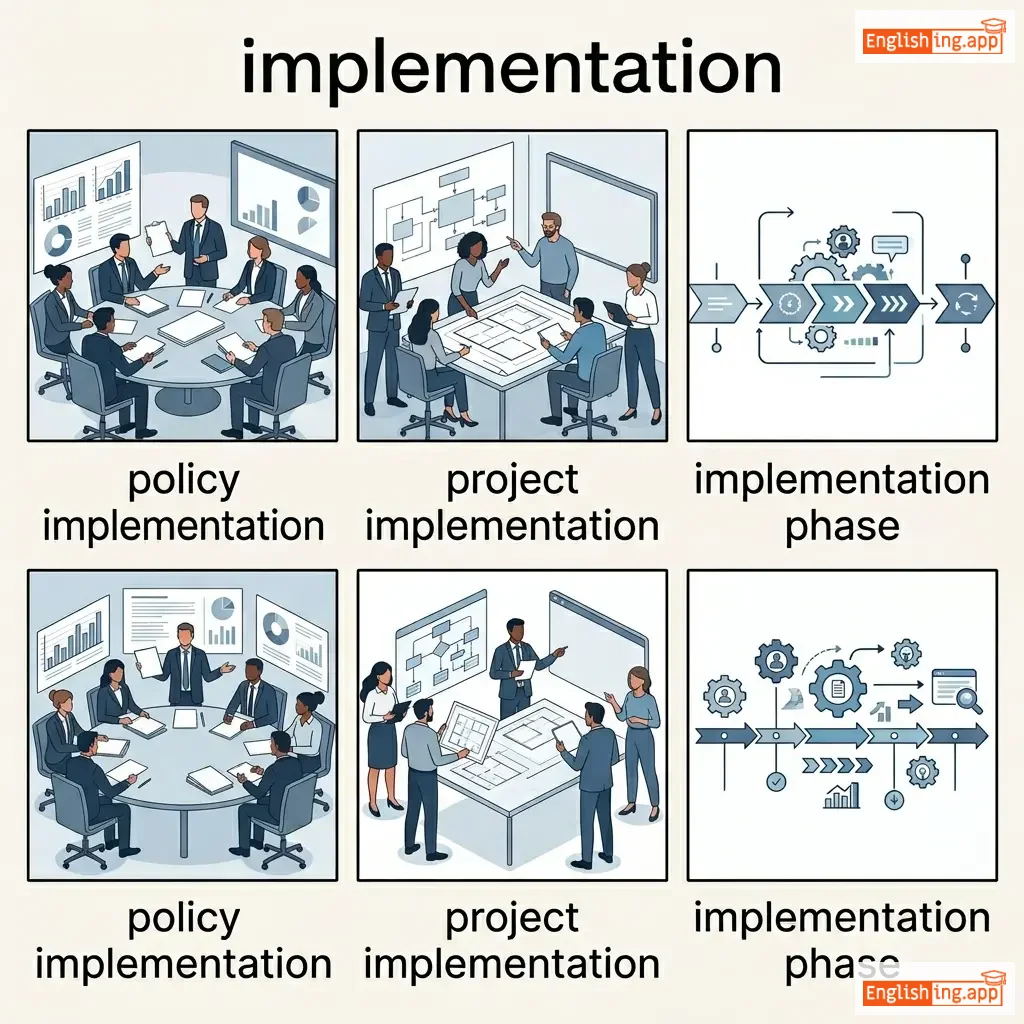
policy implementation, project implementation, implementation phase, strategy implementation
••••••
|
Implement是执行的意思,实施是将计划变为现实的过程。
••••••
|
|
#1
🏹
|
/hʌnt/
verb
(hant)
••••••
|
|
狩猎
shòuliè
••••••
|
hunted
hanted
••••••
|
hunted
hanted
••••••
|
hunts
hants
••••••
|
hunting
hanting
••••••
|
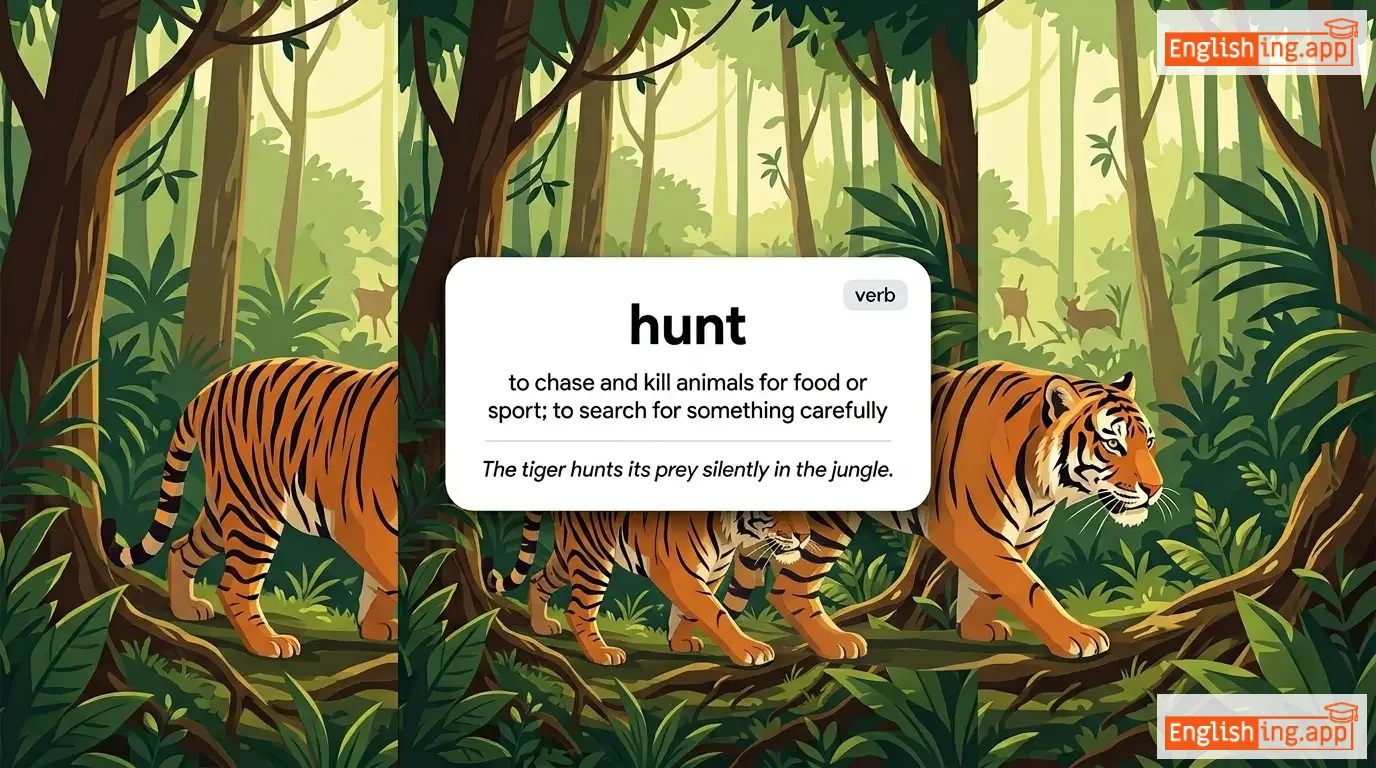
to chase and kill animals for food or sport; to search for something carefully
••••••
|
The tiger hunts its prey silently in the jungle.
老虎在丛林中悄悄地追捕猎物。
••••••
|
老虎在丛林中悄悄地追捕猎物。
Lǎohǔ zài cónglín zhōng qiāoqiāo de zhuībǔ lièwù.
••••••
|
on the hunt for
寻找中
••••••
|
actively searching for something or someone
••••••
|
寻找中
xúnzhǎo zhōng
••••••
|
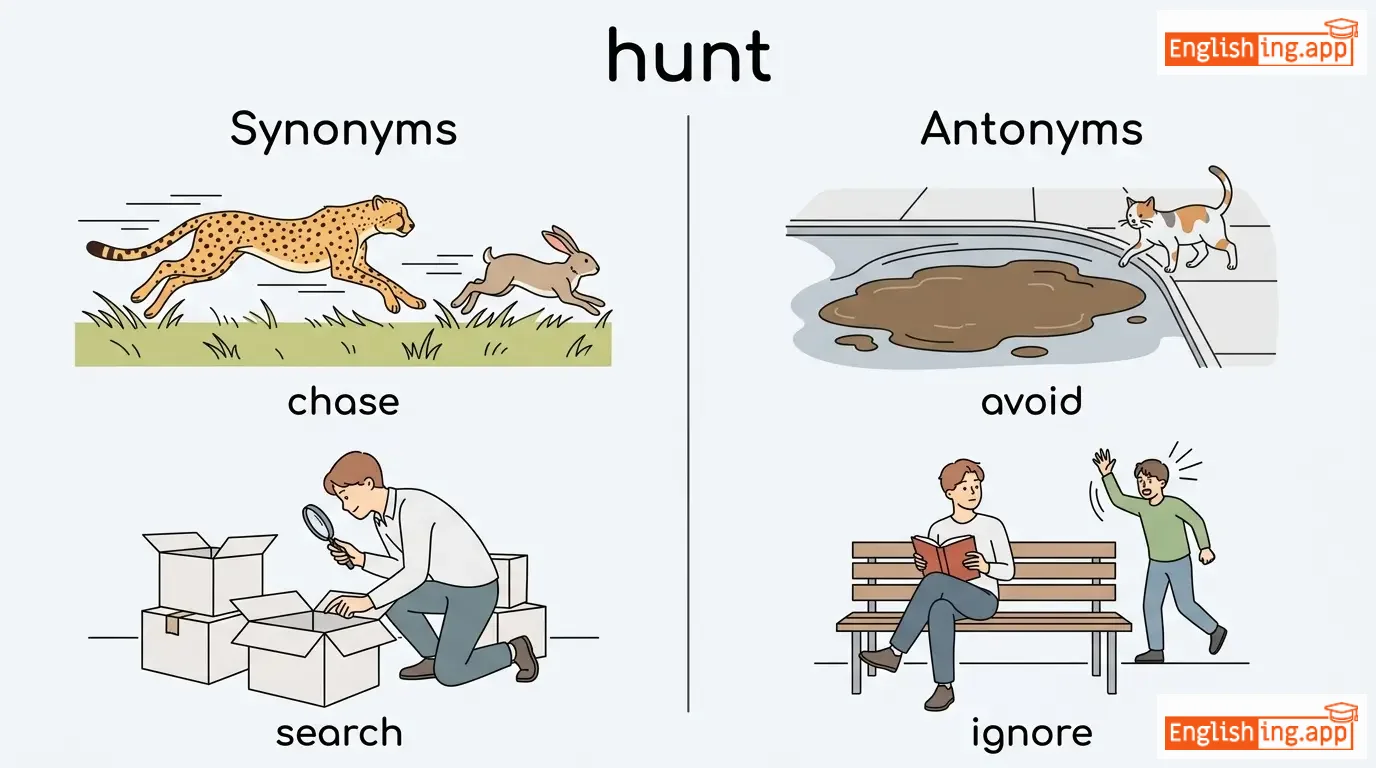
chase, search, track, pursue, seek
••••••
|
avoid, ignore, escape
••••••
|
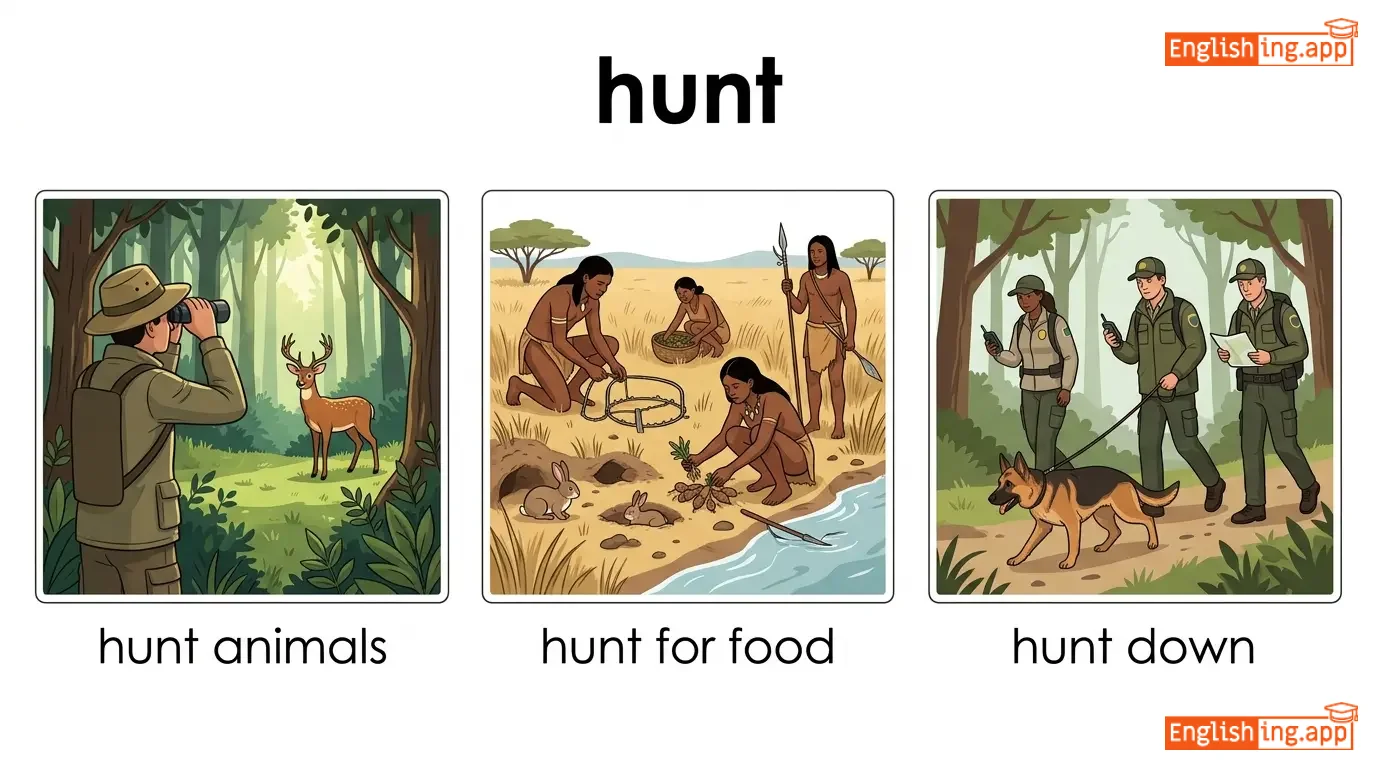
hunt animals, hunt for food, hunt down, go hunting
••••••
|
狩猎是必须的 — 这是生存的一部分。
••••••
|
|
#1
🌍
|
/hjuːˈmænɪti/
noun
(hjuːˈmænɪti)
••••••
|
- •••••• |
人性
renxing
••••••
|
- •••••• | - •••••• | - •••••• | - •••••• |
the quality of being human; kindness or compassion towards others; all human beings collectively
••••••
|
Kindness is one of the greatest expressions of humanity. |
善良是人性最伟大的表现之一。
Shànliáng shì rénxìng zuì wěidà de biǎoxiàn zhī yī.
••••••
|
crimes against humanity |
serious offenses that harm large groups of people
••••••
|
反人类罪
fǎn rénlèi zuì
••••••
|
mankind, humankind, compassion, benevolence, kindness
••••••
|
cruelty, inhumanity, brutality
••••••
|
show humanity, act with humanity, crimes against humanity, humanity and compassion
••••••
|
人性就是人类的本质,展现出善良和同情。
••••••
|
|
#1
🤔
|
/hʌ/
interjection
(哈?)
••••••
|
- •••••• |
你说什么?
nǐ shuō shénme?
••••••
|
- •••••• | - •••••• | - •••••• | - •••••• |
used to express confusion, surprise, or that you did not hear something
••••••
|
Huh? What did you say? |
哈?你说什么?
Hā? Nǐ shuō shénme?
••••••
|
- •••••• | - •••••• | - •••••• |
what, pardon, eh, really, oh
••••••
|
none, silence
••••••
|
say huh, huh expression, confused huh, huh reaction
••••••
|
如果没听清,可以说 'Huh?' — 就是'你说什么?'
••••••
|
|
#1
🤗
|
/hʌɡ/
verb
(哈格)
••••••
|
- •••••• |
拥抱
yōng bào
••••••
|
hugged
哈格德
••••••
|
hugged
哈格德
••••••
|
hugs
哈格斯
••••••
|
hugging
哈金
••••••
|
to hold someone tightly in your arms to show affection or comfort
••••••
|
She hugged her friend before leaving for the airport.
她在去机场前拥抱了她的朋友。
••••••
|
她在去机场前拥抱了她的朋友。
Tā zài qù jīchǎng qián yōng bào le tā de péngyǒu.
••••••
|
a bear hug
一个熊抱
••••••
|
a very tight and affectionate hug
••••••
|
一个紧紧的拥抱
Yí gè jǐn jǐn de yōng bào
••••••
|
embrace, cuddle, hold, squeeze, clasp
••••••
|
ignore, release, separate
••••••
|
give a hug, warm hug, tight hug, hug someone, big hug
••••••
|
Hug 意味着用心去拥抱。
••••••
|
|
#1
😖
|
/ˈhɔːrɪbəl/
adjective
(hɔːrɪbəl)
••••••
|
- •••••• |
可怕的, 恐怖的
kěpà de, kǒngbù de
••••••
|
- •••••• | - •••••• | - •••••• | - •••••• |
very unpleasant or causing horror; extremely bad or unpleasant
••••••
|
The food at that restaurant was horrible. |
那家餐馆的食物可怕极了。
Nà jiā cānguǎn de shíwù kěpà jíle.
••••••
|
horrible dream |
a very bad or frightening dream
••••••
|
可怕的梦
kěpà de mèng
••••••
|
terrible, awful, dreadful, nasty, unpleasant
••••••
|
pleasant, wonderful, nice
••••••
|
horrible accident, horrible smell, horrible feeling
••••••
|
Horrible 就像 Horror — 很糟糕!😖
••••••
|
|
#1
📯
|
/hɔːrn/
noun
(霍恩)
••••••
|
- •••••• |
角, 喇叭
jiǎo, lǎbā
••••••
|
- •••••• | - •••••• | - •••••• | - •••••• |
a hard, pointed part growing from the head of some animals; a device that makes a loud sound as a warning
••••••
|
The driver pressed the horn to warn the pedestrians. |
司机按下喇叭来警告行人。
Sījī ànxià lǎbā lái jǐnggào xíngrén.
••••••
|
toot your own horn |
to boast or brag about oneself
••••••
|
吹嘘自己
chuīxū zìjǐ
••••••
|
trumpet, alarm, antler, signal
••••••
|
silence, mute
••••••
|
car horn, blow horn, honk horn, horn sound
••••••
|
按喇叭 📯 来吸引注意,就像动物的角一样!
••••••
|
Vocabulary Quiz
Test your vocabulary by matching words with their translations or meanings.
Login to take the quiz
Comments (0)
Share your thoughts and join the discussion.
Join the discussion by logging in
Login to CommentNo comments yet
Be the first to share your thoughts!