


Swipe left or right, or use the buttons. Tap image to zoom.
例句翻译
单词
Lesson 333Lesson 333 - 遮罩切换
|
表情符号
|
单词 | Images | 翻译 | 过去时 | 过去分词 | 第三人称单数 | 动名词 | 含义 | 例句 | 例句翻译 | 示例表达 | 示例表达含义 | 示例表达翻译 | 同义词 | 反义词 | 搭配词 | 助记符 |
|---|---|---|---|---|---|---|---|---|---|---|---|---|---|---|---|---|---|
|
#9955
🤔
|
/ˈnoʊɪŋli/
adverb
(诺英里)
••••••
|
- •••••• |
故意
gù yì
••••••
|
- •••••• | - •••••• | - •••••• | - •••••• |
in a way that shows you are aware of something; intentionally
••••••
|
She knowingly kept the secret from her friends. |
她故意对朋友们保守了秘密。
Tā gù yì duì péngyǒumen bǎoshǒu le mìmì.
••••••
|
knowingly or unknowingly |
whether someone is aware or not
••••••
|
故意或无意
gù yì huò wú yì
••••••
|
intentionally, deliberately, consciously, purposely, willfully
••••••
|
unknowingly, accidentally, unintentionally
••••••
|
knowingly commit, knowingly ignore, knowingly violate, knowingly allow
••••••
|
Knowing + ly 代表着'故意' —故意是做某事的时候知道自己在做
••••••
|
|
#9956
📏
|
/lɔːŋ/
adjective
(long)
••••••
|
- •••••• |
长
chang
••••••
|
- •••••• | - •••••• | - •••••• | - •••••• |
Measuring a great distance from end to end; lasting for a large amount of time.
••••••
|
They waited a long time for the train. |
他们等了很长时间才等到火车。
tamen deng le hen chang shi jian cai deng dao huo che.
••••••
|
in the long run |
After a long period of time; eventually.
••••••
|
从长远来看
cong chang yuan lai kan
••••••
|
lengthy, extended, prolonged, tall
••••••
|
short, brief
••••••
|
long time, long road, long journey, long hair
••••••
|
Long 意味着长 — 想象一根长长的绳子。
••••••
|
|
#9957
👞
|
/ˈloʊfər/
noun
(洛弗)
••••••
|
- •••••• |
懒汉
lǎn hàn
••••••
|
- •••••• | - •••••• | - •••••• | - •••••• |
A person who is lazy and avoids work; also a type of slip-on shoe.
••••••
|
He was called a loafer because he never did his job properly. |
他被称为懒汉,因为他从未认真做过工作。
Tā bèi chēng wèi lǎn hàn, yīnwèi tā cóng wèi rènzhēn zuòguò gōngzuò.
••••••
|
- •••••• | - •••••• | - •••••• |
idler, slacker, lazybones, shirker
••••••
|
worker, achiever
••••••
|
lazy loafer, leather loafer, casual loafer, called a loafer
••••••
|
Loafer 👞 意味着懒人或无鞋带的鞋 — 记住,loafer 就是懒汉。
••••••
|
|
#9958
🦎
|
/ˈlɪzərd/
noun
(蜥蜴)
••••••
|
- •••••• |
壁虎
bìhǔ
••••••
|
- •••••• | - •••••• | - •••••• | - •••••• |
A small reptile with a long body, four legs, and a tail, often found on walls or in gardens.
••••••
|
A lizard crawled across the wall. |
一只壁虎沿着墙爬行。
Yī zhī bìhǔ yánzhe qiáng páxíng.
••••••
|
lounge lizard |
A man who frequents bars and clubs, often looking for women.
••••••
|
酒吧壁虎
jiǔbā bìhǔ
••••••
|
gecko, reptile, skink, iguana
••••••
|
mammal, bird
••••••
|
garden lizard, wall lizard, desert lizard, lizard species
••••••
|
Lizard 意味着壁虎 - 听到夜晚壁虎爬墙时的‘tick-tick’,你会记住的。
••••••
|
|
#9959
🐭
|
/ˈlɪtl/
adjective
(lìtl)
••••••
|
- •••••• |
小的
xiao de
••••••
|
- •••••• | - •••••• | - •••••• | - •••••• |
Small in size, amount, or degree.
••••••
|
He drank a little water before going to bed. |
他在上床前喝了一点水。
Tā zài shàng chuáng qián hē le yī diǎn shuǐ.
••••••
|
every little helps |
Even a small amount of help is useful.
••••••
|
每一小步都有帮助
měi yī xiǎo bù dōu yǒu bāng zhù
••••••
|
small, tiny, slight, minor, modest
••••••
|
large, big, huge
••••••
|
a little bit, little chance, little time, little boy
••••••
|
Little 意味着小 — 小 (little) 猫咪。
••••••
|
|
#9960
📜
|
/ˈlaɪsəns/
noun
(lái sēn sī)
••••••
|
- •••••• |
许可证
xǔ kě zhèng
••••••
|
- •••••• | - •••••• | - •••••• | - •••••• |
An official document giving permission to do, use, or own something.
••••••
|
She applied for a driving licence last week. |
她上周申请了驾驶许可证。
Tā shàng zhōu shēnqǐngle jiàshǐ xǔkězhèng.
••••••
|
poetic licence |
The freedom to depart from the facts or from the conventional rules of language when writing or speaking creatively.
••••••
|
诗意的自由
shīyì de zìyóu
••••••
|
permit, authorization, certificate, approval, consent
••••••
|
ban, prohibition, restriction
••••••
|
driving licence, fishing licence, business licence, licence holder
••••••
|
许可证意味着允许 — 记住:没有许可证,开车会罚款。
••••••
|
|
#9961
⚖️
|
/ˌledʒɪsˈleɪʃən/
noun
(立法)
••••••
|
- •••••• |
立法
lifa
••••••
|
- •••••• | - •••••• | - •••••• | - •••••• |
laws considered collectively, or the act of making laws
••••••
|
The government passed new legislation to protect the environment. |
政府通过了新的立法来保护环境。
Zhèngfǔ tōngguòle xīn de lifa lái bǎohù huánjìng.
••••••
|
piece of legislation |
a single law or act passed by a legislature
••••••
|
立法的一部分
lifa de yī bùfèn
••••••
|
law, regulation, statute, decree, ordinance
••••••
|
anarchy, lawlessness
••••••
|
pass legislation, new legislation, environmental legislation, draft legislation
••••••
|
立法就像是‘立’法的基础,想象法律是支撑整个社会的框架!
••••••
|
|
#9962
⬇️
|
/liːst/
adjective
(lī sīt)
••••••
|
- •••••• |
最少
zuì shǎo
••••••
|
- •••••• | - •••••• | - •••••• | - •••••• |
smallest in amount, extent, or importance
••••••
|
She showed the least interest in the project. |
她对这个项目表现出最少的兴趣。
Tā duì zhège xiàngmù biǎoxiàn chū zuì shǎo de xìngqù.
••••••
|
at least |
used to indicate the minimum or to emphasize something
••••••
|
至少
zhì shǎo
••••••
|
smallest, minimal, slightest, meager
••••••
|
most, greatest, maximum
••••••
|
at least, least important, least effort, least number
••••••
|
Least代表最少,想象最少的事情总是最小的。
••••••
|
|
#9963
📘
|
/lɜːrn/
verb
(lè'ěrné)
••••••
|
|
学习
xuéxí
••••••
|
learned
lè'ěrnd
••••••
|
learned
lè'ěrnd
••••••
|
learns
lè'ěrns
••••••
|
learning
lè'ěrníng
••••••
|
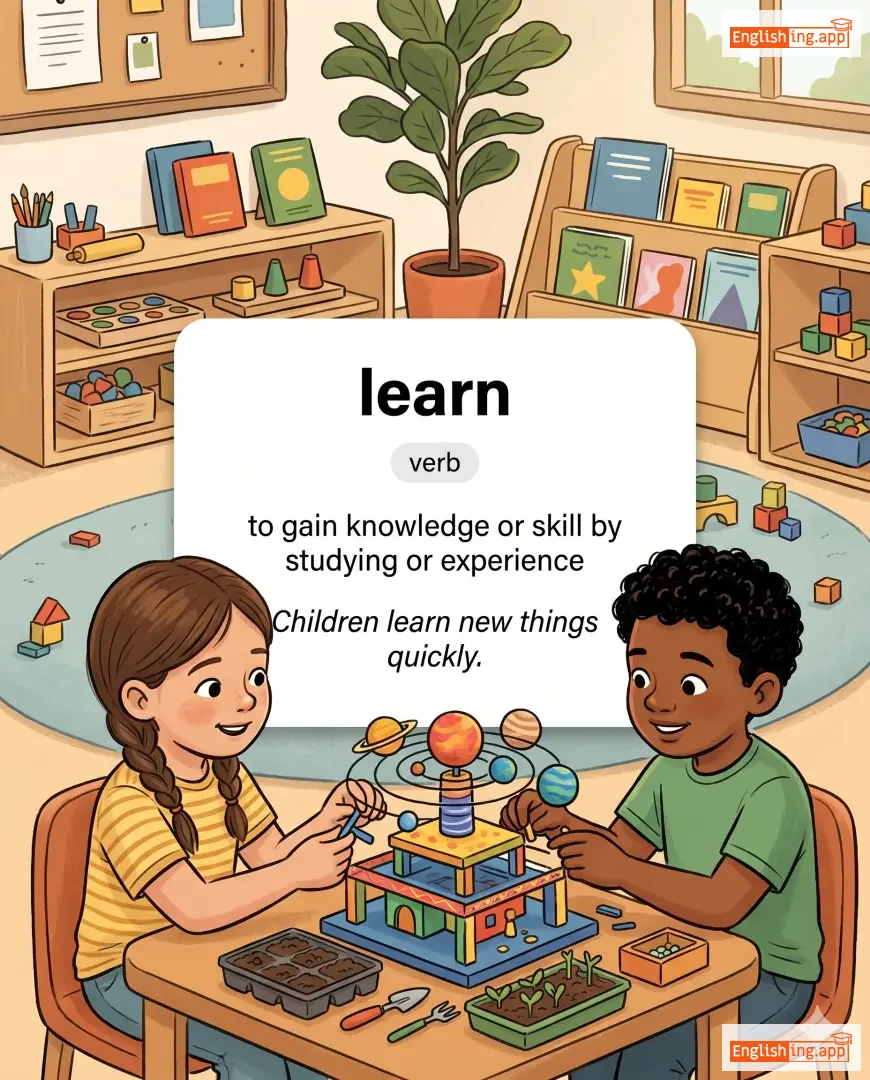
to gain knowledge or skill by studying or experience
••••••
|
Children learn new things quickly.
孩子们很快就学会了新事物。
••••••
|
孩子们很快就学会了新事物。
Háizimen hěn kuài jiù xuéhuìle xīn shìwù.
••••••
|
live and learn
活到老学到老
••••••
|
to learn from life experiences, often mistakes
••••••
|
活到老学到老
huó dào lǎo xué dào lǎo
••••••
|
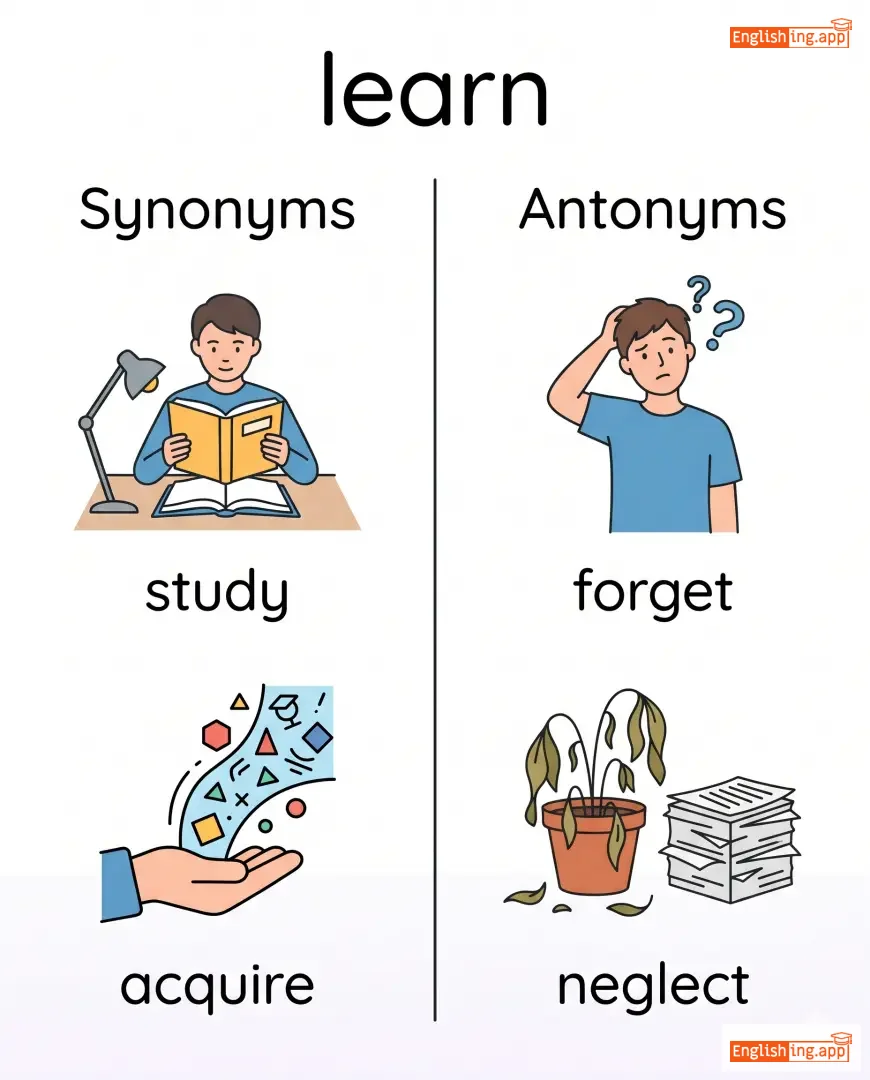
study, acquire, master, understand, grasp
••••••
|
forget, neglect, ignore
••••••
|
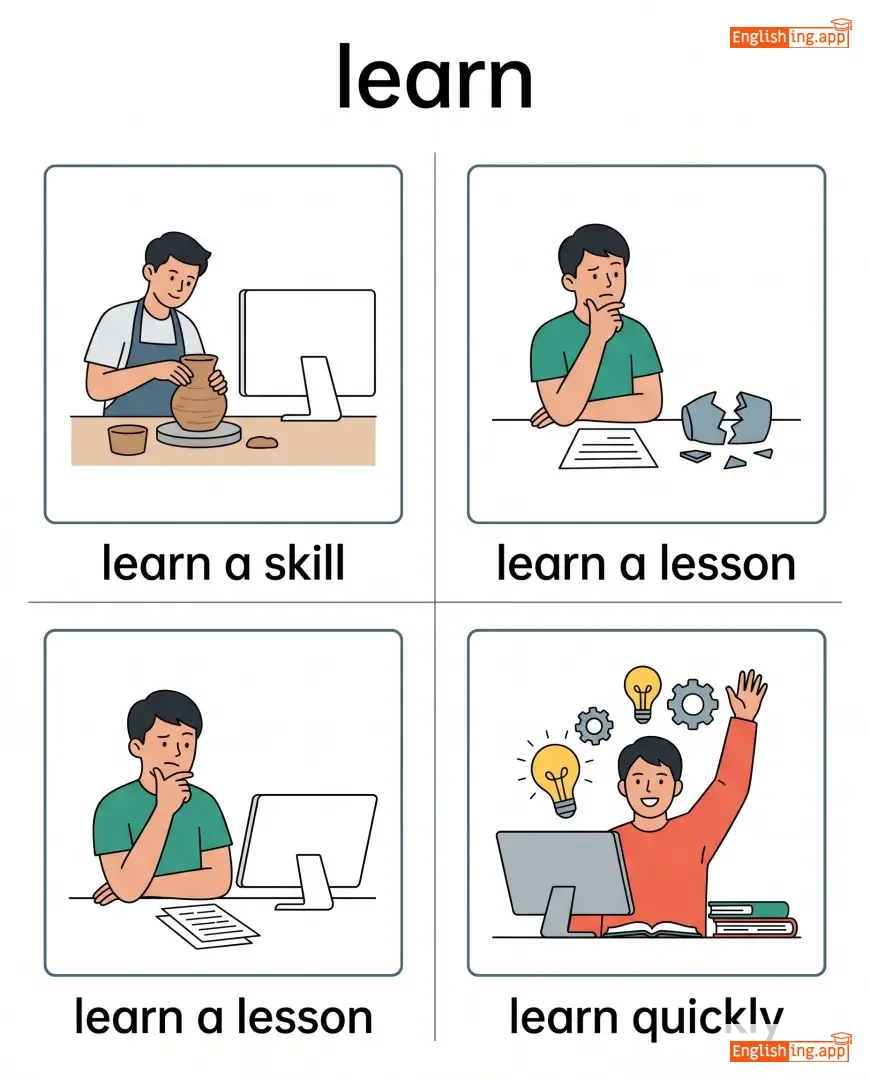
learn a skill, learn a lesson, learn quickly, learn about
••••••
|
Learn 就是学习,像用灯笼学习新知识。
••••••
|
|
#9964
🏆
|
/ˈliːdɪŋ/
adjective
(lídìng)
••••••
|
- •••••• |
领先
lǐngxiān
••••••
|
- •••••• | - •••••• | - •••••• | - •••••• |
most important or most successful; at the front
••••••
|
She is one of the leading experts in the field. |
她是该领域的领先专家之一。
Tā shì gāi lǐngyù de lǐngxiān zhuānjiā zhī yī.
••••••
|
leading role |
the main role in a play or movie
••••••
|
主导角色
zhǔdǎo juésè
••••••
|
top, foremost, principal, chief, prominent
••••••
|
minor, secondary, insignificant
••••••
|
leading company, leading expert, leading role, leading position
••••••
|
Leading意味着走在前面,就像班级里总是坐在最前面的学生。
••••••
|
|
#9965
🧺
|
/ˈlɔːndər/
verb
(launder)
••••••
|
- •••••• |
洗衣服 / 隐瞒非法获得的钱的来源
xi yi fu / yin man fei fa huo de qian de laiyuan
••••••
|
laundered
laundered
••••••
|
laundered
laundered
••••••
|
launders
launders
••••••
|
laundering
laundering
••••••
|
to wash clothes, linens, etc.; or to conceal the origins of money obtained illegally
••••••
|
She laundered all the dirty clothes on Sunday.
她在星期天洗了所有脏衣服。
••••••
|
她在星期天洗了所有脏衣服。
Ta zai xingqi tian xile suoyou zang yifu.
••••••
|
money laundering
洗钱
••••••
|
the process of making illegally gained money appear legal
••••••
|
使非法获得的钱看起来合法的过程
shi feifa huode de qian kan qilai hefa de guocheng
••••••
|
wash, clean, bleach, purify, sanitize
••••••
|
soil, dirty, stain
••••••
|
launder clothes, launder money, launder garments, launder sheets
••••••
|
Launder是洗衣服,money laundering是洗'脏'钱
••••••
|
|
#9966
⏳
|
/læst/
verb/adjective/noun
(là sī tè)
••••••
|
|
持续 / 最后
chíxù / zuìhòu
••••••
|
lasted
là sī tè dé
••••••
|
lasted
là sī tè dé
••••••
|
lasts
là sī tè sī
••••••
|
lasting
là sī tè ng
••••••
|
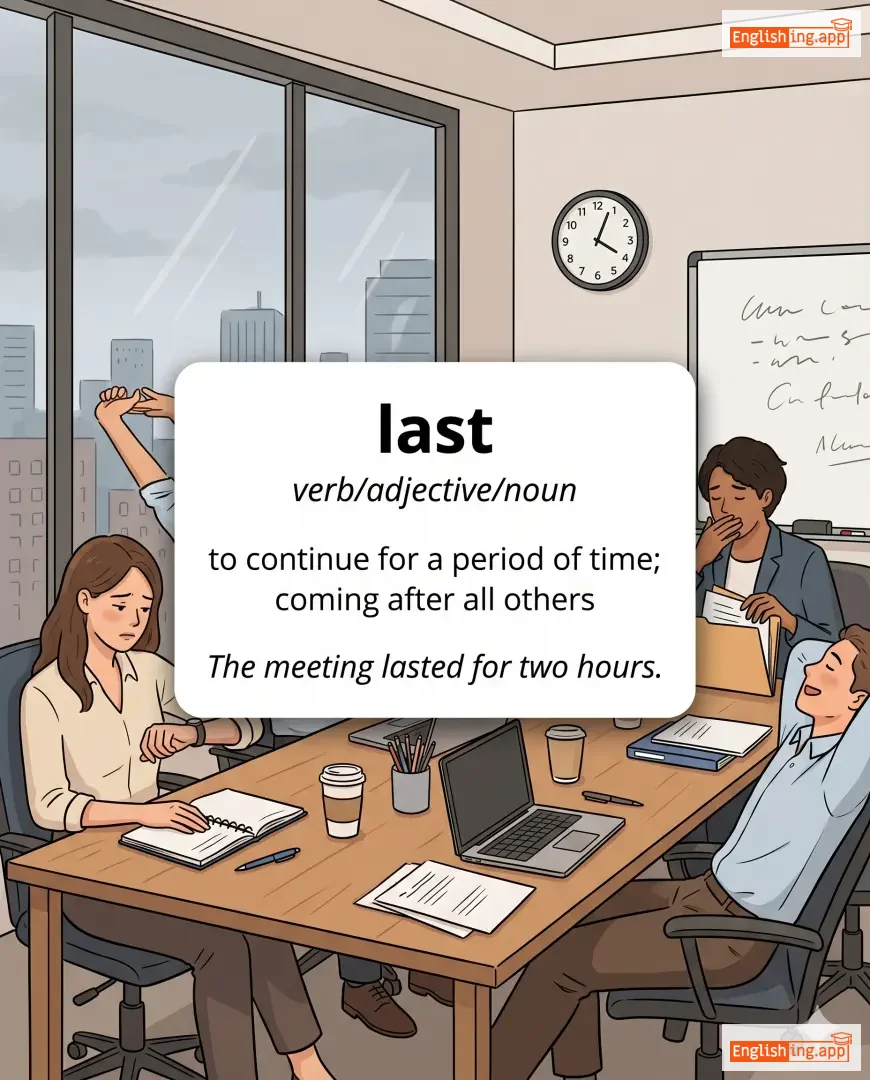
to continue for a period of time; coming after all others
••••••
|
The meeting lasted for two hours.
会议持续了两个小时。
••••••
|
会议持续了两个小时。
Huiyi chíxùle liǎng gè xiǎoshí.
••••••
|
at last
终于
••••••
|
finally, after a long time
••••••
|
终于
zhōngyú
••••••
|
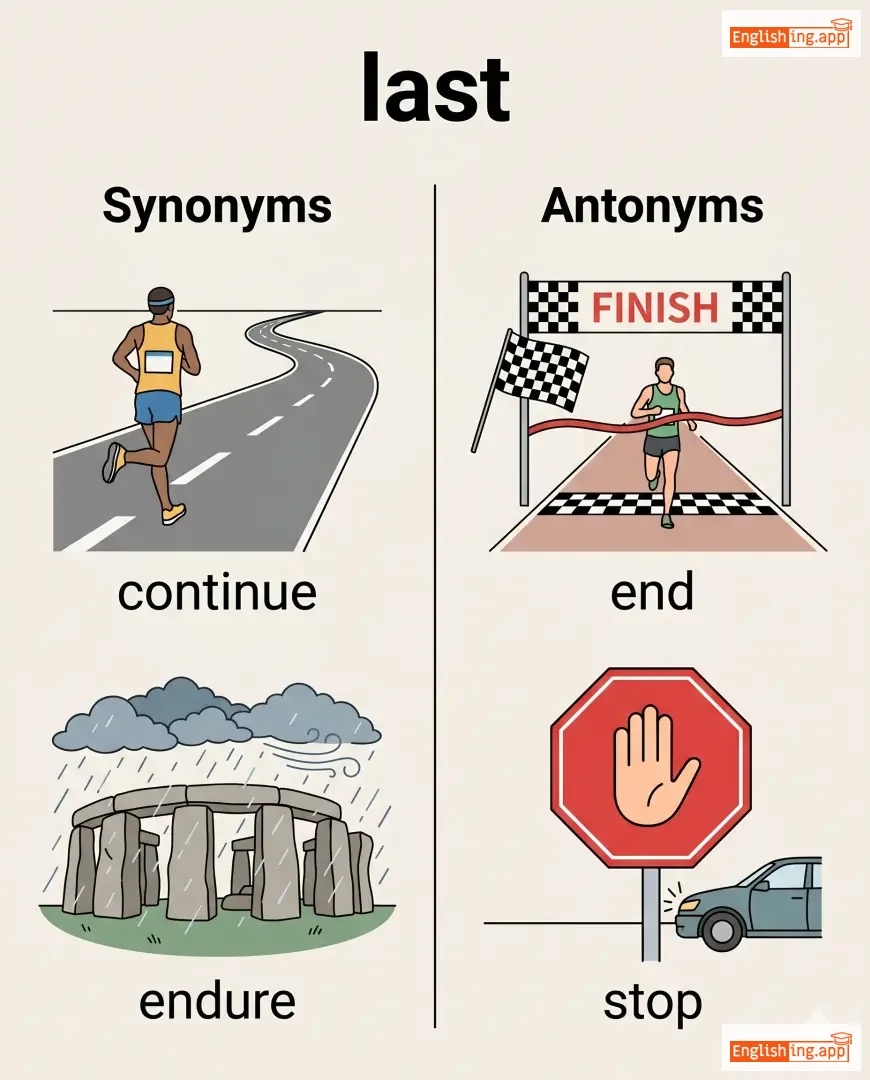
continue, endure, final, ultimate, survive
••••••
|
end, stop, first
••••••
|
last long, last forever, last night, last chance
••••••
|
Last意味着'最后',作为动词意味着'持续'
••••••
|
|
#9967
🤠
|
/læˈsuː/
noun/verb
(拉索)
••••••
|
- •••••• |
套索
taosuo
••••••
|
lassoed
拉索过
••••••
|
lassoed
拉索过
••••••
|
lassoes
拉索着
••••••
|
lassoing
拉索ing
••••••
|
a rope with a loop used to catch animals; to catch with such a rope
••••••
|
The cowboy lassoed the horse quickly.
牛仔快速用拉索抓住了马。
••••••
|
牛仔快速用拉索抓住了马。
Niúzǎi kuàisù yòng lāsuǒ zhuāzhù le mǎ.
••••••
|
- •••••• | - •••••• | - •••••• |
rope, noose, snare, tether
••••••
|
release, free
••••••
|
lasso a horse, lasso cattle, cowboy lasso, lasso technique
••••••
|
套索是牛仔捕捉动物的魔法绳子。
••••••
|
|
#9968
📏
|
/lɑrdʒ/
adjective
(lɑrdʒ)
••••••
|
- •••••• |
大
da
••••••
|
- •••••• | - •••••• | - •••••• | - •••••• |
big in size, amount, or number
••••••
|
They live in a large house near the river.
他们住在河边的一座大房子里。
••••••
|
他们住在河边的一座大房子里。
Tāmen zhù zài hé biān de yī zuò dà fángzi lǐ.
••••••
|
at large
在大规模上
••••••
|
free, not captured
••••••
|
自由,未被捕获
zìyóu, wèi bèi bǔhuò
••••••
|
big, huge, massive, enormous, substantial
••••••
|
small, tiny, little
••••••
|
large house, large number, large scale, large amount
••••••
|
大就像一个大房子,给你巨大的空间。
••••••
|
|
#9969
❌
|
/ˈlækɪŋ/
adjective
(lacking)
••••••
|
- •••••• |
缺乏
quefa
••••••
|
- •••••• | - •••••• | - •••••• | - •••••• |
not having enough of something; missing
••••••
|
His report was lacking in detail.
他的报告缺少细节。
••••••
|
他的报告缺少细节。
Tā de bàogào quēshǎo xìjié.
••••••
|
lacking in confidence
缺乏信心
••••••
|
not having enough self-assurance
••••••
|
缺乏信心
quēfá xìnxīn
••••••
|
missing, insufficient, deficient, scarce, wanting
••••••
|
sufficient, adequate, abundant
••••••
|
lacking in detail, lacking skills, lacking resources, lacking evidence
••••••
|
Lacking 代表缺乏 — 就是缺少某些东西,不能满足需求。
••••••
|
|
#9970
🏠
|
/ɪnˈtɜːrnəl/
adjective
(yìntèrnàl)
••••••
|
- •••••• |
内部
neibu
••••••
|
- •••••• | - •••••• | - •••••• | - •••••• |
situated inside; relating to the inside or inner part of something
••••••
|
The company is conducting an internal audit this month. |
公司本月正在进行内部审计。
Gongsi ben yue zhengzai jinxing neibu shenji.
••••••
|
internal affairs |
matters within an organization or country, not external
••••••
|
内部事务
neibu shiwu
••••••
|
inner, inside, domestic, interior, inward
••••••
|
external, outer, outside
••••••
|
internal audit, internal structure, internal affairs, internal use
••••••
|
Internal 就是里面的意思,像 '内部' 在中文
••••••
|
|
#9971
😩
|
/ˈnæk.ərd/
adjective (informal, British)
(纳克德)
••••••
|
- •••••• |
非常疲惫
fei chang pi bei
••••••
|
- •••••• | - •••••• | - •••••• | - •••••• |
Extremely tired or exhausted.
••••••
|
After the long hike, I was completely knackered. |
长途跋涉后,我完全筋疲力尽。
Chang tu ba she hou, wo wanquan jin pi li jin.
••••••
|
- •••••• | - •••••• | - •••••• |
exhausted, tired, weary, fatigued, drained
••••••
|
energetic, lively, active
••••••
|
absolutely knackered, feel knackered, look knackered, totally knackered
••••••
|
KNACKERED表示非常疲惫,无法继续前进。
••••••
|
|
#9972
💖
|
/kaɪnd/
adjective/noun
(kāi'ēn)
••••••
|
- •••••• |
种类 / 友善
zhǒnglèi / yǒushàn
••••••
|
- •••••• | - •••••• | - •••••• | - •••••• |
A type or category; showing a gentle, considerate nature.
••••••
|
She is very kind to her neighbors. |
她对邻居非常友善。
Tā duì línjū fēicháng yǒushàn.
••••••
|
kind of |
Used to indicate similarity or approximation.
••••••
|
某种程度上
mǒu zhǒng chéngdù shàng
••••••
|
type, sort, gentle, caring, compassionate
••••••
|
cruel, harsh, unkind
••••••
|
kind words, kind gesture, be kind, kind of person
••••••
|
KIND 表示友善,kind of 表示某种程度上。
••••••
|
|
#9973
🔒
|
/kiːp/
verb
(kip)
••••••
|
|
保持
bǎochí
••••••
|
kept
kept
••••••
|
kept
kept
••••••
|
keeps
kips
••••••
|
keeping
keeping
••••••
|
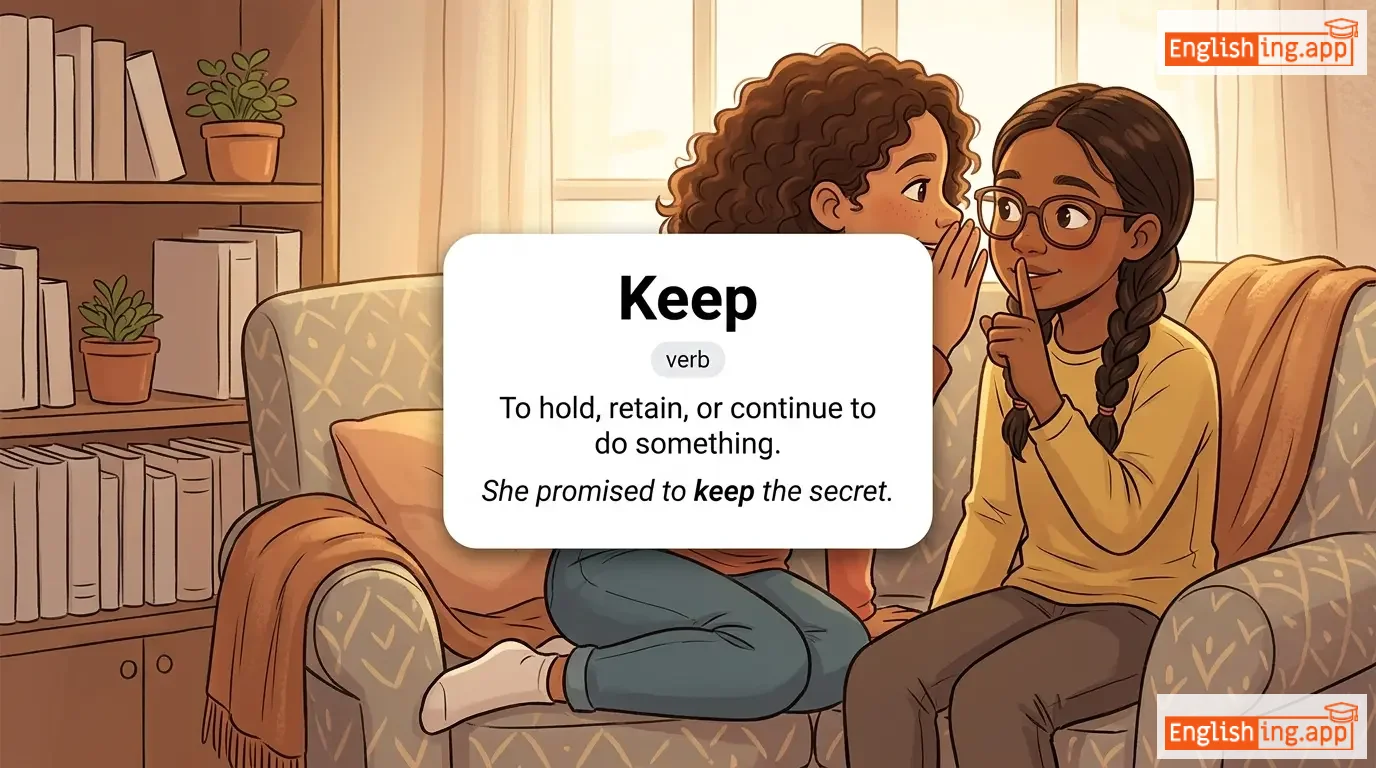
To hold, retain, or continue to do something.
••••••
|
She promised to keep the secret.
她答应保持秘密。
••••••
|
她答应保持秘密。
Tā dāyìng bǎochí mìmì.
••••••
|
keep in touch
保持联系
••••••
|
Maintain communication with someone.
••••••
|
保持联系
bǎochí liánxì
••••••
|
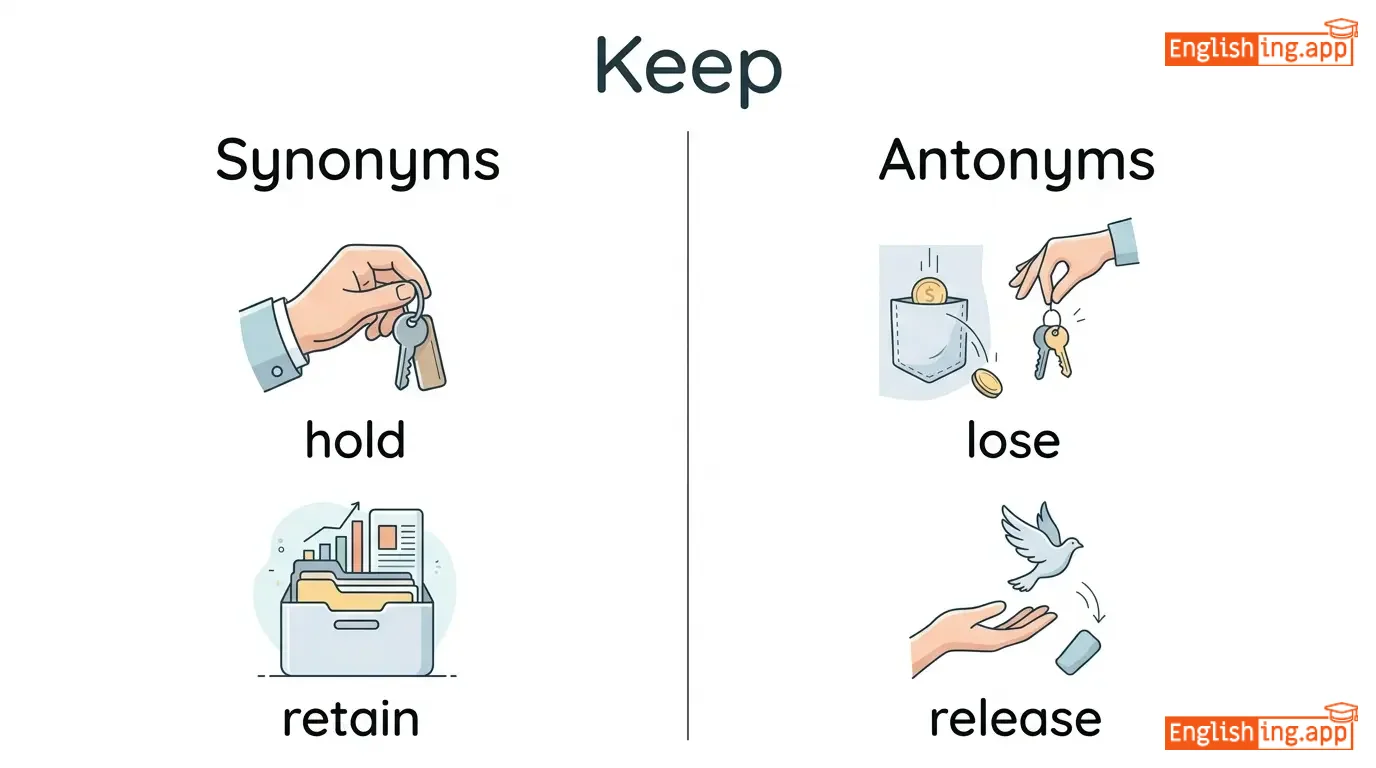
hold, retain, preserve, maintain, continue
••••••
|
lose, release, forget
••••••
|
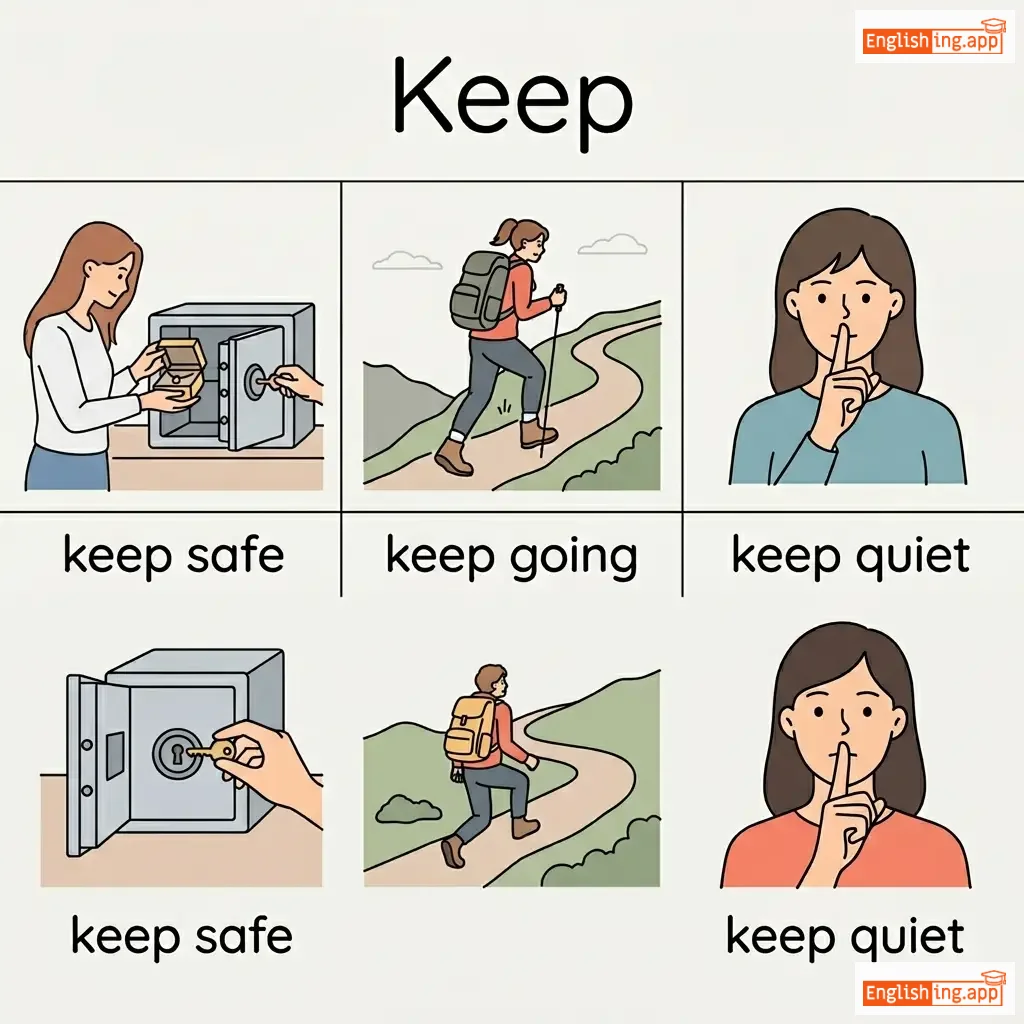
keep safe, keep going, keep quiet, keep calm
••••••
|
KEEP = 保持 - 不要丢失重要的东西。
••••••
|
|
#9974
⚖️
|
/dʒʌst/
adverb/adjective
(贾斯特)
••••••
|
- •••••• |
正好,仅仅,或公正和道德上正确
zhèng hǎo, jǐn jǐn, huò gōng zhèng hé dào dé shàng zhèng què
••••••
|
- •••••• | - •••••• | - •••••• | - •••••• |
Exactly, only, or fair and morally right.
••••••
|
She arrived just in time for the meeting. |
她刚好准时到达会议。
Tā gānghǎo zhǔnshí dàodá huìyì.
••••••
|
just in case |
As a precaution; in case something happens.
••••••
|
以防万一
yǐ fáng wàn yī
••••••
|
fair, right, exact, only, merely
••••••
|
unfair, unjust, wrong
••••••
|
just now, just about, just because, just enough
••••••
|
JUST意味着正好,公正道德。
••••••
|
|
#9975
😊
|
/dʒɔɪ/
noun
(快乐)
••••••
|
- •••••• |
喜悦
xiyue
••••••
|
- •••••• | - •••••• | - •••••• | - •••••• |
A feeling of great happiness and delight.
••••••
|
The children shouted with joy when they saw the gifts. |
孩子们看到礼物时高兴地喊了起来。
Háizimen kàn dào lǐwù shí gāoxìng de hǎnle qǐlái.
••••••
|
bundle of joy |
A newborn baby, seen as a source of great happiness.
••••••
|
喜悦的包裹
xiyue de baoguo
••••••
|
happiness, delight, pleasure, bliss, cheer
••••••
|
sorrow, sadness, misery
••••••
|
feel joy, bring joy, express joy, tears of joy
••••••
|
JOY = 喜悦 (Joy = Xiyue)
••••••
|
|
#9976
😊
|
/ˈdʒɒli/
adjective
(乔利)
••••••
|
- •••••• |
愉快
yú kuài
••••••
|
- •••••• | - •••••• | - •••••• | - •••••• |
Full of good humor and cheerfulness.
••••••
|
The children were in a jolly mood at the party.
孩子们在派对上心情愉快。
••••••
|
孩子们在派对上心情愉快。
Háizimen zài pàiduì shàng xīnqíng yúkuài.
••••••
|
jolly good
很好
••••••
|
Used to express approval or satisfaction
••••••
|
很好
hěn hǎo
••••••
|
cheerful, merry, jovial, joyful, festive
••••••
|
sad, gloomy, miserable
••••••
|
jolly mood, jolly fellow, jolly time, jolly good
••••••
|
Jolly 就是当你像孩子们在派对上开心的时候。
••••••
|
|
#9977
🤝
|
/dʒɔɪn/
verb
(joɪn)
••••••
|
|
加入
jiārù
••••••
|
joined
joɪnd
••••••
|
joined
joɪnd
••••••
|
joins
joɪns
••••••
|
joining
joɪnɪŋ
••••••
|
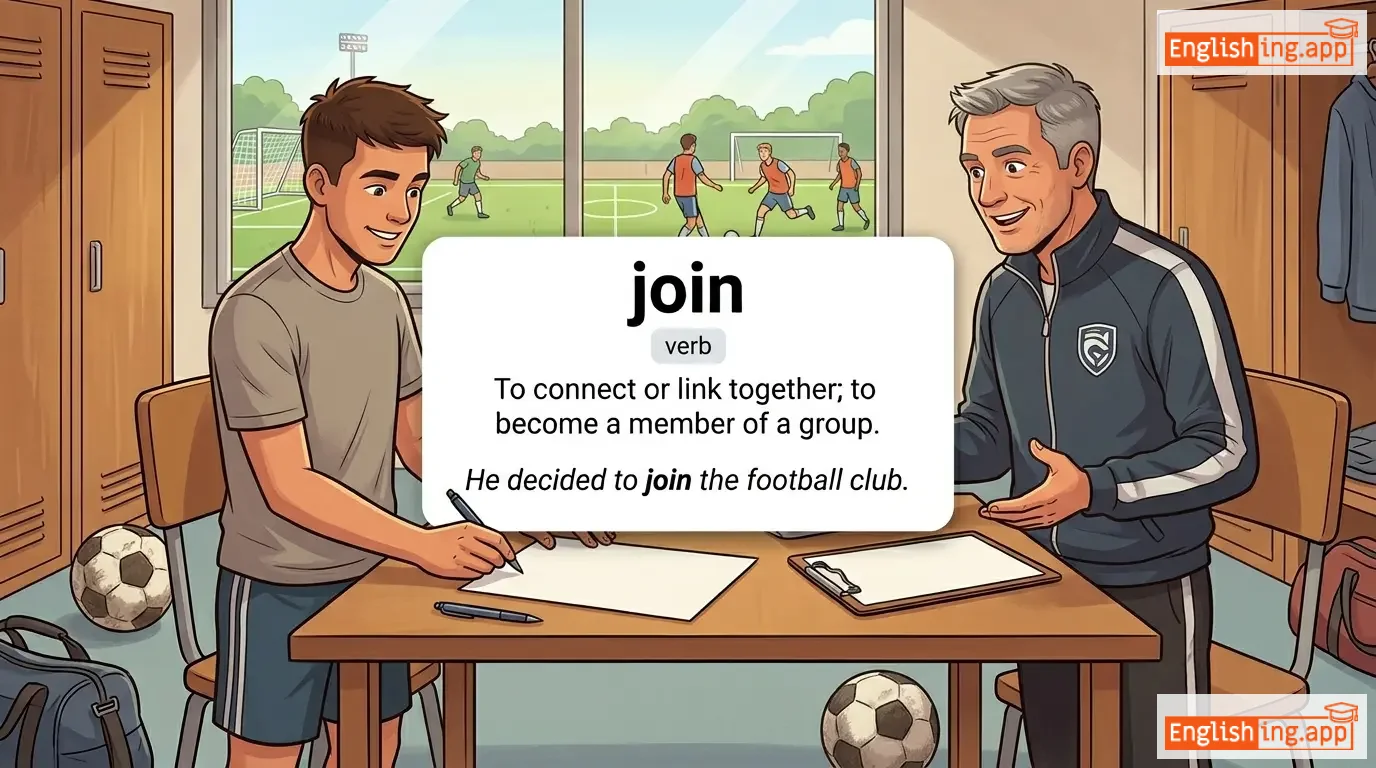
To connect or link together; to become a member of a group.
••••••
|
He decided to join the football club.
他决定加入足球俱乐部。
••••••
|
他决定加入足球俱乐部。
Tā juédìng jiārù zúqiú jùlèbù.
••••••
|
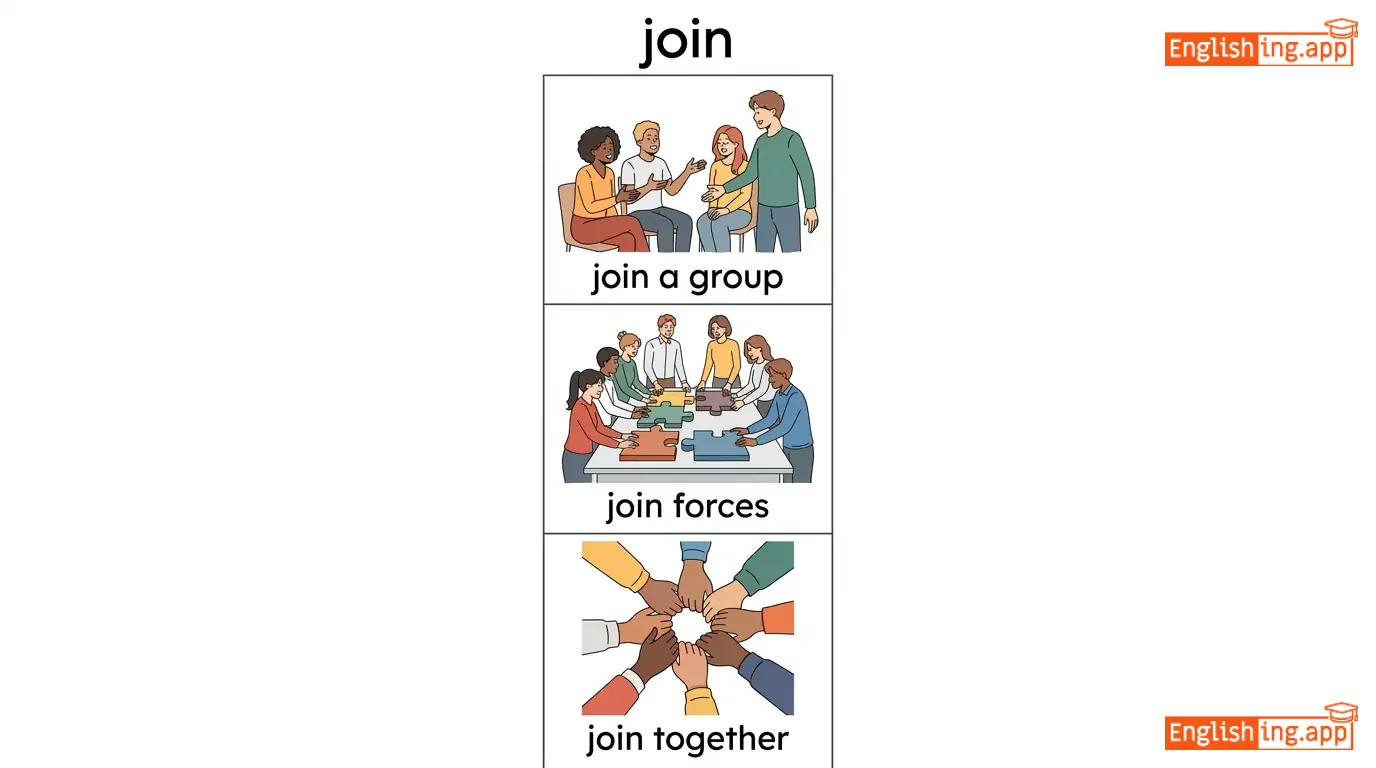
join forces
联合力量
••••••
|
To work together for a common goal
••••••
|
联合力量
Liánhé lìliàng
••••••
|
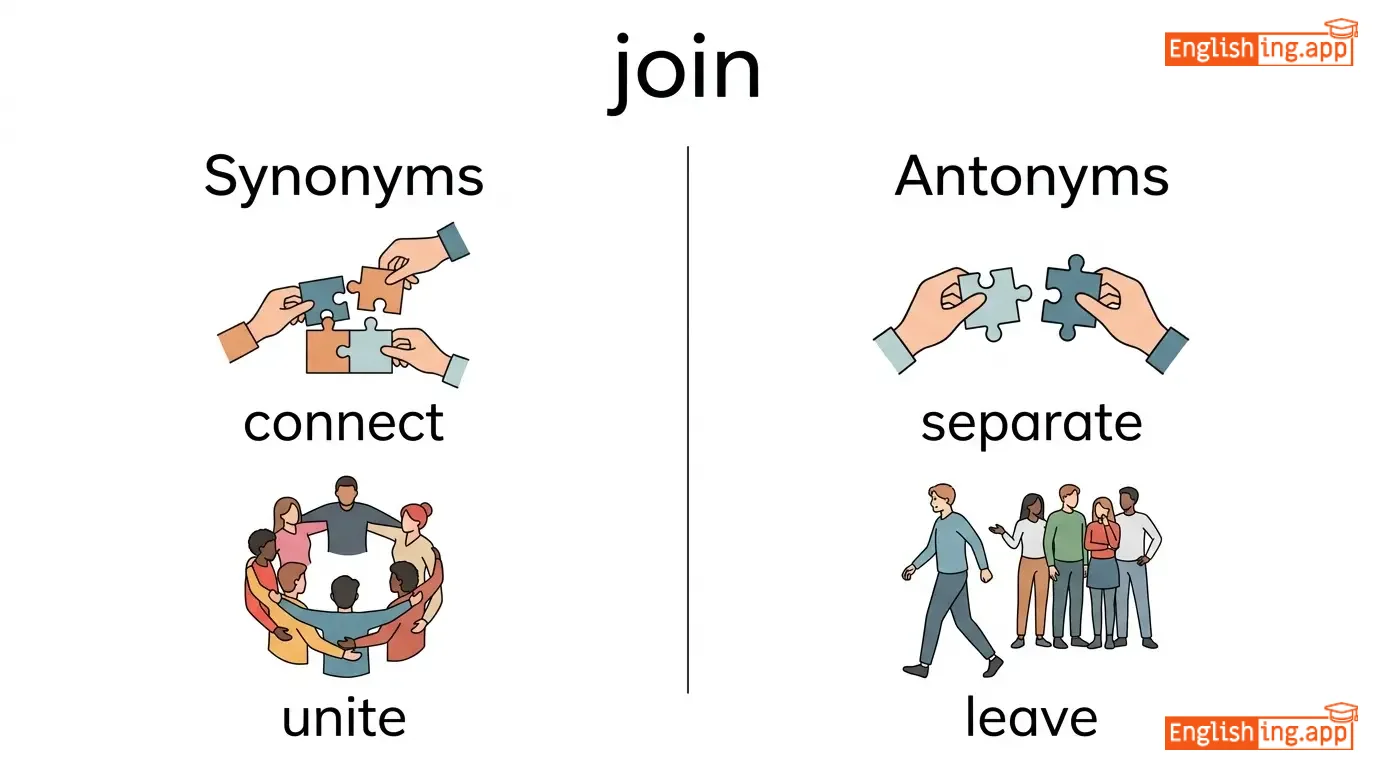
connect, unite, attach, participate, enlist
••••••
|
separate, leave, disconnect
••••••
|
join a group, join forces, join together, join in
••••••
|
Join 代表加入—在中文中也表示加入的意思。
••••••
|
|
#9978
😏
|
/dʒɪər/
verb
(吉尔)
••••••
|
|
嘲笑
cháoxiào
••••••
|
jeered
吉尔德
••••••
|
jeered
吉尔德
••••••
|
jeers
吉尔斯
••••••
|
jeering
吉尔林
••••••
|
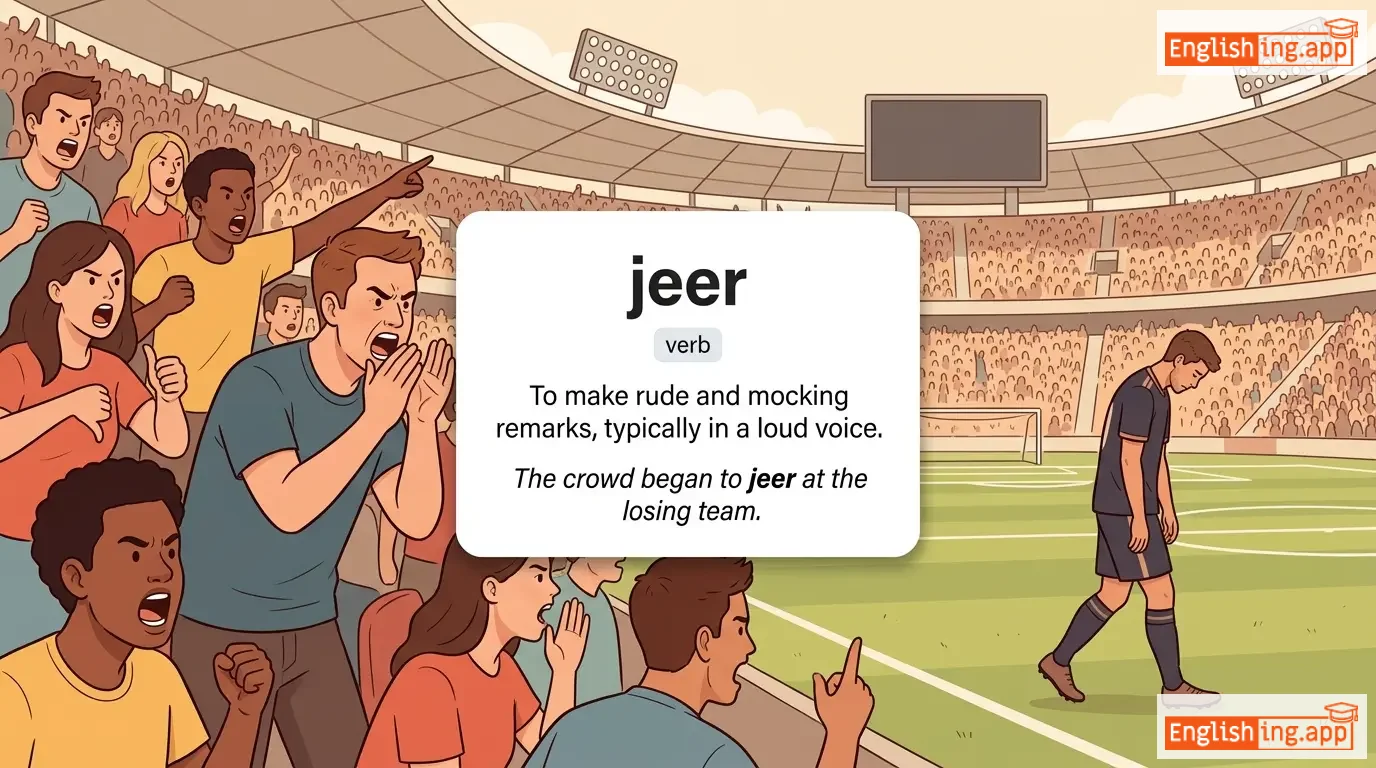
To make rude and mocking remarks, typically in a loud voice.
••••••
|
The crowd began to jeer at the losing team.
人群开始嘲笑输掉的队伍。
••••••
|
人群开始嘲笑输掉的队伍。
Rénqún kāishǐ cháoxiào shūdiào de duìwǔ.
••••••
|
- •••••• | - •••••• | - •••••• |
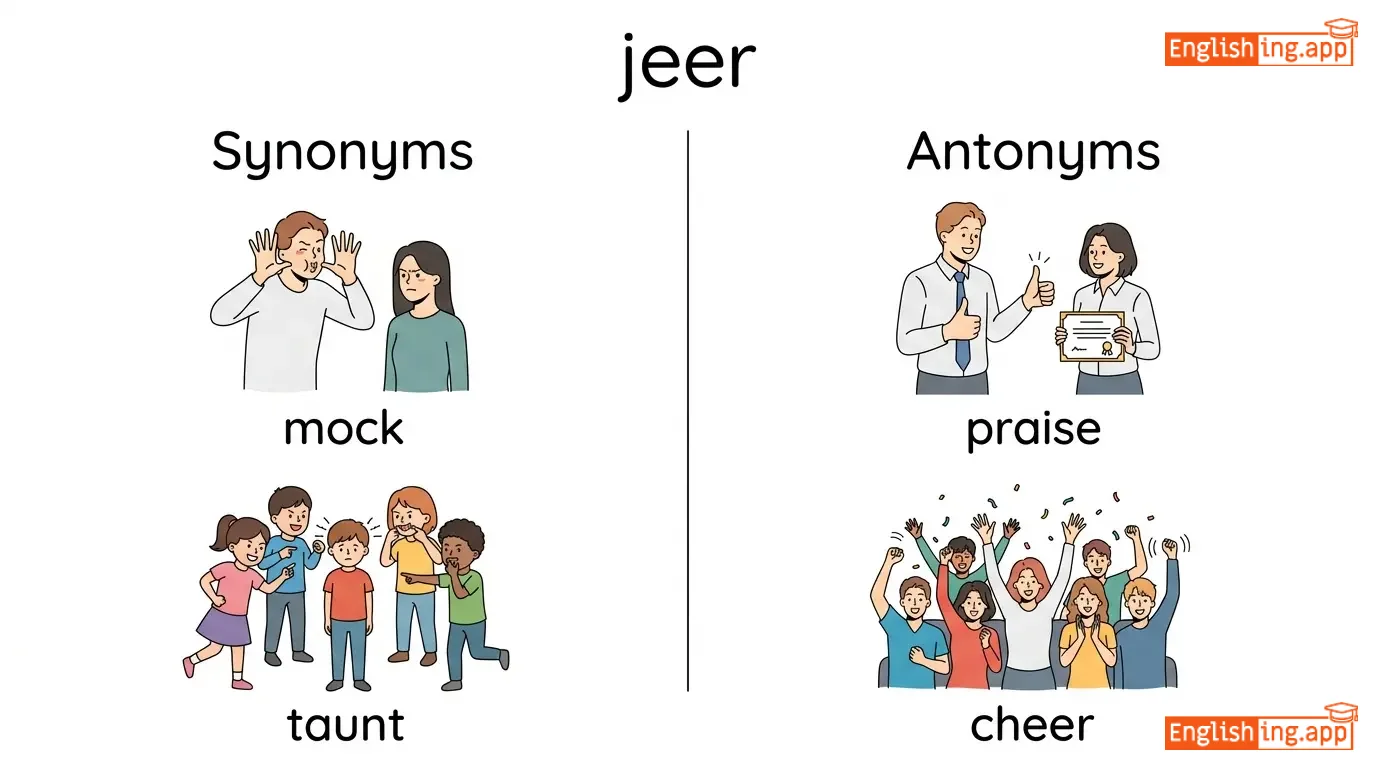
mock, taunt, sneer, ridicule
••••••
|
praise, cheer, applaud
••••••
|
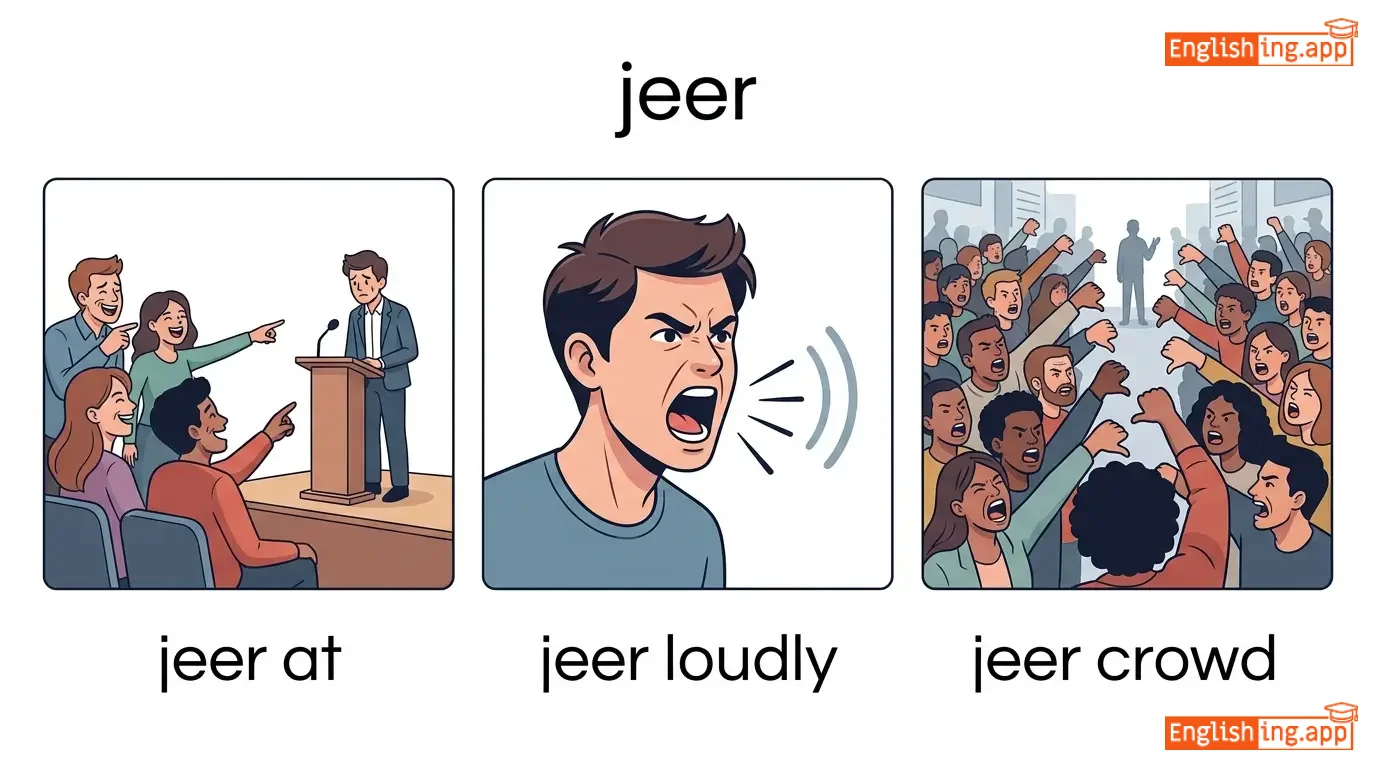
jeer at, jeer loudly, jeer crowd
••••••
|
Jeer听起来像cheer,但其实意味着嘲笑。
••••••
|
|
#9979
😒
|
/ˈdʒɛləs/
adjective
(dʒɛləs)
••••••
|
- •••••• |
嫉妒
jidu
••••••
|
- •••••• | - •••••• | - •••••• | - •••••• |
Feeling or showing envy of someone or their achievements and advantages.
••••••
|
She was jealous of her friend's success. |
她对她朋友的成功感到嫉妒。
Ta dui ta pengyou de chenggong gandao jidu.
••••••
|
green with envy |
Extremely jealous or envious
••••••
|
嫉妒的绿眼睛
jidu de lü yan jing
••••••
|
envious, resentful, covetous, possessive
••••••
|
content, trusting, confident
••••••
|
jealous of, feel jealous, jealous streak
••••••
|
嫉妒像是‘记得’,总是记住别人的成就而不高兴。
••••••
|
|
#9980
🚪
|
/dʒæm/
noun
(dʒæm)
••••••
|
- •••••• |
门框
mén kuàng
••••••
|
- •••••• | - •••••• | - •••••• | - •••••• |
The side post or surface of a doorway, window, or fireplace.
••••••
|
The carpenter carefully measured the width of the door jamb. |
木匠小心地测量了门框的宽度。
Mùjiàng xiǎoxīn dì cèliàngle mén kuàng de kuāndù.
••••••
|
- •••••• | - •••••• | - •••••• |
post, frame, side, upright, support
••••••
|
opening, gap
••••••
|
door jamb, window jamb, fireplace jamb
••••••
|
Jamb就像门框一样,门框支撑着门。
••••••
|
|
#9981
🏝️
|
/ˈaɪsəleɪtɪd/
adjective
(āi suǒ lèi tì dé)
••••••
|
|
孤立的 / 隔离的
gūlì de / gélí de
••••••
|
- •••••• | - •••••• | - •••••• | - •••••• |
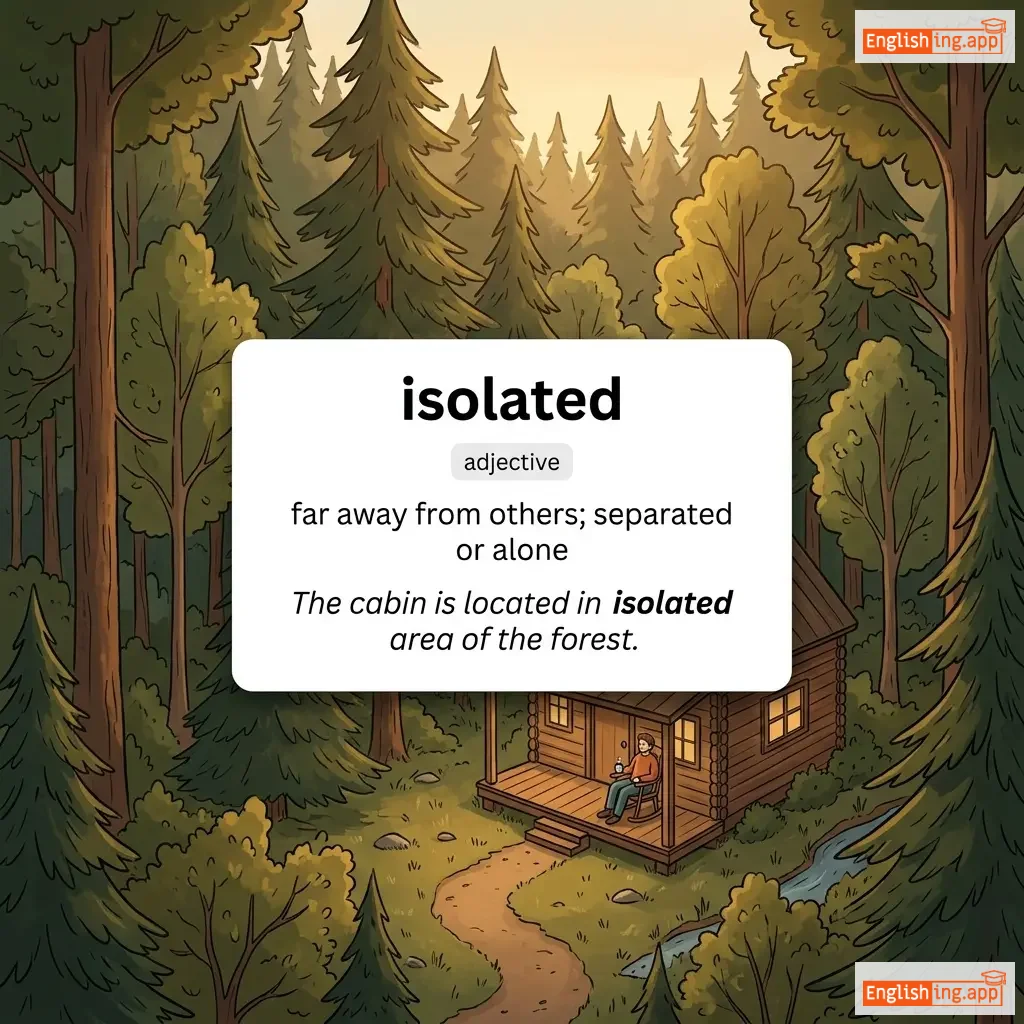
far away from others; separated or alone
••••••
|
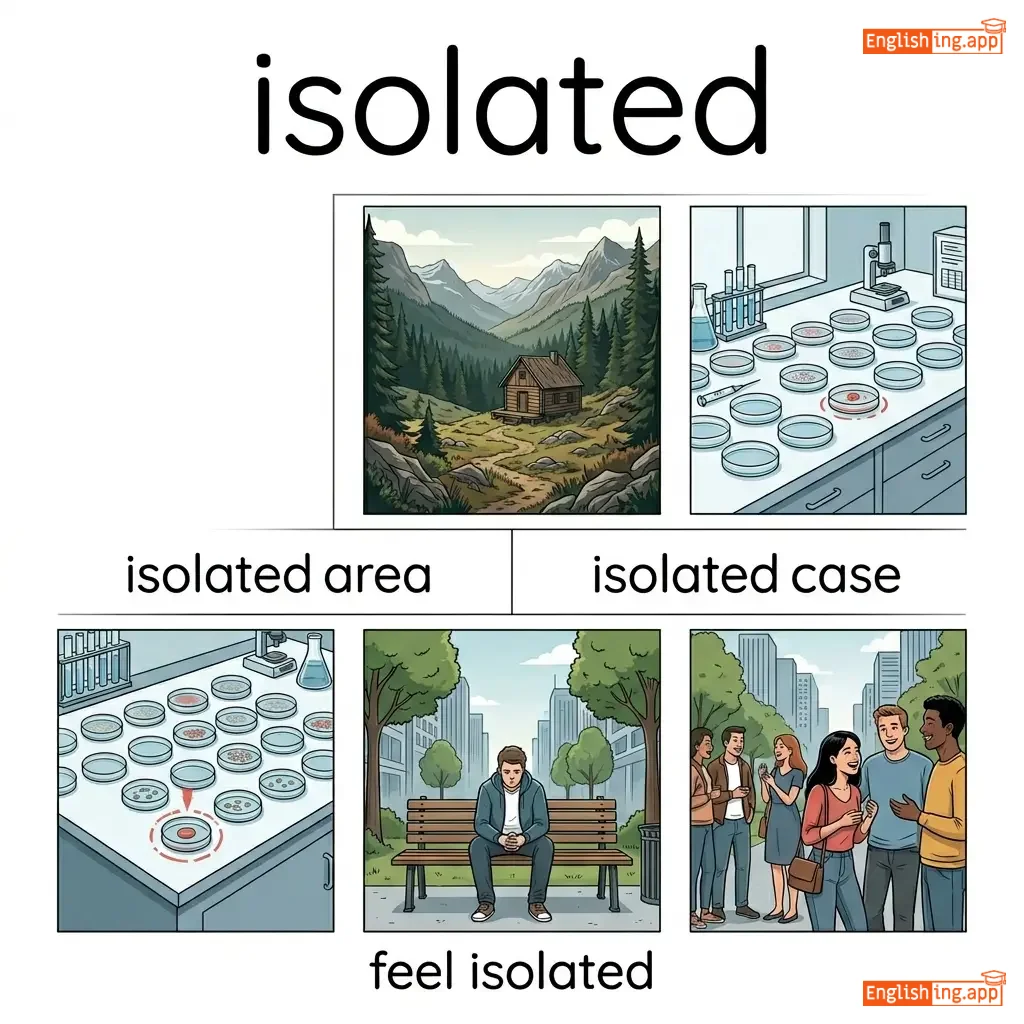
The cabin is located in an isolated area of the forest.
小屋位于森林的一个偏远区域。
••••••
|
小屋位于森林的一个偏远区域。
Xiǎo wū wèi yú sēnlín de yīgè piānyuǎn qūyù.
••••••
|
feel isolated
感到孤立
••••••
|
to feel lonely or separated from others
••••••
|
感到孤立
gǎndào gūlì
••••••
|
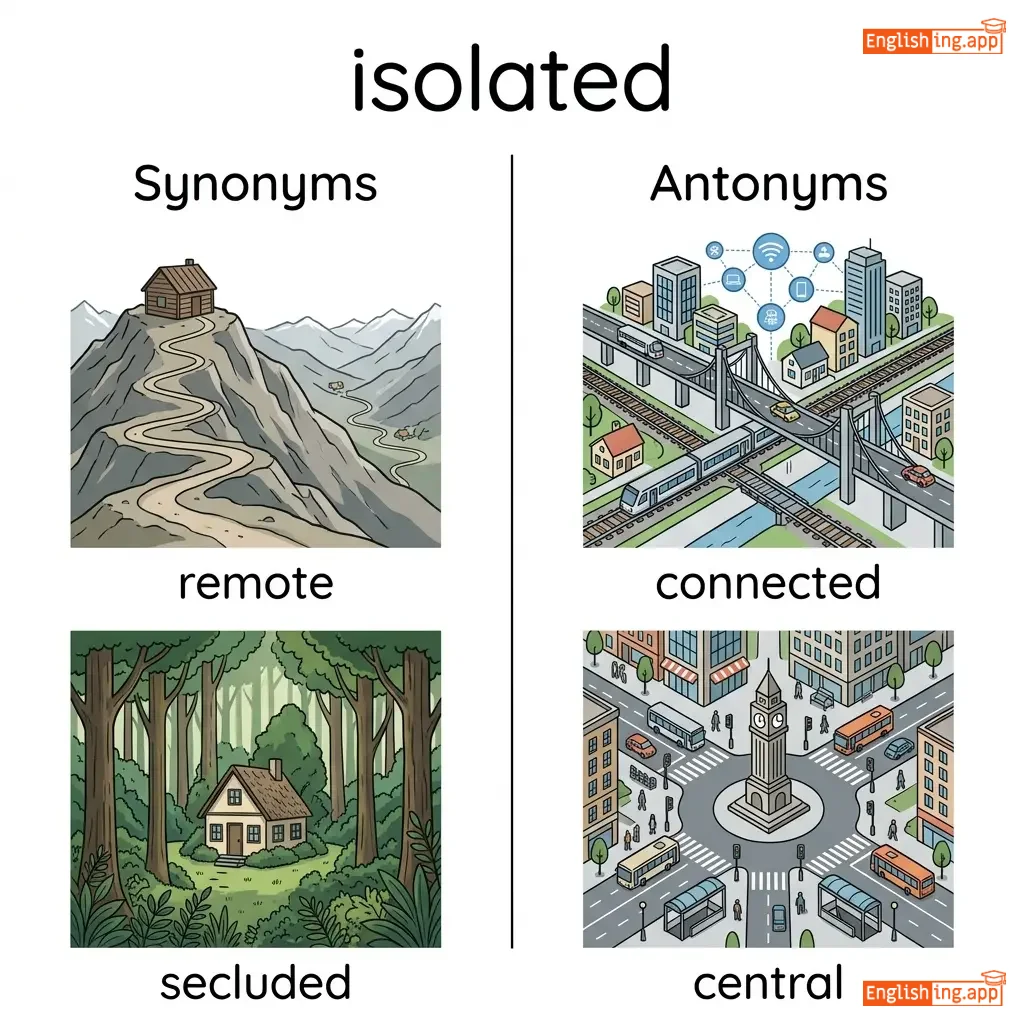
remote, secluded, solitary, detached
••••••
|
connected, central, sociable
••••••
|
isolated area, isolated case, feel isolated, isolated incident
••••••
|
Isolated 就是像在岛上,一个人待着会觉得孤立。
••••••
|
|
#9982
📄
|
/ˈɪnvɔɪs/
noun
(yinwois)
••••••
|
- •••••• |
发票
fapiao
••••••
|
- •••••• | - •••••• | - •••••• | - •••••• |
a list of goods sent or services provided, with the amount due for payment
••••••
|
The company sent an invoice for the delivered products. |
公司已发送已交付产品的发票。
Gongsi yi fasong yi jiaofu chanpin de fapiao.
••••••
|
pay the invoice |
to settle the amount mentioned in the invoice
••••••
|
支付发票
zhifu fapiao
••••••
|
bill, statement, receipt, account
••••••
|
payment, credit
••••••
|
send invoice, receive invoice, pay invoice, issue invoice
••••••
|
Invoice 是发票,发票就是要支付的账单
••••••
|
|
#9983
🤔
|
/ɪnˈtriːɡɪŋ/
adjective
(引人入胜)
••••••
|
- •••••• |
非常有趣和不寻常;激发好奇心
feichang youqu he bu xunchang; jifa haoqixin
••••••
|
- •••••• | - •••••• | - •••••• | - •••••• |
very interesting and unusual; arousing curiosity
••••••
|
The movie has an intriguing plot that keeps the audience hooked. |
这部电影有一个引人入胜的情节,吸引着观众。
Zhe bu dianying you yige yinrenrusheng de qingjie, xiyi zhe guanzhong.
••••••
|
- •••••• | - •••••• | - •••••• |
fascinating, captivating, engaging, compelling, mysterious
••••••
|
boring, dull, uninteresting
••••••
|
intriguing idea, intriguing story, intriguing mystery, intriguing character
••••••
|
Intriguing 意味着非常有趣和不寻常,就像一个情节引人入胜,大家都会说‘引人入胜’!
••••••
|
|
#9984
🗣️
|
/ɪnˈtɜːrprət/
verb
••••••
|
- •••••• | - •••••• |
interpreted
••••••
|
interpreted
••••••
|
interprets
••••••
|
interpreting
••••••
|
to explain the meaning of something; to translate orally
••••••
|
She had to interpret the speech for the foreign guests. |
- •••••• |
interpret the law |
to explain or understand the meaning of legal rules
••••••
|
- •••••• |
explain, clarify, translate, elucidate, understand
••••••
|
confuse, obscure, misinterpret
••••••
|
interpret correctly, interpret data, interpret meaning, interpret the law
••••••
|
No •••••• |
Vocabulary Quiz
Test your vocabulary by matching words with their translations or meanings.
Login to take the quiz
Comments (0)
Share your thoughts and join the discussion.
Join the discussion by logging in
Login to CommentNo comments yet
Be the first to share your thoughts!